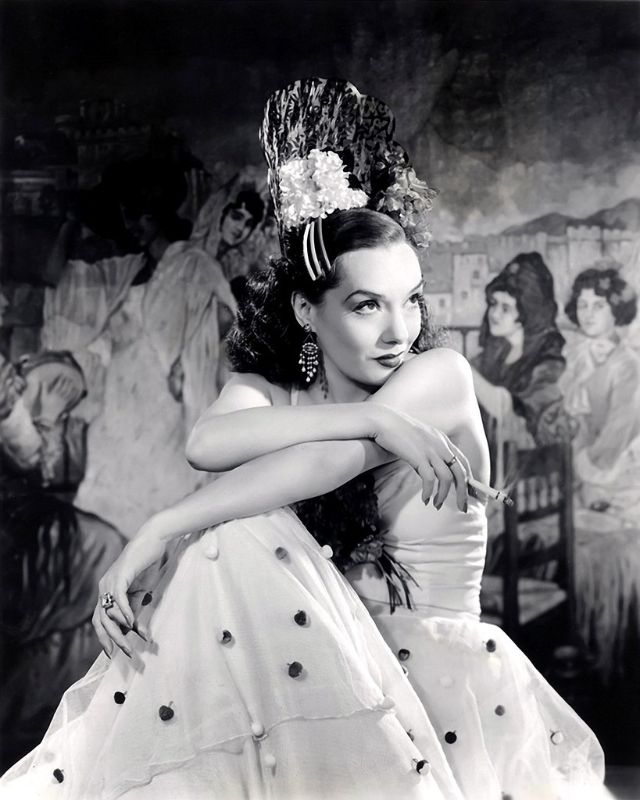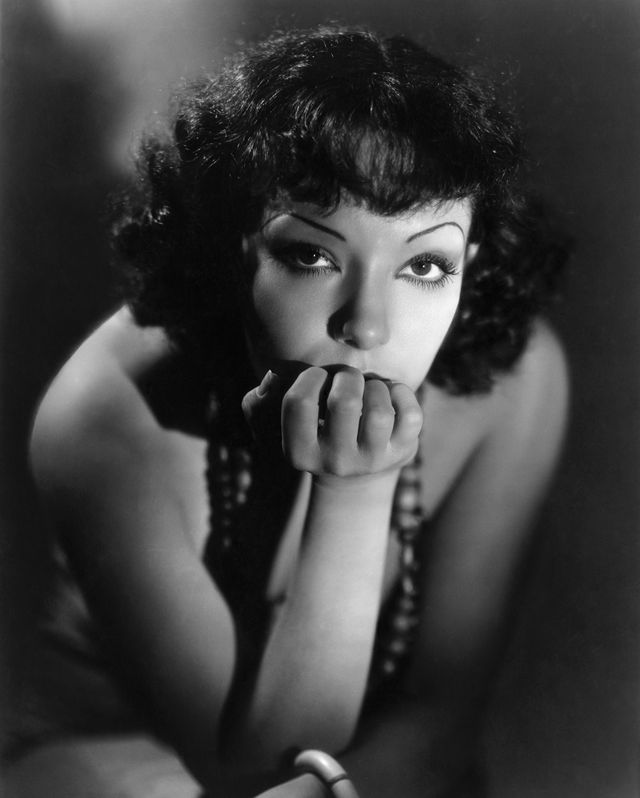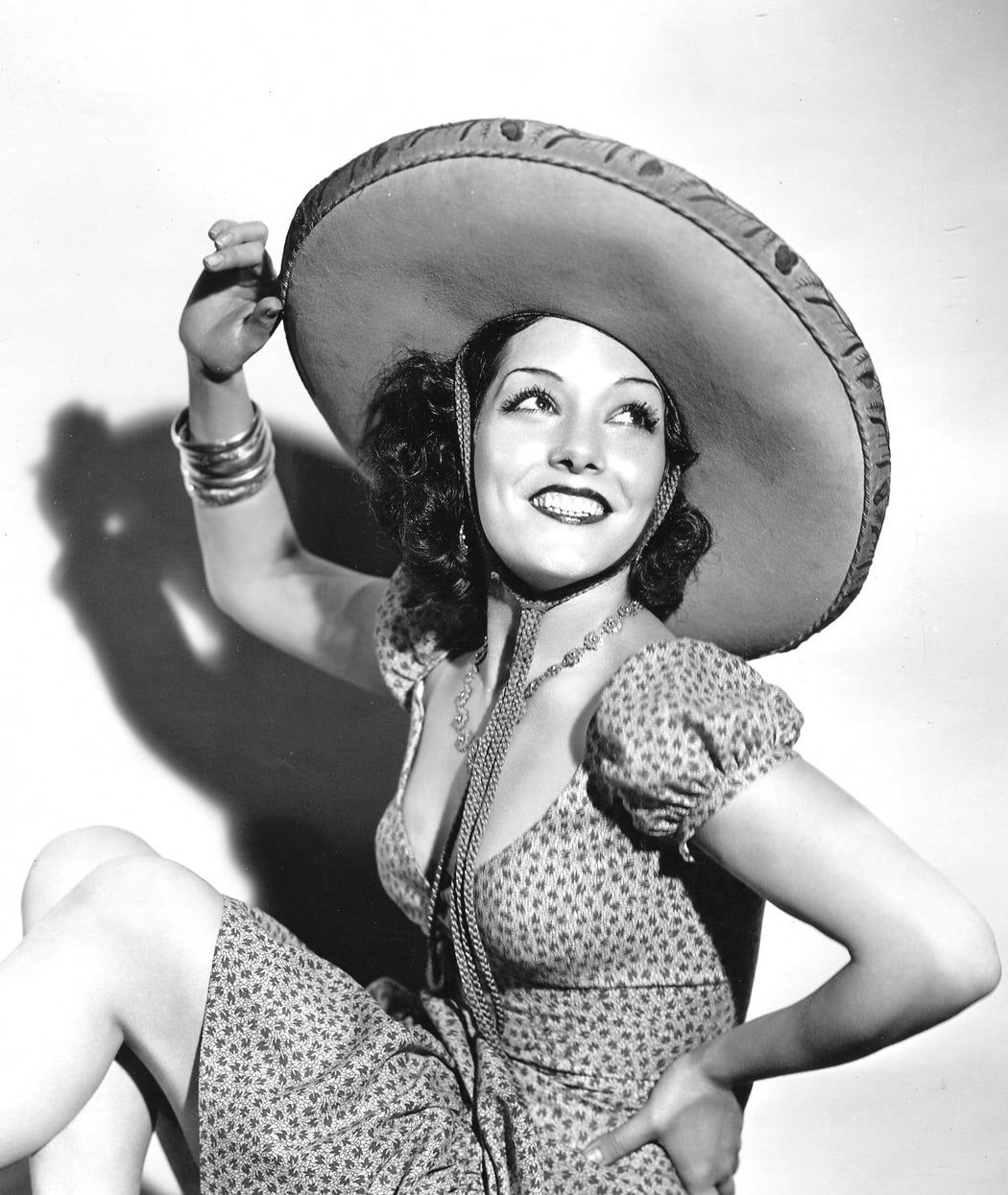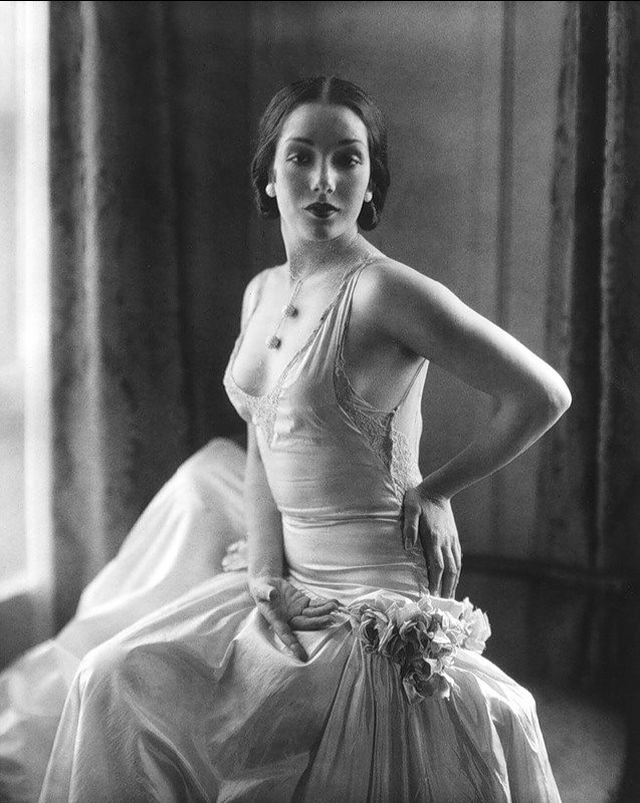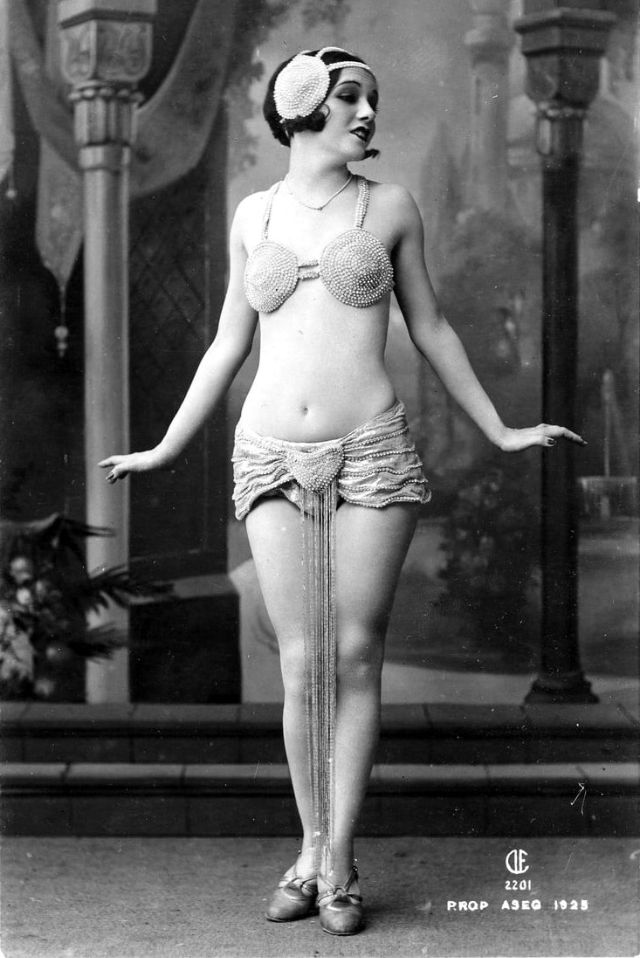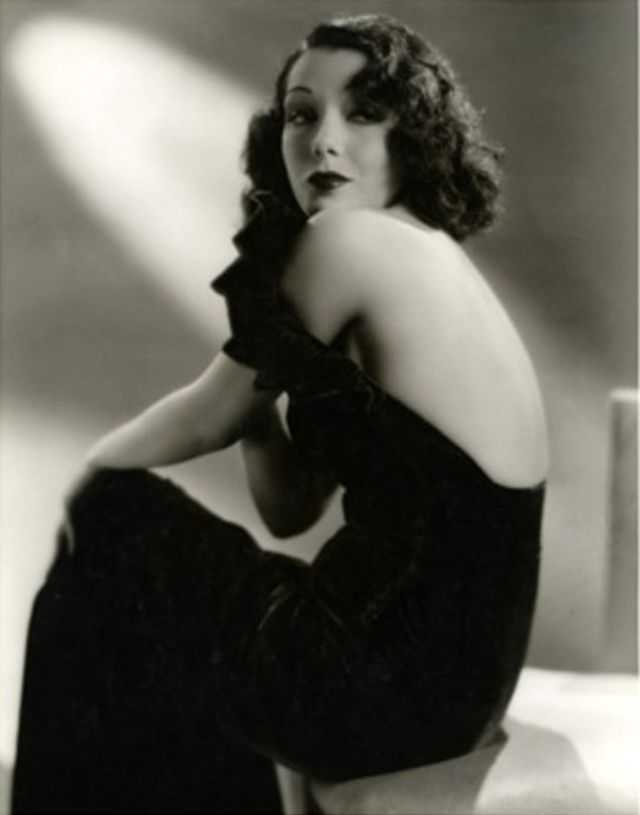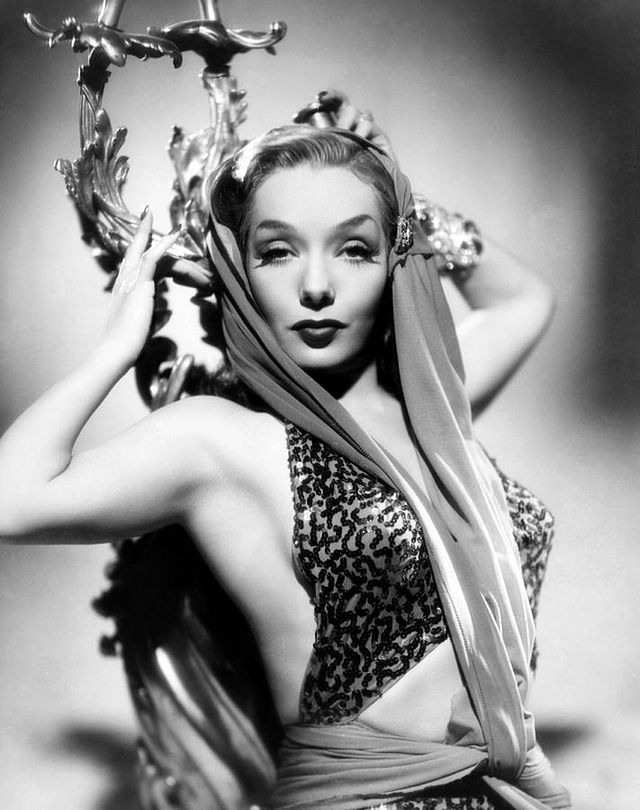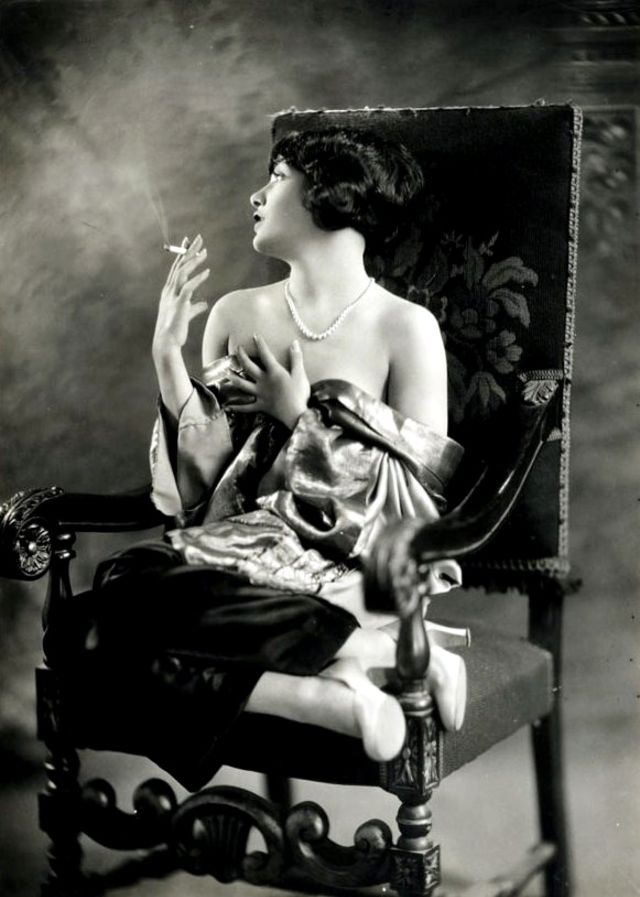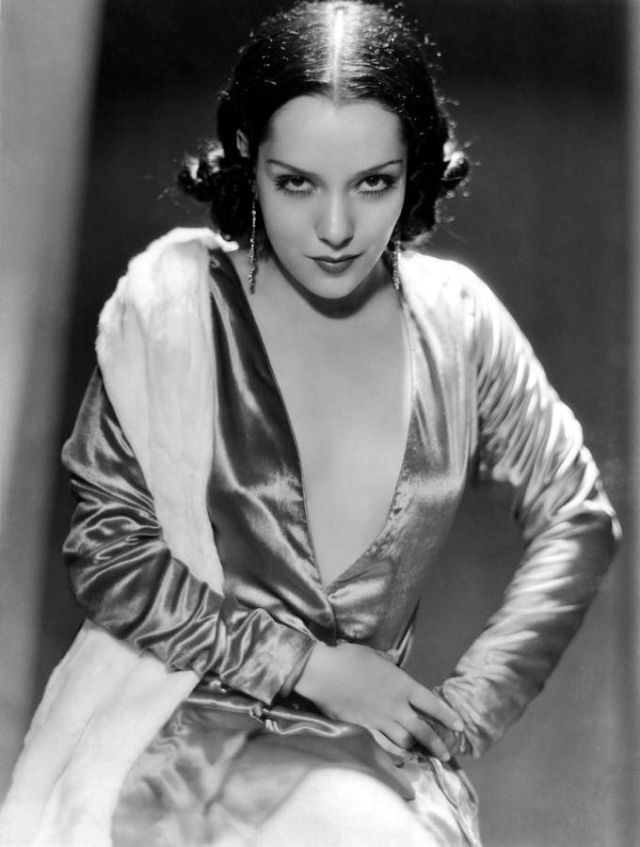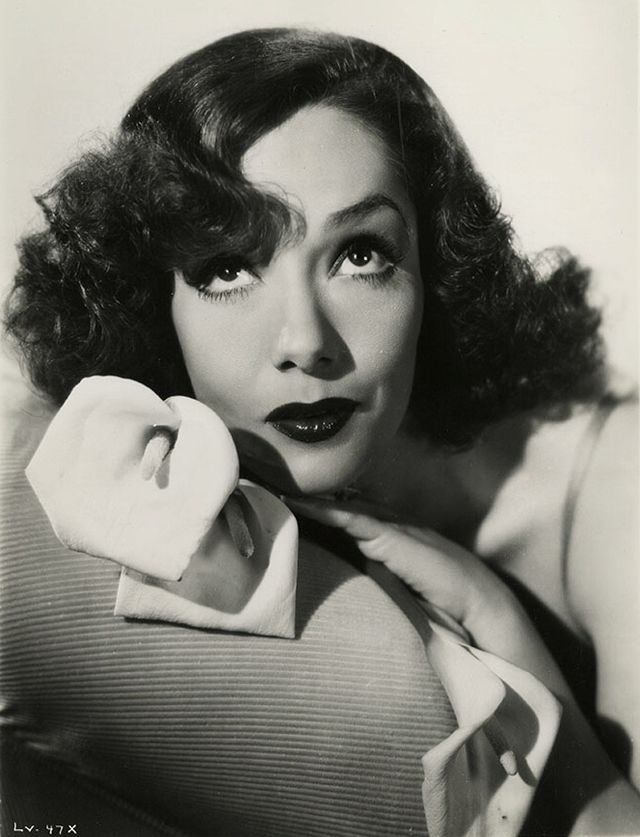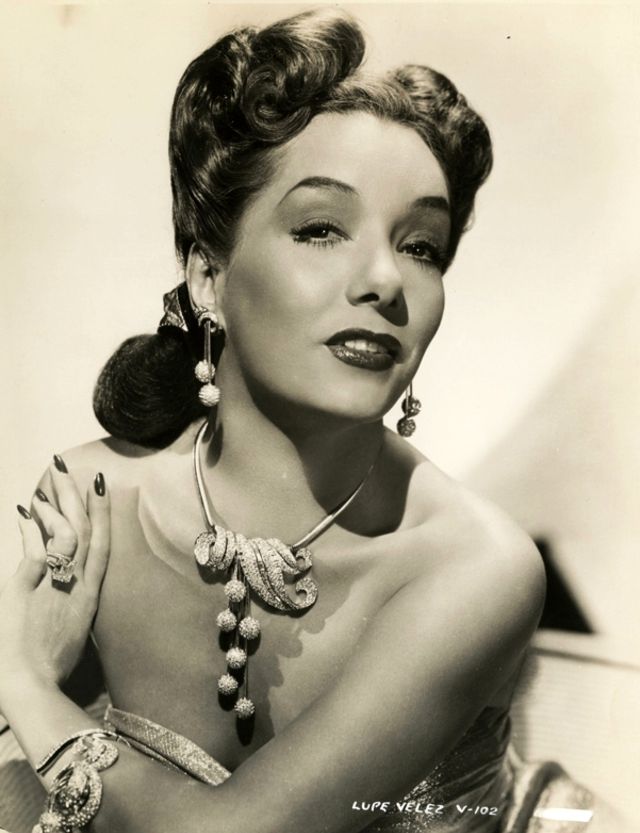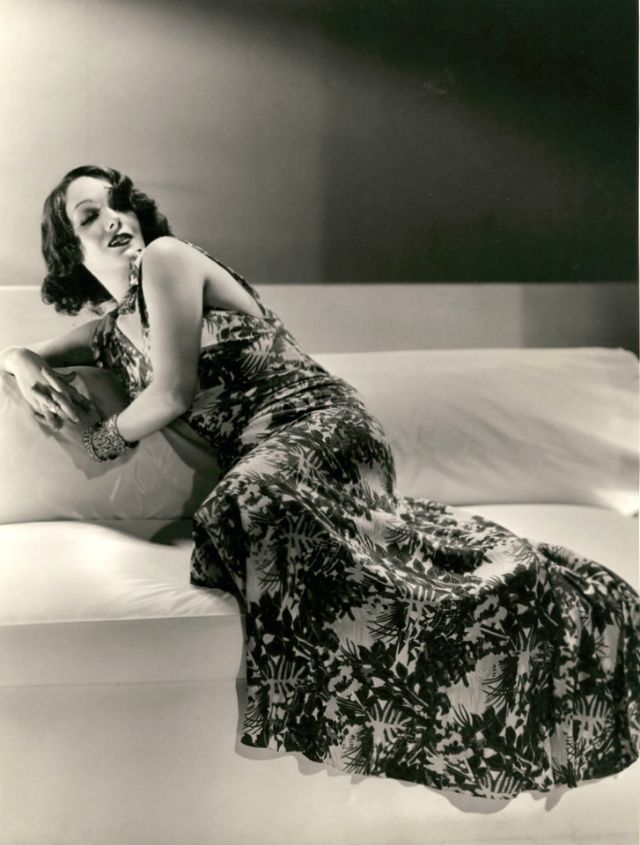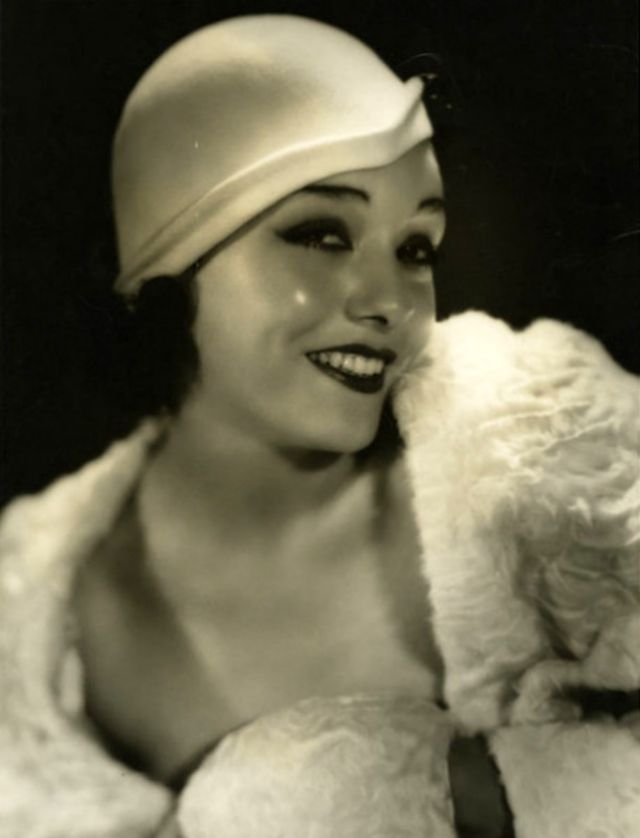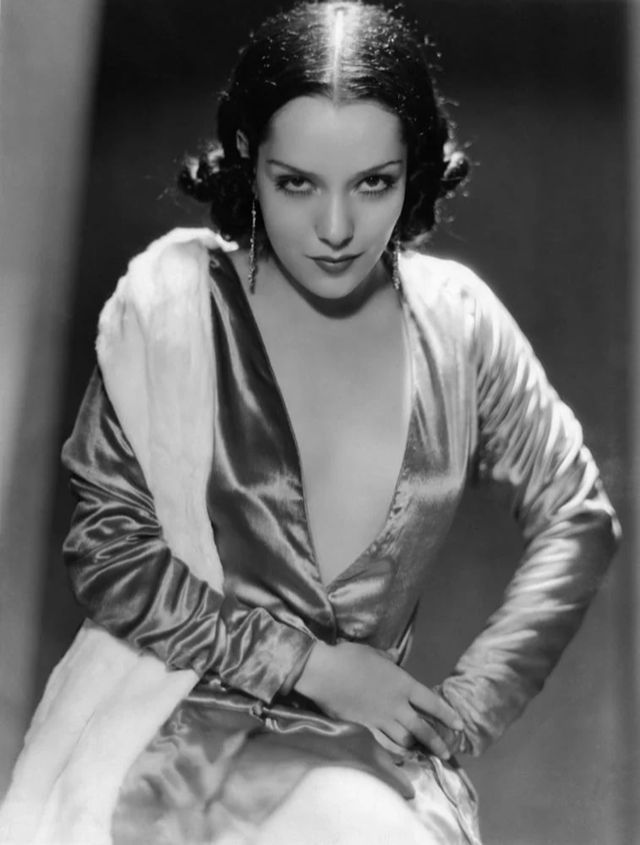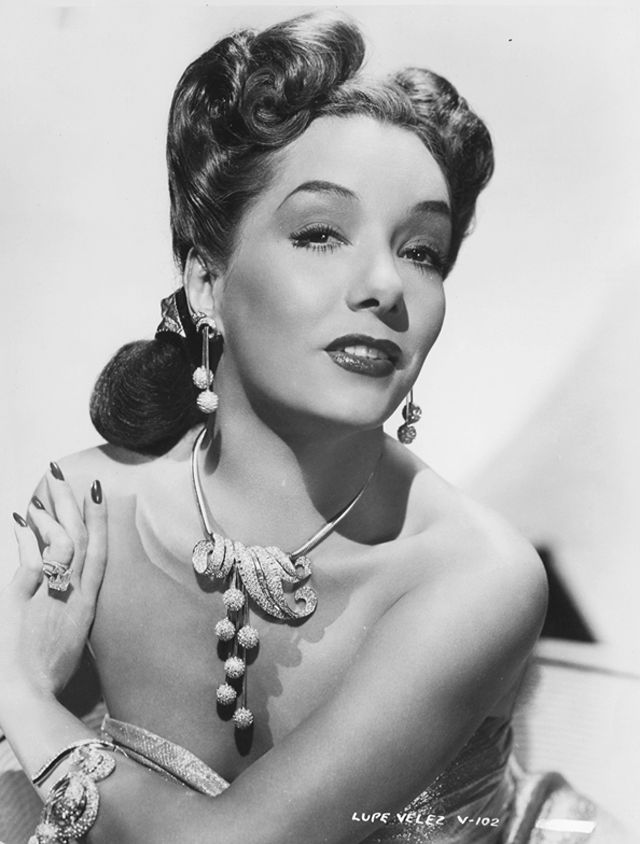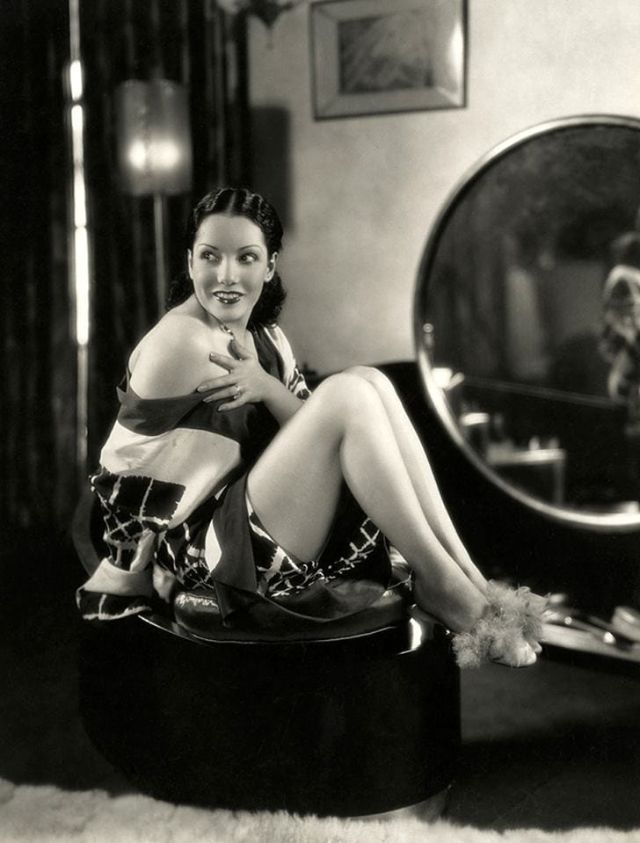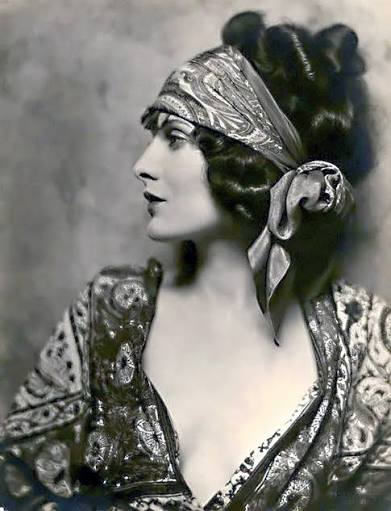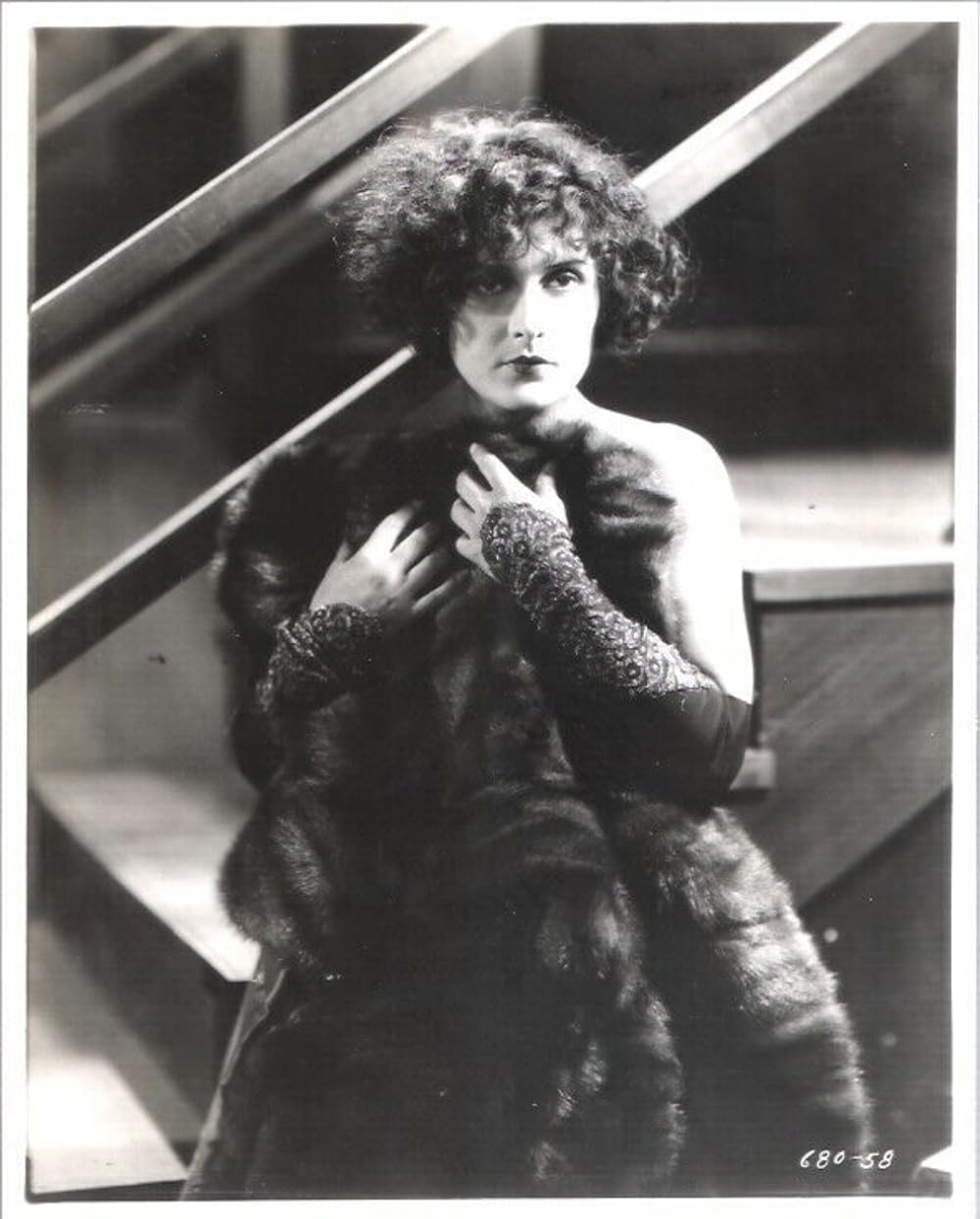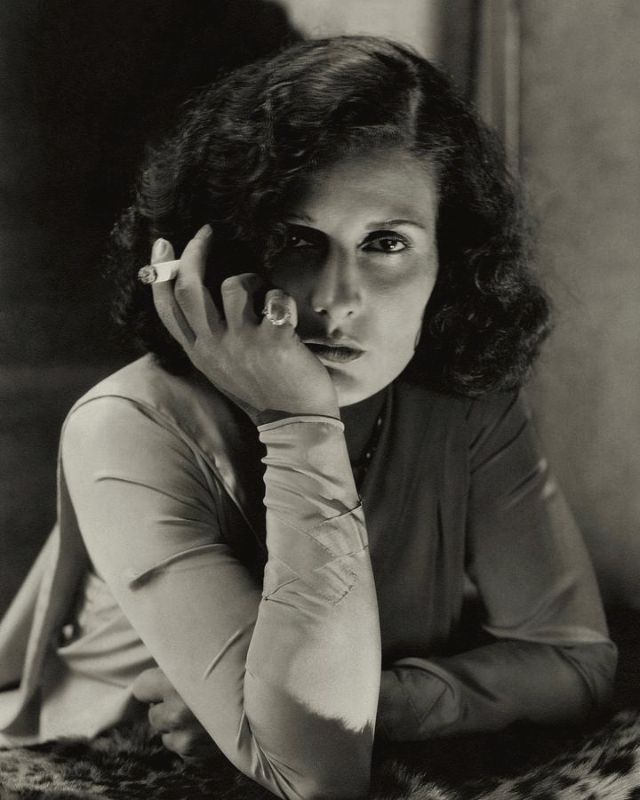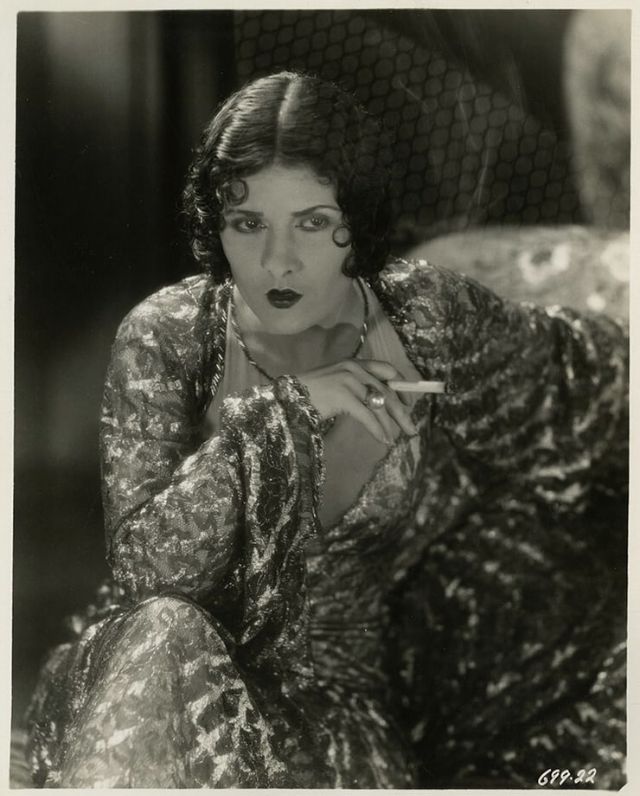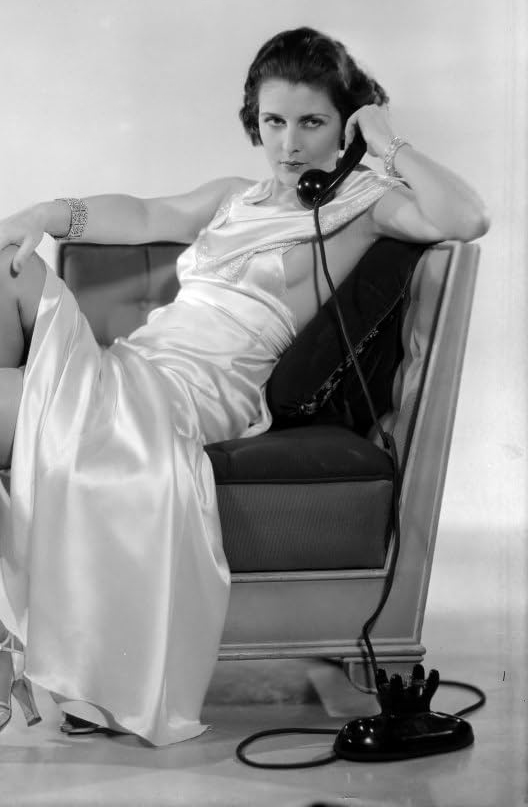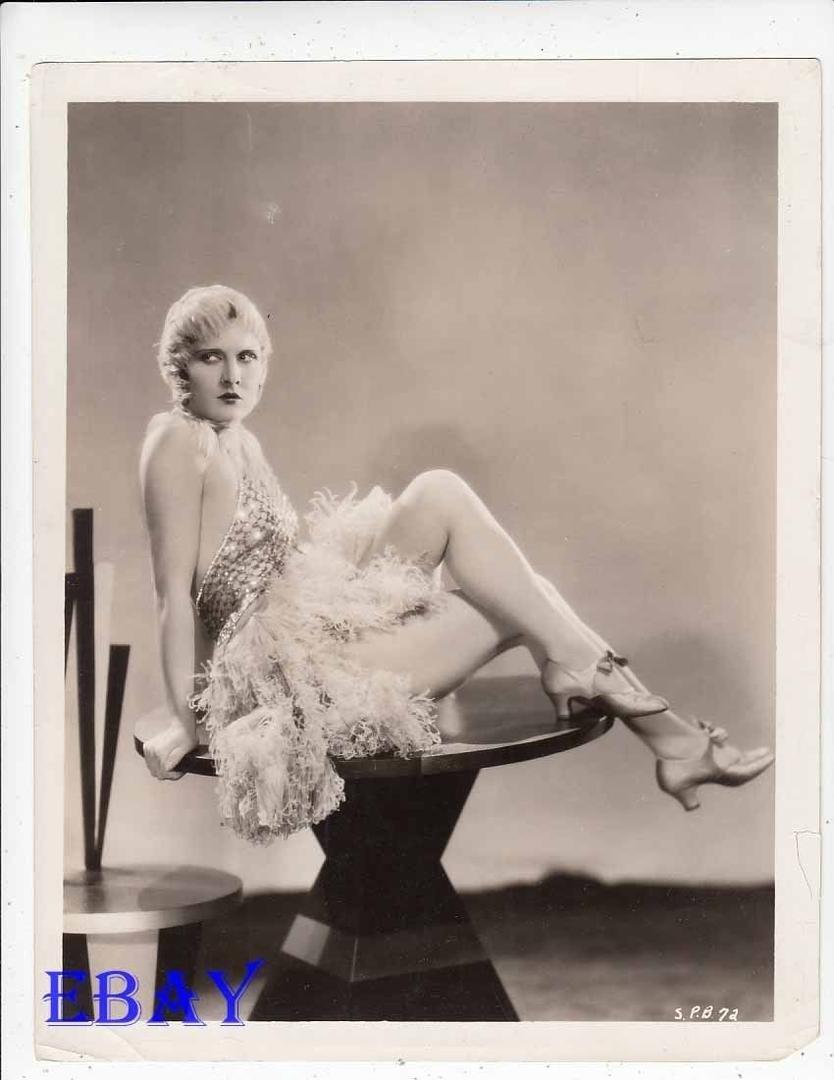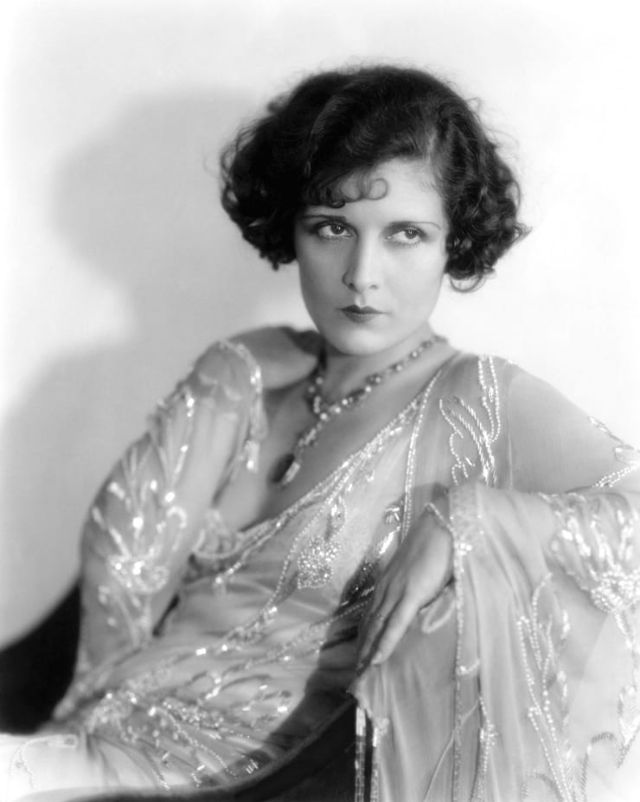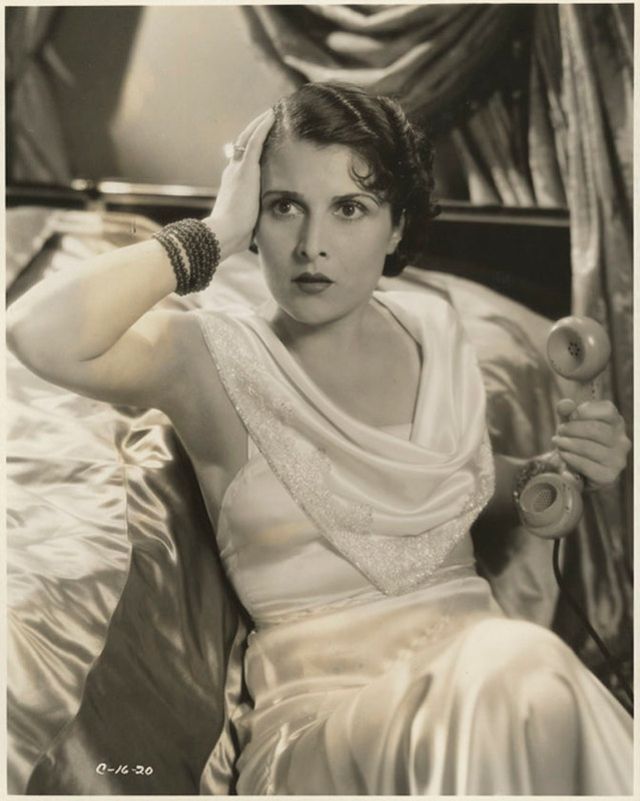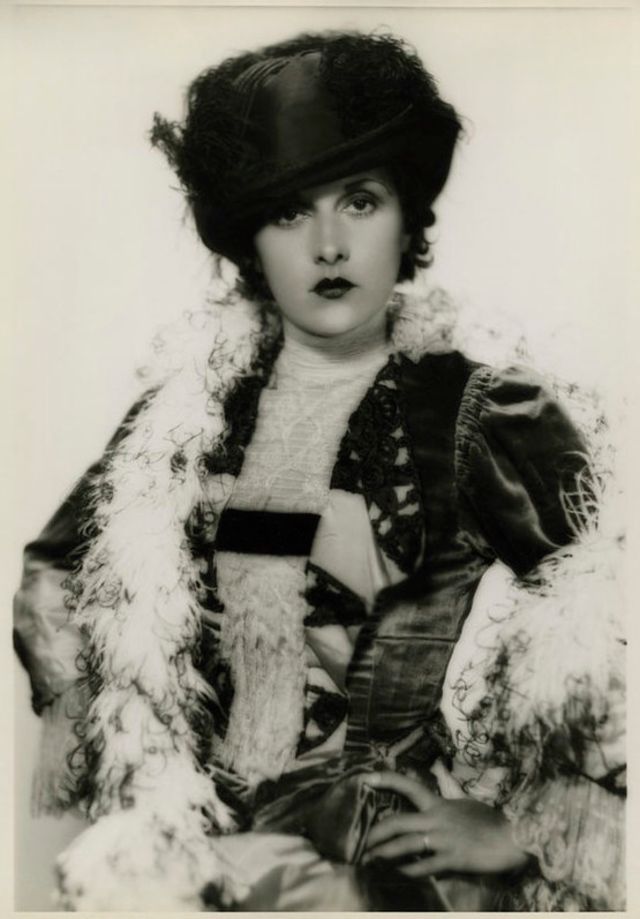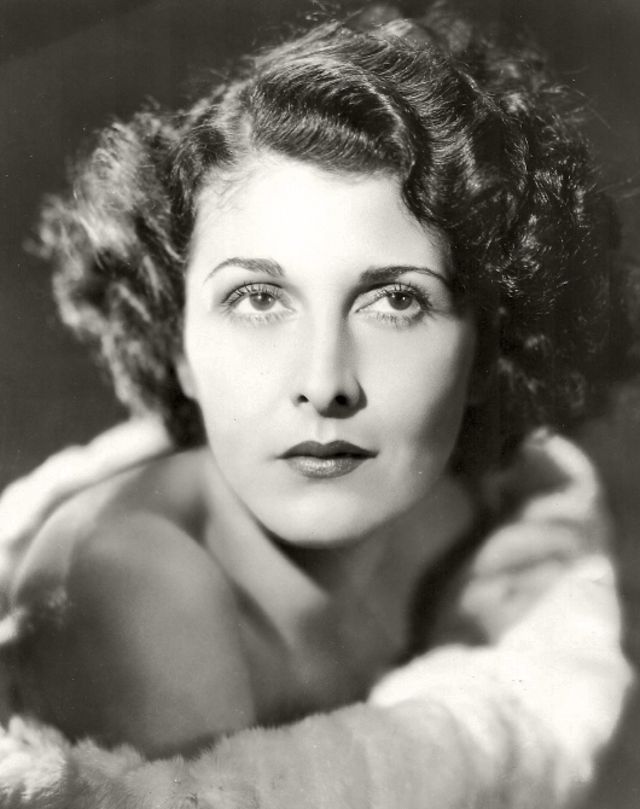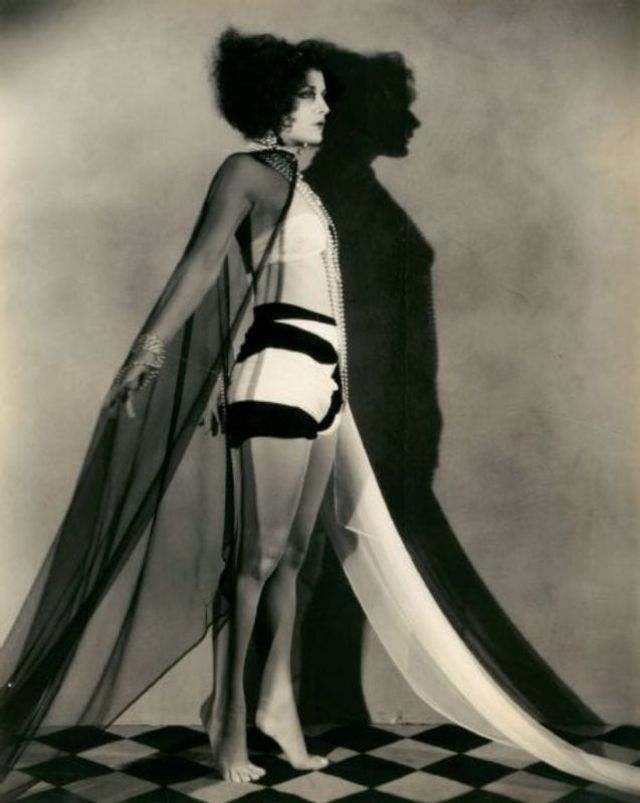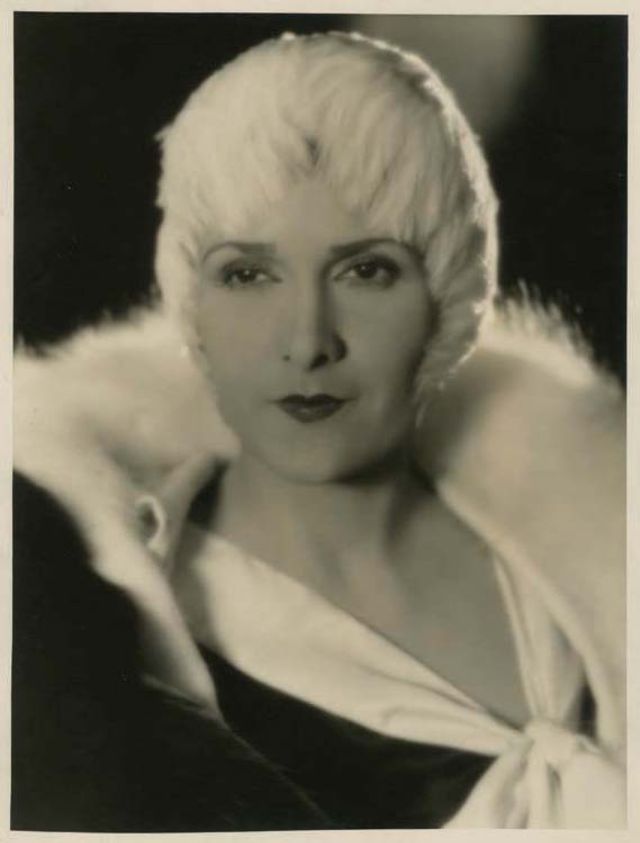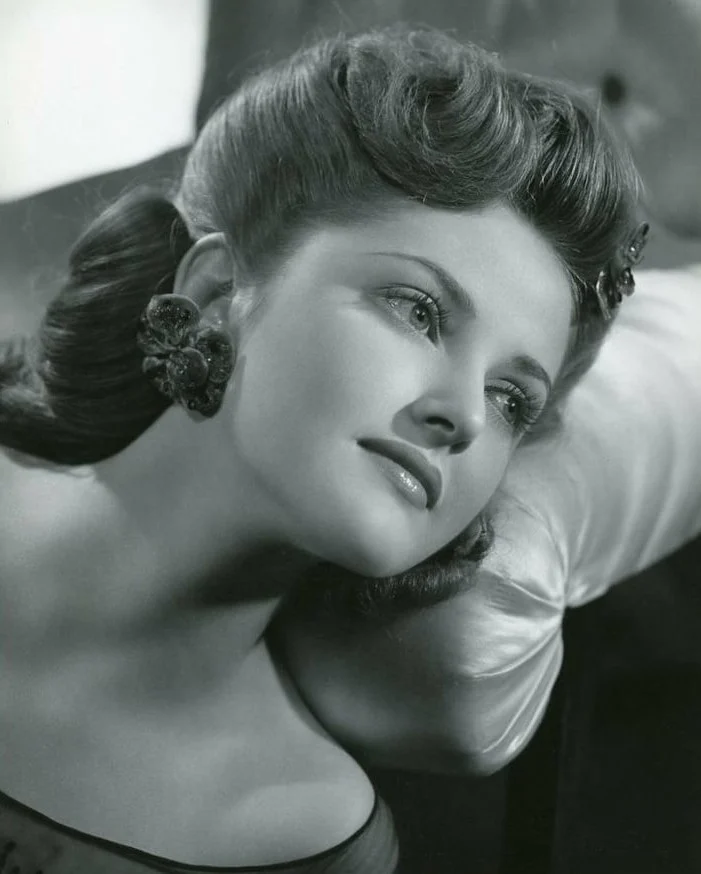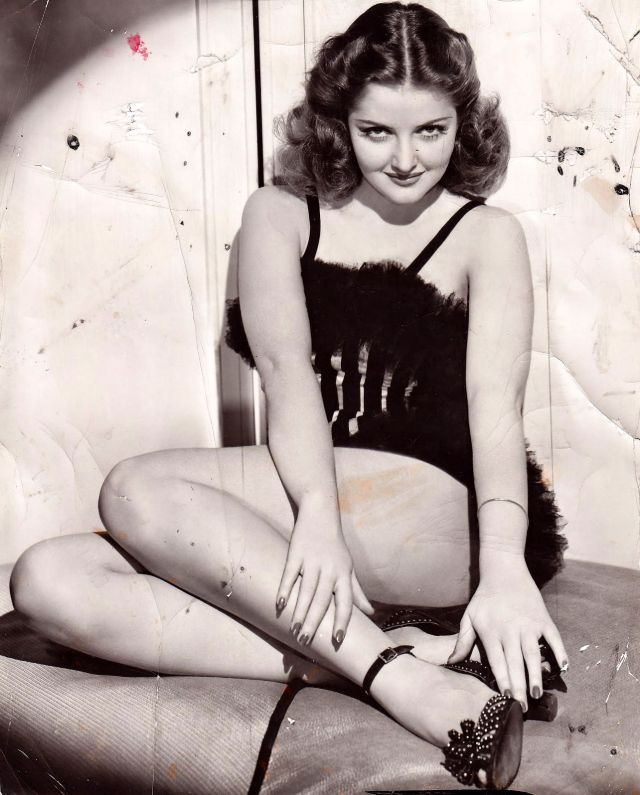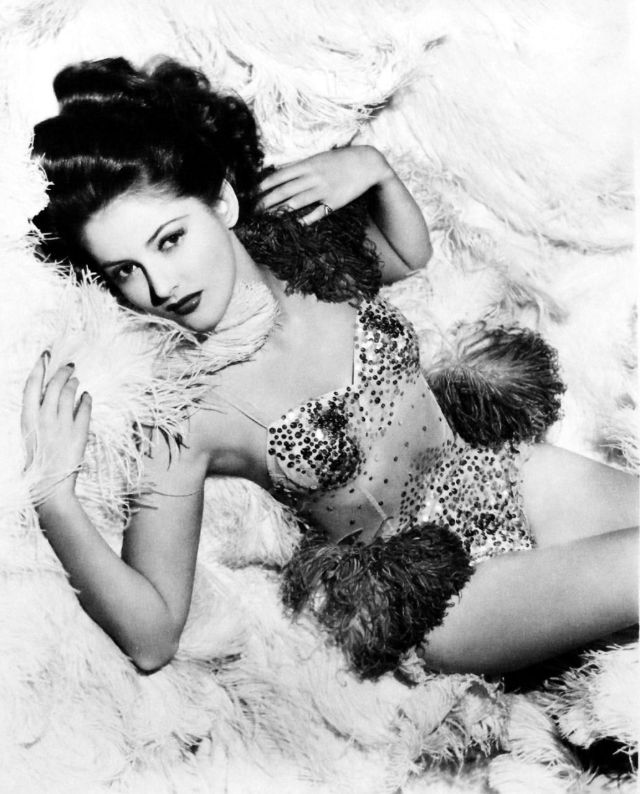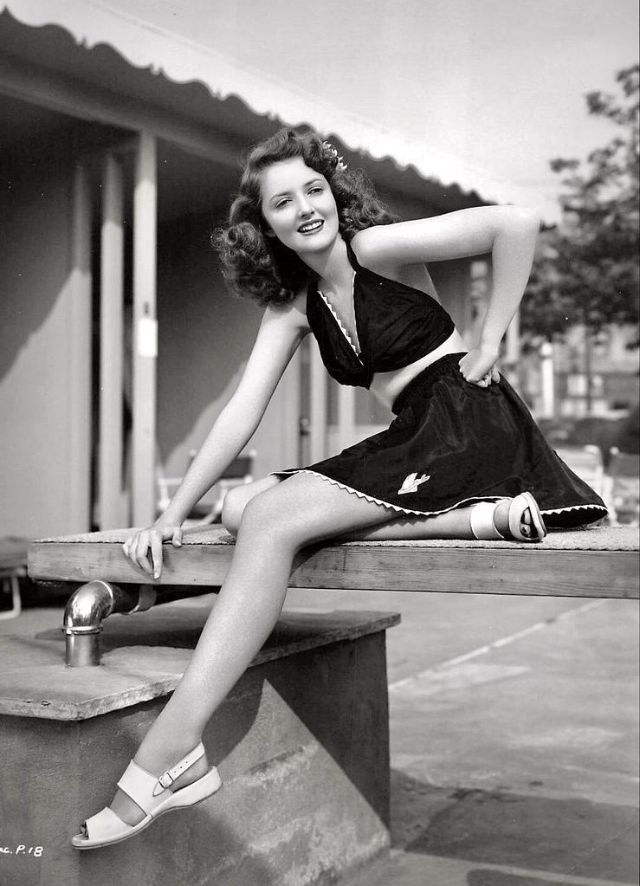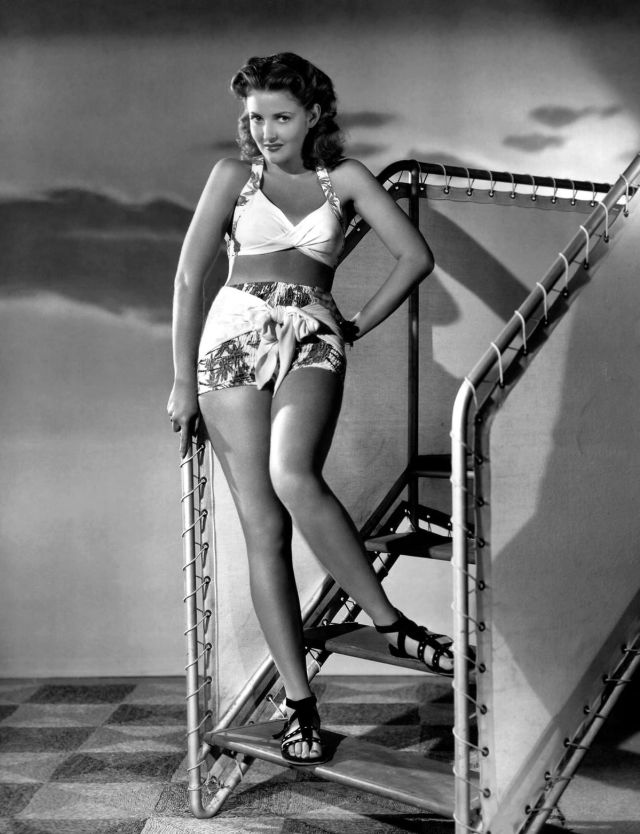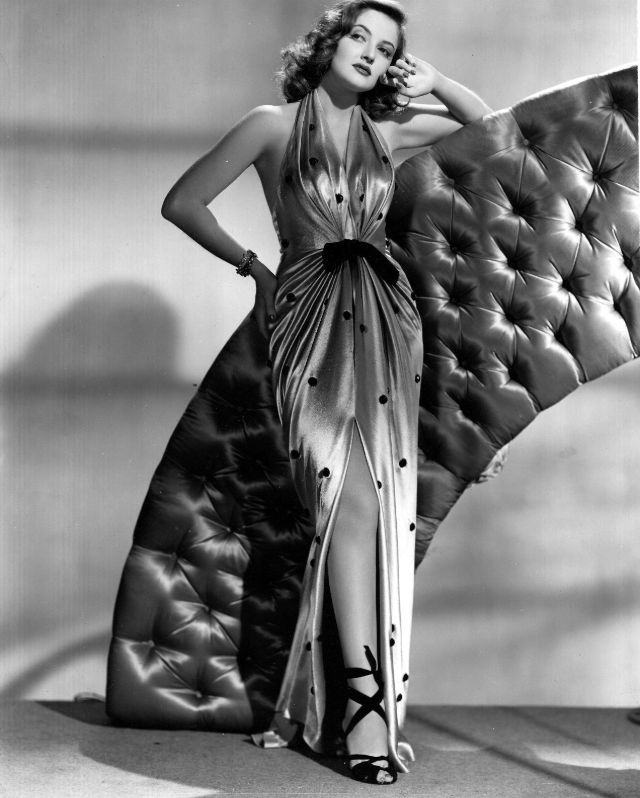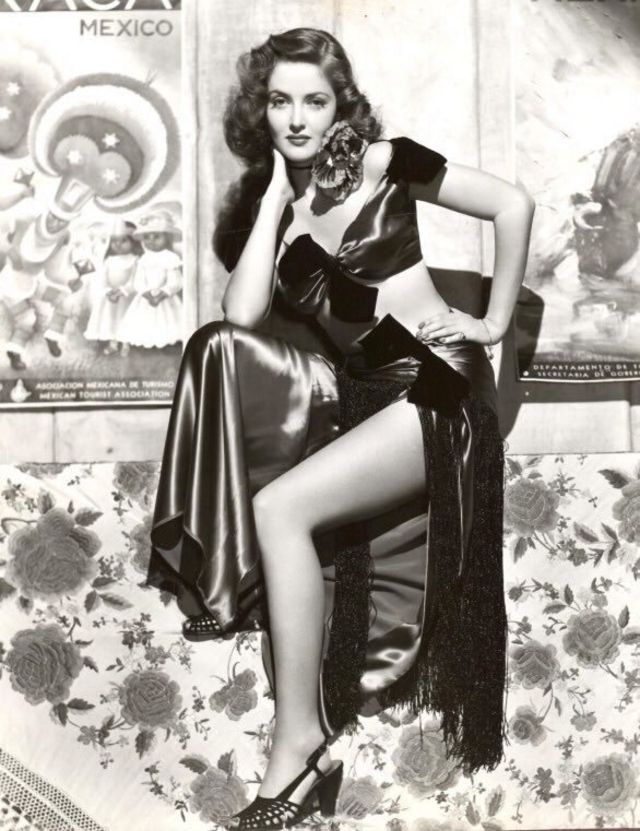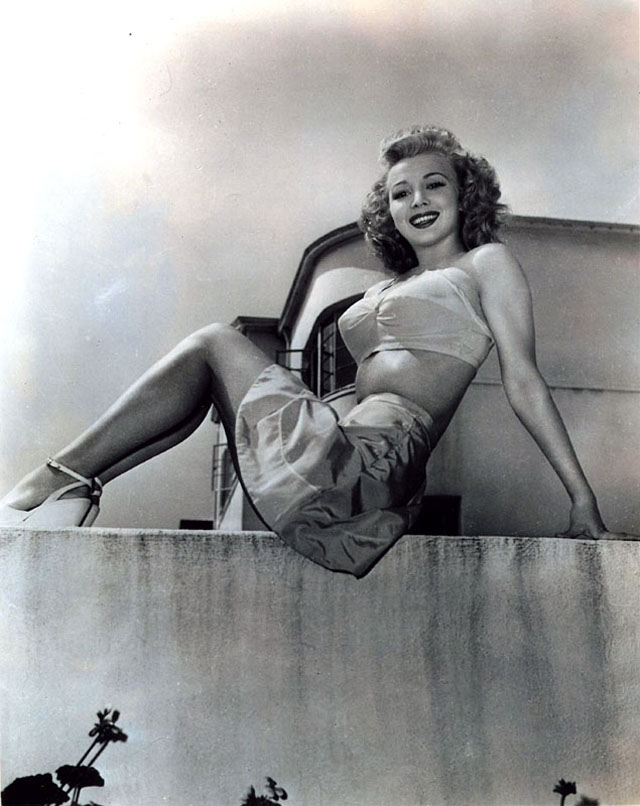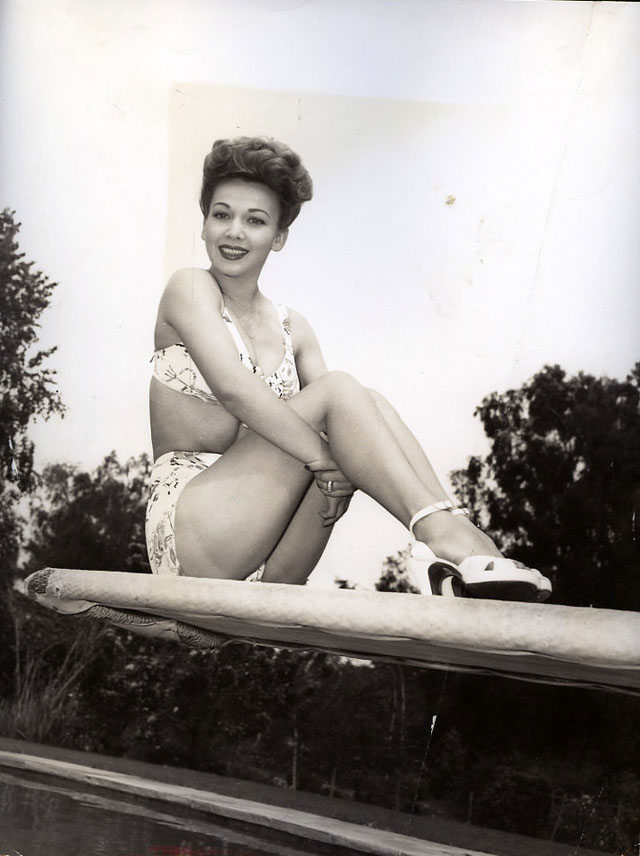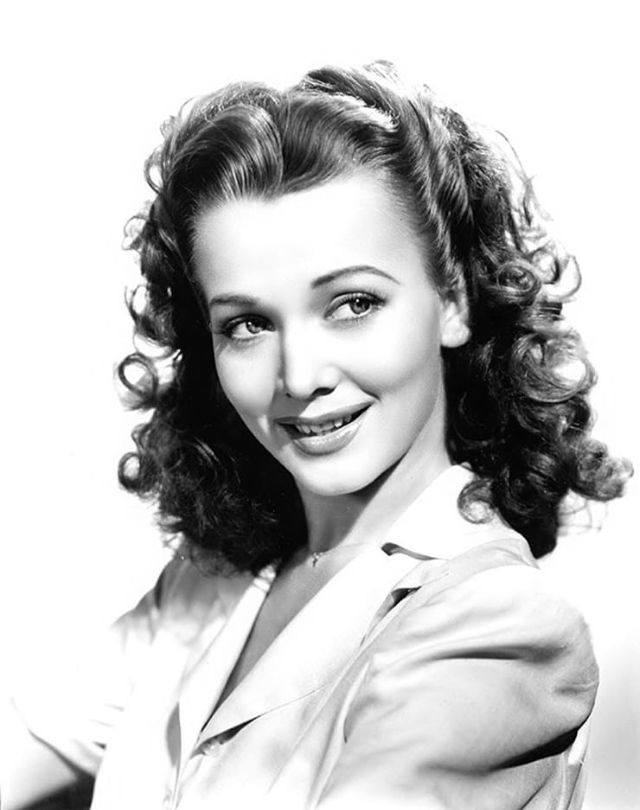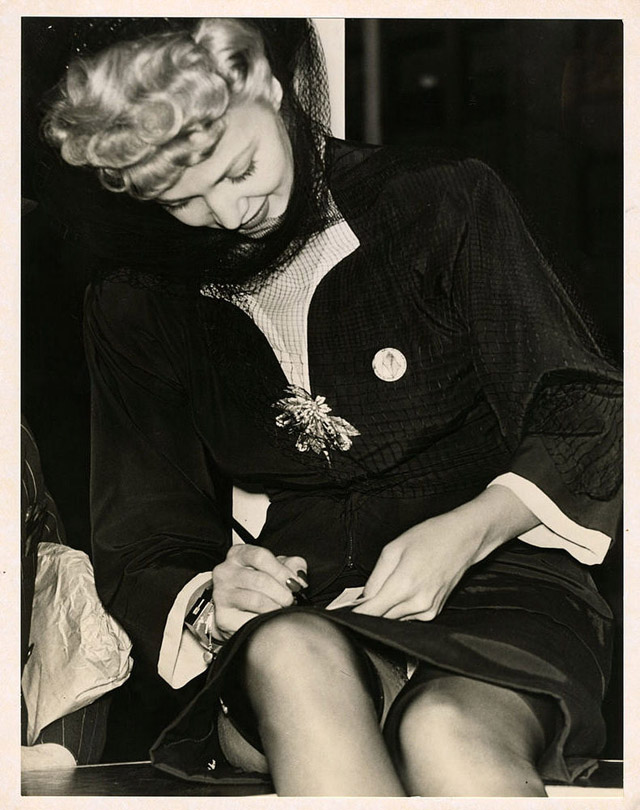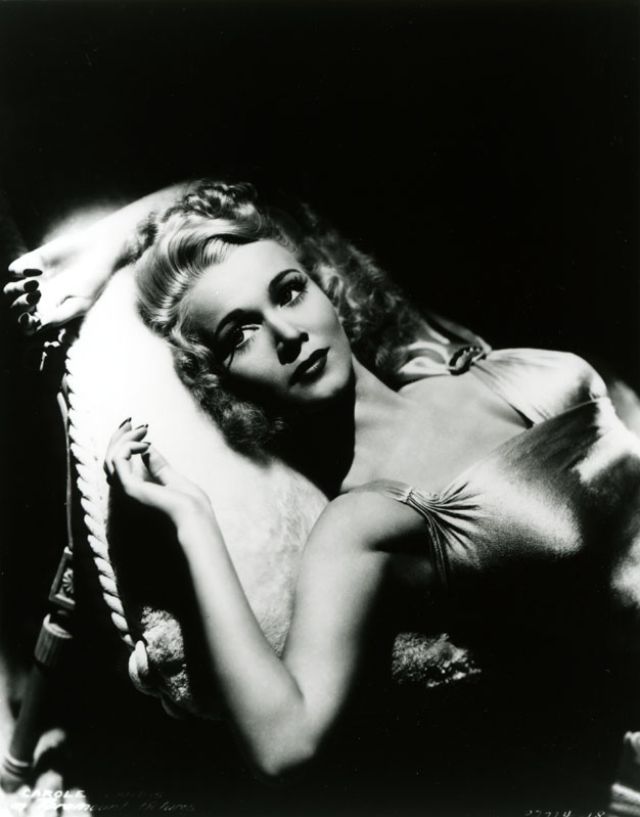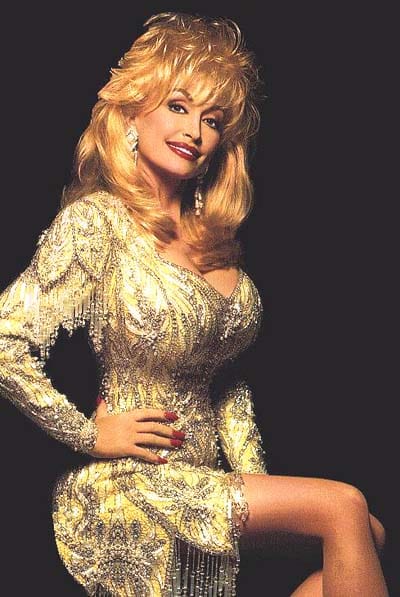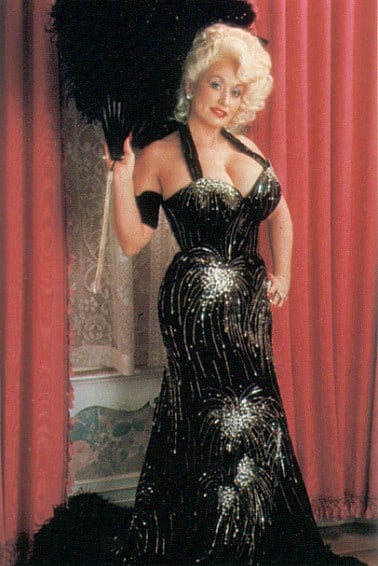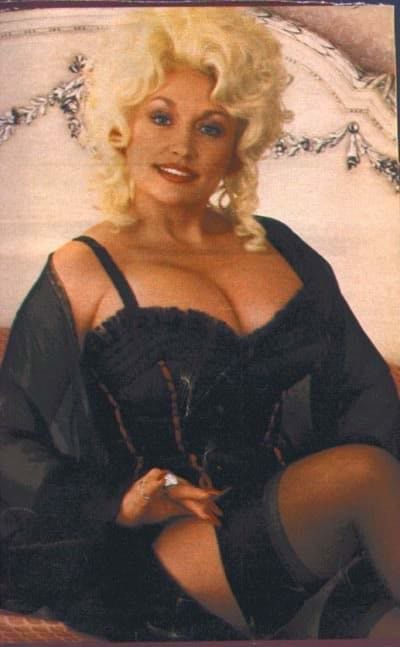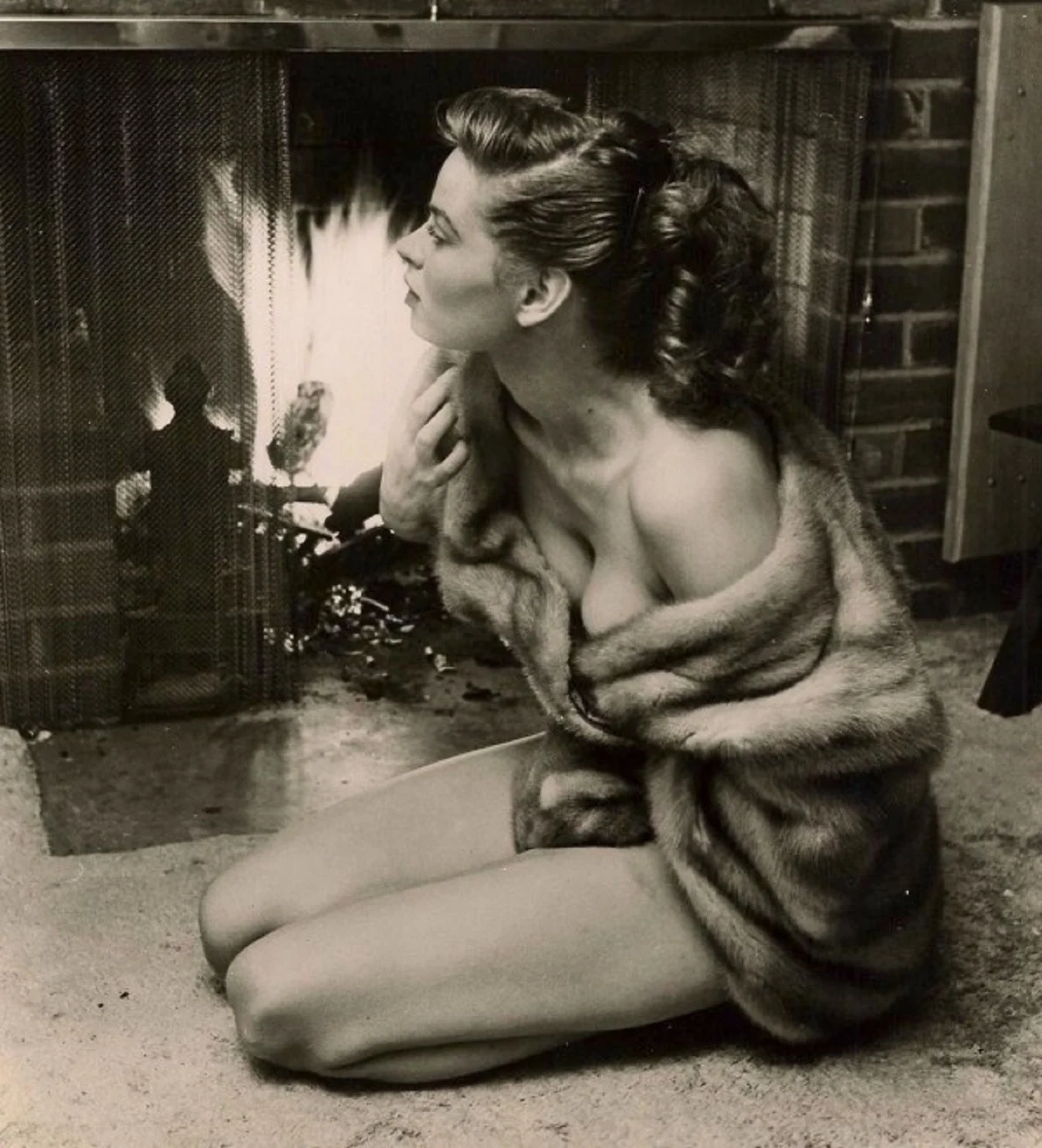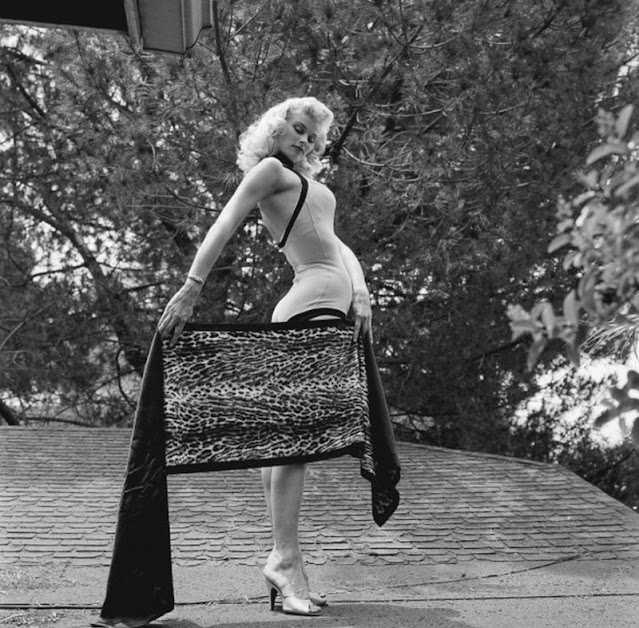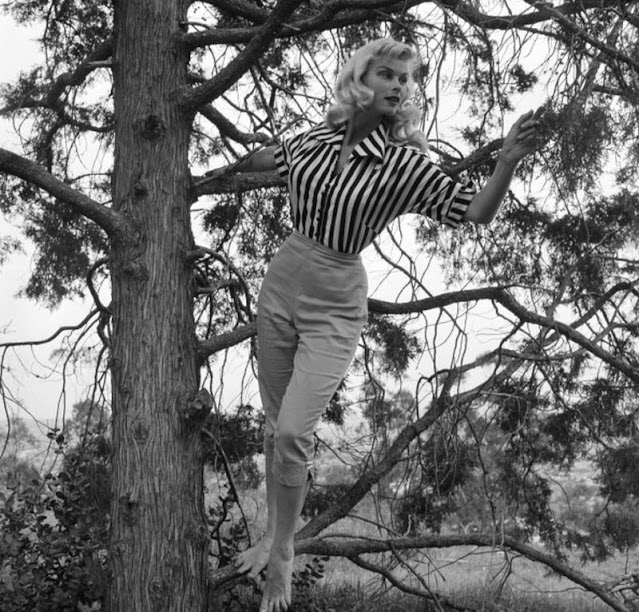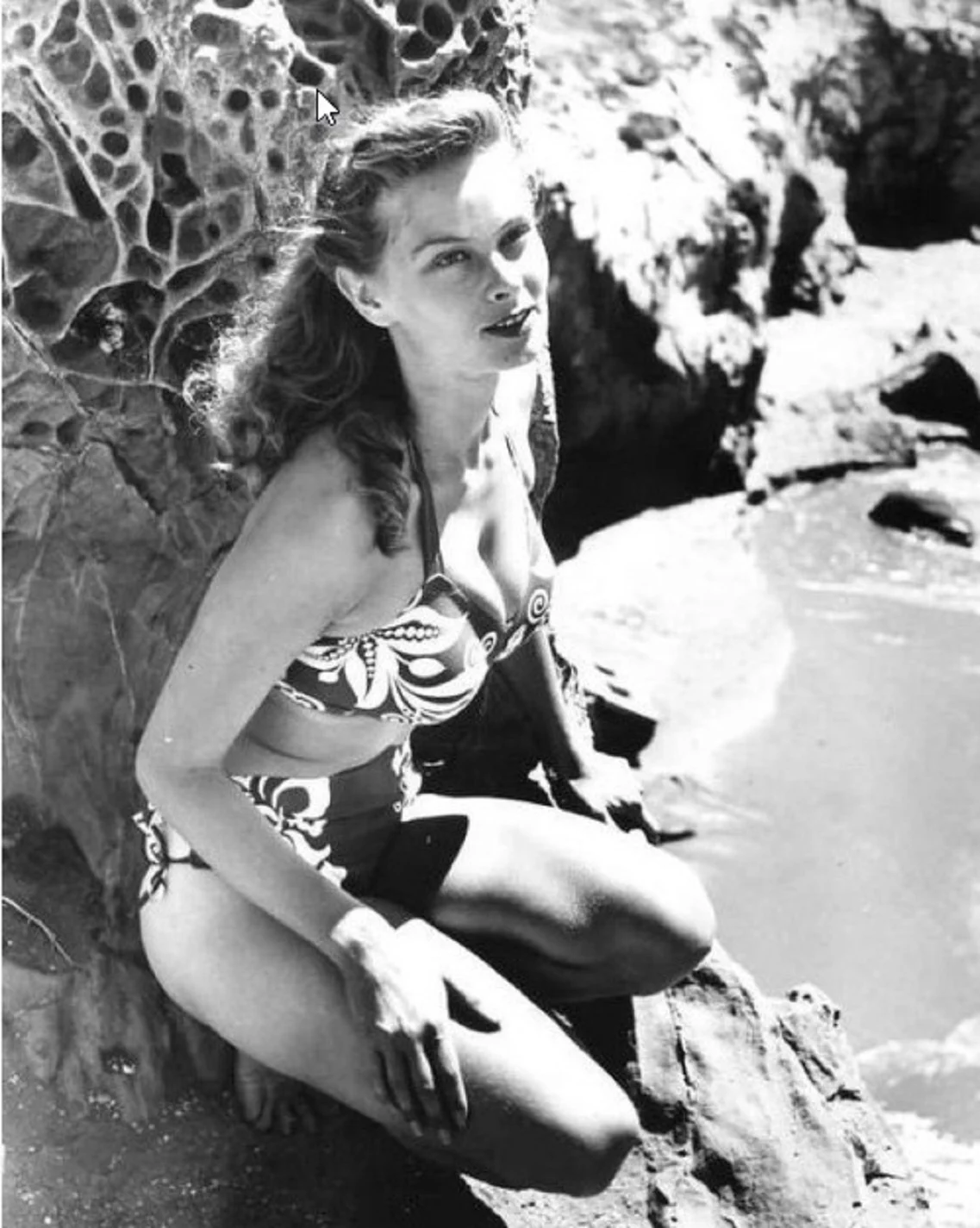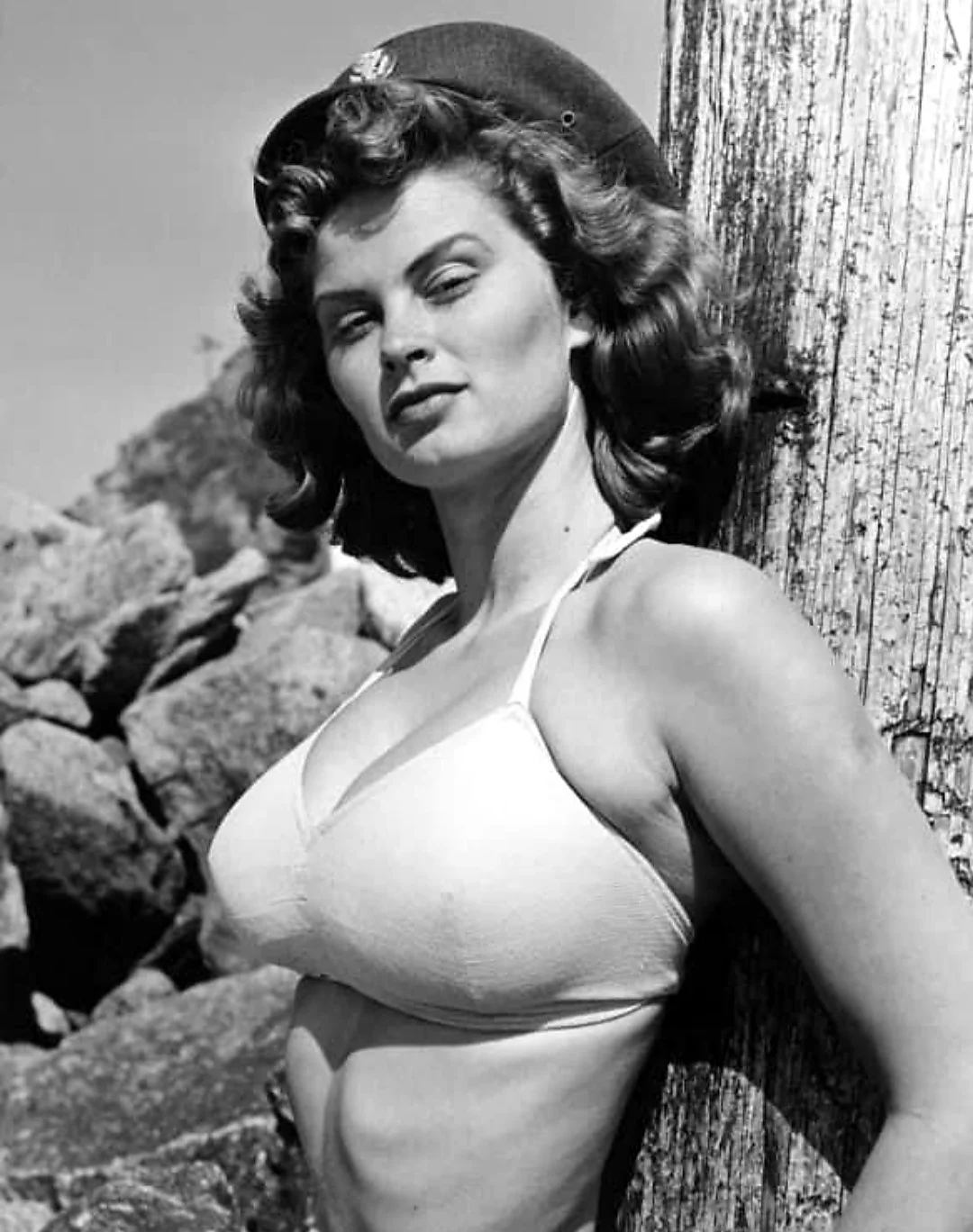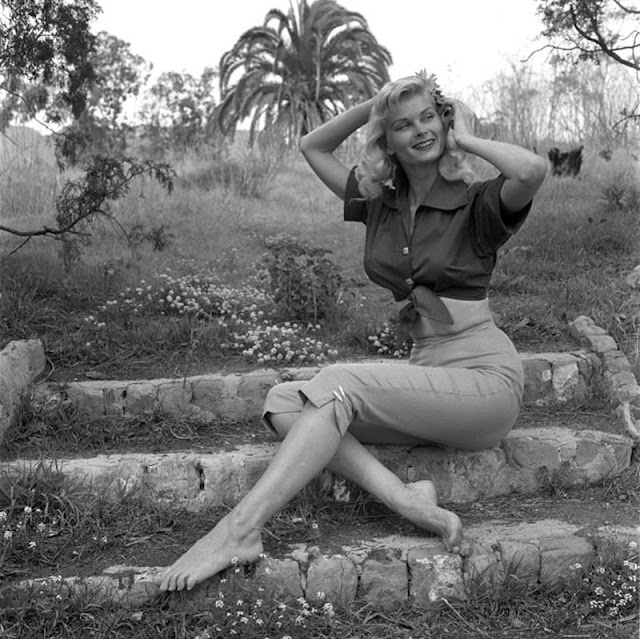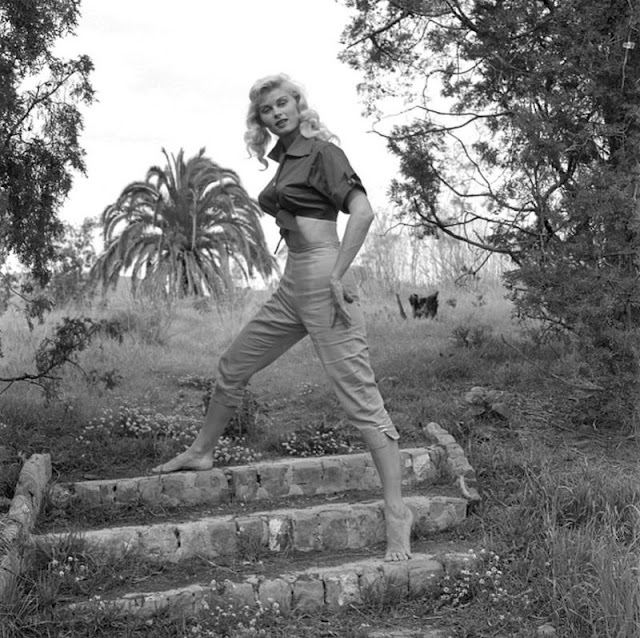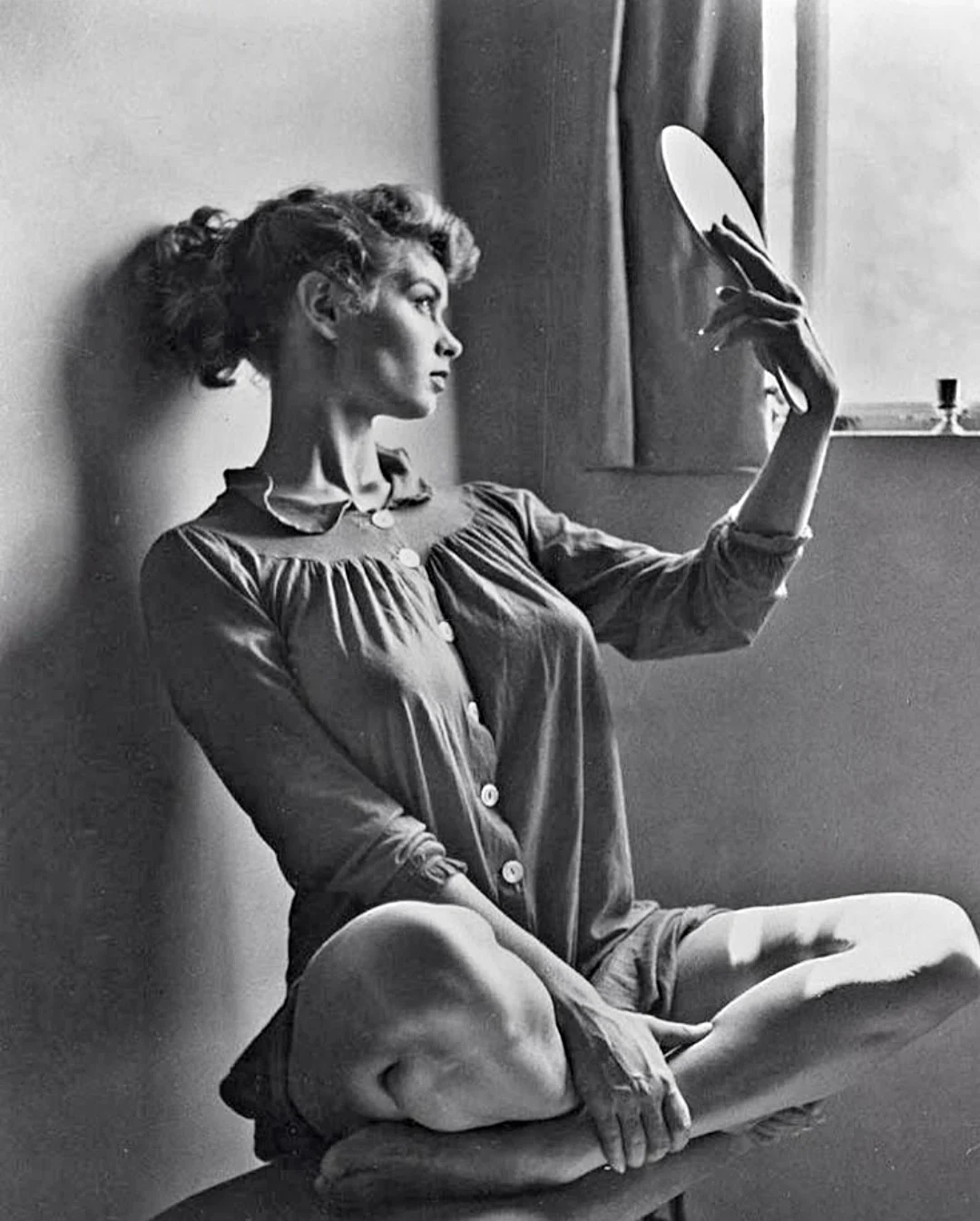
María Guadalupe Villalobos Vélez (1908-1944)

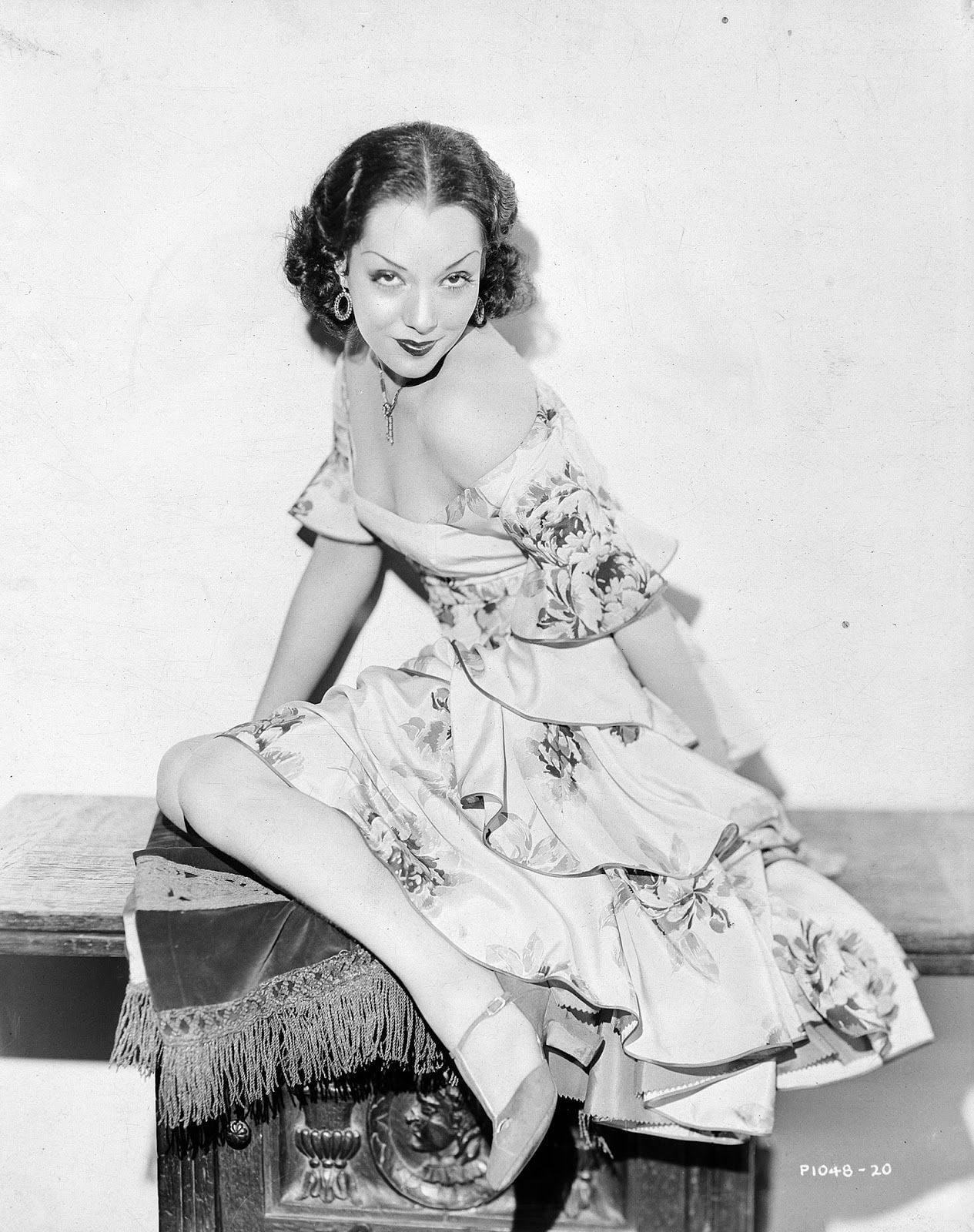
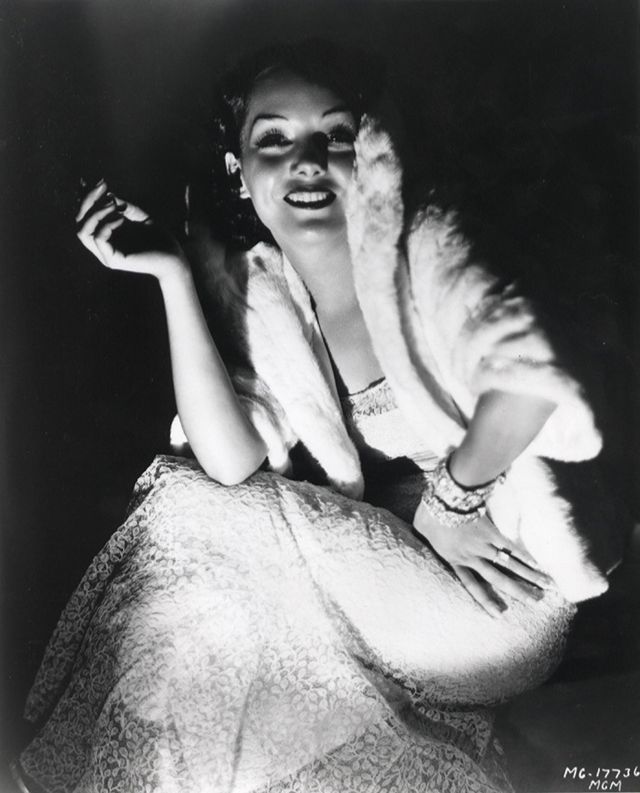
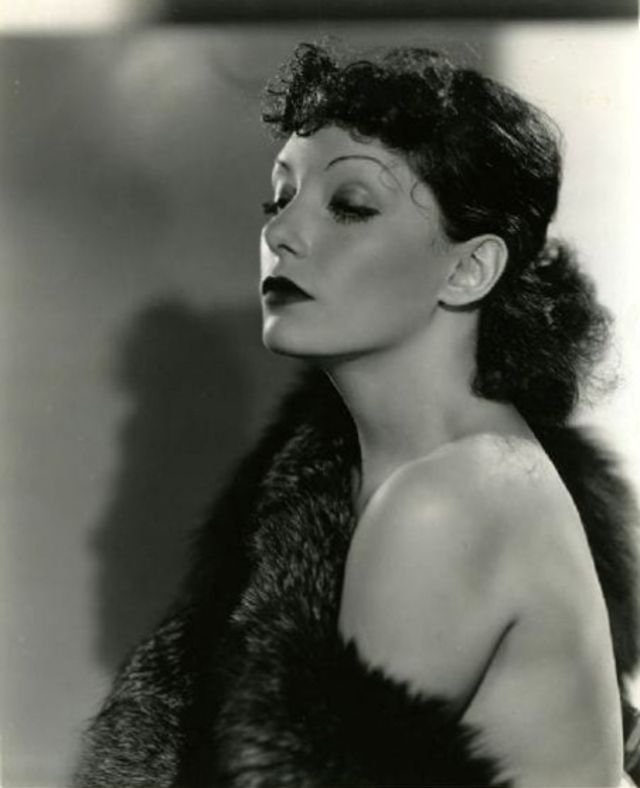
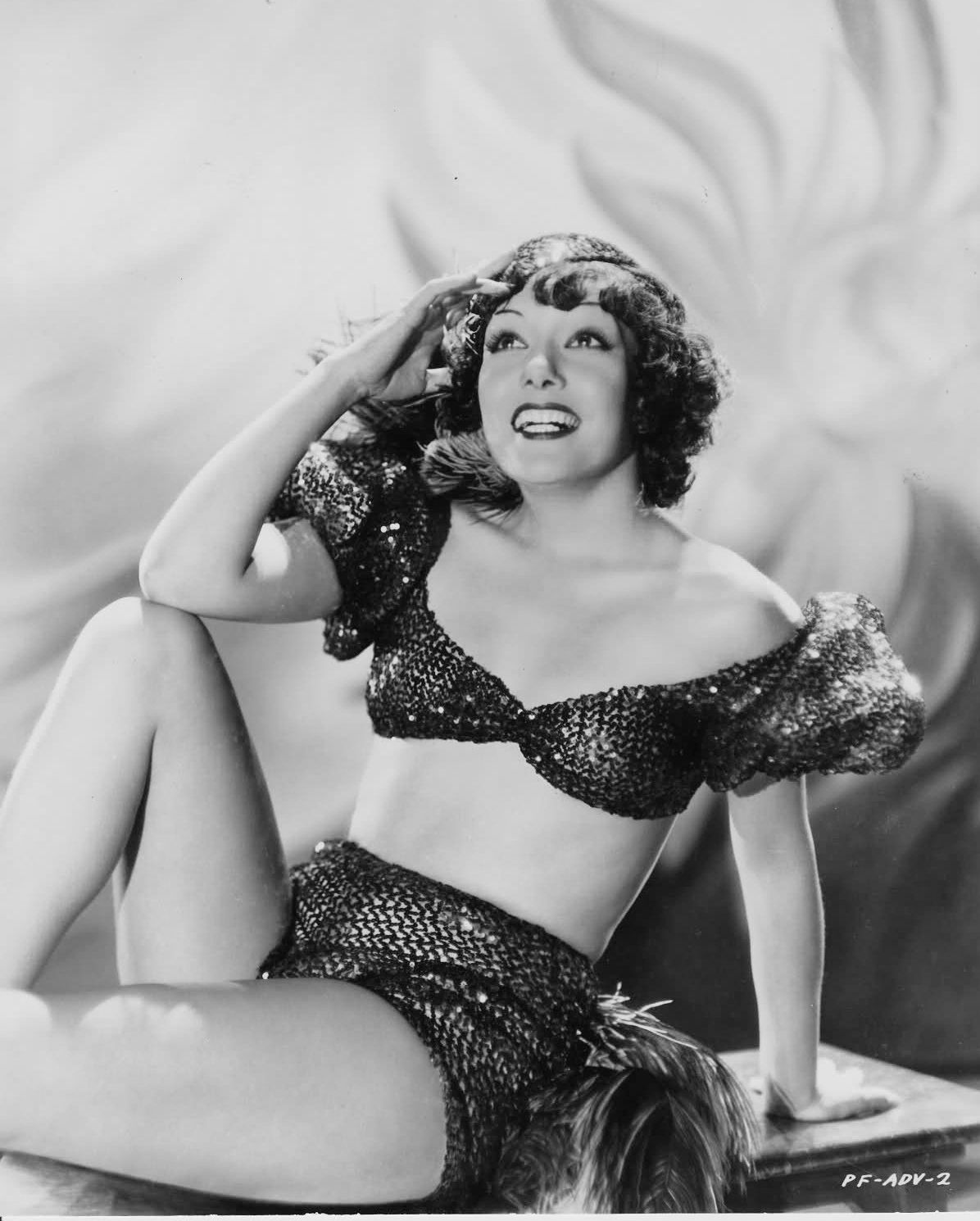
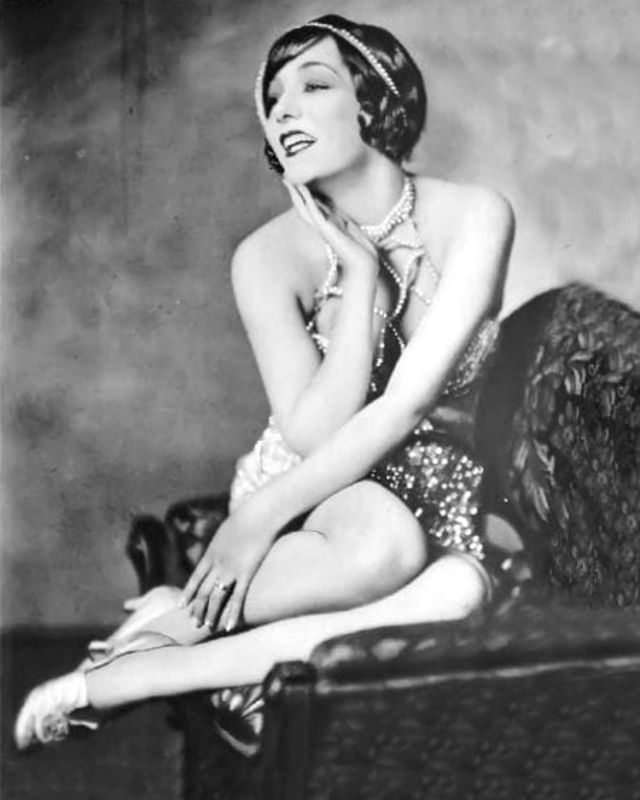
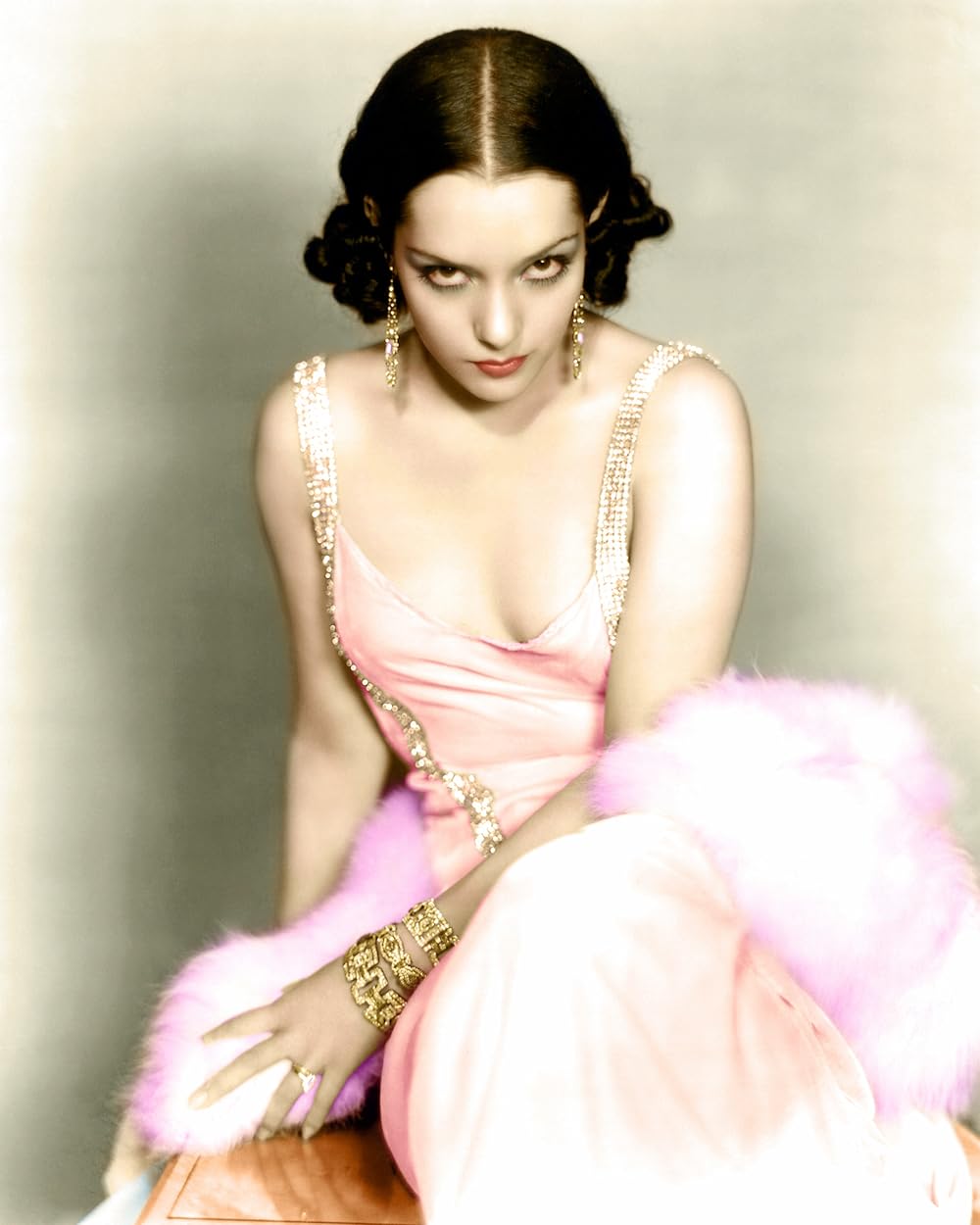
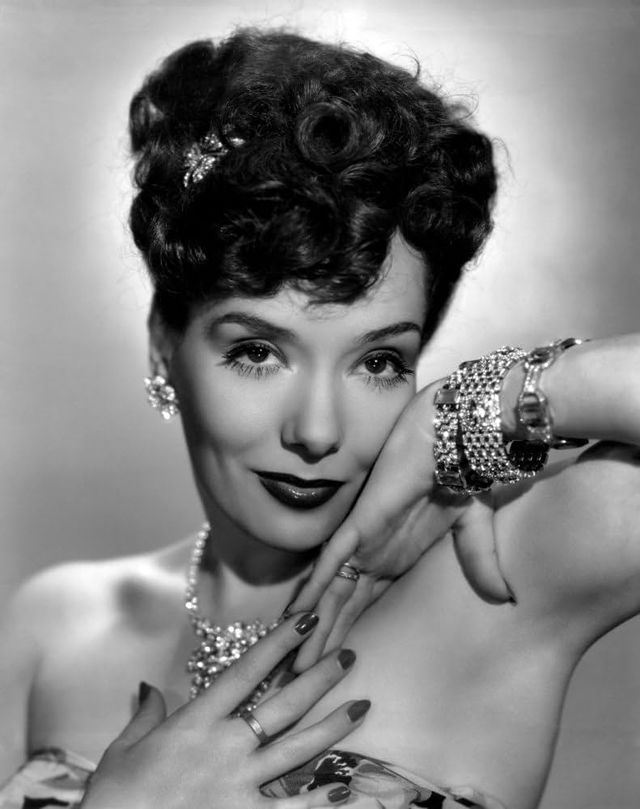
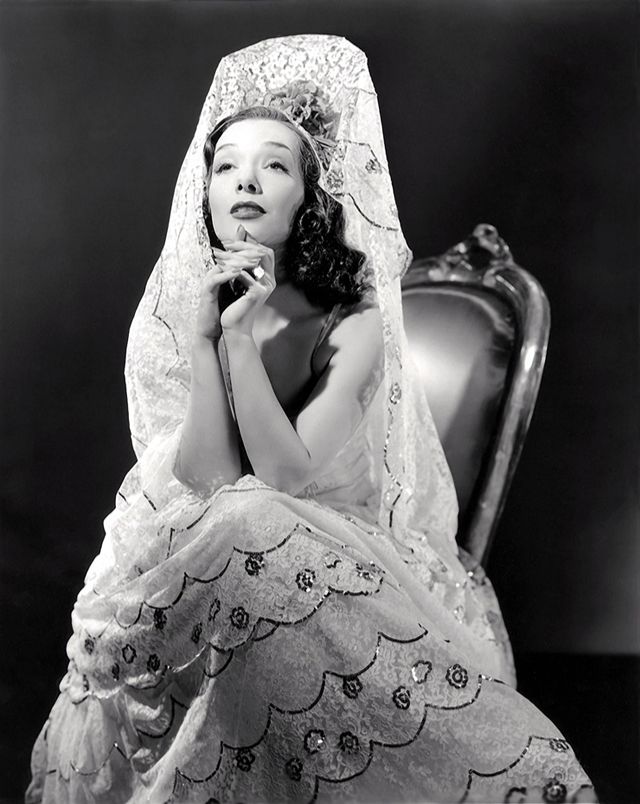
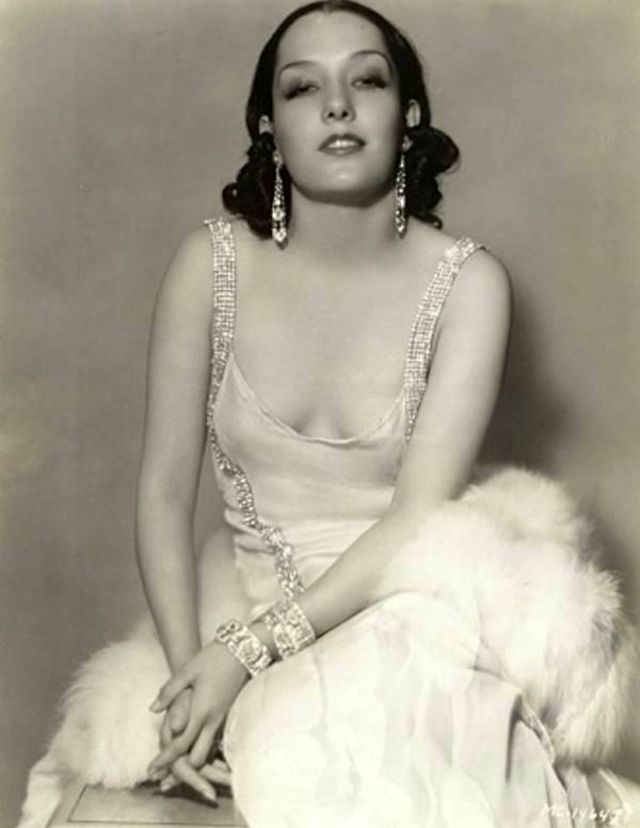
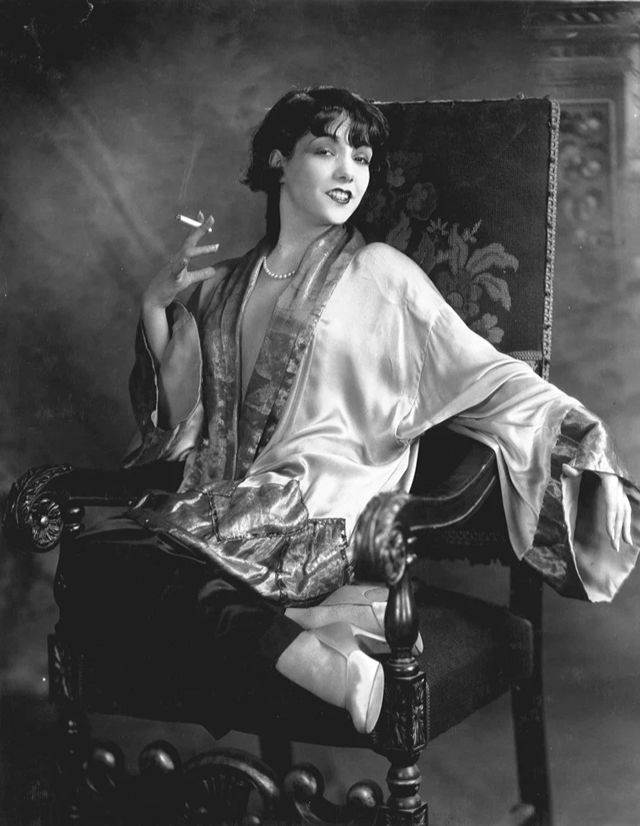
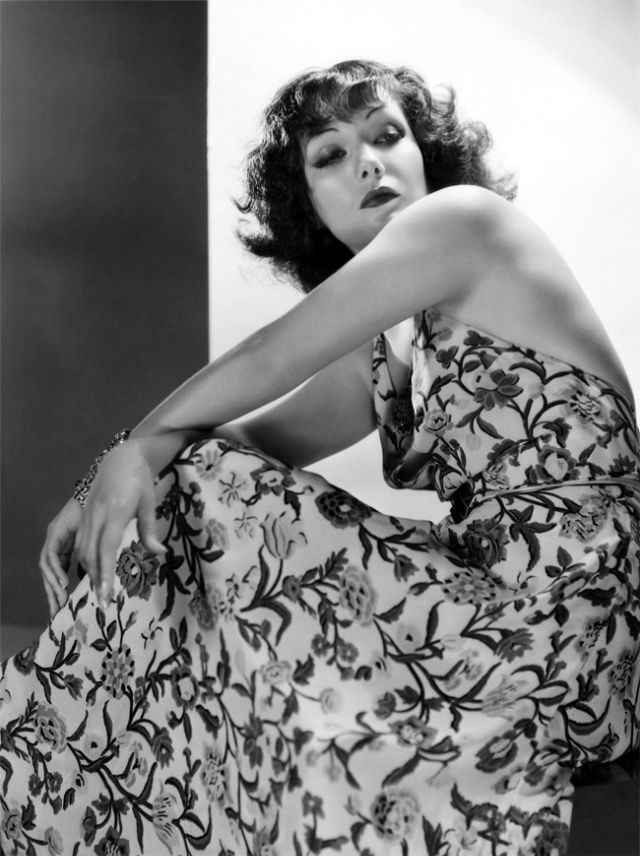
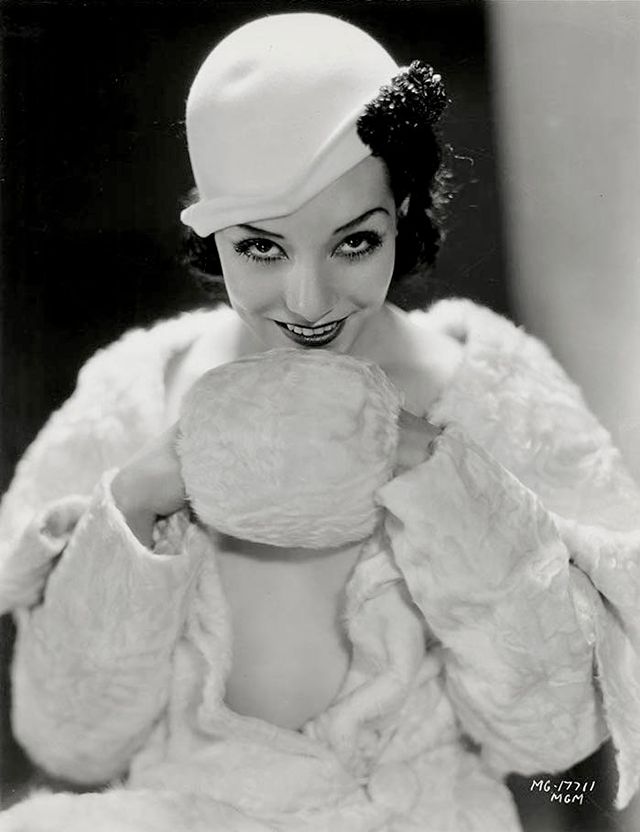
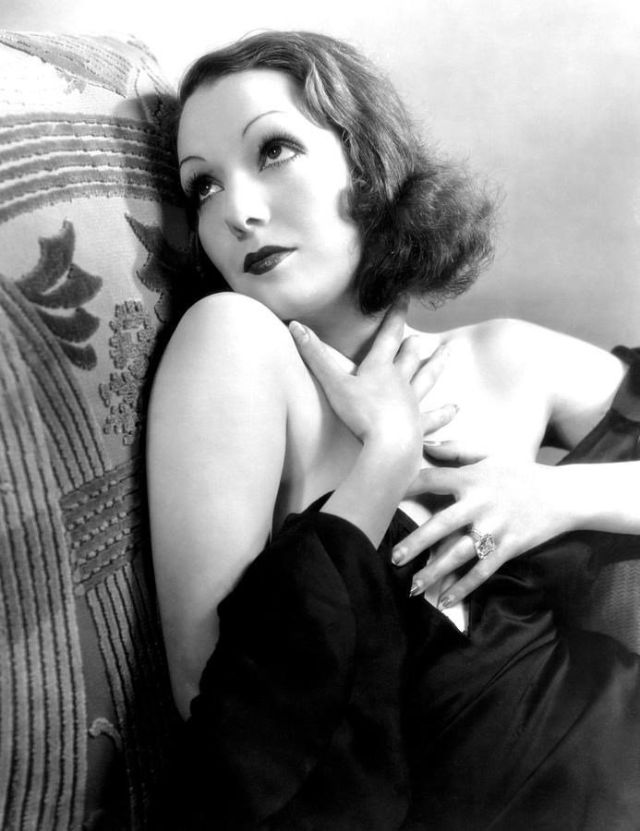
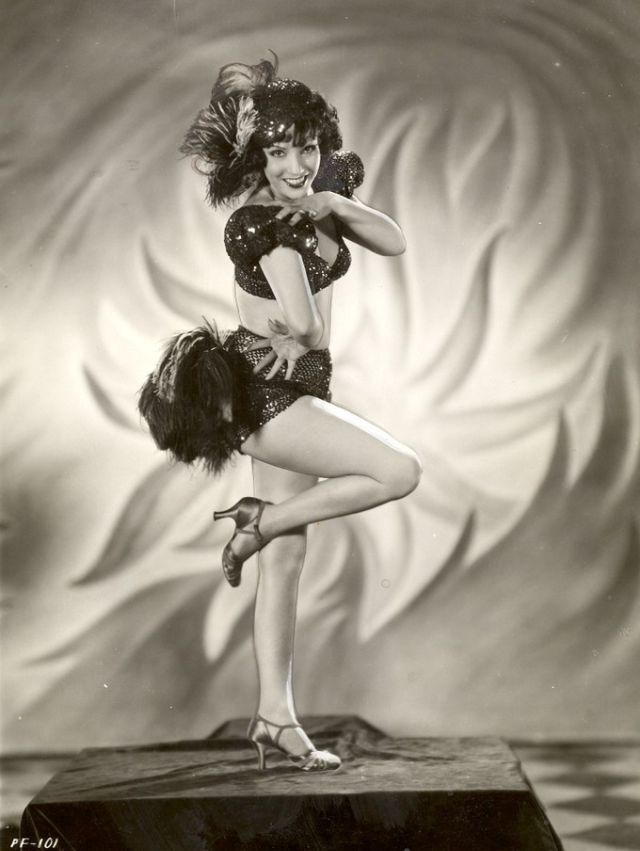
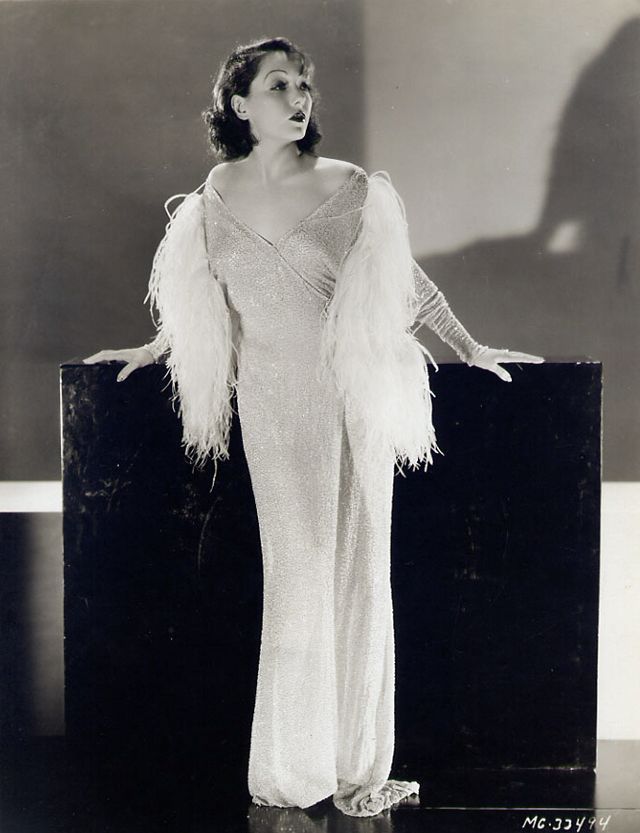
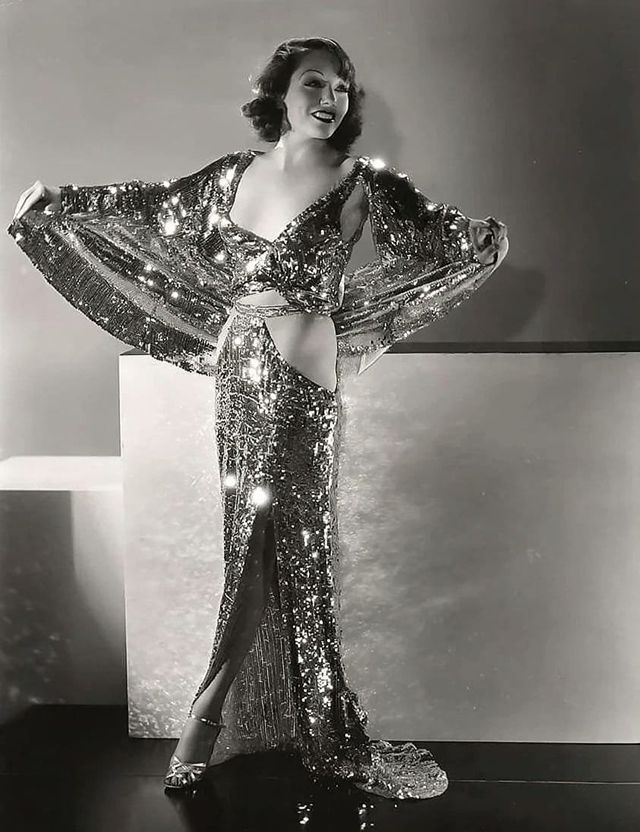
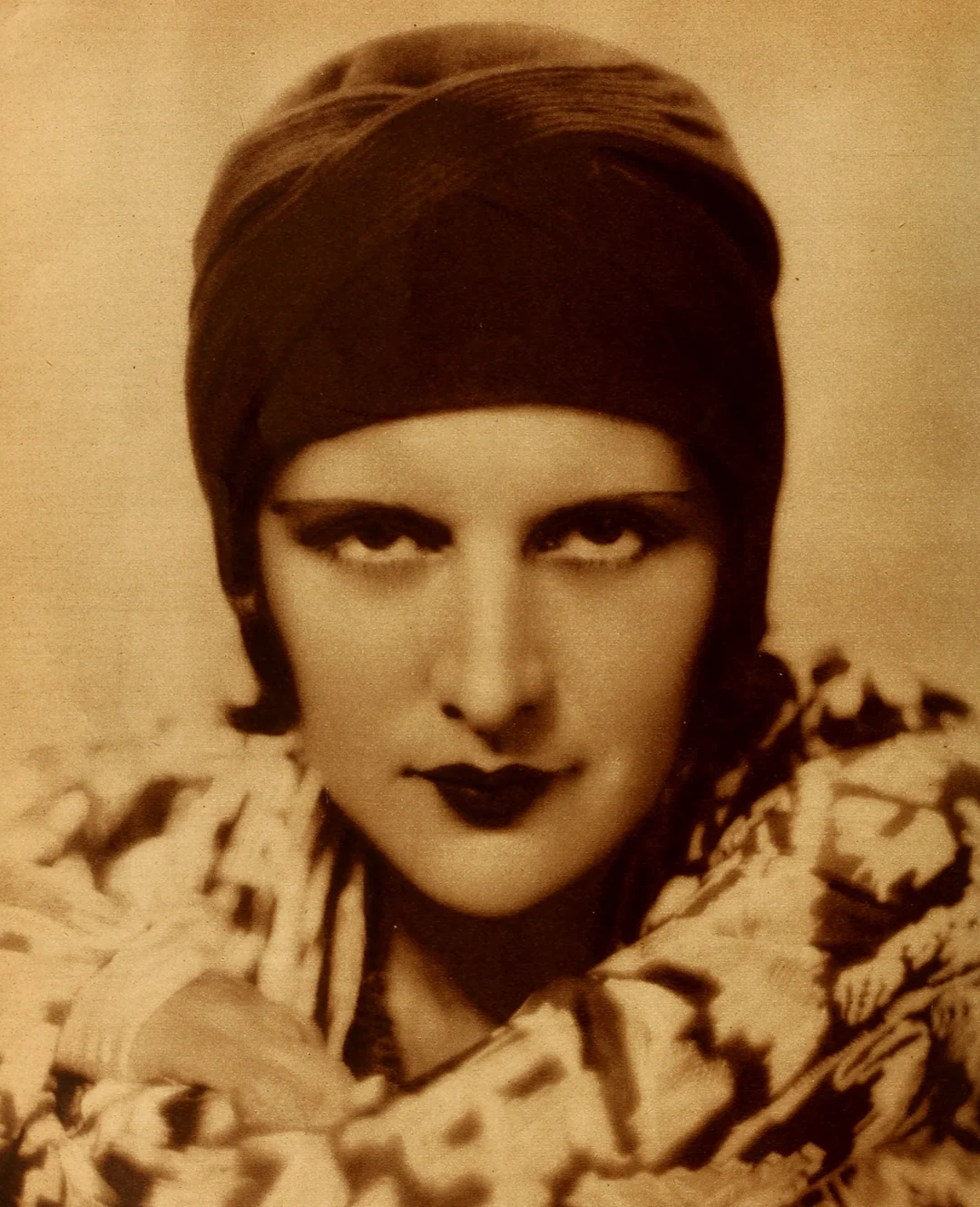
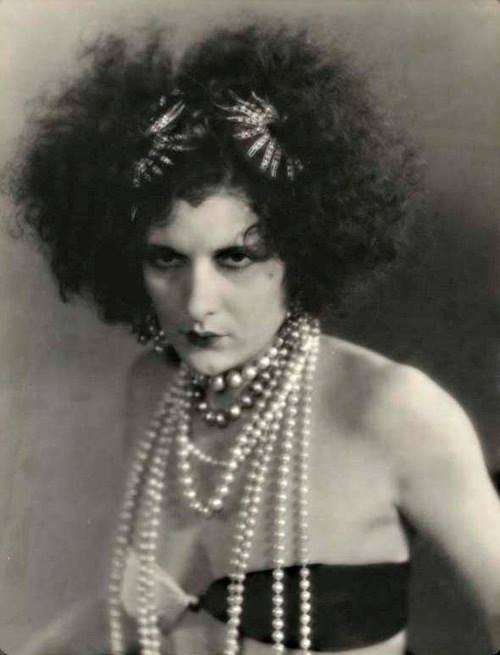
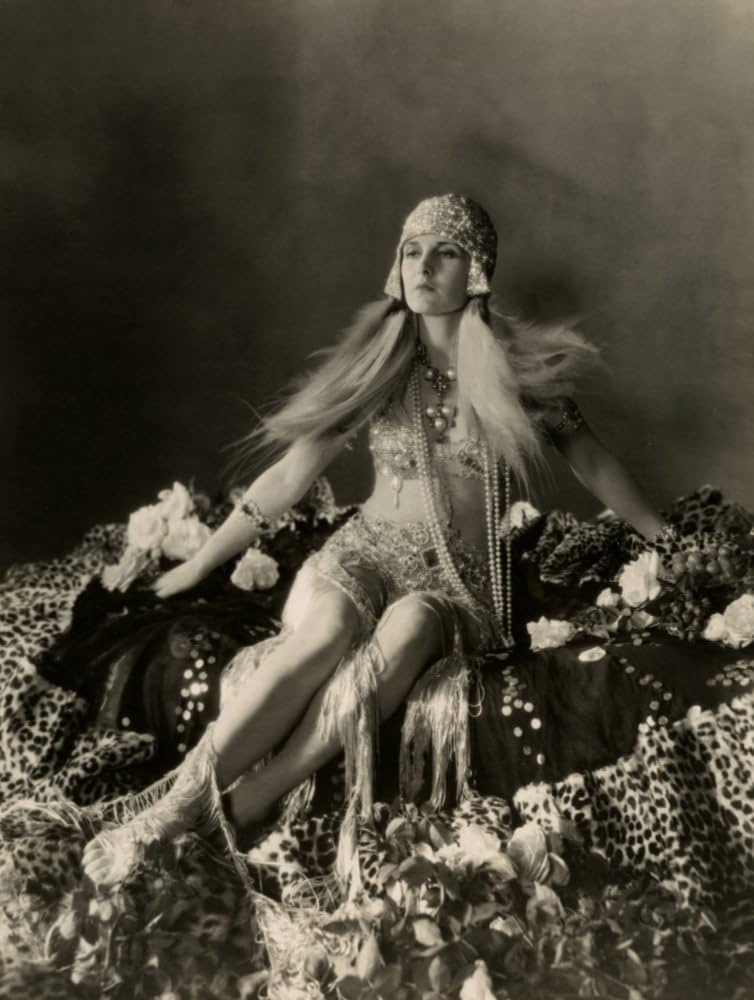
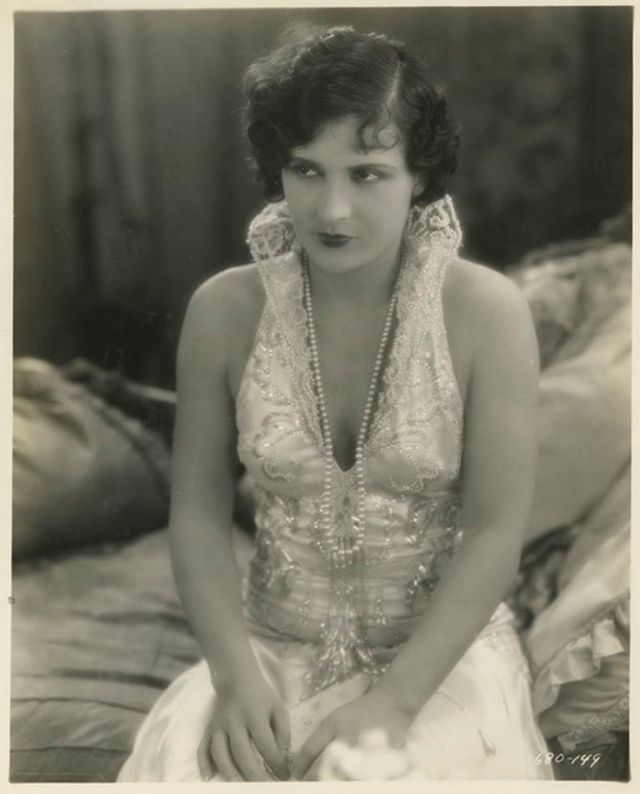
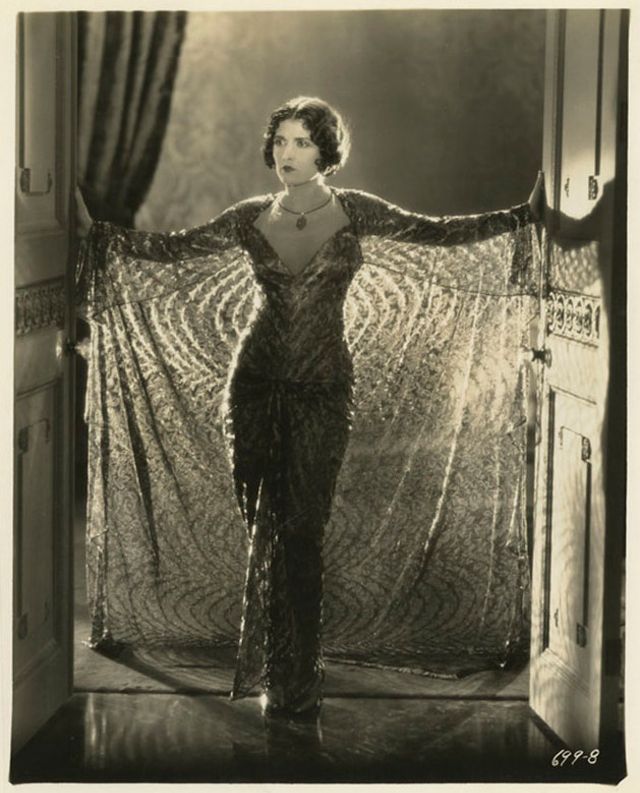
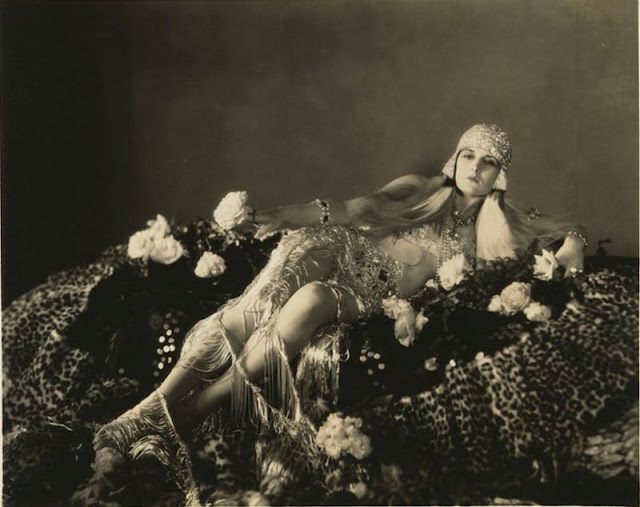
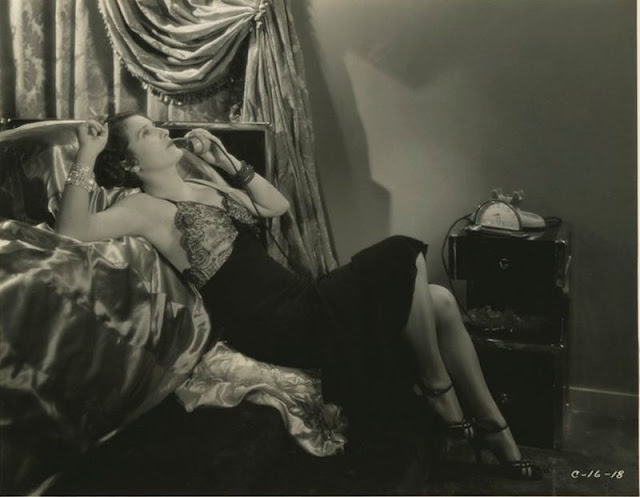
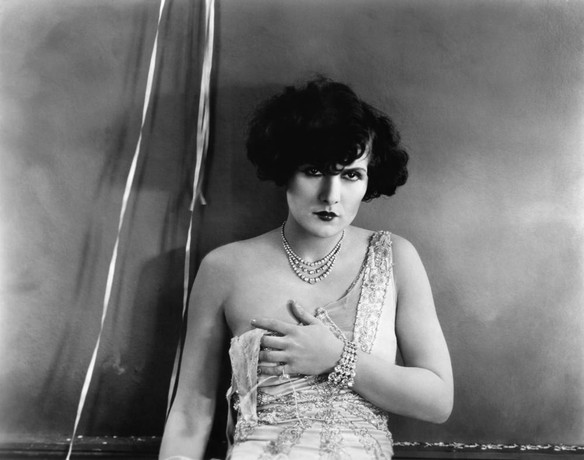
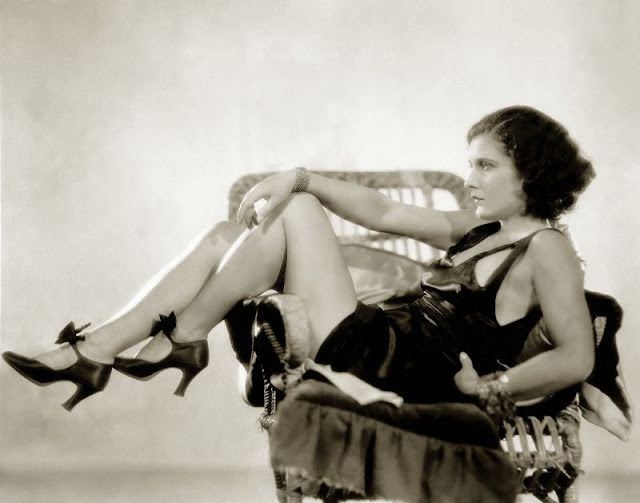
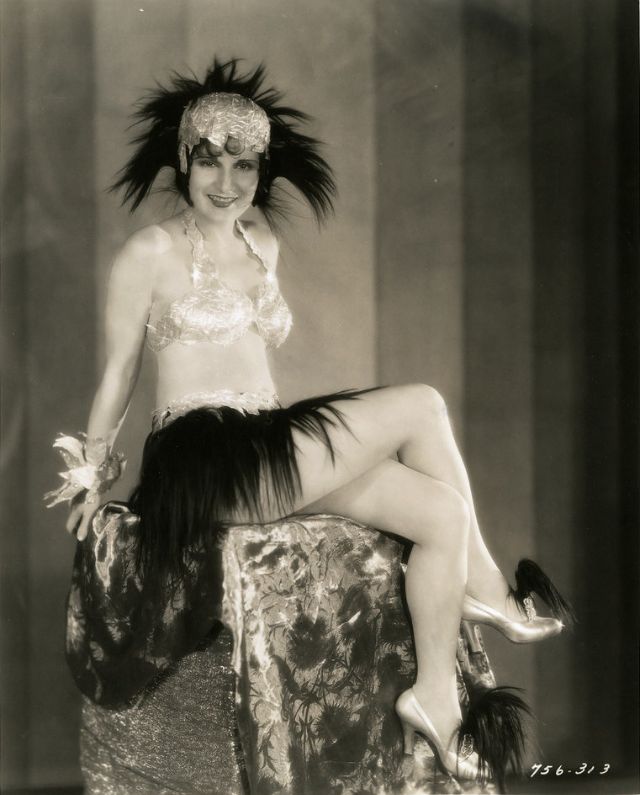
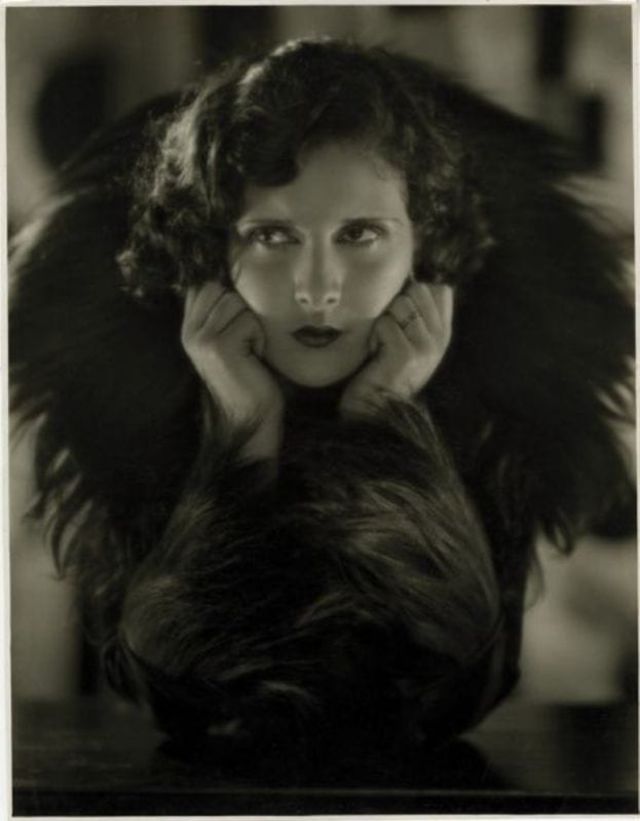
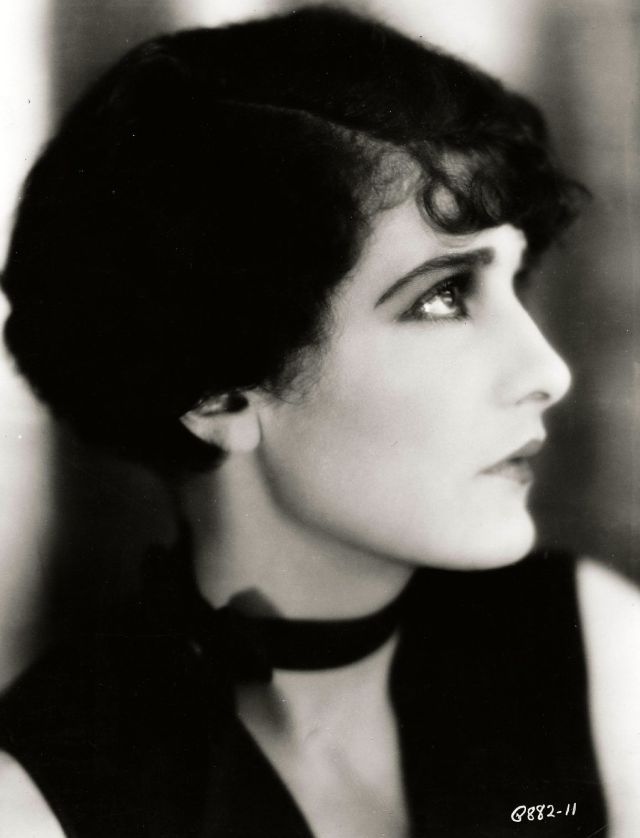
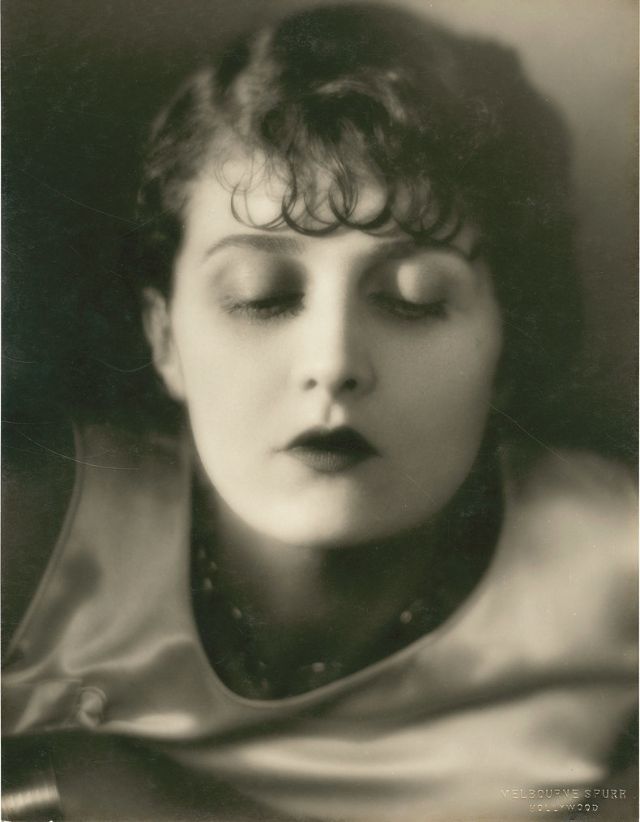
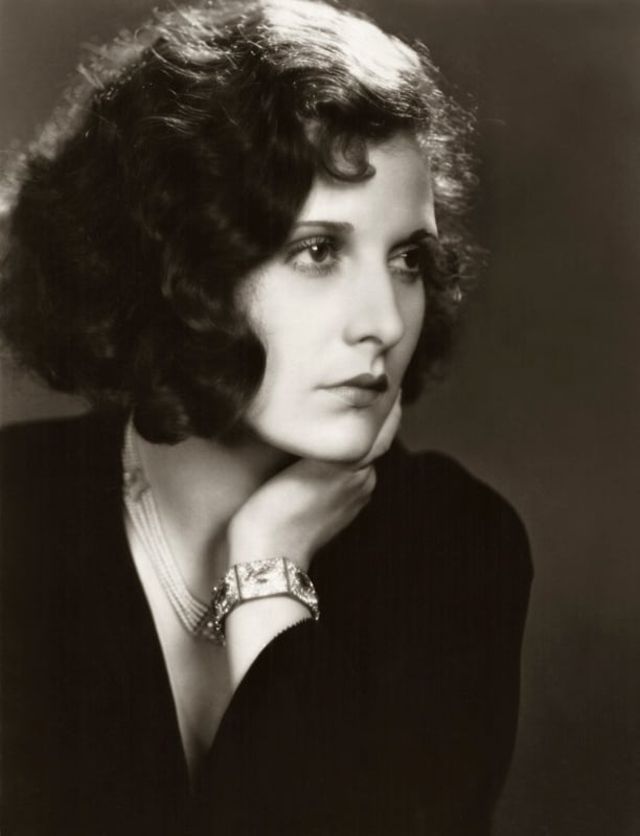
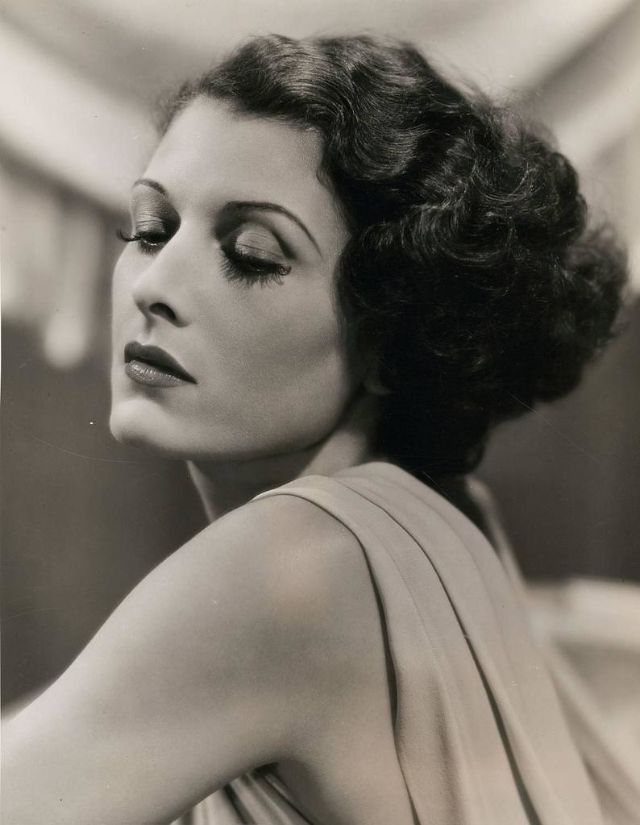
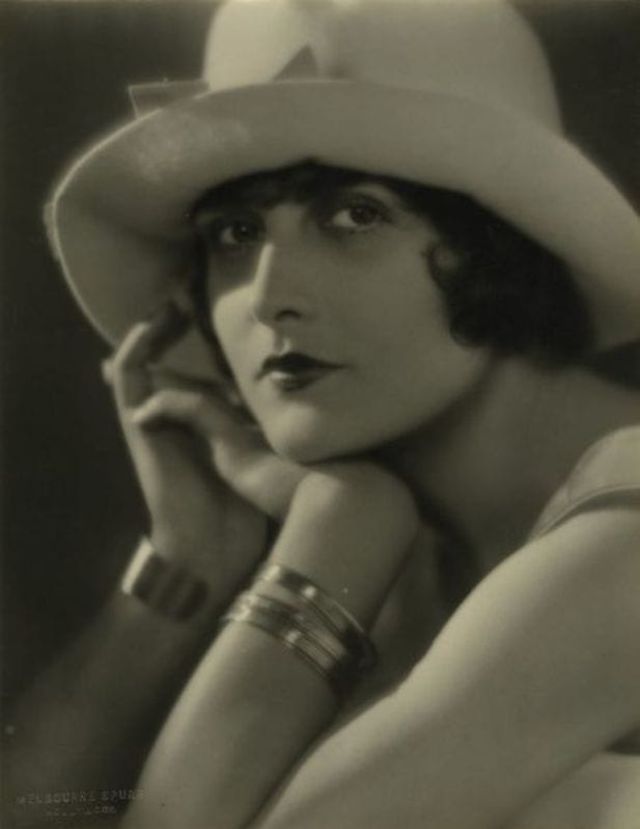
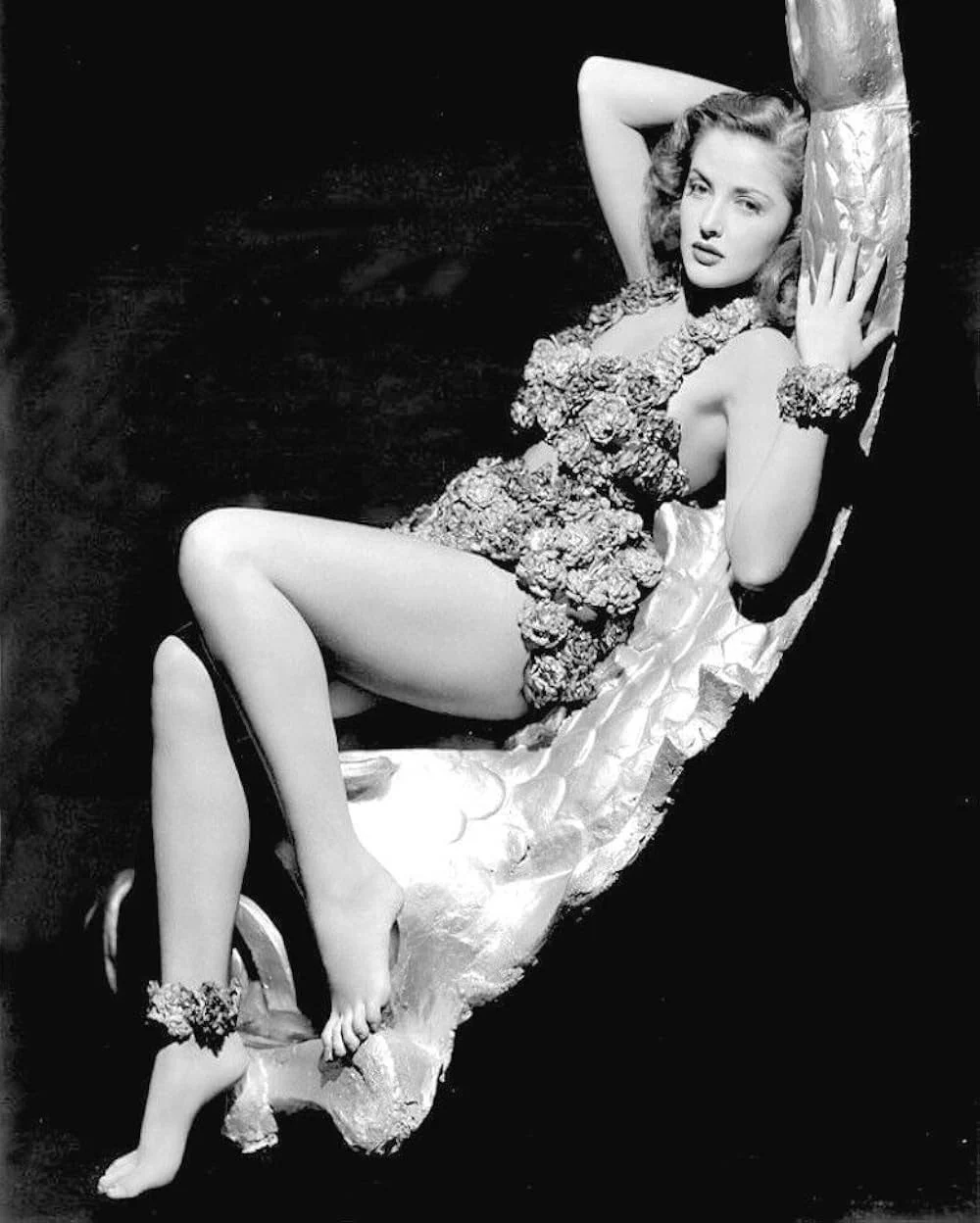
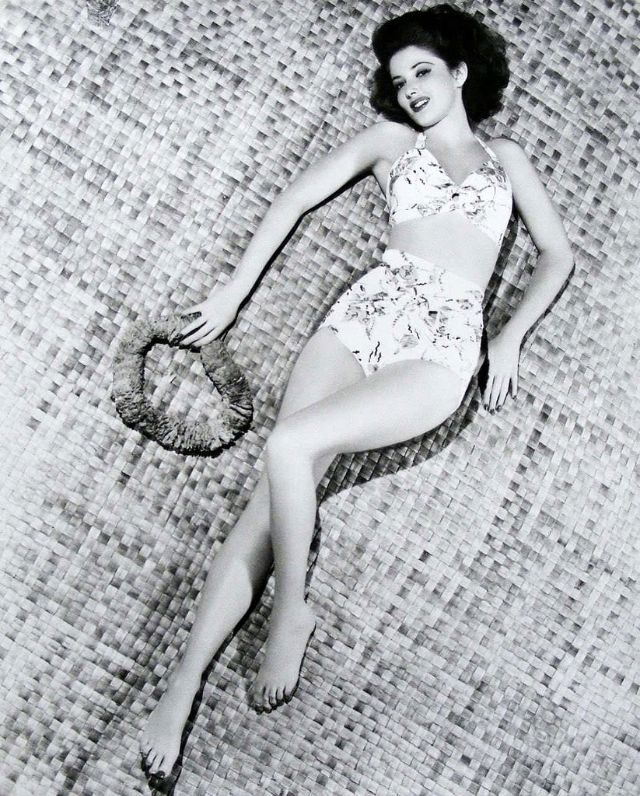
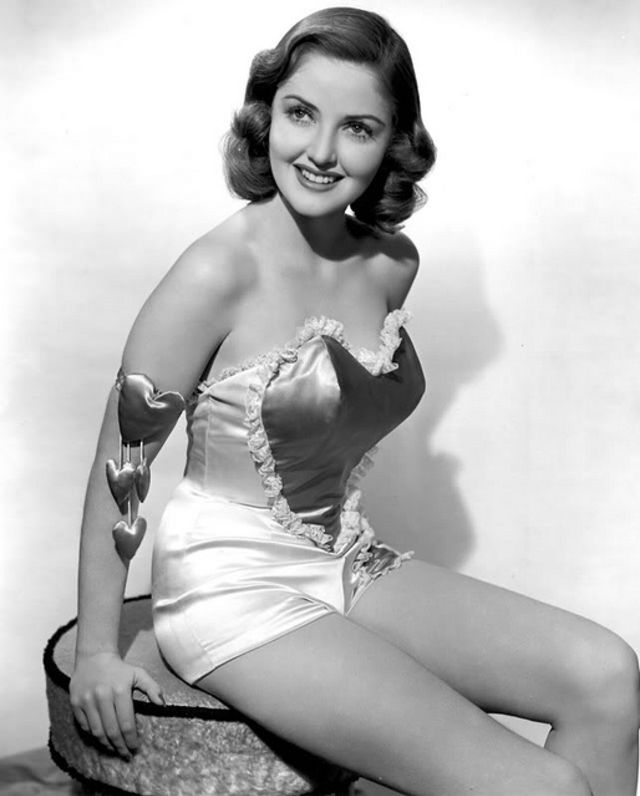
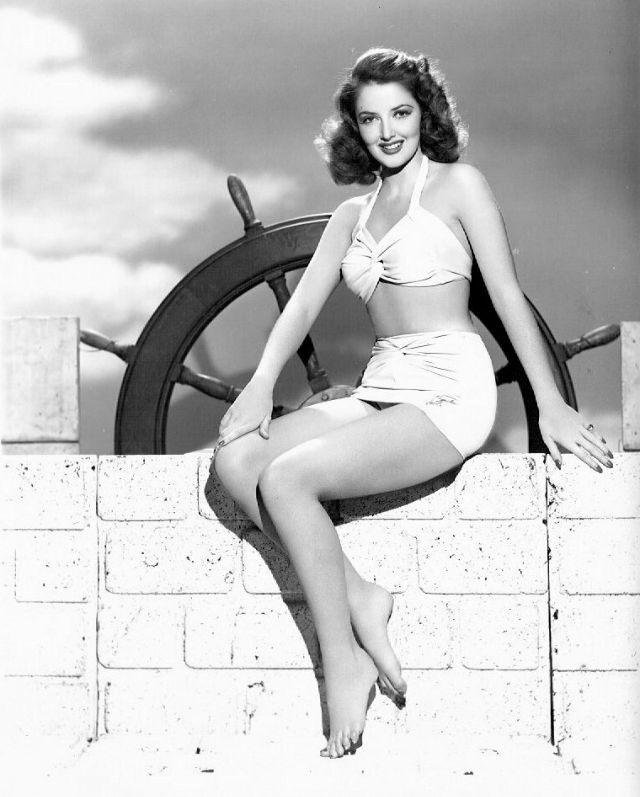
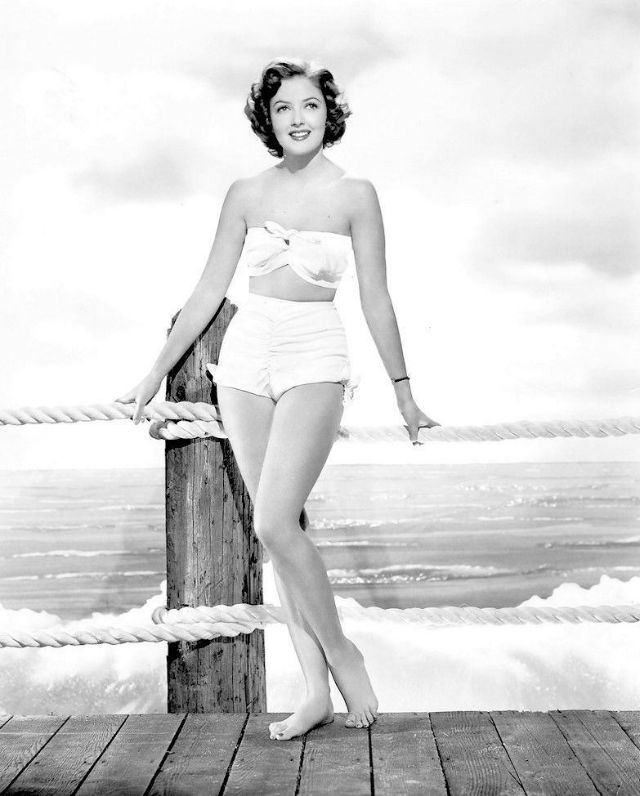
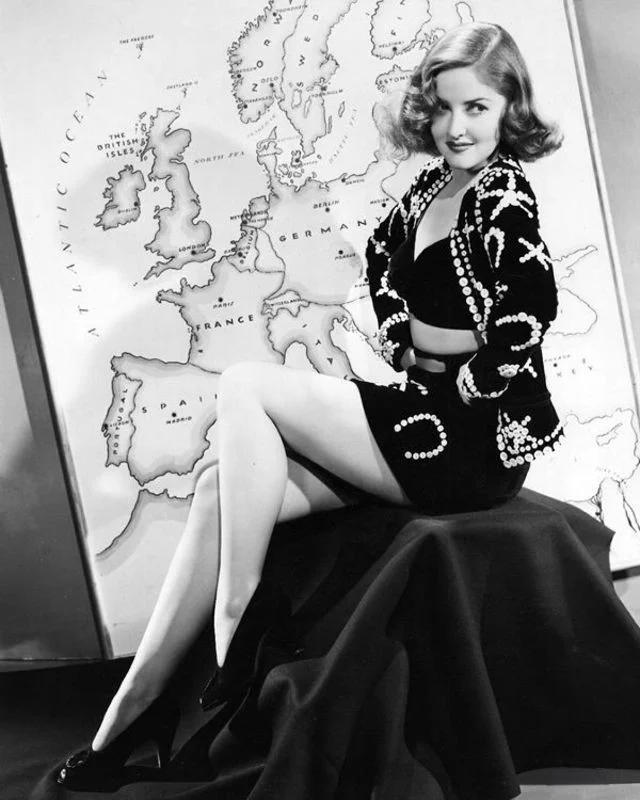
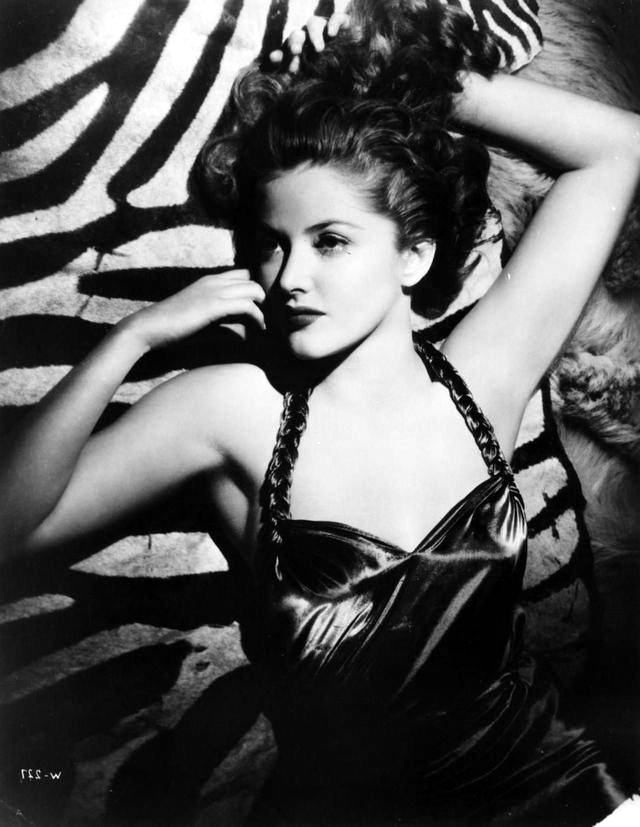
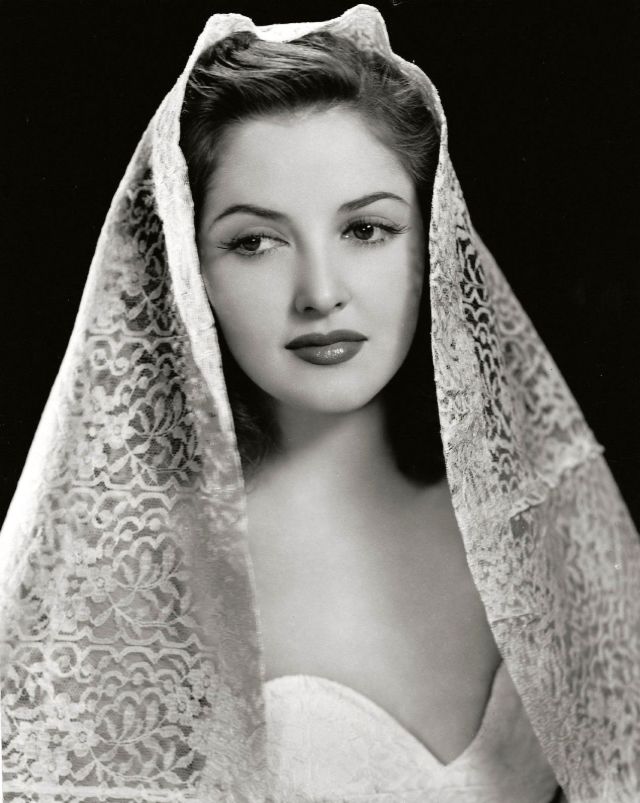
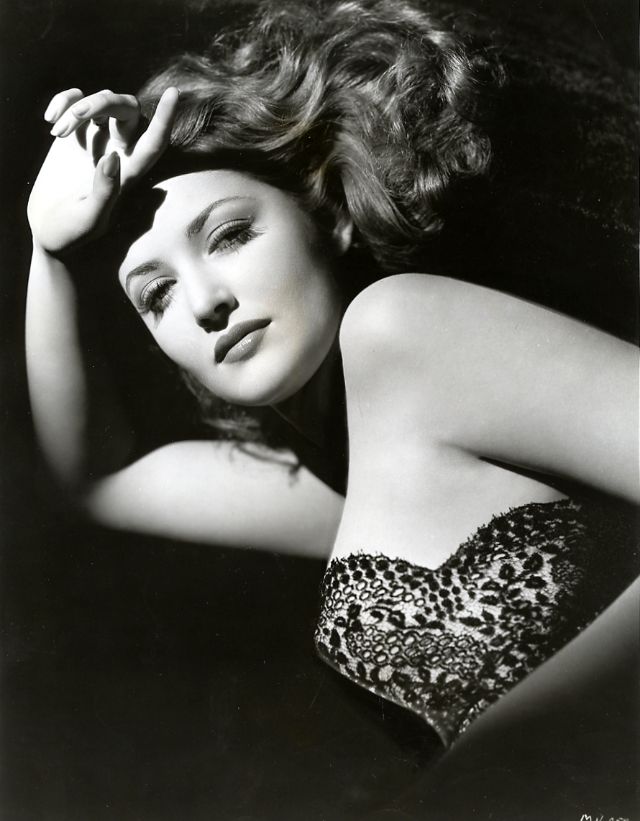
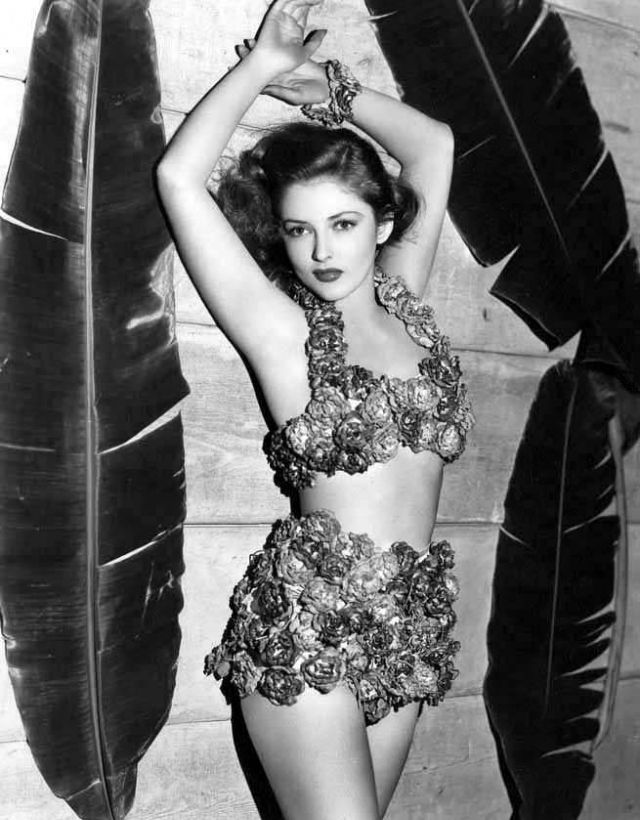
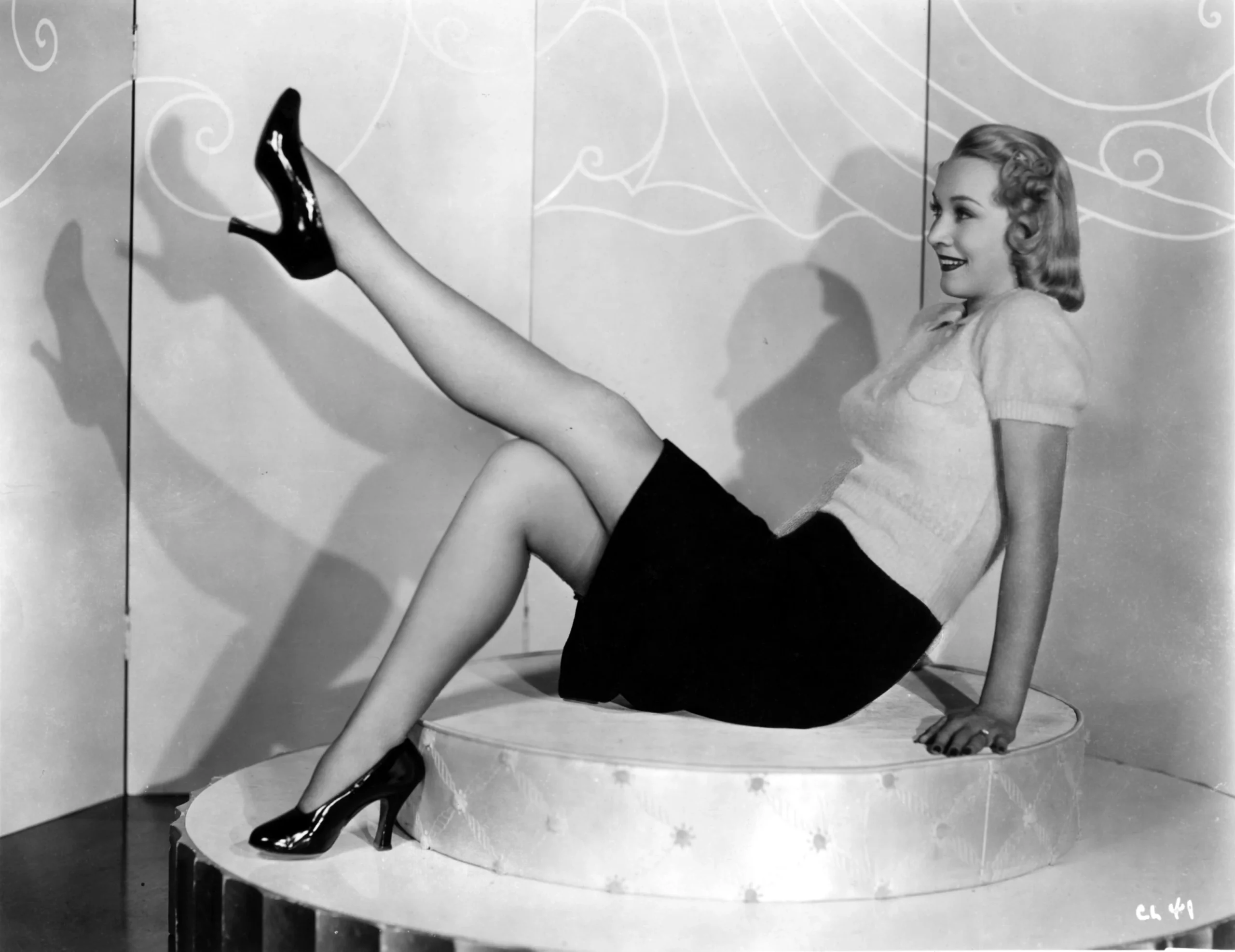
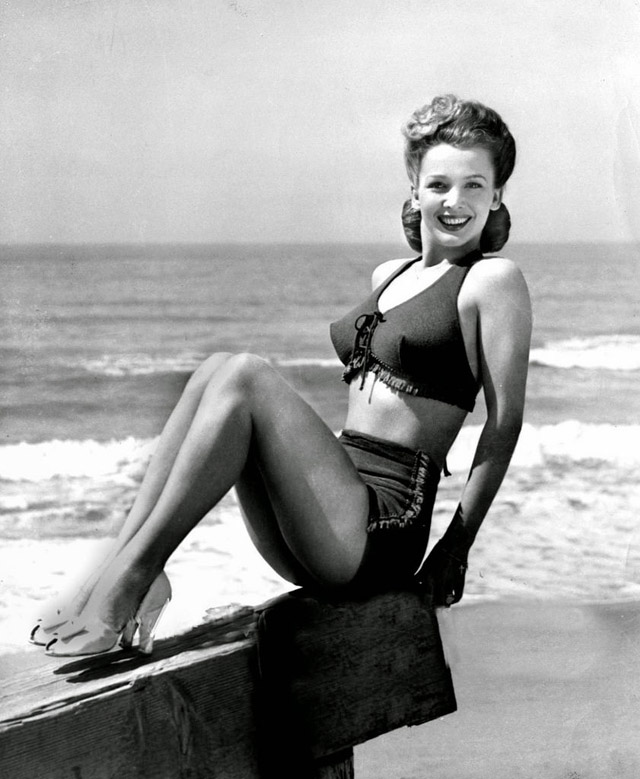
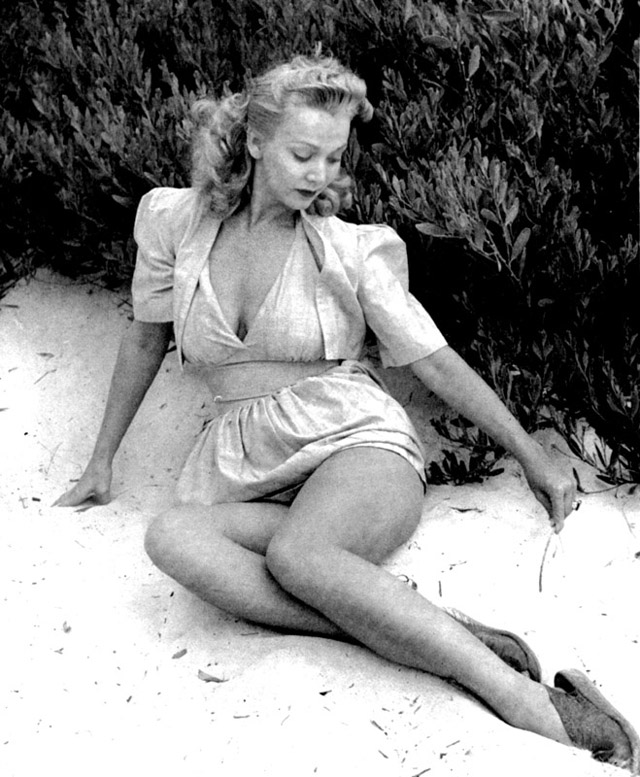
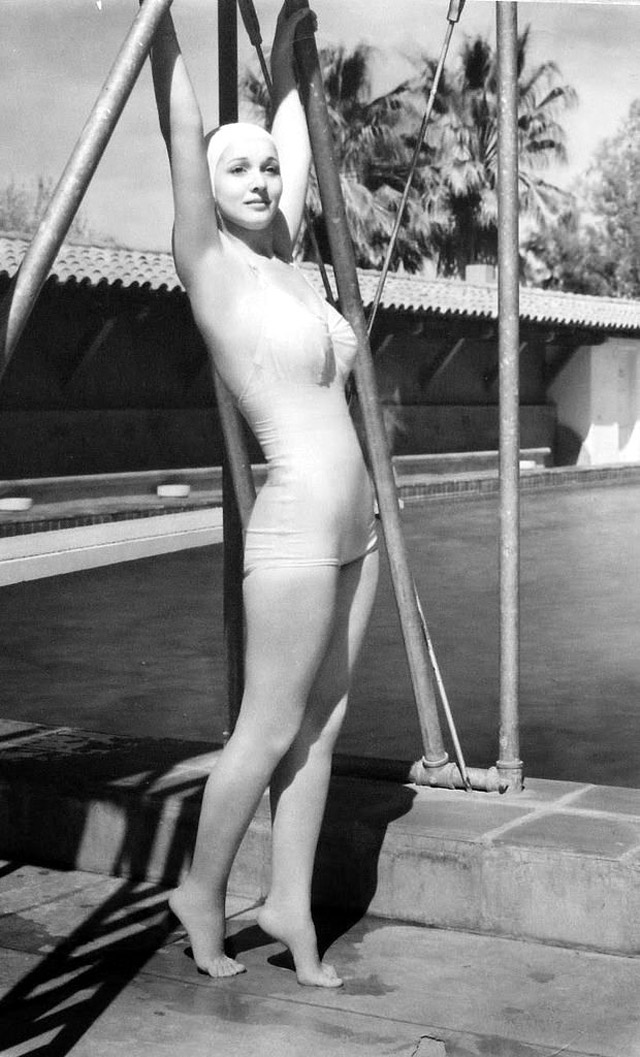
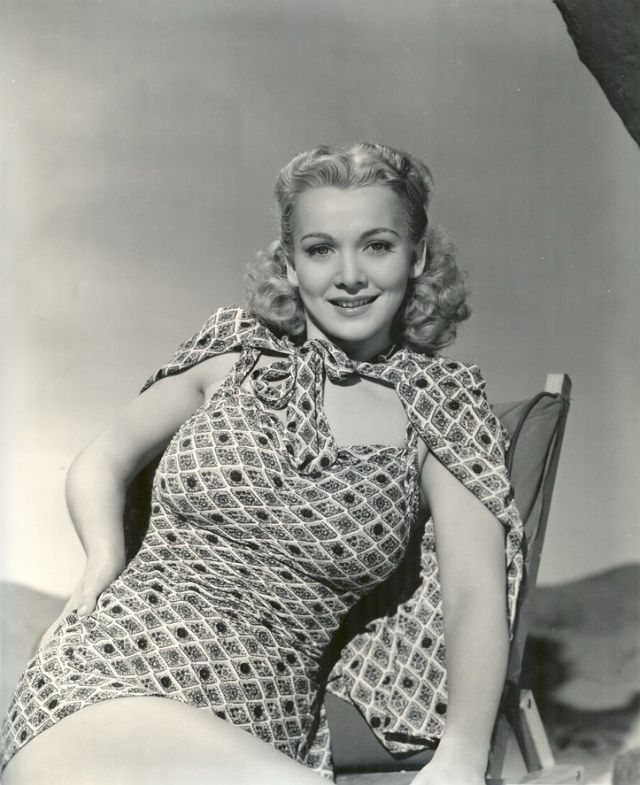
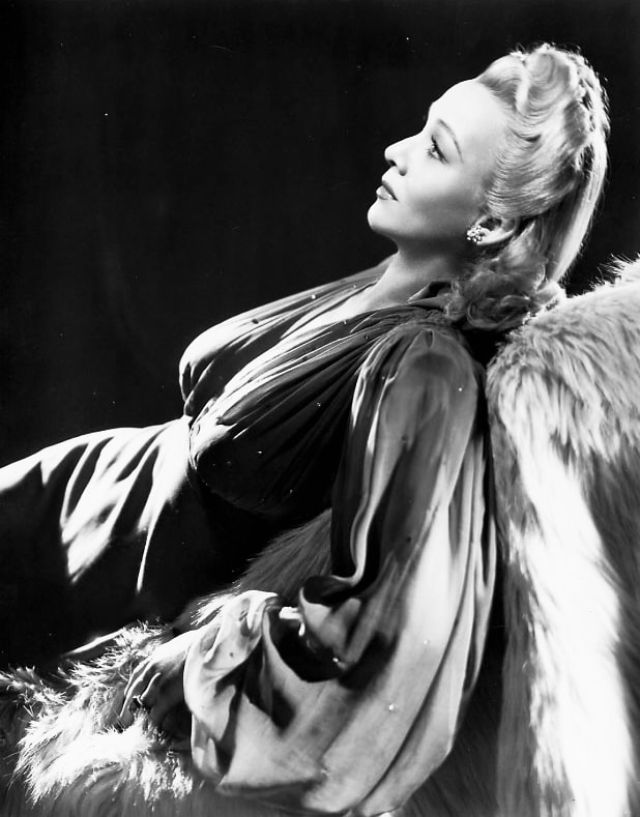
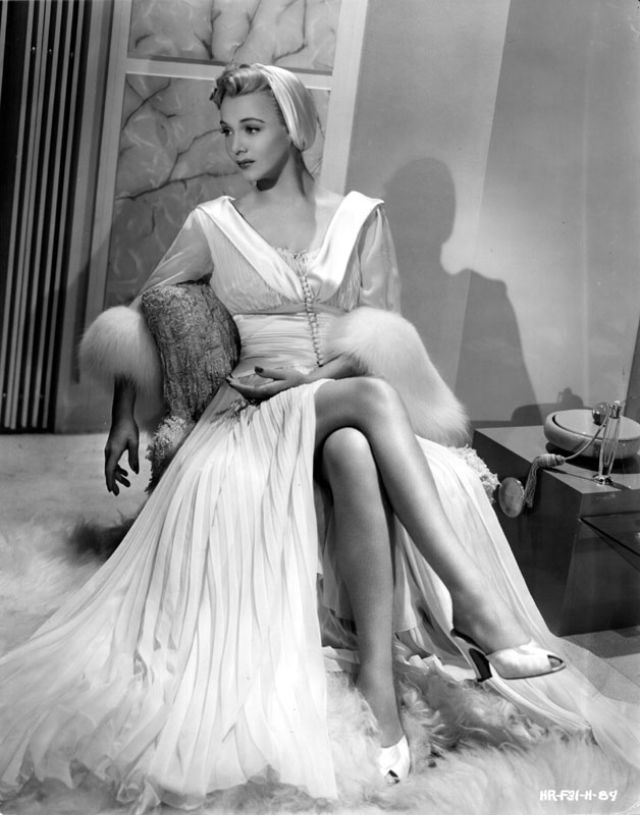
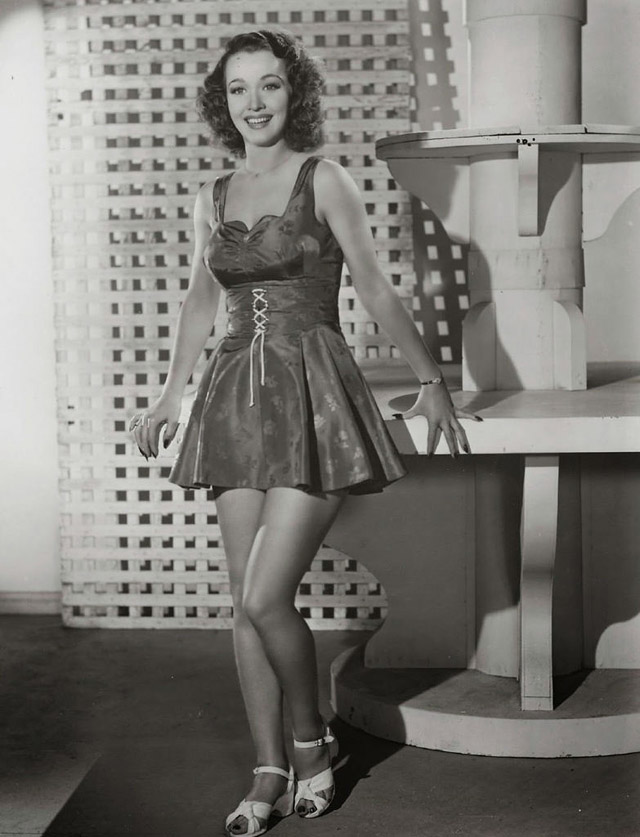
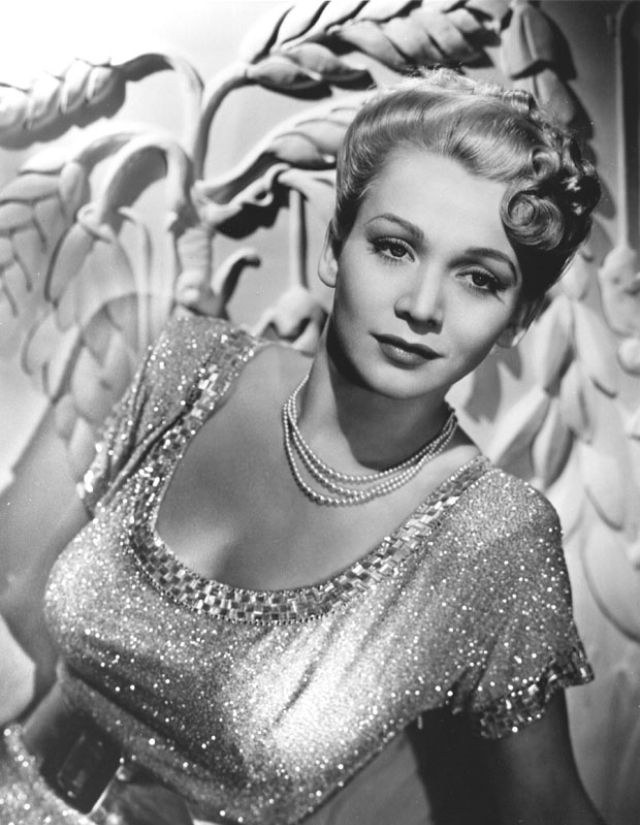
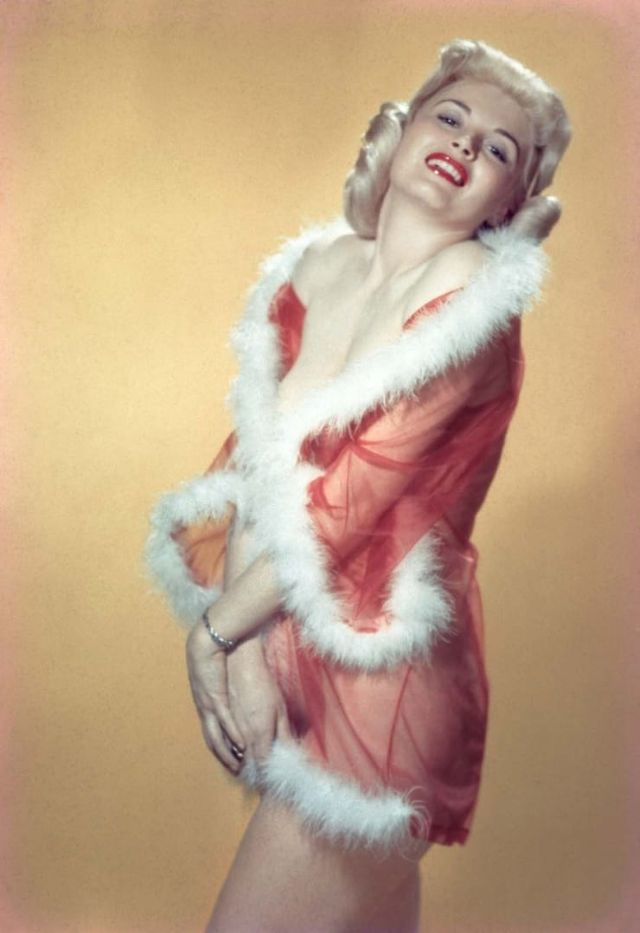
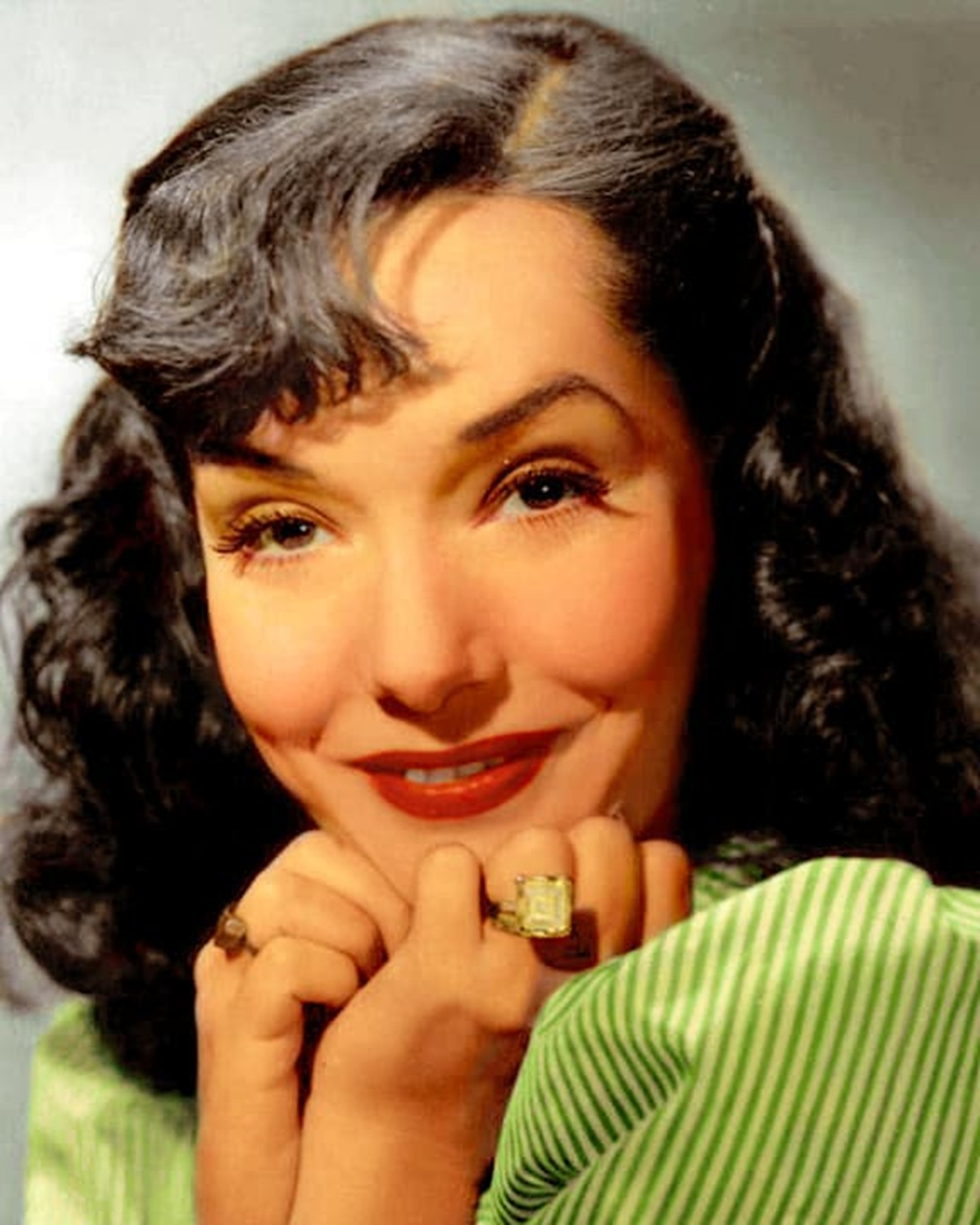
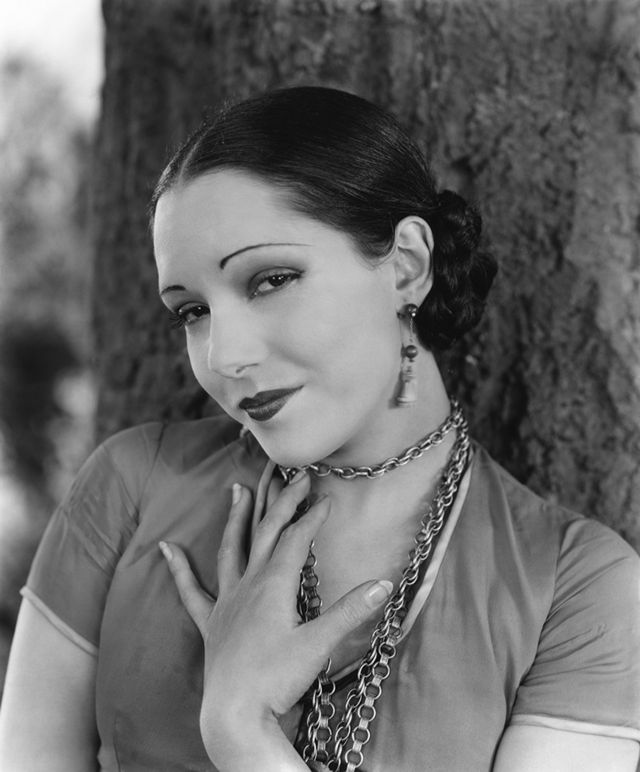
Lupe Velez was a Mexican actress, singer, and dancer during the Golden Age of Hollywood cinema. She began her career as a performer in Mexican vaudeville in the early 1920s. After moving to the United States, she made her first film appearance in a short in 1927. By the end of the decade, she was acting in full-length silent films and had progressed to leading roles in The Gaucho (1927), Lady of the Pavements (1928) and Wolf Song (1929), among others. Vélez made the transition to sound films without difficulty. She was one of the first successful Mexican actresses in Hollywood. During the 1930s, her explosive screen persona was exploited in successful comedic films like Hot Pepper (1933), Strictly Dynamite (1934) and Hollywood Party (1934). In the 1940s, Vélez’s popularity peaked while appearing as Carmelita Fuentes in eight Mexican Spitfire films, a series created to capitalize on her fiery personality.

Nicknamed The Mexican Spitfire by the media, Vélez had a personal life that was as colorful as her screen persona. She had several highly-publicized romances with Hollywood actors and a stormy marriage with Johnny Weissmuller. Vélez died at age 36 in December 1944 of an intentional overdose of the barbiturate drug Seconal. Her death and the circumstances surrounding it were the subject of speculation and controversy.

On the evening of December 13, 1944, Vélez dined with two friends, the silent-film star Estelle Taylor and Venita Oakie. In the early morning hours of December 14, Vélez retired to her bedroom, where she consumed 75 Seconal pills and a glass of brandy. Her secretary, Beulah Kinder, said that she found the actress’s body on her bed later that morning. A suicide note addressed to Harald Ramond was found nearby. It read:

To Harald, May God forgive you and forgive me too, but I prefer to take my life away and our baby’s before I bring him with shame or killing him. – Lupe.

On the back of the note, Vélez wrote:

How could you, Harald, fake such a great love for me and our baby when all the time, you didn’t want us? I see no other way out for me, so goodbye, and good luck to you, Love Lupe.
Joan Lucille Olander (1931 – )

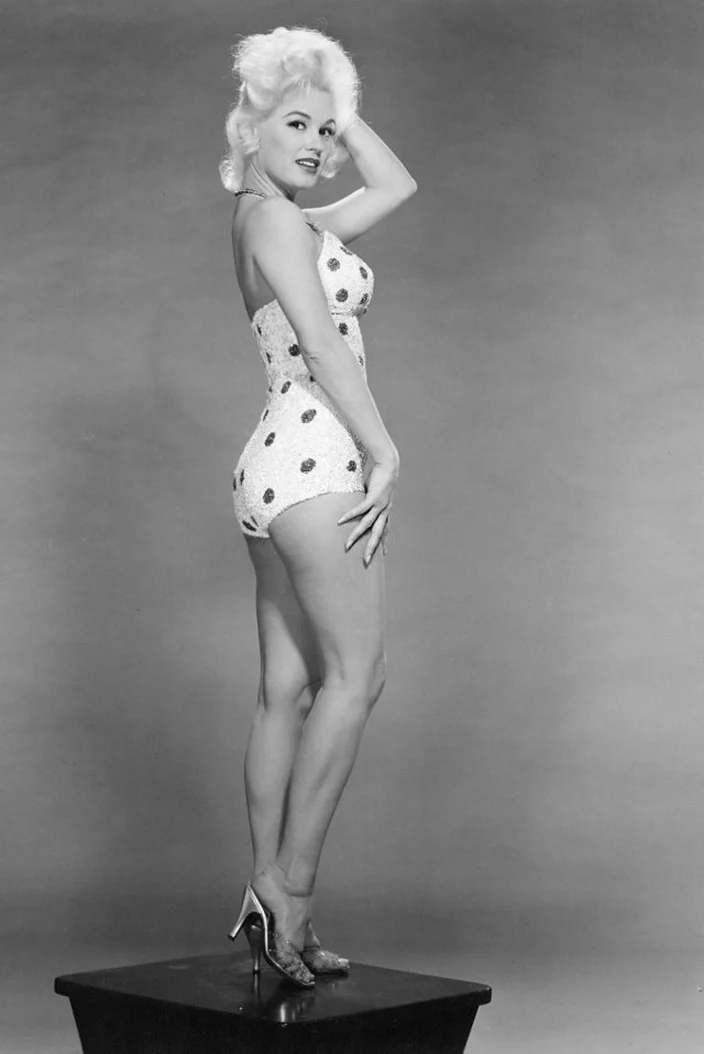
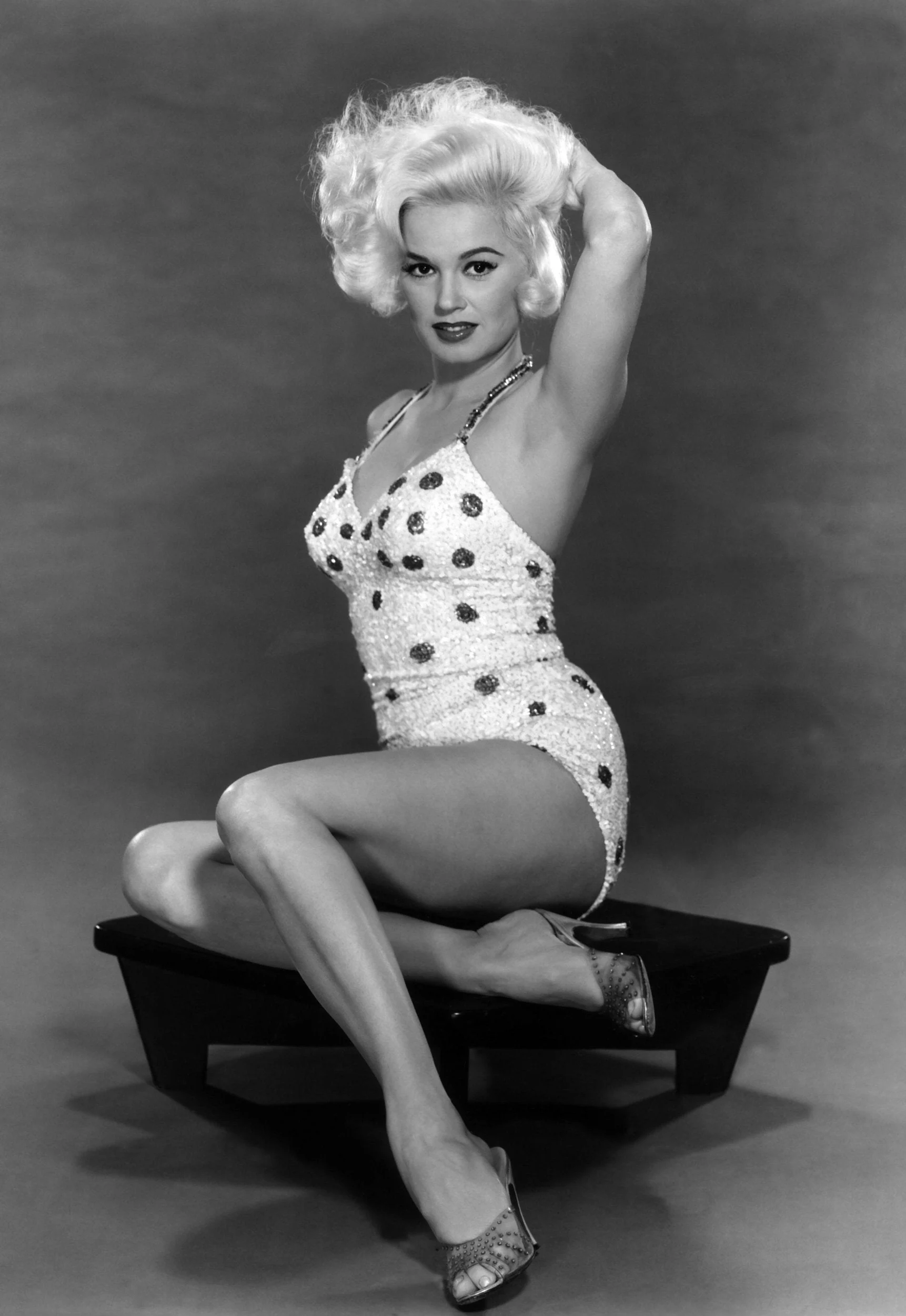
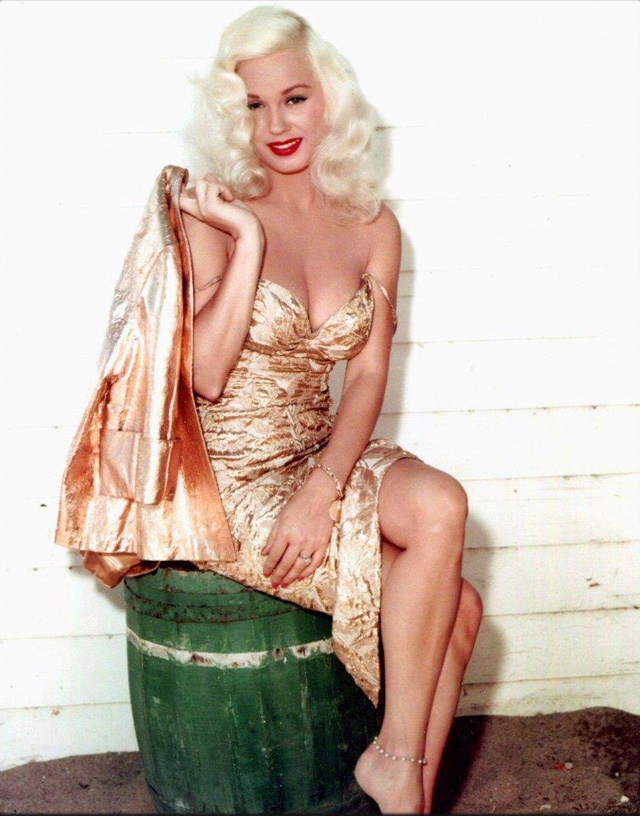
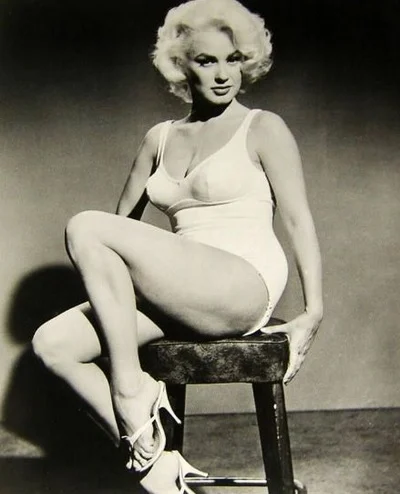
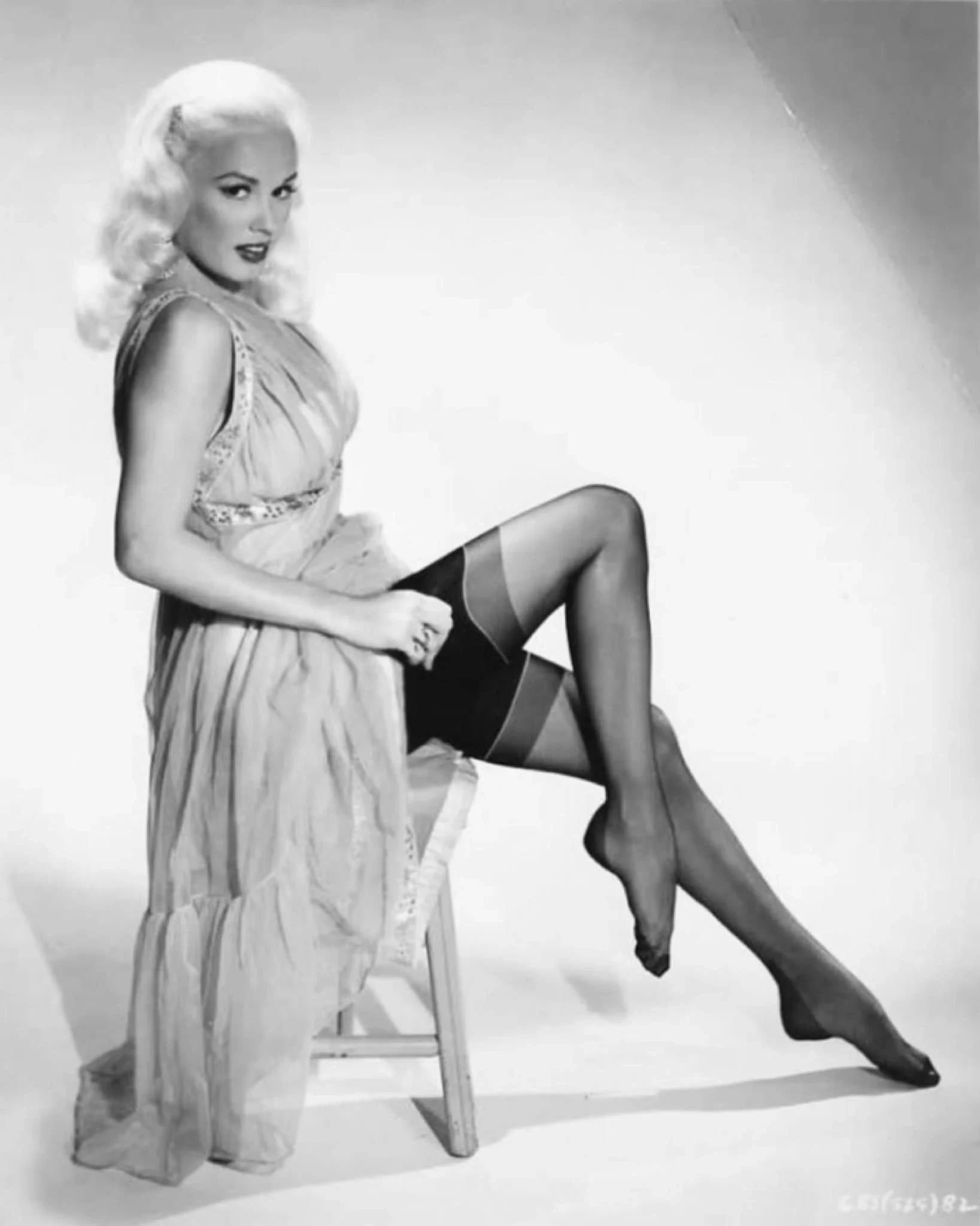
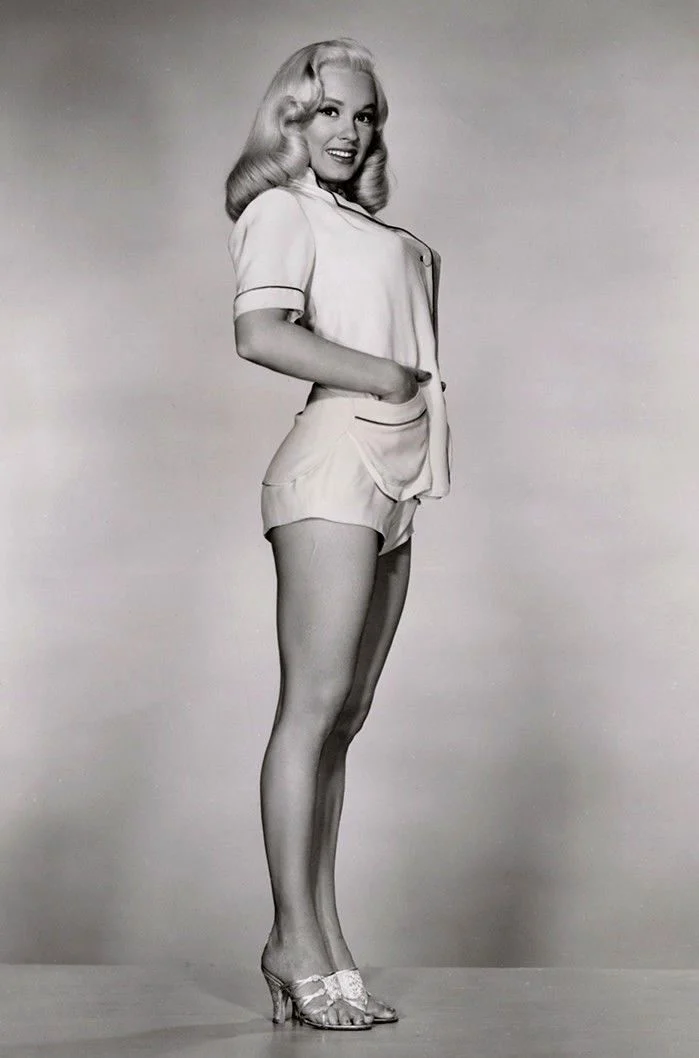
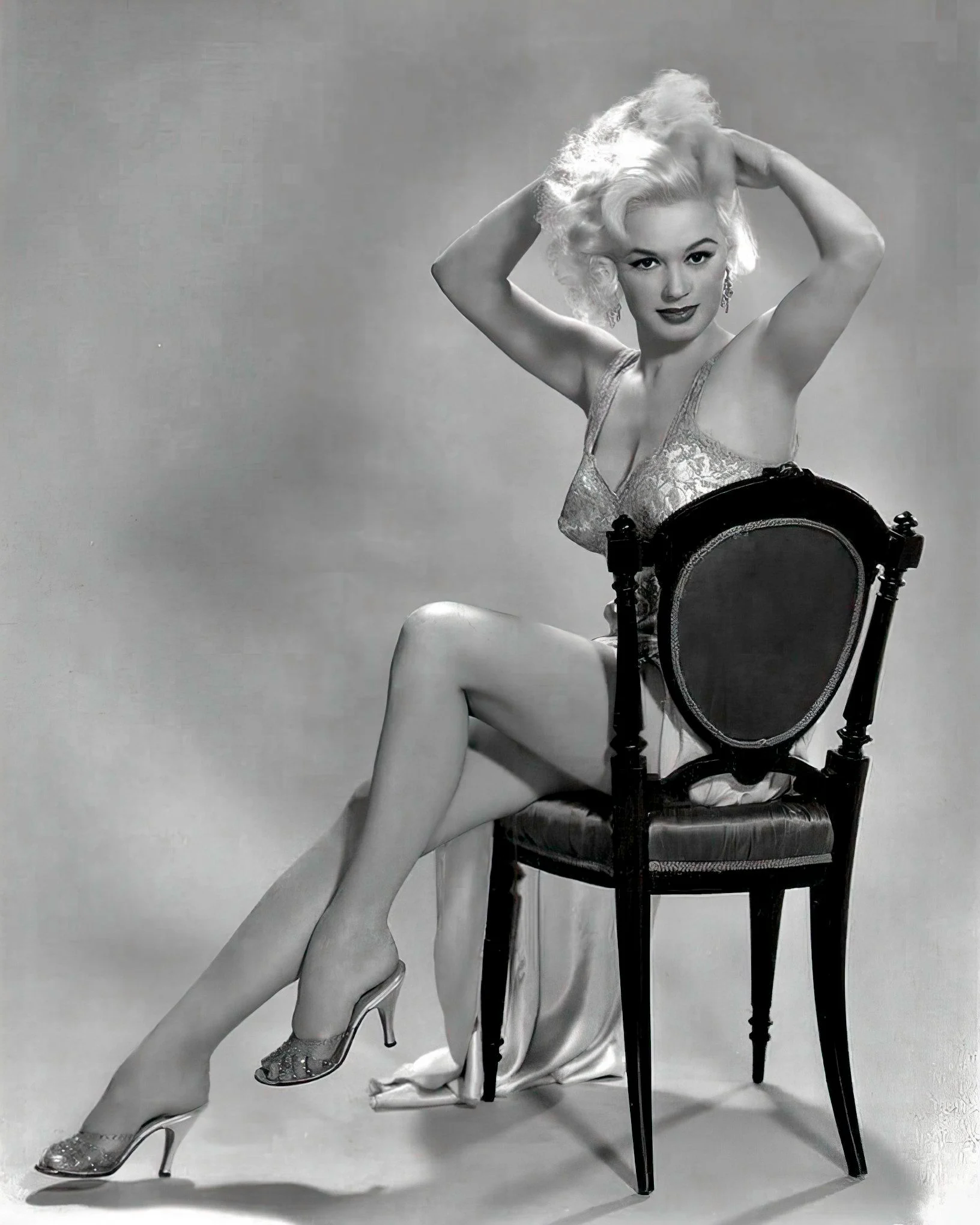
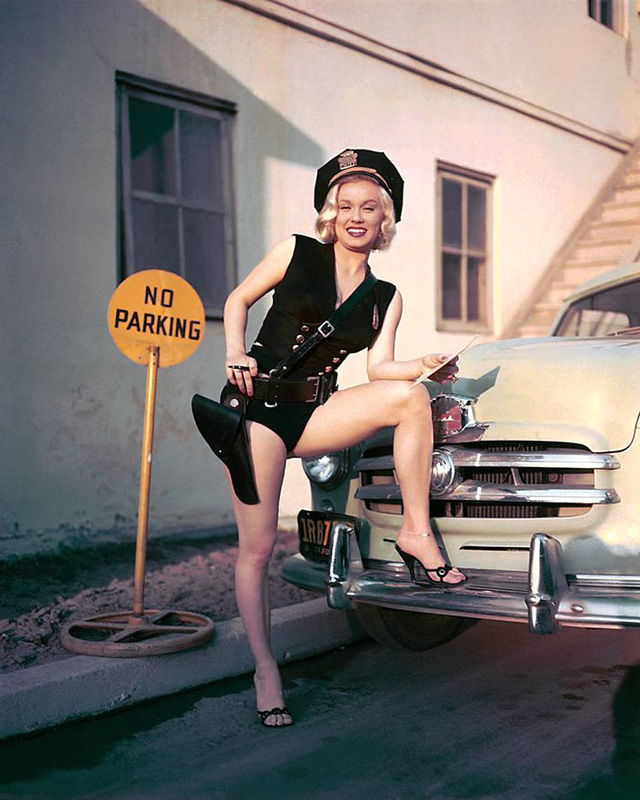
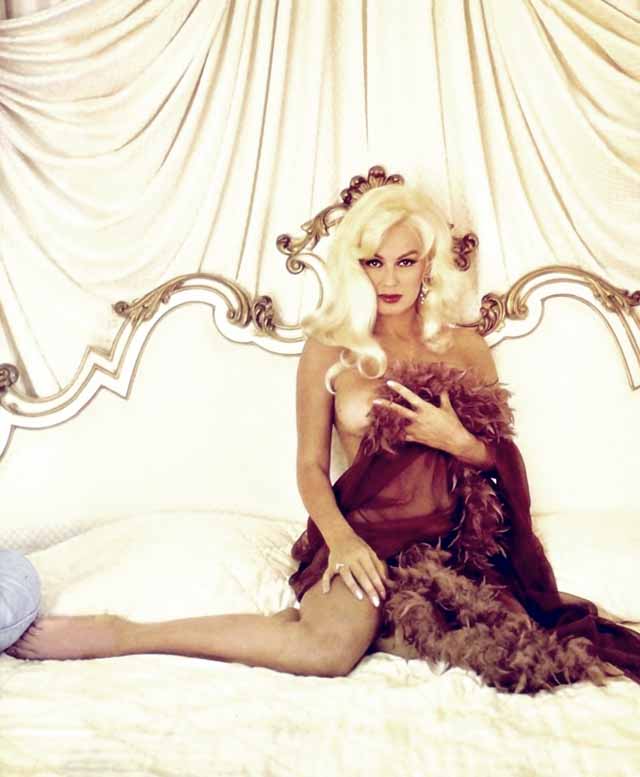
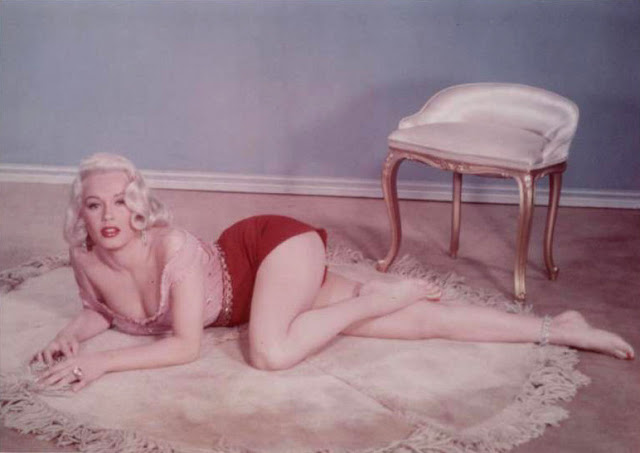
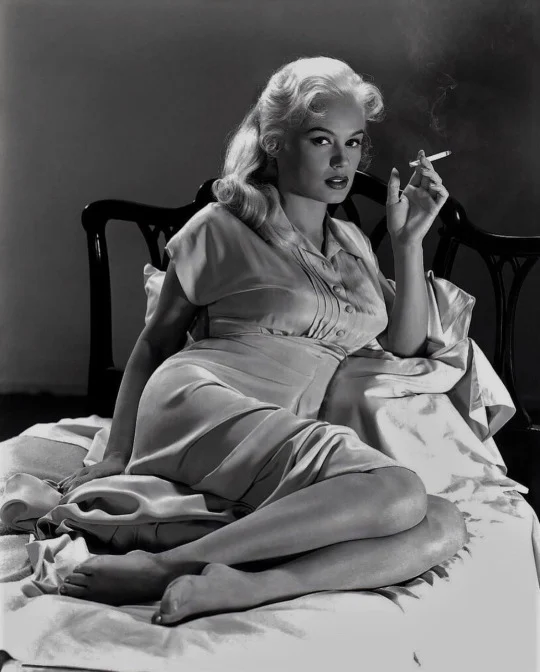
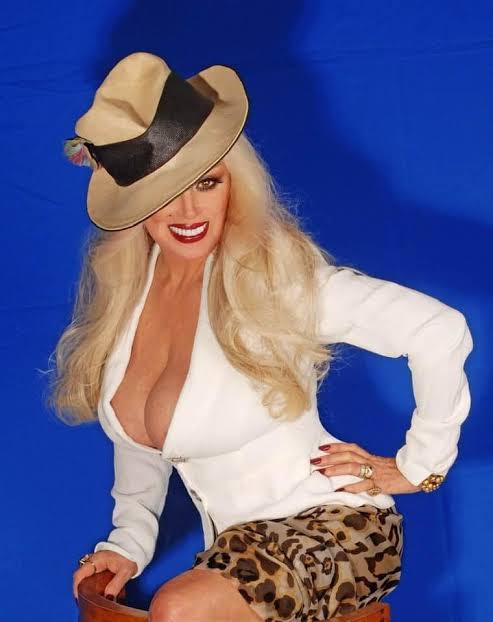
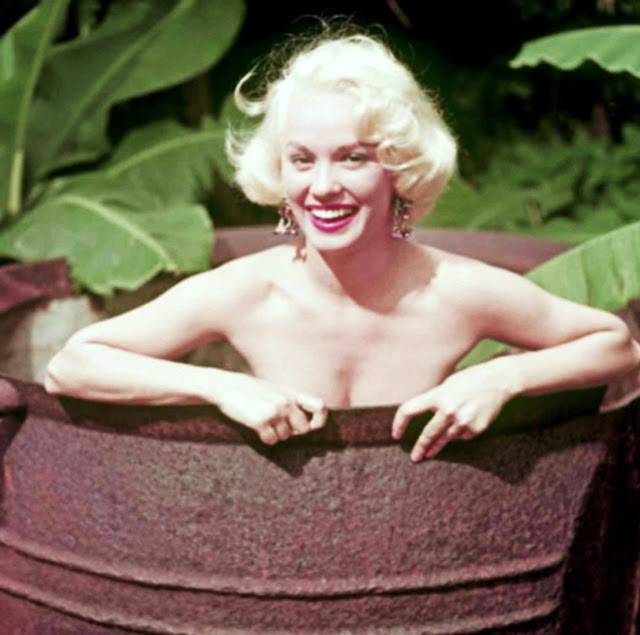
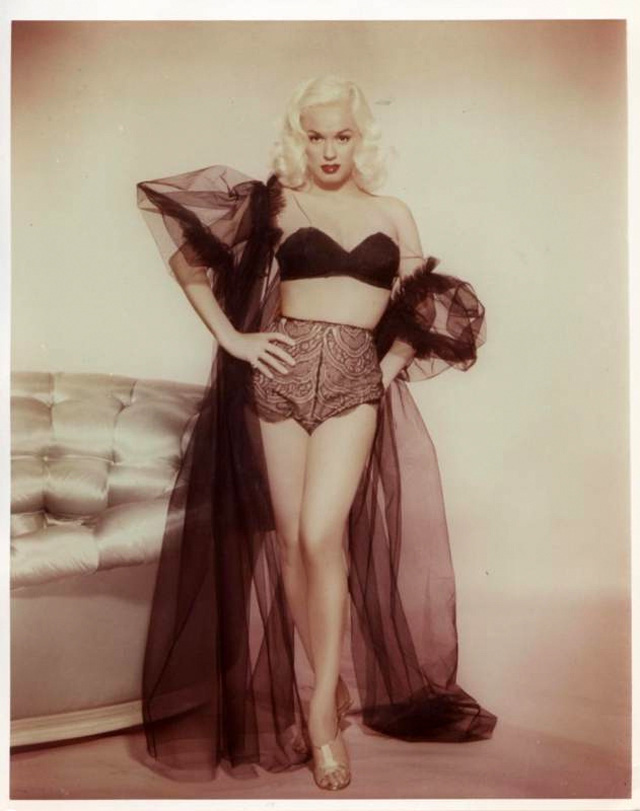
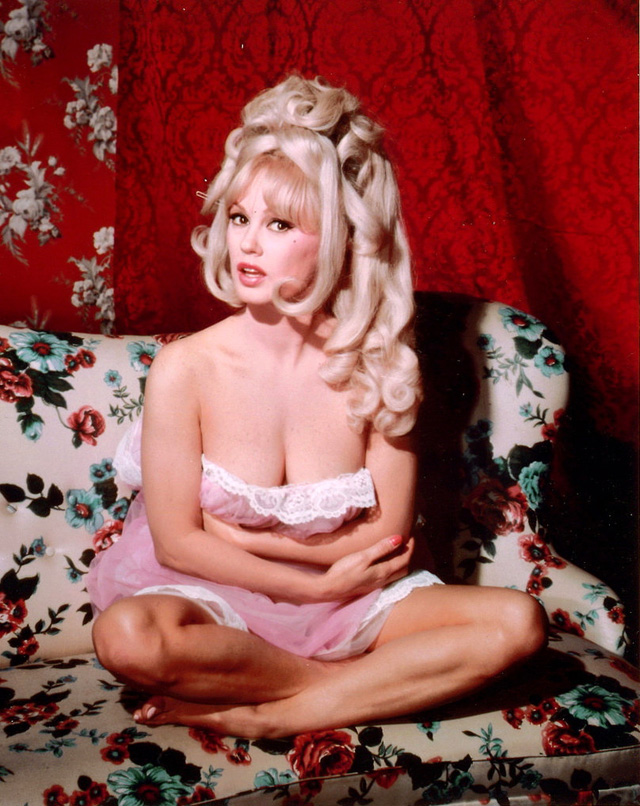
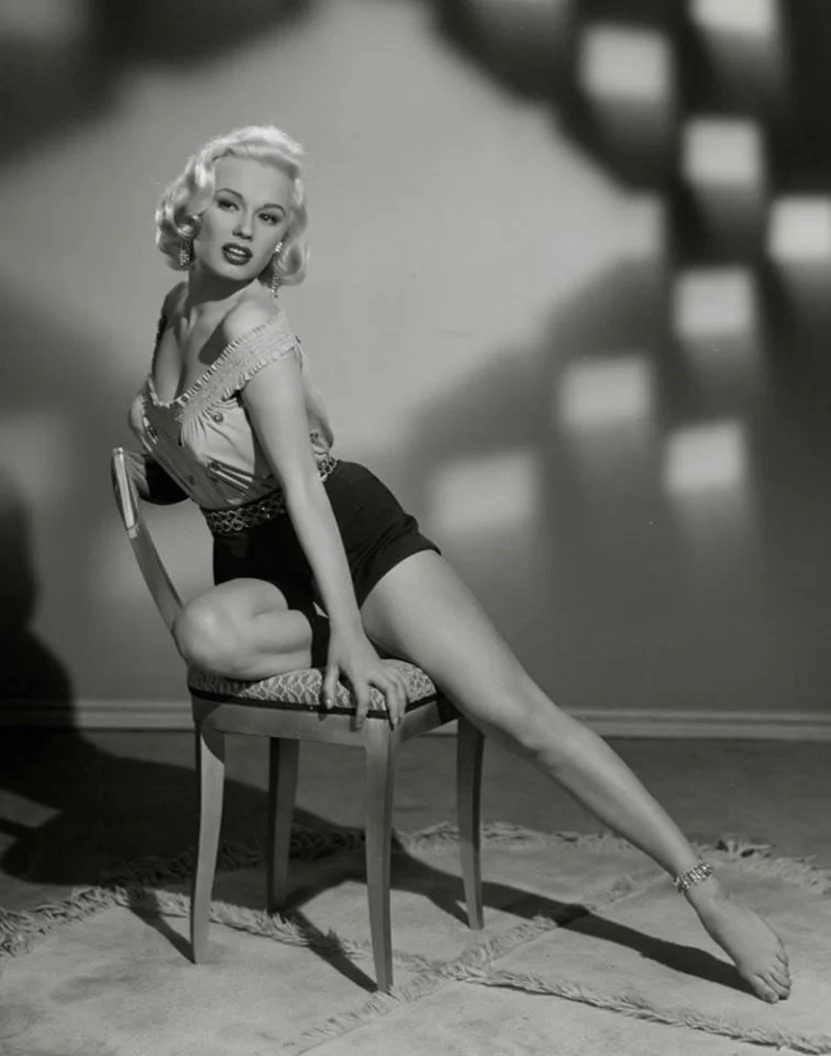
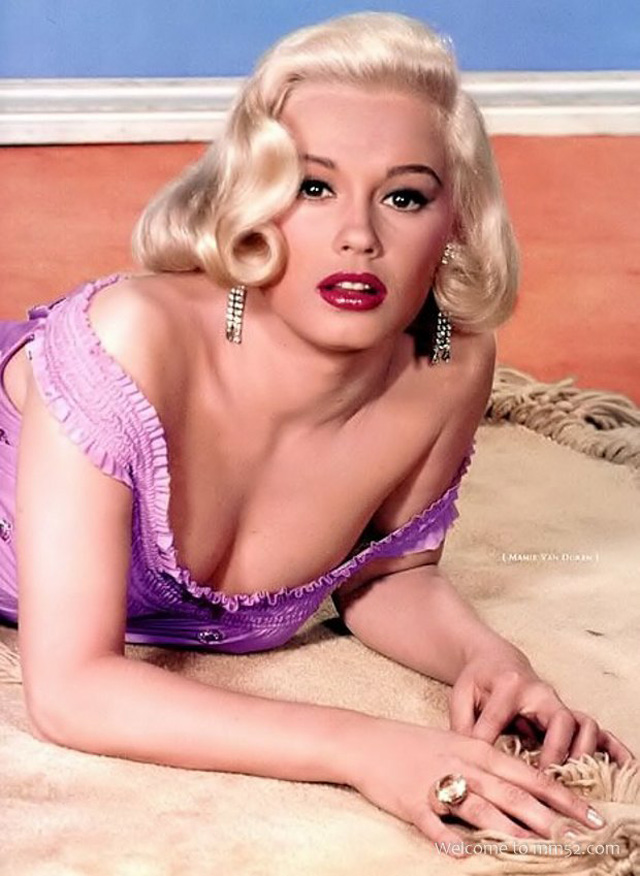
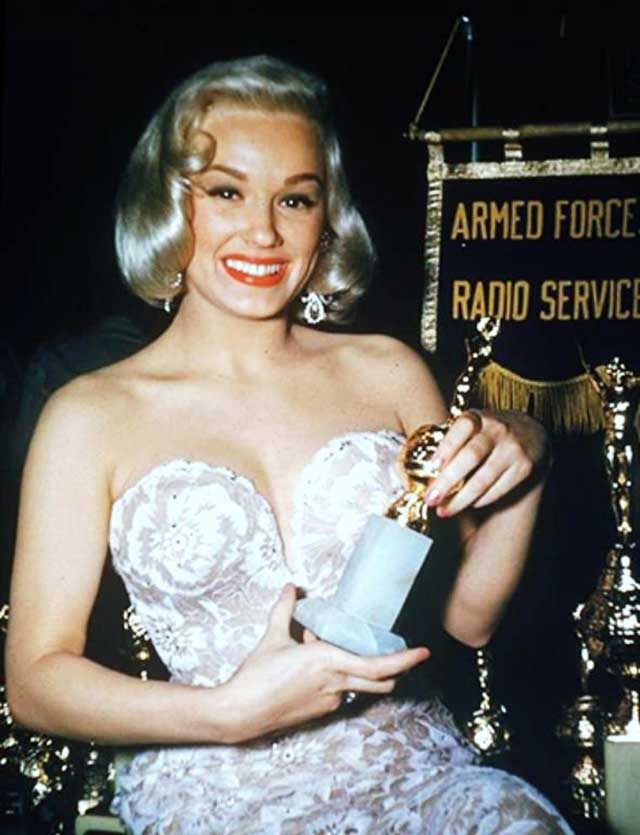
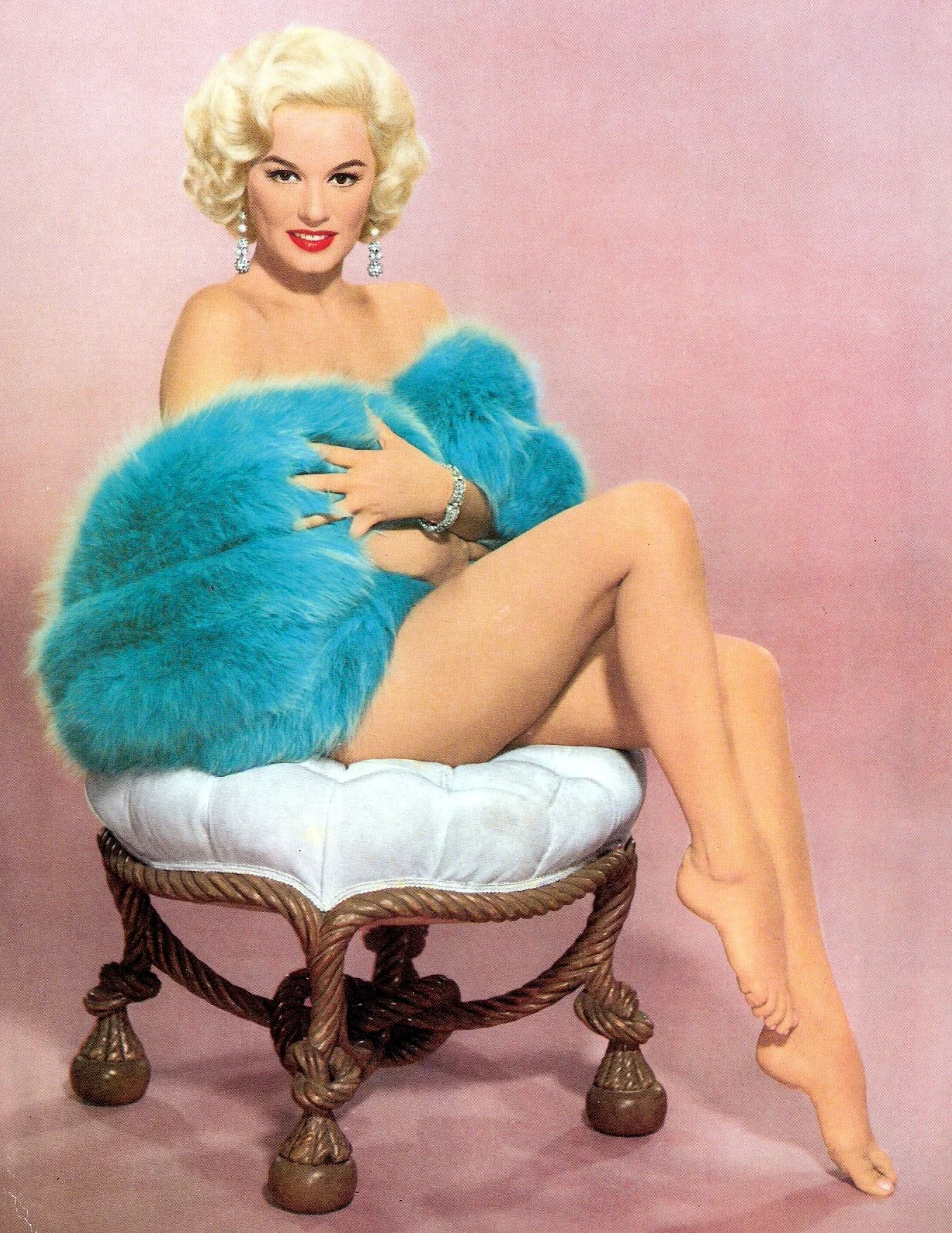
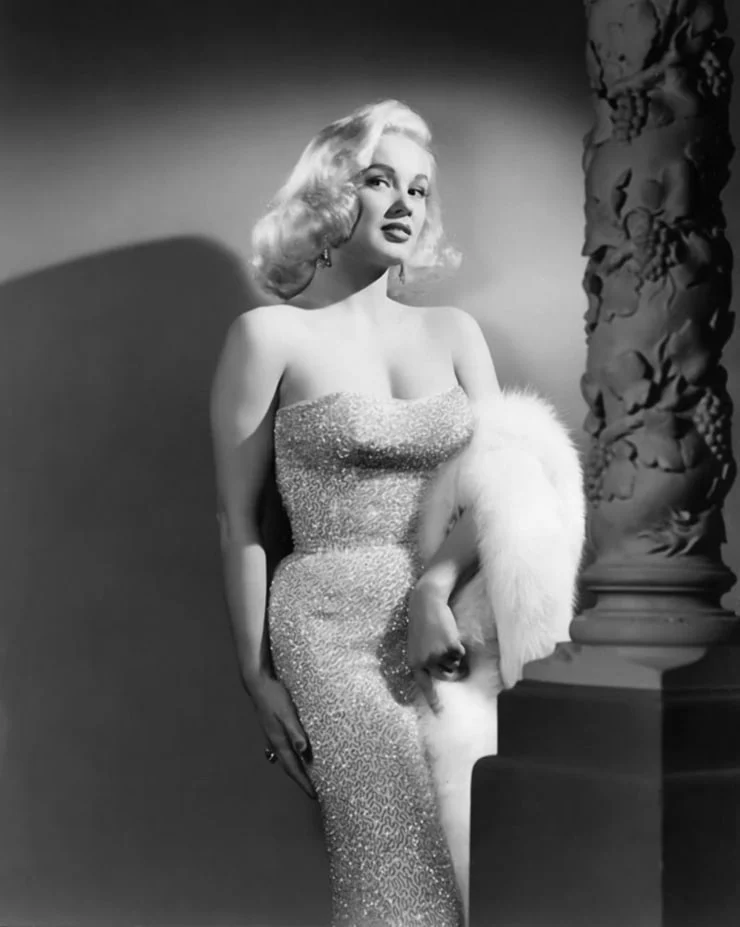
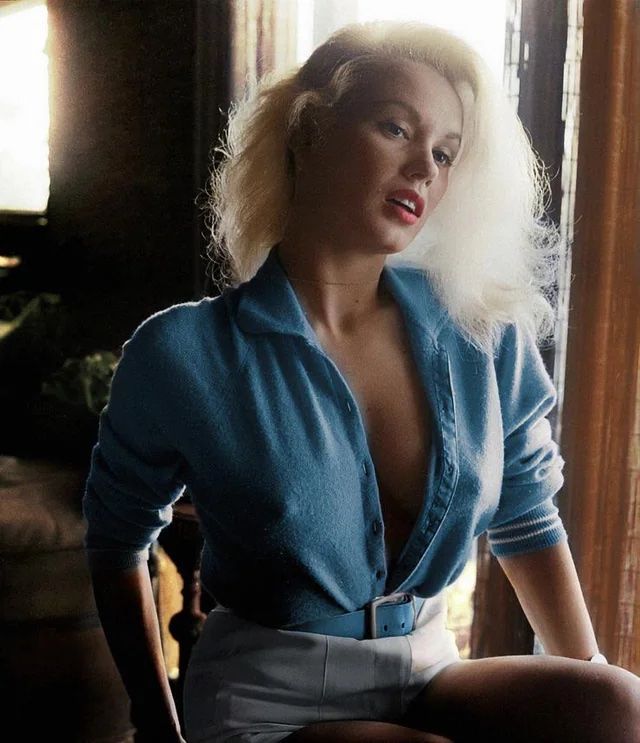
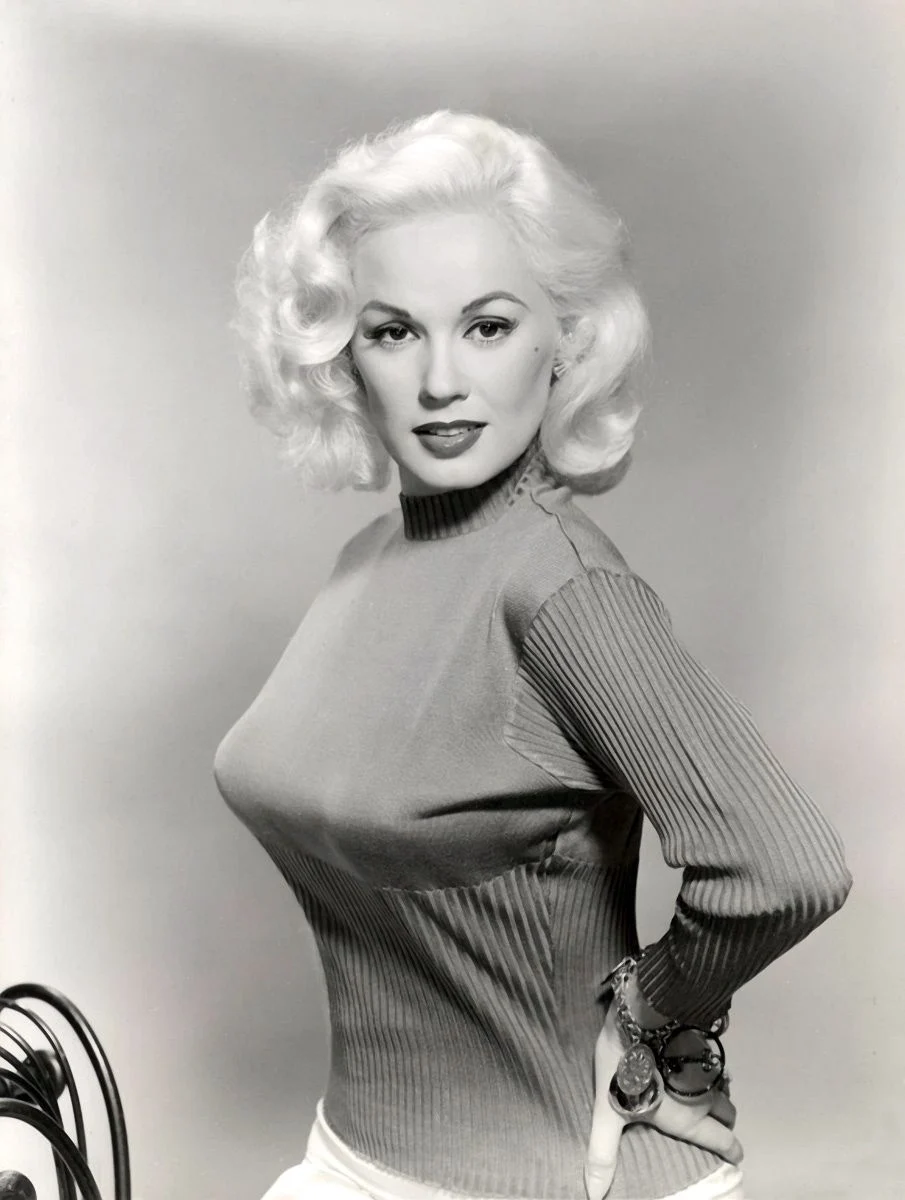
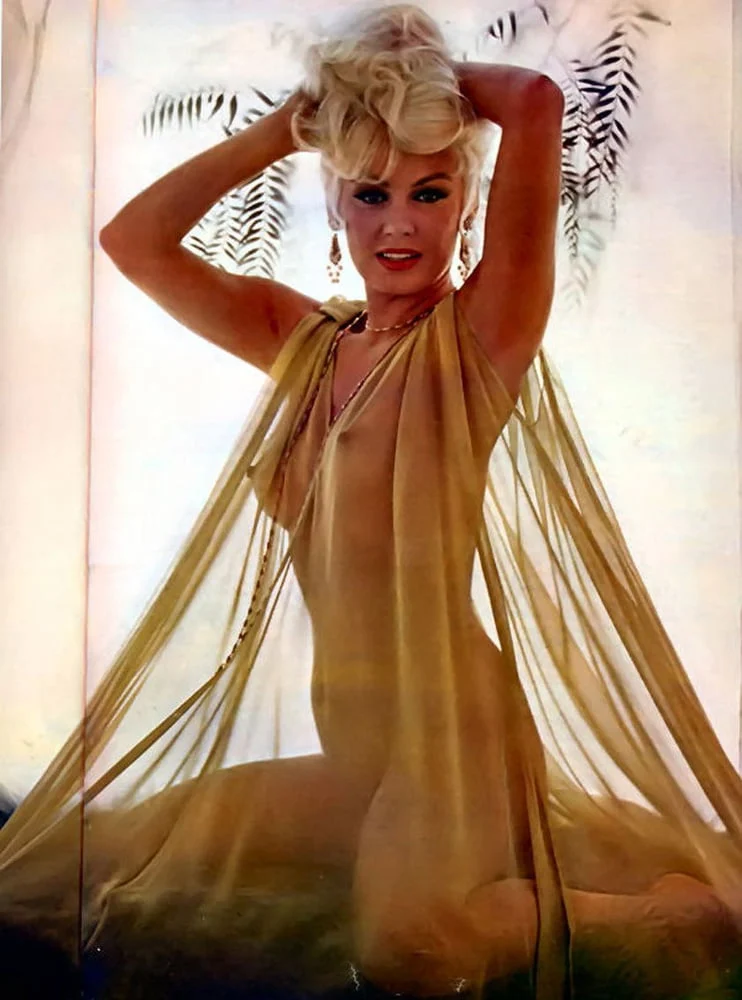
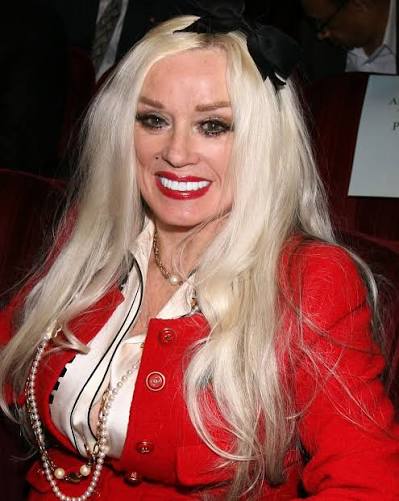
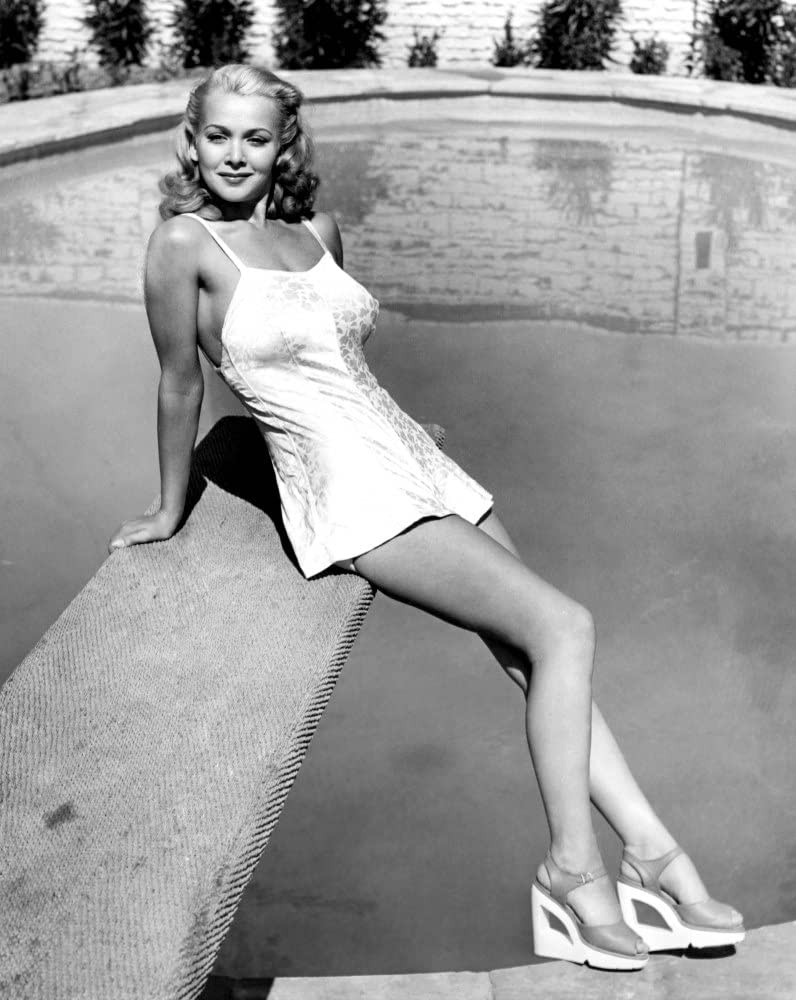
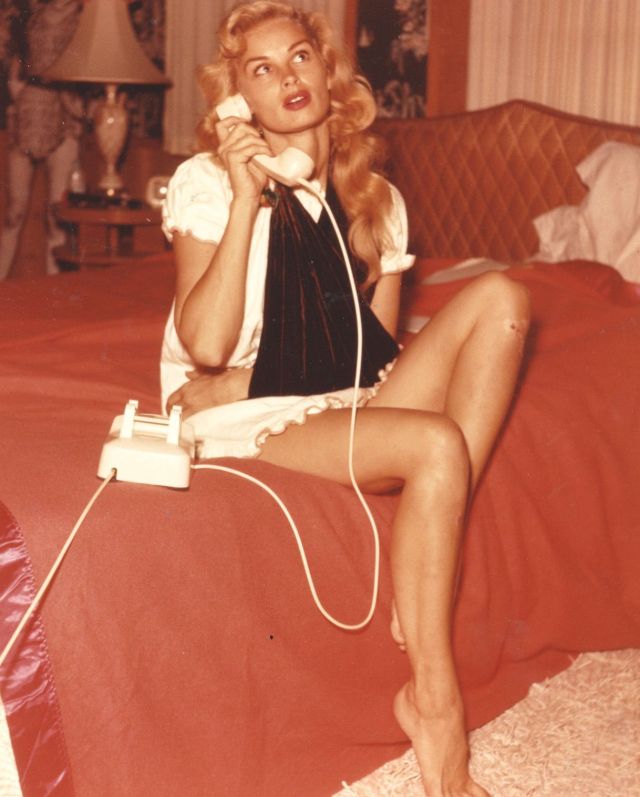
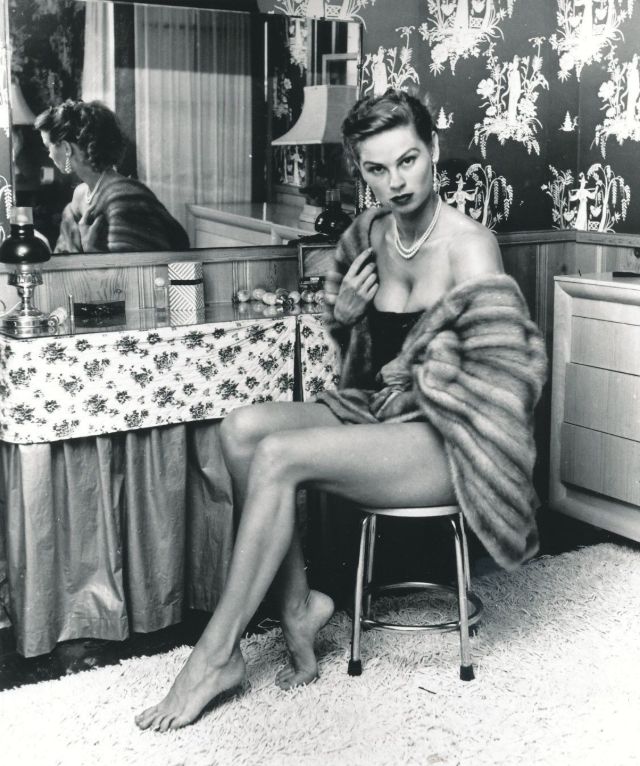
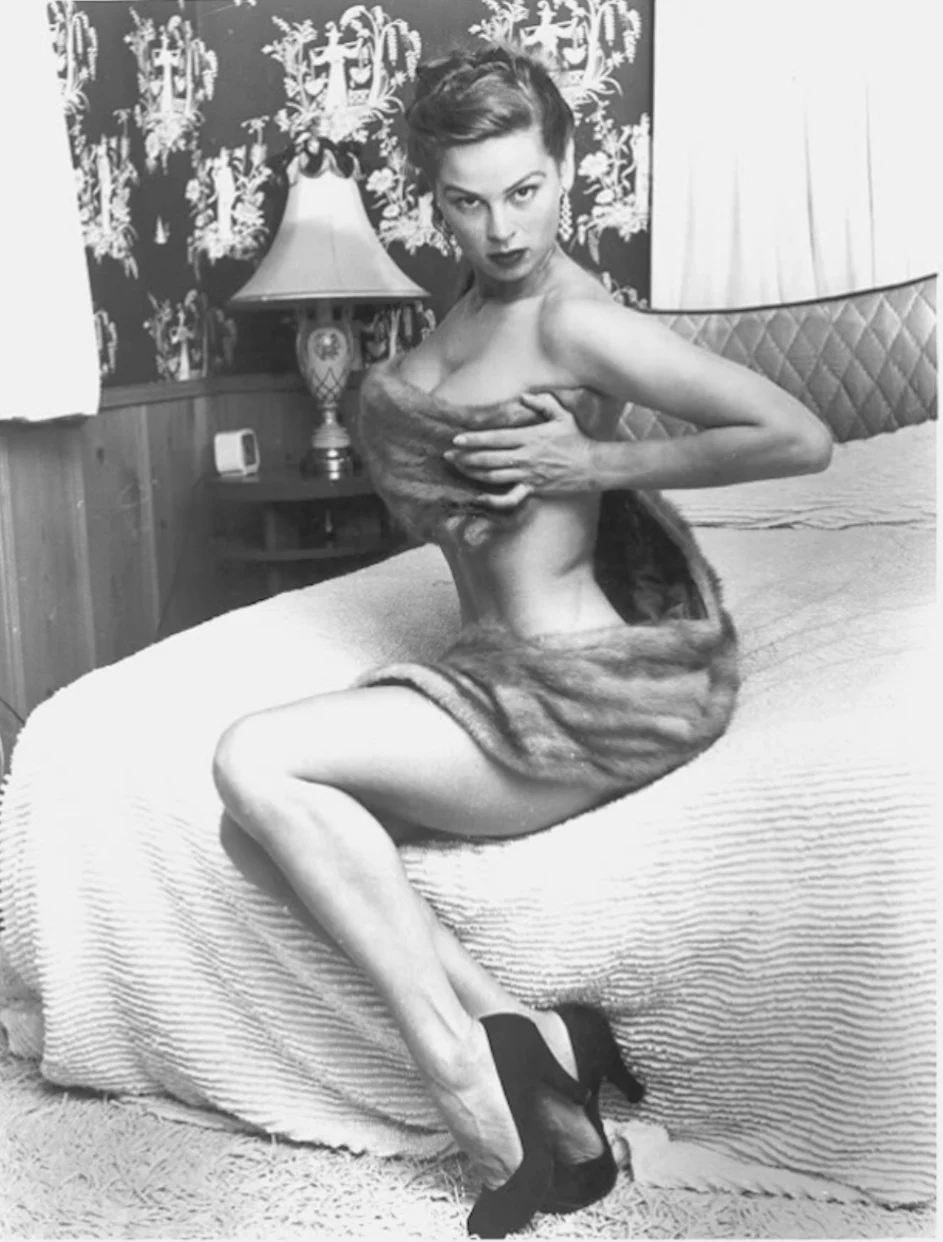
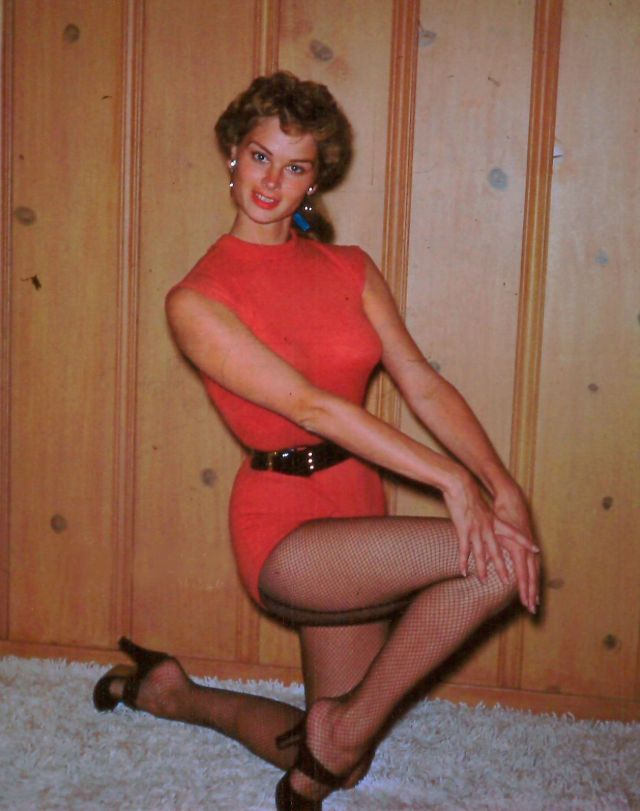
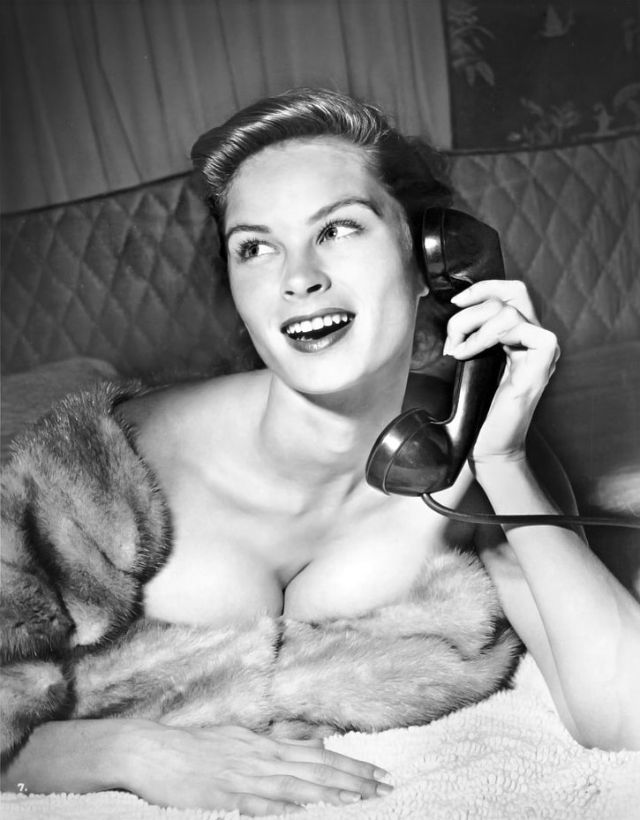
Mamie Van Doren, The last living blonde bombshell from the Golden Age of Hollywood, is one of the “Three M’s”, a group formed by Marilyn Monroe and Jayne Mansfield, who were contemporaries. In 1953, Van Doren signed a seven-year contract with Universal, which hoped that she would be their version of Monroe. She starred in teen dramas, exploitation, musical, comedy, and rock and roll films, among other genres, many of which have gone on to become cult classics. She was one of the leading sex symbols in the 1950s.
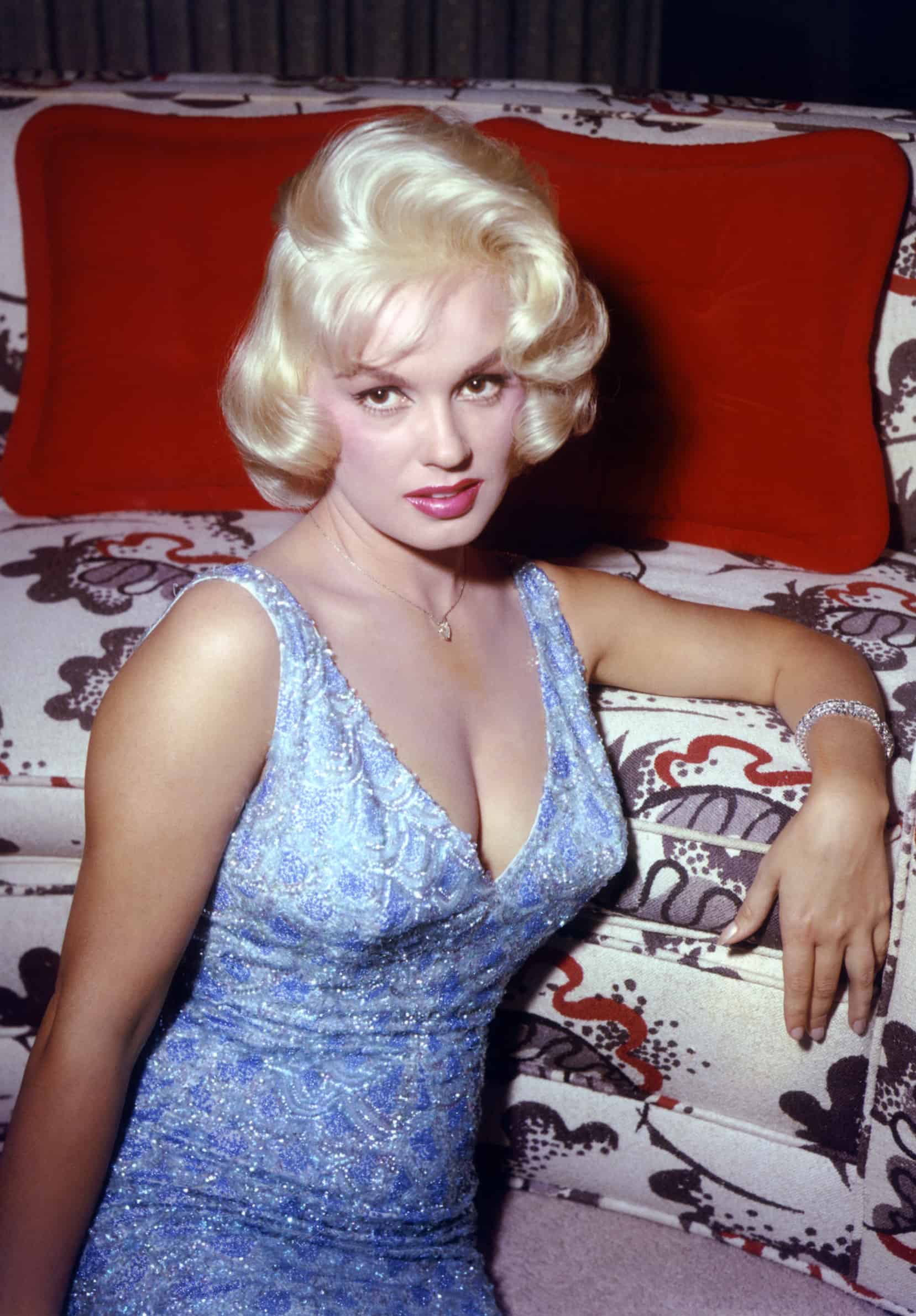

In 1949, at the age of eighteen, she won Miss Palm Springs and Miss Eight Ball. As Miss Eight Ball, she was discovered by film producer Howard Hughes, who put her in the RKO films His Kind of Woman (1951), Two Tickets to Broadway (1951), and Jet Pilot (1957) in minor roles. In 1950 she was dating the heavyweight boxer Jack Dempsey, over thirty-five years her senior, in New York City and was engaged to him. However, she left him to go back to Los Angeles. On January 20, 1953, Van Doren signed a contract with Universal, who wanted her to be Universal’s equivalent of Monroe. While at Universal, Van Doren changed her name to Mamie Van Doren, the “Mamie” from then–First Lady Mamie Eisenhower and the “Van Doren” from Universal’s telling her that she was more Dutch than Swedish.

During her time at Universal, Van Doren starred in movies such as The Second Greatest Sex (1955), Running Wild (1955), and The All American (1953). Outside of Universal she starred in Untamed Youth (1957), Teacher’s Pet (1958), High School Confidential (1958), Born Reckless (1958), The Beat Generation (1959), and Sex Kittens Go To College (1960). She starred on television shows such as What’s My Line?, The Jack Benny Program, and The Bob Cummings Show. Van Doren struggled to find work as a free agent, starring in many B movies, such as Voyage to the Planet of Prehistoric Women (1968), The Las Vegas Hillbillys (1966) with Mansfield, and 3 Nuts in Search of a Bolt (1964), a film which challenged the Hays Code. The same year, she appeared in the June 1964 Playboy magazine with nude photos of her on the set of the film.

In 2006, Mamie posed for photographs for Vanity Fair magazine with Pamela Anderson, as part of its annual Hollywood issue.

In 2024, at age 93, has a brand-new record with Pink Martini. “I Told Ya I Love Ya, Now Get Out”

In 2026 she published a new memoir, “You Thought I Was Dead”.

Tina Louise (née Blacker; 1934 – )

Louise got her first role at age two in an advertisement for her father’s candy store. She began studying acting, singing, and dancing at age 17 under Sanford Meisner at the Neighborhood Playhouse School of the Theatre in Manhattan. Her acting debut came in 1952 in the Bette Davis musical revue Two’s Company, followed by roles in such other Broadway productions as John Murray Anderson’s Almanac, Will Success Spoil Rock Hunter?, and the hit musical Li’l Abner. She appeared in live television dramas in the anthology series, Studio One and Producers’ Showcase.

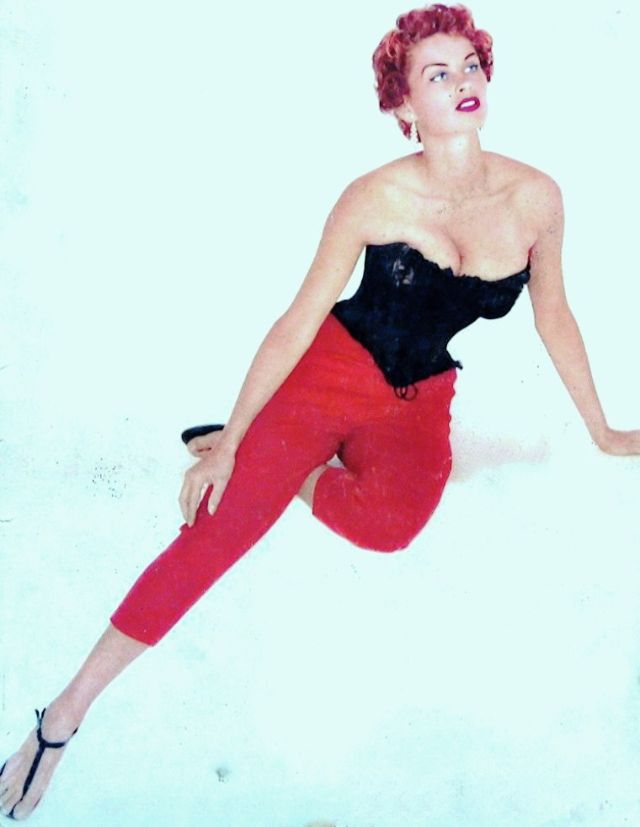
Louise made her film debut in 1958 in God’s Little Acre. That same year, the National Art Council named her the “World’s Most Beautiful Redhead.” The next year, she starred in Day of the Outlaw with Robert Ryan. Among her Italian film credits were The Siege of Syracuse and Garibaldi (both in 1960). In 1962, she guest-starred on the situation comedy The Real McCoys, portraying a country girl from West Virginia in the episode “Grandpa Pygmalion”. She appeared with Bob Denver two years later in the beach party film For Those Who Think Young (1964) and later portayed movie star Ginger Grant on the situation comedy Gilligan’s Island. She maintained a steady acting career after the series ended, going on to appear in the Matt Helm spy spoof The Wrecking Crew (1969) with Dean Martin and in The Stepford Wives (1975).

Louise took darker roles as well, such as a heroin addict in a 1974 episode of Kojak and as a cruel corrections officer in the 1976 television movie Nightmare in Badham County. Other credits from this era include the made-for-TV films Look What’s Happened to Rosemary’s Baby (1976) and SST: Death Flight (1977), and the soap opera Dallas during the 1978–1979 seasons. In the fall of 1984, she succeeded Jo Ann Pflug as Taylor Chapin on the syndicated soap opera Rituals.

Later film roles included O.C. and Stiggs (1987) as well as the independent satire Johnny Suede (1992) starring Brad Pitt. She appeared in the situation comedy Married… with Children as Miss Beck in episode “Kelly Bounces Back” (1990). In the 1990s, she was reunited with costars Bob Denver, Dawn Wells, and Russell Johnson in an episode of Roseanne. In 2014, Louise appeared in the spiritual drama Tapestry and the horror film Late Phases.

Today she works one hour a week, tutoring school children in reading at an Upper East Side Manhattan public school, saying: “It’s better than vitamins.”

Mary Elizabeth Riggs (1895-1975)

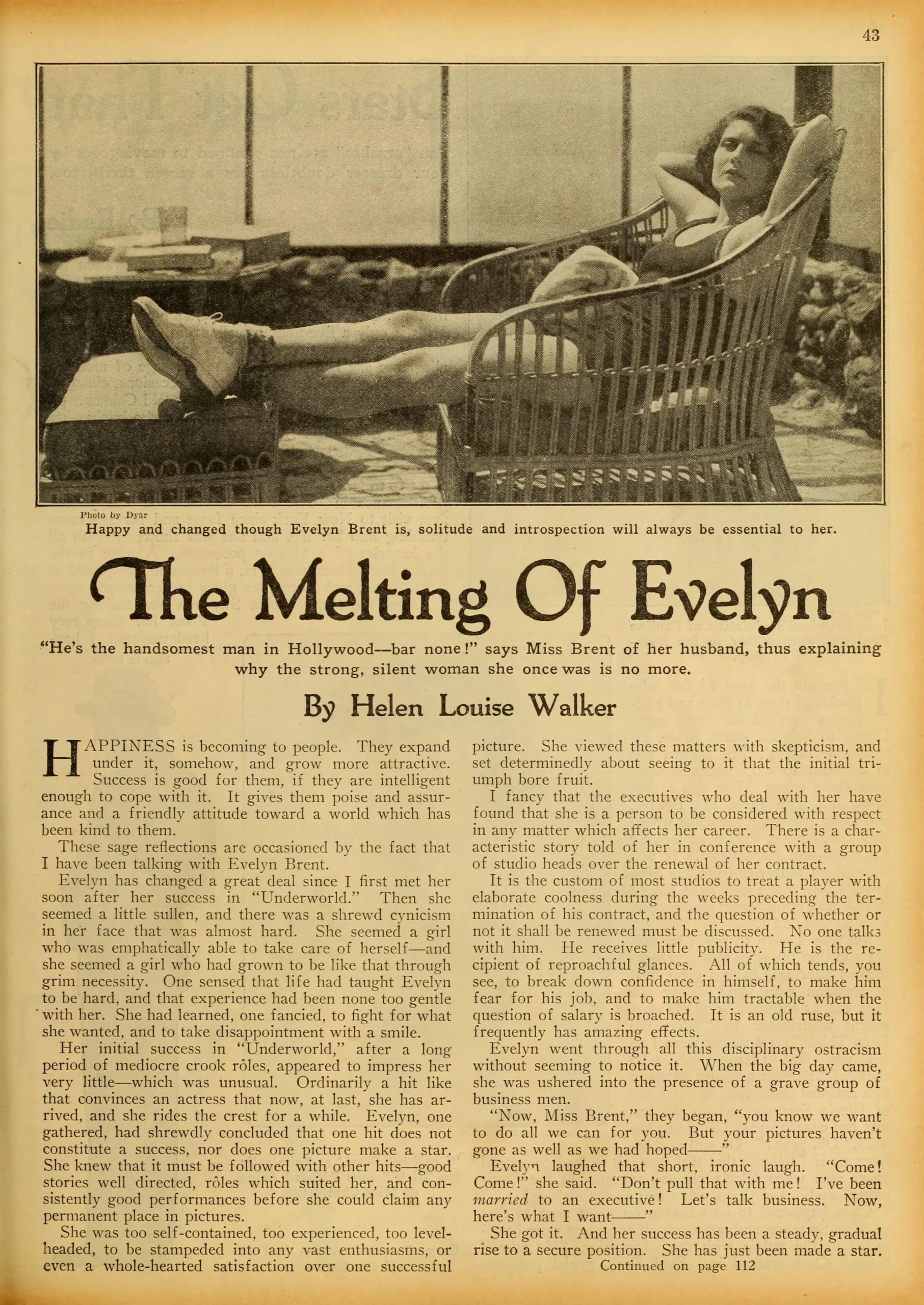
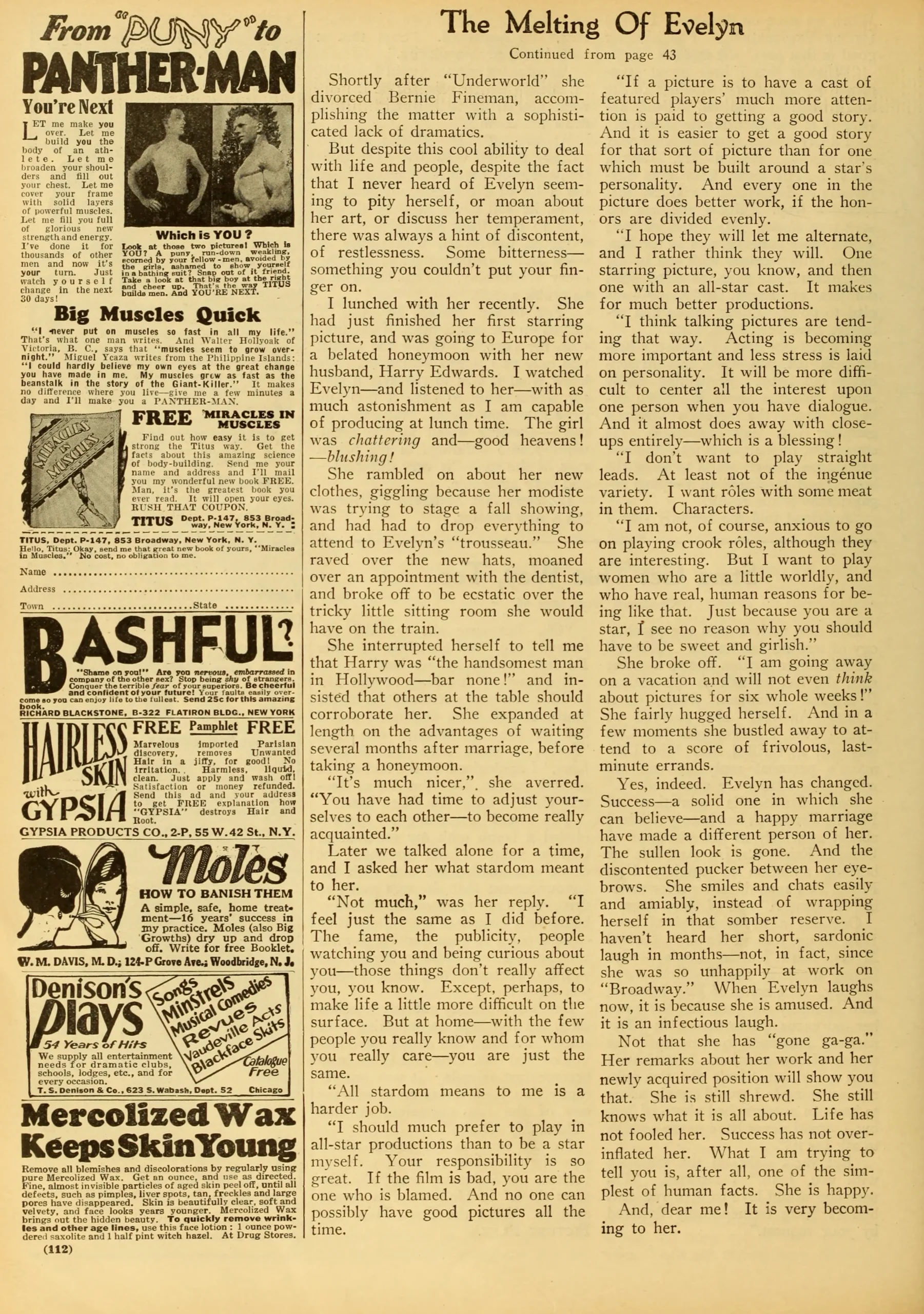
Known as Evelyn Brent, she began her film career working as an extra under her birth name at New Jersey film studio Fort Lee Studios, appearing in films such as A Man from Mars, A Gentleman From Mississippi and Maurice Tourneur’s The Pit (1914), before her major debut in the 1915 silent film production of Robert W. Service’ poem “The Shooting of Dan McGrew” (1915).

Brent became a protégé of Olga Petrova who was an influence on Brent’s independent-minded attitude and preference for darker vampish movie roles. Brent appeared alongside Petrova in pioneering female filmmaker Alice Guy-Blaché’s The Heart of a Painted Woman (1915). Brent was first credited under her stage name Evelyn Brent in The Lure of Heart’s Desire (1916) for Metro Pictures in the role of Little Snowbird, alongside Edmund Breese.

1923 saw Brent’s career receive a major boost when she was chosen as one of the WAMPAS Baby Stars.

After a year-long contract that resulted mostly in minor westerns and melodramas, Evelyn signed with Film Booking Office (FBO), which immediately launched her as the “Queen of the Underworld” with a series of crook dramas including Silk Stocking Sal (1924), Midnight Molly (1925), Alias Mary Flynn (1925), Smooth as Satin (1925), Lady Robinhood (1925), and Queen o’Diamonds (1925).

By the early part of the 1930s, she was working in secondary roles in a variety of films as well as touring with vaudeville shows. In 1936, she played William Boyd’s love interest/femme fatale in Hopalong Cassidy Returns (1936). However, by 1941, she was no longer in demand by major studios, and she found work at smaller, low-budget studios.

Evelyn Brent photographed attractively with leading men who were at advanced ages and later stages in their careers: Jack Holt in the Columbia serial Holt of the Secret Service (1941), Neil Hamilton in PRC’s production Dangerous Lady (1941), and Lee Tracy in the same studio’s The Payoff (1942). In the early 1940s, she was cast in many productions, including Emergency Landing (1941), Bowery Champs (1944), The Golden Eye (1948), and Again Pioneers (1950). After performing in more than 120 films, she retired from acting in 1950 and worked for a number of years as an actor’s agent. She returned to acting in television’s Wagon Train (1960) S3 E14 “The Lita Foladaire Story”

She passed away in 1975 from a heart attack, aged 79

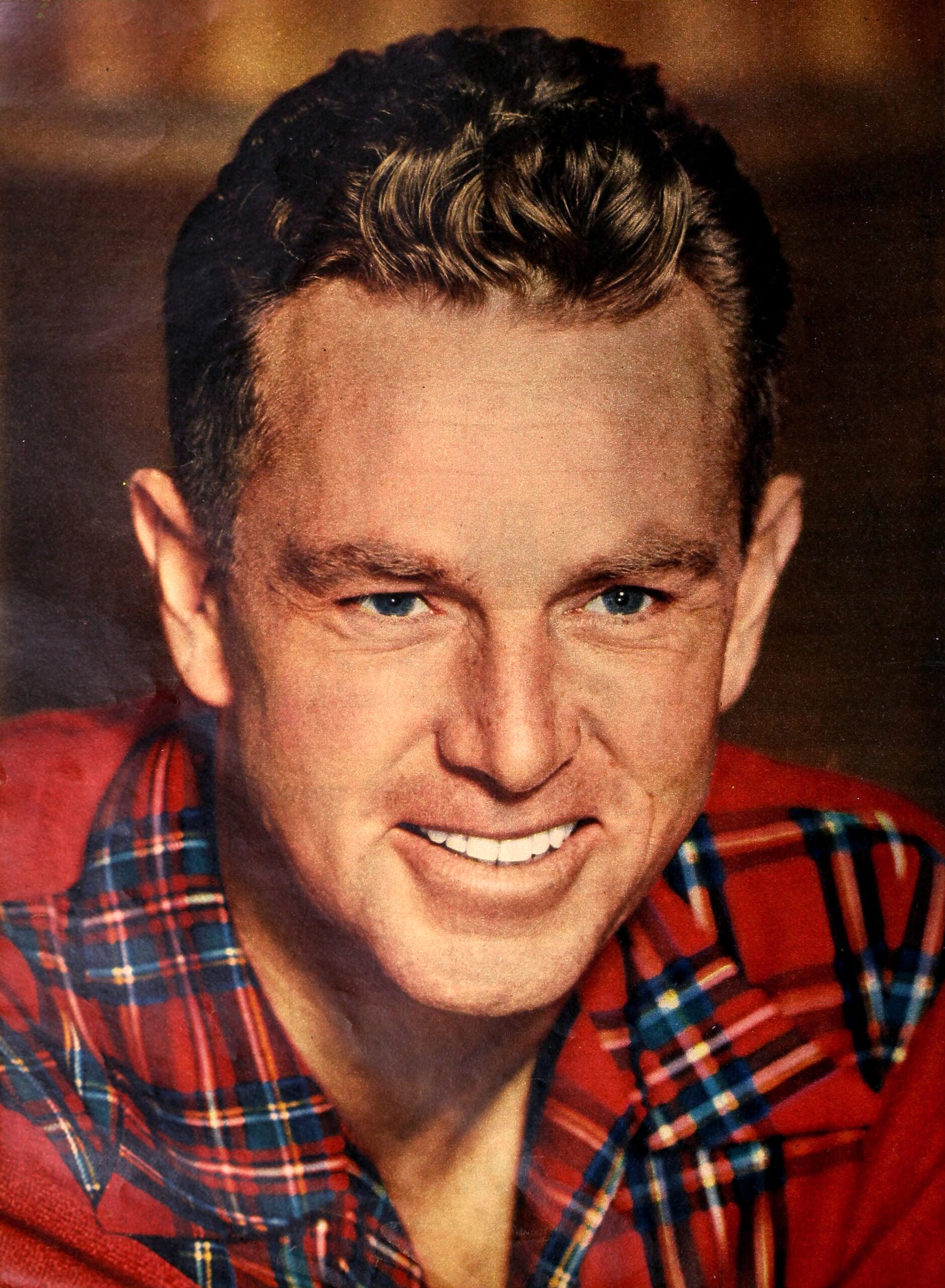
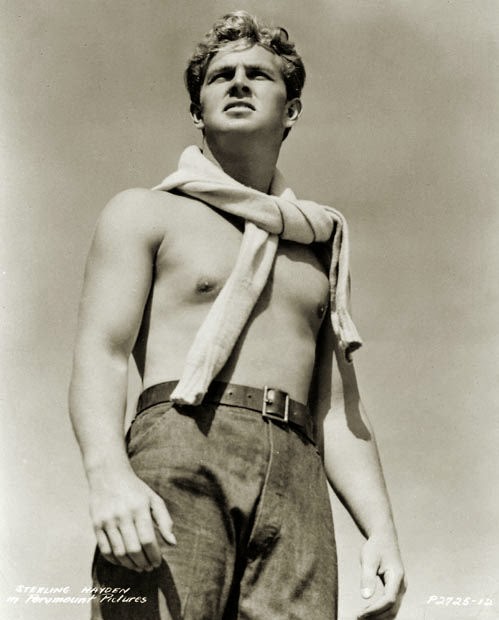
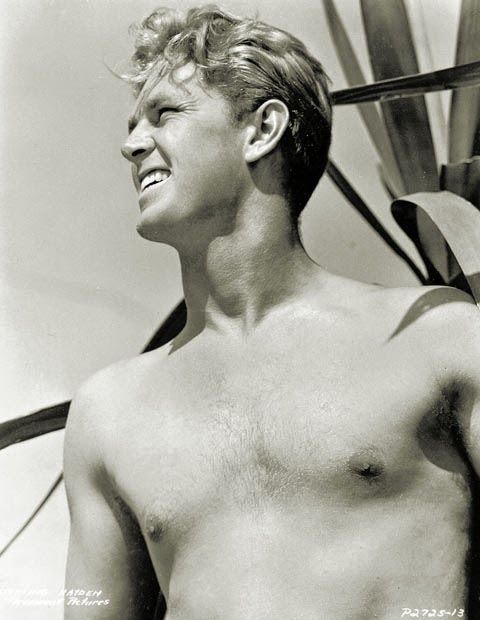
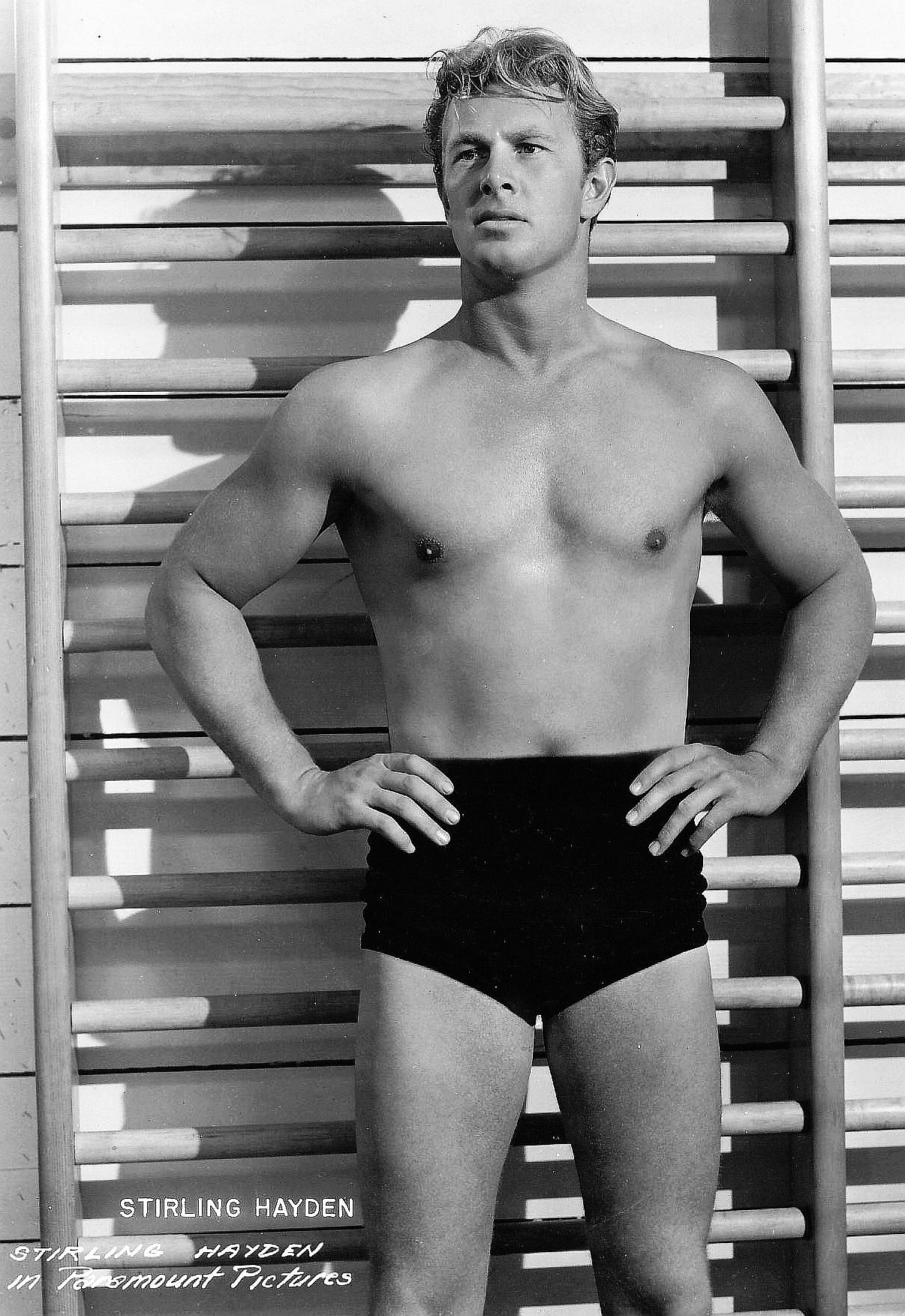
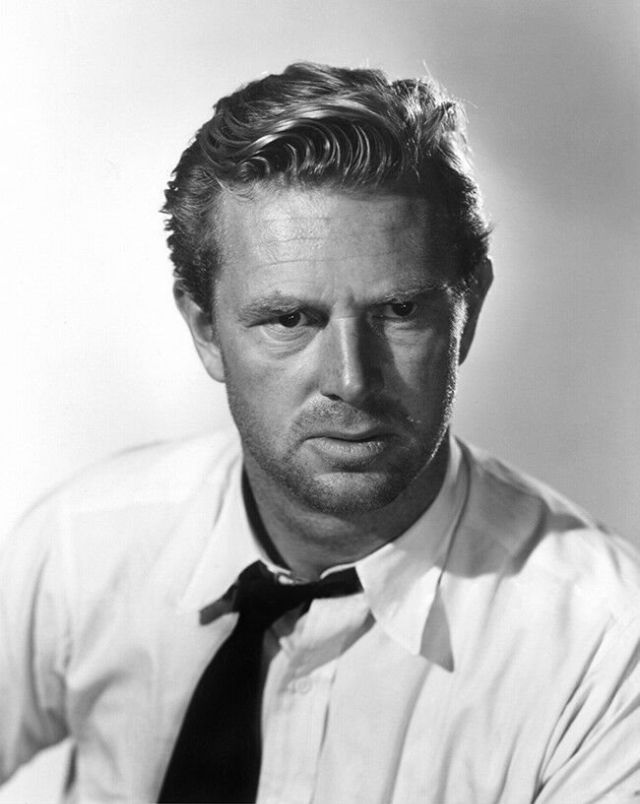
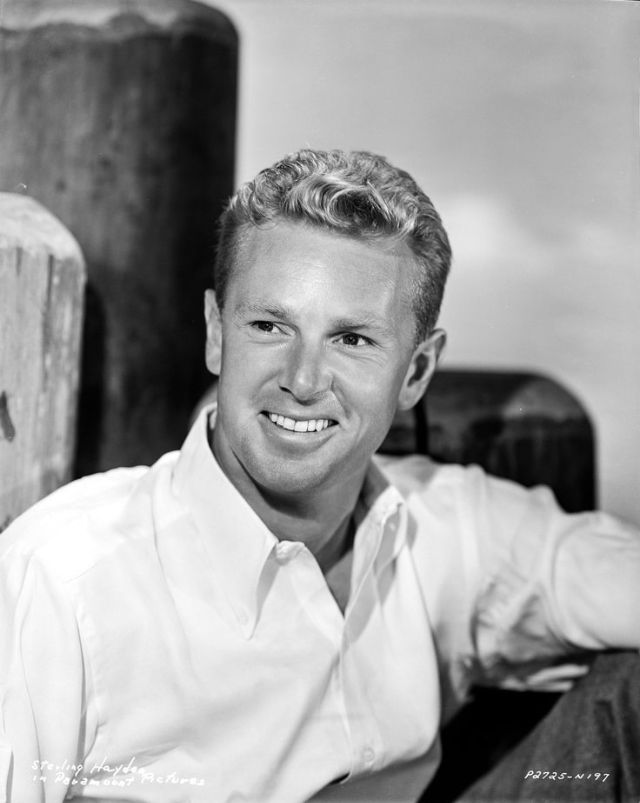
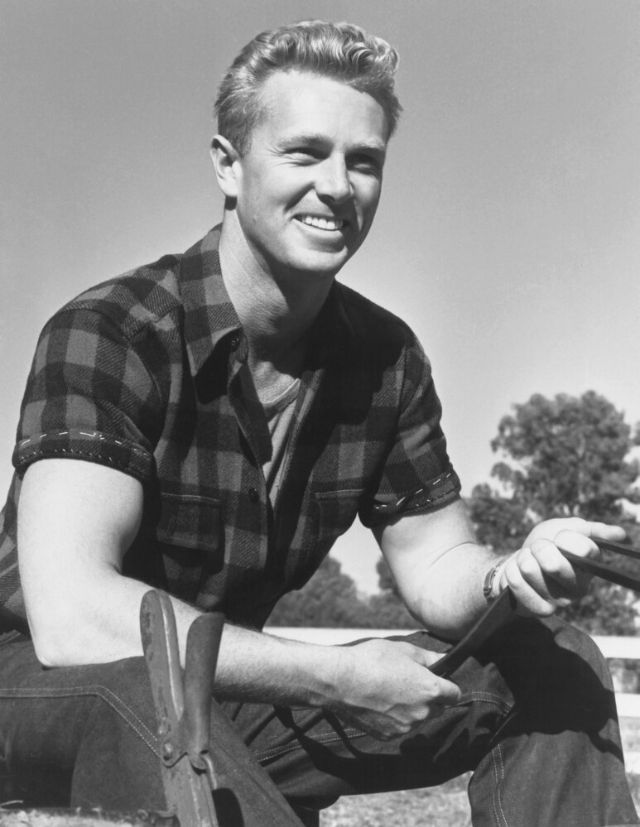
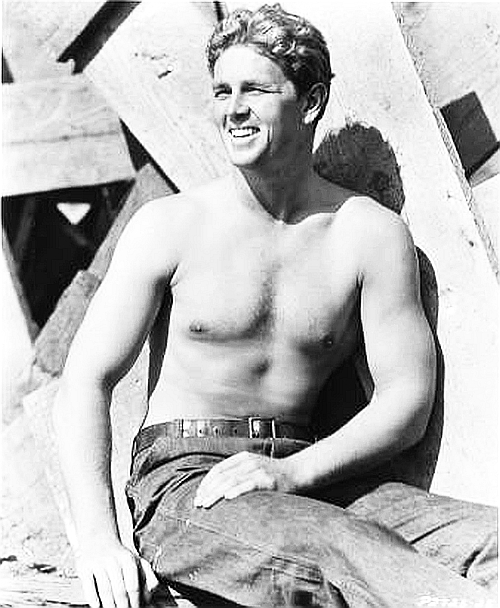
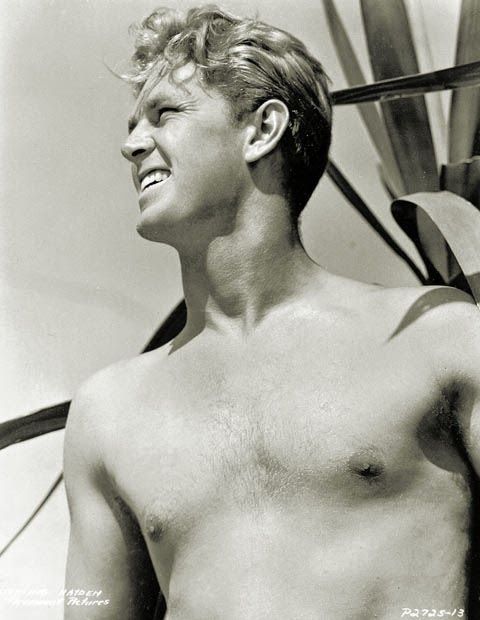
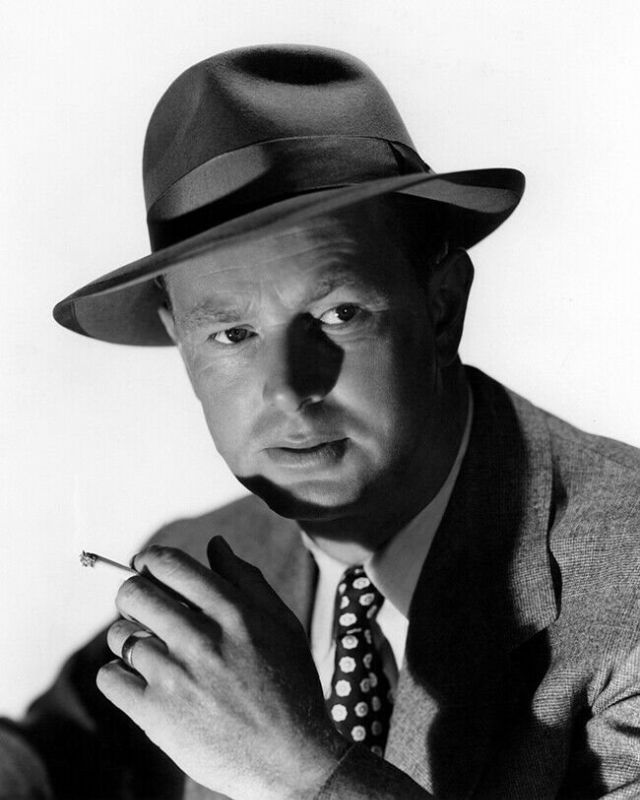
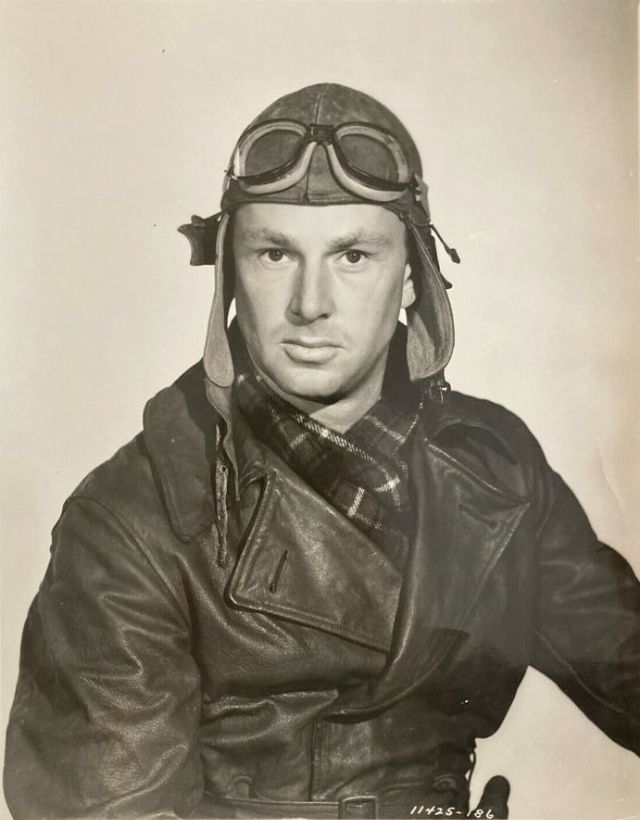
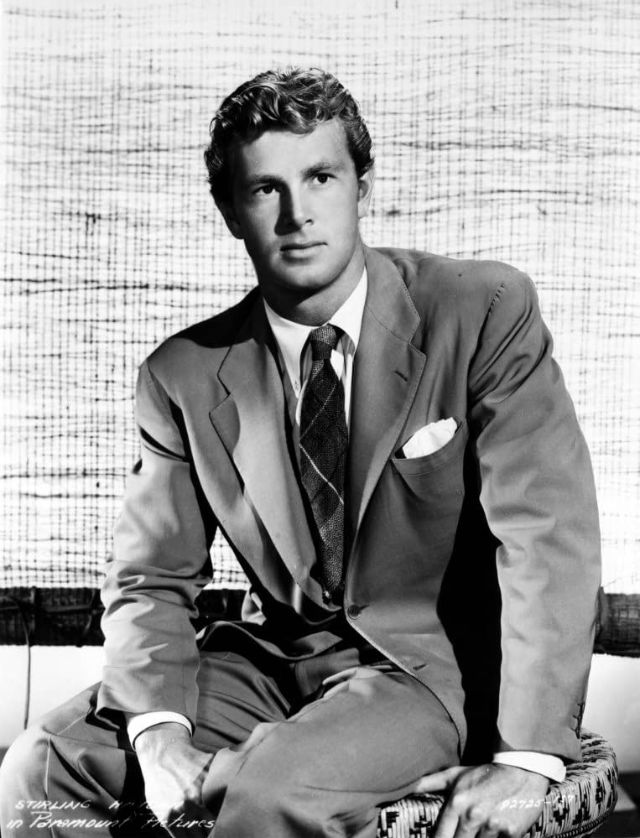
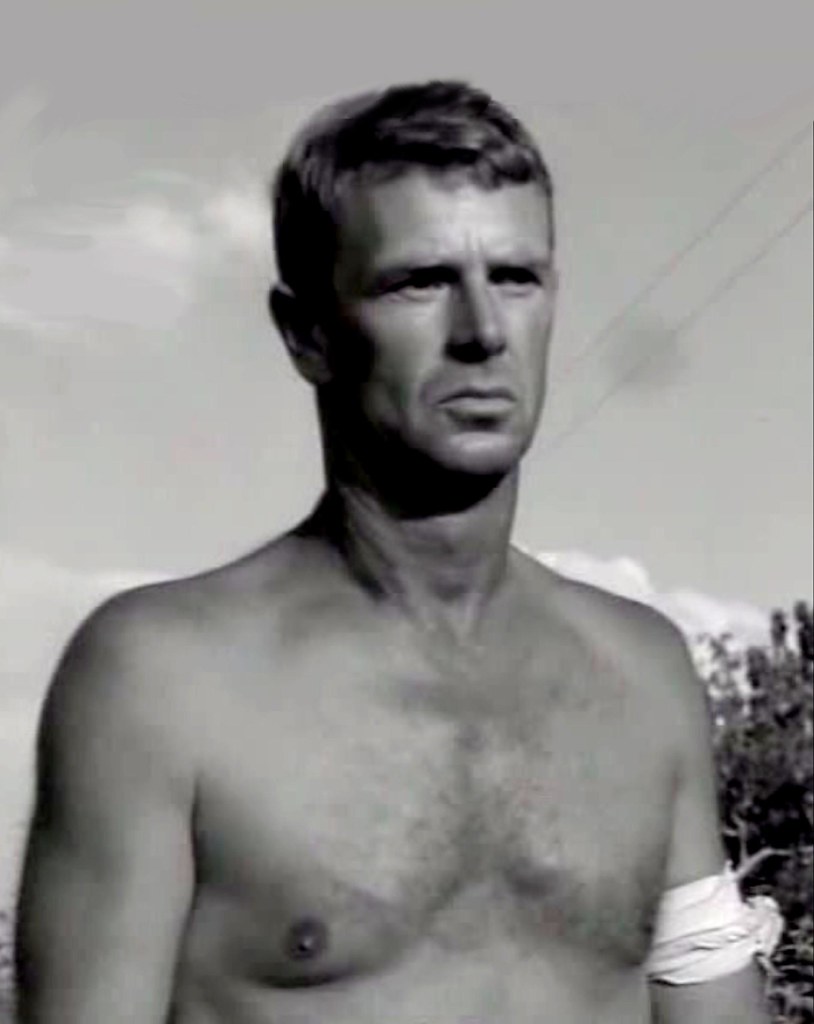
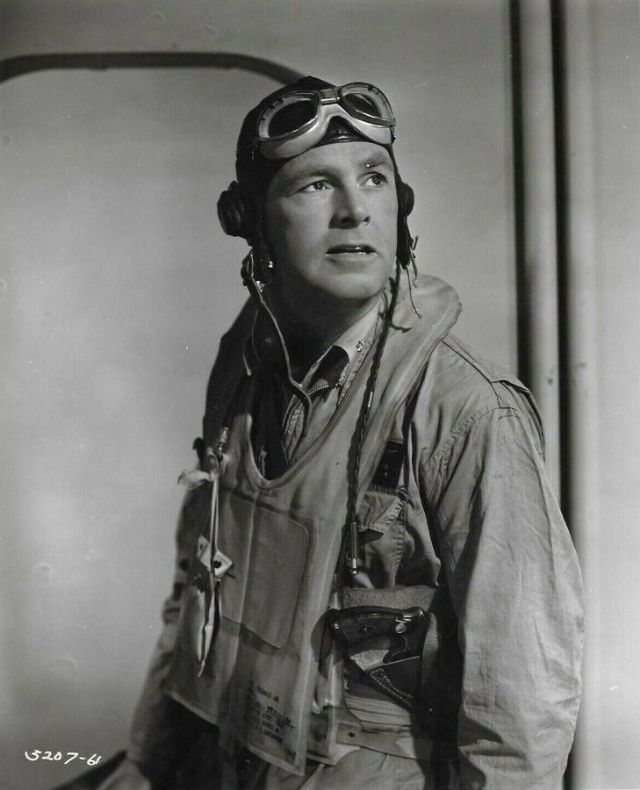
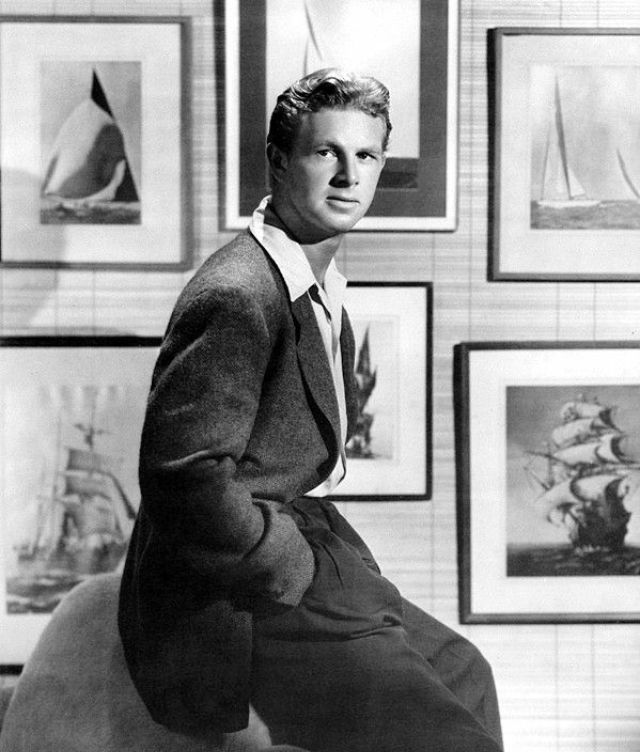
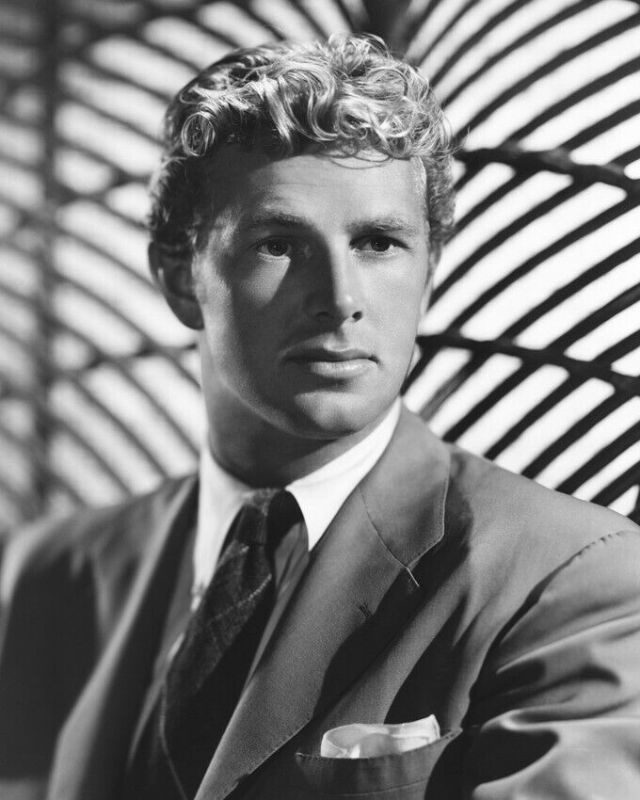
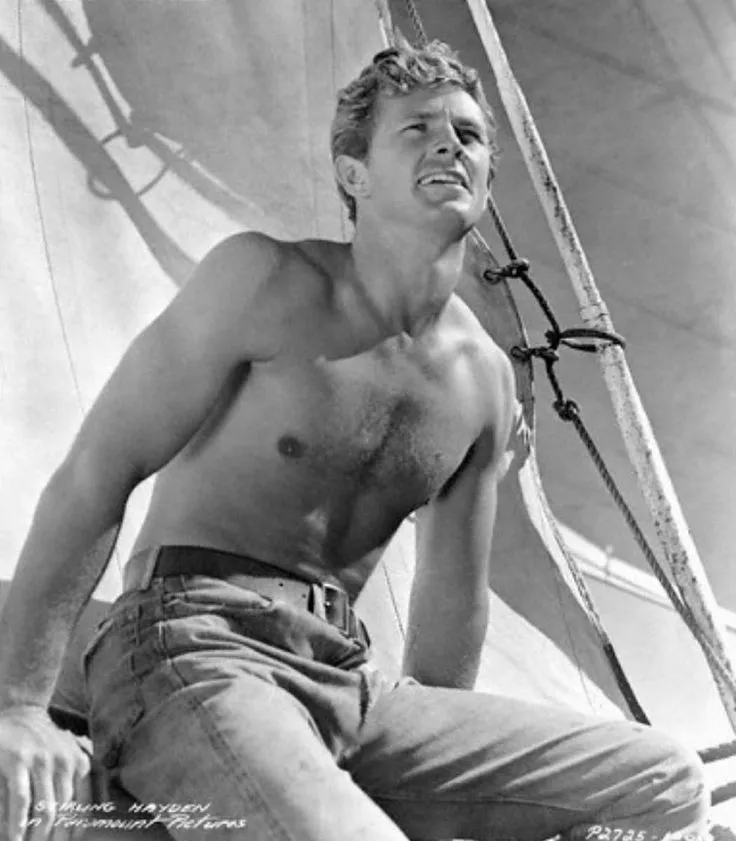
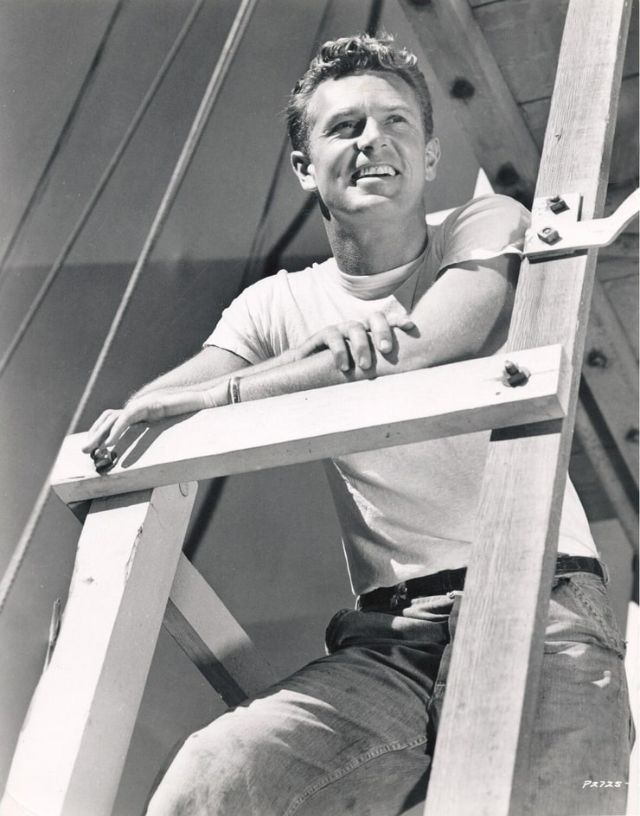
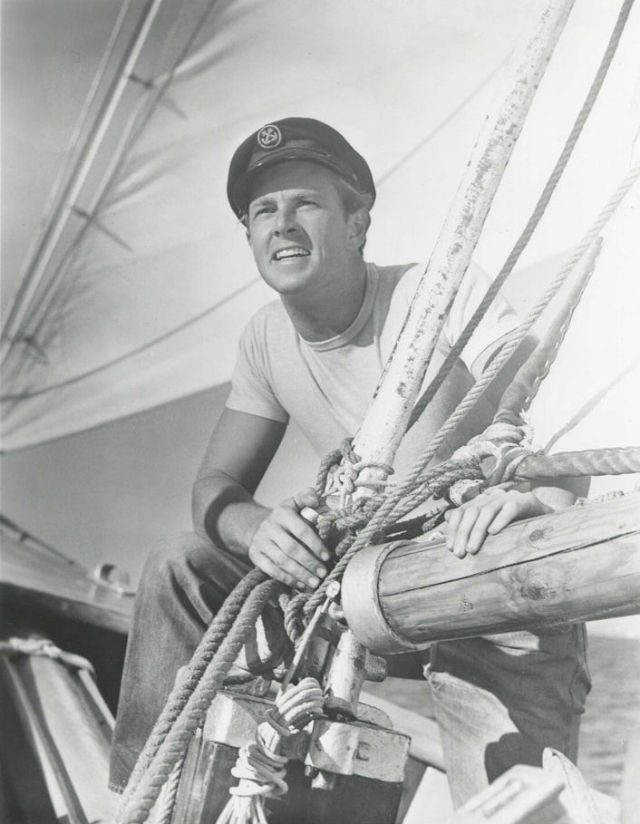
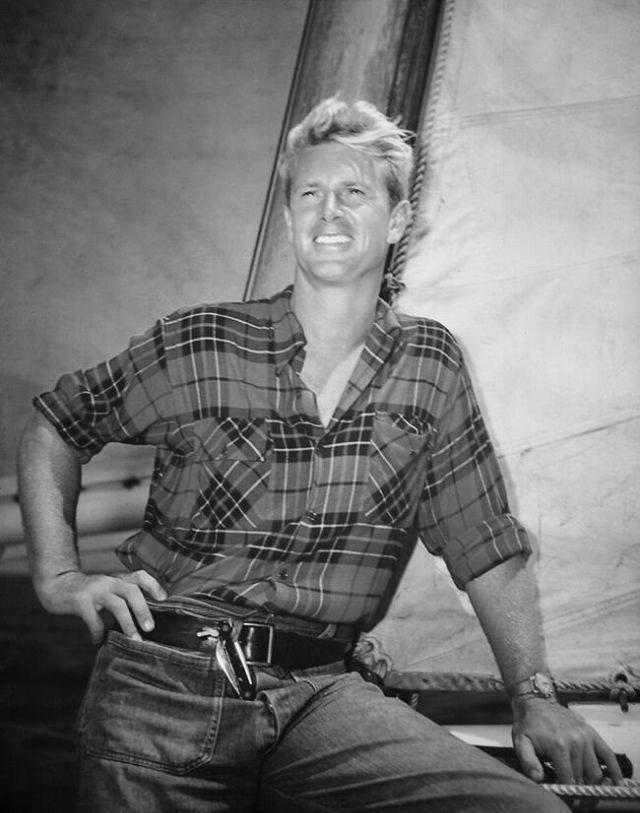
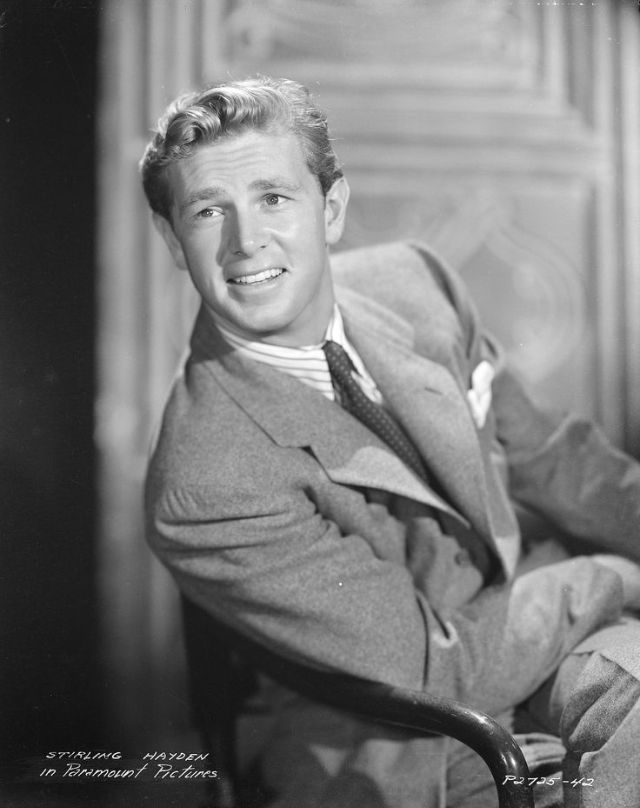
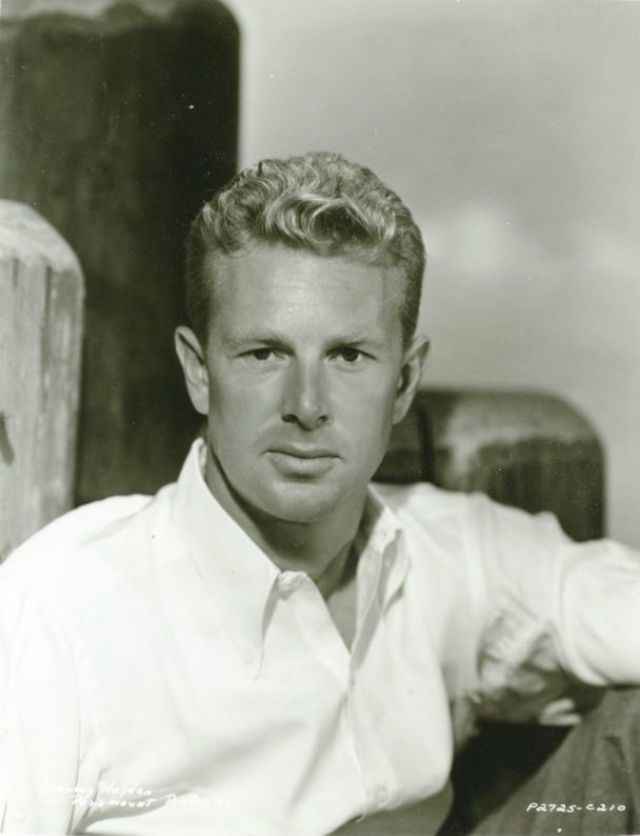
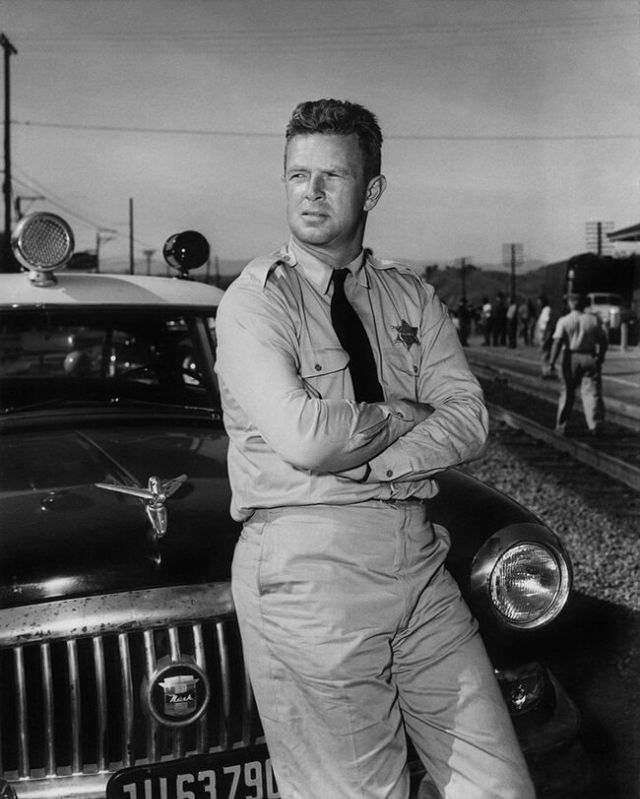
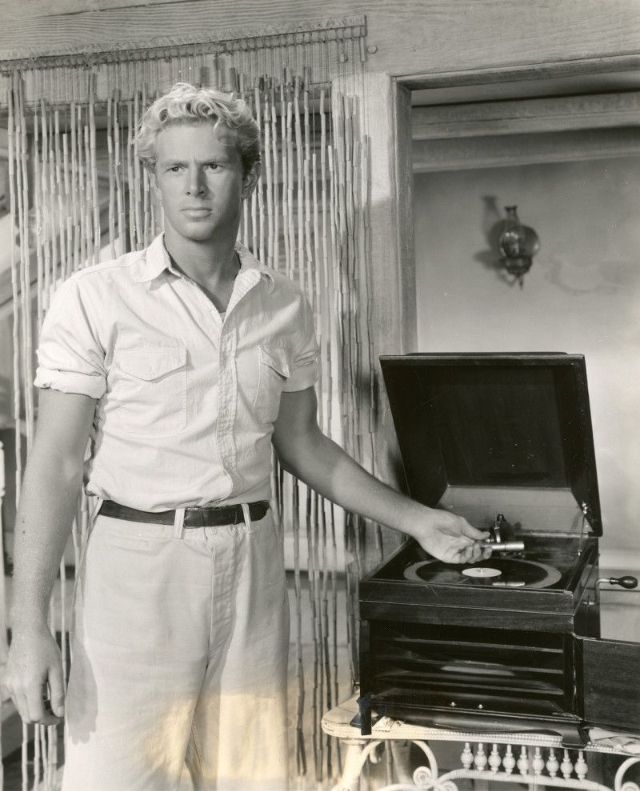
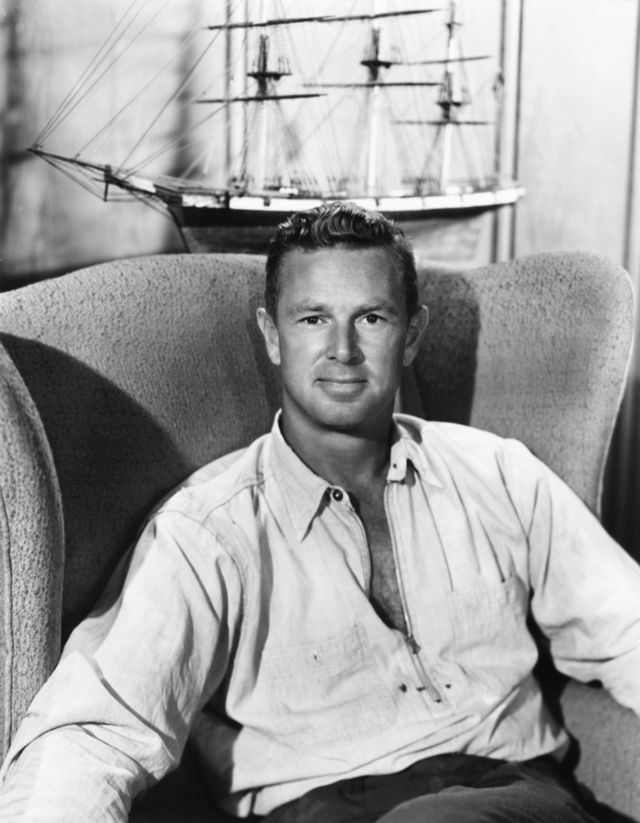
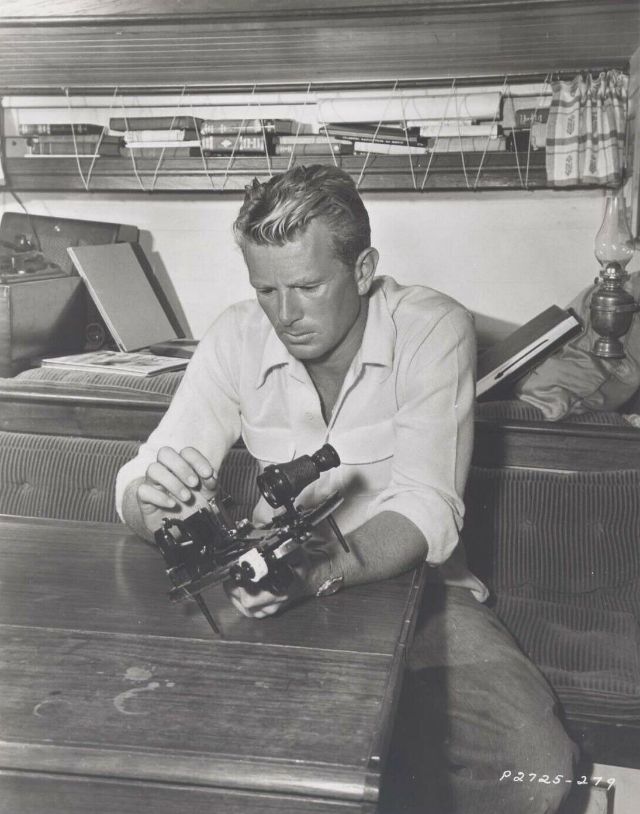
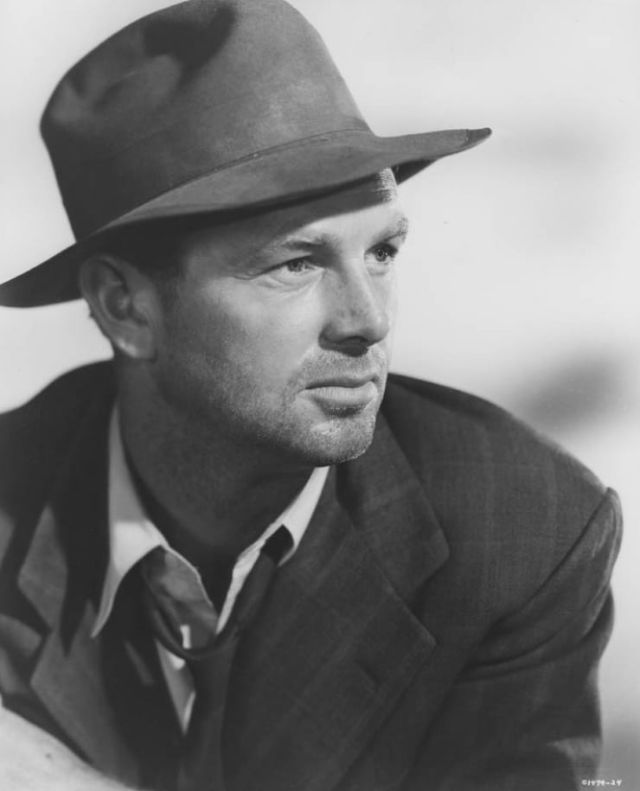
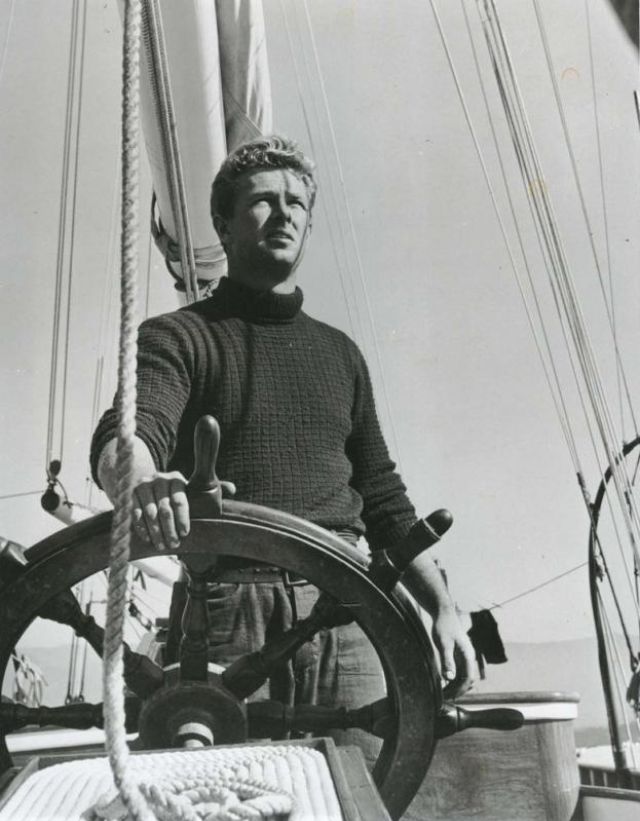
Sterling Walter Hayden (1916-1986)

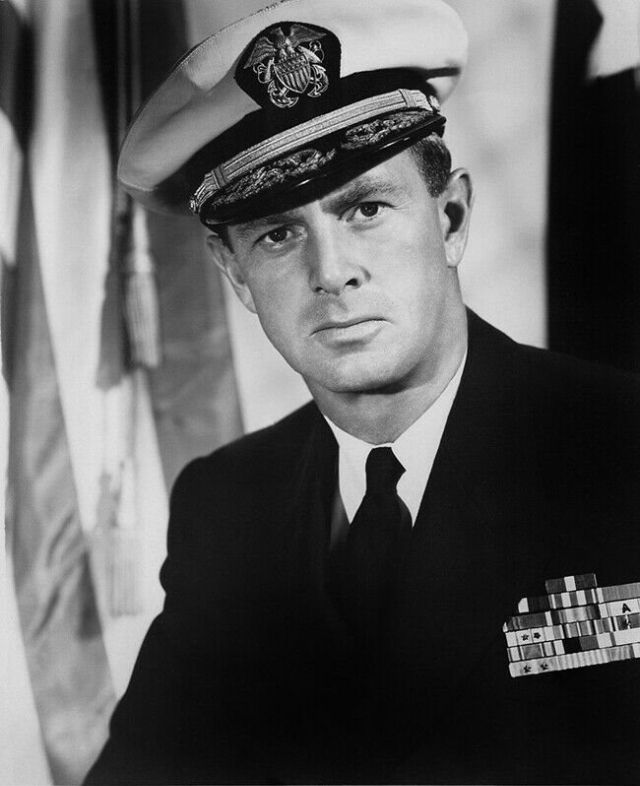
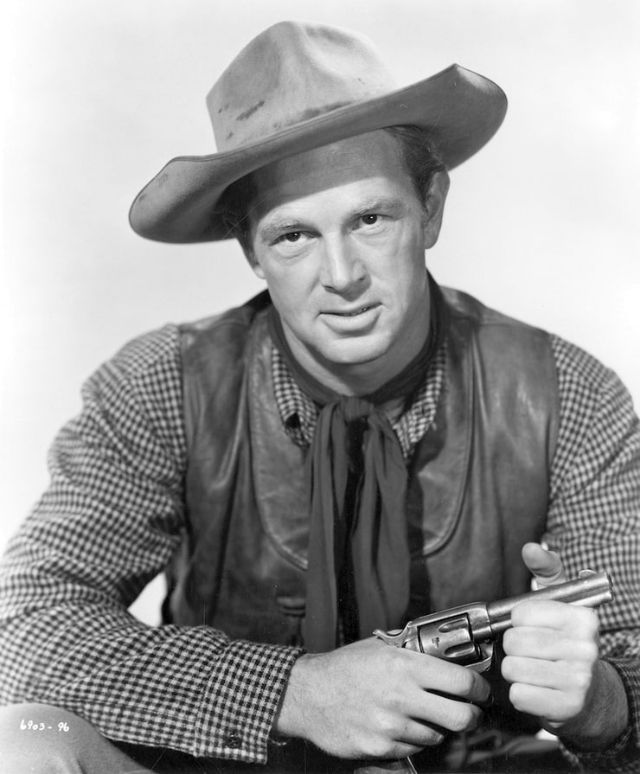
Born Sterling Relyea Walter, and a leading man for most of his career, he specialized in Westerns and film noir throughout the 1950s, in films such as John Huston’s The Asphalt Jungle (1950), Nicholas Ray’s Johnny Guitar (1954), and Stanley Kubrick’s The Killing (1956). In the 1960s, he became noted for supporting roles, perhaps most memorably as General Jack D. Ripper in Kubrick’s Dr. Strangelove or: How I Learned to Stop Worrying and Love the Bomb (1964).

Hayden’s success continued into the New Hollywood era, with roles such as Irish-American policeman Captain McCluskey in Francis Ford Coppola’s The Godfather (1972), alcoholic novelist Roger Wade in Robert Altman’s The Long Goodbye (1973), elderly peasant Leo Dalcò in Bernardo Bertolucci’s 1900 (1976), and chairman of the board Russell Tinsworthy in 9 to 5 (1980). With a distinctive “rapid-fire baritone” voice and an imposing stature at 6 ft 5 in he had a commanding screen presence in both leading and supporting roles.

Over his early career Hayden often professed a distaste for acting and used his earnings to finance his numerous voyages as a sailor. He was also a decorated Marine Corps officer and an Office of Strategic Services agent during World War II. Admiration for the Communist partisans he had fought alongside led him into a brief membership in the Communist Party (CPUSA) from June to December 1946. In one of his CPUSA assignments, he supported an effort by the Communist-controlled motion picture painters union to absorb other film industry unions. In September 1947, the House Committee on Un-American Activities (HUAC) subpoenaed ten screenwriters and directors (known later as the “Hollywood Ten”) as part of an investigation into “subversive” elements in the film industry.

A large group of movie luminaries, including Hayden, formed the Committee for the First Amendment to protest what they perceived as political harassment. In the next few years, as the Second Red Scare gripped the U.S., the HUAC expanded its probe to include all entertainment industry professionals with suspected links, past or present, to the CPUSA. Consequently, Hayden became a target. The actor agreed to become a “friendly witness” and “name names”, later saying “the FBI made it very clear to me that, if I became an ‘unfriendly witness’, I could damn well forget the custody of my children. I didn’t want to go to jail, that was the other thing.” The HUAC subpoenaed Hayden in late March 1951. On April 10, he testified before the Committee in Washington, D.C. that joining the Party was “the stupidest and most ignorant thing I have ever done in my life”. Because of his cooperative testimony, Hayden was “cleared” by the HUAC and avoided the Hollywood blacklist.

An ardent traveler, with a passion for sailing, Hayden wrote two acclaimed books: an autobiography, Wanderer (1963), and a novel, Voyage (1976). He said they made him “a lot of money” but he lost most of it to taxes. In 1983, he appeared in a documentary of his life, Pharos of Chaos.

Hayden died of prostate cancer in 1986, age 70

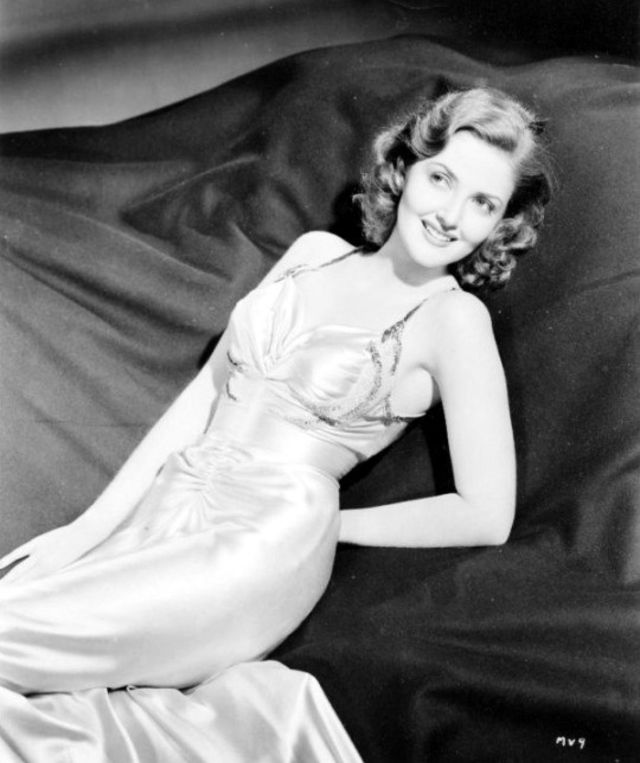
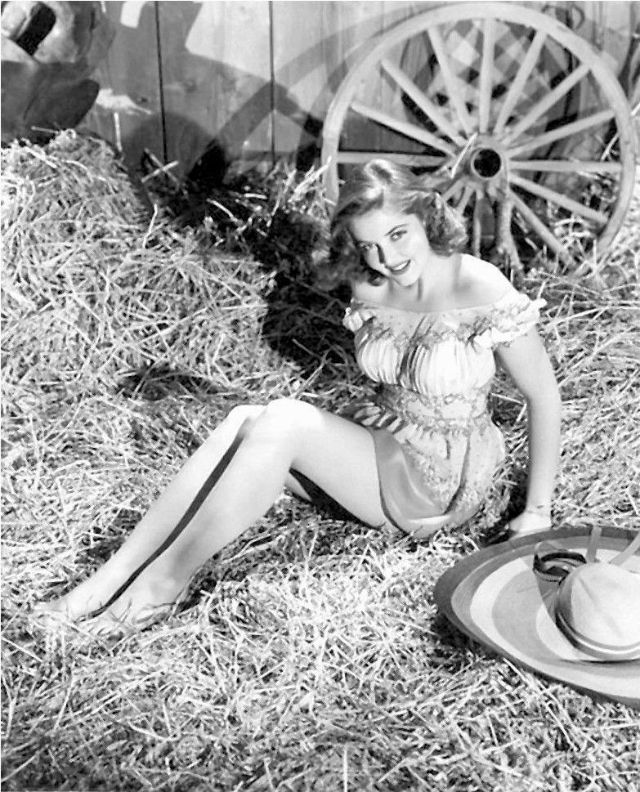
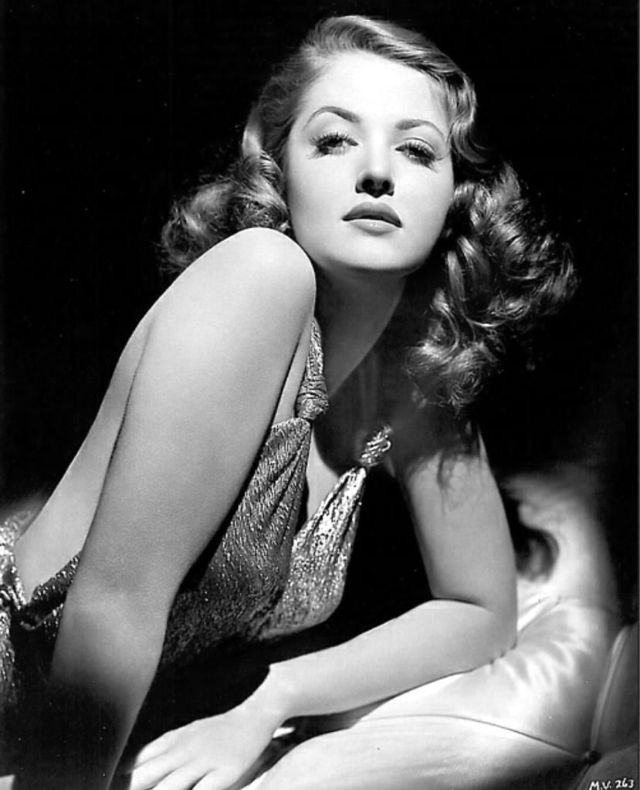
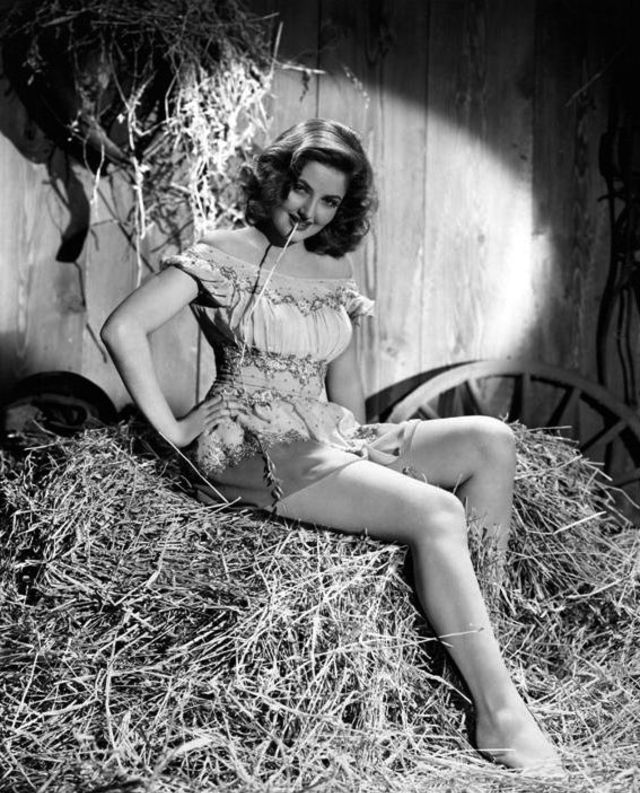
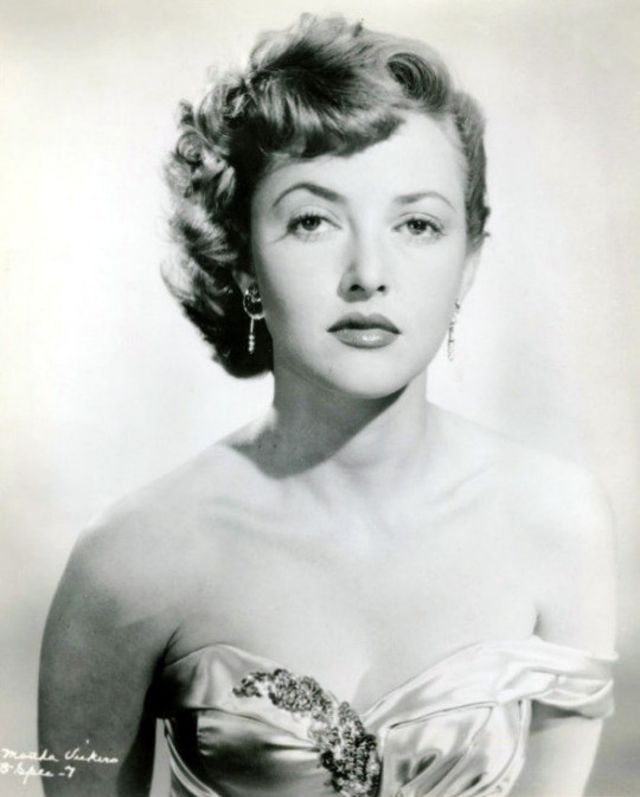
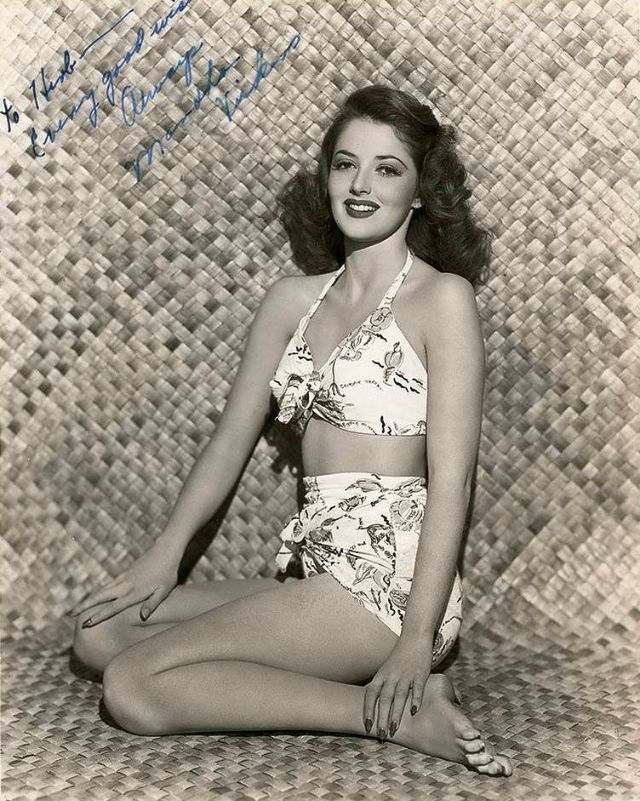
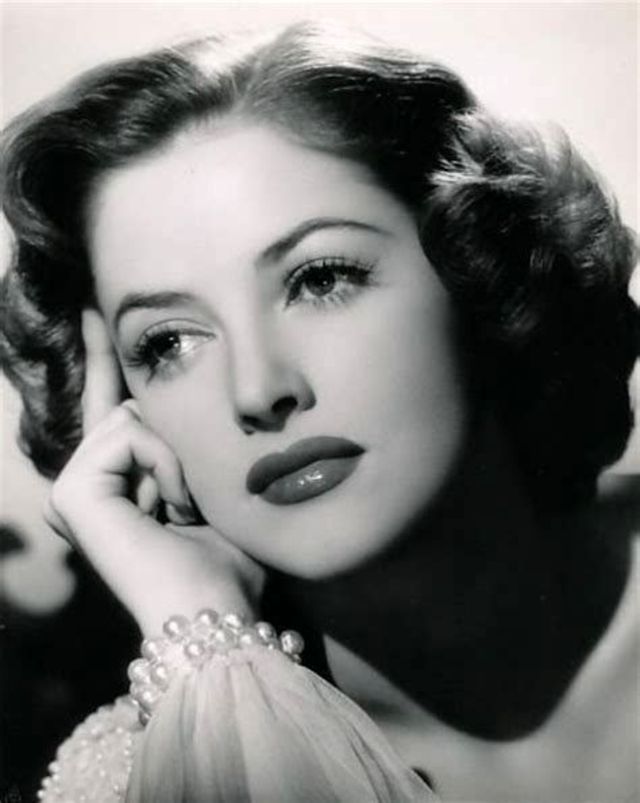
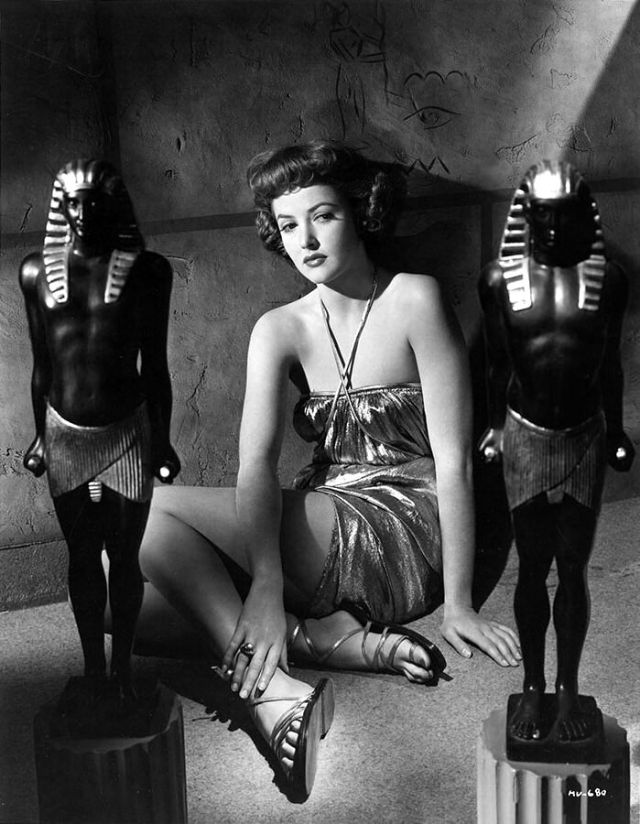
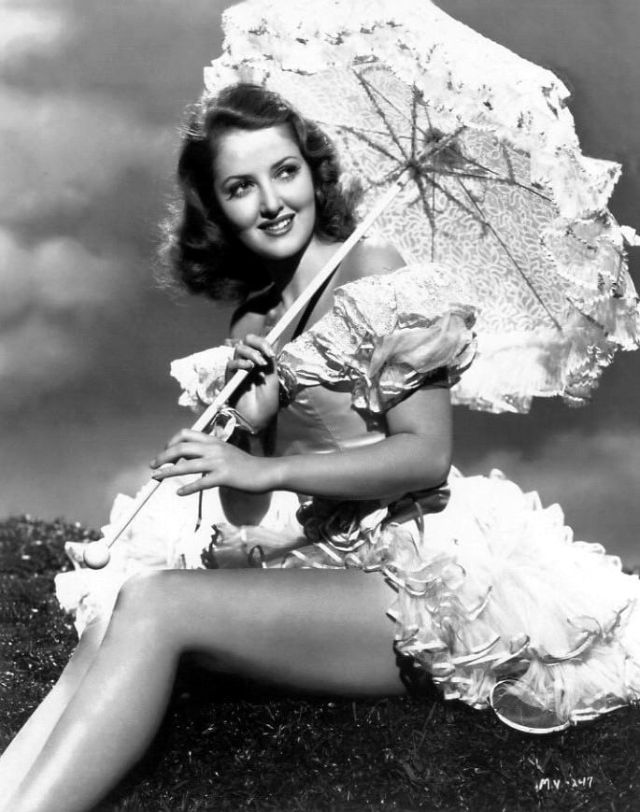
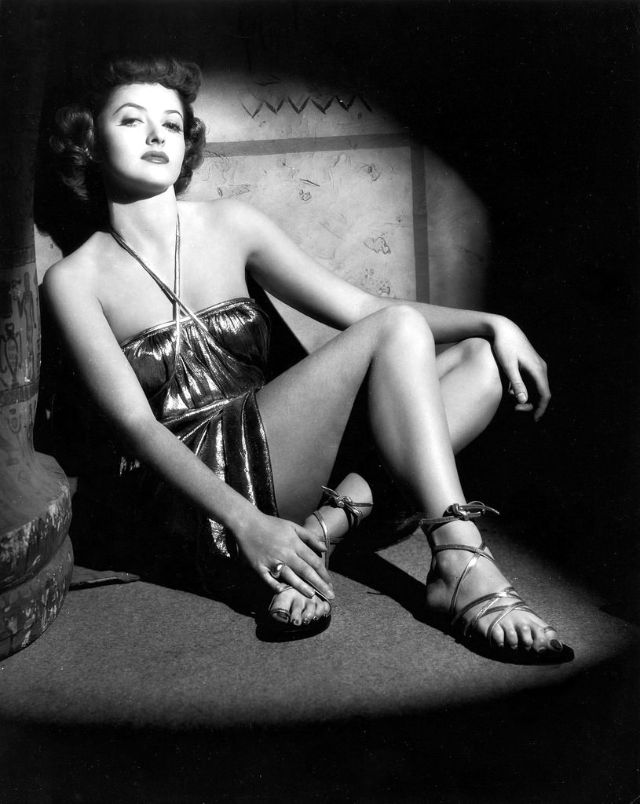
Martha Vickers (nee MacVicar) 1925-1971

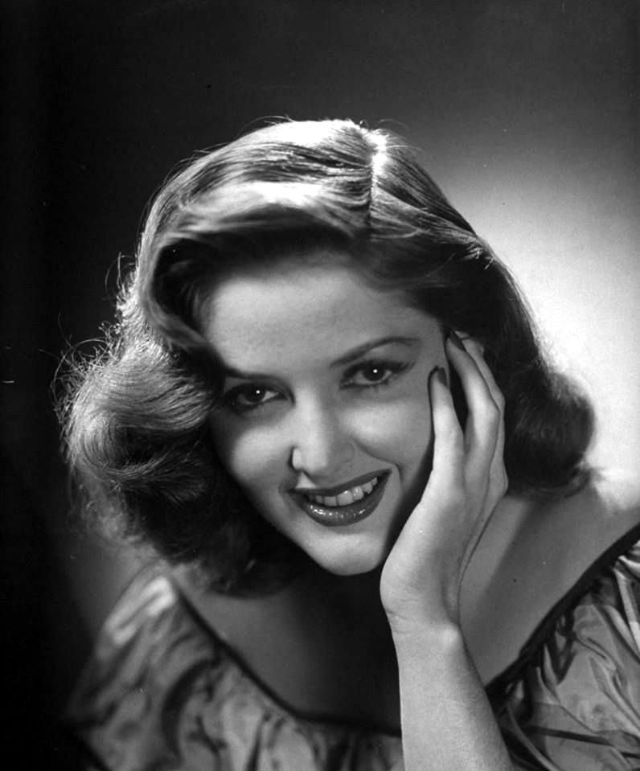
Born in Ann Arbor, Michigan, on May 28, 1925, the daughter of James S. and Frances MacVicar. After attending schools in various states – Florida, Texas and California – she and her family settled on the West Coast. She broke into the entertainment field as a model for still photographer William Mortenson. Universal took over her contract where she was groomed in inauspicious bit parts such as her corpse/victim in Frankenstein Meets the Wolf Man (1943), and in such low-level entries as Captive Wild Woman (1943) and The Mummy’s Ghost (1944). In between assignments, Martha earned WWII pin-up exposure in such magazines as “Yank: The Army Weekly.”

RKO gave her some higher-level billing chances with Marine Raiders (1944) and The Falcon in Mexico (1944), but it was Warner Bros. that put her officially on the map. The enticing Martha earned celebrity status and a new stage moniker when she generated some real heat as Lauren Bacall’s wild, thumb-sucking sister Carmen in the film noir classic The Big Sleep (1946), which also starred Humphrey Bogart, playing the teenage nymphet “bad girl” for all it was worth. This major success quickly led to other “B” roles and not necessarily all “bad girl” parts. Highly appealing as the second femme lead in the pleasant musical The Time, the Place and the Girl (1946), Martha looked radiant but was overlooked for bigger things. She continued on and disrupted the proceedings again in the atmospheric film noir The Man I Love (1946) with Ida Lupino and finally earned leading lady status in That Way with Women (1947) opposite Dane Clark.

Post-war films included Love and Learn (1947), another film noir piece Ruthless (1948), and the melodrama Bad Boy (1949), which was Audie Murphy’s first starring role. She ended the decade top-lining the “Poverty-Row” drama Alimony (1949). Surprisingly, Martha’s high-profiled second marriage in 1949 to film star Mickey Rooney (she was his third wife) did not advance her career. In fact, Martha was not seen in films at all during this period. Despite the couple having a son, Teddy Rooney, Her marriage to Rooney would be short-lived.

Martha married a third time in 1954 to Chilean polo player-turned-actor Manuel Rojas, best known for his co-starring role in The Magnificent Matador (1955), and she finally returned to the screen in The Big Bluff (1955) co-starring with John Bromfield. The momentum, however, was gone and the movie did nothing to generate new interest. She did move, however, into TV and performed effectively in a number of dramatic showcases. She and Rojas had two children, Tina and Tessa. In 1960, Martha did her last filming with the western Four Fast Guns (1960) and after guesting on a couple of episodes of the TV series “The Rebel,” not much was heard from her until her death from cancer in 1971 at age 46 in Hollywood, California.

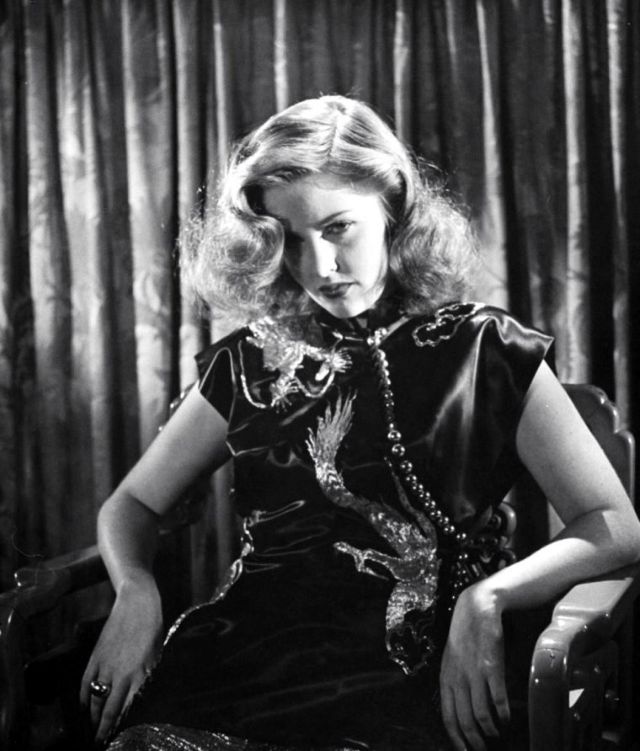
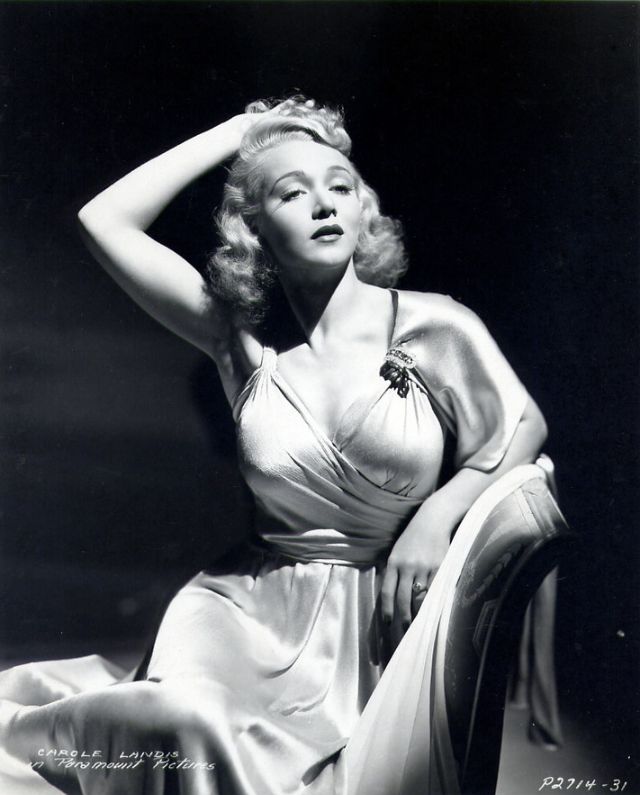
Frances Lillian Mary Ridste (1919-1948)

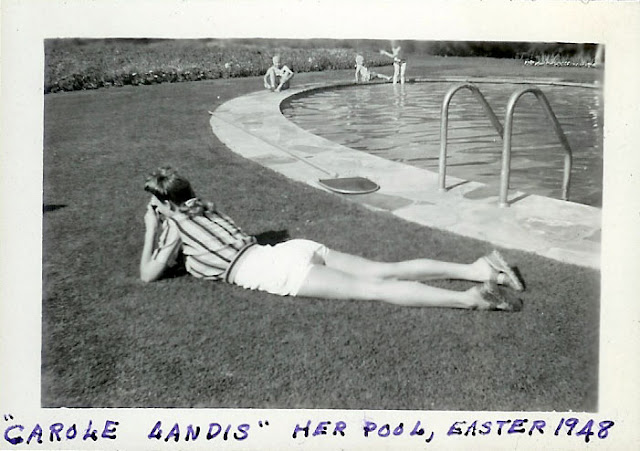
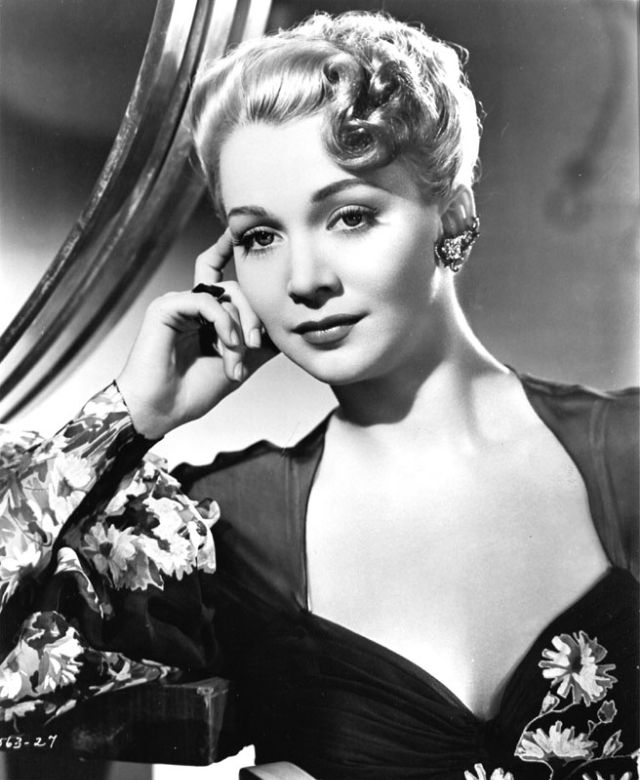
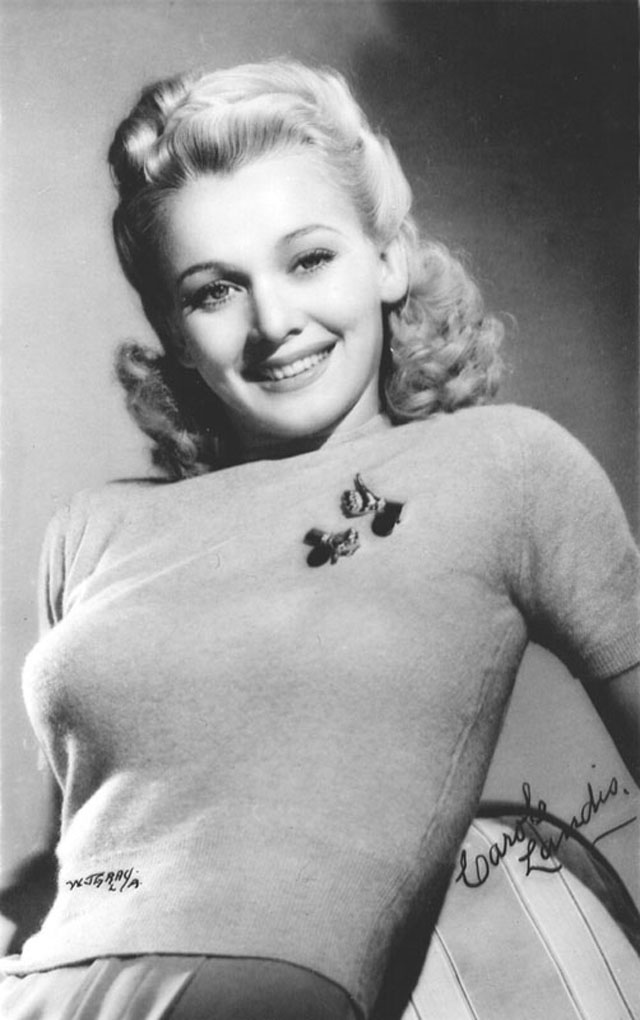
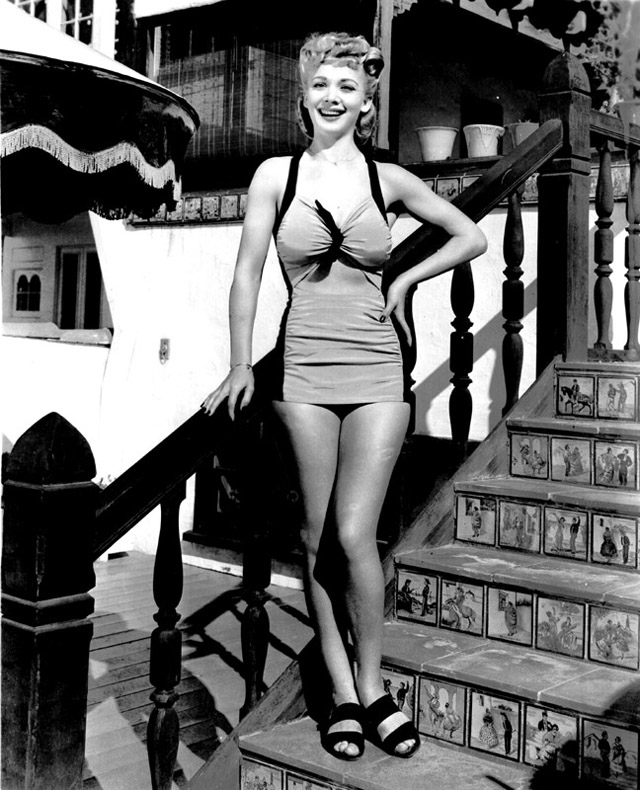
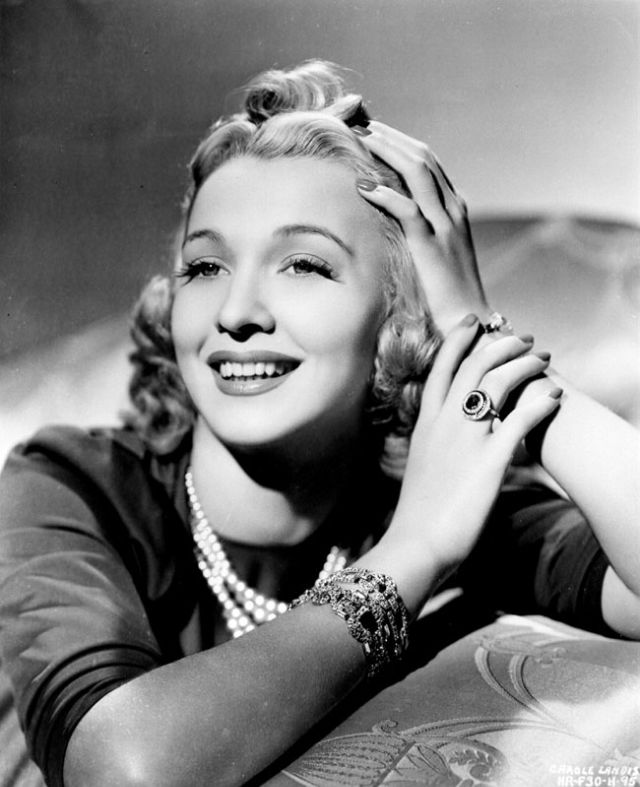
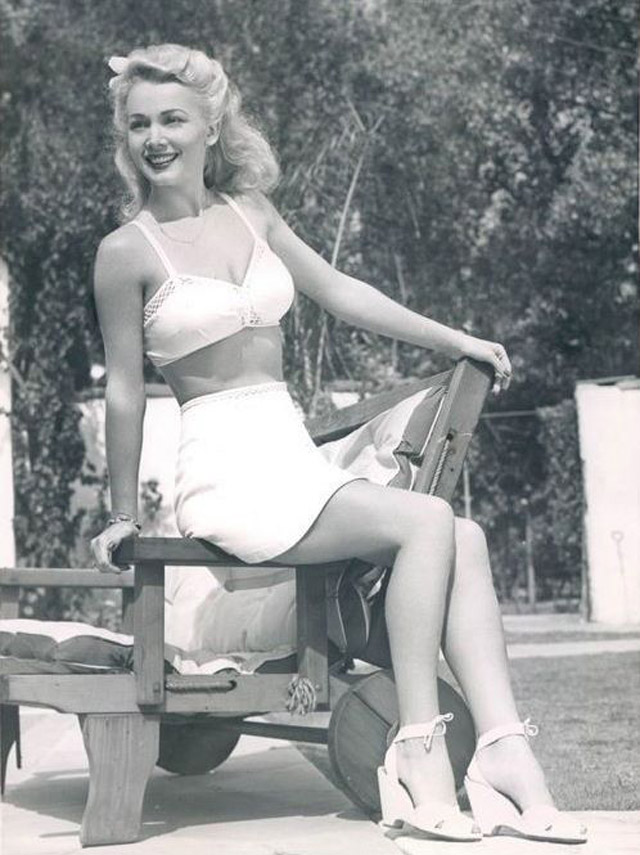
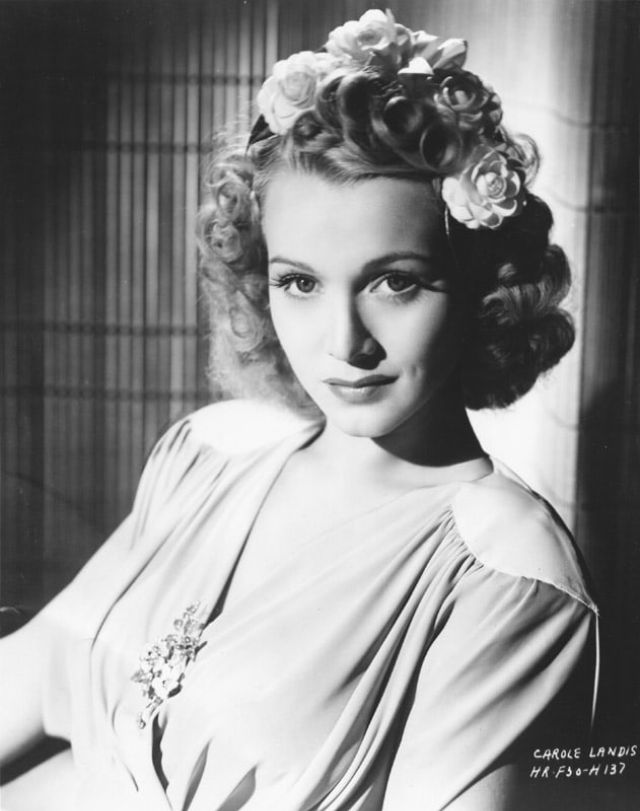
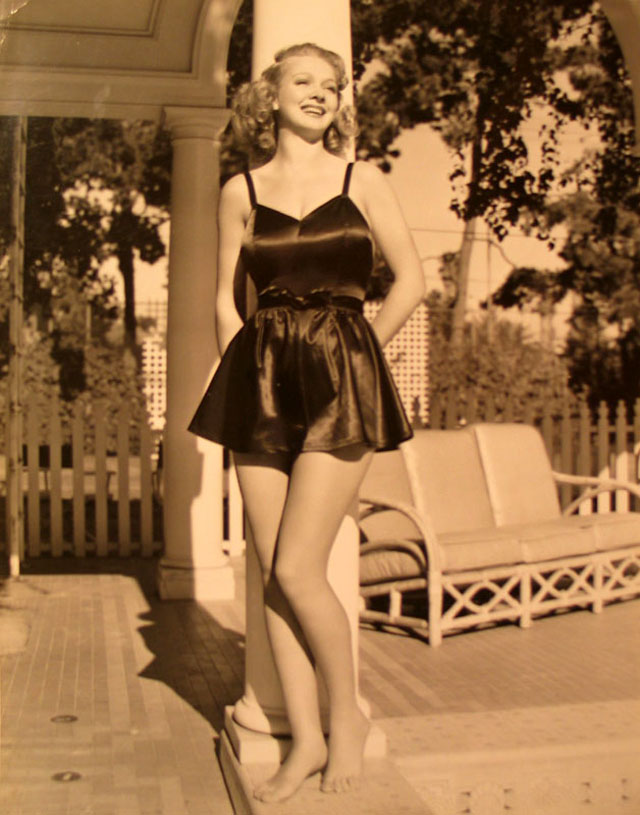
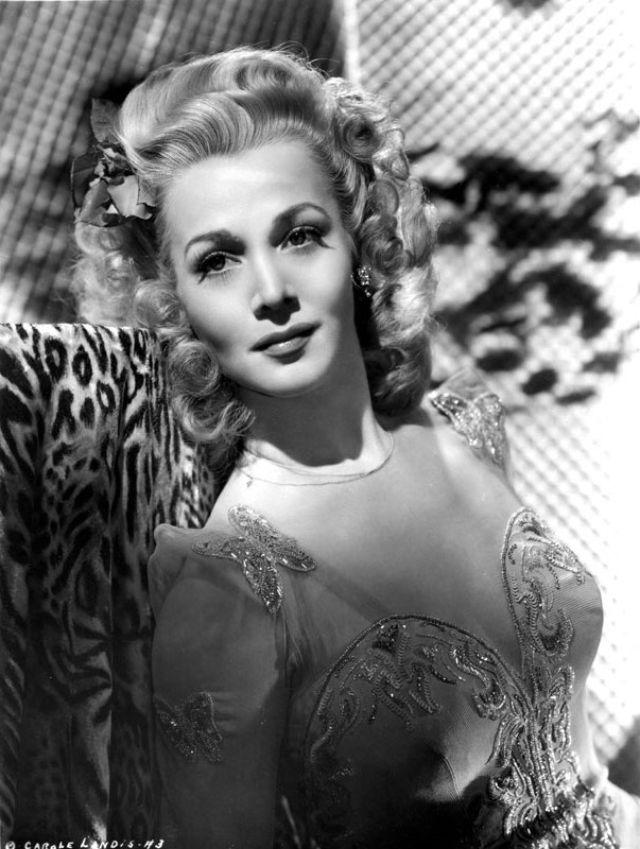
Known as Carole Landis, she won a studio contract with Warner Brothers but was a bit player for the most part in films such as A Star Is Born (1937), A Day at the Races (1937), and The Emperor’s Candlesticks (1937). The following year started much the same way, with more bit roles. By 1939, she was getting a few speaking roles, although mostly one-liners, and that year ended much like the previous two years, with more bit roles; also, she and Wheeler were divorced.

In 1939, she was cast as Loana in the Hal Roach production of One Million B.C. (1940); she finally got noticed (the skimpy outfit helped), and her career began moving. She started getting parts in B pictures but didn’t star in big productions — although she had talent, the excellent roles were given to the established stars of the day.

Her busiest year was 1942, with roles in Manila Calling (1942), The Powers Girl (1943), A Gentleman at Heart (1942), and three other movies. Unfortunately, critics took little notice of her films, and when they did, reviewers tended to focus on her breathtaking beauty. By 1947, Carole’s career was beginning to short-circuit. Her contract with 20th Century-Fox had been canceled, her marriages to Willis Hunt Jr. and Thomas Wallace had ended, and her current marriage to Horace Schmidlapp was in trouble; all of that, along with health issues, foretold disaster for her professionally and personally.

Her final two films, Brass Monkey (1948) and The Silk Noose (1948), were released in 1948. On July 5, 1948, Carole committed suicide by taking an overdose of Seconal in her Brentwood Heights, California, home. She was only 29 and had made 49 pictures, most of which were forgettable. If Hollywood moguls had given Carole a chance, she could have been one of the brightest stars in its history.

“It takes a lot of money to look this cheap”

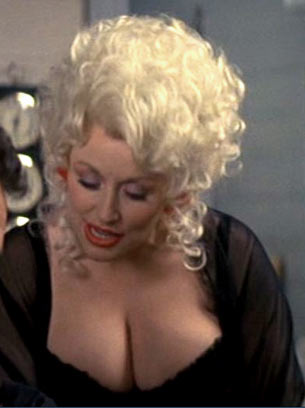
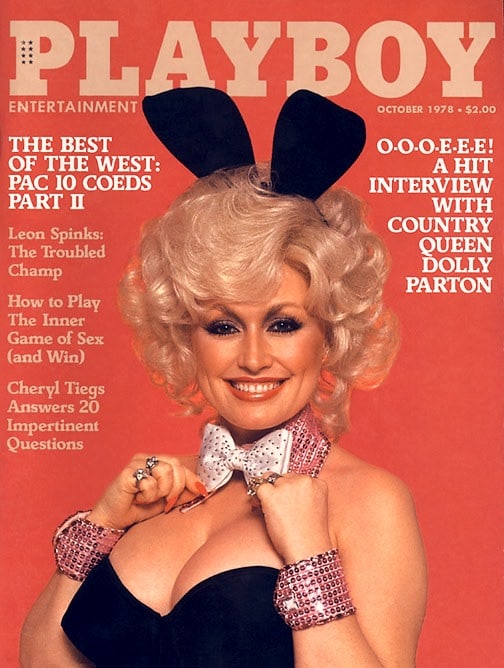
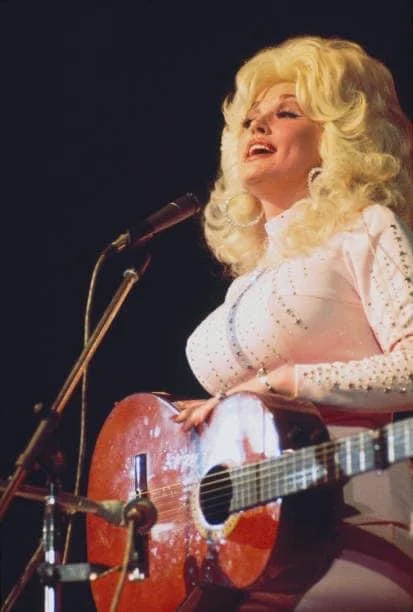
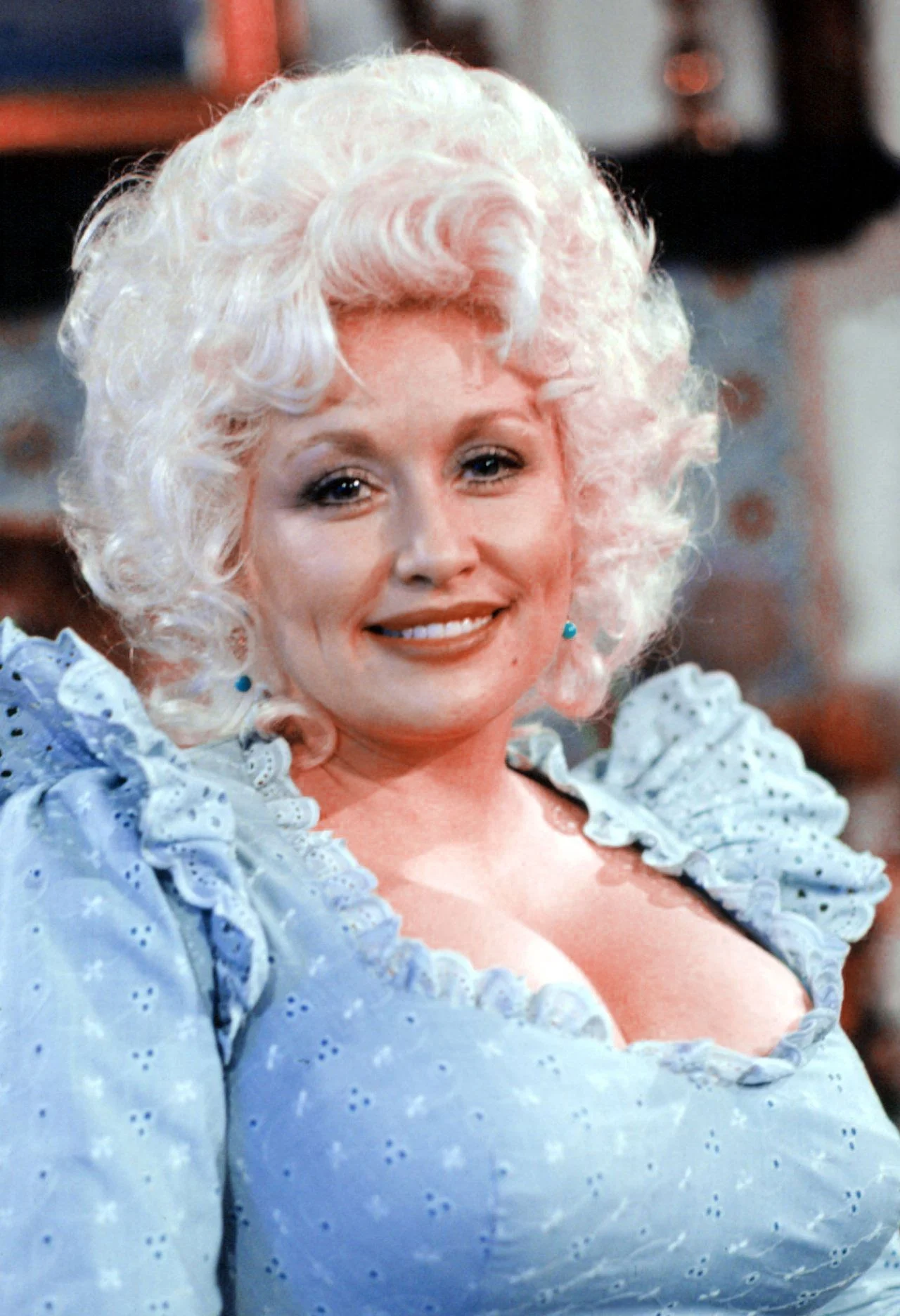
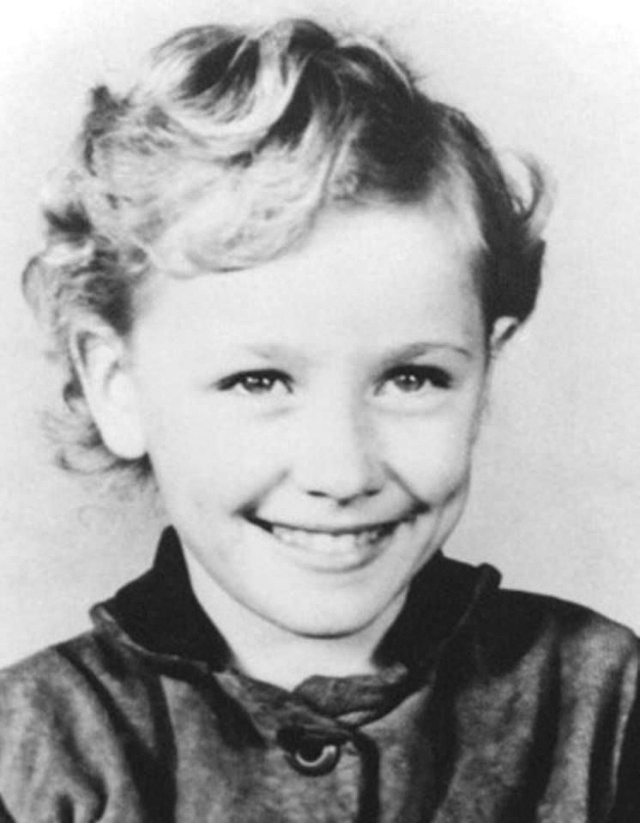
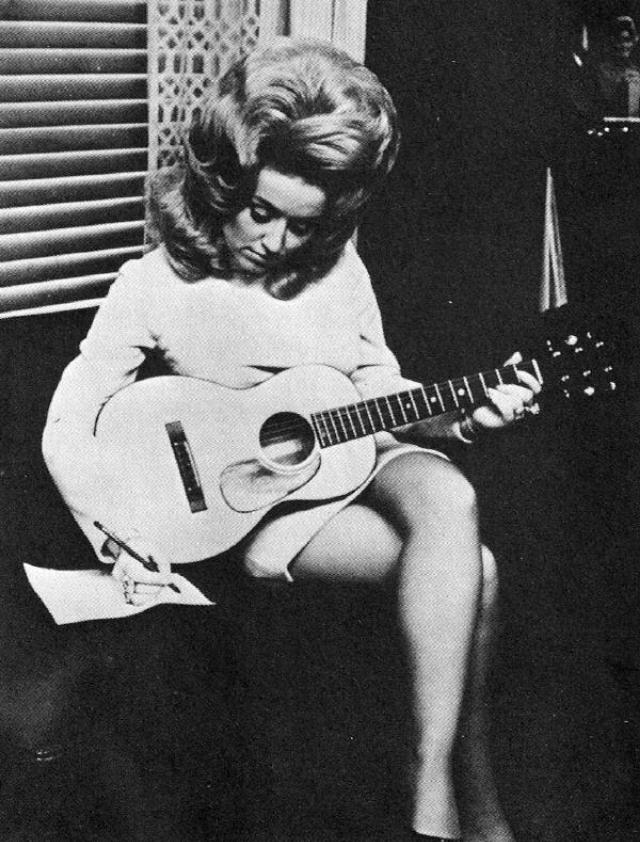
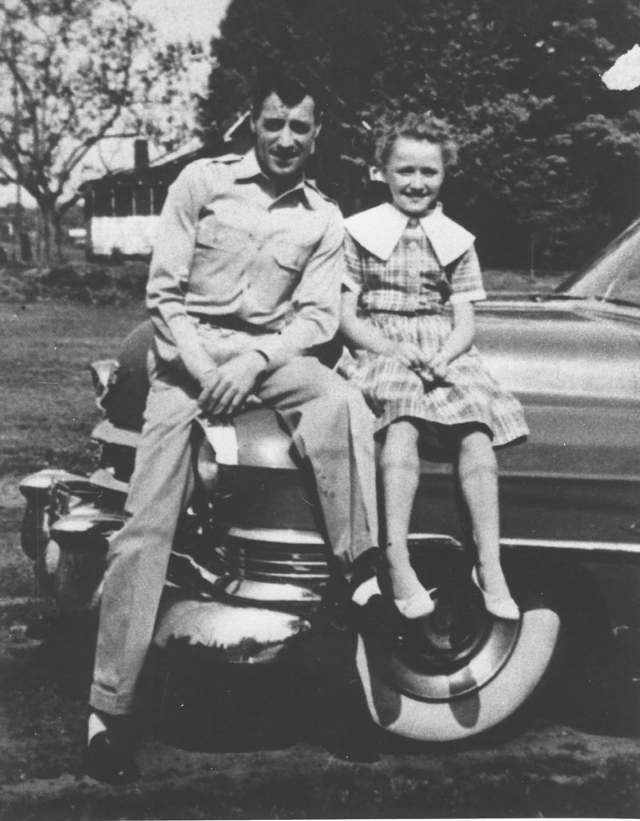
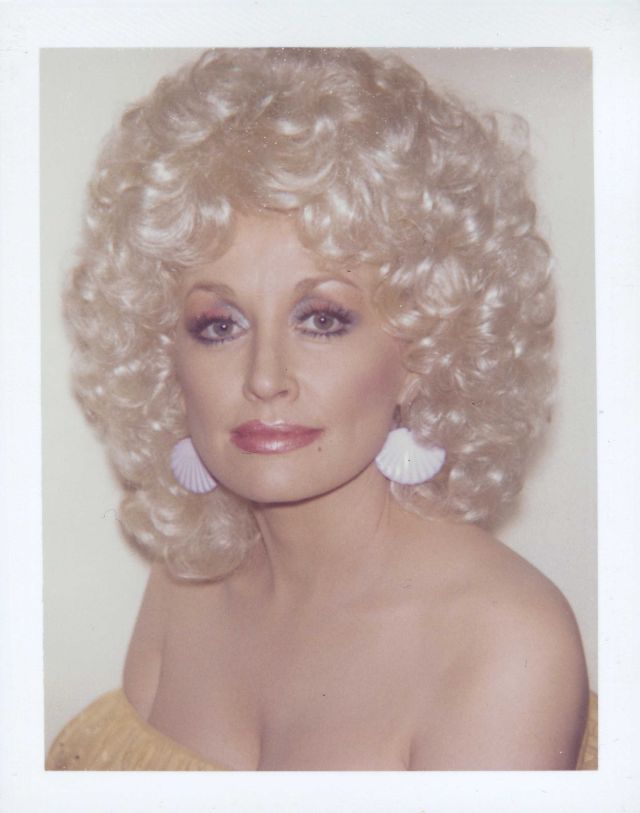
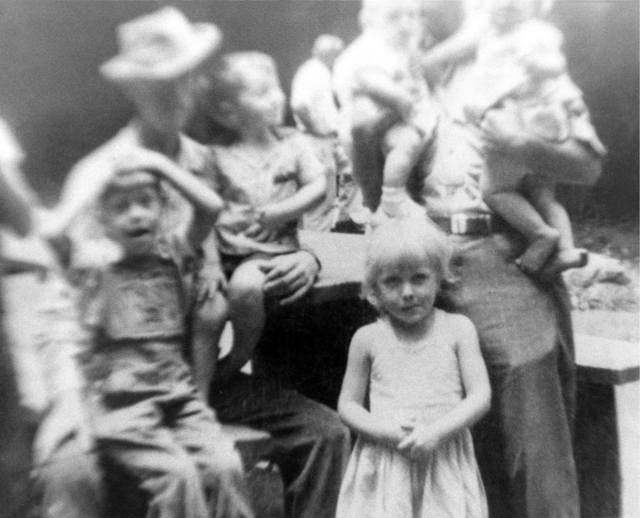
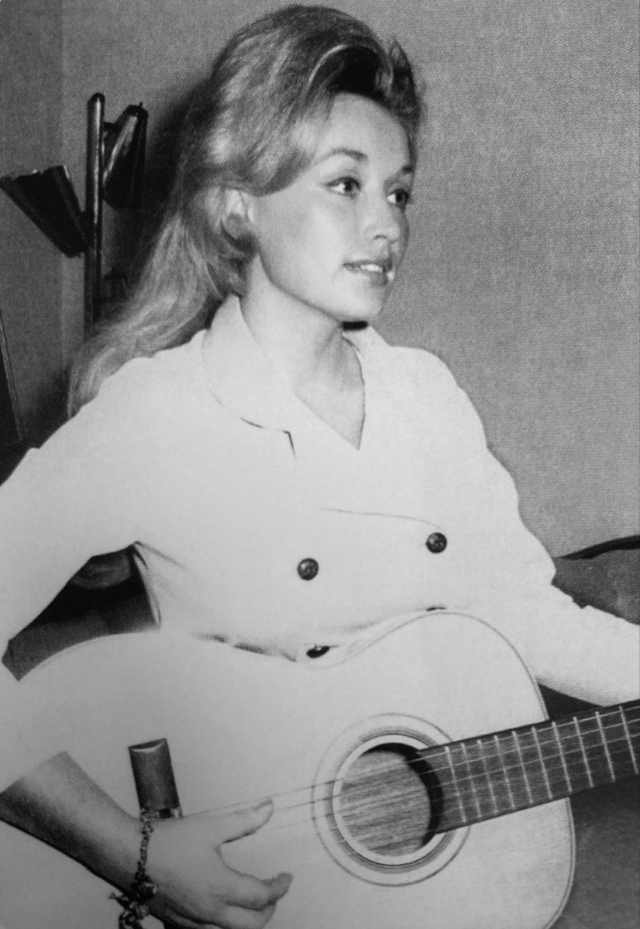
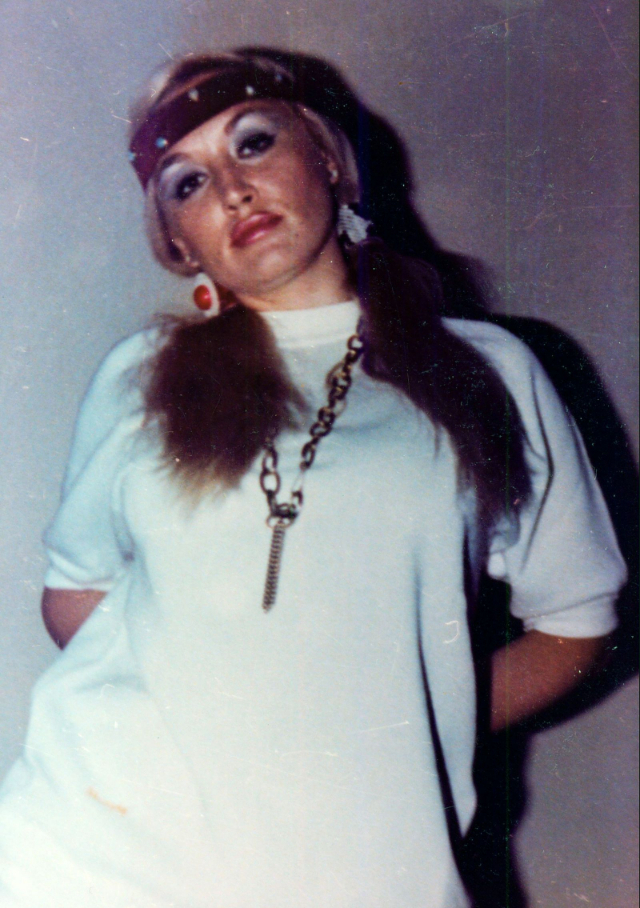
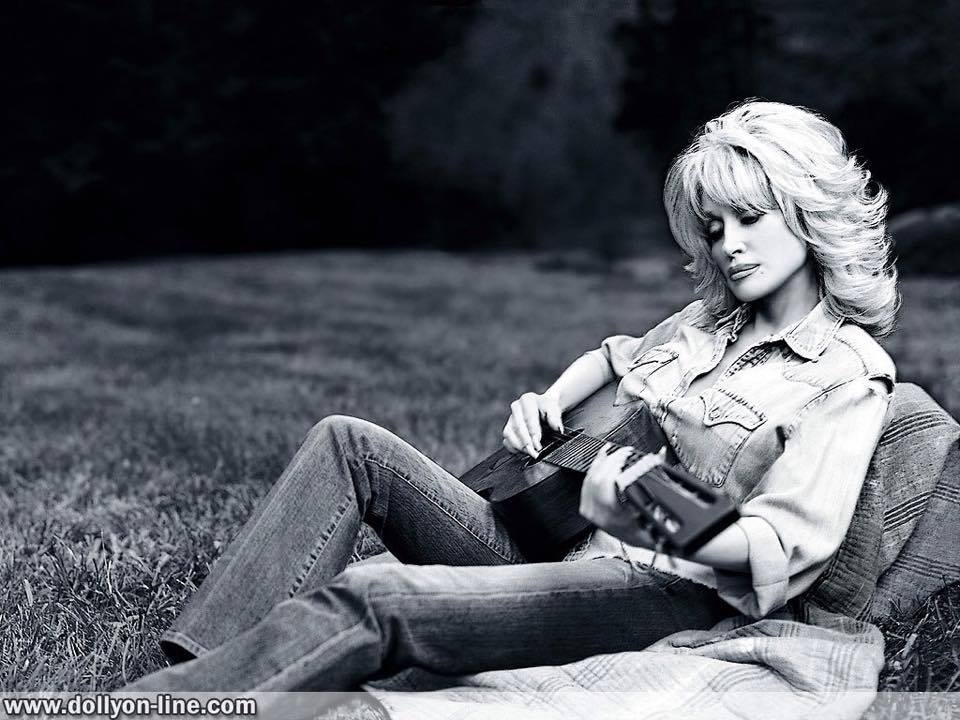
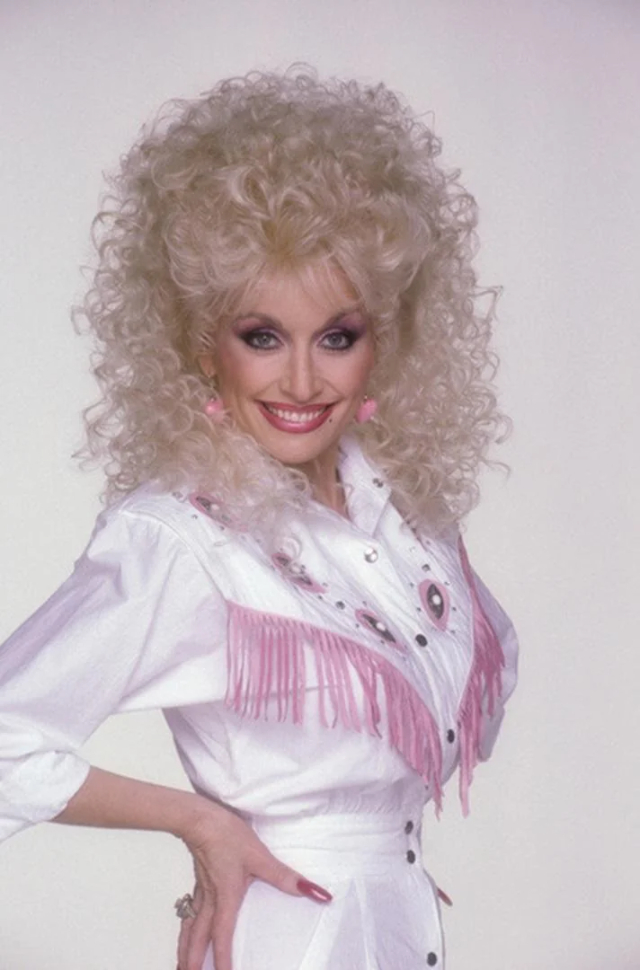
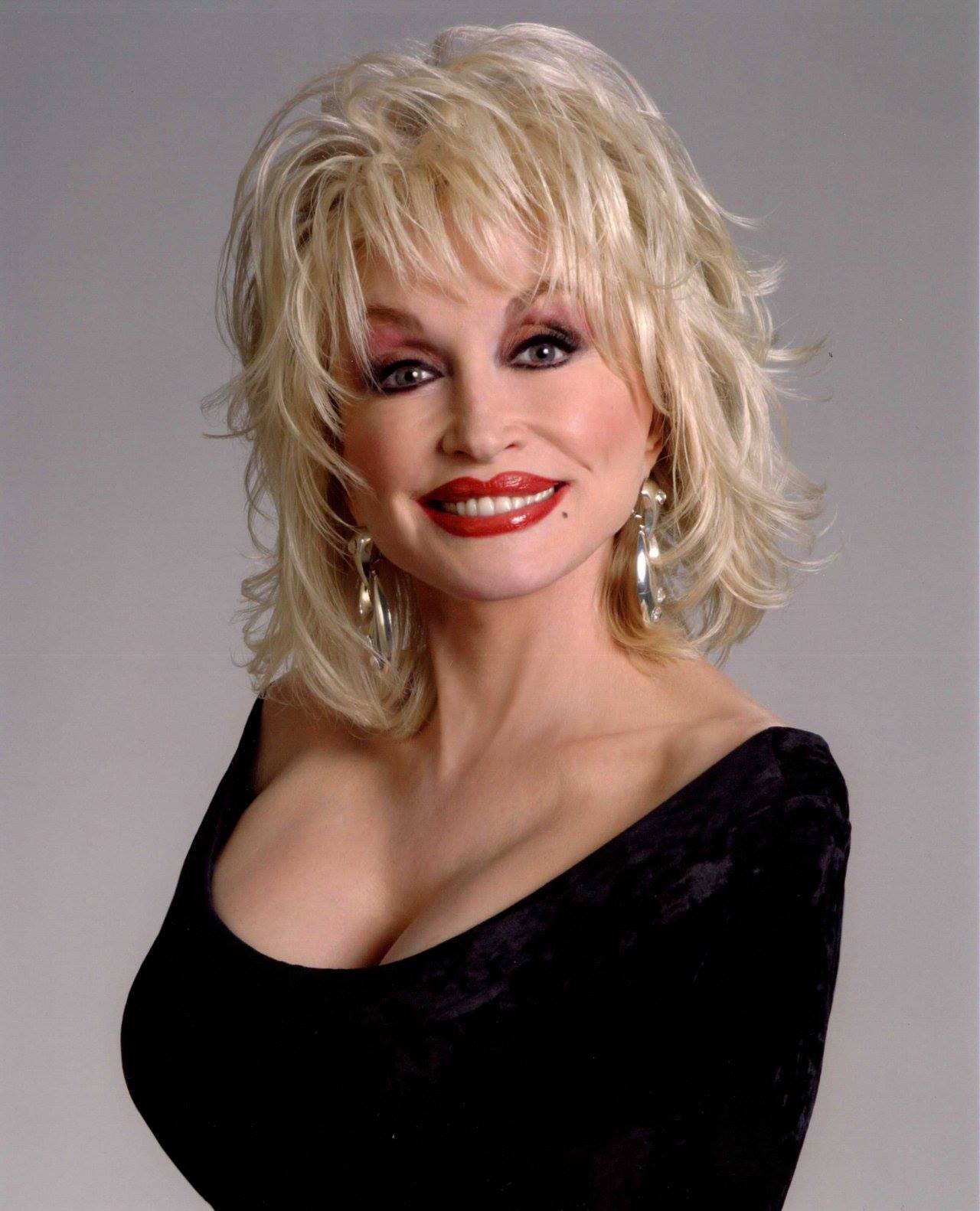
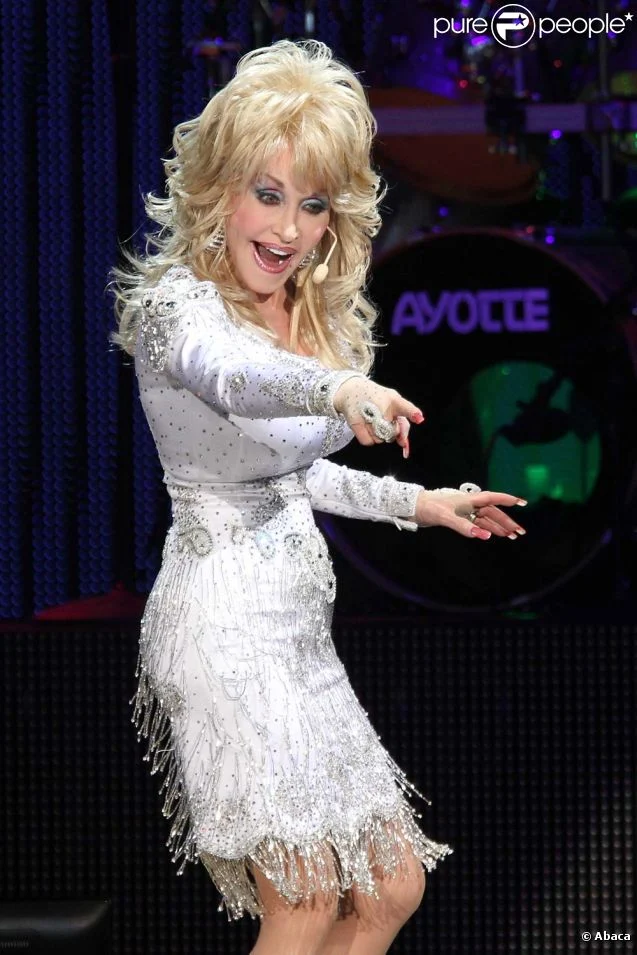
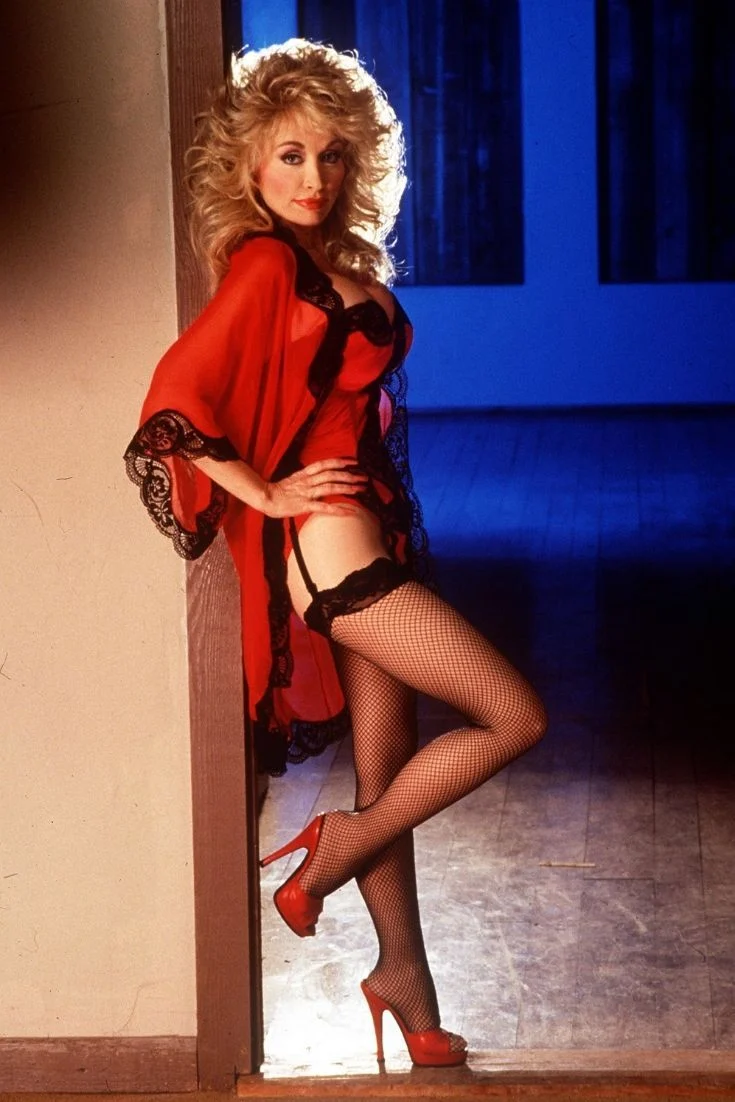
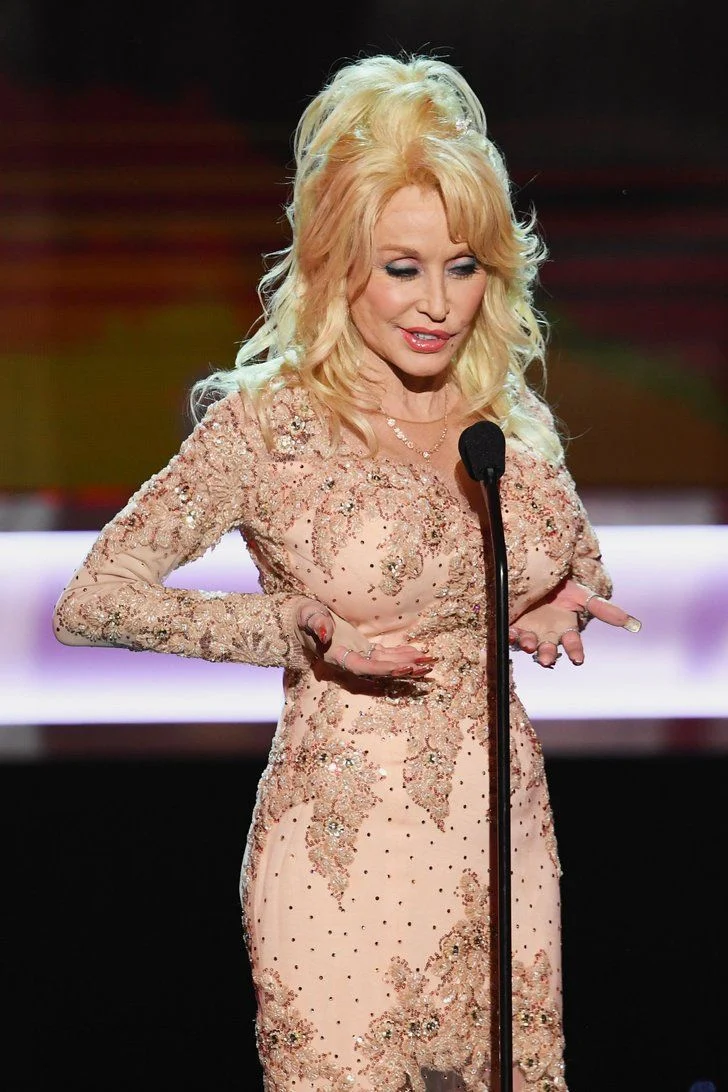
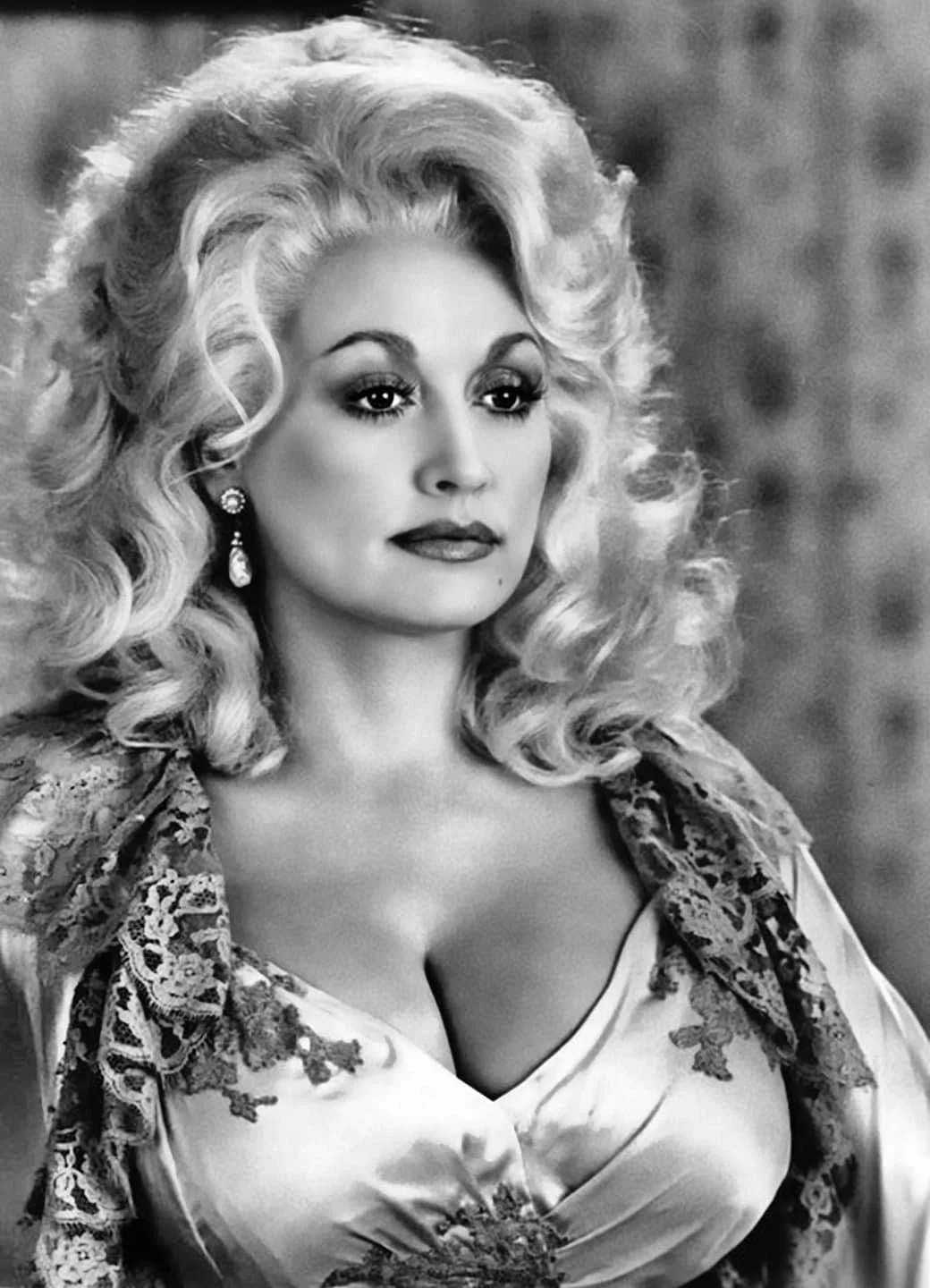
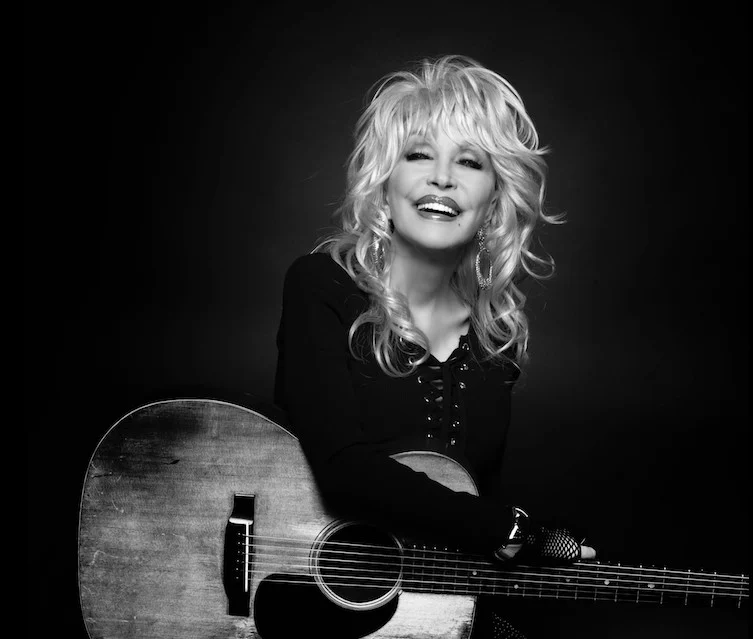
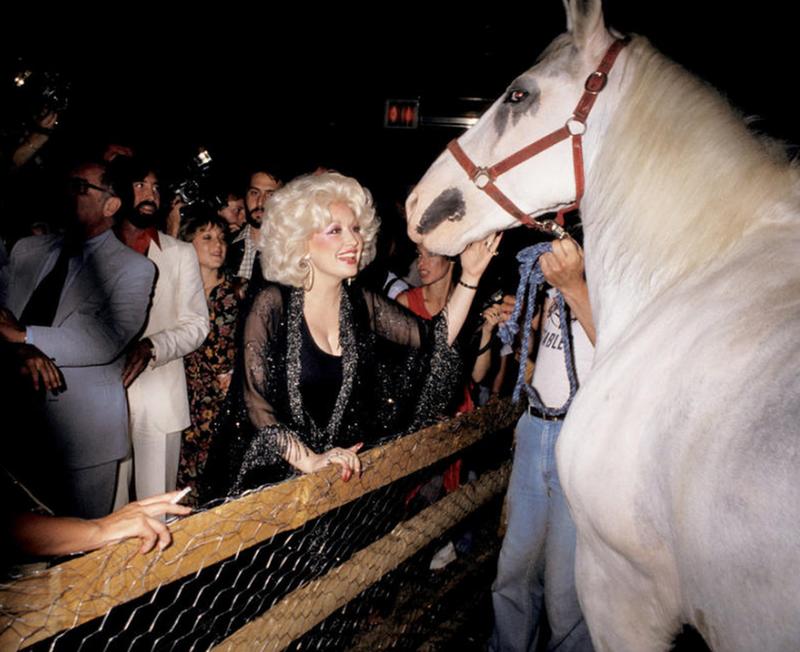
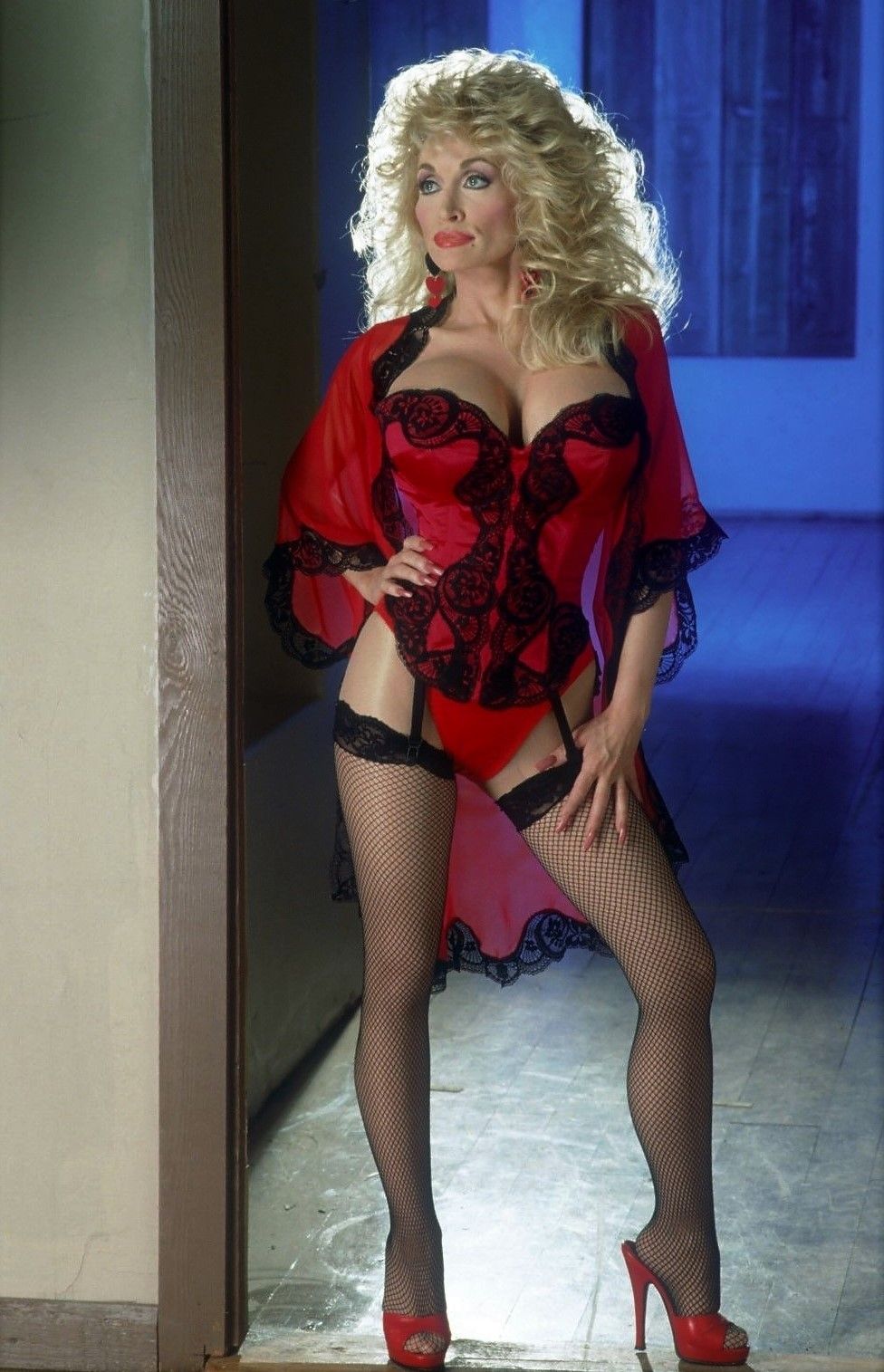
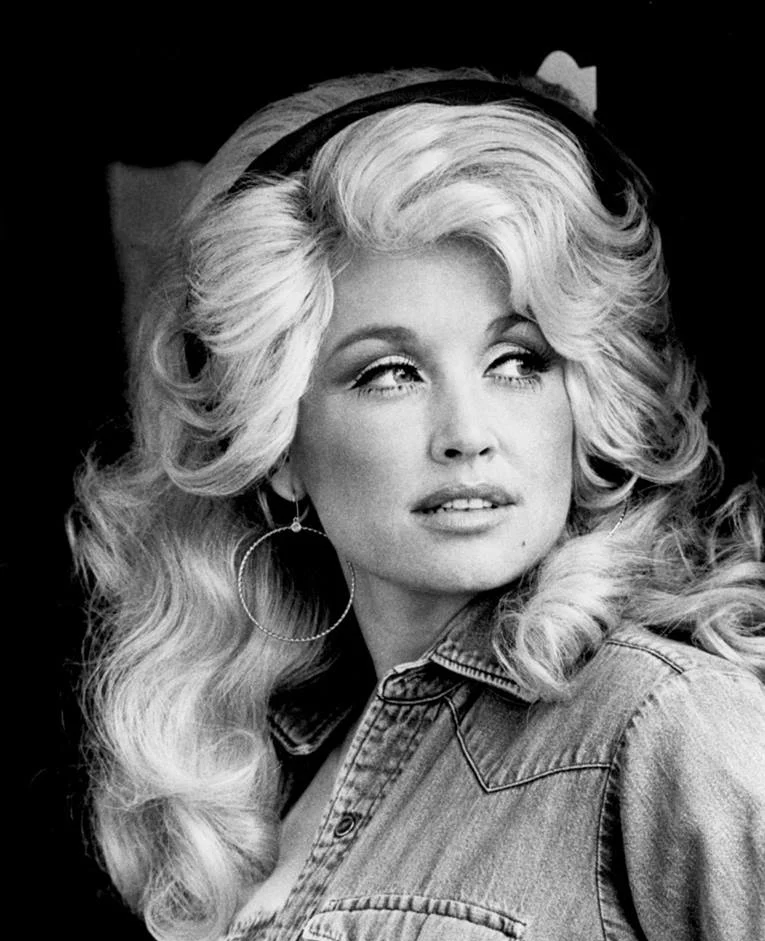
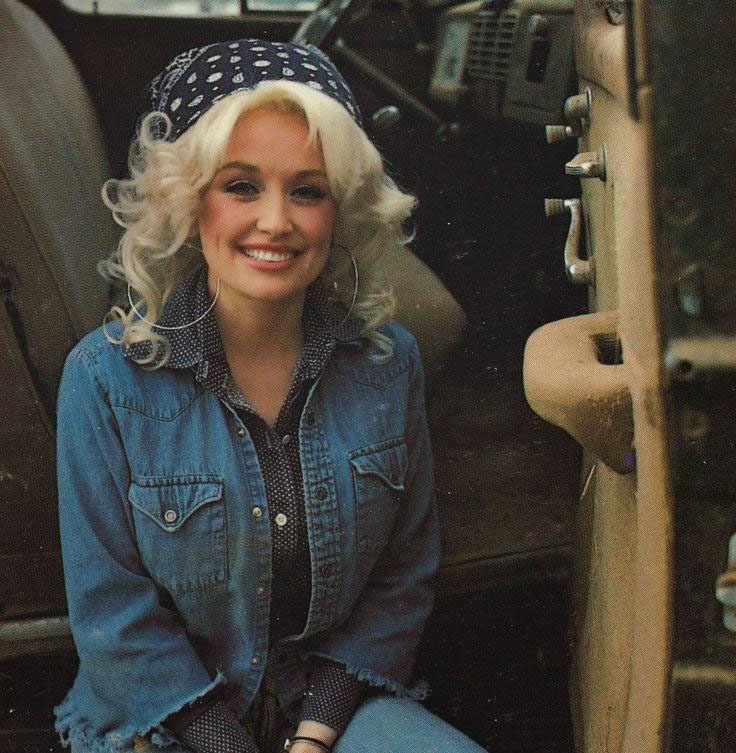
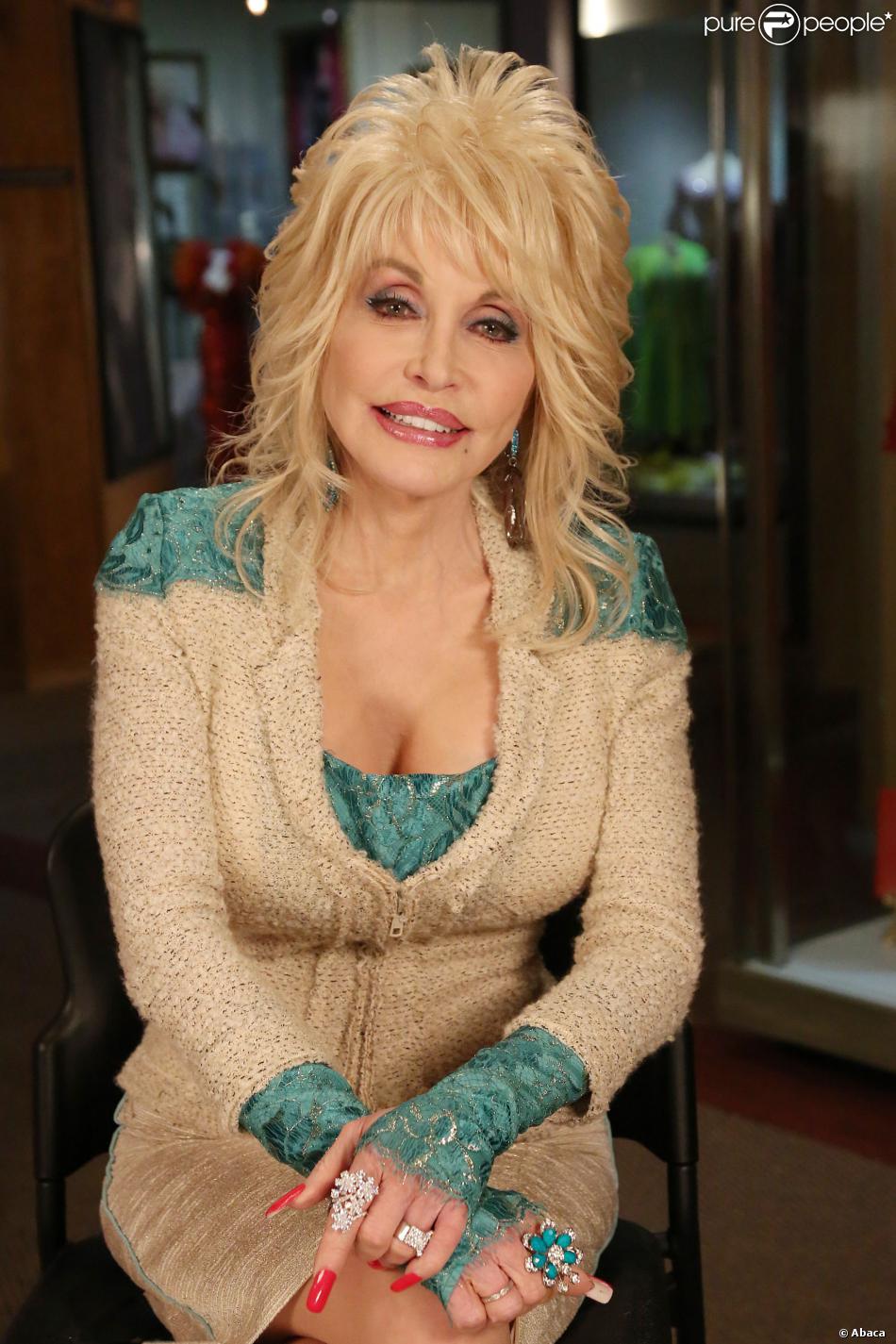
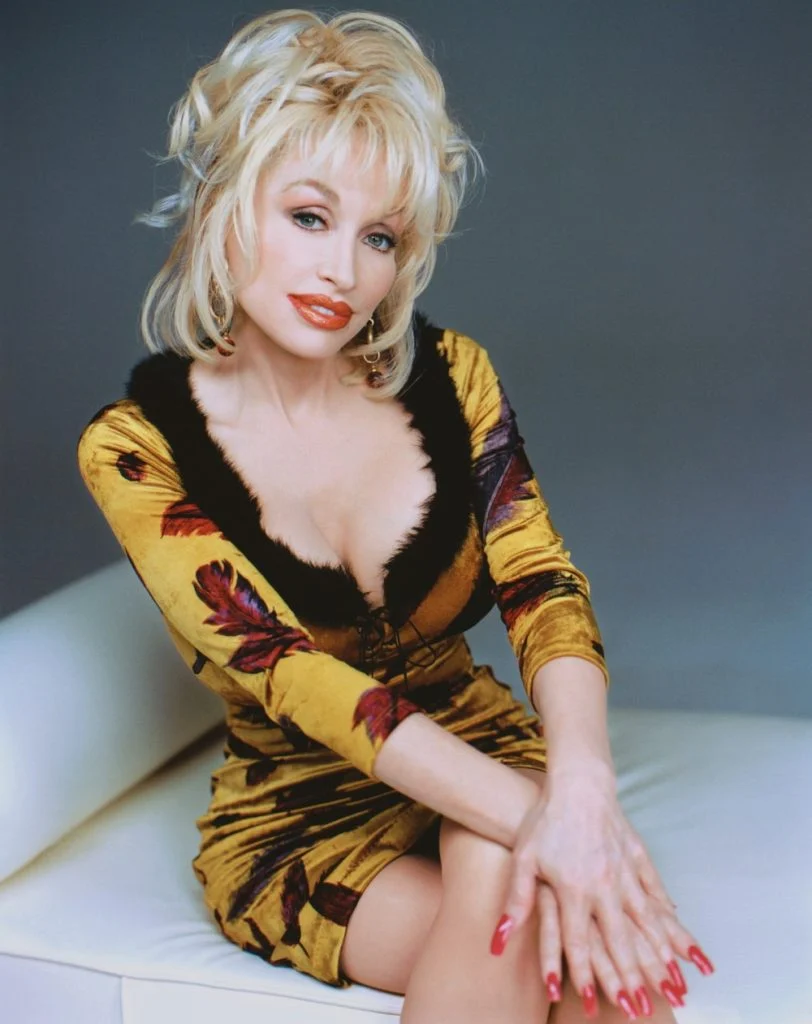
Dolly Rebecca Parton Dean (1946-2026) was an American musician, actress, philanthropist, and businesswoman. After achieving success as a songwriter for other artists, her debut album, Hello, I’m Dolly, was released in 1967, beginning a career spanning 60 years and 50 studio albums.

Known as the “Queen of Country”, she was one of the most-honored female country performers and received various accolades, including 11 Grammy Awards, three Emmy Awards and the Jean Hersholt Humanitarian Award, along with nominations for two Academy Awards, six Golden Globe Awards, and a Tony Award.

Parton sold more than 100 million records worldwide, making her one of the best-selling music artists ever. Her music includes Recording Industry Association of America (RIAA)-certified gold, platinum and multi-platinum awards. She had 25 singles reach No. 1 on the Billboard country music charts, tied with Reba McEntire for the most by a female artist. She had 44 career Top 10 country albums, a record for any artist, and 110 career-charted singles over 40 years. Her 49th and final solo studio album, Rockstar (2023), became her highest-charting Billboard 200 album, peaking at number three.

Parton composed more than 3,000 songs, including “I Will Always Love You” (a two-time U.S. country chart-topper and an international hit for Whitney Houston that sold 40 million copies worldwide), “Jolene”, “Coat of Many Colors” and “9 to 5”. As an actress, she starred in 9 to 5 (1980) and The Best Little Whorehouse in Texas (1982), earning Golden Globe nominations for both, as well as Rhinestone (1984), Steel Magnolias (1989), Straight Talk (1992), and Joyful Noise (2012).

Parton died in Nashville, Tennessee, on August 25, 2026, at age 80

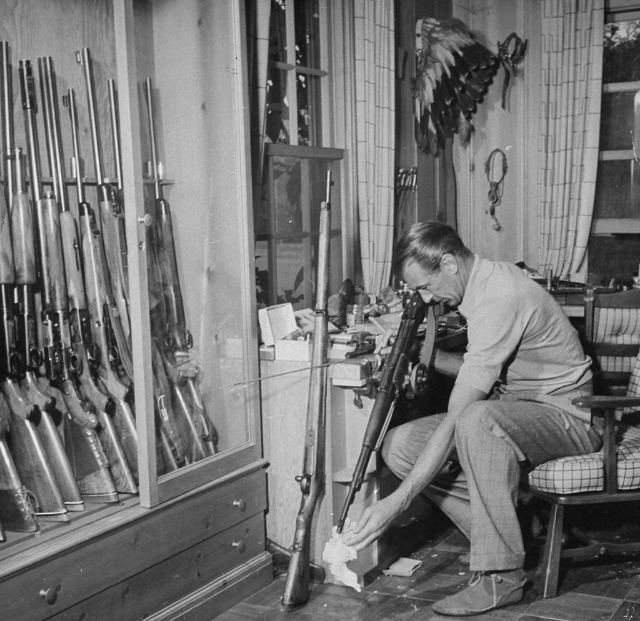
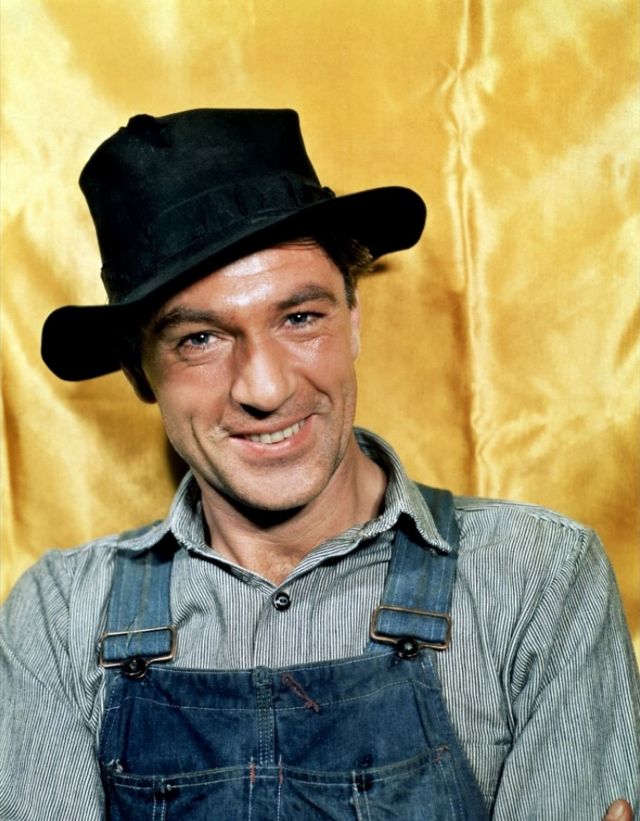
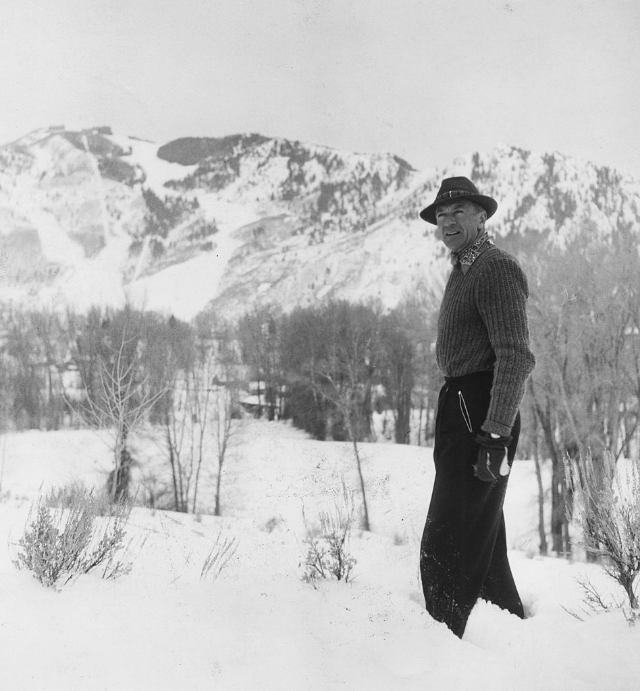
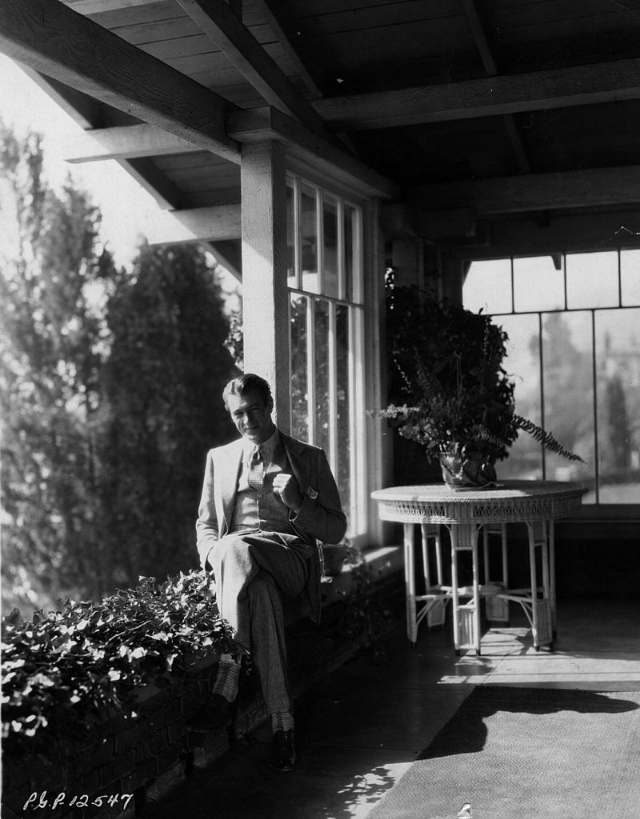
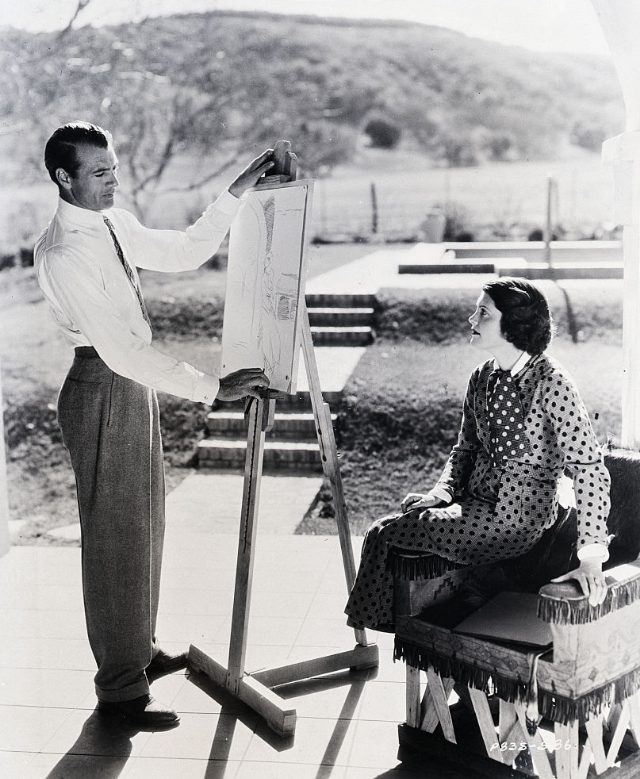
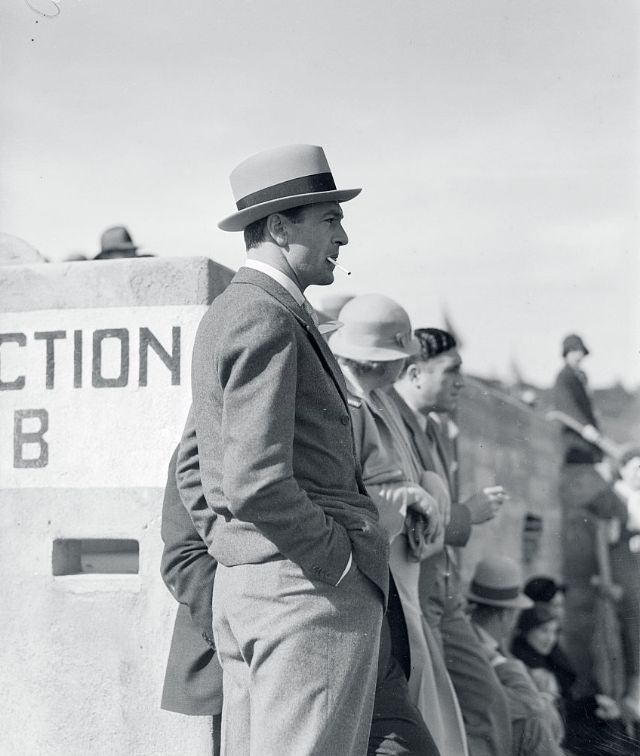
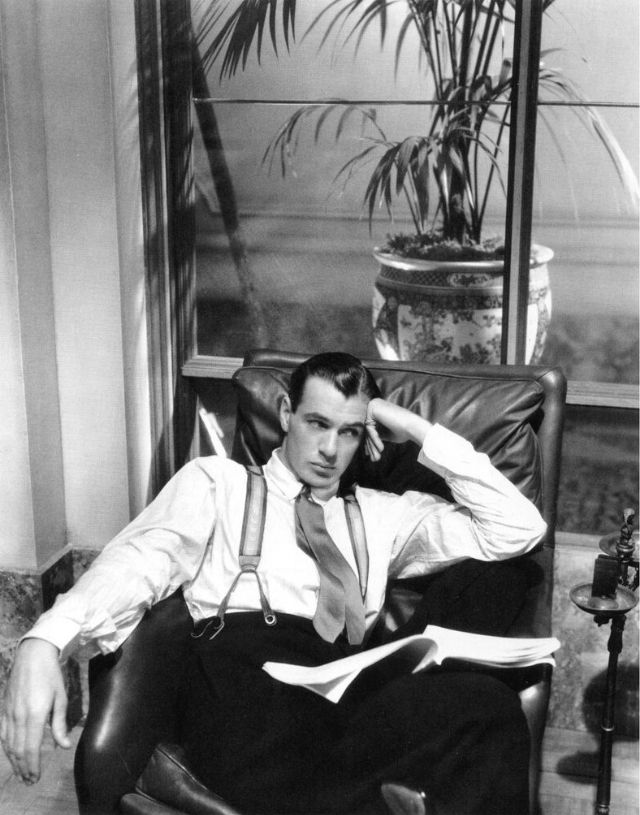
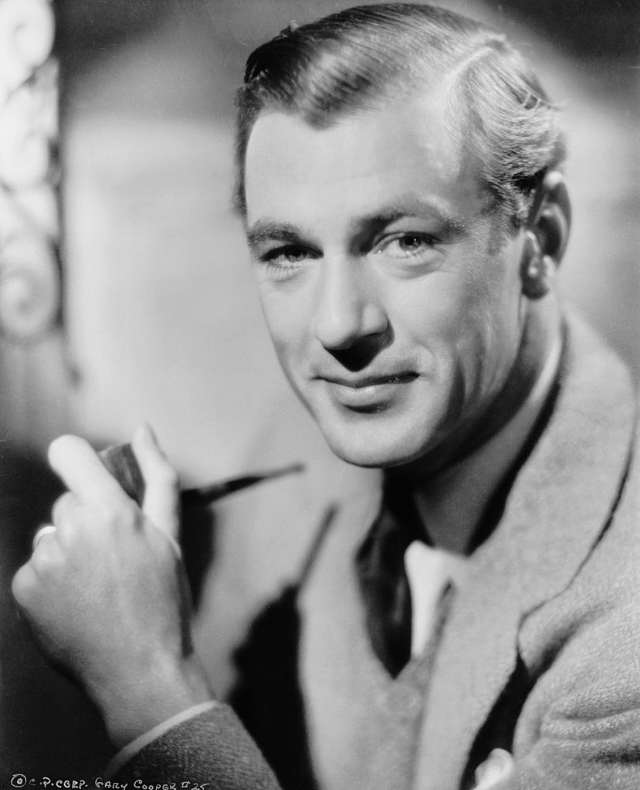
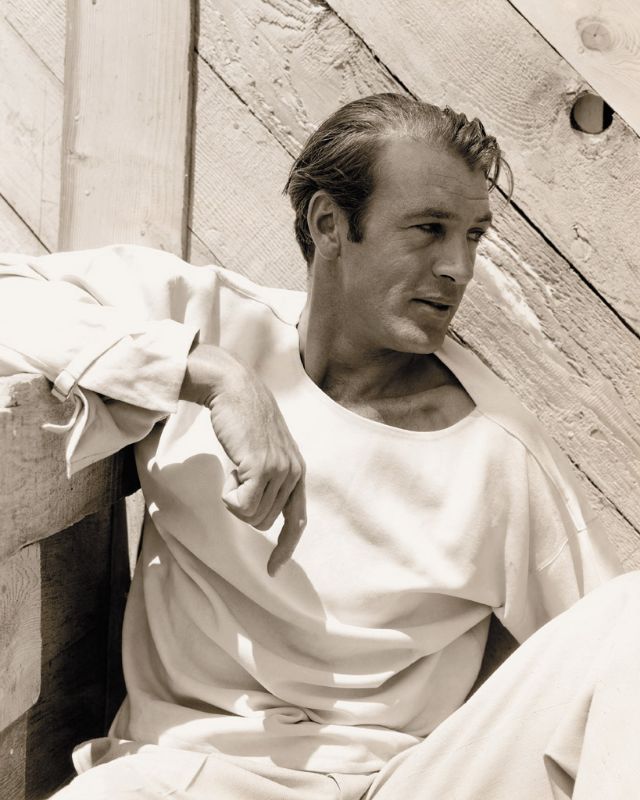
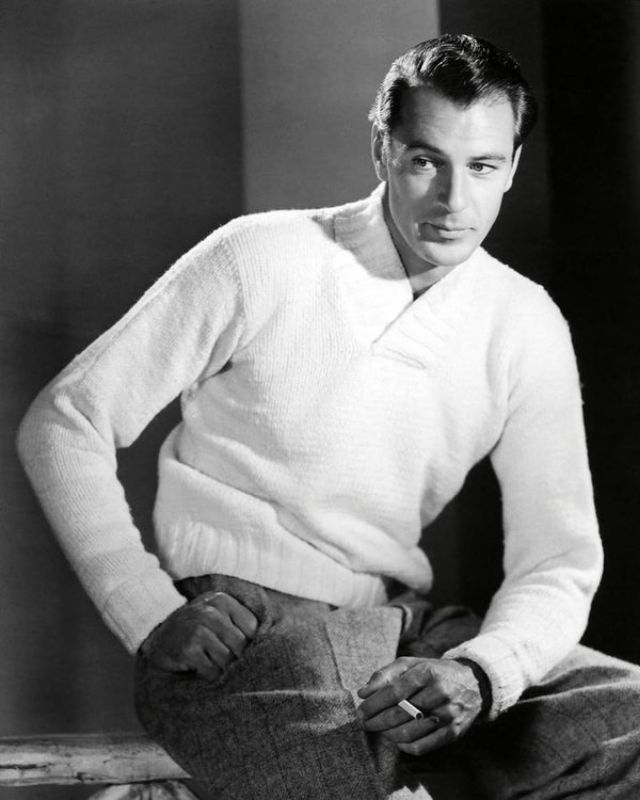
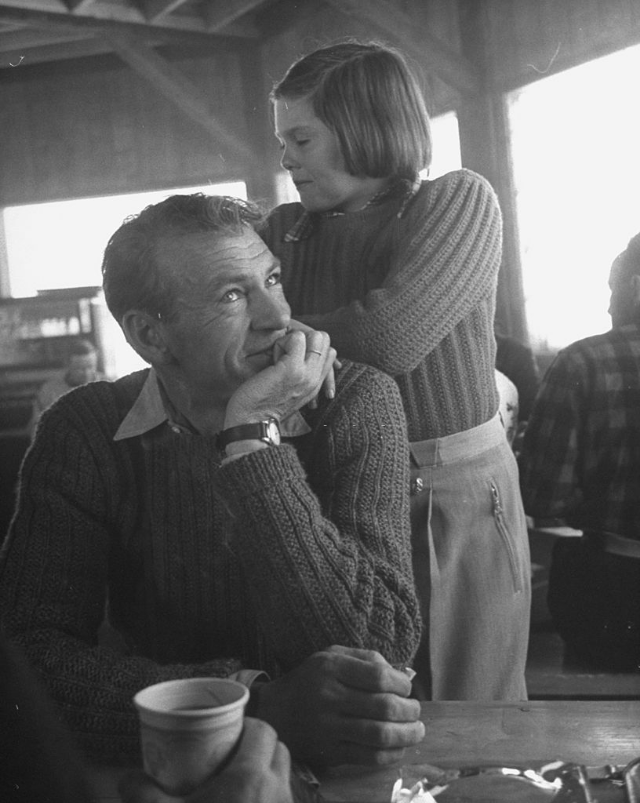
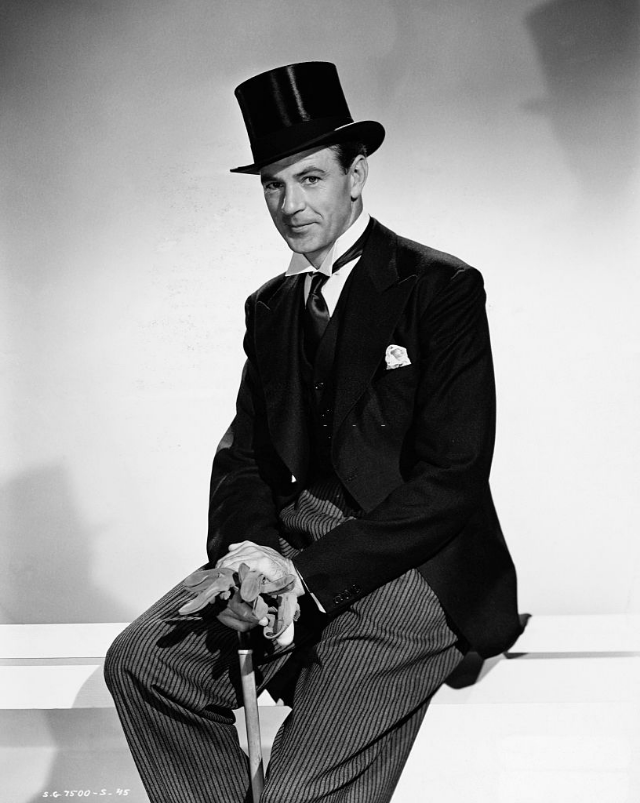
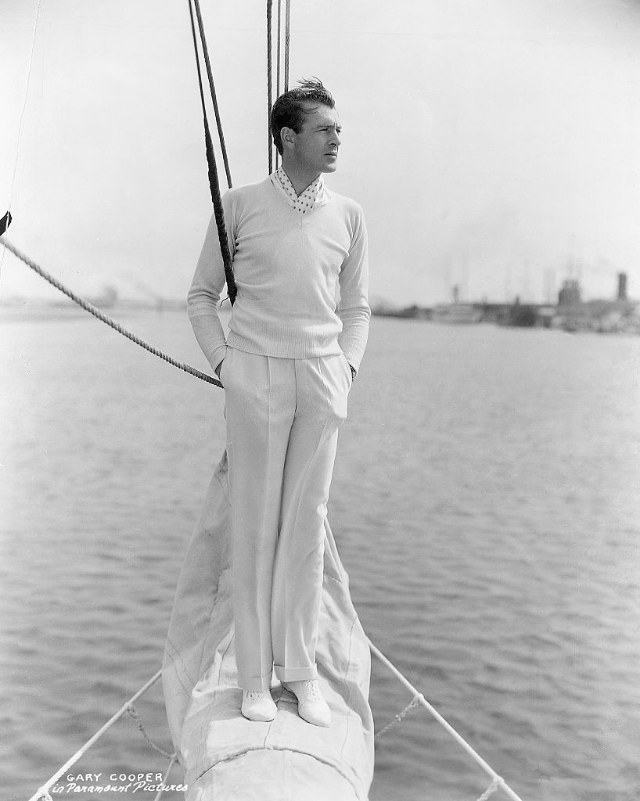
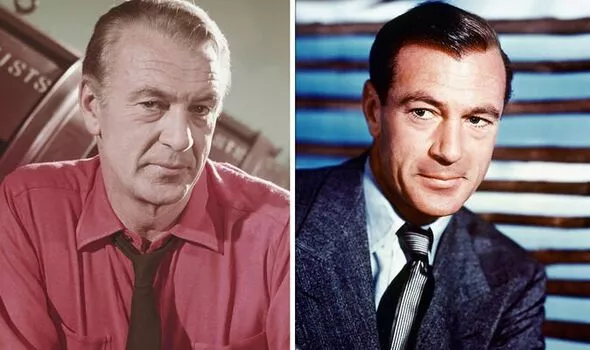
Frank James Cooper (1901-1961)

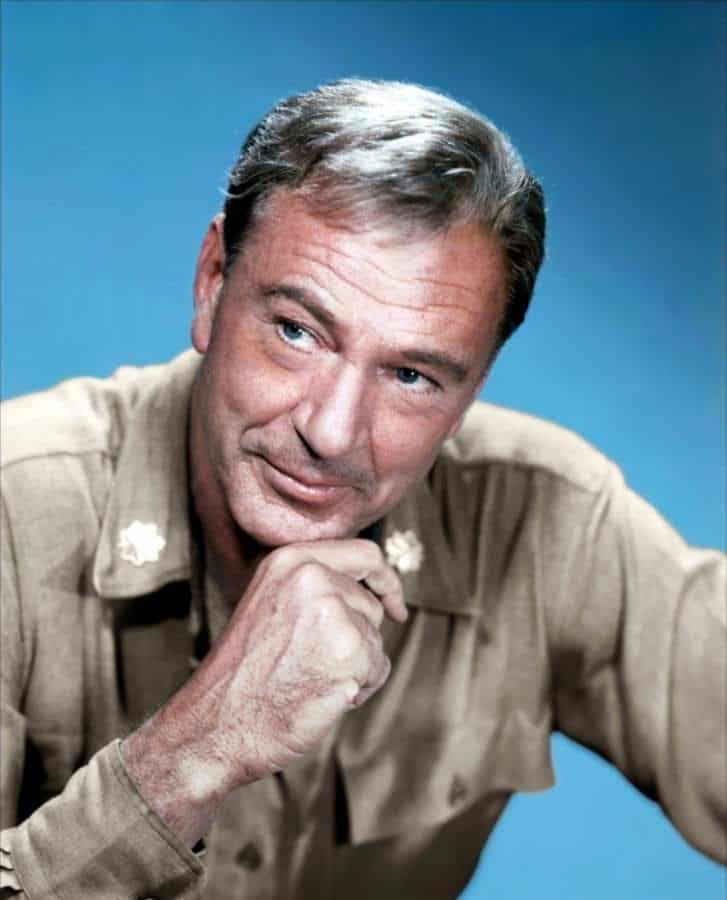
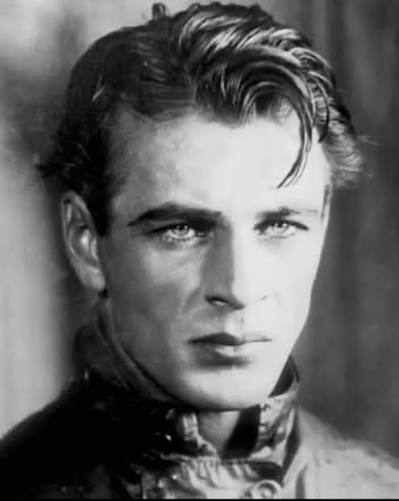
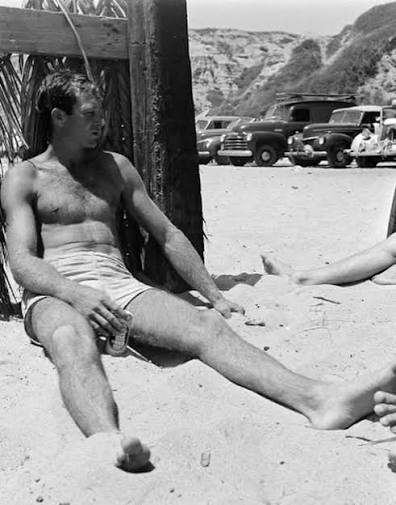
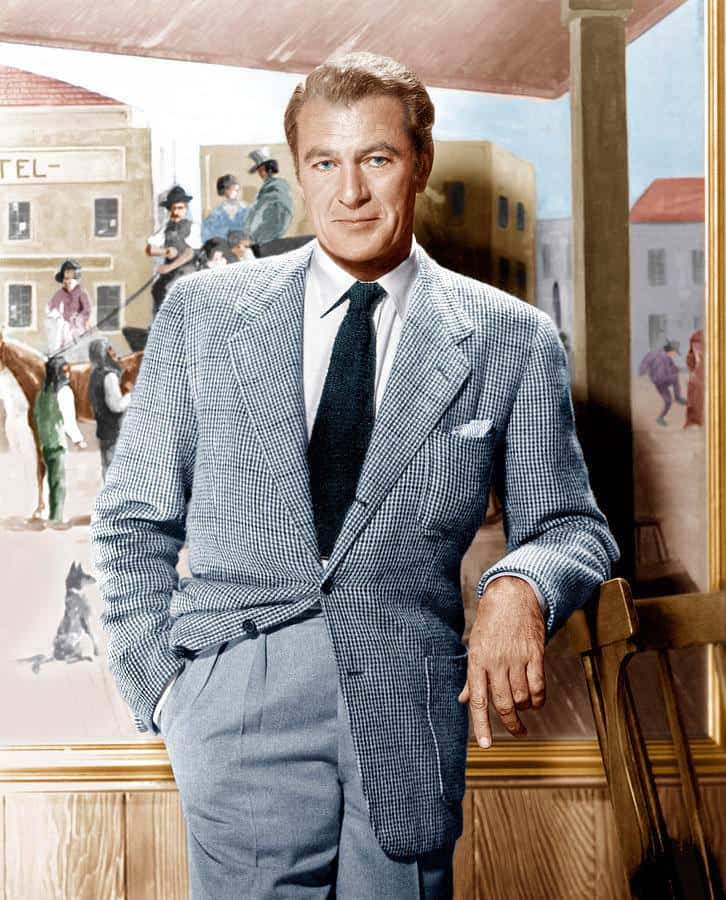
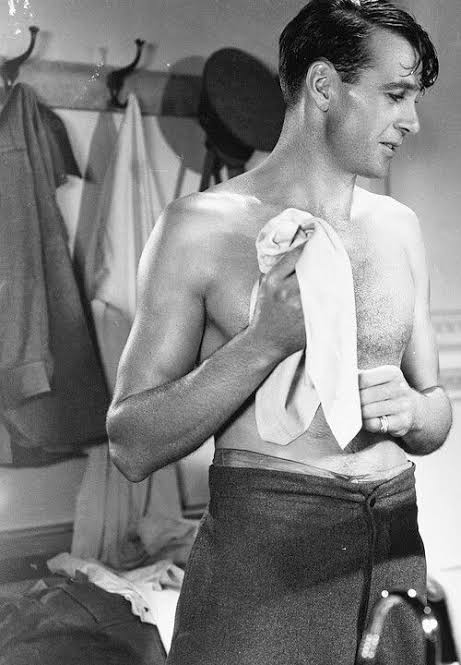
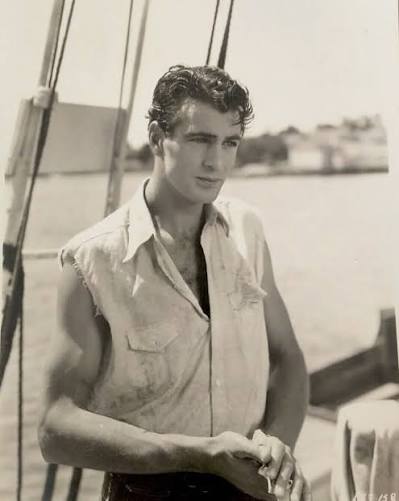
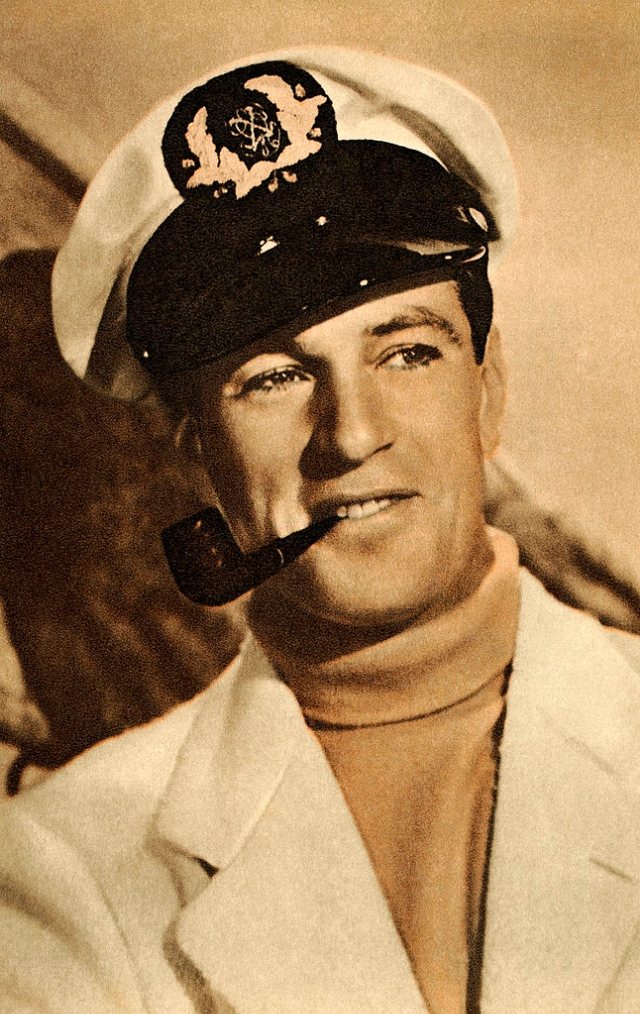
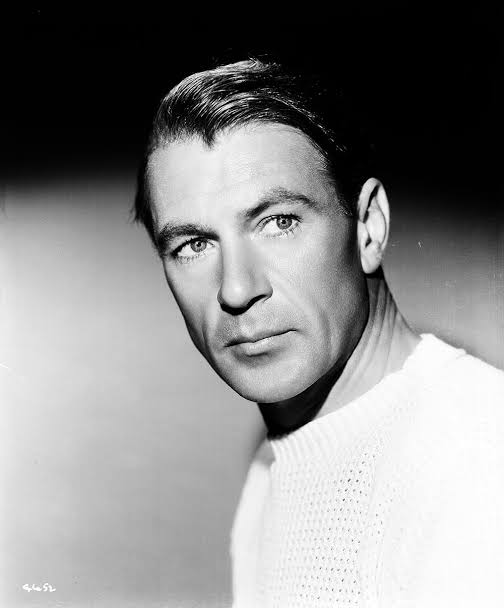
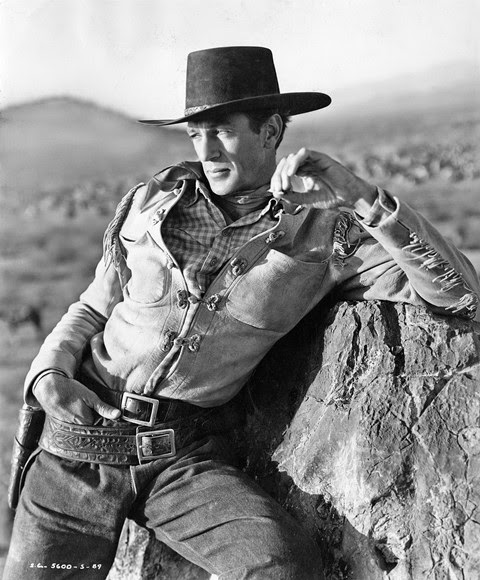
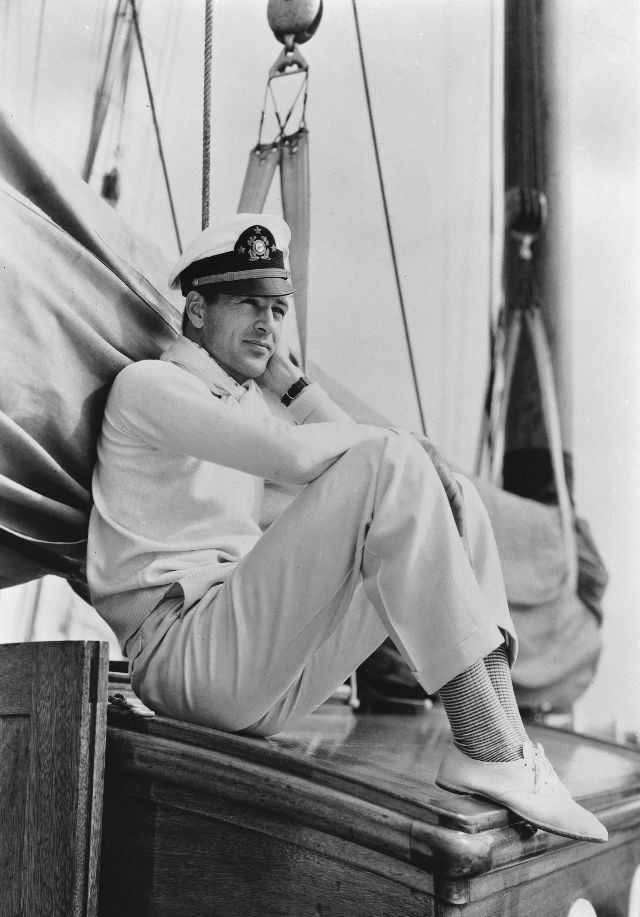
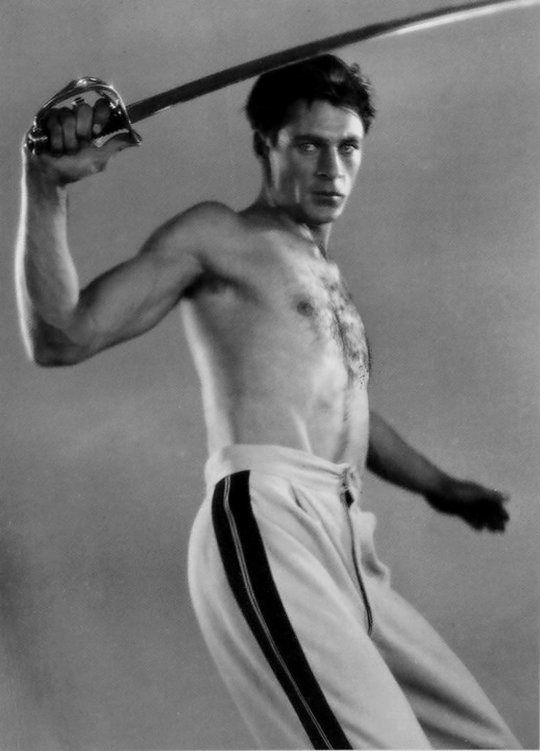
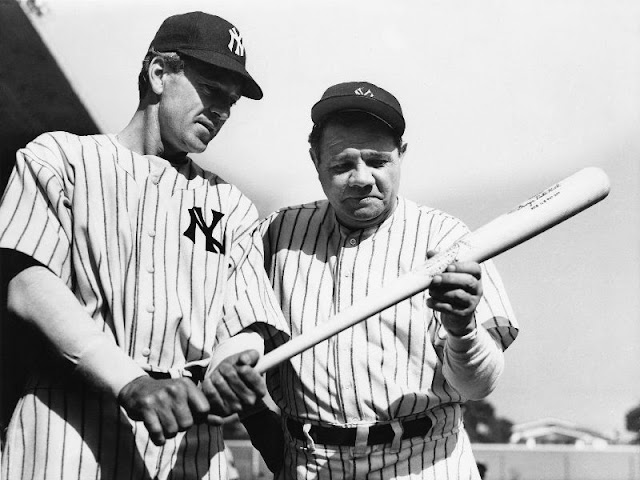
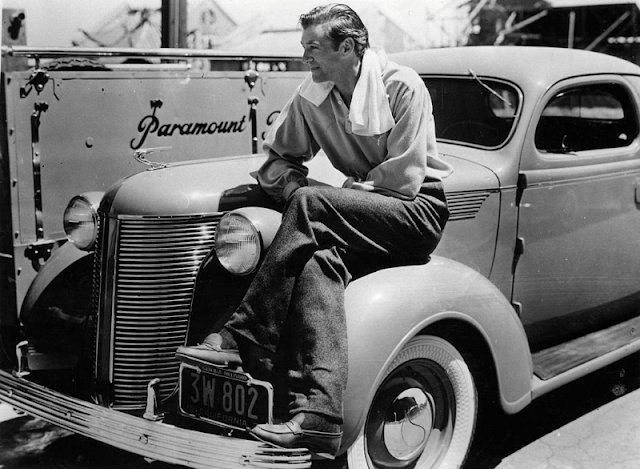
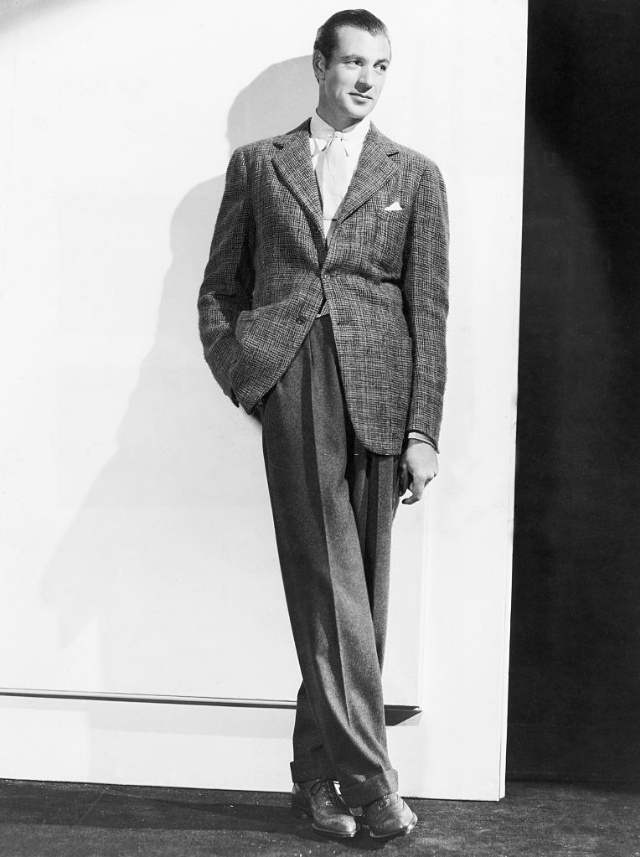
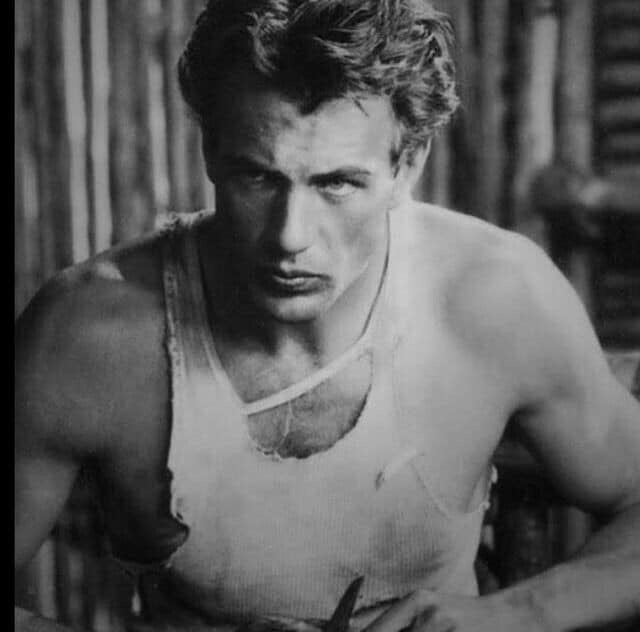
Gary Cooper was an American actor known for his strong, silent screen persona and understated acting style. The American Film Institute (AFI) ranked Cooper at number 11 on its list of the 50 greatest screen legends. He won the Academy Award for Best Actor for Sergeant York (1941) and High Noon (1952) and an Academy Honorary Award in 1961.

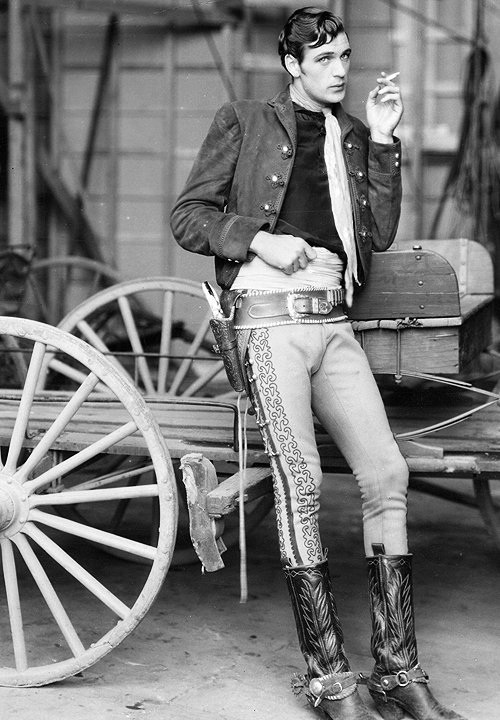
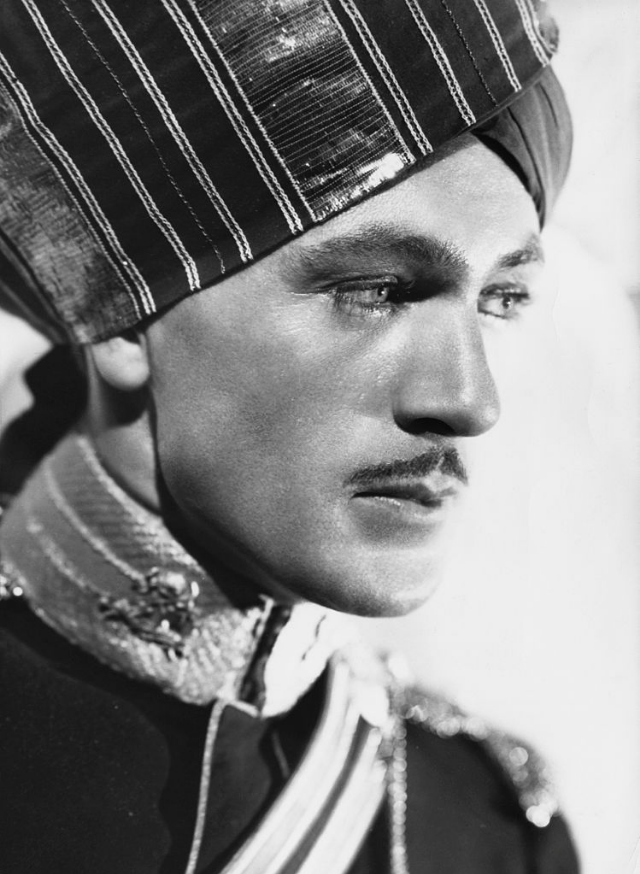
Cooper began his career as a film extra and stunt rider, but soon landed acting roles. After establishing himself as a Western hero in his early silent films, he became a movie star with his first sound picture, playing the title role in 1929’s The Virginian. In the early 1930s, he expanded his heroic image to include more cautious characters in adventure films and dramas such as A Farewell to Arms (1932) and The Lives of a Bengal Lancer (1935). During the height of his career, Cooper portrayed a new type of hero, a champion of the common man in films such as Mr. Deeds Goes to Town (1936), Meet John Doe, Ball of Fire (both 1941), The Pride of the Yankees (1942), and For Whom the Bell Tolls (1943). He later portrayed more mature characters at odds with the world in films such as The Fountainhead (1949). In his final films, he played nonviolent characters searching for redemption in films such as Friendly Persuasion (1956) and Man of the West (1958).

Cooper was diagnosed with prostate cancer in early 1960, and by December 27, his wife learned from their family doctor that Cooper’s cancer had metastasized to his lungs and bones and was inoperable. His family decided not to tell him immediately. On January 9, 1961, Cooper attended a dinner given in his honor and hosted by Frank Sinatra and Dean Martin at the Friars Club. The dinner was attended by many of his industry friends and concluded with a brief speech by Cooper, who said, “The only achievement I’m proud of is the friends I’ve made in this community.”

Cooper passed away May 13, 1961 at the age of 60

Nellie Elizabeth “Irish” McCalla (1928-2002)

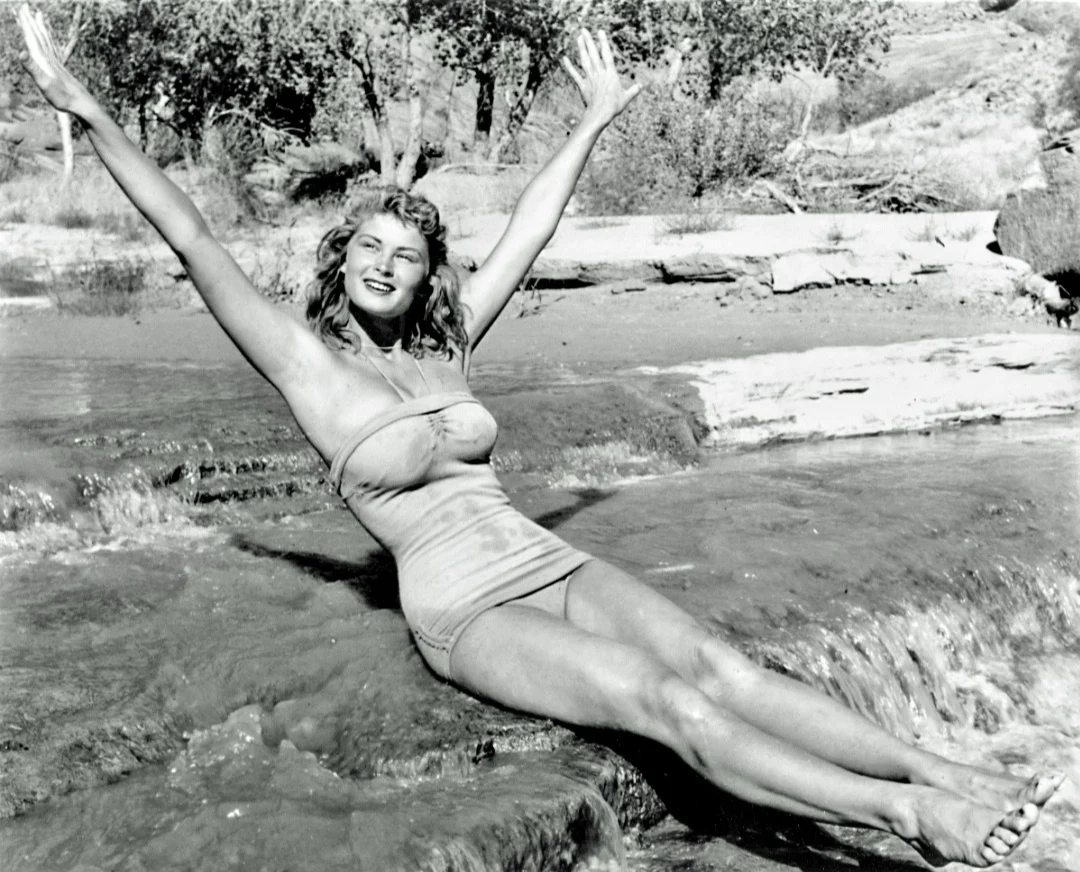
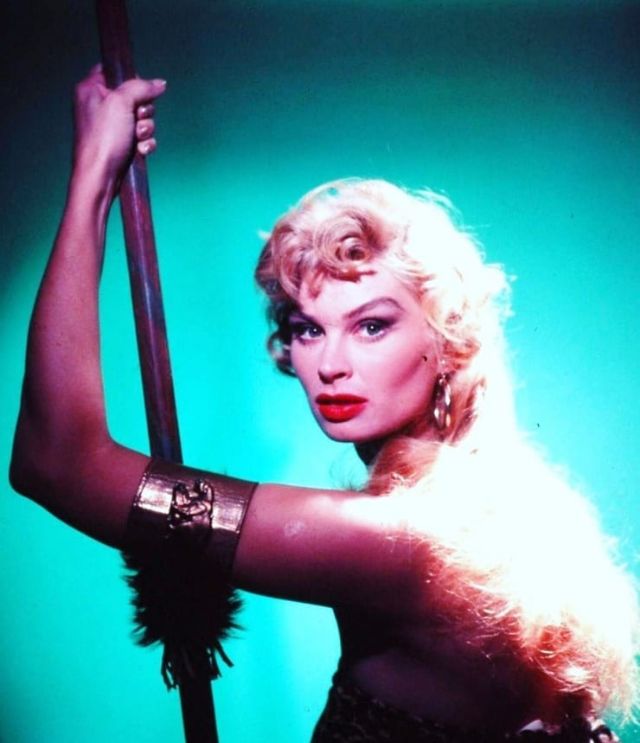
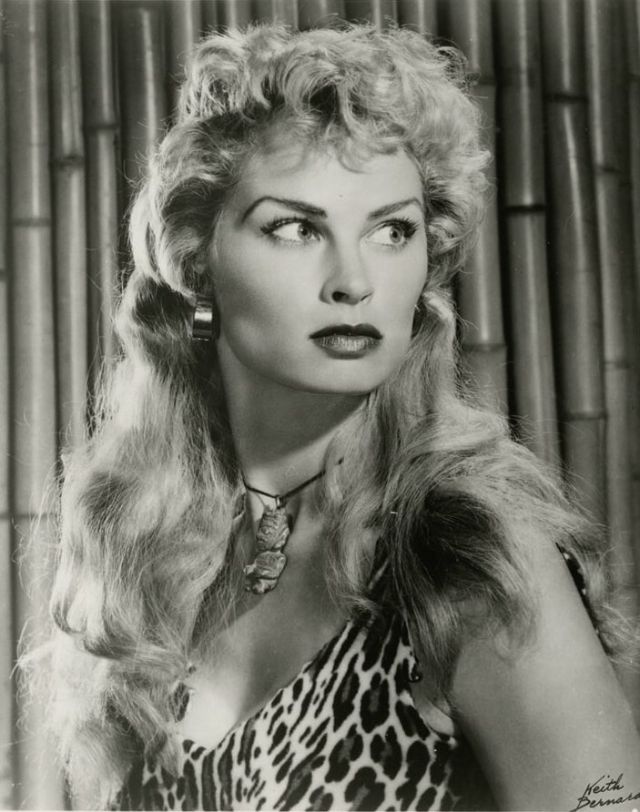
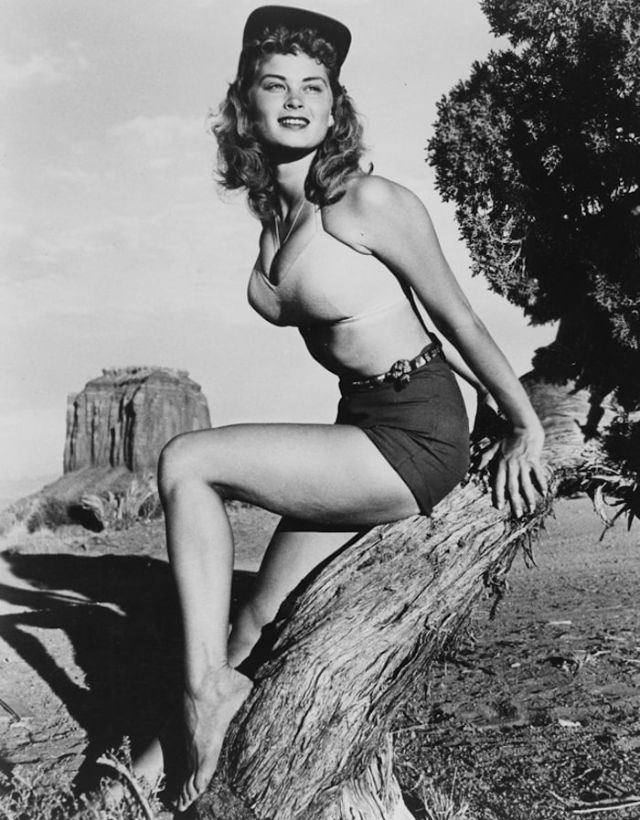
In 1951, she married insurance salesman Patrick McIntyre, with whom she had two sons. McCalla was already a popular pinup model by 1952, when several other models and she appeared in the film River Goddesses, comprising voluptuous young women frolicking in Glen Canyon.She recalled being discovered by a Nassour Studios representative while throwing a bamboo spear on a Malibu, California, beach, adding of her Sheena experience, “I couldn’t act, but I could swing through the trees”. Her 26-episode series aired in first-run syndication from 1955 to 1956.

She performed her own stunts on the series, filmed in Mexico, until the day she grabbed an unsecured vine and slammed into a tree, breaking her arm. Her elder son, Kim McIntyre, once told the press he remembered watching his mother swinging from vine to vine and wrestling mechanical alligators. Following the one-season Sheena, McCalla appeared in five films from 1958 to 1962, and had guest roles on the TV series Have Gun — Will Travel and Route 66.

McCalla and McIntyre divorced in 1957, and the following year, McCalla married the English actor and James Joyce / Sherlock Holmes scholar Patrick Horgan. They divorced in January 1969. In 1982, McCalla, then living in Malibu, California, married Chuck Rowland, a national sales manager for an auto-glass firm, and moved with him to Prescott, Arizona, where she lived out her days.

Now an artist, she produced numerous oil paintings and collector plates, and sold prints of her work. She was a member of Woman Artists of the American West, and her work has been displayed at the Los Angeles Museum of Arts and Sciences. She made personal appearances at autograph conventions, appearing as late as 1996 in a faux-leopard Sheena costume.

in 2002, died of a stroke and complications from a brain tumor. She was 73