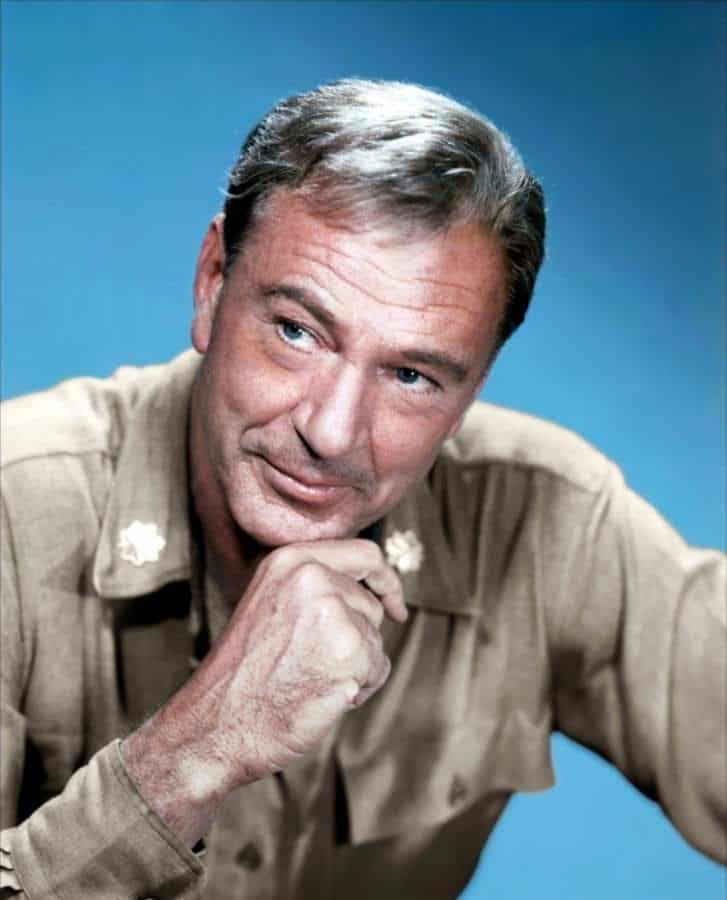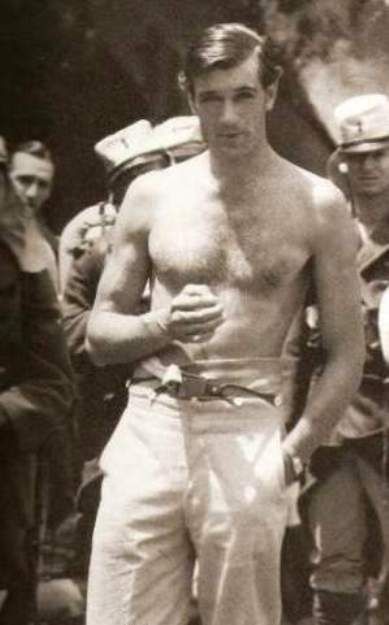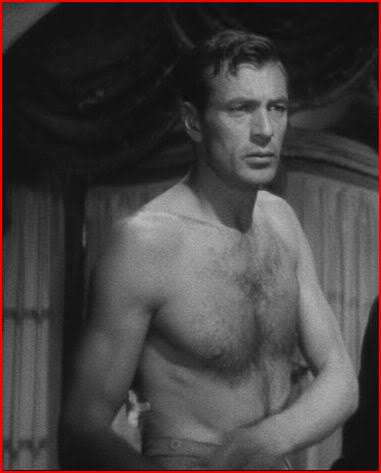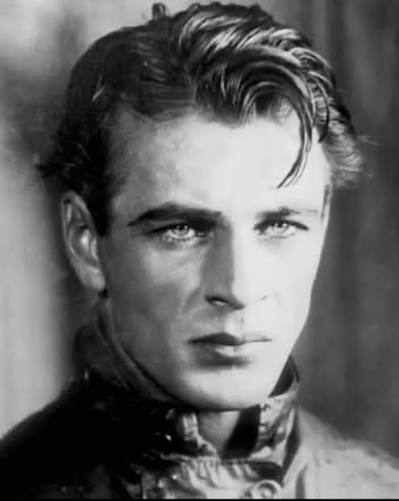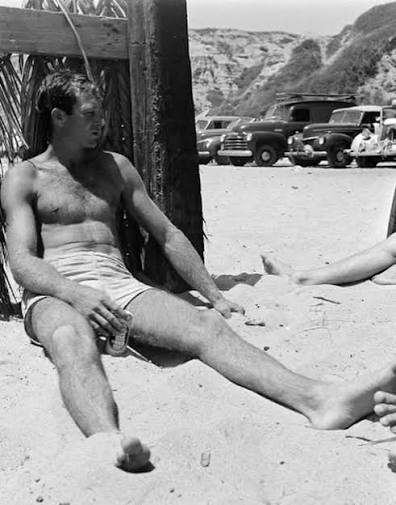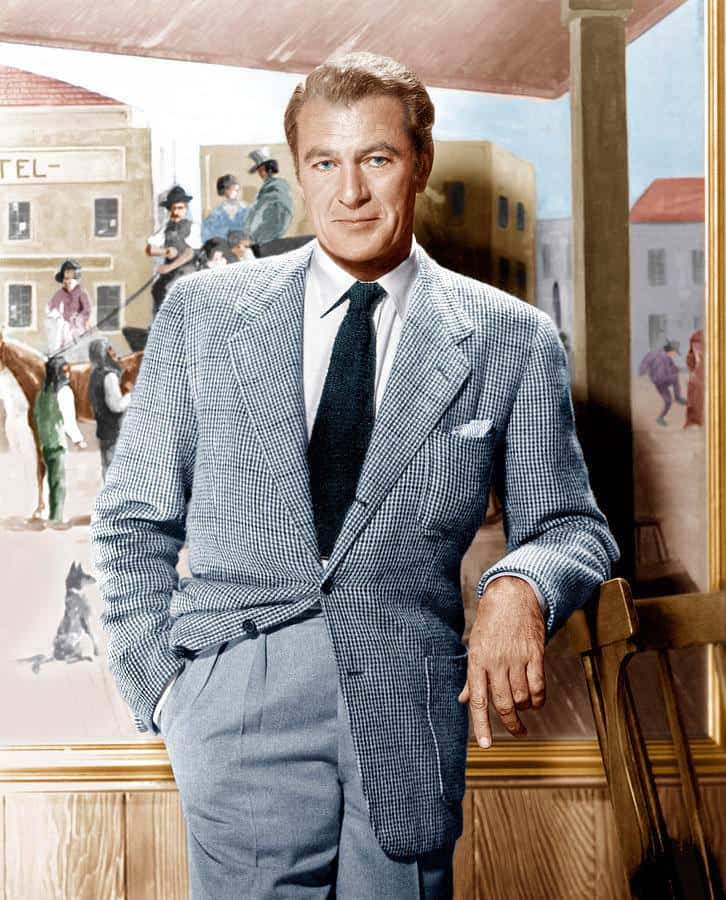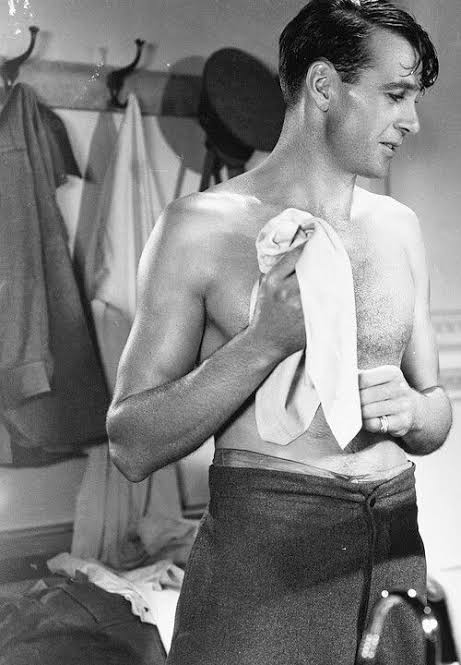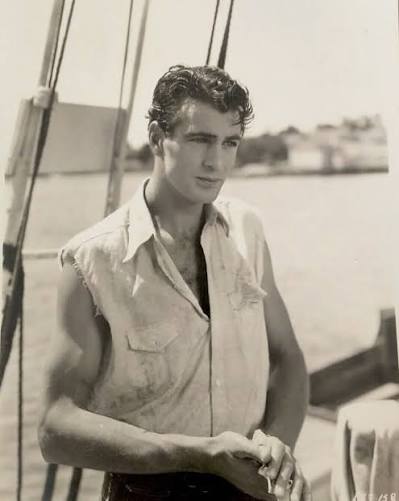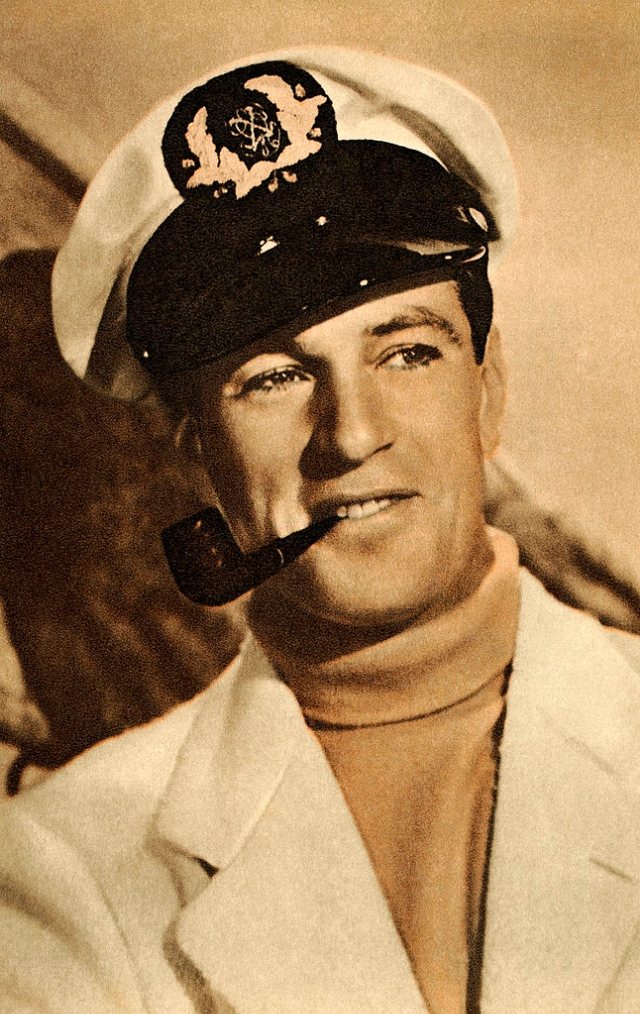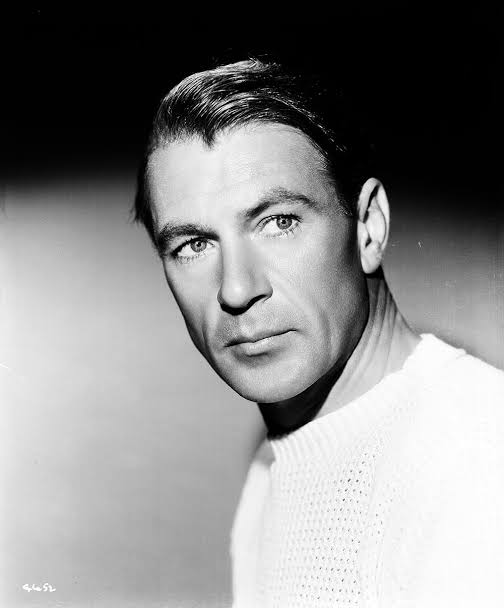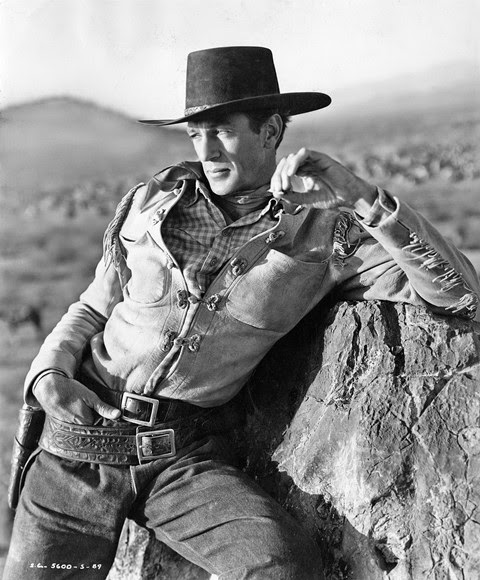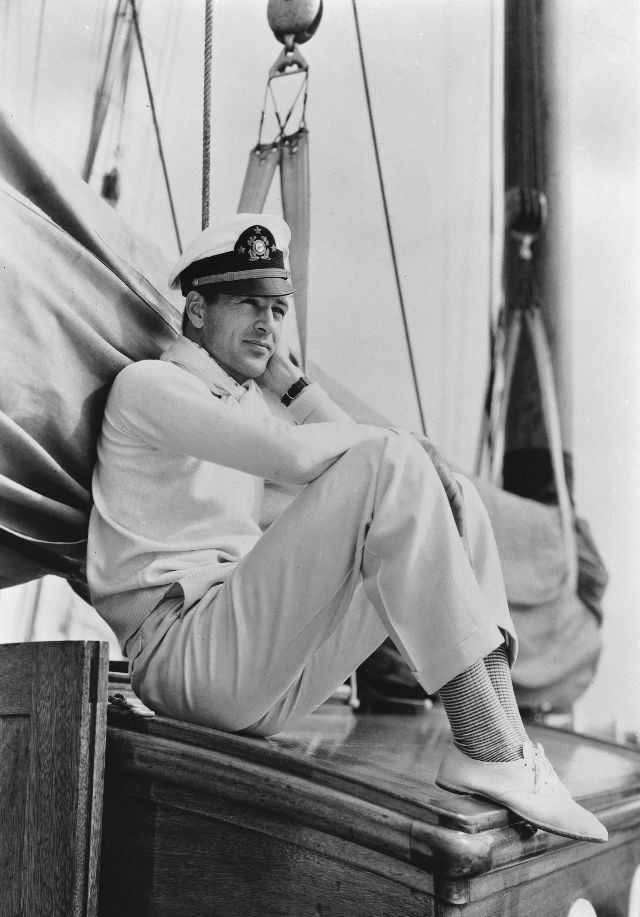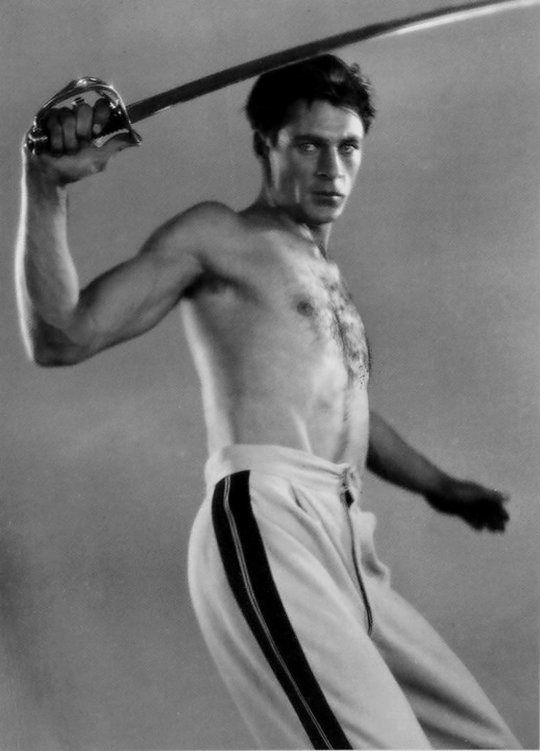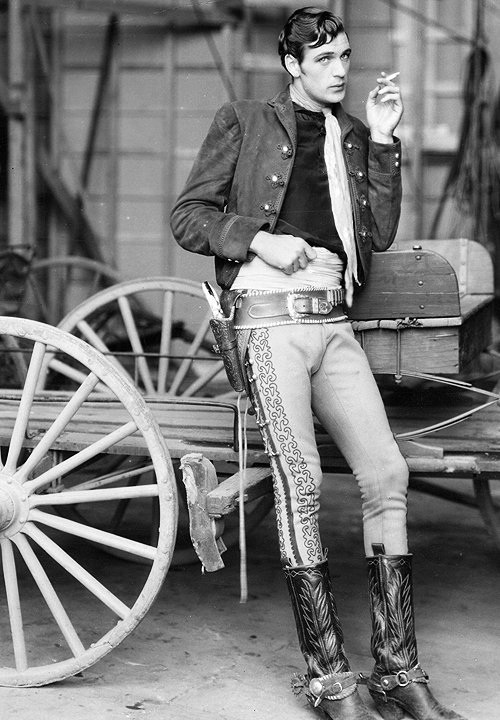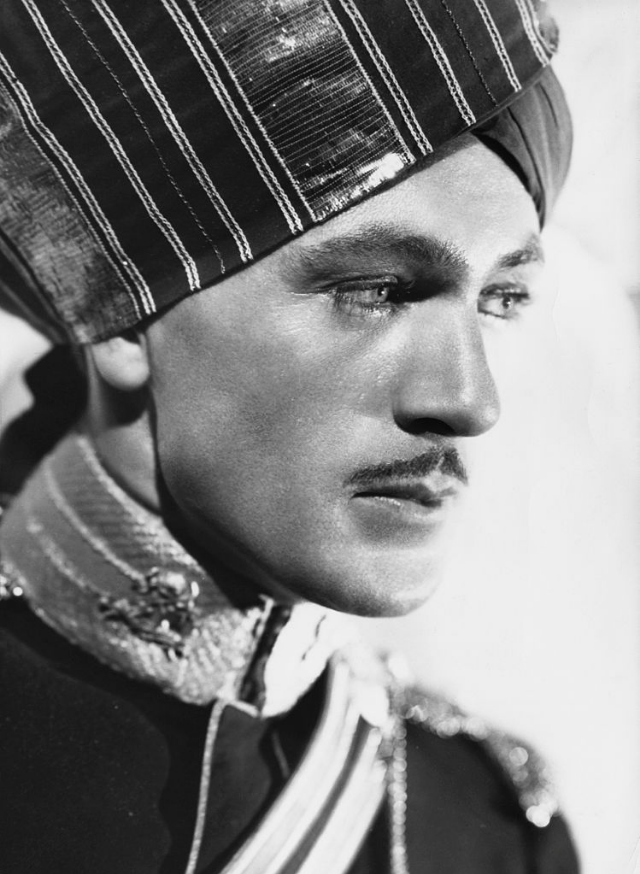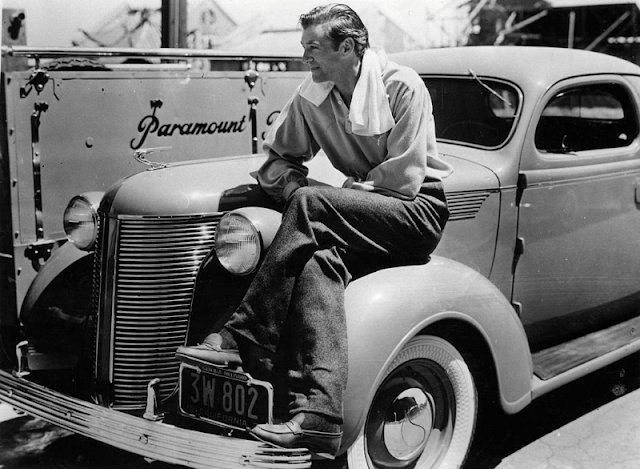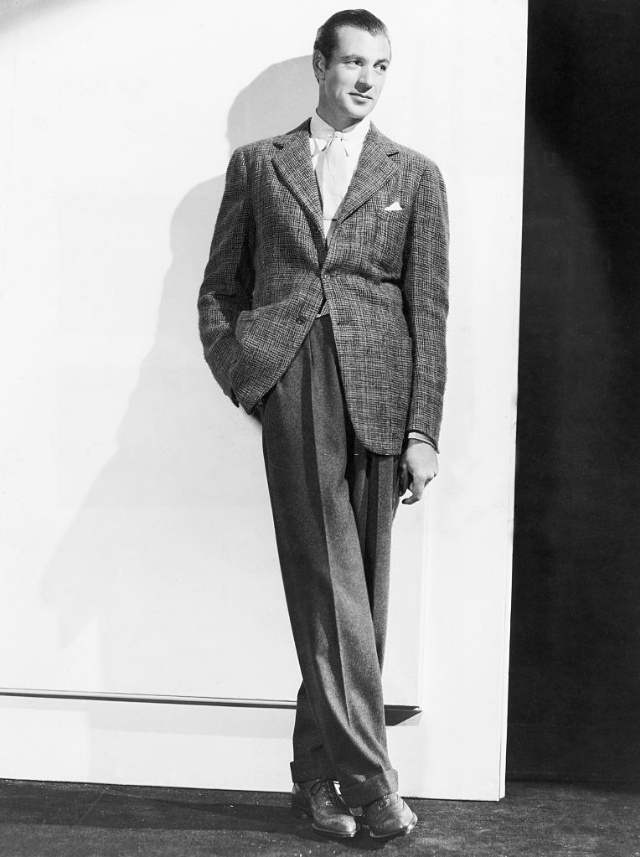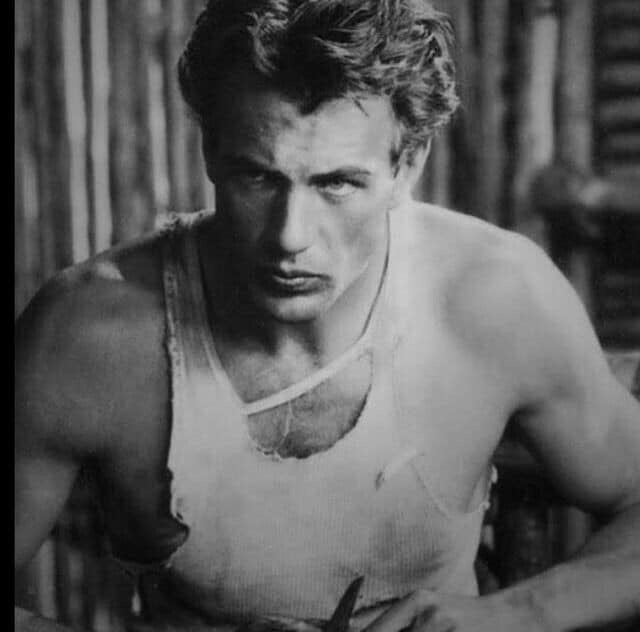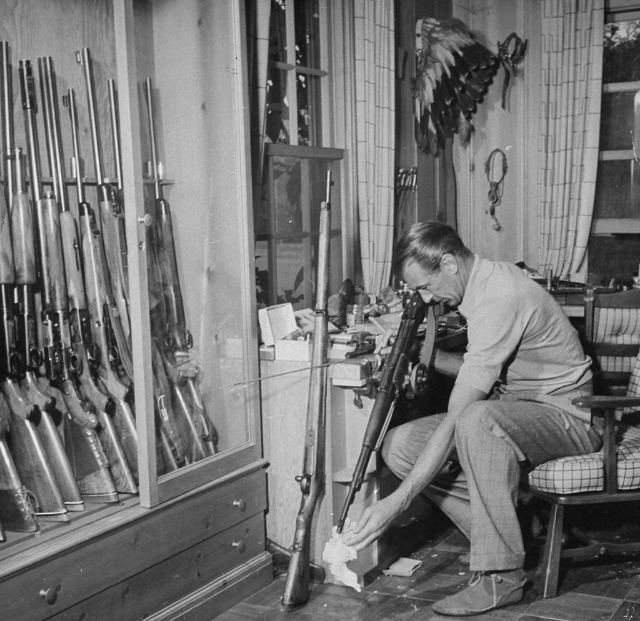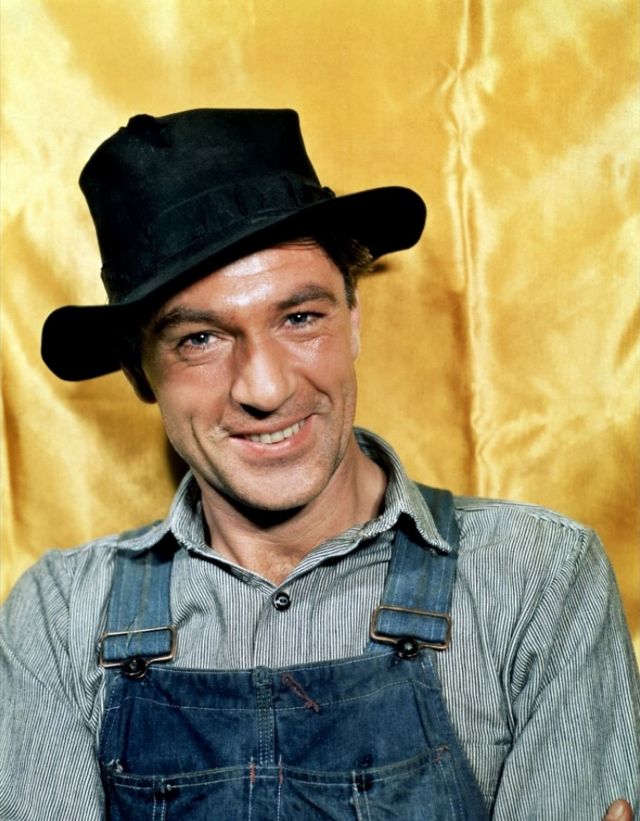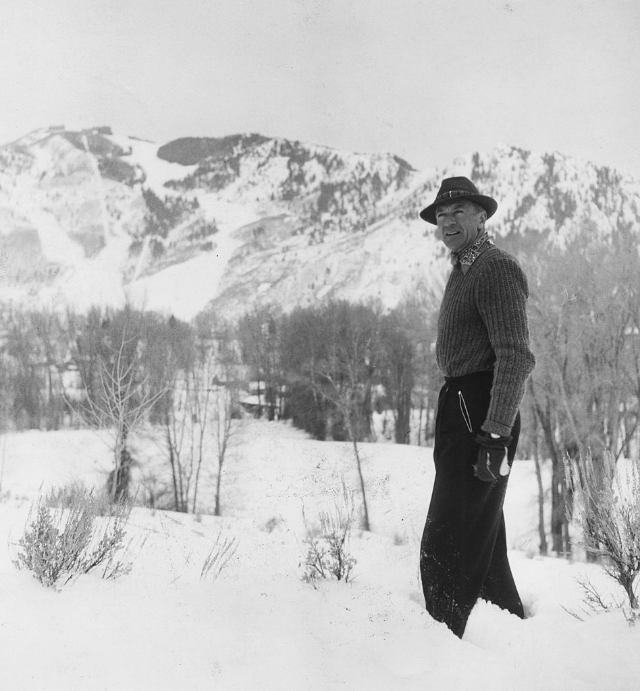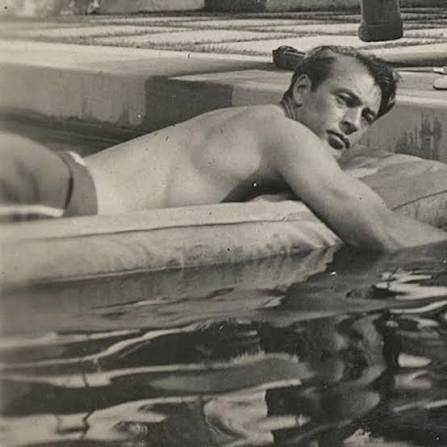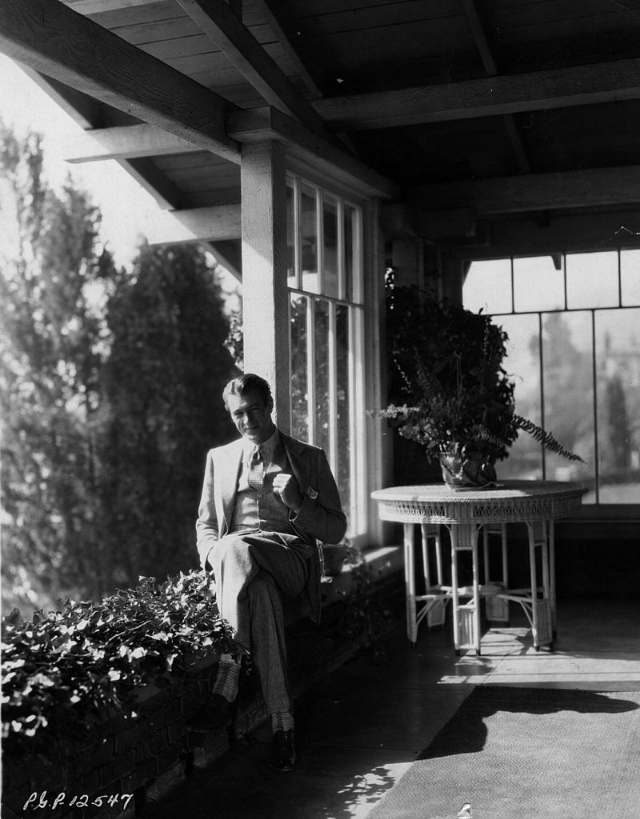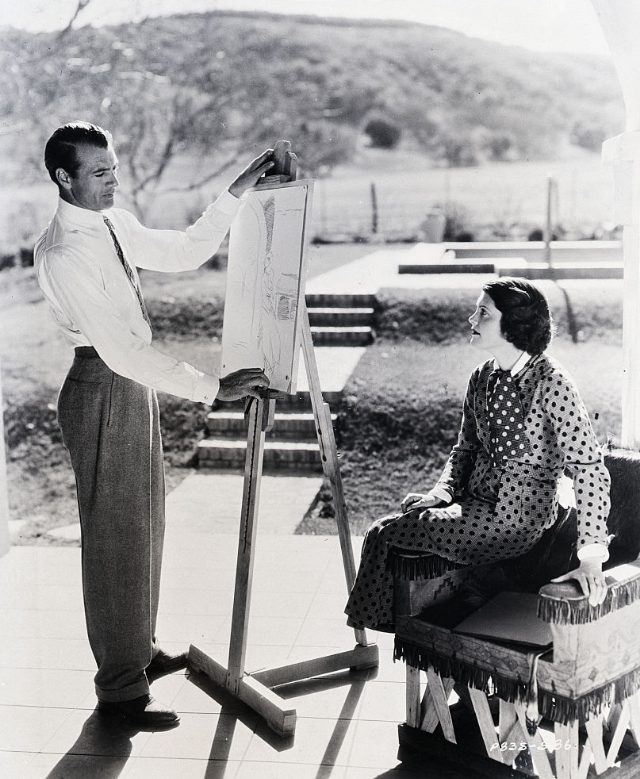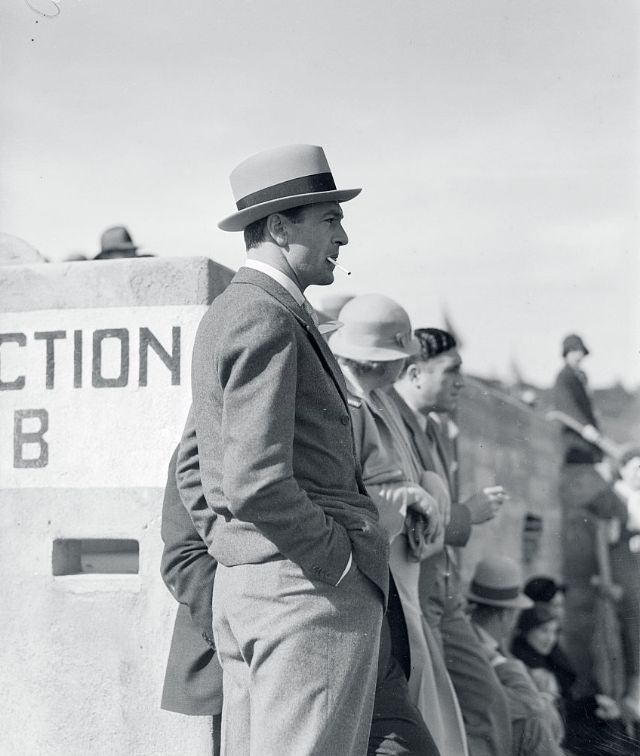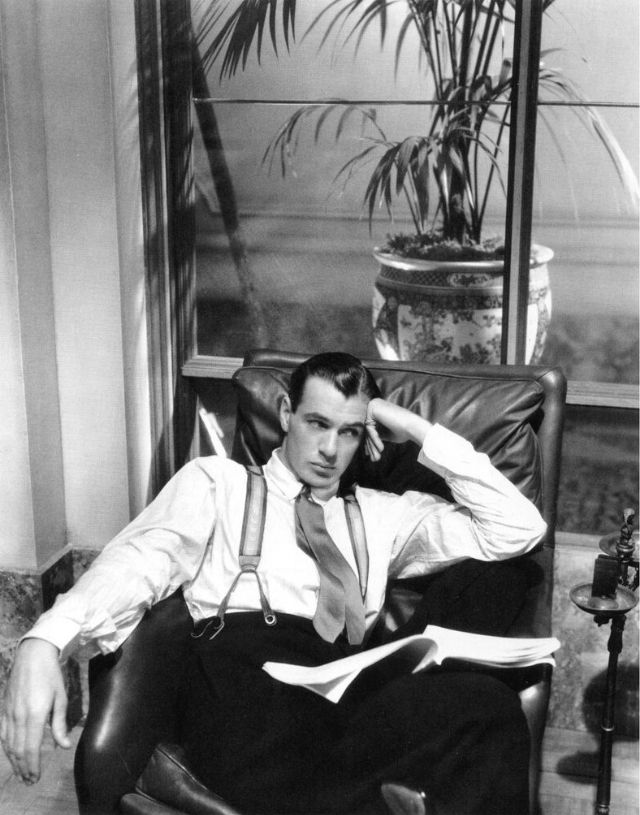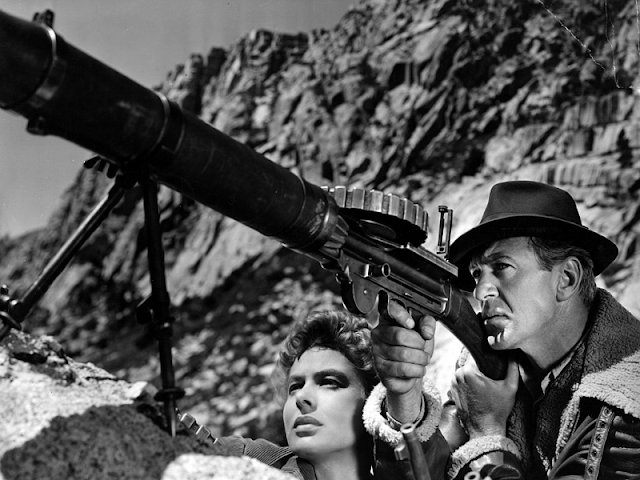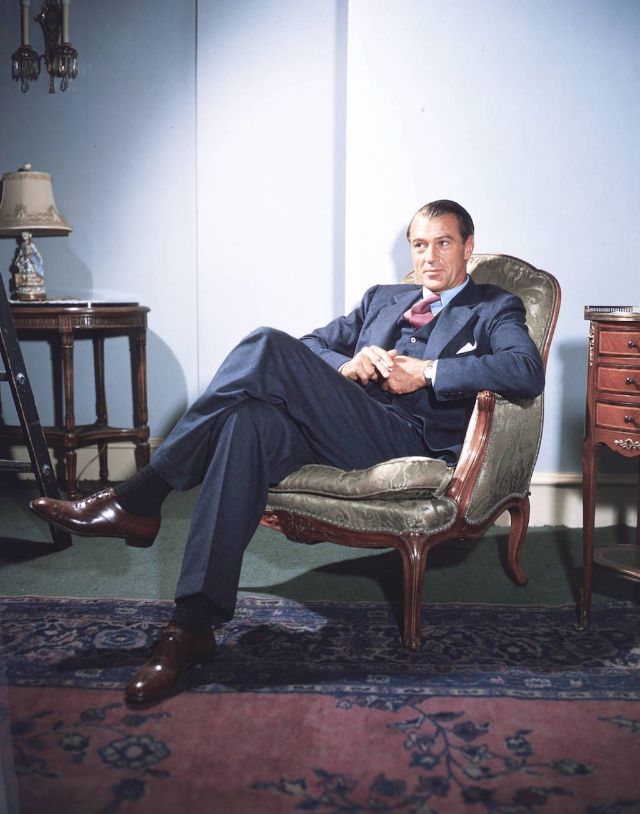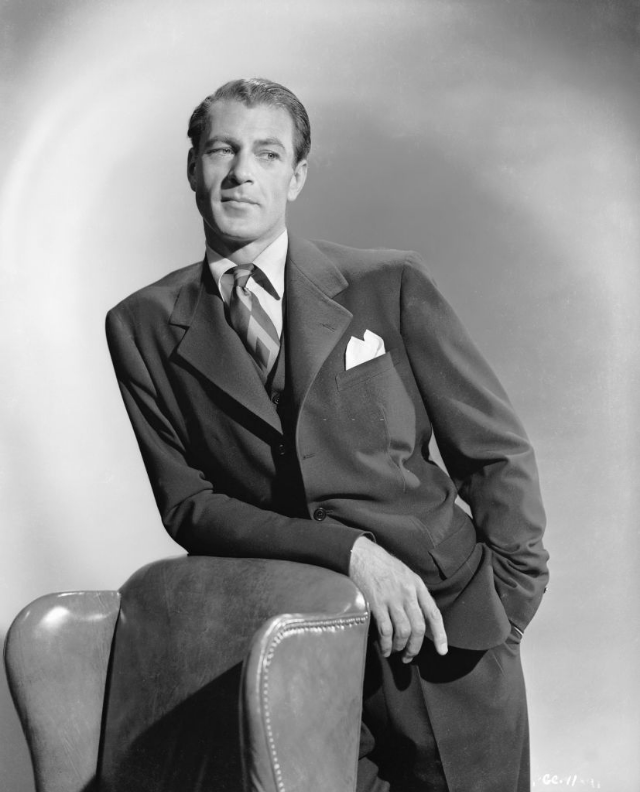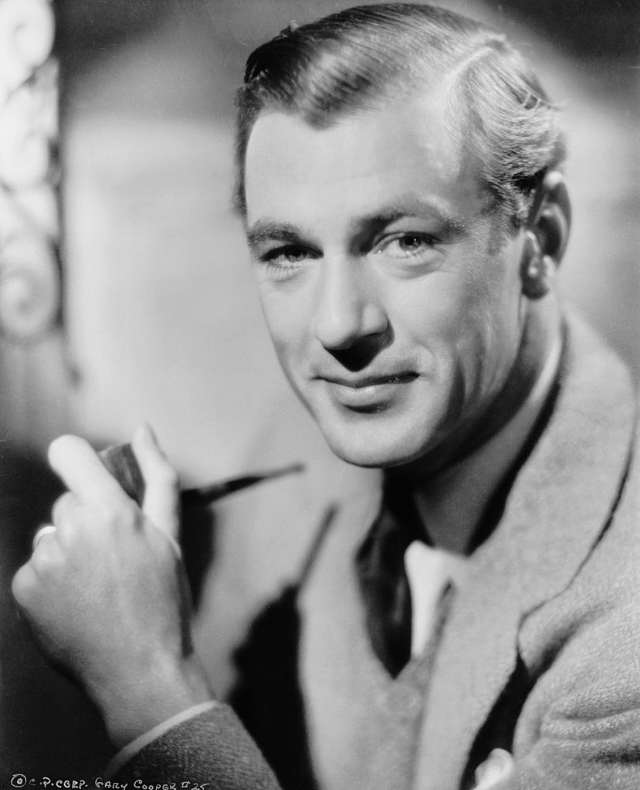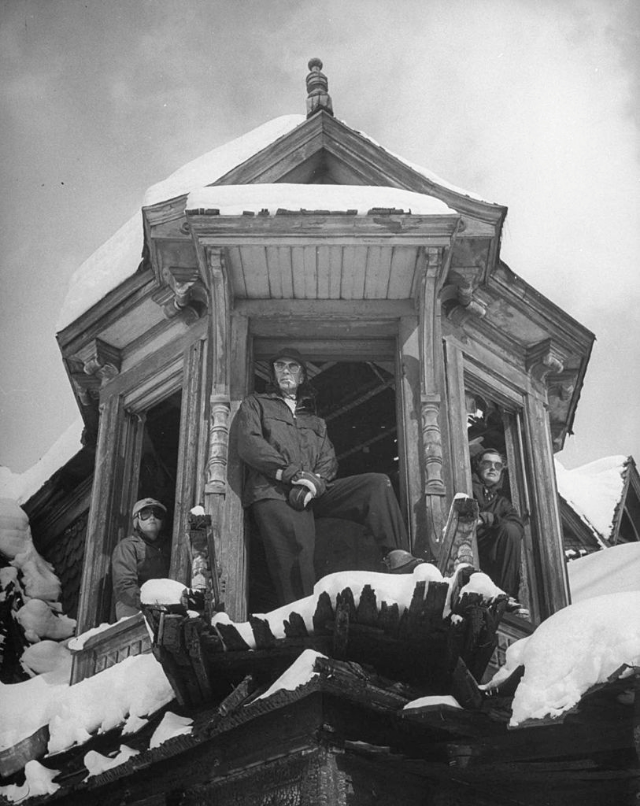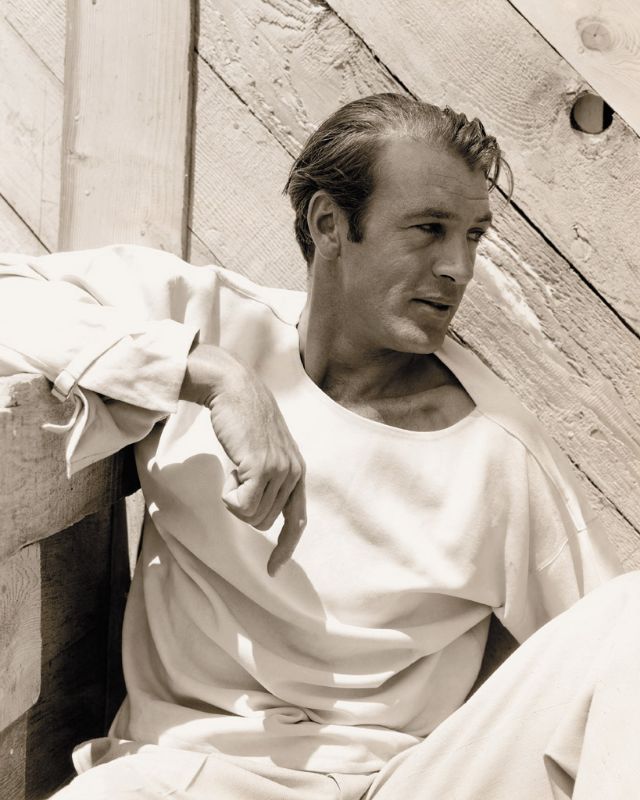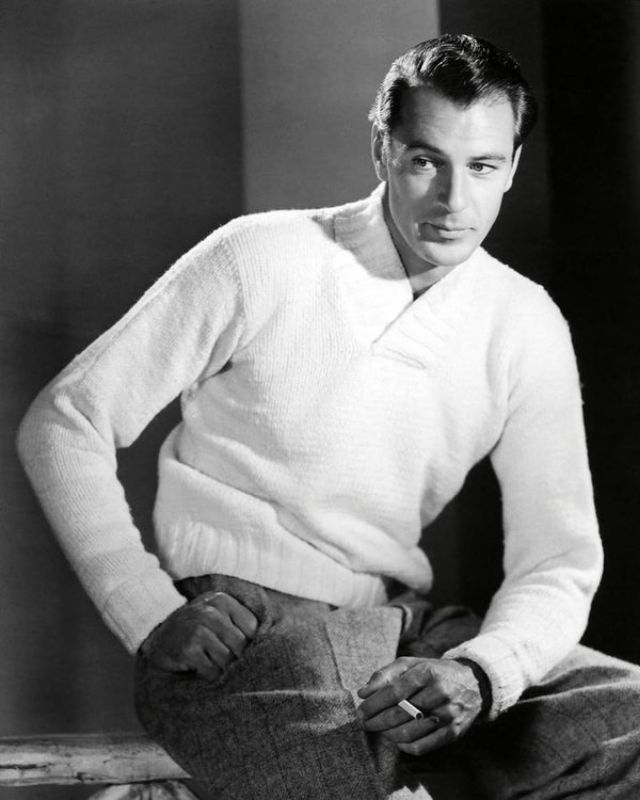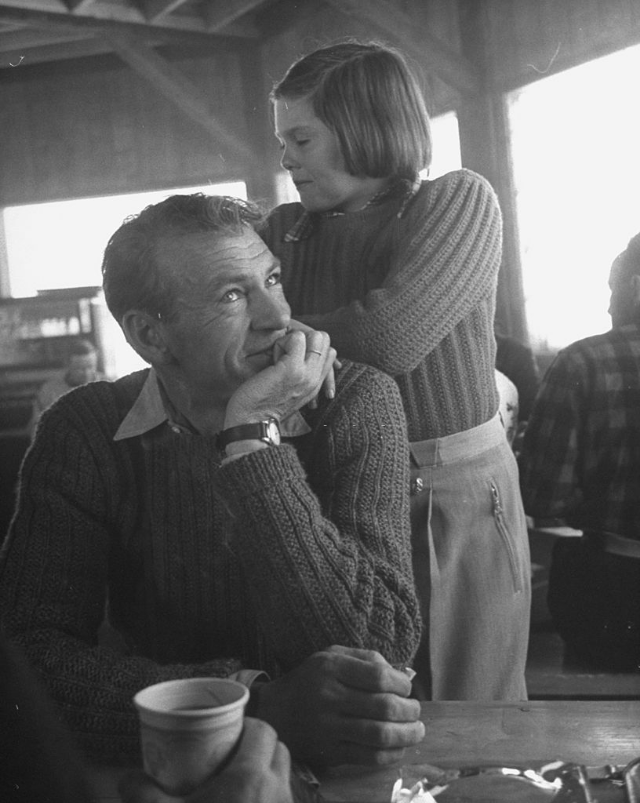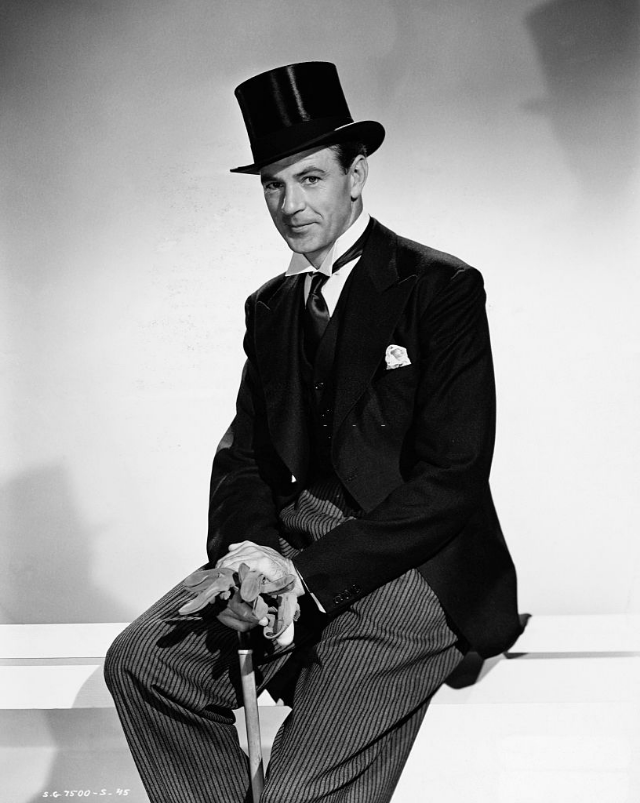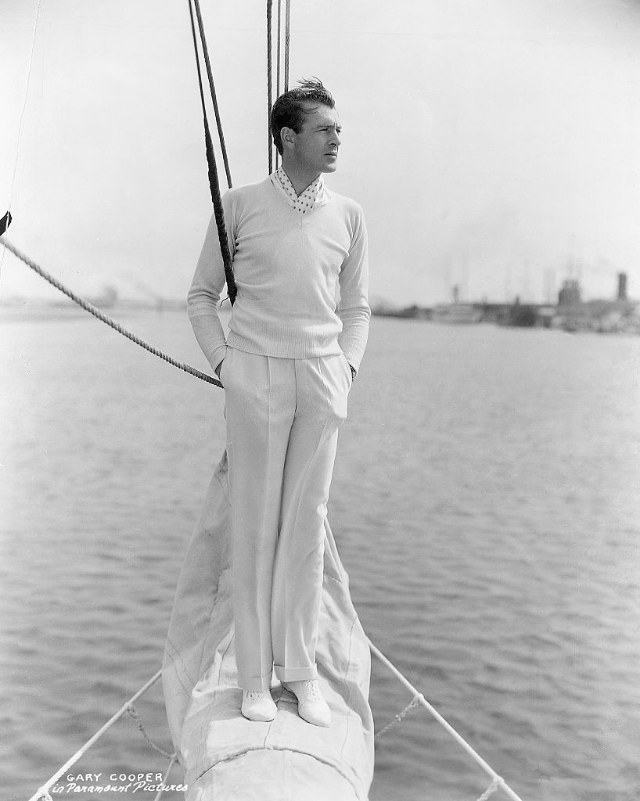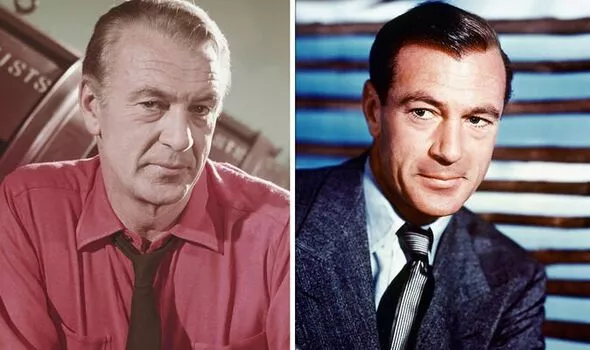
Gary Cooper was an American actor known for his strong, silent screen persona and understated acting style. The American Film Institute (AFI) ranked Cooper at number 11 on its list of the 50 greatest screen legends. He won the Academy Award for Best Actor for Sergeant York (1941) and High Noon (1952) and an Academy Honorary Award in 1961.
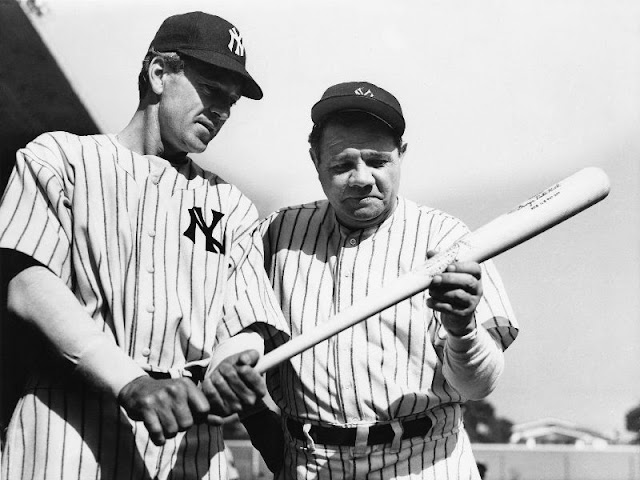
Cooper began his career as a film extra and stunt rider, but soon landed acting roles. After establishing himself as a Western hero in his early silent films, he became a movie star with his first sound picture, playing the title role in 1929’s The Virginian. In the early 1930s, he expanded his heroic image to include more cautious characters in adventure films and dramas such as A Farewell to Arms (1932) and The Lives of a Bengal Lancer (1935). During the height of his career, Cooper portrayed a new type of hero, a champion of the common man in films such as Mr. Deeds Goes to Town (1936), Meet John Doe, Ball of Fire (both 1941), The Pride of the Yankees (1942), and For Whom the Bell Tolls (1943). He later portrayed more mature characters at odds with the world in films such as The Fountainhead (1949). In his final films, he played nonviolent characters searching for redemption in films such as Friendly Persuasion (1956) and Man of the West (1958).
Cooper was diagnosed with prostate cancer in early 1960, and by December 27, his wife learned from their family doctor that Cooper’s cancer had metastasized to his lungs and bones and was inoperable. His family decided not to tell him immediately. On January 9, 1961, Cooper attended a dinner given in his honor and hosted by Frank Sinatra and Dean Martin at the Friars Club. The dinner was attended by many of his industry friends and concluded with a brief speech by Cooper, who said, “The only achievement I’m proud of is the friends I’ve made in this community.”
Cooper passed away May 13, 1961 at the age of 60