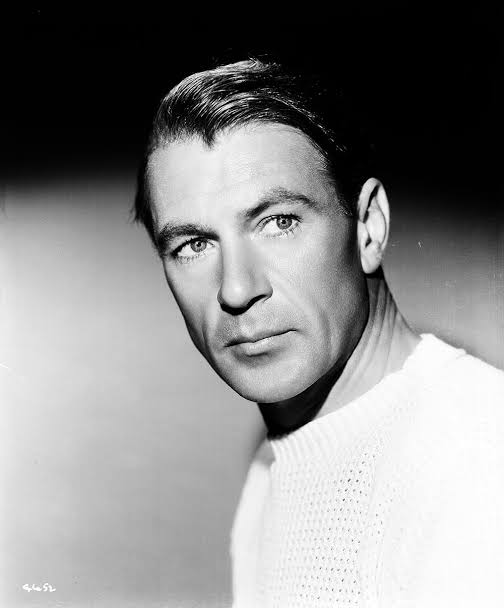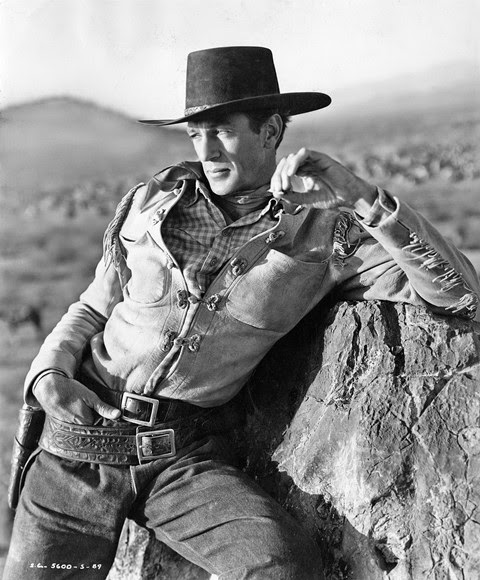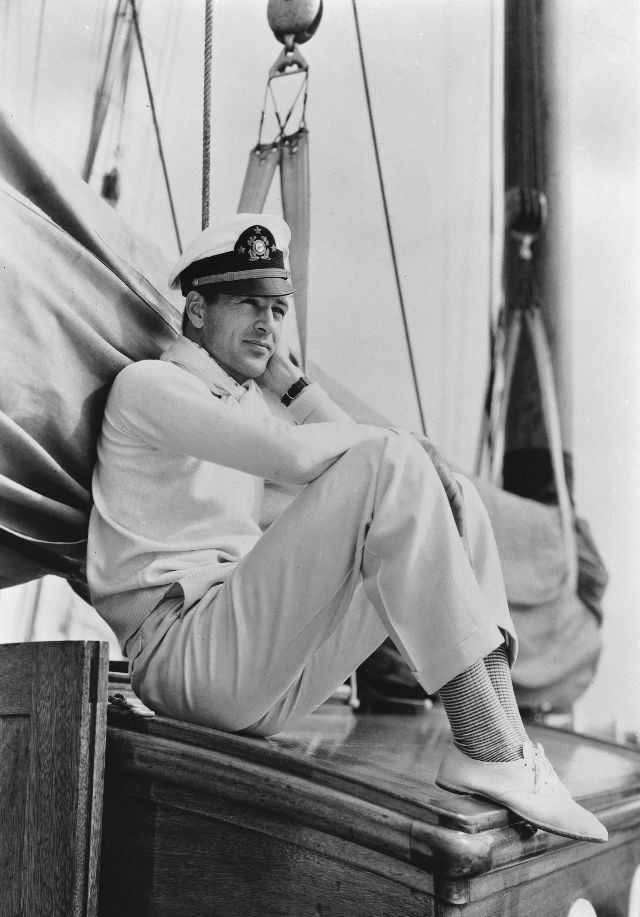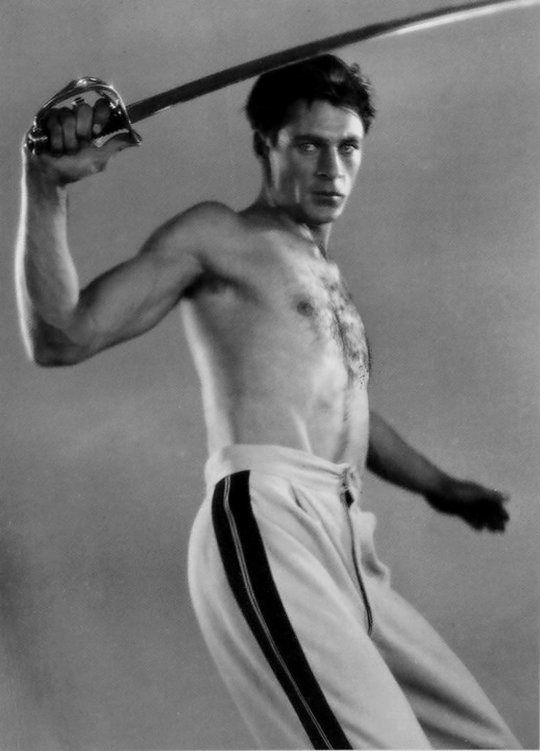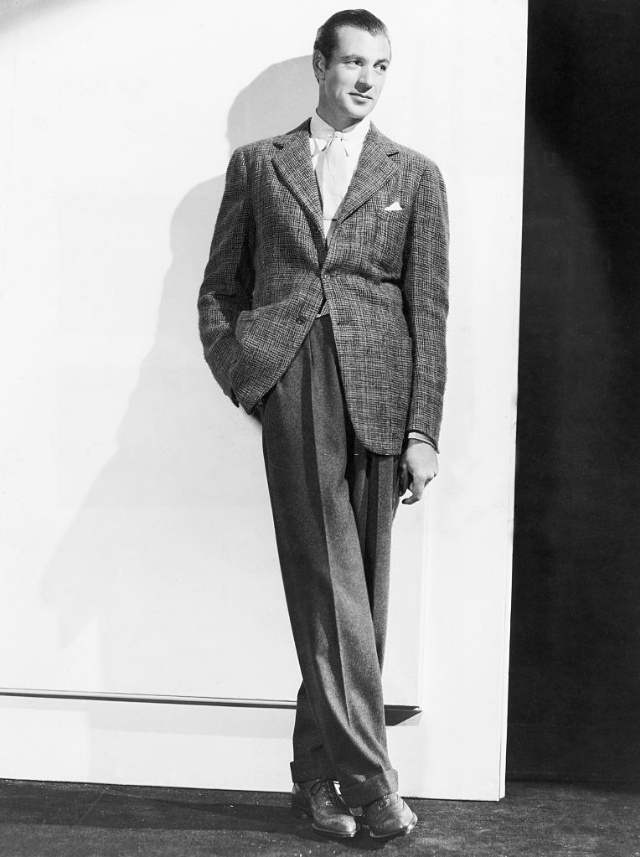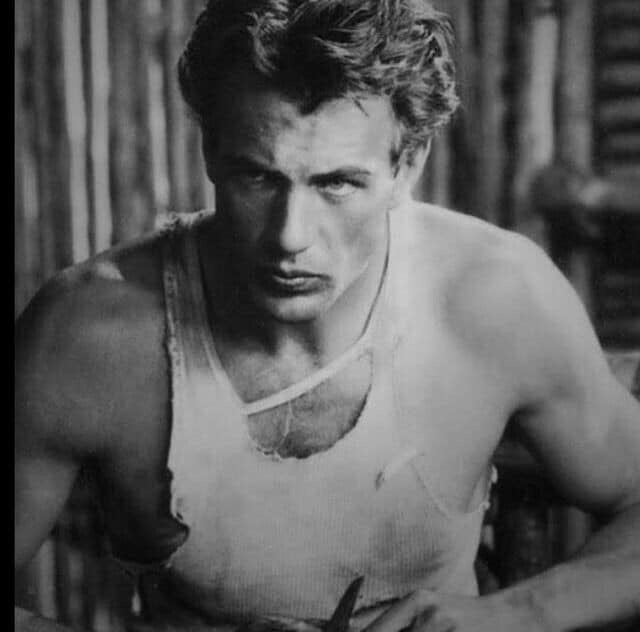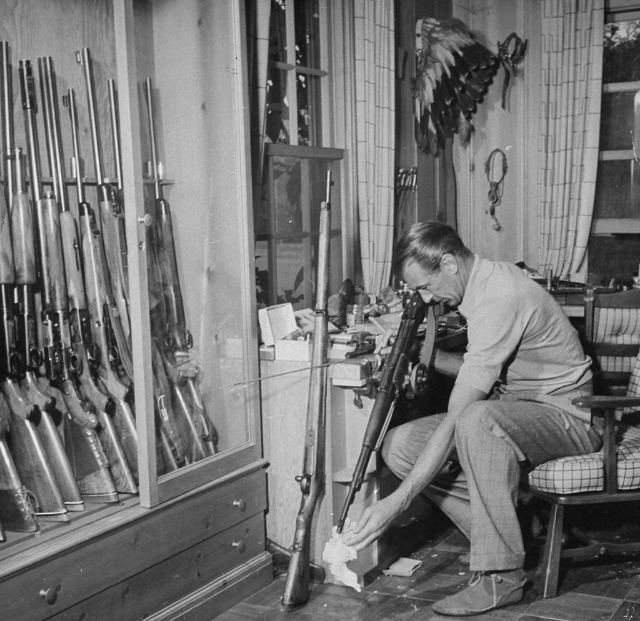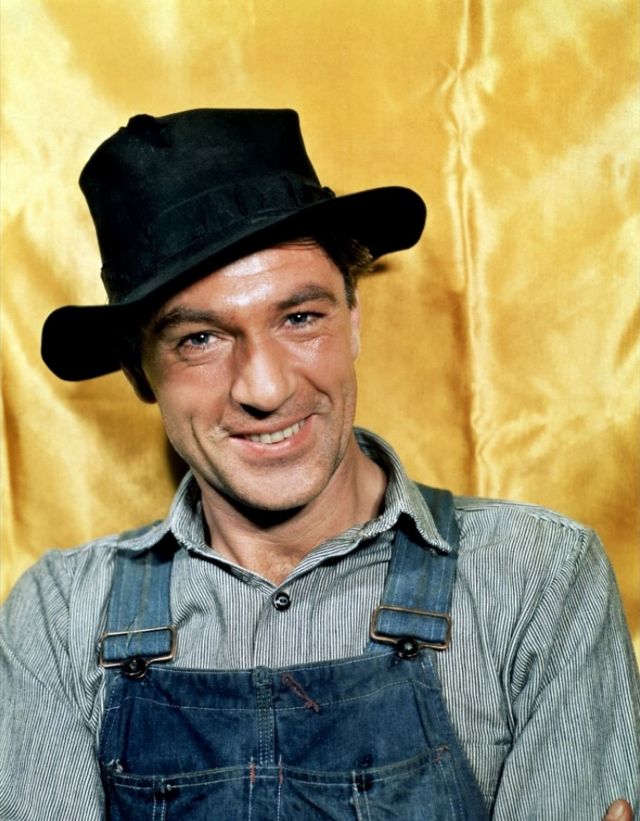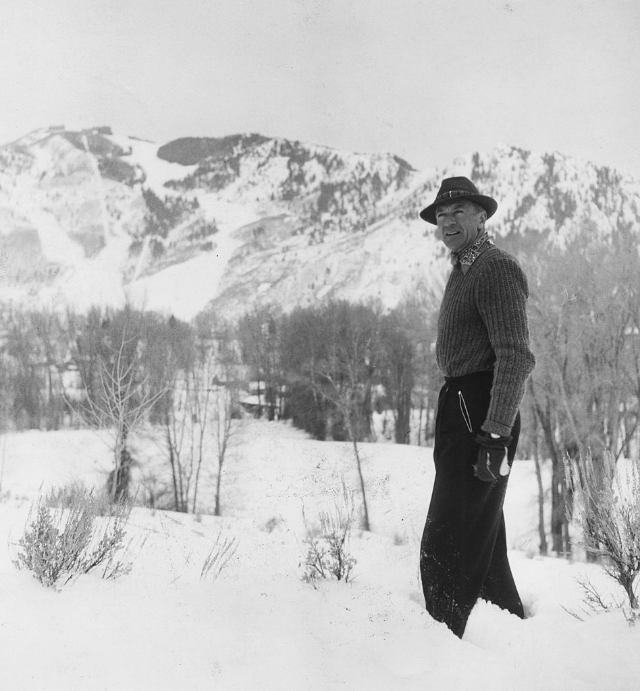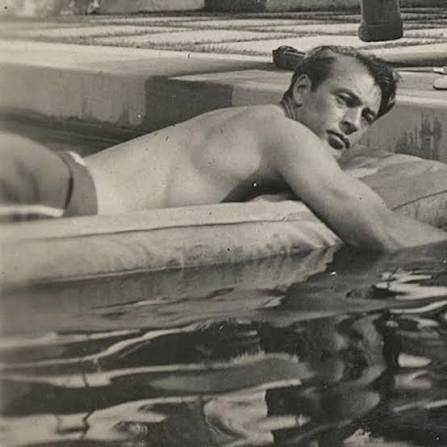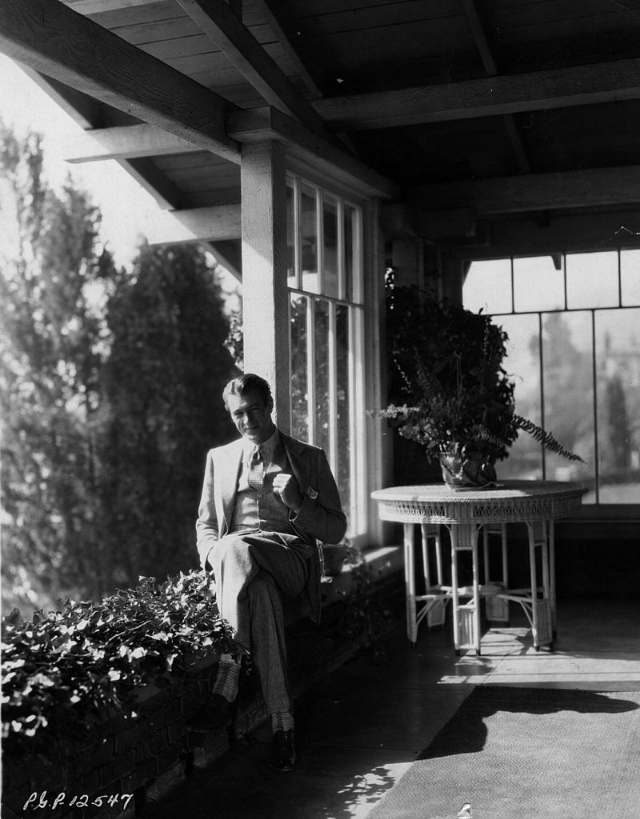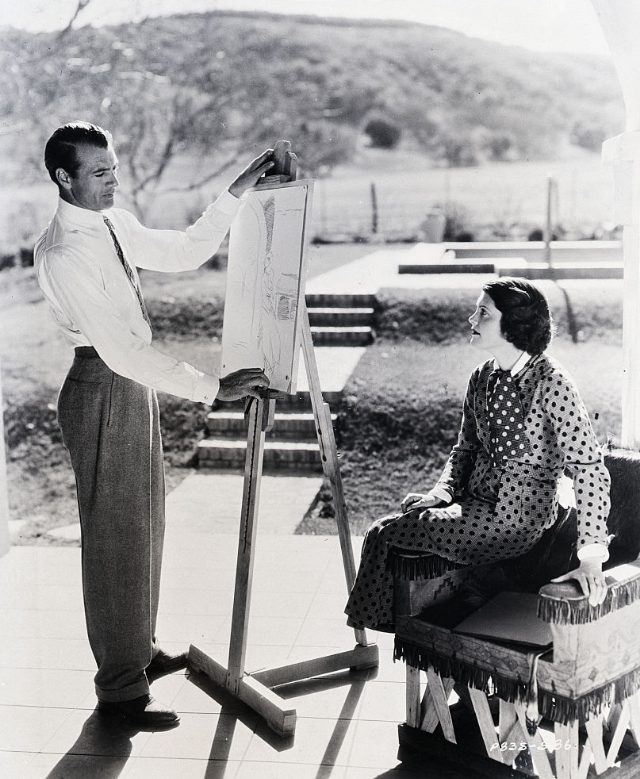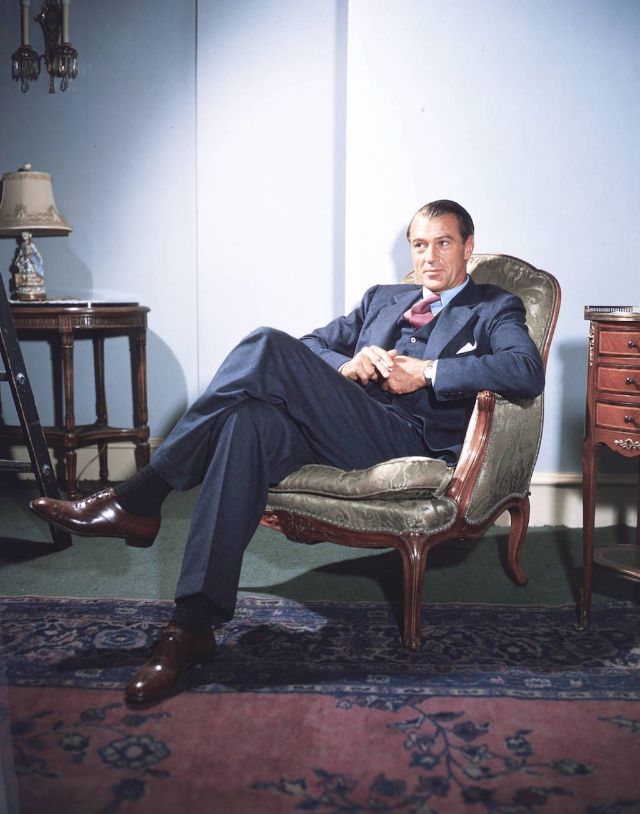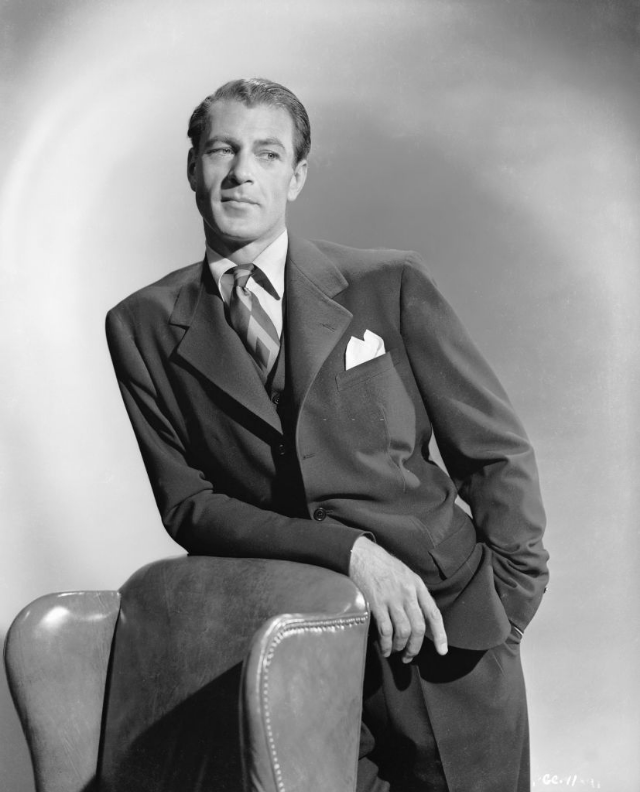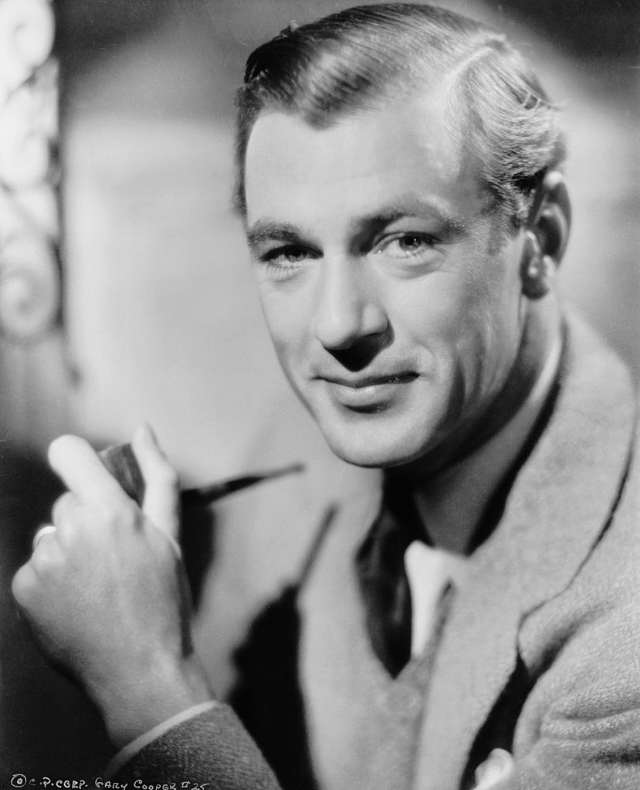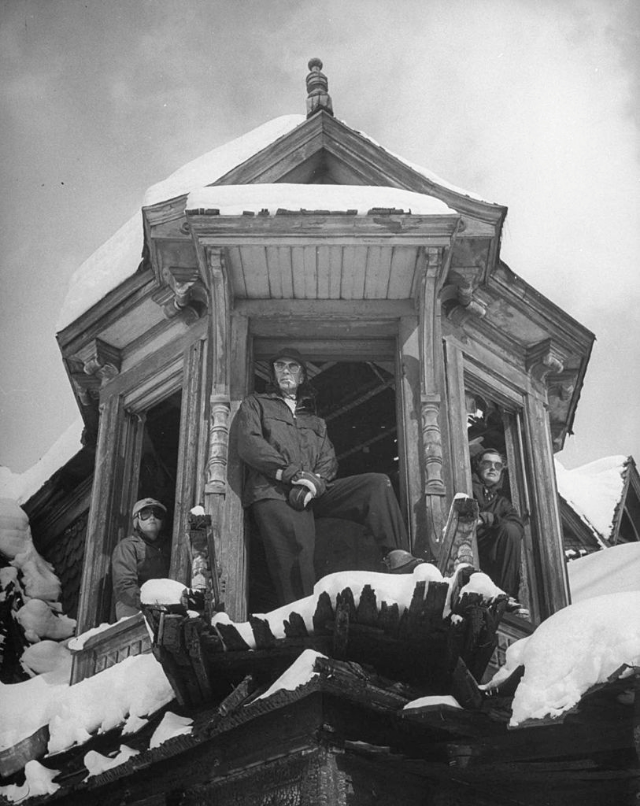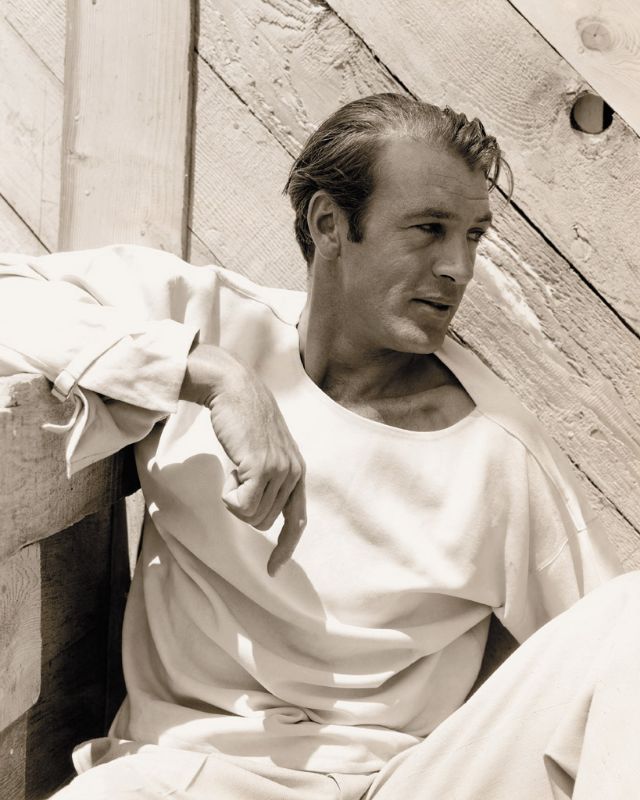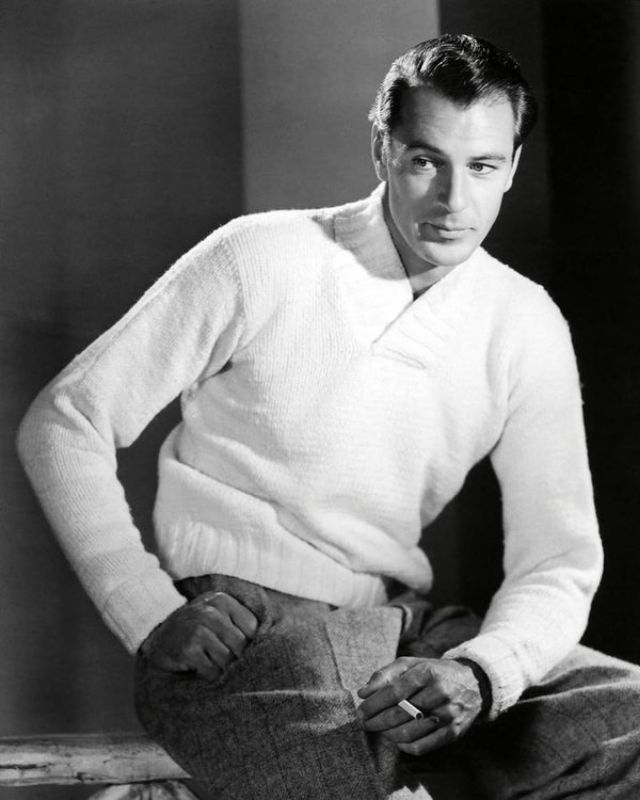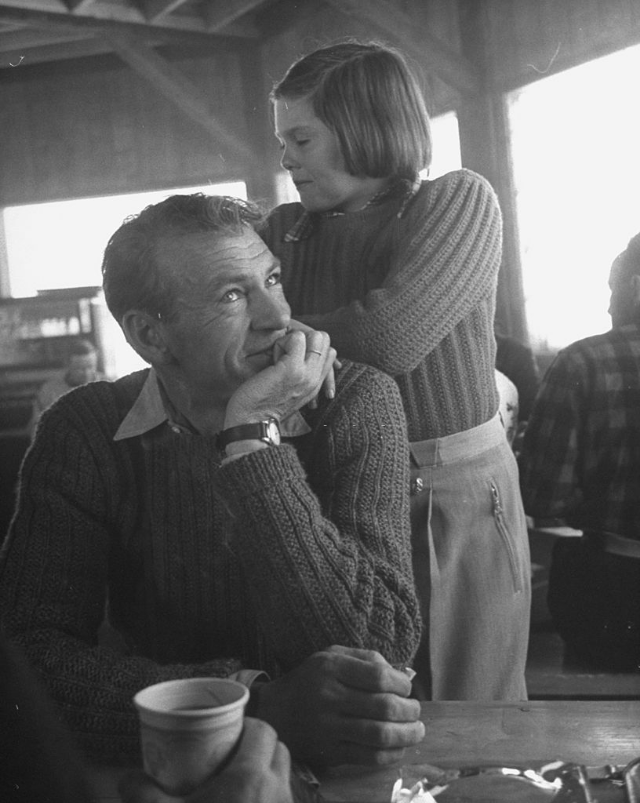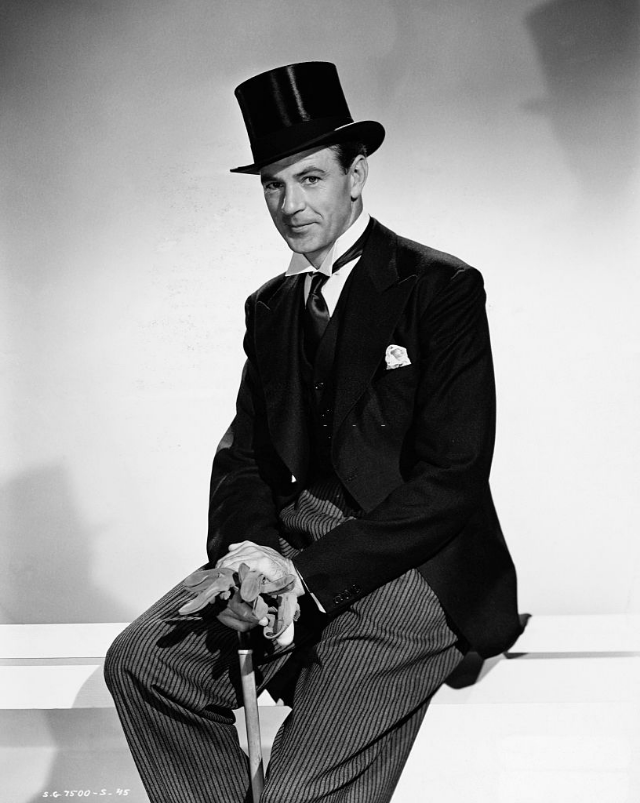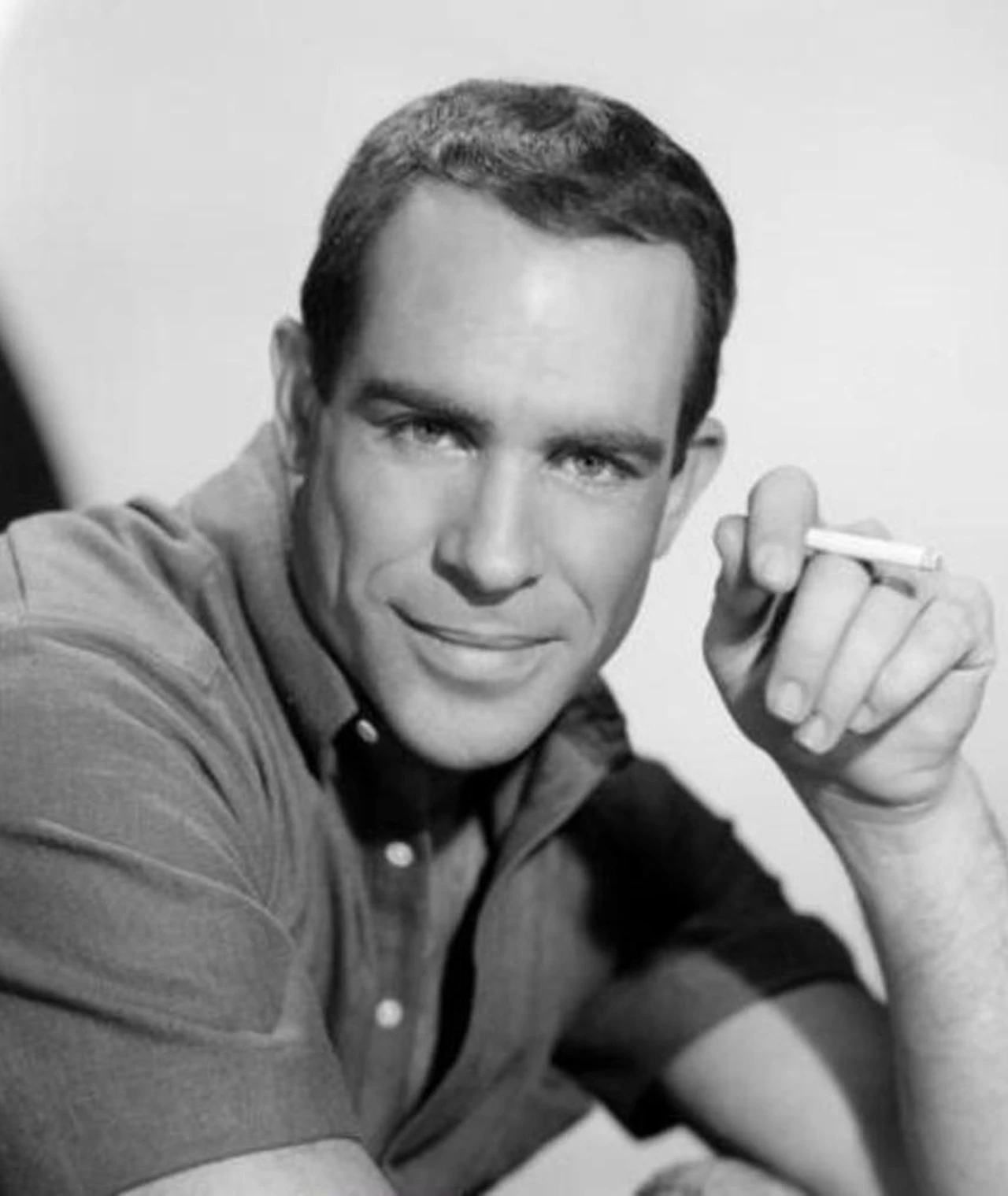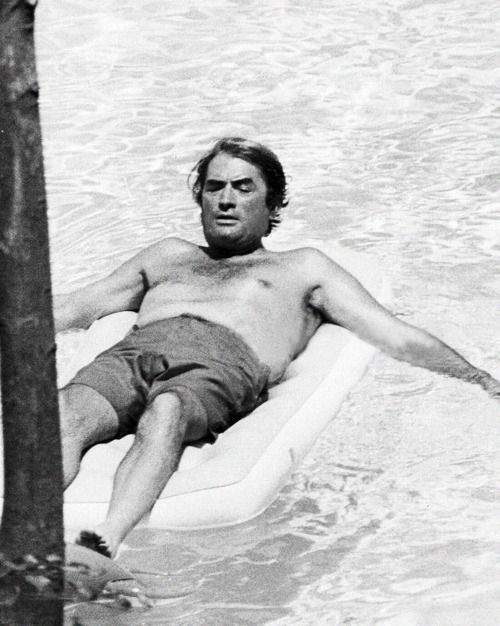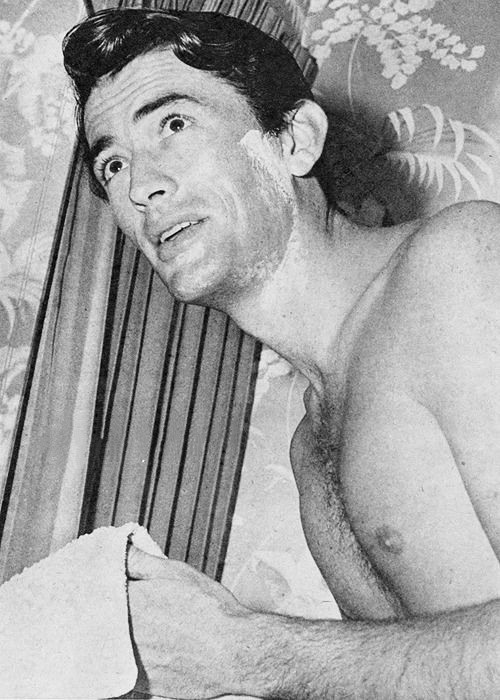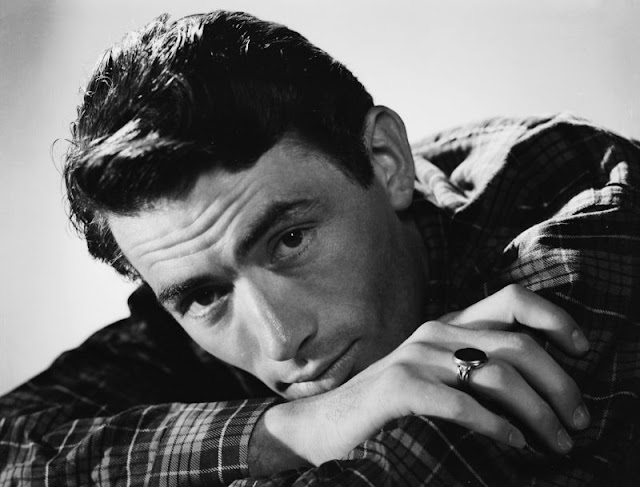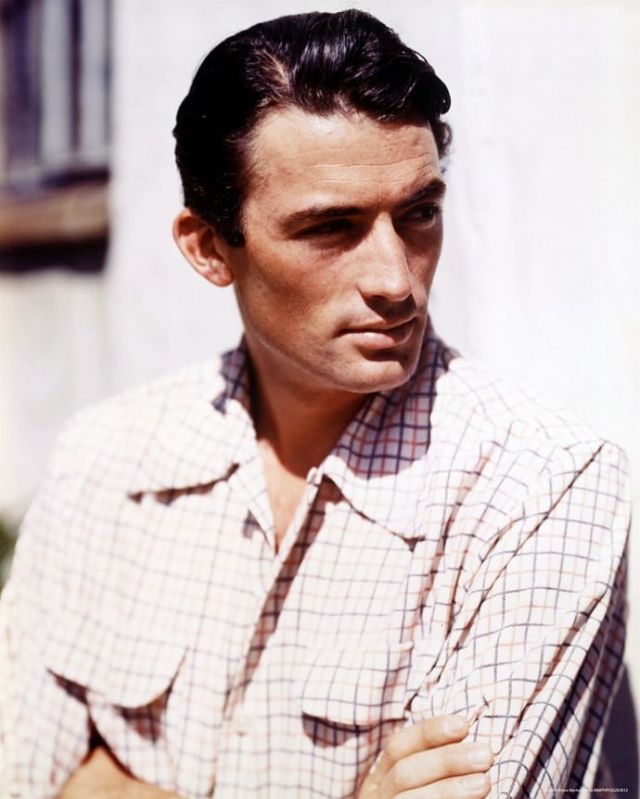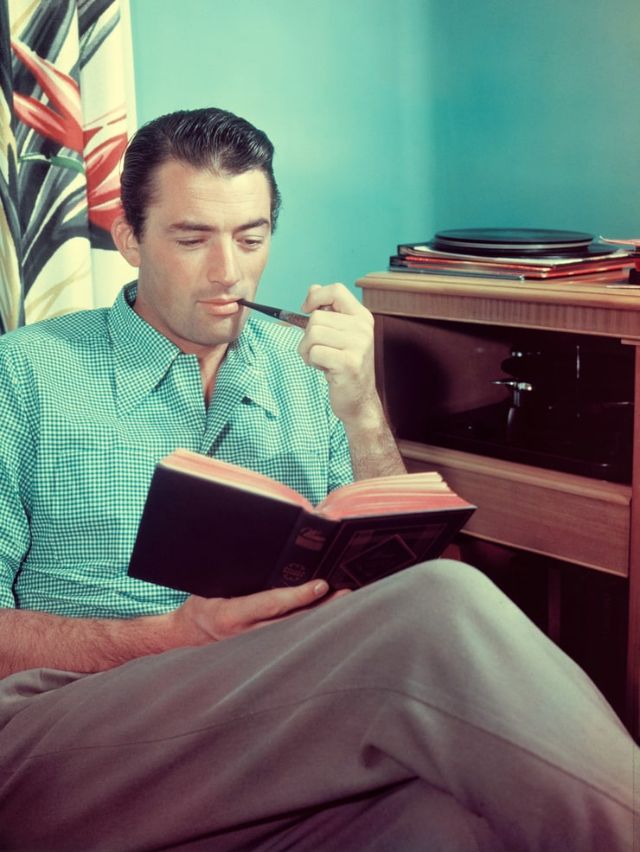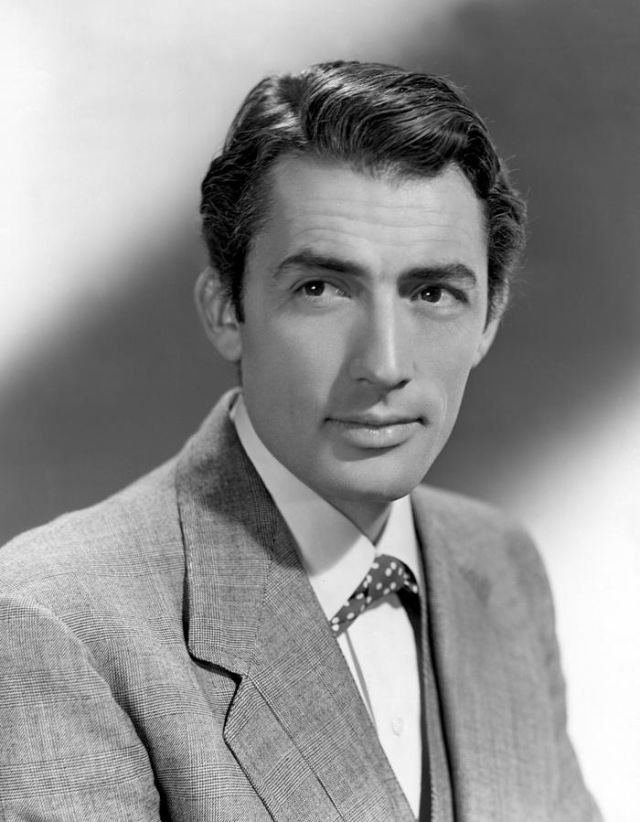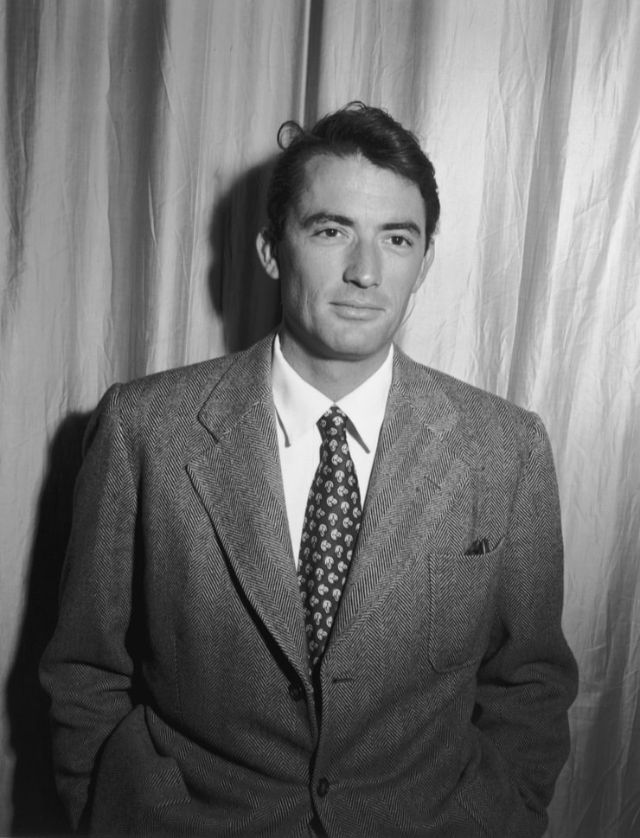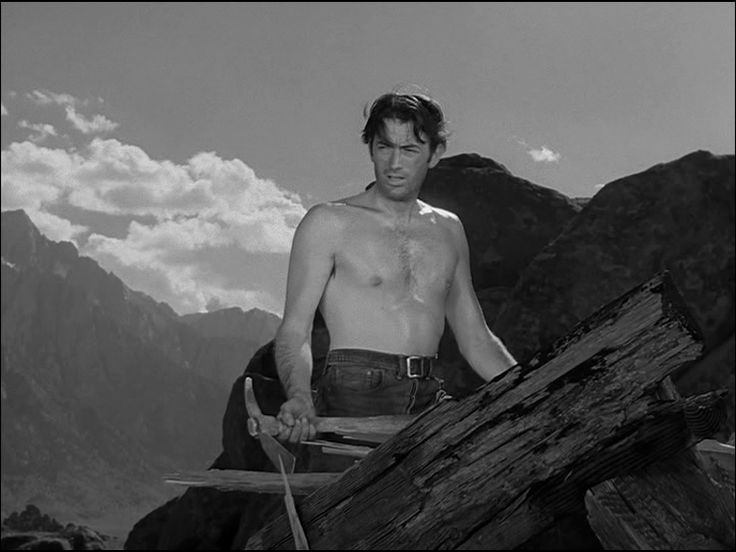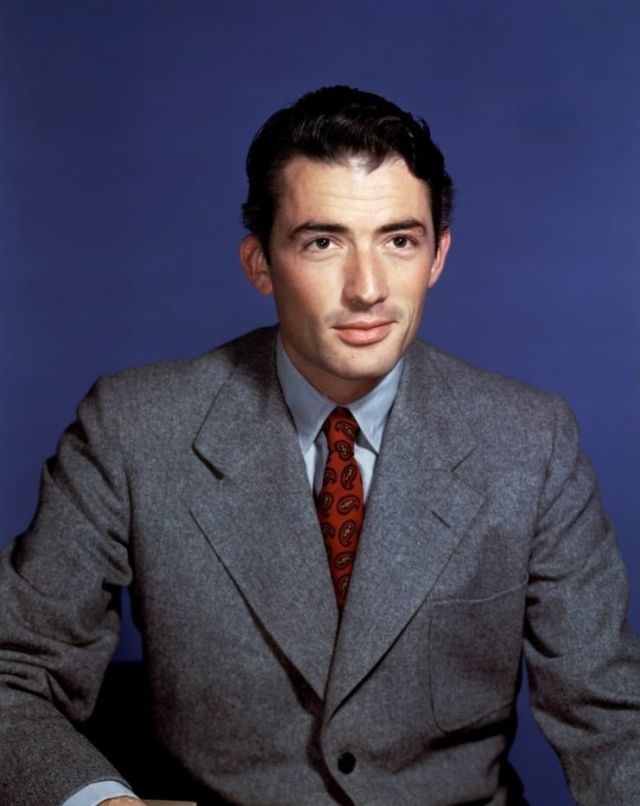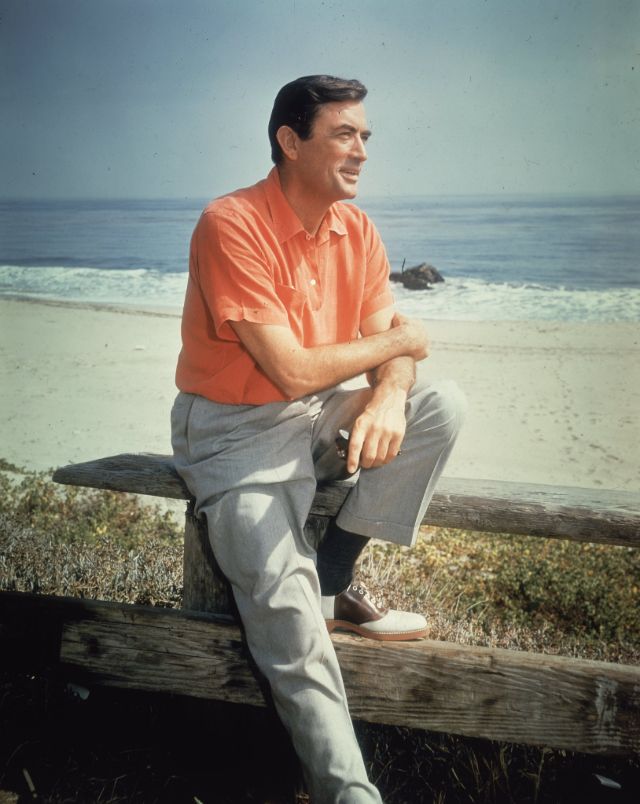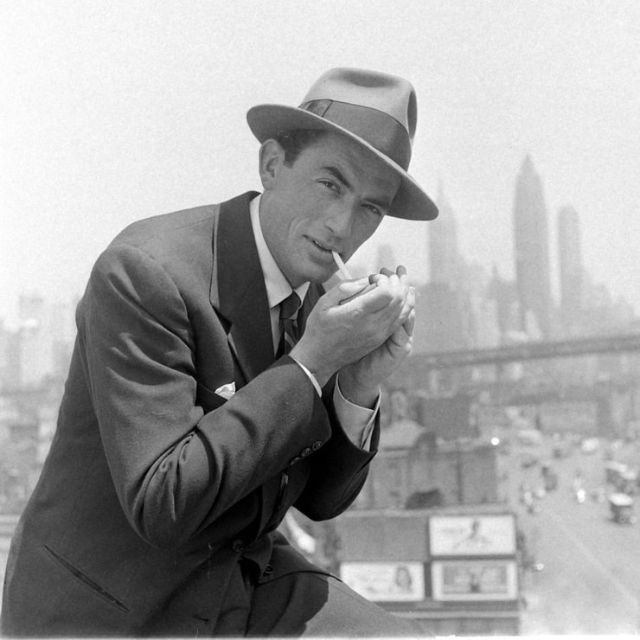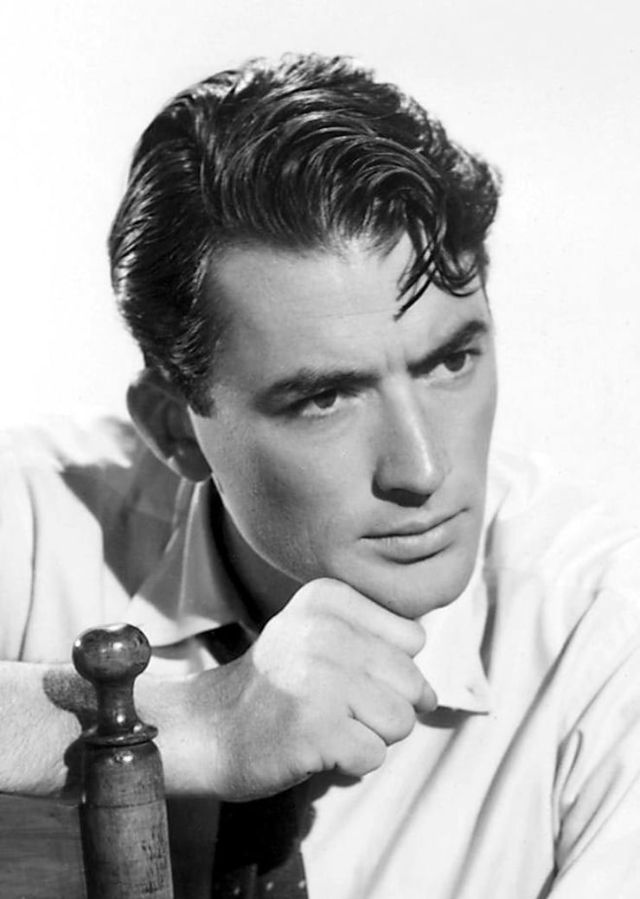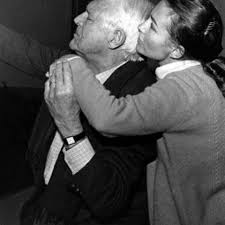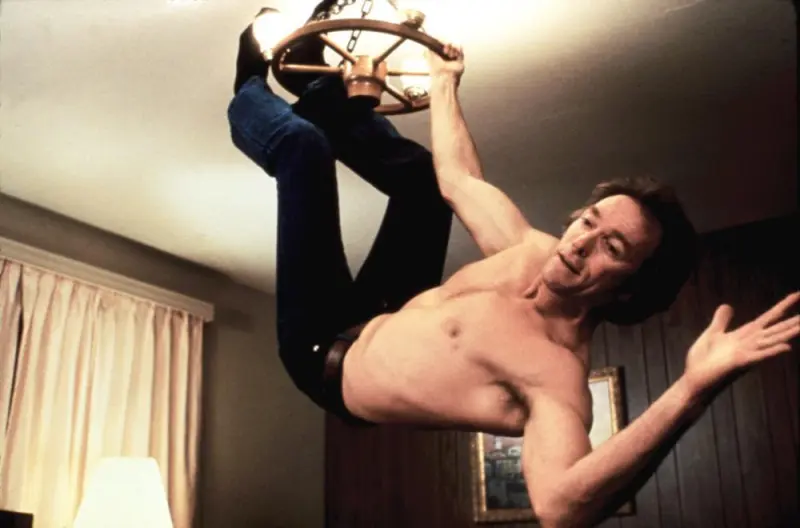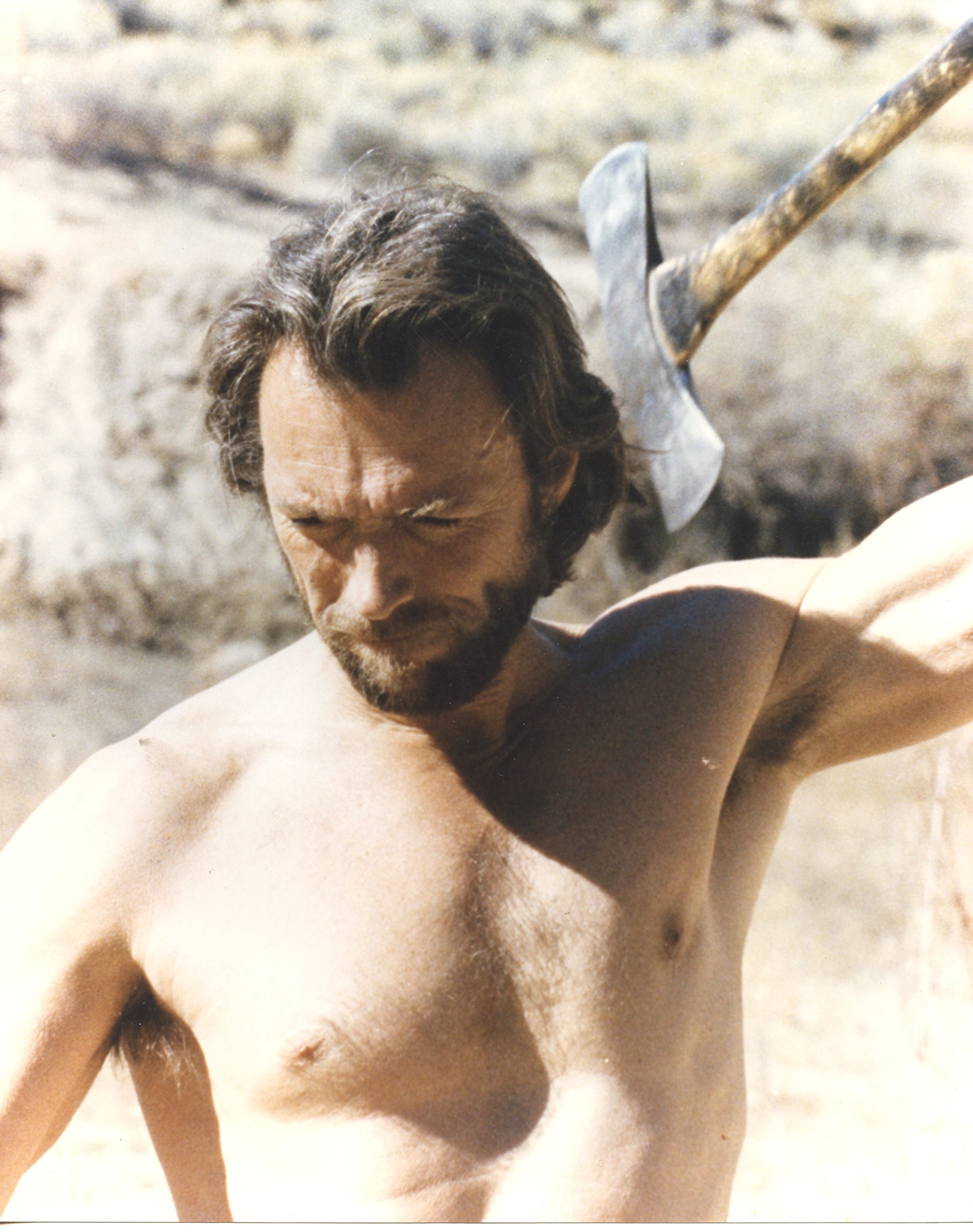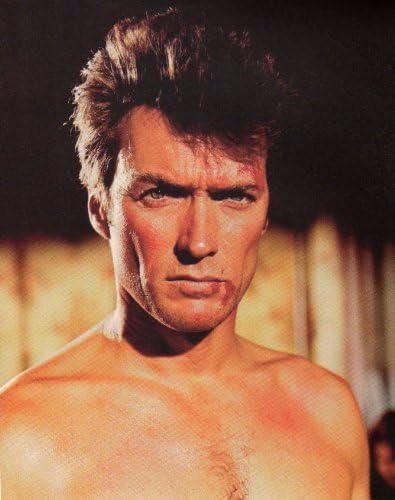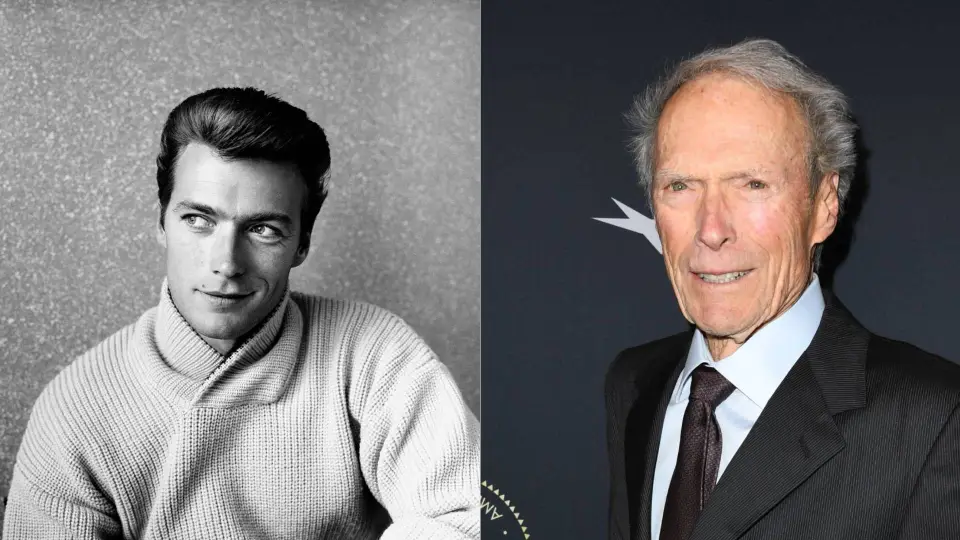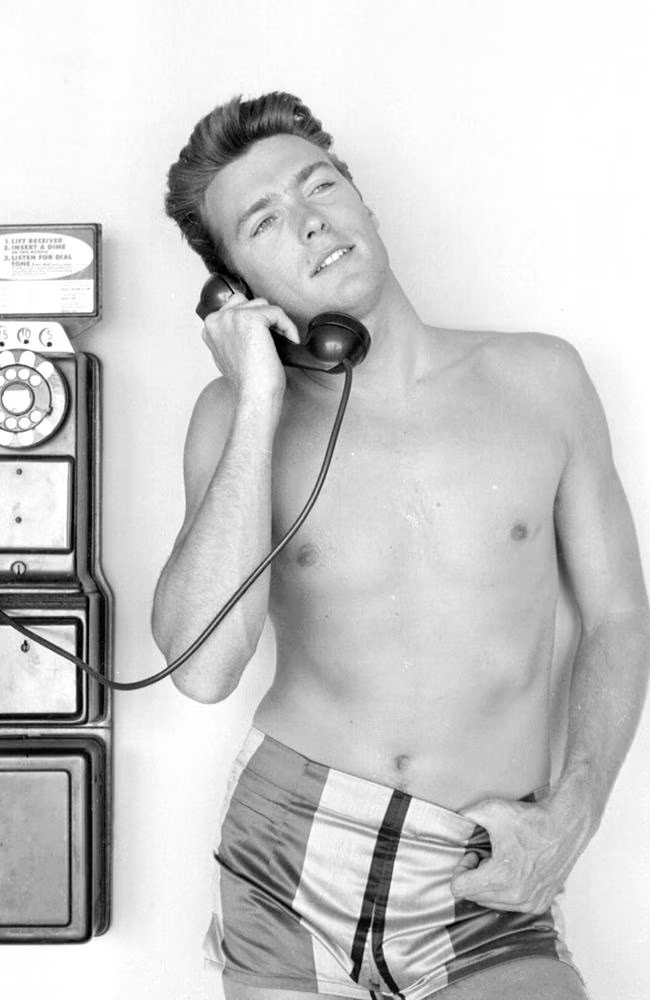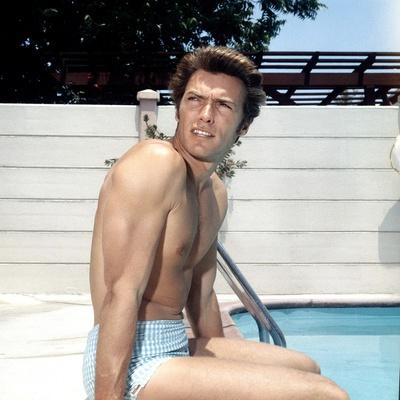
Frank James Cooper (1901-1961)

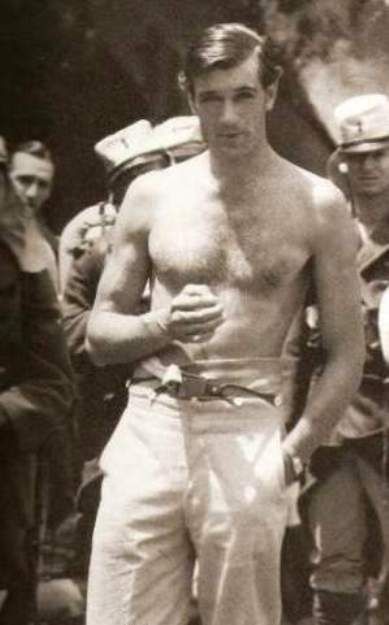
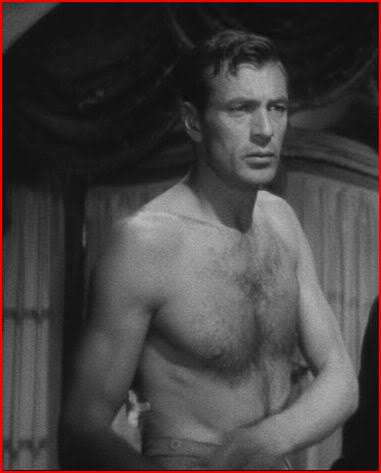
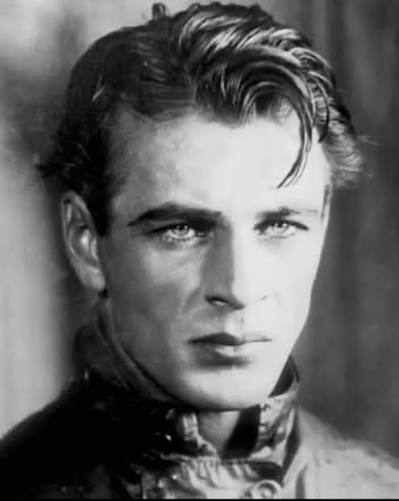
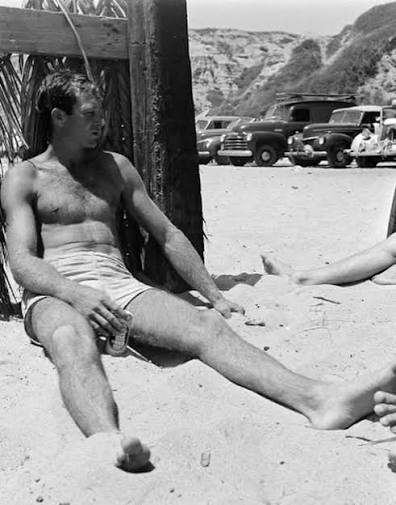
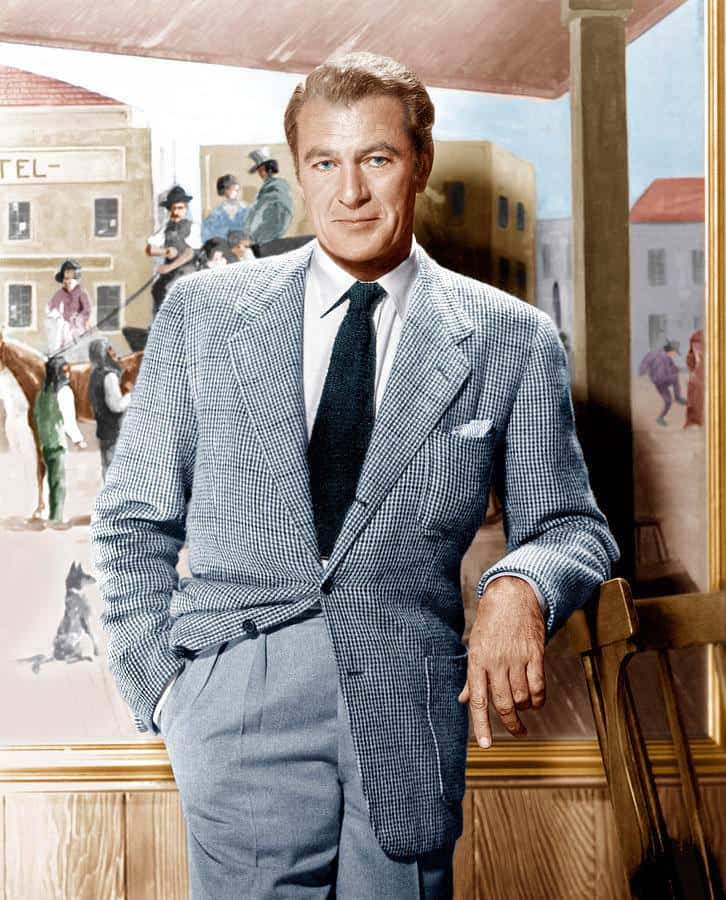
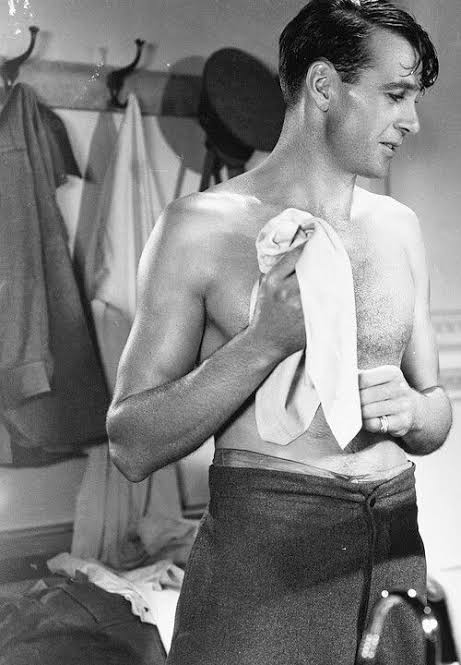
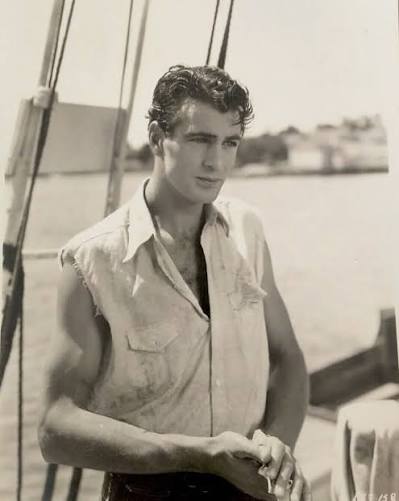
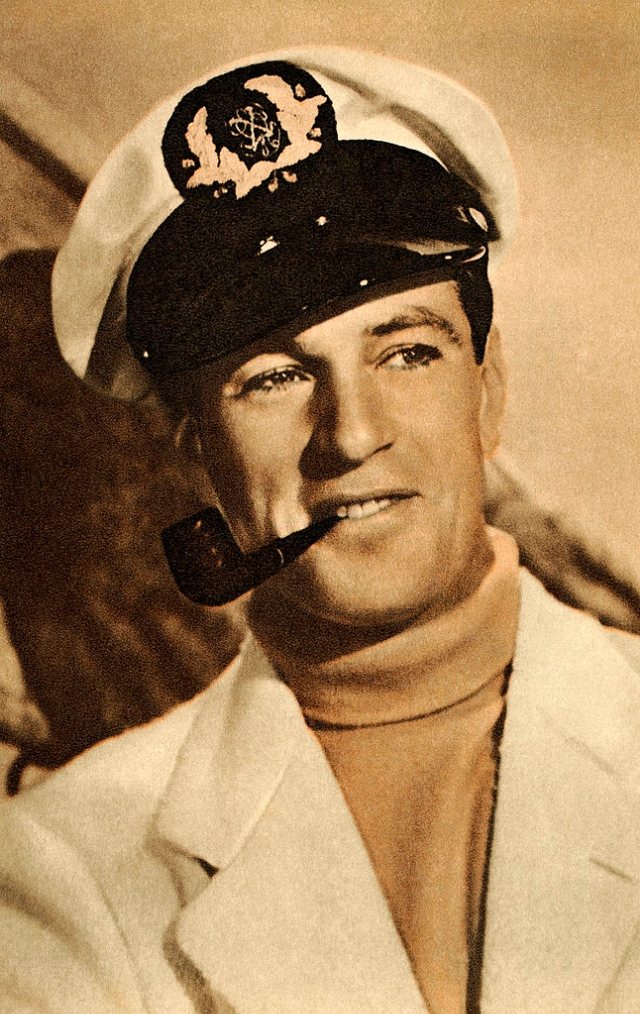
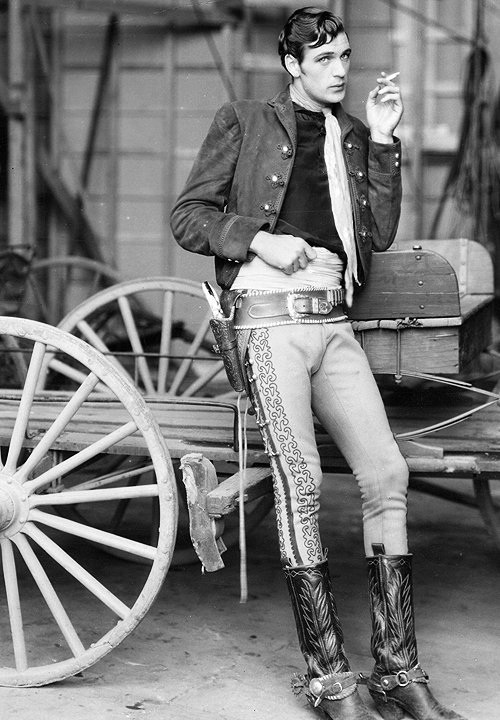
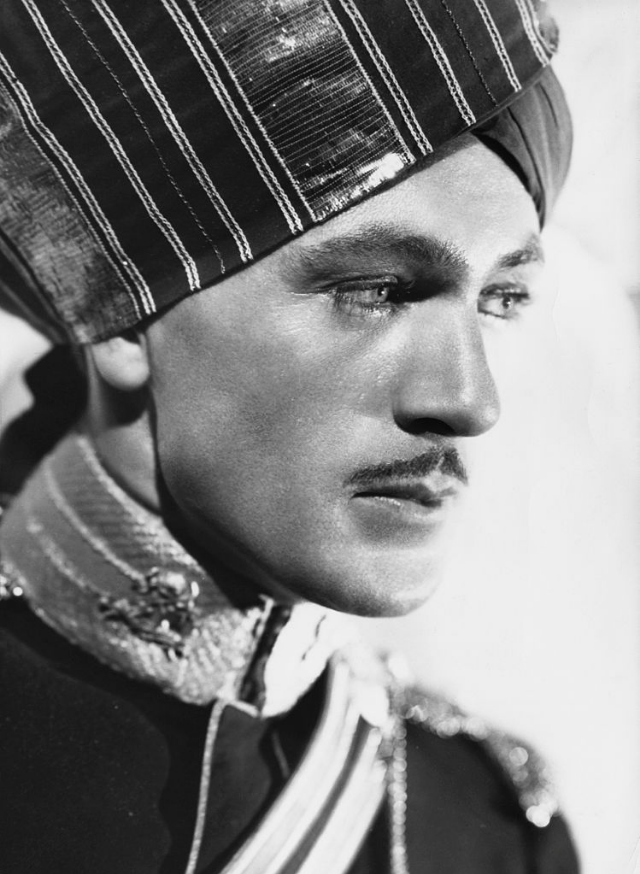
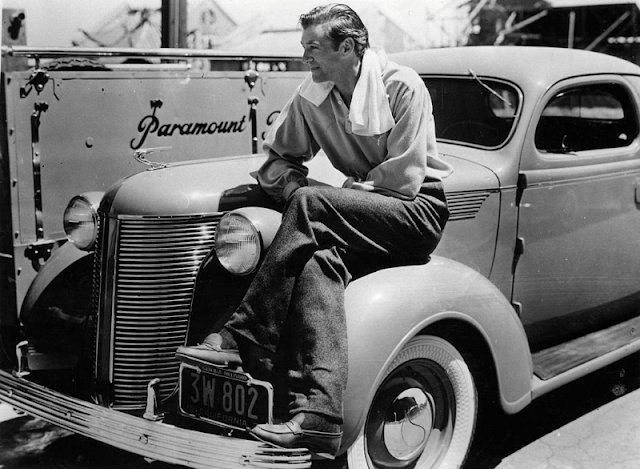
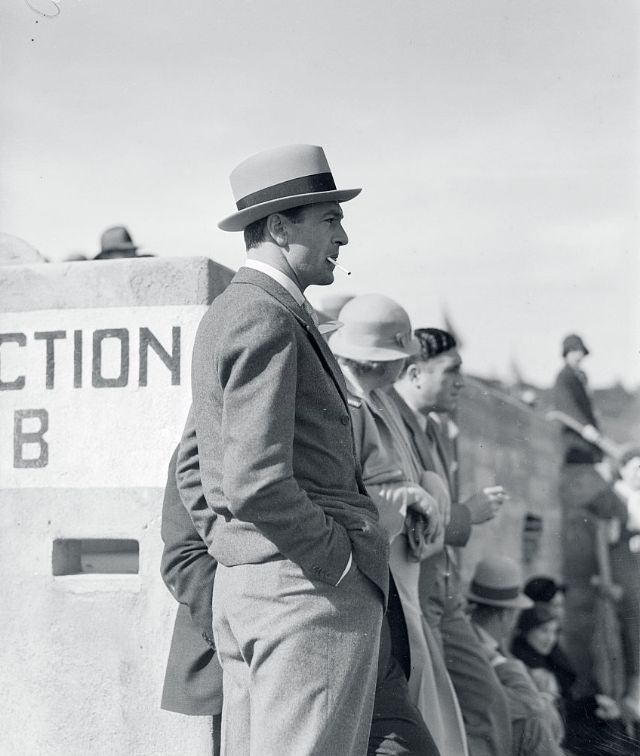
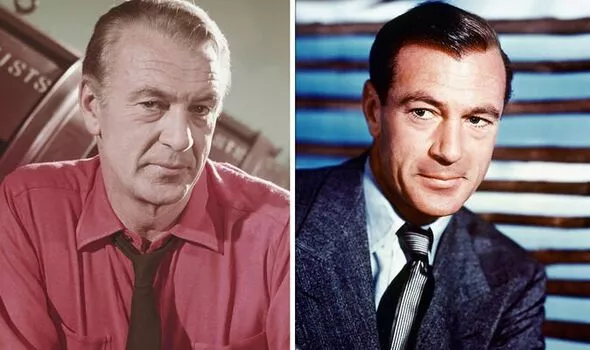
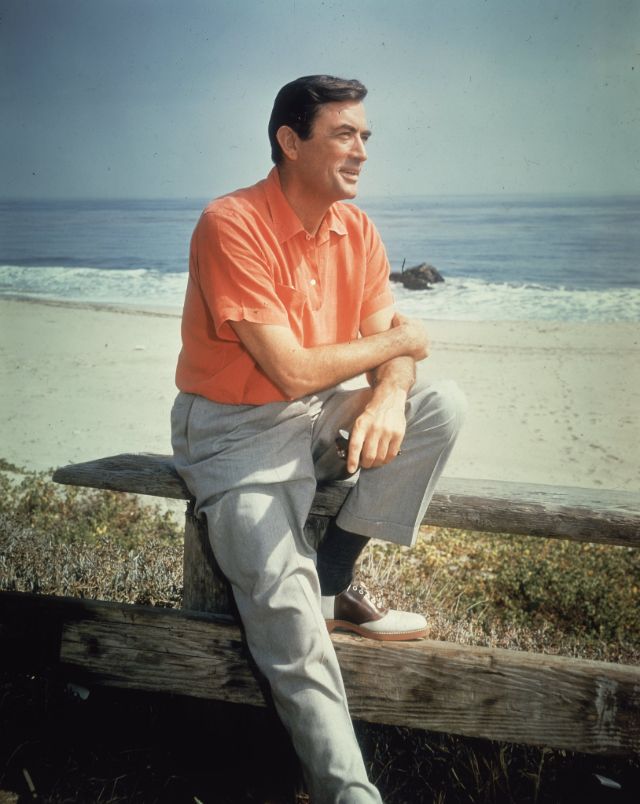
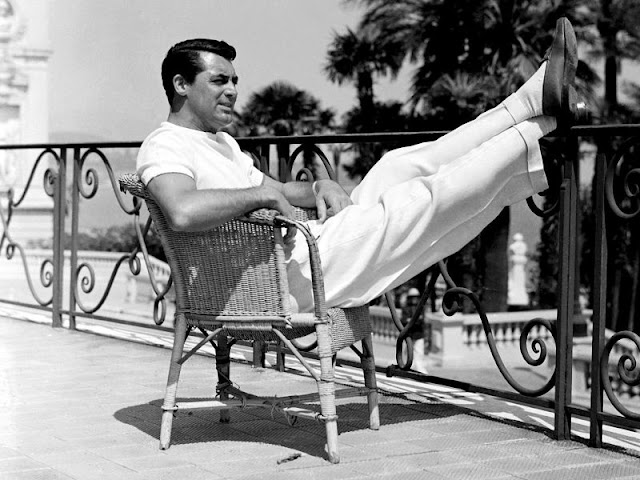
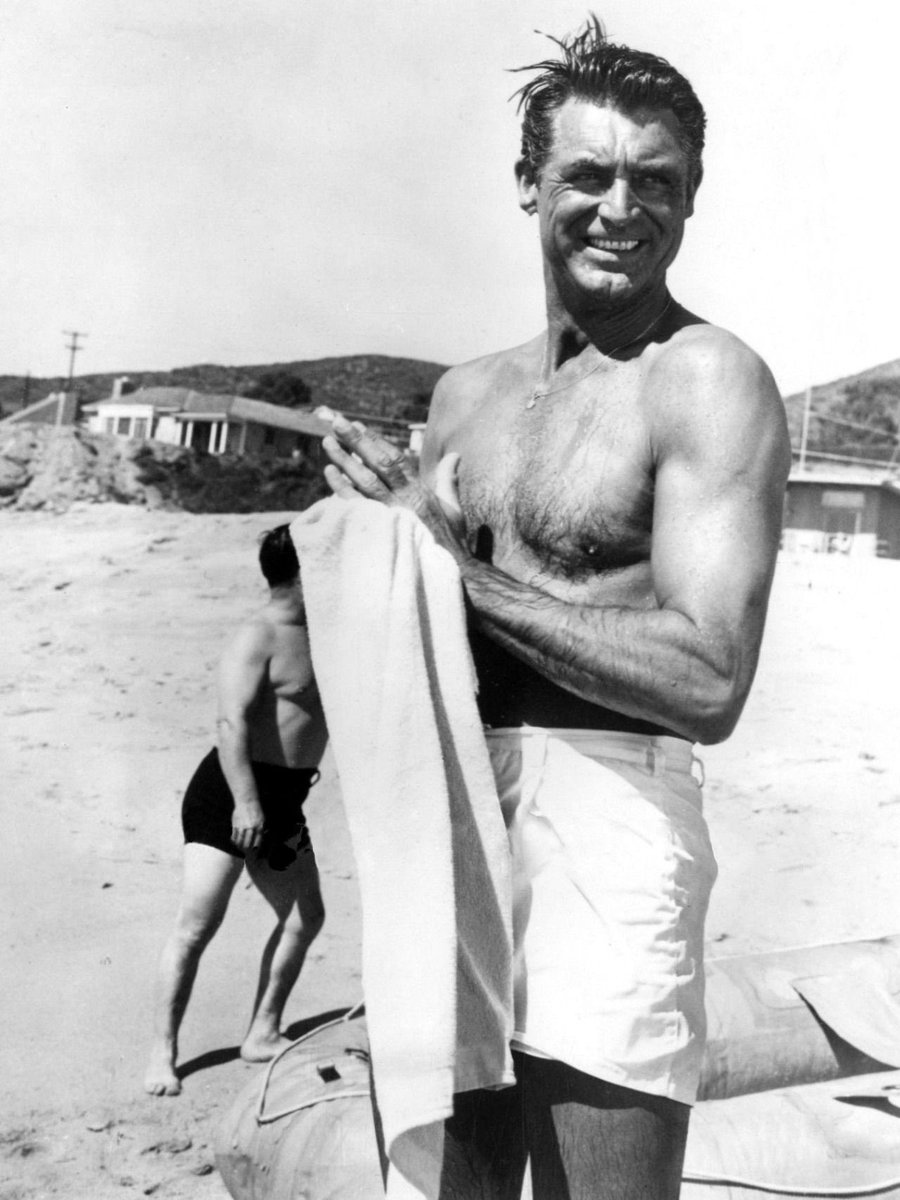
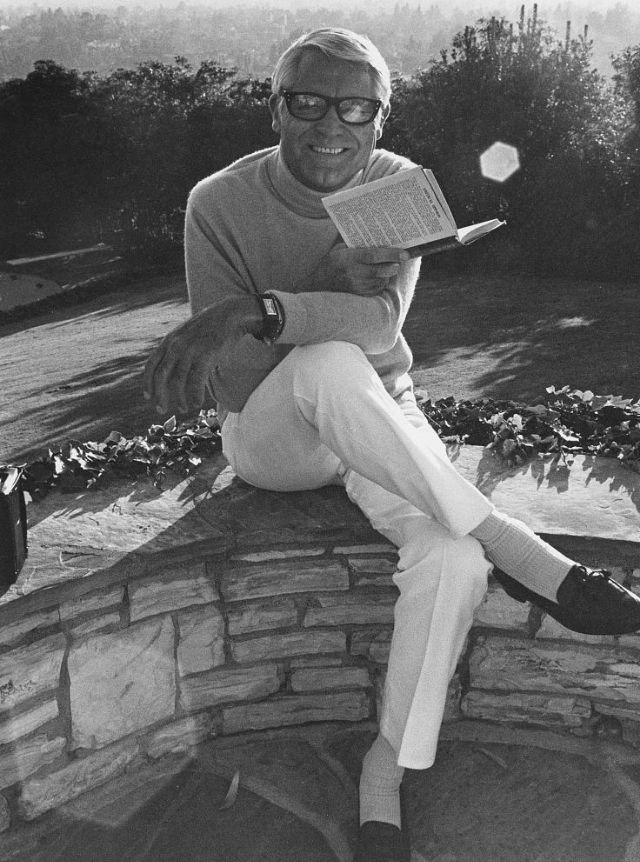
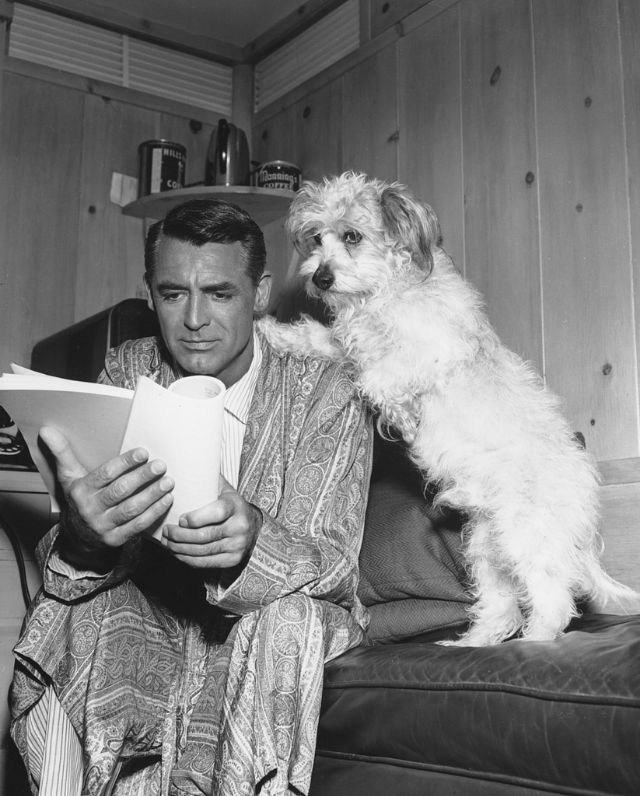
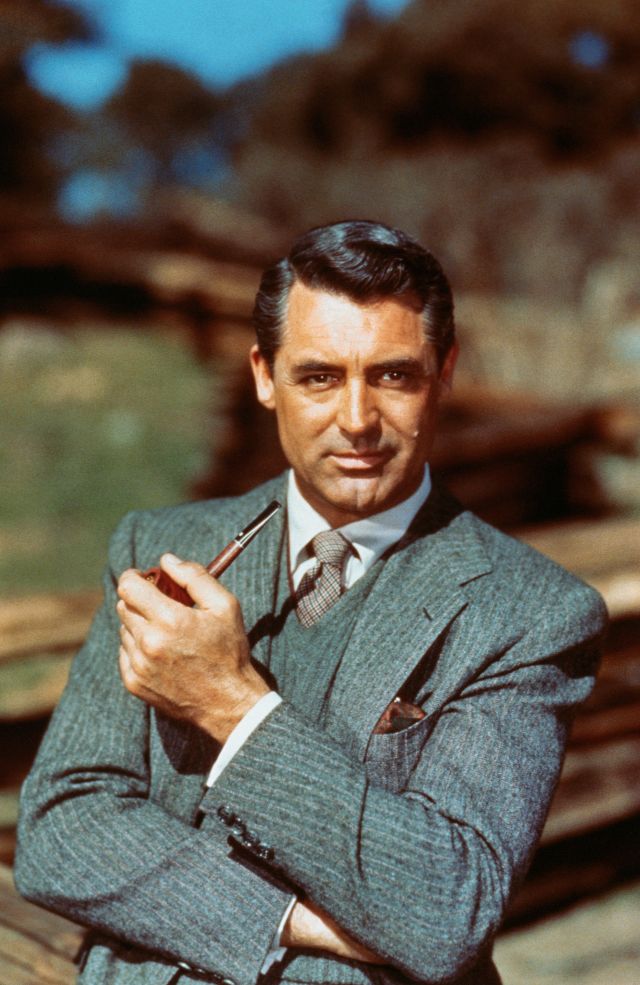
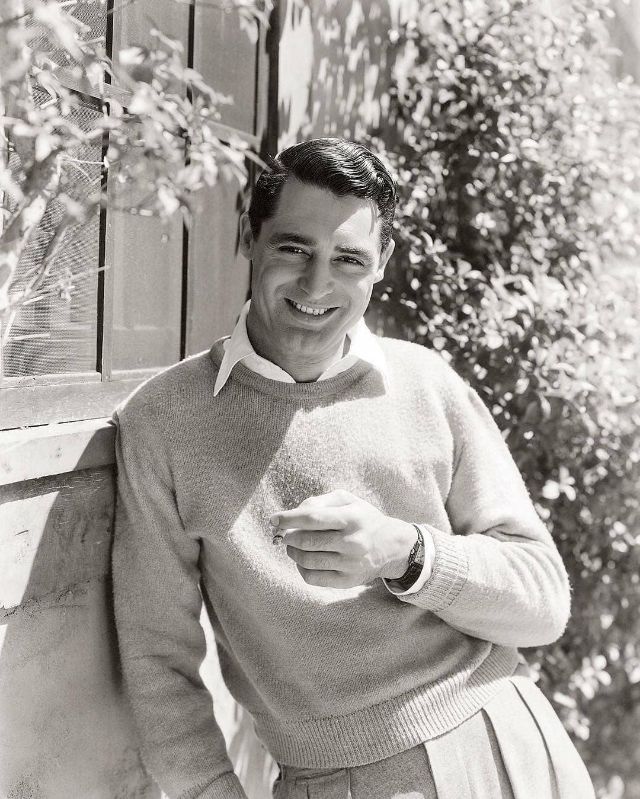
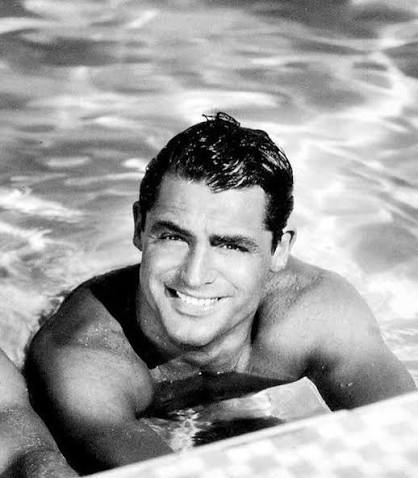
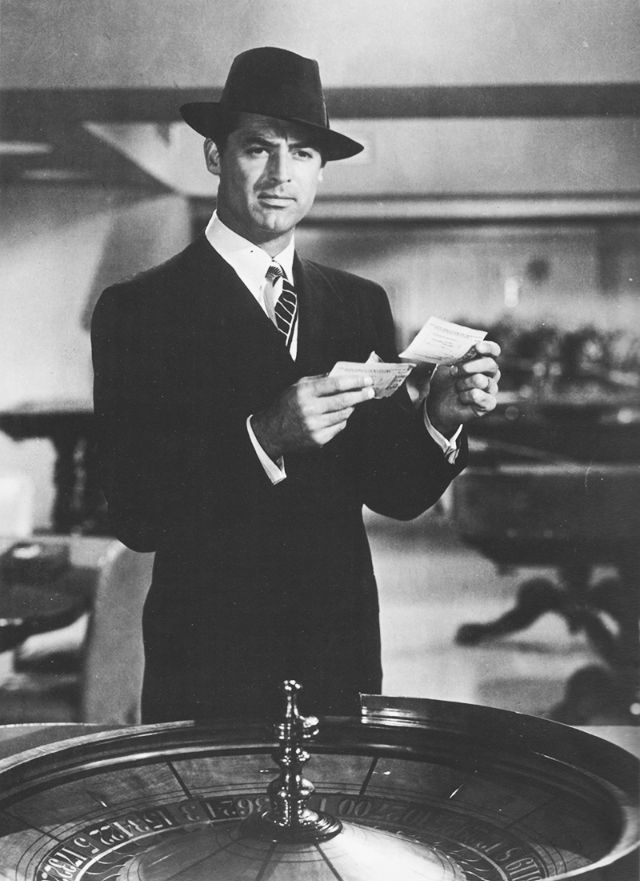
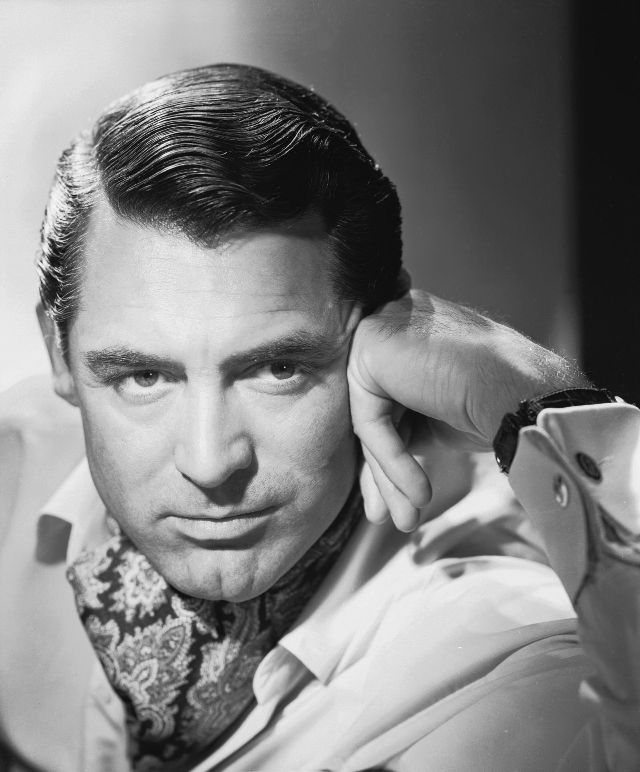
Gary Cooper was an American actor known for his strong, silent screen persona and understated acting style. The American Film Institute (AFI) ranked Cooper at number 11 on its list of the 50 greatest screen legends. He won the Academy Award for Best Actor for Sergeant York (1941) and High Noon (1952) and an Academy Honorary Award in 1961.

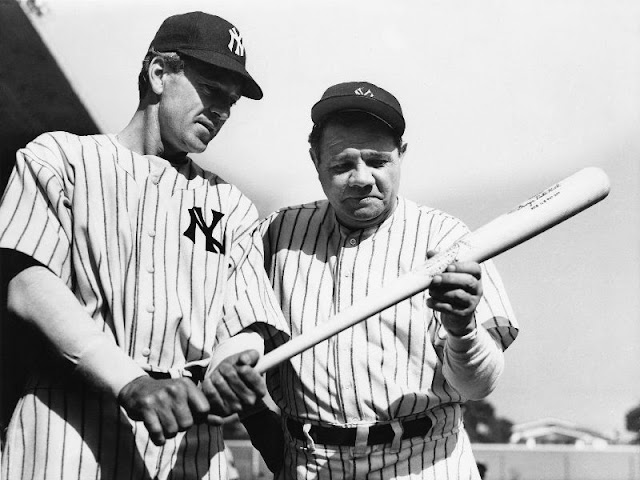
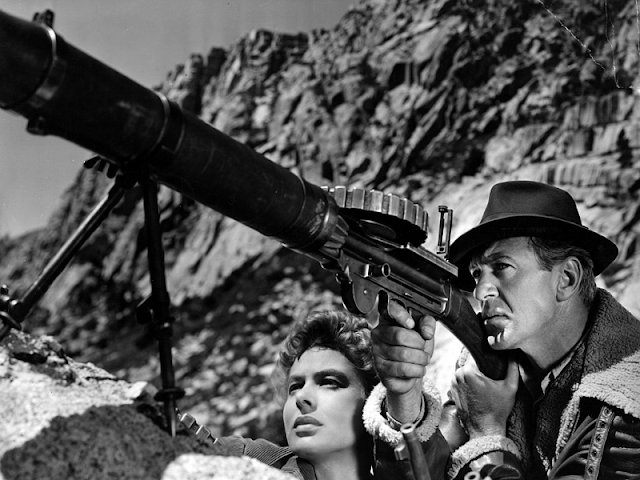
Cooper began his career as a film extra and stunt rider, but soon landed acting roles. After establishing himself as a Western hero in his early silent films, he became a movie star with his first sound picture, playing the title role in 1929’s The Virginian. In the early 1930s, he expanded his heroic image to include more cautious characters in adventure films and dramas such as A Farewell to Arms (1932) and The Lives of a Bengal Lancer (1935). During the height of his career, Cooper portrayed a new type of hero, a champion of the common man in films such as Mr. Deeds Goes to Town (1936), Meet John Doe, Ball of Fire (both 1941), The Pride of the Yankees (1942), and For Whom the Bell Tolls (1943). He later portrayed more mature characters at odds with the world in films such as The Fountainhead (1949). In his final films, he played nonviolent characters searching for redemption in films such as Friendly Persuasion (1956) and Man of the West (1958).

Cooper was diagnosed with prostate cancer in early 1960, and by December 27, his wife learned from their family doctor that Cooper’s cancer had metastasized to his lungs and bones and was inoperable. His family decided not to tell him immediately. On January 9, 1961, Cooper attended a dinner given in his honor and hosted by Frank Sinatra and Dean Martin at the Friars Club. The dinner was attended by many of his industry friends and concluded with a brief speech by Cooper, who said, “The only achievement I’m proud of is the friends I’ve made in this community.”

Cooper passed away May 13, 1961 at the age of 60
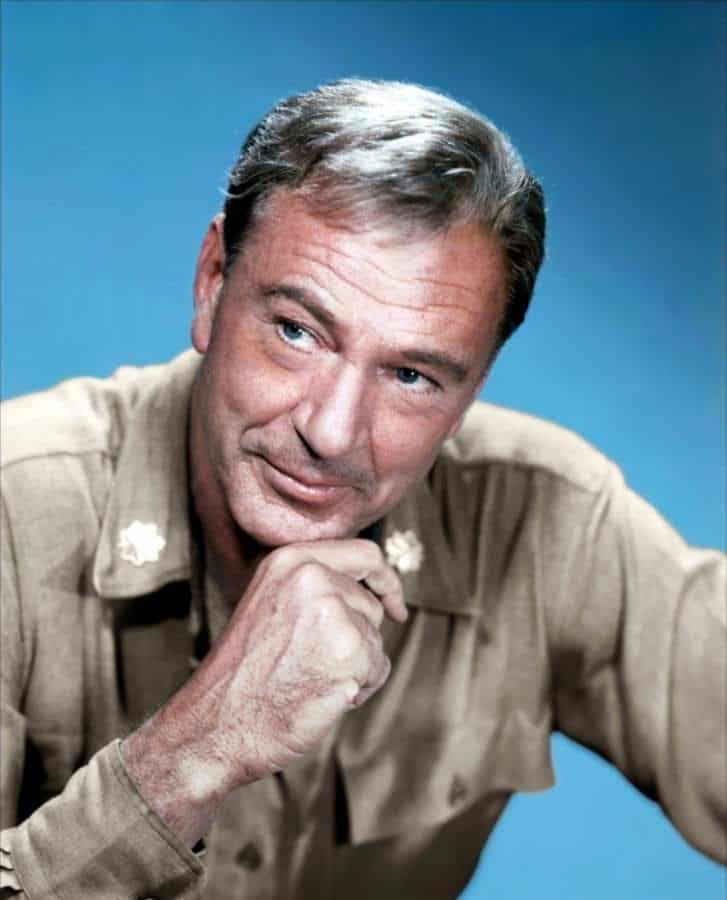
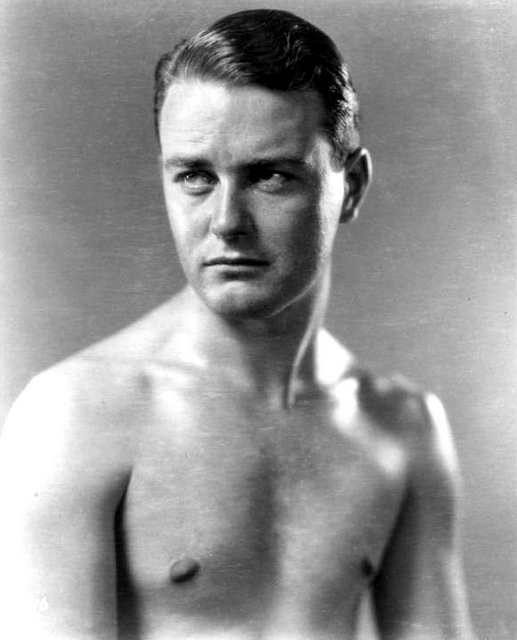
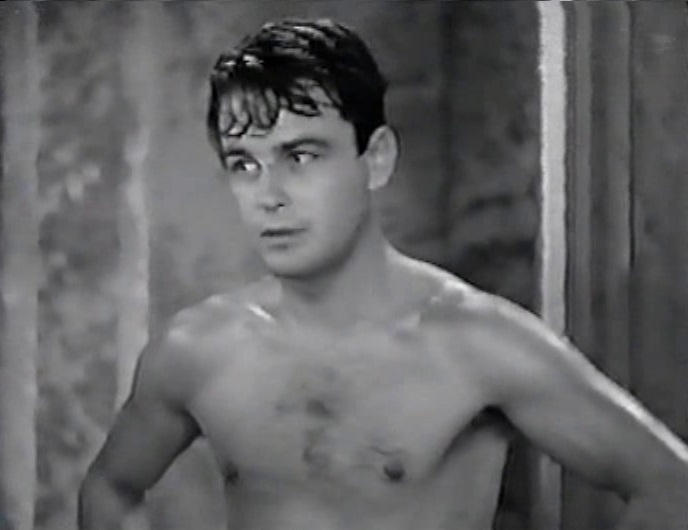
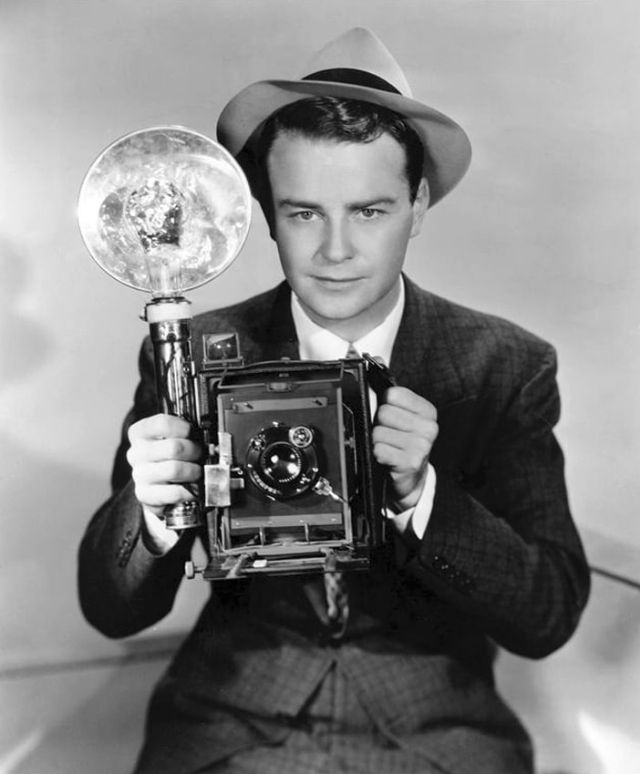
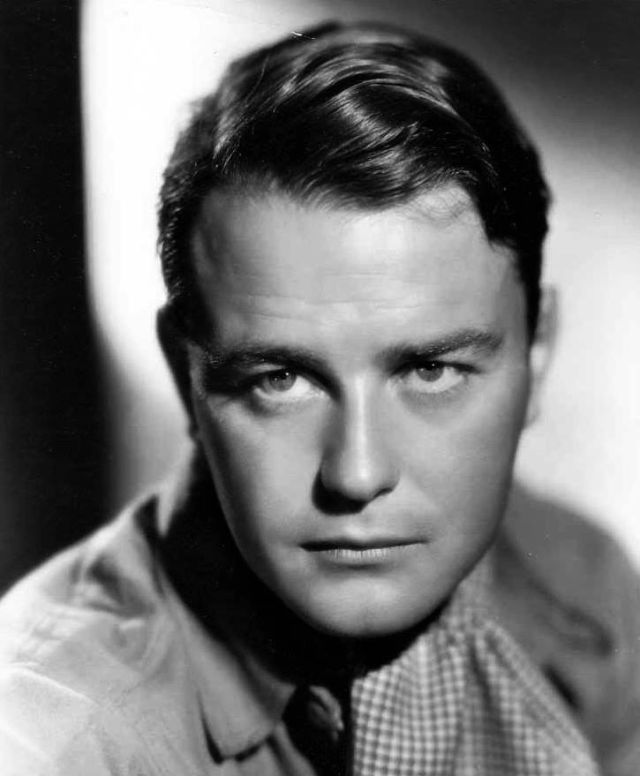
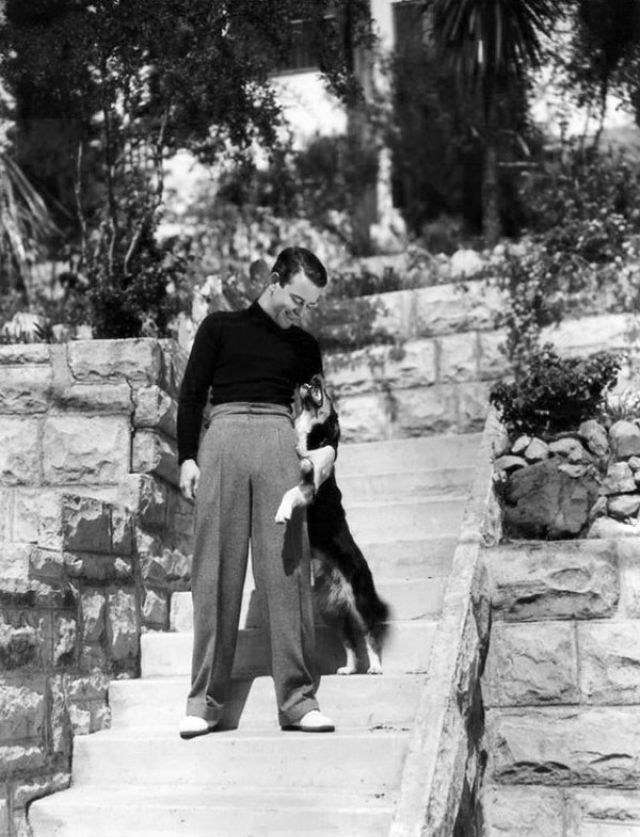
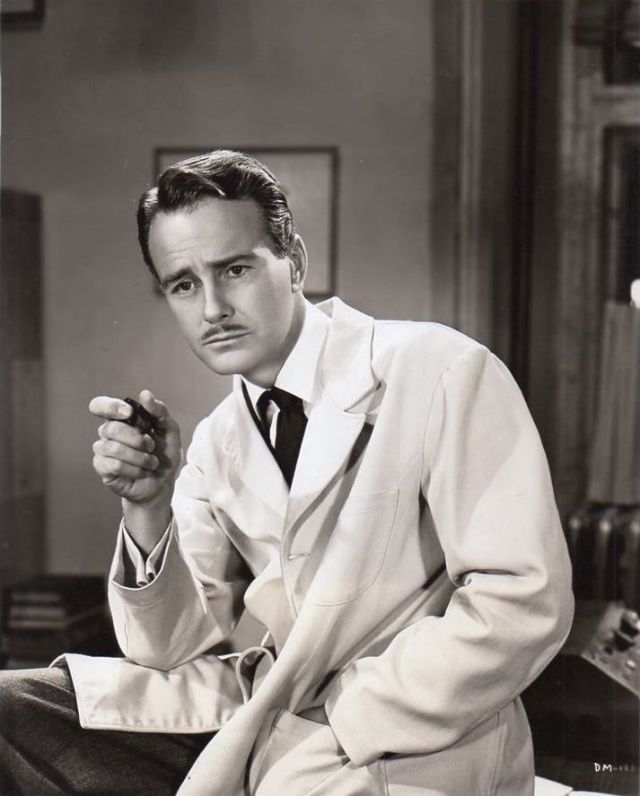
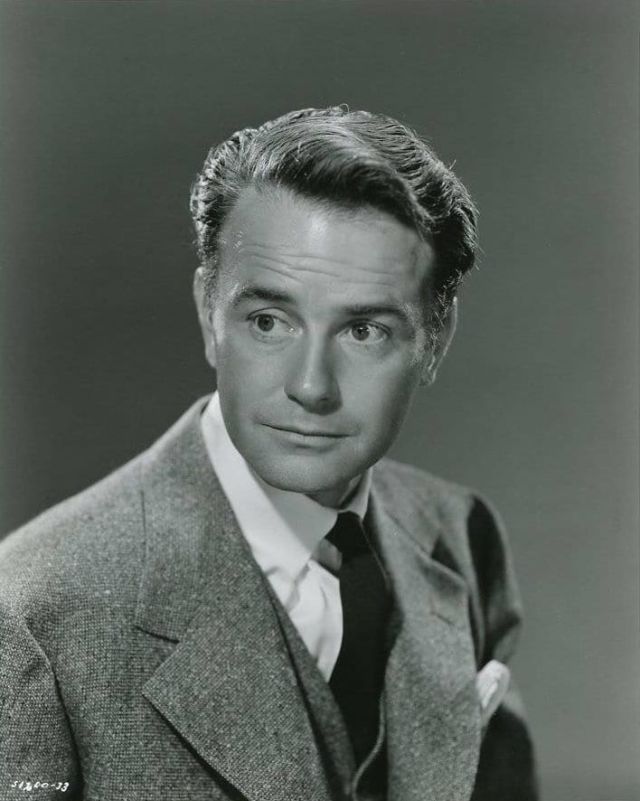
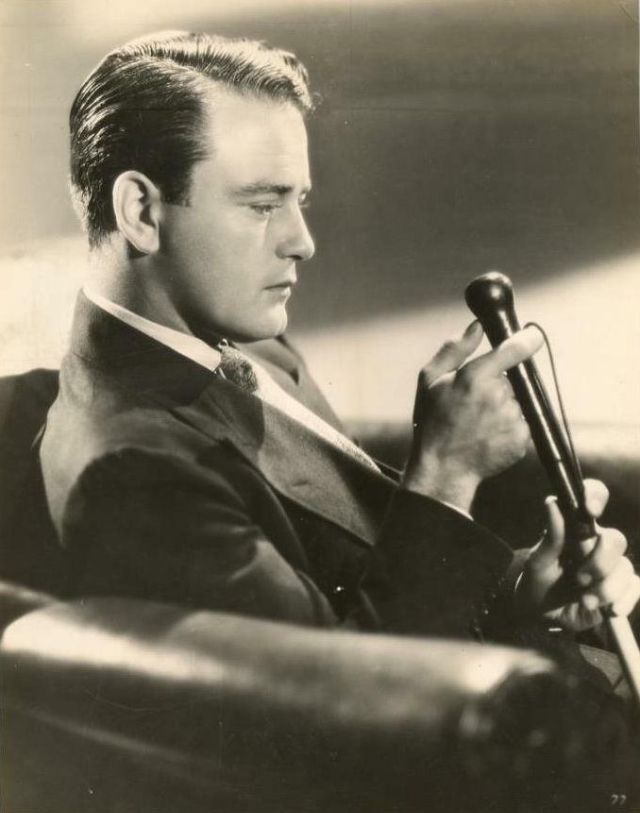
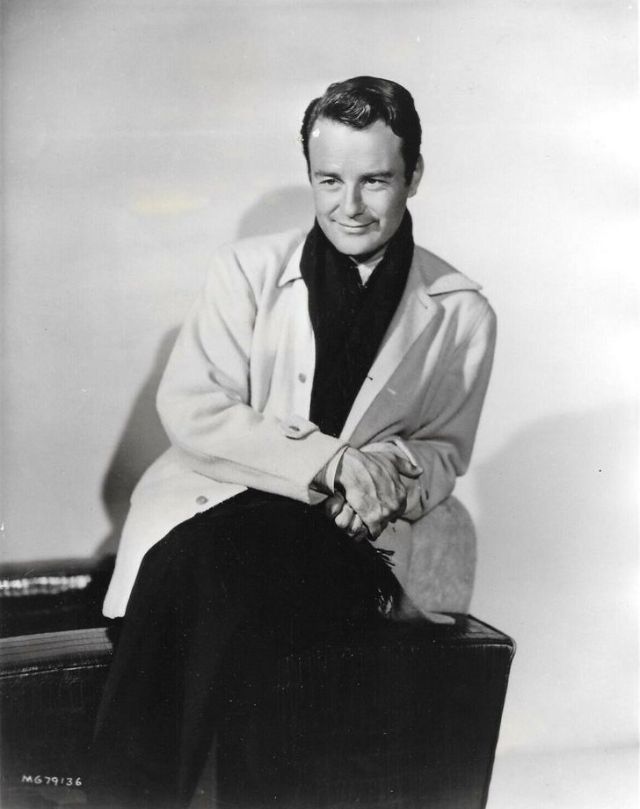
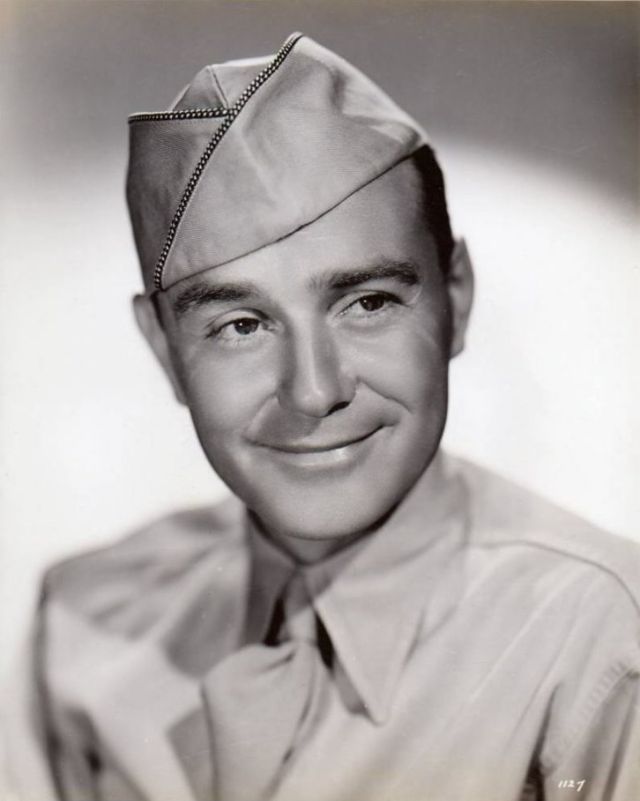
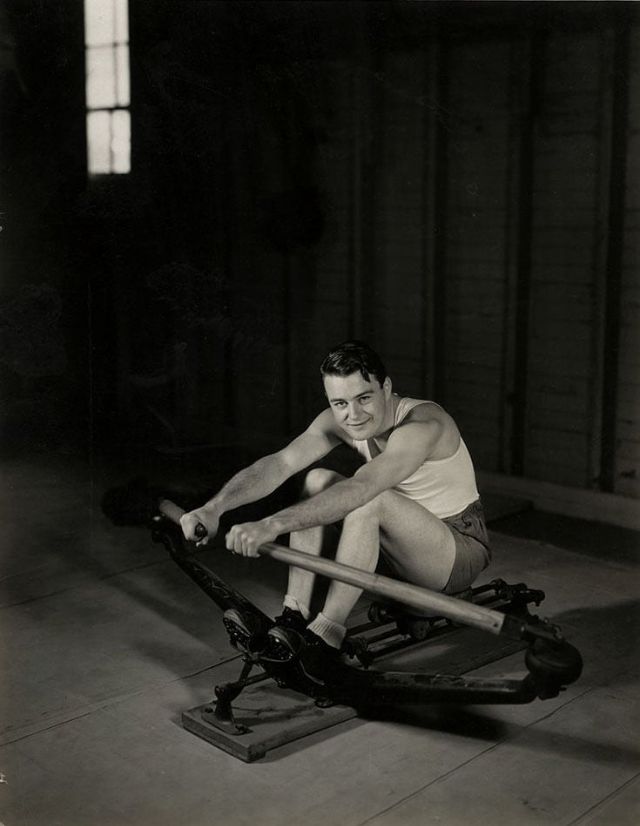
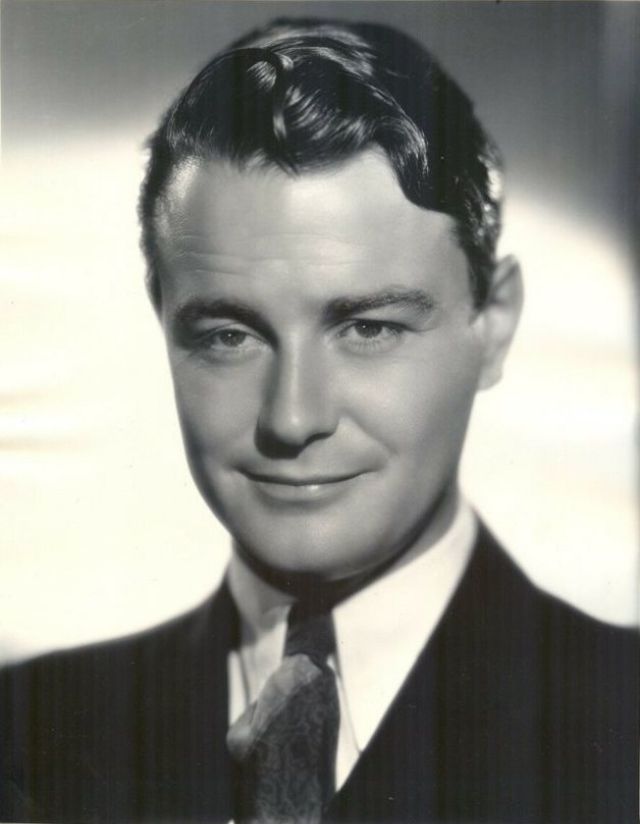
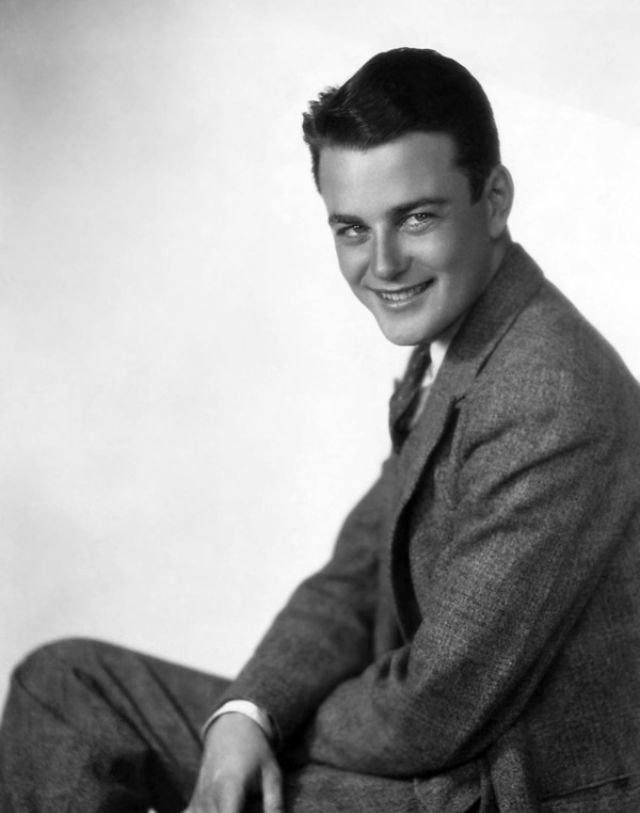
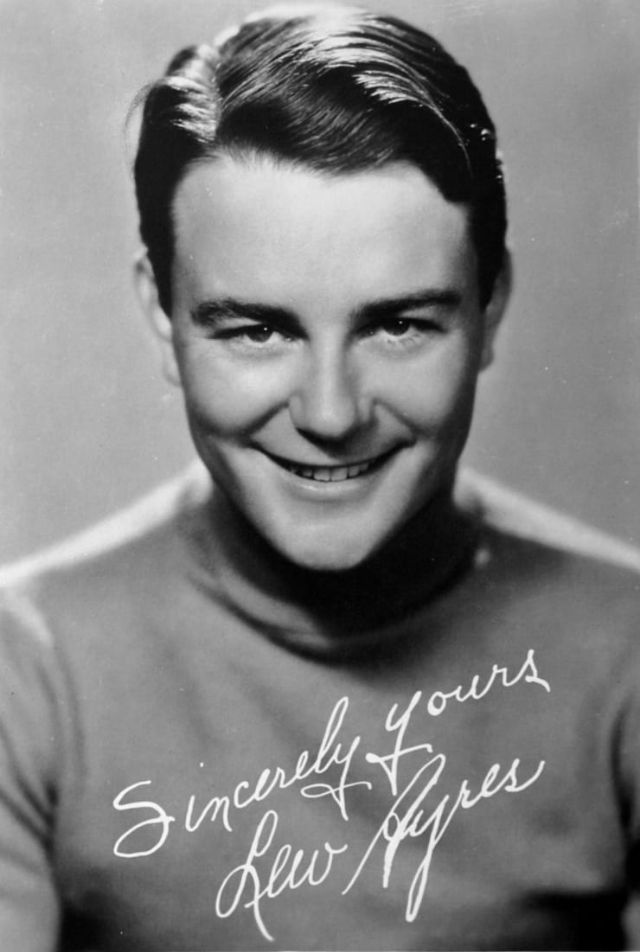
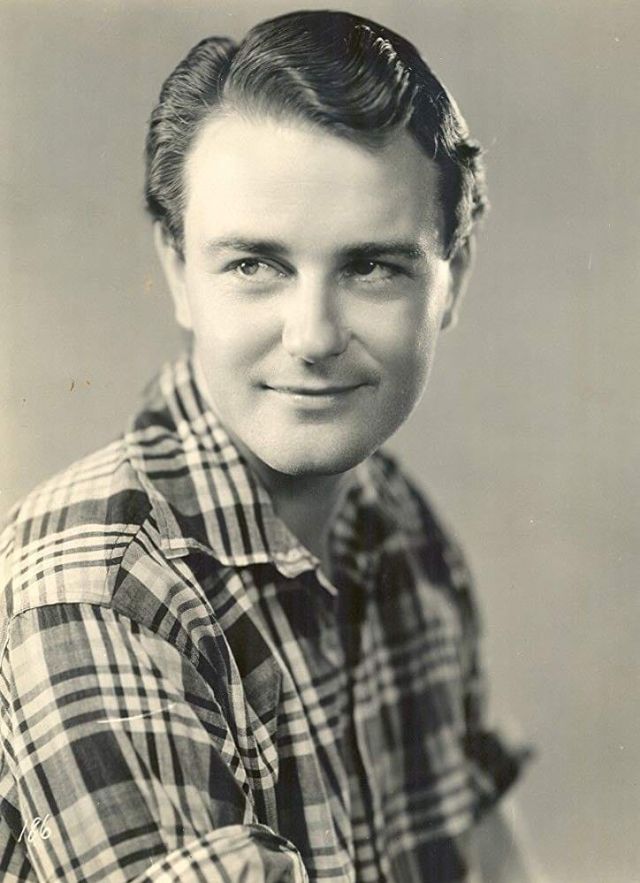
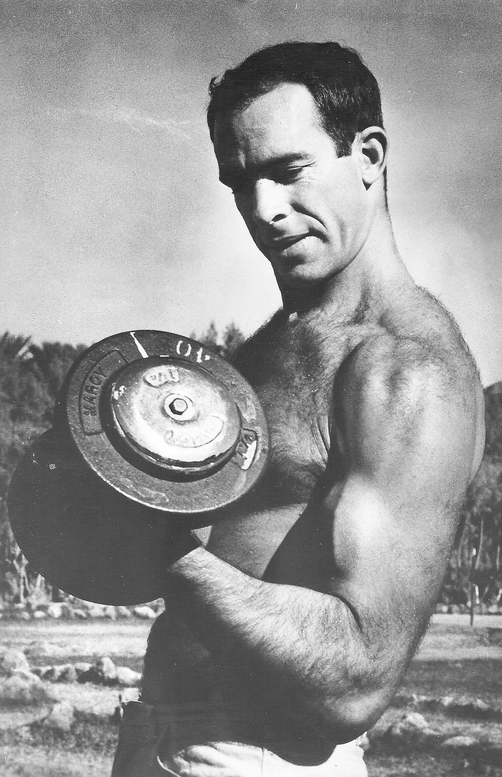
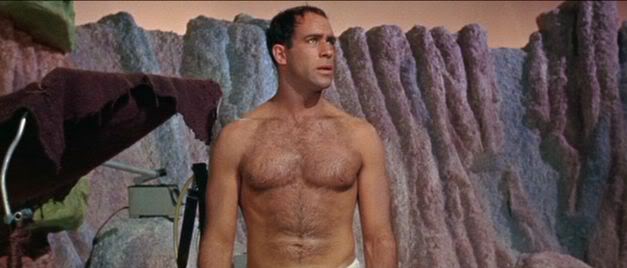
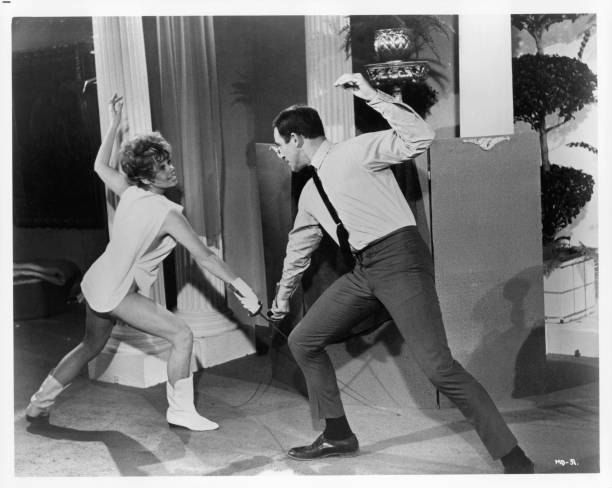
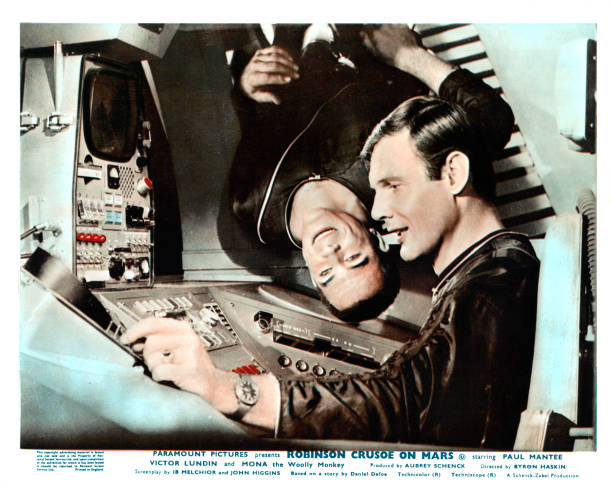
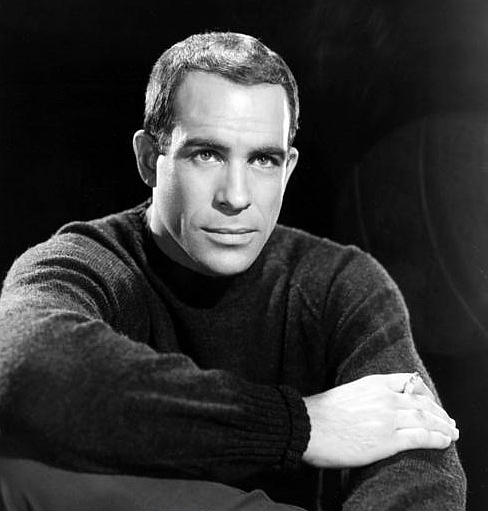
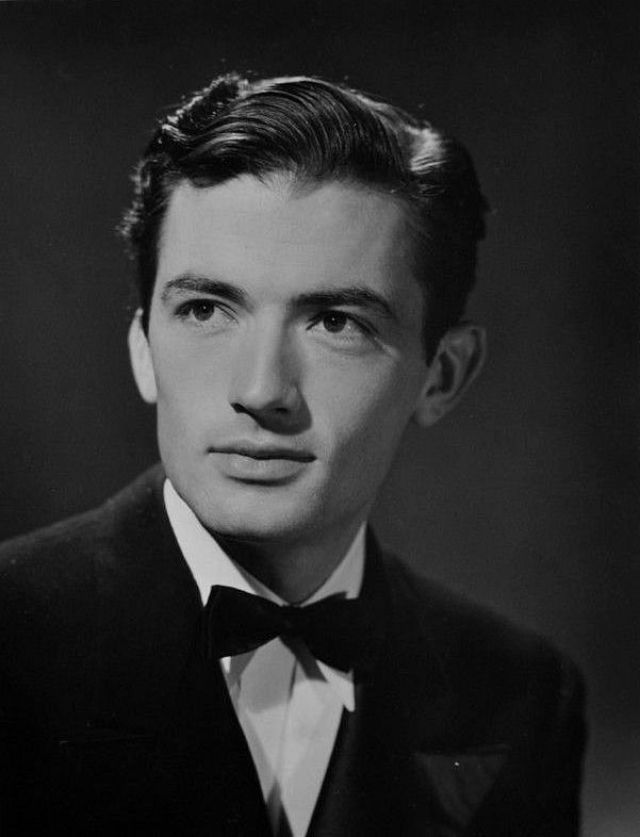
Lewis Frederick Ayres III (1908-1996)

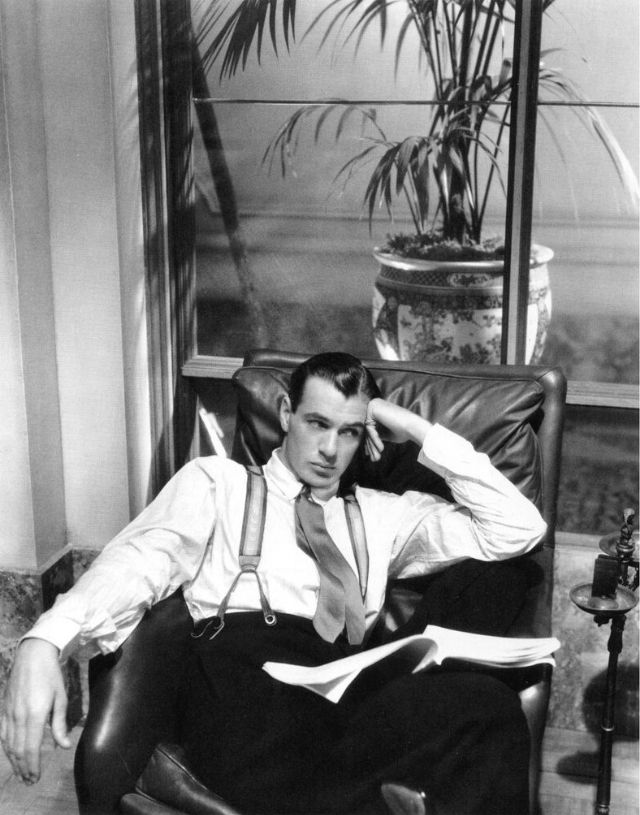
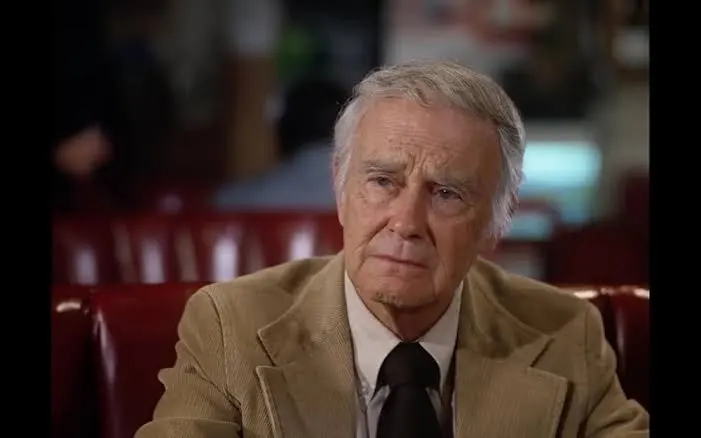
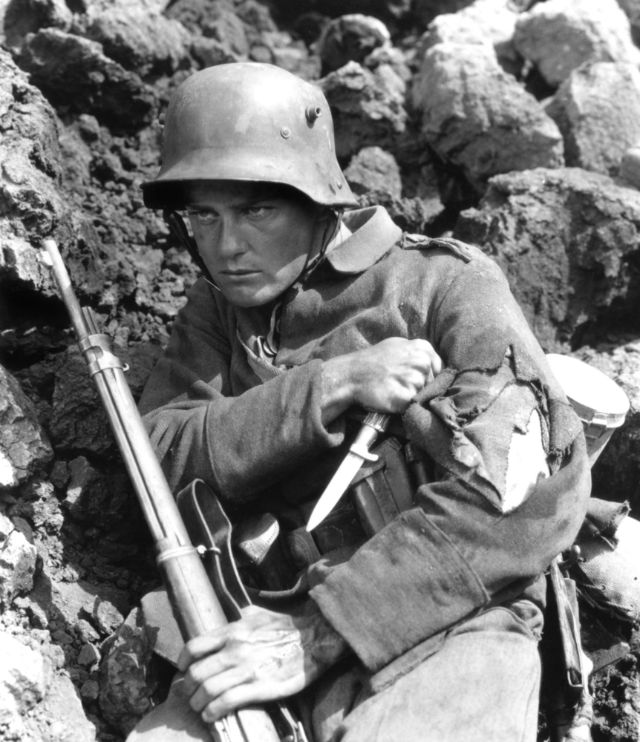
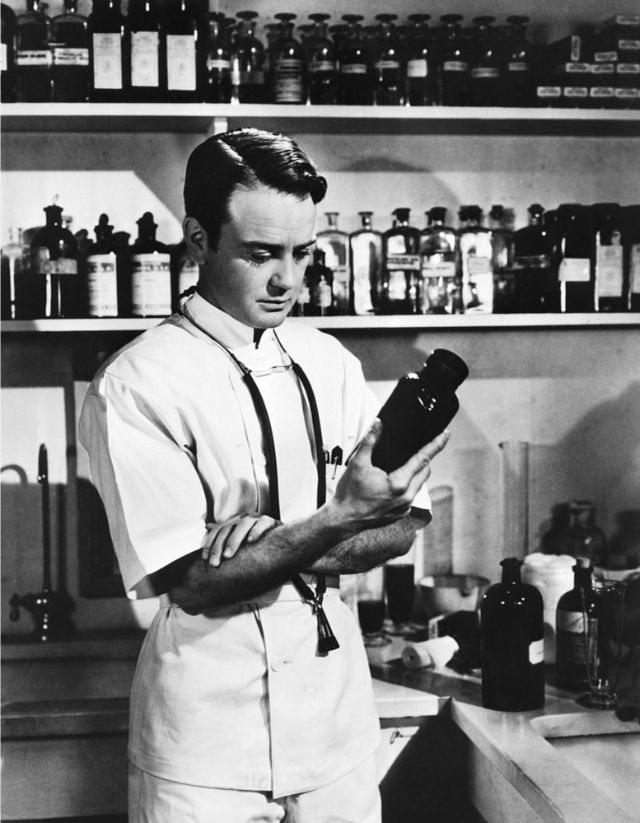
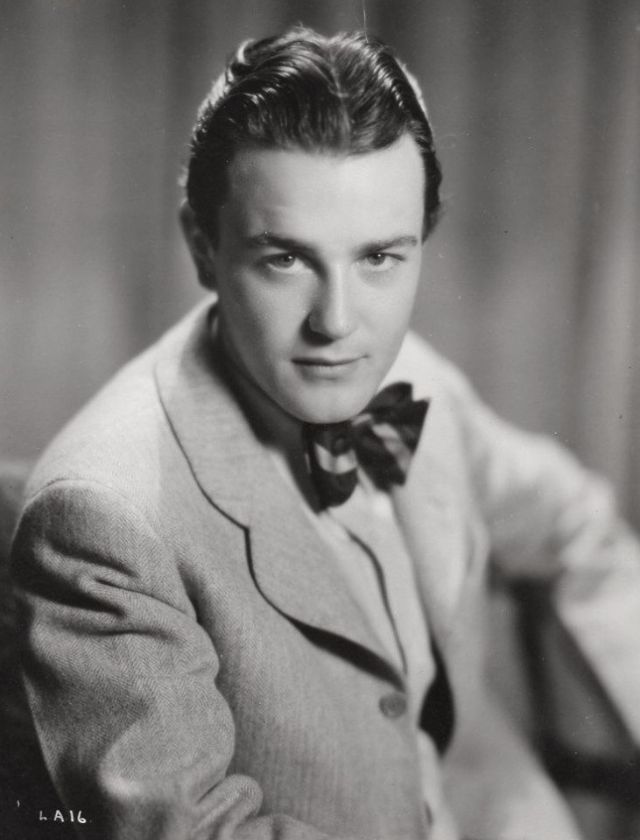
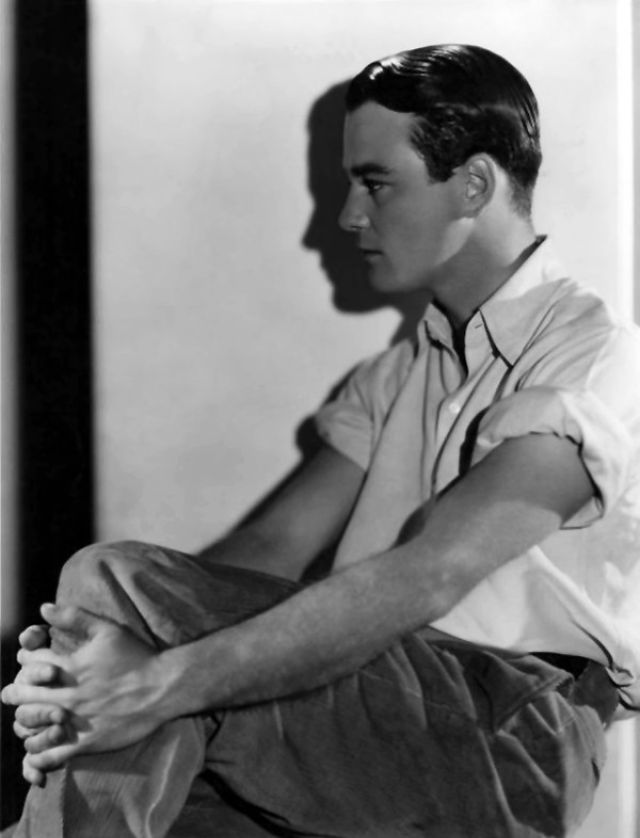
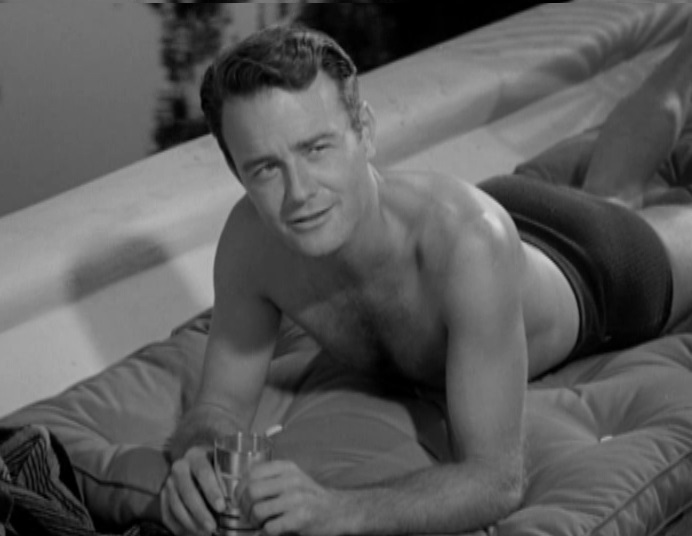
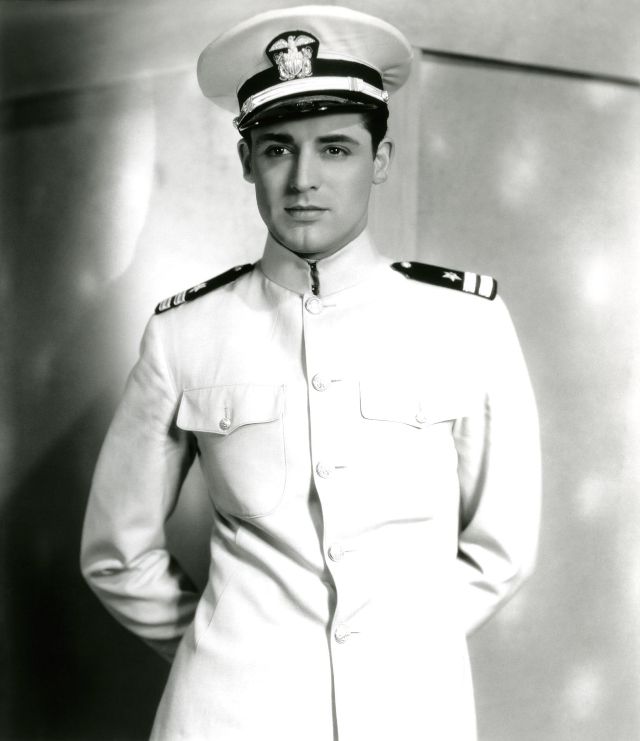
Lew Ayres was an American actor whose film and television career spanned 65 years. He is best known for starring as German soldier Paul Bäumer in the film All Quiet on the Western Front (1930) and for playing Dr. Kildare in nine films. He was nominated for an Academy Award for Best Actor for his performance in Johnny Belinda (1948).

In March 1942, Ayres was identified as a 4E conscientious objector and sent to a CO camp. As expected, the announcement that a Hollywood actor objected to the war was a major source of public outcry and debate. Within a month it was determined that he had initially requested to be A-O-1, so that he could serve as a non-combat medic. However, the military’s policy that servicemen cannot request, or be guaranteed, where they will serve, forced him to request a 4E status. The U.S. military confirmed that they would place him as a medic and in April 1942, his status was changed. He enlisted in the United States Army on May 18, 1942.

He served as a first aid instructor in the United States Army before requesting a drop in rank in order to serve as a medic and chaplain’s assistant in the Pacific. He was one of 16 medics who arrived under fire during the invasion of Leyte to set up evacuation hospitals, and there he provided care to soldiers and civilians in the Philippines and New Guinea. He donated all the money he had earned as a serviceman to the American Red Cross.

Serving for three and a half years in the Medical Corps, he was awarded three battle stars. After the war, he resumed his career and made scores of movies, but never reached the peak of his early Hollywood stardom.

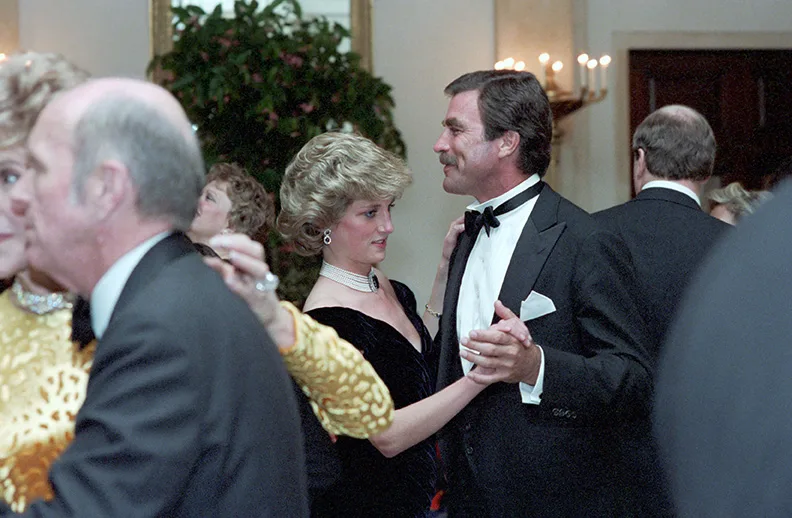
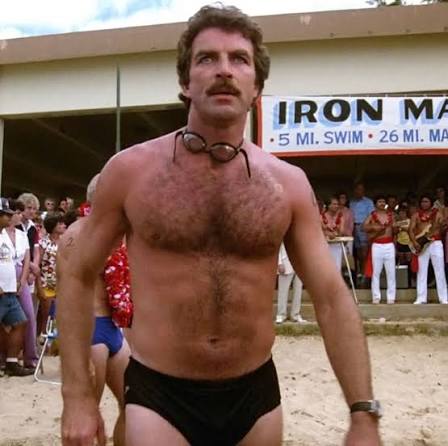
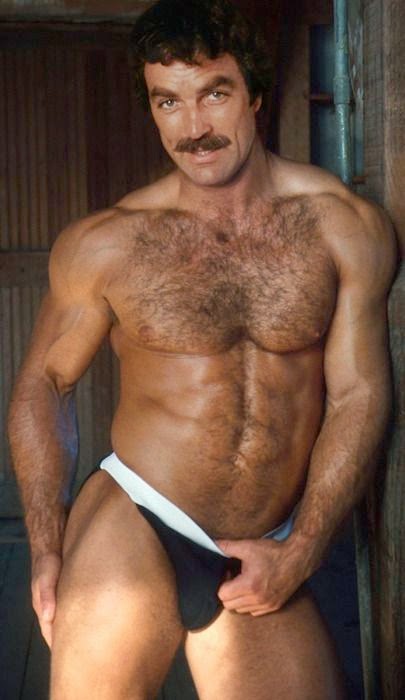
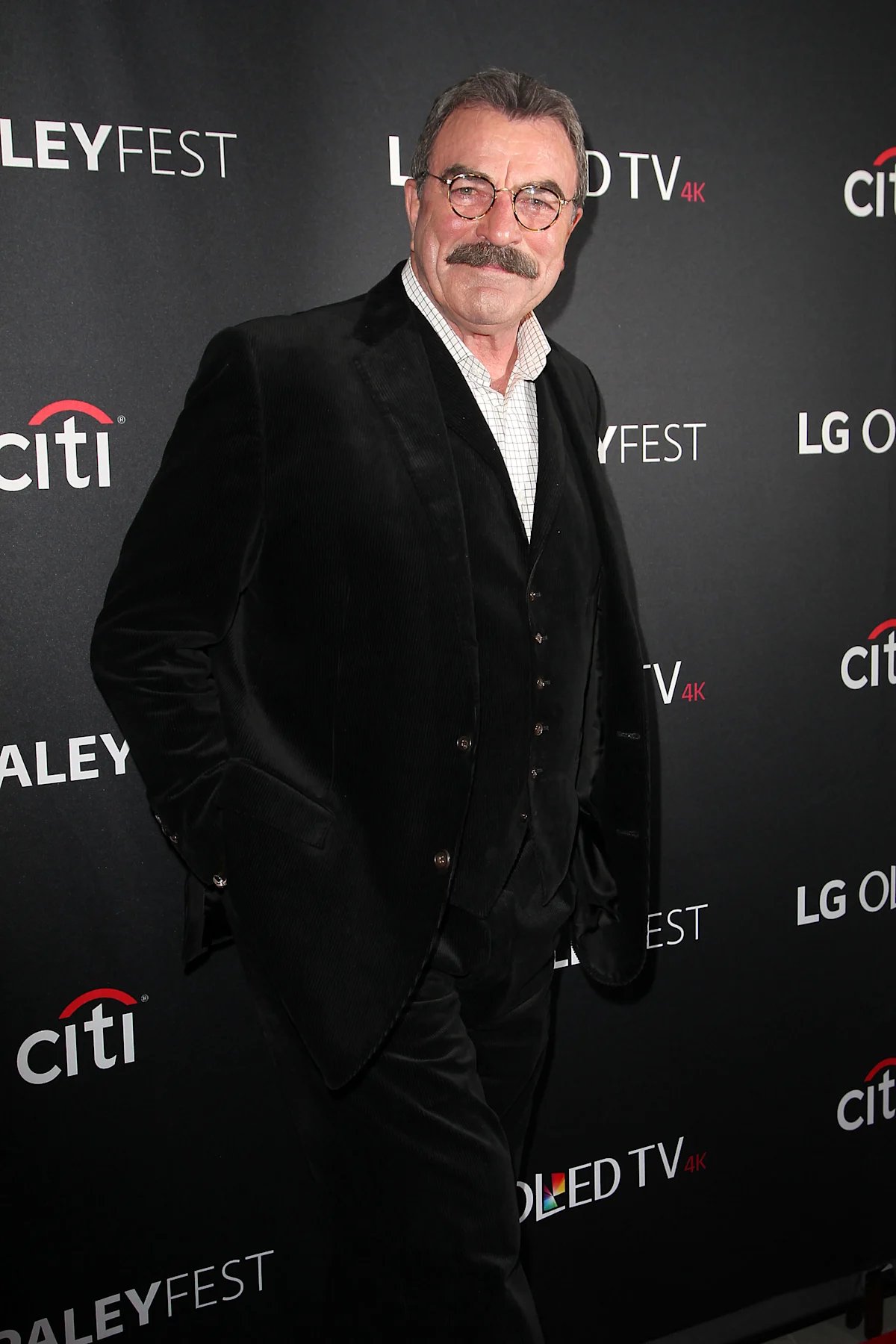
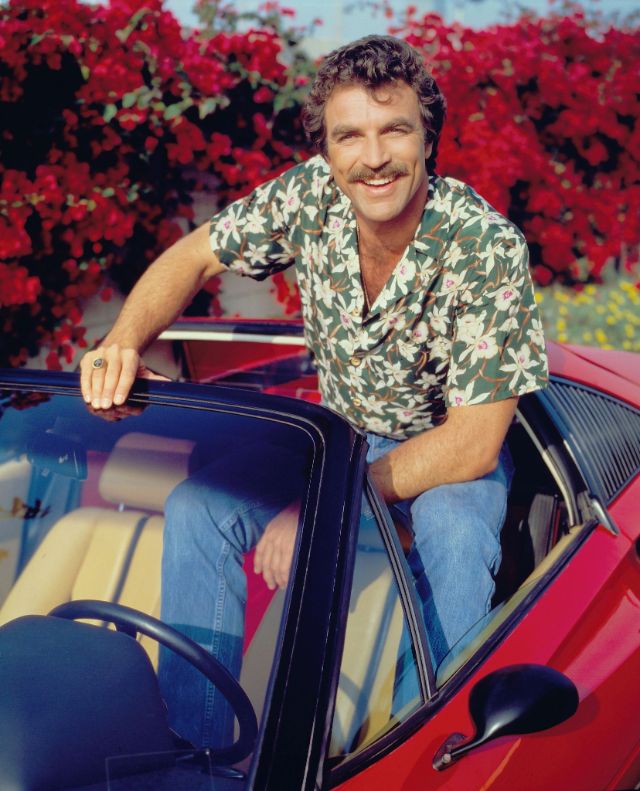
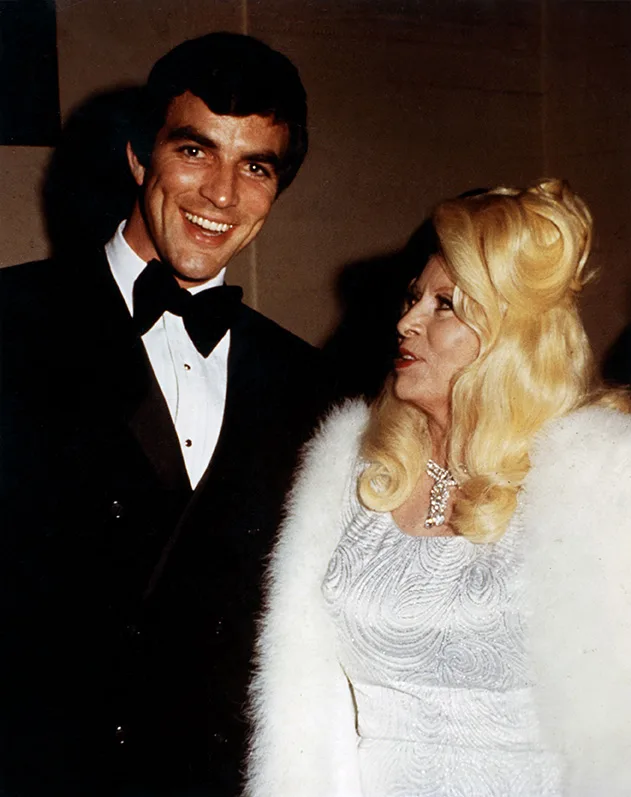
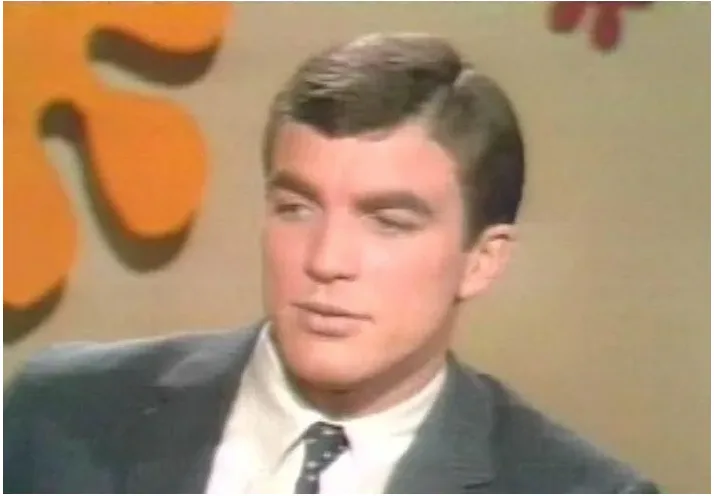
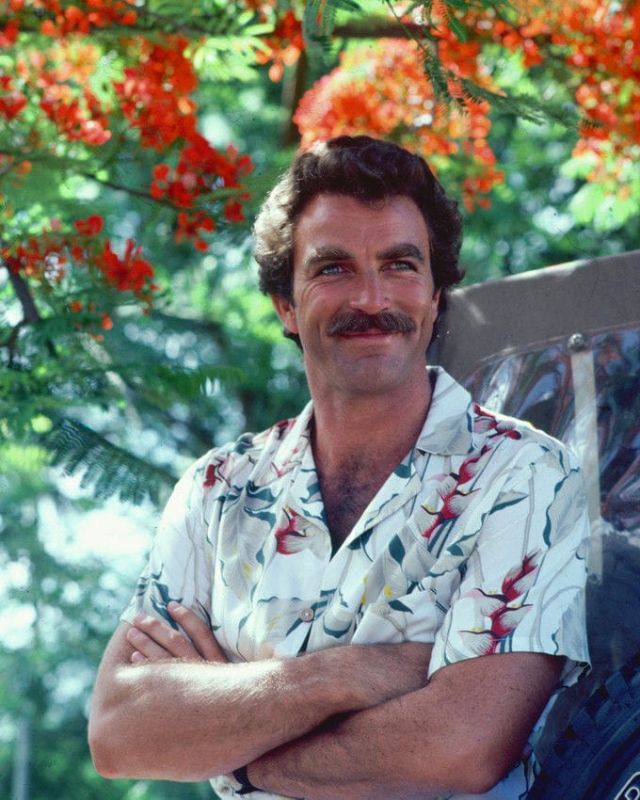
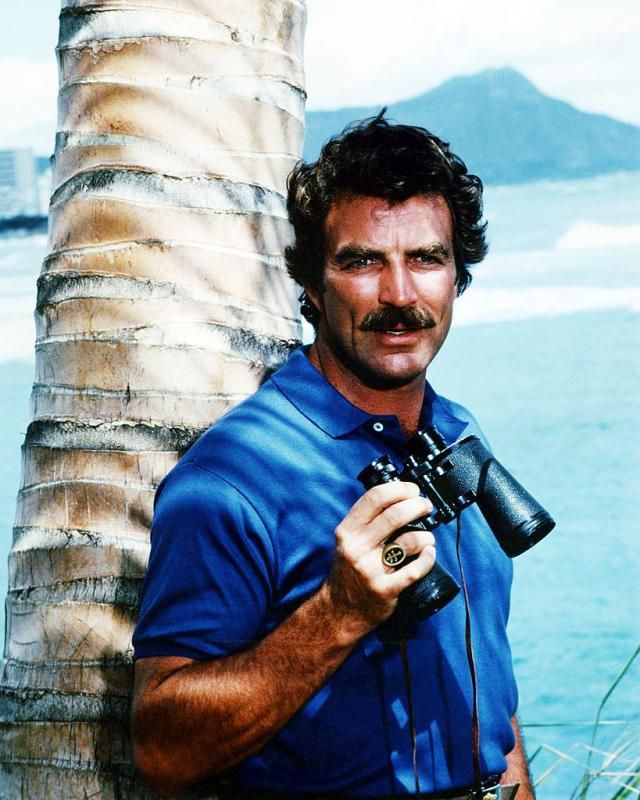
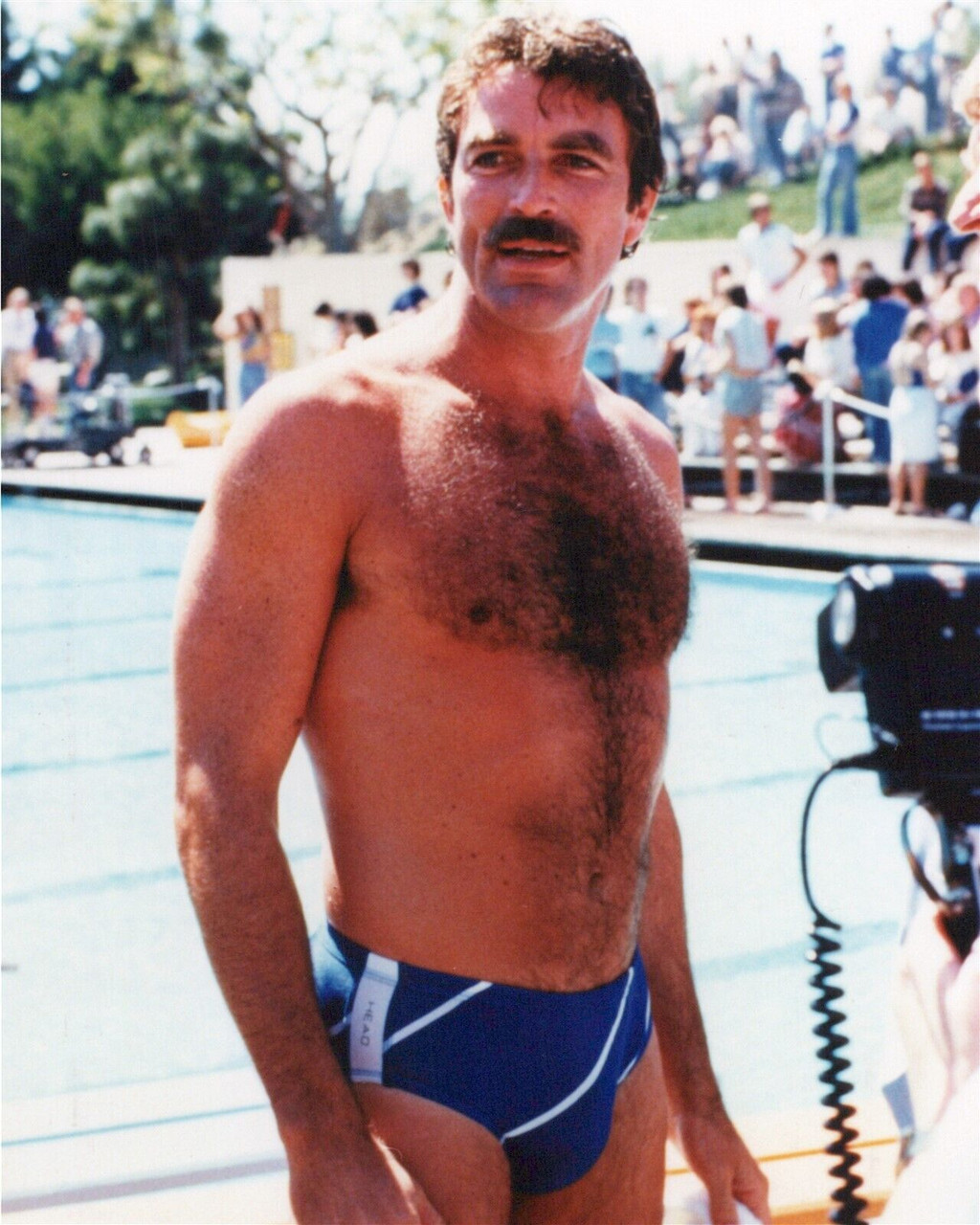
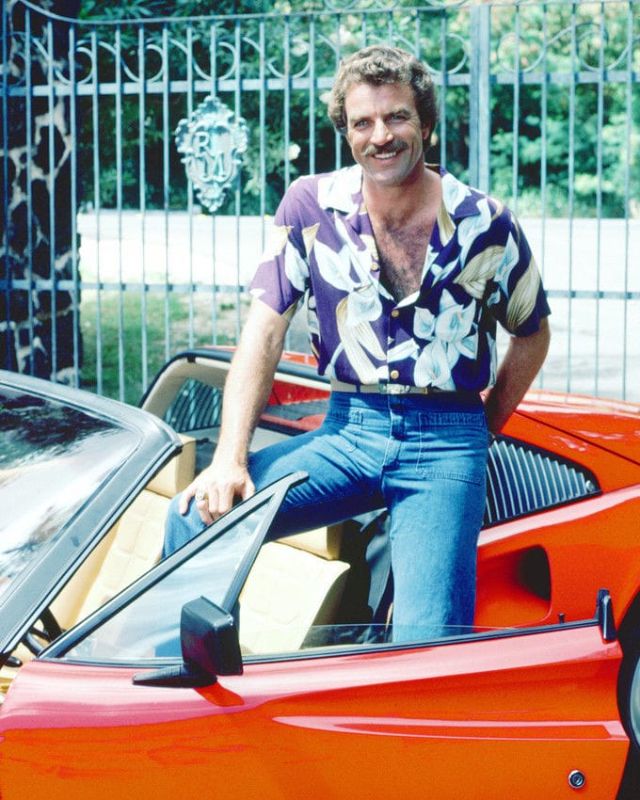
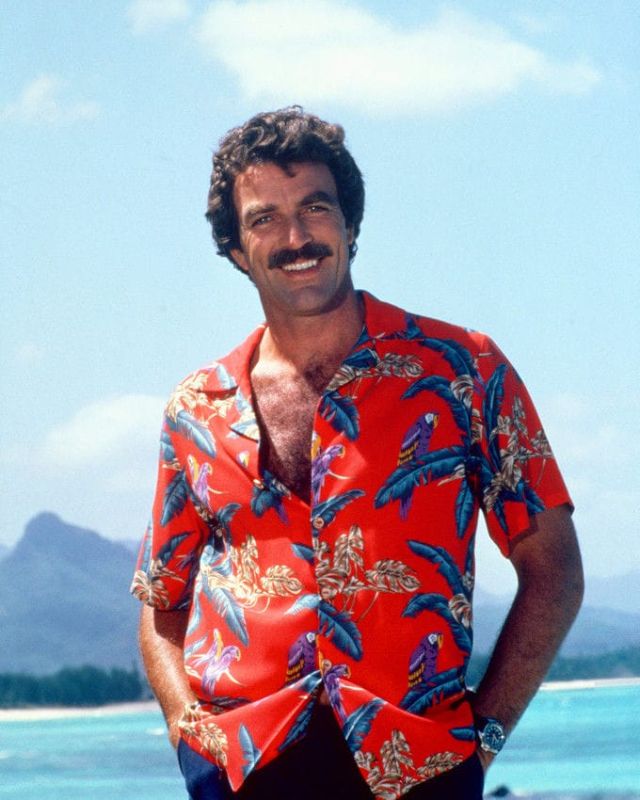
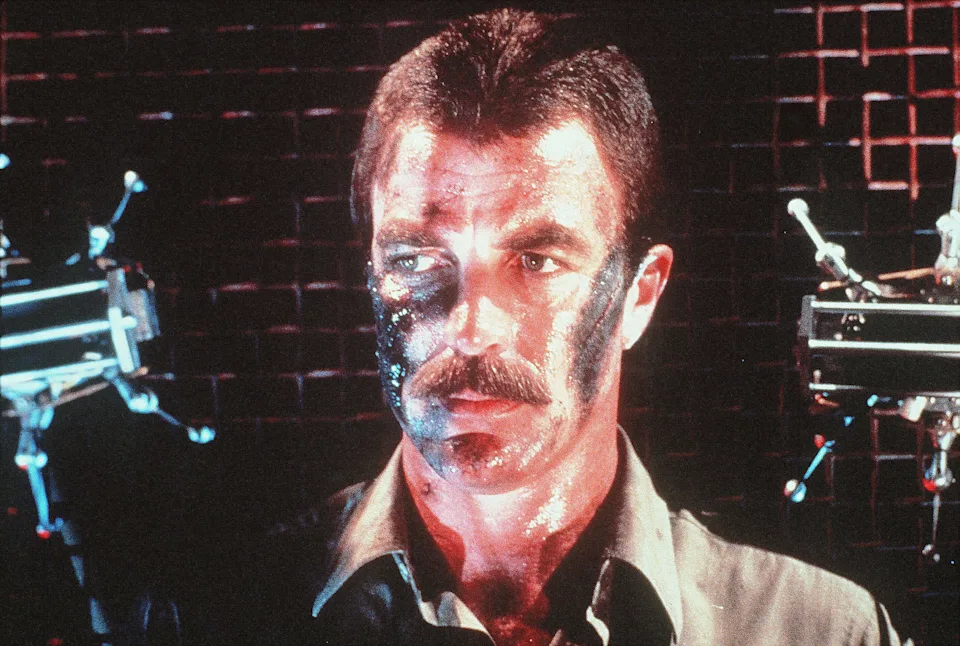
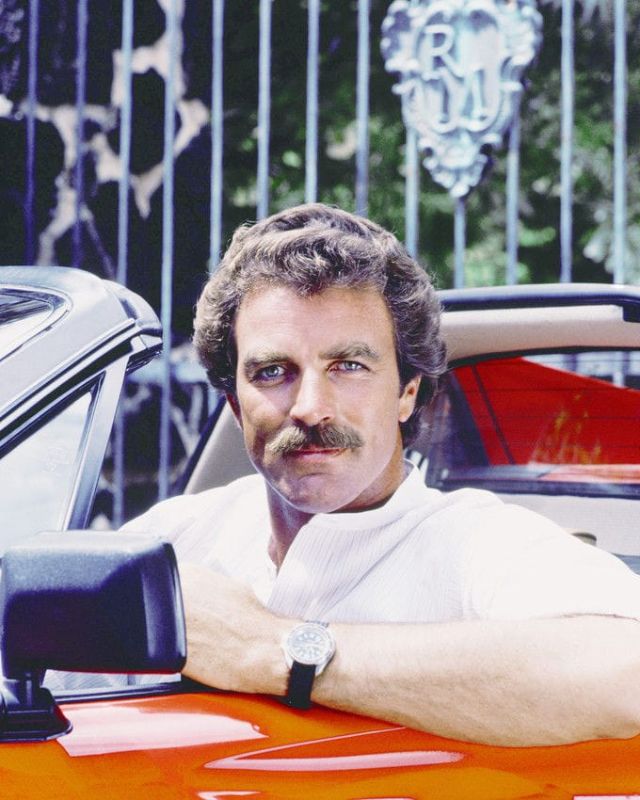
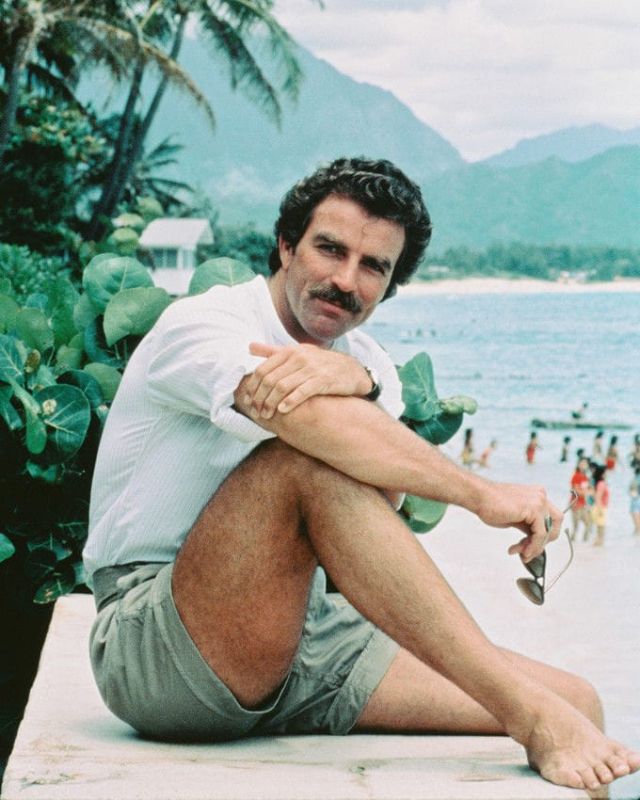
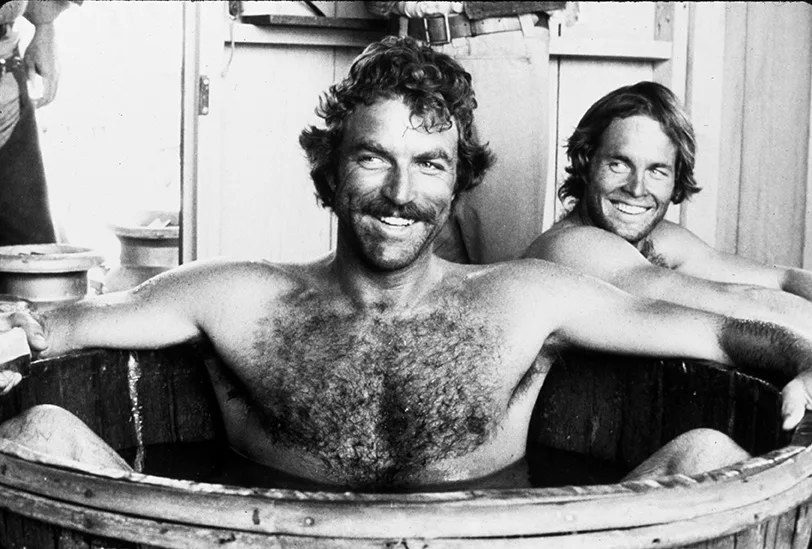
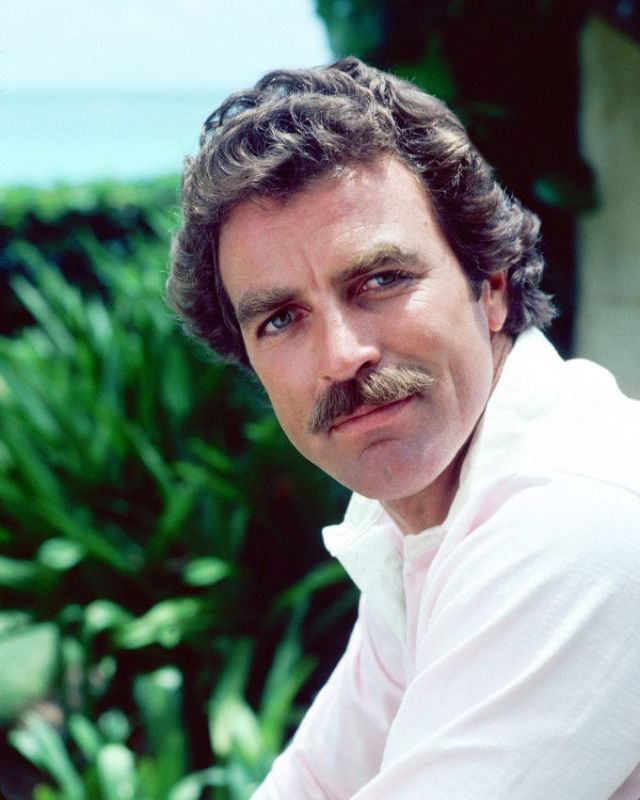
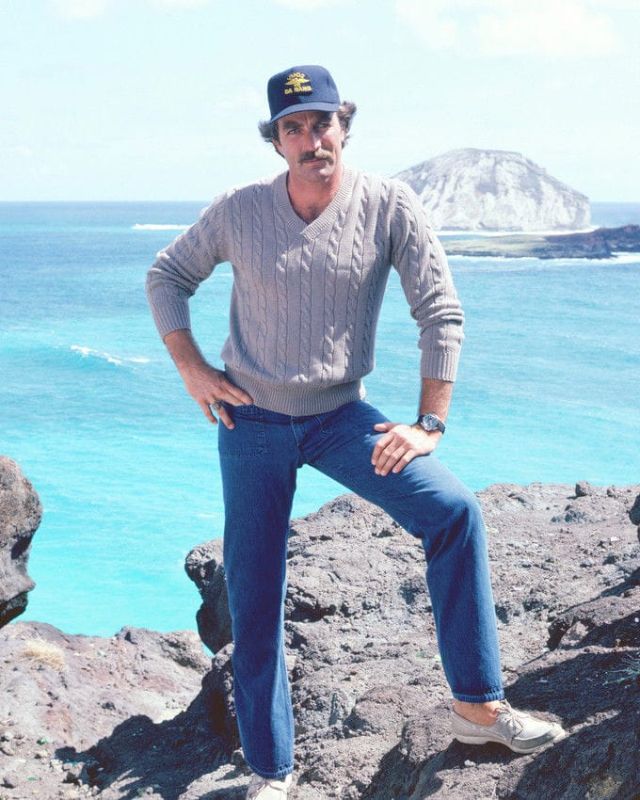
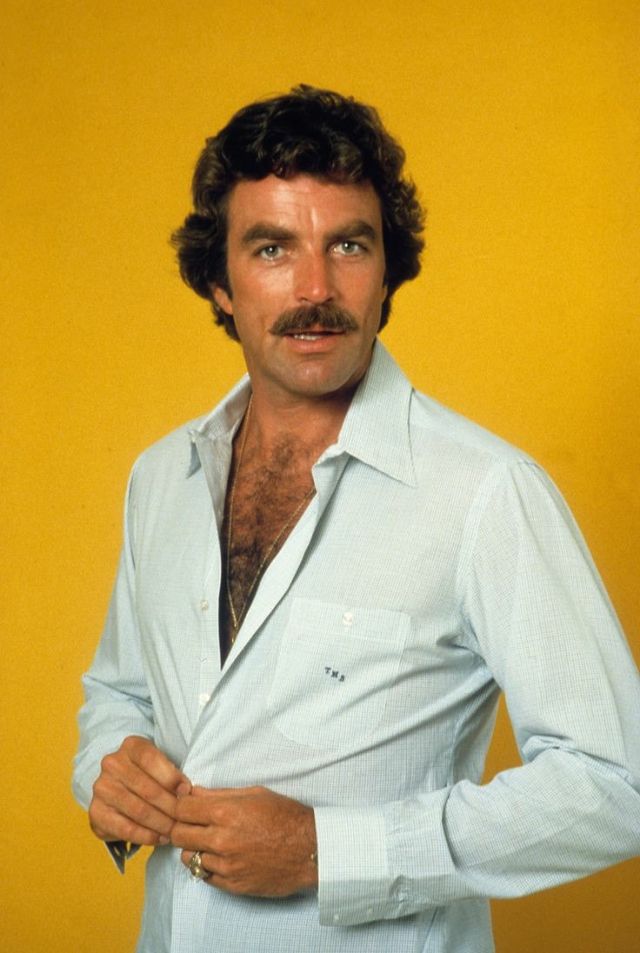
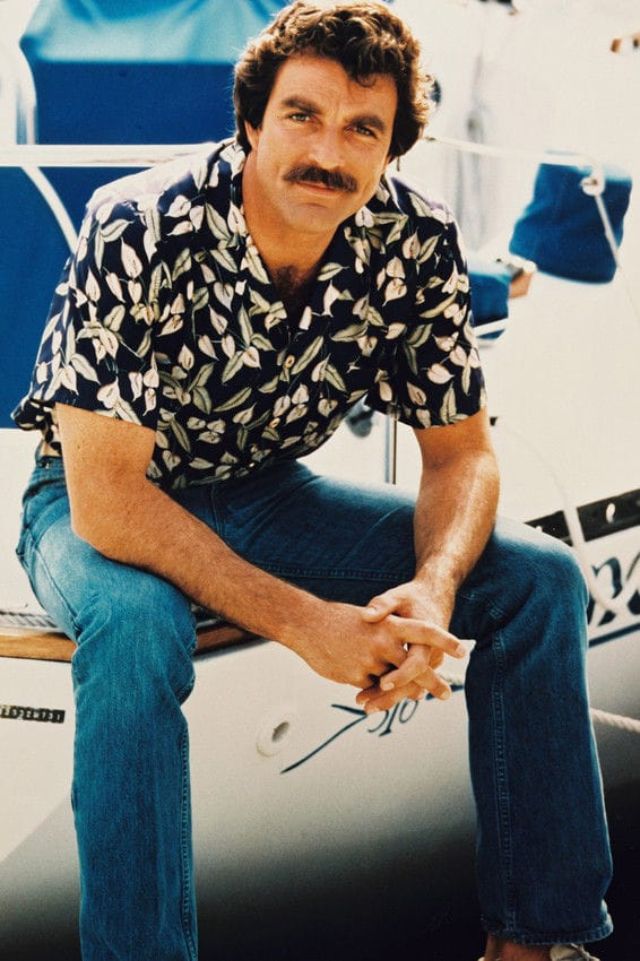
Beefcake Tuesdays – Thomas William Selleck

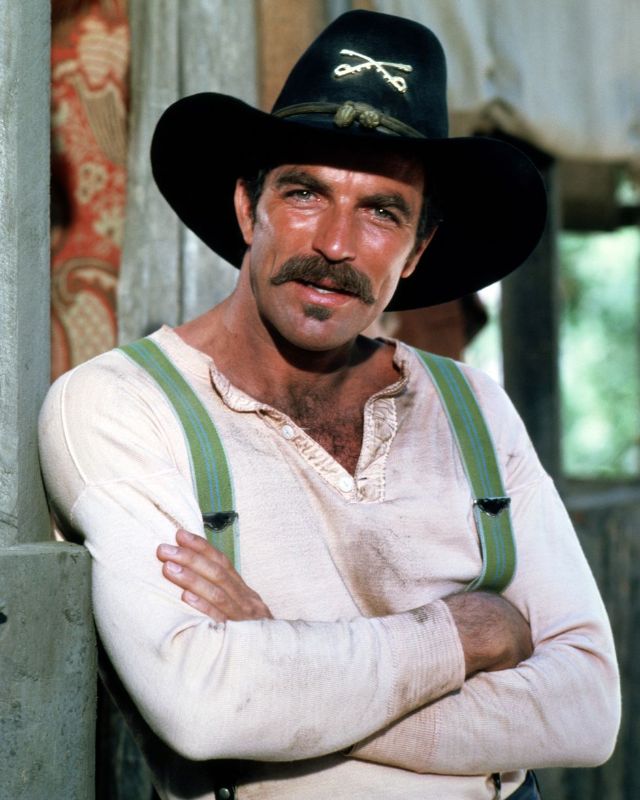
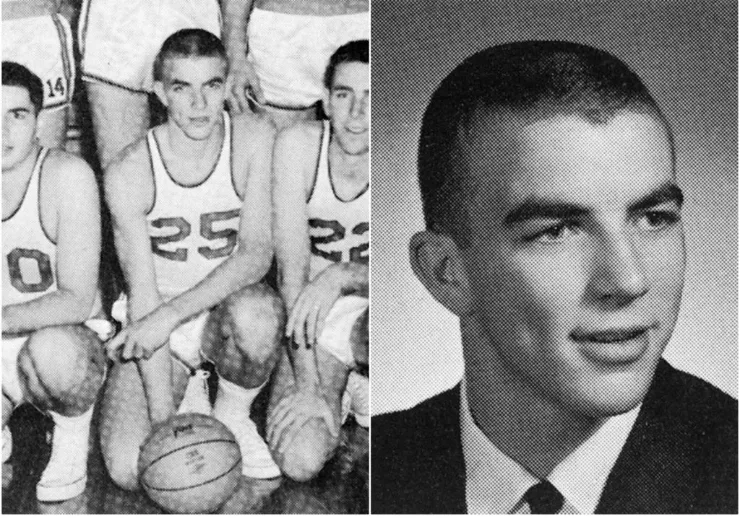
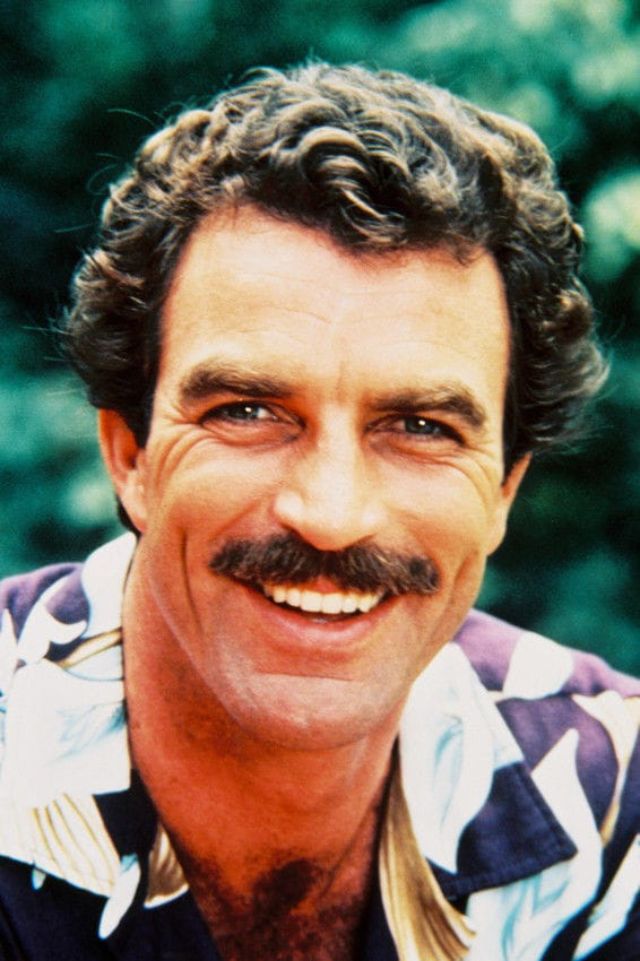
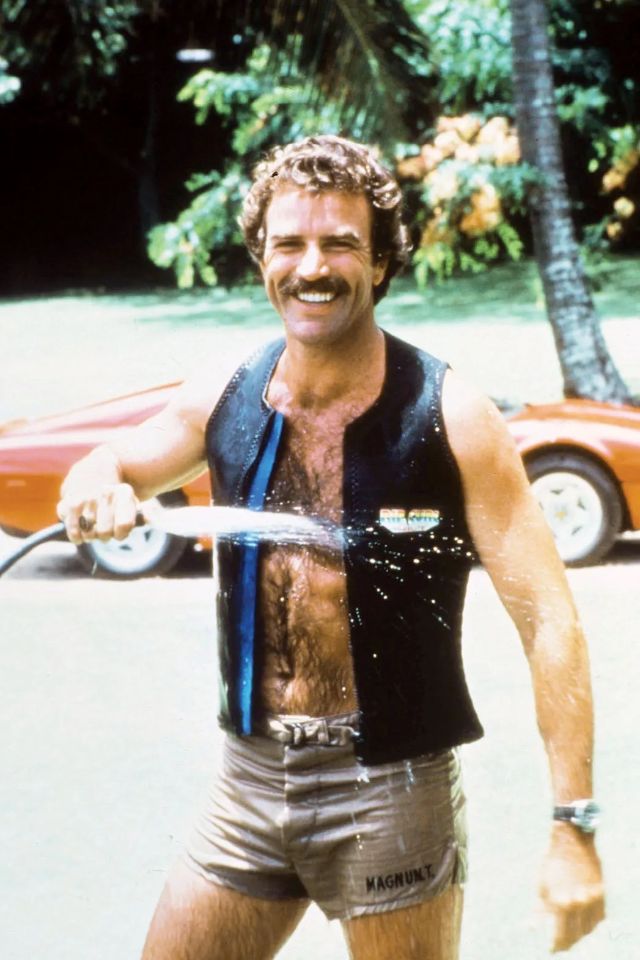
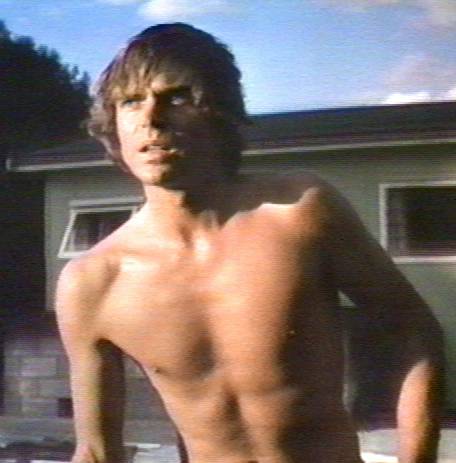
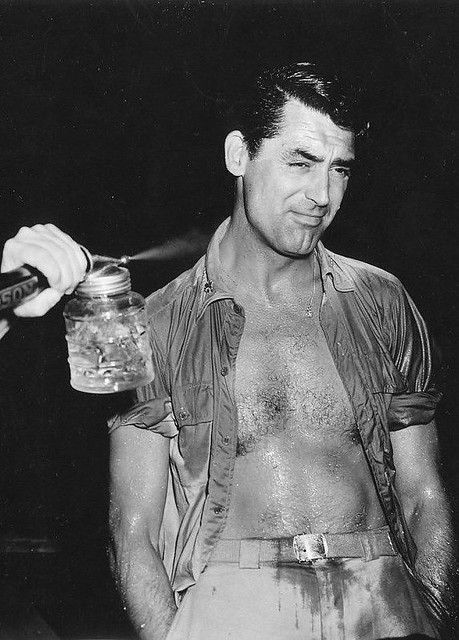
(1945- ) His breakout role was playing private investigator Thomas Magnum in the television series Magnum, P.I. (1980–1988), for which he received five Emmy Award nominations for Outstanding Lead Actor in a Drama Series, winning in 1984. From 2010 to 2024, he portrayed NYC Police Commissioner Frank Reagan in Blue Bloods. From 2005 to 2015, he portrayed Jesse Stone in nine television films based on the Robert B. Parker novels.
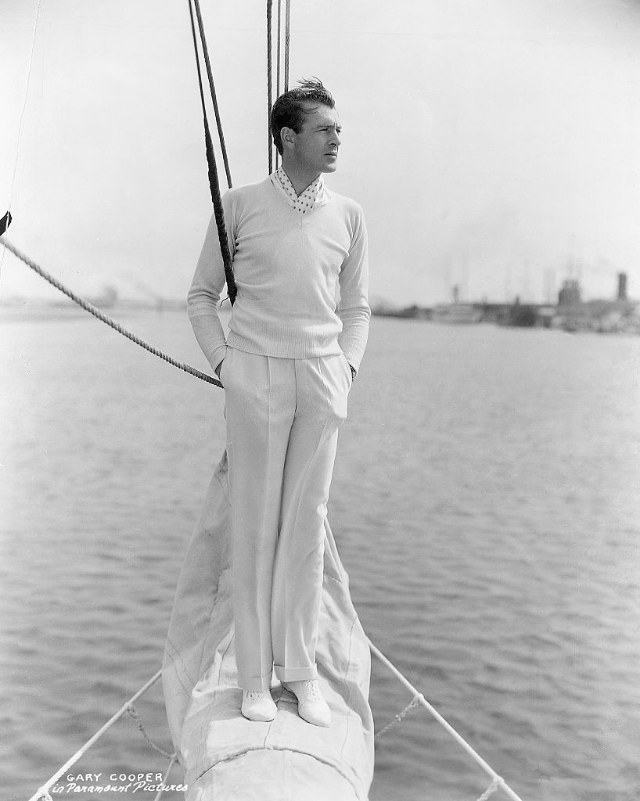
In films, Selleck played bachelor architect Peter Mitchell in Three Men and a Baby (1987) and its sequel Three Men and a Little Lady (1990). He has also appeared in more than 50 other film and television roles since Magnum, P.I., including the films Quigley Down Under, Mr. Baseball, and Lassiter. He appeared in recurring television roles as Monica Geller’s love interest Dr. Richard Burke in Friends, as Lance White, the naive private investigator on The Rockford Files, and as casino owner A. J. Cooper on Las Vegas. He also had a lead role in the television Western film The Sacketts, based on two of Louis L’Amour’s books.
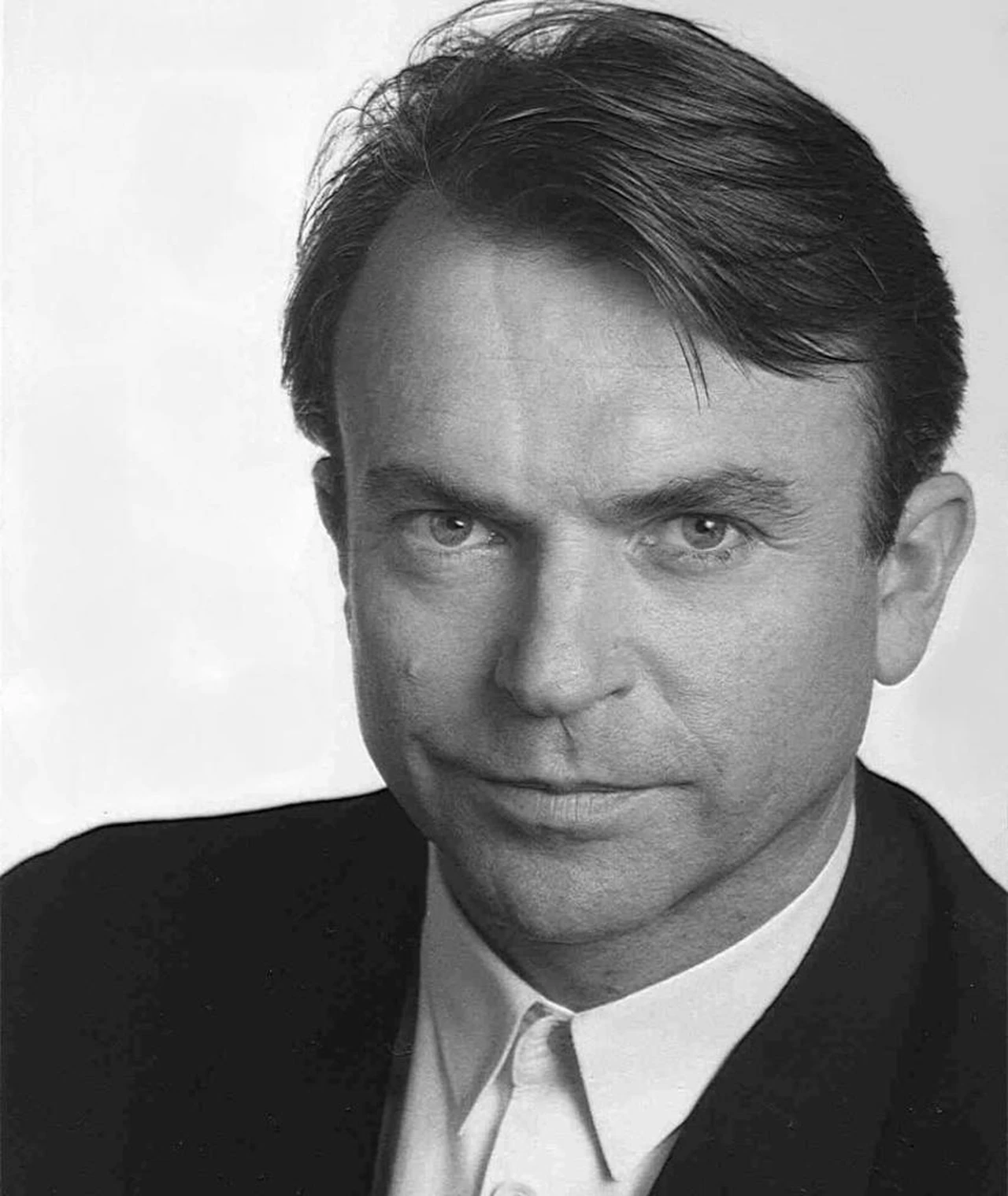
the world lost a screen legend yesterday

(Beefcake Tuesday)

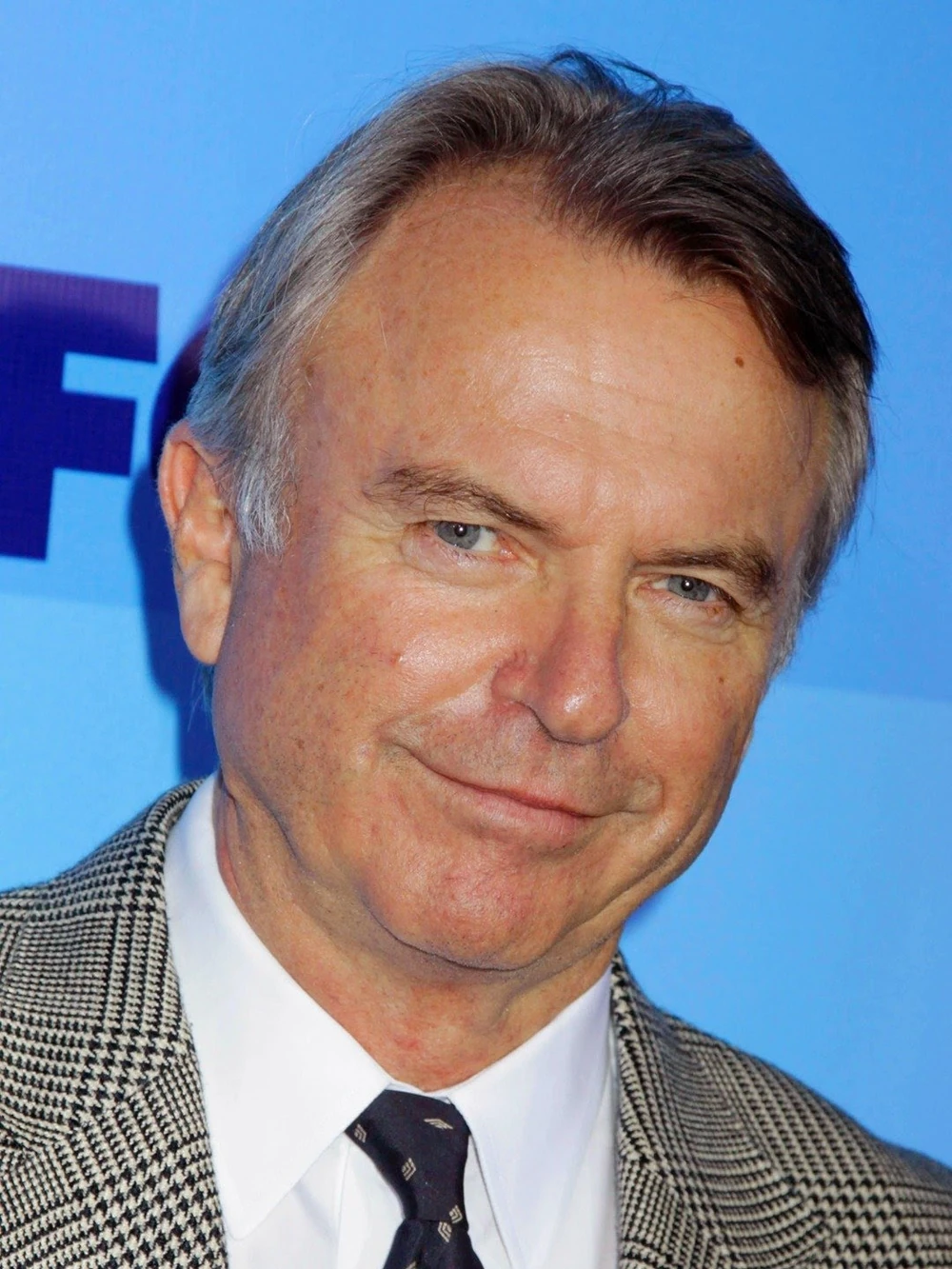
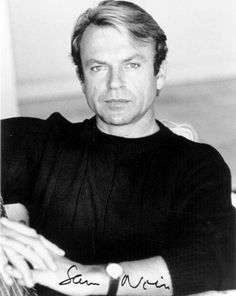
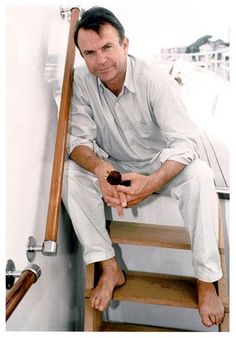
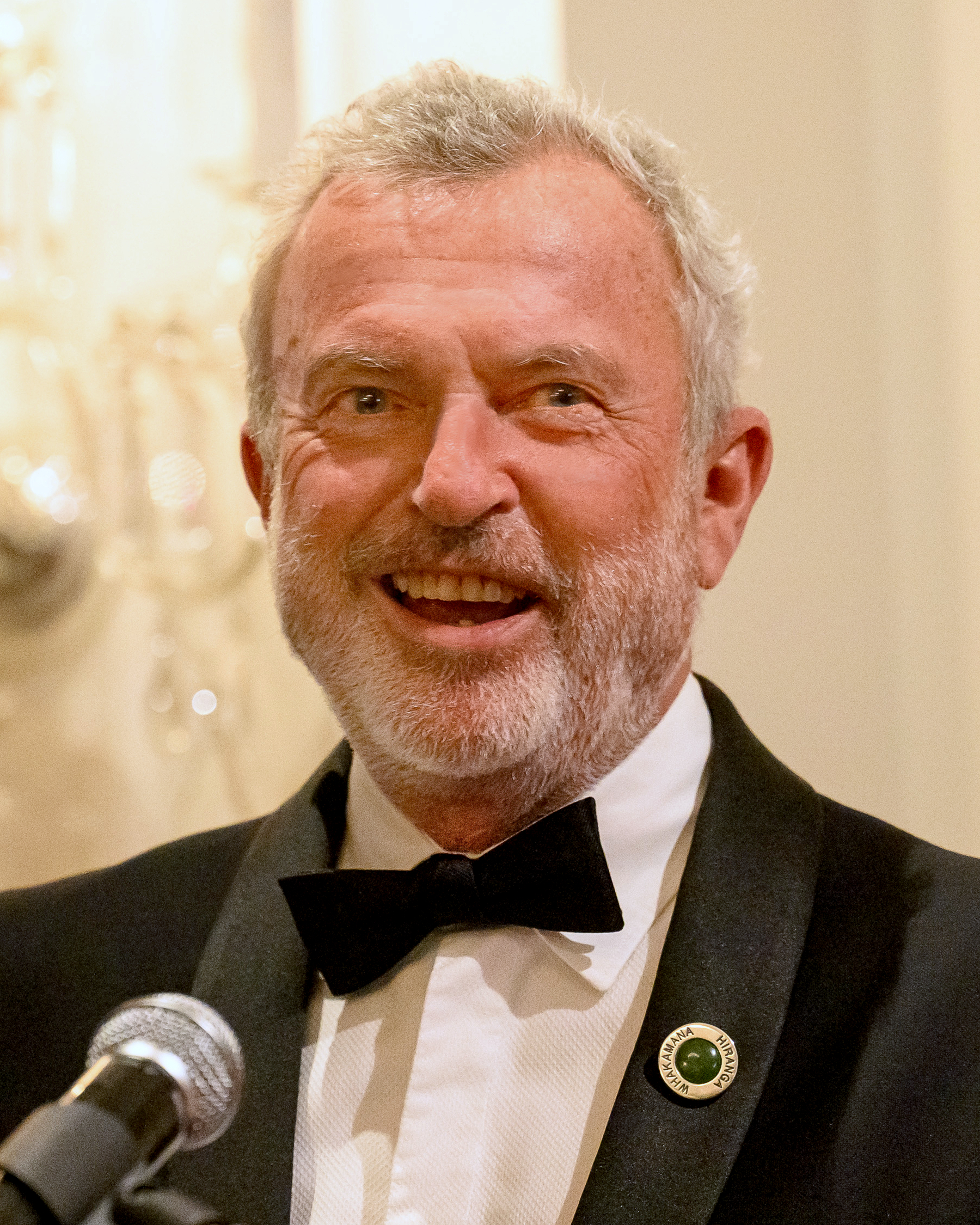
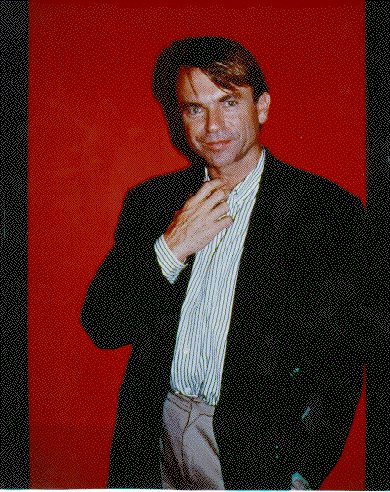
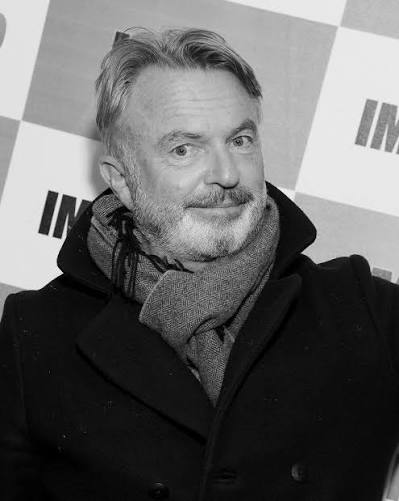
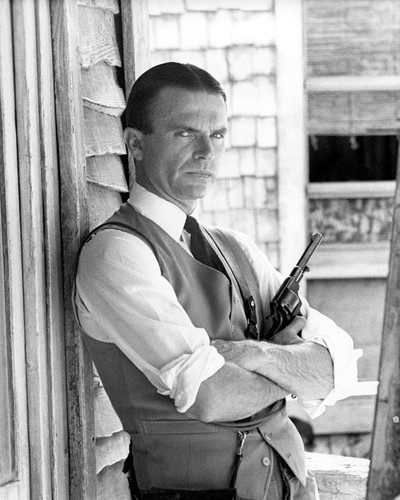
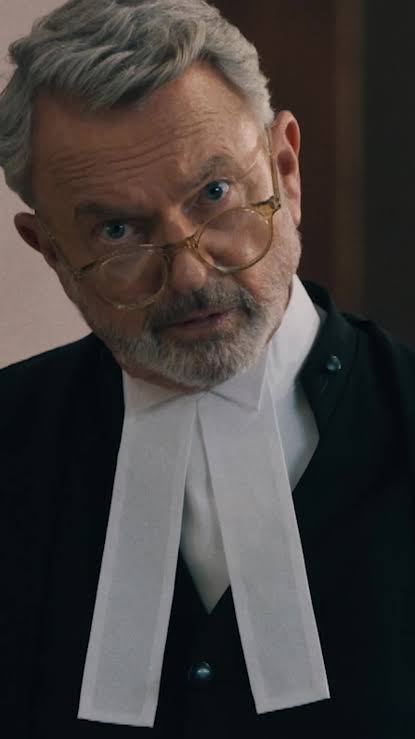
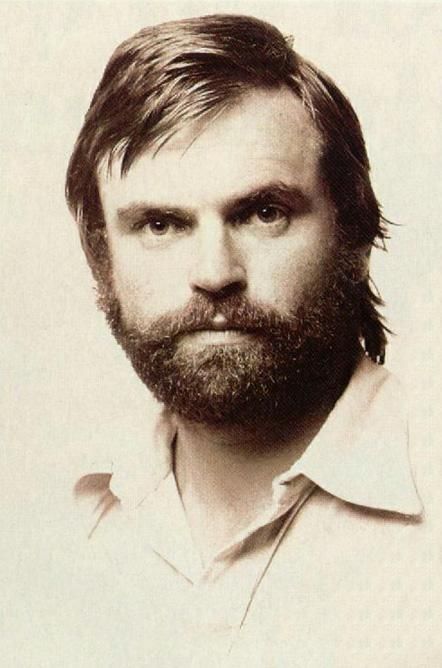
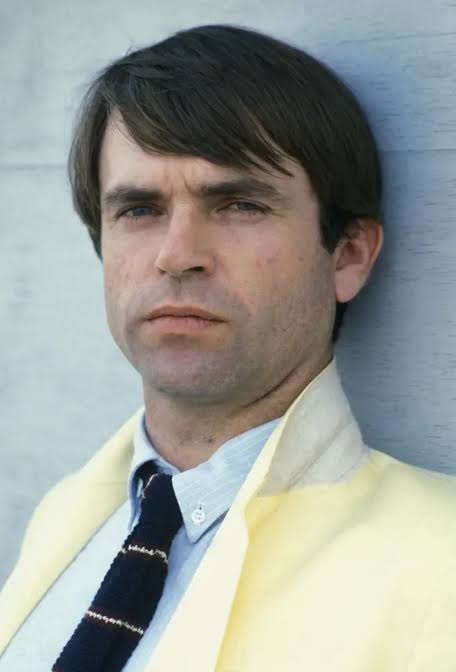
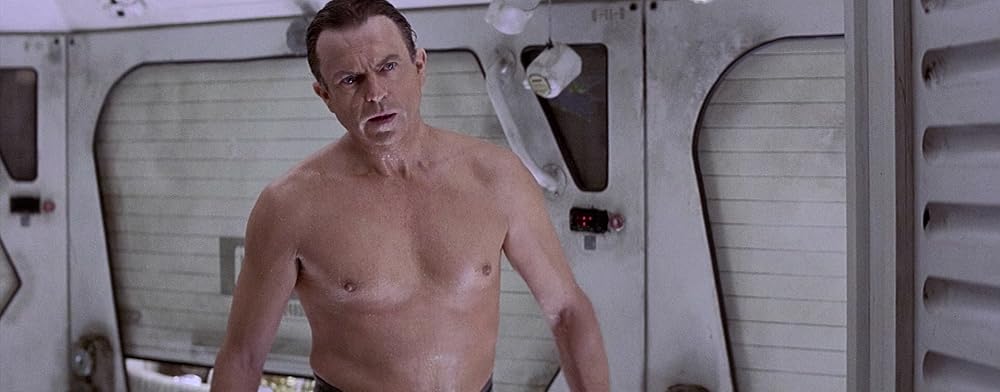
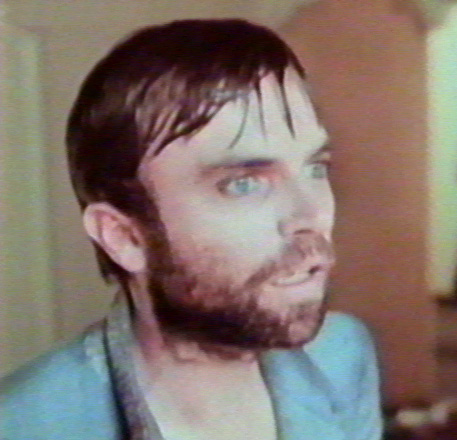
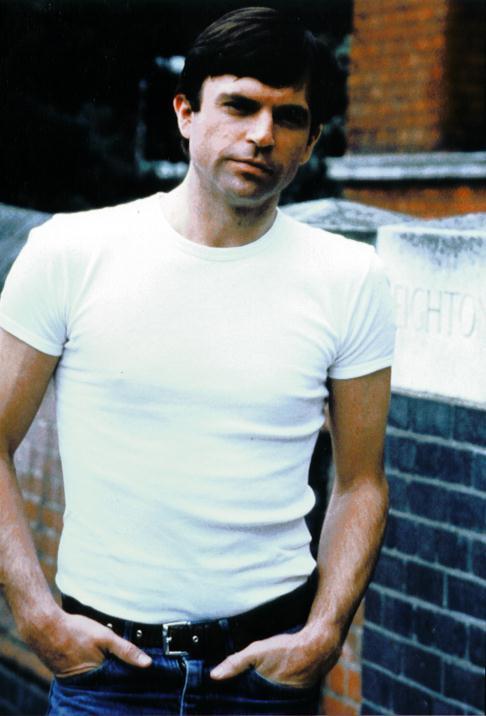
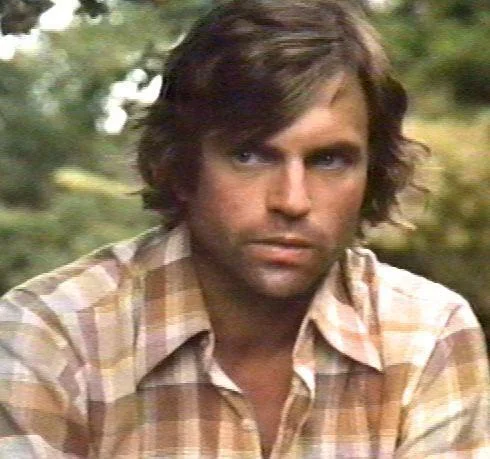
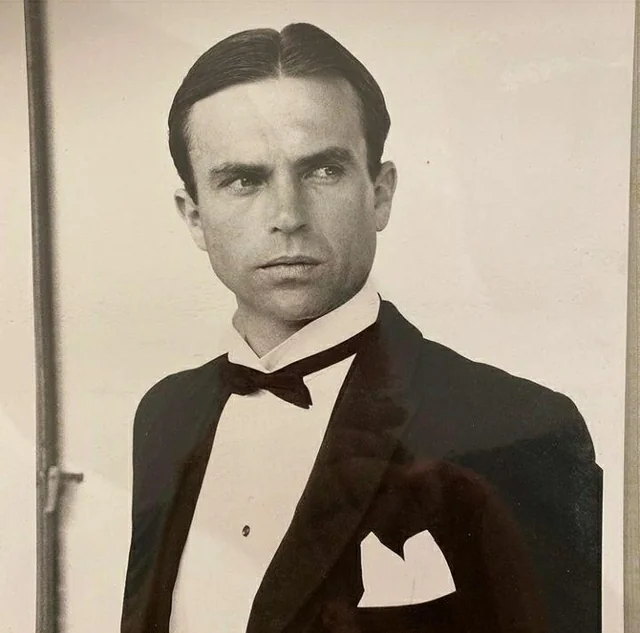
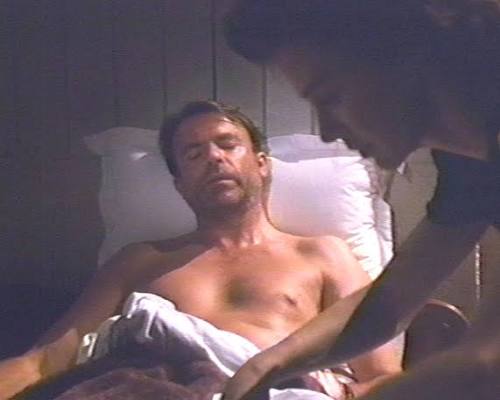
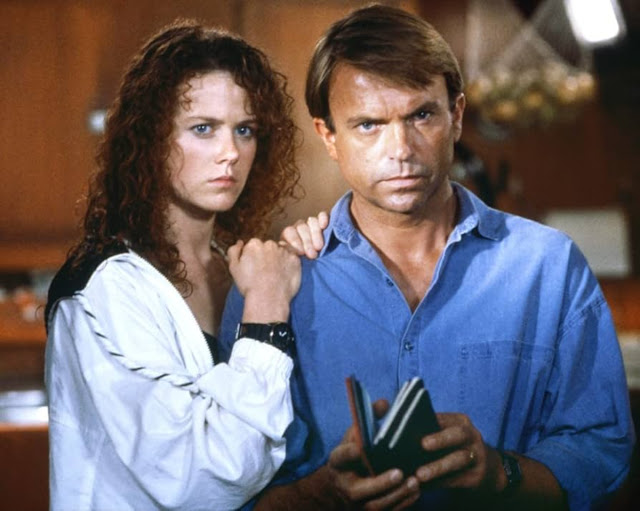
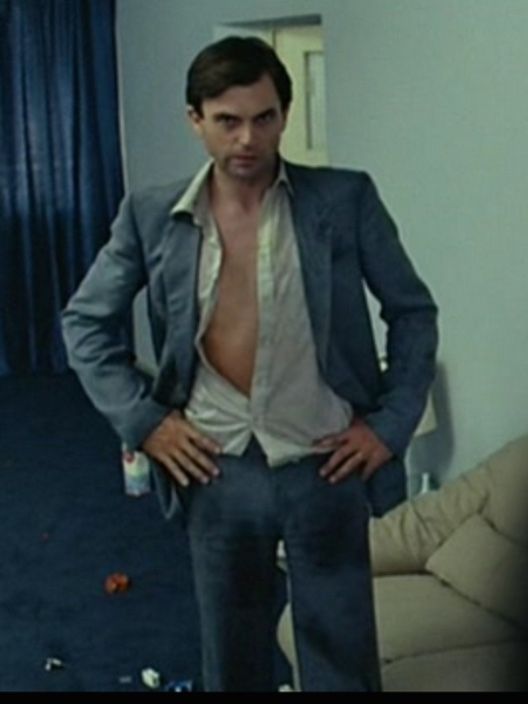
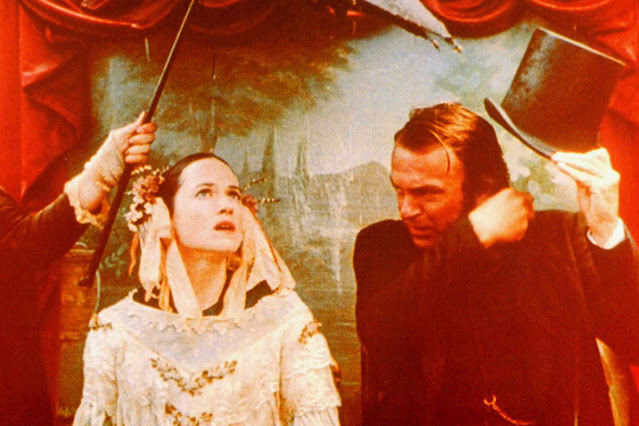
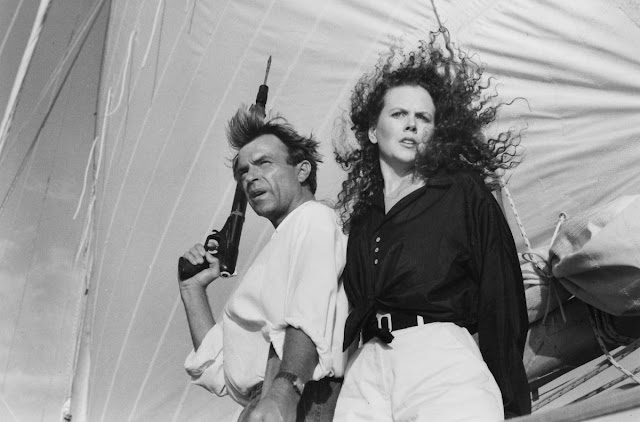
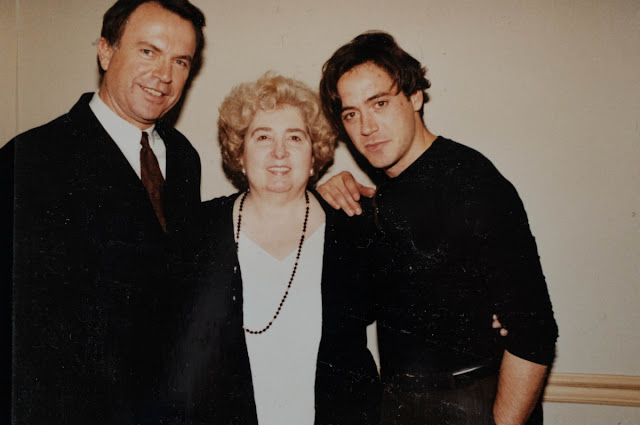
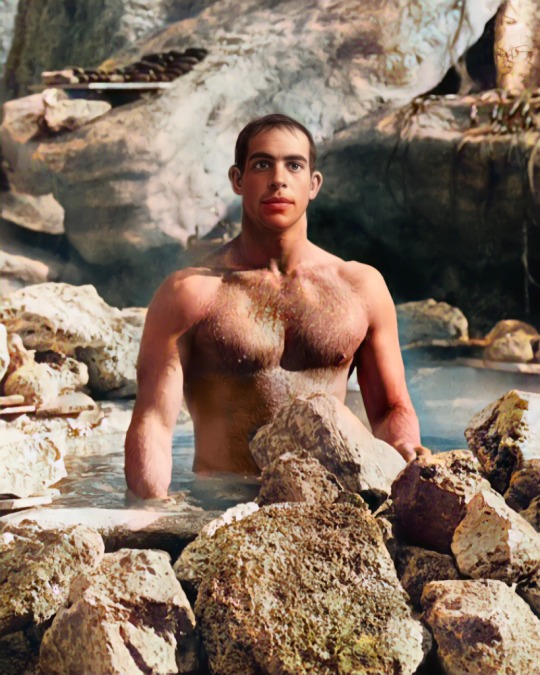
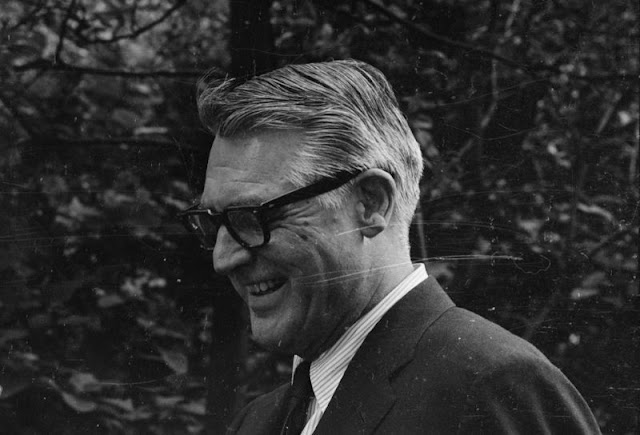
Nigel “Sam” Neill (1947-2026) was born in Omagh, Co. Tyrone, Northern Ireland, to army parents, an English mother, Priscilla Beatrice (Ingham), and a New Zealand-born father, Dermot Neill. His family moved to the South Island of New Zealand in 1954. Internationally recognized for his contribution to film and television, He is well known for his roles in Steven Spielberg’s Jurassic Park (1993) and Jane Campion’s Award Winning film The Piano (1993).

Other film roles include The Daughter (2015), Backtrack (2015) opposite Adrien Brody, MindGamers (2015), United Passions (2014), A Long Way Down (2014), Escape Plan (2013), The Hunter (2011) with Willem Dafoe, Daybreakers (2009), Legend of the Guardians: The Owls of Ga’Hoole (2010), Little Fish (2005) opposite Cate Blanchett, Skin (2008), Dean Spanley (2008), Wimbledon (2004), Yes (2004), Perfect Strangers (2003), Dirty Deeds (2002), The Zookeeper (2001), Bicentennial Man (1999) opposite Robin Williams, The Horse Whisperer (1998) alongside Kristin Scott Thomas, Sleeping Dogs (1977), and My Brilliant Career (1979).

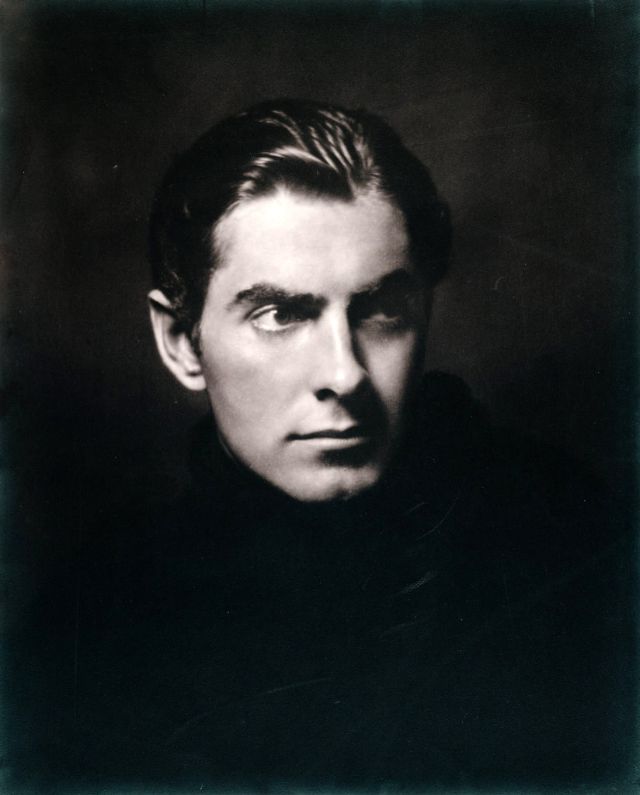
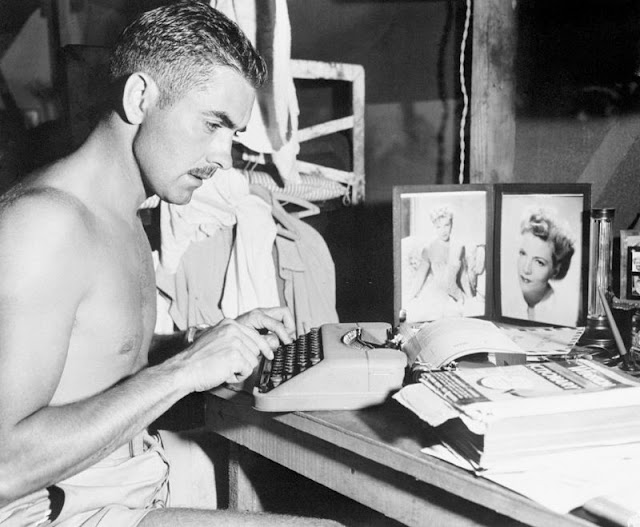
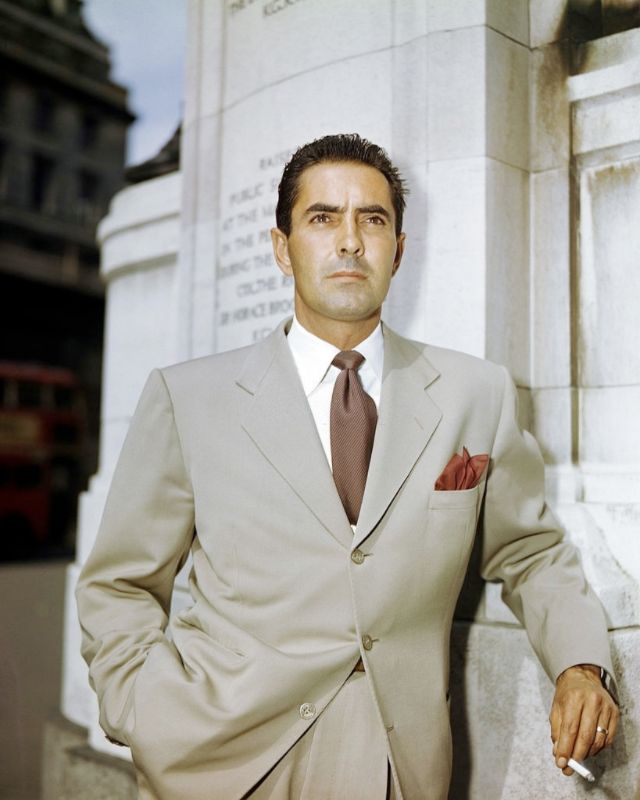
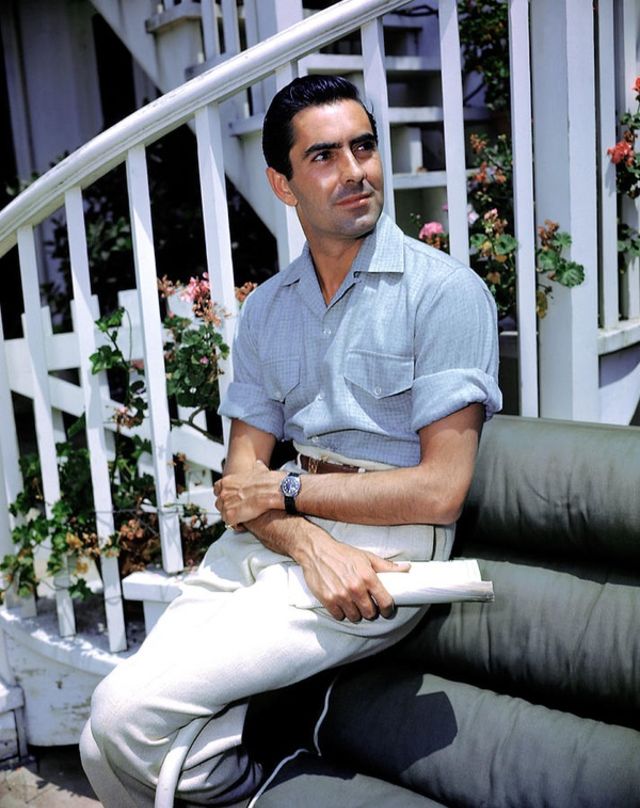
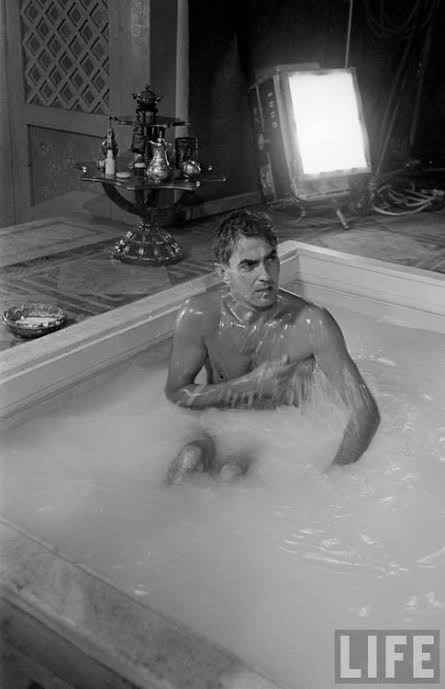
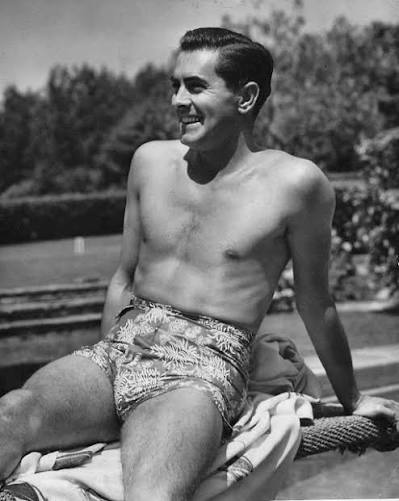
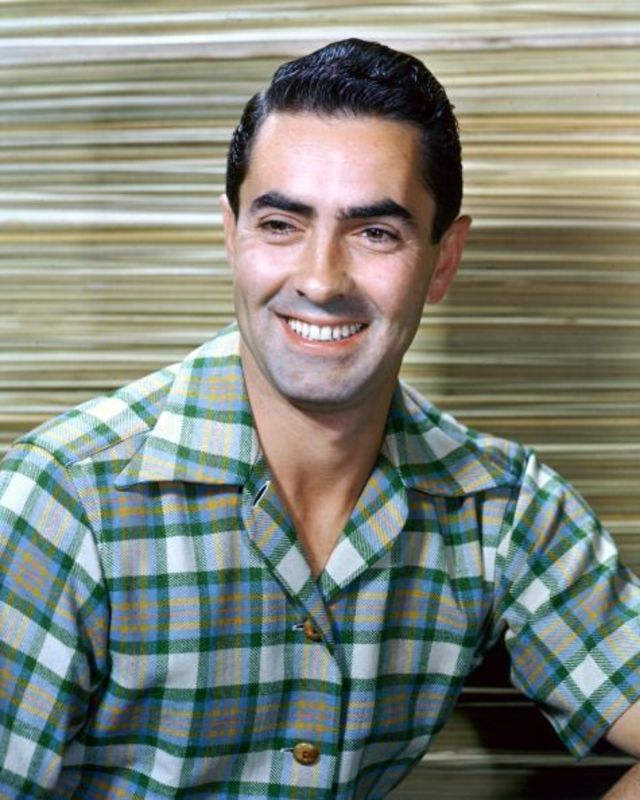
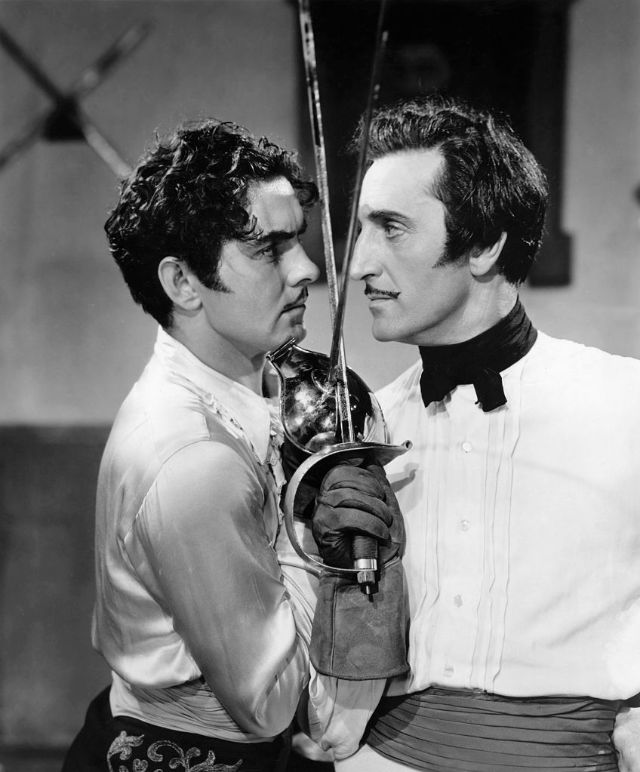
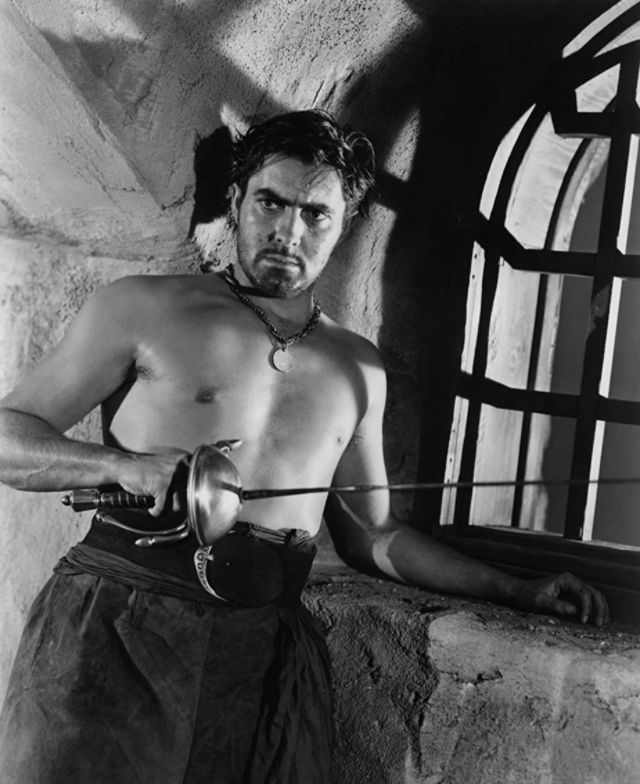
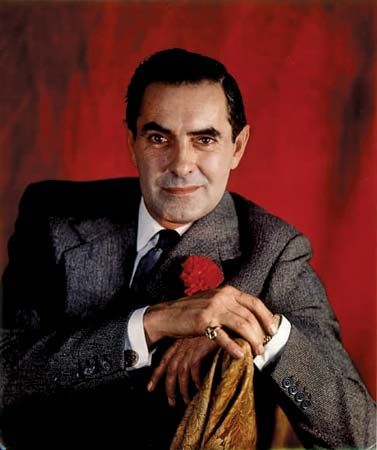
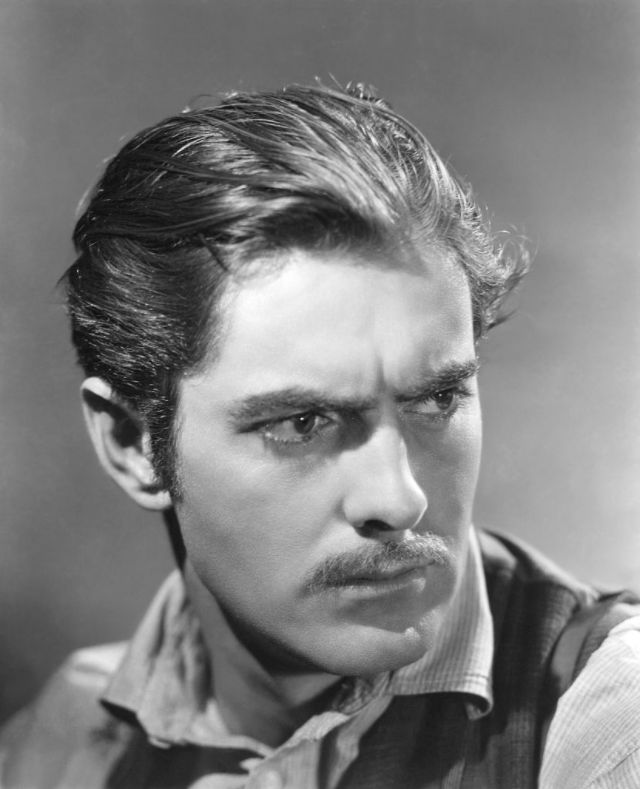
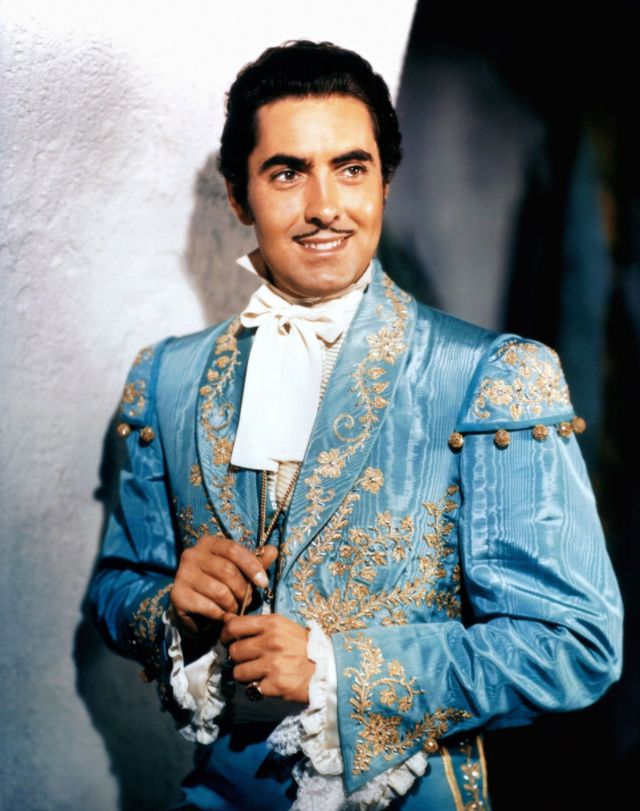
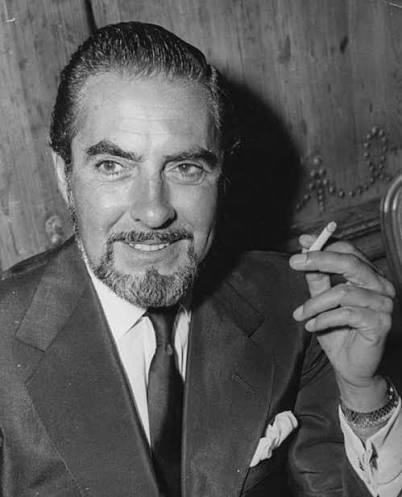
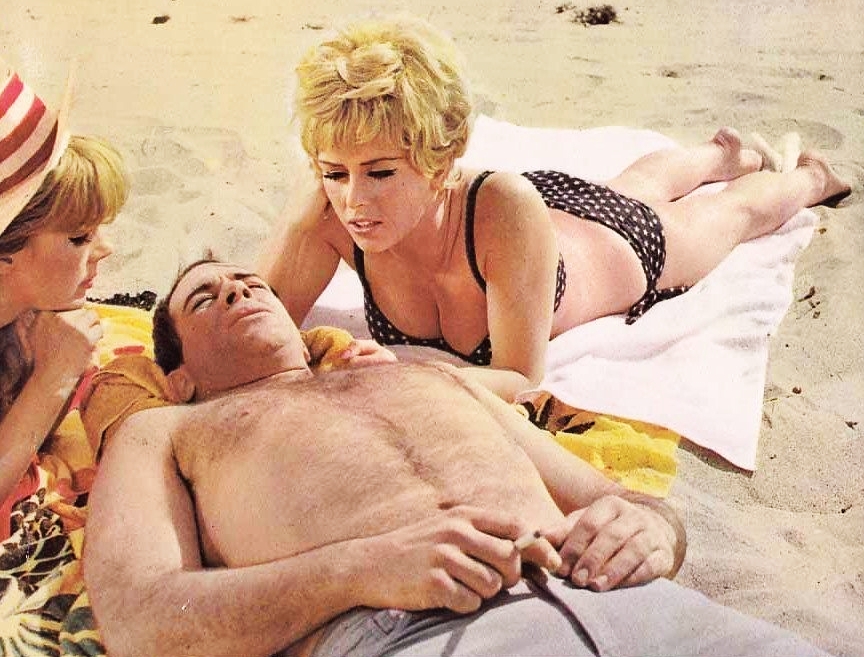
Beefcake Tuesdays – Tyrone Edmund Power Jr.

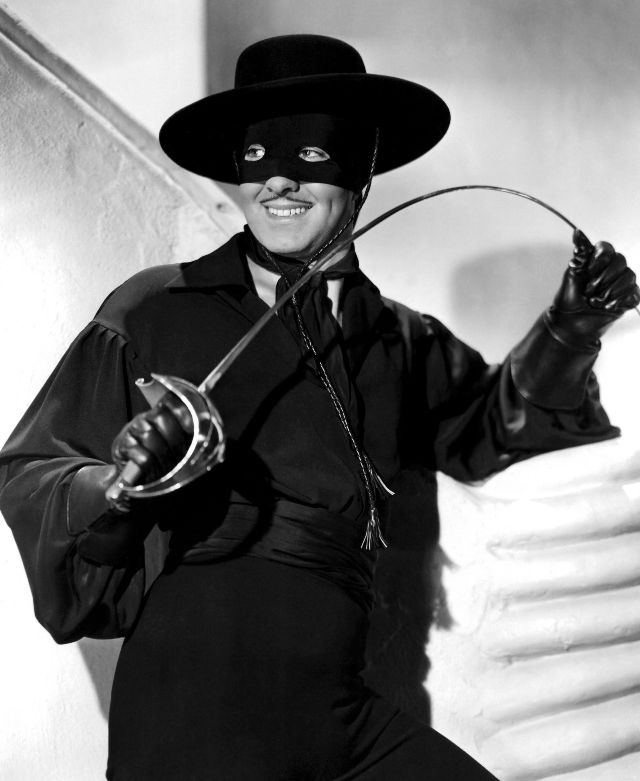
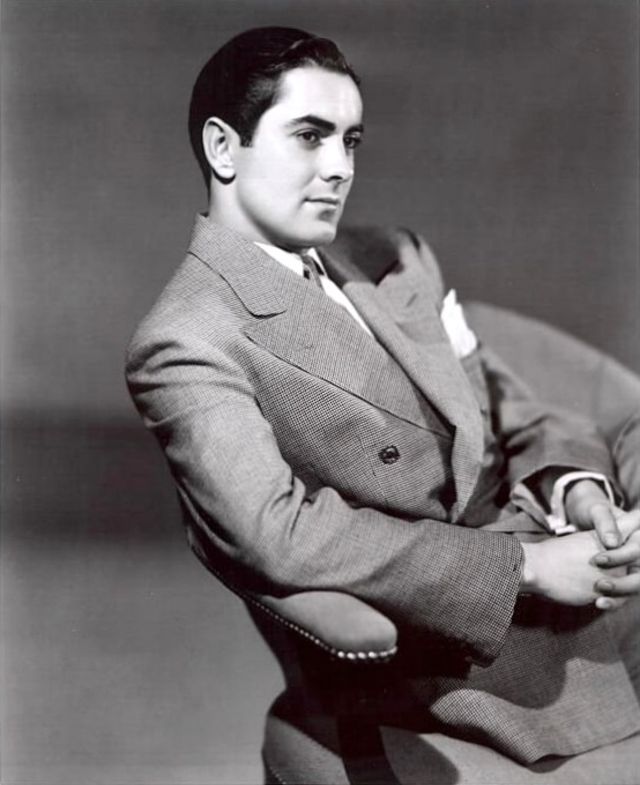
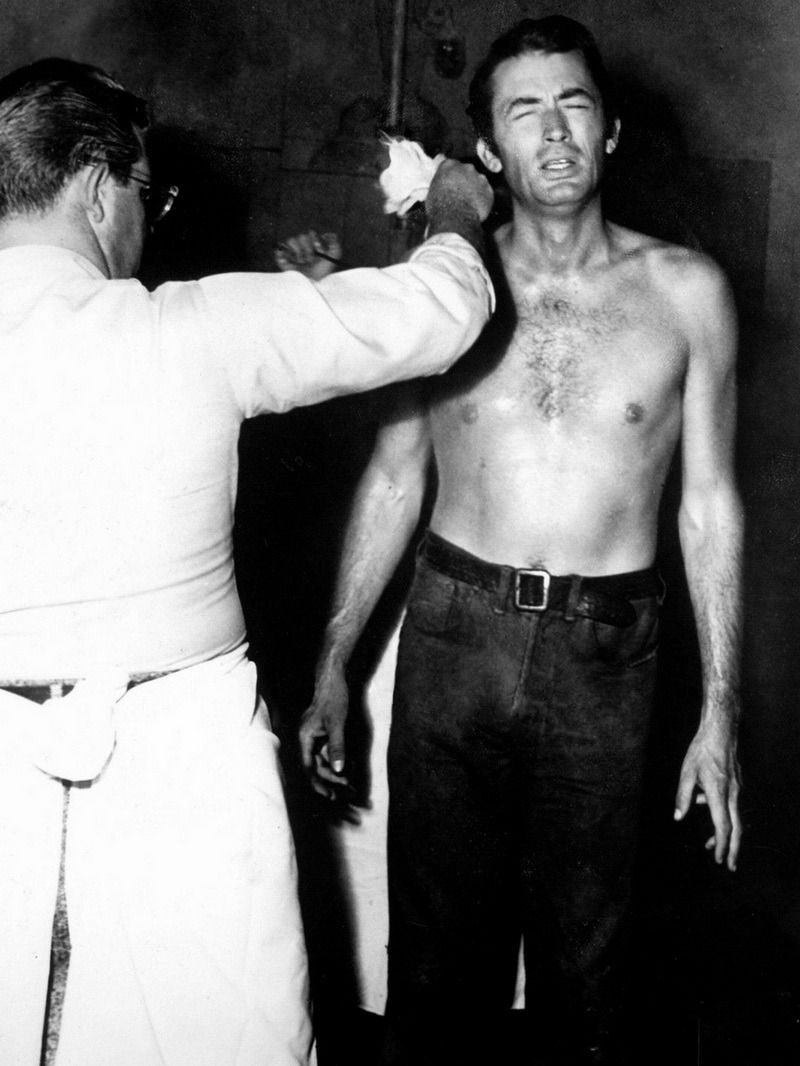
(1914/1958) Tyrone Power was one of the great romantic swashbuckling stars of the mid-twentieth century, and the third Tyrone Power of four in a famed acting dynasty reaching back to the eighteenth century. His great-grandfather was the first Tyrone Power (1795-1841), a famed Irish comedian.

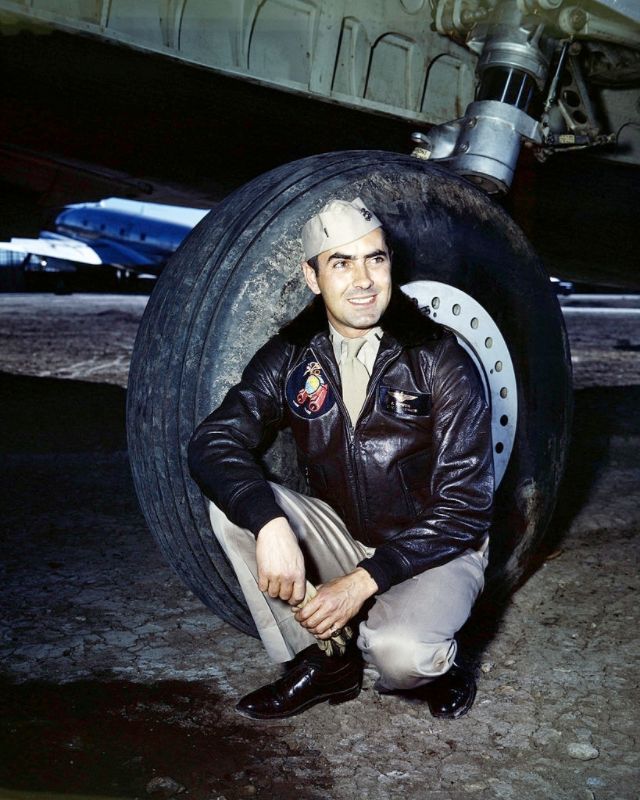
A screen test led to a contract at 20th Century Fox in 1936, and he quickly progressed to leading roles. Within a year or so, he was one of Fox’s leading stars, playing in contemporary and period pieces with ease. Most of his roles were colorful without being deep, and his swordplay was more praised than his wordplay. He served in the Marine Corps in World War II as a transport pilot, and he saw action in the Pacific Theater of operations.

Following a fine performance in Billy Wilder‘s Witness for the Prosecution (1957), Power began production on Solomon and Sheba (1959). Halfway through shooting, he suffered a heart attack during a dueling scene with George Sanders and died before reaching a hospital.

And this is Tyrone Power IV – the apple fell very close to the tree