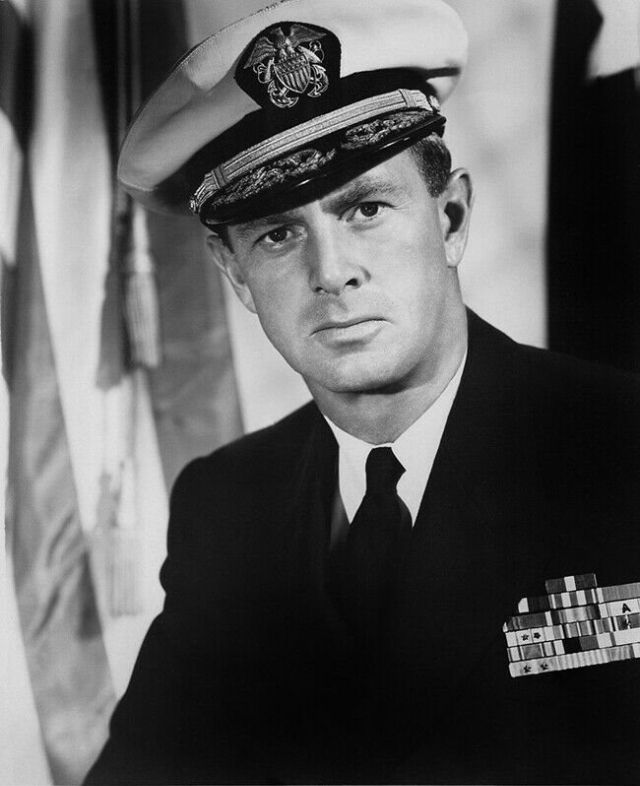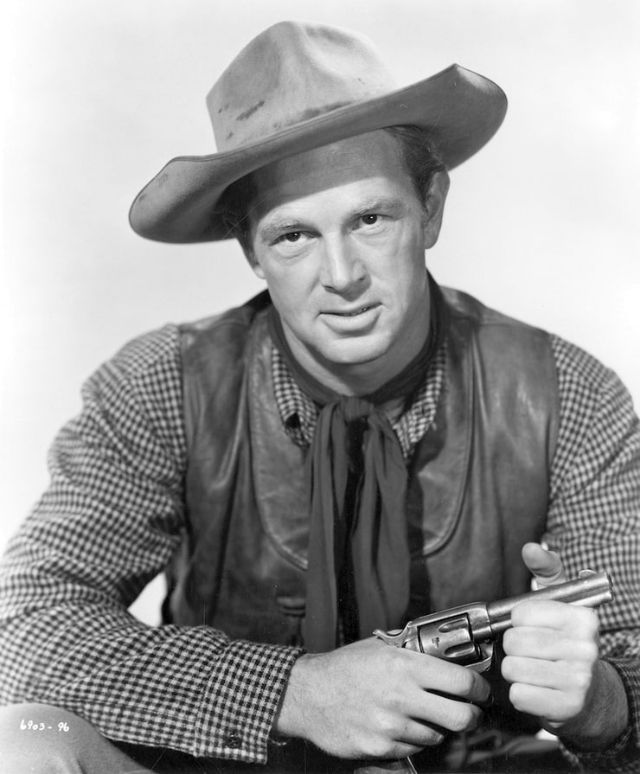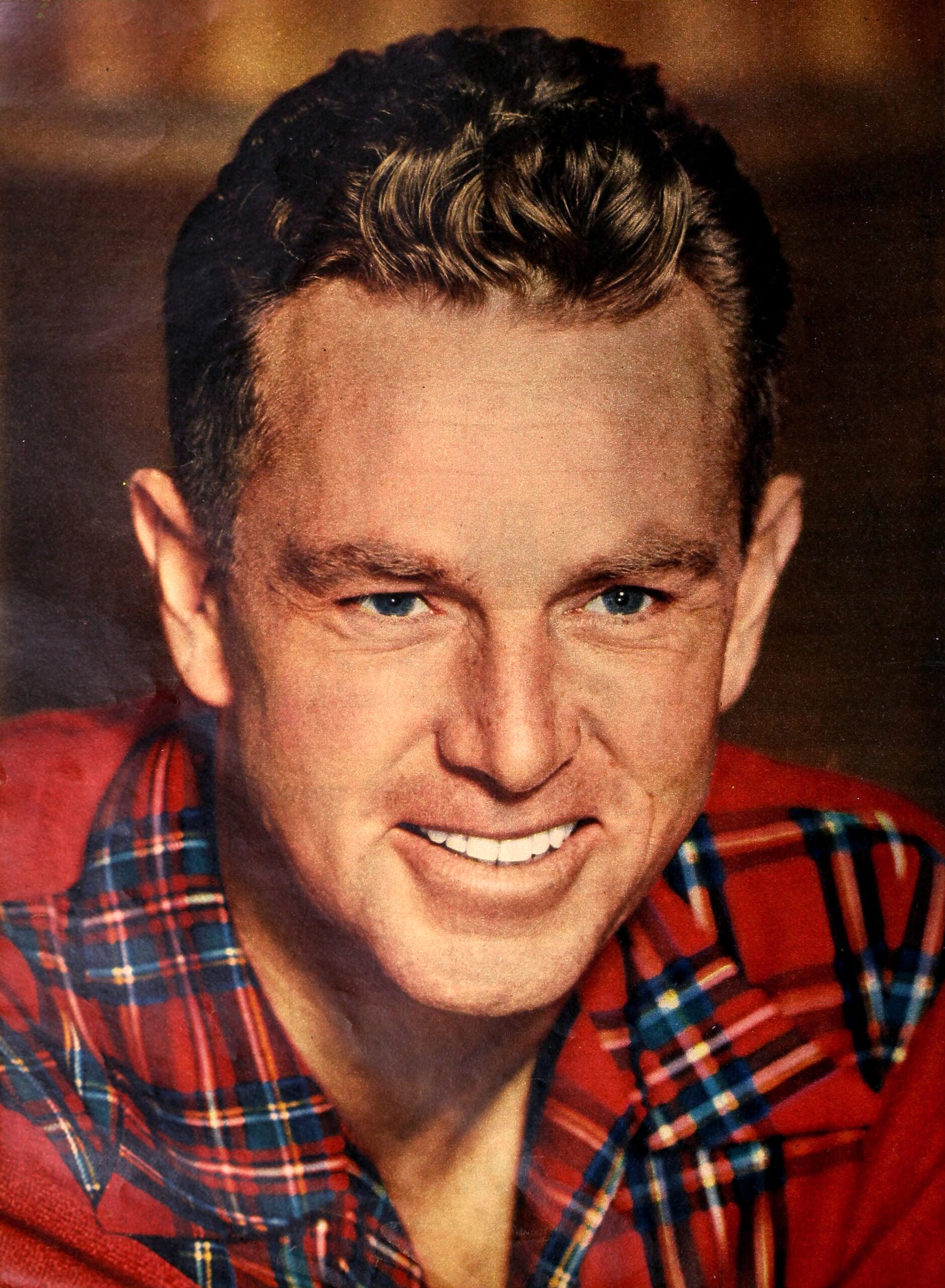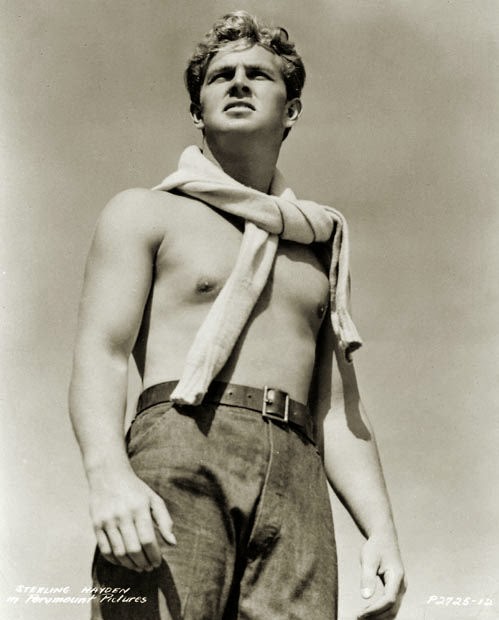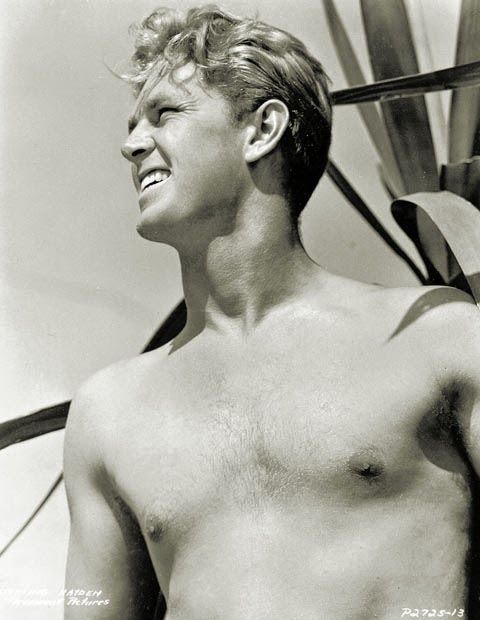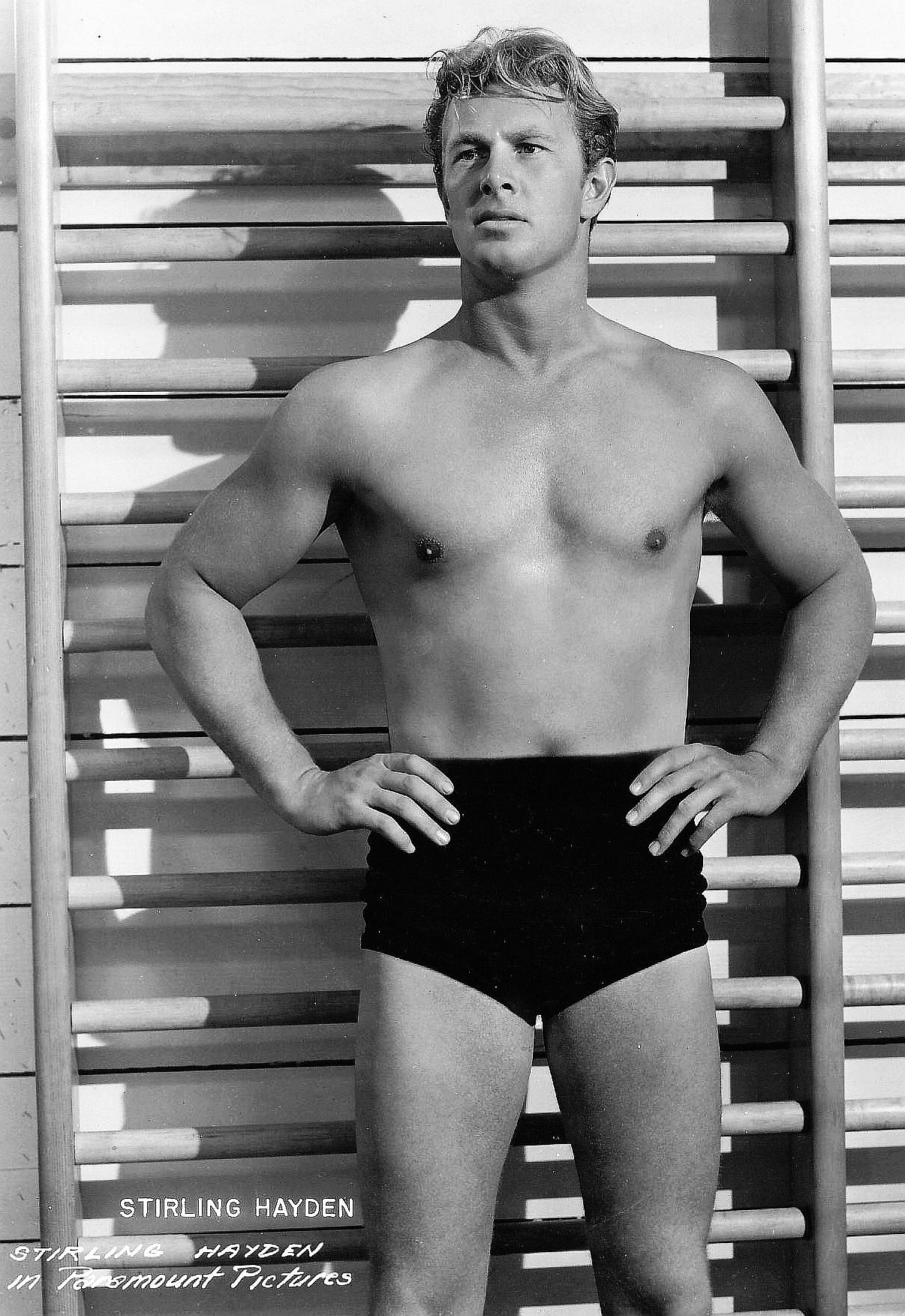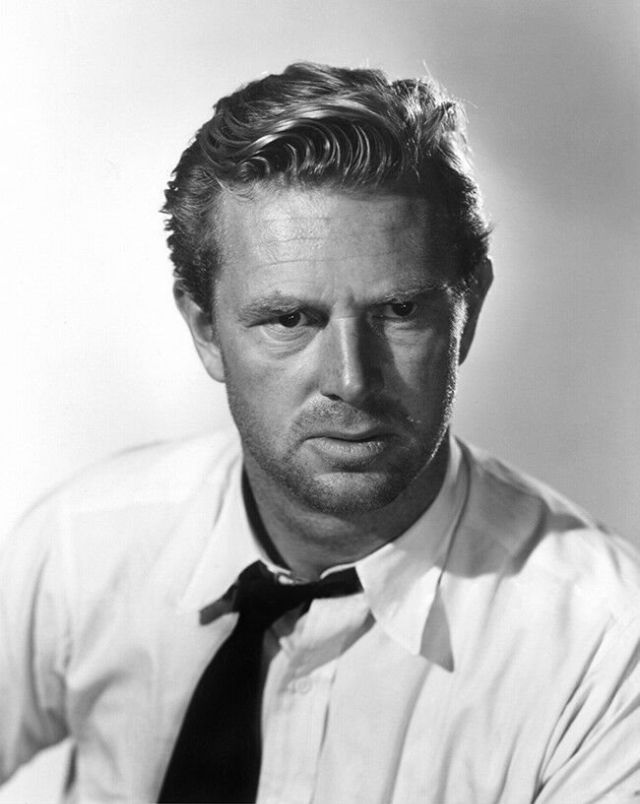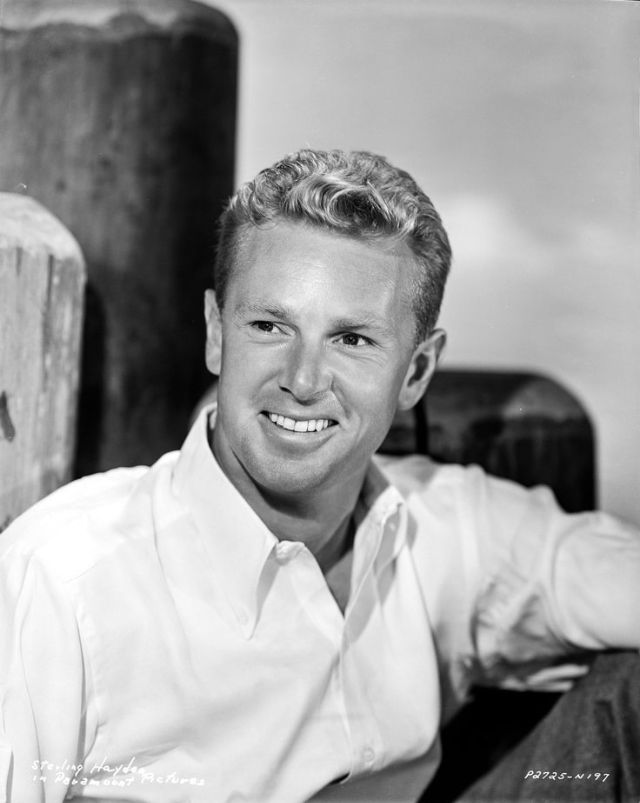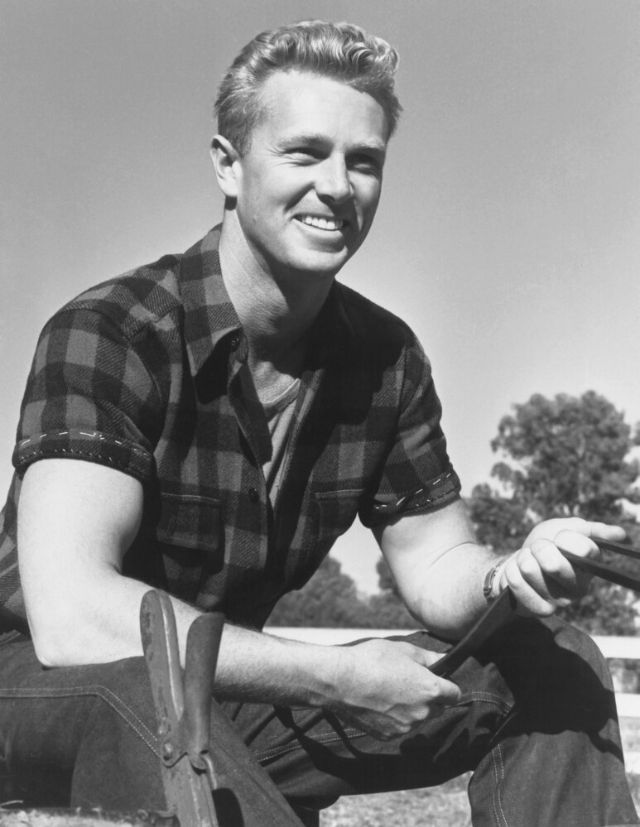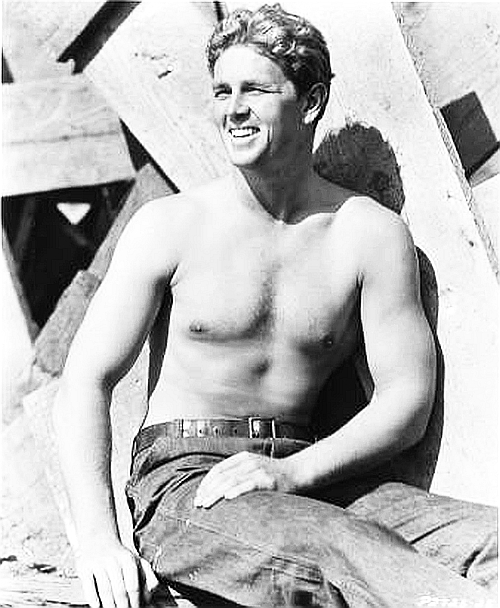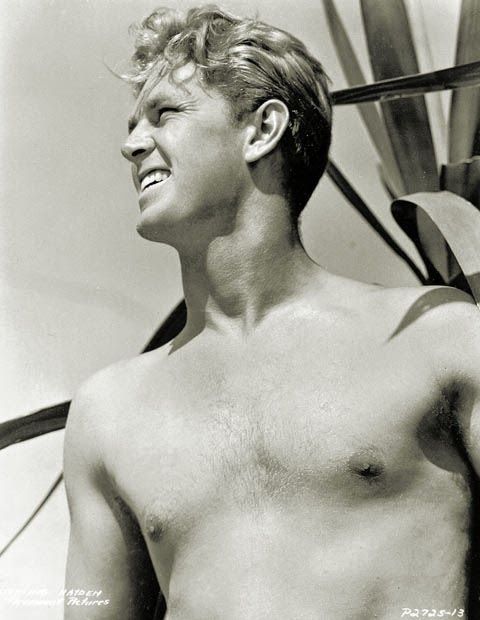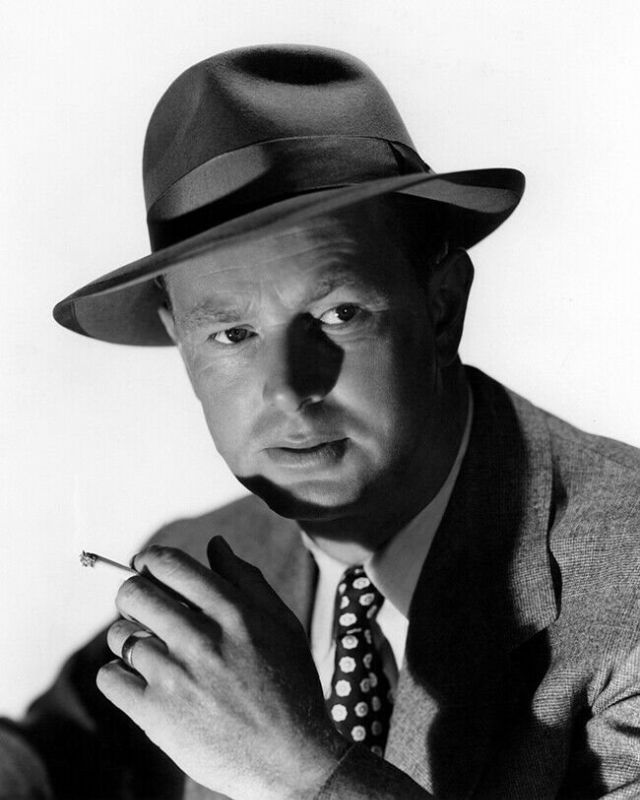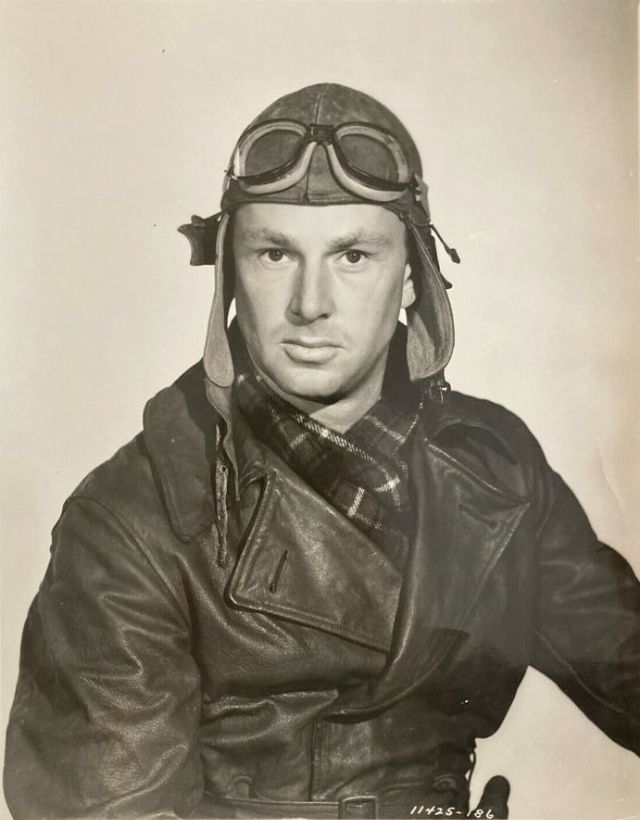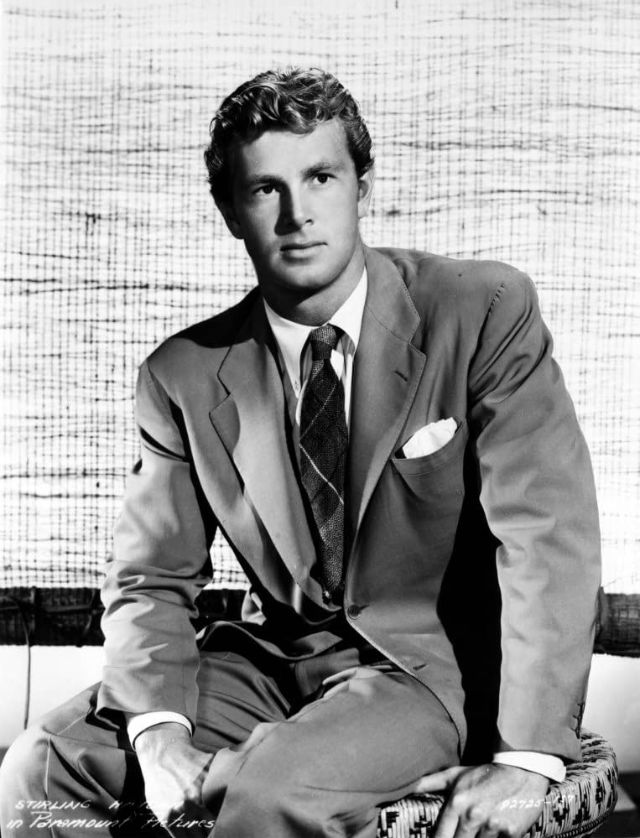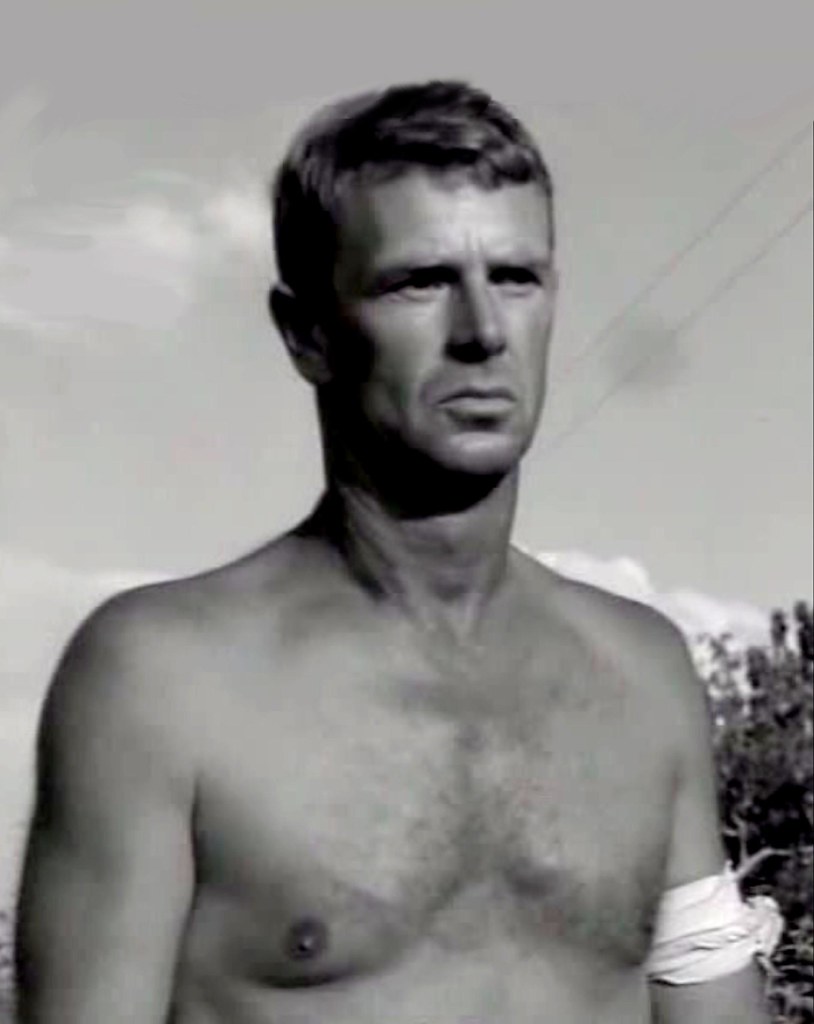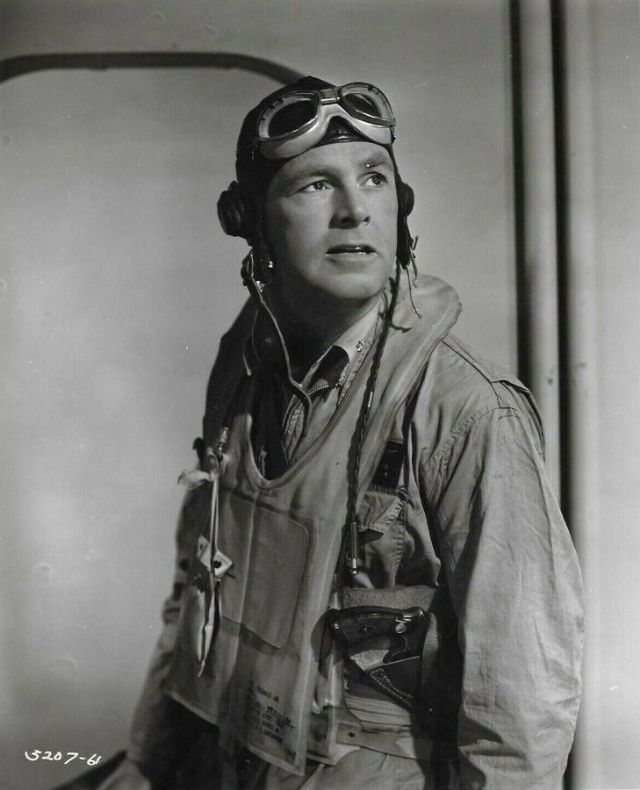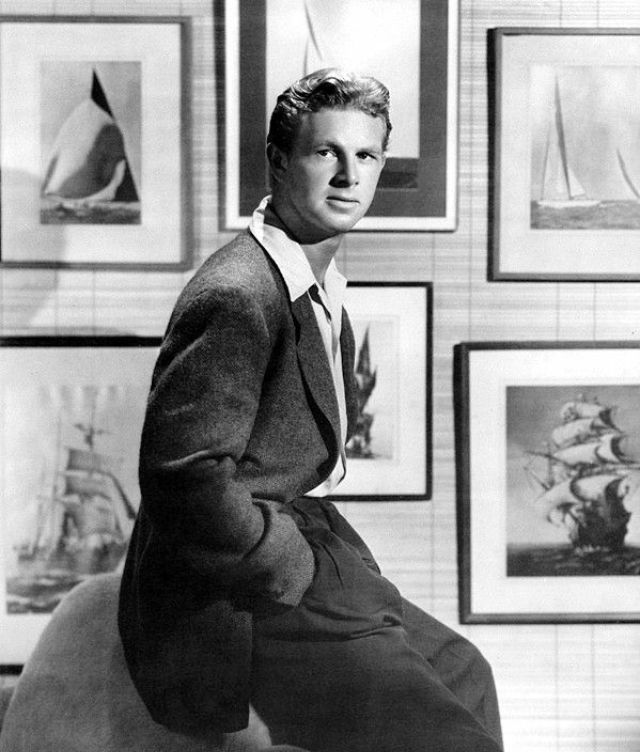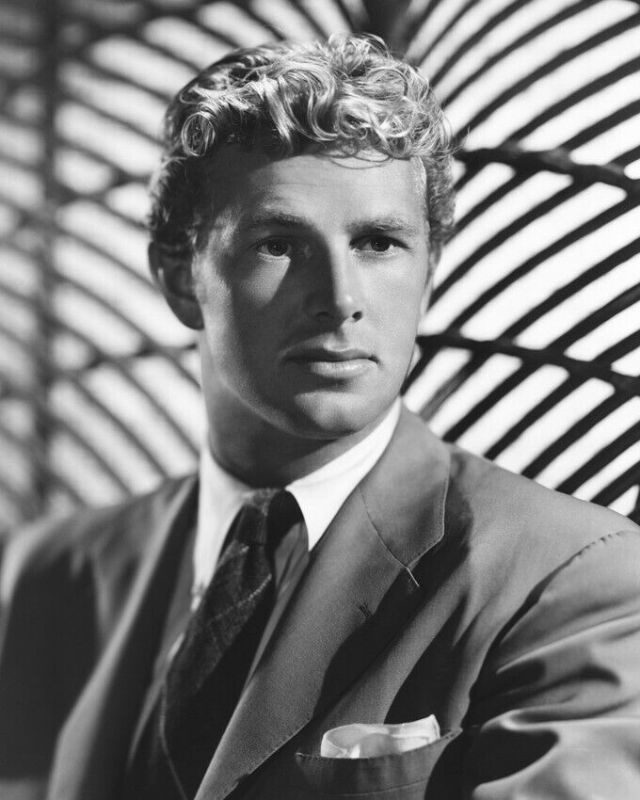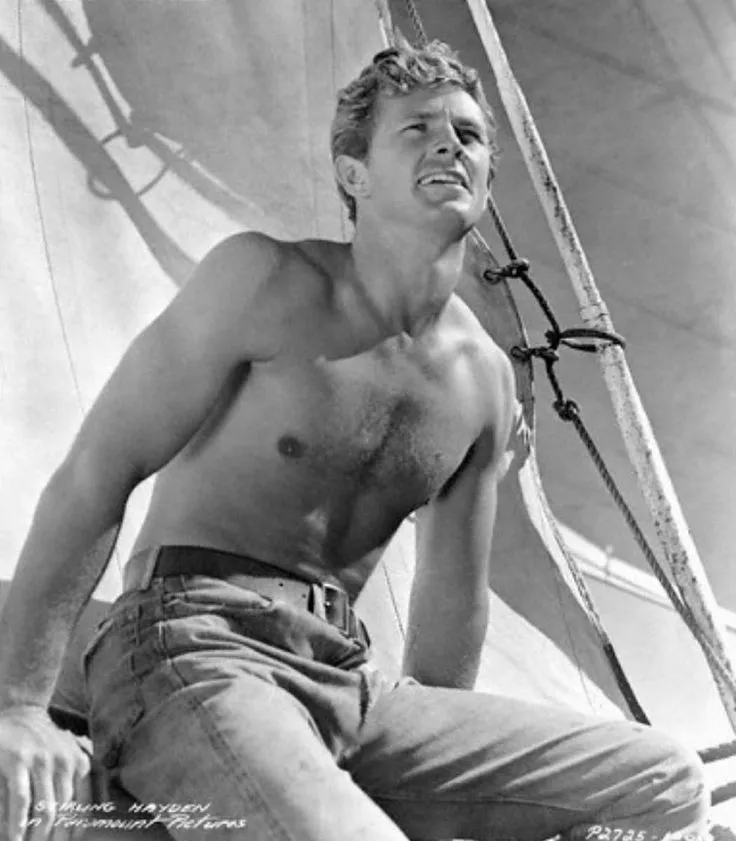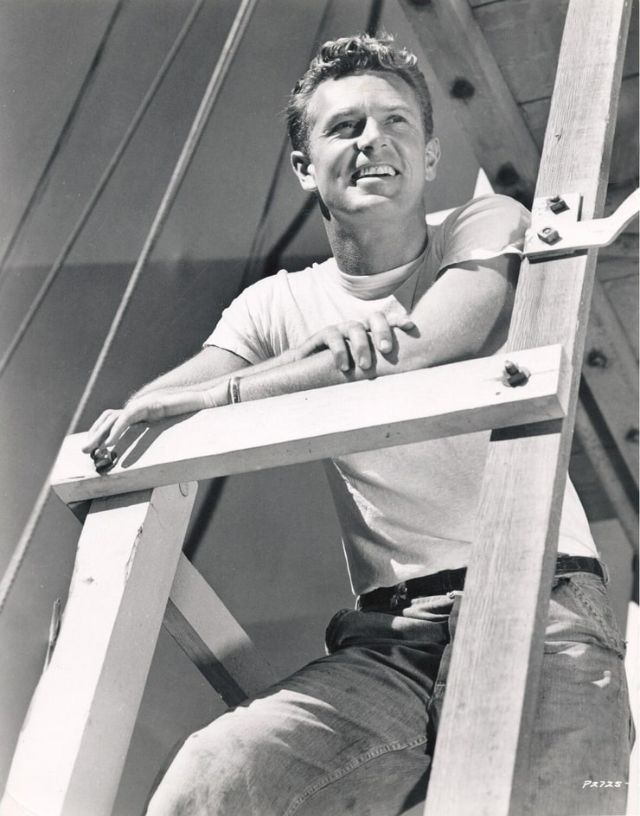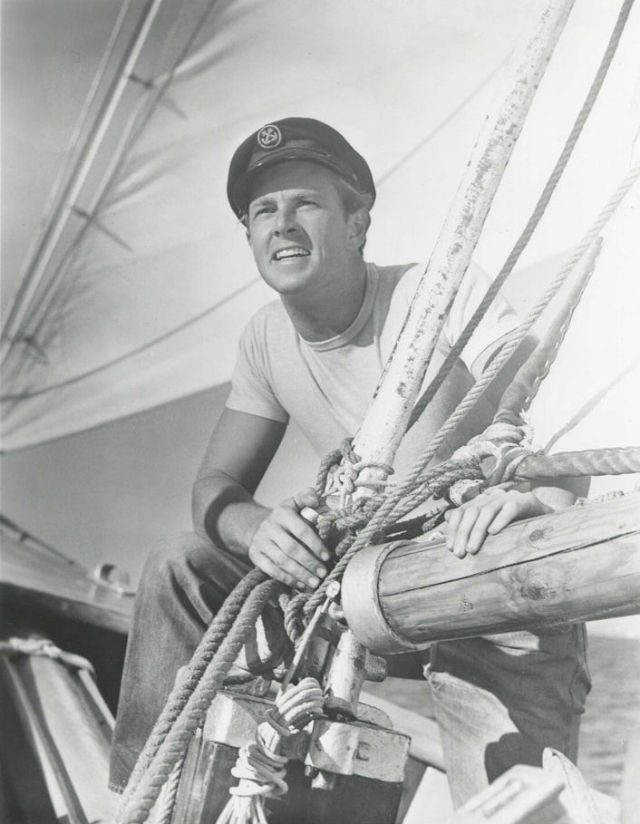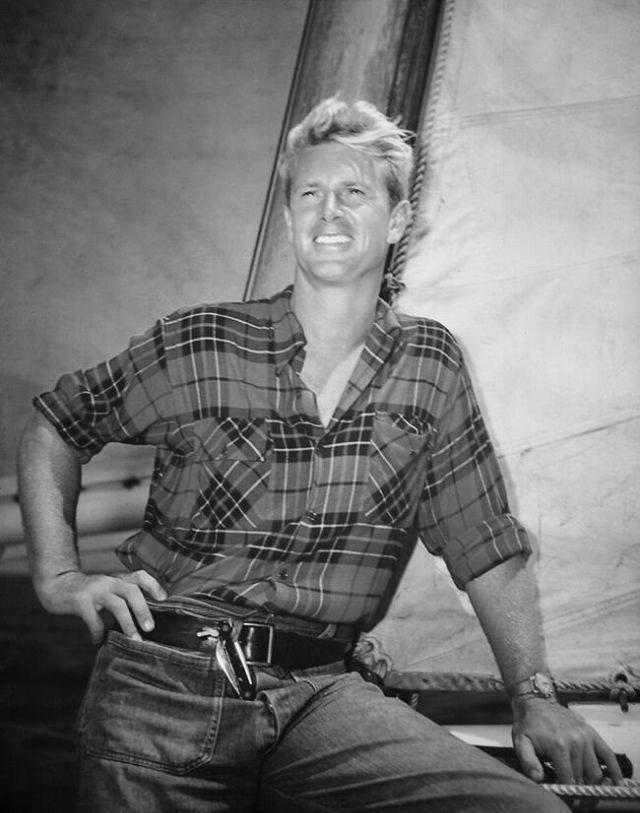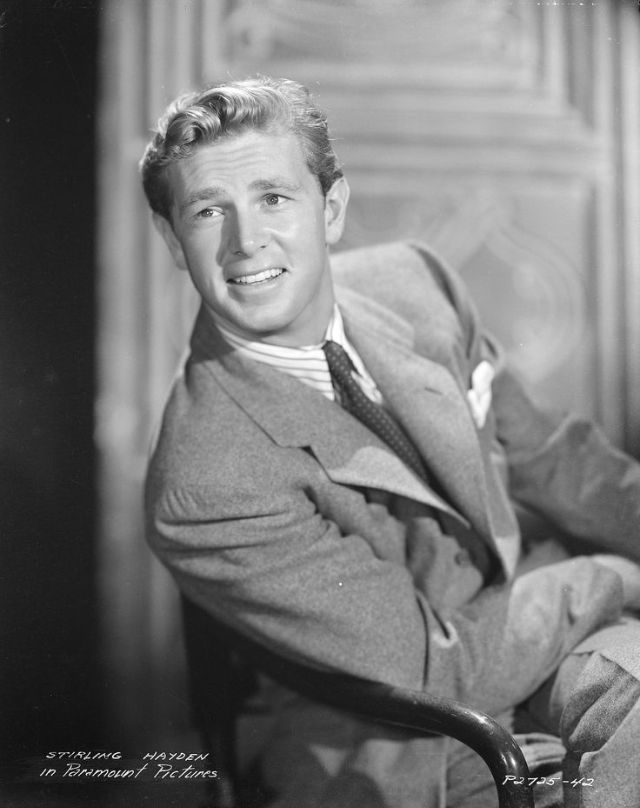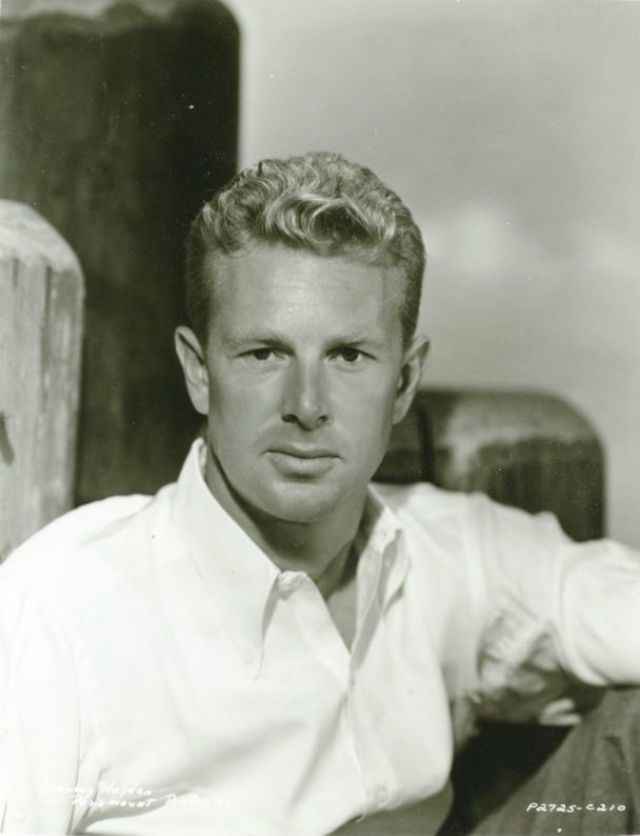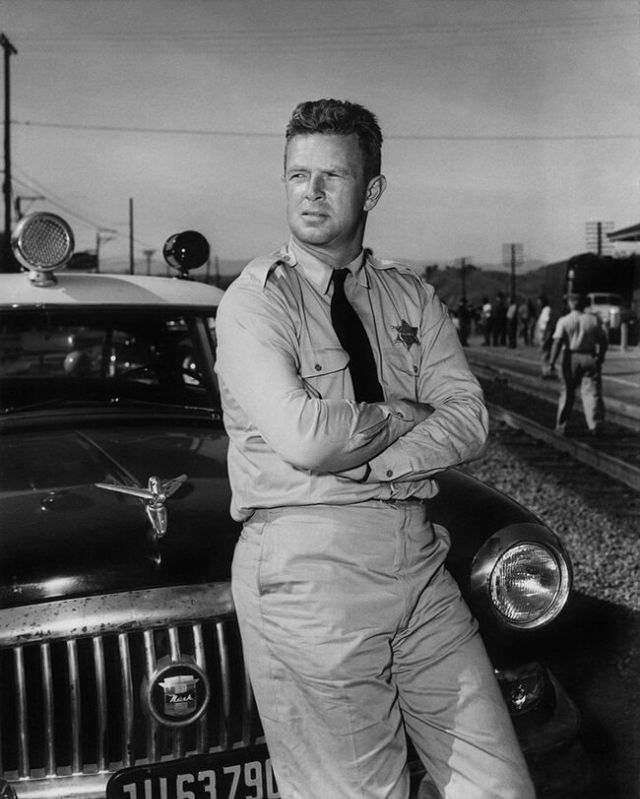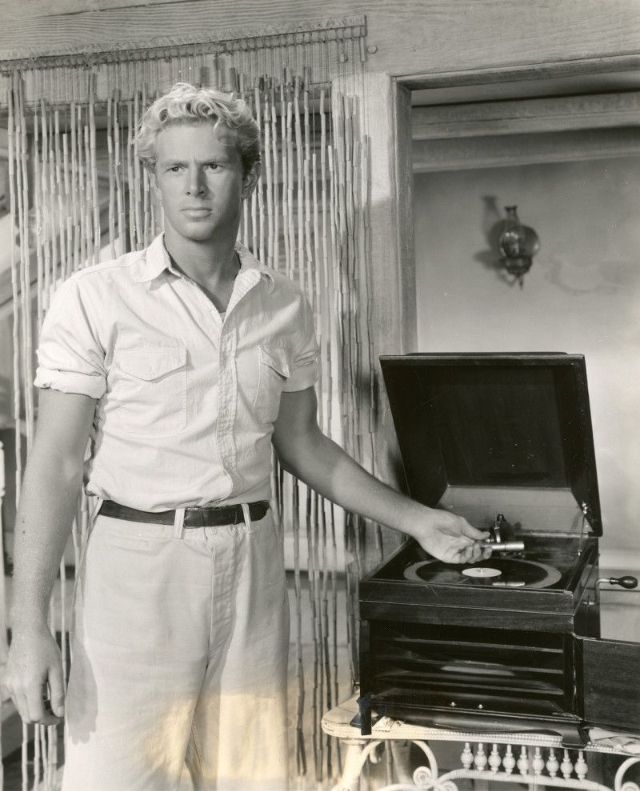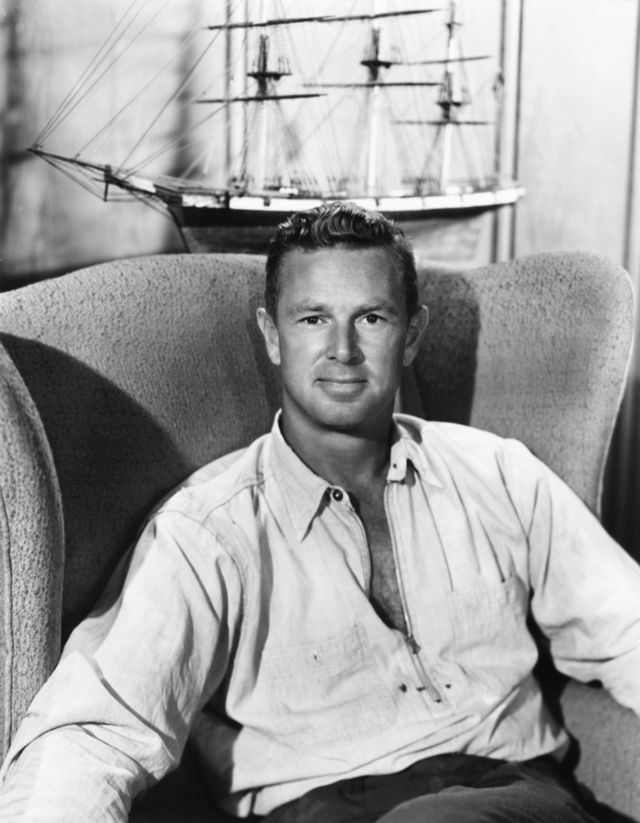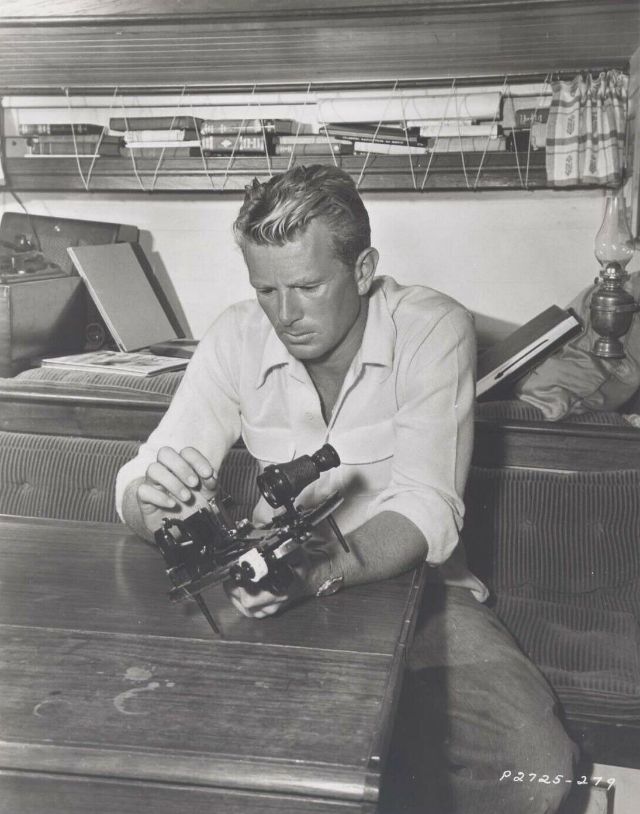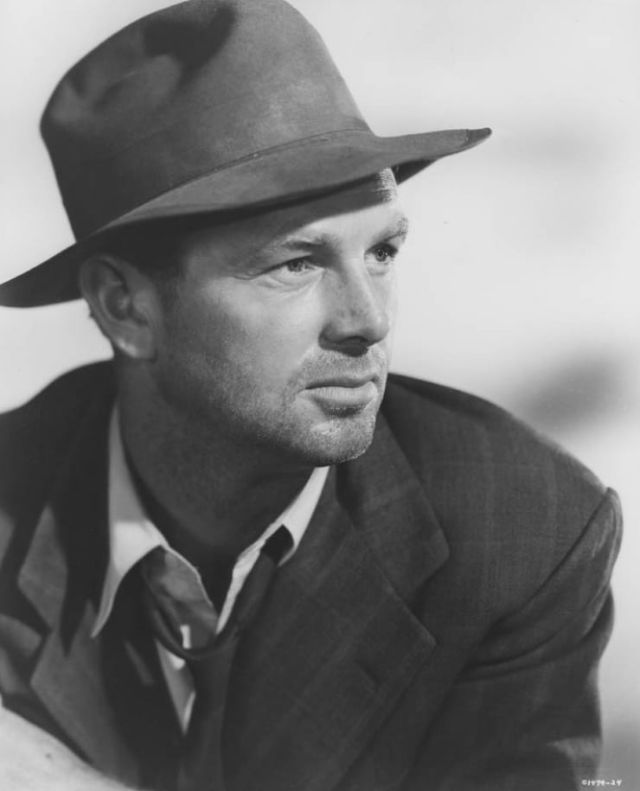
Born Sterling Relyea Walter, and a leading man for most of his career, he specialized in Westerns and film noir throughout the 1950s, in films such as John Huston’s The Asphalt Jungle (1950), Nicholas Ray’s Johnny Guitar (1954), and Stanley Kubrick’s The Killing (1956). In the 1960s, he became noted for supporting roles, perhaps most memorably as General Jack D. Ripper in Kubrick’s Dr. Strangelove or: How I Learned to Stop Worrying and Love the Bomb (1964).
Hayden’s success continued into the New Hollywood era, with roles such as Irish-American policeman Captain McCluskey in Francis Ford Coppola’s The Godfather (1972), alcoholic novelist Roger Wade in Robert Altman’s The Long Goodbye (1973), elderly peasant Leo Dalcò in Bernardo Bertolucci’s 1900 (1976), and chairman of the board Russell Tinsworthy in 9 to 5 (1980). With a distinctive “rapid-fire baritone” voice and an imposing stature at 6 ft 5 in he had a commanding screen presence in both leading and supporting roles.
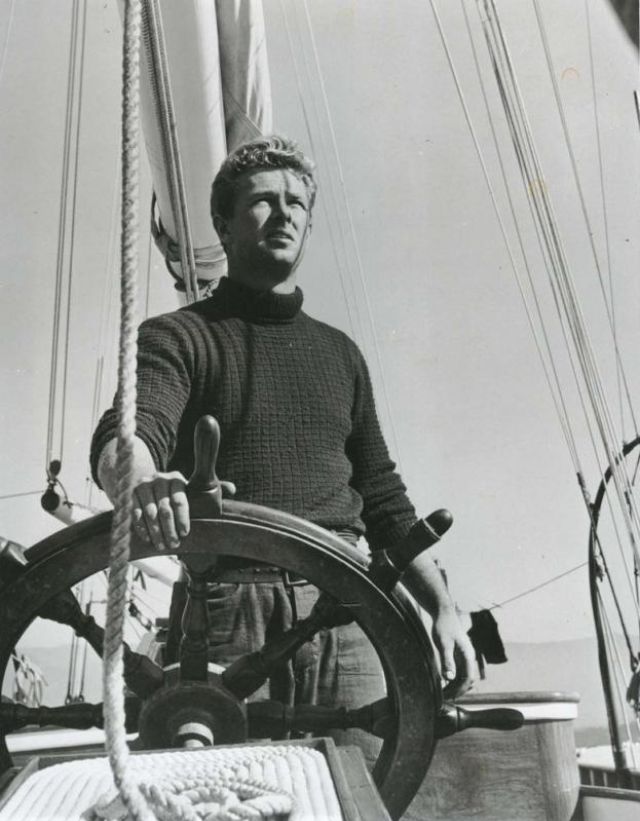
Over his early career Hayden often professed a distaste for acting and used his earnings to finance his numerous voyages as a sailor. He was also a decorated Marine Corps officer and an Office of Strategic Services agent during World War II. Admiration for the Communist partisans he had fought alongside led him into a brief membership in the Communist Party (CPUSA) from June to December 1946. In one of his CPUSA assignments, he supported an effort by the Communist-controlled motion picture painters union to absorb other film industry unions. In September 1947, the House Committee on Un-American Activities (HUAC) subpoenaed ten screenwriters and directors (known later as the “Hollywood Ten”) as part of an investigation into “subversive” elements in the film industry.
A large group of movie luminaries, including Hayden, formed the Committee for the First Amendment to protest what they perceived as political harassment. In the next few years, as the Second Red Scare gripped the U.S., the HUAC expanded its probe to include all entertainment industry professionals with suspected links, past or present, to the CPUSA. Consequently, Hayden became a target. The actor agreed to become a “friendly witness” and “name names”, later saying “the FBI made it very clear to me that, if I became an ‘unfriendly witness’, I could damn well forget the custody of my children. I didn’t want to go to jail, that was the other thing.” The HUAC subpoenaed Hayden in late March 1951. On April 10, he testified before the Committee in Washington, D.C. that joining the Party was “the stupidest and most ignorant thing I have ever done in my life”. Because of his cooperative testimony, Hayden was “cleared” by the HUAC and avoided the Hollywood blacklist.
An ardent traveler, with a passion for sailing, Hayden wrote two acclaimed books: an autobiography, Wanderer (1963), and a novel, Voyage (1976). He said they made him “a lot of money” but he lost most of it to taxes. In 1983, he appeared in a documentary of his life, Pharos of Chaos.
Hayden died of prostate cancer in 1986, age 70