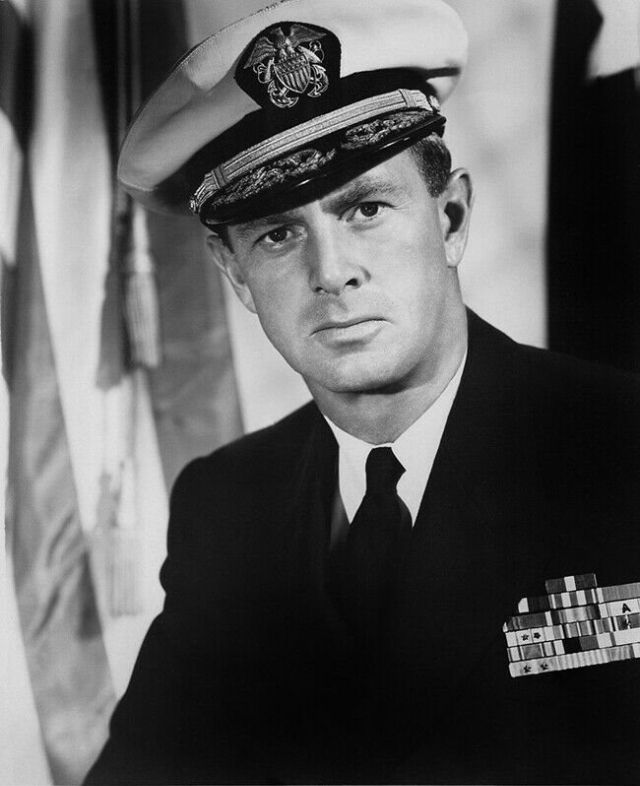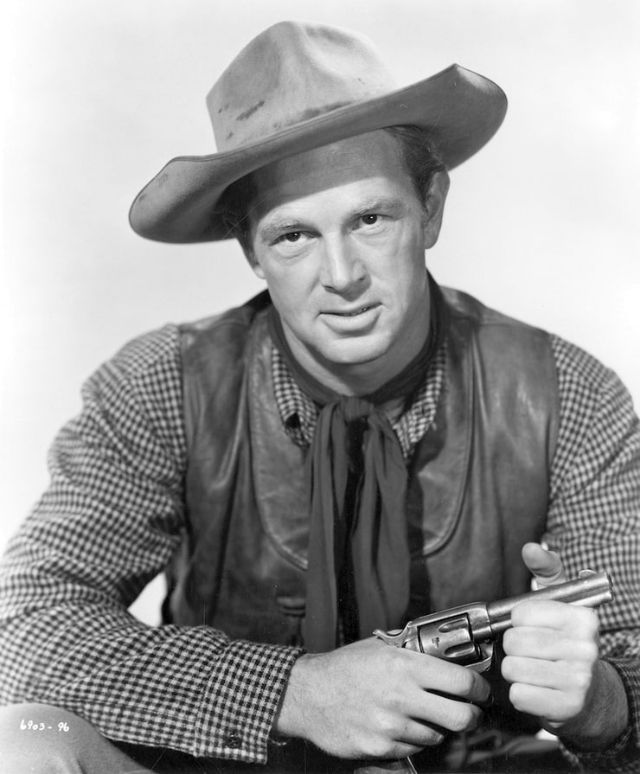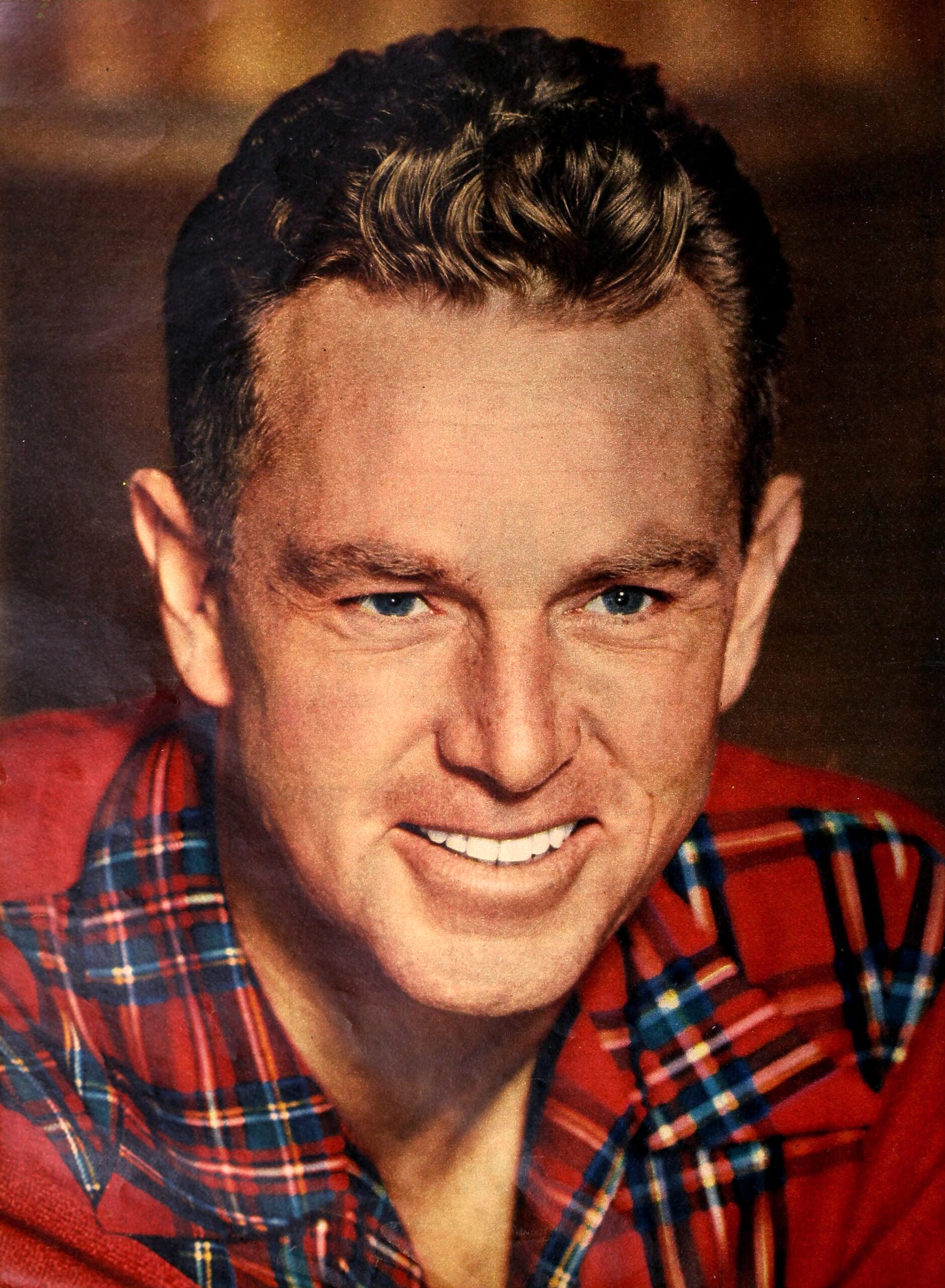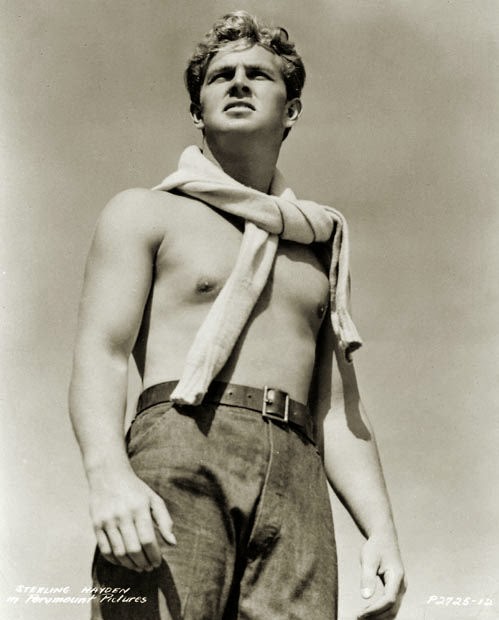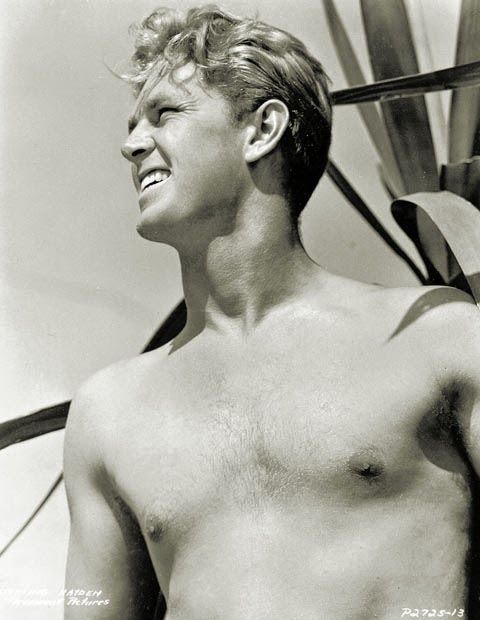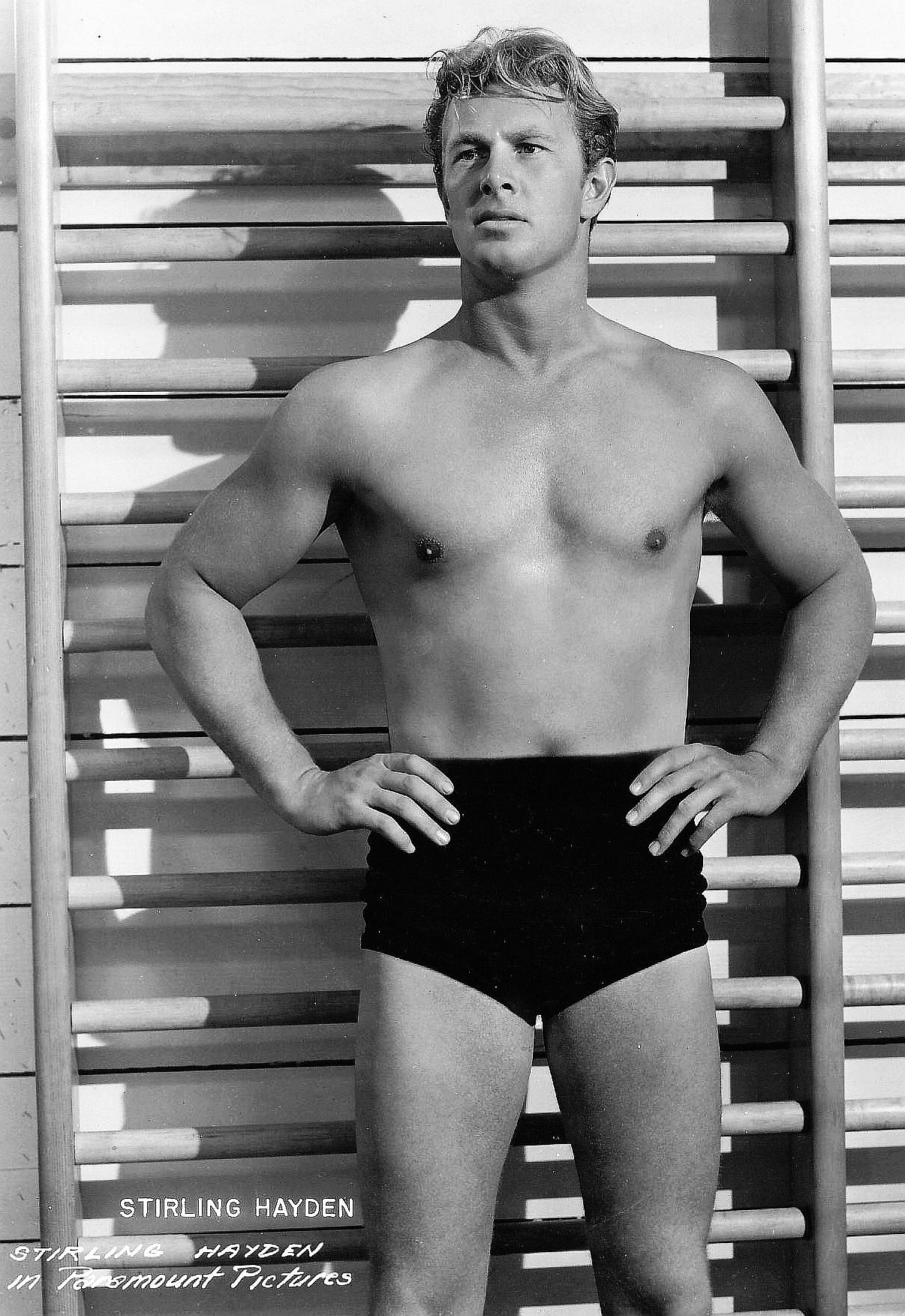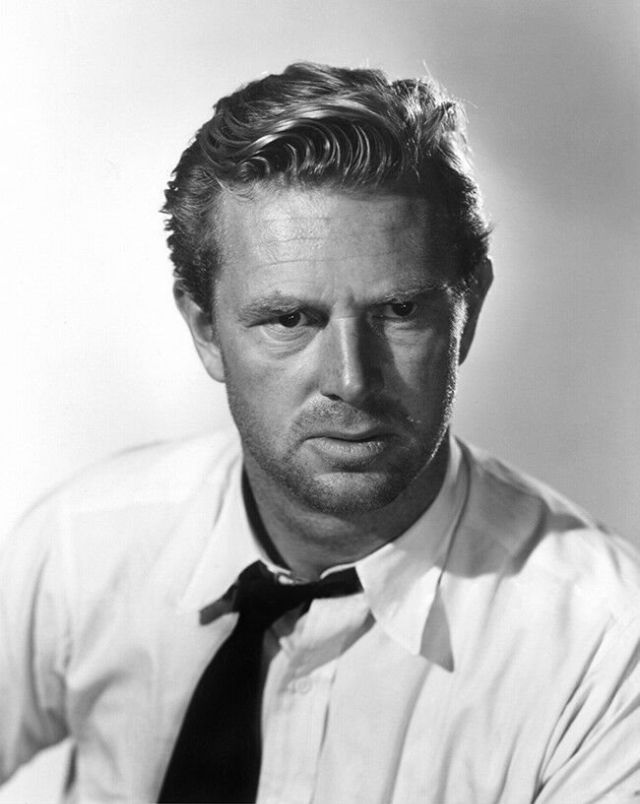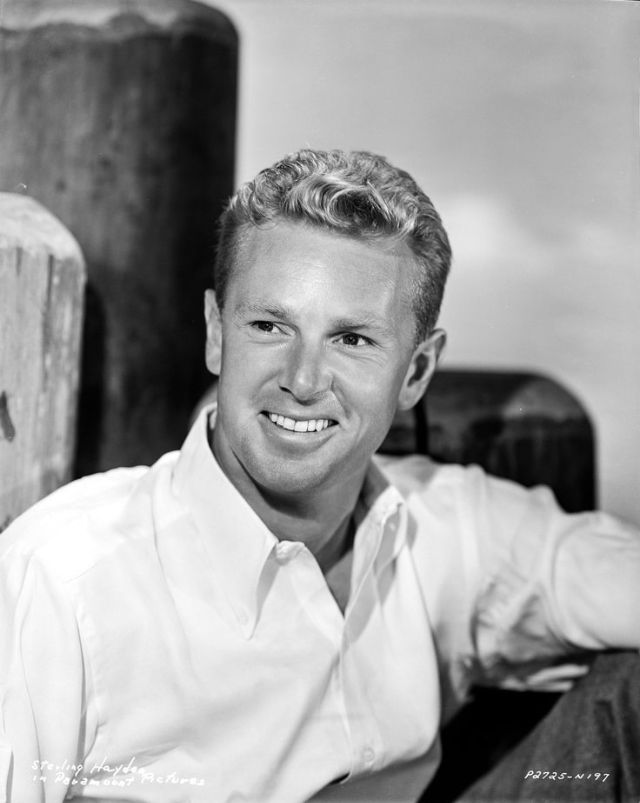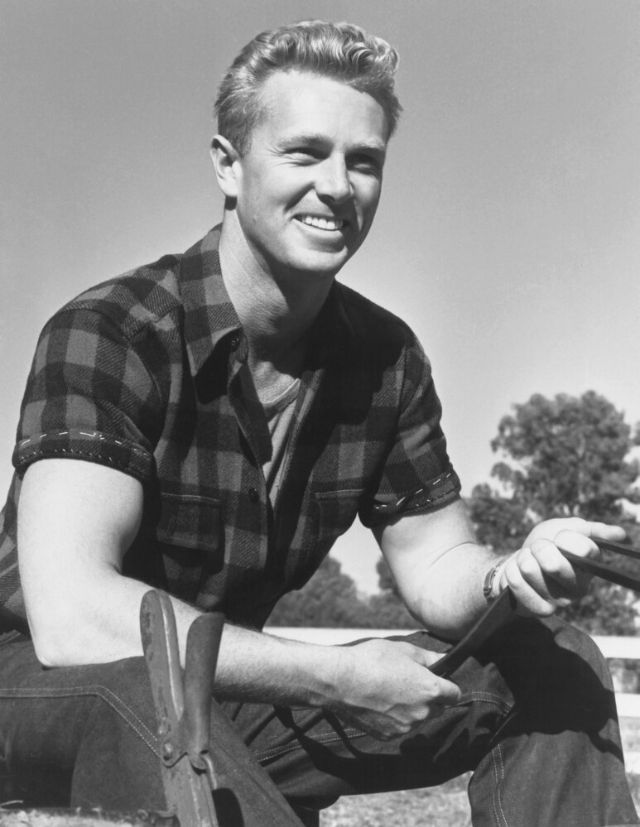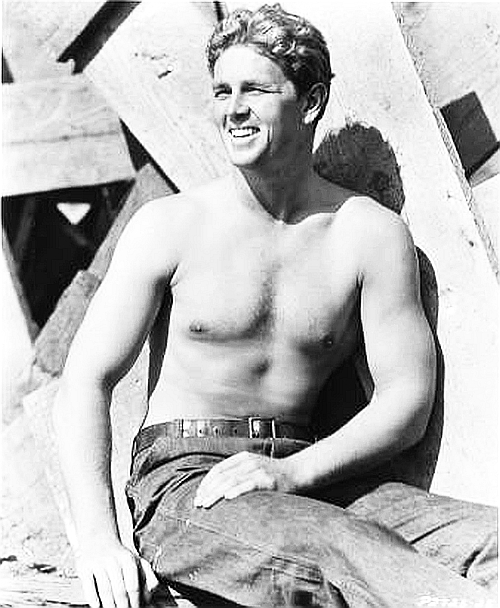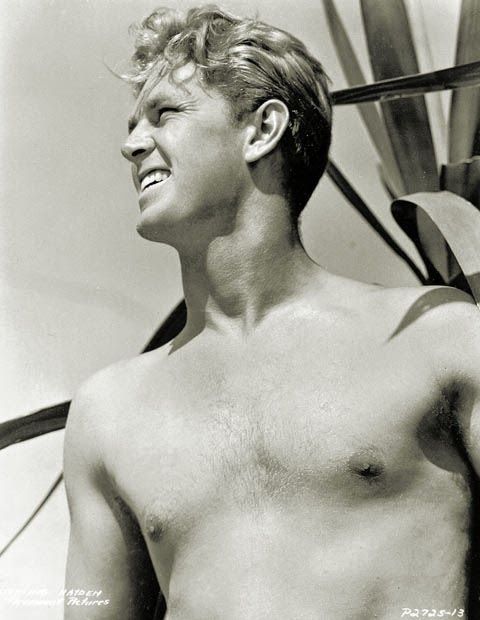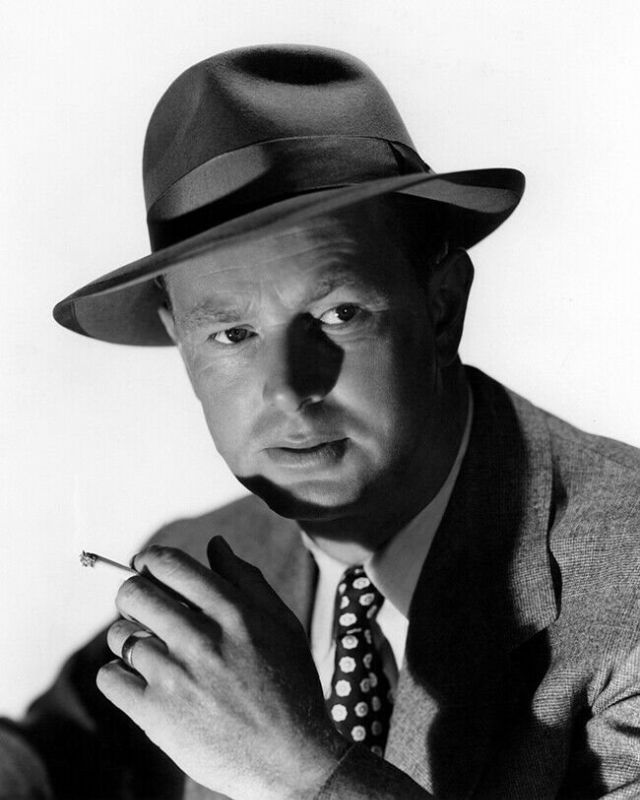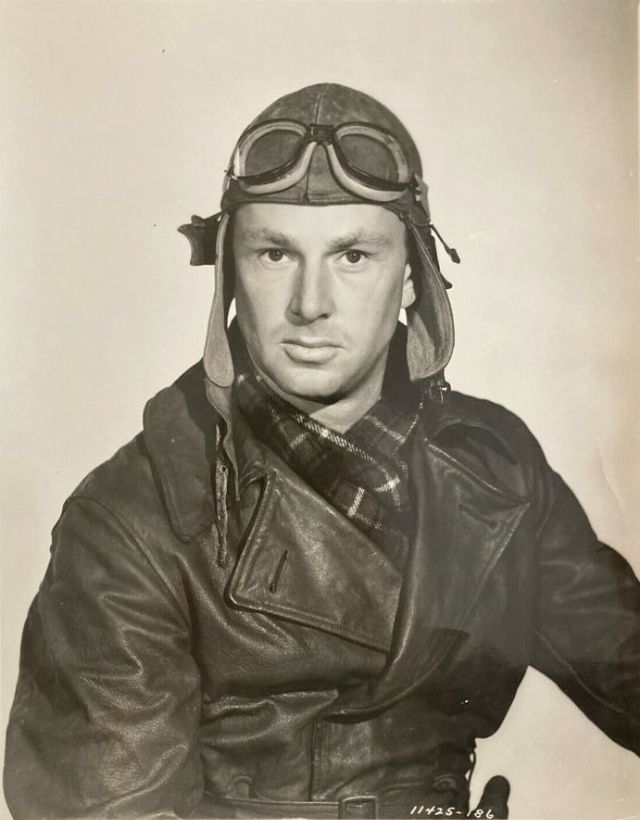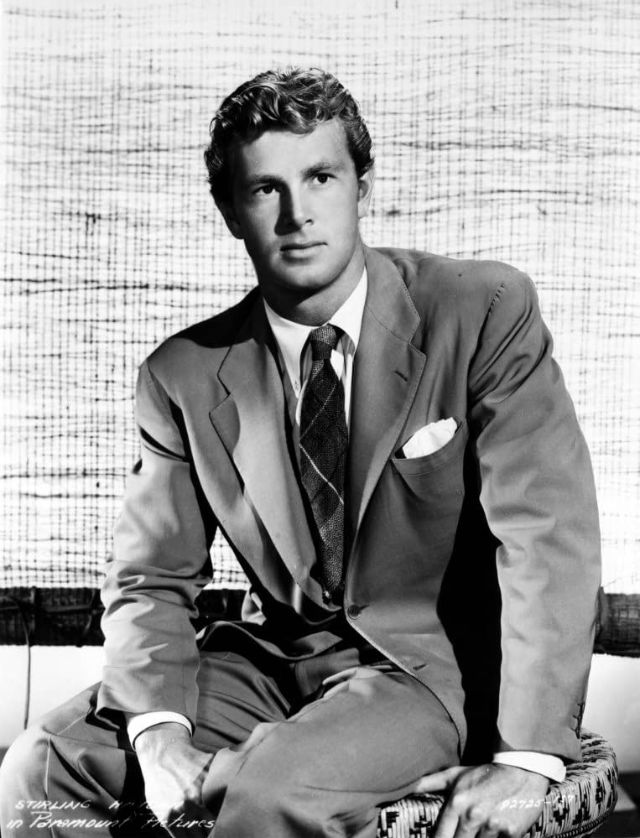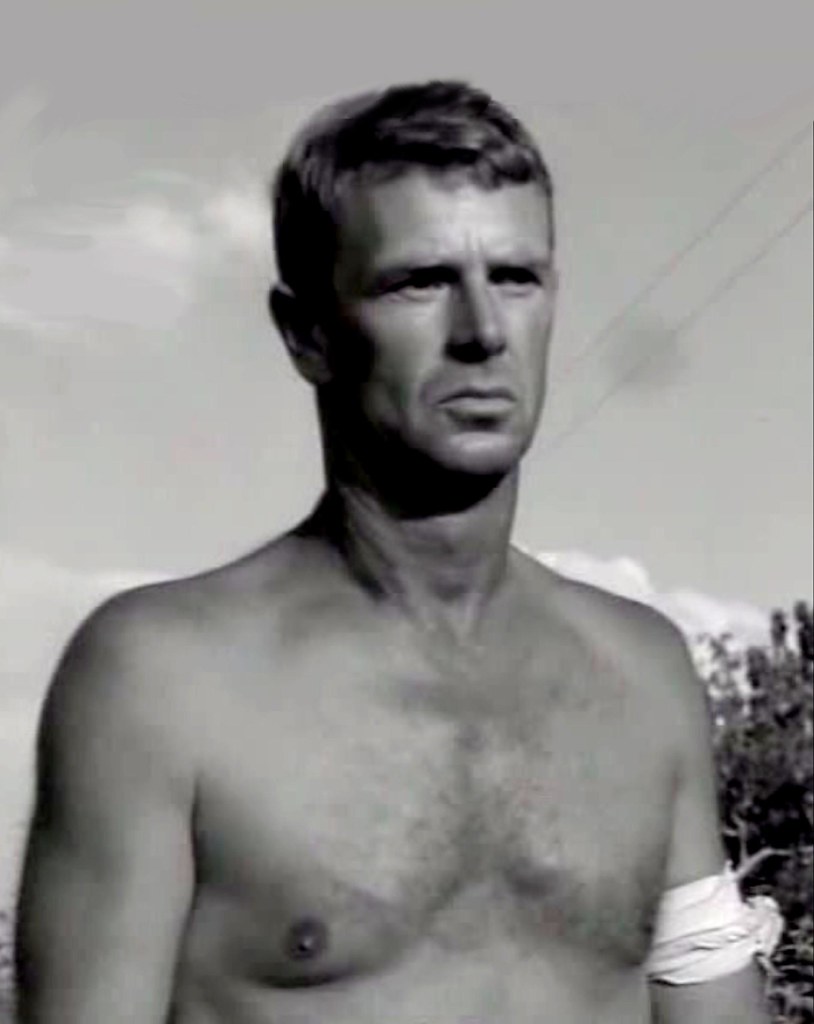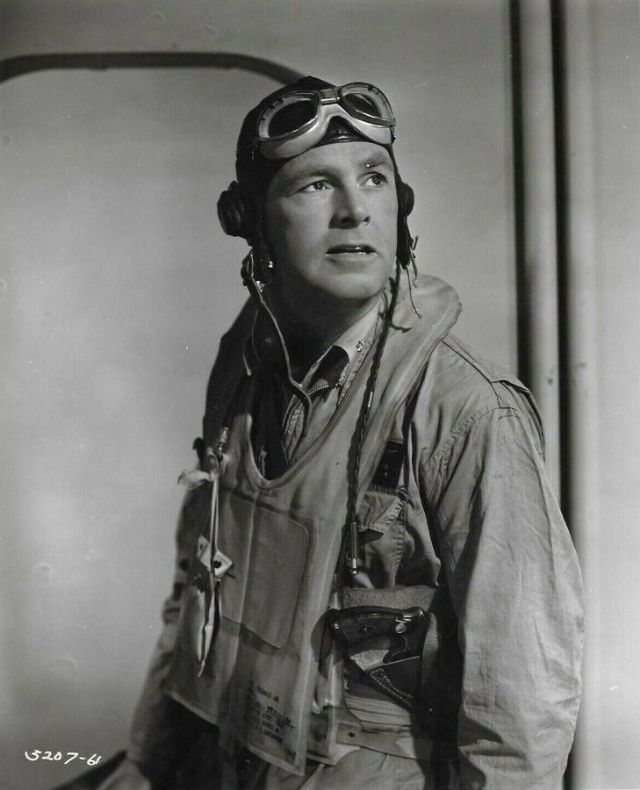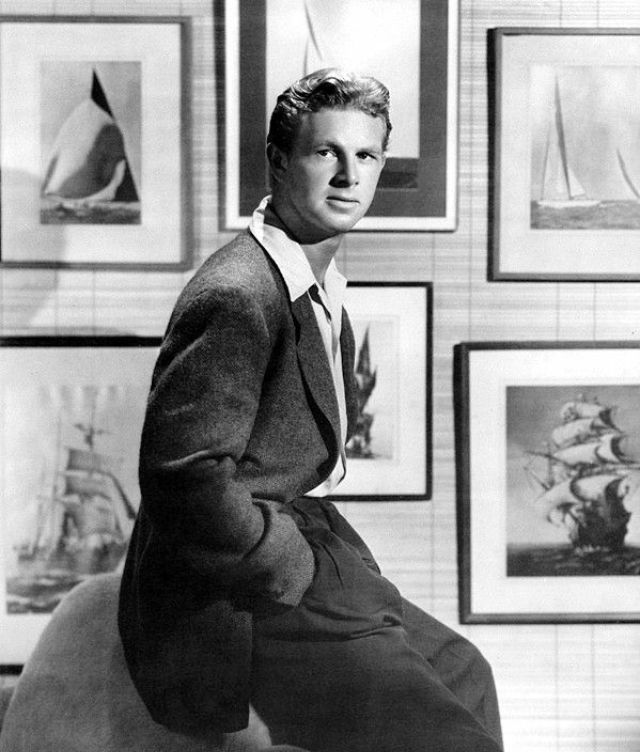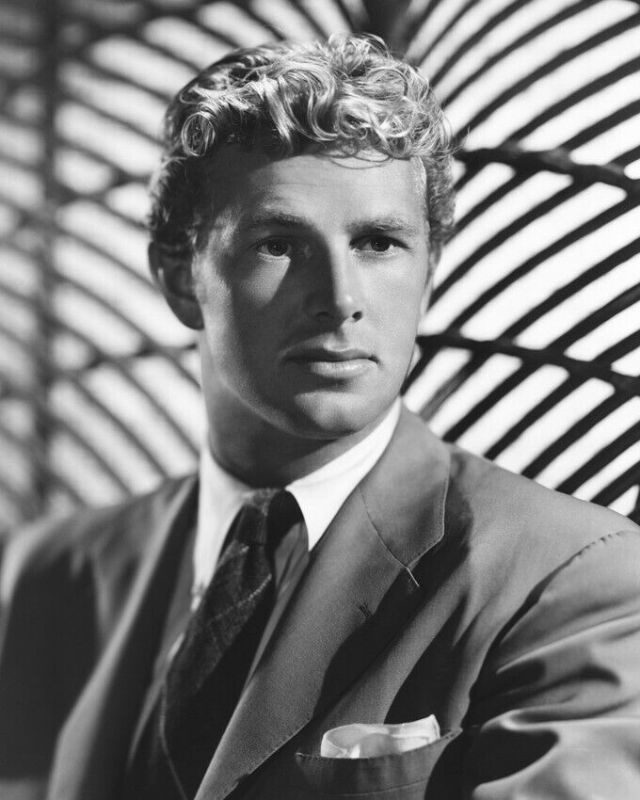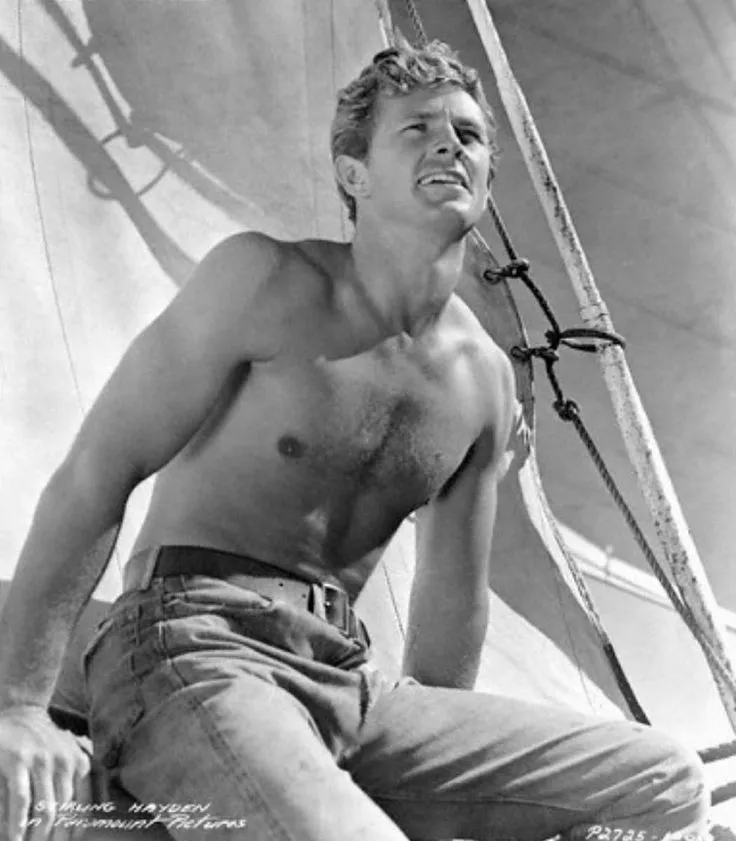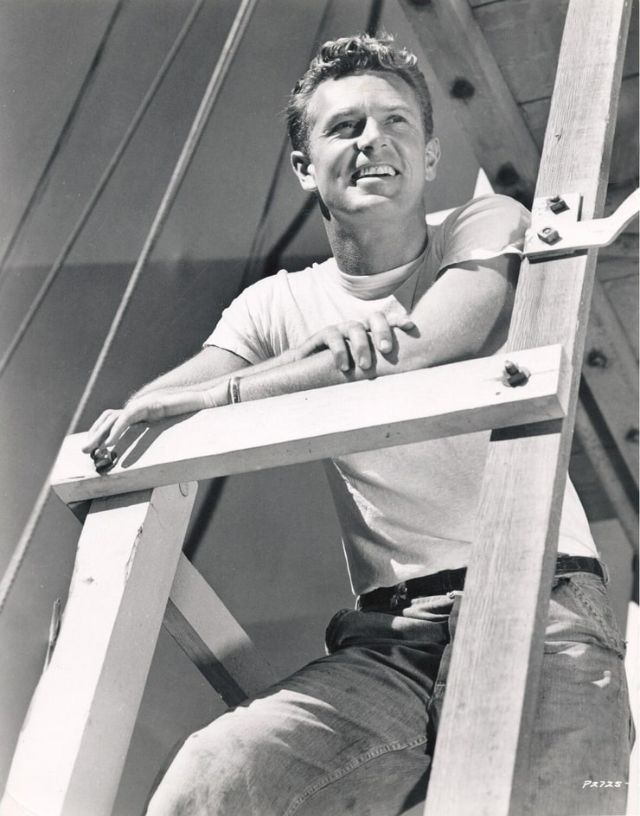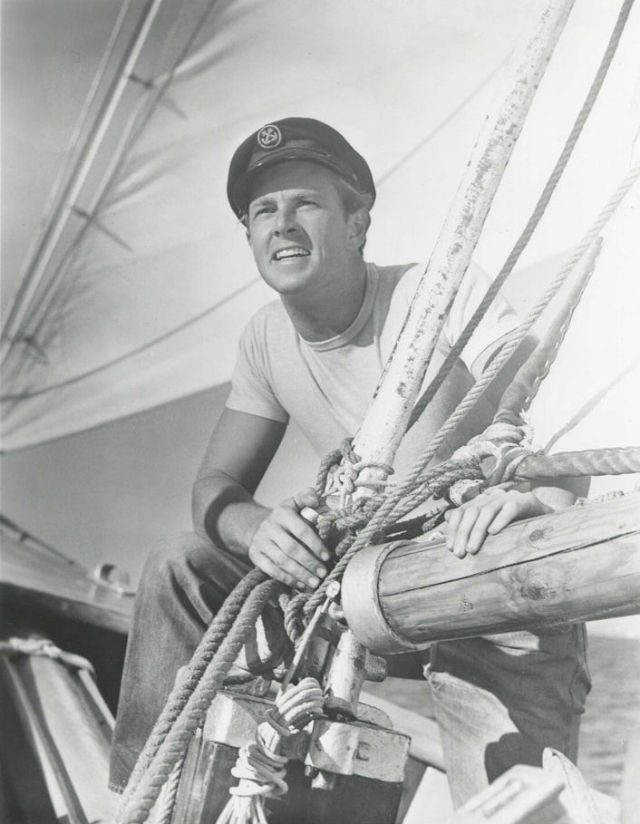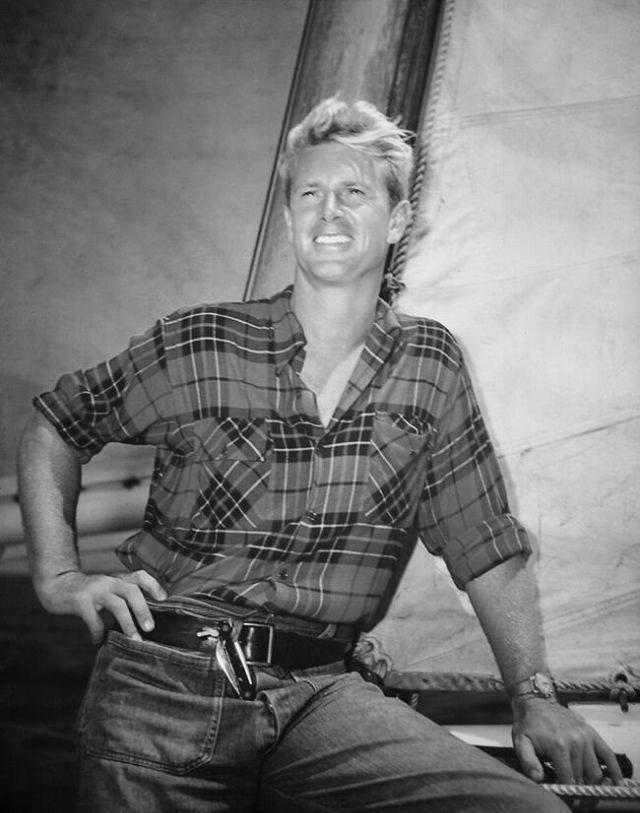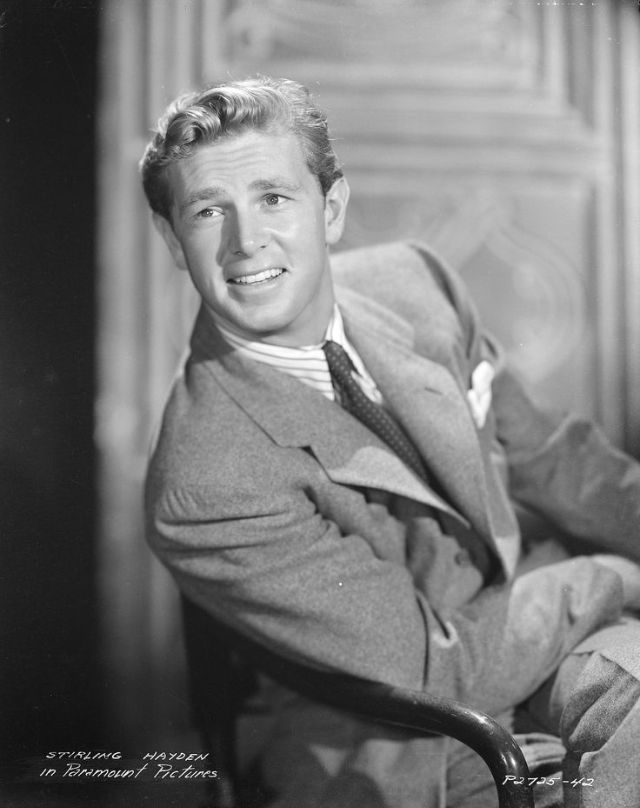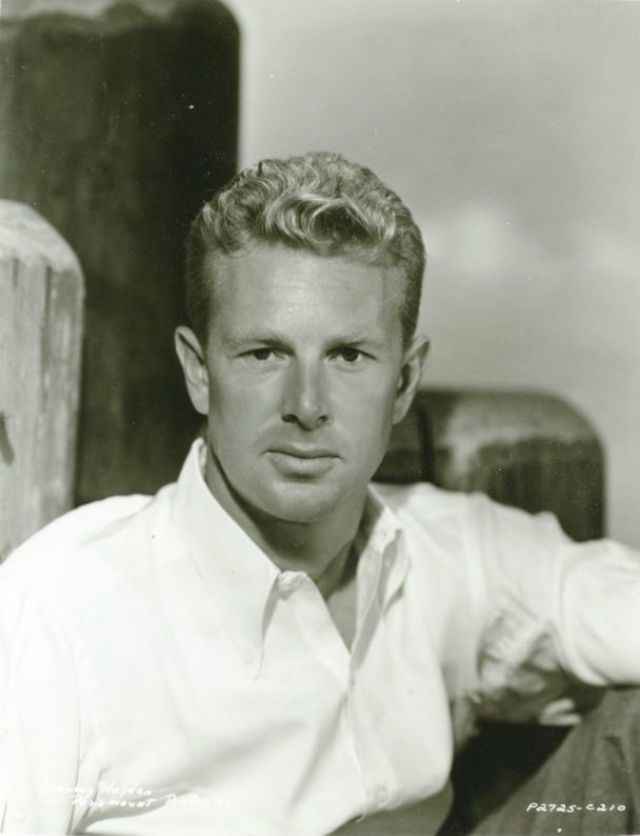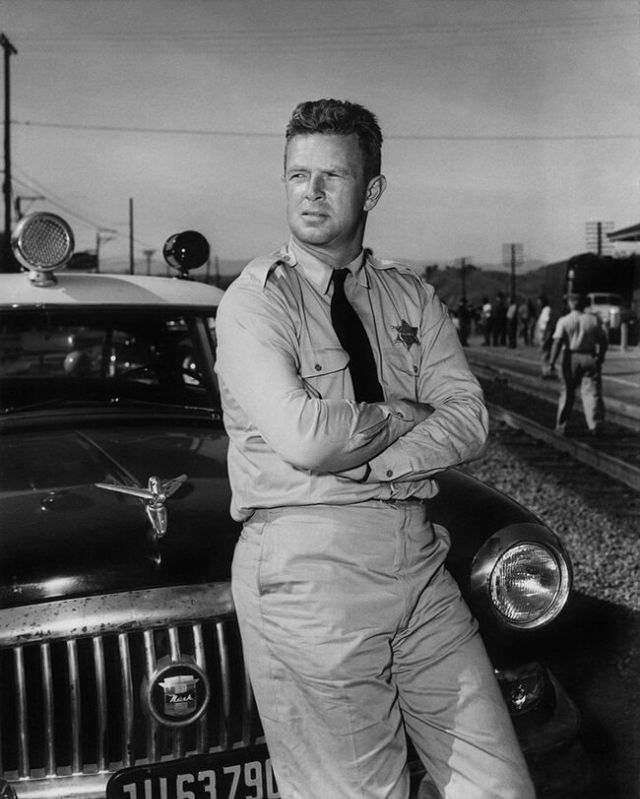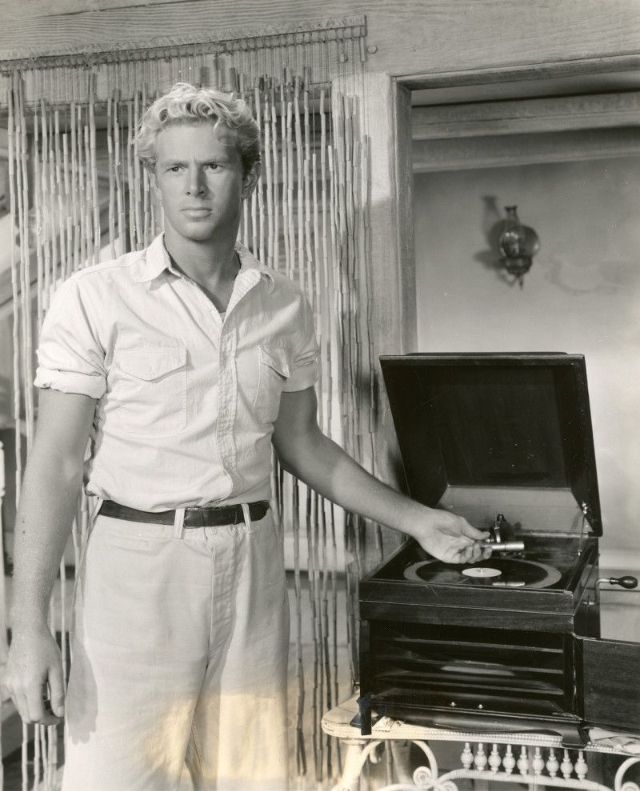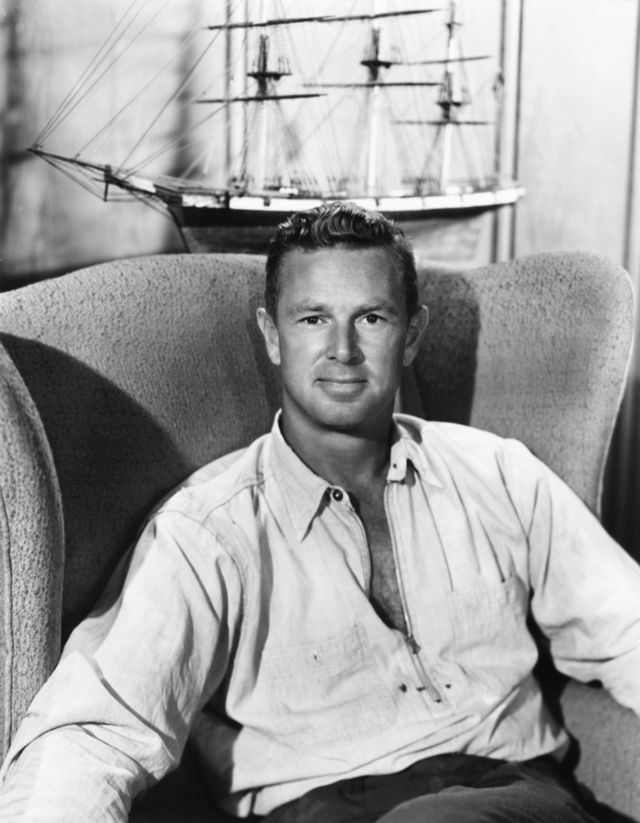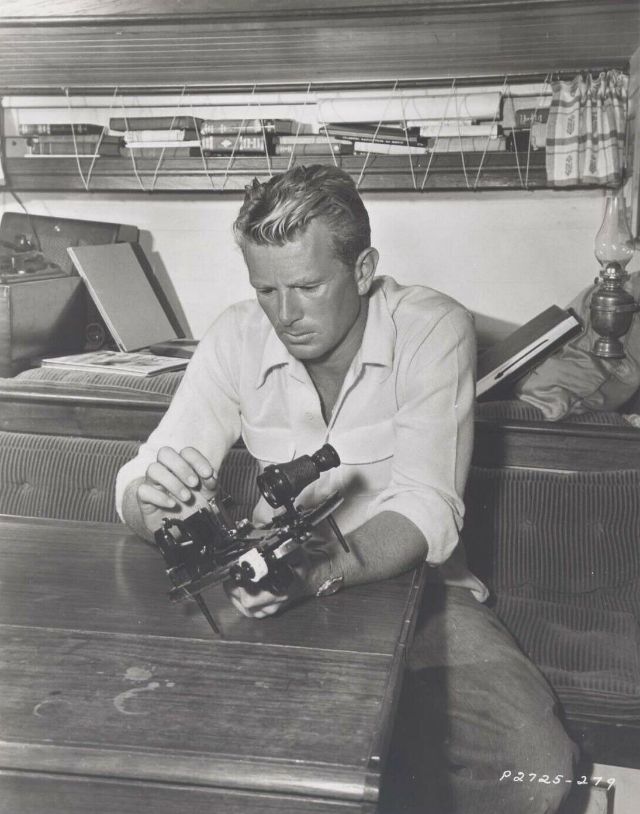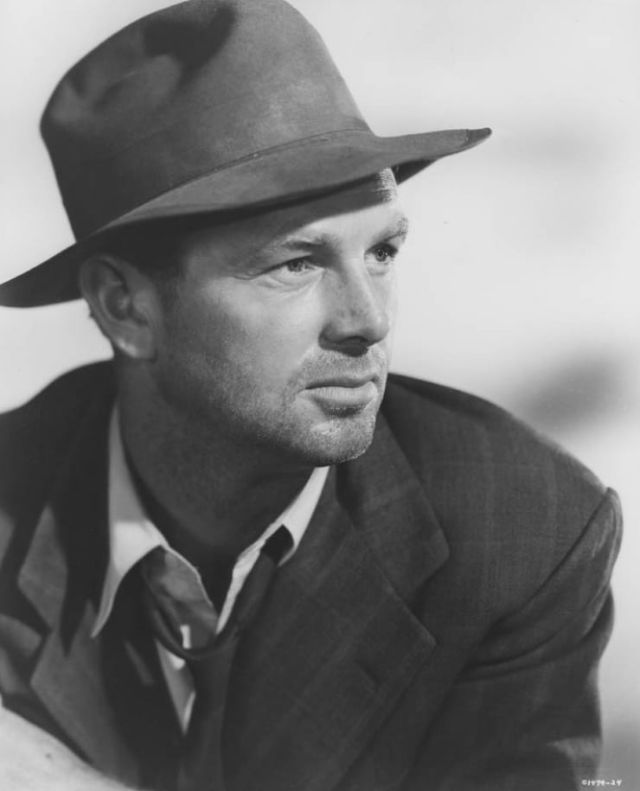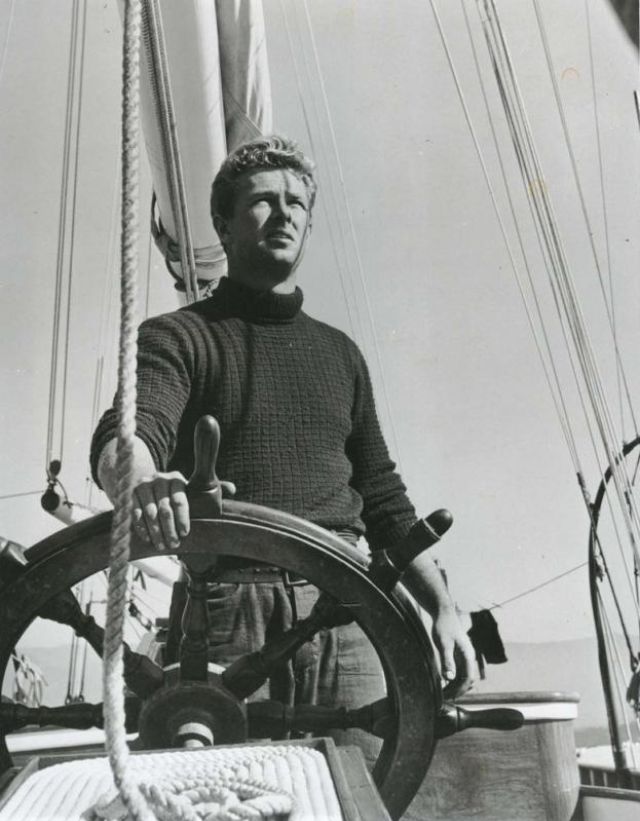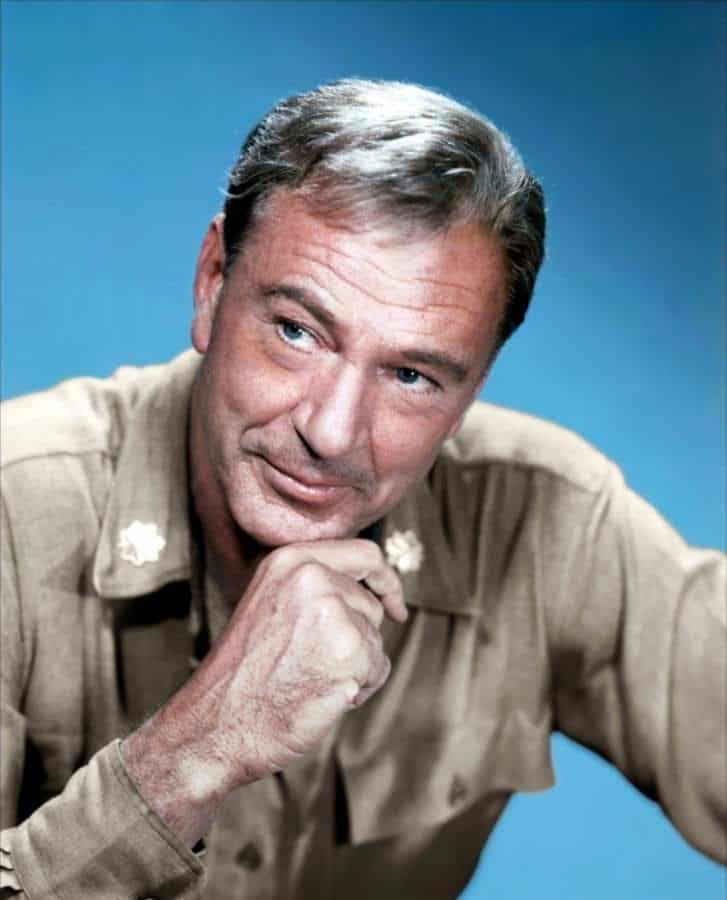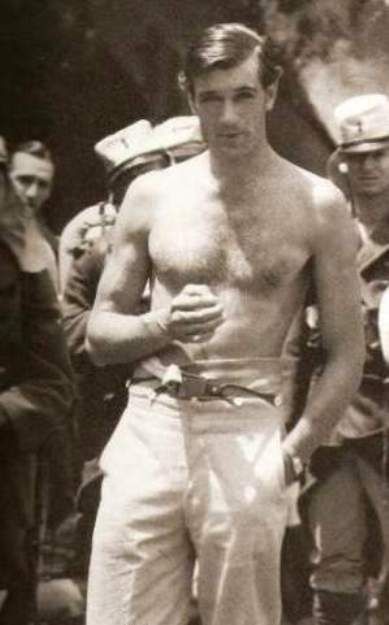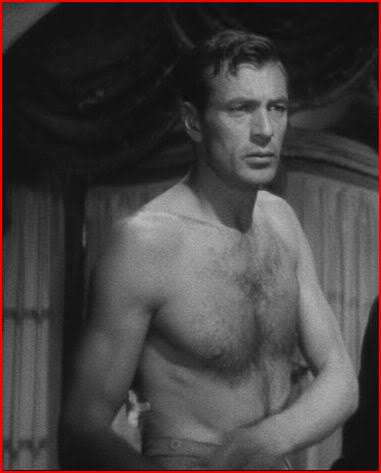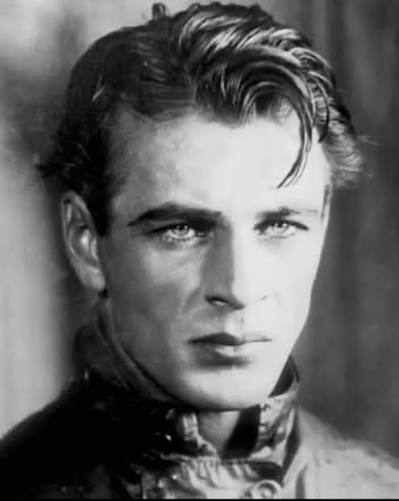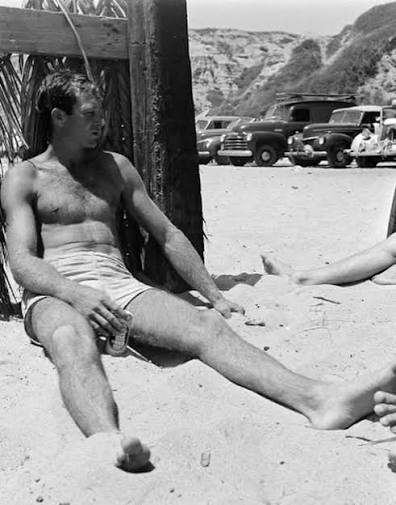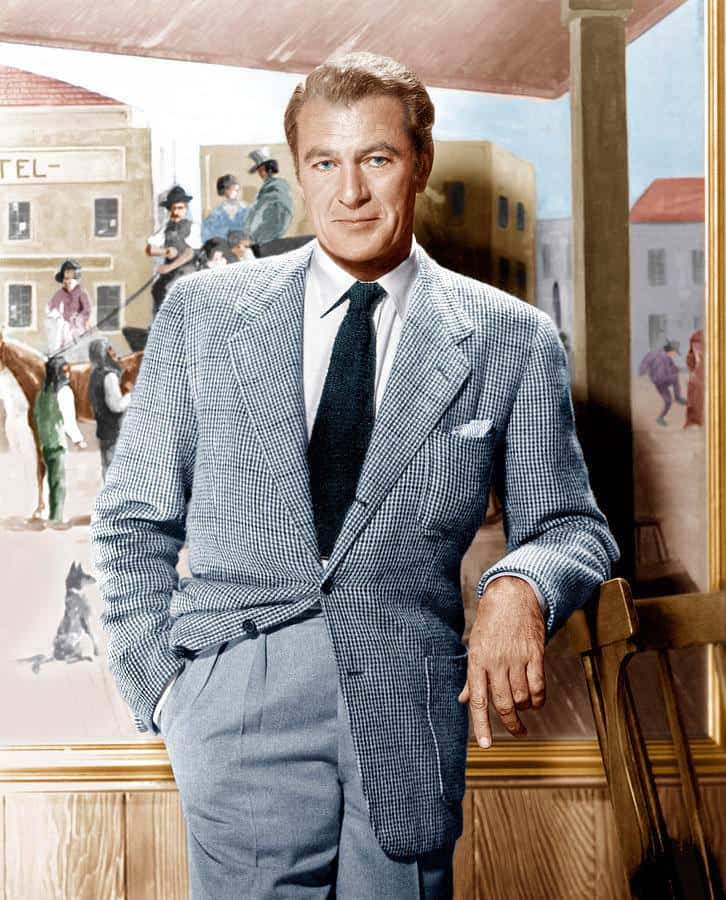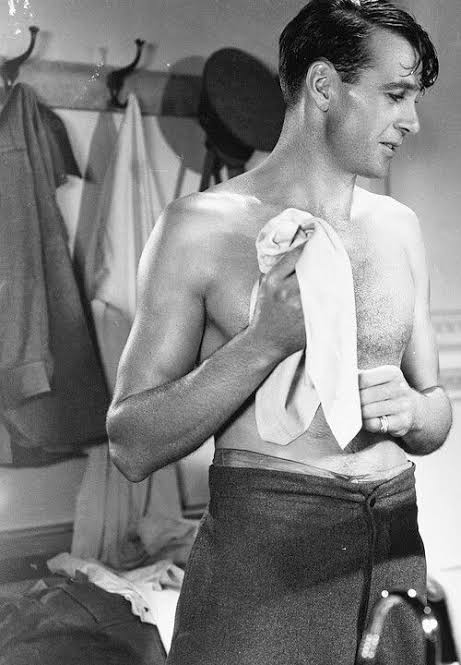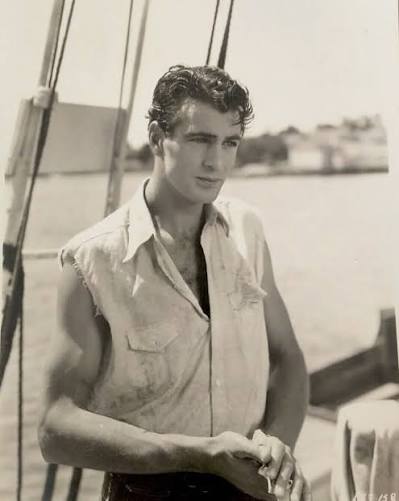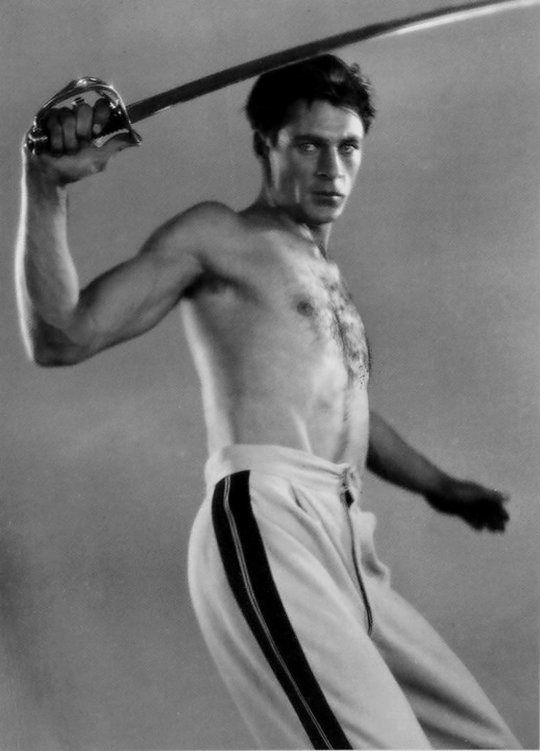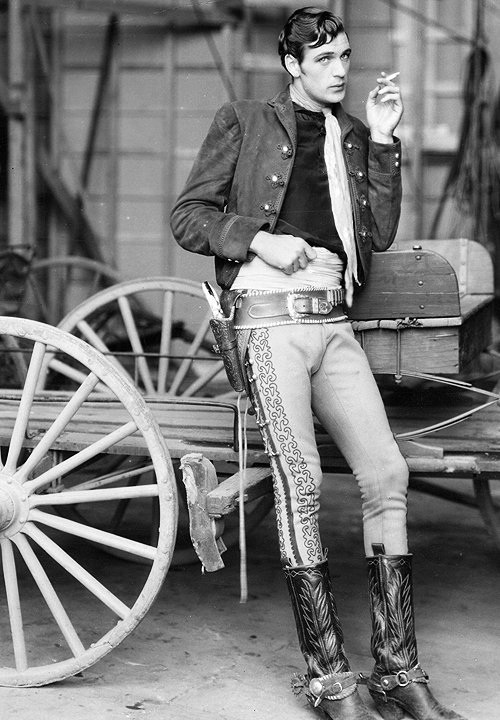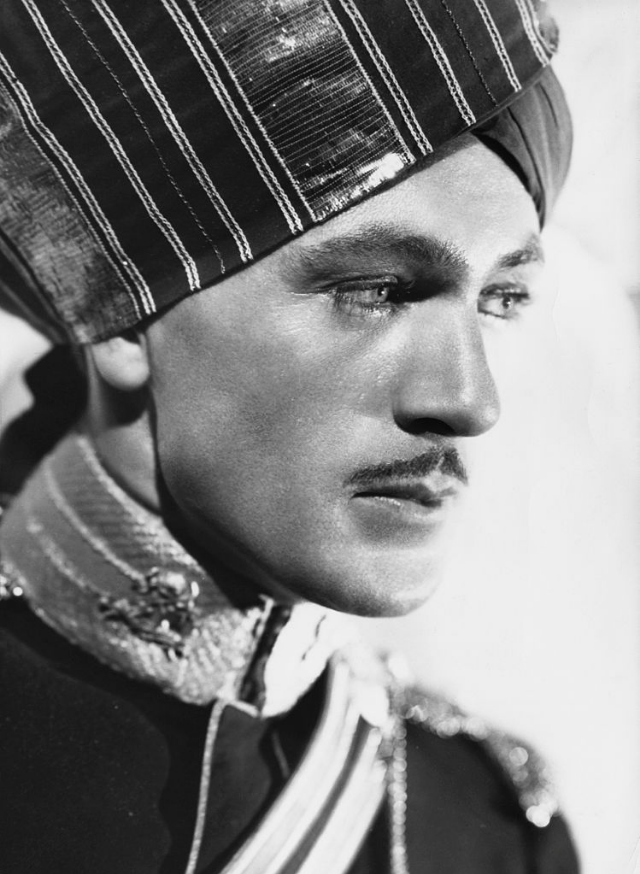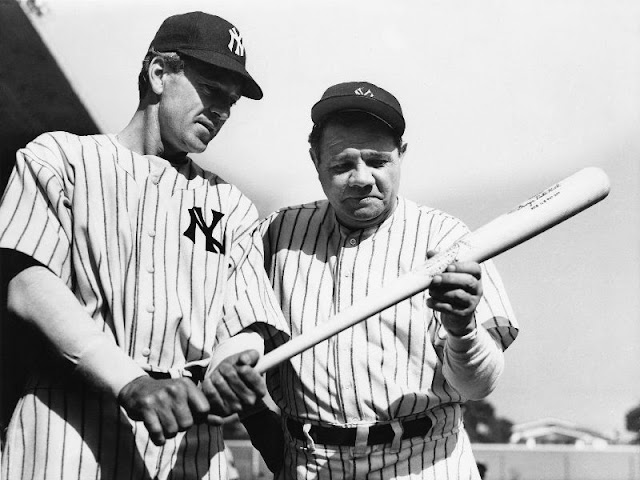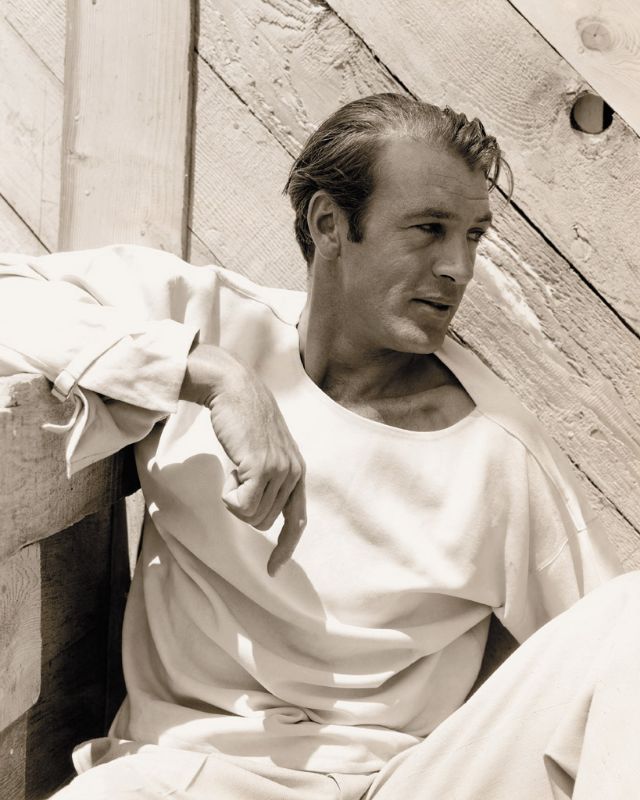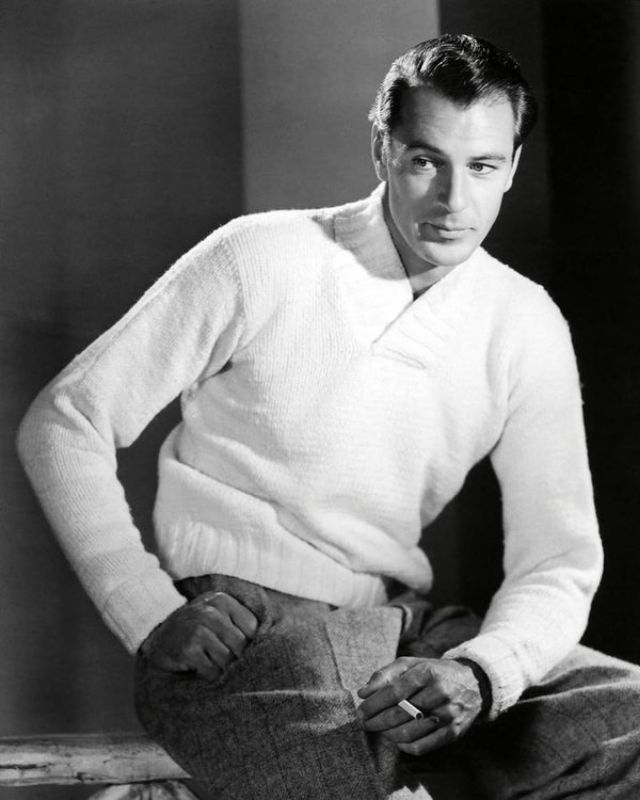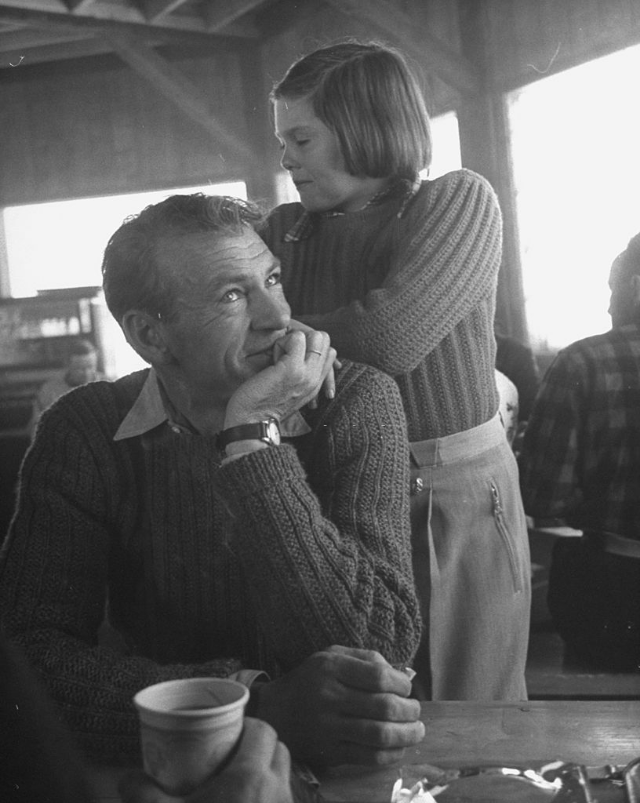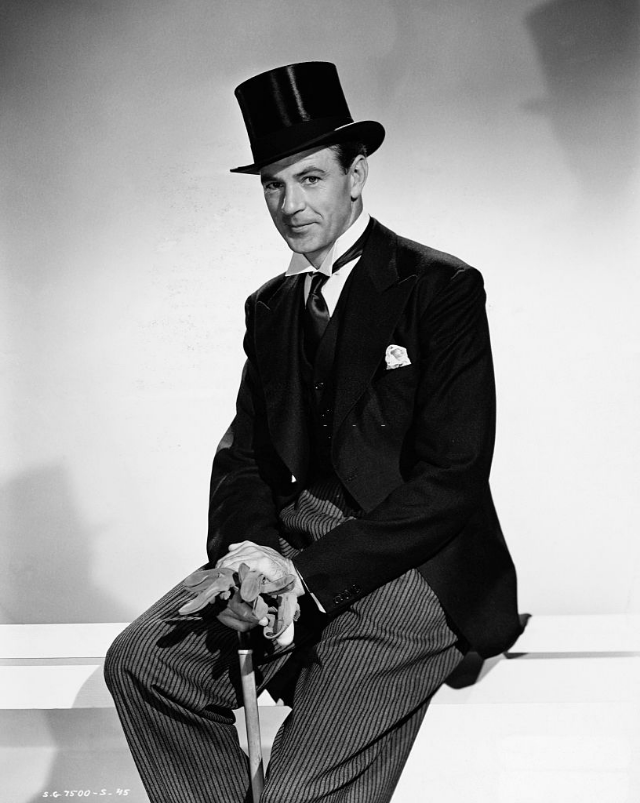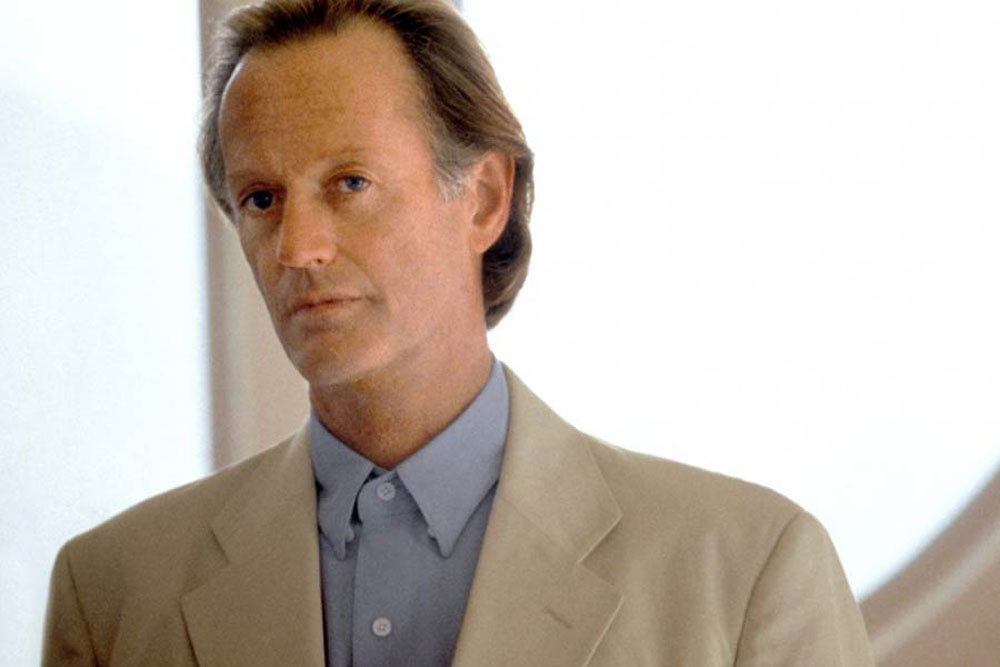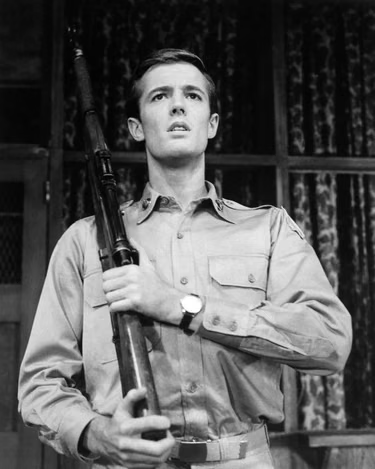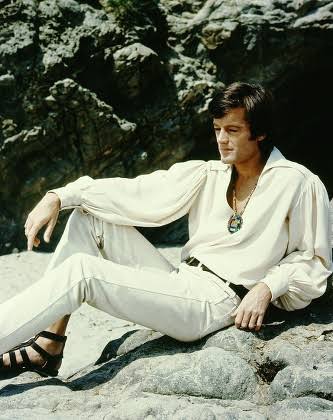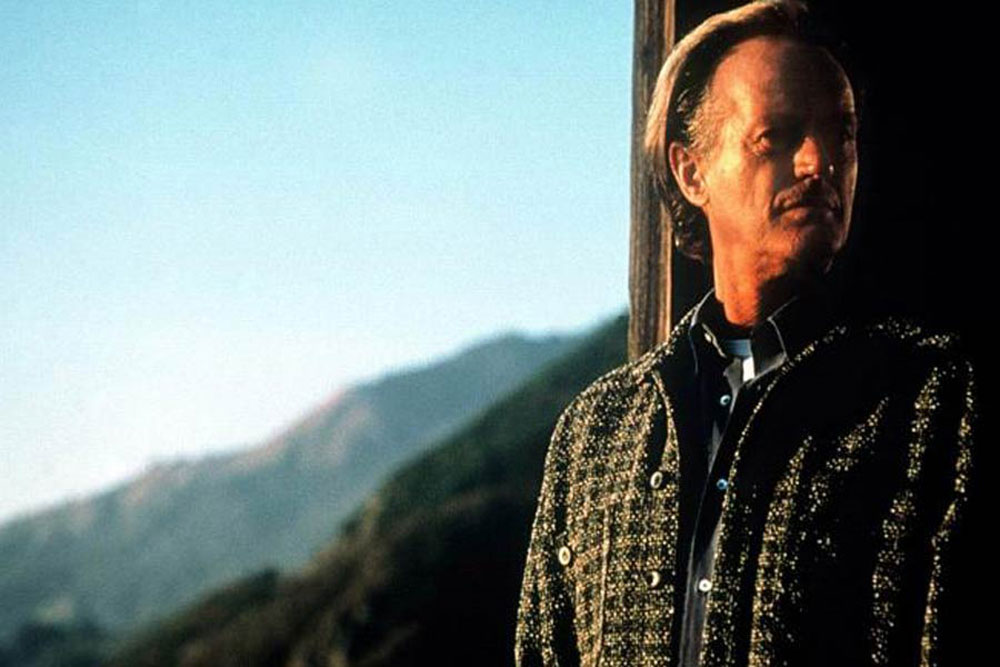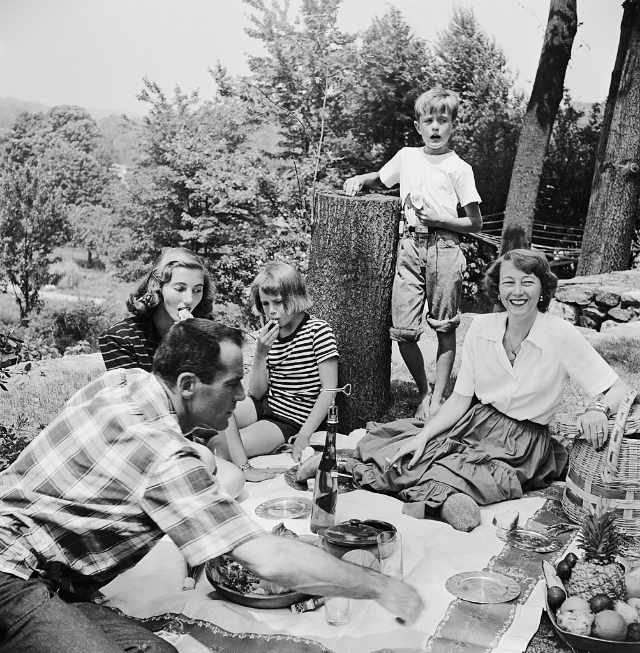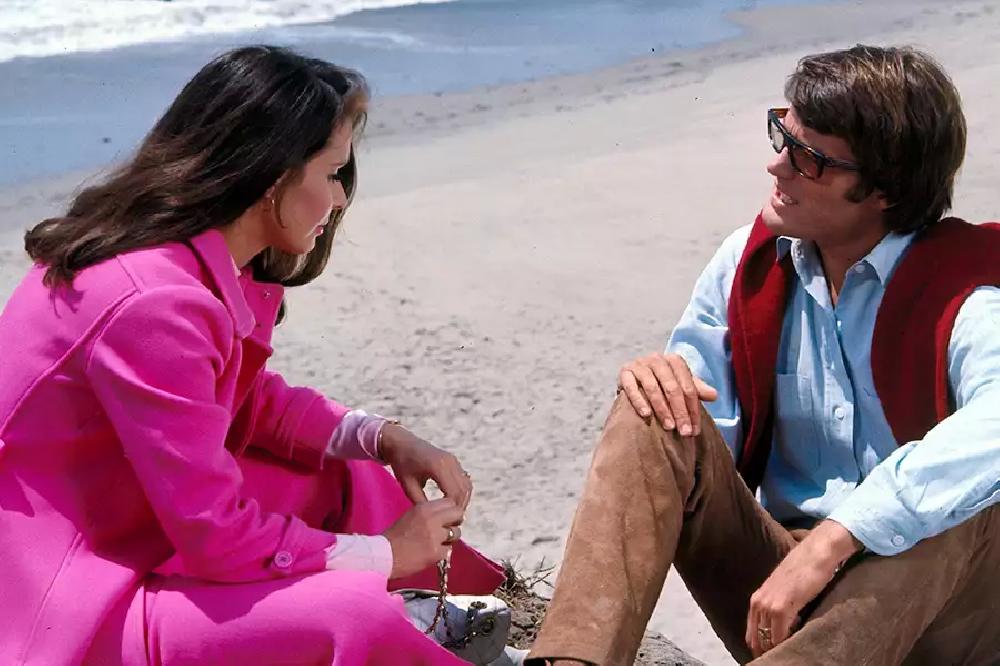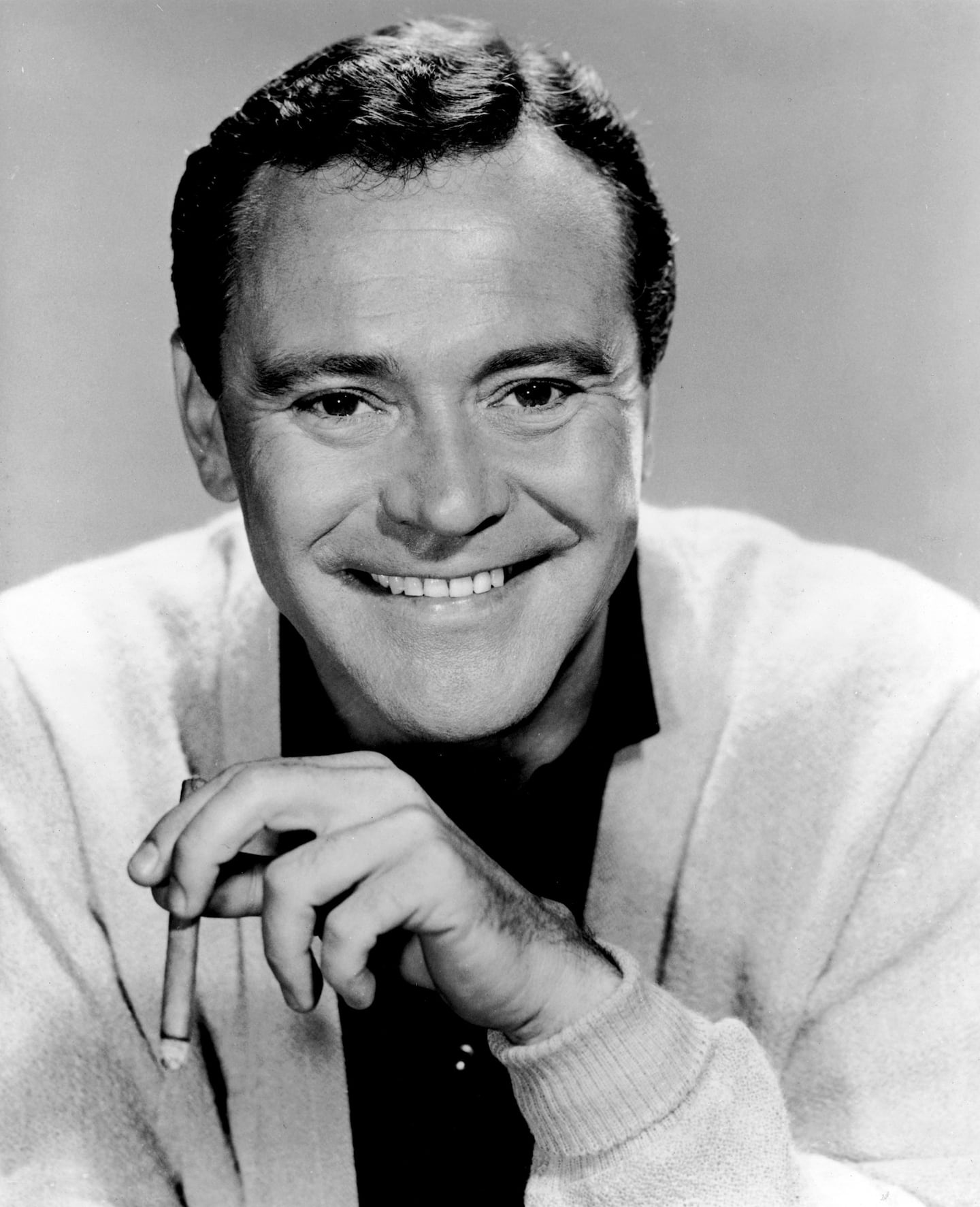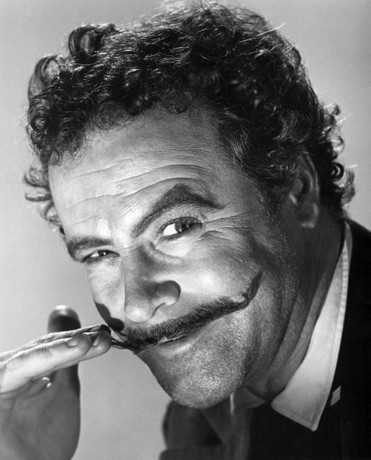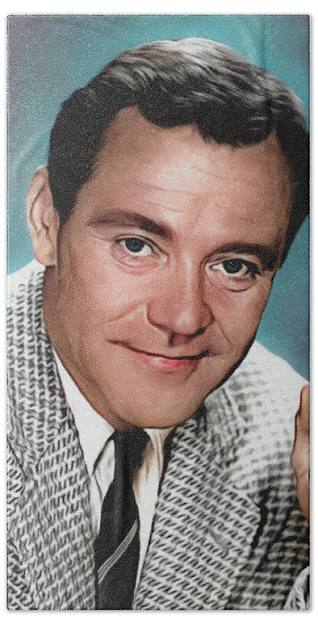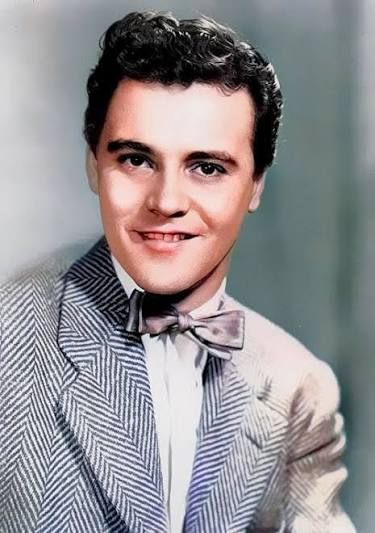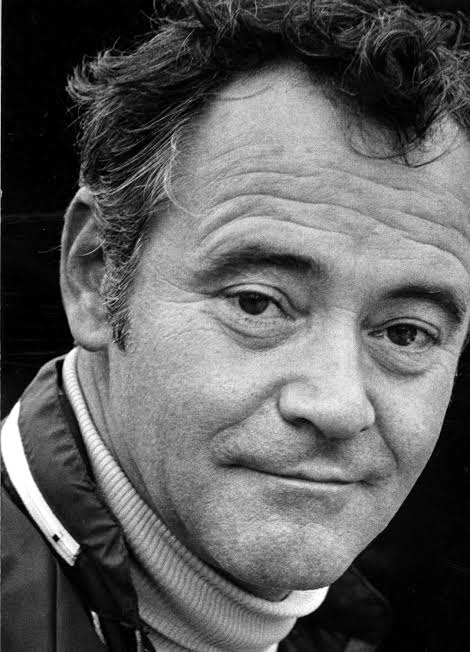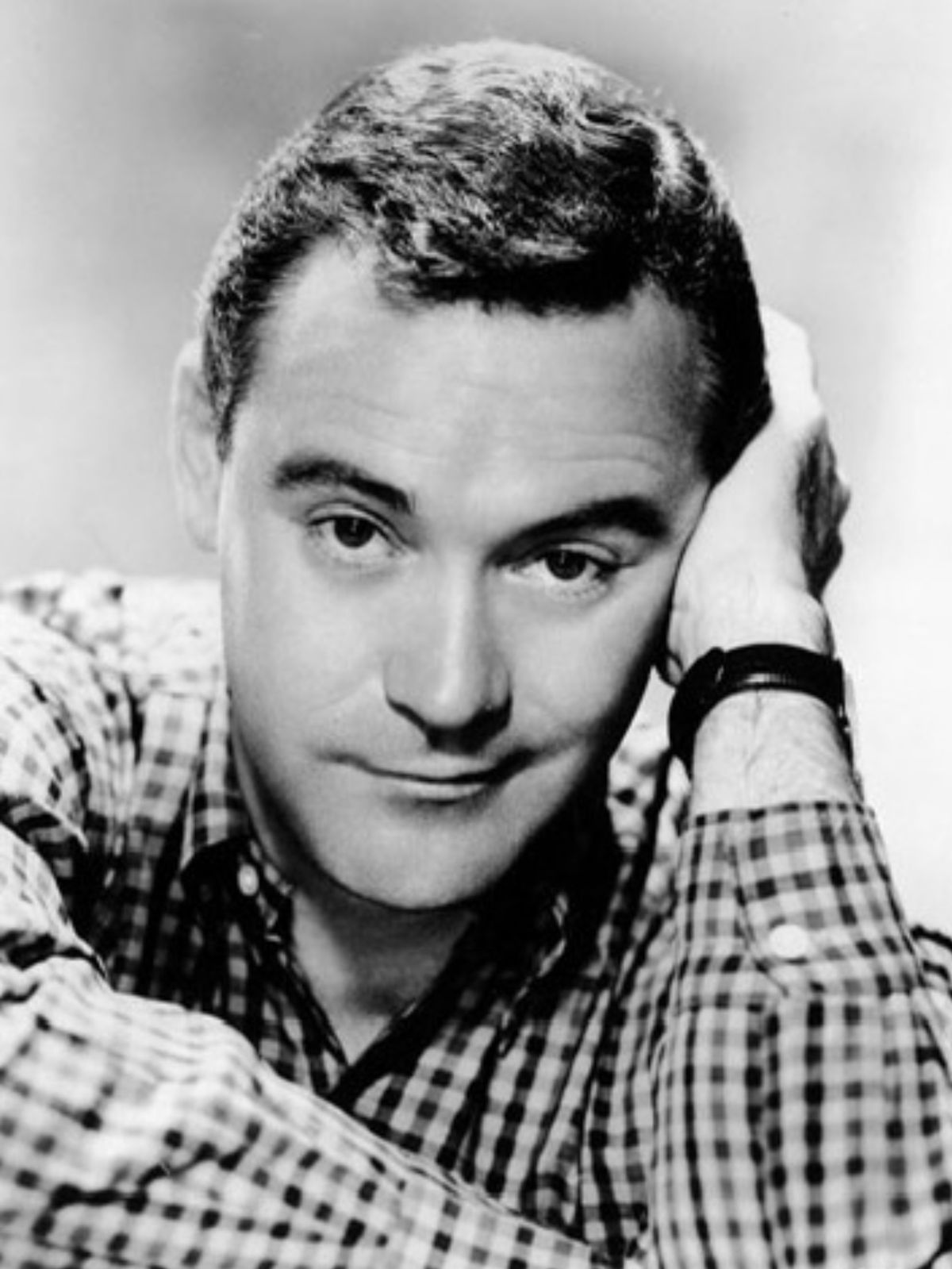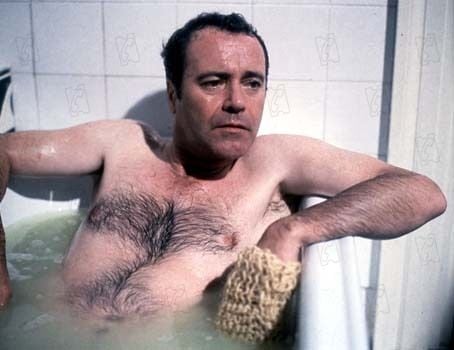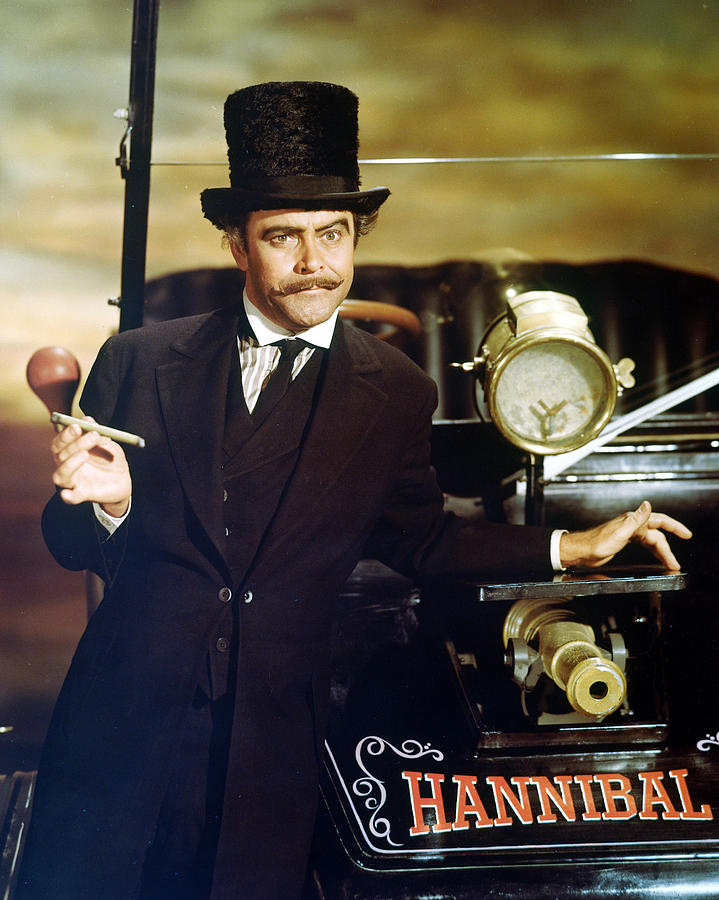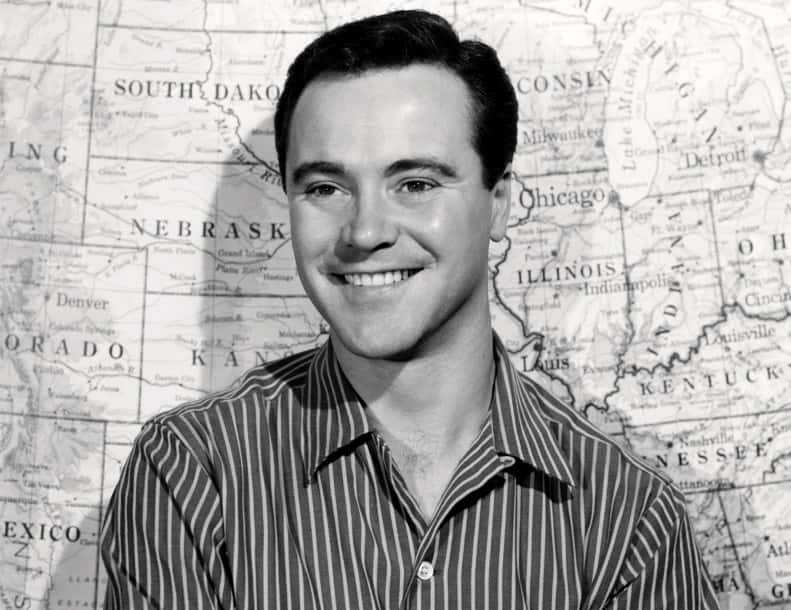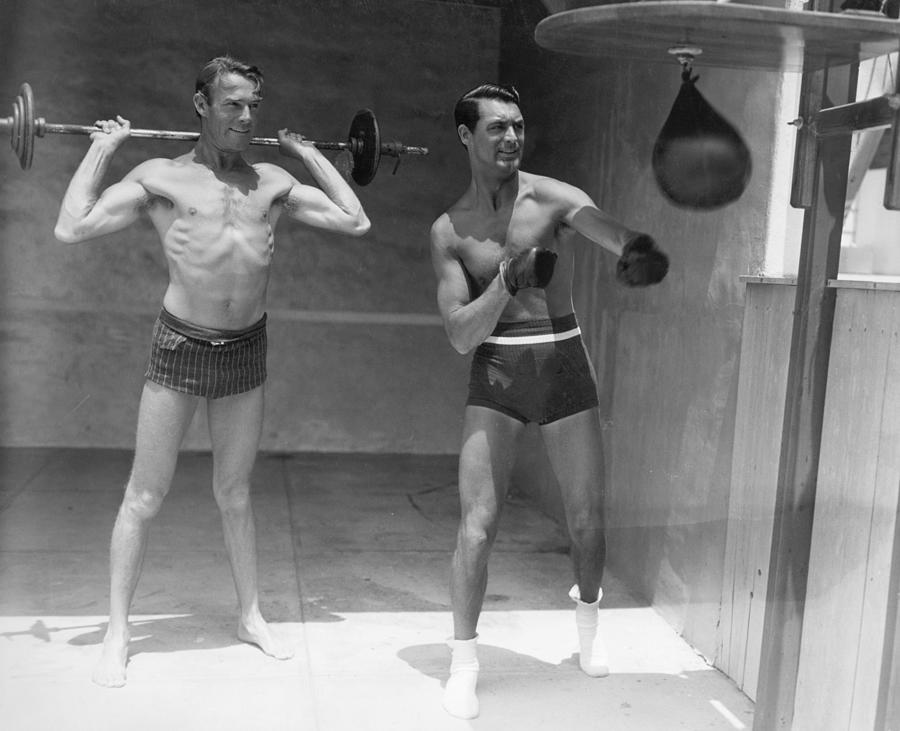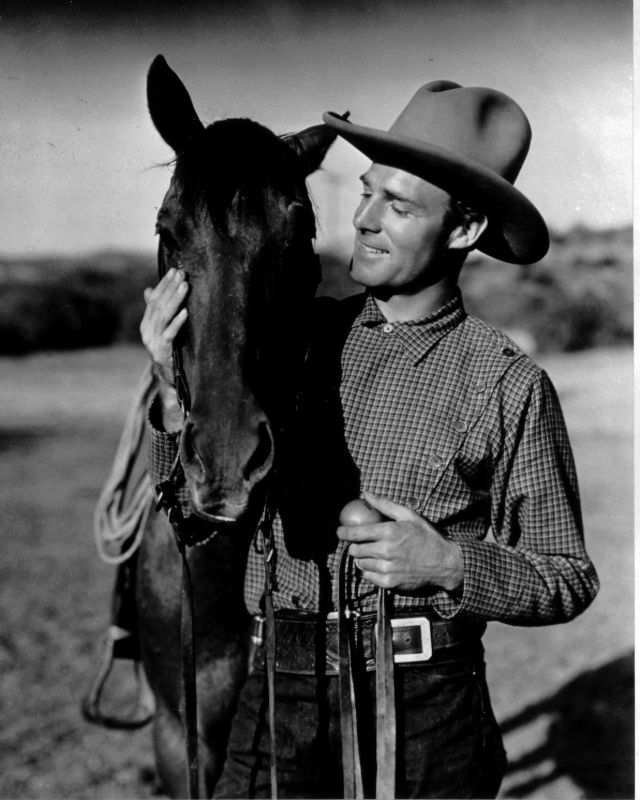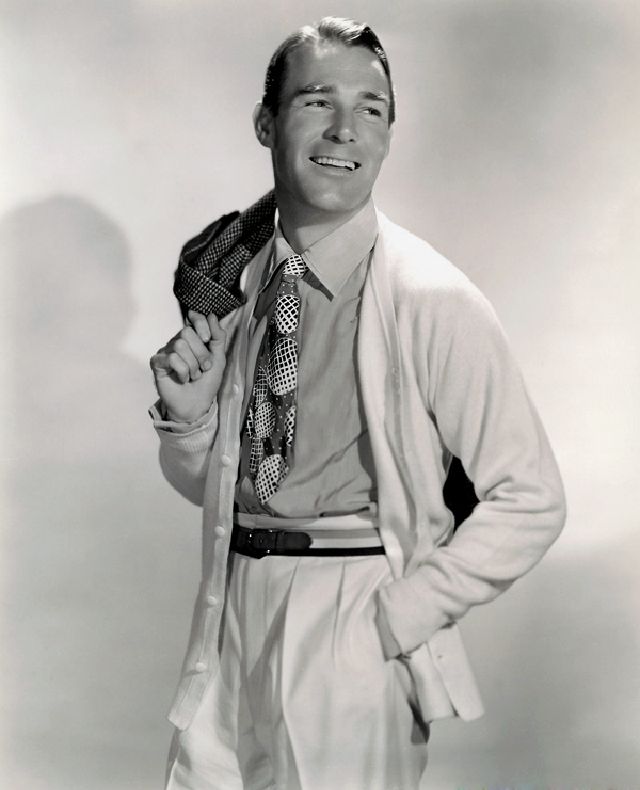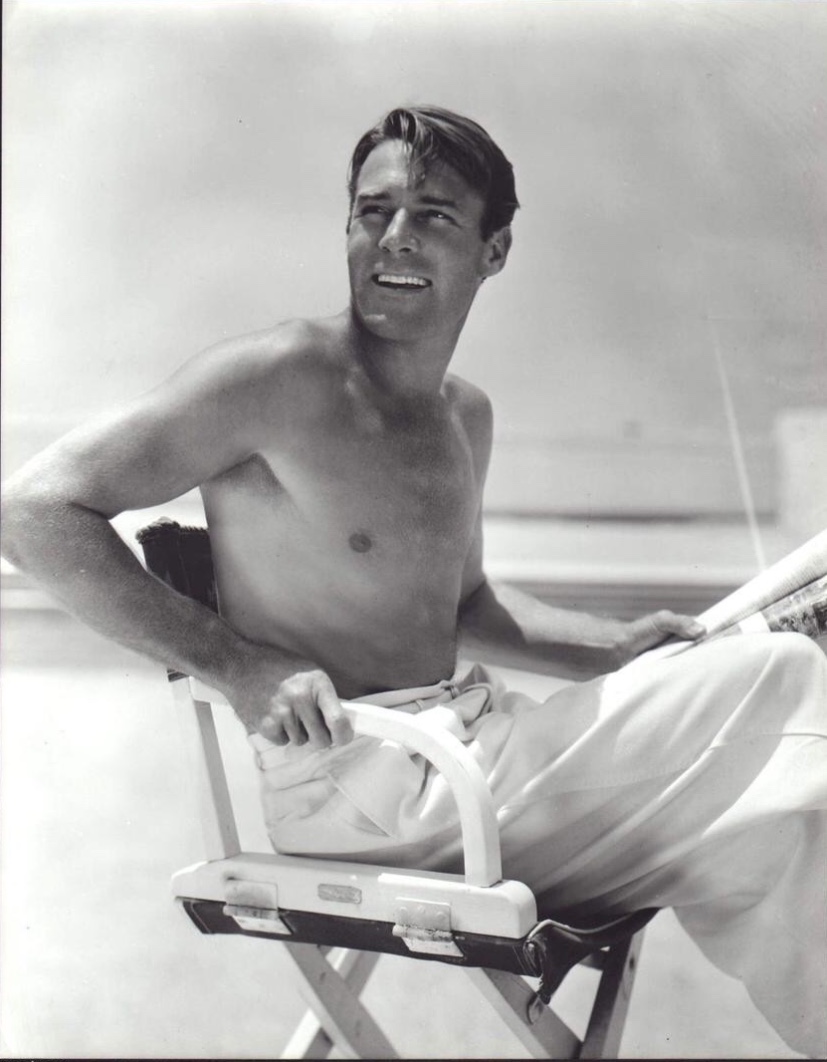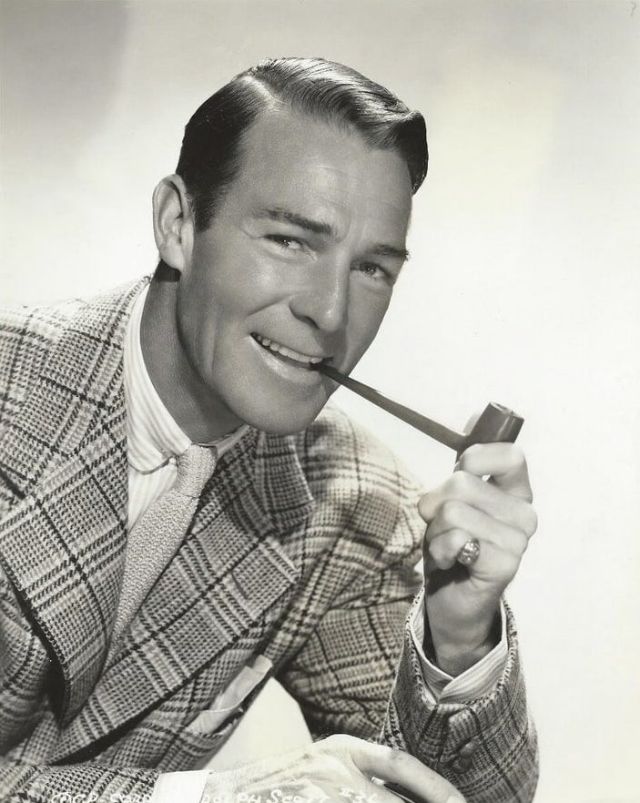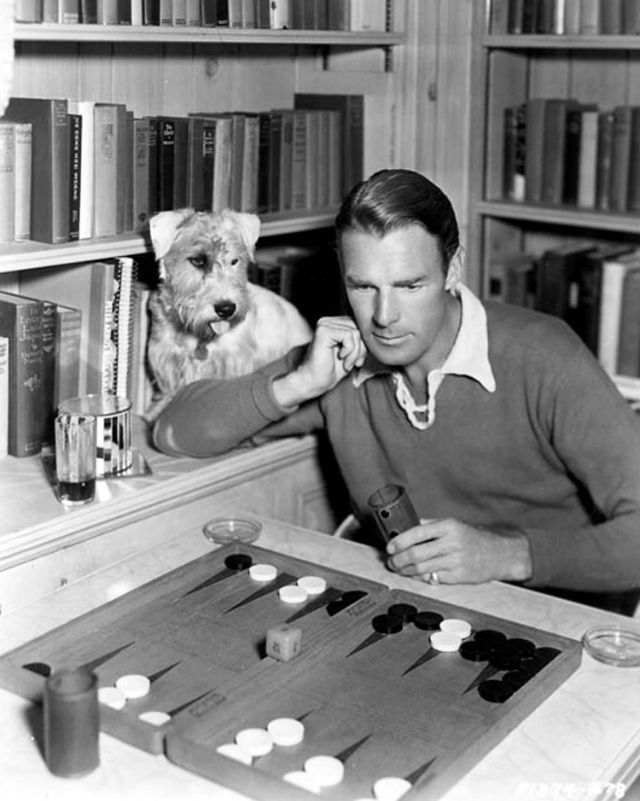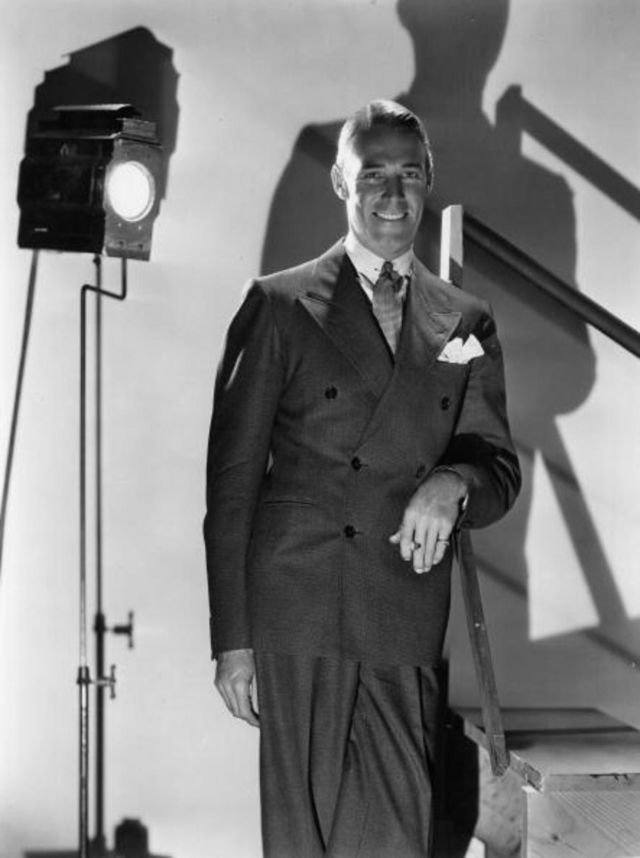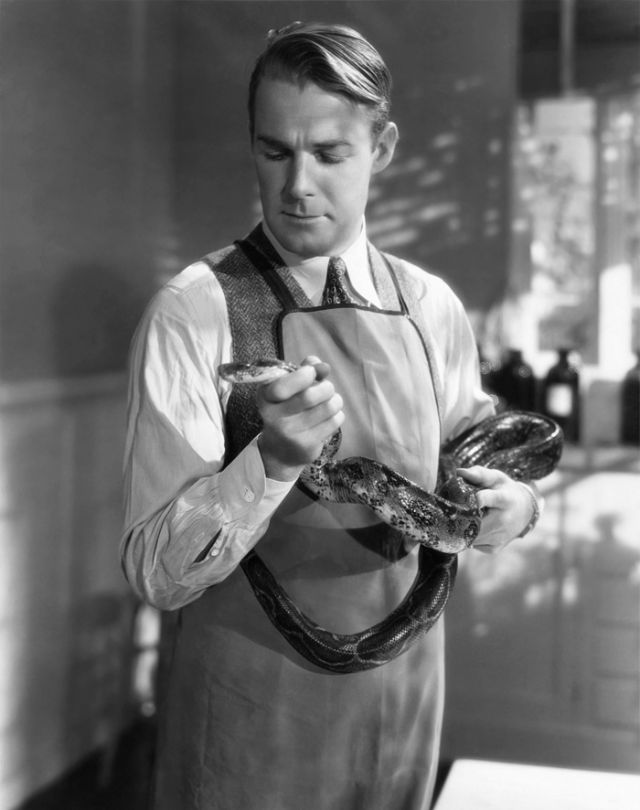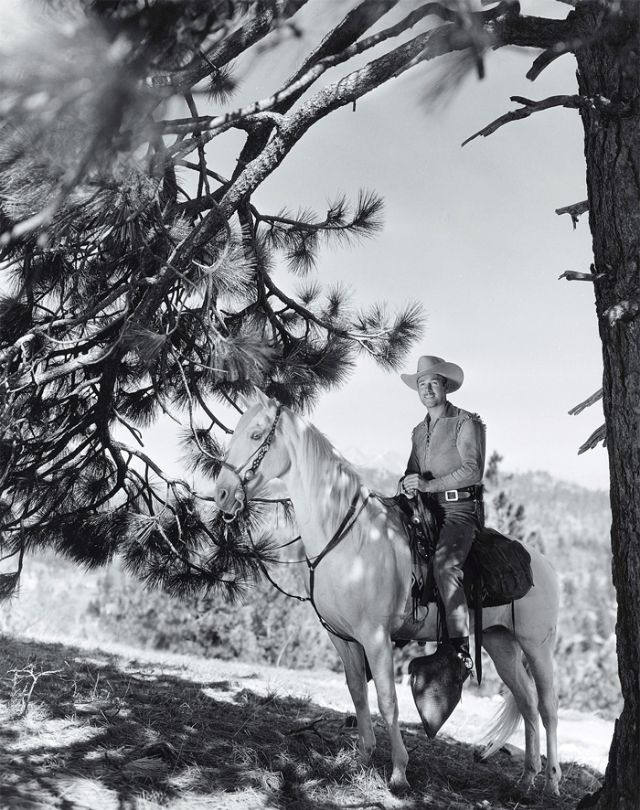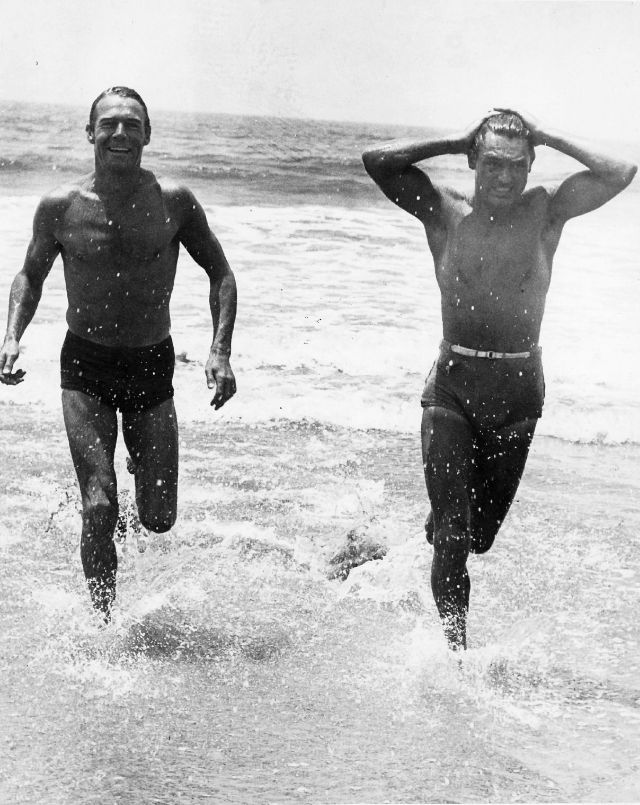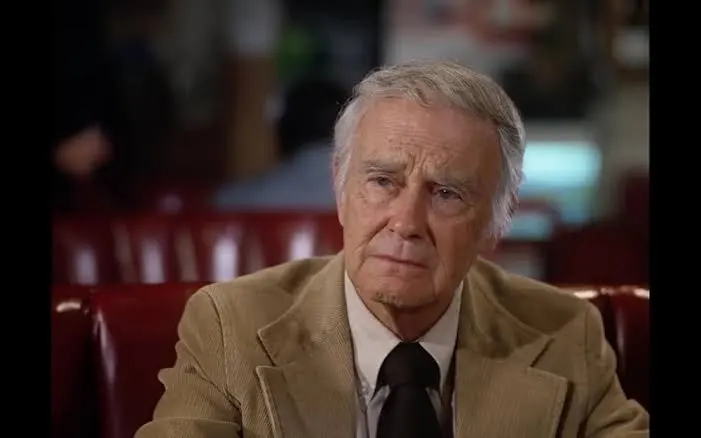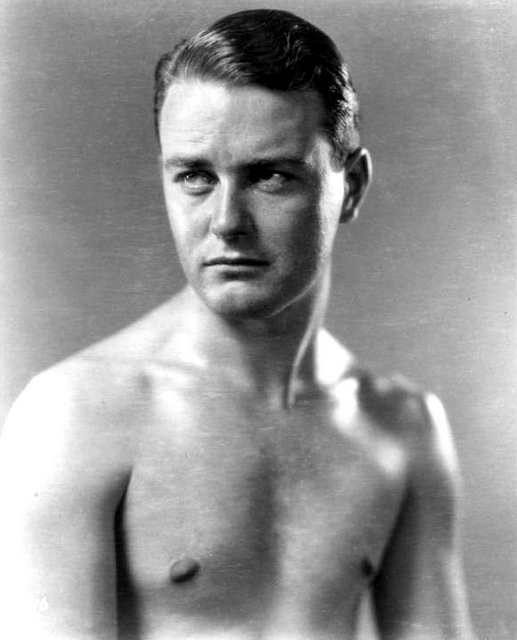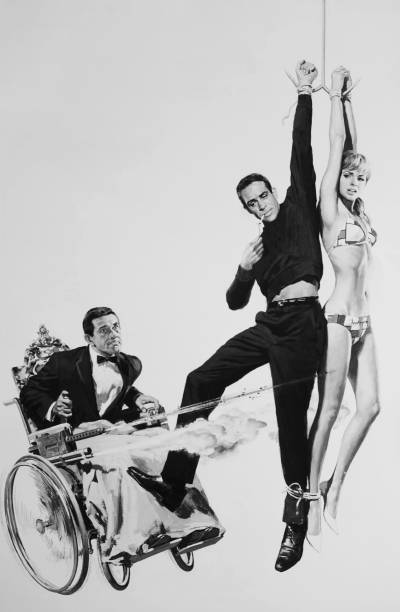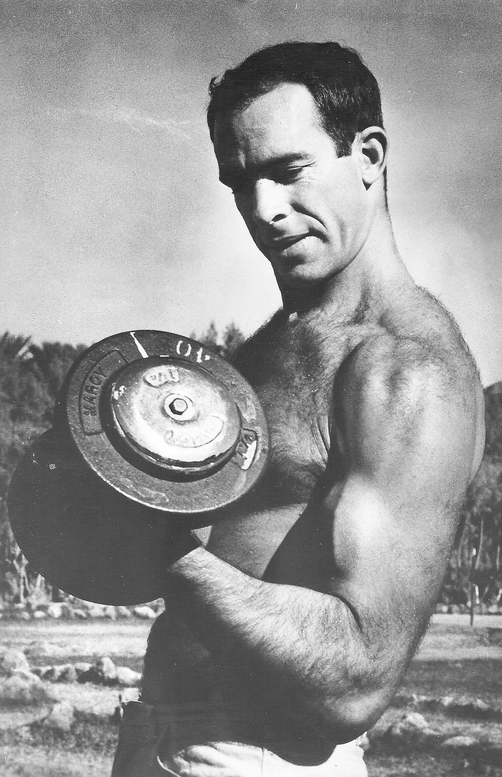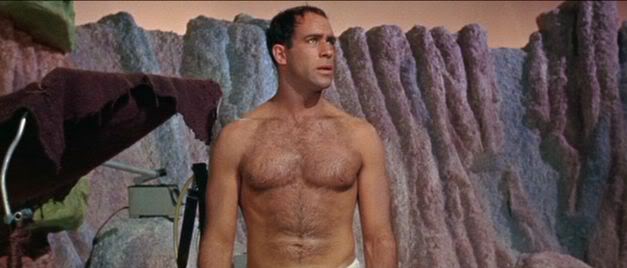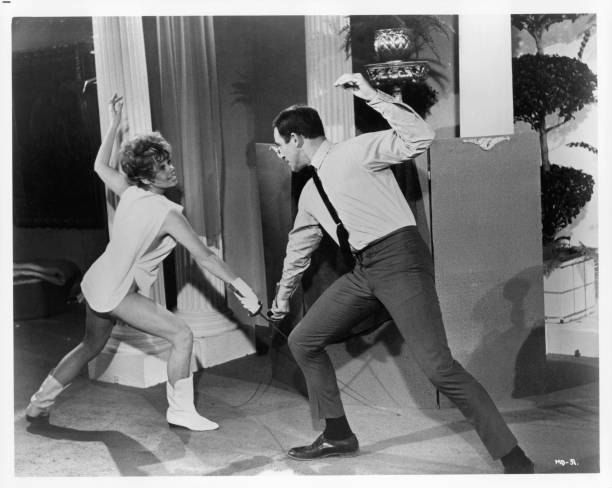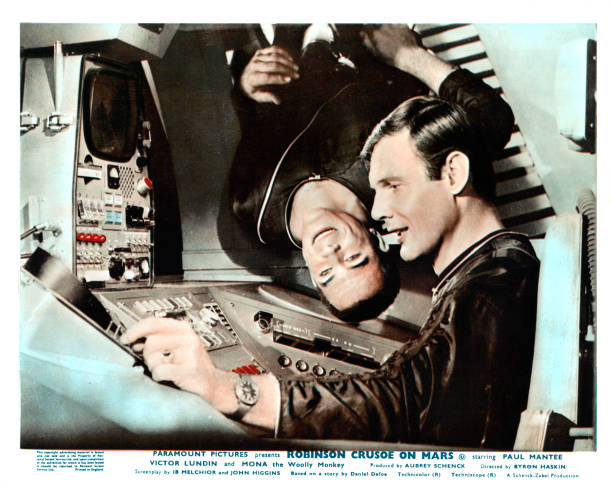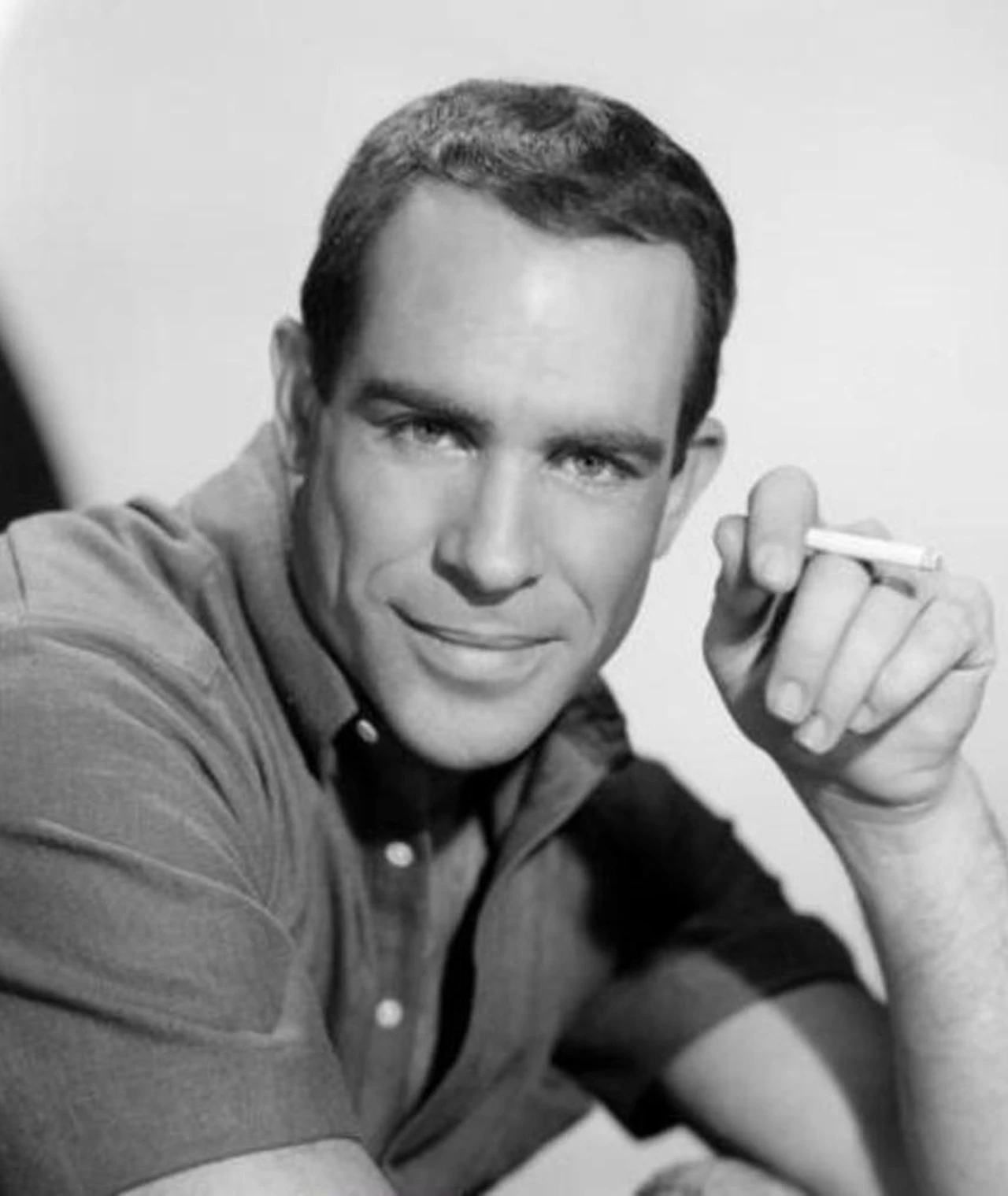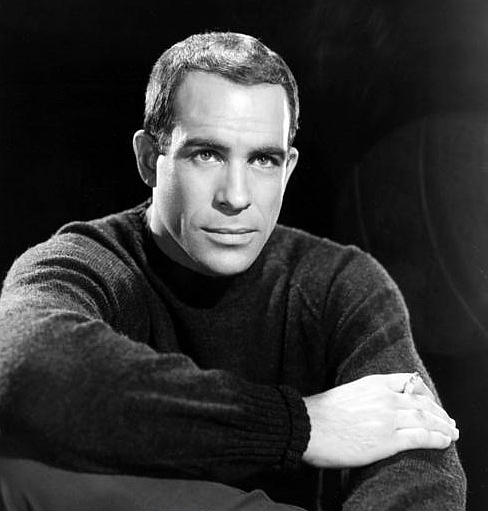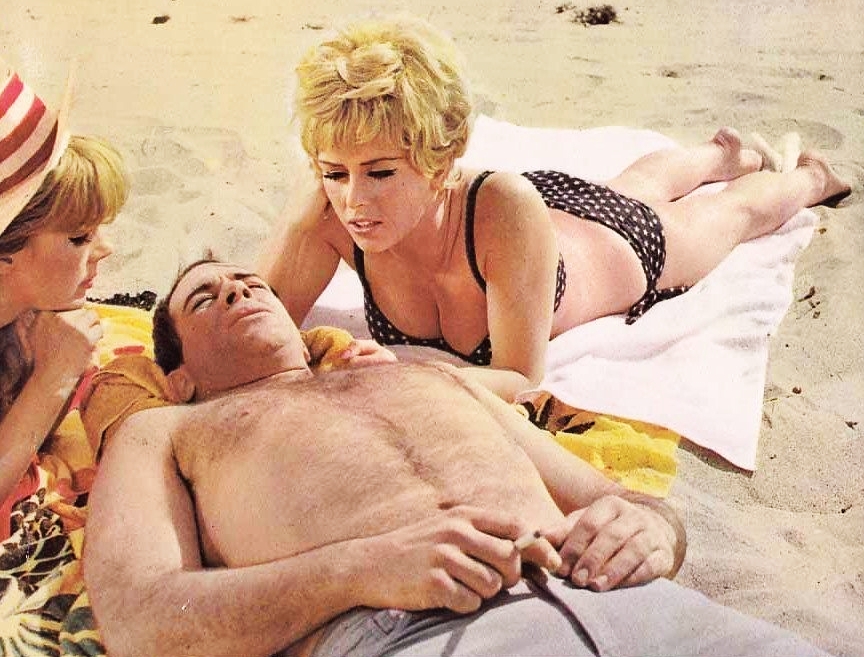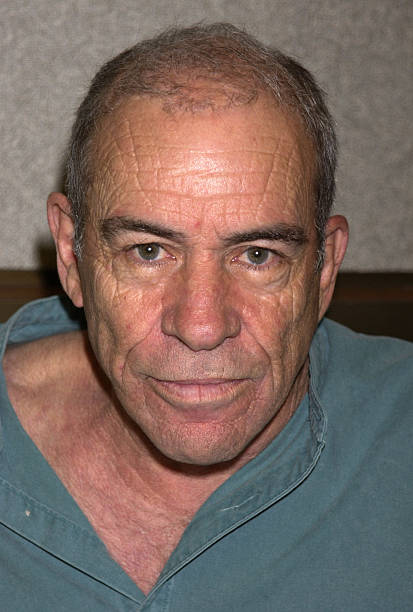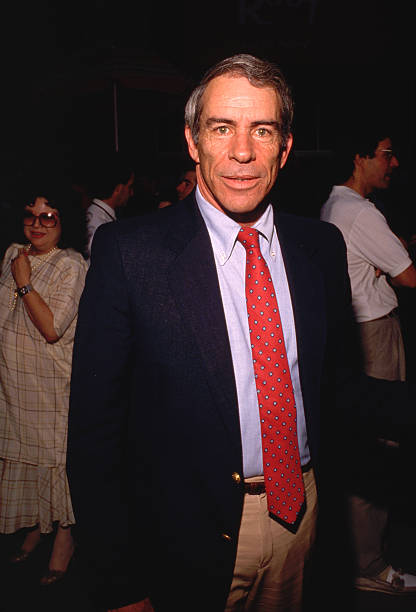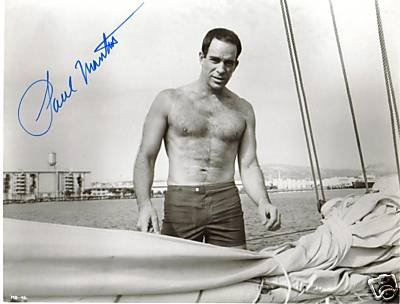
Sterling Walter Hayden (1916-1986)

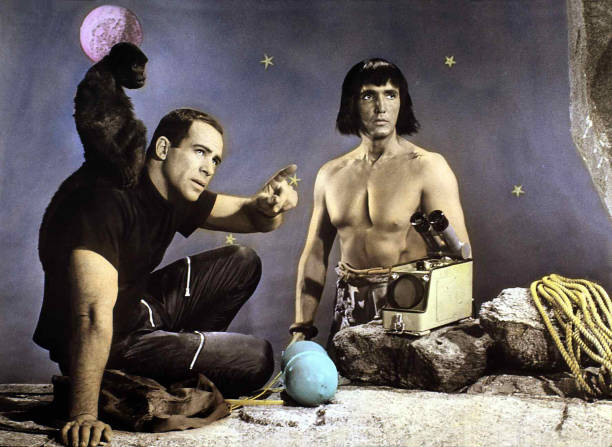
Born Sterling Relyea Walter, and a leading man for most of his career, he specialized in Westerns and film noir throughout the 1950s, in films such as John Huston’s The Asphalt Jungle (1950), Nicholas Ray’s Johnny Guitar (1954), and Stanley Kubrick’s The Killing (1956). In the 1960s, he became noted for supporting roles, perhaps most memorably as General Jack D. Ripper in Kubrick’s Dr. Strangelove or: How I Learned to Stop Worrying and Love the Bomb (1964).

Hayden’s success continued into the New Hollywood era, with roles such as Irish-American policeman Captain McCluskey in Francis Ford Coppola’s The Godfather (1972), alcoholic novelist Roger Wade in Robert Altman’s The Long Goodbye (1973), elderly peasant Leo Dalcò in Bernardo Bertolucci’s 1900 (1976), and chairman of the board Russell Tinsworthy in 9 to 5 (1980). With a distinctive “rapid-fire baritone” voice and an imposing stature at 6 ft 5 in he had a commanding screen presence in both leading and supporting roles.

Over his early career Hayden often professed a distaste for acting and used his earnings to finance his numerous voyages as a sailor. He was also a decorated Marine Corps officer and an Office of Strategic Services agent during World War II. Admiration for the Communist partisans he had fought alongside led him into a brief membership in the Communist Party (CPUSA) from June to December 1946. In one of his CPUSA assignments, he supported an effort by the Communist-controlled motion picture painters union to absorb other film industry unions. In September 1947, the House Committee on Un-American Activities (HUAC) subpoenaed ten screenwriters and directors (known later as the “Hollywood Ten”) as part of an investigation into “subversive” elements in the film industry.

A large group of movie luminaries, including Hayden, formed the Committee for the First Amendment to protest what they perceived as political harassment. In the next few years, as the Second Red Scare gripped the U.S., the HUAC expanded its probe to include all entertainment industry professionals with suspected links, past or present, to the CPUSA. Consequently, Hayden became a target. The actor agreed to become a “friendly witness” and “name names”, later saying “the FBI made it very clear to me that, if I became an ‘unfriendly witness’, I could damn well forget the custody of my children. I didn’t want to go to jail, that was the other thing.” The HUAC subpoenaed Hayden in late March 1951. On April 10, he testified before the Committee in Washington, D.C. that joining the Party was “the stupidest and most ignorant thing I have ever done in my life”. Because of his cooperative testimony, Hayden was “cleared” by the HUAC and avoided the Hollywood blacklist.

An ardent traveler, with a passion for sailing, Hayden wrote two acclaimed books: an autobiography, Wanderer (1963), and a novel, Voyage (1976). He said they made him “a lot of money” but he lost most of it to taxes. In 1983, he appeared in a documentary of his life, Pharos of Chaos.

Hayden died of prostate cancer in 1986, age 70

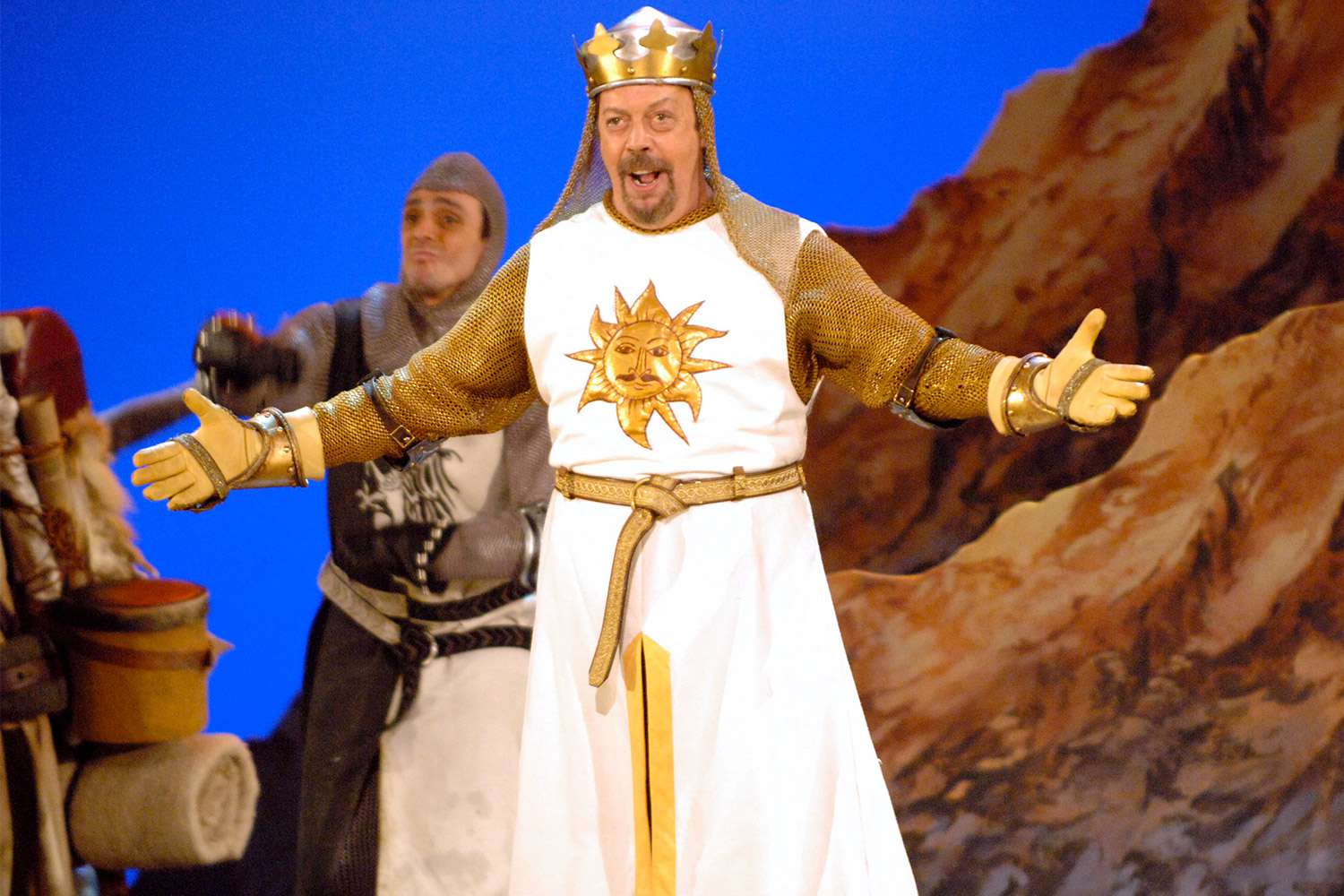
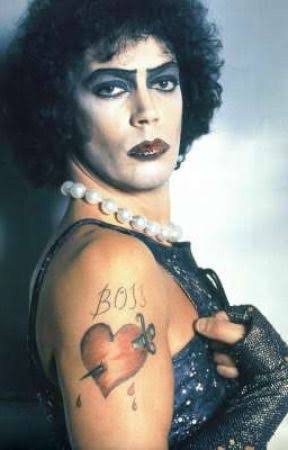
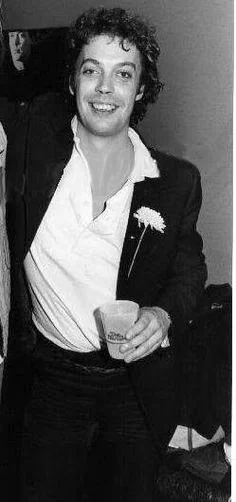
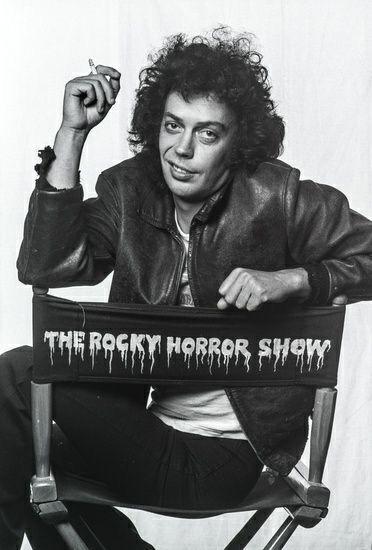
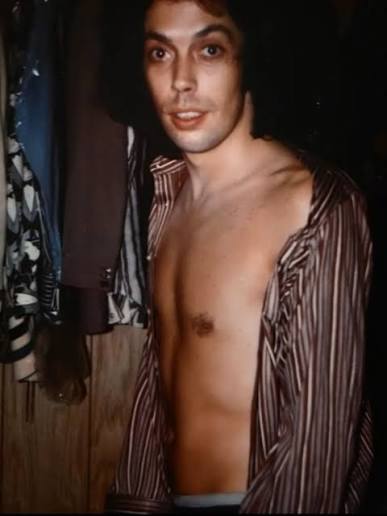
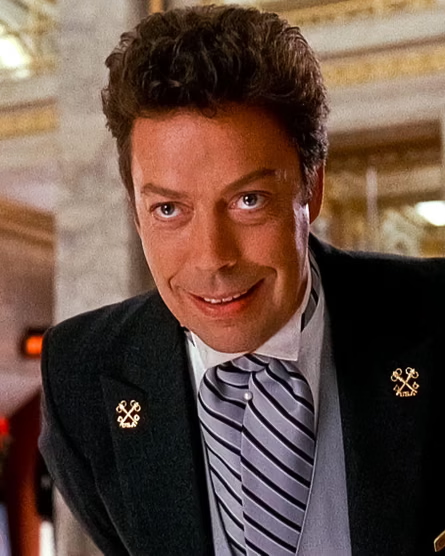
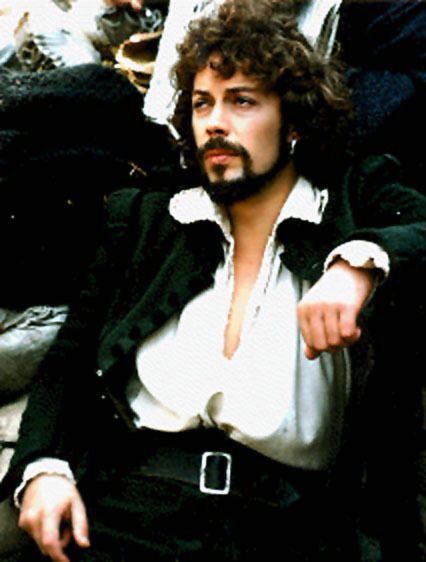
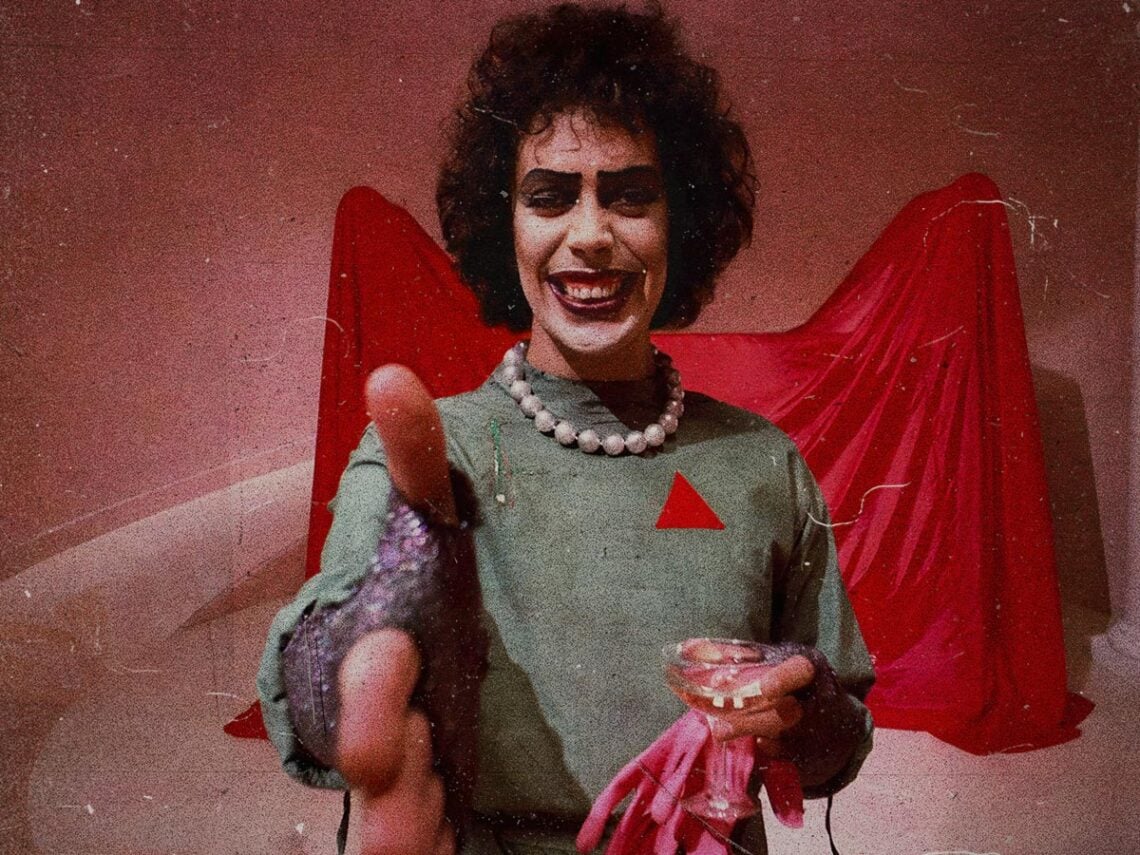
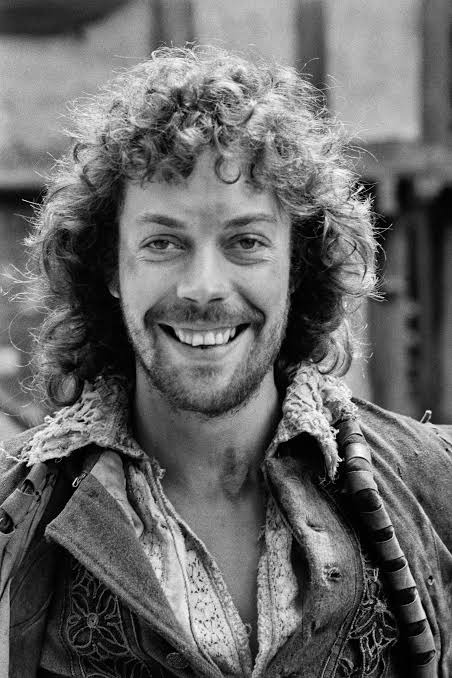
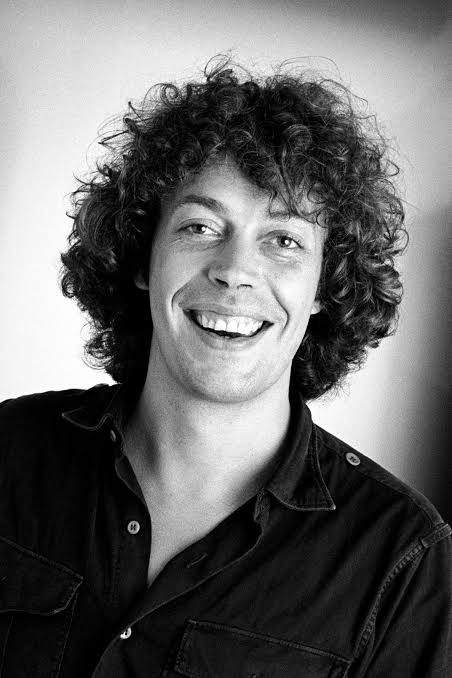
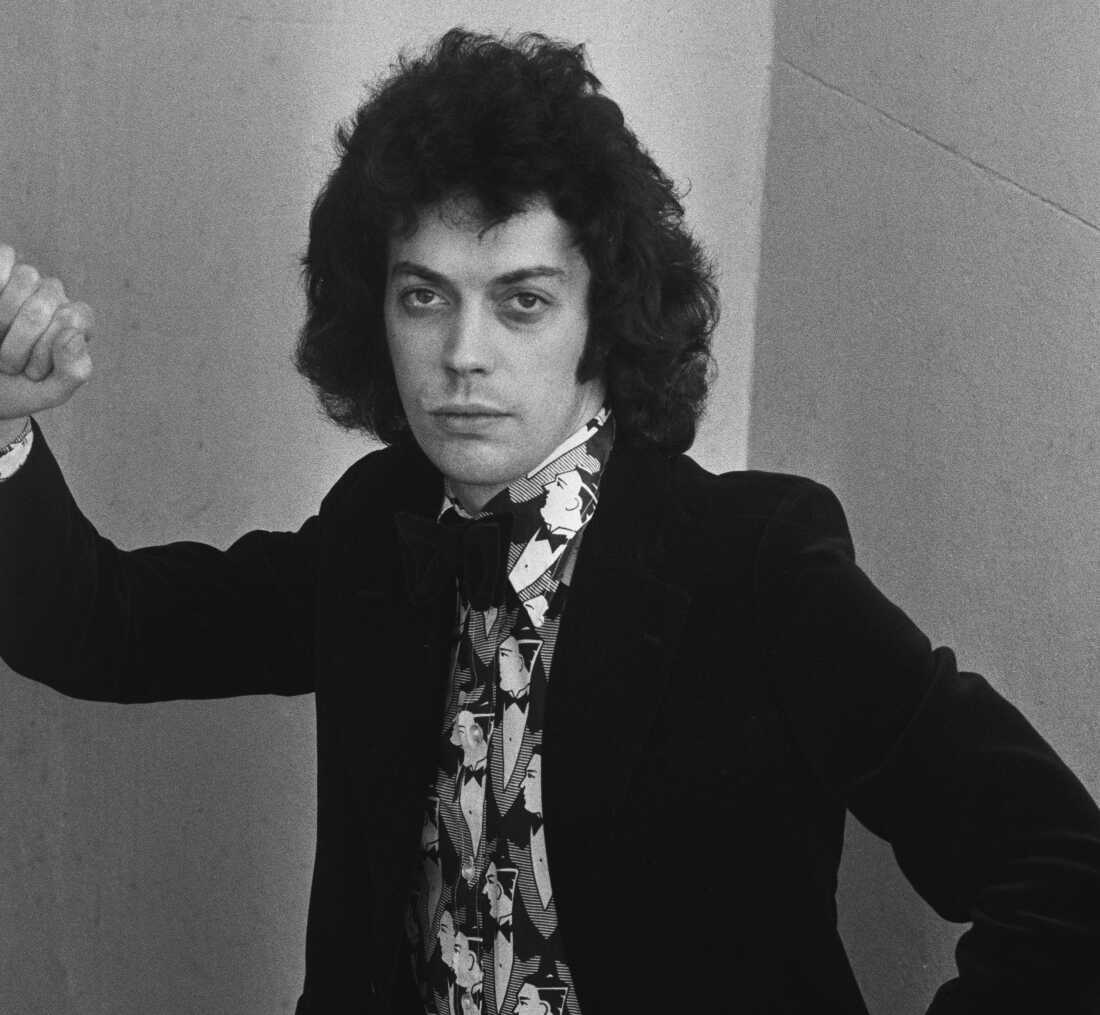
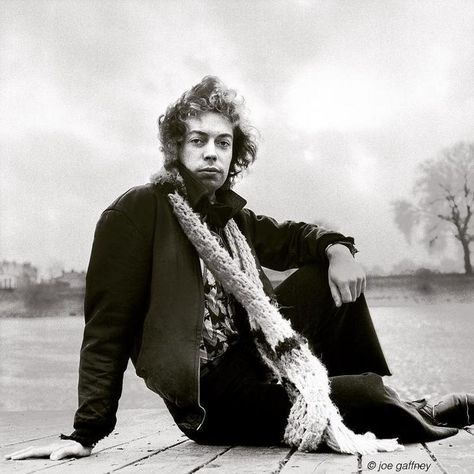
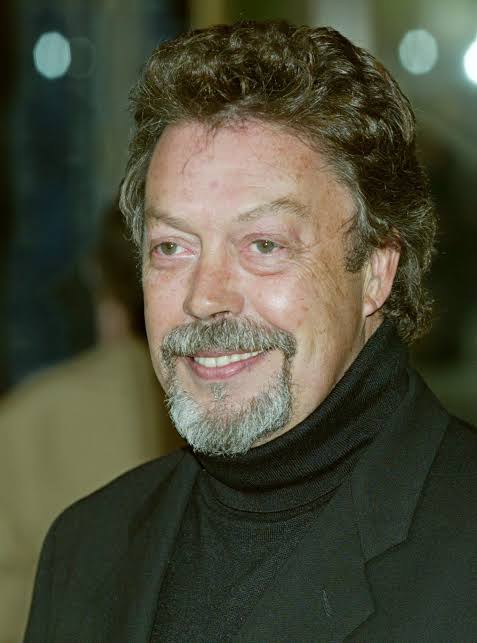
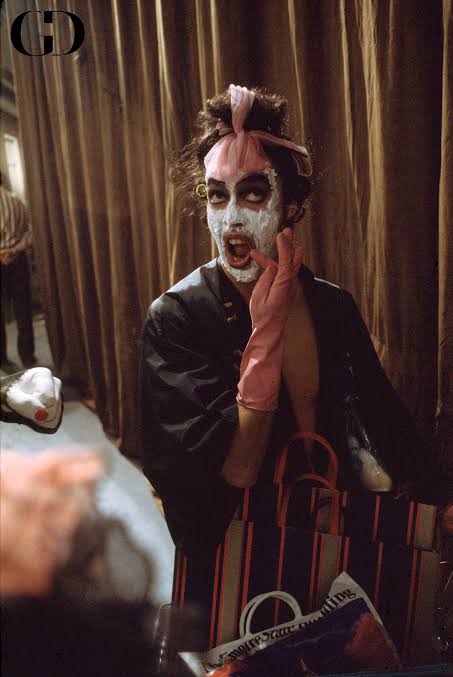
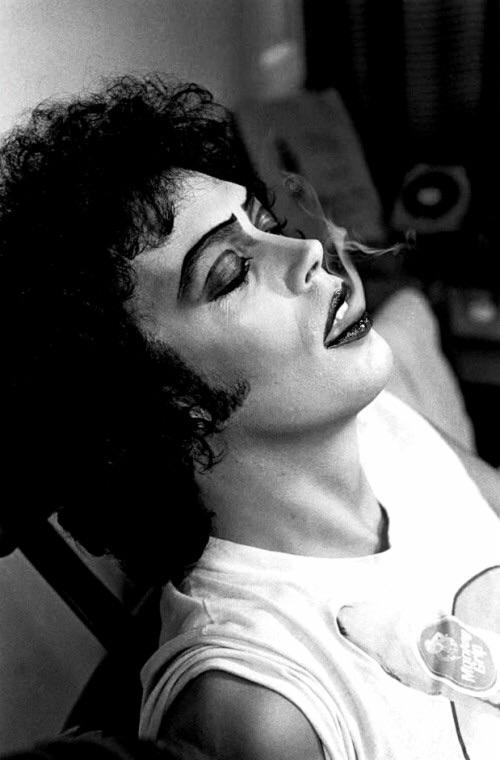
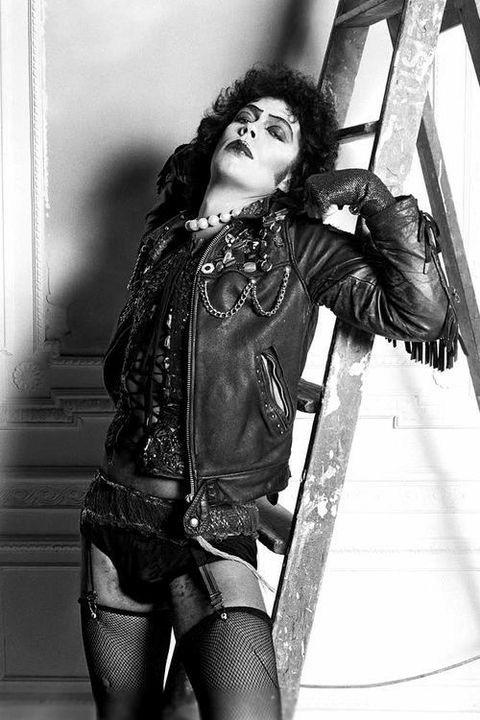
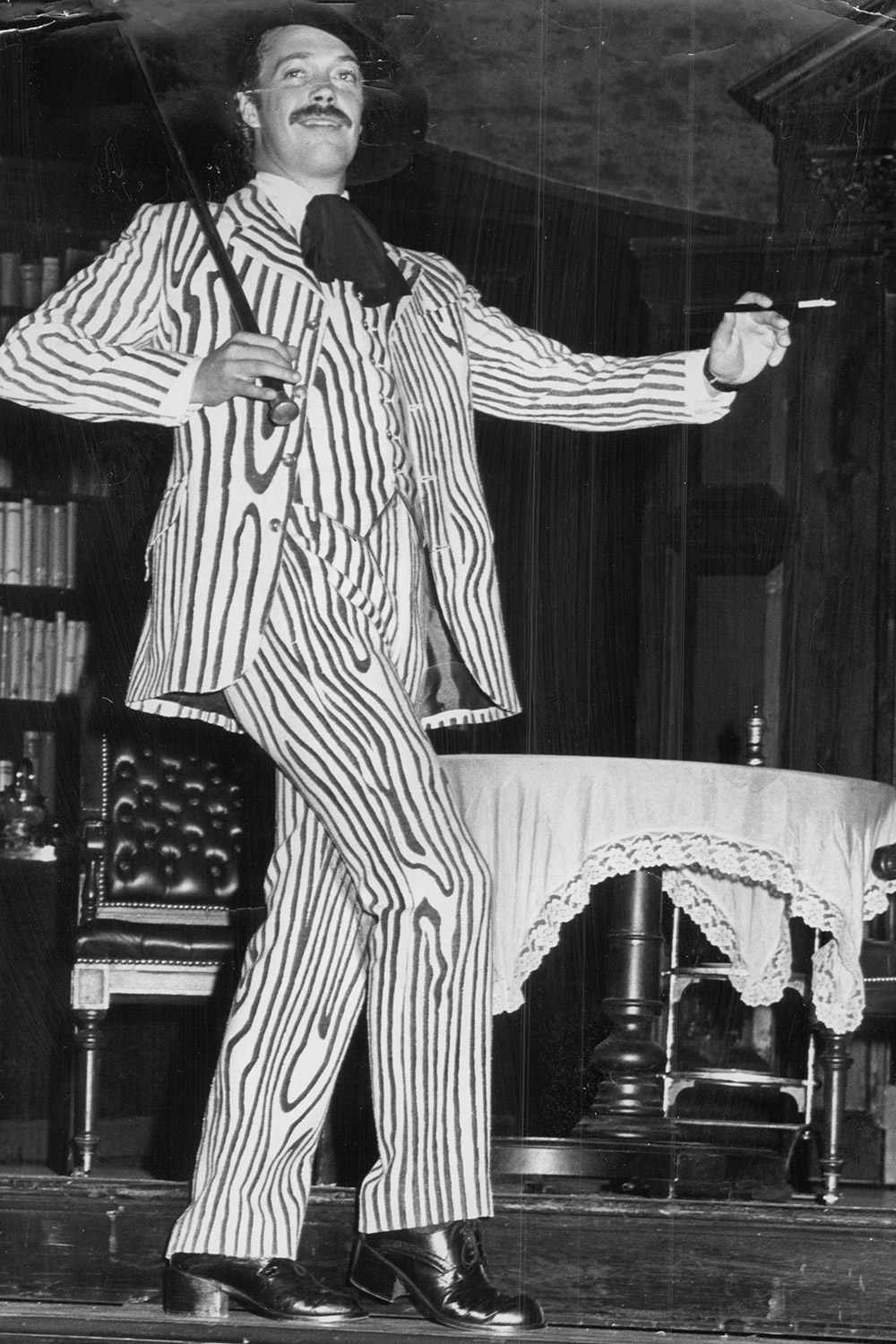
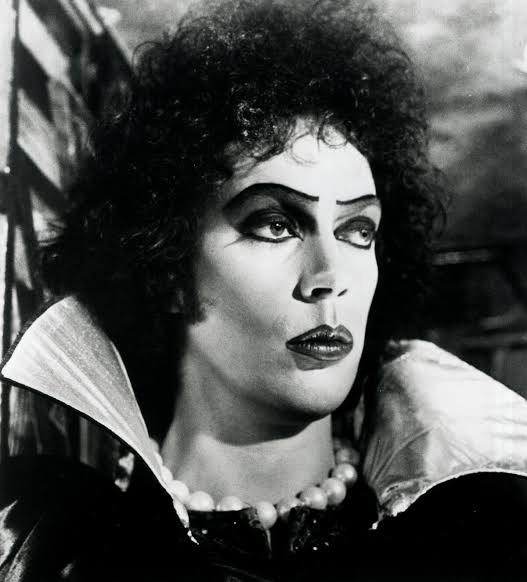
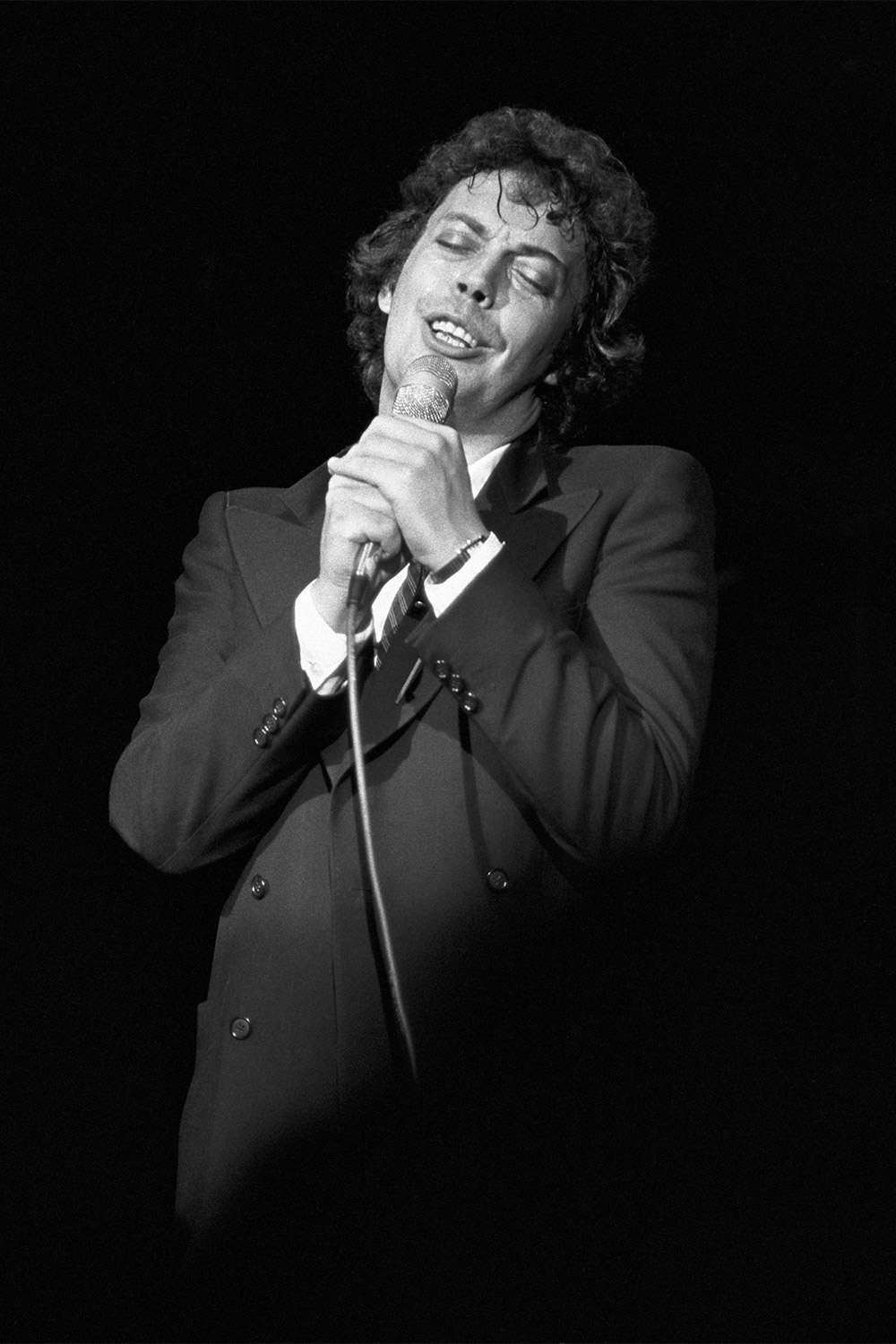
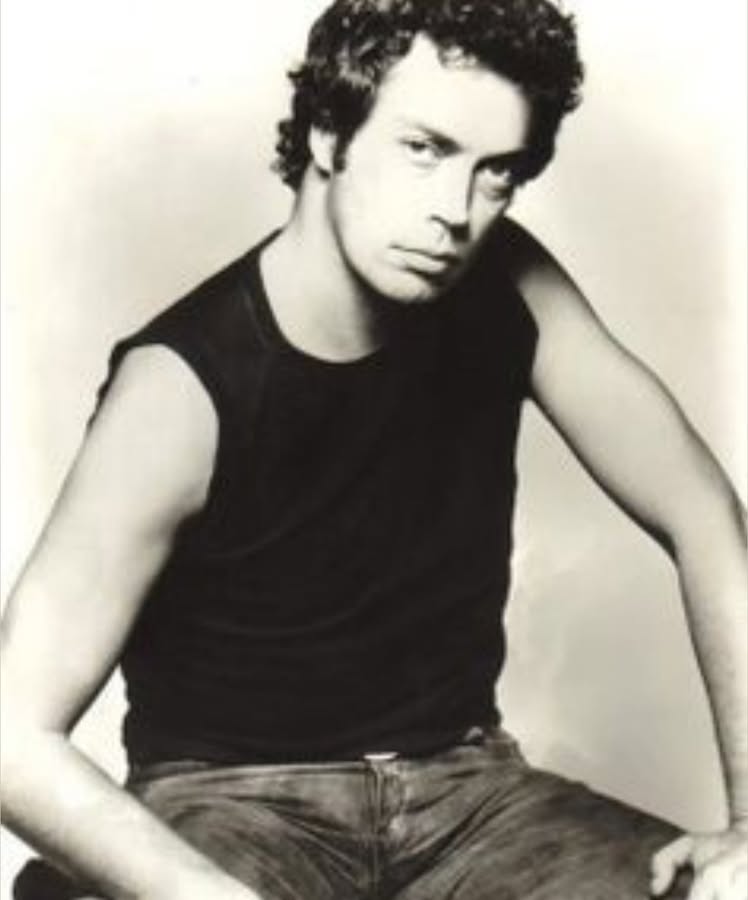
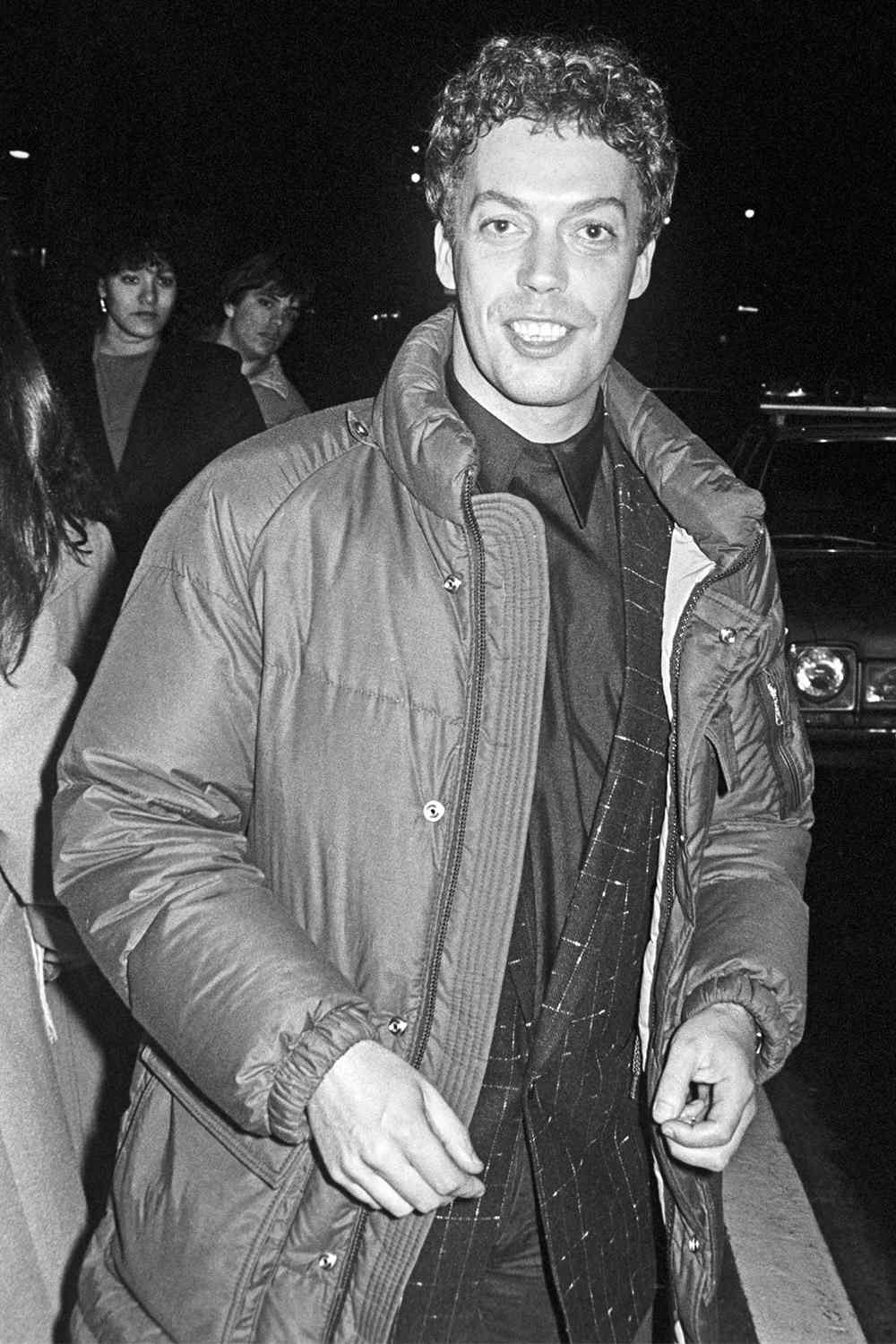
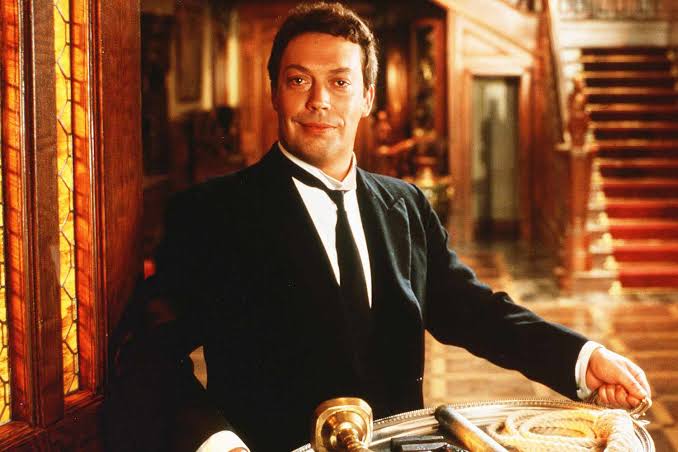
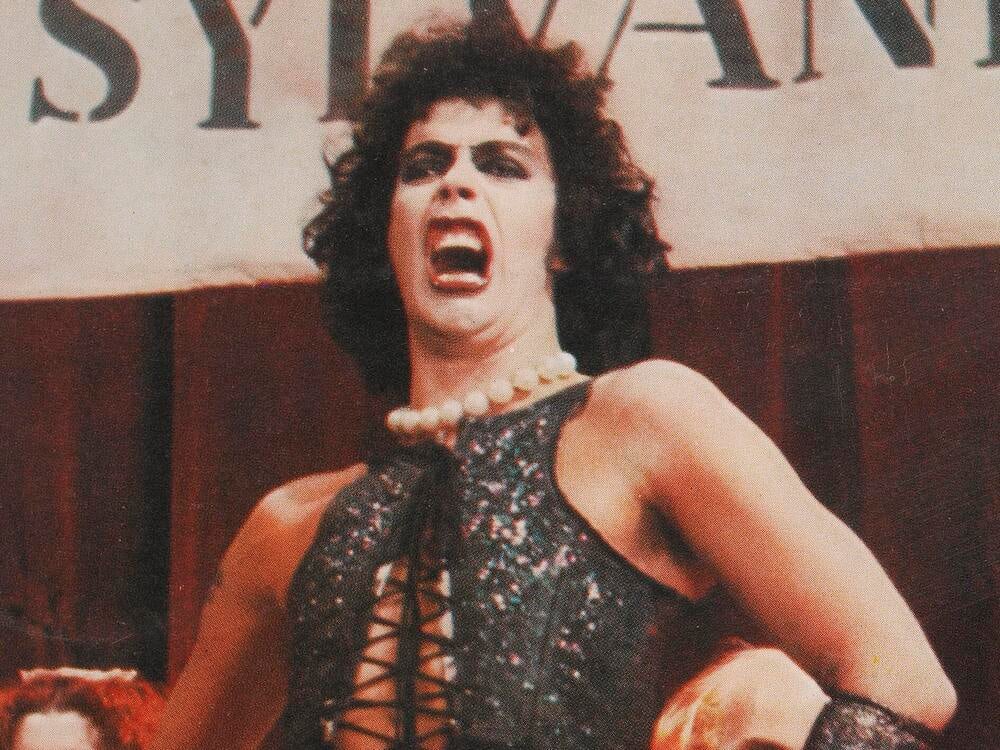
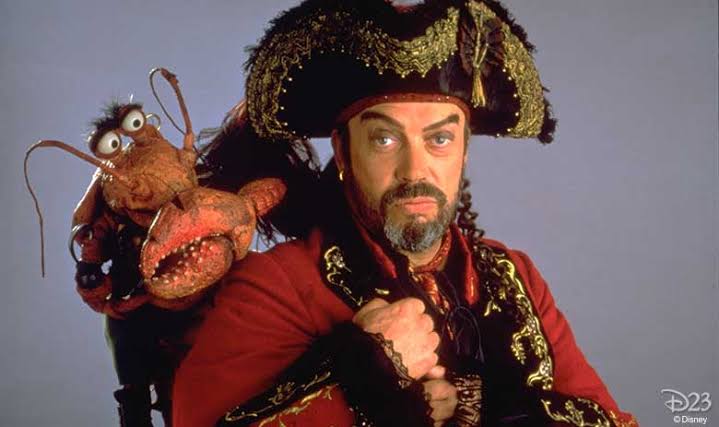
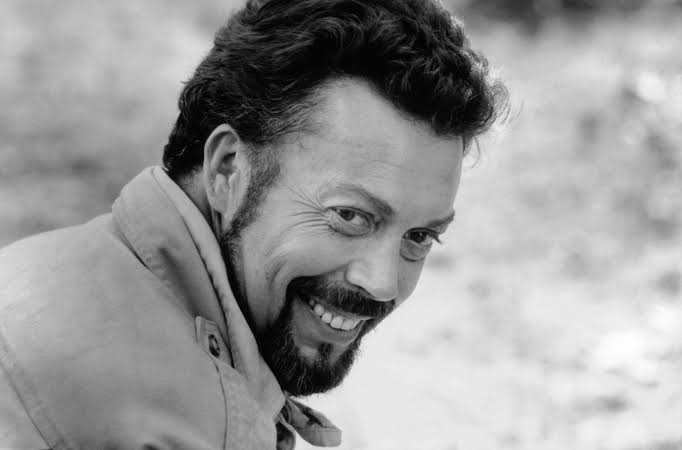
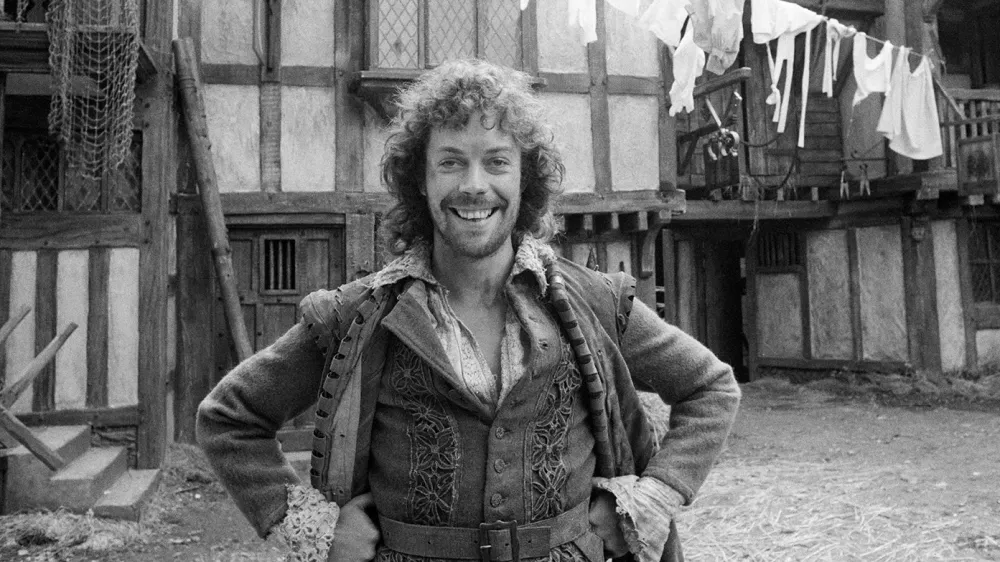
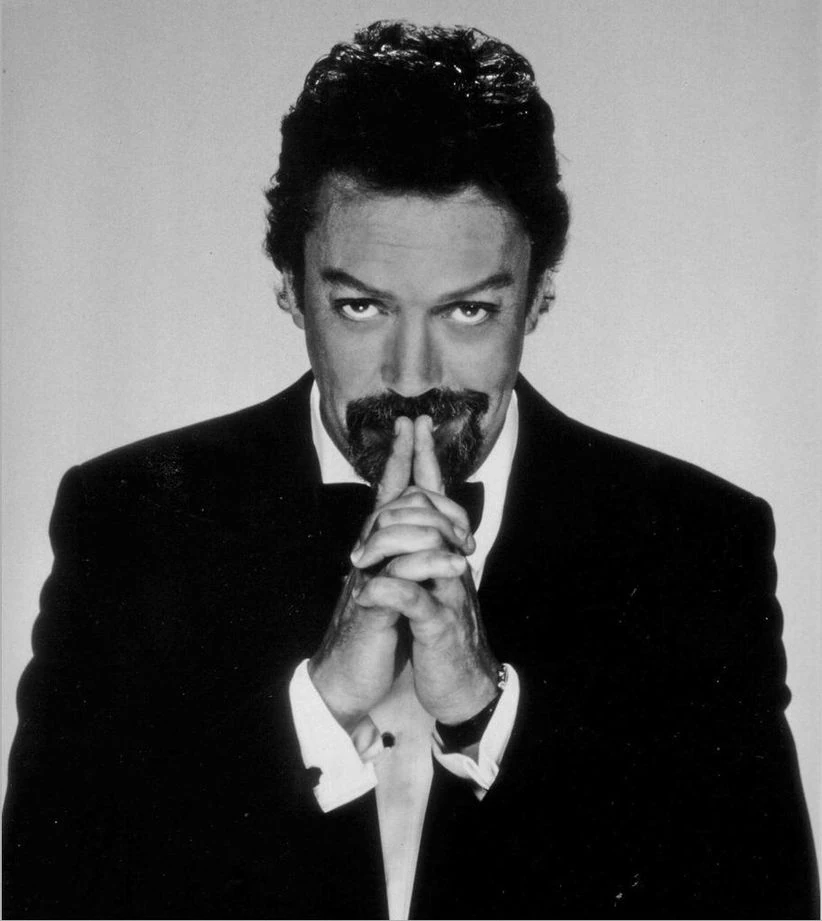
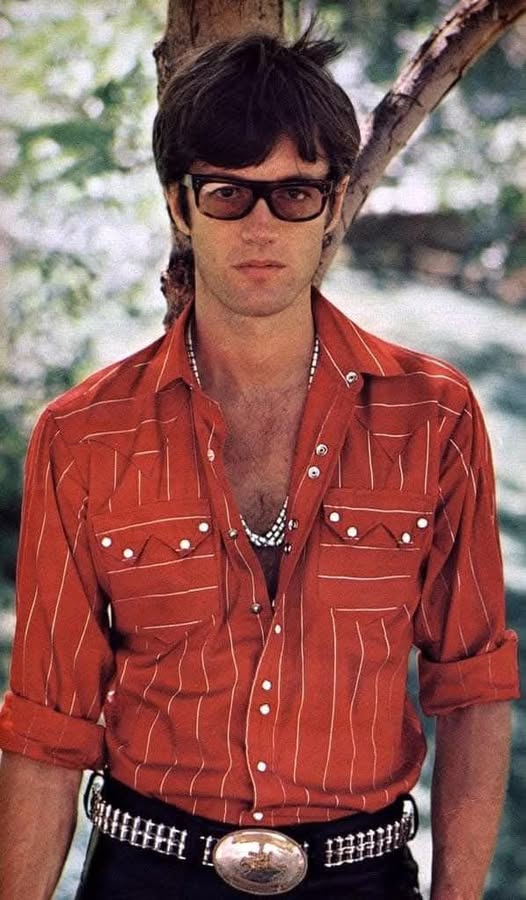
Timothy James Curry (1946-2026)

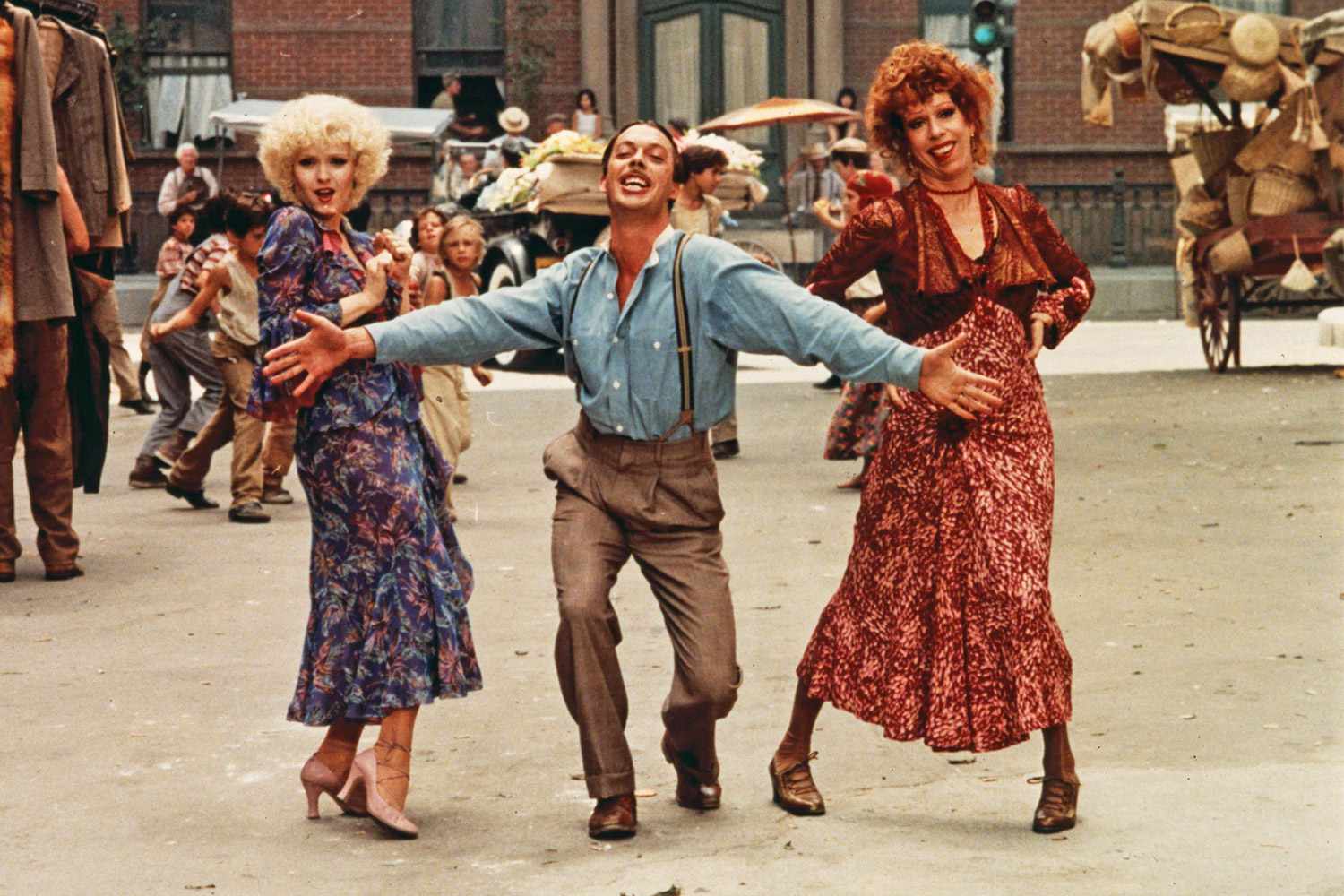
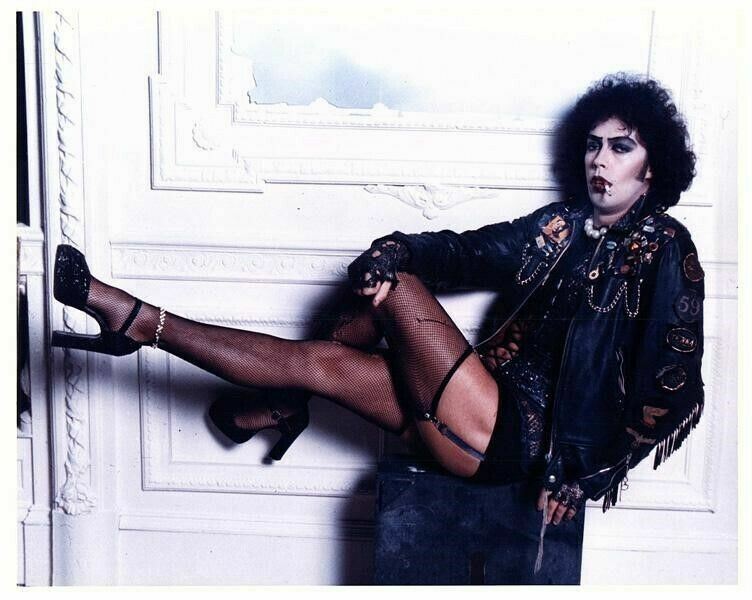
Tim Curry was an English actor and singer. He began his career on the stage, making his debut in Hair (1968–1969) and gaining wide recognition for portraying Dr Frank-N-Furter in The Rocky Horror Show (1973–1975) and its 1975 film adaptation. He received three Tony Award nominations for his Broadway performances in Amadeus (1980–1981) as Wolfgang Amadeus Mozart, My Favorite Year (1992–1993) as Alan Swann, and Spamalot (2005) as King Arthur; and two Laurence Olivier Award nominations for West End productions of The Pirates of Penzance (1982) and Spamalot (2006–2007).

In film, Curry starred as Rooster Hannigan in Annie (1982), the Lord of Darkness in Legend (1985), Wadsworth in Clue (1985), the Concierge in Home Alone 2: Lost in New York (1992), Cardinal Richelieu in The Three Musketeers (1993), and Long John Silver in Muppet Treasure Island (1996). Other film credits include The Worst Witch (1986), The Hunt for Red October (1990), Congo (1995), Charlie’s Angels (2000), Scary Movie 2 (2001), and Kinsey (2004). On television, he played Pennywise in the miniseries It (1990) and earned a Primetime Emmy Award nomination for his role as a family of Hillbillies in the HBO anthology series Tales from the Crypt (1993). He also released three rock-focused studio albums: Read My Lips (1978), Fearless (1979), and Simplicity (1981), the latter two of which charted on the US Billboard 200.

A prolific voice-over performer, Curry won a Daytime Emmy Award for voicing Captain Hook on Peter Pan & the Pirates (1990–1991). He also voiced Hexxus in FernGully: The Last Rainforest (1992), Sir Nigel Thornberry in The Wild Thornberrys (1998–2004), Doviculus in Brütal Legend (2009), and Chancellor Palpatine / Darth Sidious, and Star Wars: The Clone Wars (2012–2014). A reader for numerous audiobooks, he was Grammy-nominated for reading A Series of Unfortunate Events: The Bad Beginning (2002). He released his memoir Vagabond in 2025.

He was 80 years old

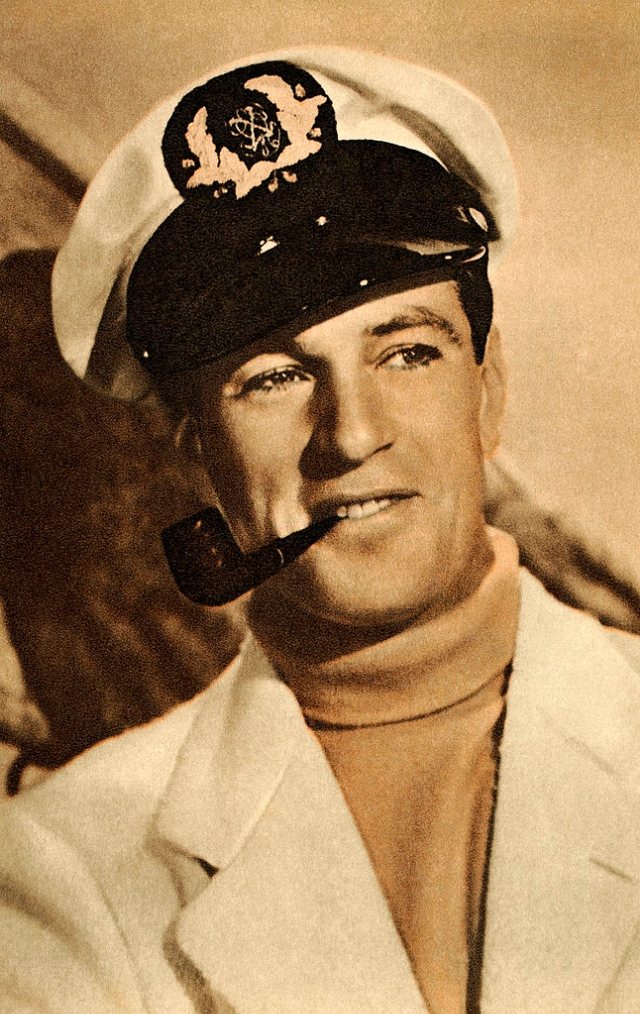
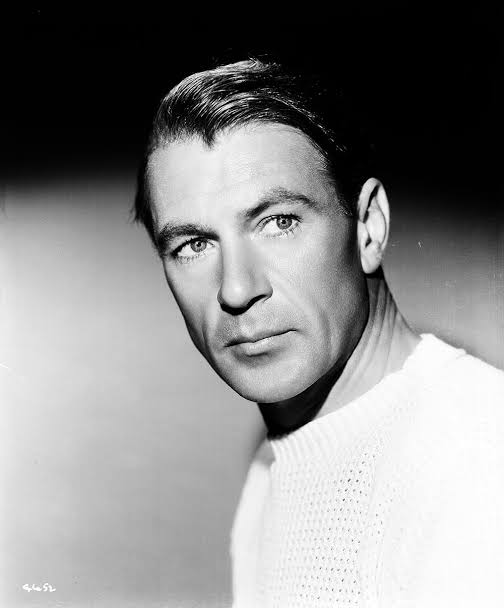
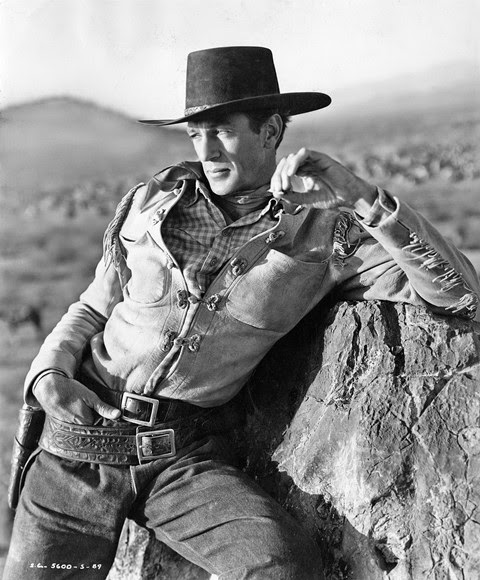
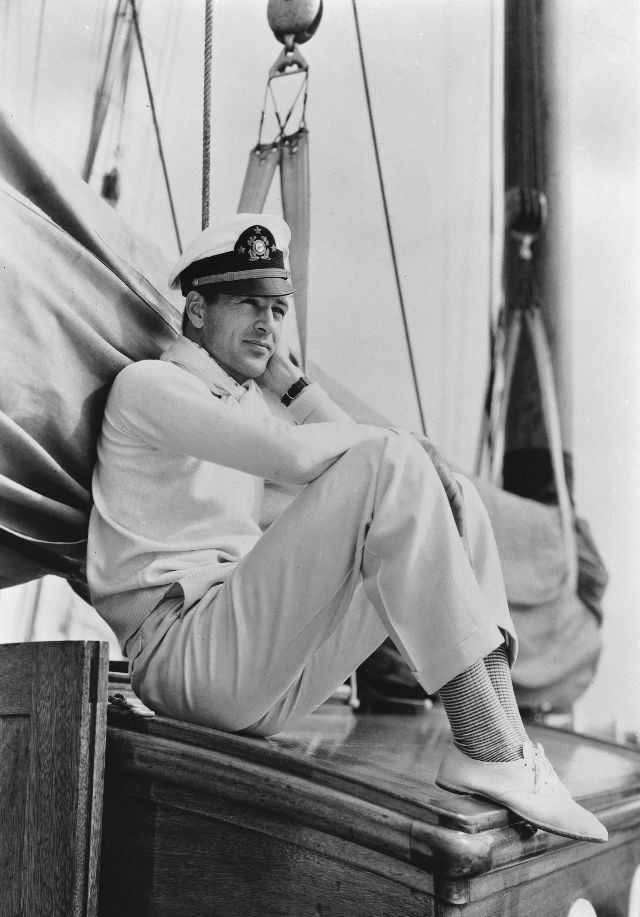
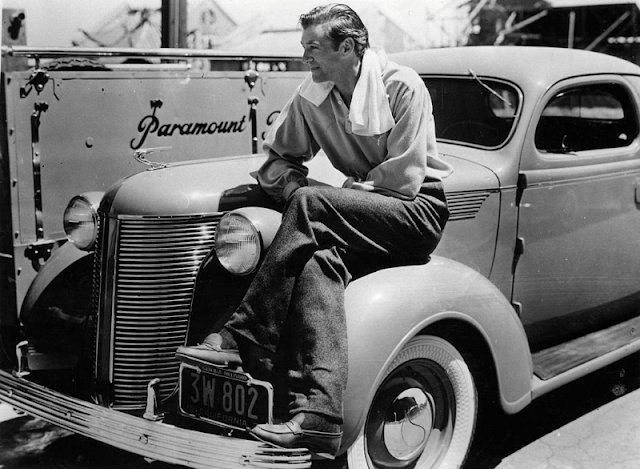
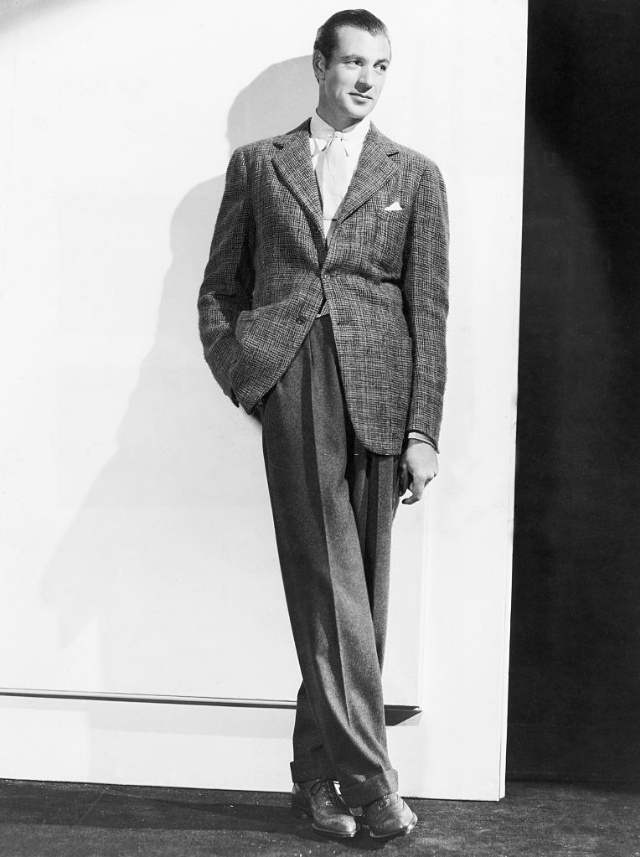
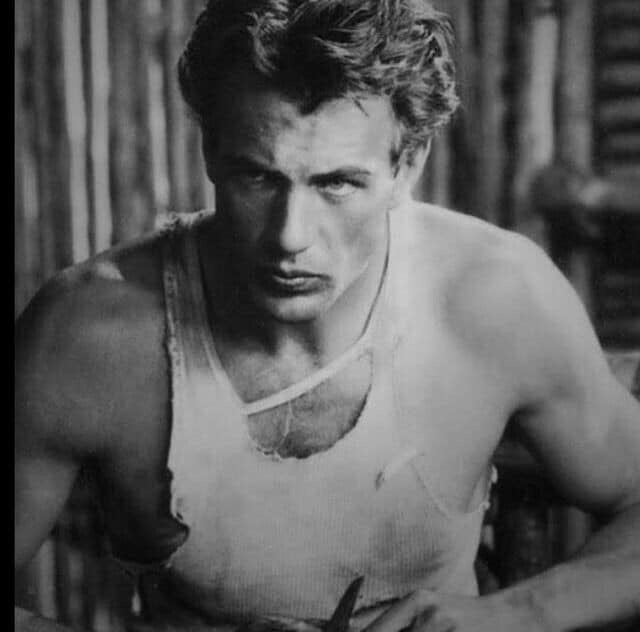
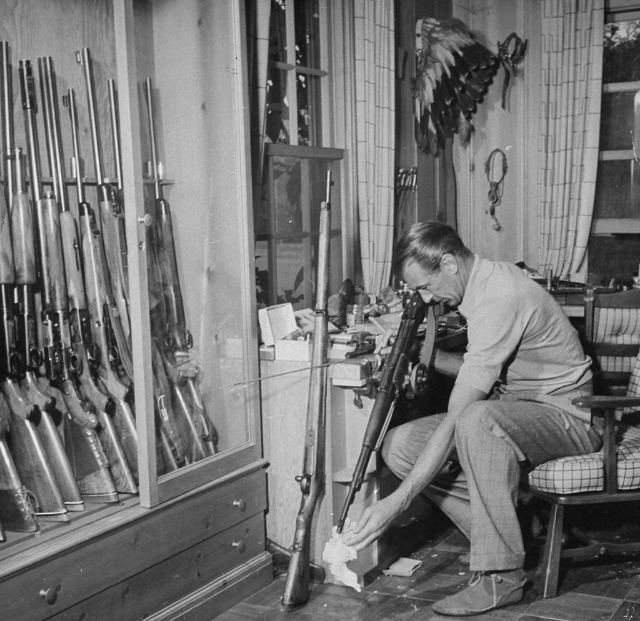
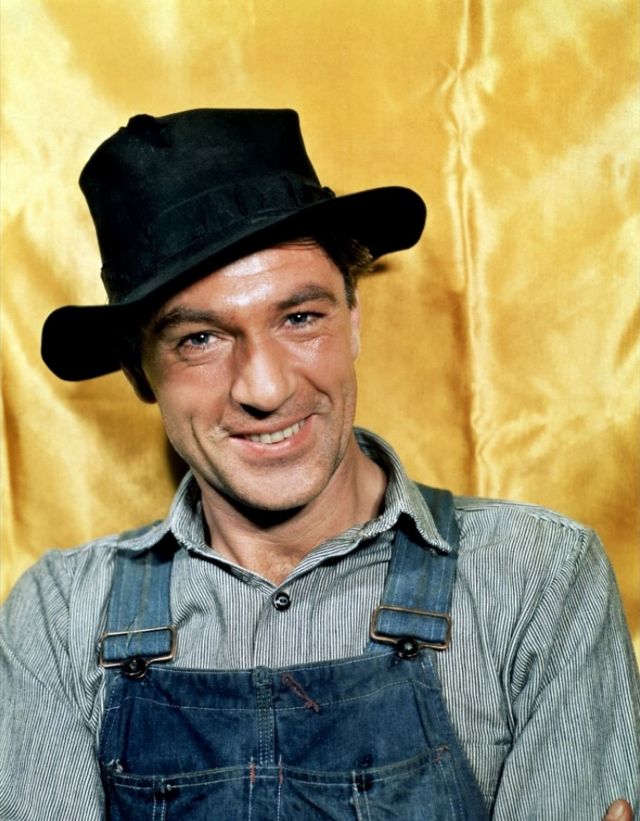
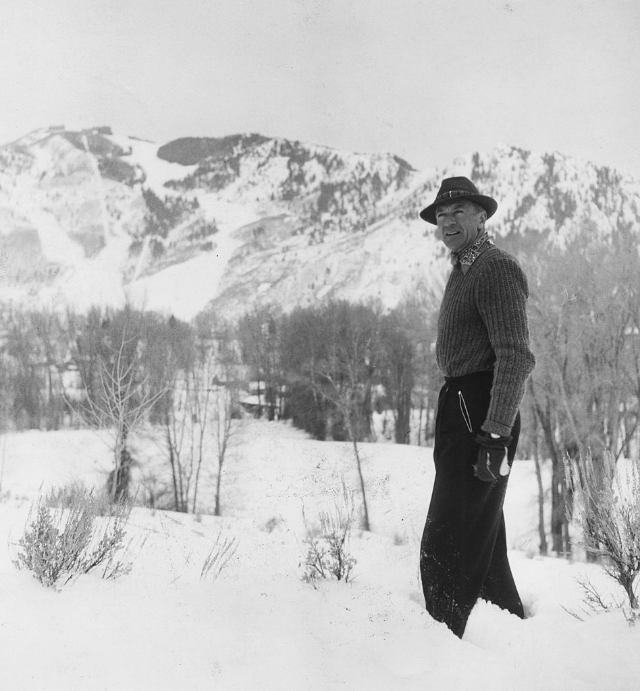
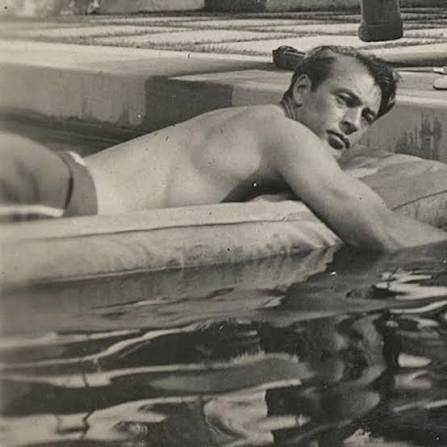
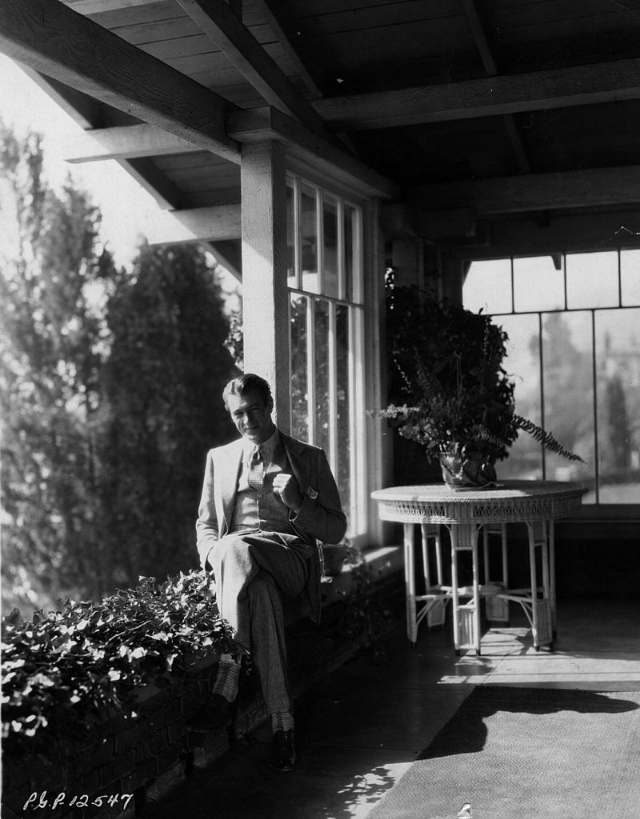
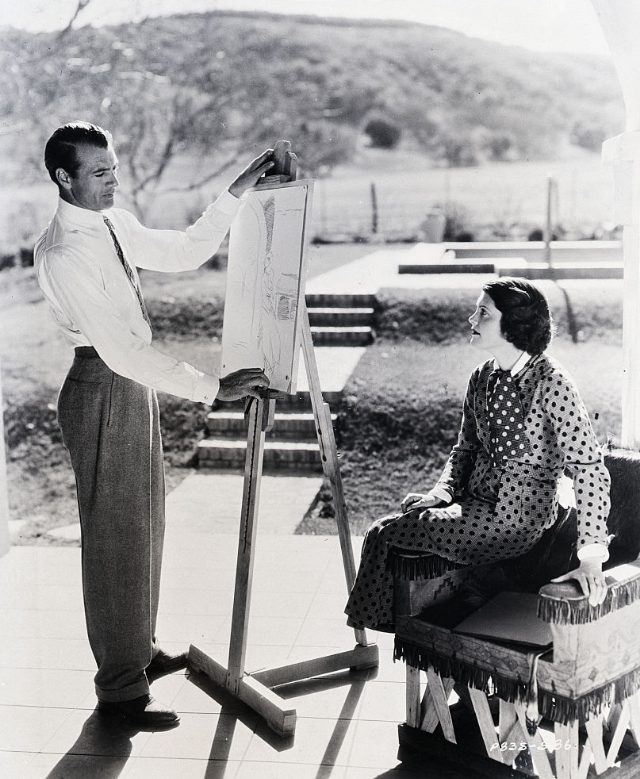
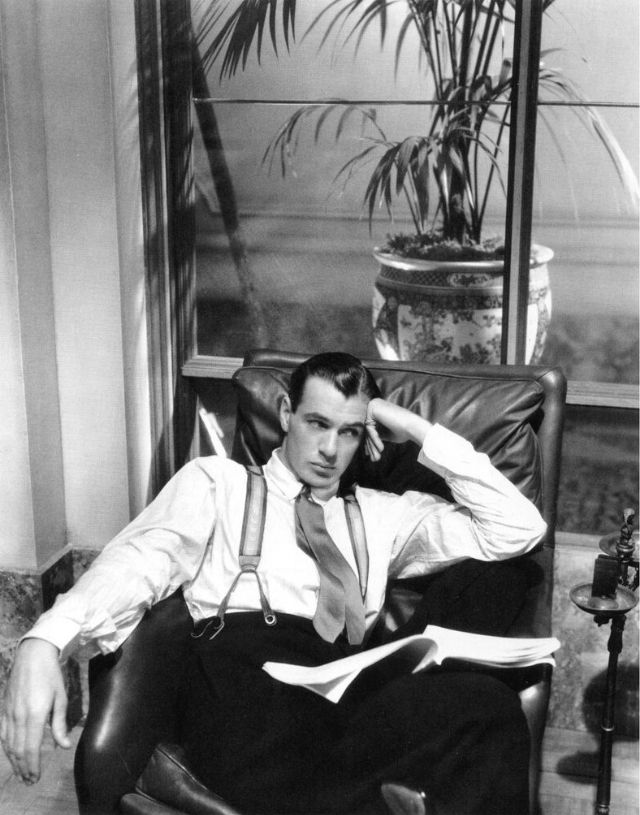
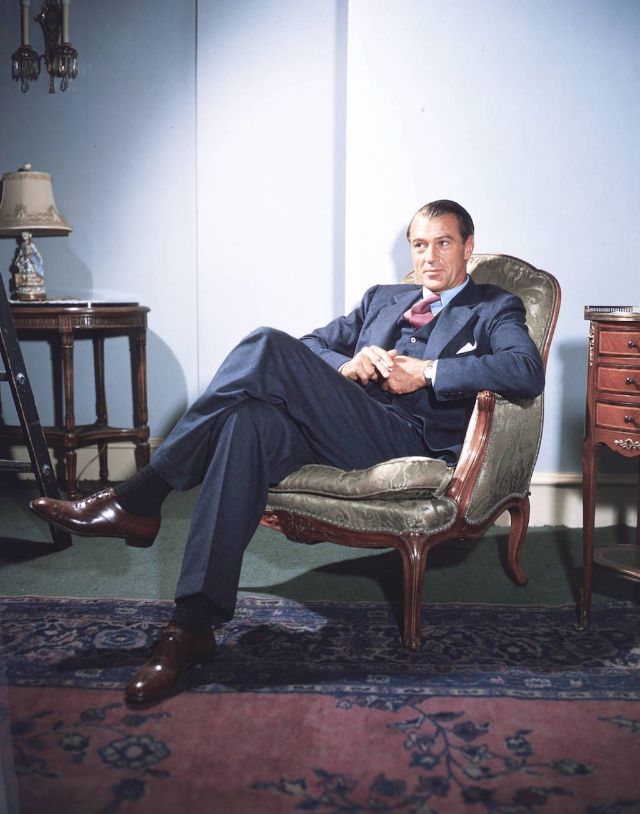
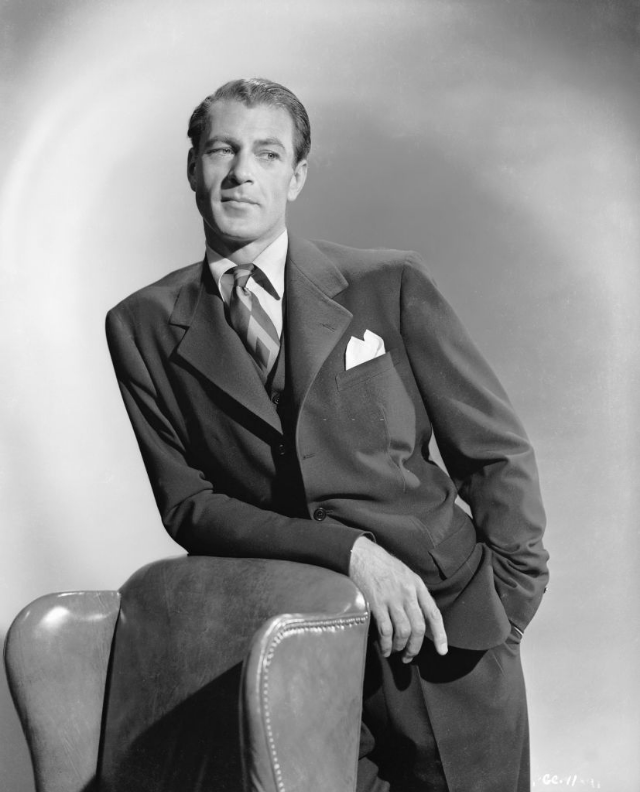
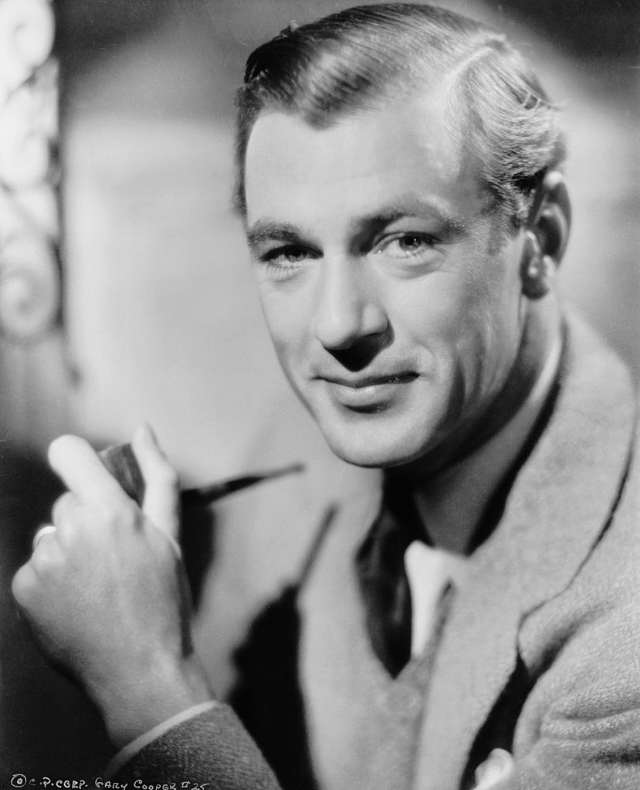
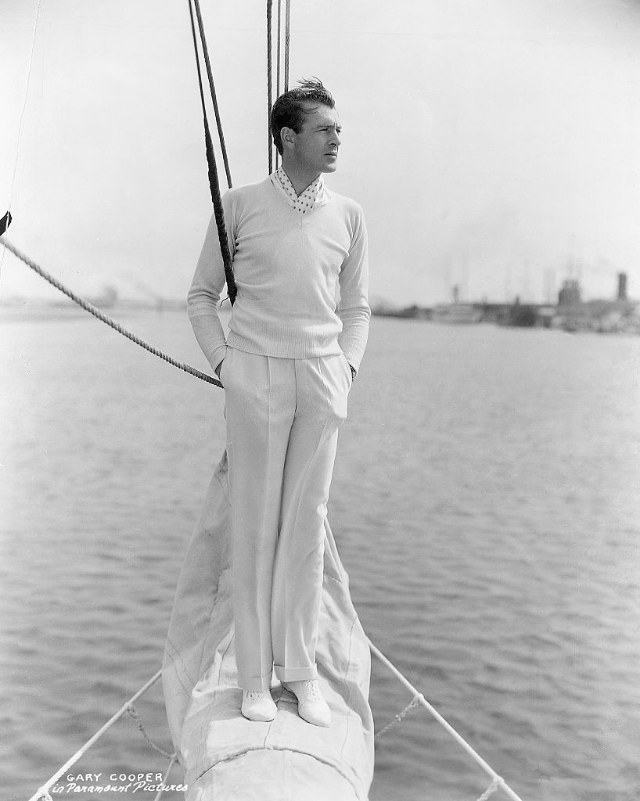
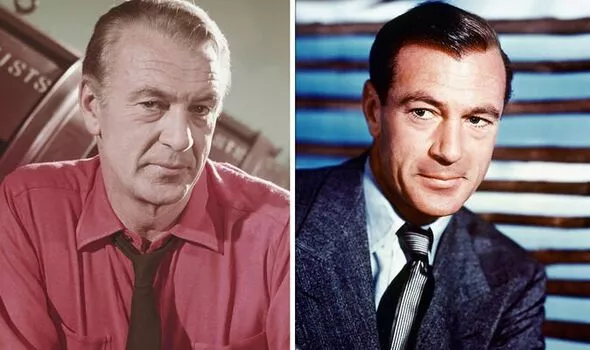
Frank James Cooper (1901-1961)

Gary Cooper was an American actor known for his strong, silent screen persona and understated acting style. The American Film Institute (AFI) ranked Cooper at number 11 on its list of the 50 greatest screen legends. He won the Academy Award for Best Actor for Sergeant York (1941) and High Noon (1952) and an Academy Honorary Award in 1961.
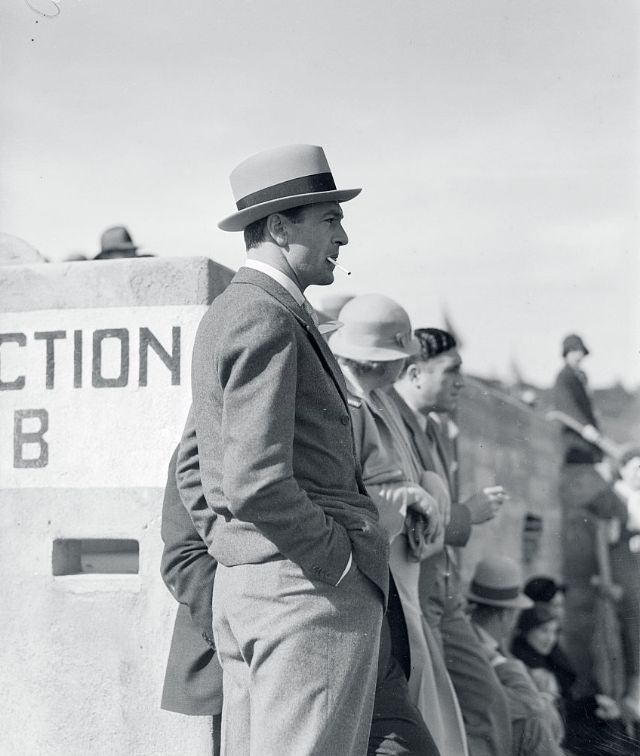
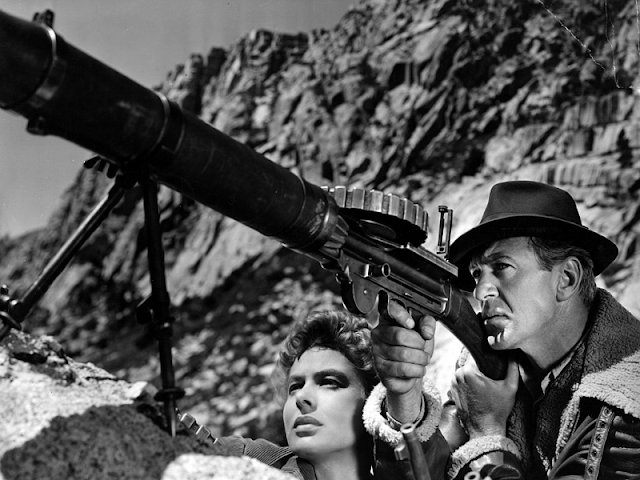
Cooper began his career as a film extra and stunt rider, but soon landed acting roles. After establishing himself as a Western hero in his early silent films, he became a movie star with his first sound picture, playing the title role in 1929’s The Virginian. In the early 1930s, he expanded his heroic image to include more cautious characters in adventure films and dramas such as A Farewell to Arms (1932) and The Lives of a Bengal Lancer (1935). During the height of his career, Cooper portrayed a new type of hero, a champion of the common man in films such as Mr. Deeds Goes to Town (1936), Meet John Doe, Ball of Fire (both 1941), The Pride of the Yankees (1942), and For Whom the Bell Tolls (1943). He later portrayed more mature characters at odds with the world in films such as The Fountainhead (1949). In his final films, he played nonviolent characters searching for redemption in films such as Friendly Persuasion (1956) and Man of the West (1958).

Cooper was diagnosed with prostate cancer in early 1960, and by December 27, his wife learned from their family doctor that Cooper’s cancer had metastasized to his lungs and bones and was inoperable. His family decided not to tell him immediately. On January 9, 1961, Cooper attended a dinner given in his honor and hosted by Frank Sinatra and Dean Martin at the Friars Club. The dinner was attended by many of his industry friends and concluded with a brief speech by Cooper, who said, “The only achievement I’m proud of is the friends I’ve made in this community.”

Cooper passed away May 13, 1961 at the age of 60

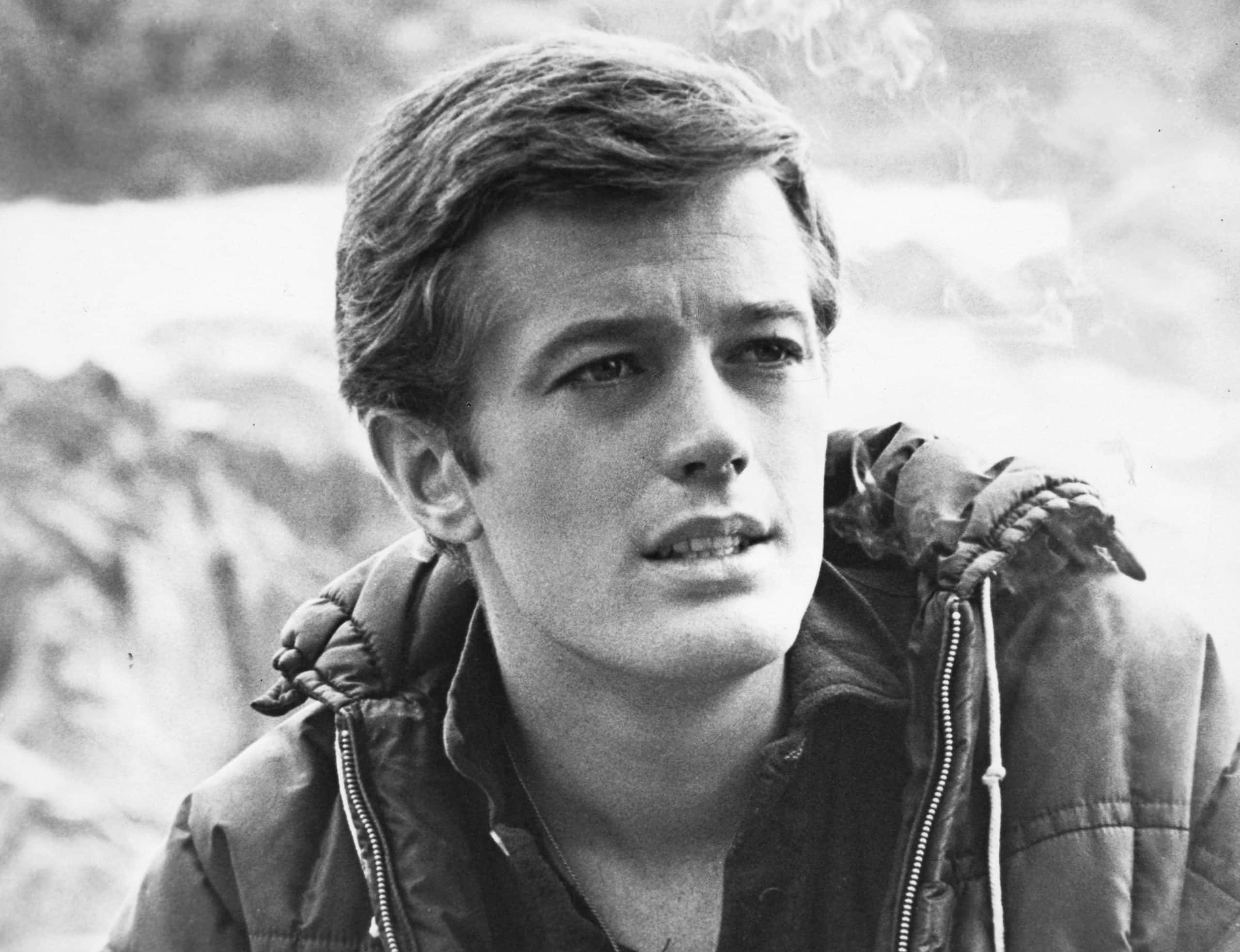
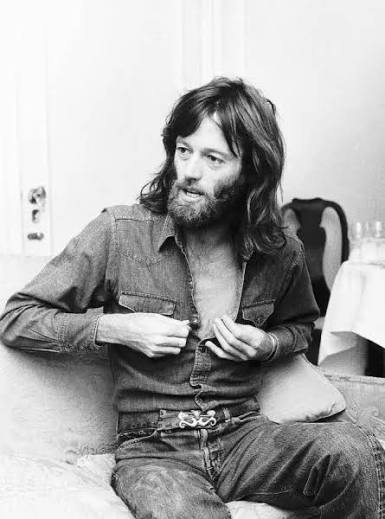
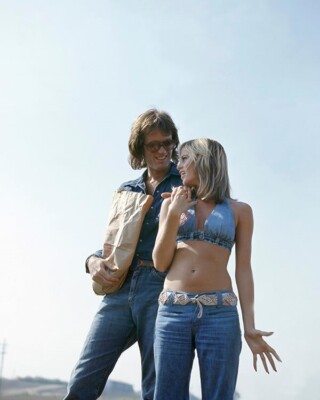
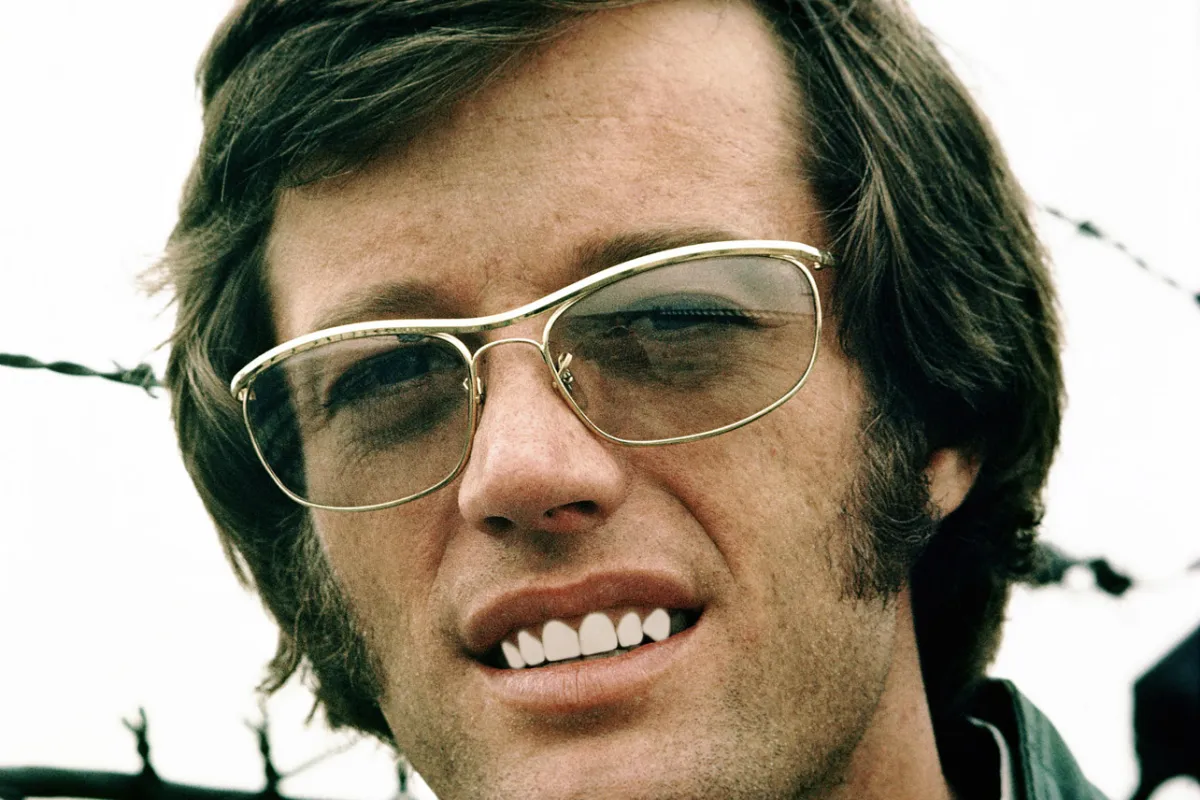
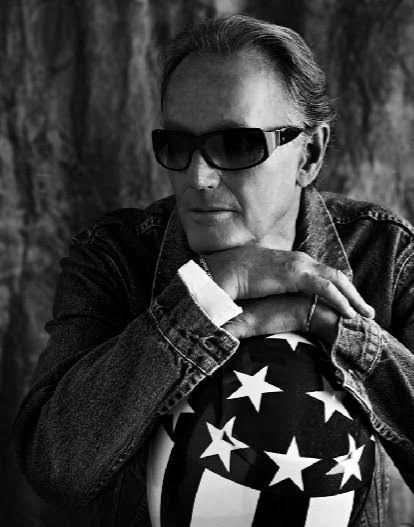
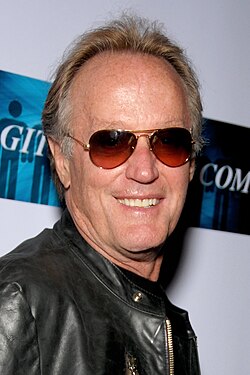
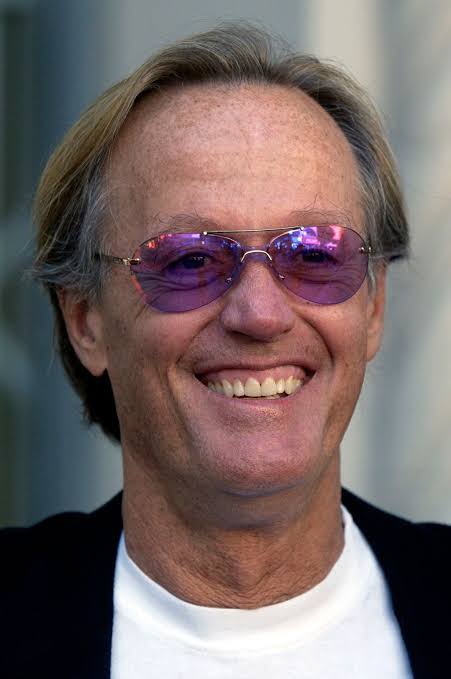
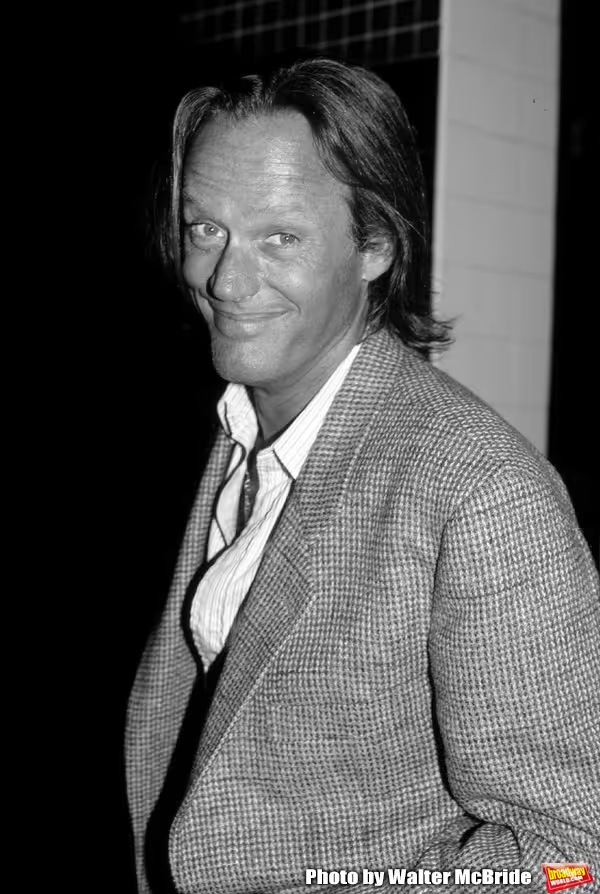
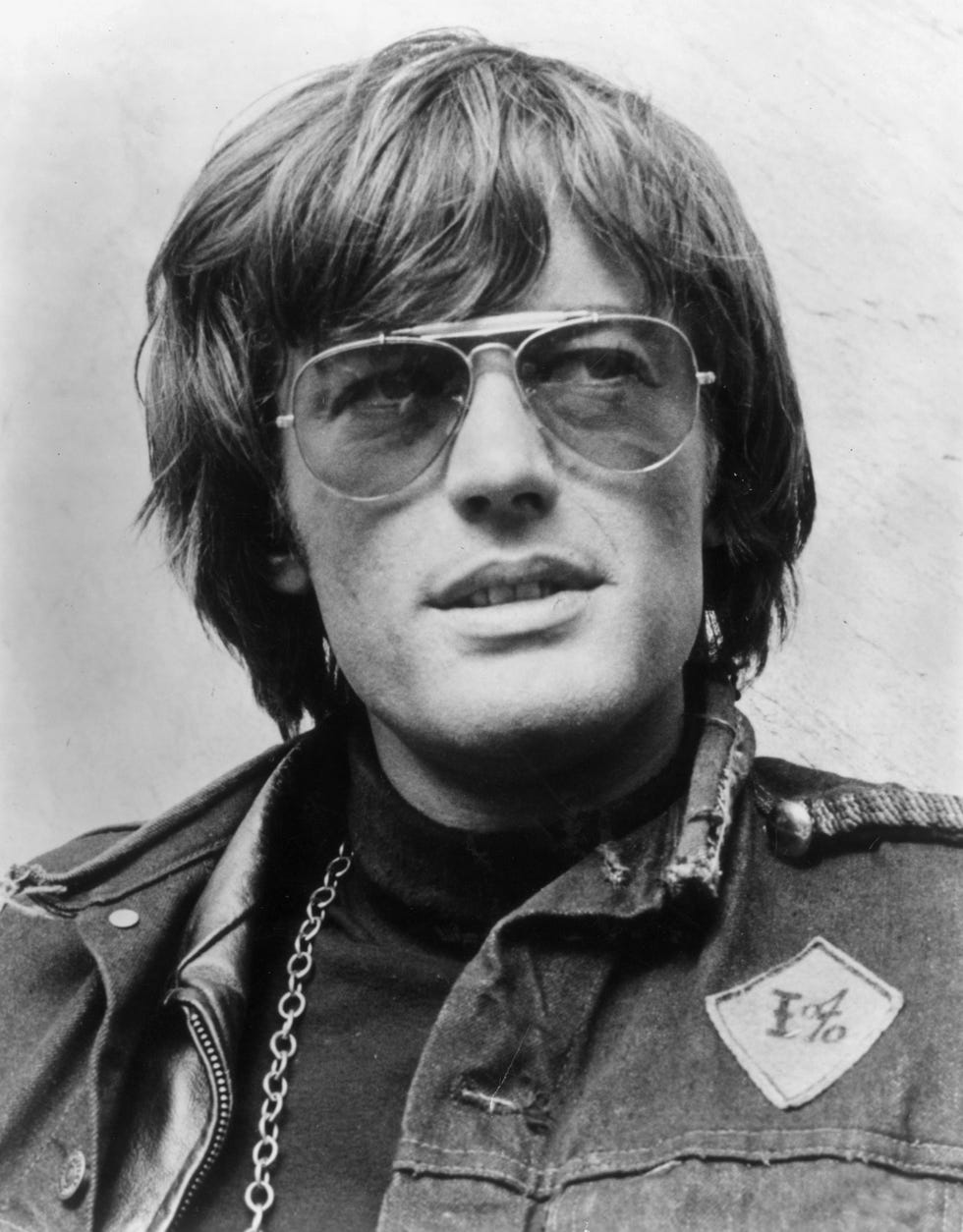
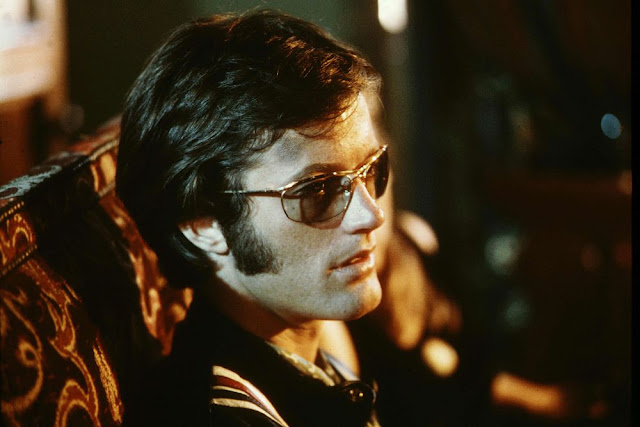
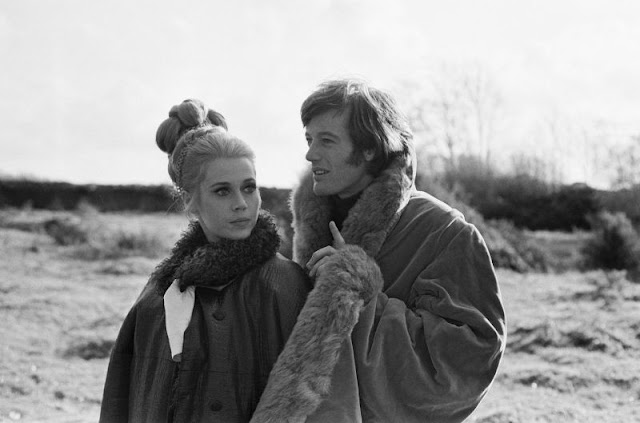
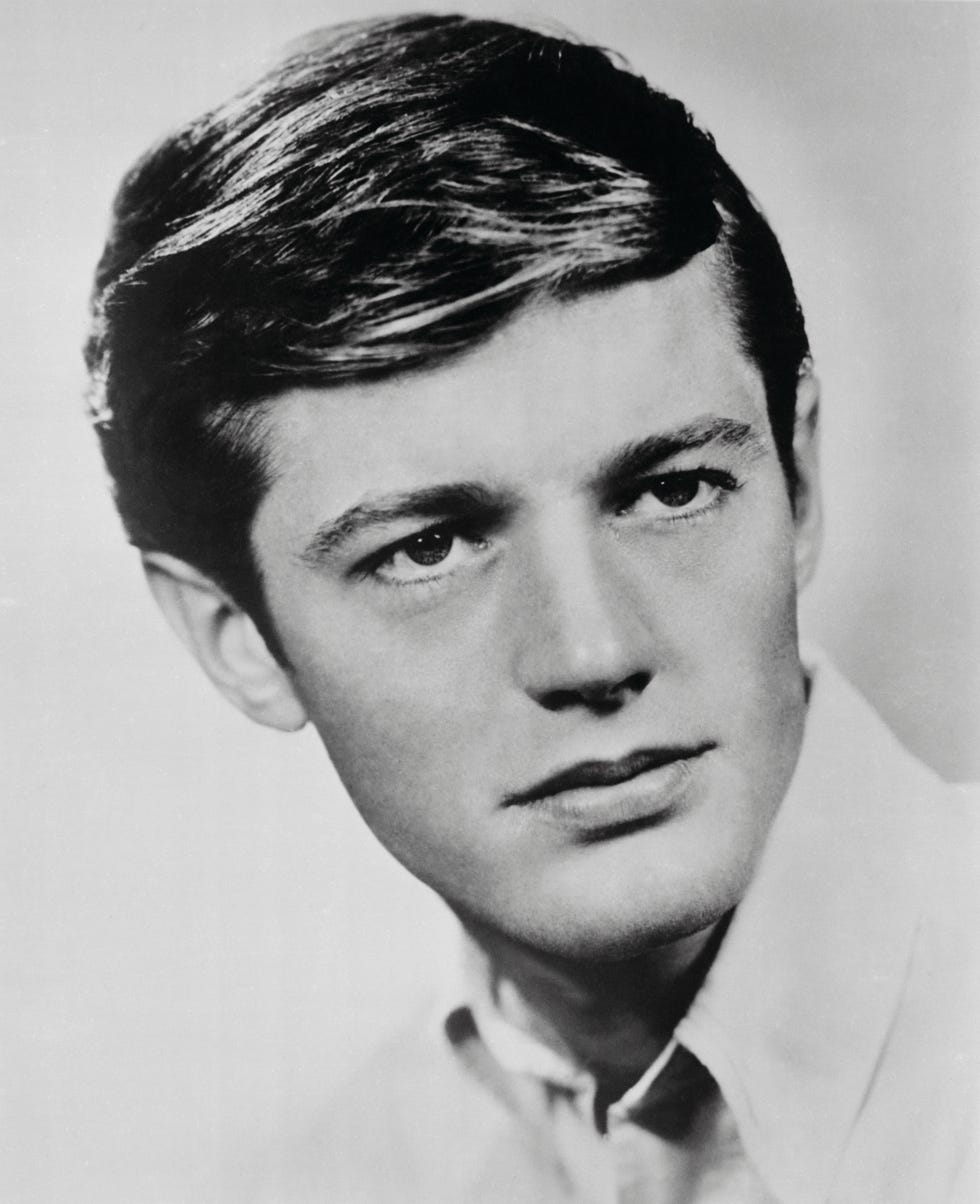
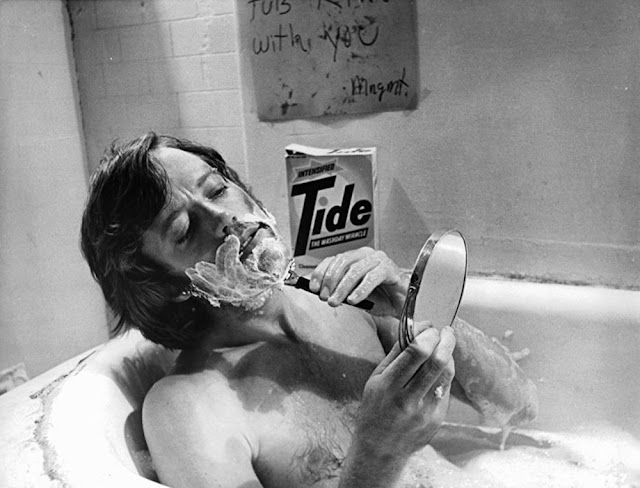
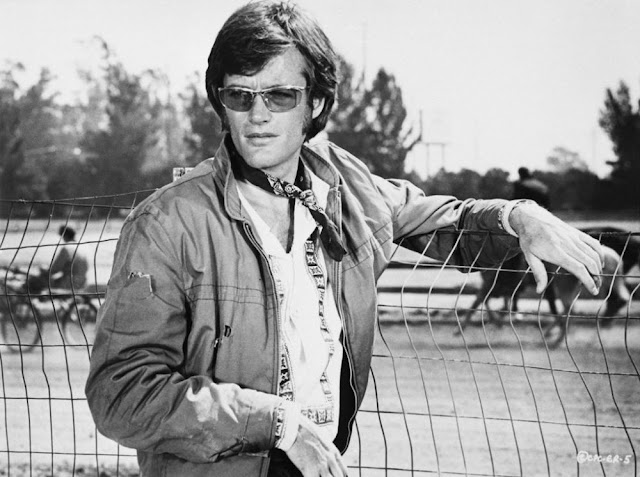
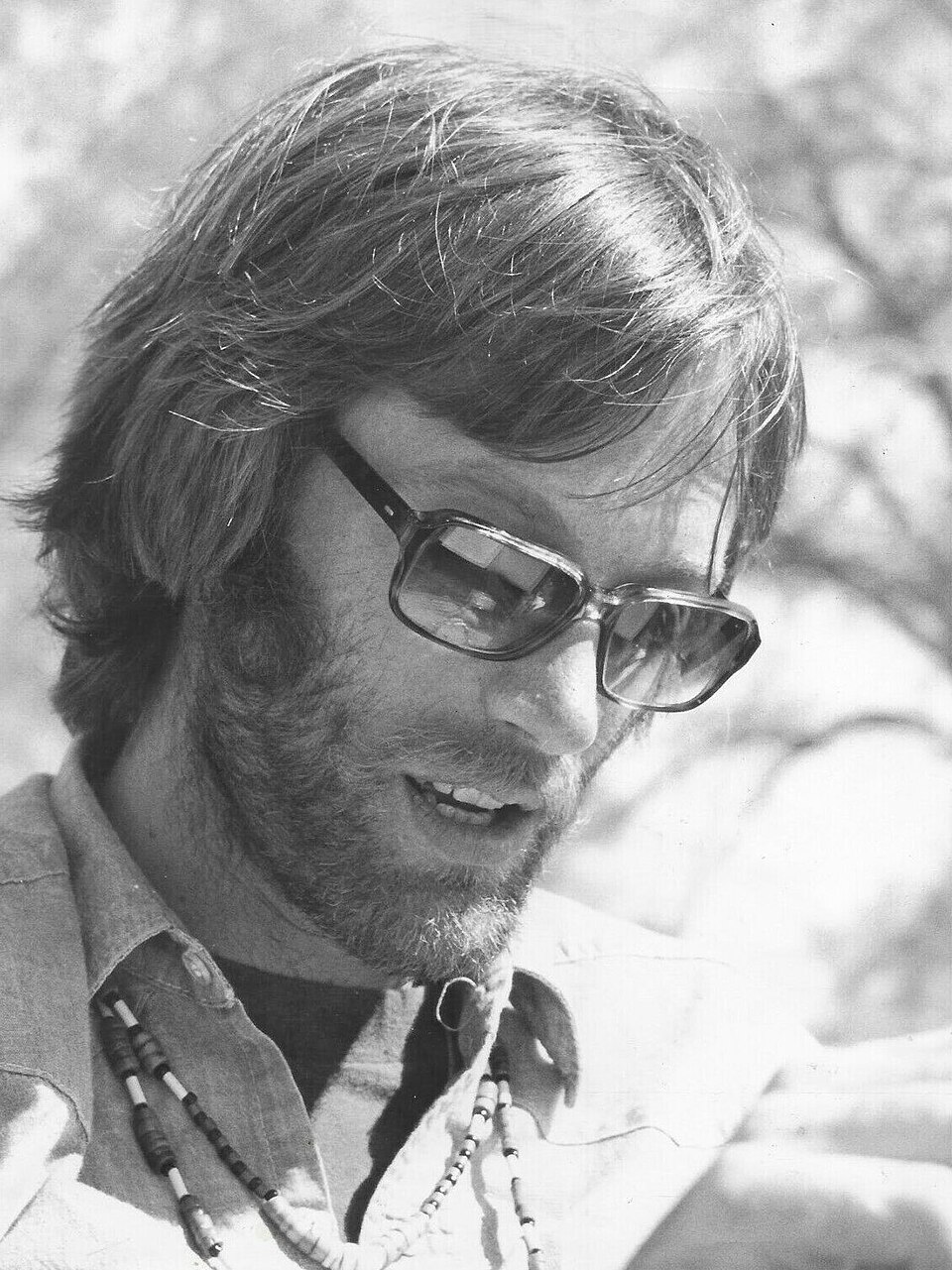
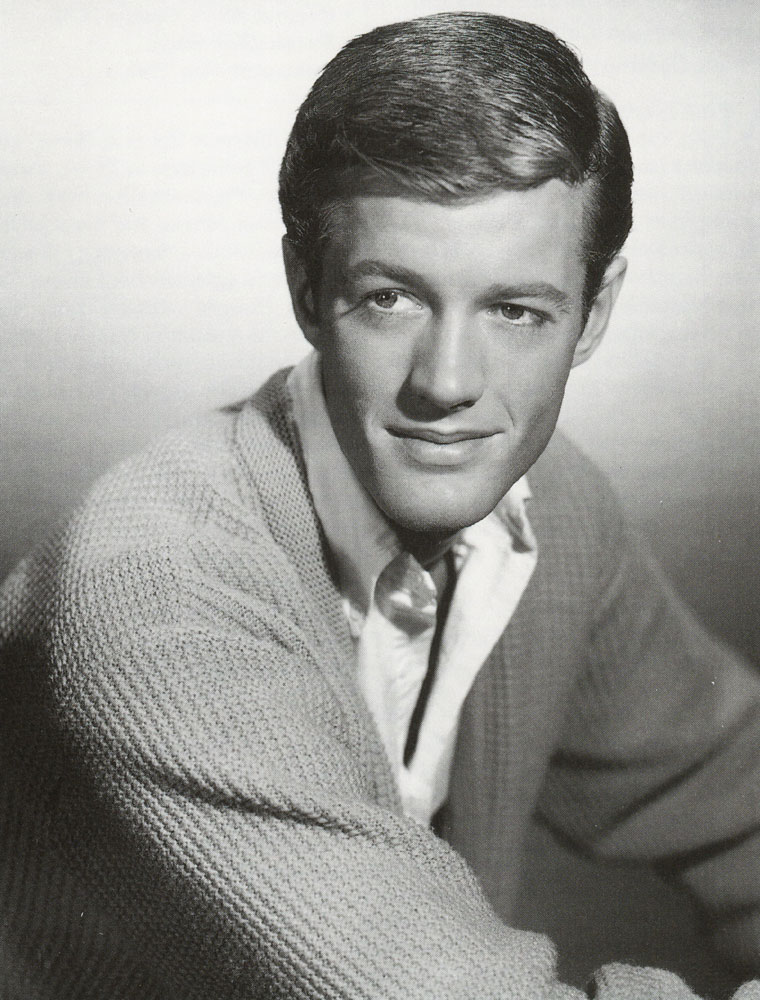
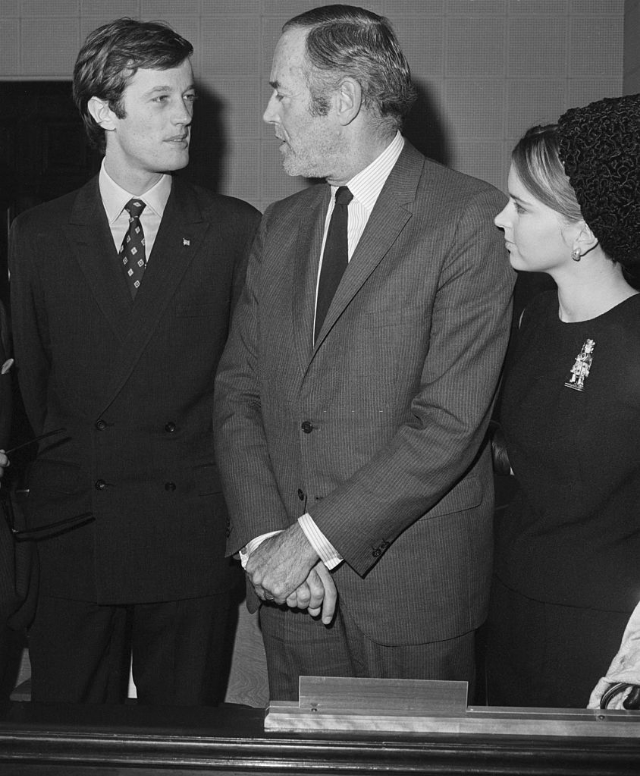
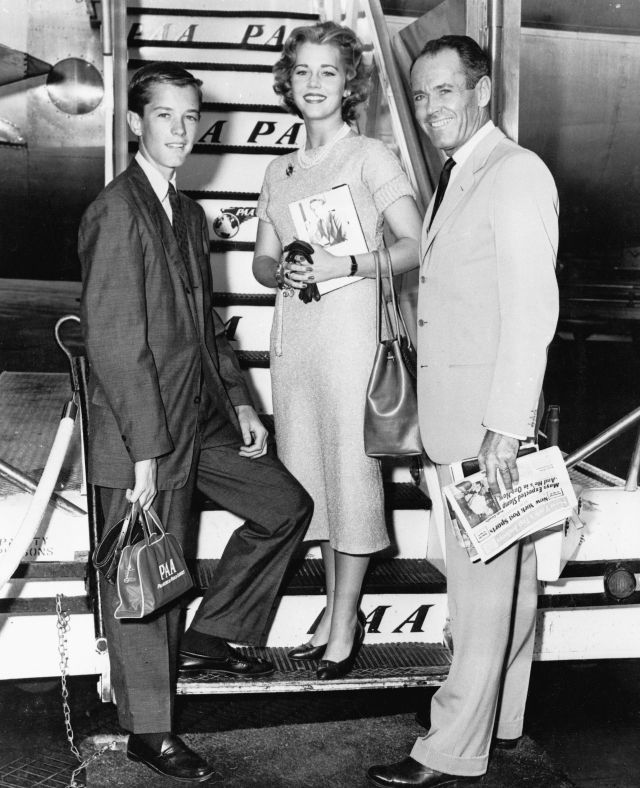
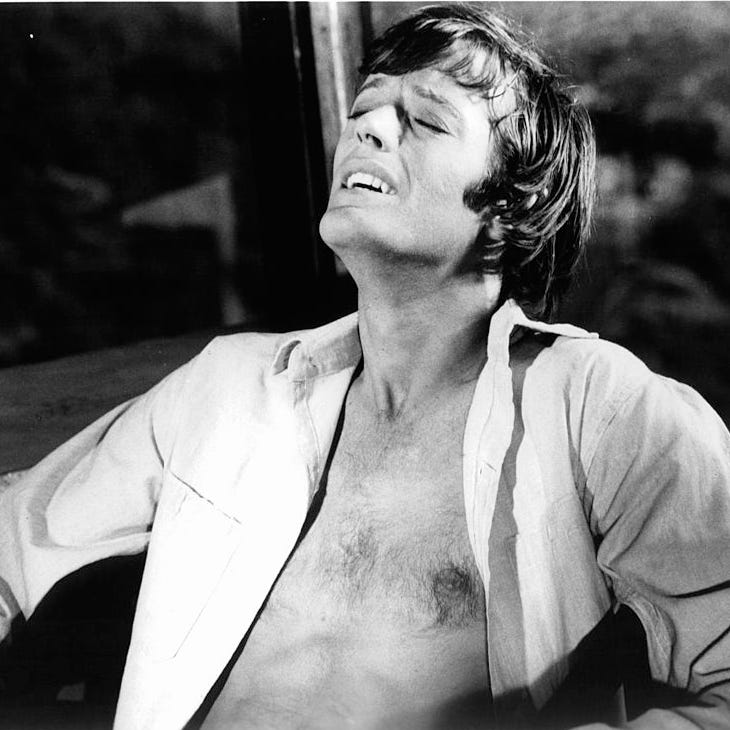
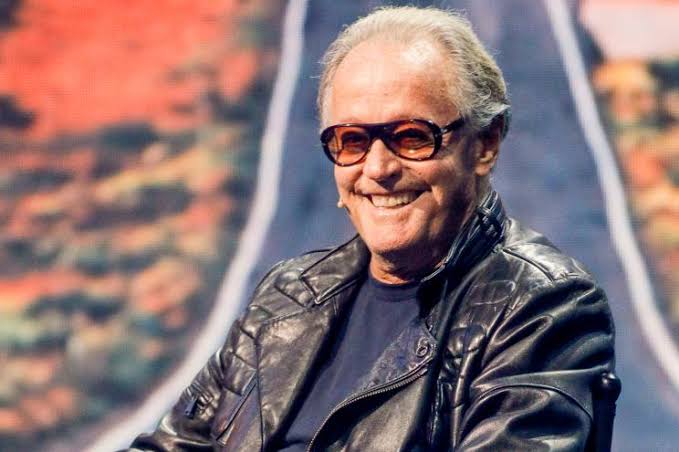
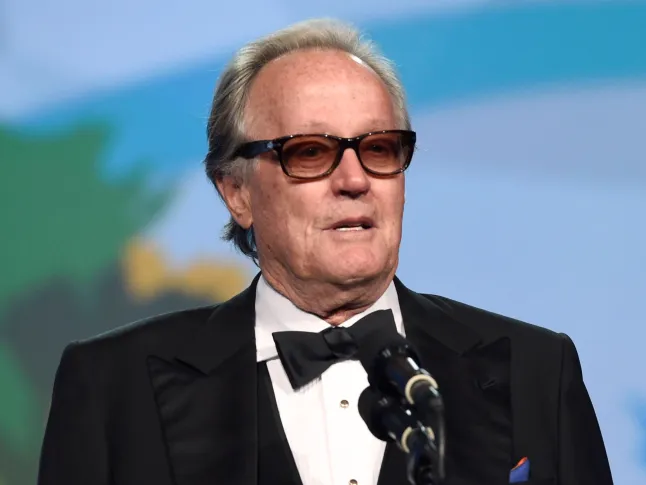
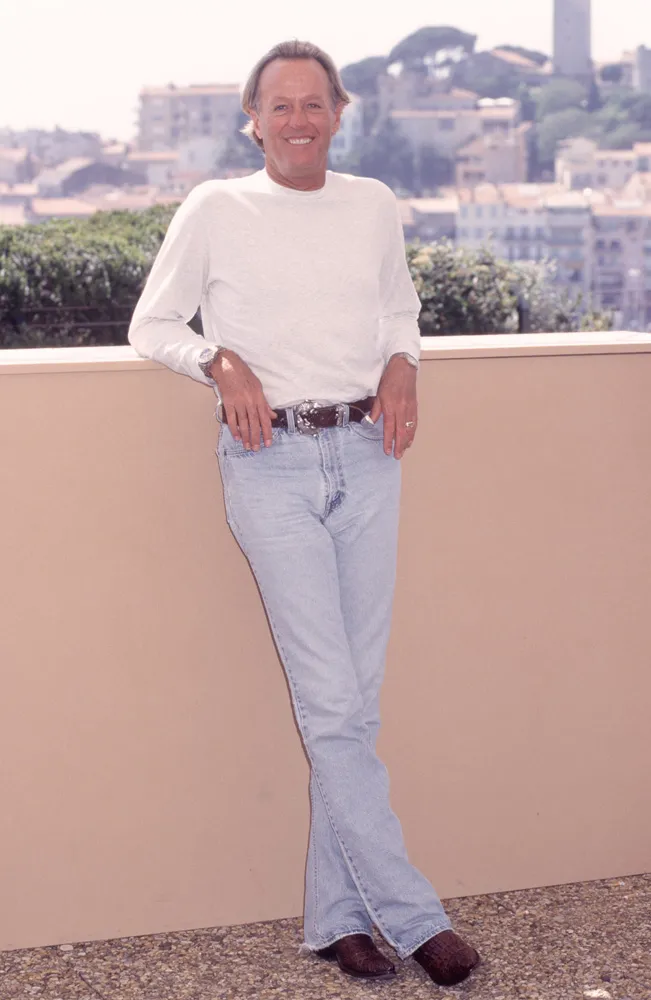
Peter Henry Fonda (1940 – 2019)

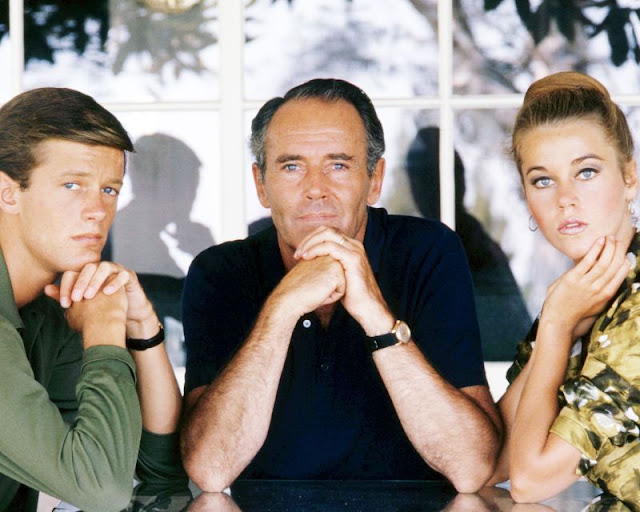
Peter was an American actor, film director, and screenwriter. He was twice an Academy Award nominee, both for acting and screenwriting, and a two-time Golden Globe Award winner for his acting. He was a member of the Fonda acting family, as the son of actor Henry Fonda, the brother of actress and Jane Fonda, and the father of actress Bridget Fonda.

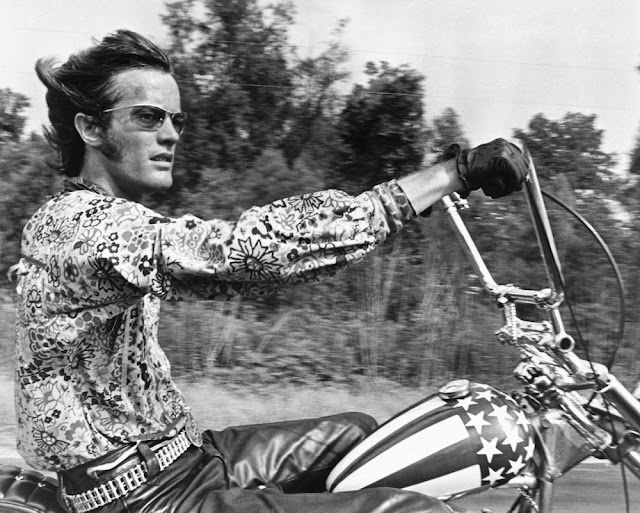
Fonda began his career on stage, winning a New York Drama Critics’ Circle Award and the Theatre World Award for his performance in the play Blood, Sweat and Stanley Poole. He became a prominent figure in the counterculture of the 1960s, starring in and co-writing the film Easy Rider (1969), which earned him an Oscar nomination for Best Original Screenplay. He then made his directorial debut with the Revisionist Western film The Hired Hand (1971), in which he also starred. During the following decade, he established himself as an action star, appearing in a variety of productions including Dirty Mary, Crazy Larry (1974) and Futureworld (1976).

Fonda achieved a major critical comeback with his starring role in the drama film Ulee’s Gold (1997), receiving an Oscar nomination for Best Actor and a Golden Globe Award for Best Actor – Motion Picture Drama. He also won the Golden Globe for Best Supporting Actor – Series, Miniseries or Television Film for The Passion of Ayn Rand (1999). In 2003, Fonda received a star on the Hollywood Walk of Fame at 7018 Hollywood Blvd, for his contributions to the film industry.

Fonda died from respiratory failure caused by lung cancer at his home in Los Angeles on August 16, 2019, at the age of 79

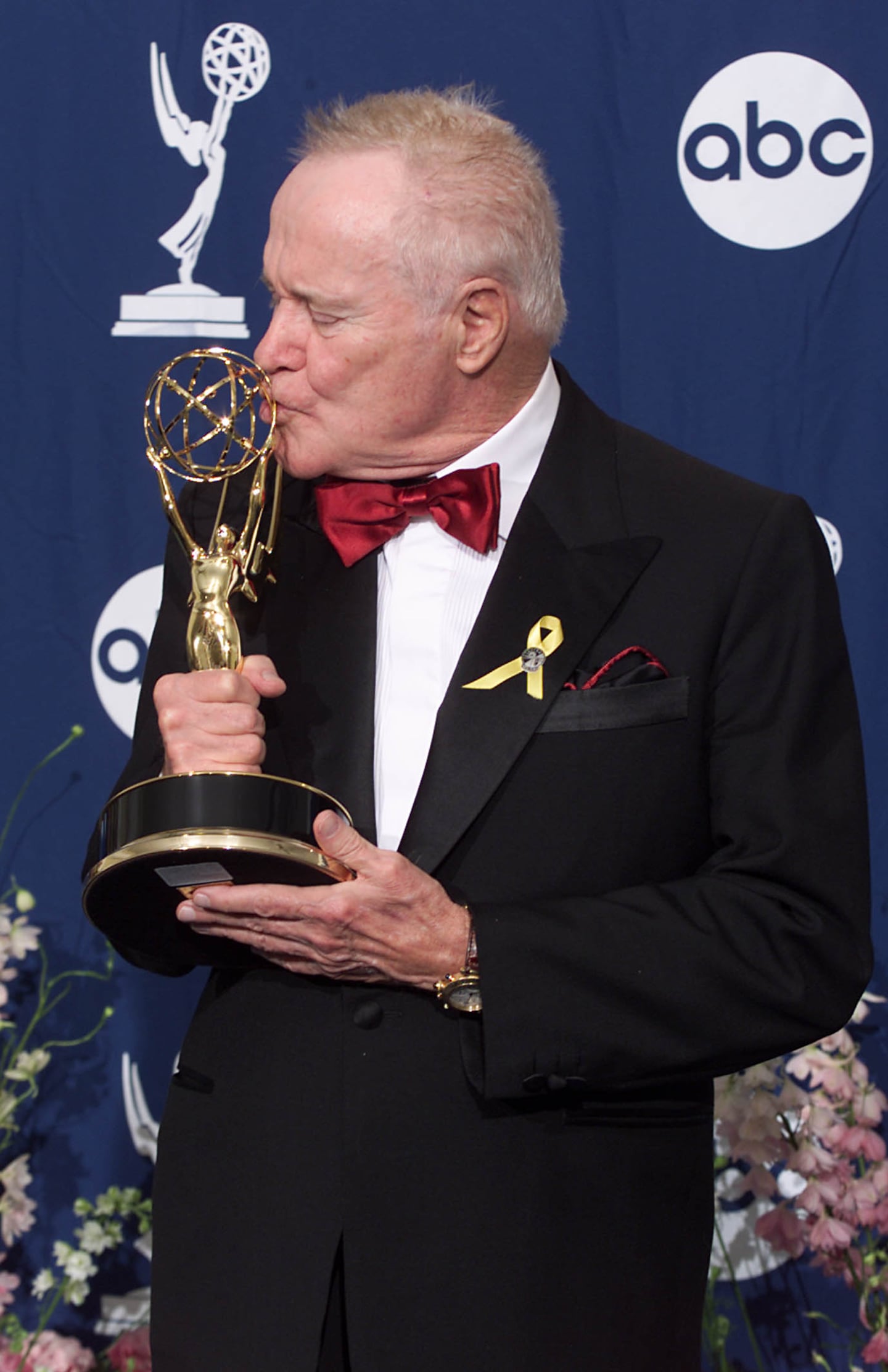
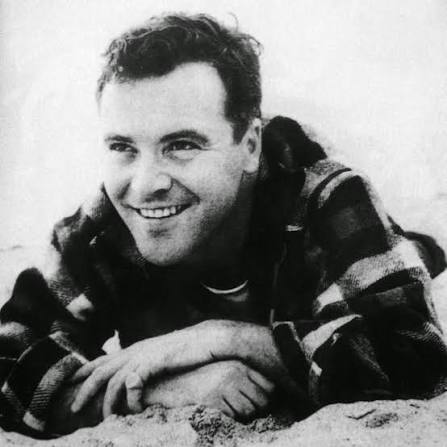
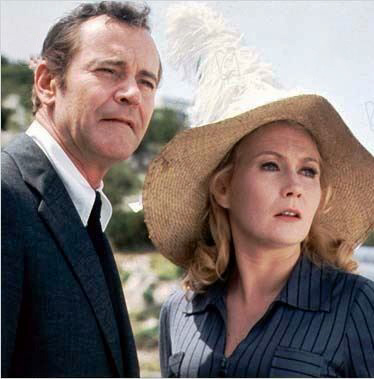
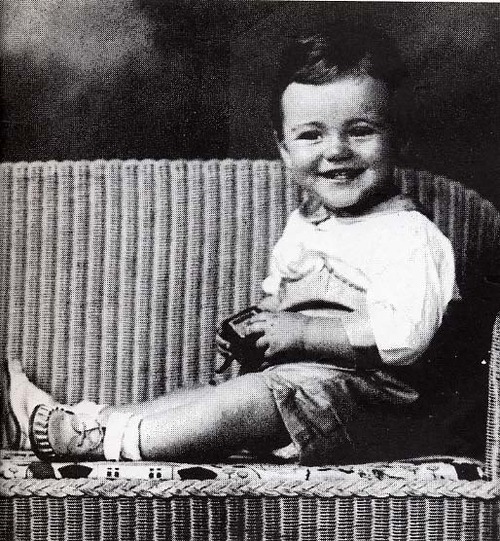
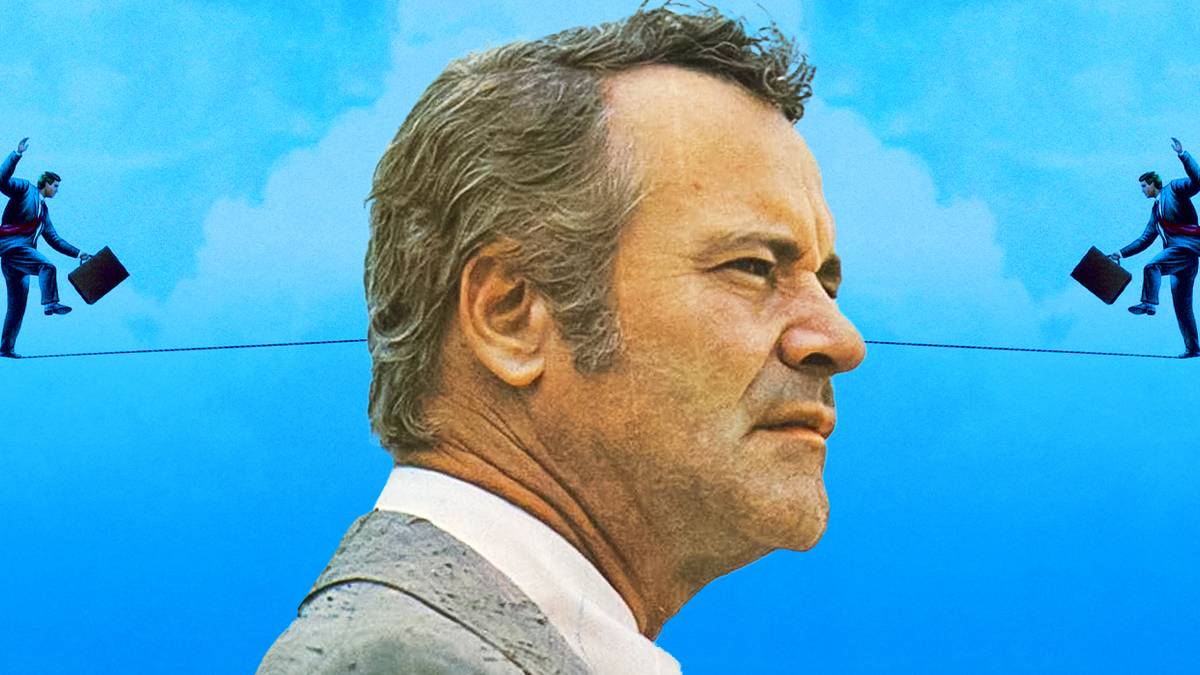
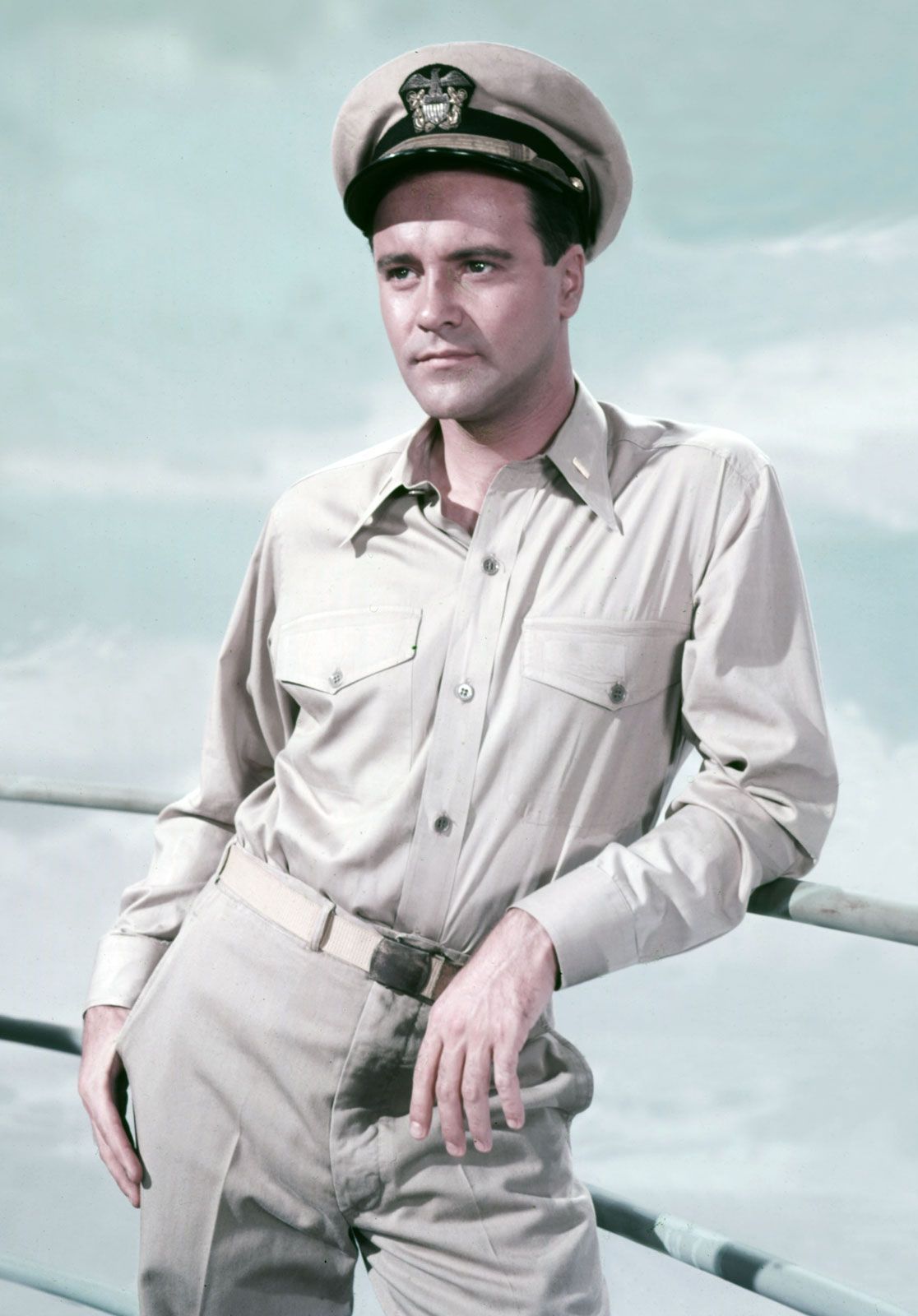
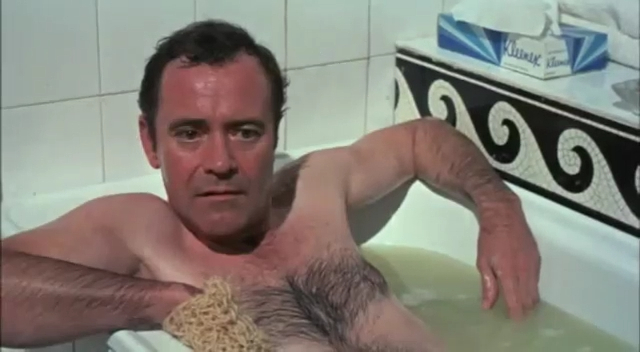
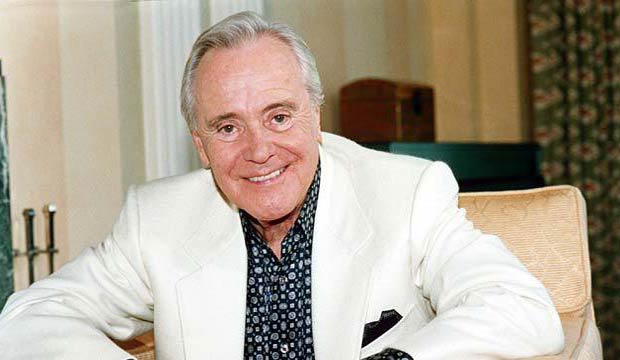
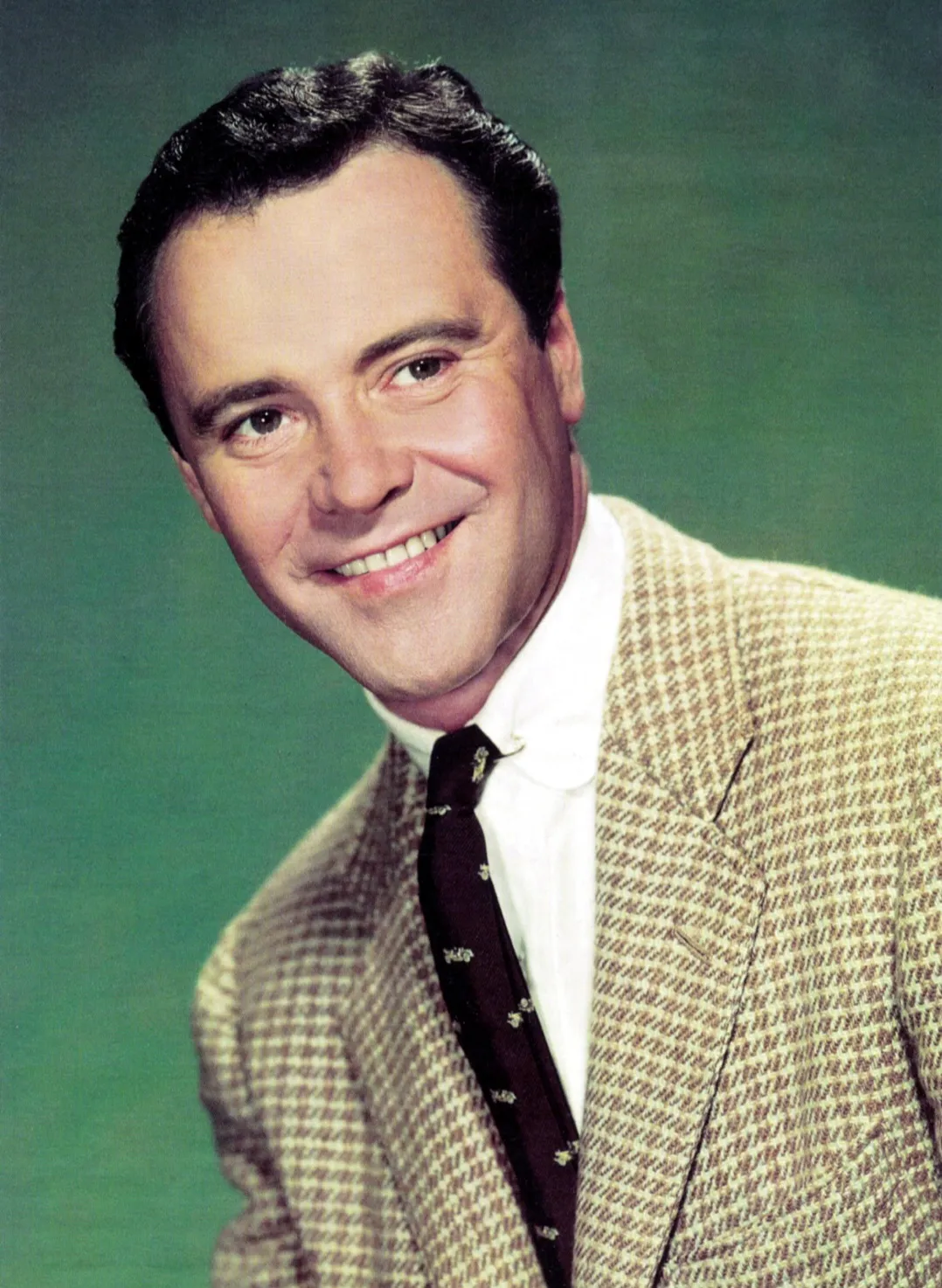
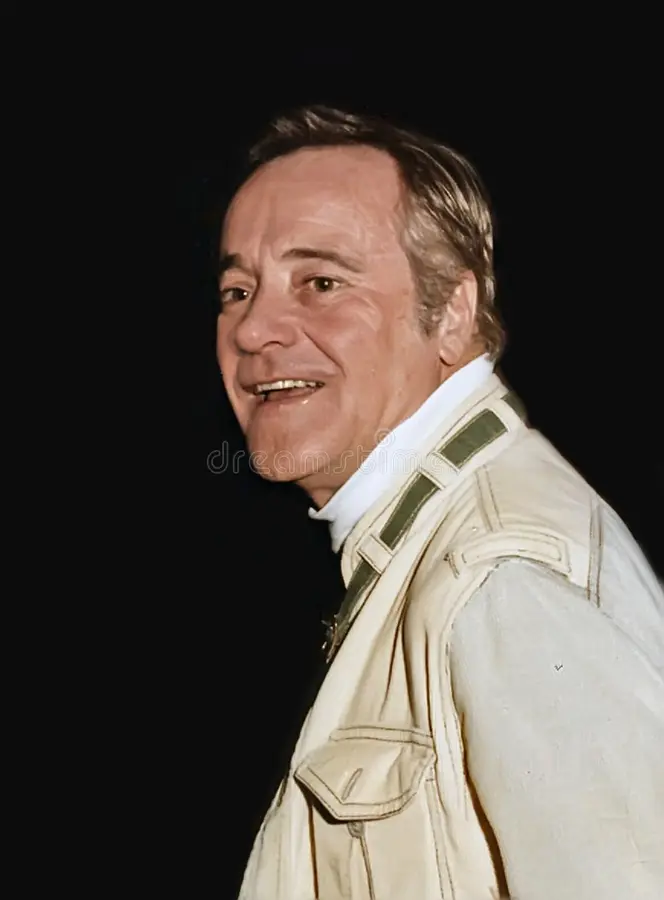
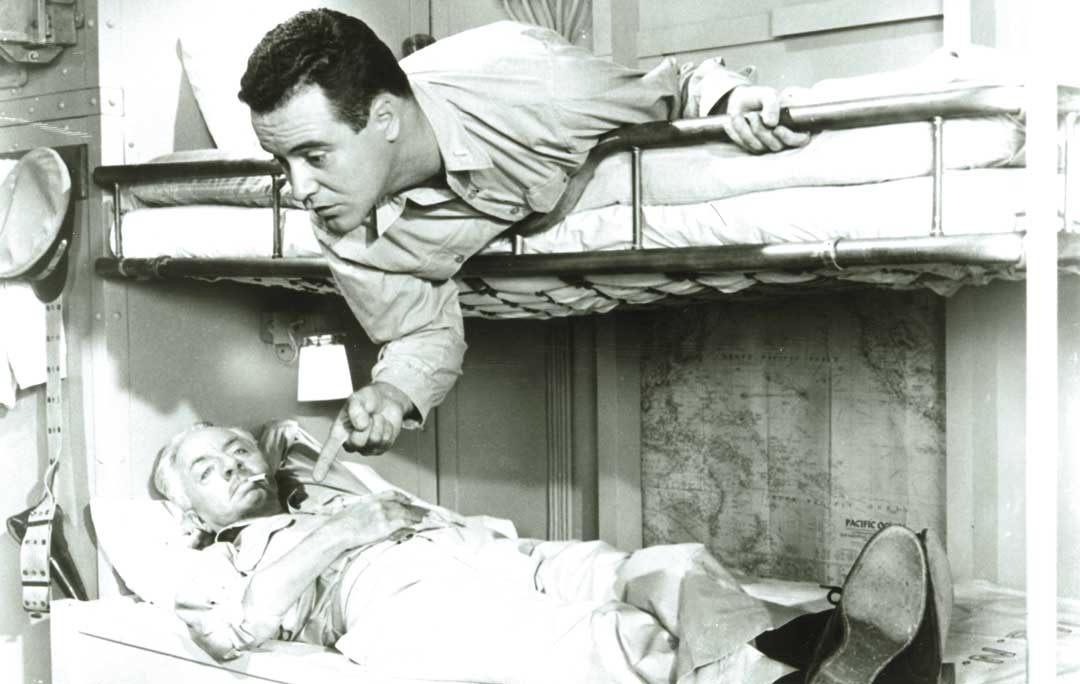
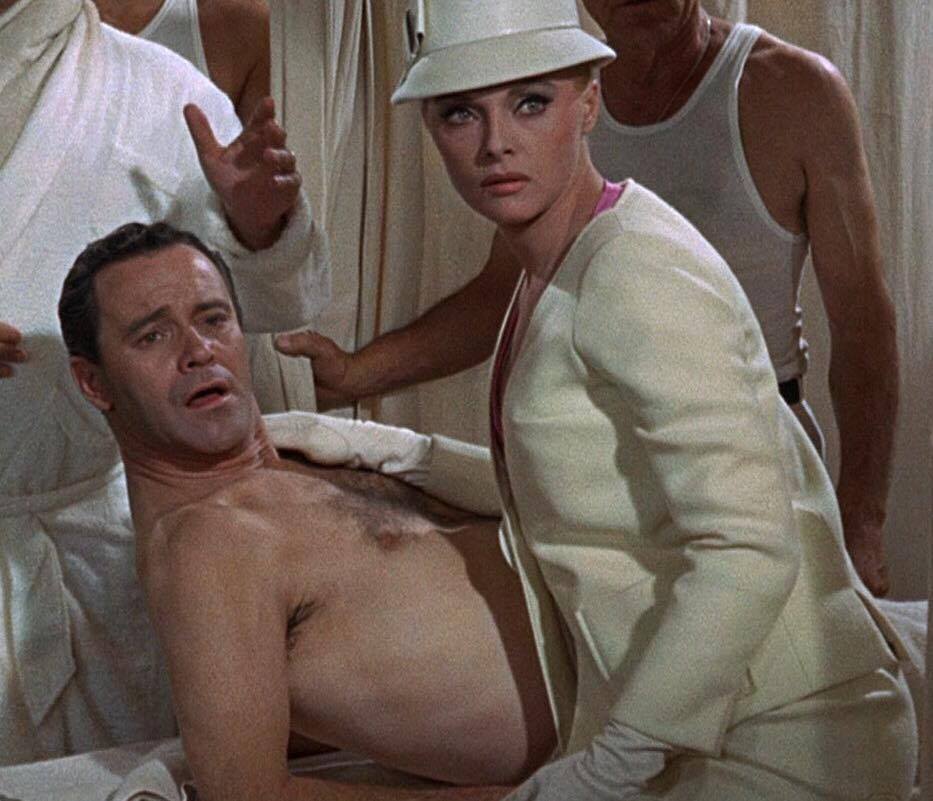
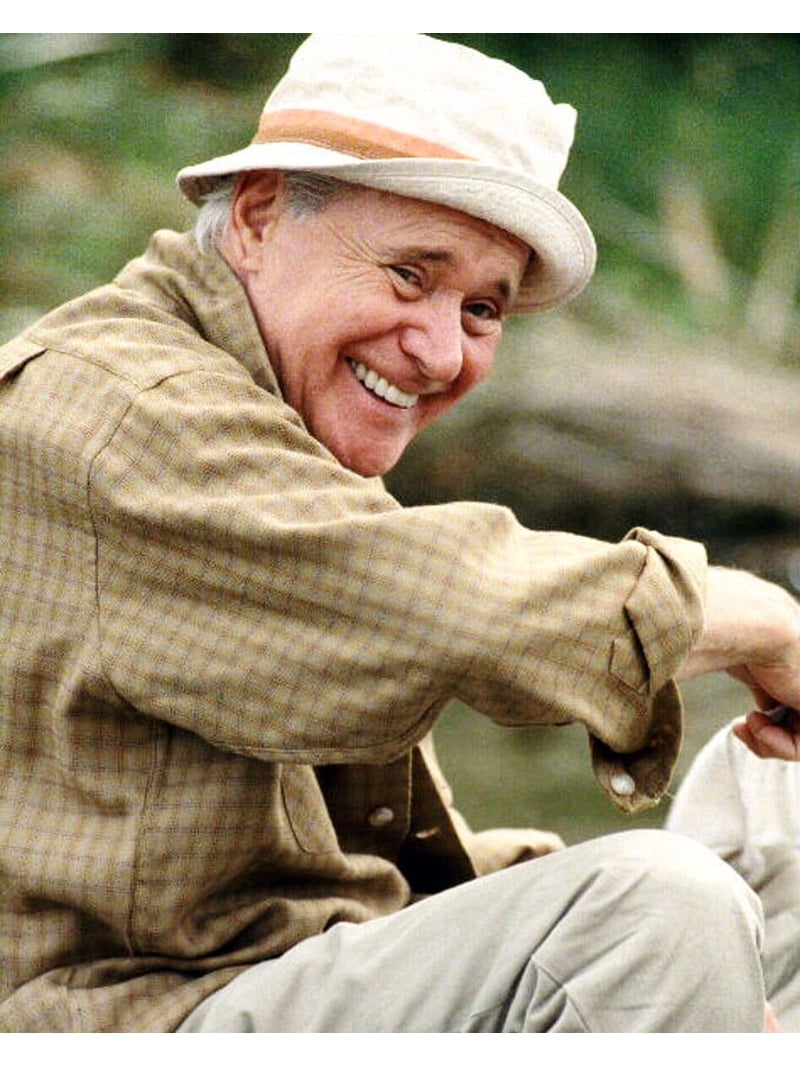
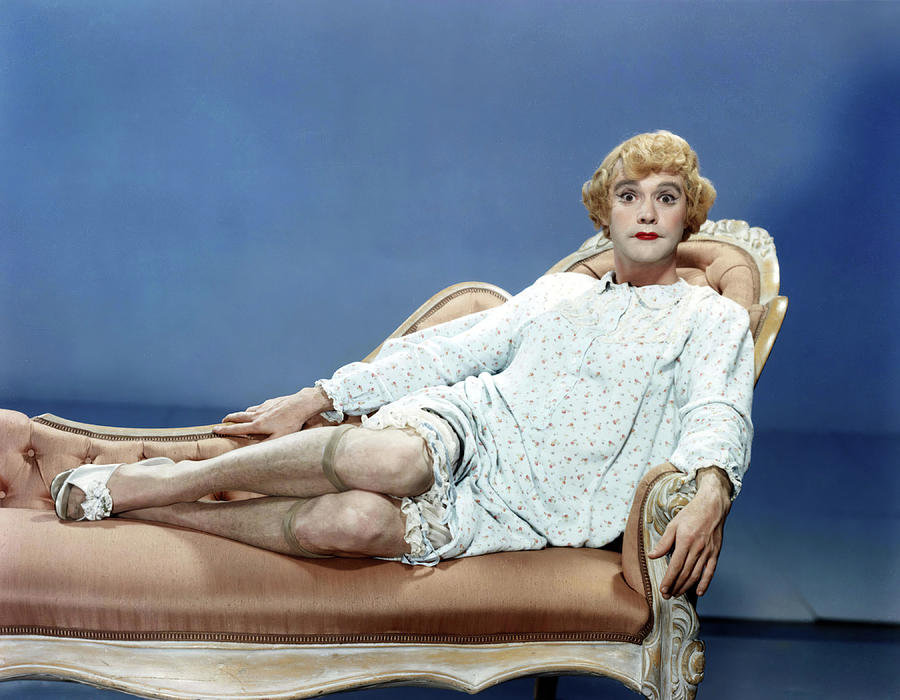
John Uhler Lemmon III (1925-2001)

Jack Lemmon was born on February 8, 1925 in Newton, Massachusetts, a suburb of Boston. He initially acted on TV before moving to Hollywood for the big screen, cultivating a career that would span decades. An eight time Academy Award nominee, with two wins, Lemmon starred in over 60 films.

He attended the prestigious Phillips Academy (Class of 1943) and Harvard College (Class of 1947). At Harvard, Lemmon found his passion for theater. He was also a member of the V-12 Navy College Training Program and served briefly as an ensign on an aircraft carrier during World War II before returning to Harvard following his time served in the military.

After college, Lemmon moved to New York City and spent much of his time there playing piano in a bar before landing small roles on the radio, stage and television. Two years later, Lemmon earned his first big role in the comedy war drama Mister Roberts (1955) with Henry Fonda and James Cagney.

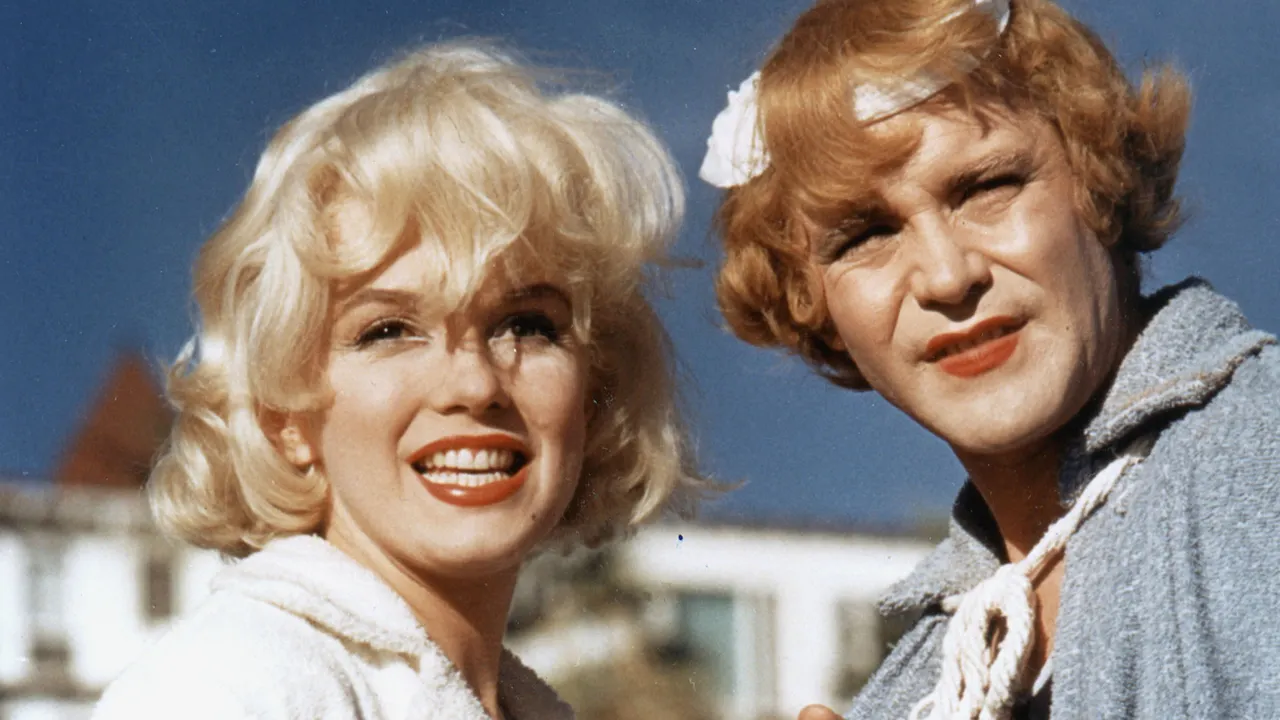
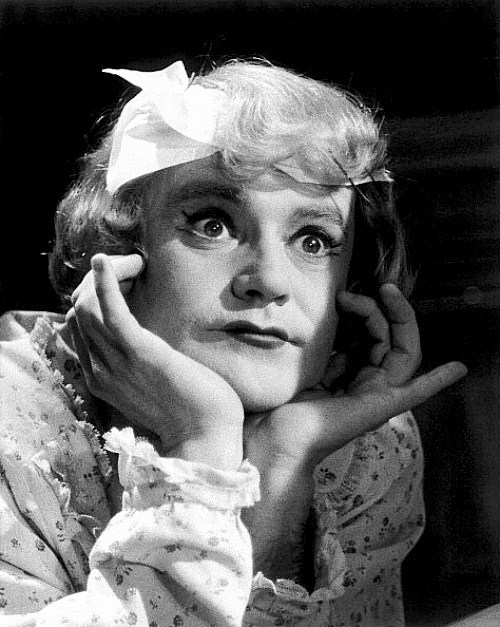
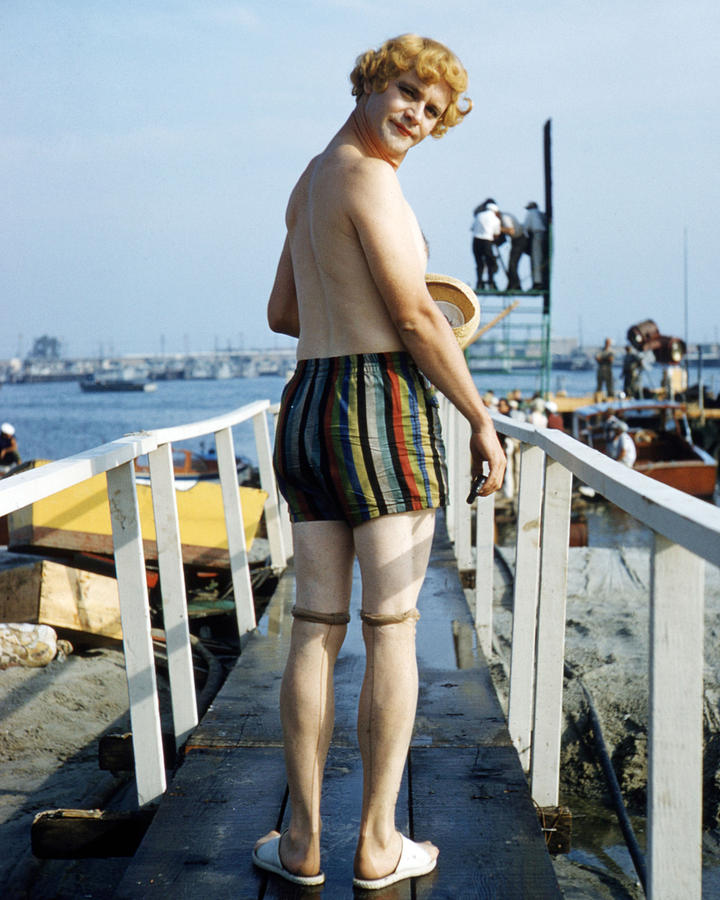
In 1959, Lemmon gave one of the top comedic performances of his career when he starred alongside Tony Curtis in the romantic comedy film Some Like It Hot (1959), the first of several collaborations with director Billy Wilder. Lemmon also received critical acclaim for his portrayal of C.C. ‘Bud’ Baxter in the The Apartment (1960) while working again with Wilder. Lemmon enjoyed great success on the big screen throughout the 1950s and 60s.

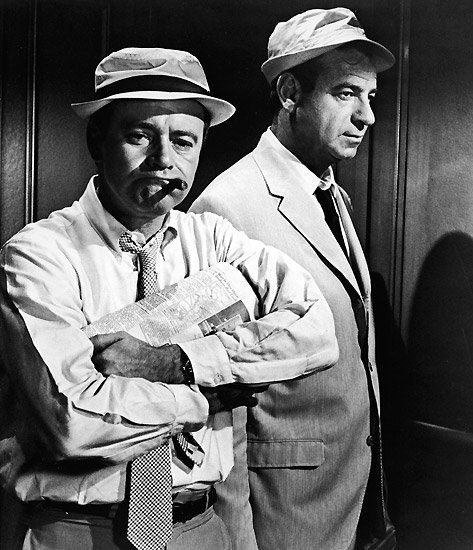
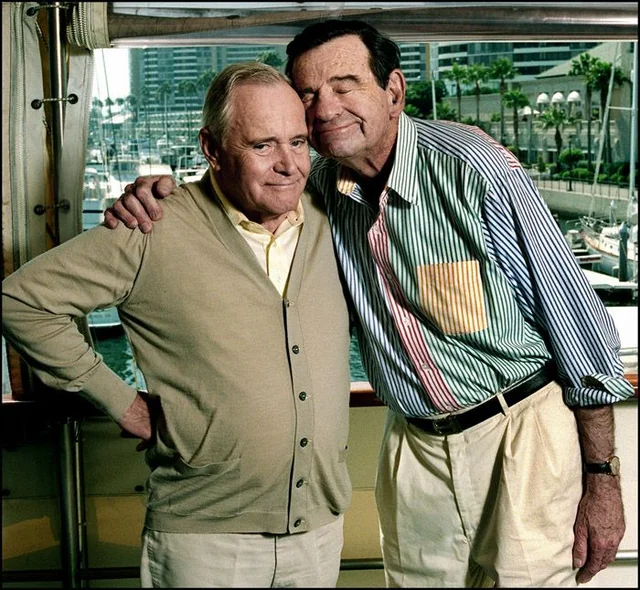
The Fortune Cookie (1966) served as the start of a comedic partnership between Lemmon and Walter Matthau and the two would come together again, two years later, for The Odd Couple (1968), one of their most endearing films together. As the 1970s came around, Lemmon began to undertake more dramatic roles and won the Academy Award for Best Actor for his performance in Save the Tiger (1973).

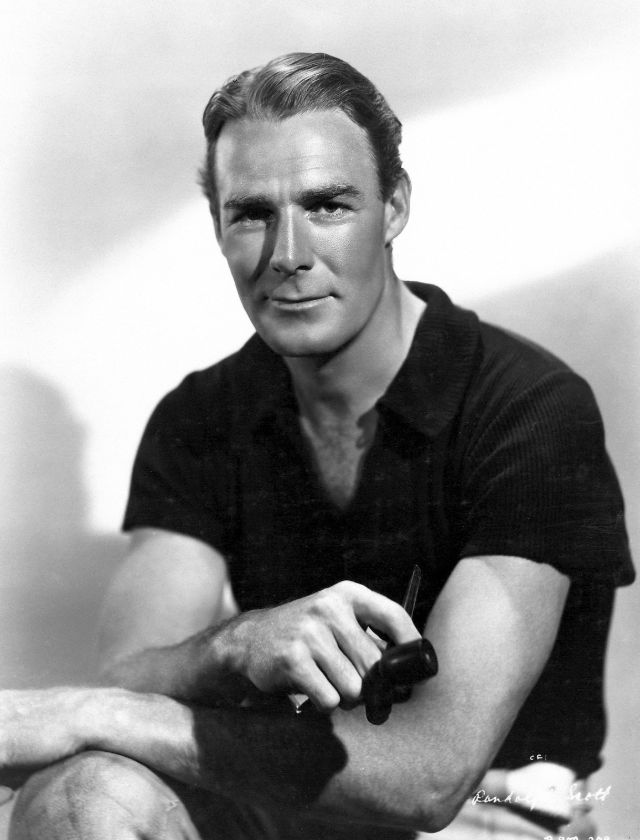
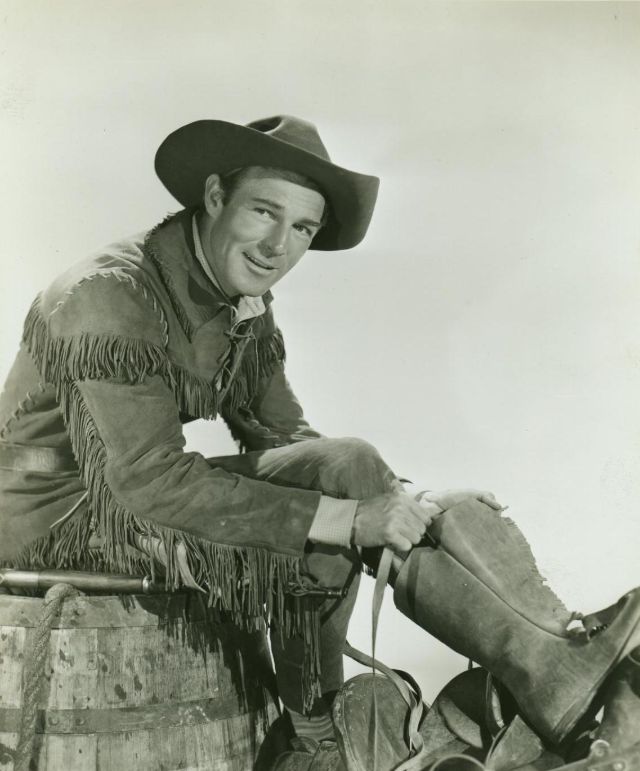
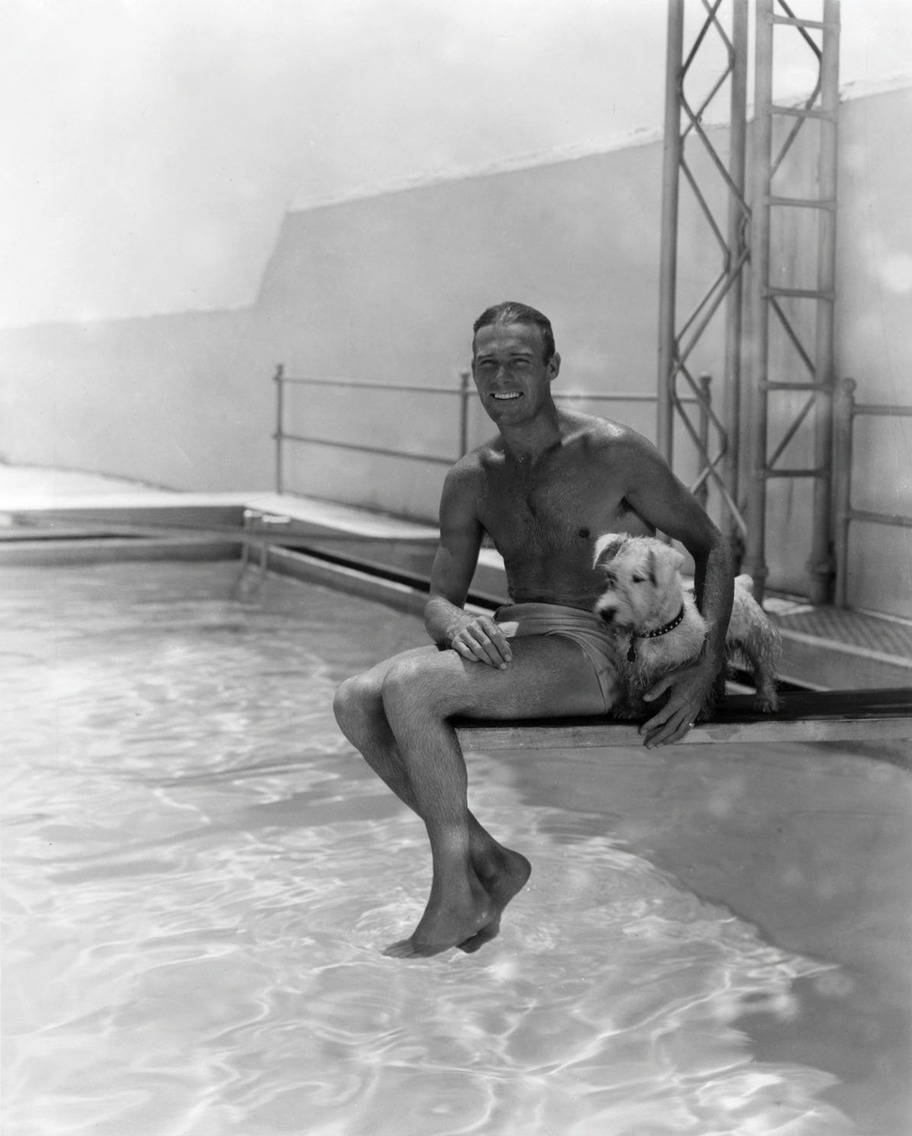
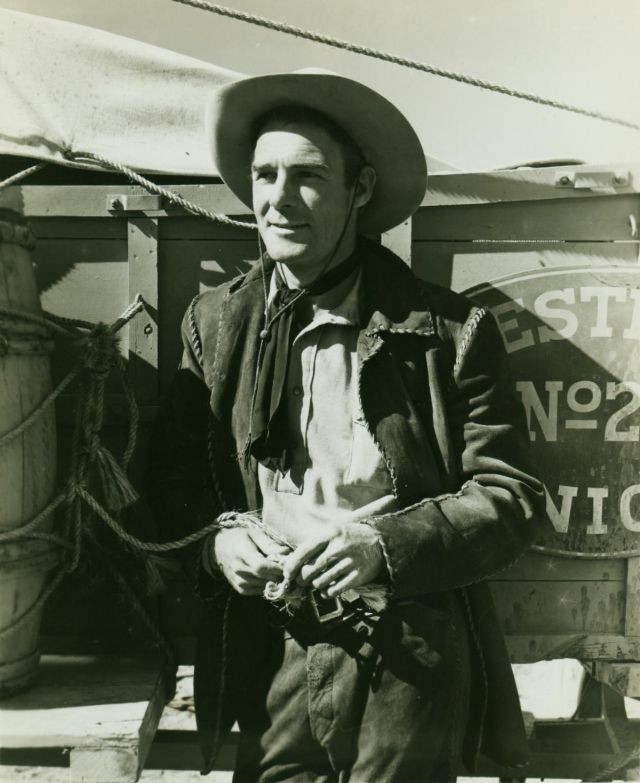
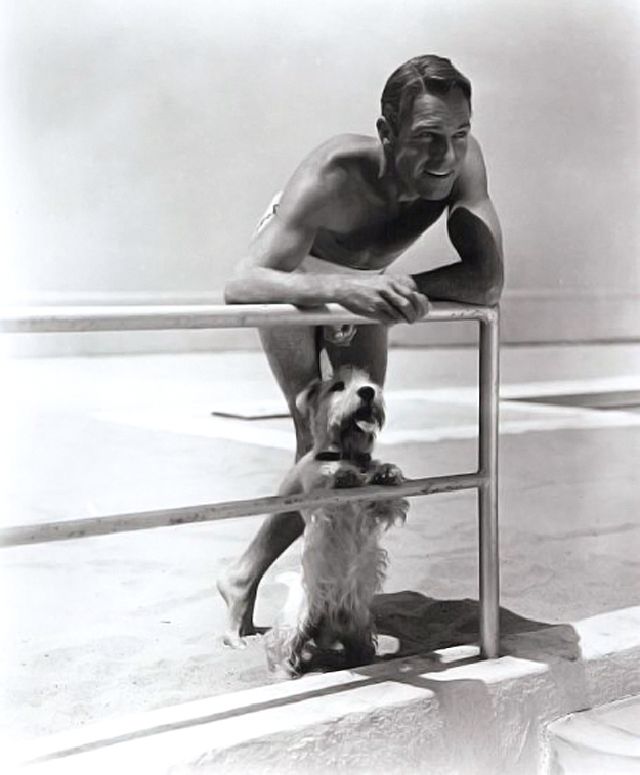
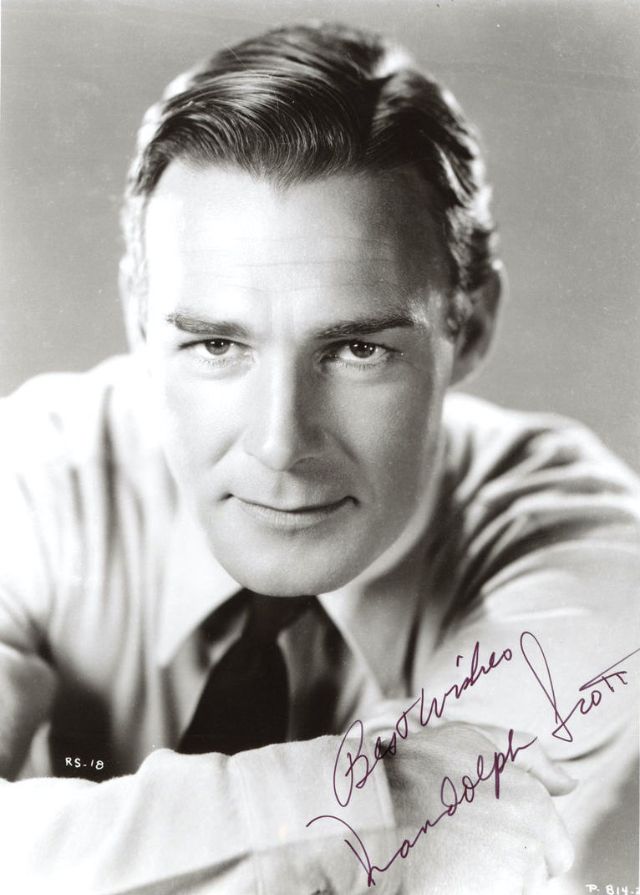
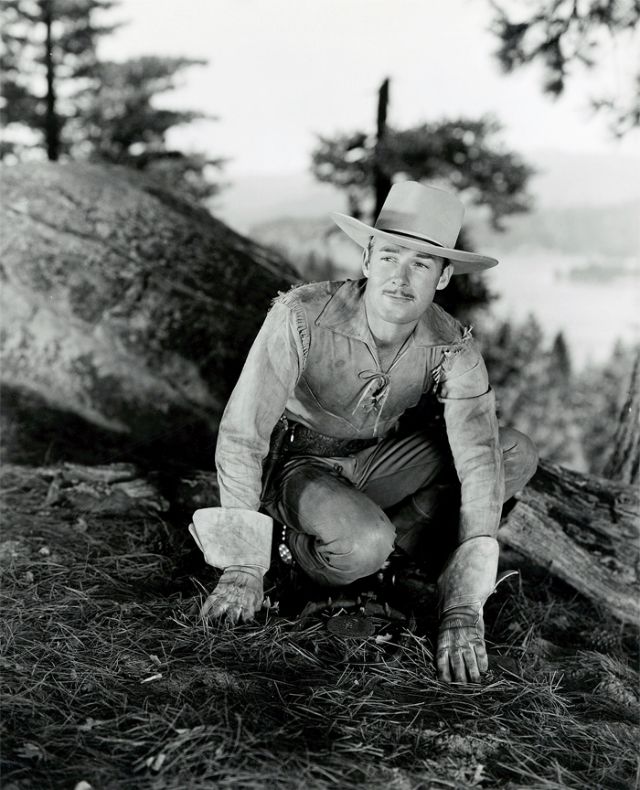
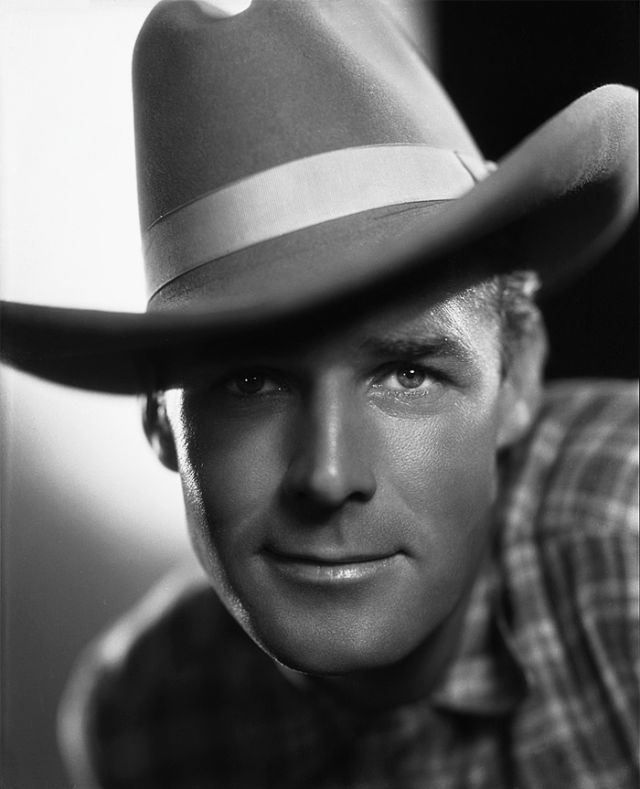
Beefcake Tuesday – George Randolph Scott

(1898 – 1987) Scott was raised in Charlotte, North Carolina. After service with the U.S. Army, he attended Georgia Institute of Technology but, after being injured playing football, transferred to the University of North Carolina.

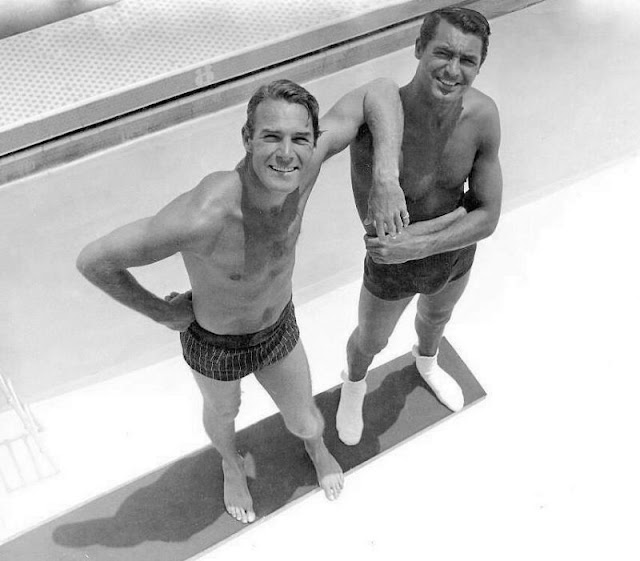
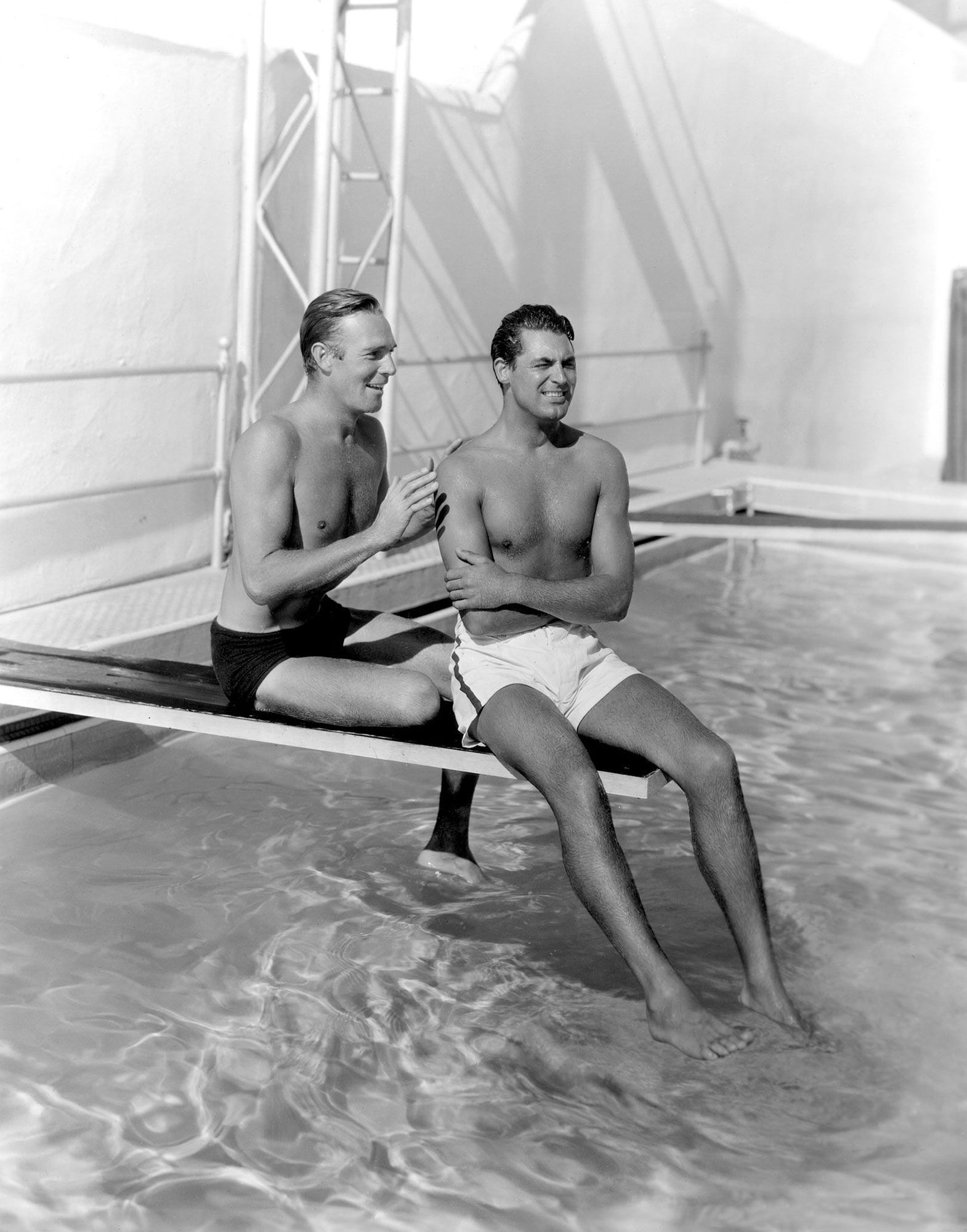
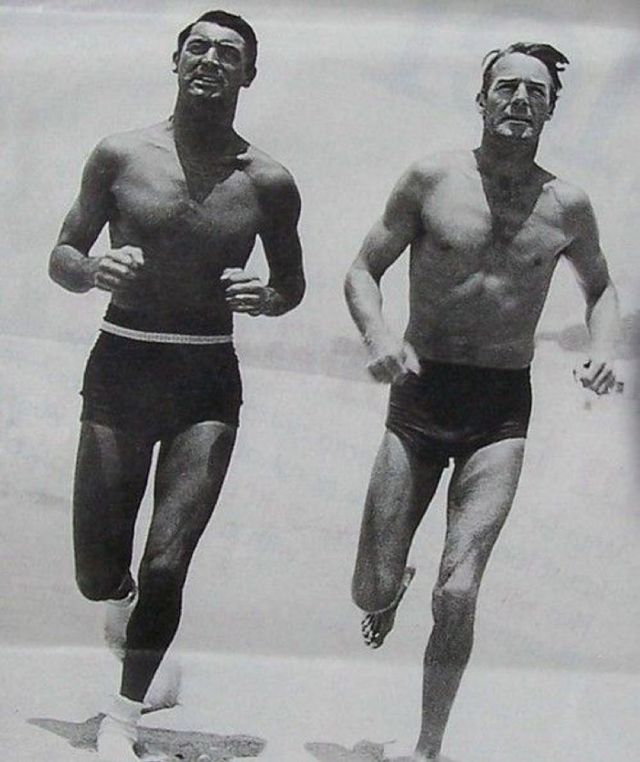
He discovered acting and went to California, where he was hired to voice coach Gary Cooper for The Virginian (1929). Paramount offered him a contract where he met Cary Grant, another Paramount contract player, on the set of Hot Saturday (1932) and the pair soon moved in together.

Their on-and-off living arrangement would last until 1942.

Scott moved into leading roles at Paramount, but it was not until he began focusing on Westerns in the late 1940s that he reached his greatest stardom. He became one of the top box office stars of the 1950s and, in the Westerns of Budd Boetticher especially, an important figure. Following a critically acclaimed role in one of the classics of the genre, Ride the High Country (1962), Scott retired from films.

He died in 1987 and is buried in Charlotte, North Carolina.

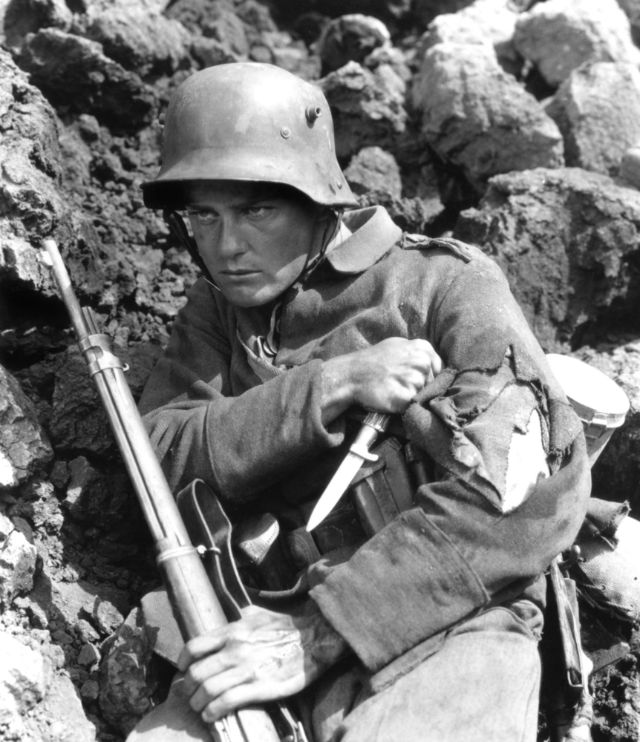
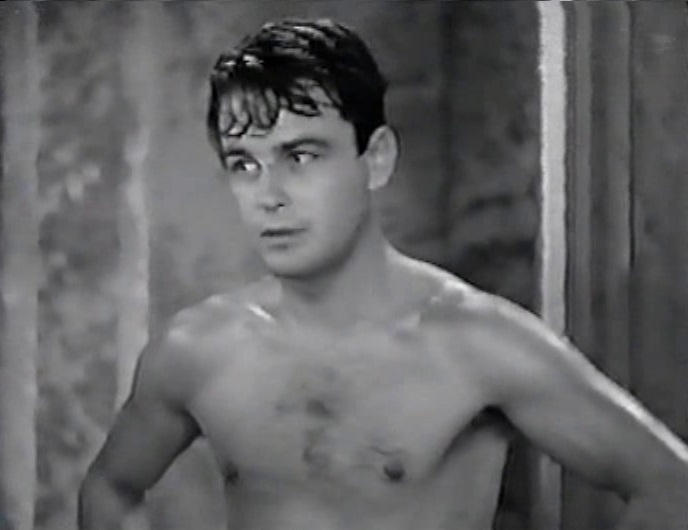
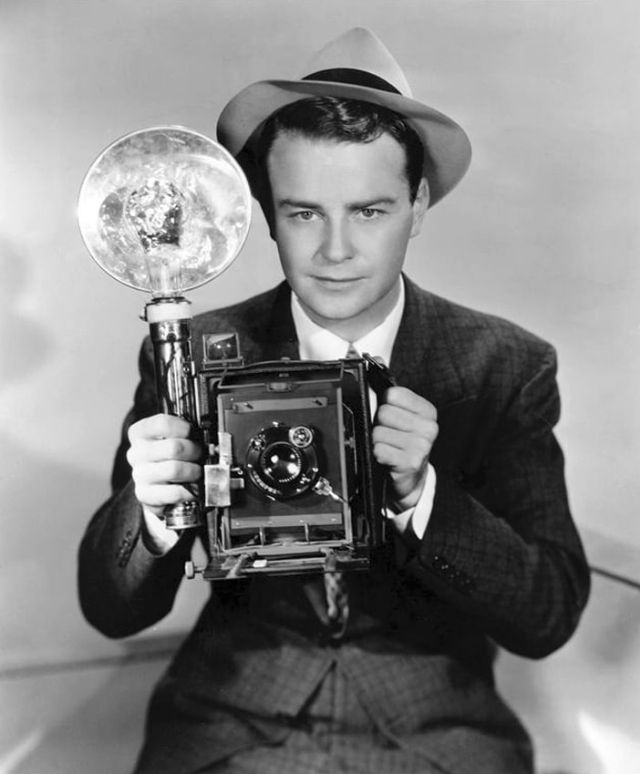
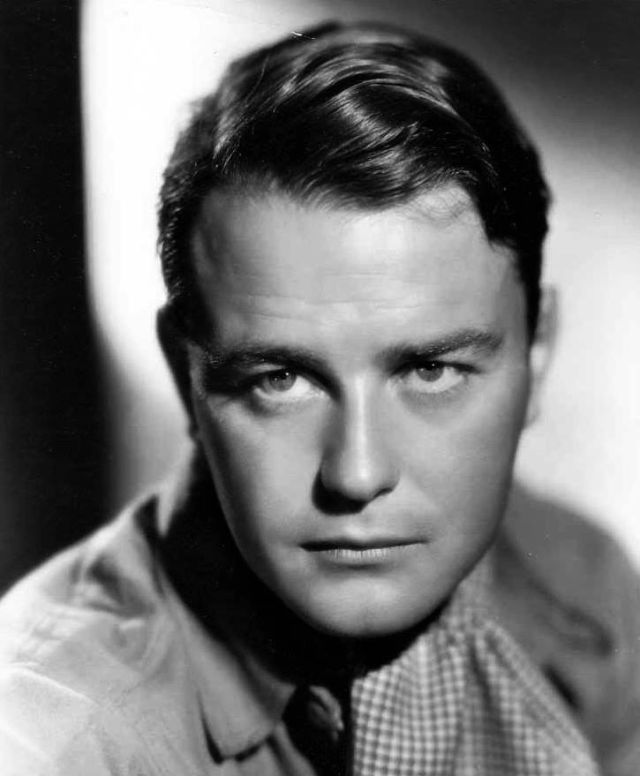
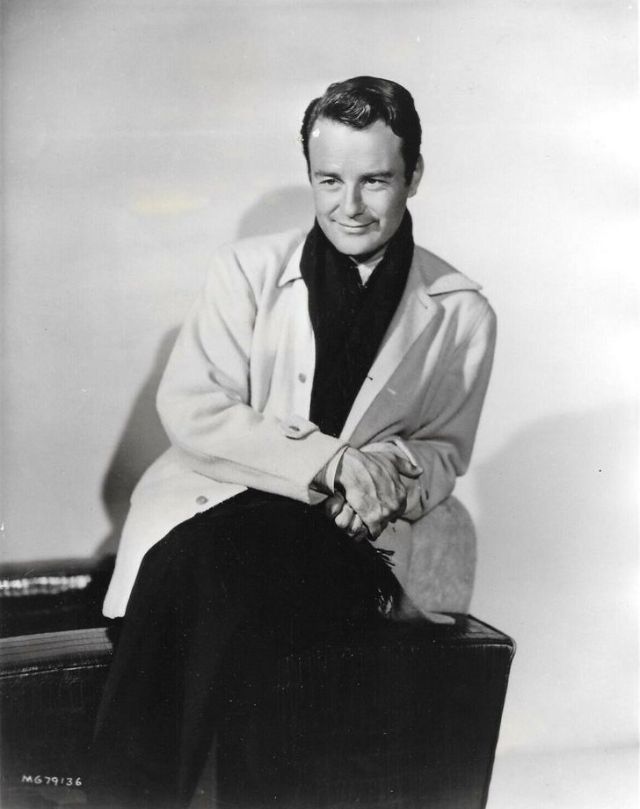
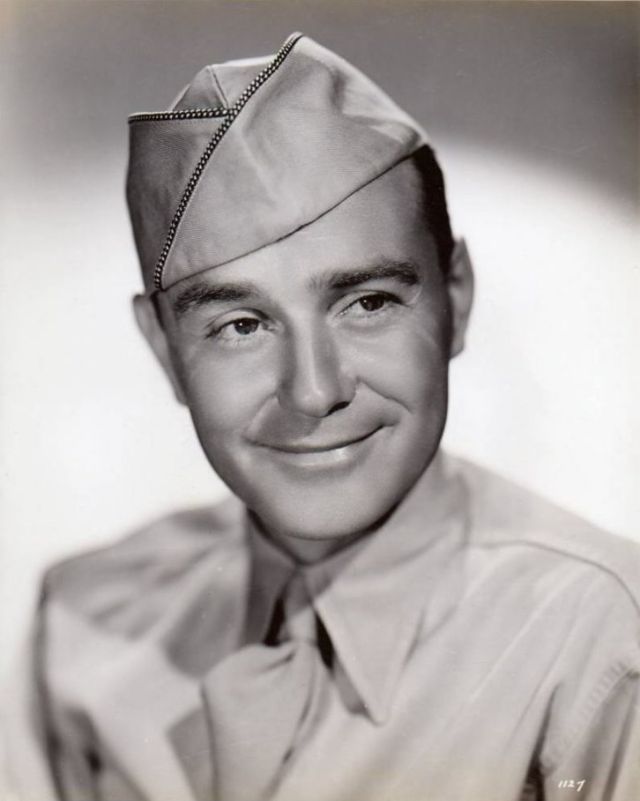
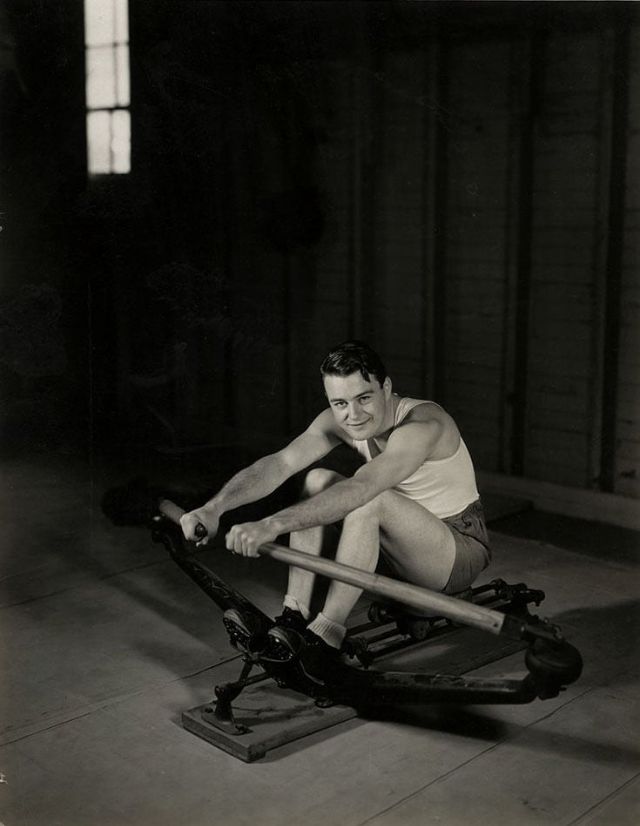
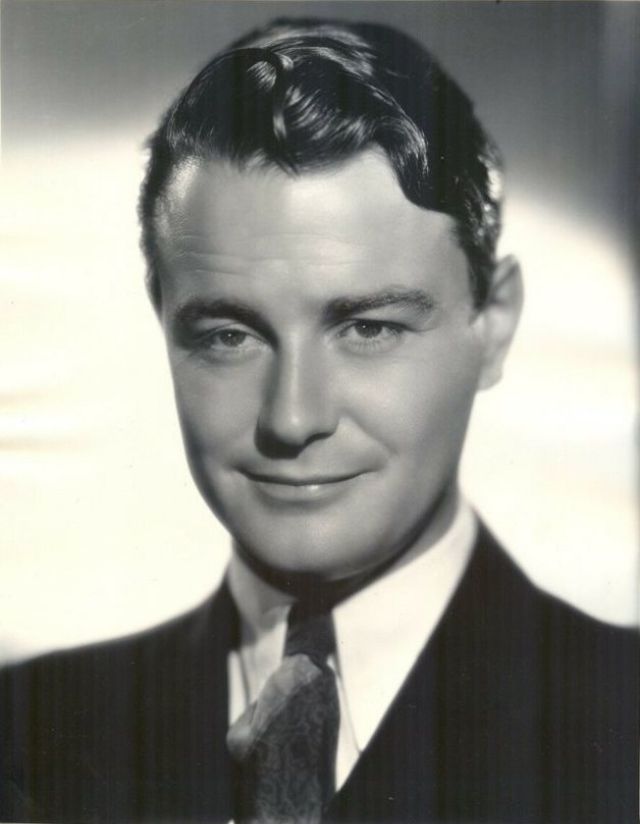
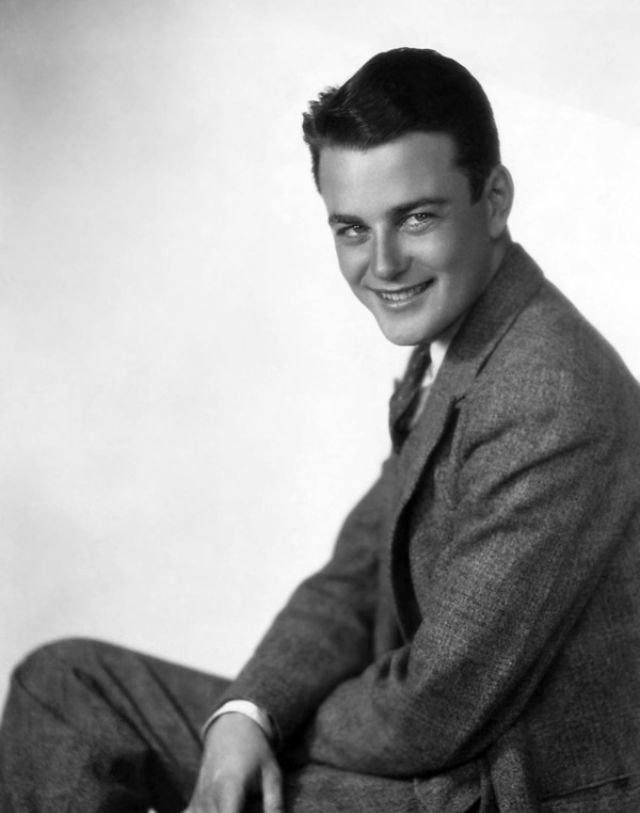
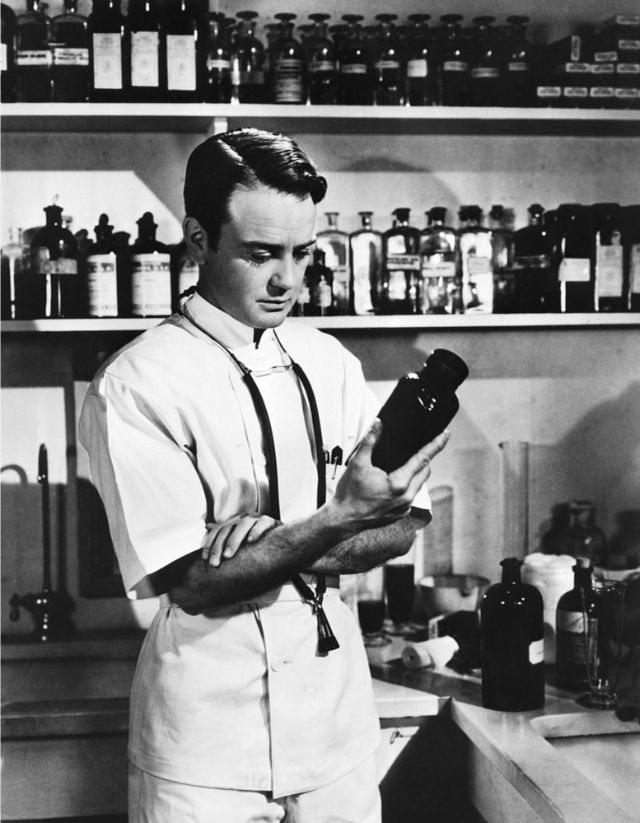
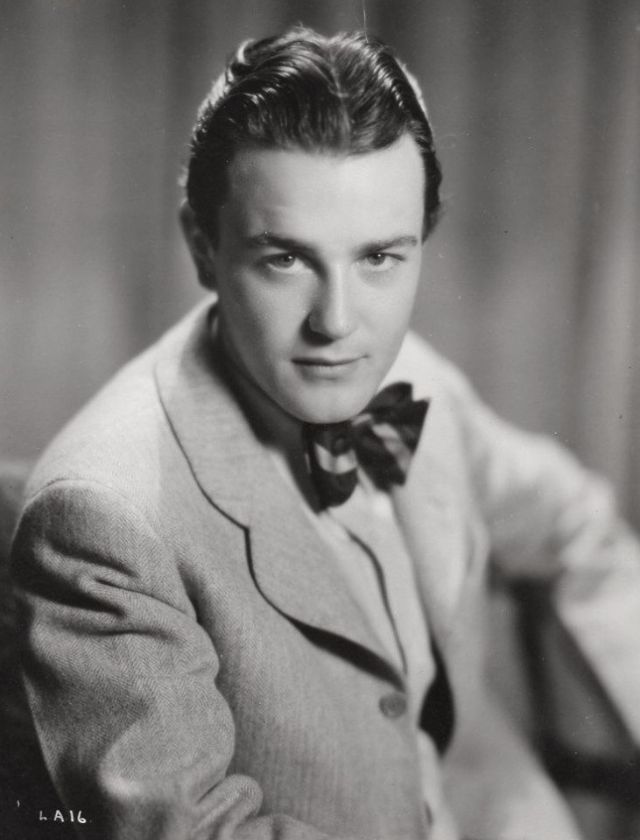
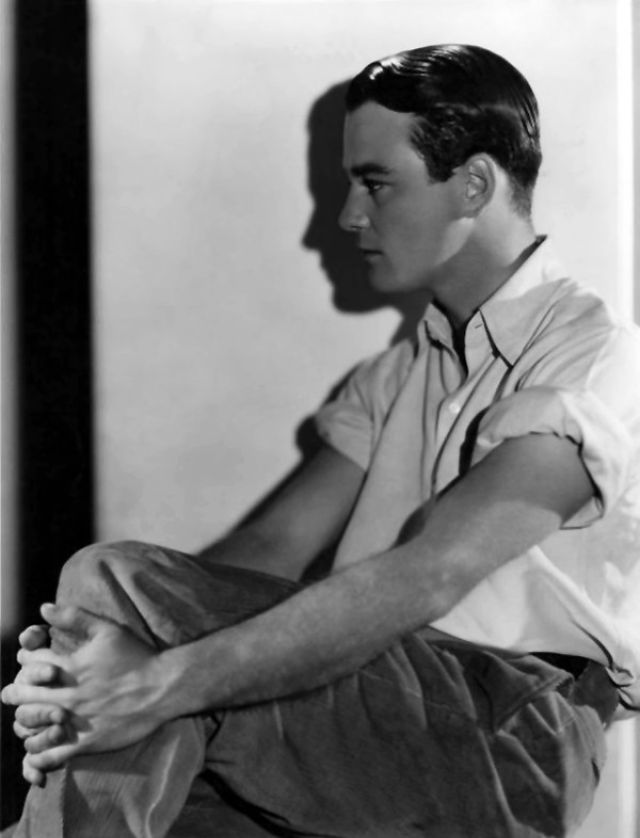
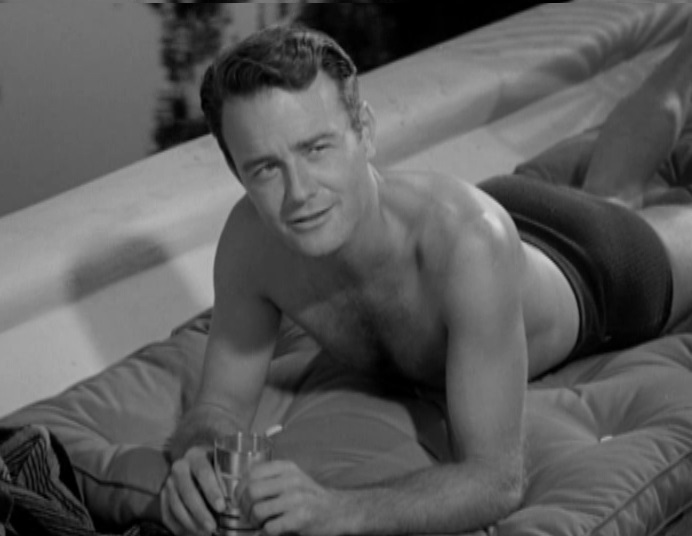
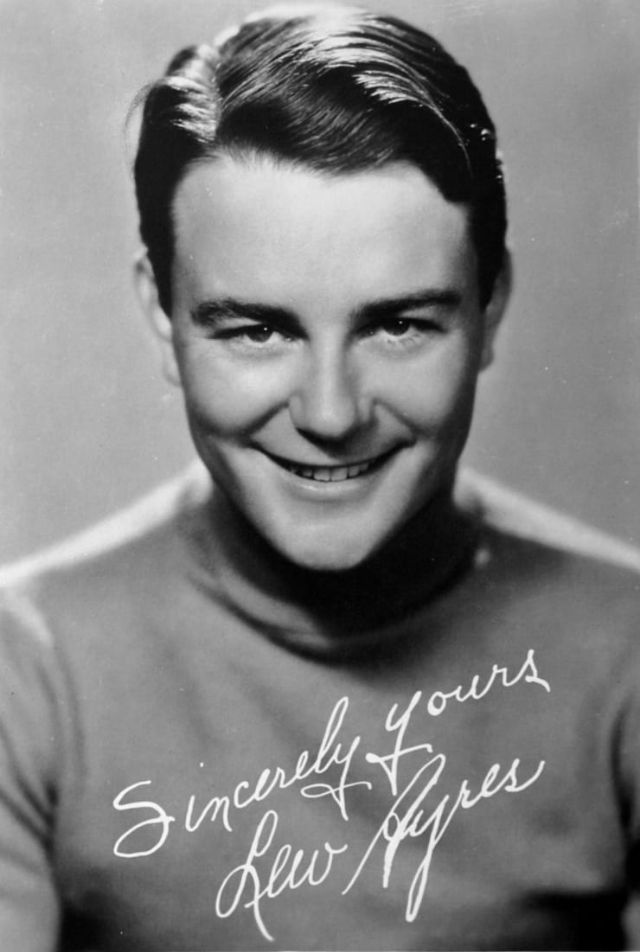
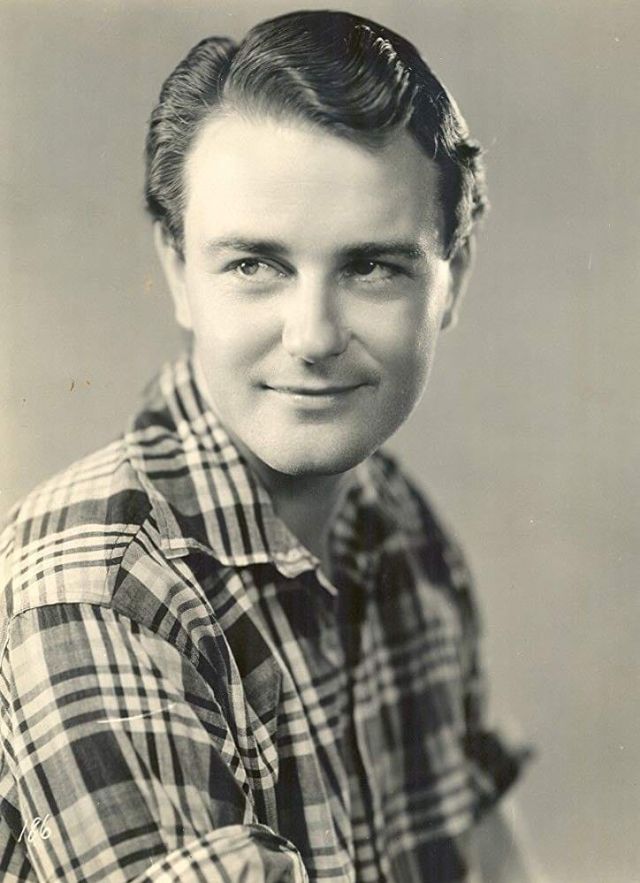
Lewis Frederick Ayres III (1908-1996)

Lew Ayres was an American actor whose film and television career spanned 65 years. He is best known for starring as German soldier Paul Bäumer in the film All Quiet on the Western Front (1930) and for playing Dr. Kildare in nine films. He was nominated for an Academy Award for Best Actor for his performance in Johnny Belinda (1948).

In March 1942, Ayres was identified as a 4E conscientious objector and sent to a CO camp. As expected, the announcement that a Hollywood actor objected to the war was a major source of public outcry and debate. Within a month it was determined that he had initially requested to be A-O-1, so that he could serve as a non-combat medic. However, the military’s policy that servicemen cannot request, or be guaranteed, where they will serve, forced him to request a 4E status. The U.S. military confirmed that they would place him as a medic and in April 1942, his status was changed. He enlisted in the United States Army on May 18, 1942.

He served as a first aid instructor in the United States Army before requesting a drop in rank in order to serve as a medic and chaplain’s assistant in the Pacific. He was one of 16 medics who arrived under fire during the invasion of Leyte to set up evacuation hospitals, and there he provided care to soldiers and civilians in the Philippines and New Guinea. He donated all the money he had earned as a serviceman to the American Red Cross.

Serving for three and a half years in the Medical Corps, he was awarded three battle stars. After the war, he resumed his career and made scores of movies, but never reached the peak of his early Hollywood stardom.

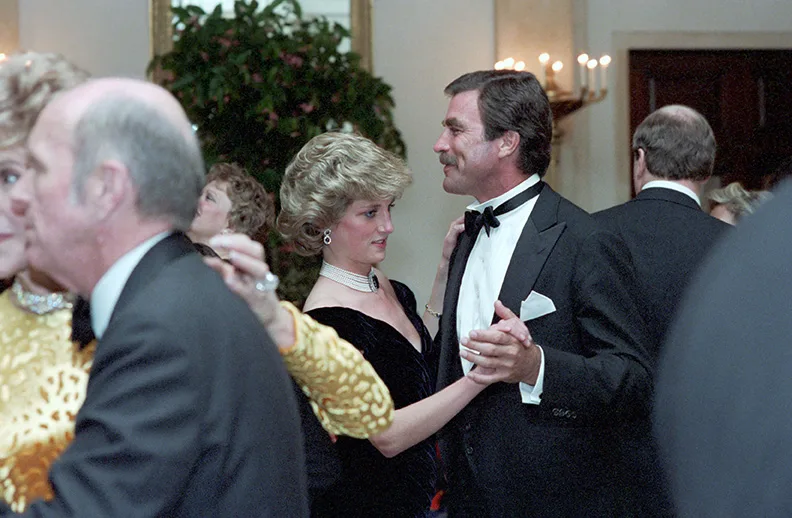
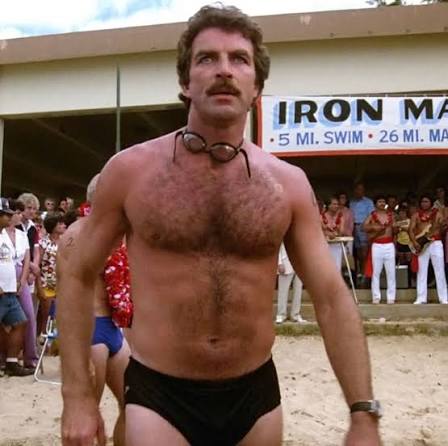
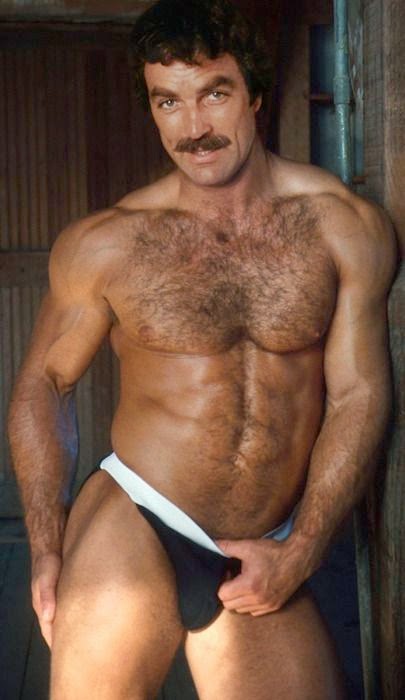
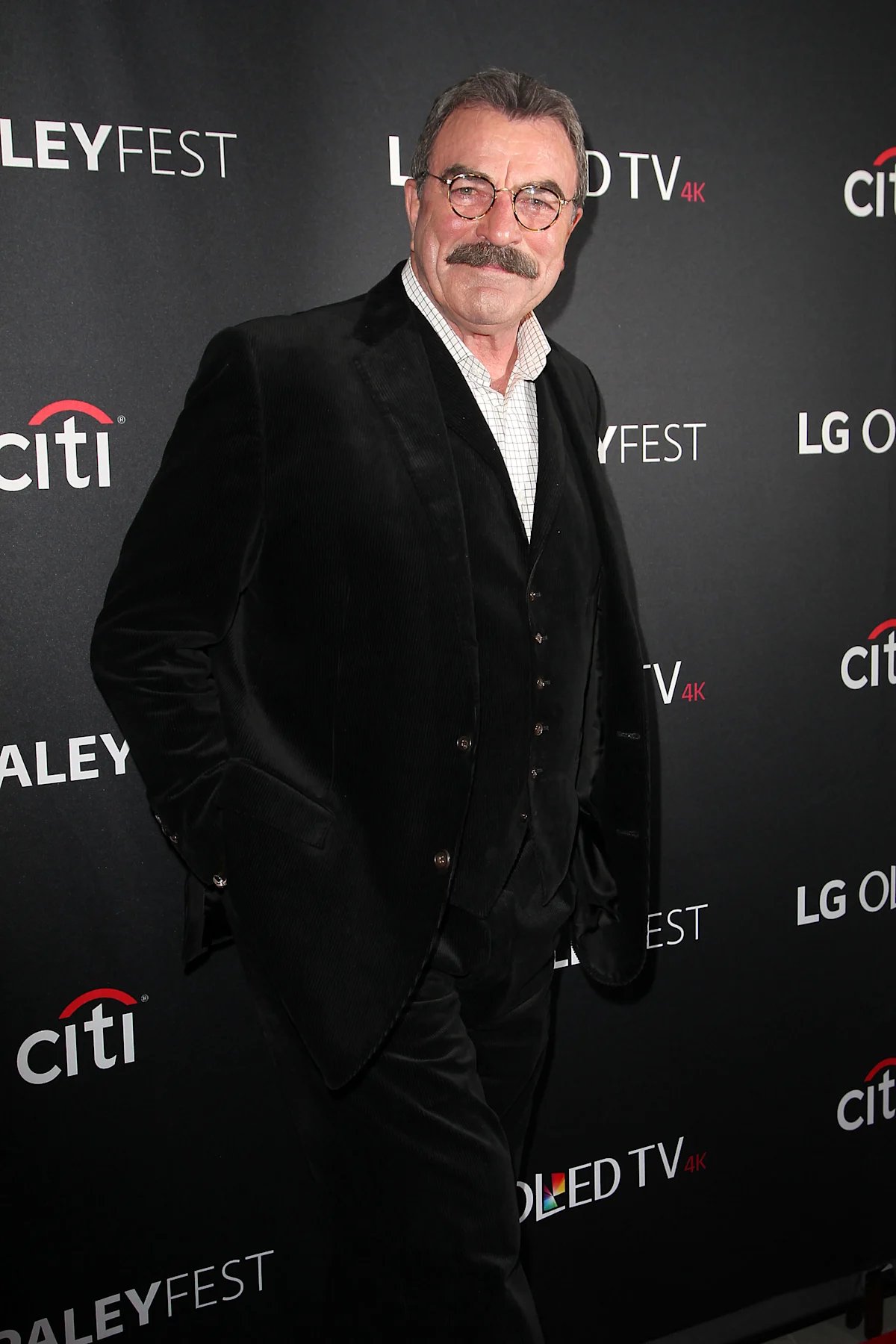
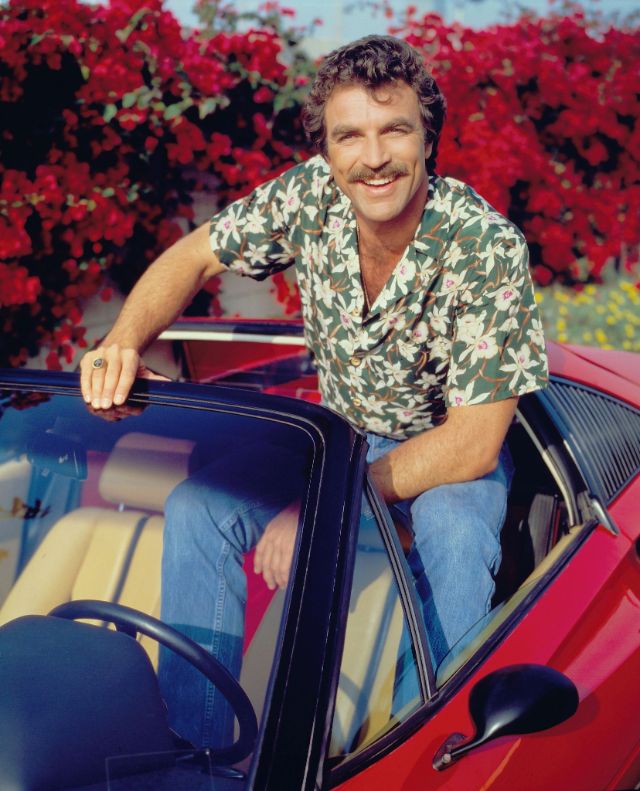
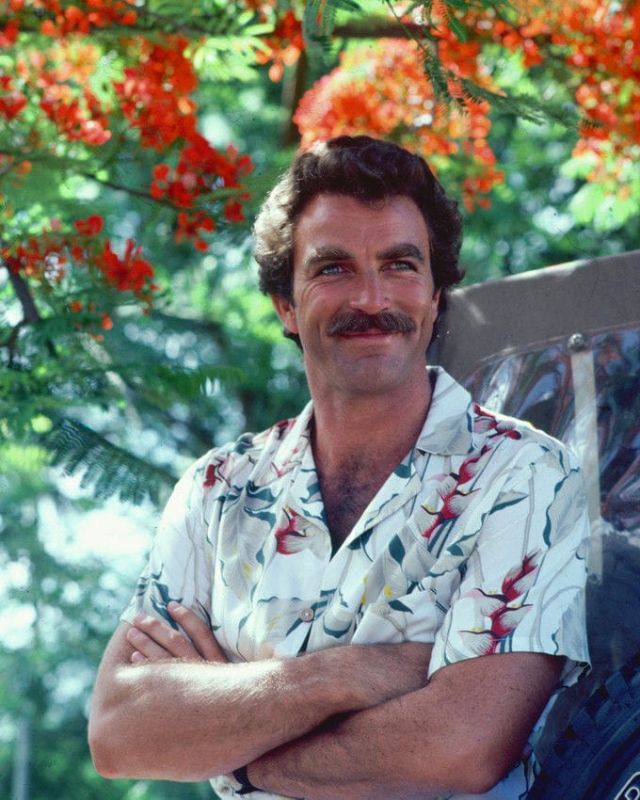
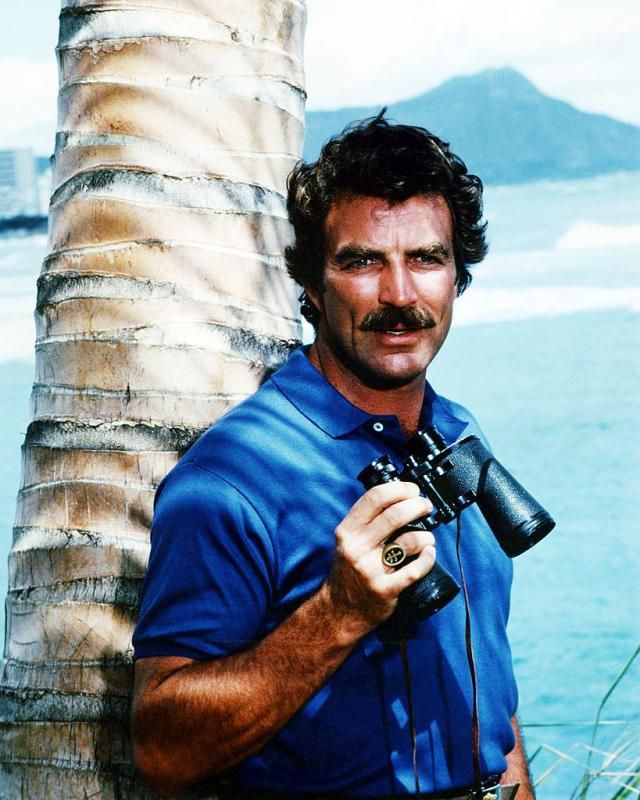
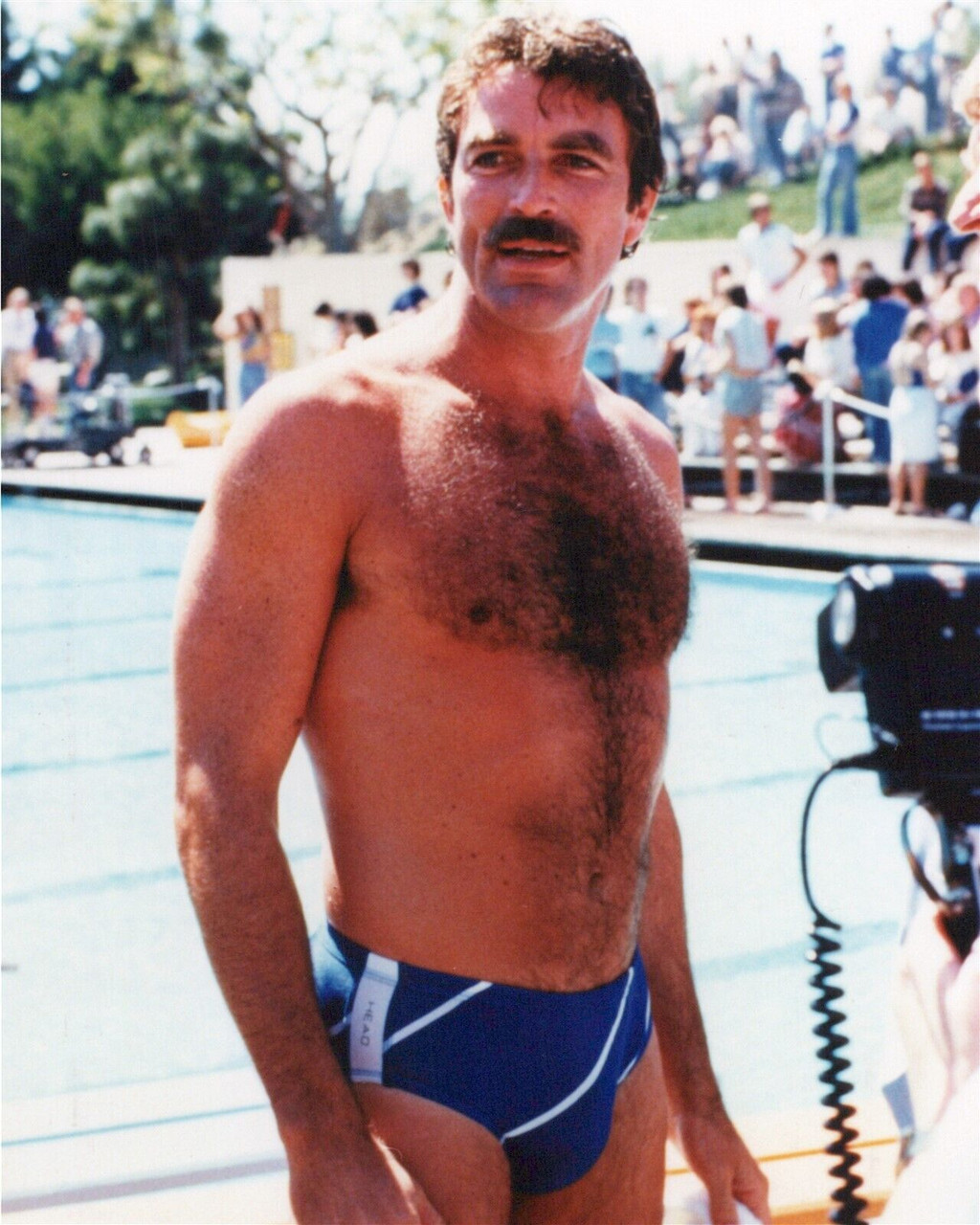
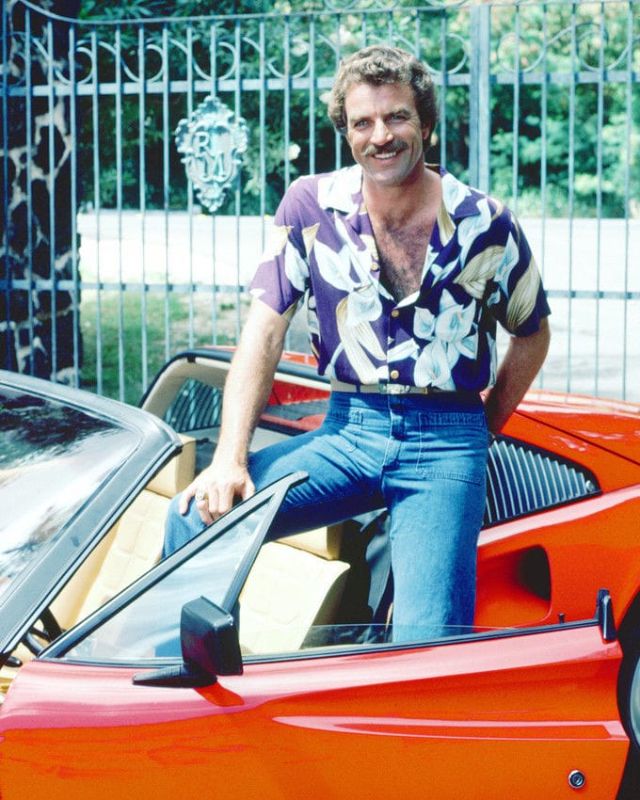
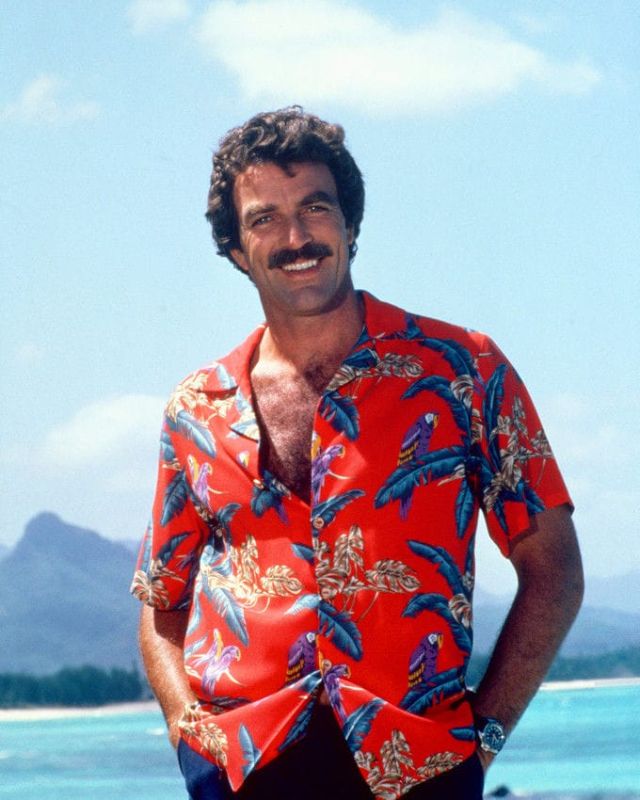
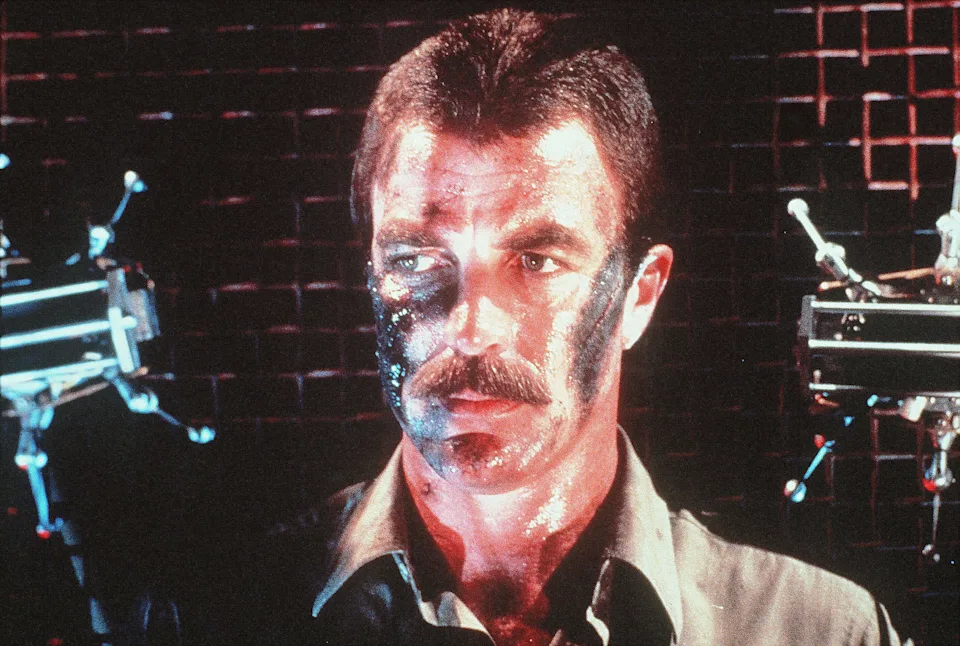
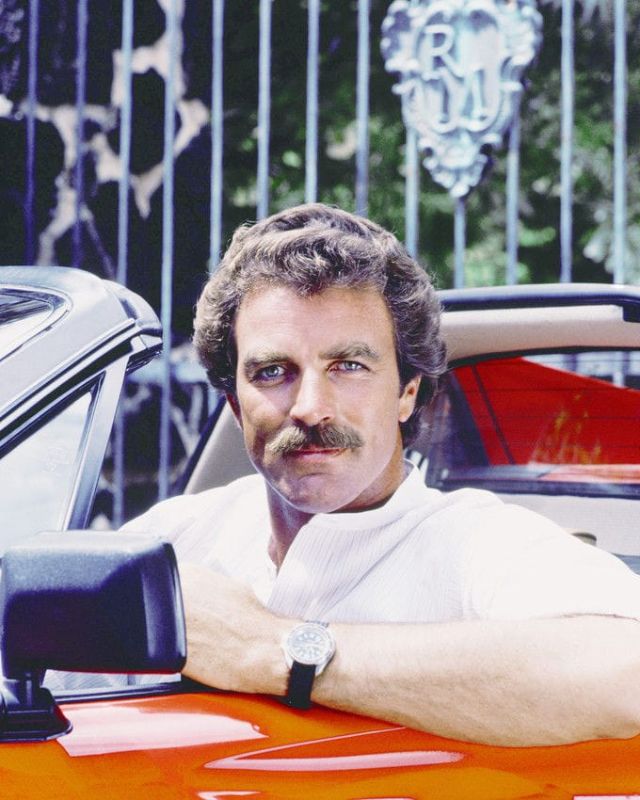
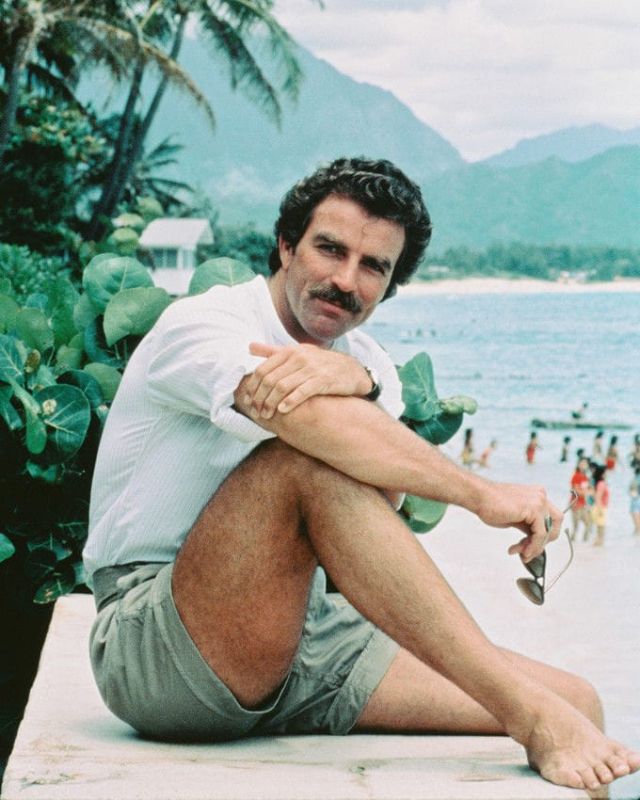
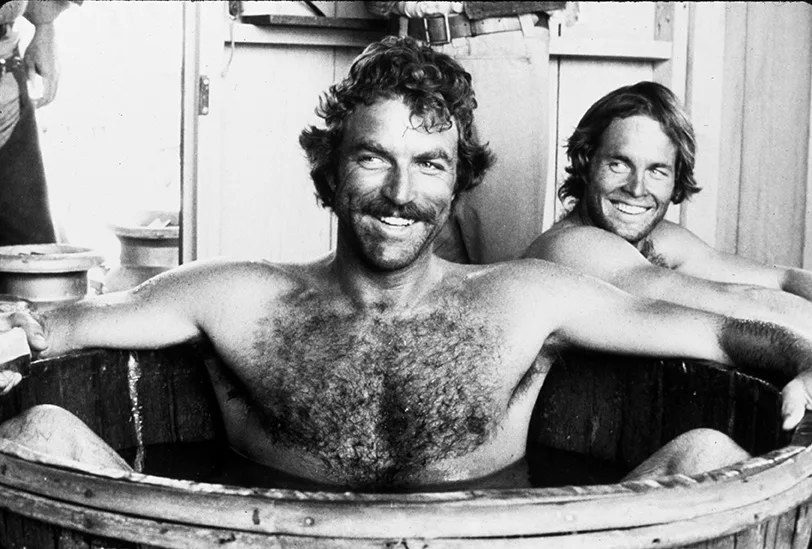
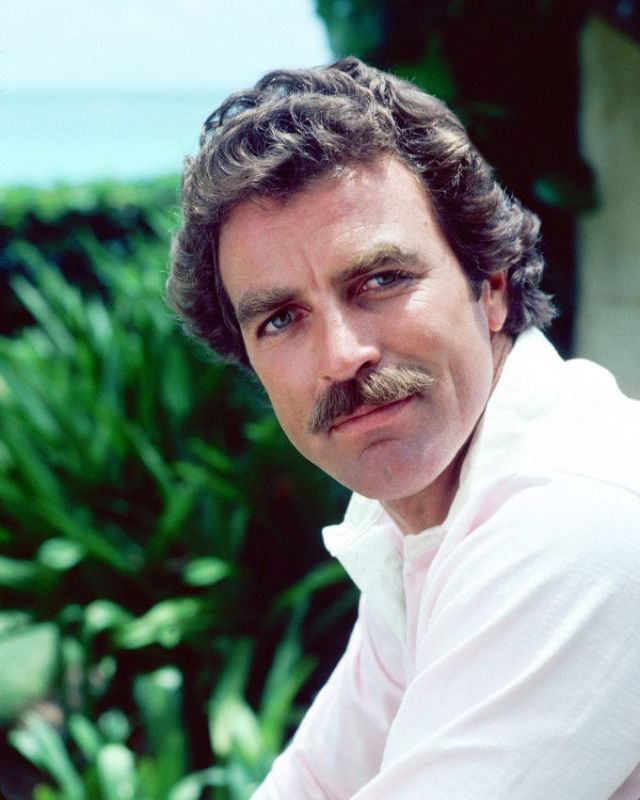
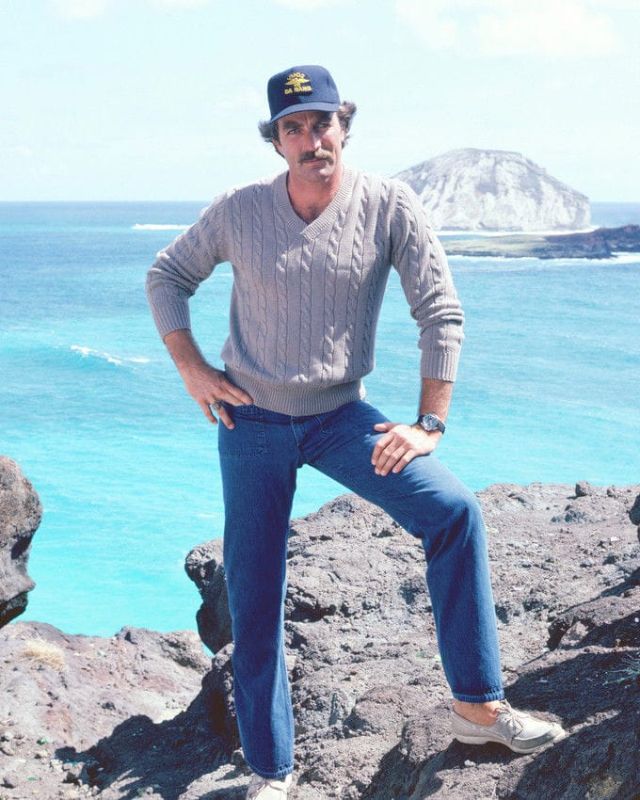
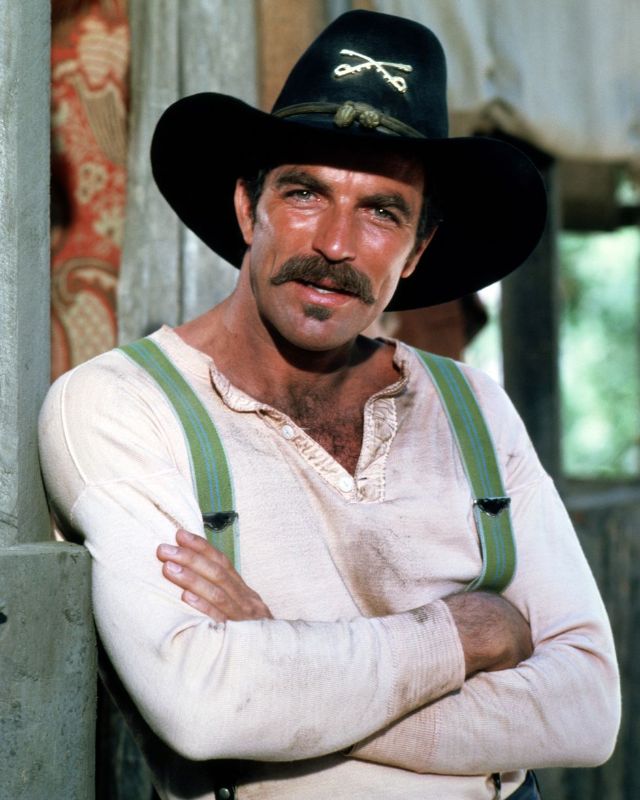
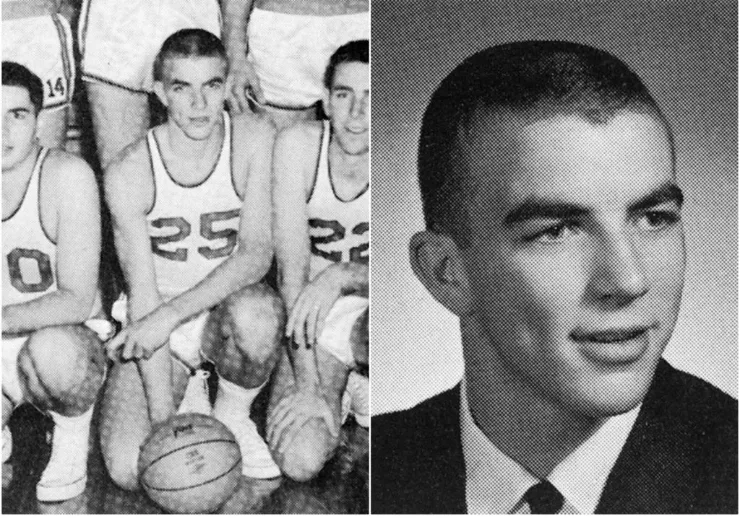
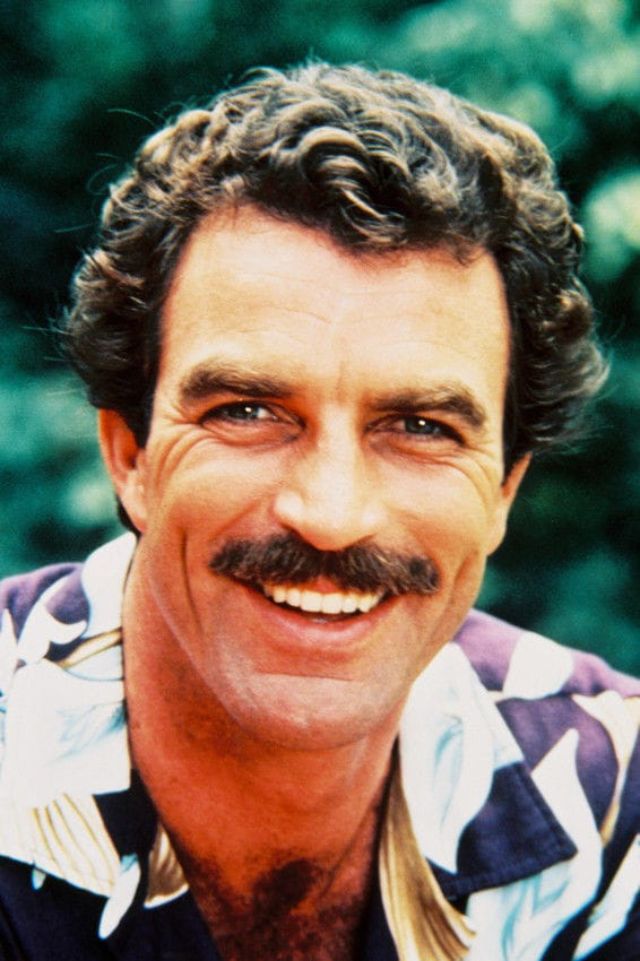
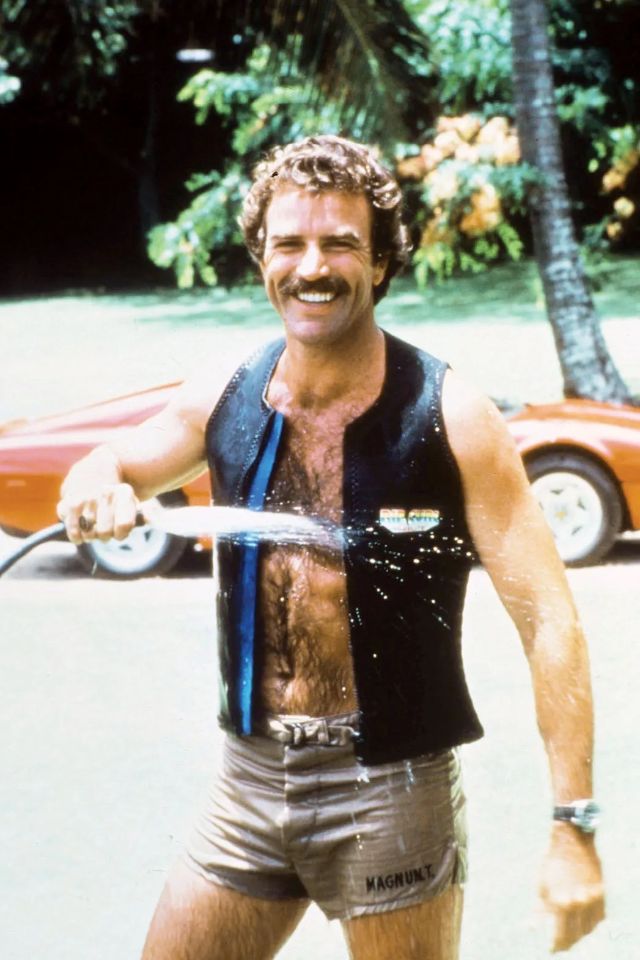
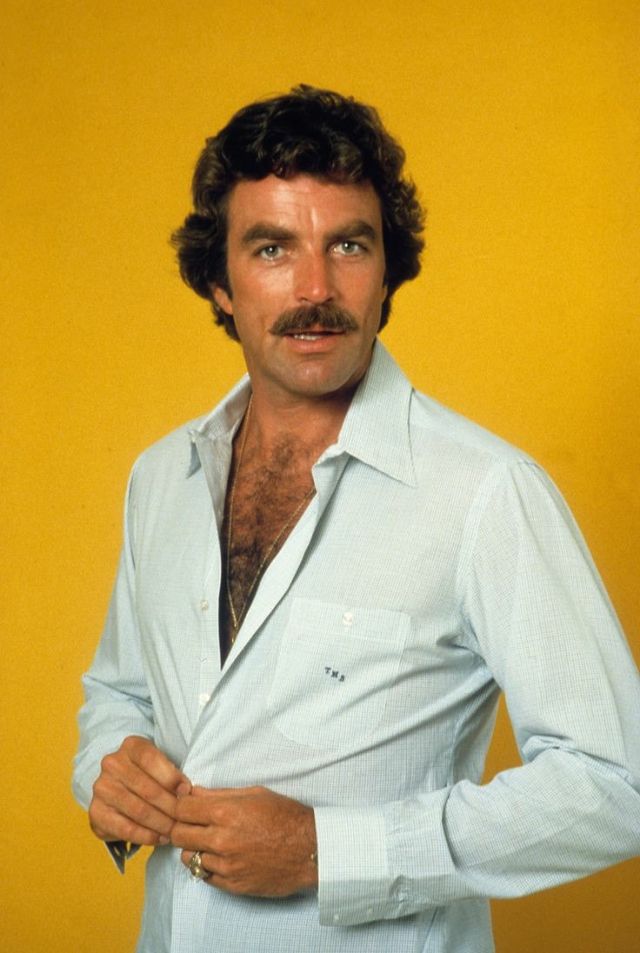
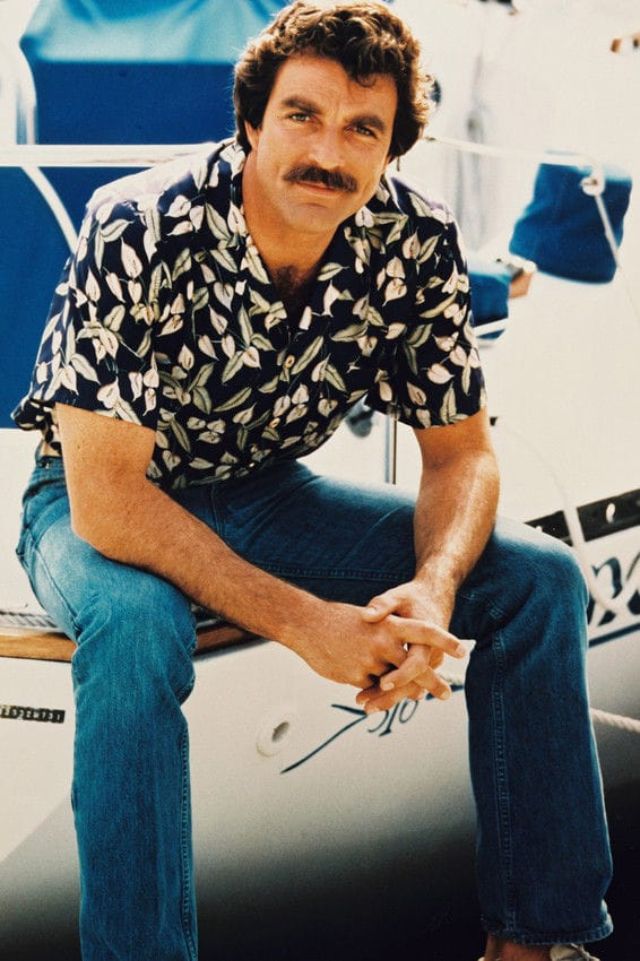
Beefcake Tuesdays – Thomas William Selleck

(1945- ) His breakout role was playing private investigator Thomas Magnum in the television series Magnum, P.I. (1980–1988), for which he received five Emmy Award nominations for Outstanding Lead Actor in a Drama Series, winning in 1984. From 2010 to 2024, he portrayed NYC Police Commissioner Frank Reagan in Blue Bloods. From 2005 to 2015, he portrayed Jesse Stone in nine television films based on the Robert B. Parker novels.

In films, Selleck played bachelor architect Peter Mitchell in Three Men and a Baby (1987) and its sequel Three Men and a Little Lady (1990). He has also appeared in more than 50 other film and television roles since Magnum, P.I., including the films Quigley Down Under, Mr. Baseball, and Lassiter. He appeared in recurring television roles as Monica Geller’s love interest Dr. Richard Burke in Friends, as Lance White, the naive private investigator on The Rockford Files, and as casino owner A. J. Cooper on Las Vegas. He also had a lead role in the television Western film The Sacketts, based on two of Louis L’Amour’s books.