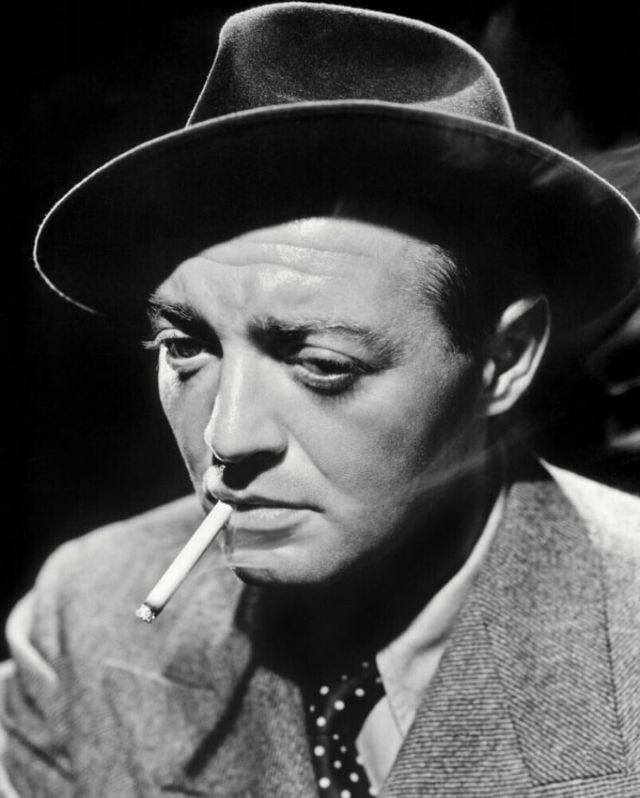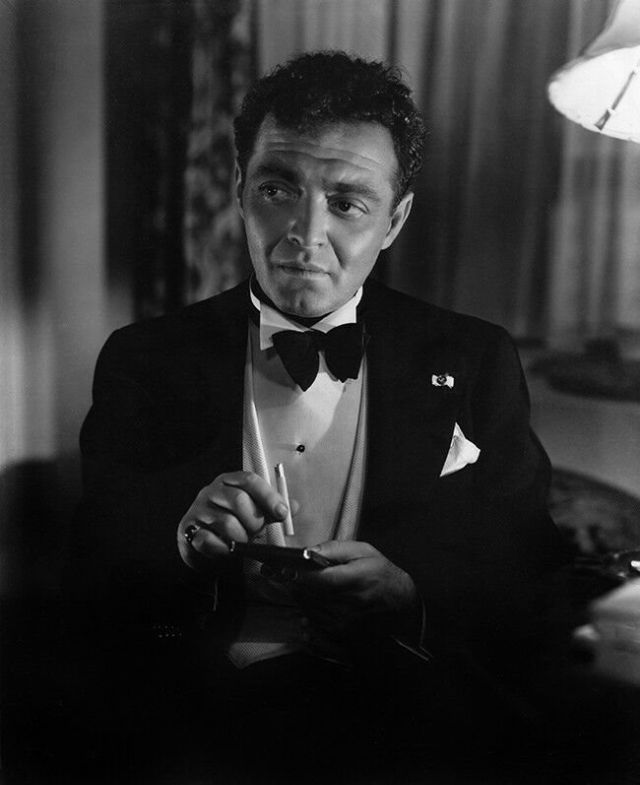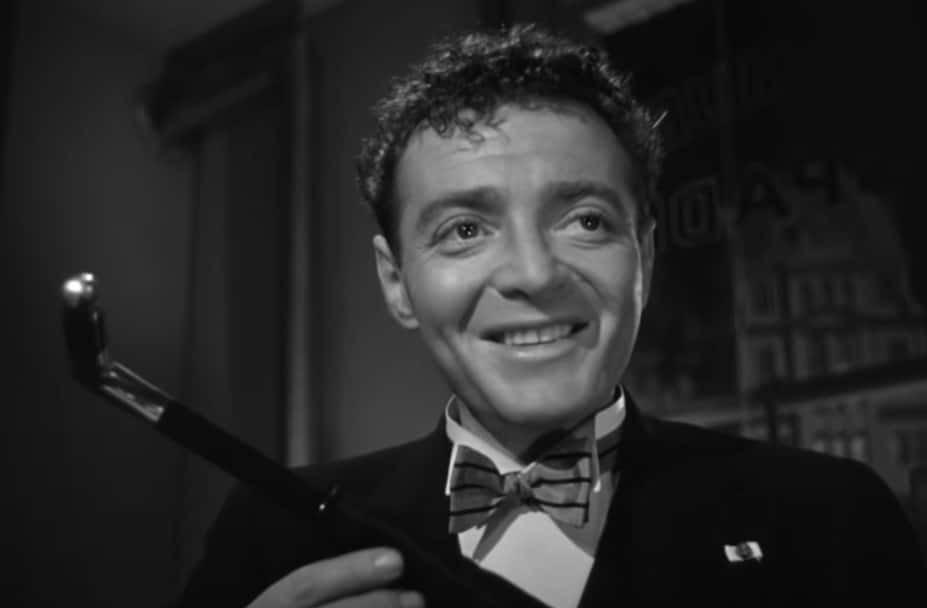
Beefcake Tuesday; László Löwenstein (1904-1964)

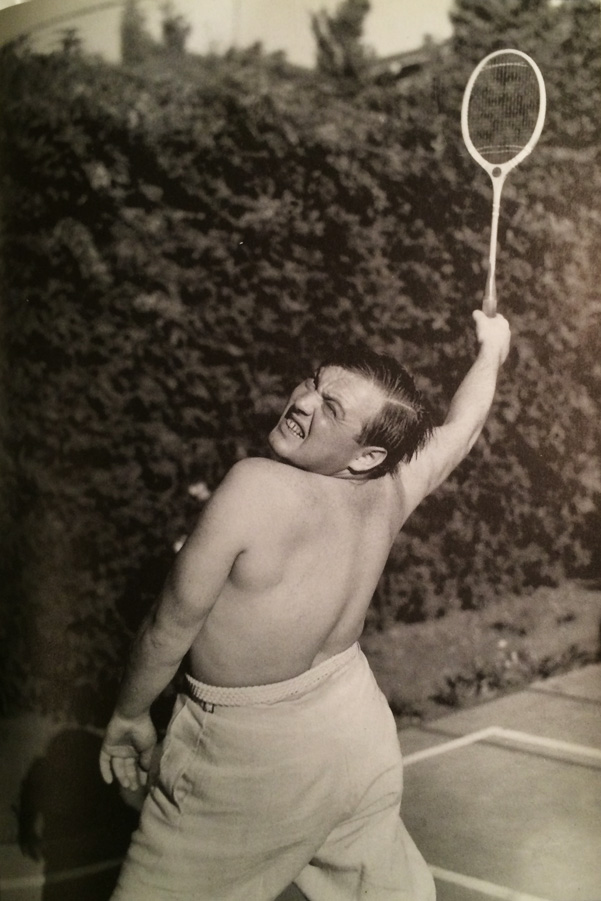
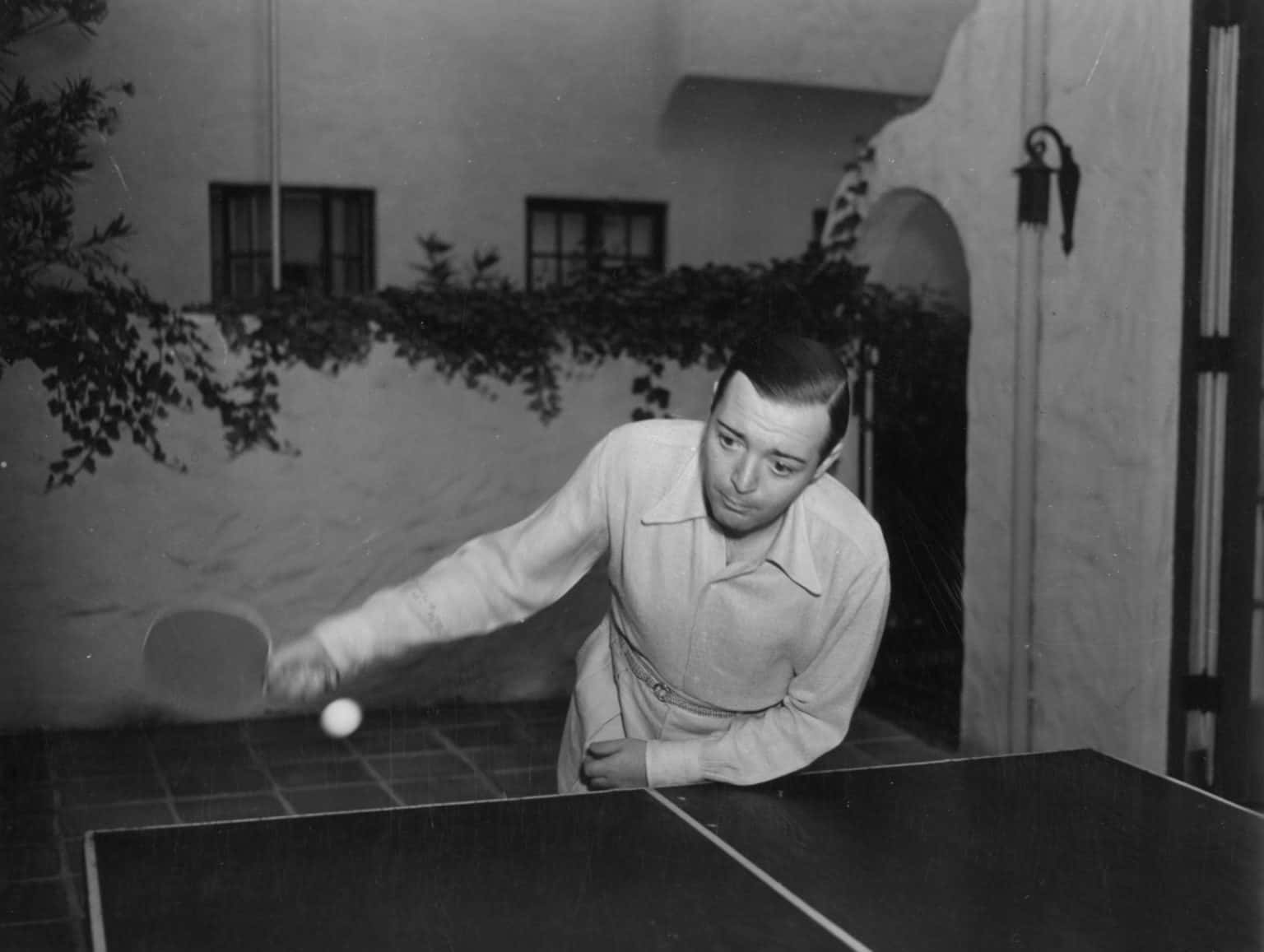
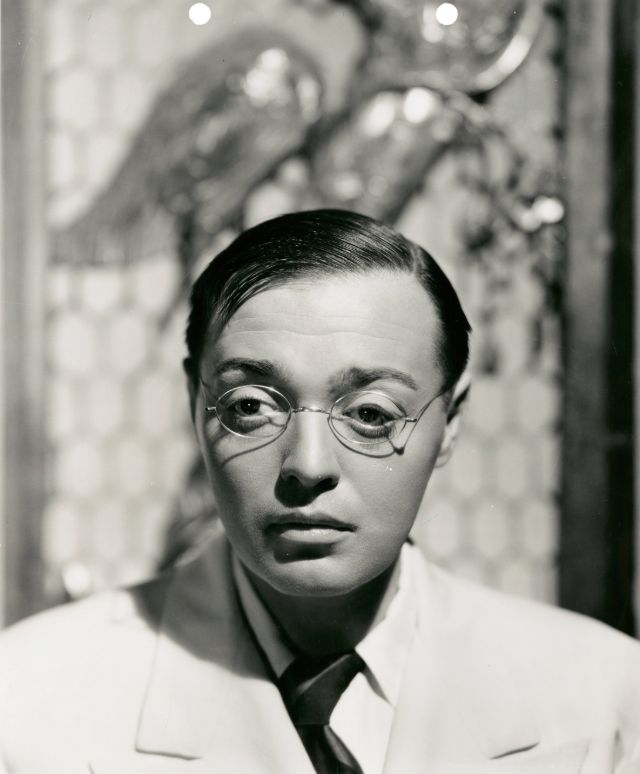
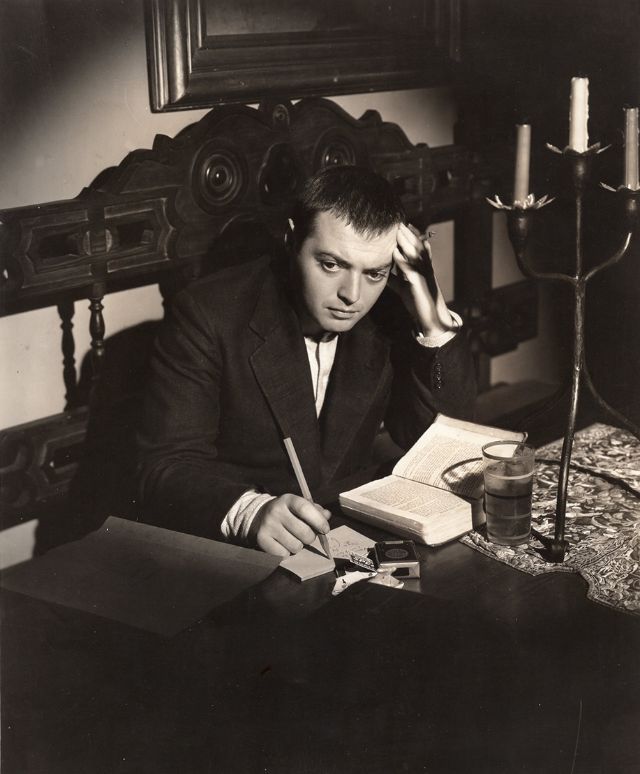
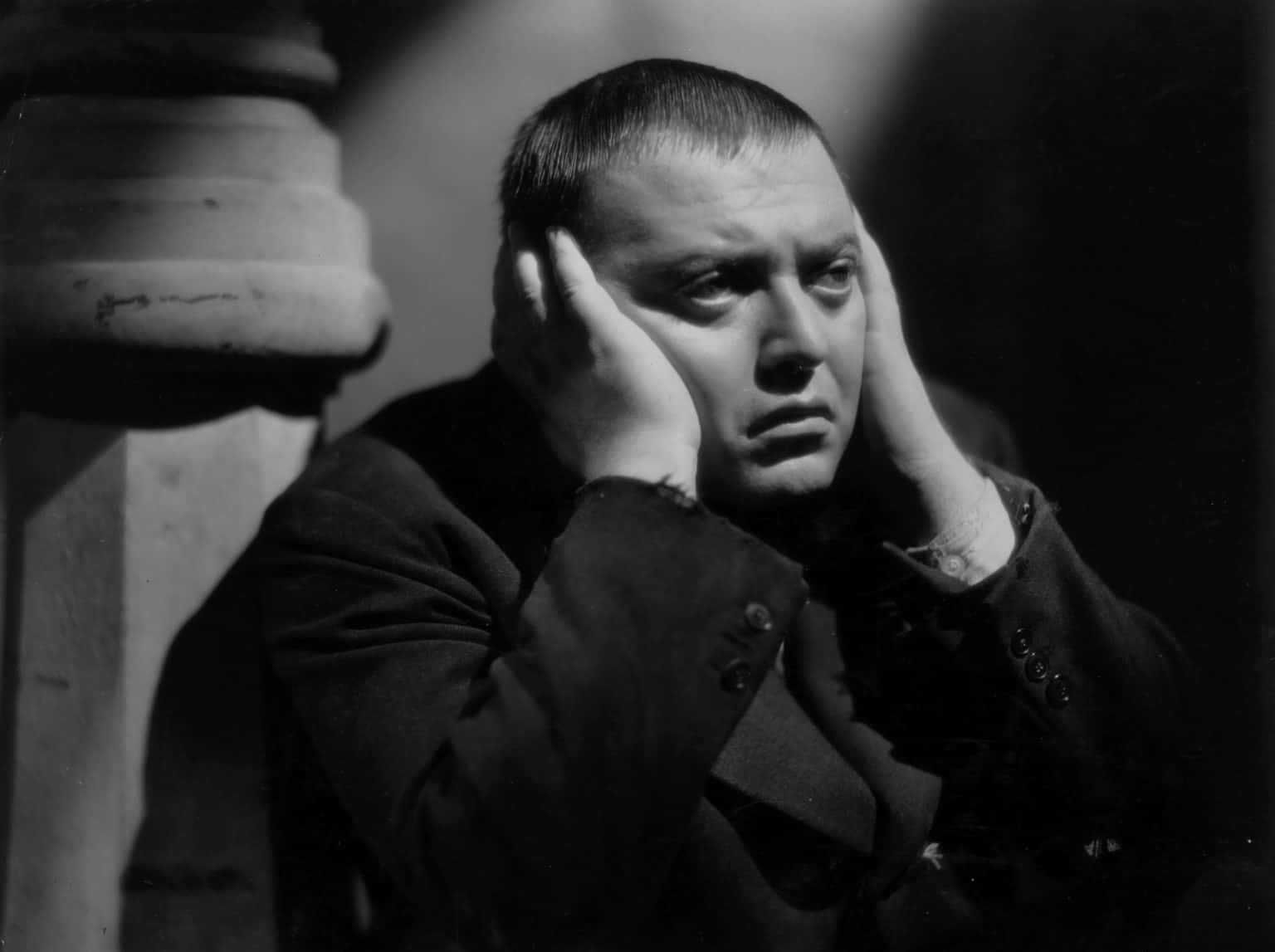
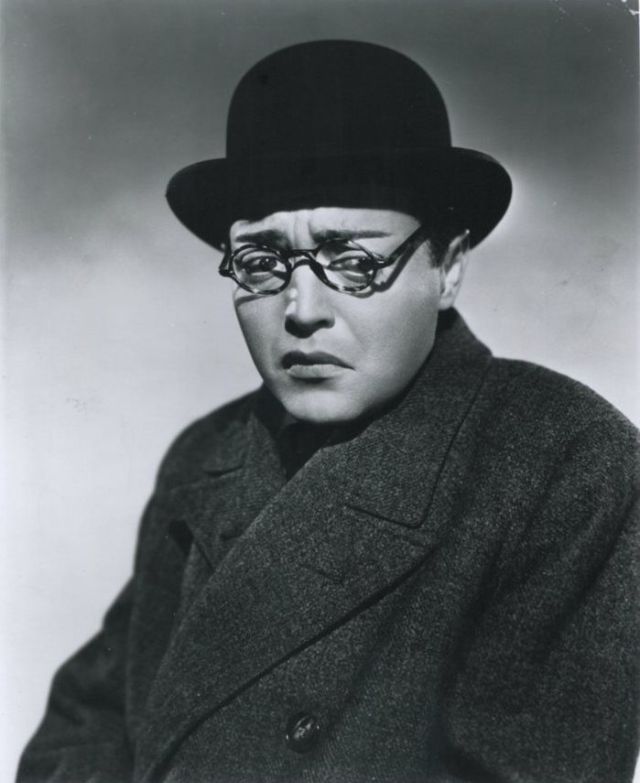
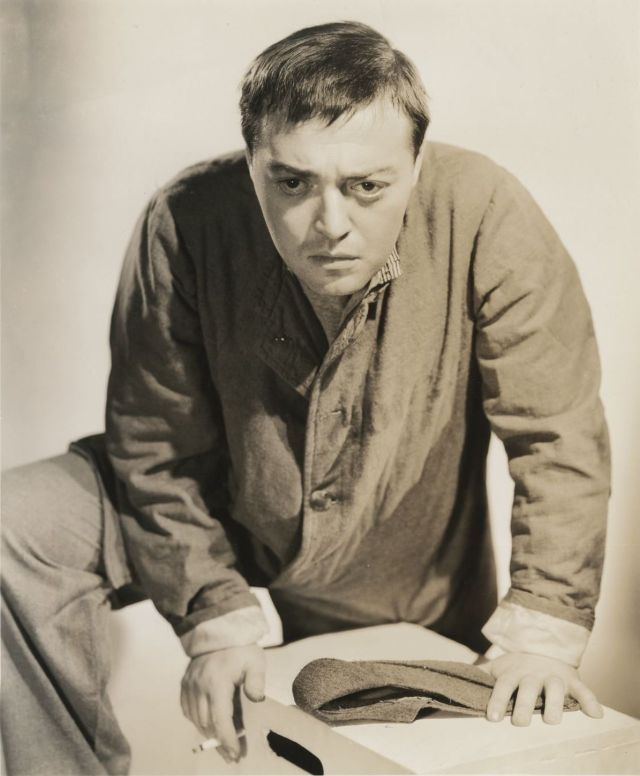
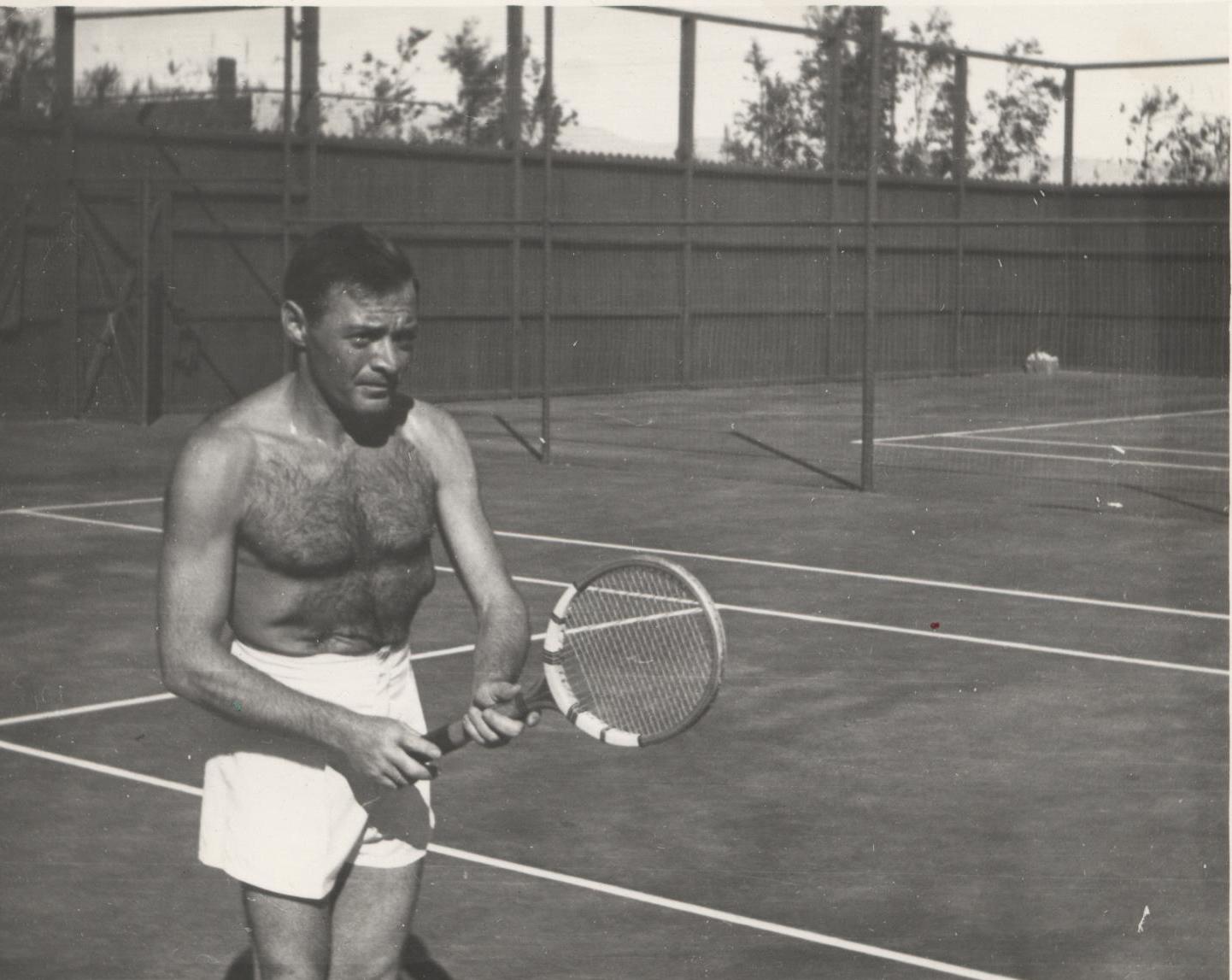
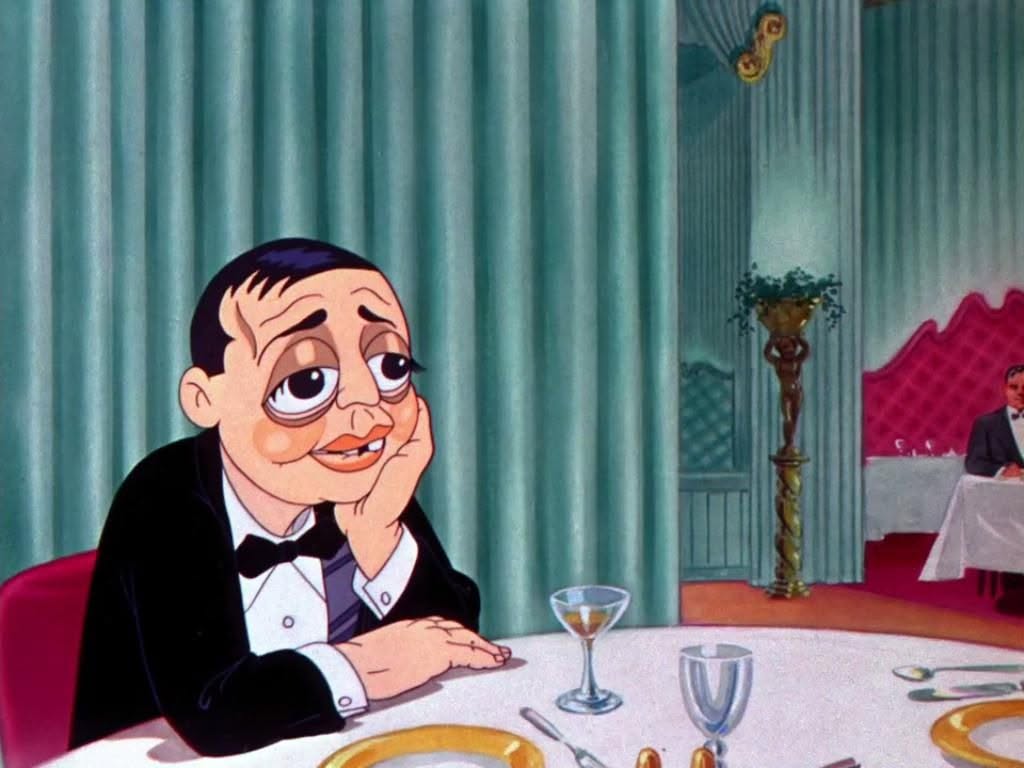
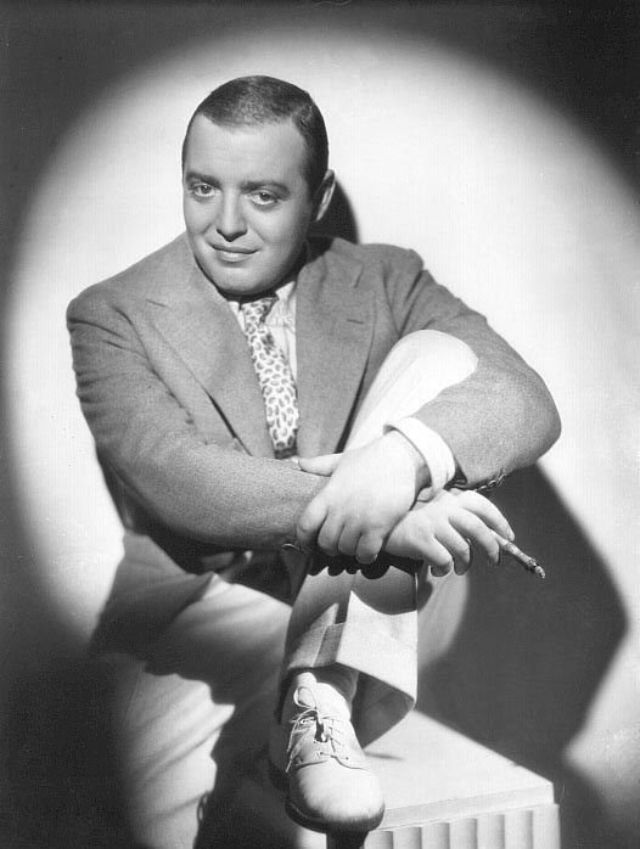
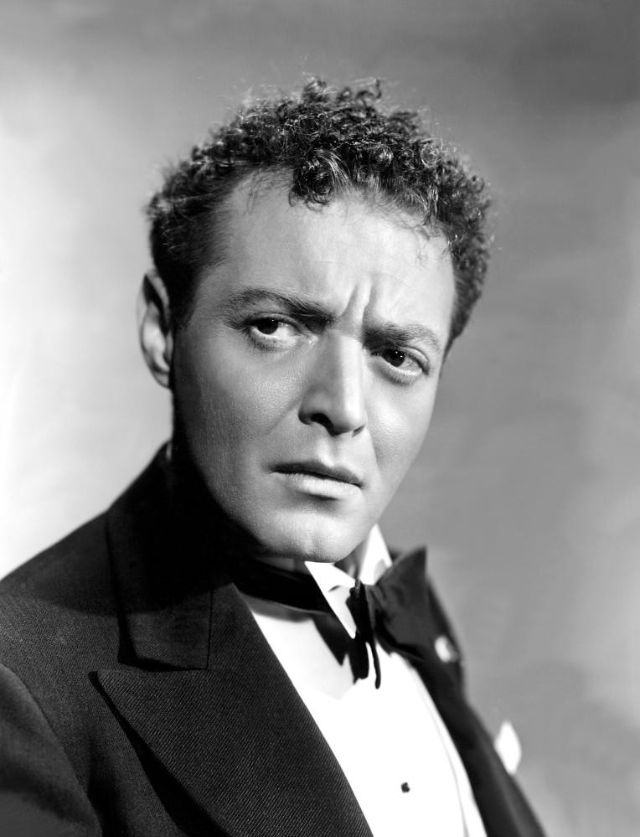
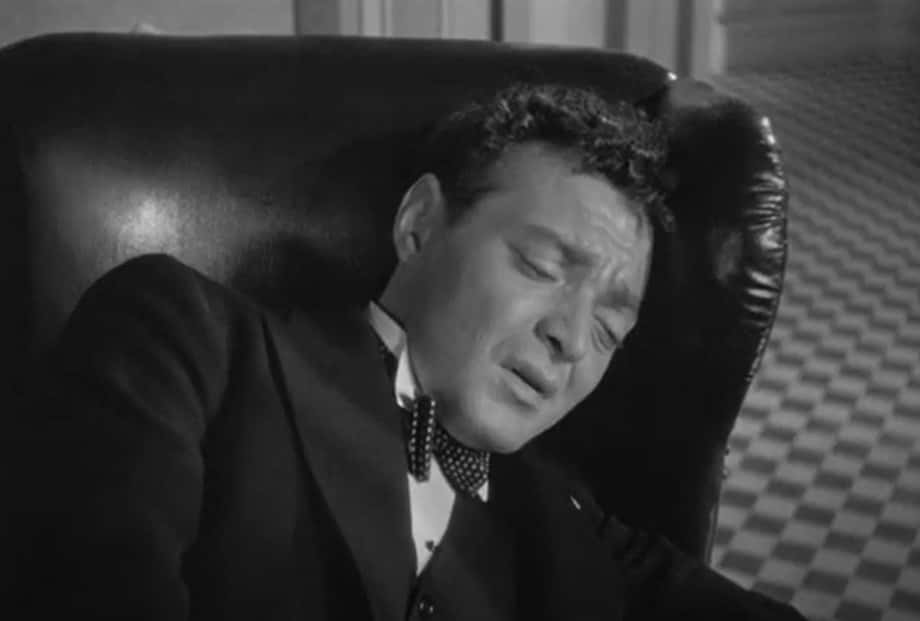
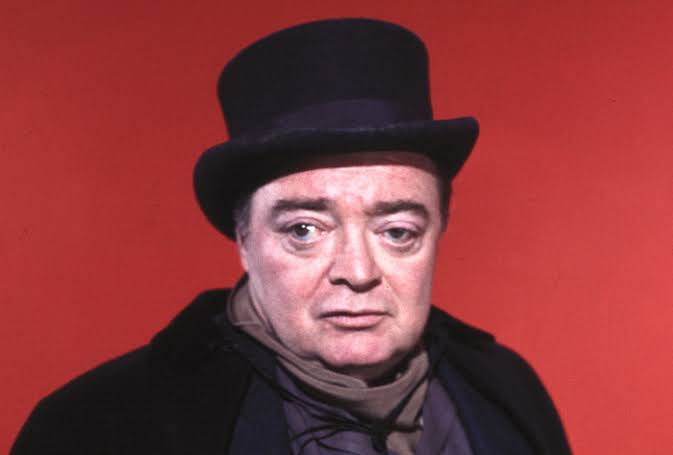
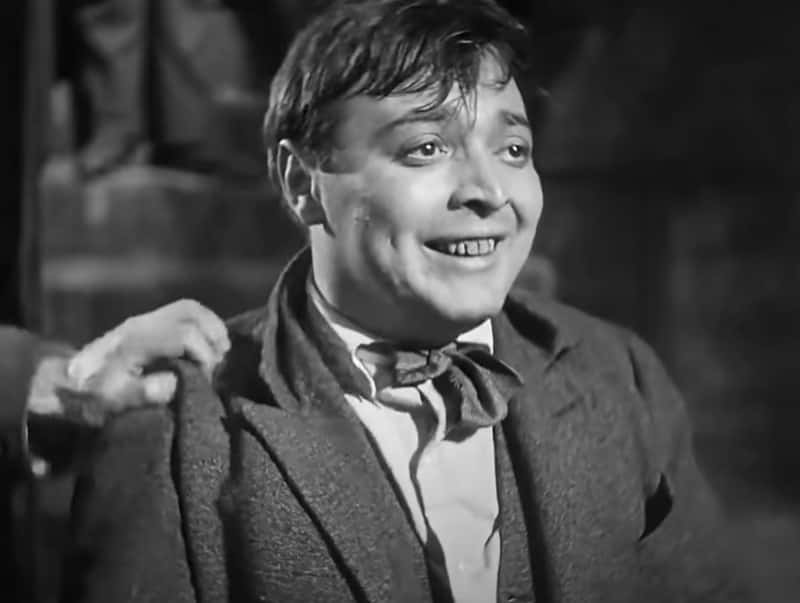
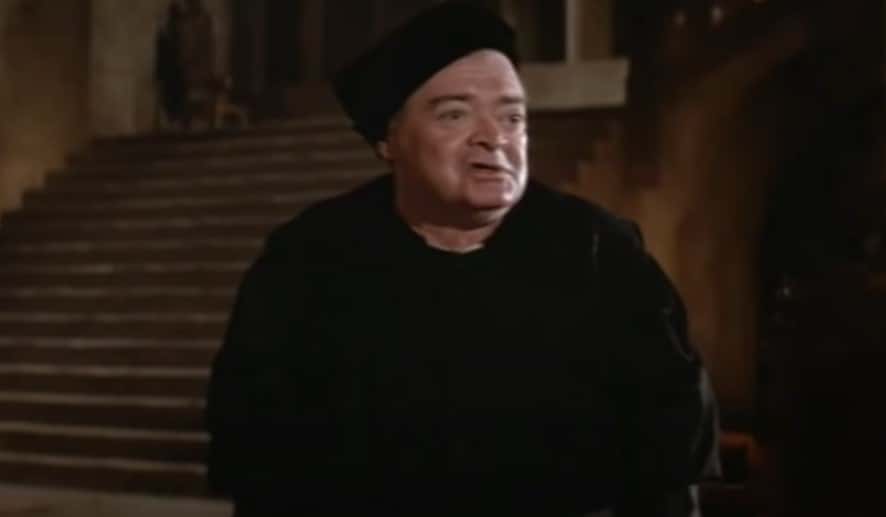
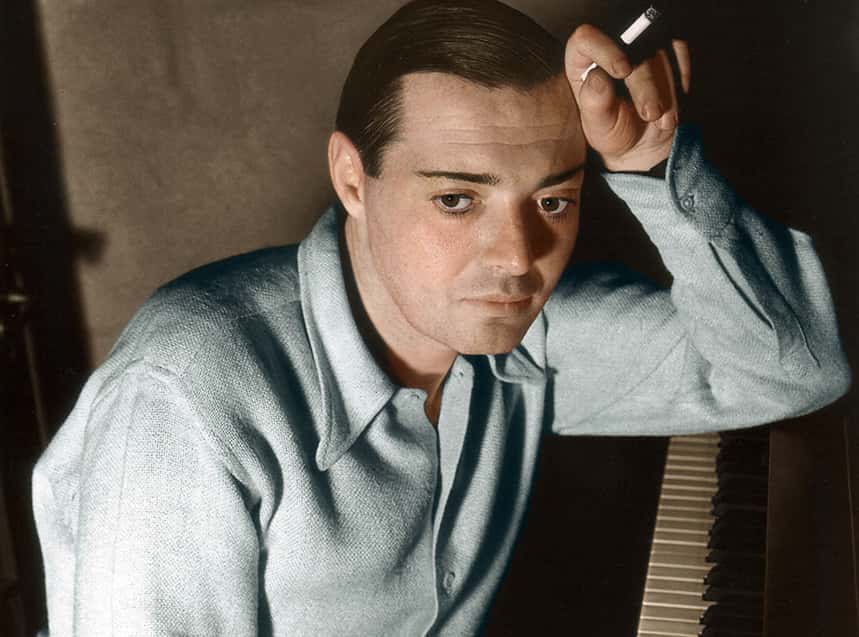
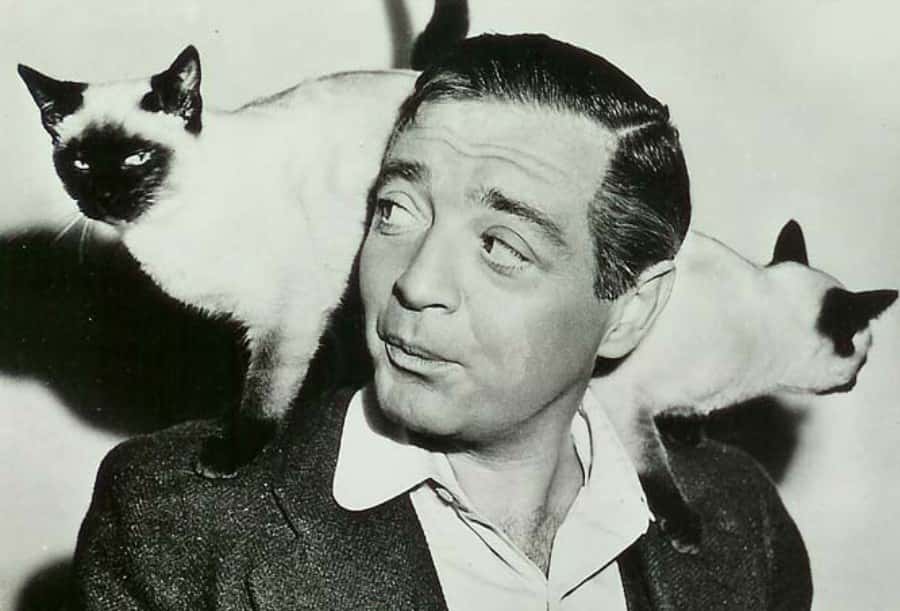
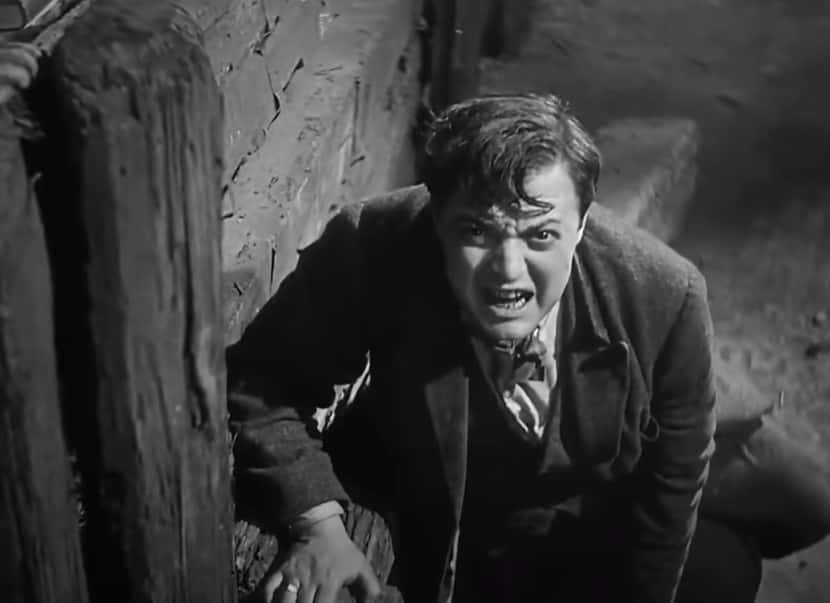
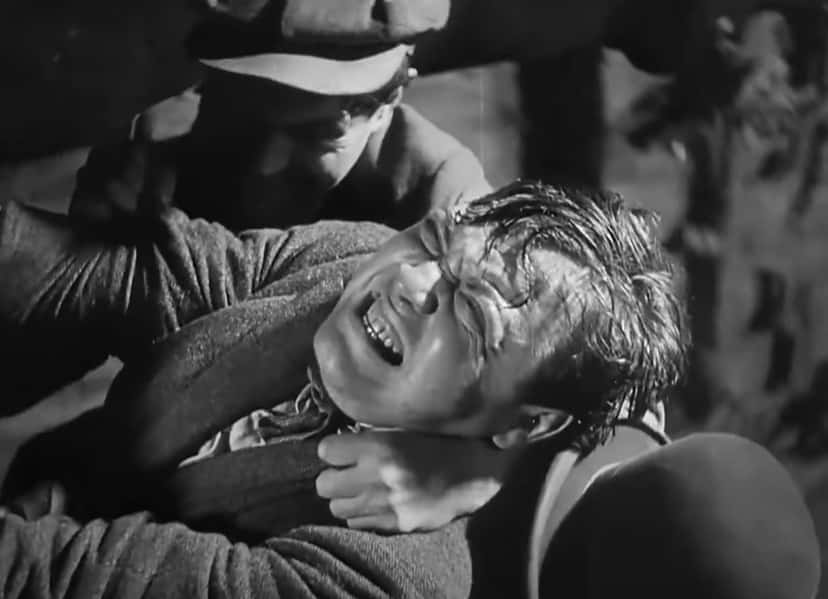
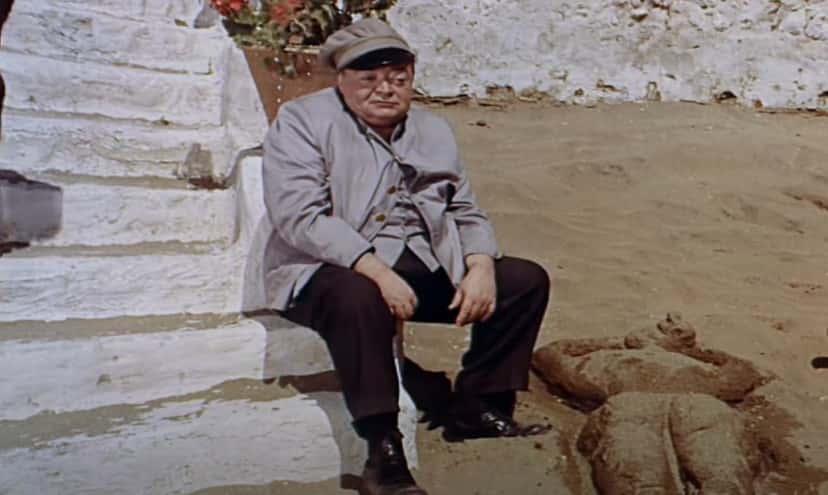
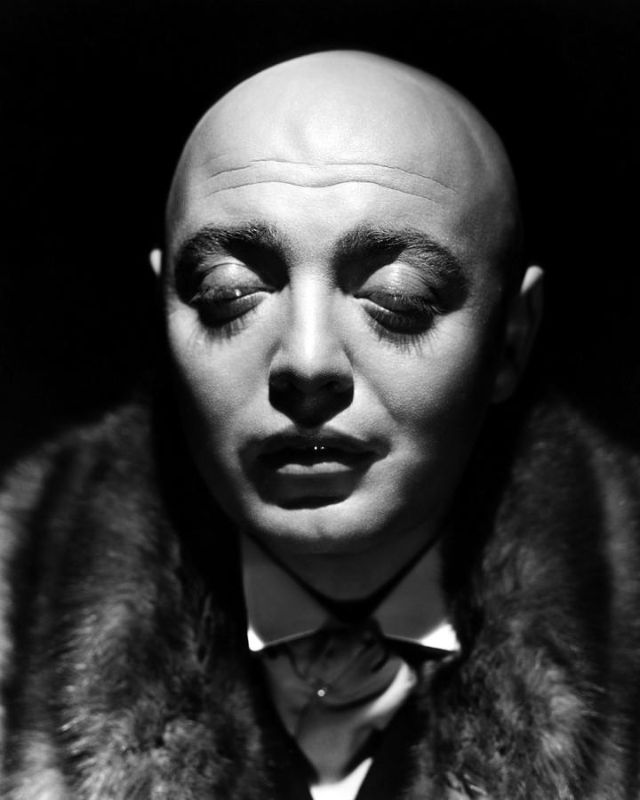
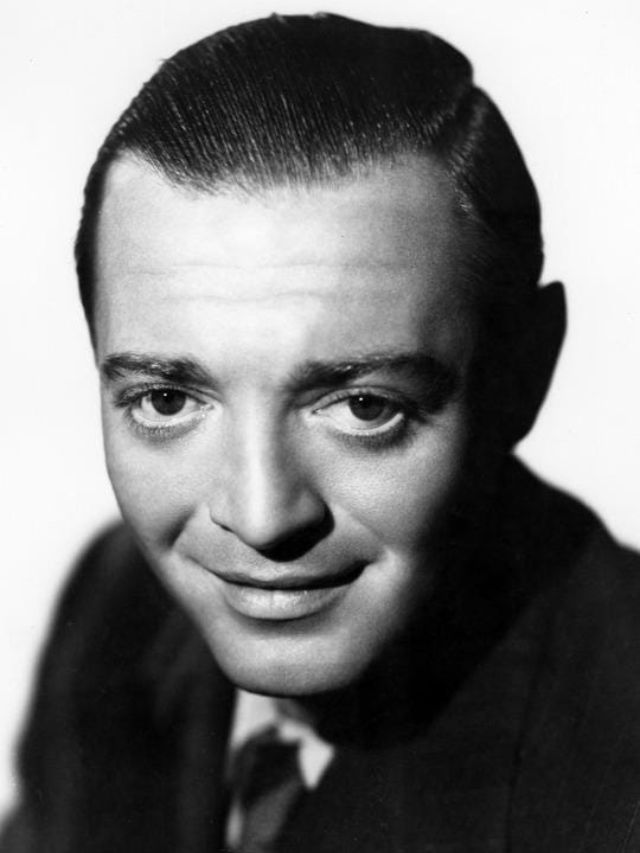
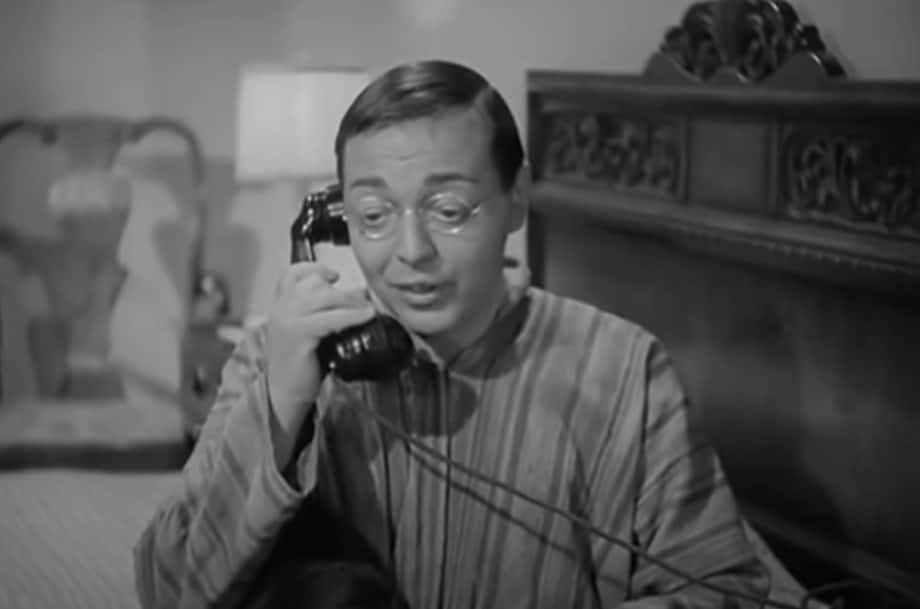
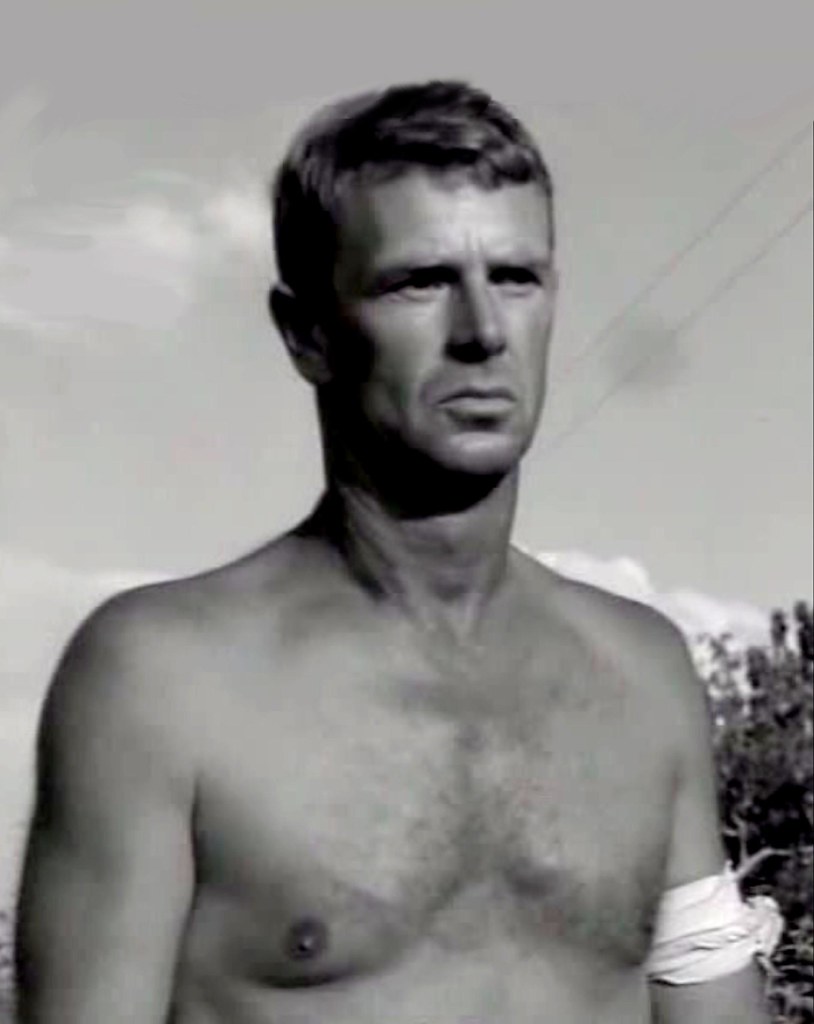
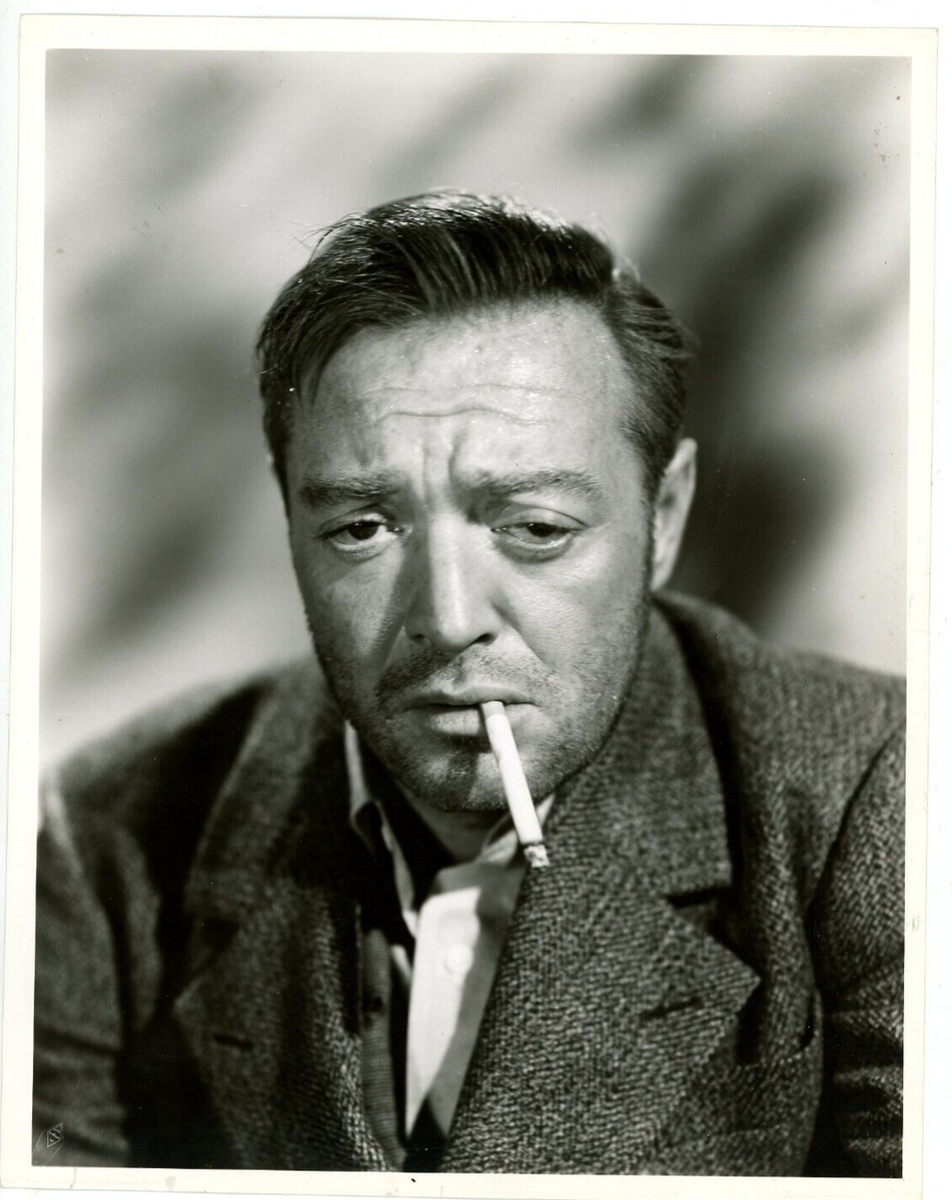
Peter Lorre was a Hungarian and American actor, active first in Europe and later in the United States. Known for his timidly devious characters, appearance, and accented voice, he was frequently typecast as a sinister foreigner. He was caricatured throughout his life and his cultural legacy remains in the media today.

He began his stage career in Vienna, in the Austro-Hungarian Empire, before moving to Germany, where he worked first on the stage, then in film, in Berlin during the late 1920s and early 1930s. Lorre, who was Jewish, left Germany after Adolf Hitler and the Nazi Party came to power. Lorre caused an international sensation in the Weimar Republic–era film M (1931), in which he portrayed a serial killer who preys on little girls. His first English-language film was Alfred Hitchcock’s The Man Who Knew Too Much (1934), made in the United Kingdom.

Eventually settling in Hollywood, he later became a featured player in many Warner Bros. crime and mystery films. He acted in Mad Love (1935), Crime and Punishment (1935), The Maltese Falcon (1941), Casablanca (1942), Arsenic and Old Lace (1944), Passage to Marseille (1944), and My Favorite Brunette (1947). During this time he acted in several films alongside Humphrey Bogart and Sydney Greenstreet.

Lorre played Mr. Moto, the Japanese detective, in a series of B-pictures from 1937 to 1939, and was the first actor to play a James Bond villain as Le Chiffre in a TV version of Casino Royale (1954). He later starred in films such as 20,000 Leagues Under the Sea (1954), Around the World in 80 Days (1956), Silk Stockings (1957), and The Comedy of Terrors (1963). Some of his last roles were in horror films directed by Roger Corman.

Lorre died in Los Angeles on March 23, 1964, from a stroke. He was 59
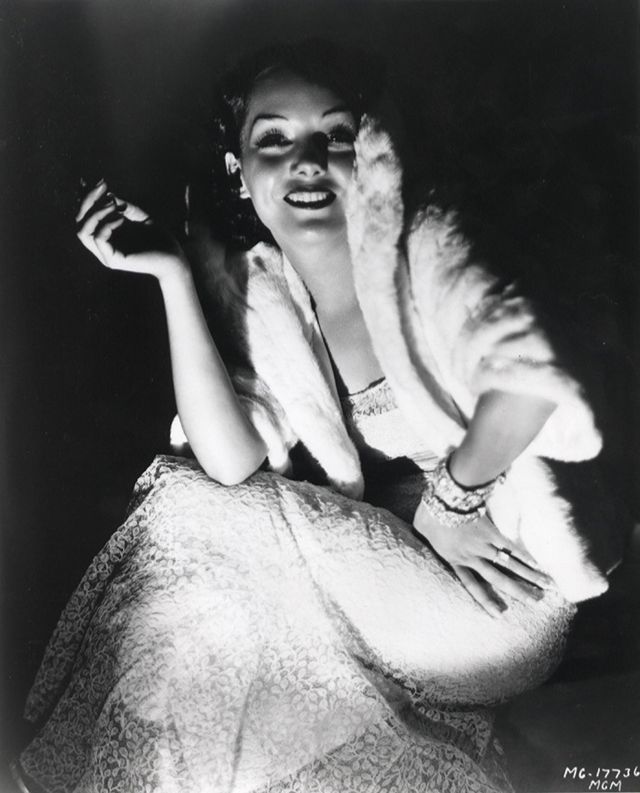
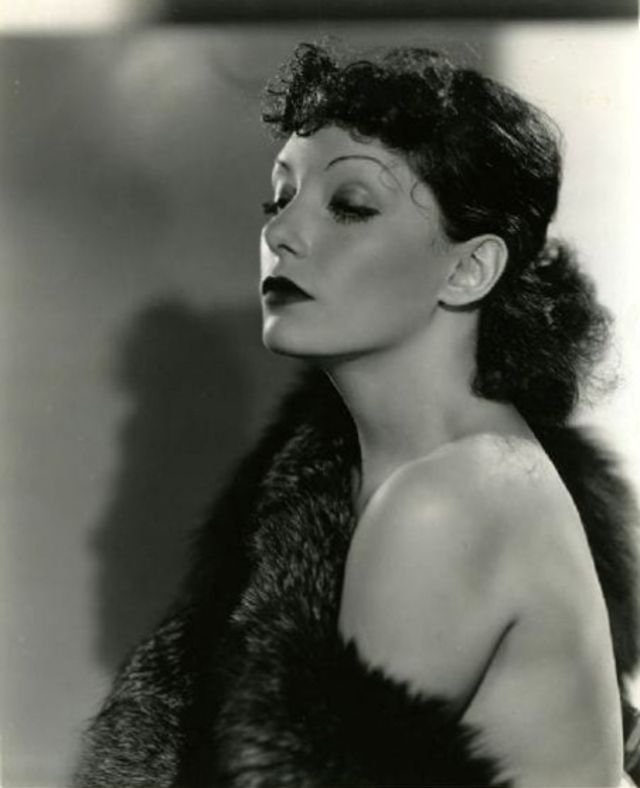
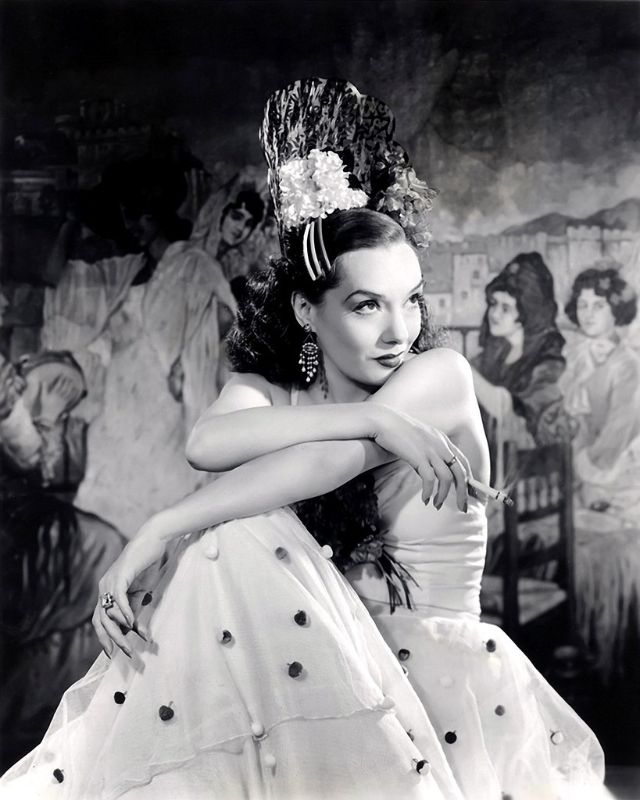
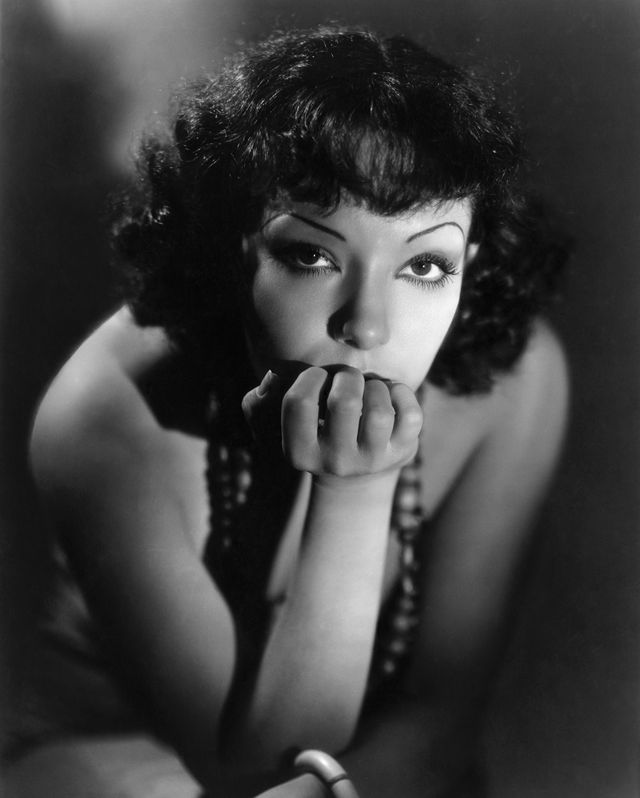
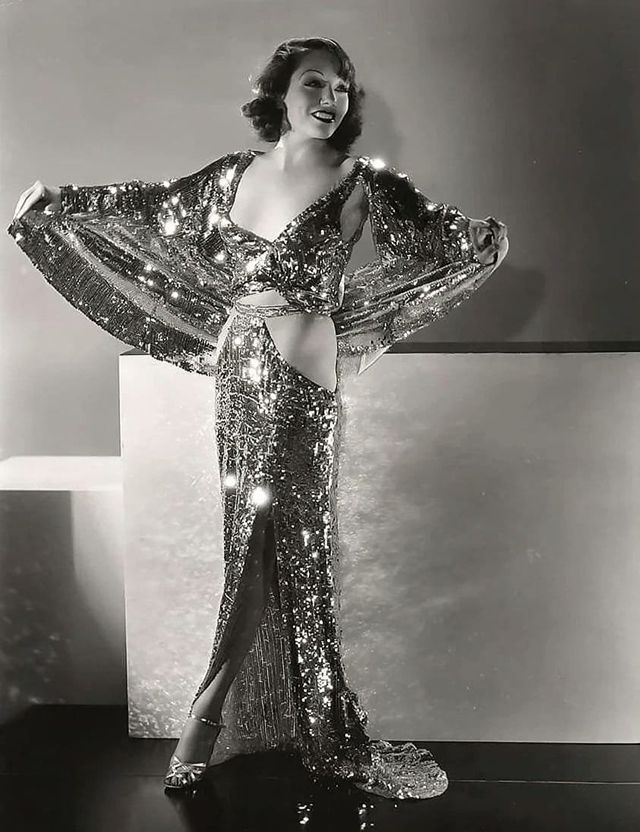
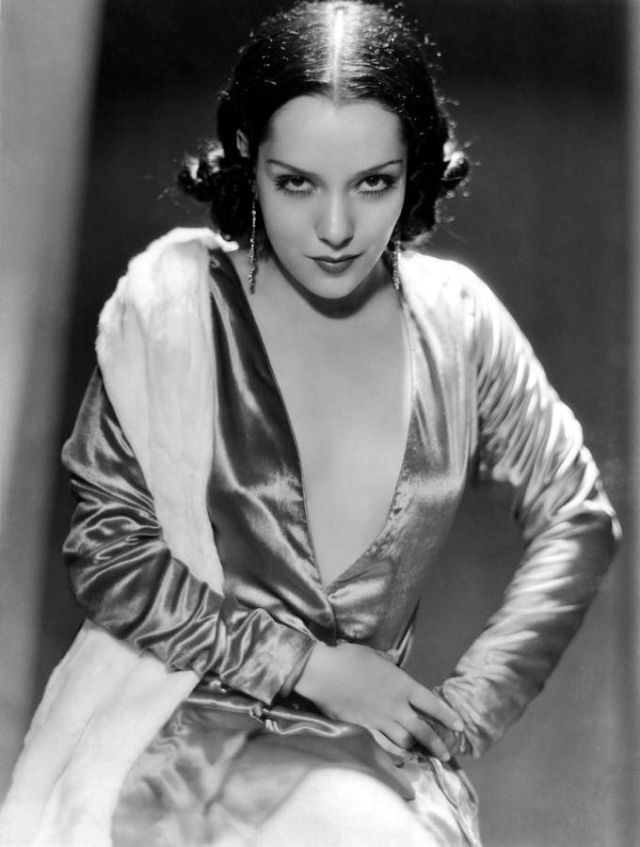
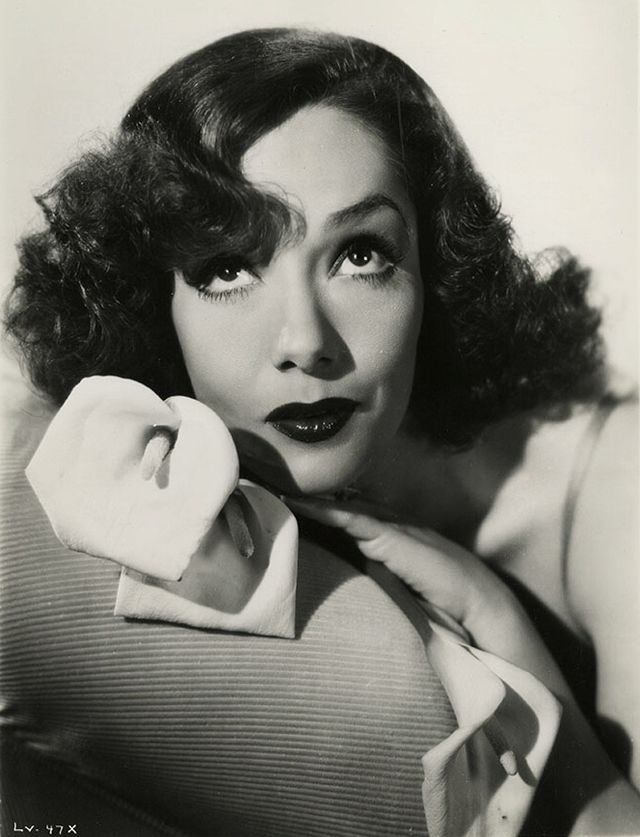
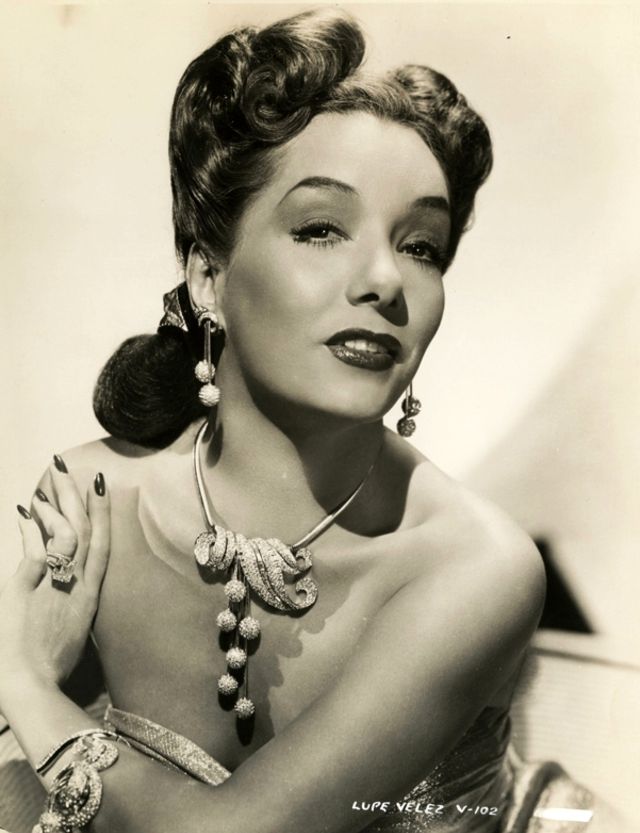
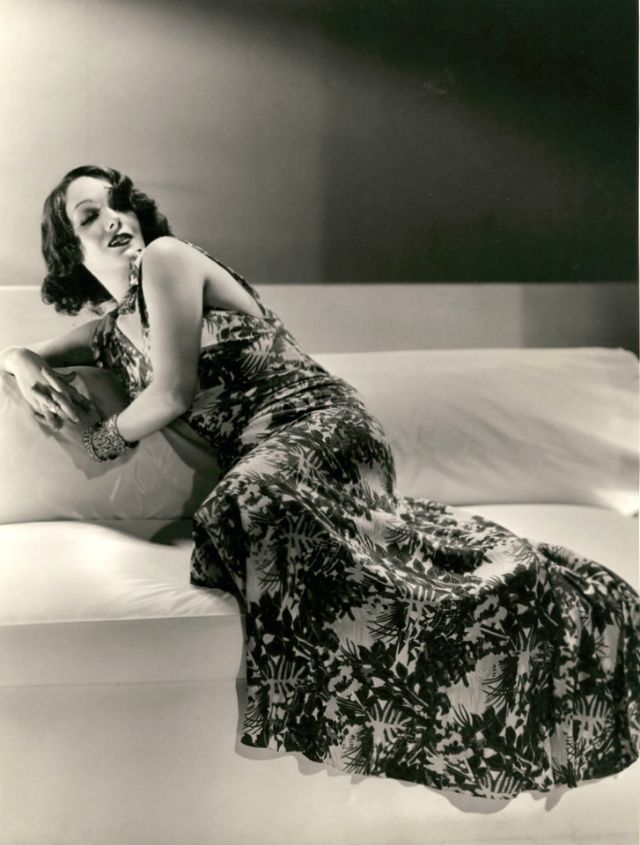
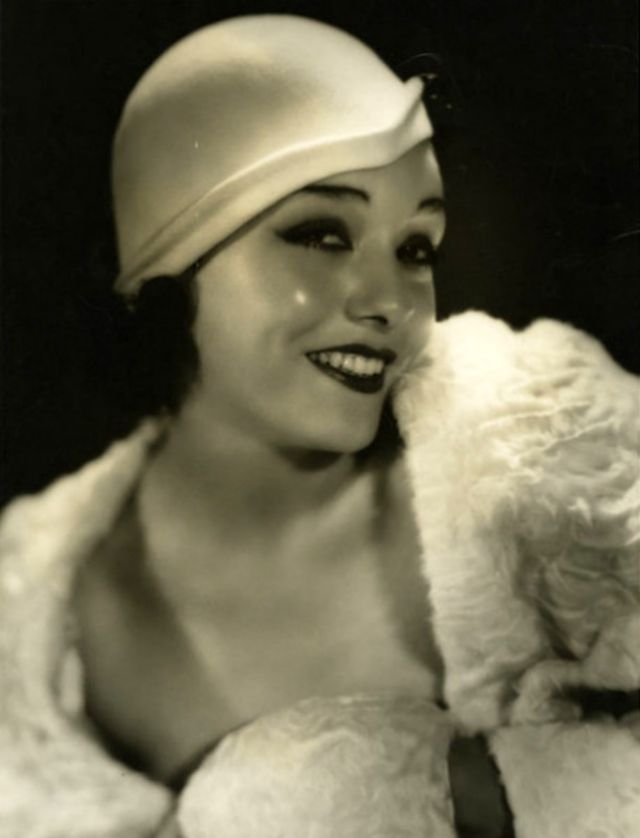
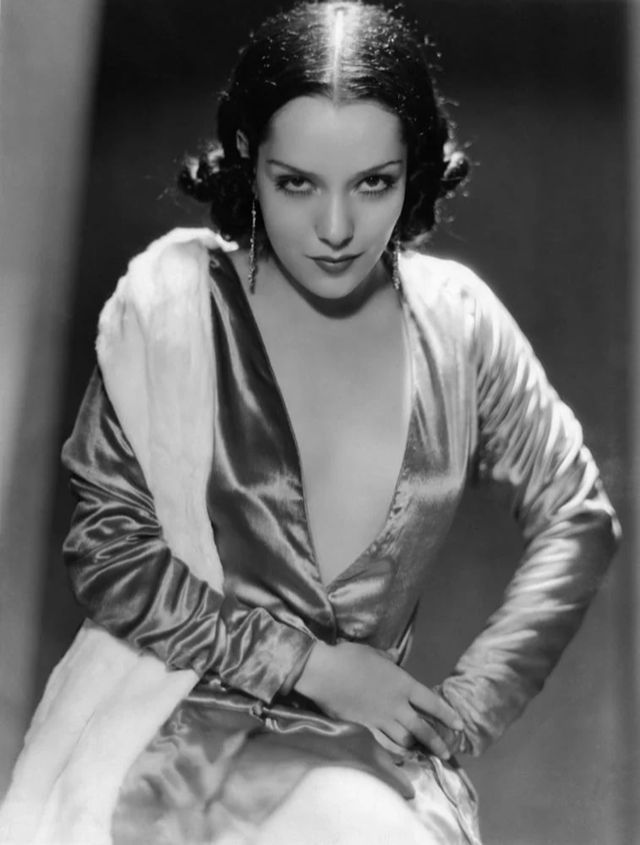
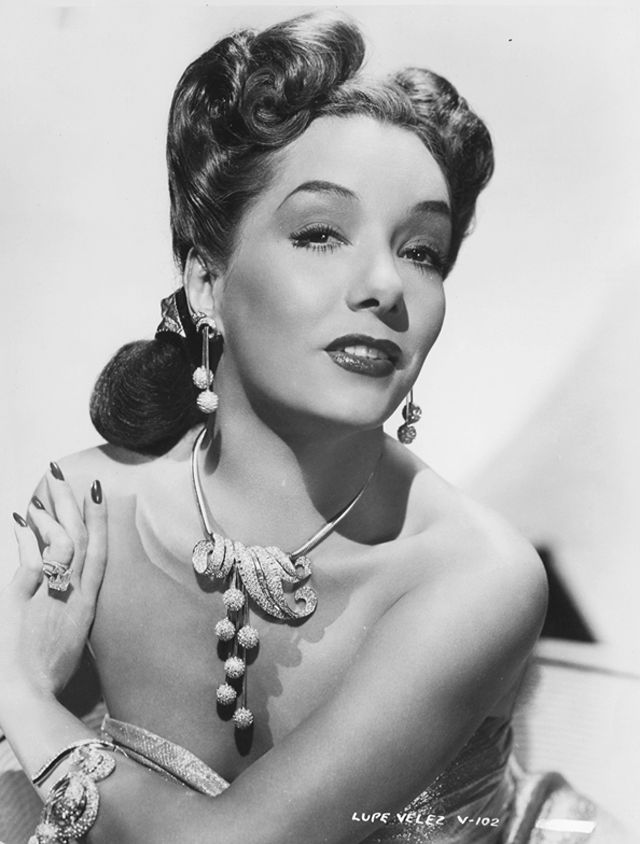
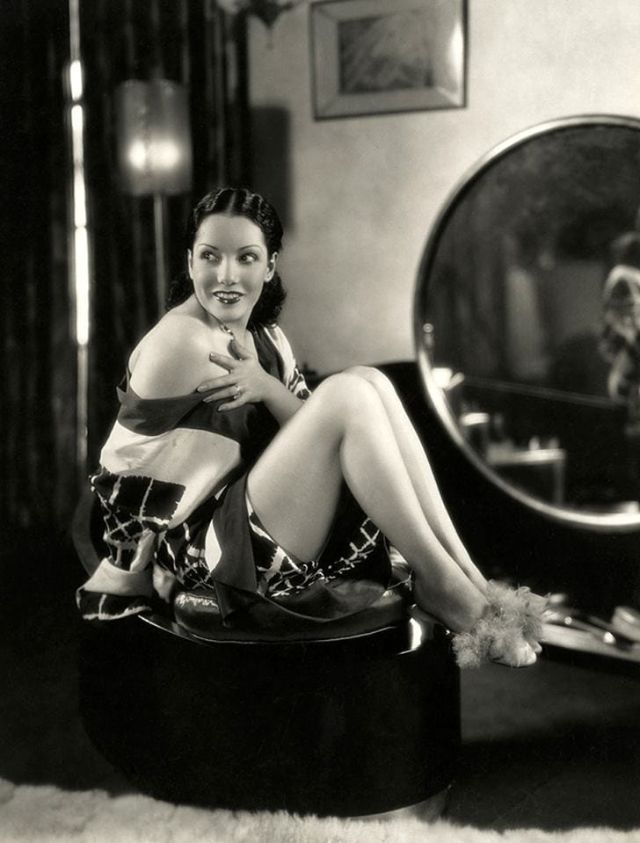
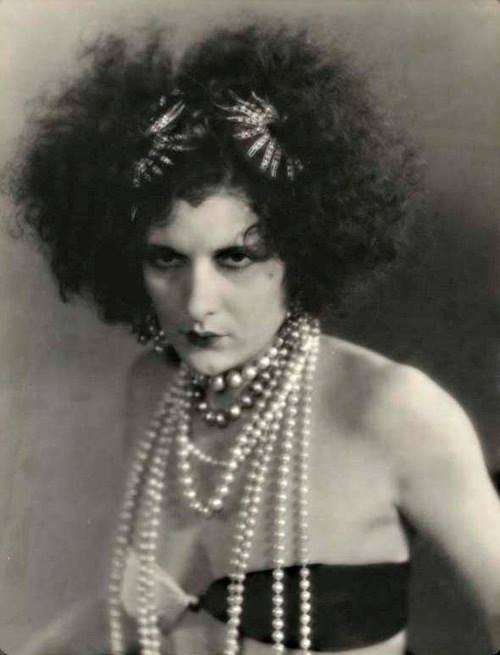
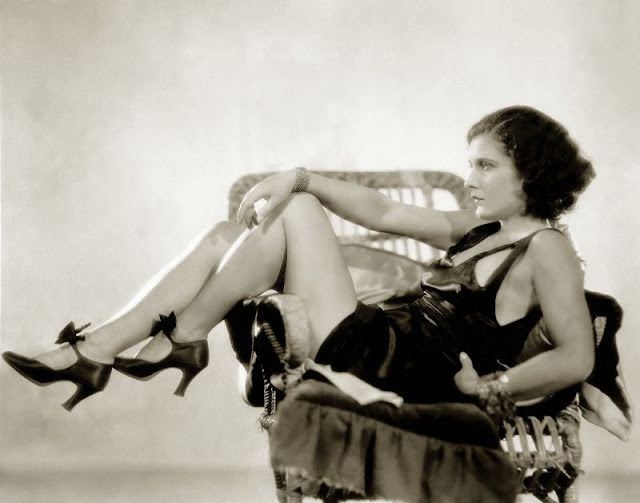
María Guadalupe Villalobos Vélez (1908-1944)

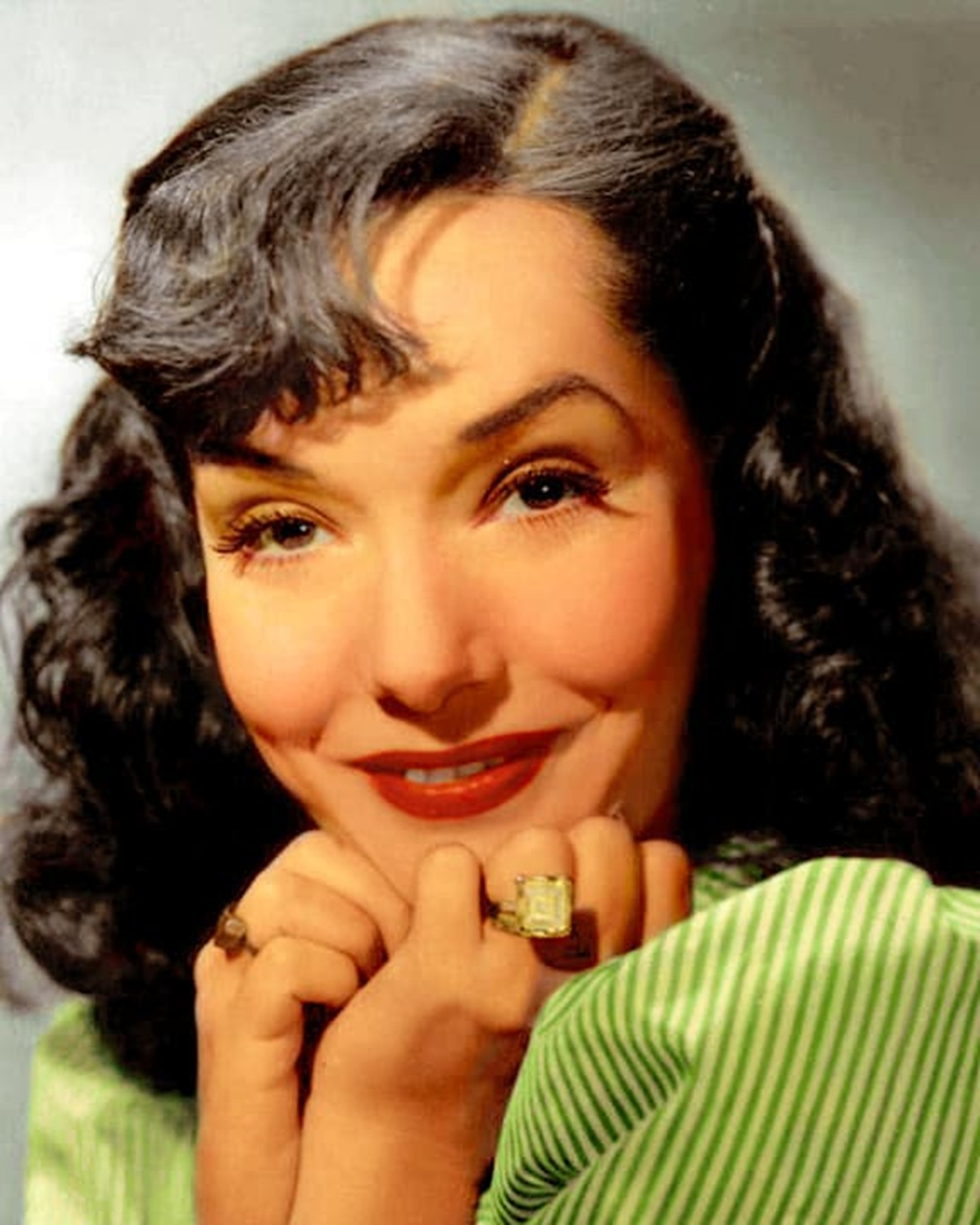
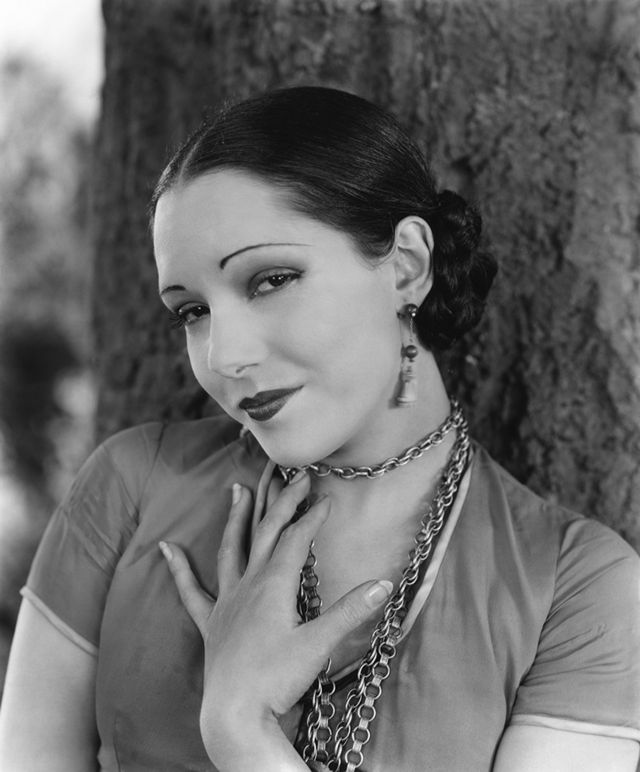
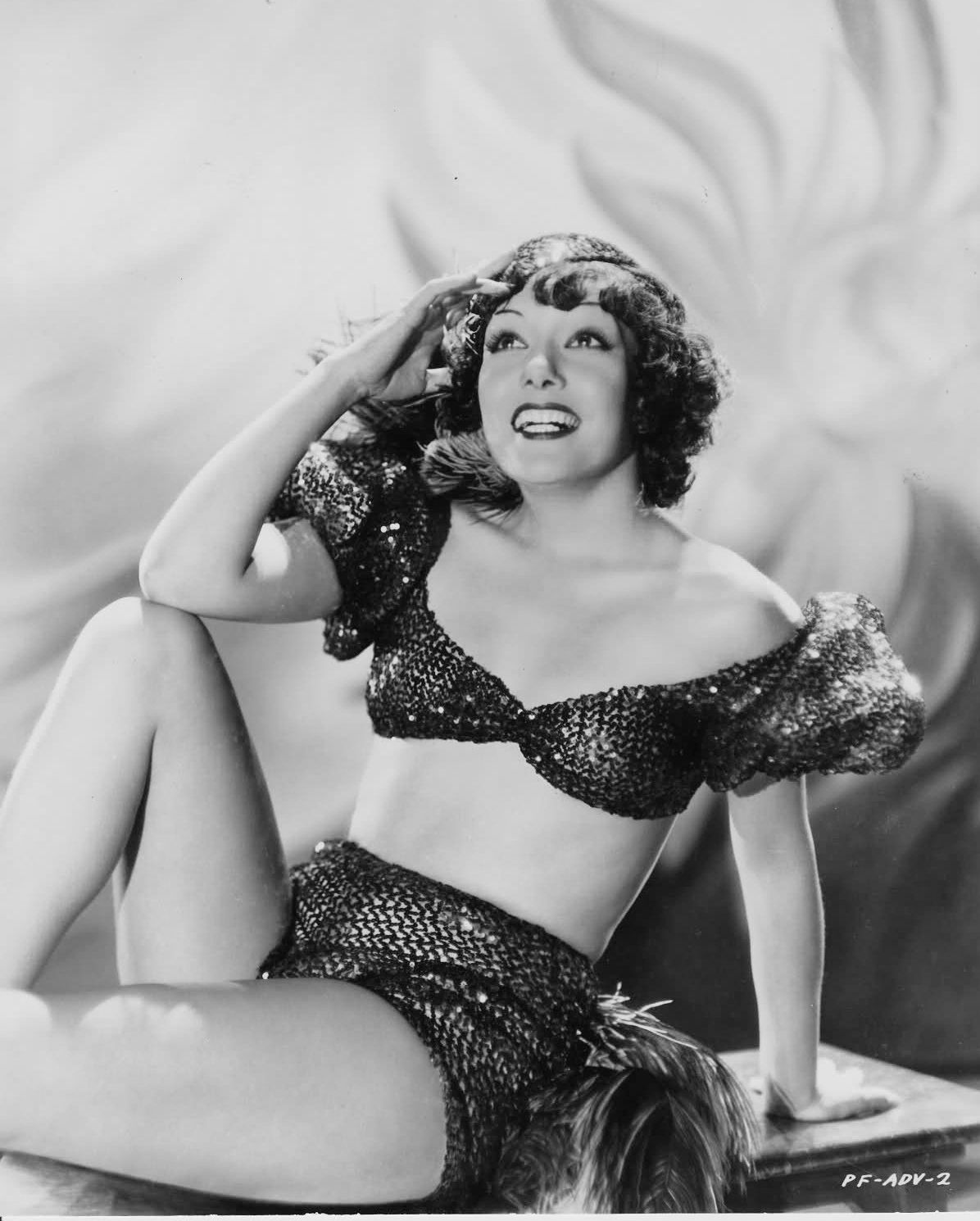
Lupe Velez was a Mexican actress, singer, and dancer during the Golden Age of Hollywood cinema. She began her career as a performer in Mexican vaudeville in the early 1920s. After moving to the United States, she made her first film appearance in a short in 1927. By the end of the decade, she was acting in full-length silent films and had progressed to leading roles in The Gaucho (1927), Lady of the Pavements (1928) and Wolf Song (1929), among others. Vélez made the transition to sound films without difficulty. She was one of the first successful Mexican actresses in Hollywood. During the 1930s, her explosive screen persona was exploited in successful comedic films like Hot Pepper (1933), Strictly Dynamite (1934) and Hollywood Party (1934). In the 1940s, Vélez’s popularity peaked while appearing as Carmelita Fuentes in eight Mexican Spitfire films, a series created to capitalize on her fiery personality.

Nicknamed The Mexican Spitfire by the media, Vélez had a personal life that was as colorful as her screen persona. She had several highly-publicized romances with Hollywood actors and a stormy marriage with Johnny Weissmuller. Vélez died at age 36 in December 1944 of an intentional overdose of the barbiturate drug Seconal. Her death and the circumstances surrounding it were the subject of speculation and controversy.

On the evening of December 13, 1944, Vélez dined with two friends, the silent-film star Estelle Taylor and Venita Oakie. In the early morning hours of December 14, Vélez retired to her bedroom, where she consumed 75 Seconal pills and a glass of brandy. Her secretary, Beulah Kinder, said that she found the actress’s body on her bed later that morning. A suicide note addressed to Harald Ramond was found nearby. It read:

To Harald, May God forgive you and forgive me too, but I prefer to take my life away and our baby’s before I bring him with shame or killing him. – Lupe.

On the back of the note, Vélez wrote:

How could you, Harald, fake such a great love for me and our baby when all the time, you didn’t want us? I see no other way out for me, so goodbye, and good luck to you, Love Lupe.

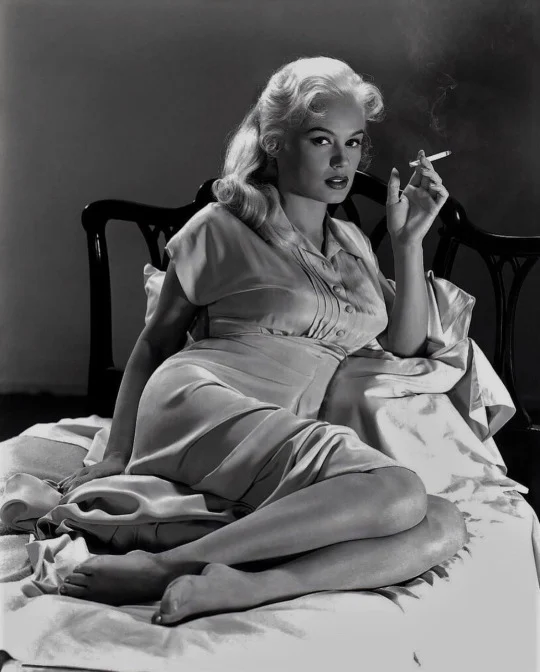
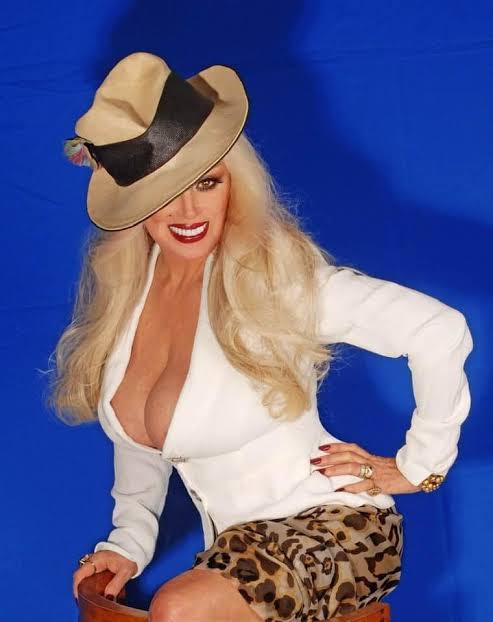
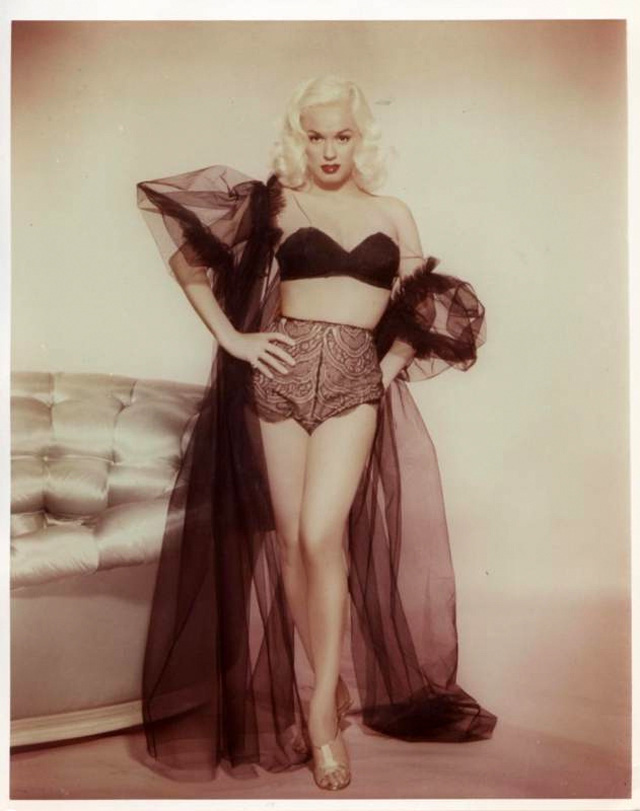
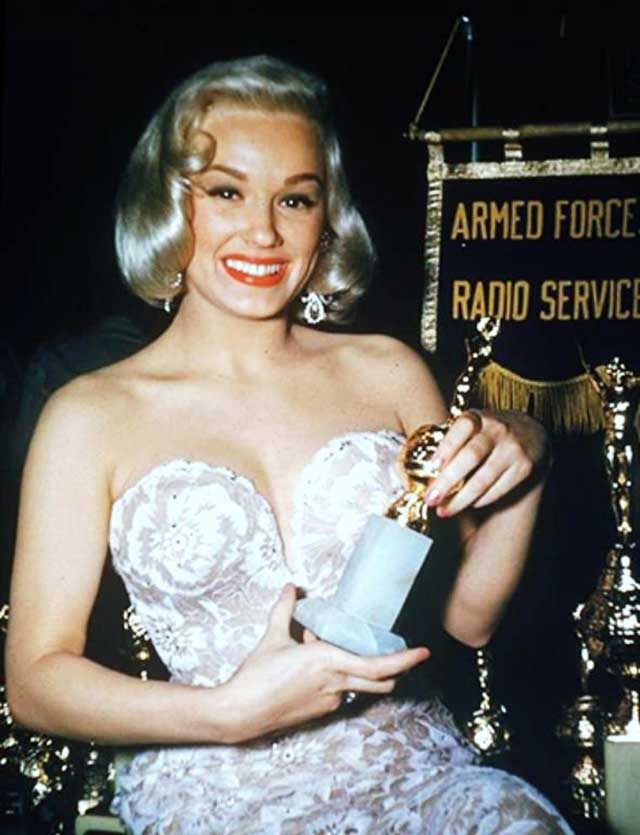
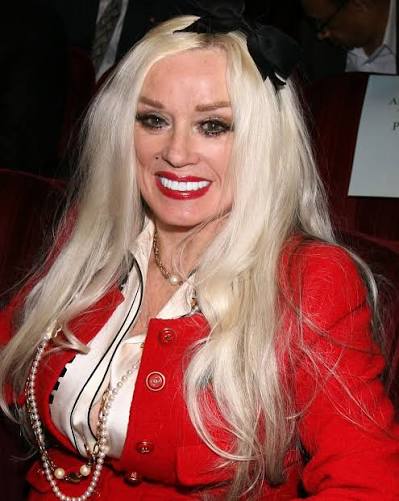
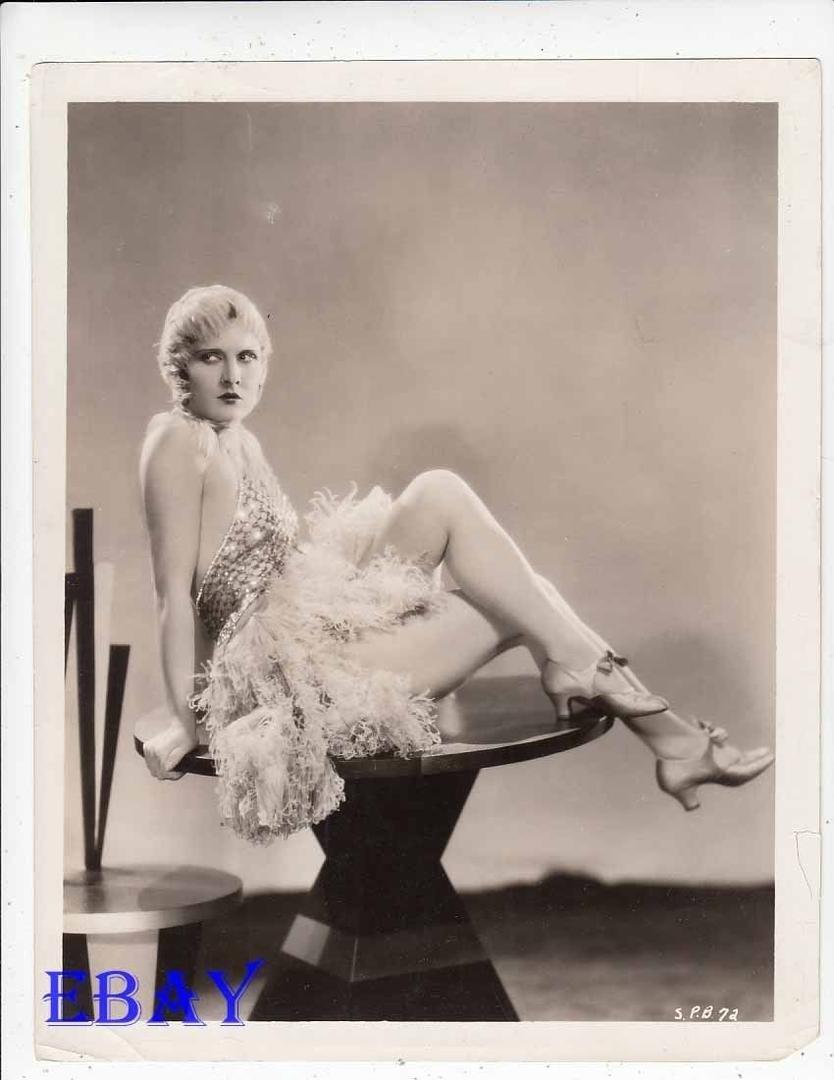
Joan Lucille Olander (1931 – )

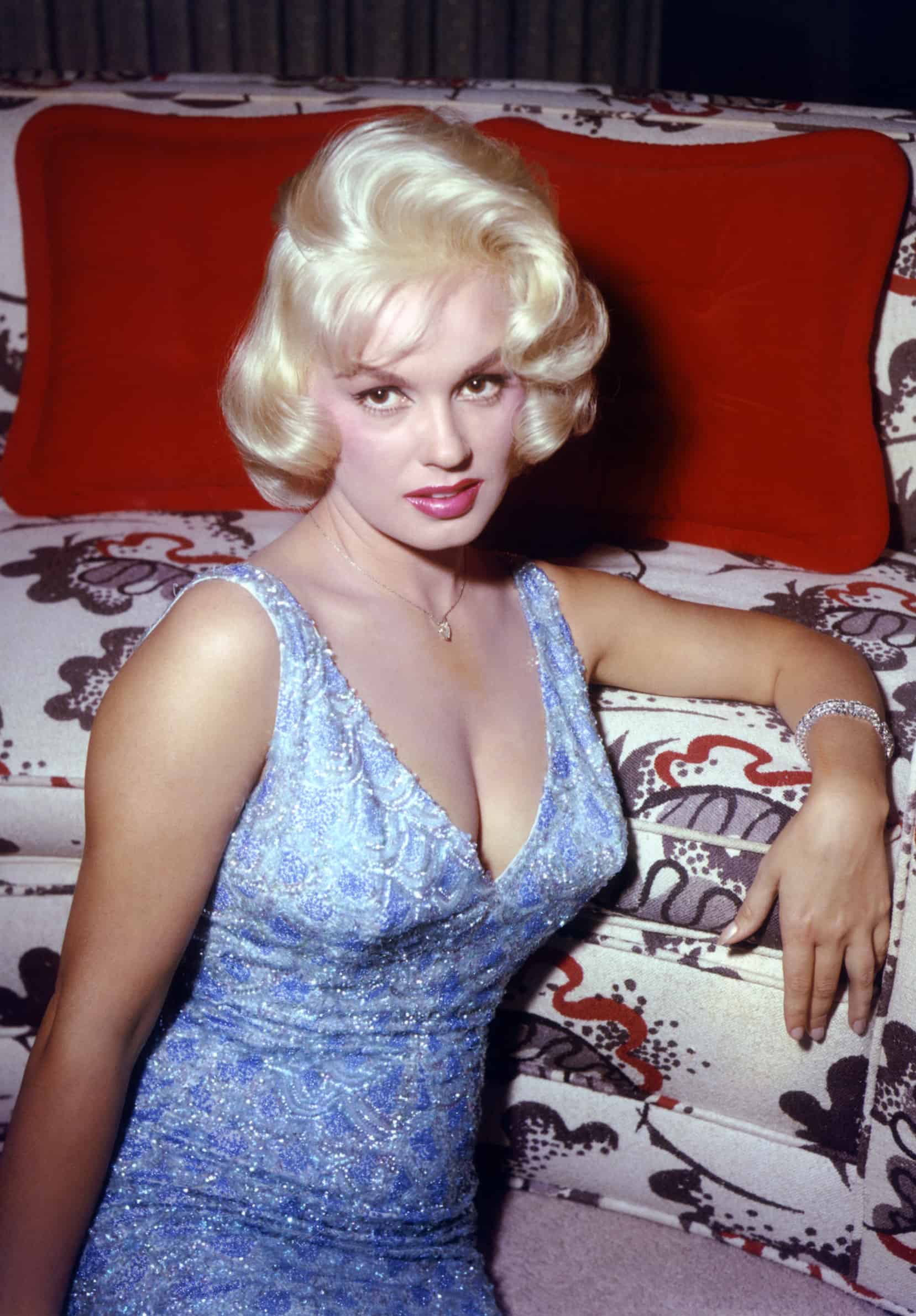
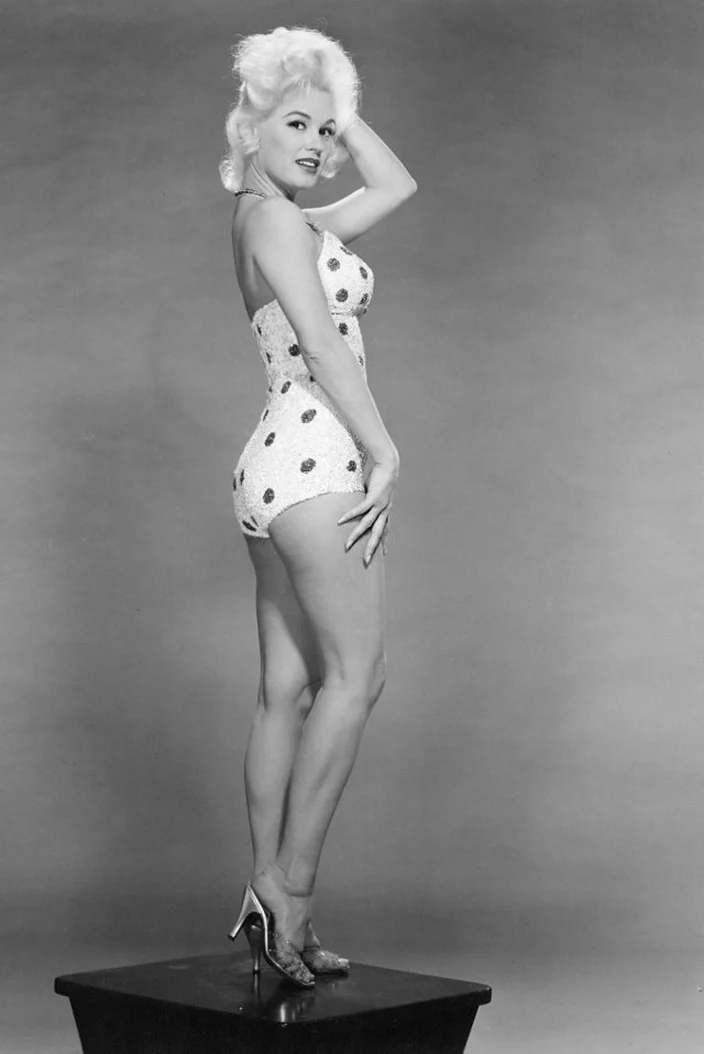
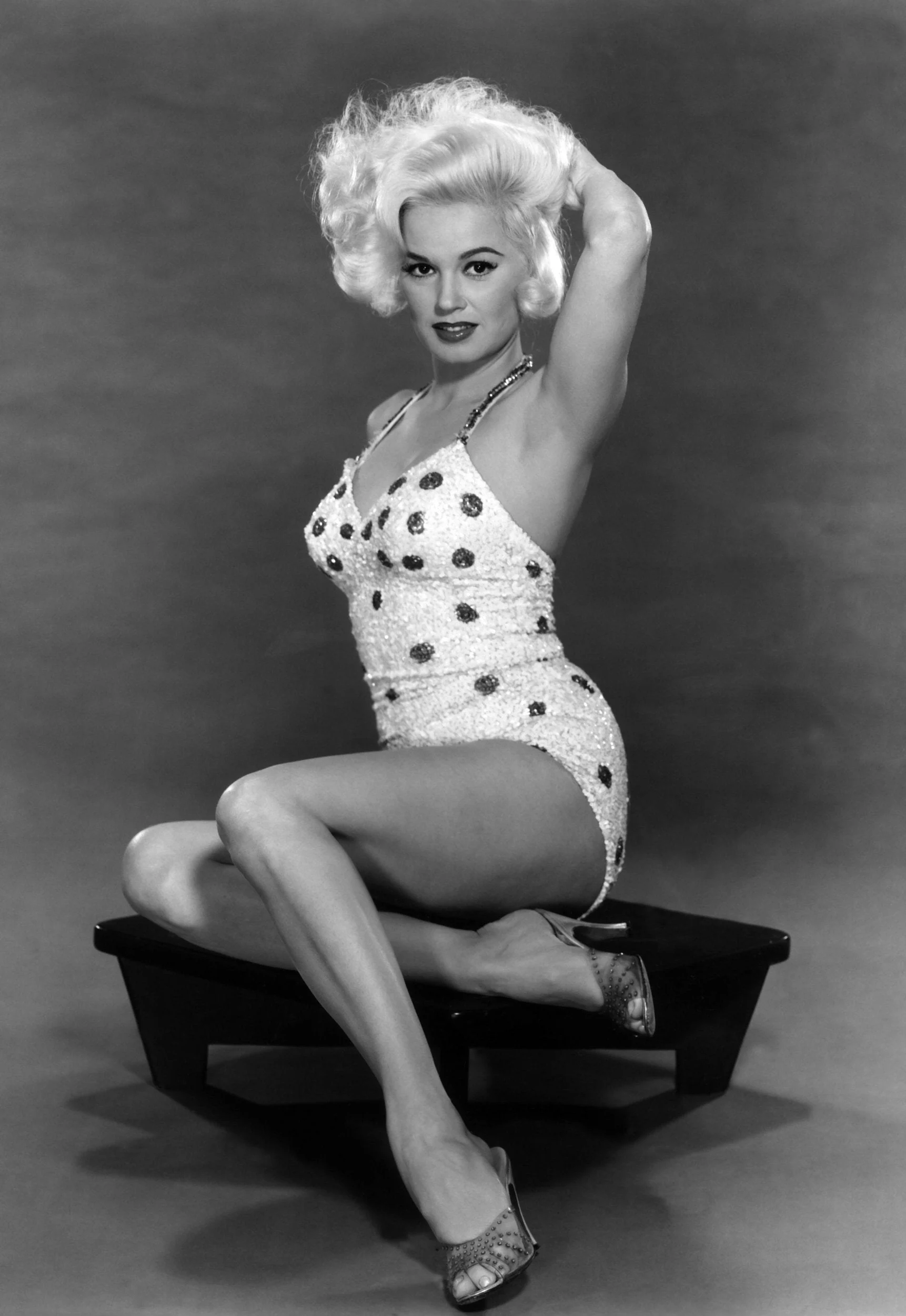
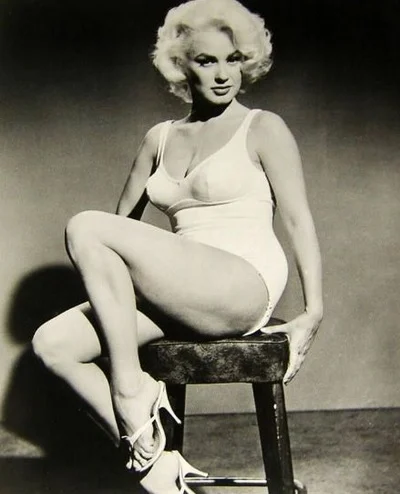
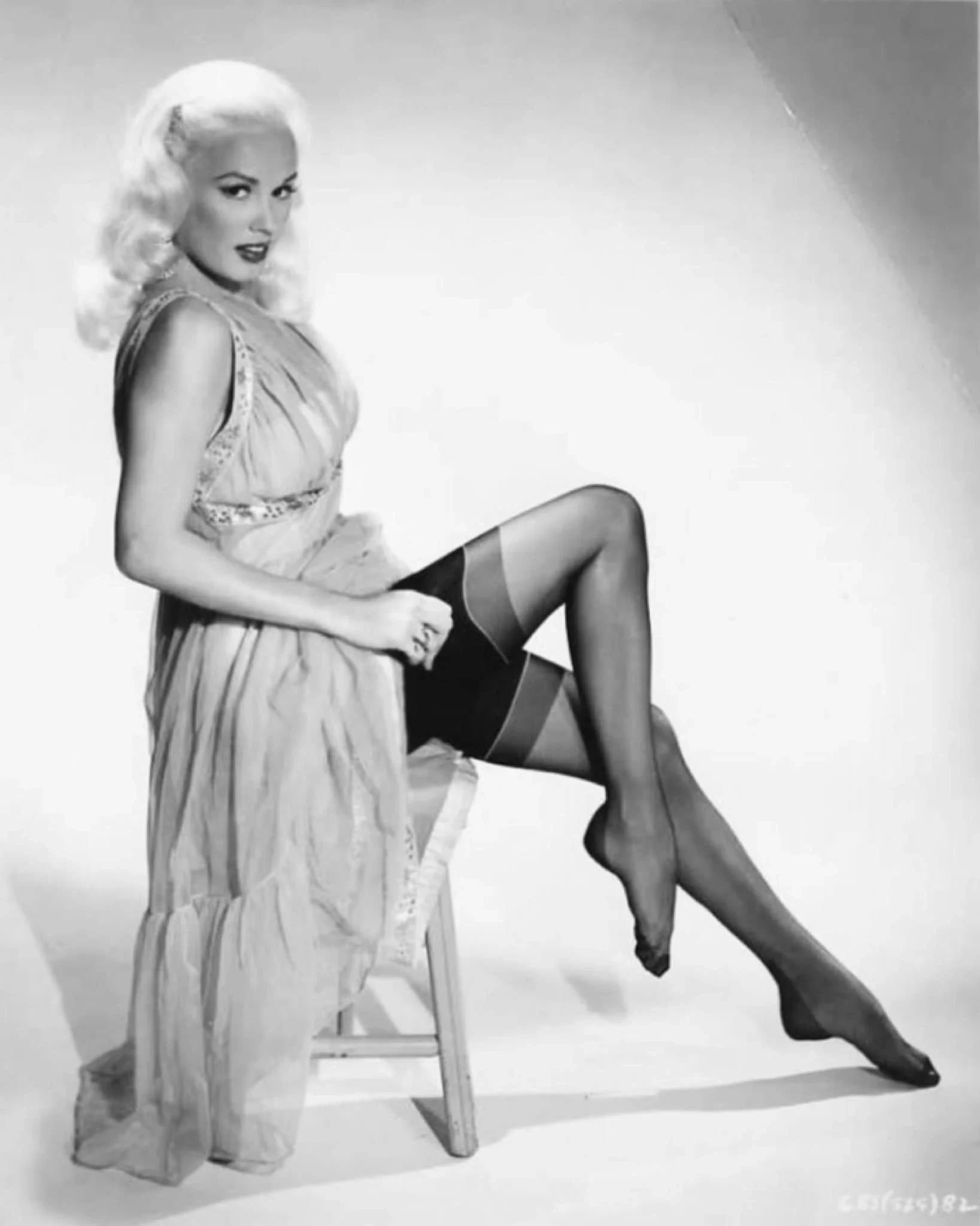
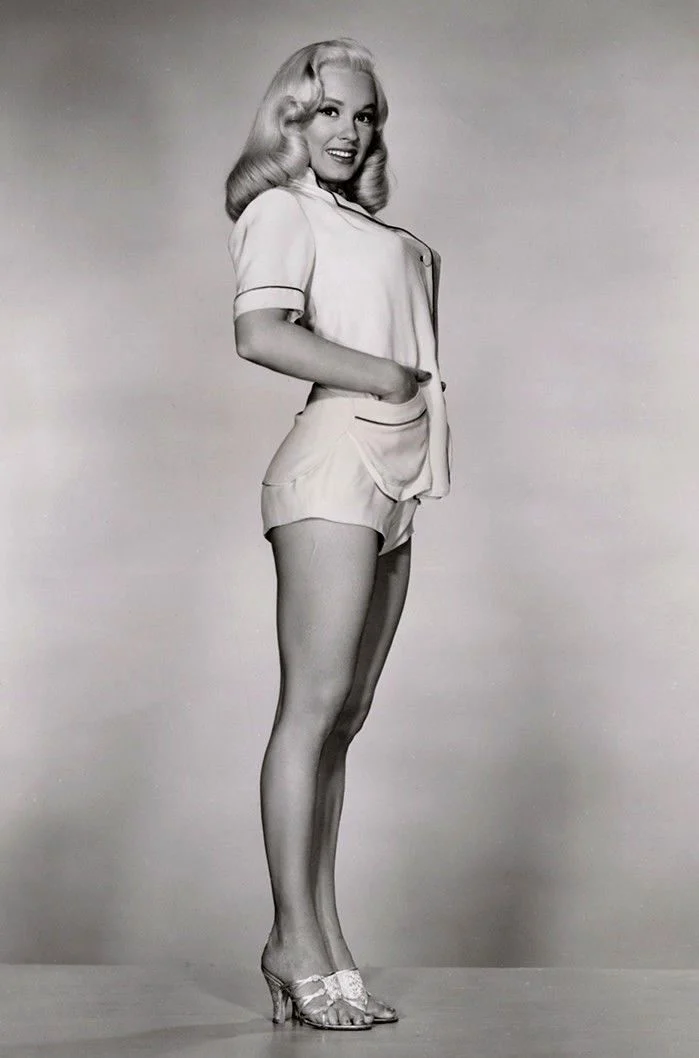
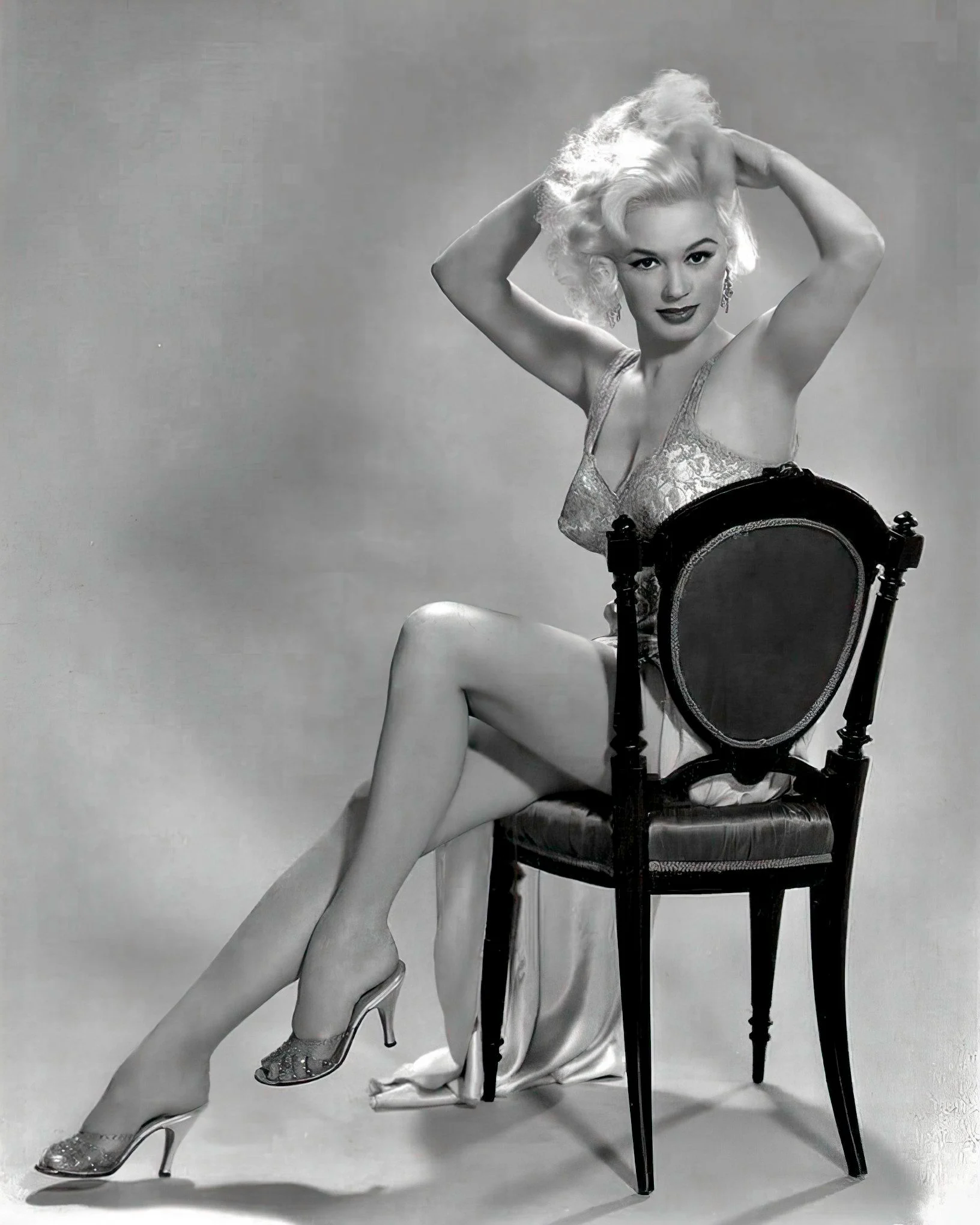
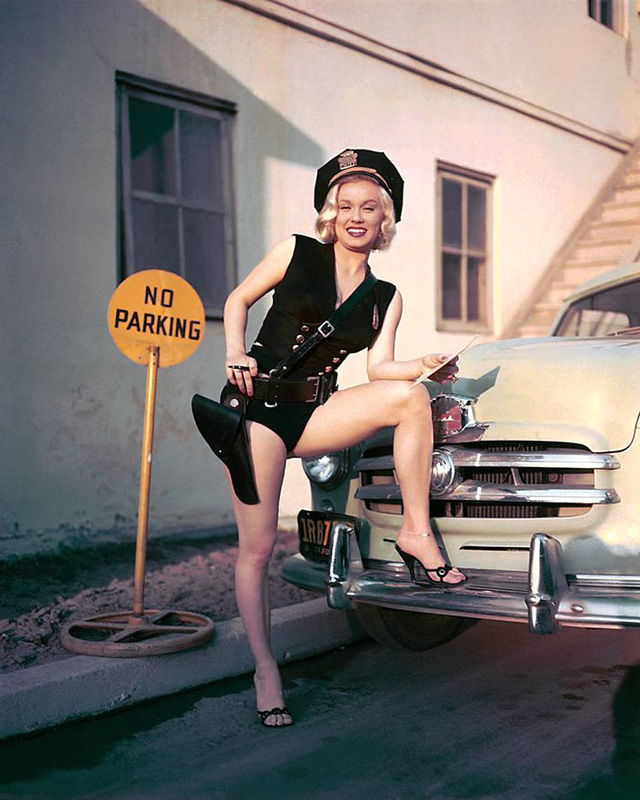
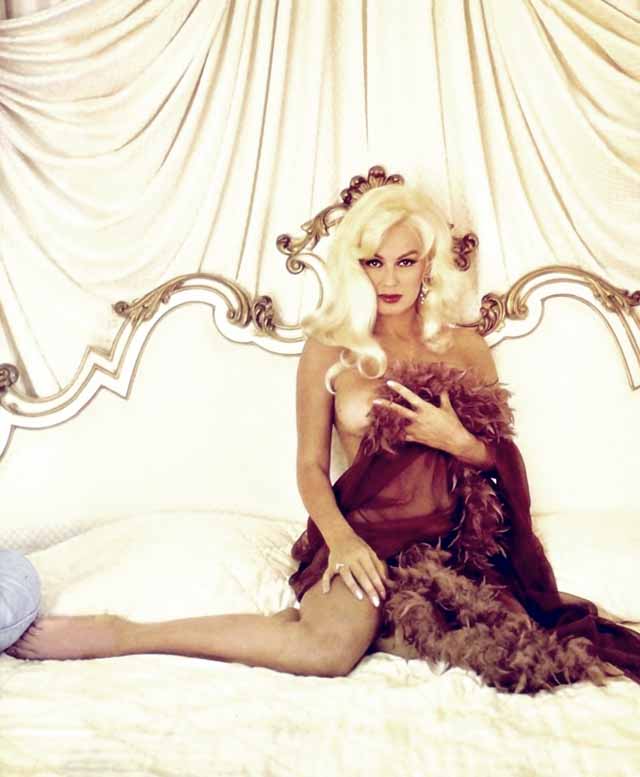
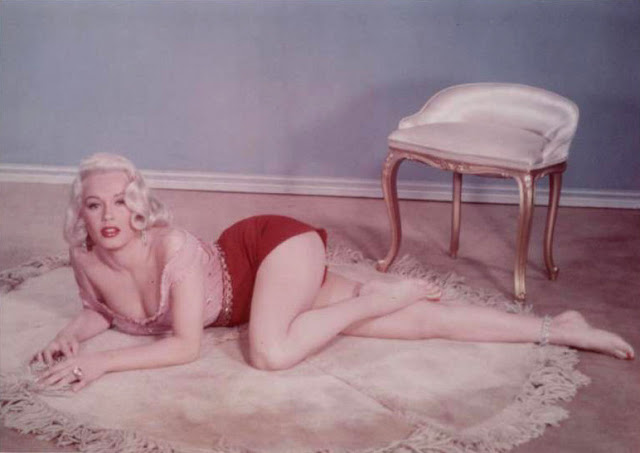
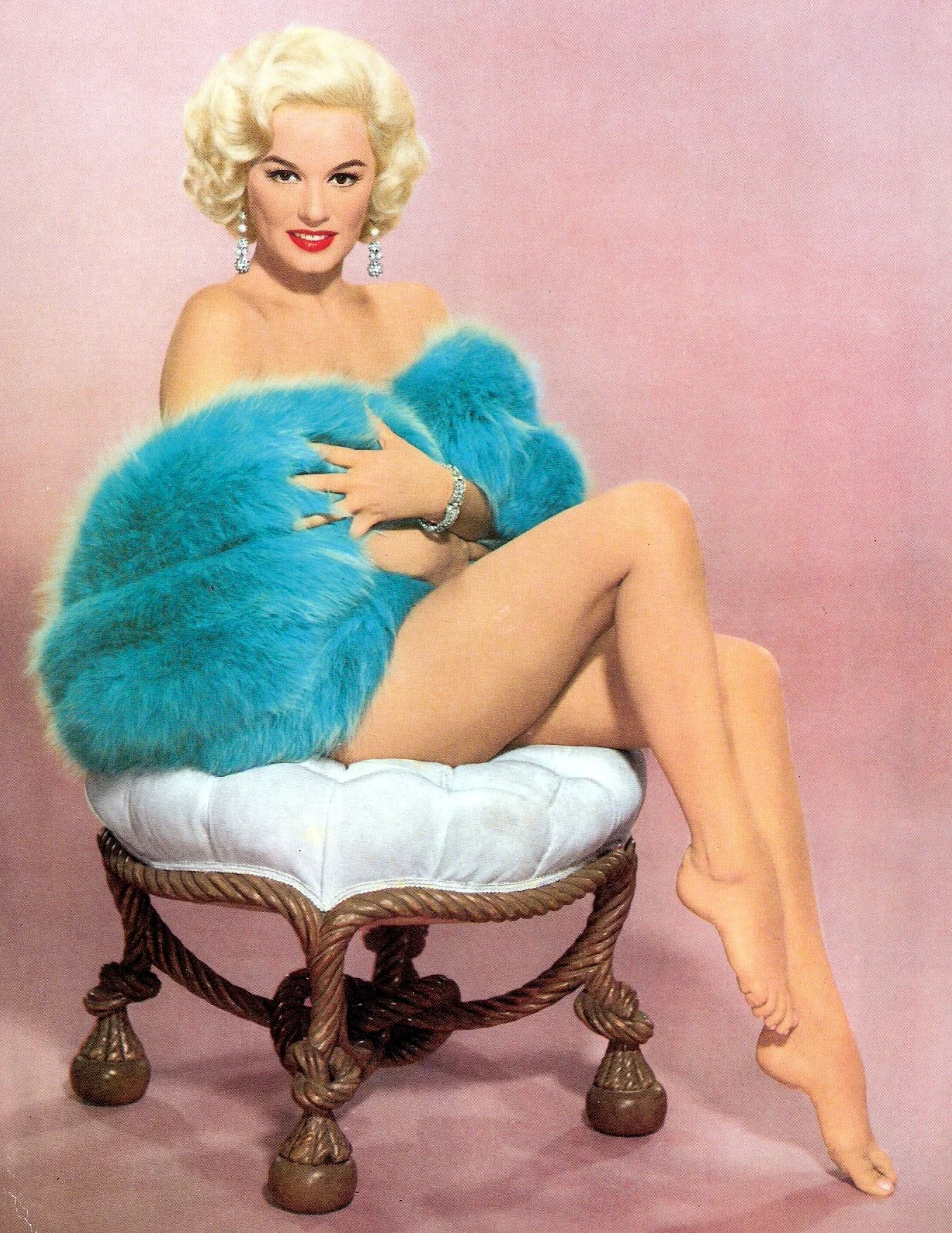
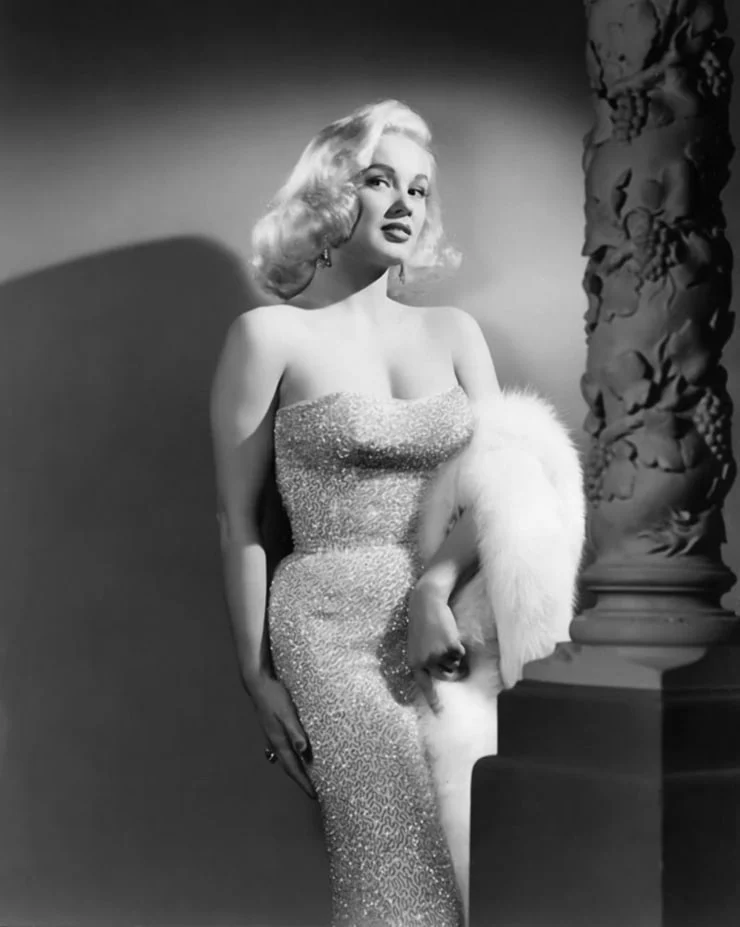
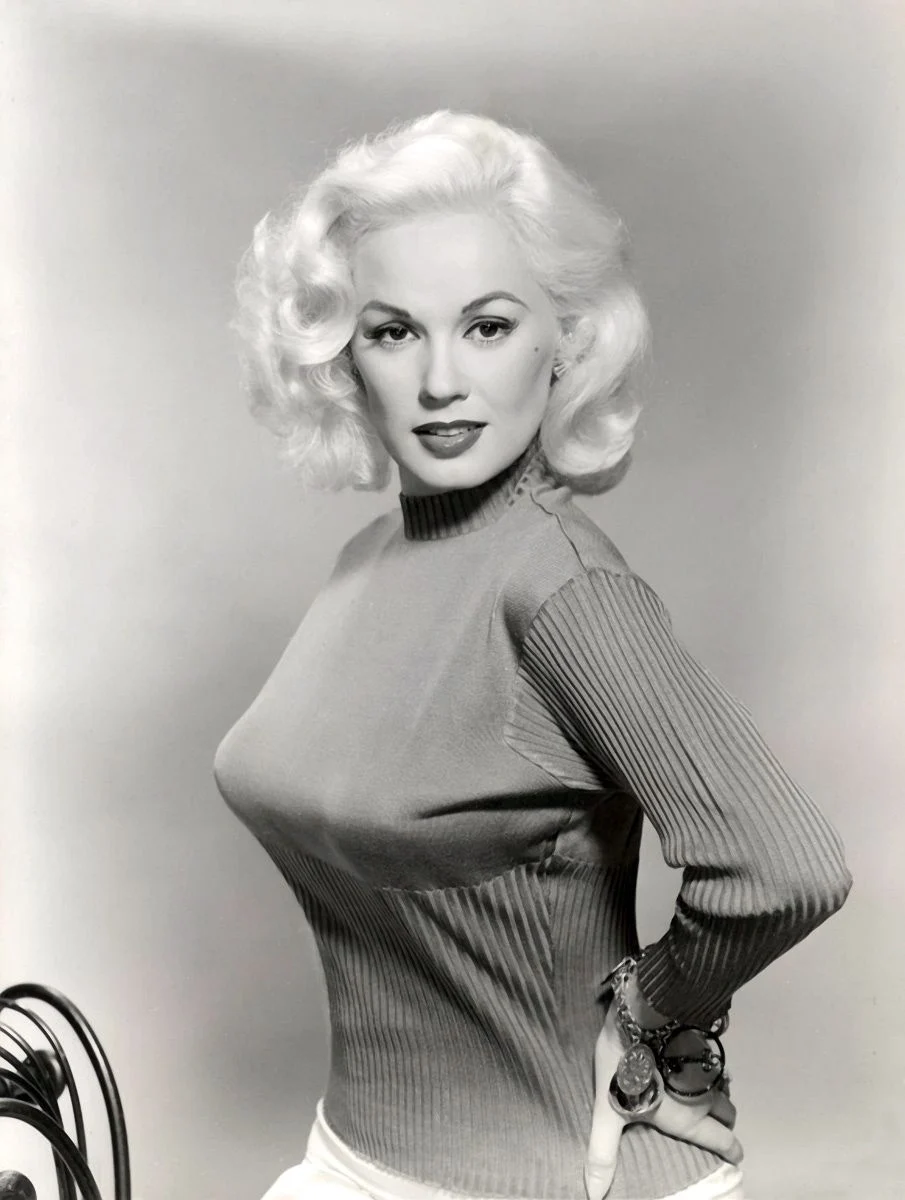
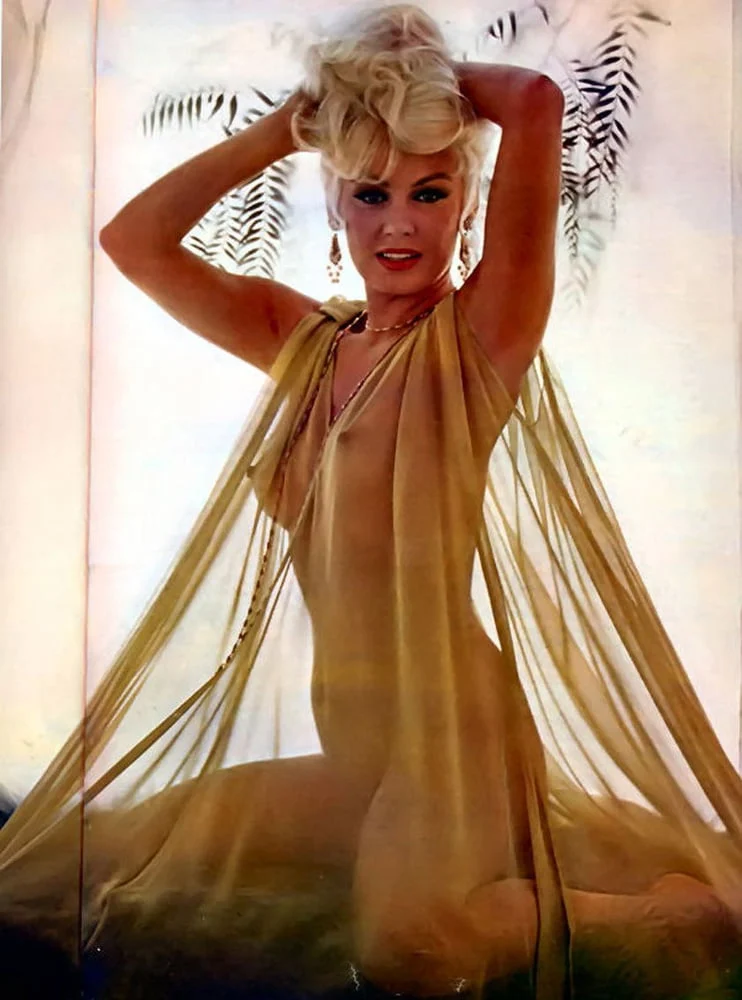
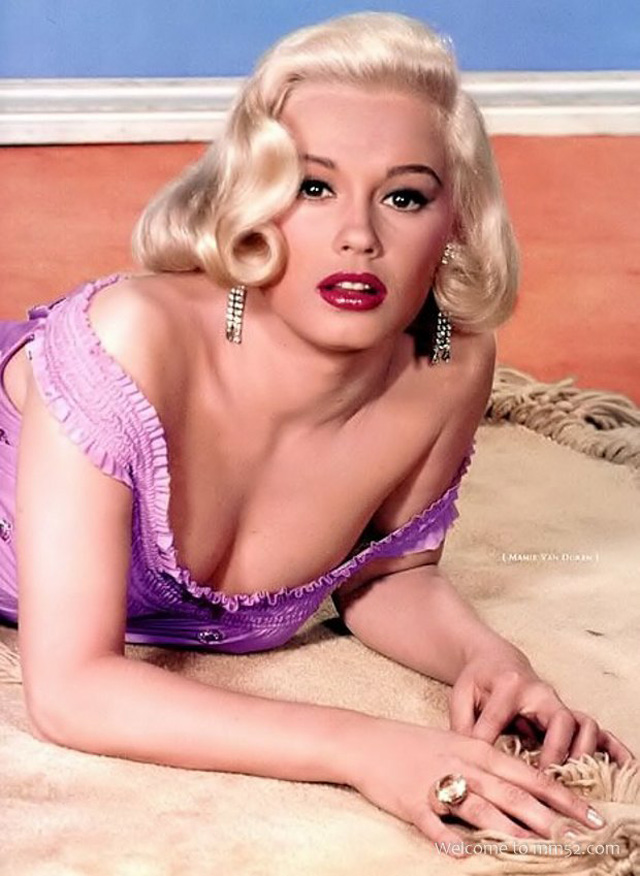
Mamie Van Doren, The last living blonde bombshell from the Golden Age of Hollywood, is one of the “Three M’s”, a group formed by Marilyn Monroe and Jayne Mansfield, who were contemporaries. In 1953, Van Doren signed a seven-year contract with Universal, which hoped that she would be their version of Monroe. She starred in teen dramas, exploitation, musical, comedy, and rock and roll films, among other genres, many of which have gone on to become cult classics. She was one of the leading sex symbols in the 1950s.

In 1949, at the age of eighteen, she won Miss Palm Springs and Miss Eight Ball. As Miss Eight Ball, she was discovered by film producer Howard Hughes, who put her in the RKO films His Kind of Woman (1951), Two Tickets to Broadway (1951), and Jet Pilot (1957) in minor roles. In 1950 she was dating the heavyweight boxer Jack Dempsey, over thirty-five years her senior, in New York City and was engaged to him. However, she left him to go back to Los Angeles. On January 20, 1953, Van Doren signed a contract with Universal, who wanted her to be Universal’s equivalent of Monroe. While at Universal, Van Doren changed her name to Mamie Van Doren, the “Mamie” from then–First Lady Mamie Eisenhower and the “Van Doren” from Universal’s telling her that she was more Dutch than Swedish.

During her time at Universal, Van Doren starred in movies such as The Second Greatest Sex (1955), Running Wild (1955), and The All American (1953). Outside of Universal she starred in Untamed Youth (1957), Teacher’s Pet (1958), High School Confidential (1958), Born Reckless (1958), The Beat Generation (1959), and Sex Kittens Go To College (1960). She starred on television shows such as What’s My Line?, The Jack Benny Program, and The Bob Cummings Show. Van Doren struggled to find work as a free agent, starring in many B movies, such as Voyage to the Planet of Prehistoric Women (1968), The Las Vegas Hillbillys (1966) with Mansfield, and 3 Nuts in Search of a Bolt (1964), a film which challenged the Hays Code. The same year, she appeared in the June 1964 Playboy magazine with nude photos of her on the set of the film.

In 2006, Mamie posed for photographs for Vanity Fair magazine with Pamela Anderson, as part of its annual Hollywood issue.

In 2024, at age 93, has a brand-new record with Pink Martini. “I Told Ya I Love Ya, Now Get Out”

In 2026 she published a new memoir, “You Thought I Was Dead”.

Tina Louise (née Blacker; 1934 – )

Louise got her first role at age two in an advertisement for her father’s candy store. She began studying acting, singing, and dancing at age 17 under Sanford Meisner at the Neighborhood Playhouse School of the Theatre in Manhattan. Her acting debut came in 1952 in the Bette Davis musical revue Two’s Company, followed by roles in such other Broadway productions as John Murray Anderson’s Almanac, Will Success Spoil Rock Hunter?, and the hit musical Li’l Abner. She appeared in live television dramas in the anthology series, Studio One and Producers’ Showcase.

Louise made her film debut in 1958 in God’s Little Acre. That same year, the National Art Council named her the “World’s Most Beautiful Redhead.” The next year, she starred in Day of the Outlaw with Robert Ryan. Among her Italian film credits were The Siege of Syracuse and Garibaldi (both in 1960). In 1962, she guest-starred on the situation comedy The Real McCoys, portraying a country girl from West Virginia in the episode “Grandpa Pygmalion”. She appeared with Bob Denver two years later in the beach party film For Those Who Think Young (1964) and later portayed movie star Ginger Grant on the situation comedy Gilligan’s Island. She maintained a steady acting career after the series ended, going on to appear in the Matt Helm spy spoof The Wrecking Crew (1969) with Dean Martin and in The Stepford Wives (1975).

Louise took darker roles as well, such as a heroin addict in a 1974 episode of Kojak and as a cruel corrections officer in the 1976 television movie Nightmare in Badham County. Other credits from this era include the made-for-TV films Look What’s Happened to Rosemary’s Baby (1976) and SST: Death Flight (1977), and the soap opera Dallas during the 1978–1979 seasons. In the fall of 1984, she succeeded Jo Ann Pflug as Taylor Chapin on the syndicated soap opera Rituals.
Later film roles included O.C. and Stiggs (1987) as well as the independent satire Johnny Suede (1992) starring Brad Pitt. She appeared in the situation comedy Married… with Children as Miss Beck in episode “Kelly Bounces Back” (1990). In the 1990s, she was reunited with costars Bob Denver, Dawn Wells, and Russell Johnson in an episode of Roseanne. In 2014, Louise appeared in the spiritual drama Tapestry and the horror film Late Phases.

Today she works one hour a week, tutoring school children in reading at an Upper East Side Manhattan public school, saying: “It’s better than vitamins.”

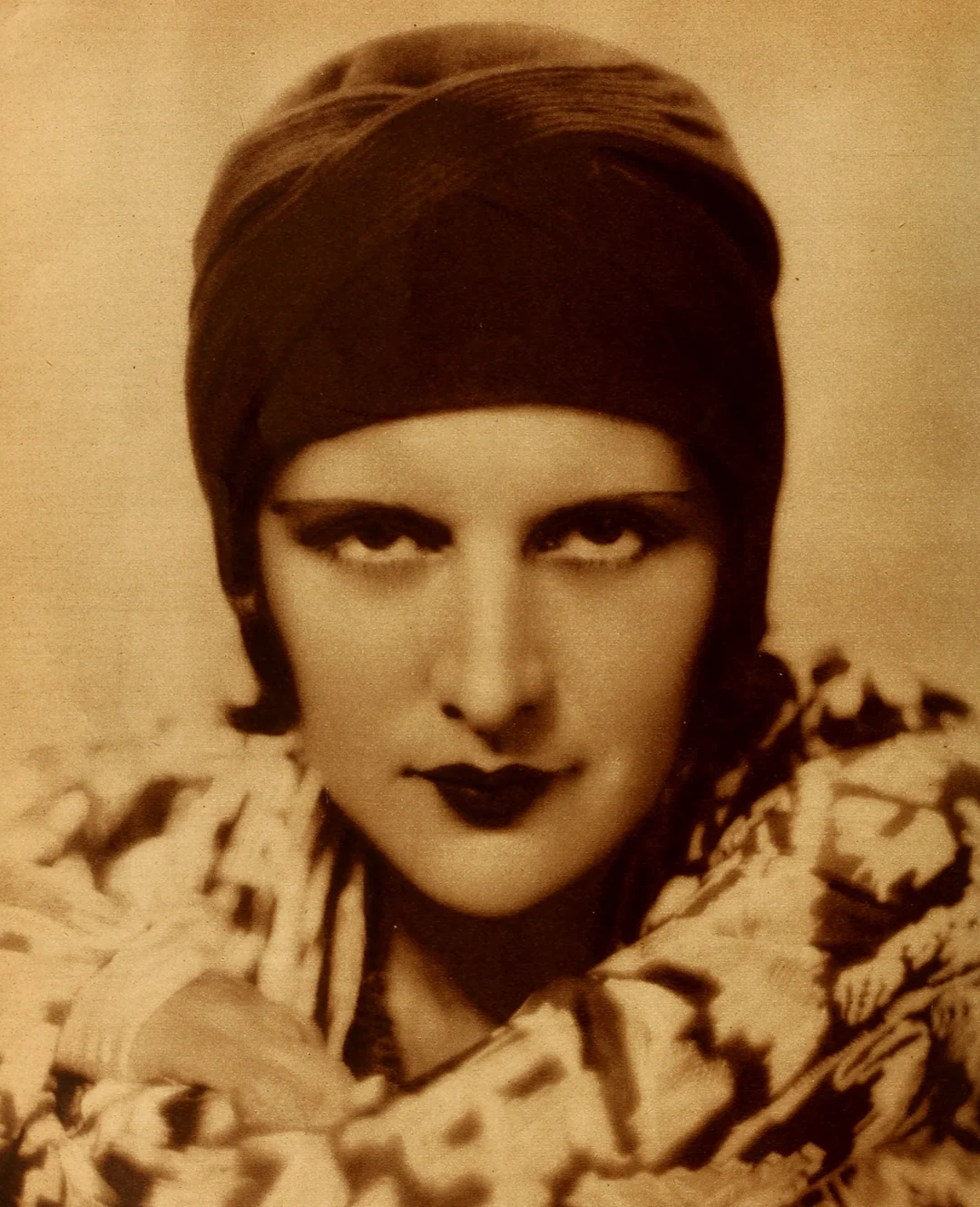
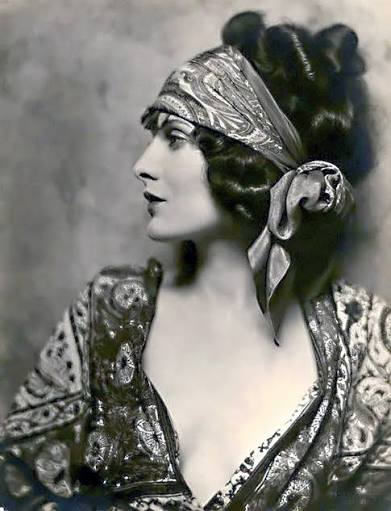
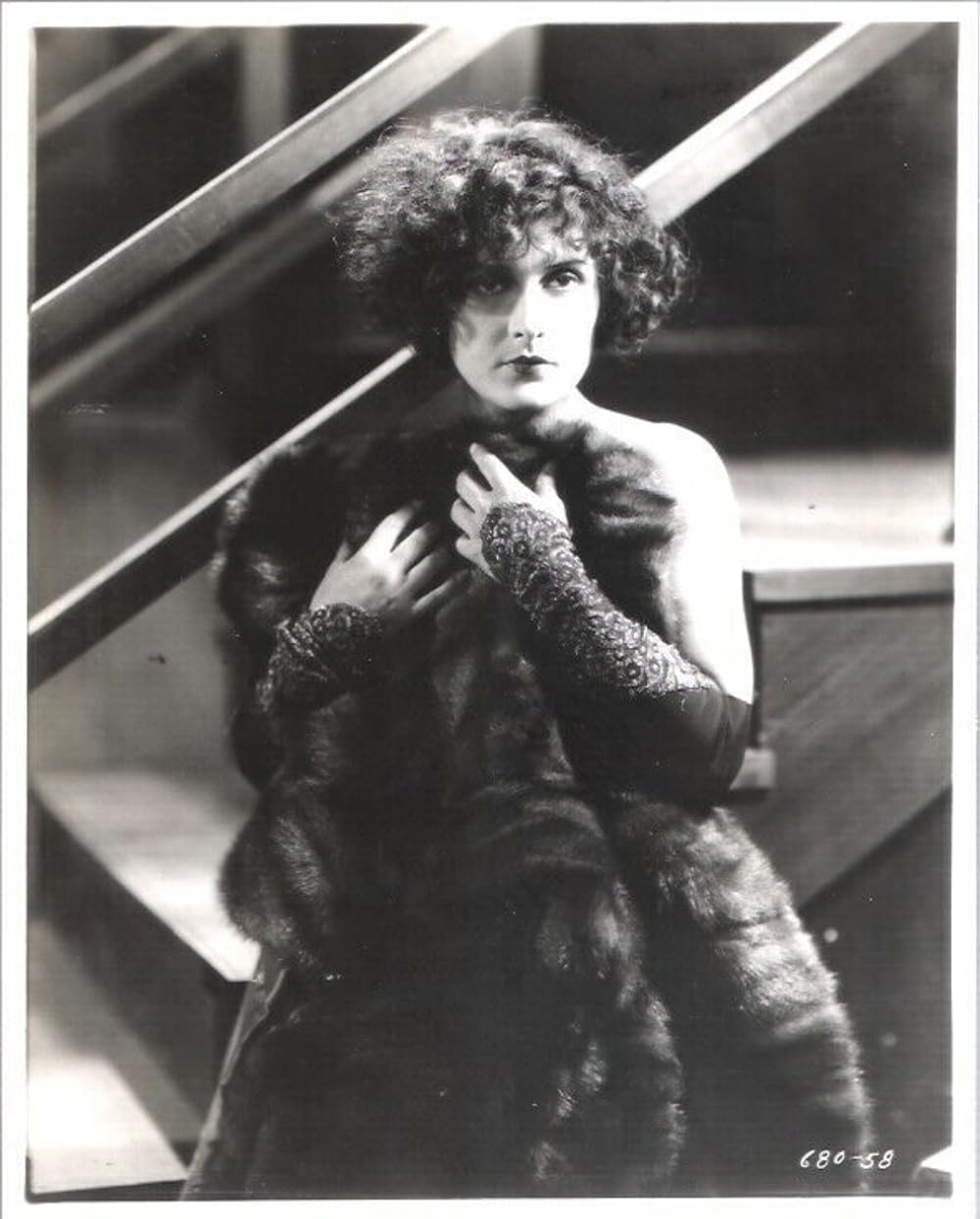
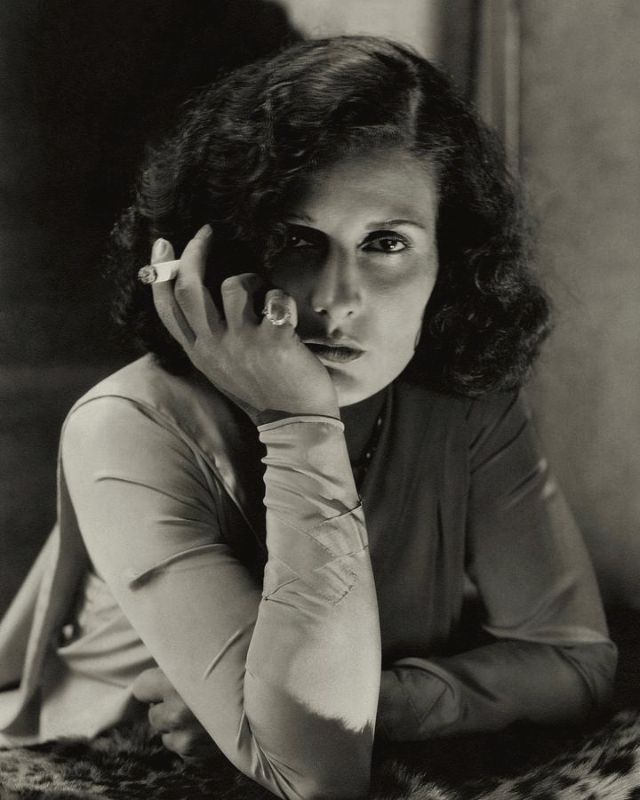
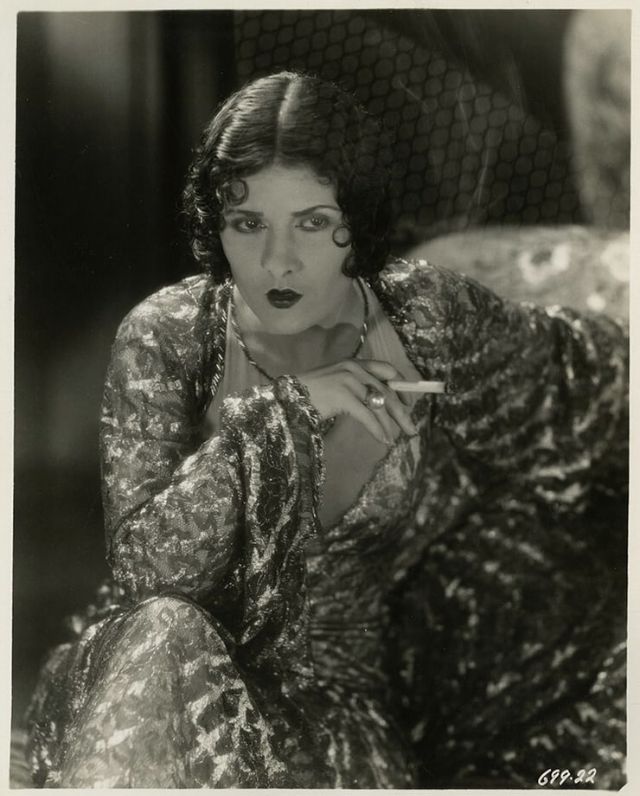
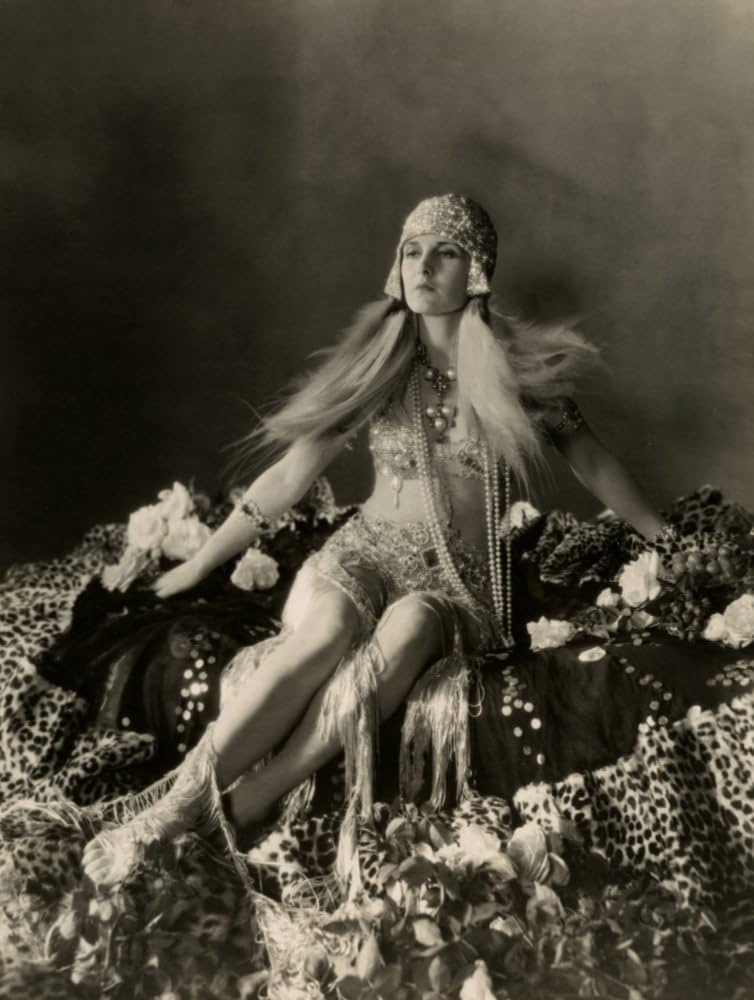
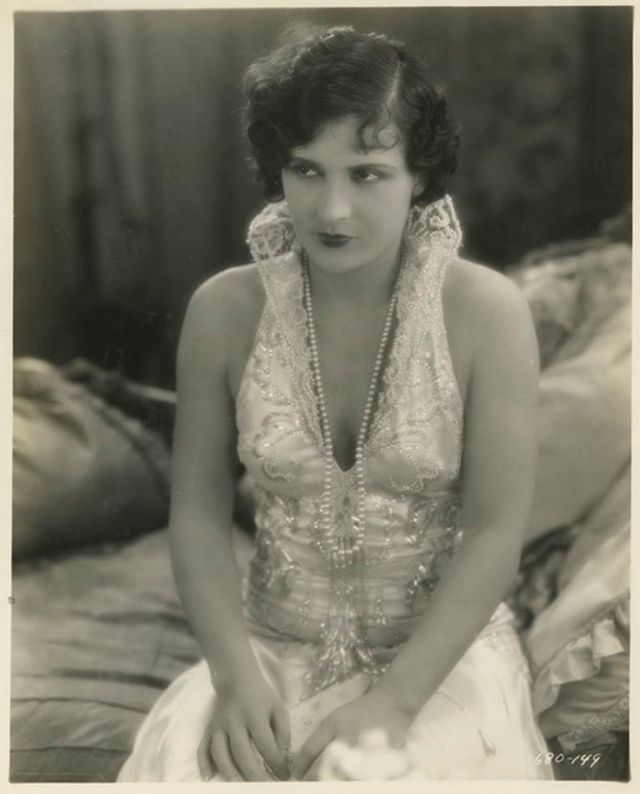
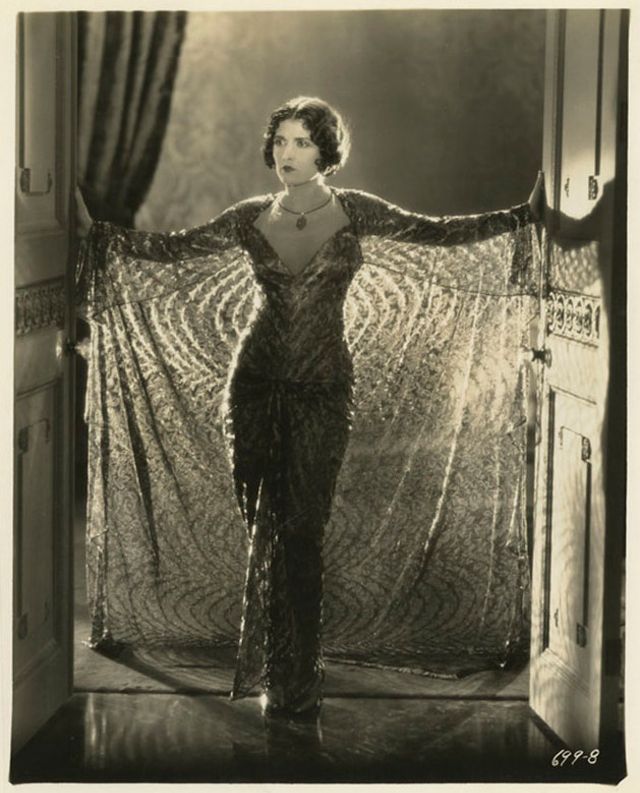
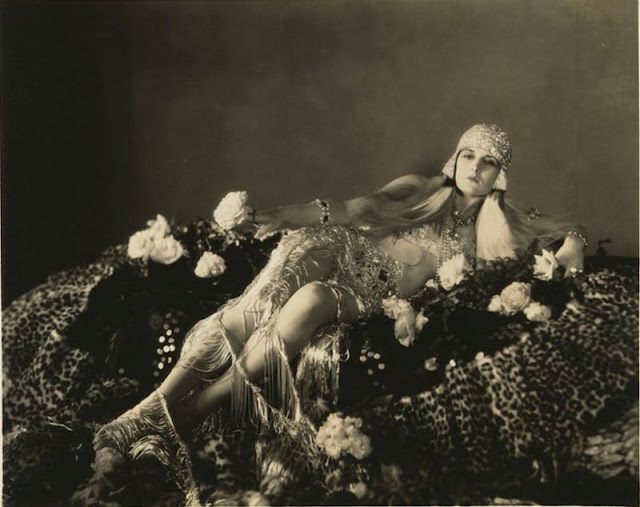
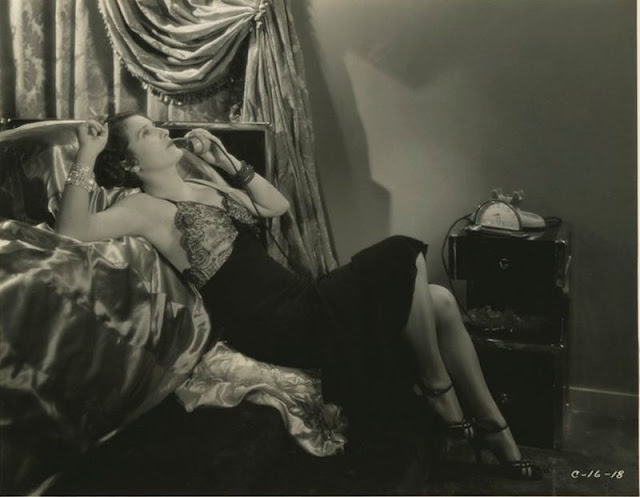
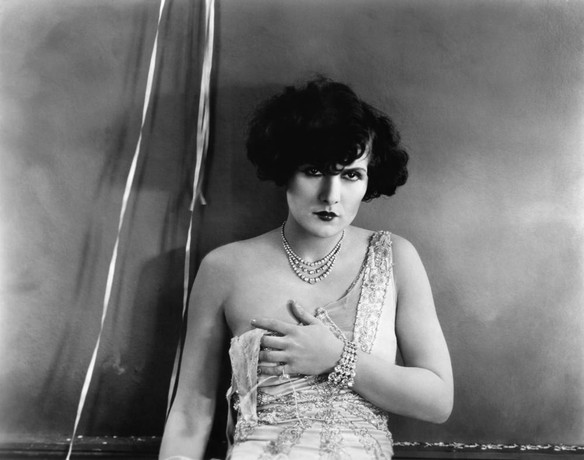
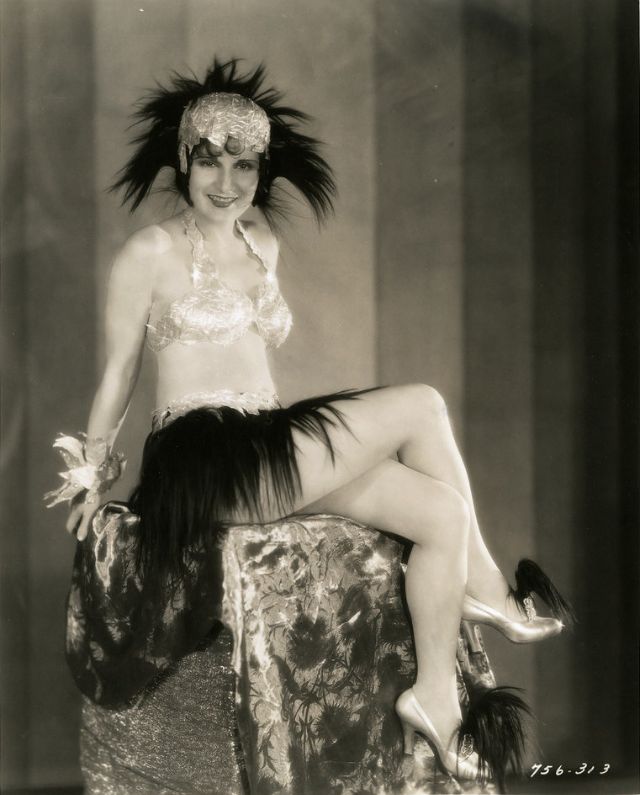
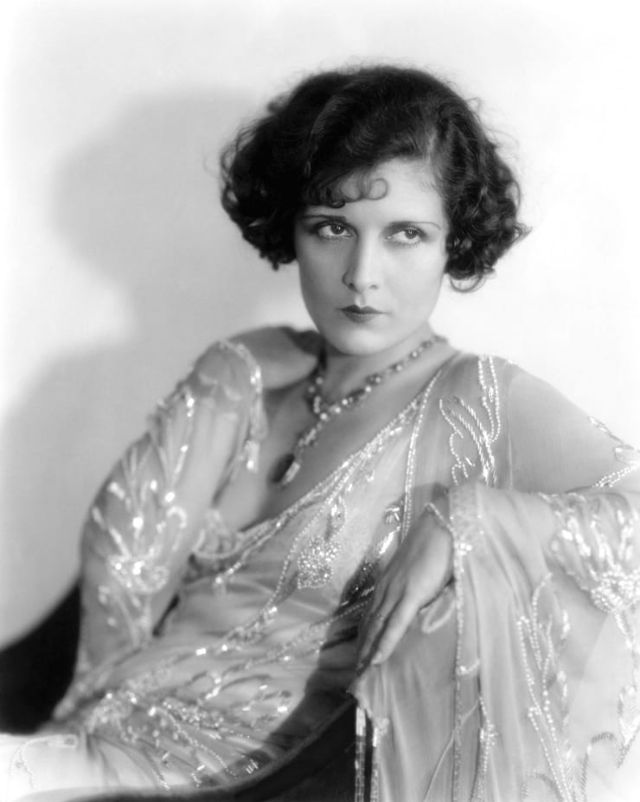
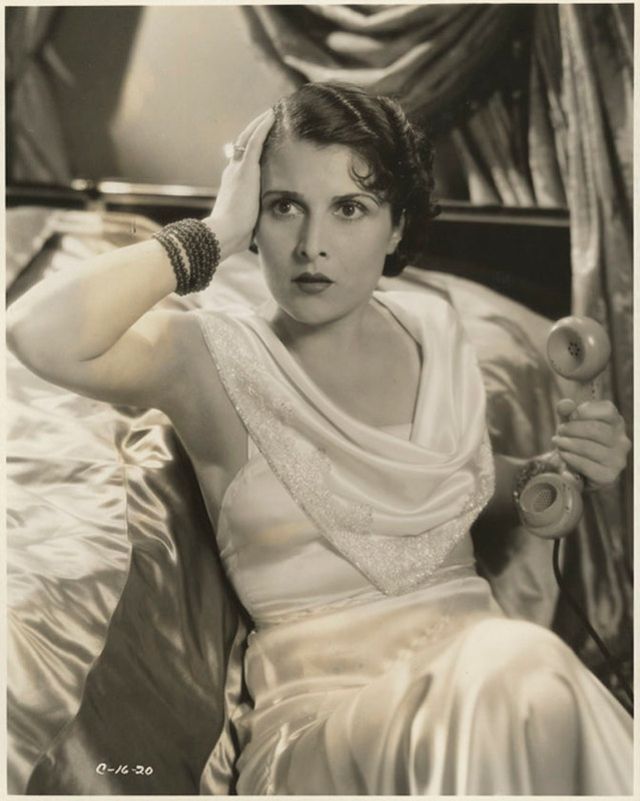
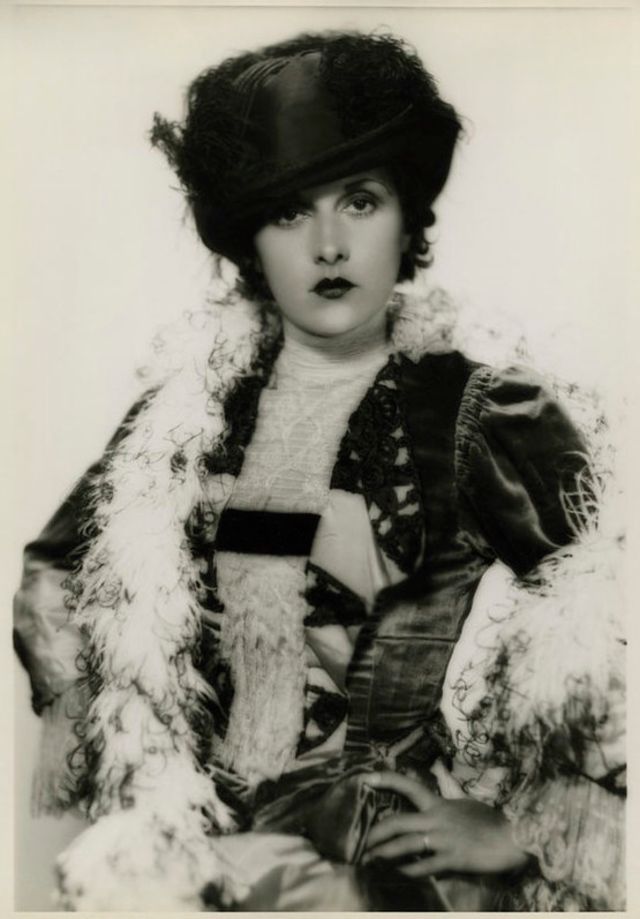
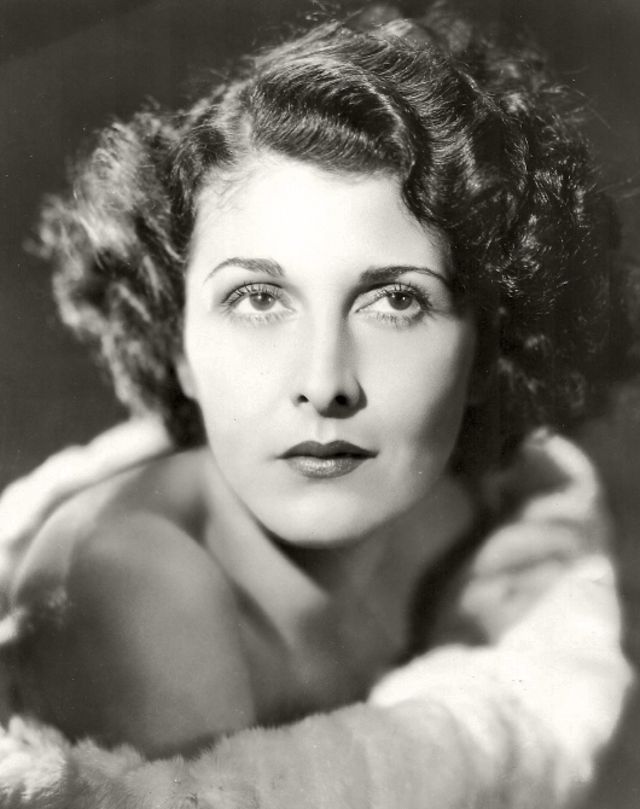
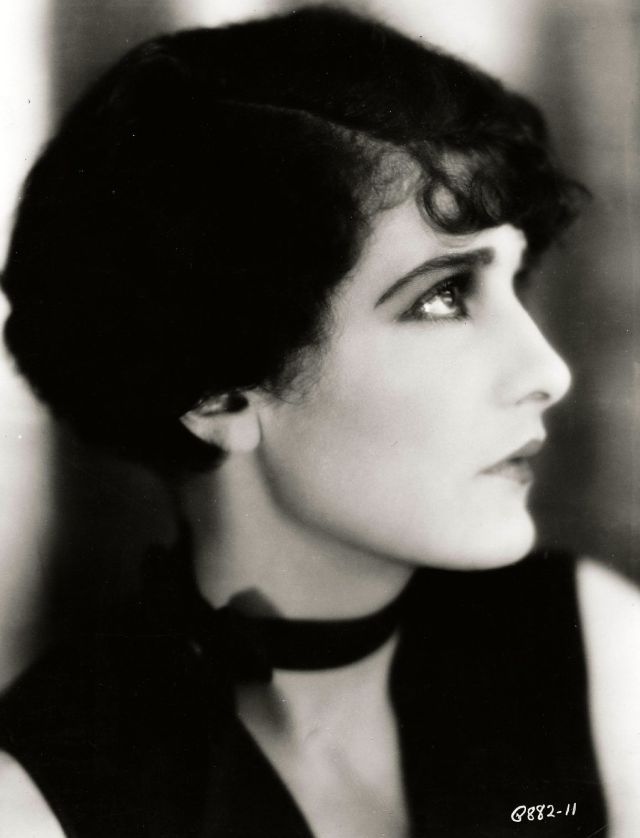
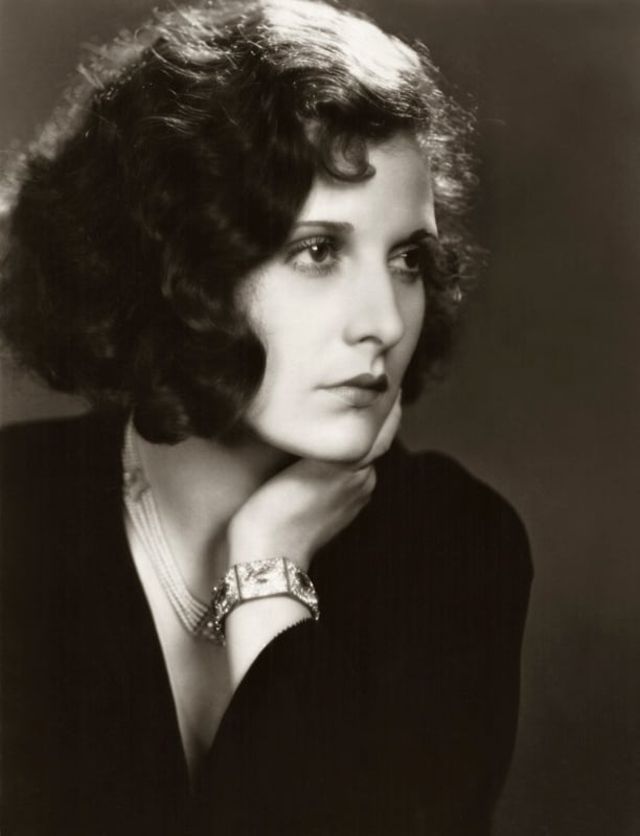
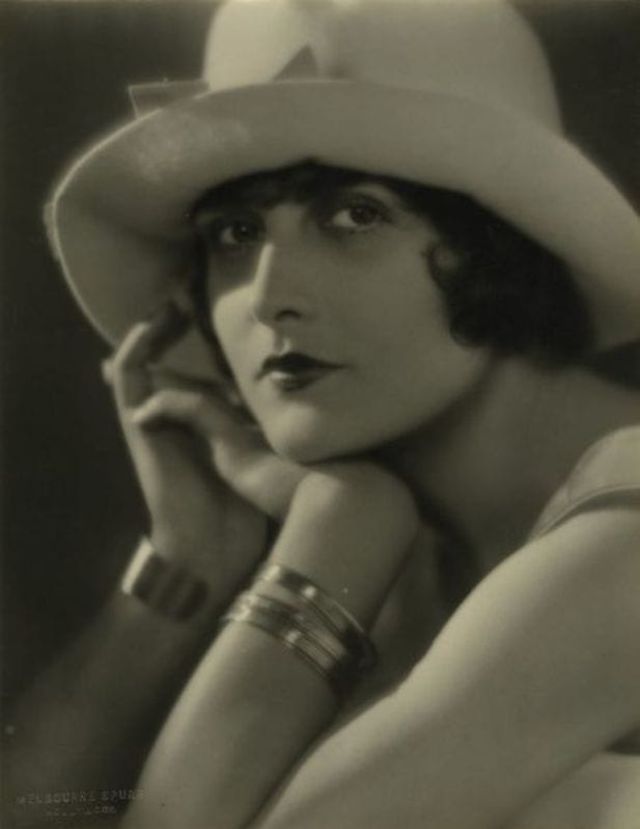
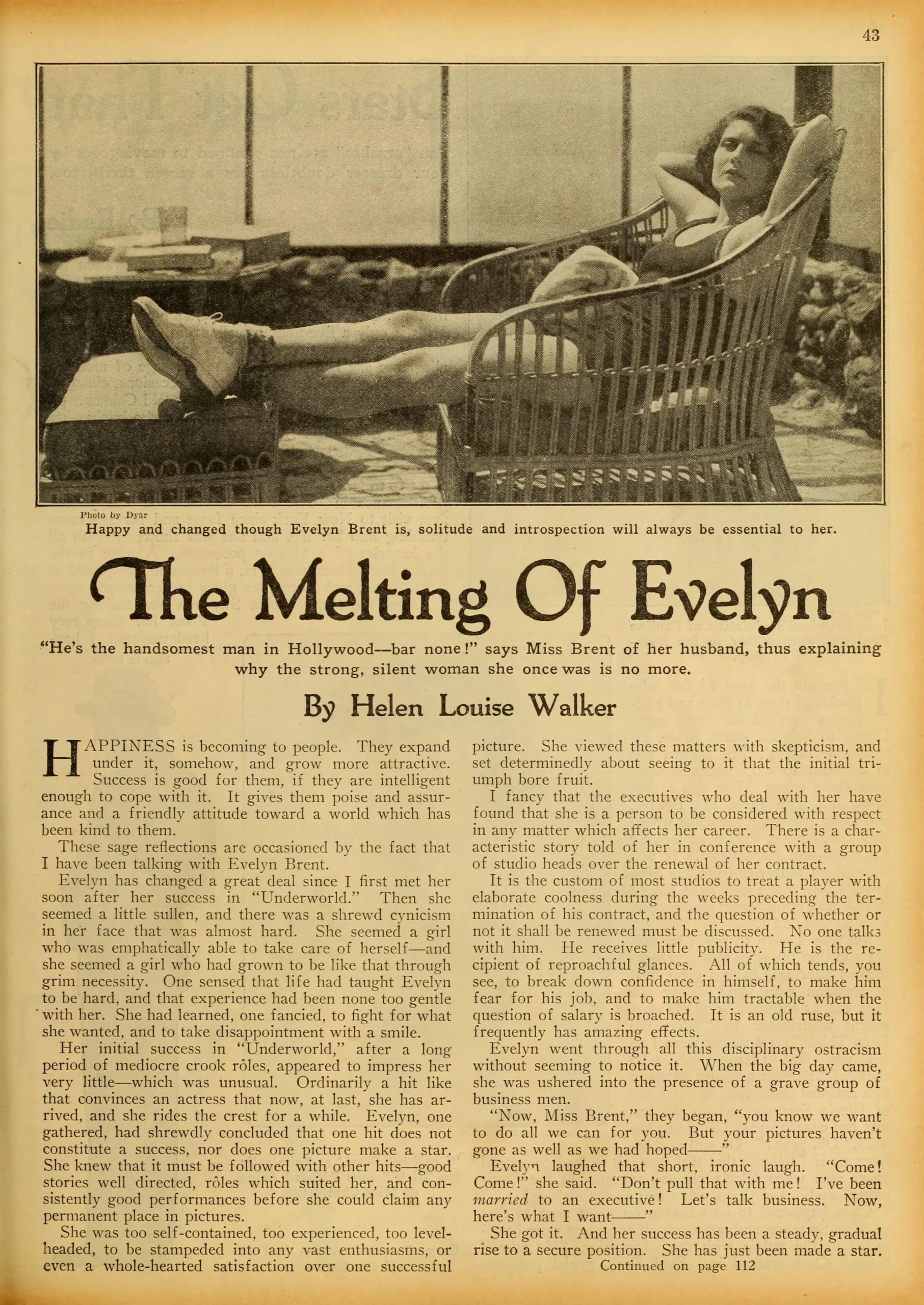
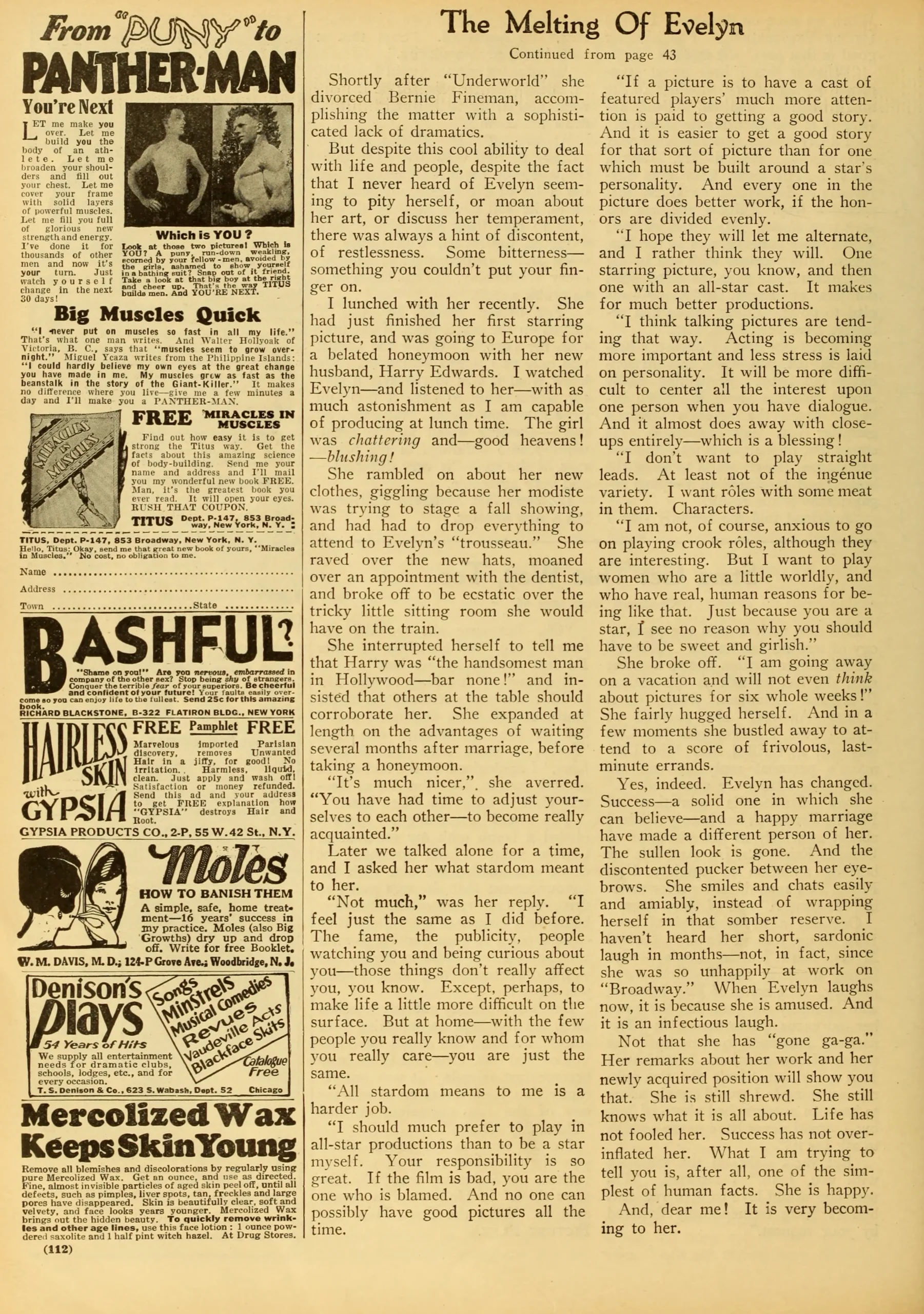
Mary Elizabeth Riggs (1895-1975)

Known as Evelyn Brent, she began her film career working as an extra under her birth name at New Jersey film studio Fort Lee Studios, appearing in films such as A Man from Mars, A Gentleman From Mississippi and Maurice Tourneur’s The Pit (1914), before her major debut in the 1915 silent film production of Robert W. Service’ poem “The Shooting of Dan McGrew” (1915).

Brent became a protégé of Olga Petrova who was an influence on Brent’s independent-minded attitude and preference for darker vampish movie roles. Brent appeared alongside Petrova in pioneering female filmmaker Alice Guy-Blaché’s The Heart of a Painted Woman (1915). Brent was first credited under her stage name Evelyn Brent in The Lure of Heart’s Desire (1916) for Metro Pictures in the role of Little Snowbird, alongside Edmund Breese.

1923 saw Brent’s career receive a major boost when she was chosen as one of the WAMPAS Baby Stars.

After a year-long contract that resulted mostly in minor westerns and melodramas, Evelyn signed with Film Booking Office (FBO), which immediately launched her as the “Queen of the Underworld” with a series of crook dramas including Silk Stocking Sal (1924), Midnight Molly (1925), Alias Mary Flynn (1925), Smooth as Satin (1925), Lady Robinhood (1925), and Queen o’Diamonds (1925).

By the early part of the 1930s, she was working in secondary roles in a variety of films as well as touring with vaudeville shows. In 1936, she played William Boyd’s love interest/femme fatale in Hopalong Cassidy Returns (1936). However, by 1941, she was no longer in demand by major studios, and she found work at smaller, low-budget studios.

Evelyn Brent photographed attractively with leading men who were at advanced ages and later stages in their careers: Jack Holt in the Columbia serial Holt of the Secret Service (1941), Neil Hamilton in PRC’s production Dangerous Lady (1941), and Lee Tracy in the same studio’s The Payoff (1942). In the early 1940s, she was cast in many productions, including Emergency Landing (1941), Bowery Champs (1944), The Golden Eye (1948), and Again Pioneers (1950). After performing in more than 120 films, she retired from acting in 1950 and worked for a number of years as an actor’s agent. She returned to acting in television’s Wagon Train (1960) S3 E14 “The Lita Foladaire Story”

She passed away in 1975 from a heart attack, aged 79
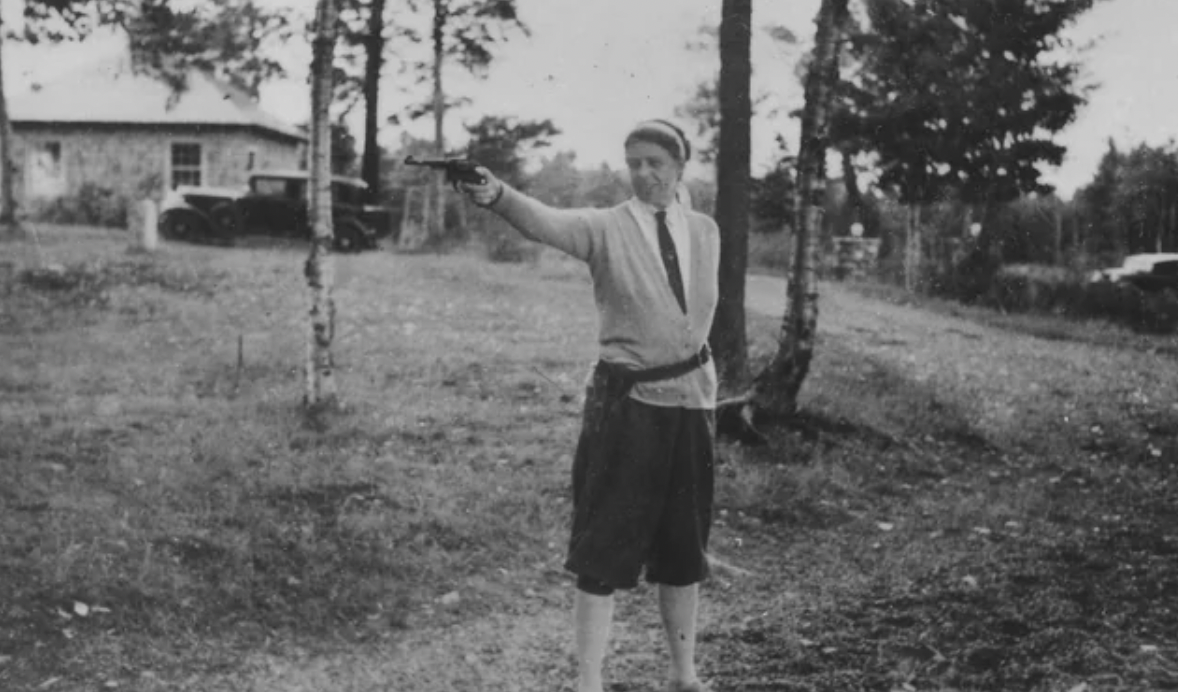
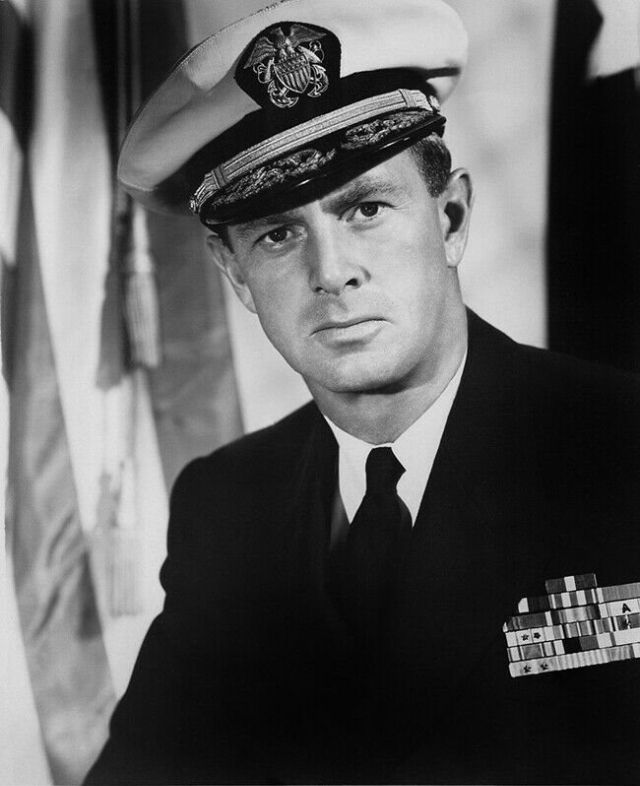
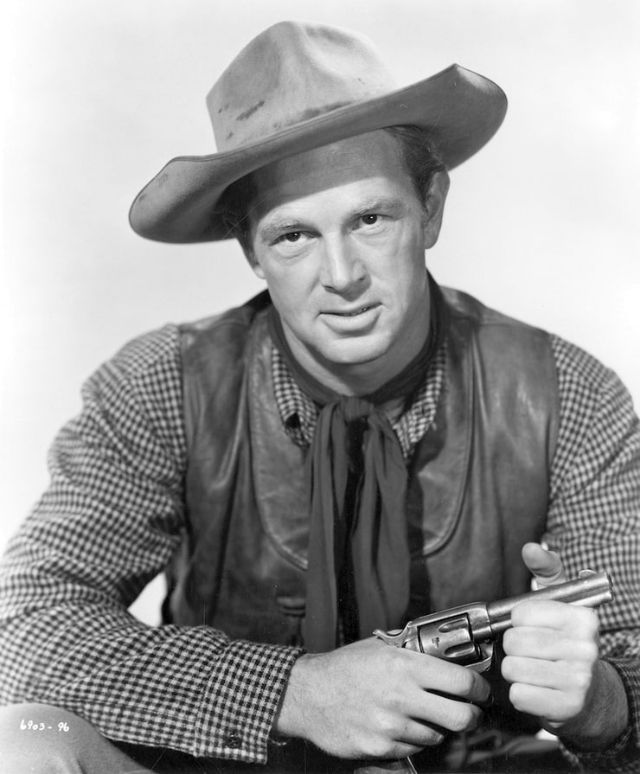
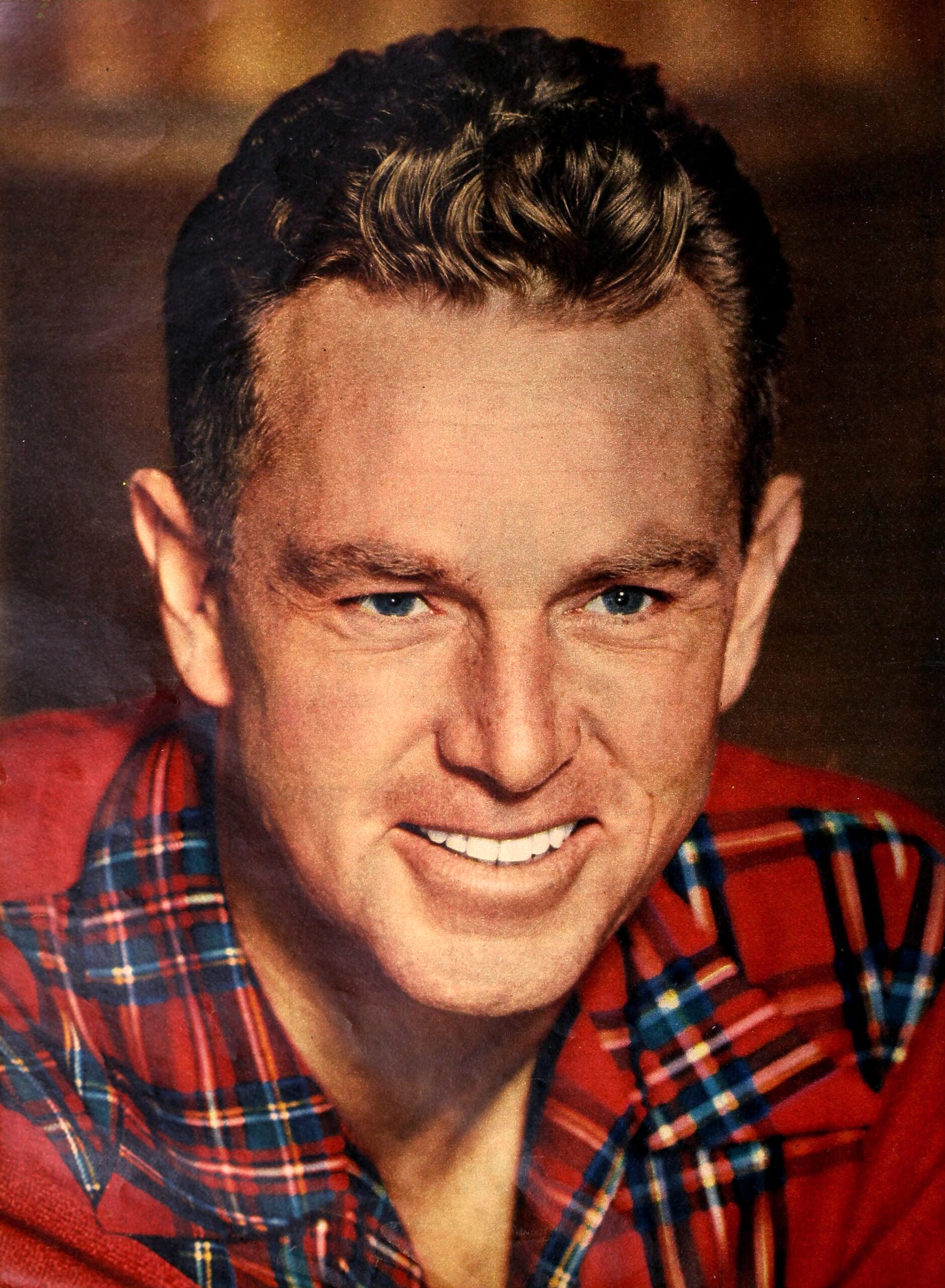
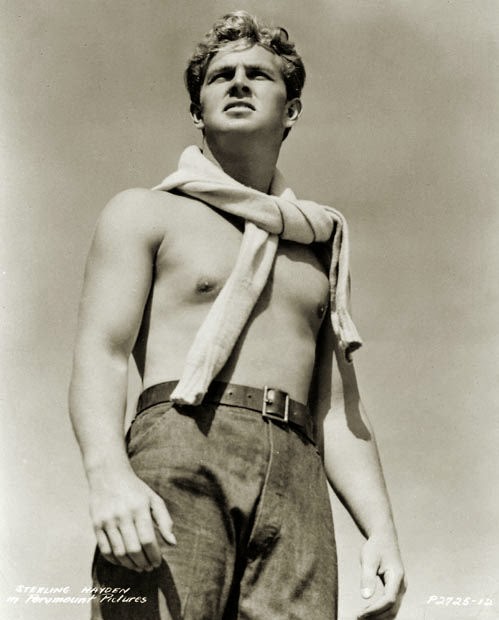
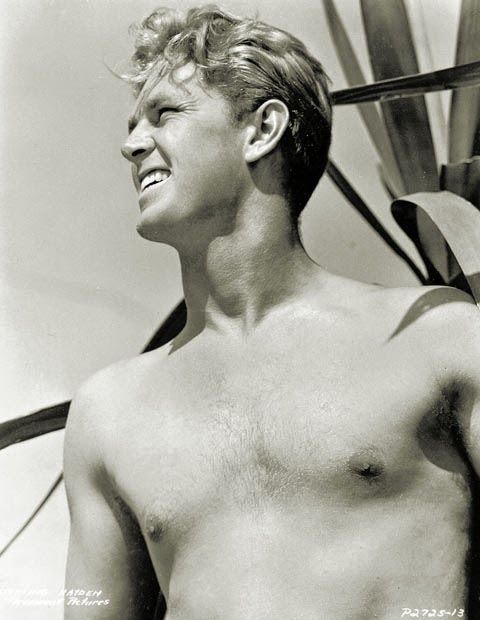
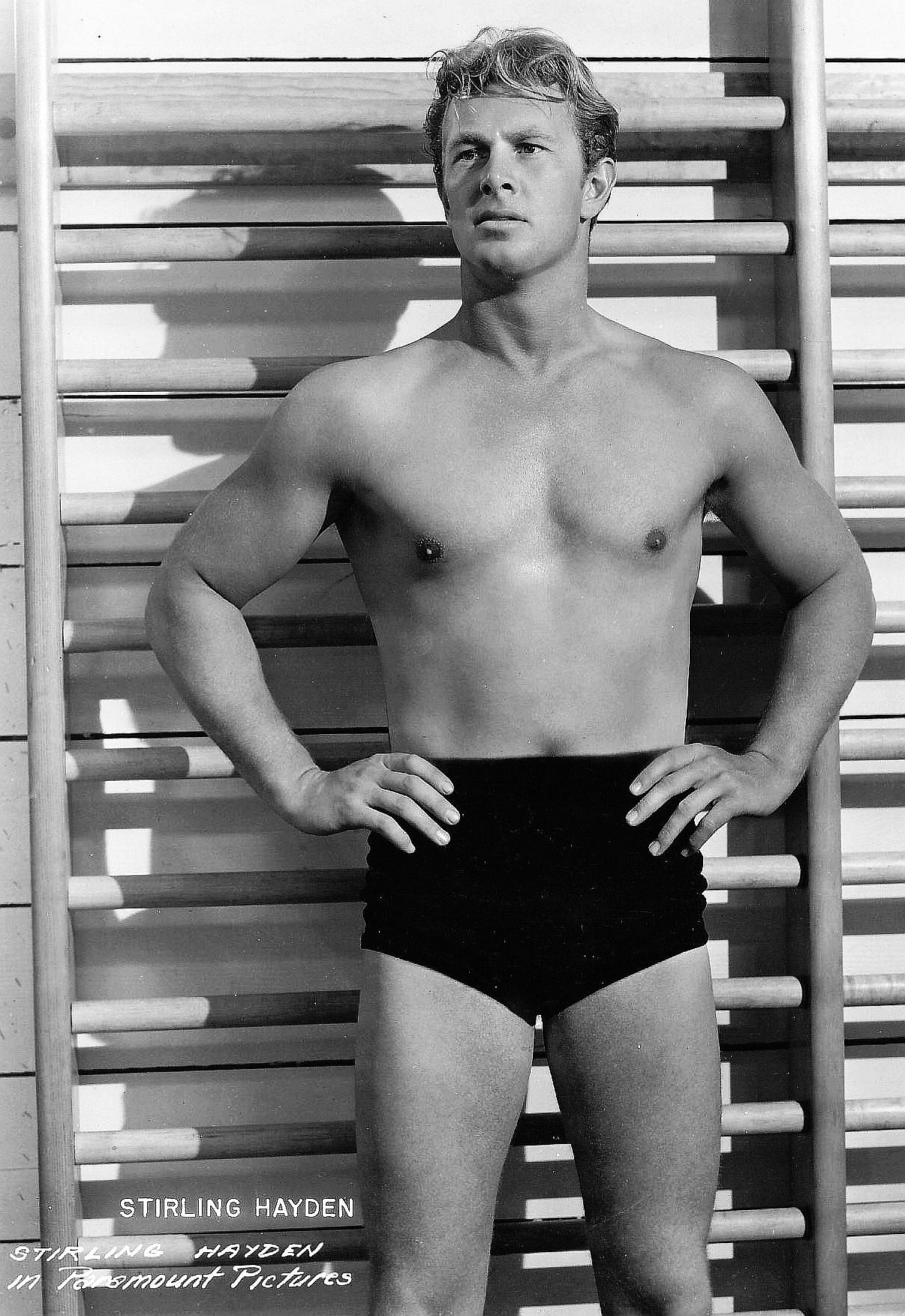
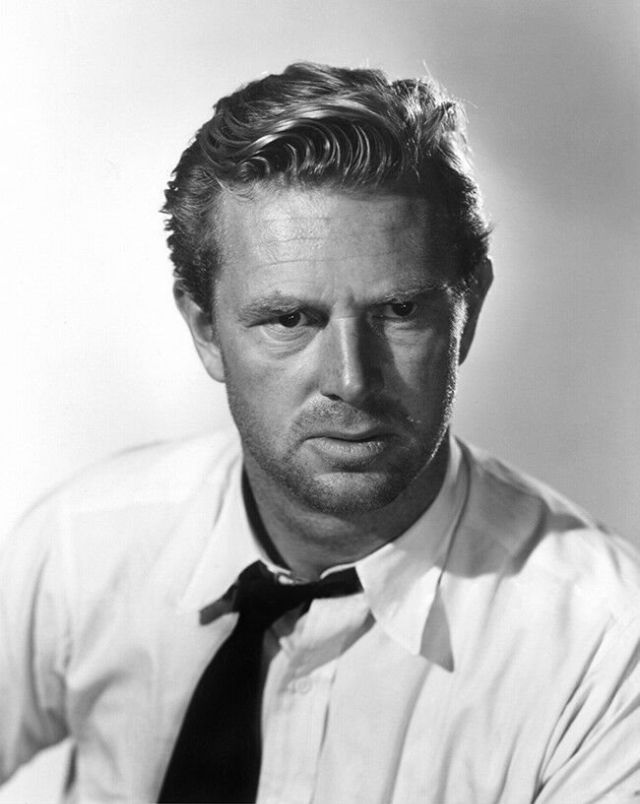
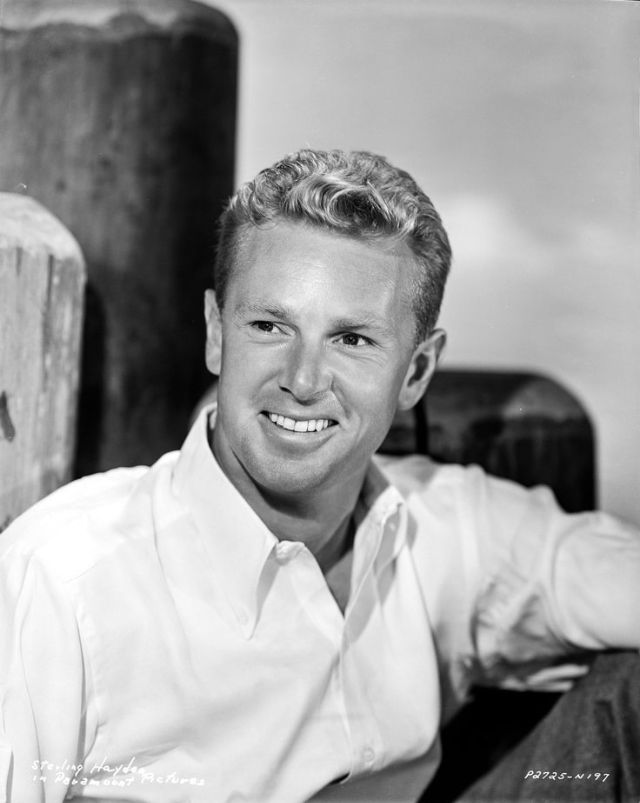
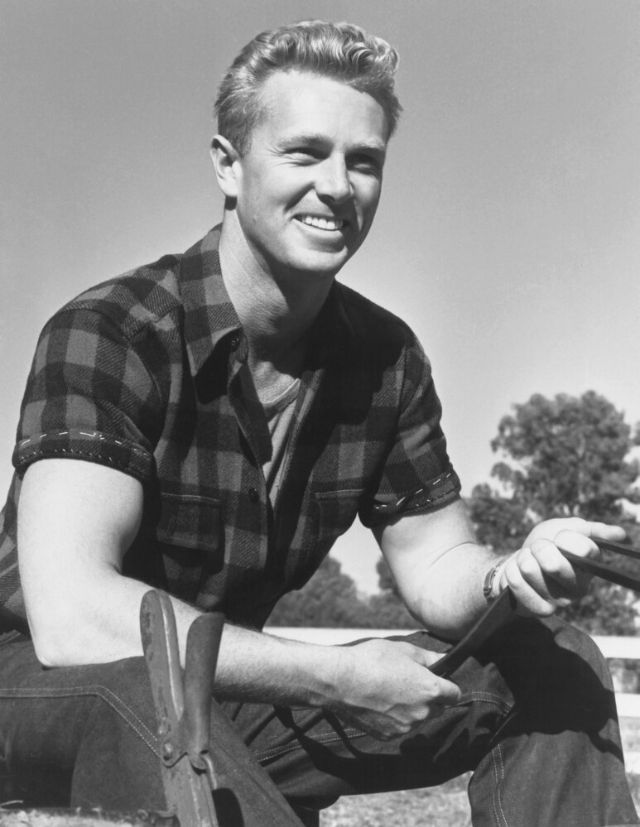
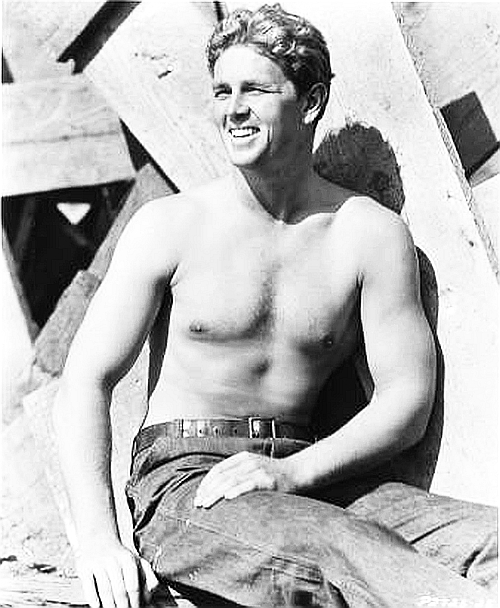
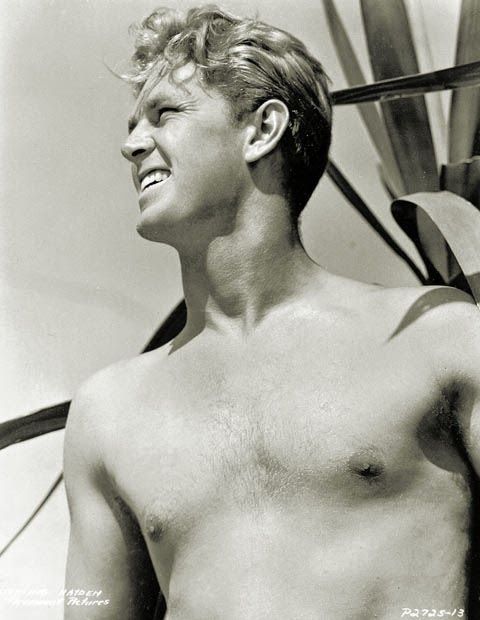
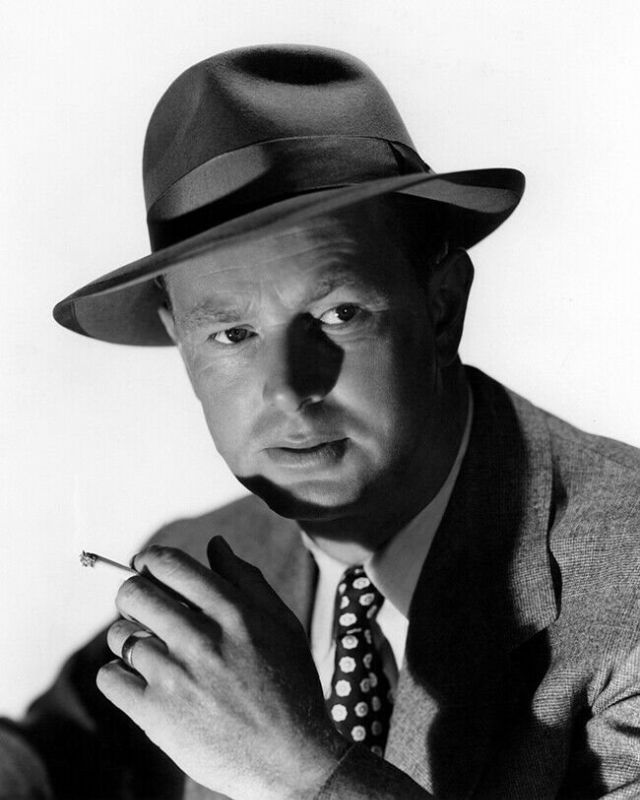
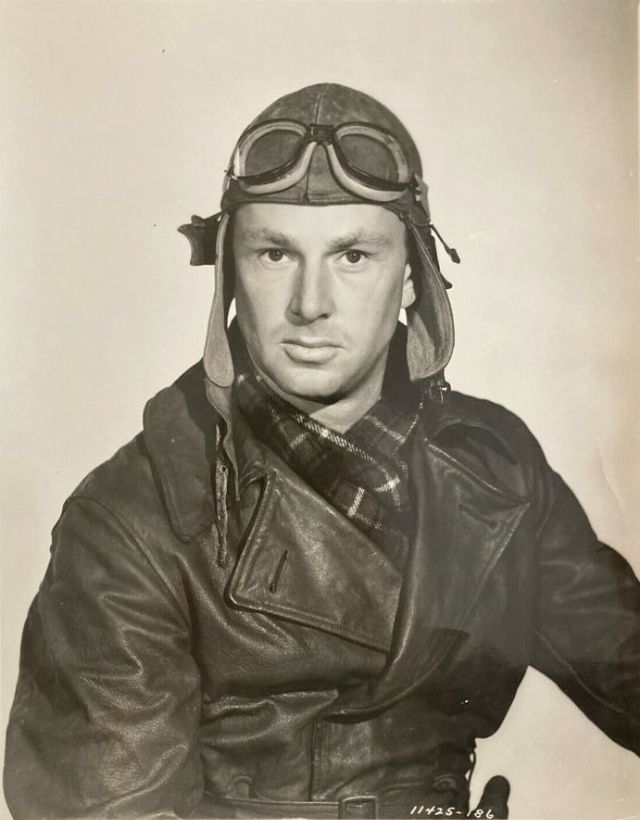
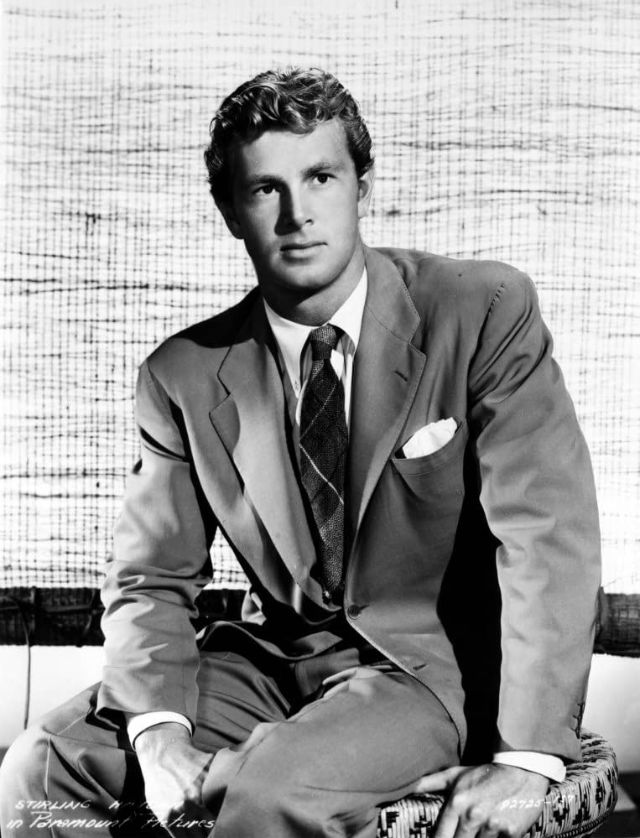
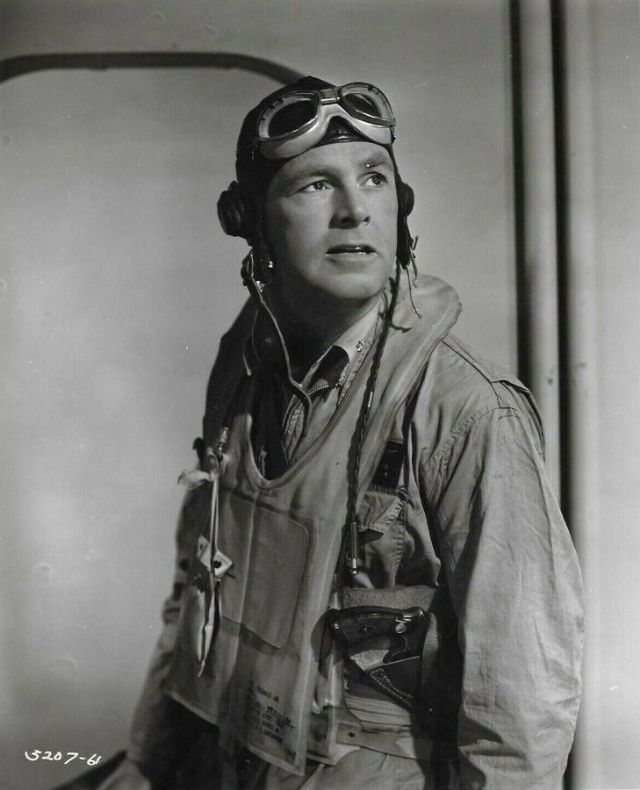
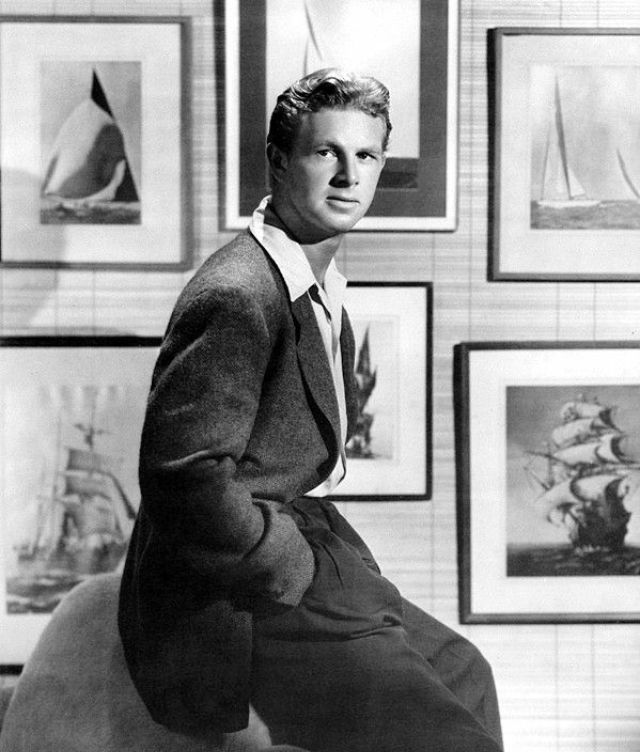
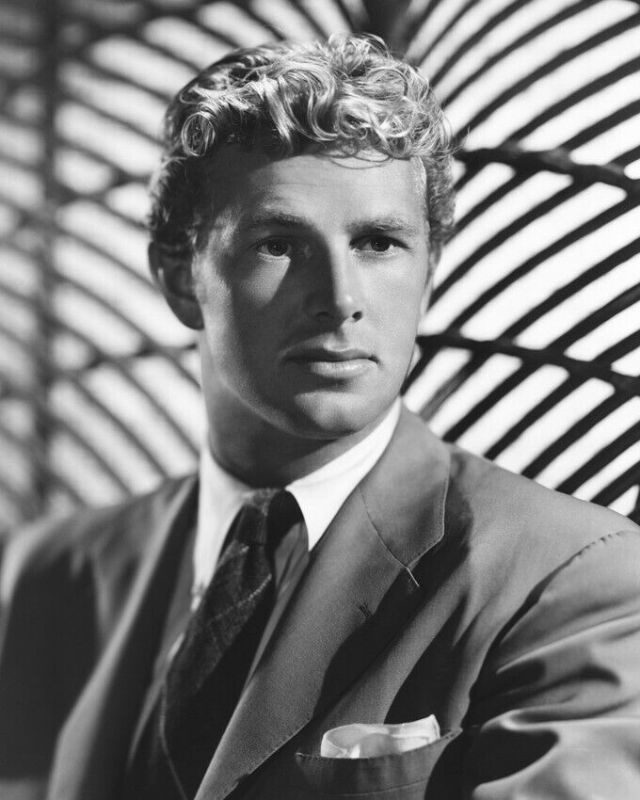
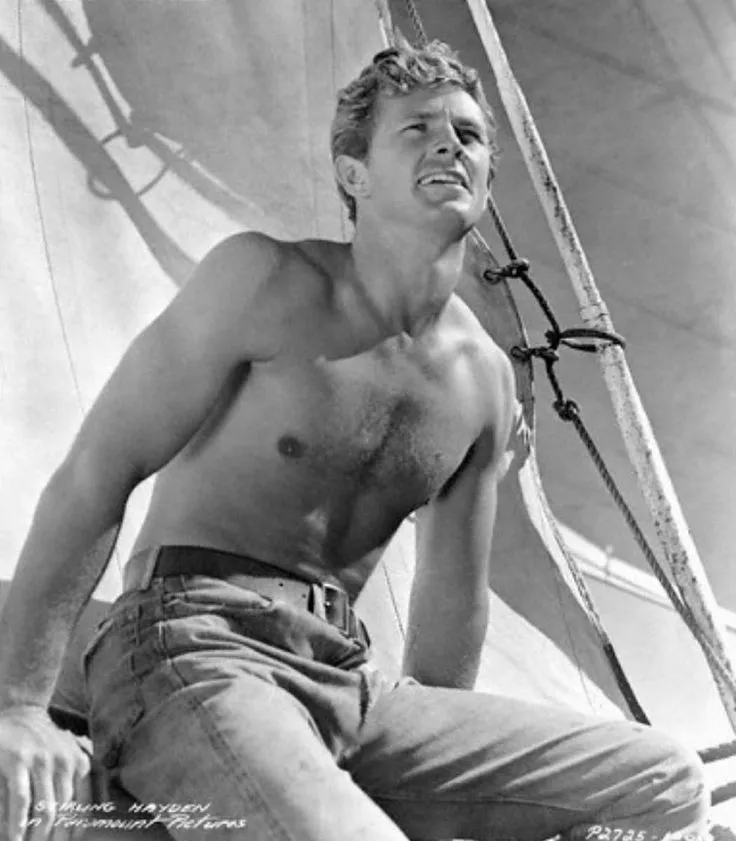
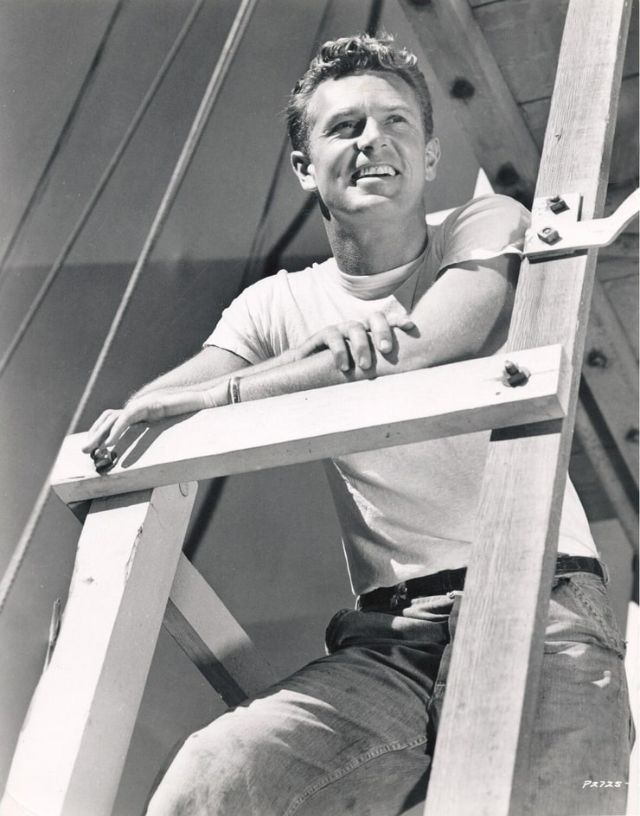
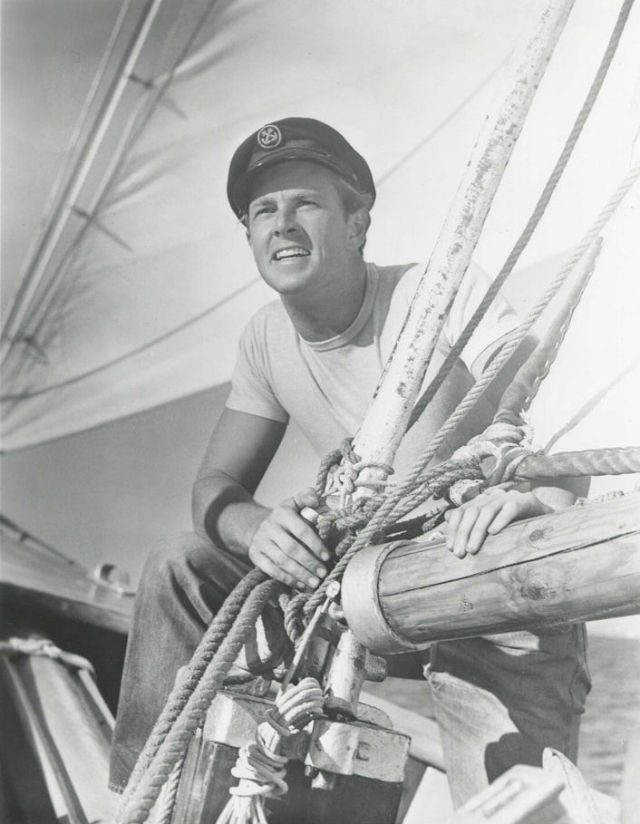
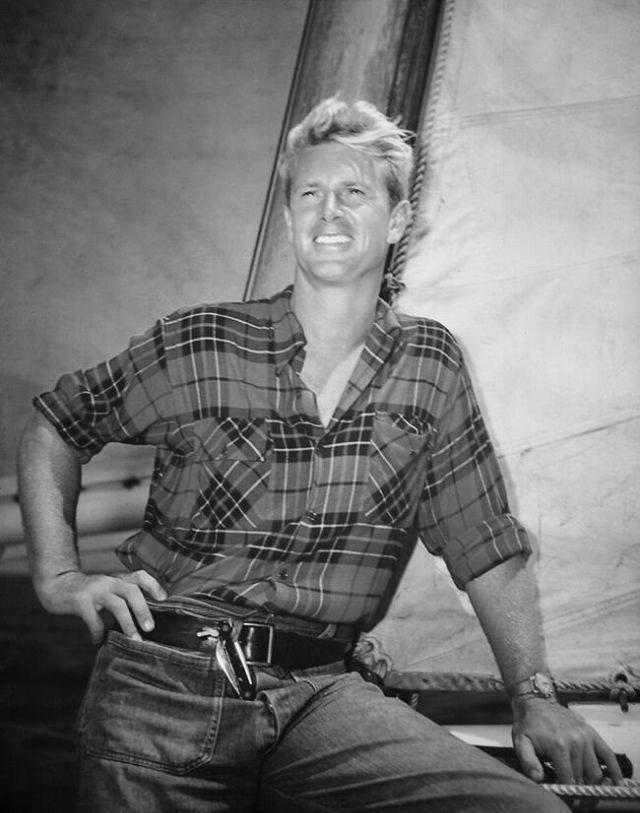
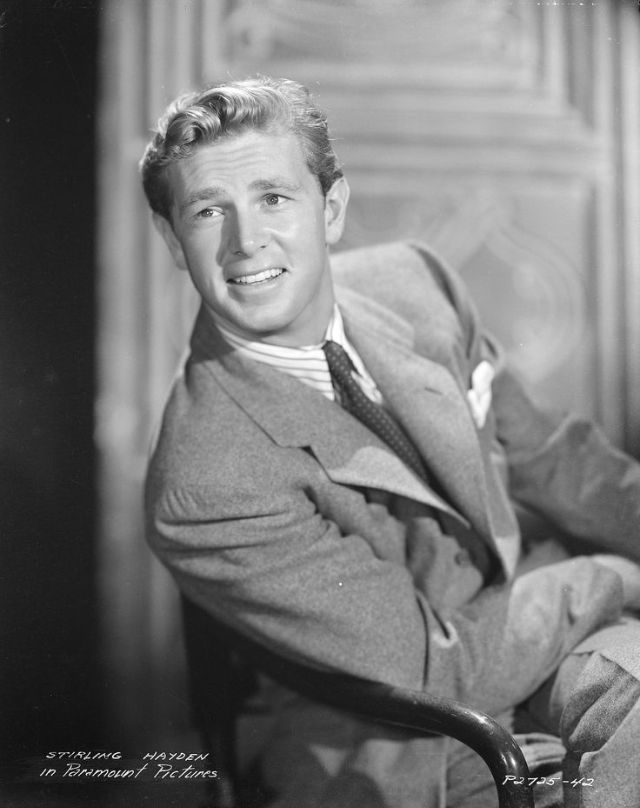
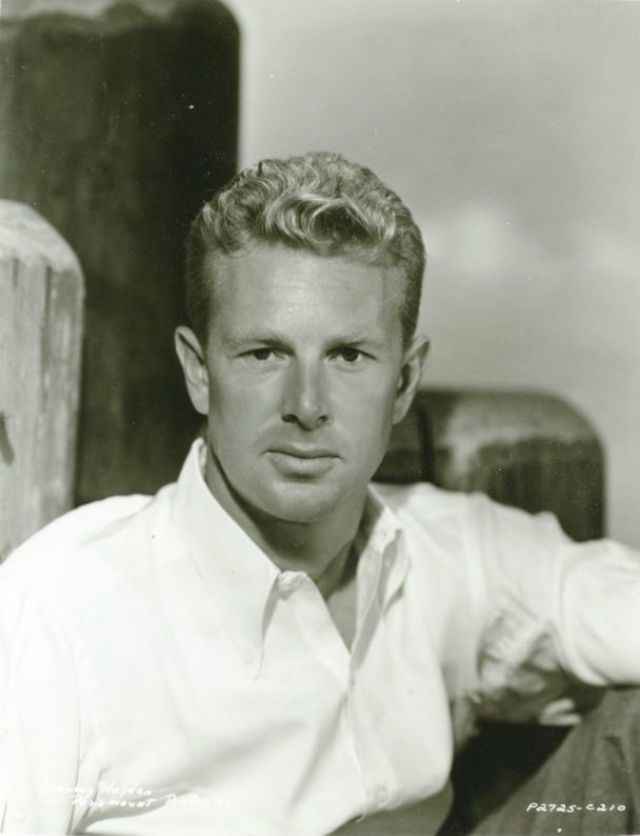
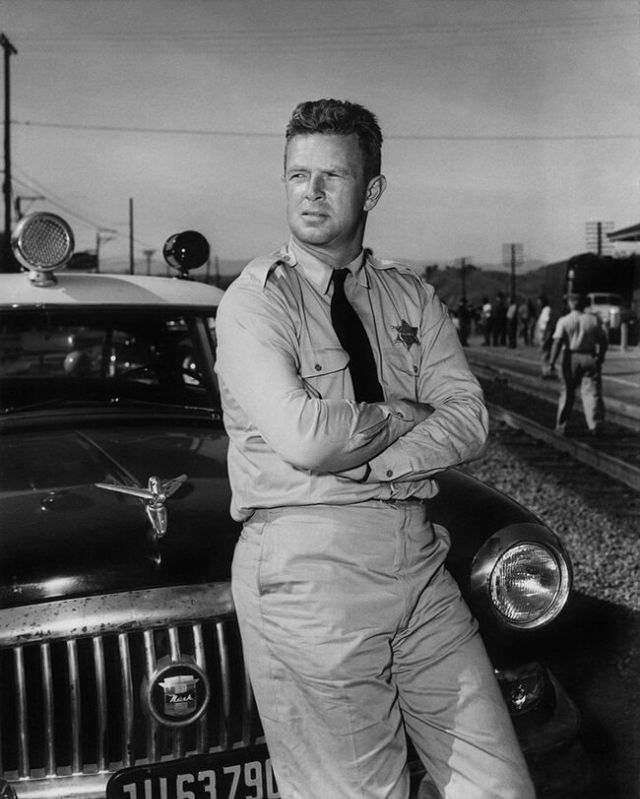
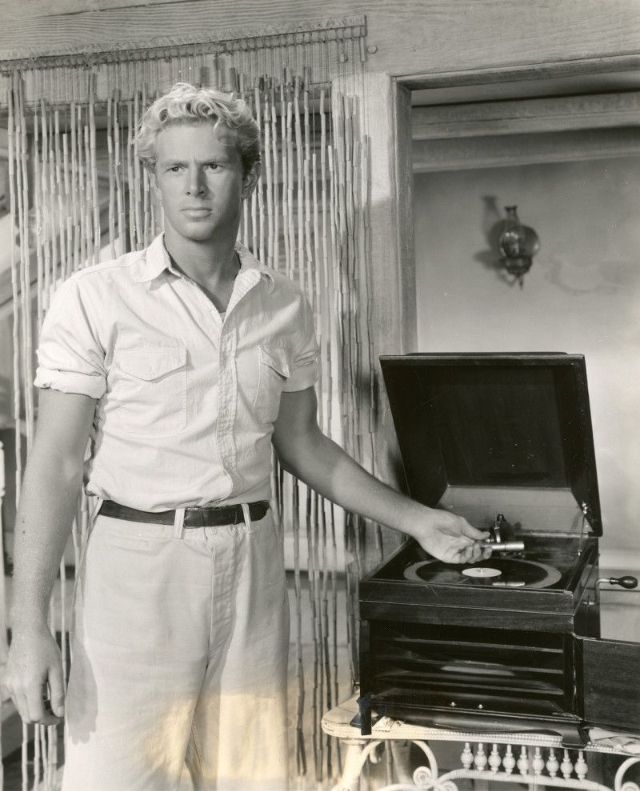
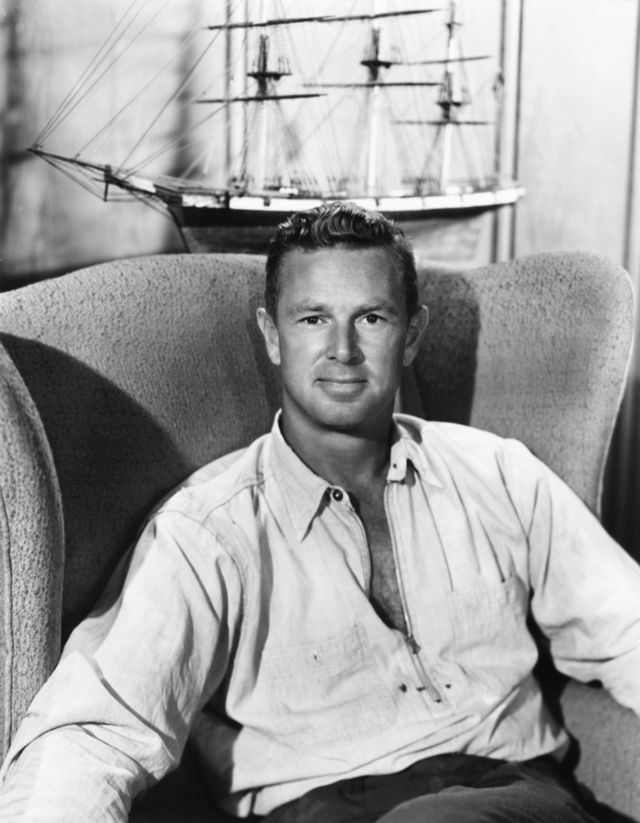
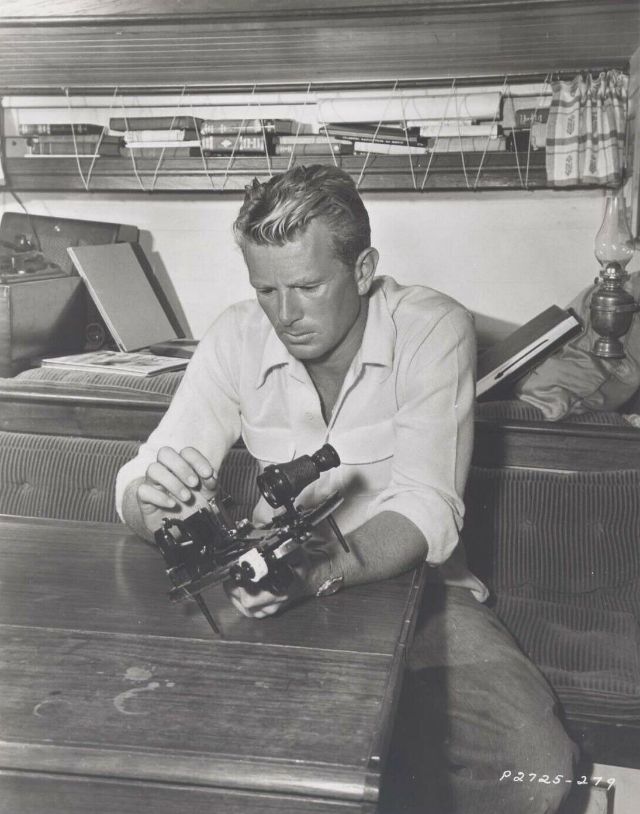
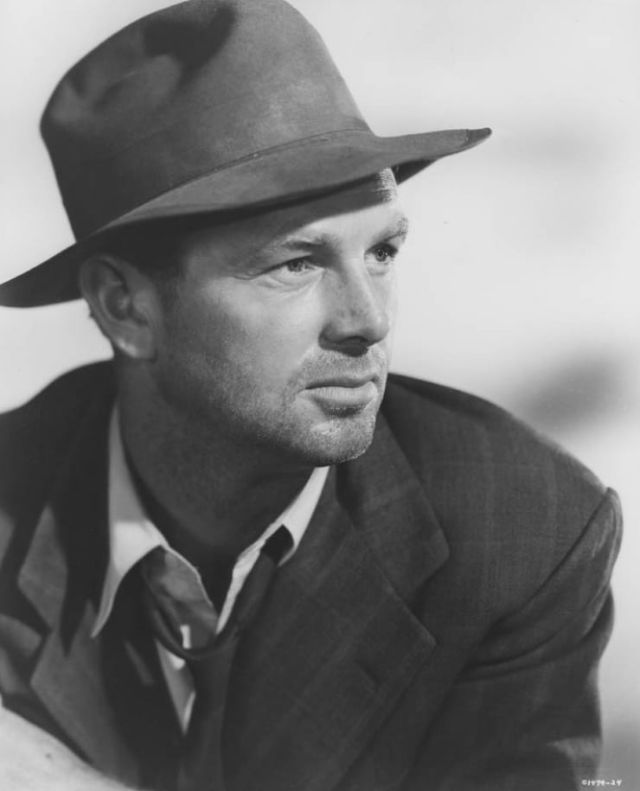
Sterling Walter Hayden (1916-1986)

Born Sterling Relyea Walter, and a leading man for most of his career, he specialized in Westerns and film noir throughout the 1950s, in films such as John Huston’s The Asphalt Jungle (1950), Nicholas Ray’s Johnny Guitar (1954), and Stanley Kubrick’s The Killing (1956). In the 1960s, he became noted for supporting roles, perhaps most memorably as General Jack D. Ripper in Kubrick’s Dr. Strangelove or: How I Learned to Stop Worrying and Love the Bomb (1964).

Hayden’s success continued into the New Hollywood era, with roles such as Irish-American policeman Captain McCluskey in Francis Ford Coppola’s The Godfather (1972), alcoholic novelist Roger Wade in Robert Altman’s The Long Goodbye (1973), elderly peasant Leo Dalcò in Bernardo Bertolucci’s 1900 (1976), and chairman of the board Russell Tinsworthy in 9 to 5 (1980). With a distinctive “rapid-fire baritone” voice and an imposing stature at 6 ft 5 in he had a commanding screen presence in both leading and supporting roles.

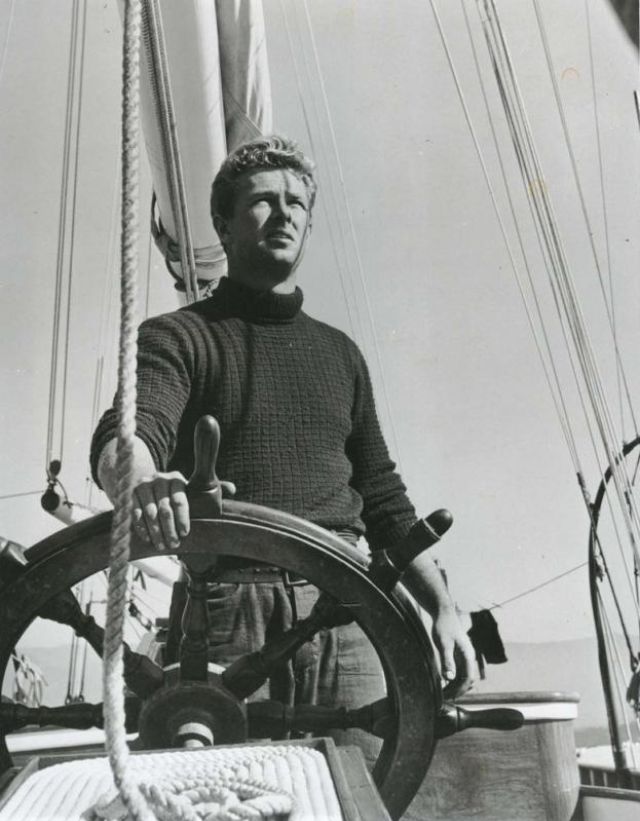
Over his early career Hayden often professed a distaste for acting and used his earnings to finance his numerous voyages as a sailor. He was also a decorated Marine Corps officer and an Office of Strategic Services agent during World War II. Admiration for the Communist partisans he had fought alongside led him into a brief membership in the Communist Party (CPUSA) from June to December 1946. In one of his CPUSA assignments, he supported an effort by the Communist-controlled motion picture painters union to absorb other film industry unions. In September 1947, the House Committee on Un-American Activities (HUAC) subpoenaed ten screenwriters and directors (known later as the “Hollywood Ten”) as part of an investigation into “subversive” elements in the film industry.

A large group of movie luminaries, including Hayden, formed the Committee for the First Amendment to protest what they perceived as political harassment. In the next few years, as the Second Red Scare gripped the U.S., the HUAC expanded its probe to include all entertainment industry professionals with suspected links, past or present, to the CPUSA. Consequently, Hayden became a target. The actor agreed to become a “friendly witness” and “name names”, later saying “the FBI made it very clear to me that, if I became an ‘unfriendly witness’, I could damn well forget the custody of my children. I didn’t want to go to jail, that was the other thing.” The HUAC subpoenaed Hayden in late March 1951. On April 10, he testified before the Committee in Washington, D.C. that joining the Party was “the stupidest and most ignorant thing I have ever done in my life”. Because of his cooperative testimony, Hayden was “cleared” by the HUAC and avoided the Hollywood blacklist.

An ardent traveler, with a passion for sailing, Hayden wrote two acclaimed books: an autobiography, Wanderer (1963), and a novel, Voyage (1976). He said they made him “a lot of money” but he lost most of it to taxes. In 1983, he appeared in a documentary of his life, Pharos of Chaos.

Hayden died of prostate cancer in 1986, age 70

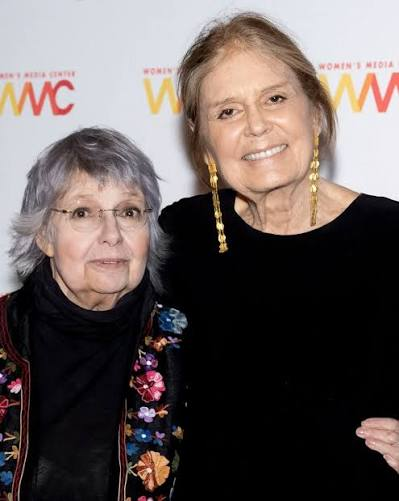
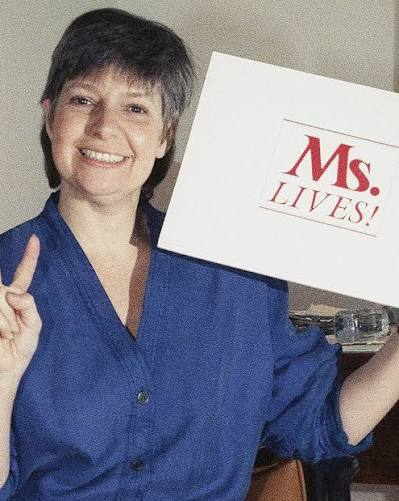
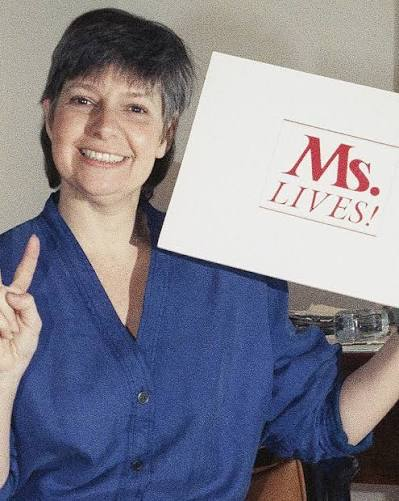
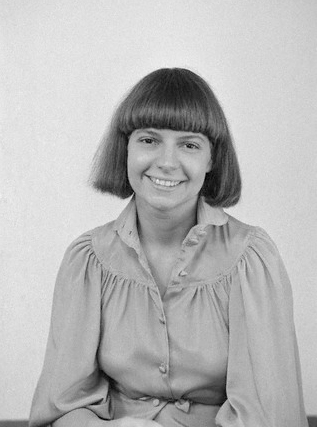
We also lost Robin Morgan this week

(January 29, 1941 – September 5, 2026) was an American poet, writer, activist, journalist, lecturer and onetime child actor. From the early 1960s on, she had been a key radical feminist member of the American Women’s Movement, and a leader in the international feminist movement. Her 1970 anthology Sisterhood Is Powerful was cited by the New York Public Library as “One of the 100 Most Influential Books of the 20th Century”. She wrote more than 20 books of poetry, fiction, and nonfiction, and was the editor of Ms. magazine.

During the 1960s, Morgan participated in the civil rights and anti-Vietnam War movements; in the late 1960s, she was a founding member of radical feminist organizations such as New York Radical Women and W.I.T.C.H. She founded or co-founded the Feminist Women’s Health Network, the National Battered Women’s Refuge Network, Media Women, the National Network of Rape Crisis Centers, the Feminist Writers’ Guild, the Women’s Foreign Policy Council, the National Museum of Women in the Arts, the Sisterhood Is Global Institute, GlobalSister.org, and Greenstone Women’s Radio Network. She also co-founded the Women’s Media Center with activist Gloria Steinem and actor/activist Jane Fonda. In 2018, she was listed as one of BBC’s 100 Women.

At the age of five she got her own radio program, titled Little Robin Morgan, on the New York radio station WOR. She was also a regular on the original network radio version of Juvenile Jury. Her acting career took off when she was eight and started in the TV series Mama, as Dagmar Hansen, the younger sister in the family depicted in the series. The show premiered on CBS in 1949, starring Peggy Wood, and was a great success. Morgan played Cecchina Cabrini in Citizen Saint (1947).

During the Golden Age of Television, Morgan starred in such “TV spectaculars” as Kiss and Tell and Alice in Wonderland, and guest starred on such live dramas as Omnibus, Suspense, Danger, Hallmark Hall of Fame, Robert Montgomery Presents, Tales of Tomorrow, and Kraft Theatre. She worked with directors such as Sidney Lumet, John Frankenheimer, Ralph Nelson; writers such as Paddy Chayefsky and Rod Serling; and performed with actors such as Boris Karloff, Rosalind Russell, Bill “Bojangles” Robinson, and Cliff Robertson.

Having wanted to write rather than to act since she was four, Morgan fought her mother’s efforts to keep her in show business, and left the cast of Mama at age 14. Over the years Morgan’s articles, essays, reviews, interviews, political analyses, and investigative journalism have appeared in publications worldwide. She is also an accomplished author, having published 21 books, including works of poetry, fiction, and the now-classic anthologies Sisterhood Is Powerful, Sisterhood Is Global, and Sisterhood Is Forever. Well before she was known as a feminist leader, literary magazines published her as a serious poet. She passed away yesterday at the age of 85.

Following her death, The New York Times noted Morgan as the “face of radical feminism” whose works helped build the “institutions of the modern feminist movement”. The Associated Press mentioned how Morgan “embodied and inspired historic changes in how women lived and thought”. She was also regarded as the architect of the modern women’s movement.