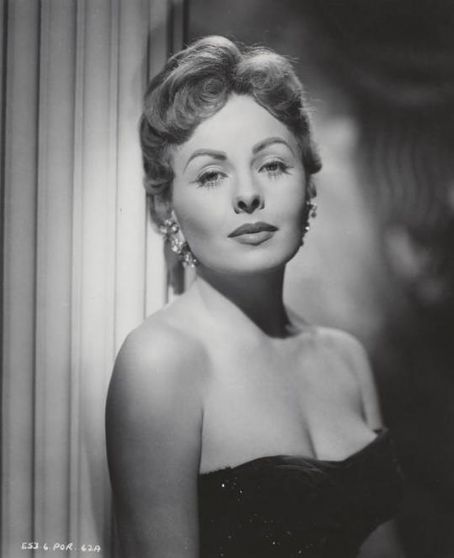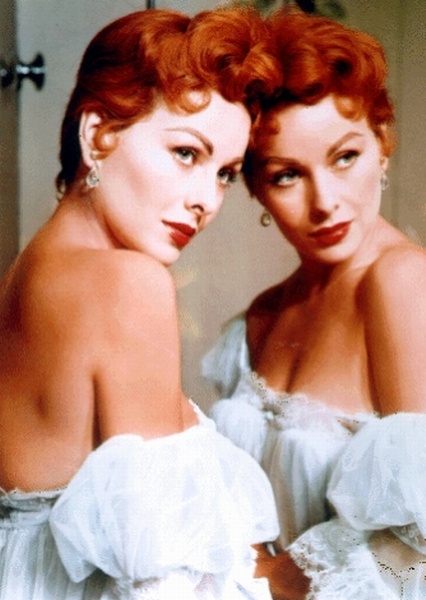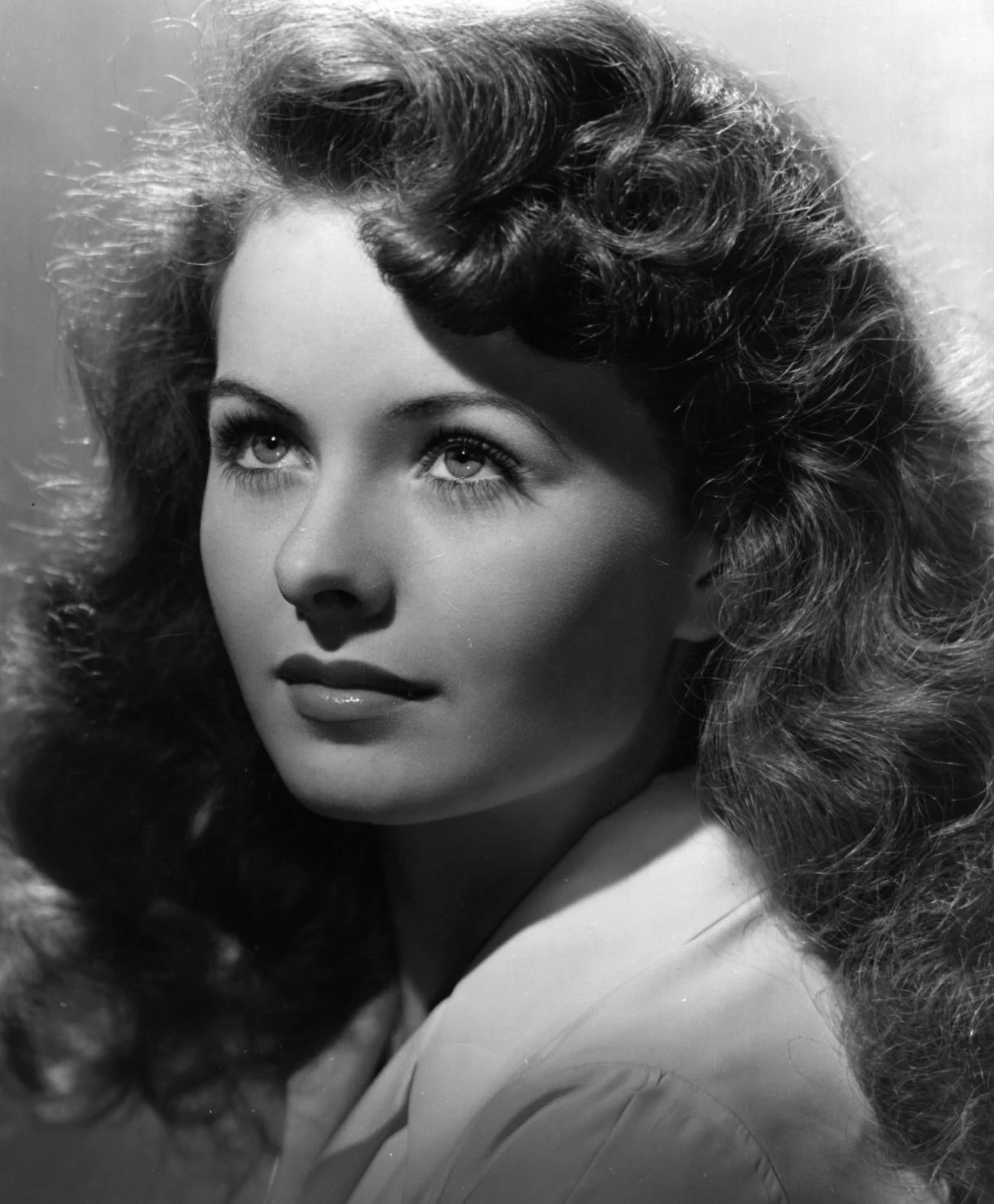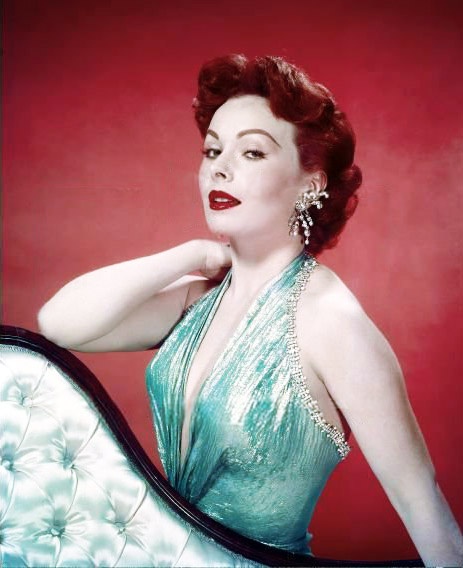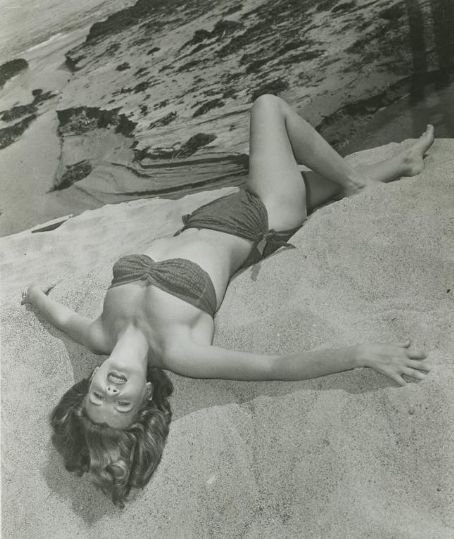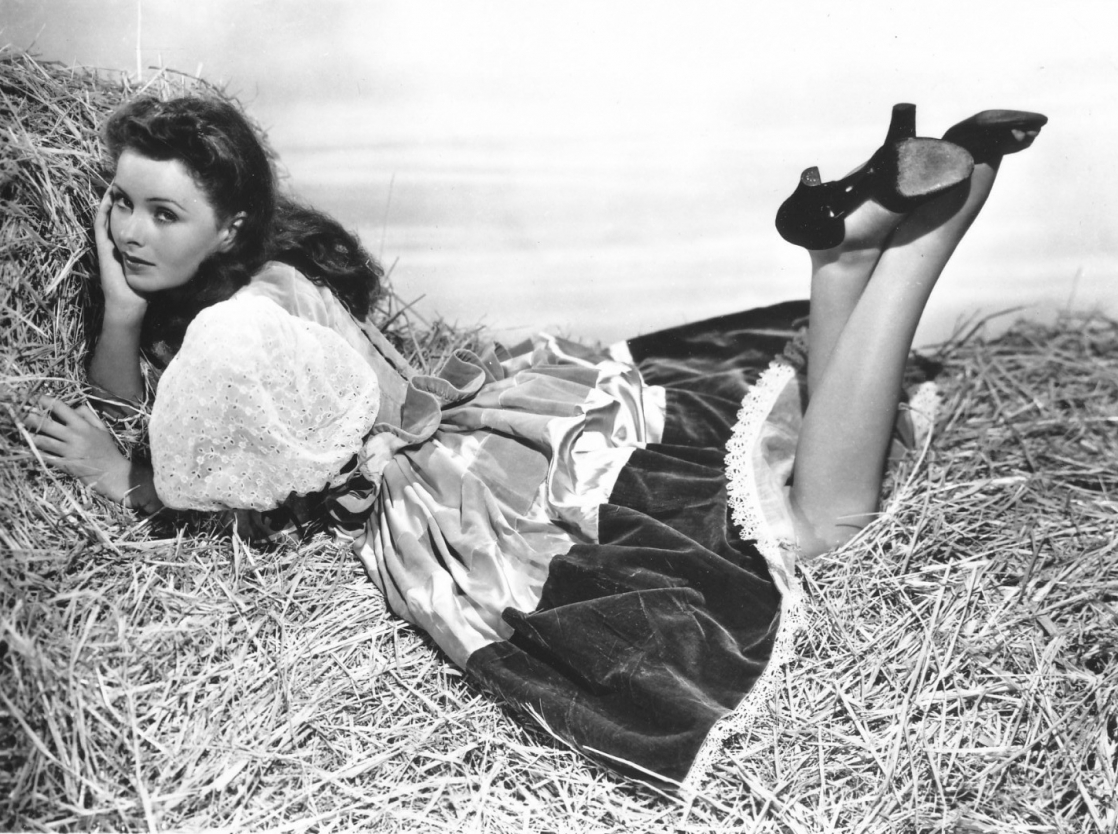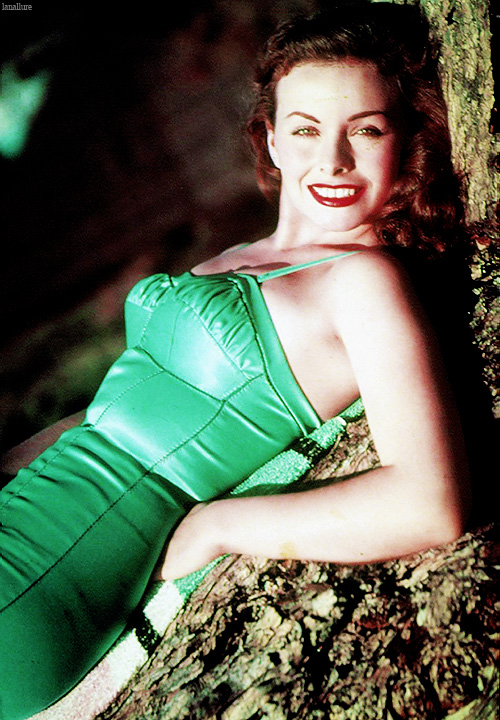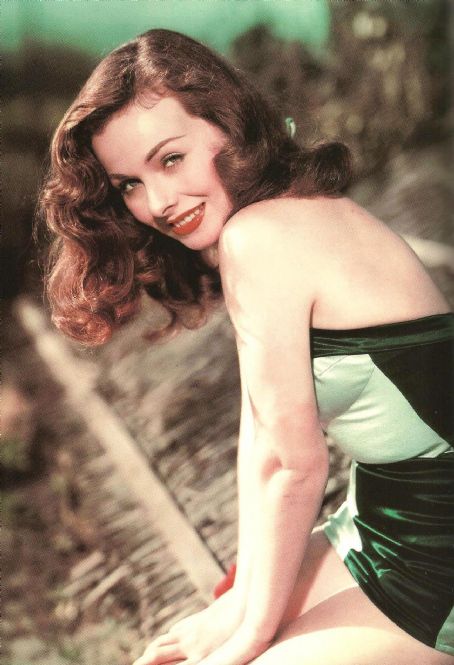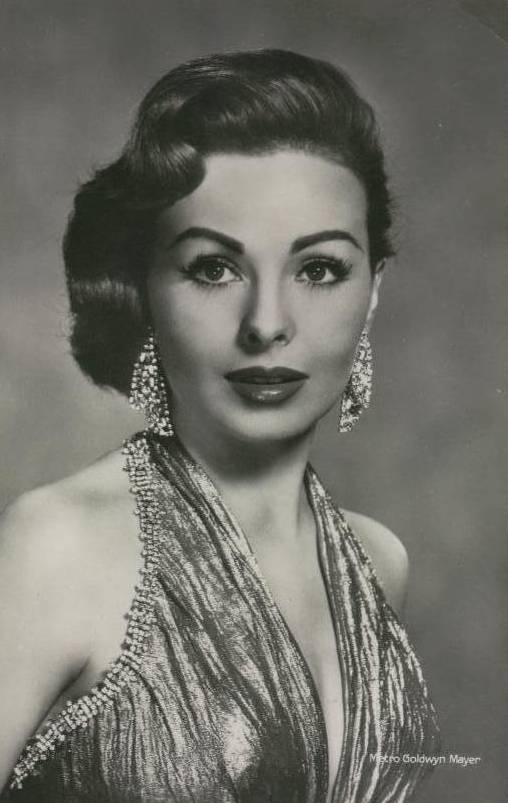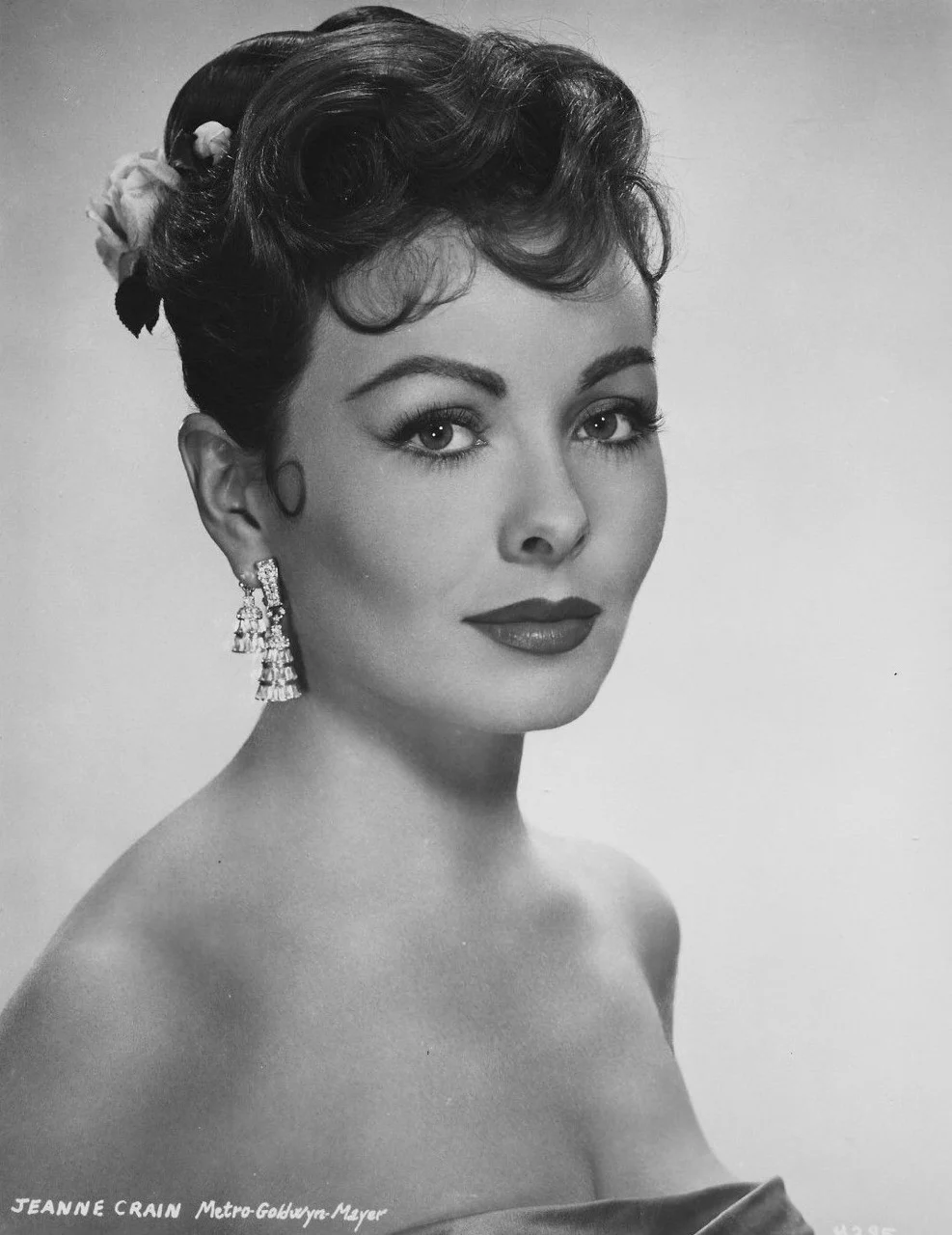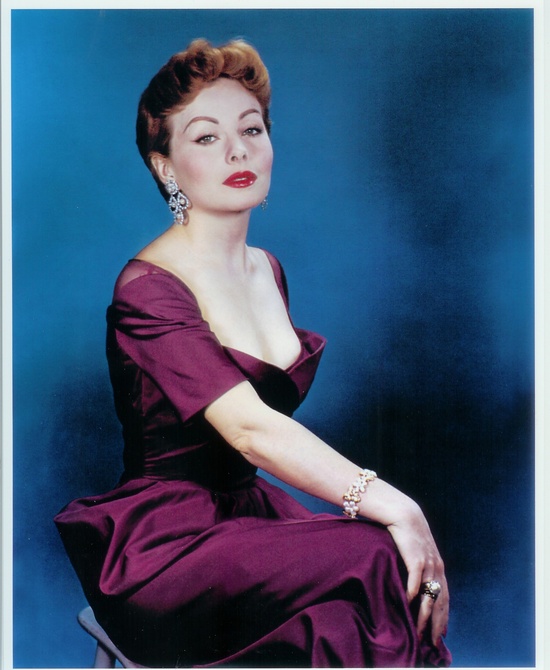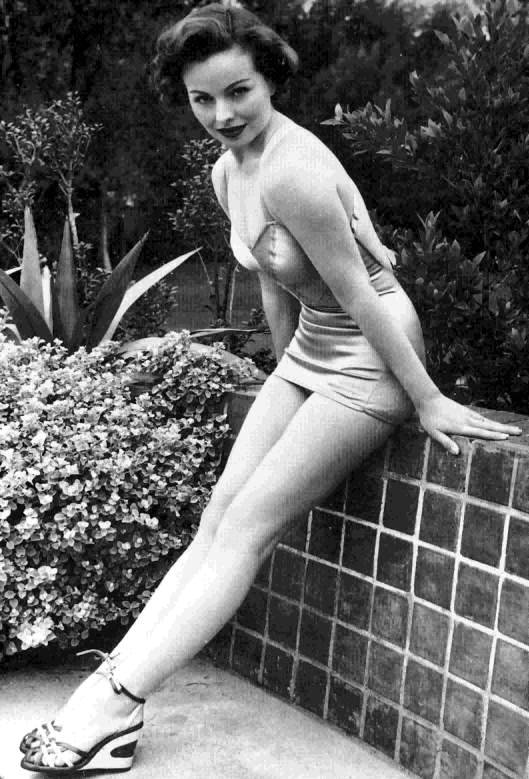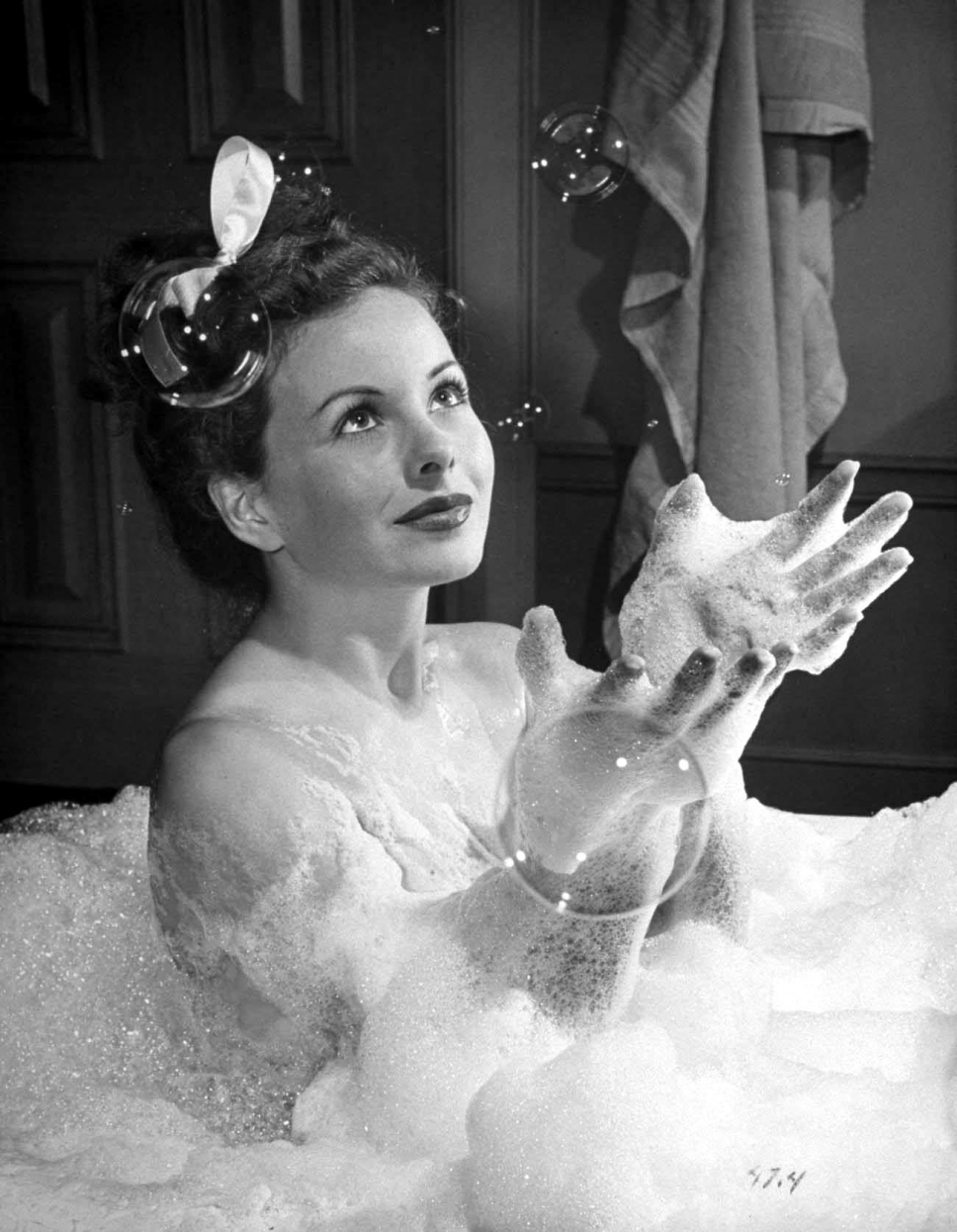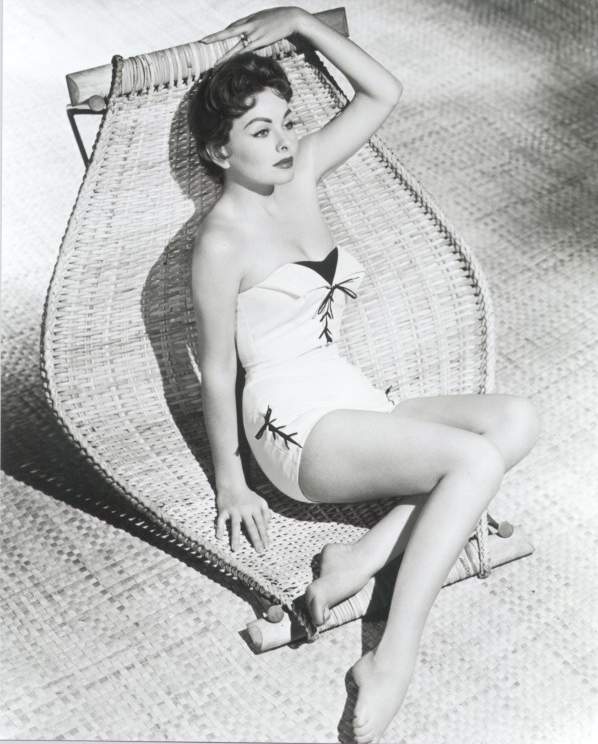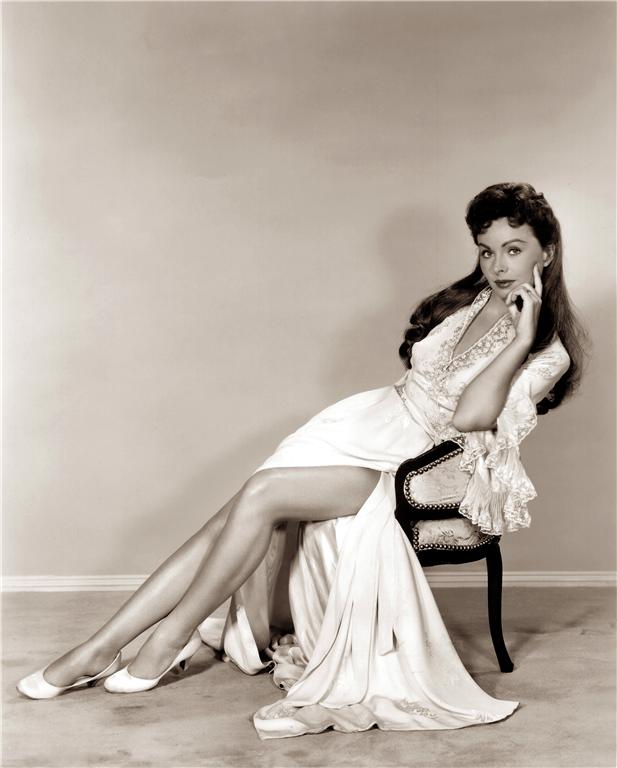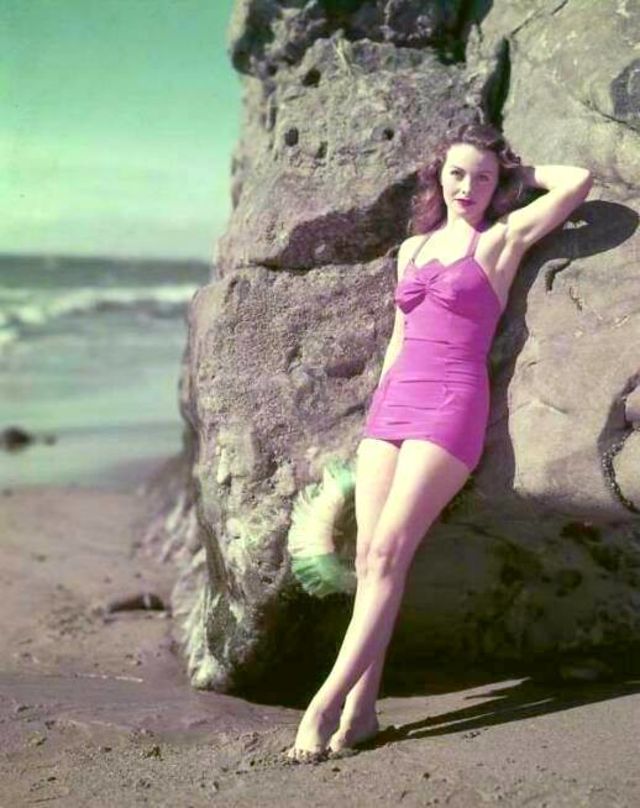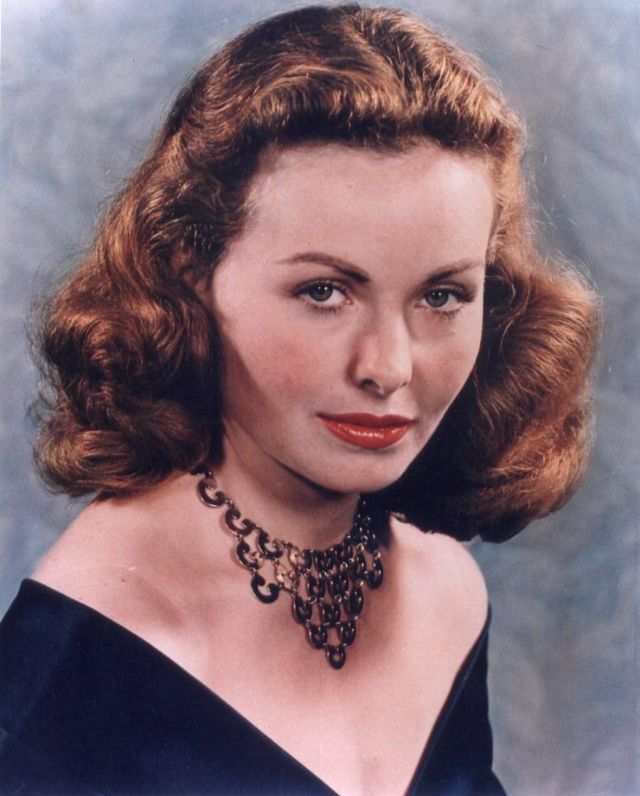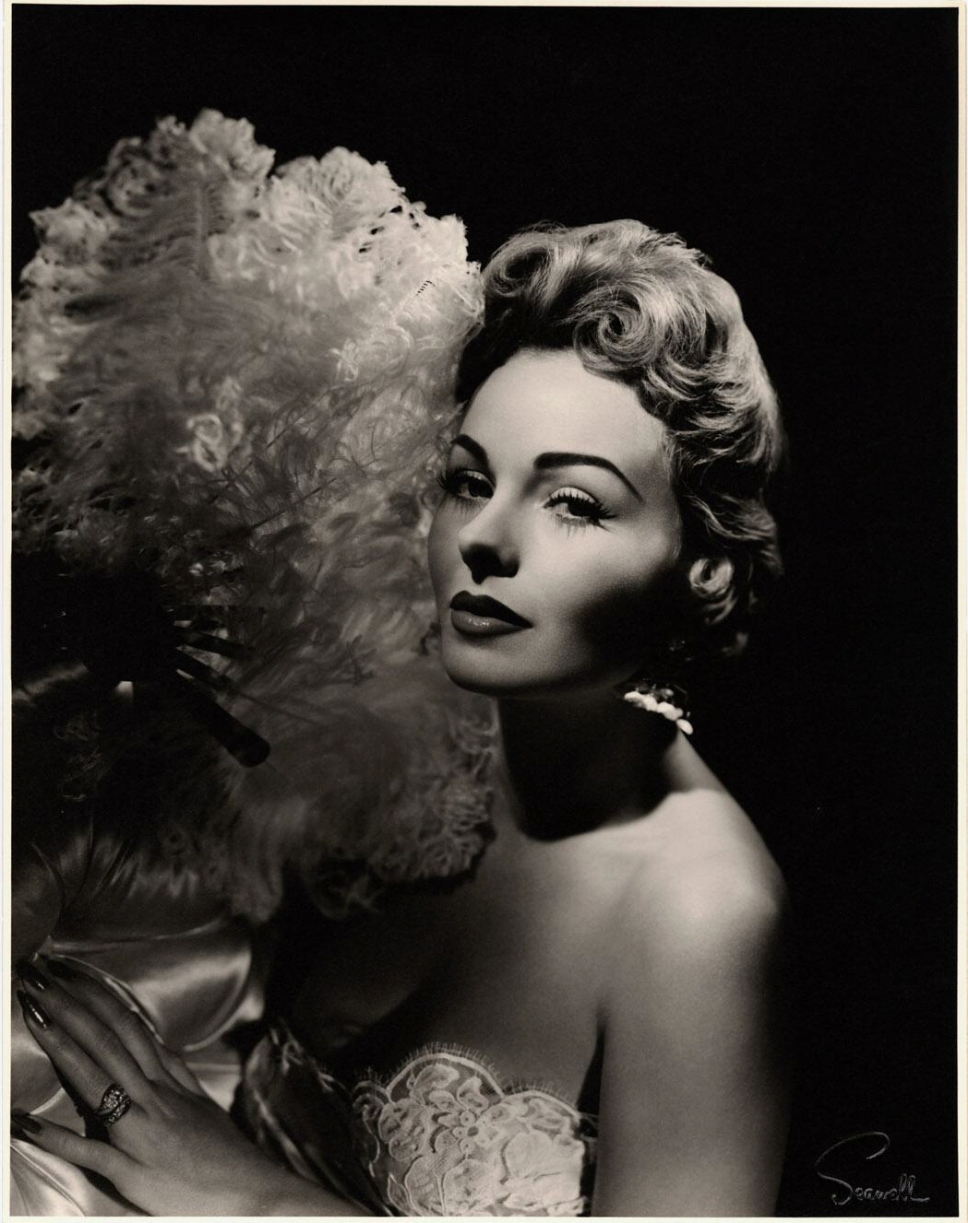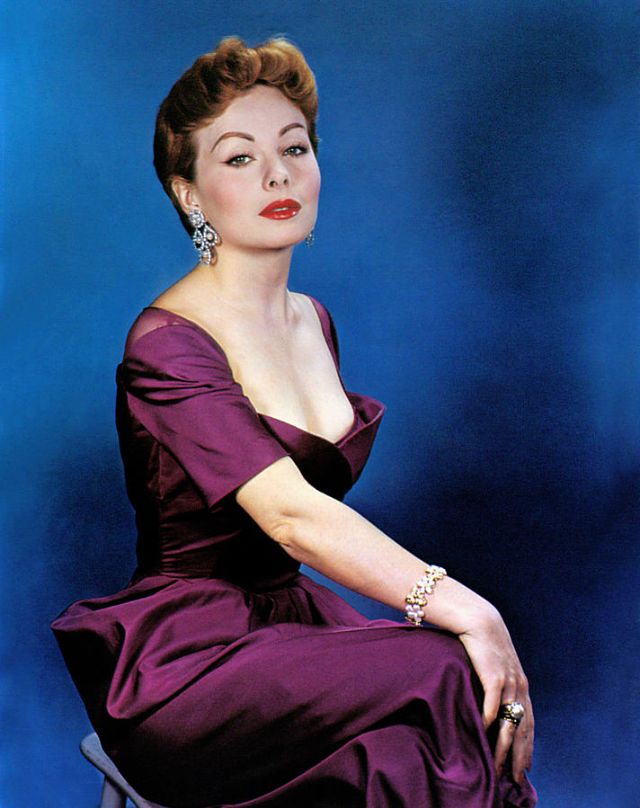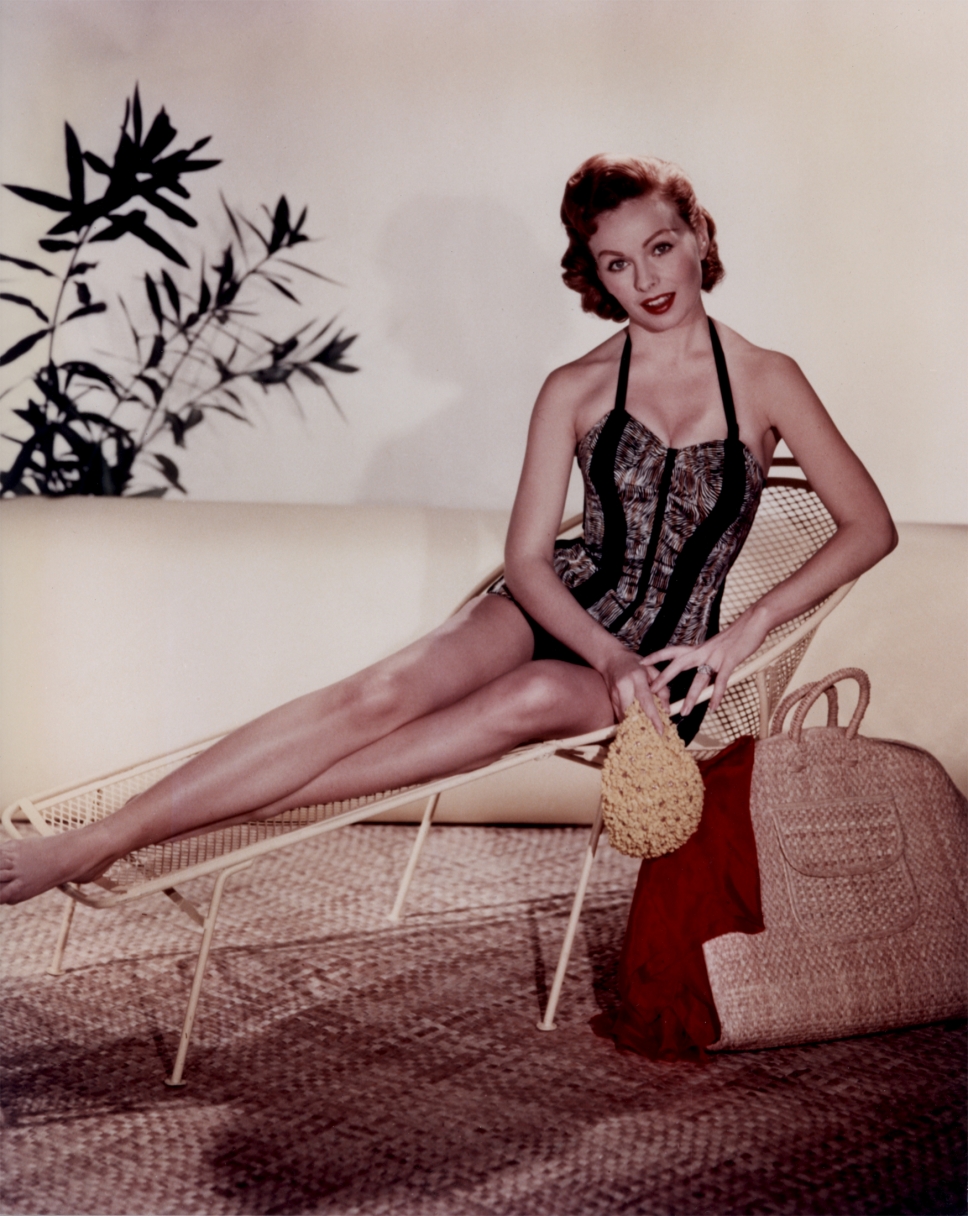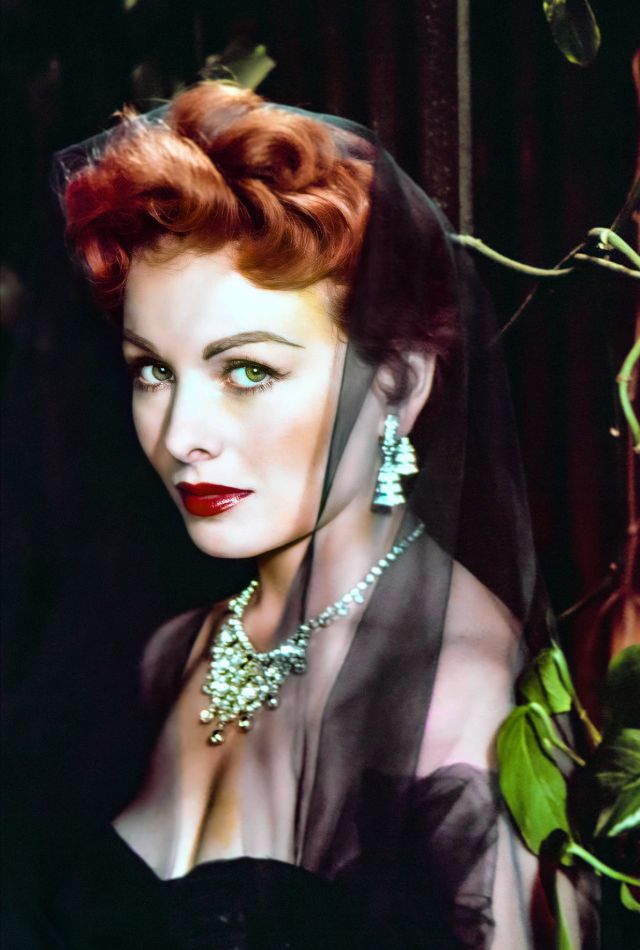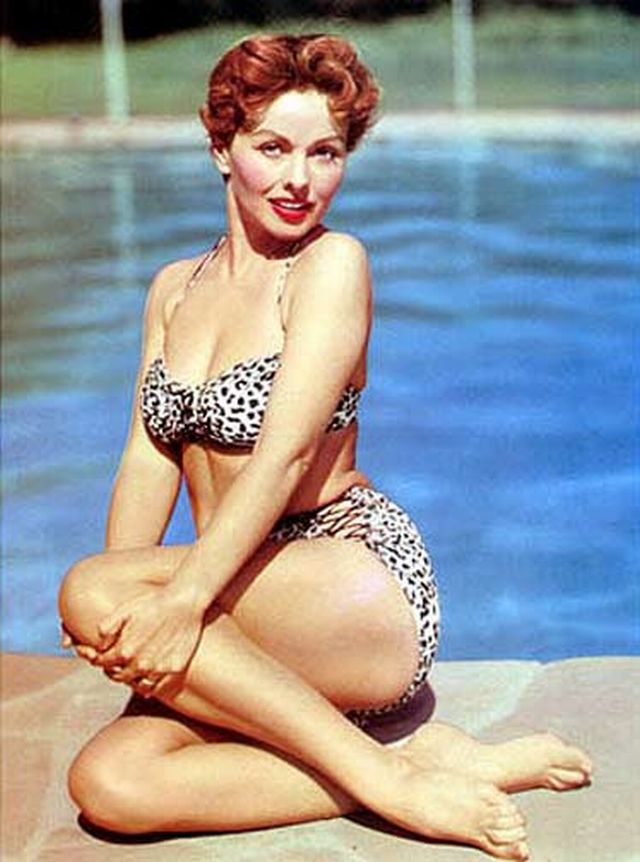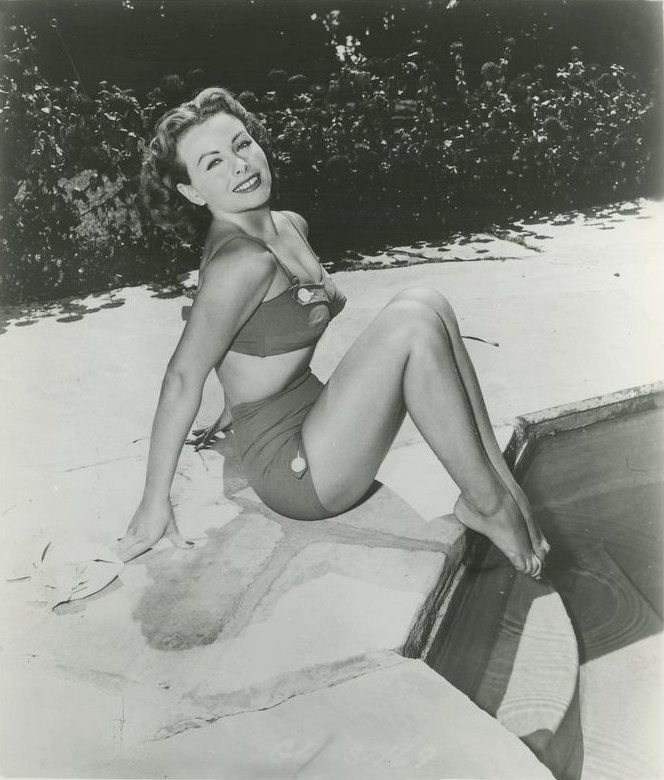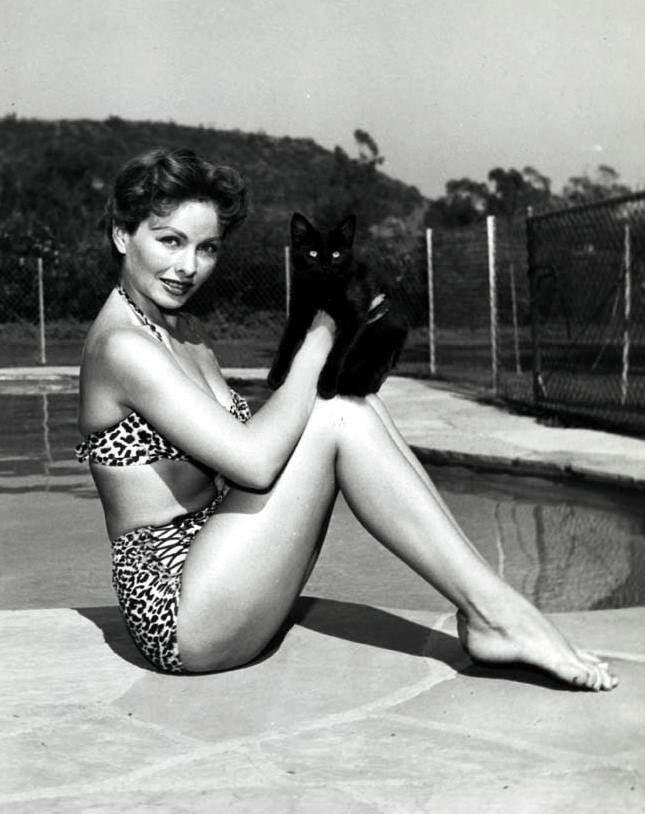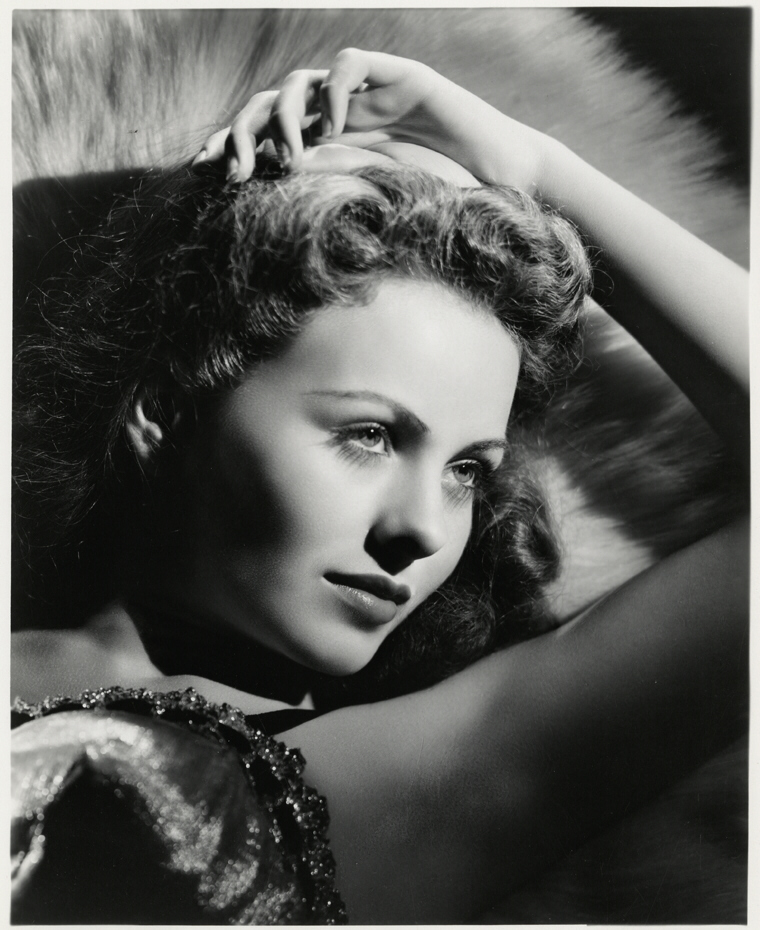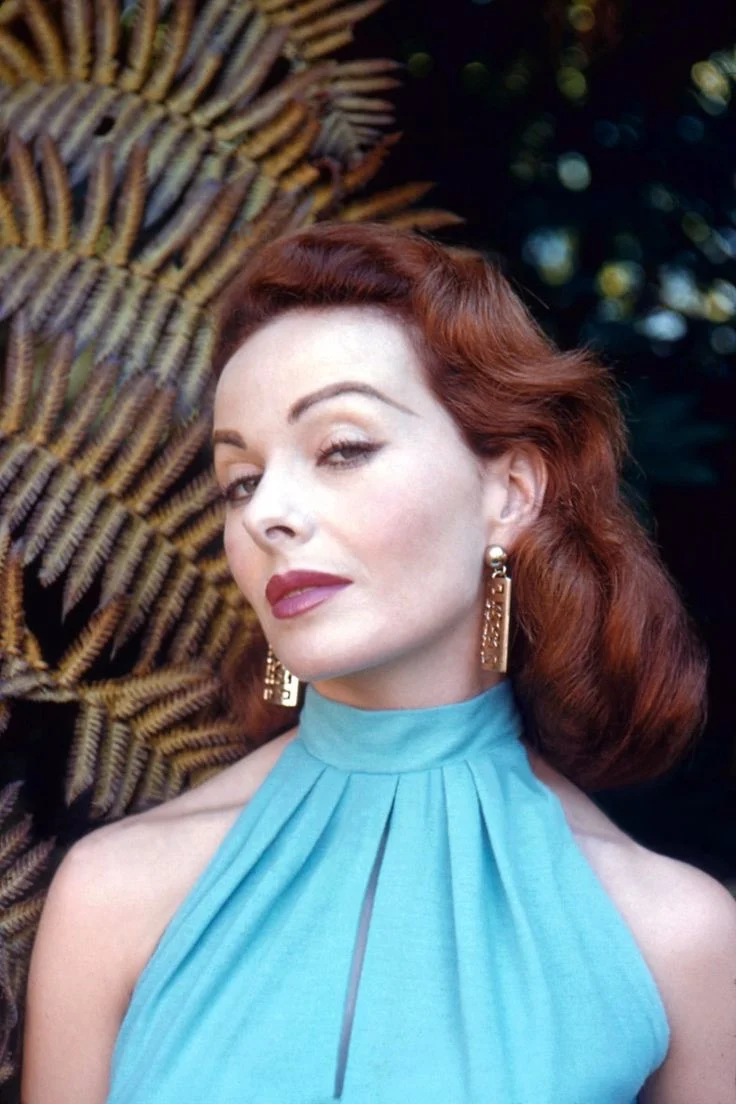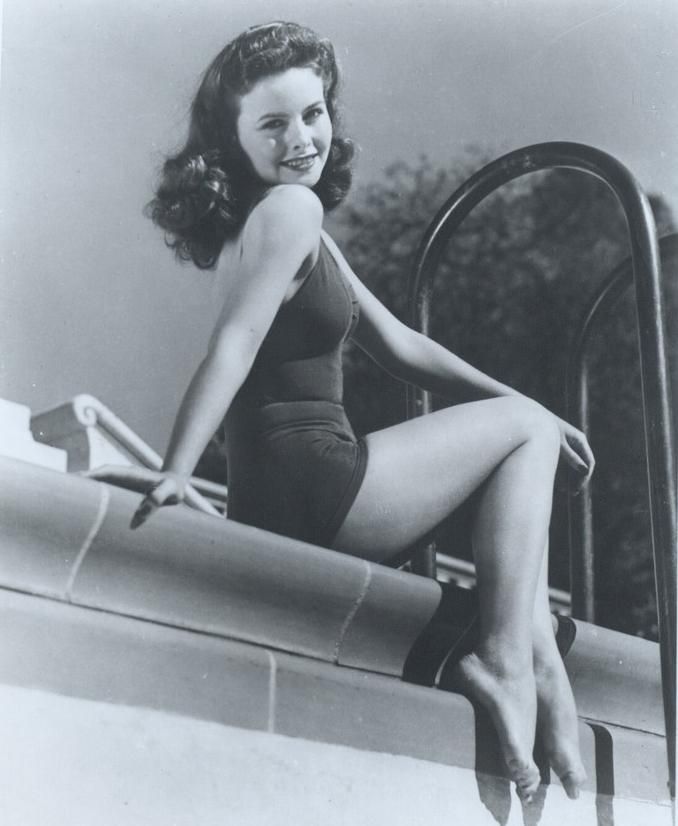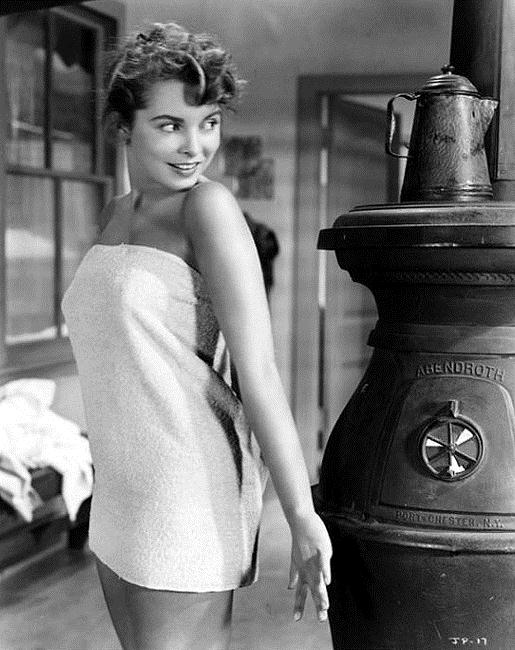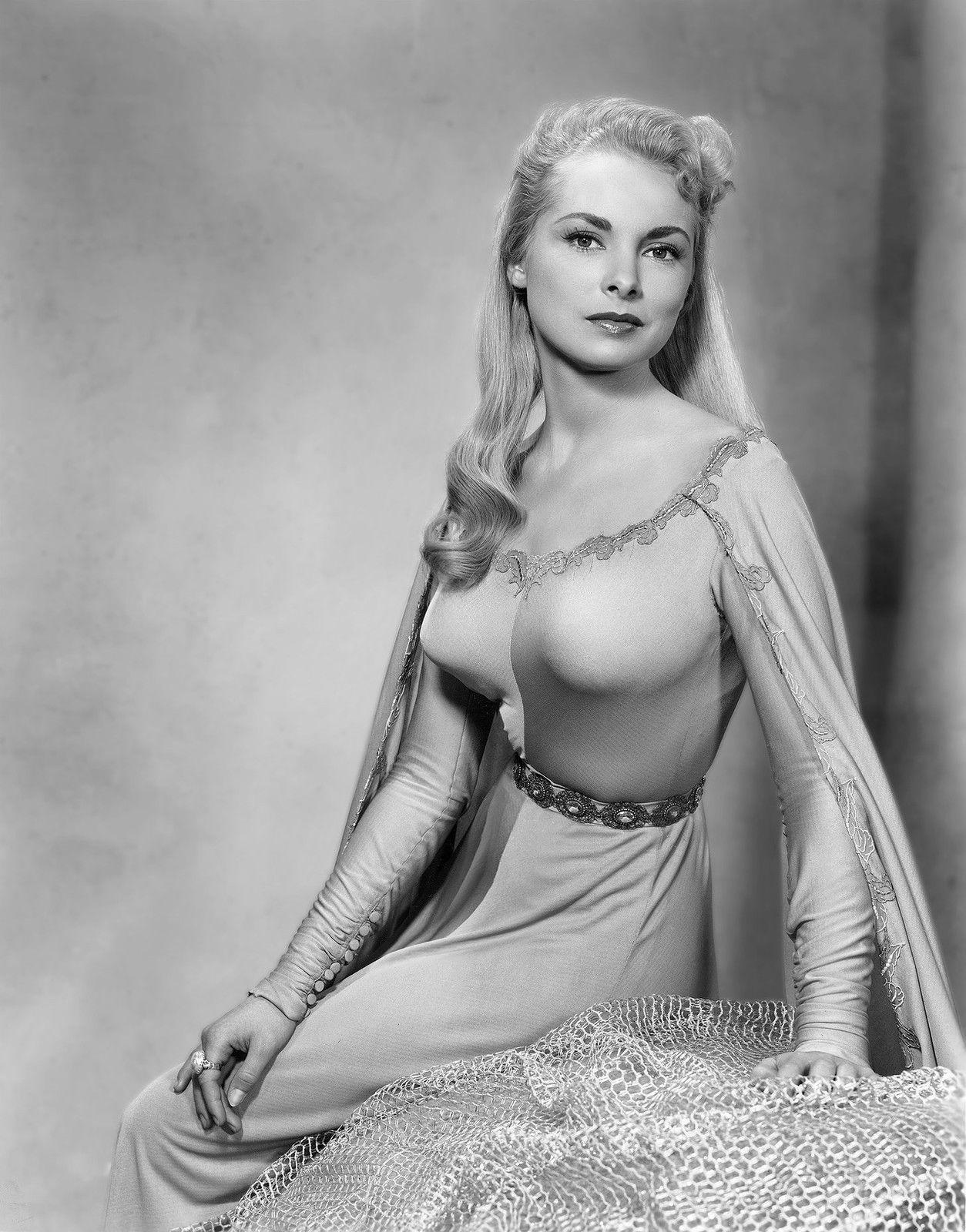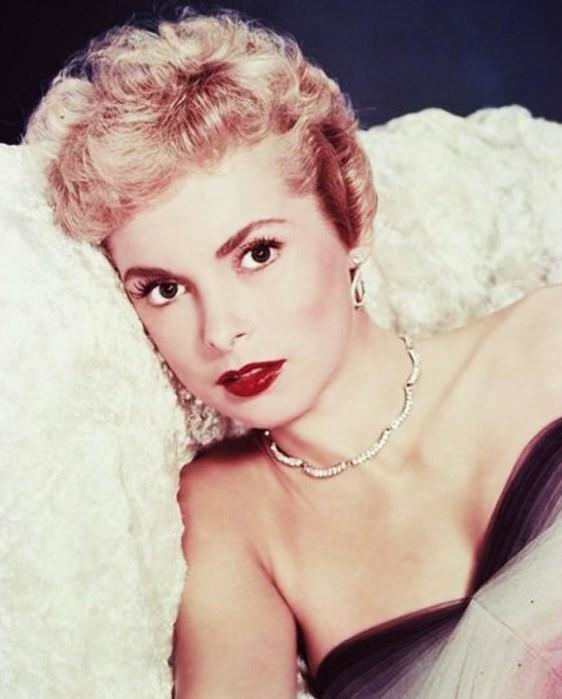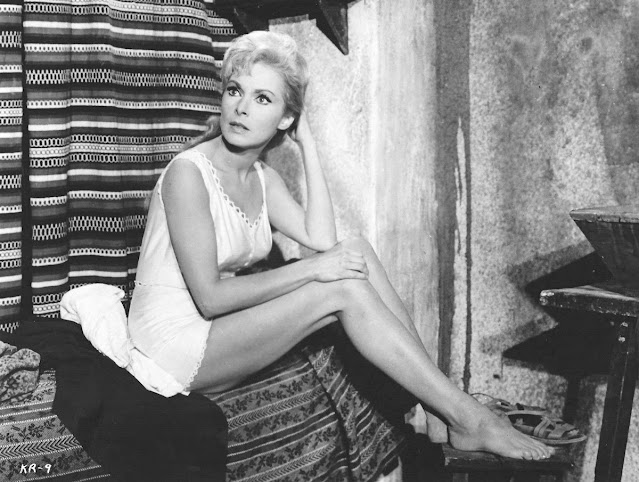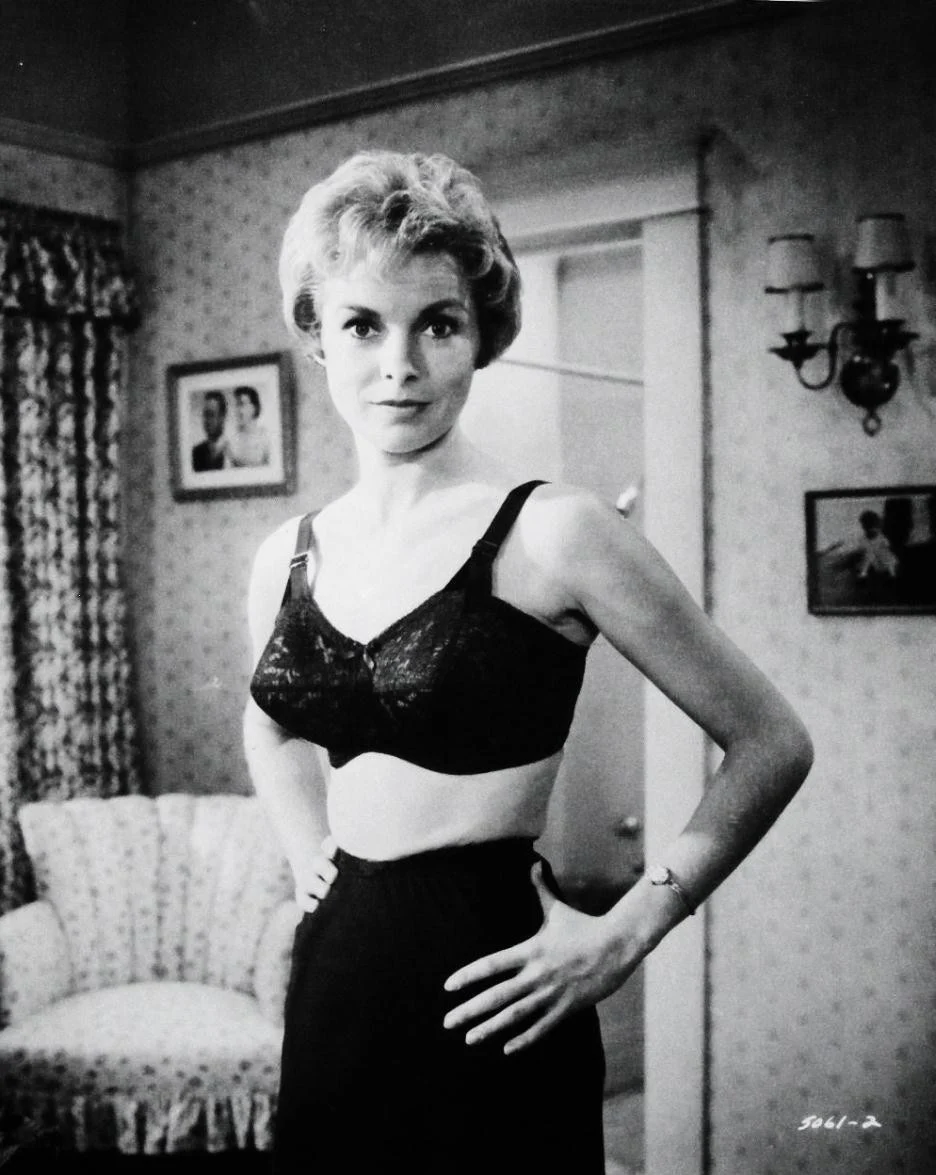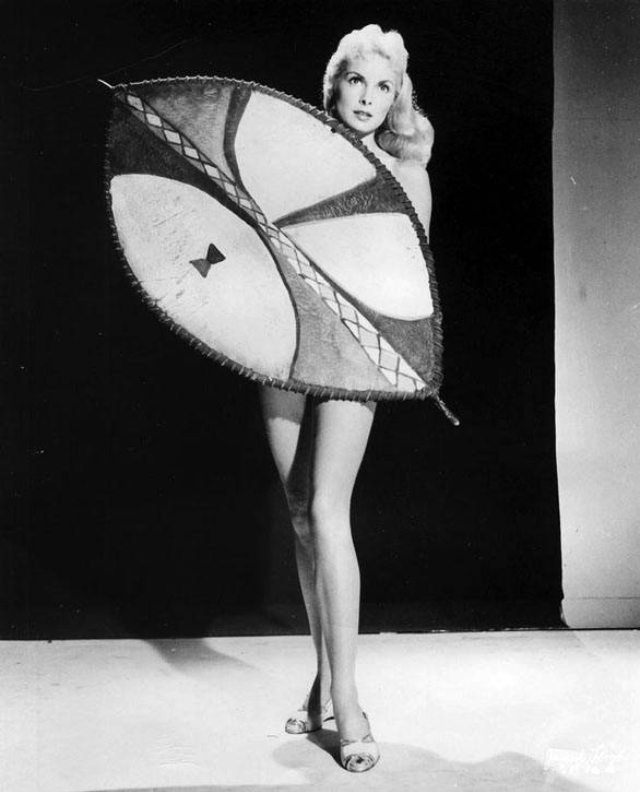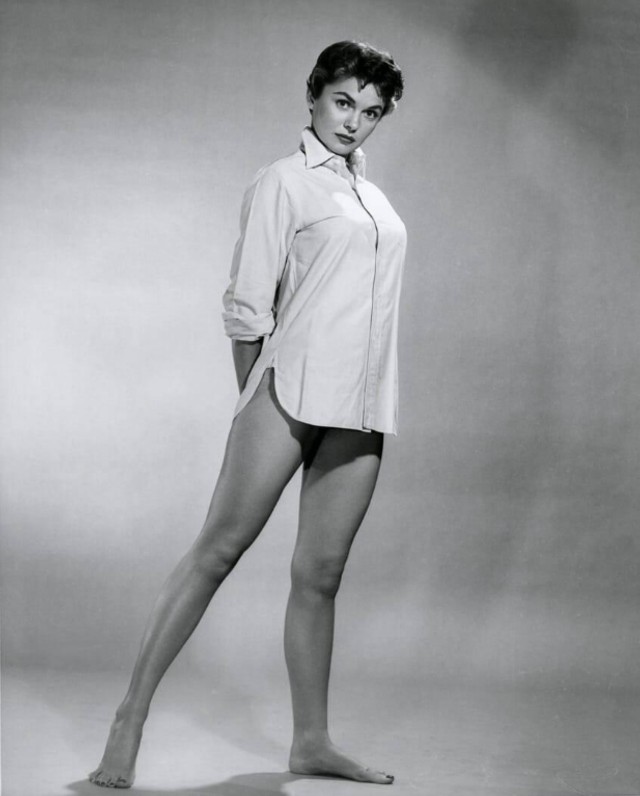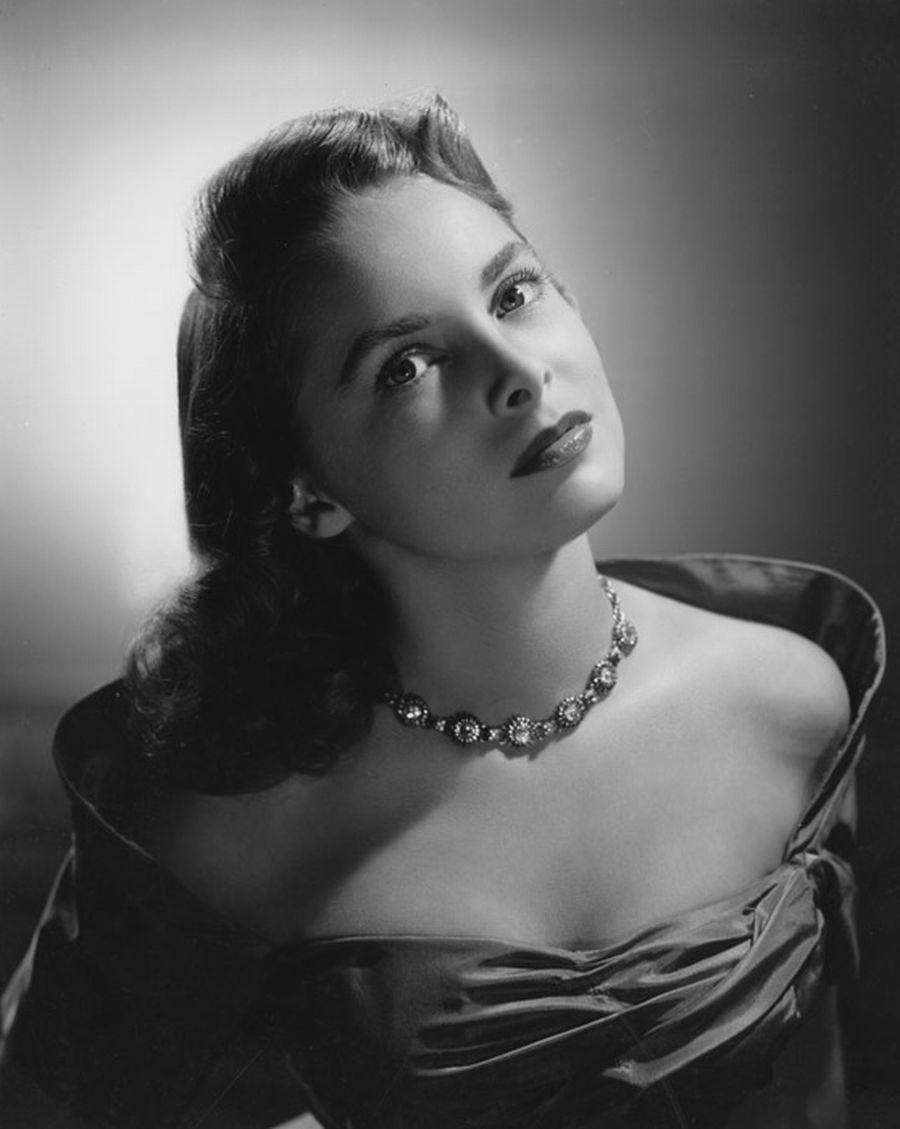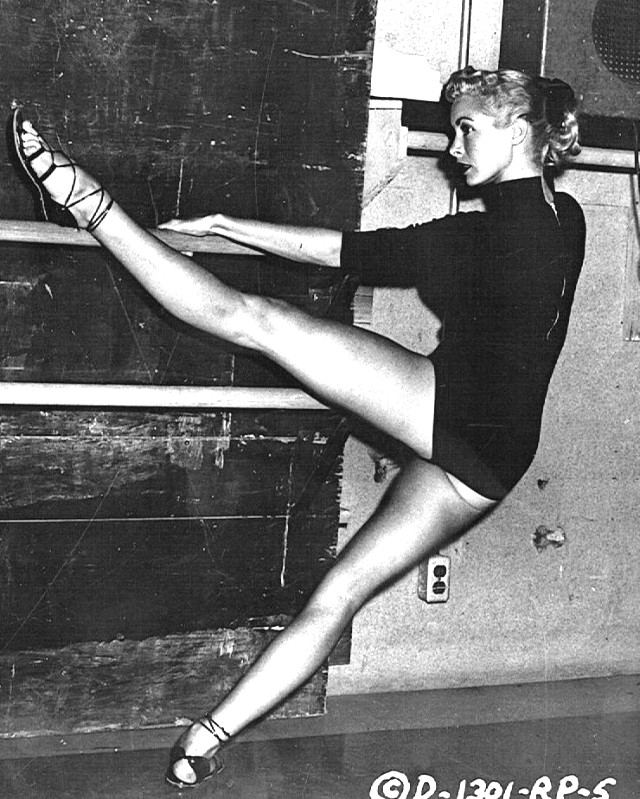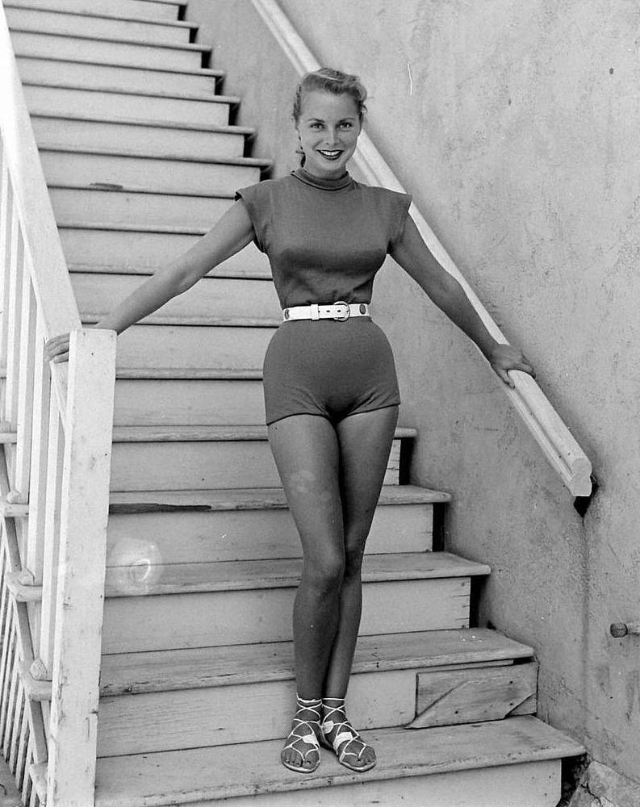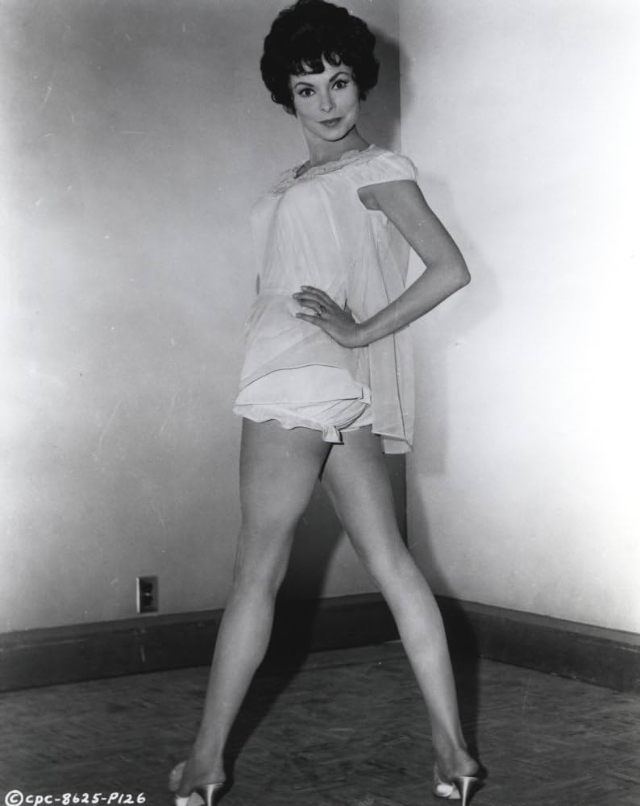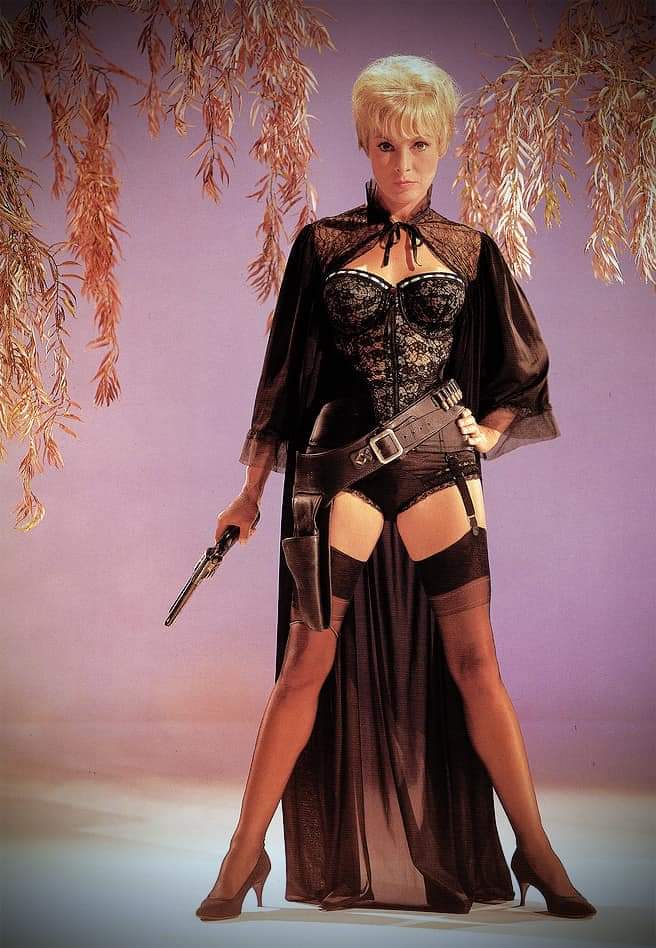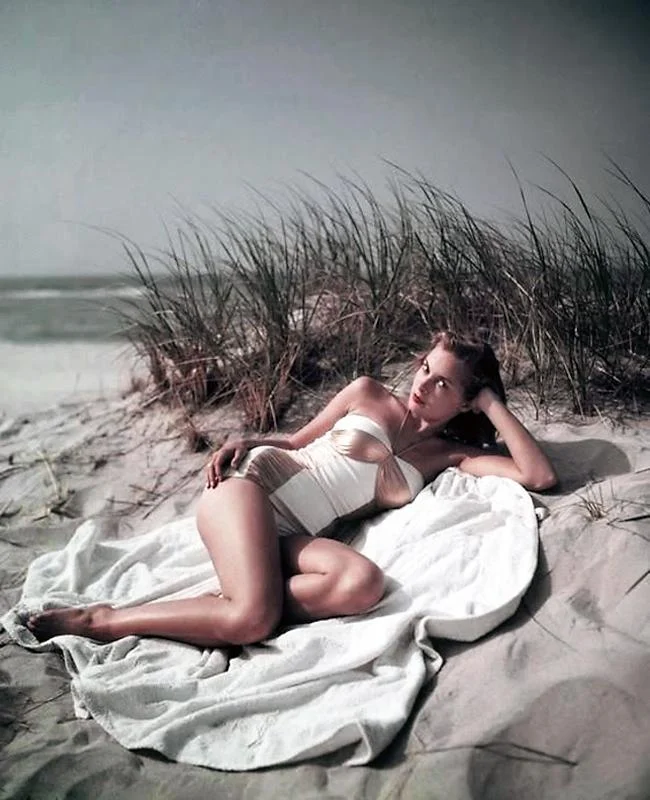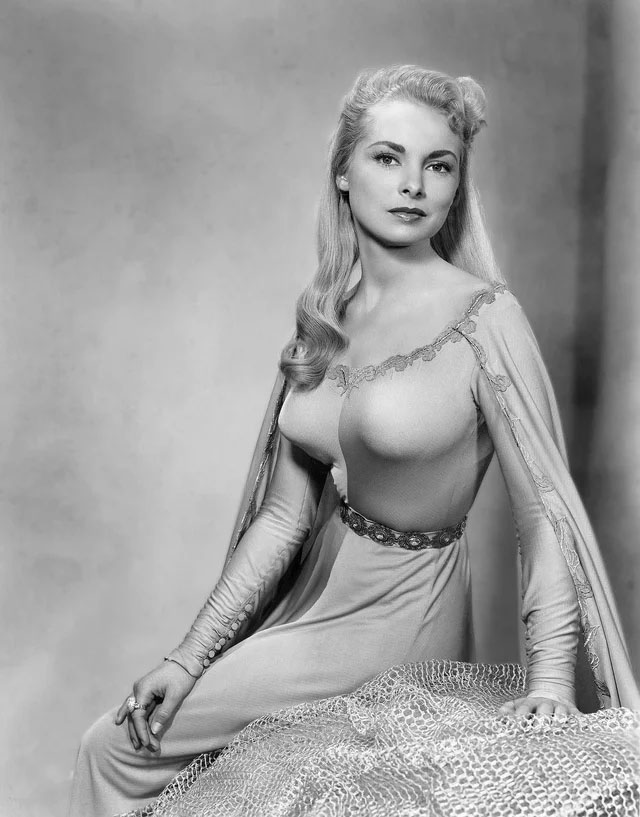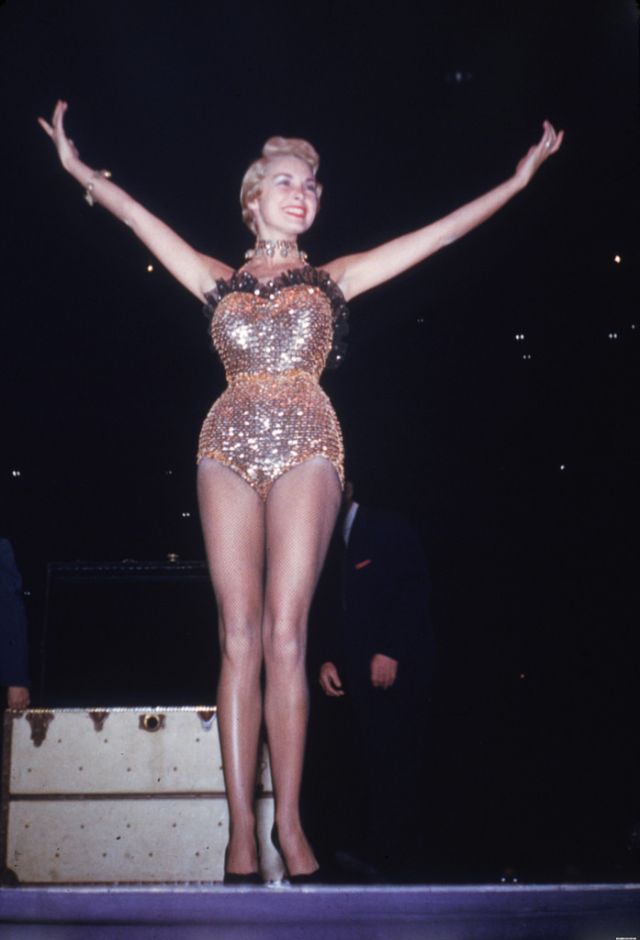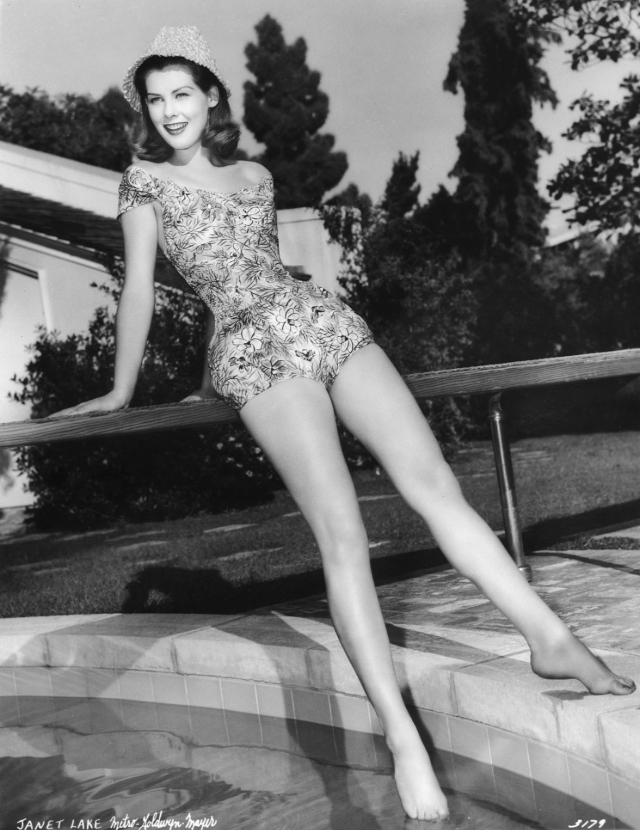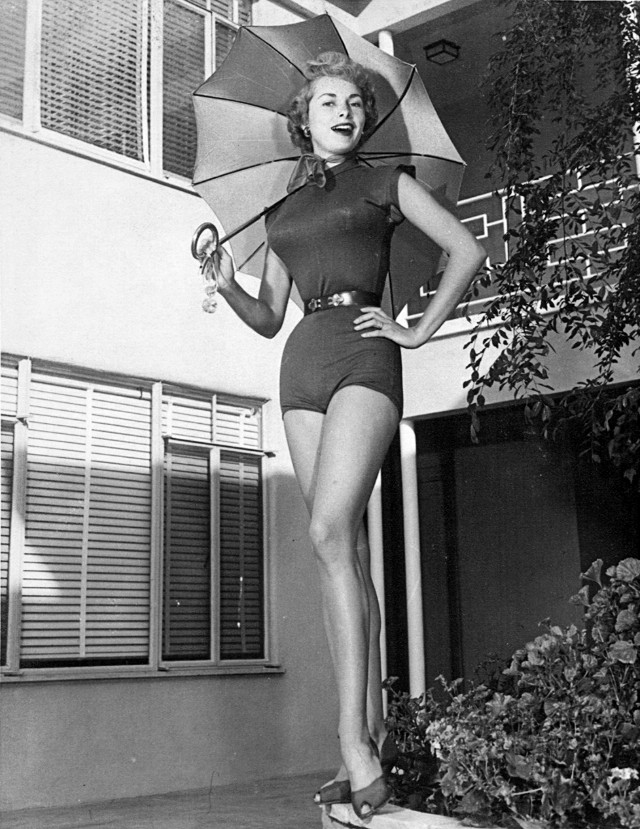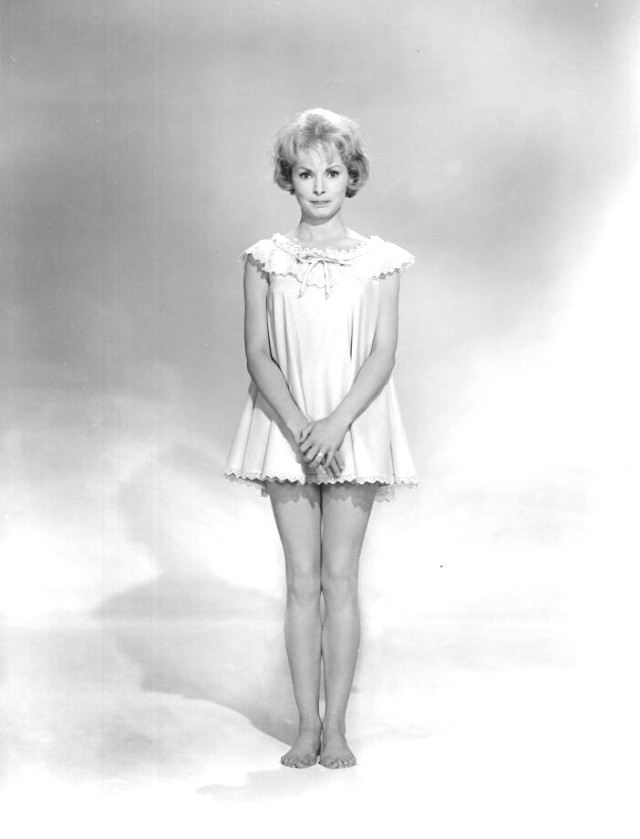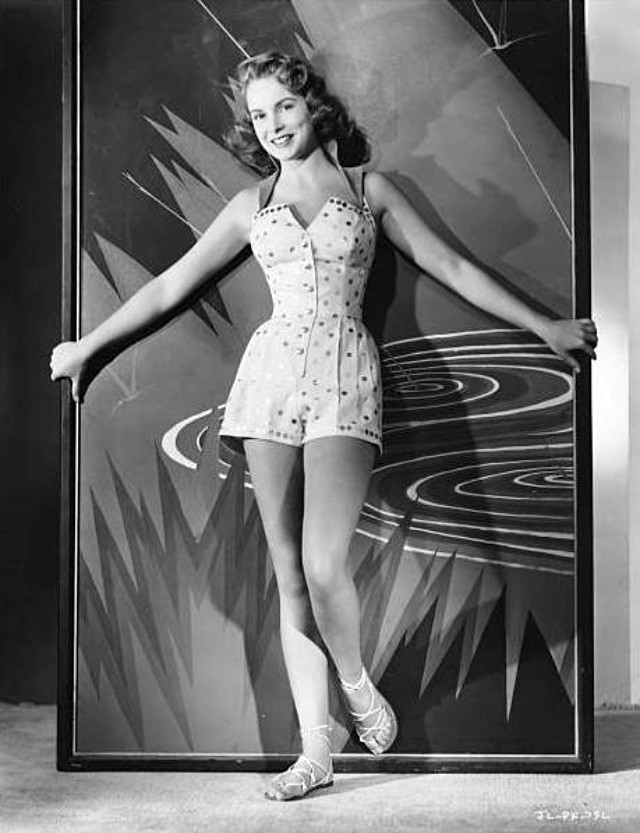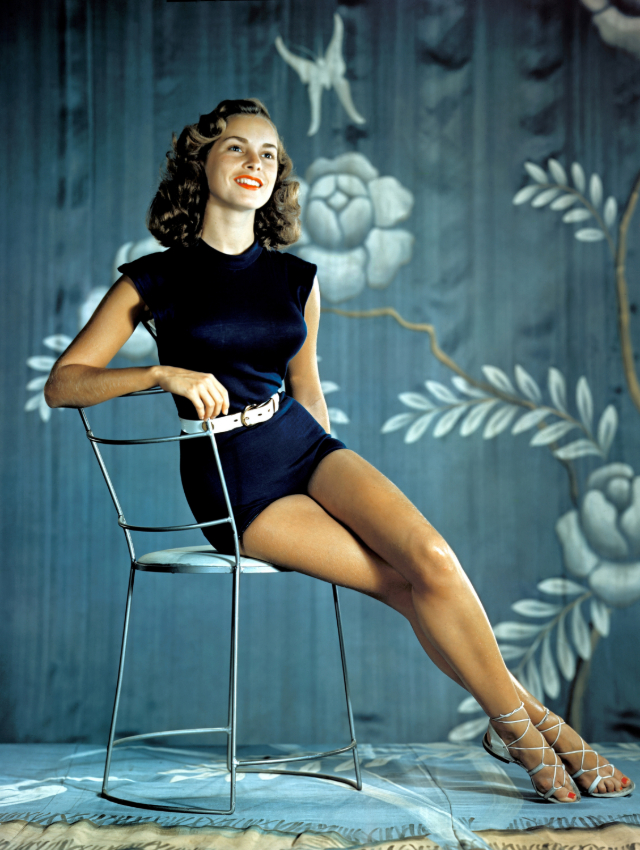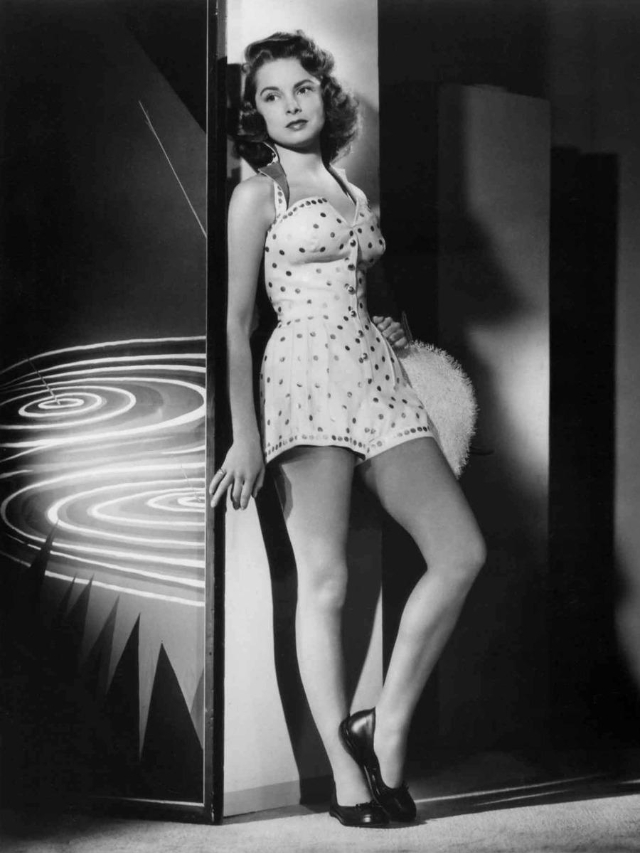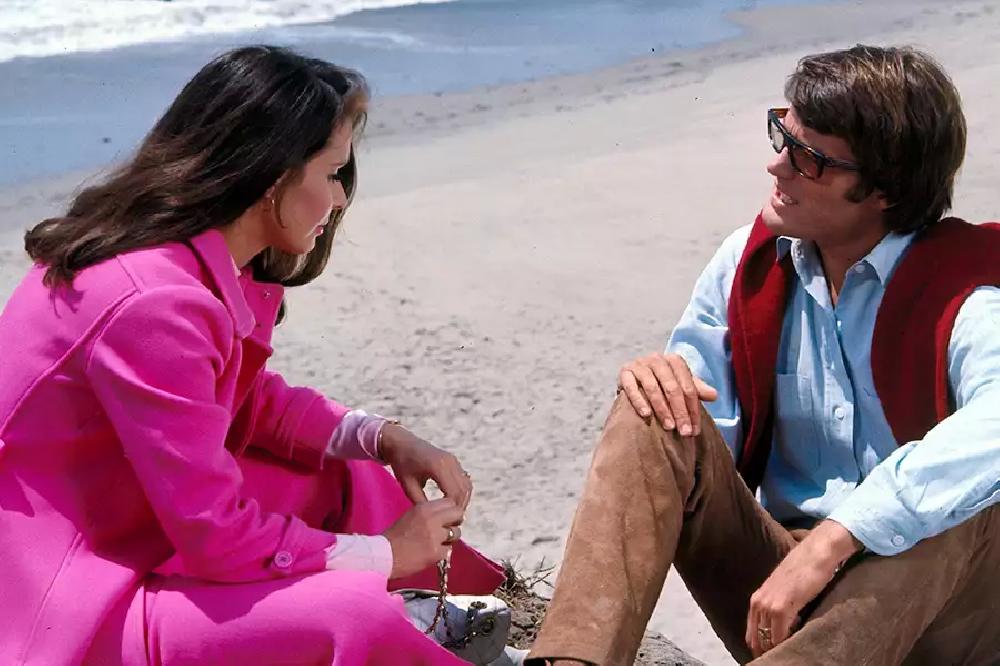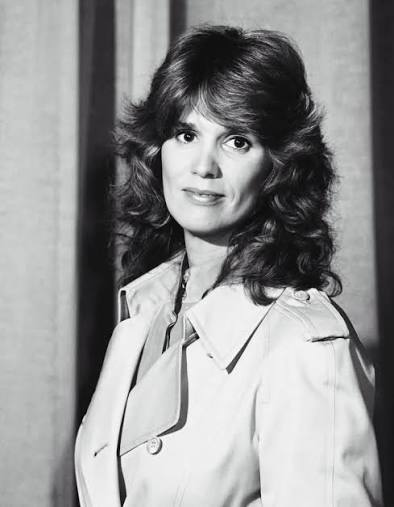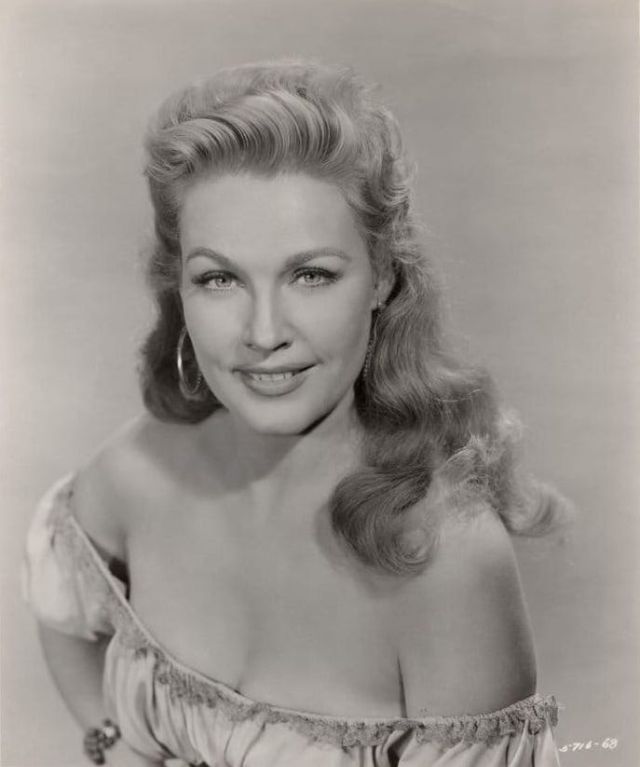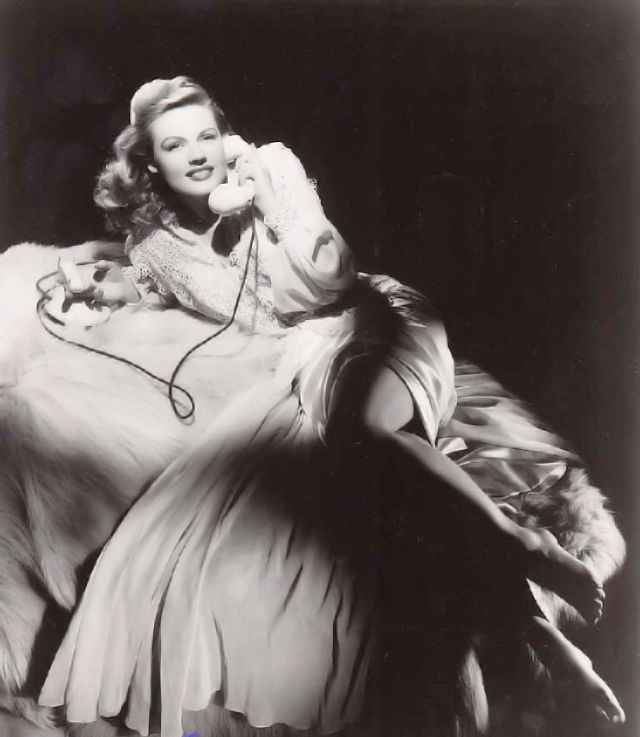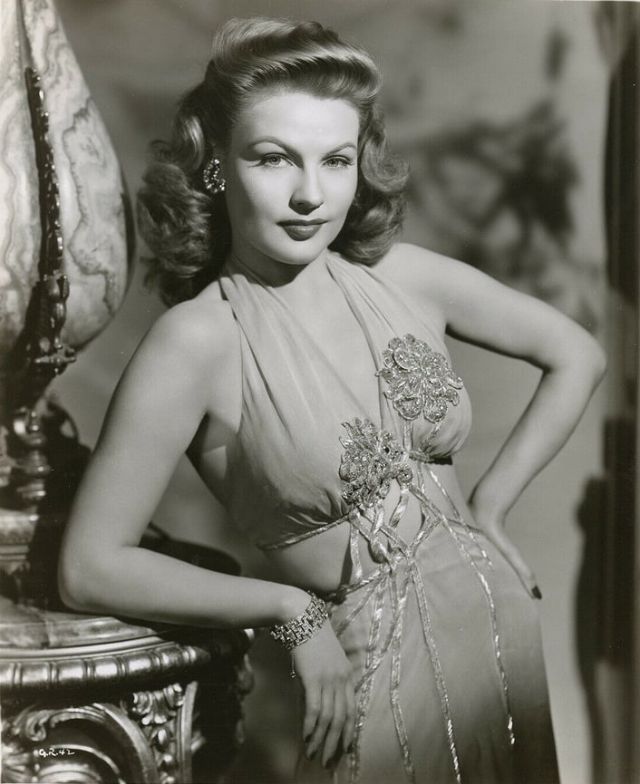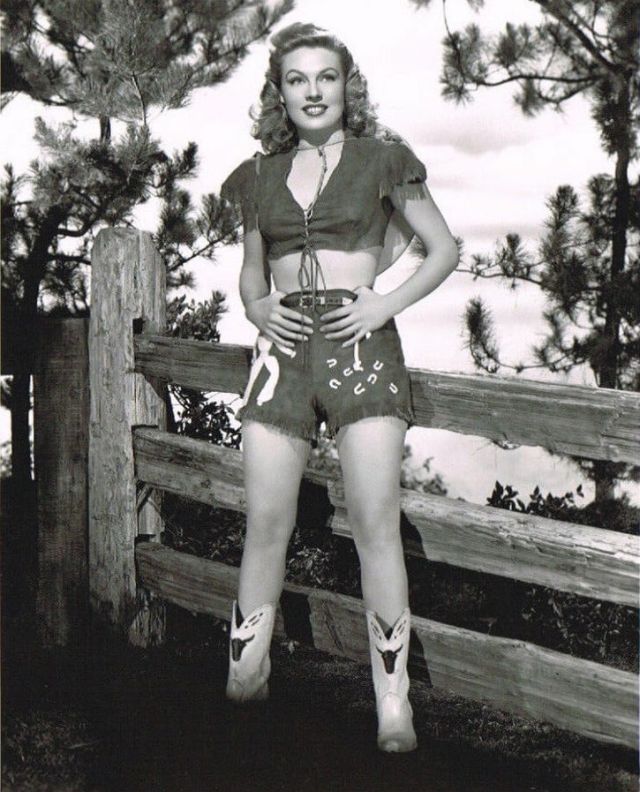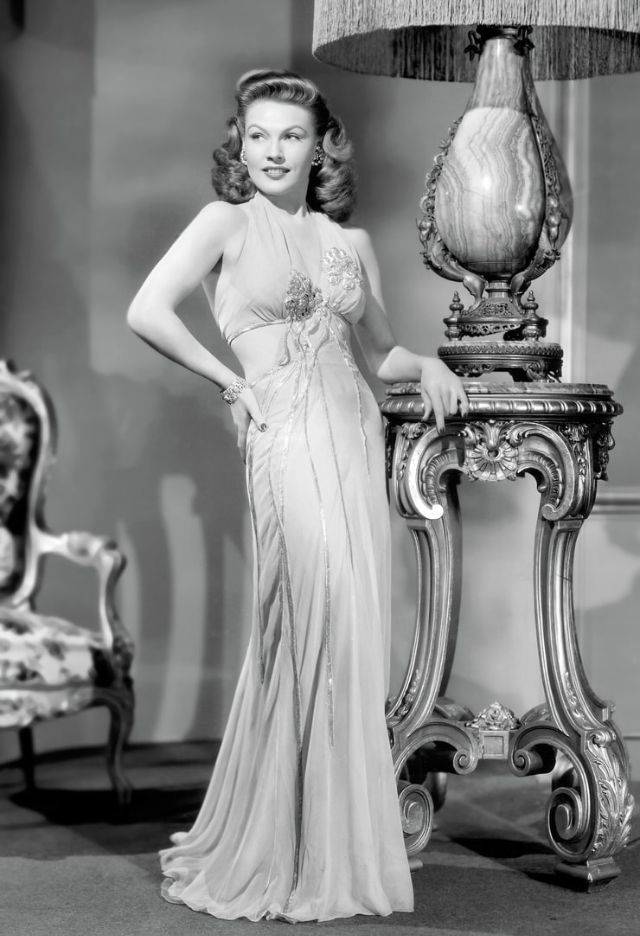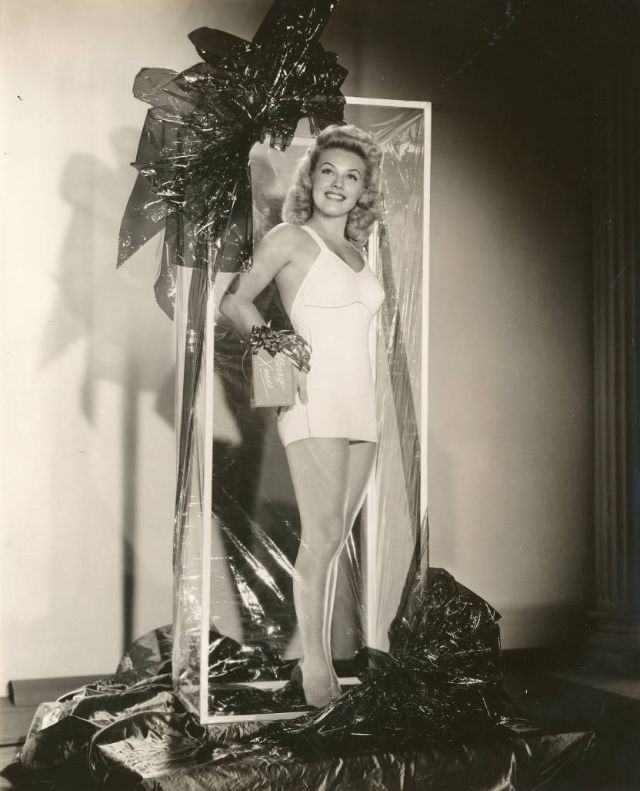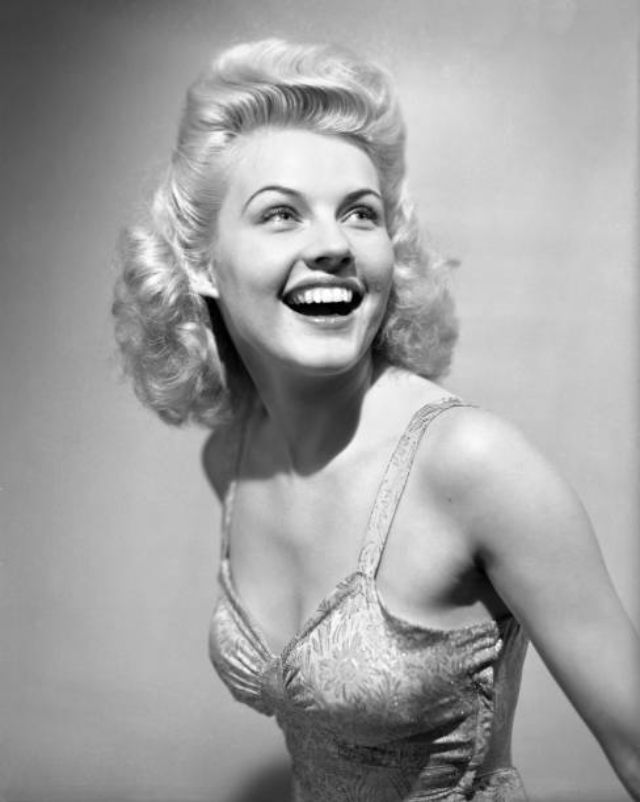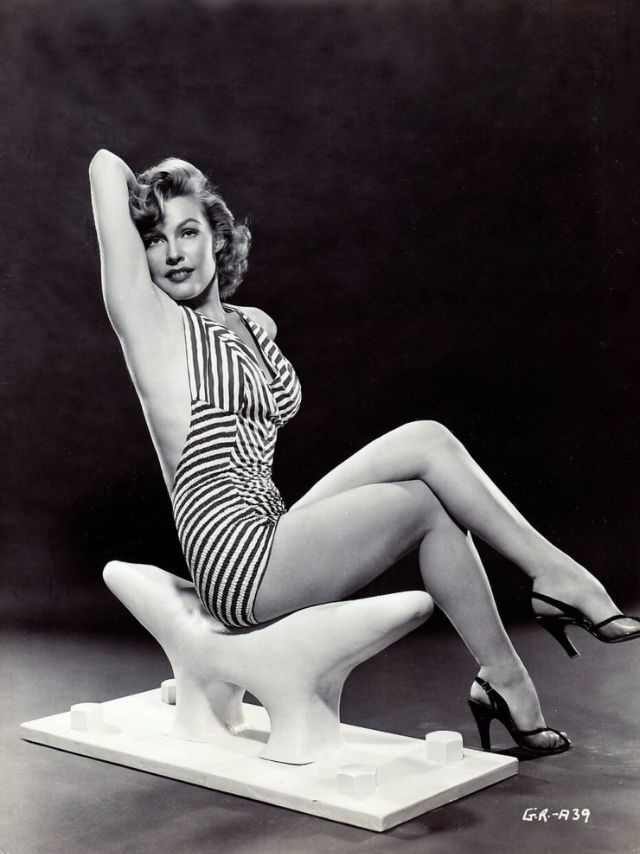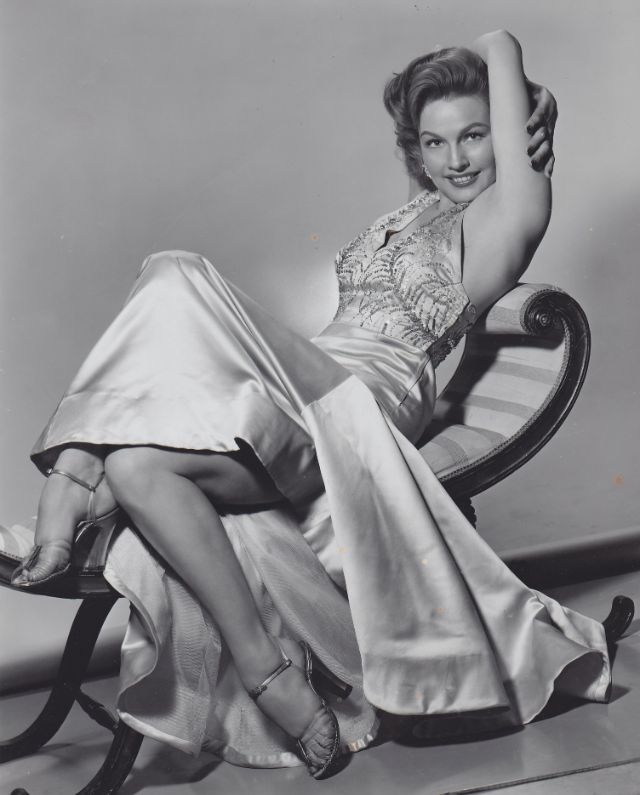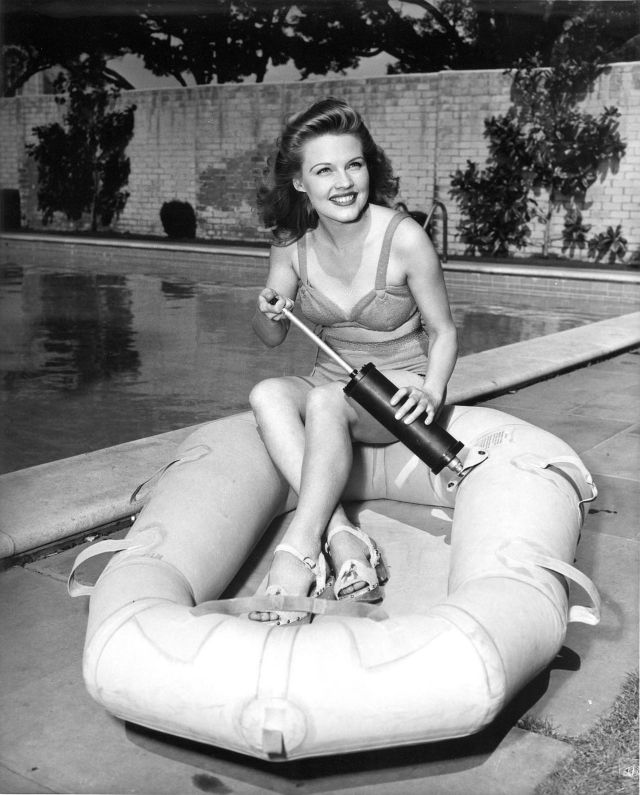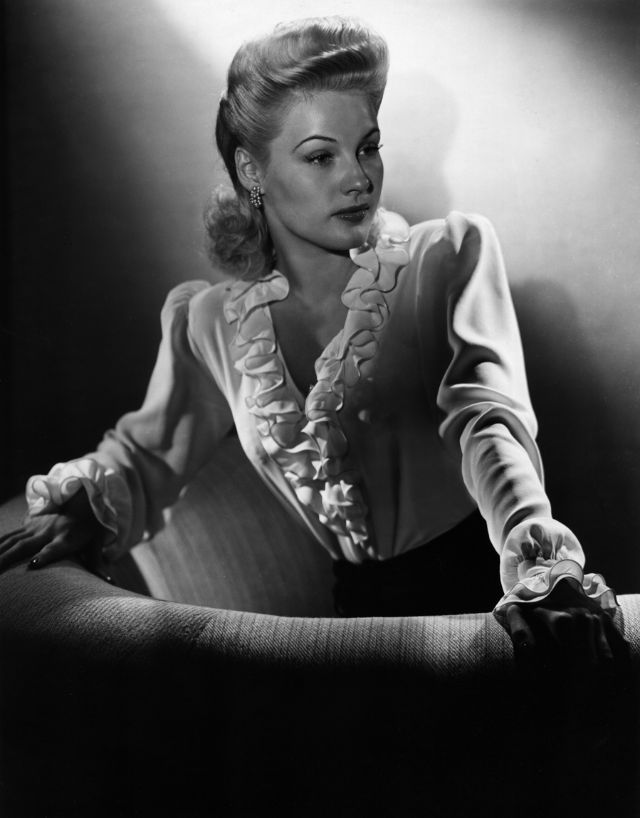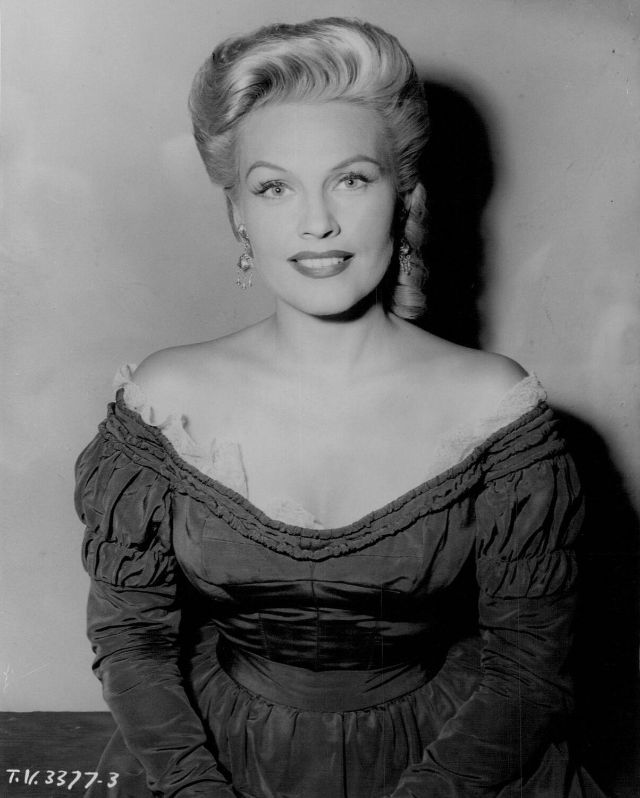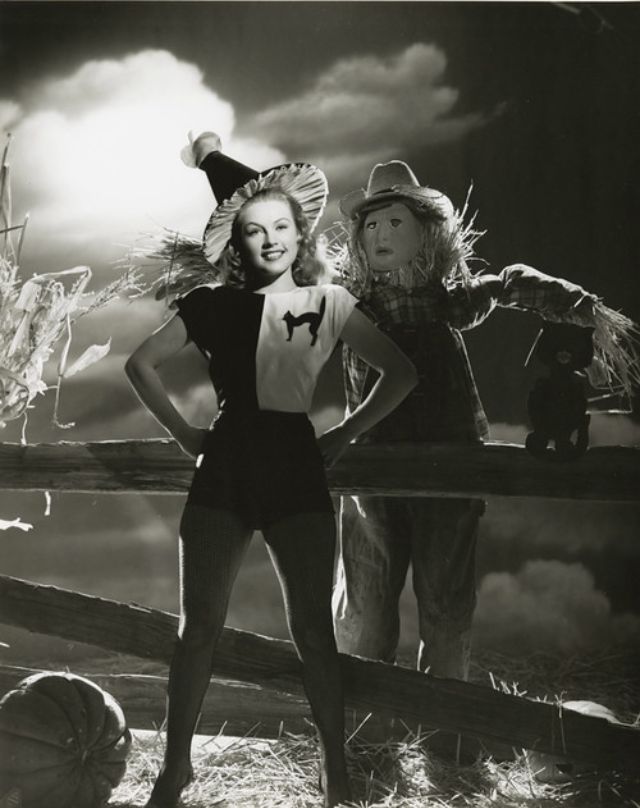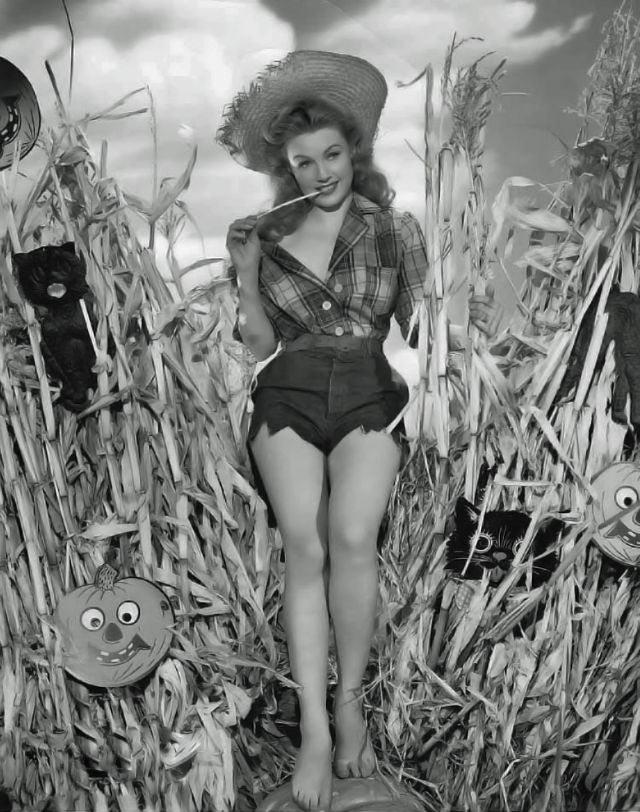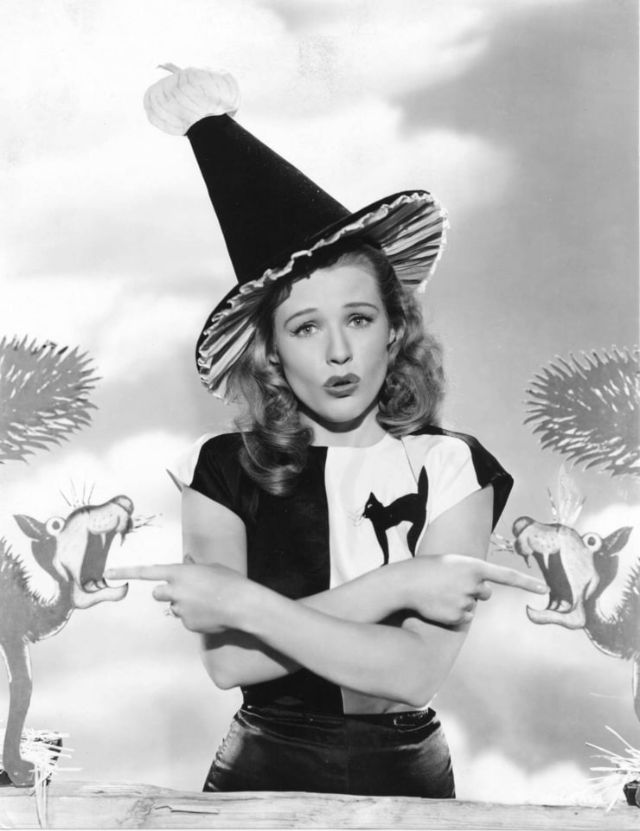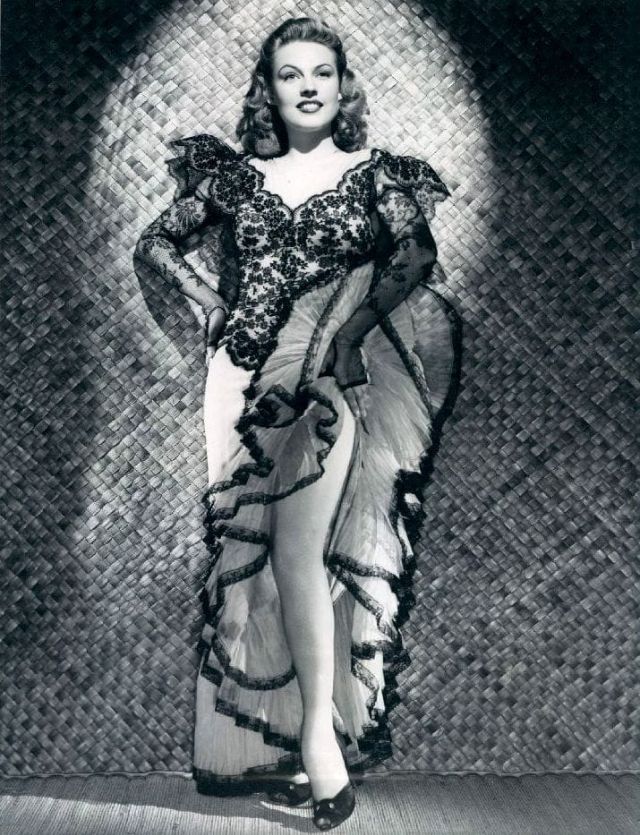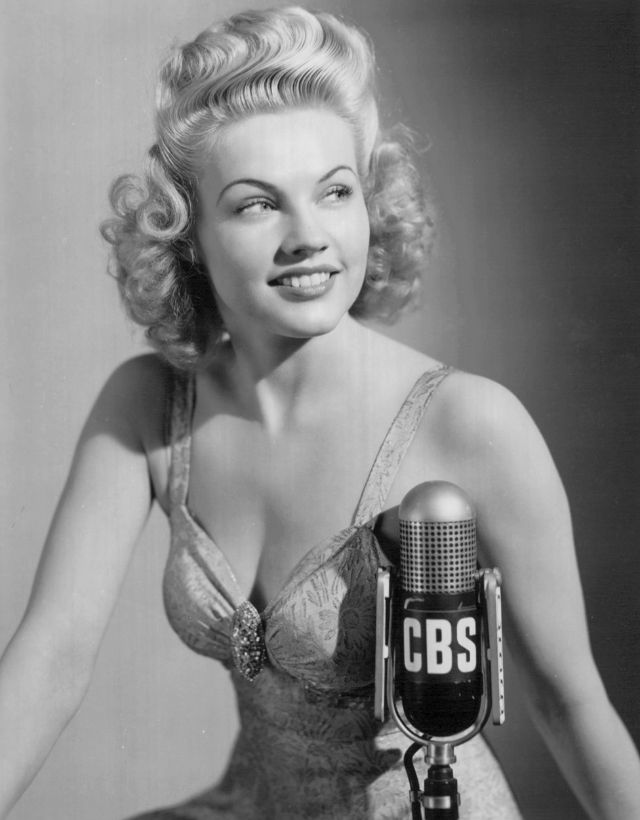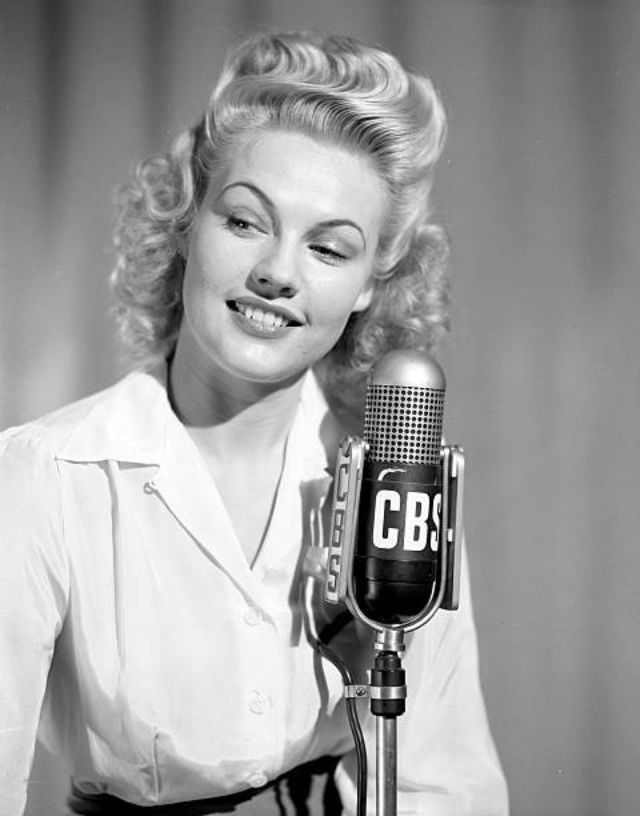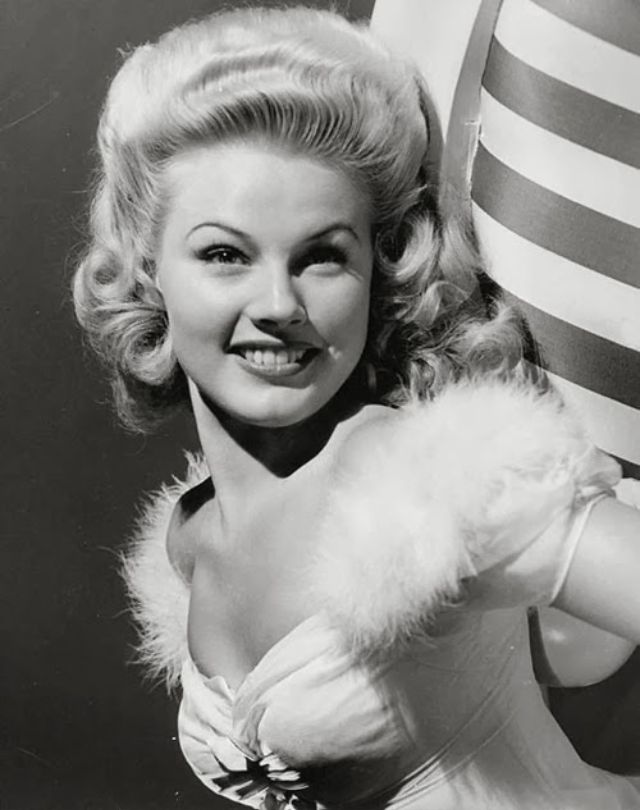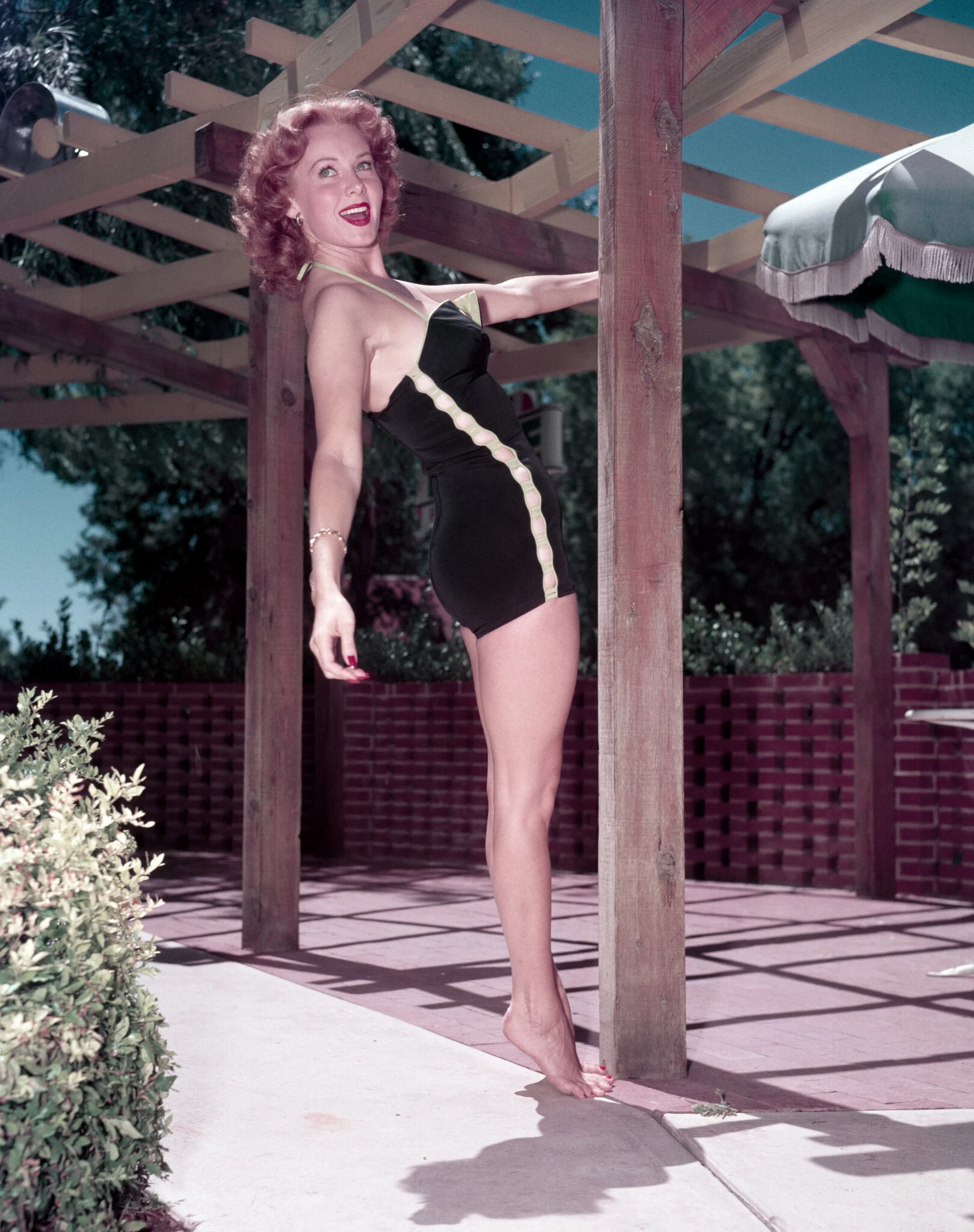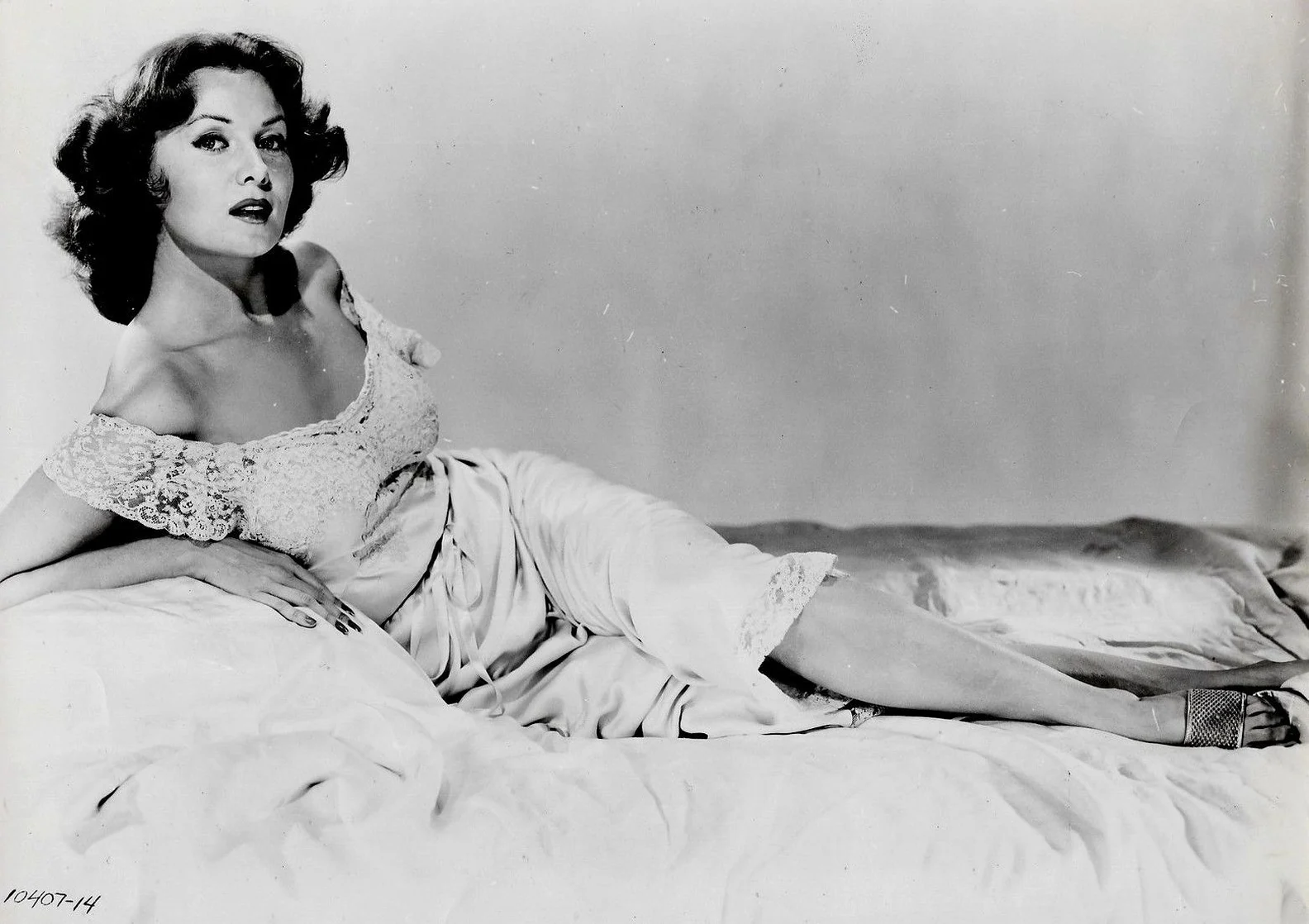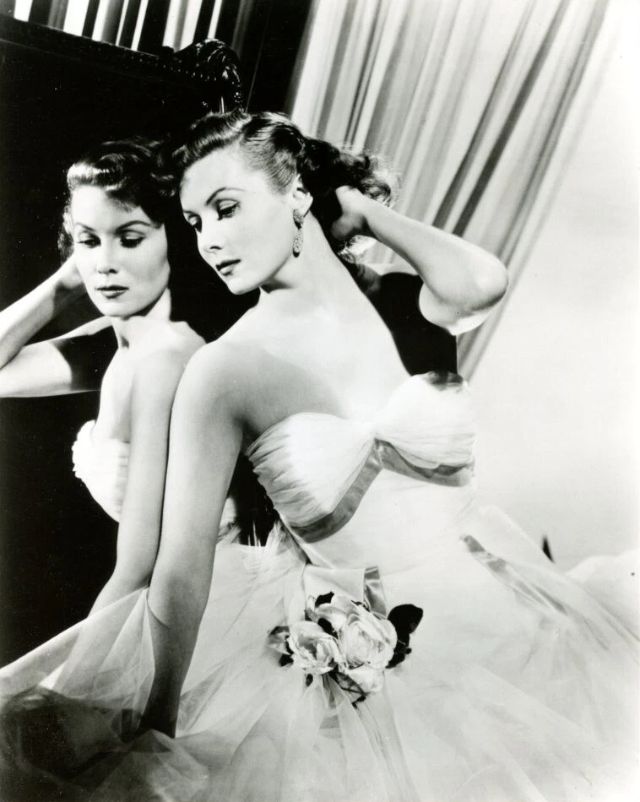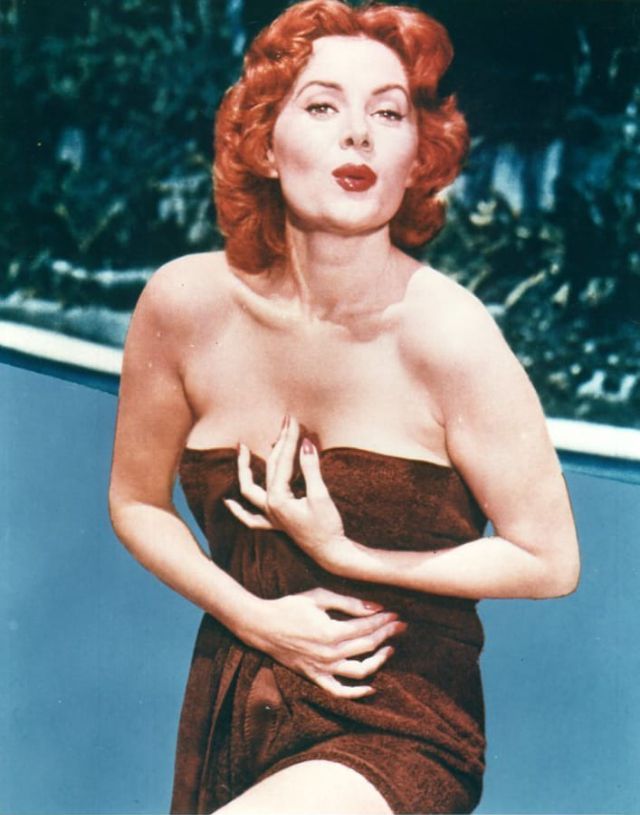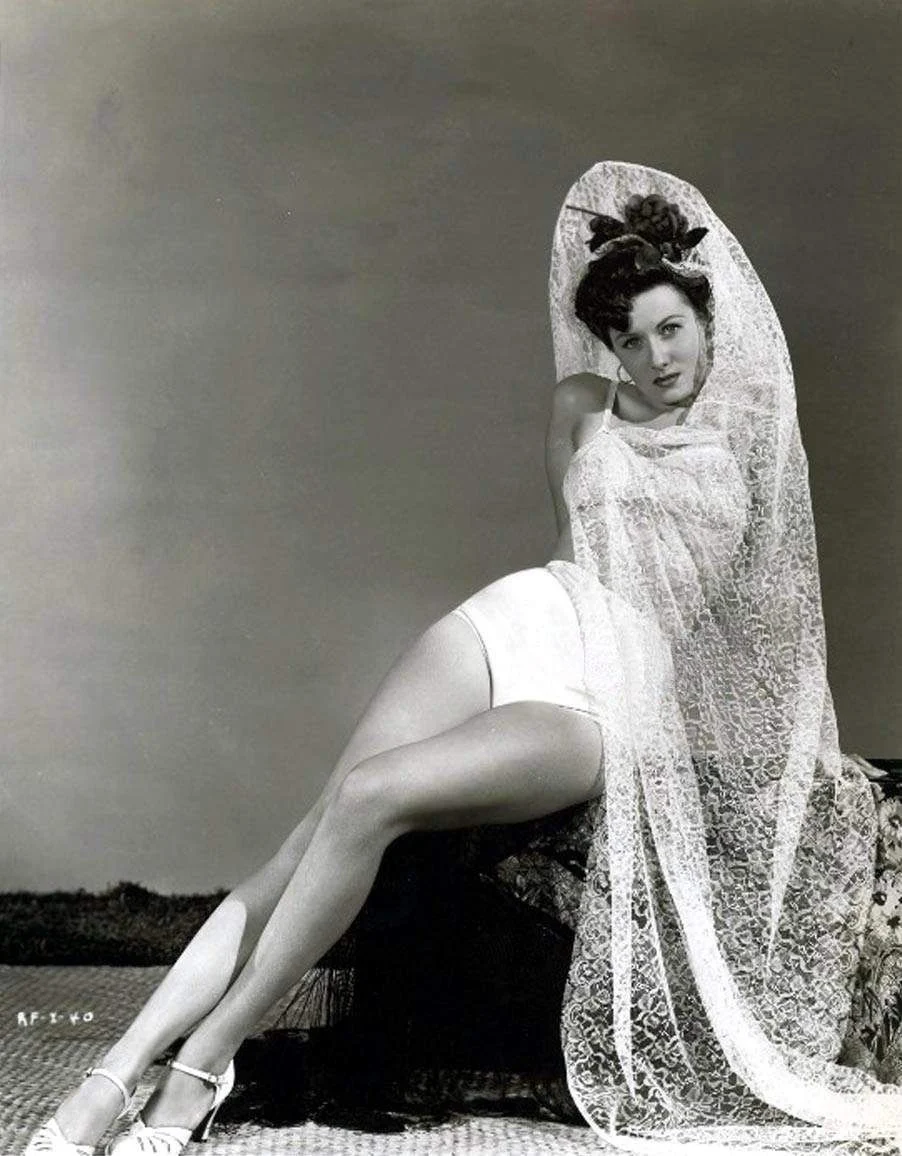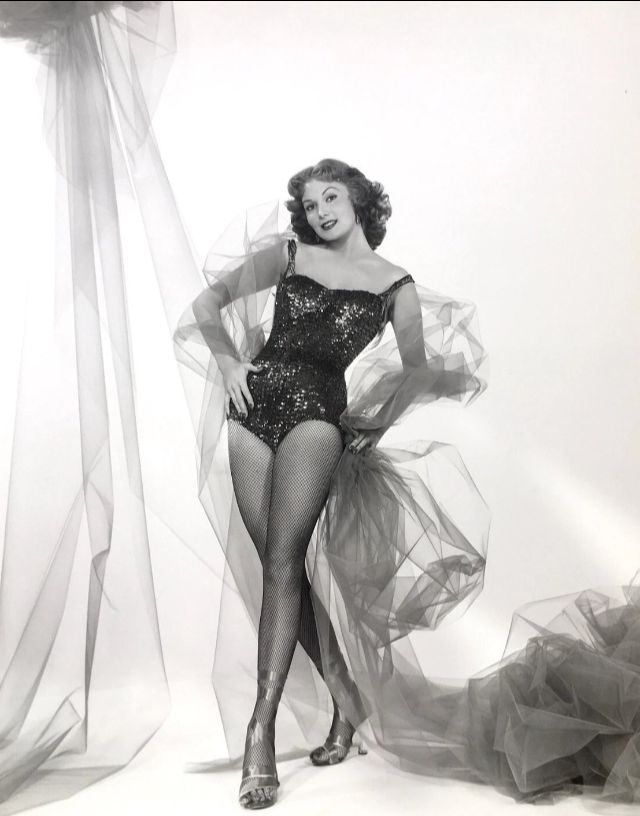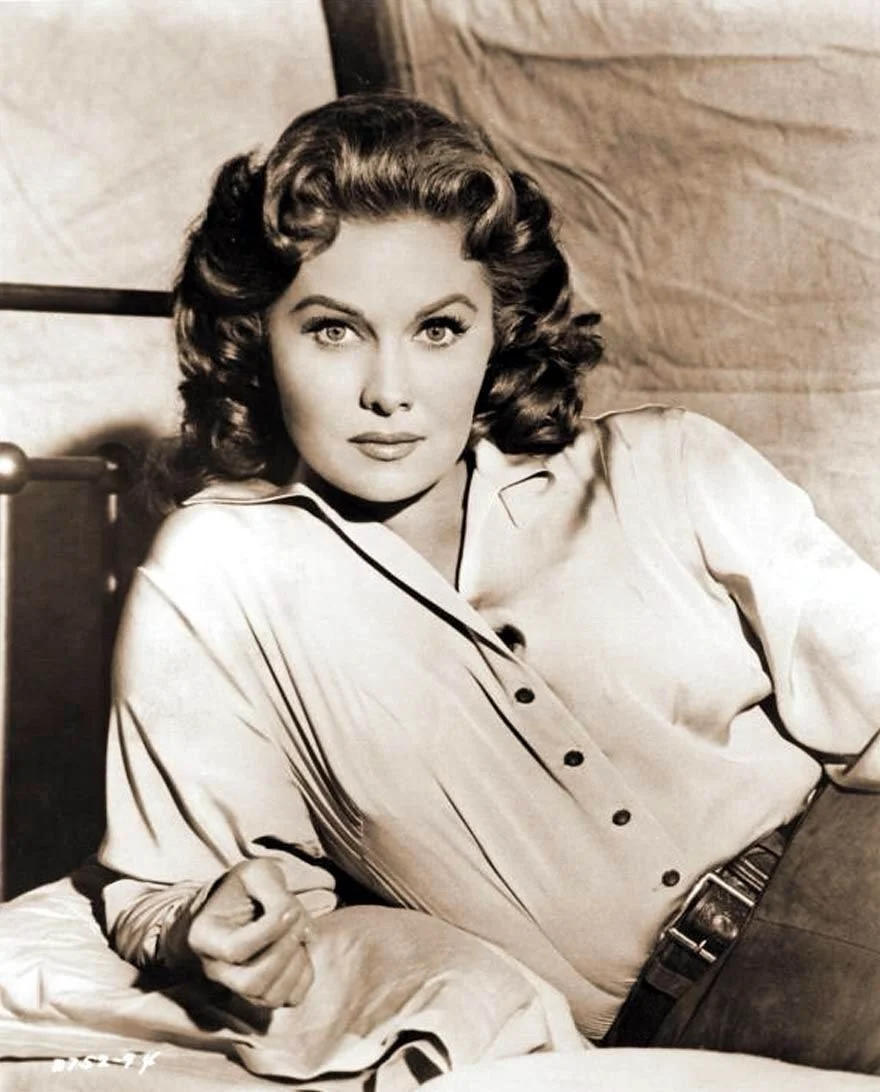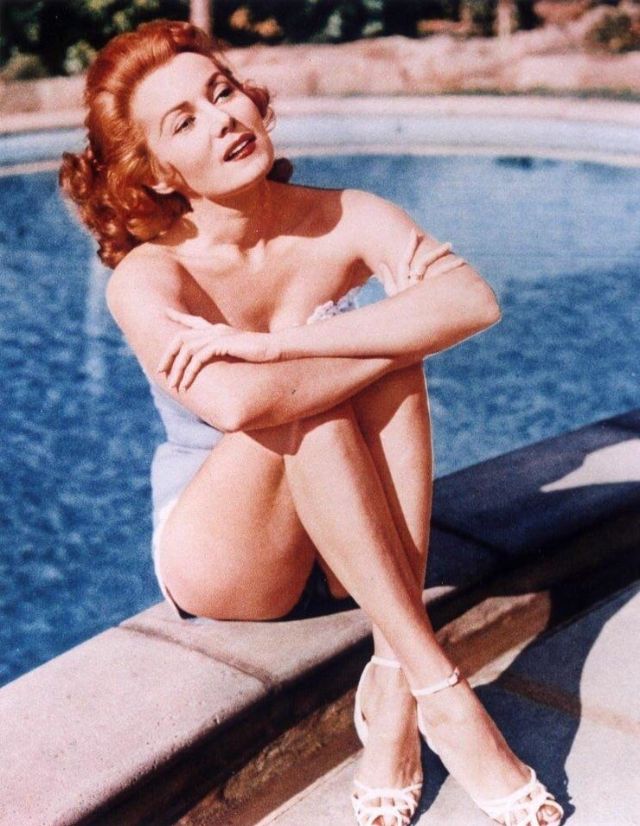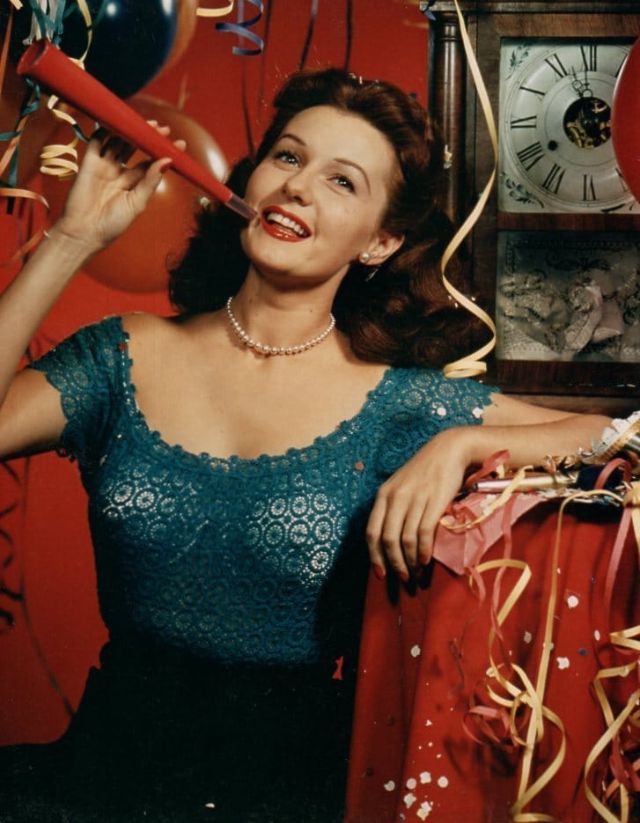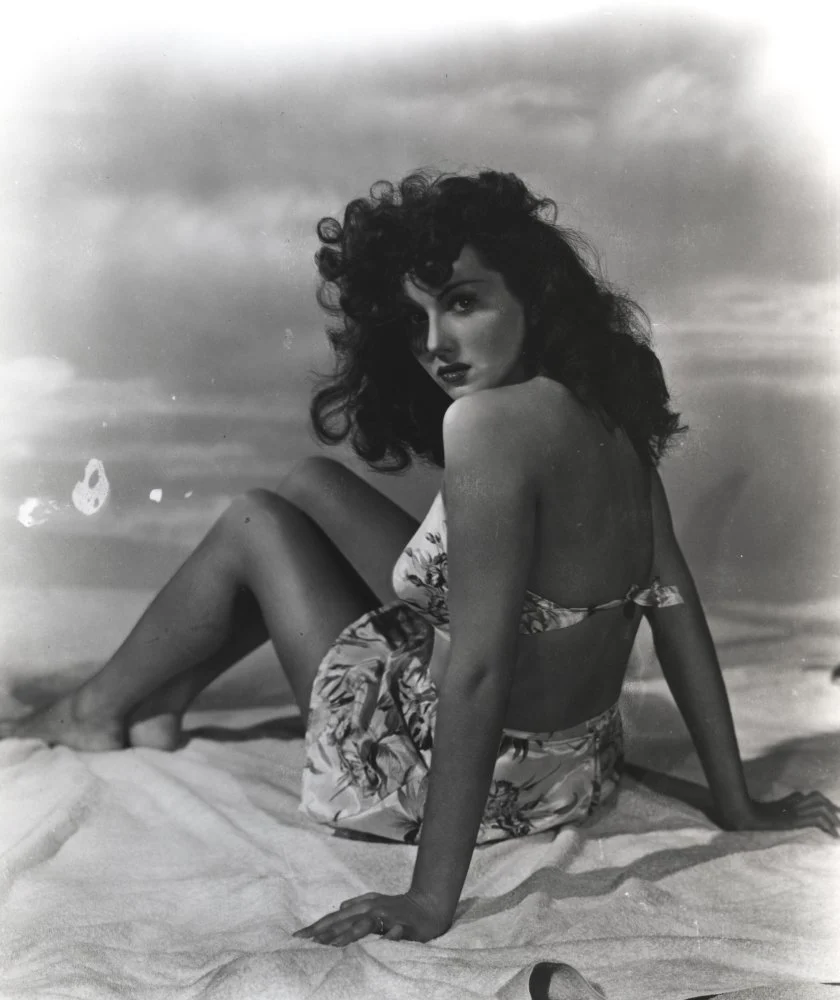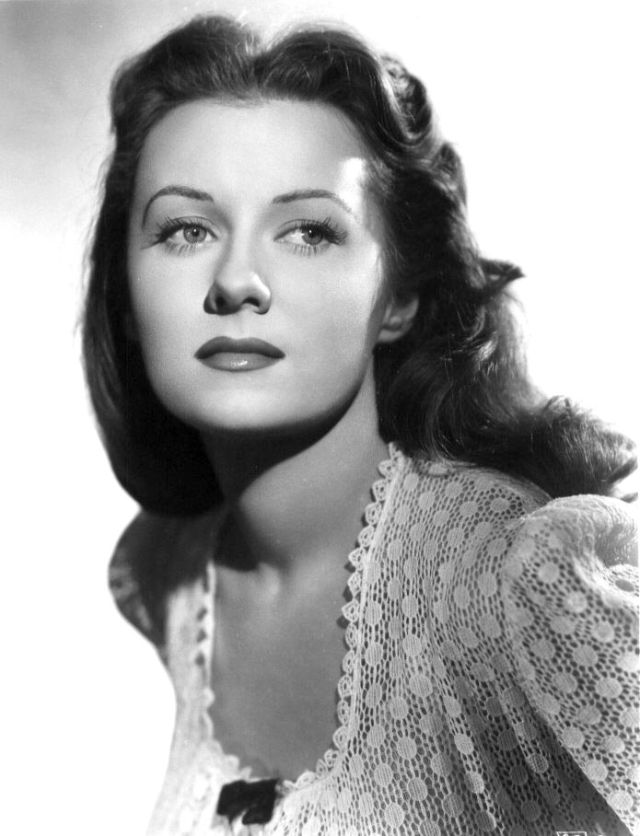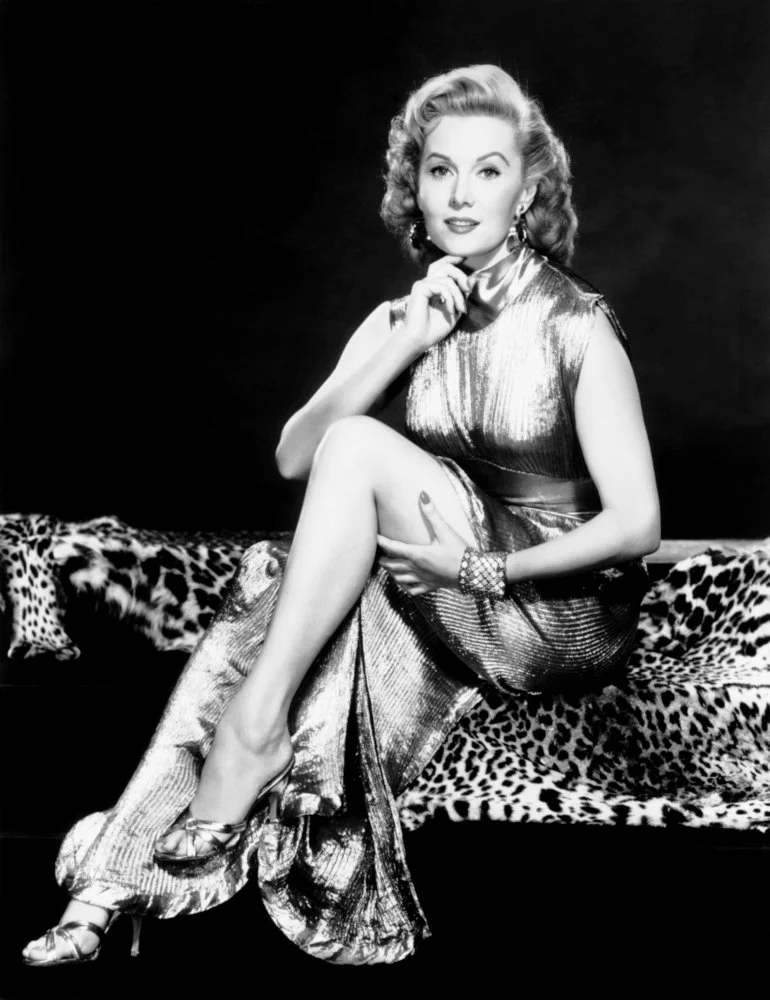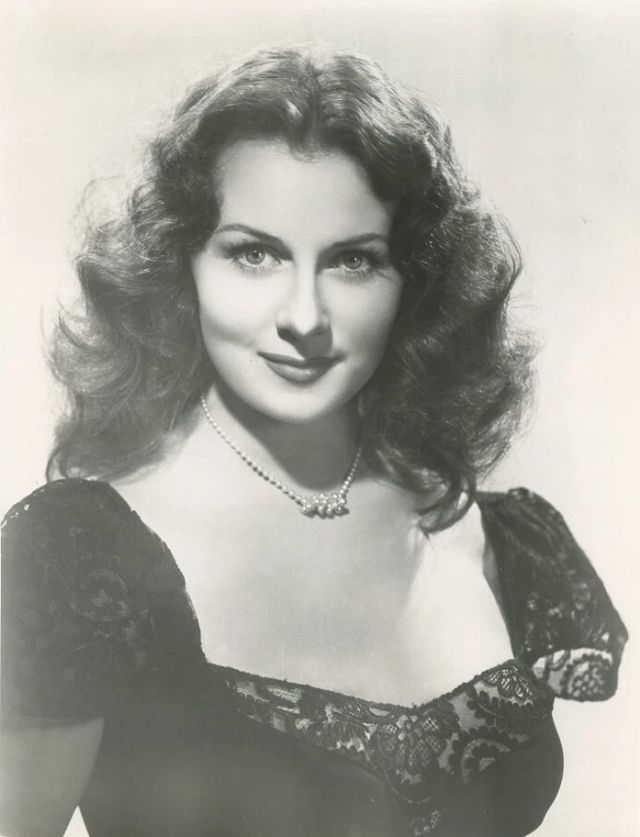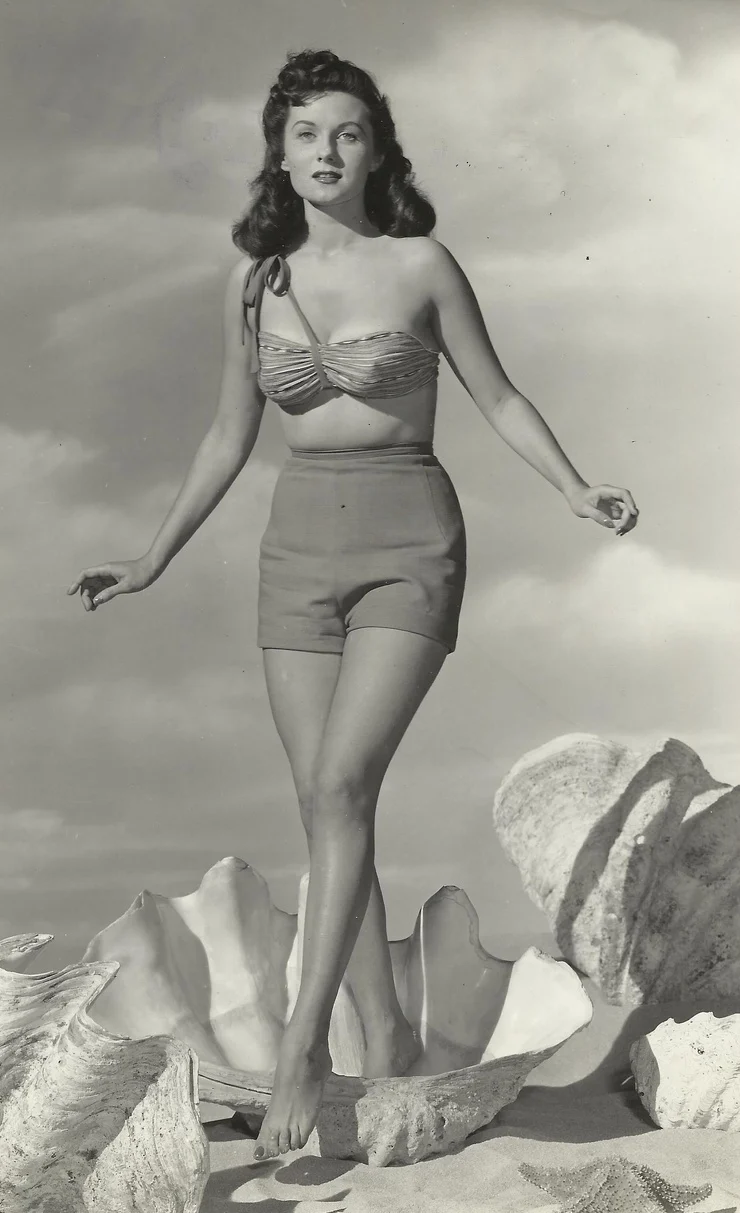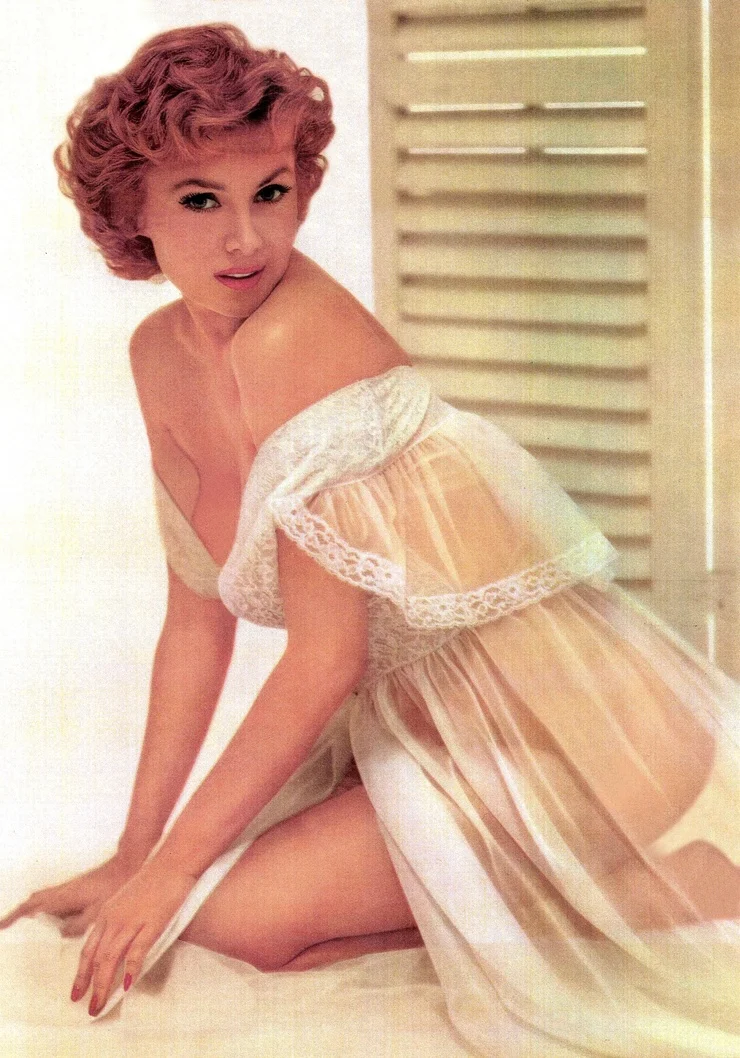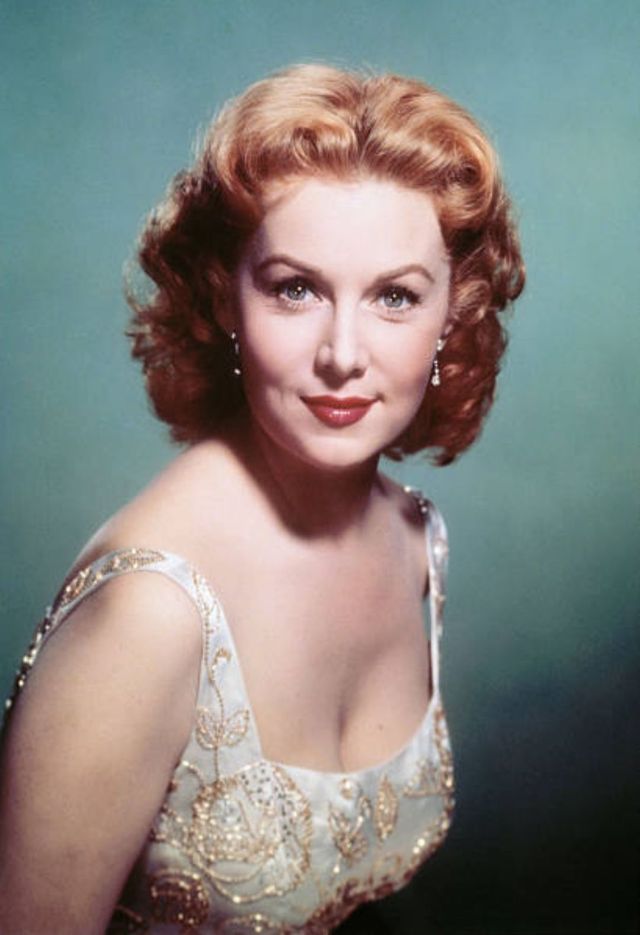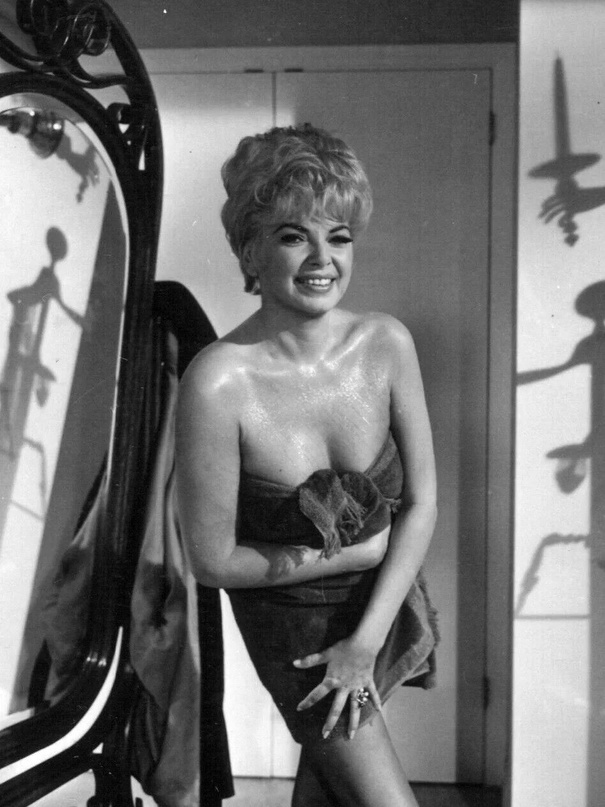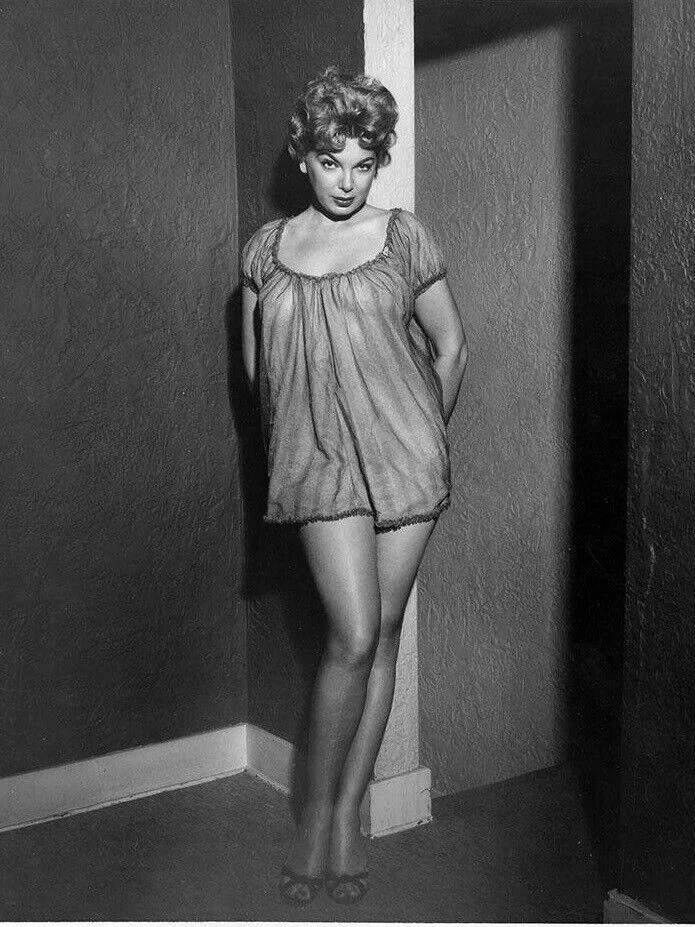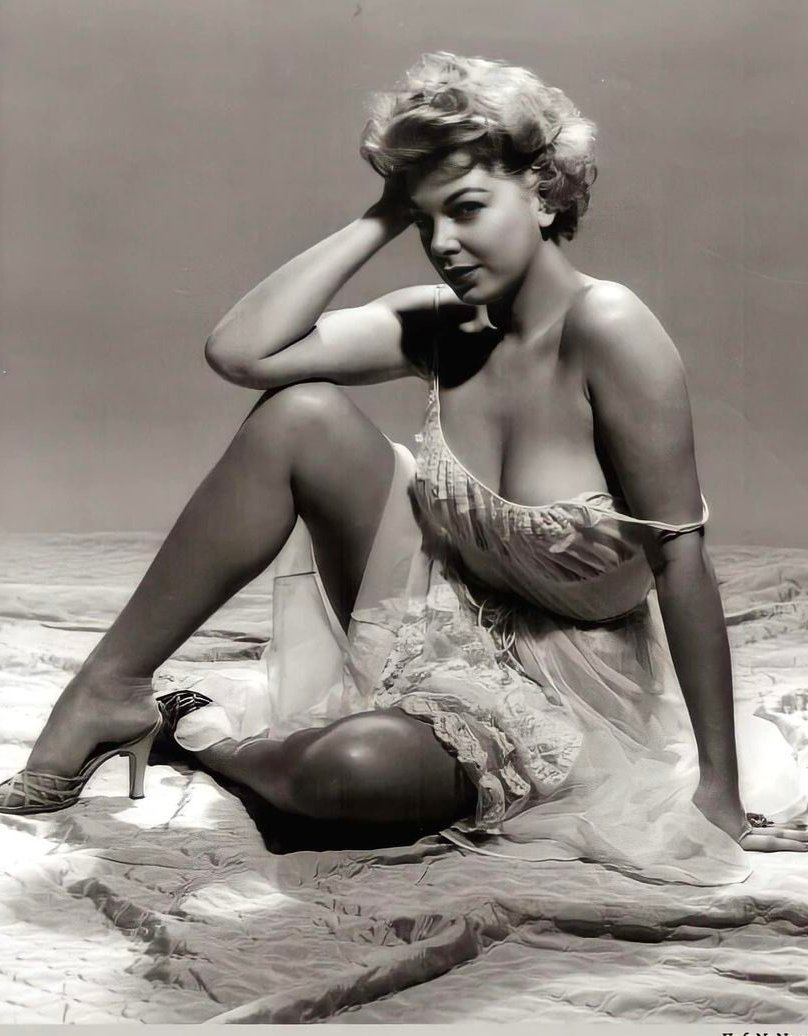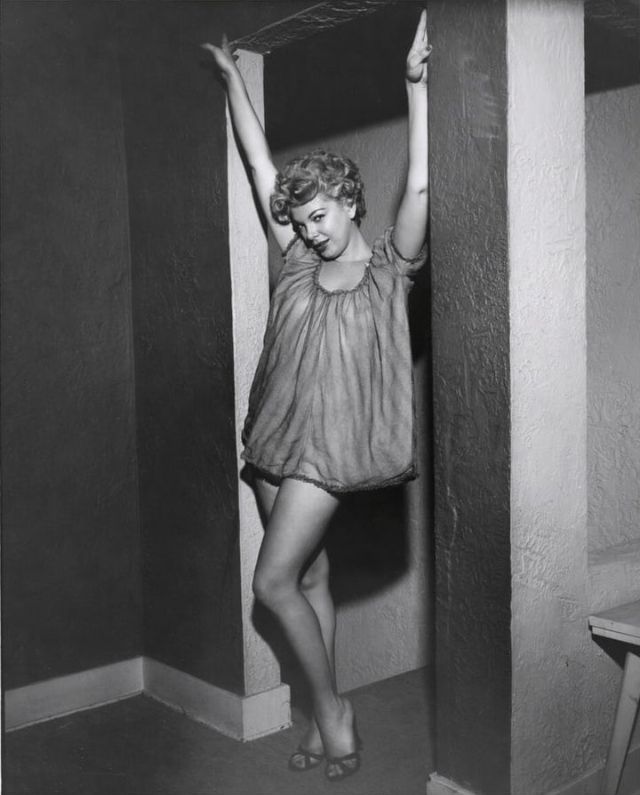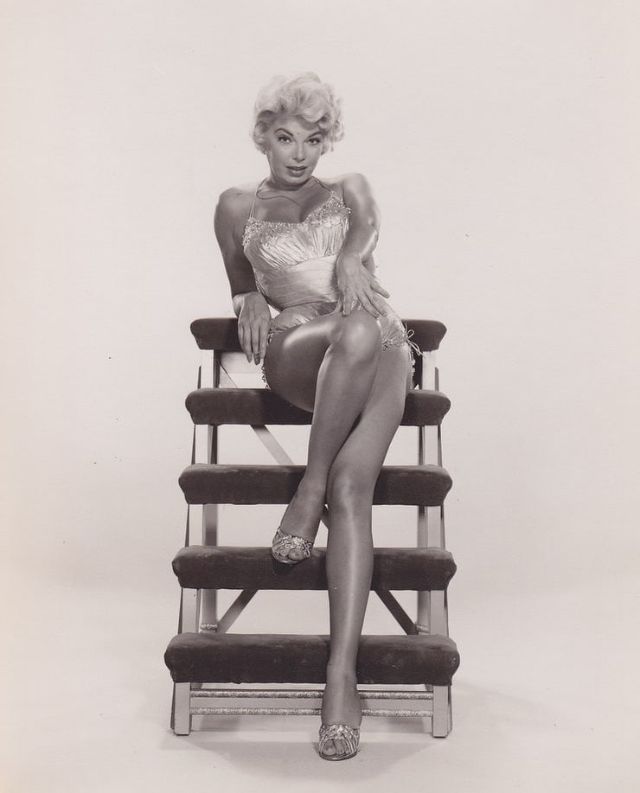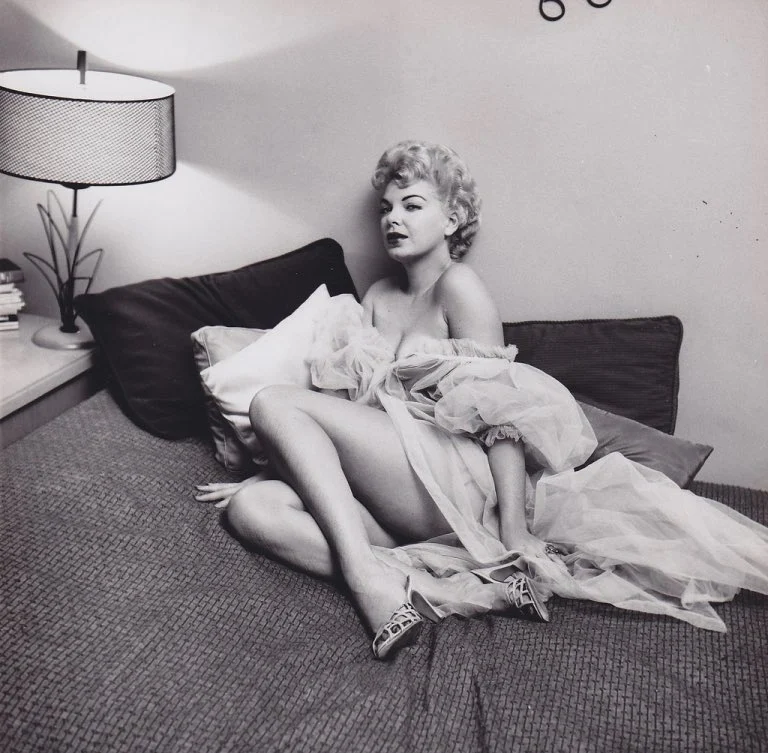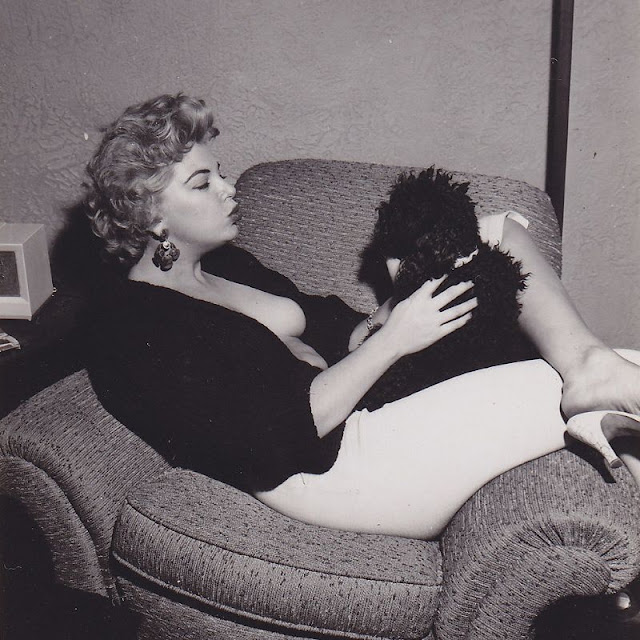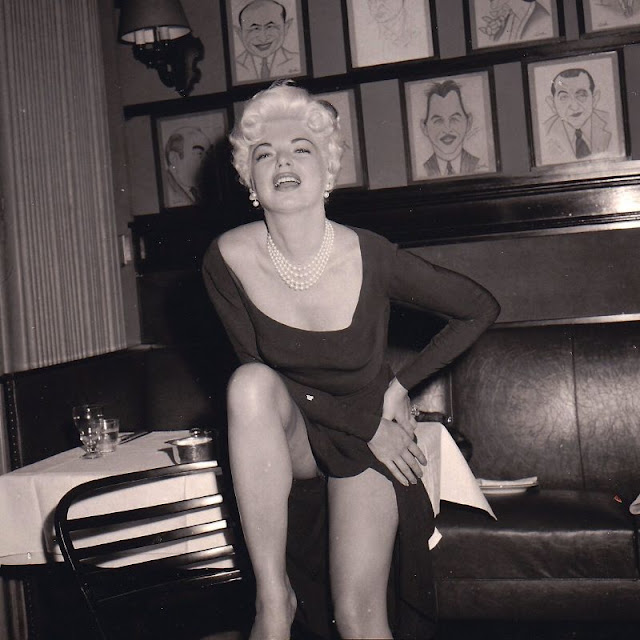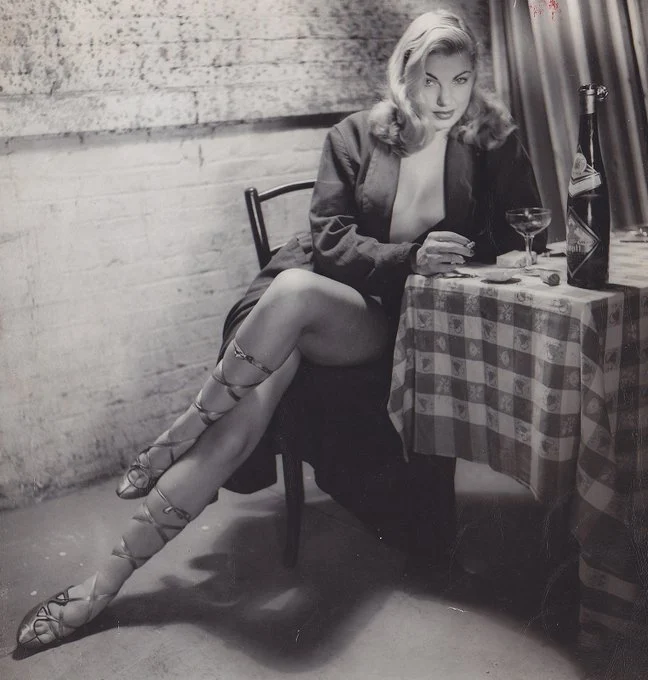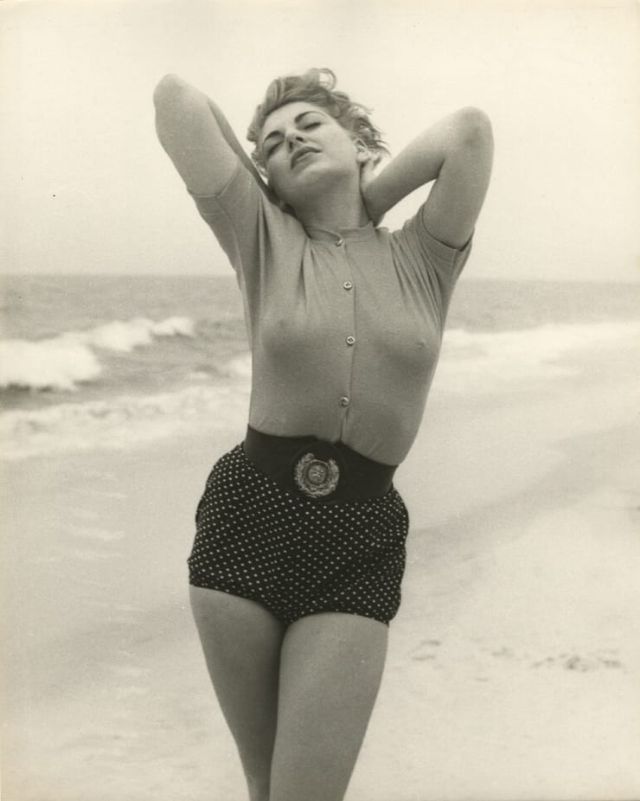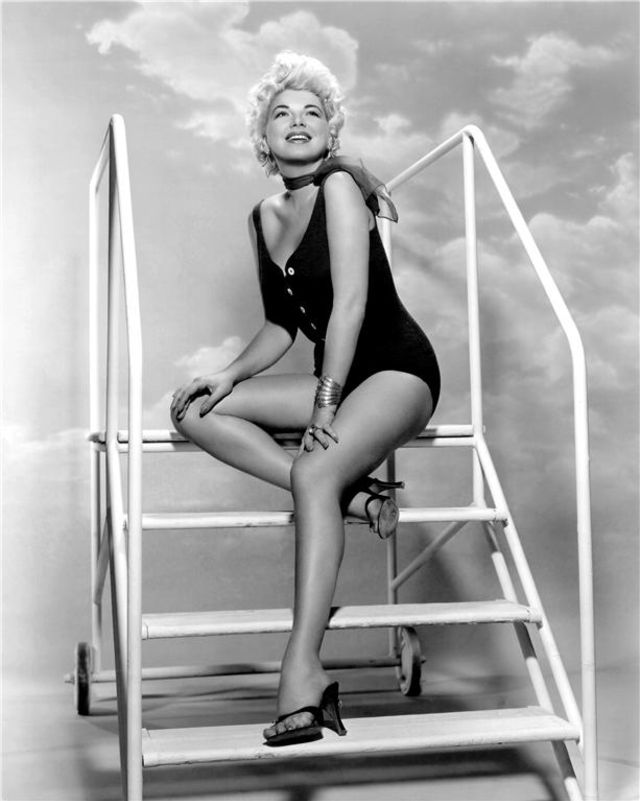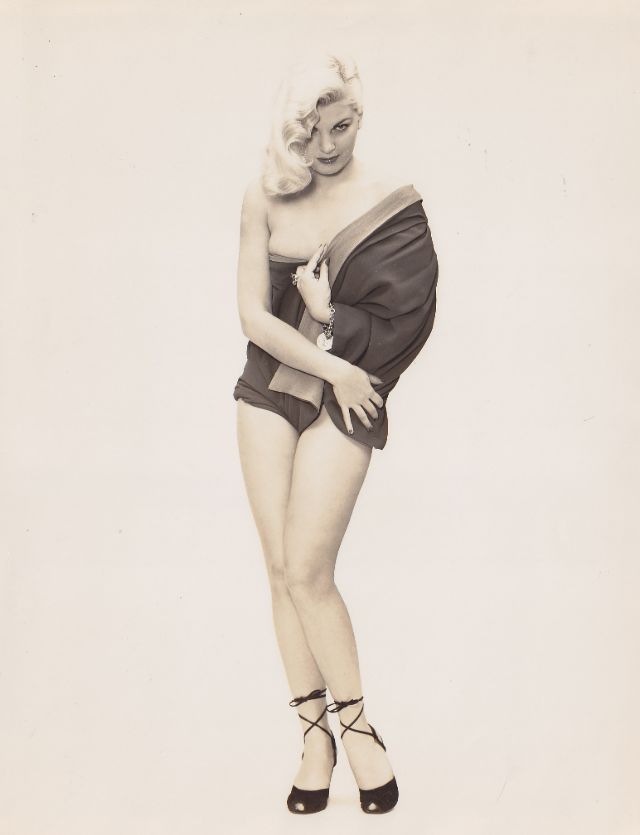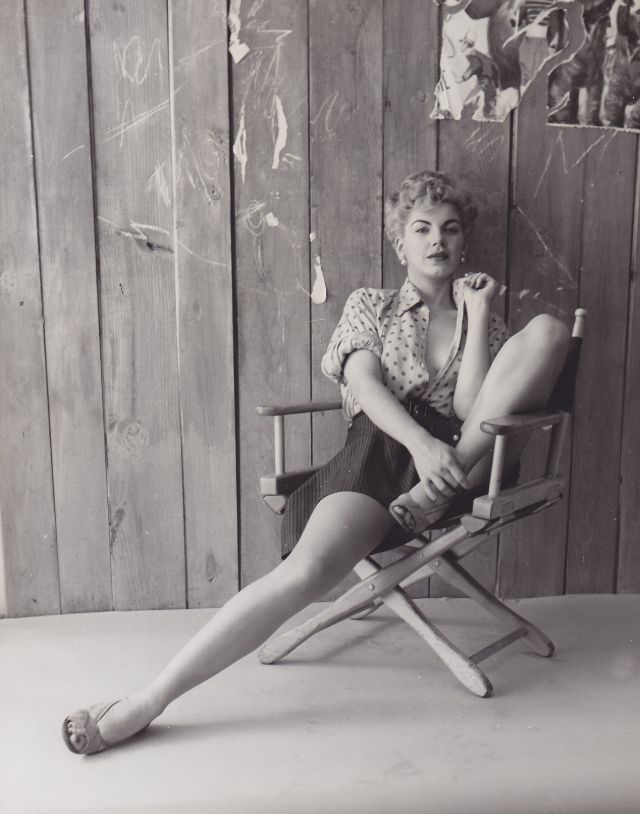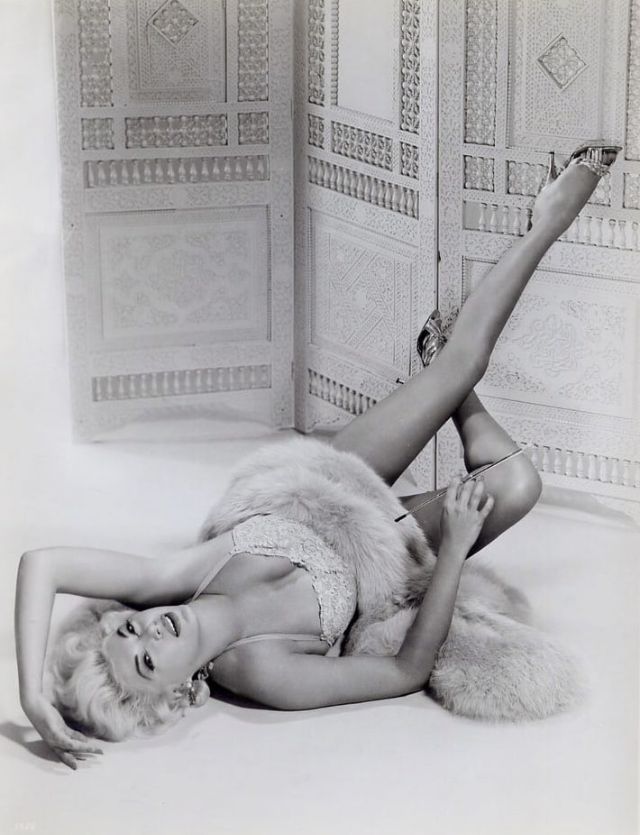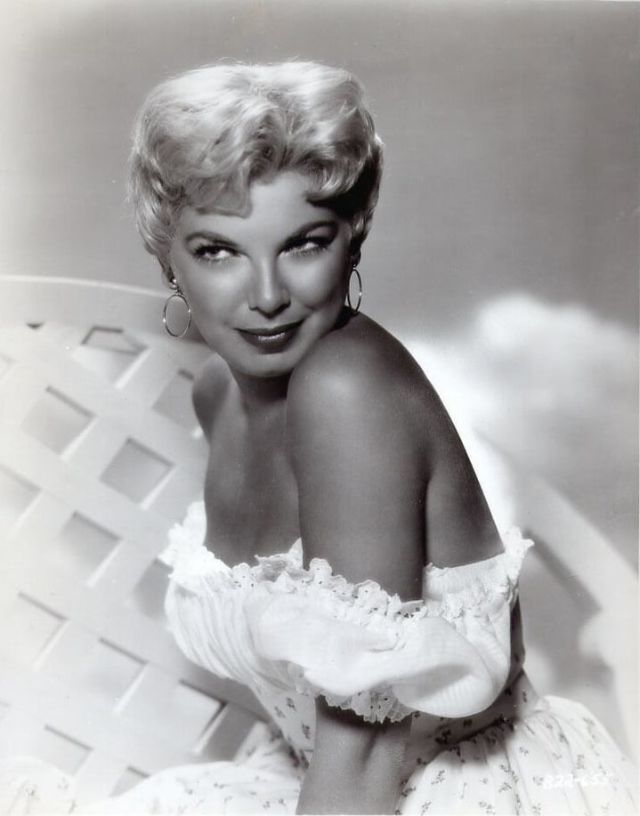
Jeanne Elizabeth Crain (1925-2003)

Jeanne Crain began winning leads in school plays at 14 and beauty contests at 15. A skilled ice skater, she first attracted attention when she was crowned Miss Pan-Pacific at the Pan-Pacific Auditorium in Los Angeles. She attended Inglewood High School, where her father was head of the English department. While still in high school, she was asked to do a screen test with Orson Welles, but she did not get the part. After high school, she enrolled at UCLA to study drama. In 1943 at age 18, she appeared in a bit part in the film The Gang’s All Here, produced by 20th Century Fox

At age 19 Crain was cast by Fox in her first sizable role in Home in Indiana (1944), with Walter Brennan, in which she played the love interest of Lon McCallister’s character. The film, shot in Technicolor, was popular at the box office and established Crain as a film name. Darryl F. Zanuck, head of Fox, gave Crain top billing in In the Meantime, Darling (1944), in which she played a war bride. Her acting was critically panned, but she gained nationwide attention. It resulted in her landing the lead role in The Shocking Miss Pilgrim in October 1944.

Crain first received critical acclaim when she starred in Winged Victory (1944). She co-starred in 1945 with Dana Andrews in the musical film State Fair, for which Louanne Hogan dubbed Crain’s singing. After that, Crain often had singing parts in films, and they were invariably dubbed, usually by Hogan. After leaving Fox, She went briefly to Warner Brothers for the filming of Duel in the Jungle in 1954. The film was lukewarm at best. Jeanne, then, signed a contract, that same year, with Universal Studios with promises of better, high profile roles. She went into production in the film Man Without a Star (1955) which was a hit with audiences and critics. After The Joker Is Wild (1957), Jeanne took time off for her family and to appear in a few television programs. She returned, briefly, to film in Guns of the Timberland (1960) in 1960. The films were sporadic after that. In 1967, she appeared in a low-budget suspense yarn called Hot Rods to Hell (1966). Her final film was as Clara Shaw in 1972’s Skyjacked.

Jeanne died of a heart attack in Santa Barbara, California, aged 78

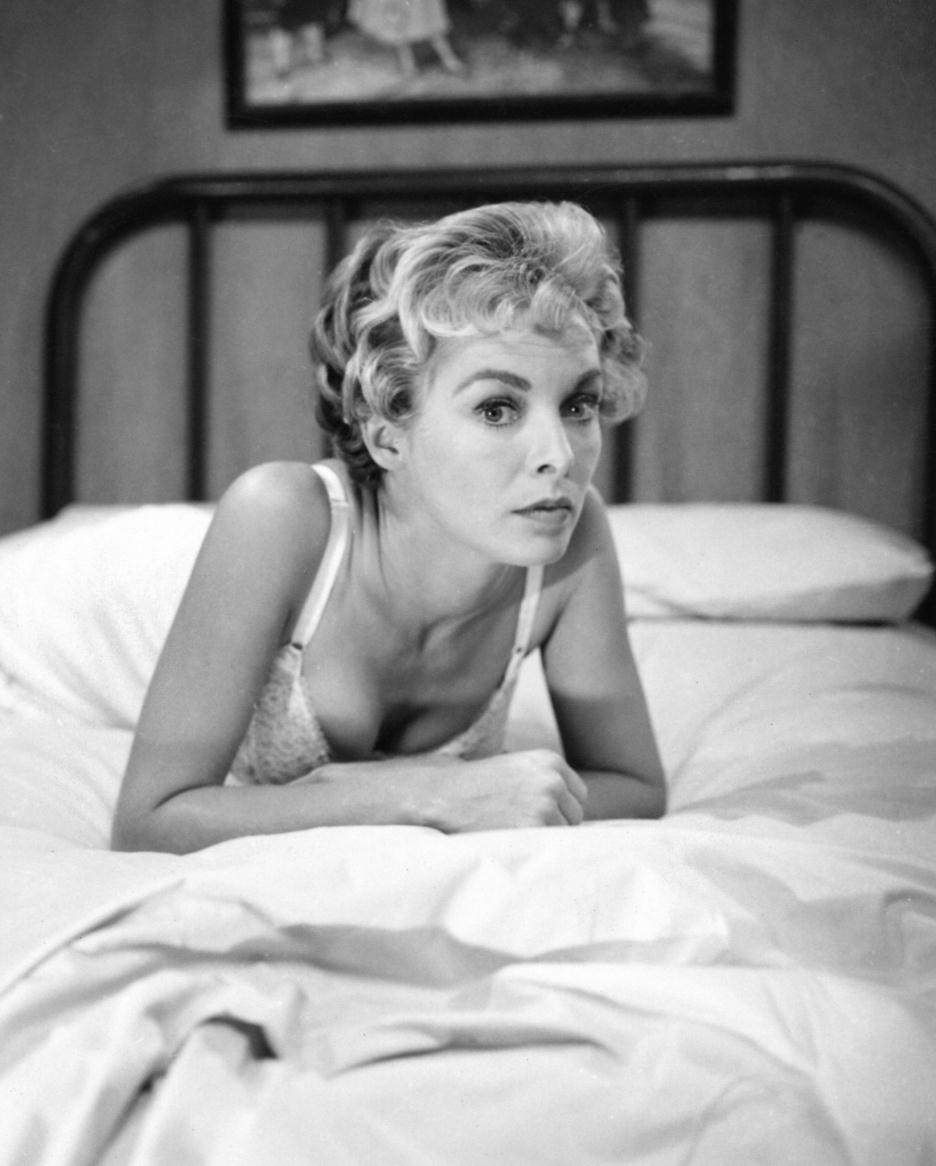
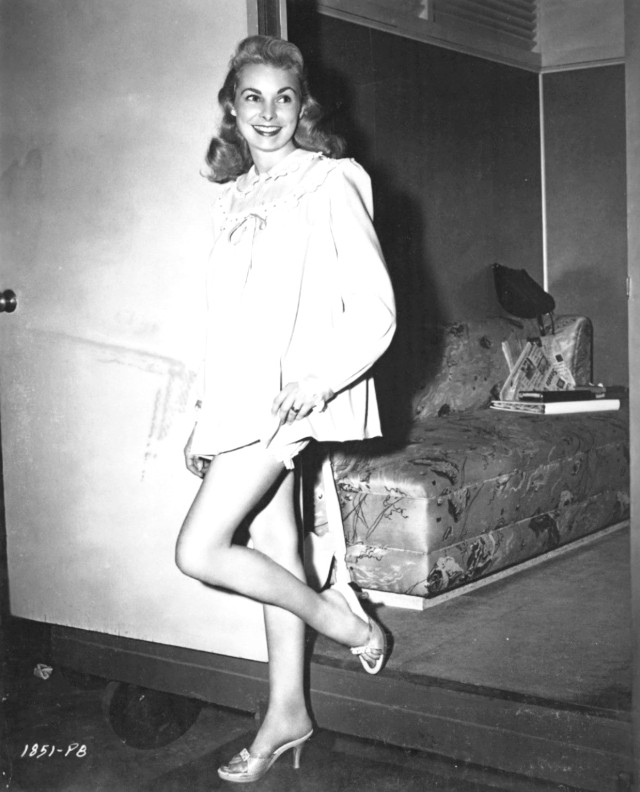
Actress Jeanette Helen Morrison (1927-2004)

Known professionally as Janet Leigh, was an American actress, businesswoman and author. Leigh was established as one of the earliest scream queens for starring in horror films, and is also known for starring in dramatic productions for Metro-Goldwyn-Mayer (MGM). She amassed several screen and stage credits over five decades, and received accolades such as a Golden Globe Award, a Laurel Award, and a nomination for an Academy Award.

Leigh was discovered at 18 by actress Norma Shearer, who helped her secure a contract with MGM. She appeared in films such as the drama The Romance of Rosy Ridge (1947), Act of Violence (1948), the adaptation of Little Women (1949), the comedy Angels in the Outfield (1951), the swashbuckler romance Scaramouche (1952), the Western drama The Naked Spur (1953). She had two marriages in the 1940s before marrying actor Tony Curtis in 1951.

After leaving MGM in 1954, Leigh signed with Universal and Columbia Pictures, starring in films such as the adventure feature Safari (1956) and Orson Welles’ film noir Touch of Evil (1958). She achieved her biggest success playing Marion Crane in Alfred Hitchcock’s horror film Psycho (1960), winning the Golden Globe Award for Best Supporting Actress and earning a nomination for the Academy Award for Best Supporting Actress. In her most enduring role, Leigh was established as a scream queen and received a star on the Hollywood Walk of Fame that same year. Her performance in the pivotal shower scene has become one of the best-known in all of cinema.

In 1962, Leigh and Curtis divorced, and she married Robert Brandt. She then starred in the political thriller The Manchurian Candidate (1962), the musical Bye Bye Birdie (1963), and Harper (1966) before scaling back her career. She made her Broadway debut in a production of Murder Among Friends (1975) and appeared in the horror film Night of the Lepus (1972) and the thriller Boardwalk (1979). She later starred with her daughter, Jamie Lee Curtis, in the horror films The Fog (1980) and Halloween H20: 20 Years Later (1998).

Outside of acting, Leigh co-founded Curtleigh Productions with Curtis, who produced a handful of successful films between 1955 and 1962. She wrote four books between 1984 and 2002, two of which were novels.

On October 3, 2004, she died at the age of 77 of vasculitis.

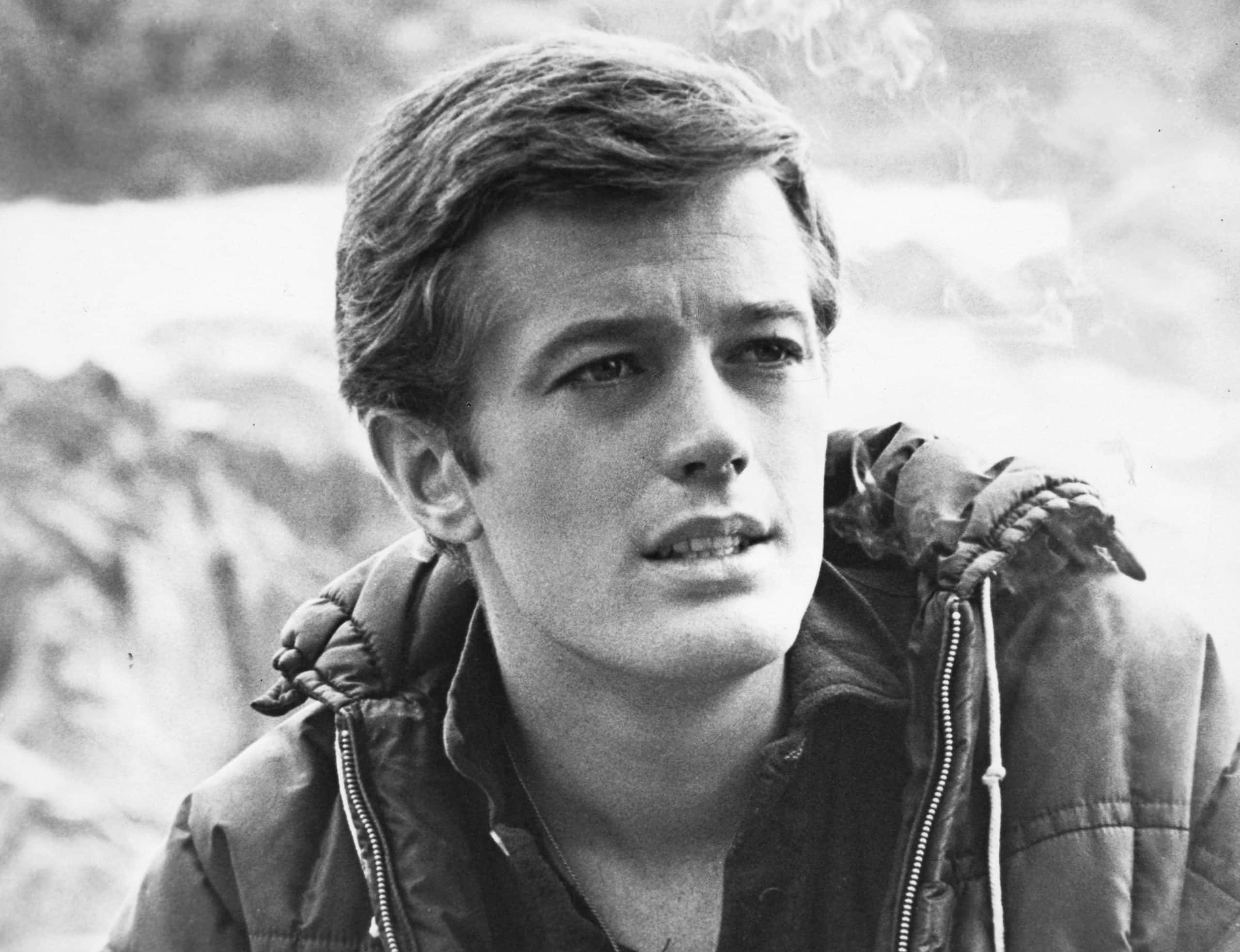
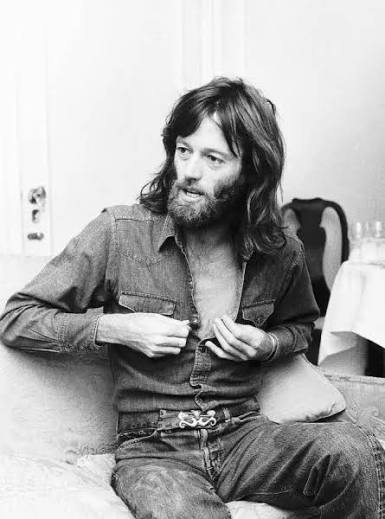
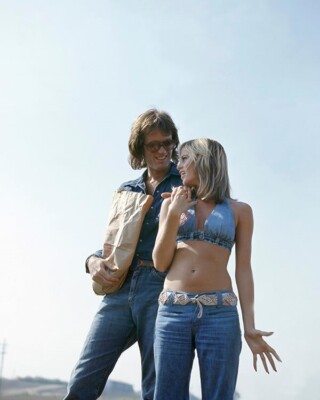
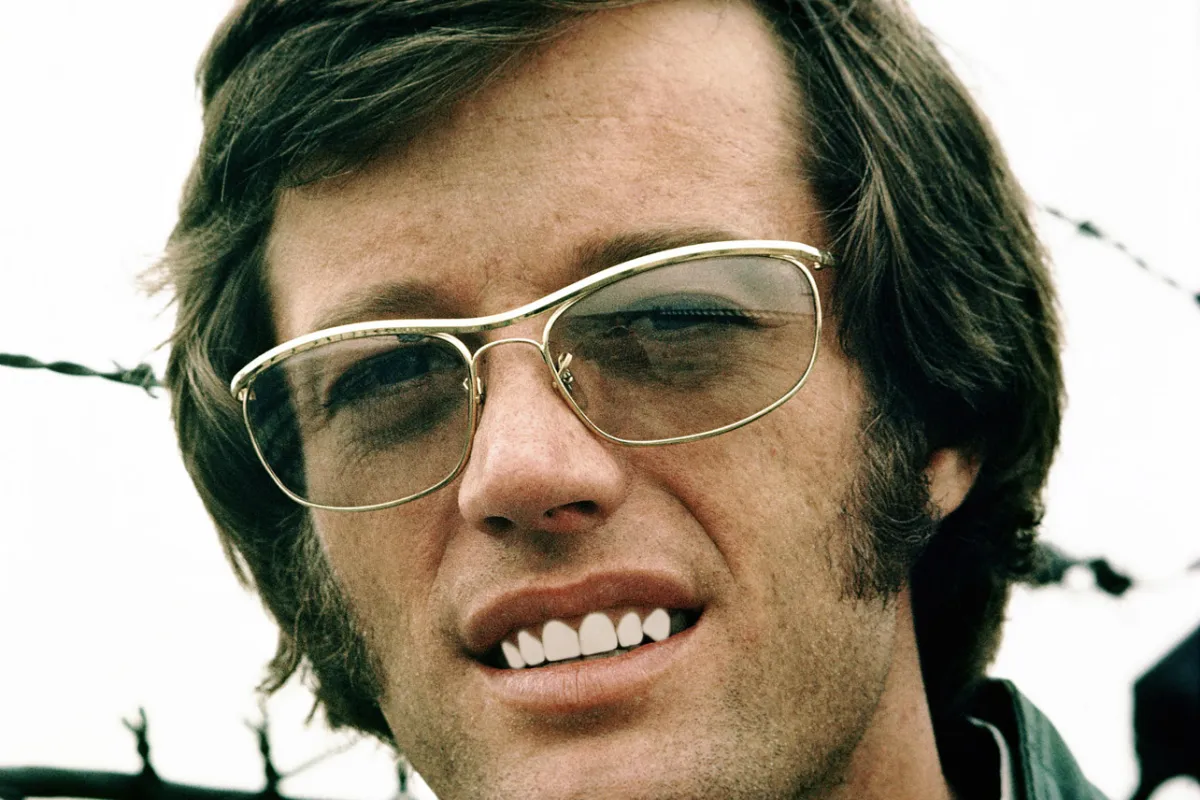
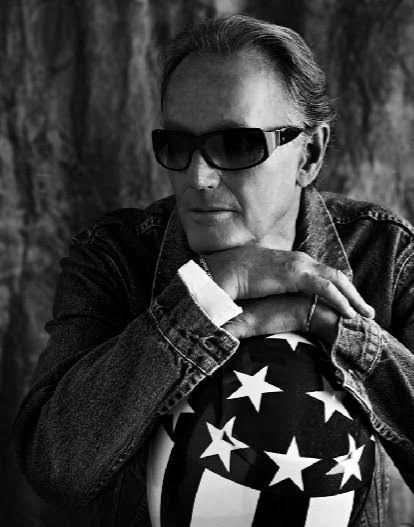
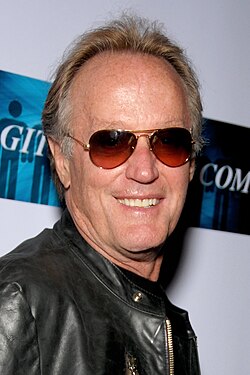
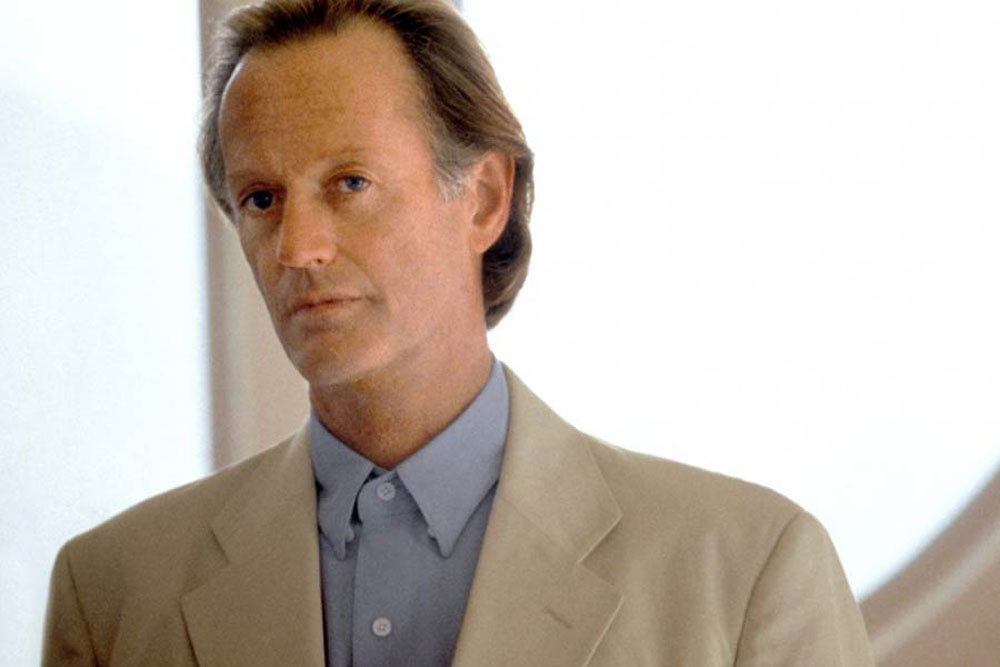
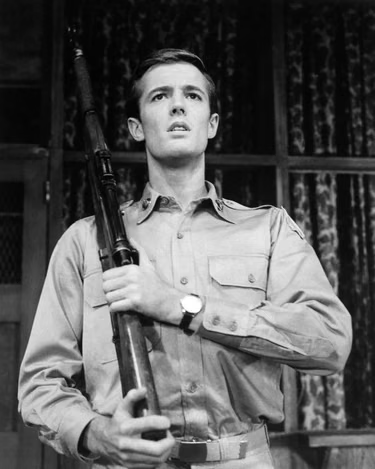
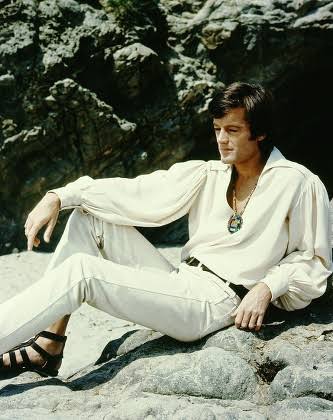
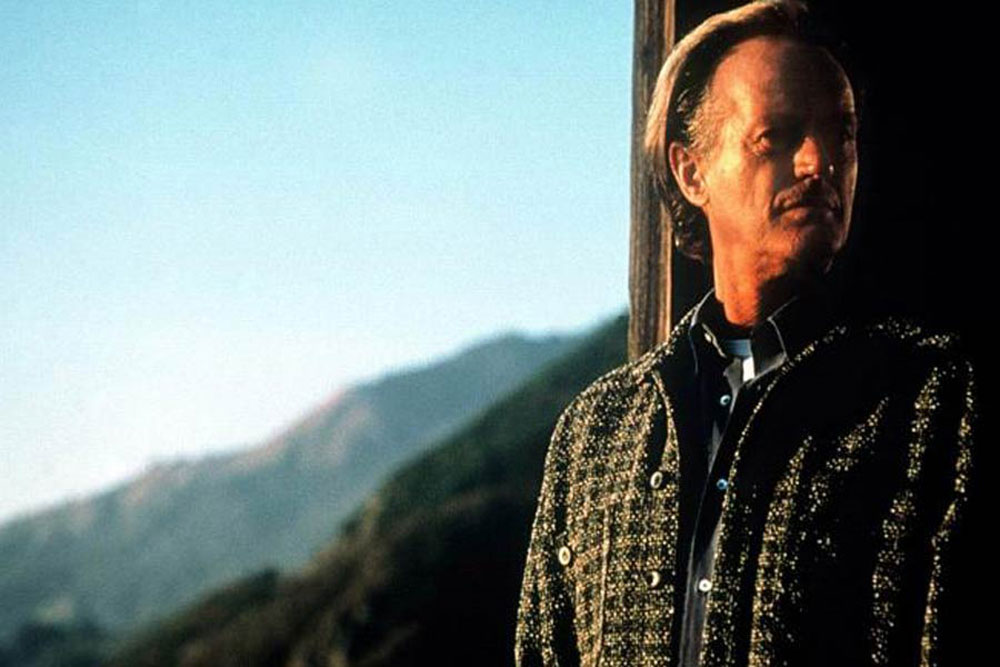
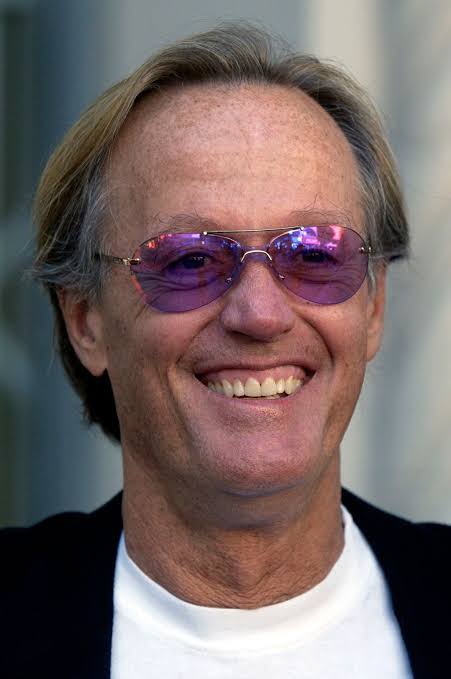
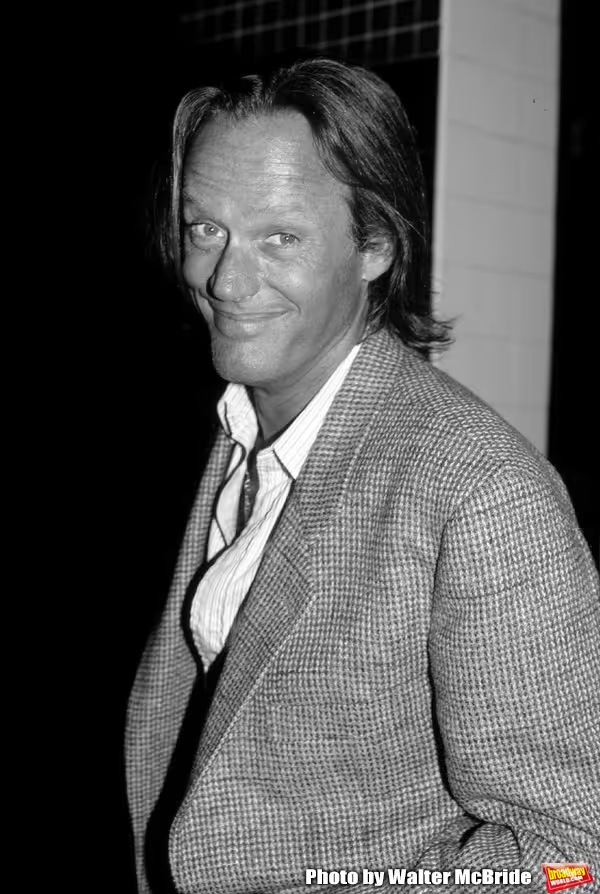
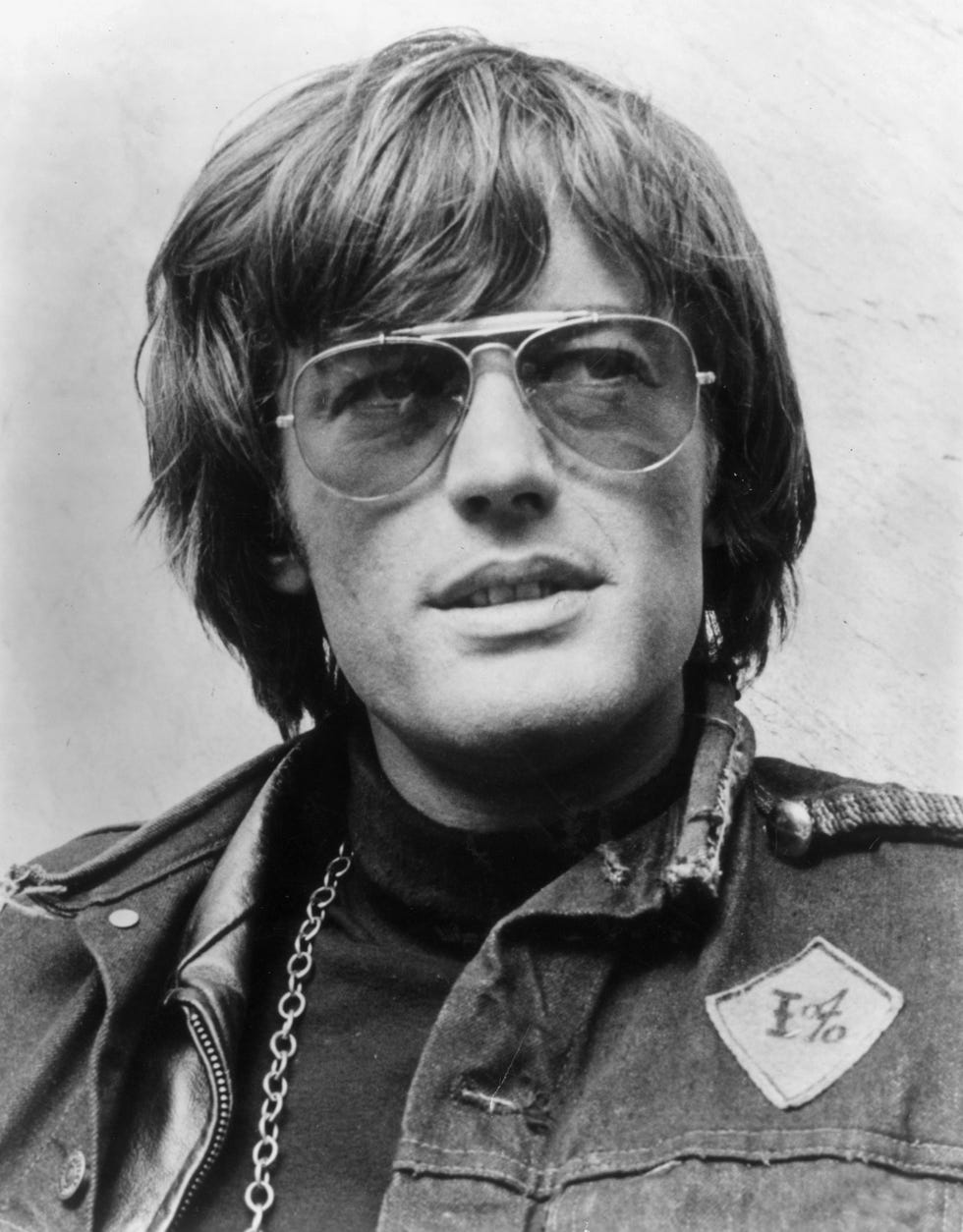
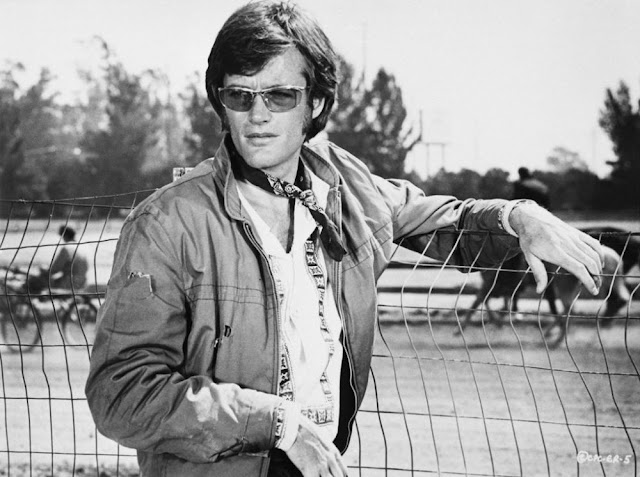
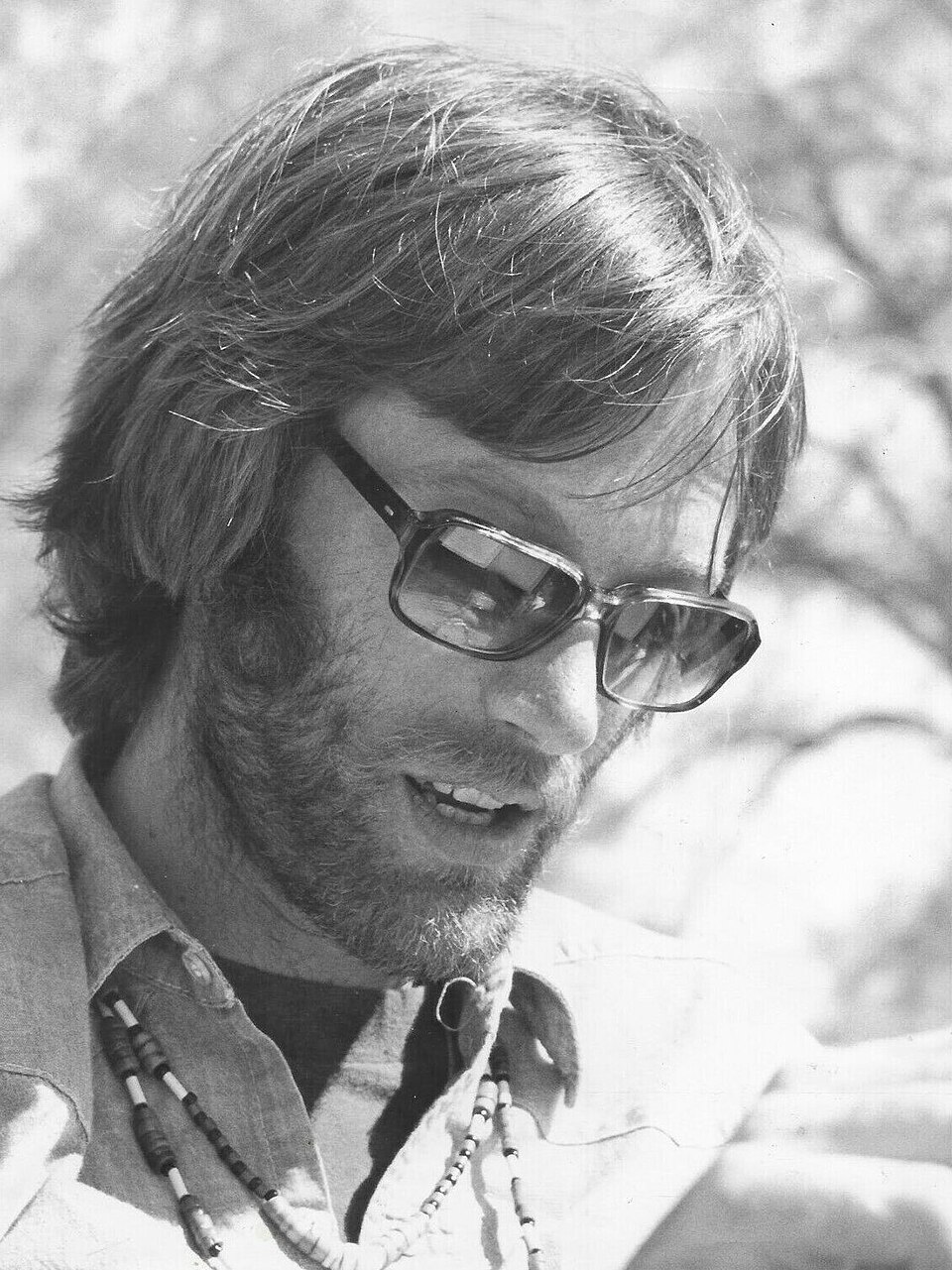
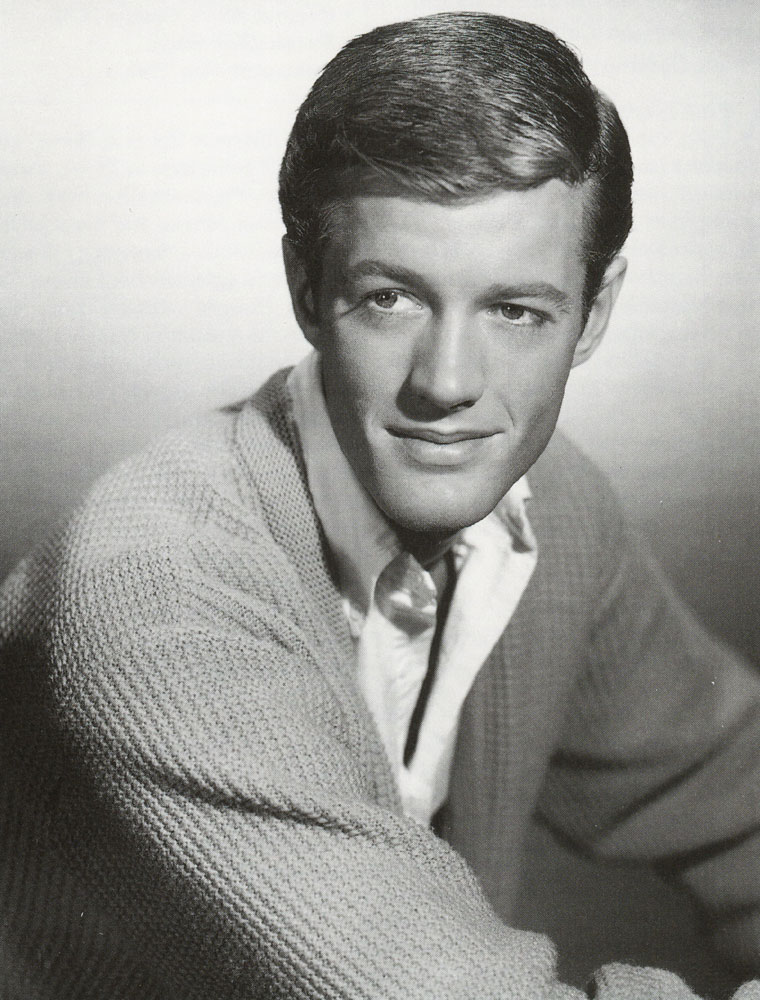
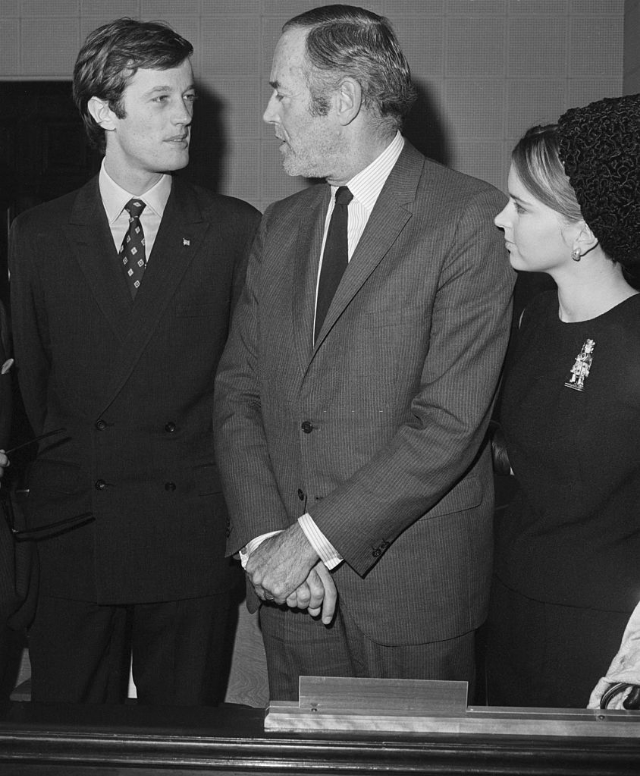
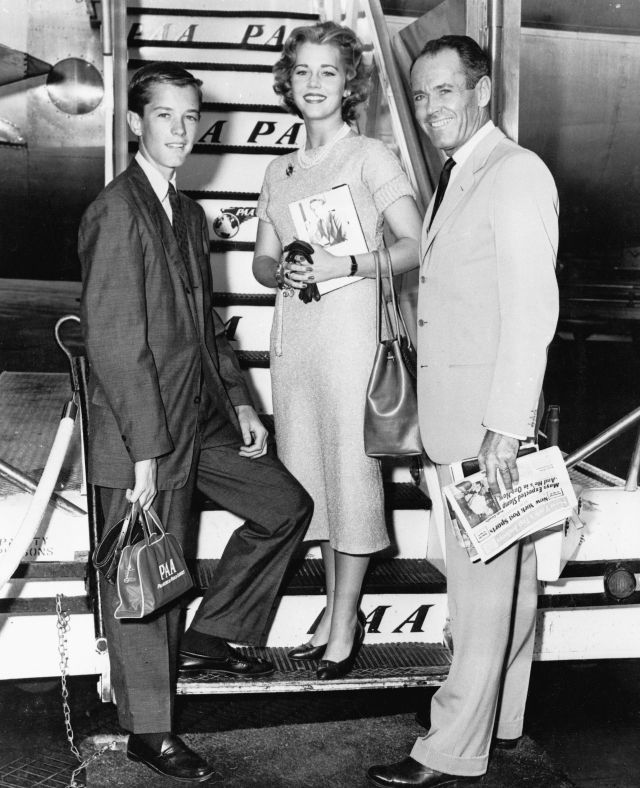
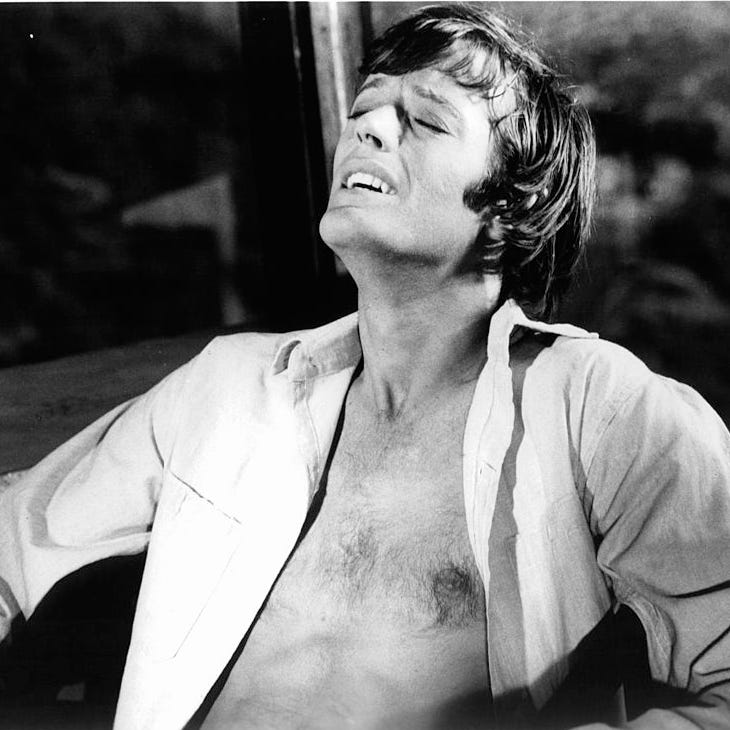
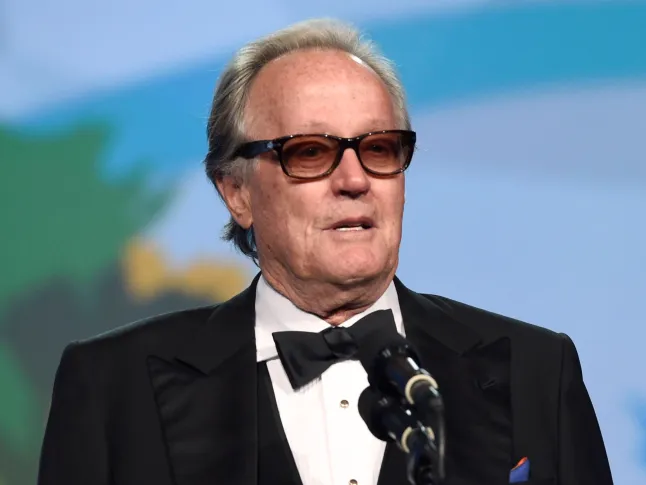
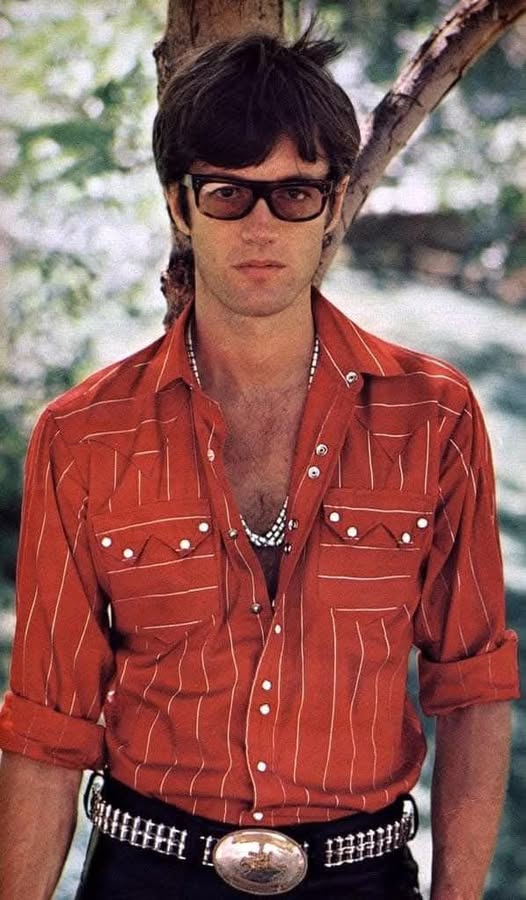
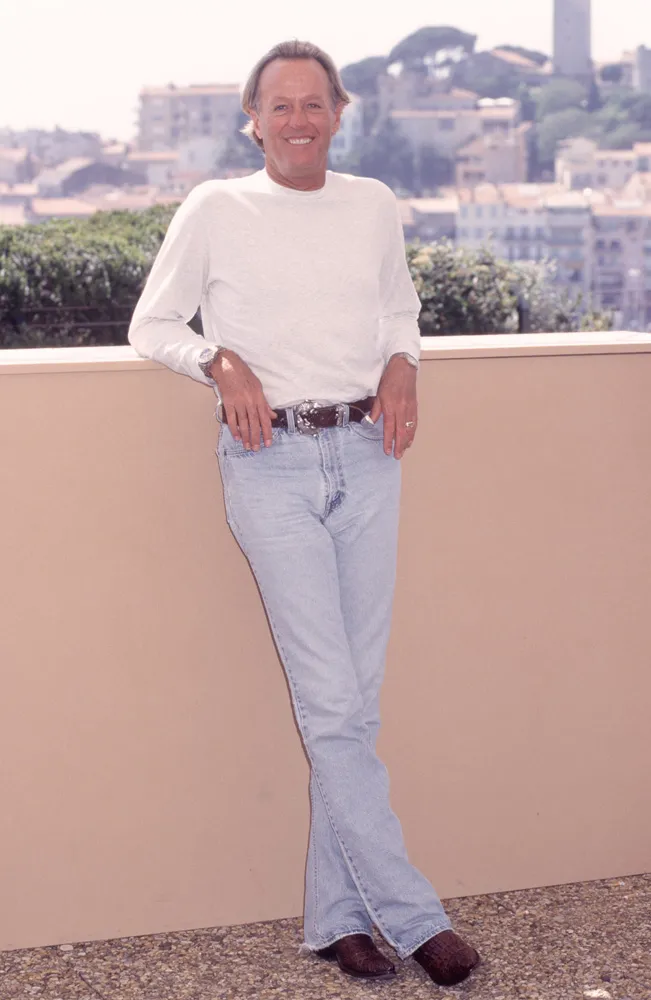
Peter Henry Fonda (1940 – 2019)

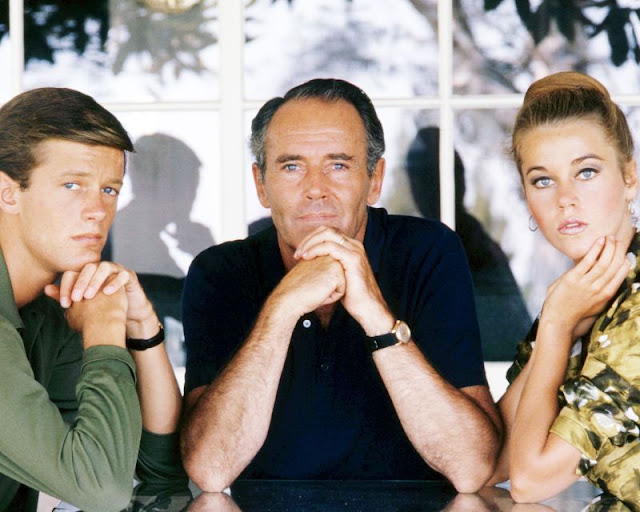
Peter was an American actor, film director, and screenwriter. He was twice an Academy Award nominee, both for acting and screenwriting, and a two-time Golden Globe Award winner for his acting. He was a member of the Fonda acting family, as the son of actor Henry Fonda, the brother of actress and Jane Fonda, and the father of actress Bridget Fonda.

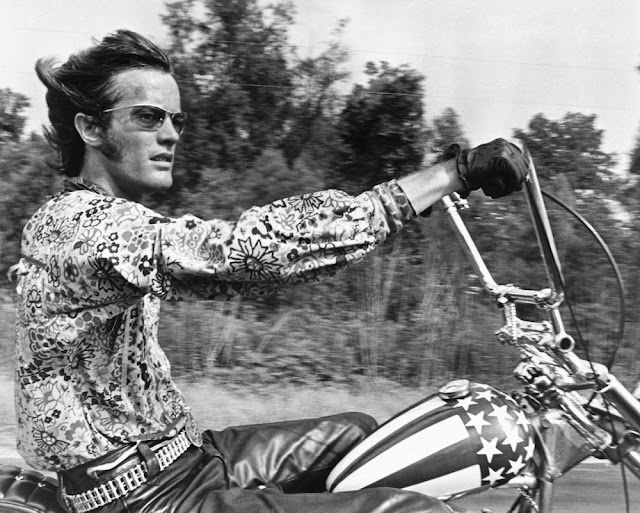
Fonda began his career on stage, winning a New York Drama Critics’ Circle Award and the Theatre World Award for his performance in the play Blood, Sweat and Stanley Poole. He became a prominent figure in the counterculture of the 1960s, starring in and co-writing the film Easy Rider (1969), which earned him an Oscar nomination for Best Original Screenplay. He then made his directorial debut with the Revisionist Western film The Hired Hand (1971), in which he also starred. During the following decade, he established himself as an action star, appearing in a variety of productions including Dirty Mary, Crazy Larry (1974) and Futureworld (1976).

Fonda achieved a major critical comeback with his starring role in the drama film Ulee’s Gold (1997), receiving an Oscar nomination for Best Actor and a Golden Globe Award for Best Actor – Motion Picture Drama. He also won the Golden Globe for Best Supporting Actor – Series, Miniseries or Television Film for The Passion of Ayn Rand (1999). In 2003, Fonda received a star on the Hollywood Walk of Fame at 7018 Hollywood Blvd, for his contributions to the film industry.

Fonda died from respiratory failure caused by lung cancer at his home in Los Angeles on August 16, 2019, at the age of 79

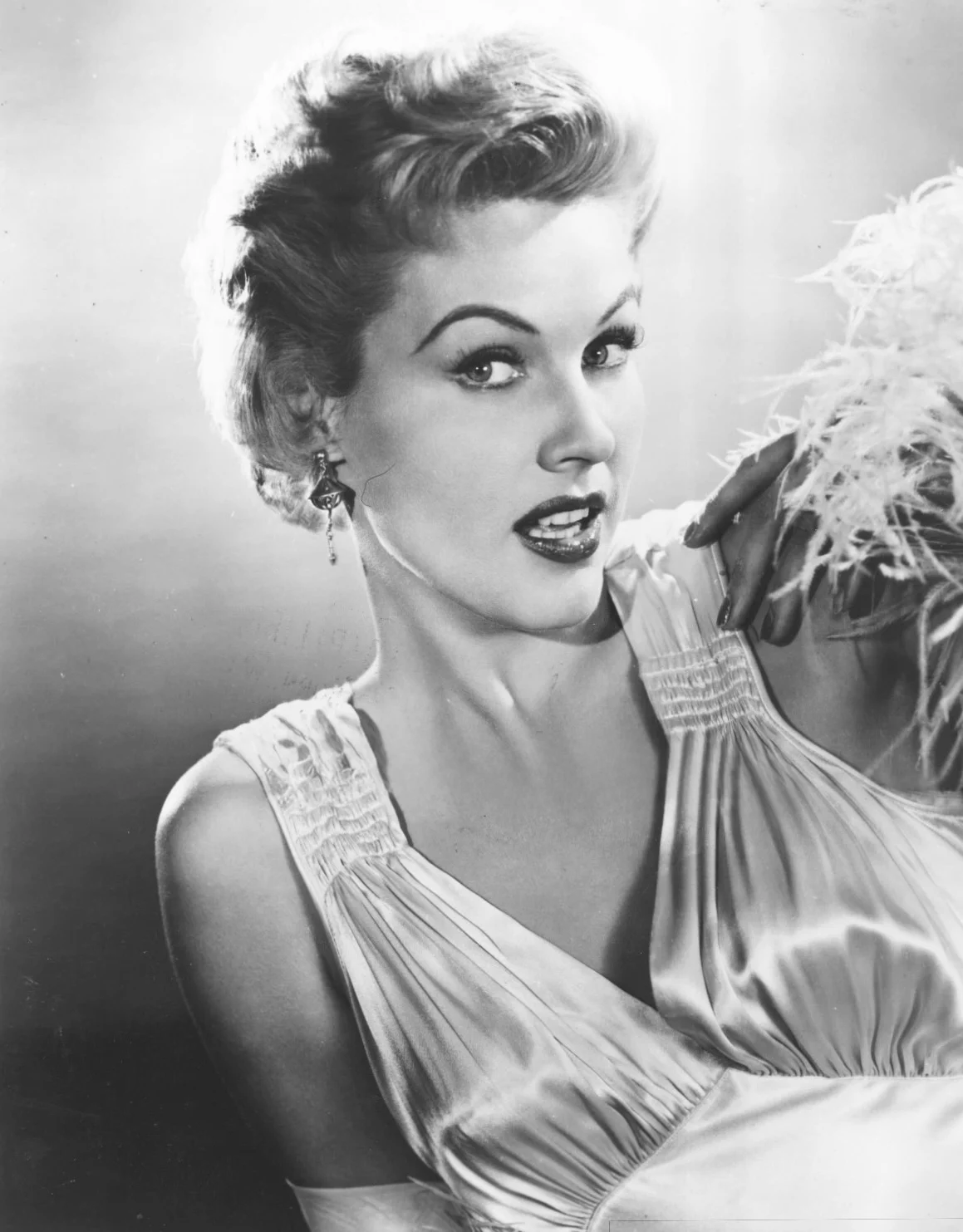
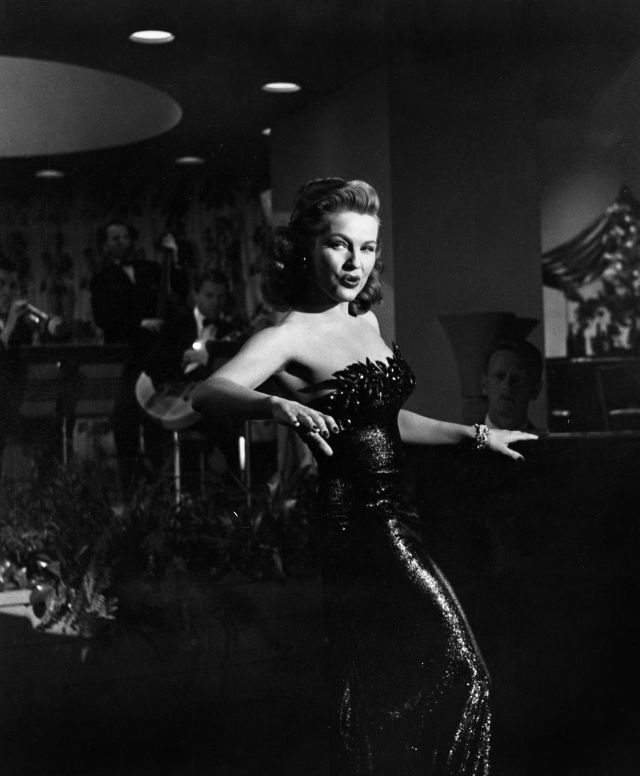
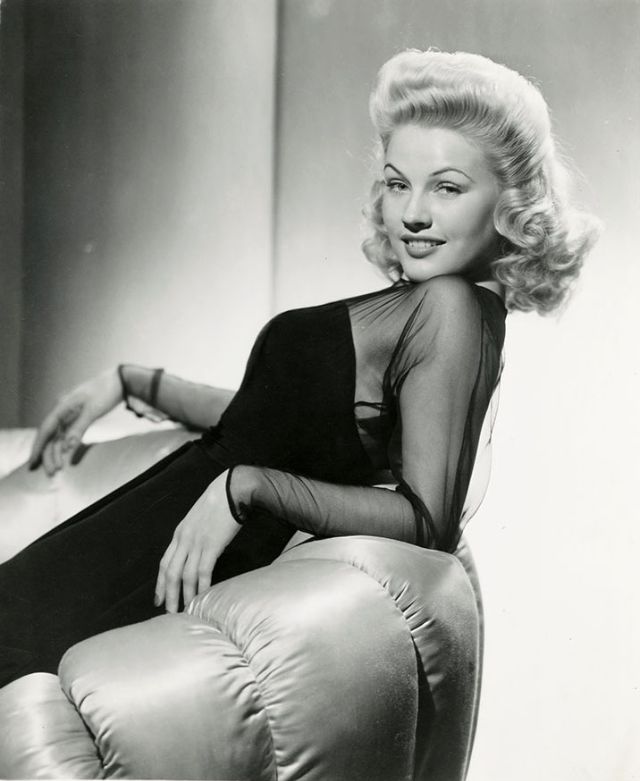
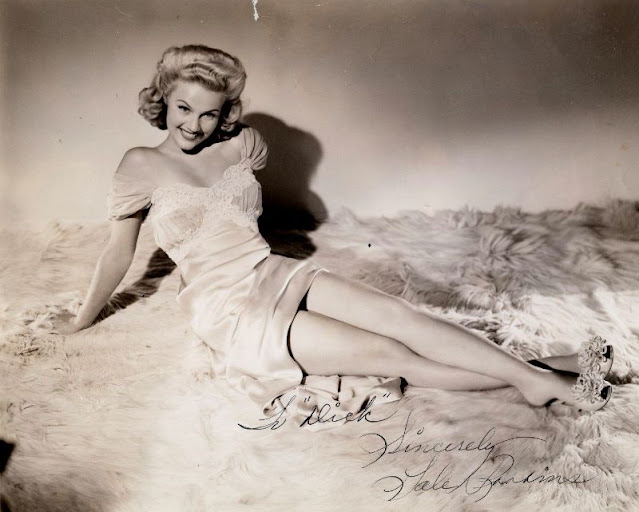
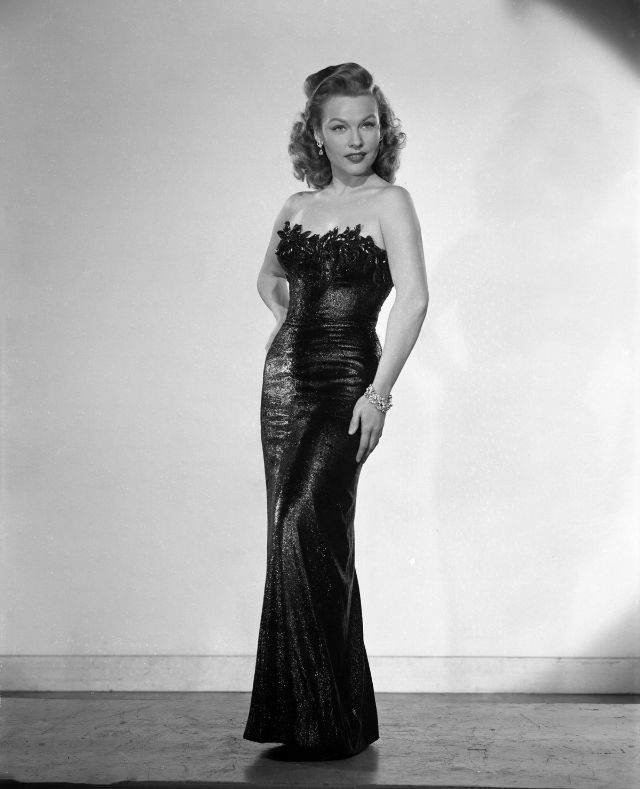
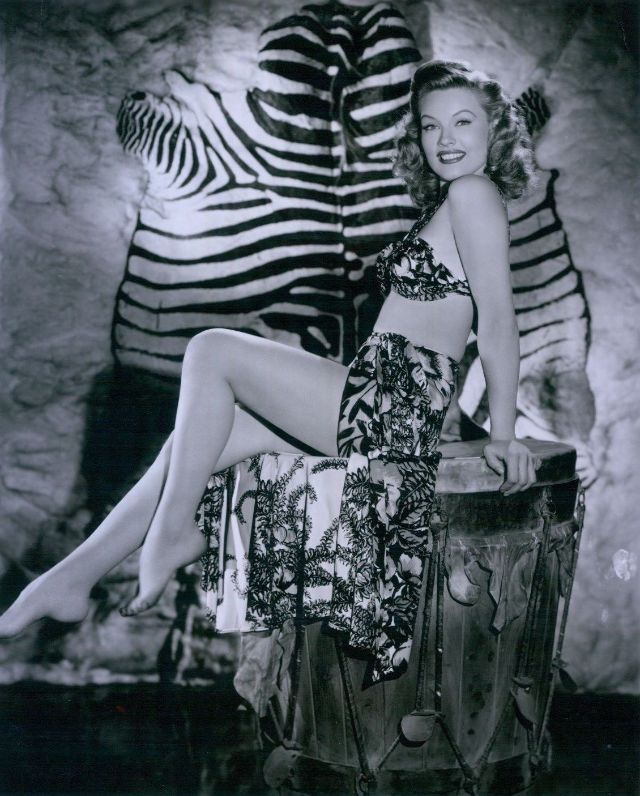
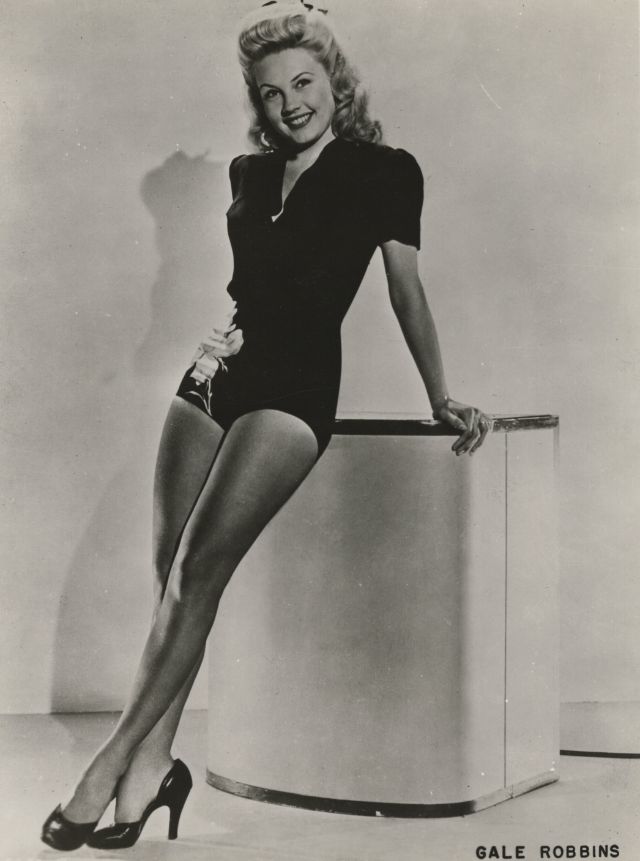
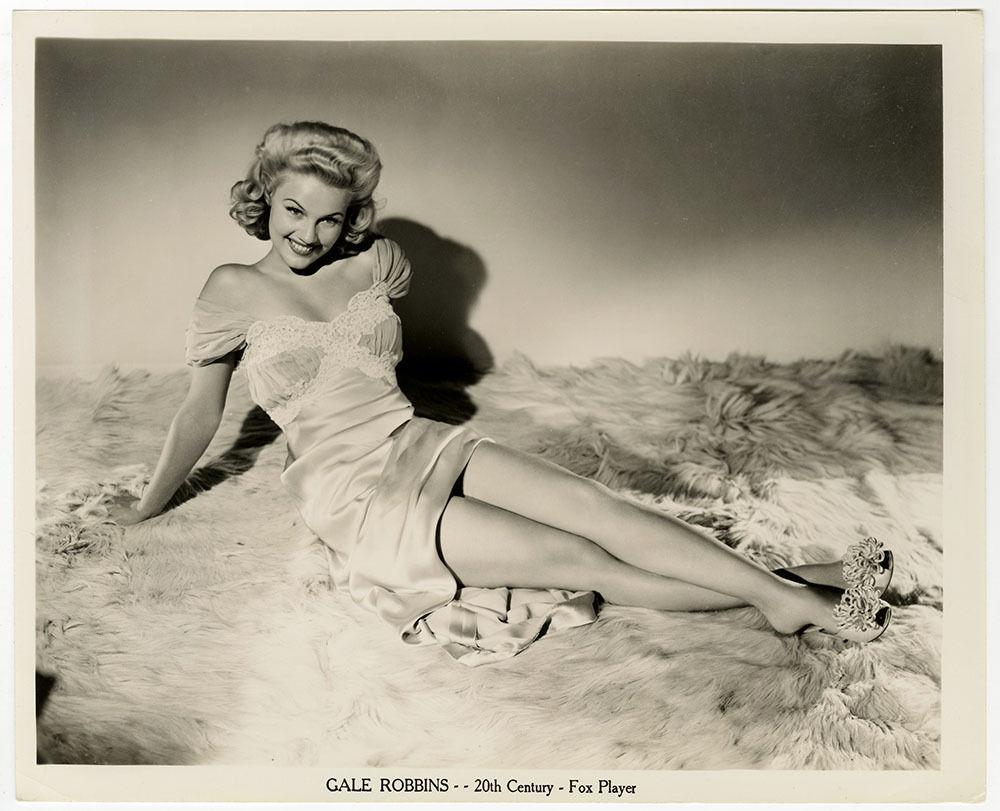
actress and singer Gale Robbins (1921-1980)

Gale Robbins was a knockout-looking hazel-eyed redhead who made a modest dent in post-war Hollywood films. Gale had a natural flair for music and appeared in glee clubs and church choirs in the early days. She graduated from her Chicago high school in 1939.

She started out in entertainment as a model in Chicago, but her singing talents soon took over. Signed by a talent agency, she sang with Phil Levant’s outfit in 1940 and later teamed with some male singers for a swing band that called themselves “The Duchess and Her Dukes.”

20th Century-Fox spotted her while she was singing for Ben Bernie’s outfit and quickly signed her up, her first film being the pleasant time-filler In the Meantime, Darling (1944). A semi-popular cheesecake pin-up, Gale appeared on the cover of “Yank, The Army Weekly” in 1944, was heard on radio, and toured with Bob Hope in Europe the next year. Her post-war parts, mostly sultry second leads, were typically lightweight in nature. She was often lent out to other studios and not always in a singing mode. Gale’s better known film work includes Race Street (1948), The Barkleys of Broadway (1949), Three Little Words (1950), The Fuller Brush Girl (1950) and Calamity Jane (1953).

Gale went on to host the Hollywood House (1949) and also appeared on The Colgate Comedy Hour (1950). In the late 50s she released an easy-listening album (“I’m a Dreamer”) for the Vik Label backed by Eddie Cano & His Orchestra. She covered such standards as “Them There Eyes” and “What Is This Thing Called Love.” After her final film appearance in Quantrill’s Raiders (1958) and a few additional TV parts on such programs as “Bourbon Street Beat,” “77 Sunset Strip,” “The Untouchables,” “Perry Mason” and “Mister Ed,” Gale phased out her career in 1972 to focus full-time on raising her family.

She passed away at 58 from Lung Cancer

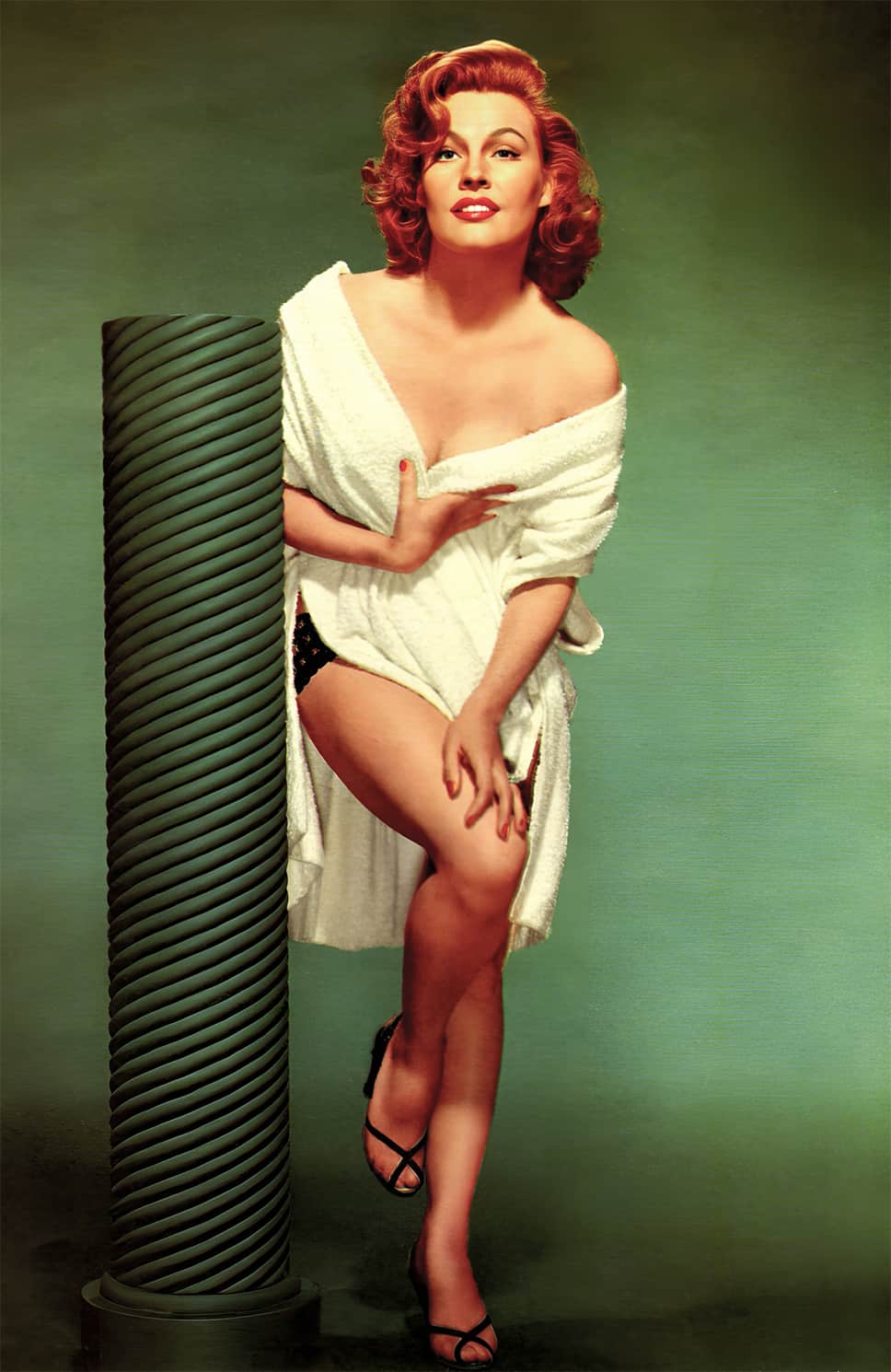
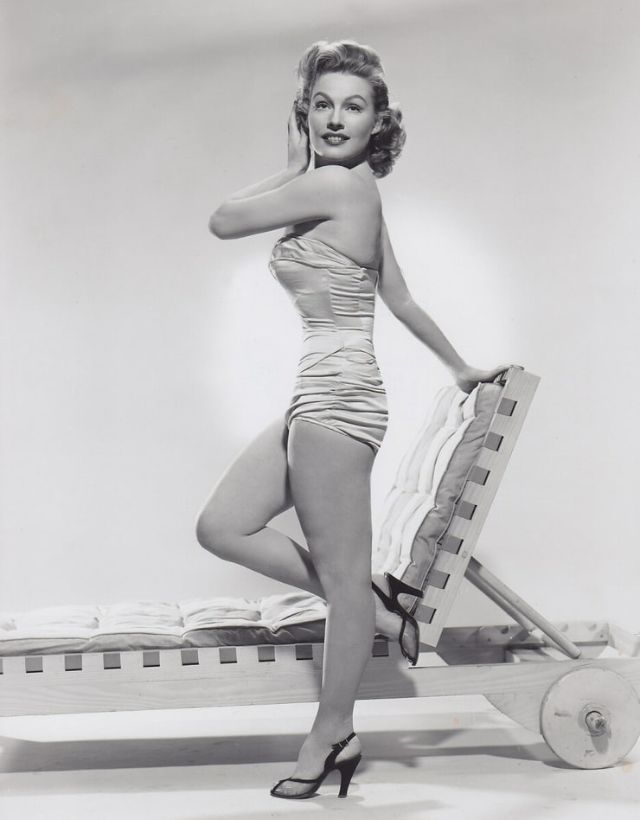
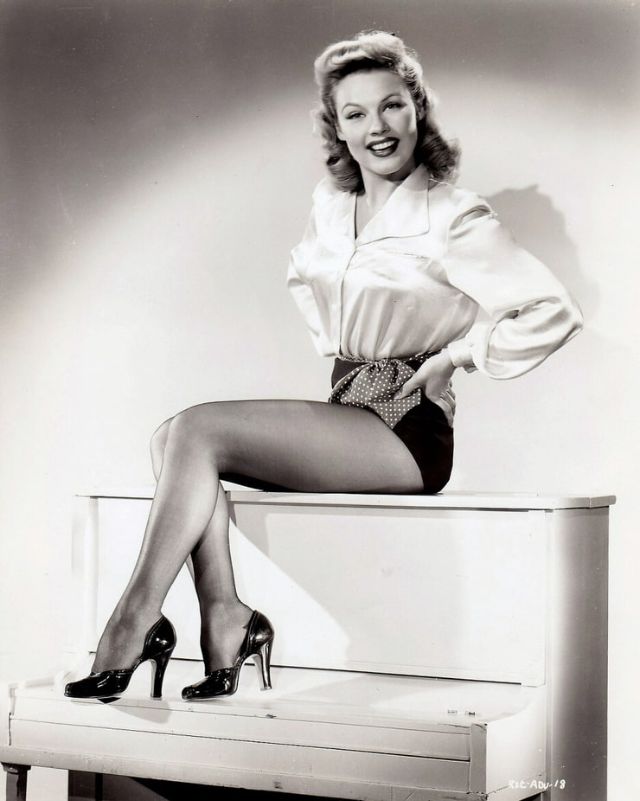
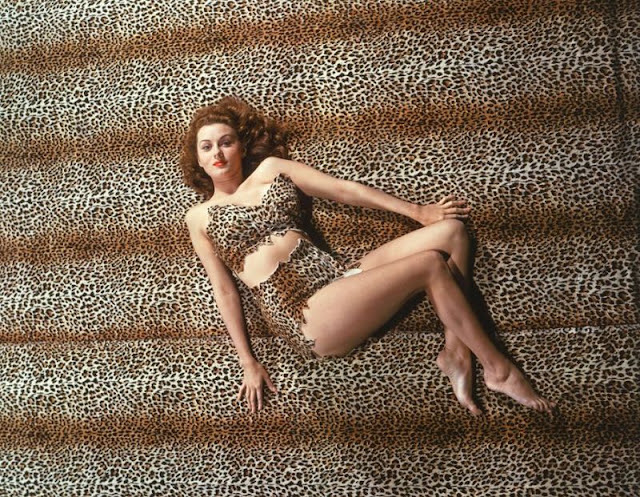
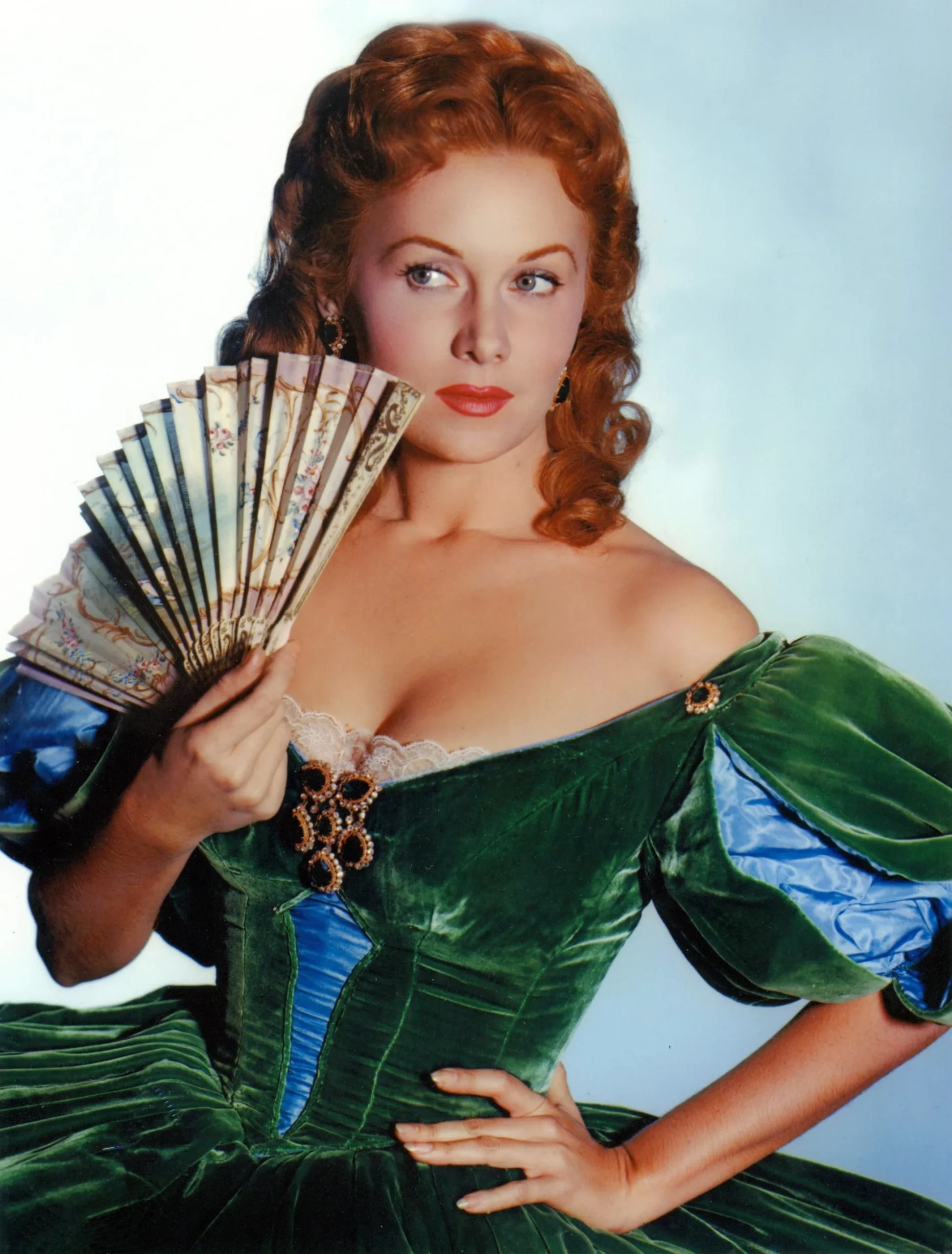
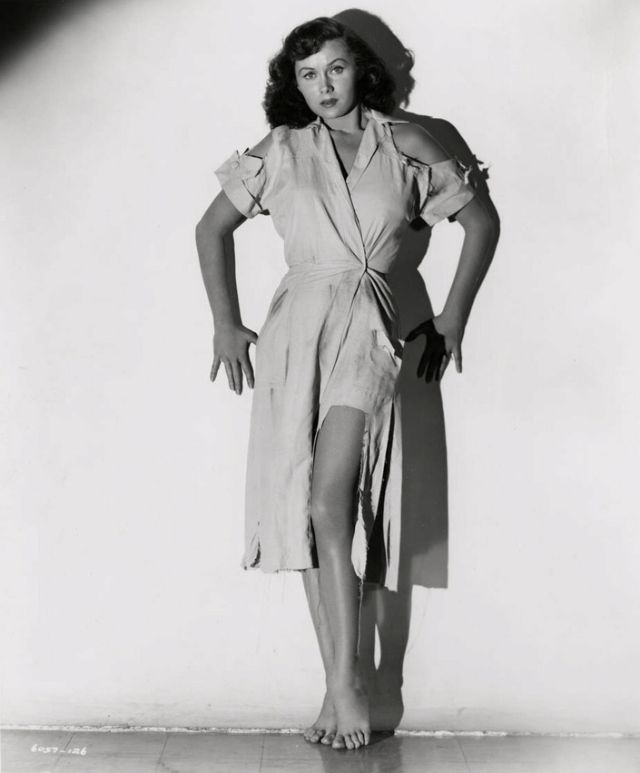
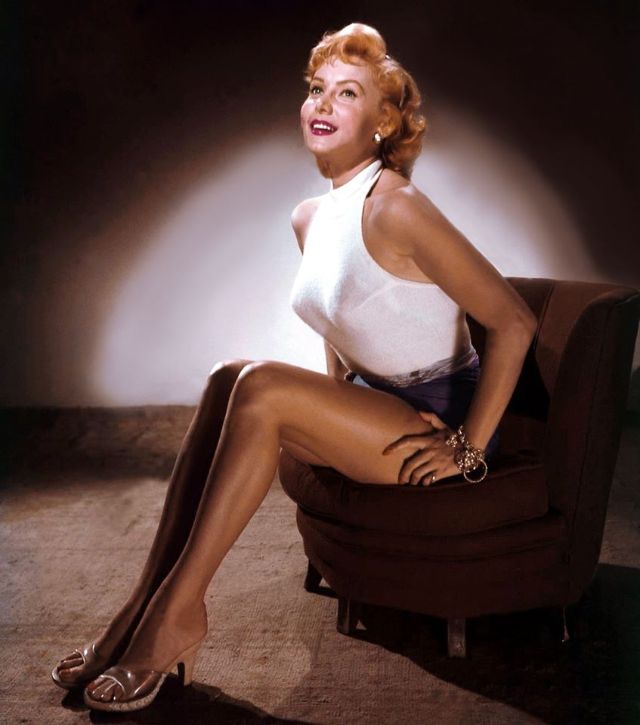
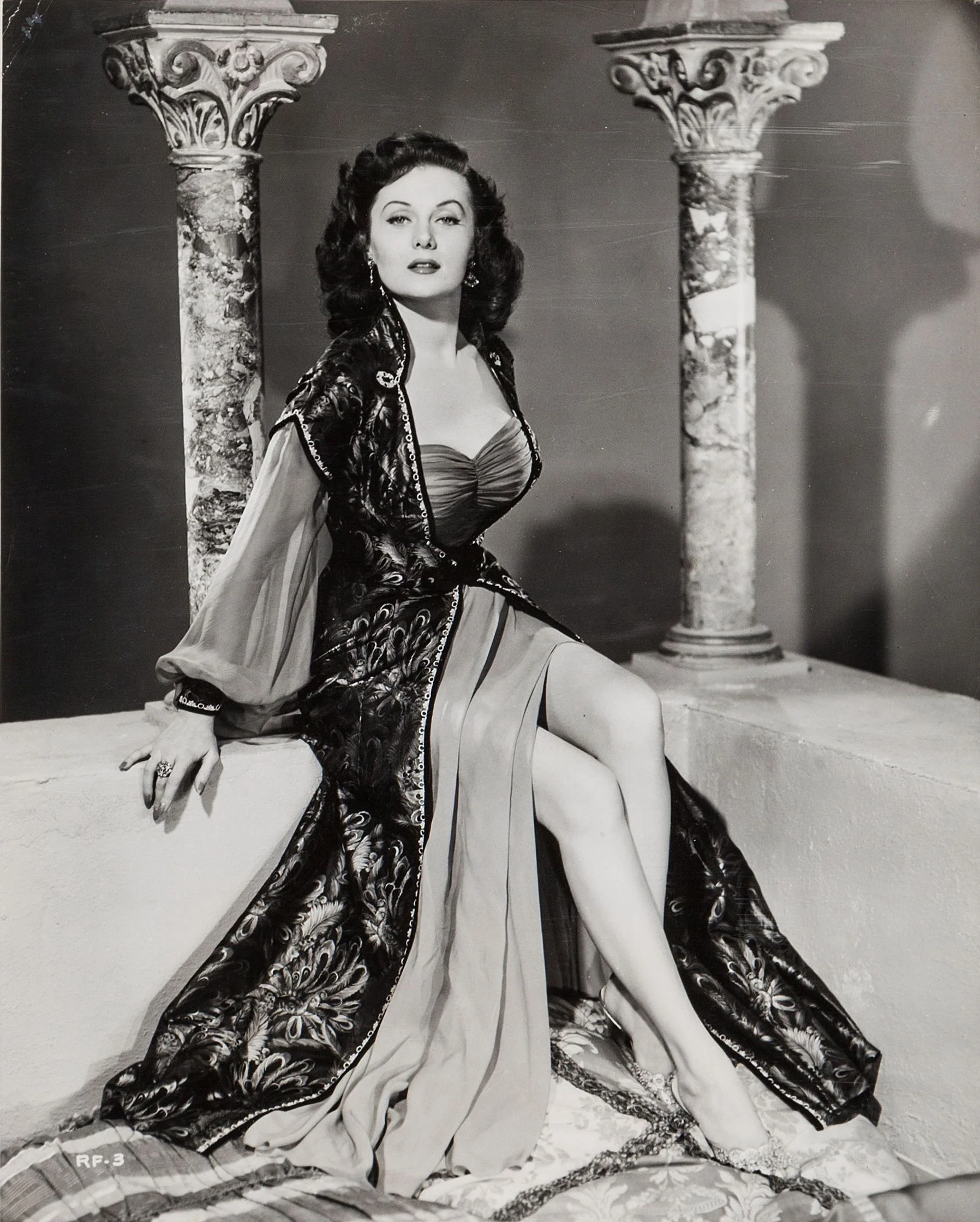
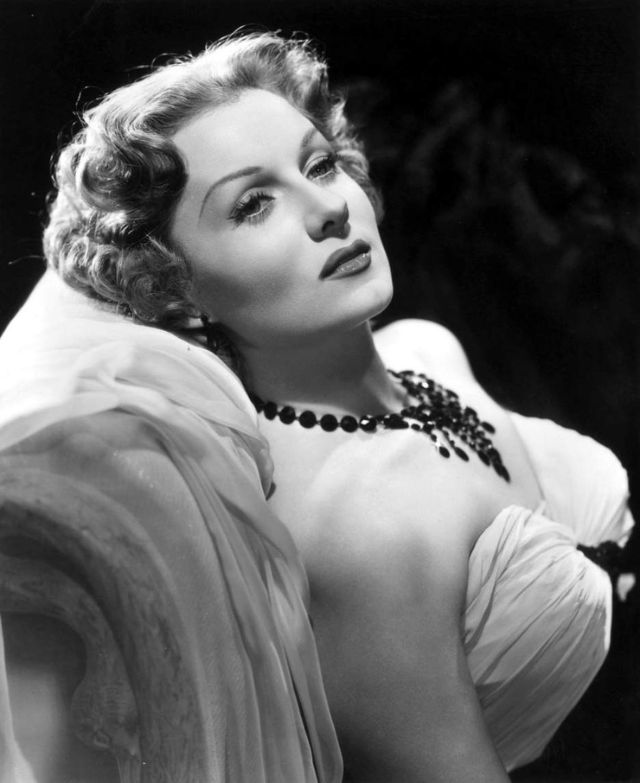
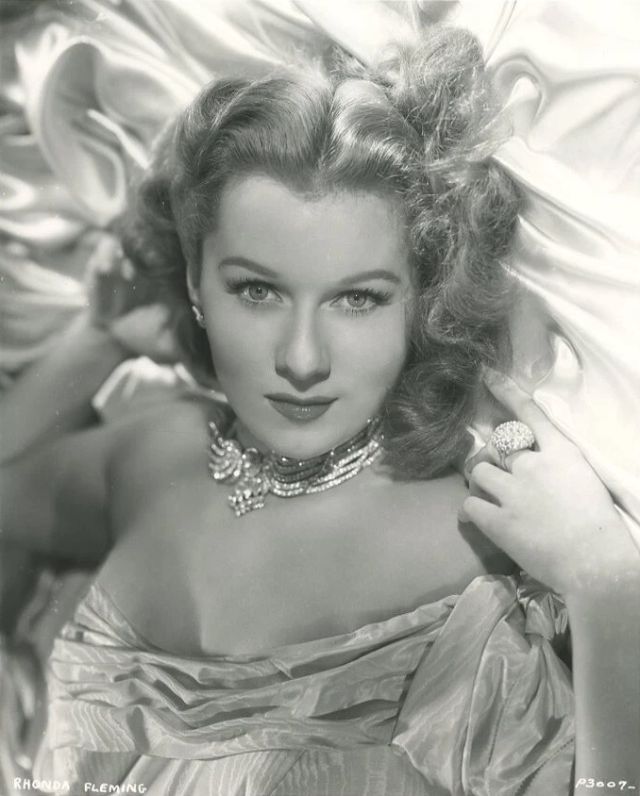
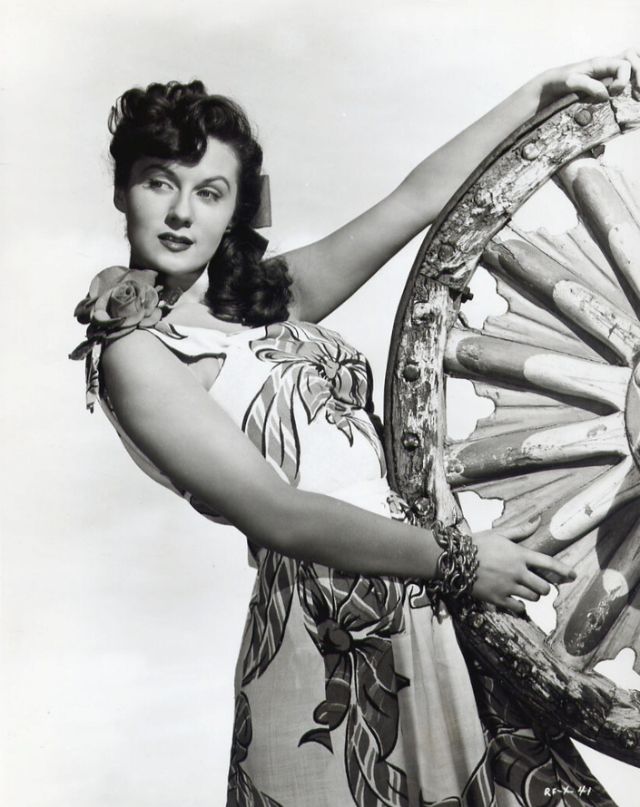
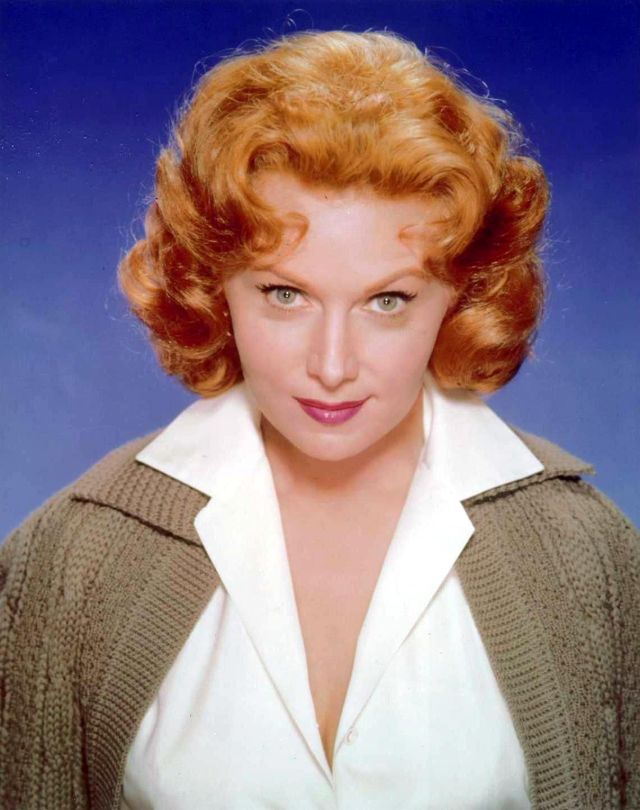
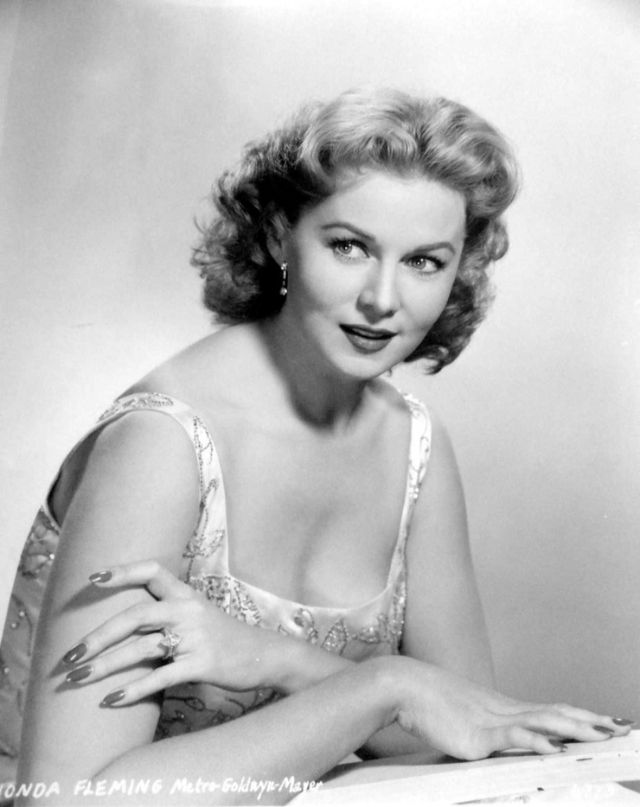
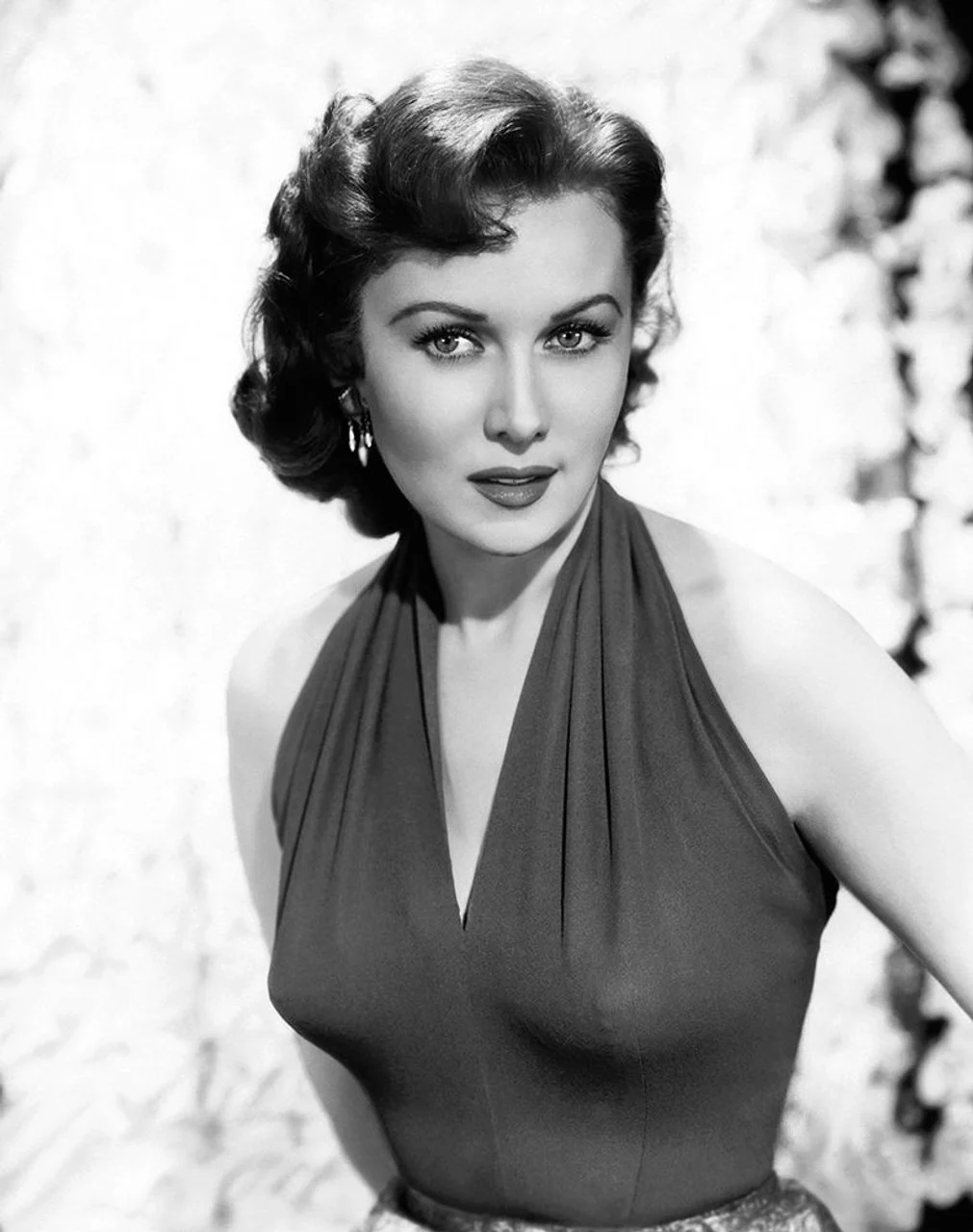
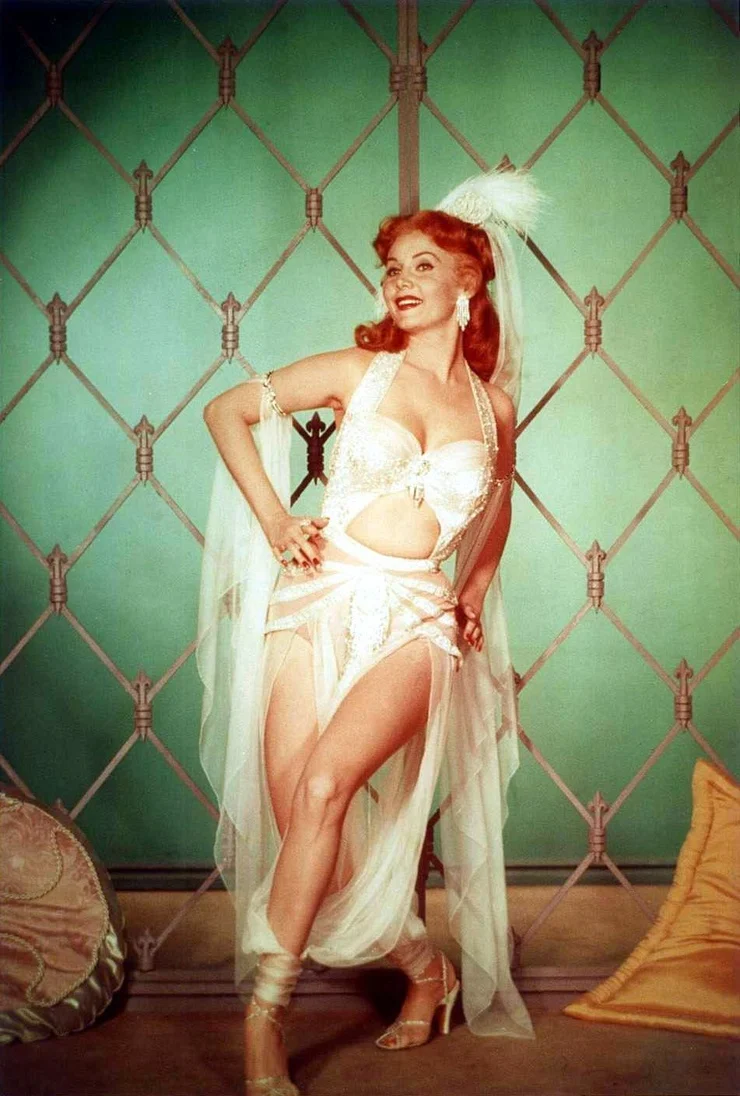
Rhonda Fleming (Marilyn Louis 1923-2020)

She acted in more than 40 films, mostly in the 1940s and 1950s, and became renowned as one of the most glamorous actresses of her day, nicknamed the “Queen of Technicolor” because she photographed so well in that medium with her fair complexion, bright red hair, and green eyes

She was discovered by the well-known Hollywood agent Henry Willson, who changed her name from Marilyn Louis to Rhonda Fleming. She said later, “It’s so weird … He stopped me crossing the street. It kinda scared me a little bit – I was only 16 or 17. He signed me to a seven-year contract without a screen test. It was a Cinderella story, but those things could happen in those days.”

After having bit parts in In Old Oklahoma (1943), Since You Went Away (1944), and When Strangers Marry (1944), she received her first substantial role in the thriller Spellbound (1945), produced by Selznick and directed by Alfred Hitchcock. She later said, “Hitch told me I was going to play a nymphomaniac. I remember rushing home to look it up in the dictionary and being quite shocked.” The film was a success and Selznick offered her another good role in the thriller The Spiral Staircase (1946), directed by Robert Siodmak.

Selznick lent her to appear in supporting parts in the Randolph Scott Western Abilene Town (1946) at United Artists and the film noir classic Out of the Past (1947) with Robert Mitchum and Kirk Douglas at RKO, Bing Crosby in A Connecticut Yankee in King Arthur’s Court (1949), and Bob Hope in the hit film The Great Lover (1949)

Fleming died on October 14, 2020, due to complications from Aspiration Pneumonia. She was 97

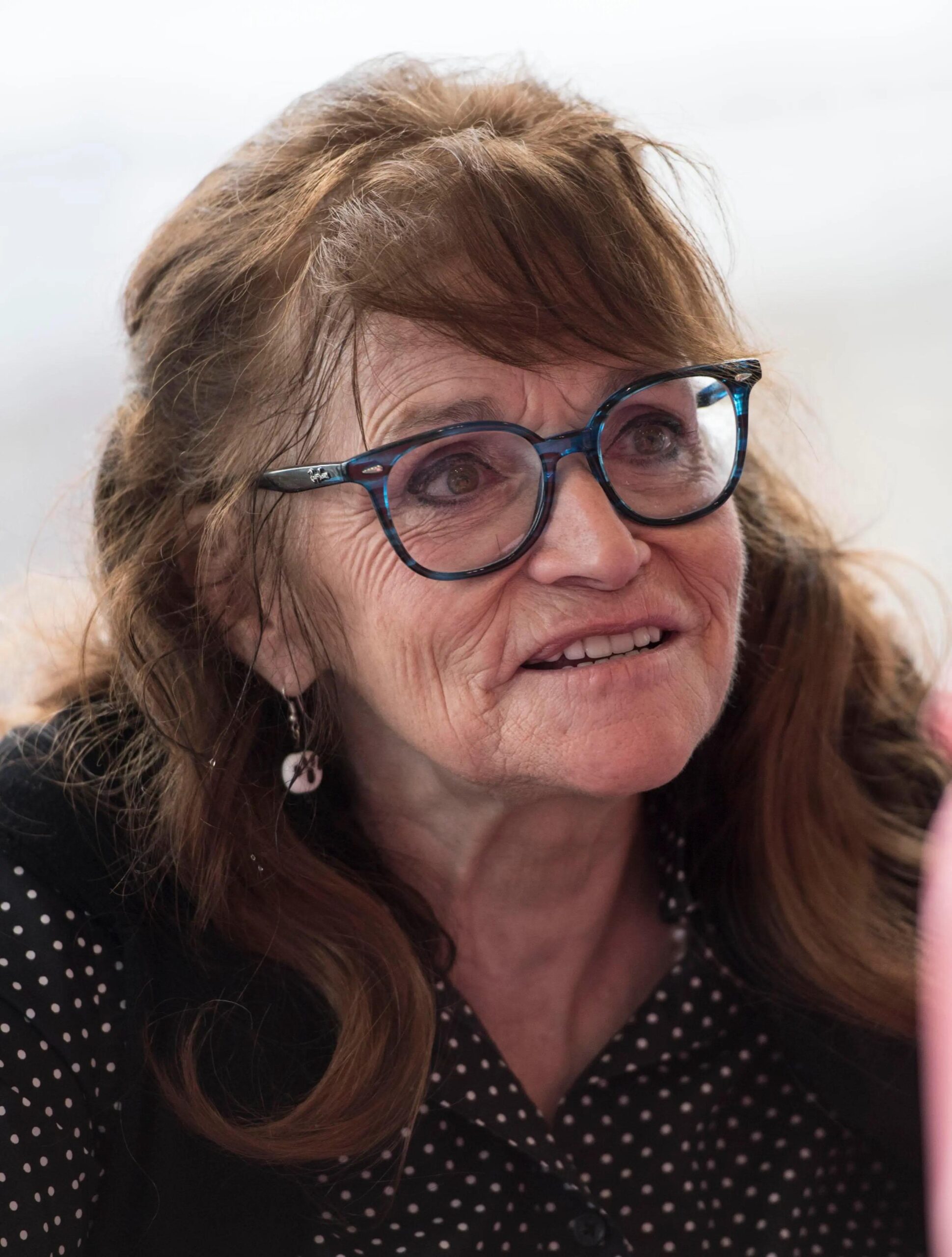
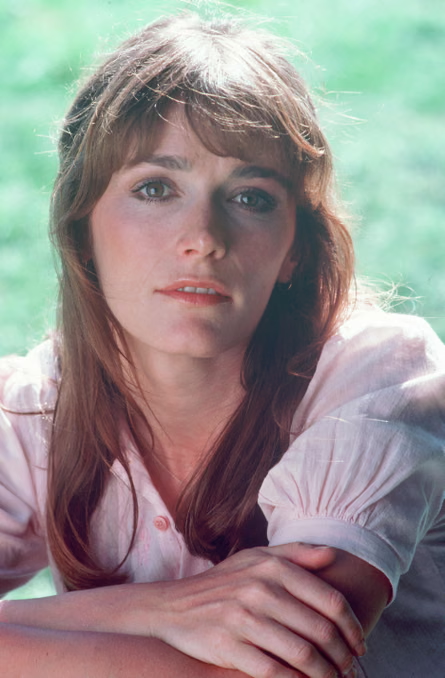
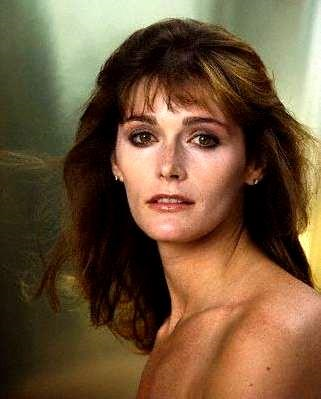
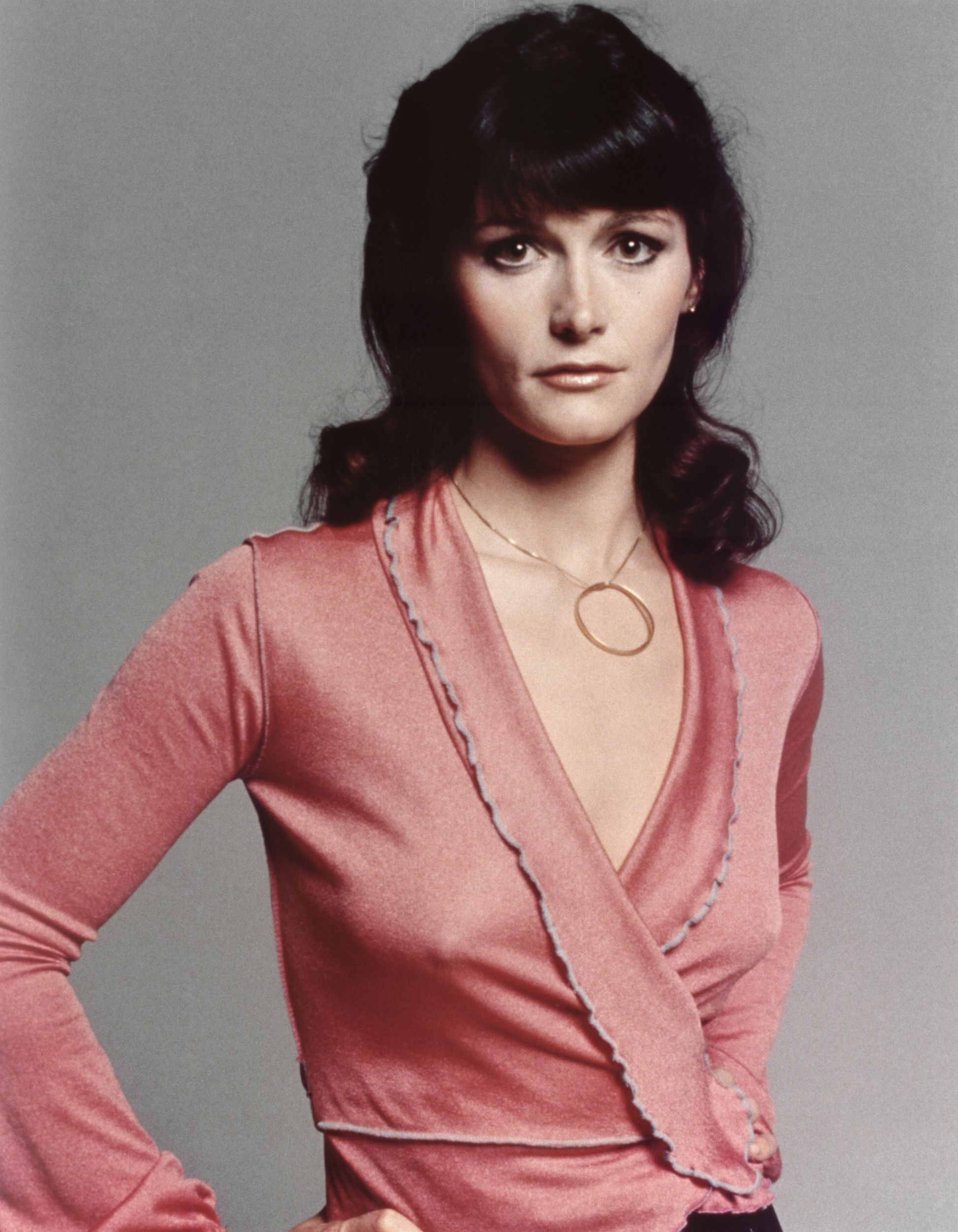
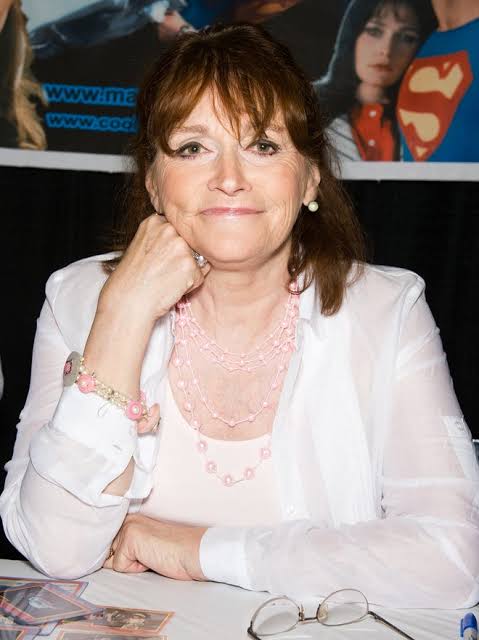
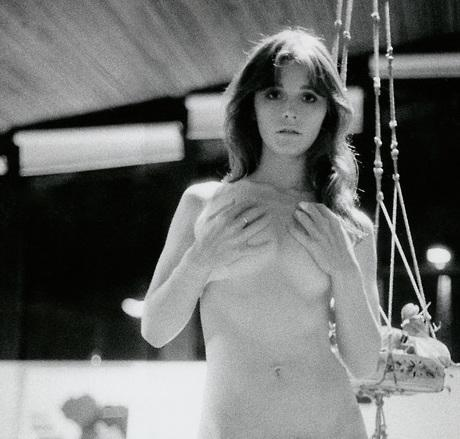
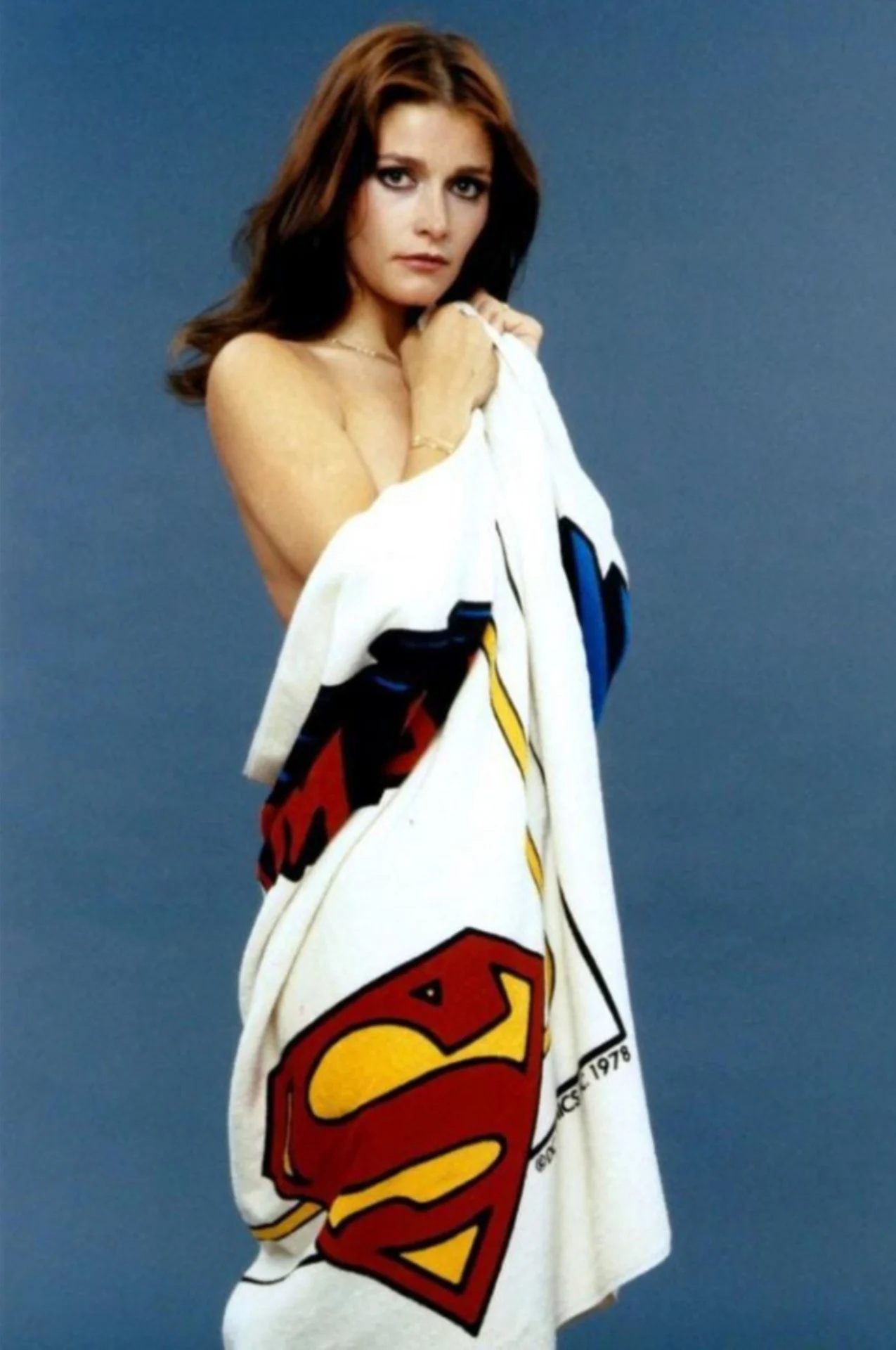
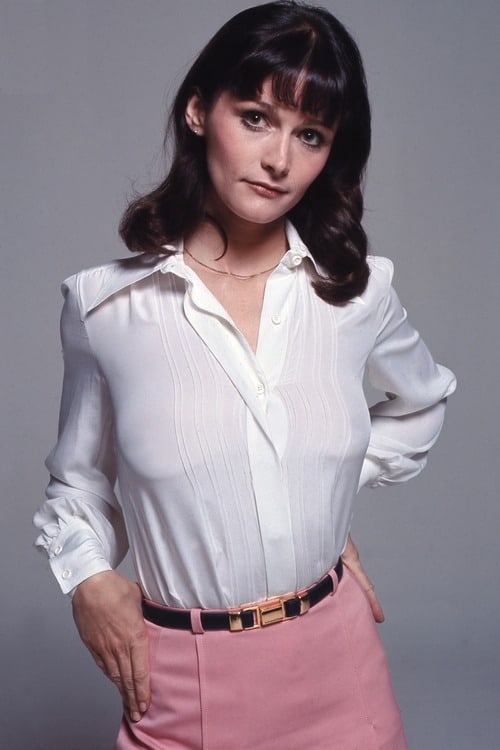
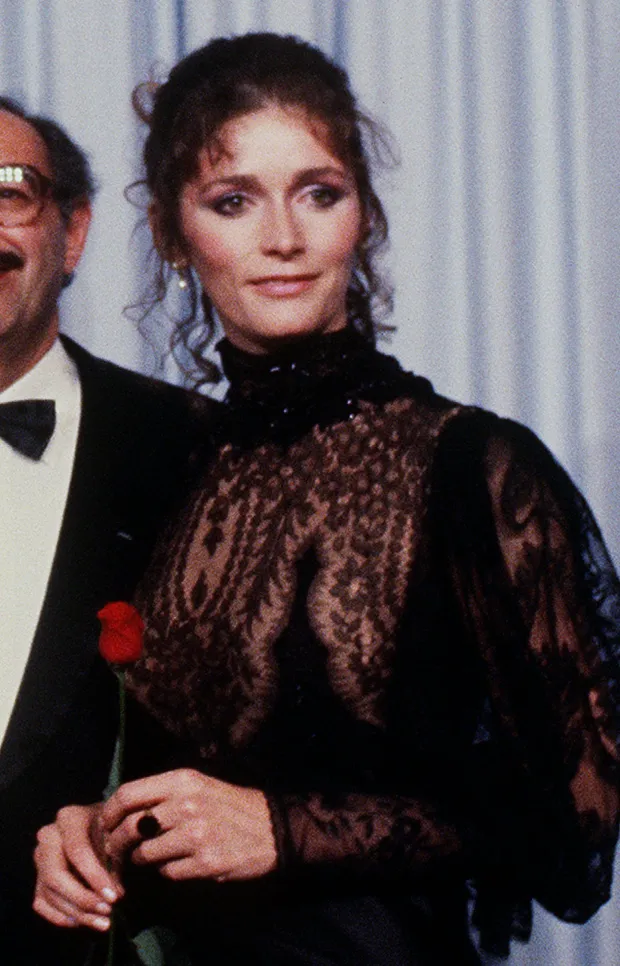
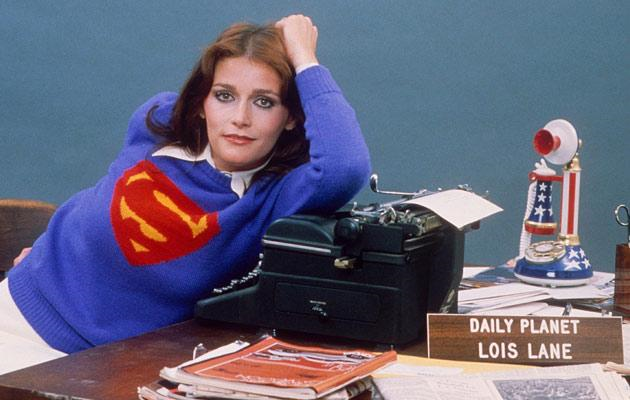
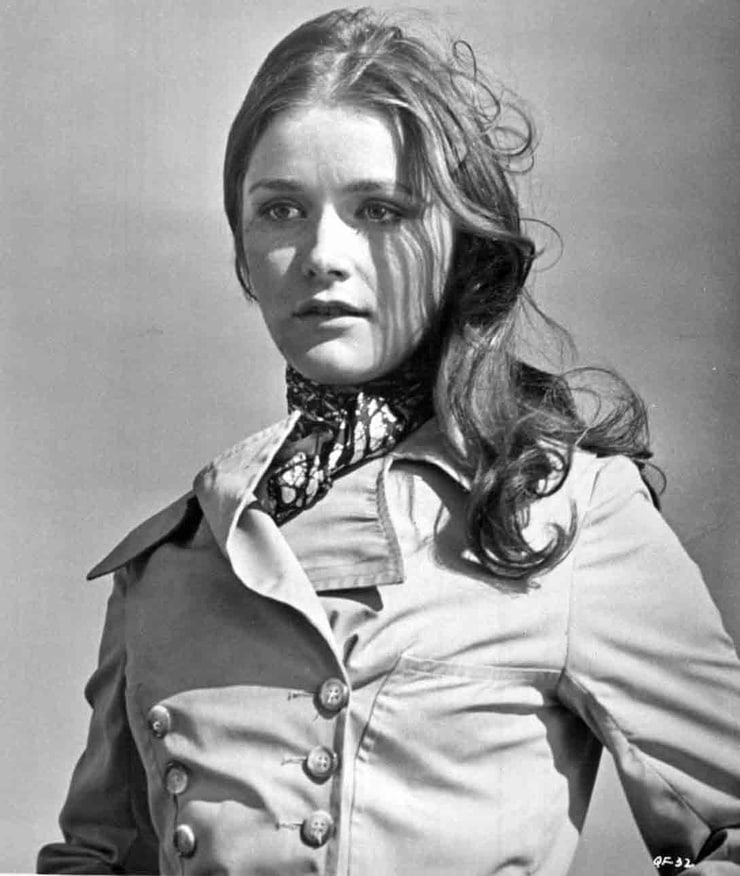
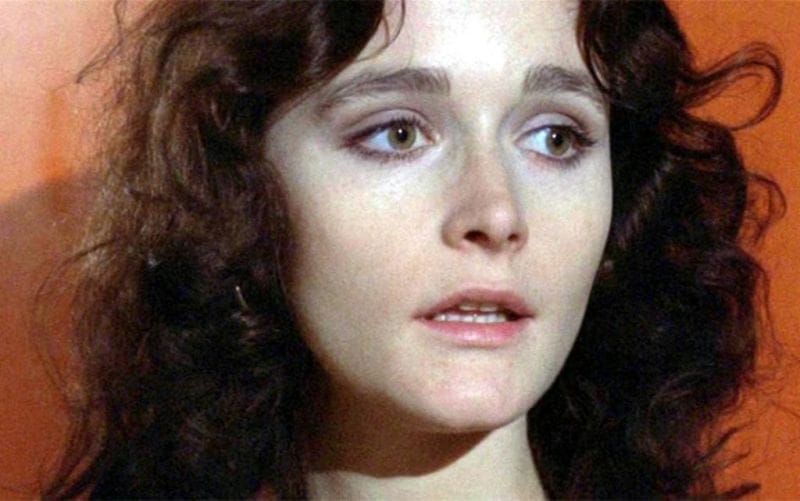
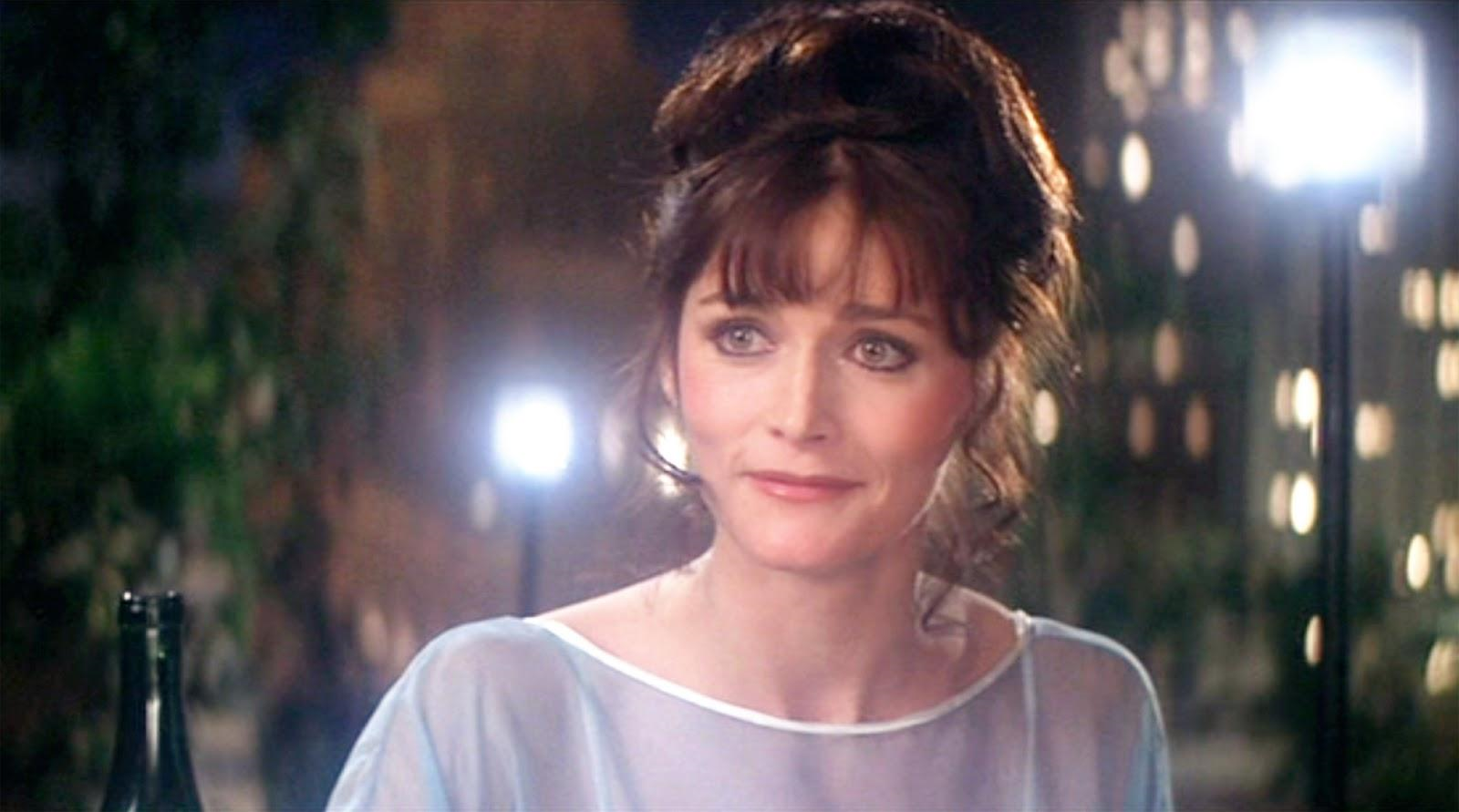
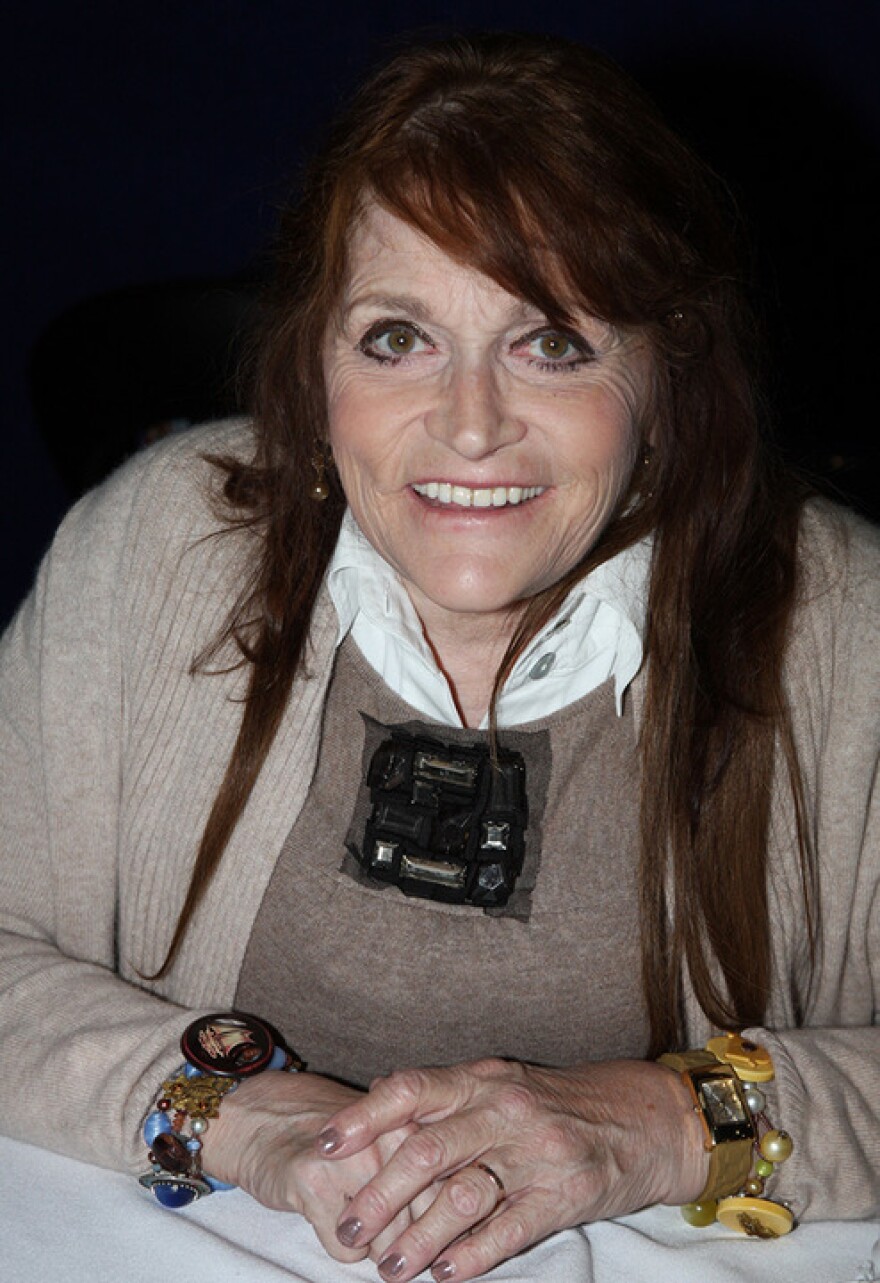
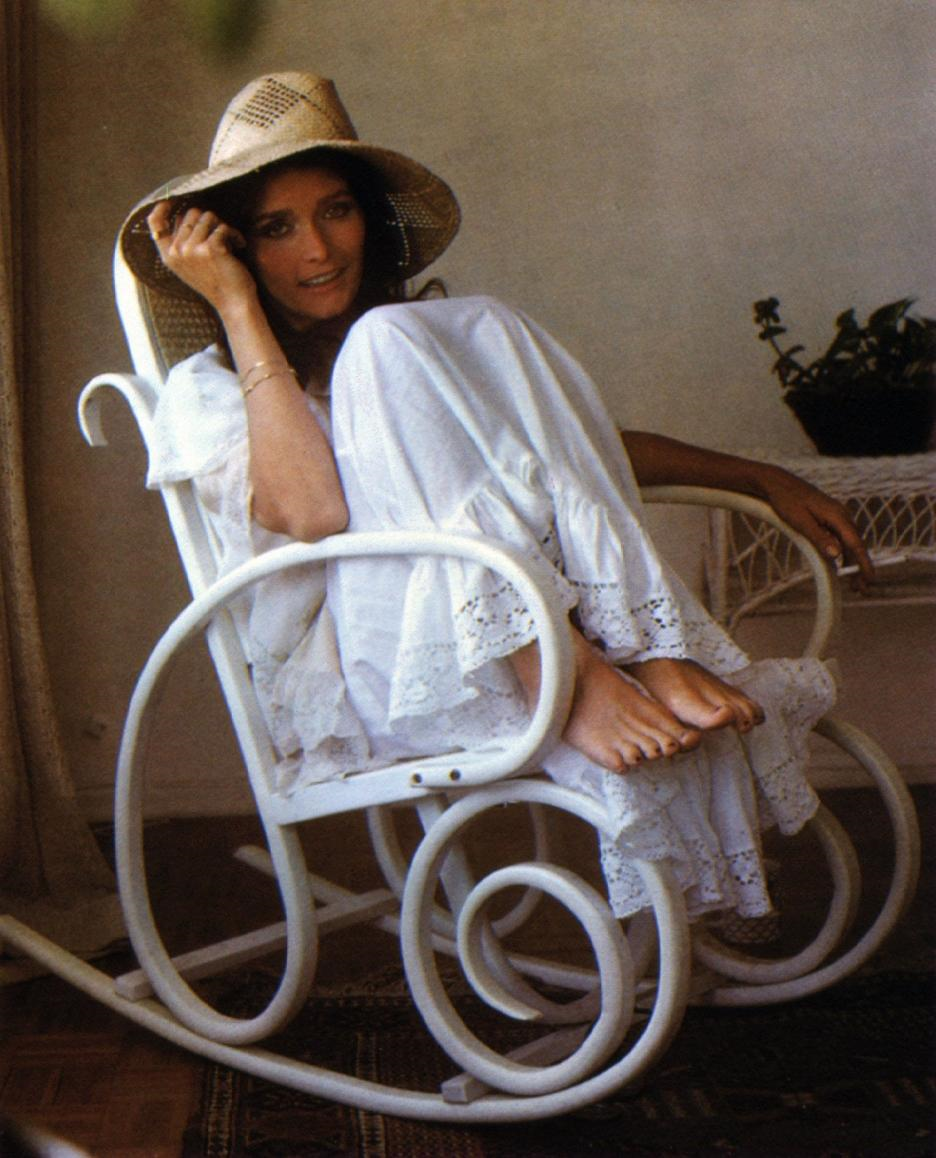
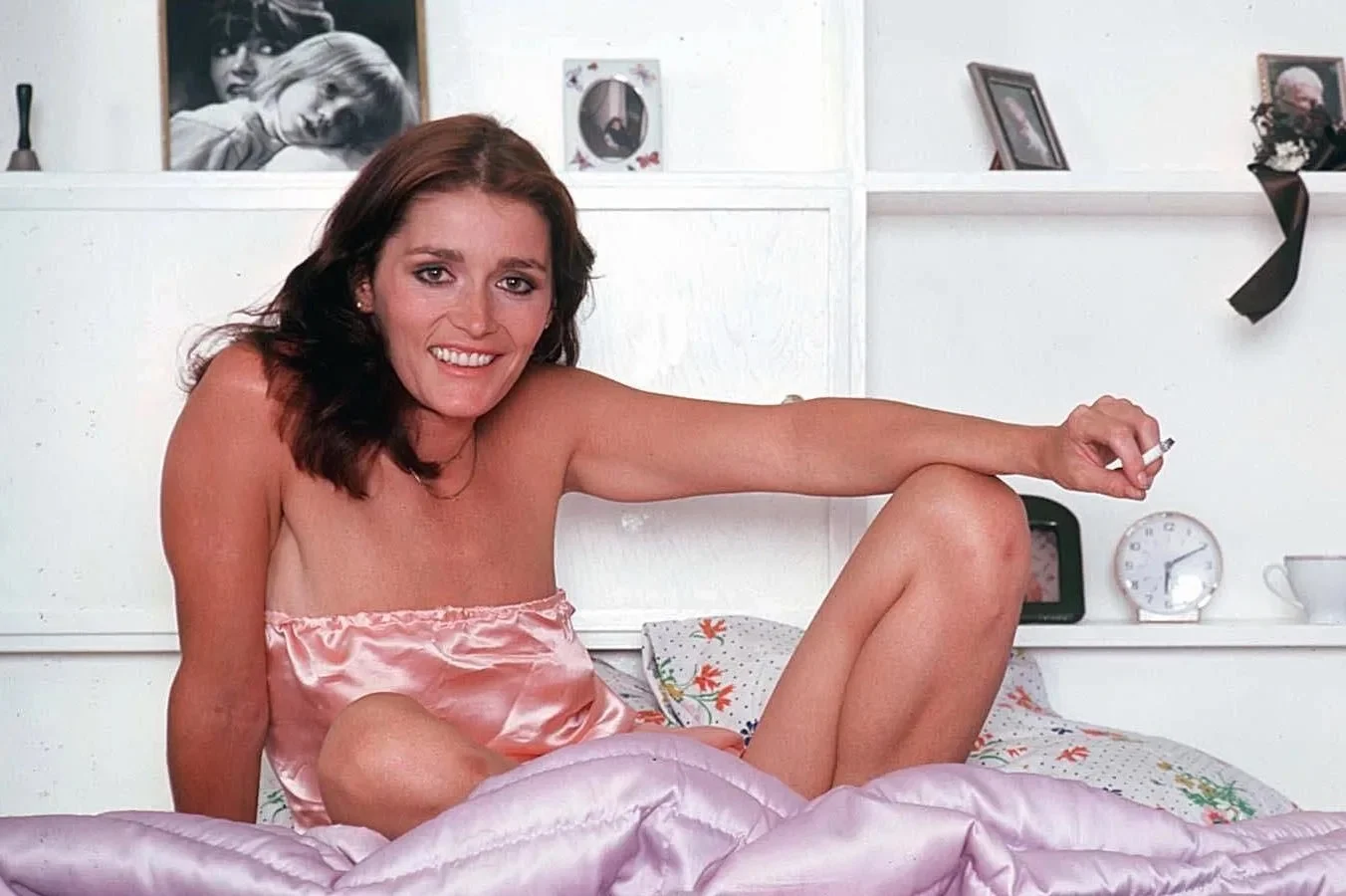
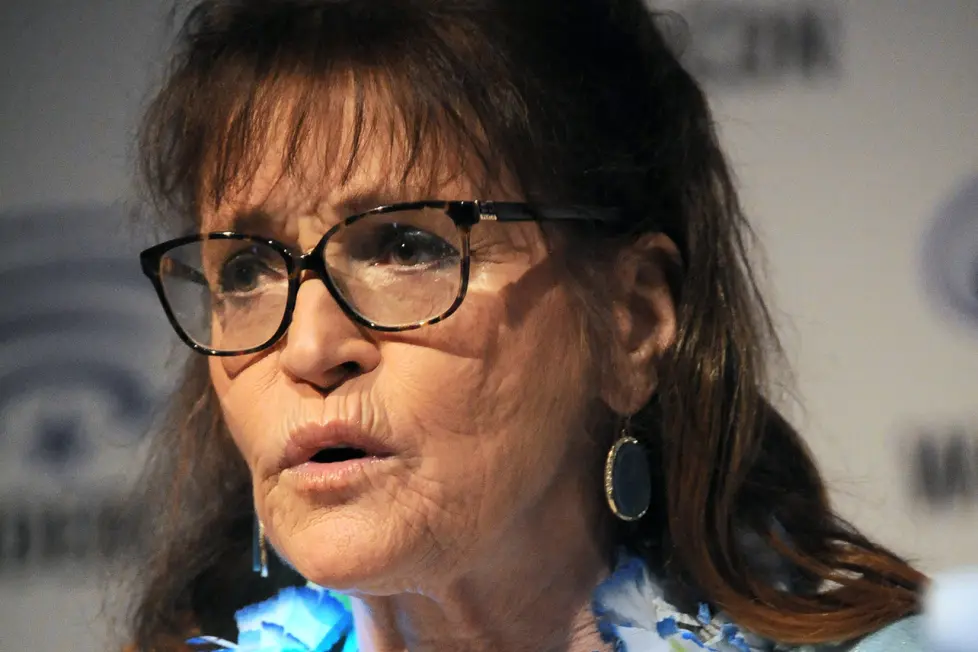
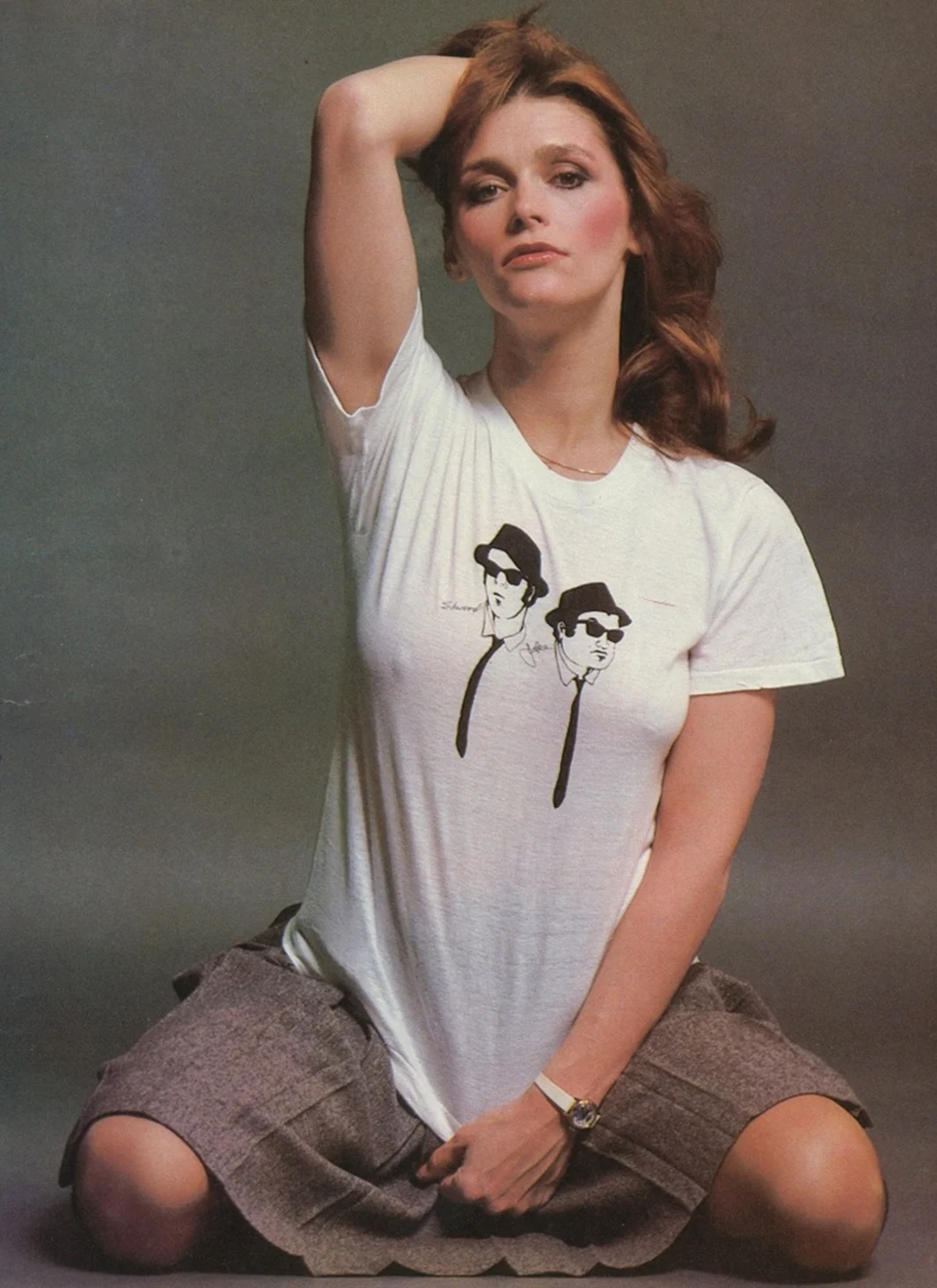
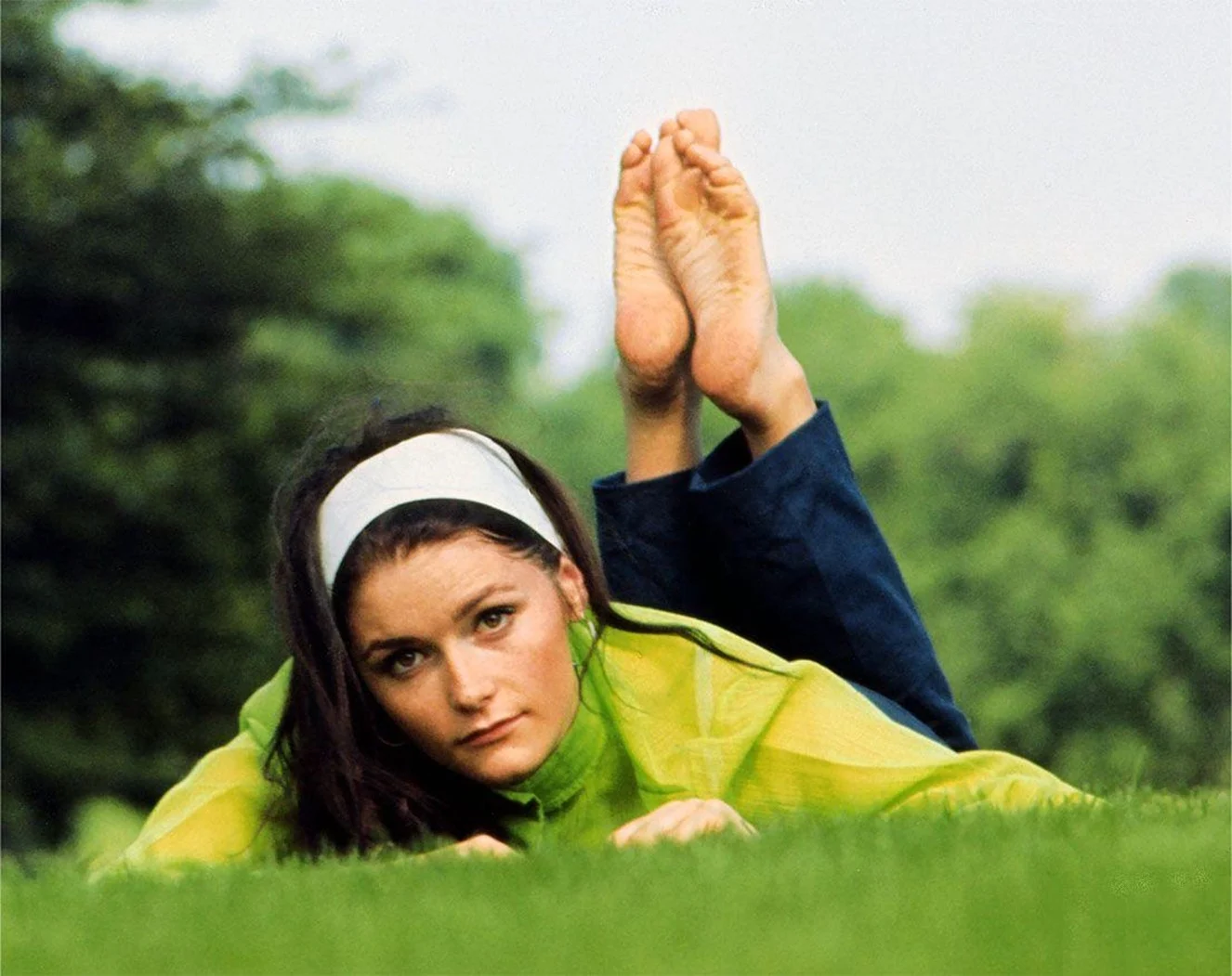
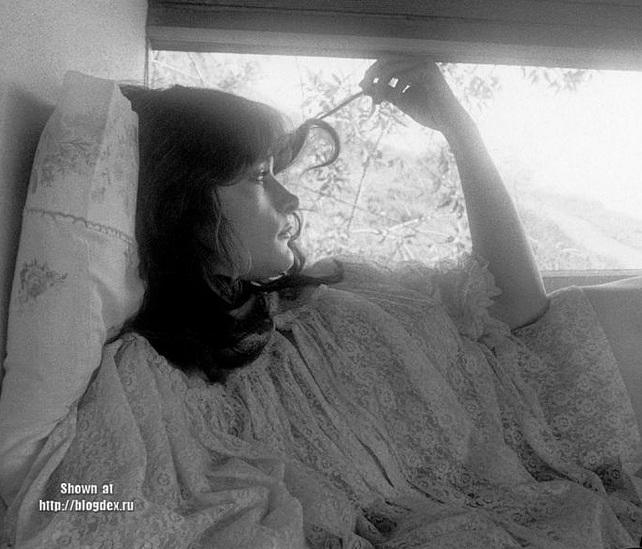
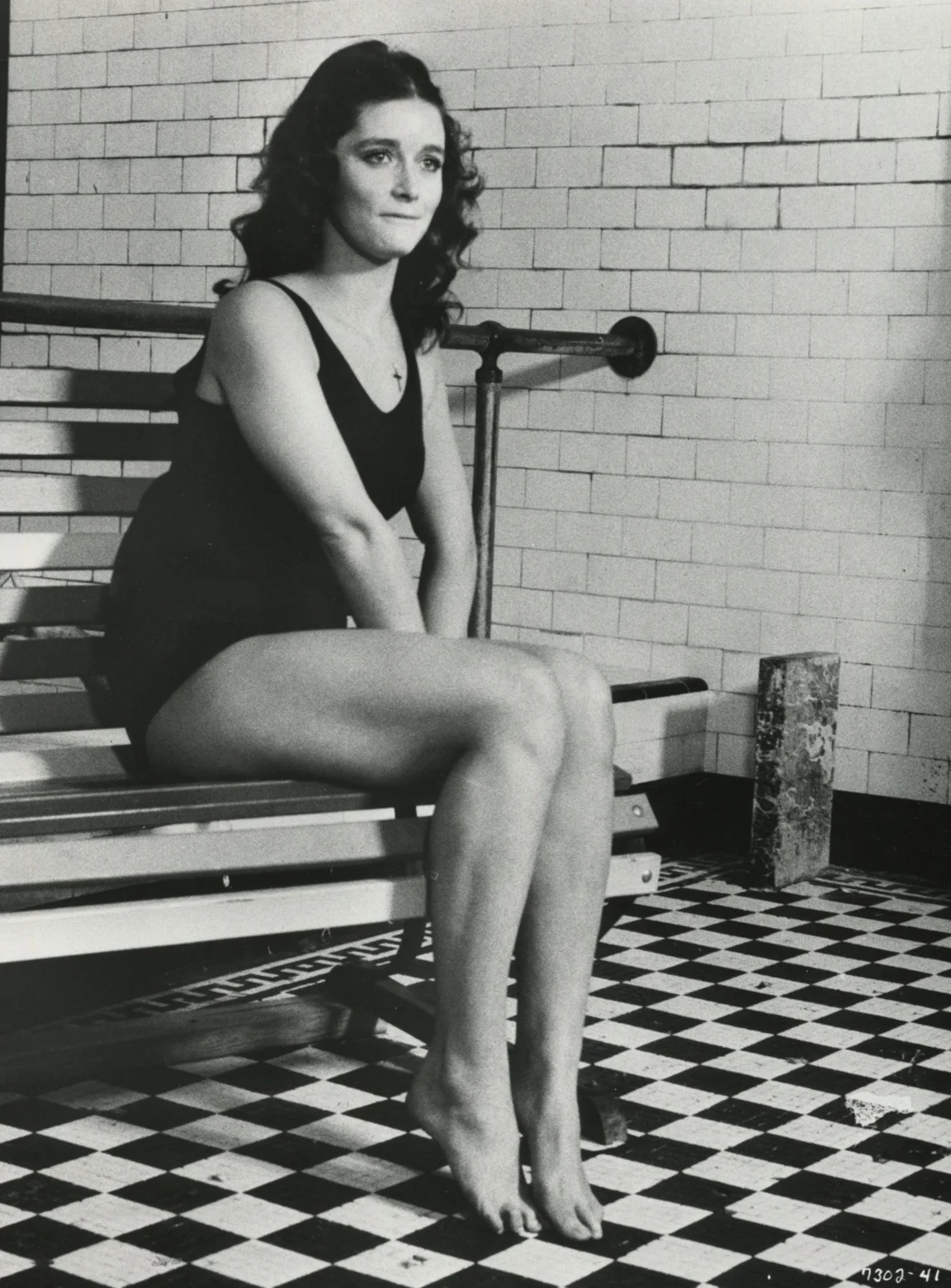
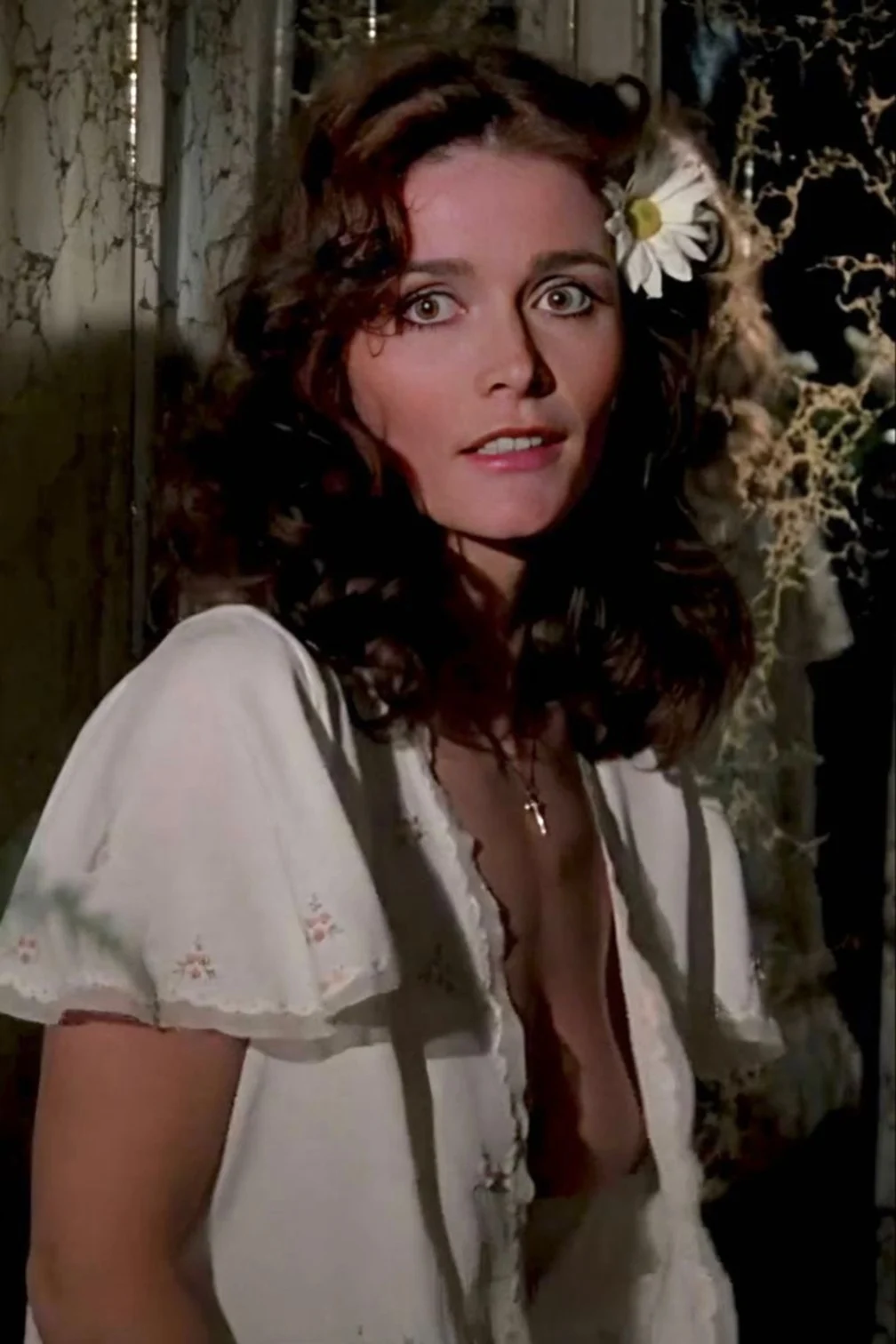
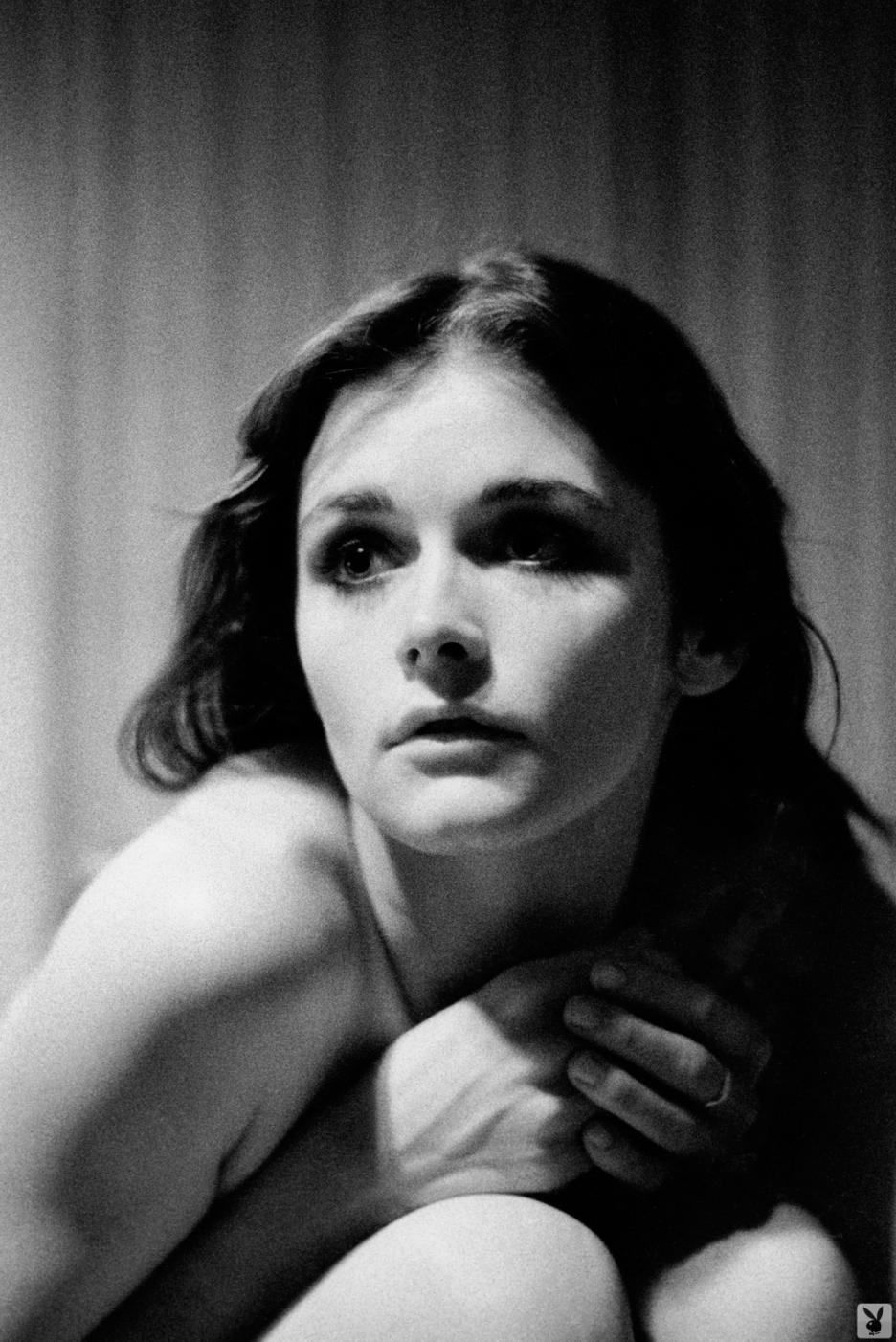
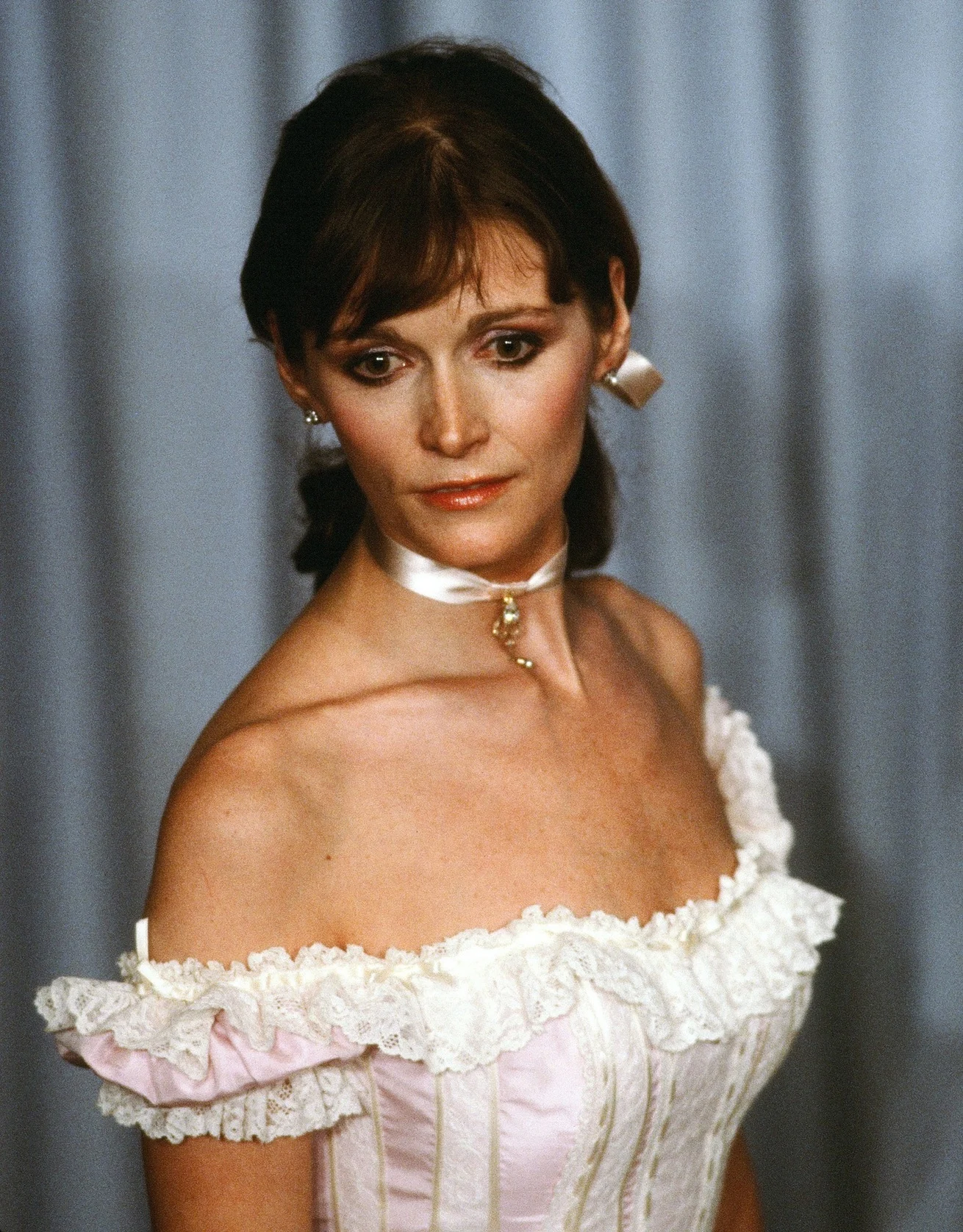
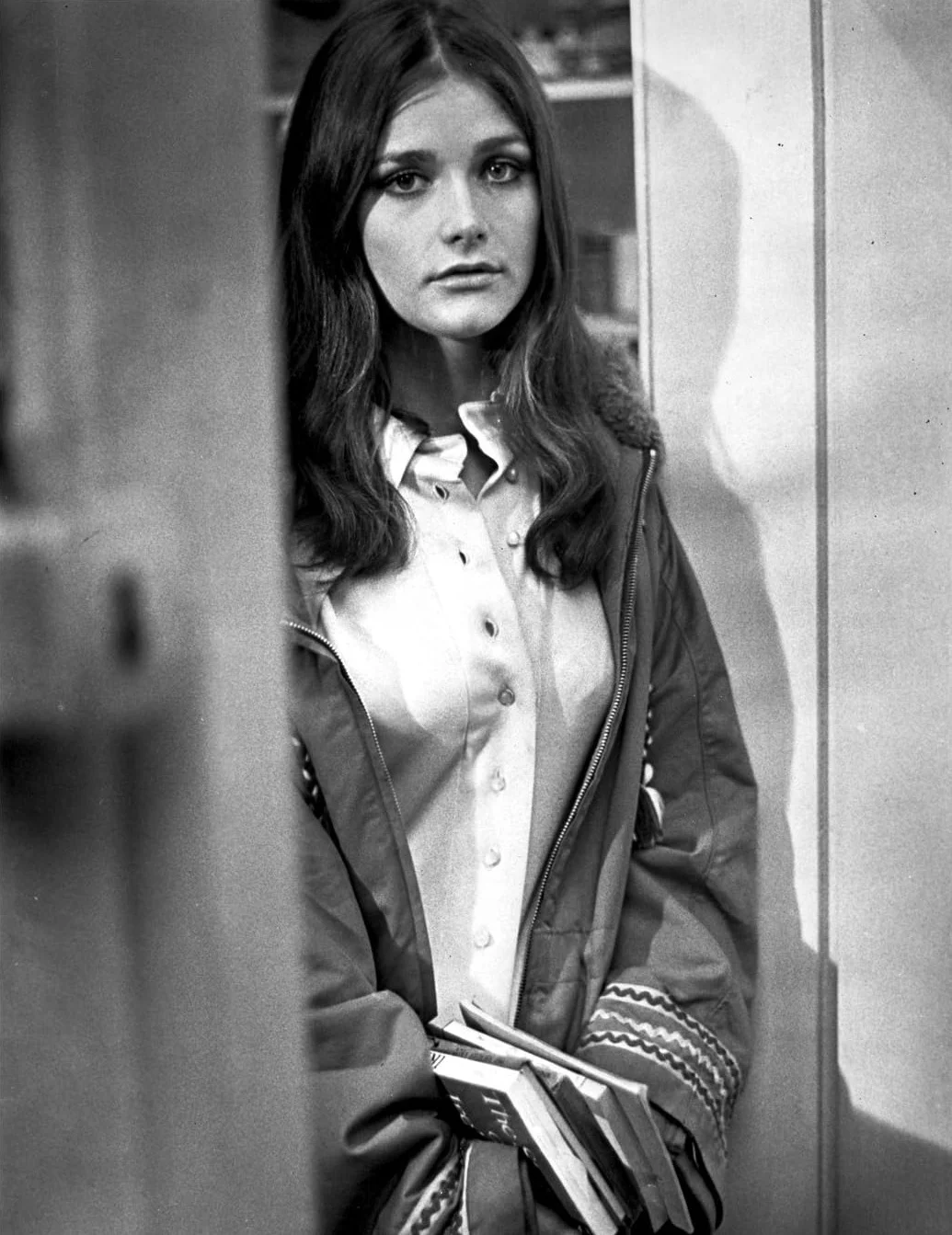
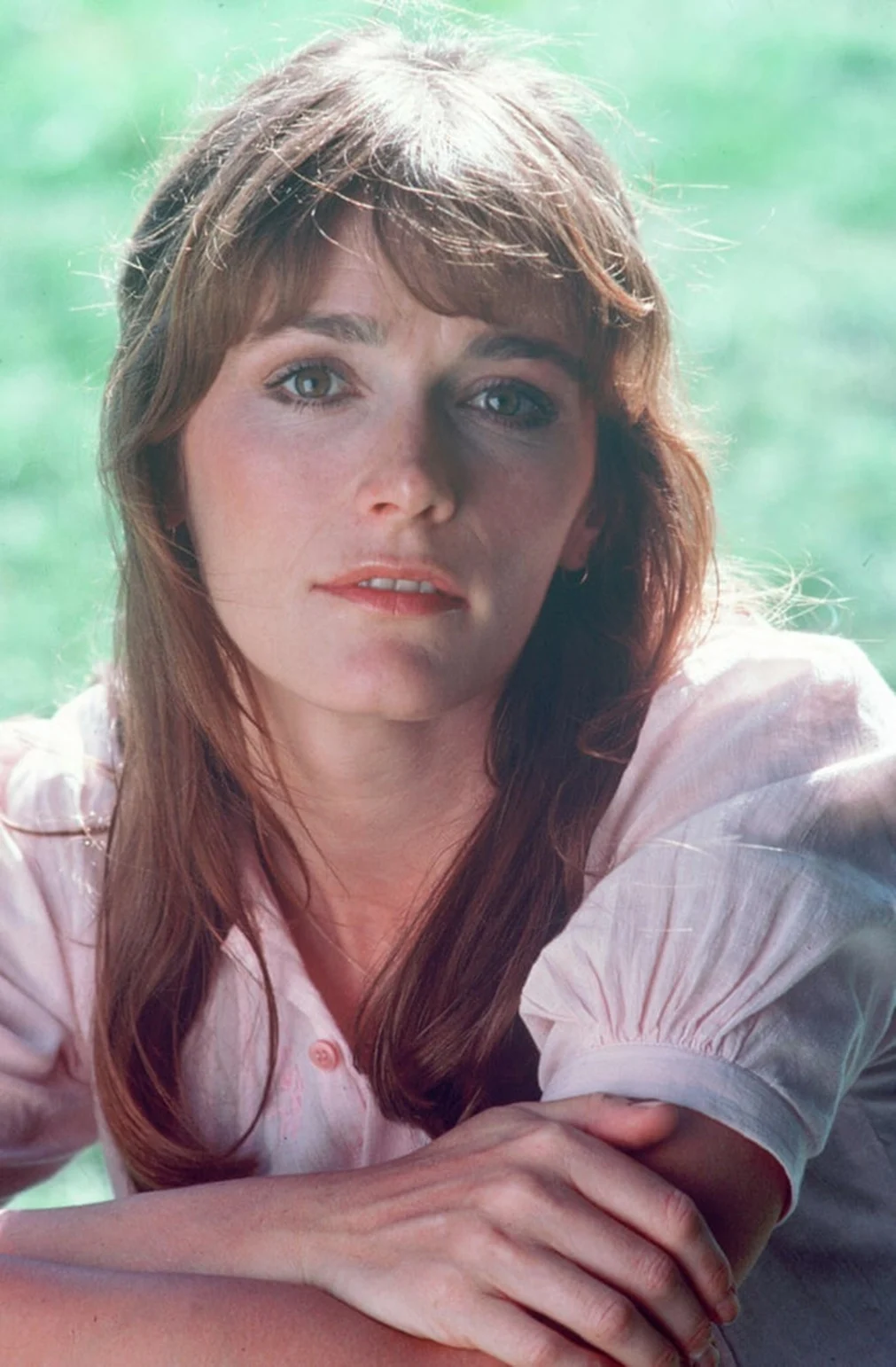
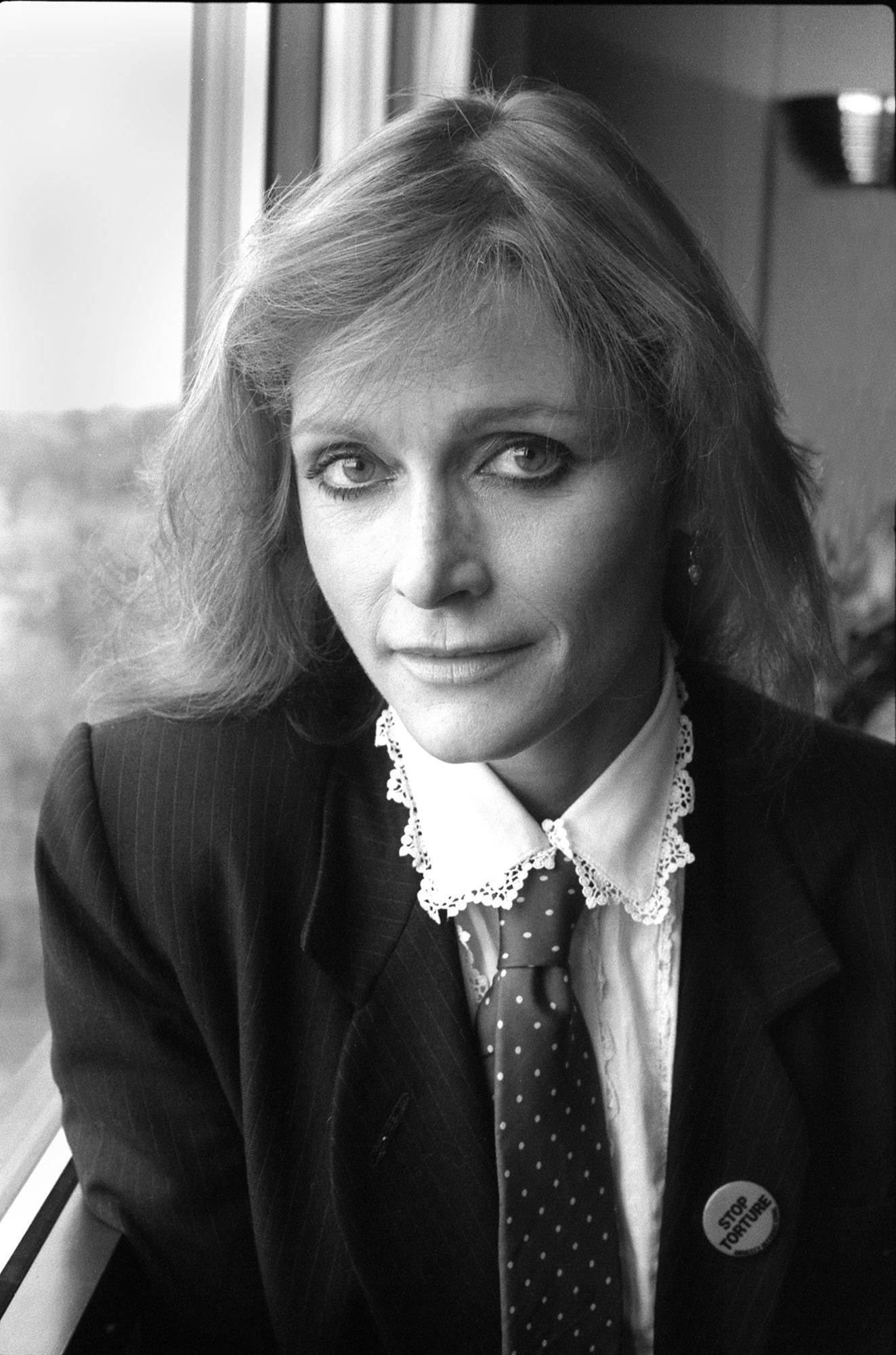
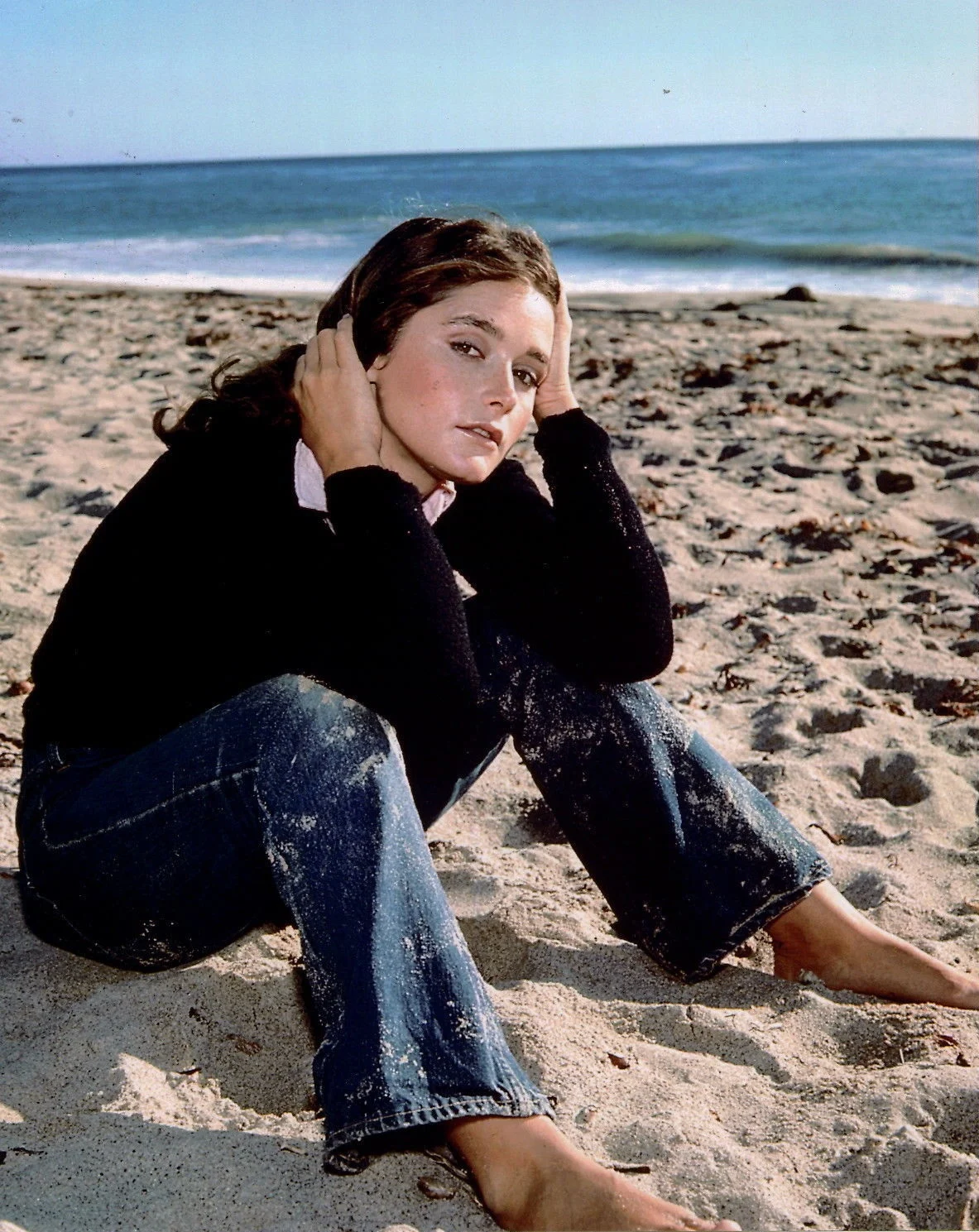
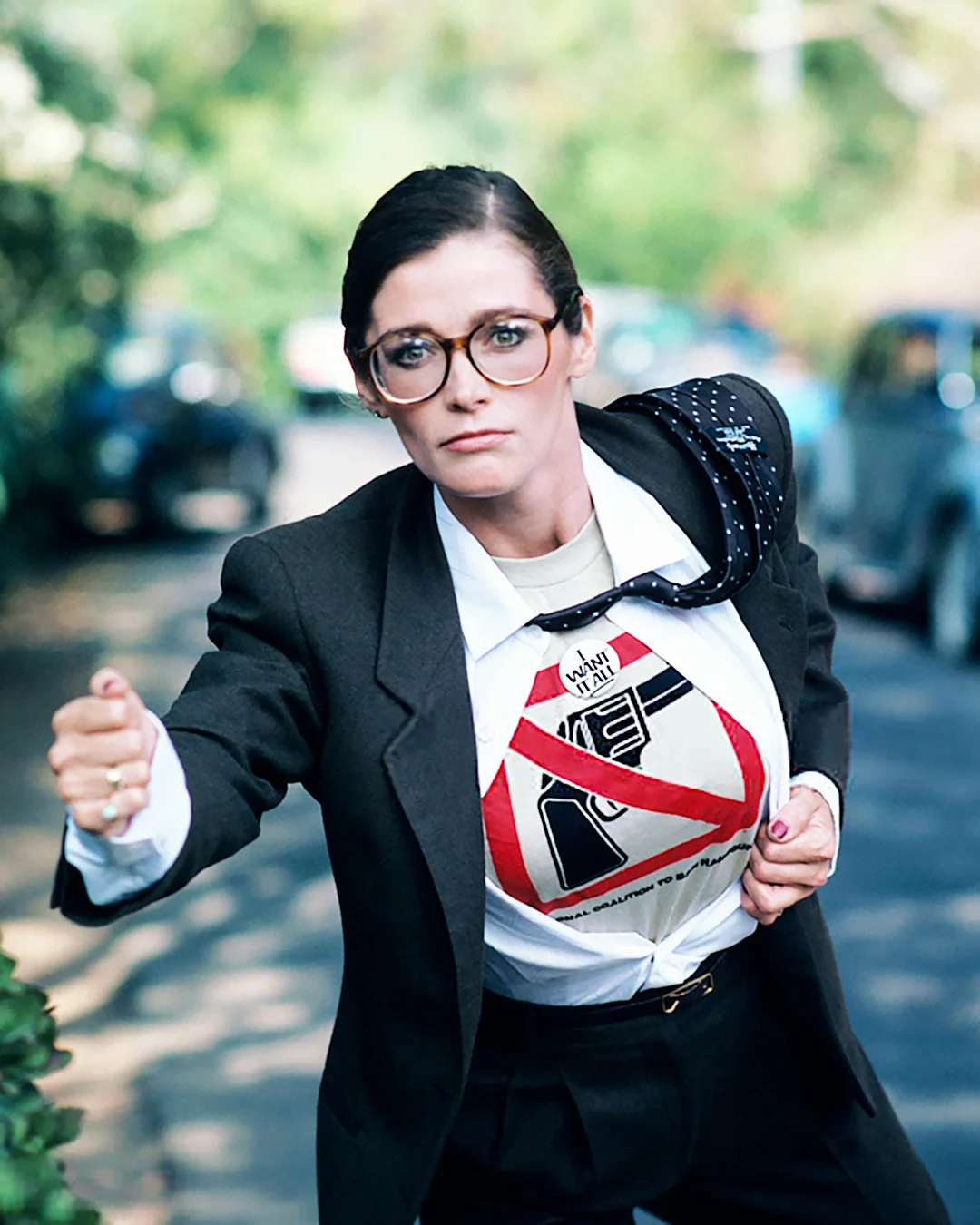
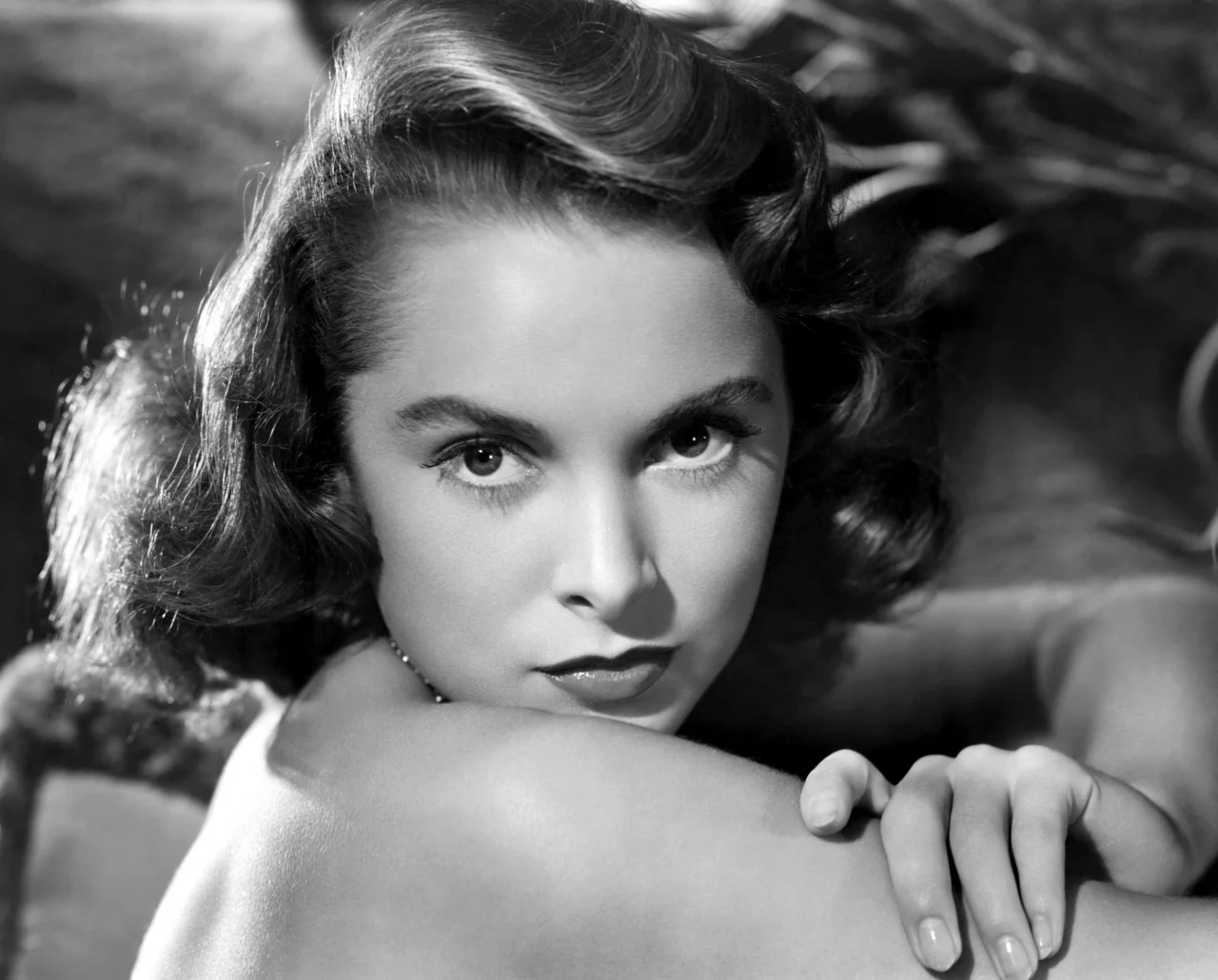
Margaret Ruth Kidder (1948–2018)

Margot Kidder was a Canadian and American actress and activist, amassing several film and television credits in her career spanning five decades.

Her international breakthrough came with playing Lois Lane in Superman (1978) and Kathy Lutz in The Amityville Horror (1979), which were blockbuster films. For these roles, she was twice nominated for the Saturn Award for Best Actress, winning in 1978 for Superman. She reprised the role of Lois in three Superman sequels (1980–1987), and also played Rita Harris in the comedy film Heartaches (1981) and made her stage debut with the play Bus Stop (1982). After a stint of films and projects that were ambivalently received, Kidder sustained serious injuries in a car accident that left her temporarily paralyzed in 1990, and suffered from a highly publicized manic episode and nervous breakdown in 1996 stemming from bipolar disorder.
Kidder thereafter maintained steady work in independent films and television, notably appearing in the hockey film Chicks with Sticks (2004) and the horror picture Halloween II (2009), and playing a guest role on R.L. Stine’s The Haunting Hour (2015). She maintained dual citizenship and was an outspoken political, environmental and antiwar activist.

Kidder died on May 13, 2018, of an overdose, which was ruled a suicide.

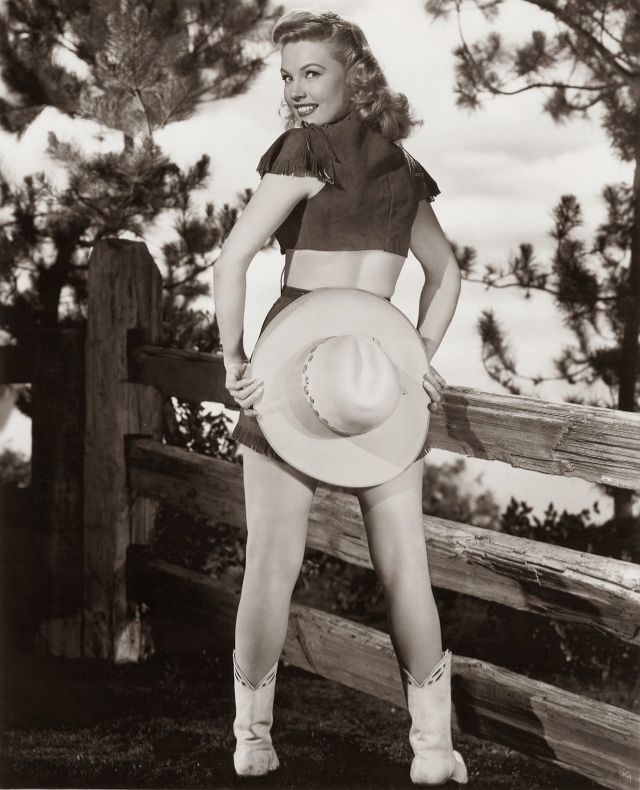
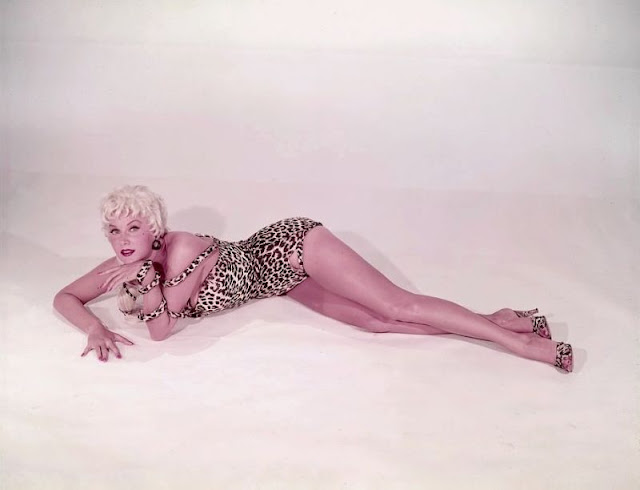
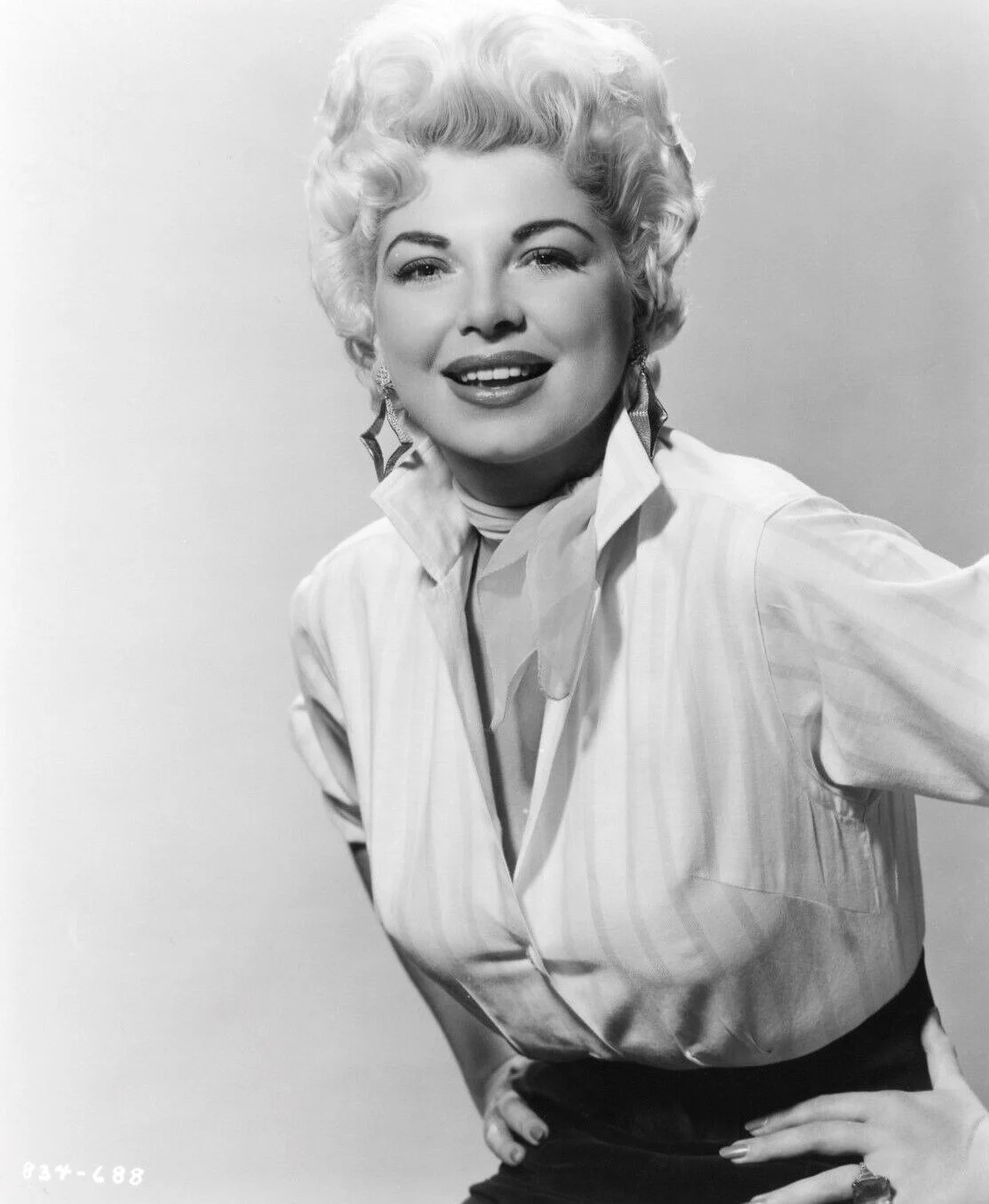
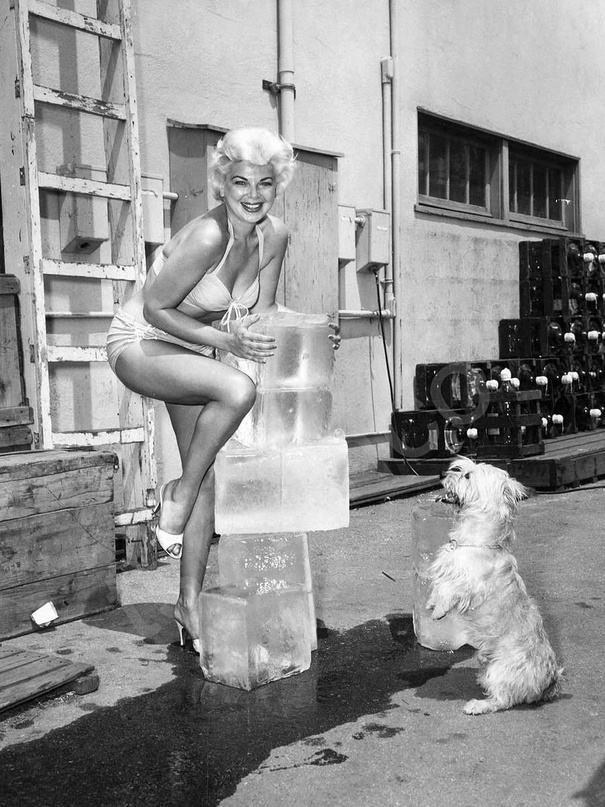
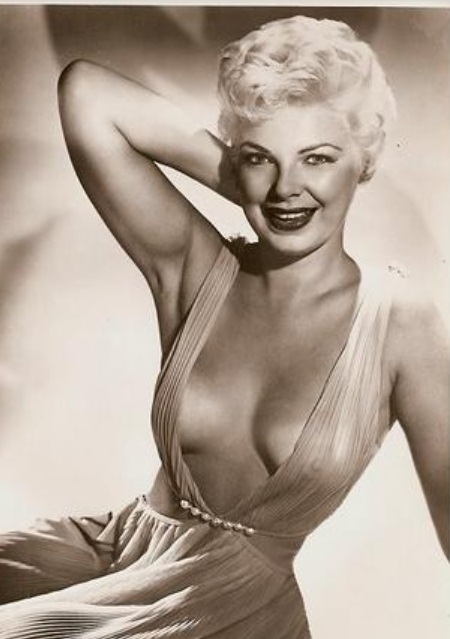
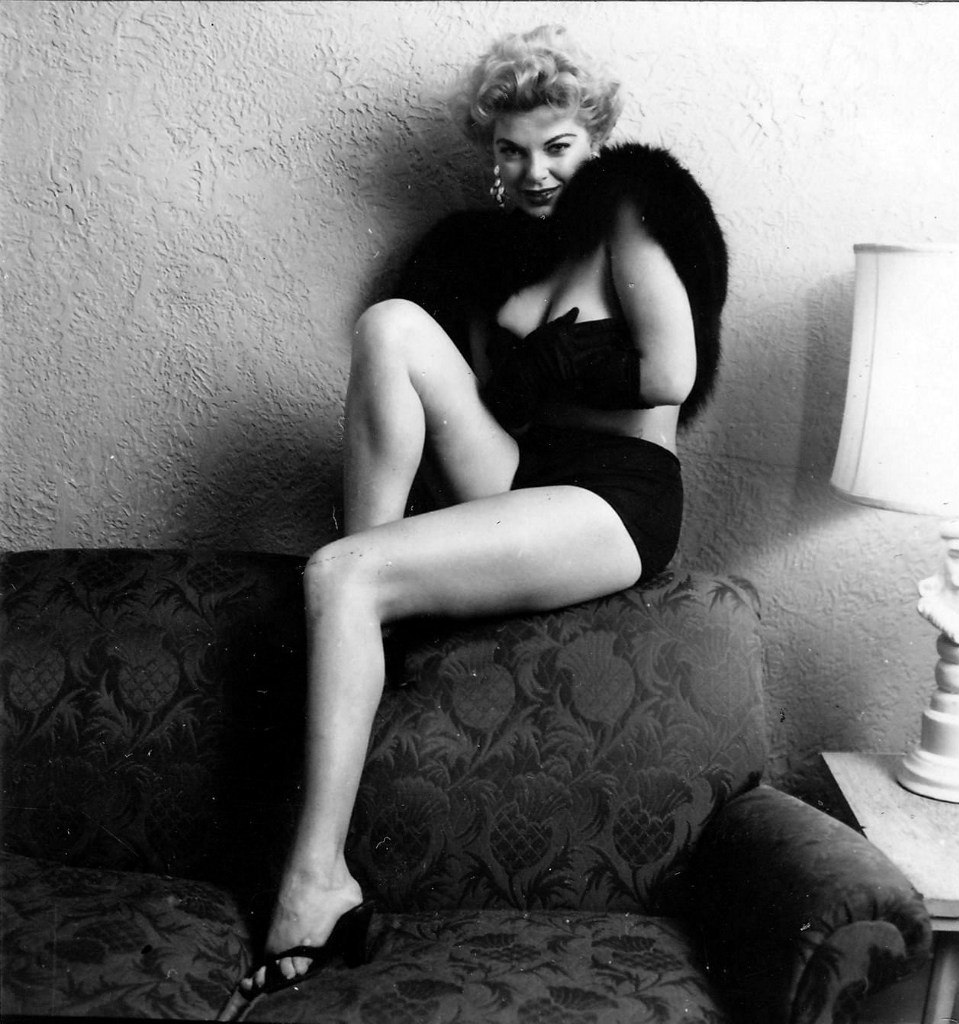
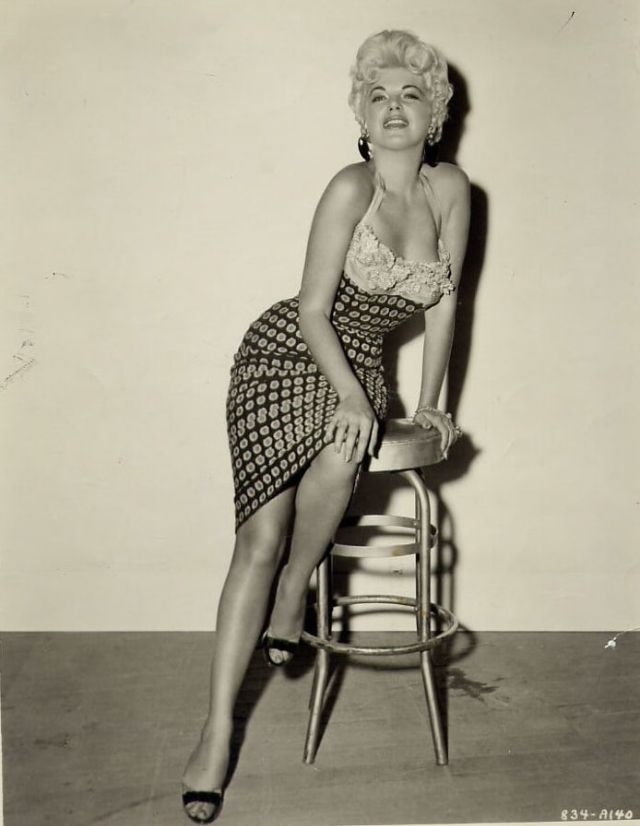
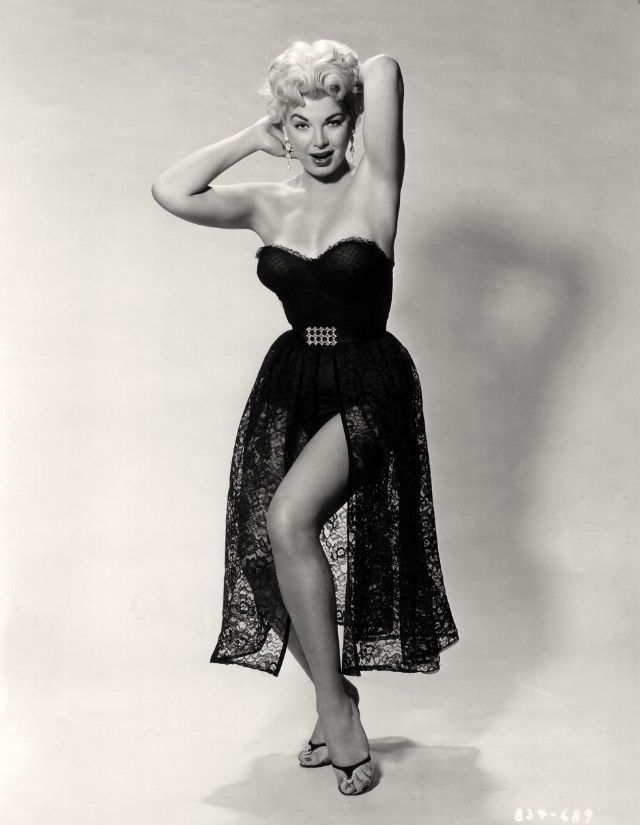
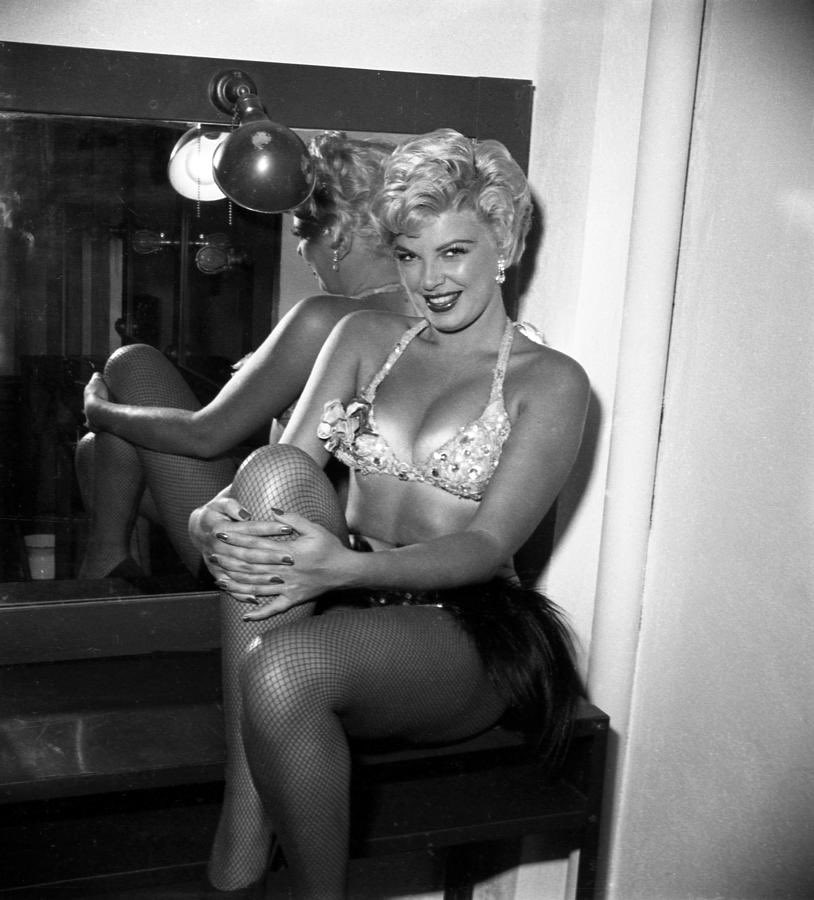
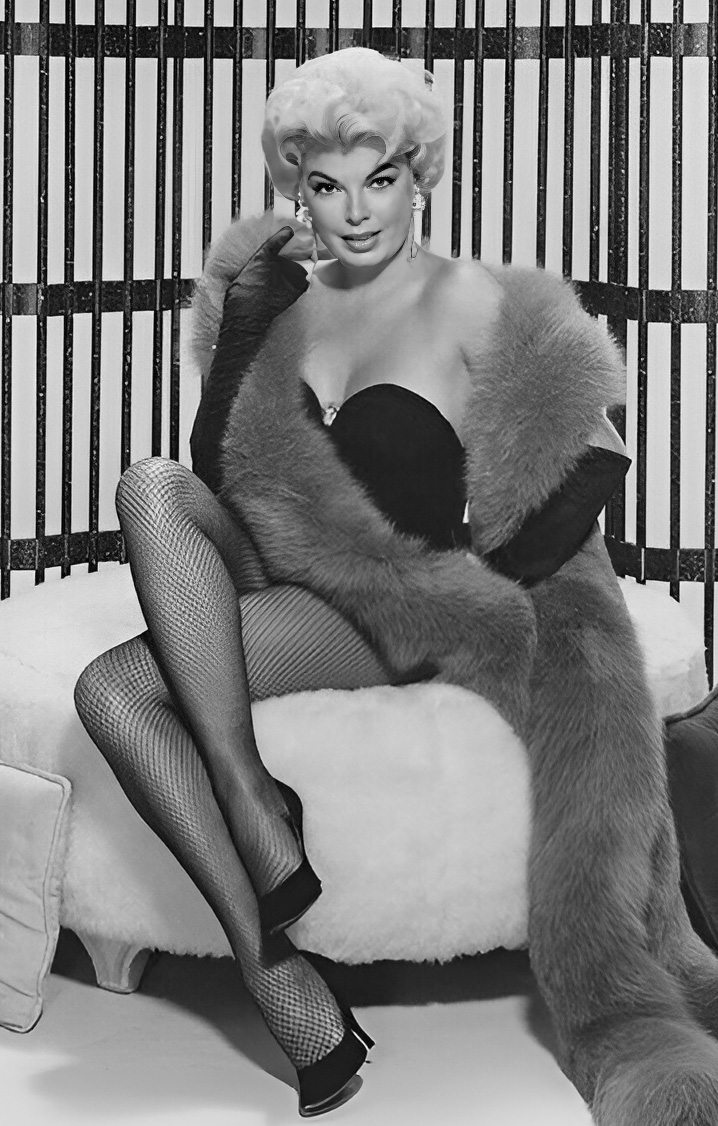
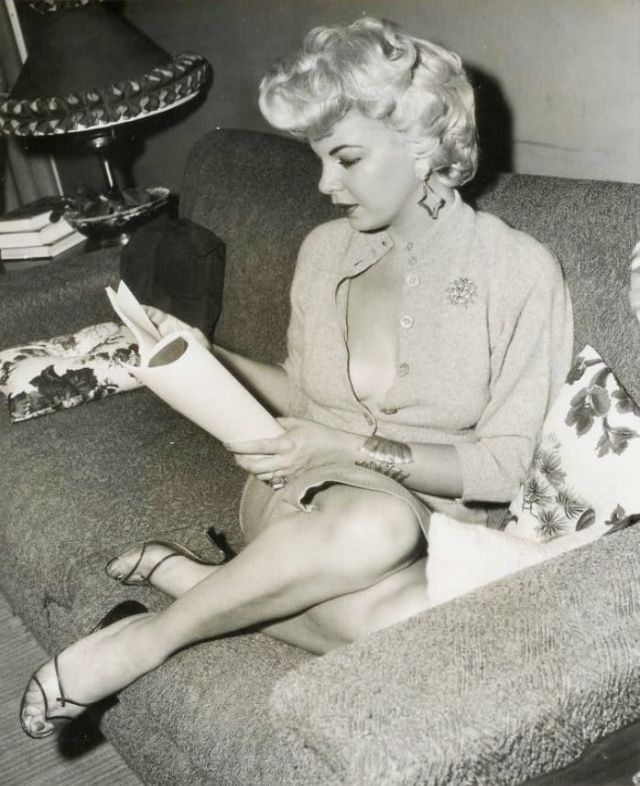
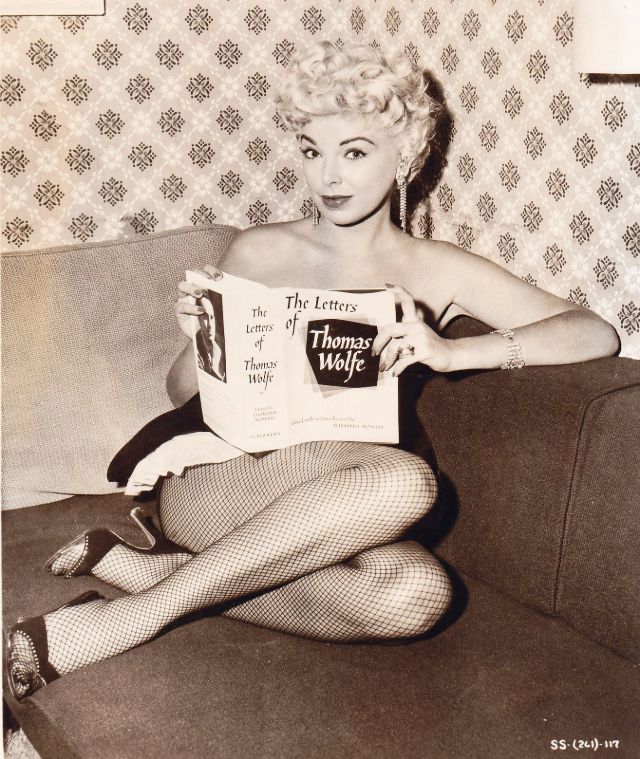
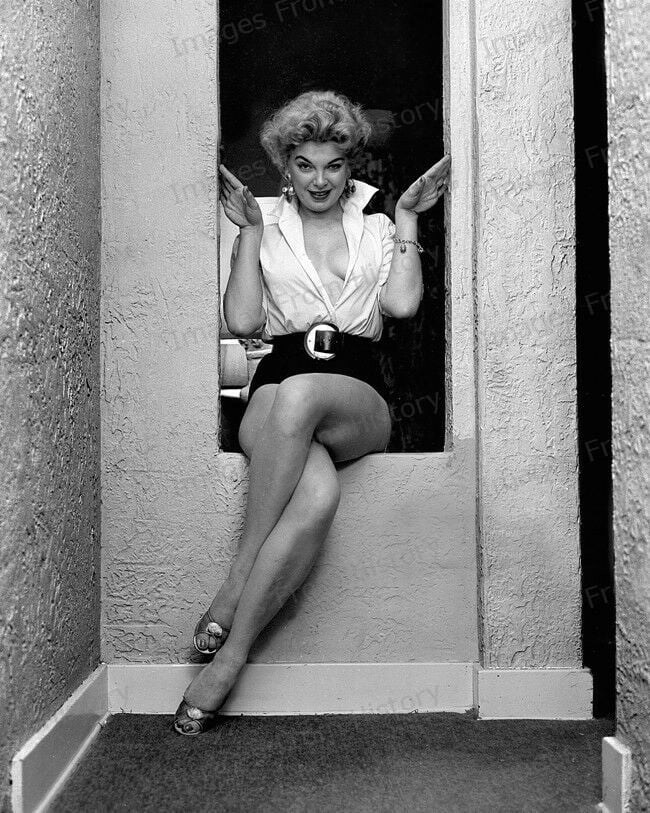
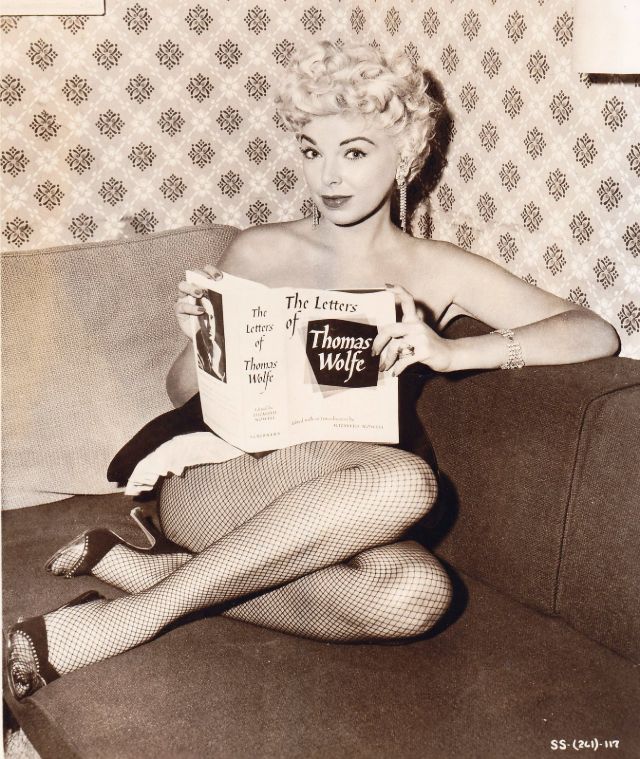
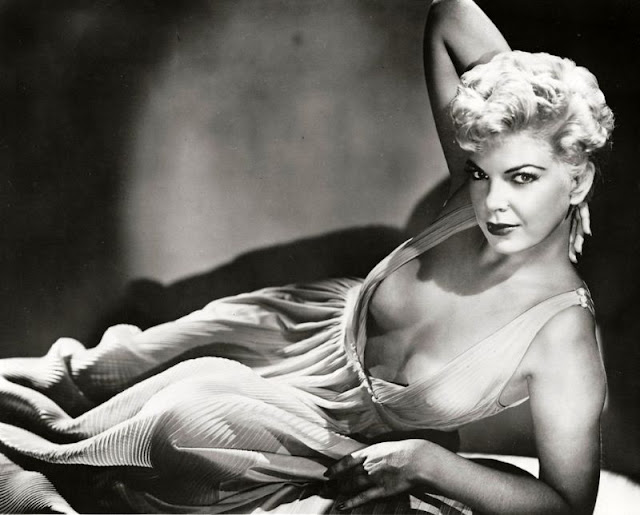
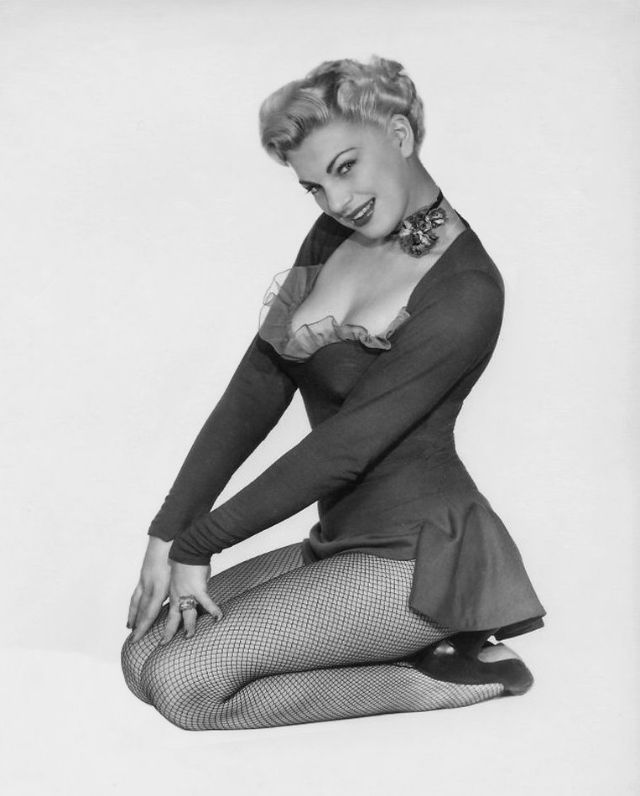
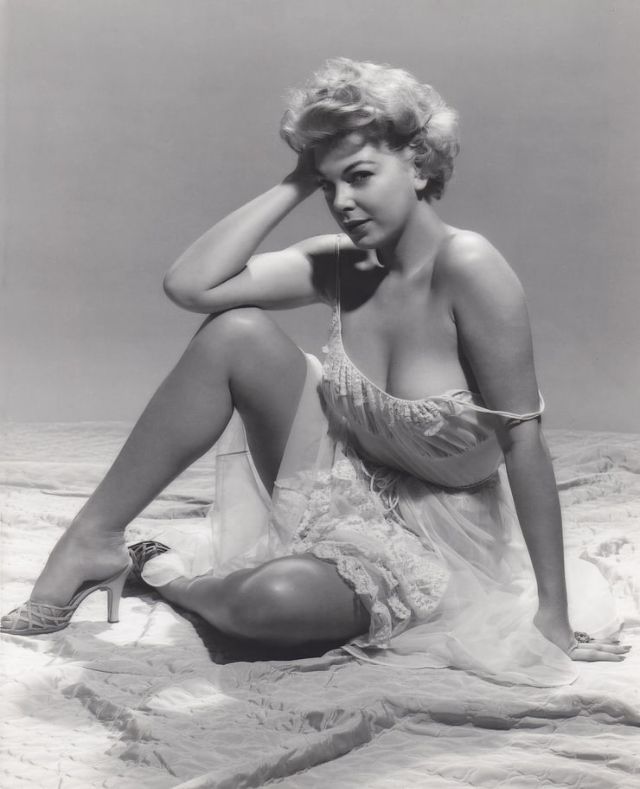
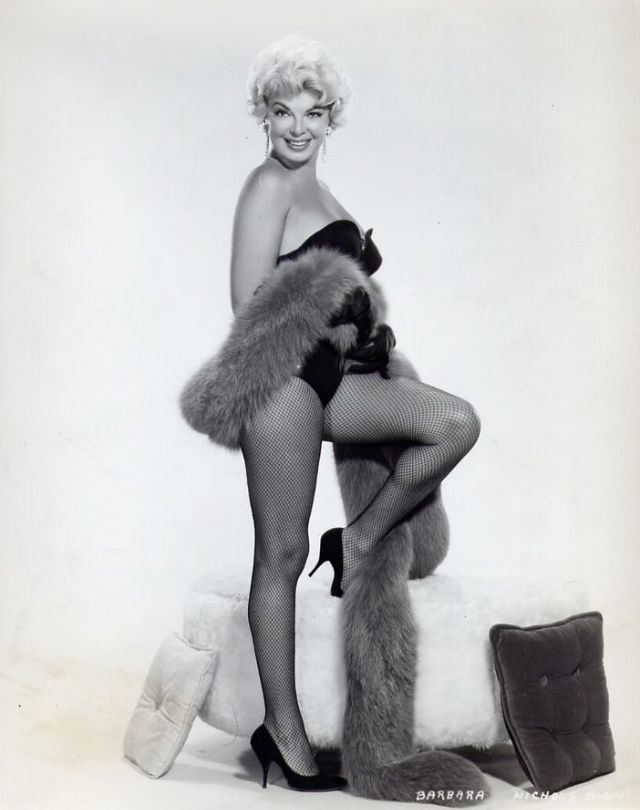
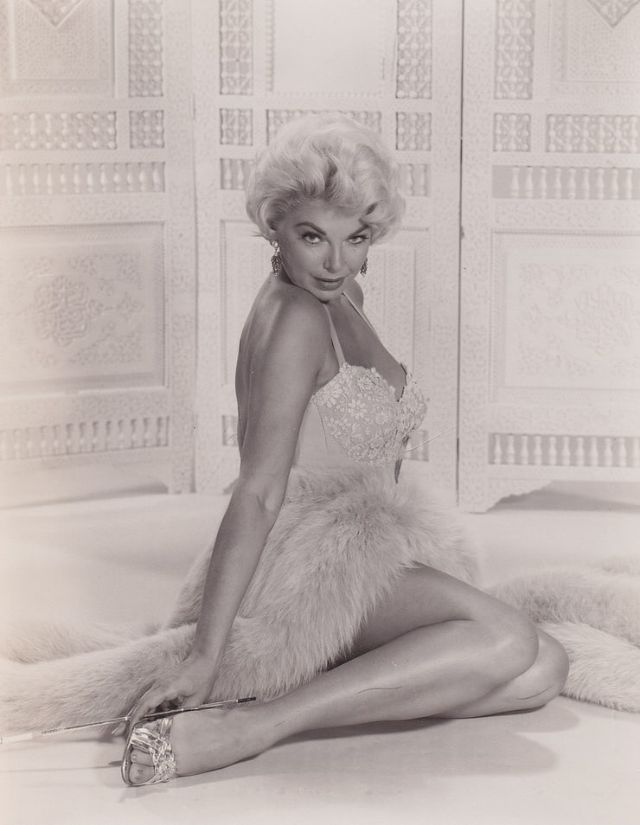
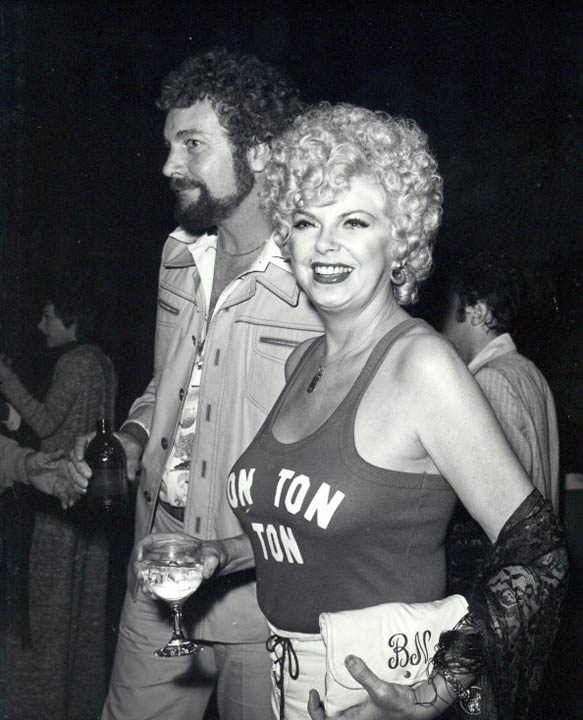
Barbara Marie Nickerauer (1928-1976)

Known professionally as Barbara Nichols, she was an American actress who often played brassy or comic roles in films in the 1950s and 1960s. She appeared in showy supporting roles, such as Miracle in the Rain (1956), The King and Four Queens (1956), The Naked and the Dead (1958), The Pajama Game (1957), Sweet Smell of Success (1957), That Kind of Woman (1958), and Where the Boys Are (1960), with high-profile actors, including Clark Gable, Susan Hayward, Sophia Loren, and Doris Day. One of her few starring roles was in the 1965 science-fiction film The Human Duplicators.

Her final film was Won Ton Ton, the Dog Who Saved Hollywood in 1976.

A serious Long Island car accident in July 1957 led to the loss of her spleen, and another serious car accident in Southern California in the 1960s led to a torn liver. Complications would set in over a decade later and she was forced to slow down her career. She eventually developed a life-threatening liver disease and her health deteriorated. In summer 1976, she was taken to Cedars-Sinai Medical Center in Los Angeles, California, where she went into a coma. She awoke for a few days just before Labor Day, but sank back shortly afterward. She died at age 47

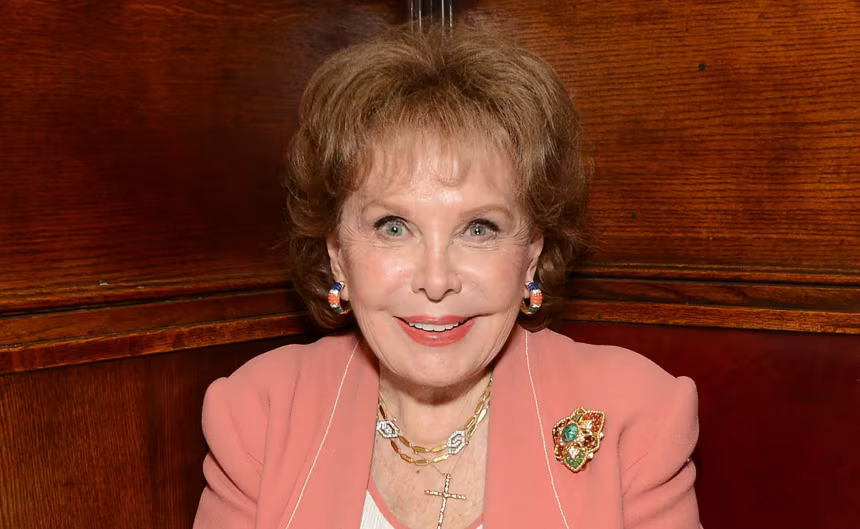
Last known picture of Barbara Nichols taken in 1976

Historical photos of times gone by

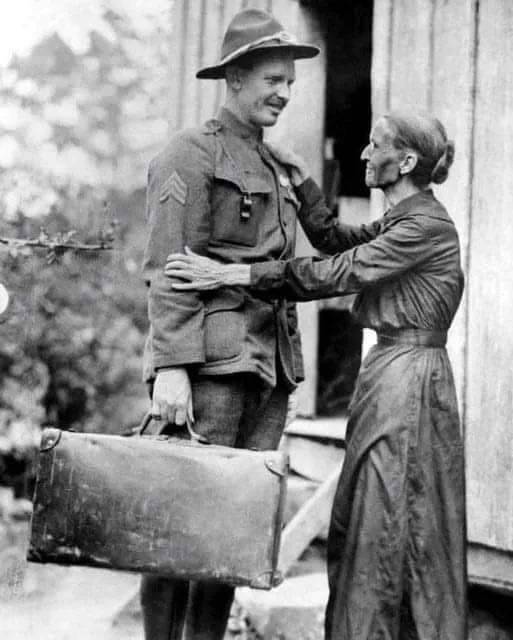
Sergeant Alvin C. York, a highly decorated U.S. Army soldier, reunited with his mother, Mary Elizabeth York, upon returning home to Pall Mall, Tennessee after World War I

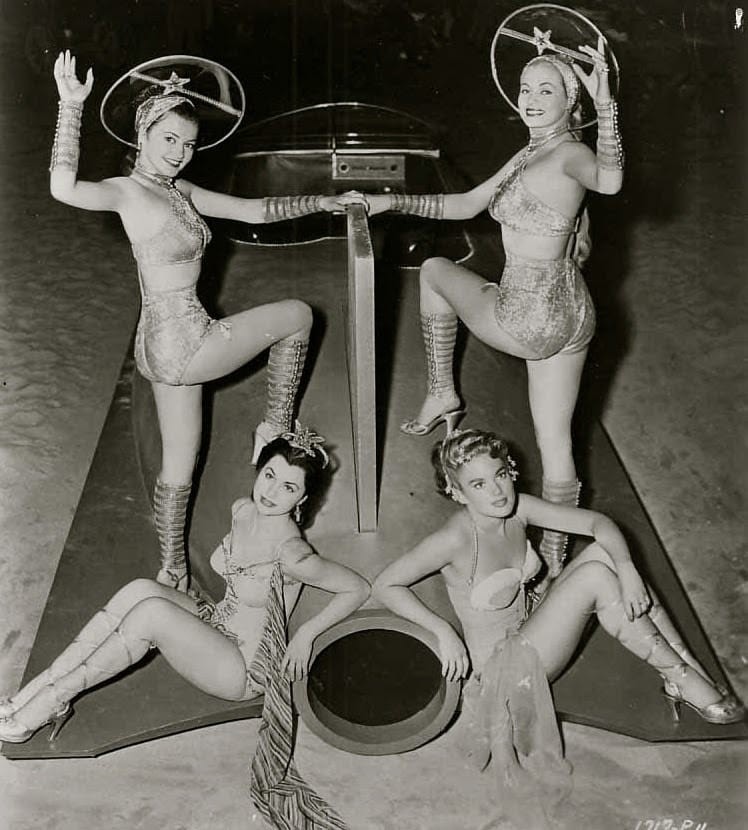
Actresses from the 1953 sci-fi comedy film Abbott and Costello Go to Mars

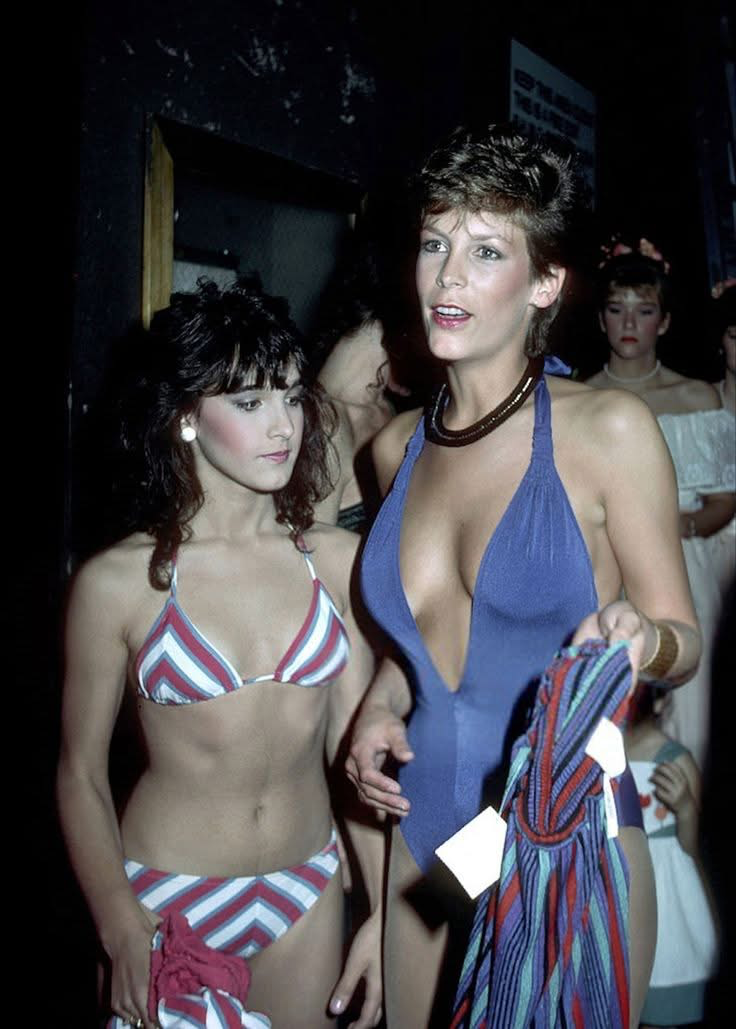
Jamie Lee Curtis and Danielle Brisebois attending a fashion show in 1983

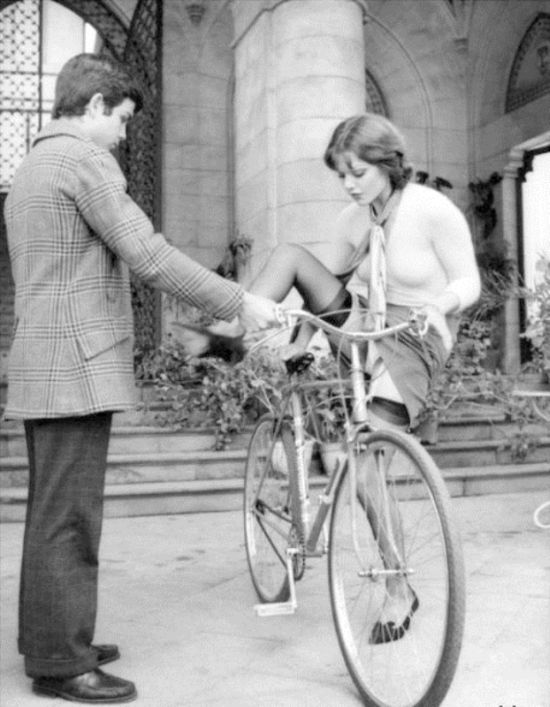
photo is a still from the 1973 Italian comedy film Malicious

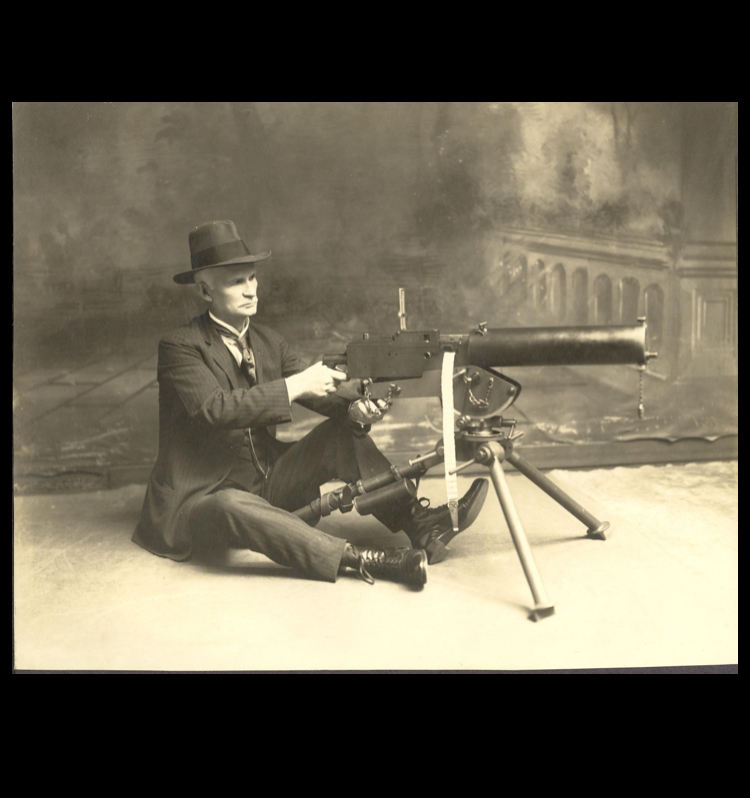
American firearm inventor John Moses Browning posing with his creation

“Reverie” (also known as “Pensive”) by Polish artist Władysław Czachórski, from the late 19th century and features a woman looking thoughtfully out a window.

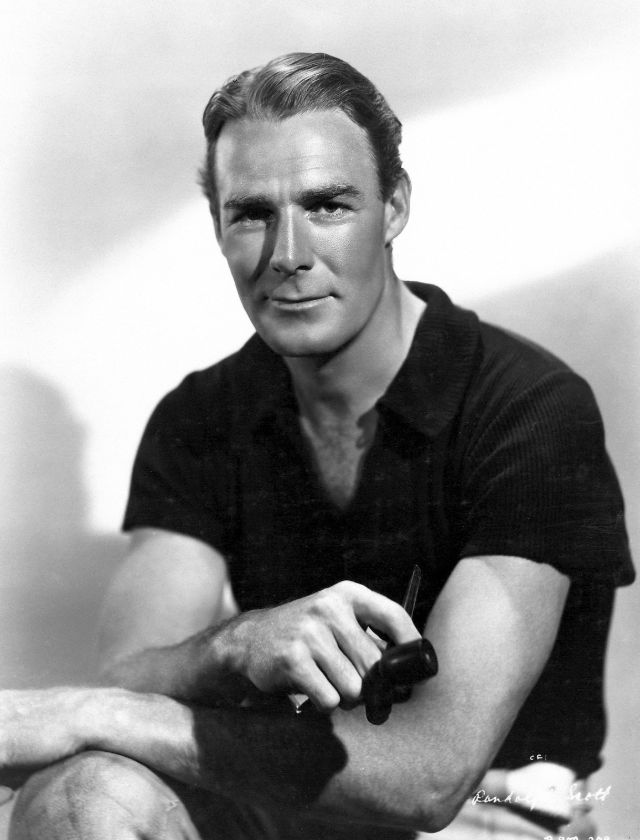
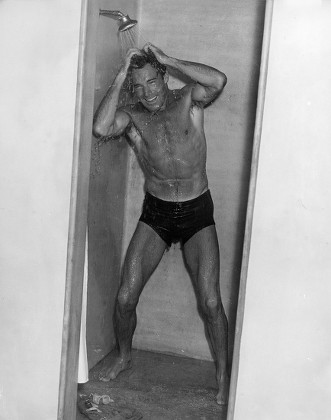
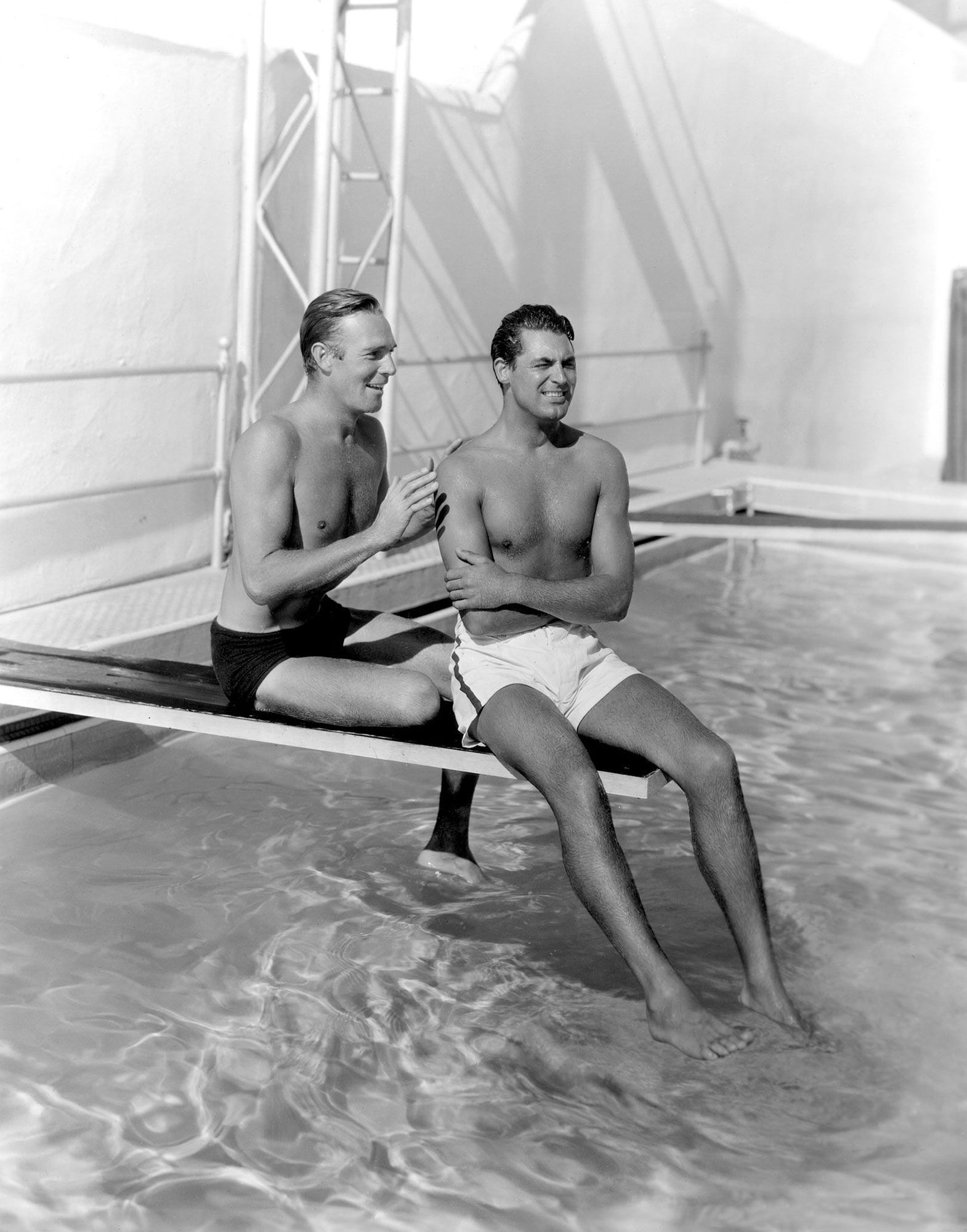
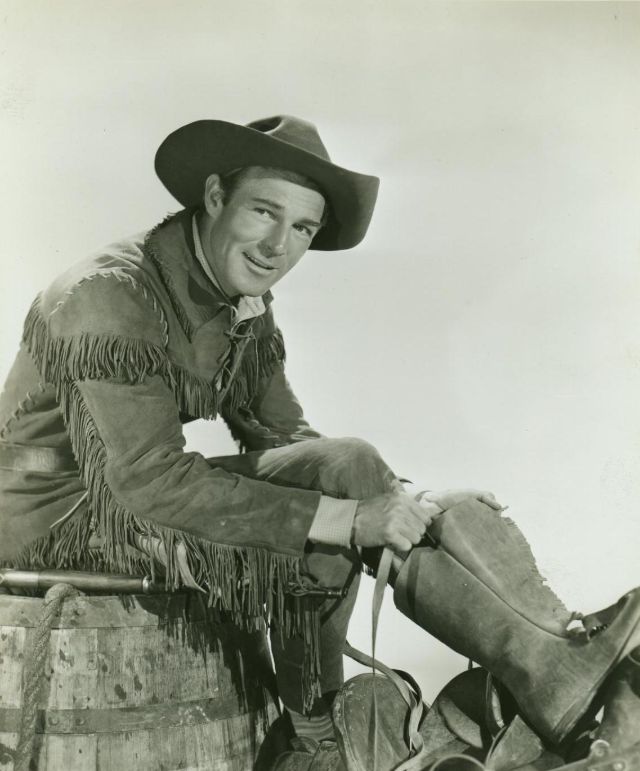
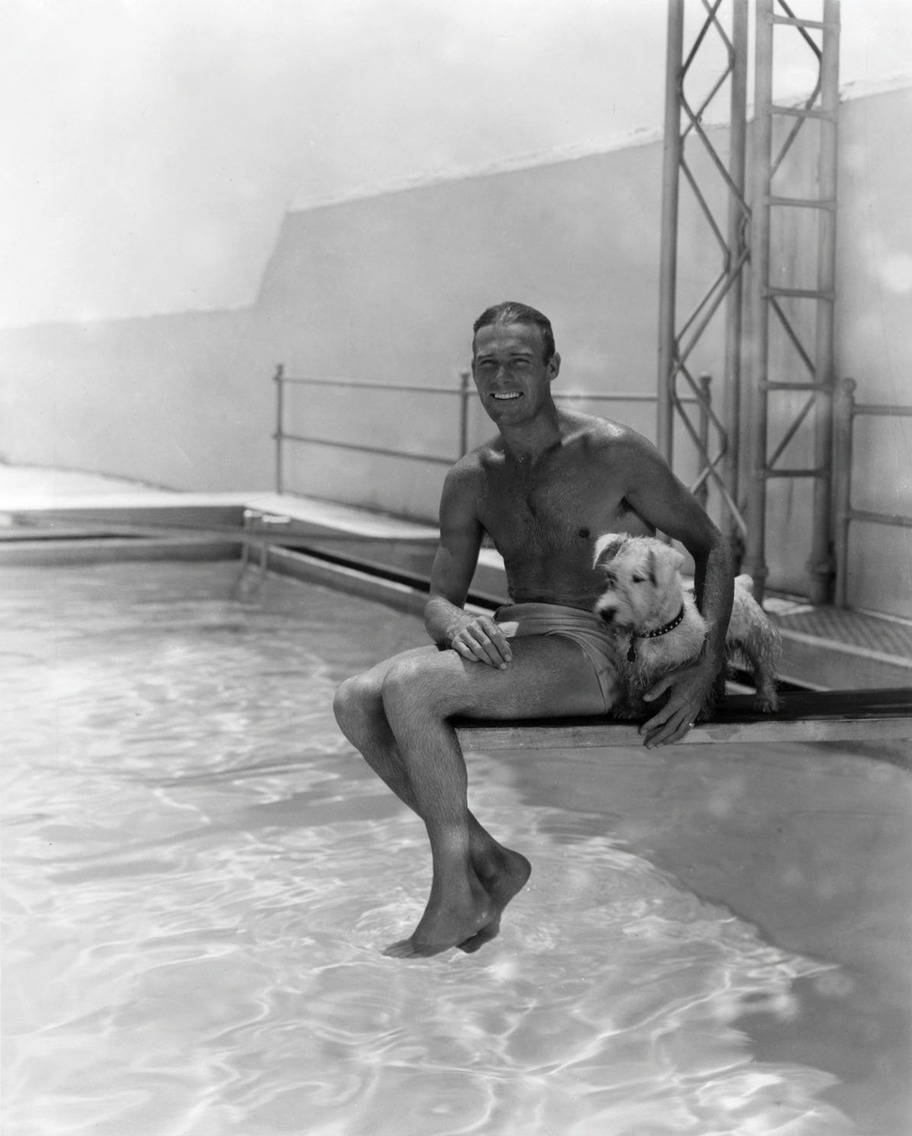
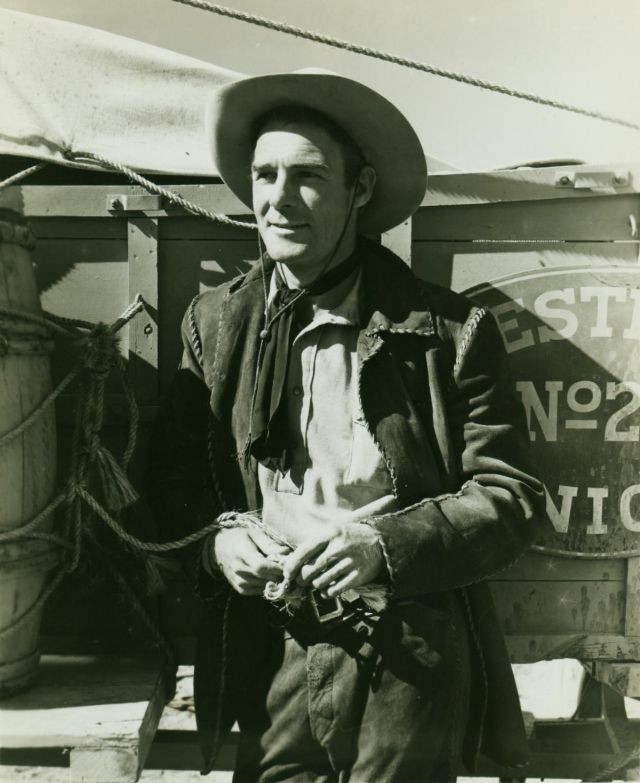
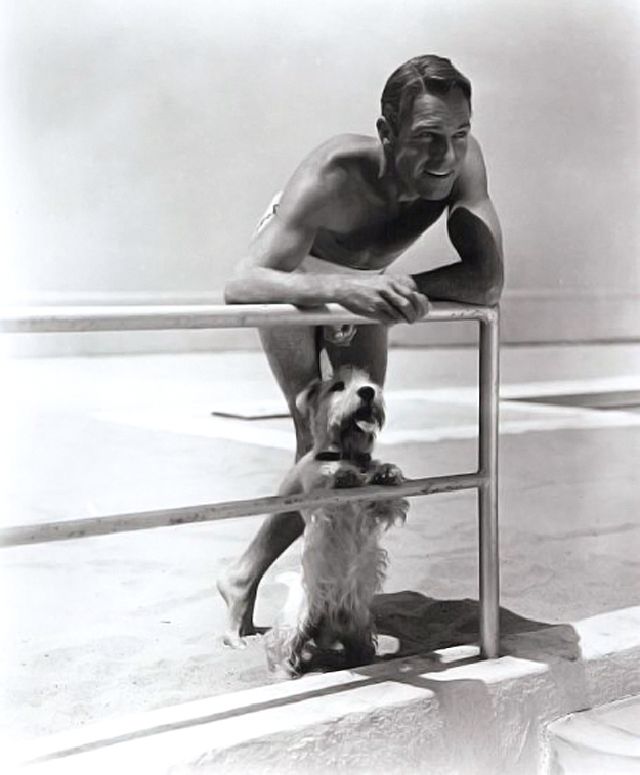
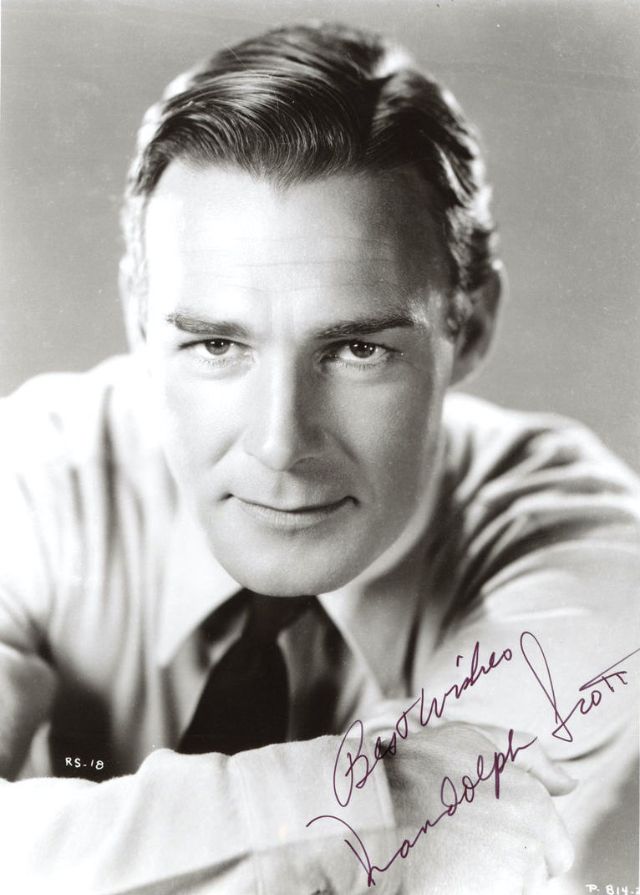
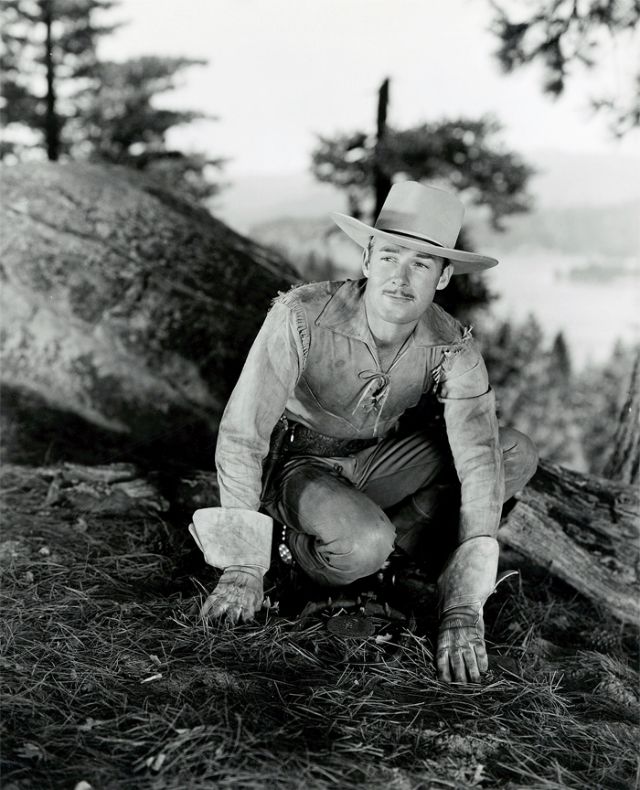
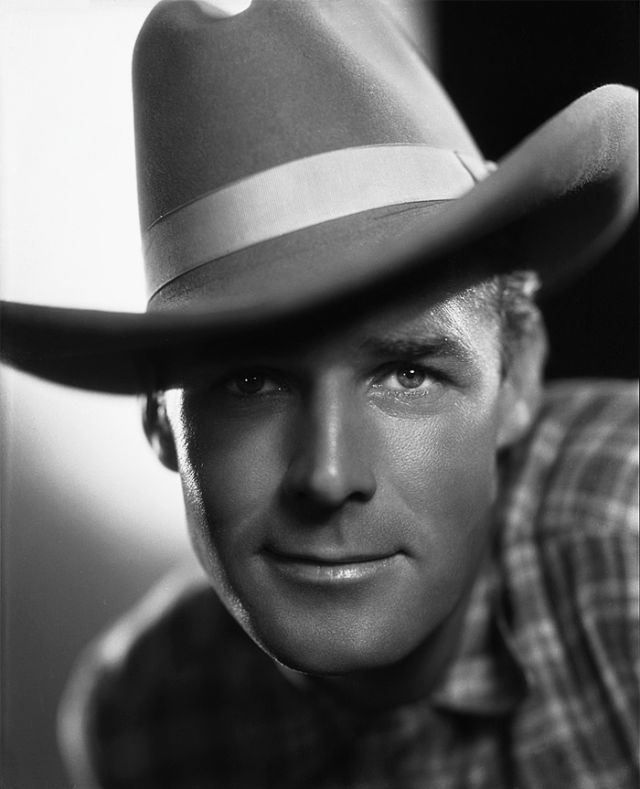
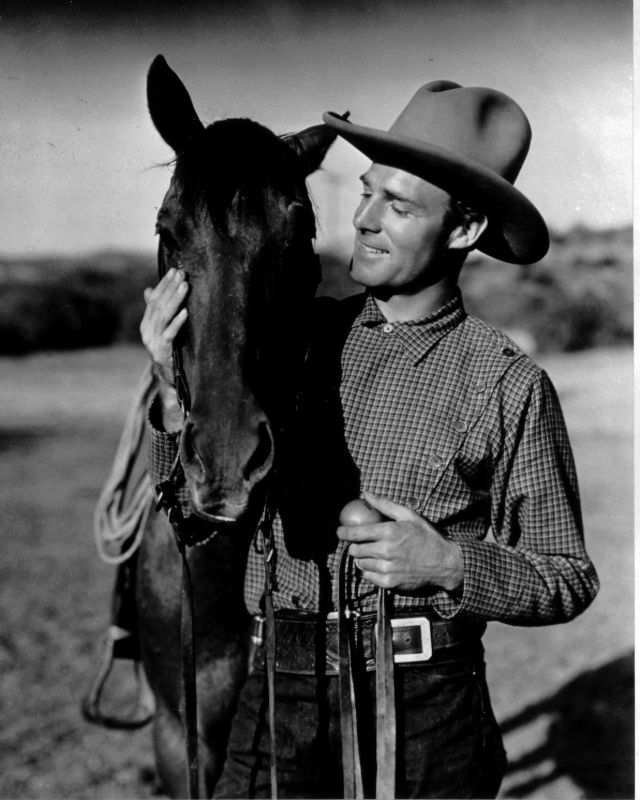
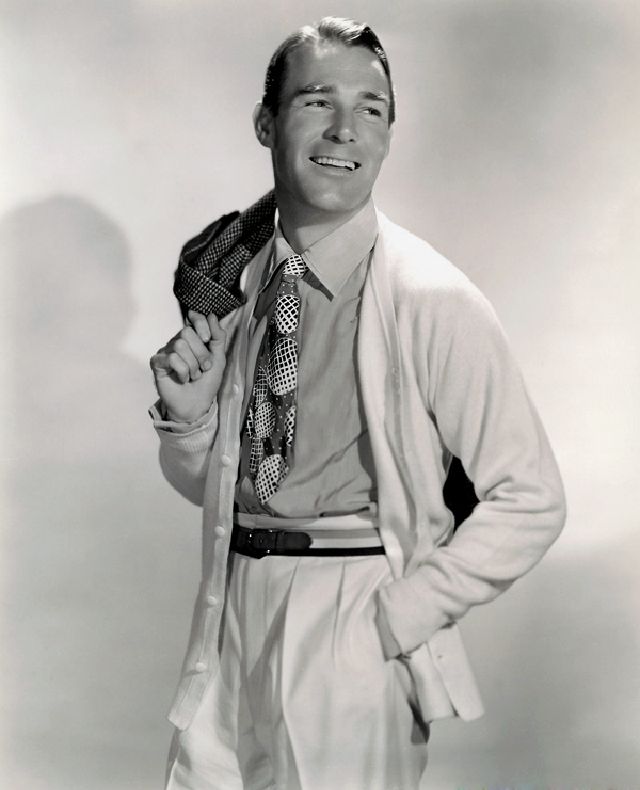
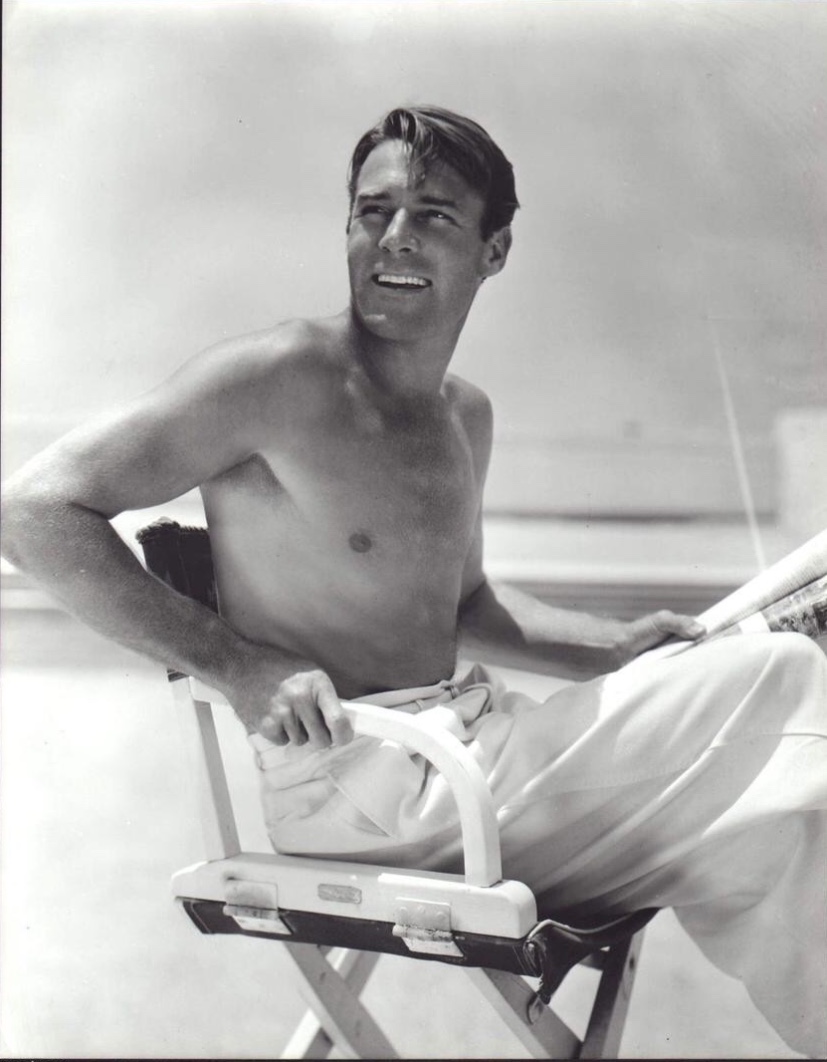
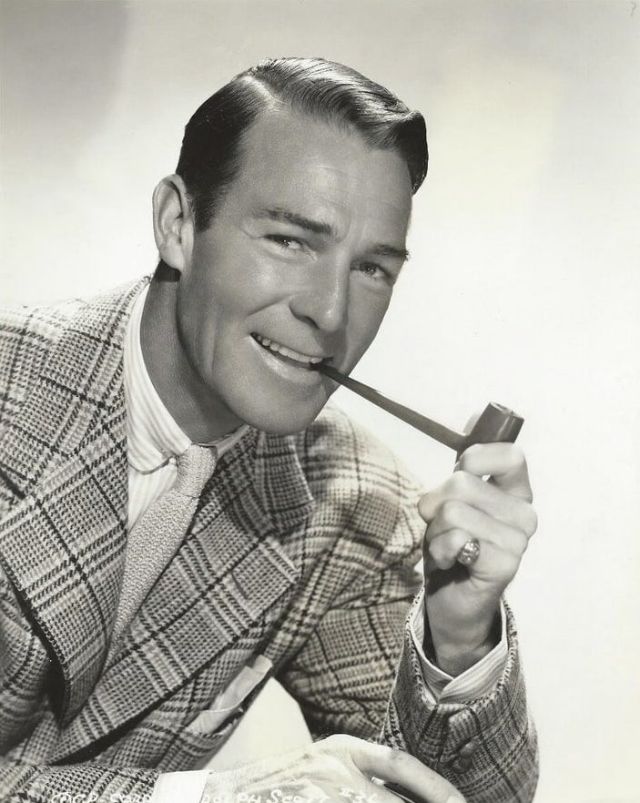
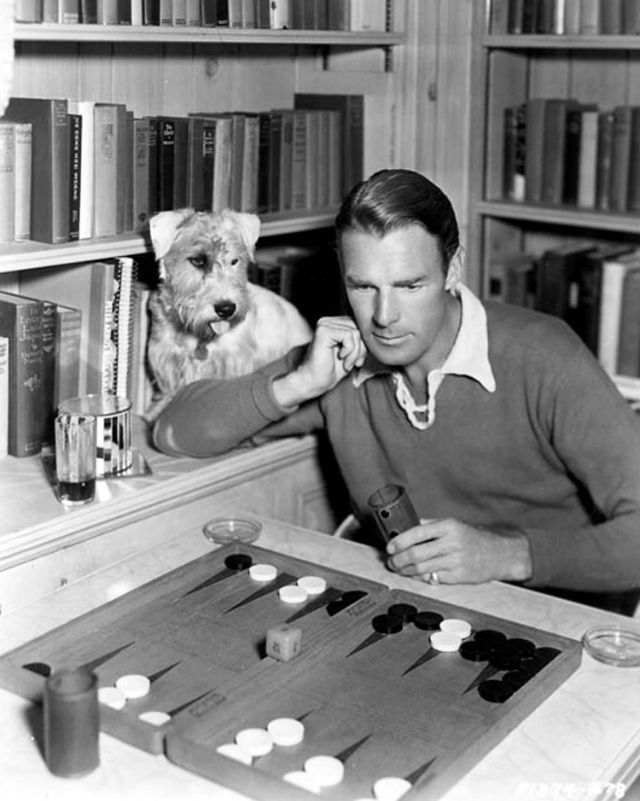
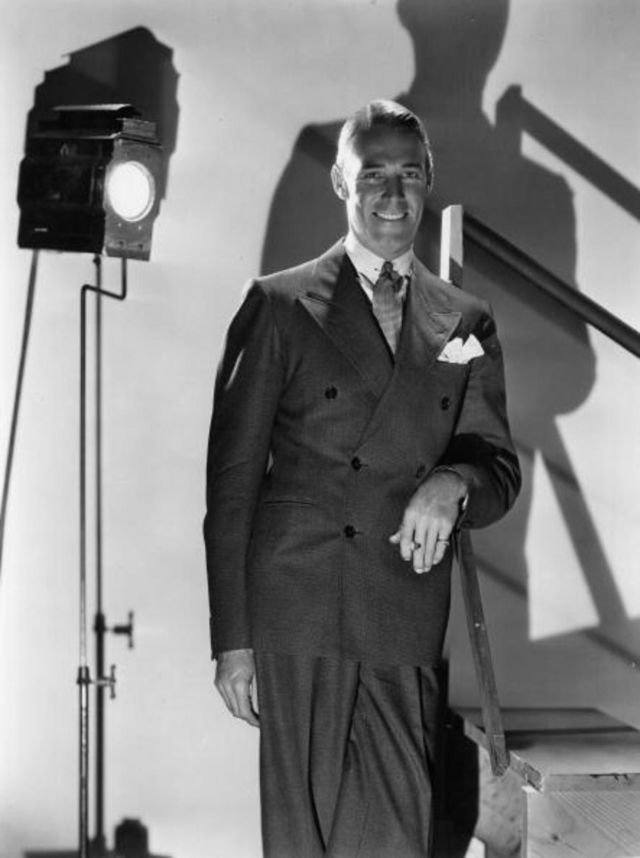
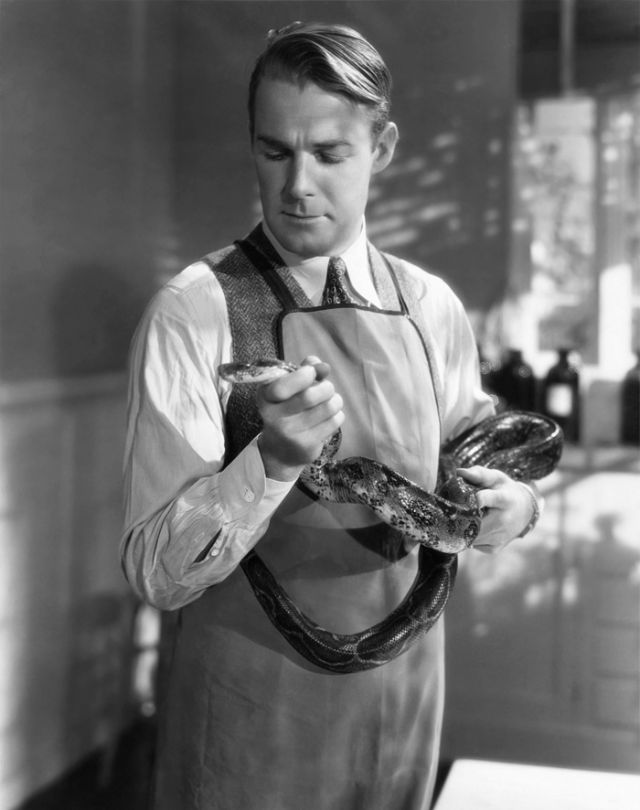
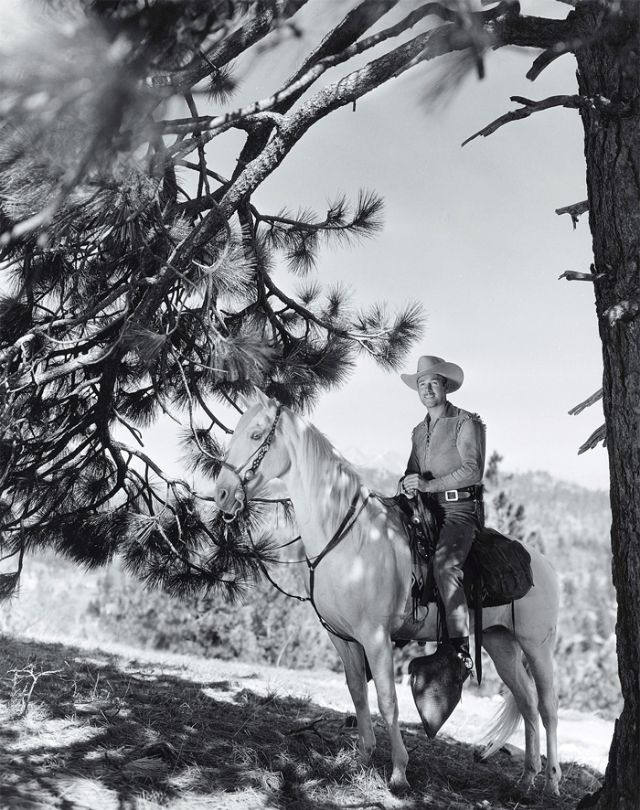
Beefcake Tuesday – George Randolph Scott

(1898 – 1987) Scott was raised in Charlotte, North Carolina. After service with the U.S. Army, he attended Georgia Institute of Technology but, after being injured playing football, transferred to the University of North Carolina.
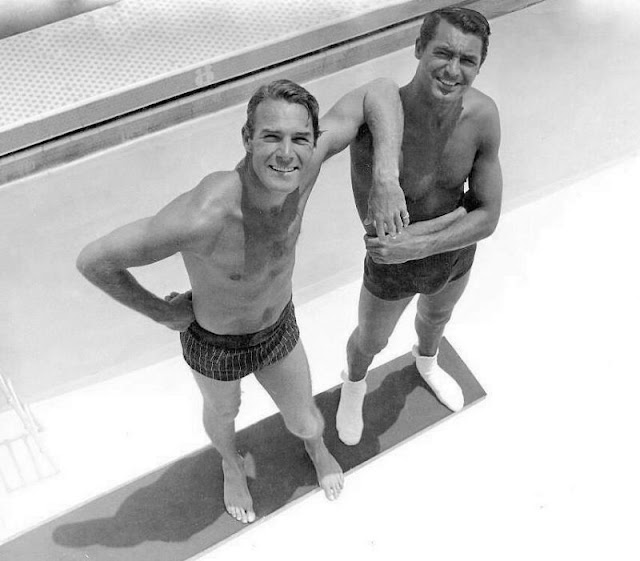
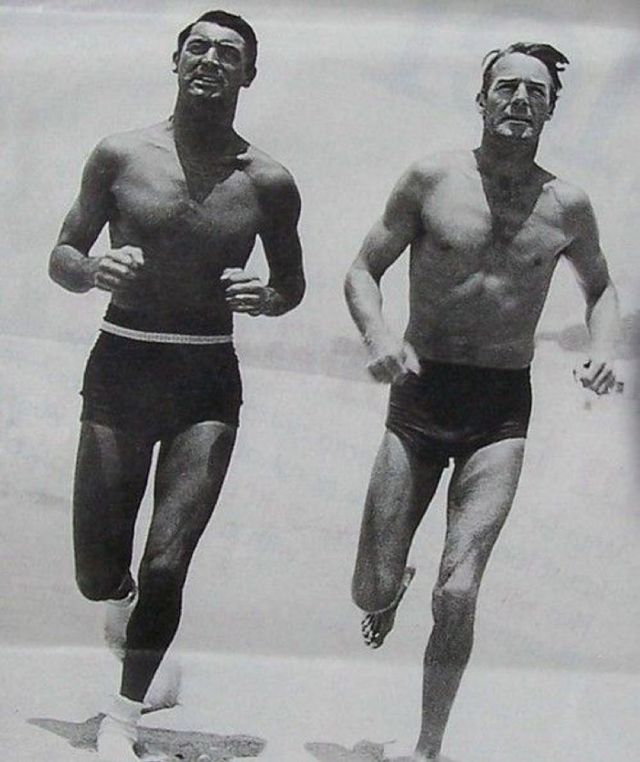
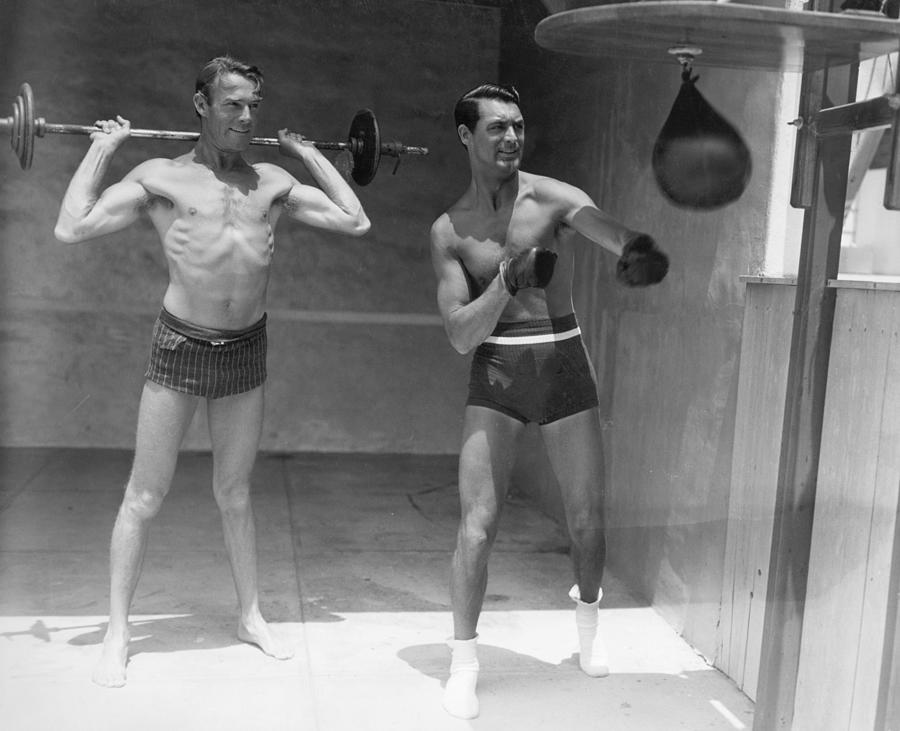
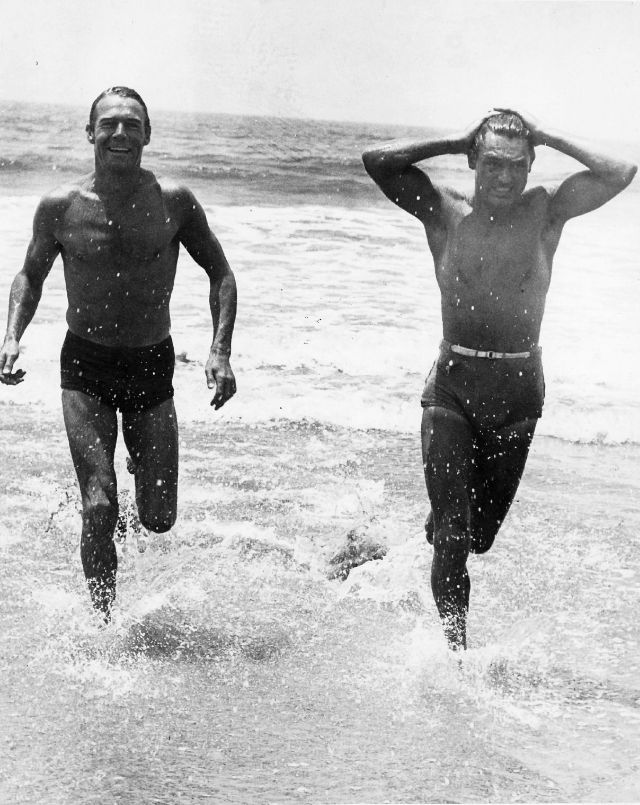
He discovered acting and went to California, where he was hired to voice coach Gary Cooper for The Virginian (1929). Paramount offered him a contract where he met Cary Grant, another Paramount contract player, on the set of Hot Saturday (1932) and the pair soon moved in together.

Their on-and-off living arrangement would last until 1942.

Scott moved into leading roles at Paramount, but it was not until he began focusing on Westerns in the late 1940s that he reached his greatest stardom. He became one of the top box office stars of the 1950s and, in the Westerns of Budd Boetticher especially, an important figure. Following a critically acclaimed role in one of the classics of the genre, Ride the High Country (1962), Scott retired from films.

He died in 1987 and is buried in Charlotte, North Carolina.