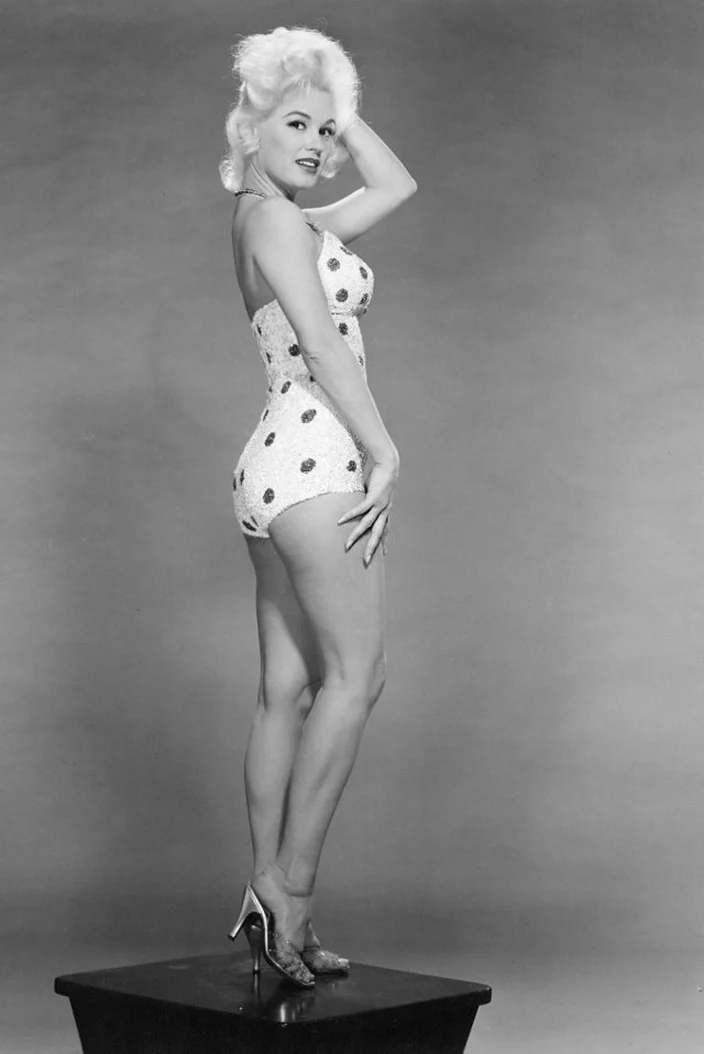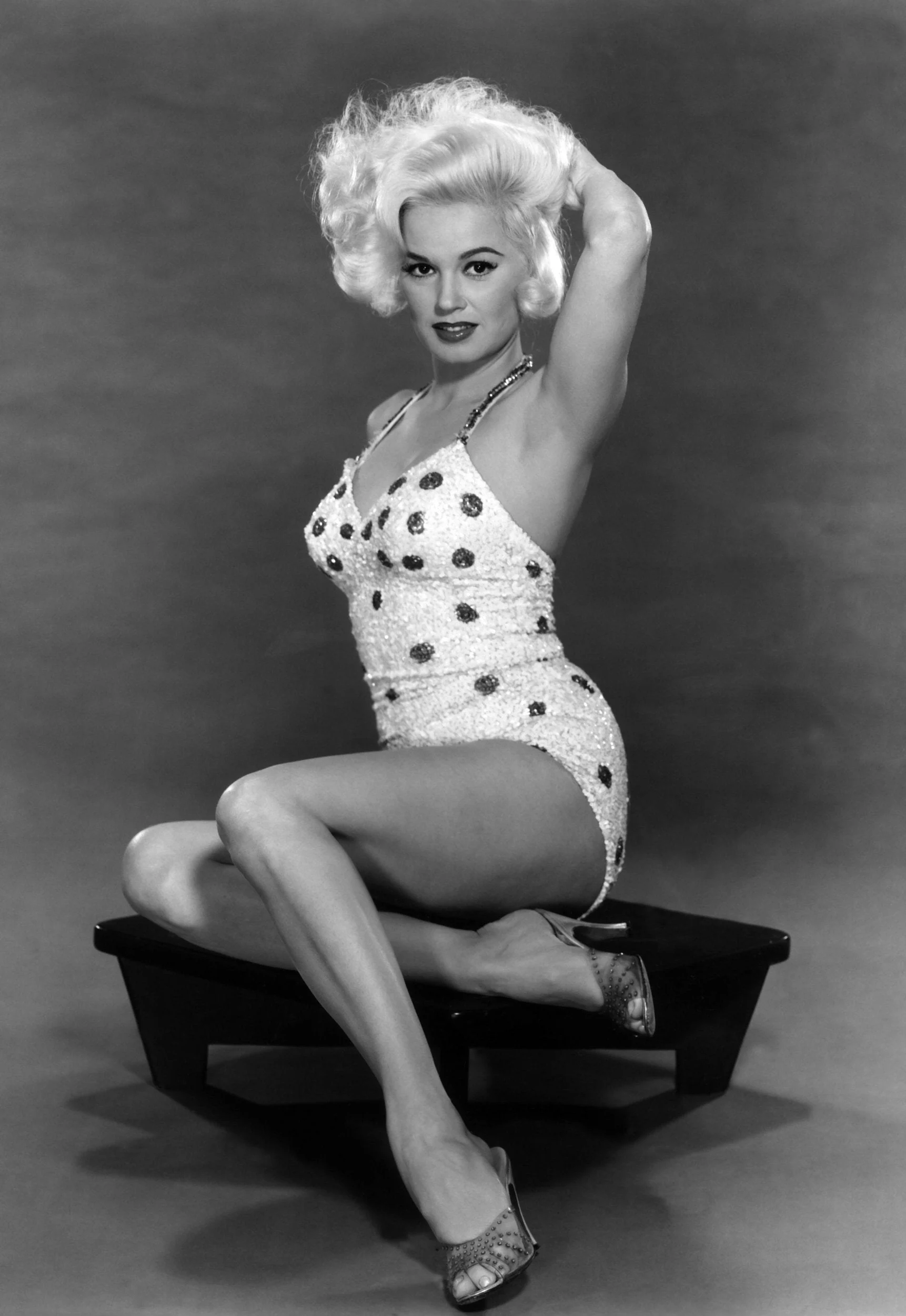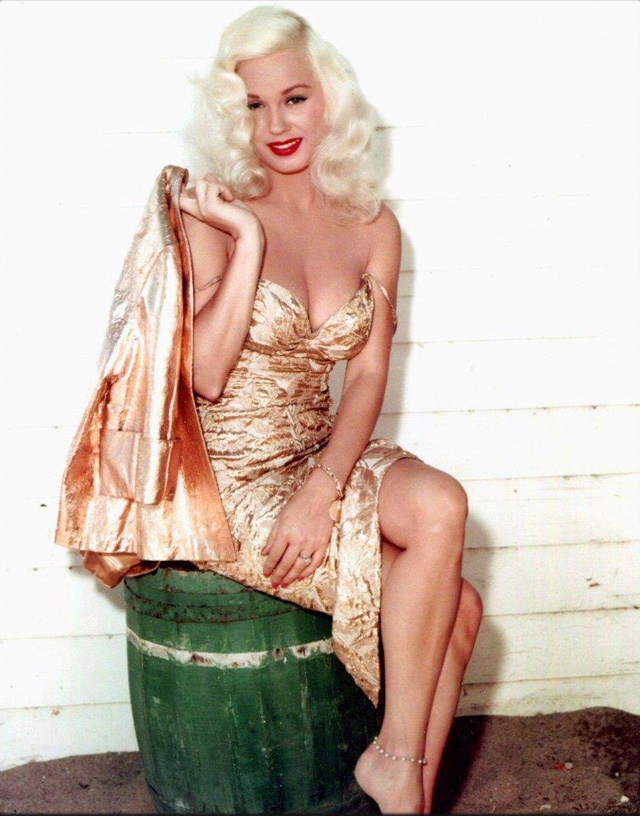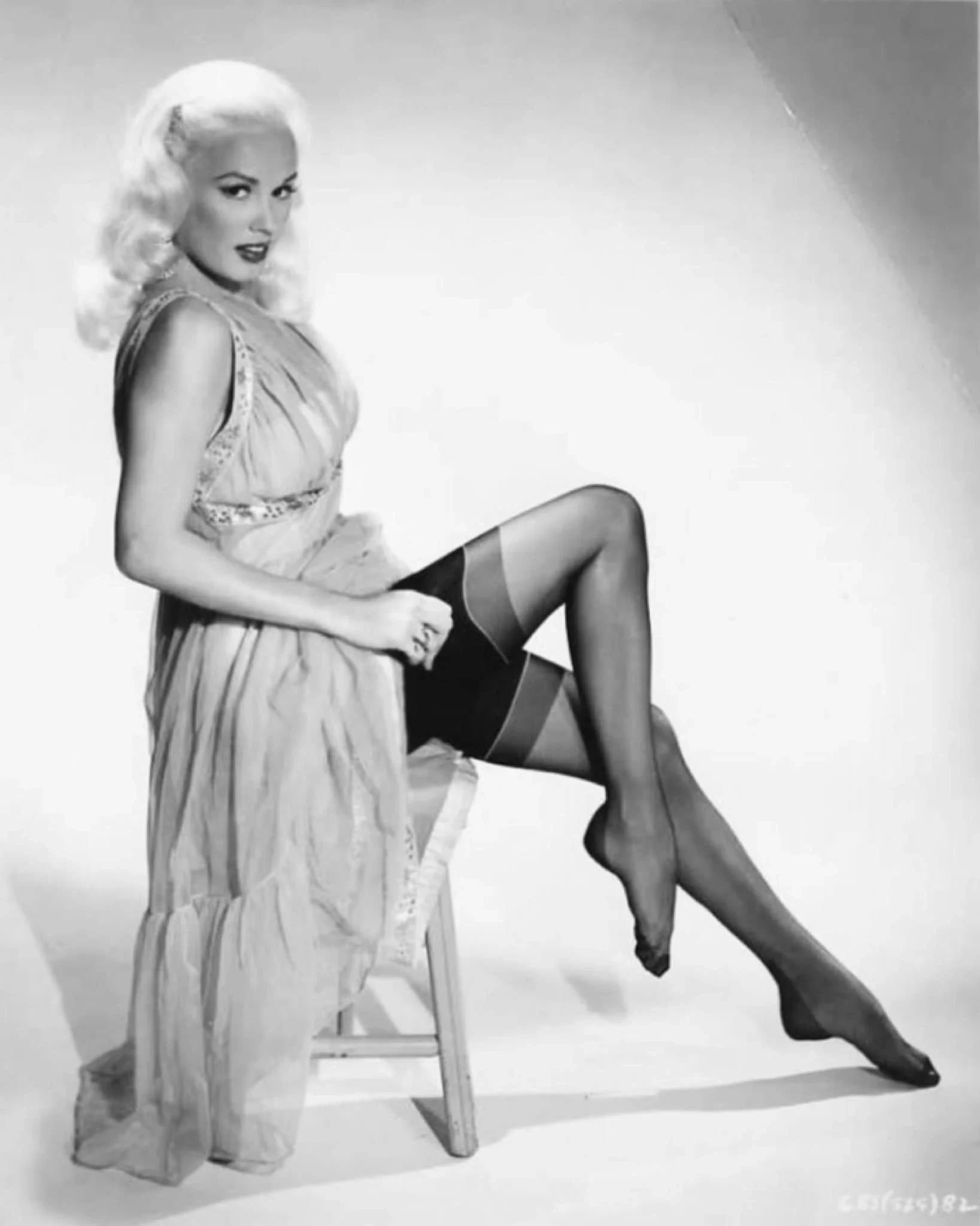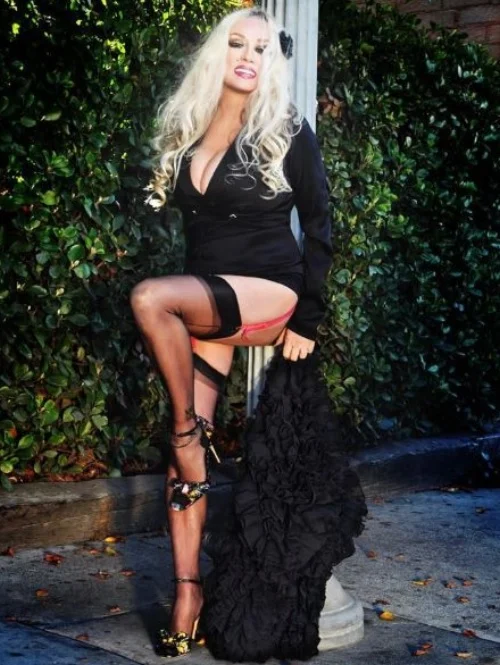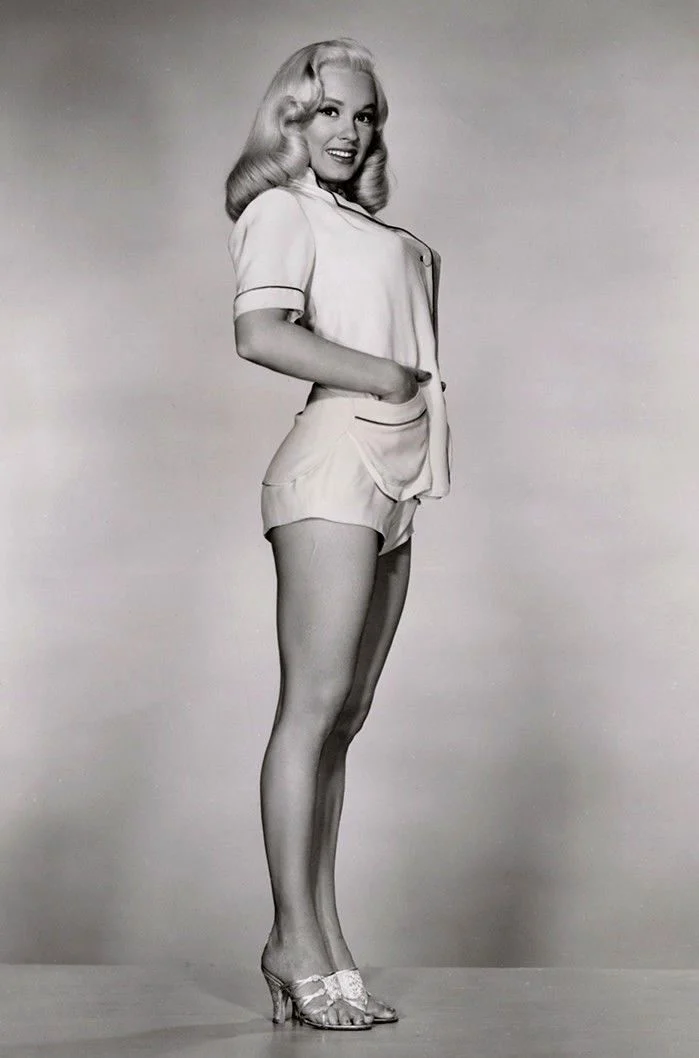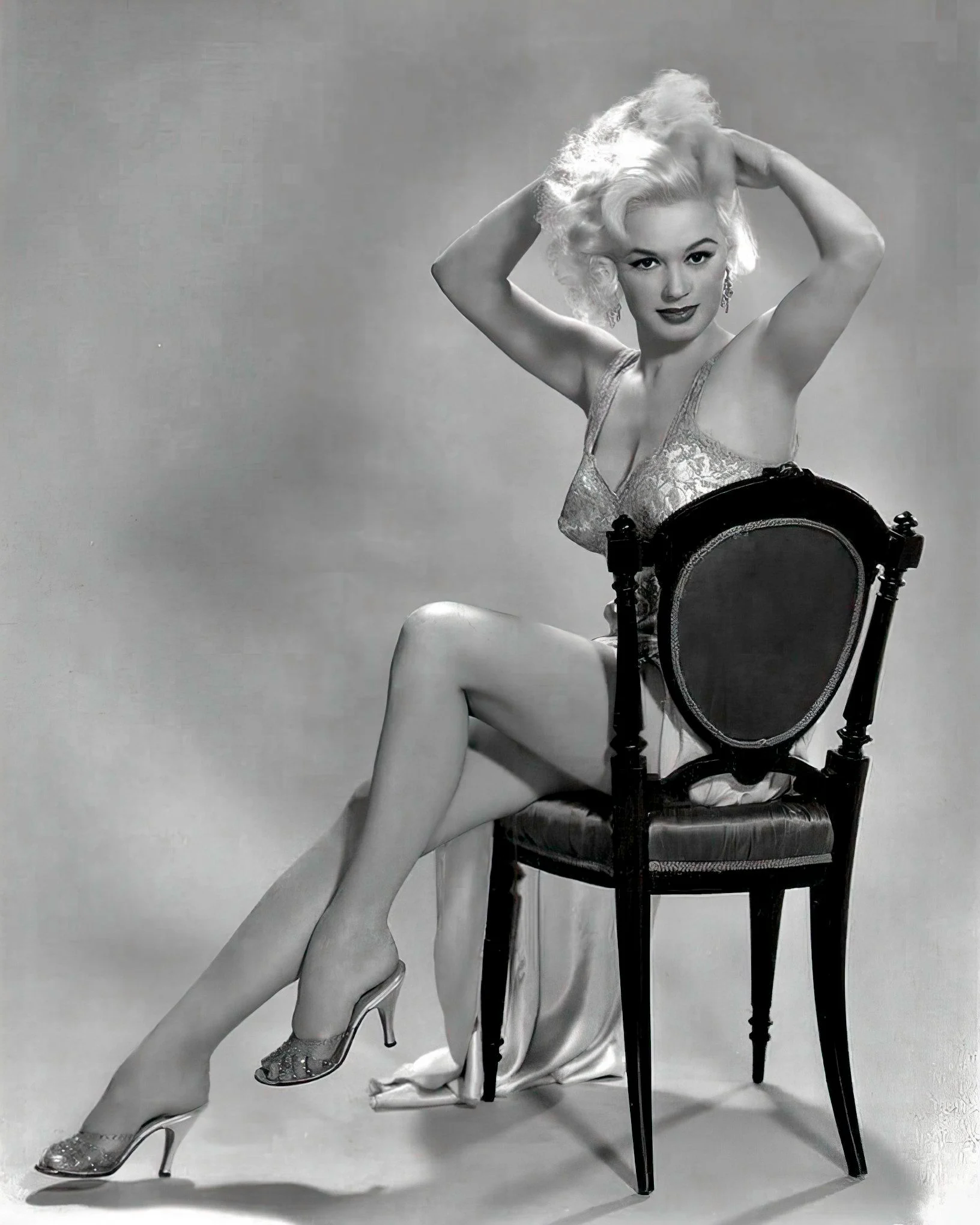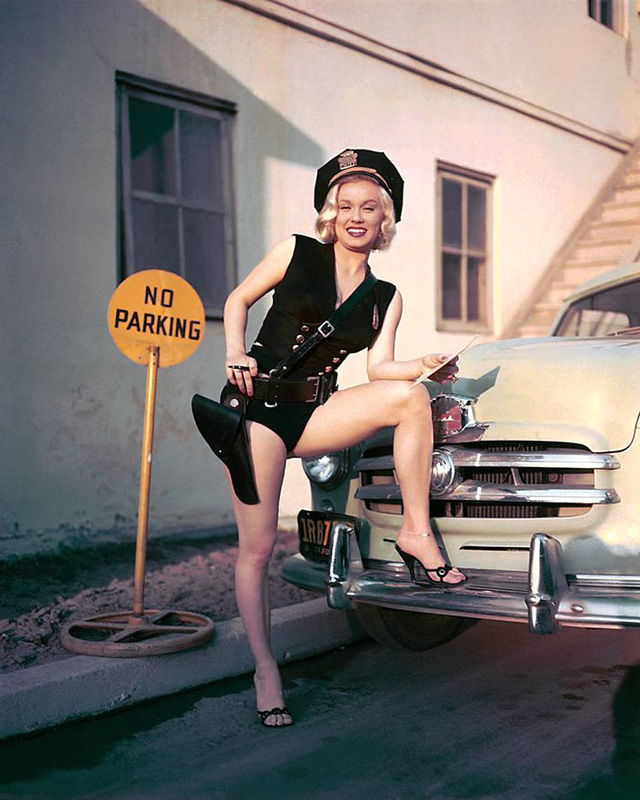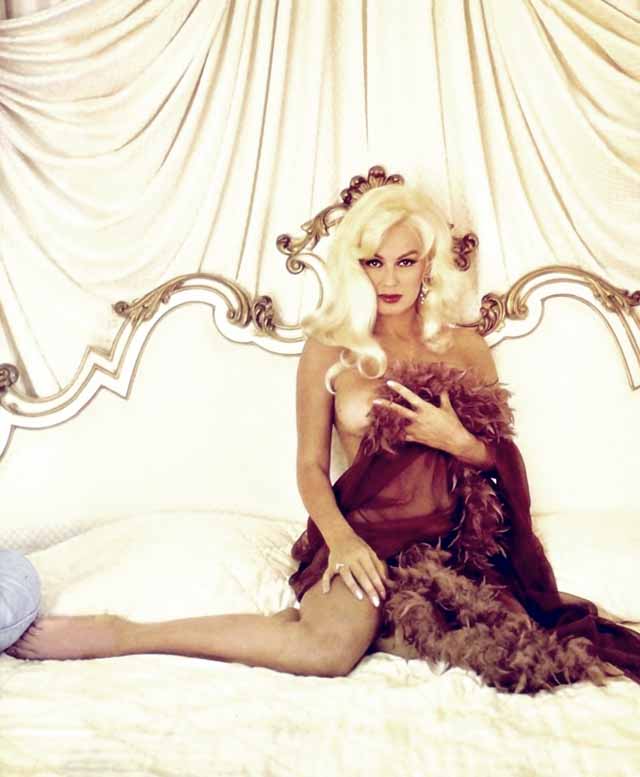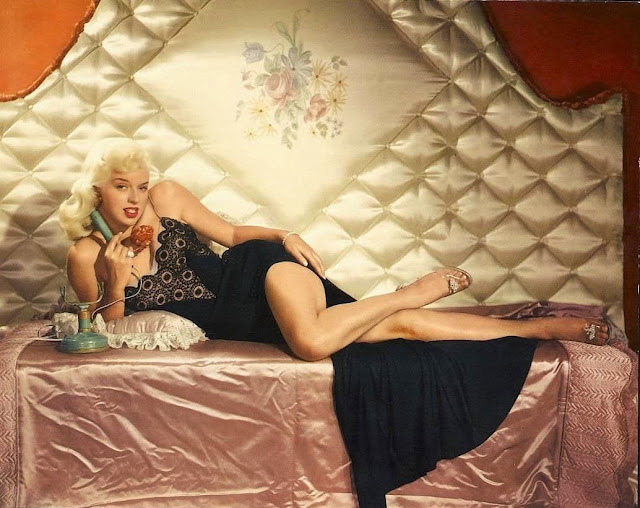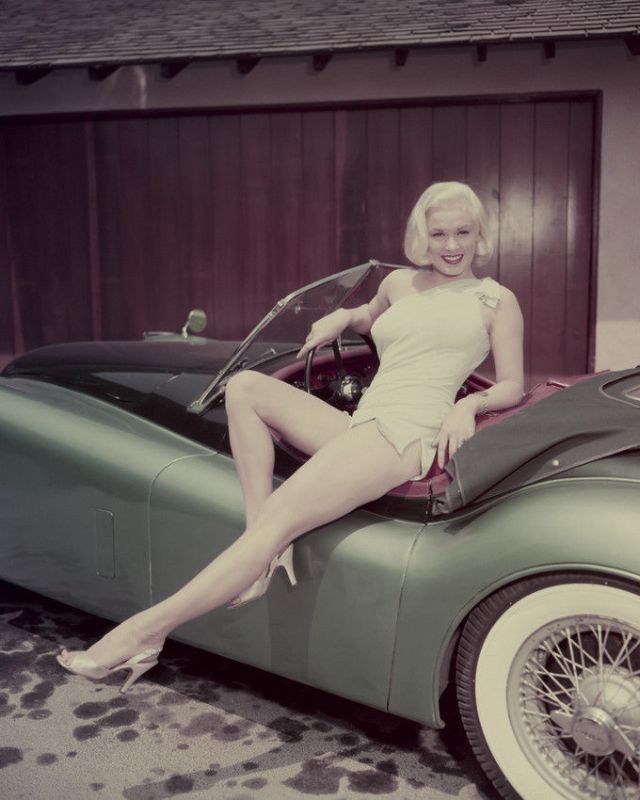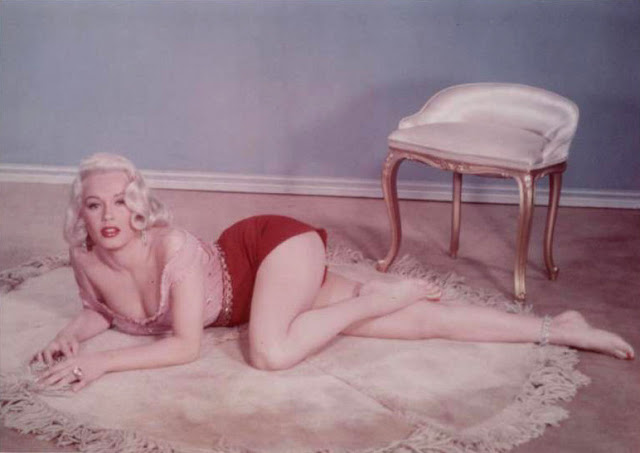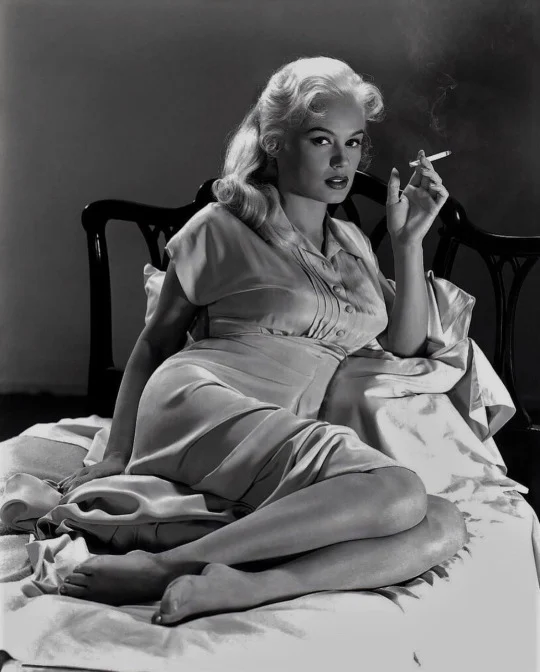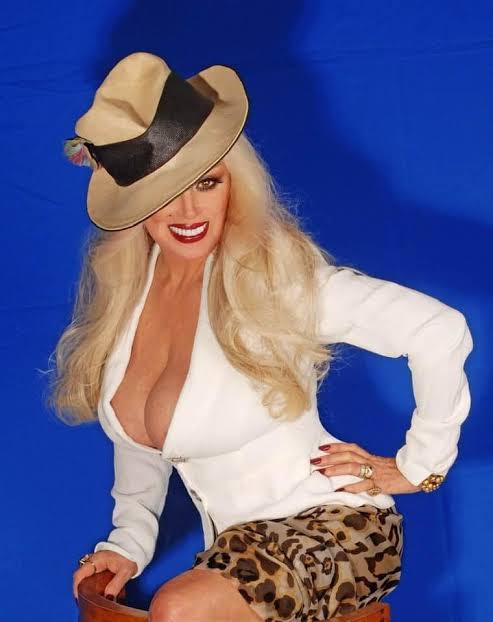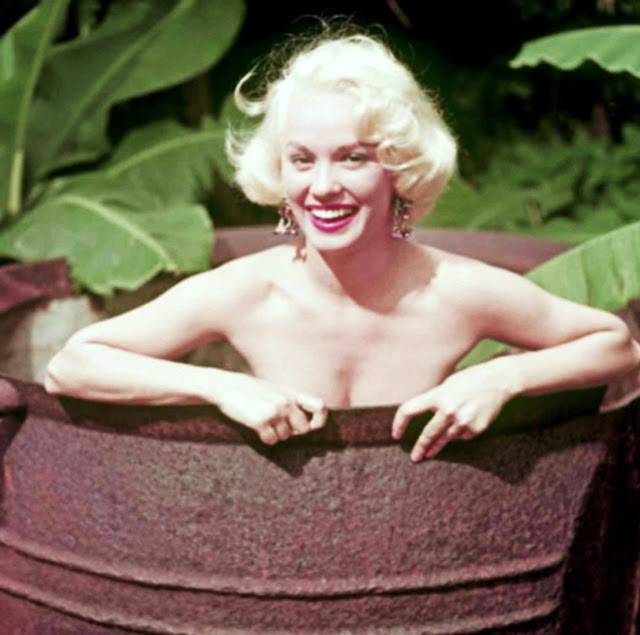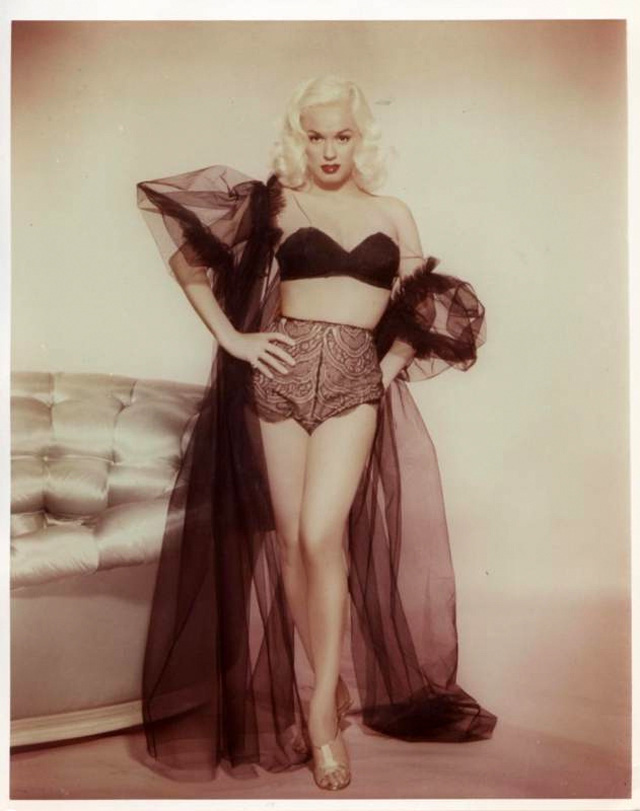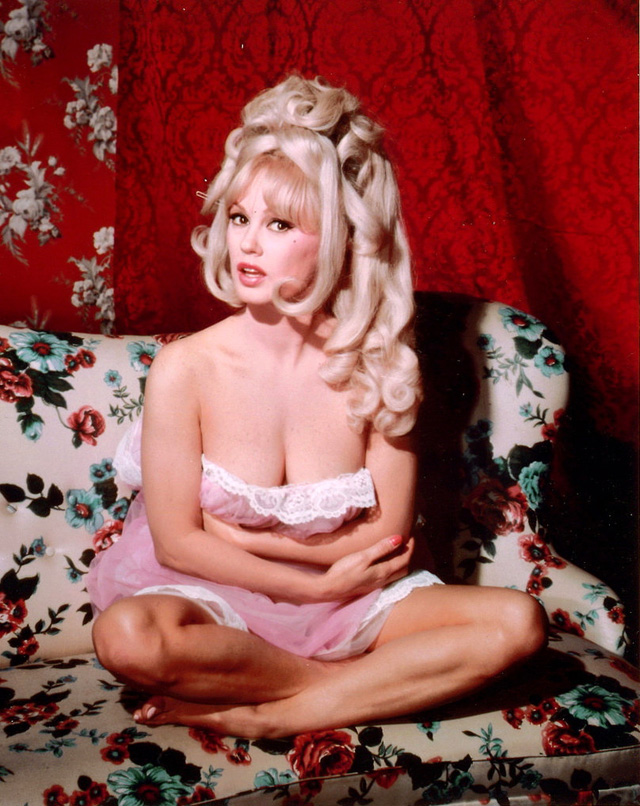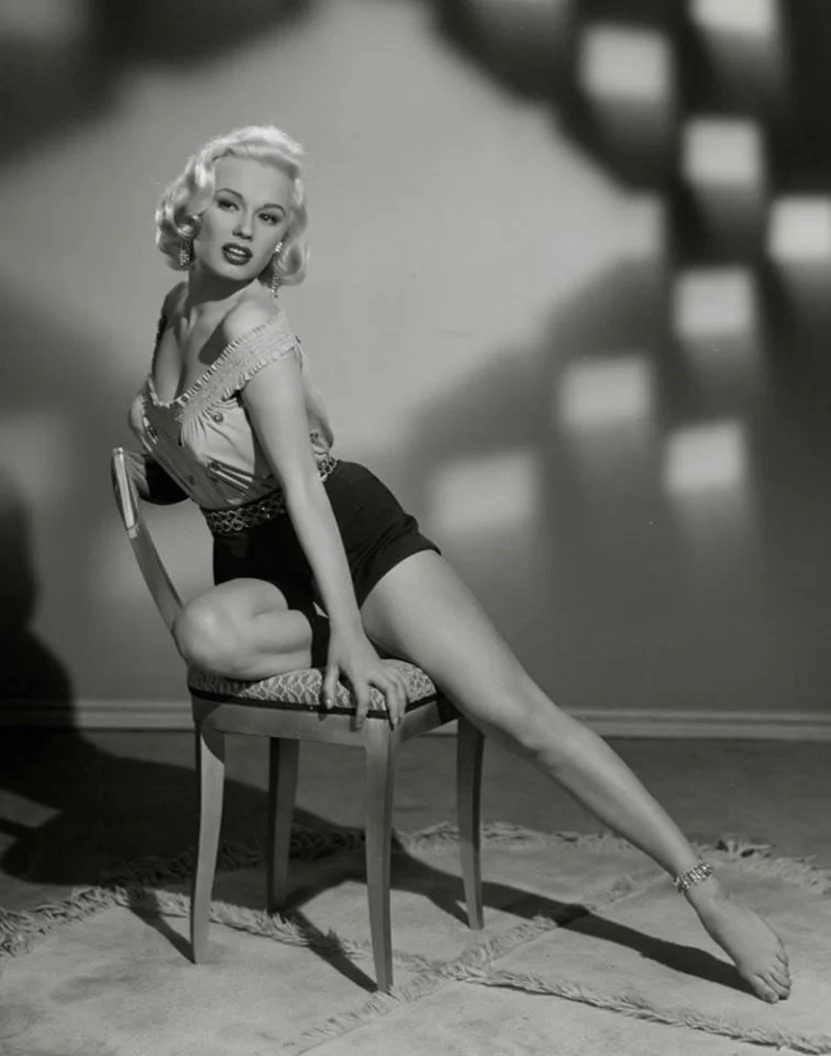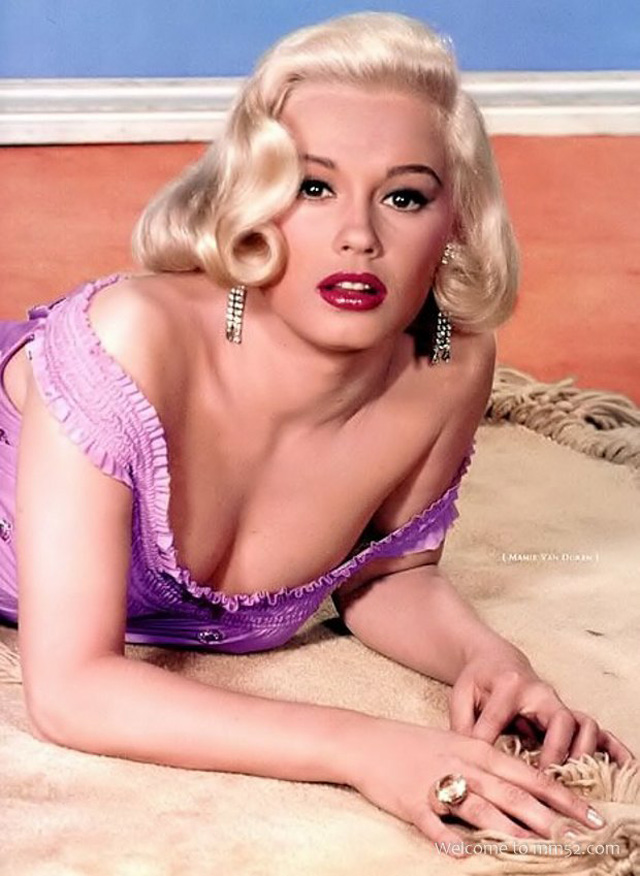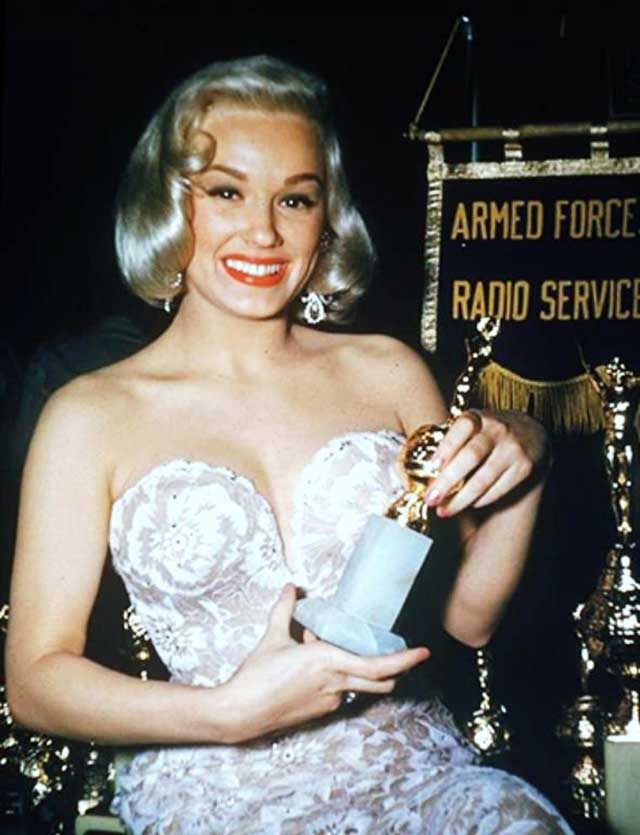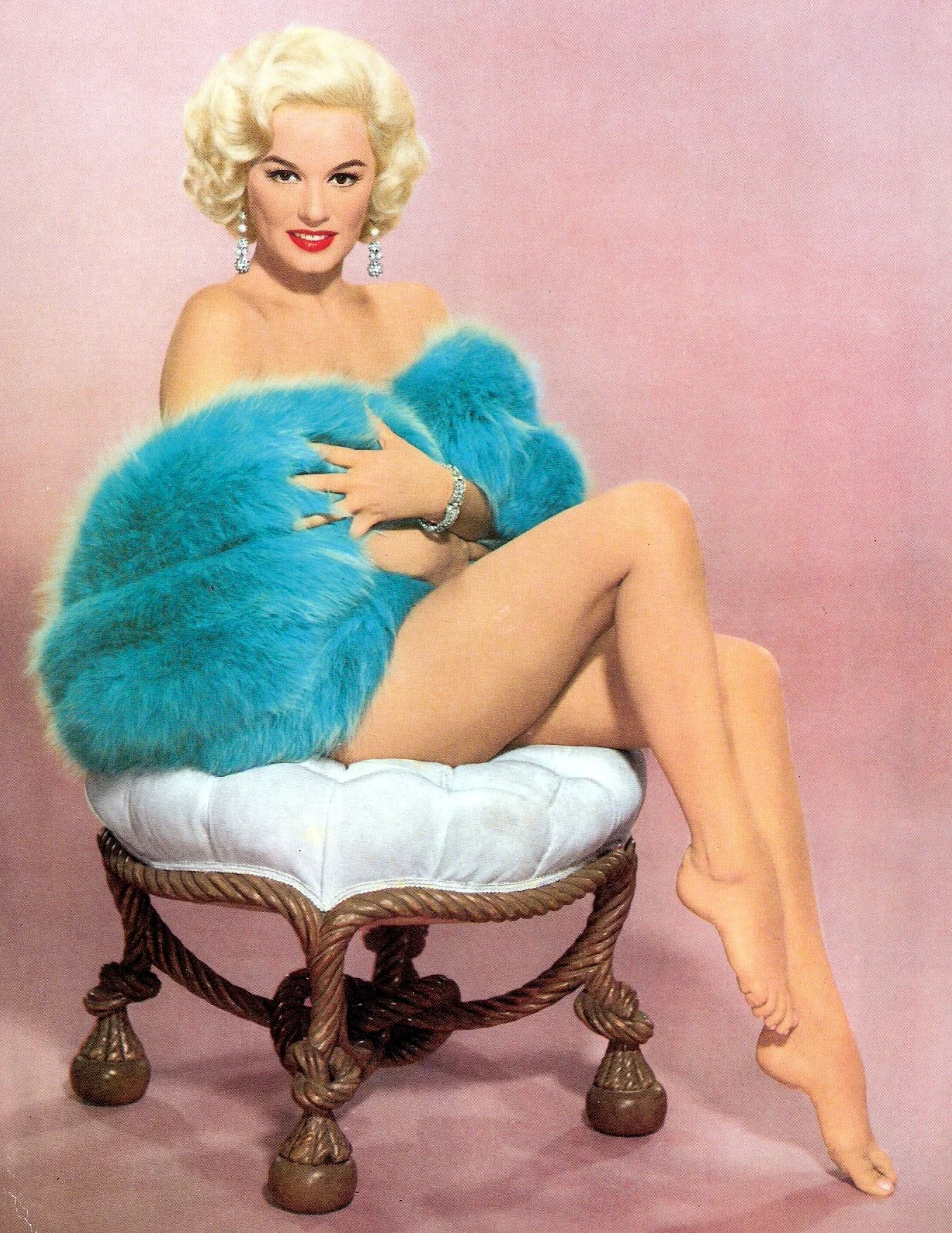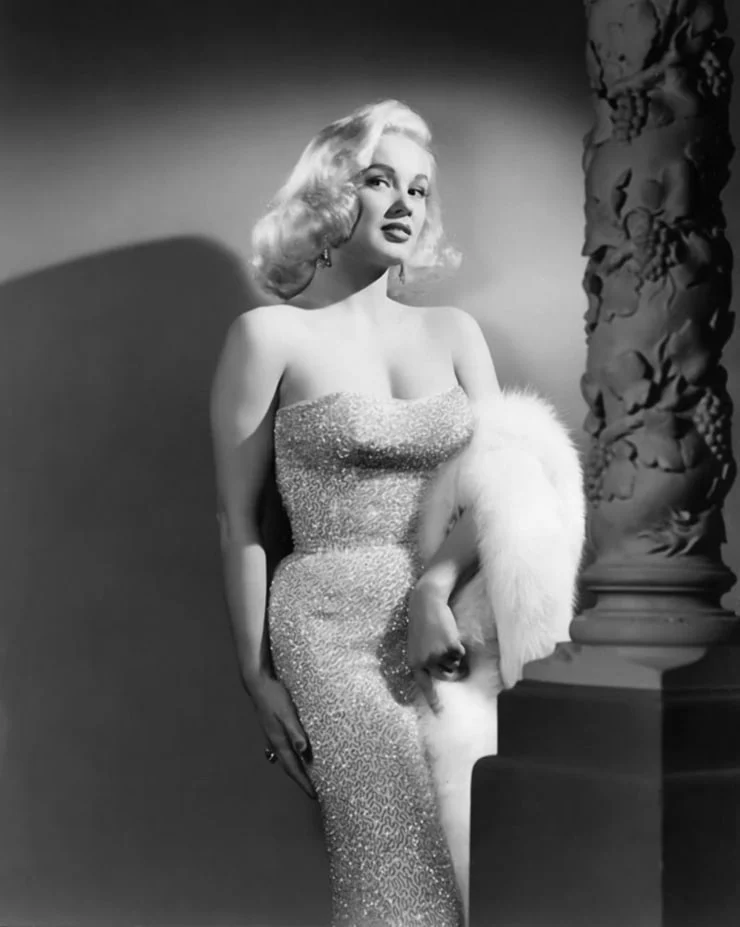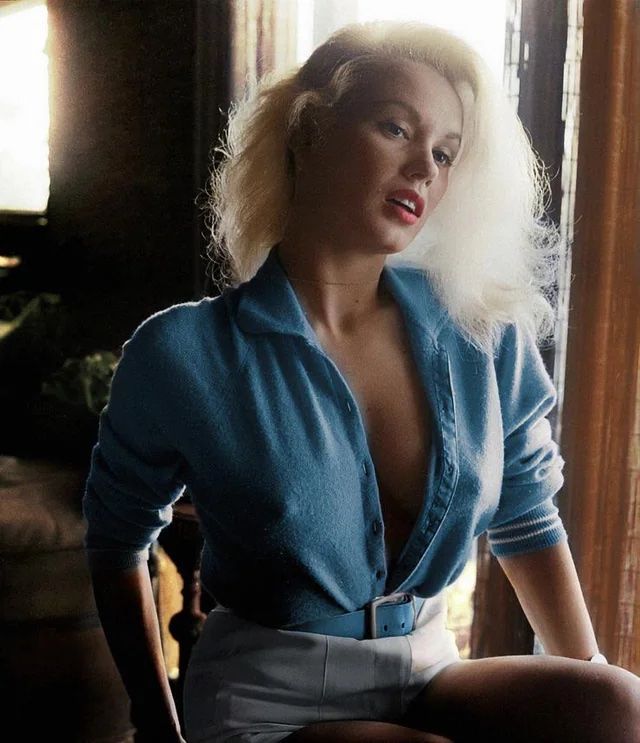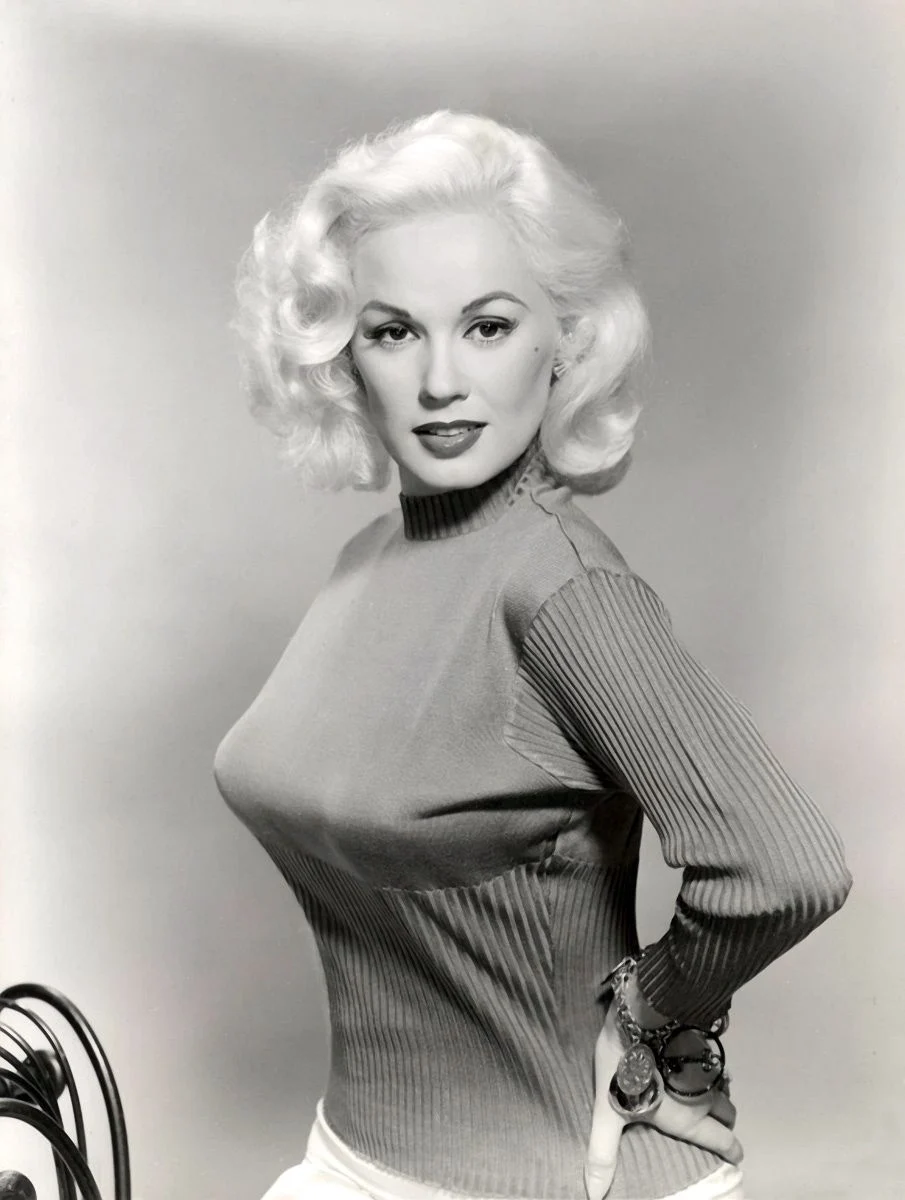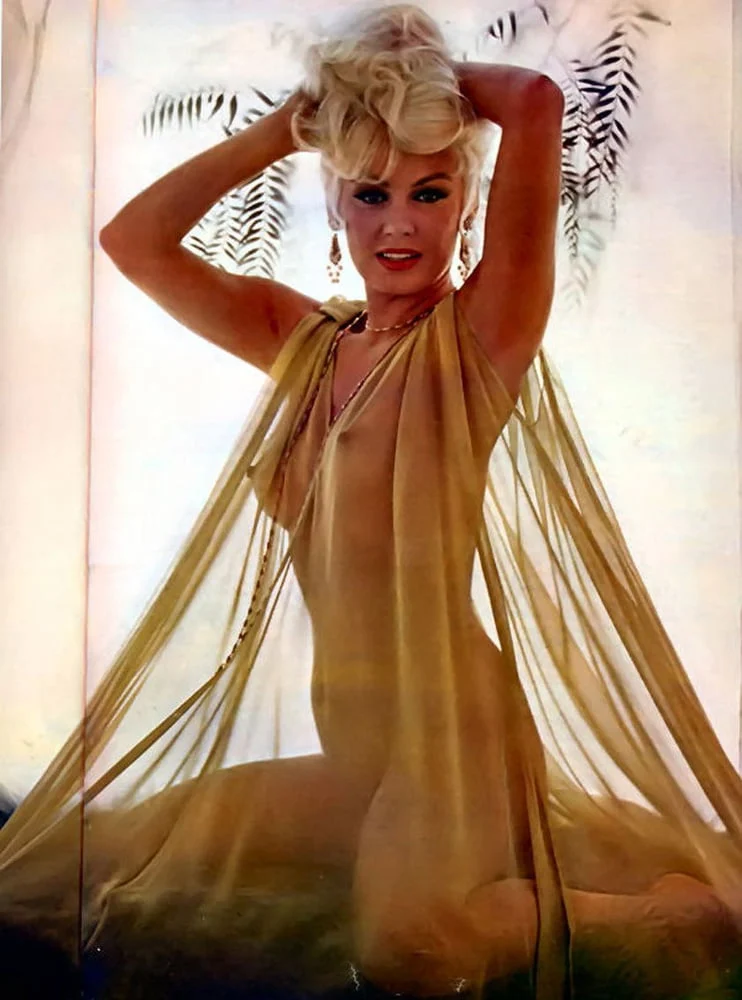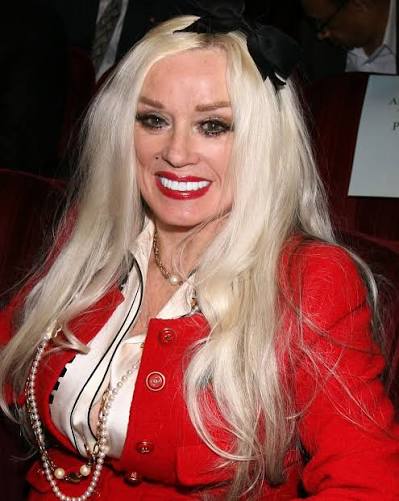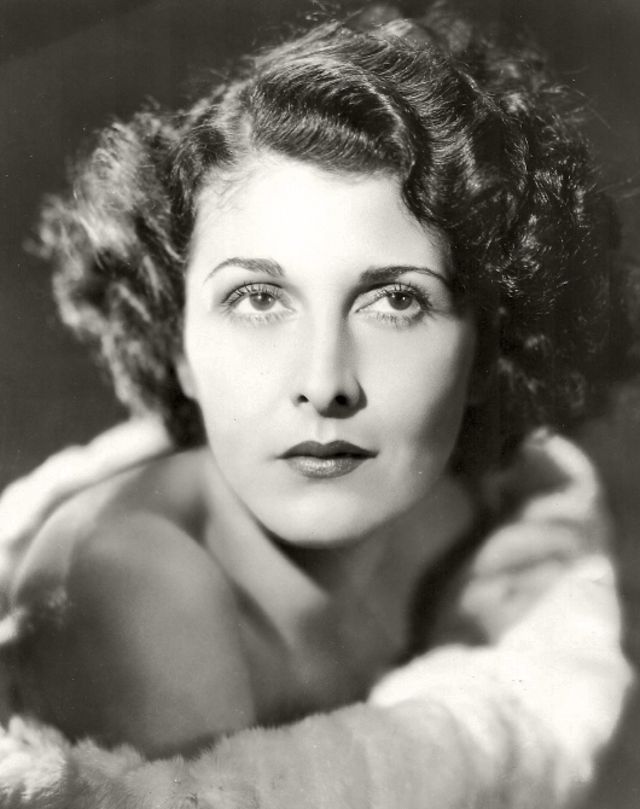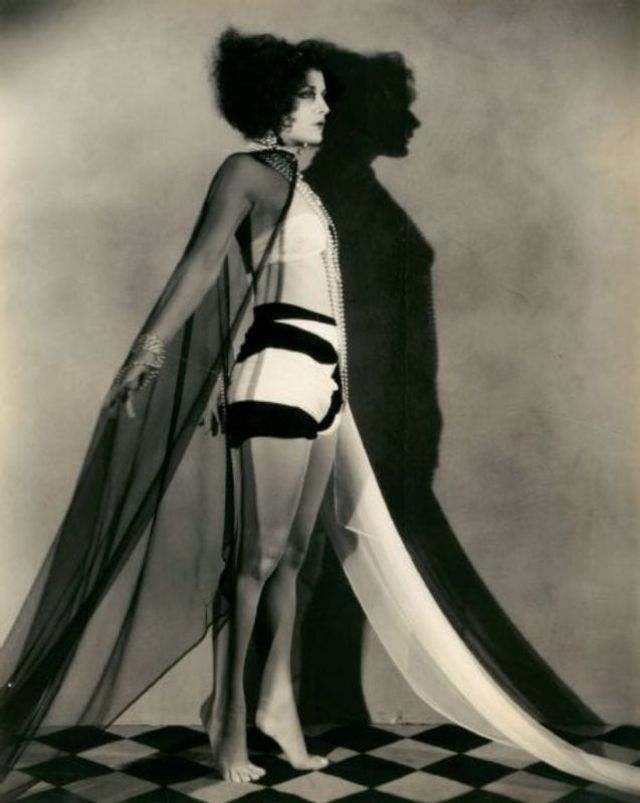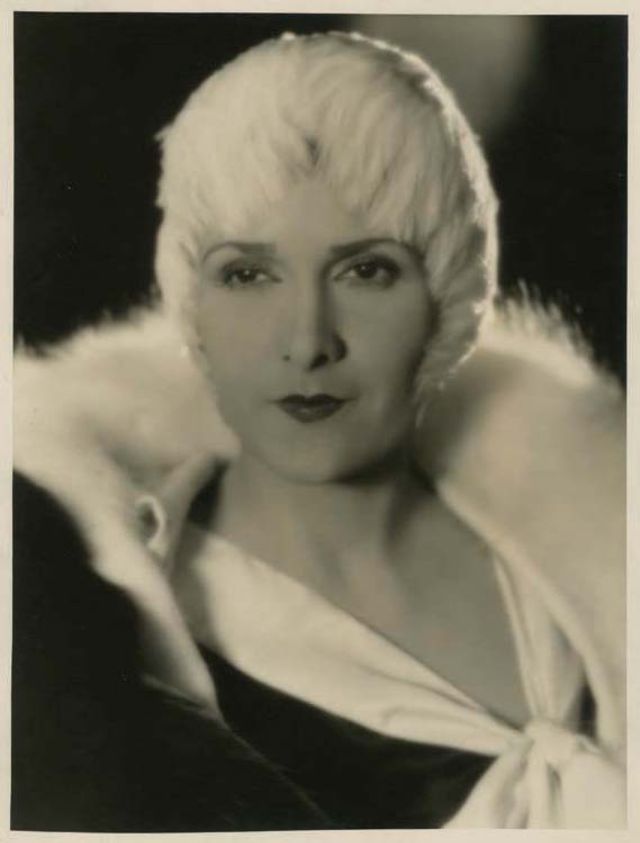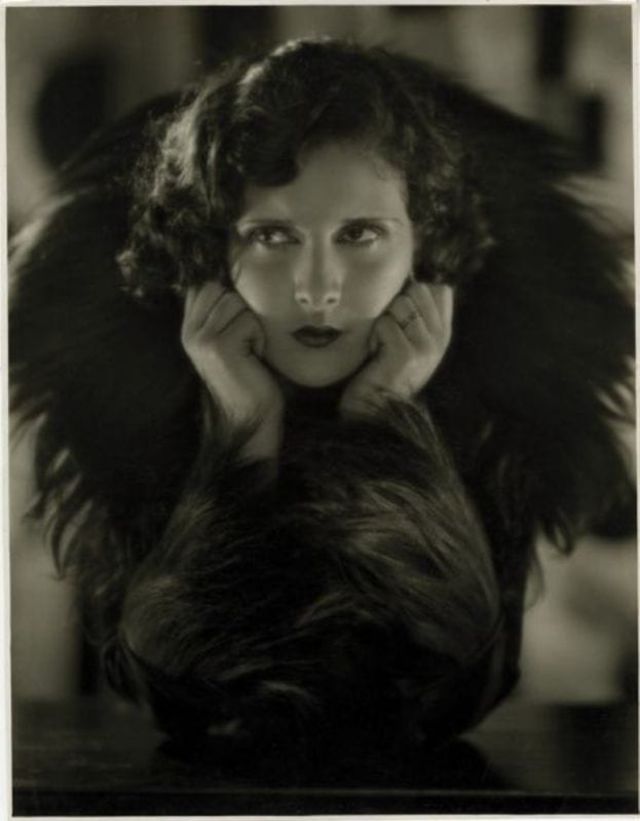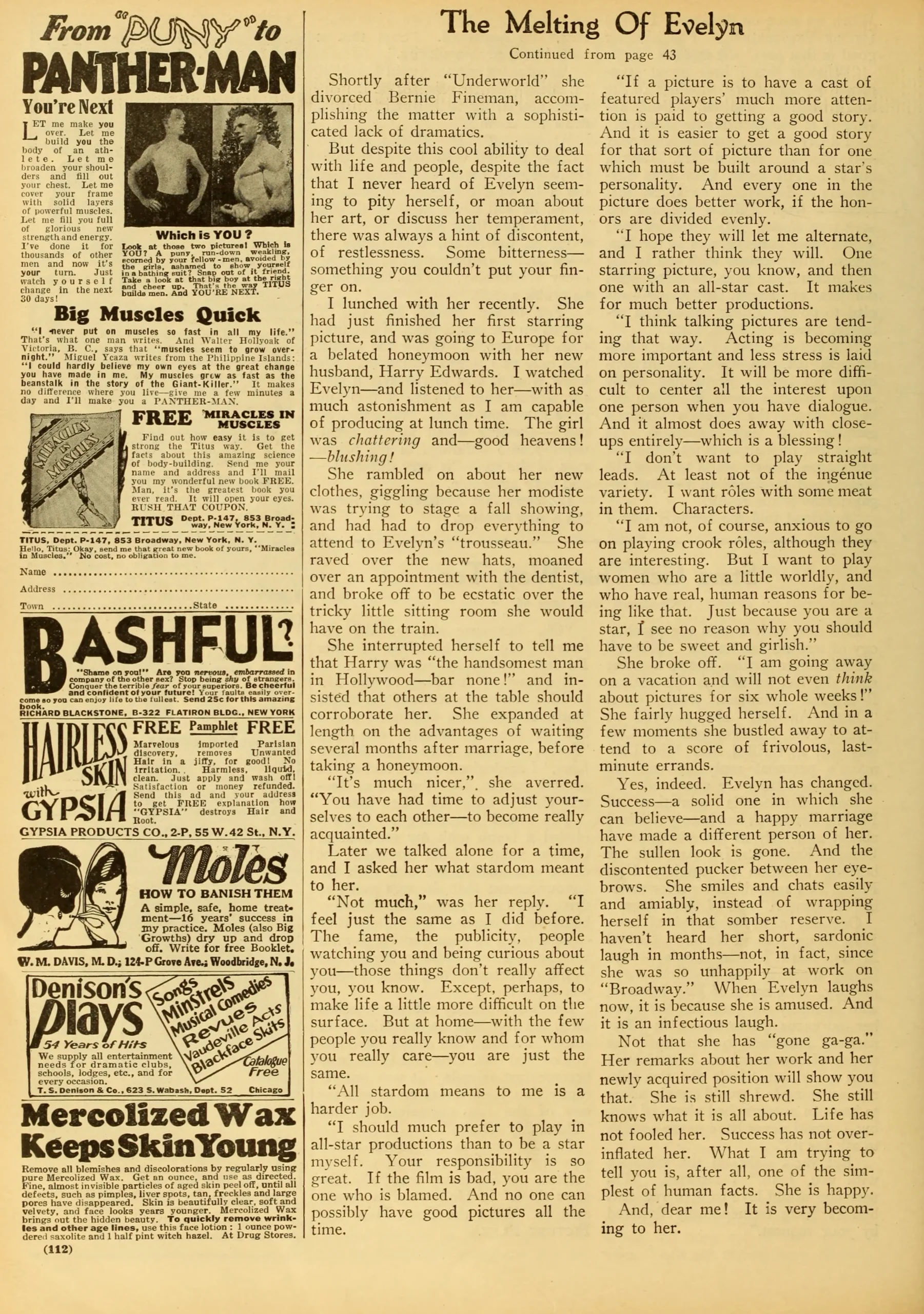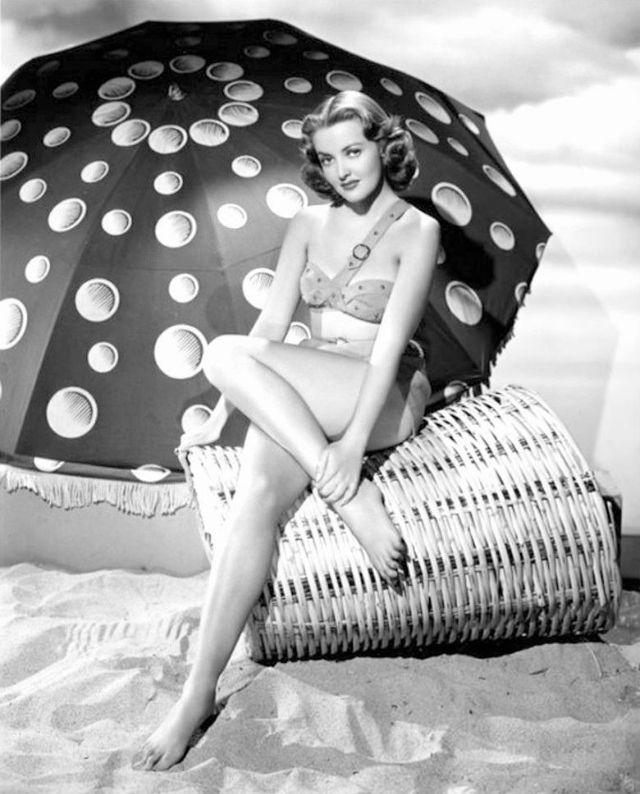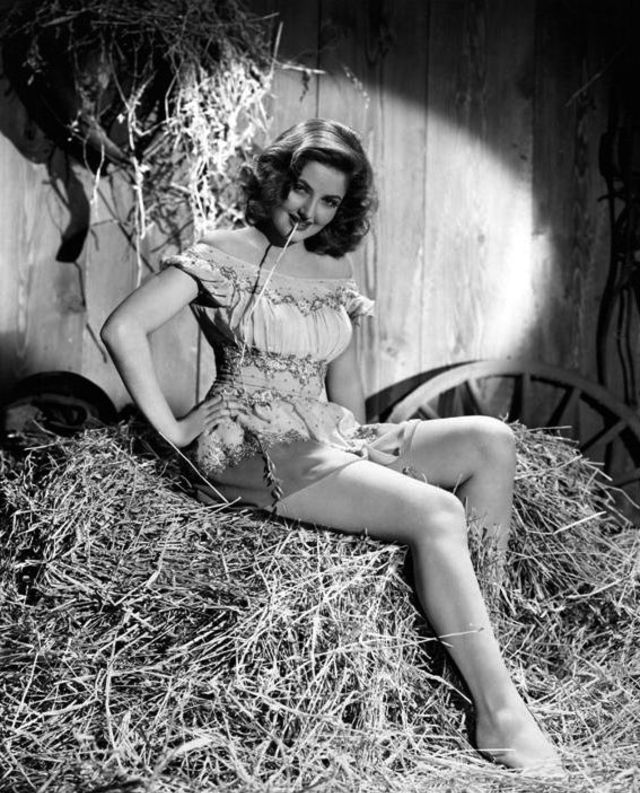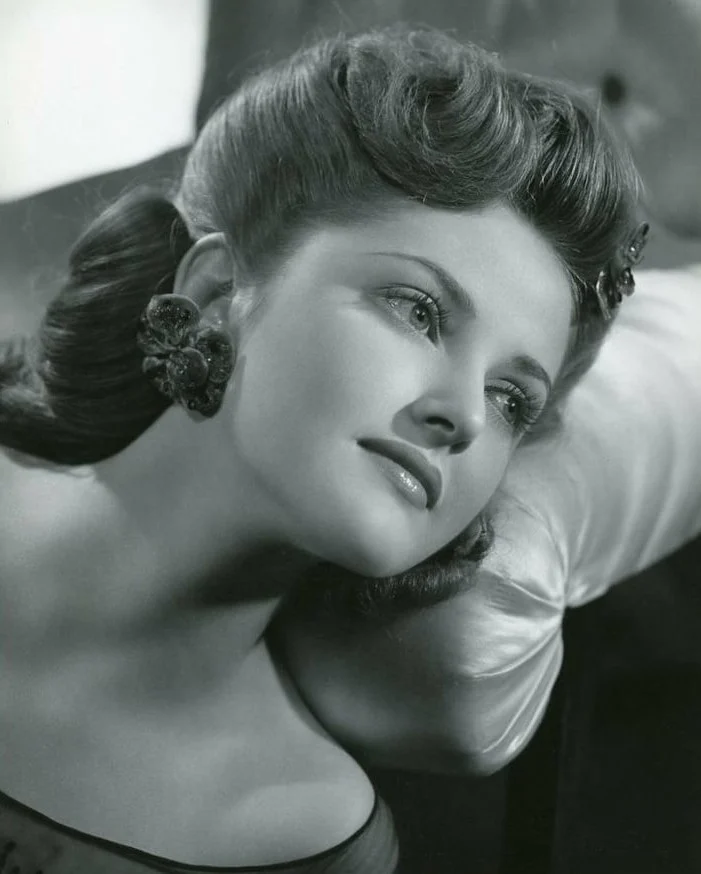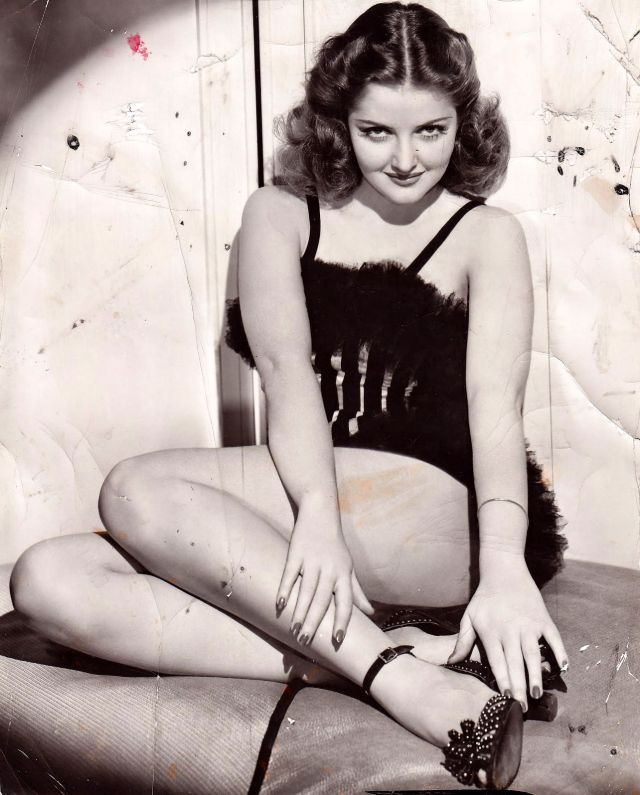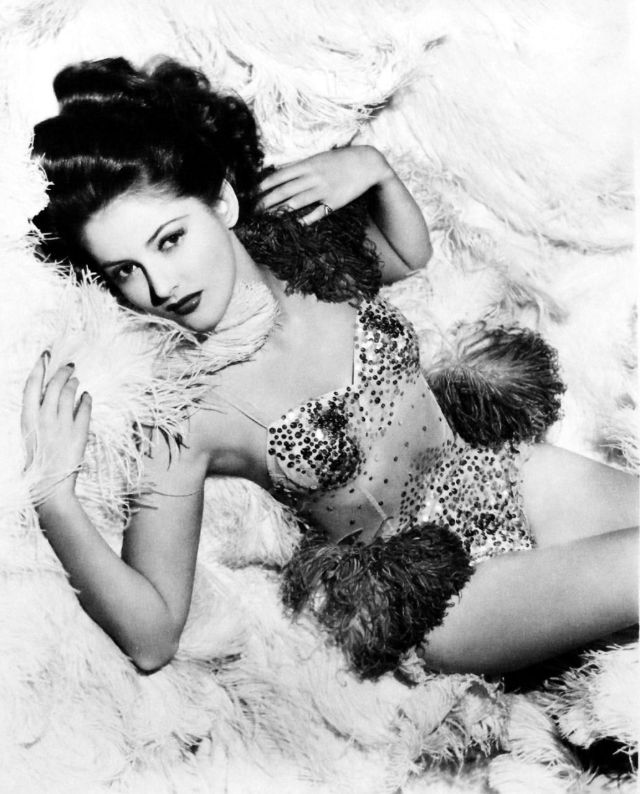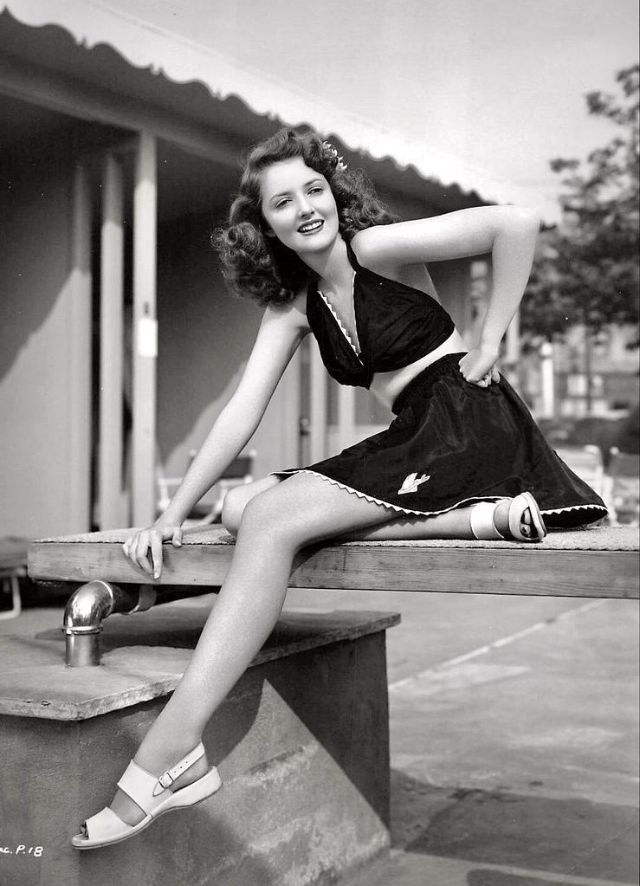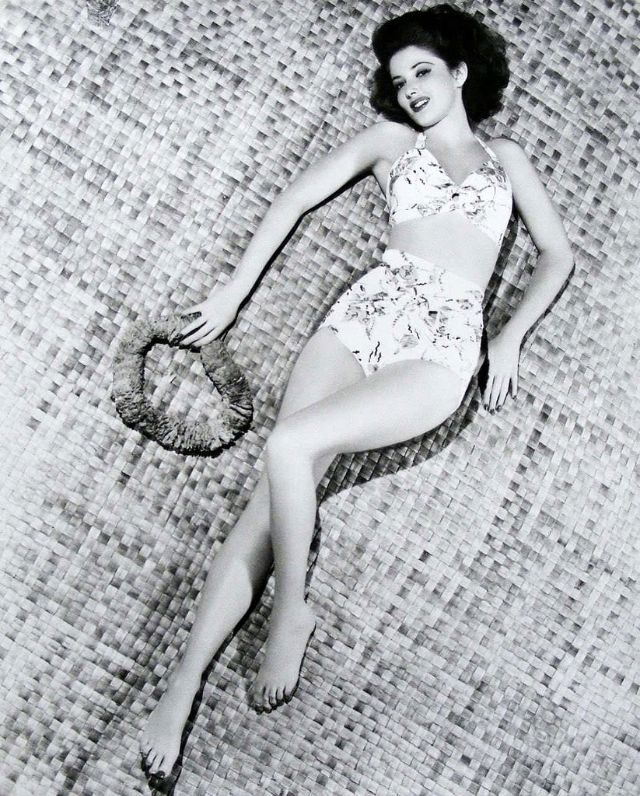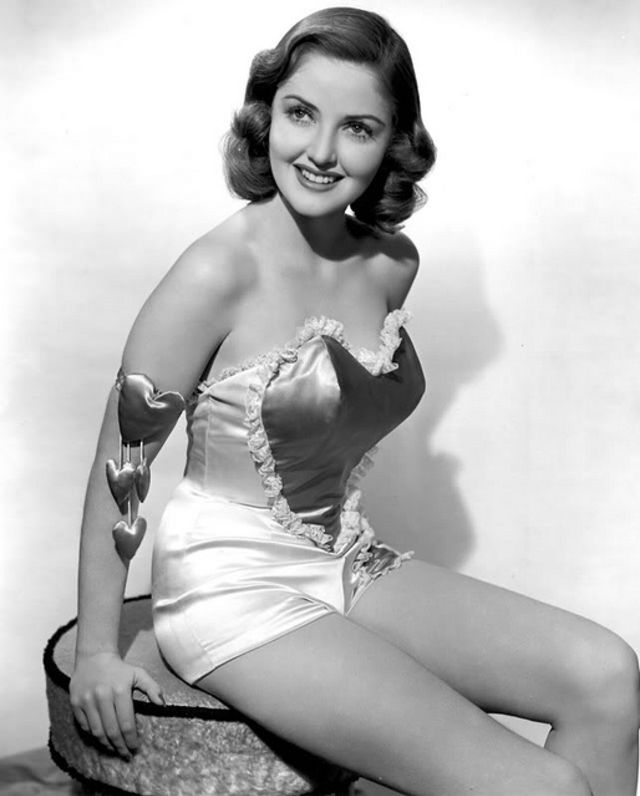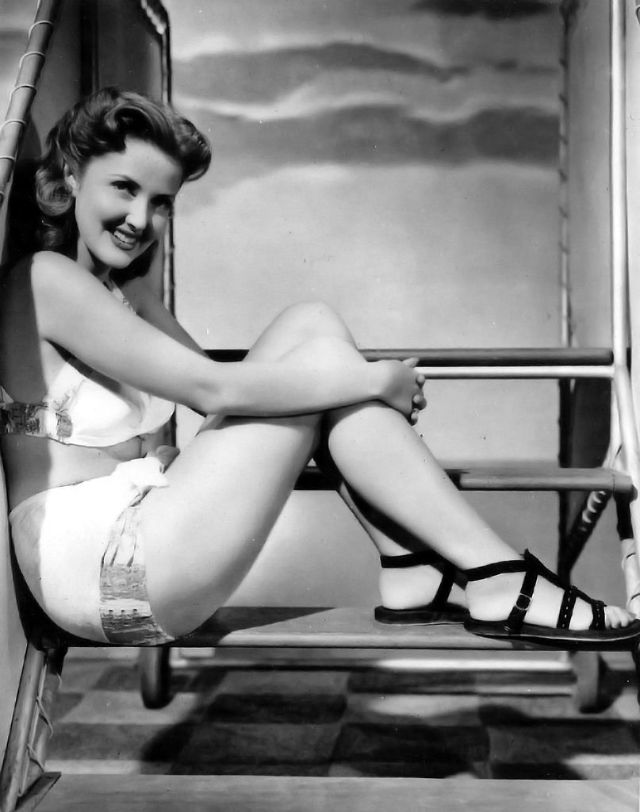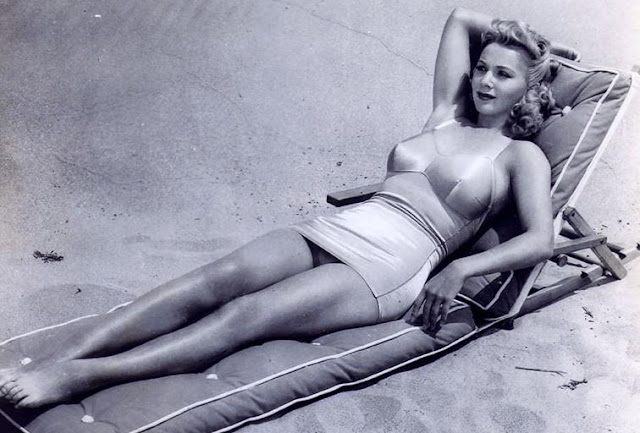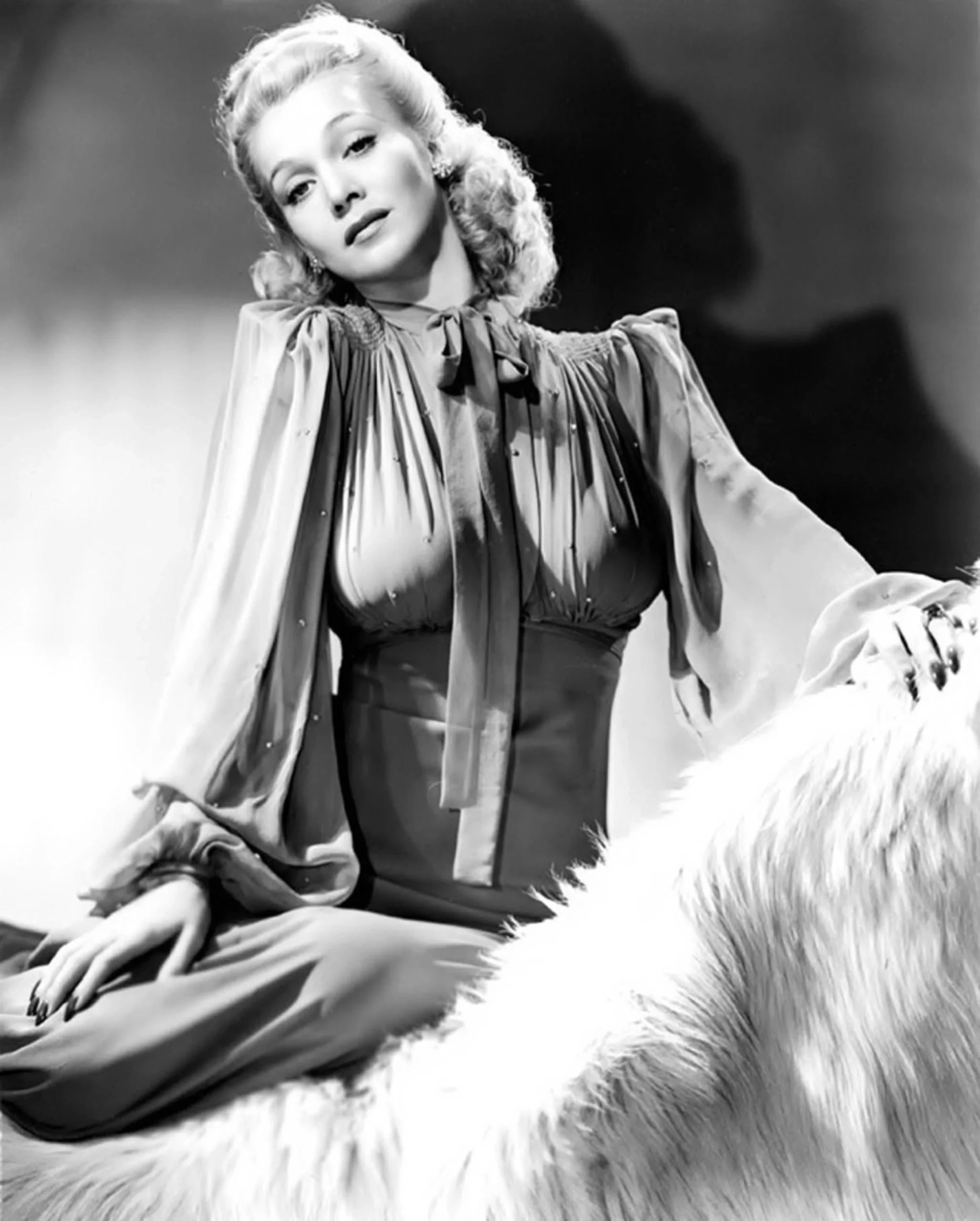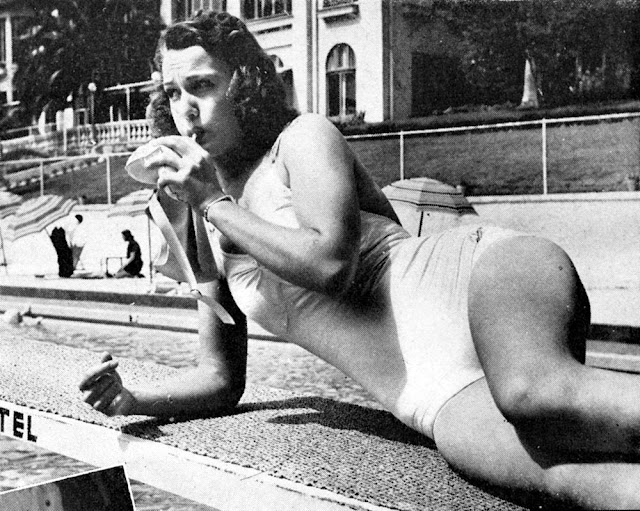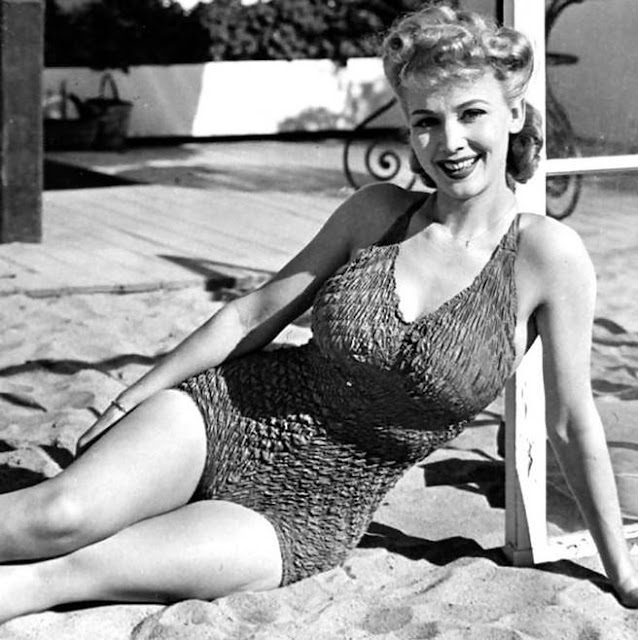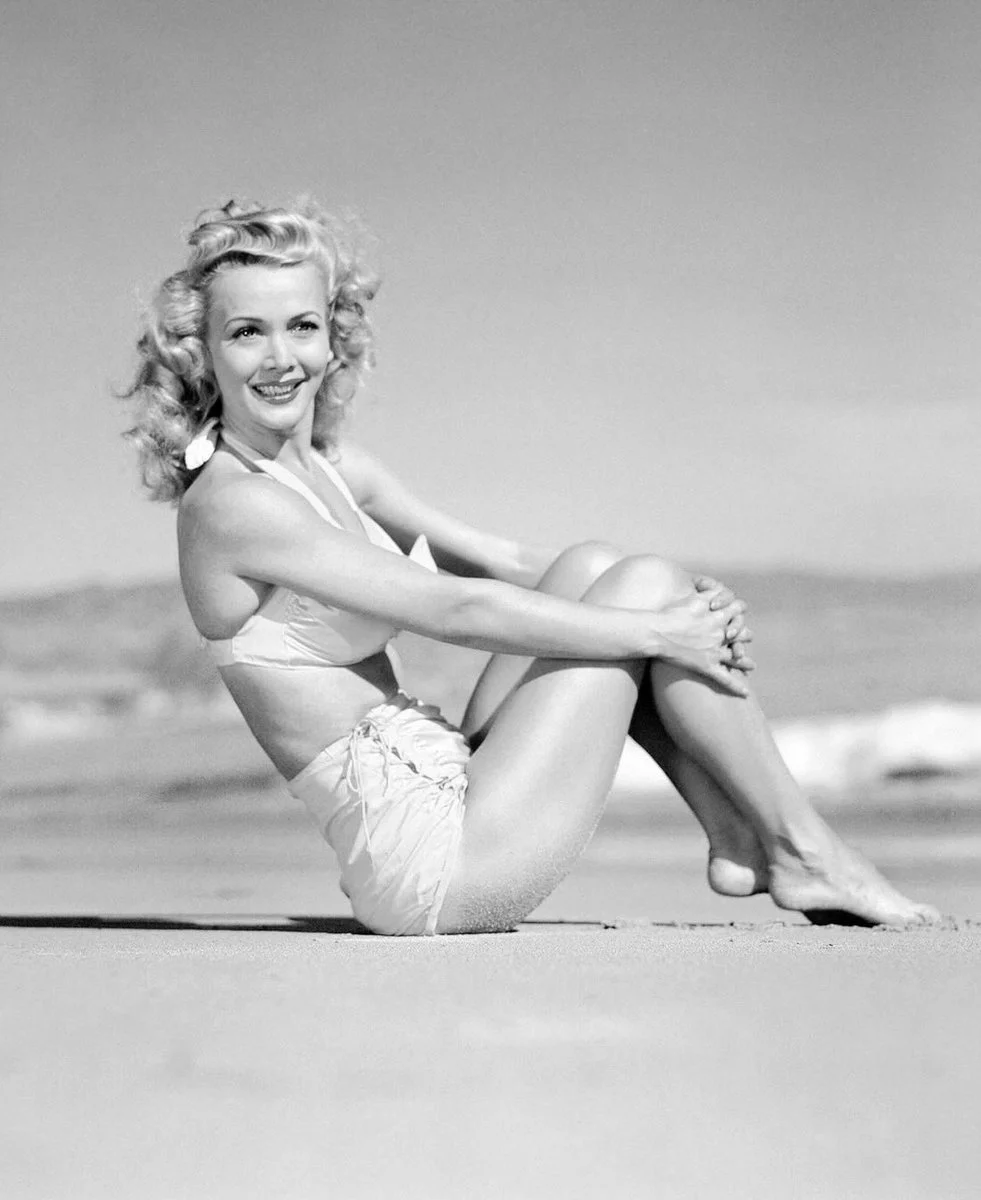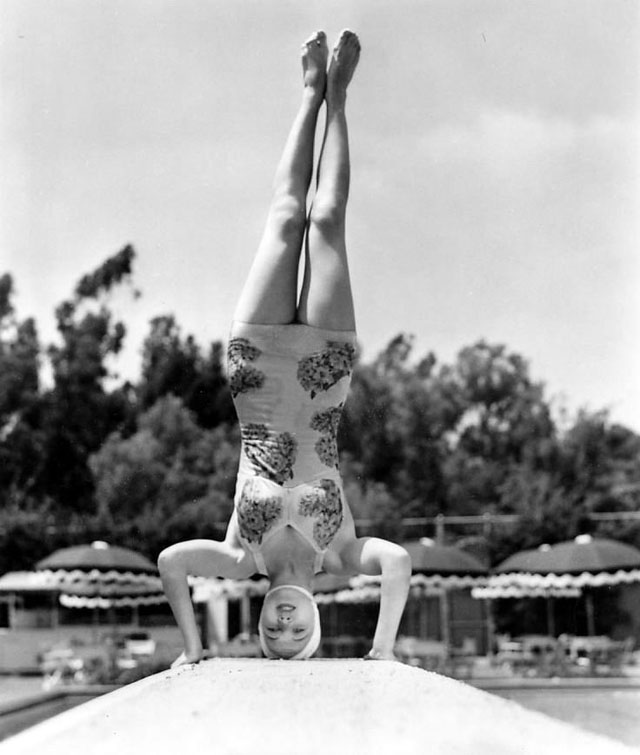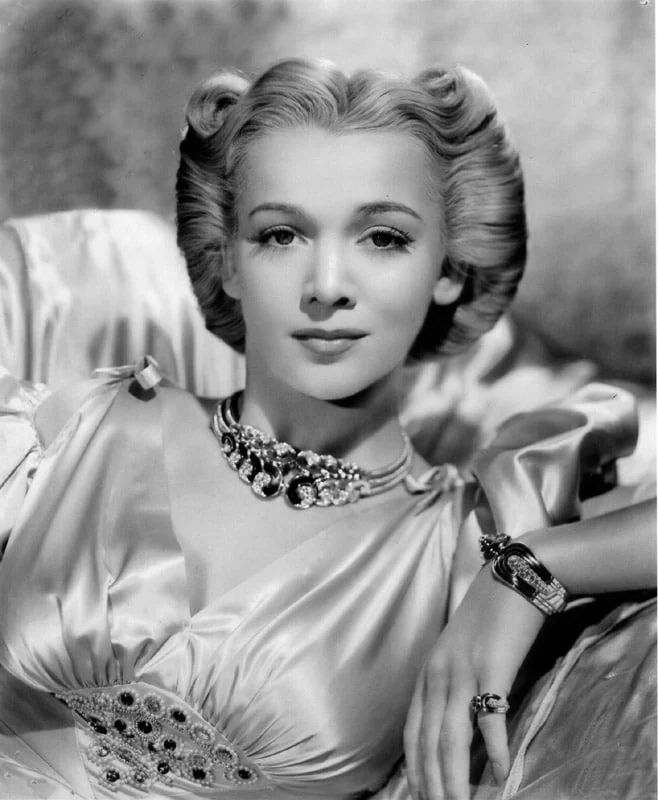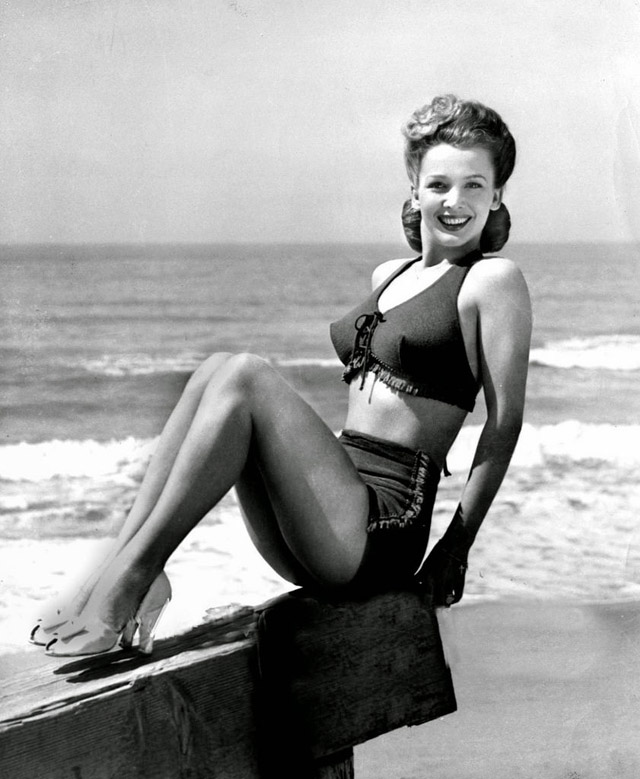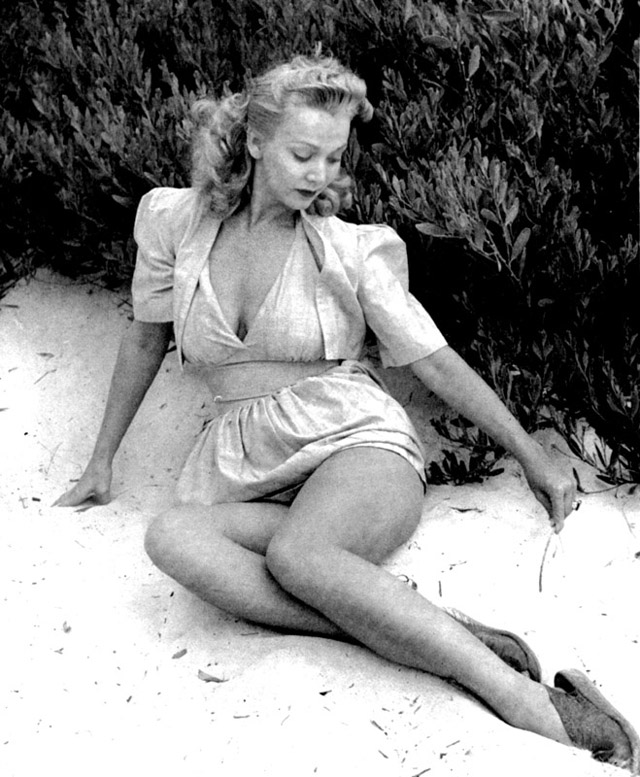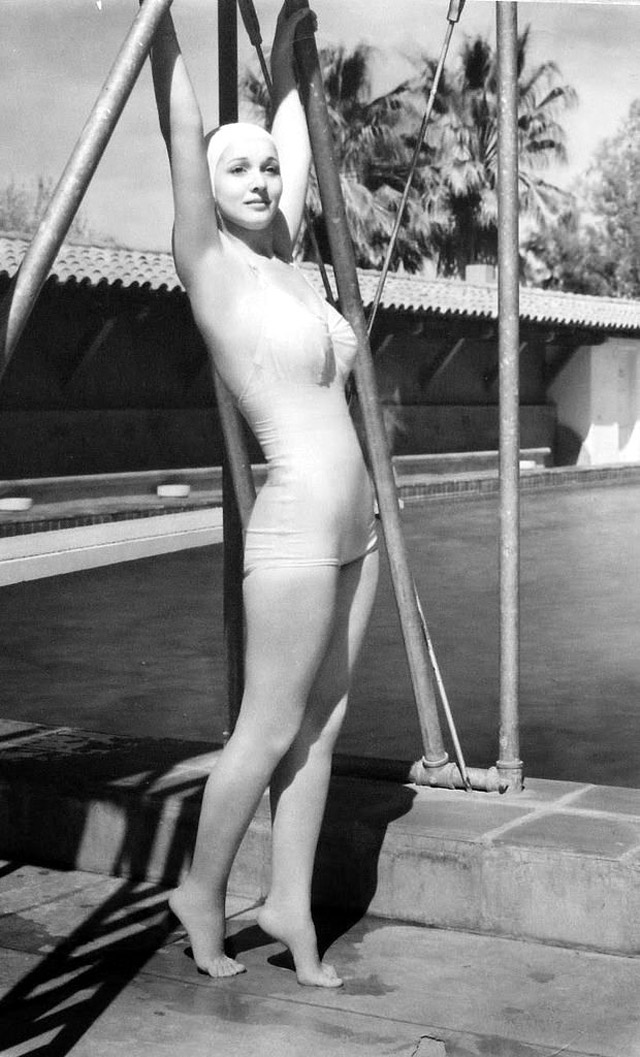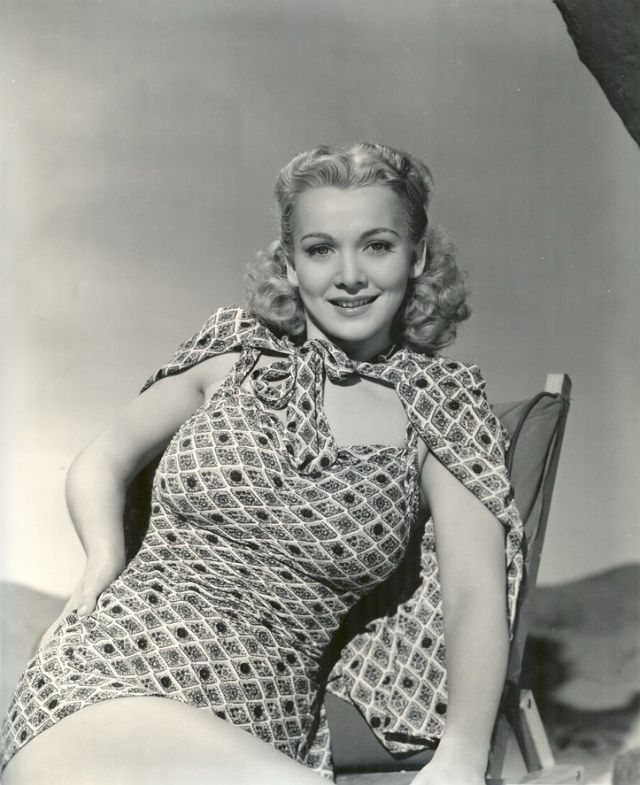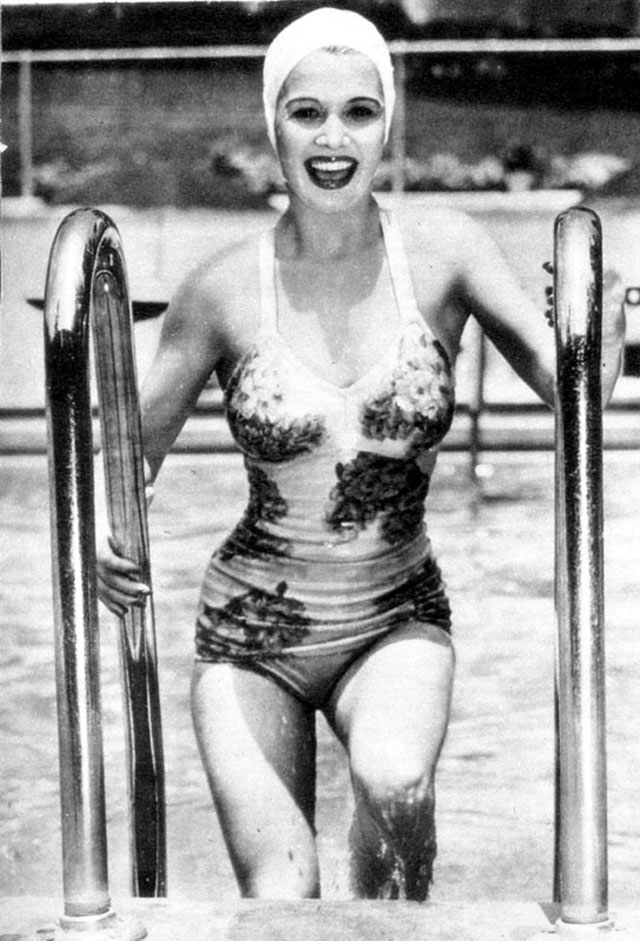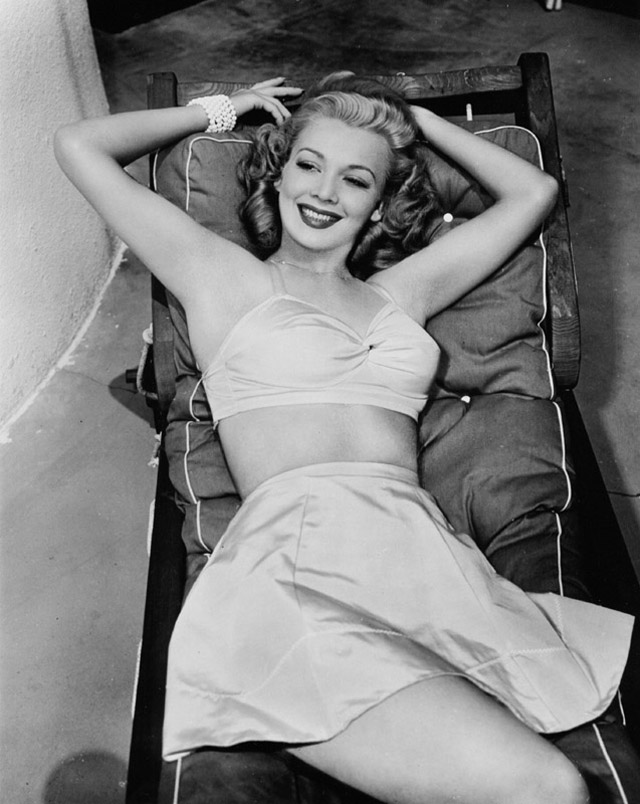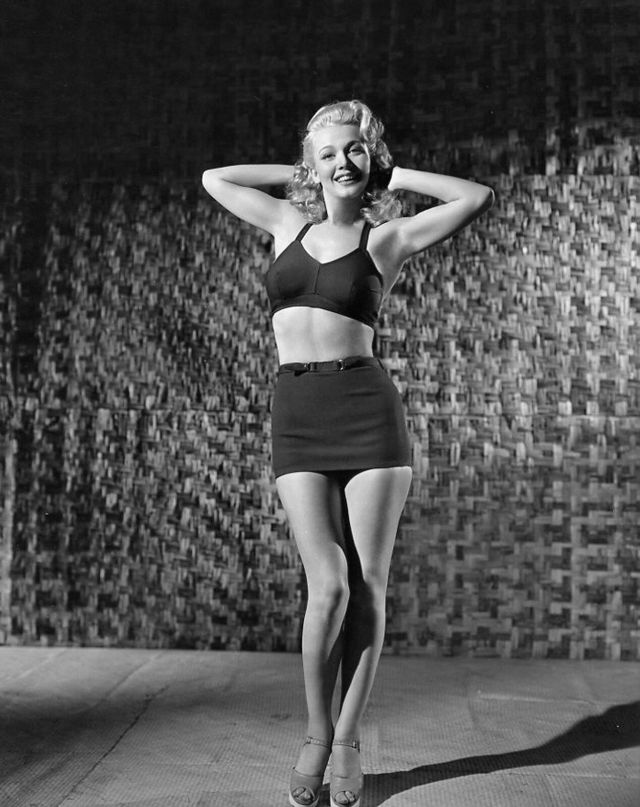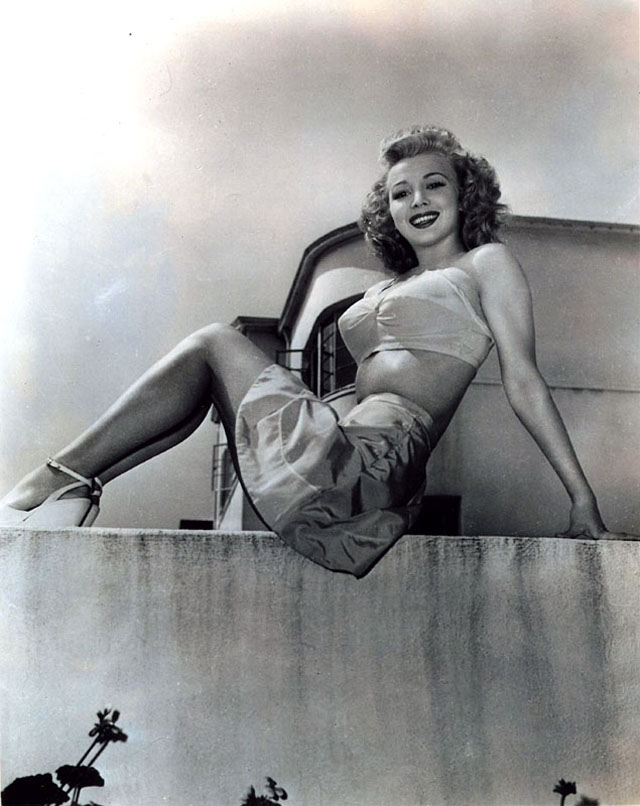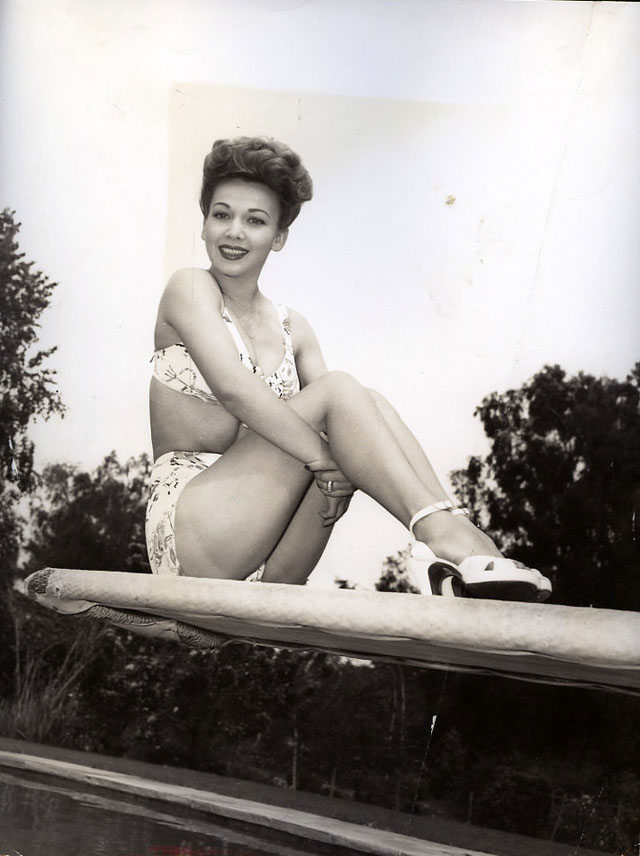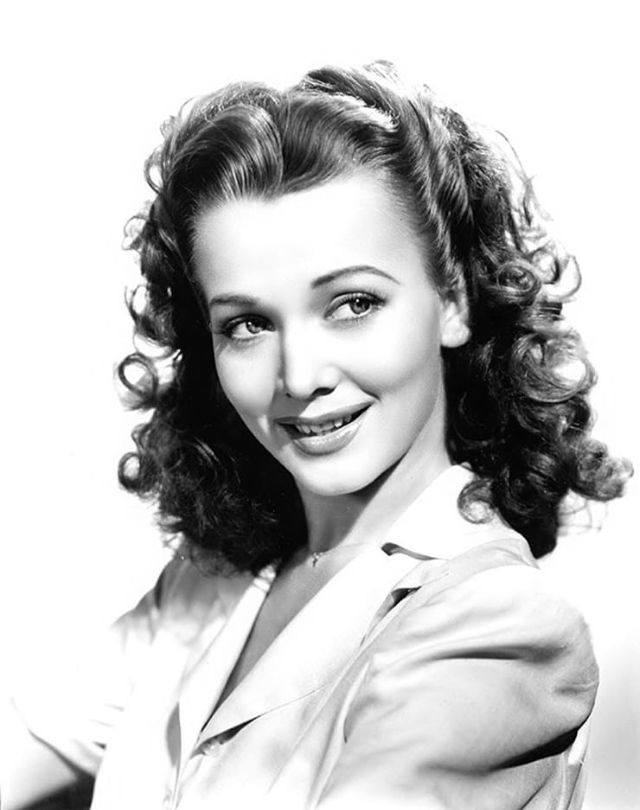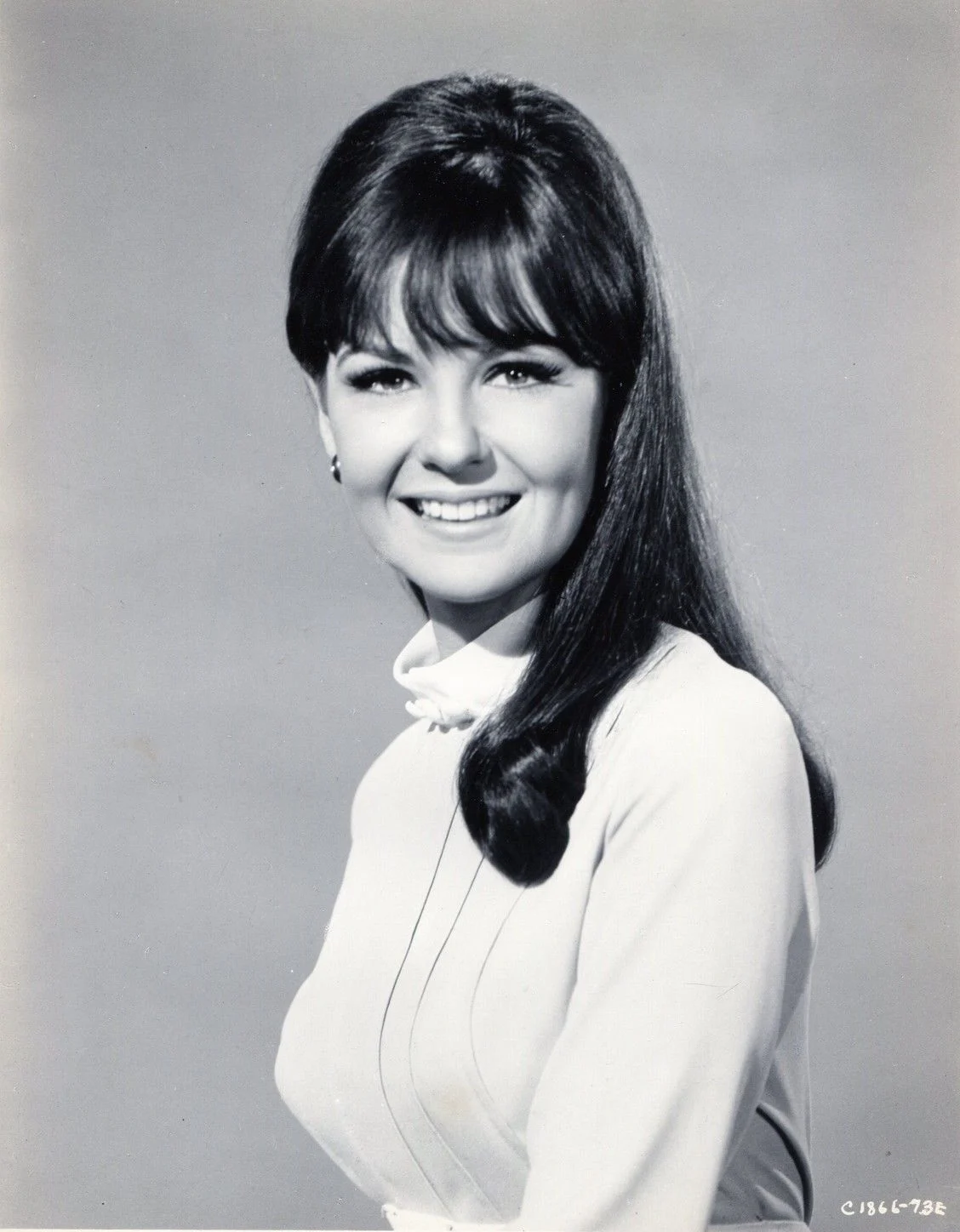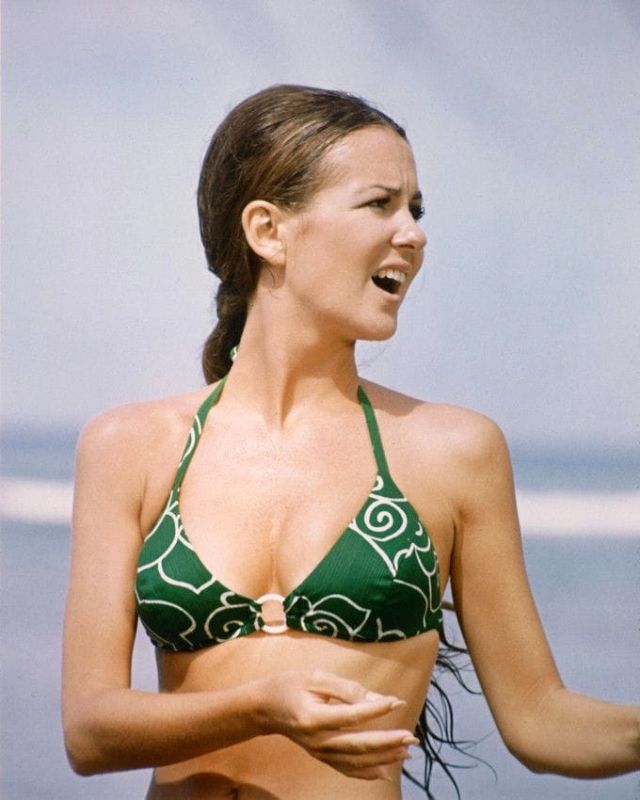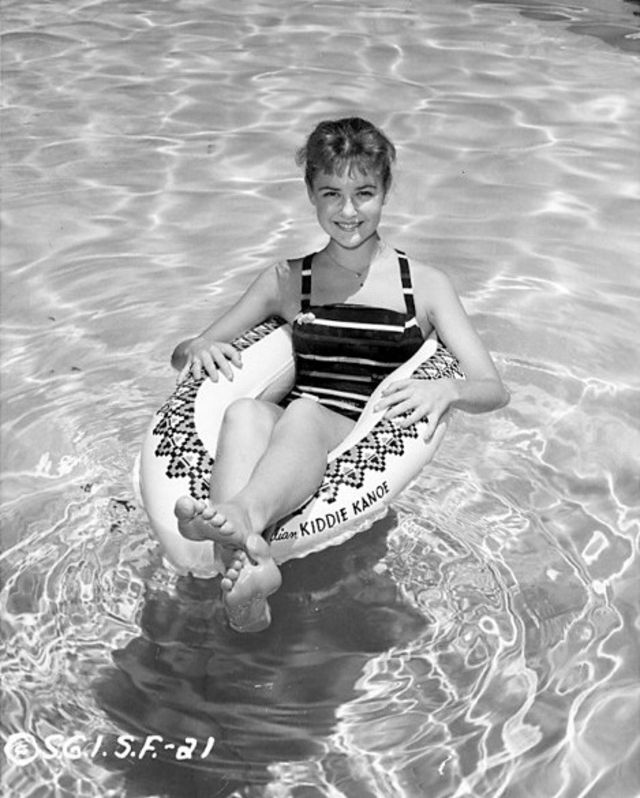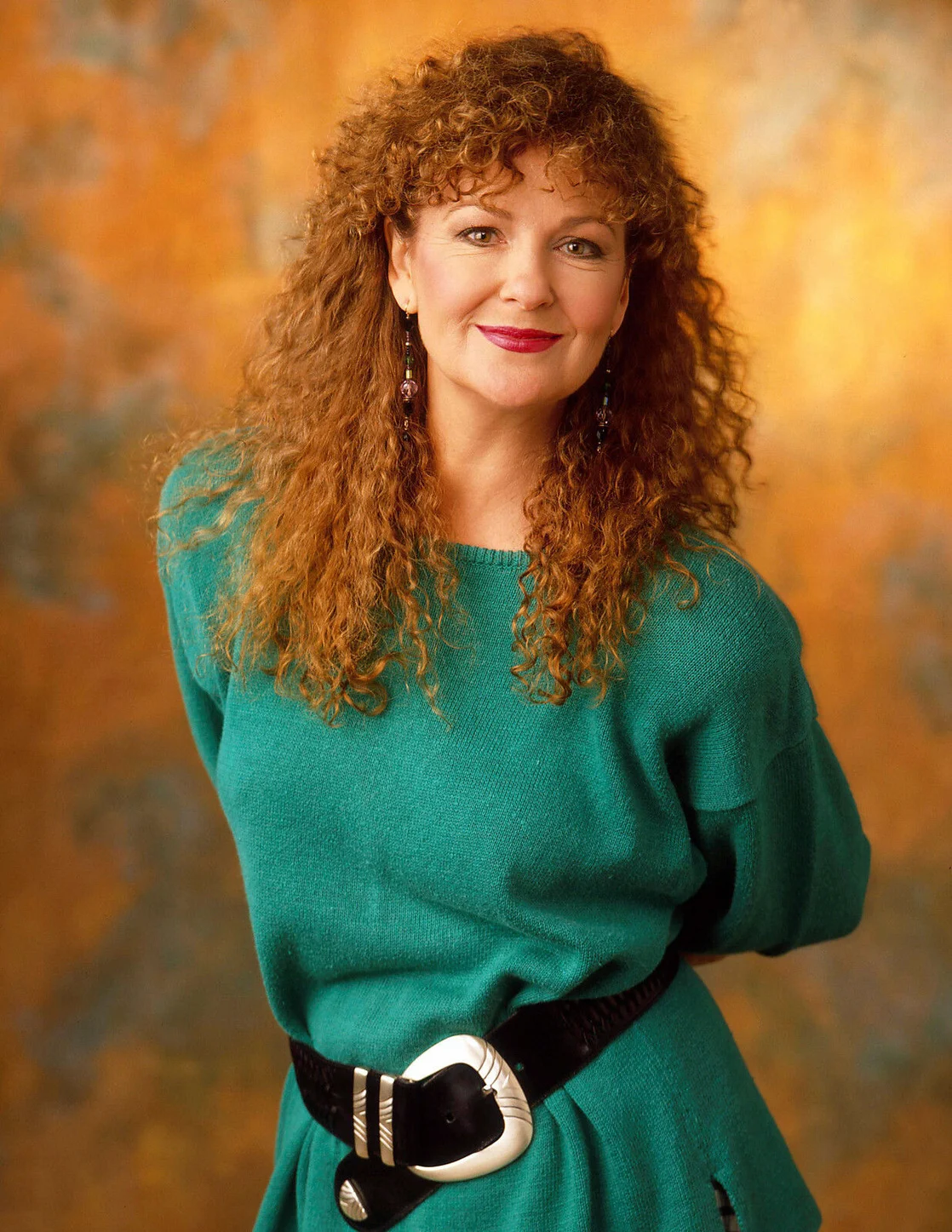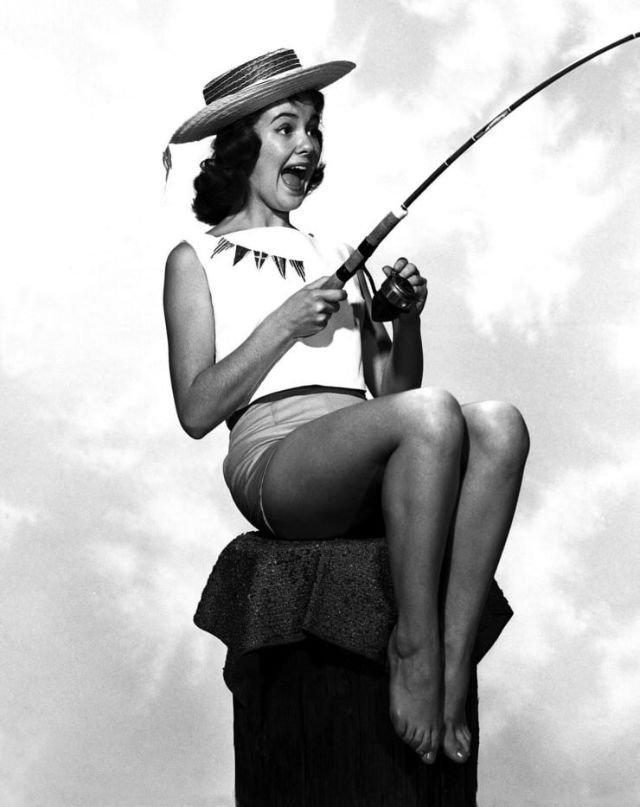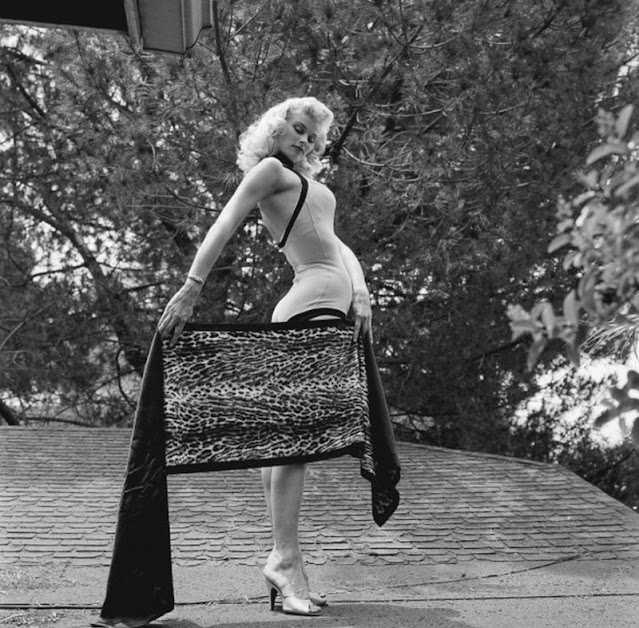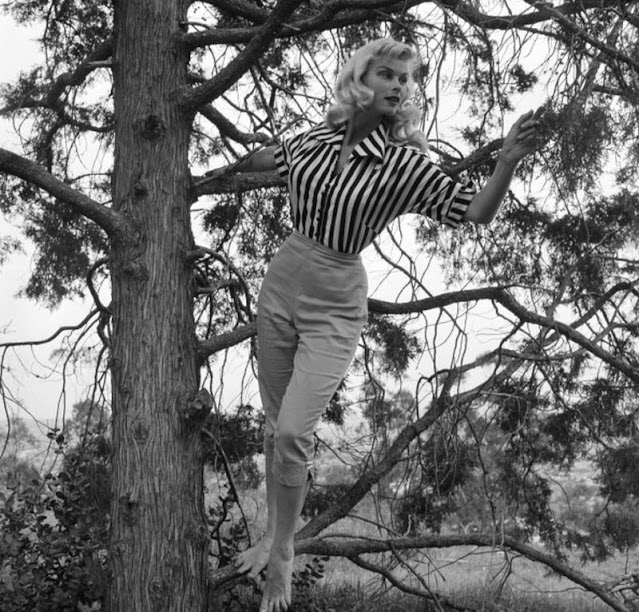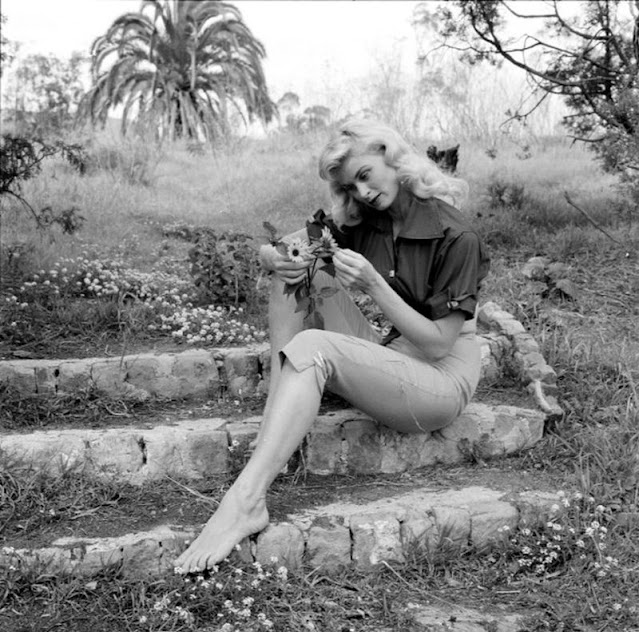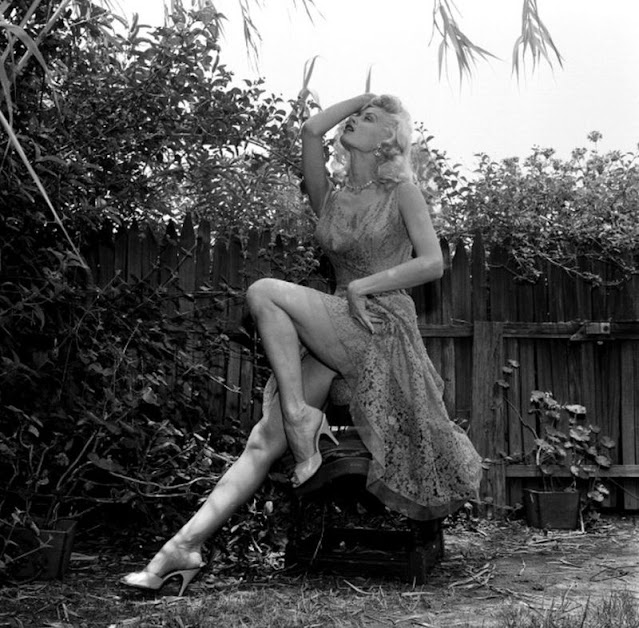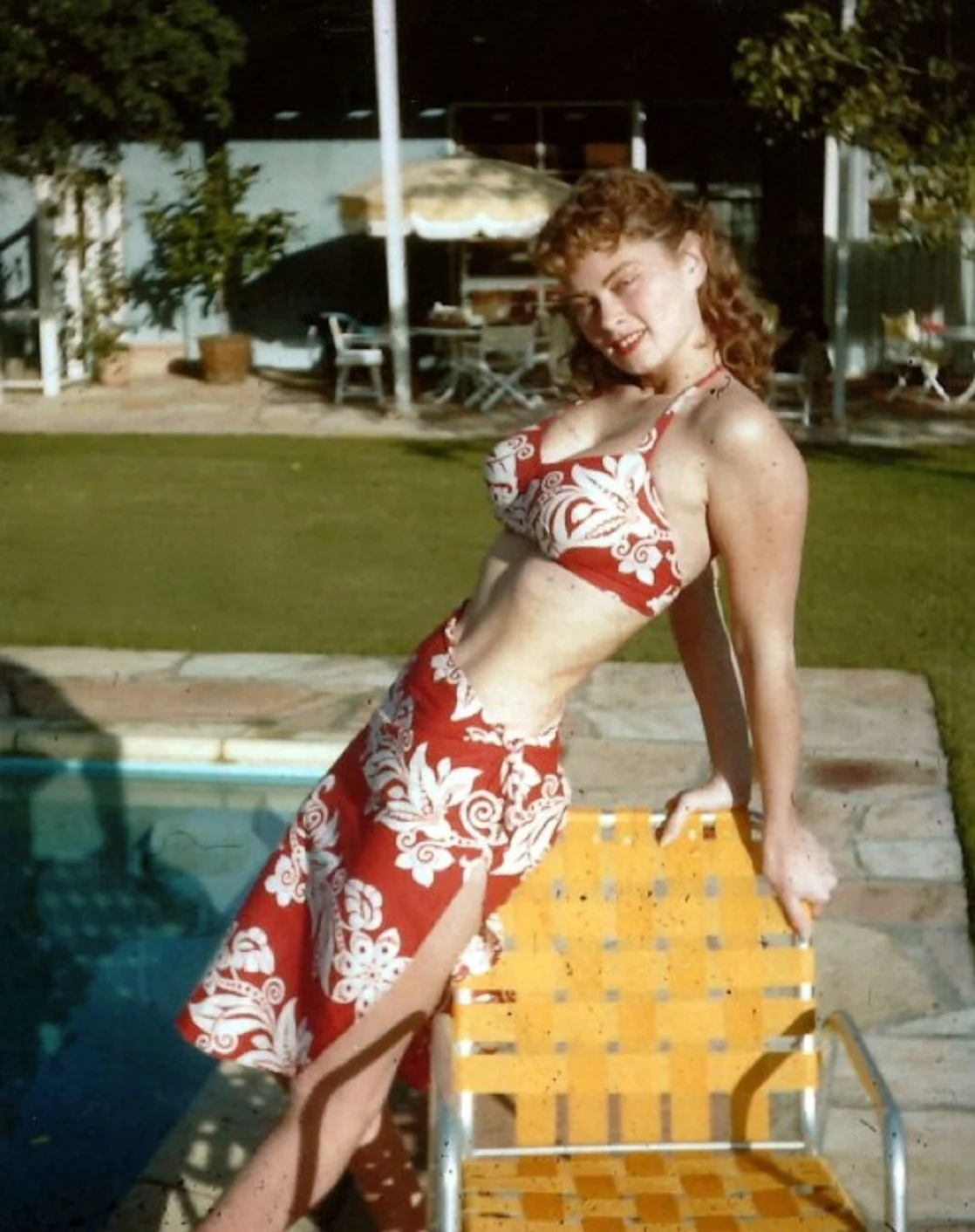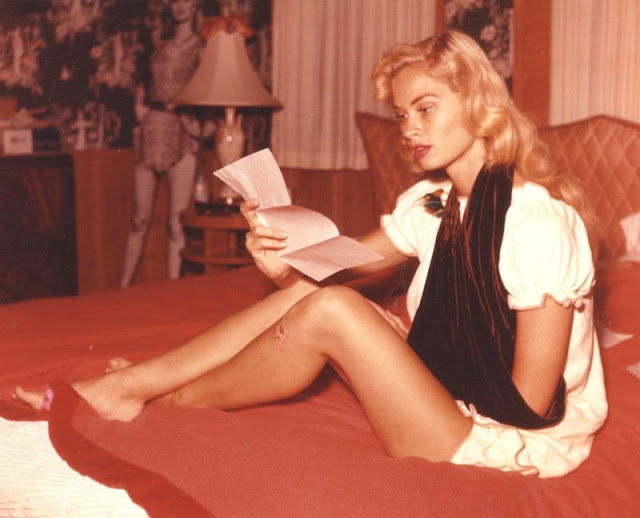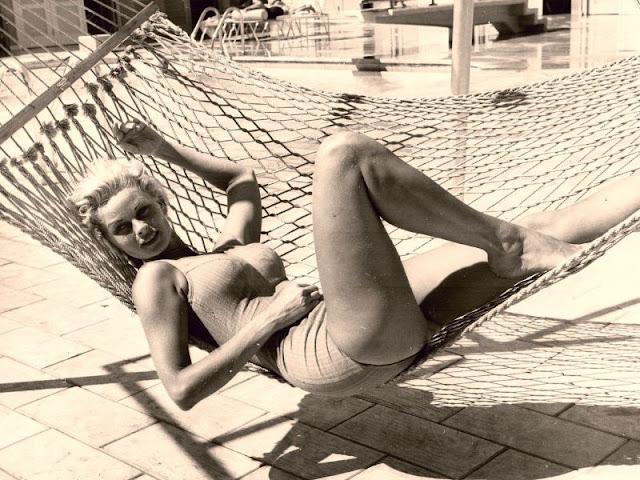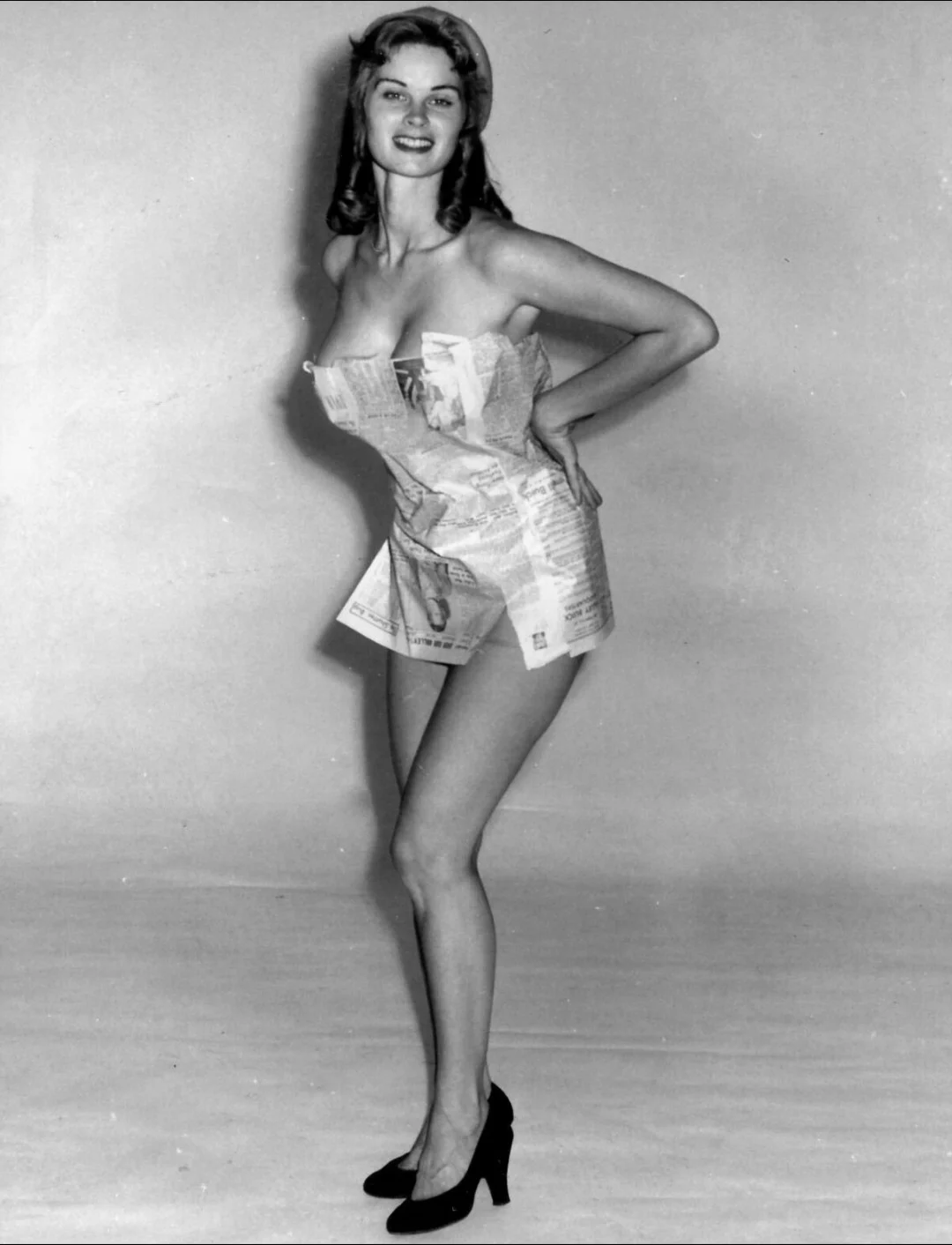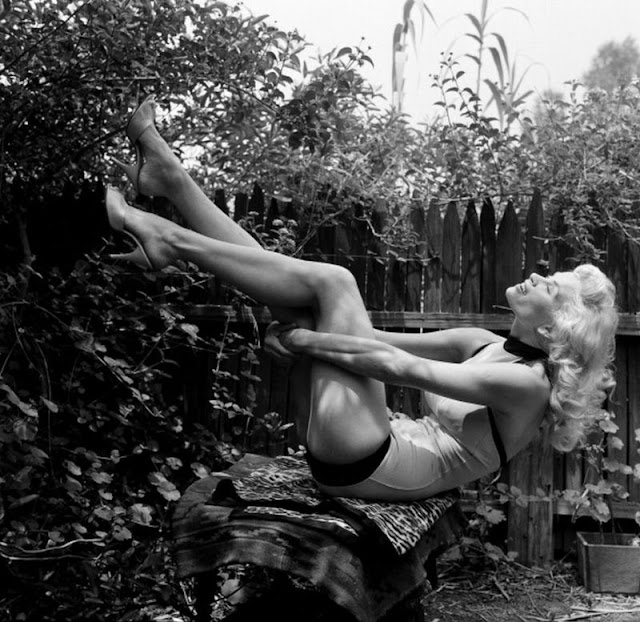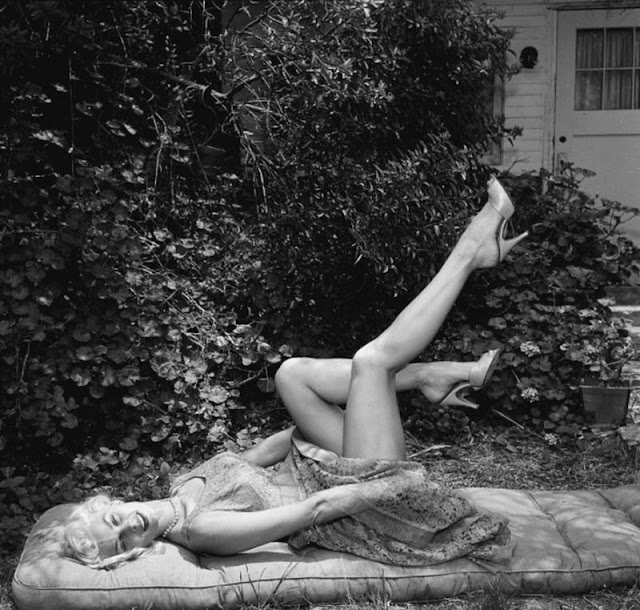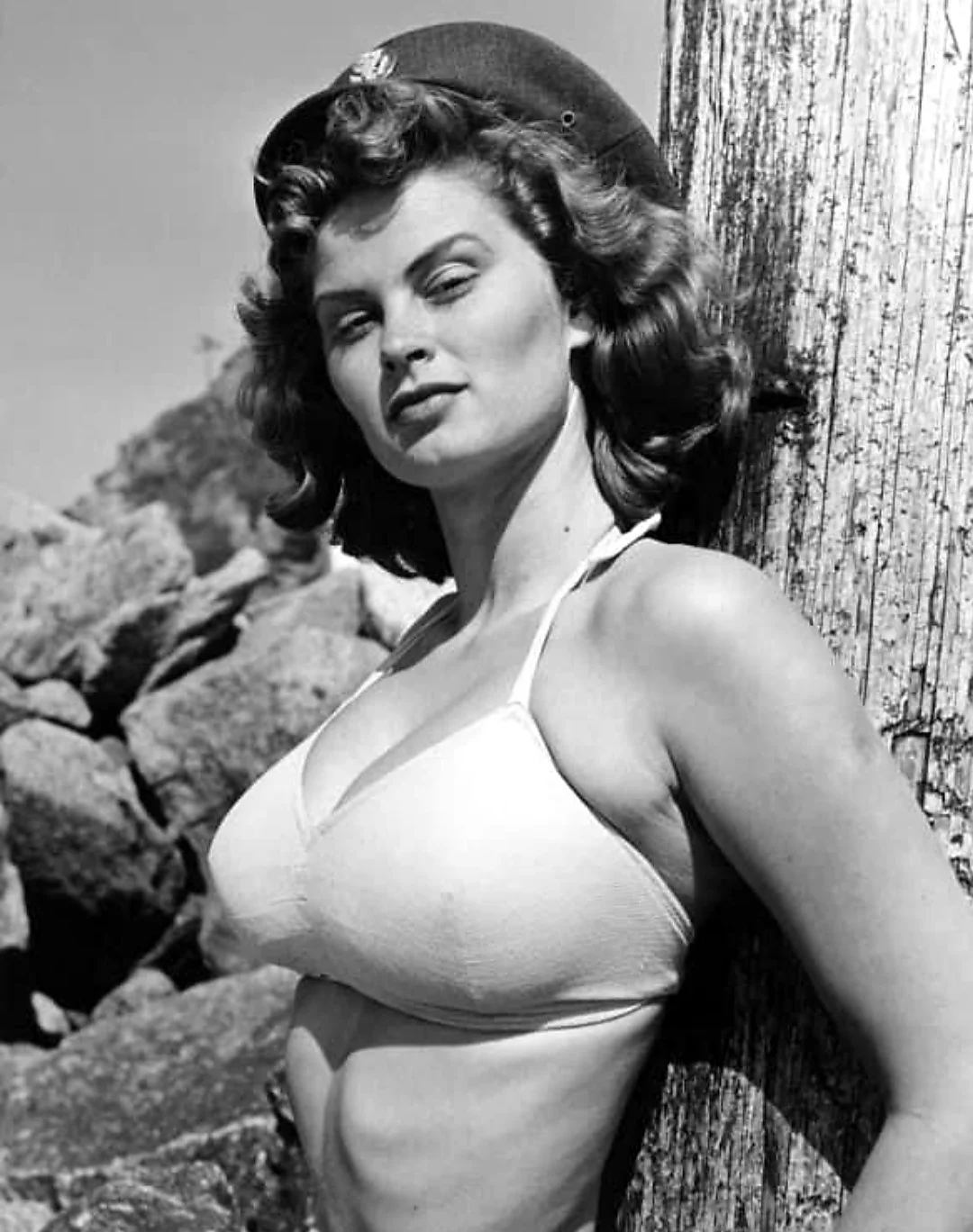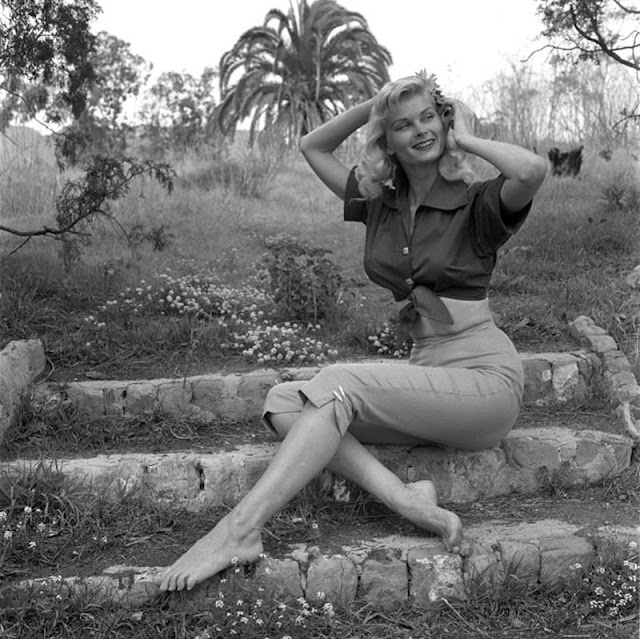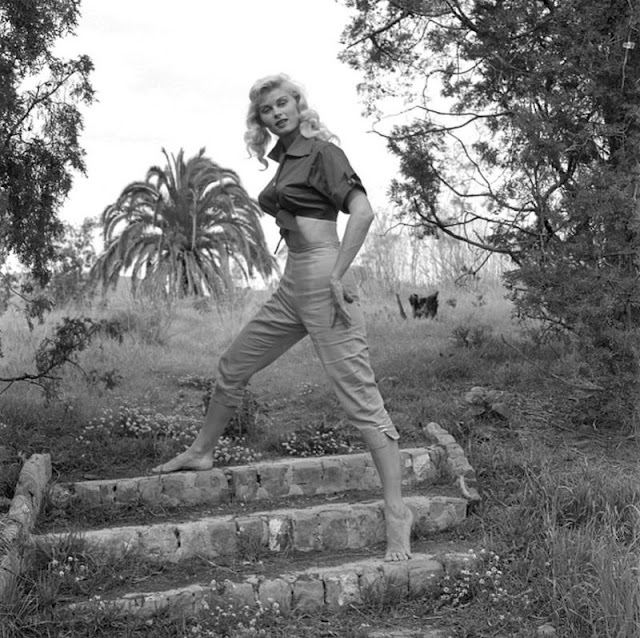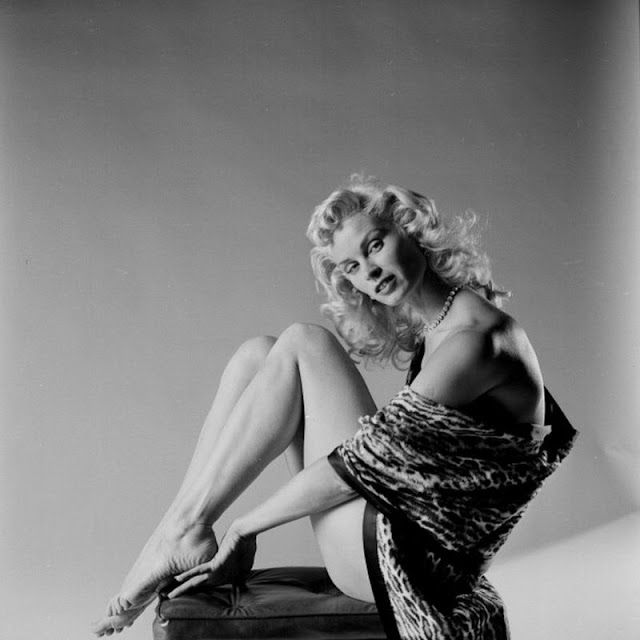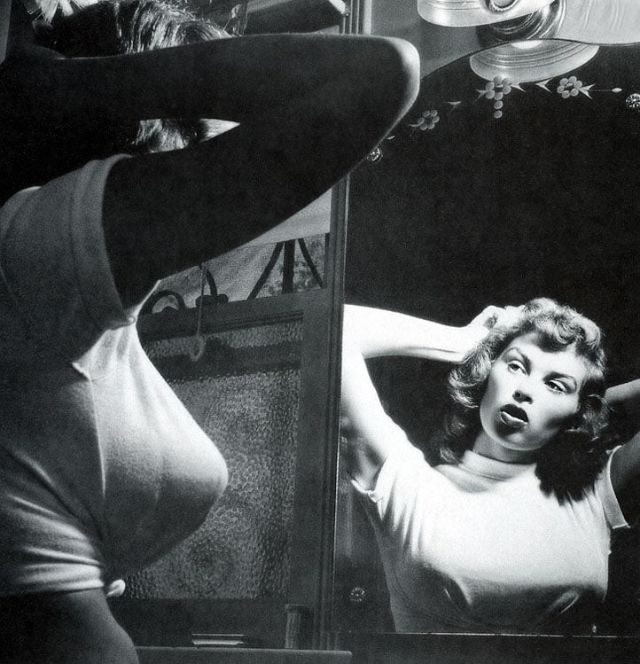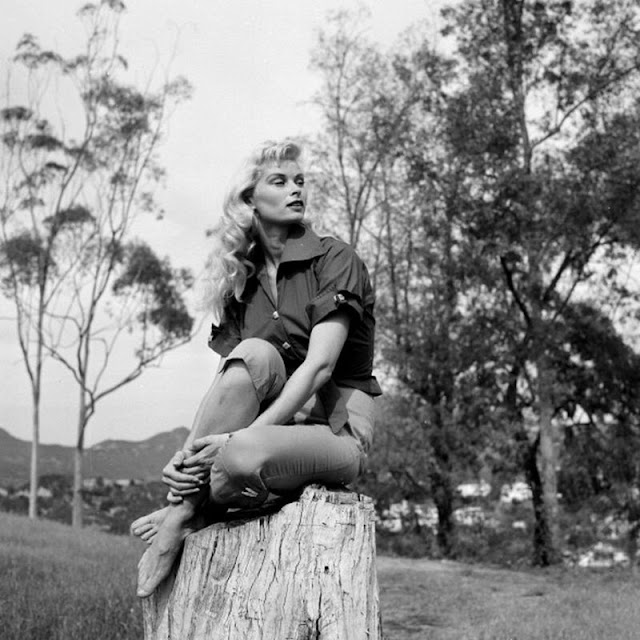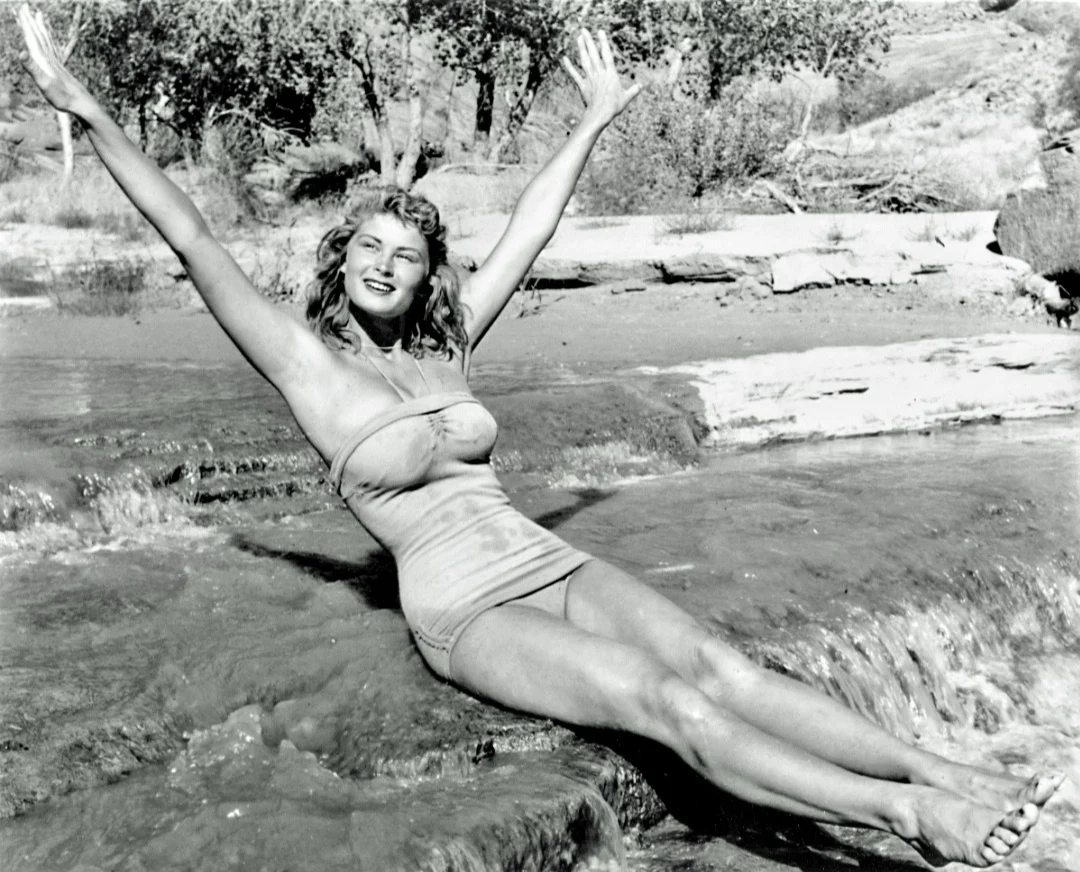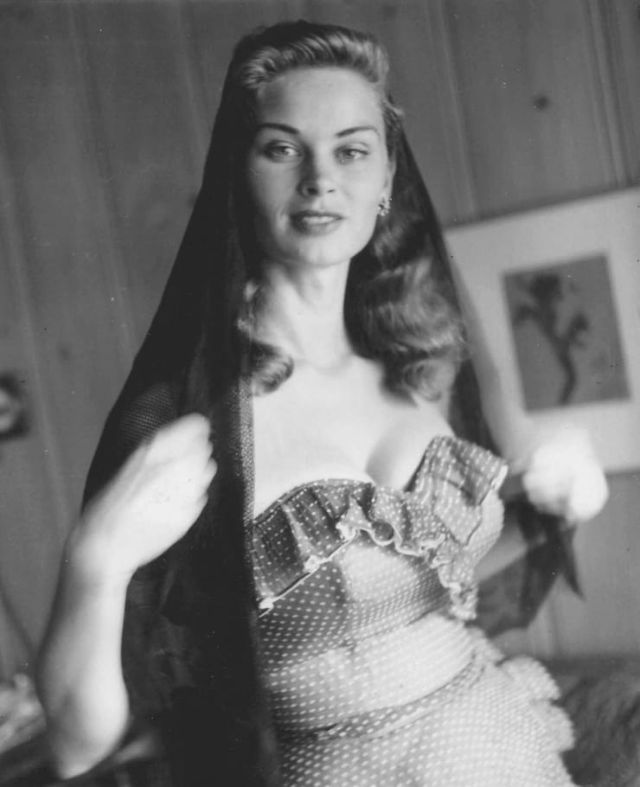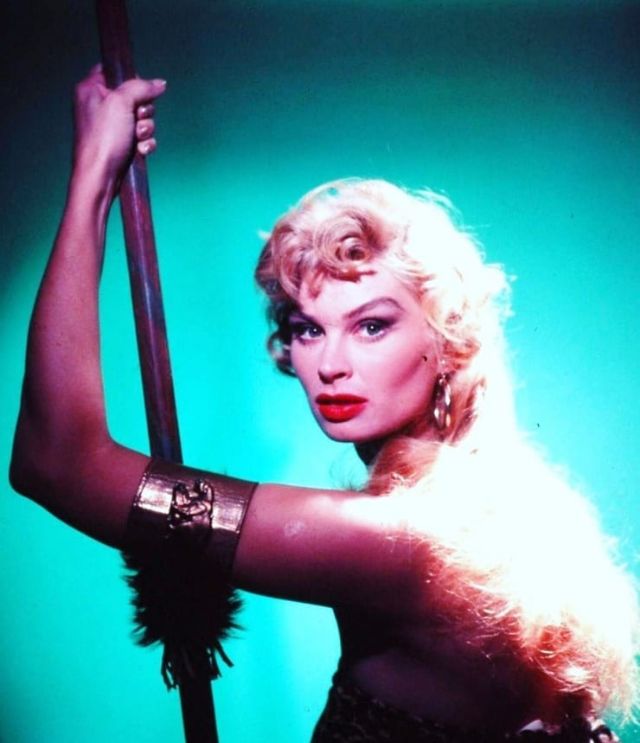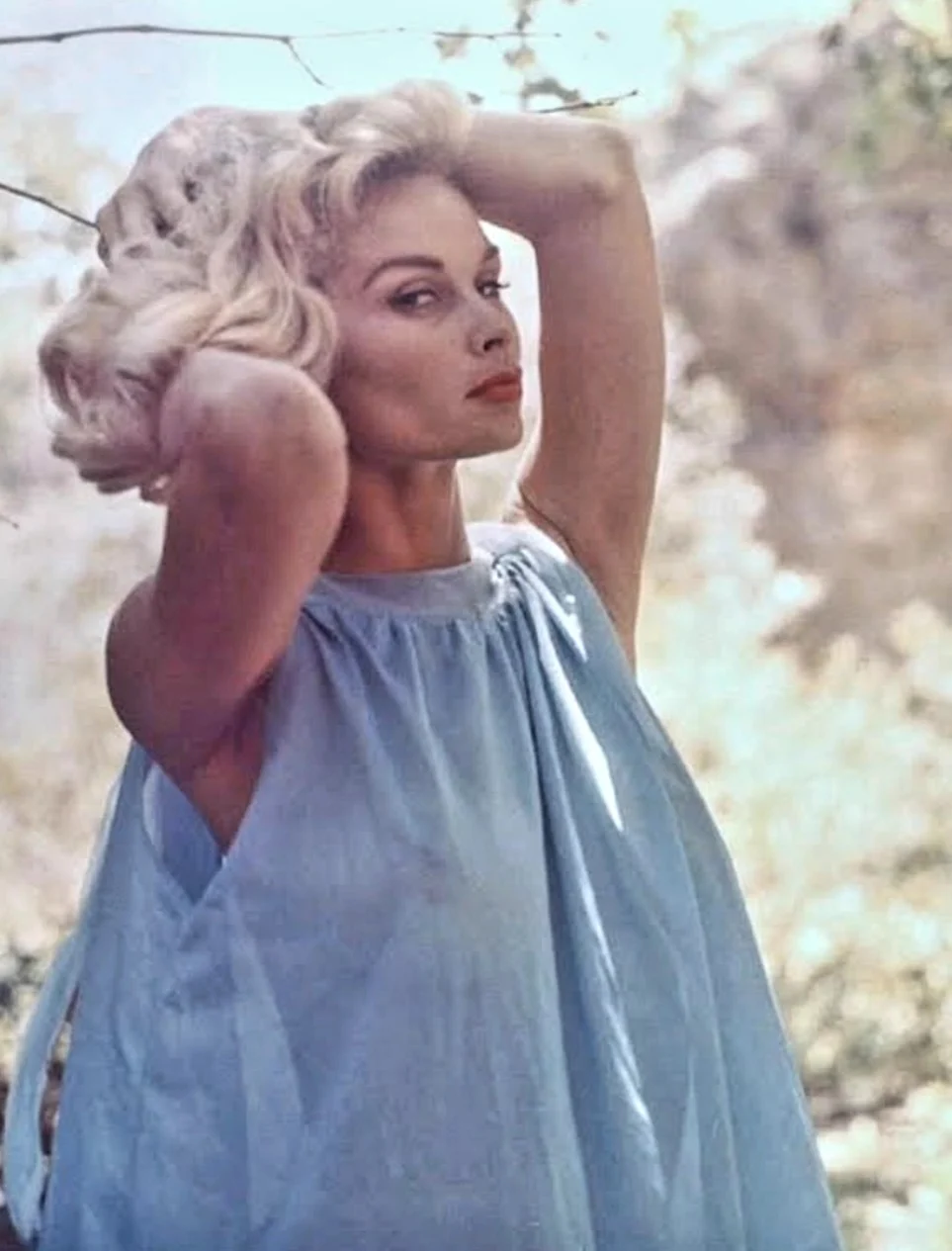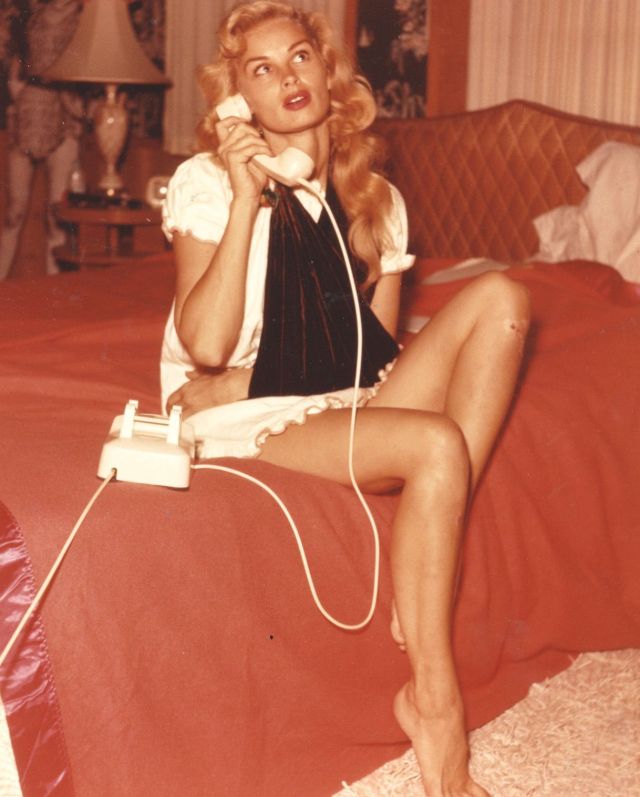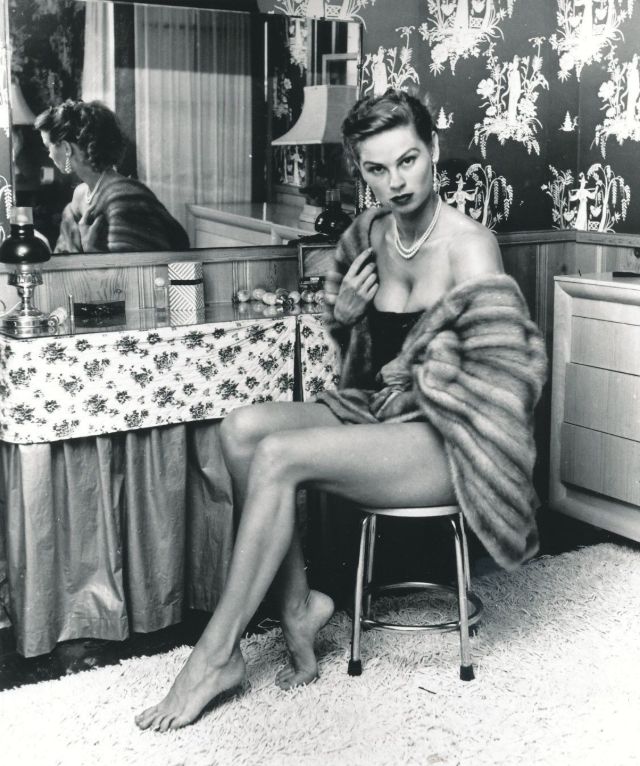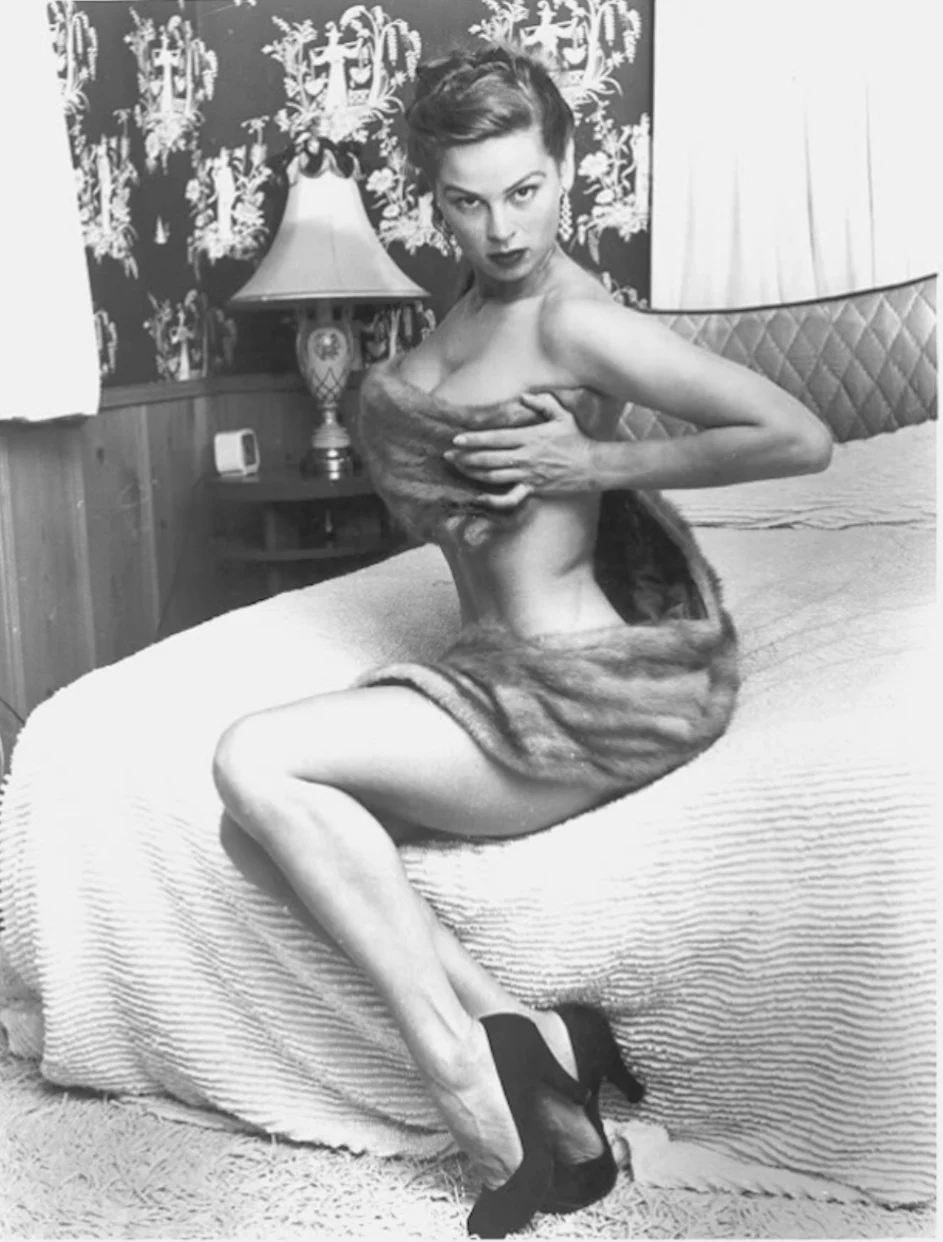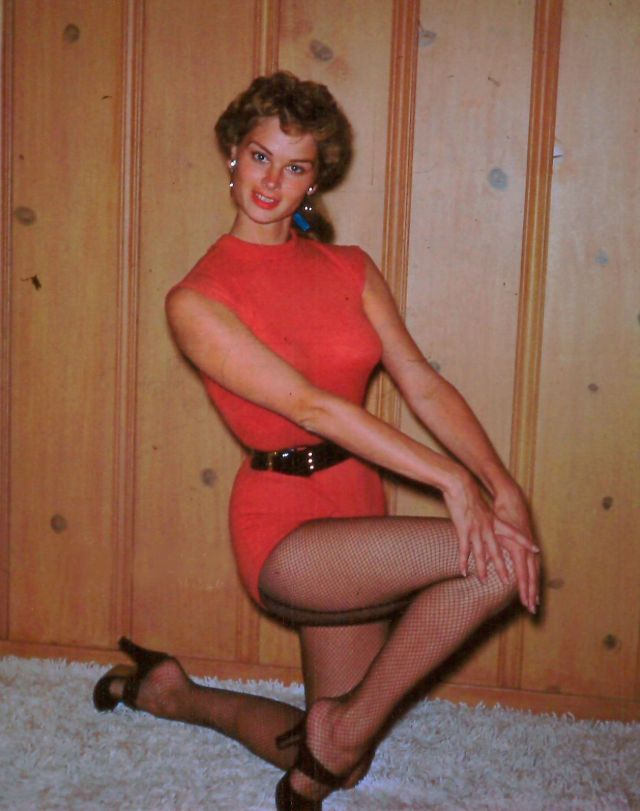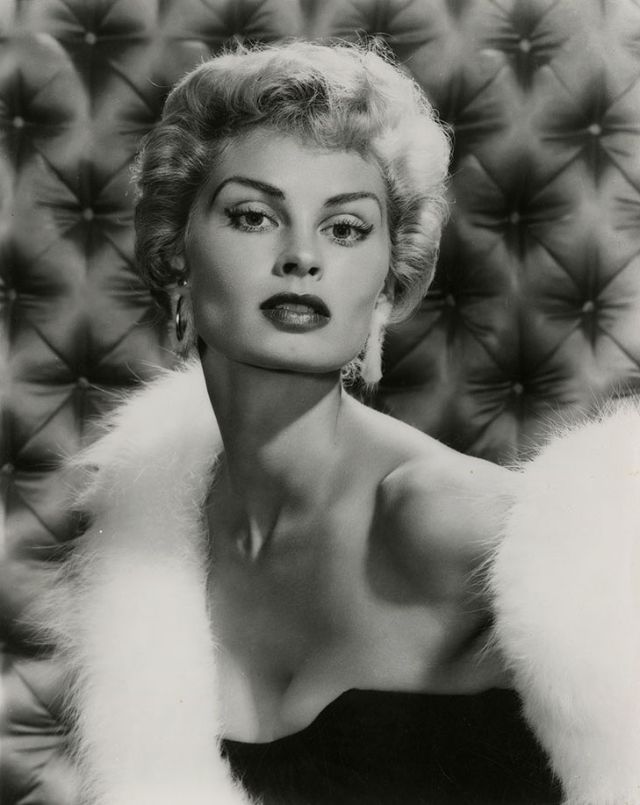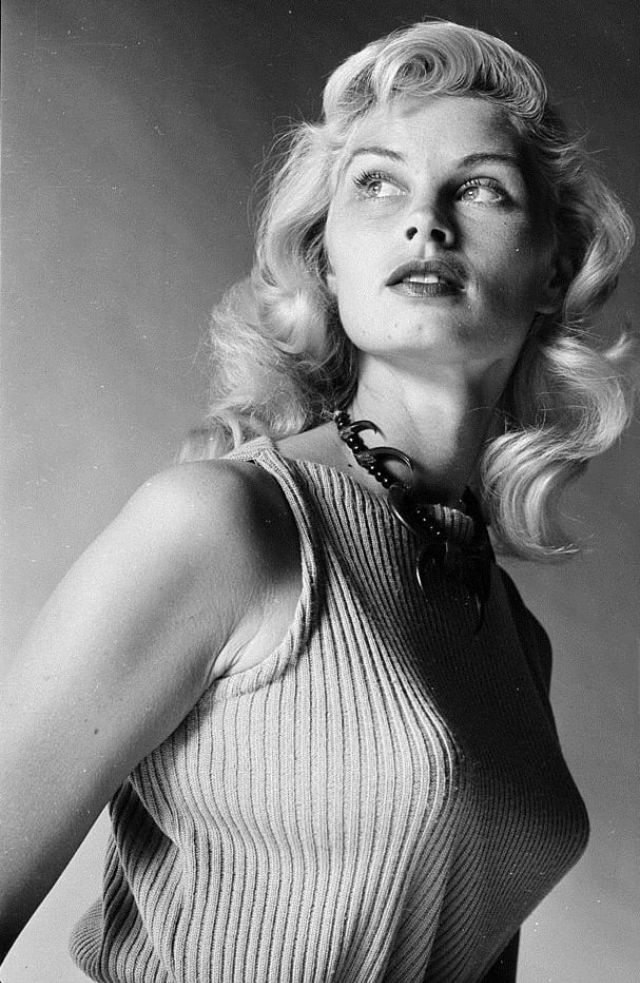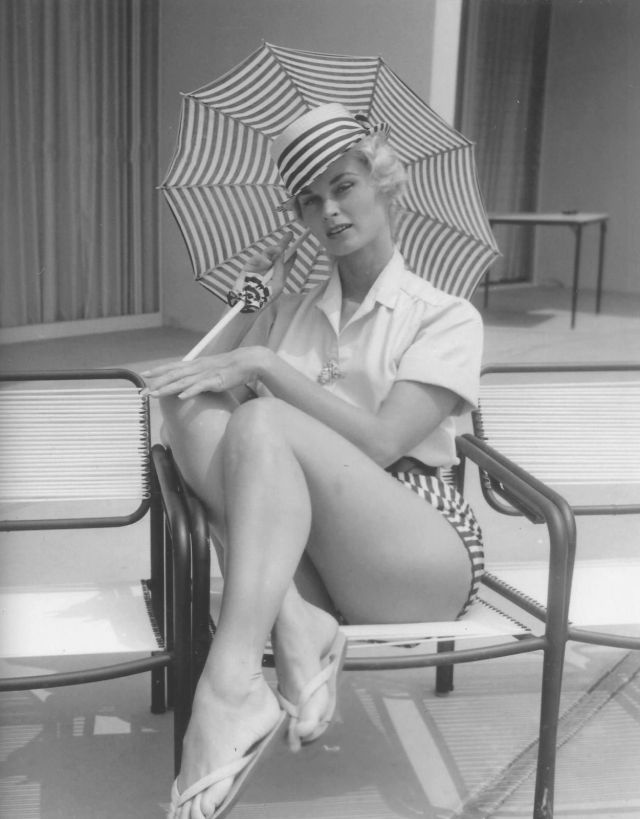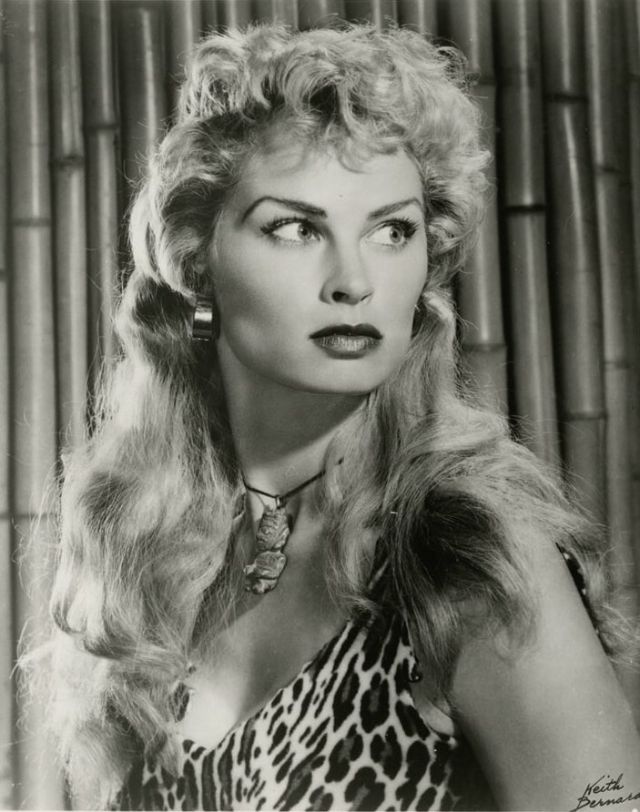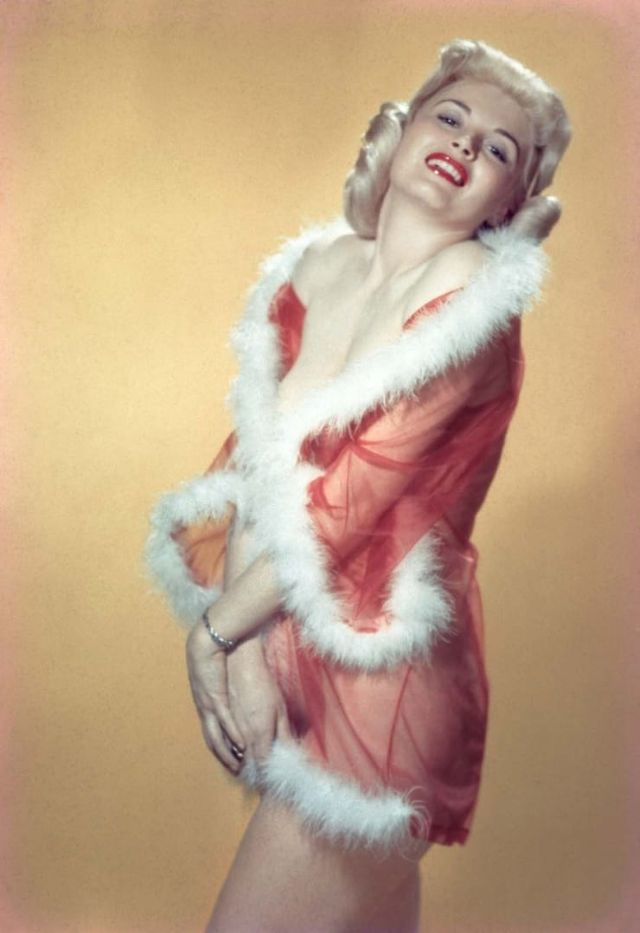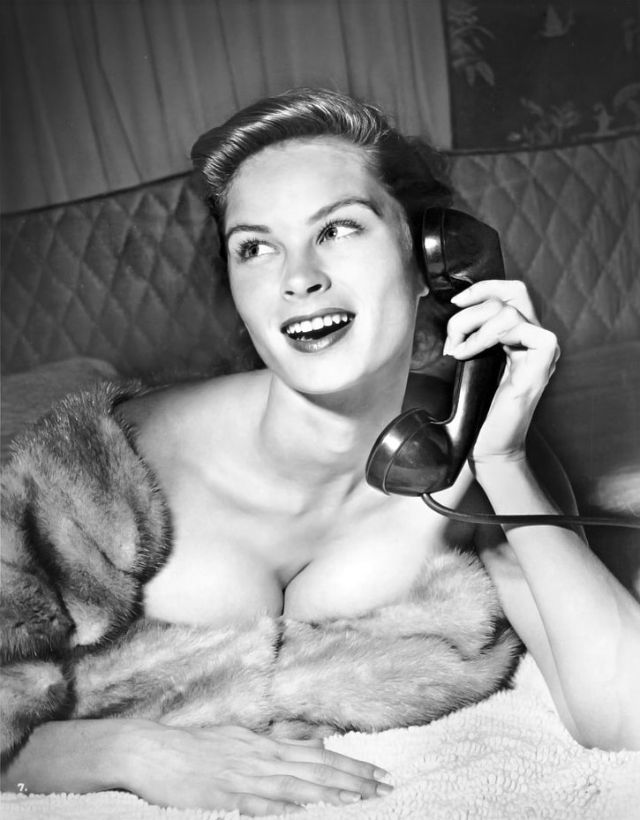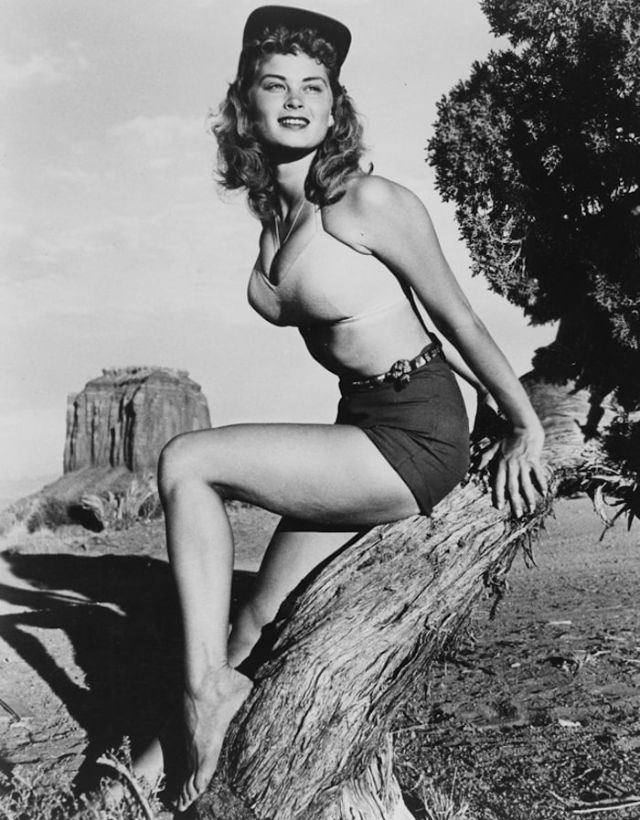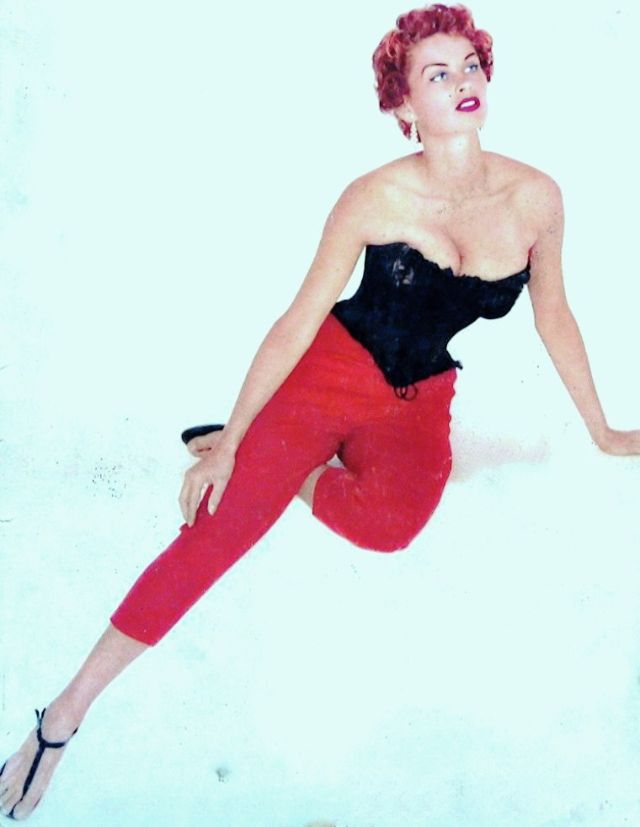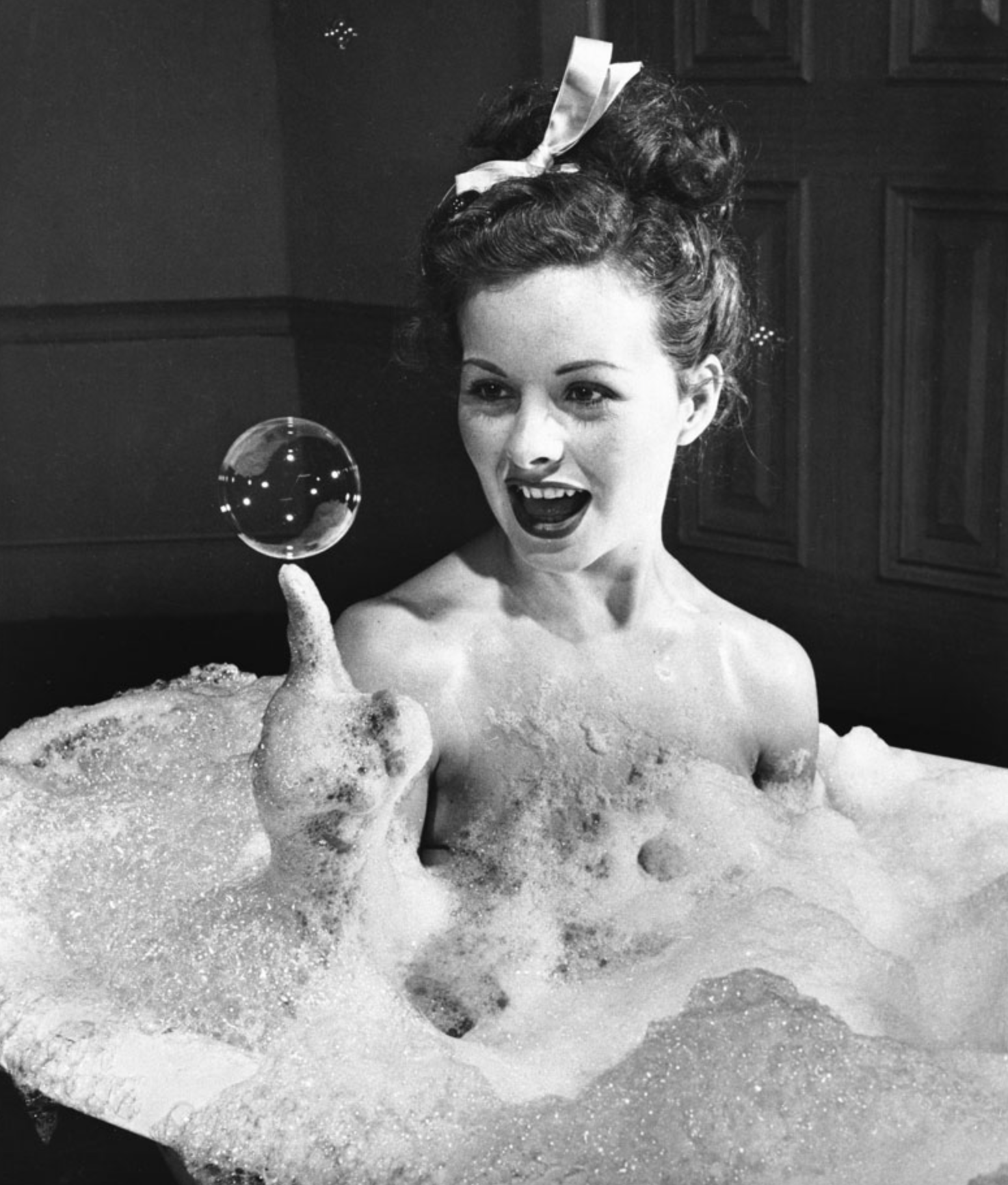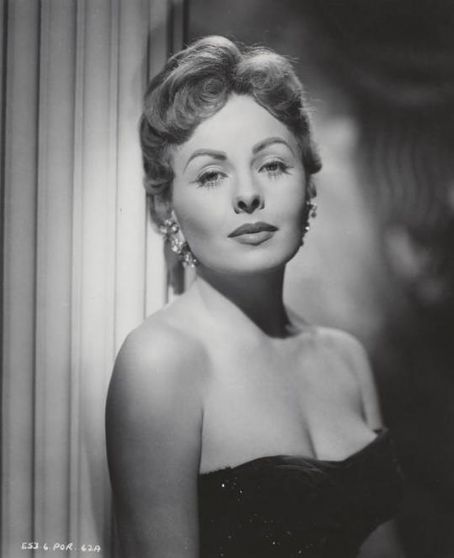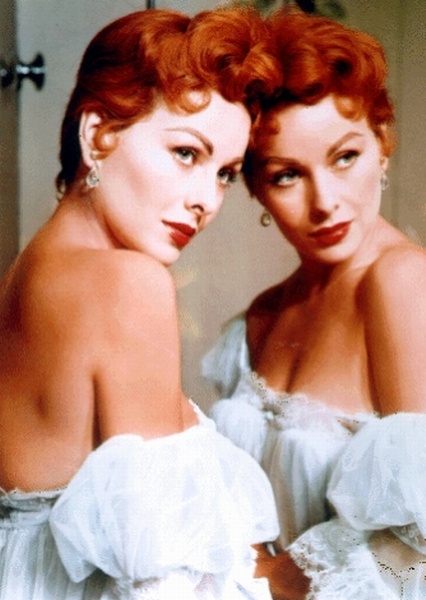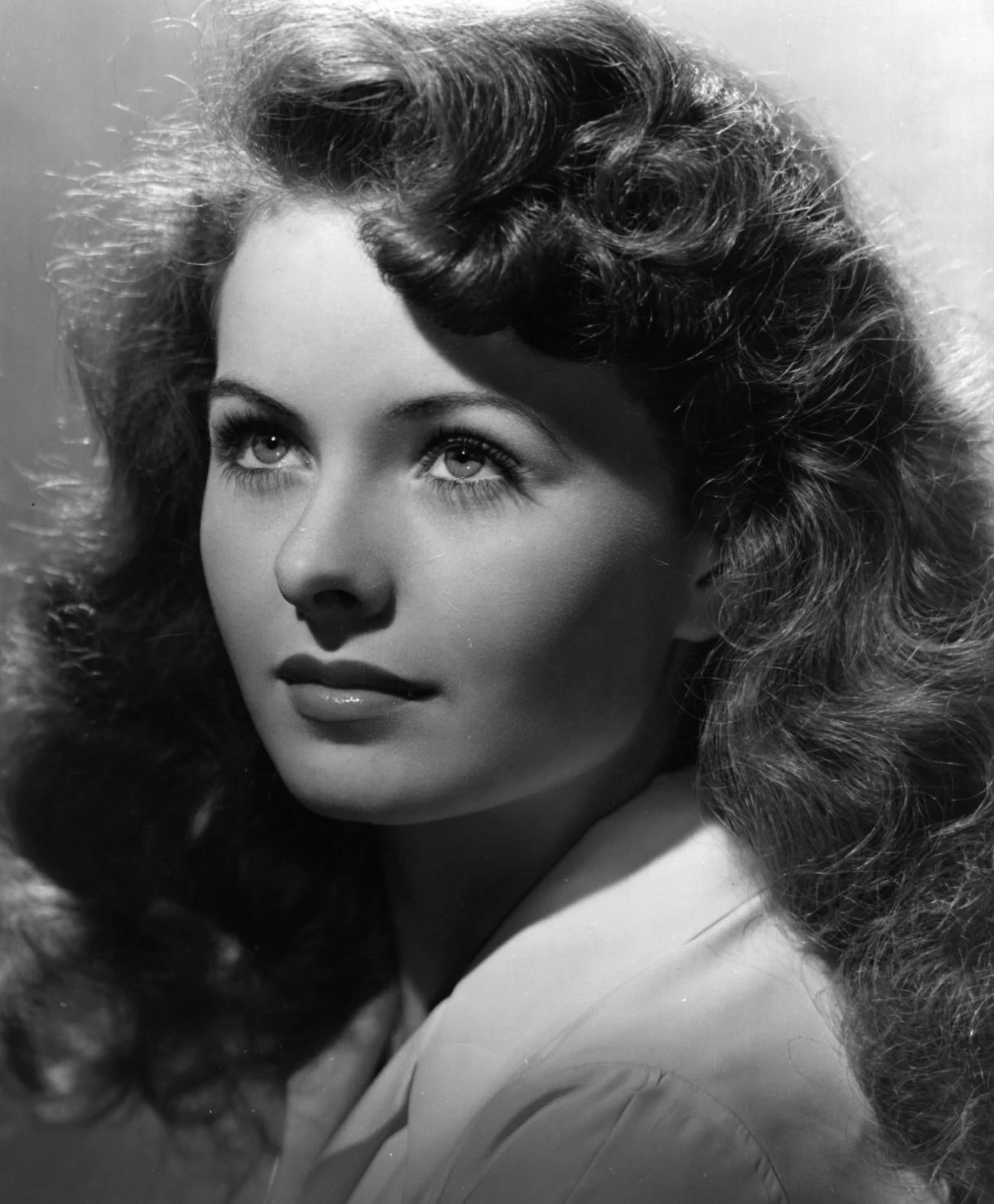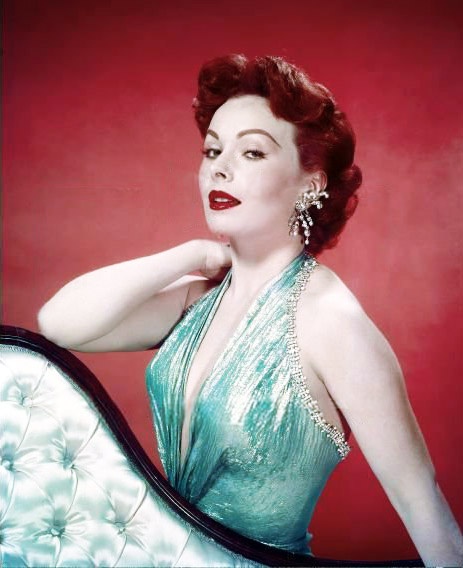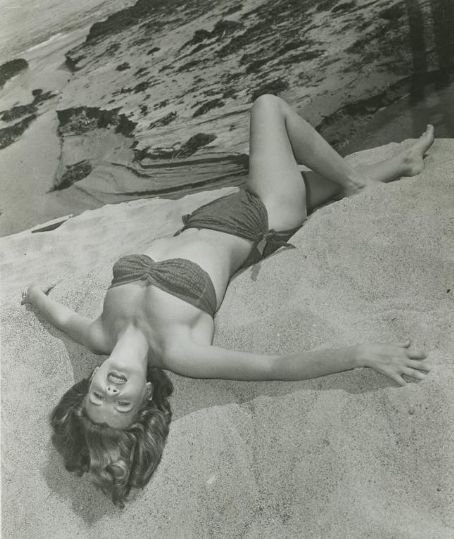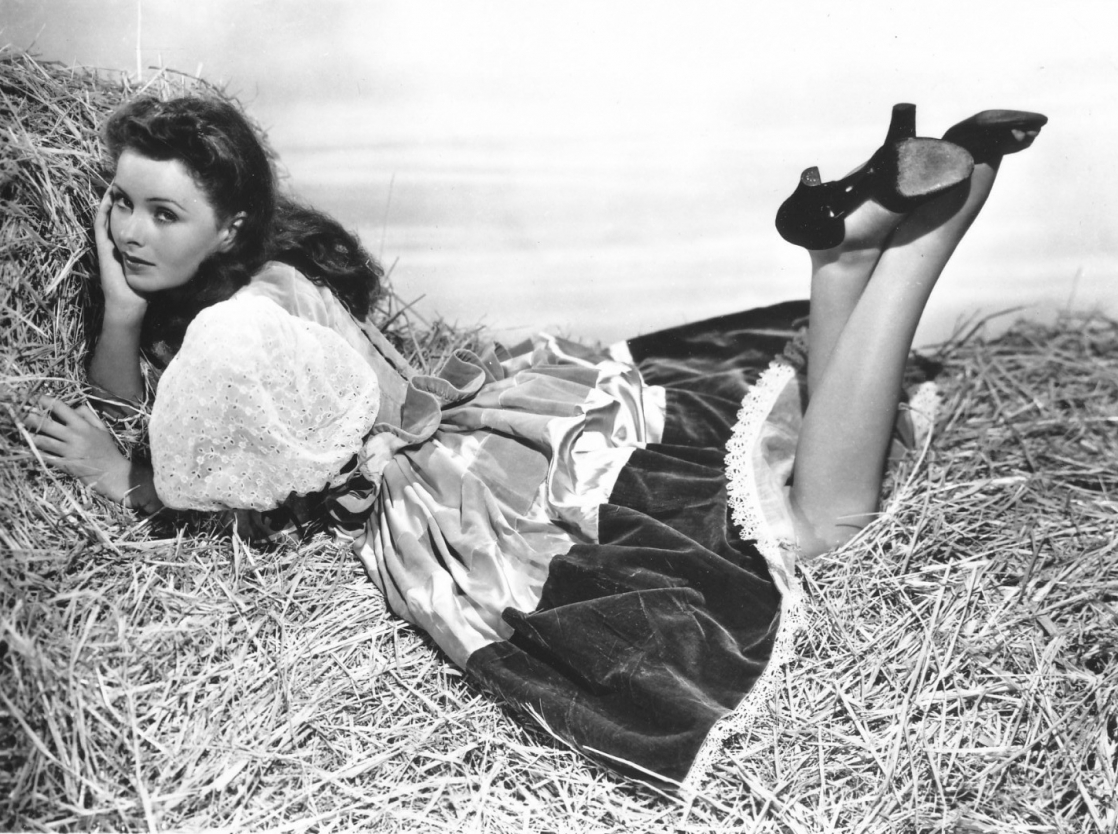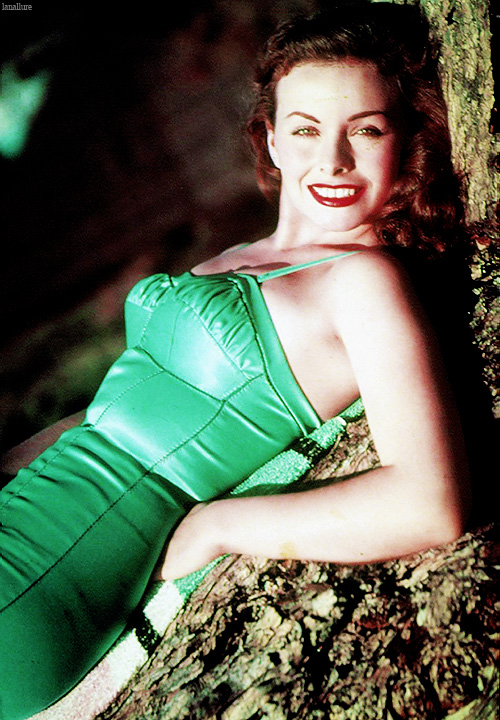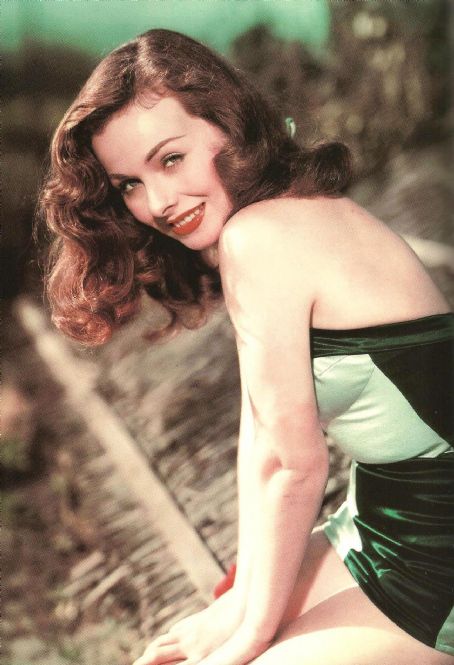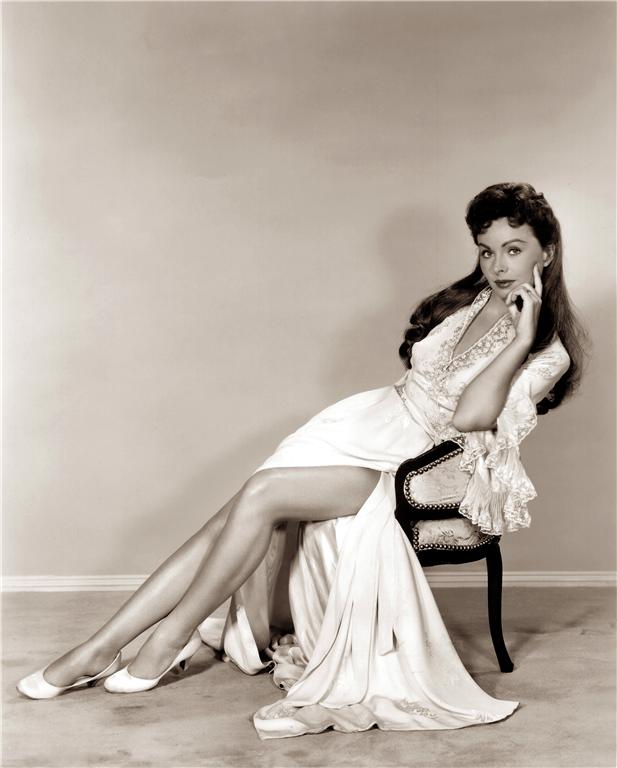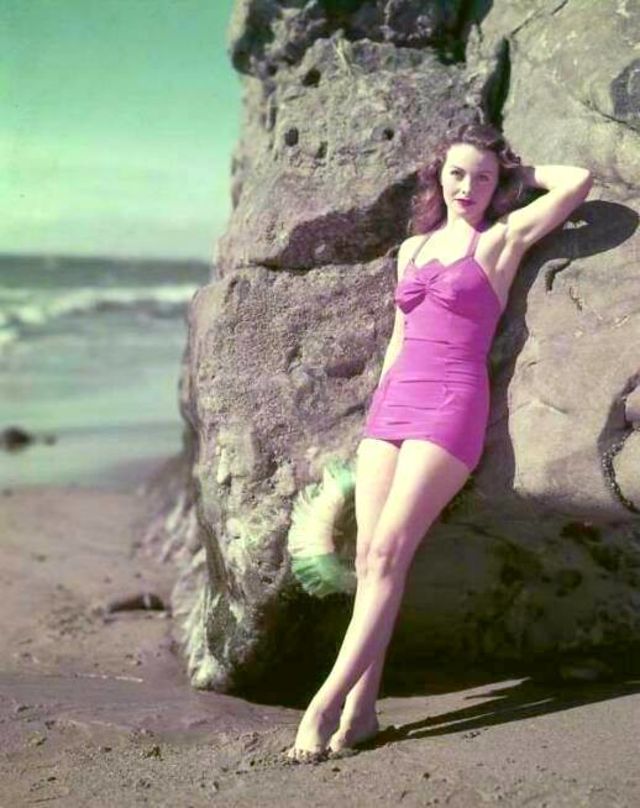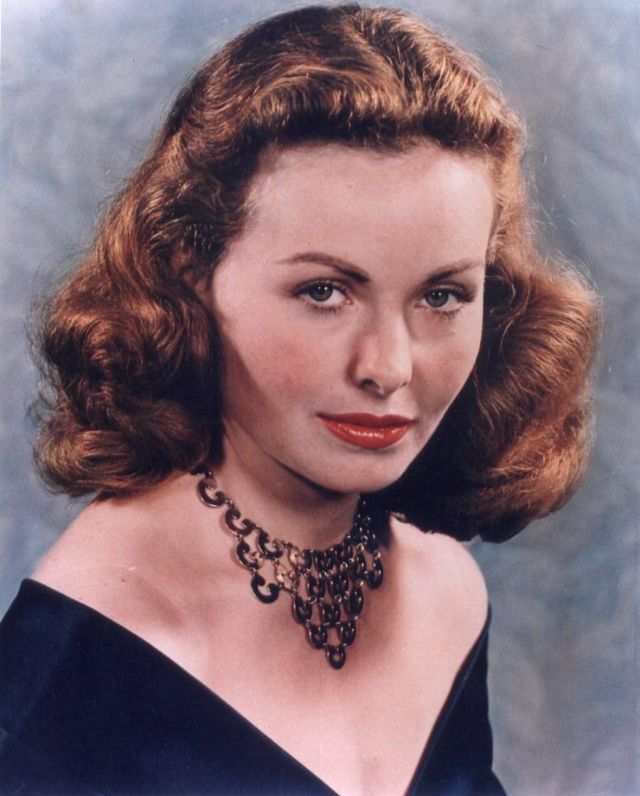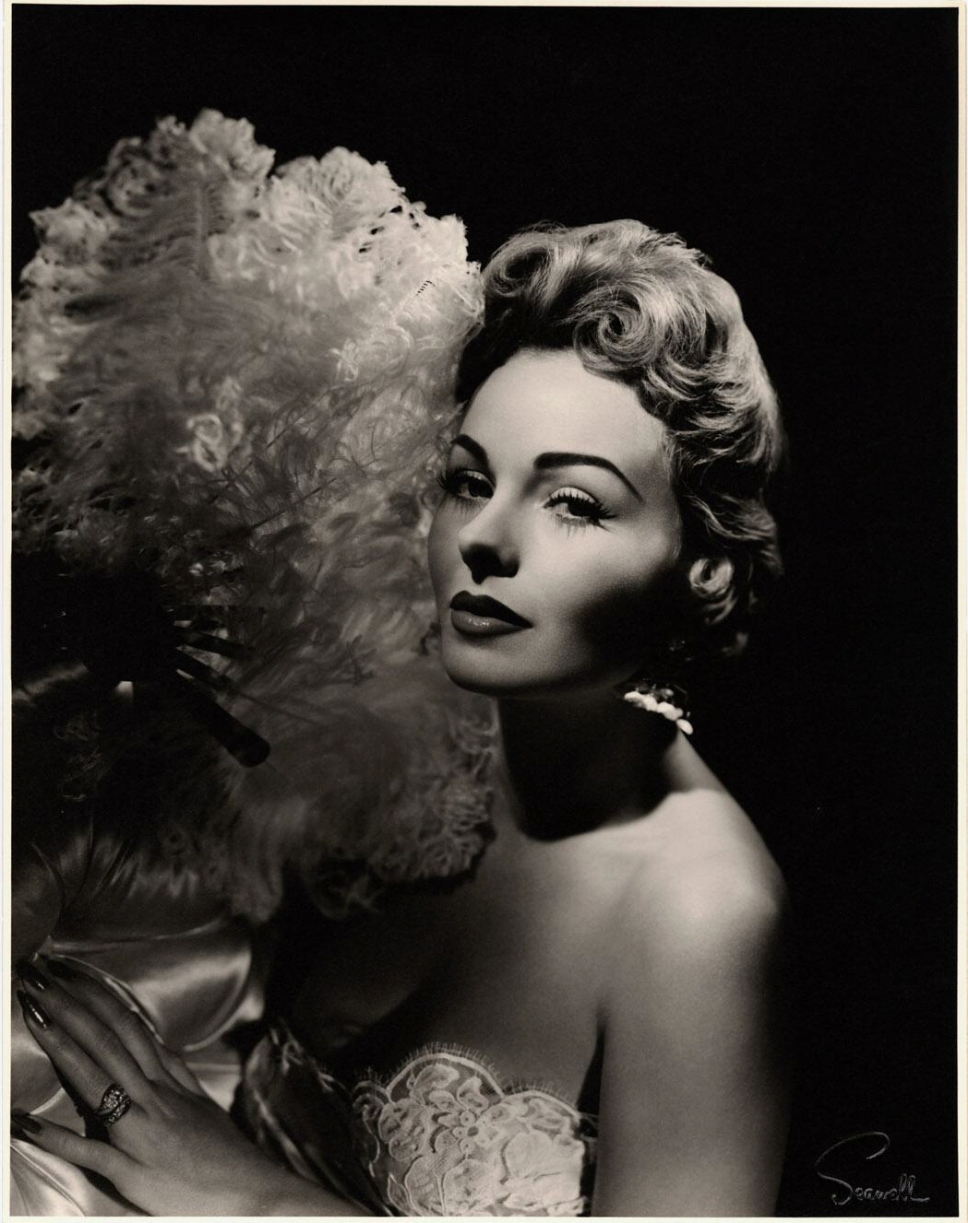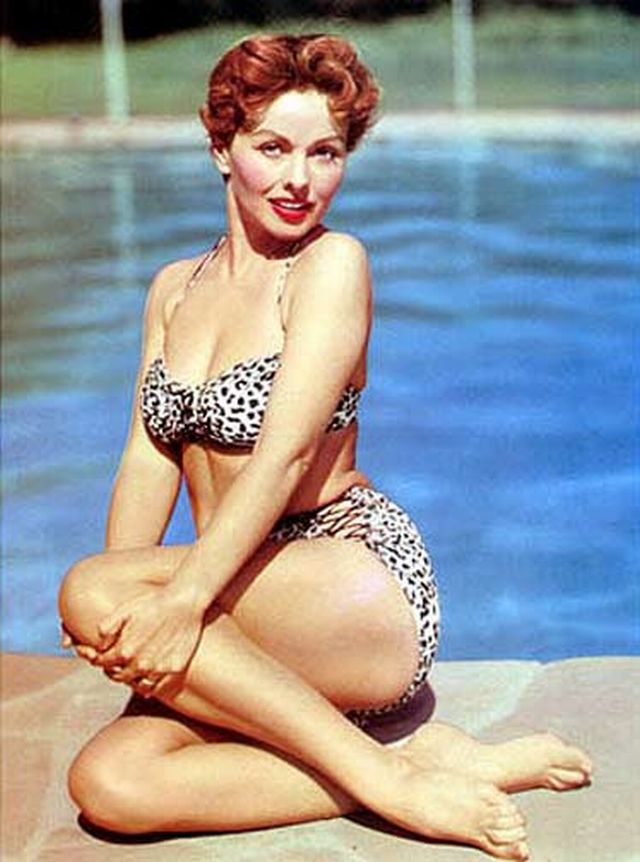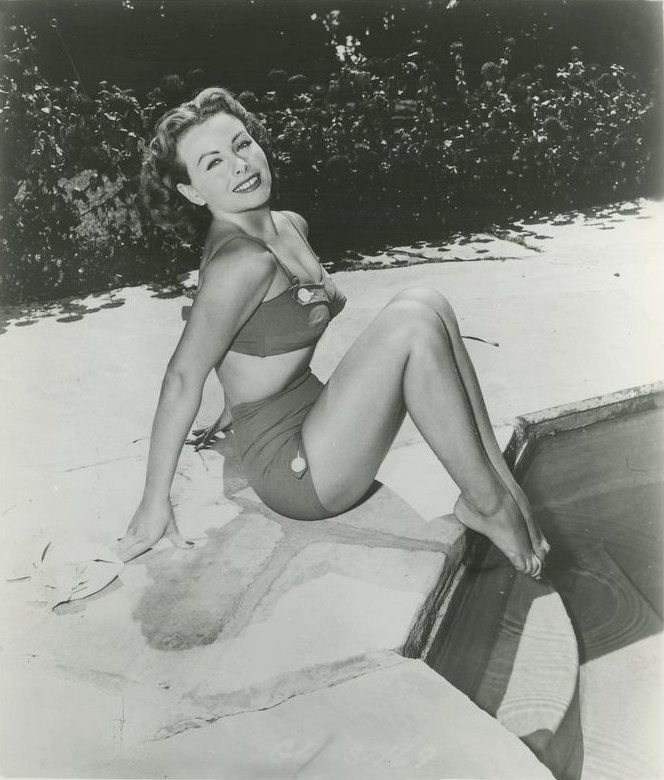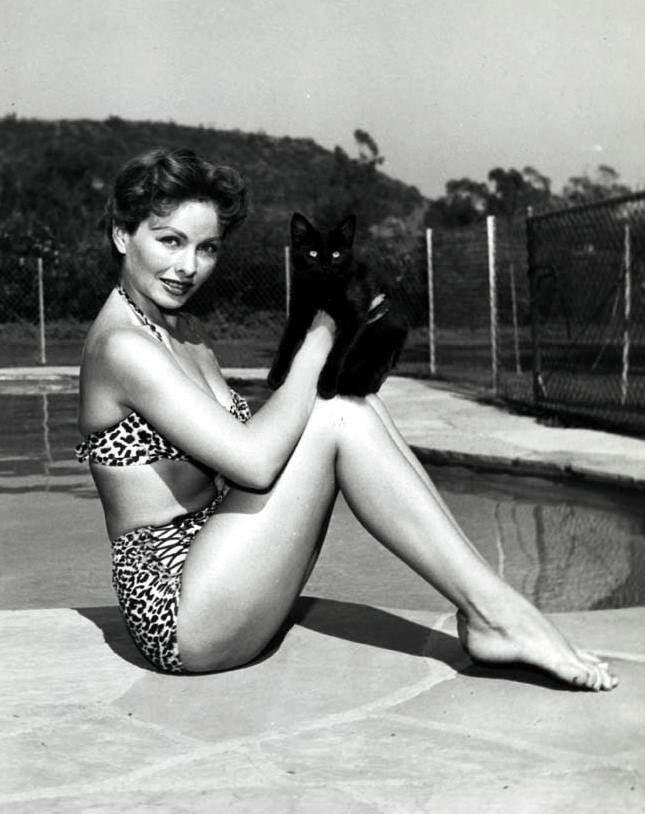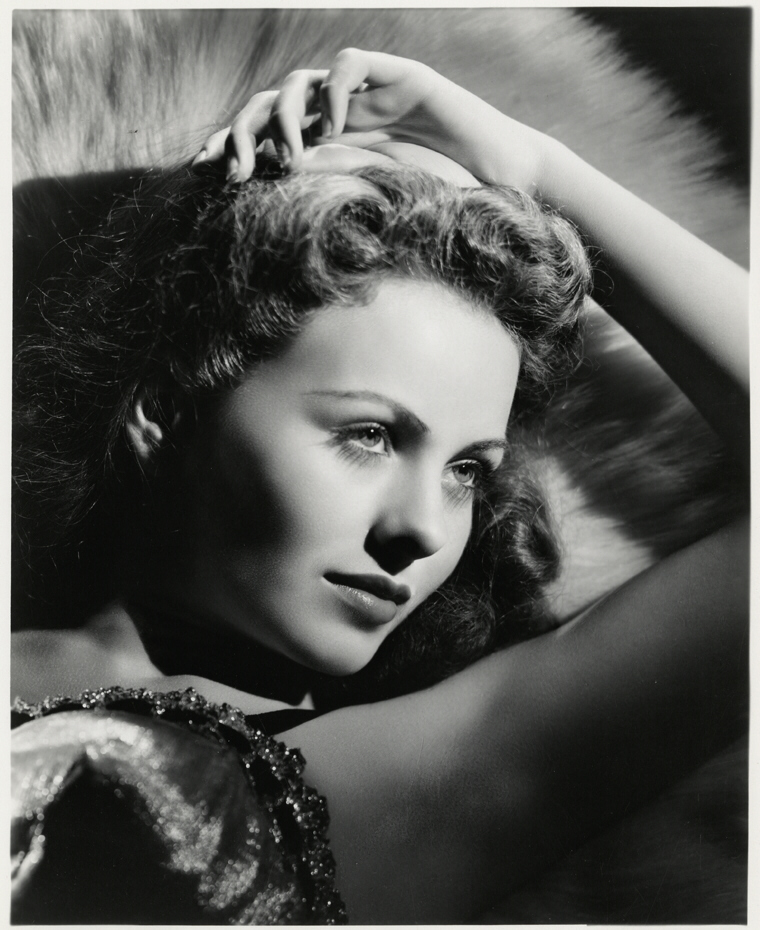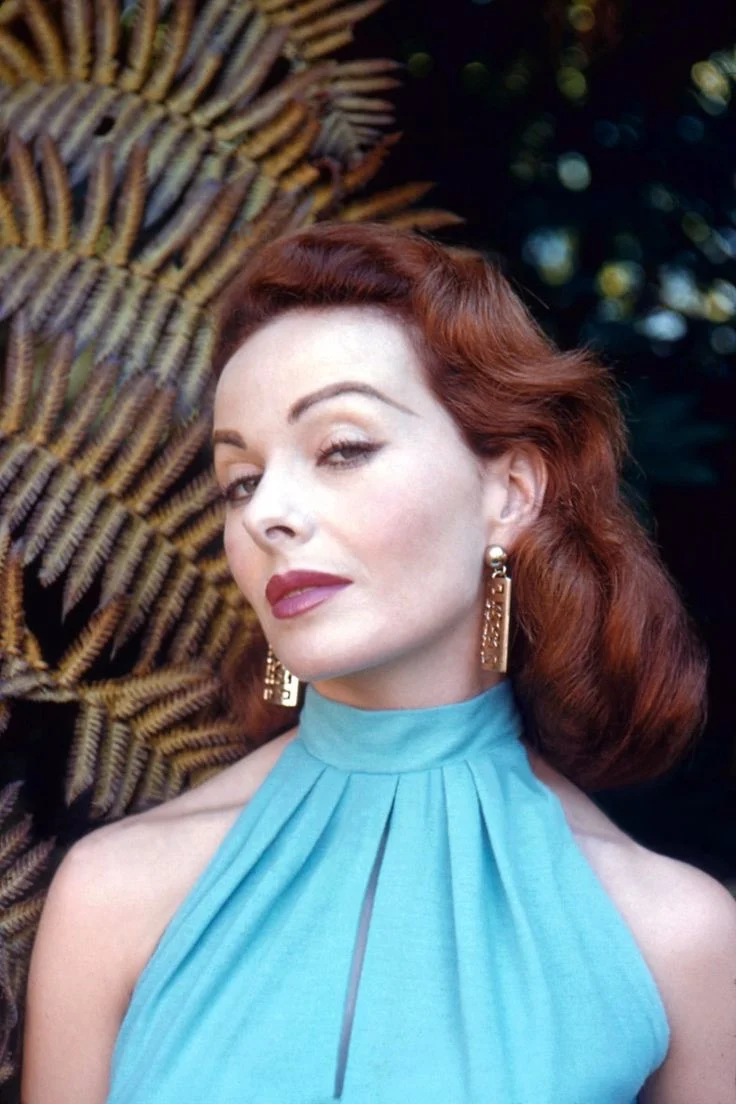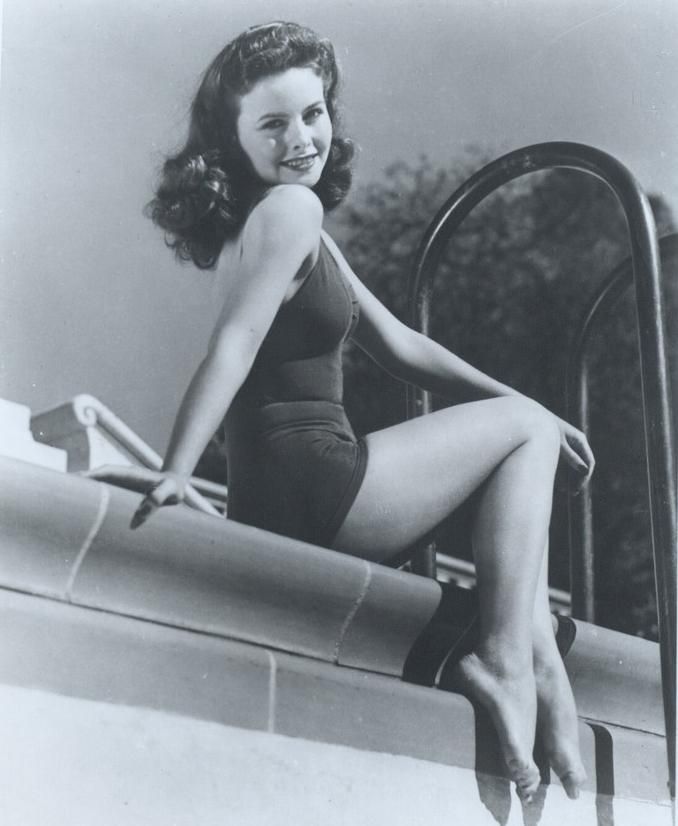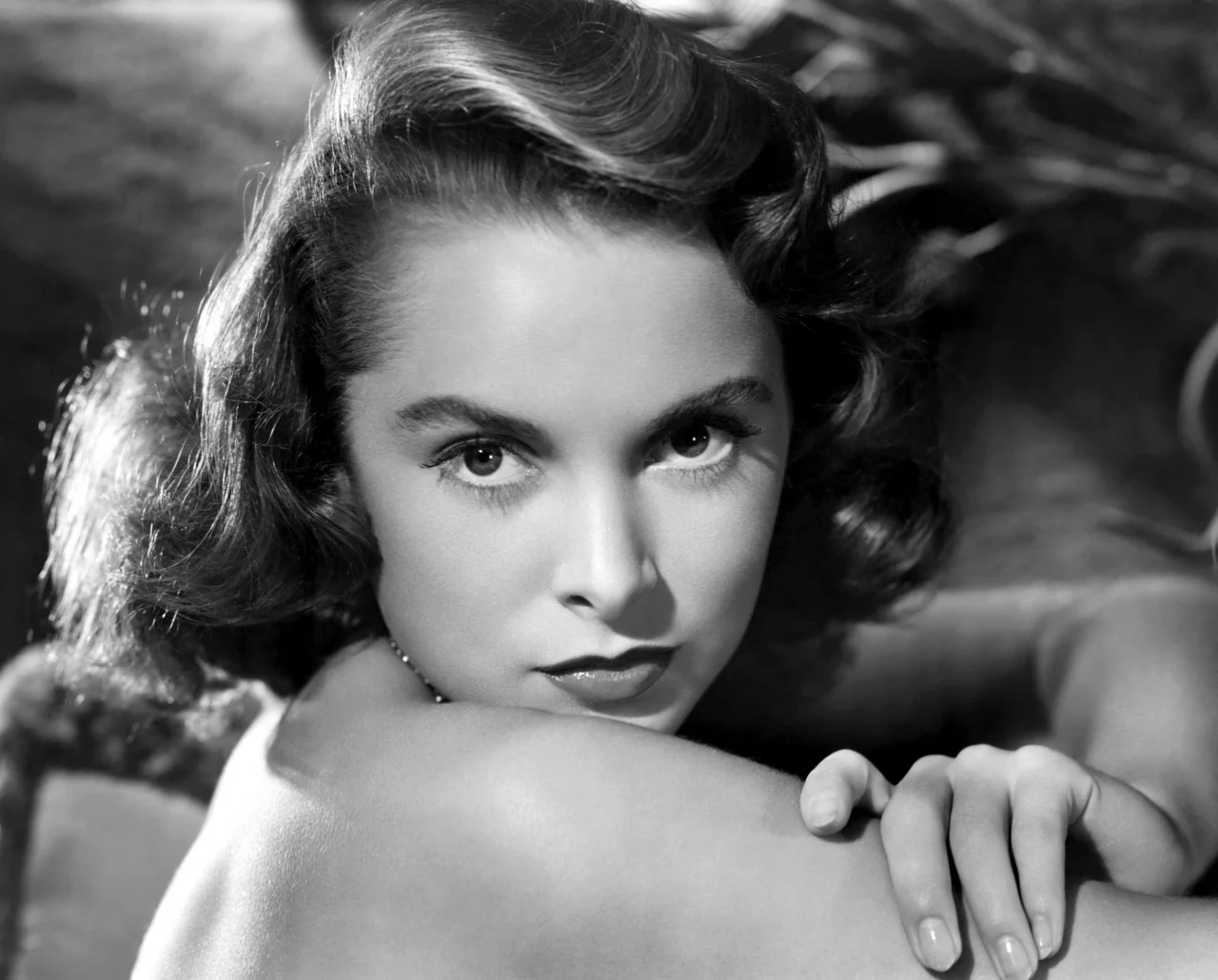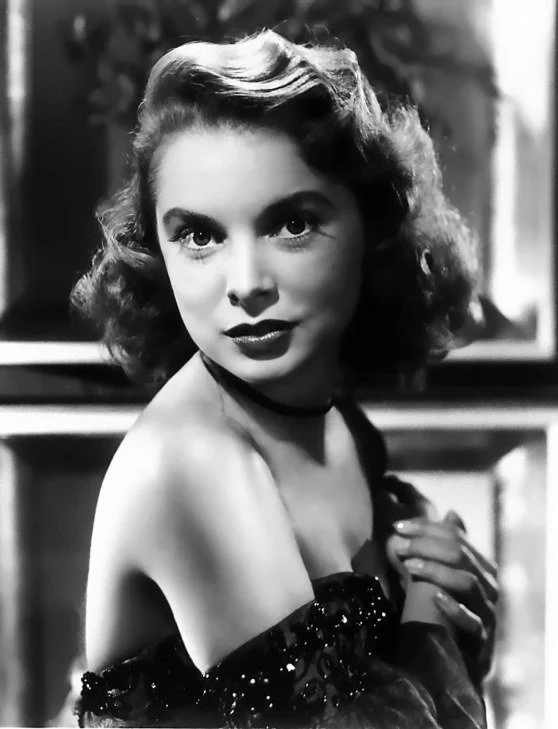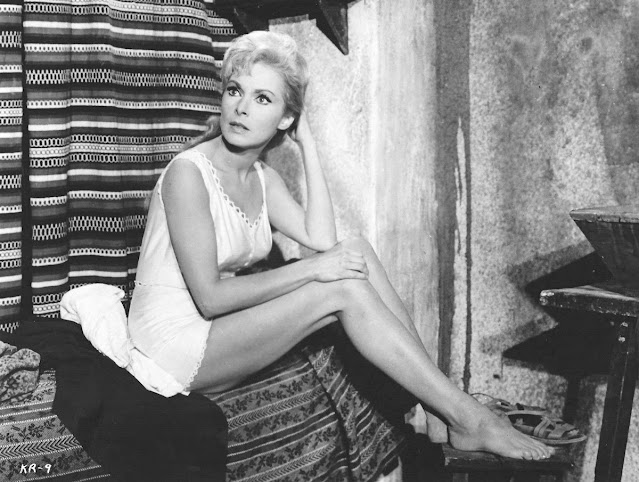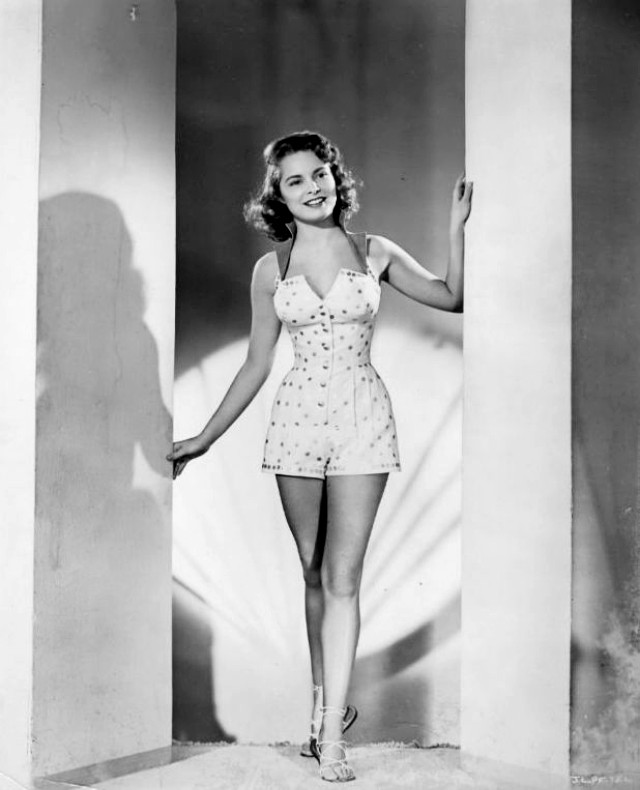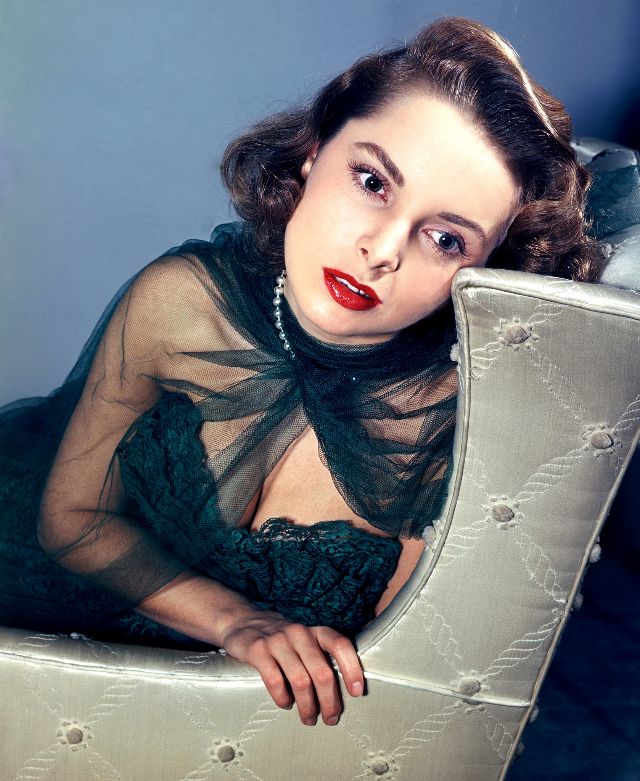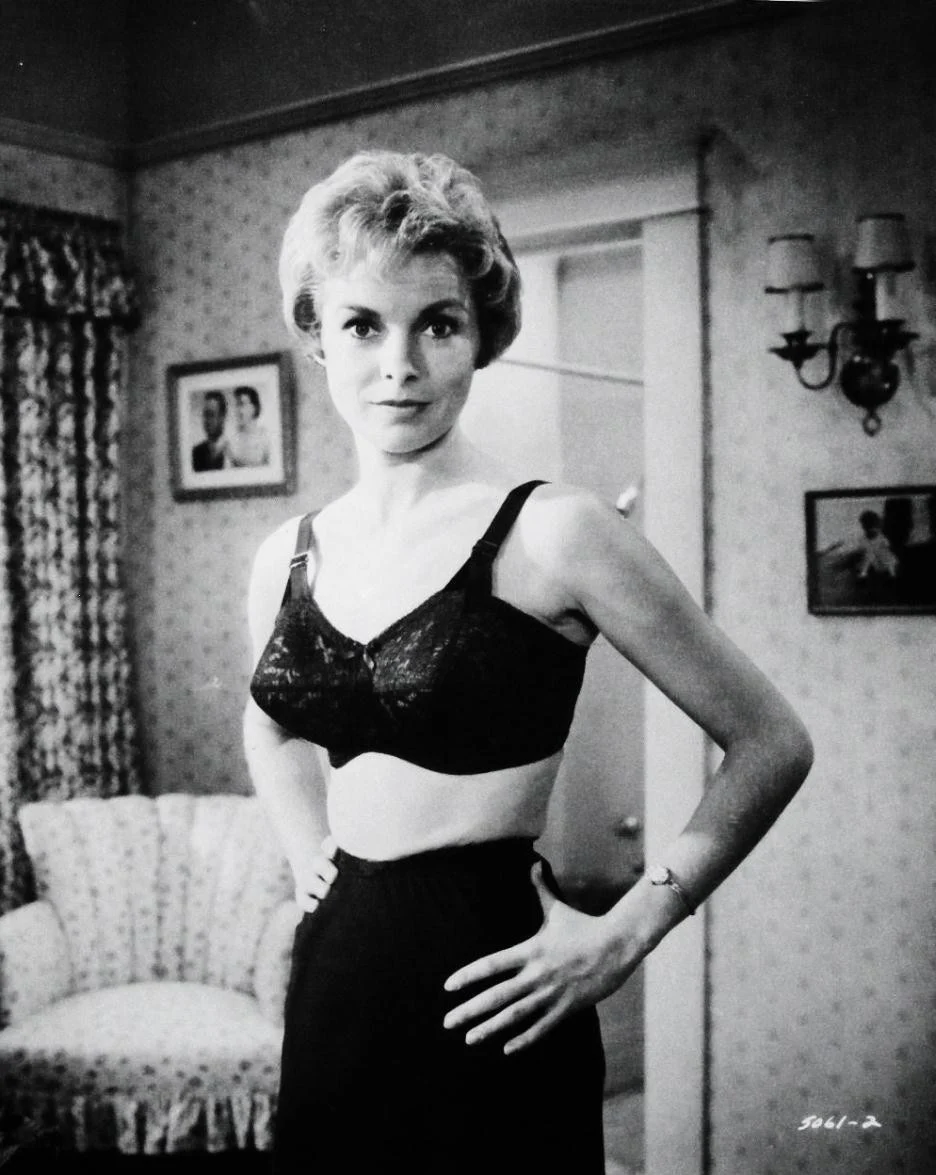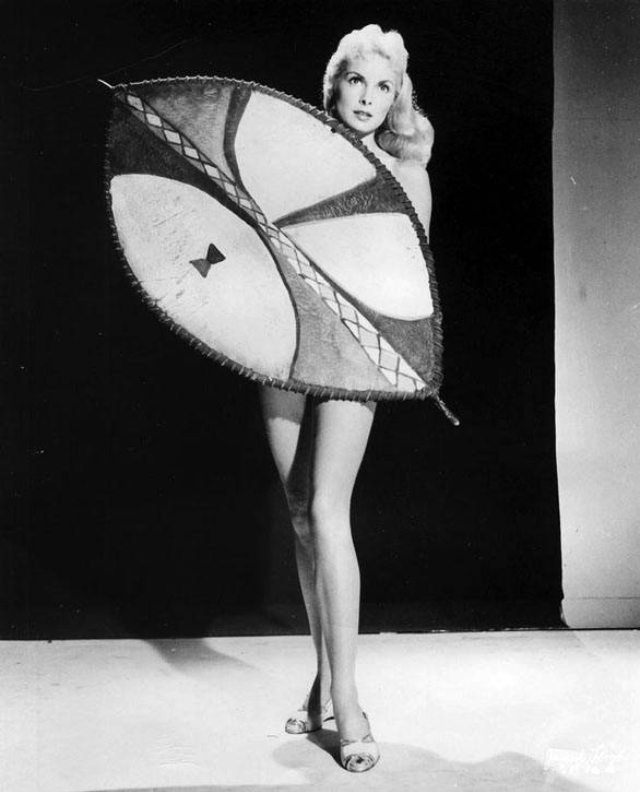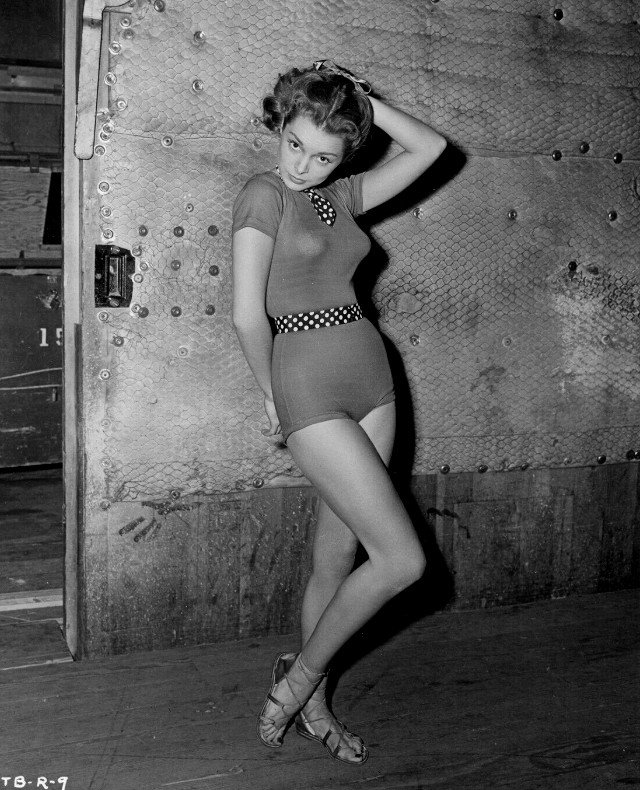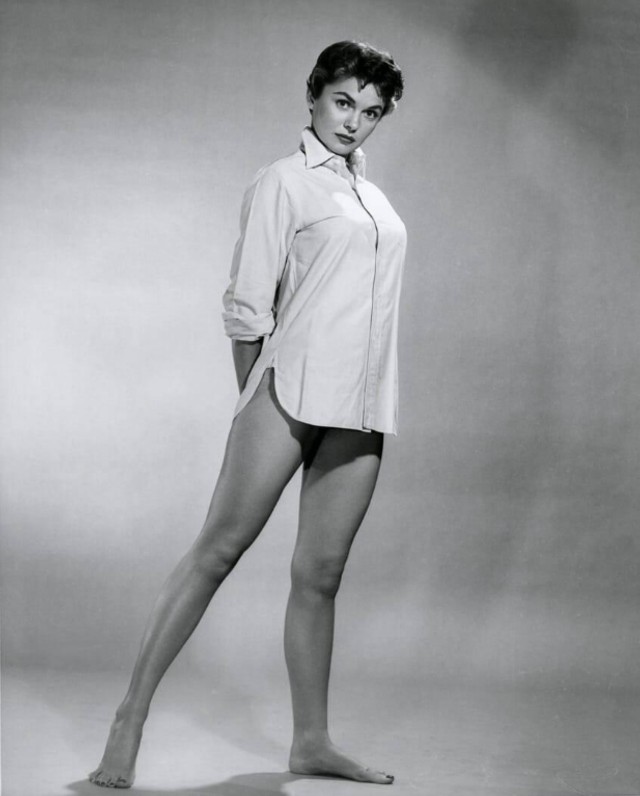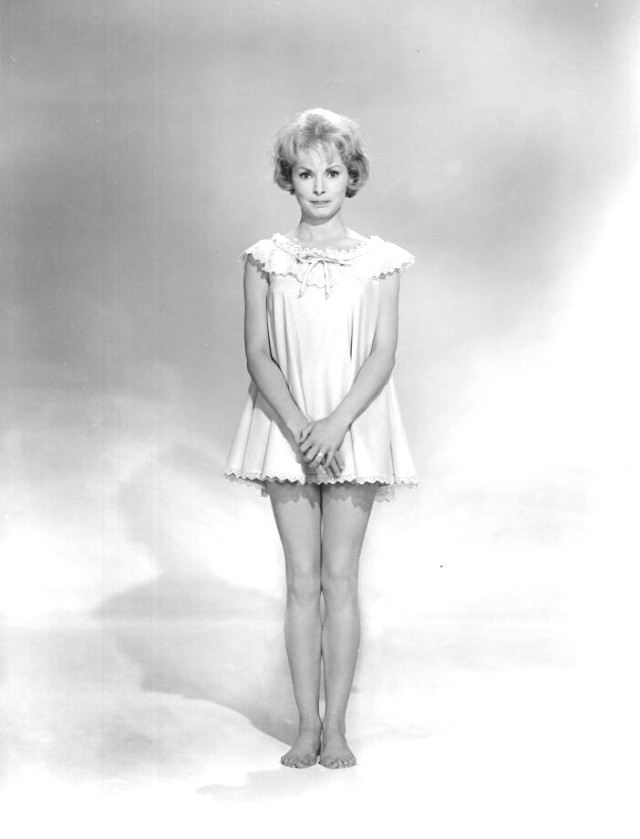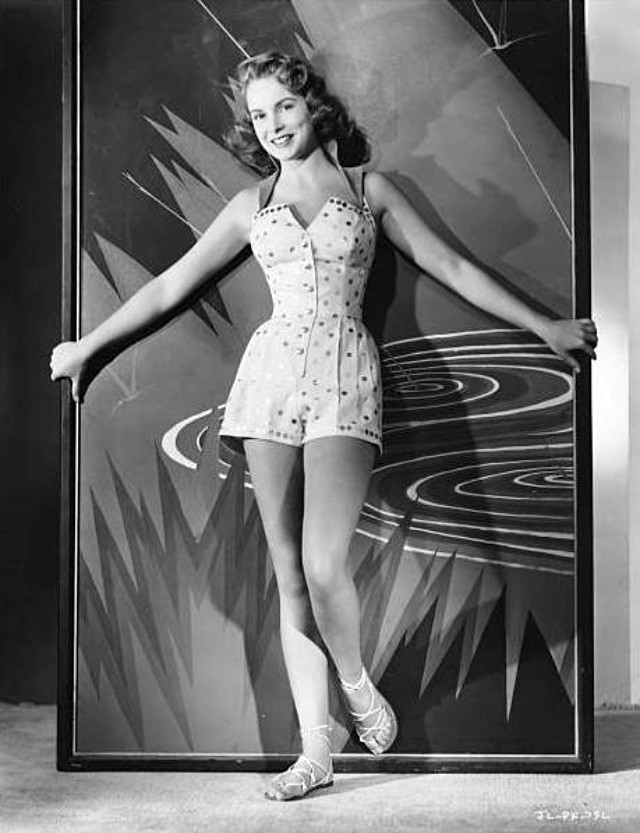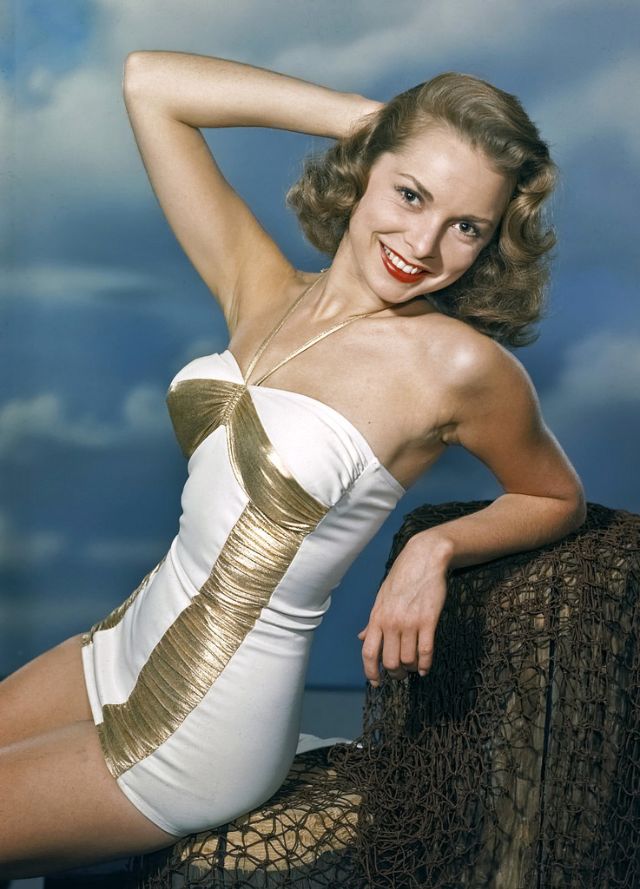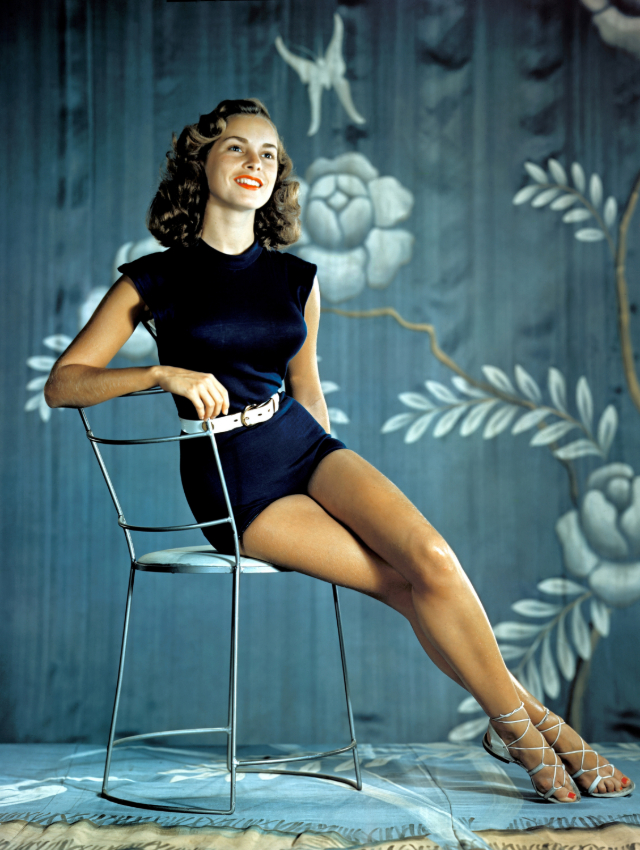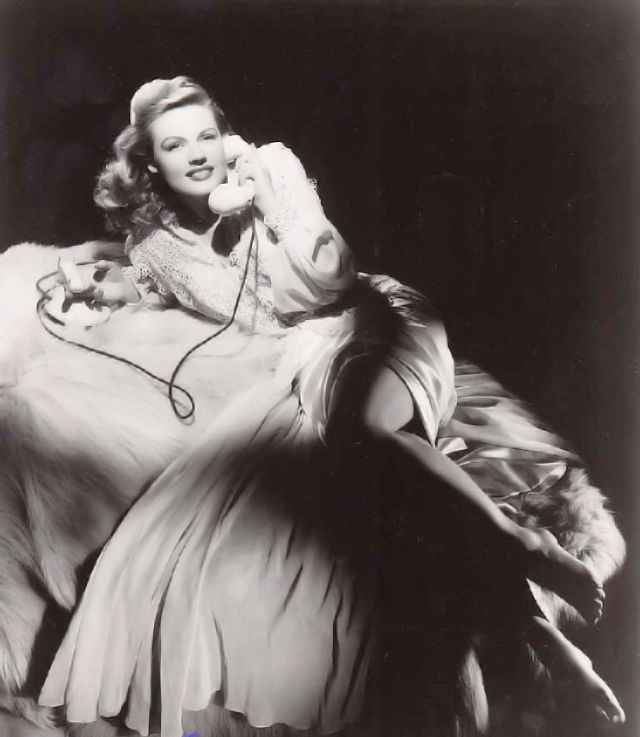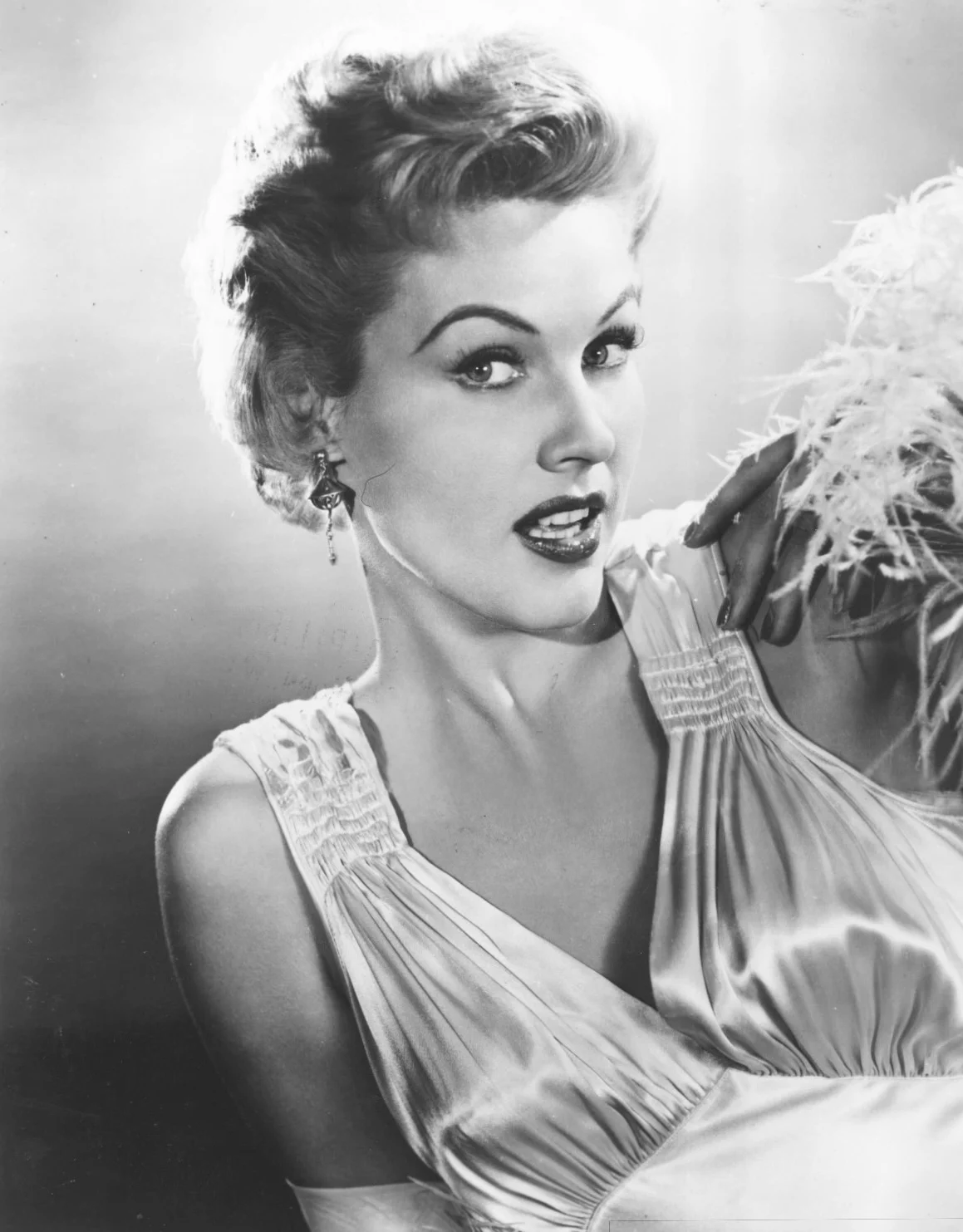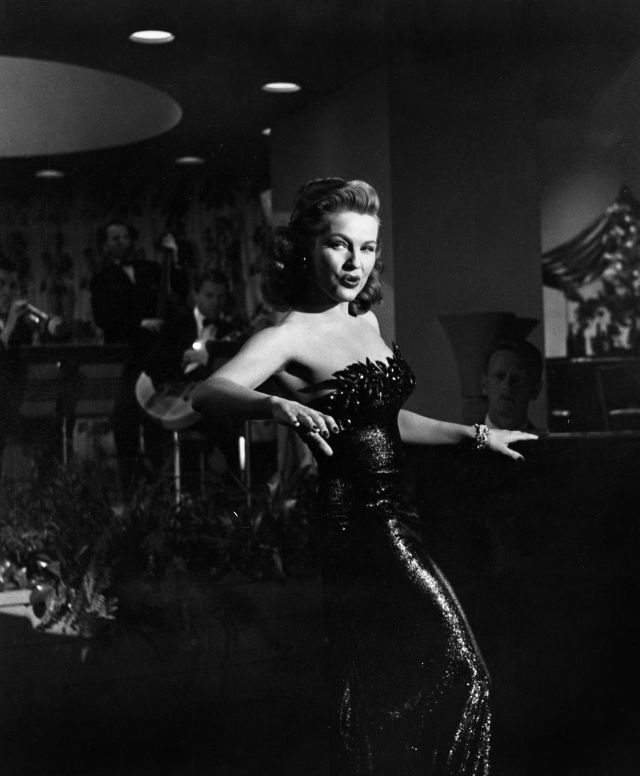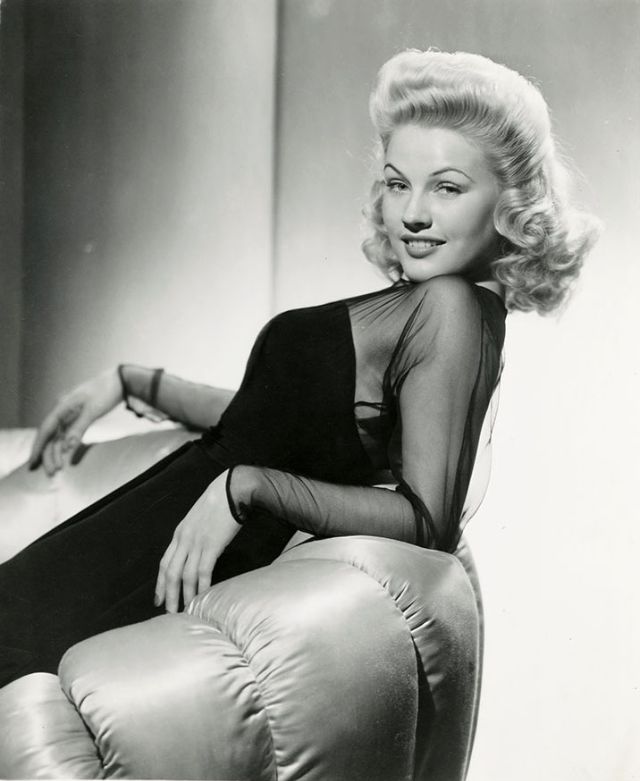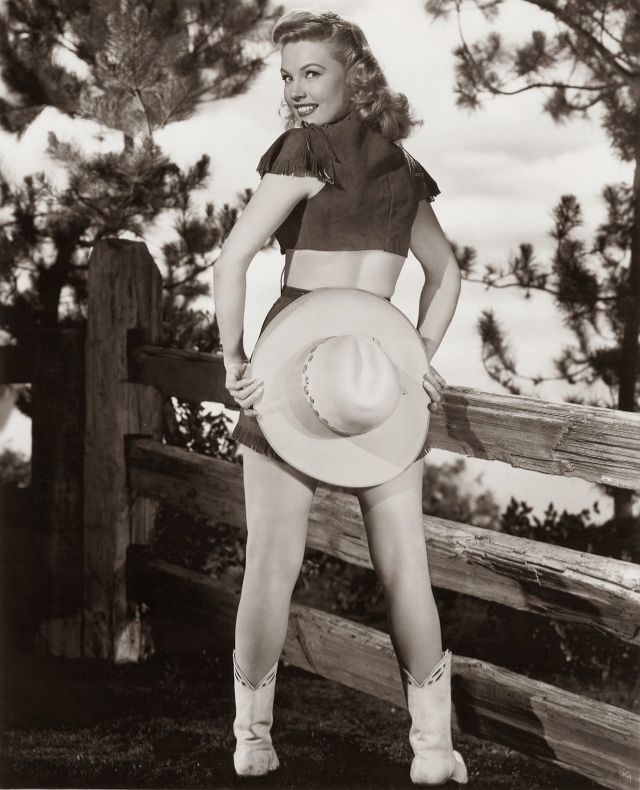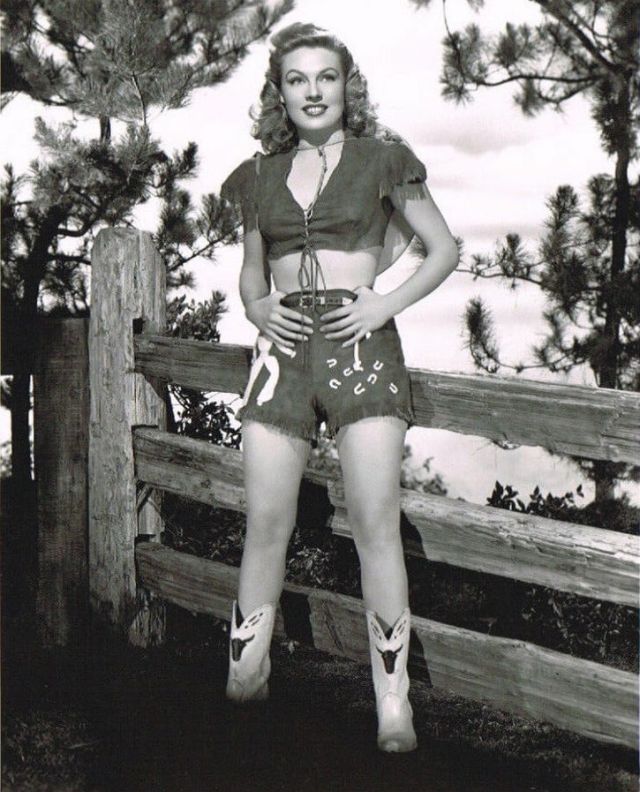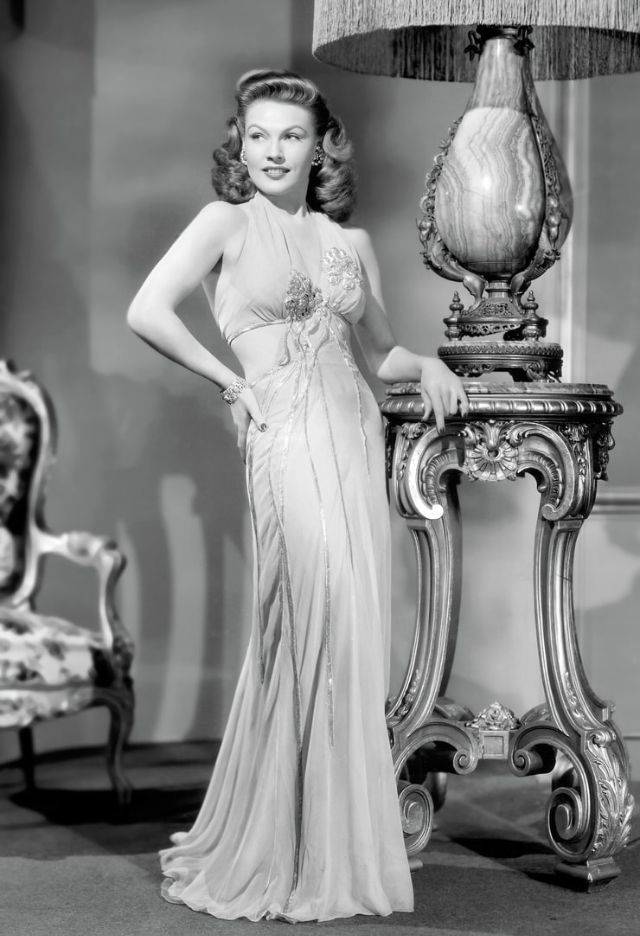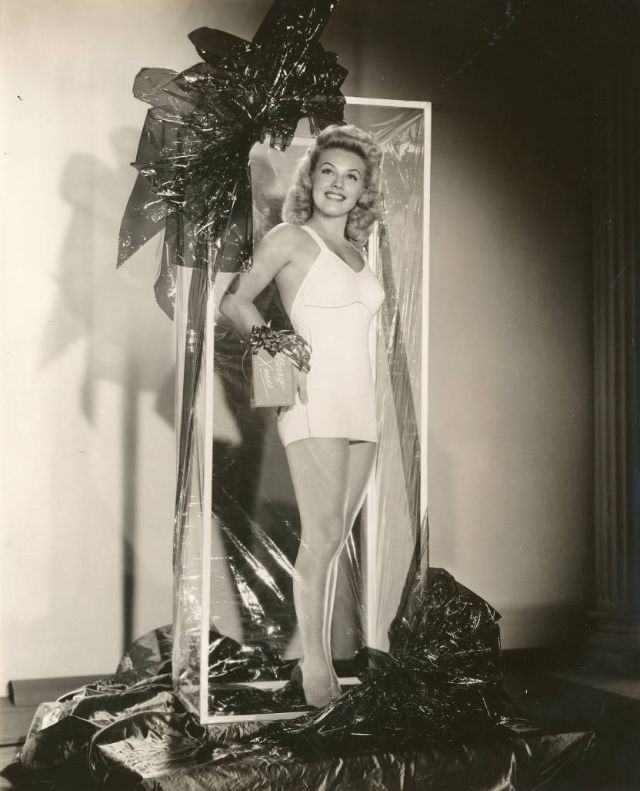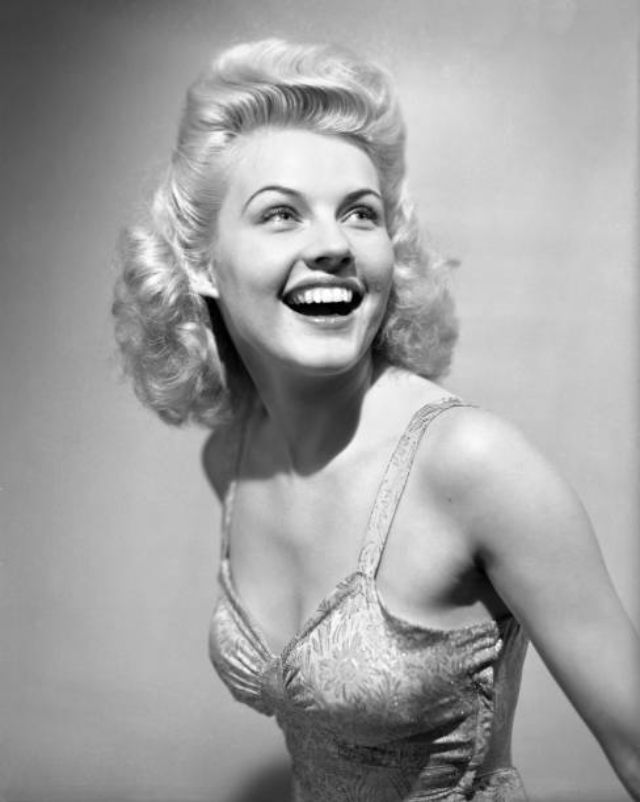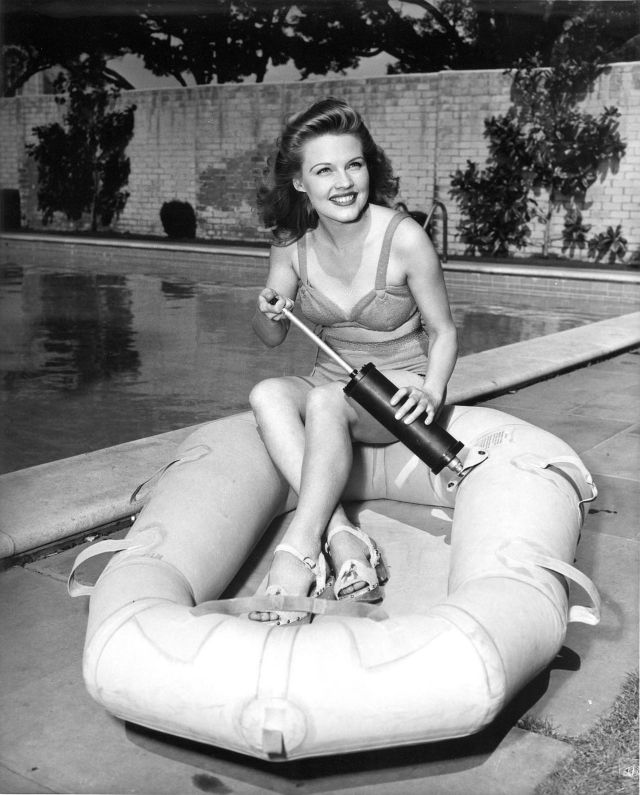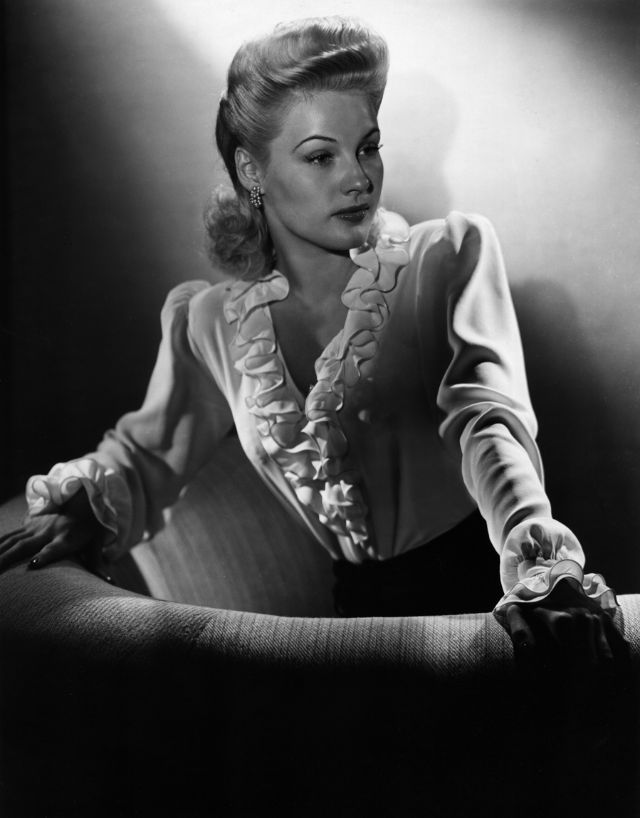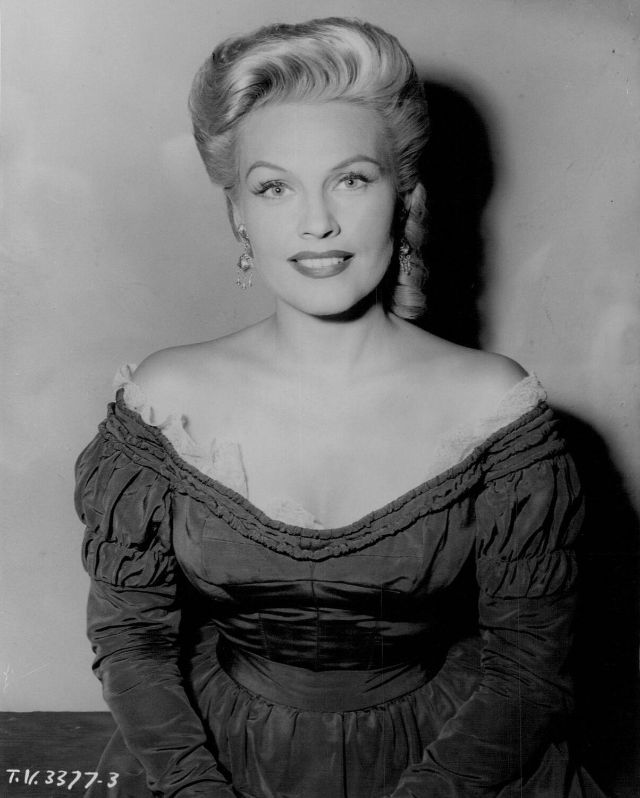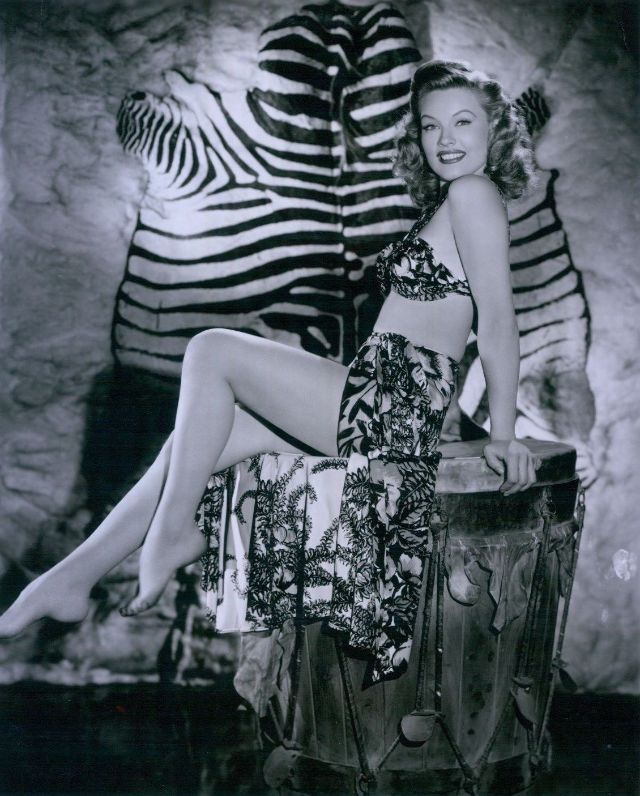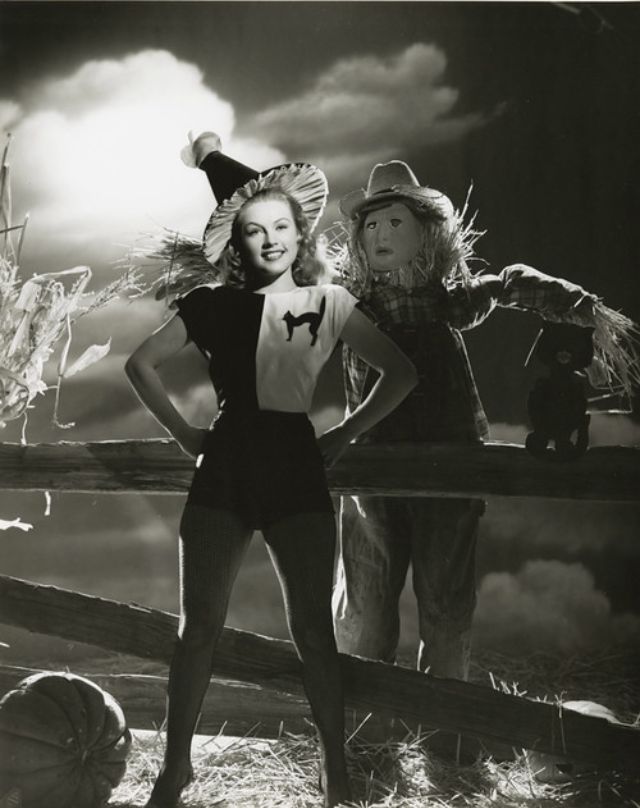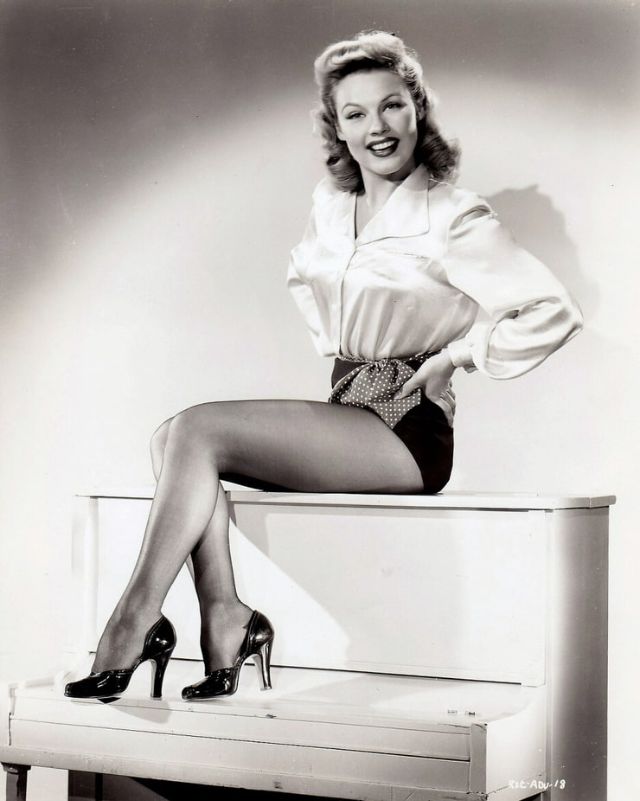
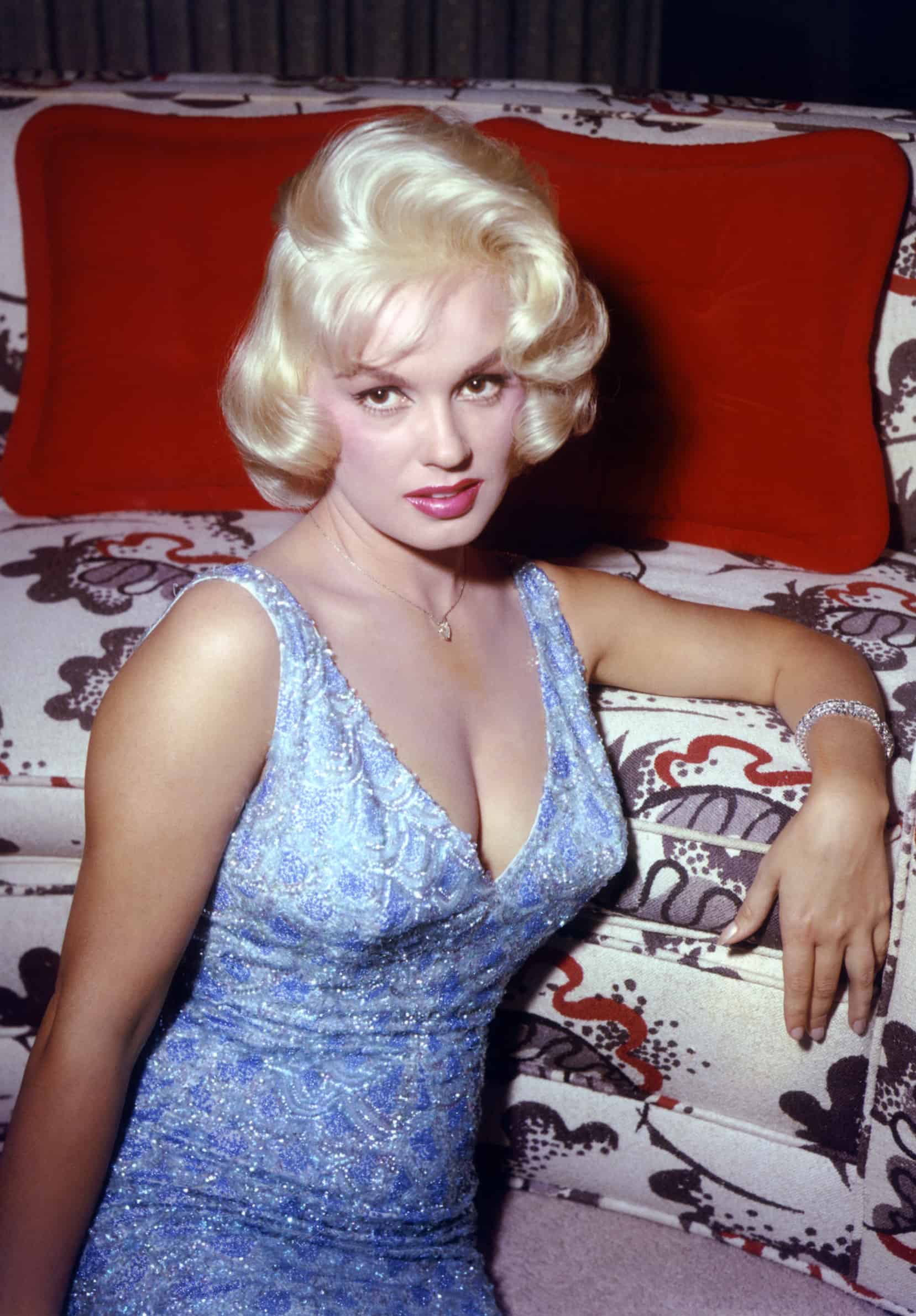
Joan Lucille Olander (1931 – )

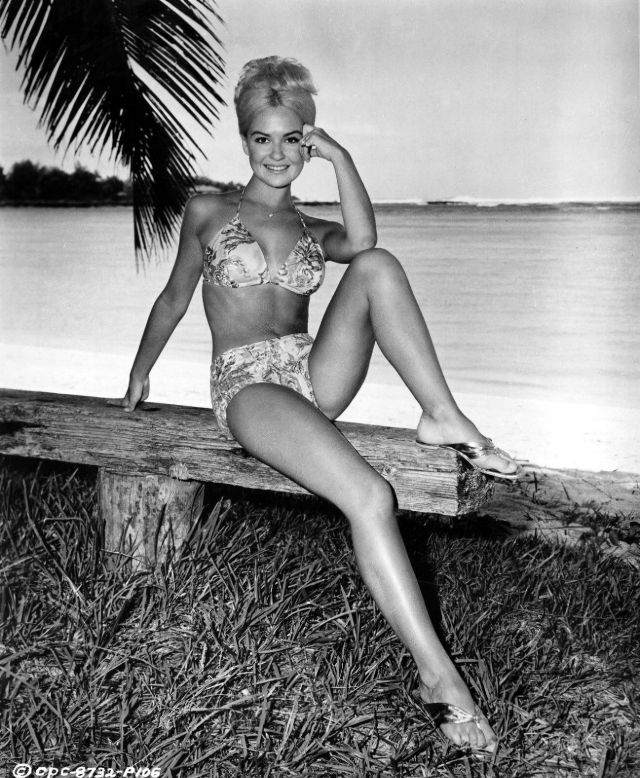
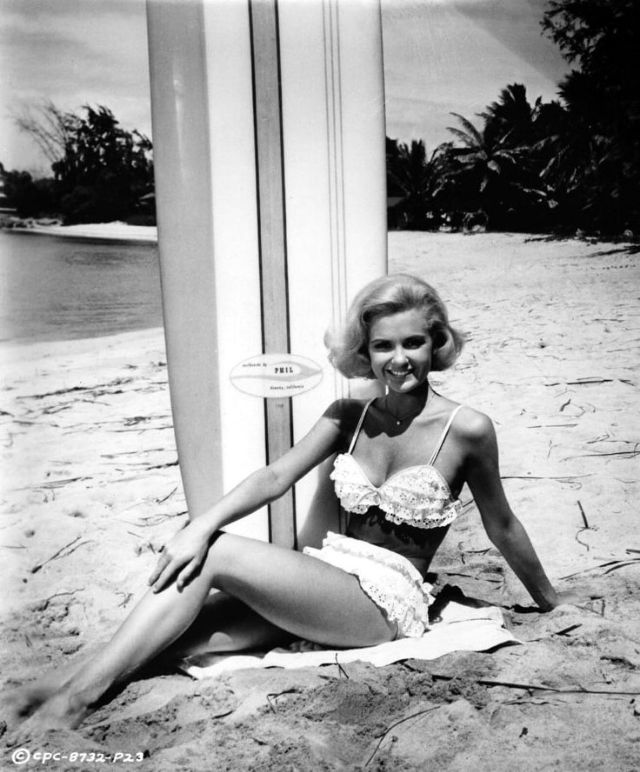
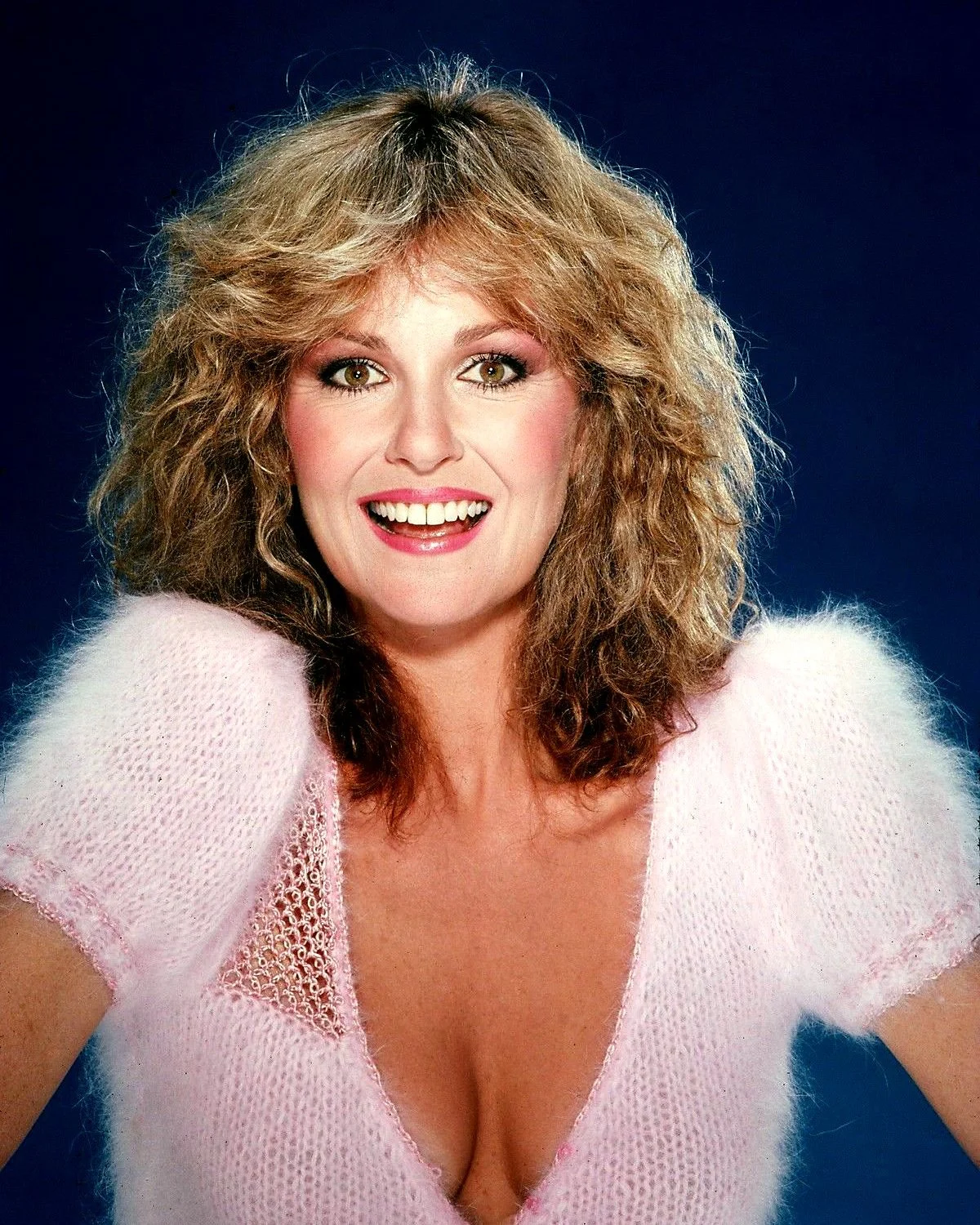
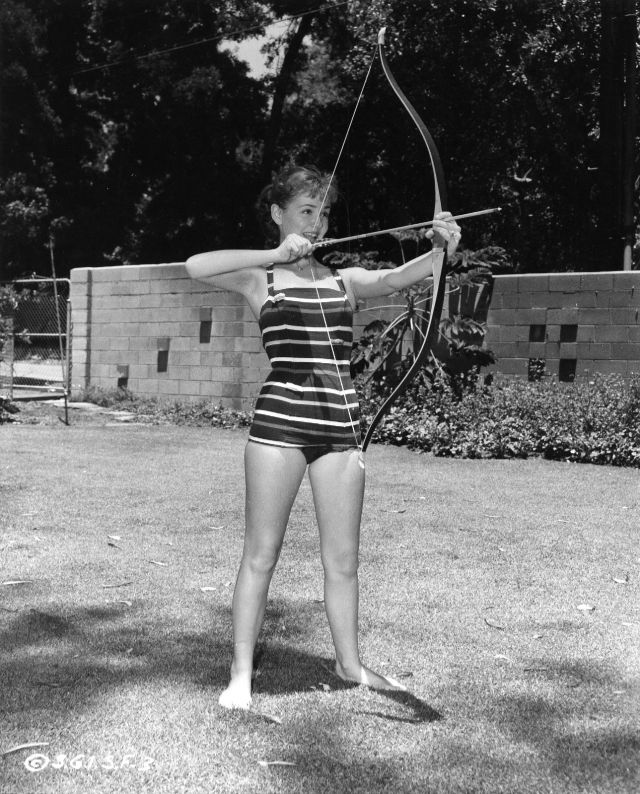
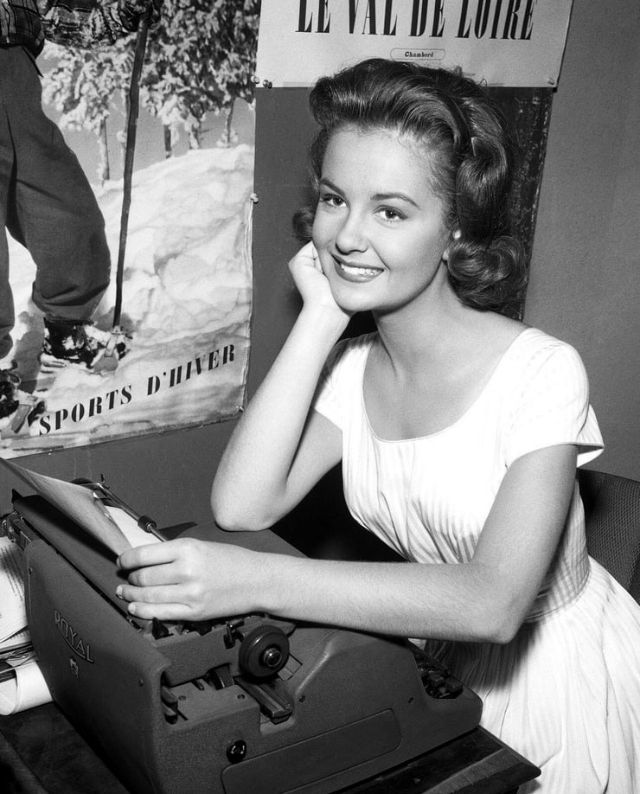
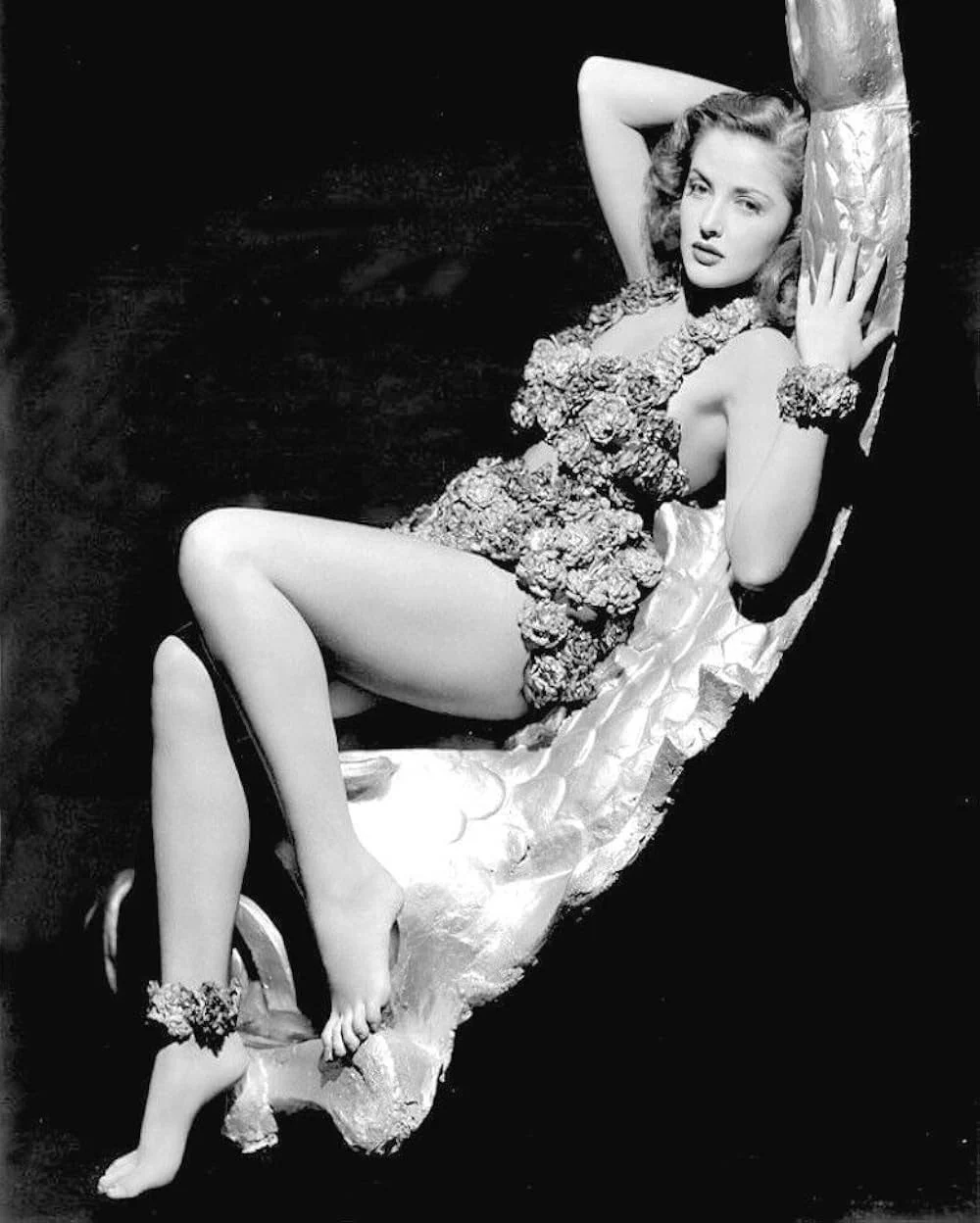
Mamie Van Doren, The last living blonde bombshell from the Golden Age of Hollywood, is one of the “Three M’s”, a group formed by Marilyn Monroe and Jayne Mansfield, who were contemporaries. In 1953, Van Doren signed a seven-year contract with Universal, which hoped that she would be their version of Monroe. She starred in teen dramas, exploitation, musical, comedy, and rock and roll films, among other genres, many of which have gone on to become cult classics. She was one of the leading sex symbols in the 1950s.

In 1949, at the age of eighteen, she won Miss Palm Springs and Miss Eight Ball. As Miss Eight Ball, she was discovered by film producer Howard Hughes, who put her in the RKO films His Kind of Woman (1951), Two Tickets to Broadway (1951), and Jet Pilot (1957) in minor roles. In 1950 she was dating the heavyweight boxer Jack Dempsey, over thirty-five years her senior, in New York City and was engaged to him. However, she left him to go back to Los Angeles. On January 20, 1953, Van Doren signed a contract with Universal, who wanted her to be Universal’s equivalent of Monroe. While at Universal, Van Doren changed her name to Mamie Van Doren, the “Mamie” from then–First Lady Mamie Eisenhower and the “Van Doren” from Universal’s telling her that she was more Dutch than Swedish.

During her time at Universal, Van Doren starred in movies such as The Second Greatest Sex (1955), Running Wild (1955), and The All American (1953). Outside of Universal she starred in Untamed Youth (1957), Teacher’s Pet (1958), High School Confidential (1958), Born Reckless (1958), The Beat Generation (1959), and Sex Kittens Go To College (1960). She starred on television shows such as What’s My Line?, The Jack Benny Program, and The Bob Cummings Show. Van Doren struggled to find work as a free agent, starring in many B movies, such as Voyage to the Planet of Prehistoric Women (1968), The Las Vegas Hillbillys (1966) with Mansfield, and 3 Nuts in Search of a Bolt (1964), a film which challenged the Hays Code. The same year, she appeared in the June 1964 Playboy magazine with nude photos of her on the set of the film.

In 2006, Mamie posed for photographs for Vanity Fair magazine with Pamela Anderson, as part of its annual Hollywood issue.

In 2024, at age 93, has a brand-new record with Pink Martini. “I Told Ya I Love Ya, Now Get Out”

In 2026 she published a new memoir, “You Thought I Was Dead”.
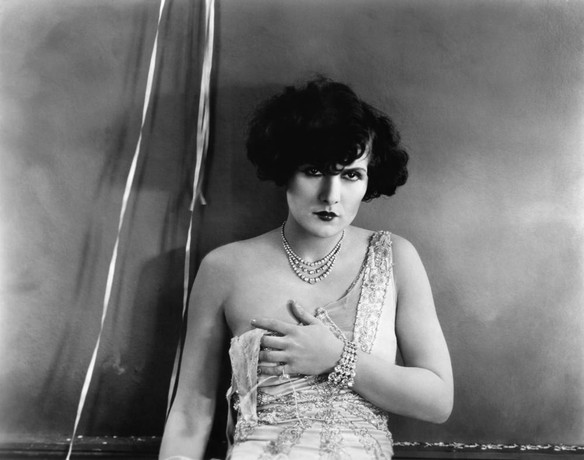
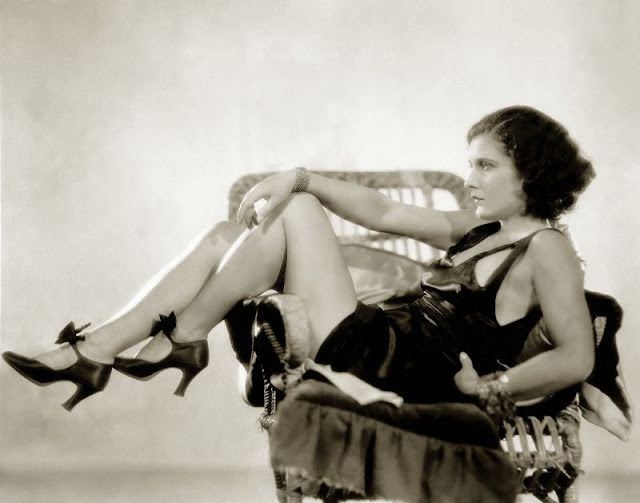
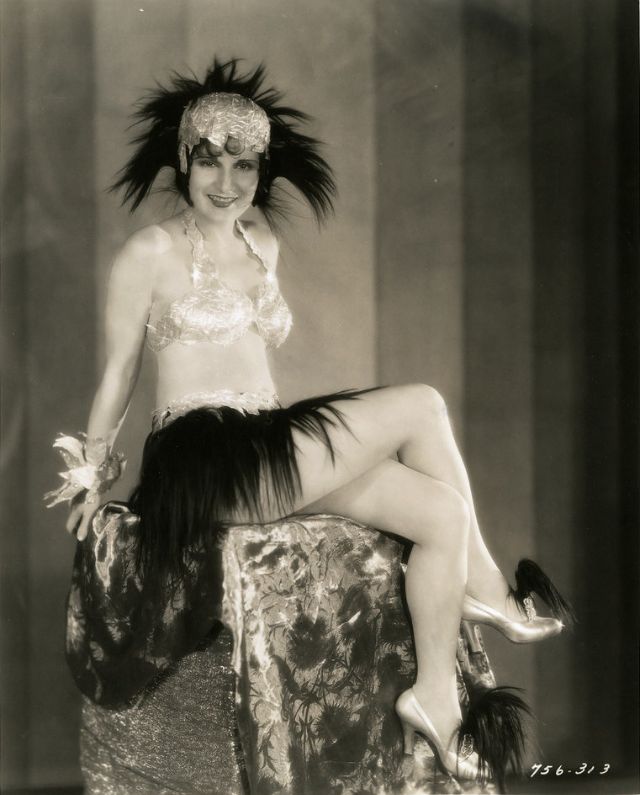
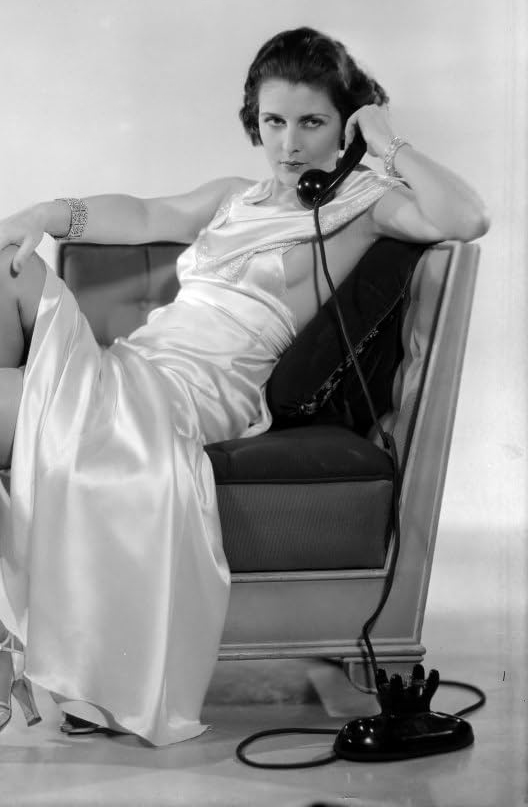
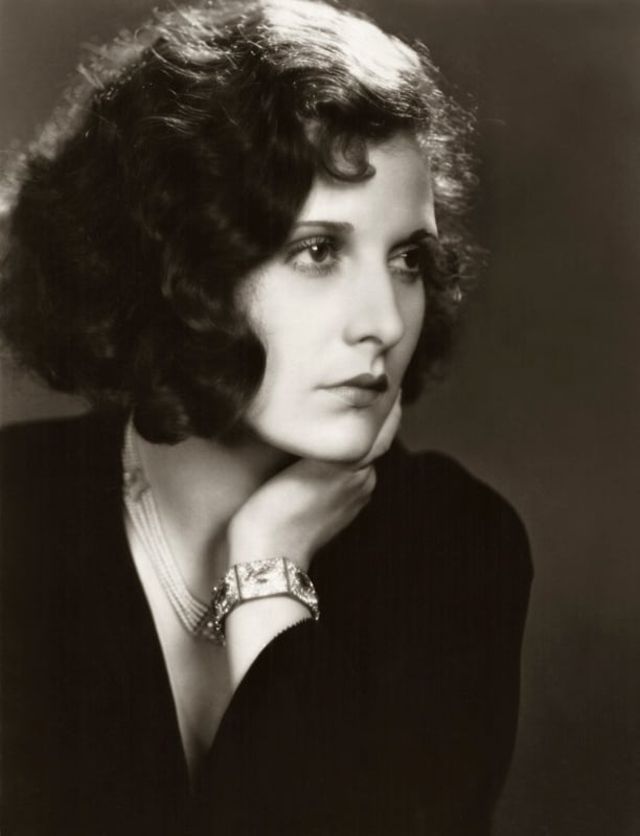
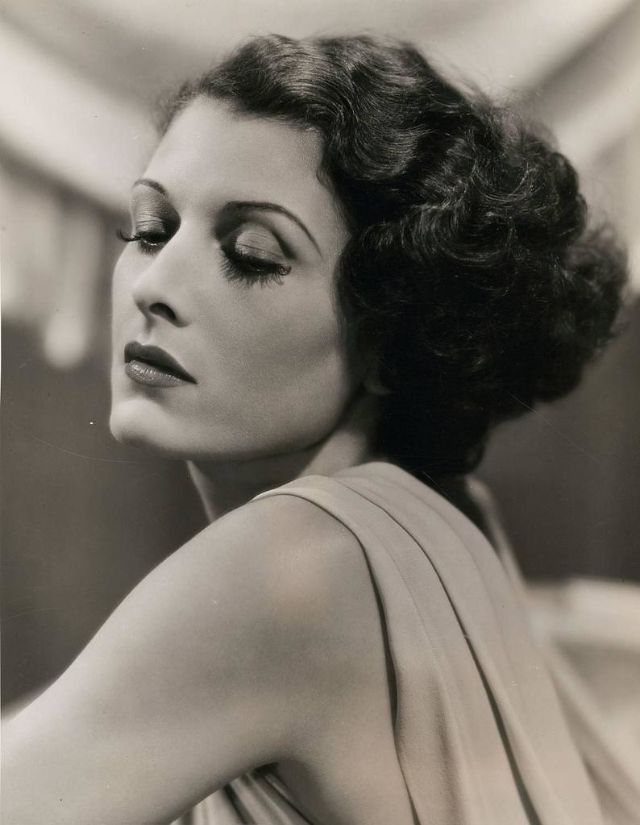
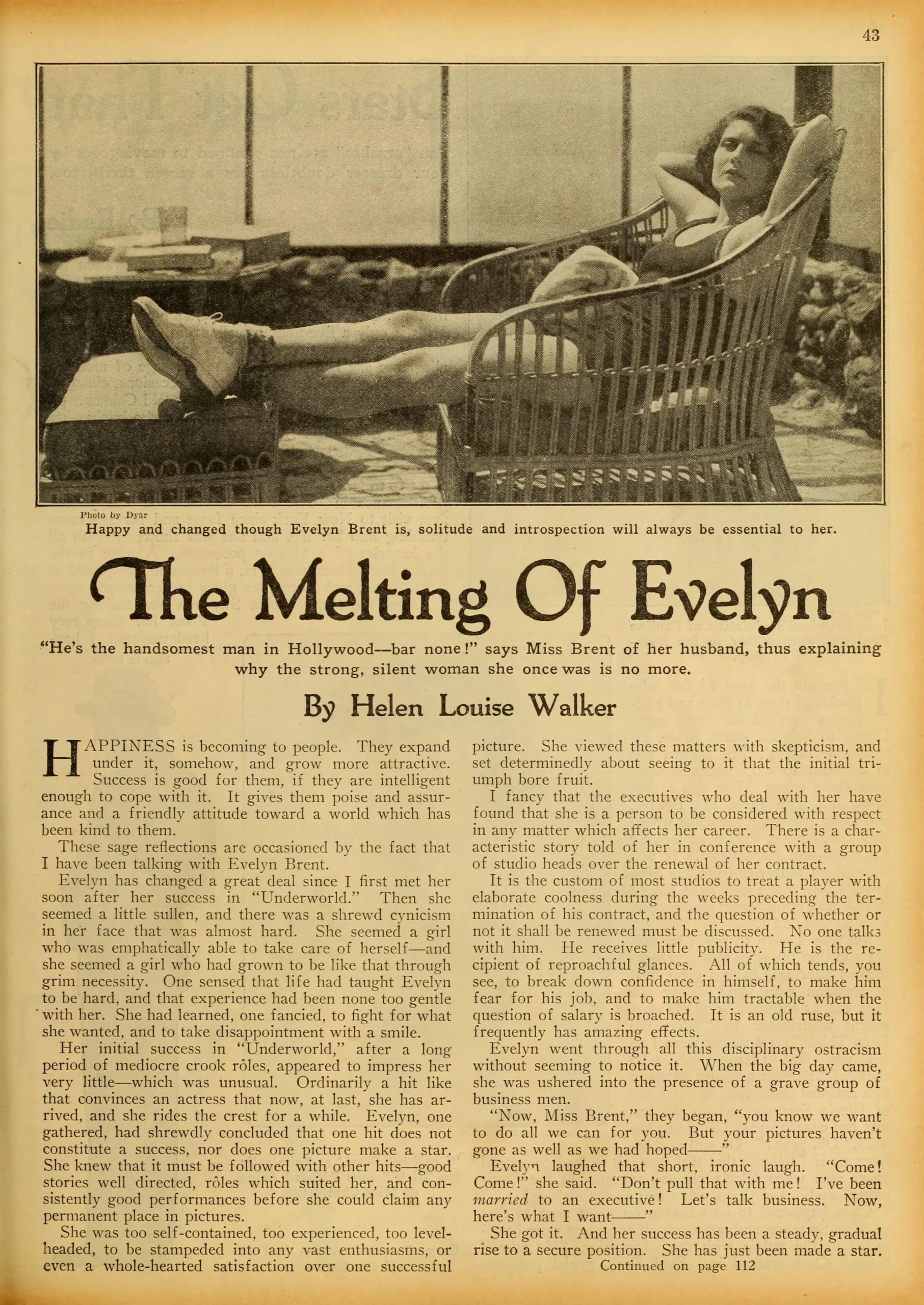
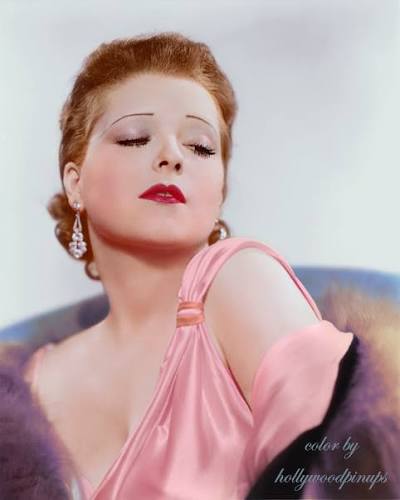
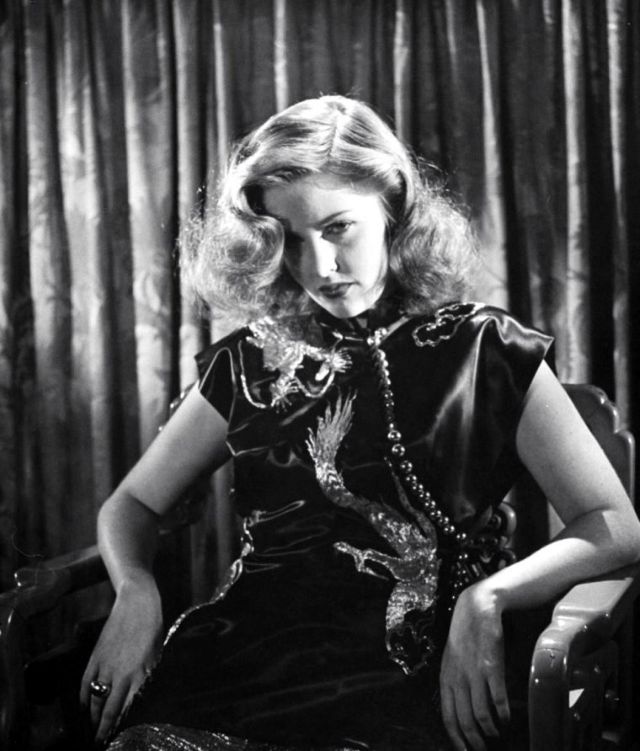
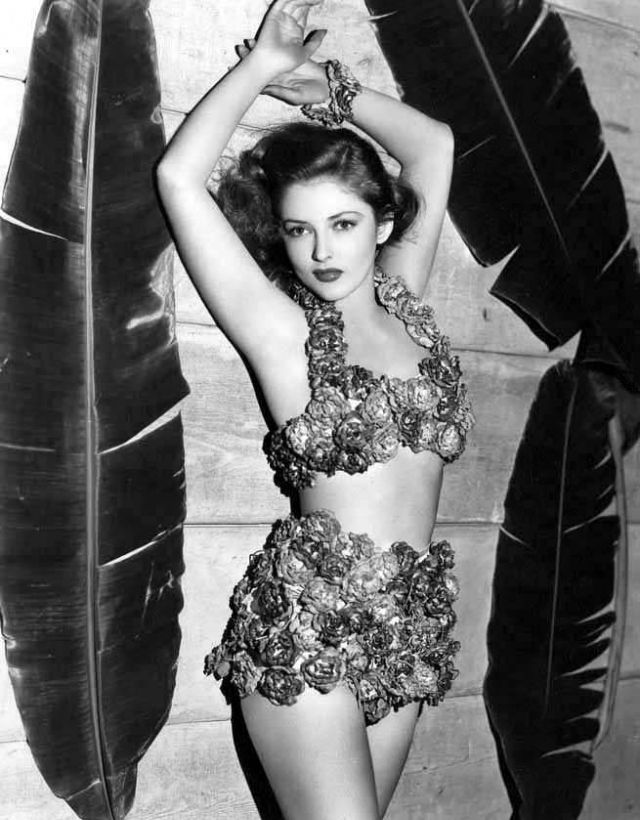
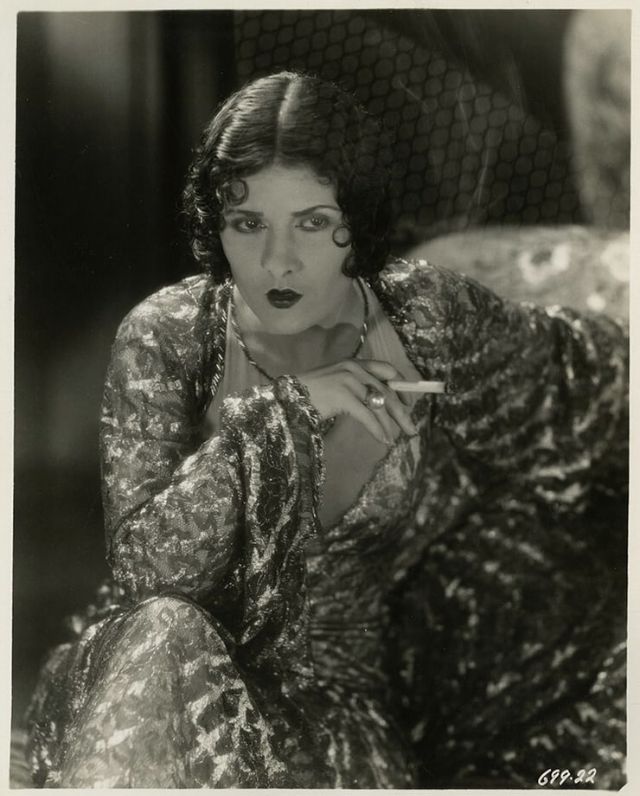
Mary Elizabeth Riggs (1895-1975)

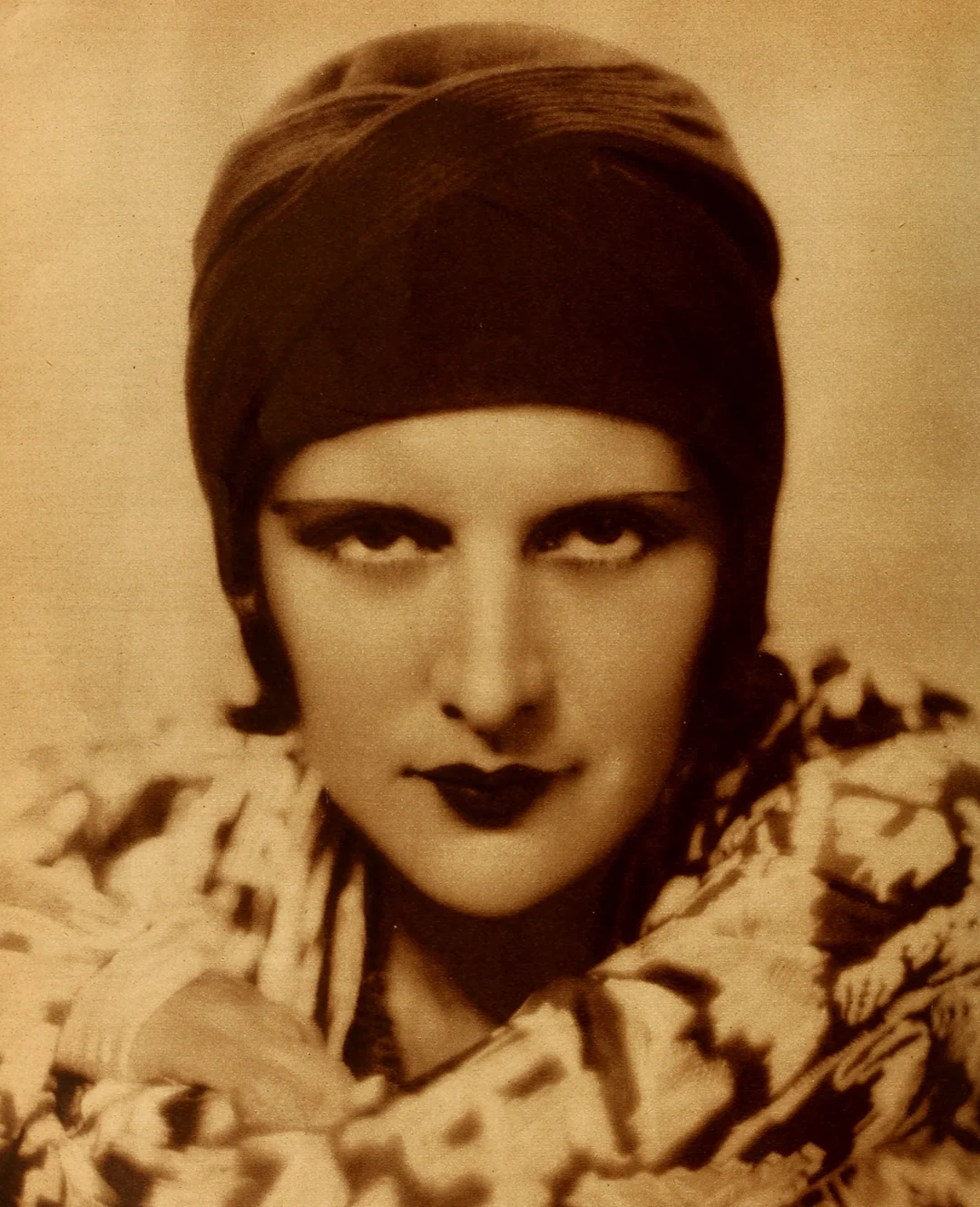
Known as Evelyn Brent, she began her film career working as an extra under her birth name at New Jersey film studio Fort Lee Studios, appearing in films such as A Man from Mars, A Gentleman From Mississippi and Maurice Tourneur’s The Pit (1914), before her major debut in the 1915 silent film production of Robert W. Service’ poem “The Shooting of Dan McGrew” (1915).

Brent became a protégé of Olga Petrova who was an influence on Brent’s independent-minded attitude and preference for darker vampish movie roles. Brent appeared alongside Petrova in pioneering female filmmaker Alice Guy-Blaché’s The Heart of a Painted Woman (1915). Brent was first credited under her stage name Evelyn Brent in The Lure of Heart’s Desire (1916) for Metro Pictures in the role of Little Snowbird, alongside Edmund Breese.

1923 saw Brent’s career receive a major boost when she was chosen as one of the WAMPAS Baby Stars.

After a year-long contract that resulted mostly in minor westerns and melodramas, Evelyn signed with Film Booking Office (FBO), which immediately launched her as the “Queen of the Underworld” with a series of crook dramas including Silk Stocking Sal (1924), Midnight Molly (1925), Alias Mary Flynn (1925), Smooth as Satin (1925), Lady Robinhood (1925), and Queen o’Diamonds (1925).

By the early part of the 1930s, she was working in secondary roles in a variety of films as well as touring with vaudeville shows. In 1936, she played William Boyd’s love interest/femme fatale in Hopalong Cassidy Returns (1936). However, by 1941, she was no longer in demand by major studios, and she found work at smaller, low-budget studios.

Evelyn Brent photographed attractively with leading men who were at advanced ages and later stages in their careers: Jack Holt in the Columbia serial Holt of the Secret Service (1941), Neil Hamilton in PRC’s production Dangerous Lady (1941), and Lee Tracy in the same studio’s The Payoff (1942). In the early 1940s, she was cast in many productions, including Emergency Landing (1941), Bowery Champs (1944), The Golden Eye (1948), and Again Pioneers (1950). After performing in more than 120 films, she retired from acting in 1950 and worked for a number of years as an actor’s agent. She returned to acting in television’s Wagon Train (1960) S3 E14 “The Lita Foladaire Story”

She passed away in 1975 from a heart attack, aged 79

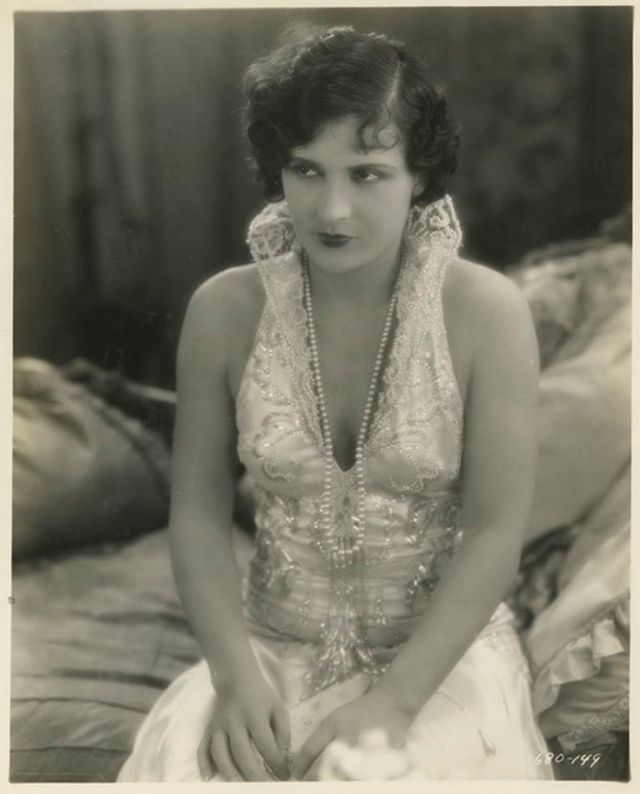
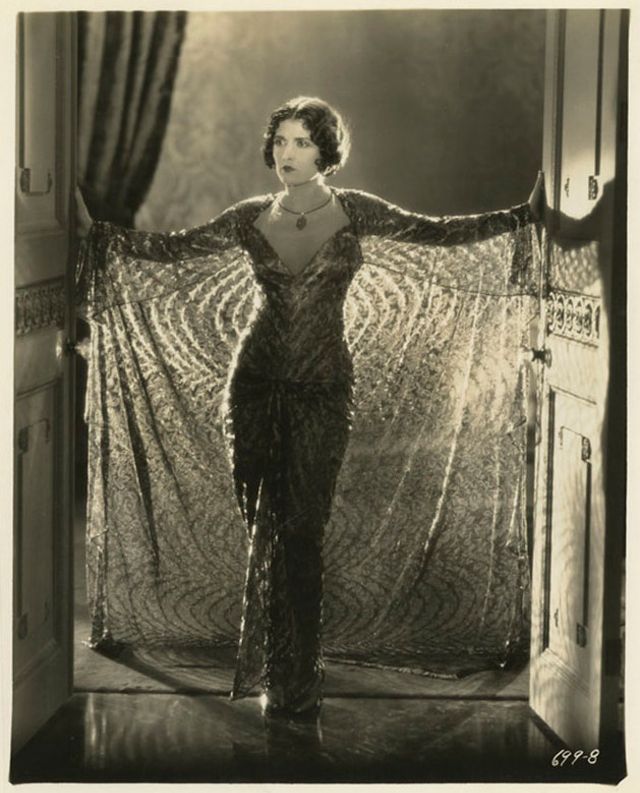
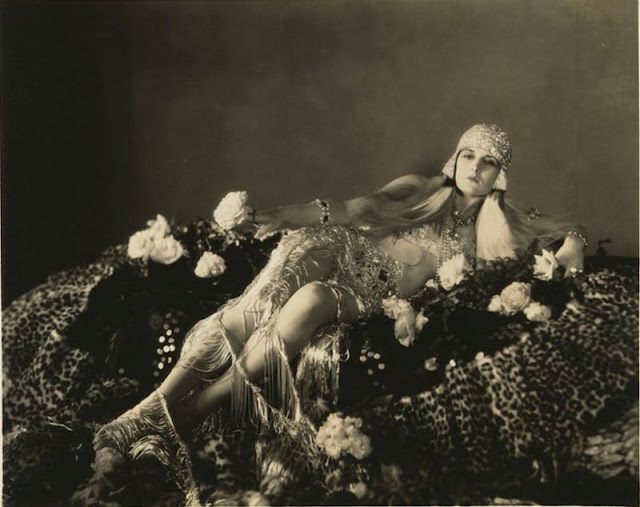
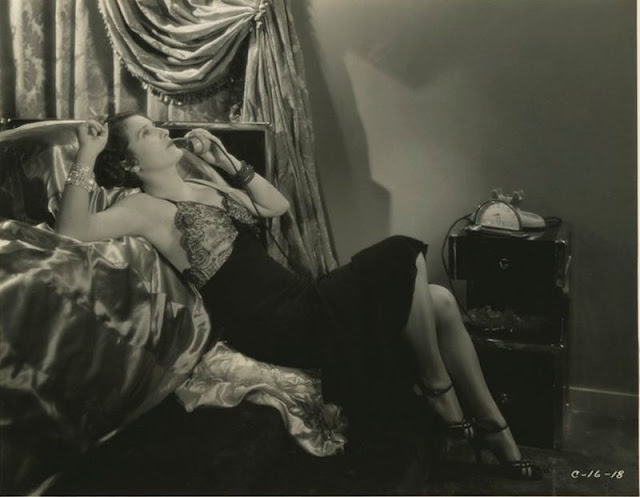
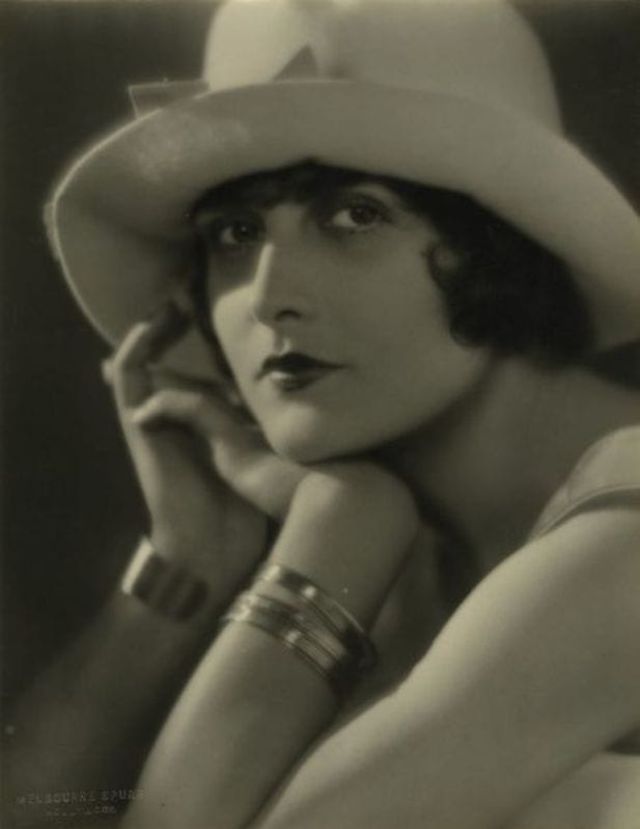
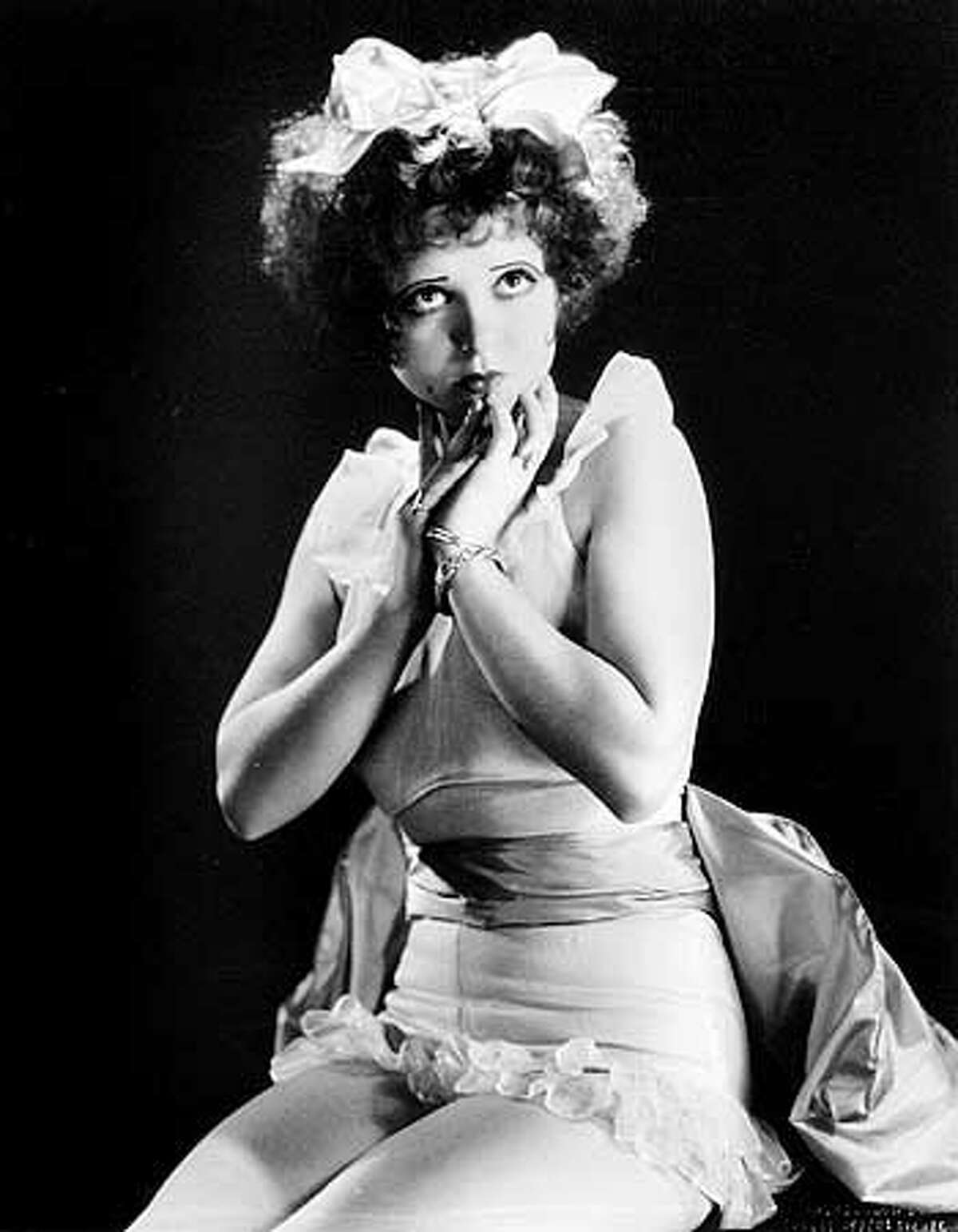
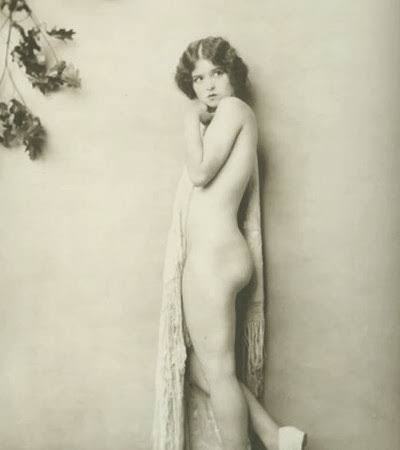
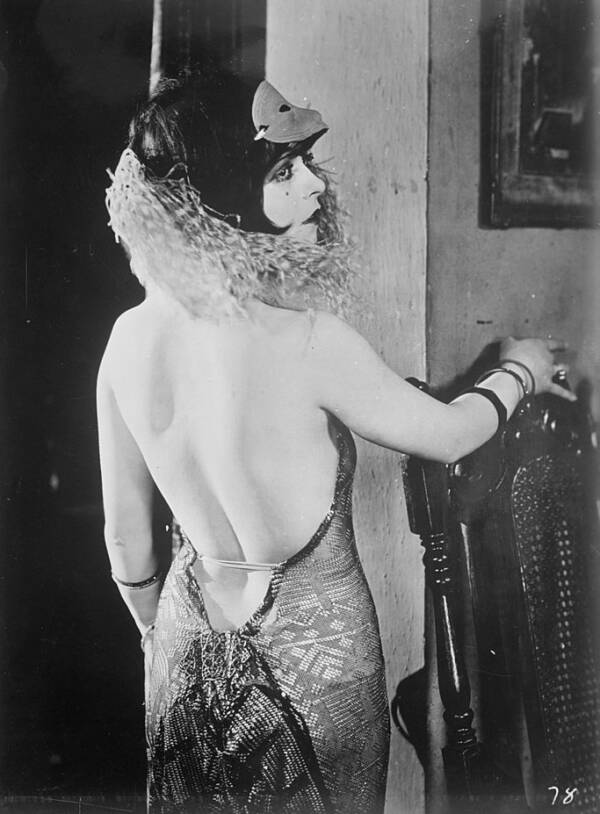
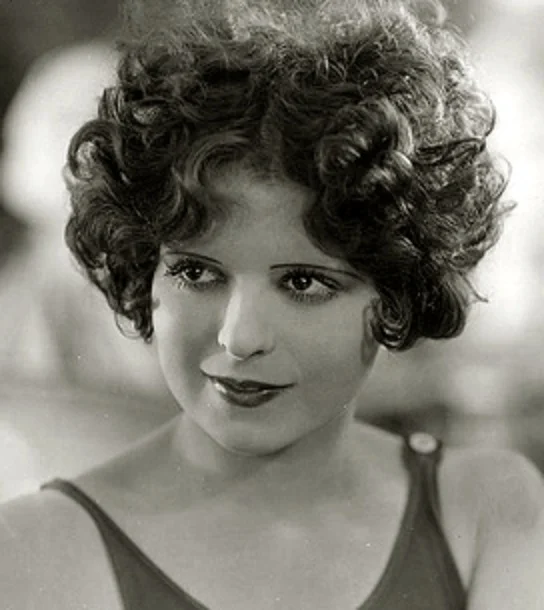
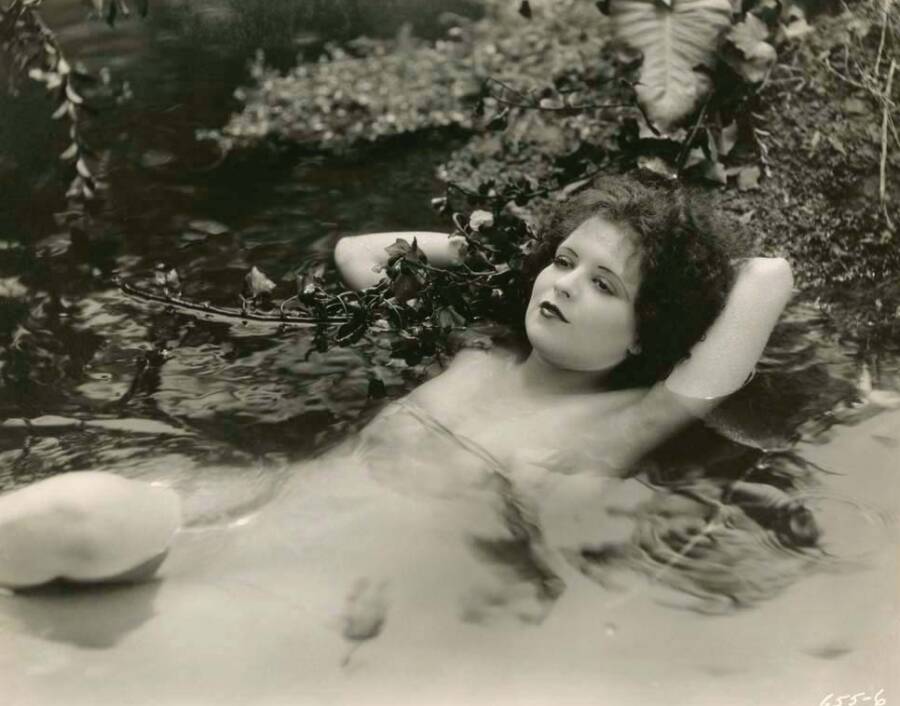
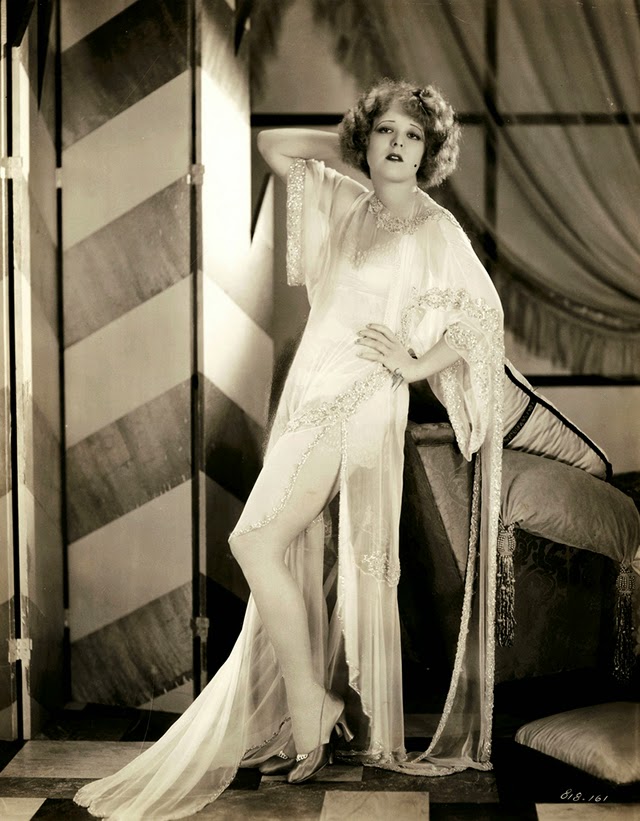
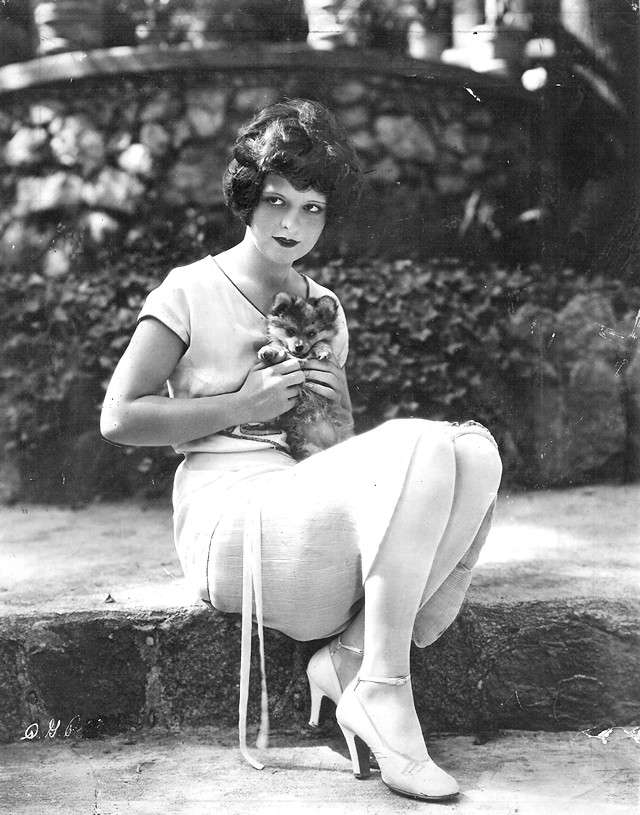
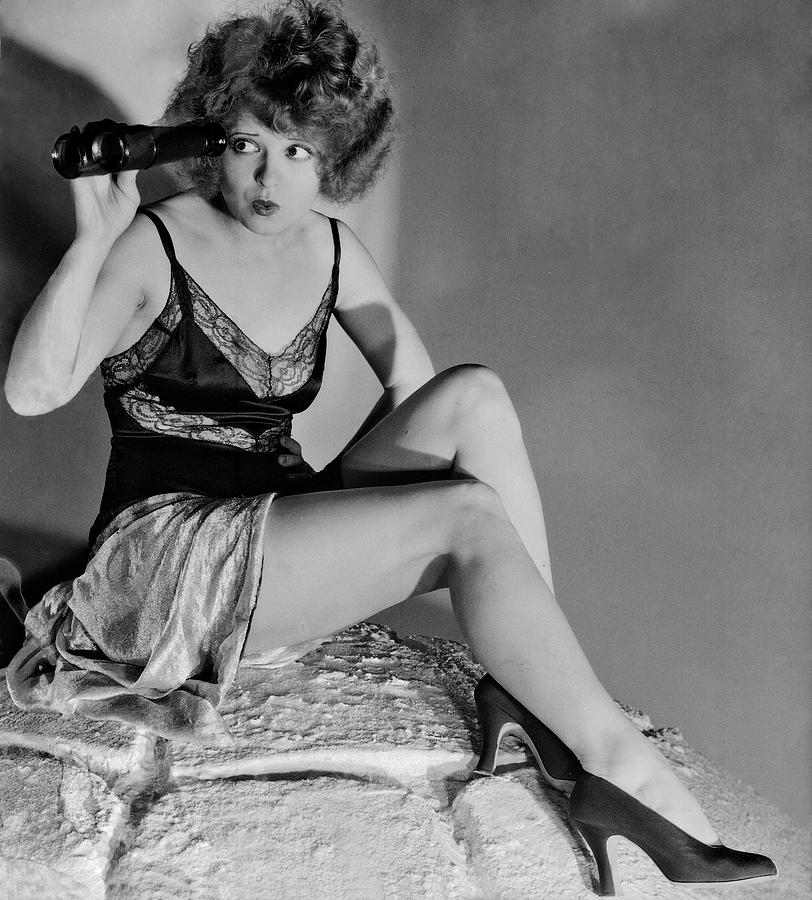
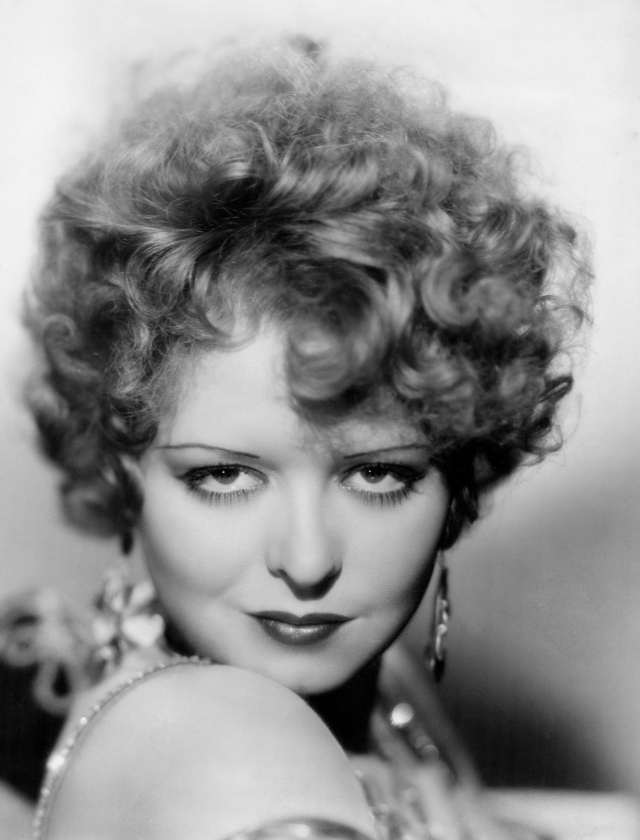
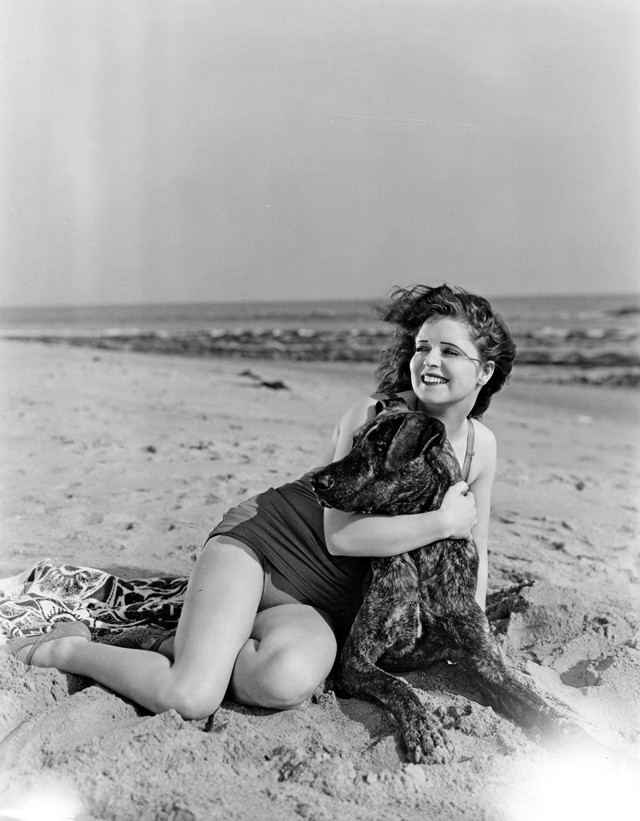
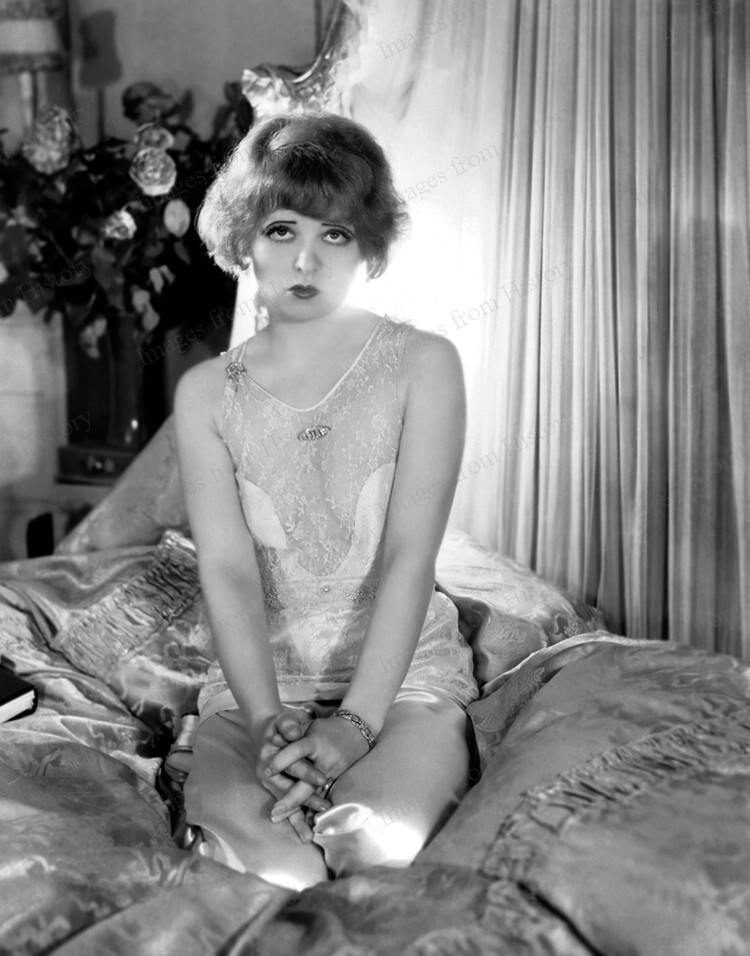
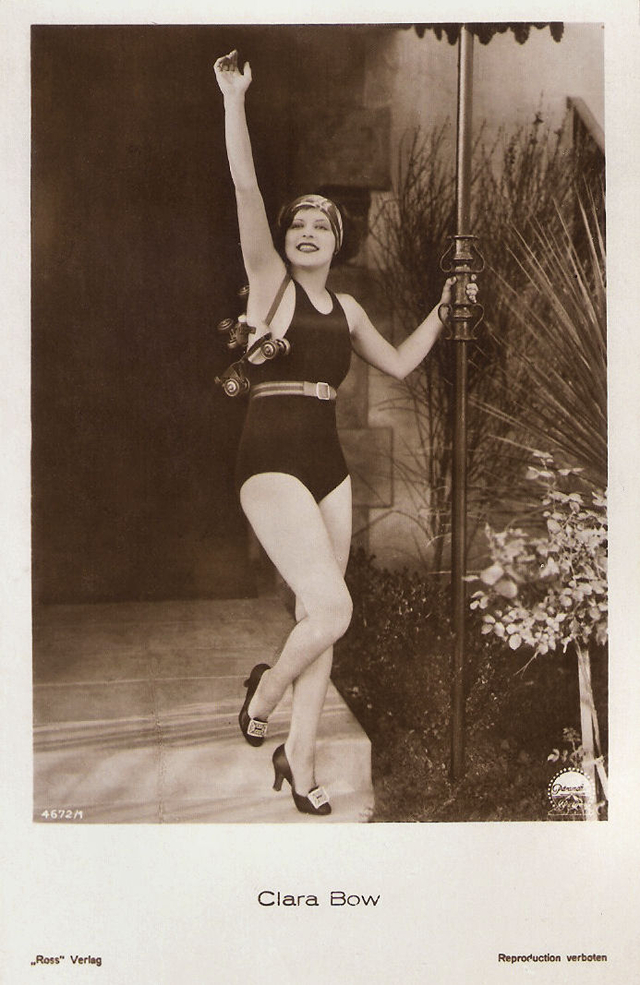
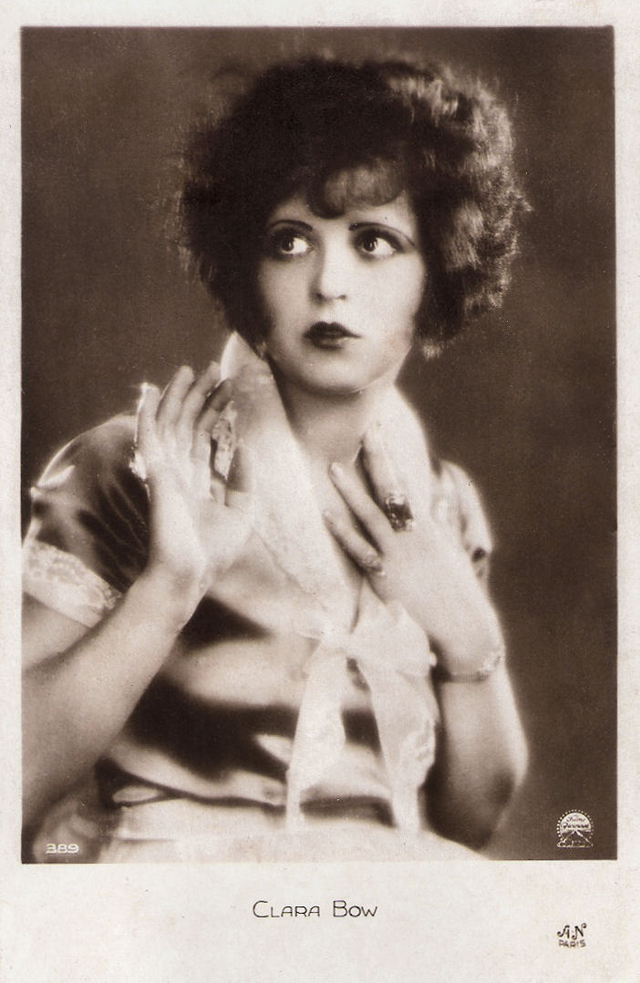
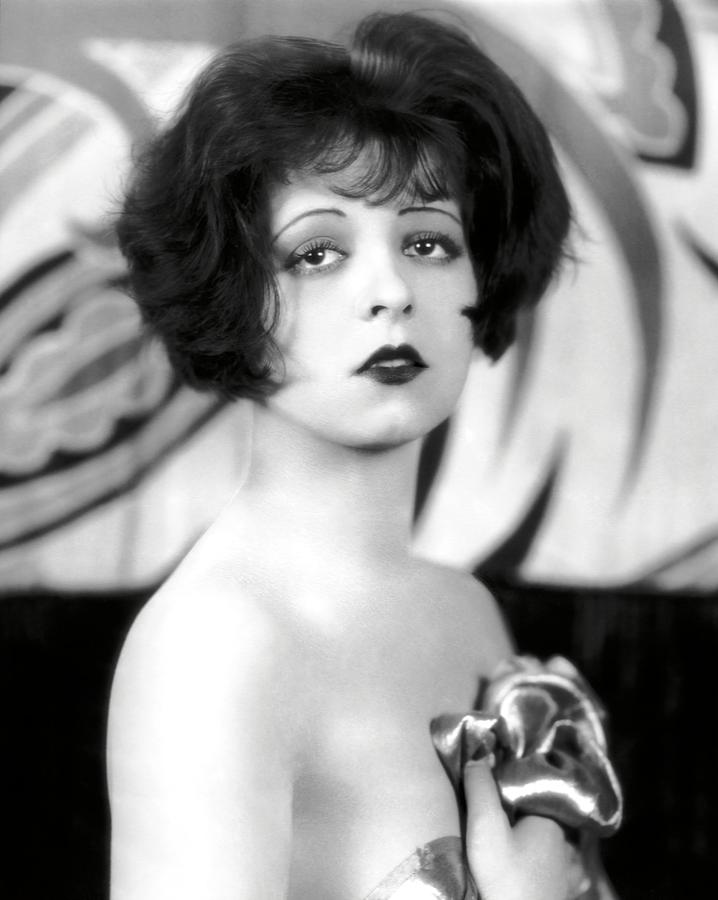
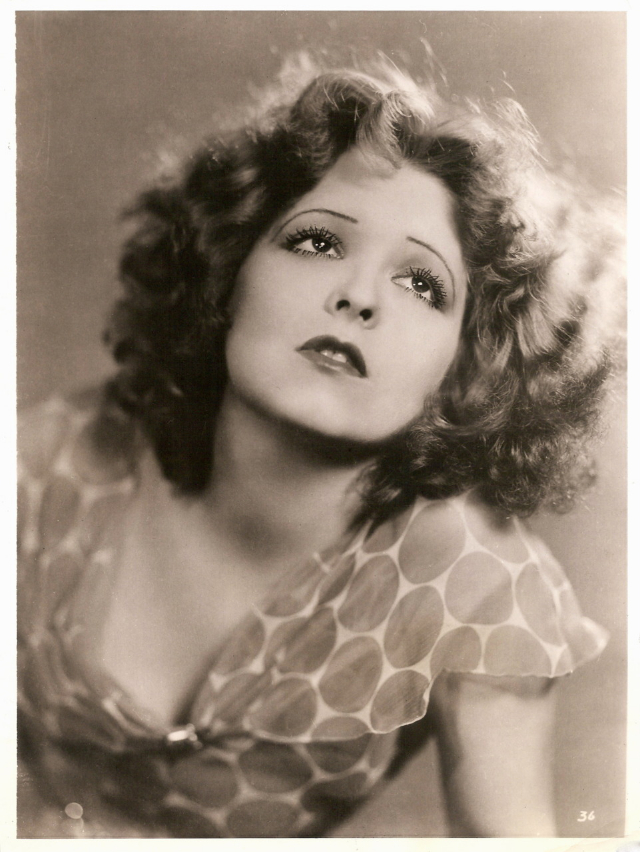
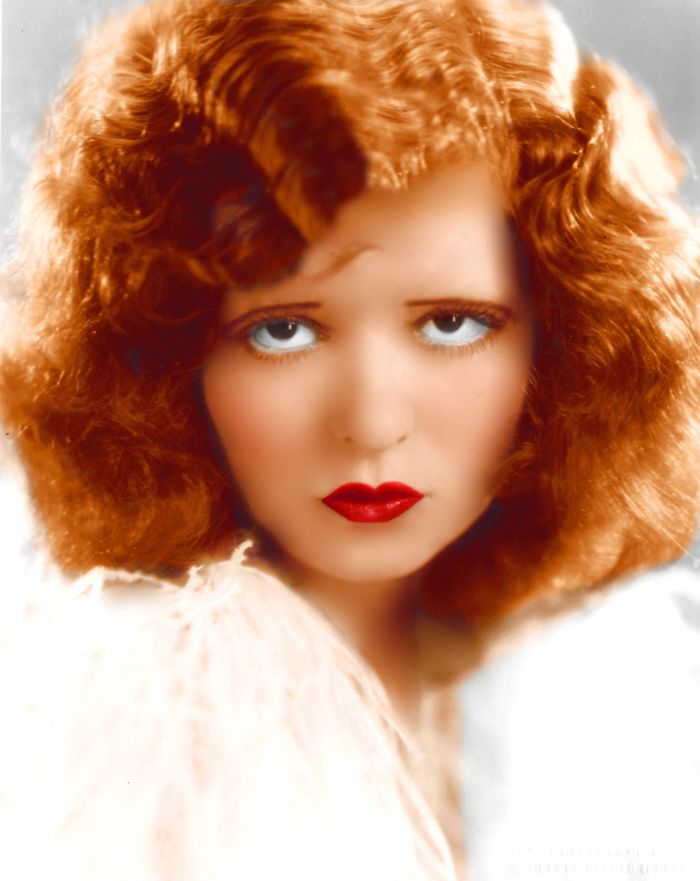
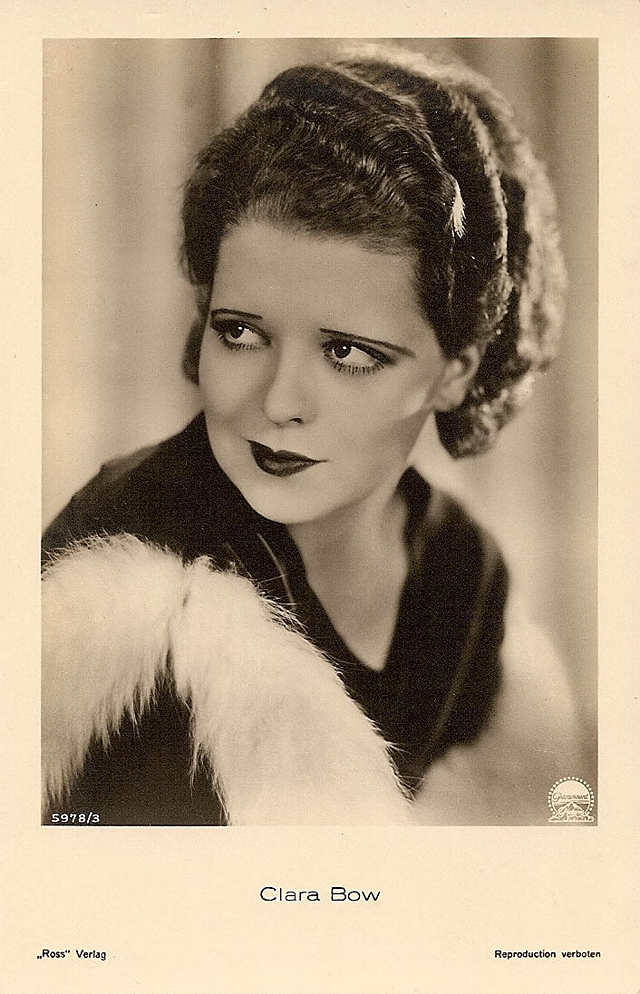
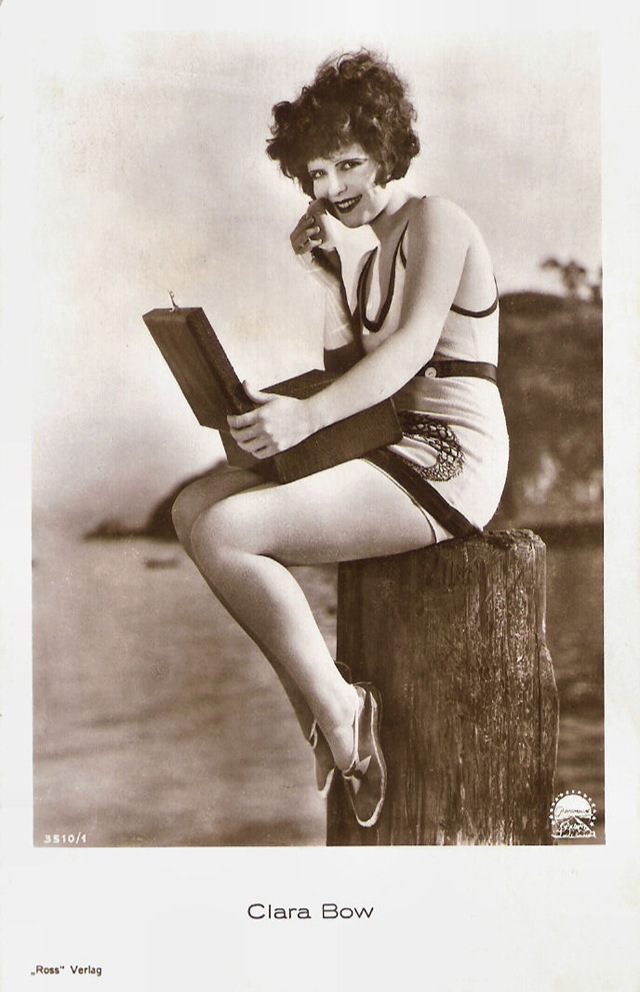
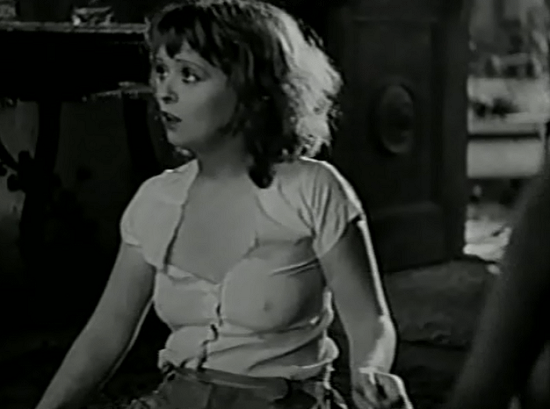
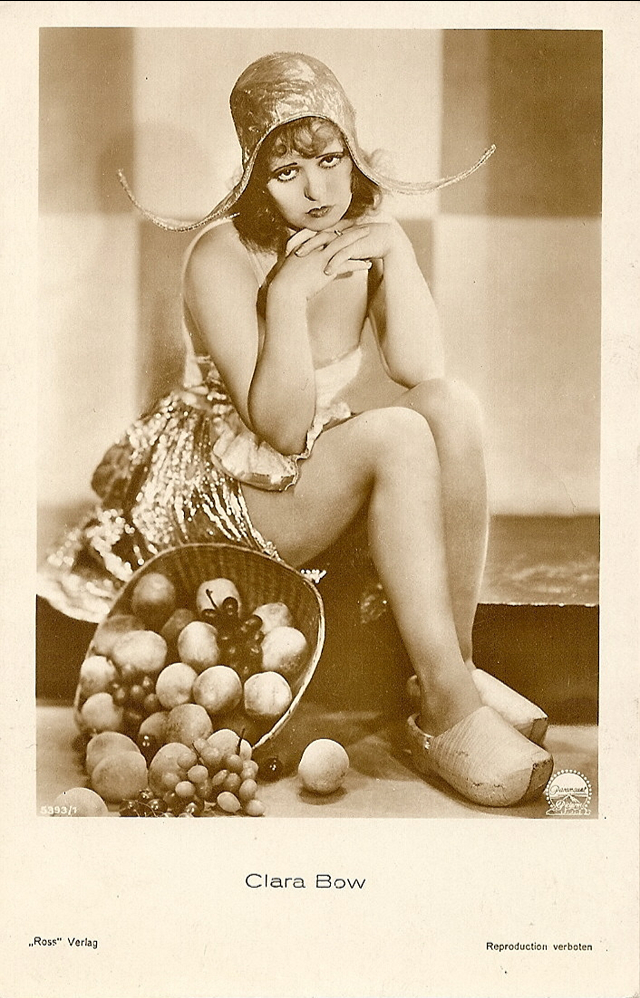
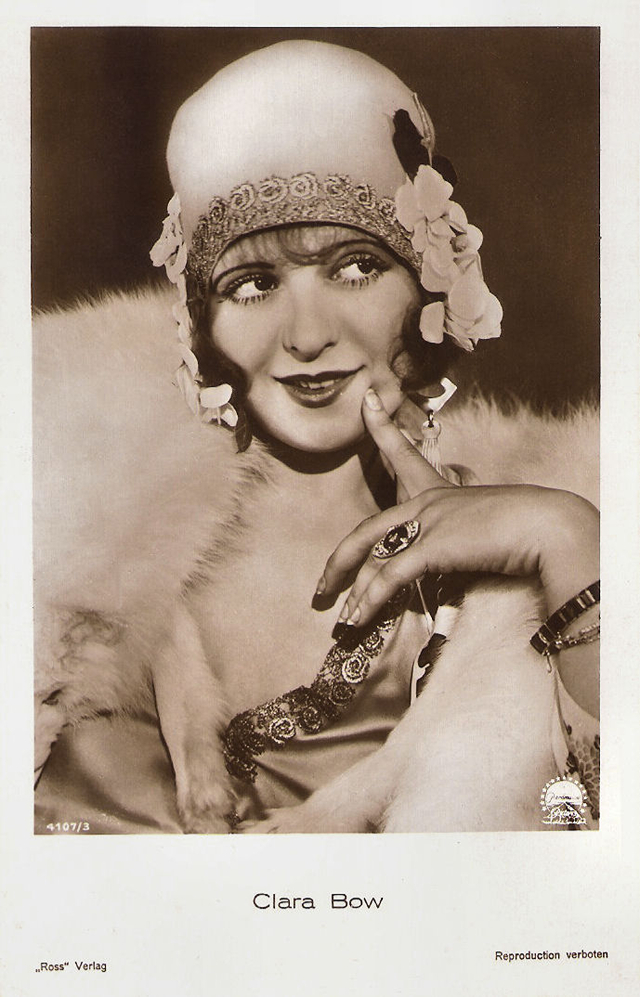
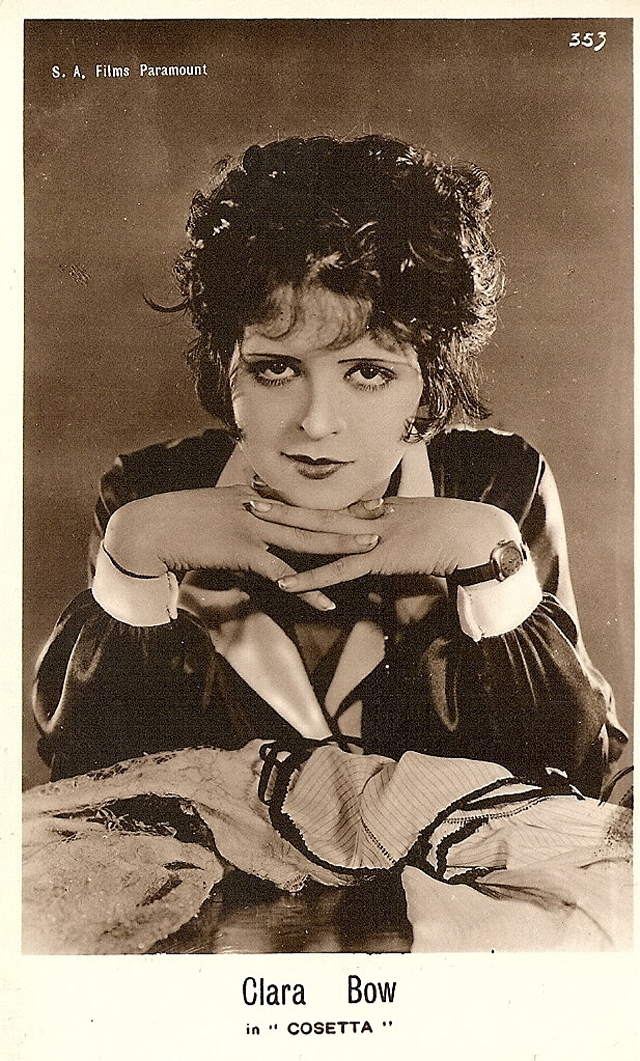
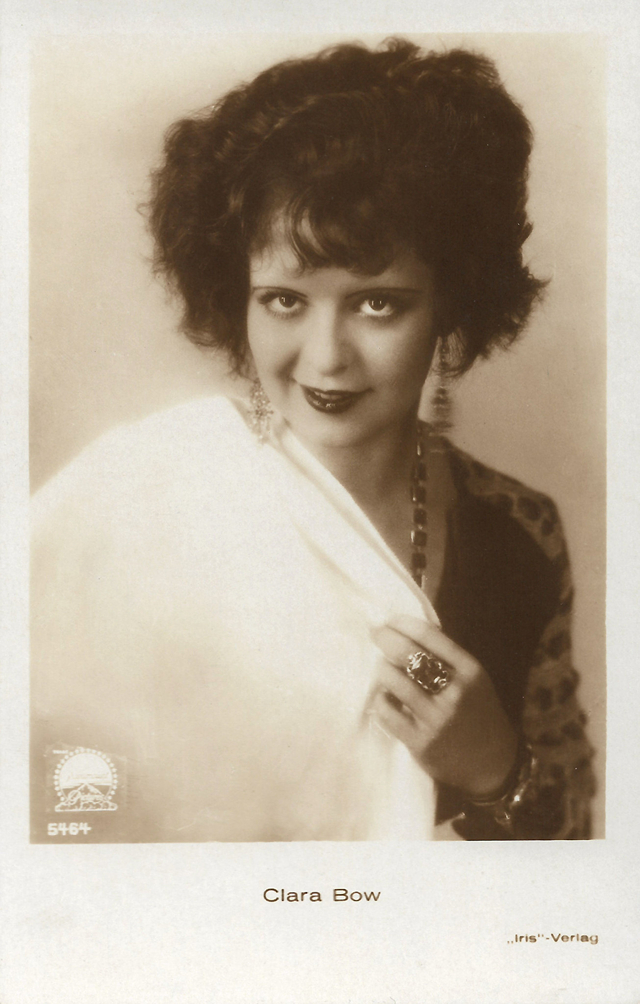
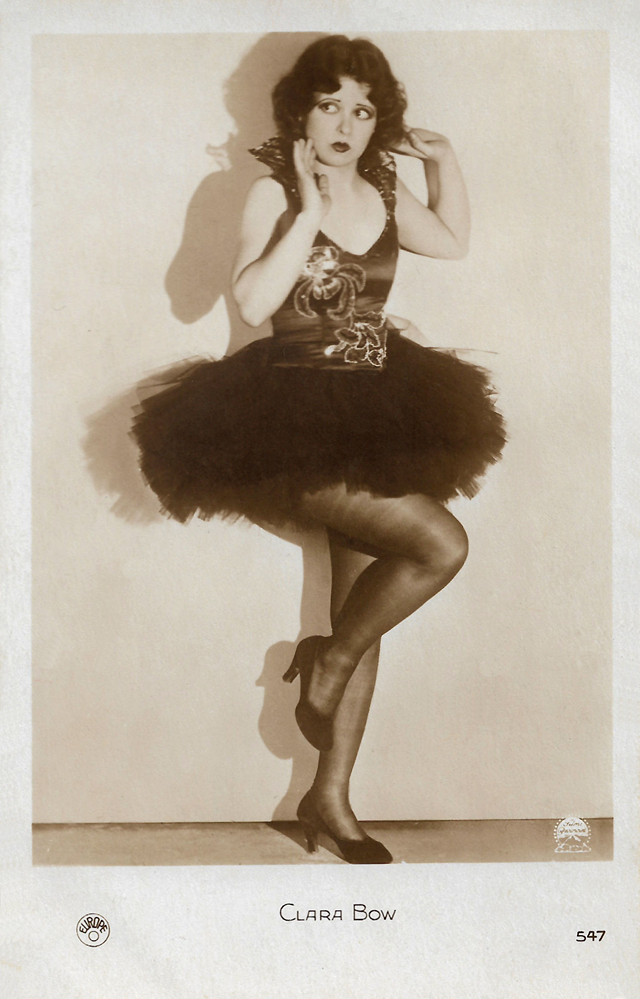
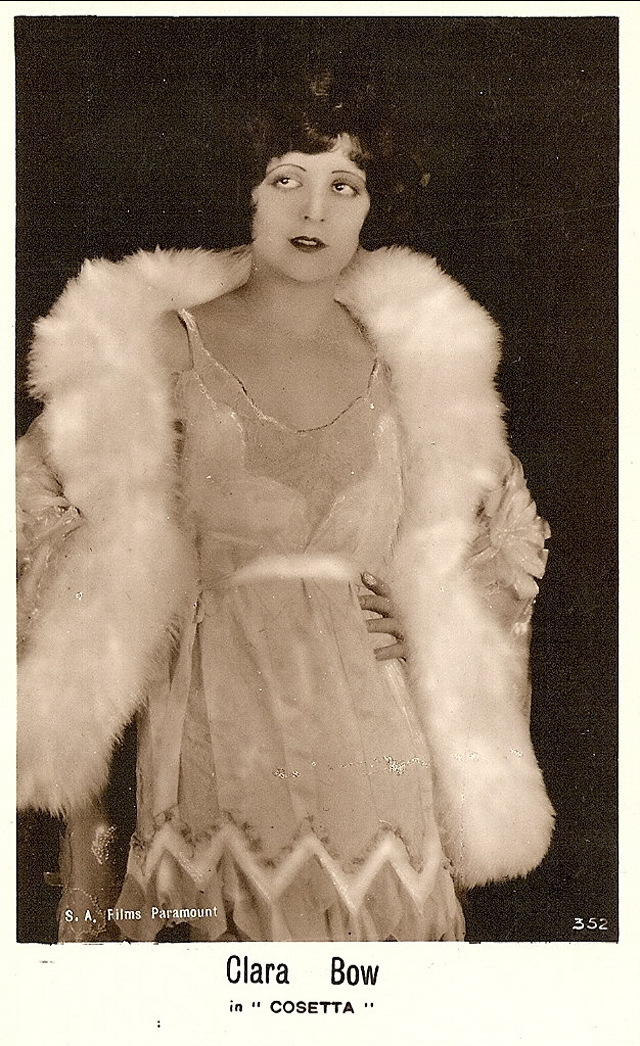
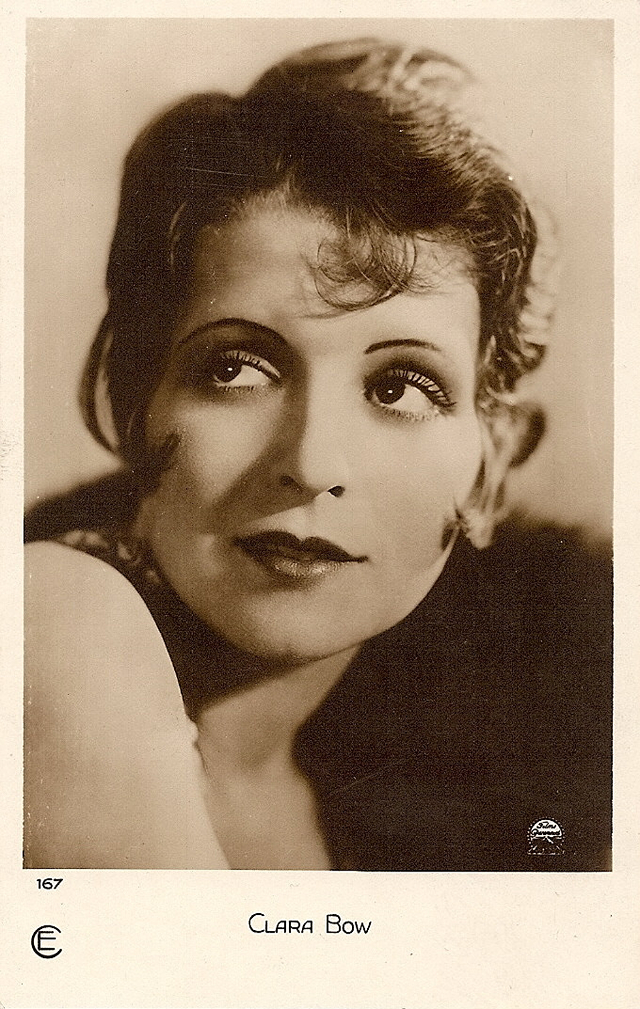
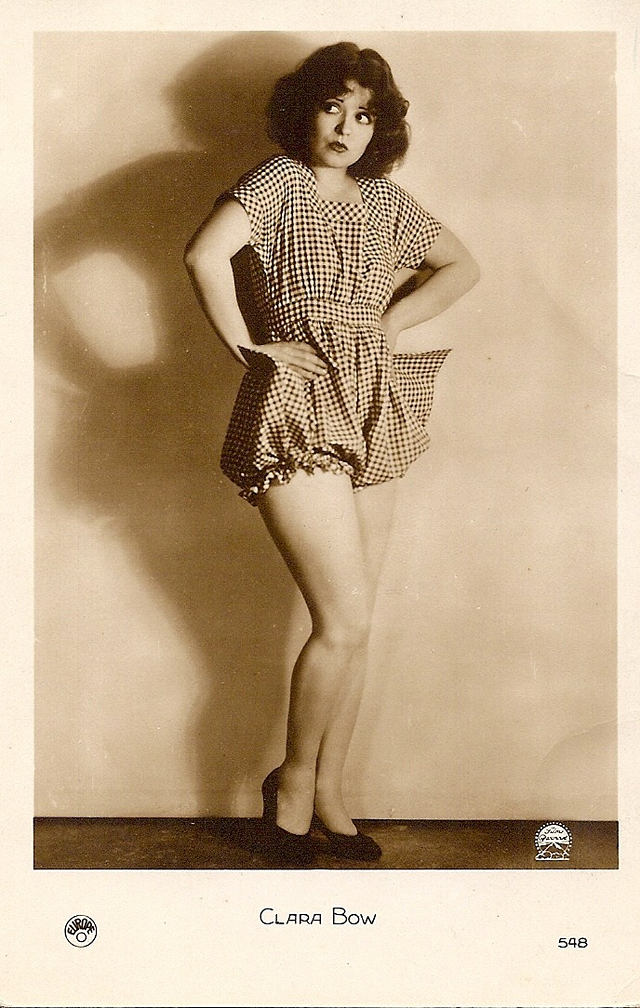
Clara Gordon Bow (1905-1965)

Clara was an American actress who rose to stardom during the silent film era of the 1920s and successfully made the transition to “talkies” in 1929. Her appearance as a plucky shop girl in the 1927 film “It” brought her global fame and the nickname “The It Girl”. Bow came to personify the Roaring Twenties and is described as its leading sex symbol.
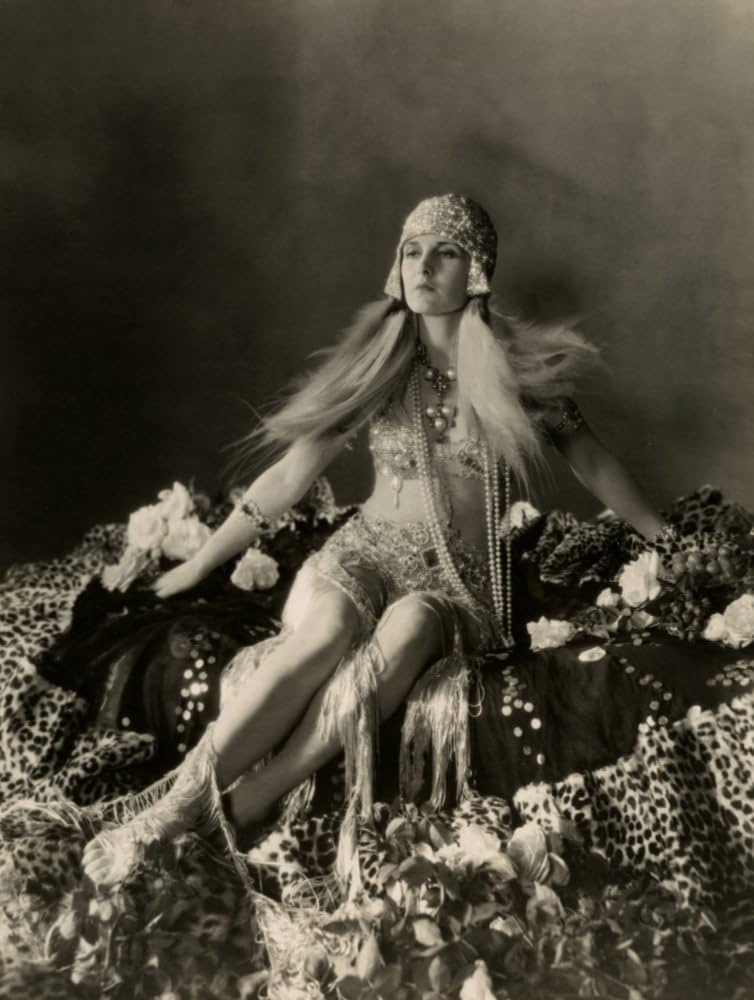
Bow appeared in 58 films, all but 11 of which were silent. Thirty-three are extant in their entirety, 14 are partially lost, and 11 are completely lost. Some hits include “Mantrap” (1926) and “Wings” (1927). She was named the first box-office draw in 1928 and 1929 and the second box-office draw in 1927 and 1930. Her presence in a motion picture was said to have ensured investors, by odds of almost two-to-one, a “safe return”. At the apex of her stardom, she received more than 45,000 fan letters in a single month, in January 1929.
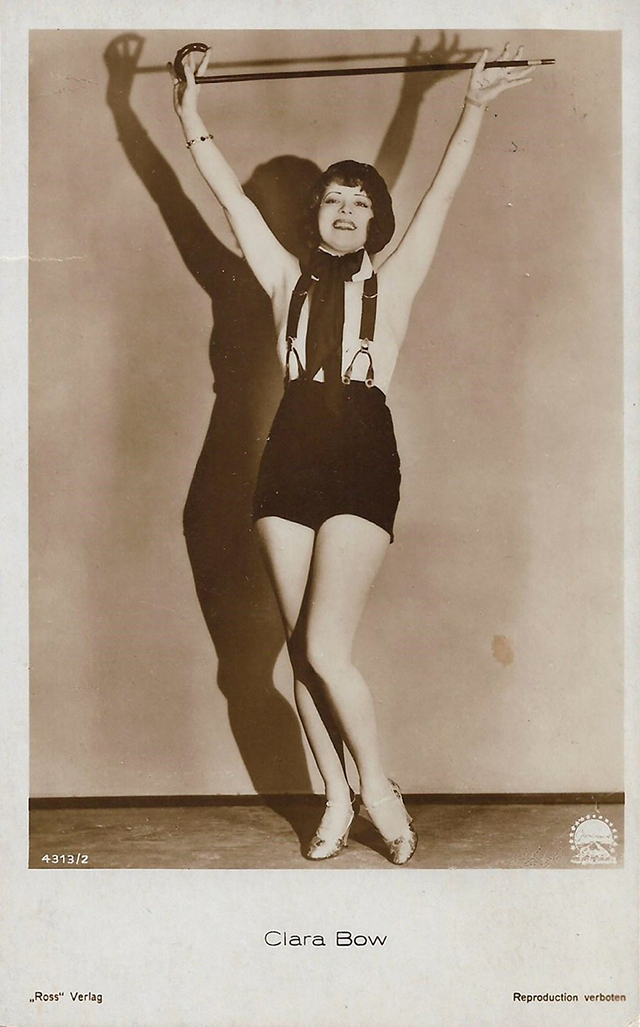
Bow dreaded the transition to sound in films, as she never lost her Brooklyn accent and speech patterns, and was convinced that the new technology would be the end of her career. The studio arranged a special public appearance for her when the “talkie” version of The Wild Party opened at the 4,200-seat Brooklyn Paramount Theater. She addressed the cheering crowd in her hometown neighborhood jargon, “I hope youse all prouda me”. Both the audience and the news media gave her rave reviews for her first sound movie.

After marrying actor Rex Bell in 1931, Bow retired from acting in 1933. Her final film, Hoop-La, was released in 1933. She then became a rancher in Nevada and had two children.

Bow died of a heart attack at the age of 60.

And a damn shame that most of her films were lost. Here’s a complete list HERE in case anyone out antiquing happens across a copy of any of them

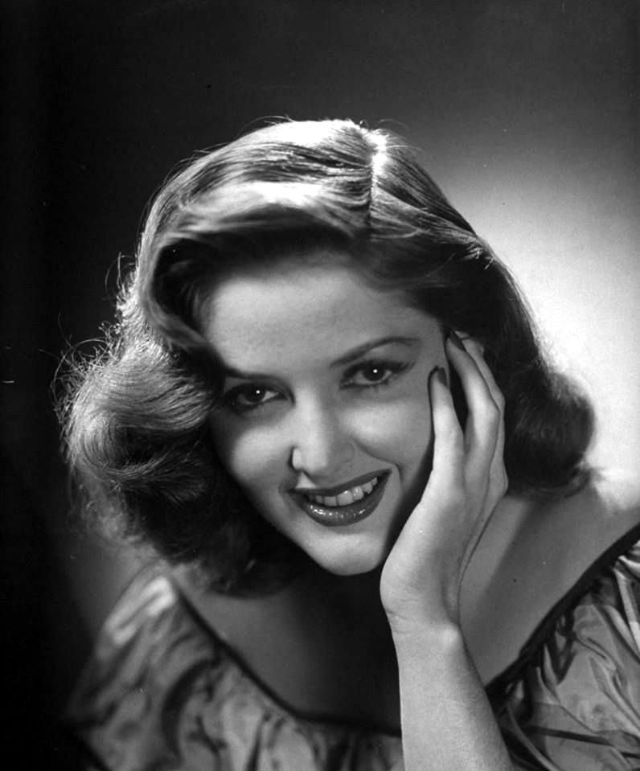
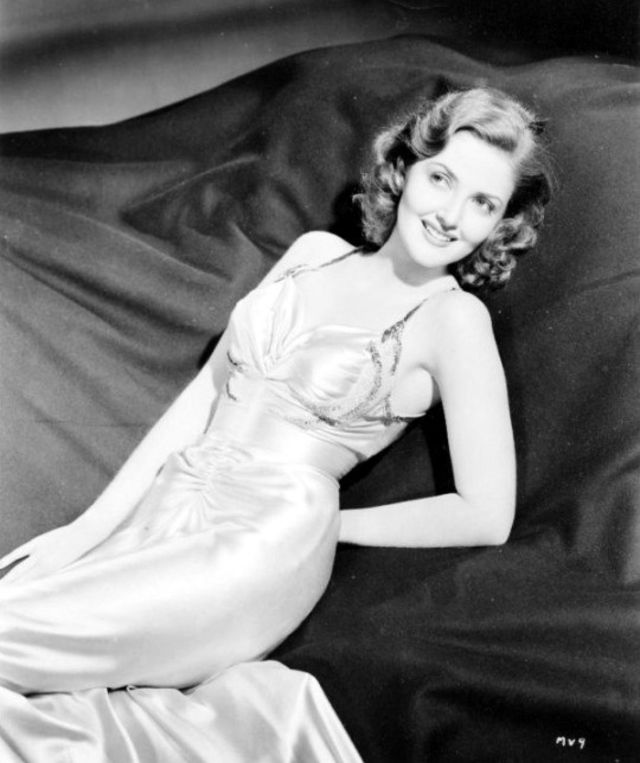
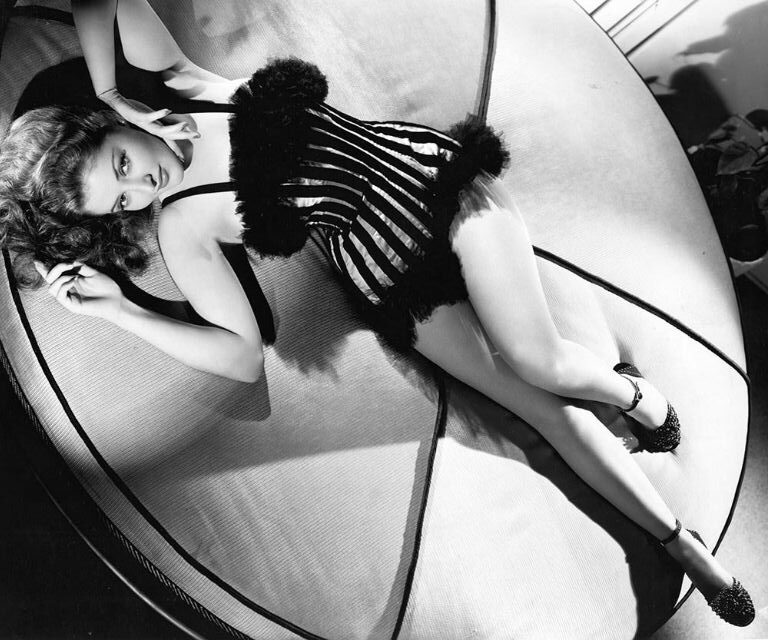
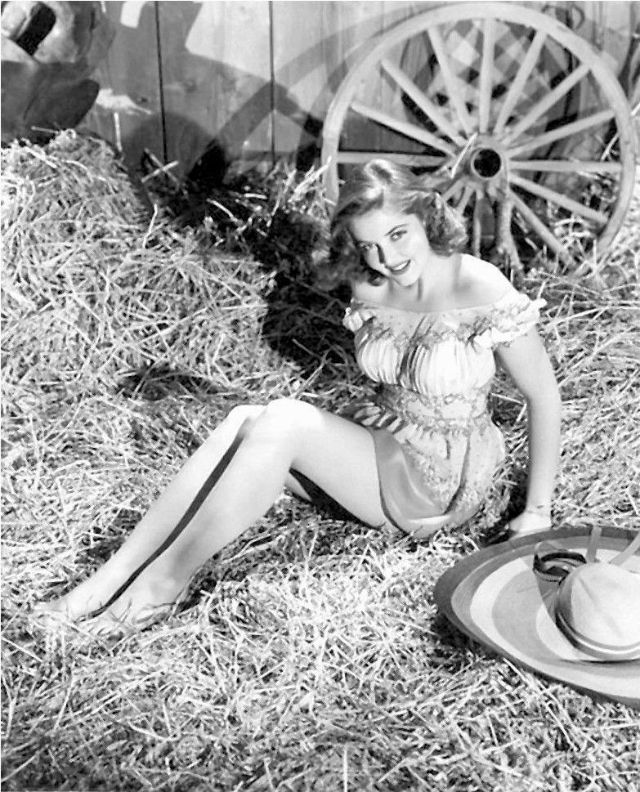
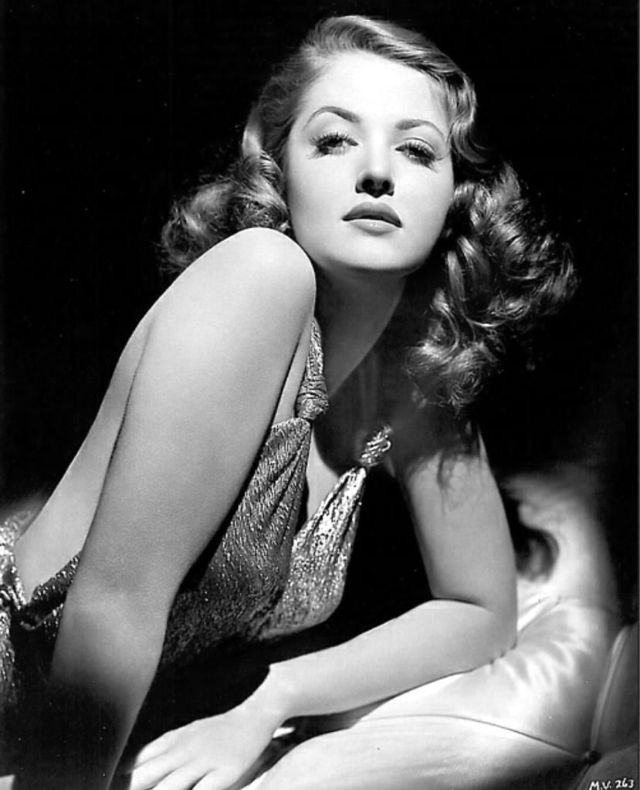
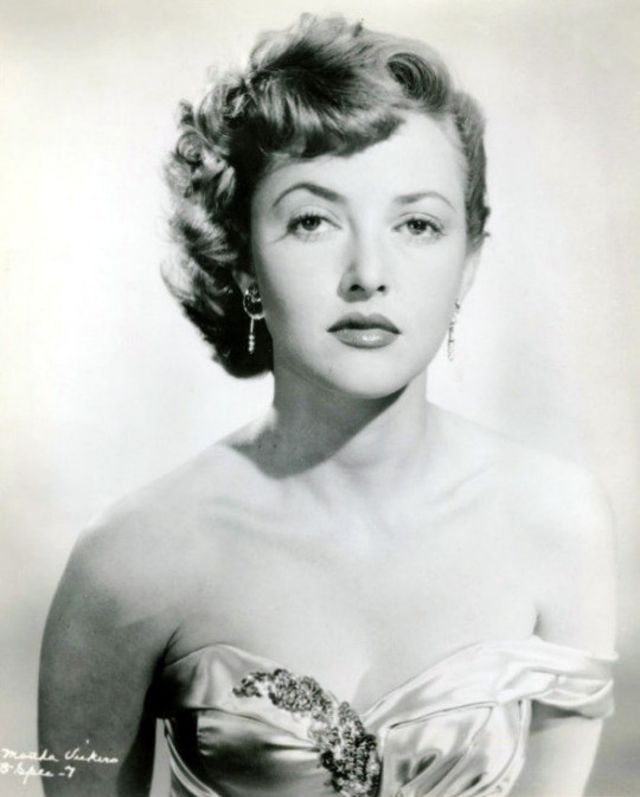
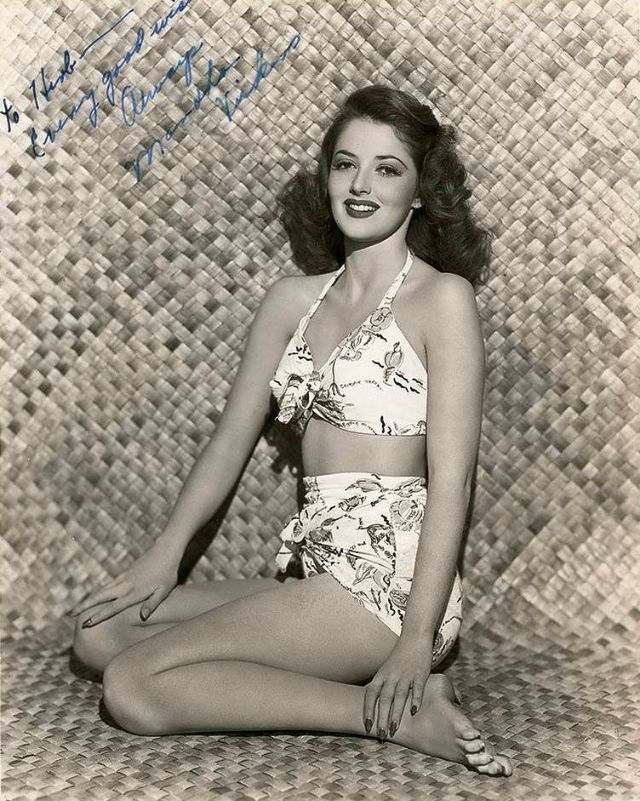
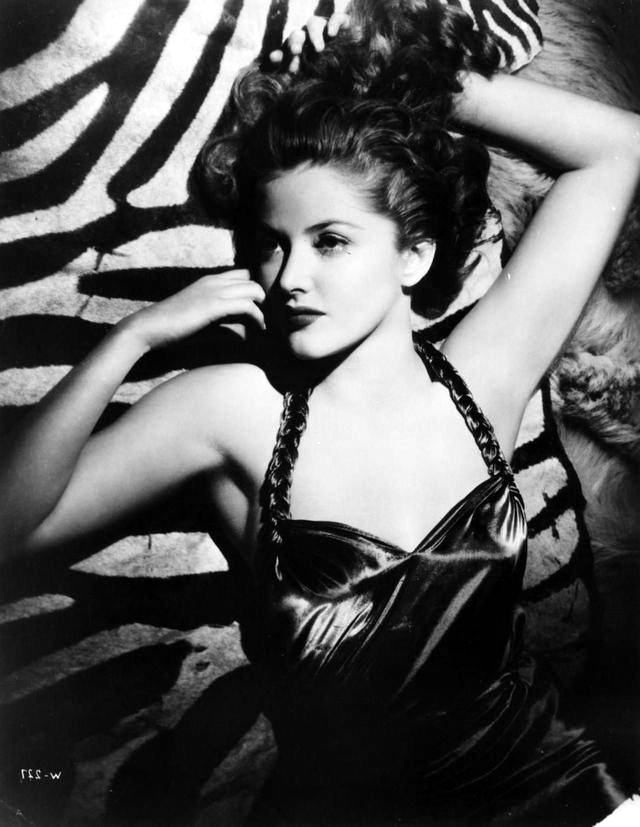
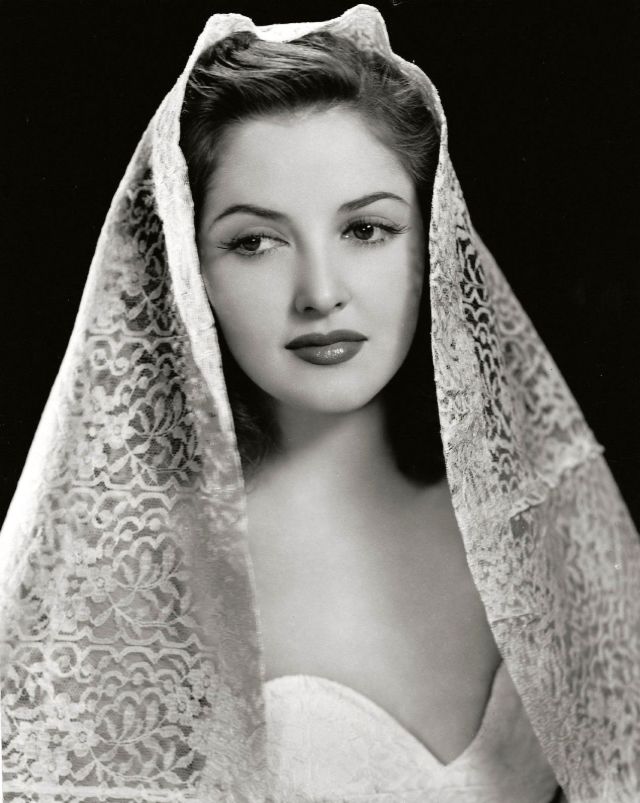
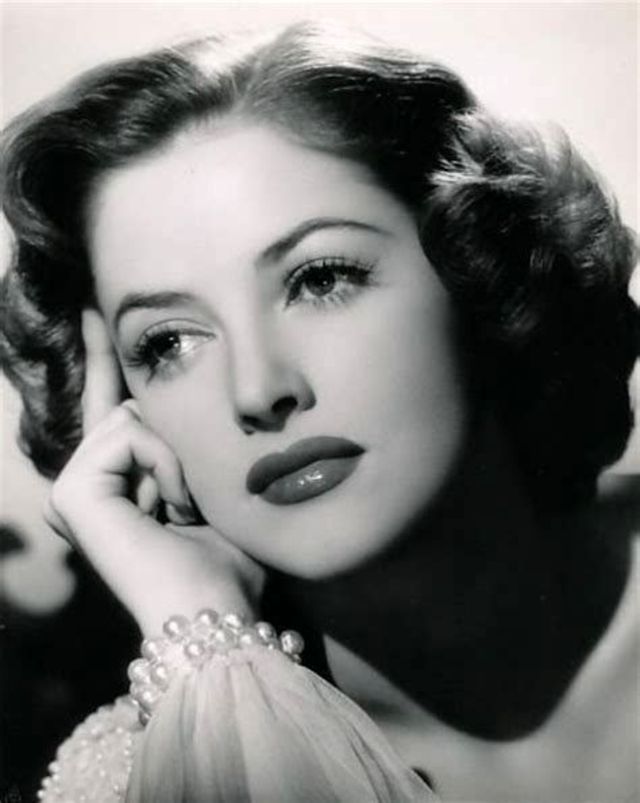
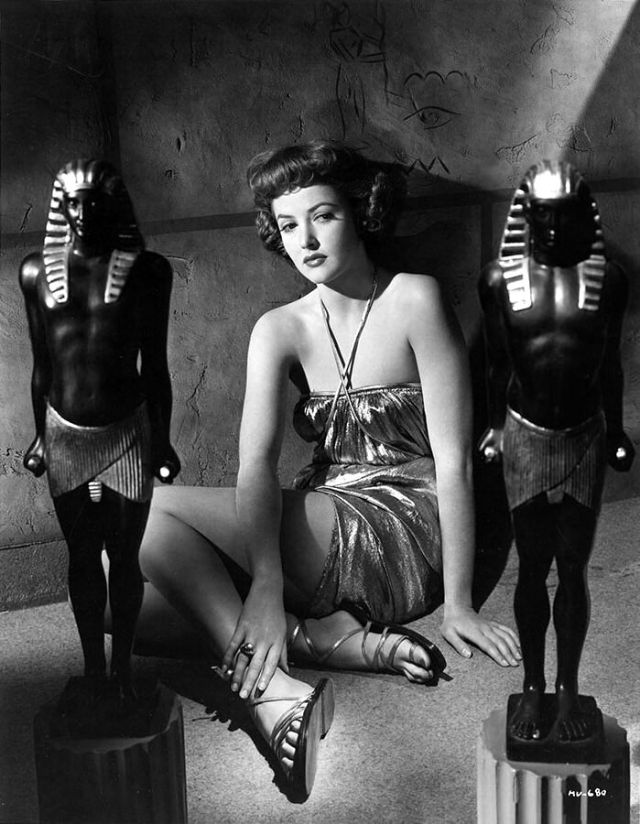
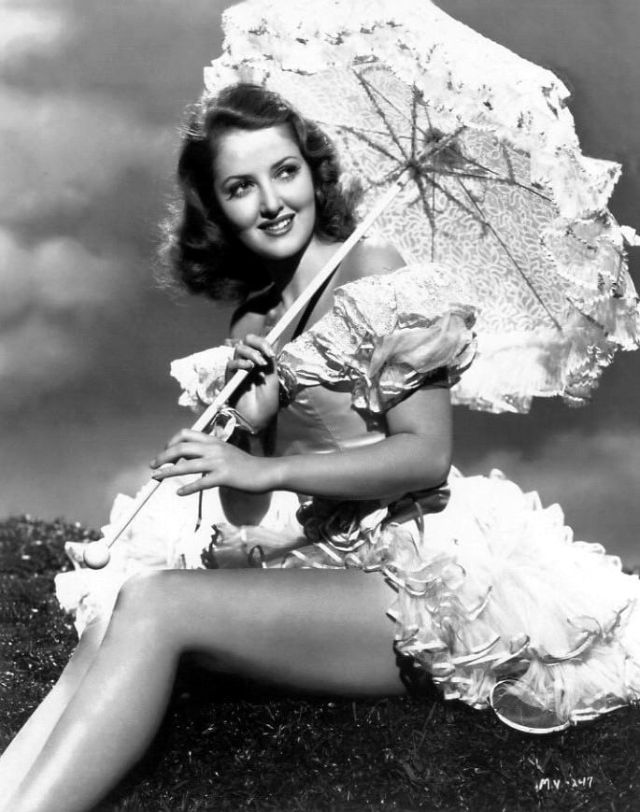
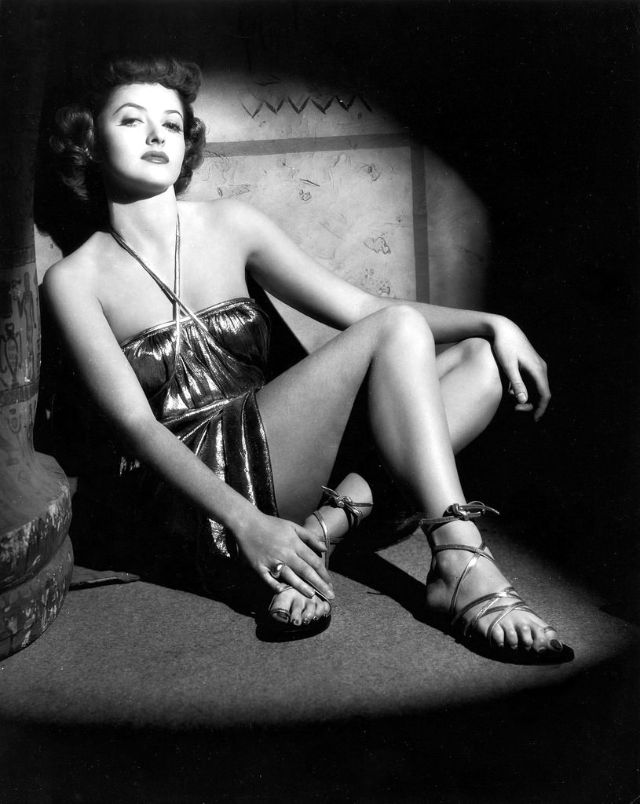
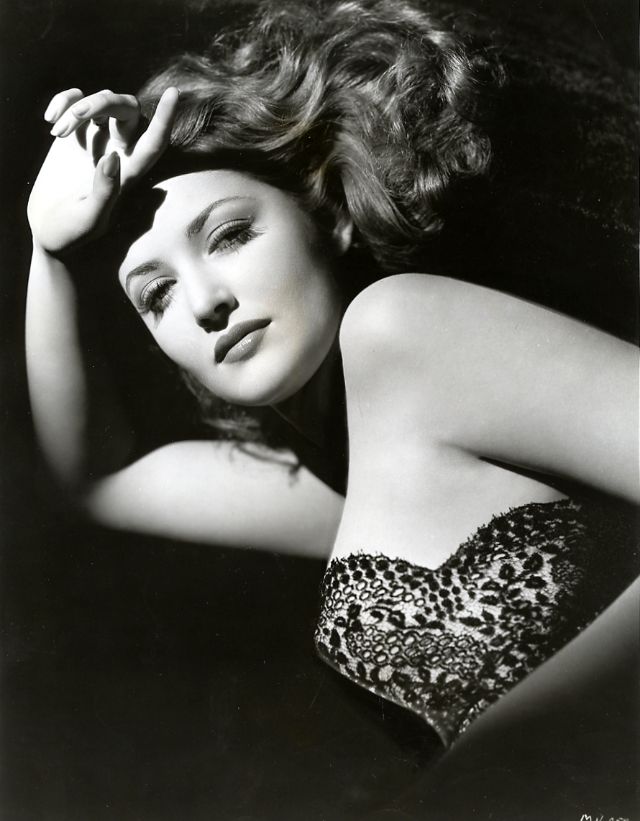
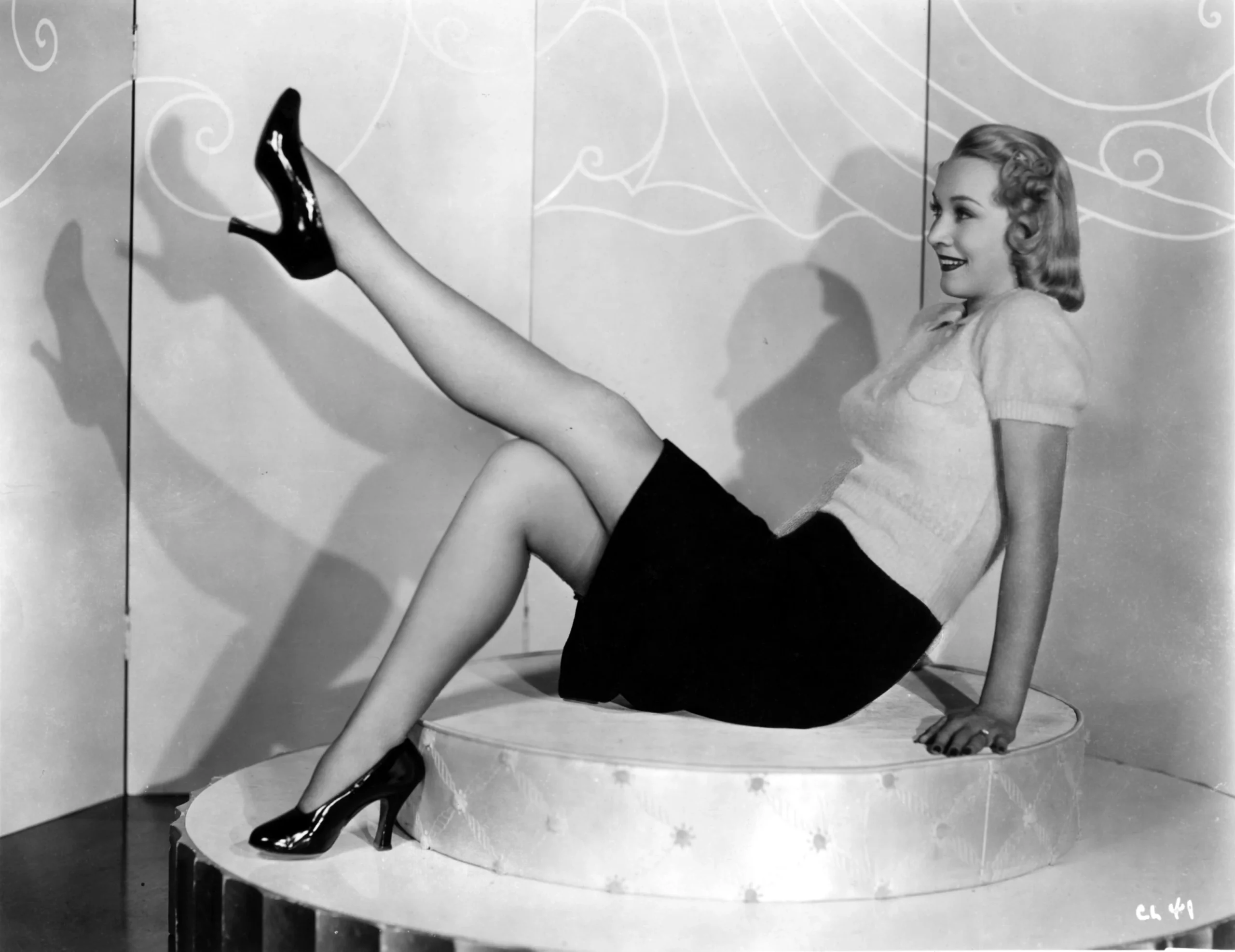
Martha Vickers (nee MacVicar) 1925-1971

Born in Ann Arbor, Michigan, on May 28, 1925, the daughter of James S. and Frances MacVicar. After attending schools in various states – Florida, Texas and California – she and her family settled on the West Coast. She broke into the entertainment field as a model for still photographer William Mortenson. Universal took over her contract where she was groomed in inauspicious bit parts such as her corpse/victim in Frankenstein Meets the Wolf Man (1943), and in such low-level entries as Captive Wild Woman (1943) and The Mummy’s Ghost (1944). In between assignments, Martha earned WWII pin-up exposure in such magazines as “Yank: The Army Weekly.”

RKO gave her some higher-level billing chances with Marine Raiders (1944) and The Falcon in Mexico (1944), but it was Warner Bros. that put her officially on the map. The enticing Martha earned celebrity status and a new stage moniker when she generated some real heat as Lauren Bacall’s wild, thumb-sucking sister Carmen in the film noir classic The Big Sleep (1946), which also starred Humphrey Bogart, playing the teenage nymphet “bad girl” for all it was worth. This major success quickly led to other “B” roles and not necessarily all “bad girl” parts. Highly appealing as the second femme lead in the pleasant musical The Time, the Place and the Girl (1946), Martha looked radiant but was overlooked for bigger things. She continued on and disrupted the proceedings again in the atmospheric film noir The Man I Love (1946) with Ida Lupino and finally earned leading lady status in That Way with Women (1947) opposite Dane Clark.

Post-war films included Love and Learn (1947), another film noir piece Ruthless (1948), and the melodrama Bad Boy (1949), which was Audie Murphy’s first starring role. She ended the decade top-lining the “Poverty-Row” drama Alimony (1949). Surprisingly, Martha’s high-profiled second marriage in 1949 to film star Mickey Rooney (she was his third wife) did not advance her career. In fact, Martha was not seen in films at all during this period. Despite the couple having a son, Teddy Rooney, Her marriage to Rooney would be short-lived.

Martha married a third time in 1954 to Chilean polo player-turned-actor Manuel Rojas, best known for his co-starring role in The Magnificent Matador (1955), and she finally returned to the screen in The Big Bluff (1955) co-starring with John Bromfield. The momentum, however, was gone and the movie did nothing to generate new interest. She did move, however, into TV and performed effectively in a number of dramatic showcases. She and Rojas had two children, Tina and Tessa. In 1960, Martha did her last filming with the western Four Fast Guns (1960) and after guesting on a couple of episodes of the TV series “The Rebel,” not much was heard from her until her death from cancer in 1971 at age 46 in Hollywood, California.

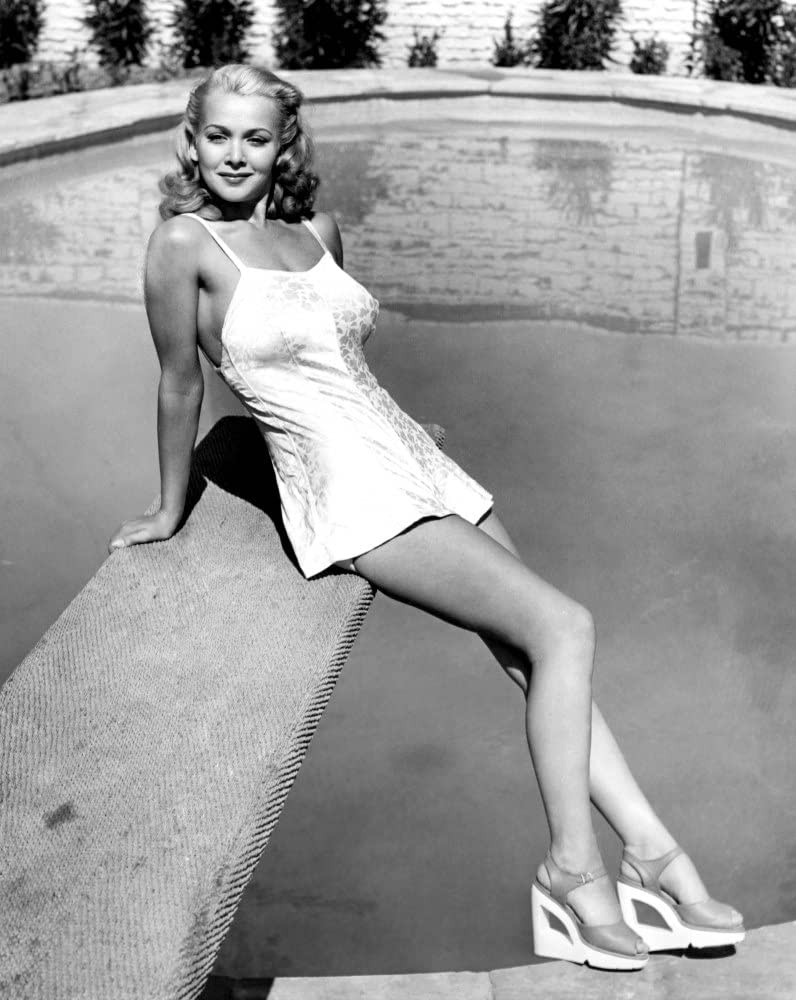
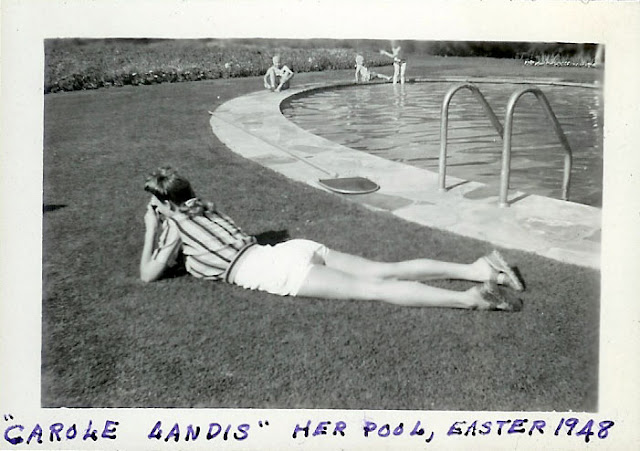
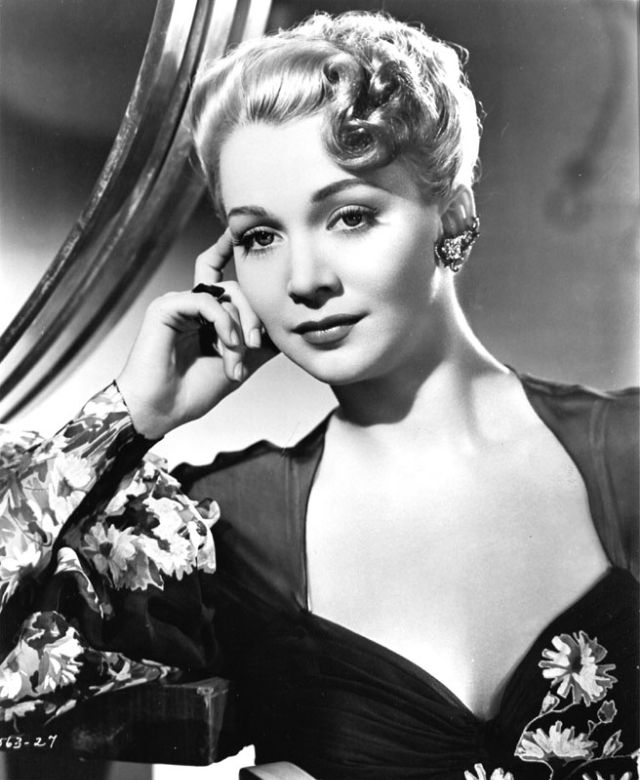
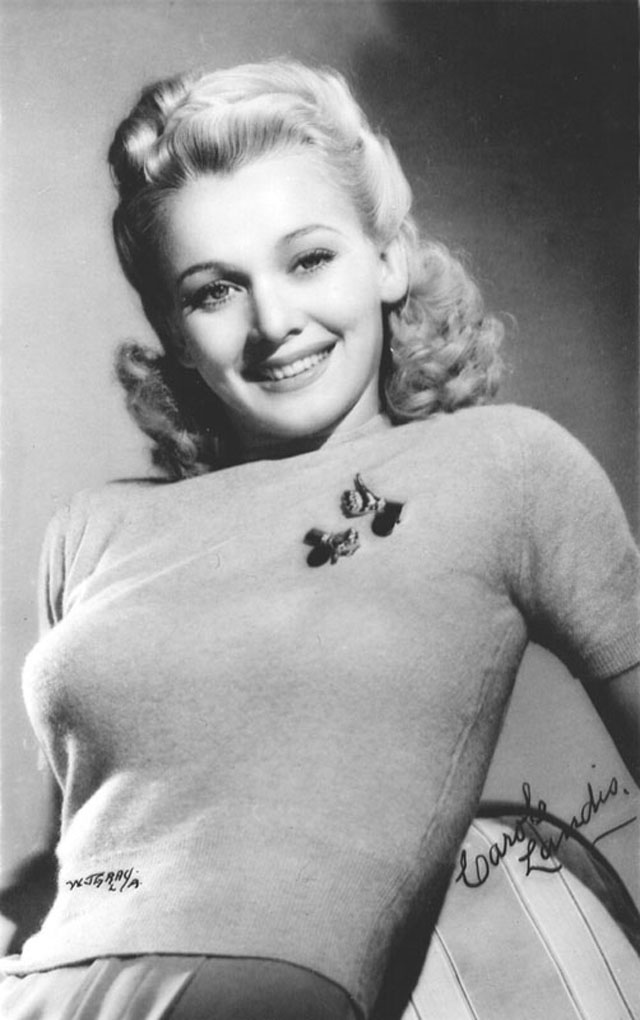
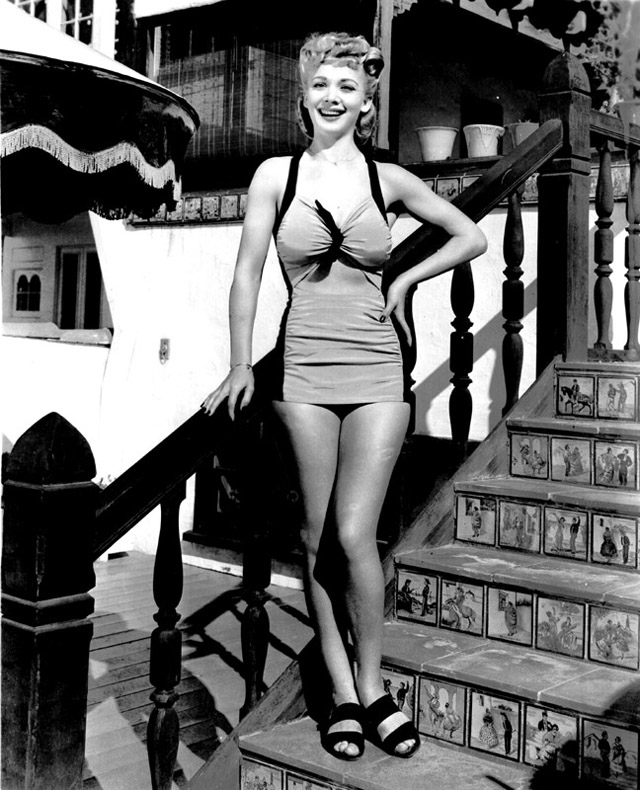
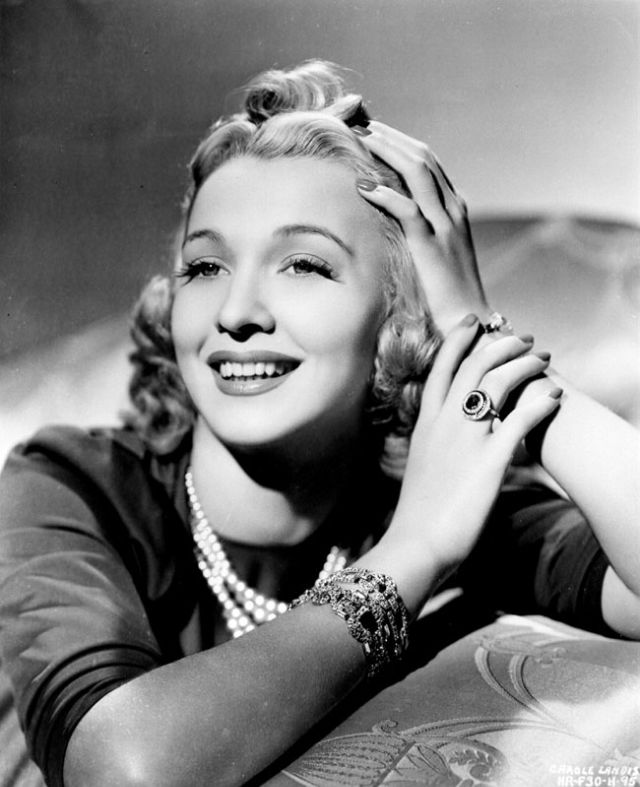
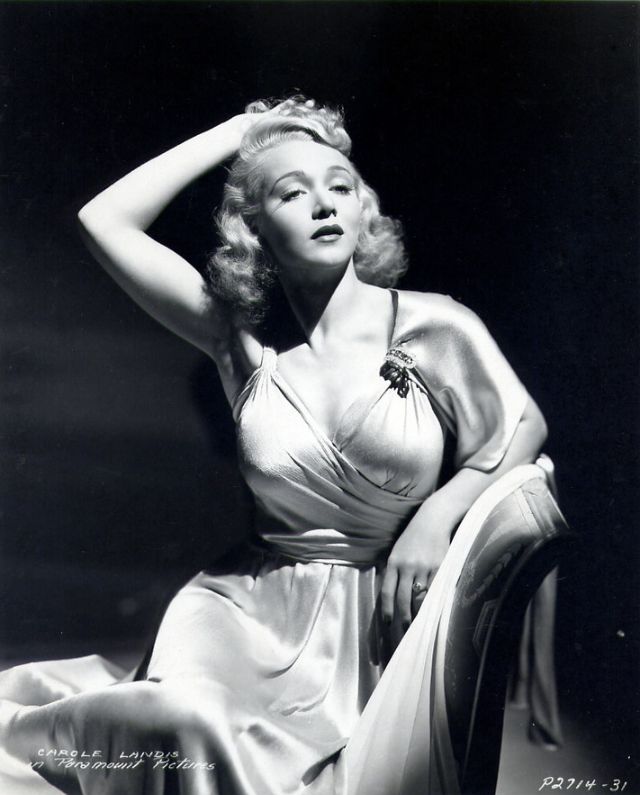
Frances Lillian Mary Ridste (1919-1948)

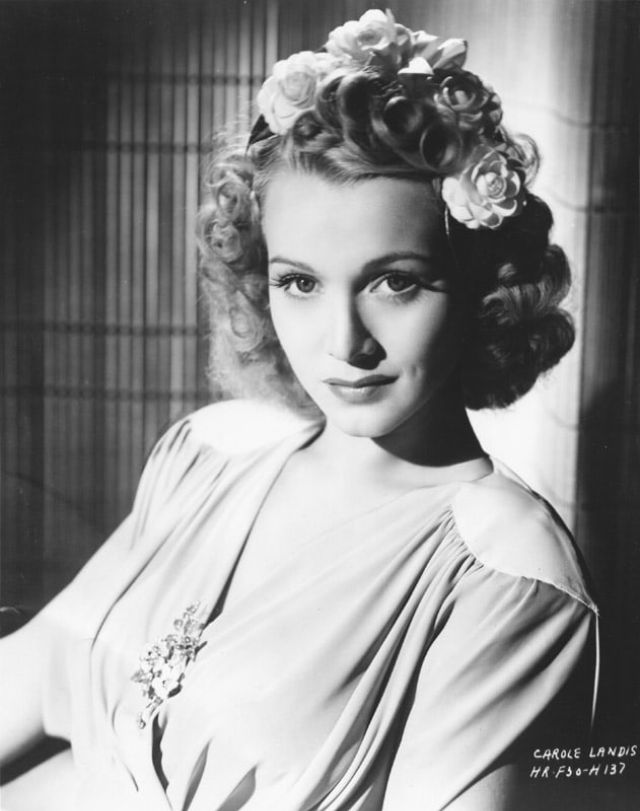
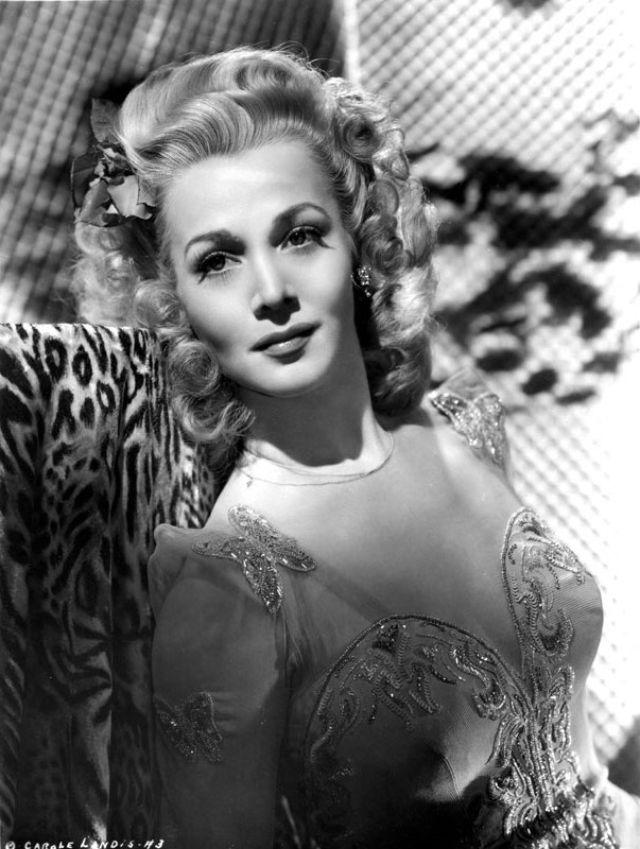
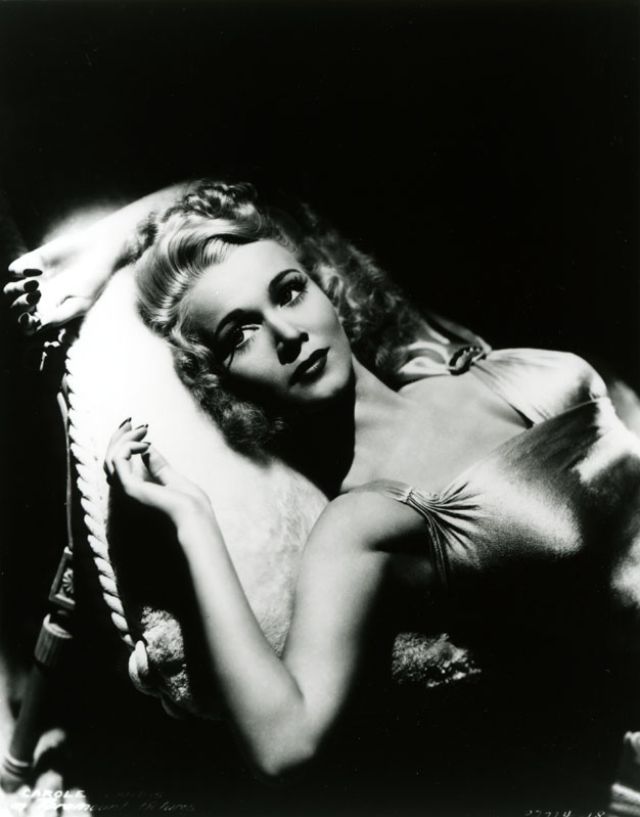
Known as Carole Landis, she won a studio contract with Warner Brothers but was a bit player for the most part in films such as A Star Is Born (1937), A Day at the Races (1937), and The Emperor’s Candlesticks (1937). The following year started much the same way, with more bit roles. By 1939, she was getting a few speaking roles, although mostly one-liners, and that year ended much like the previous two years, with more bit roles; also, she and Wheeler were divorced.

In 1939, she was cast as Loana in the Hal Roach production of One Million B.C. (1940); she finally got noticed (the skimpy outfit helped), and her career began moving. She started getting parts in B pictures but didn’t star in big productions — although she had talent, the excellent roles were given to the established stars of the day.

Her busiest year was 1942, with roles in Manila Calling (1942), The Powers Girl (1943), A Gentleman at Heart (1942), and three other movies. Unfortunately, critics took little notice of her films, and when they did, reviewers tended to focus on her breathtaking beauty. By 1947, Carole’s career was beginning to short-circuit. Her contract with 20th Century-Fox had been canceled, her marriages to Willis Hunt Jr. and Thomas Wallace had ended, and her current marriage to Horace Schmidlapp was in trouble; all of that, along with health issues, foretold disaster for her professionally and personally.

Her final two films, Brass Monkey (1948) and The Silk Noose (1948), were released in 1948. On July 5, 1948, Carole committed suicide by taking an overdose of Seconal in her Brentwood Heights, California, home. She was only 29 and had made 49 pictures, most of which were forgettable. If Hollywood moguls had given Carole a chance, she could have been one of the brightest stars in its history.

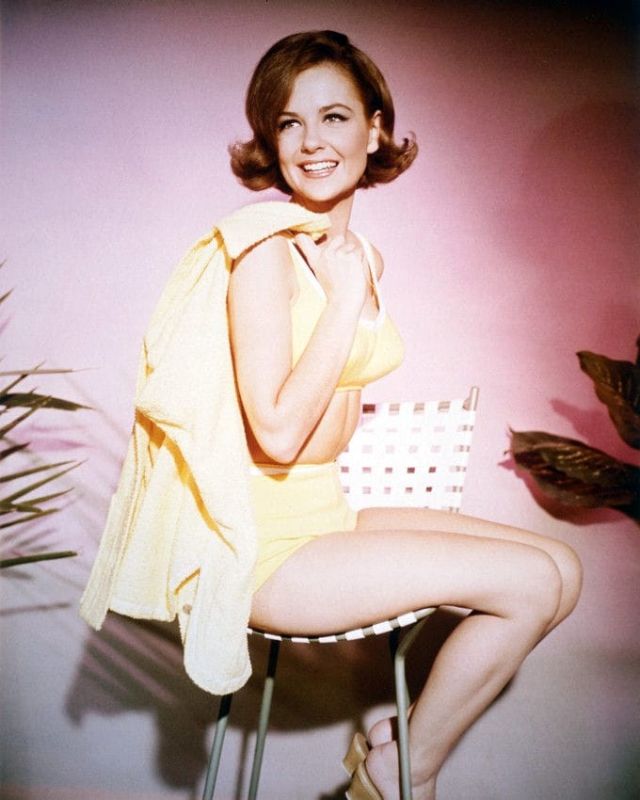
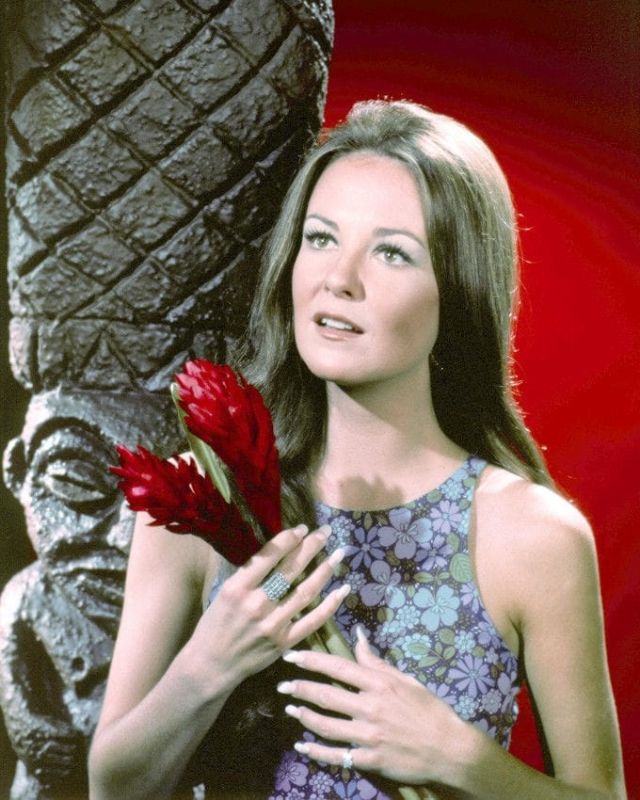
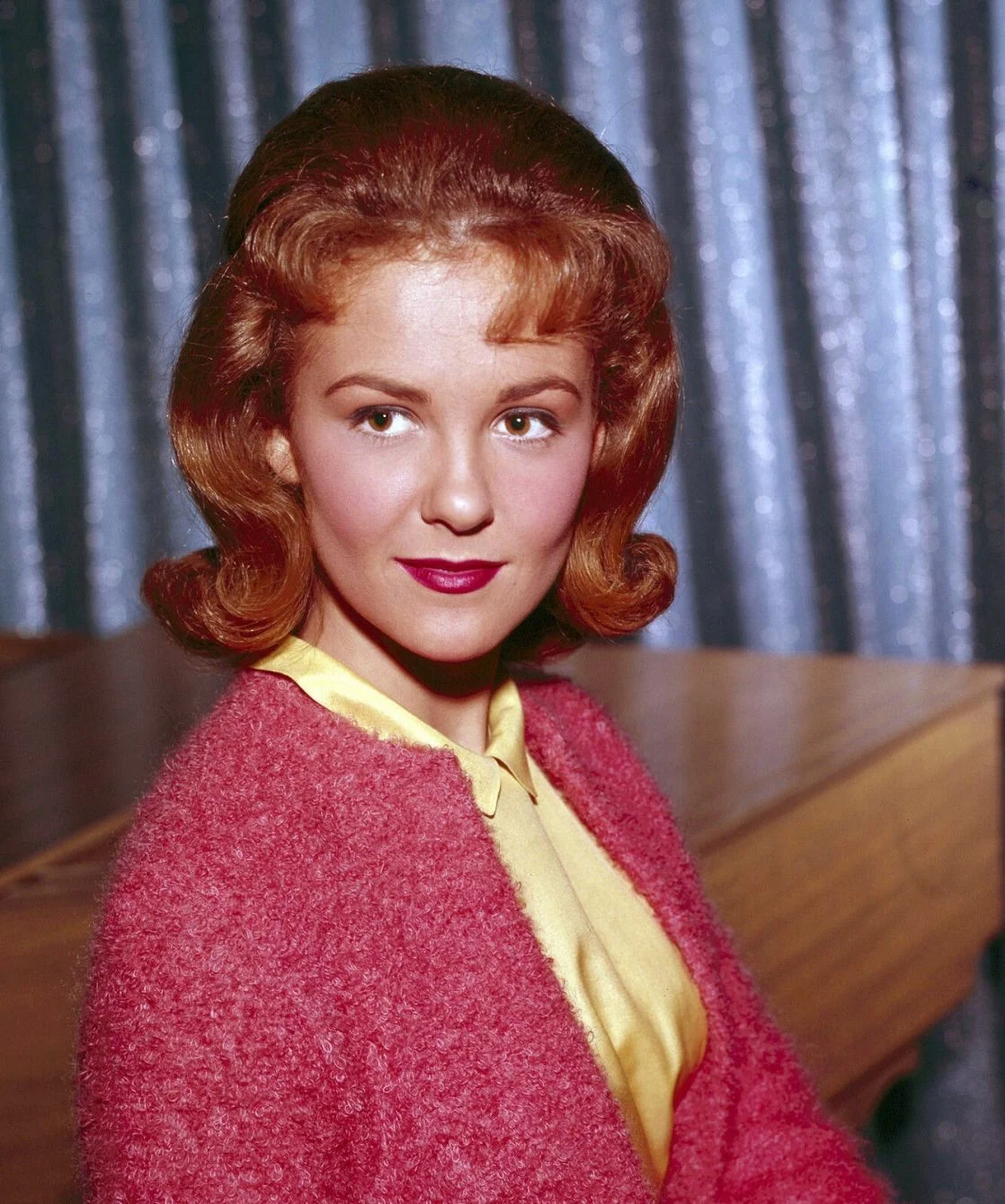
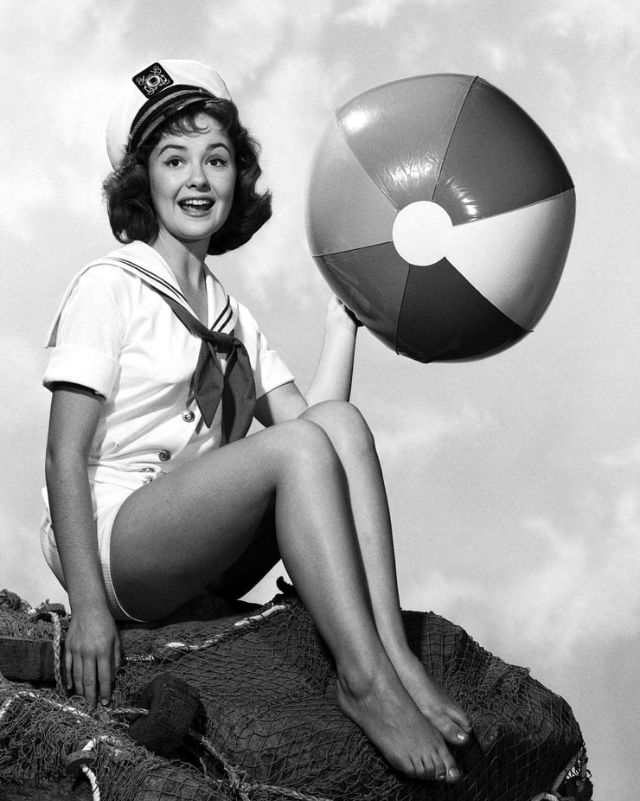
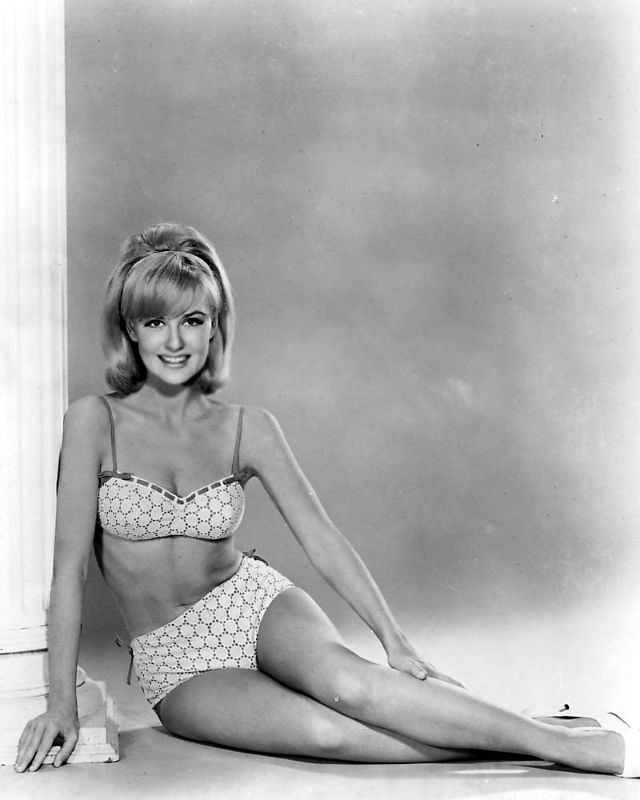
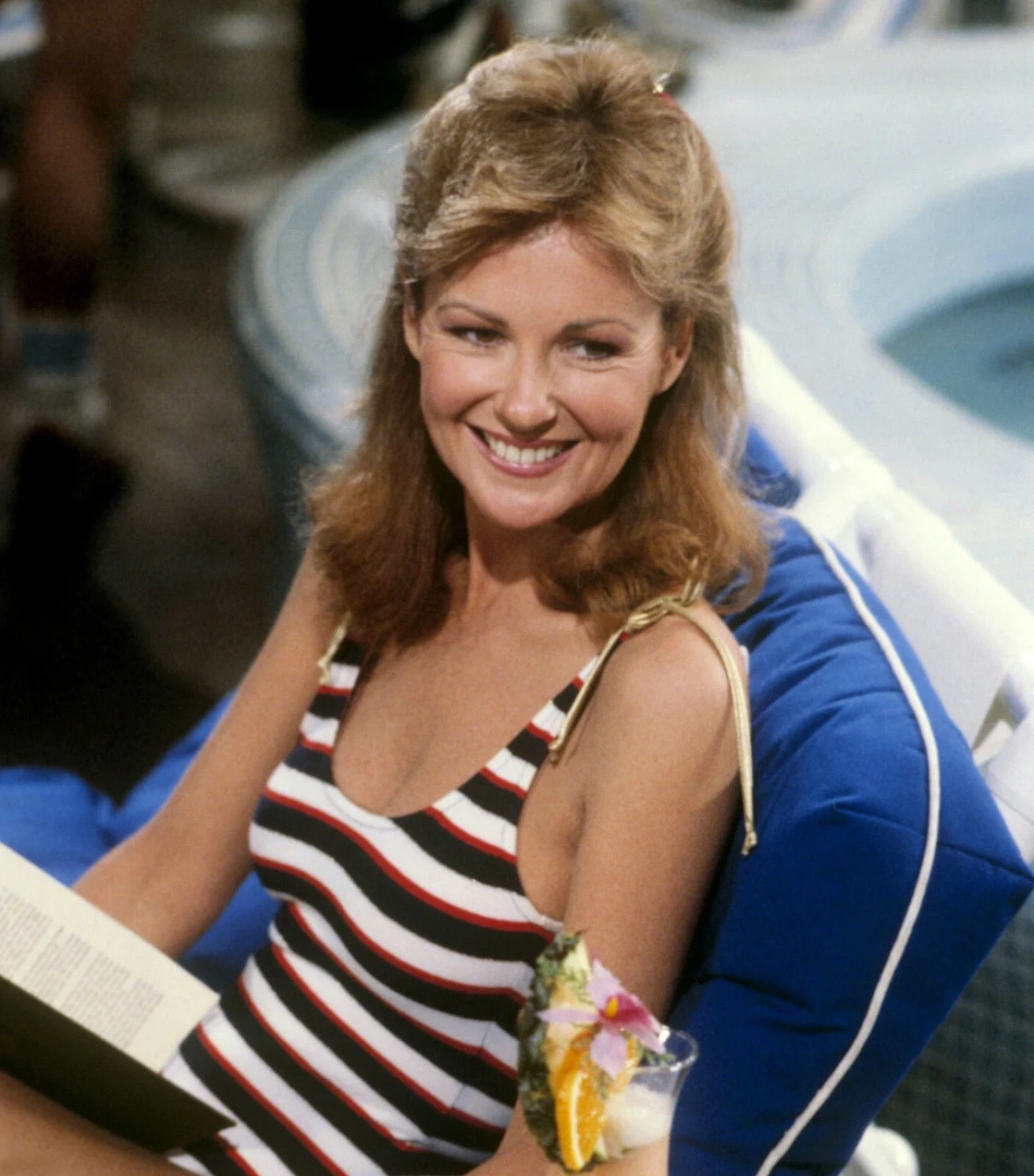
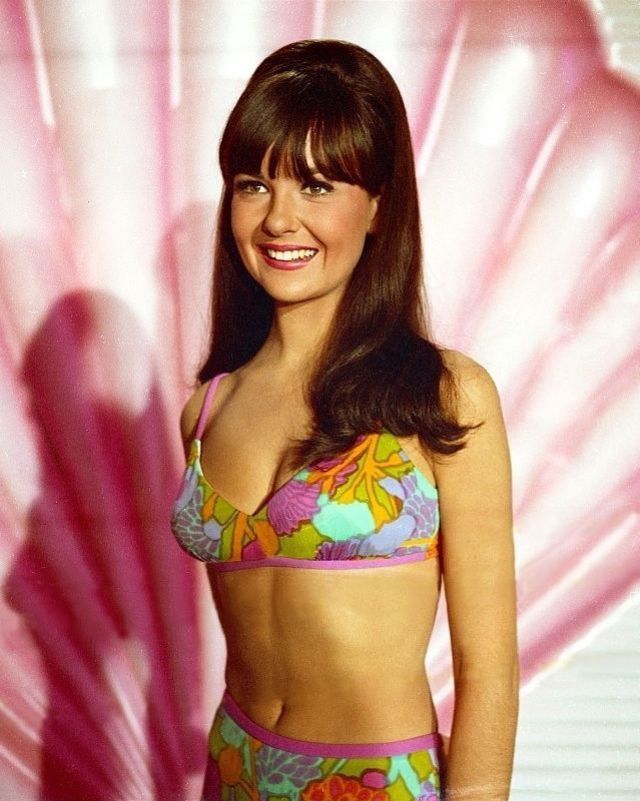
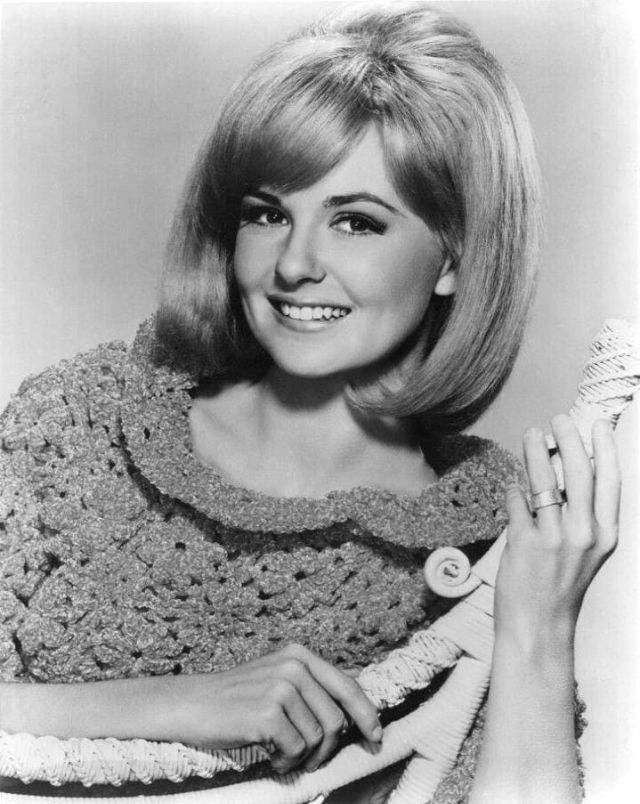
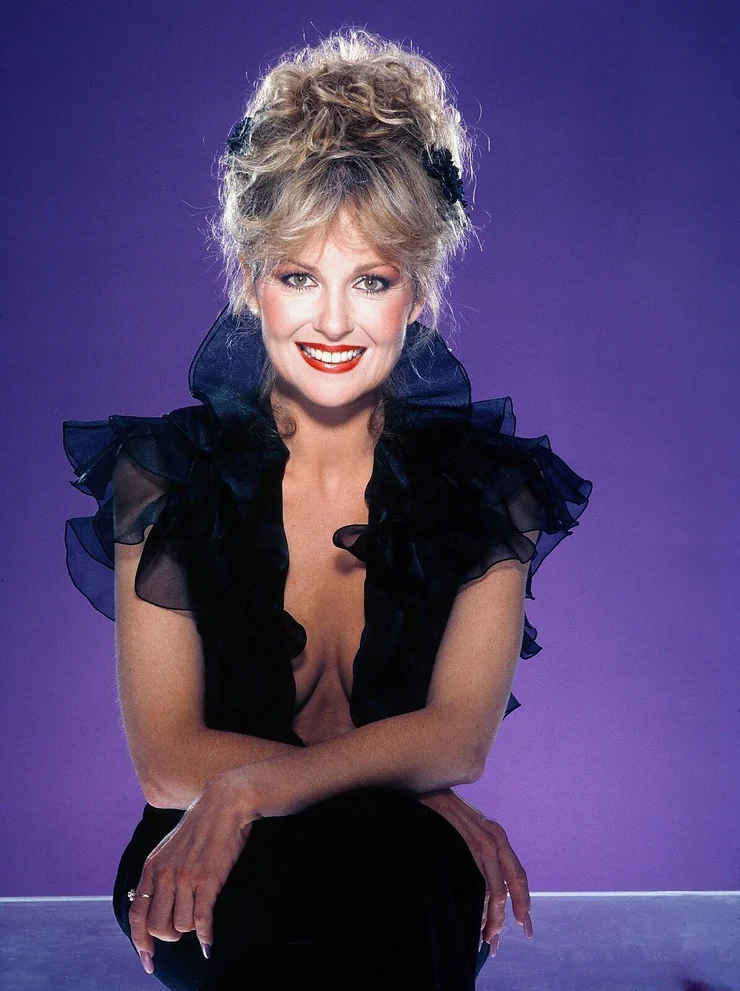
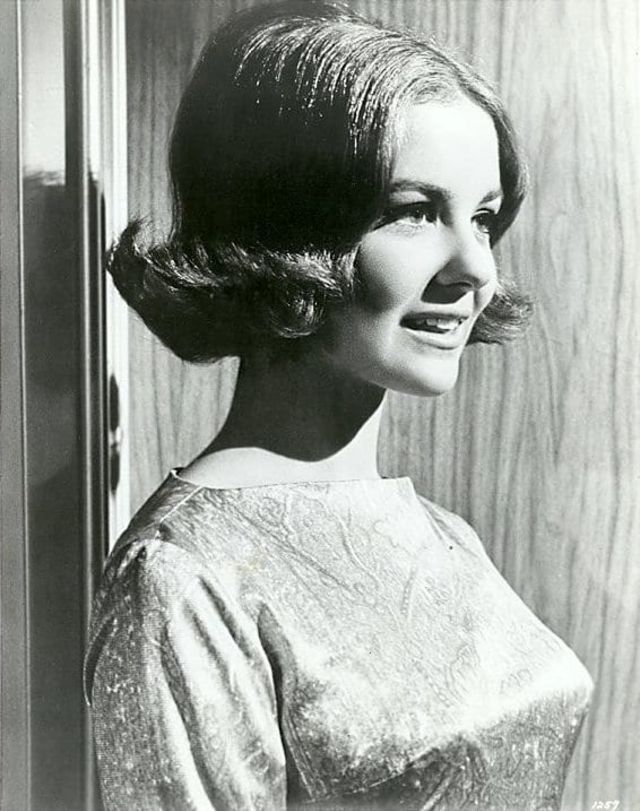
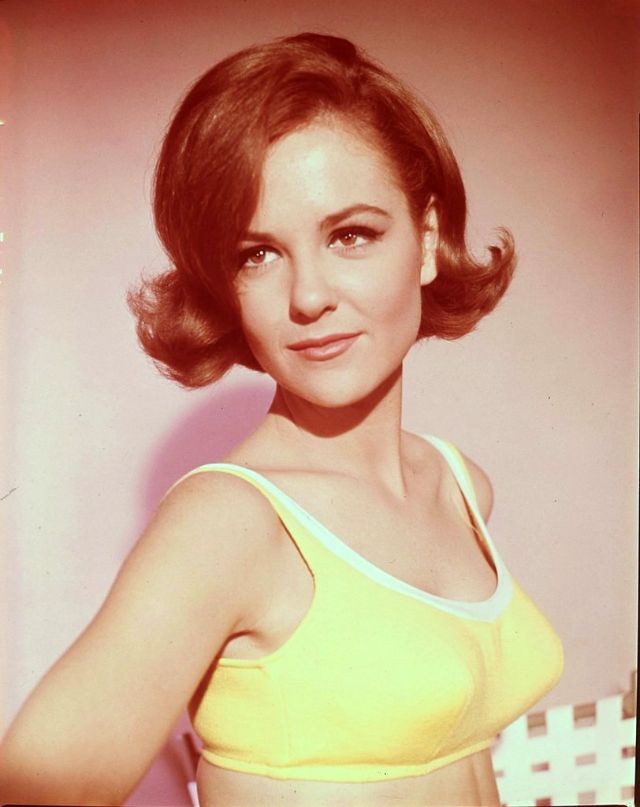
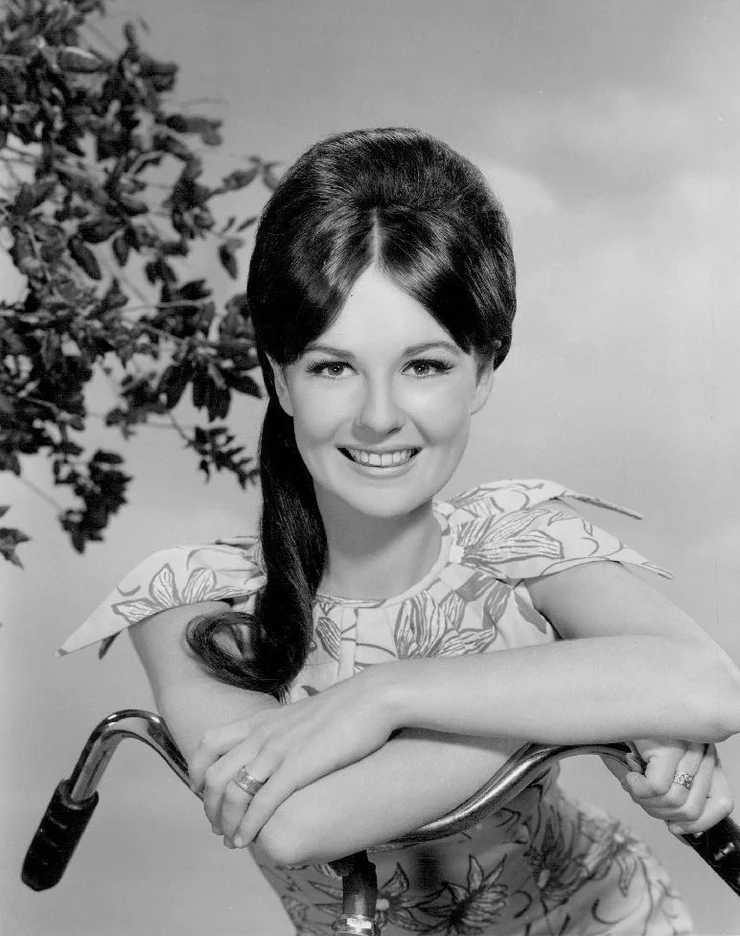
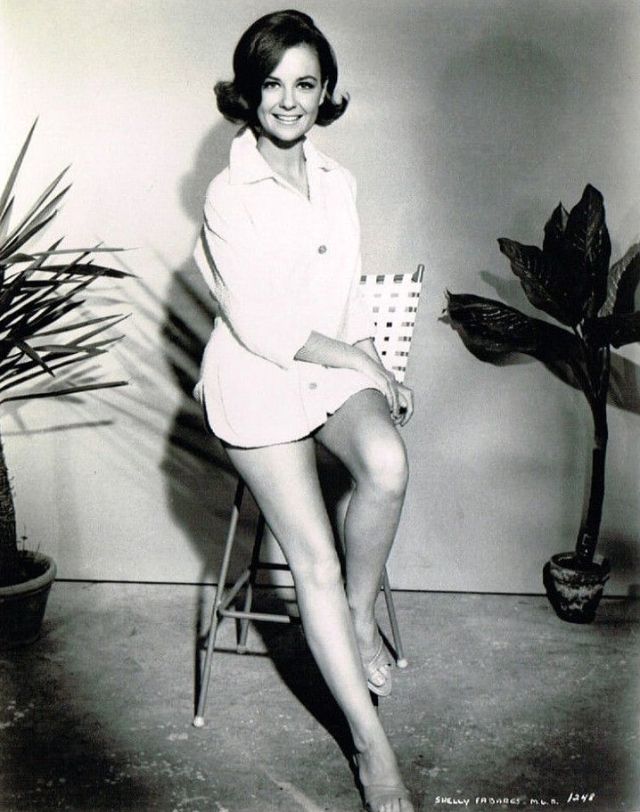
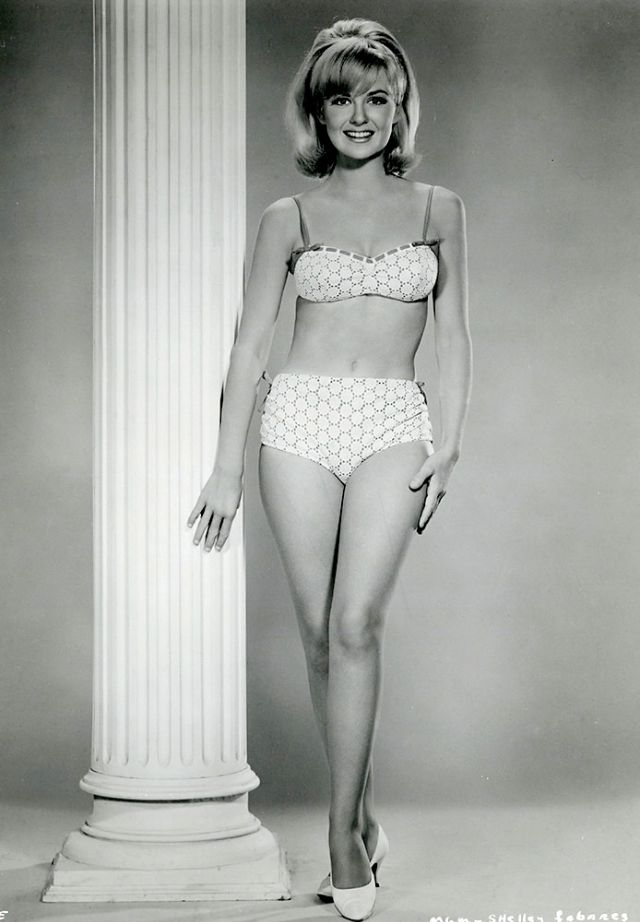
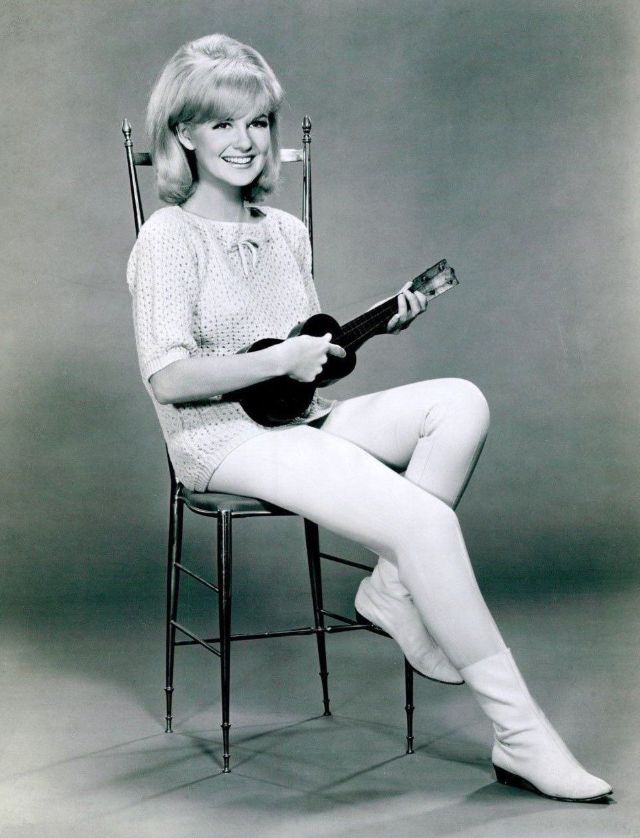
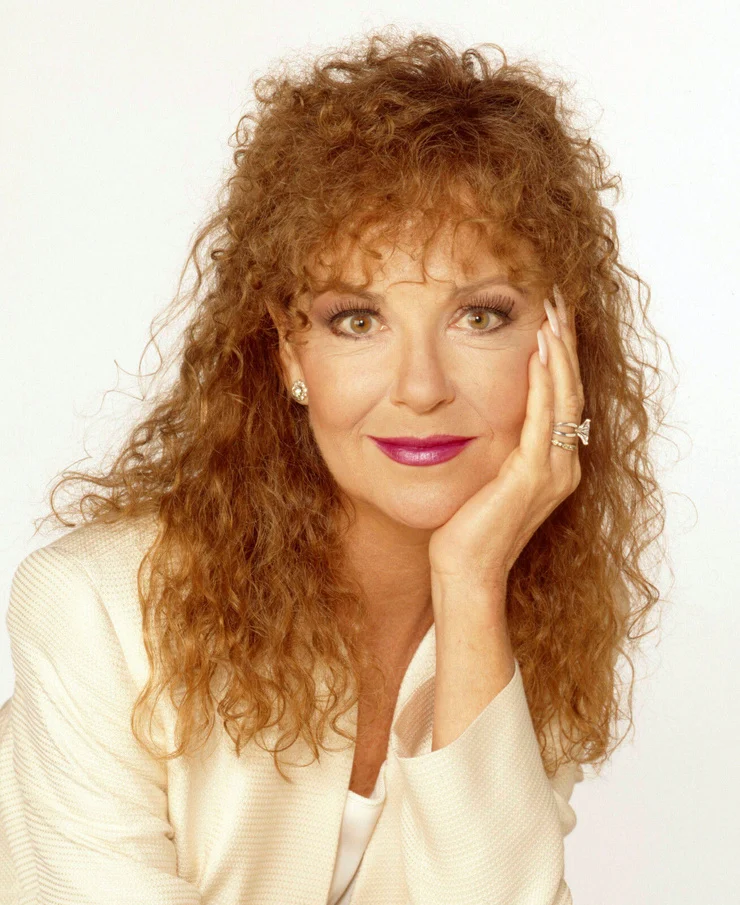
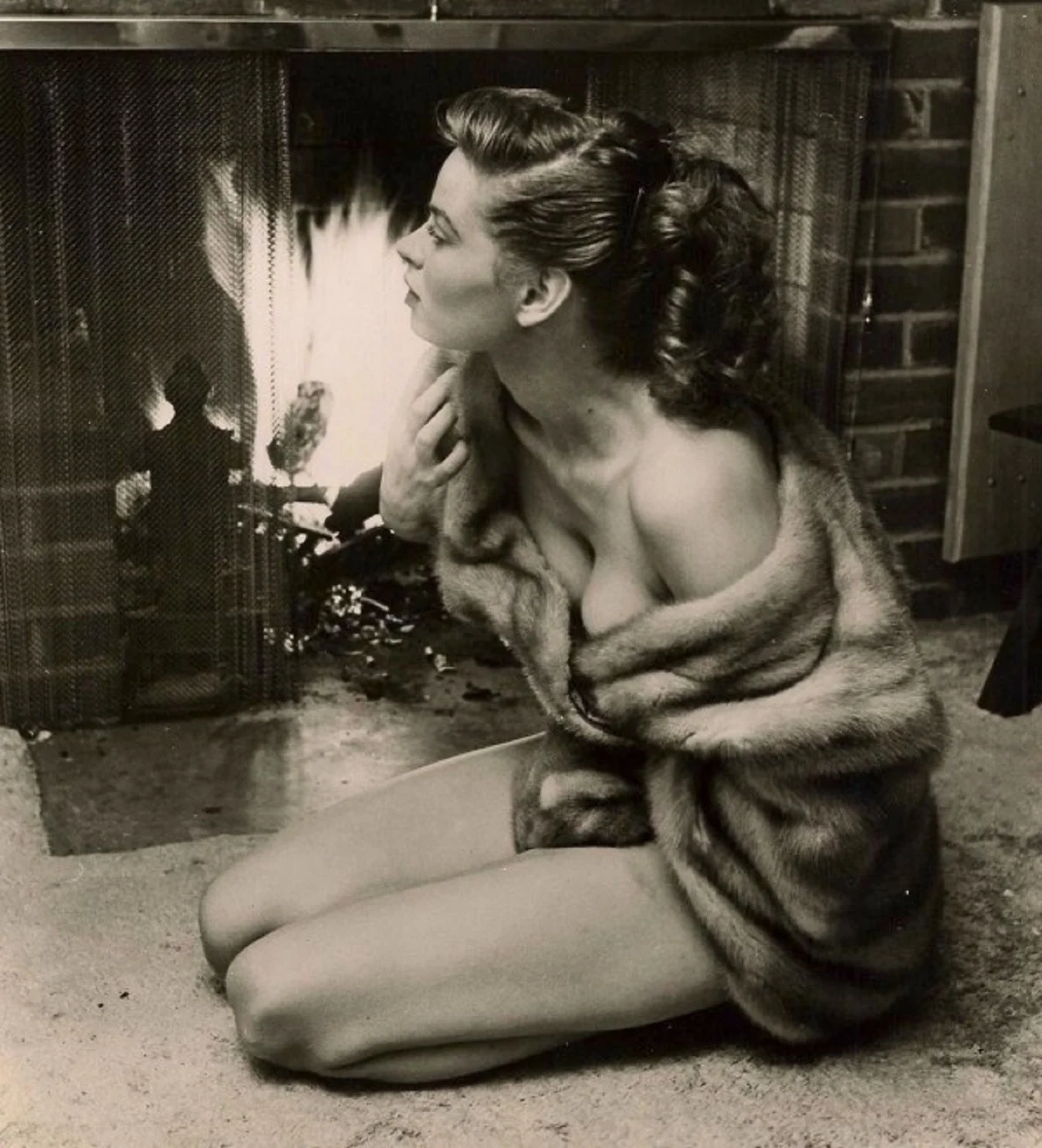
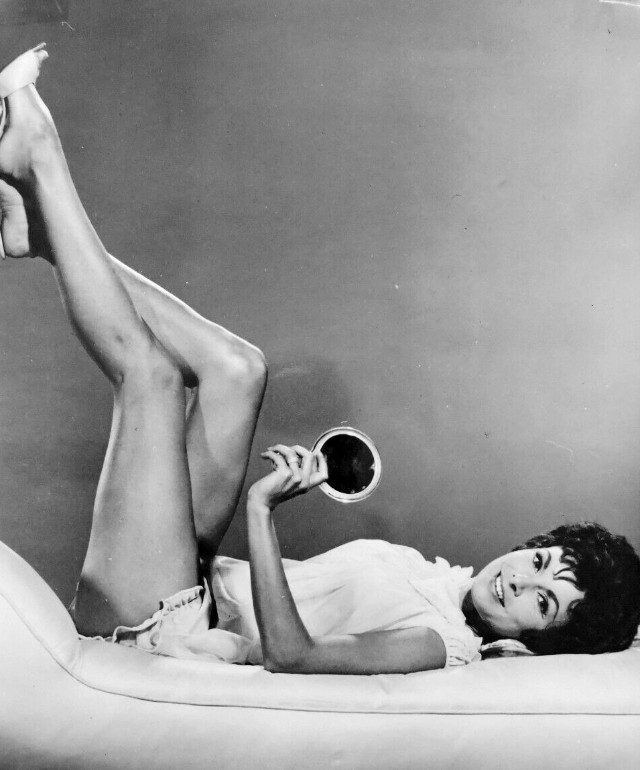
Michele Ann Marie Fabares (1944-2026)

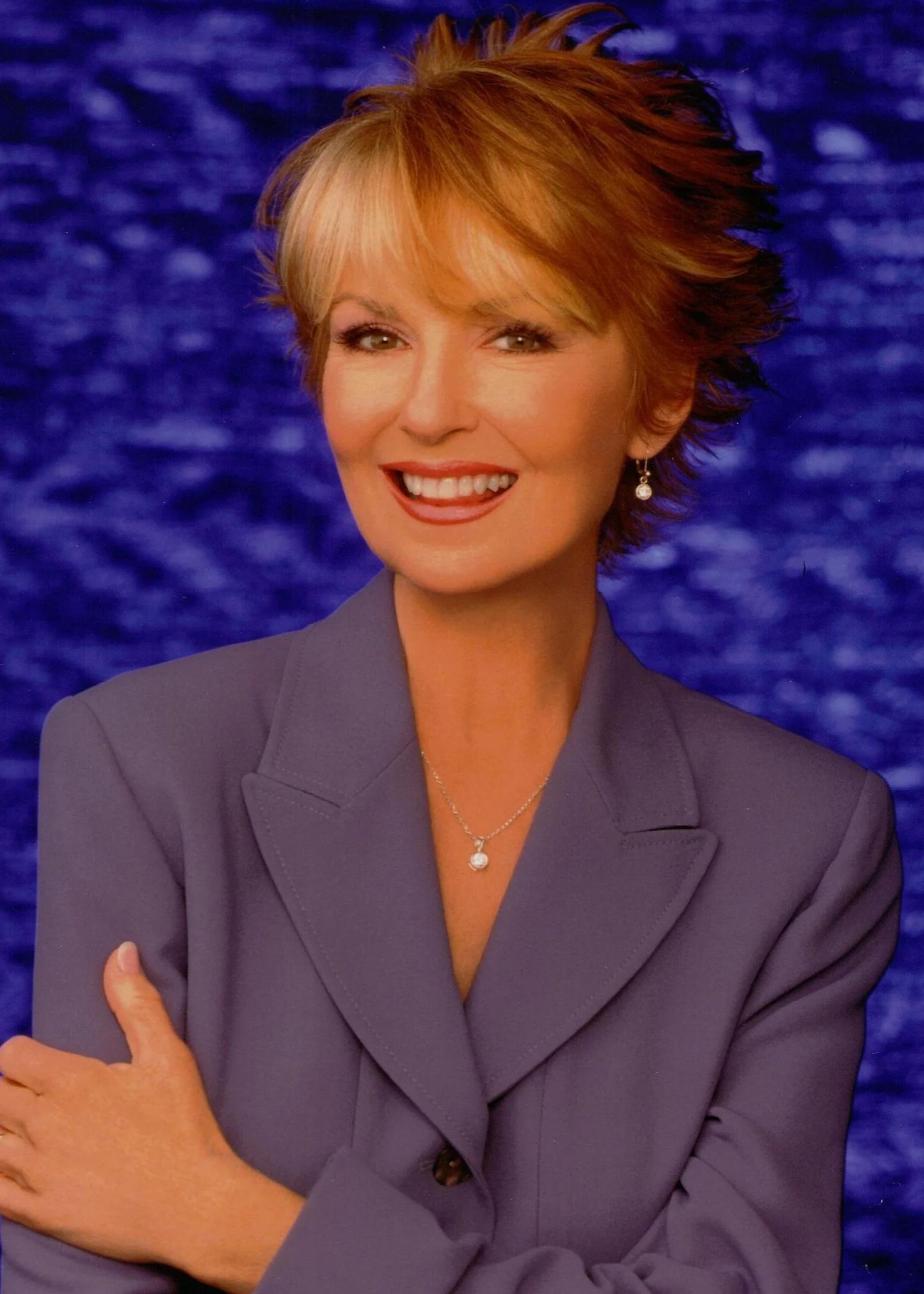
Shelley Fabares was known for her television roles beginning with her coming-of-age role as the ever-wholesome daughter on the sitcom The Donna Reed Show (1958–1963) and as Christine Armstrong on the sitcom Coach (1989–1997), the latter of which earned her two Primetime Emmy Awards nominations. In 1962, her recording of “Johnny Angel” reached number one on the Billboard Hot 100 chart.

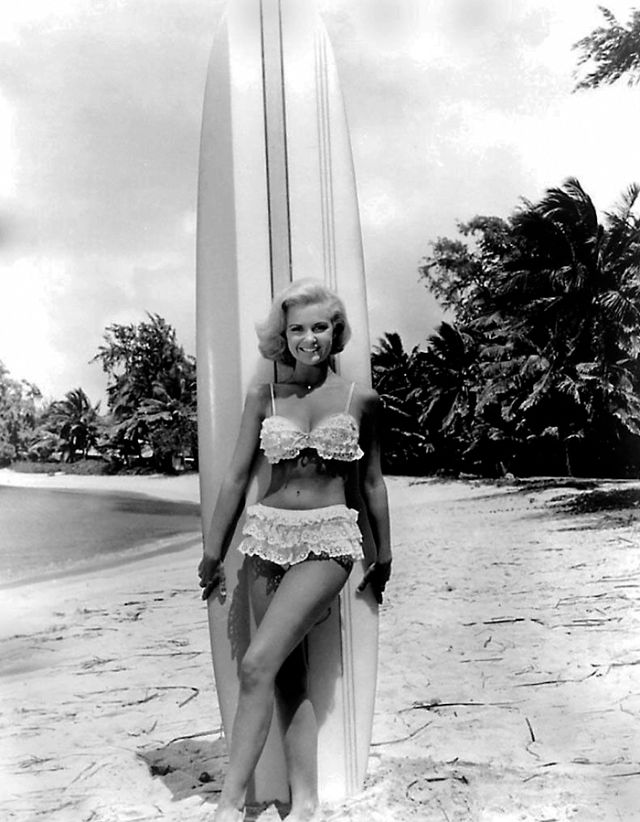
After her Donna Reed Show character went to college and therefore written off, Shelley become part of the bikini-clad blonde set with top femme parts in such fun-and-frolic fare as Ride the Wild Surf (1964), Hold On! (1966), and three of Elvis Presley’s less-acclaimed vehicles of the later 1960s: Girl Happy (1965), Spinout (1966) and Clambake (1967).

After a notoriously dry spell, she bounced back as the altruistic wife of a dying footballer “Brian Piccolo” in Brian’s Song (1971), opposite James Caan, and settled comfortably again on the small screen with bright co-star roles on the series The Little People (1972), The Practice (1976), and Highcliffe Manor (1979). A more prickly character than usual, however, reared its head in the late-night soap spoof Forever Fernwood (1977), and this led to the equally malicious, vainglorious role of Bonnie Franklin’s business competitor on the already-established hit sitcom One Day at a Time (1975). In the late 1980s, Shelley found a fleshier character as Craig T. Nelson’s resourceful mate on Coach (1989), earning steady work for eight seasons and two Emmy nominations in the process.

In 1984, she married actor Mike Farrell (BJ Hunnicutt from M.A.S.H.). She had no biological children, but was a stepmother to Farrell’s two children from his previous marriage.In October 2000 she was diagnosed with Autoimmune Hepatitis and received a liver transplant.

Shelley Fabares died at the age of 82 on August 22, 2026.

Nellie Elizabeth “Irish” McCalla (1928-2002)

In 1951, she married insurance salesman Patrick McIntyre, with whom she had two sons. McCalla was already a popular pinup model by 1952, when several other models and she appeared in the film River Goddesses, comprising voluptuous young women frolicking in Glen Canyon.She recalled being discovered by a Nassour Studios representative while throwing a bamboo spear on a Malibu, California, beach, adding of her Sheena experience, “I couldn’t act, but I could swing through the trees”. Her 26-episode series aired in first-run syndication from 1955 to 1956.

She performed her own stunts on the series, filmed in Mexico, until the day she grabbed an unsecured vine and slammed into a tree, breaking her arm. Her elder son, Kim McIntyre, once told the press he remembered watching his mother swinging from vine to vine and wrestling mechanical alligators. Following the one-season Sheena, McCalla appeared in five films from 1958 to 1962, and had guest roles on the TV series Have Gun — Will Travel and Route 66.

McCalla and McIntyre divorced in 1957, and the following year, McCalla married the English actor and James Joyce / Sherlock Holmes scholar Patrick Horgan. They divorced in January 1969. In 1982, McCalla, then living in Malibu, California, married Chuck Rowland, a national sales manager for an auto-glass firm, and moved with him to Prescott, Arizona, where she lived out her days.

Now an artist, she produced numerous oil paintings and collector plates, and sold prints of her work. She was a member of Woman Artists of the American West, and her work has been displayed at the Los Angeles Museum of Arts and Sciences. She made personal appearances at autograph conventions, appearing as late as 1996 in a faux-leopard Sheena costume.

in 2002, died of a stroke and complications from a brain tumor. She was 73

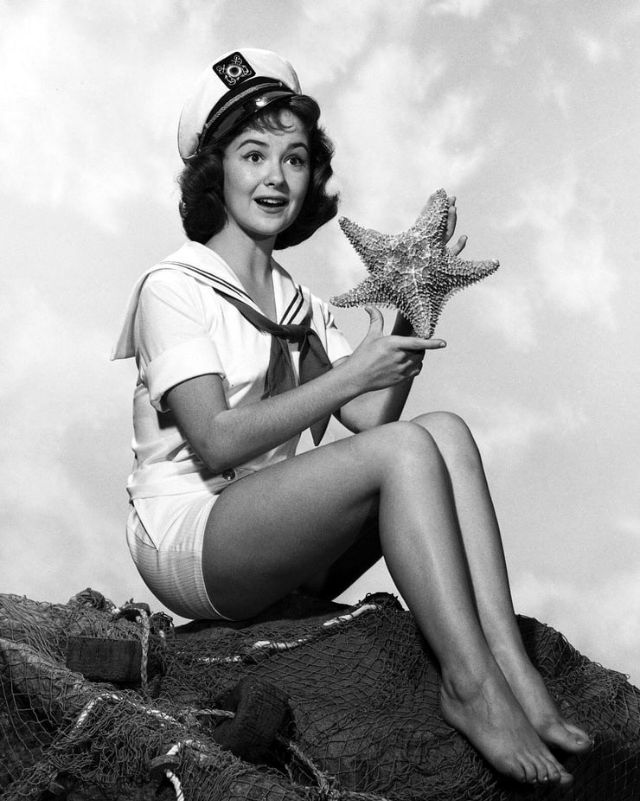
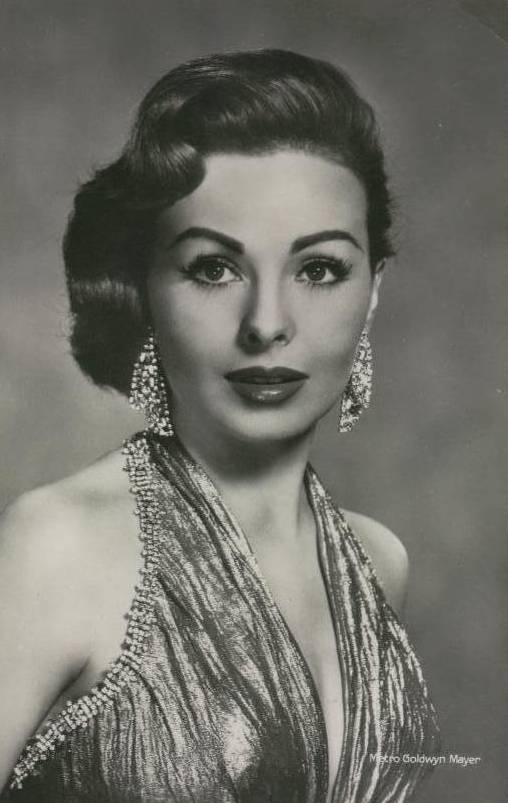
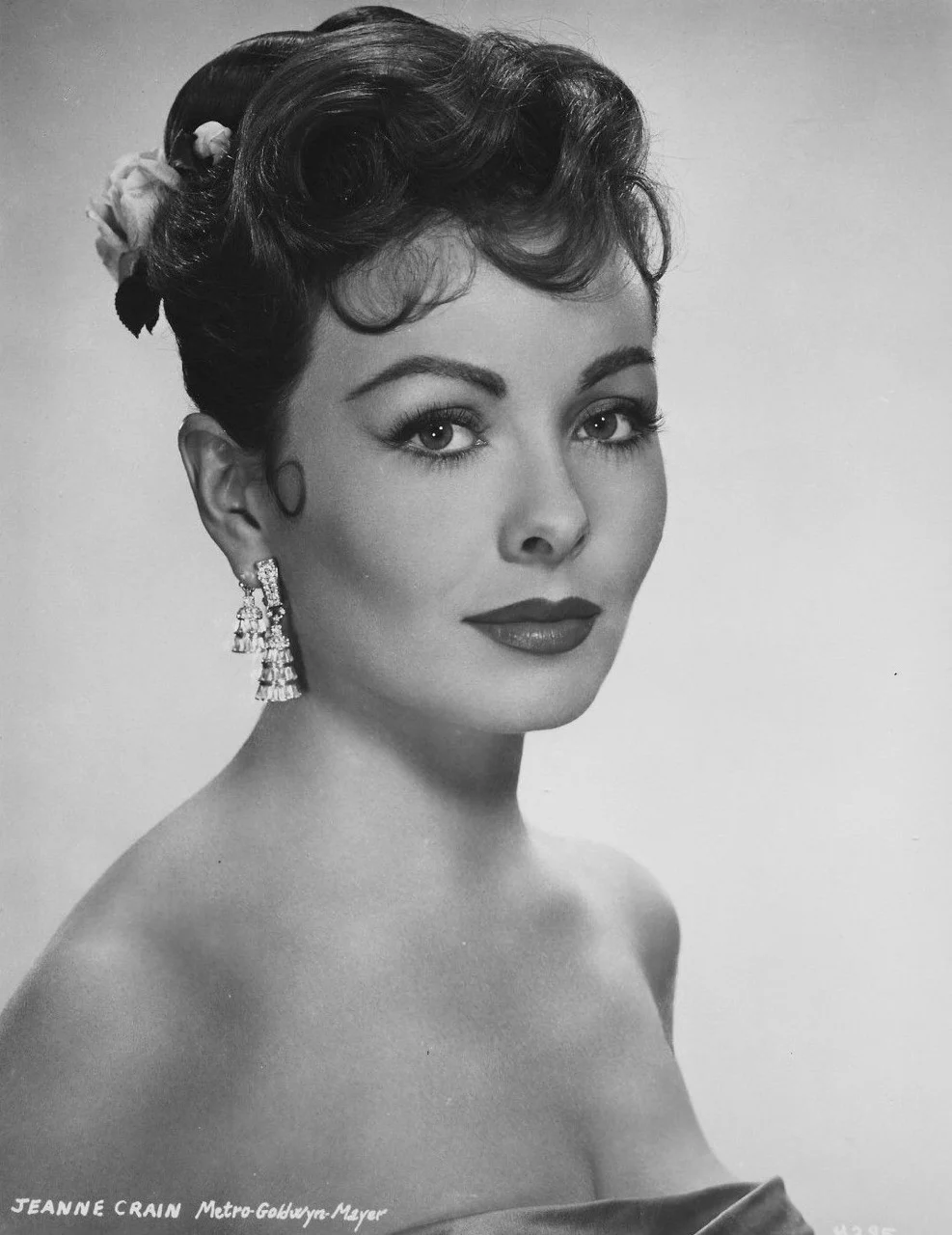
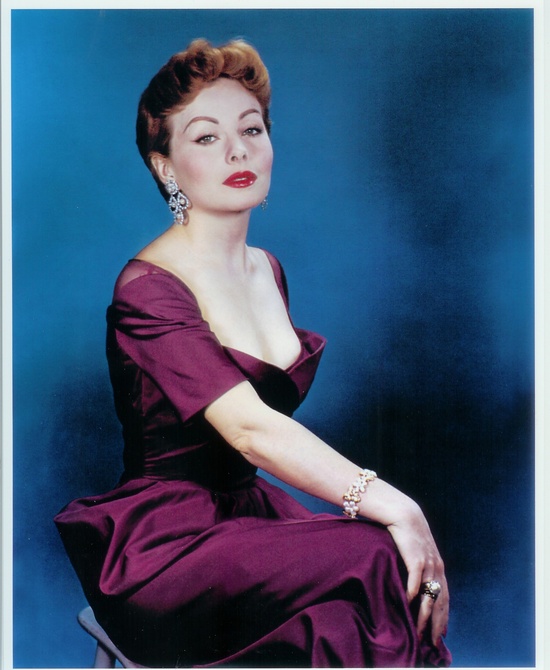
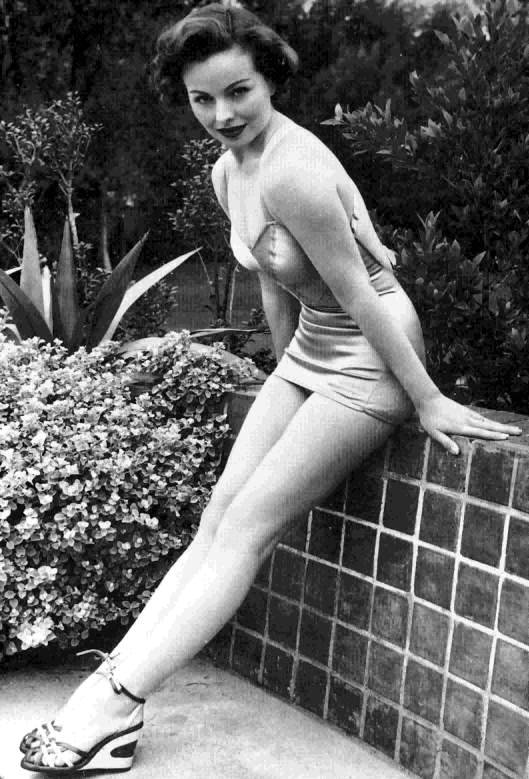
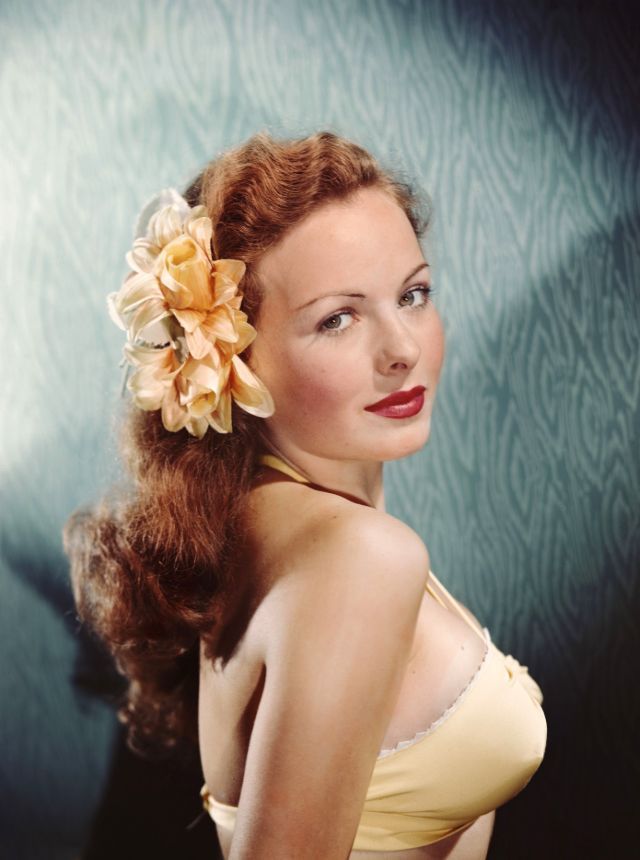
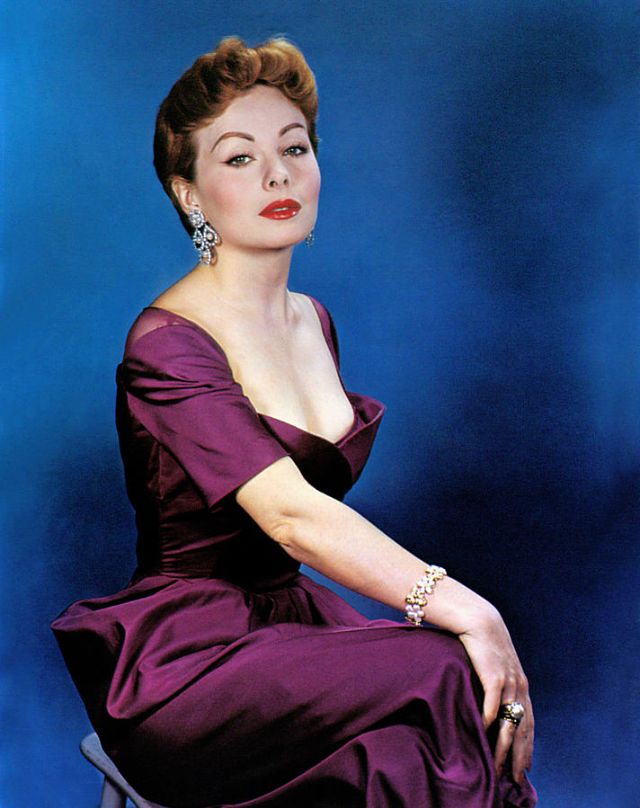
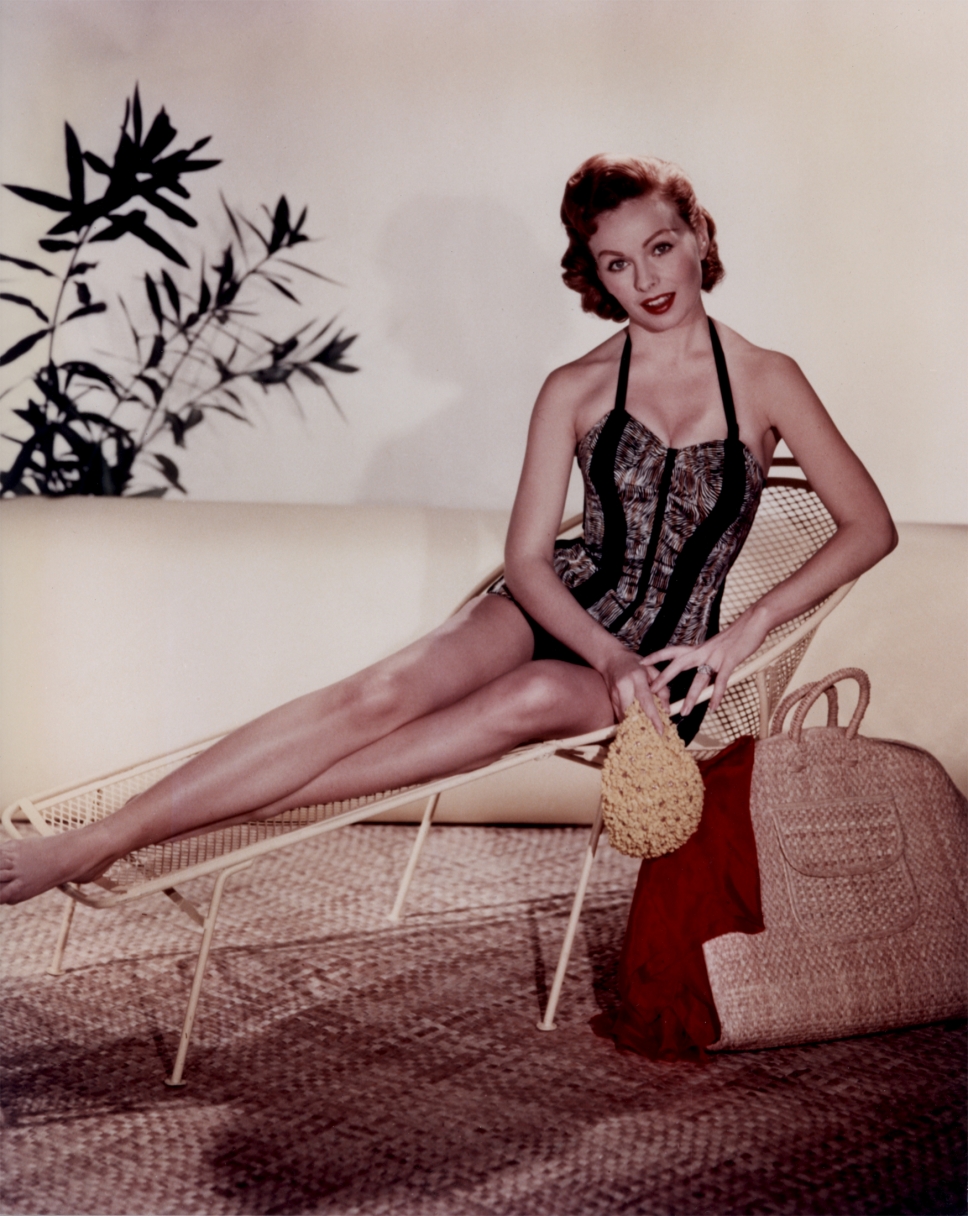
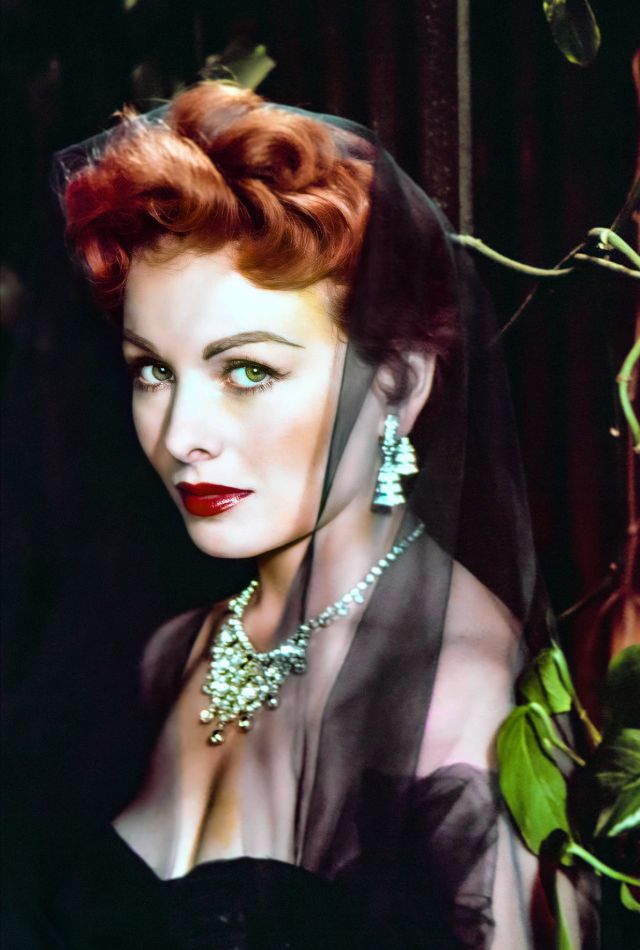
Jeanne Elizabeth Crain (1925-2003)

Jeanne Crain began winning leads in school plays at 14 and beauty contests at 15. A skilled ice skater, she first attracted attention when she was crowned Miss Pan-Pacific at the Pan-Pacific Auditorium in Los Angeles. She attended Inglewood High School, where her father was head of the English department. While still in high school, she was asked to do a screen test with Orson Welles, but she did not get the part. After high school, she enrolled at UCLA to study drama. In 1943 at age 18, she appeared in a bit part in the film The Gang’s All Here, produced by 20th Century Fox

At age 19 Crain was cast by Fox in her first sizable role in Home in Indiana (1944), with Walter Brennan, in which she played the love interest of Lon McCallister’s character. The film, shot in Technicolor, was popular at the box office and established Crain as a film name. Darryl F. Zanuck, head of Fox, gave Crain top billing in In the Meantime, Darling (1944), in which she played a war bride. Her acting was critically panned, but she gained nationwide attention. It resulted in her landing the lead role in The Shocking Miss Pilgrim in October 1944.

Crain first received critical acclaim when she starred in Winged Victory (1944). She co-starred in 1945 with Dana Andrews in the musical film State Fair, for which Louanne Hogan dubbed Crain’s singing. After that, Crain often had singing parts in films, and they were invariably dubbed, usually by Hogan. After leaving Fox, She went briefly to Warner Brothers for the filming of Duel in the Jungle in 1954. The film was lukewarm at best. Jeanne, then, signed a contract, that same year, with Universal Studios with promises of better, high profile roles. She went into production in the film Man Without a Star (1955) which was a hit with audiences and critics. After The Joker Is Wild (1957), Jeanne took time off for her family and to appear in a few television programs. She returned, briefly, to film in Guns of the Timberland (1960) in 1960. The films were sporadic after that. In 1967, she appeared in a low-budget suspense yarn called Hot Rods to Hell (1966). Her final film was as Clara Shaw in 1972’s Skyjacked.

Jeanne died of a heart attack in Santa Barbara, California, aged 78

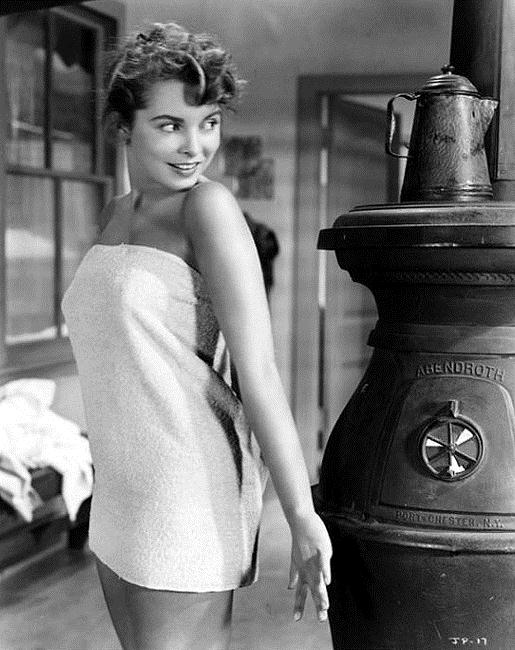
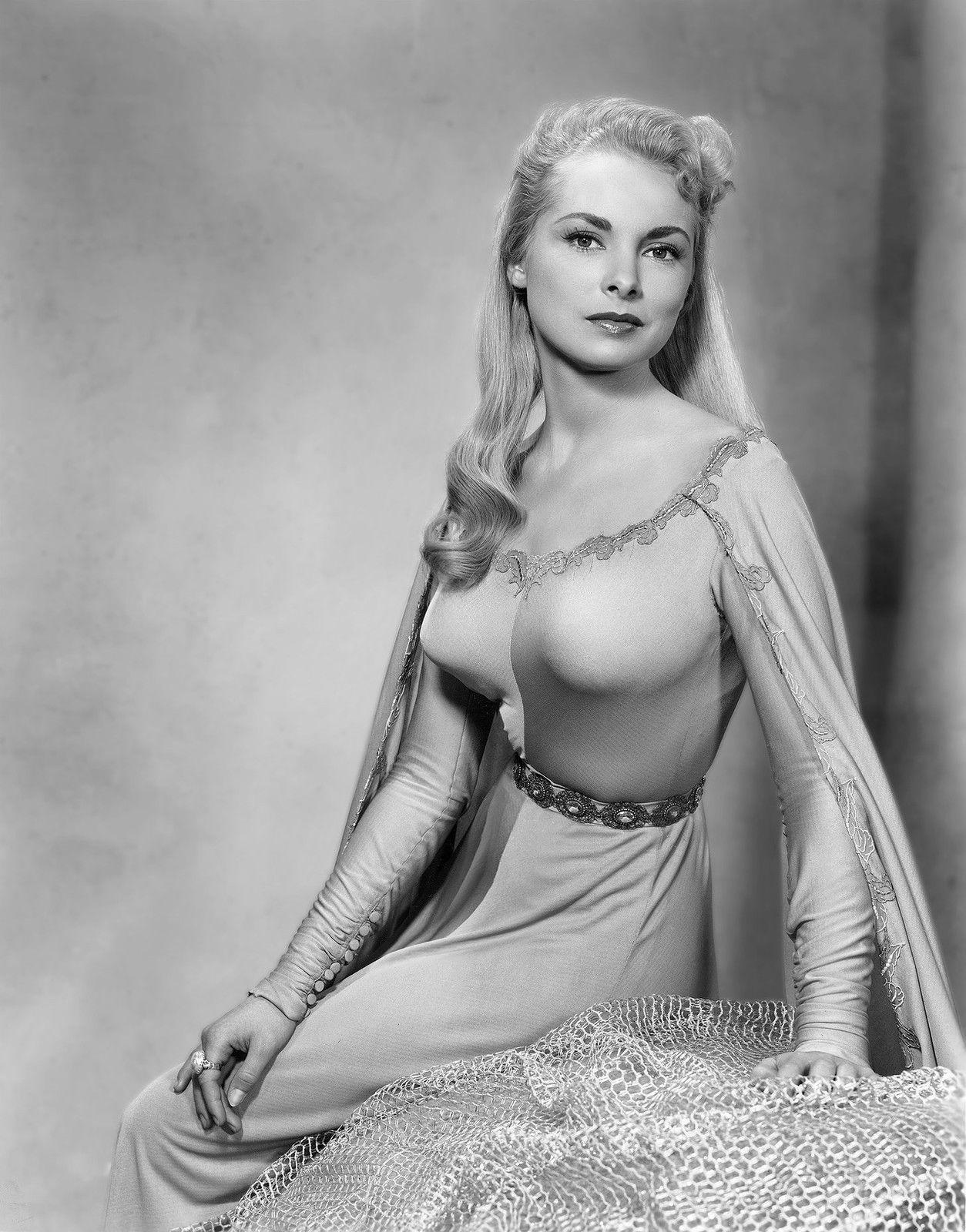
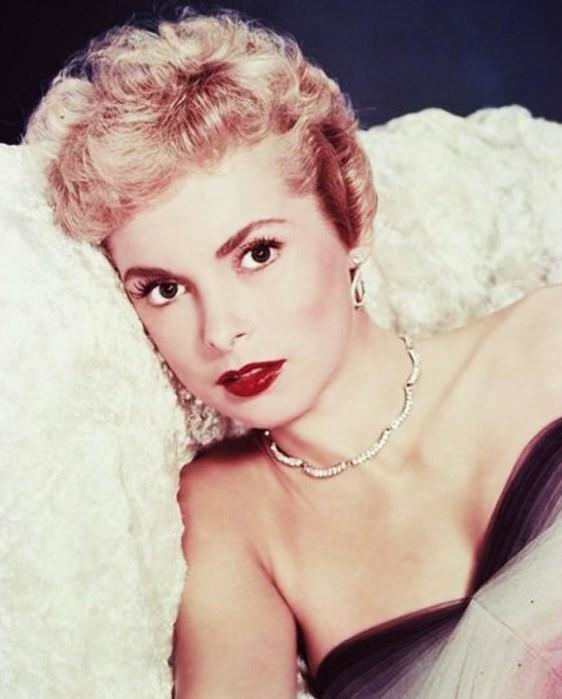
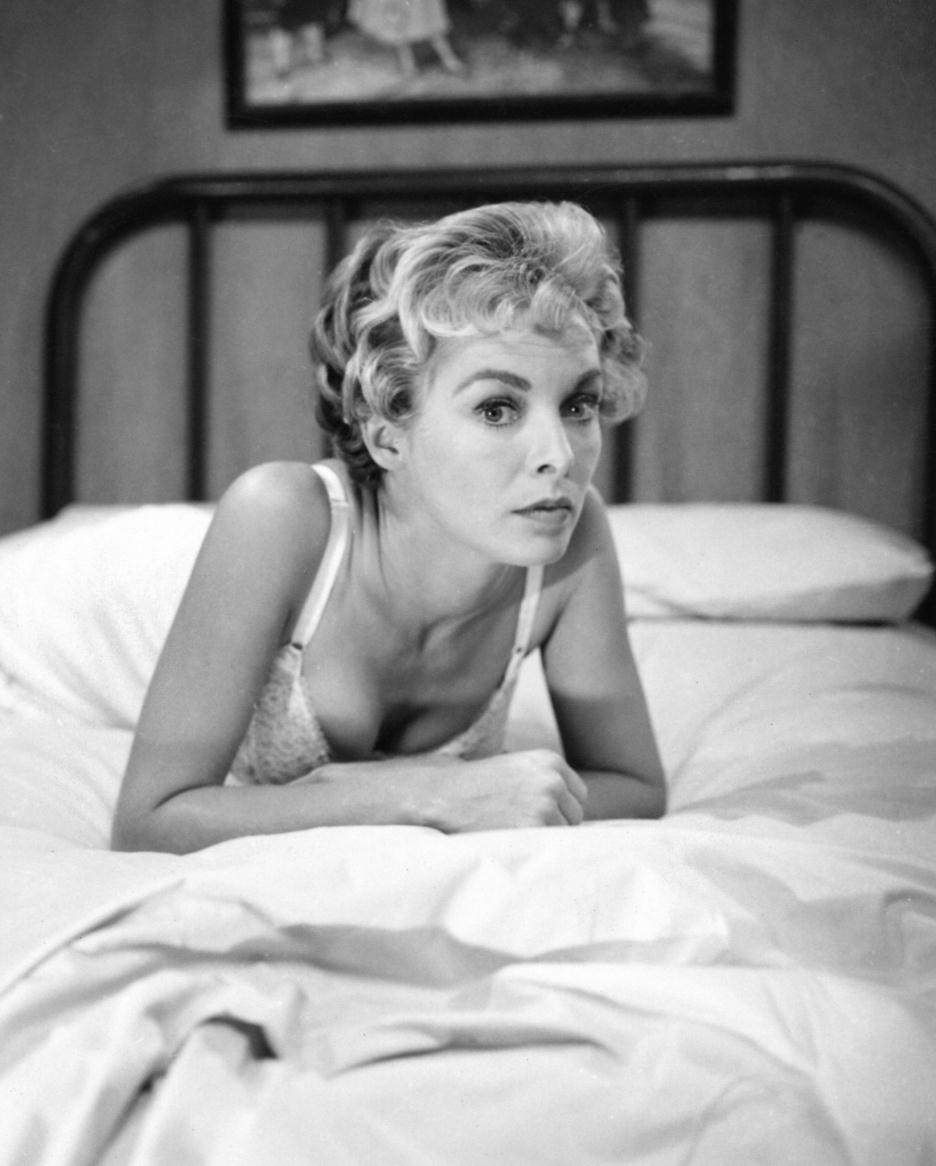
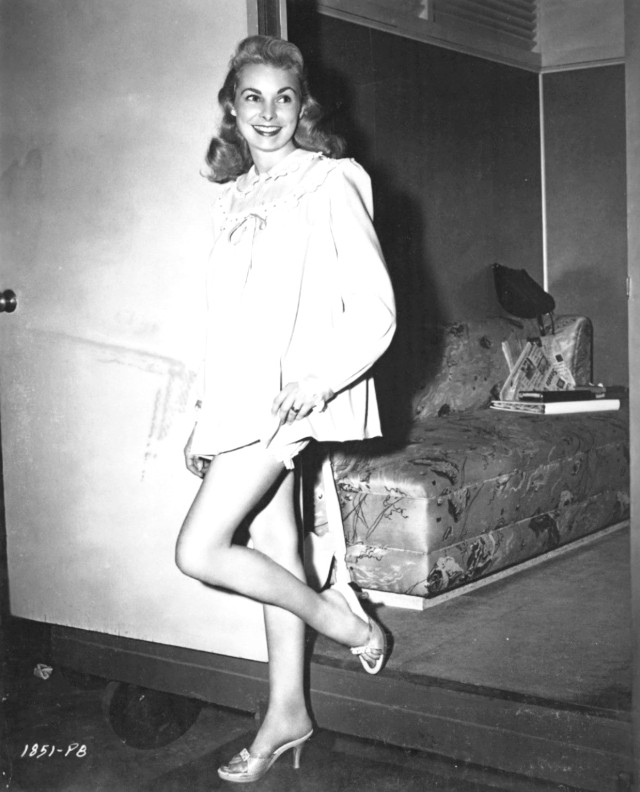
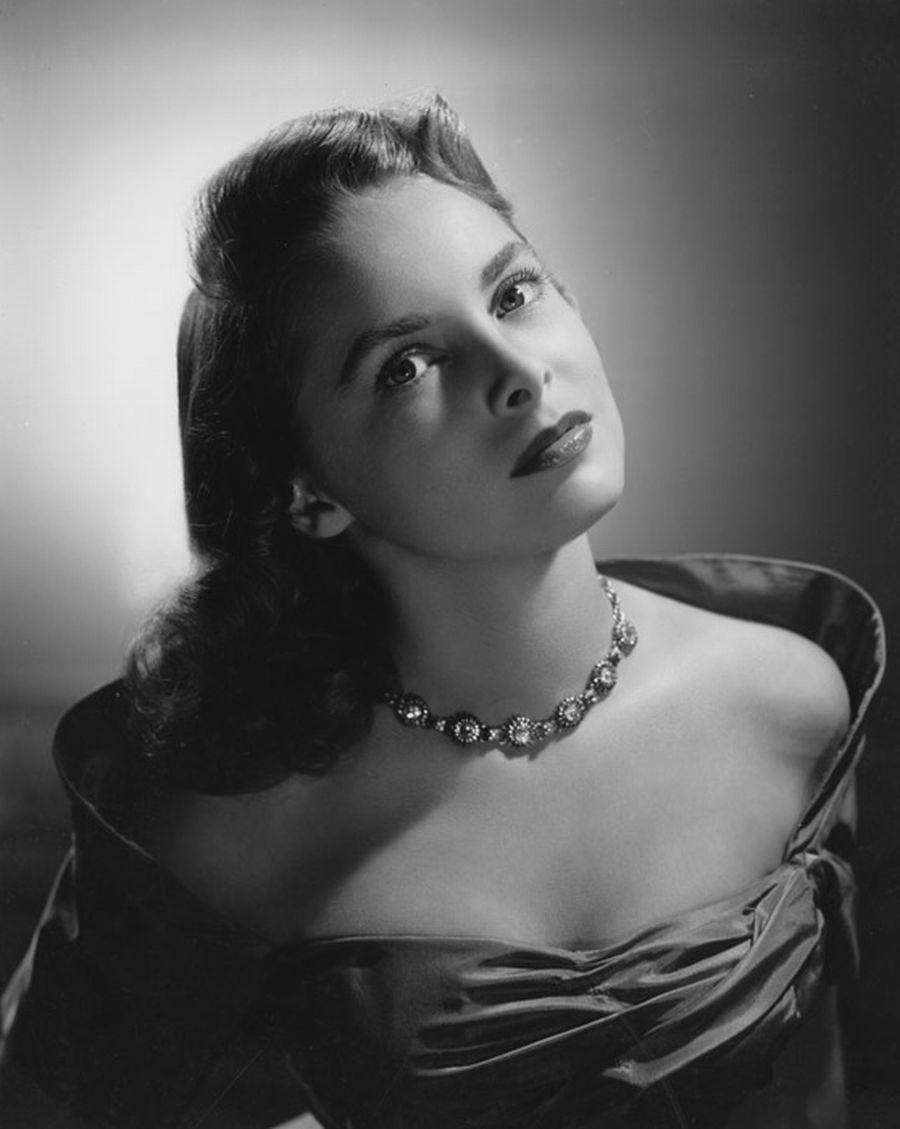
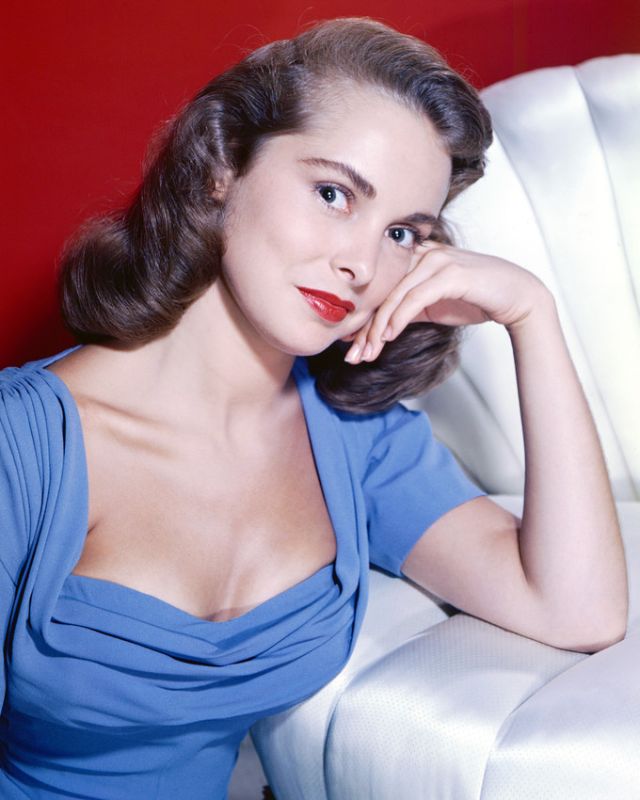
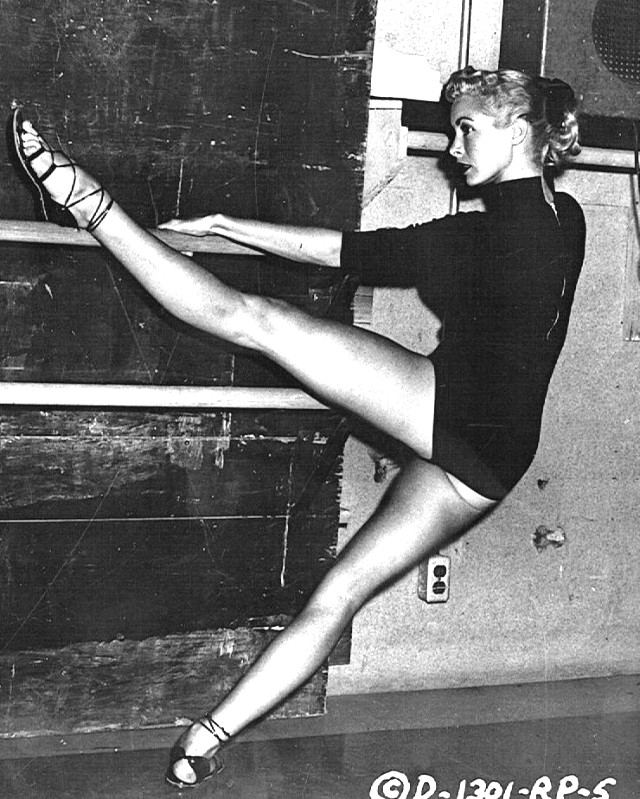
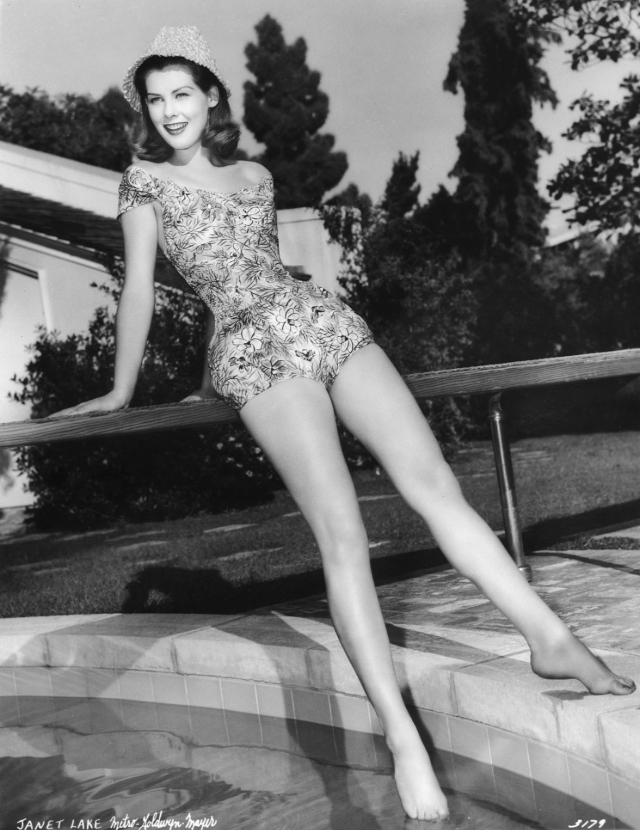
Actress Jeanette Helen Morrison (1927-2004)

Known professionally as Janet Leigh, was an American actress, businesswoman and author. Leigh was established as one of the earliest scream queens for starring in horror films, and is also known for starring in dramatic productions for Metro-Goldwyn-Mayer (MGM). She amassed several screen and stage credits over five decades, and received accolades such as a Golden Globe Award, a Laurel Award, and a nomination for an Academy Award.

Leigh was discovered at 18 by actress Norma Shearer, who helped her secure a contract with MGM. She appeared in films such as the drama The Romance of Rosy Ridge (1947), Act of Violence (1948), the adaptation of Little Women (1949), the comedy Angels in the Outfield (1951), the swashbuckler romance Scaramouche (1952), the Western drama The Naked Spur (1953). She had two marriages in the 1940s before marrying actor Tony Curtis in 1951.

After leaving MGM in 1954, Leigh signed with Universal and Columbia Pictures, starring in films such as the adventure feature Safari (1956) and Orson Welles’ film noir Touch of Evil (1958). She achieved her biggest success playing Marion Crane in Alfred Hitchcock’s horror film Psycho (1960), winning the Golden Globe Award for Best Supporting Actress and earning a nomination for the Academy Award for Best Supporting Actress. In her most enduring role, Leigh was established as a scream queen and received a star on the Hollywood Walk of Fame that same year. Her performance in the pivotal shower scene has become one of the best-known in all of cinema.

In 1962, Leigh and Curtis divorced, and she married Robert Brandt. She then starred in the political thriller The Manchurian Candidate (1962), the musical Bye Bye Birdie (1963), and Harper (1966) before scaling back her career. She made her Broadway debut in a production of Murder Among Friends (1975) and appeared in the horror film Night of the Lepus (1972) and the thriller Boardwalk (1979). She later starred with her daughter, Jamie Lee Curtis, in the horror films The Fog (1980) and Halloween H20: 20 Years Later (1998).

Outside of acting, Leigh co-founded Curtleigh Productions with Curtis, who produced a handful of successful films between 1955 and 1962. She wrote four books between 1984 and 2002, two of which were novels.

On October 3, 2004, she died at the age of 77 of vasculitis.

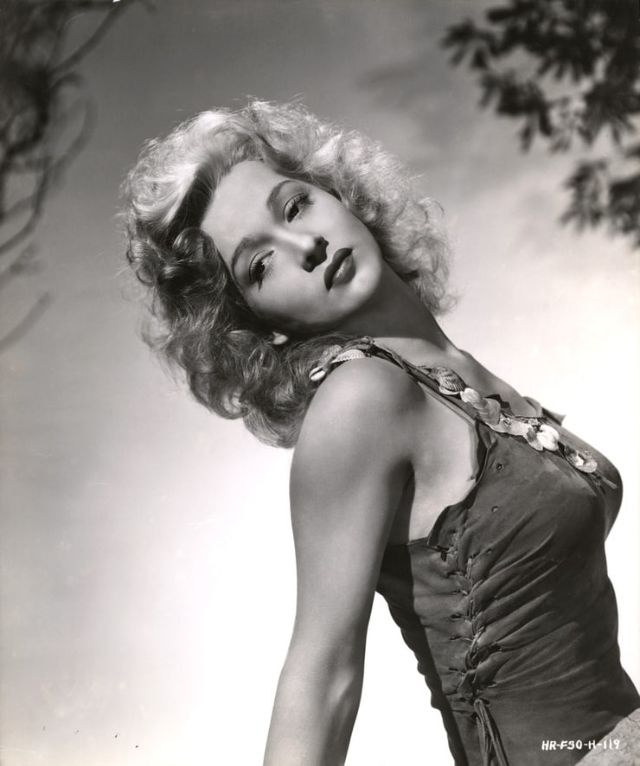
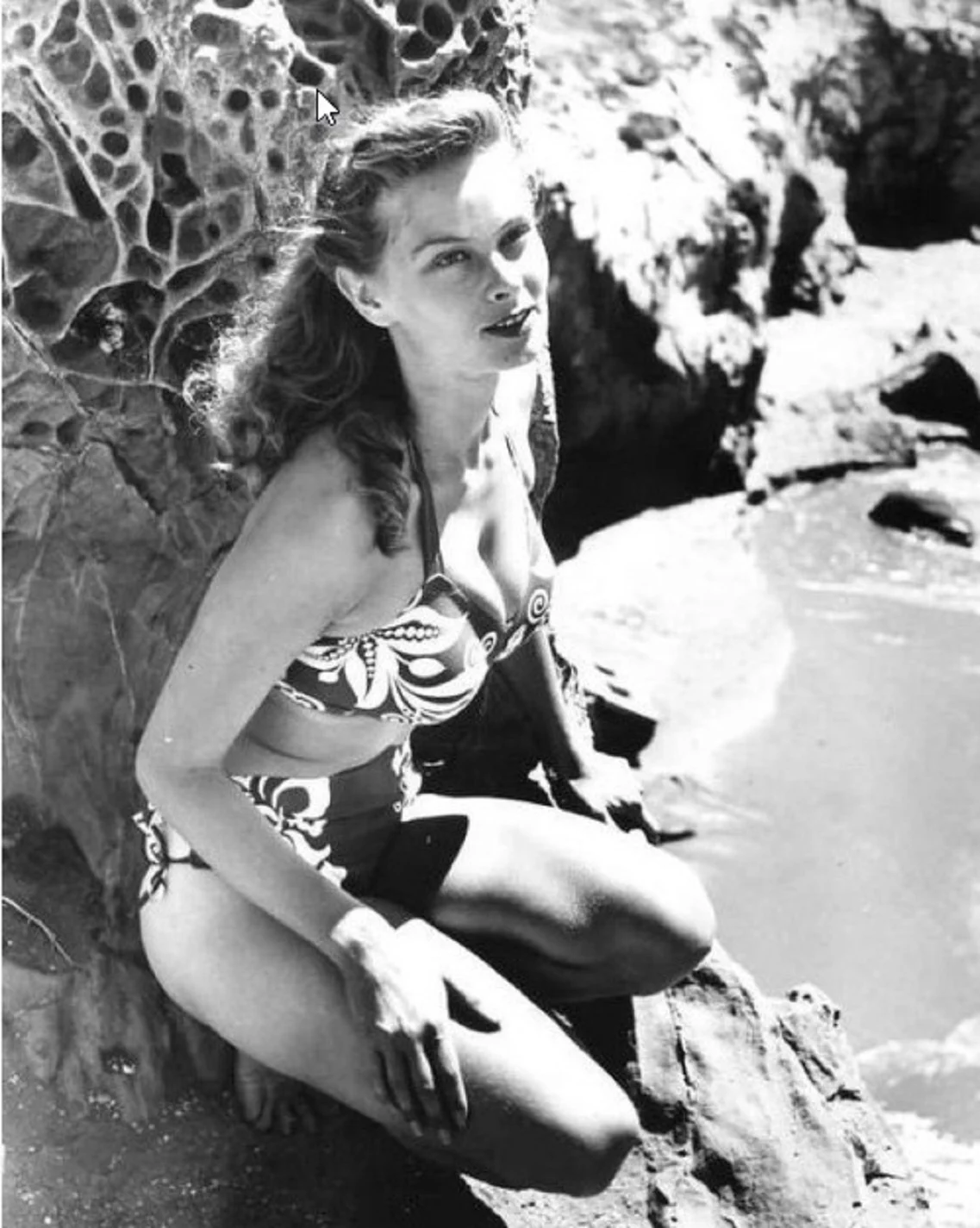
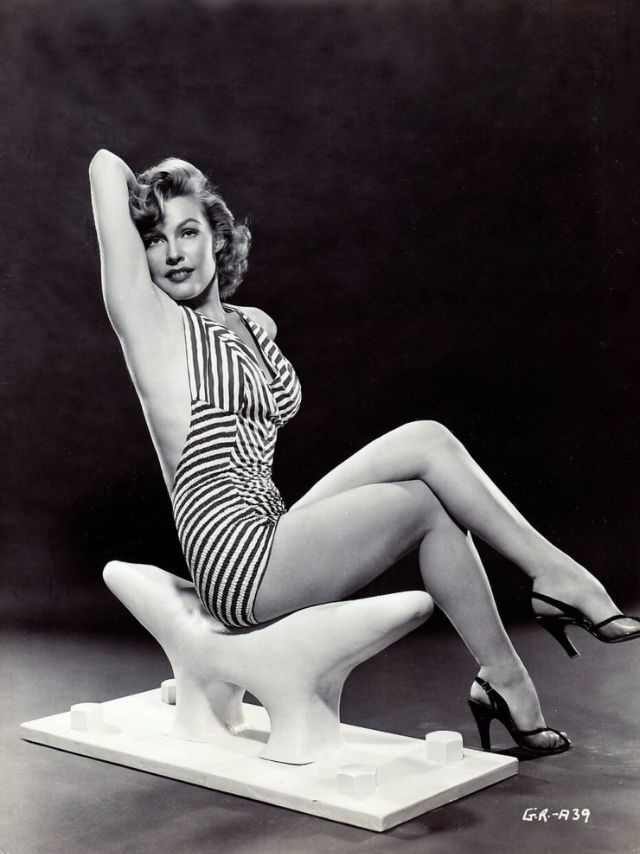
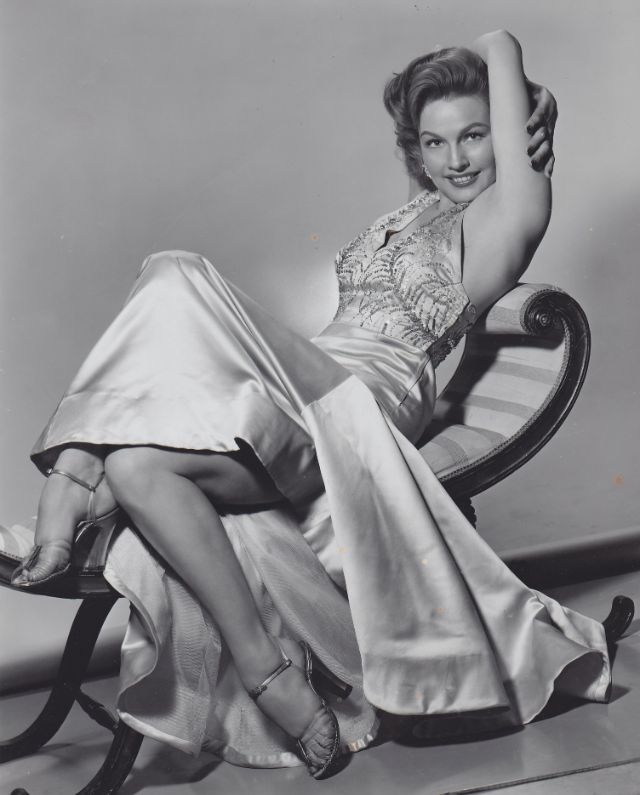
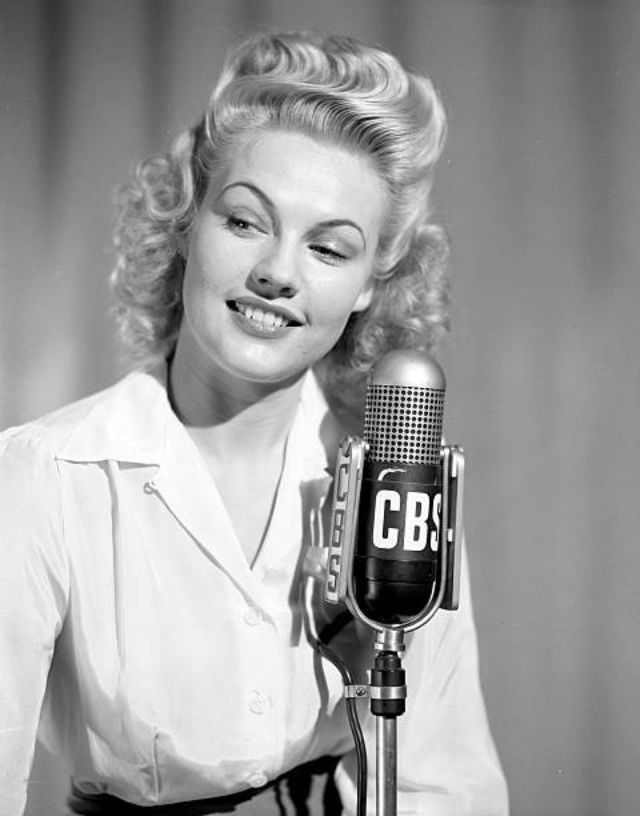
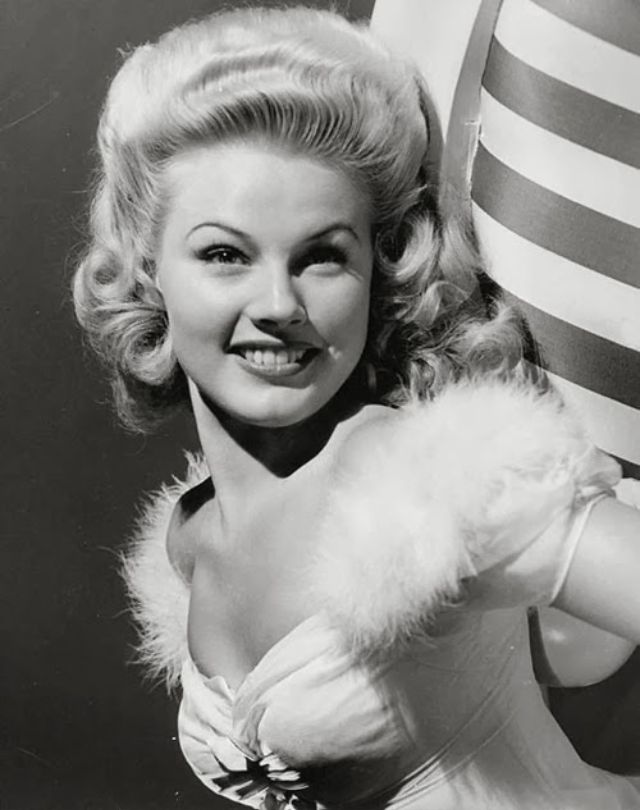
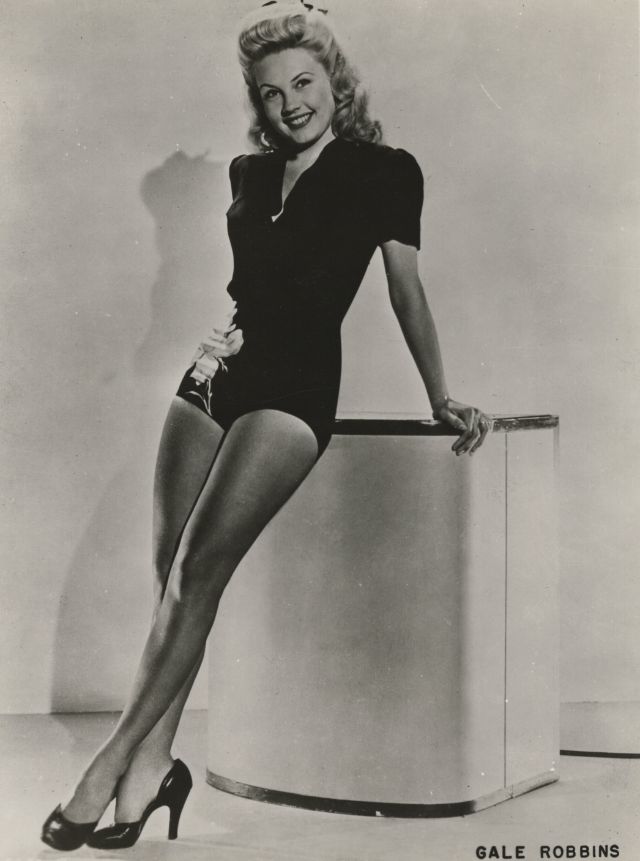
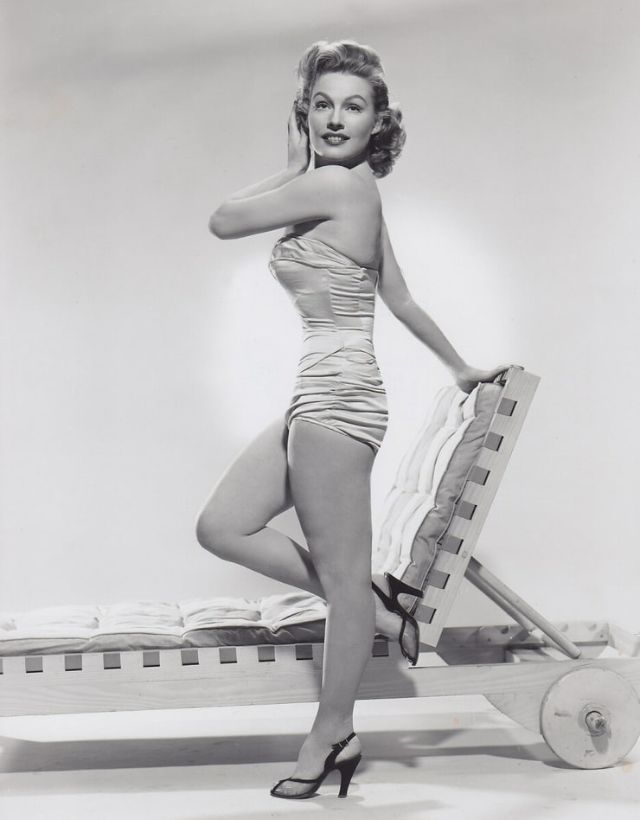
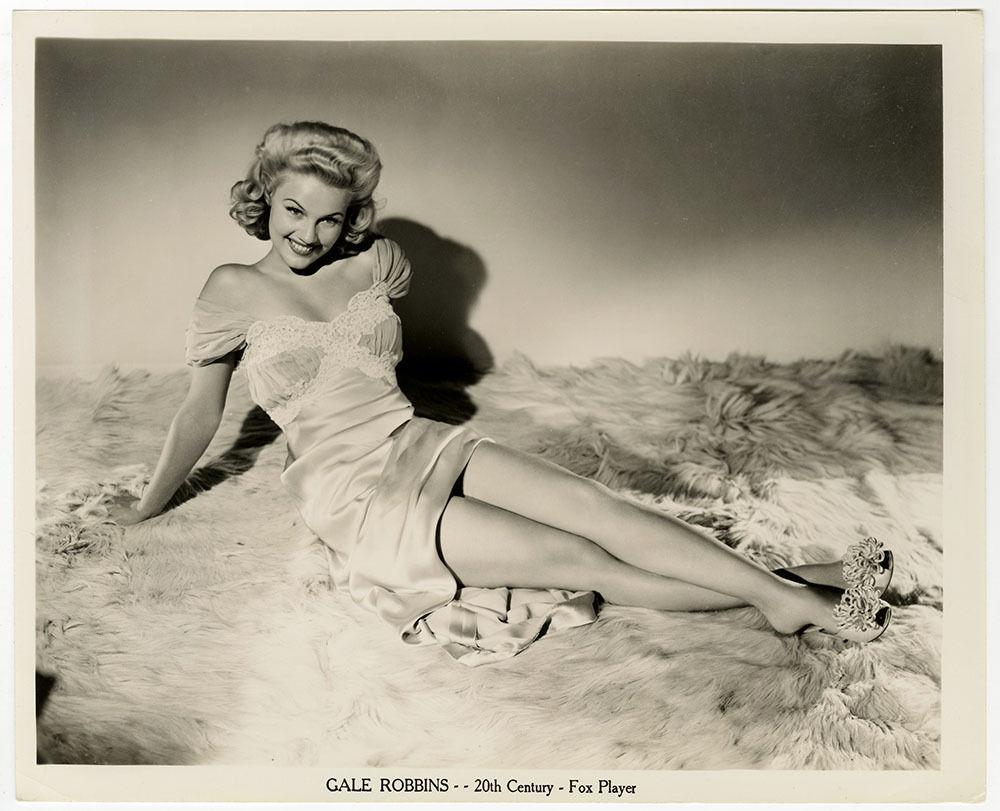
actress and singer Gale Robbins (1921-1980)

Gale Robbins was a knockout-looking hazel-eyed redhead who made a modest dent in post-war Hollywood films. Gale had a natural flair for music and appeared in glee clubs and church choirs in the early days. She graduated from her Chicago high school in 1939.

She started out in entertainment as a model in Chicago, but her singing talents soon took over. Signed by a talent agency, she sang with Phil Levant’s outfit in 1940 and later teamed with some male singers for a swing band that called themselves “The Duchess and Her Dukes.”

20th Century-Fox spotted her while she was singing for Ben Bernie’s outfit and quickly signed her up, her first film being the pleasant time-filler In the Meantime, Darling (1944). A semi-popular cheesecake pin-up, Gale appeared on the cover of “Yank, The Army Weekly” in 1944, was heard on radio, and toured with Bob Hope in Europe the next year. Her post-war parts, mostly sultry second leads, were typically lightweight in nature. She was often lent out to other studios and not always in a singing mode. Gale’s better known film work includes Race Street (1948), The Barkleys of Broadway (1949), Three Little Words (1950), The Fuller Brush Girl (1950) and Calamity Jane (1953).

Gale went on to host the Hollywood House (1949) and also appeared on The Colgate Comedy Hour (1950). In the late 50s she released an easy-listening album (“I’m a Dreamer”) for the Vik Label backed by Eddie Cano & His Orchestra. She covered such standards as “Them There Eyes” and “What Is This Thing Called Love.” After her final film appearance in Quantrill’s Raiders (1958) and a few additional TV parts on such programs as “Bourbon Street Beat,” “77 Sunset Strip,” “The Untouchables,” “Perry Mason” and “Mister Ed,” Gale phased out her career in 1972 to focus full-time on raising her family.

She passed away at 58 from Lung Cancer