







We Scour the Web, so You Don't Have To!

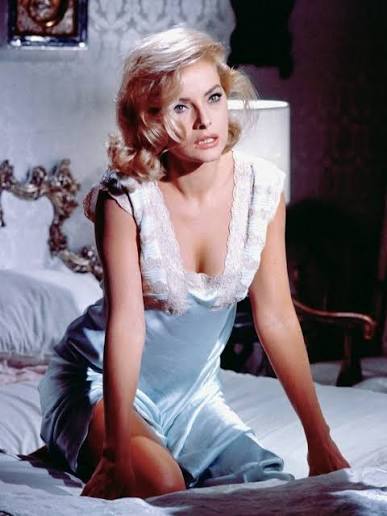
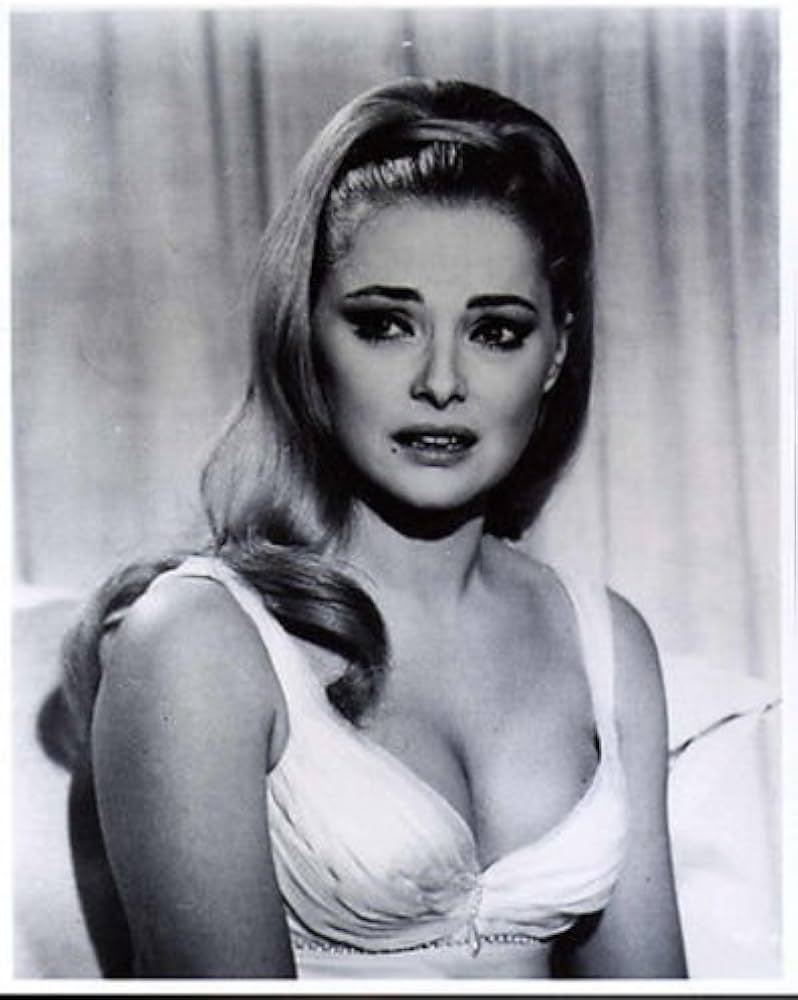
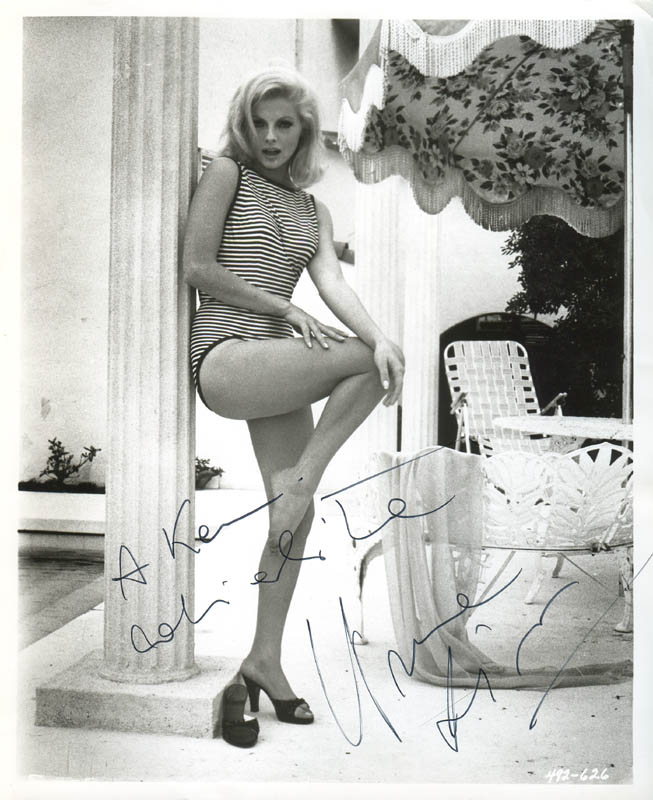
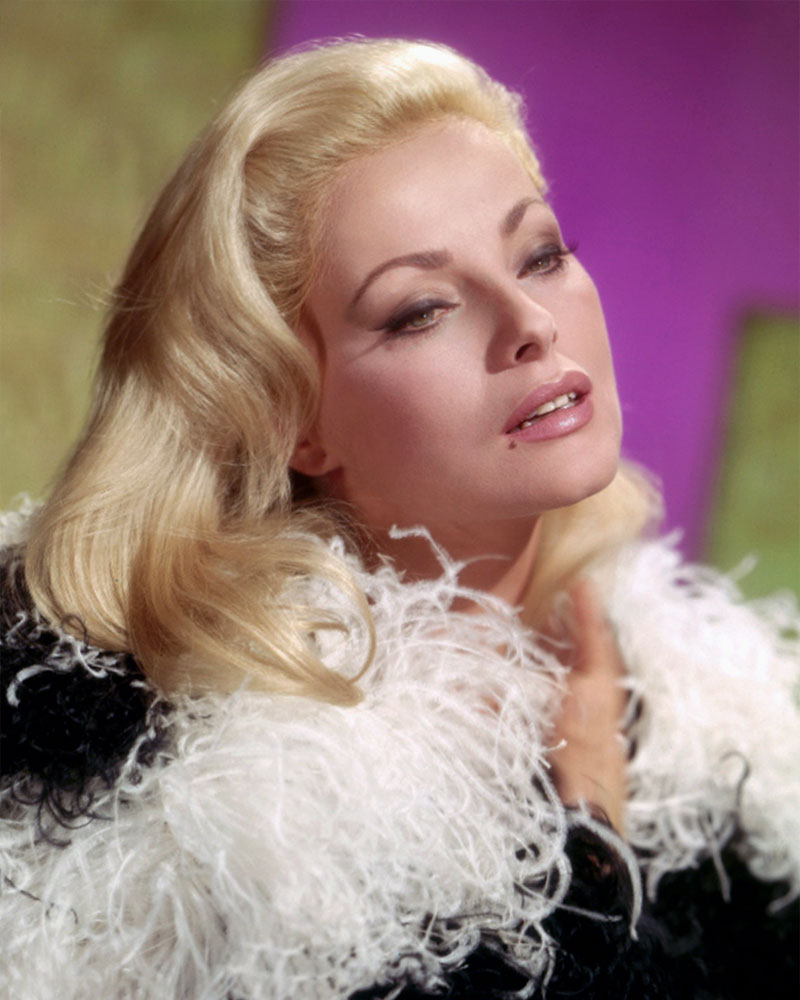
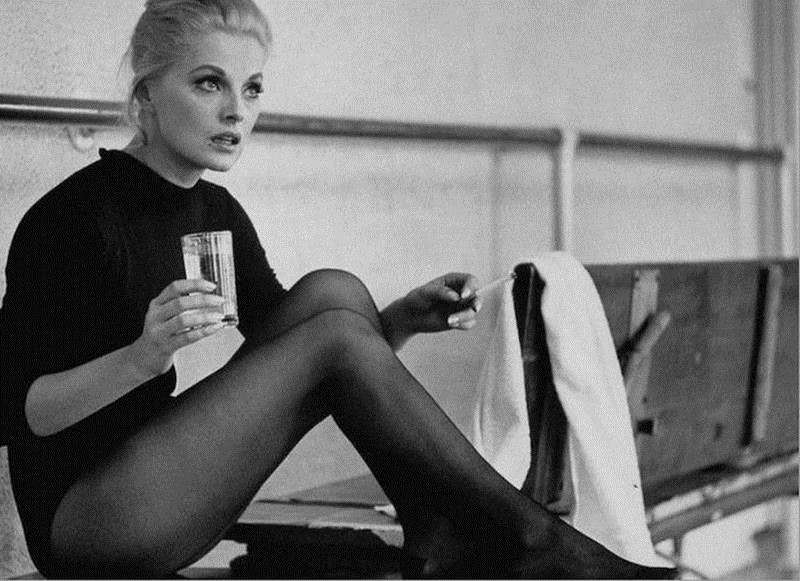
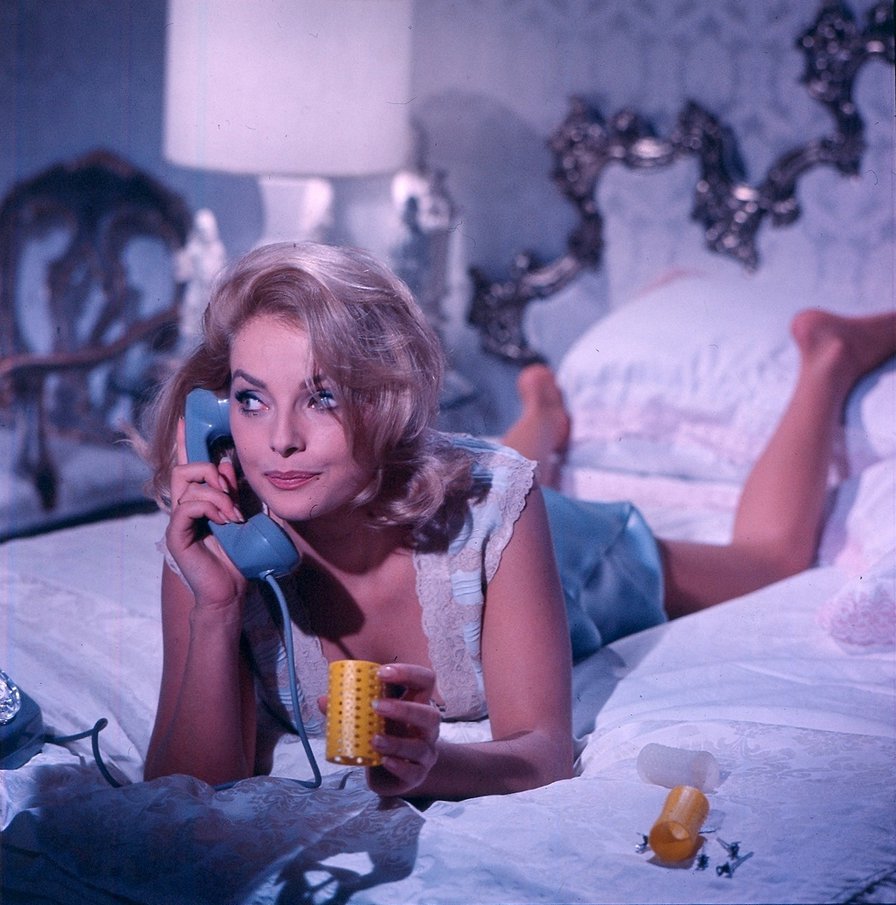
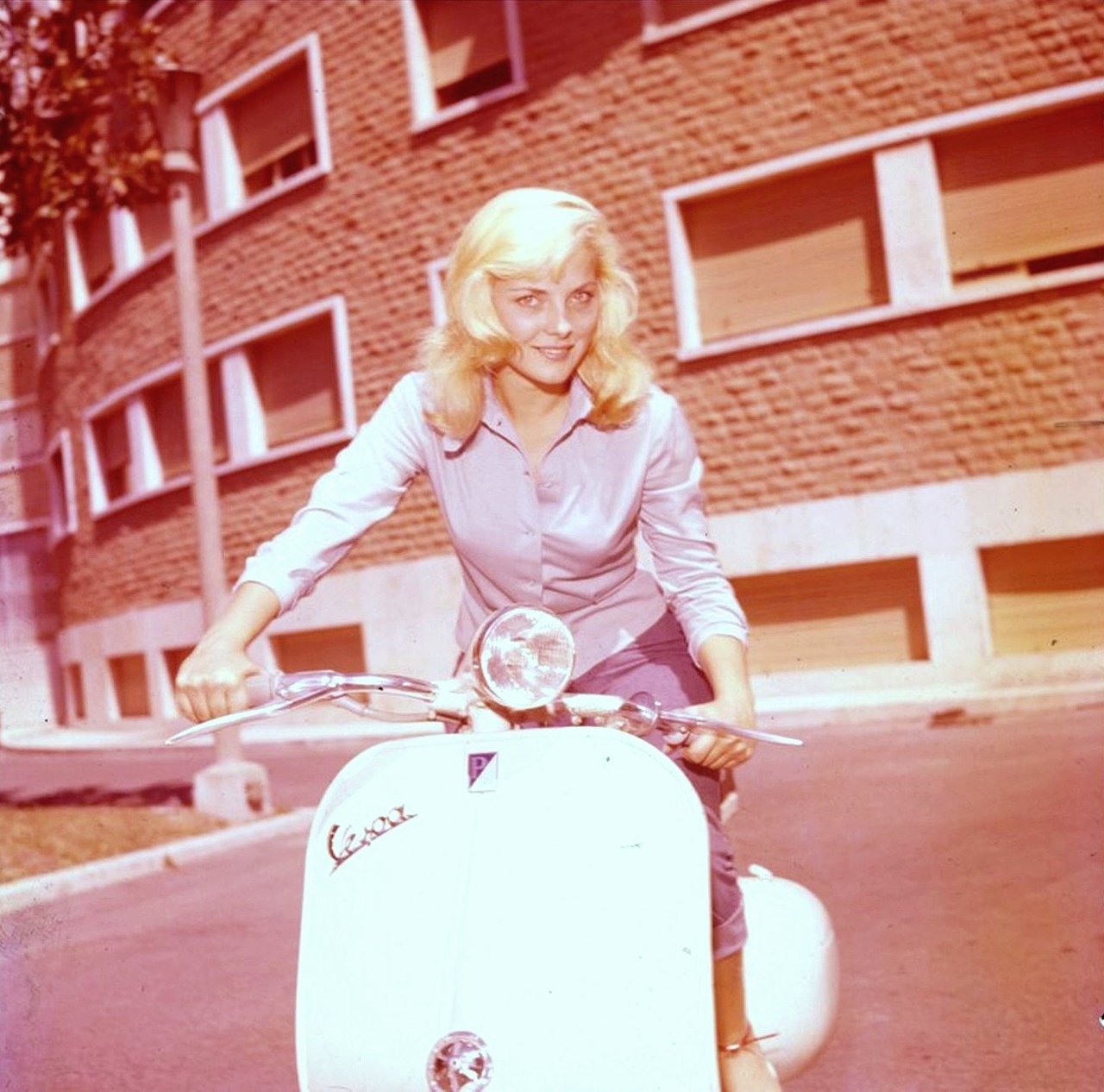
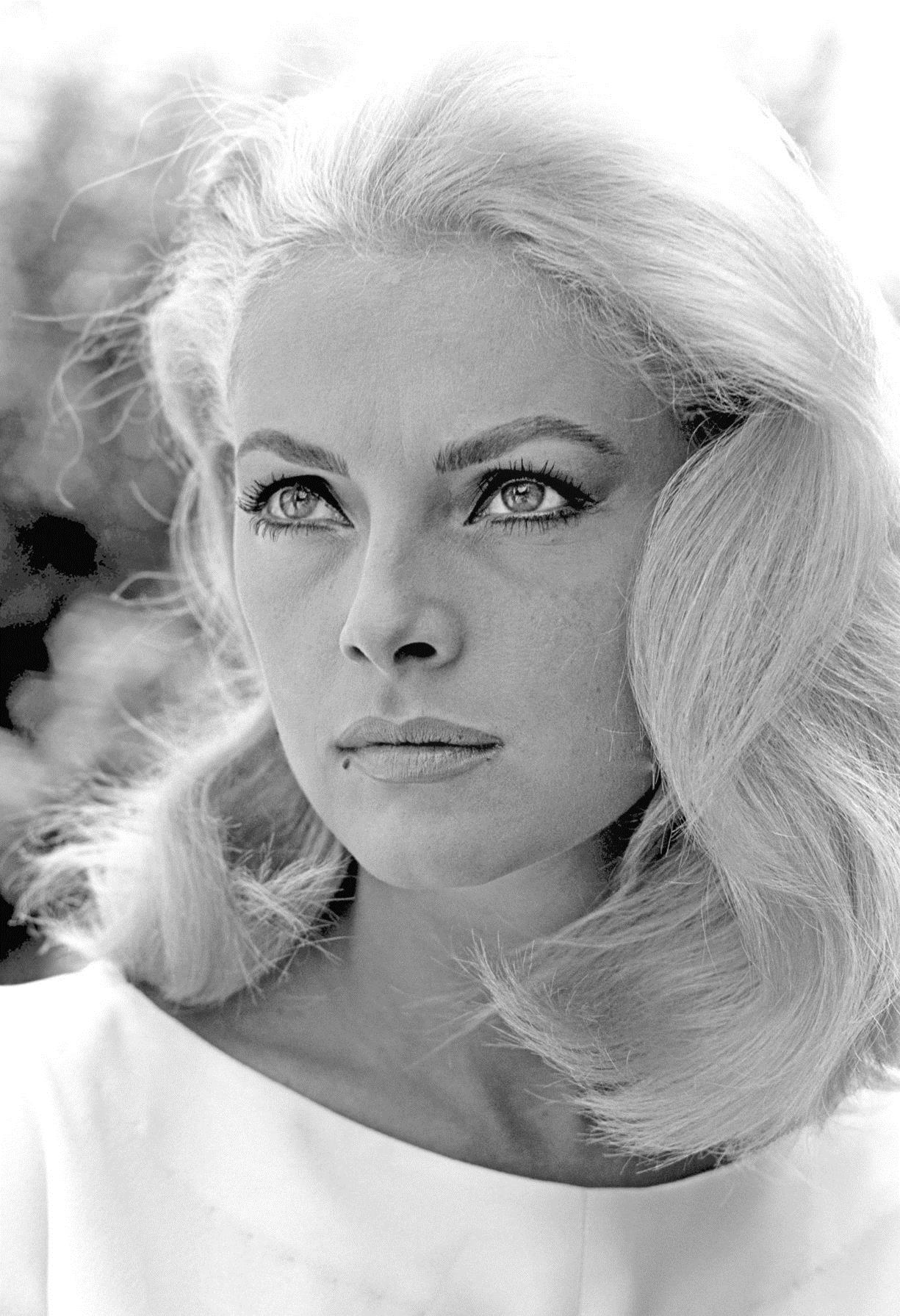
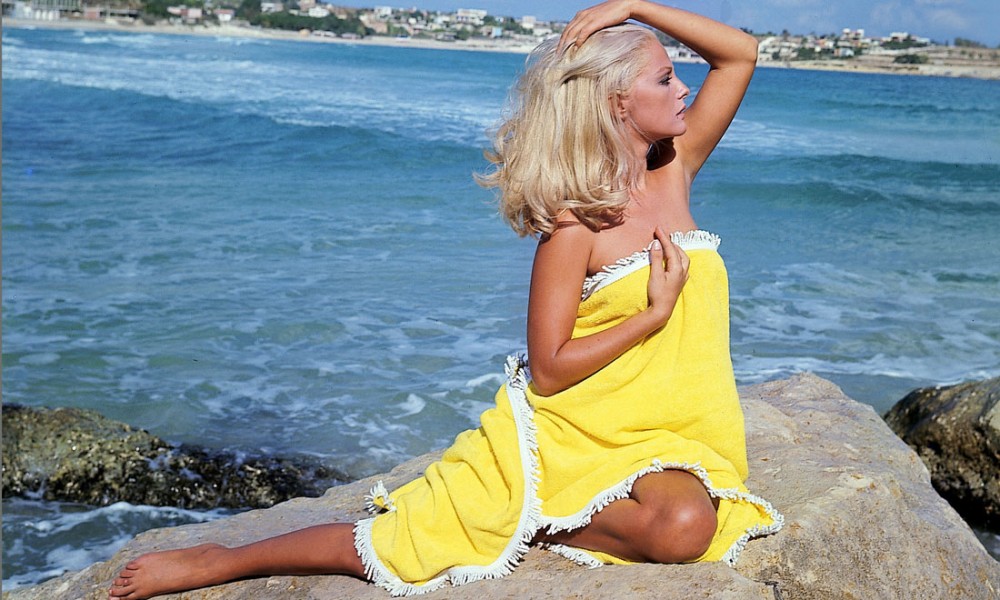
Virna Lisi began her film career in her teens. Discovered in Rome by two Neapolitan producers, Antonio Ferrigno and Ettore Pesce, she debuted in La corda d’acciaio (The Steel Rope, 1953). Initially, she appeared in musical films like E Napoli canta (Naples Sings, 1953) and Questa è la vita (Of Life and Love, 1954, with Totò). While initially cast in roles highlighting her physical appearance, such as Le diciottenni (Eighteen Year Olds) and Lo scapolo (The Bachelor), both released in 1955, she went on to more demanding roles, particularly in The Doll That Took the Town (1956), Eva (1962), and the spectacle Duel of the Titans (1961).
Her international film appearances included How to Murder Your Wife (1965), Not with My Wife, You Don’t! (1966), The Secret of Santa Vittoria (1969), Beyond Good and Evil (1977), and Follow Your Heart (1996). For the 1994 film La Reine Margot, she won Best Actress at Cannes and the César Award for Best Supporting Actress.
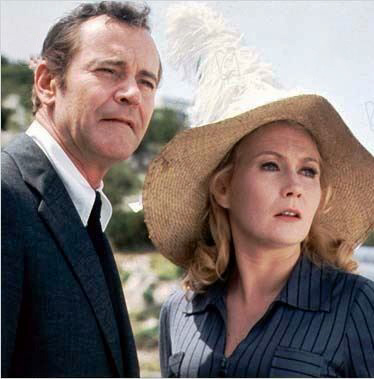
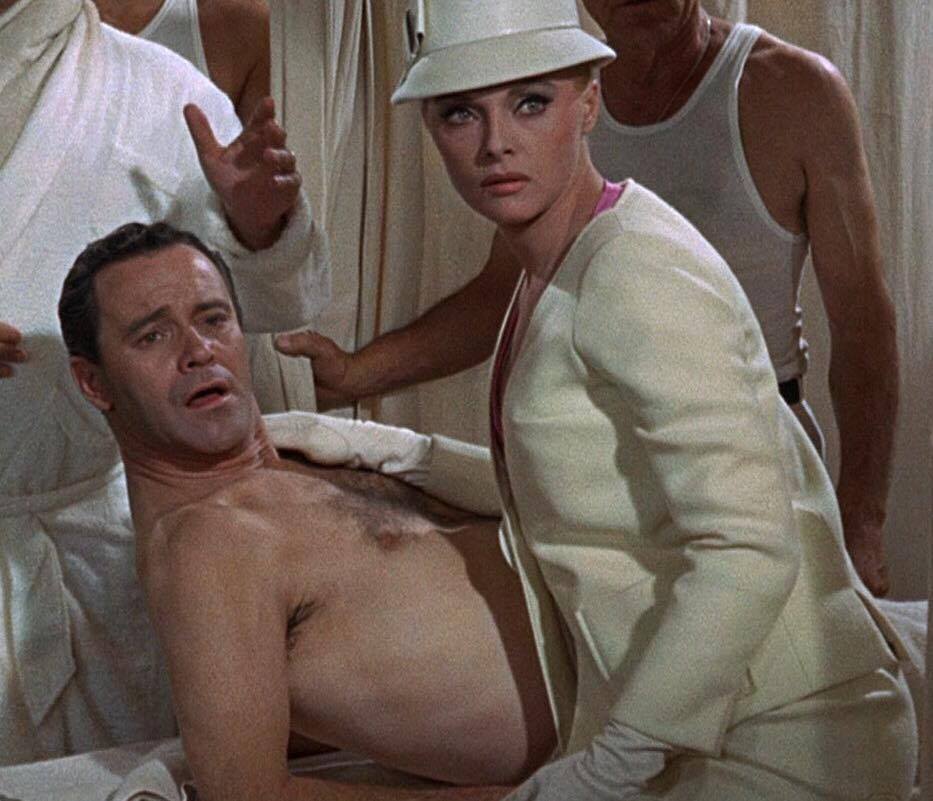
Though she turned down the Tatiana Romanova role in From Russia with Love (1963), Hollywood producers sought a new Marilyn Monroe and so, Lisi debuted in Hollywood comedy as a green-eyed blonde temptress with Jack Lemmon in How to Murder Your Wife (1965) and appeared with Tony Curtis in Not with My Wife, You Don’t! (1966). Lisi then starred with Frank Sinatra, in Assault on a Queen (1966), in The Girl and the General, co-starring with Rod Steiger, and in two films with Anthony Quinn, The Secret of Santa Vittoria, directed by Stanley Kramer, and the war drama The 25th Hour. In 1969 she did a cameo appearance in If It’s Tuesday, This Must Be Belgium. In the 80s she played in two American movies, Miss right and I Love N.Y..
In 1968 she turned down the role of Barbarella because she was not interested in a sexualized role.
Lisi died of lung cancer in Rome at age 78






















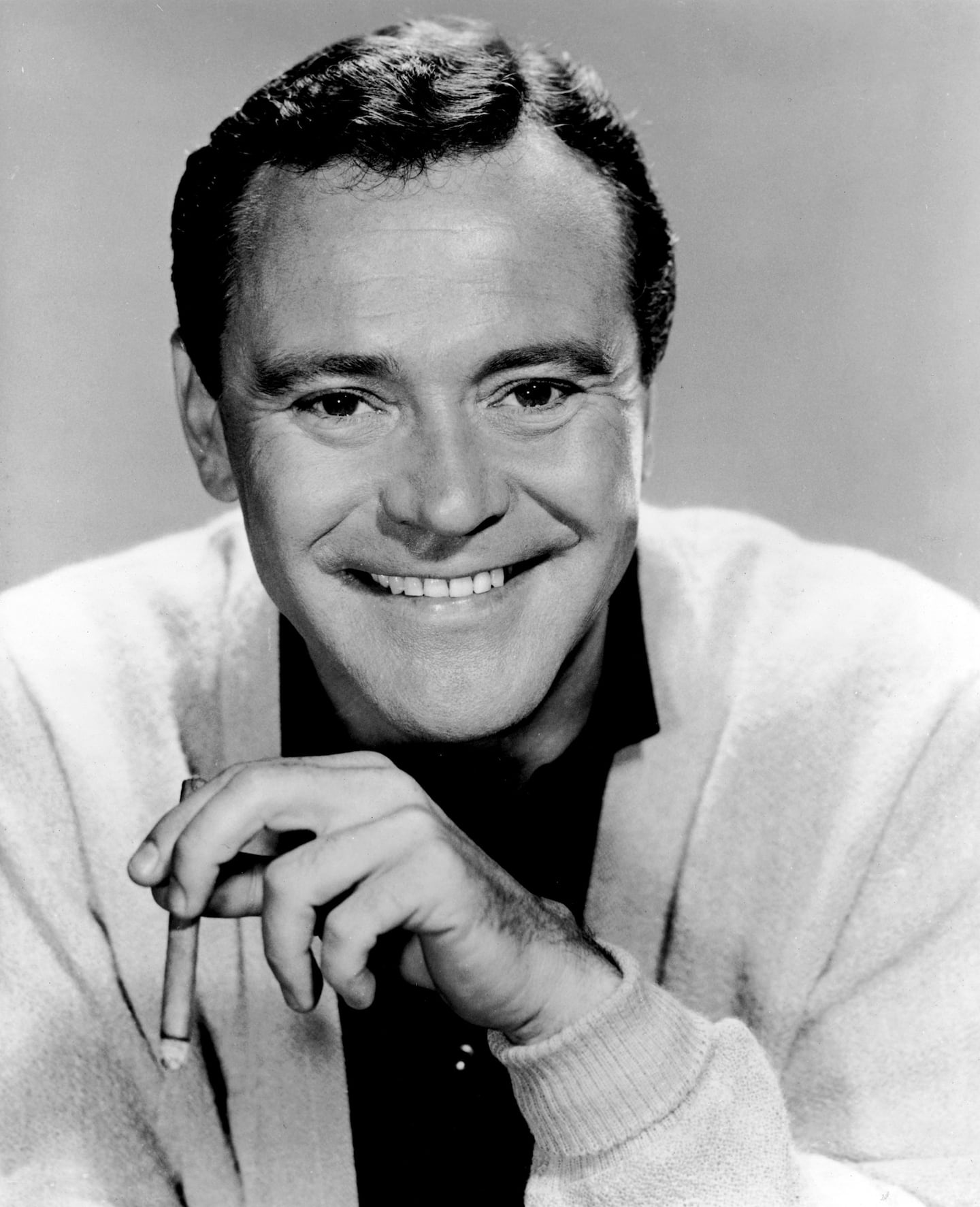
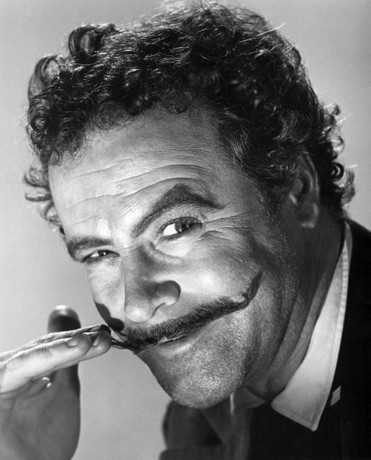
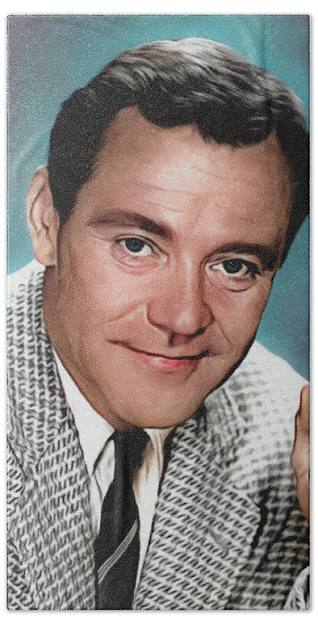
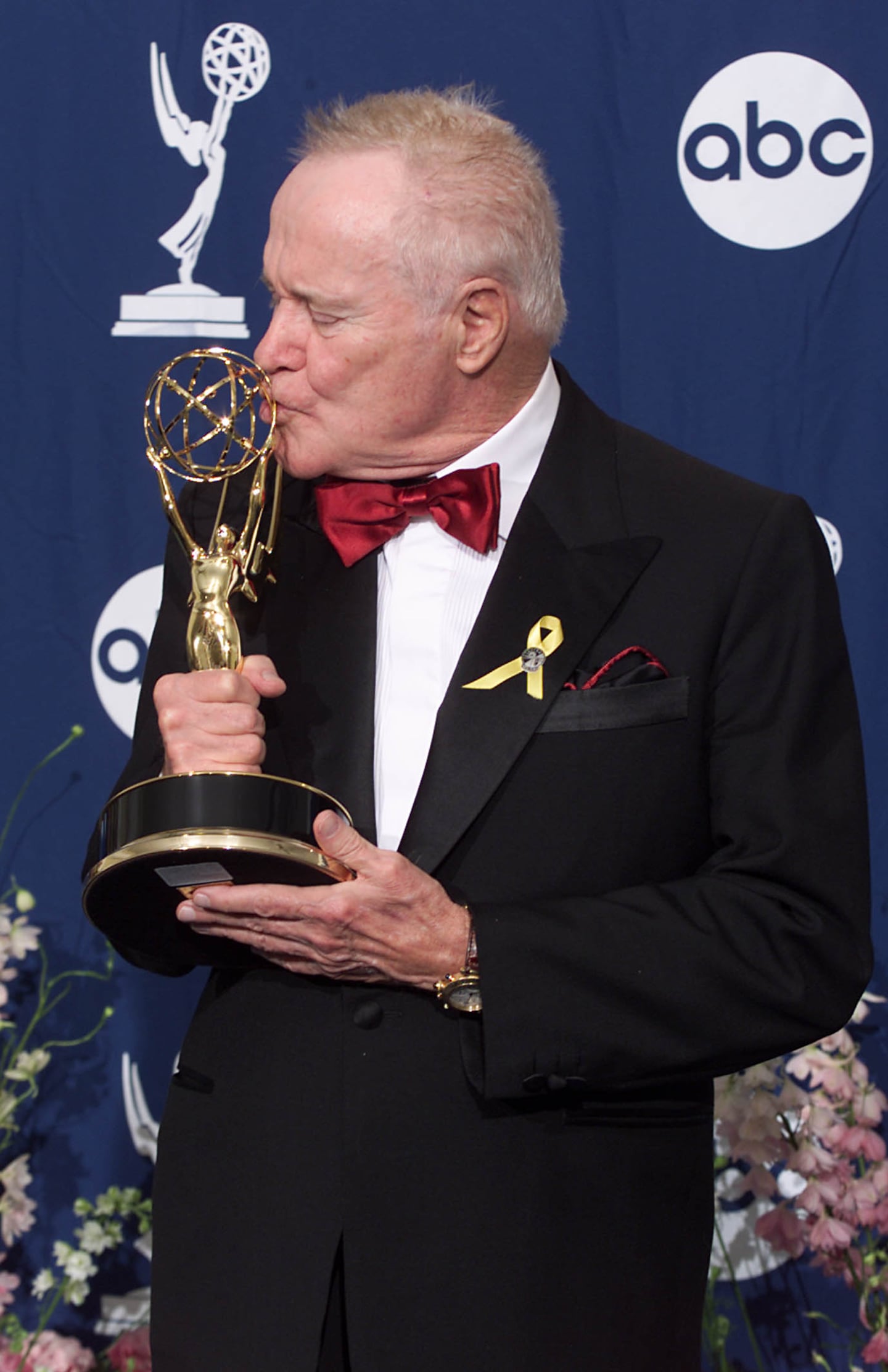
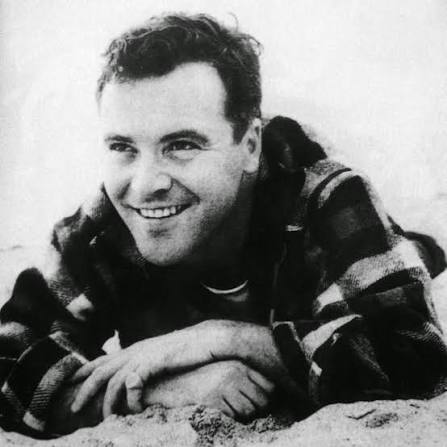
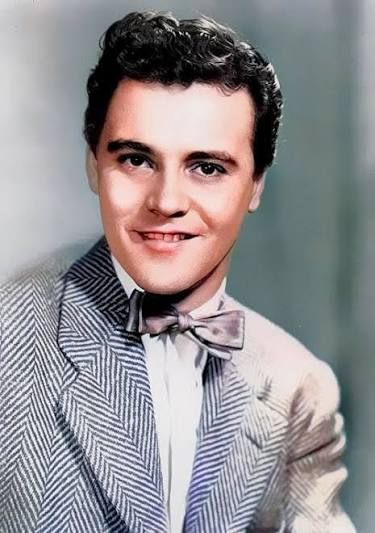
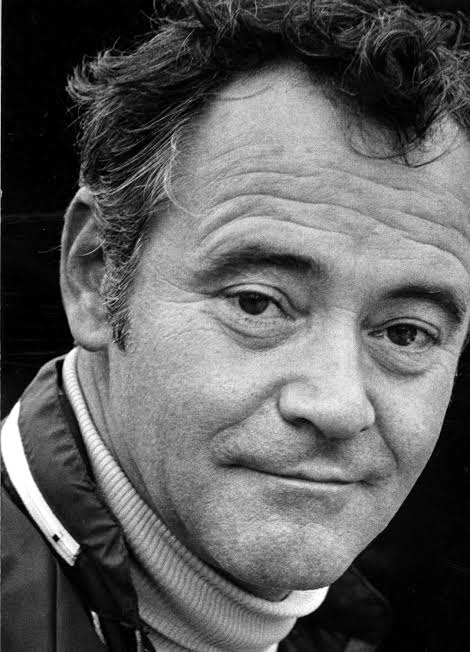
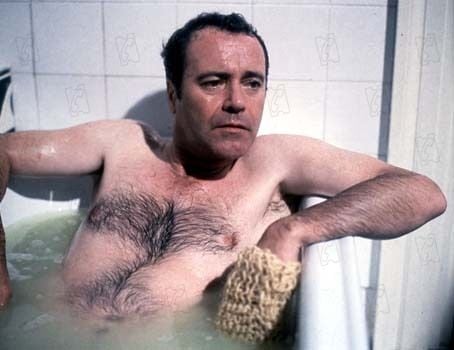
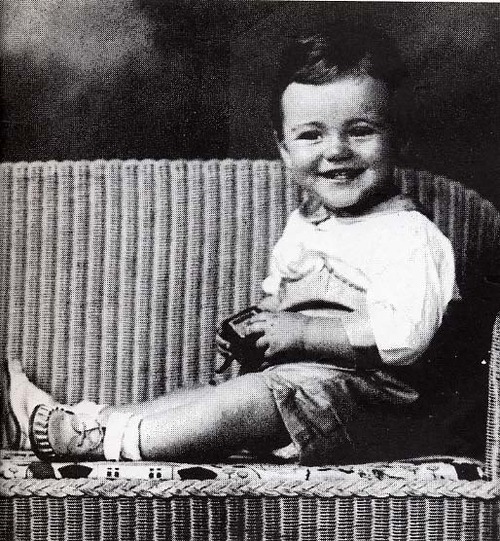
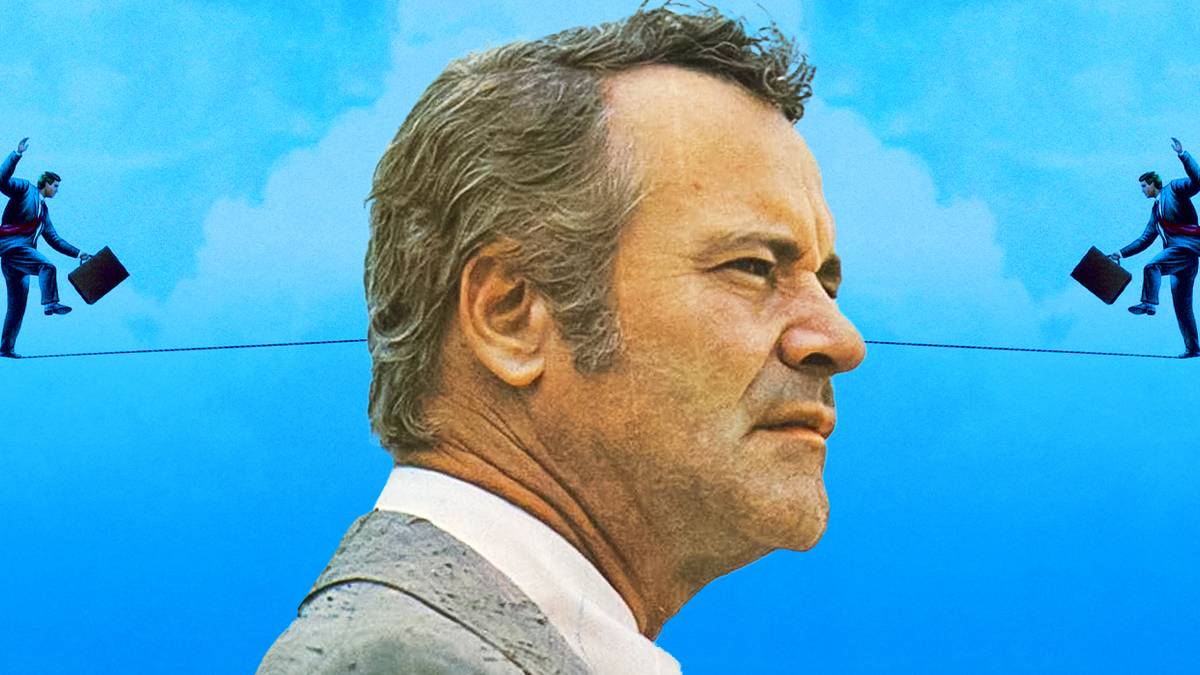
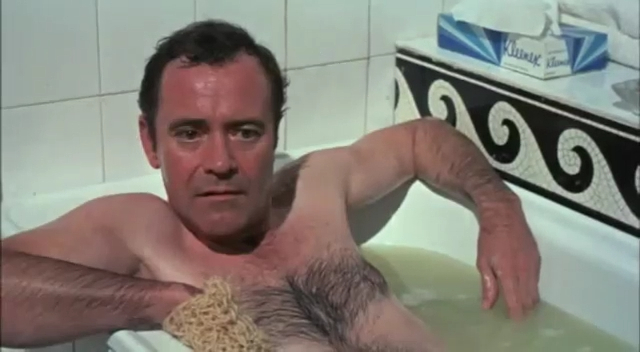
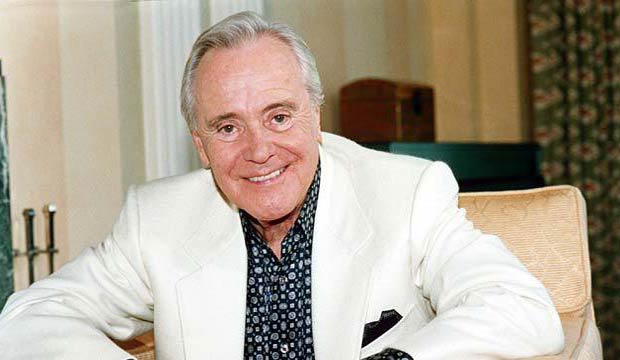
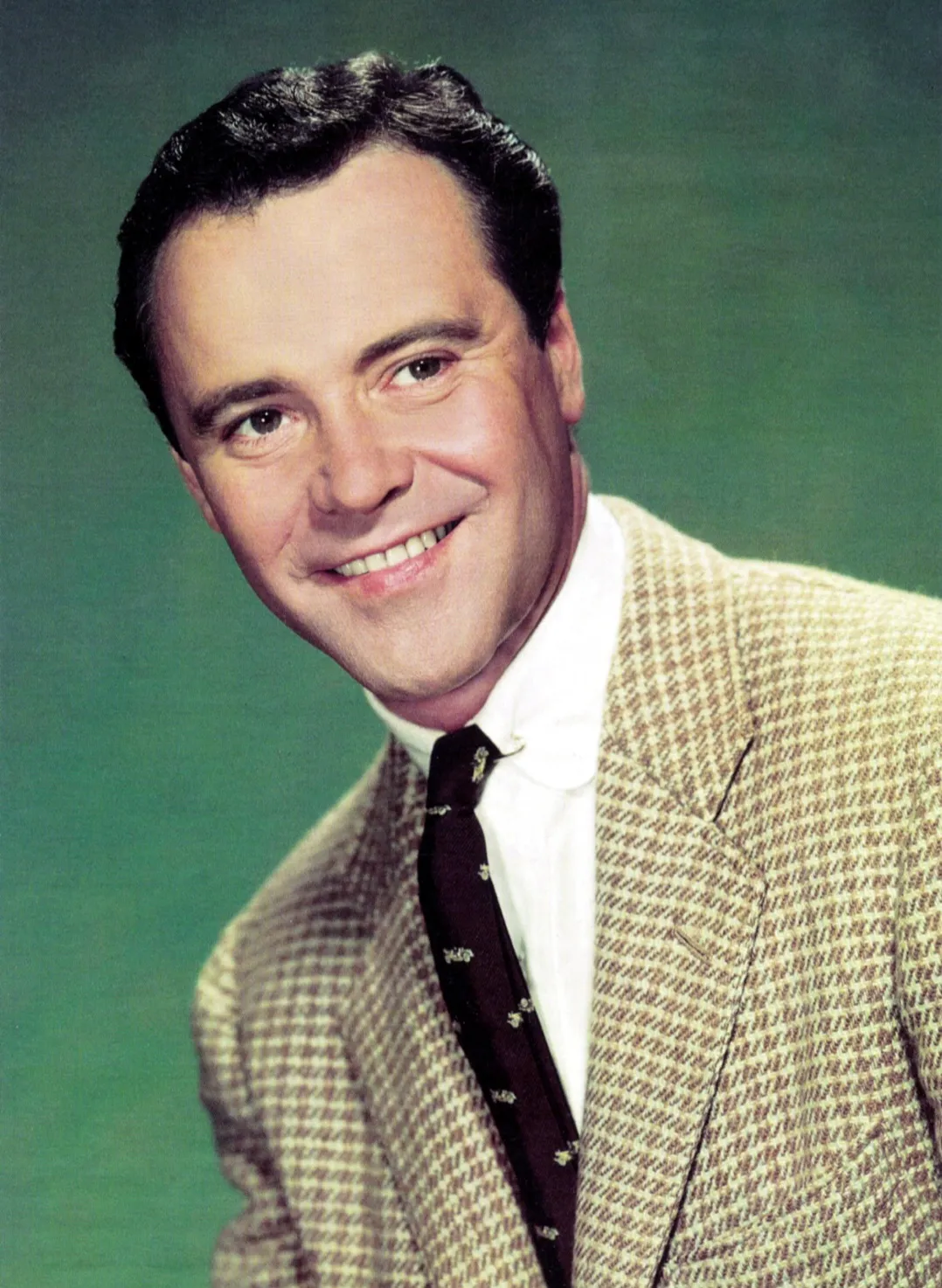
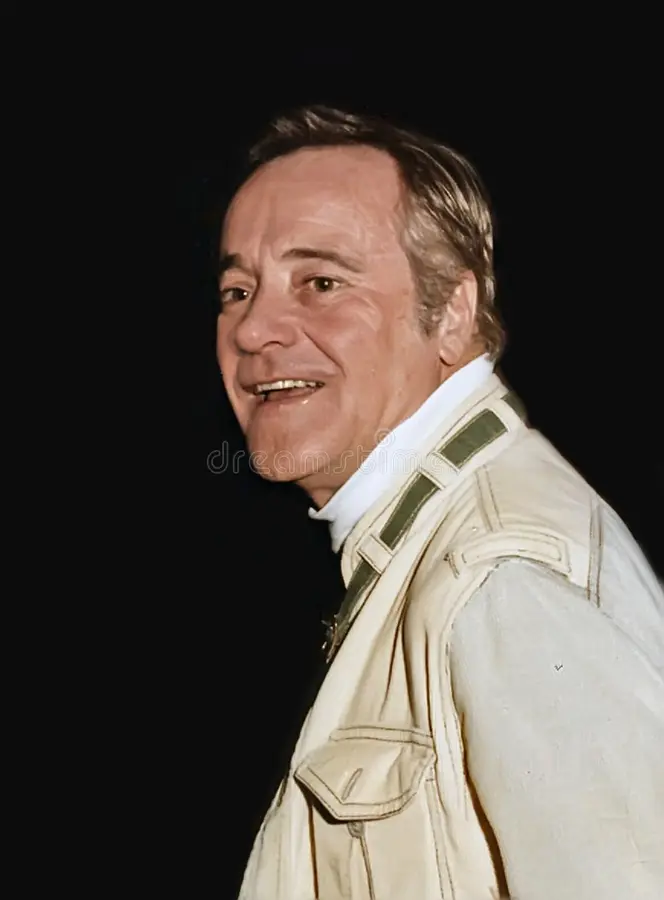
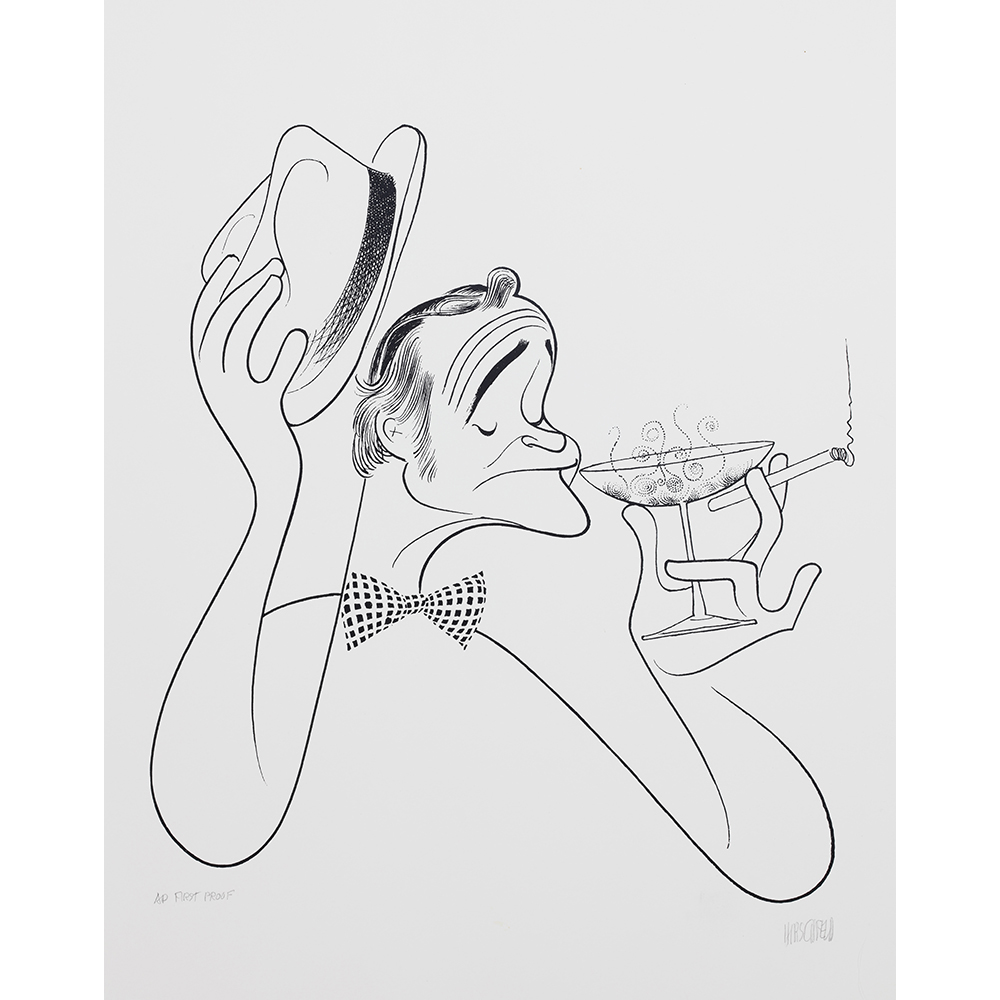
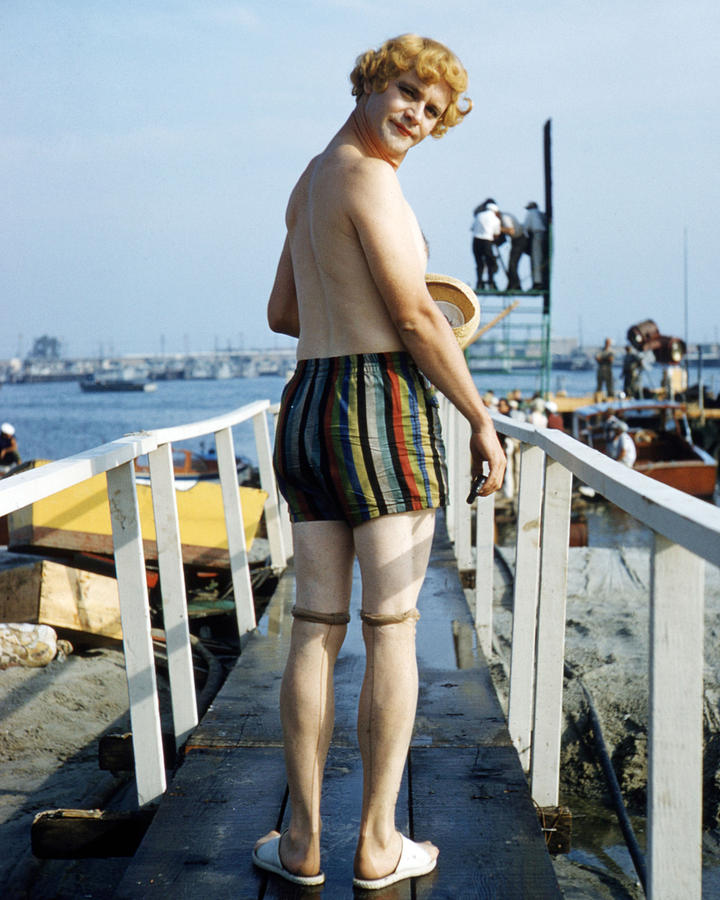
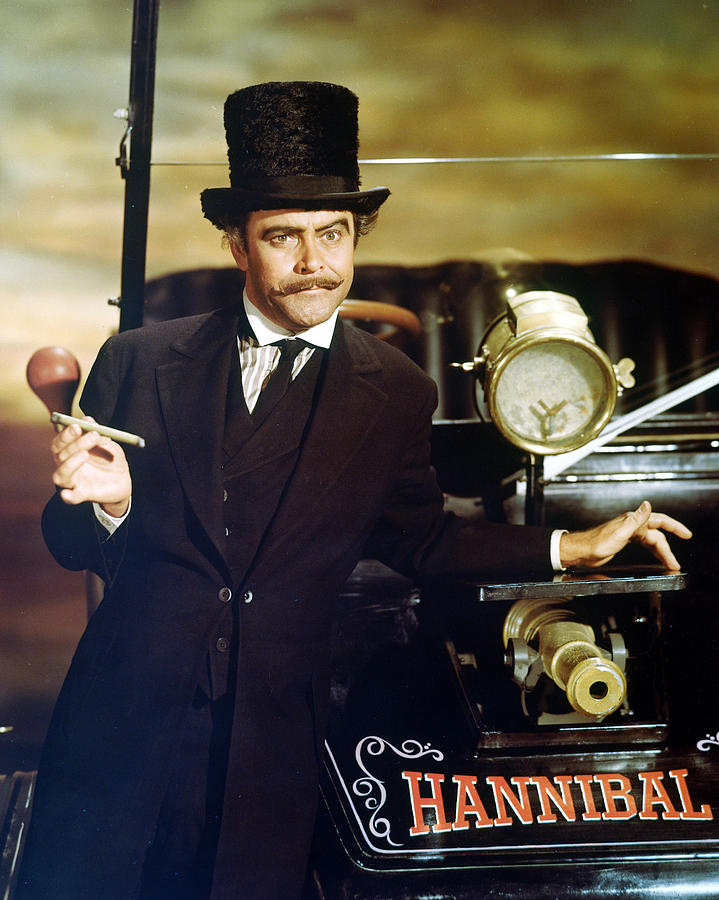
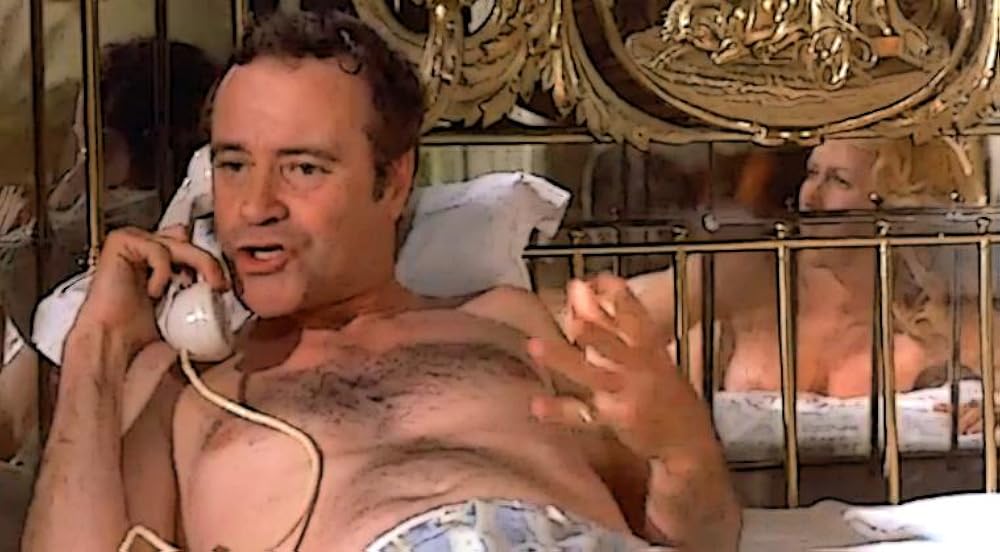
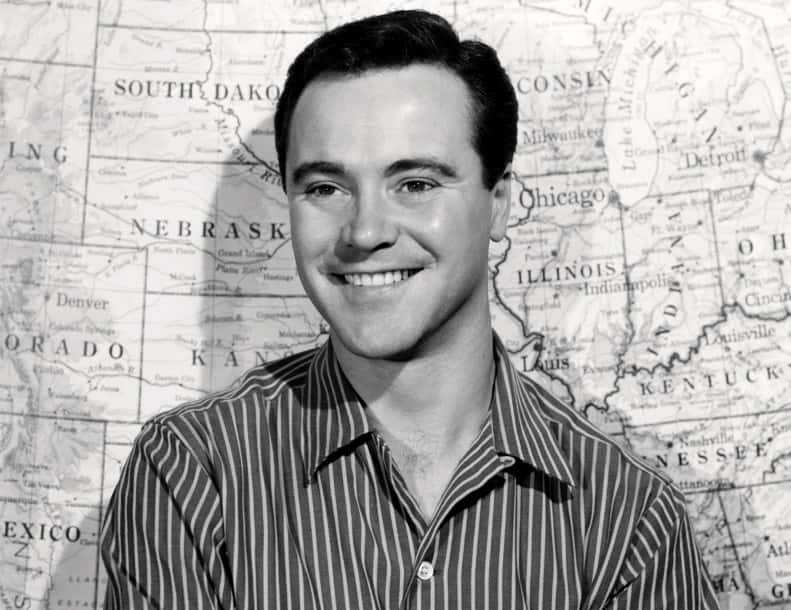
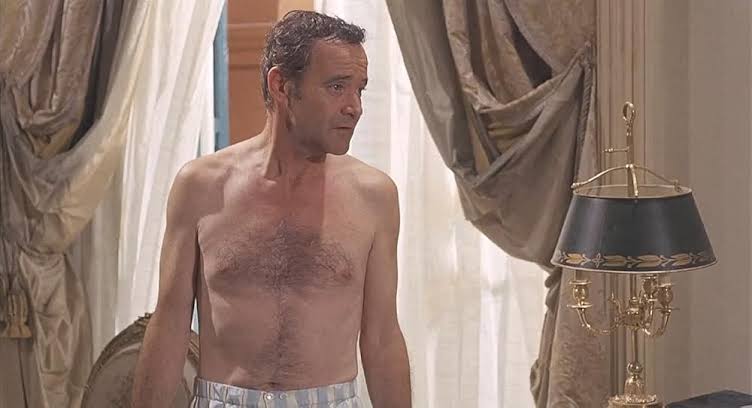
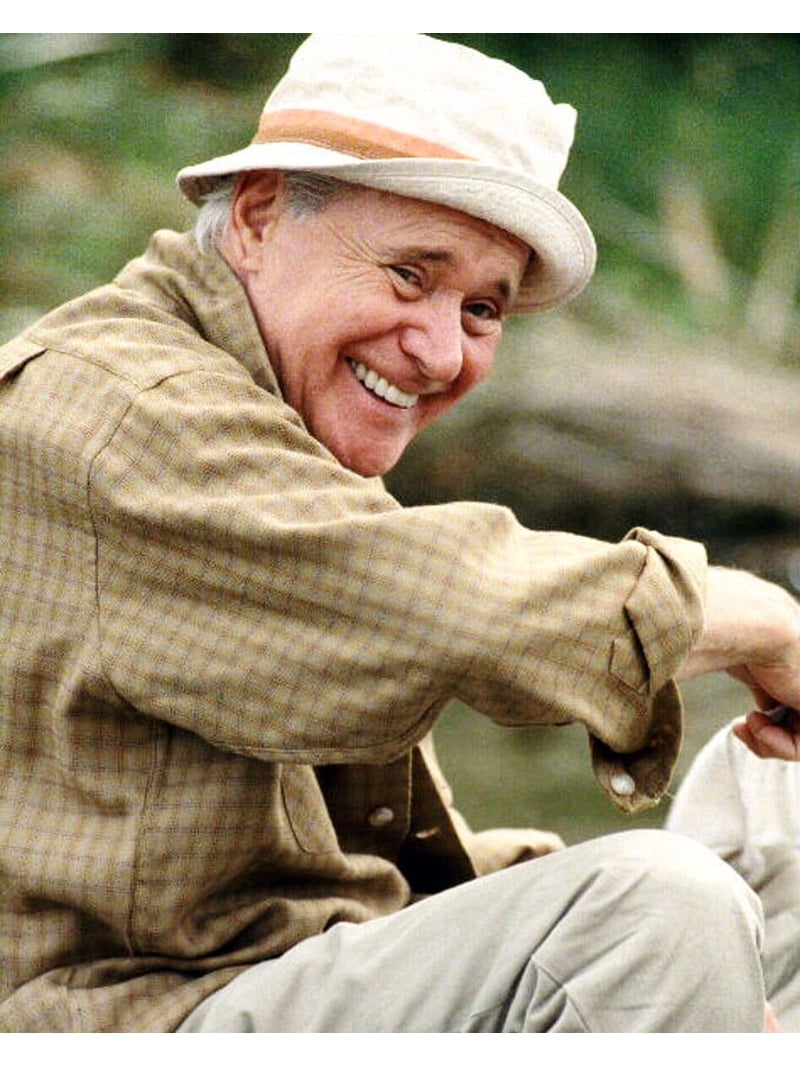
Jack Lemmon was born on February 8, 1925 in Newton, Massachusetts, a suburb of Boston. He initially acted on TV before moving to Hollywood for the big screen, cultivating a career that would span decades. An eight time Academy Award nominee, with two wins, Lemmon starred in over 60 films.
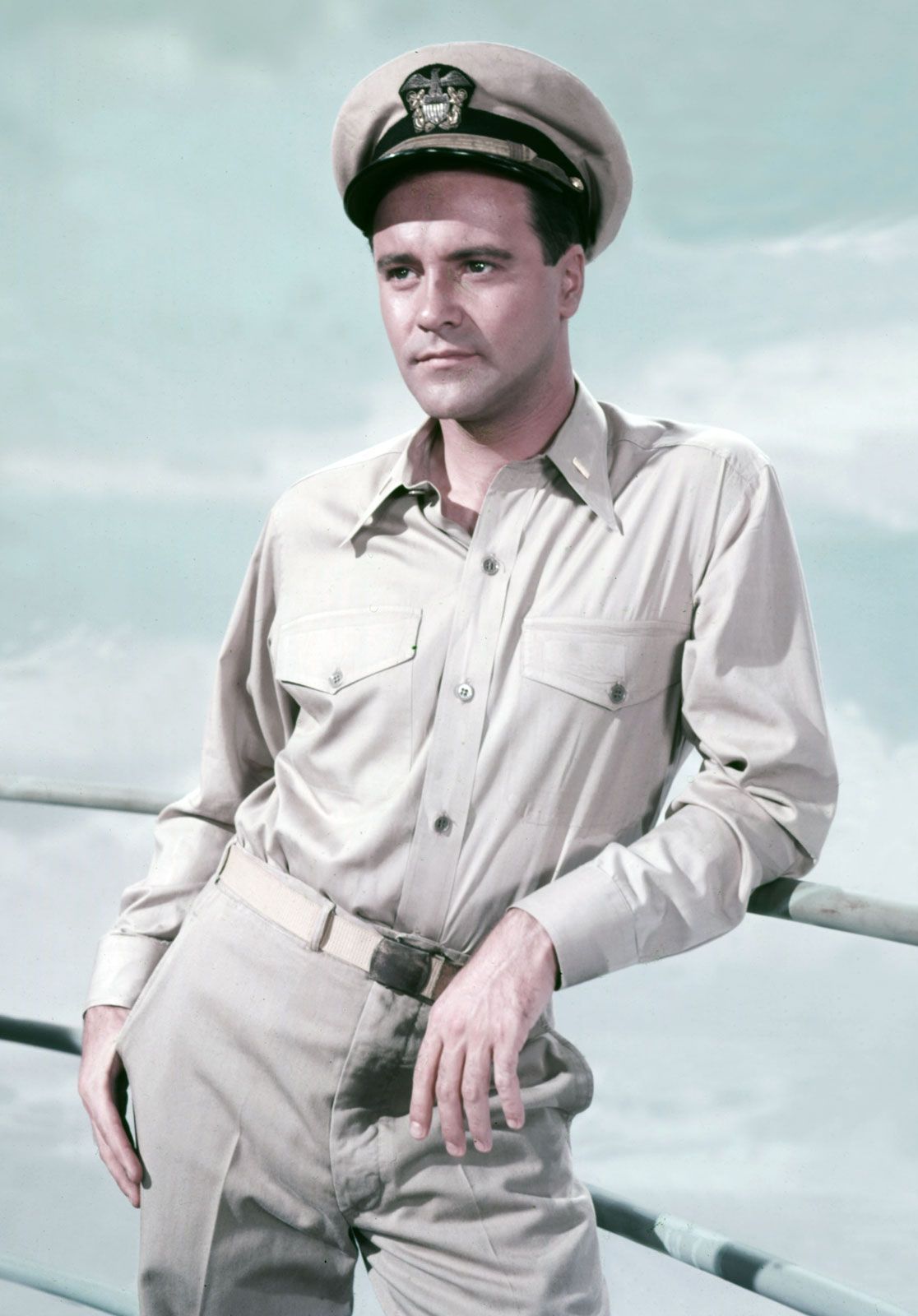
He attended the prestigious Phillips Academy (Class of 1943) and Harvard College (Class of 1947). At Harvard, Lemmon found his passion for theater. He was also a member of the V-12 Navy College Training Program and served briefly as an ensign on an aircraft carrier during World War II before returning to Harvard following his time served in the military.
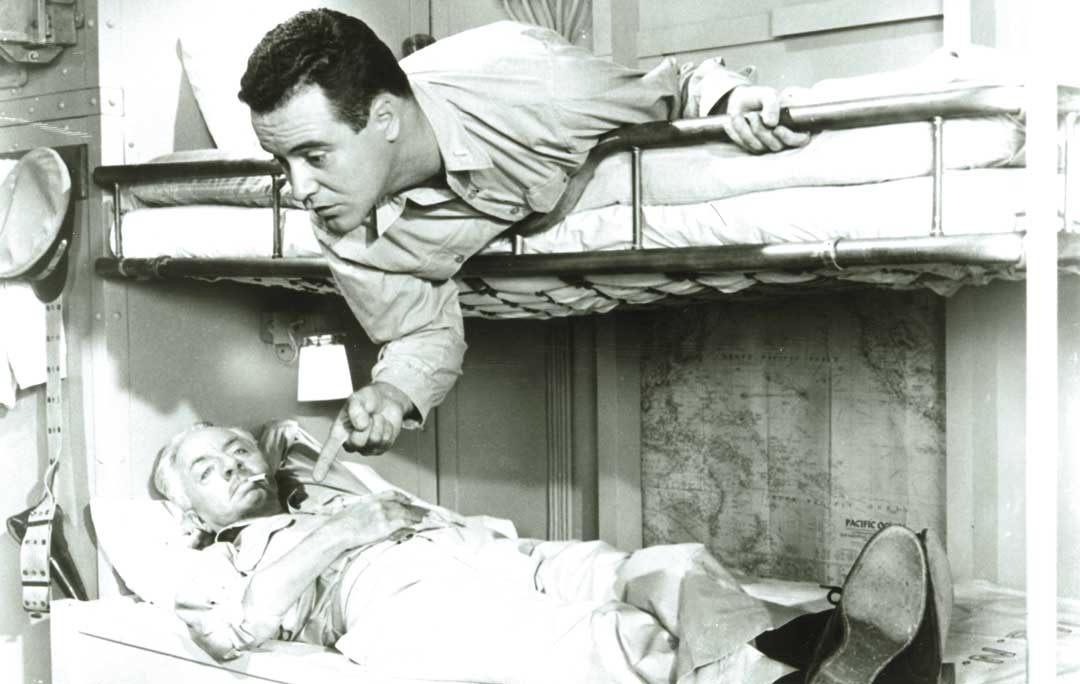
After college, Lemmon moved to New York City and spent much of his time there playing piano in a bar before landing small roles on the radio, stage and television. Two years later, Lemmon earned his first big role in the comedy war drama Mister Roberts (1955) with Henry Fonda and James Cagney.
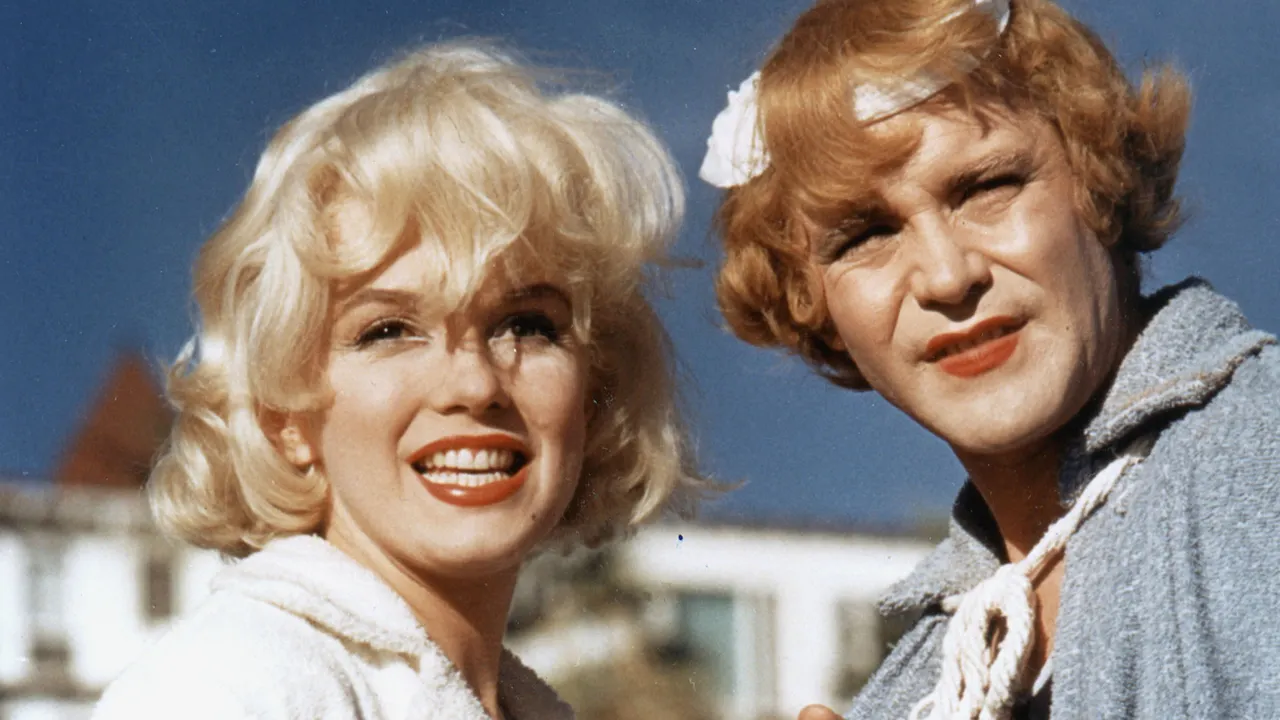
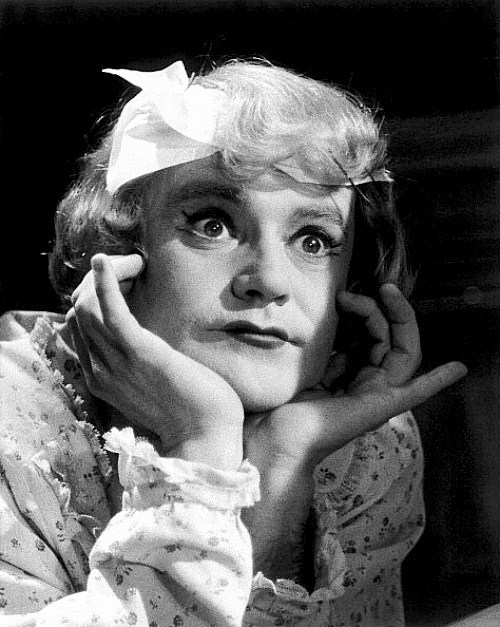
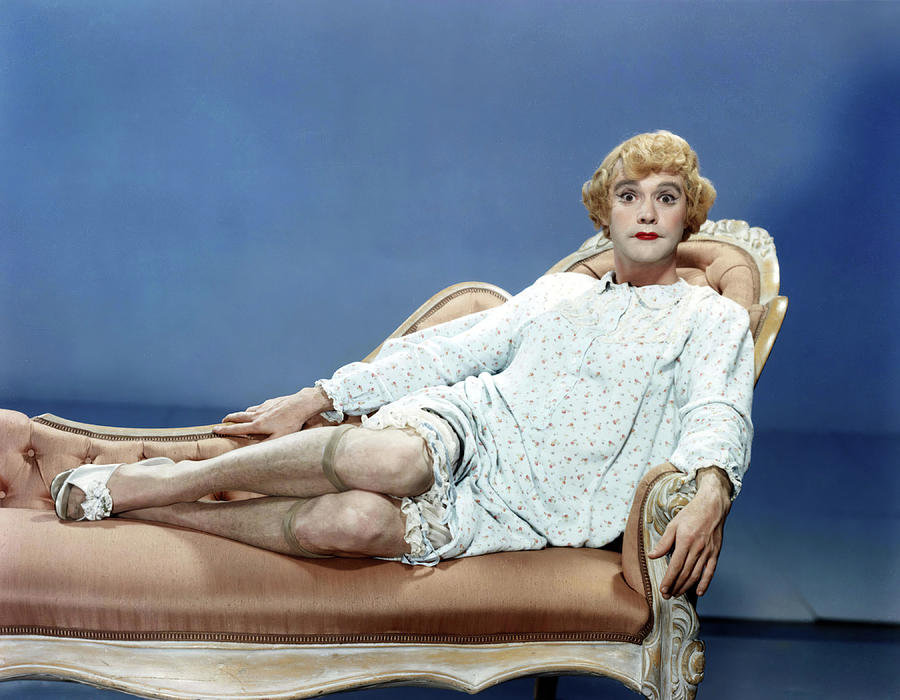
In 1959, Lemmon gave one of the top comedic performances of his career when he starred alongside Tony Curtis in the romantic comedy film Some Like It Hot (1959), the first of several collaborations with director Billy Wilder. Lemmon also received critical acclaim for his portrayal of C.C. ‘Bud’ Baxter in the The Apartment (1960) while working again with Wilder. Lemmon enjoyed great success on the big screen throughout the 1950s and 60s.
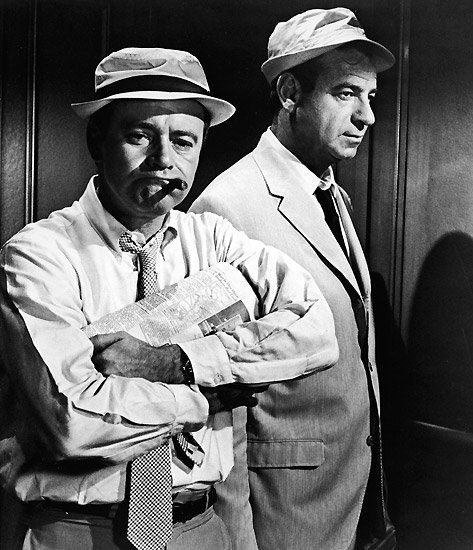
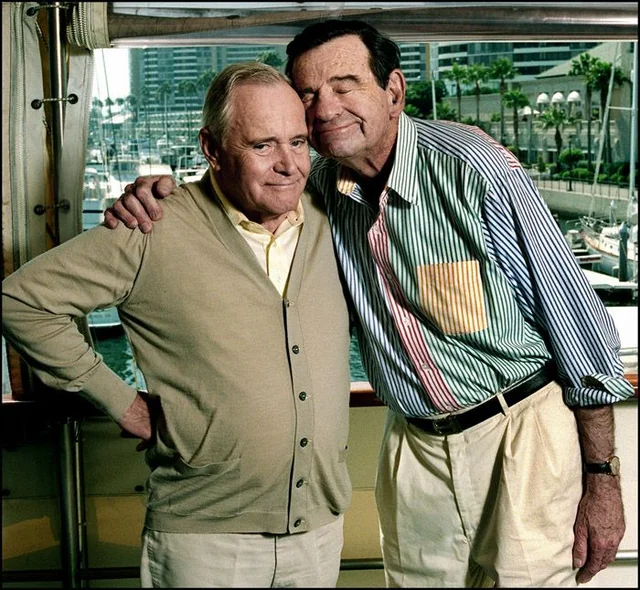
The Fortune Cookie (1966) served as the start of a comedic partnership between Lemmon and Walter Matthau and the two would come together again, two years later, for The Odd Couple (1968), one of their most endearing films together. As the 1970s came around, Lemmon began to undertake more dramatic roles and won the Academy Award for Best Actor for his performance in Save the Tiger (1973).

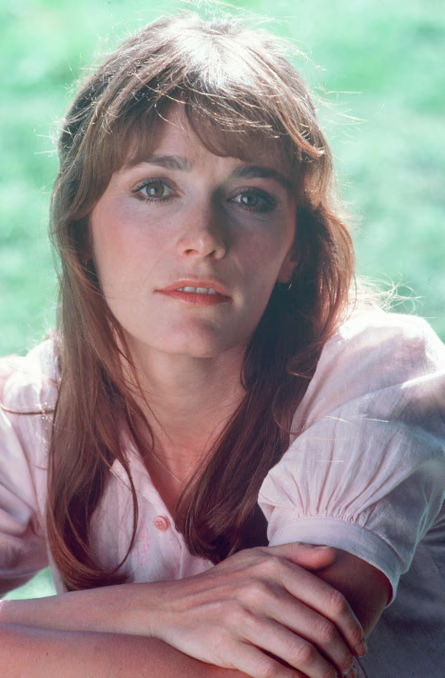
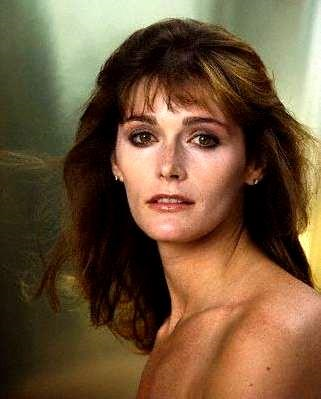
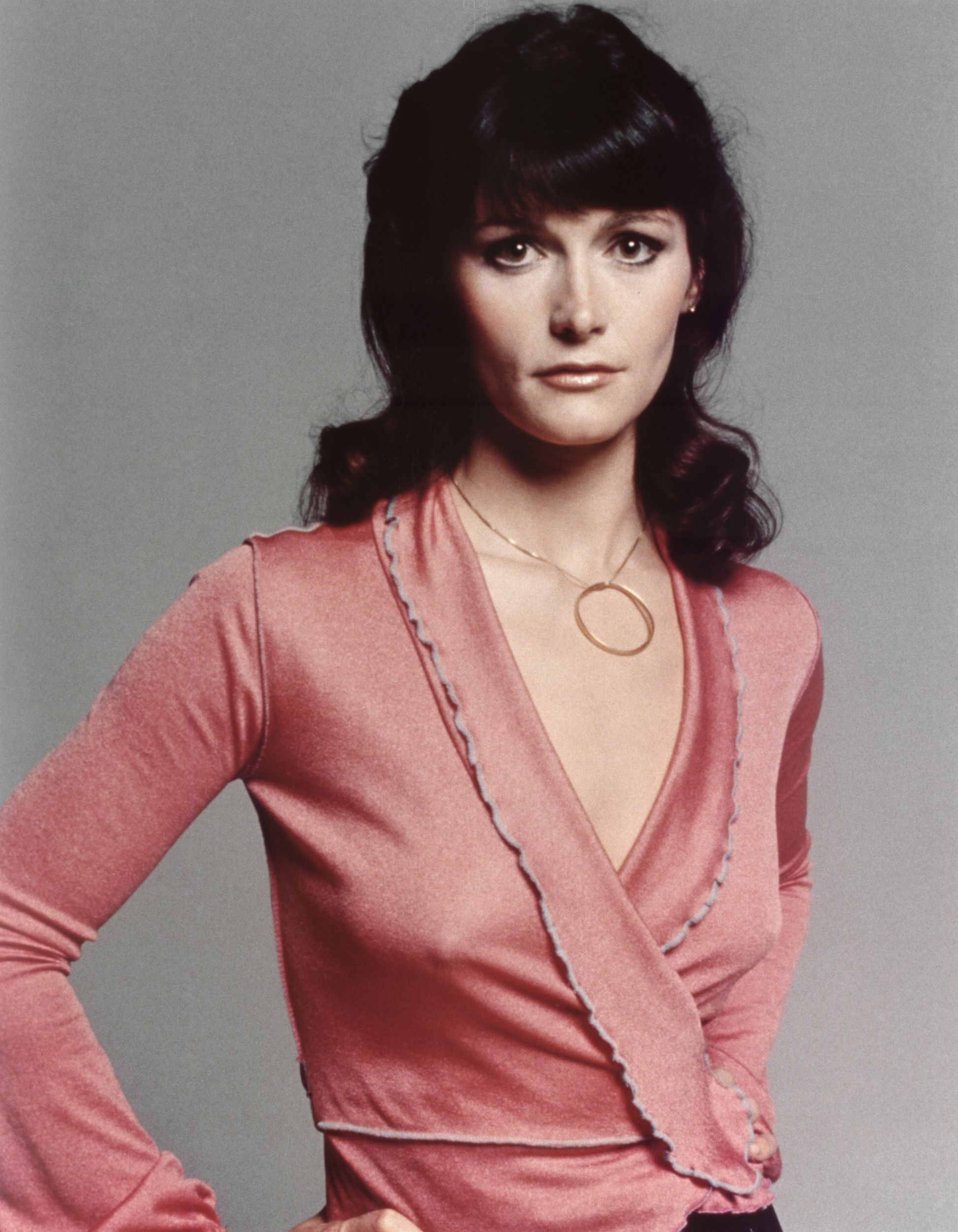
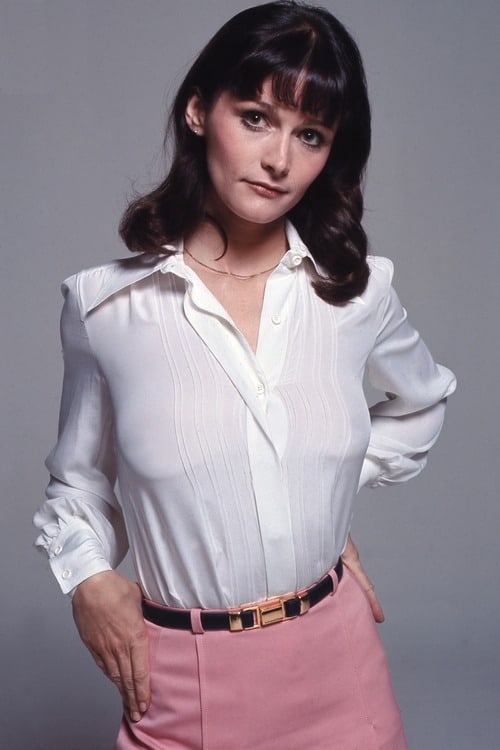
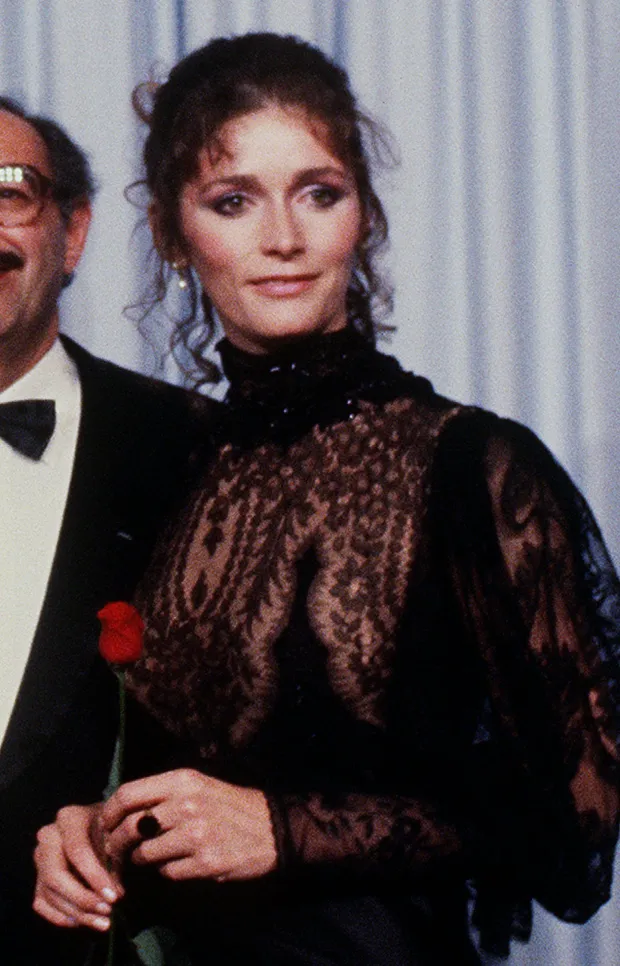
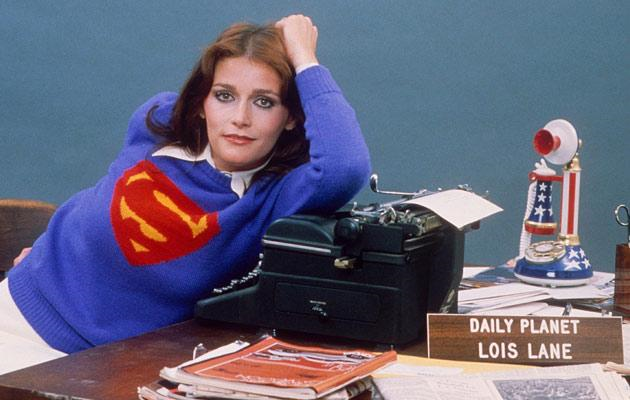
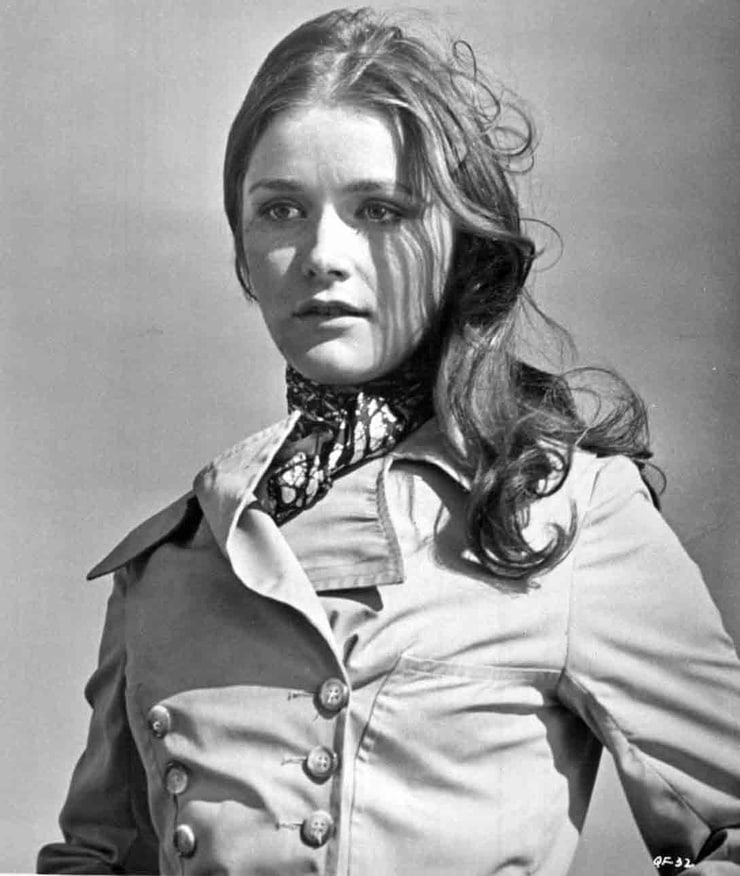
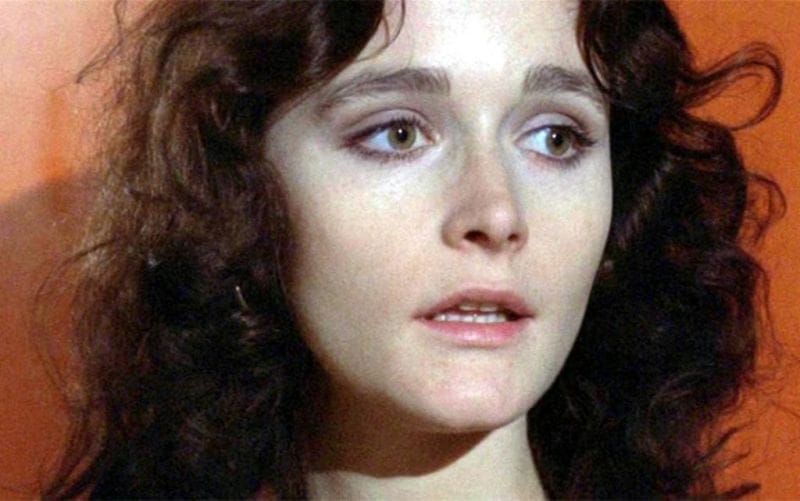
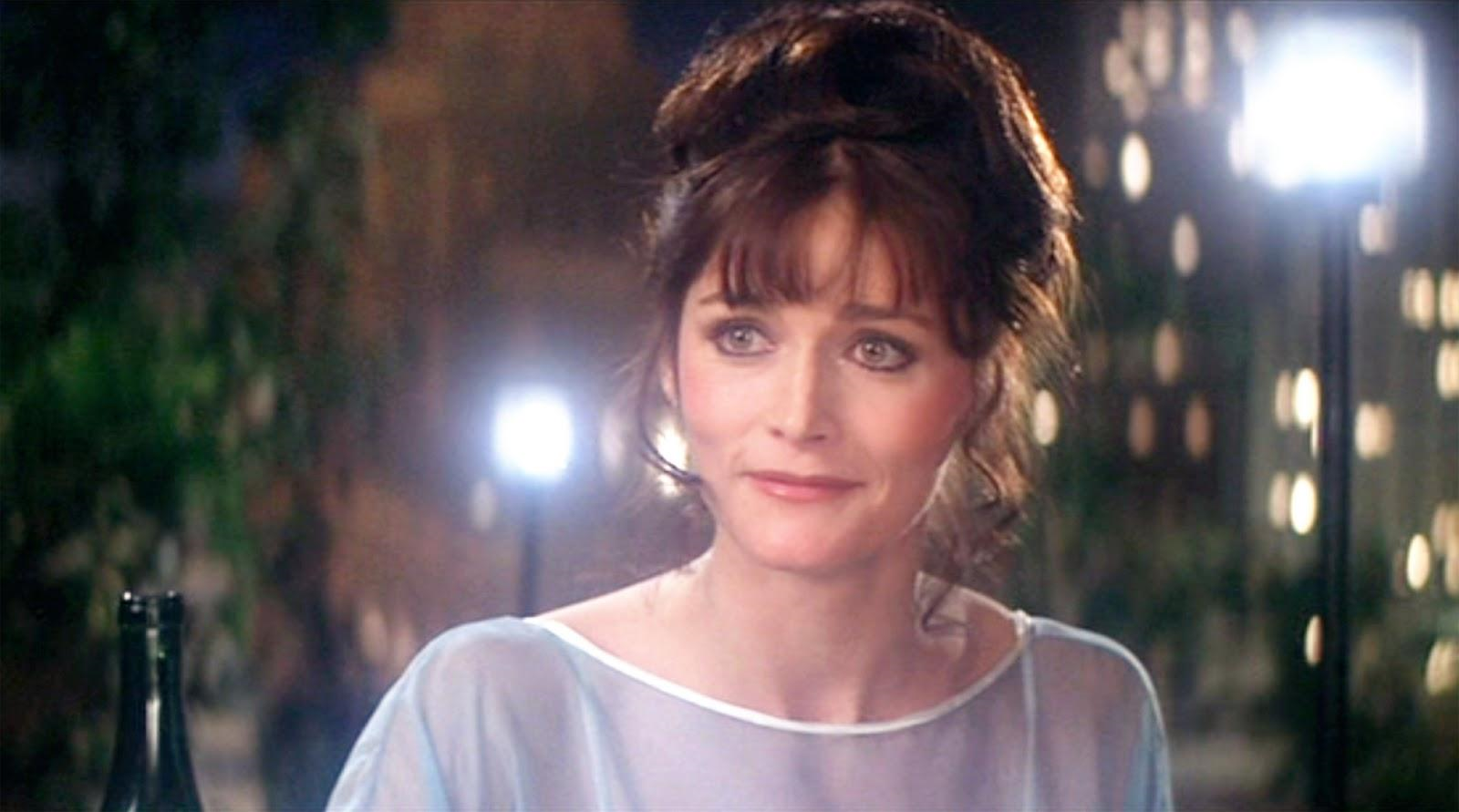
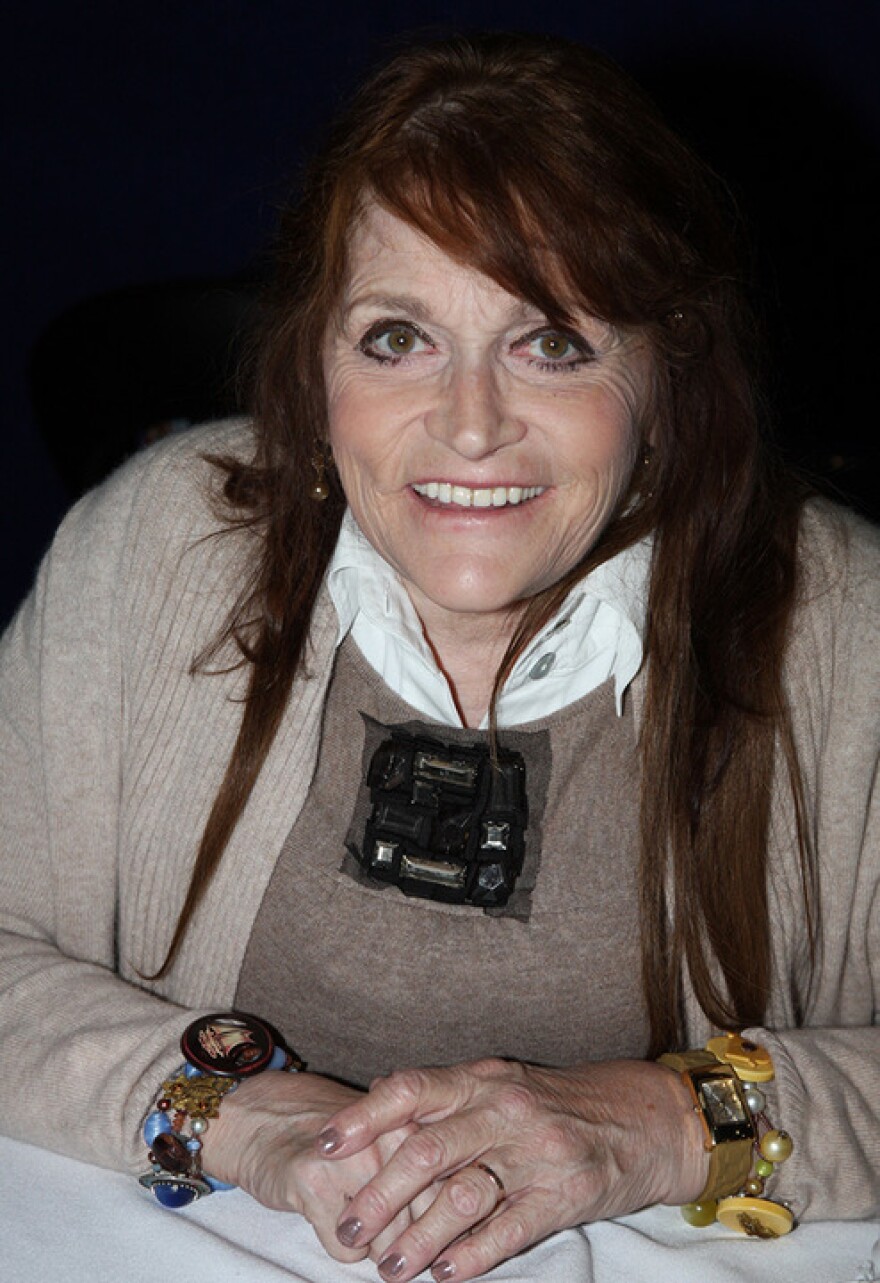
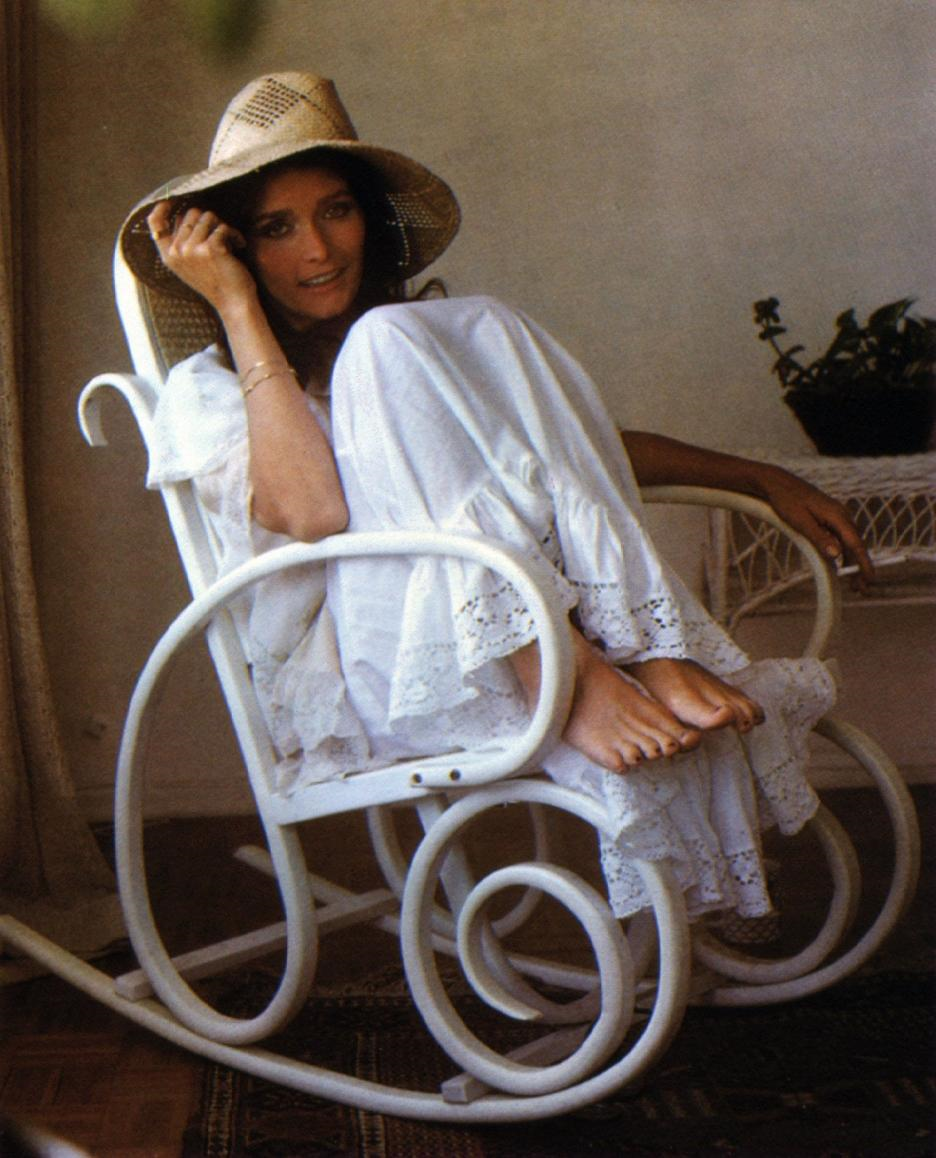
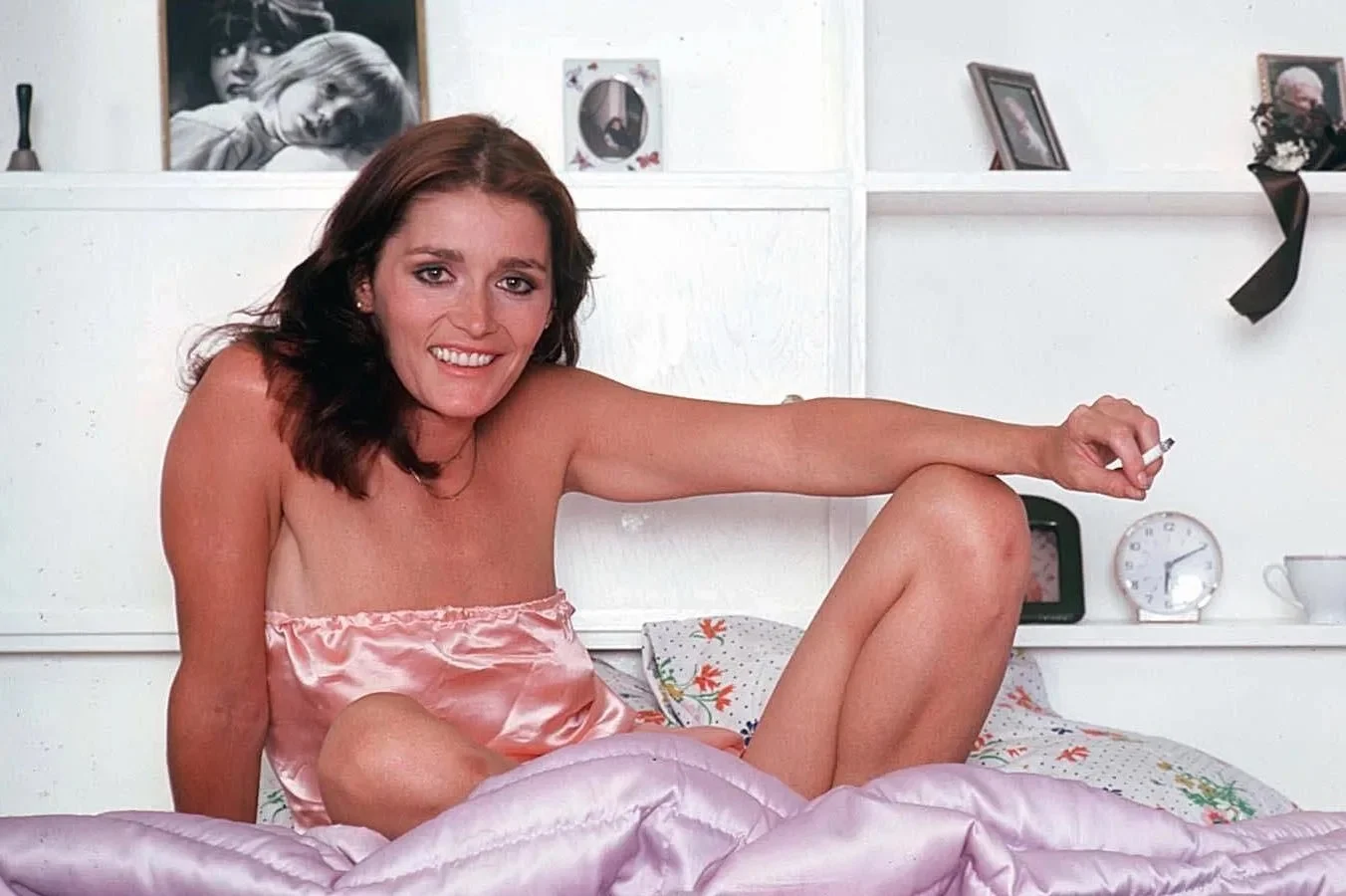
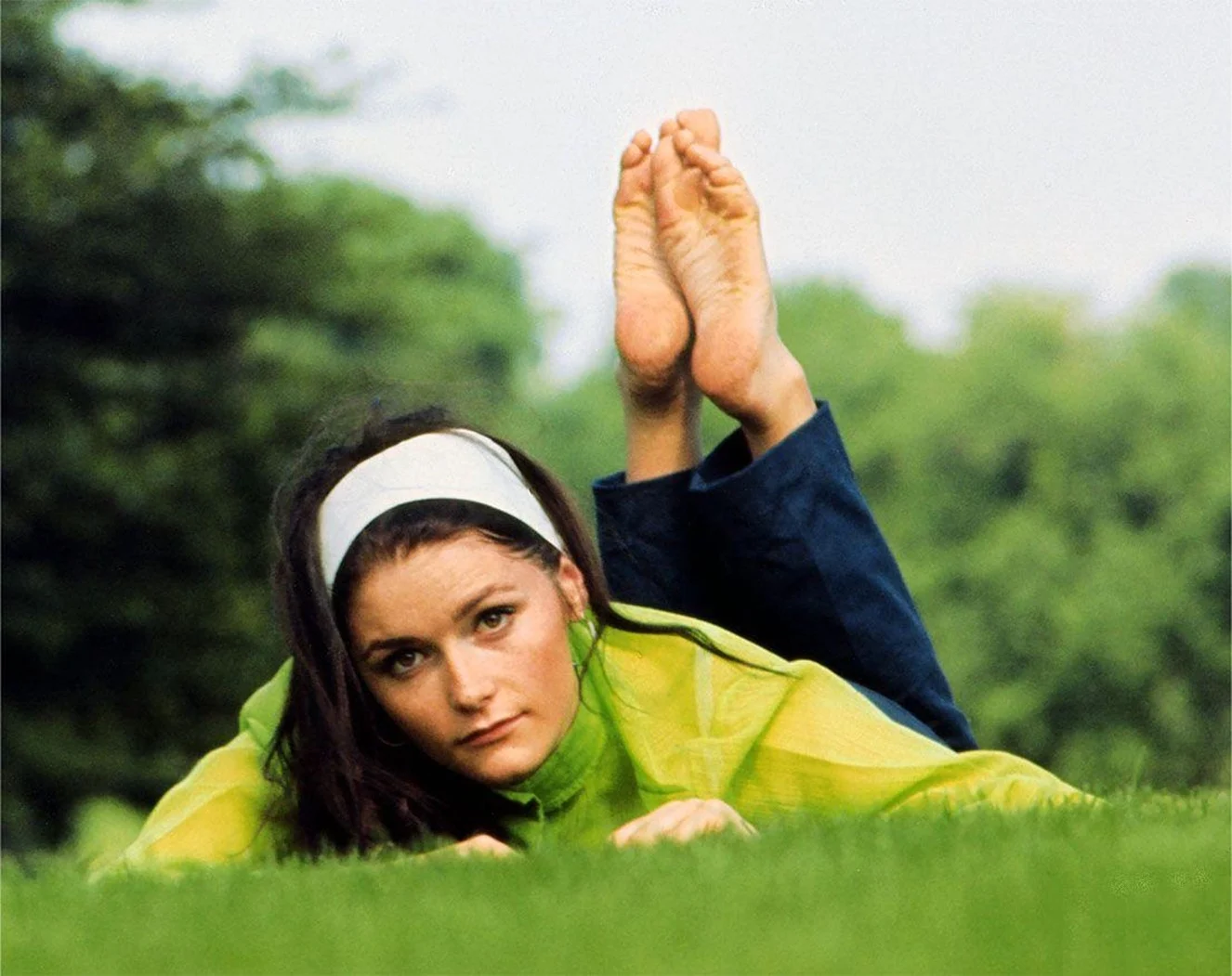
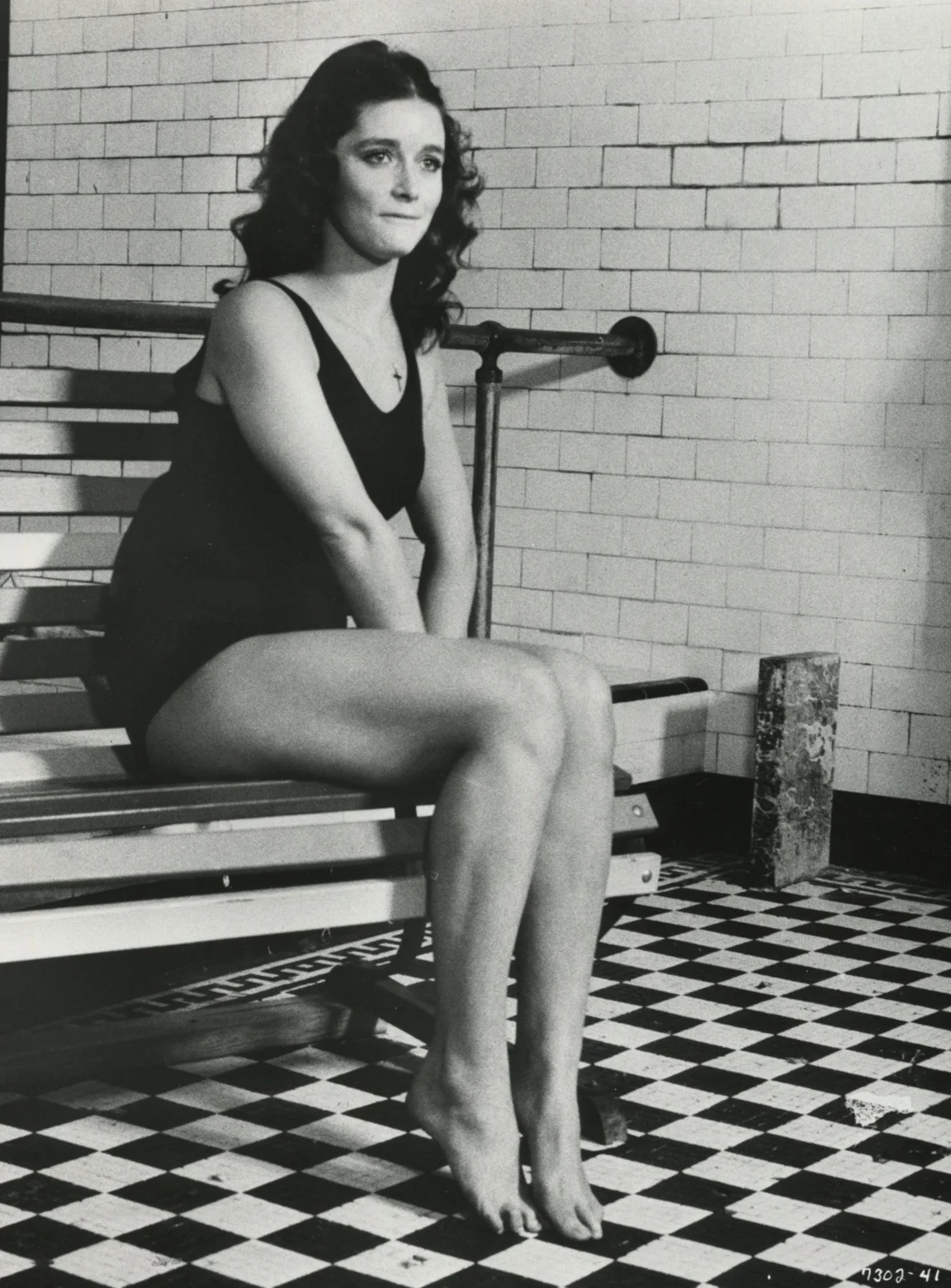
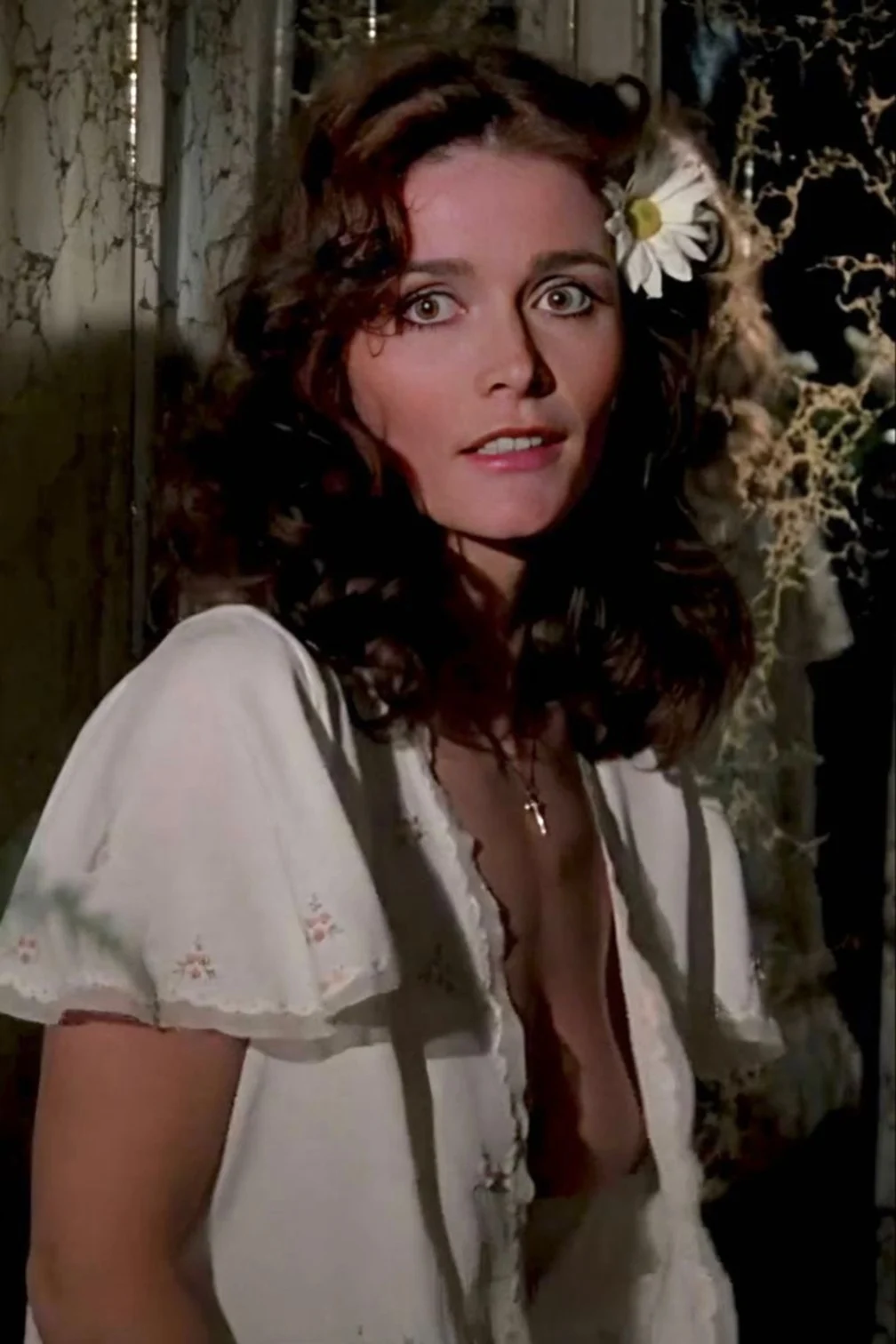
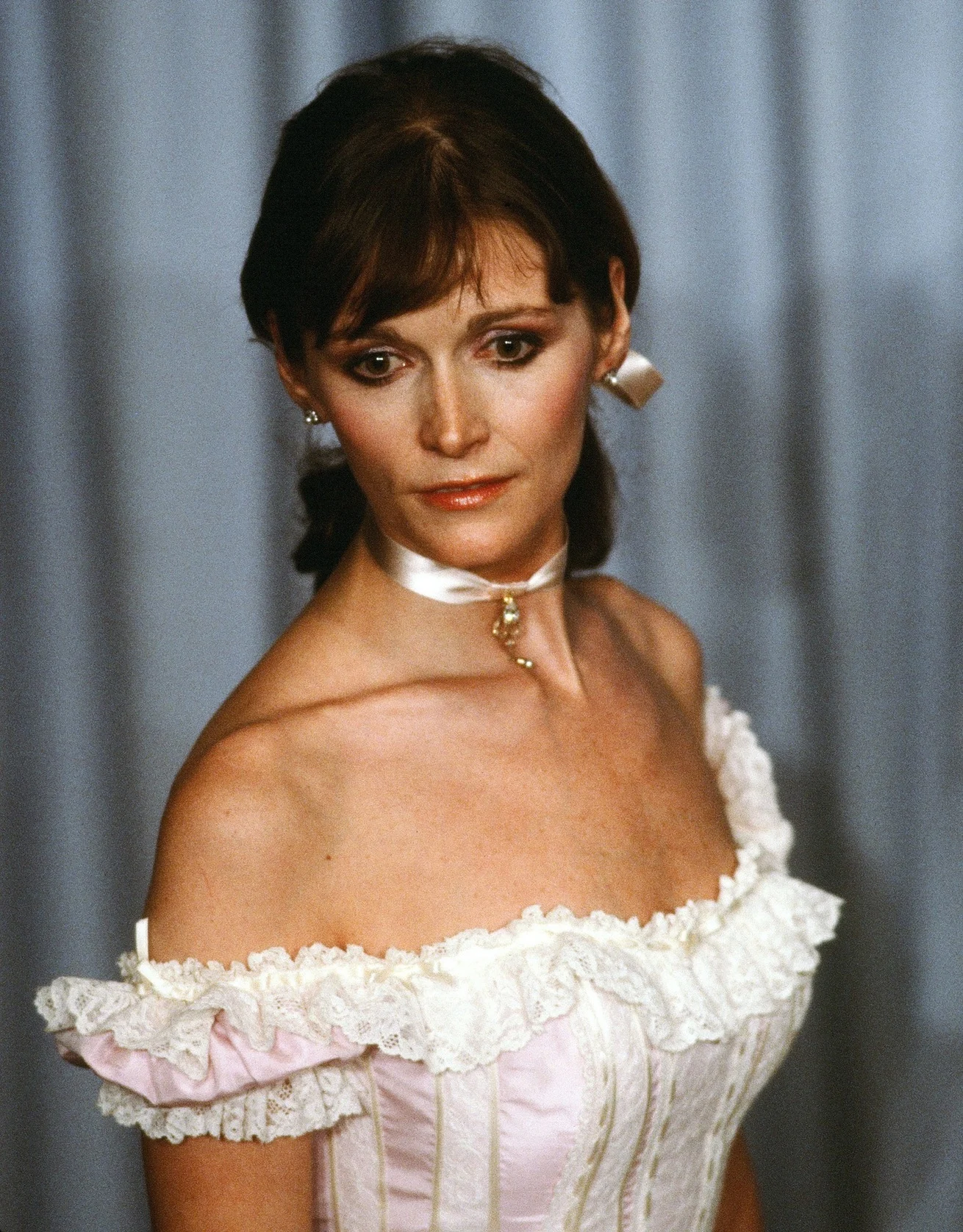
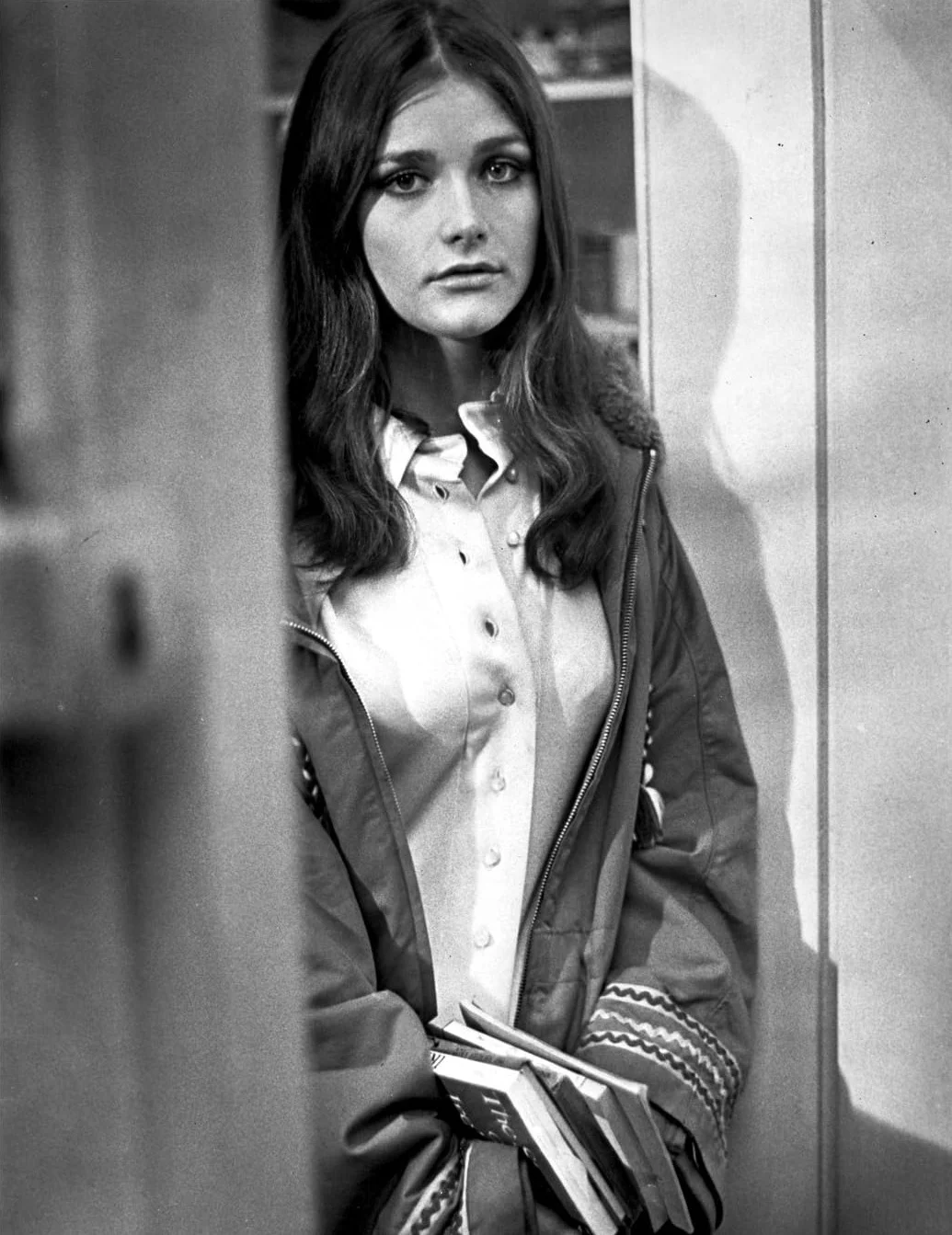
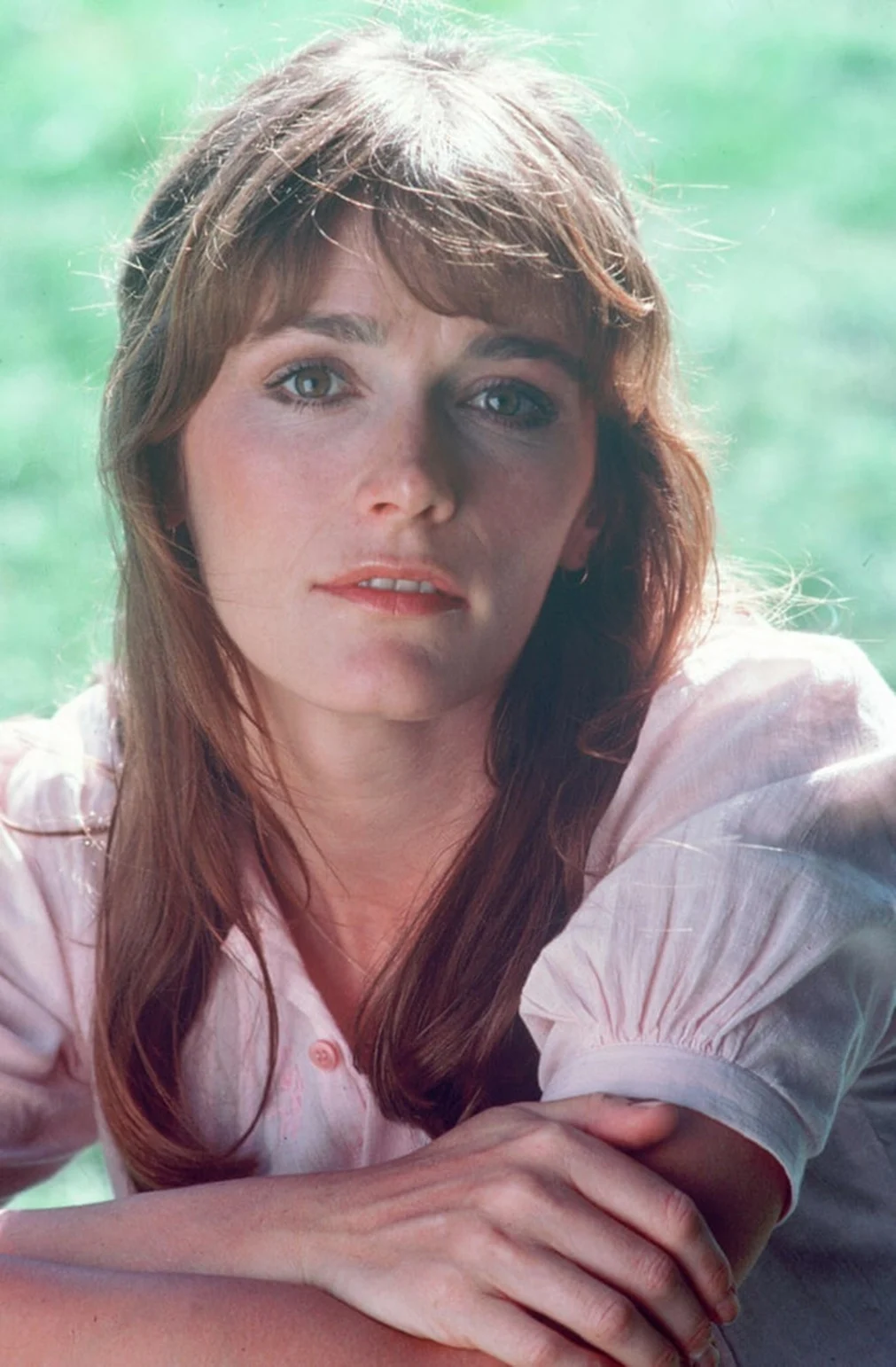
Margot Kidder was a Canadian and American actress and activist, amassing several film and television credits in her career spanning five decades.
Her international breakthrough came with playing Lois Lane in Superman (1978) and Kathy Lutz in The Amityville Horror (1979), which were blockbuster films. For these roles, she was twice nominated for the Saturn Award for Best Actress, winning in 1978 for Superman. She reprised the role of Lois in three Superman sequels (1980–1987), and also played Rita Harris in the comedy film Heartaches (1981) and made her stage debut with the play Bus Stop (1982). After a stint of films and projects that were ambivalently received, Kidder sustained serious injuries in a car accident that left her temporarily paralyzed in 1990, and suffered from a highly publicized manic episode and nervous breakdown in 1996 stemming from bipolar disorder.
Kidder thereafter maintained steady work in independent films and television, notably appearing in the hockey film Chicks with Sticks (2004) and the horror picture Halloween II (2009), and playing a guest role on R.L. Stine’s The Haunting Hour (2015). She maintained dual citizenship and was an outspoken political, environmental and antiwar activist.
Kidder died on May 13, 2018, of an overdose, which was ruled a suicide.











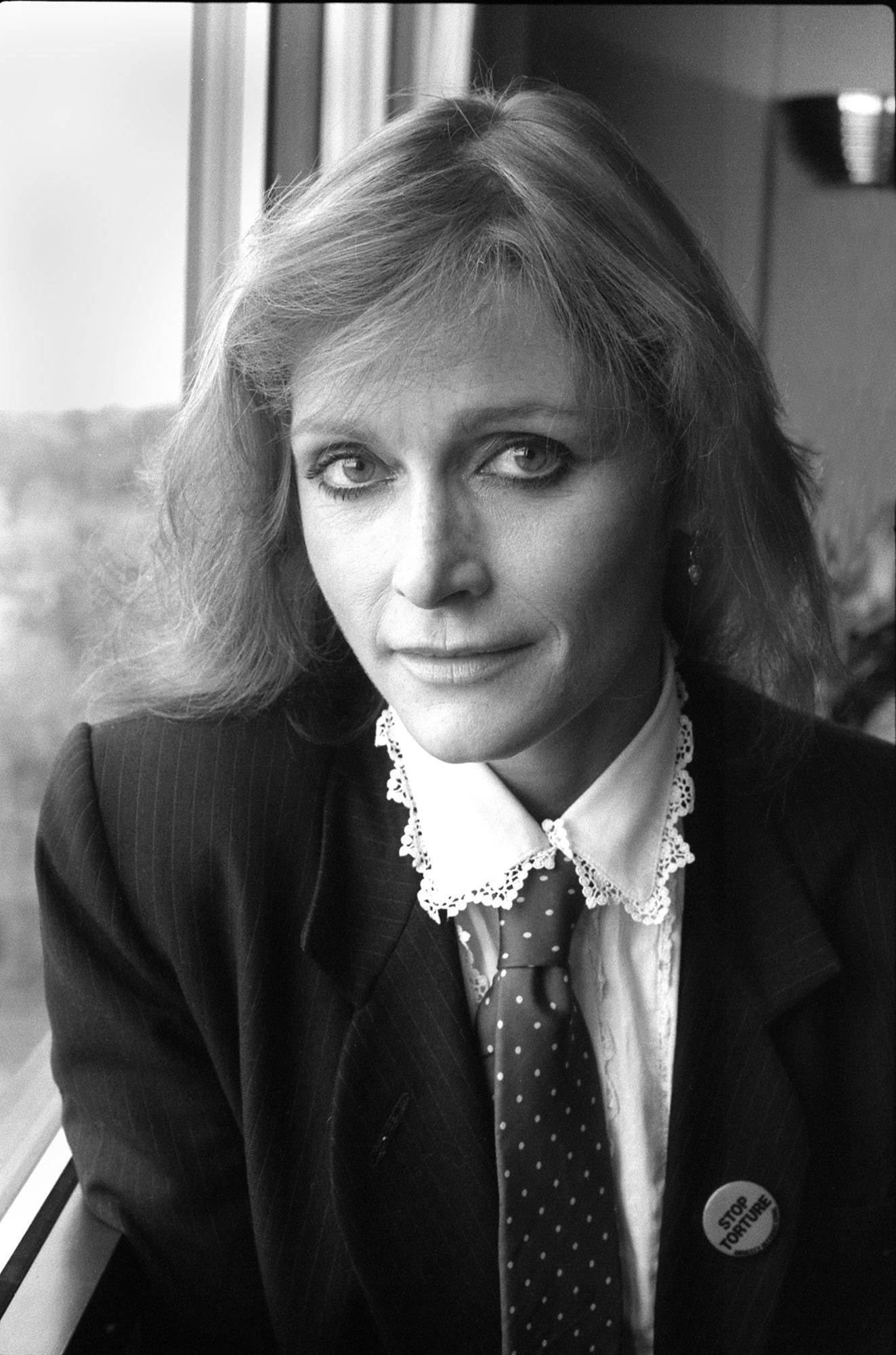
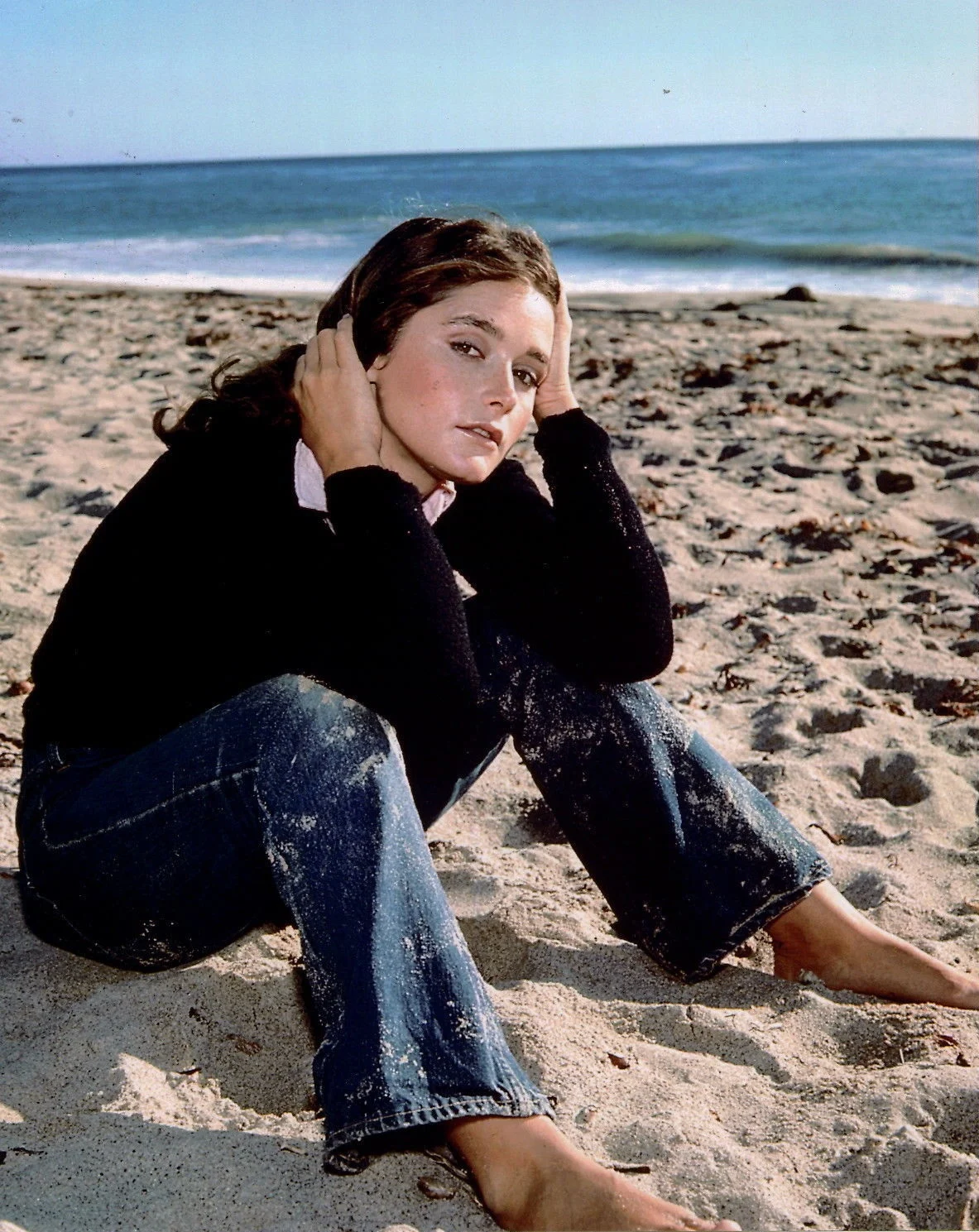

Known professionally as Barbara Nichols, she was an American actress who often played brassy or comic roles in films in the 1950s and 1960s. She appeared in showy supporting roles, such as Miracle in the Rain (1956), The King and Four Queens (1956), The Naked and the Dead (1958), The Pajama Game (1957), Sweet Smell of Success (1957), That Kind of Woman (1958), and Where the Boys Are (1960), with high-profile actors, including Clark Gable, Susan Hayward, Sophia Loren, and Doris Day. One of her few starring roles was in the 1965 science-fiction film The Human Duplicators.
Her final film was Won Ton Ton, the Dog Who Saved Hollywood in 1976.
A serious Long Island car accident in July 1957 led to the loss of her spleen, and another serious car accident in Southern California in the 1960s led to a torn liver. Complications would set in over a decade later and she was forced to slow down her career. She eventually developed a life-threatening liver disease and her health deteriorated. In summer 1976, she was taken to Cedars-Sinai Medical Center in Los Angeles, California, where she went into a coma. She awoke for a few days just before Labor Day, but sank back shortly afterward. She died at age 47
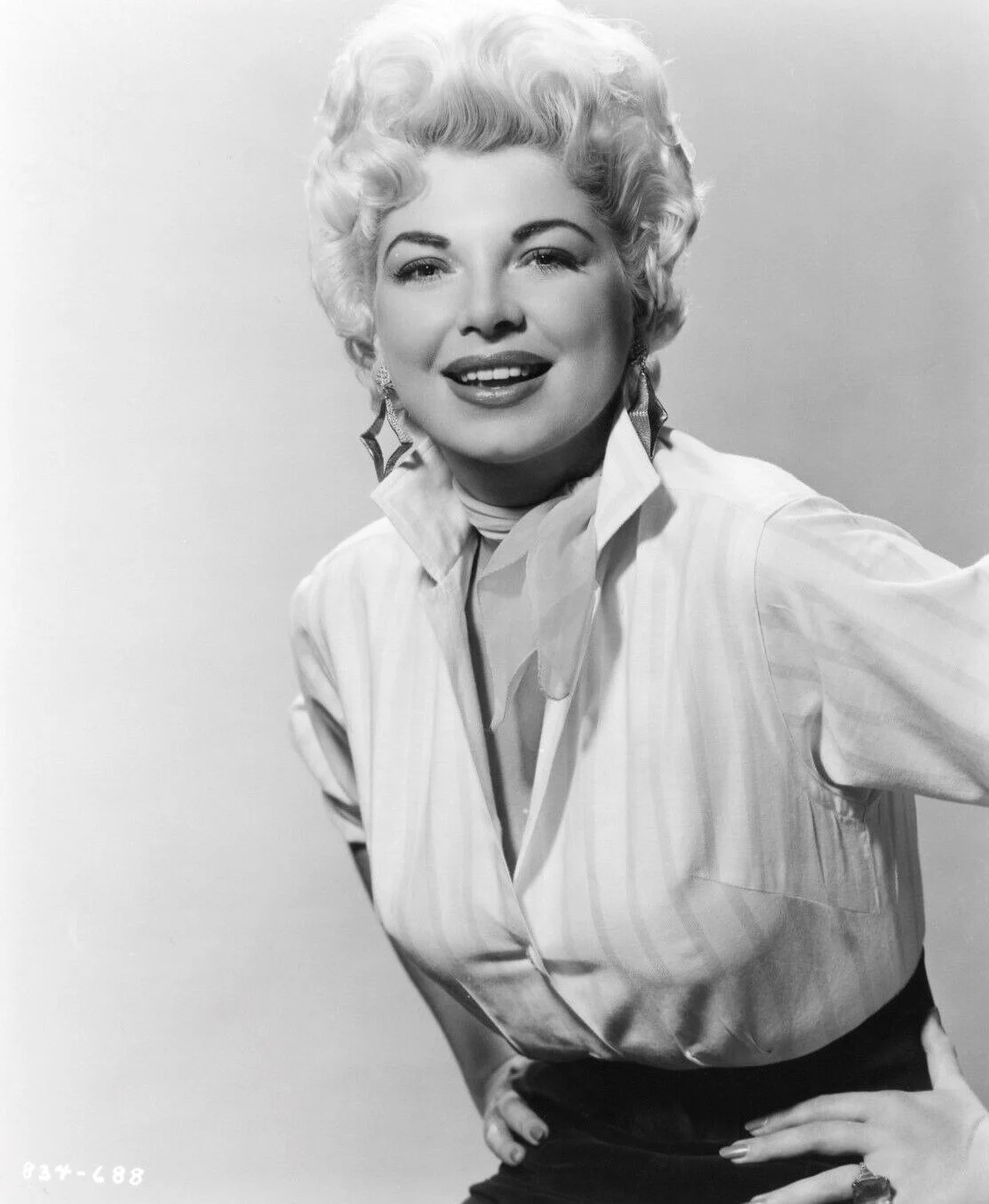
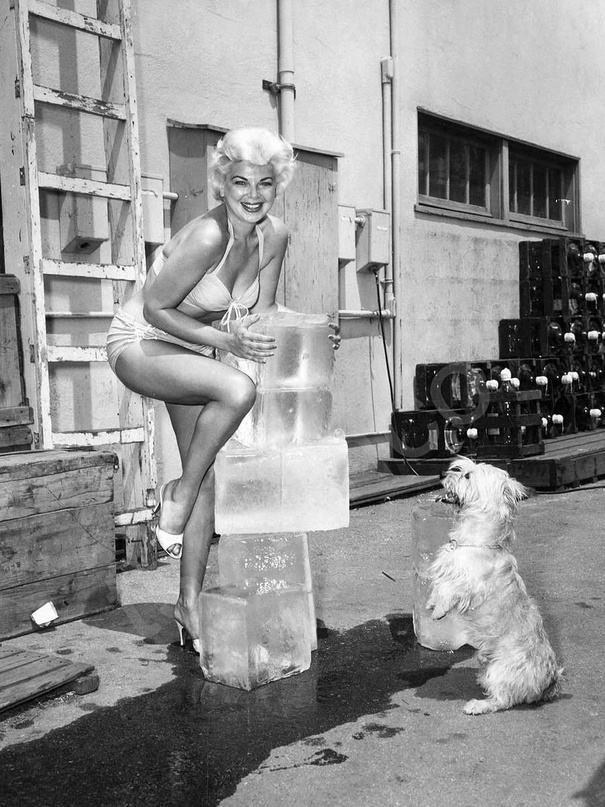

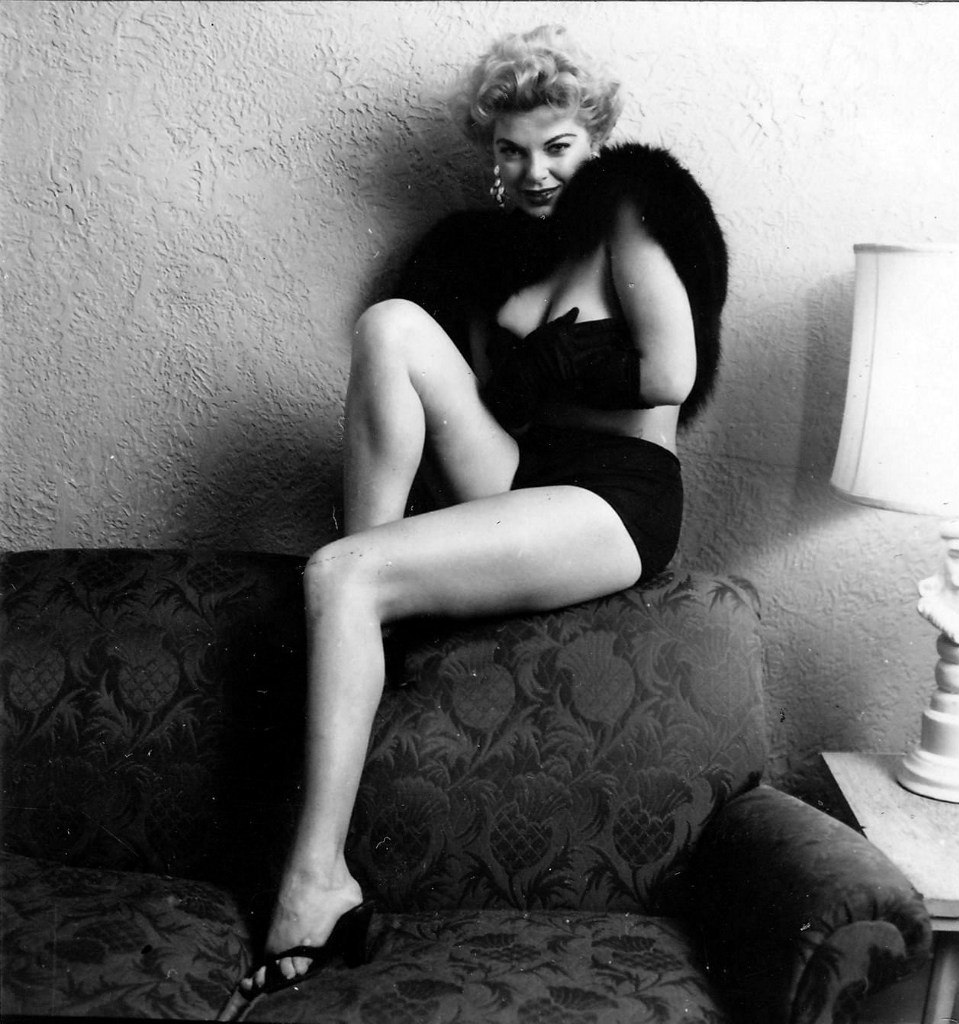

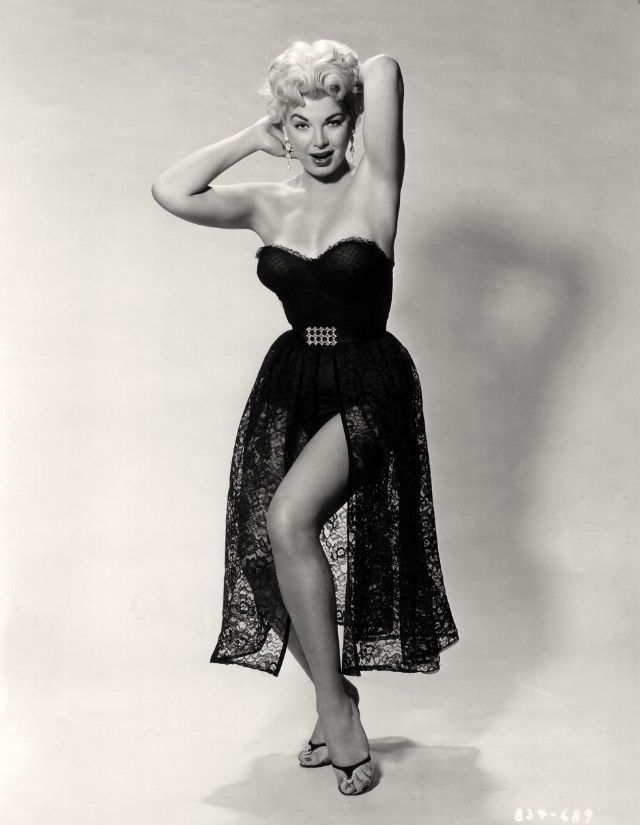
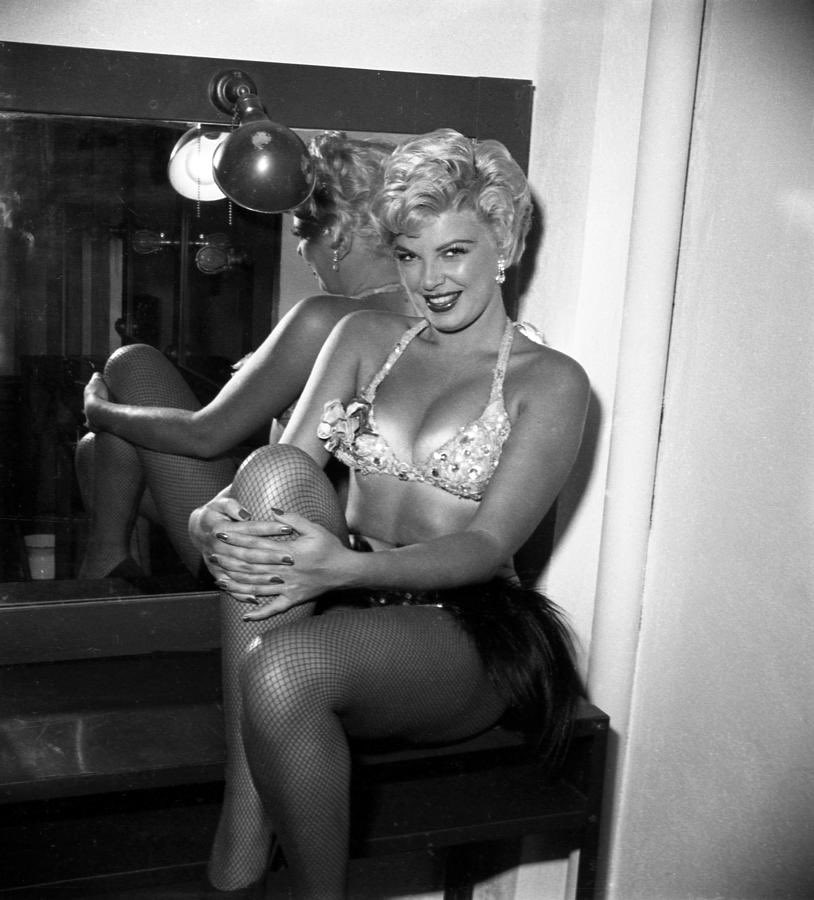
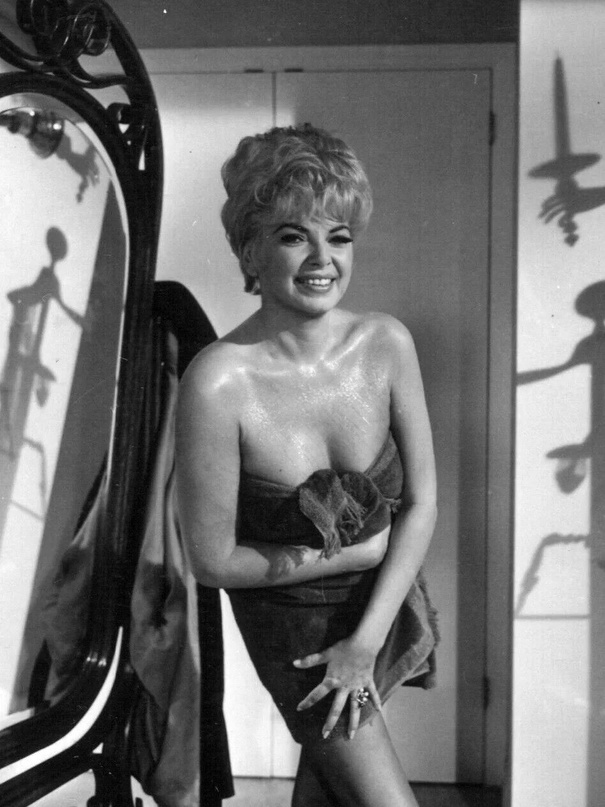


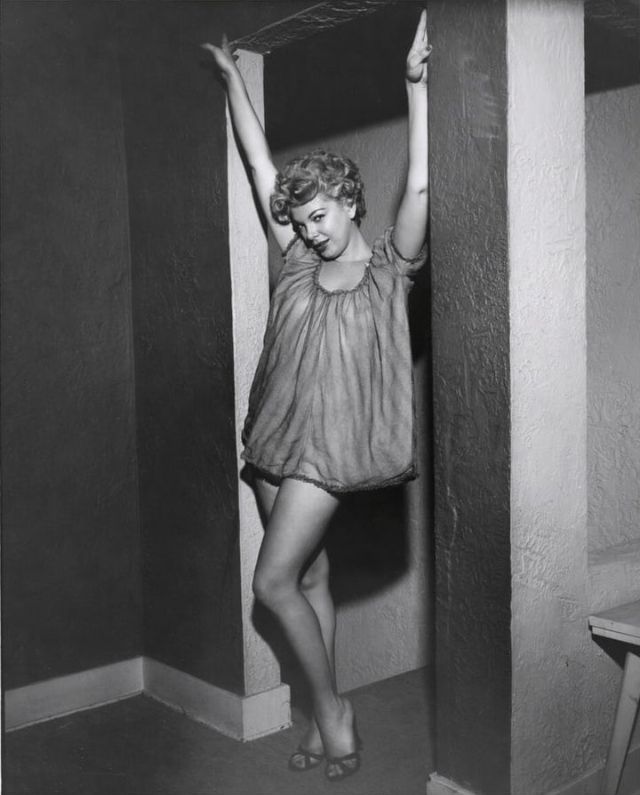

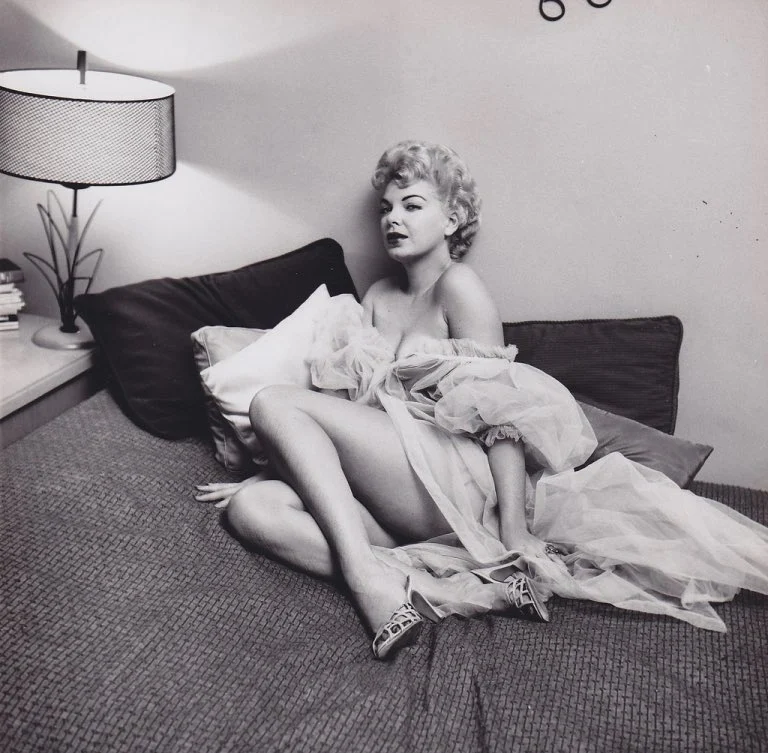
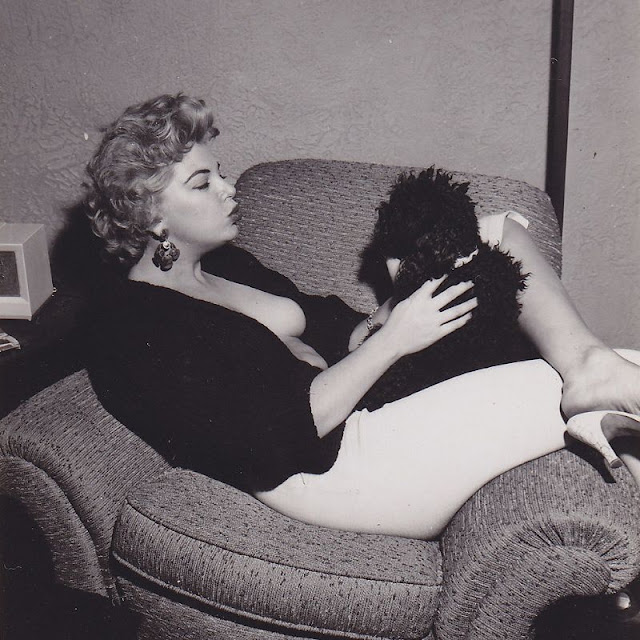
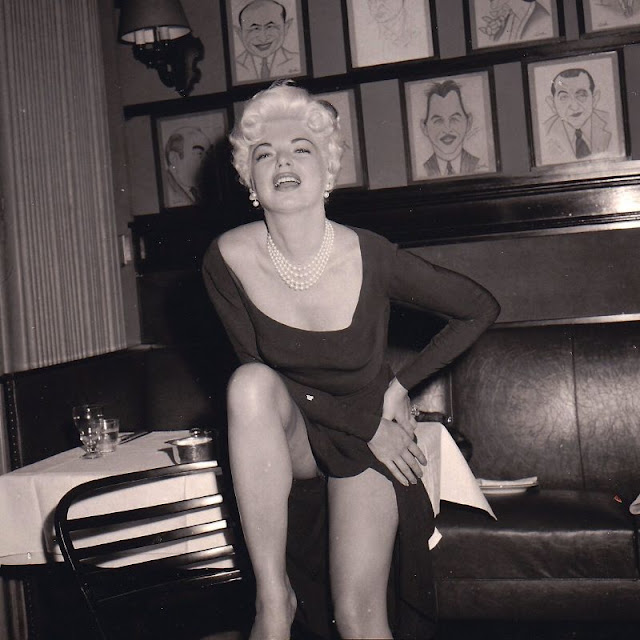



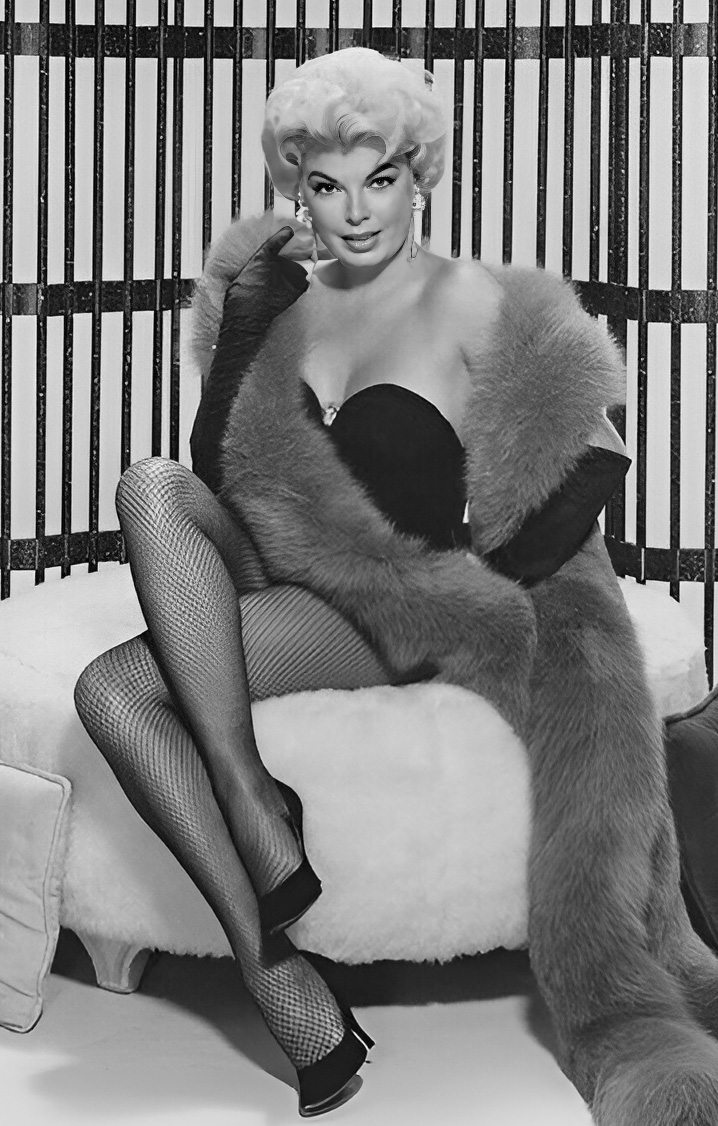
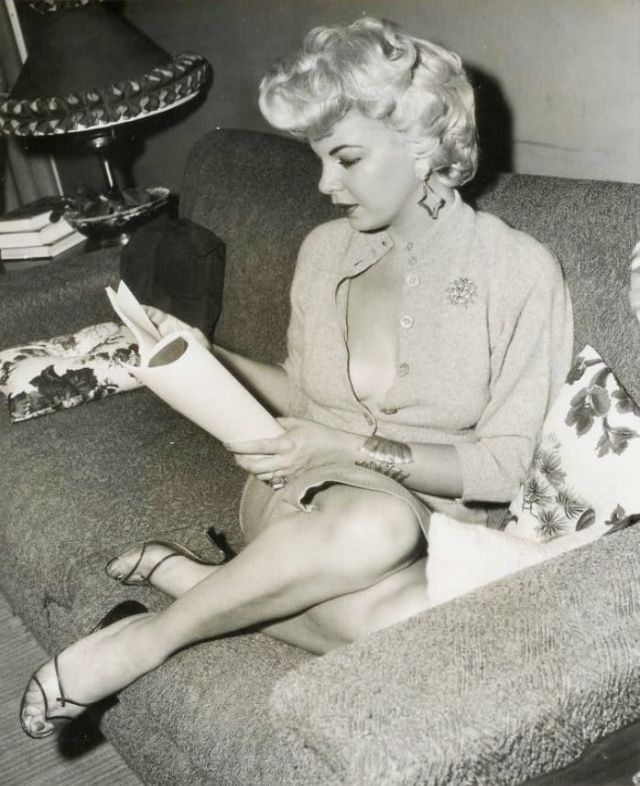

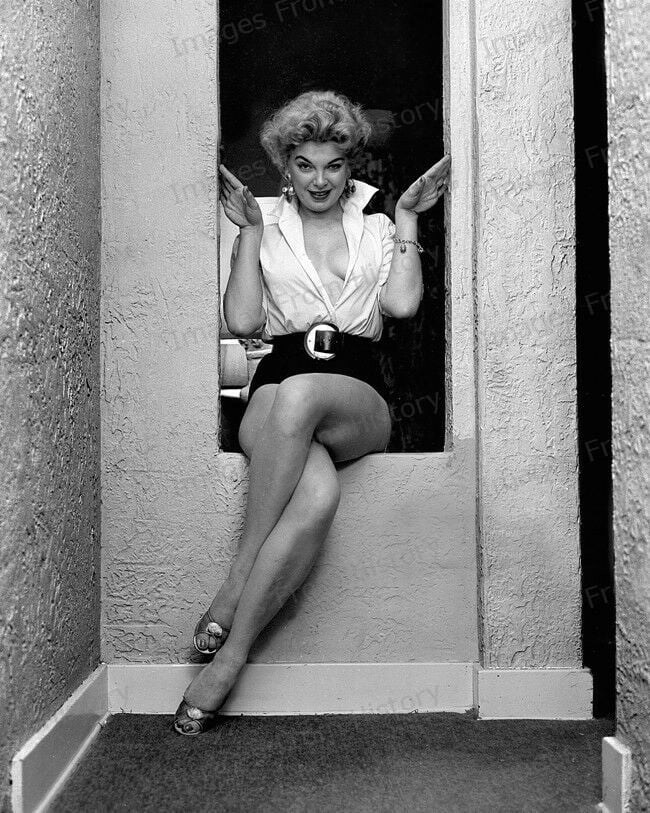


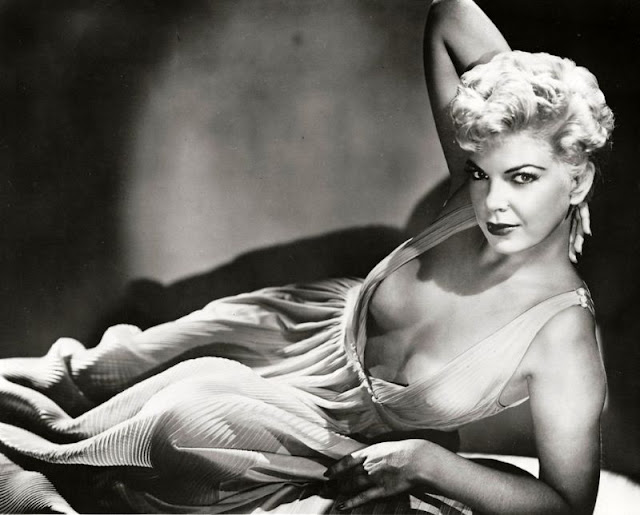



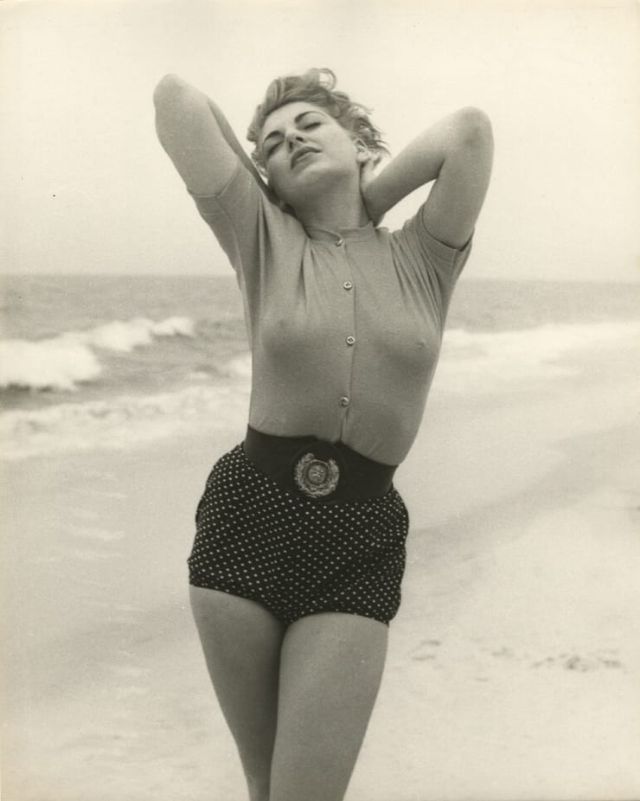
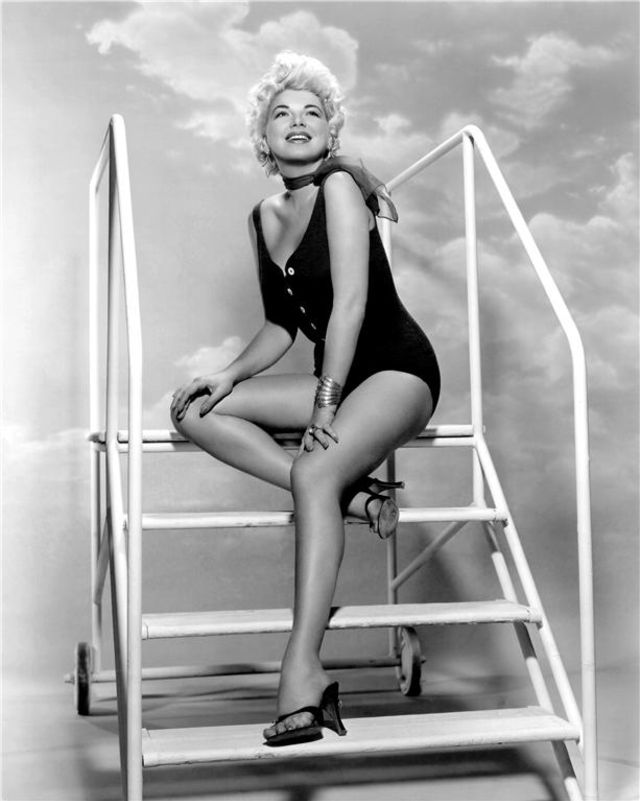

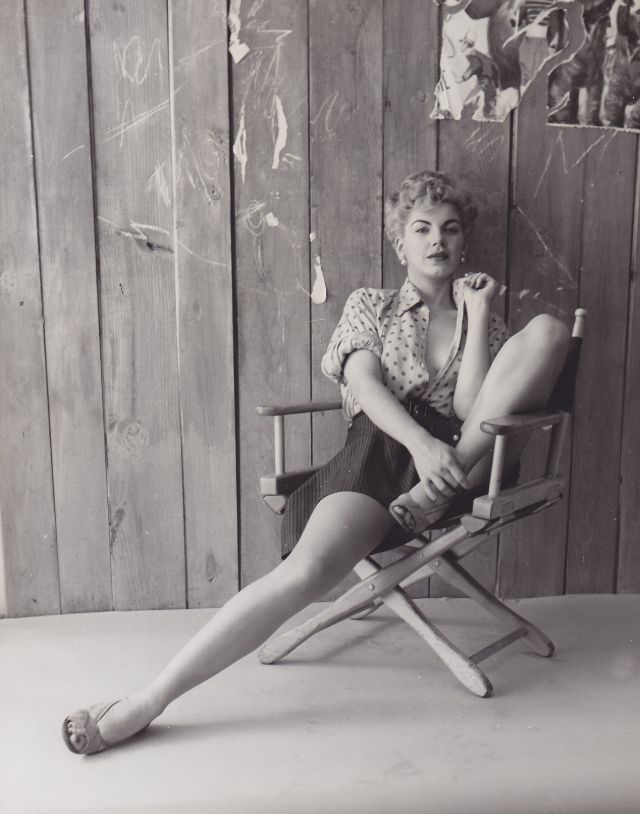
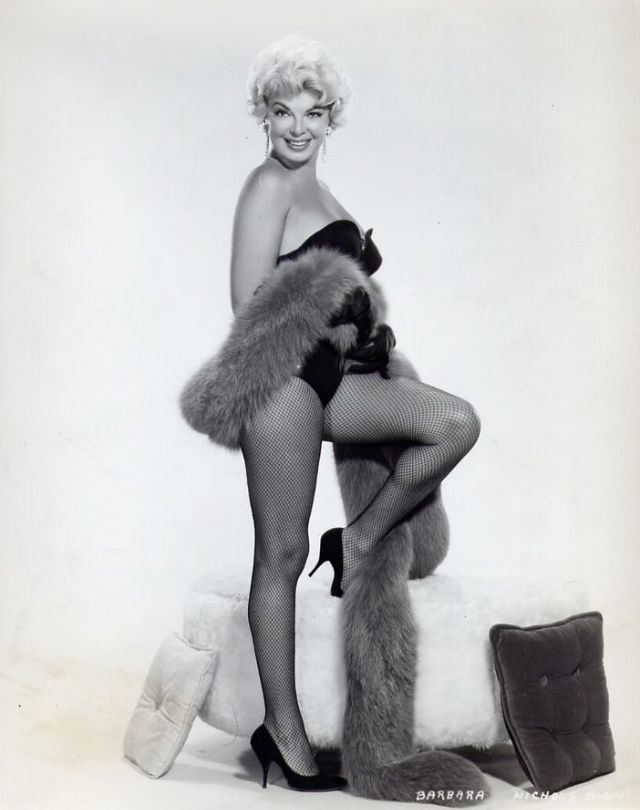
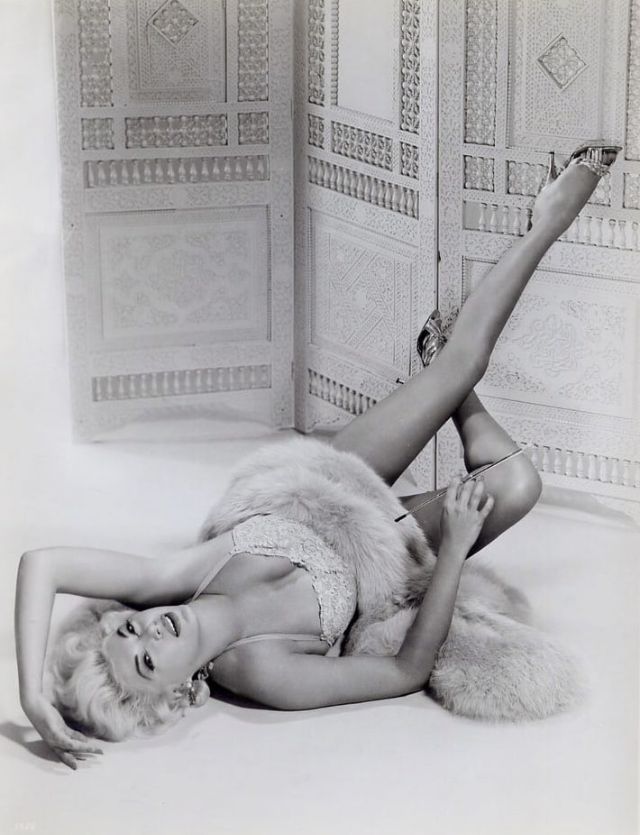
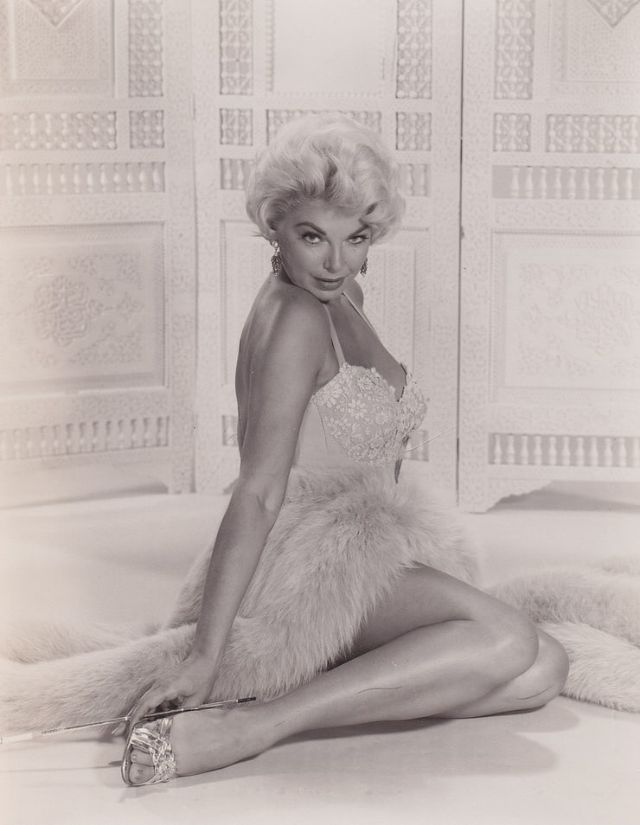

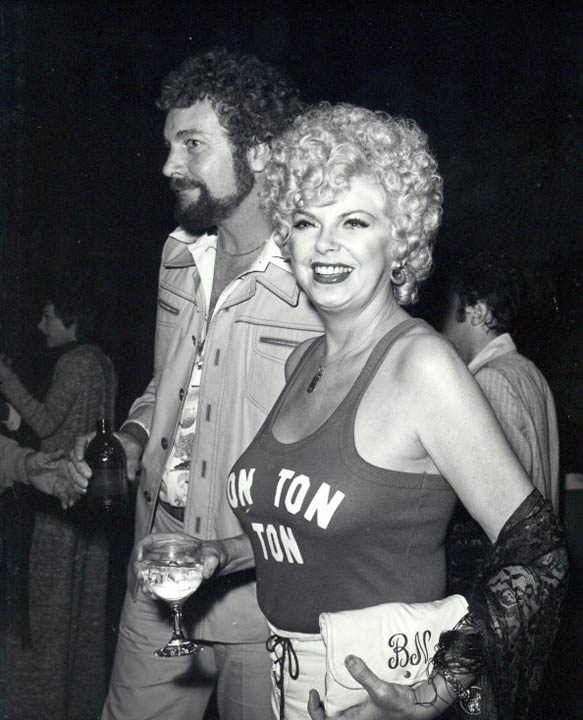
Last known picture of Barbara Nichols taken in 1976

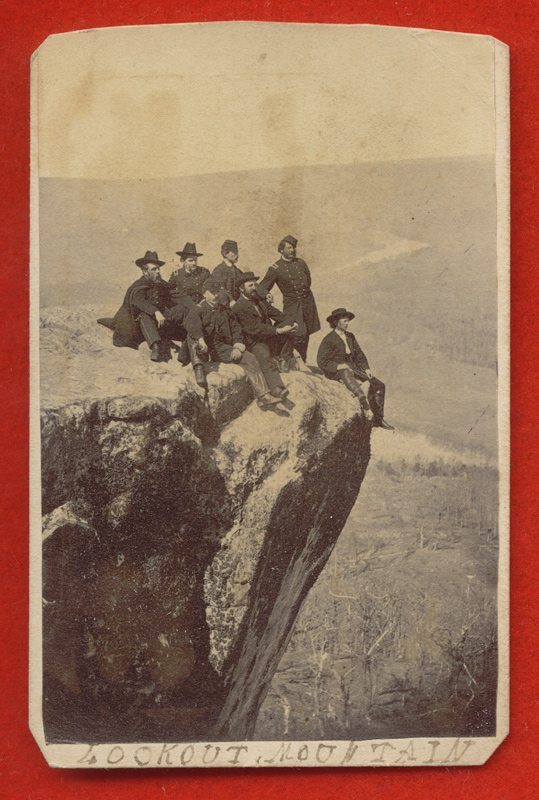
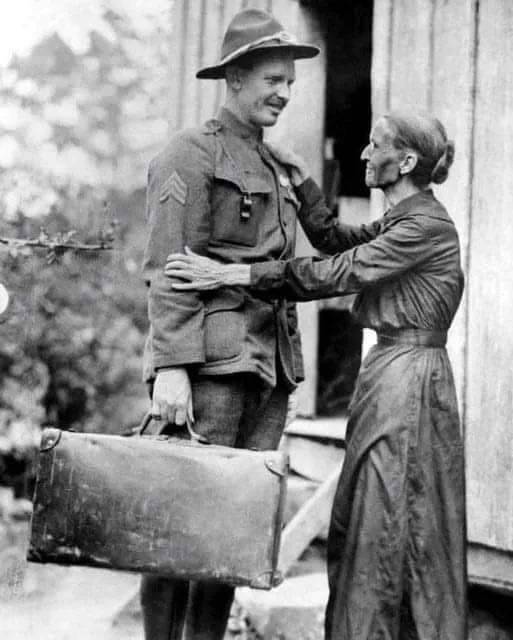
Sergeant Alvin C. York, a highly decorated U.S. Army soldier, reunited with his mother, Mary Elizabeth York, upon returning home to Pall Mall, Tennessee after World War I

Actresses from the 1953 sci-fi comedy film Abbott and Costello Go to Mars

Jamie Lee Curtis and Danielle Brisebois attending a fashion show in 1983

photo is a still from the 1973 Italian comedy film Malicious
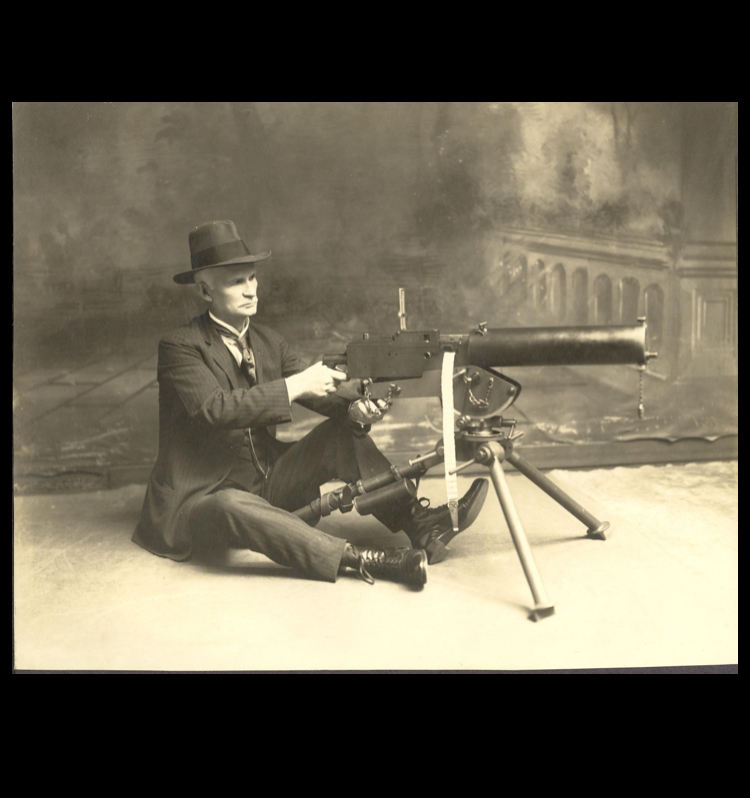
American firearm inventor John Moses Browning posing with his creation

“Reverie” (also known as “Pensive”) by Polish artist Władysław Czachórski, from the late 19th century and features a woman looking thoughtfully out a window.


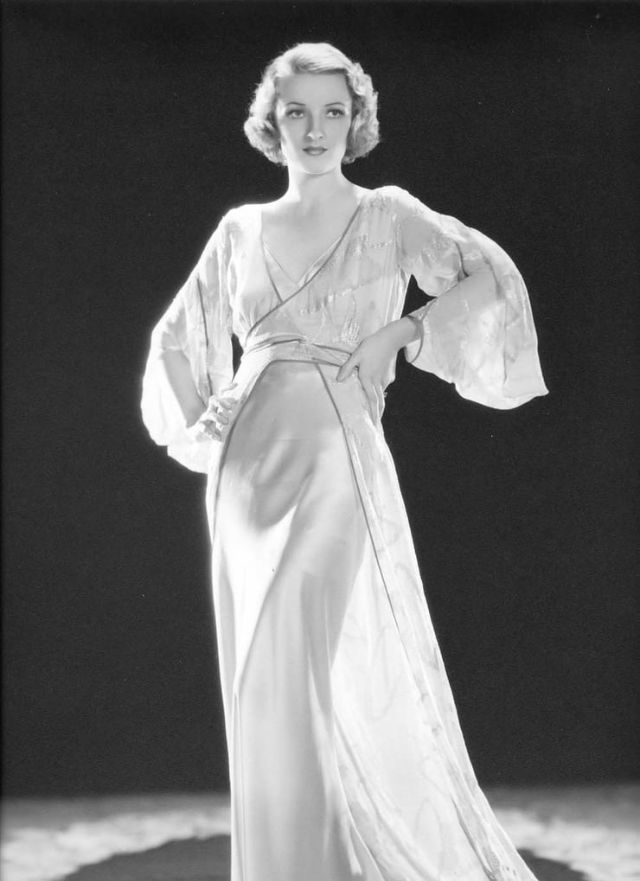
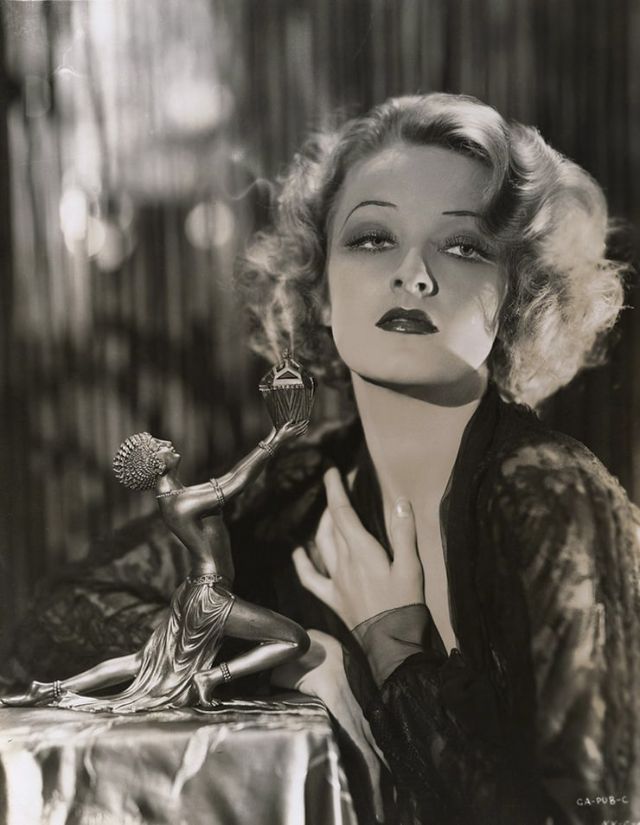
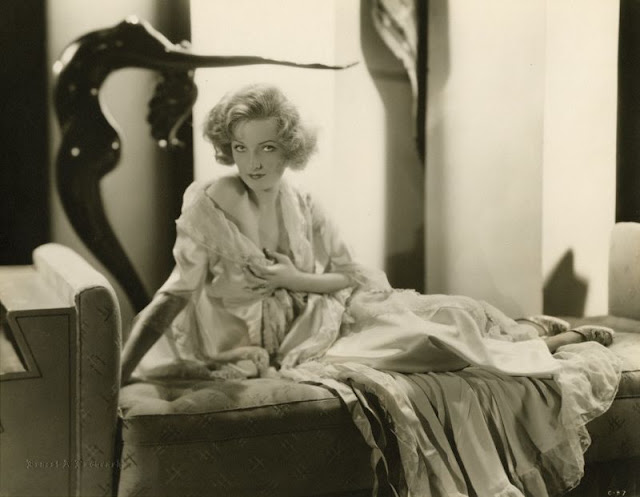
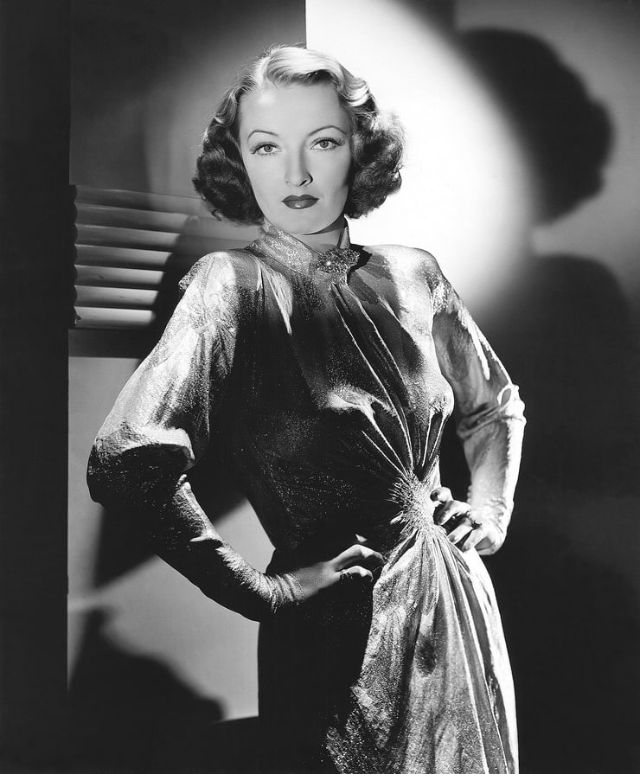
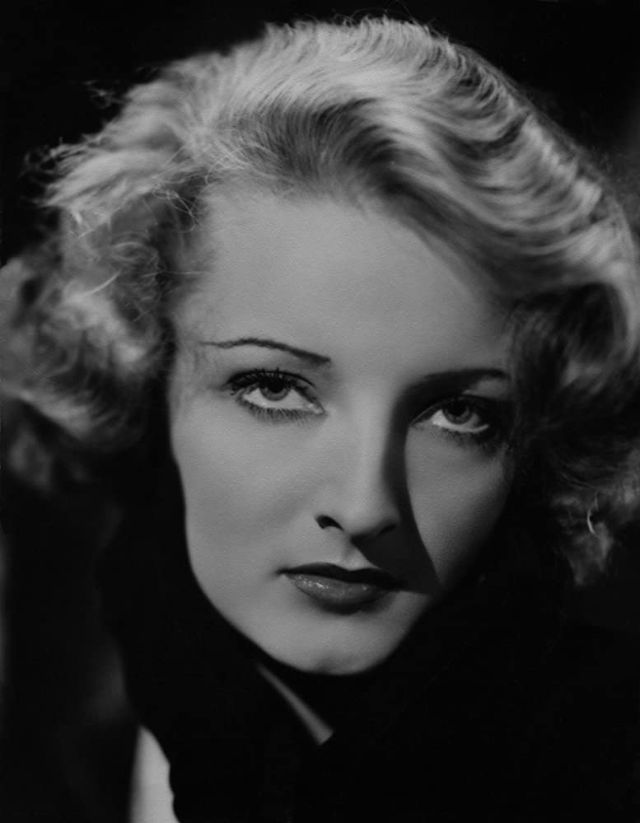
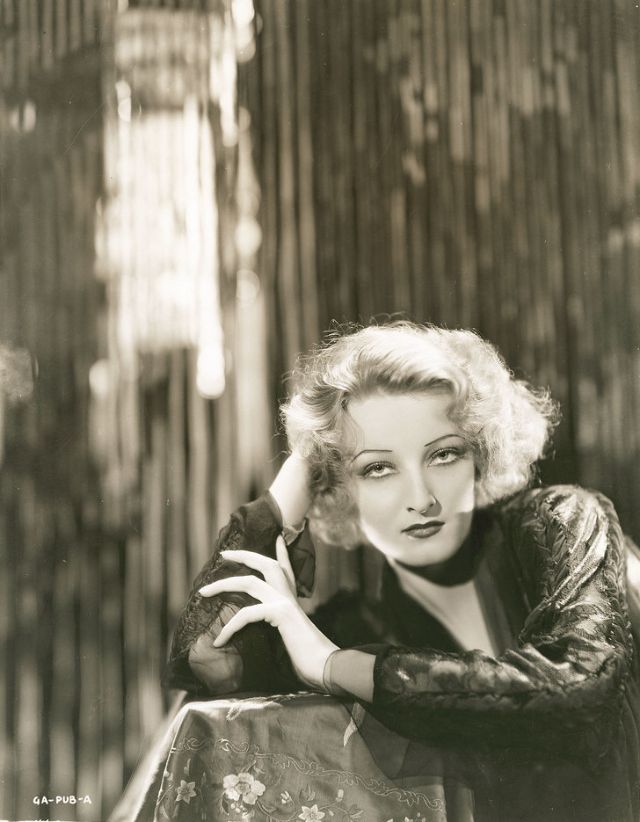
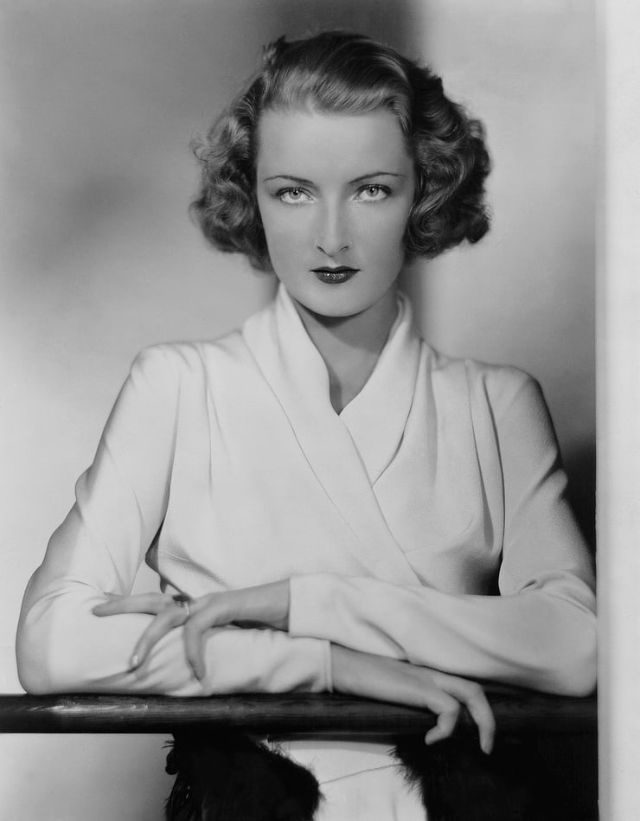
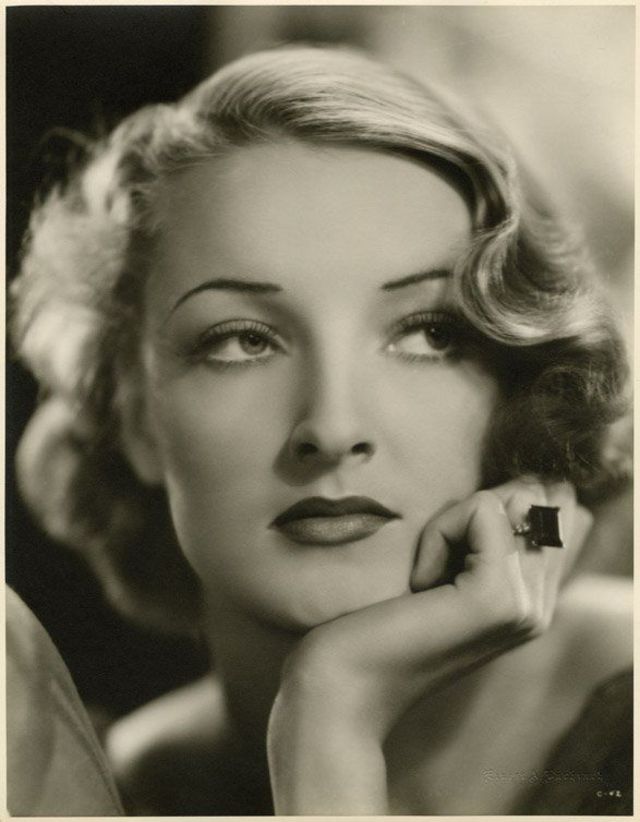
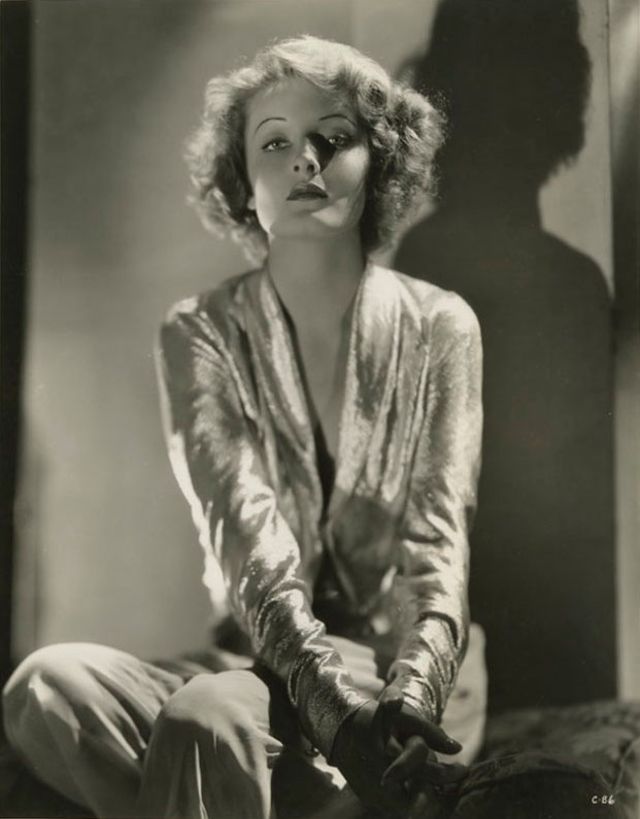
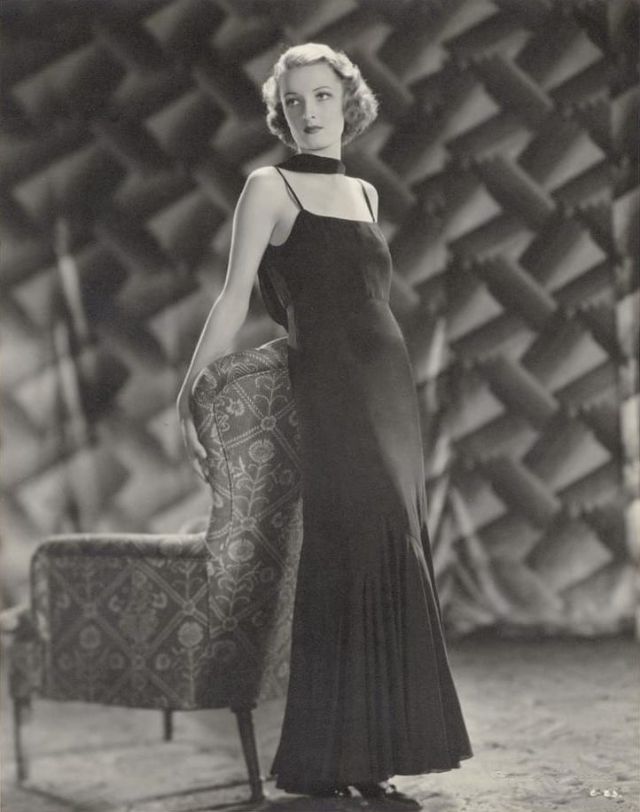
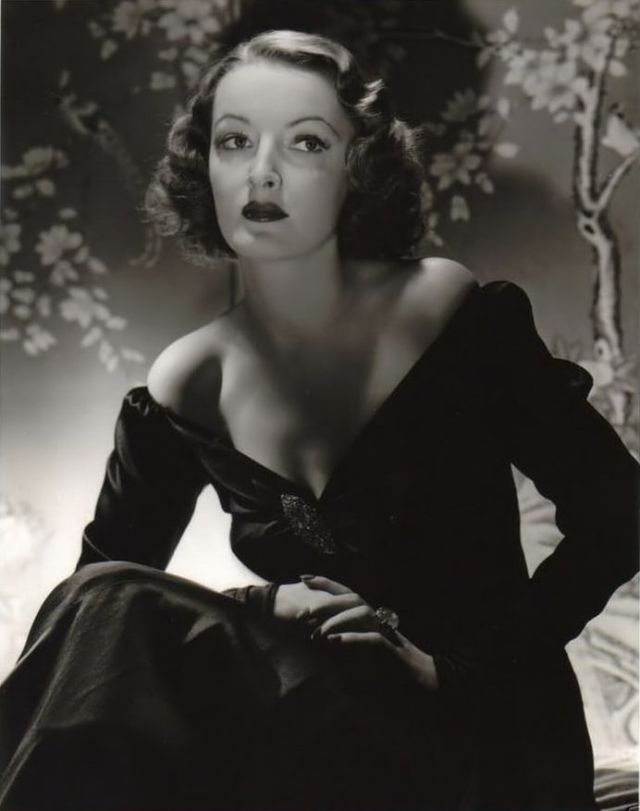
Gwili Andre came to Hollywood in the early 1930s with the intention of establishing herself as a film star after working for several years as a model in Europe and New York. She was reportedly spotted by David O. Selznick at the premiere of a Broadway show. Selznick was taken by her beauty, and he arranged for a screen test.
She was signed to RKO Studio, and in 1932 appeared in Roar of the Dragon and Secrets of the French Police. While her striking looks were likened to that of Greta Garbo and Marlene Dietrich, her acting garnered poor reviews. One newspaper columnist called her a “stiff, colorless and completely talentless performer.” Despite the poor reviews of her acting, RKO began using her glamorous looks to promote her career. A widespread publicity campaign ensured that her name and face became well known to the American public, but her next role in No Other Woman (1933), opposite Irene Dunne, was not the success the studio expected. Over the next few years, she was relegated to supporting roles which included a role in the Joan Crawford picture A Woman’s Face (1941).
On 5 February 1959, Andre died in a fire that started in her apartment in Venice, California where she lived alone. The cause was never determined.




















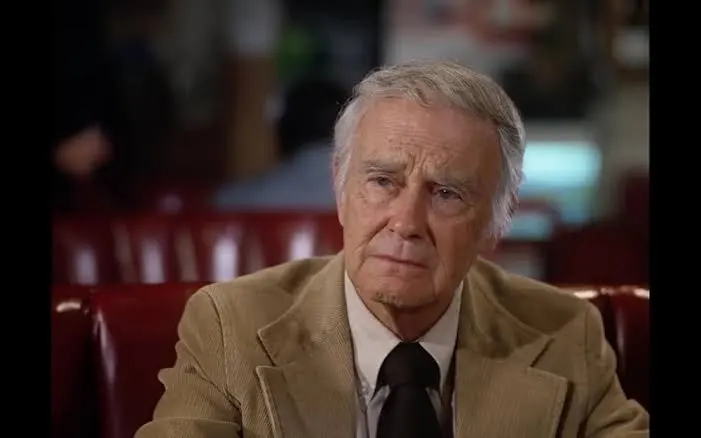
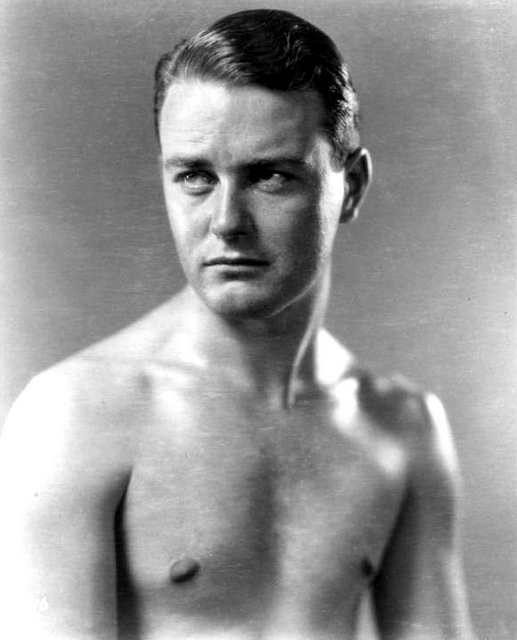
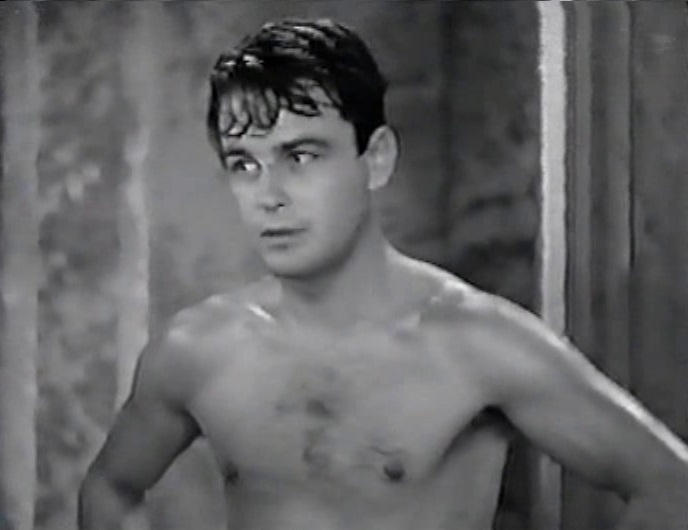
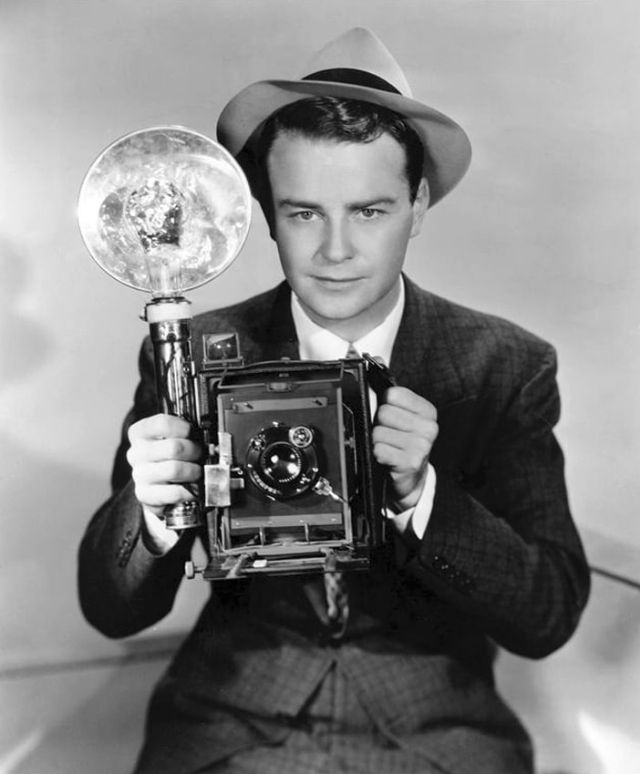
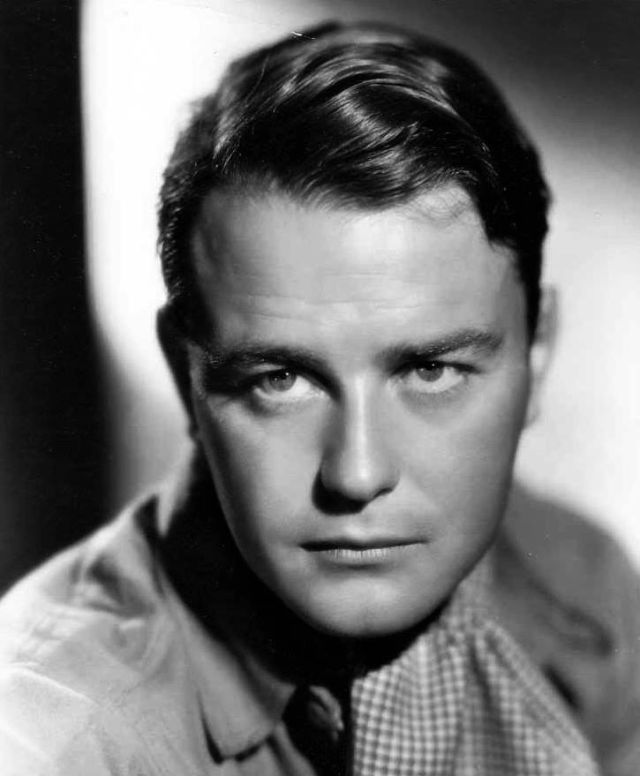
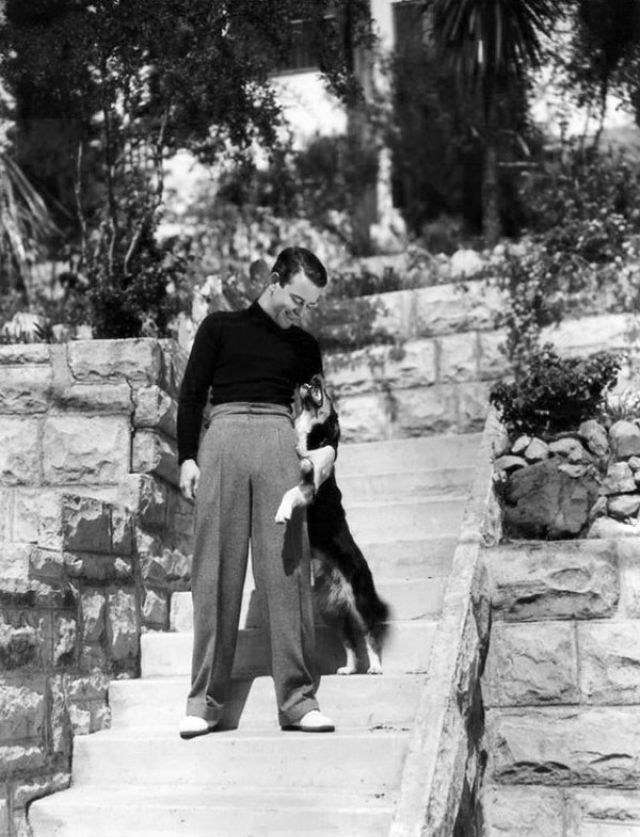
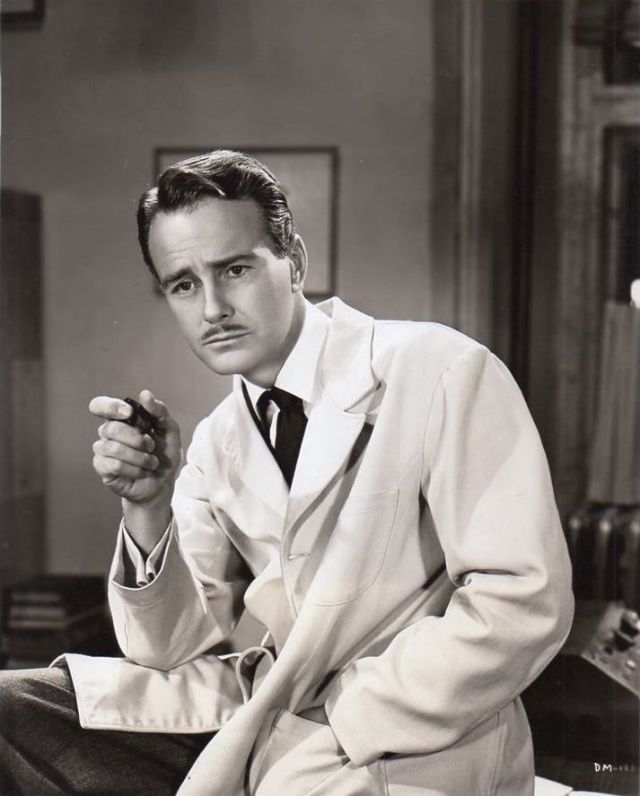
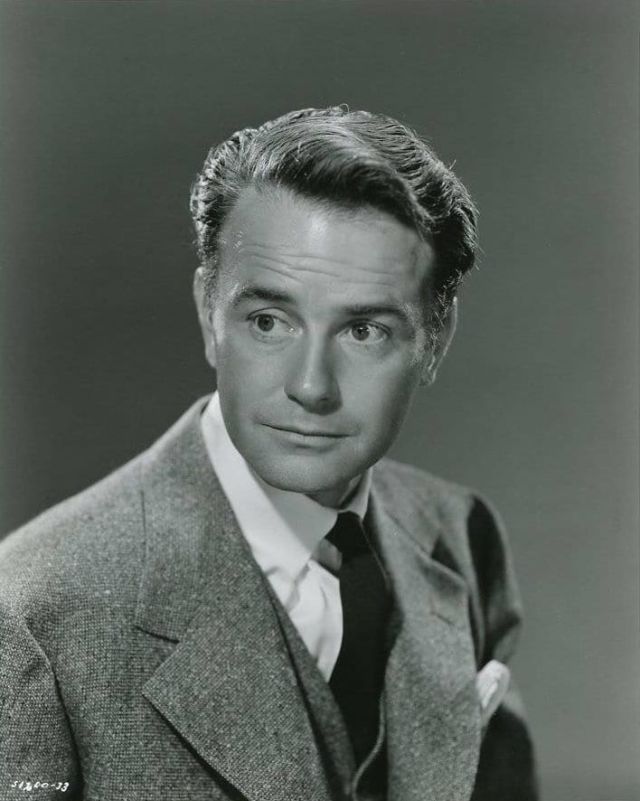
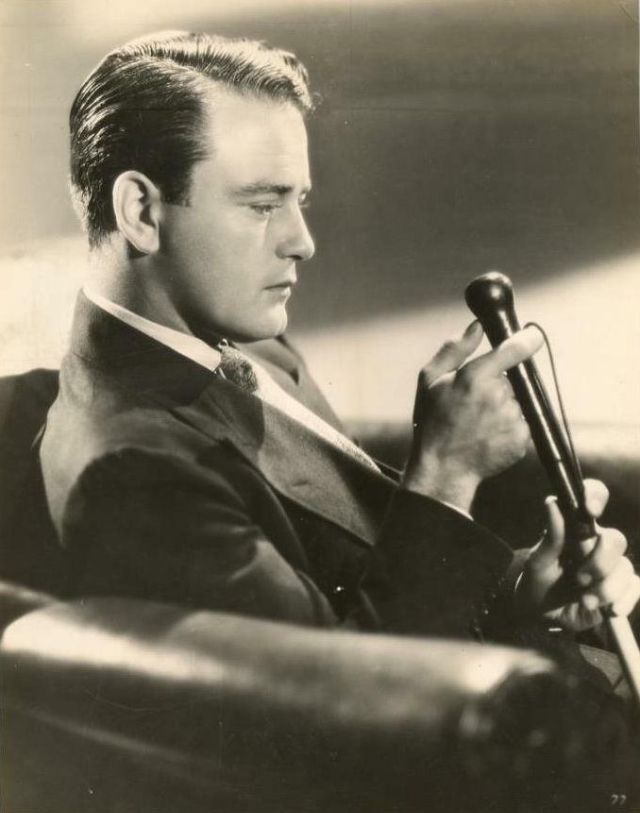
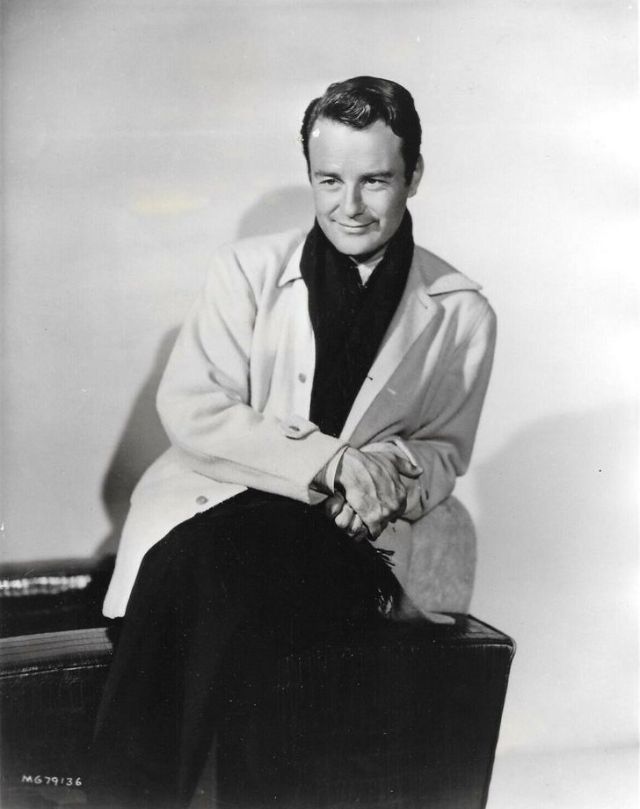
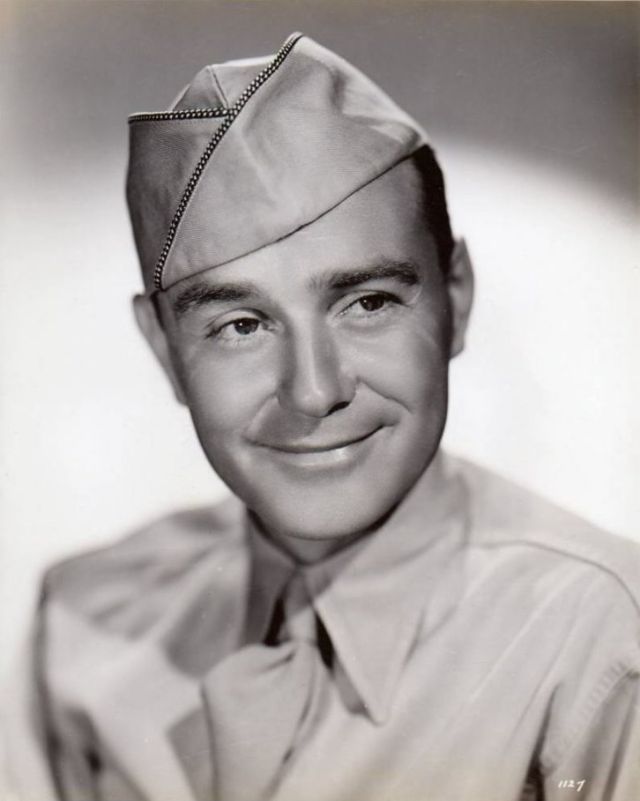
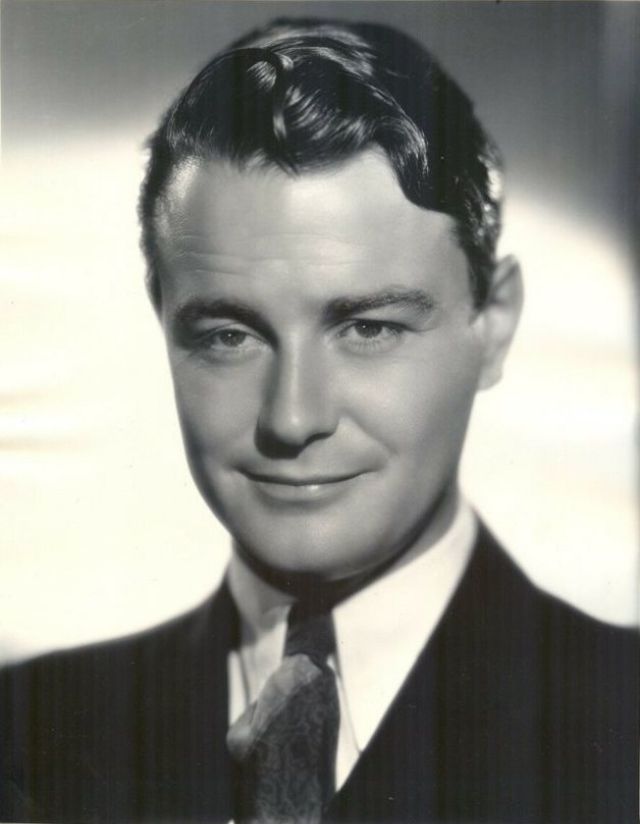
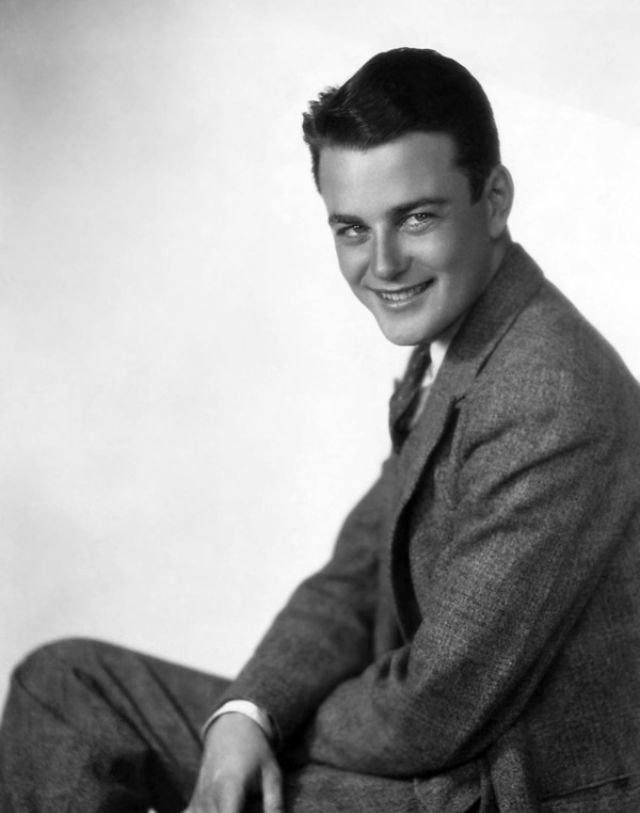
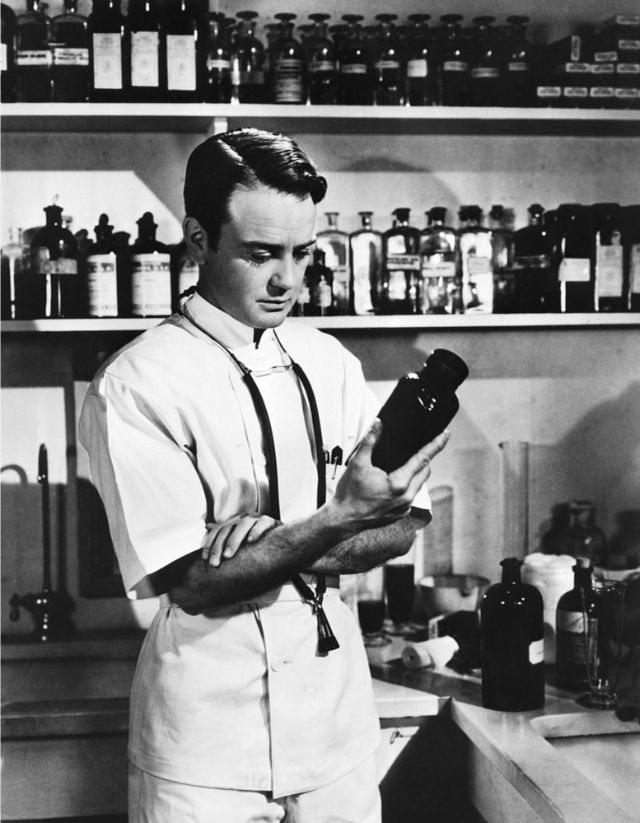
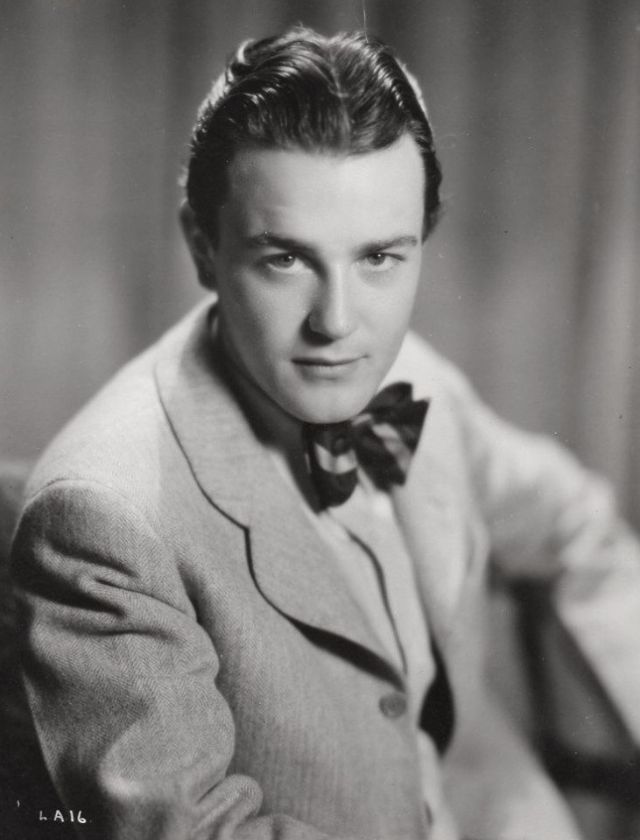
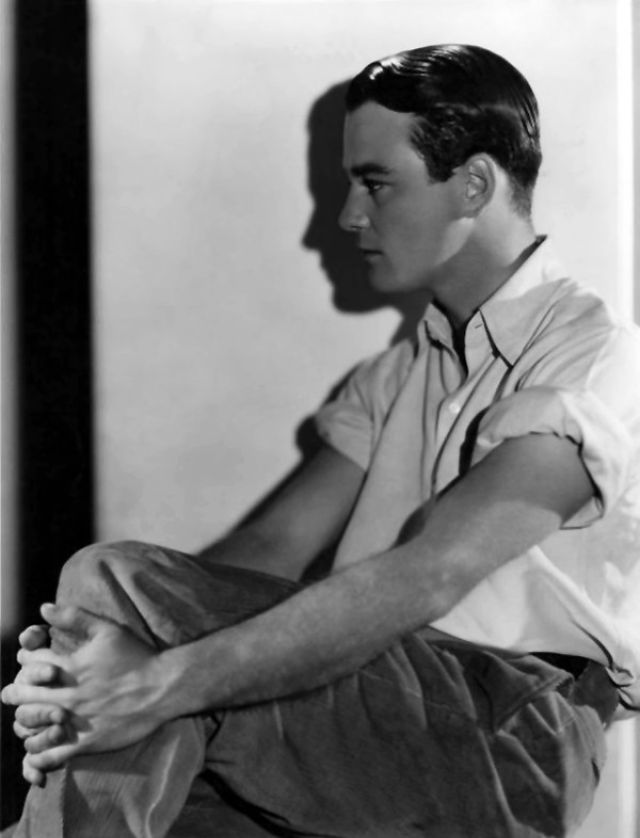
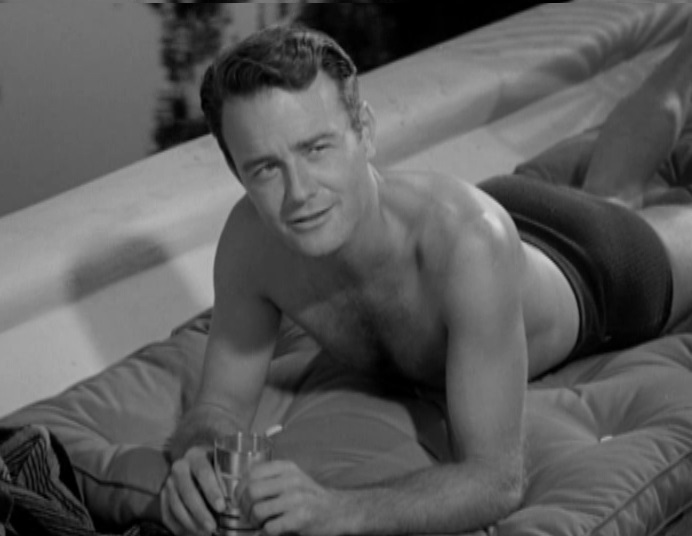
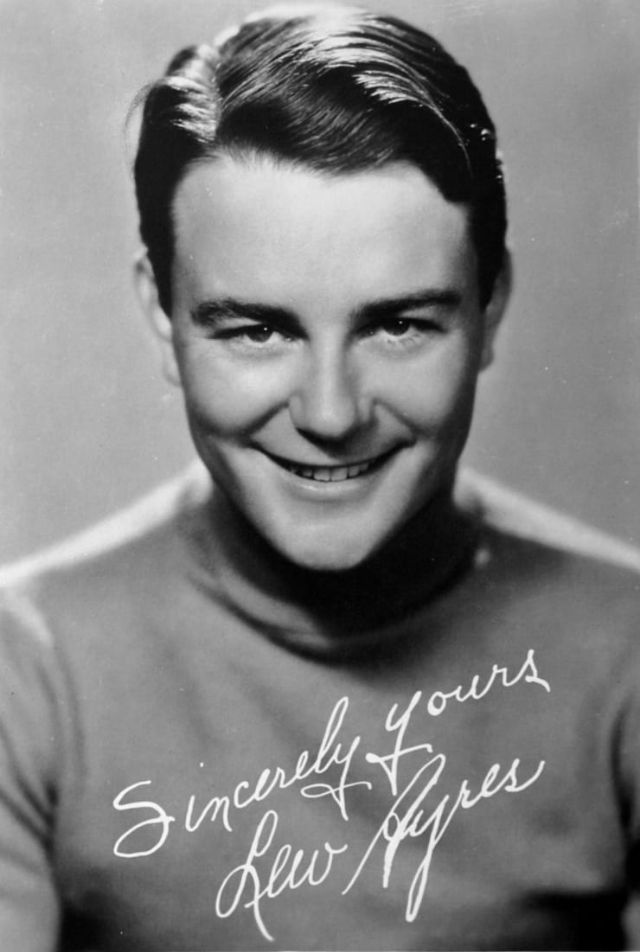
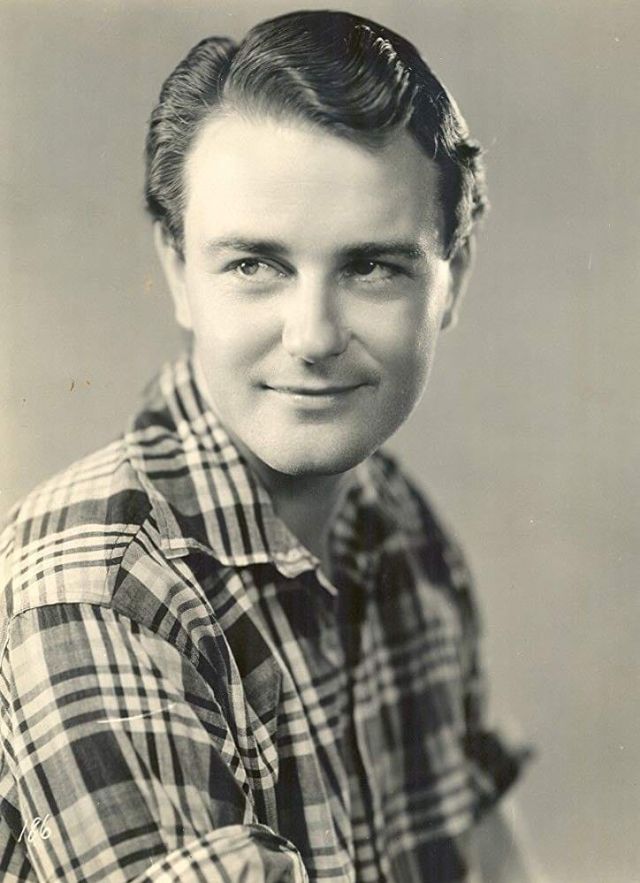
Lew Ayres was an American actor whose film and television career spanned 65 years. He is best known for starring as German soldier Paul Bäumer in the film All Quiet on the Western Front (1930) and for playing Dr. Kildare in nine films. He was nominated for an Academy Award for Best Actor for his performance in Johnny Belinda (1948).
In March 1942, Ayres was identified as a 4E conscientious objector and sent to a CO camp. As expected, the announcement that a Hollywood actor objected to the war was a major source of public outcry and debate. Within a month it was determined that he had initially requested to be A-O-1, so that he could serve as a non-combat medic. However, the military’s policy that servicemen cannot request, or be guaranteed, where they will serve, forced him to request a 4E status. The U.S. military confirmed that they would place him as a medic and in April 1942, his status was changed. He enlisted in the United States Army on May 18, 1942.
He served as a first aid instructor in the United States Army before requesting a drop in rank in order to serve as a medic and chaplain’s assistant in the Pacific. He was one of 16 medics who arrived under fire during the invasion of Leyte to set up evacuation hospitals, and there he provided care to soldiers and civilians in the Philippines and New Guinea. He donated all the money he had earned as a serviceman to the American Red Cross.
Serving for three and a half years in the Medical Corps, he was awarded three battle stars. After the war, he resumed his career and made scores of movies, but never reached the peak of his early Hollywood stardom.