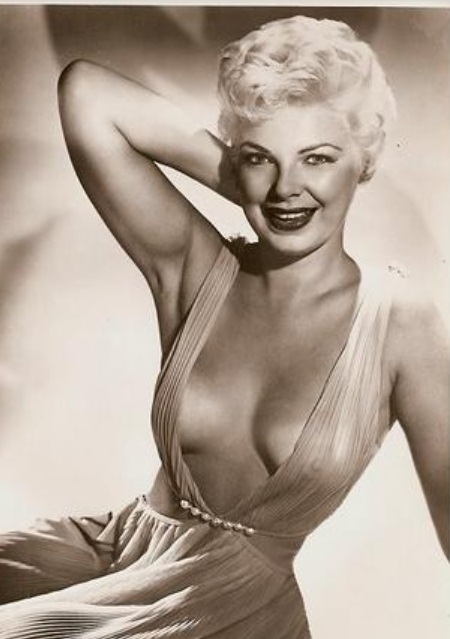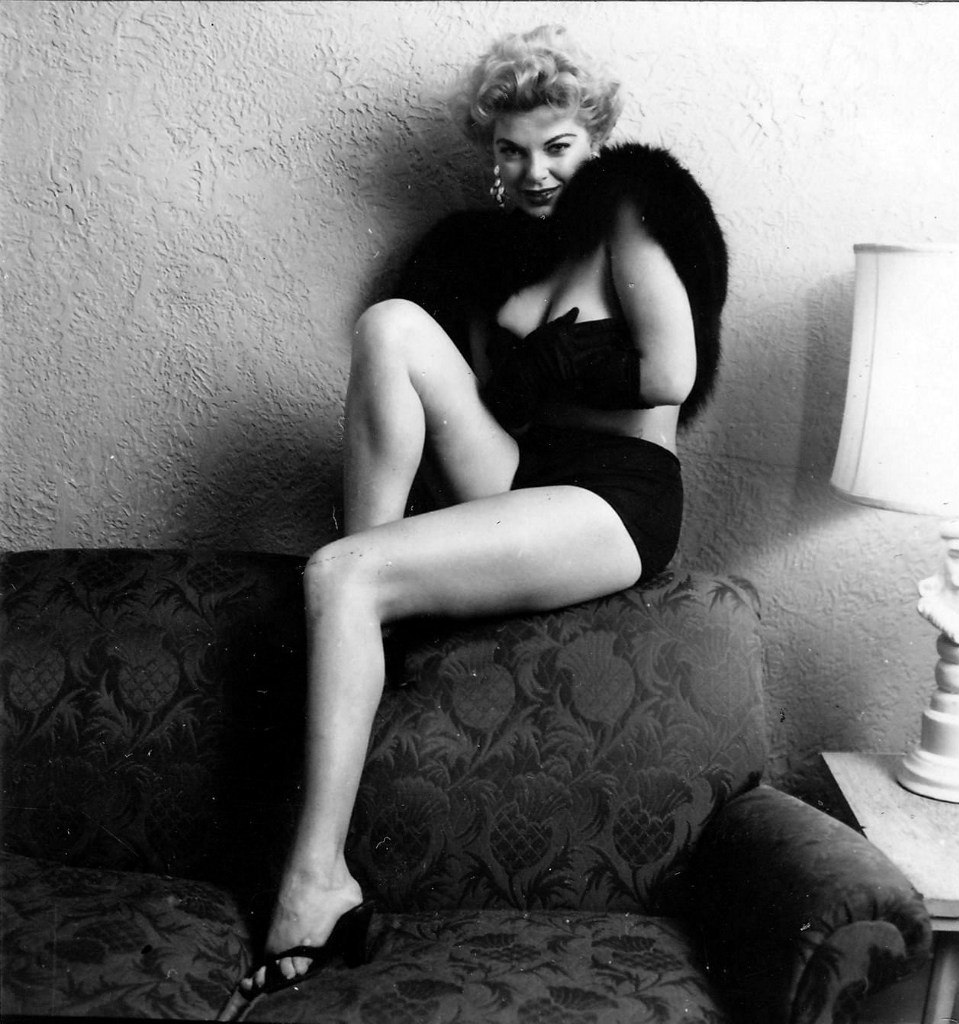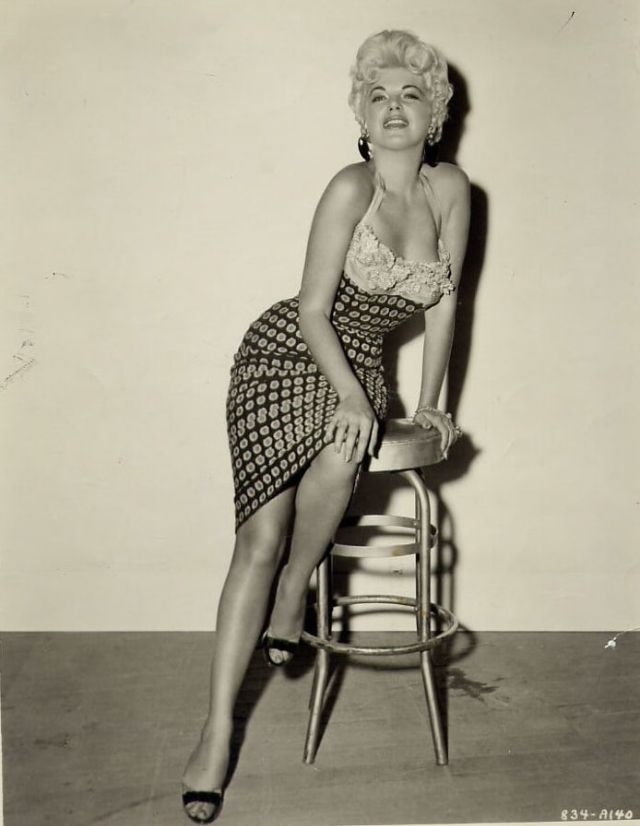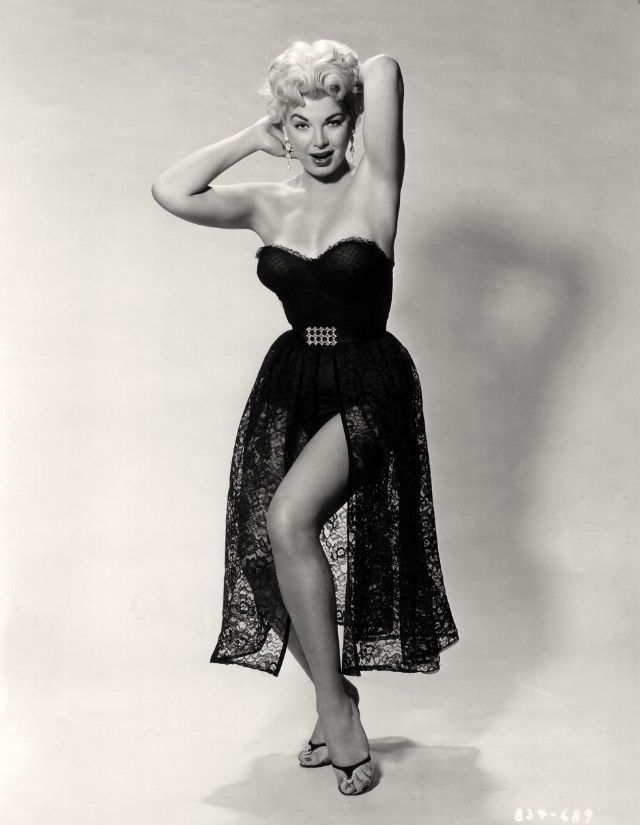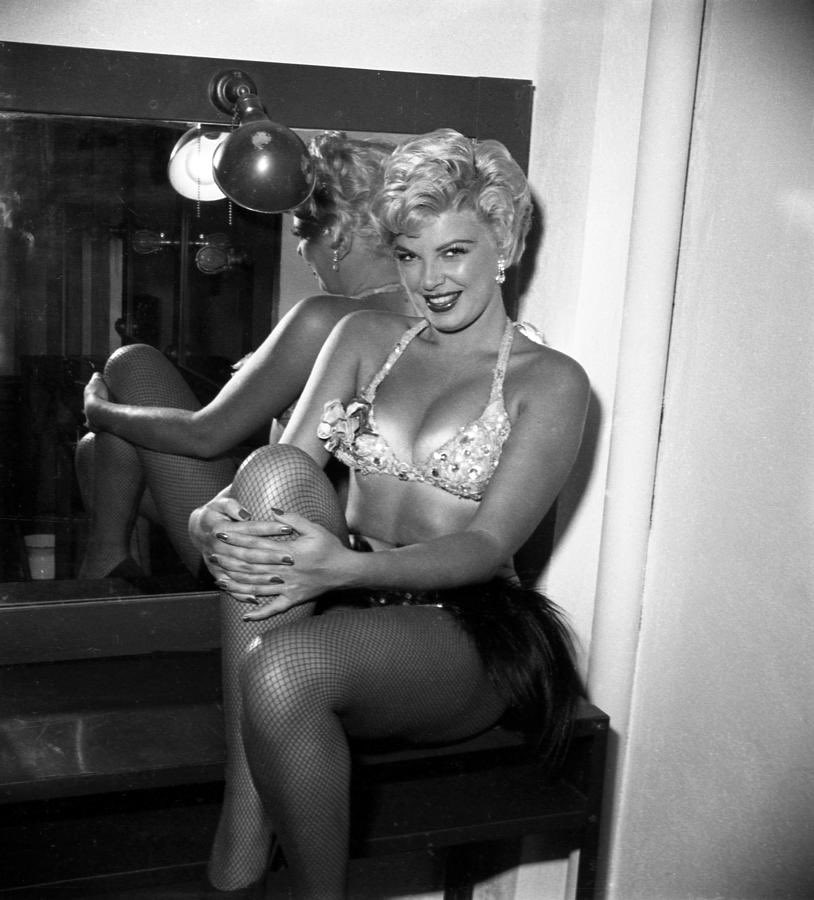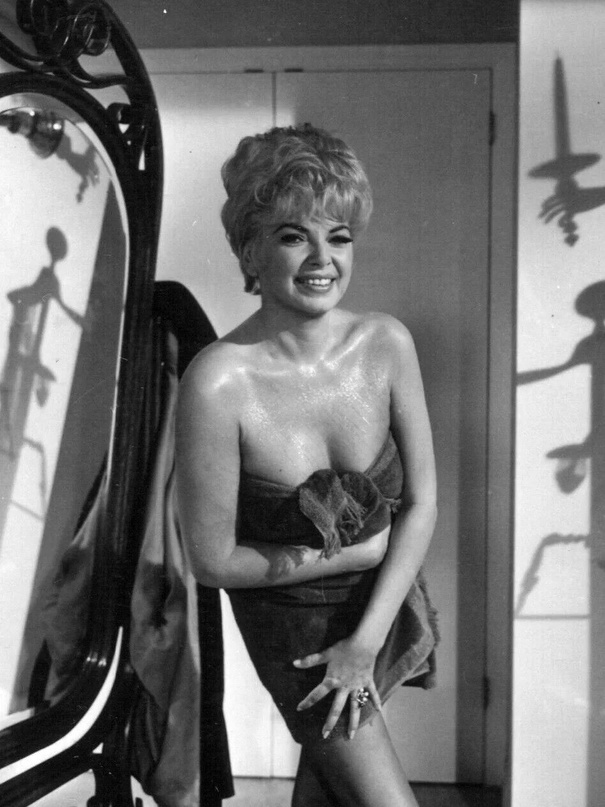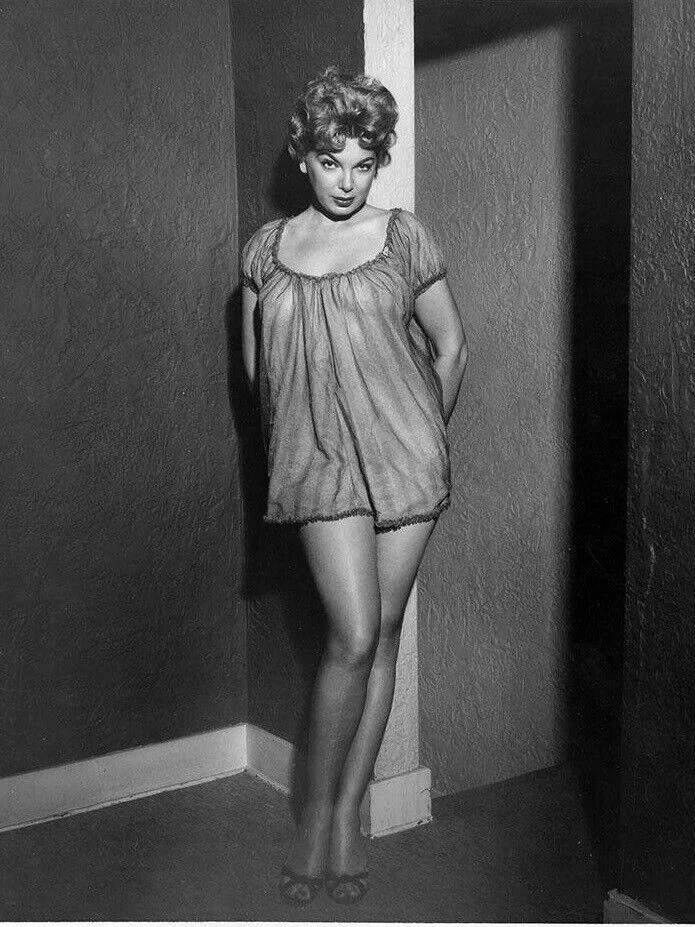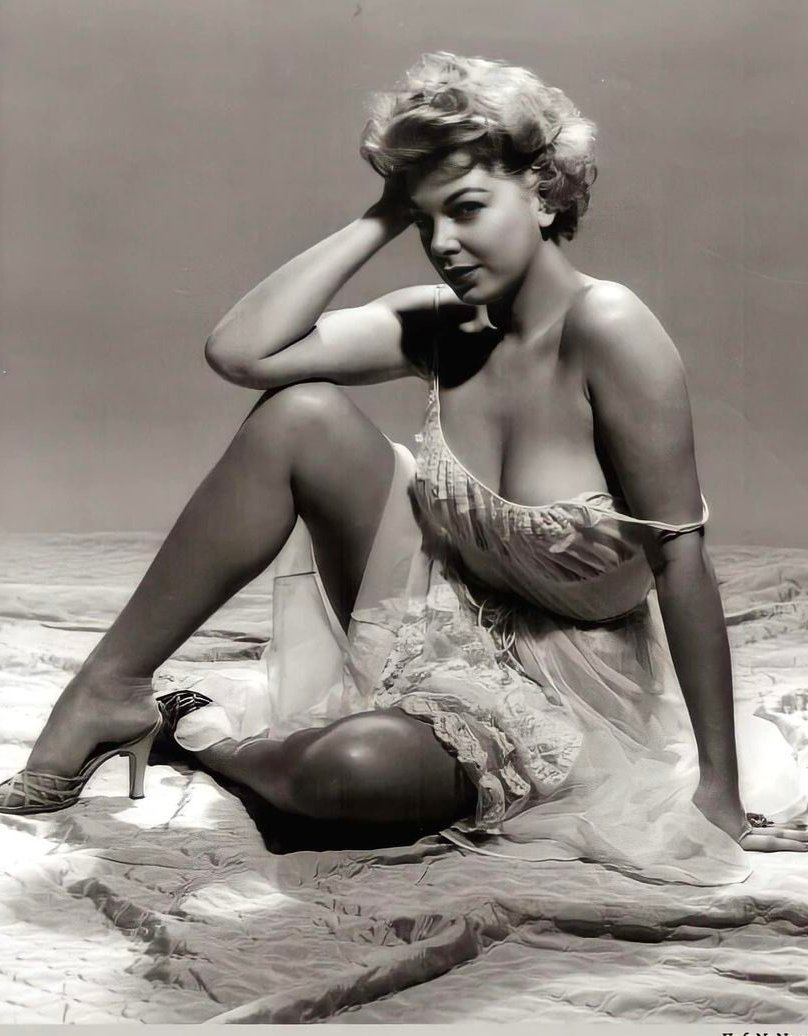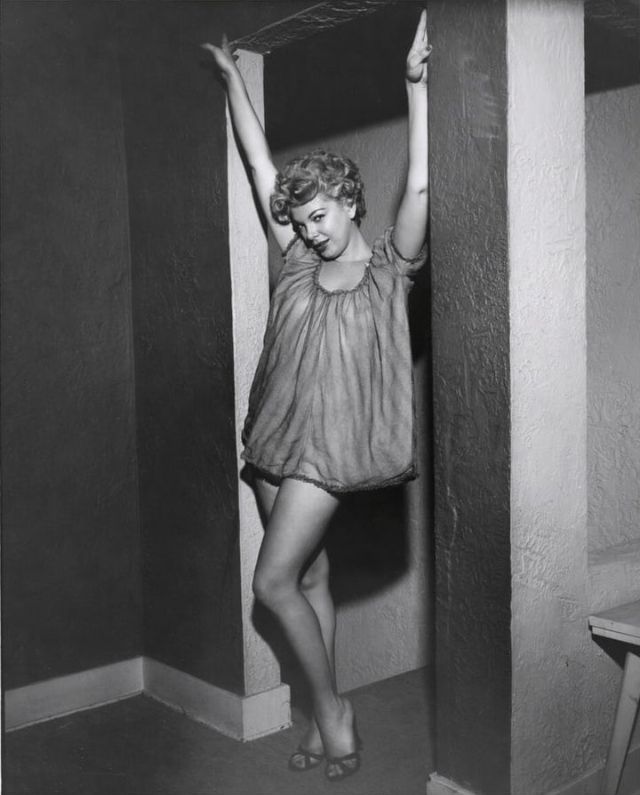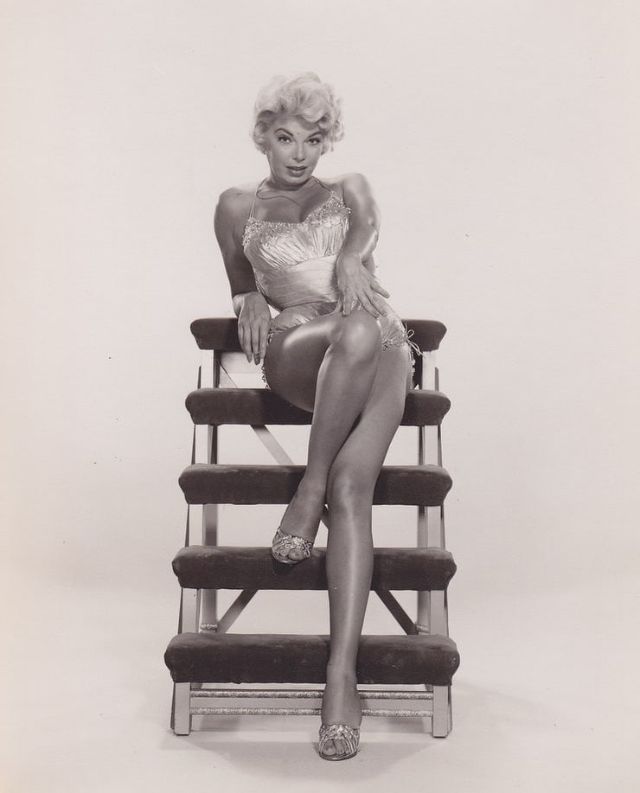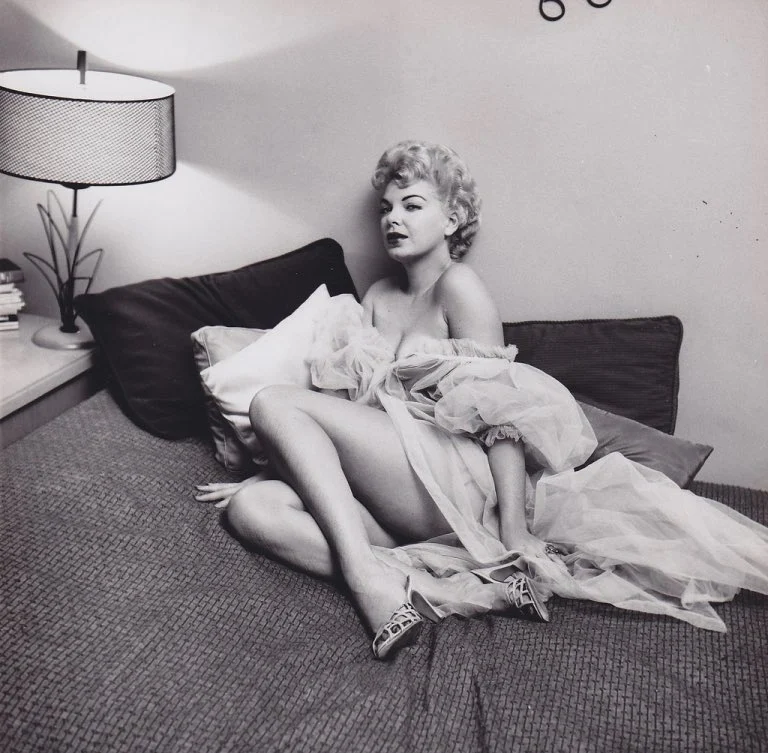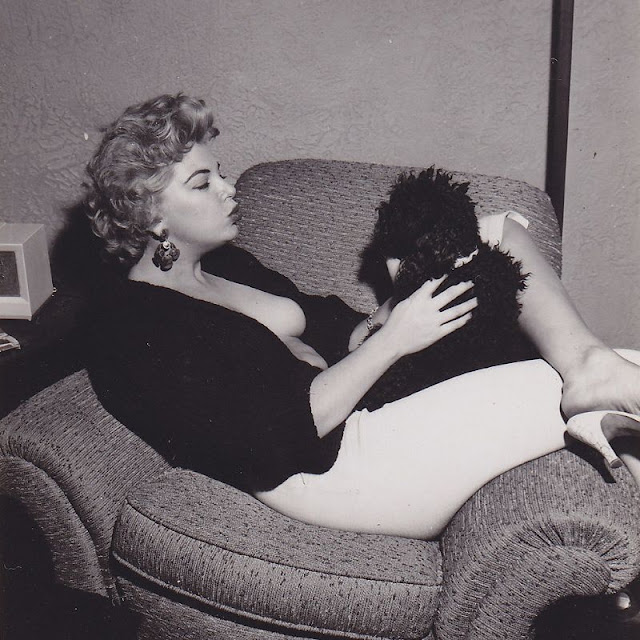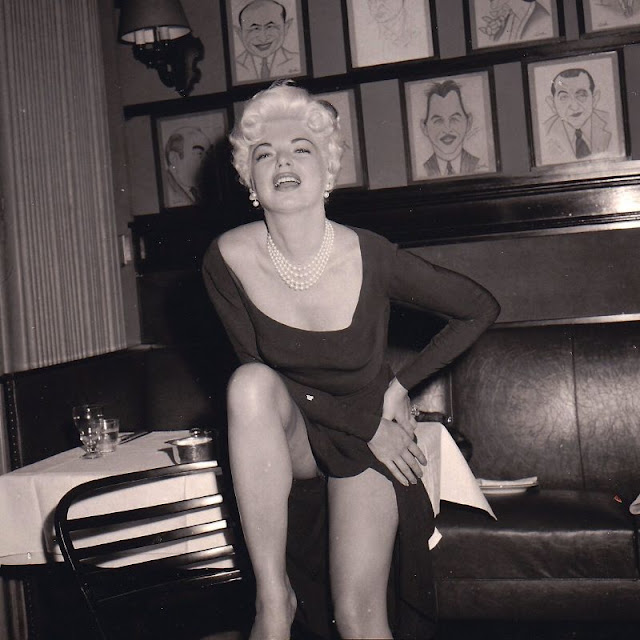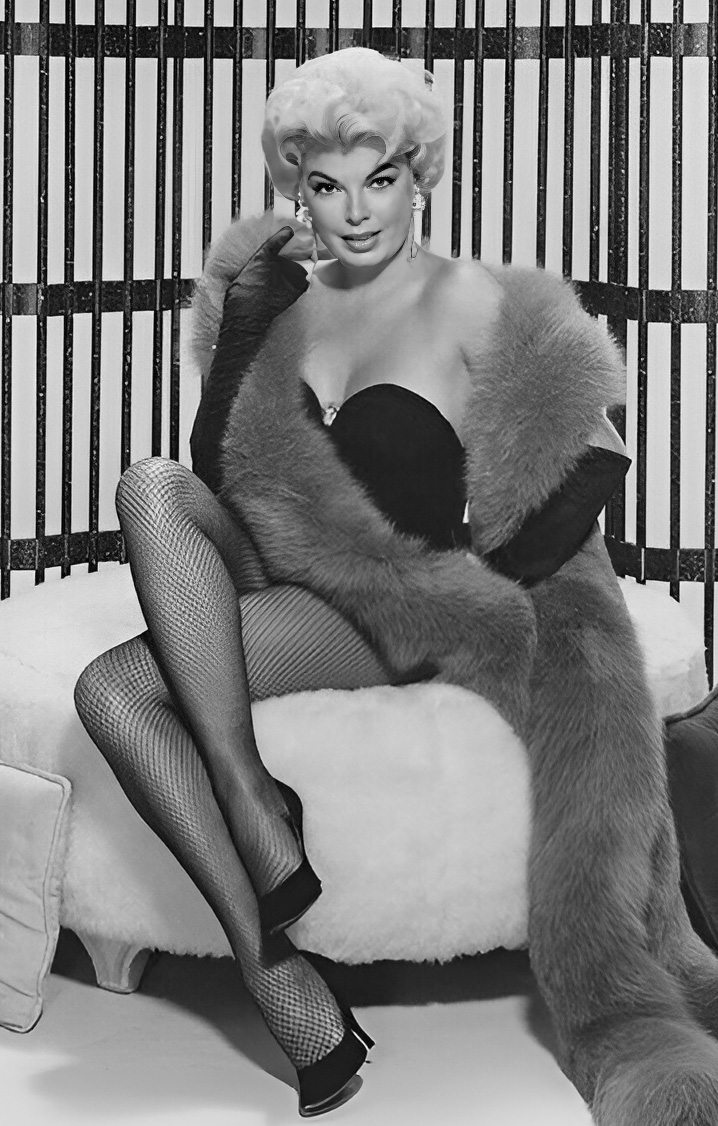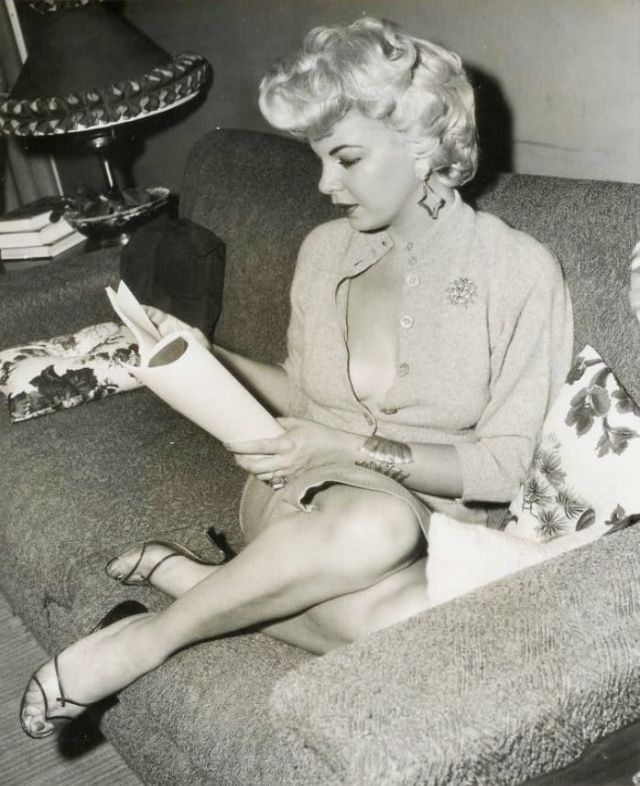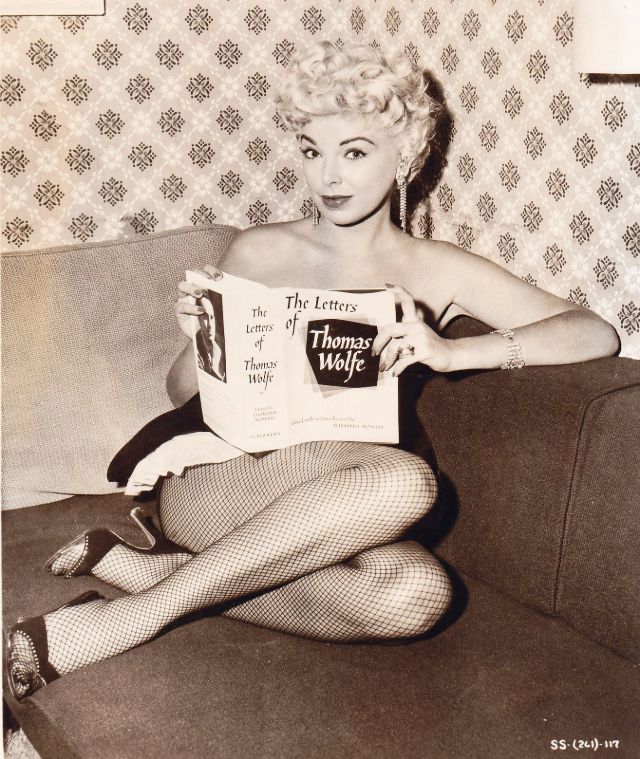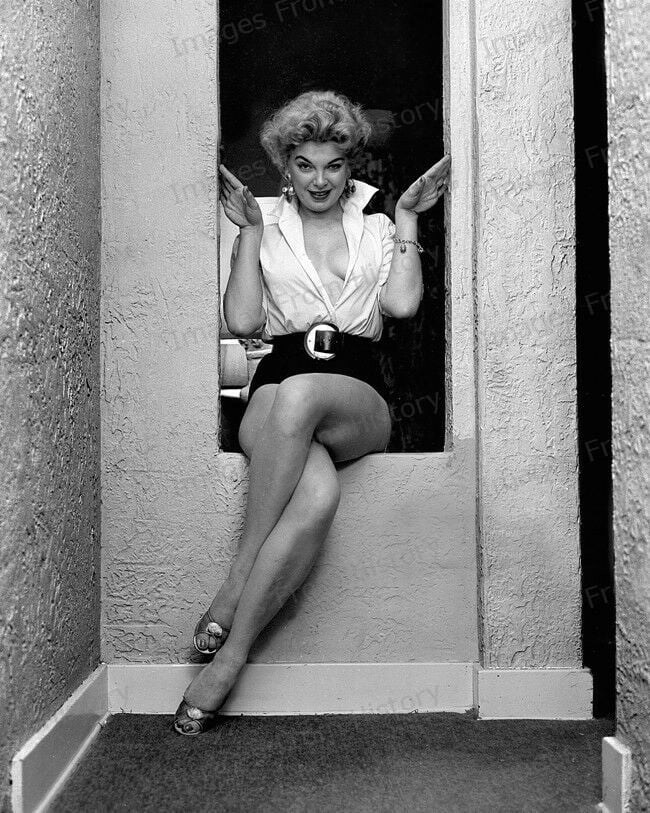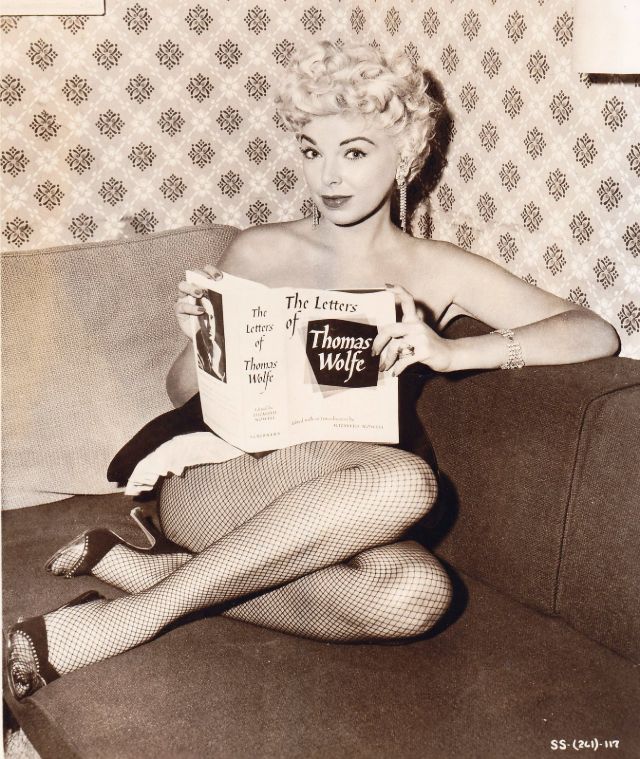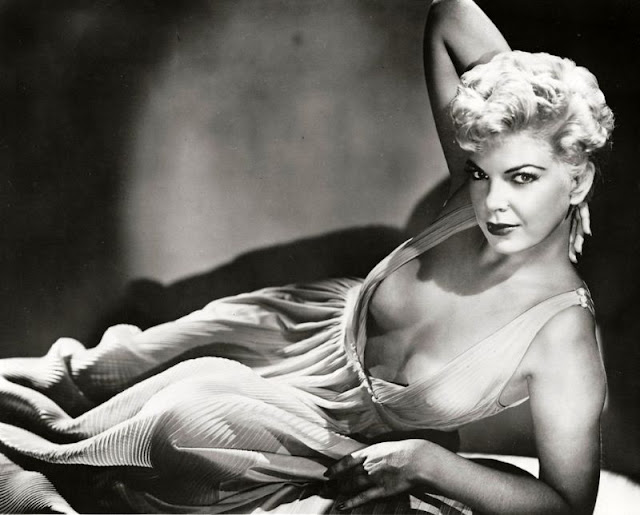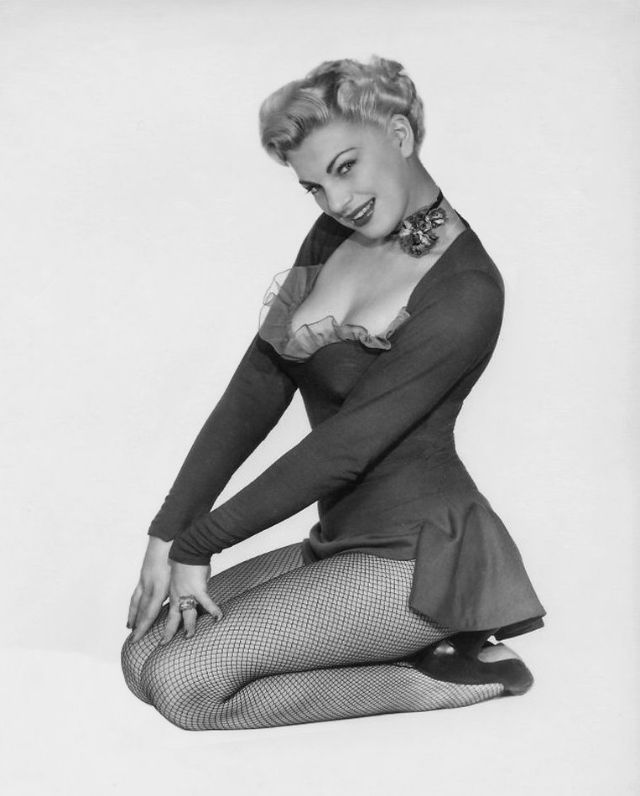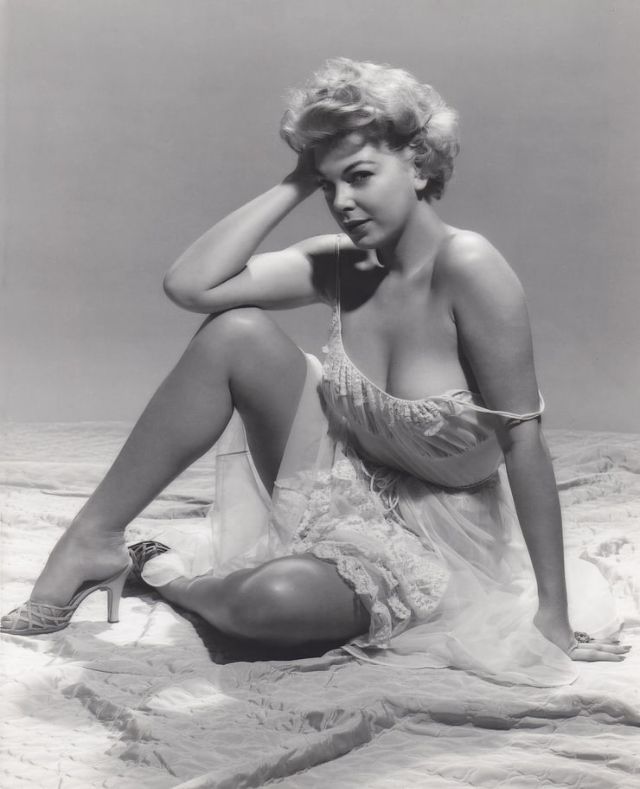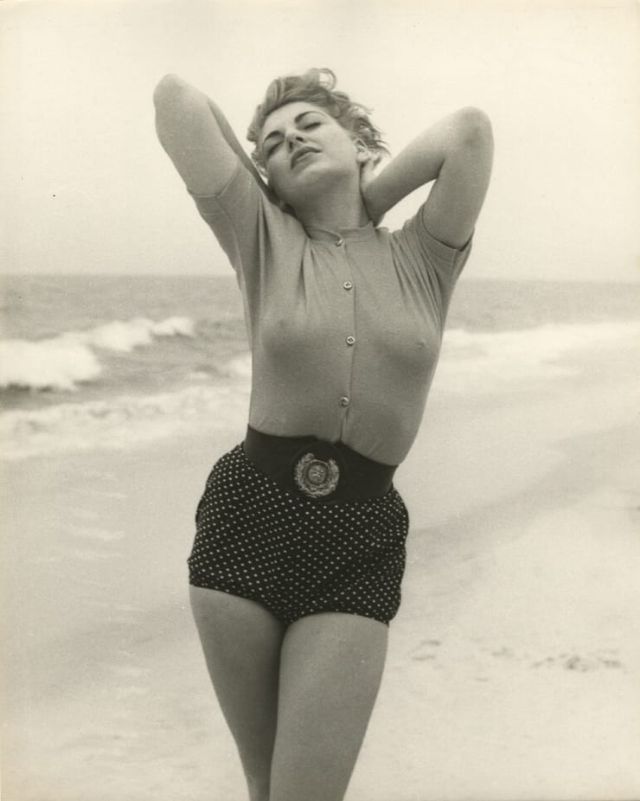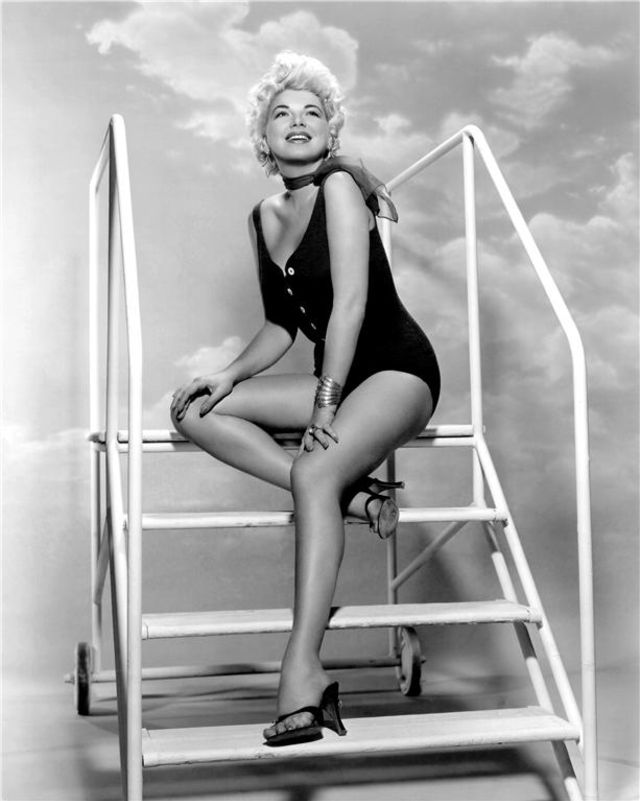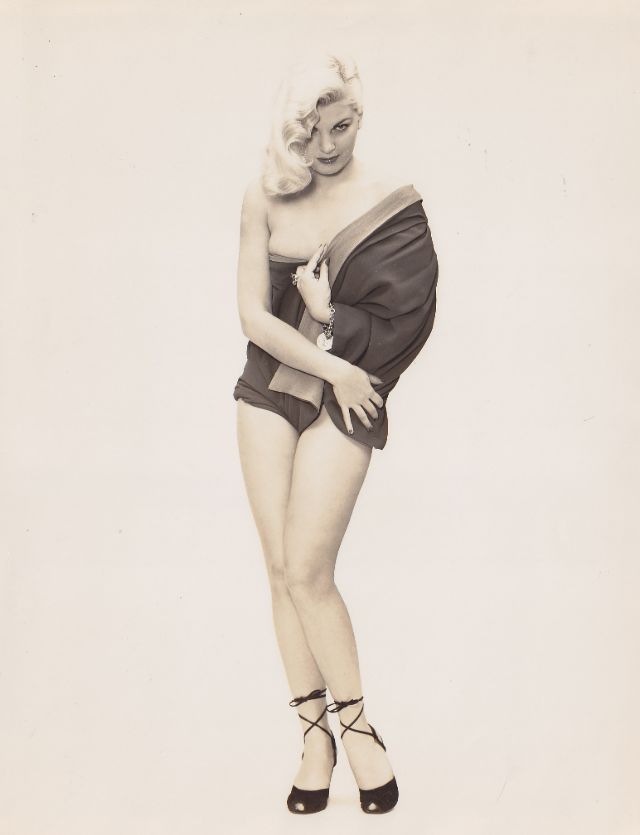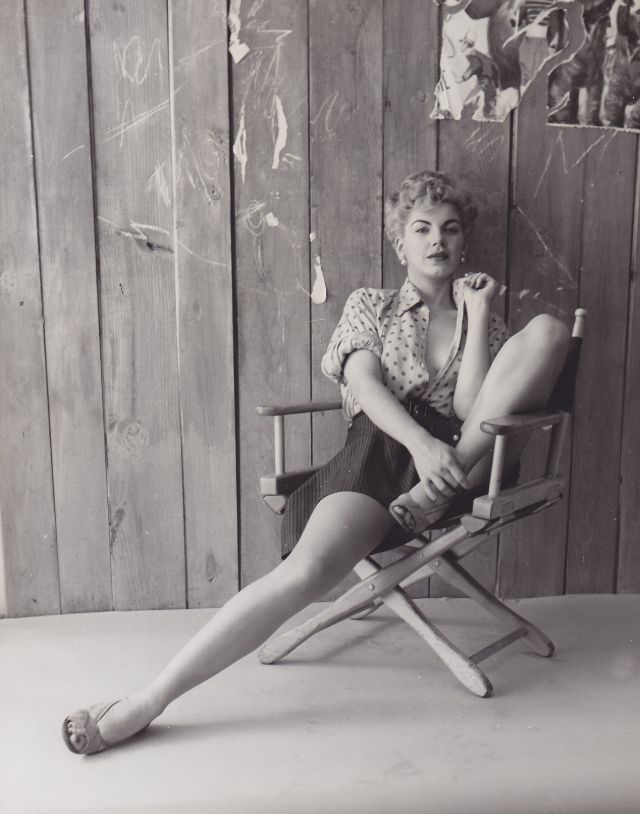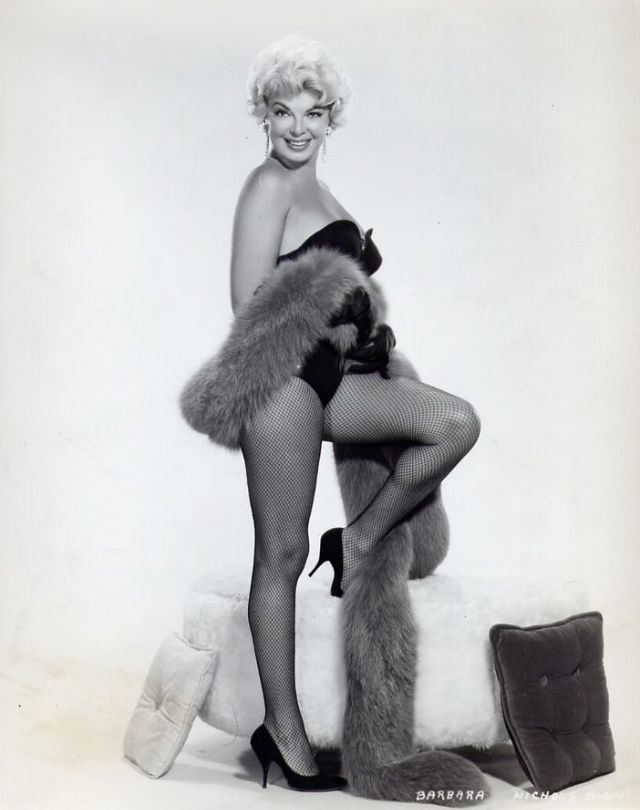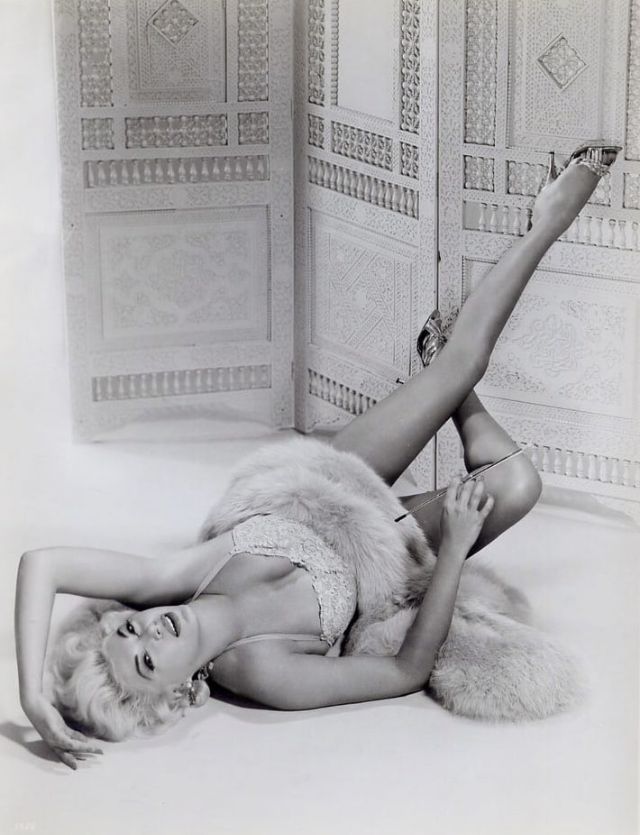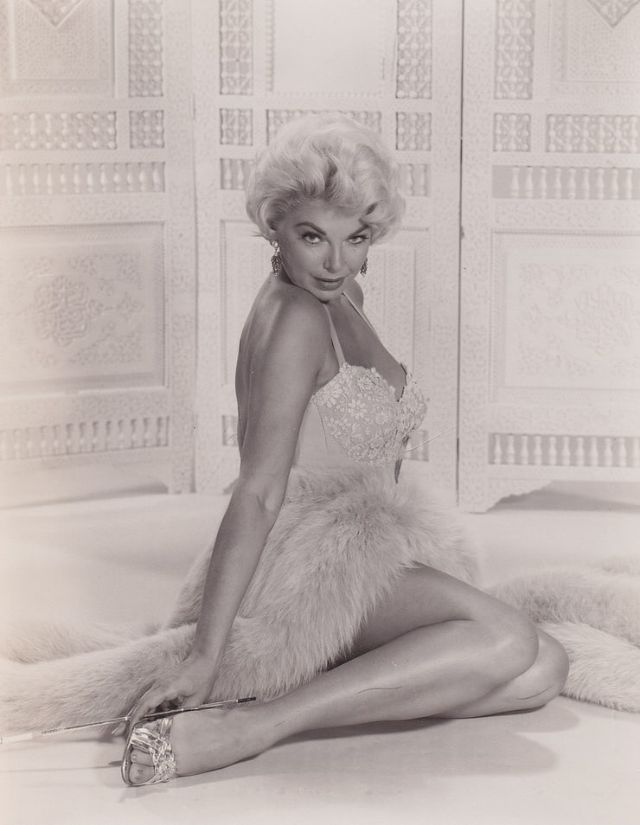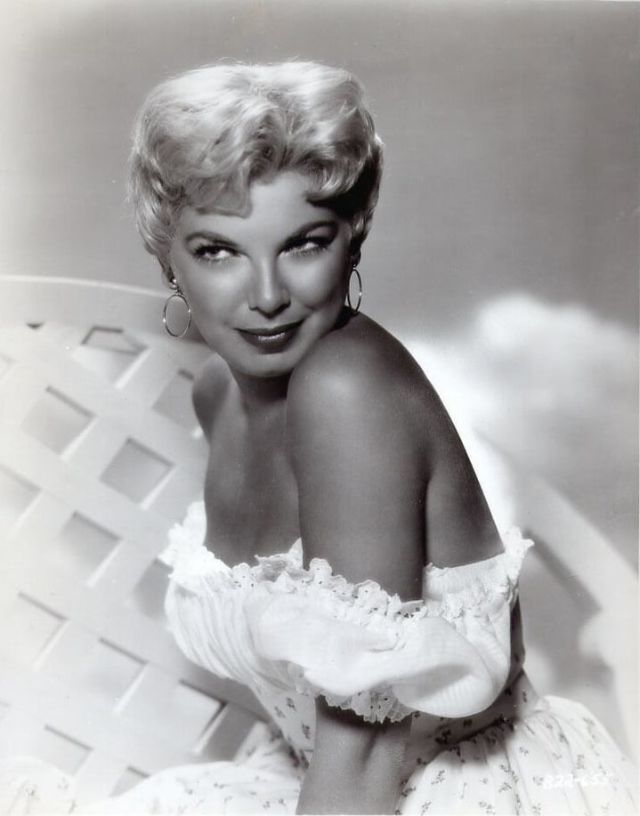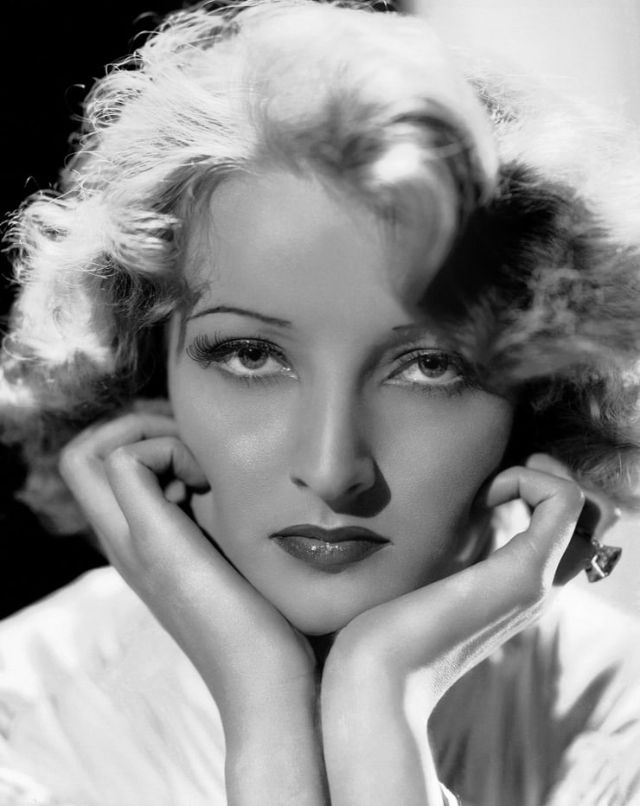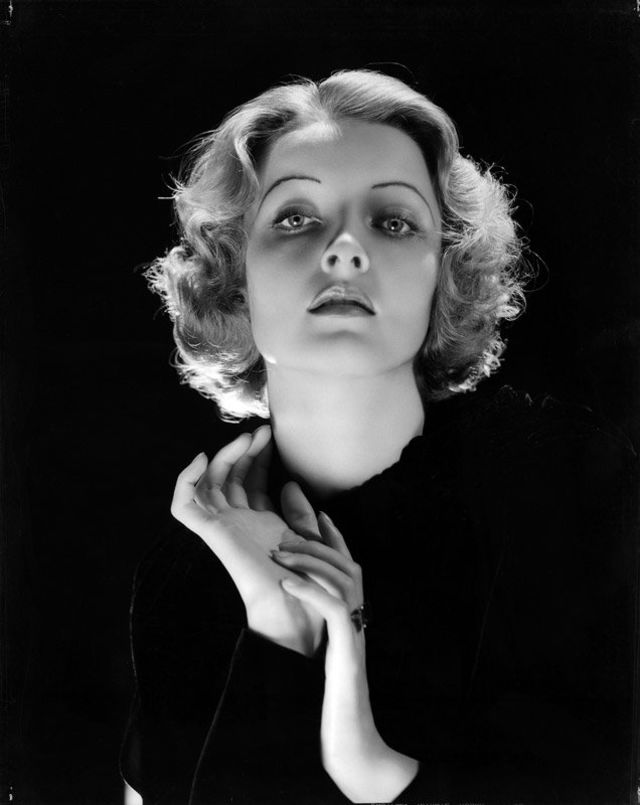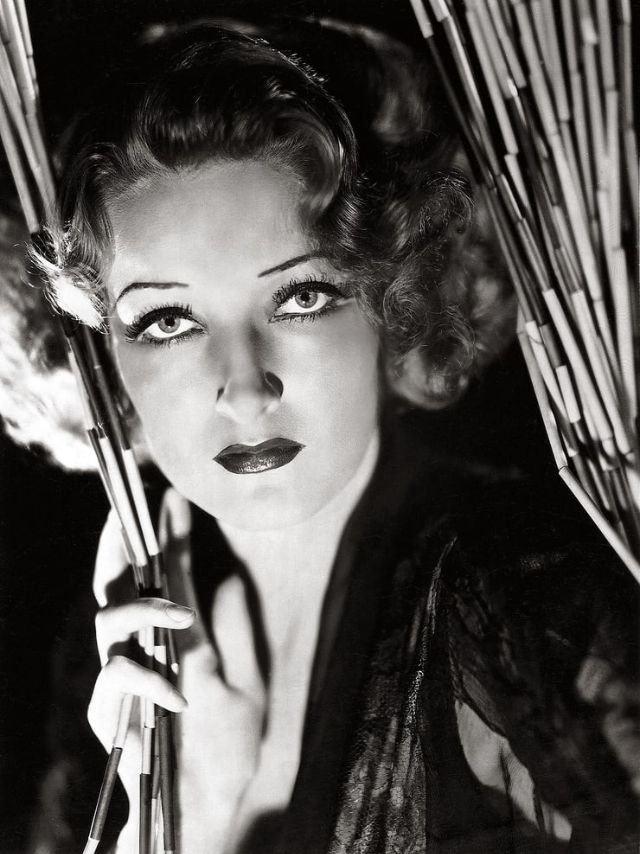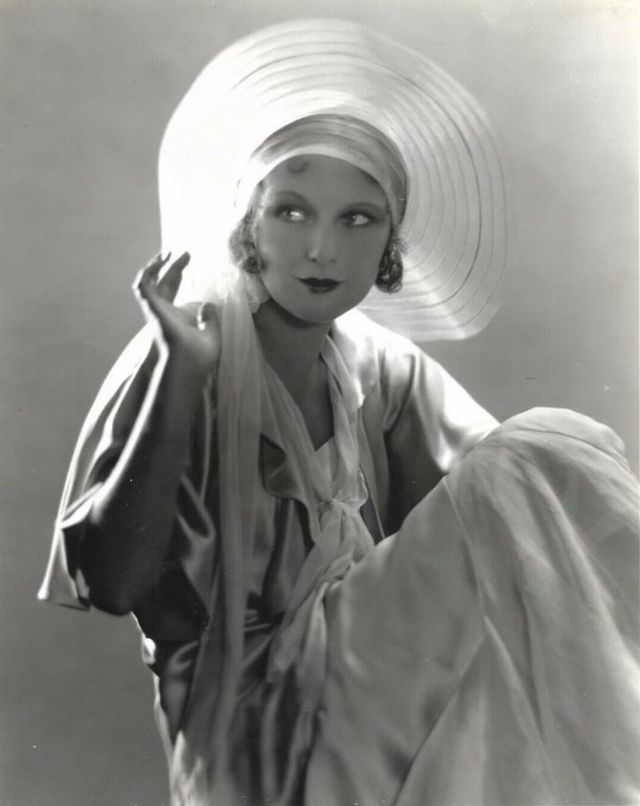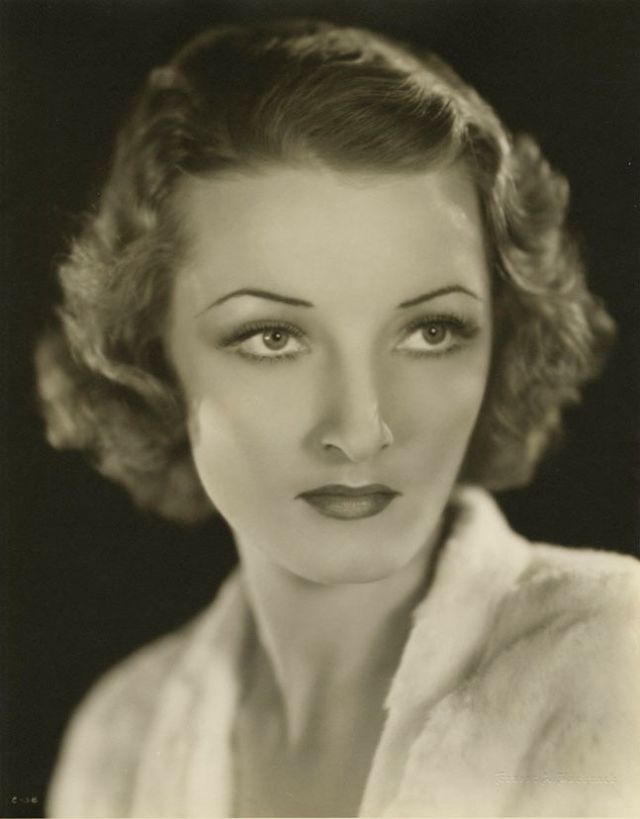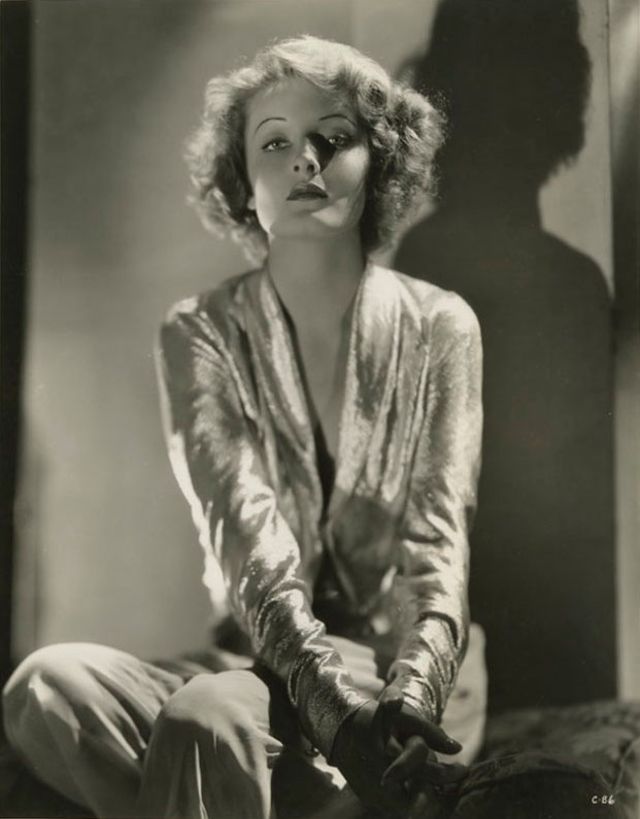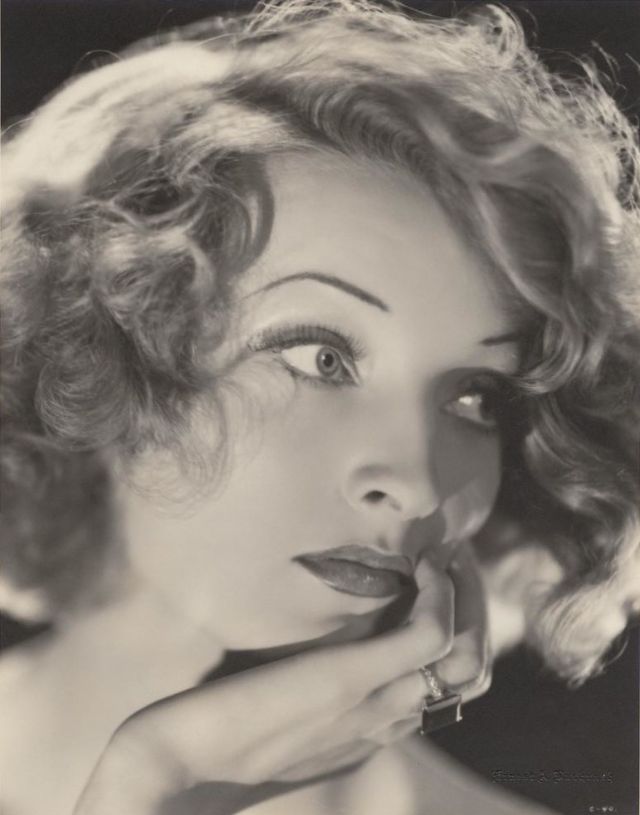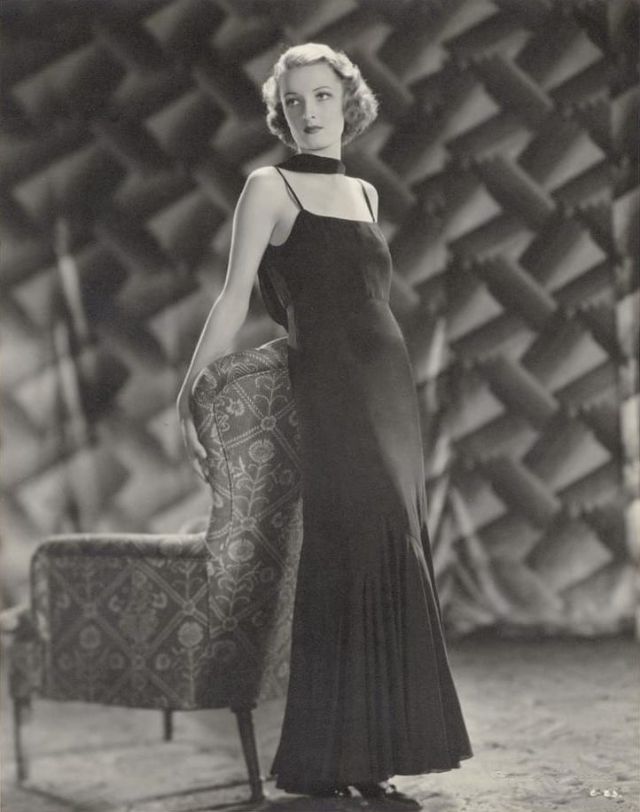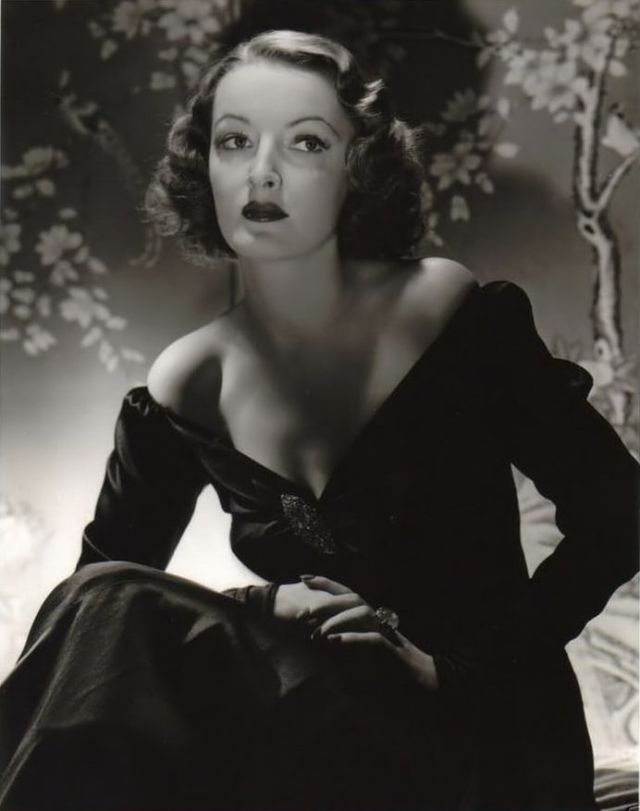
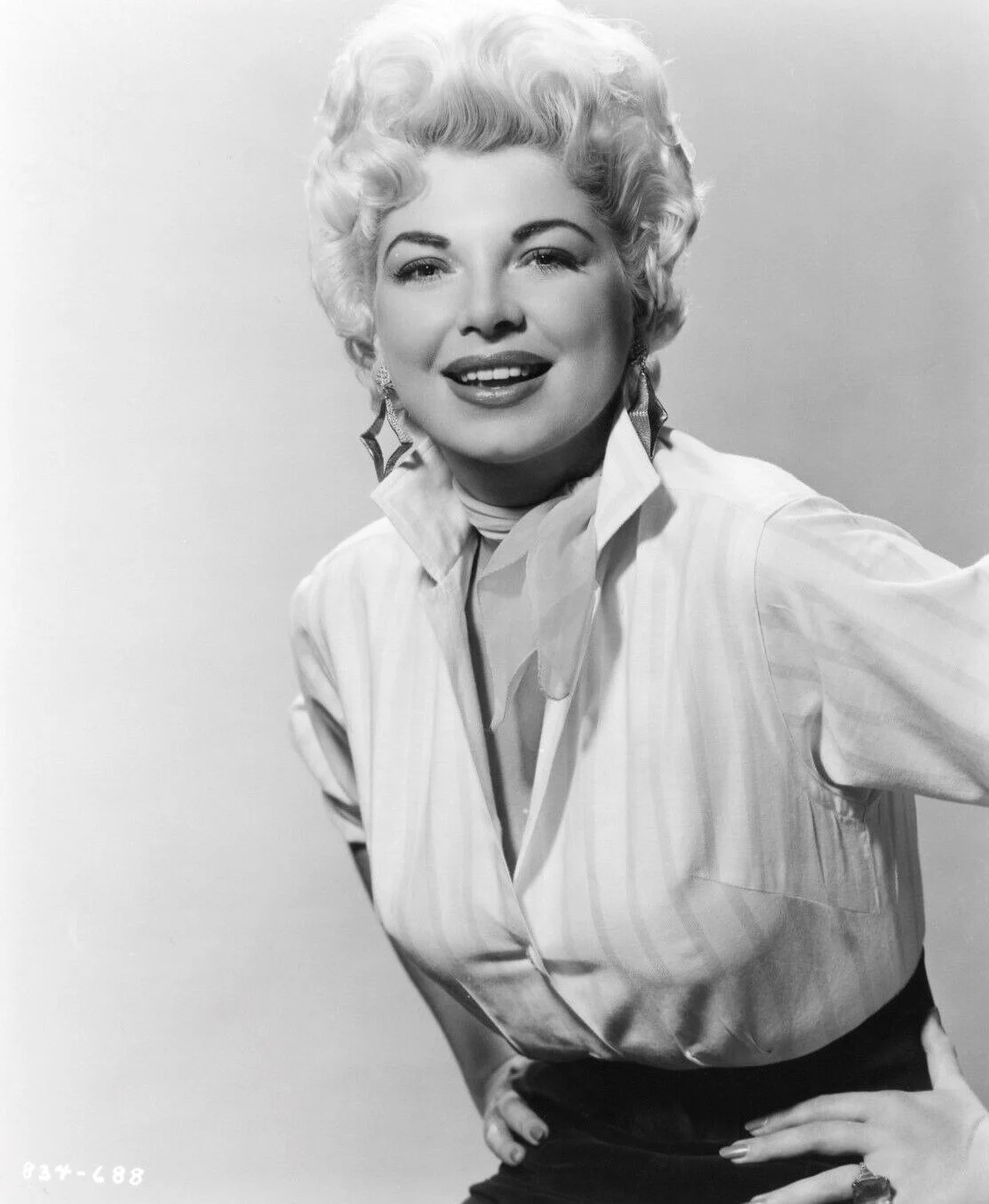
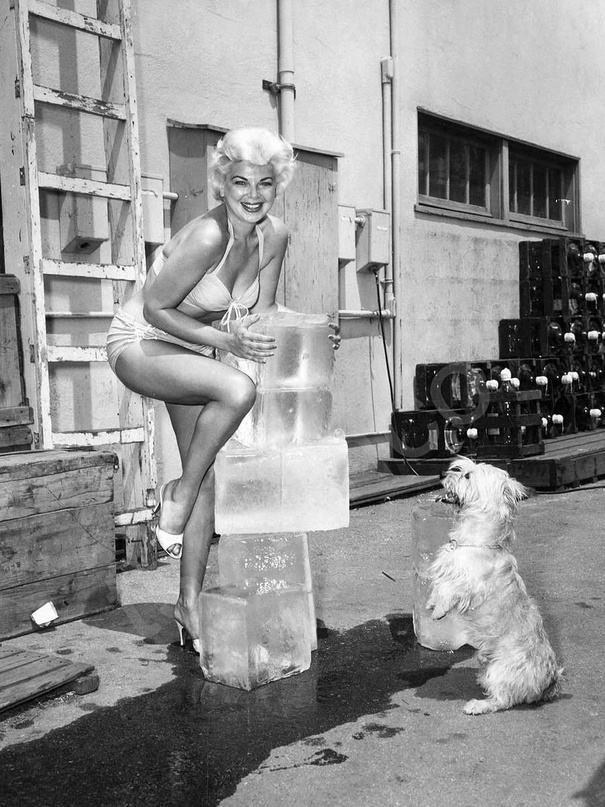
Barbara Marie Nickerauer (1928-1976)

Known professionally as Barbara Nichols, she was an American actress who often played brassy or comic roles in films in the 1950s and 1960s. She appeared in showy supporting roles, such as Miracle in the Rain (1956), The King and Four Queens (1956), The Naked and the Dead (1958), The Pajama Game (1957), Sweet Smell of Success (1957), That Kind of Woman (1958), and Where the Boys Are (1960), with high-profile actors, including Clark Gable, Susan Hayward, Sophia Loren, and Doris Day. One of her few starring roles was in the 1965 science-fiction film The Human Duplicators.

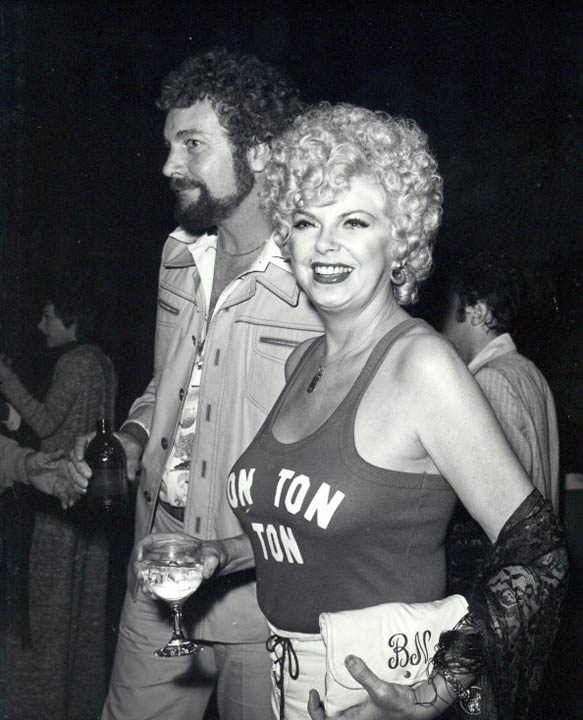
Her final film was Won Ton Ton, the Dog Who Saved Hollywood in 1976.

A serious Long Island car accident in July 1957 led to the loss of her spleen, and another serious car accident in Southern California in the 1960s led to a torn liver. Complications would set in over a decade later and she was forced to slow down her career. She eventually developed a life-threatening liver disease and her health deteriorated. In summer 1976, she was taken to Cedars-Sinai Medical Center in Los Angeles, California, where she went into a coma. She awoke for a few days just before Labor Day, but sank back shortly afterward. She died at age 47
Last known picture of Barbara Nichols taken in 1976

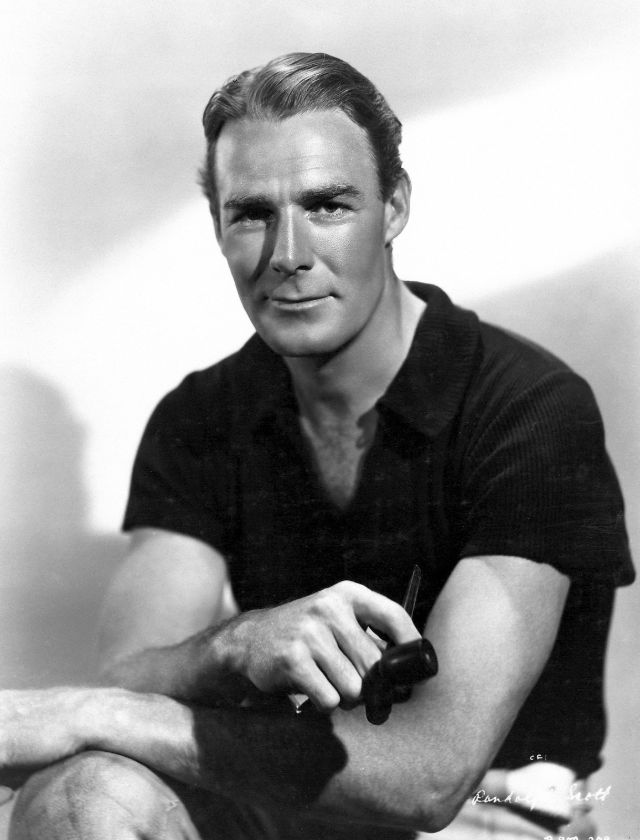
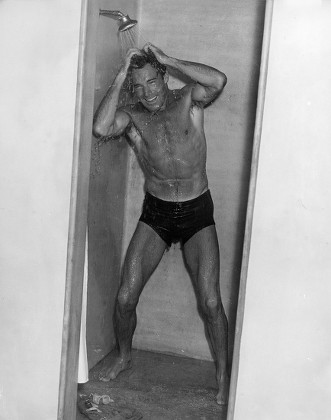
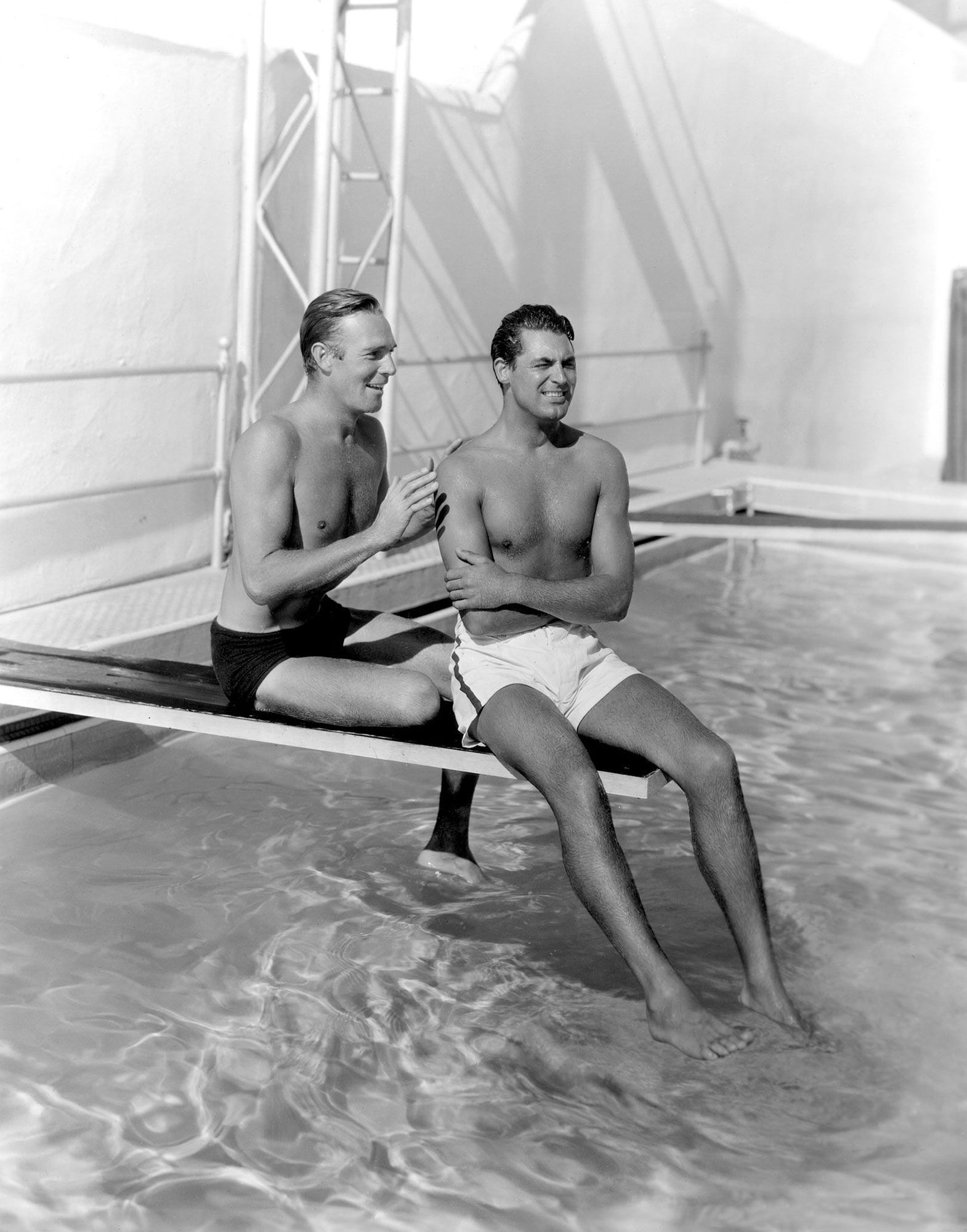
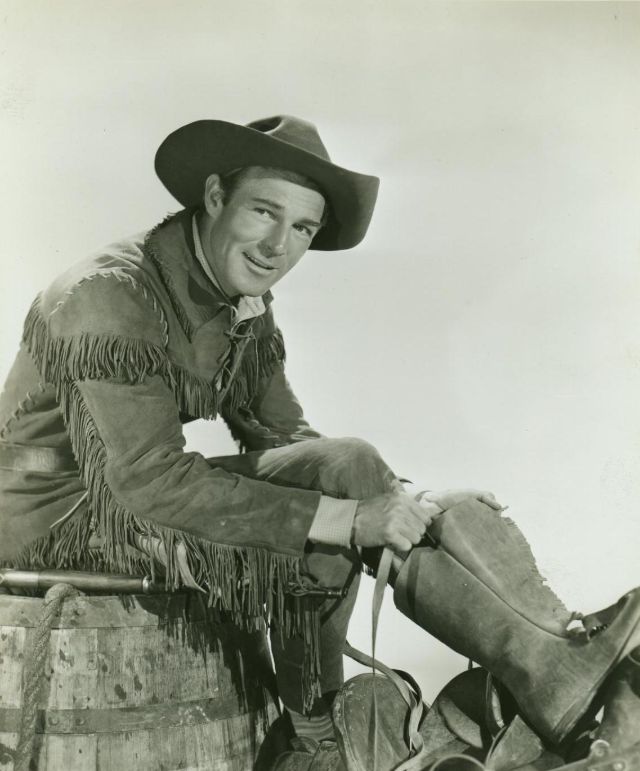
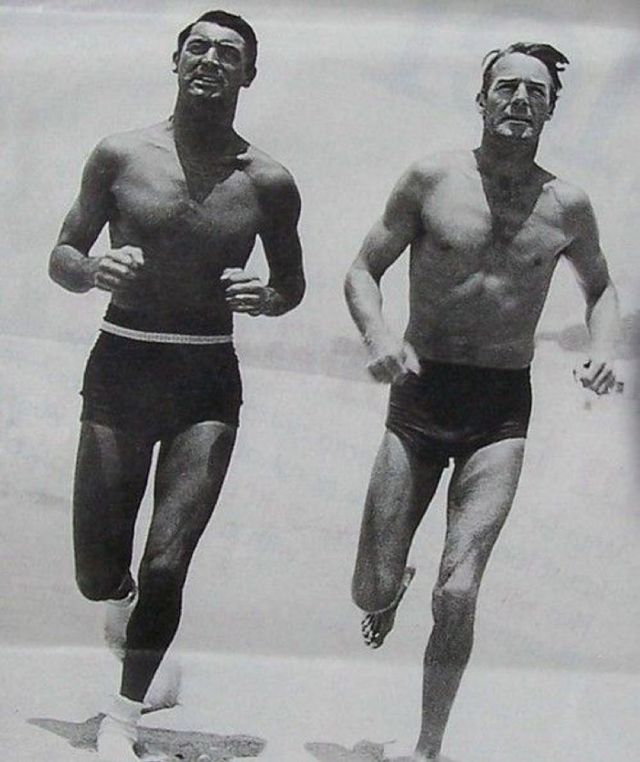
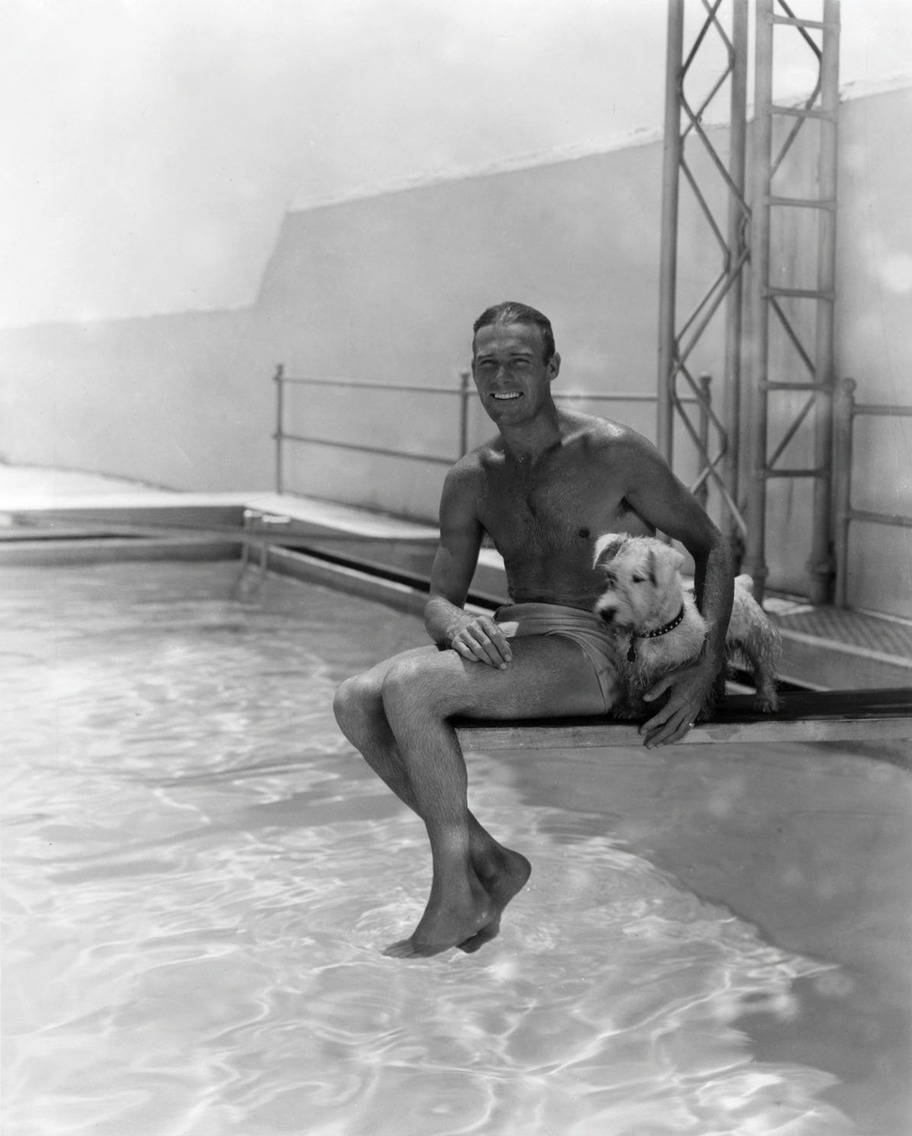
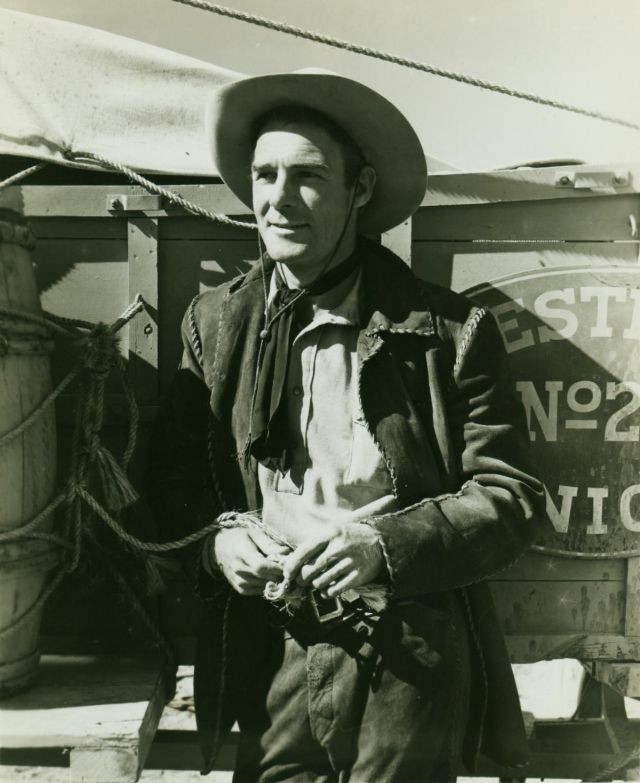
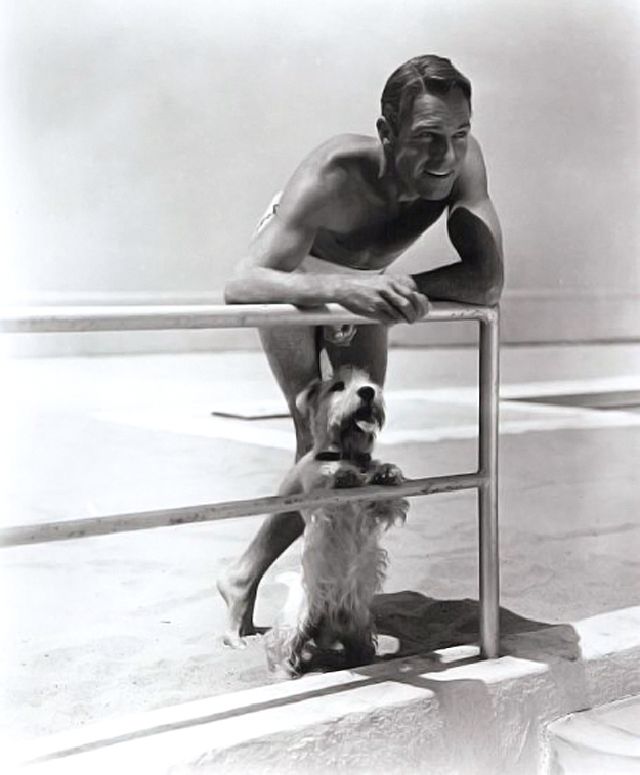
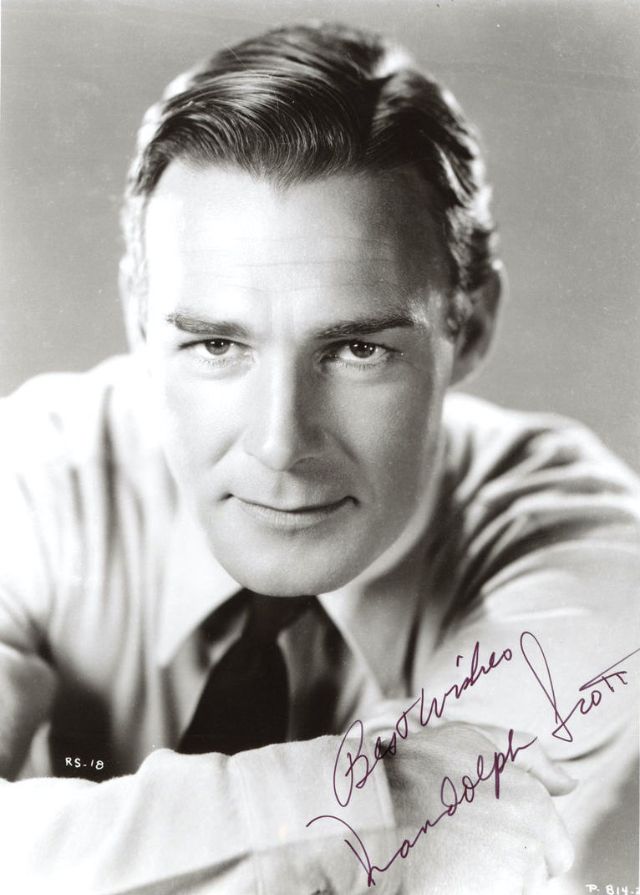
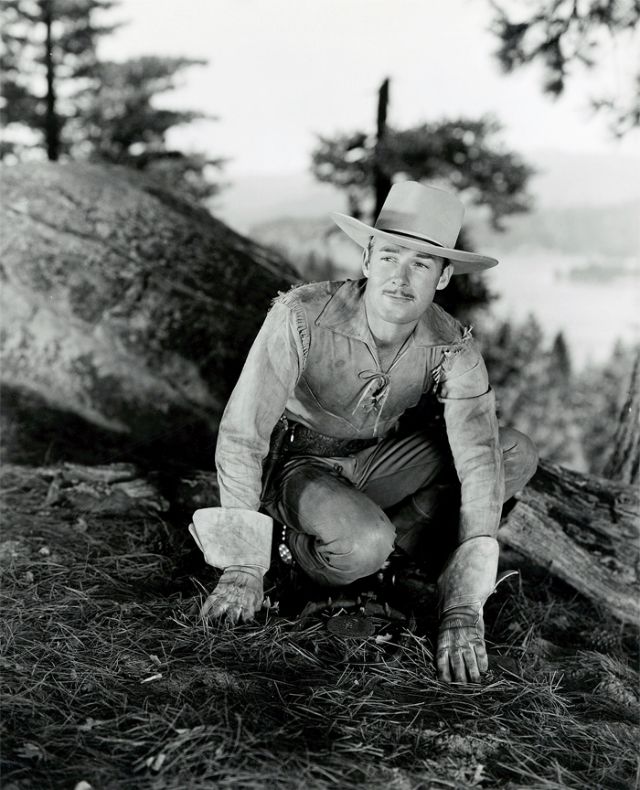
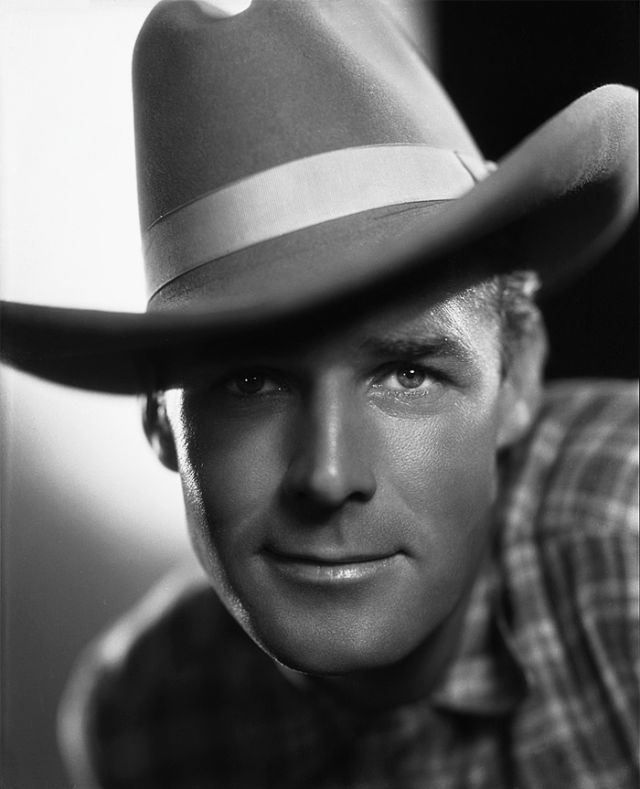
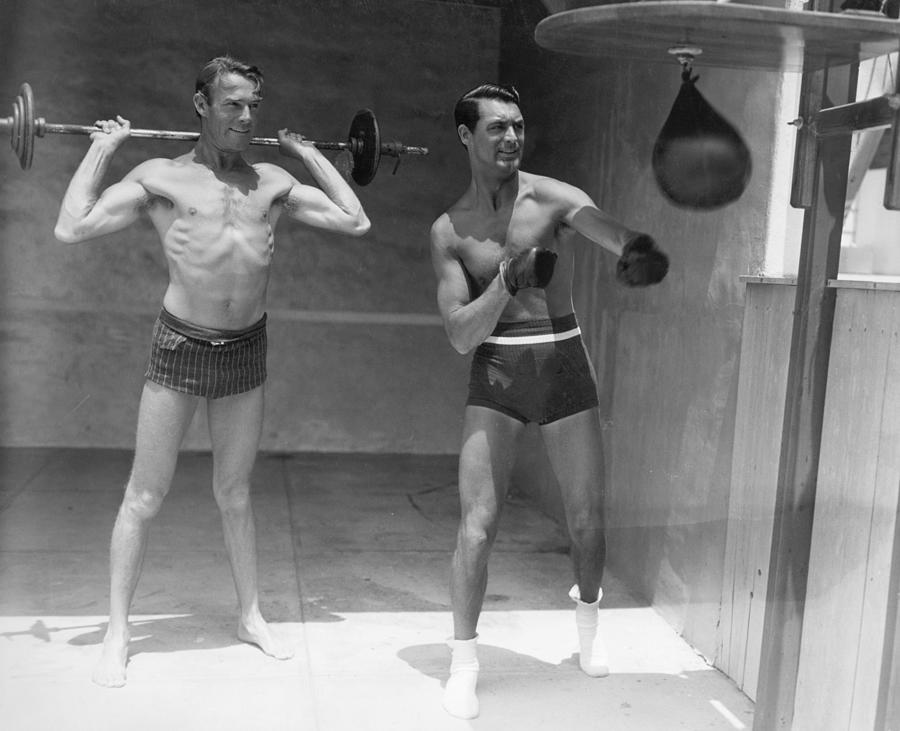
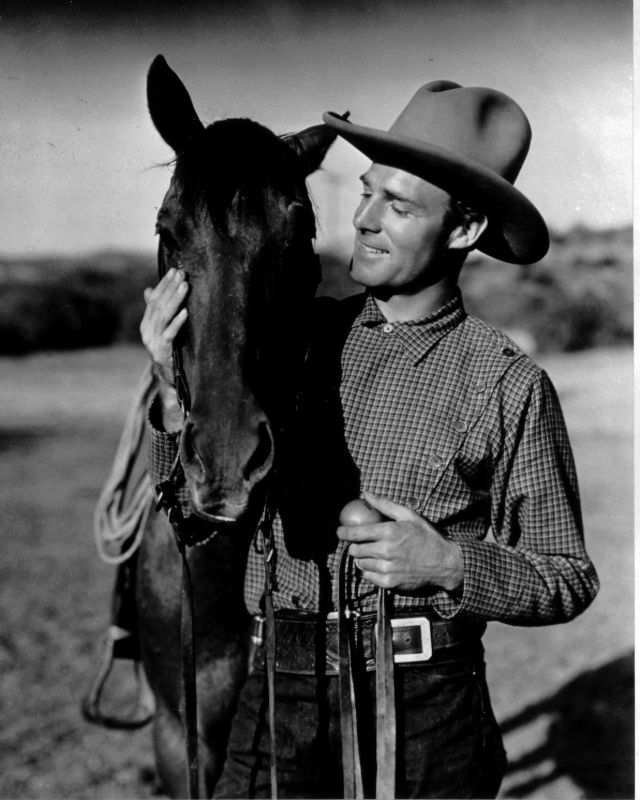
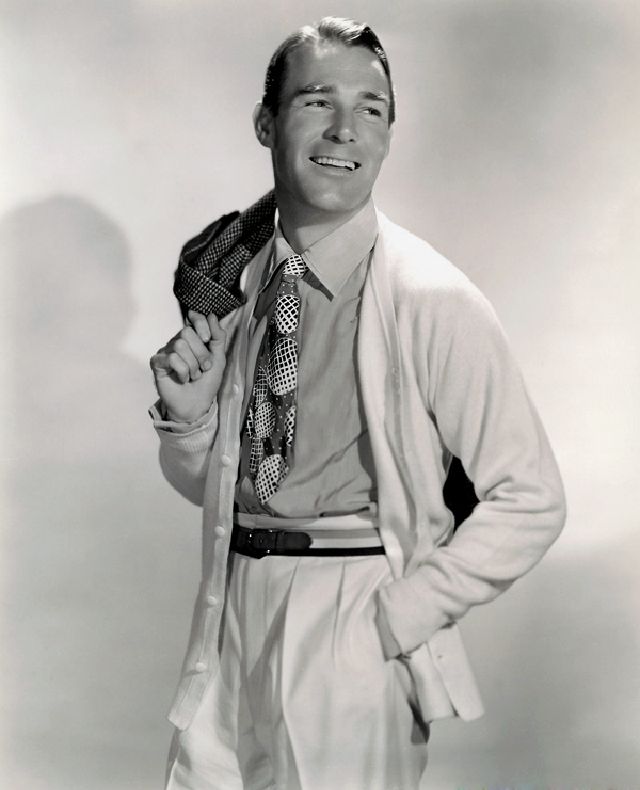
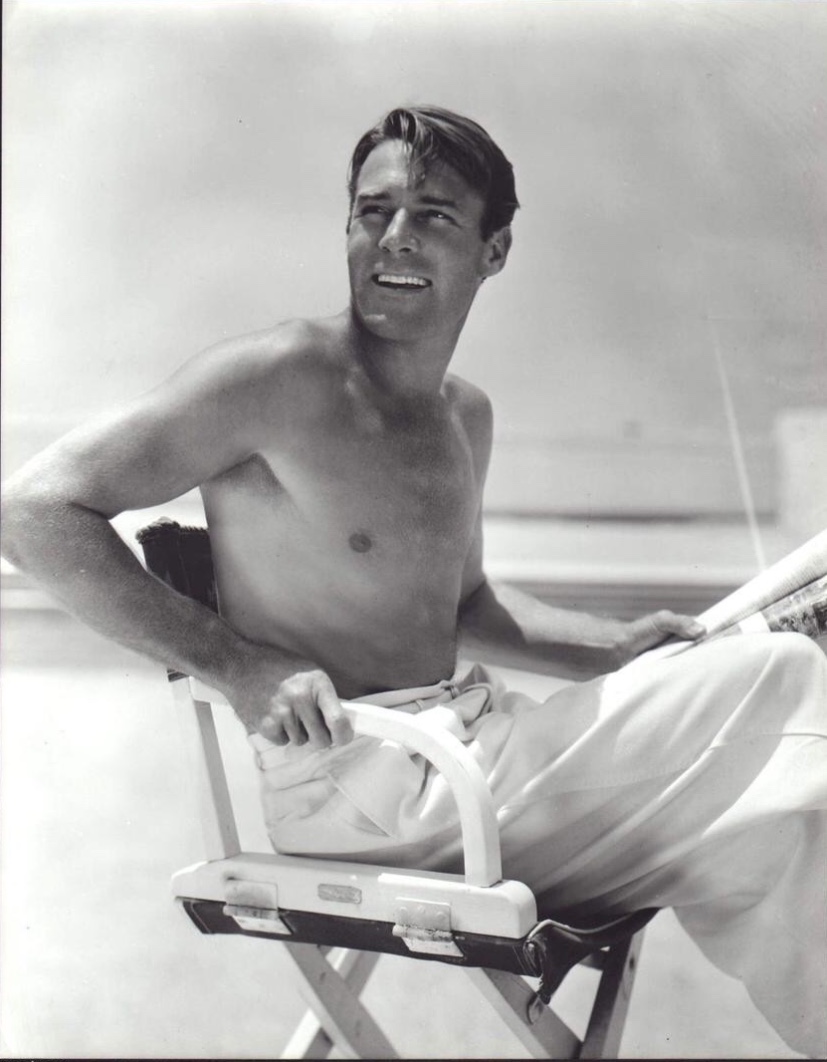
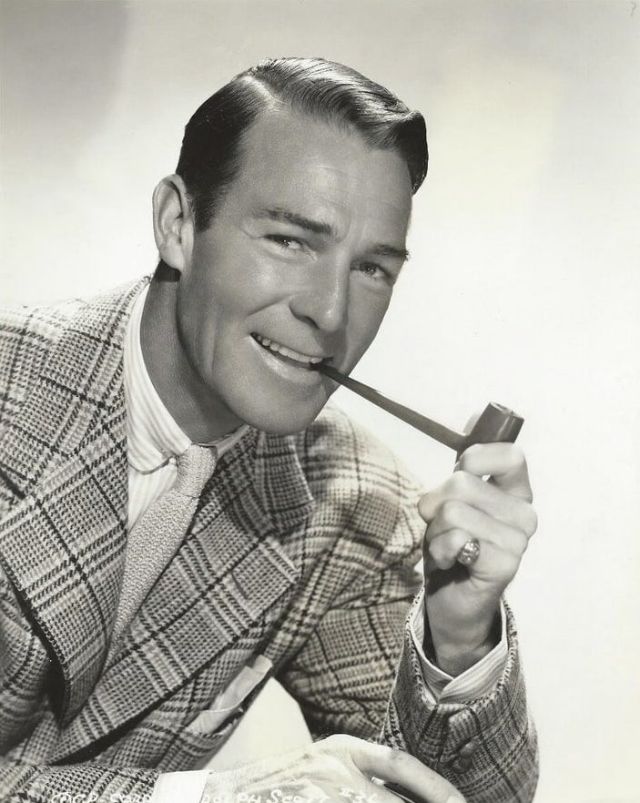
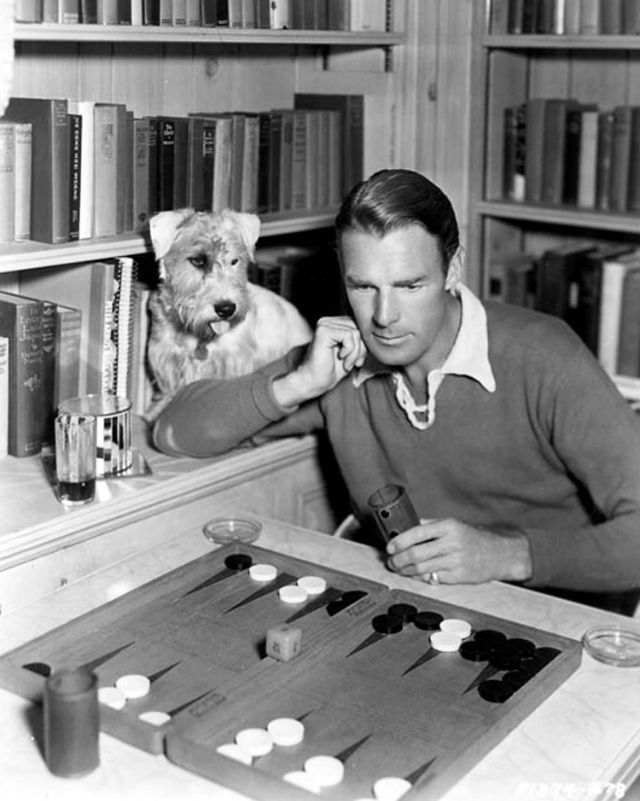
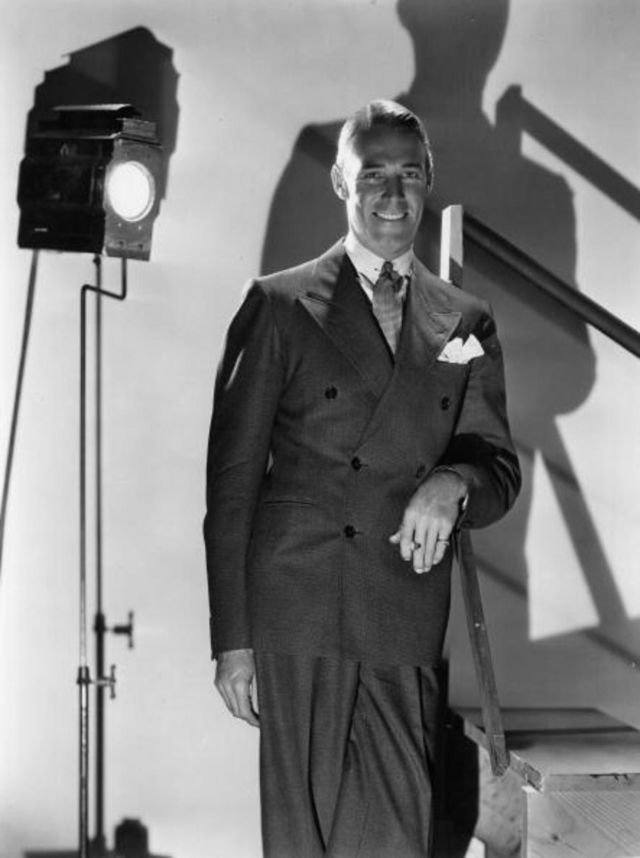
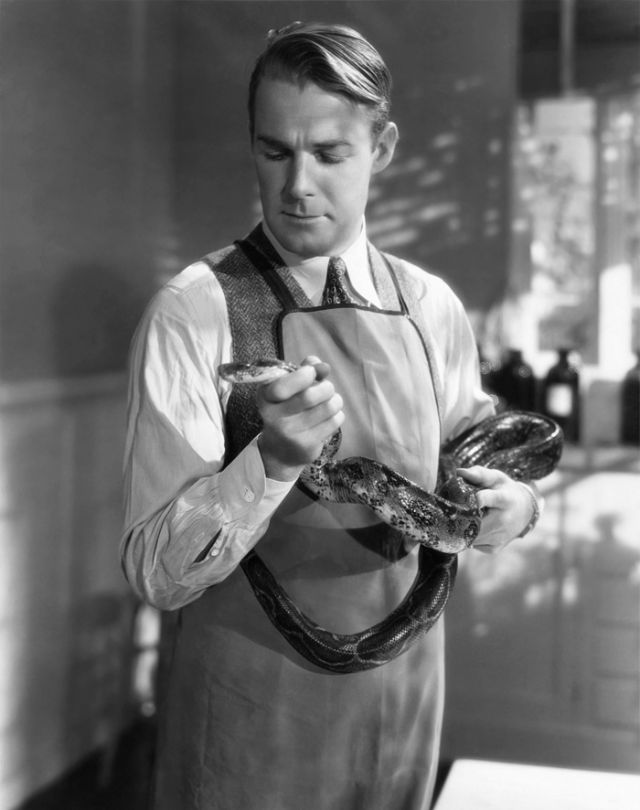
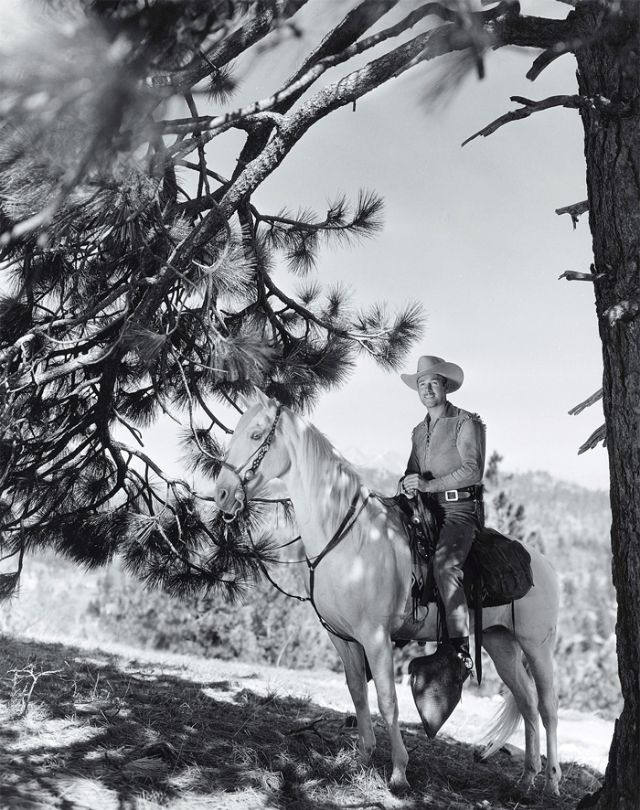
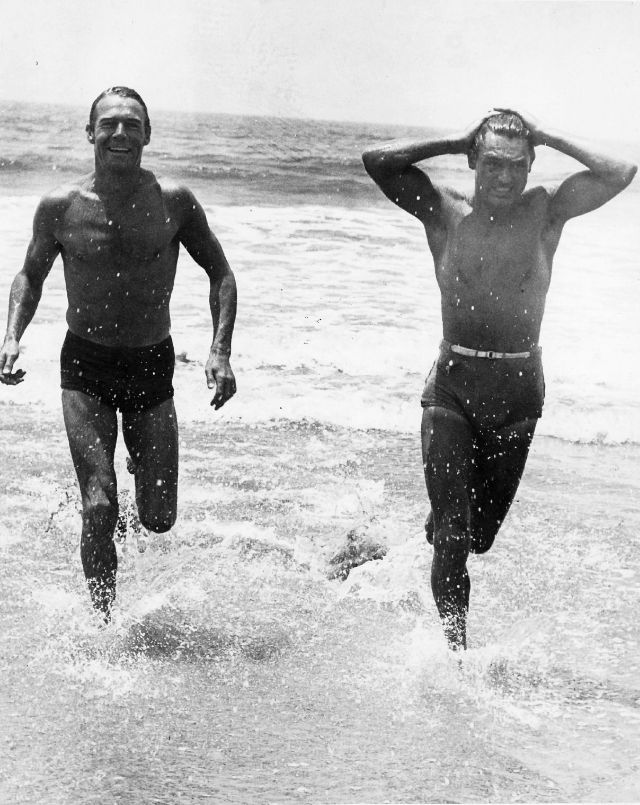
Beefcake Tuesday – George Randolph Scott

(1898 – 1987) Scott was raised in Charlotte, North Carolina. After service with the U.S. Army, he attended Georgia Institute of Technology but, after being injured playing football, transferred to the University of North Carolina.

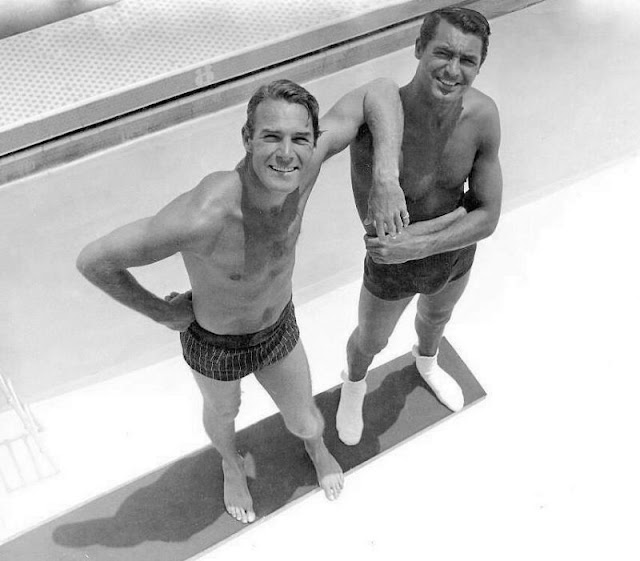
He discovered acting and went to California, where he was hired to voice coach Gary Cooper for The Virginian (1929). Paramount offered him a contract where he met Cary Grant, another Paramount contract player, on the set of Hot Saturday (1932) and the pair soon moved in together.

Their on-and-off living arrangement would last until 1942.

Scott moved into leading roles at Paramount, but it was not until he began focusing on Westerns in the late 1940s that he reached his greatest stardom. He became one of the top box office stars of the 1950s and, in the Westerns of Budd Boetticher especially, an important figure. Following a critically acclaimed role in one of the classics of the genre, Ride the High Country (1962), Scott retired from films.

He died in 1987 and is buried in Charlotte, North Carolina.

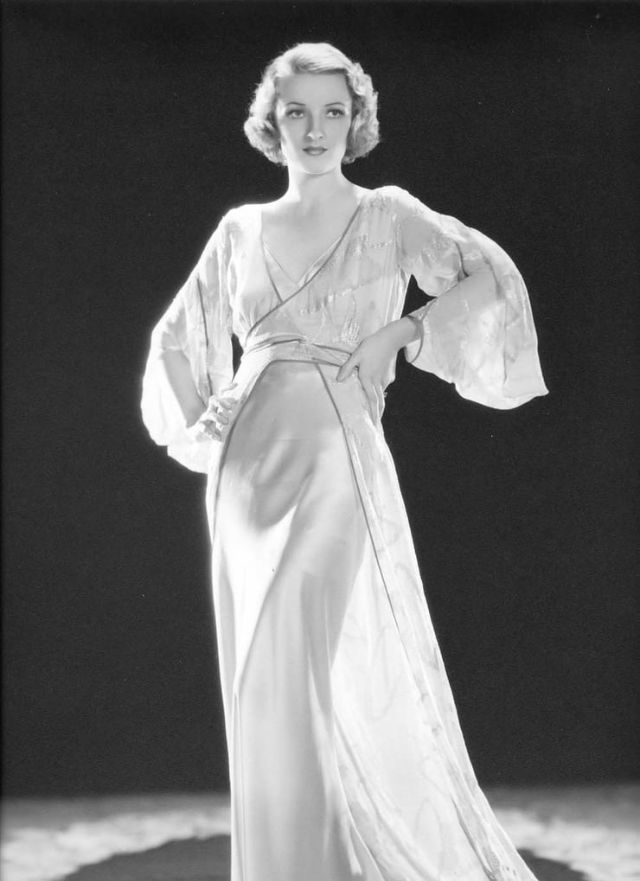
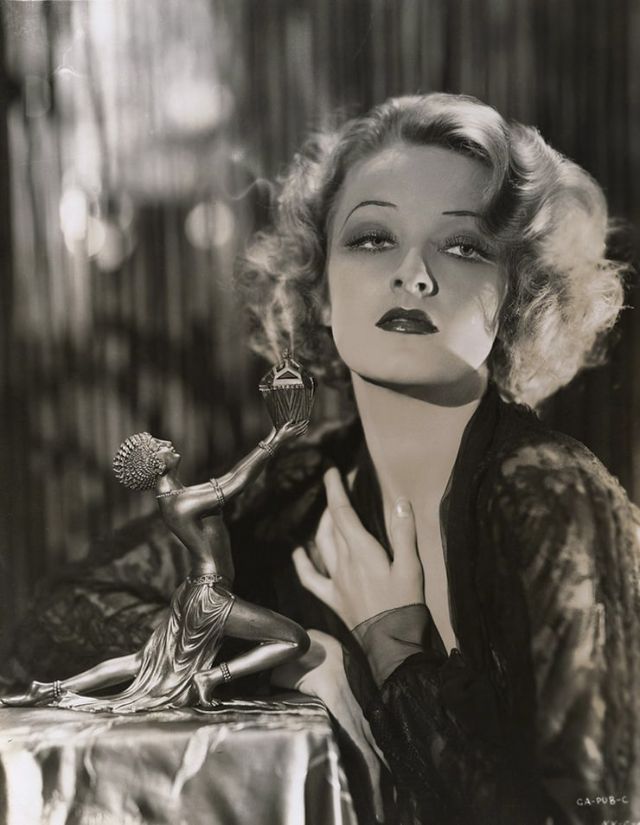
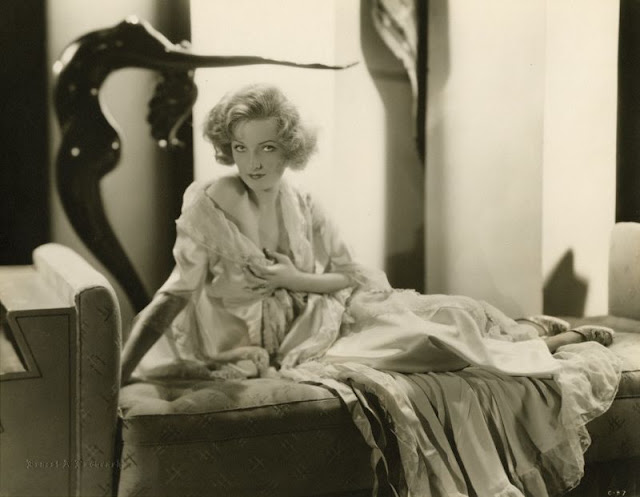
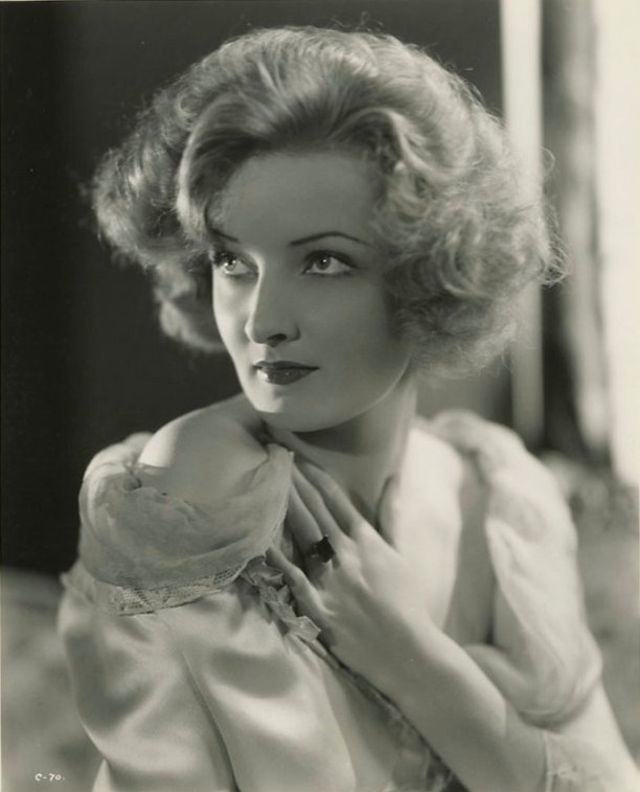
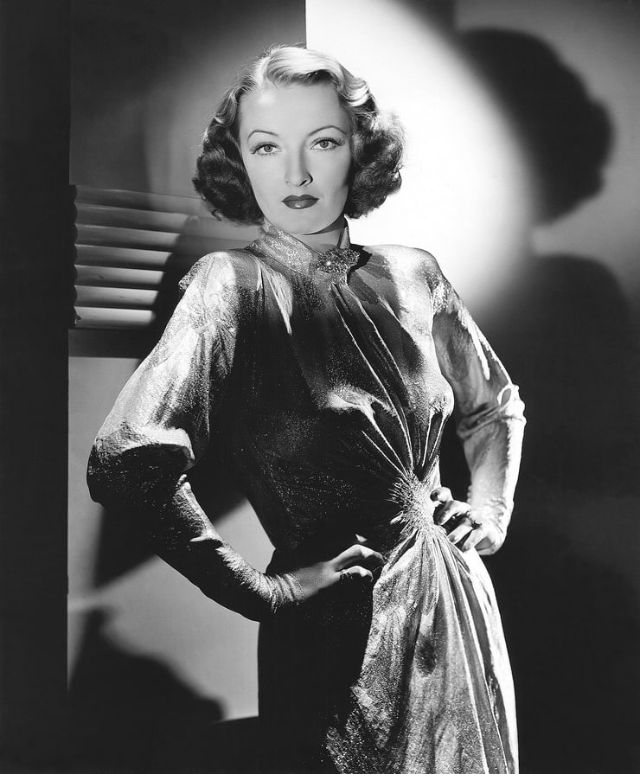
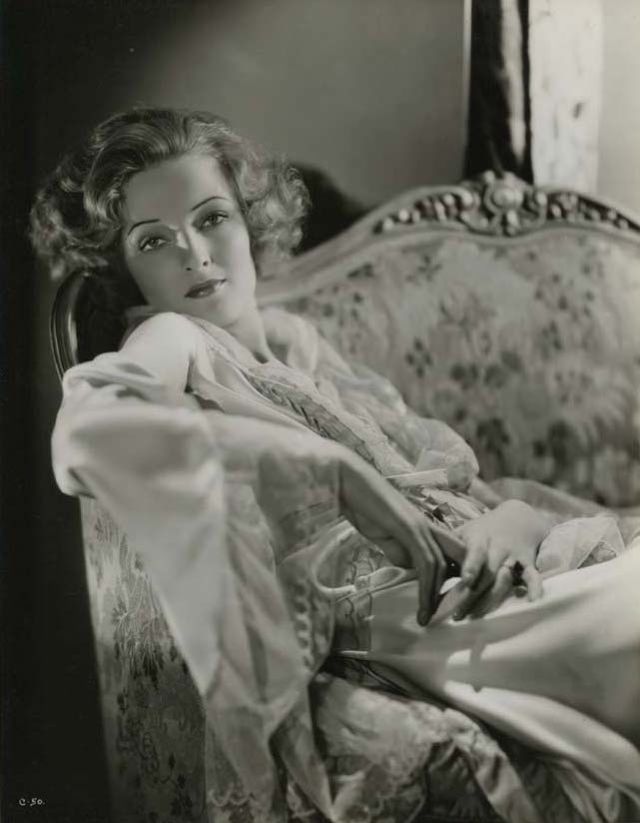
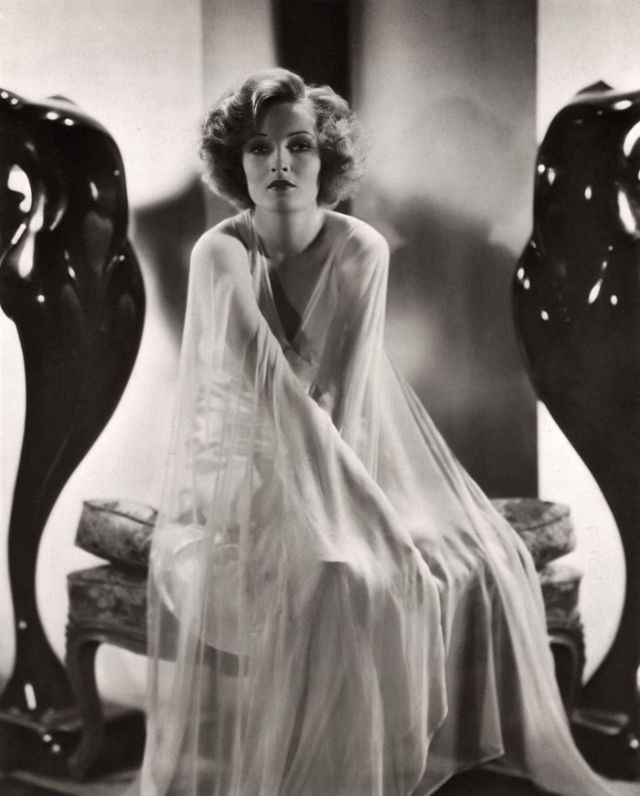
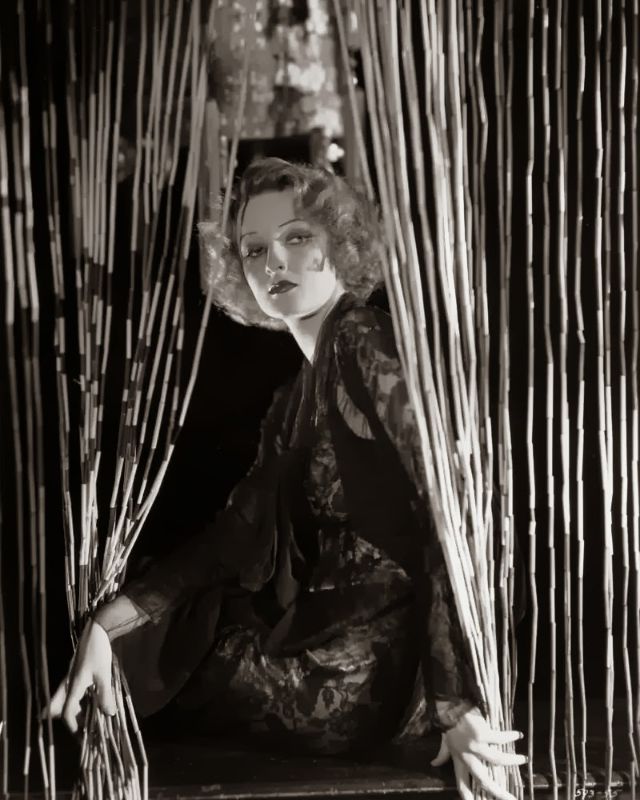
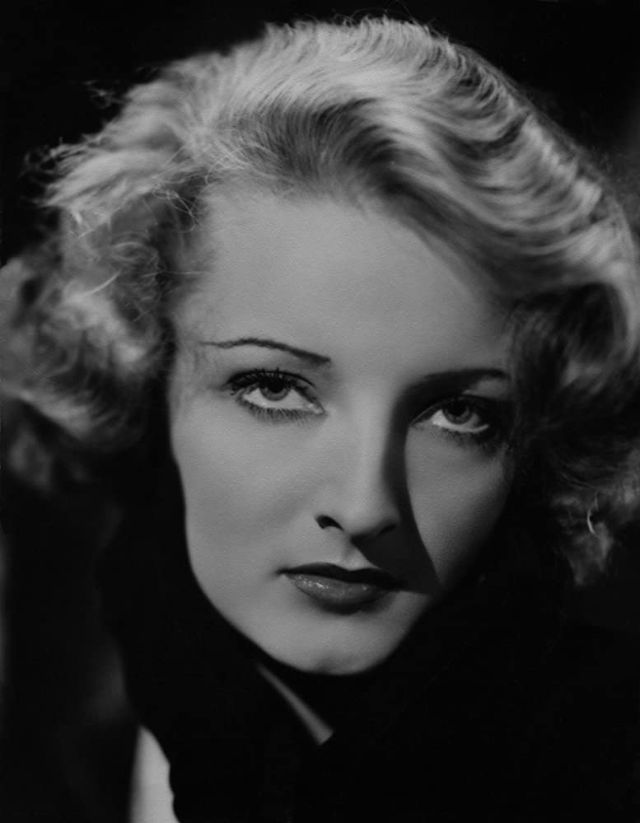
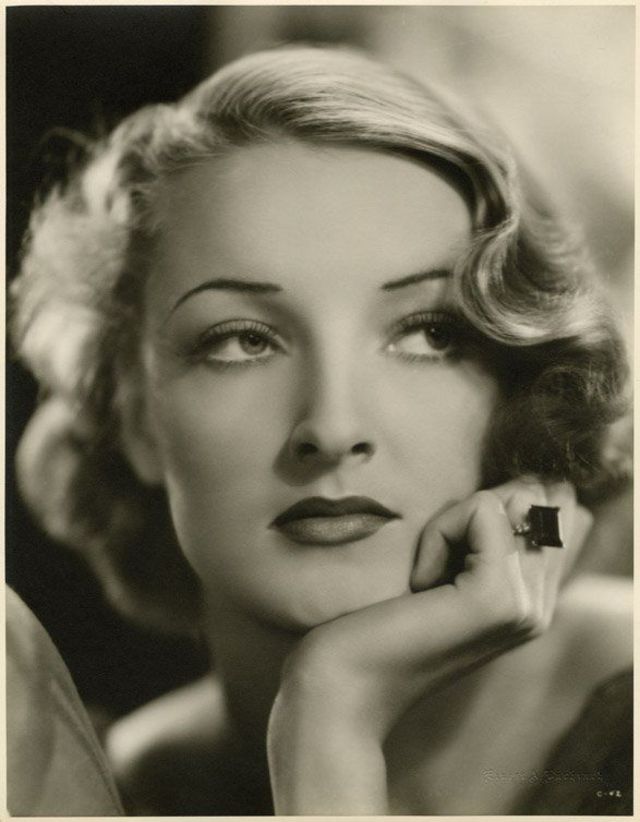
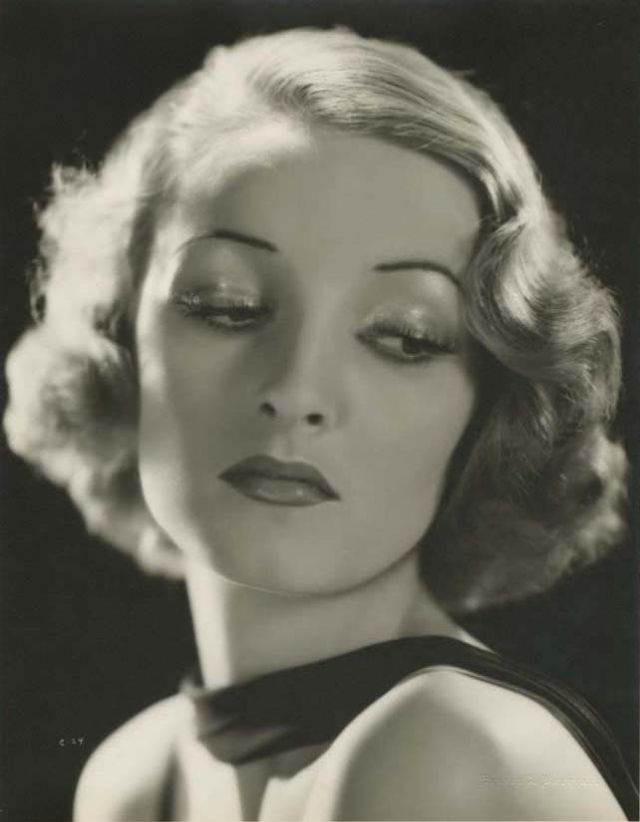
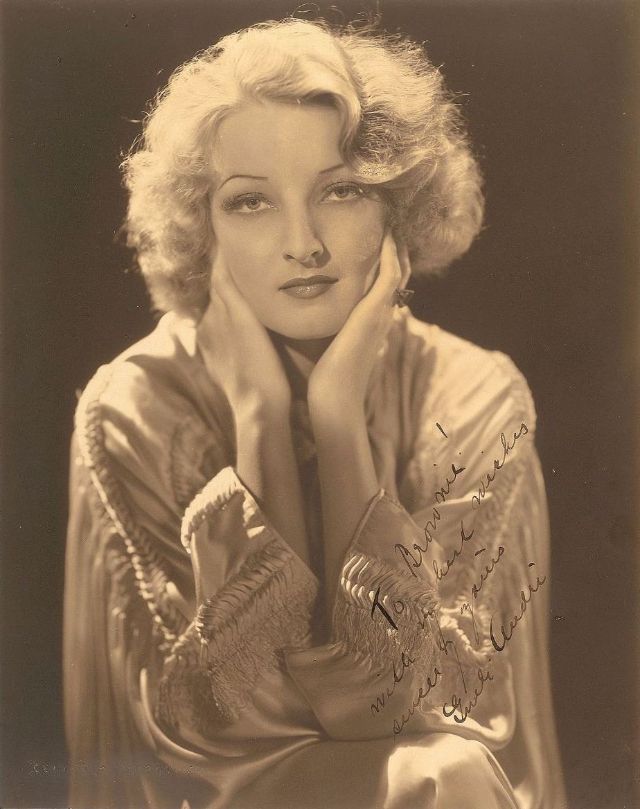
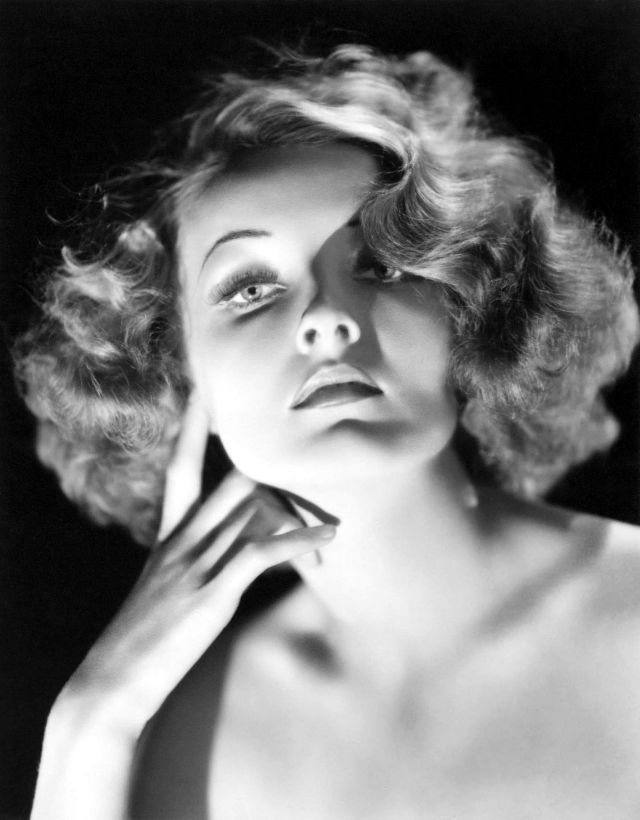
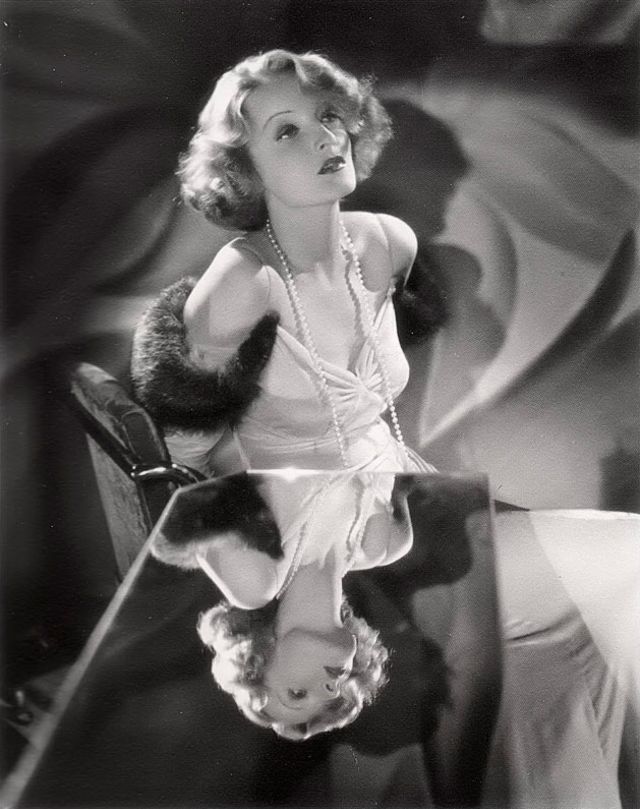
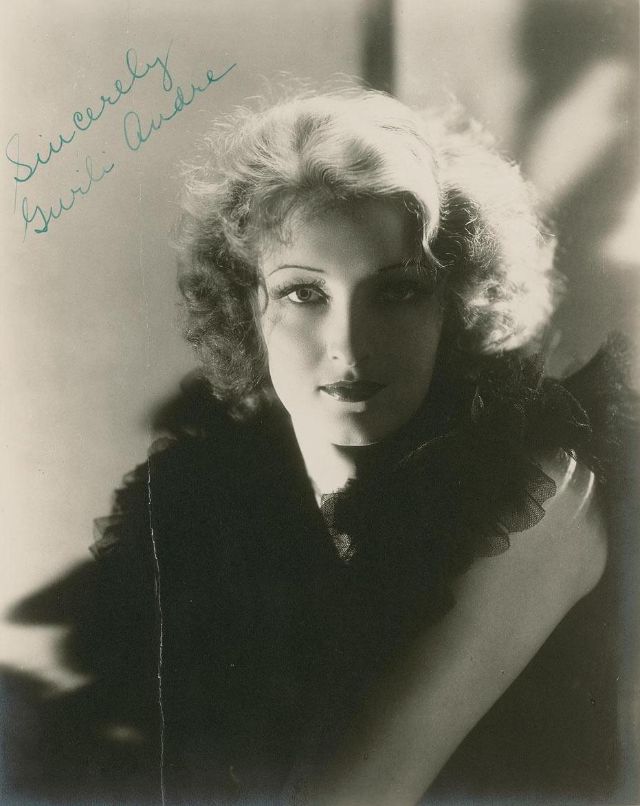
Gurli Ingeborg Elna Andresen (1907-1959)

Gwili Andre came to Hollywood in the early 1930s with the intention of establishing herself as a film star after working for several years as a model in Europe and New York. She was reportedly spotted by David O. Selznick at the premiere of a Broadway show. Selznick was taken by her beauty, and he arranged for a screen test.

She was signed to RKO Studio, and in 1932 appeared in Roar of the Dragon and Secrets of the French Police. While her striking looks were likened to that of Greta Garbo and Marlene Dietrich, her acting garnered poor reviews. One newspaper columnist called her a “stiff, colorless and completely talentless performer.” Despite the poor reviews of her acting, RKO began using her glamorous looks to promote her career. A widespread publicity campaign ensured that her name and face became well known to the American public, but her next role in No Other Woman (1933), opposite Irene Dunne, was not the success the studio expected. Over the next few years, she was relegated to supporting roles which included a role in the Joan Crawford picture A Woman’s Face (1941).

On 5 February 1959, Andre died in a fire that started in her apartment in Venice, California where she lived alone. The cause was never determined.

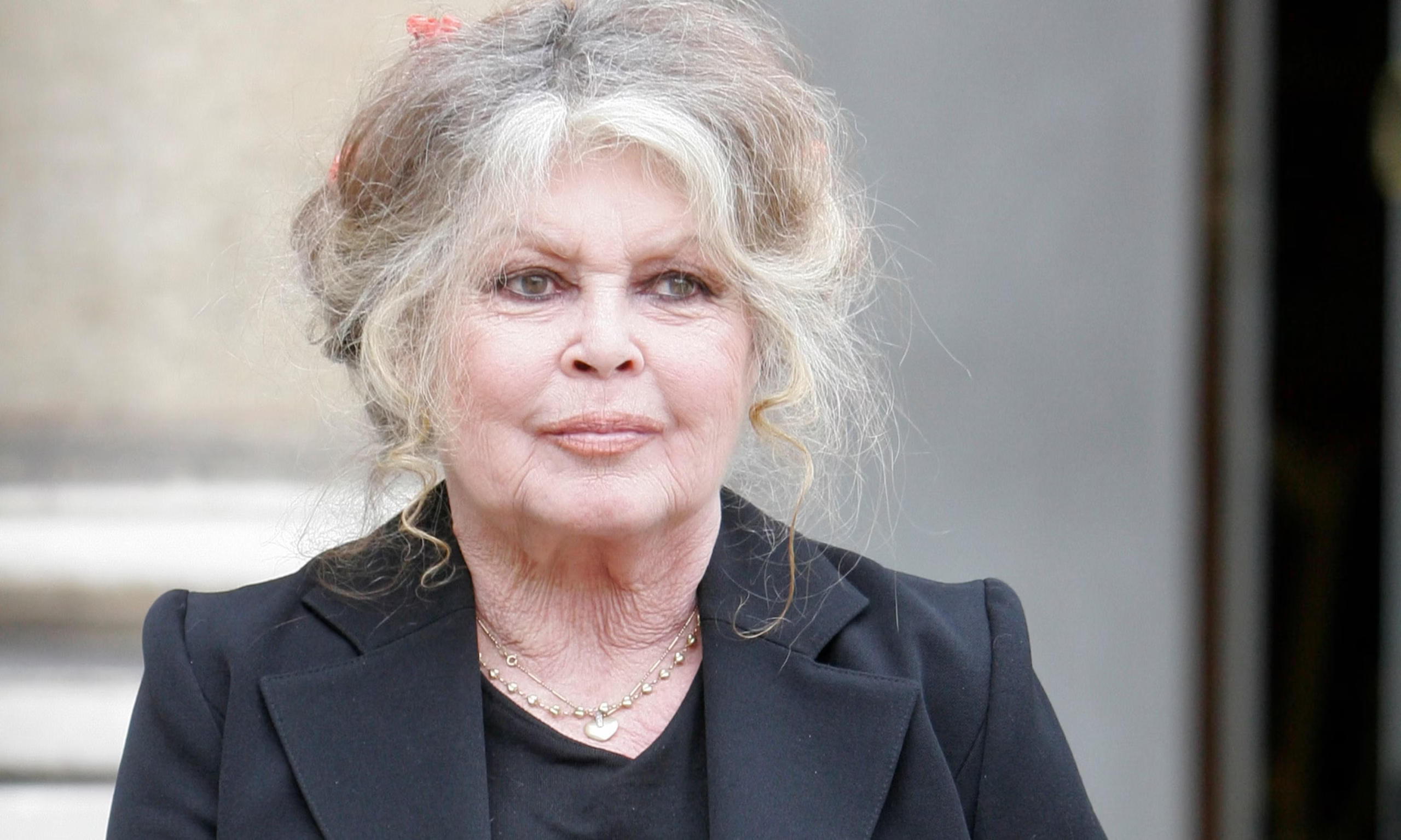
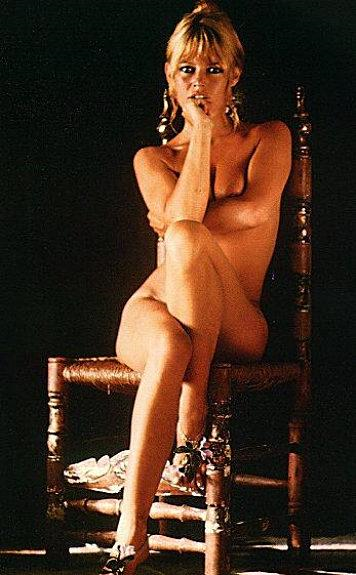
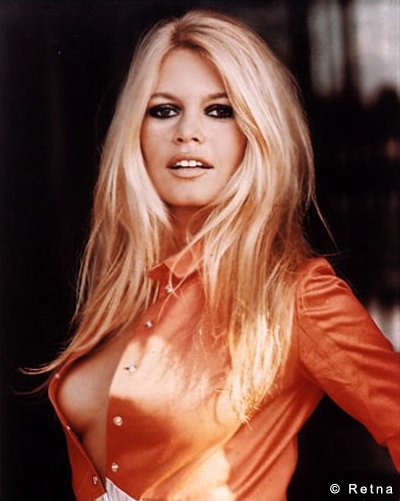
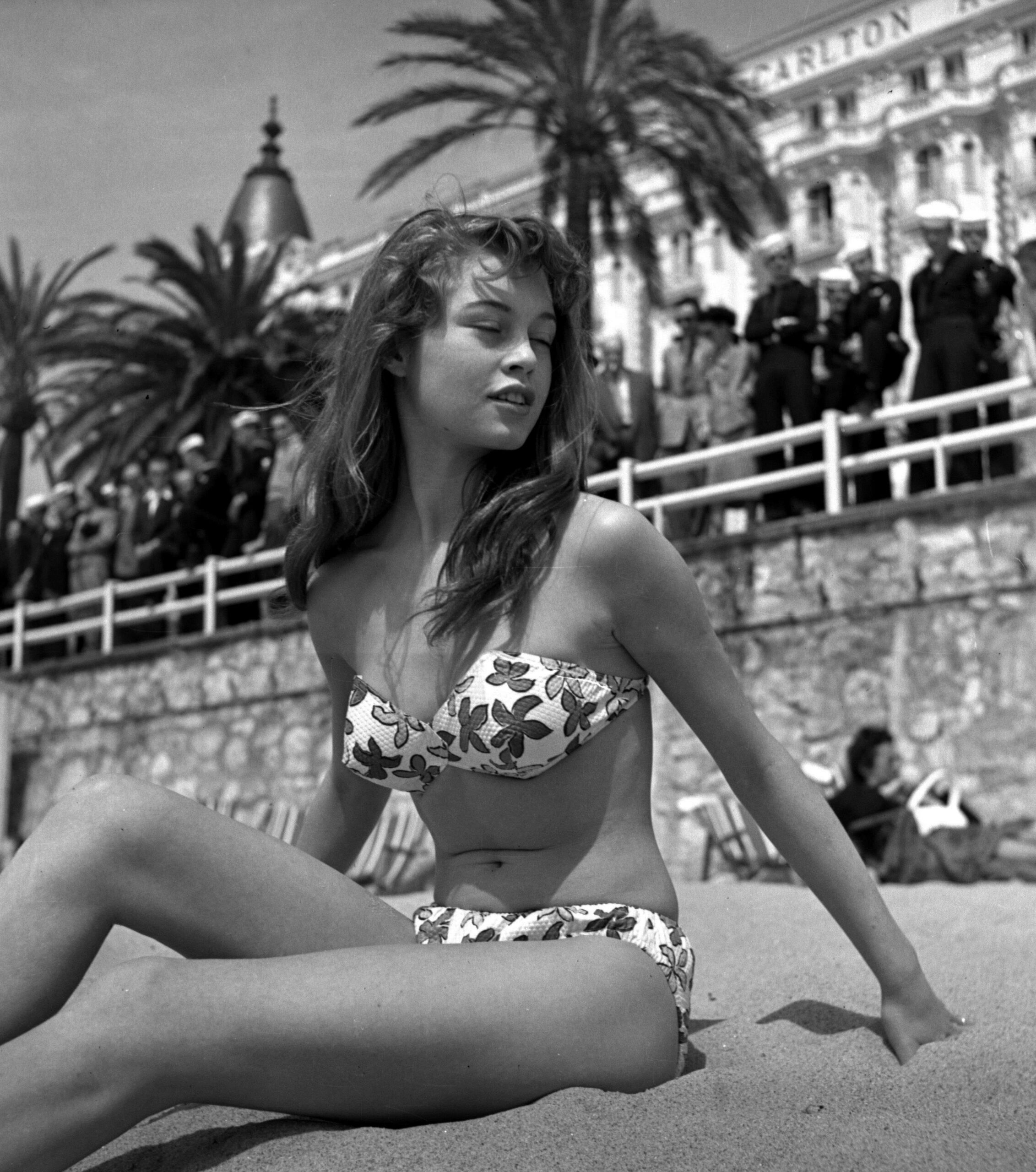
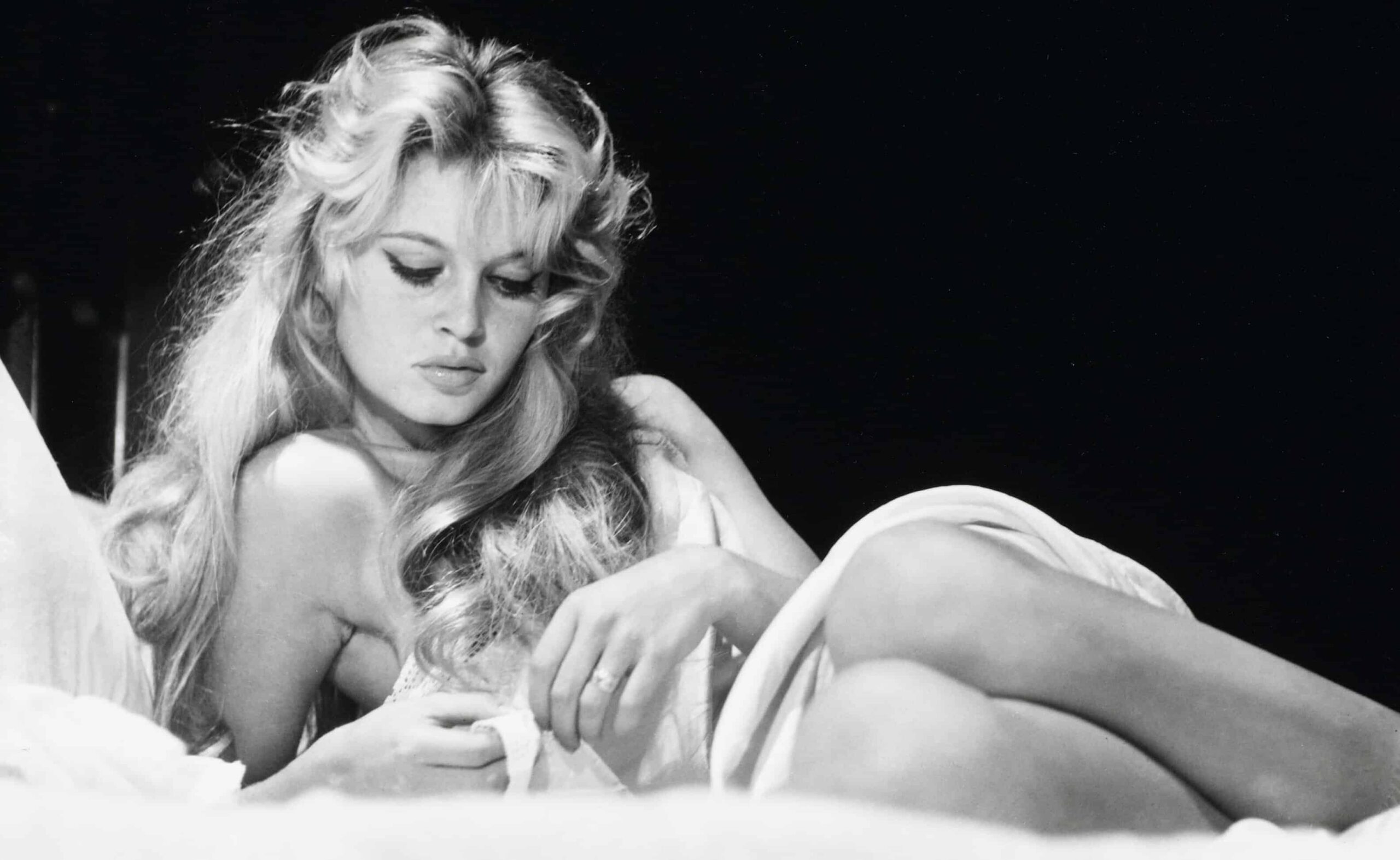
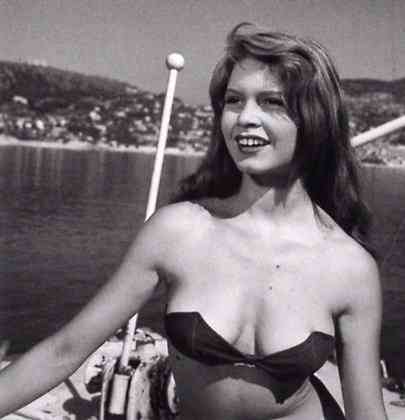
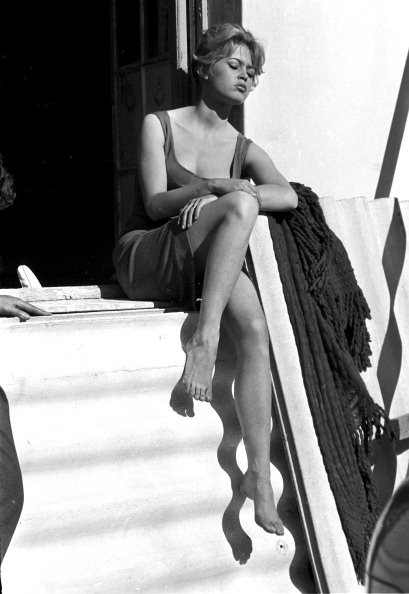
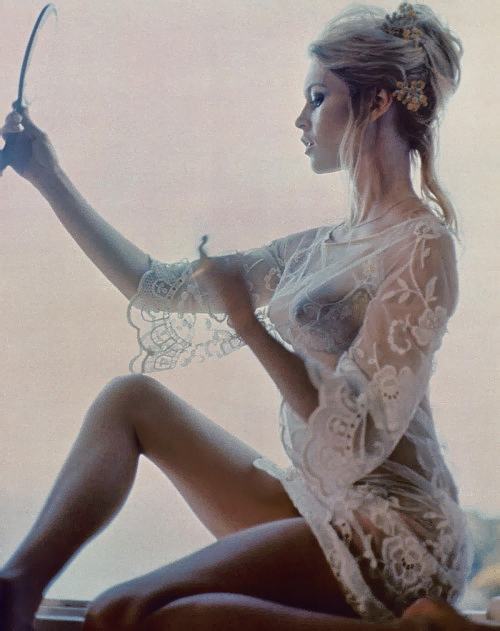
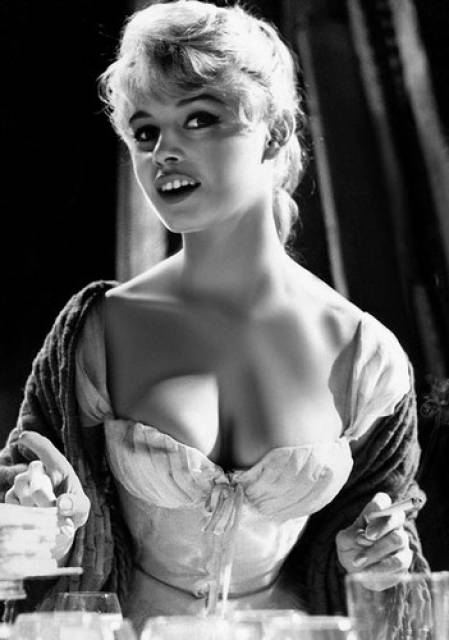
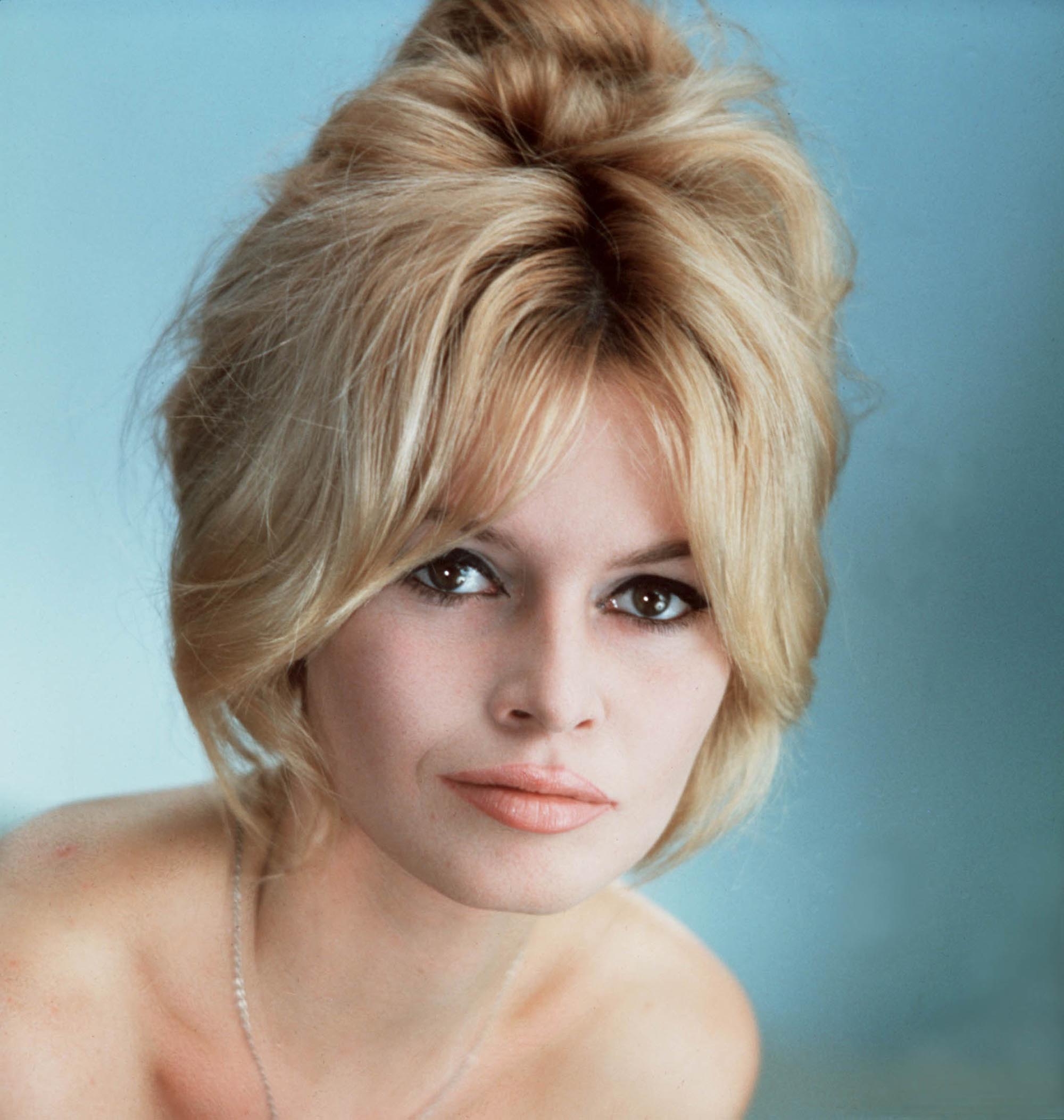
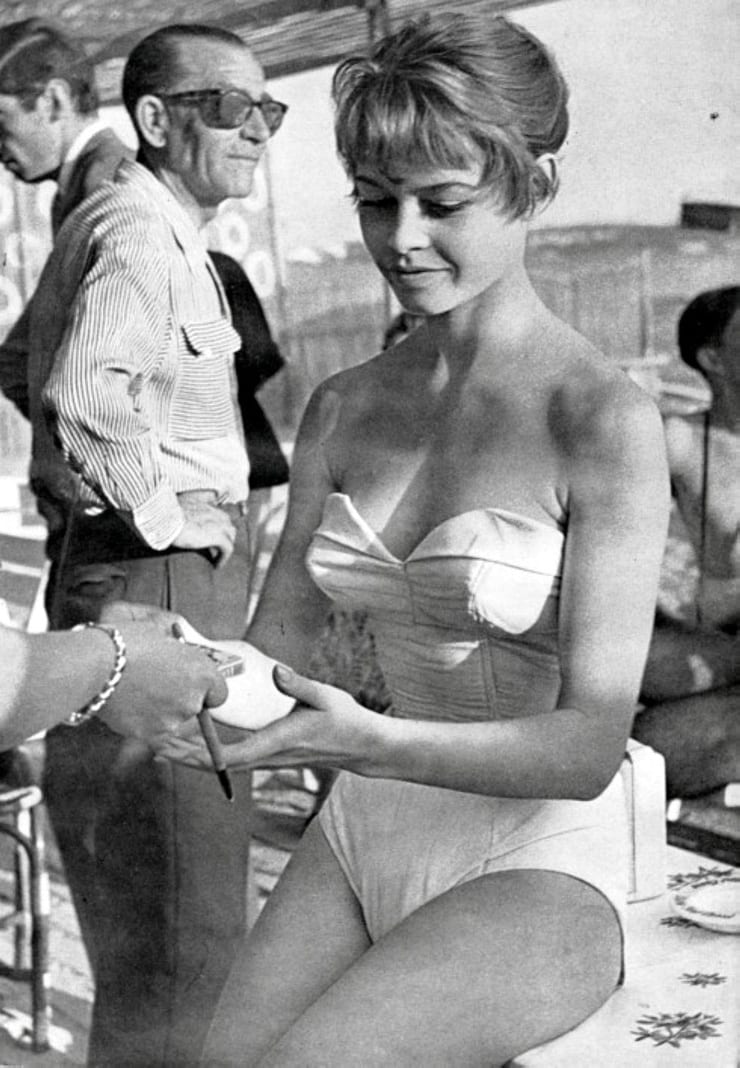
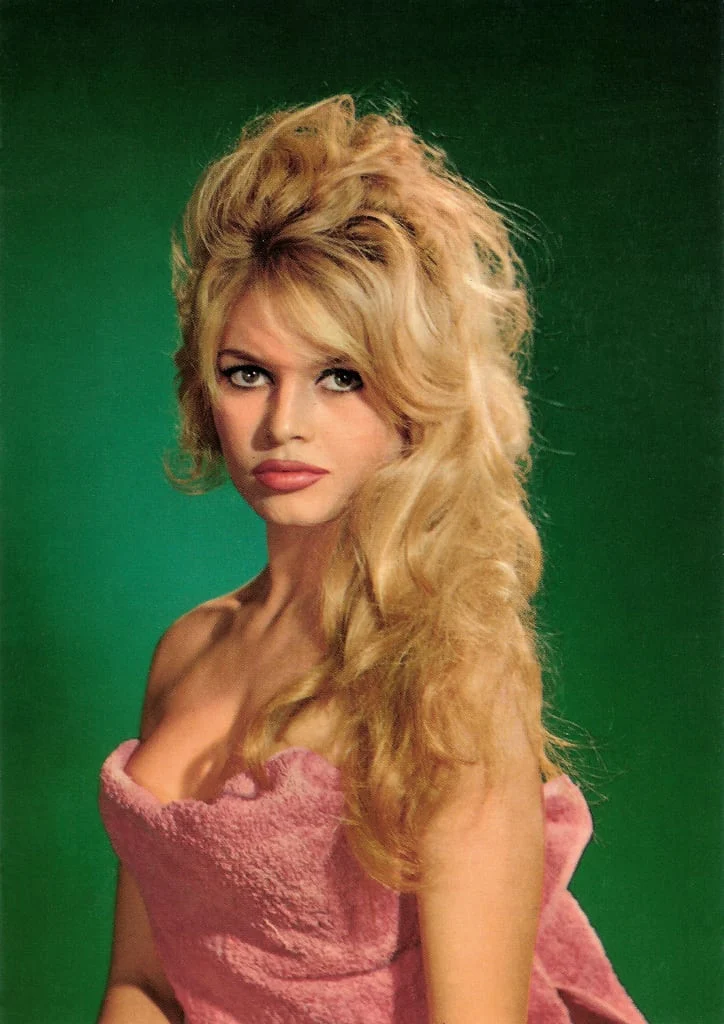
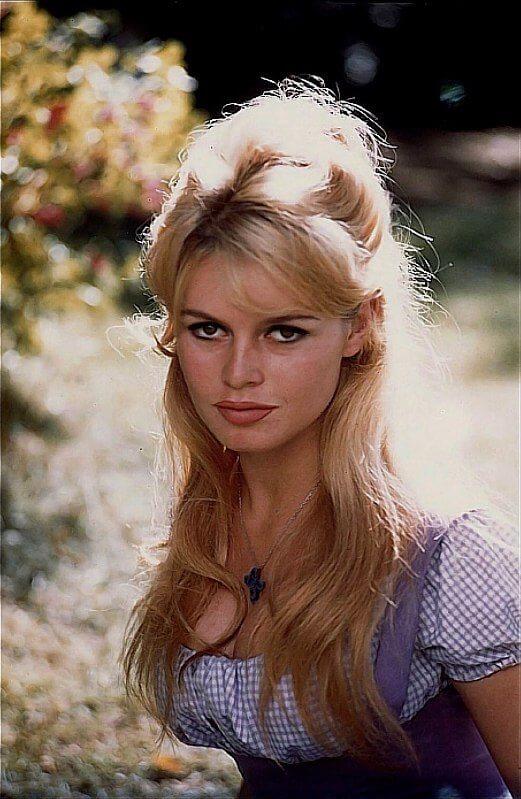
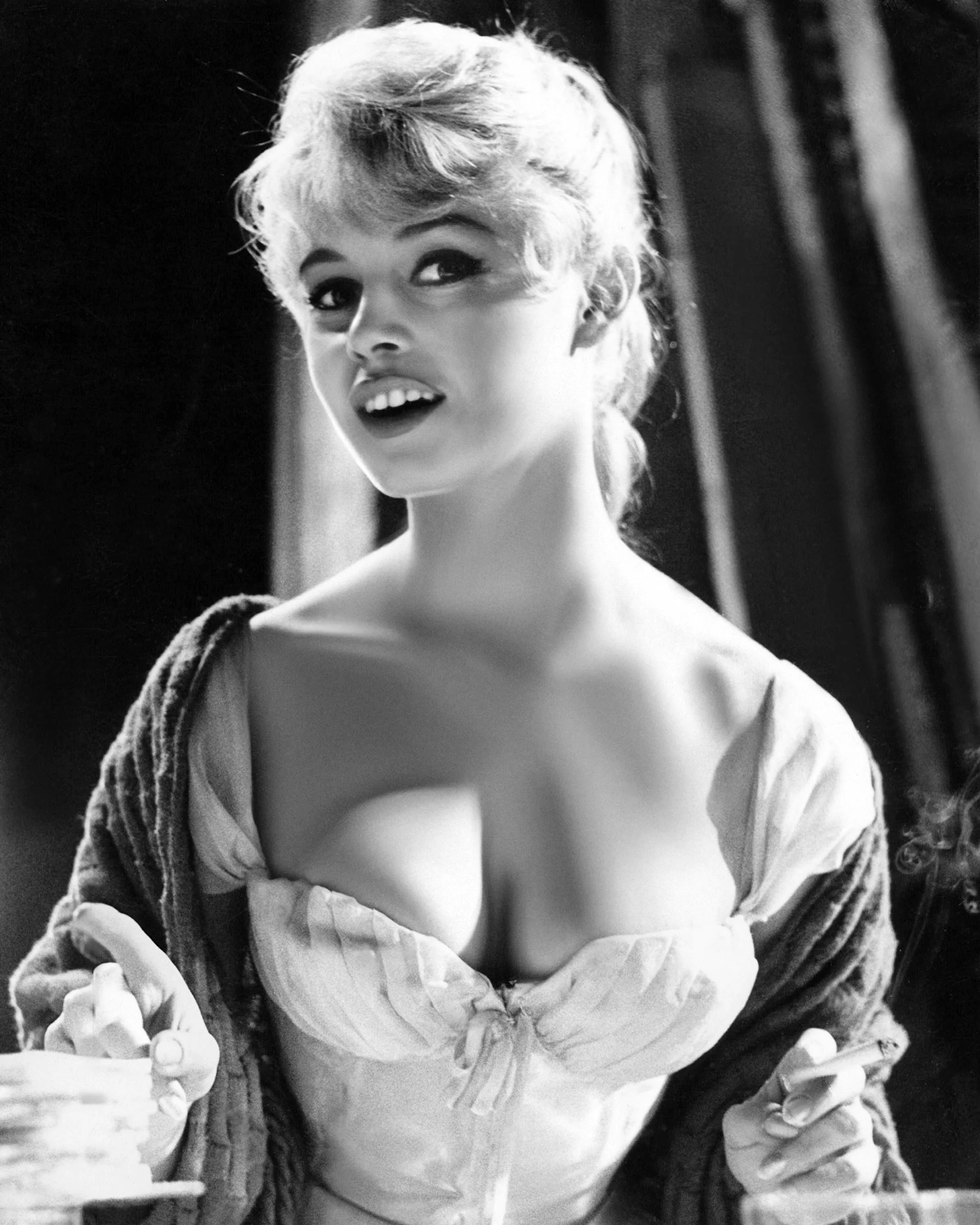
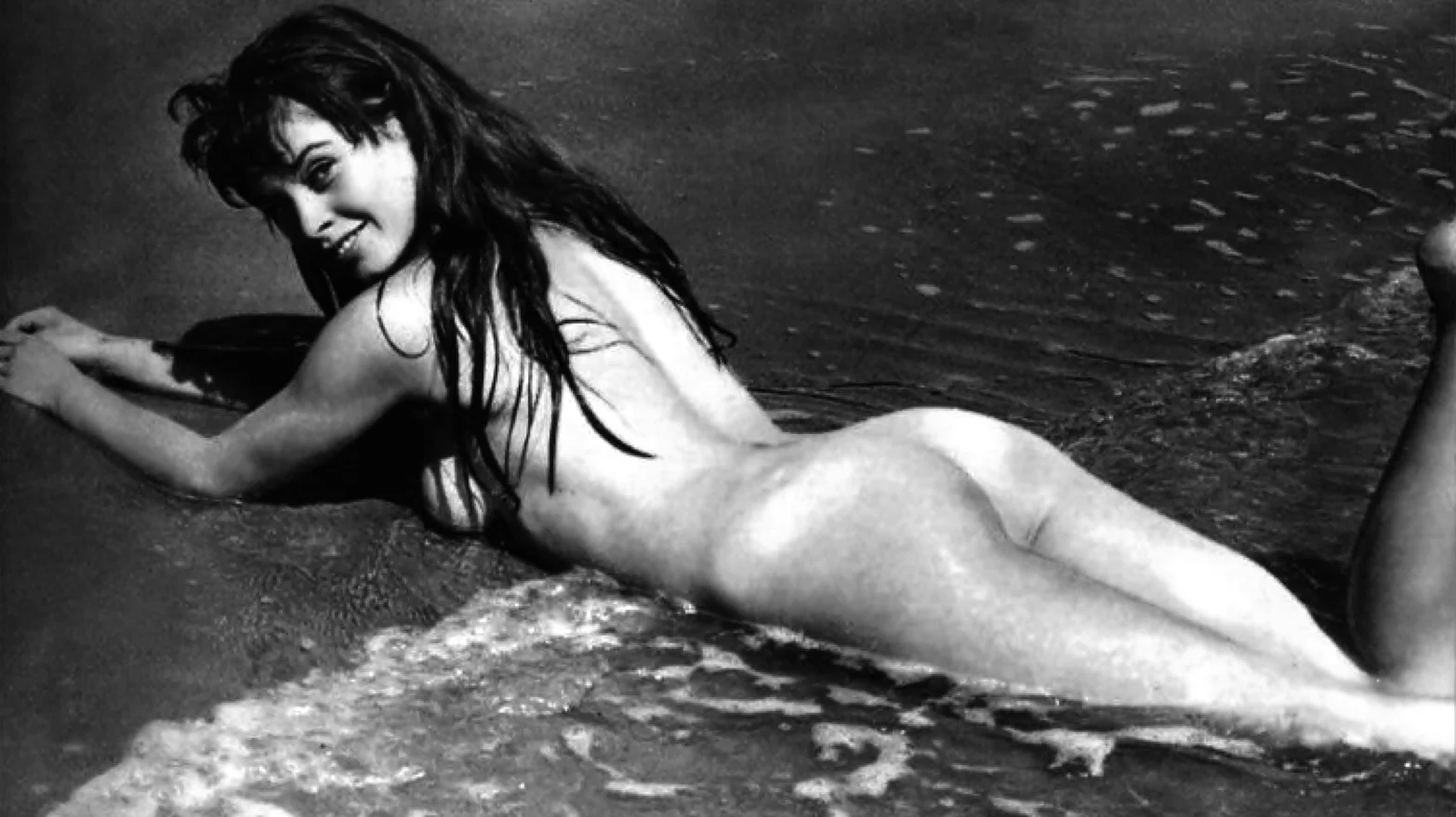
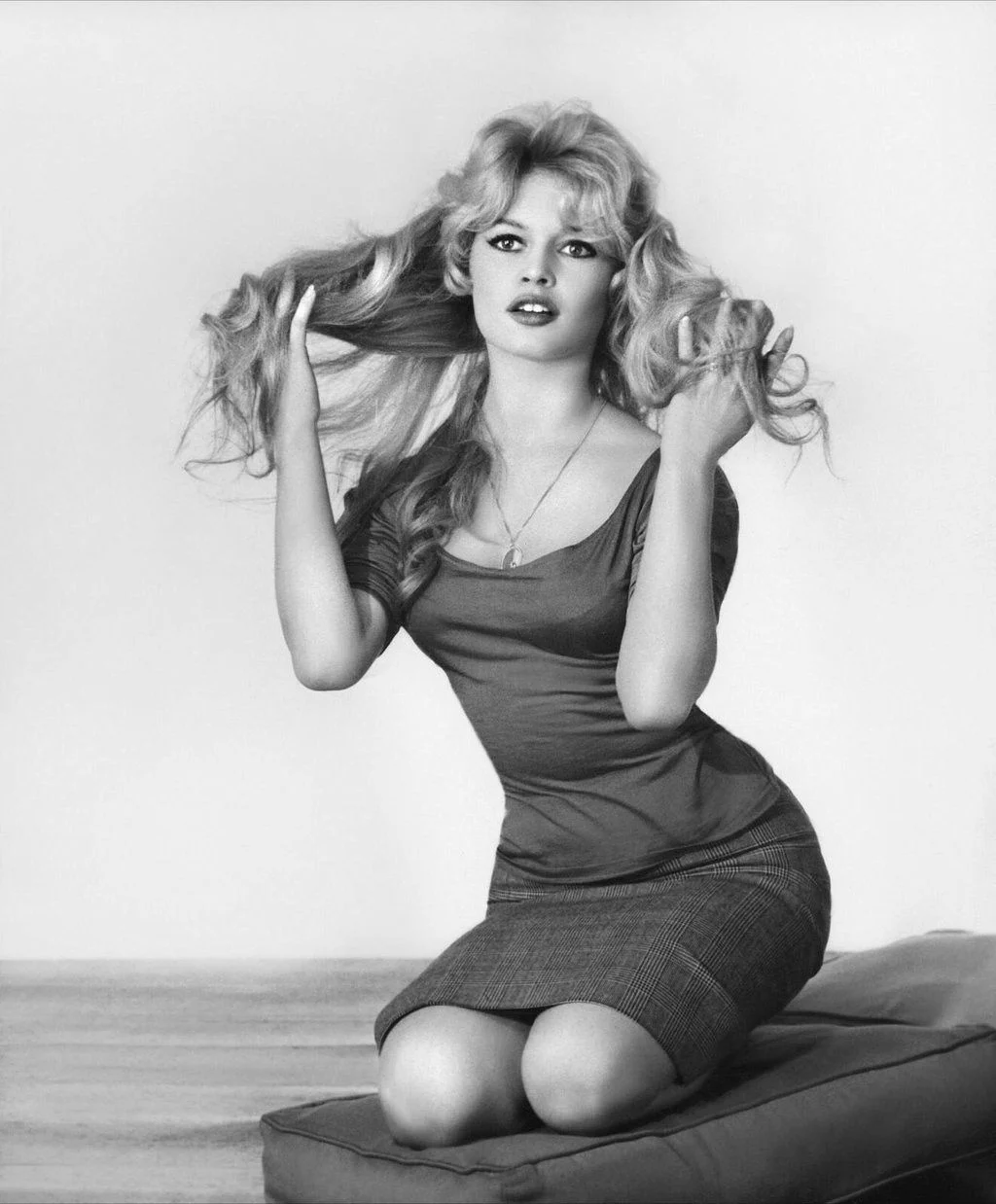
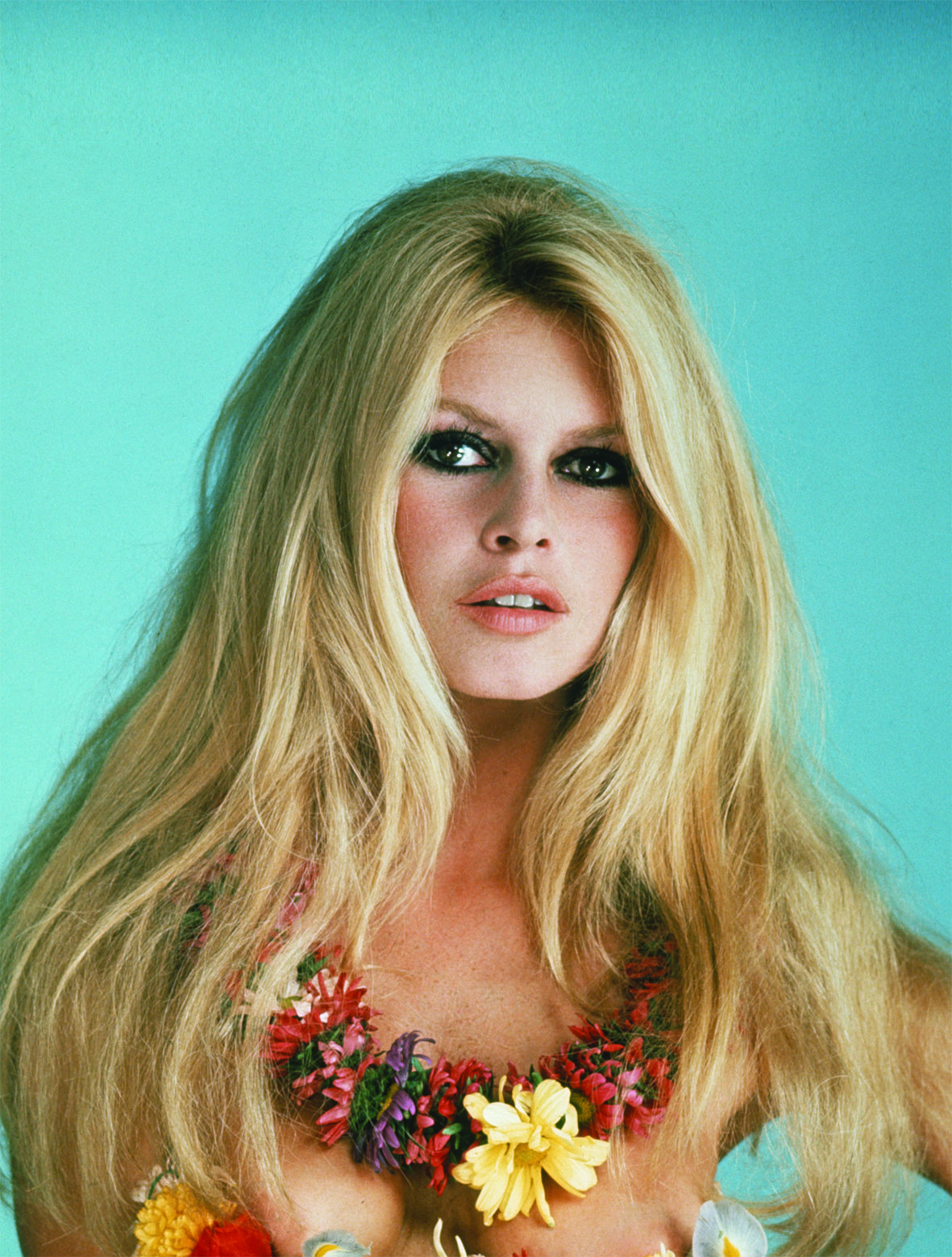
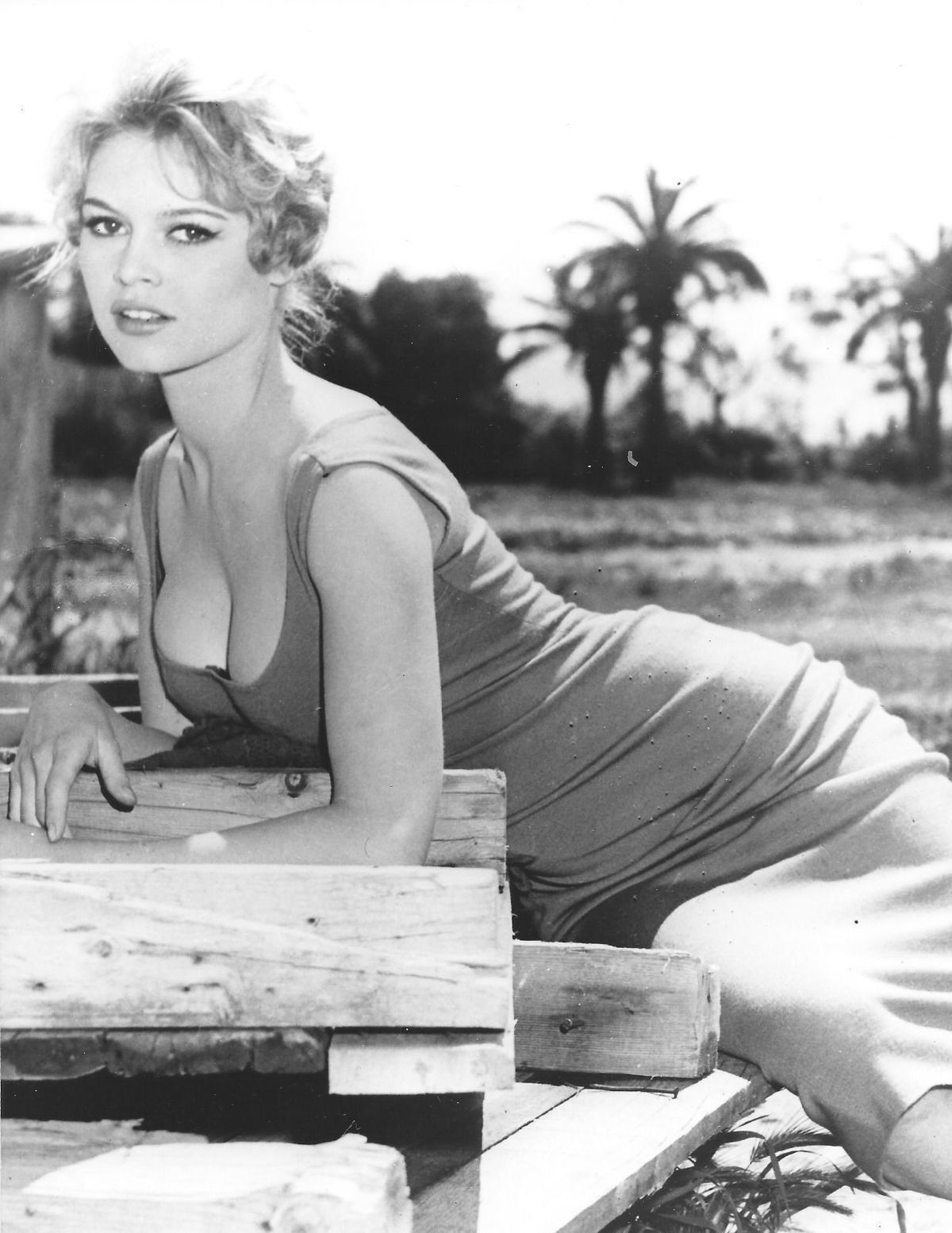
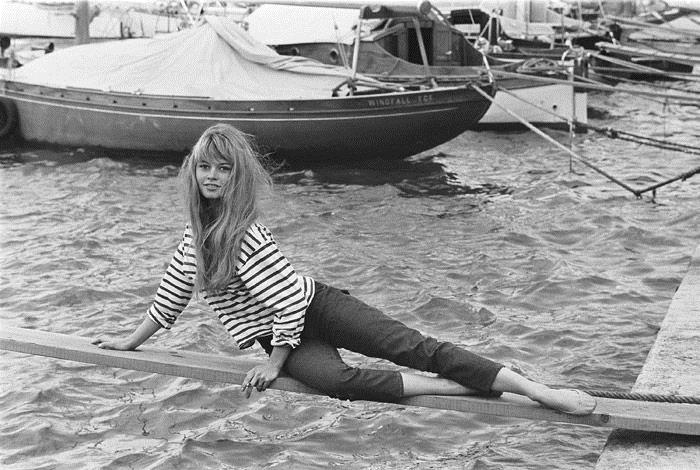
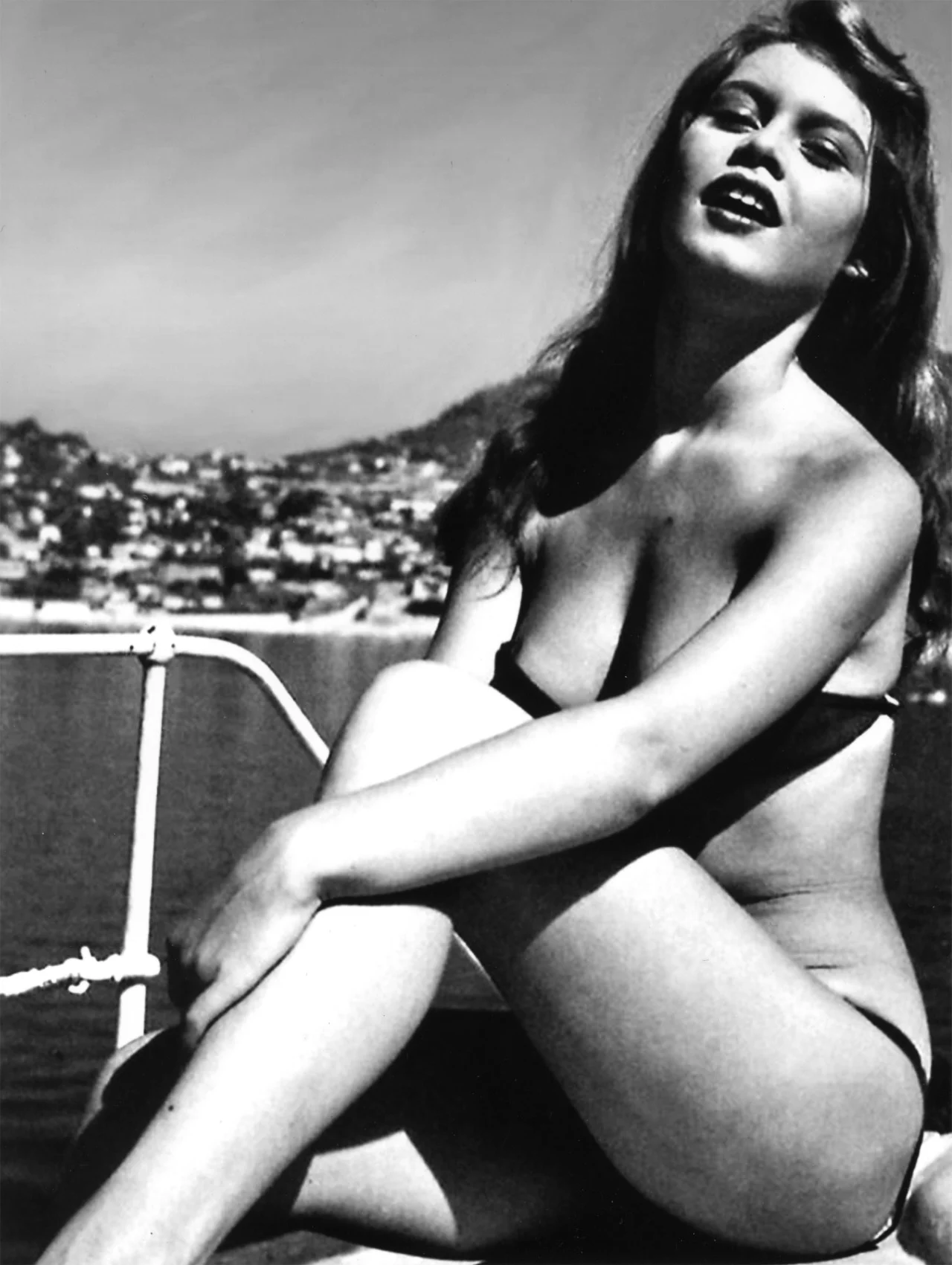
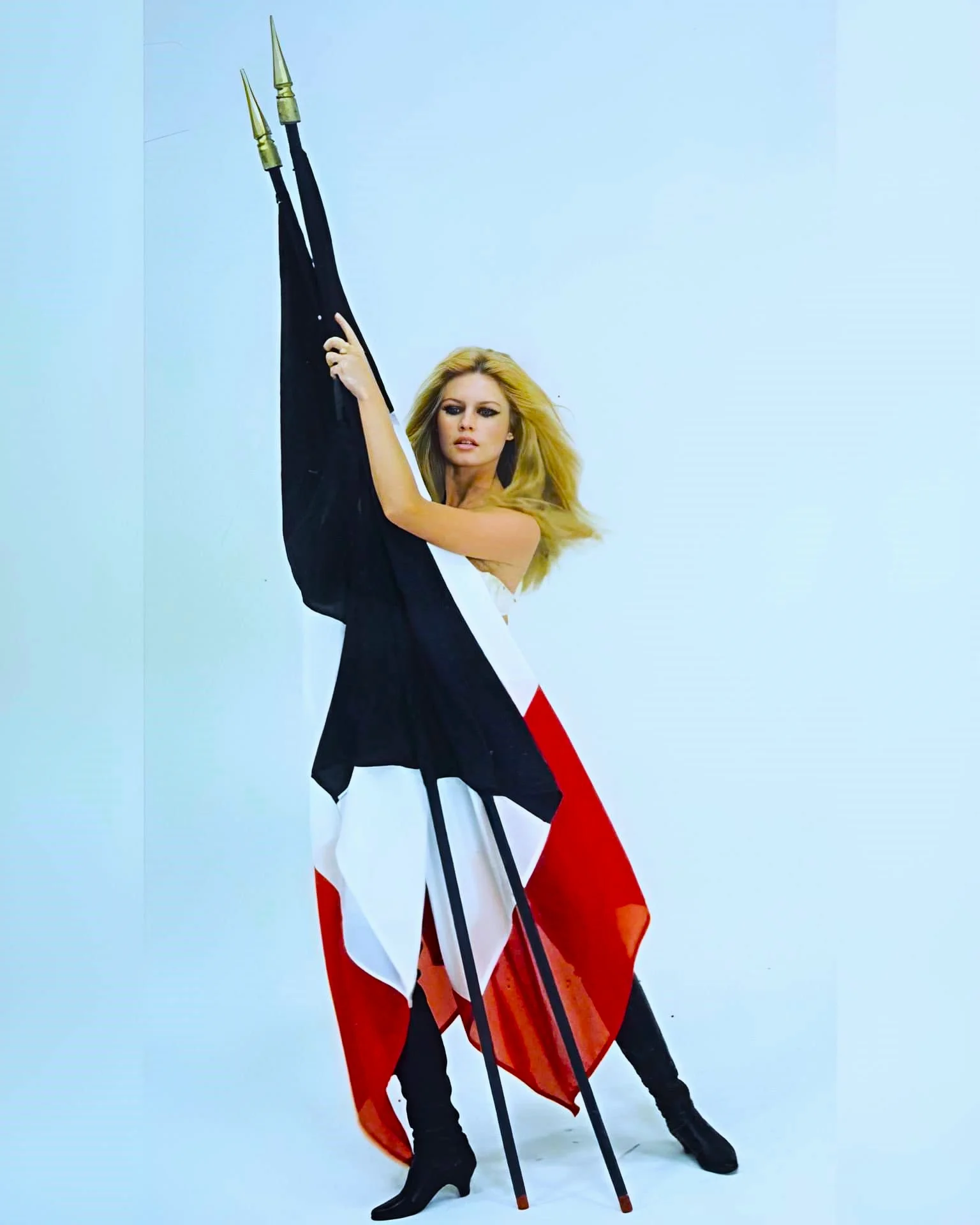
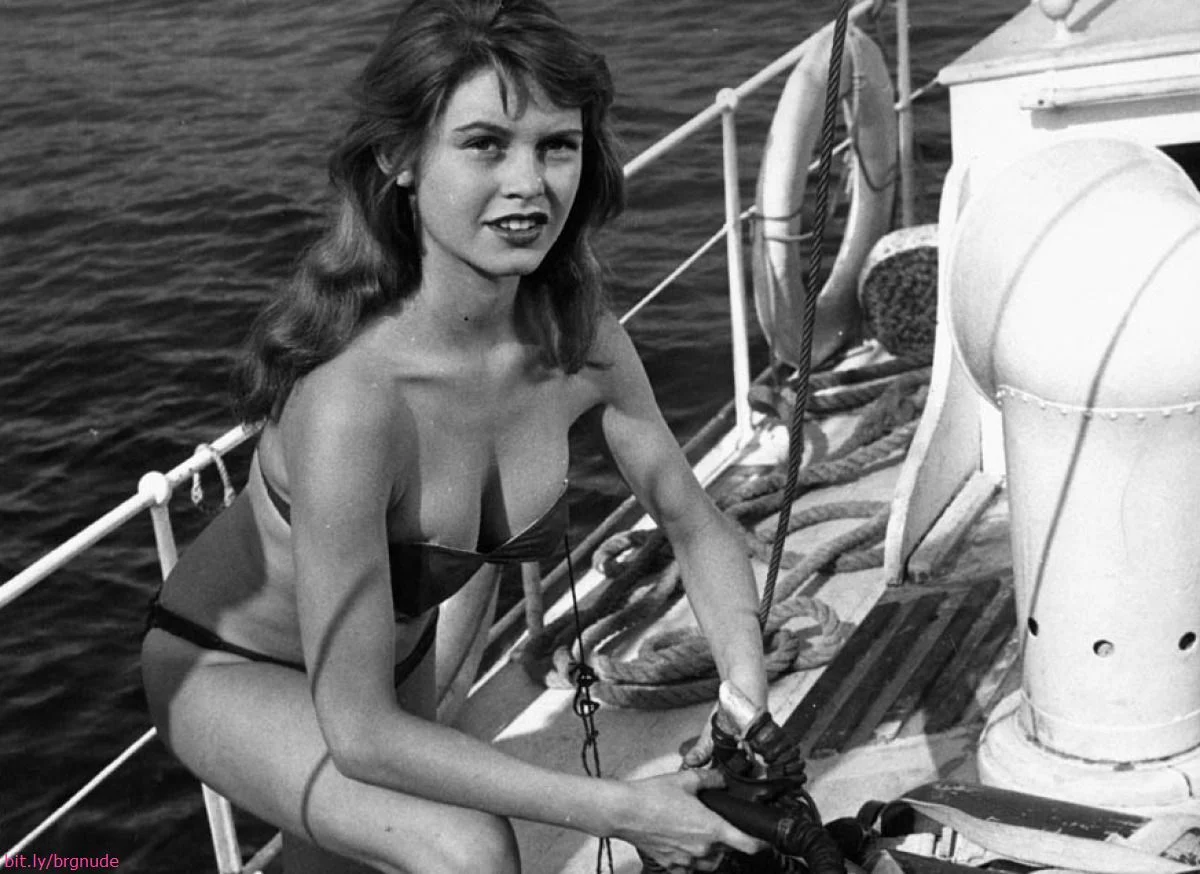
Brigitte Anne-Marie Bardot (1934-2025)

was a French actress, singer, model, and animal rights activist. She became one of the best-known symbols of the sexual revolution and gained international fame for portraying characters associated with hedonistic lifestyles. Although she withdrew from the entertainment industry in 1973, she remained a major pop culture icon. She appeared in 47 films, performed in several musicals, and recorded more than 60 songs. She was awarded the Legion of Honour in 1985.
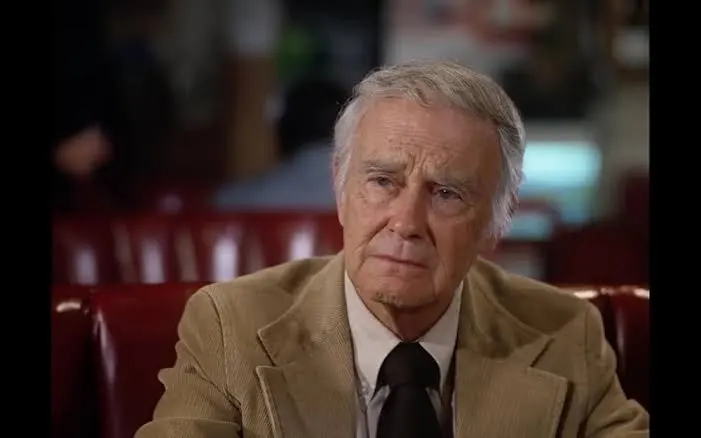
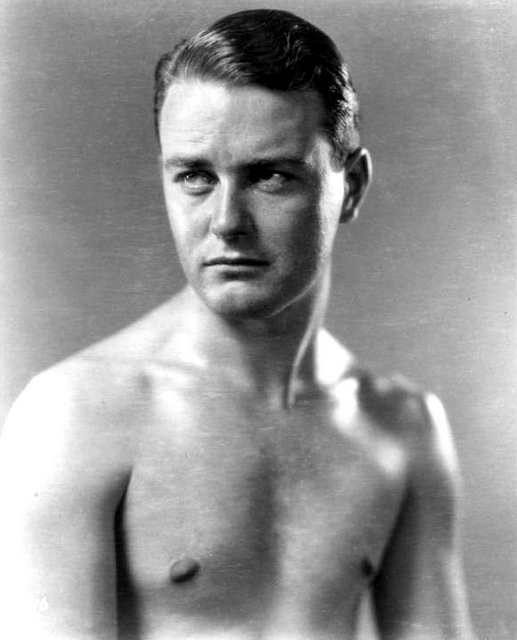
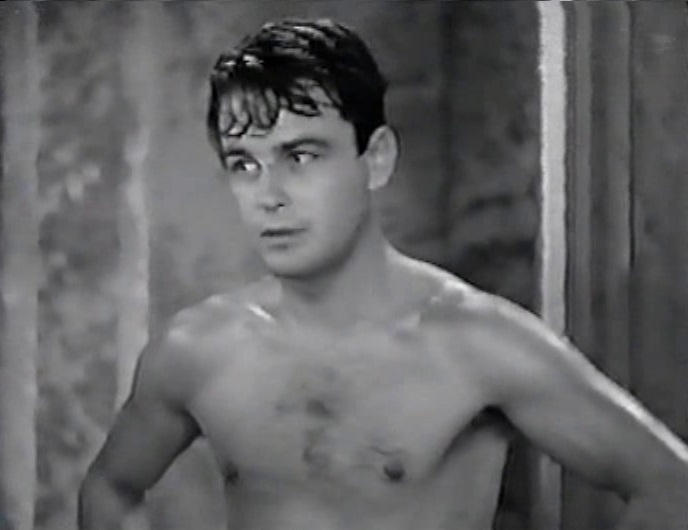
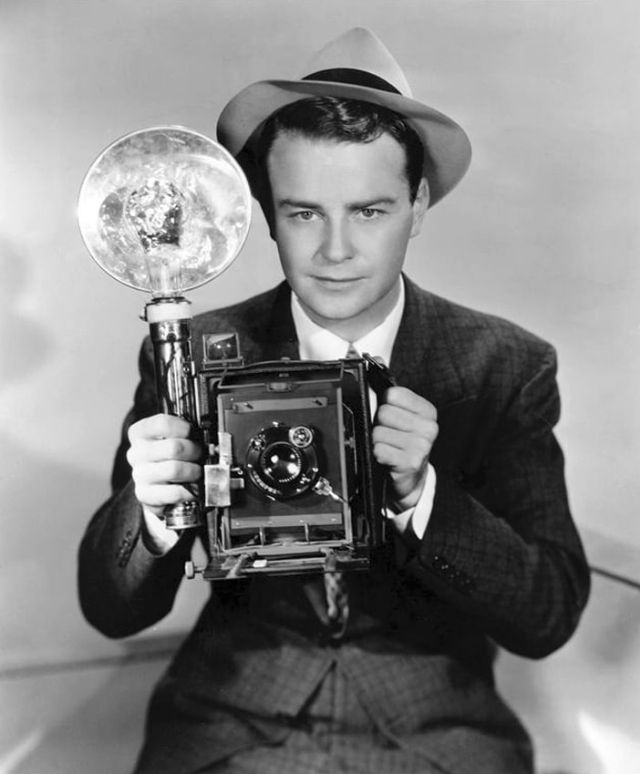
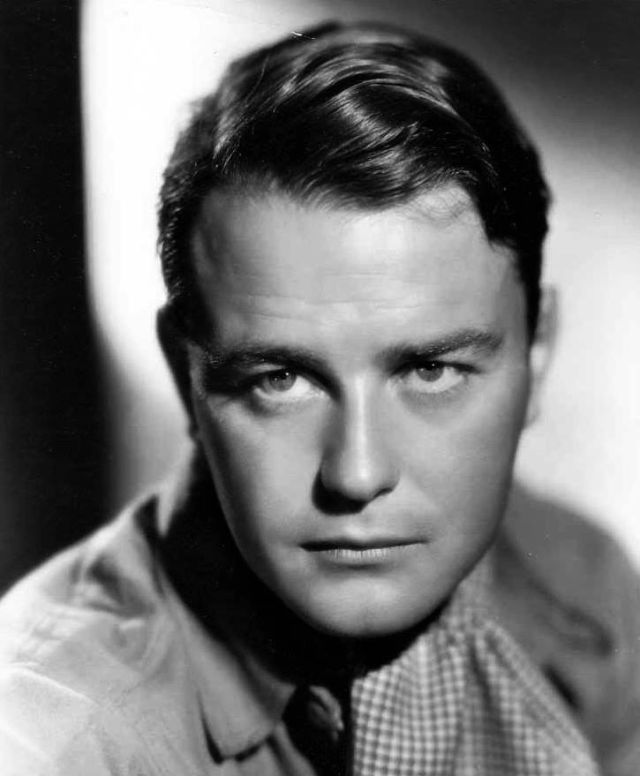
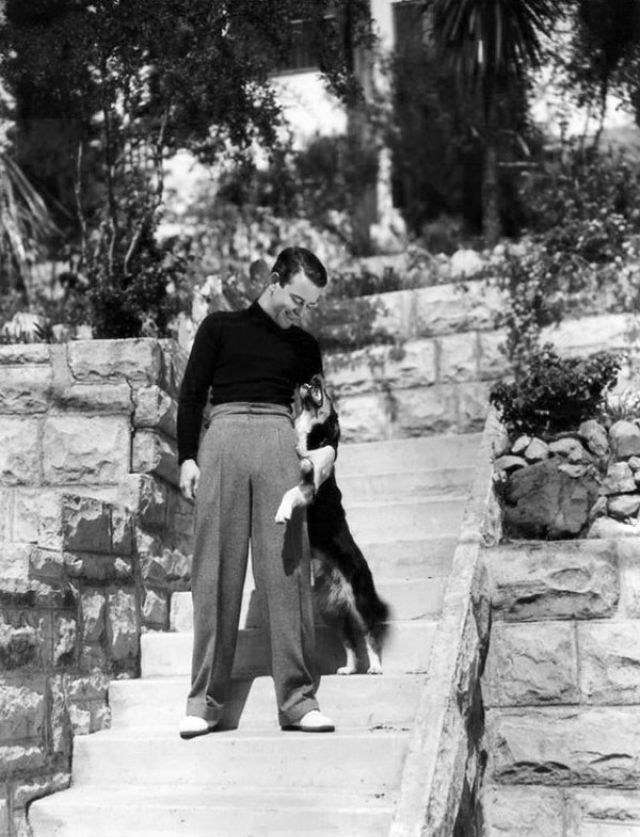
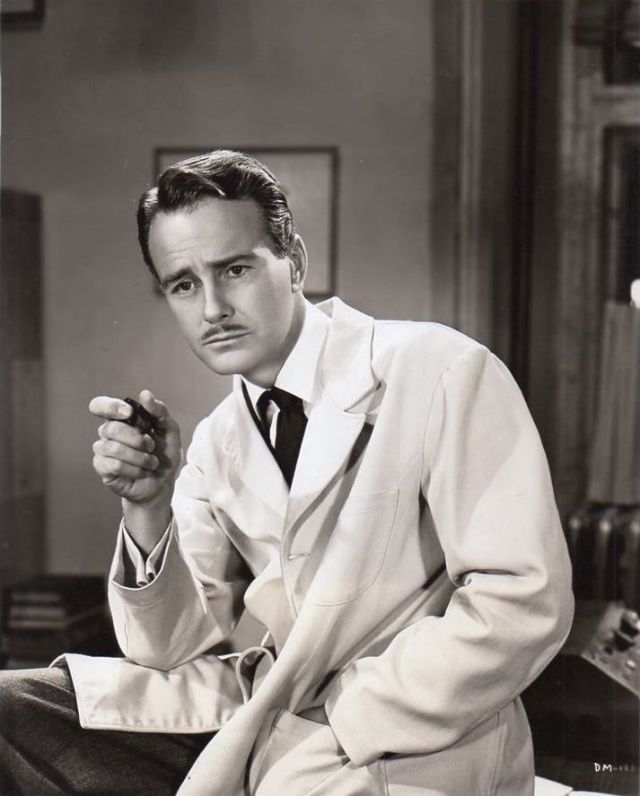
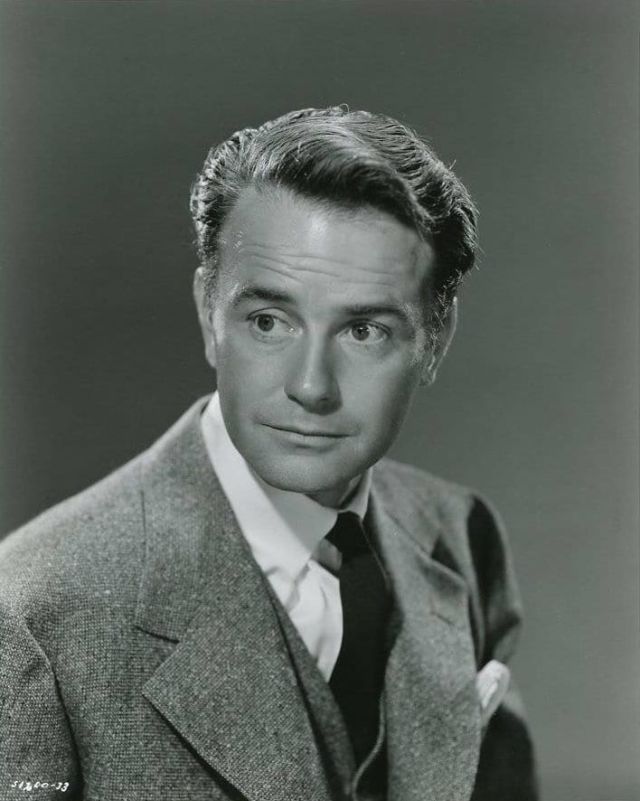
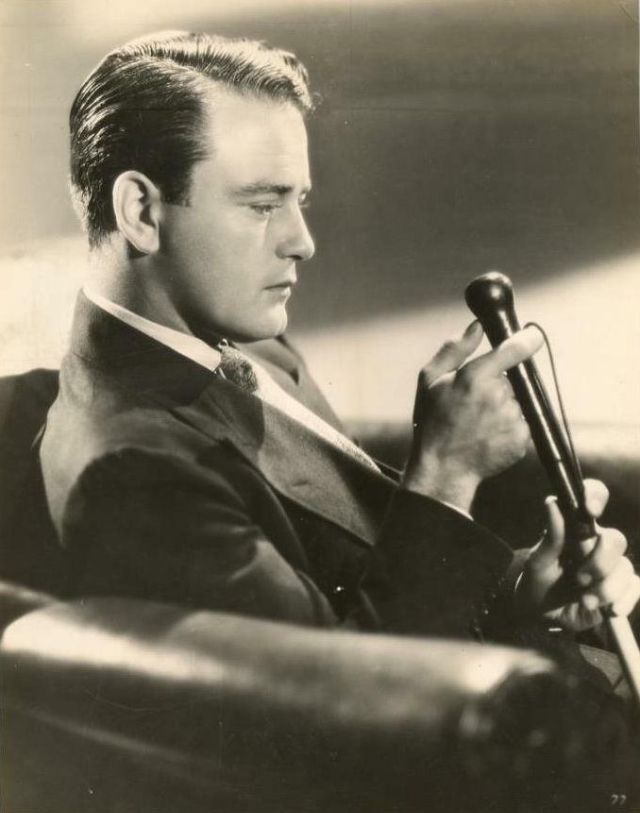
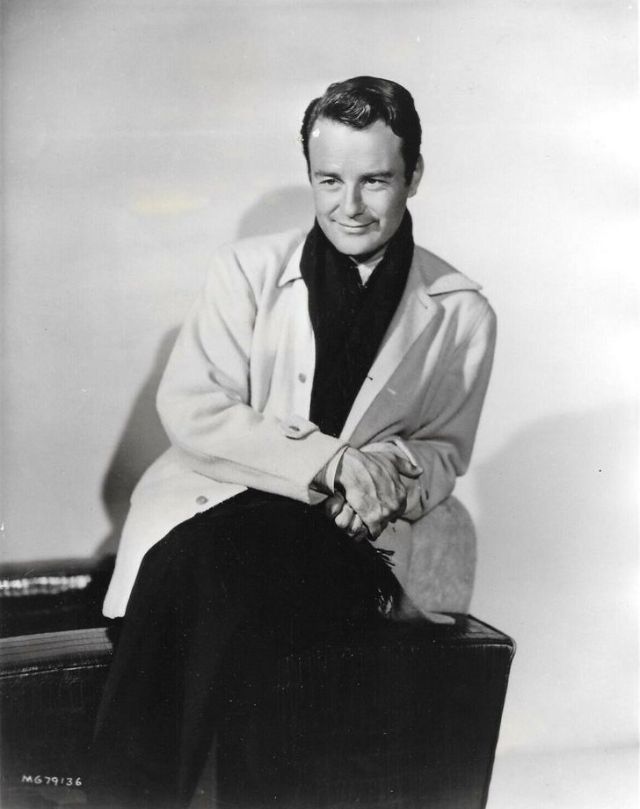
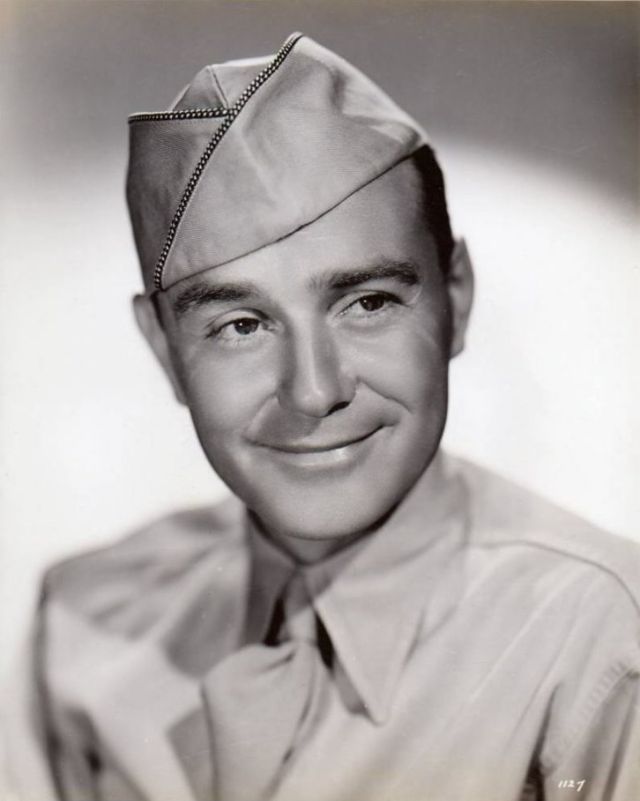
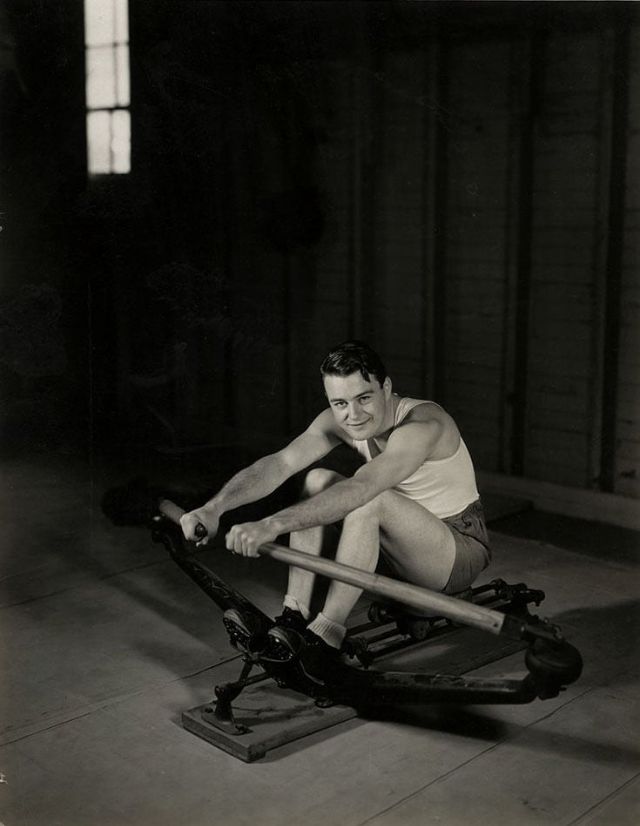
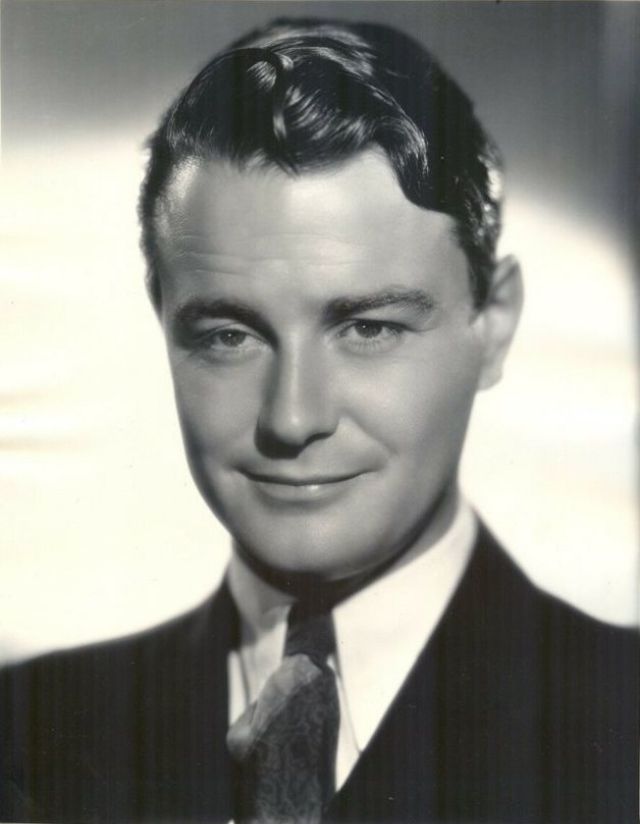
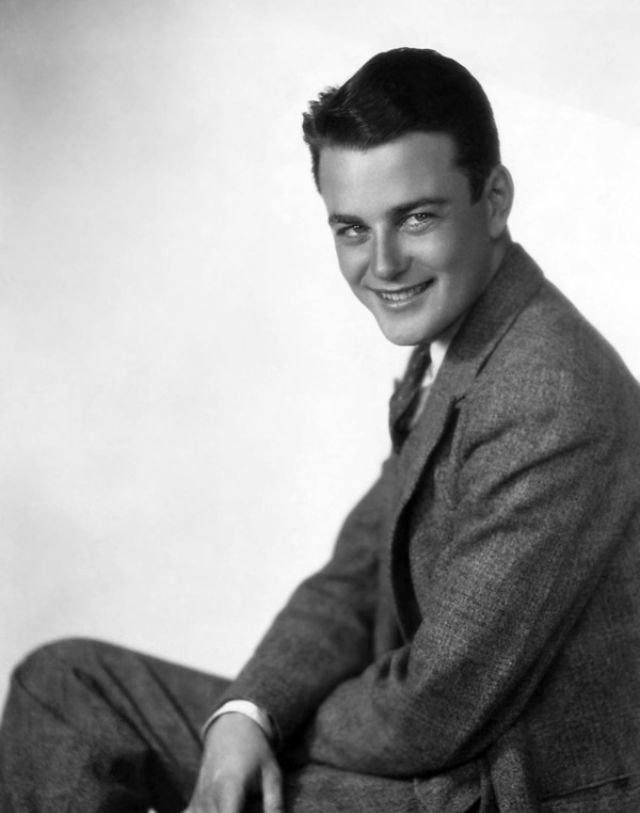
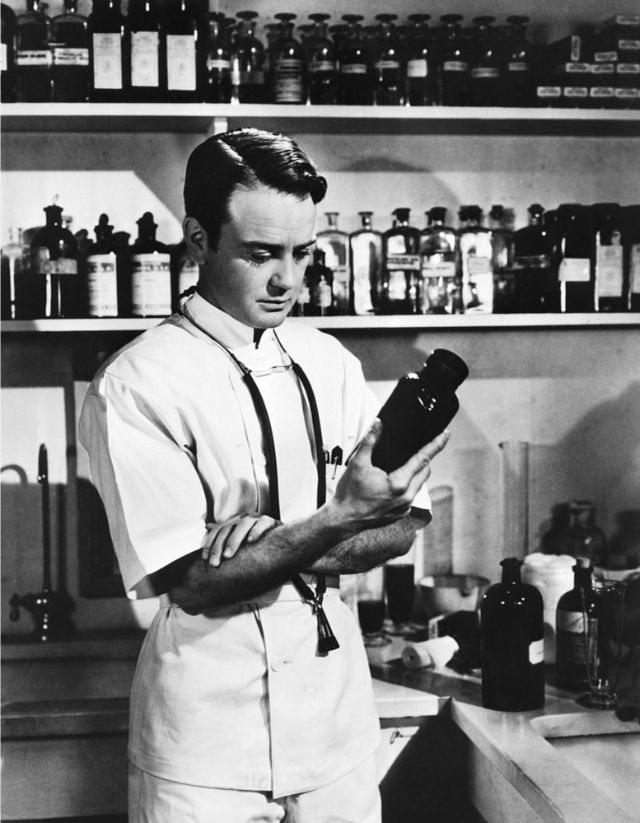
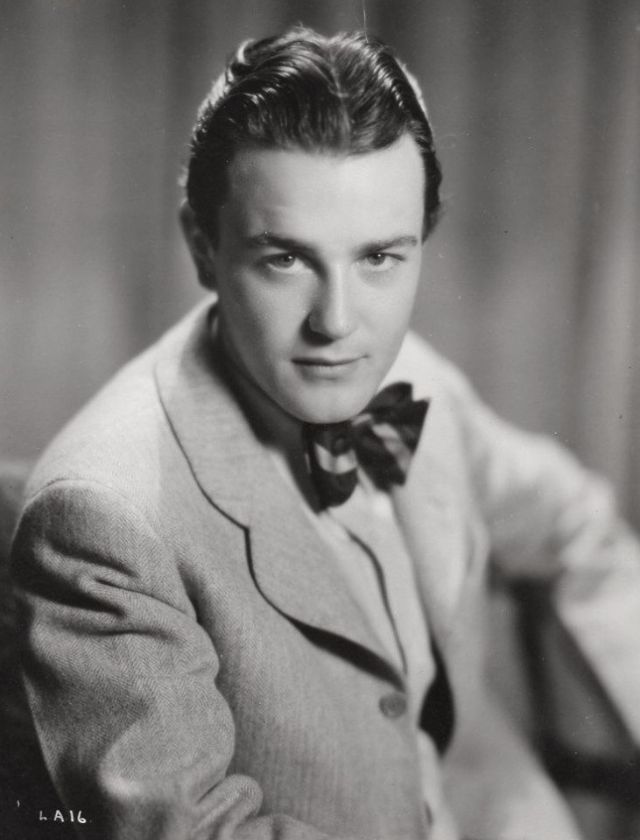
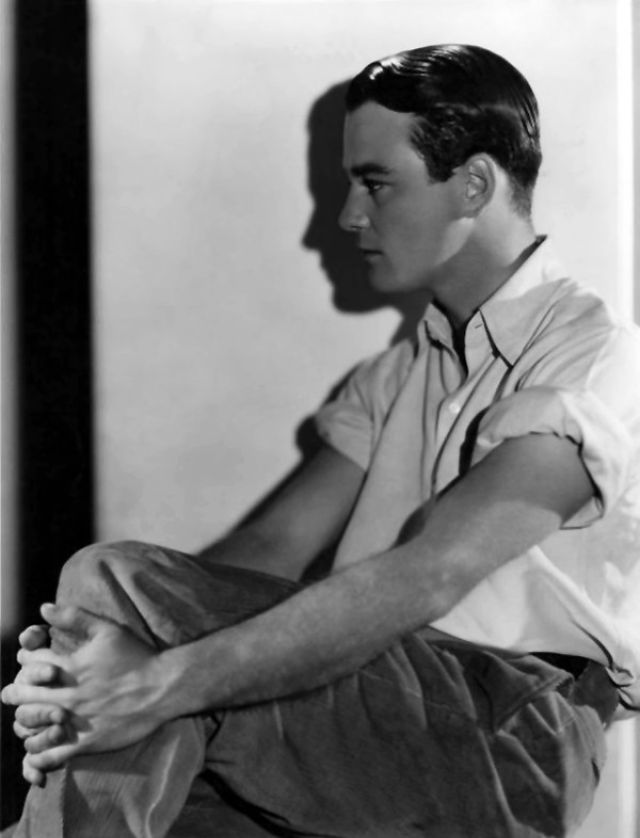
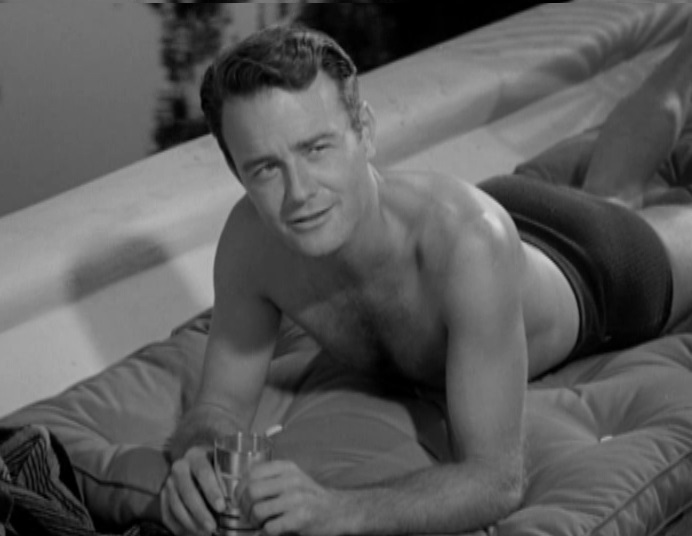
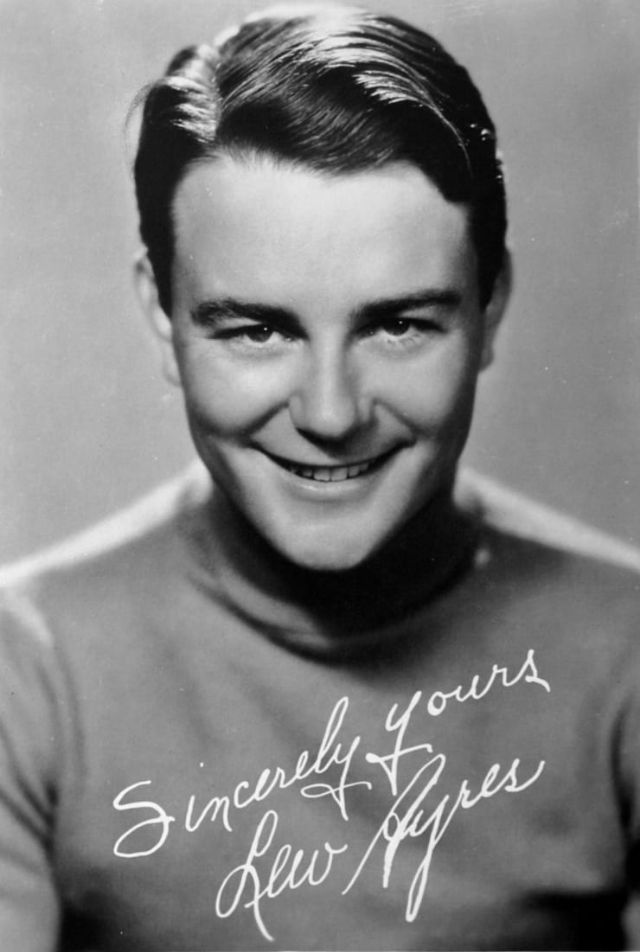
Lewis Frederick Ayres III (1908-1996)

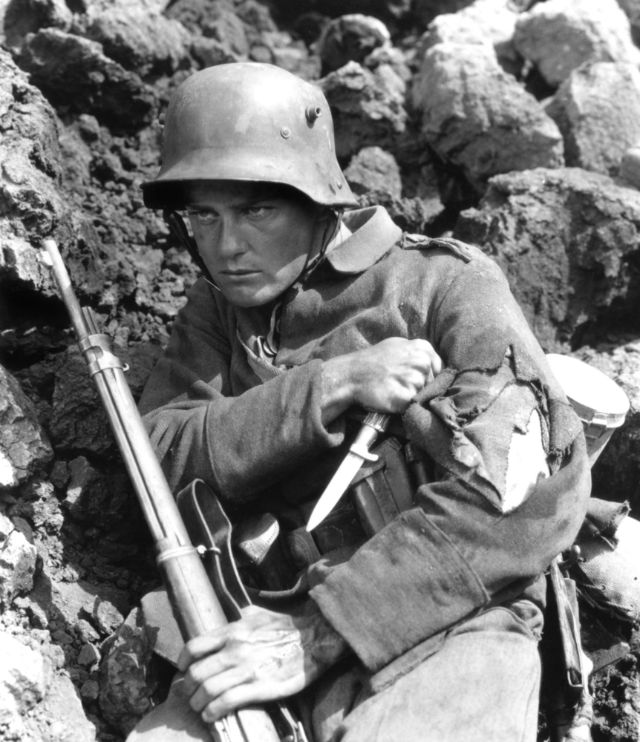
Lew Ayres was an American actor whose film and television career spanned 65 years. He is best known for starring as German soldier Paul Bäumer in the film All Quiet on the Western Front (1930) and for playing Dr. Kildare in nine films. He was nominated for an Academy Award for Best Actor for his performance in Johnny Belinda (1948).

In March 1942, Ayres was identified as a 4E conscientious objector and sent to a CO camp. As expected, the announcement that a Hollywood actor objected to the war was a major source of public outcry and debate. Within a month it was determined that he had initially requested to be A-O-1, so that he could serve as a non-combat medic. However, the military’s policy that servicemen cannot request, or be guaranteed, where they will serve, forced him to request a 4E status. The U.S. military confirmed that they would place him as a medic and in April 1942, his status was changed. He enlisted in the United States Army on May 18, 1942.

He served as a first aid instructor in the United States Army before requesting a drop in rank in order to serve as a medic and chaplain’s assistant in the Pacific. He was one of 16 medics who arrived under fire during the invasion of Leyte to set up evacuation hospitals, and there he provided care to soldiers and civilians in the Philippines and New Guinea. He donated all the money he had earned as a serviceman to the American Red Cross.
Serving for three and a half years in the Medical Corps, he was awarded three battle stars. After the war, he resumed his career and made scores of movies, but never reached the peak of his early Hollywood stardom.

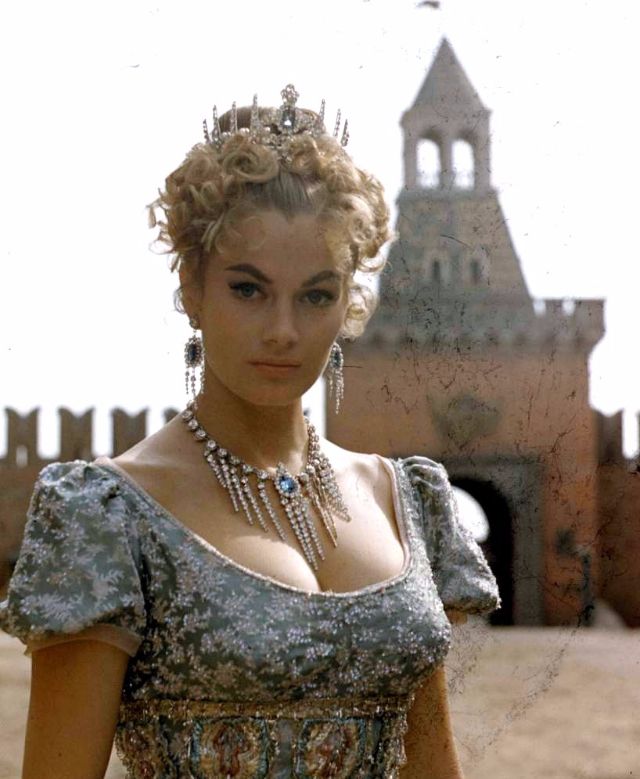
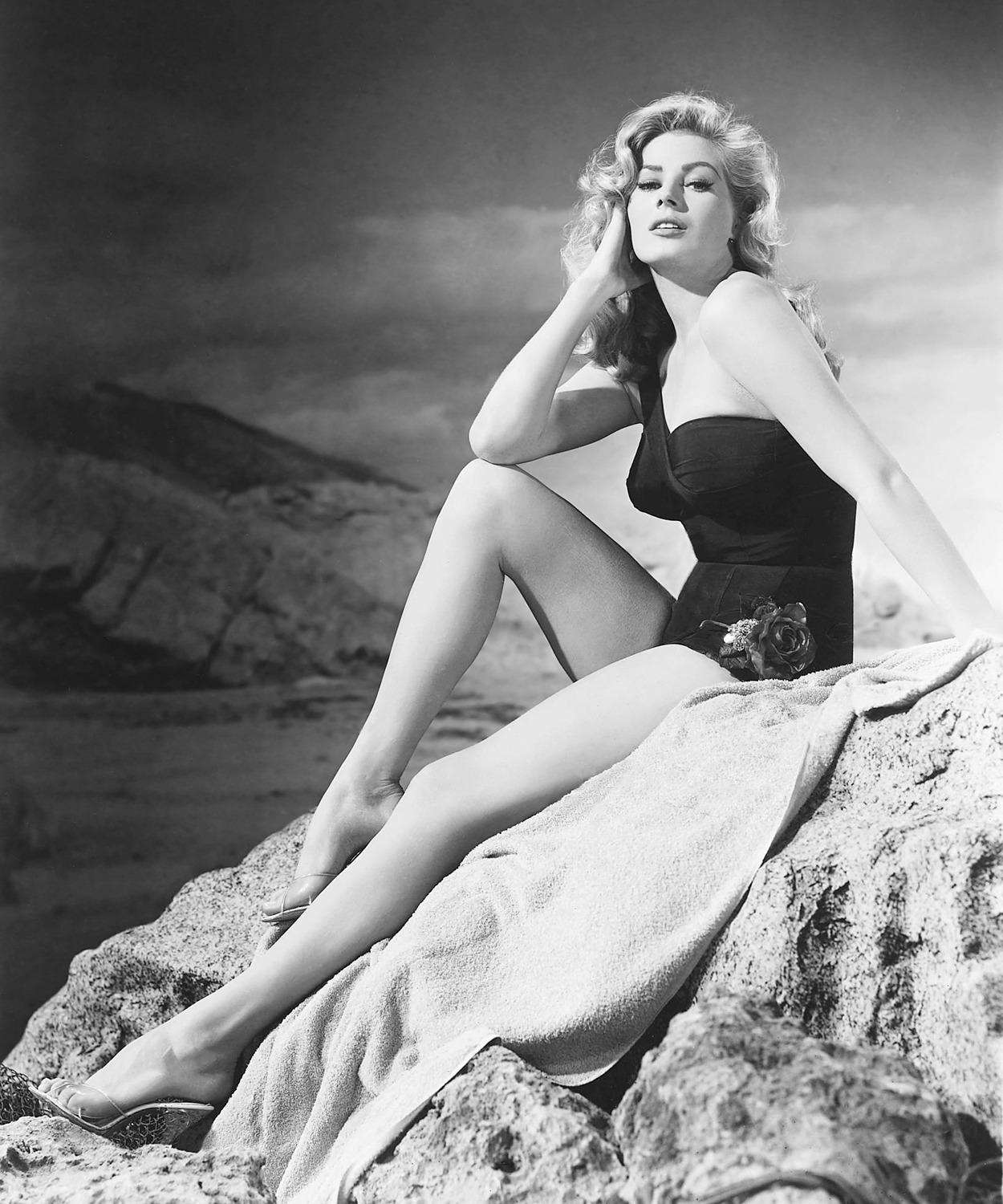
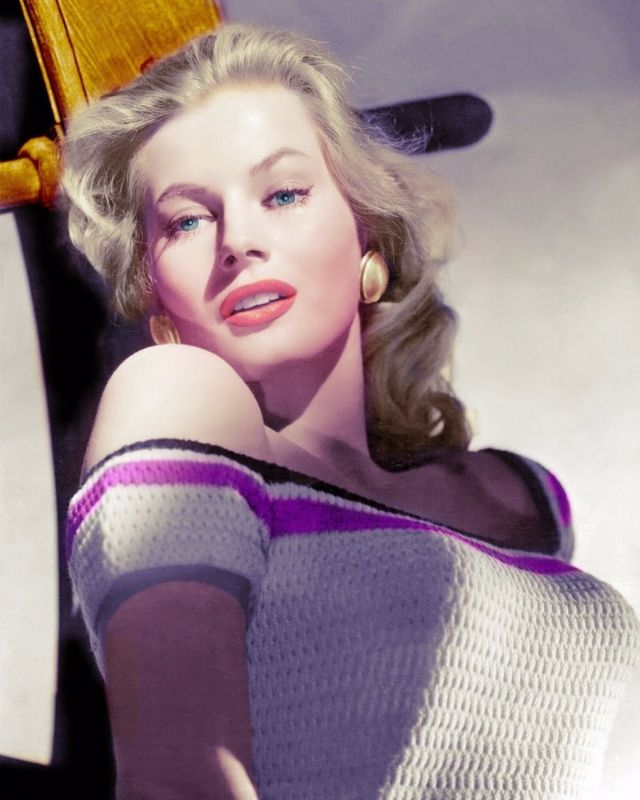
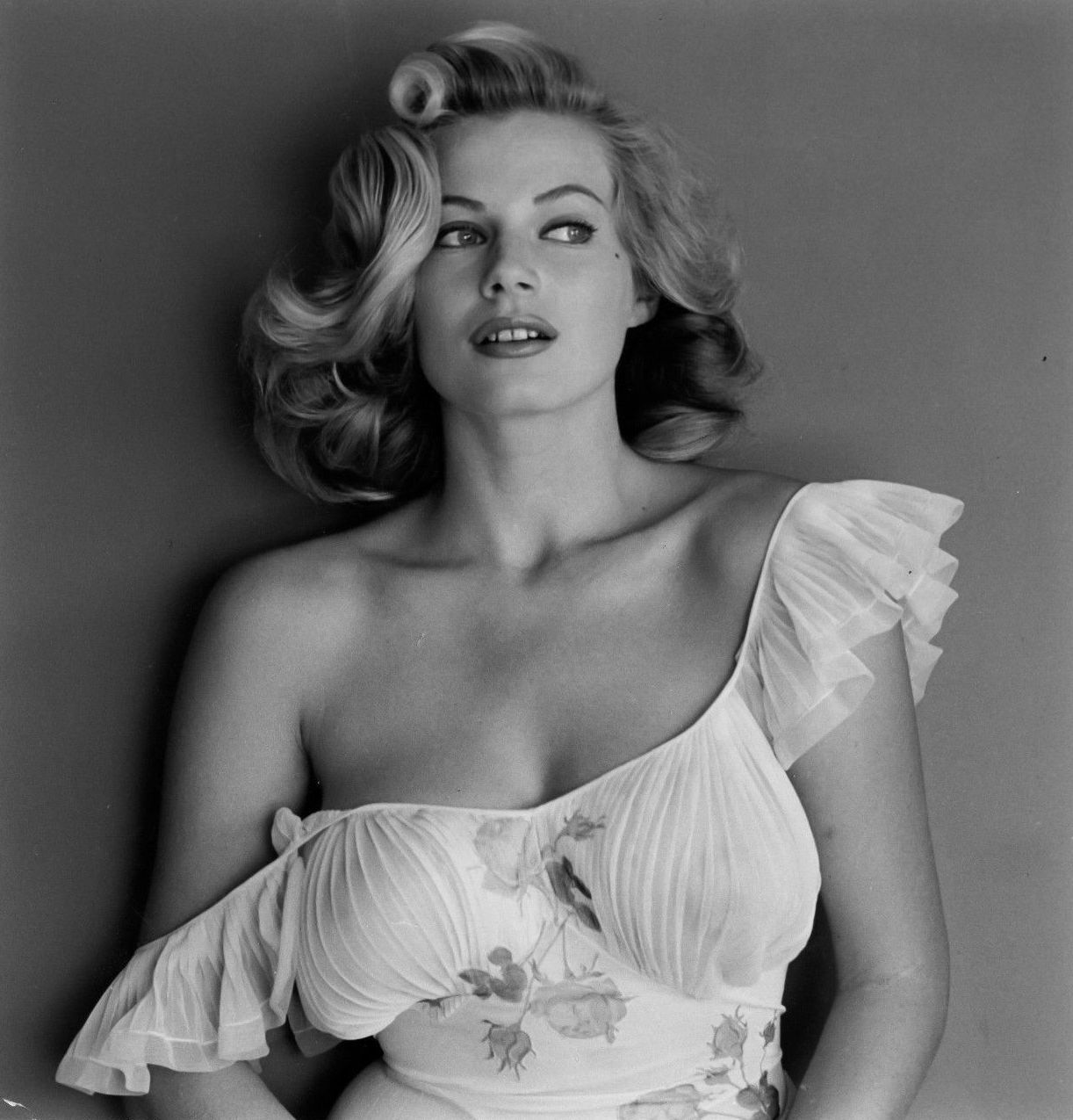
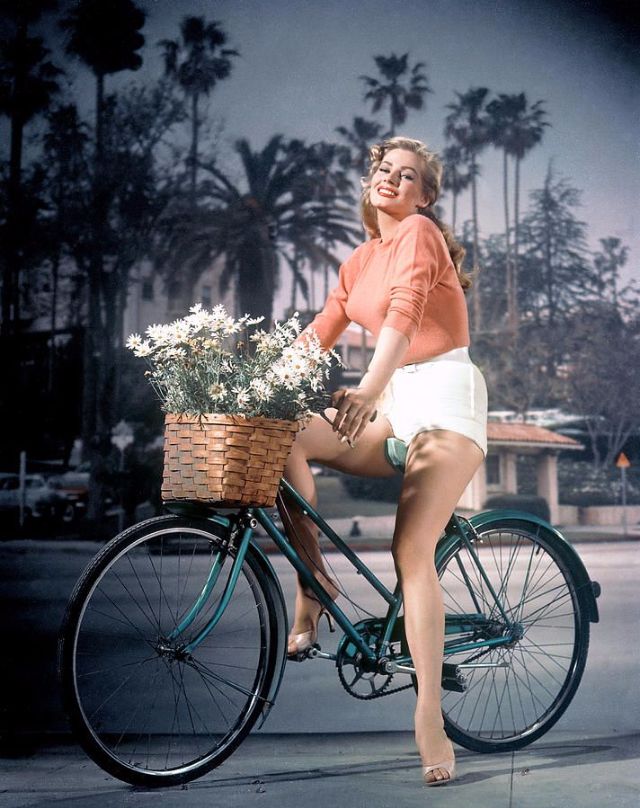
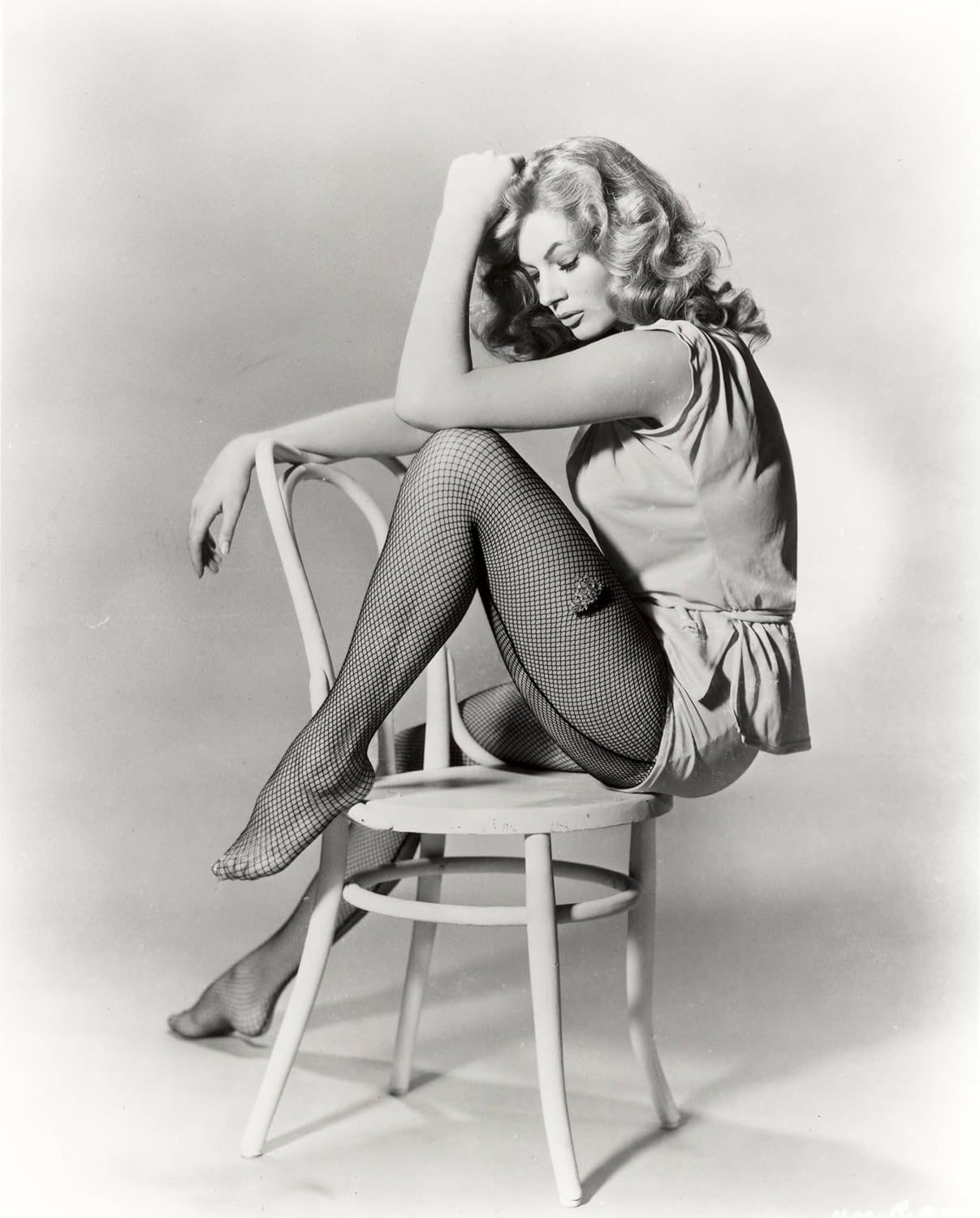
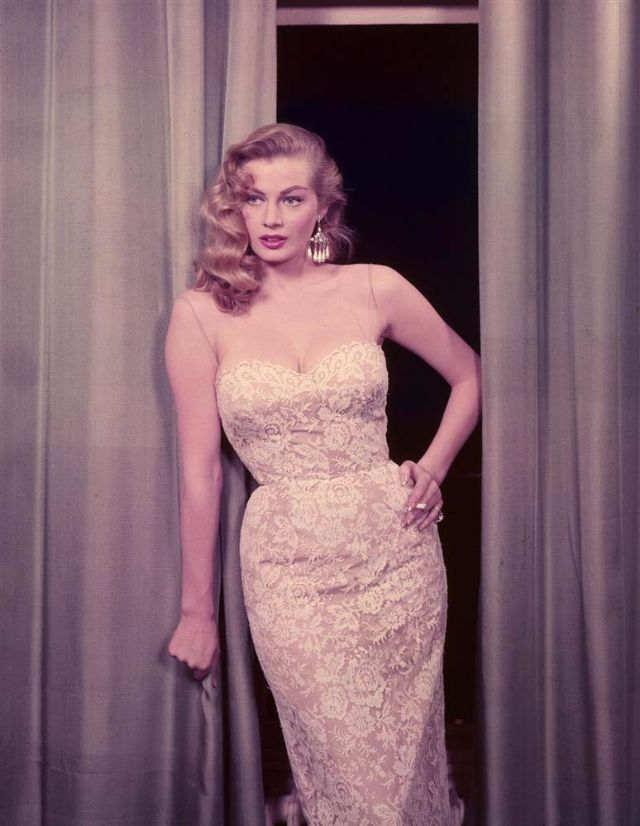
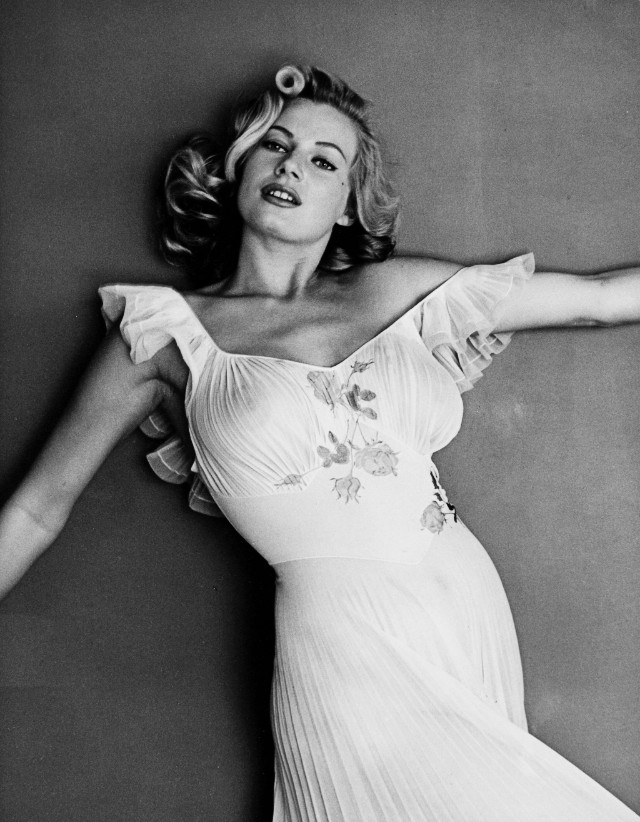
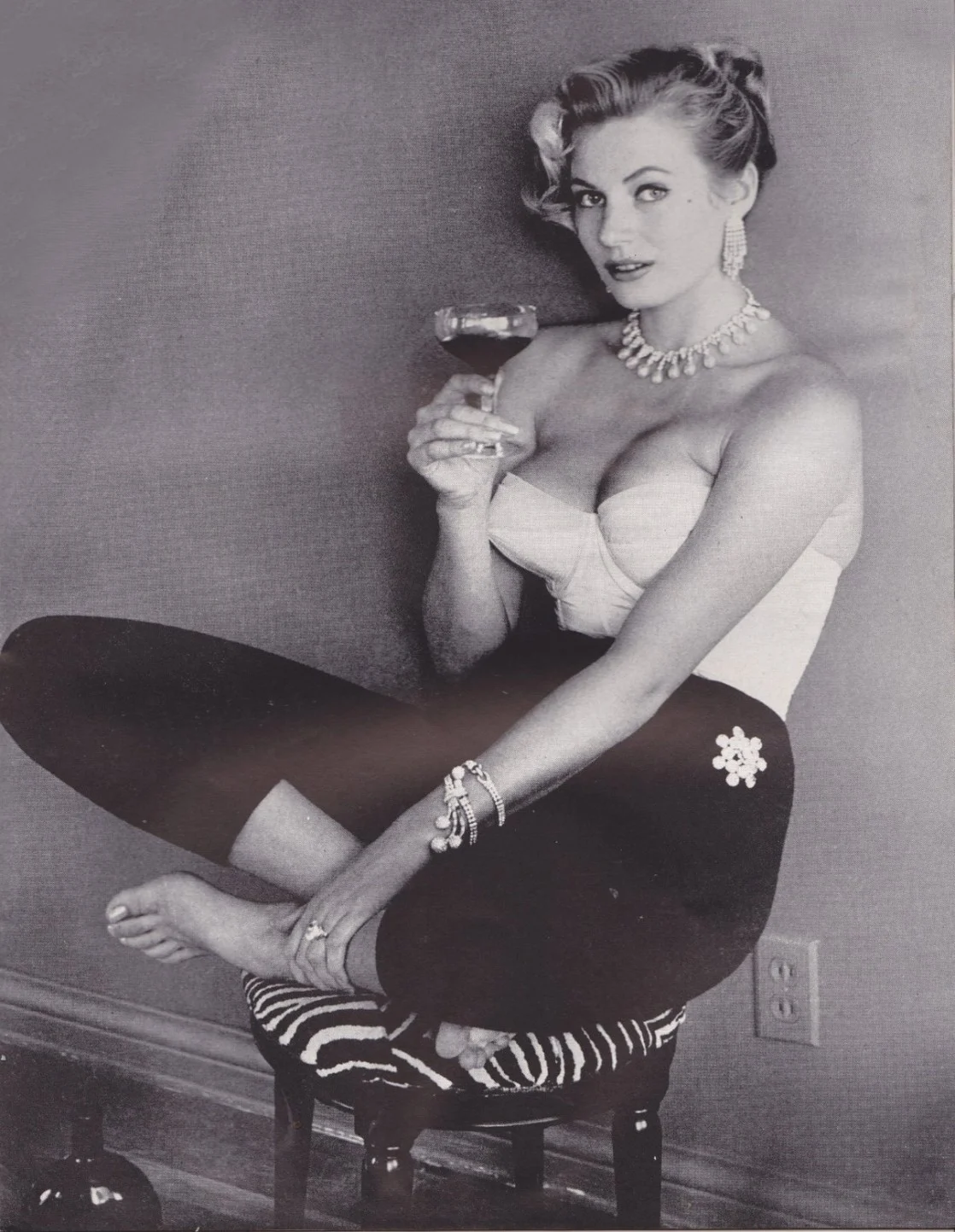
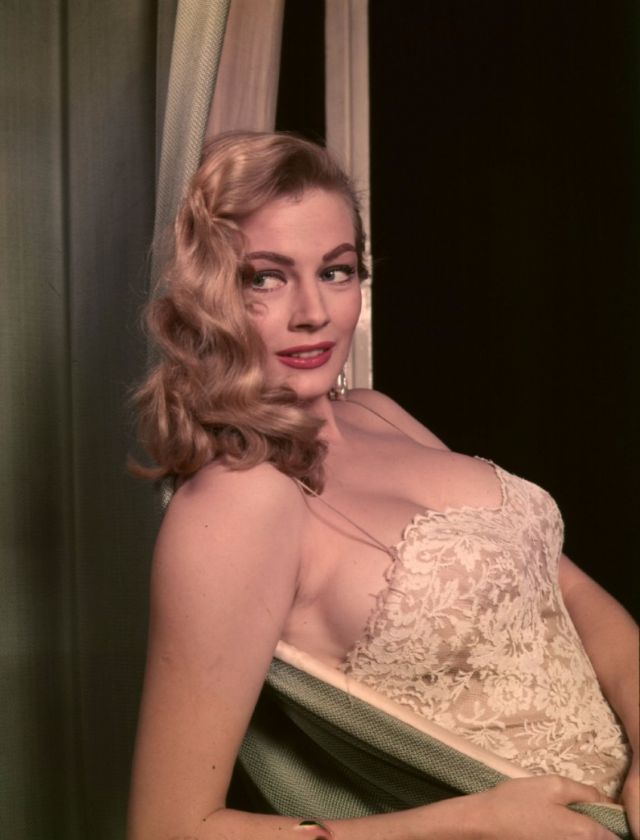
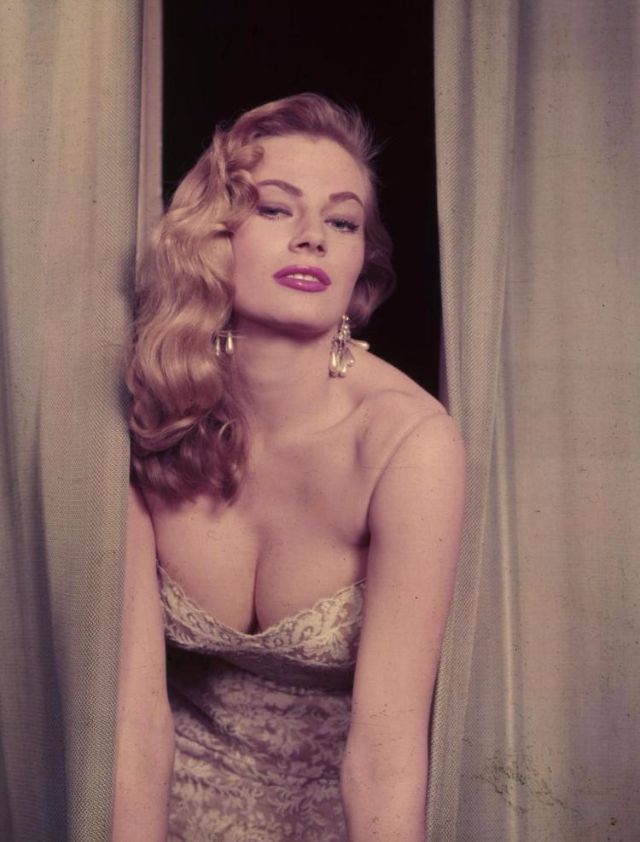
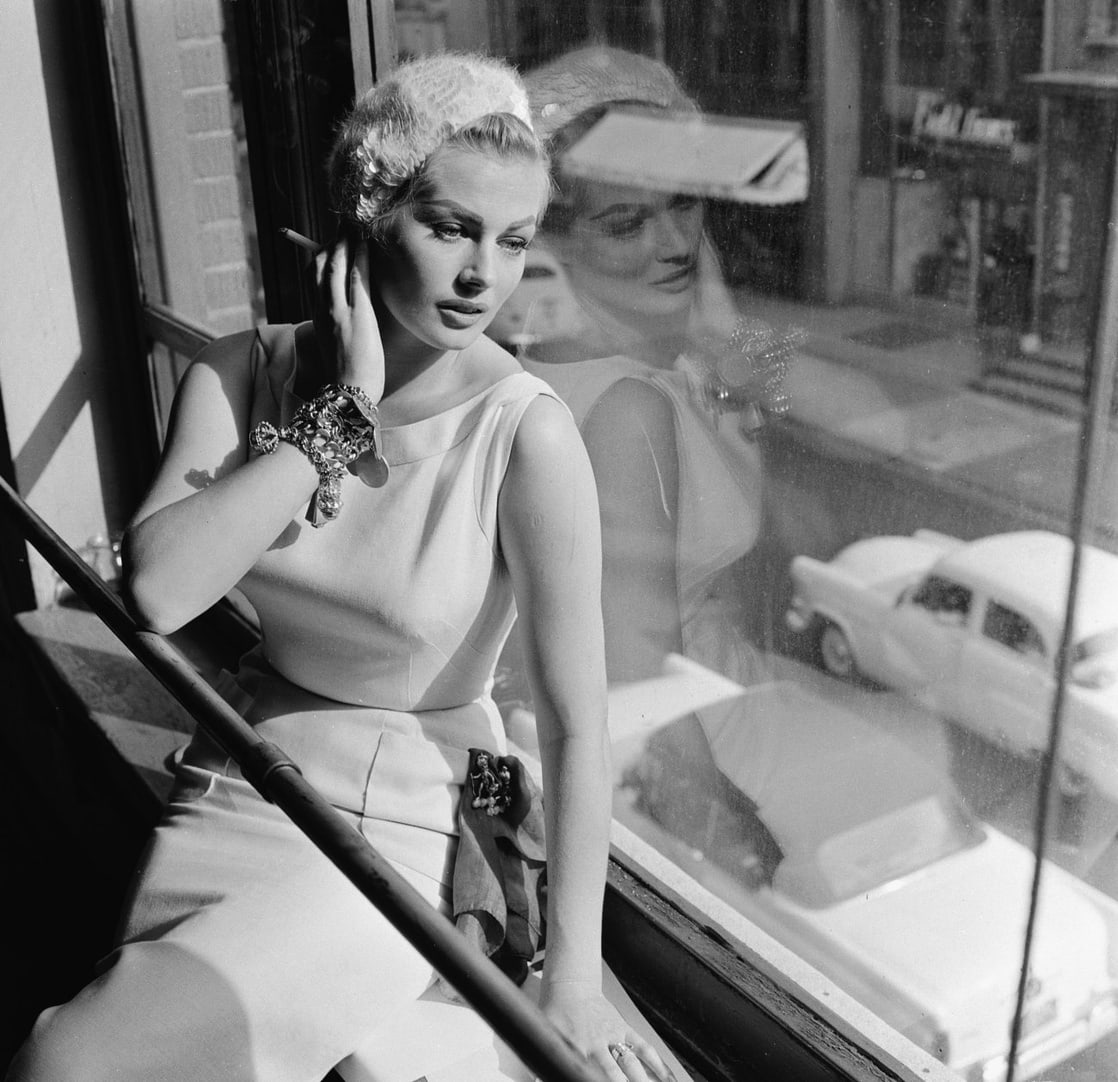
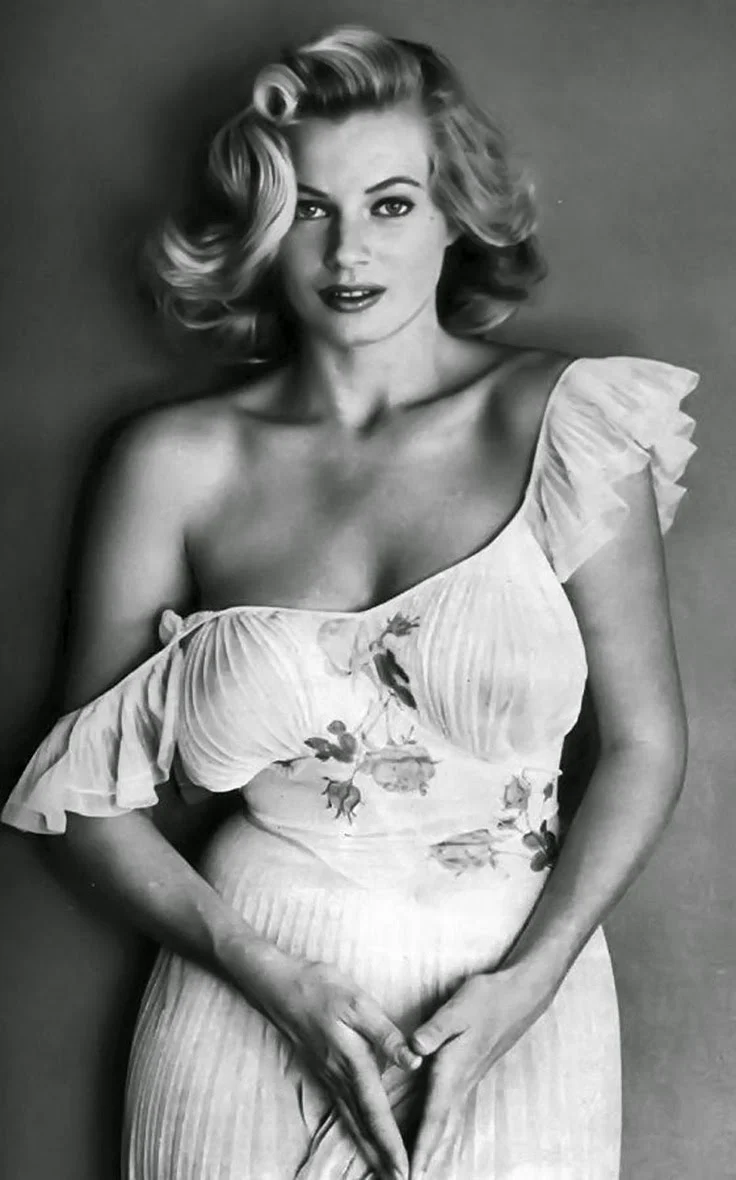
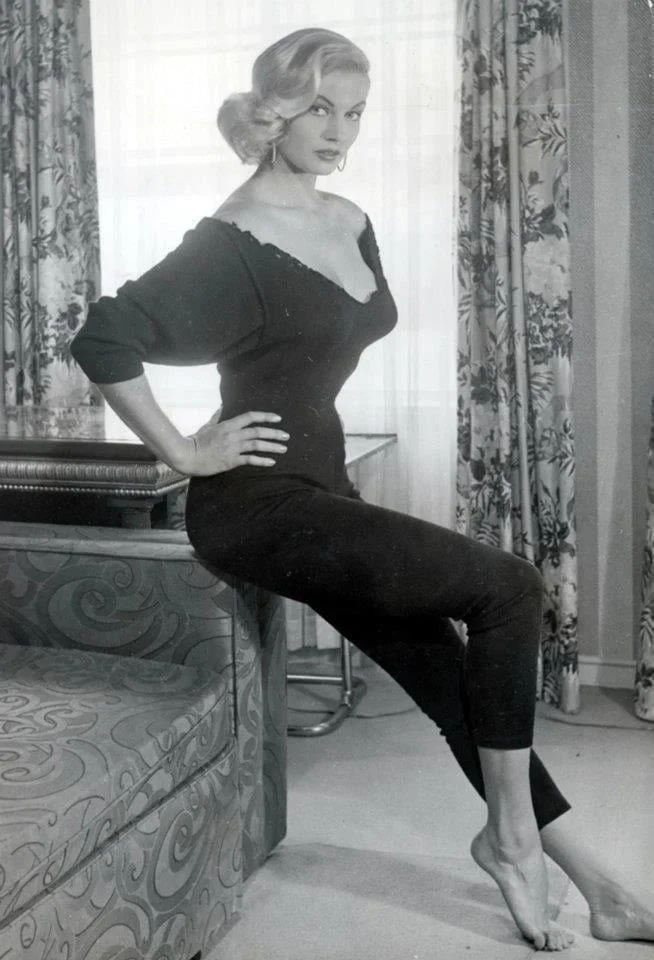
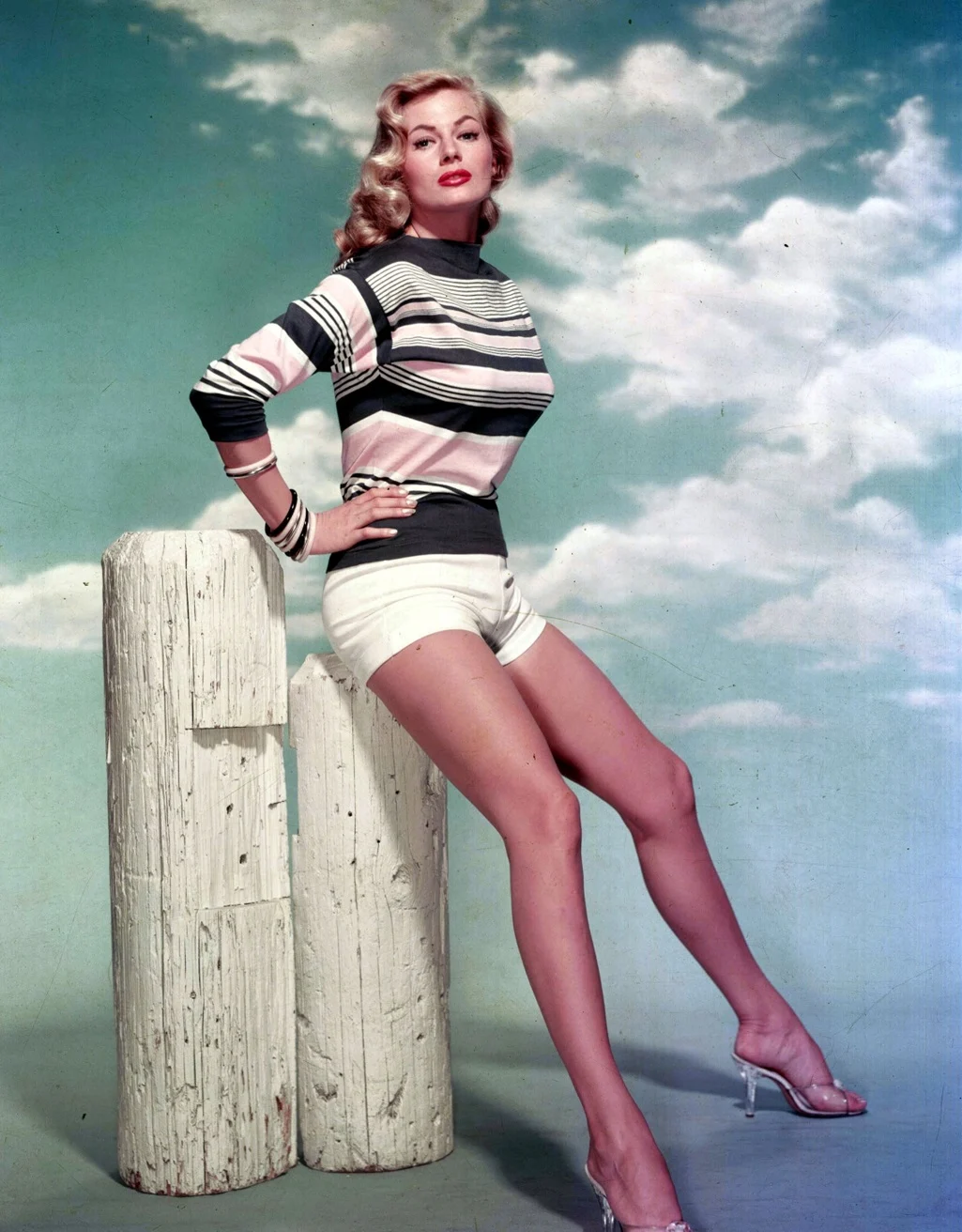
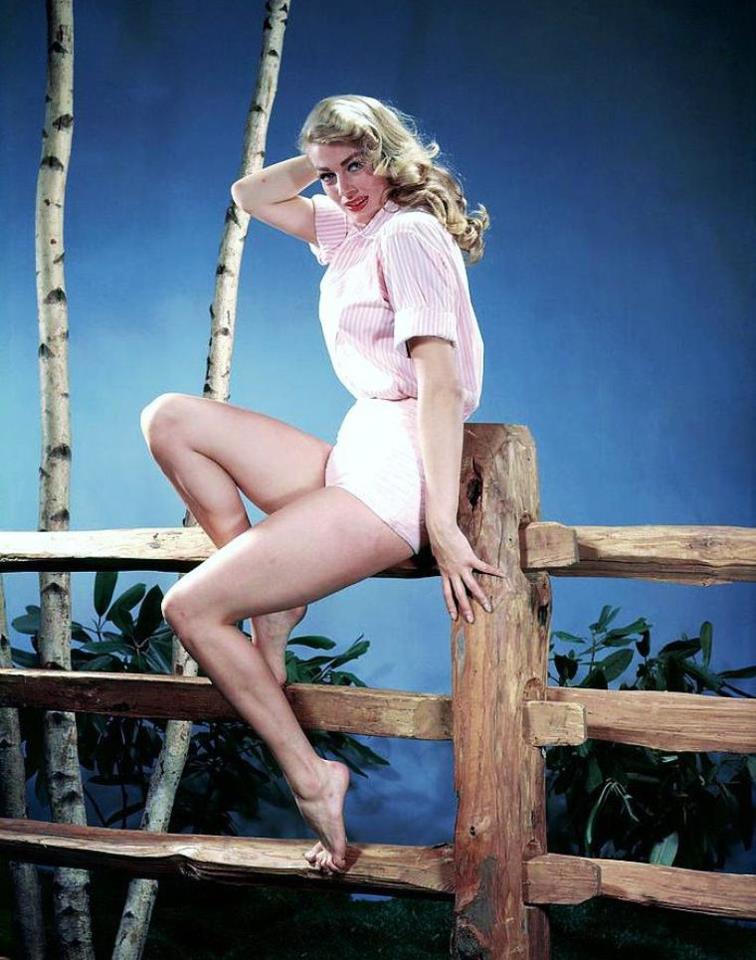
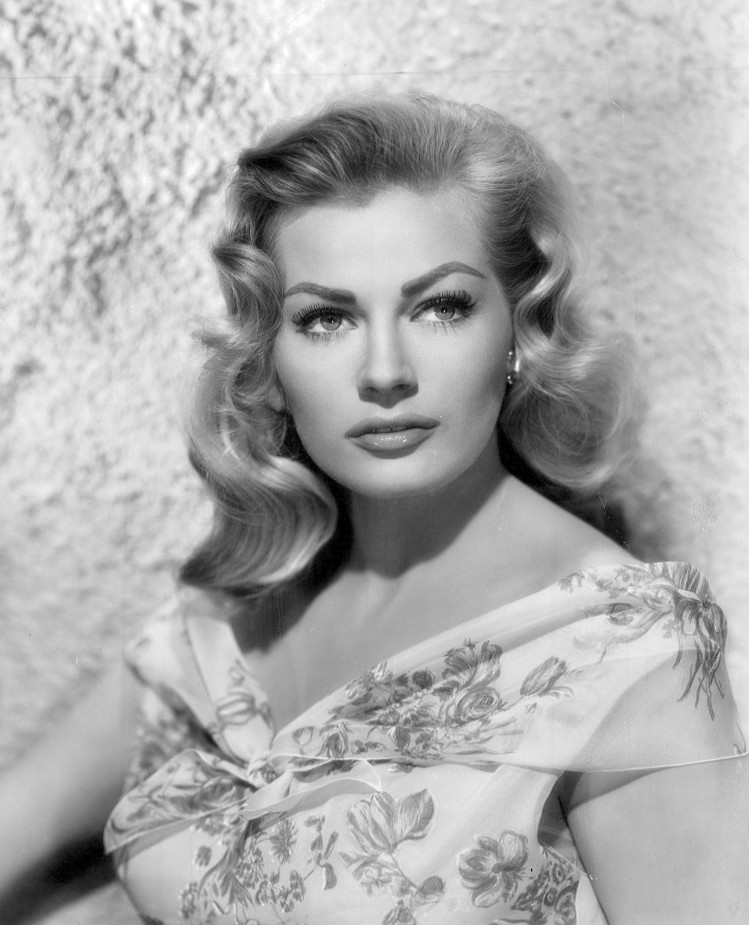
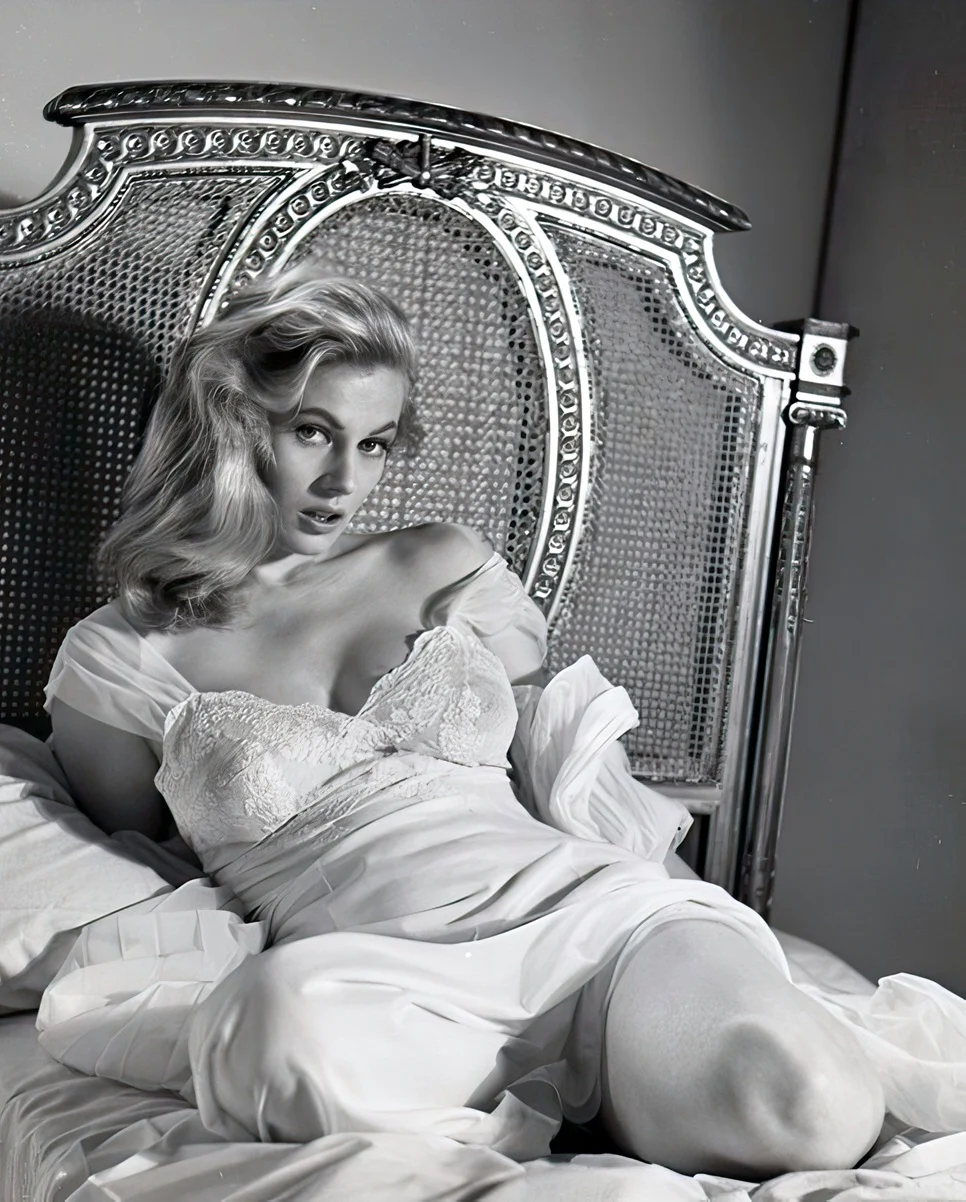
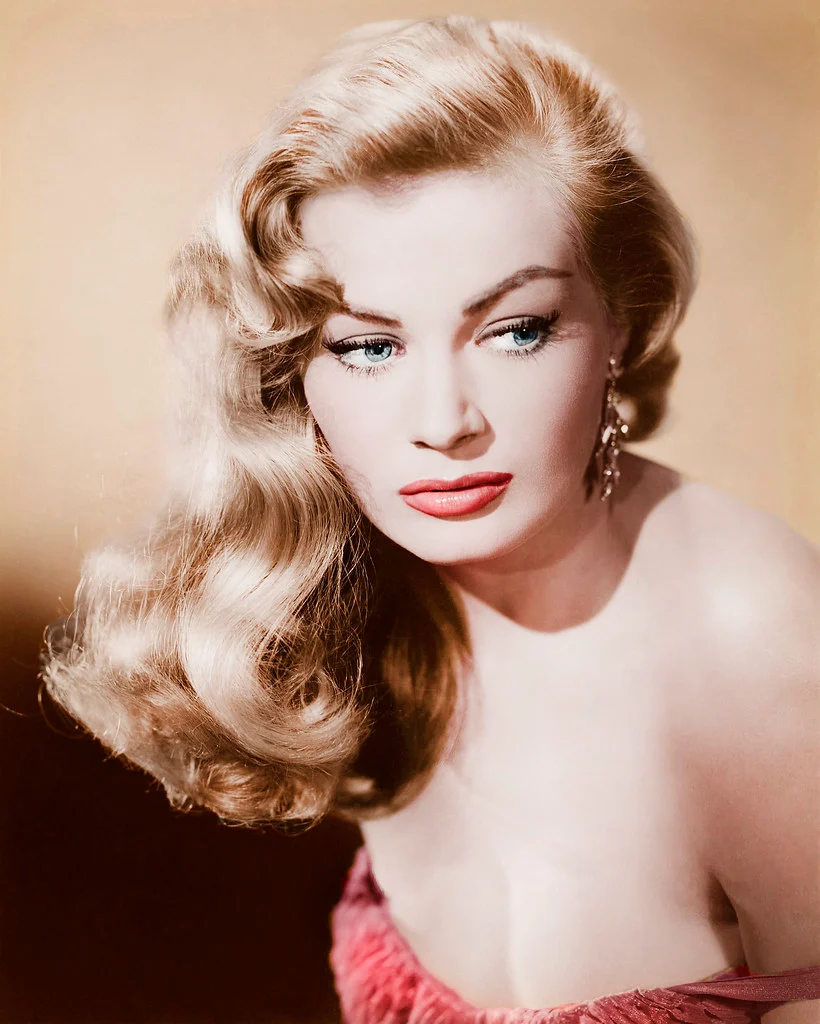
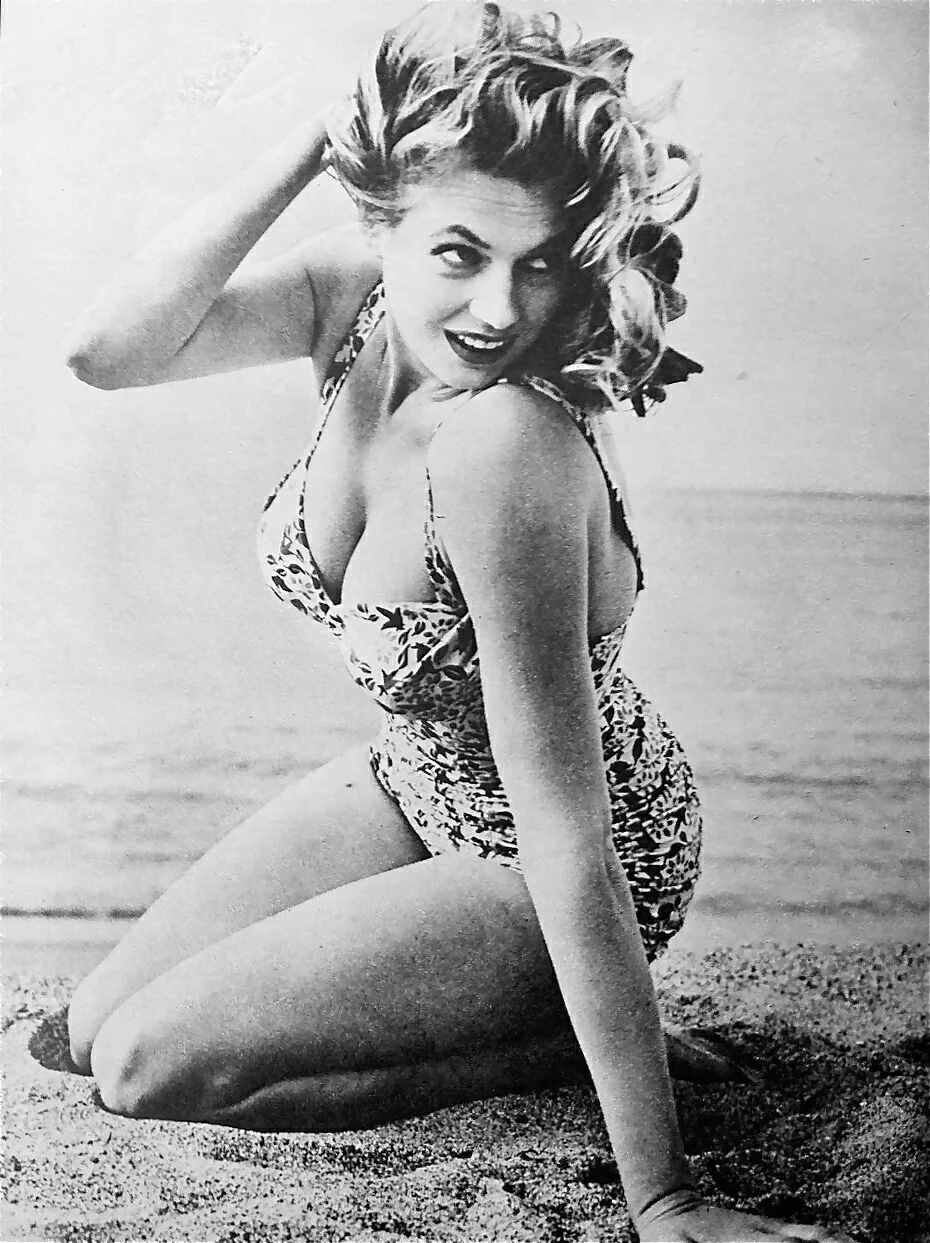
Kerstin Anita Marianne Ekberg (1931-2015)

Anita Ekberg was a Swedish actress active in American and European films, known for her beauty and curvaceous figure. She became prominent in her iconic role as Sylvia in the Federico Fellini film La Dolce Vita (1960). Ekberg worked primarily in Italy, where she became a permanent resident in 1964.

As a starlet at Universal, she received lessons in drama, elocution, dancing, horseback riding, and fencing. She appeared briefly in The Mississippi Gambler (1953) with Tyrone Power, Abbott and Costello Go to Mars (1953) (playing a woman on Venus), Take Me to Town (1953) with Ann Sheridan, and The Golden Blade (1953) with Rock Hudson and Piper Laurie.

Ekberg worked primarily in Italy, and became a permanent resident in 1964

*** Admin note – I will not post her later pictures here, she did not age well ***