thanks, Chef!
We Scour the Web, so You Don't Have To!

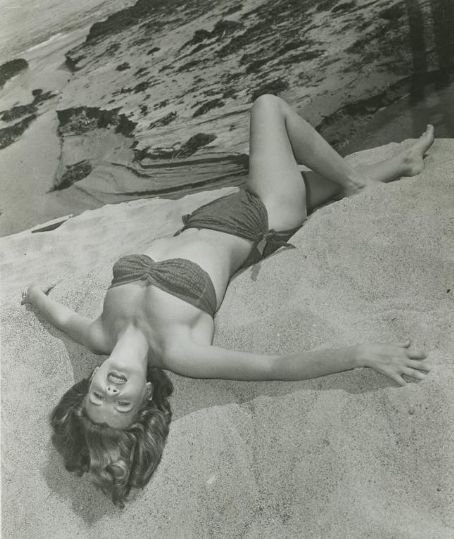
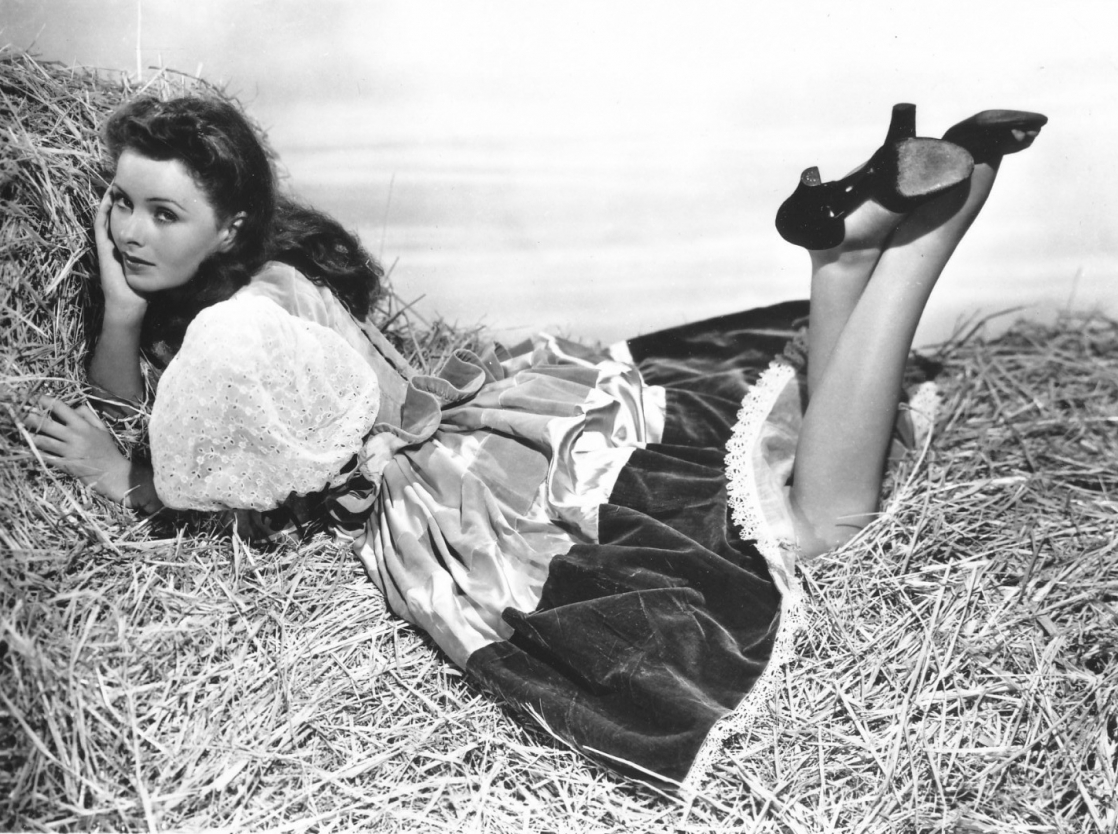
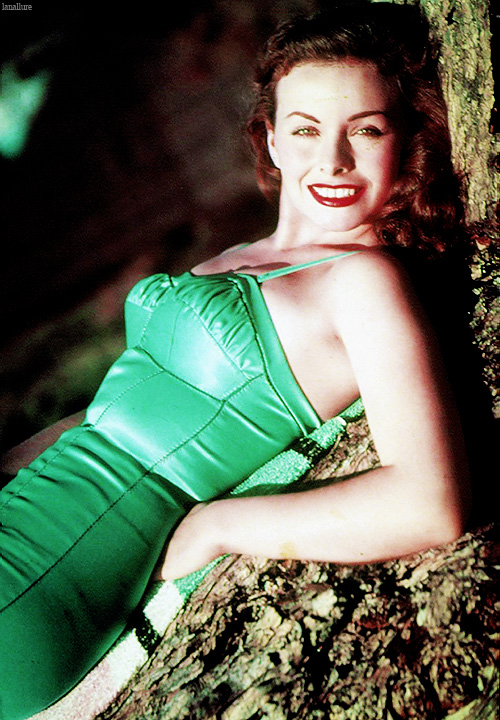
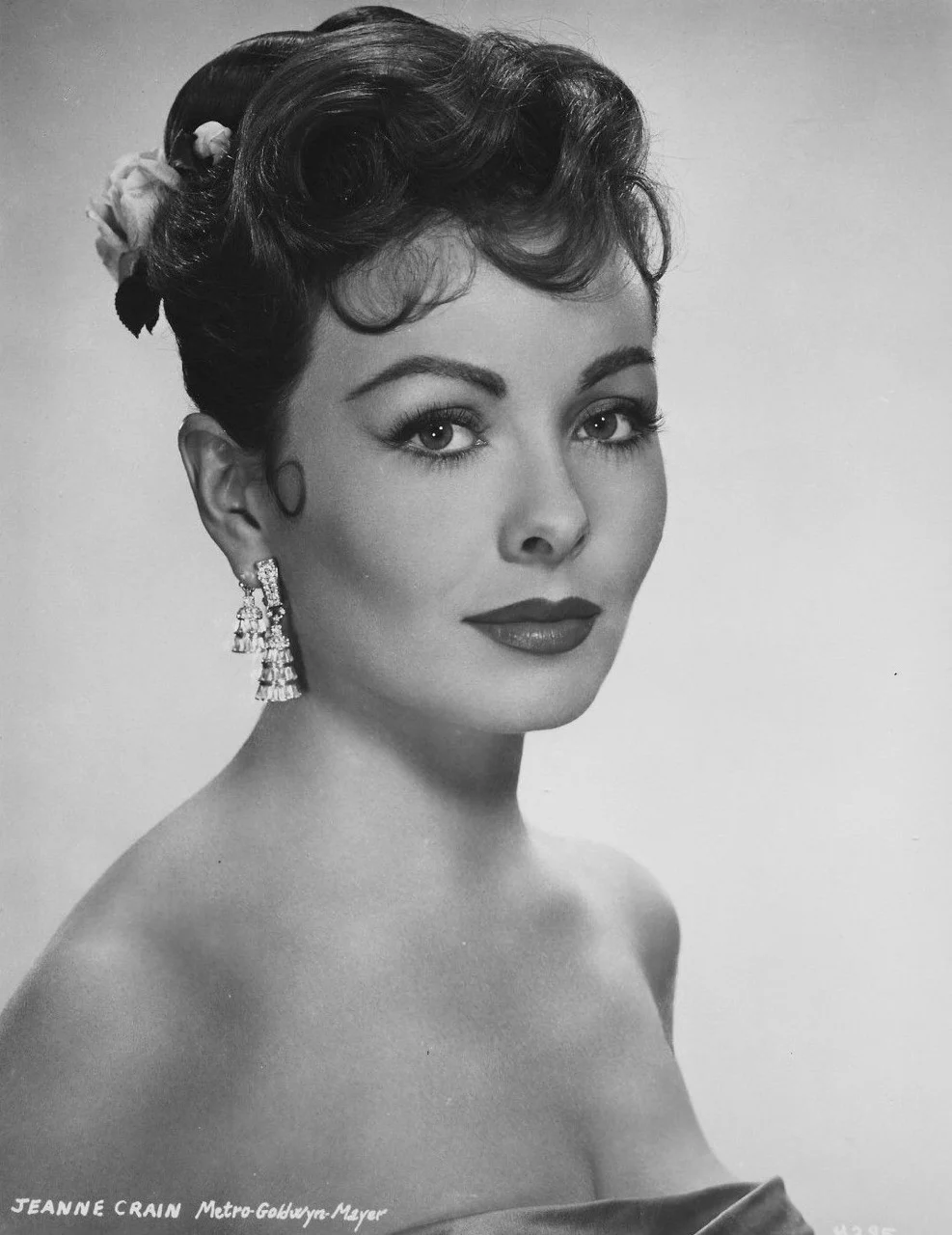
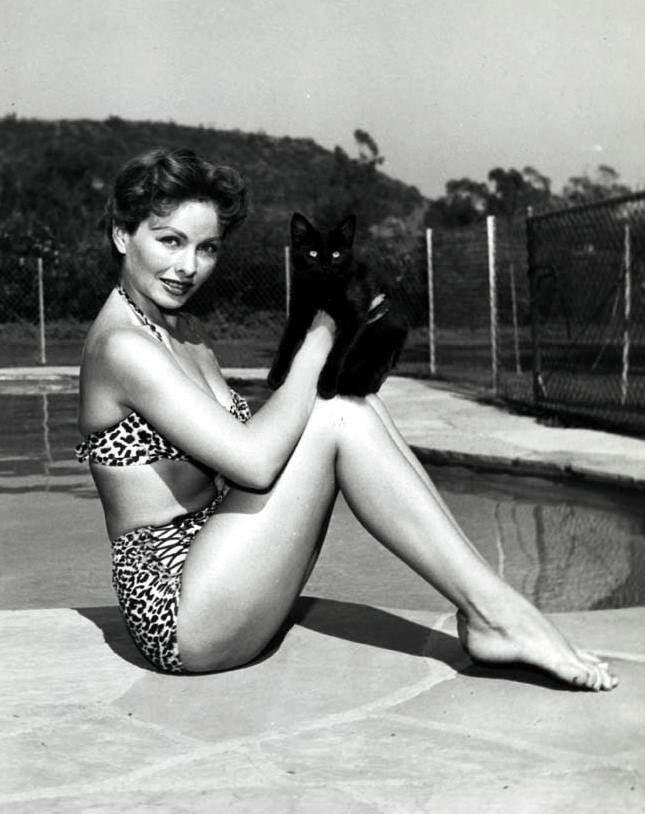
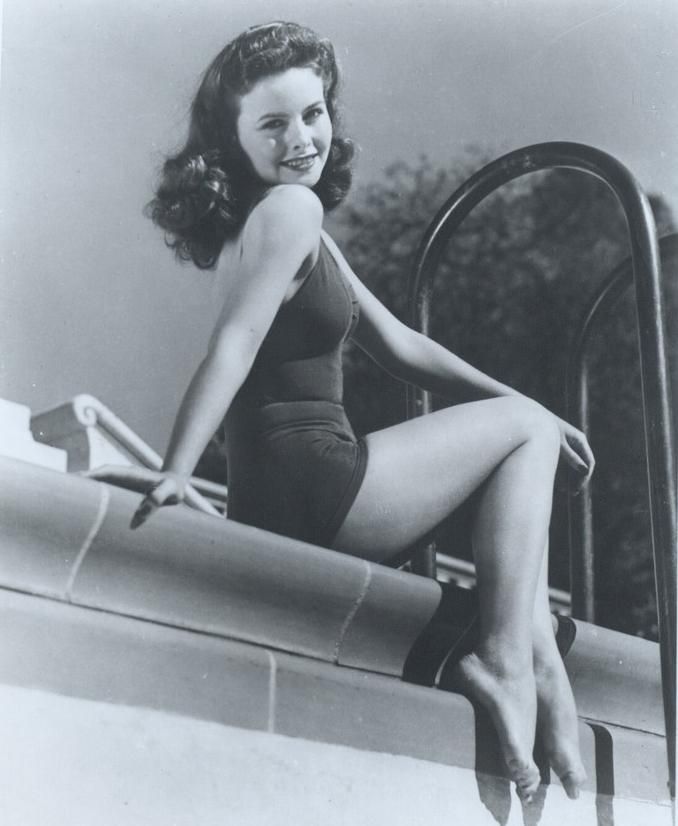
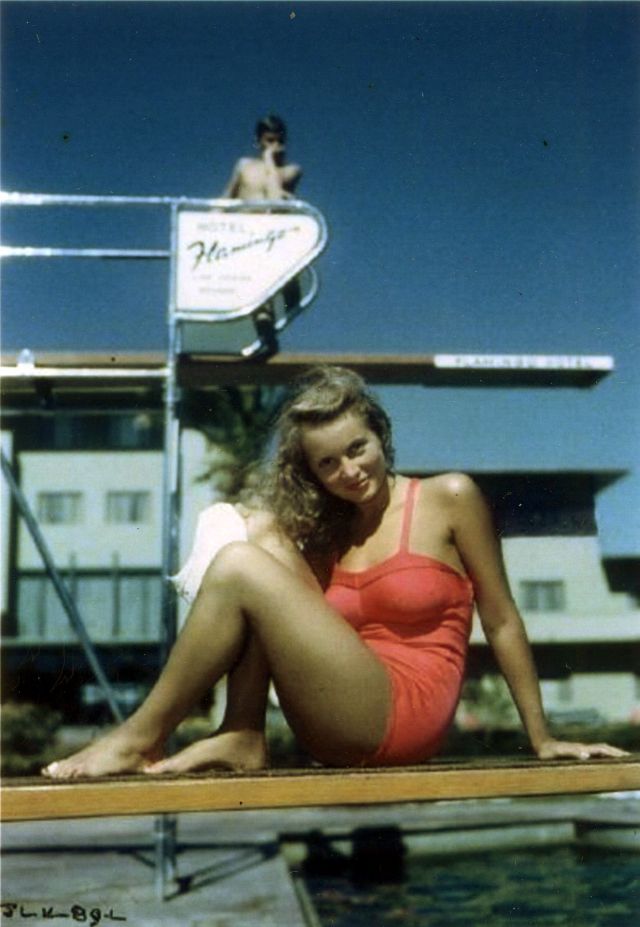
Jeanne Crain began winning leads in school plays at 14 and beauty contests at 15. A skilled ice skater, she first attracted attention when she was crowned Miss Pan-Pacific at the Pan-Pacific Auditorium in Los Angeles. She attended Inglewood High School, where her father was head of the English department. While still in high school, she was asked to do a screen test with Orson Welles, but she did not get the part. After high school, she enrolled at UCLA to study drama. In 1943 at age 18, she appeared in a bit part in the film The Gang’s All Here, produced by 20th Century Fox
At age 19 Crain was cast by Fox in her first sizable role in Home in Indiana (1944), with Walter Brennan, in which she played the love interest of Lon McCallister’s character. The film, shot in Technicolor, was popular at the box office and established Crain as a film name. Darryl F. Zanuck, head of Fox, gave Crain top billing in In the Meantime, Darling (1944), in which she played a war bride. Her acting was critically panned, but she gained nationwide attention. It resulted in her landing the lead role in The Shocking Miss Pilgrim in October 1944.
Crain first received critical acclaim when she starred in Winged Victory (1944). She co-starred in 1945 with Dana Andrews in the musical film State Fair, for which Louanne Hogan dubbed Crain’s singing. After that, Crain often had singing parts in films, and they were invariably dubbed, usually by Hogan. After leaving Fox, She went briefly to Warner Brothers for the filming of Duel in the Jungle in 1954. The film was lukewarm at best. Jeanne, then, signed a contract, that same year, with Universal Studios with promises of better, high profile roles. She went into production in the film Man Without a Star (1955) which was a hit with audiences and critics. After The Joker Is Wild (1957), Jeanne took time off for her family and to appear in a few television programs. She returned, briefly, to film in Guns of the Timberland (1960) in 1960. The films were sporadic after that. In 1967, she appeared in a low-budget suspense yarn called Hot Rods to Hell (1966). Her final film was as Clara Shaw in 1972’s Skyjacked.
Jeanne died of a heart attack in Santa Barbara, California, aged 78


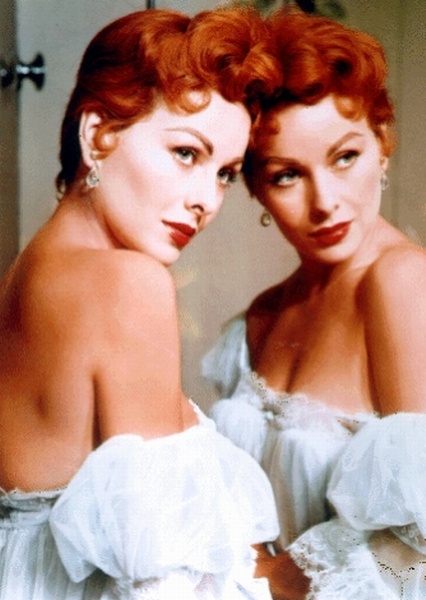

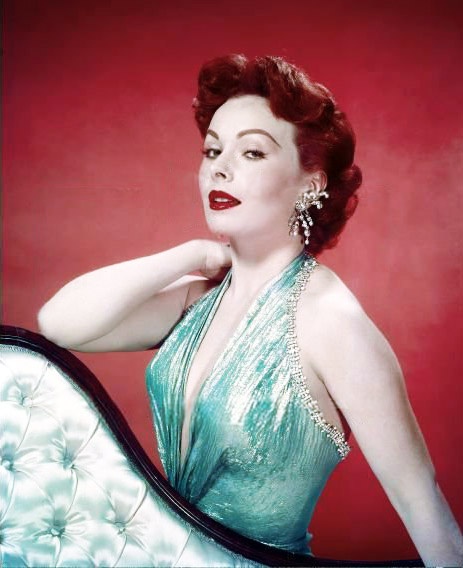




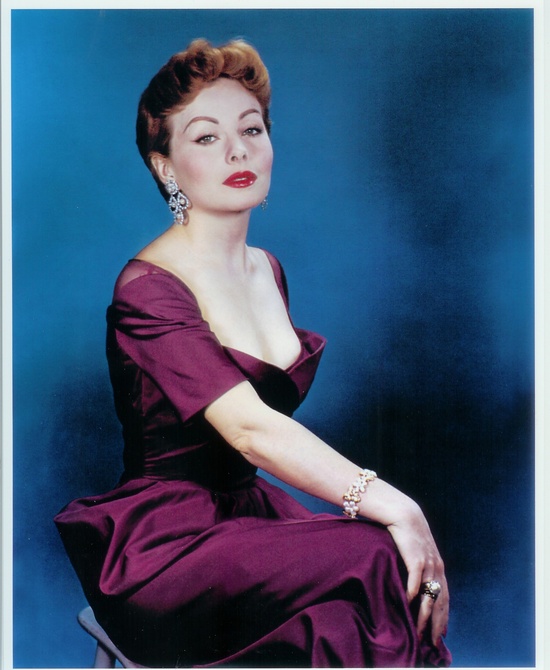
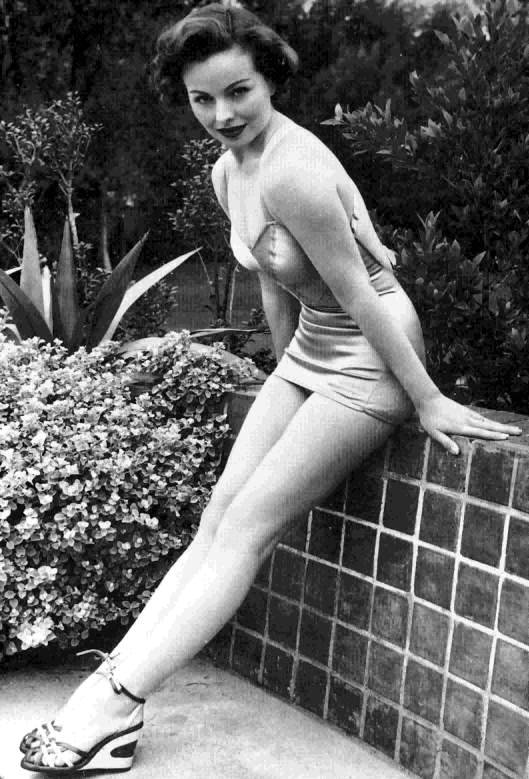
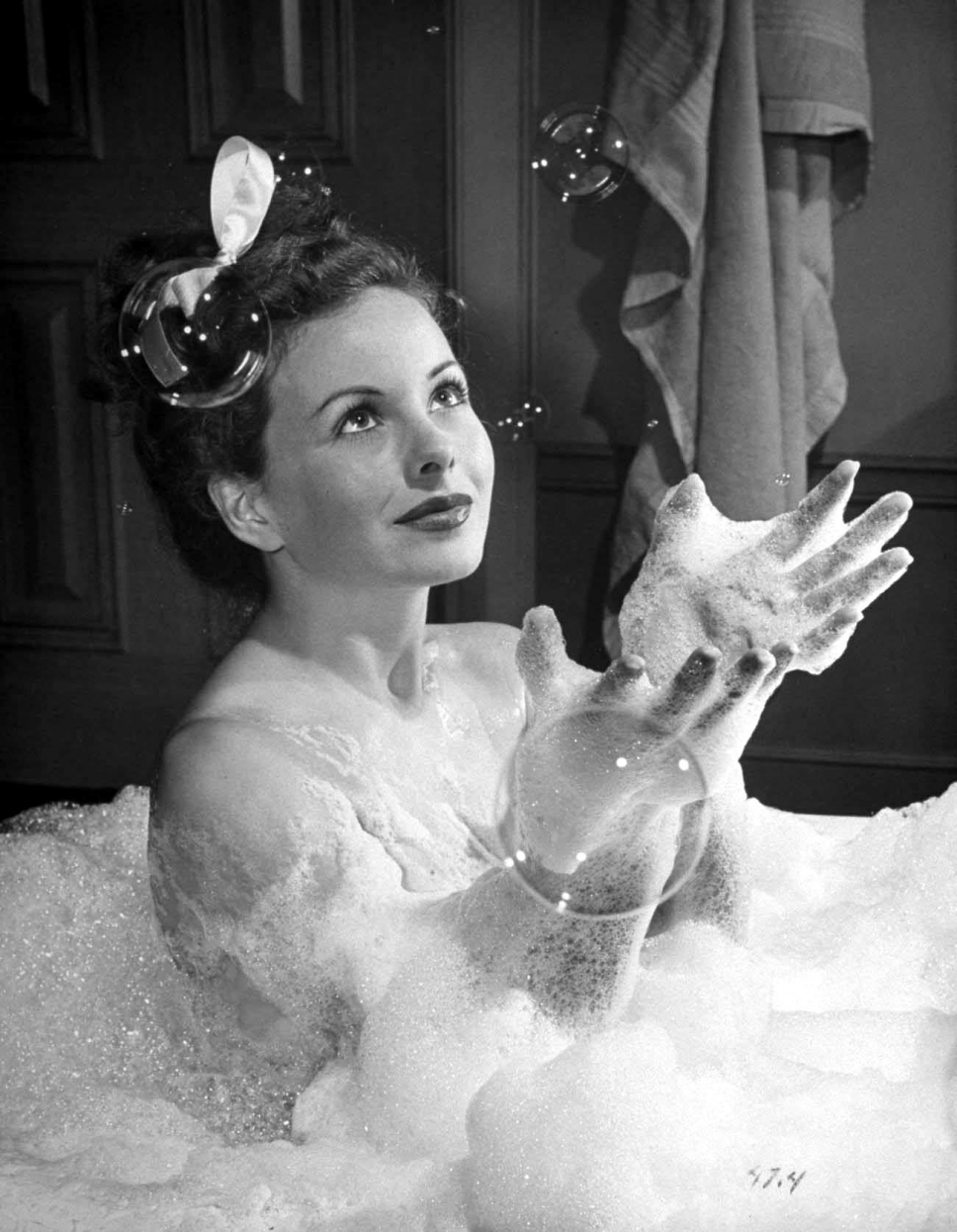







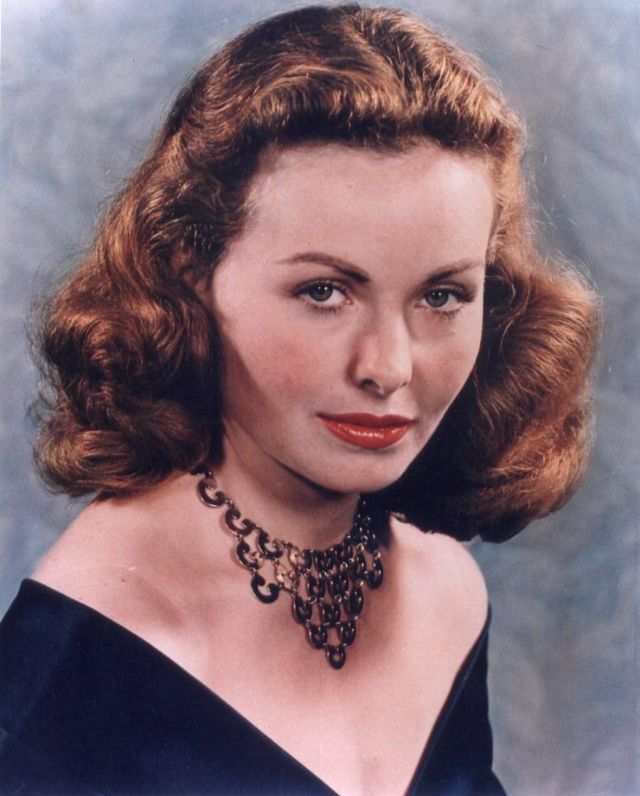


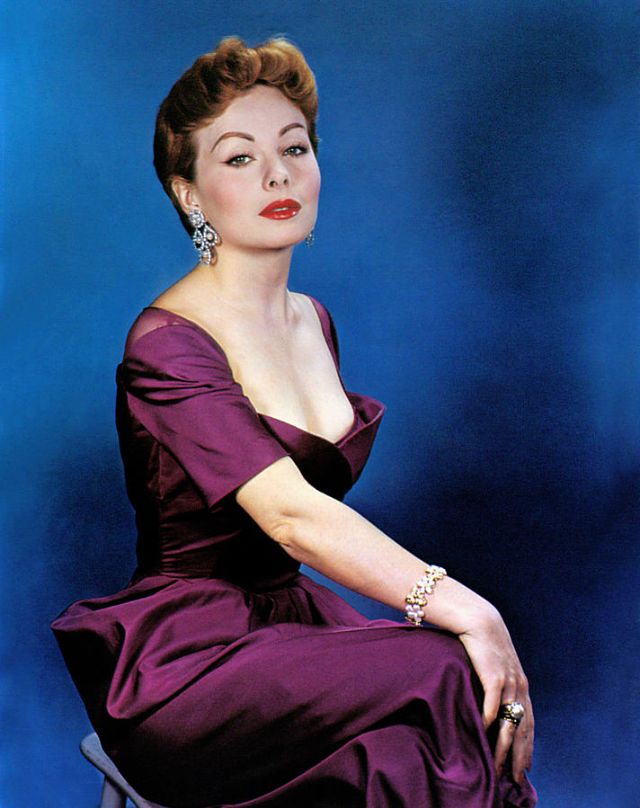

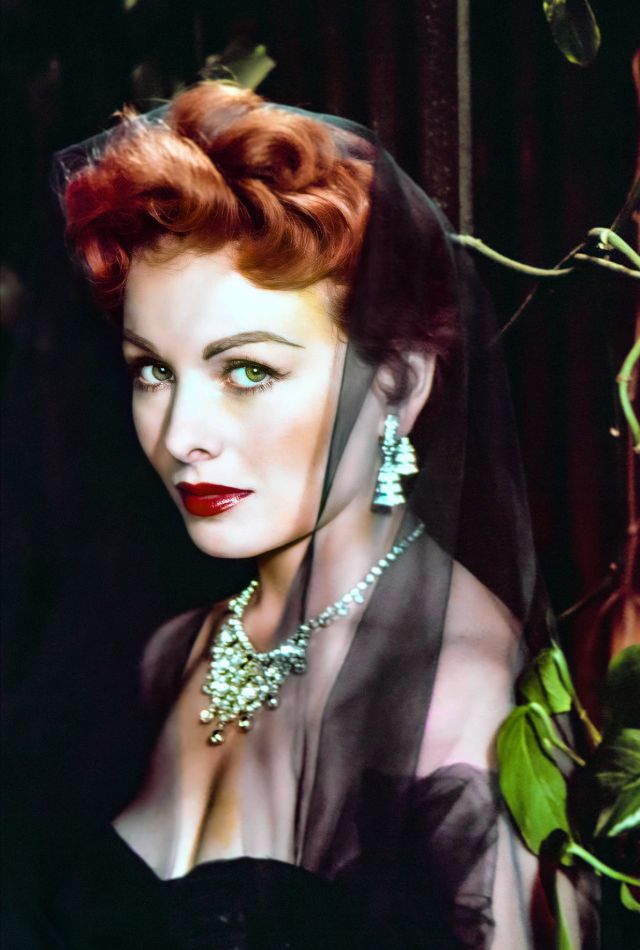
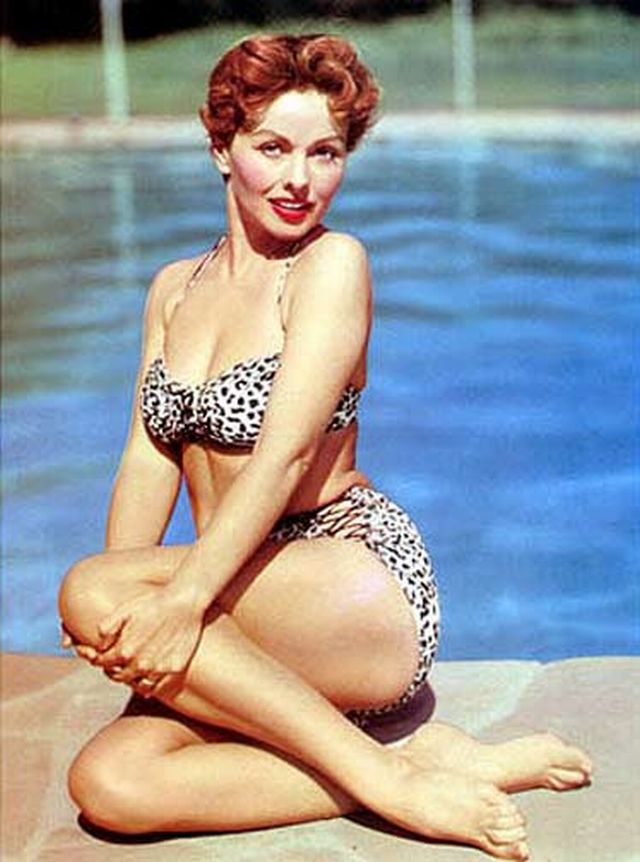

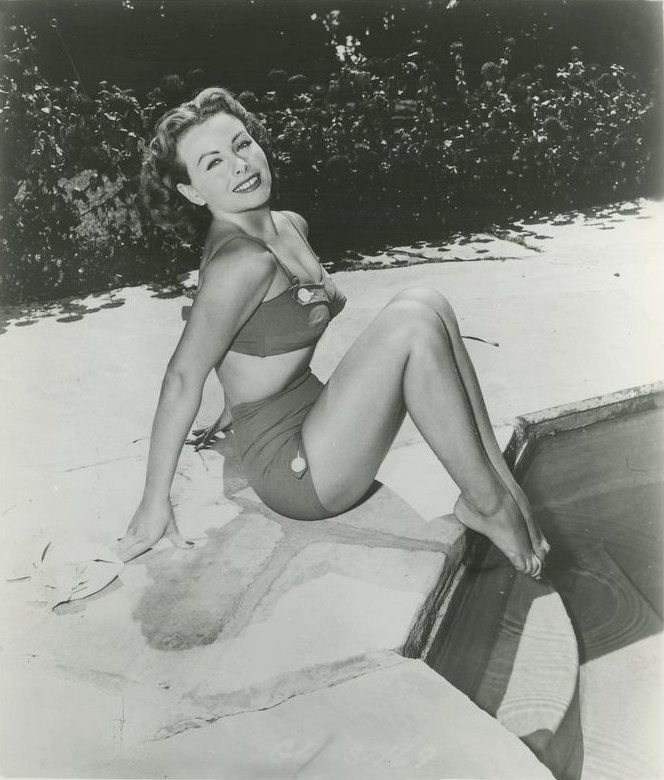


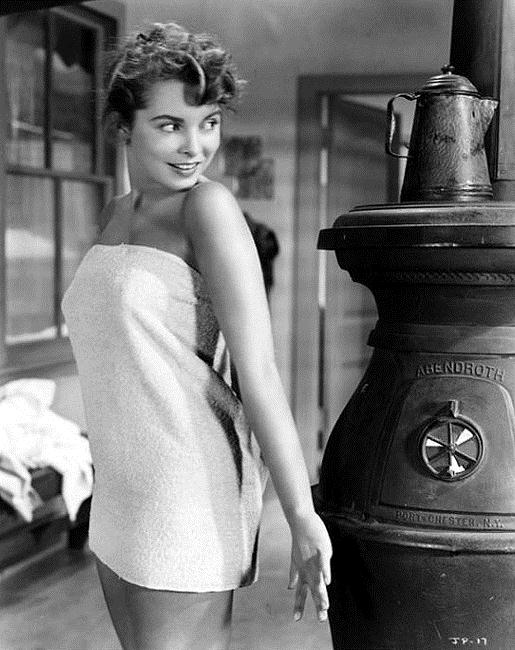
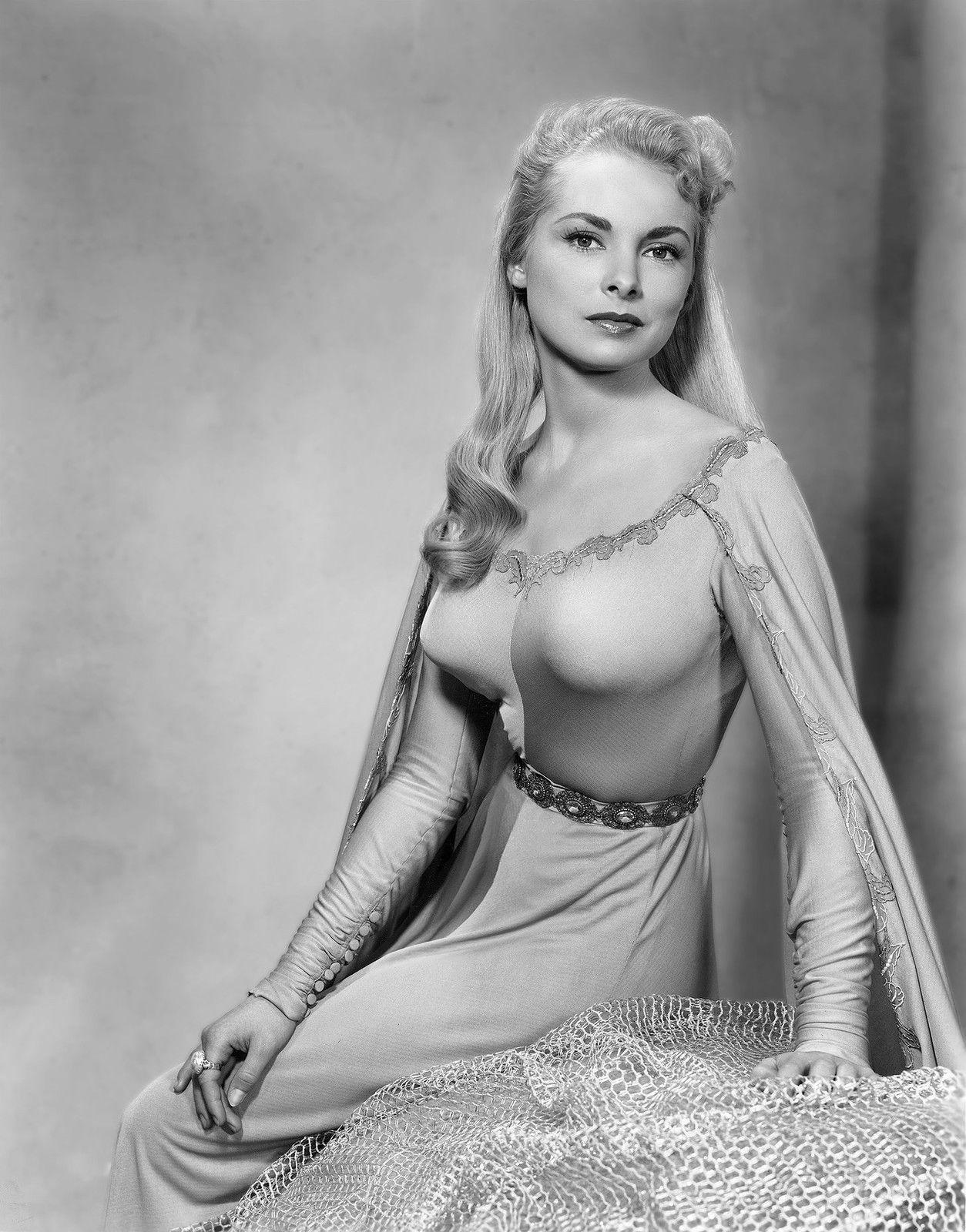
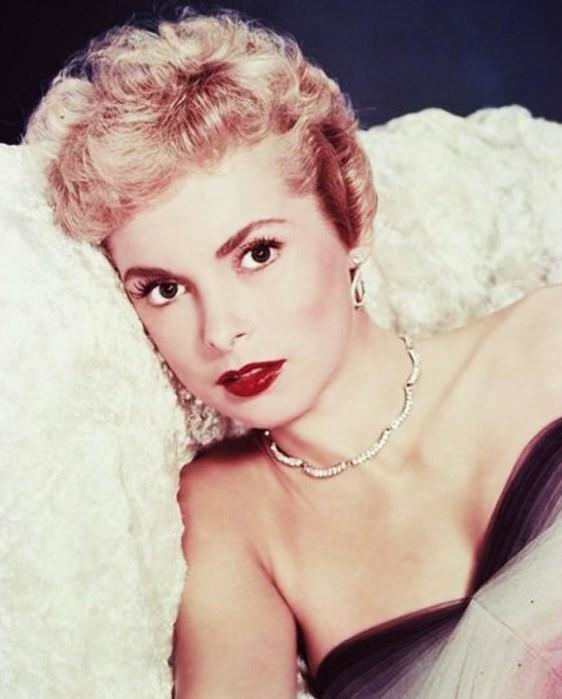
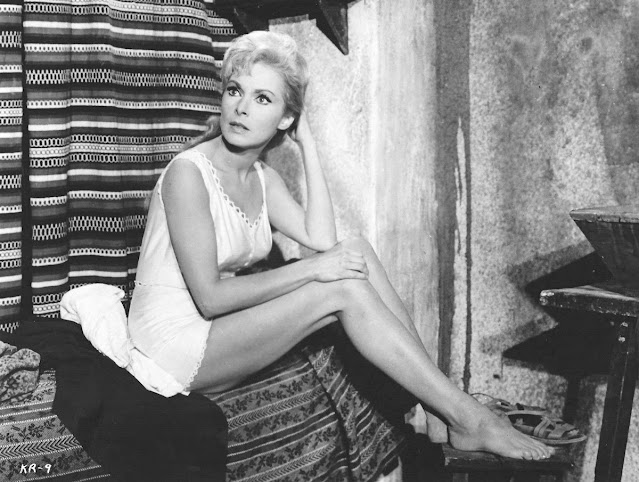
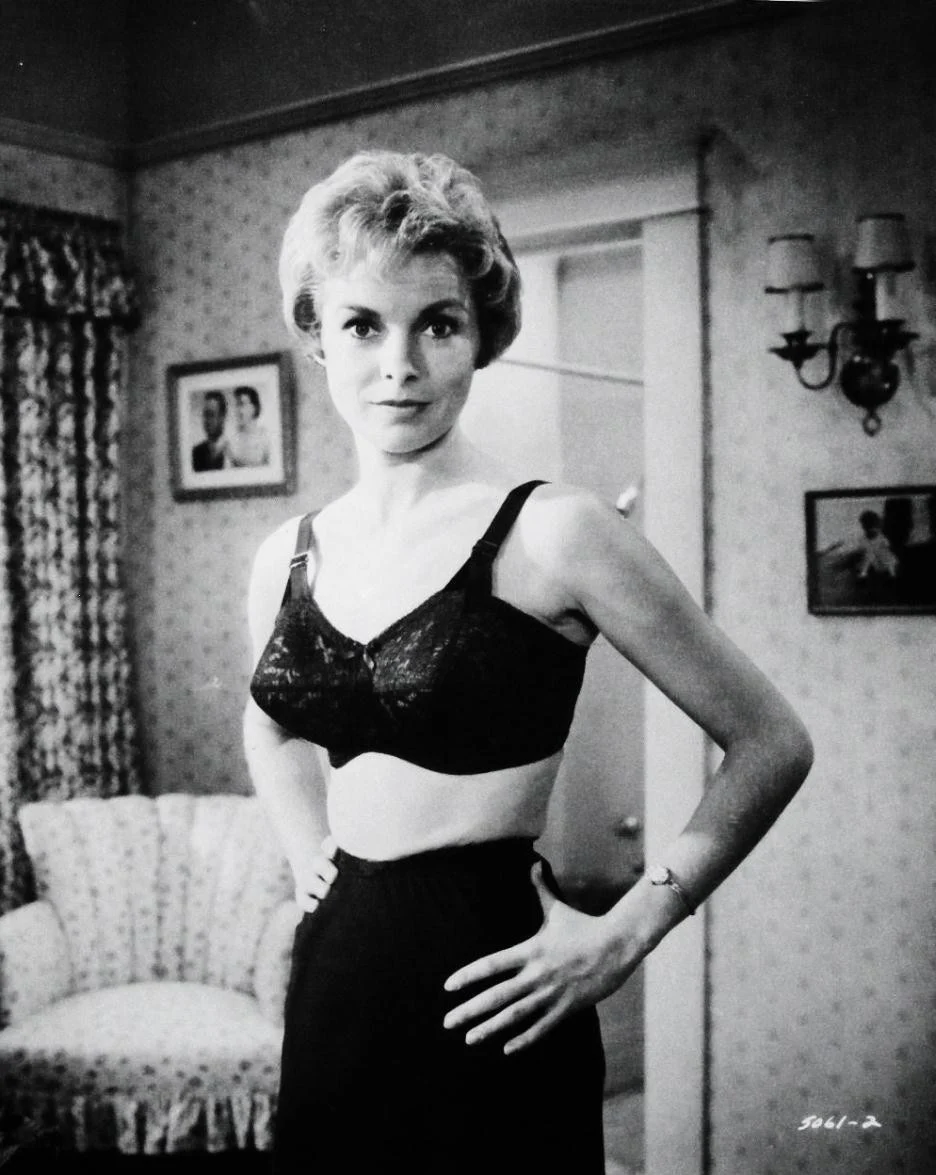
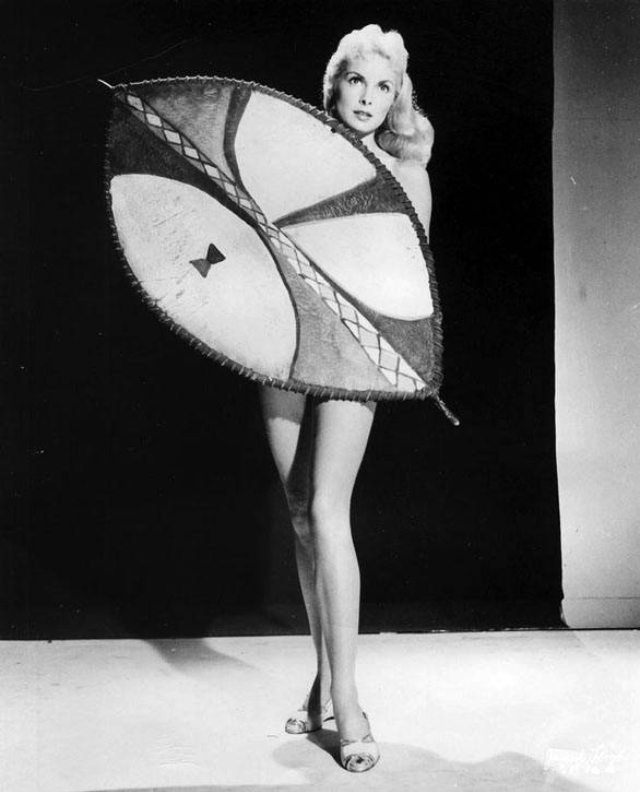
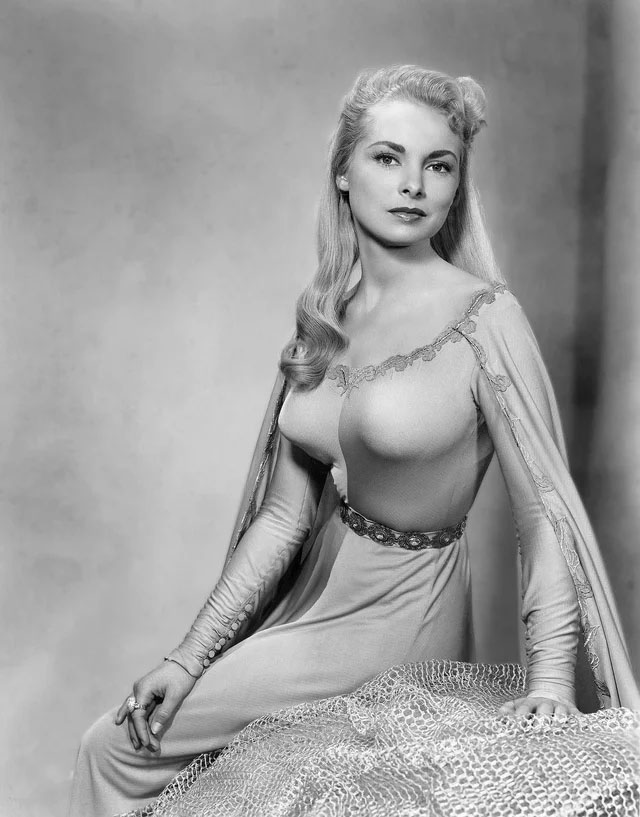
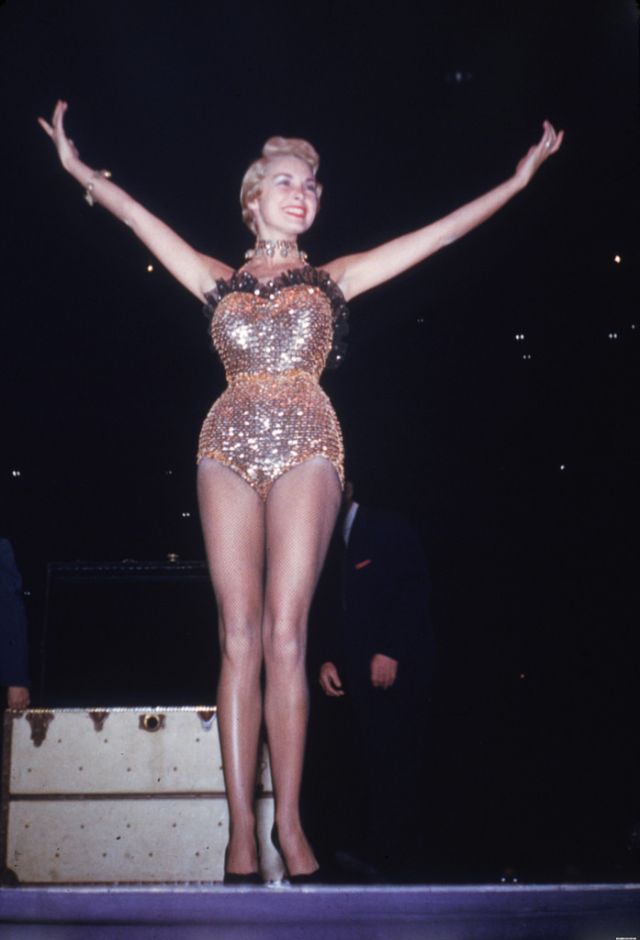
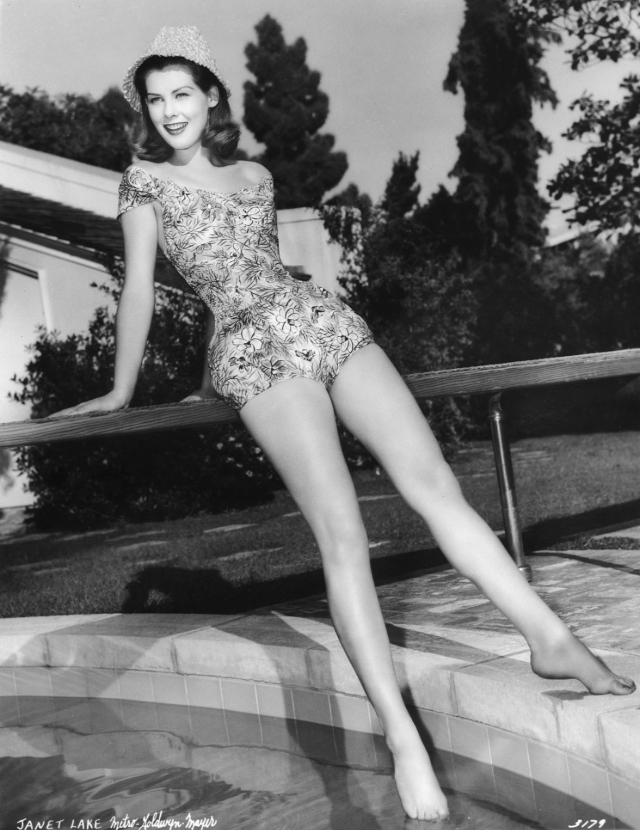
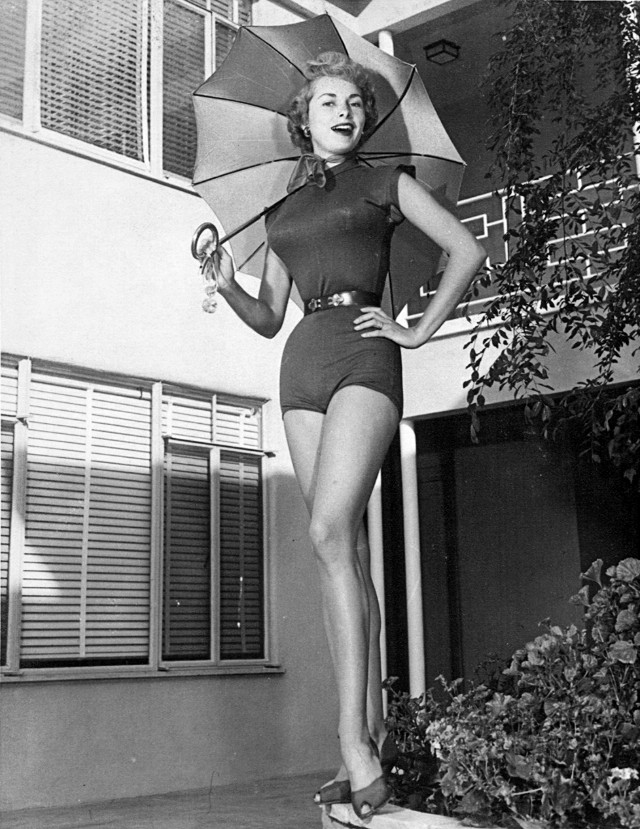
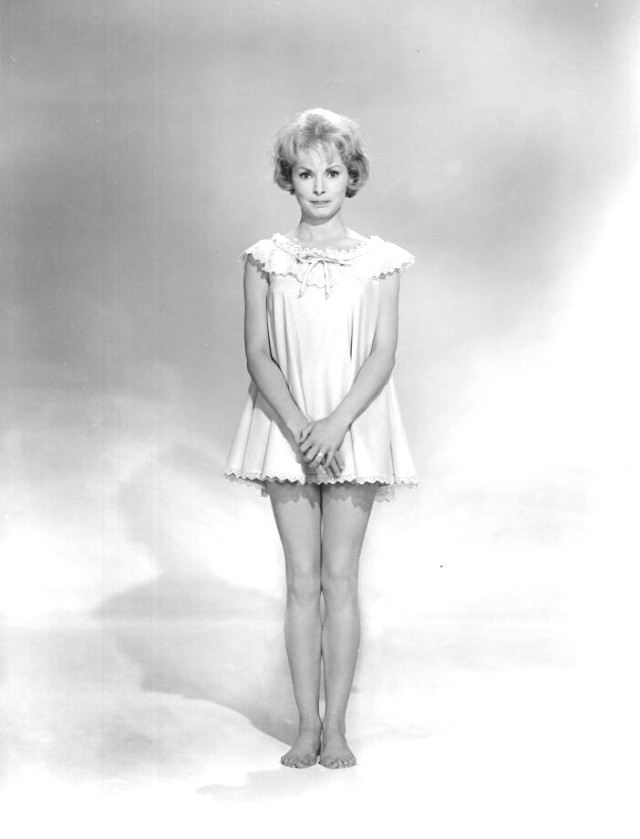
Known professionally as Janet Leigh, was an American actress, businesswoman and author. Leigh was established as one of the earliest scream queens for starring in horror films, and is also known for starring in dramatic productions for Metro-Goldwyn-Mayer (MGM). She amassed several screen and stage credits over five decades, and received accolades such as a Golden Globe Award, a Laurel Award, and a nomination for an Academy Award.
Leigh was discovered at 18 by actress Norma Shearer, who helped her secure a contract with MGM. She appeared in films such as the drama The Romance of Rosy Ridge (1947), Act of Violence (1948), the adaptation of Little Women (1949), the comedy Angels in the Outfield (1951), the swashbuckler romance Scaramouche (1952), the Western drama The Naked Spur (1953). She had two marriages in the 1940s before marrying actor Tony Curtis in 1951.
After leaving MGM in 1954, Leigh signed with Universal and Columbia Pictures, starring in films such as the adventure feature Safari (1956) and Orson Welles’ film noir Touch of Evil (1958). She achieved her biggest success playing Marion Crane in Alfred Hitchcock’s horror film Psycho (1960), winning the Golden Globe Award for Best Supporting Actress and earning a nomination for the Academy Award for Best Supporting Actress. In her most enduring role, Leigh was established as a scream queen and received a star on the Hollywood Walk of Fame that same year. Her performance in the pivotal shower scene has become one of the best-known in all of cinema.
In 1962, Leigh and Curtis divorced, and she married Robert Brandt. She then starred in the political thriller The Manchurian Candidate (1962), the musical Bye Bye Birdie (1963), and Harper (1966) before scaling back her career. She made her Broadway debut in a production of Murder Among Friends (1975) and appeared in the horror film Night of the Lepus (1972) and the thriller Boardwalk (1979). She later starred with her daughter, Jamie Lee Curtis, in the horror films The Fog (1980) and Halloween H20: 20 Years Later (1998).
Outside of acting, Leigh co-founded Curtleigh Productions with Curtis, who produced a handful of successful films between 1955 and 1962. She wrote four books between 1984 and 2002, two of which were novels.
On October 3, 2004, she died at the age of 77 of vasculitis.

















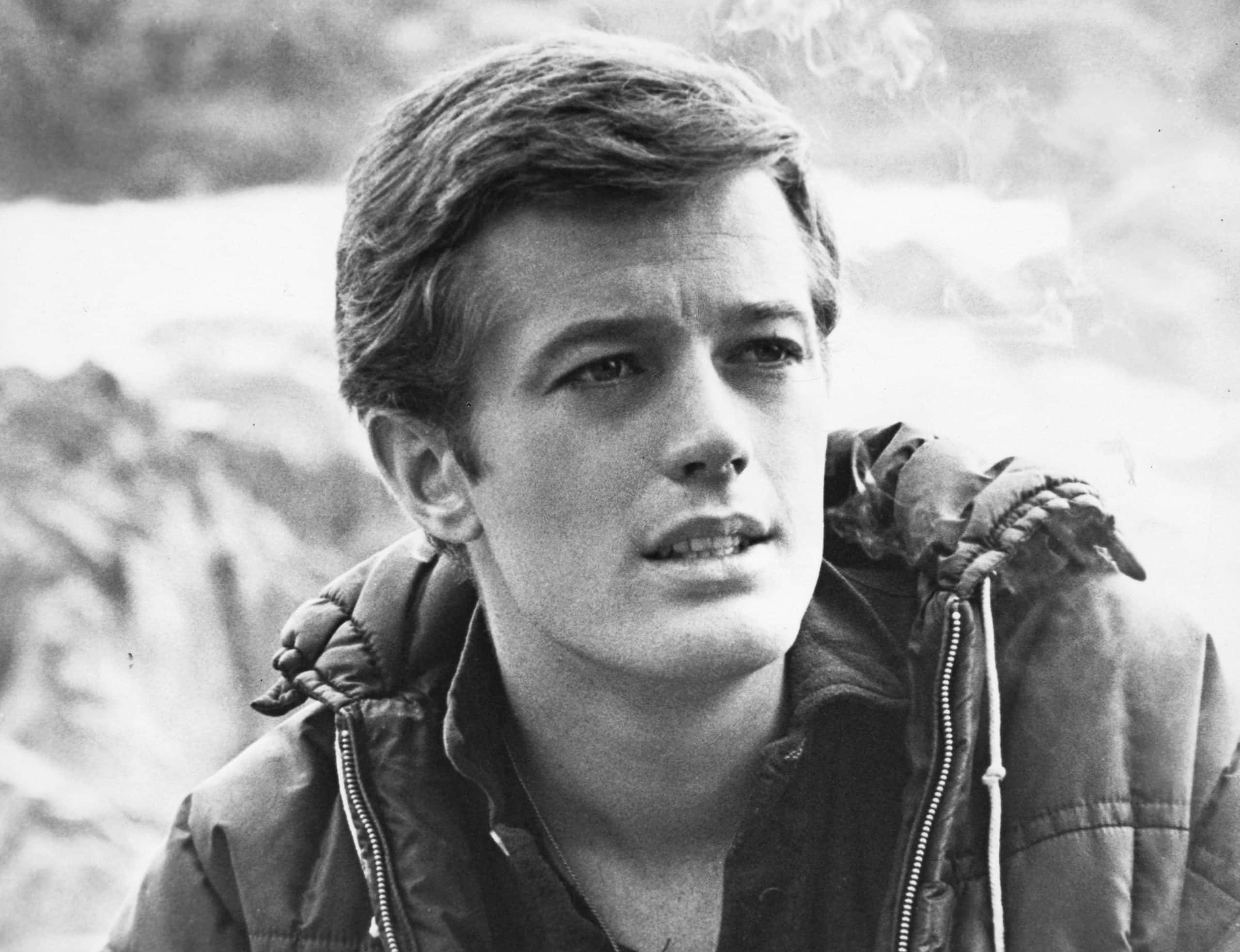
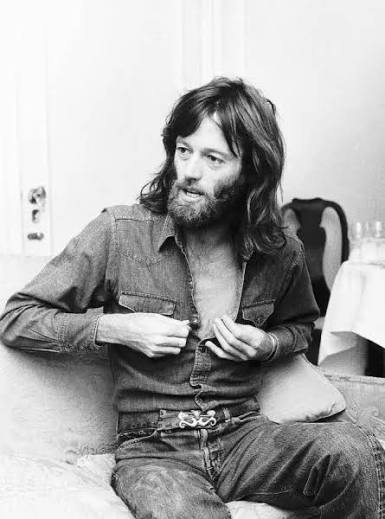
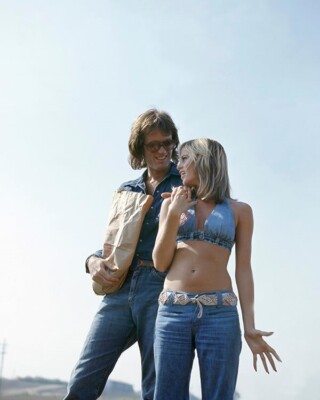
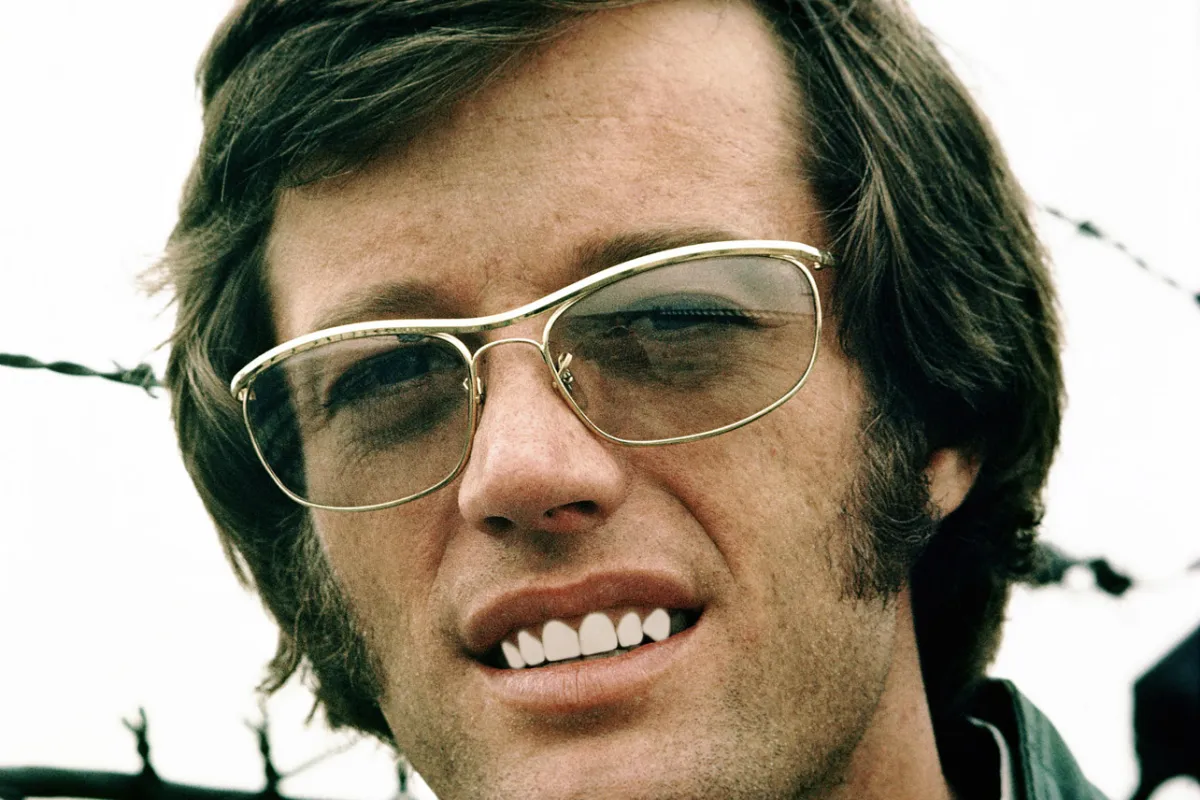
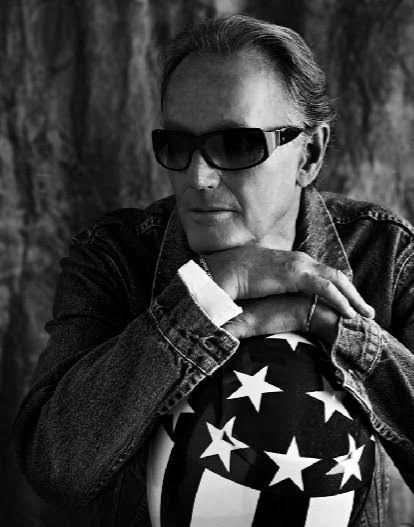
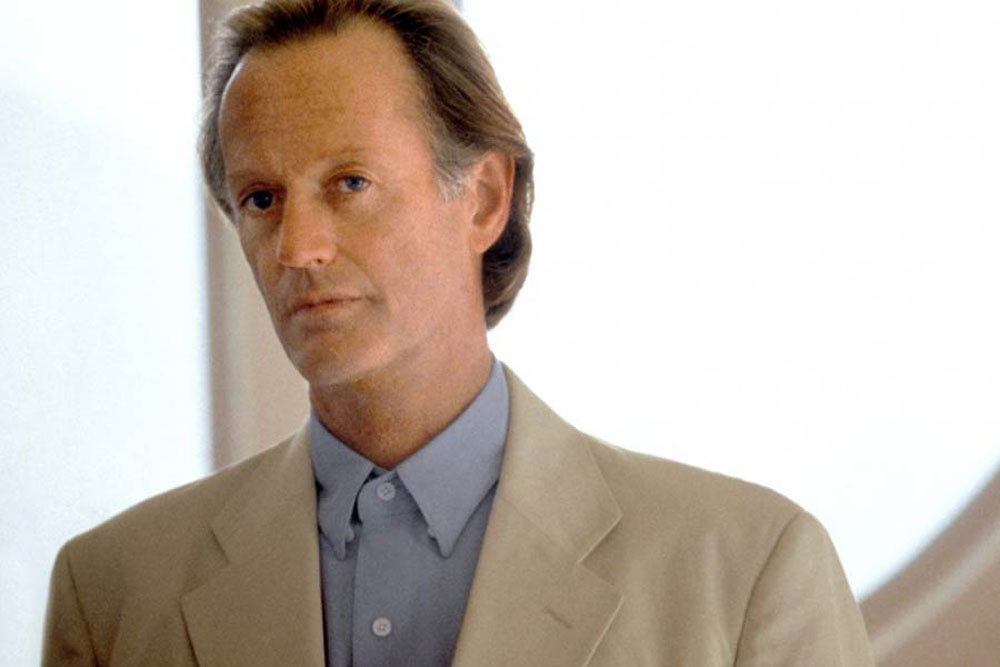
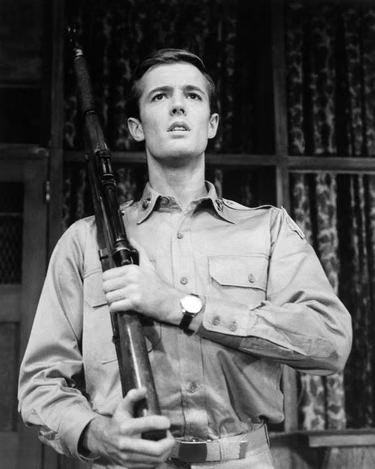
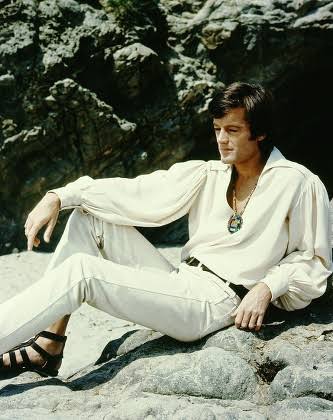
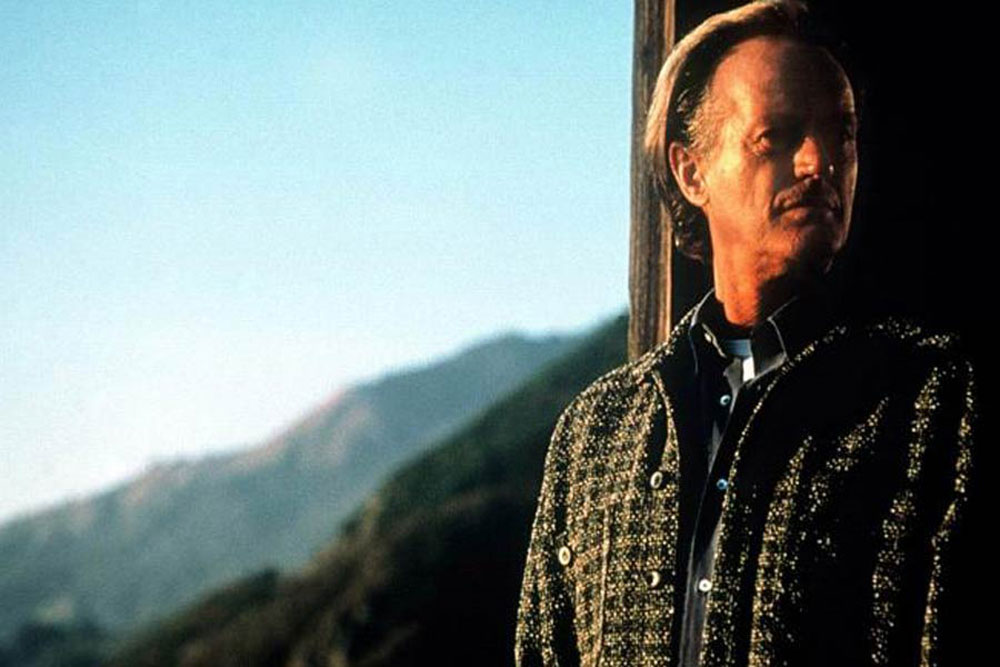
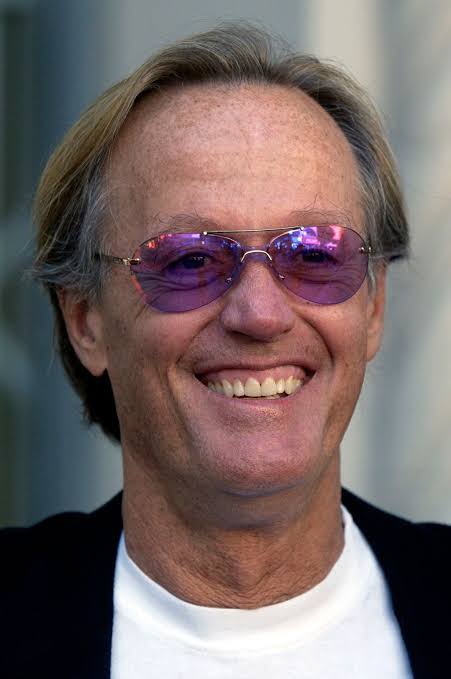
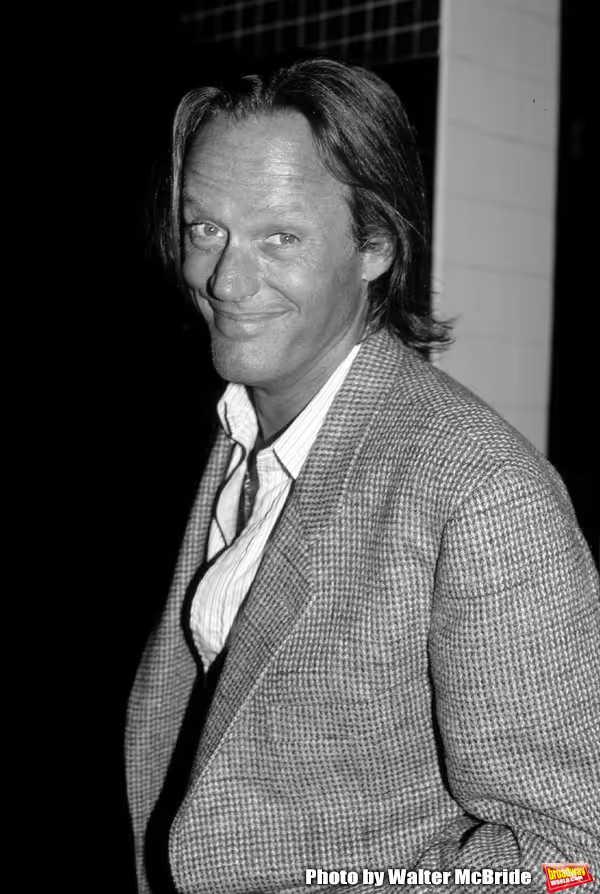
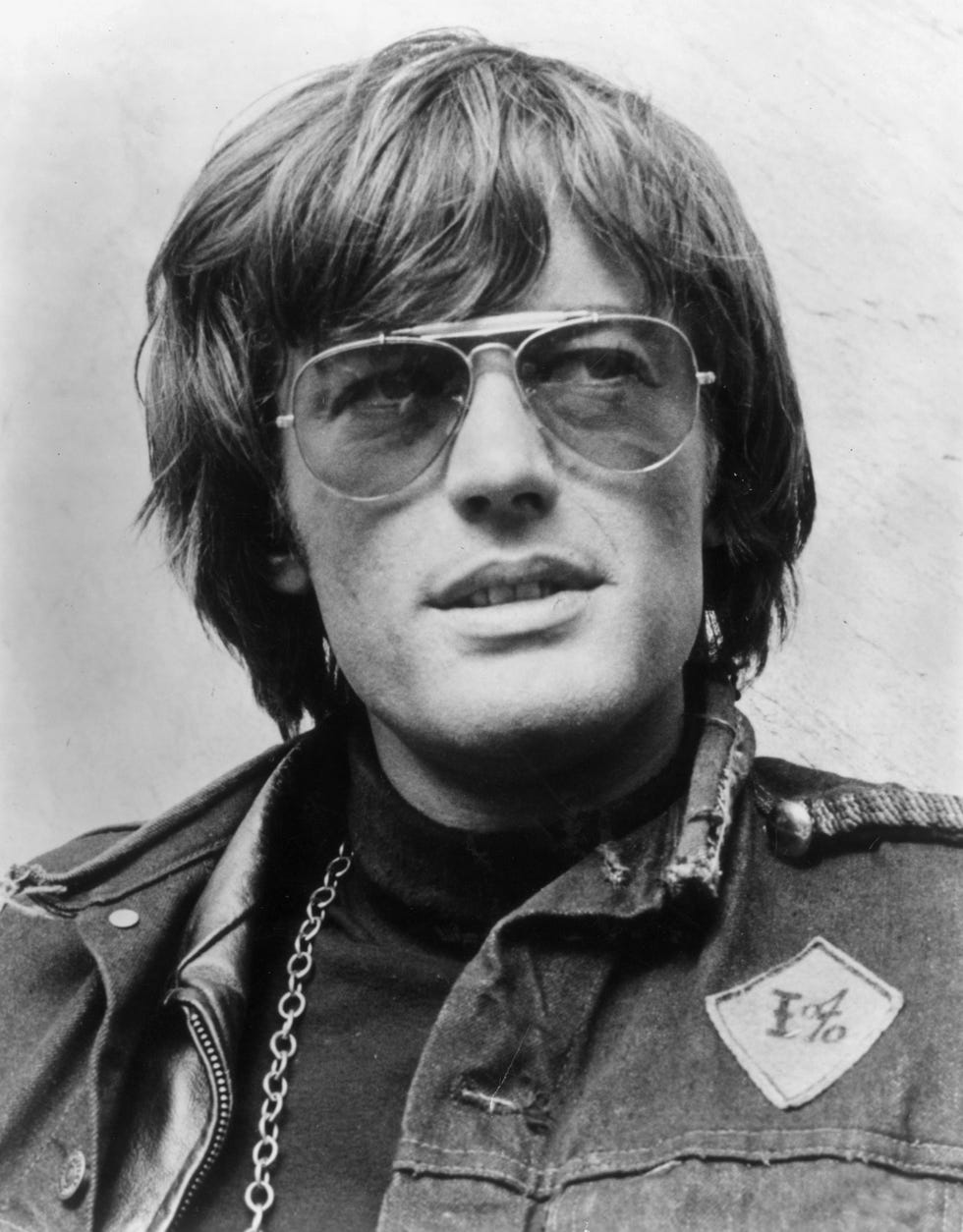
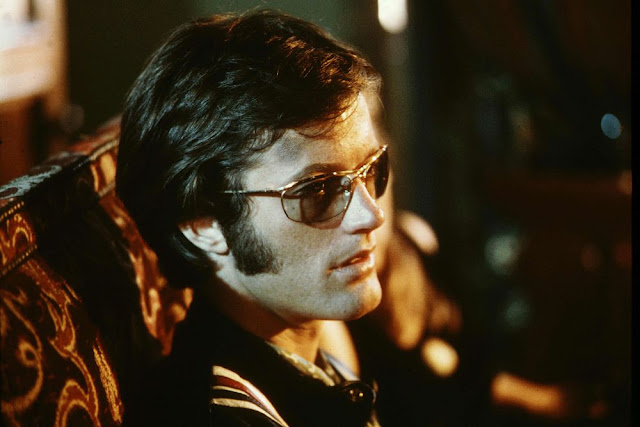
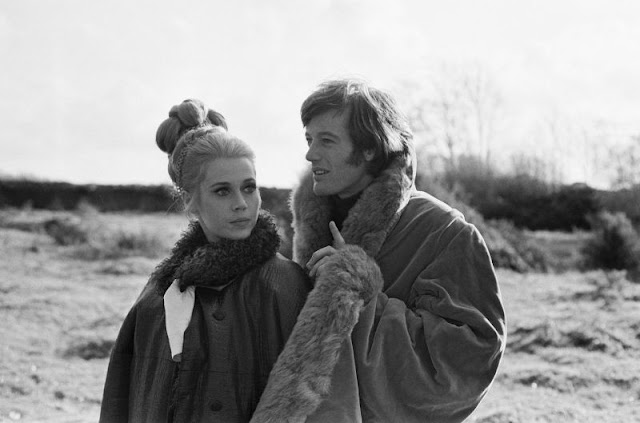
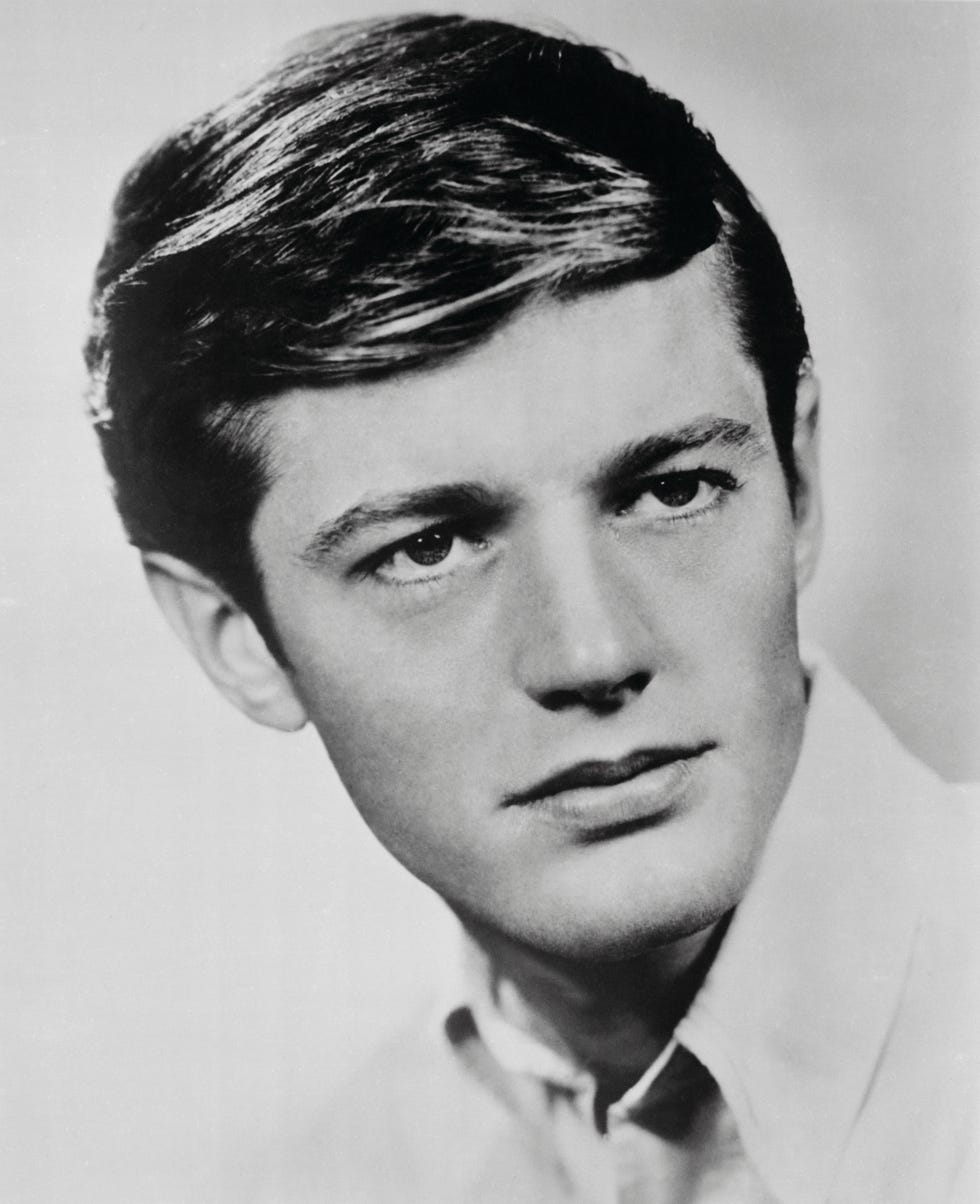
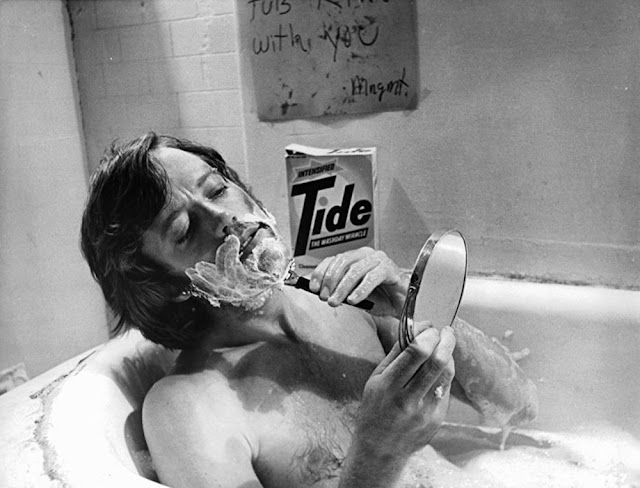
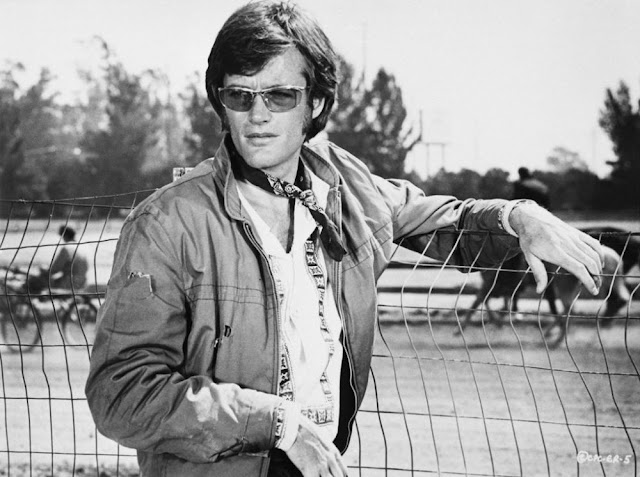
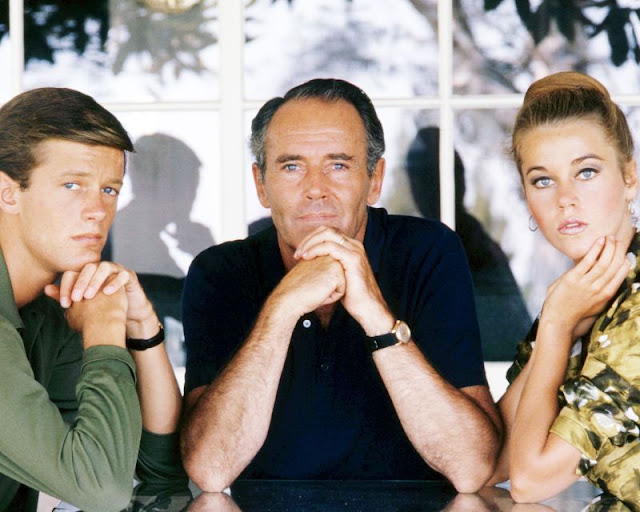
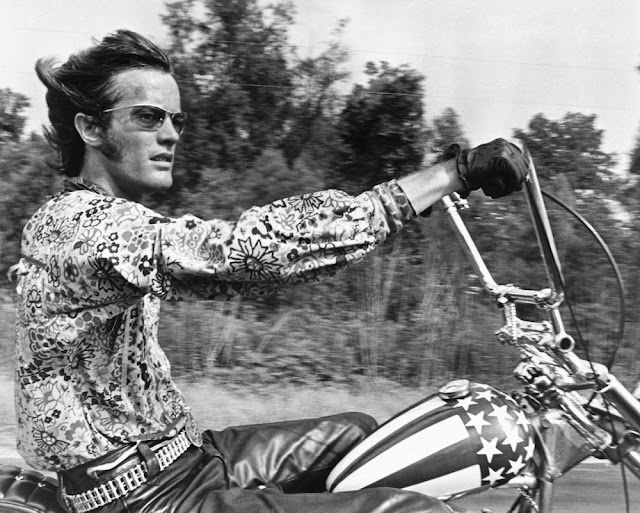
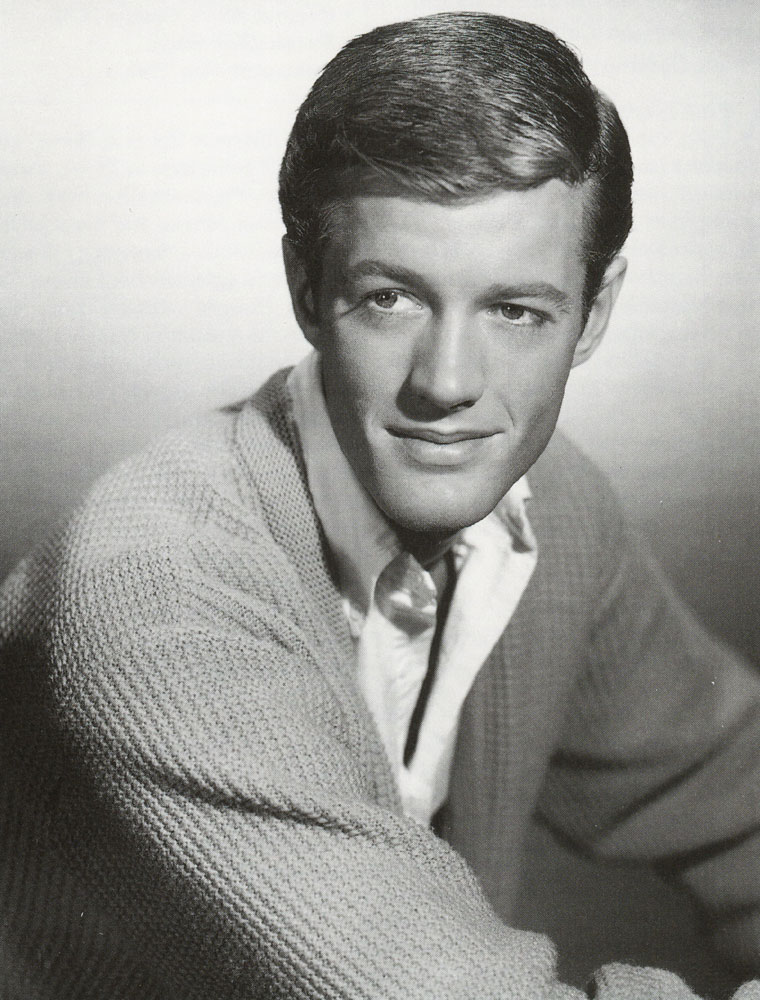
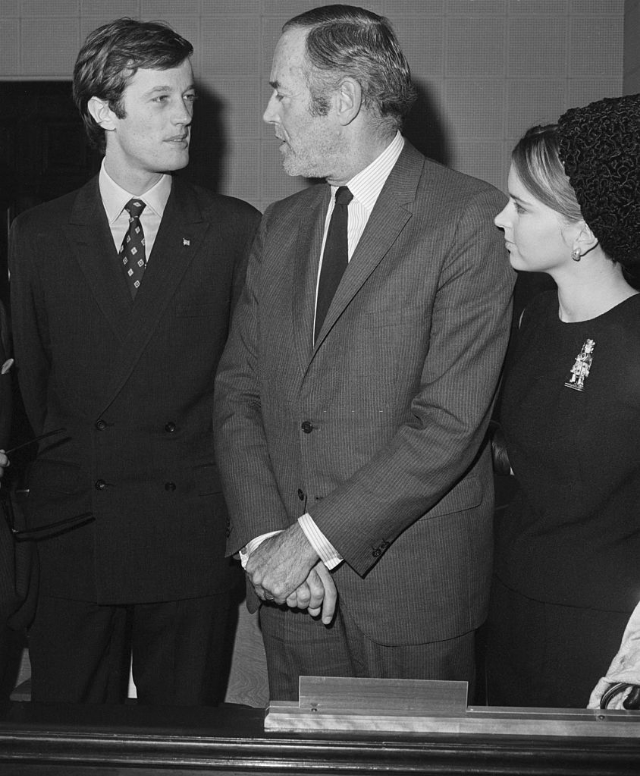
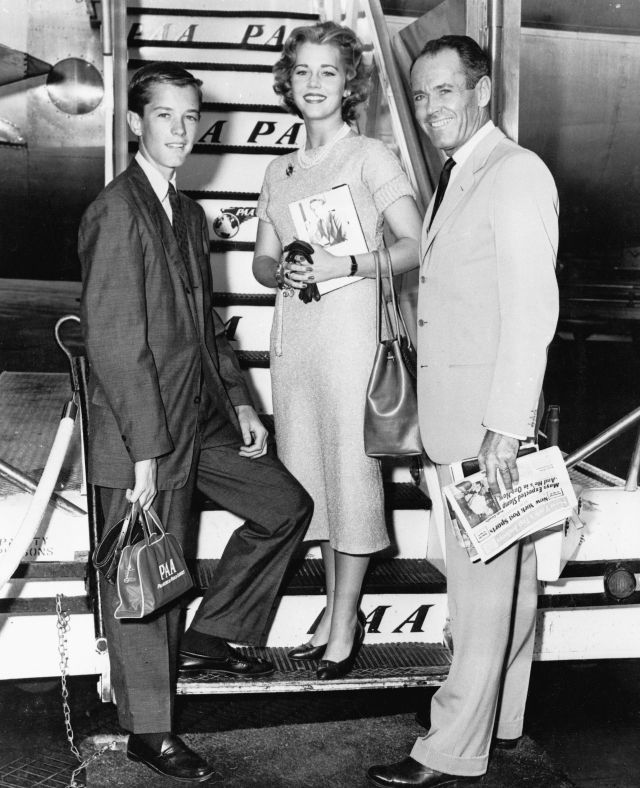
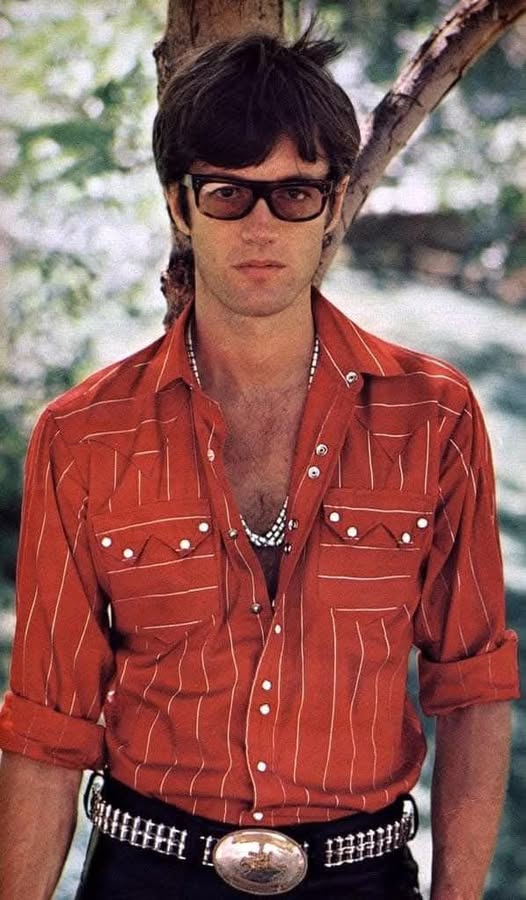
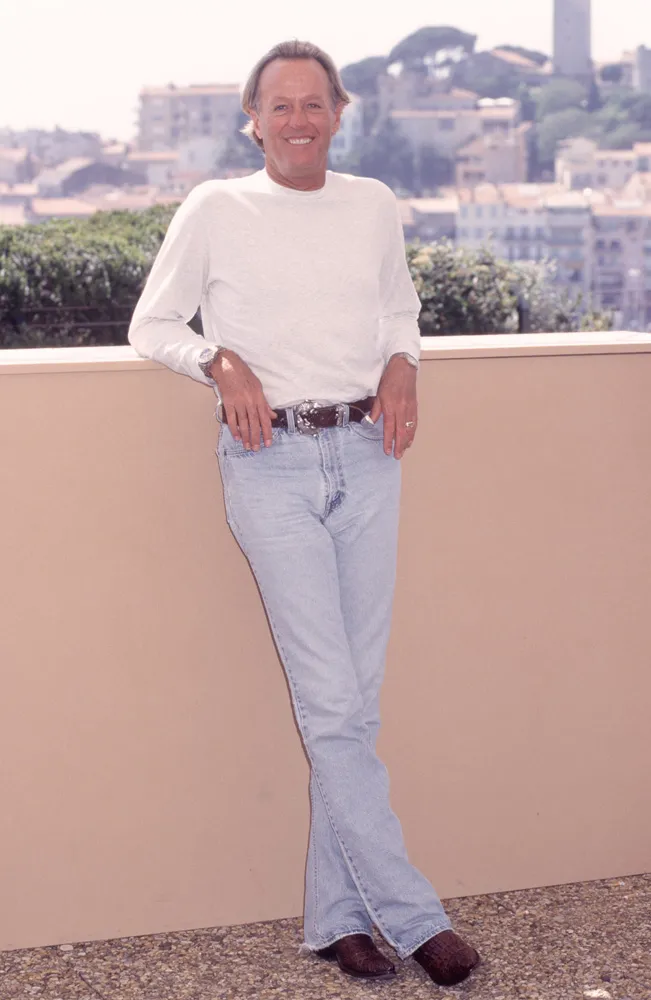
Peter was an American actor, film director, and screenwriter. He was twice an Academy Award nominee, both for acting and screenwriting, and a two-time Golden Globe Award winner for his acting. He was a member of the Fonda acting family, as the son of actor Henry Fonda, the brother of actress and Jane Fonda, and the father of actress Bridget Fonda.
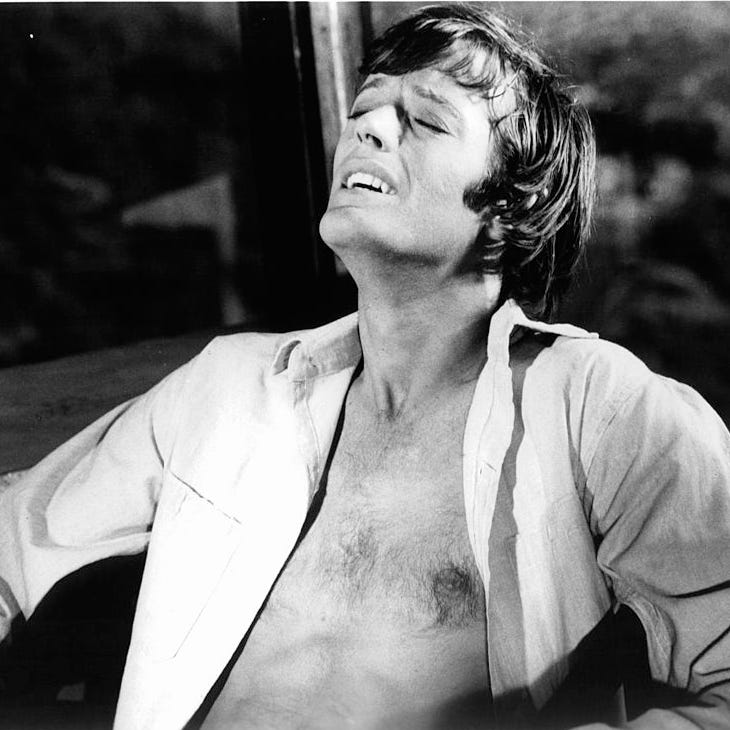
Fonda began his career on stage, winning a New York Drama Critics’ Circle Award and the Theatre World Award for his performance in the play Blood, Sweat and Stanley Poole. He became a prominent figure in the counterculture of the 1960s, starring in and co-writing the film Easy Rider (1969), which earned him an Oscar nomination for Best Original Screenplay. He then made his directorial debut with the Revisionist Western film The Hired Hand (1971), in which he also starred. During the following decade, he established himself as an action star, appearing in a variety of productions including Dirty Mary, Crazy Larry (1974) and Futureworld (1976).
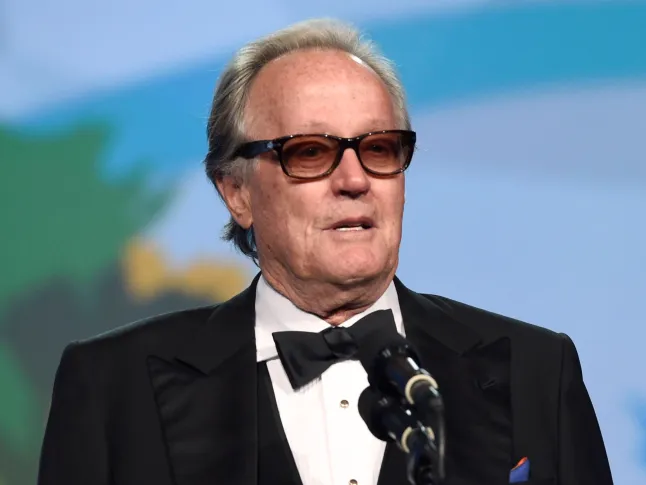
Fonda achieved a major critical comeback with his starring role in the drama film Ulee’s Gold (1997), receiving an Oscar nomination for Best Actor and a Golden Globe Award for Best Actor – Motion Picture Drama. He also won the Golden Globe for Best Supporting Actor – Series, Miniseries or Television Film for The Passion of Ayn Rand (1999). In 2003, Fonda received a star on the Hollywood Walk of Fame at 7018 Hollywood Blvd, for his contributions to the film industry.
Fonda died from respiratory failure caused by lung cancer at his home in Los Angeles on August 16, 2019, at the age of 79


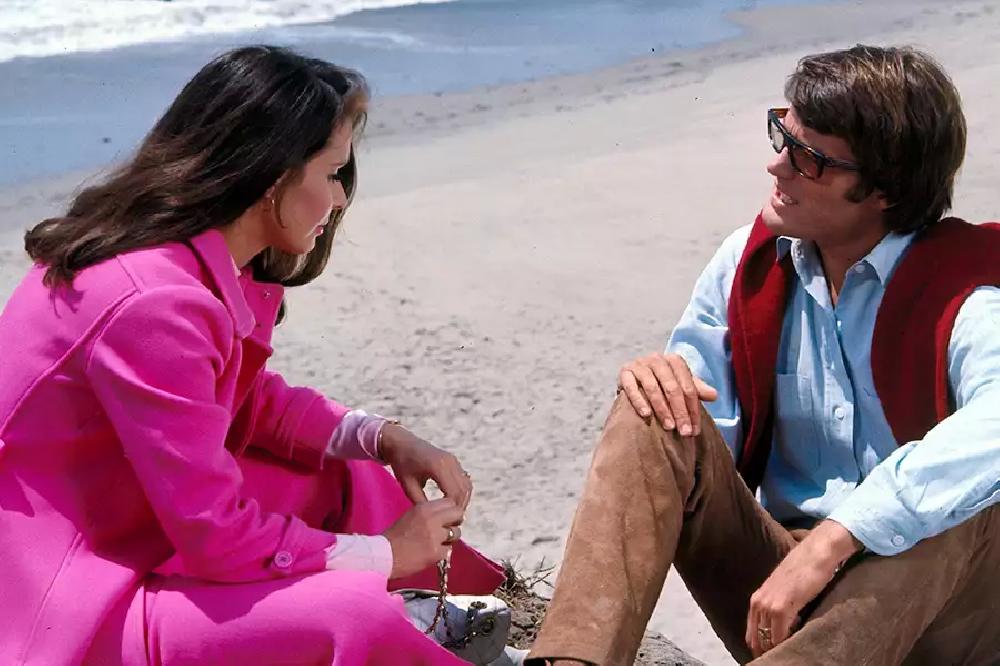
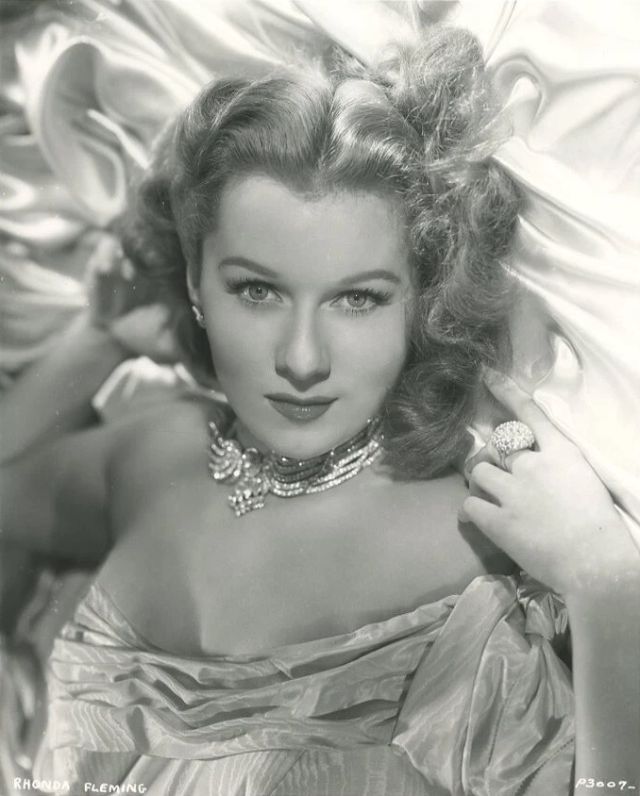
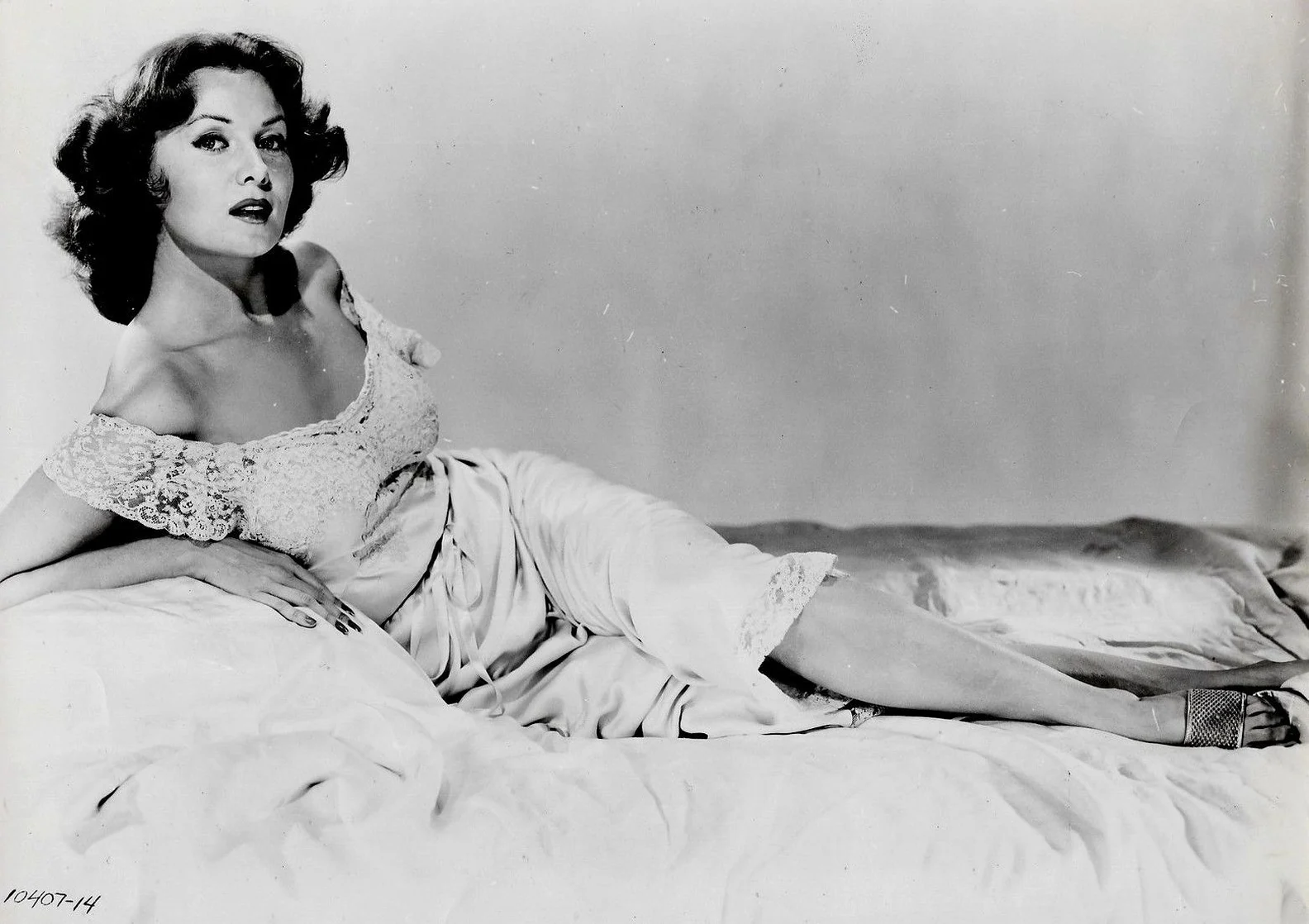
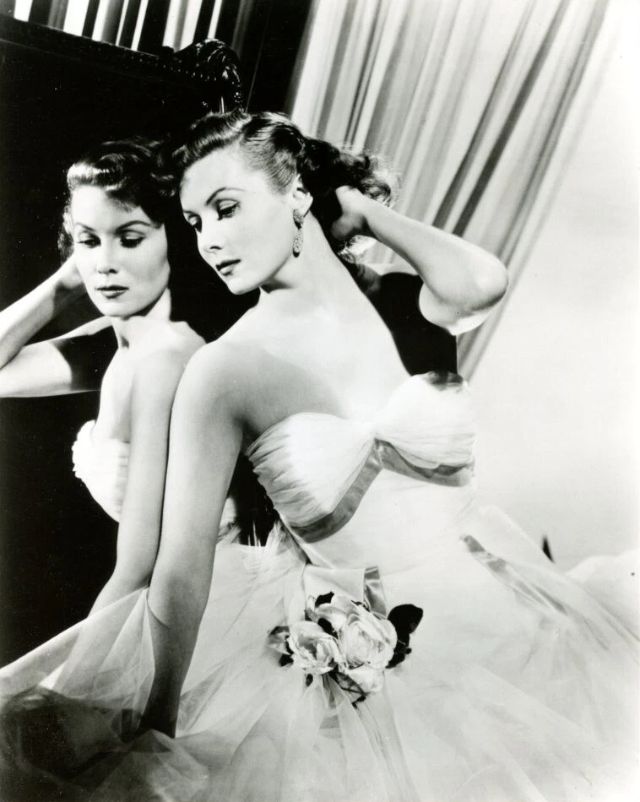
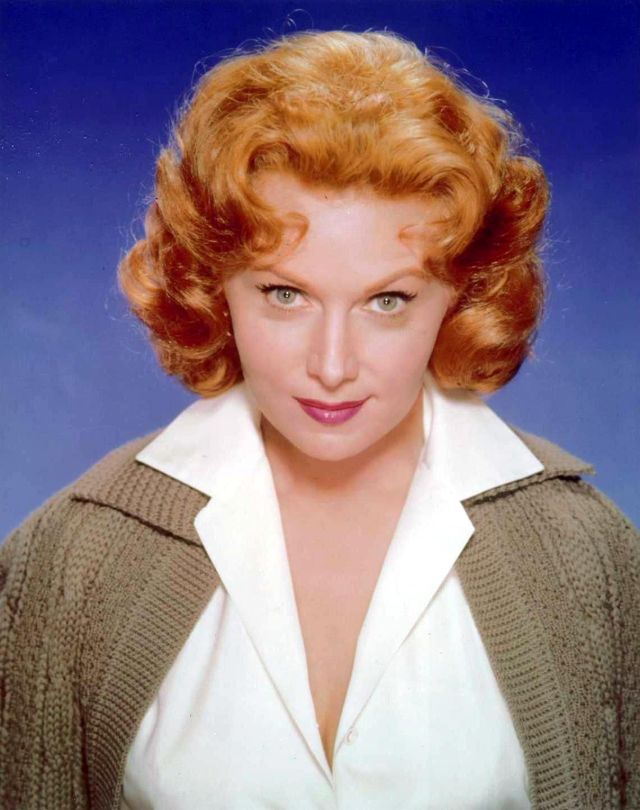
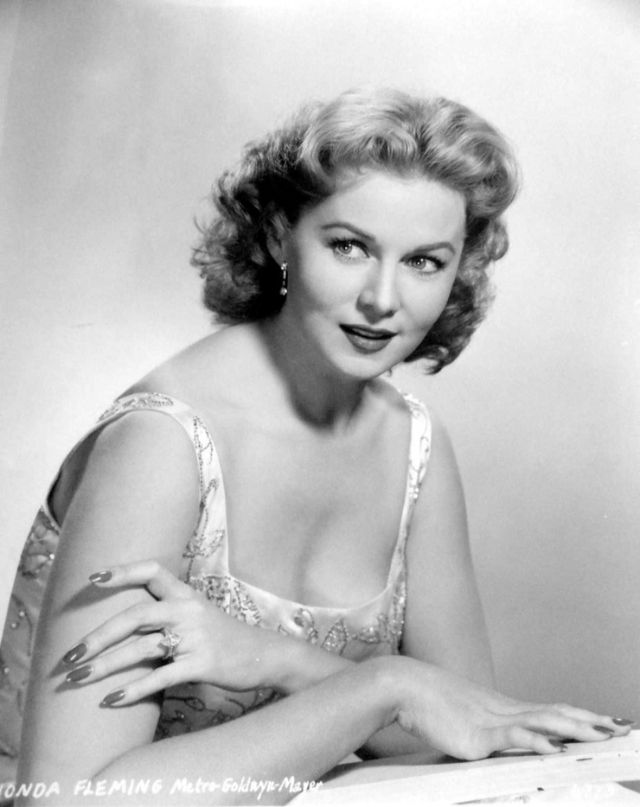
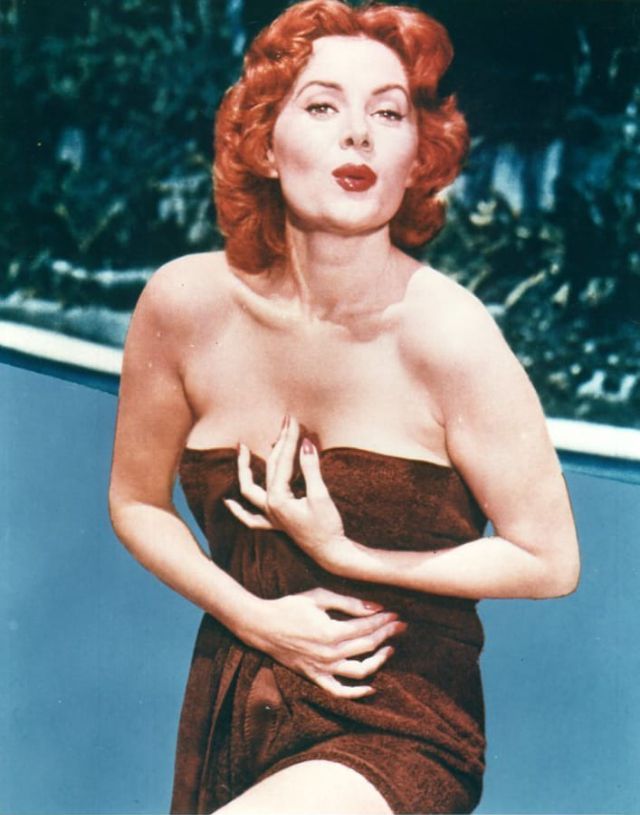
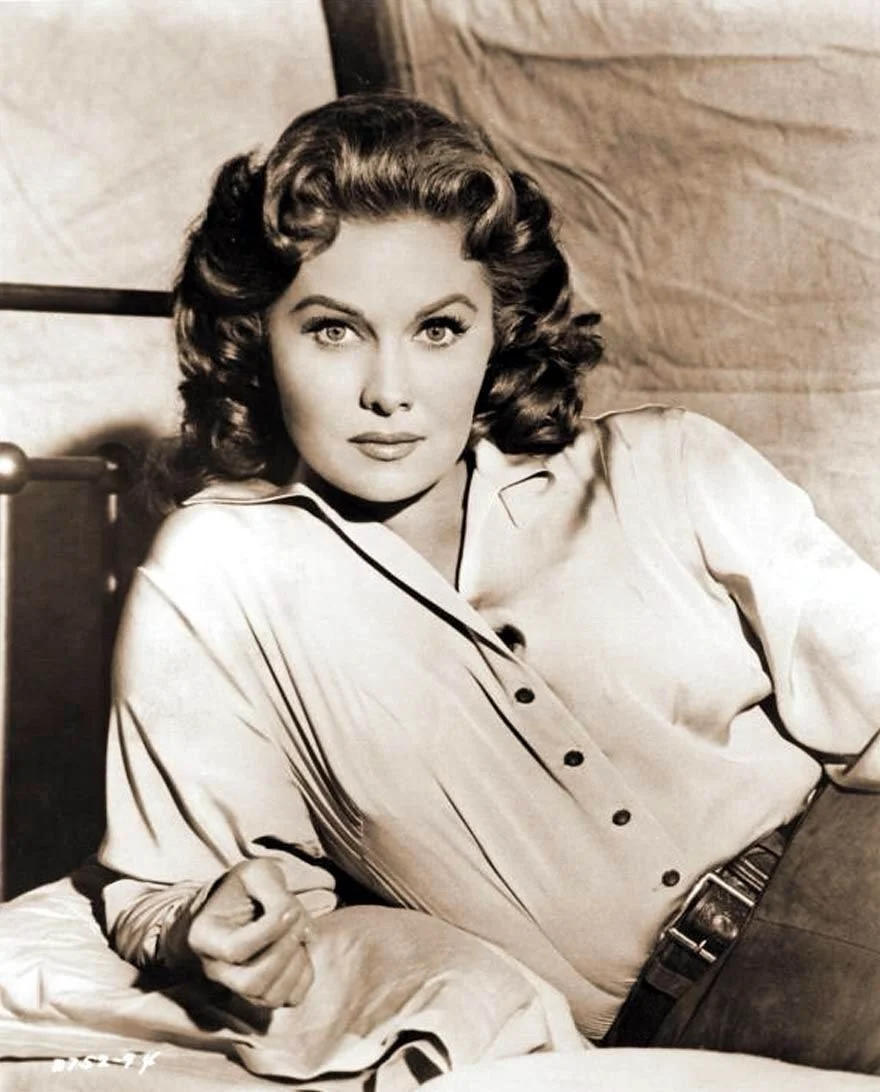
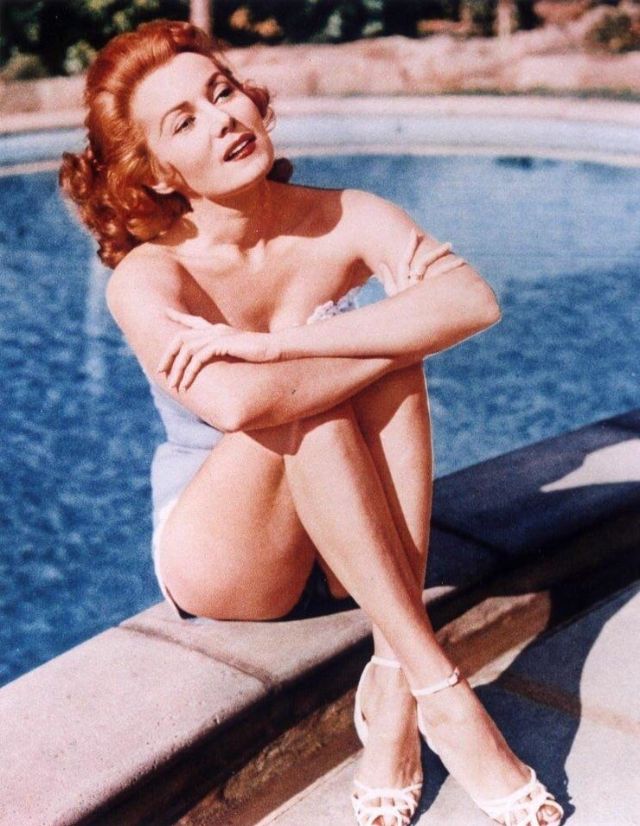
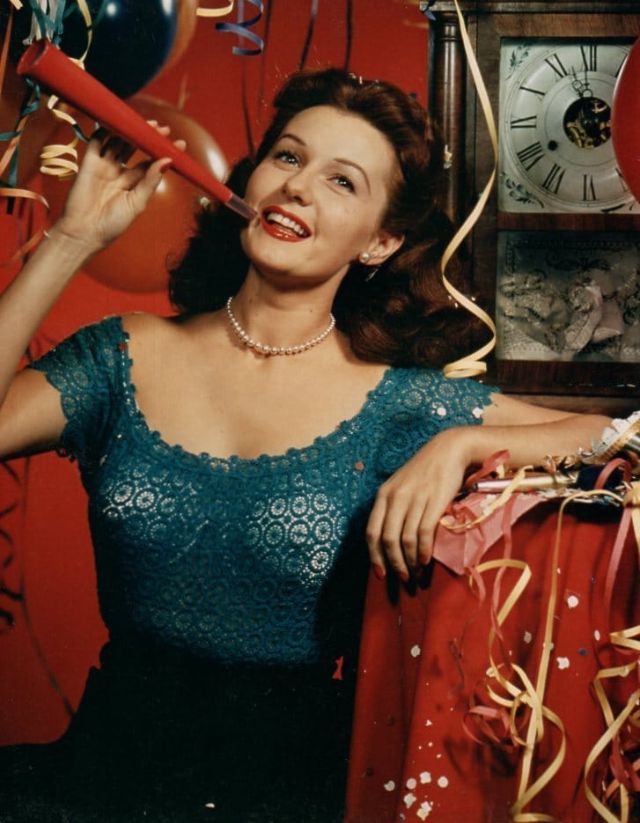
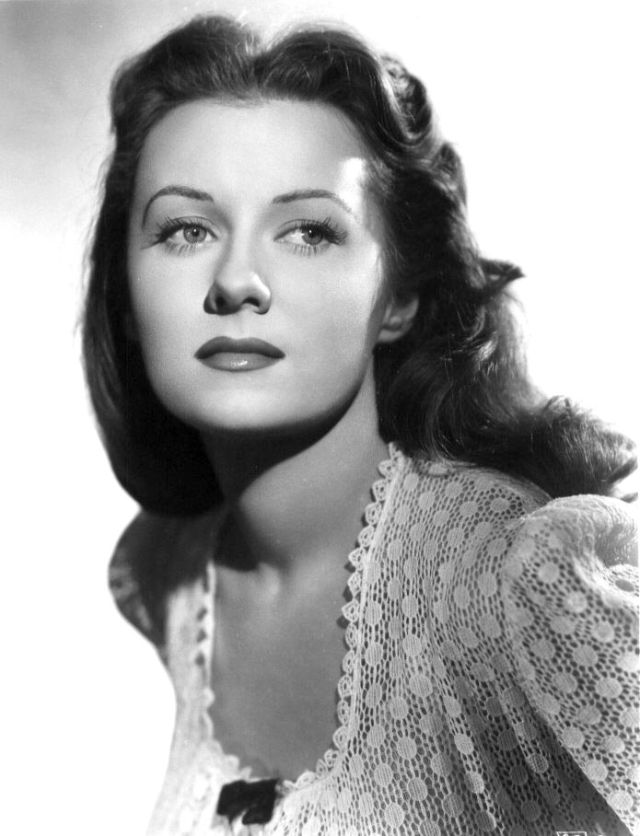
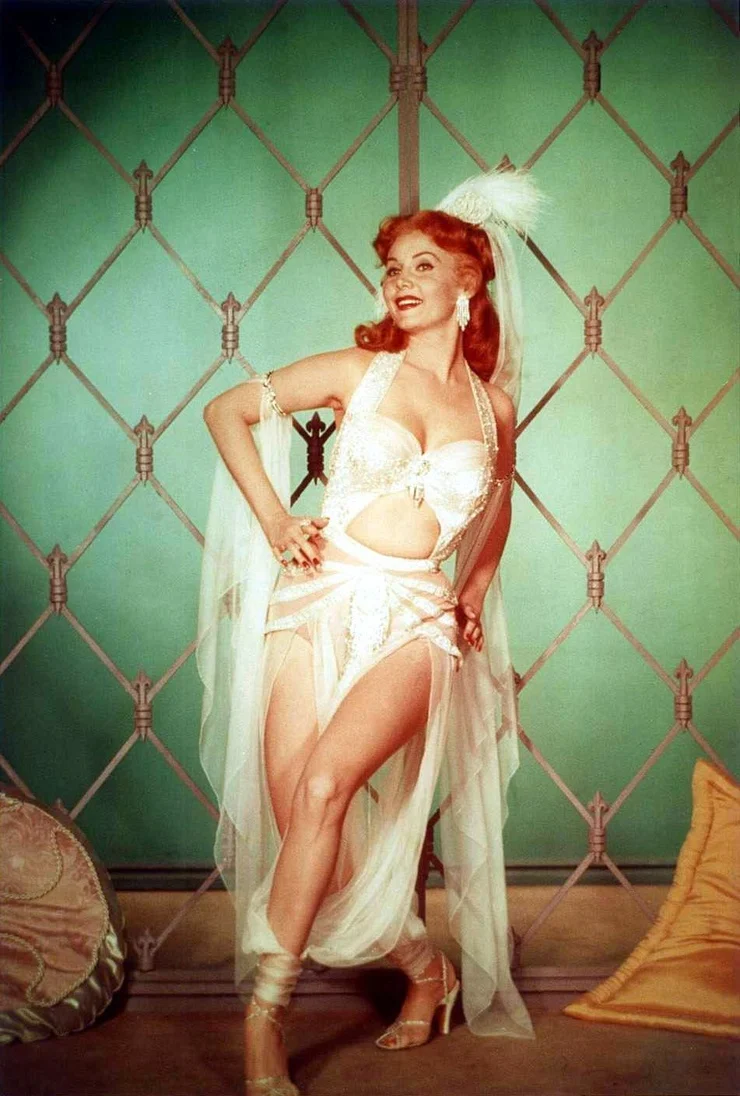
She acted in more than 40 films, mostly in the 1940s and 1950s, and became renowned as one of the most glamorous actresses of her day, nicknamed the “Queen of Technicolor” because she photographed so well in that medium with her fair complexion, bright red hair, and green eyes
She was discovered by the well-known Hollywood agent Henry Willson, who changed her name from Marilyn Louis to Rhonda Fleming. She said later, “It’s so weird … He stopped me crossing the street. It kinda scared me a little bit – I was only 16 or 17. He signed me to a seven-year contract without a screen test. It was a Cinderella story, but those things could happen in those days.”
After having bit parts in In Old Oklahoma (1943), Since You Went Away (1944), and When Strangers Marry (1944), she received her first substantial role in the thriller Spellbound (1945), produced by Selznick and directed by Alfred Hitchcock. She later said, “Hitch told me I was going to play a nymphomaniac. I remember rushing home to look it up in the dictionary and being quite shocked.” The film was a success and Selznick offered her another good role in the thriller The Spiral Staircase (1946), directed by Robert Siodmak.
Selznick lent her to appear in supporting parts in the Randolph Scott Western Abilene Town (1946) at United Artists and the film noir classic Out of the Past (1947) with Robert Mitchum and Kirk Douglas at RKO, Bing Crosby in A Connecticut Yankee in King Arthur’s Court (1949), and Bob Hope in the hit film The Great Lover (1949)
Fleming died on October 14, 2020, due to complications from Aspiration Pneumonia. She was 97

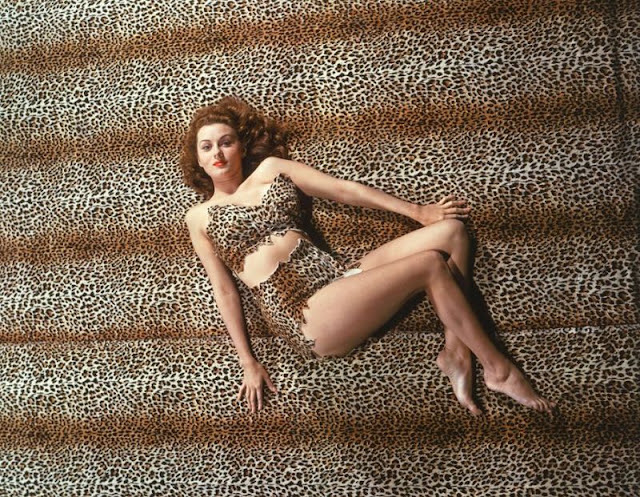
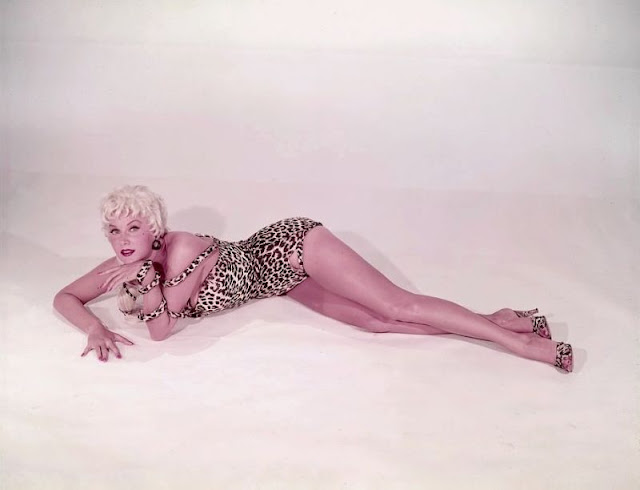
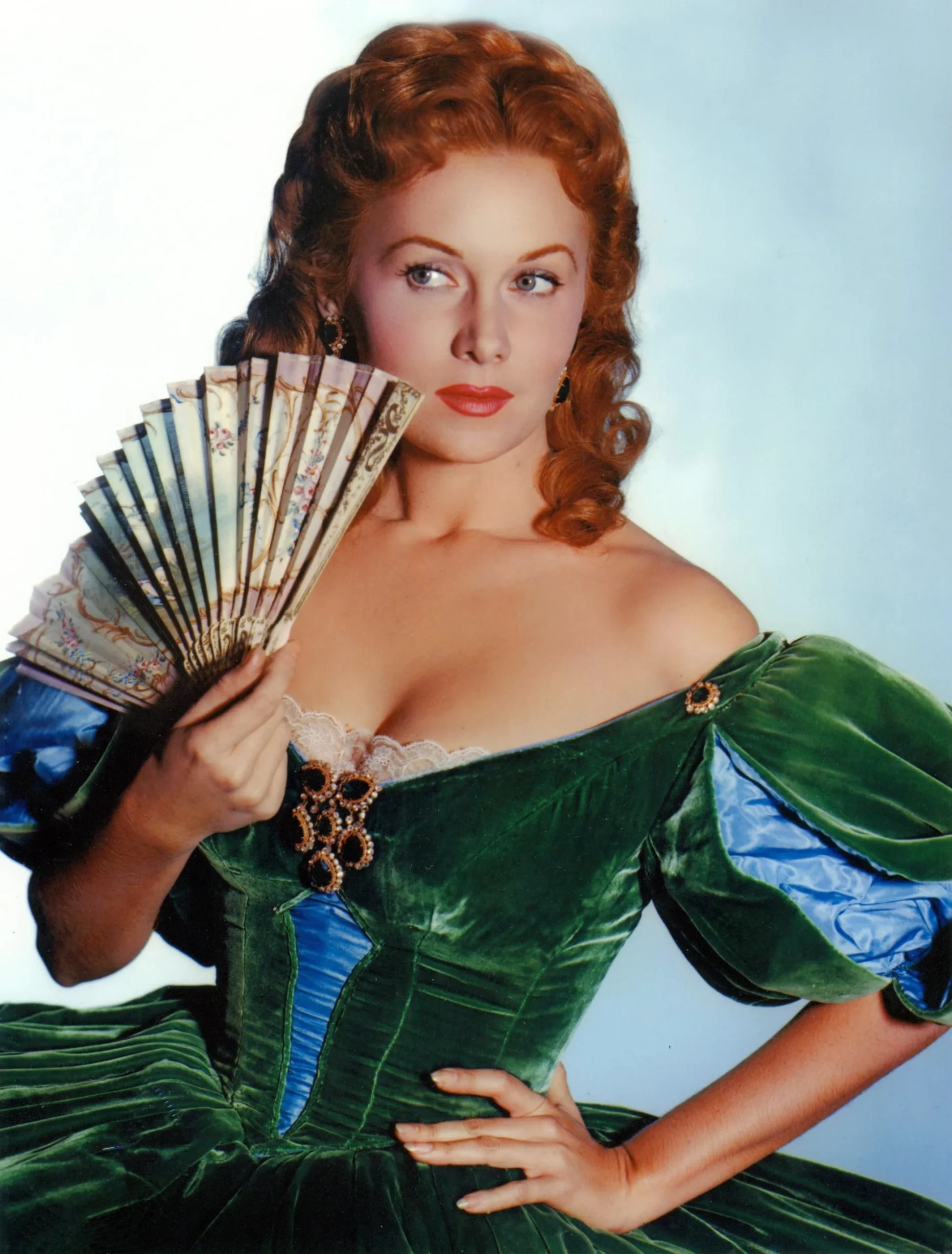
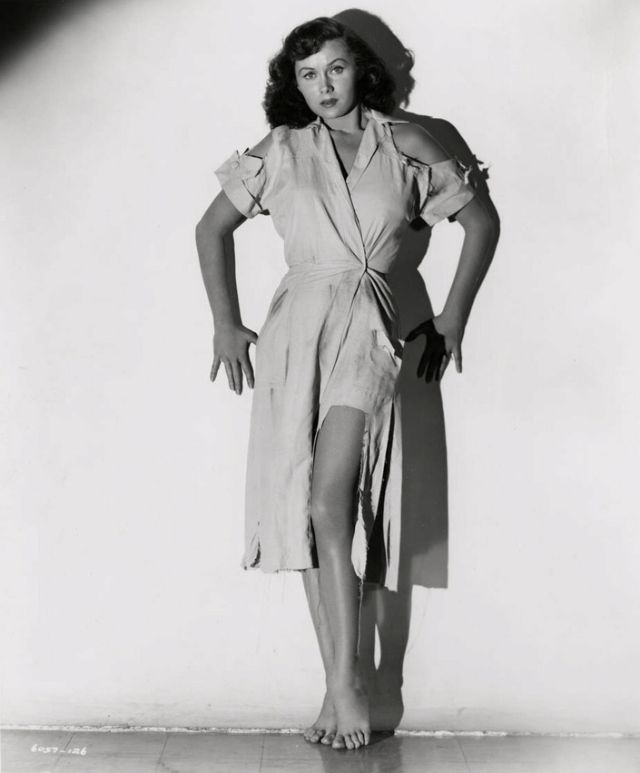




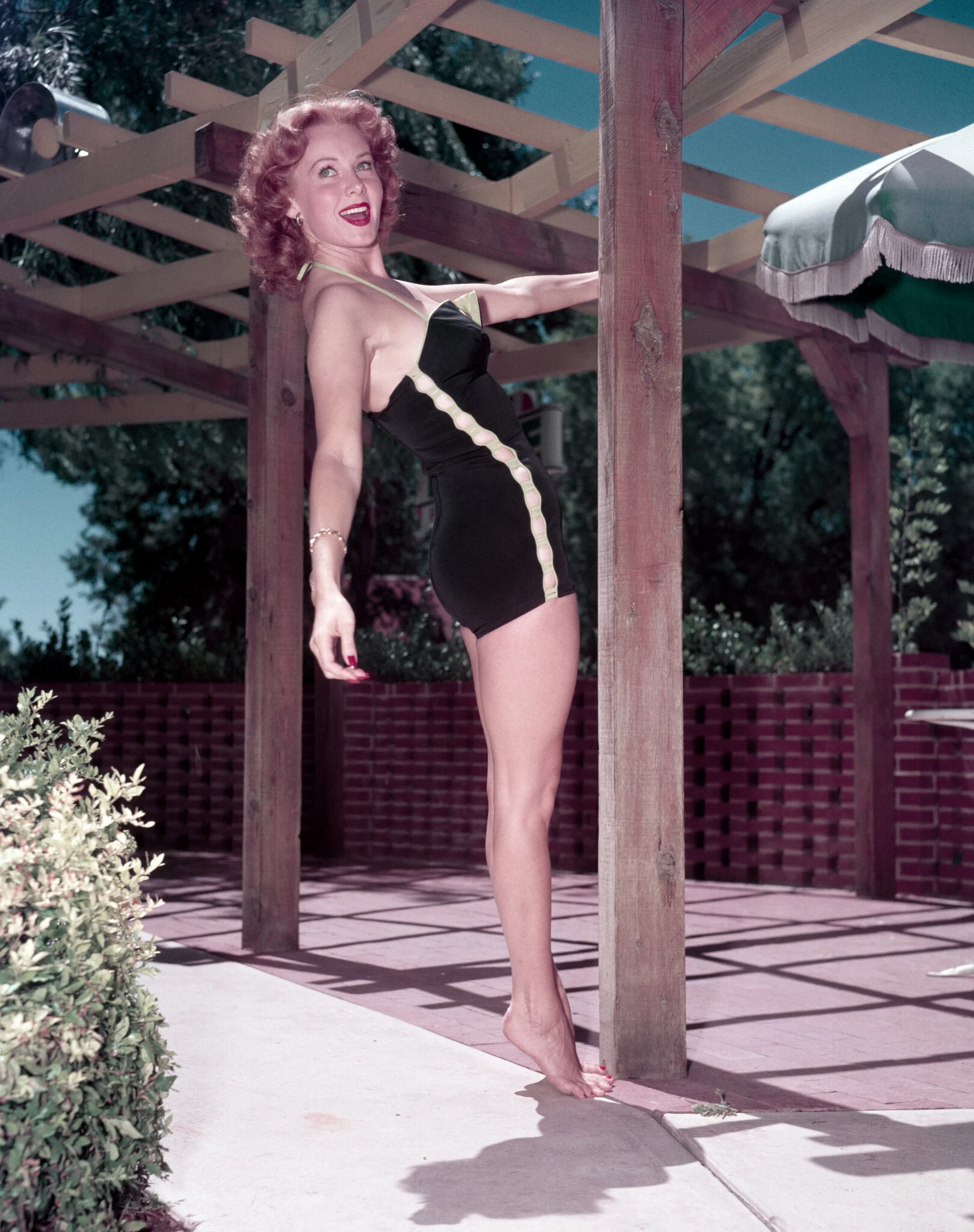








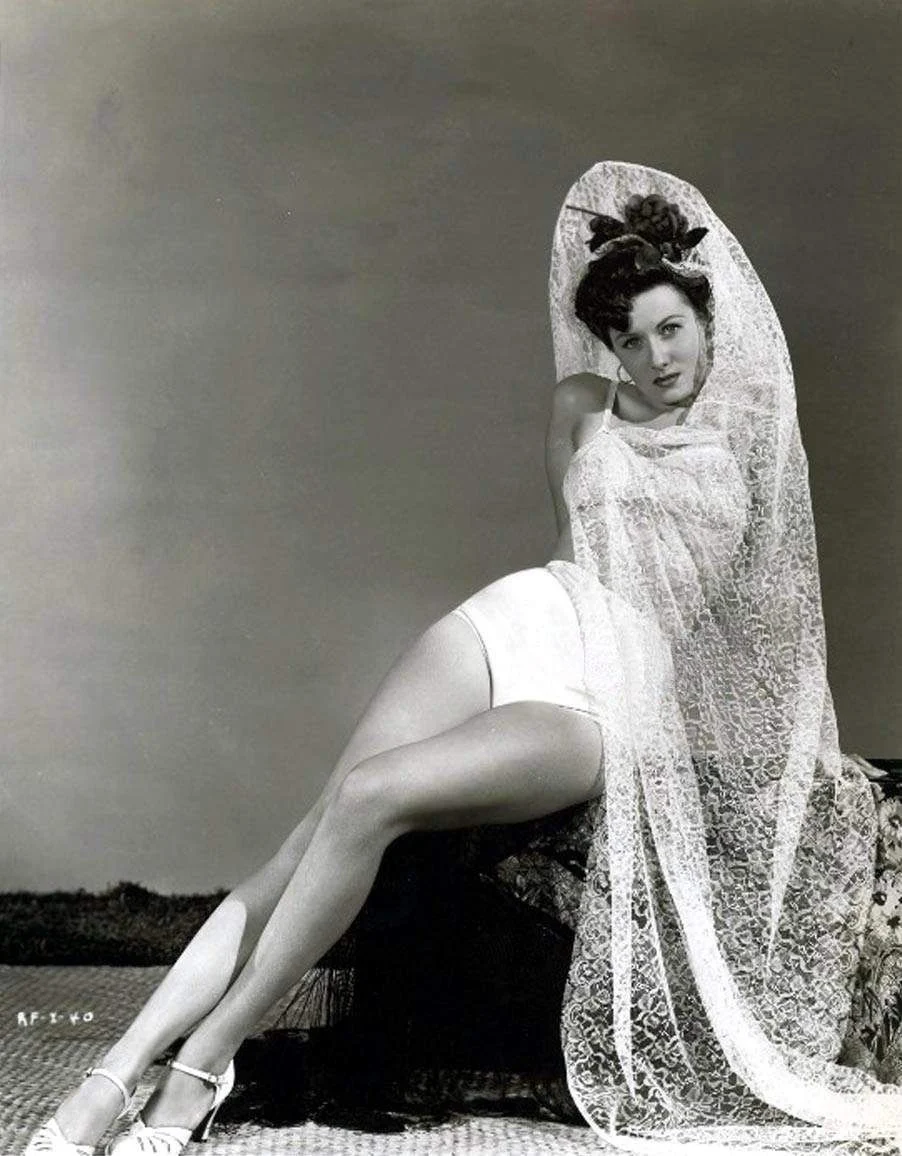

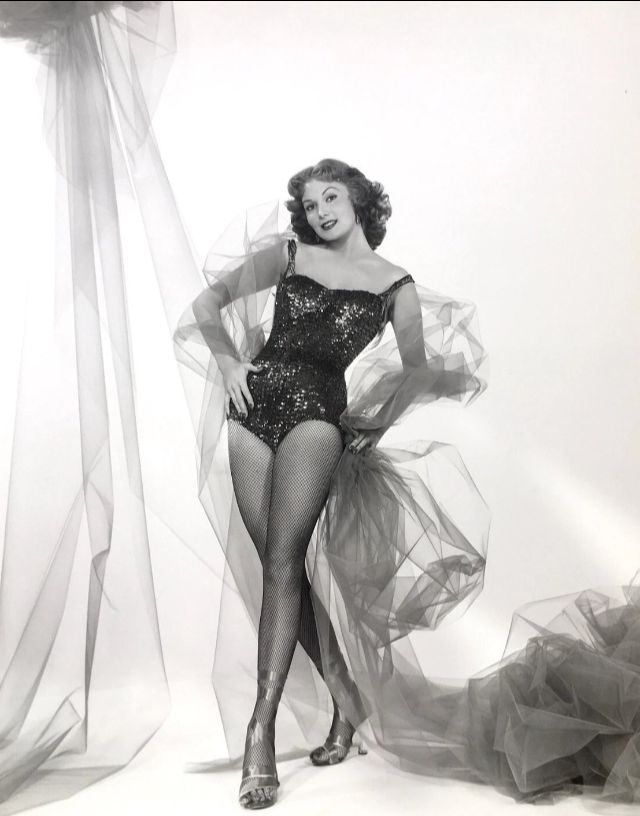




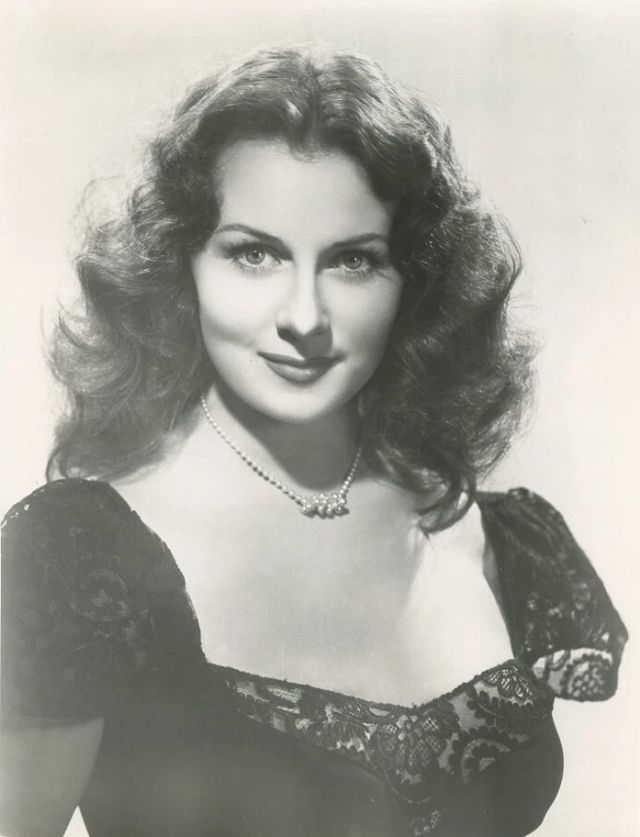
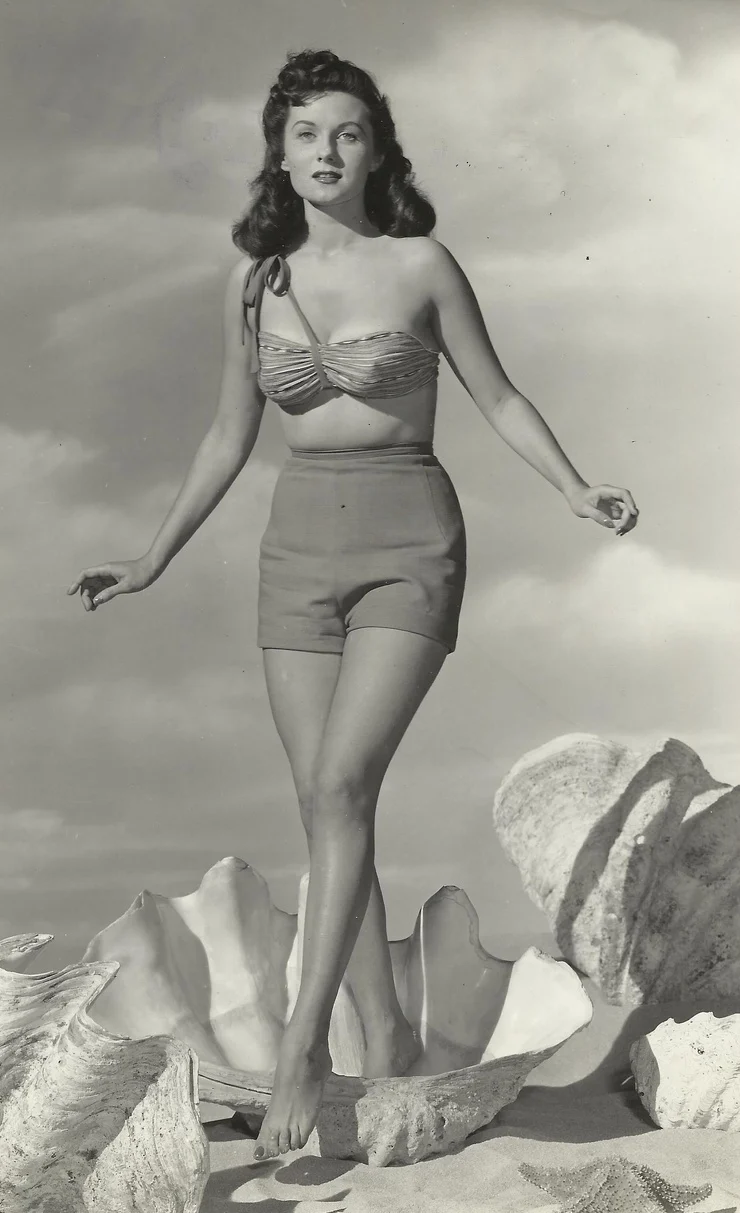
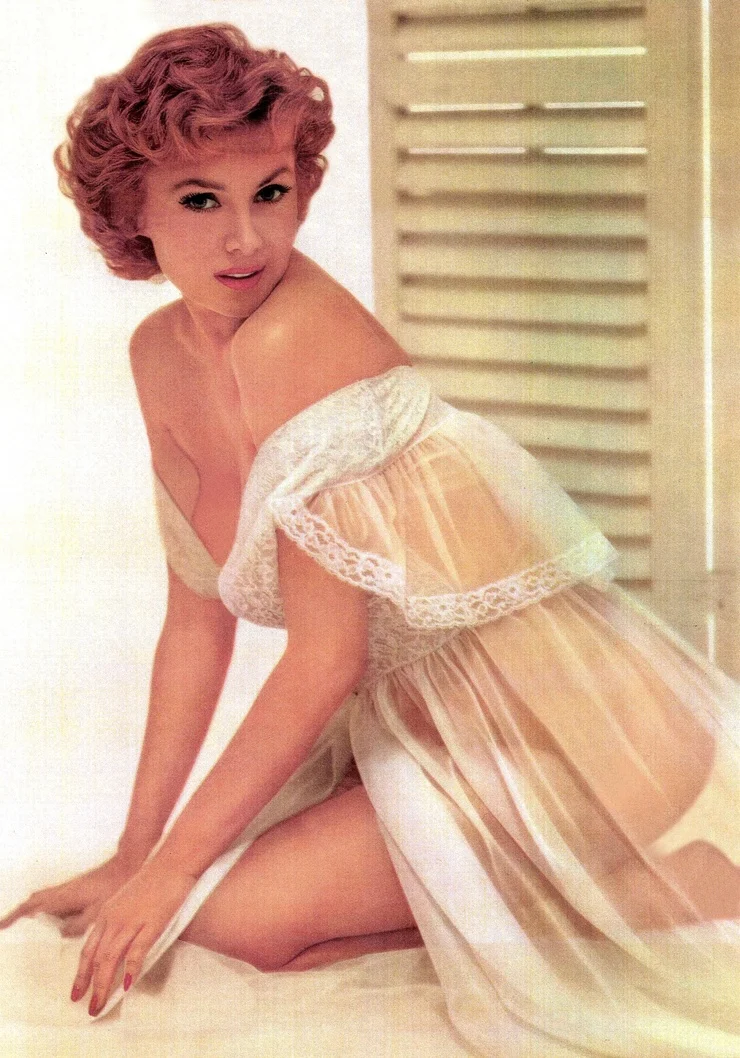
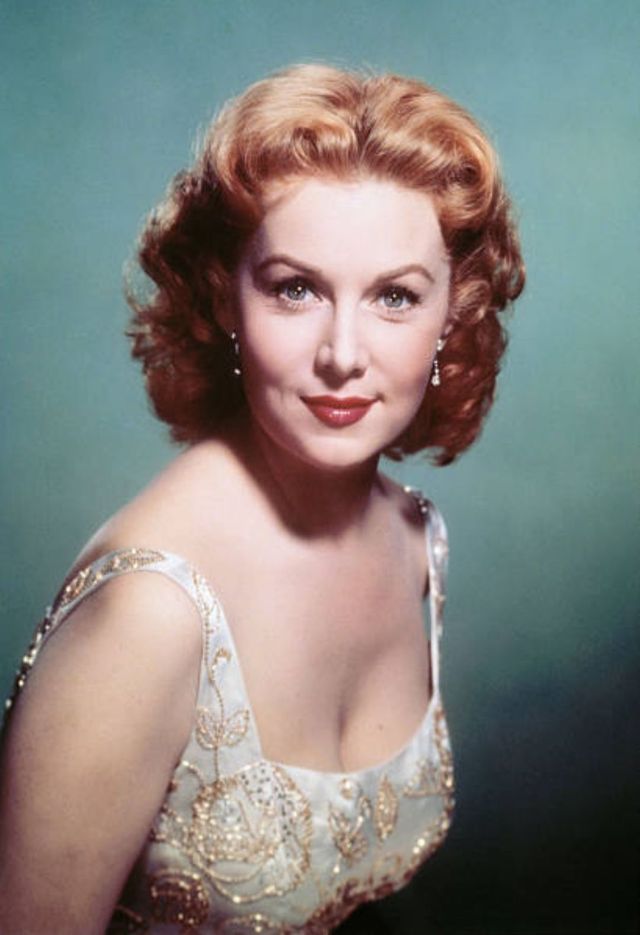

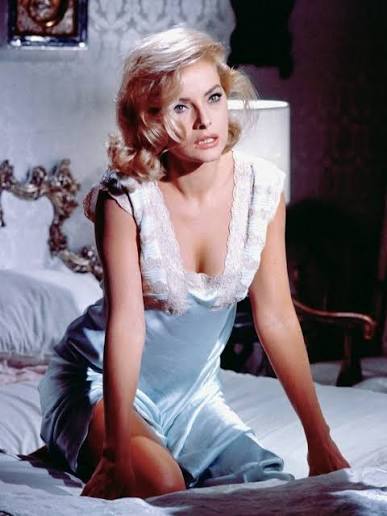
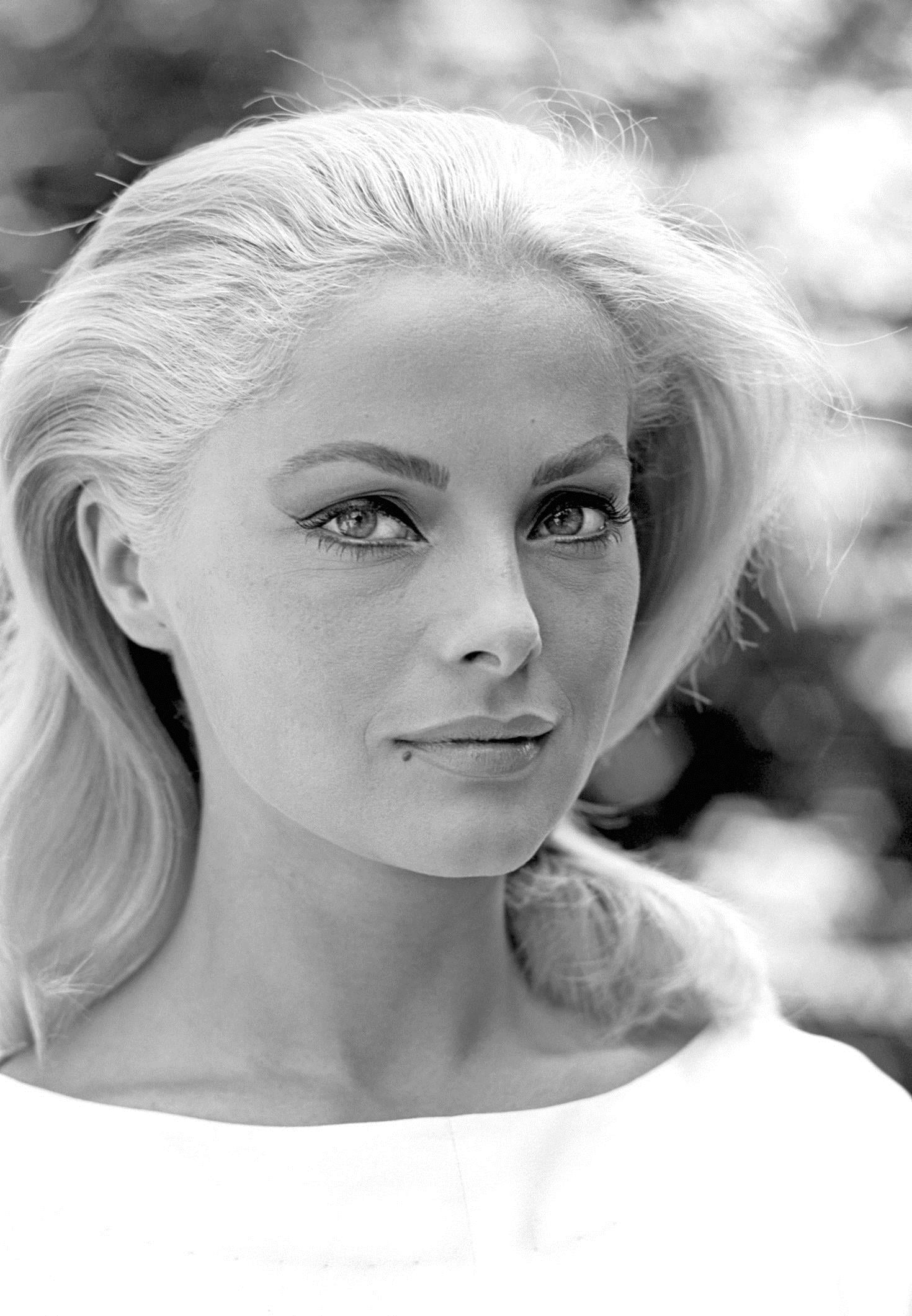
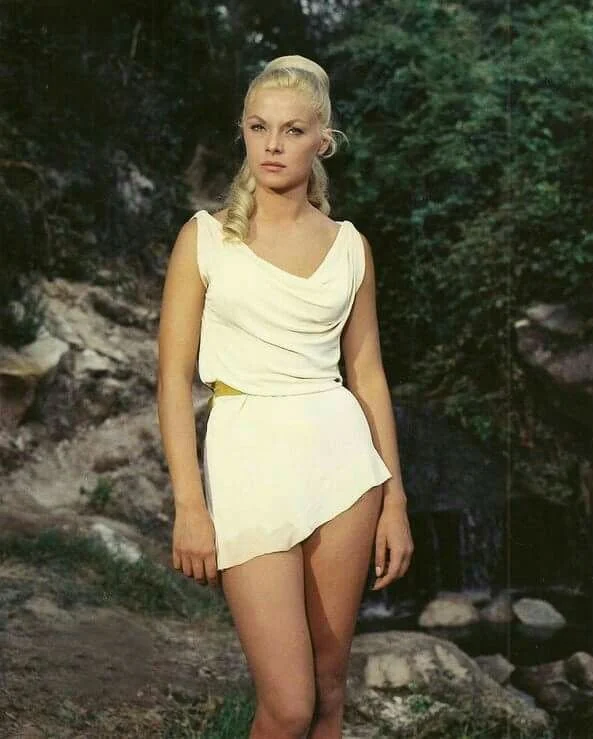
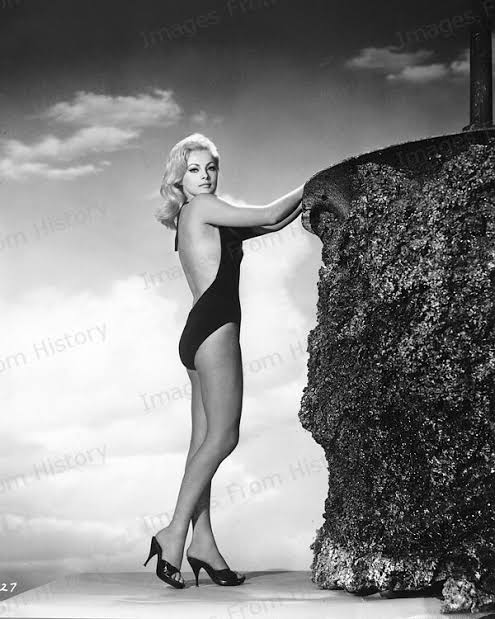
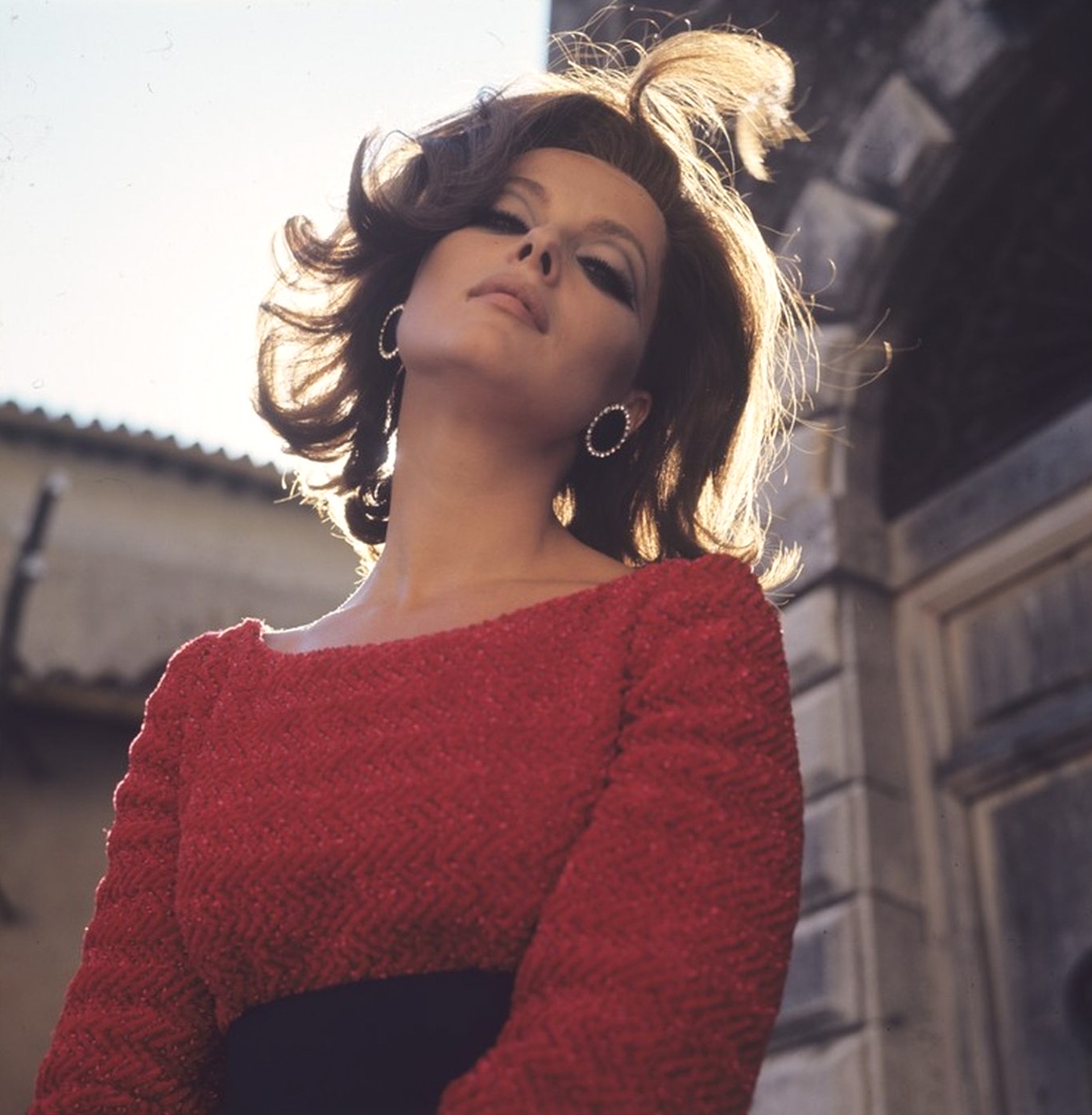
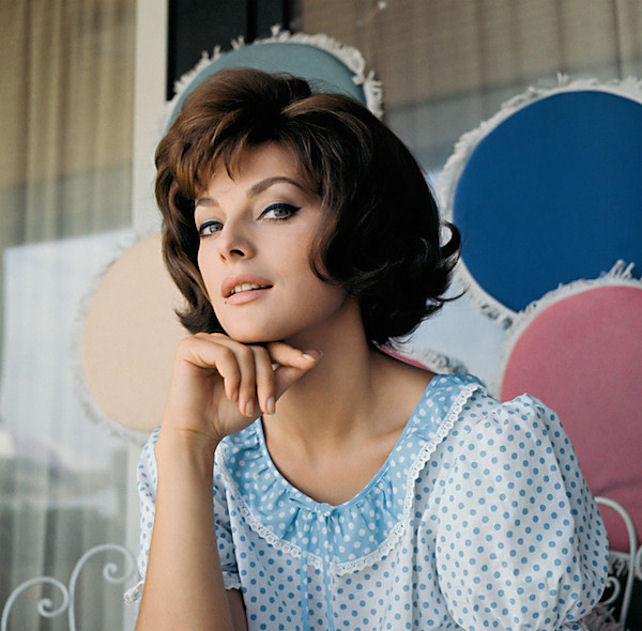
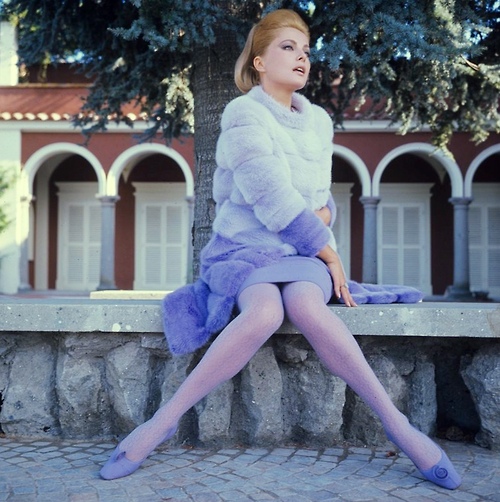
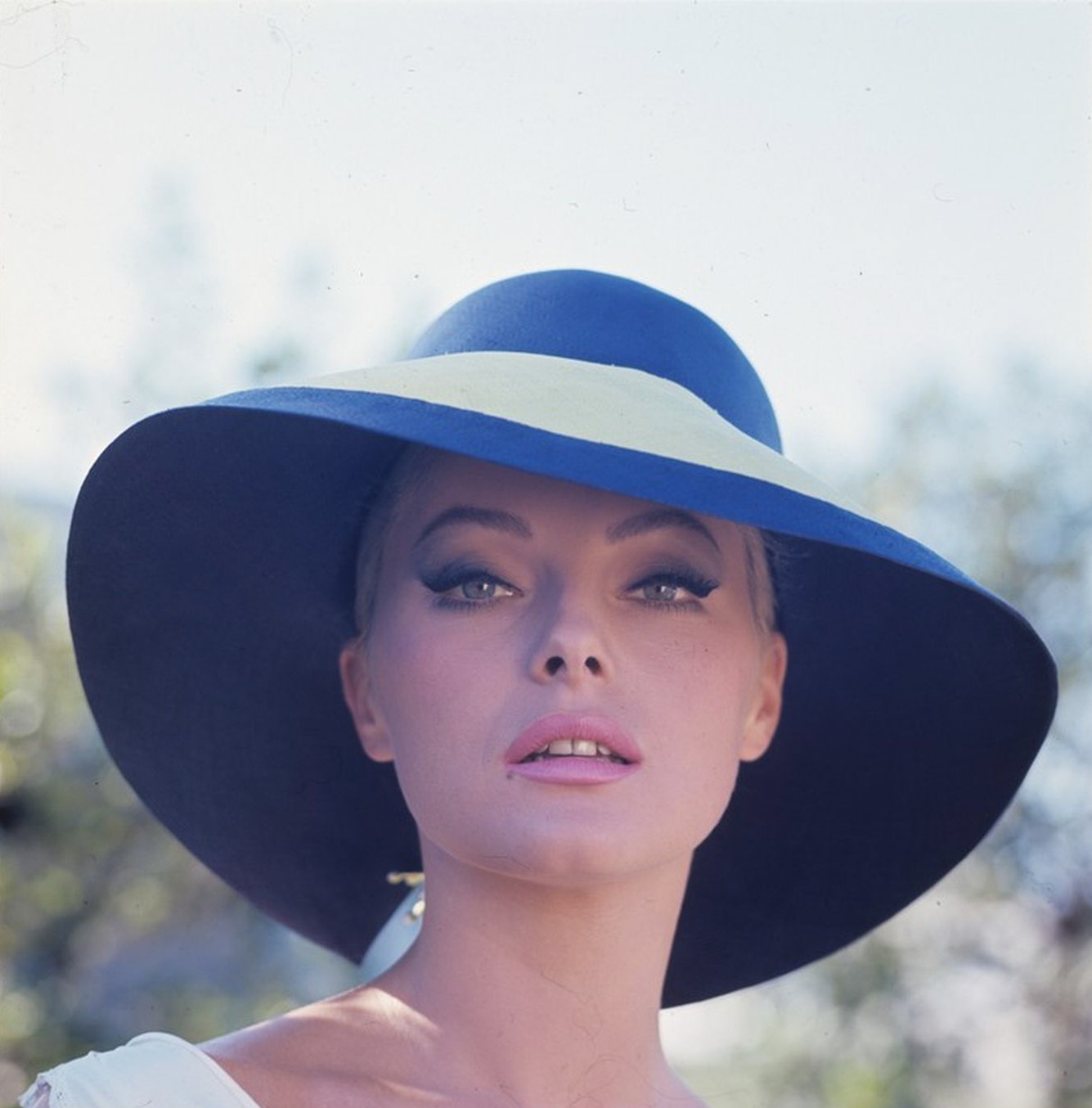
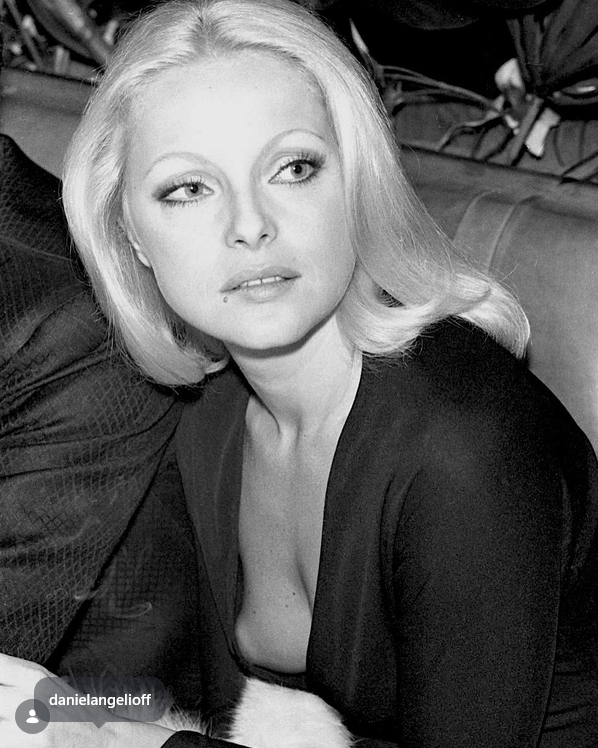
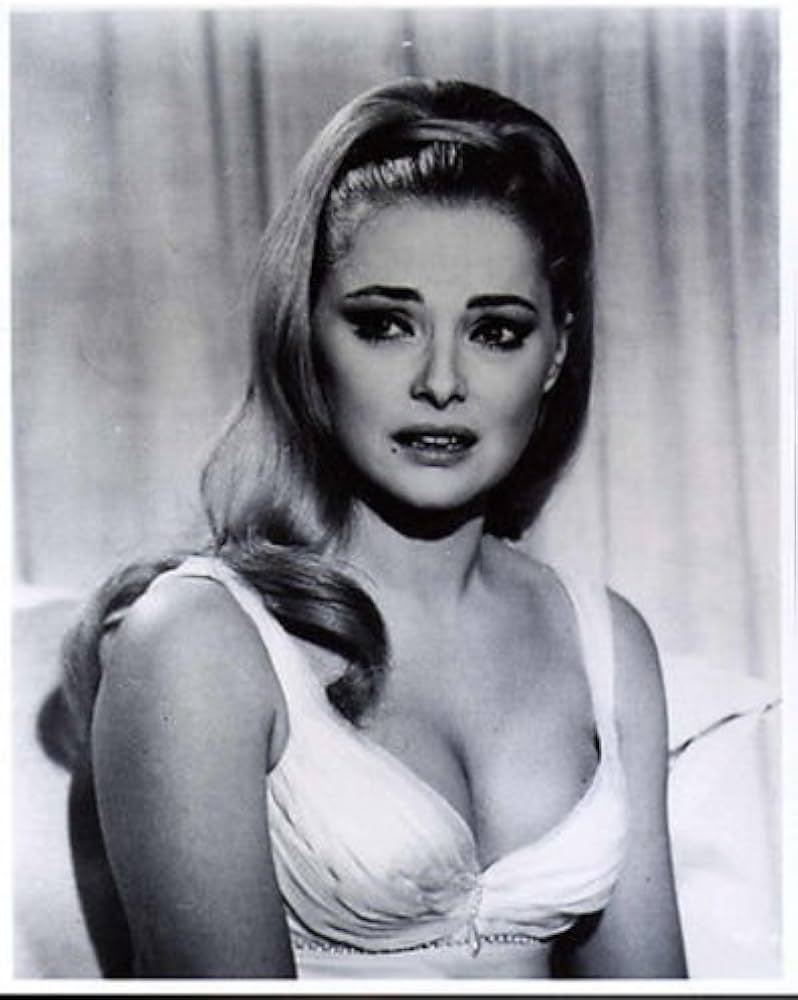
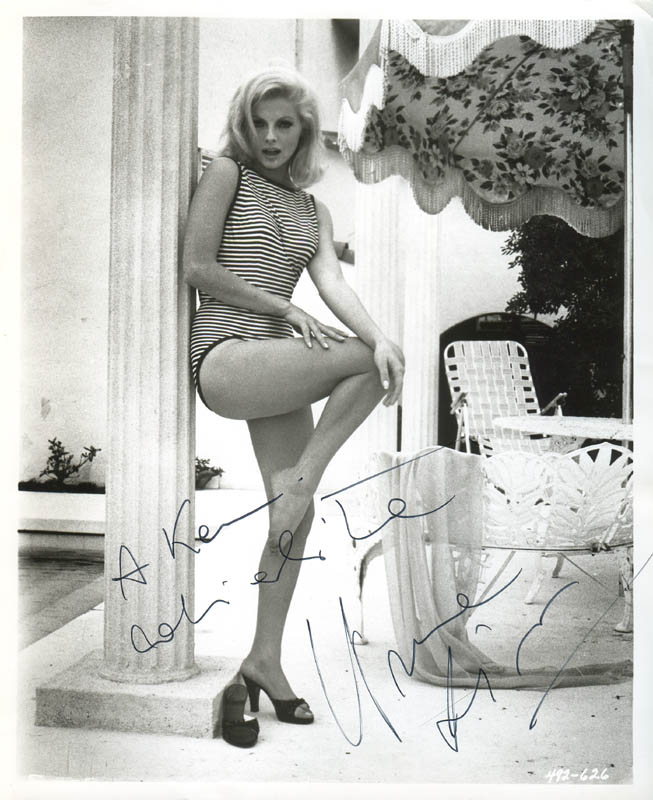
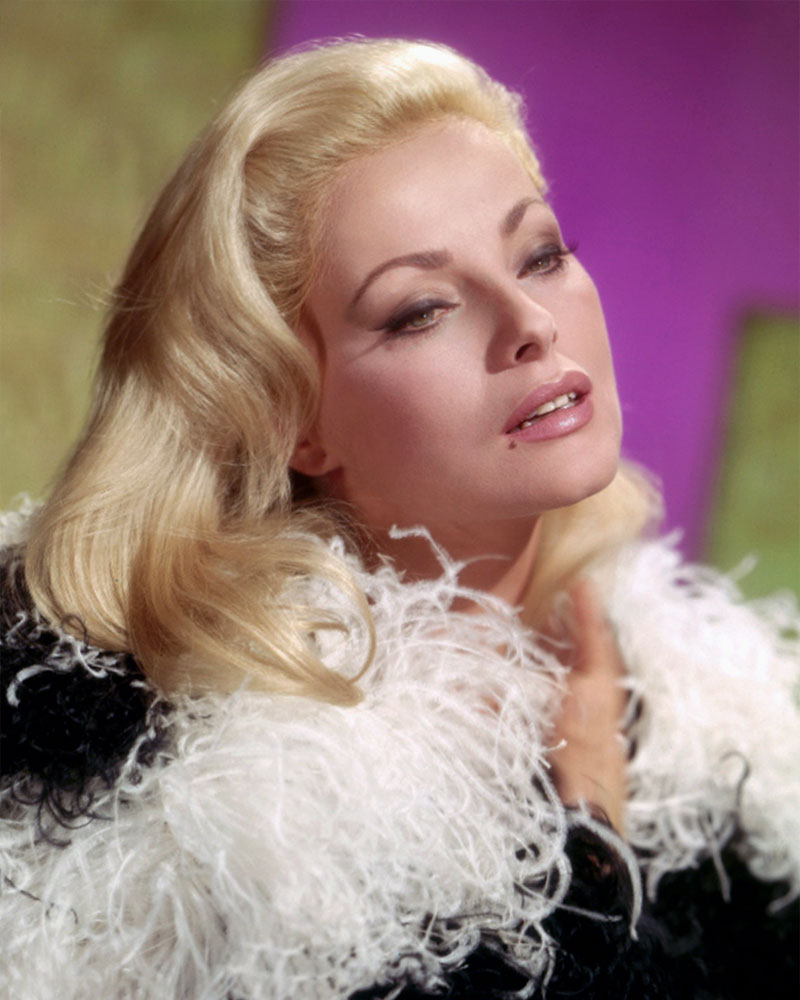
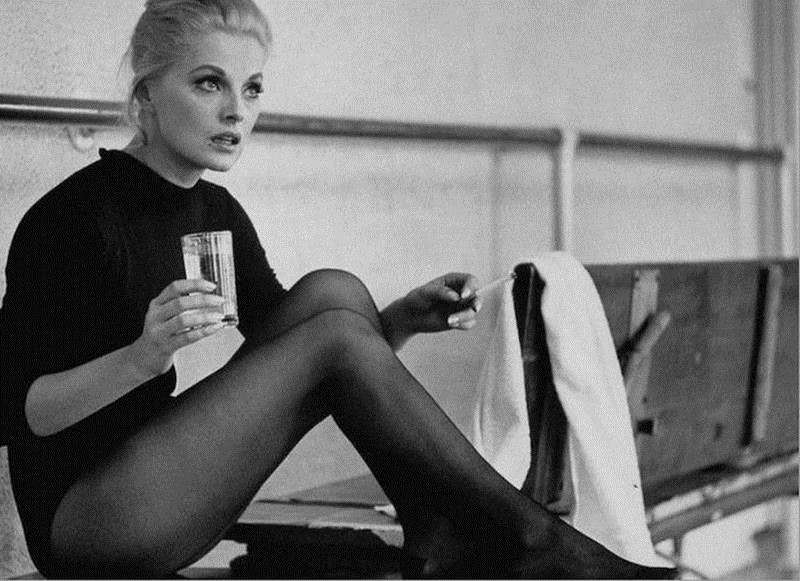
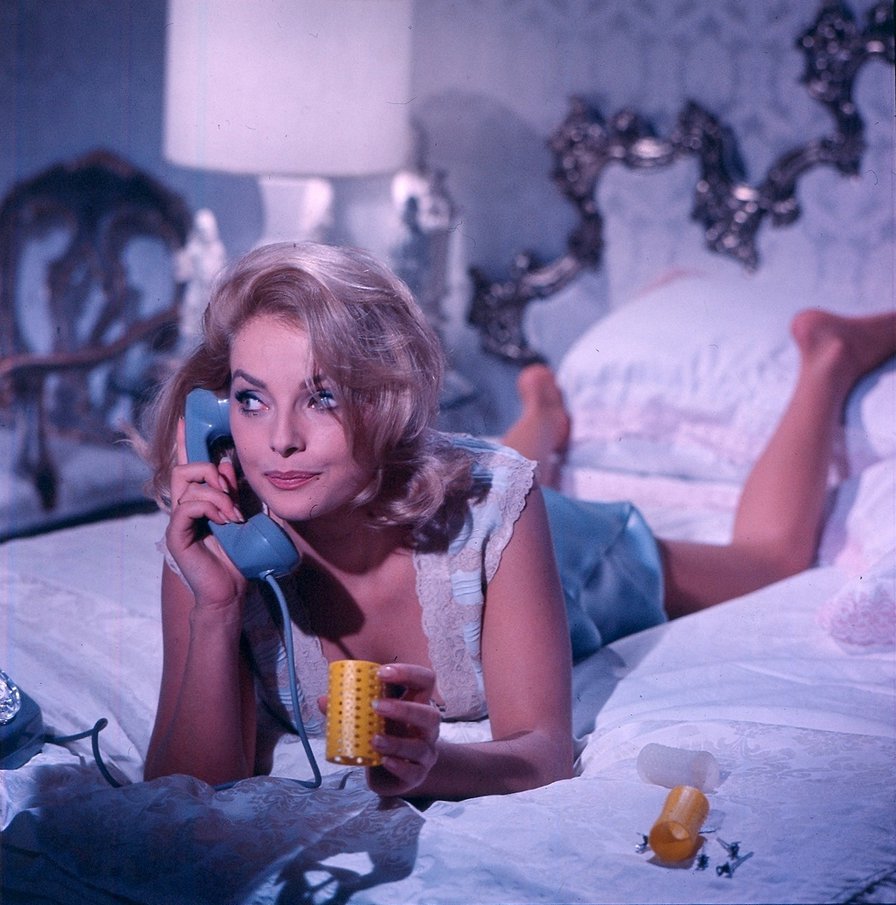
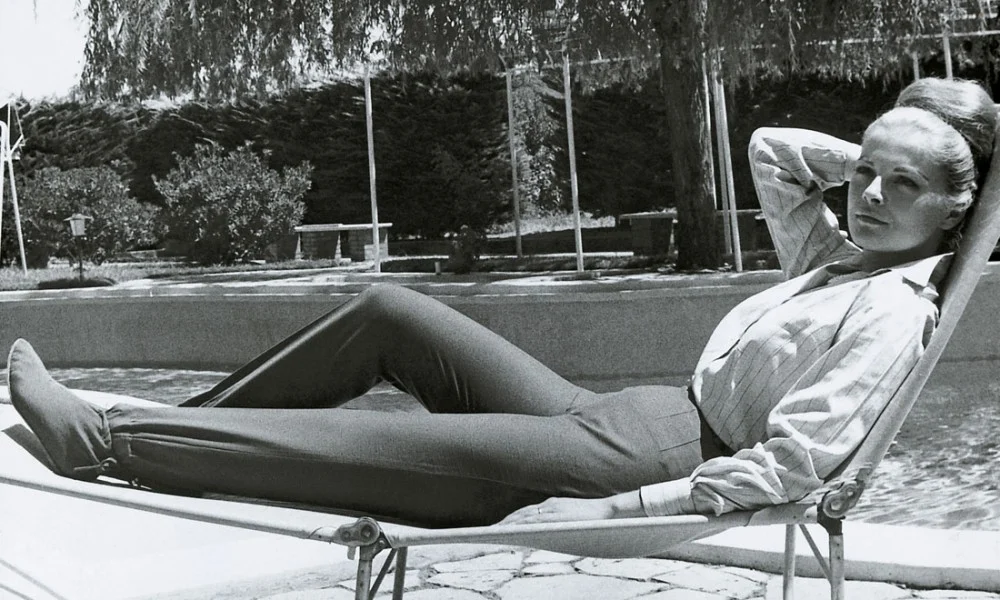
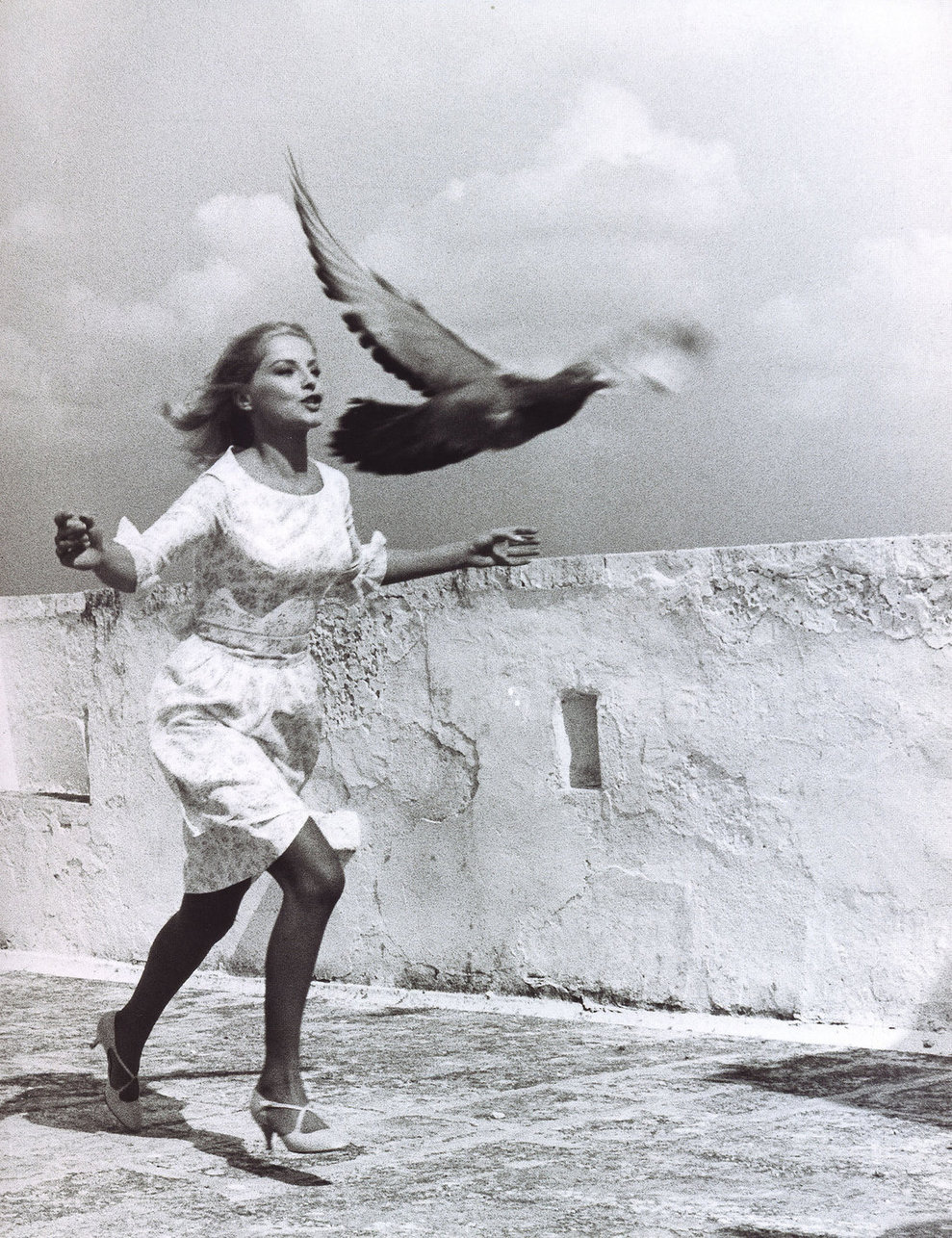
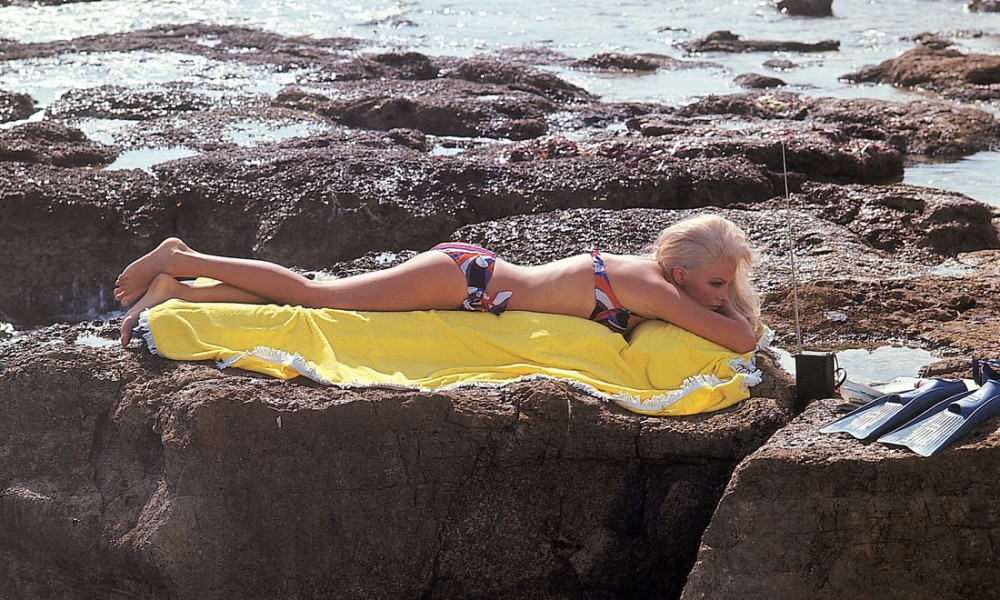
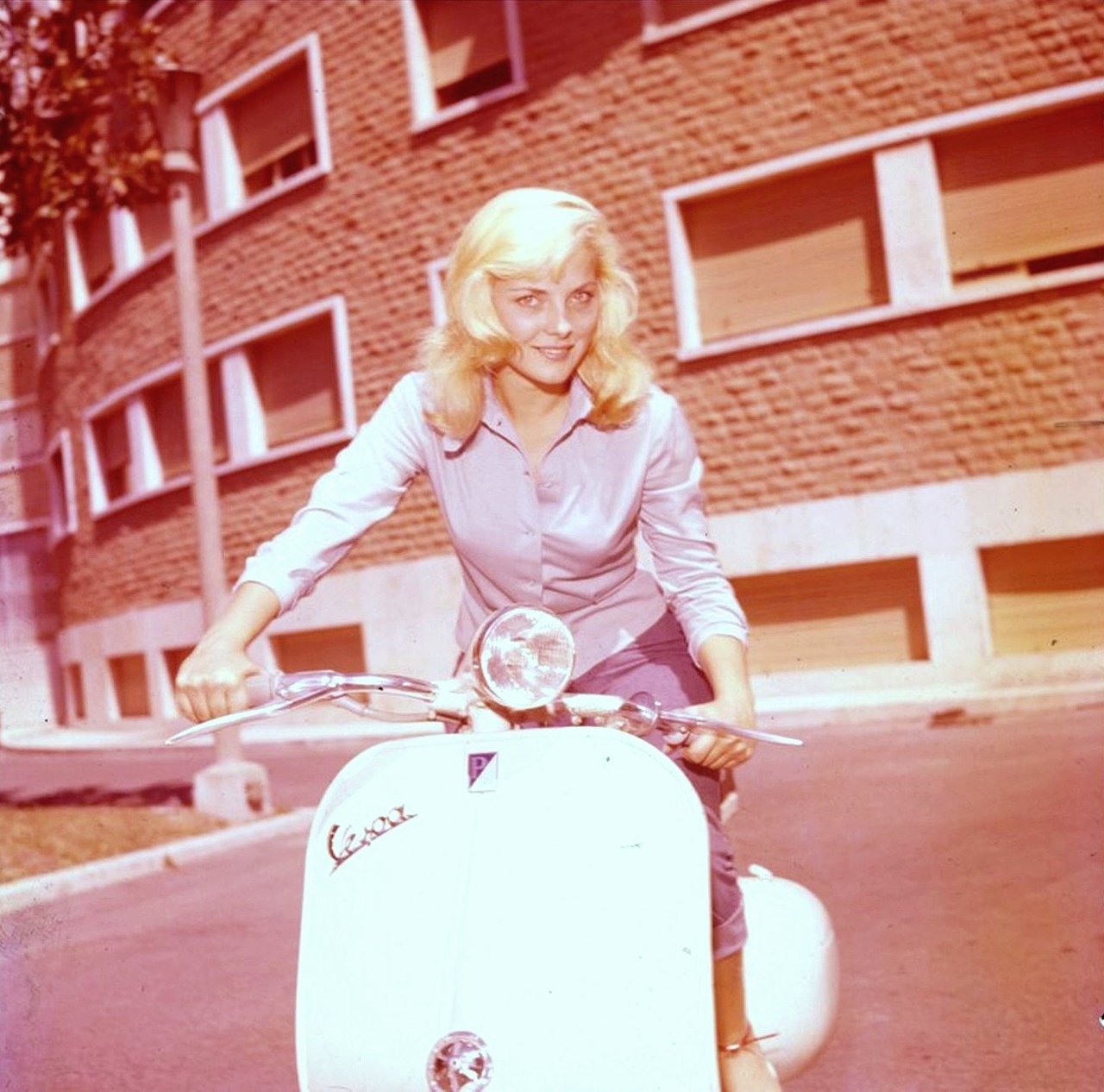
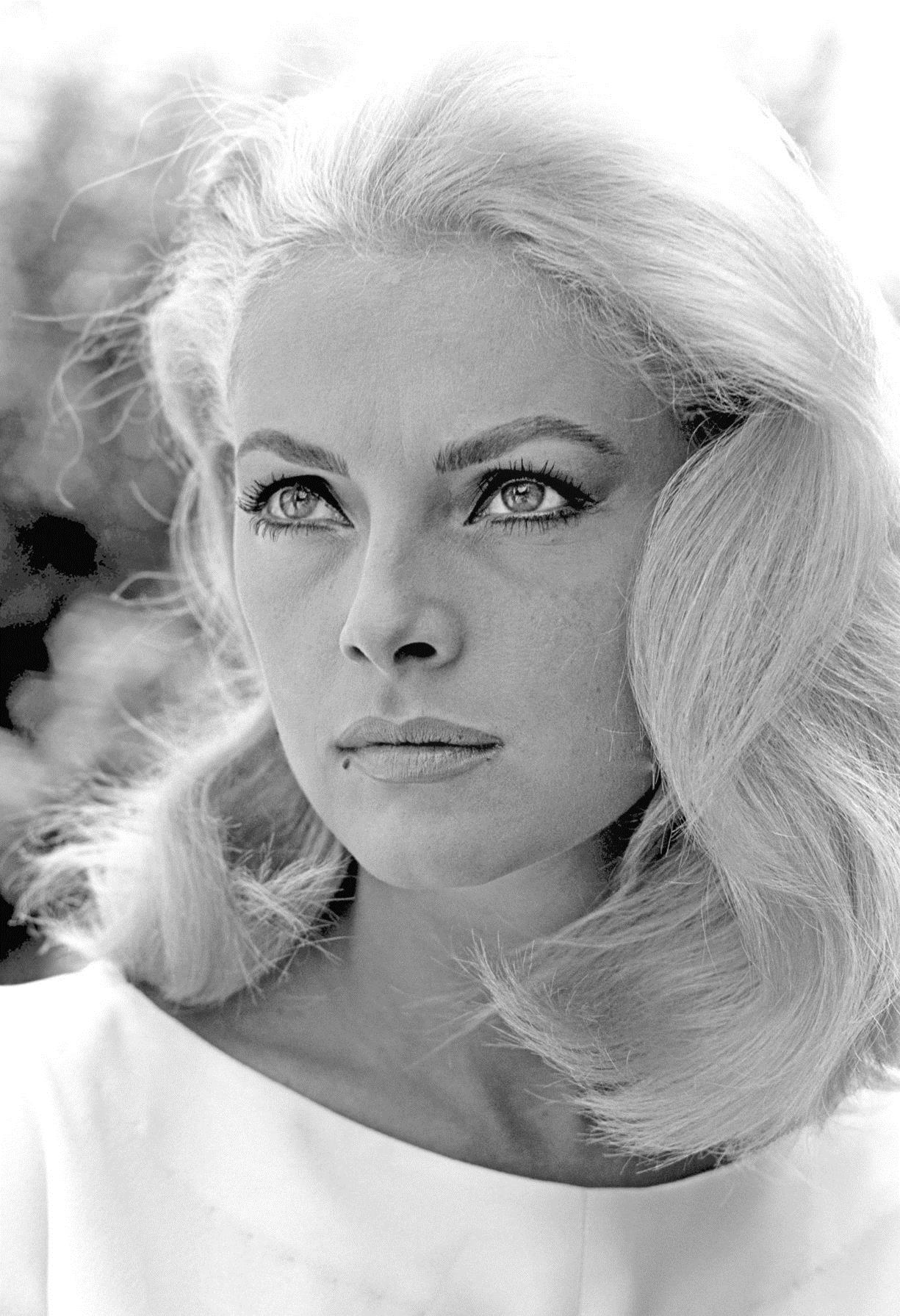
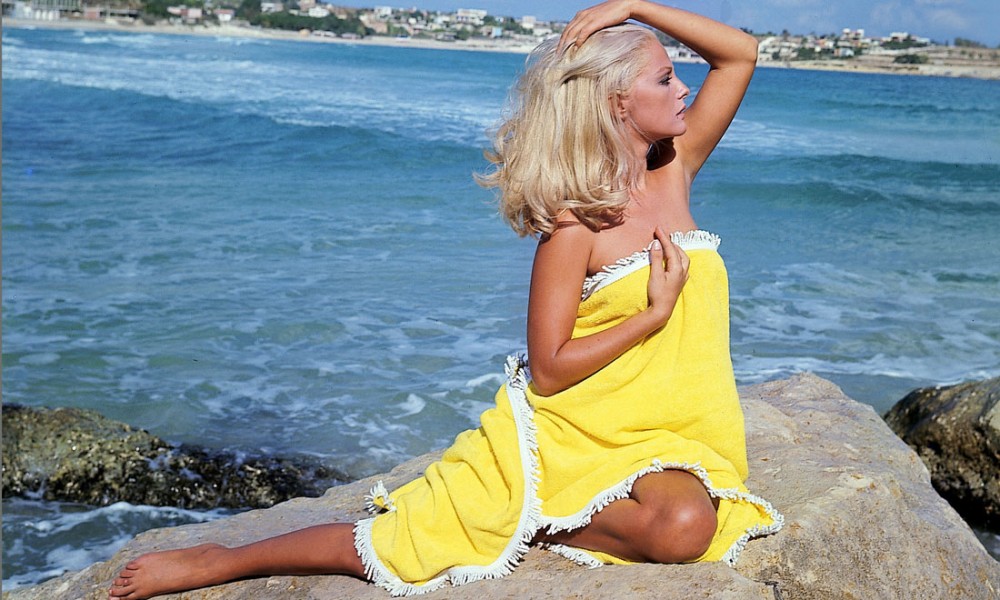
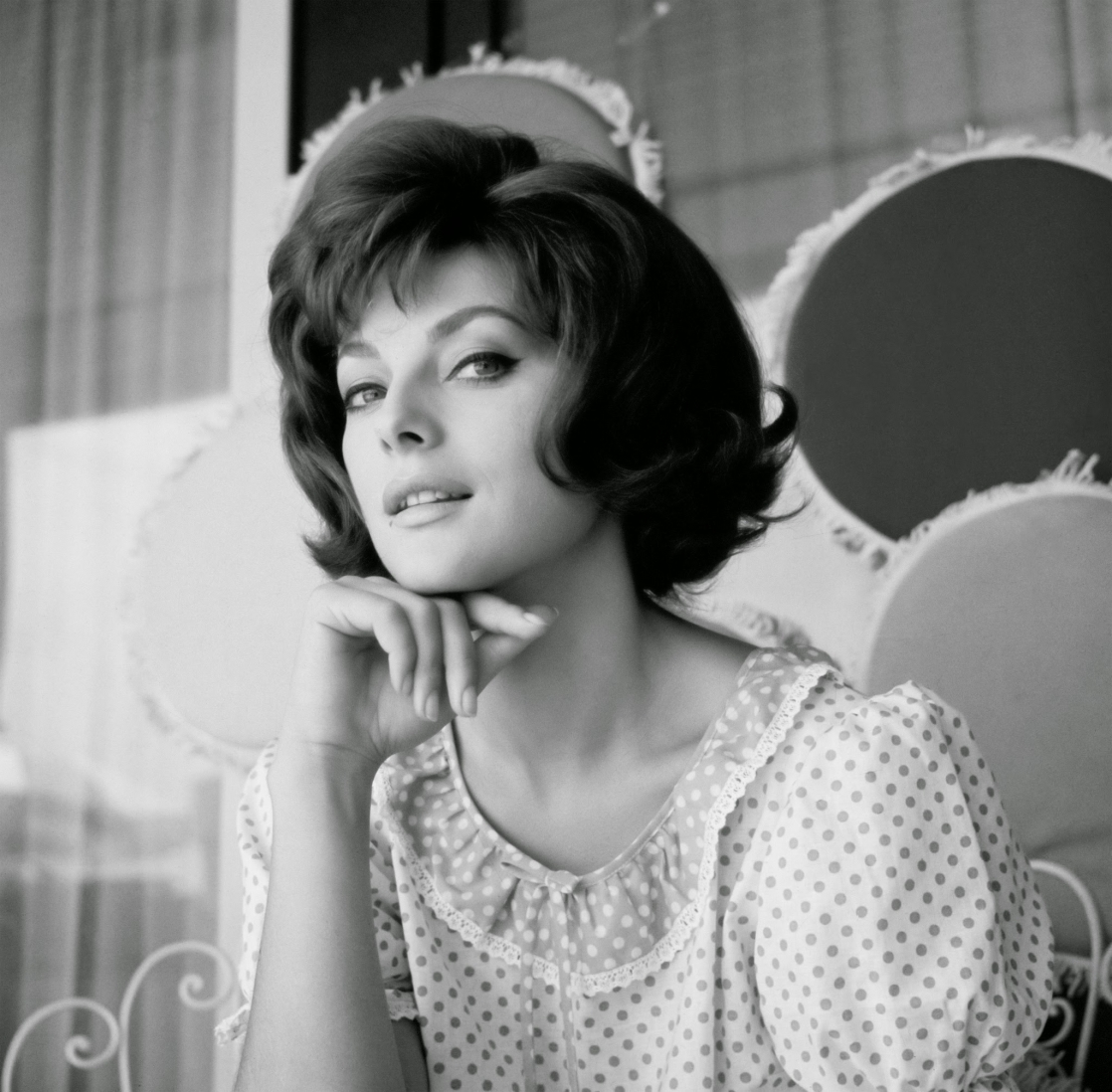
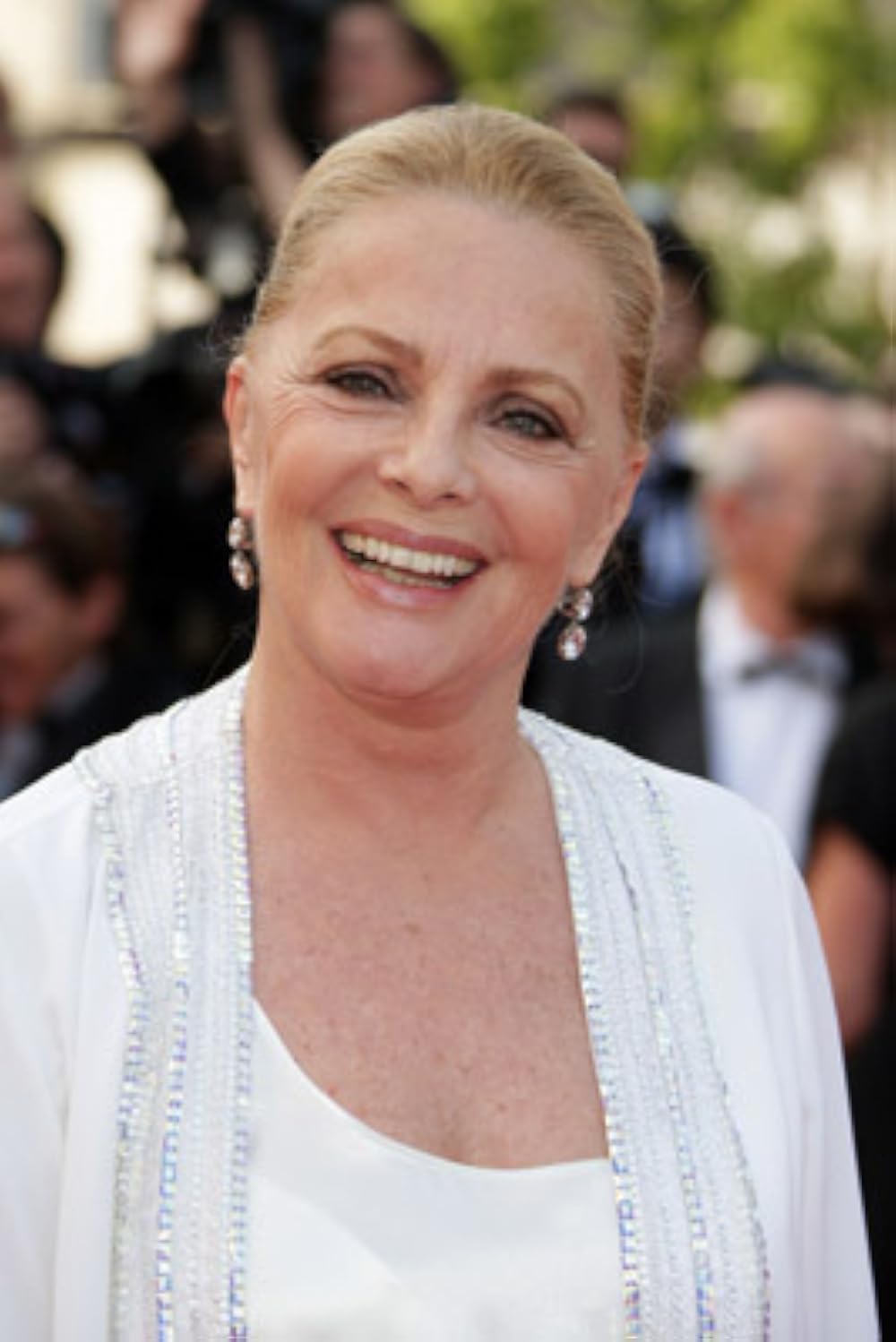
Virna Lisi began her film career in her teens. Discovered in Rome by two Neapolitan producers, Antonio Ferrigno and Ettore Pesce, she debuted in La corda d’acciaio (The Steel Rope, 1953). Initially, she appeared in musical films like E Napoli canta (Naples Sings, 1953) and Questa è la vita (Of Life and Love, 1954, with Totò). While initially cast in roles highlighting her physical appearance, such as Le diciottenni (Eighteen Year Olds) and Lo scapolo (The Bachelor), both released in 1955, she went on to more demanding roles, particularly in The Doll That Took the Town (1956), Eva (1962), and the spectacle Duel of the Titans (1961).
Her international film appearances included How to Murder Your Wife (1965), Not with My Wife, You Don’t! (1966), The Secret of Santa Vittoria (1969), Beyond Good and Evil (1977), and Follow Your Heart (1996). For the 1994 film La Reine Margot, she won Best Actress at Cannes and the César Award for Best Supporting Actress.
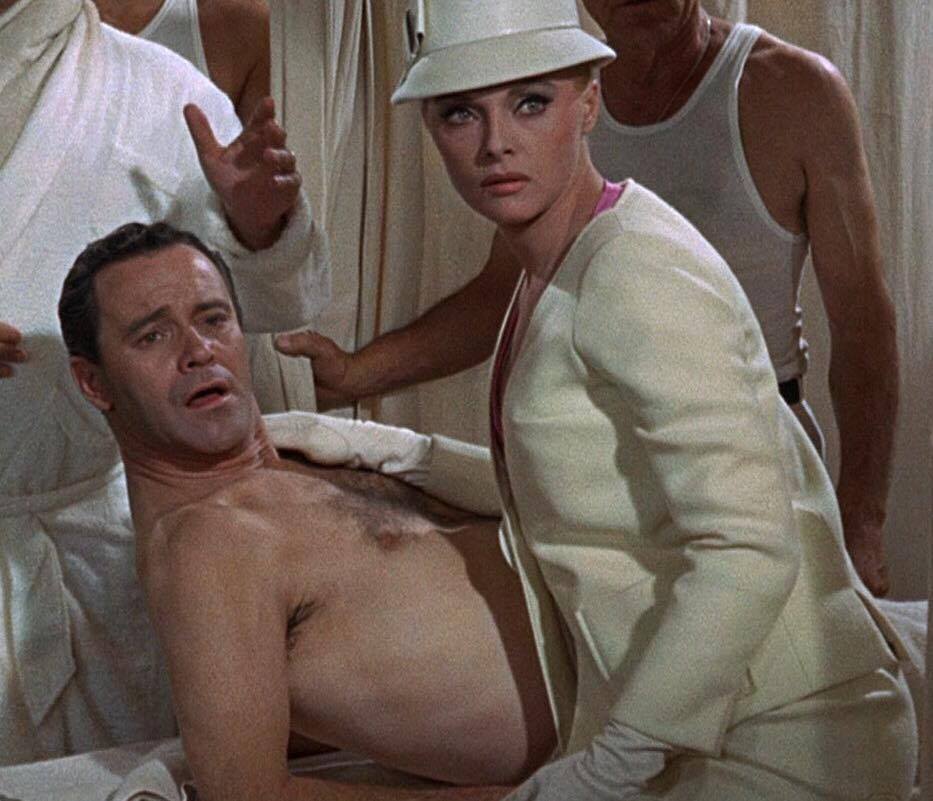
Though she turned down the Tatiana Romanova role in From Russia with Love (1963), Hollywood producers sought a new Marilyn Monroe and so, Lisi debuted in Hollywood comedy as a green-eyed blonde temptress with Jack Lemmon in How to Murder Your Wife (1965) and appeared with Tony Curtis in Not with My Wife, You Don’t! (1966). Lisi then starred with Frank Sinatra, in Assault on a Queen (1966), in The Girl and the General, co-starring with Rod Steiger, and in two films with Anthony Quinn, The Secret of Santa Vittoria, directed by Stanley Kramer, and the war drama The 25th Hour. In 1969 she did a cameo appearance in If It’s Tuesday, This Must Be Belgium. In the 80s she played in two American movies, Miss right and I Love N.Y..
In 1968 she turned down the role of Barbarella because she was not interested in a sexualized role.
Lisi died of lung cancer in Rome at age 78















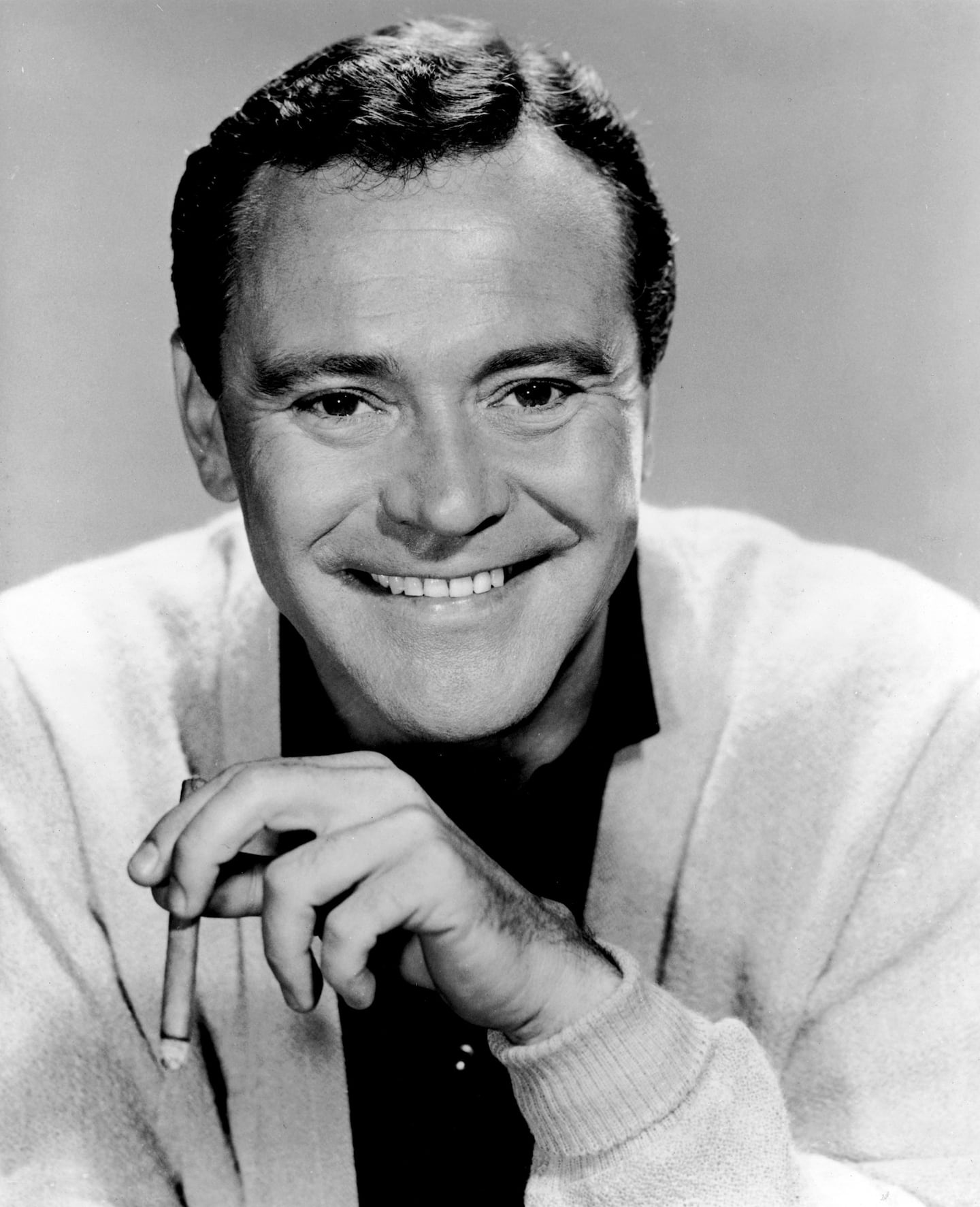
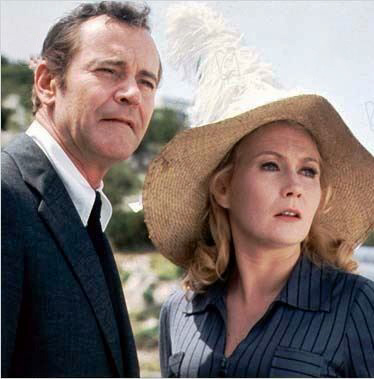
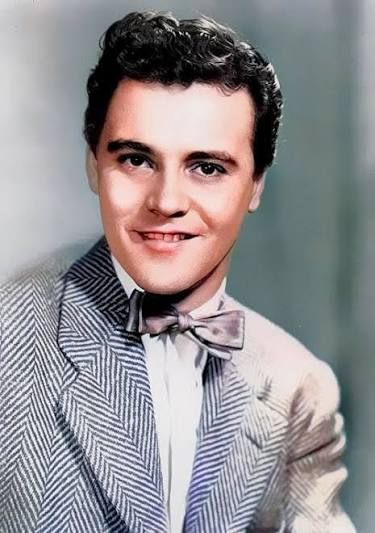
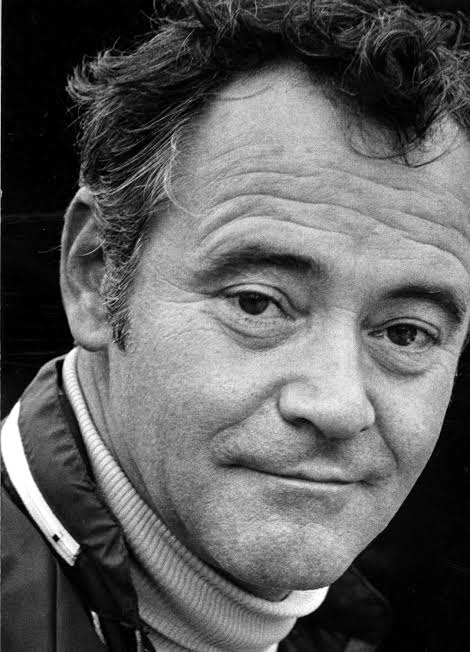
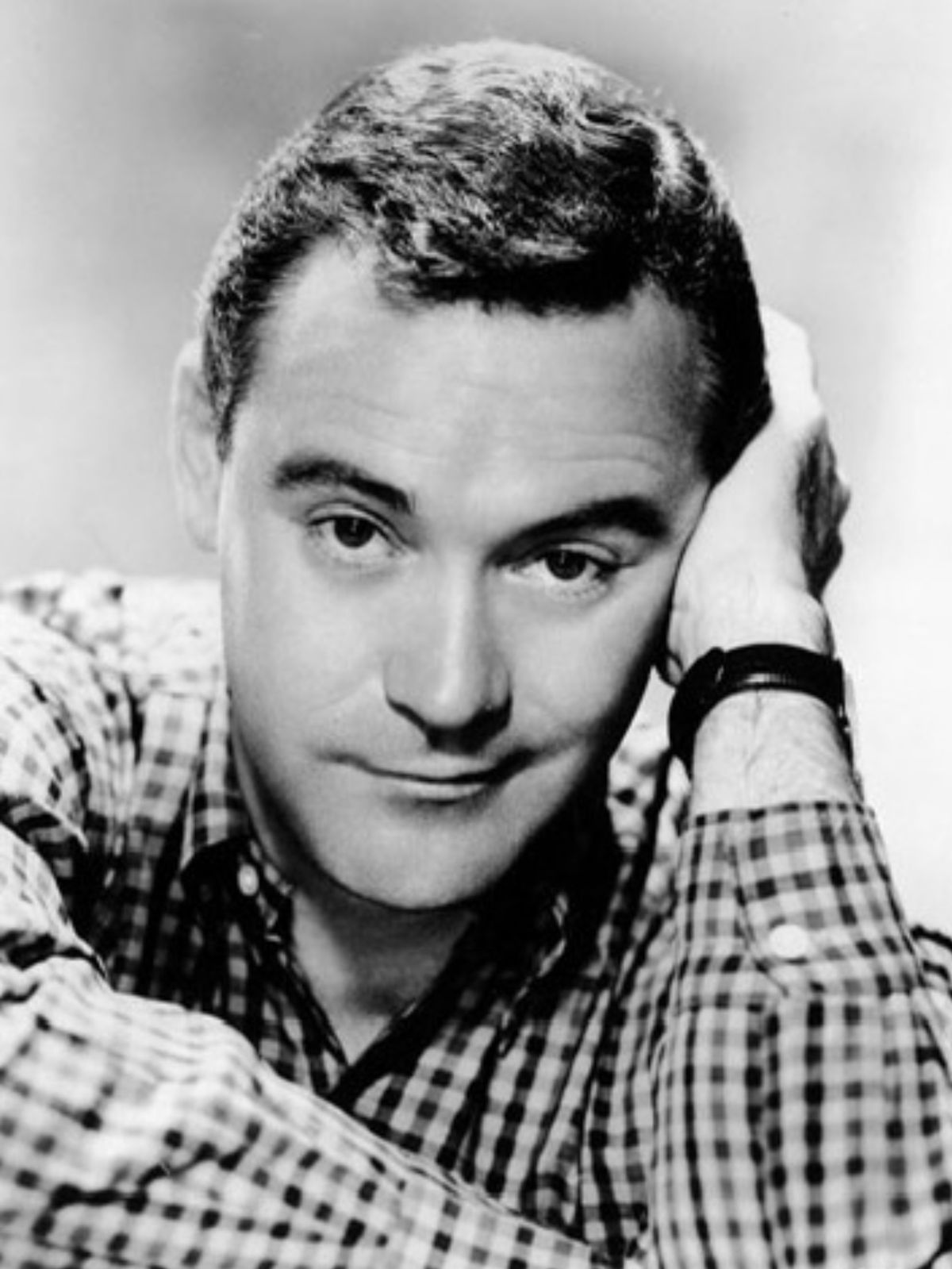
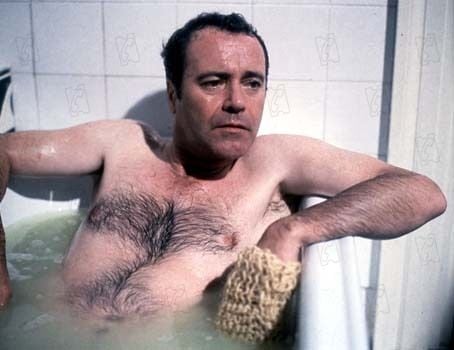
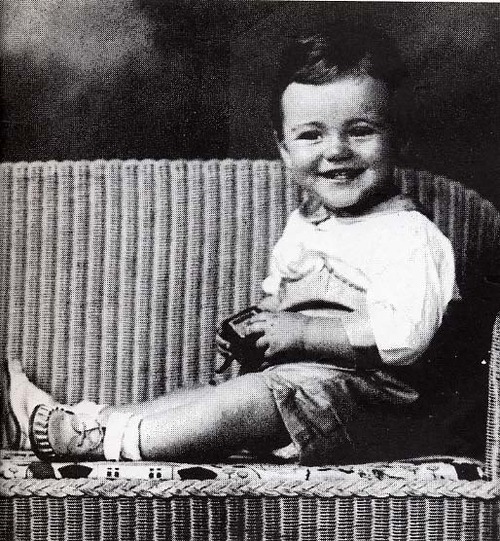
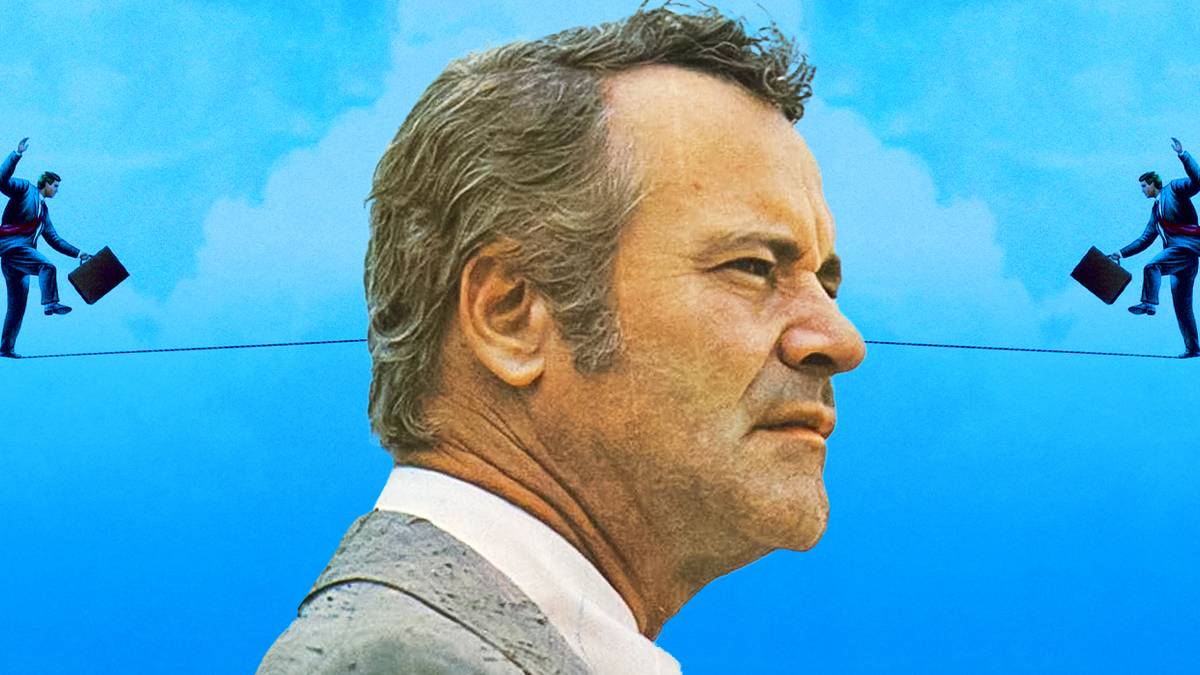
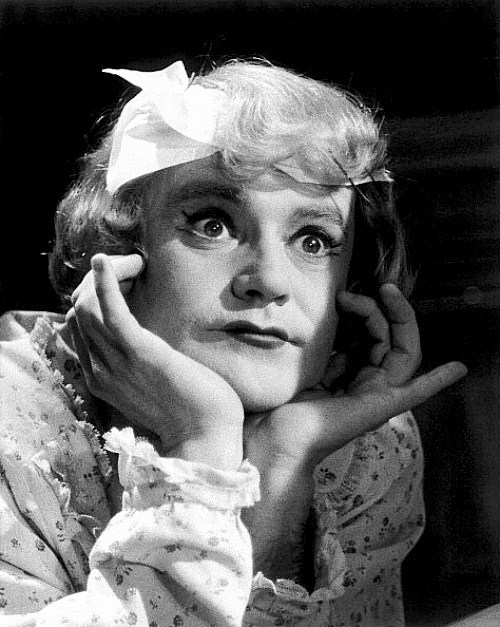
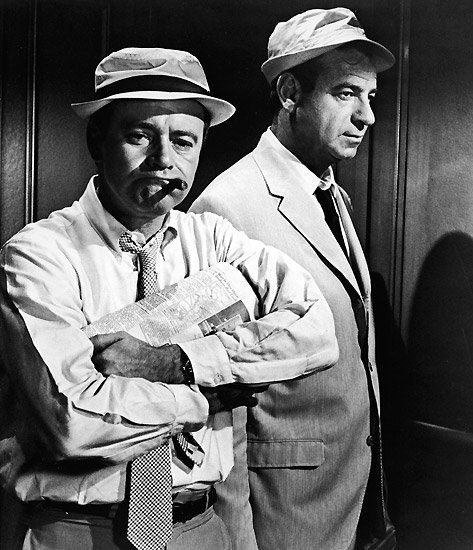
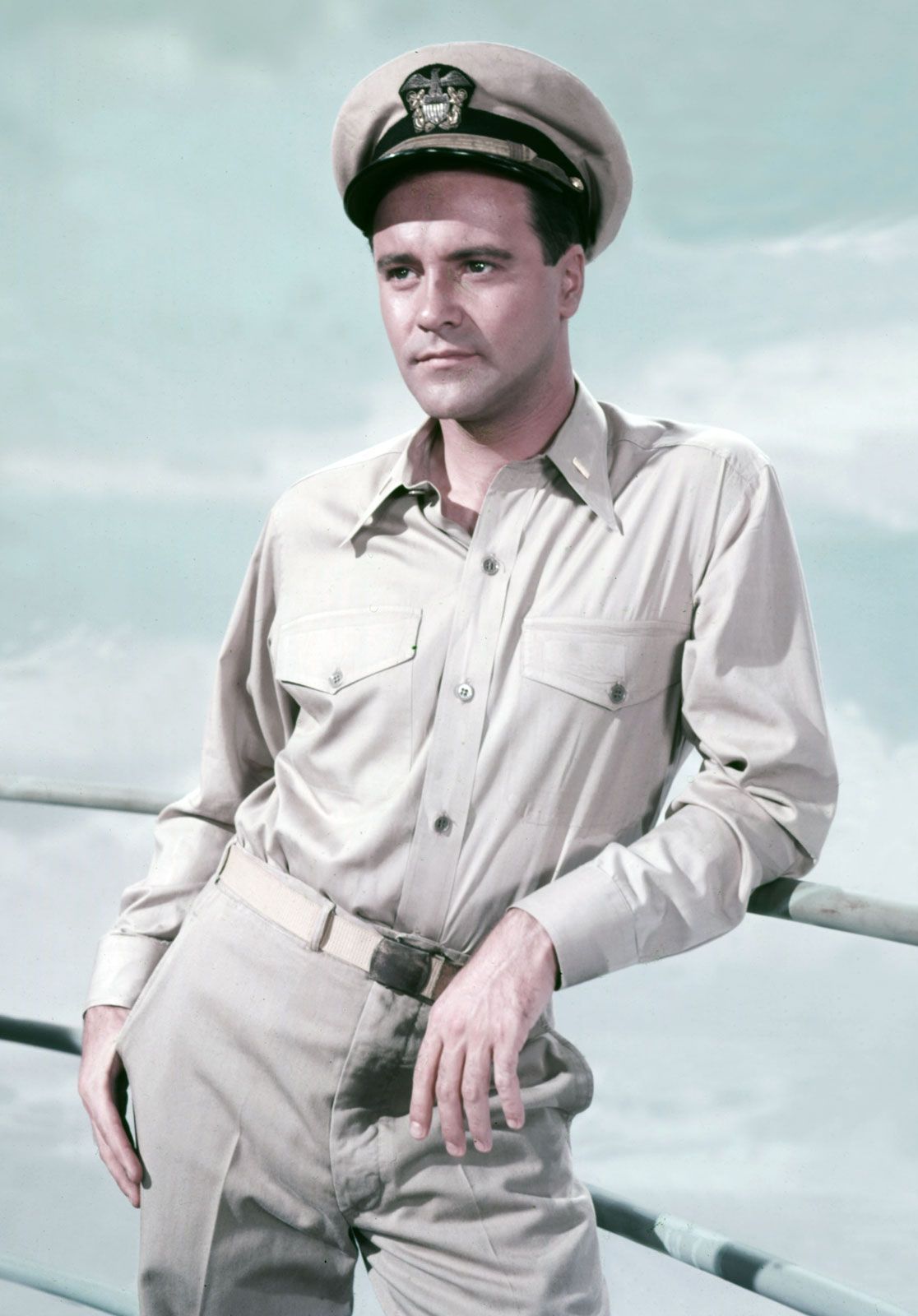
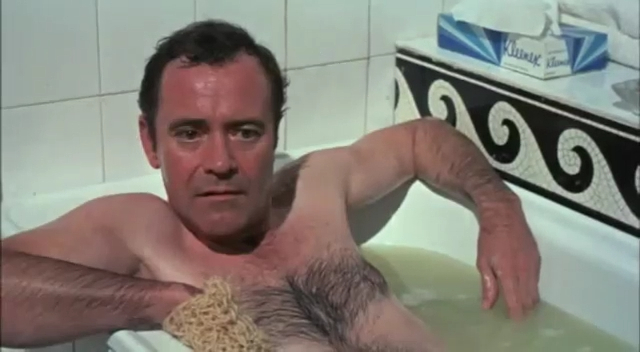
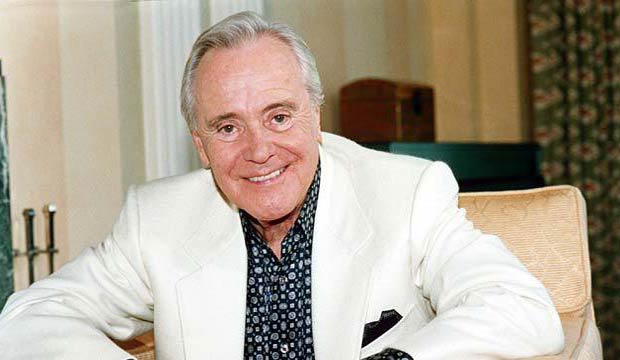
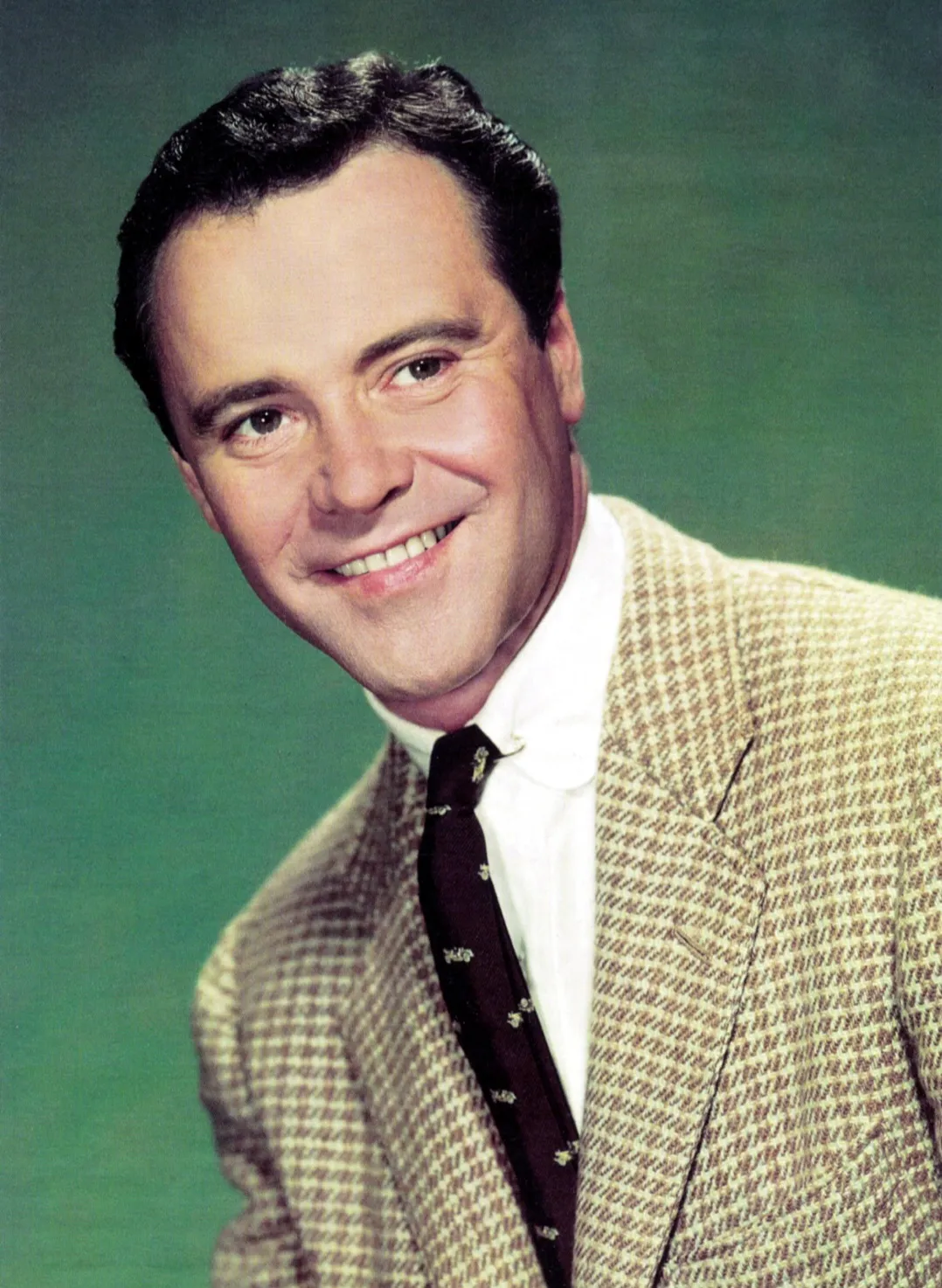
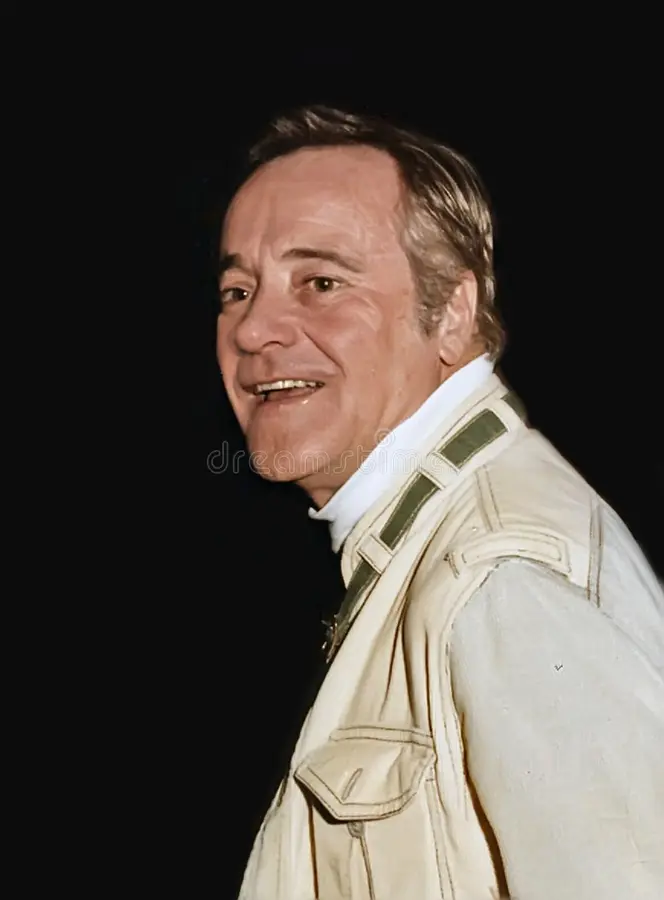
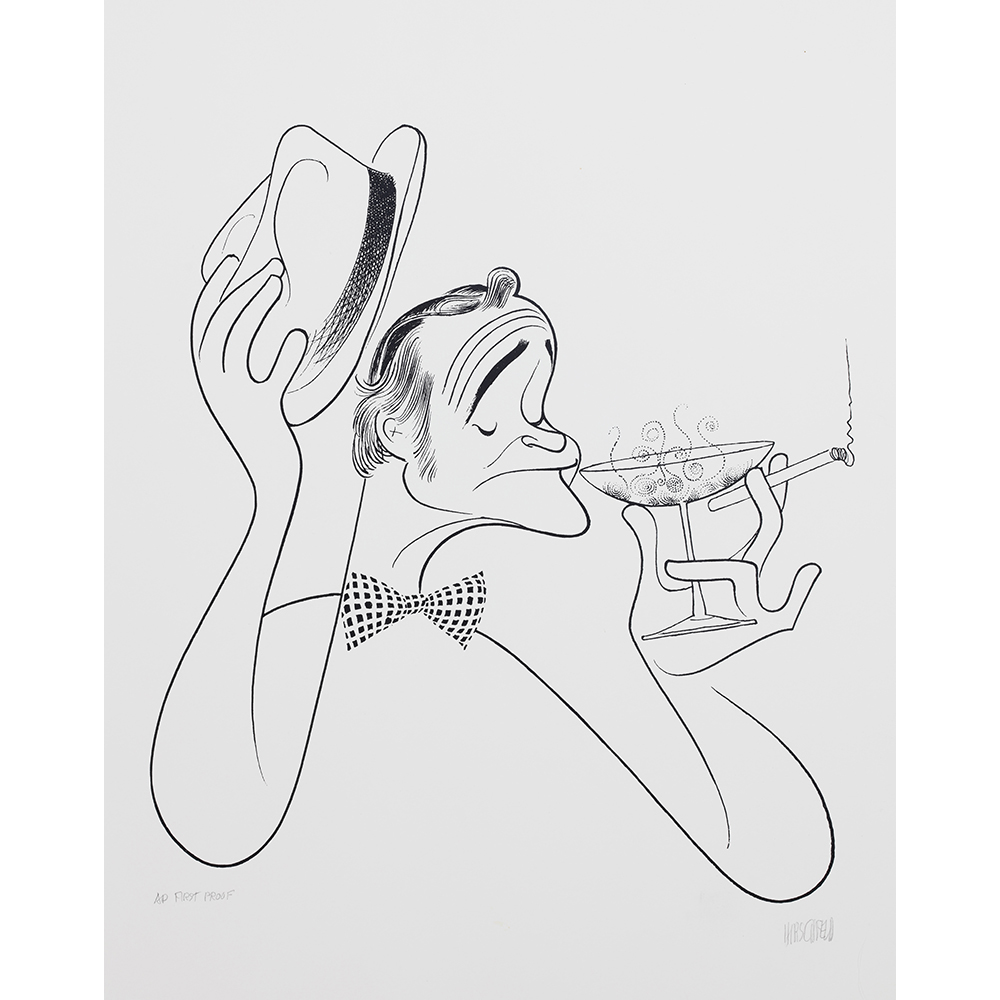
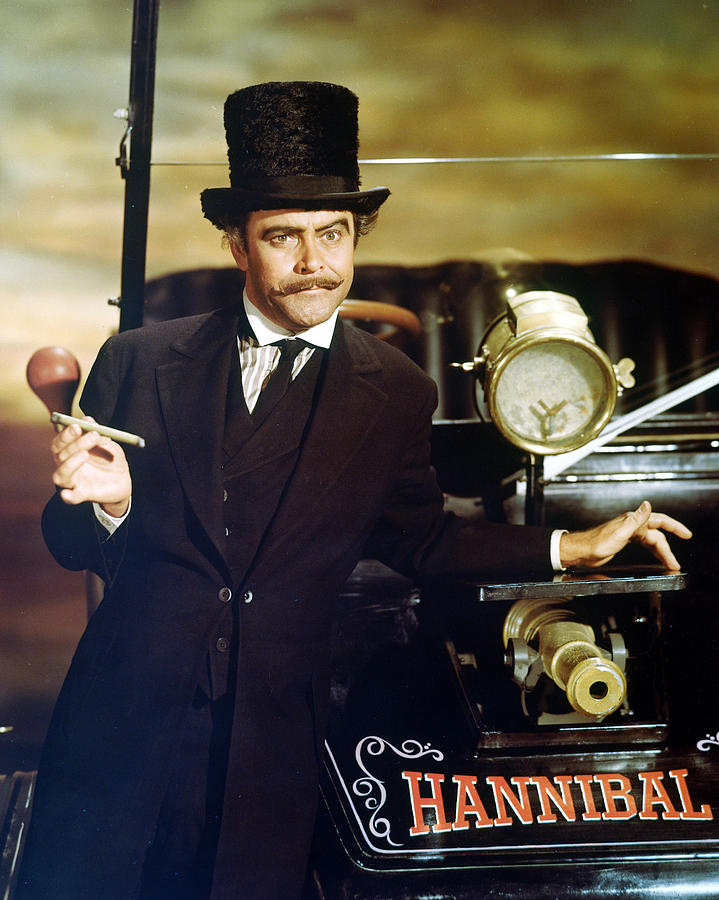
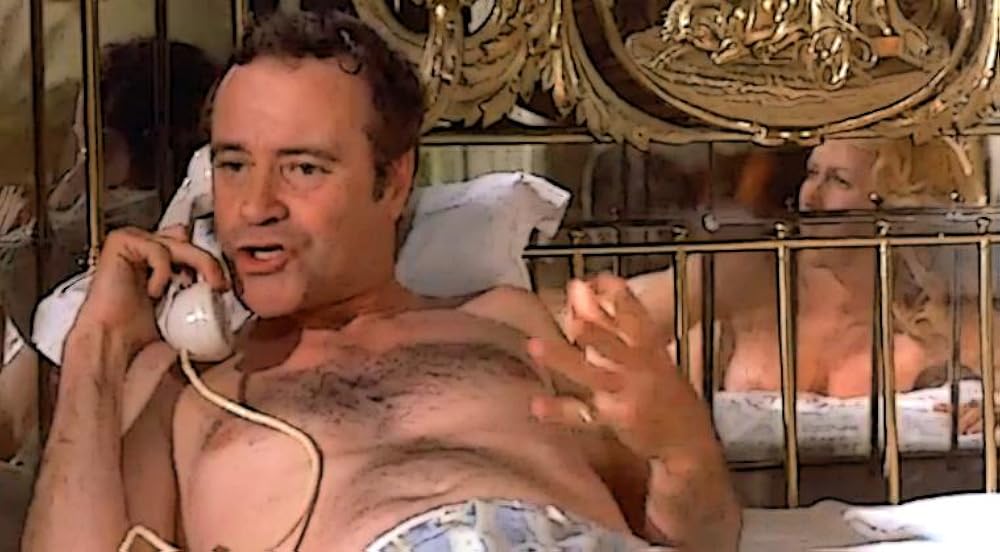
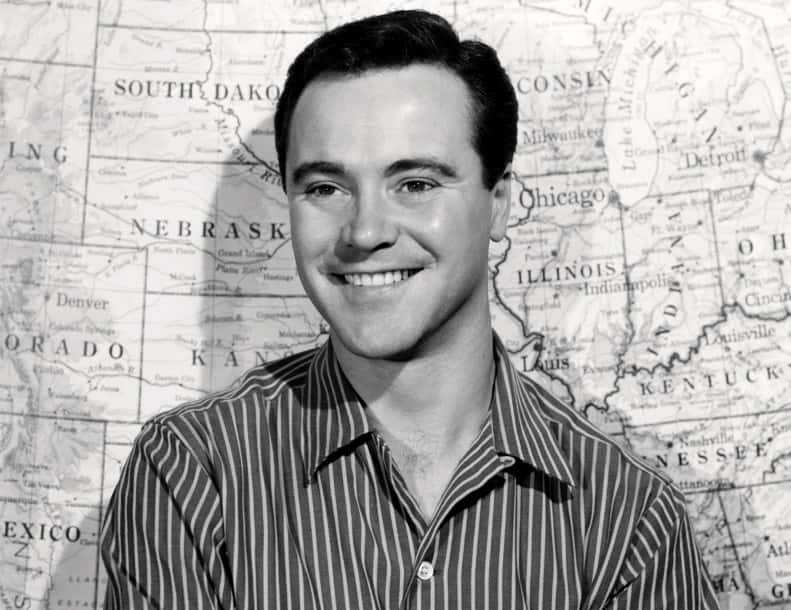
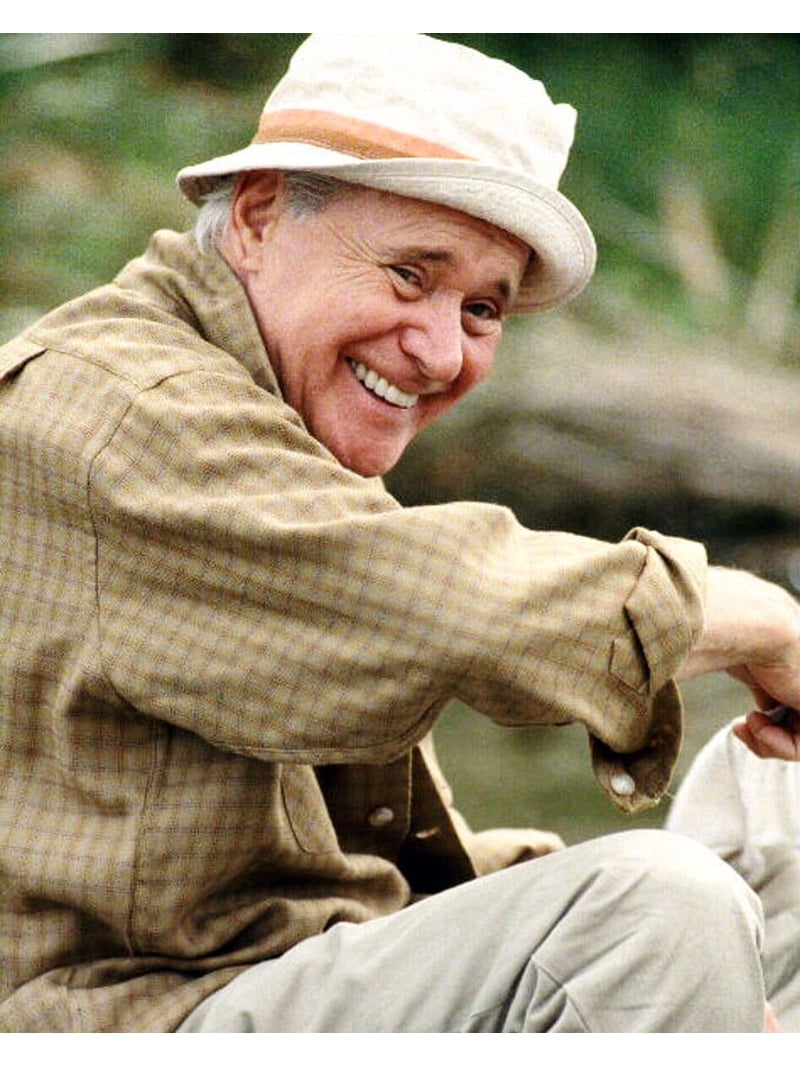
Jack Lemmon was born on February 8, 1925 in Newton, Massachusetts, a suburb of Boston. He initially acted on TV before moving to Hollywood for the big screen, cultivating a career that would span decades. An eight time Academy Award nominee, with two wins, Lemmon starred in over 60 films.
He attended the prestigious Phillips Academy (Class of 1943) and Harvard College (Class of 1947). At Harvard, Lemmon found his passion for theater. He was also a member of the V-12 Navy College Training Program and served briefly as an ensign on an aircraft carrier during World War II before returning to Harvard following his time served in the military.
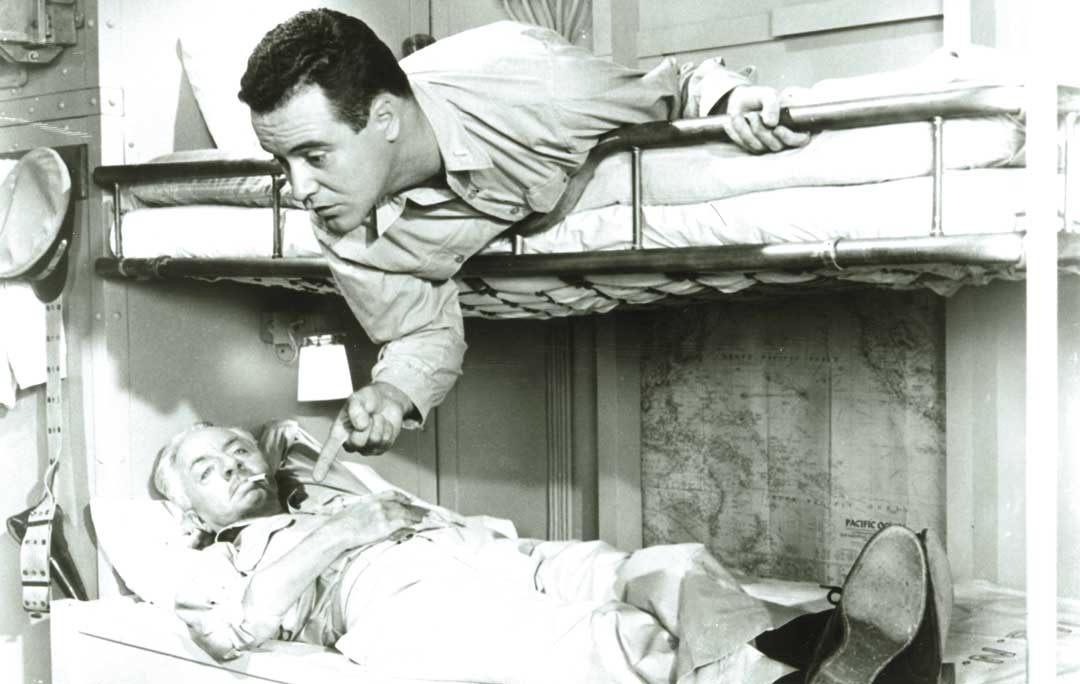
After college, Lemmon moved to New York City and spent much of his time there playing piano in a bar before landing small roles on the radio, stage and television. Two years later, Lemmon earned his first big role in the comedy war drama Mister Roberts (1955) with Henry Fonda and James Cagney.
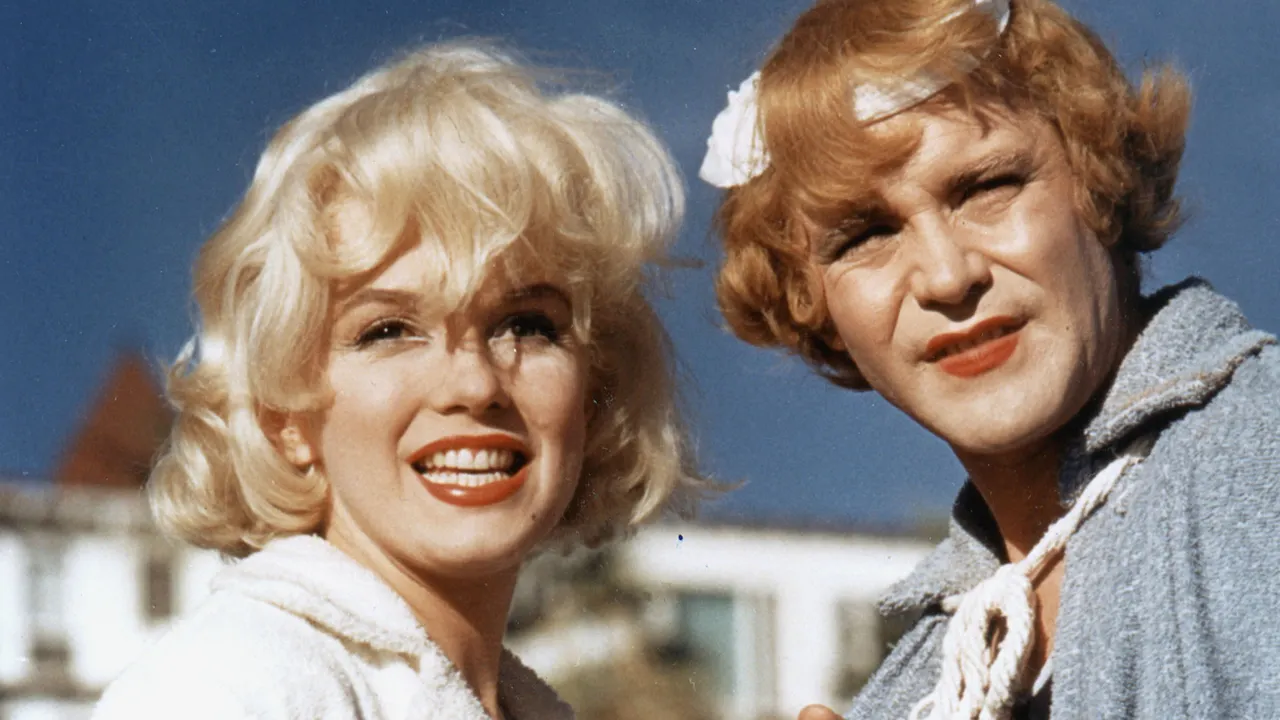
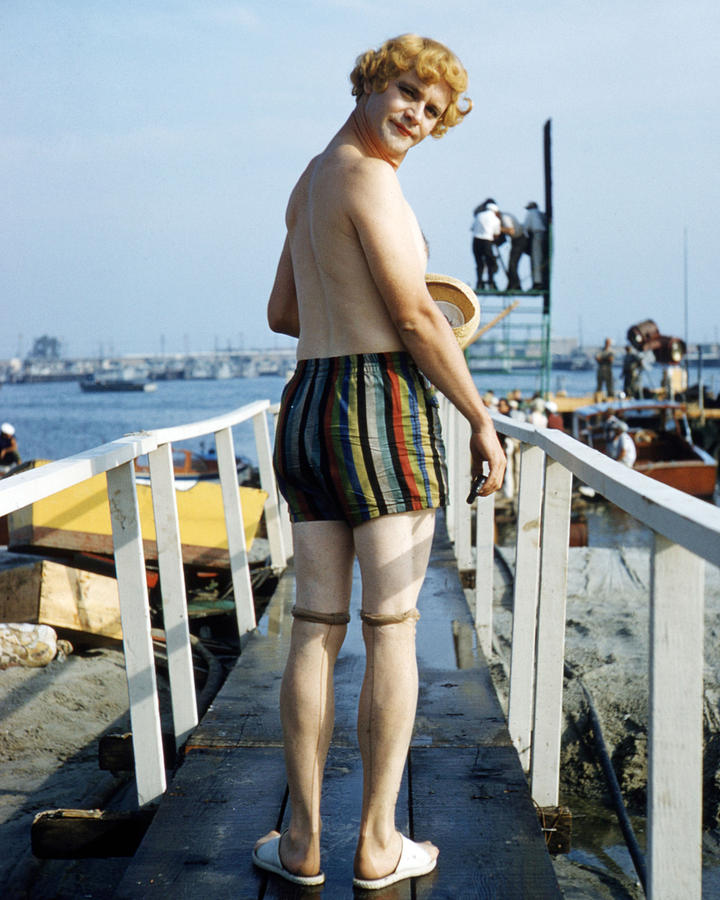
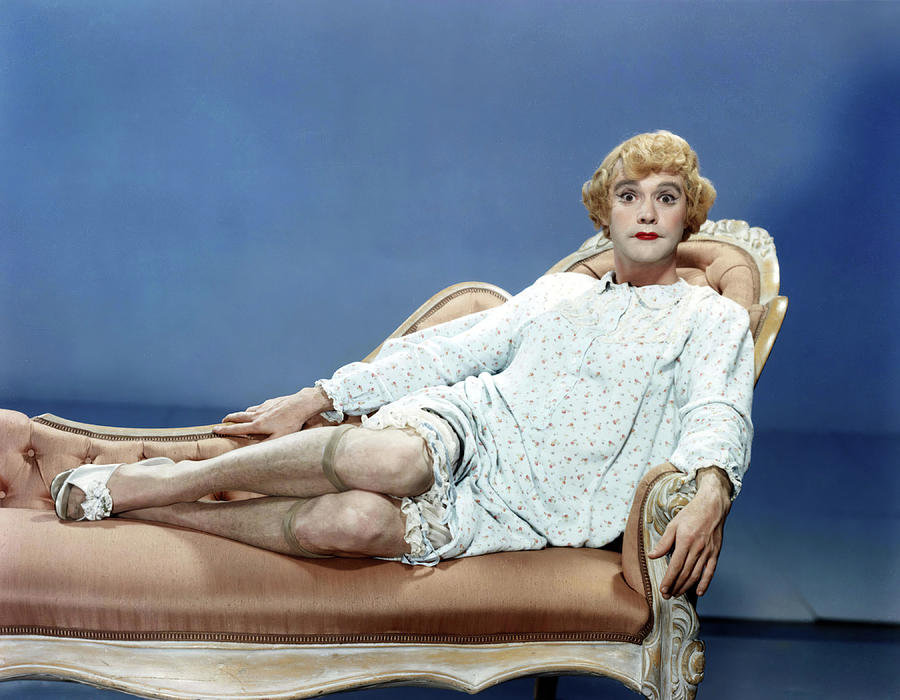
In 1959, Lemmon gave one of the top comedic performances of his career when he starred alongside Tony Curtis in the romantic comedy film Some Like It Hot (1959), the first of several collaborations with director Billy Wilder. Lemmon also received critical acclaim for his portrayal of C.C. ‘Bud’ Baxter in the The Apartment (1960) while working again with Wilder. Lemmon enjoyed great success on the big screen throughout the 1950s and 60s.
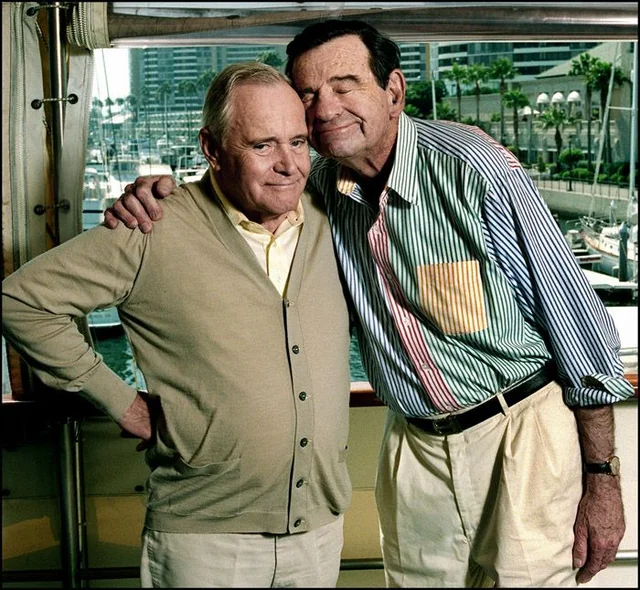
The Fortune Cookie (1966) served as the start of a comedic partnership between Lemmon and Walter Matthau and the two would come together again, two years later, for The Odd Couple (1968), one of their most endearing films together. As the 1970s came around, Lemmon began to undertake more dramatic roles and won the Academy Award for Best Actor for his performance in Save the Tiger (1973).
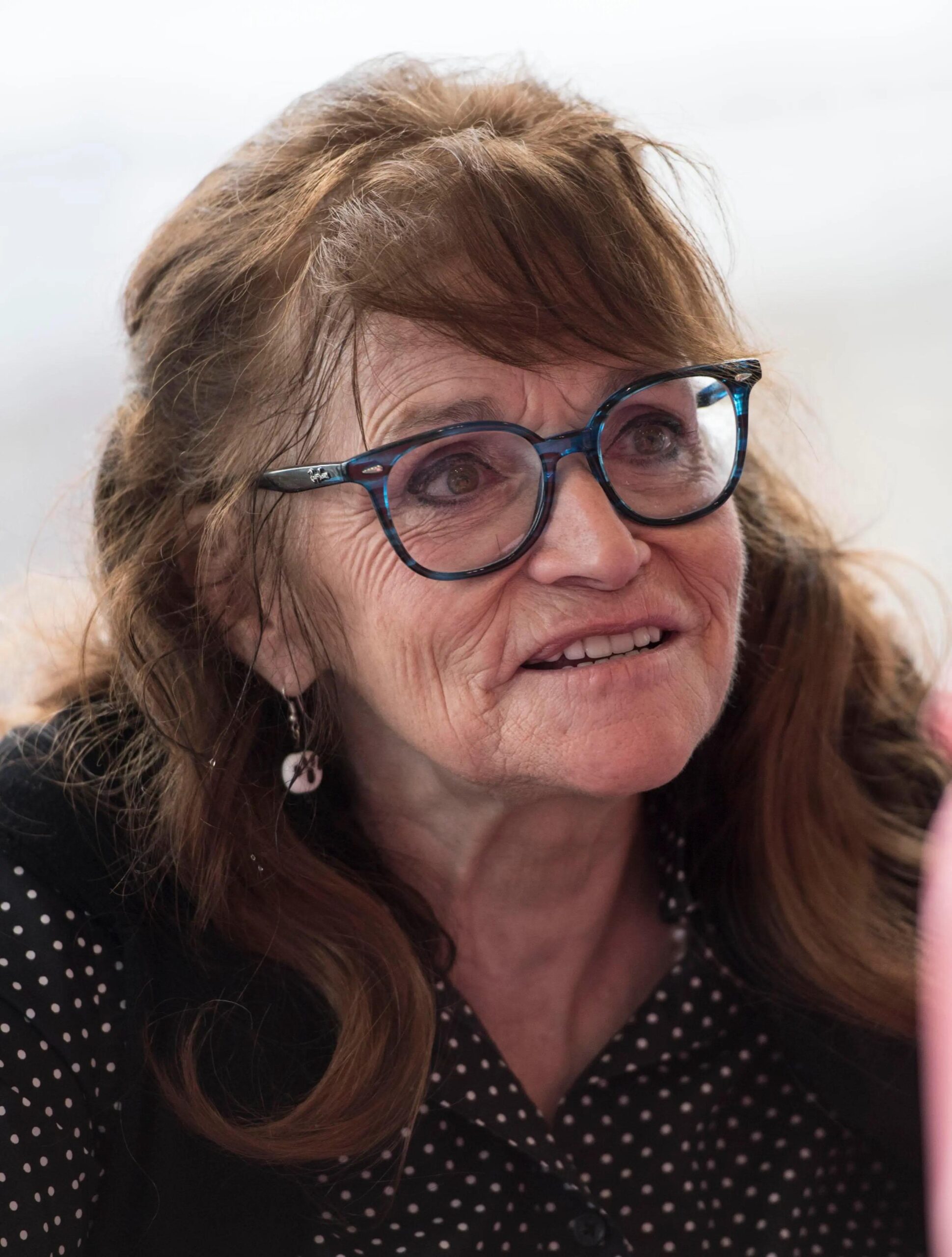
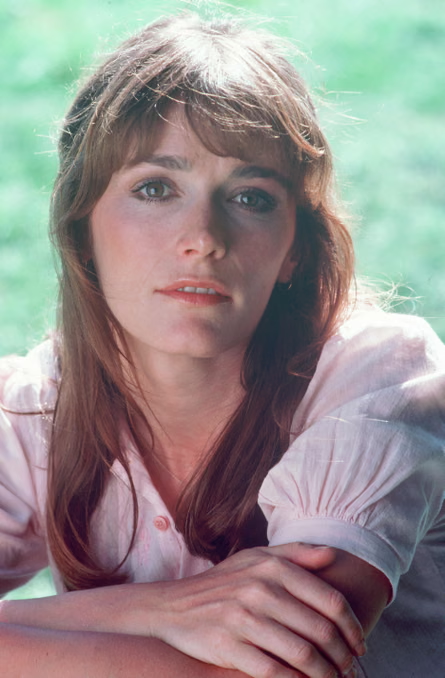
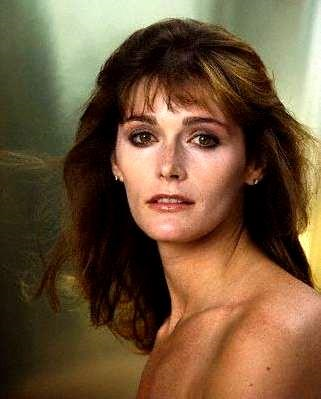
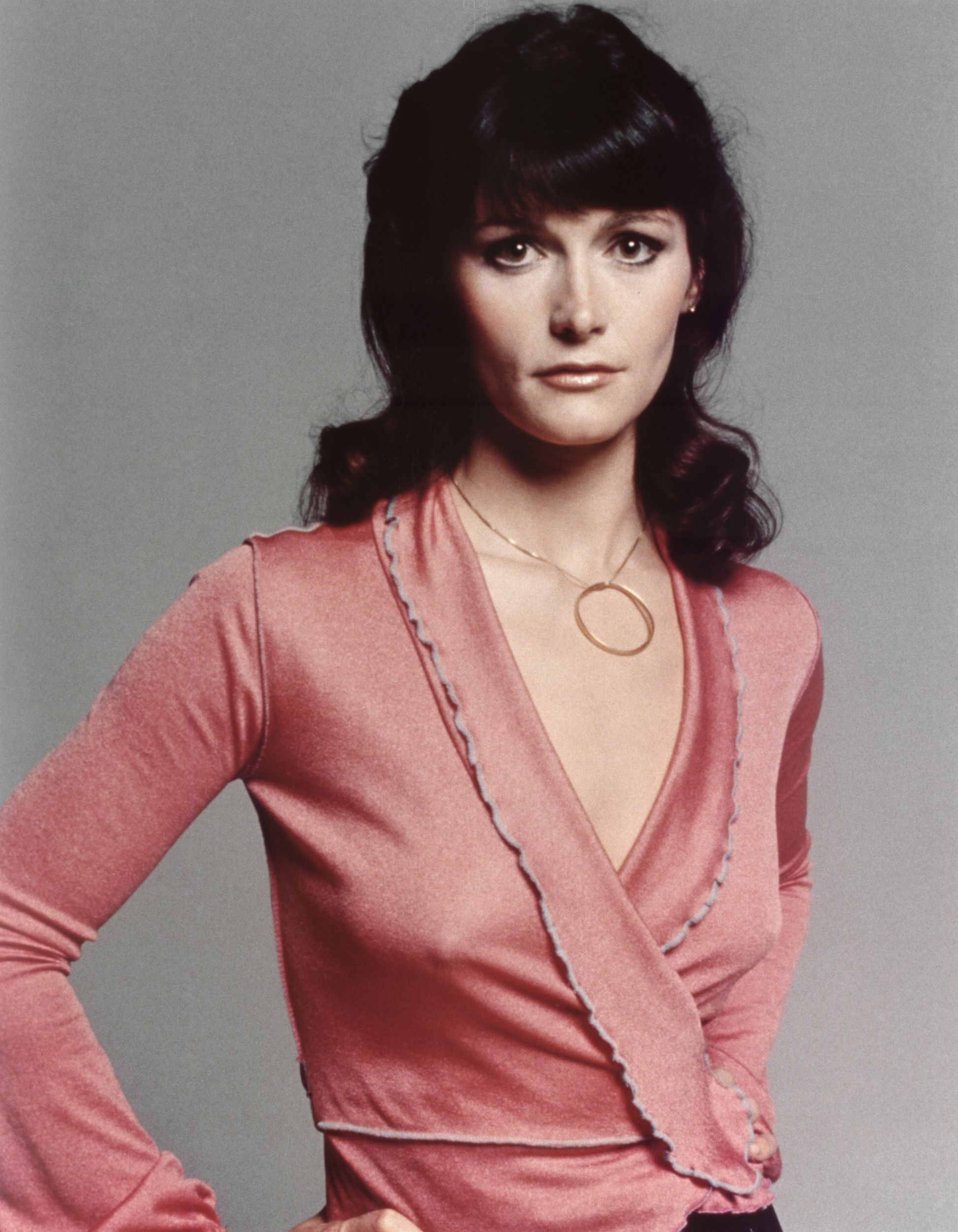
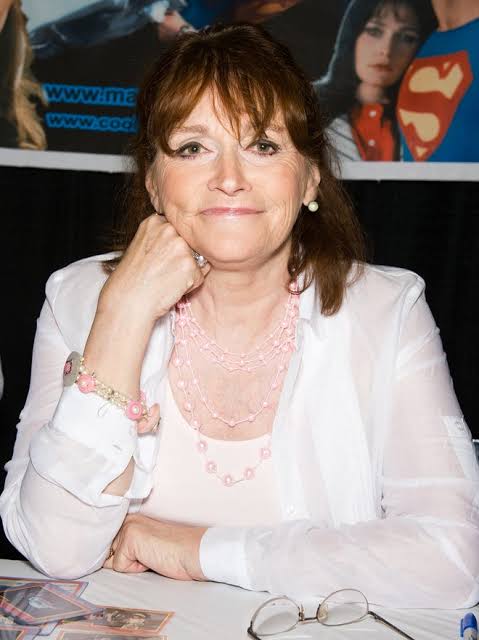
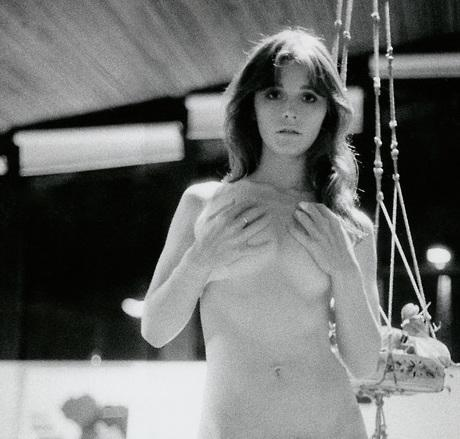
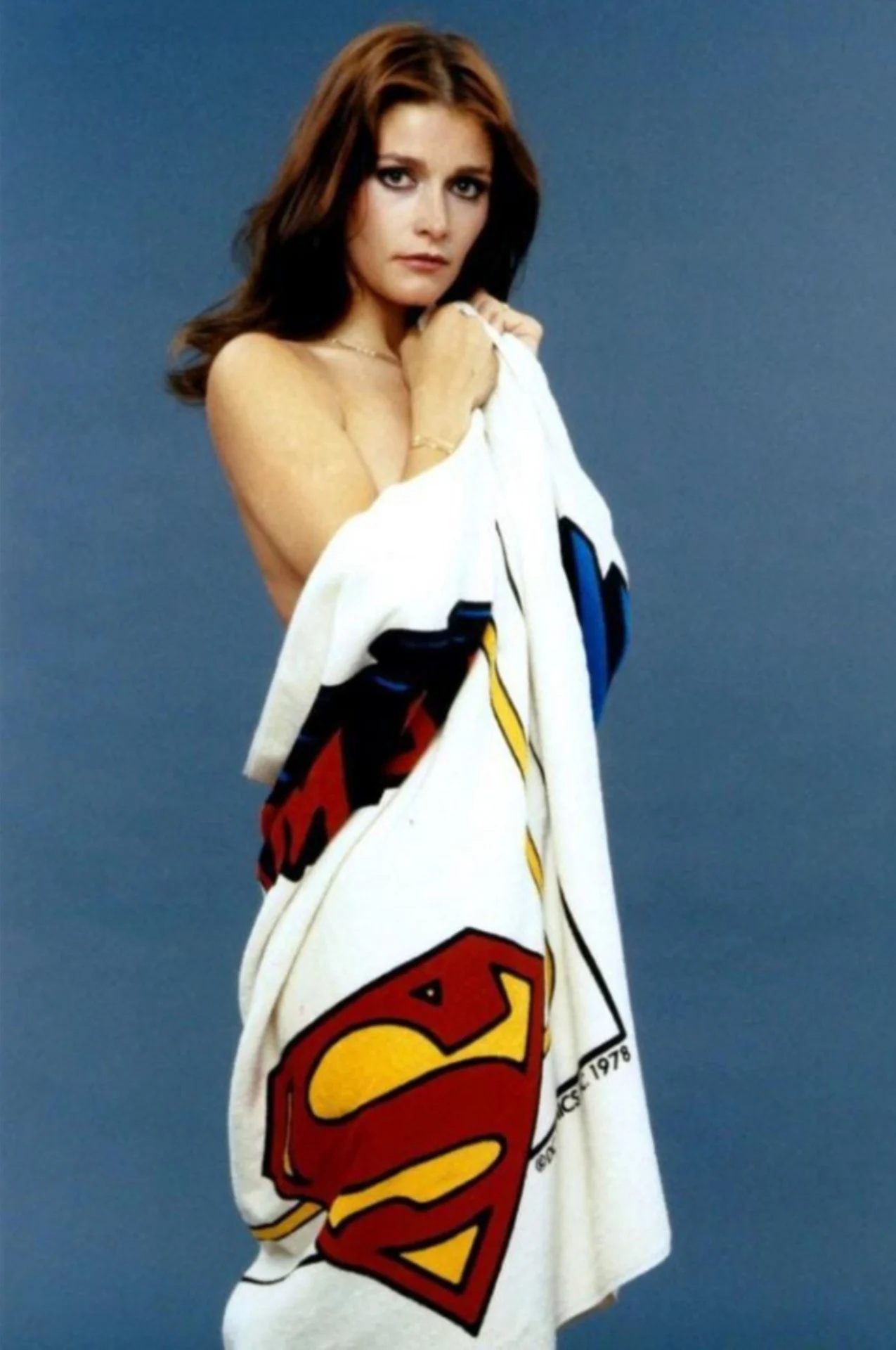
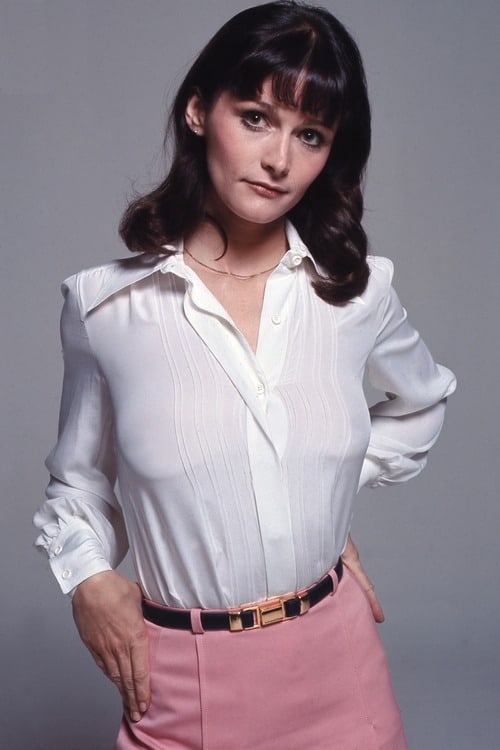
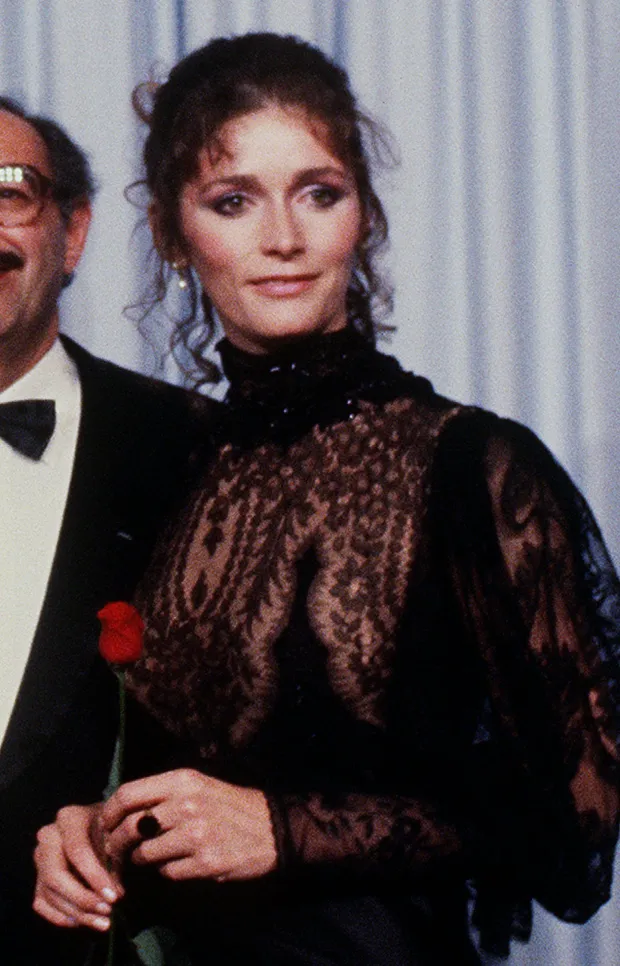
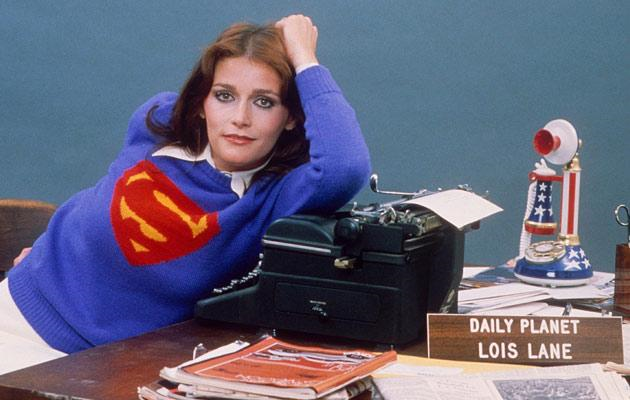
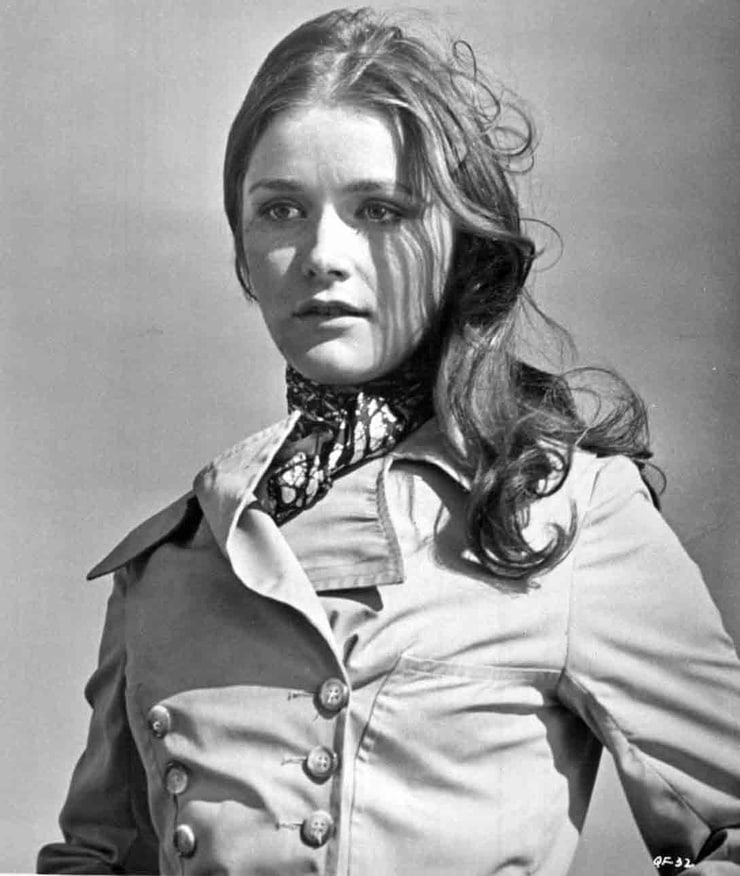
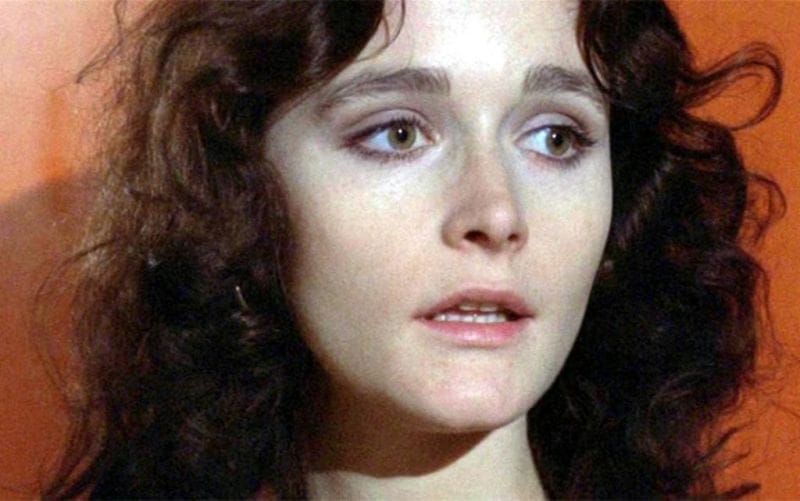
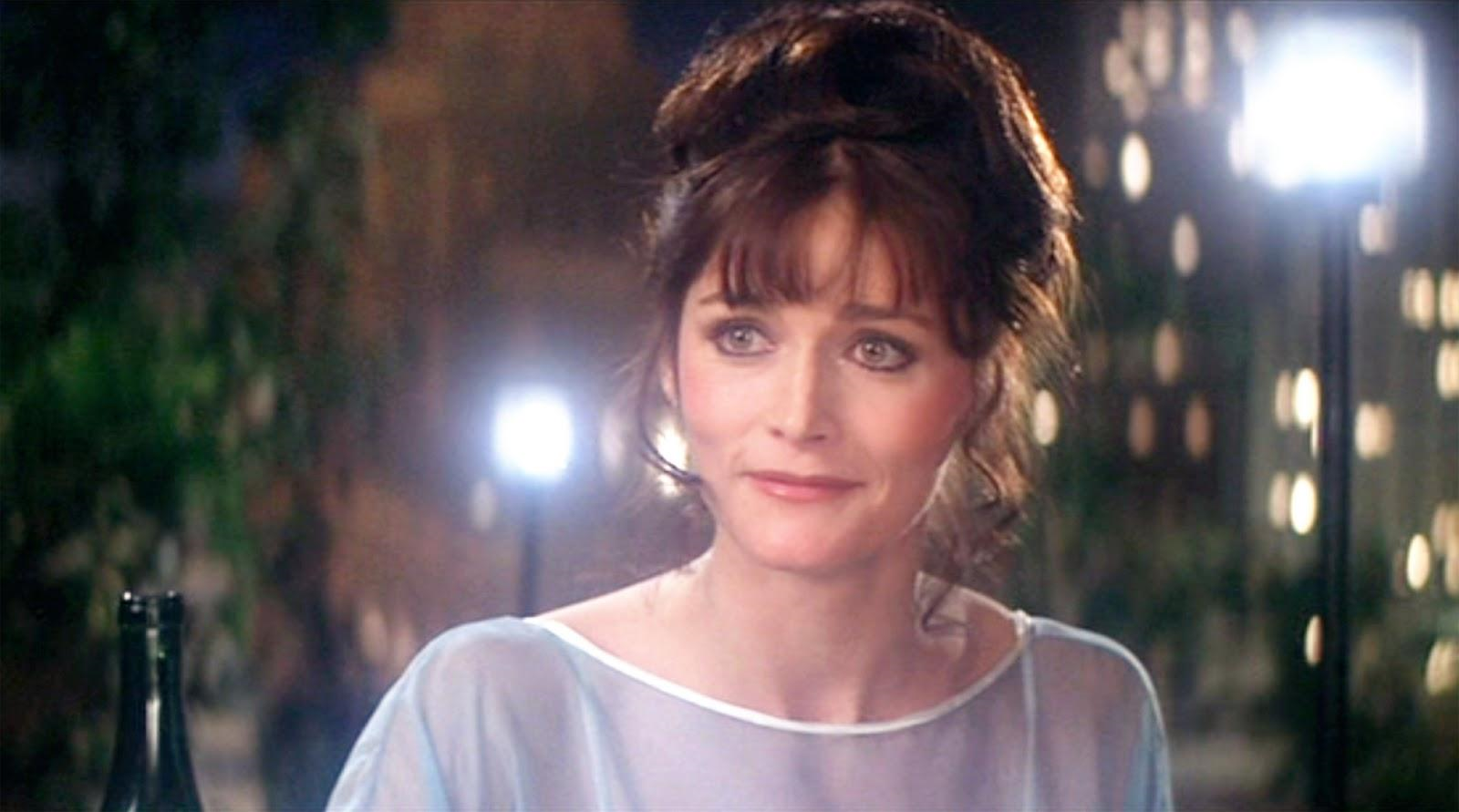
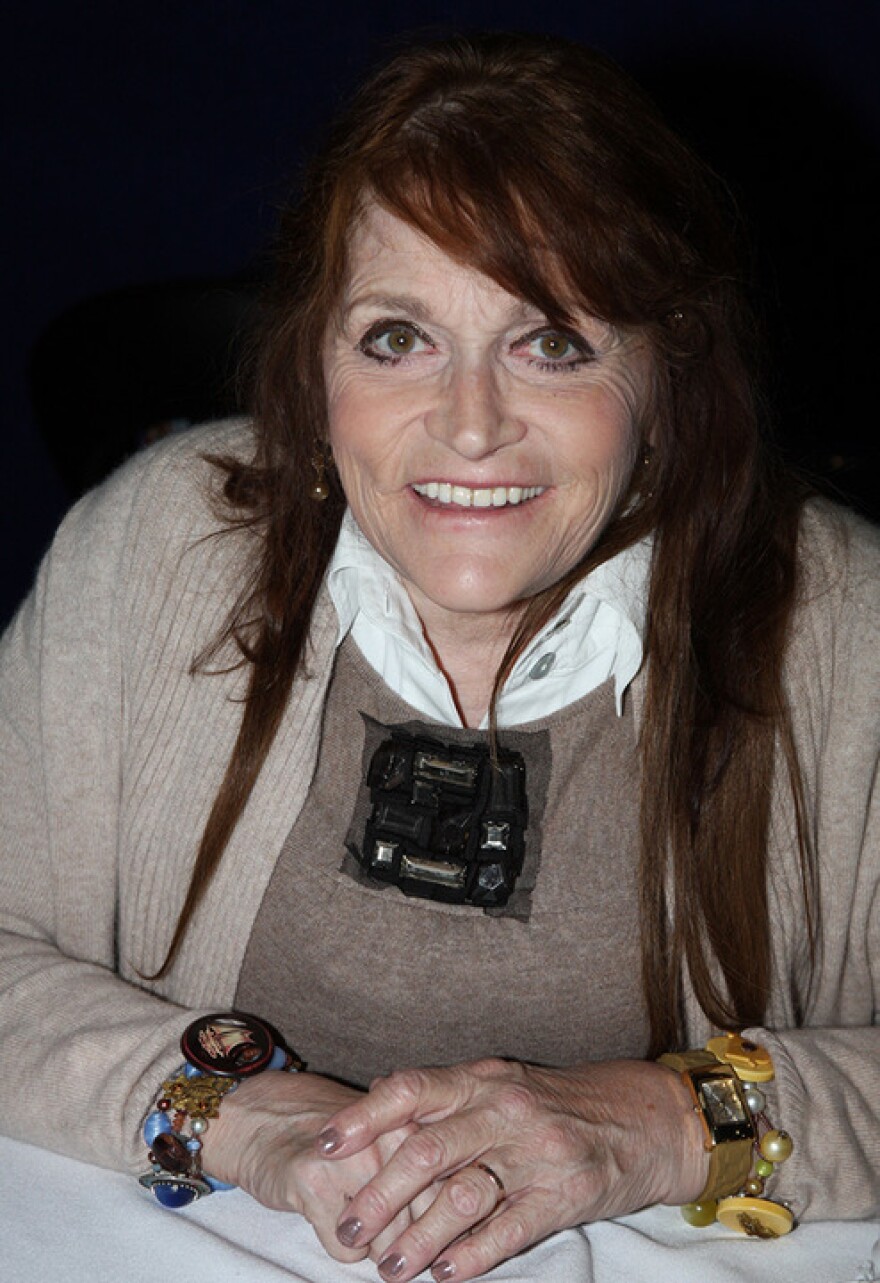
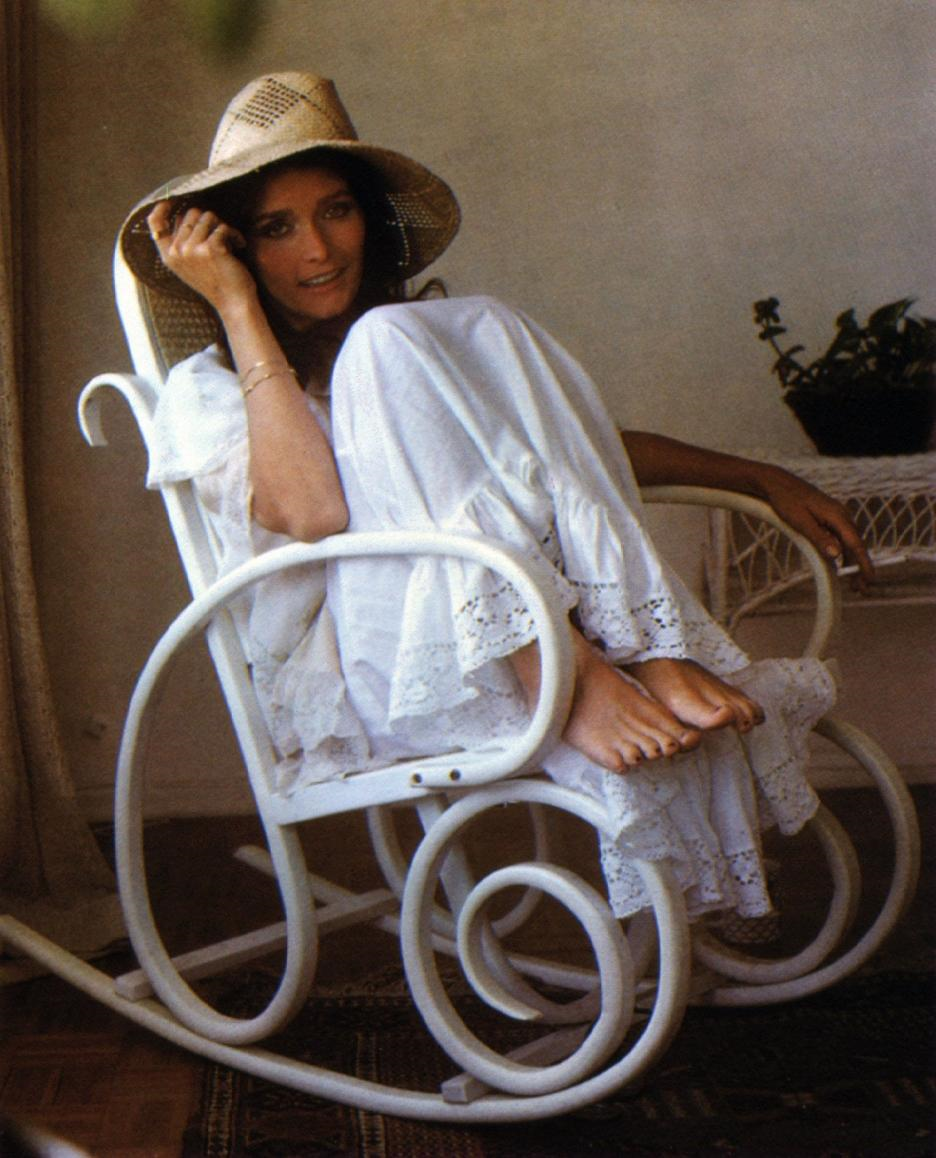
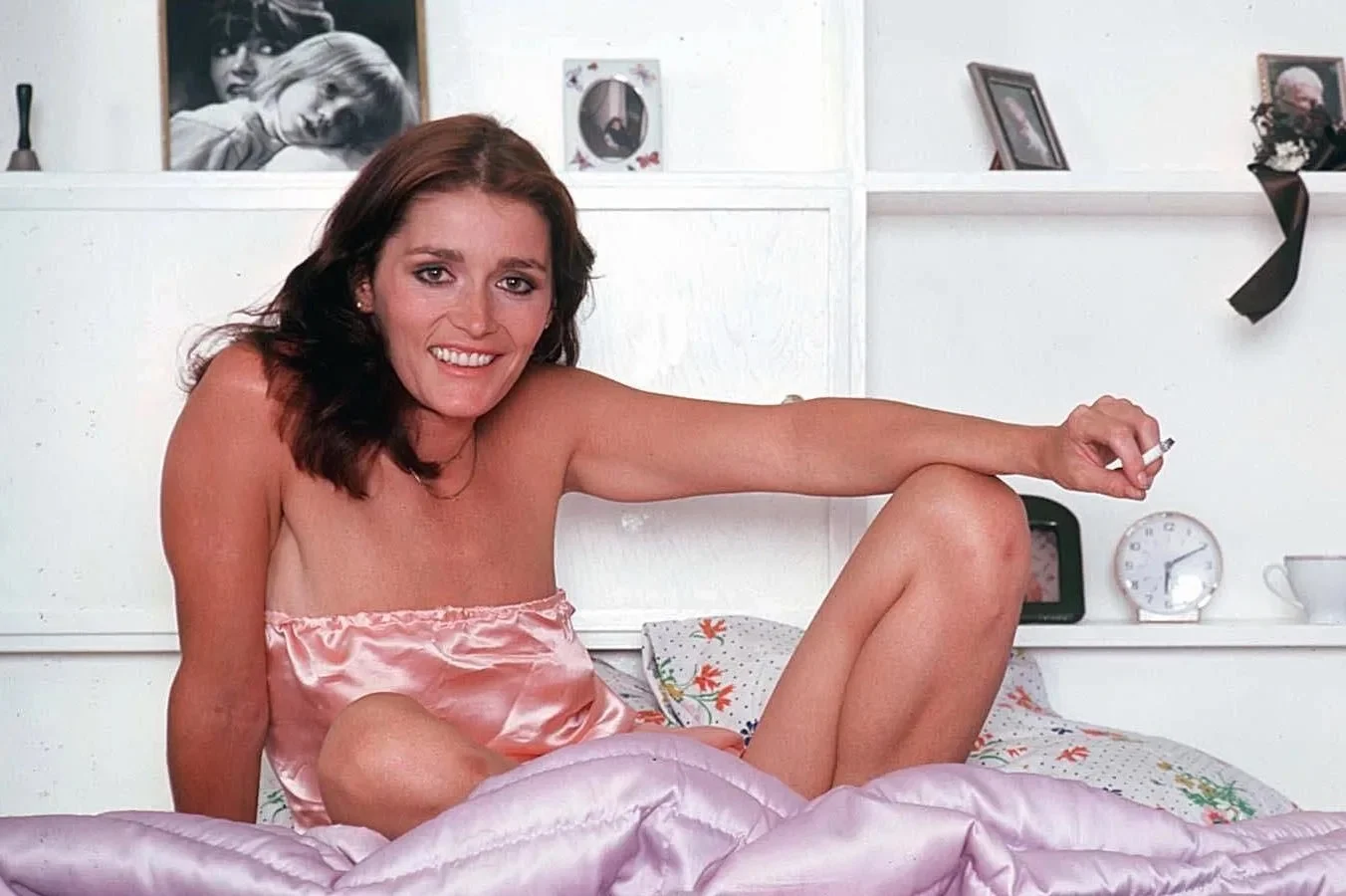
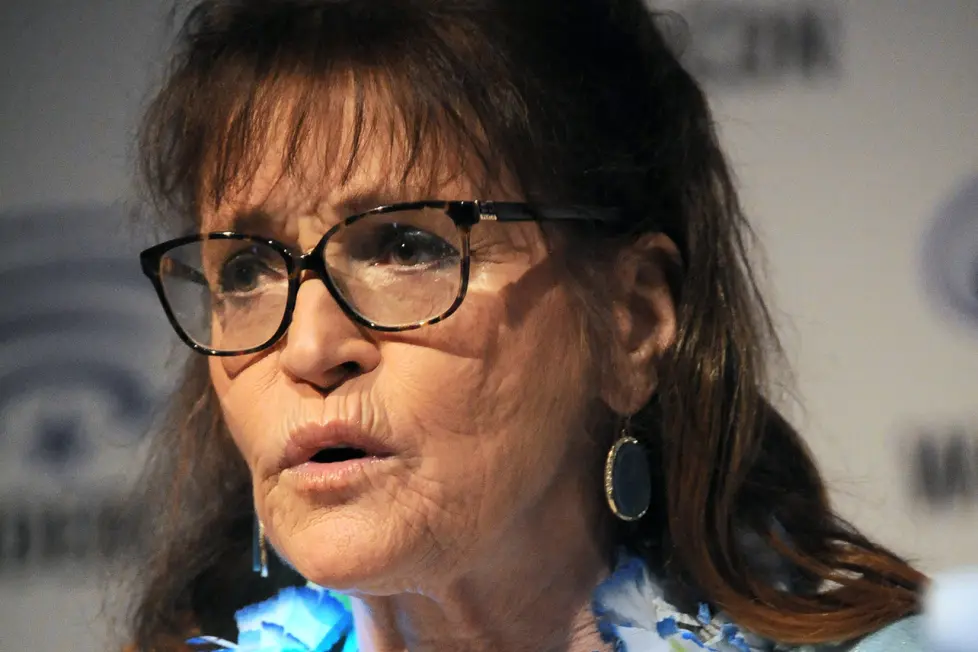
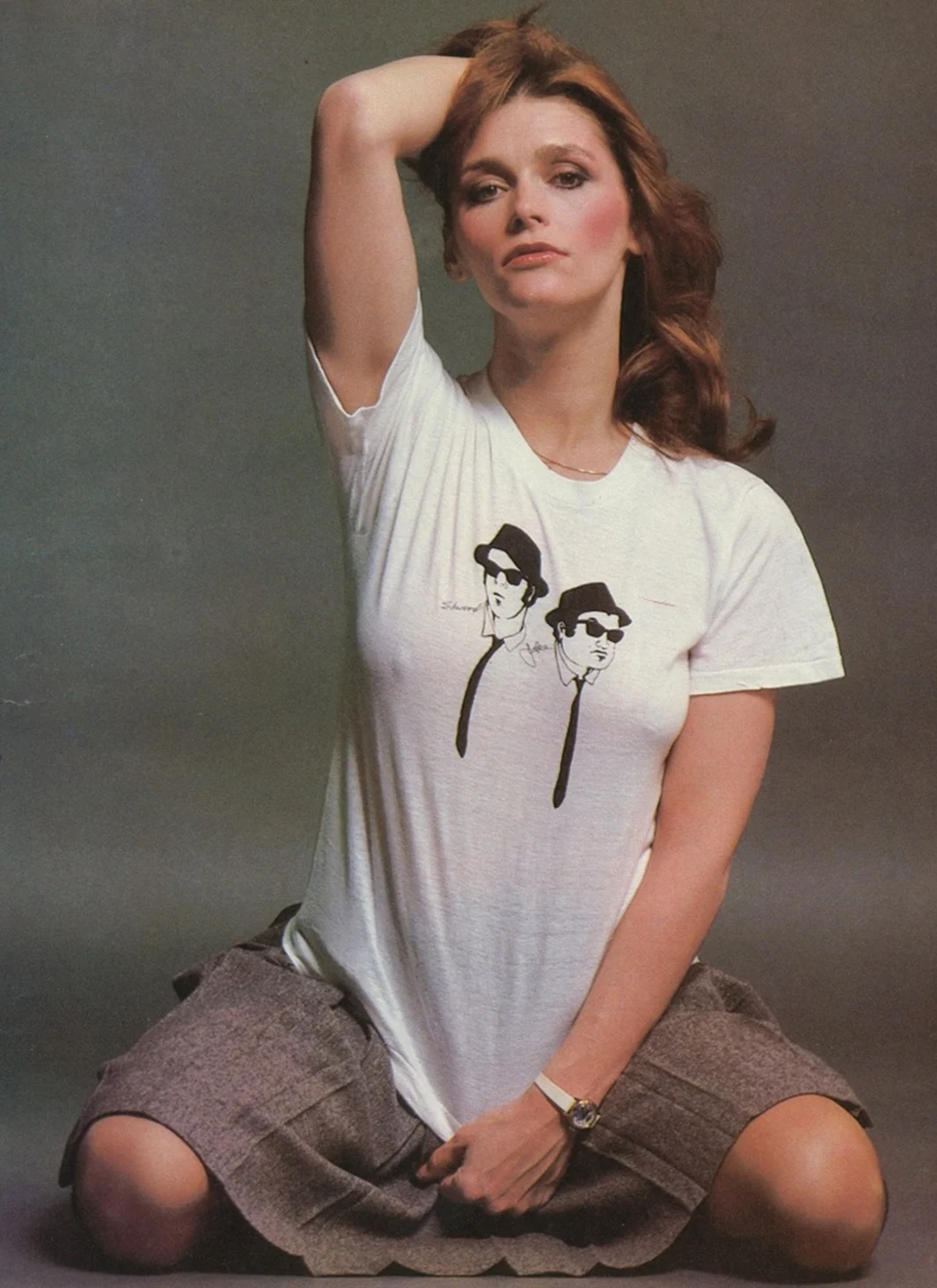
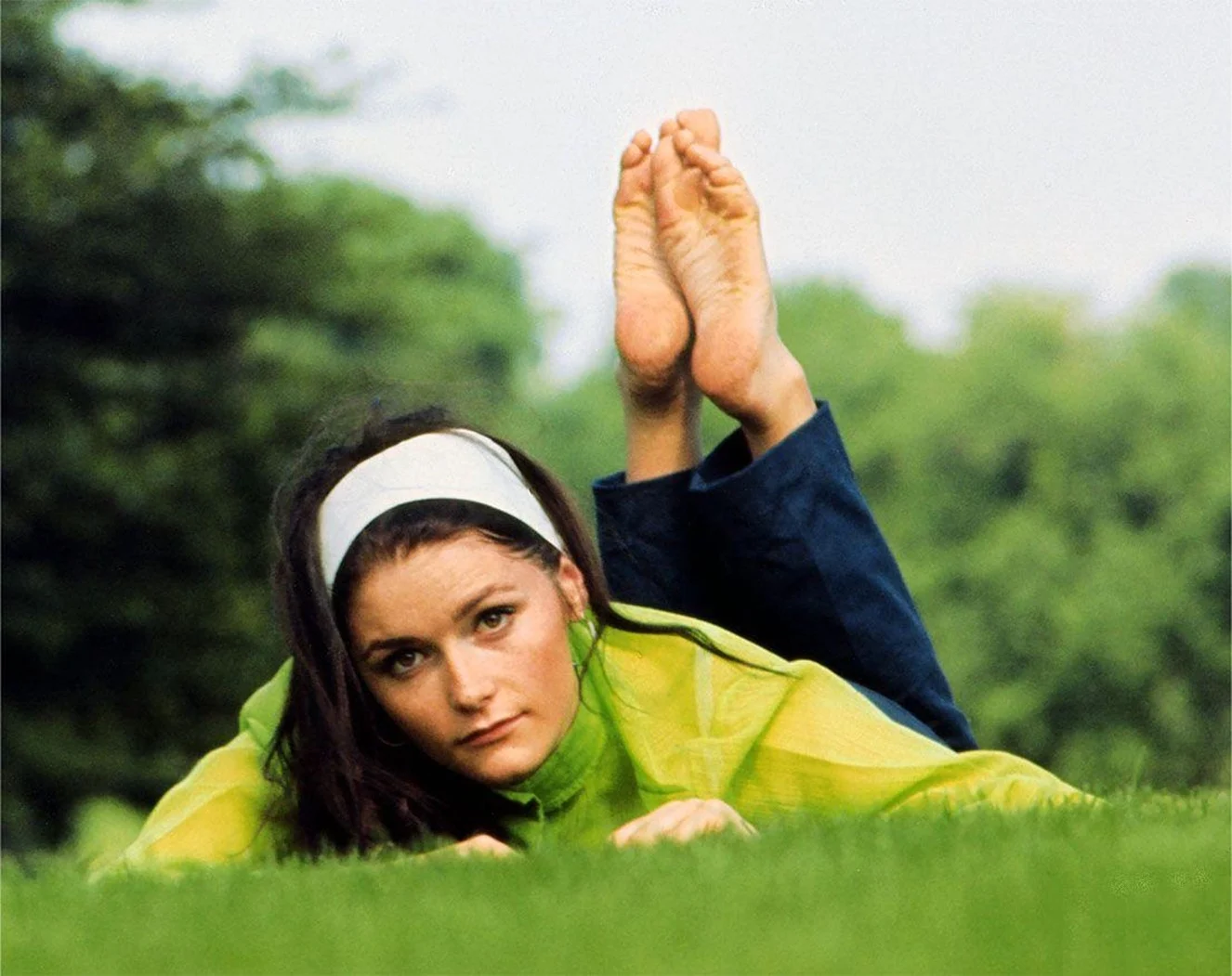
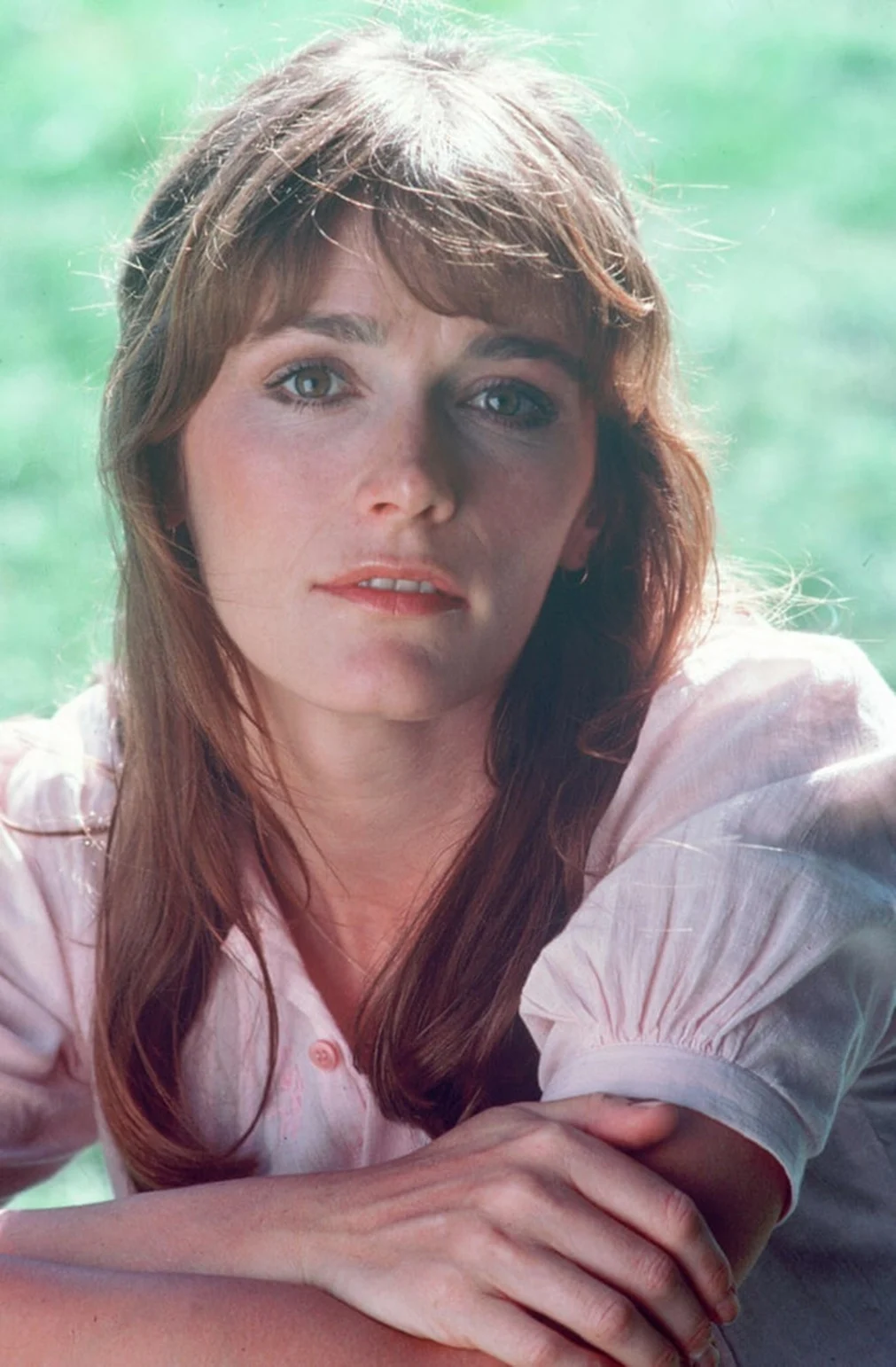
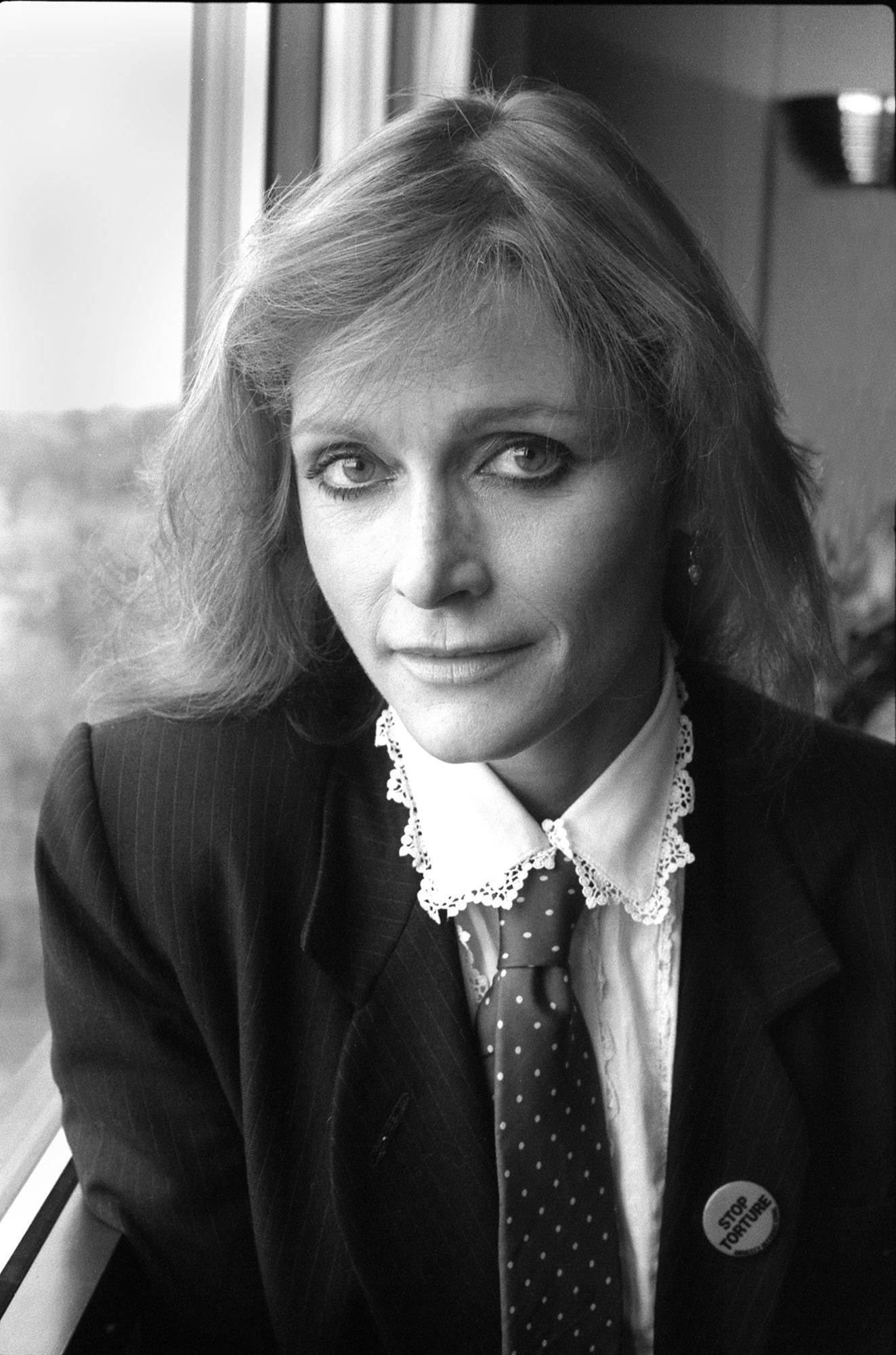
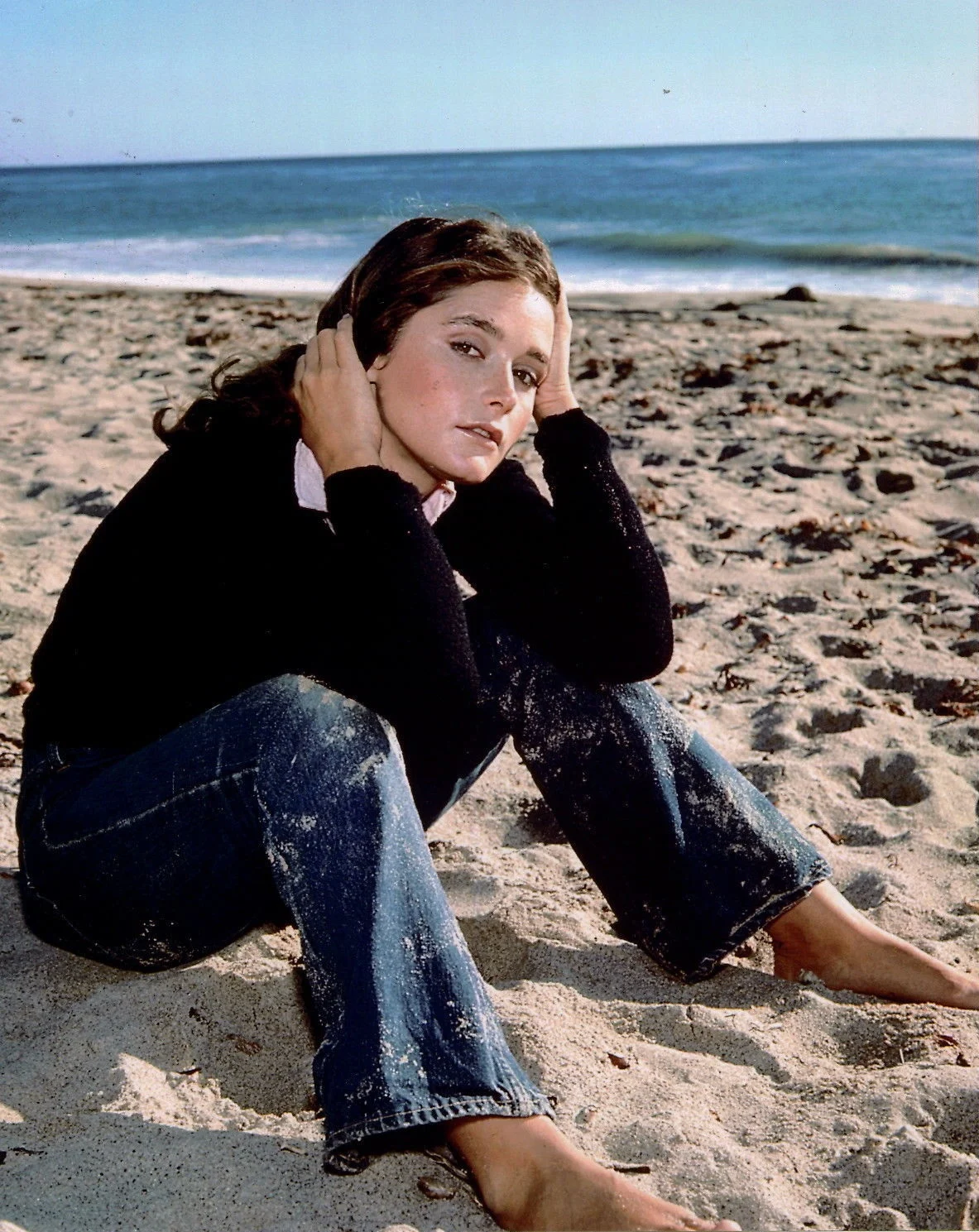
Margot Kidder was a Canadian and American actress and activist, amassing several film and television credits in her career spanning five decades.
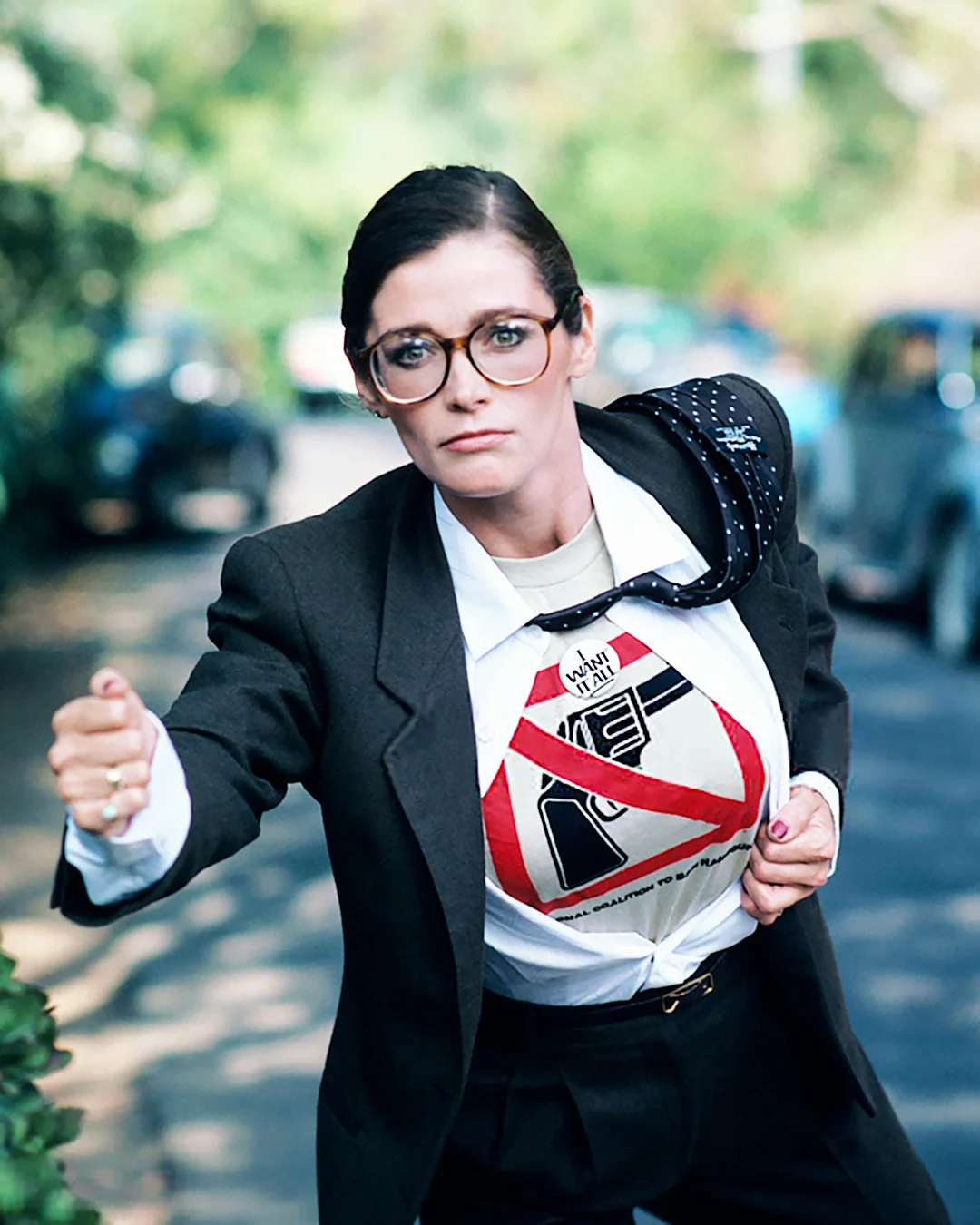
Her international breakthrough came with playing Lois Lane in Superman (1978) and Kathy Lutz in The Amityville Horror (1979), which were blockbuster films. For these roles, she was twice nominated for the Saturn Award for Best Actress, winning in 1978 for Superman. She reprised the role of Lois in three Superman sequels (1980–1987), and also played Rita Harris in the comedy film Heartaches (1981) and made her stage debut with the play Bus Stop (1982). After a stint of films and projects that were ambivalently received, Kidder sustained serious injuries in a car accident that left her temporarily paralyzed in 1990, and suffered from a highly publicized manic episode and nervous breakdown in 1996 stemming from bipolar disorder.
Kidder thereafter maintained steady work in independent films and television, notably appearing in the hockey film Chicks with Sticks (2004) and the horror picture Halloween II (2009), and playing a guest role on R.L. Stine’s The Haunting Hour (2015). She maintained dual citizenship and was an outspoken political, environmental and antiwar activist.
Kidder died on May 13, 2018, of an overdose, which was ruled a suicide.