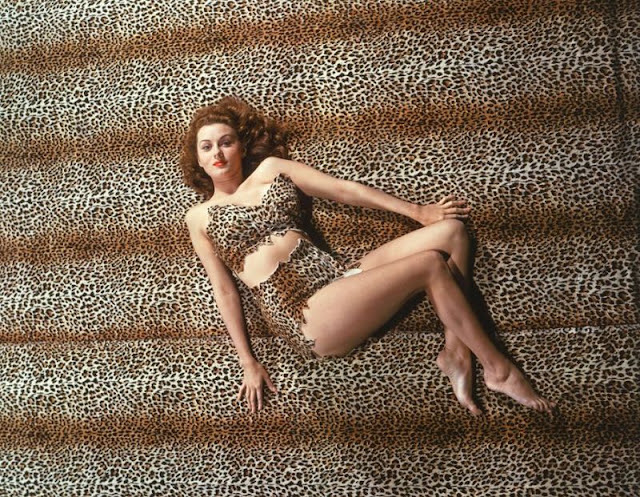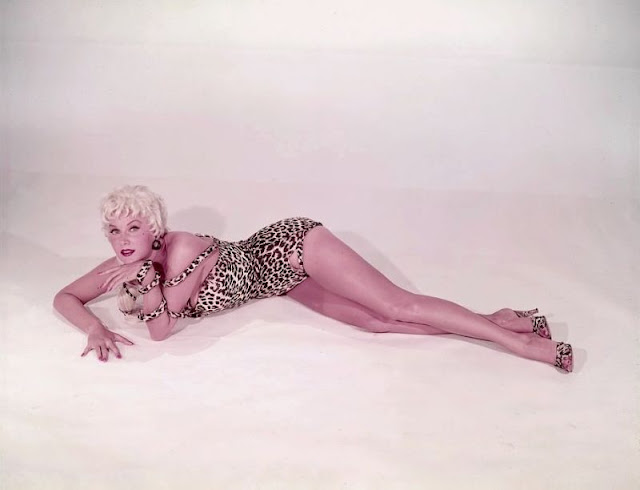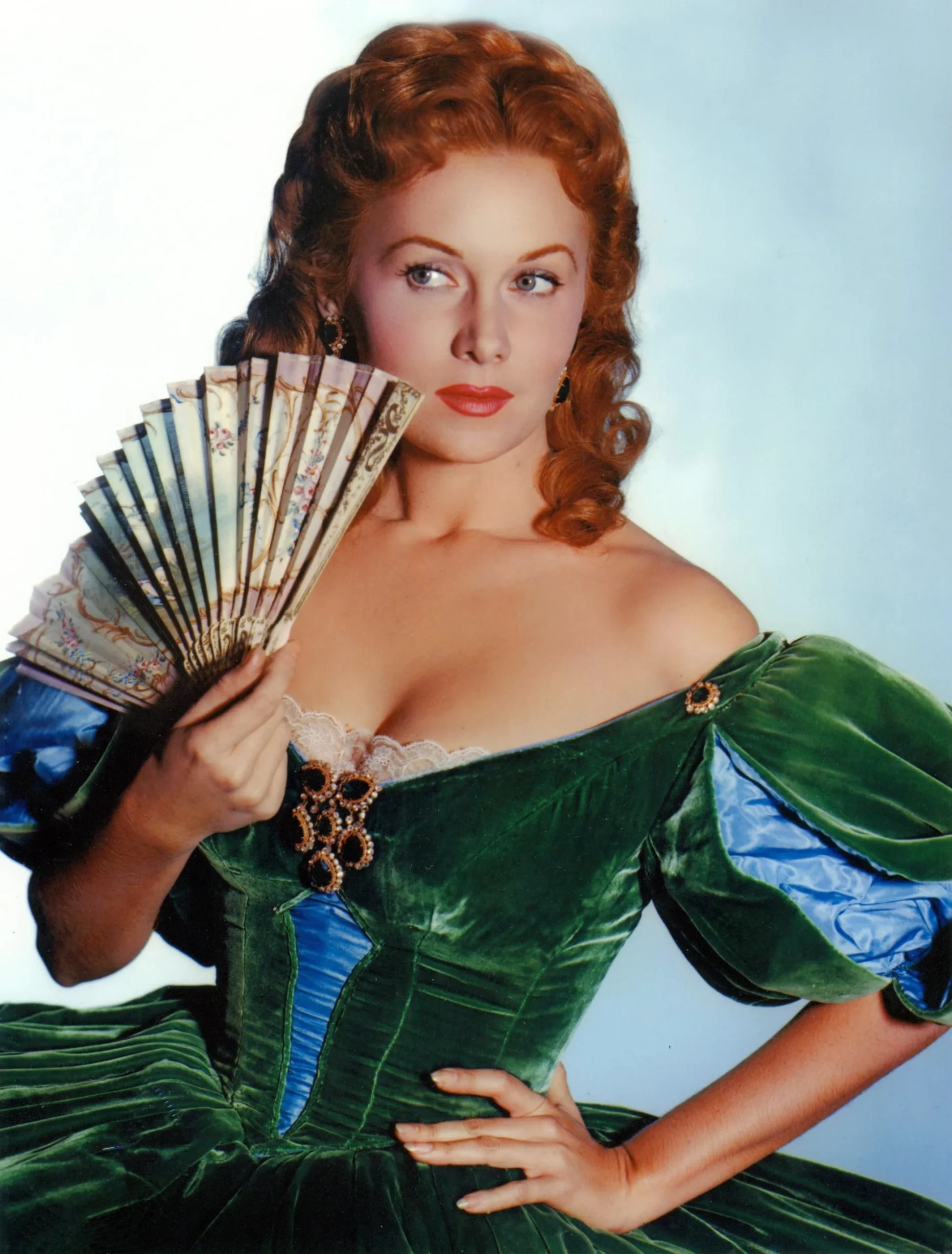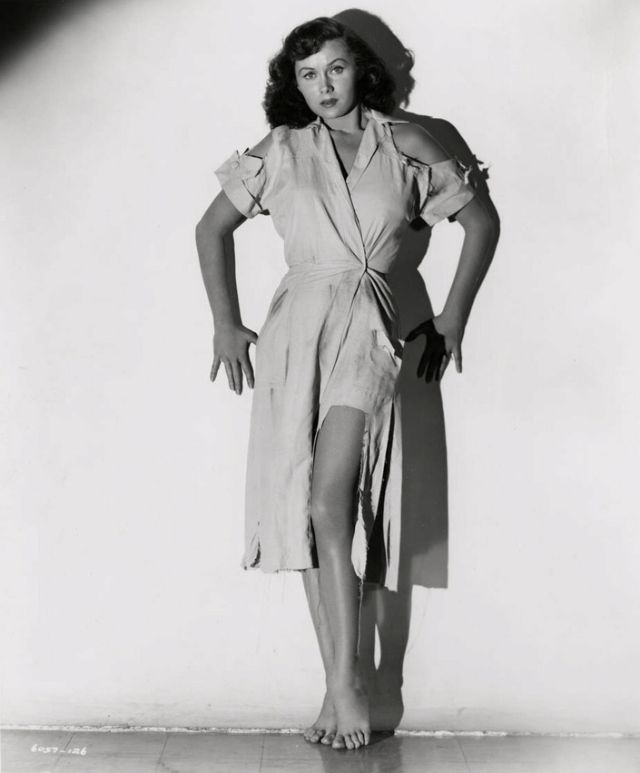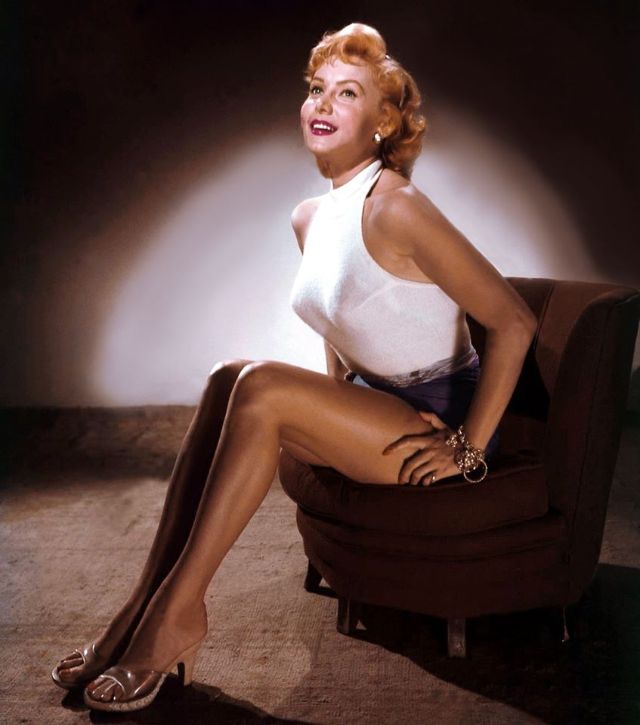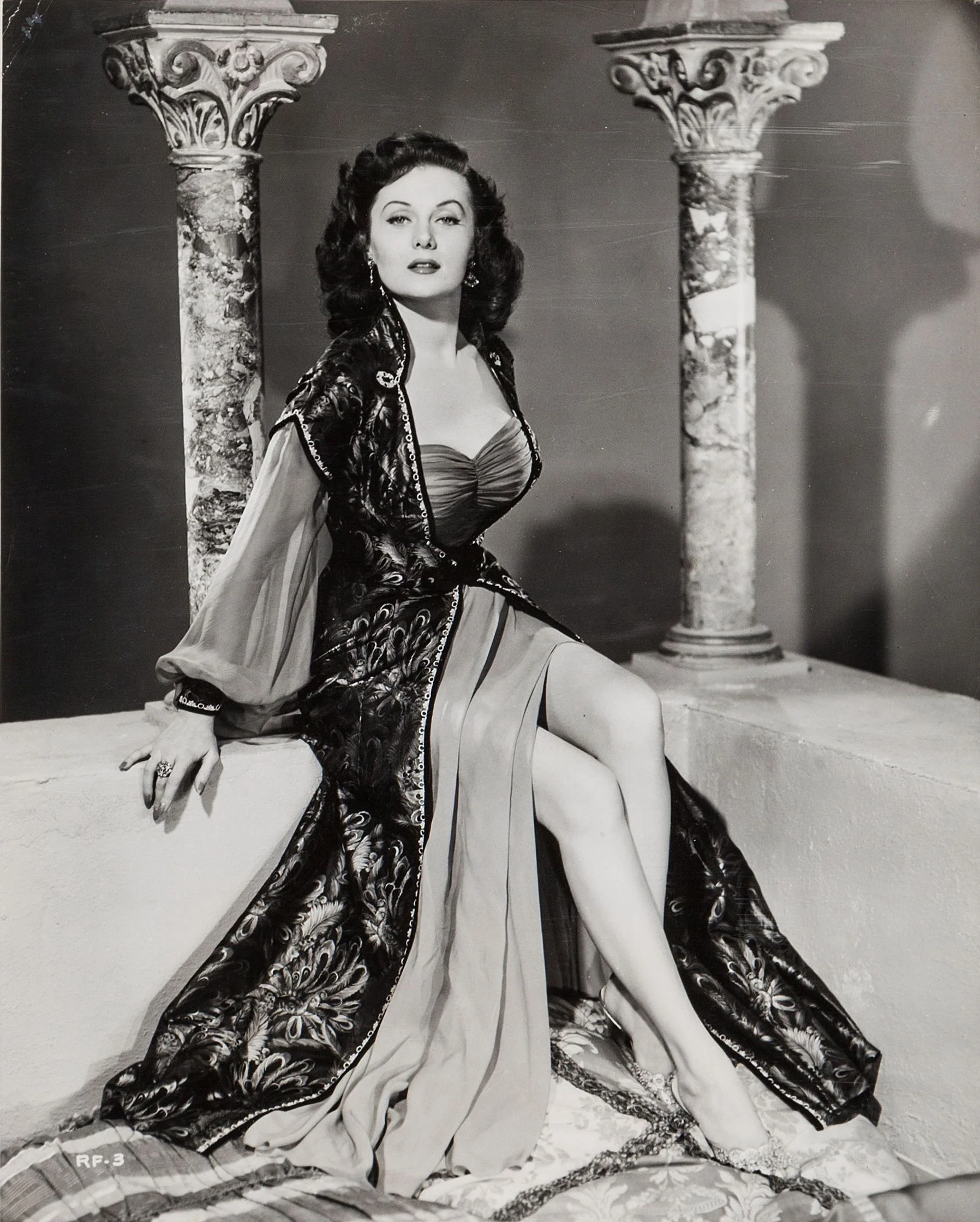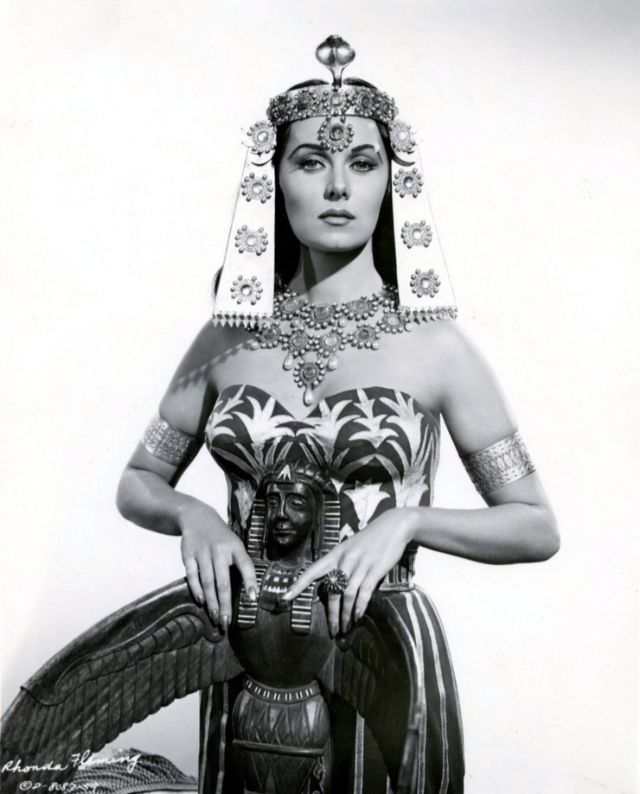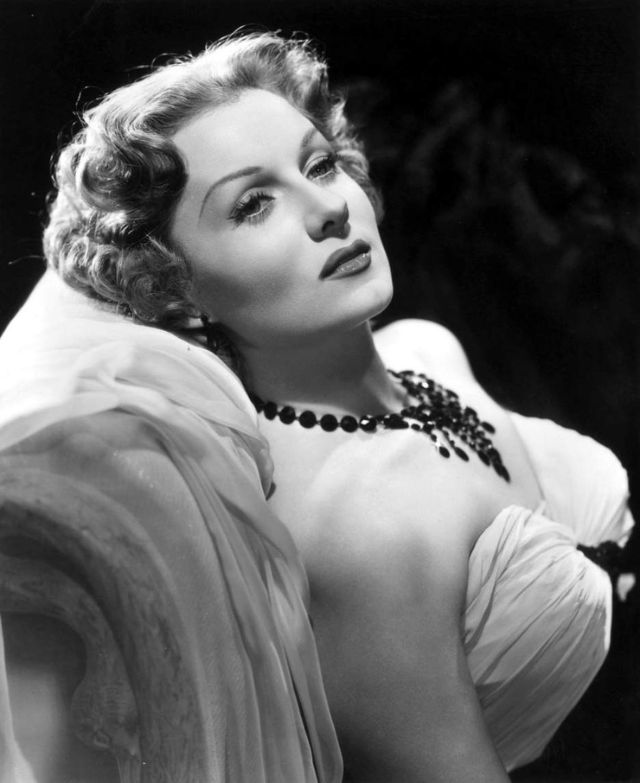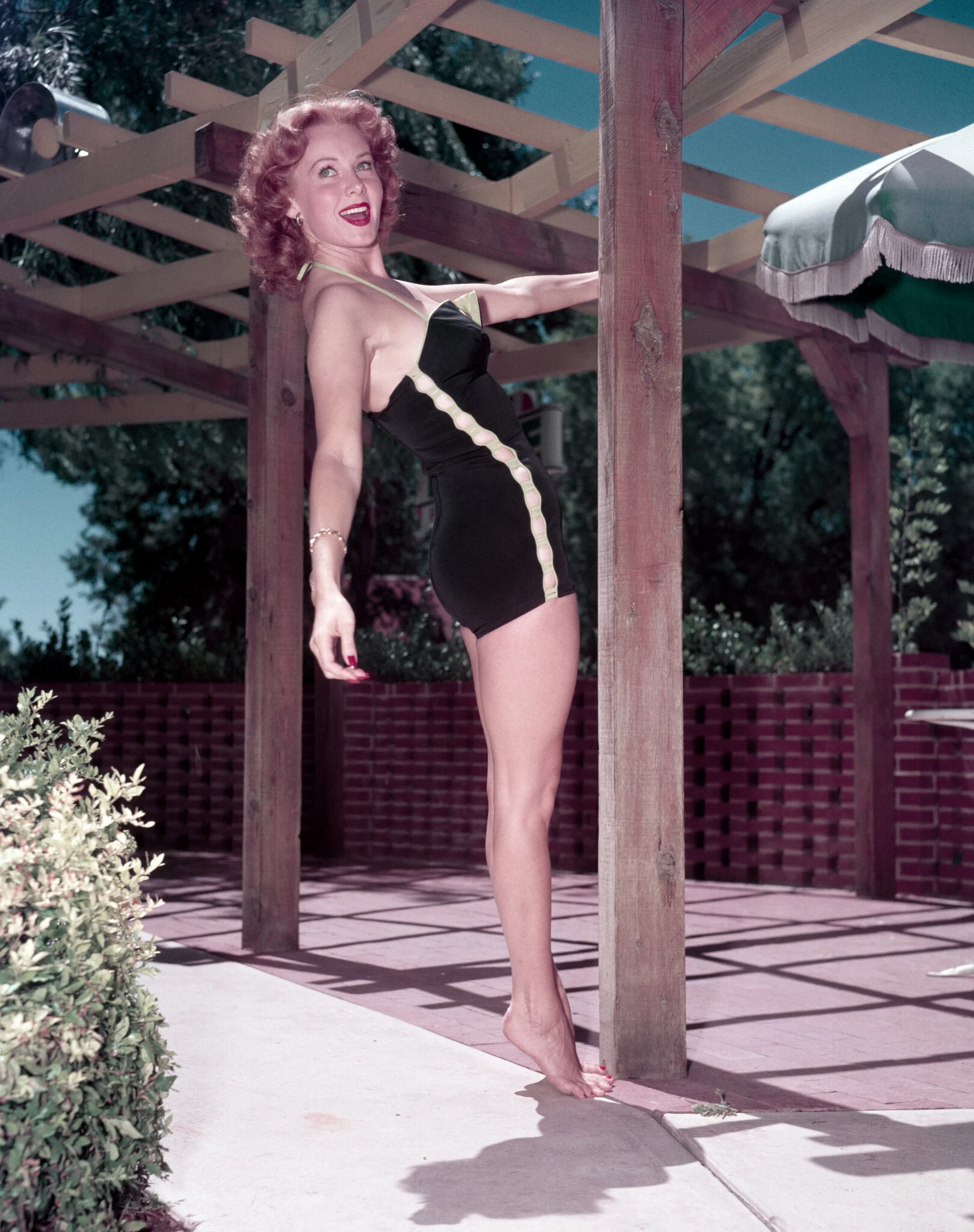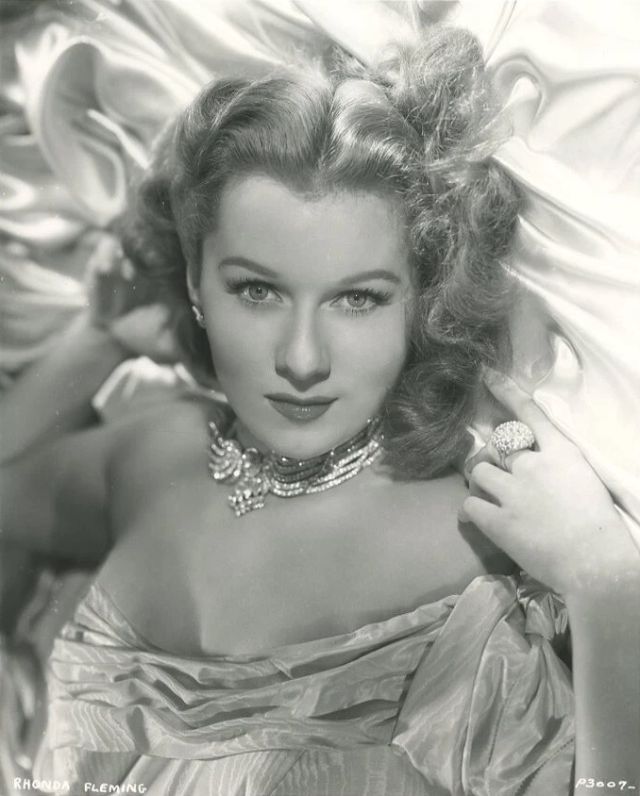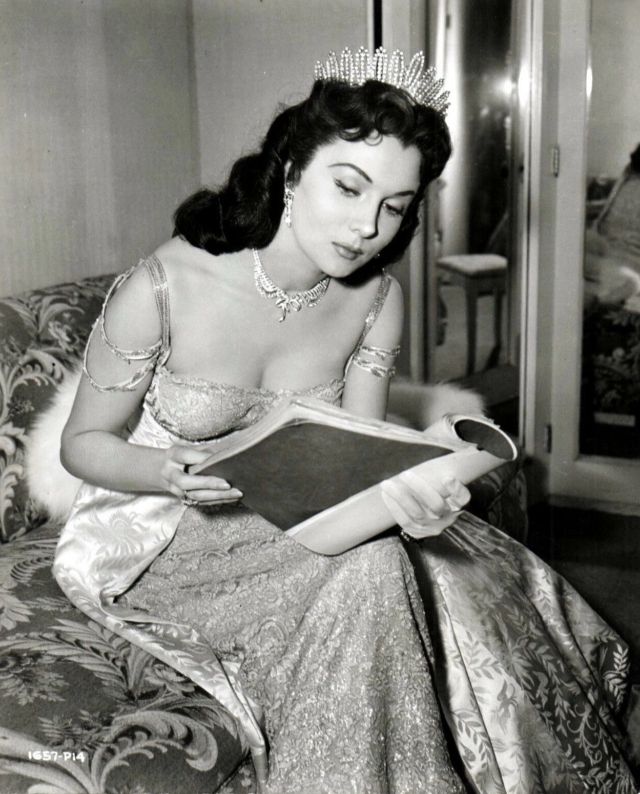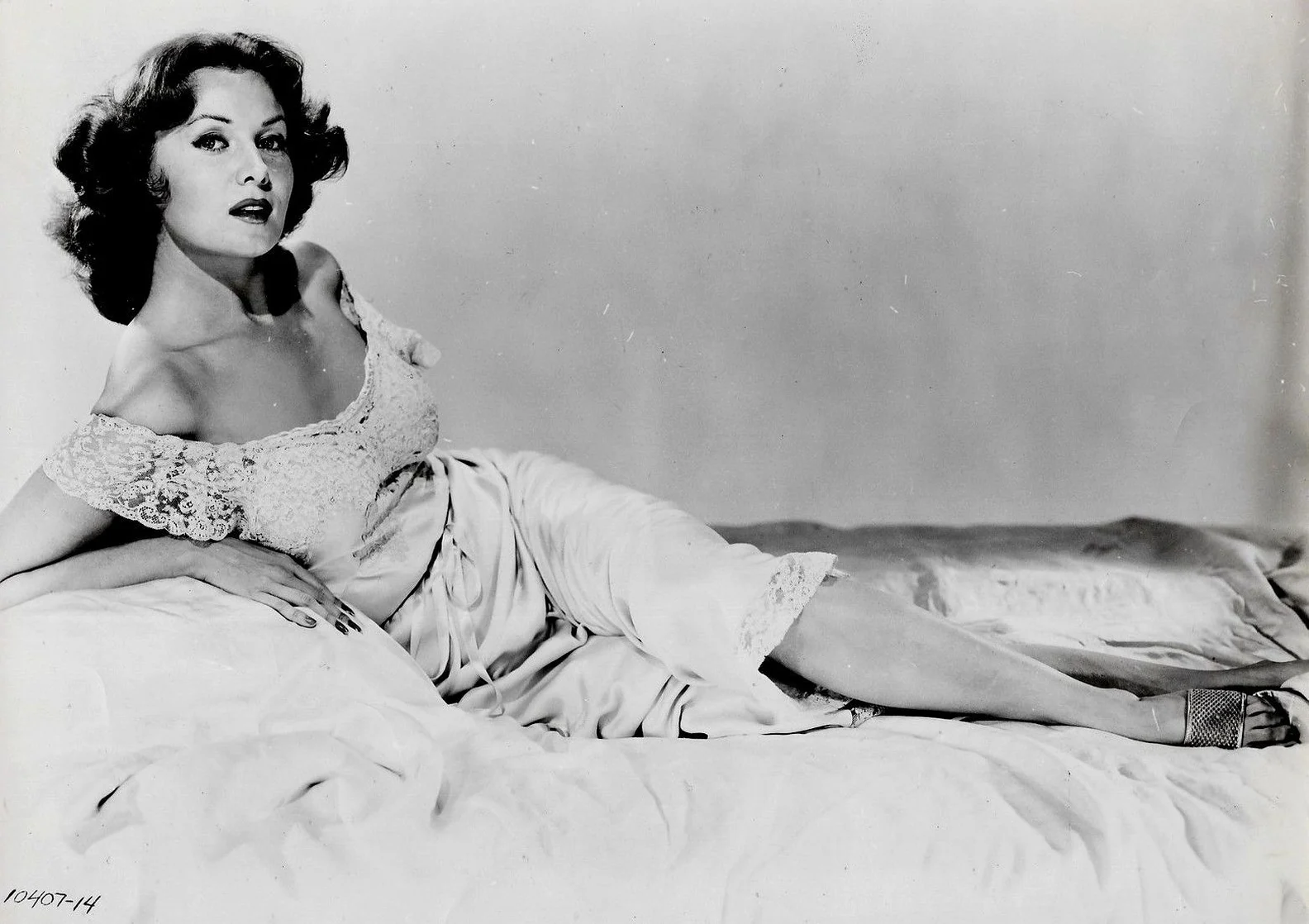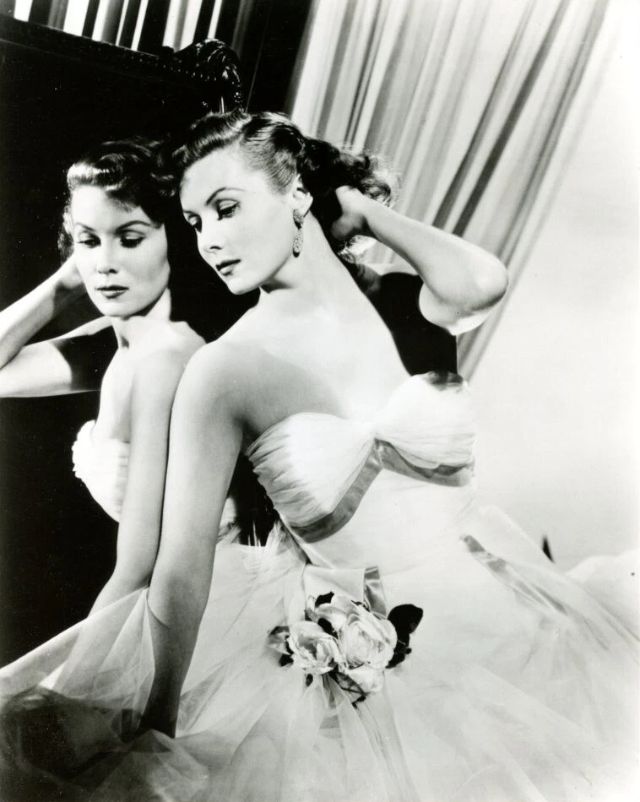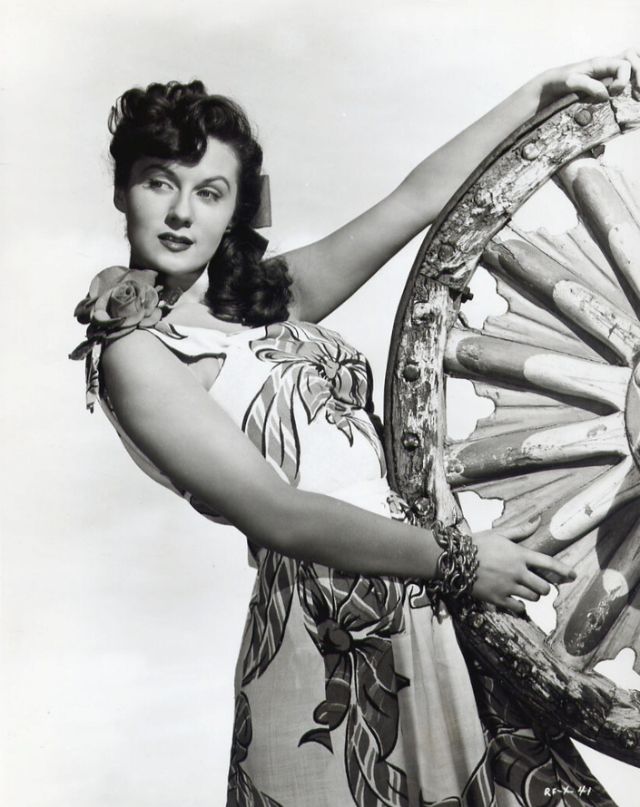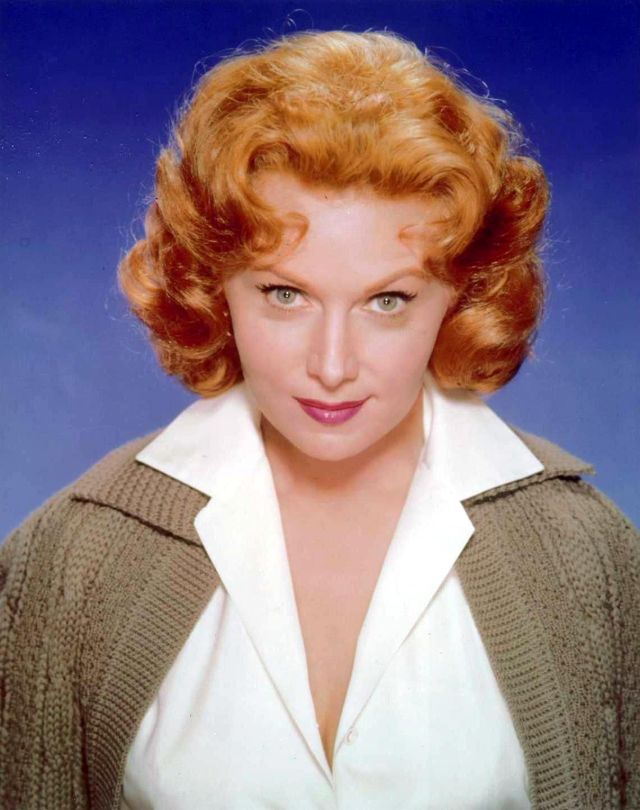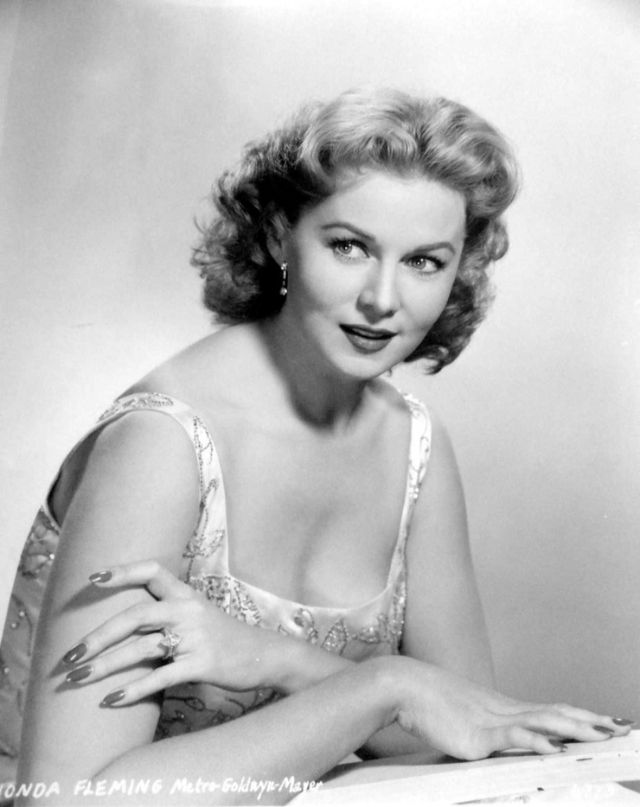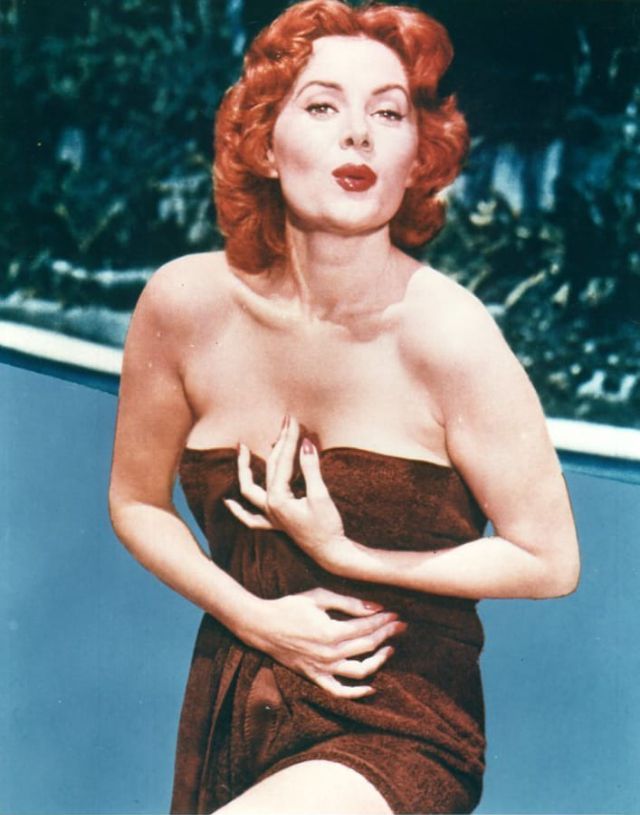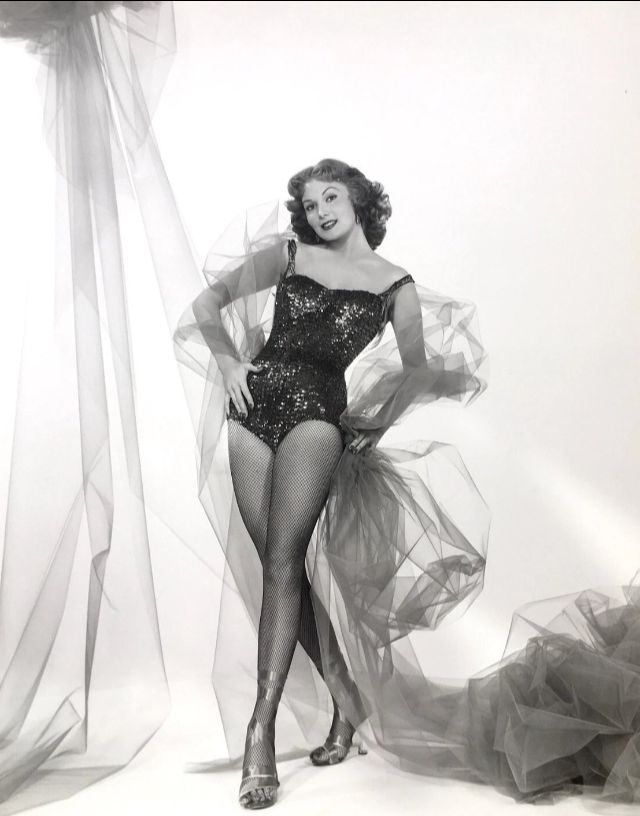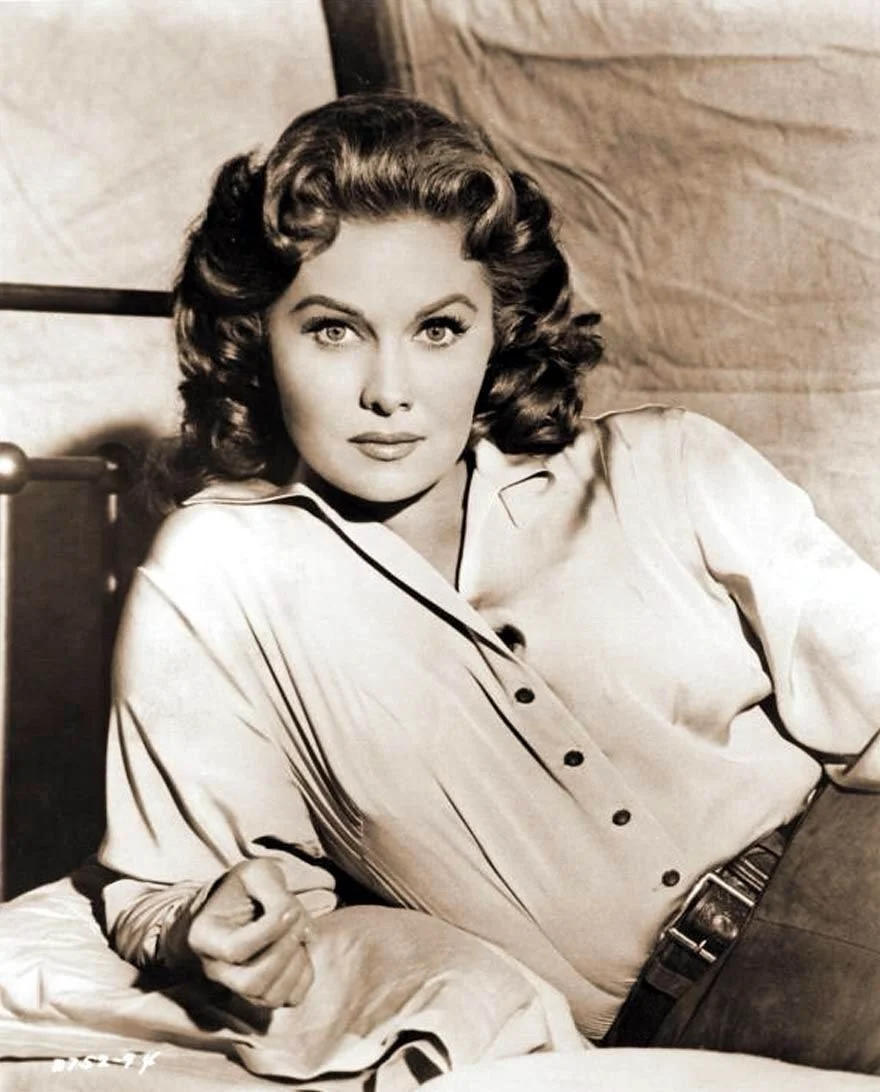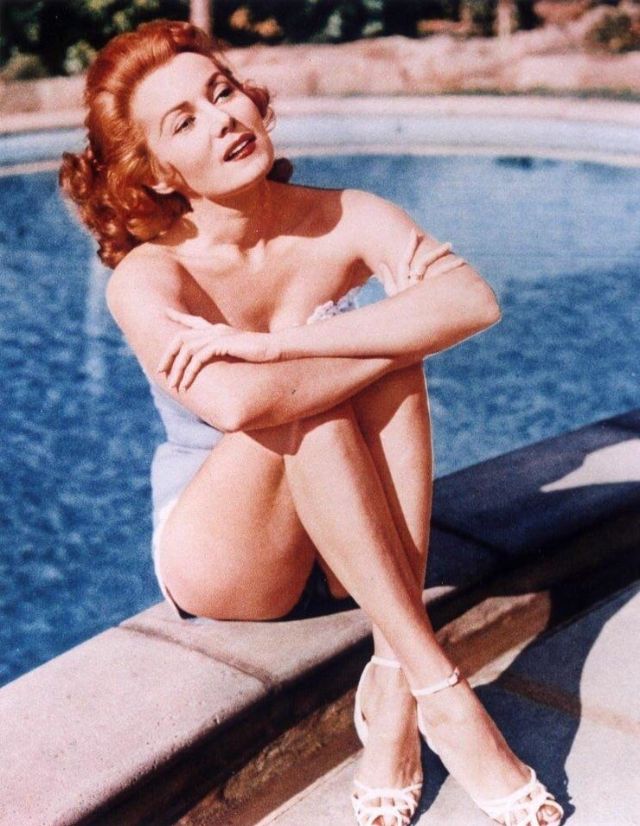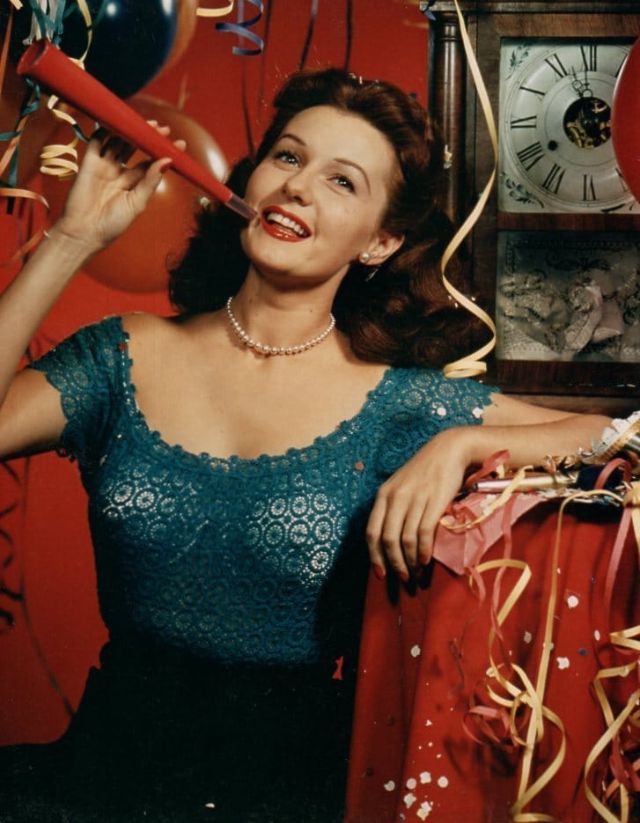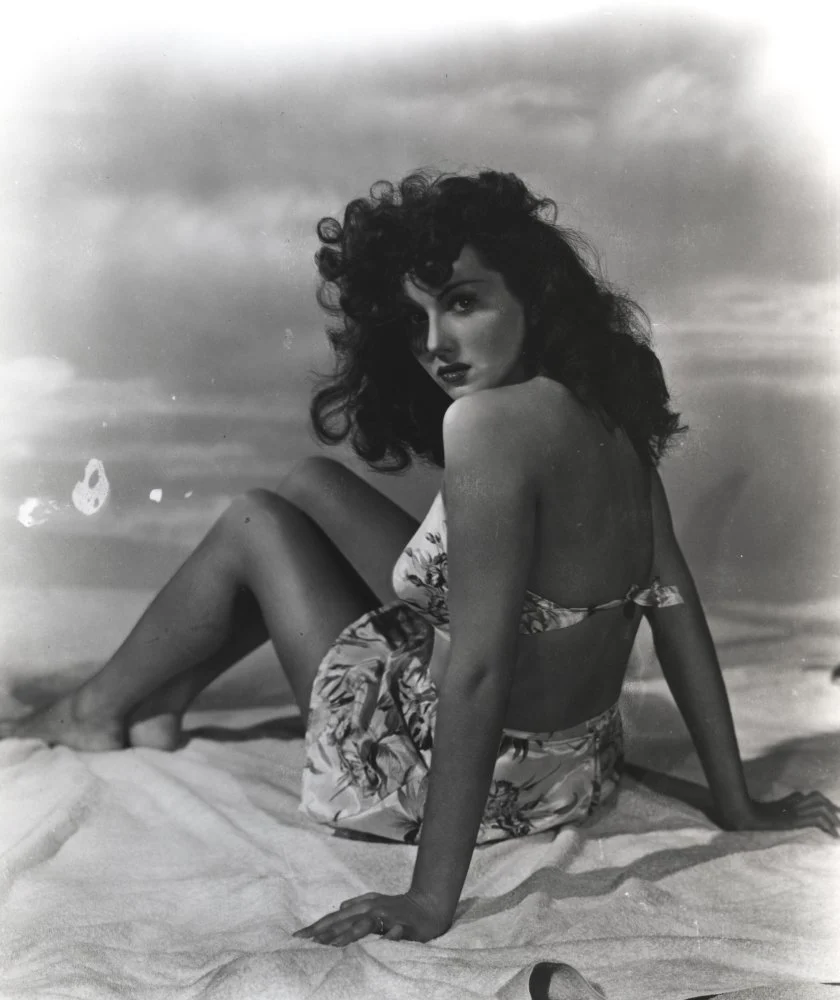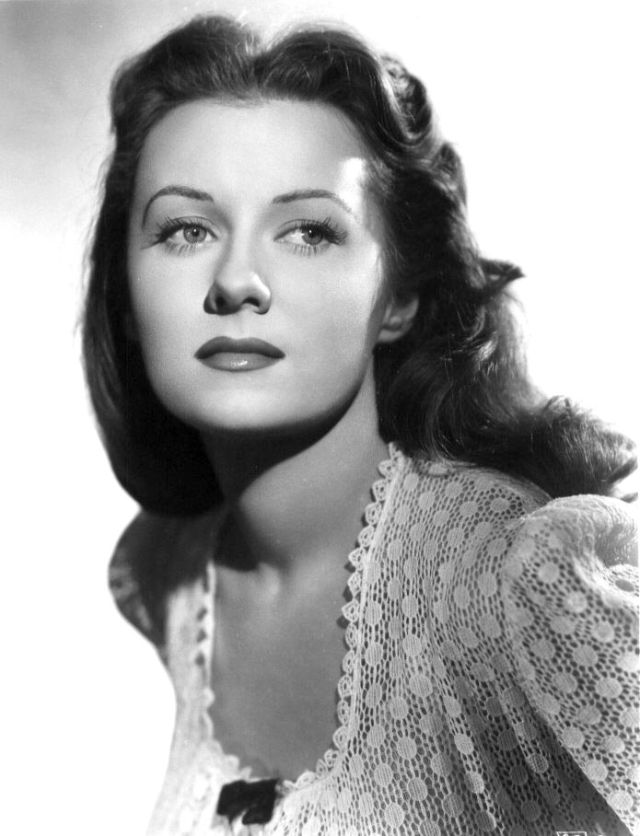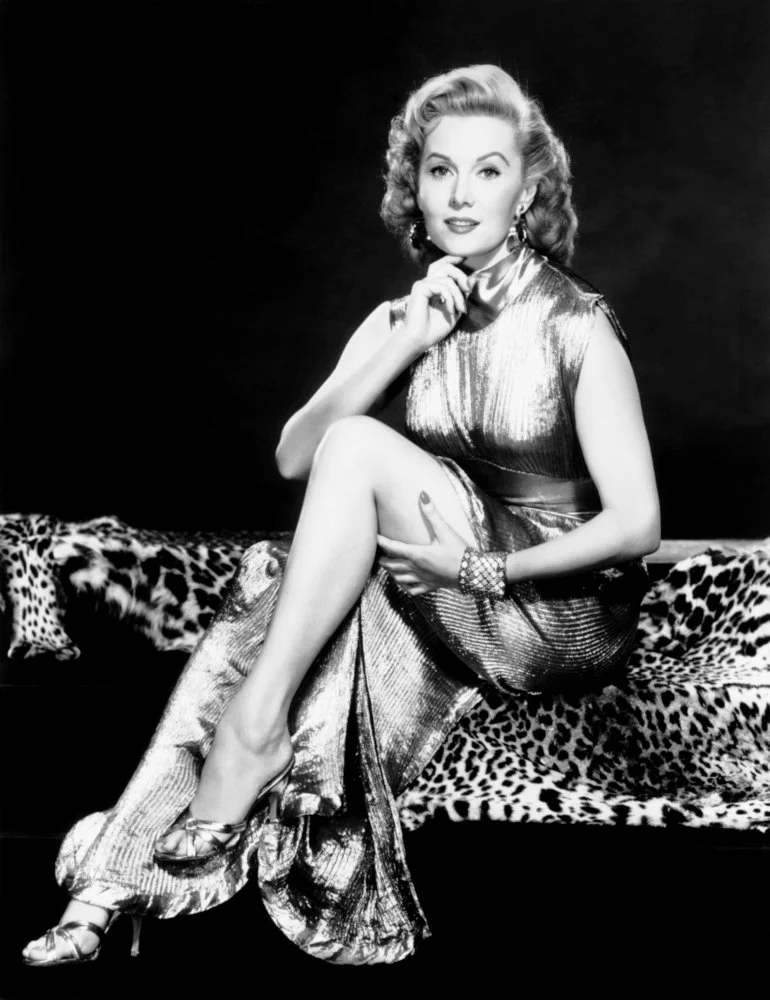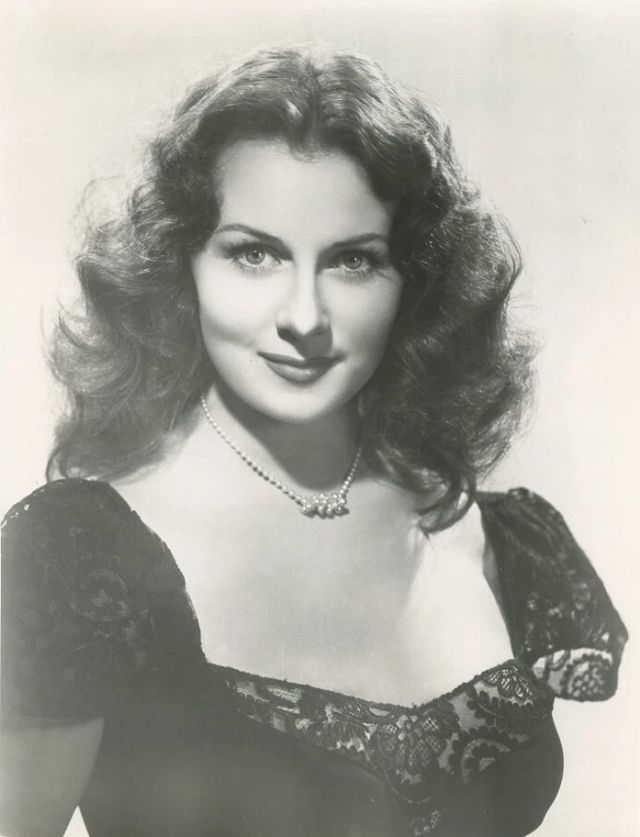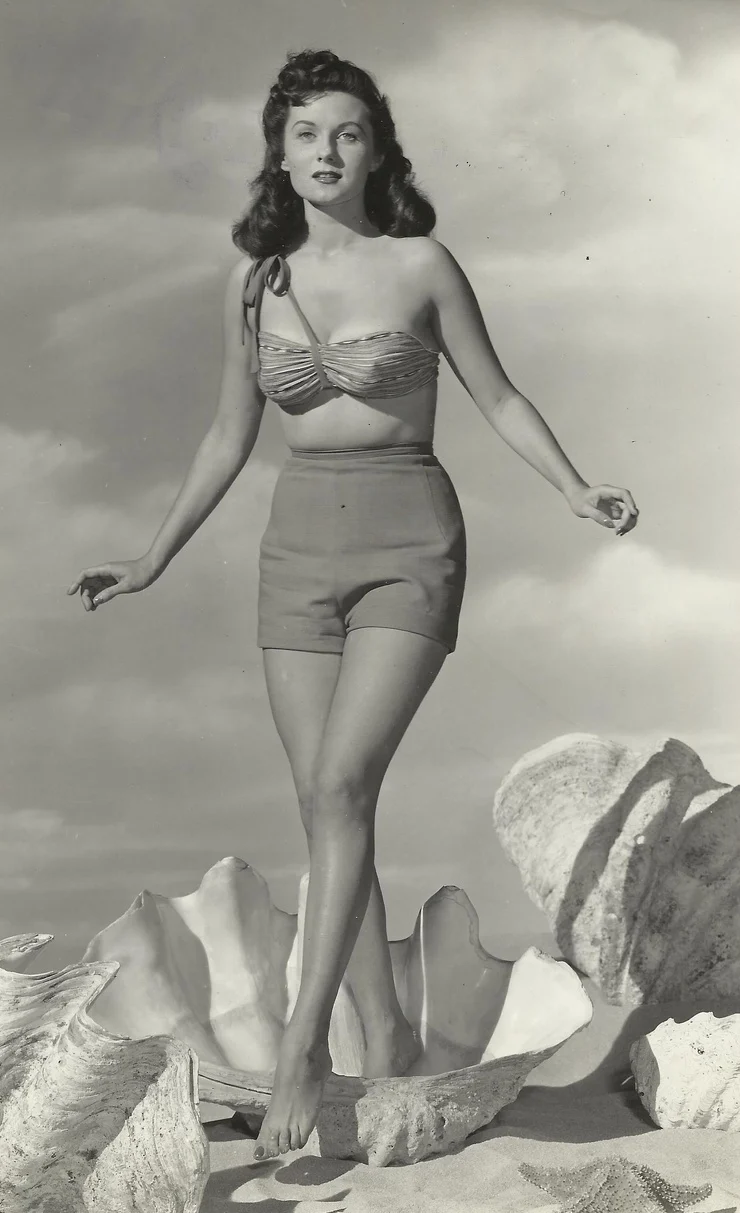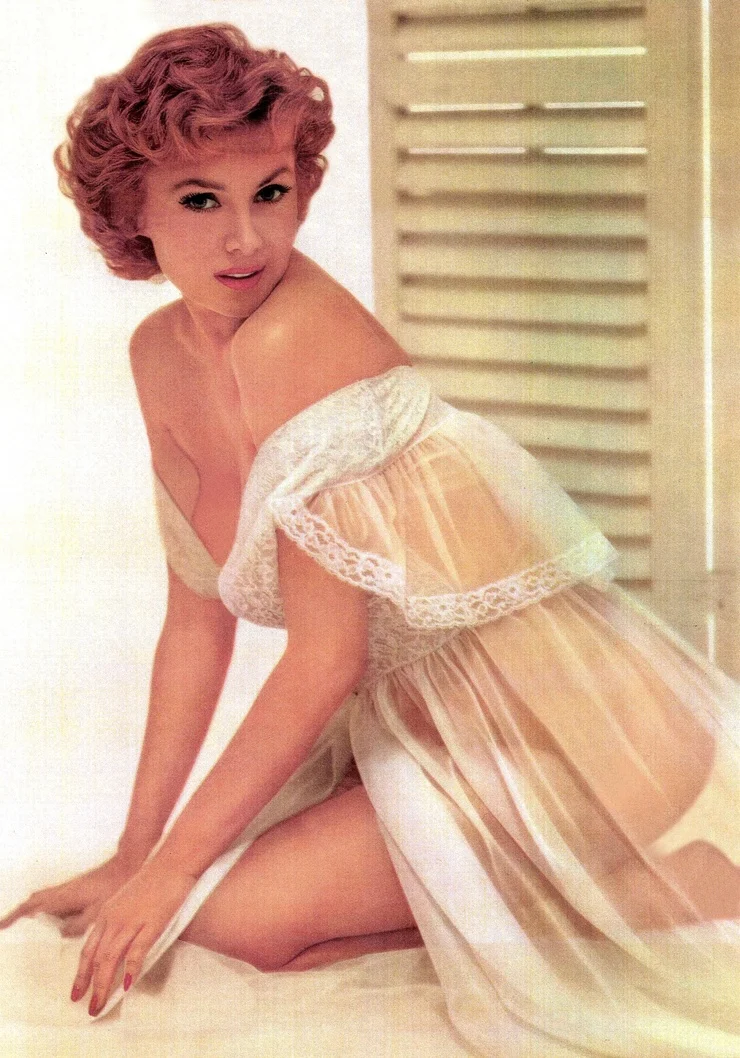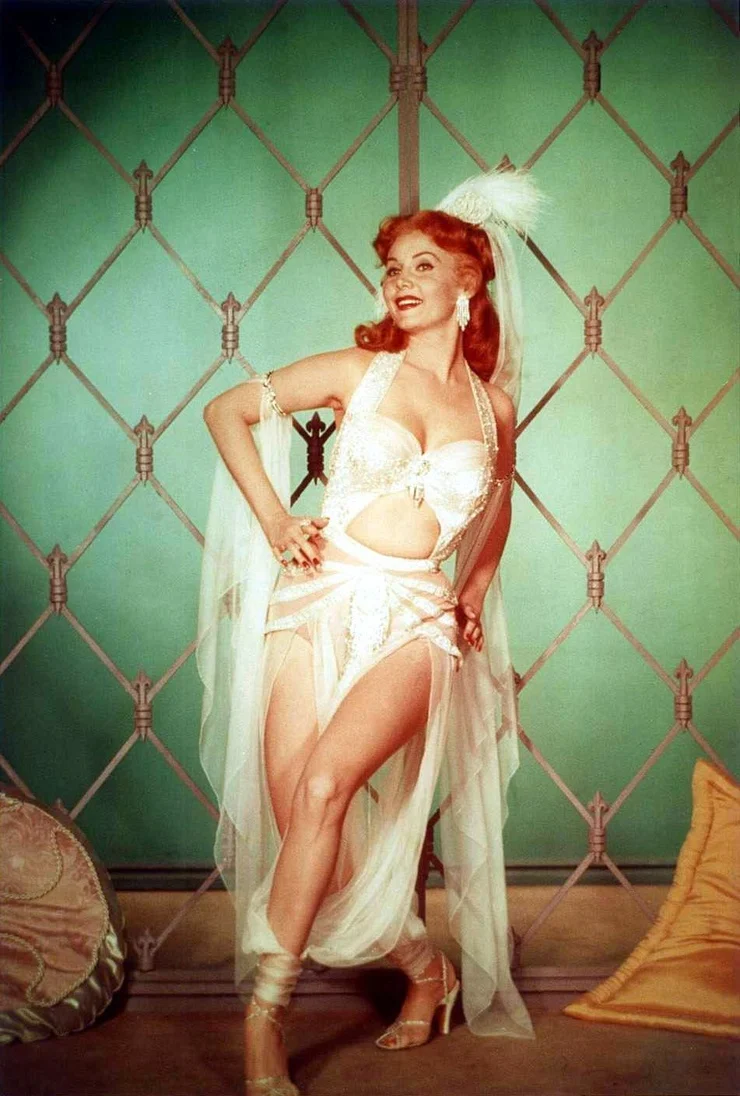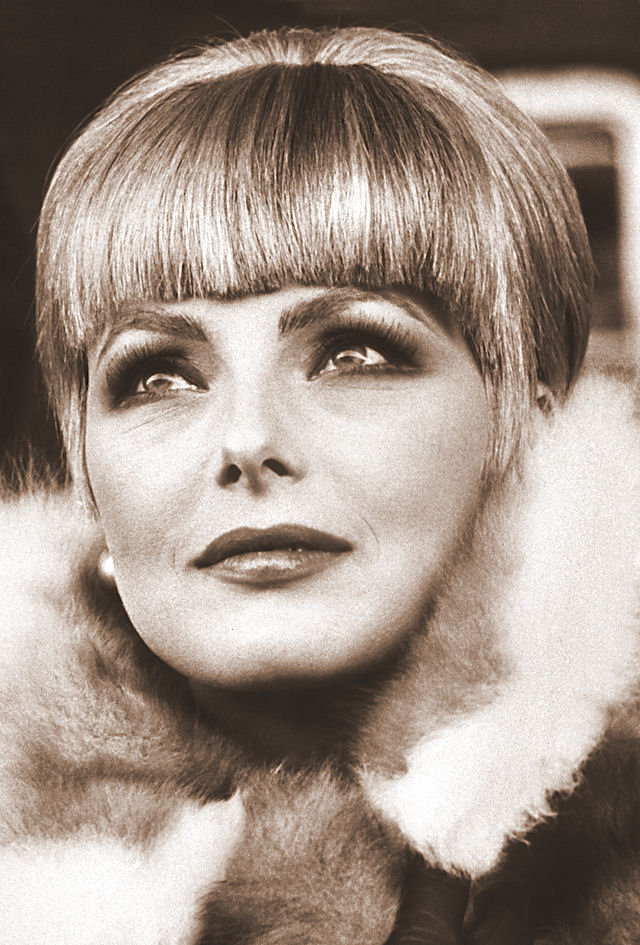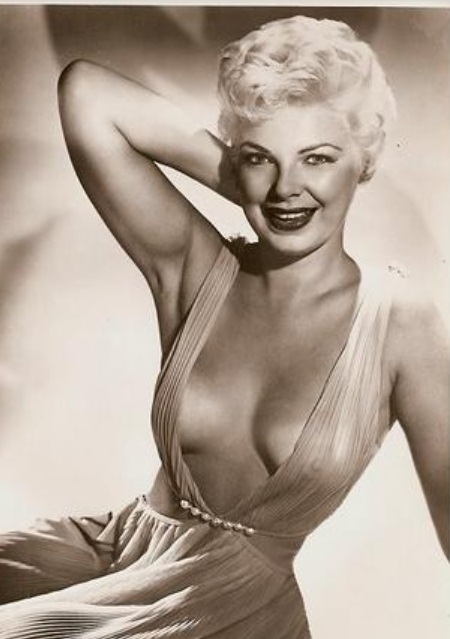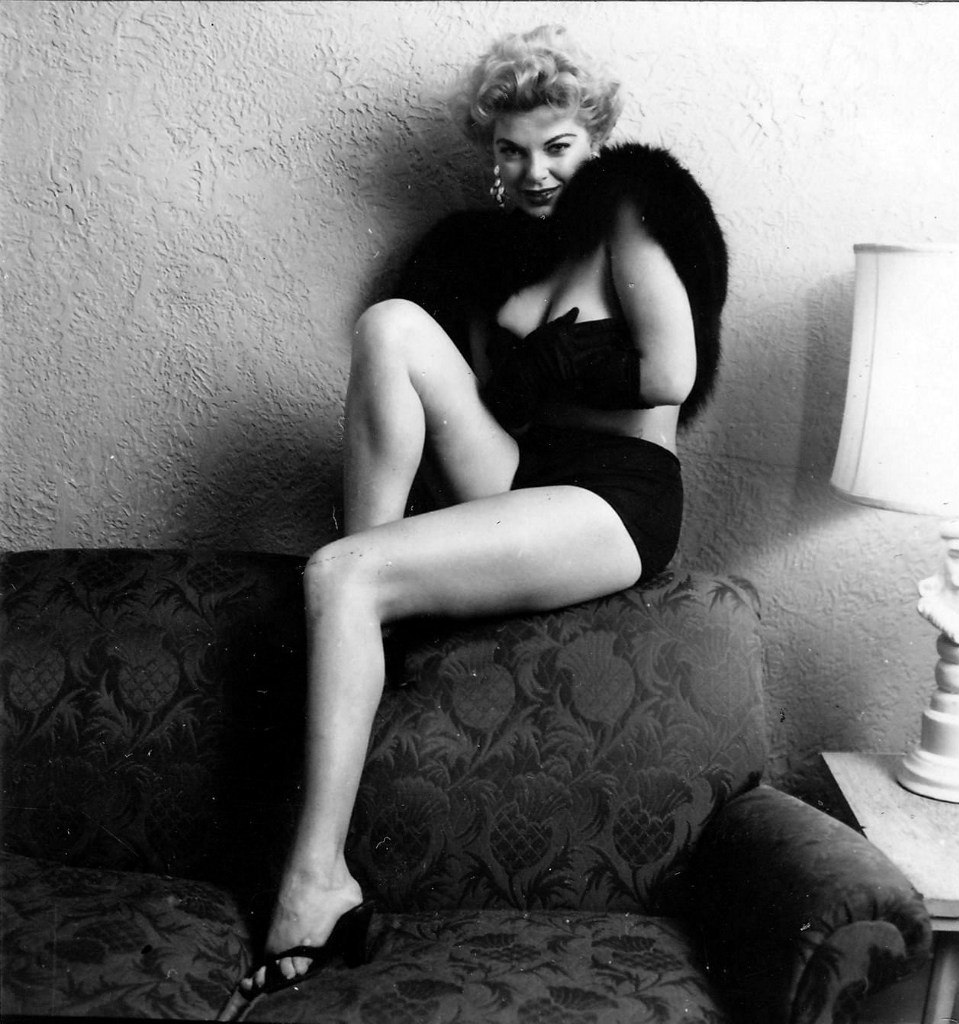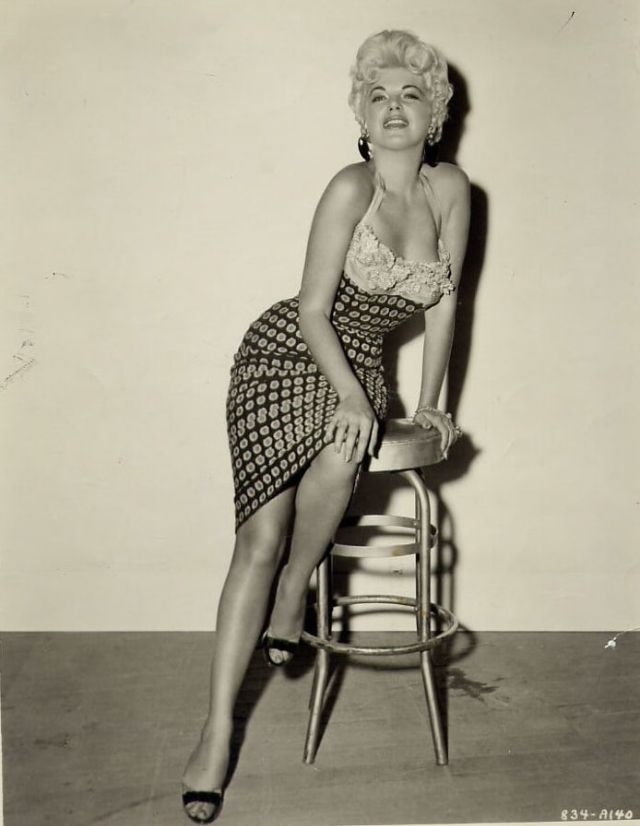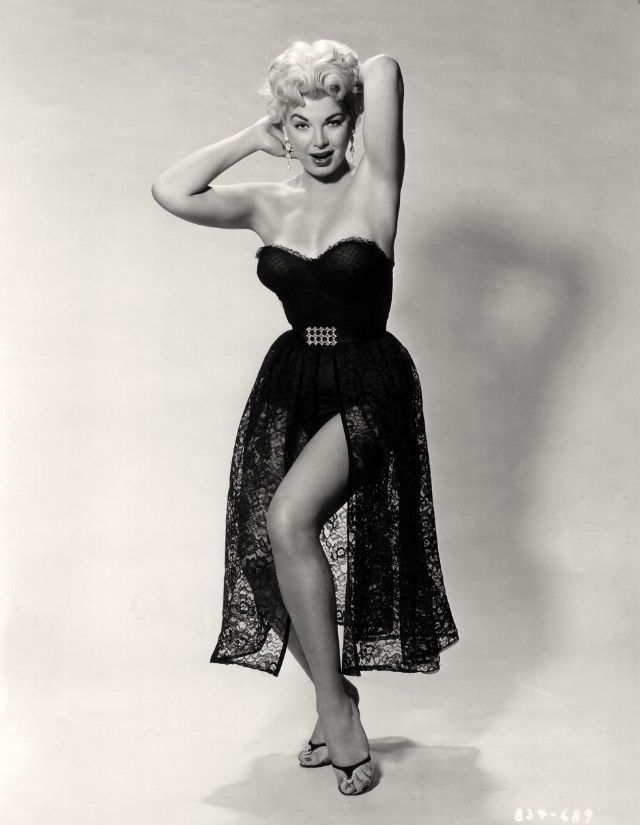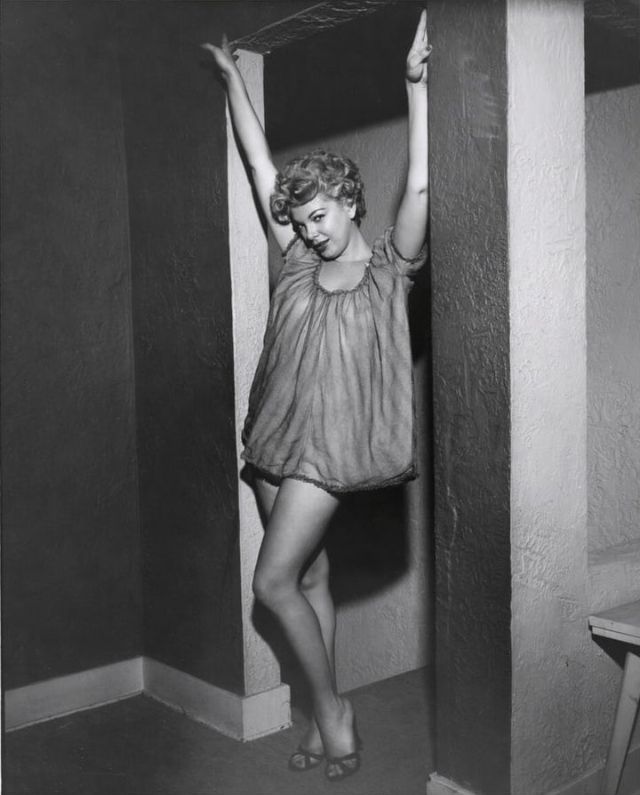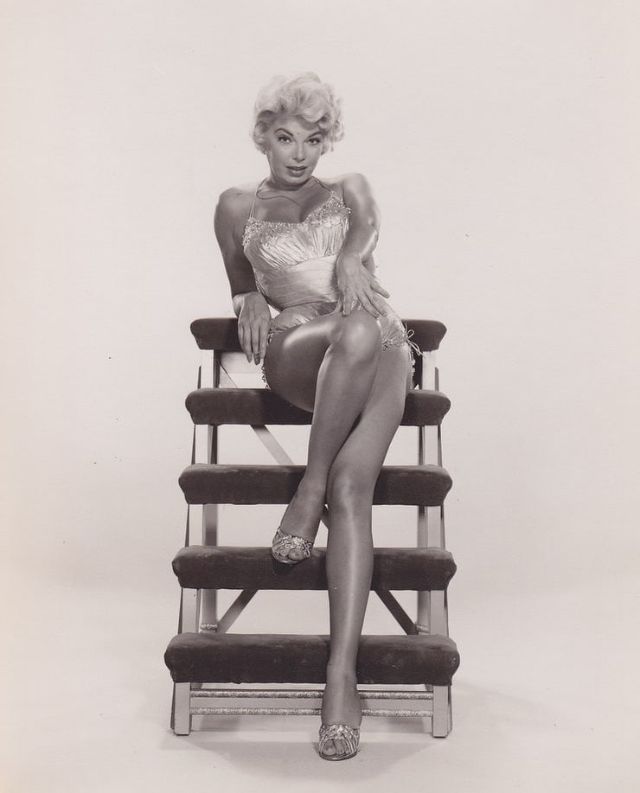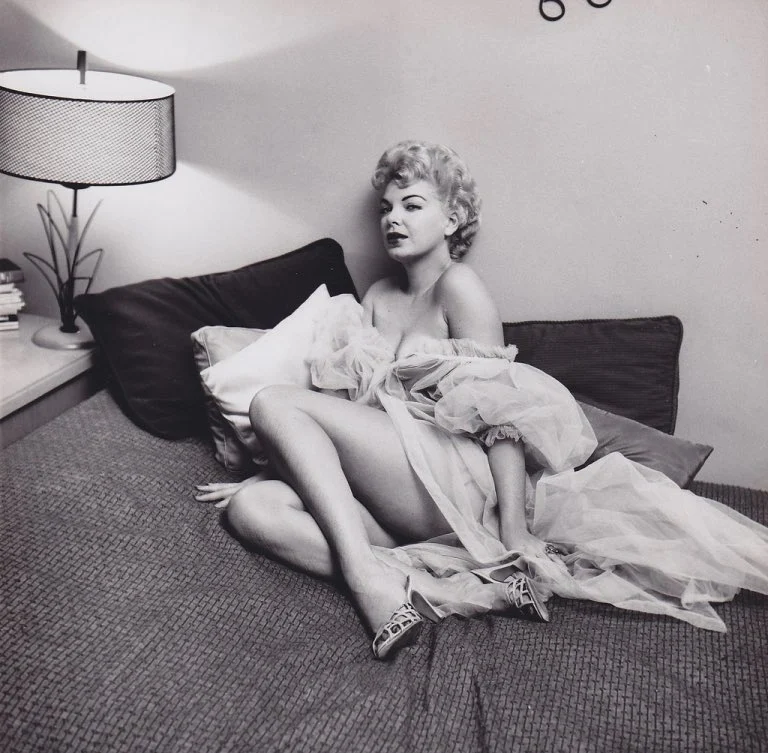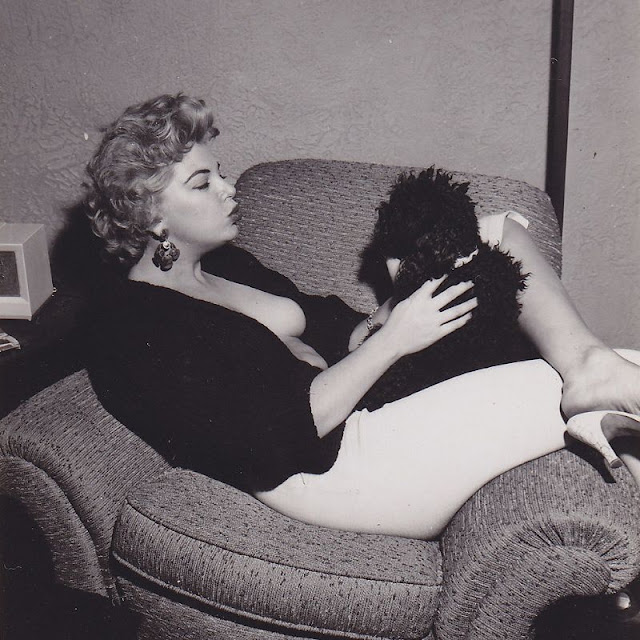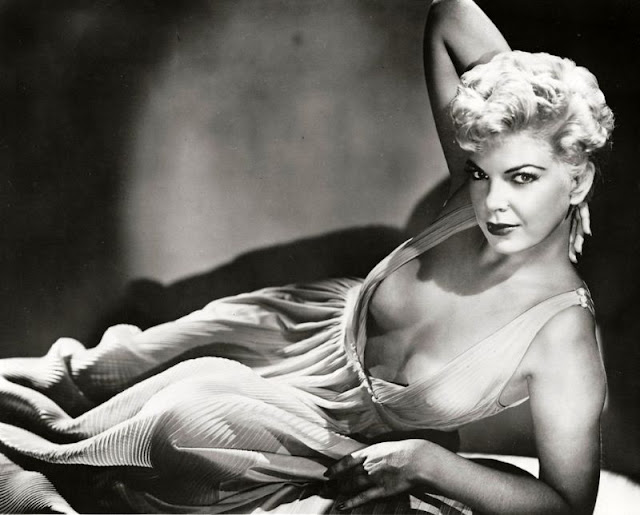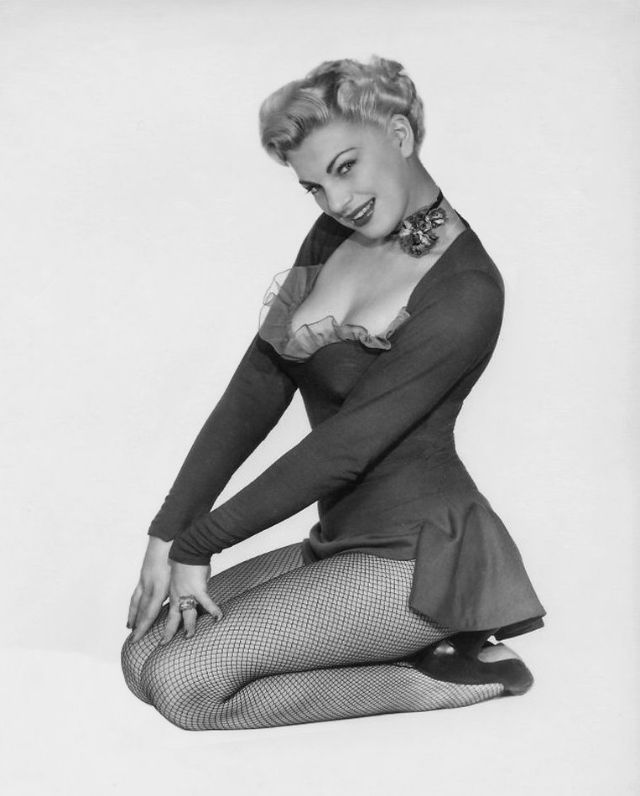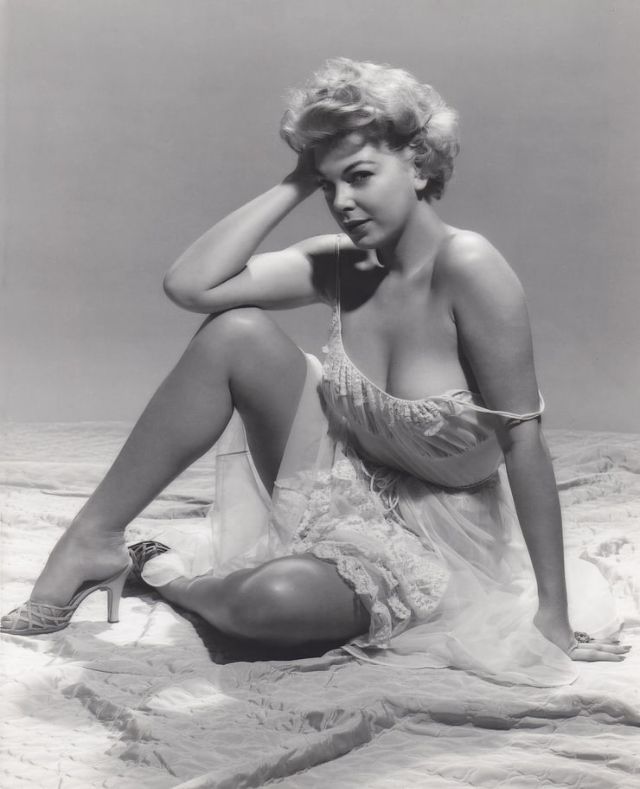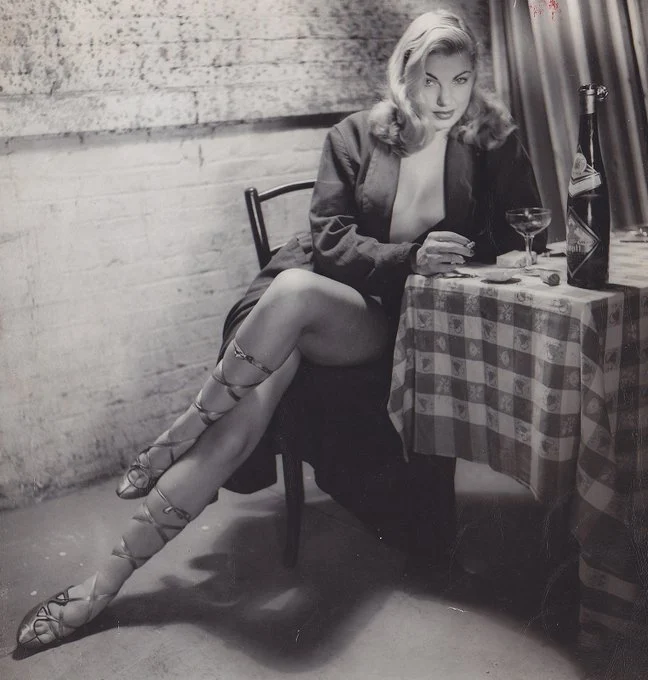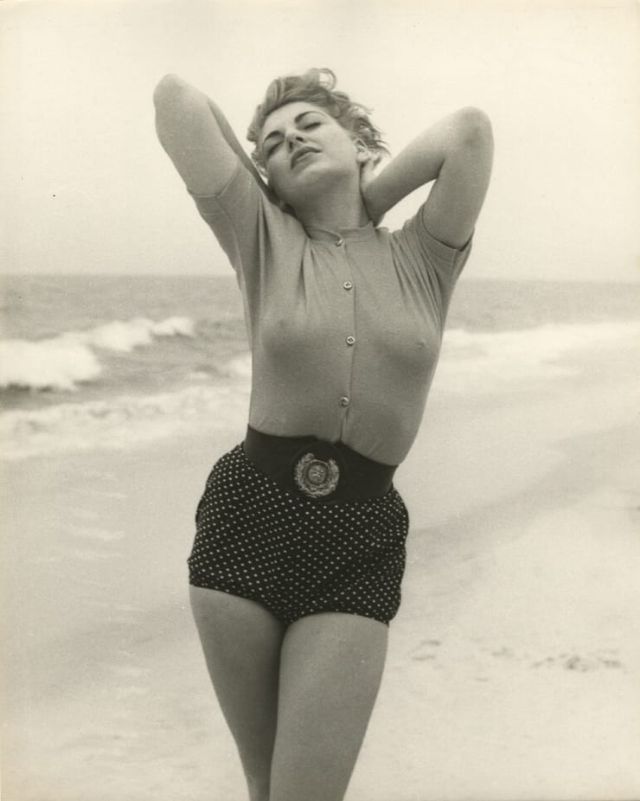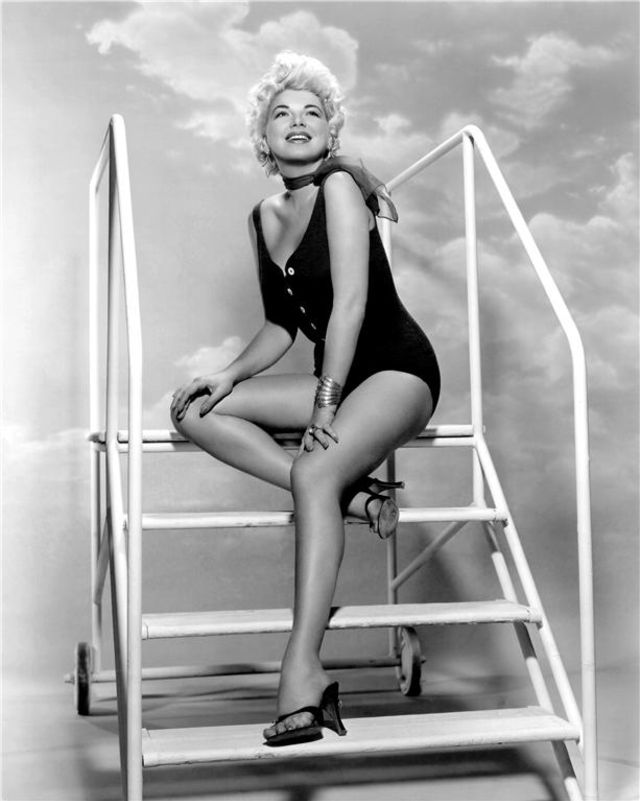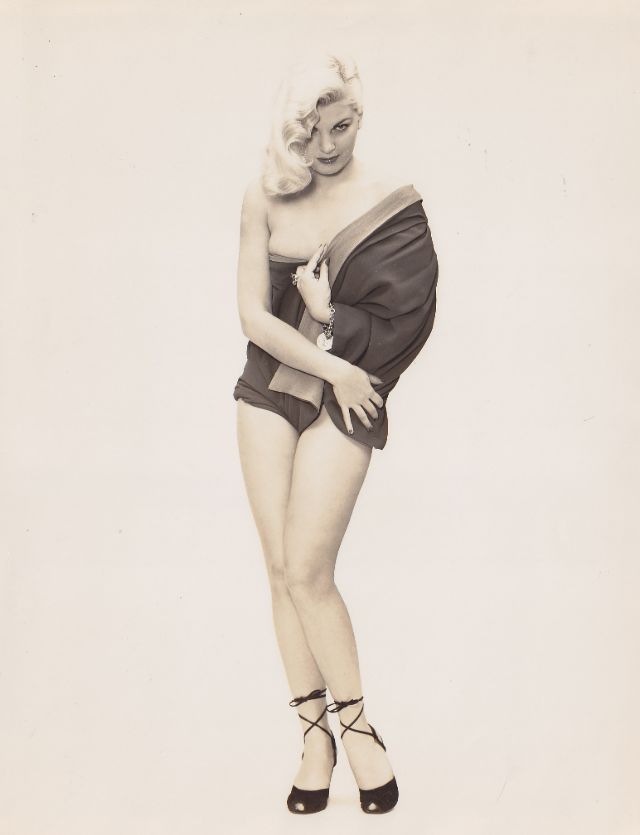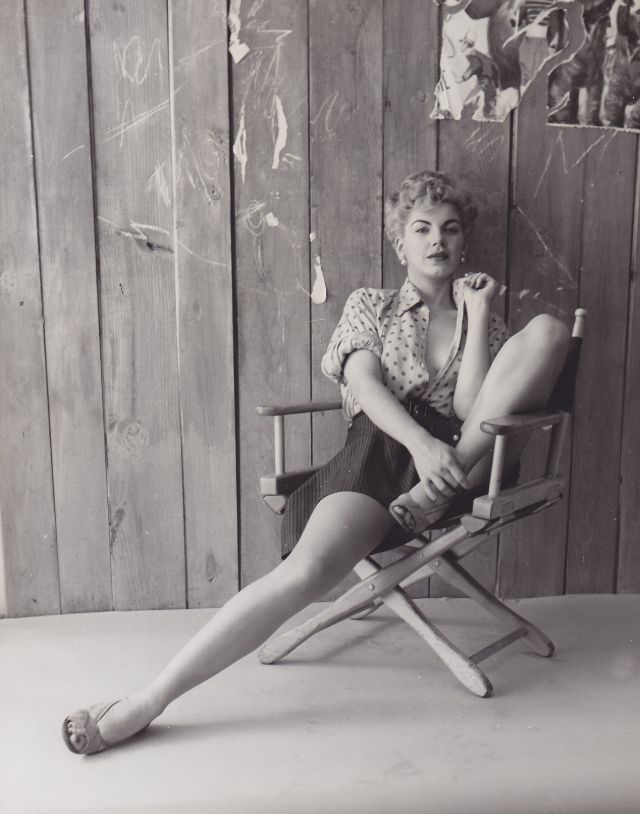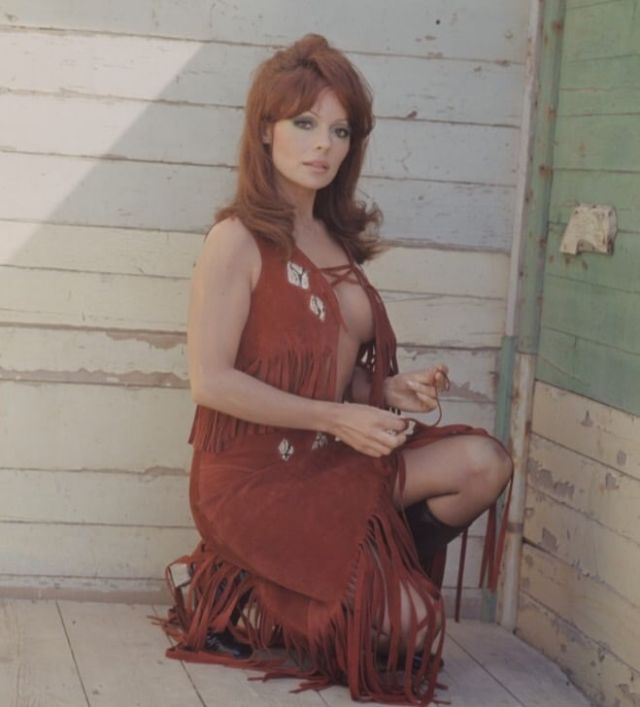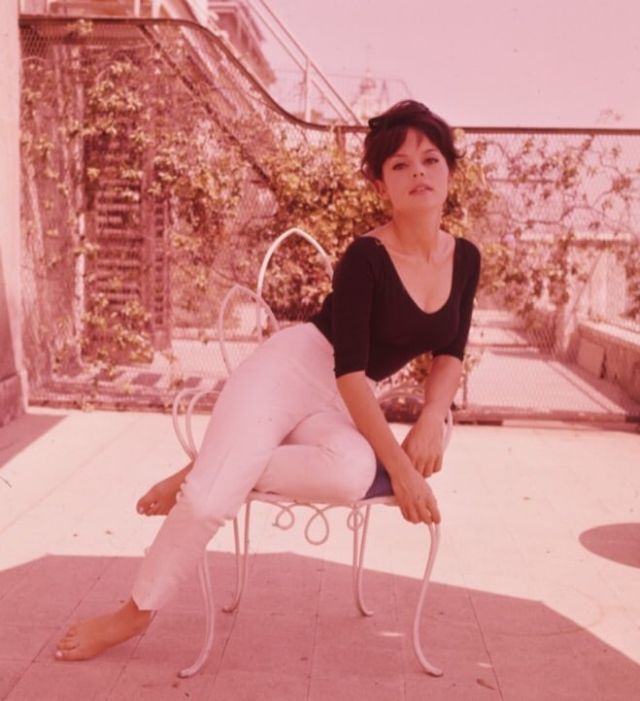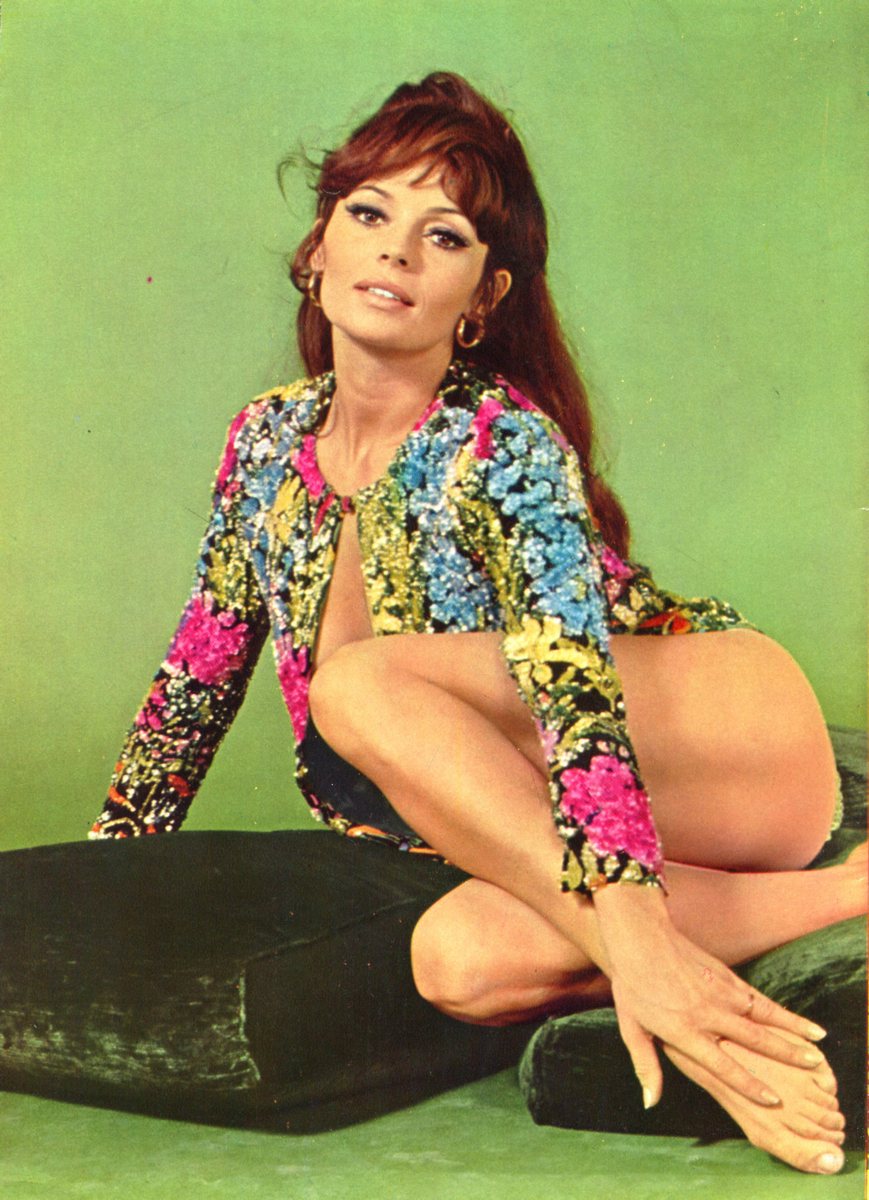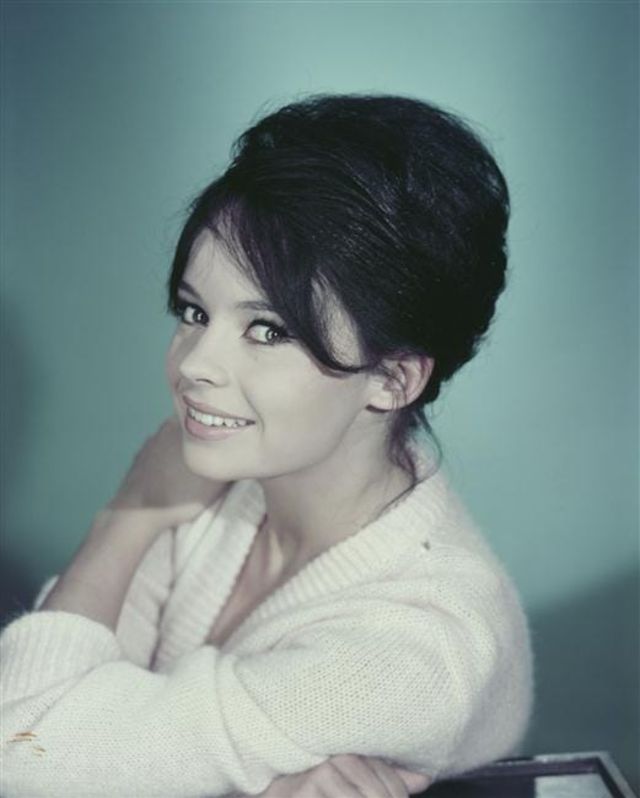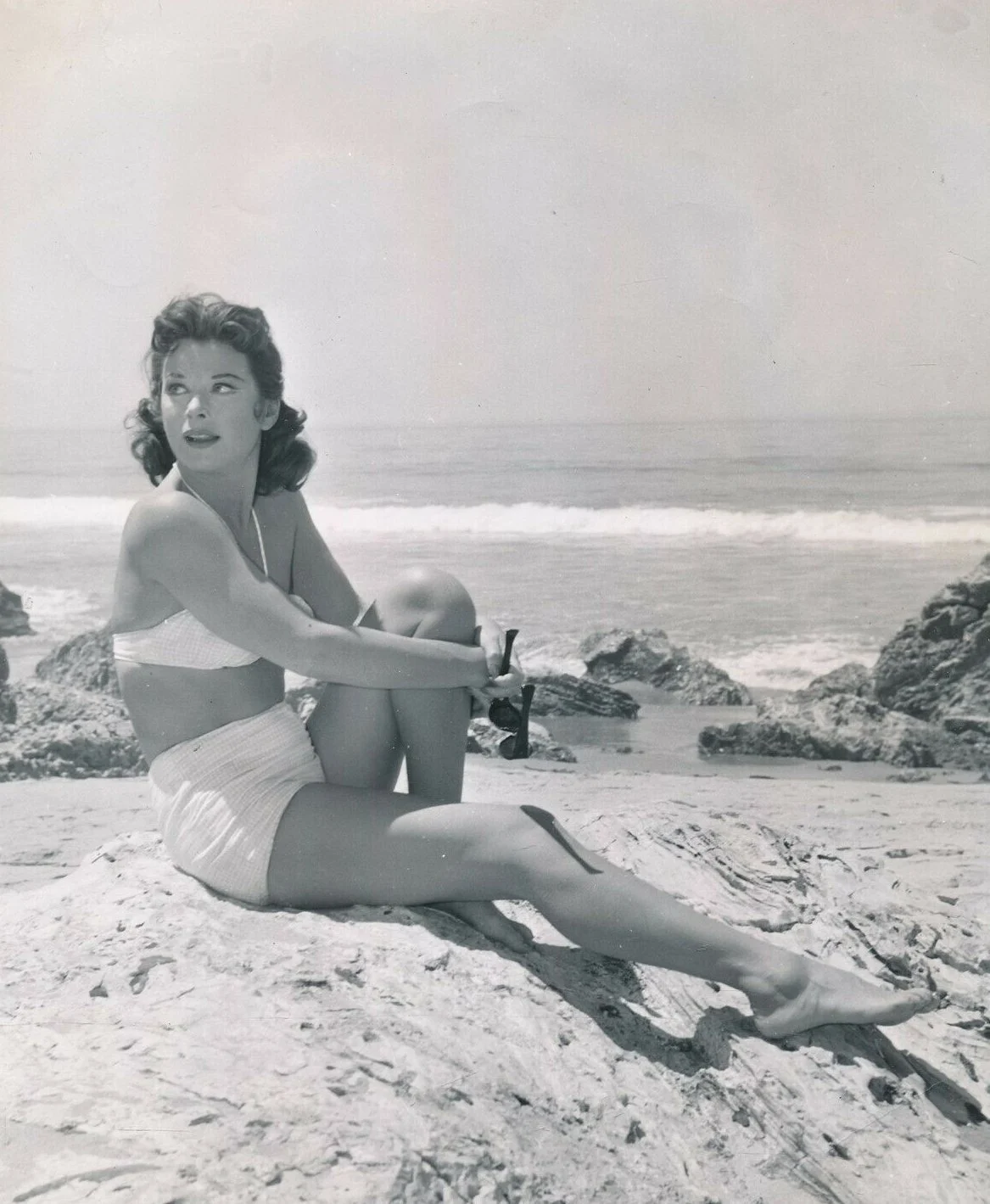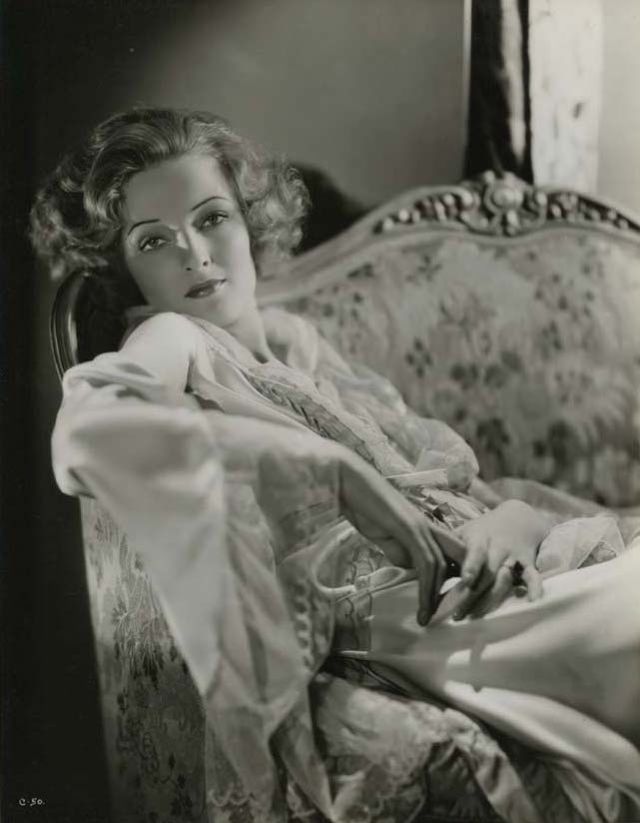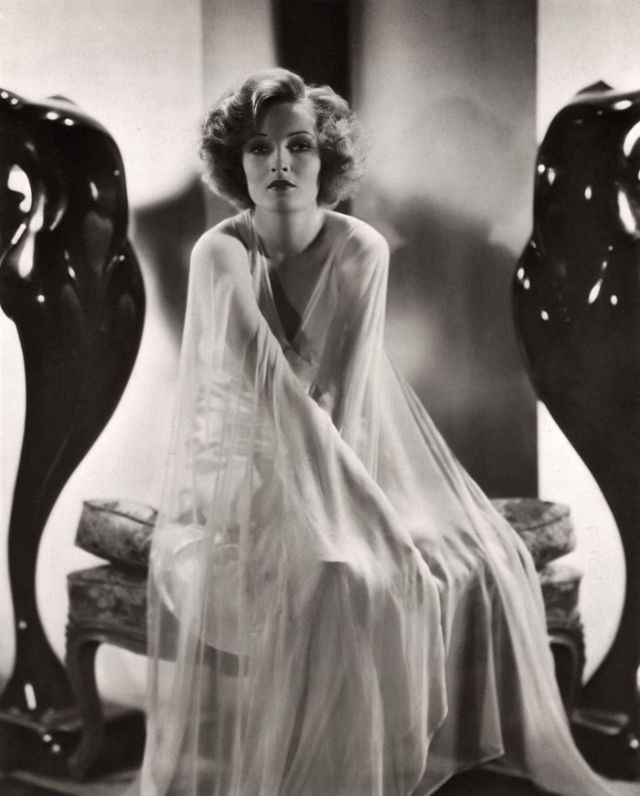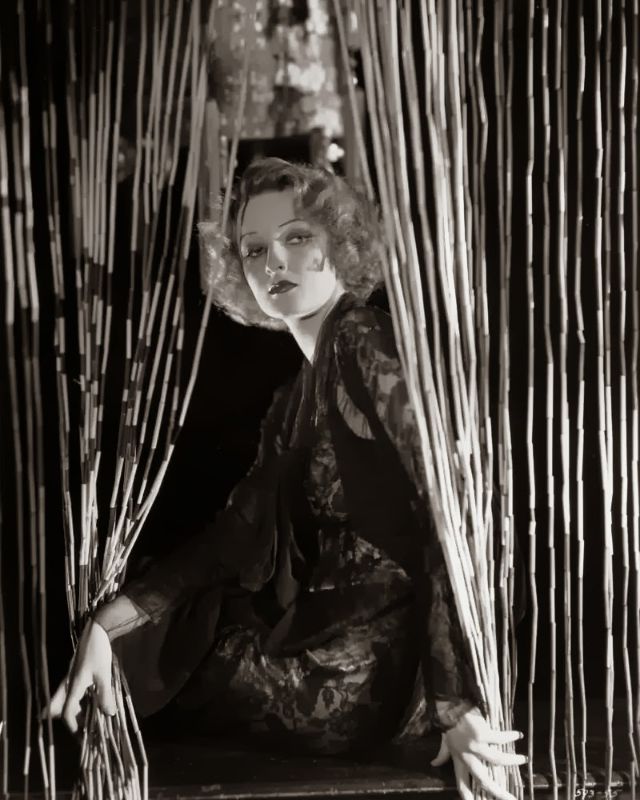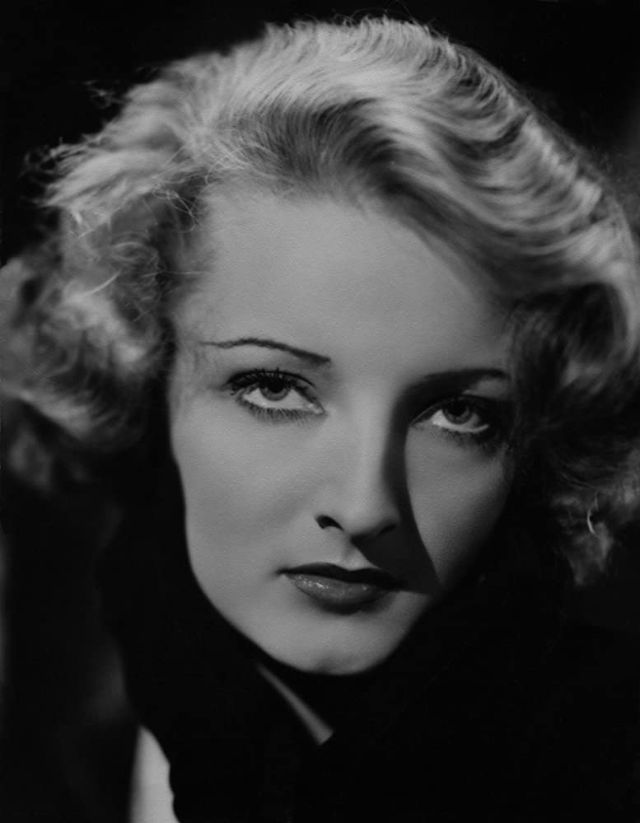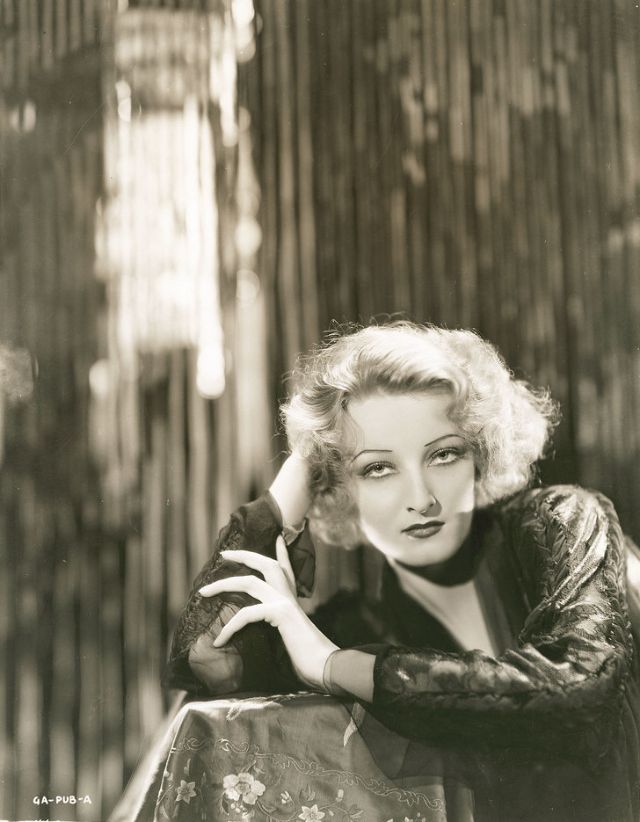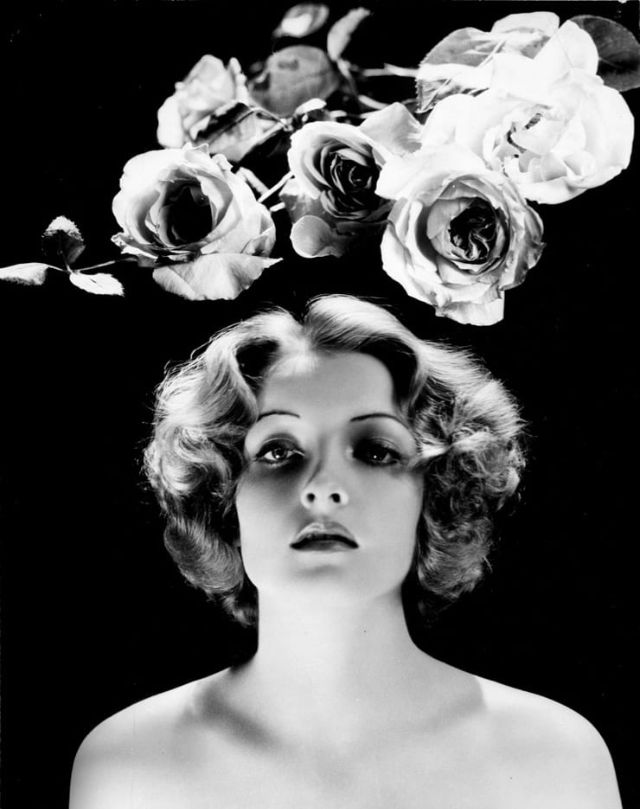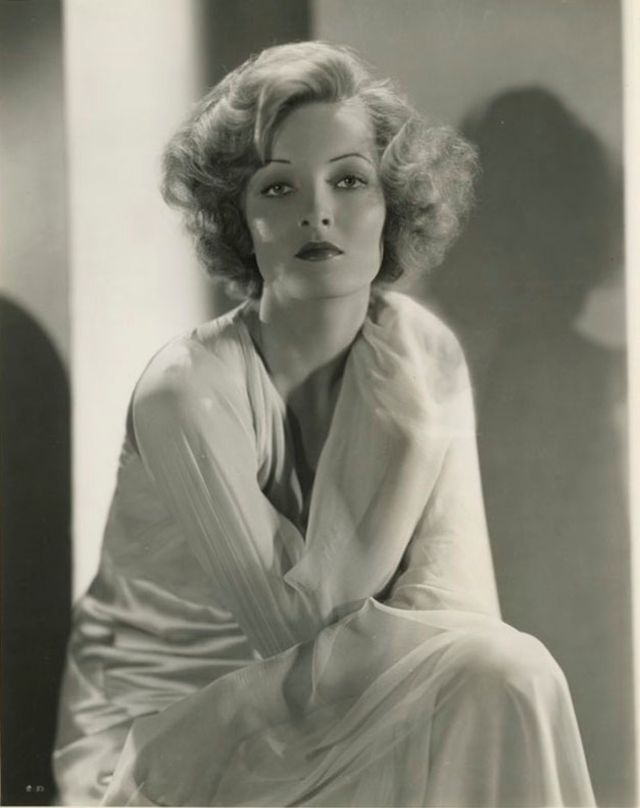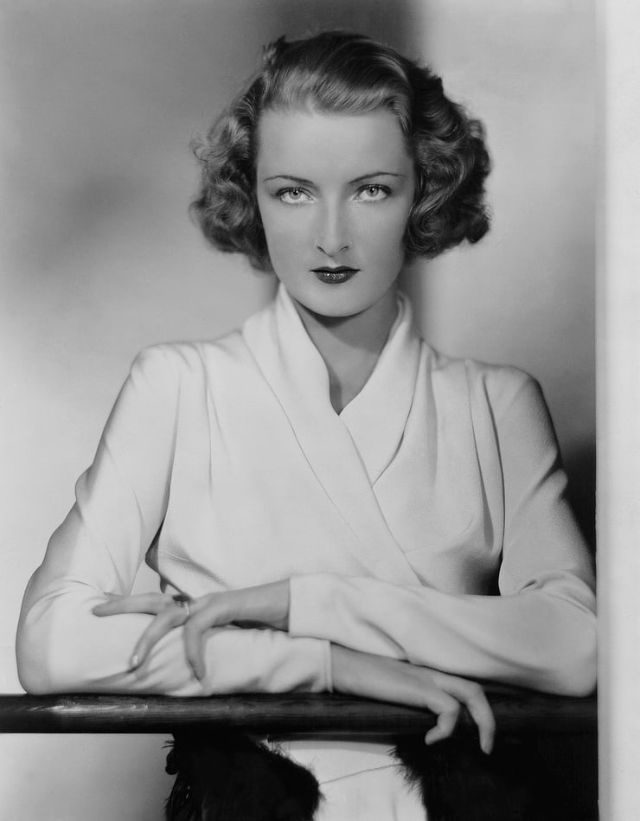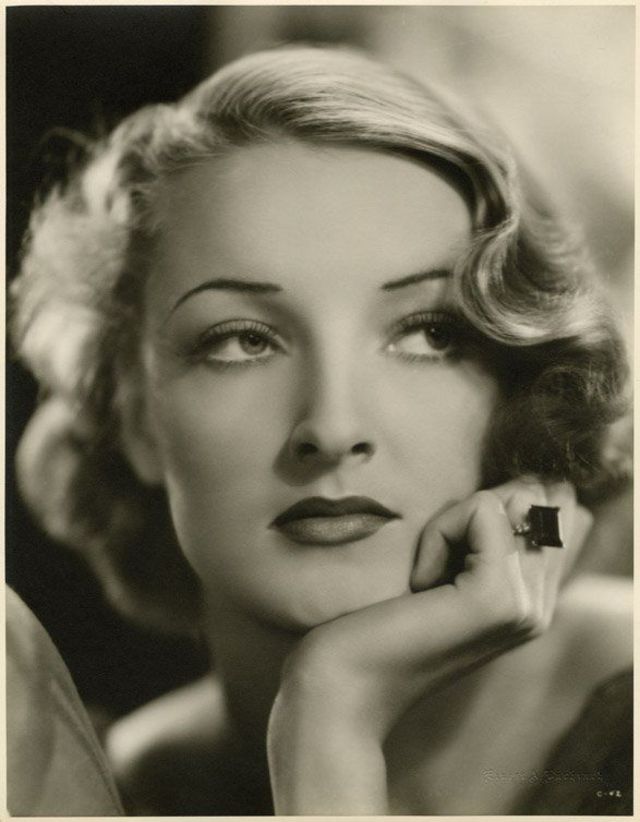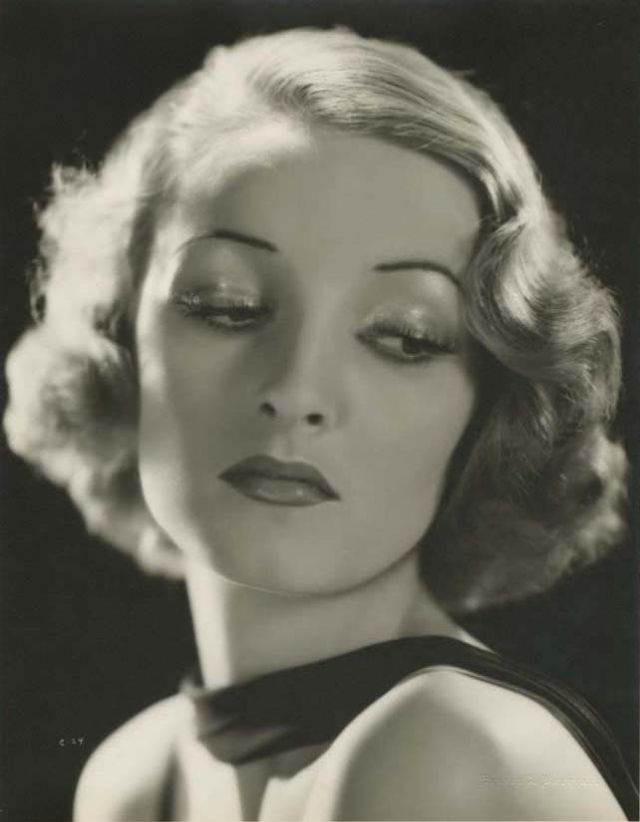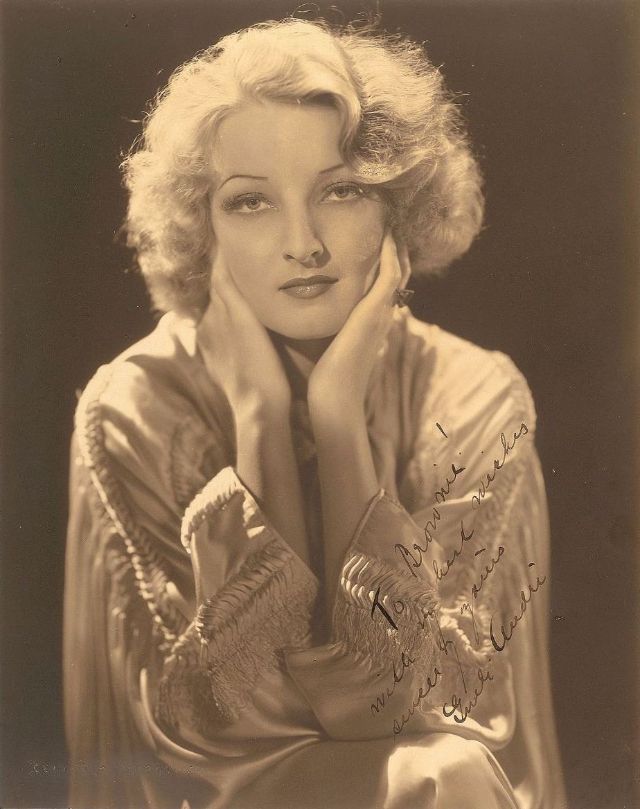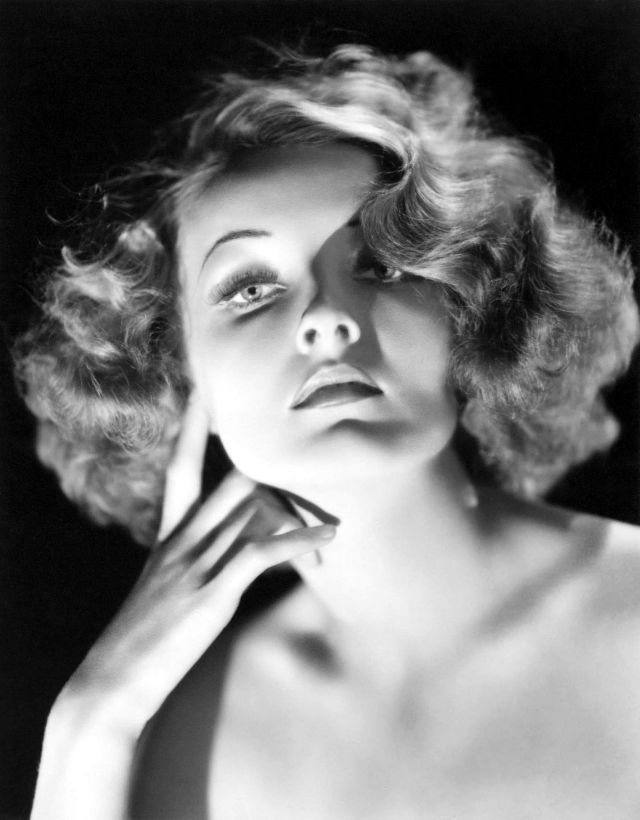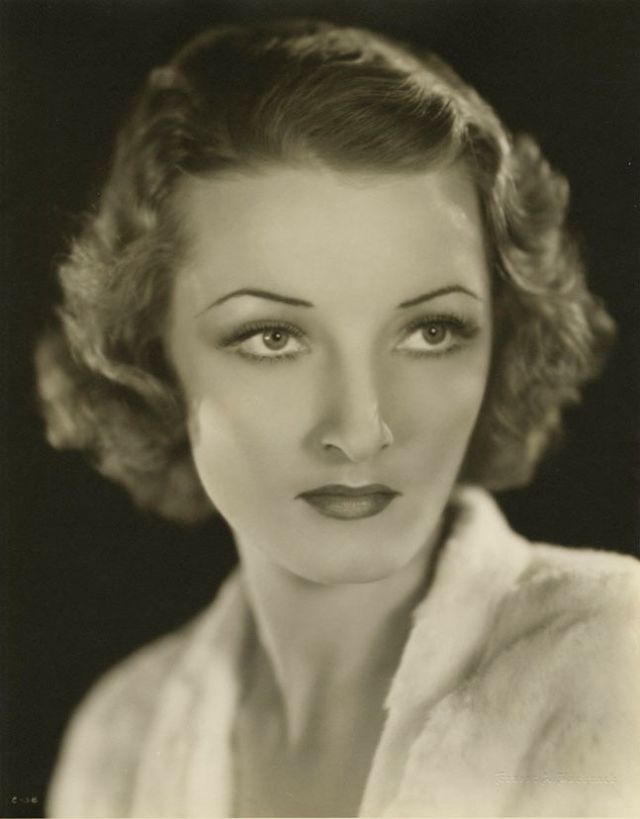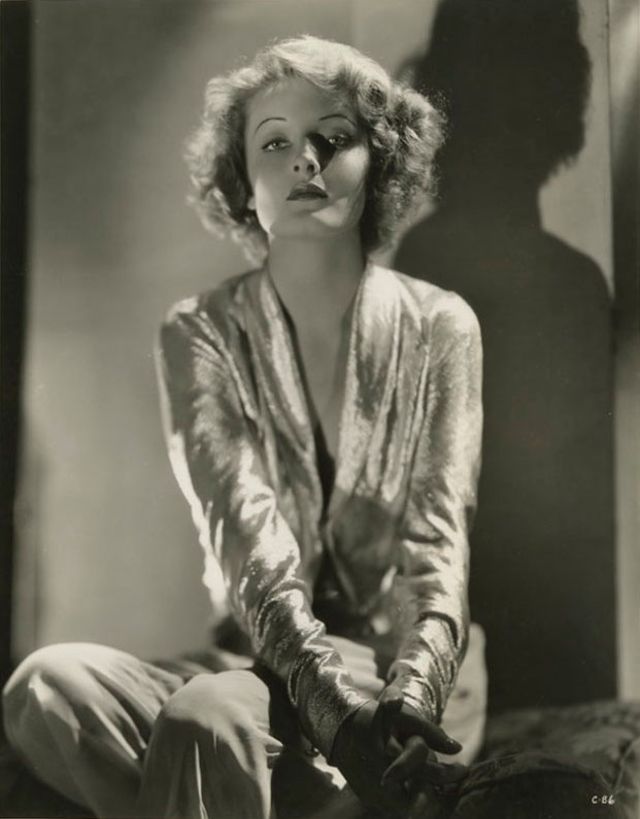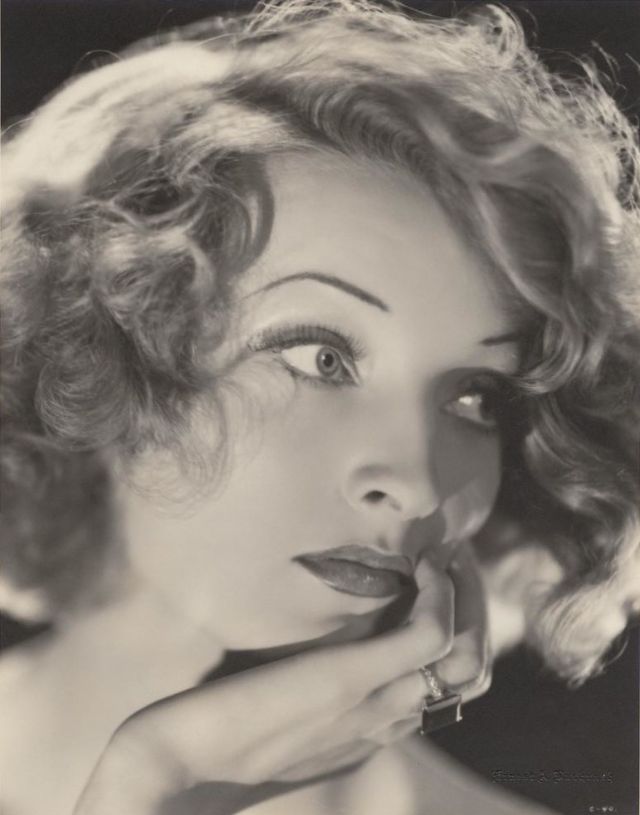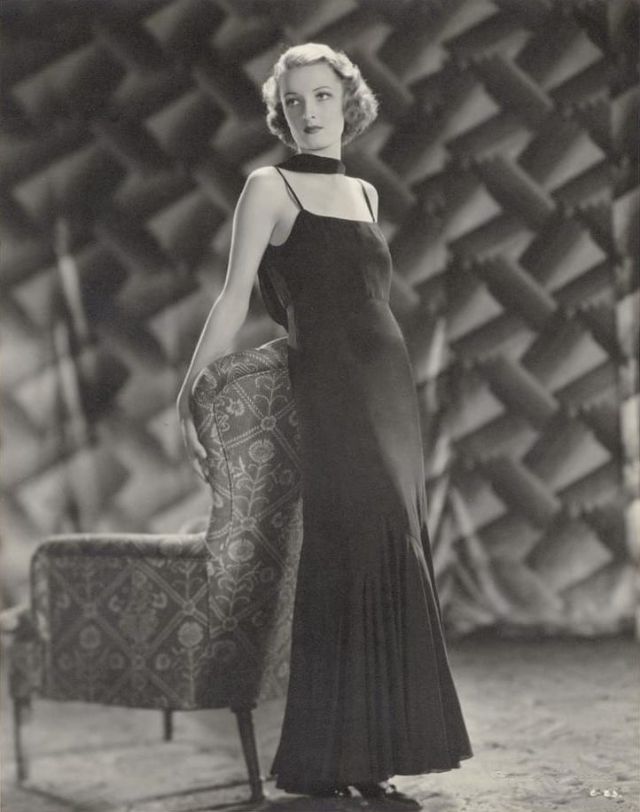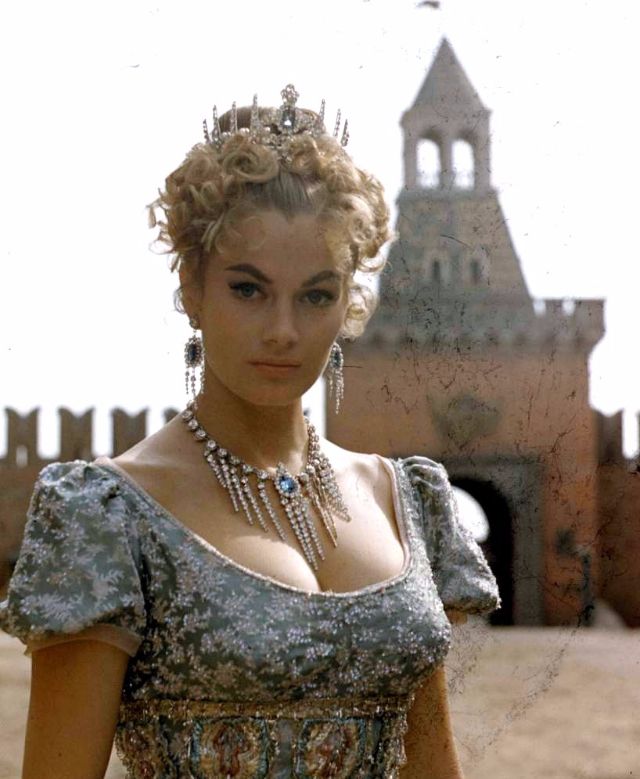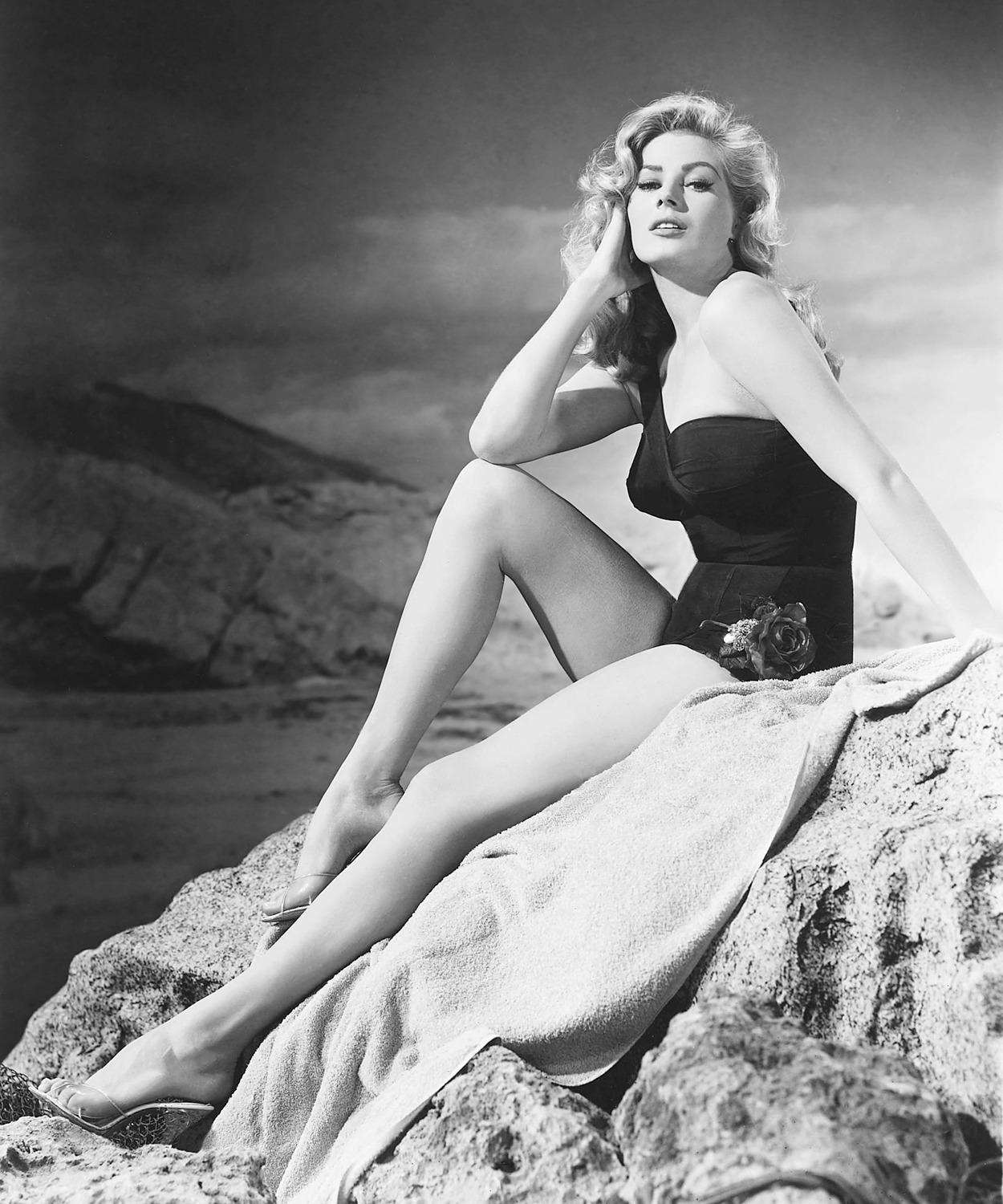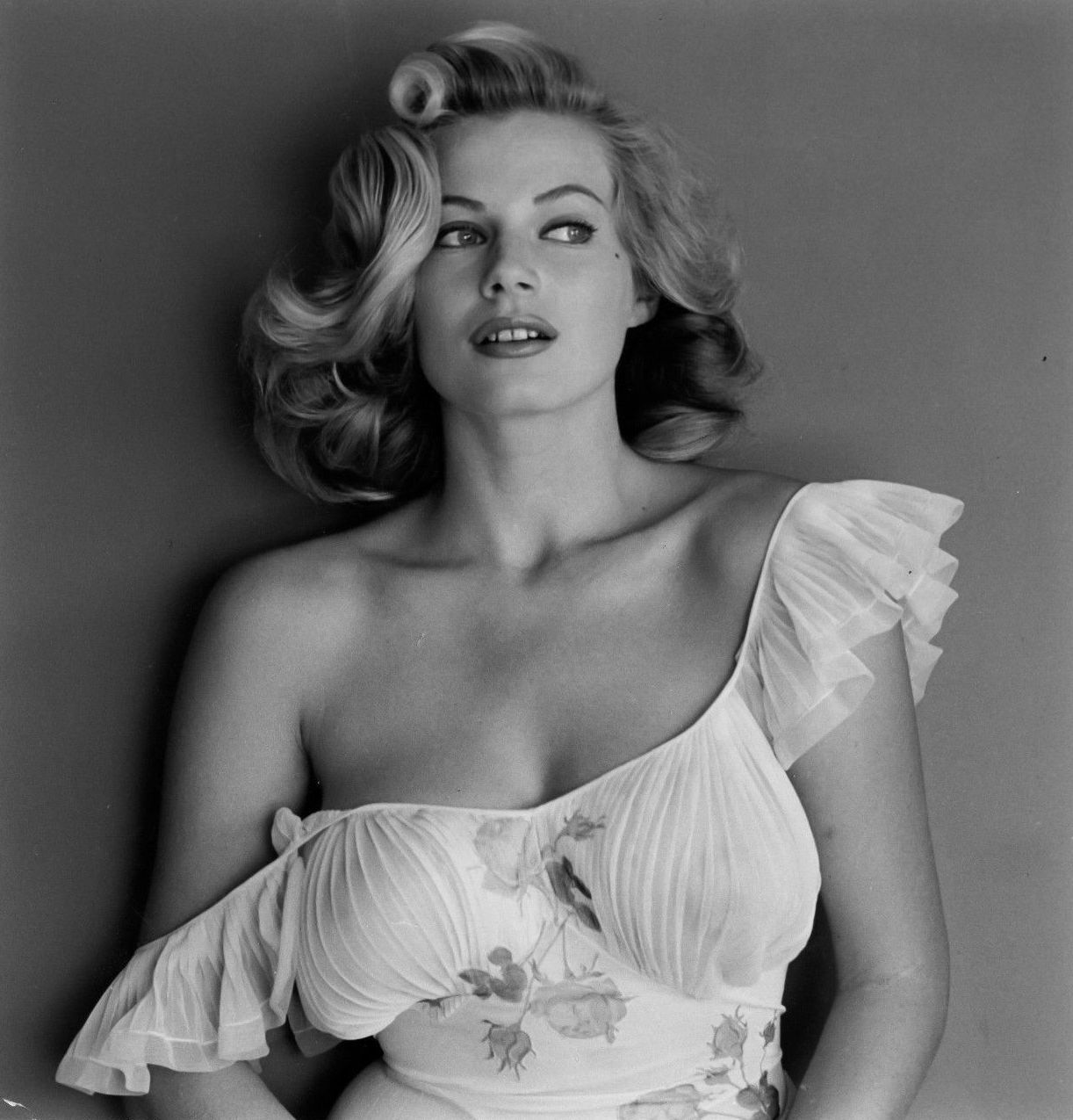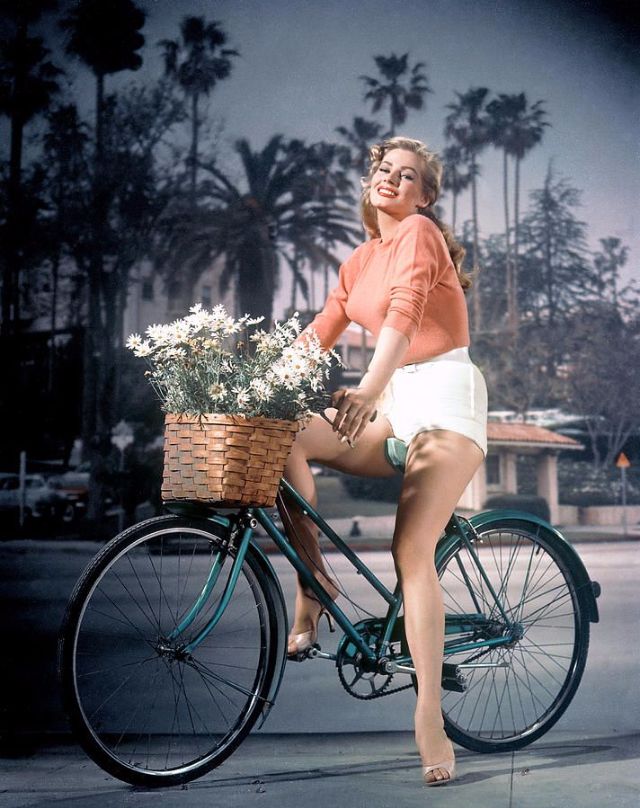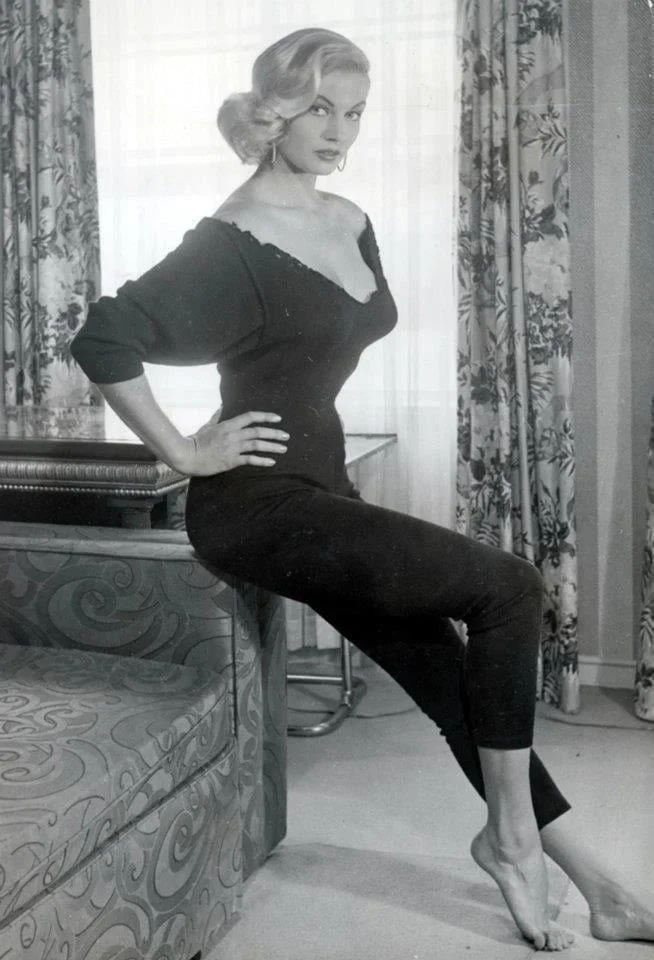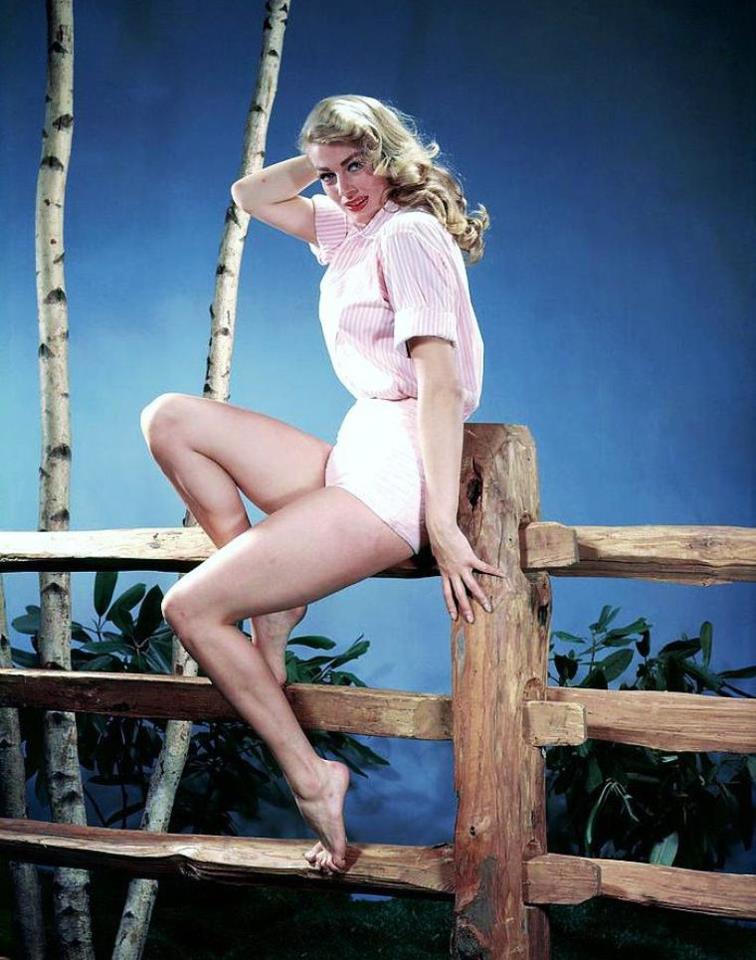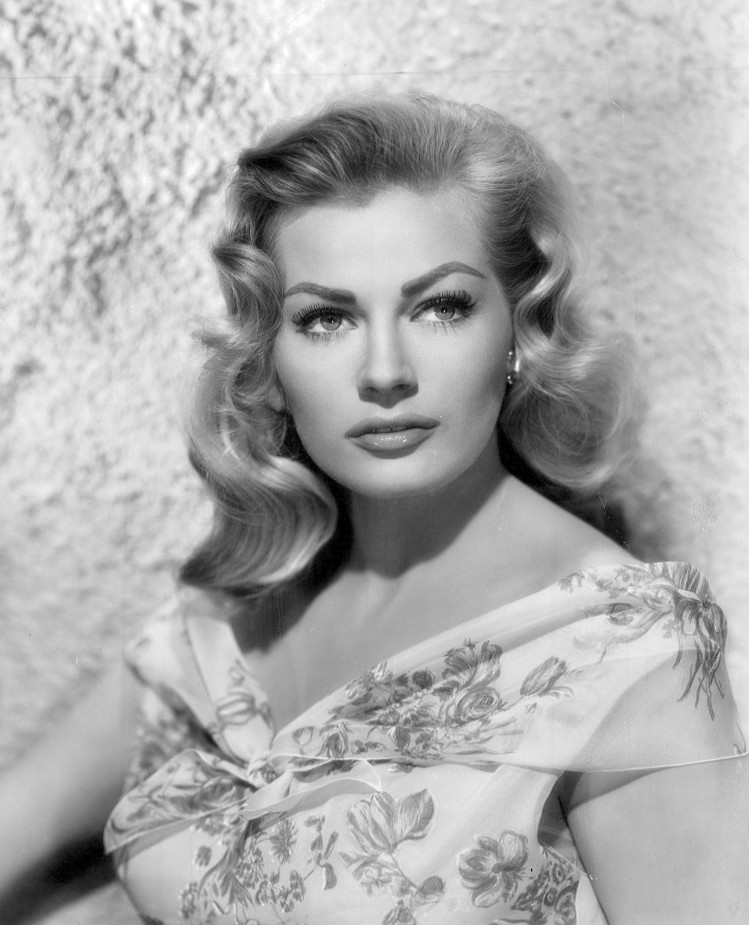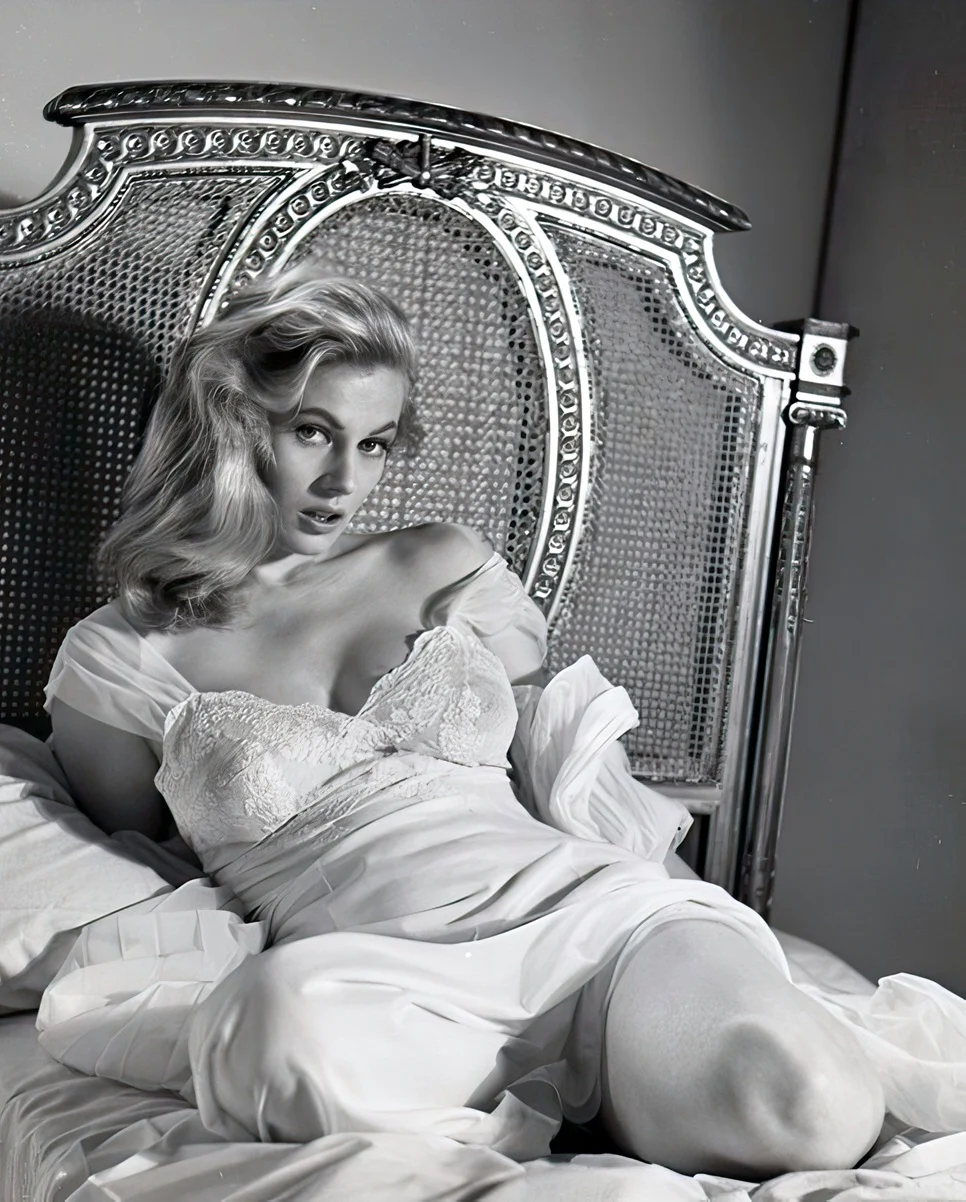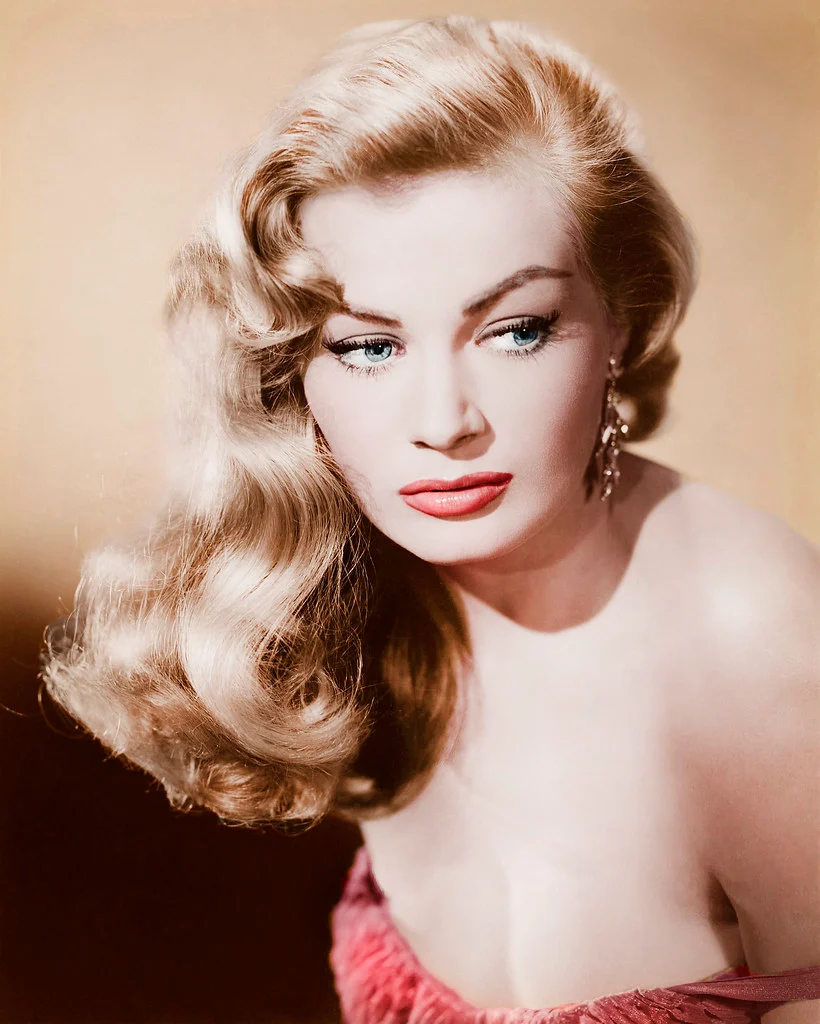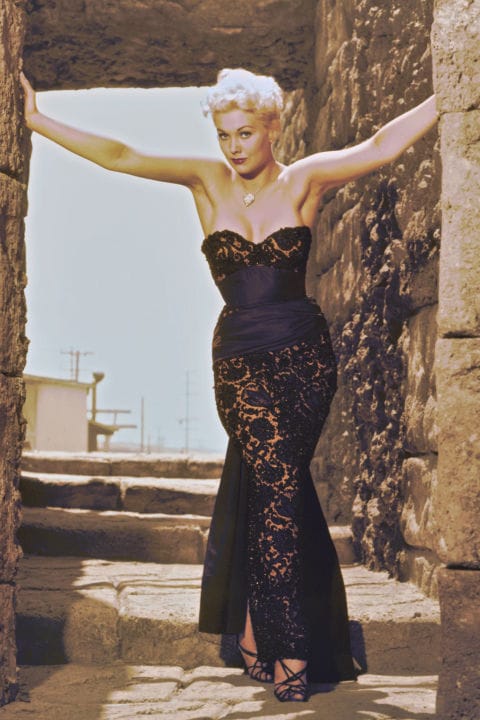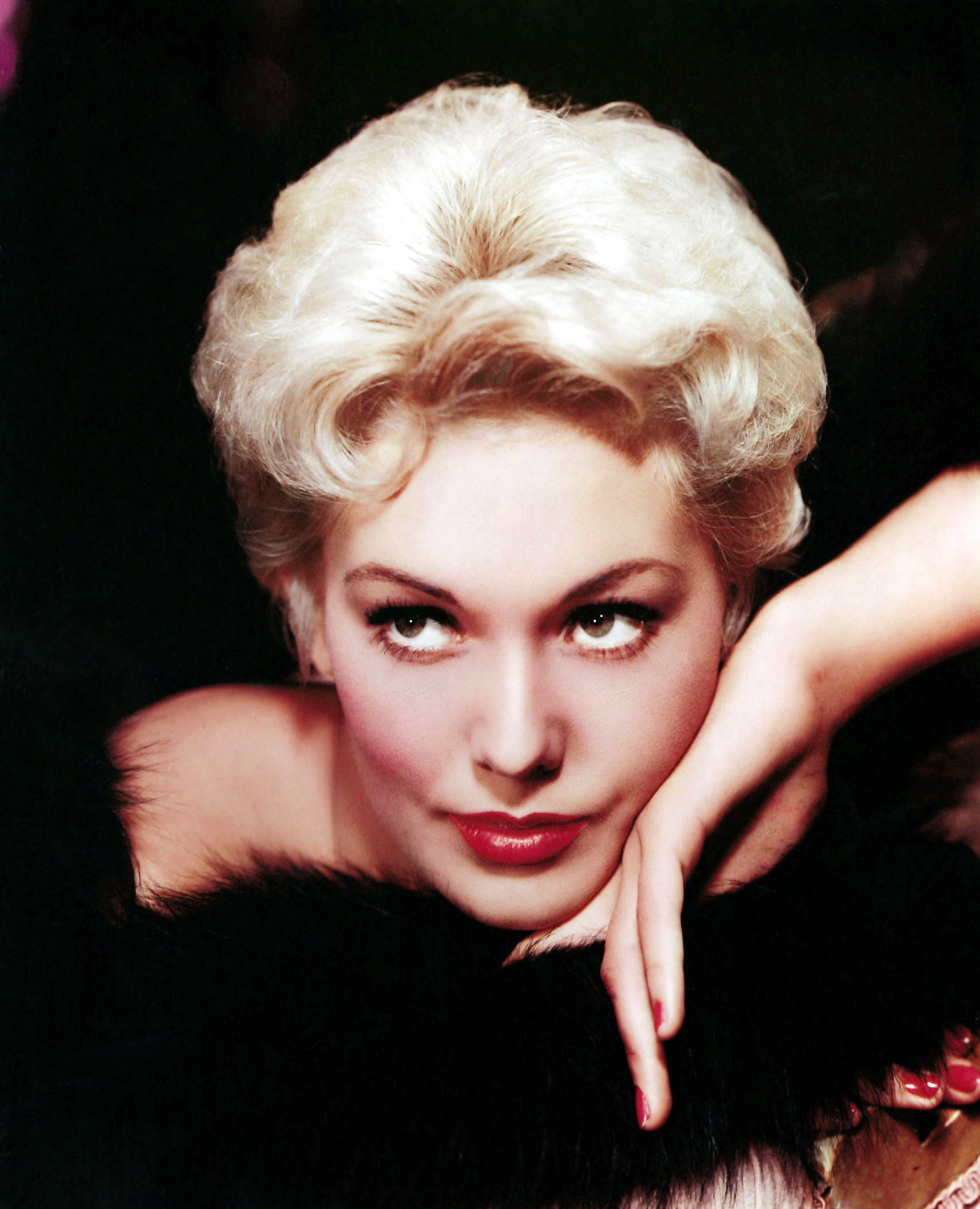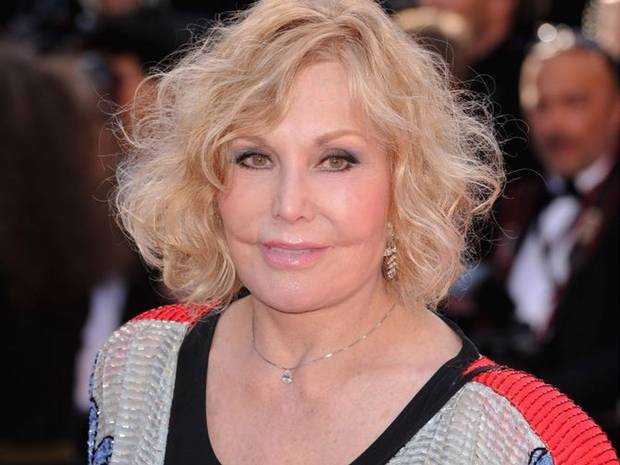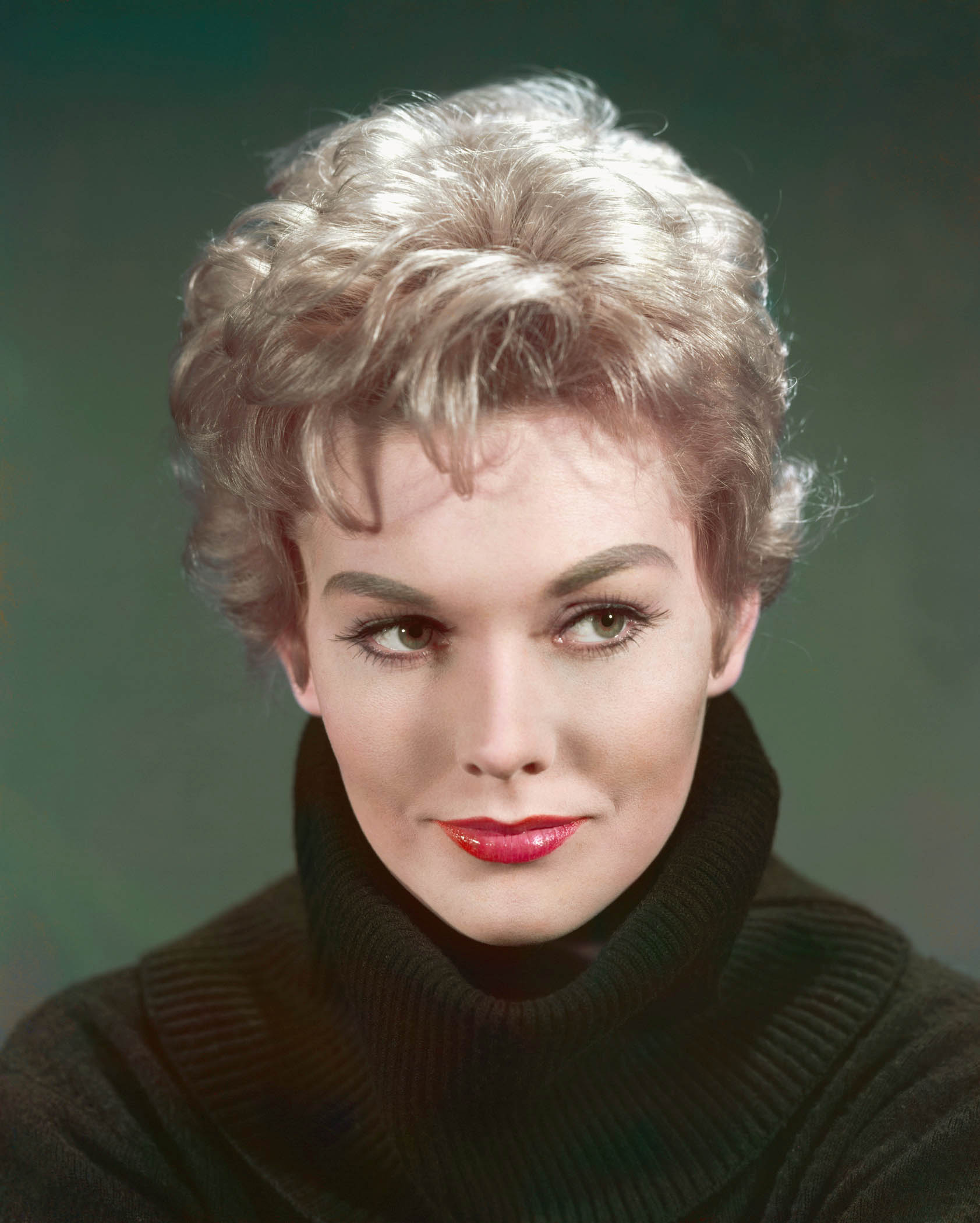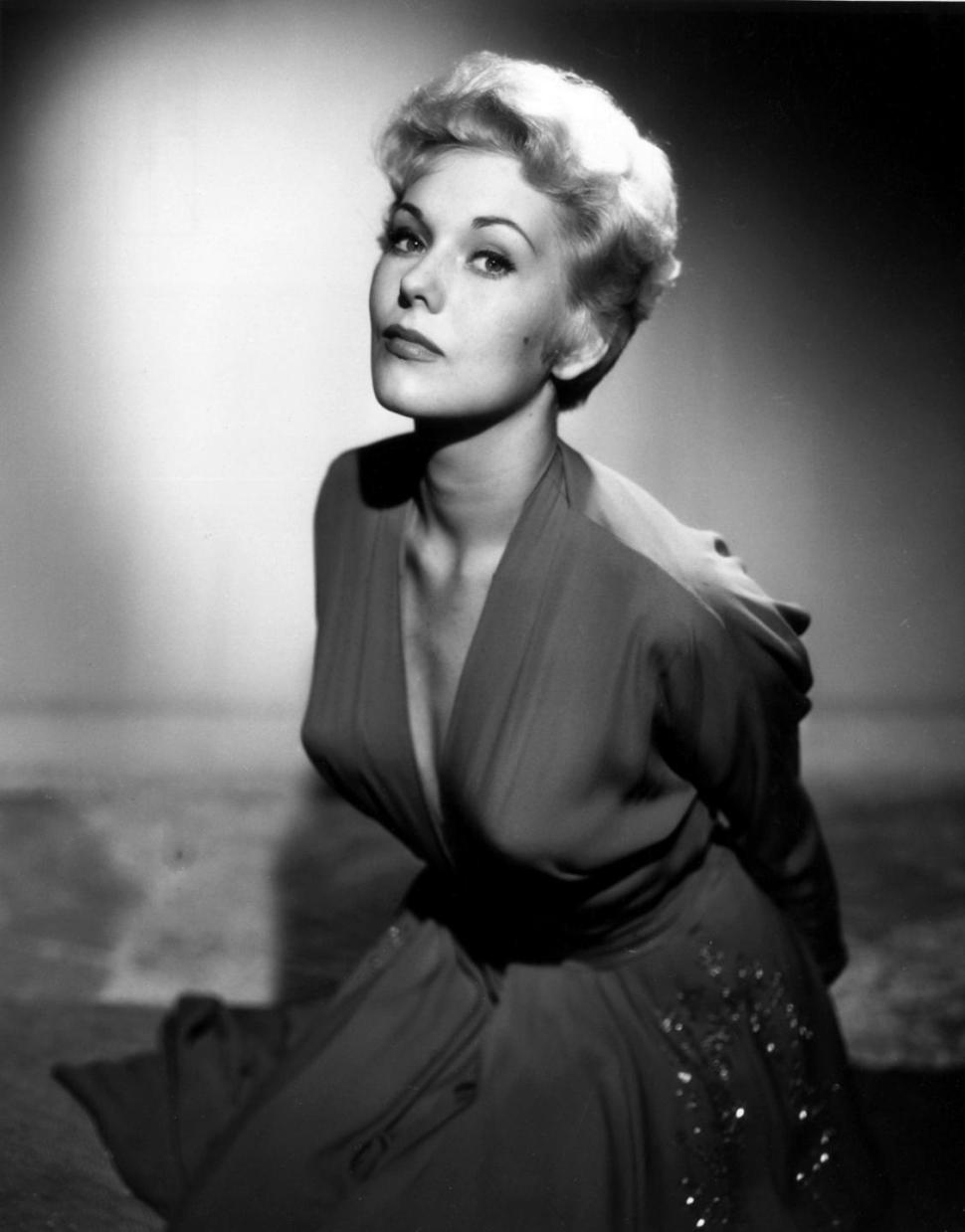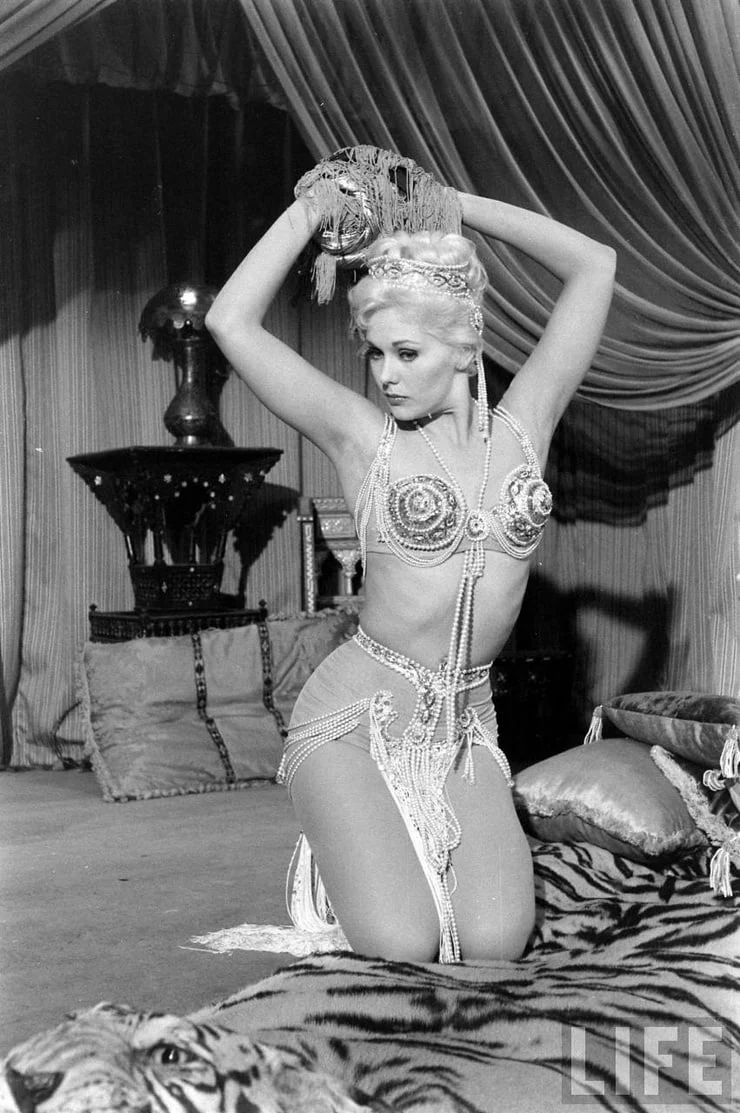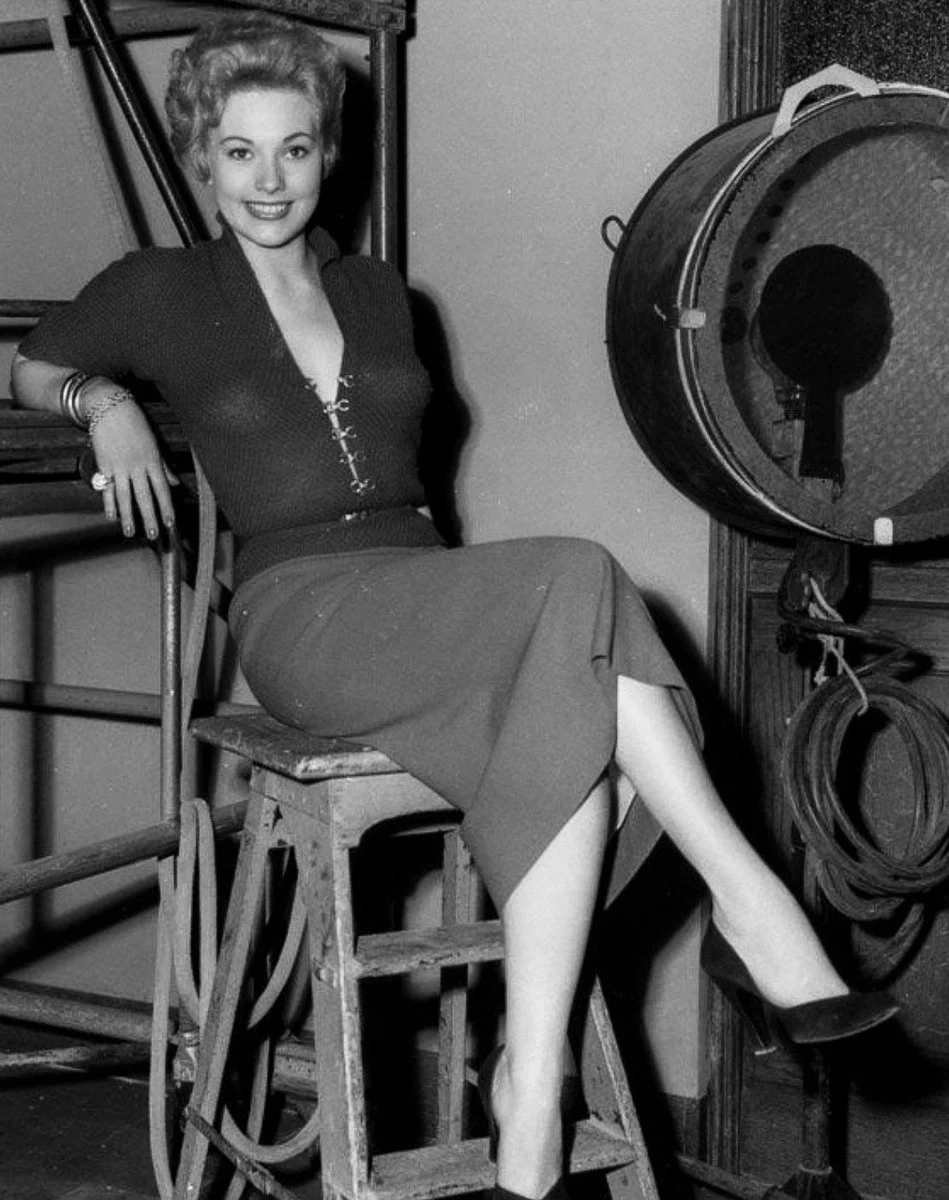
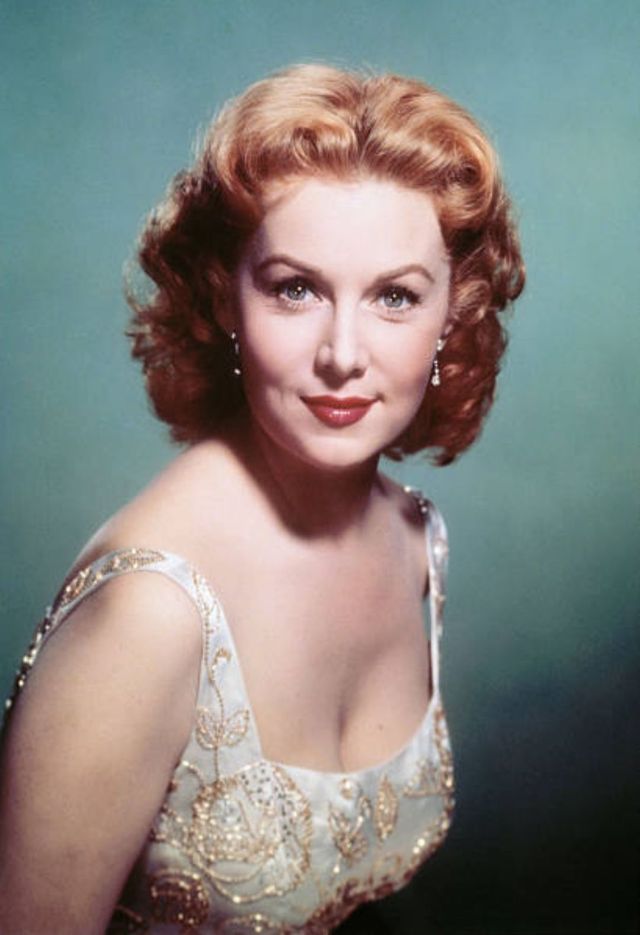
Rhonda Fleming (Marilyn Louis 1923-2020)

She acted in more than 40 films, mostly in the 1940s and 1950s, and became renowned as one of the most glamorous actresses of her day, nicknamed the “Queen of Technicolor” because she photographed so well in that medium with her fair complexion, bright red hair, and green eyes

She was discovered by the well-known Hollywood agent Henry Willson, who changed her name from Marilyn Louis to Rhonda Fleming. She said later, “It’s so weird … He stopped me crossing the street. It kinda scared me a little bit – I was only 16 or 17. He signed me to a seven-year contract without a screen test. It was a Cinderella story, but those things could happen in those days.”

After having bit parts in In Old Oklahoma (1943), Since You Went Away (1944), and When Strangers Marry (1944), she received her first substantial role in the thriller Spellbound (1945), produced by Selznick and directed by Alfred Hitchcock. She later said, “Hitch told me I was going to play a nymphomaniac. I remember rushing home to look it up in the dictionary and being quite shocked.” The film was a success and Selznick offered her another good role in the thriller The Spiral Staircase (1946), directed by Robert Siodmak.

Selznick lent her to appear in supporting parts in the Randolph Scott Western Abilene Town (1946) at United Artists and the film noir classic Out of the Past (1947) with Robert Mitchum and Kirk Douglas at RKO, Bing Crosby in A Connecticut Yankee in King Arthur’s Court (1949), and Bob Hope in the hit film The Great Lover (1949)

Fleming died on October 14, 2020, due to complications from Aspiration Pneumonia. She was 97

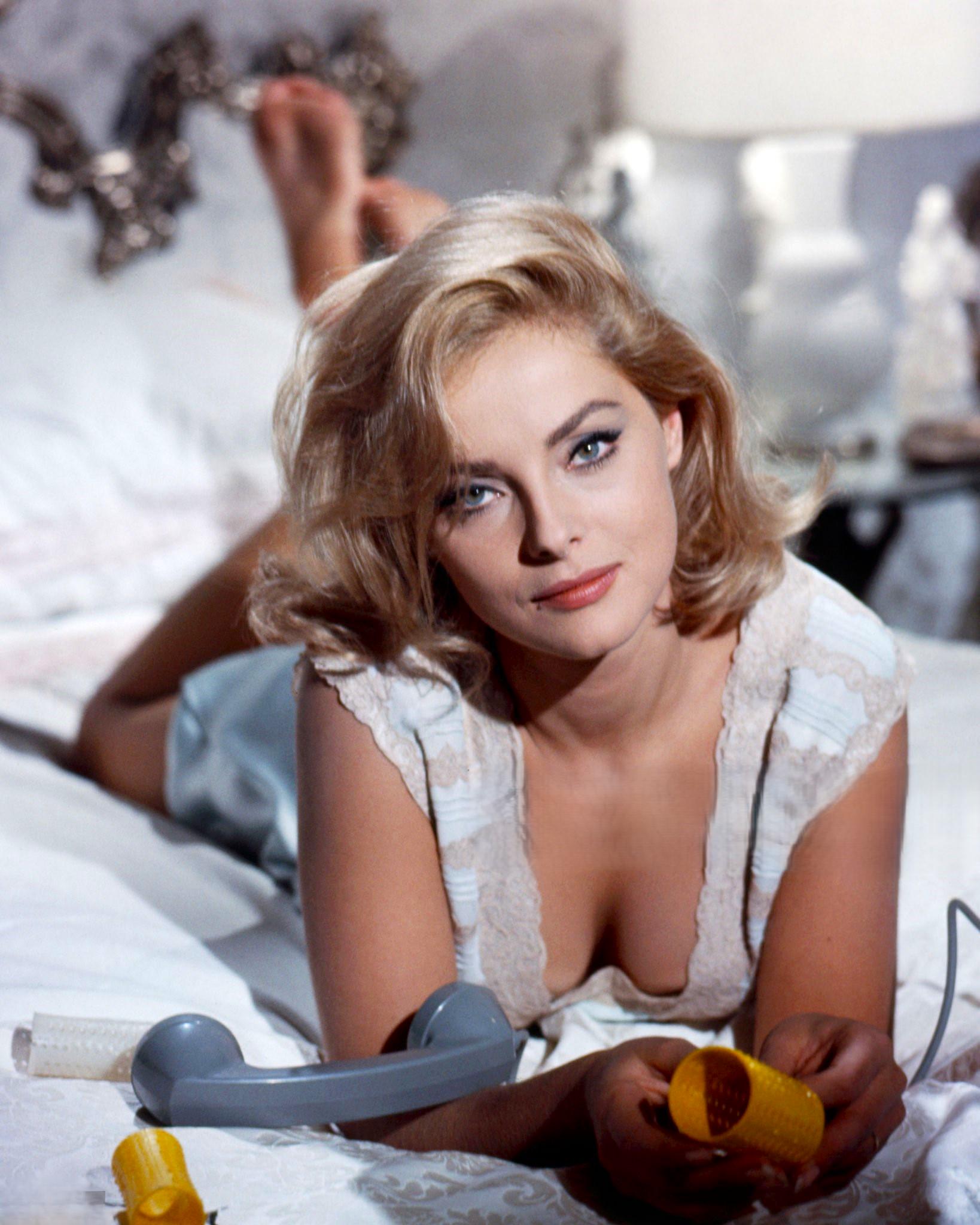
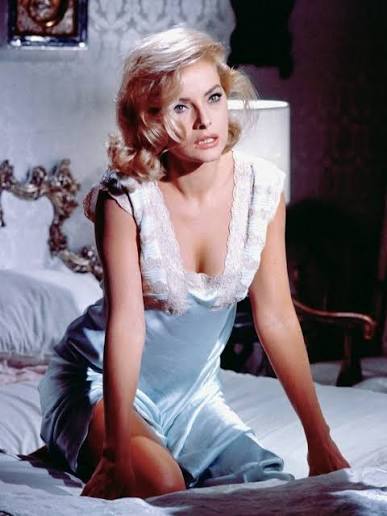
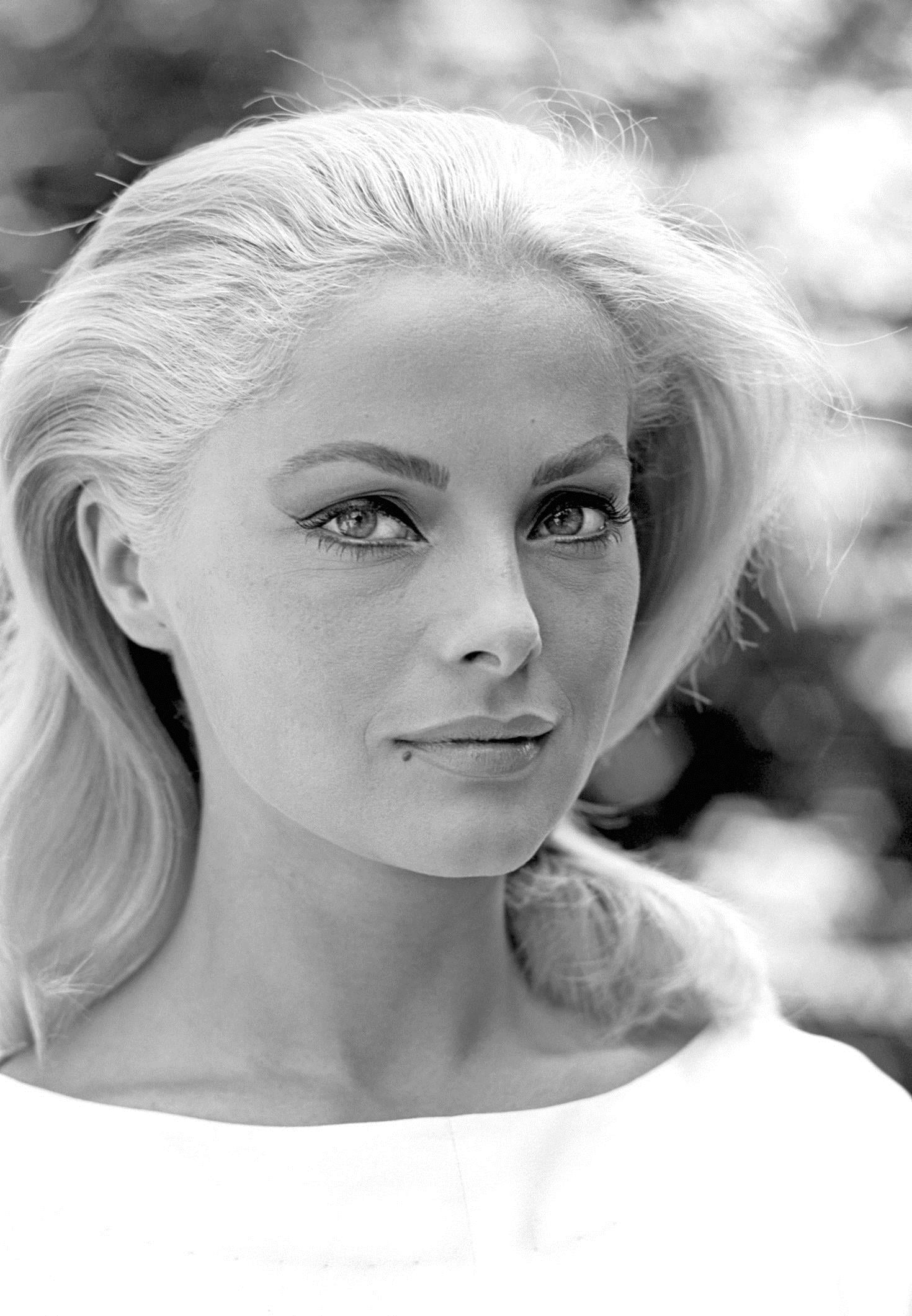
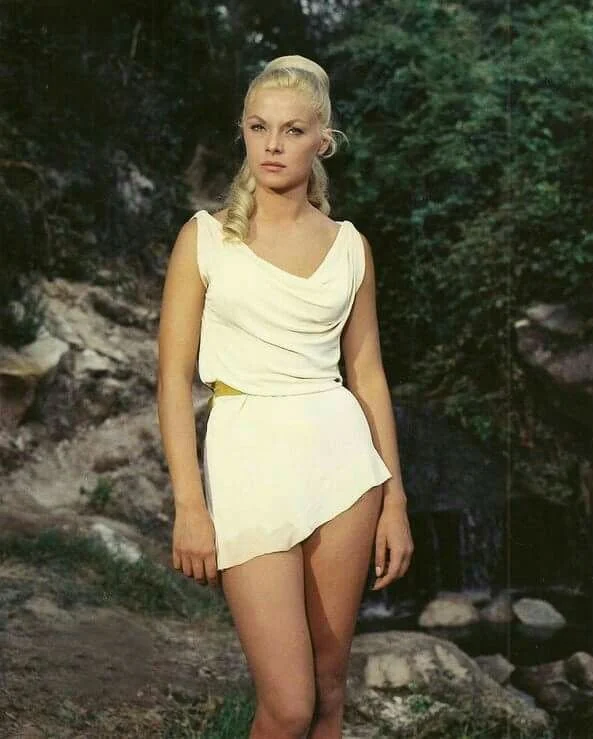
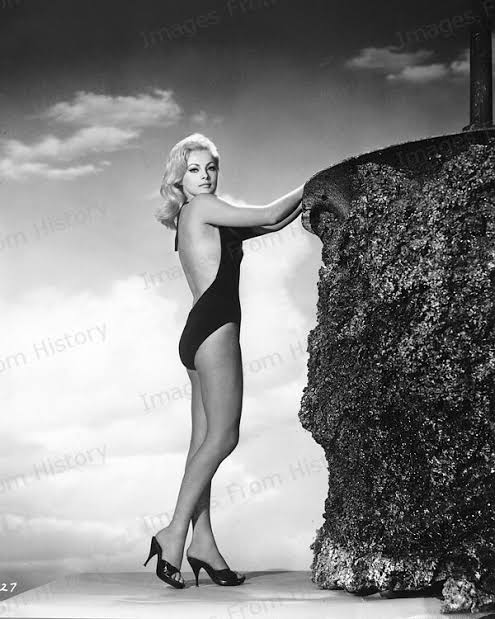
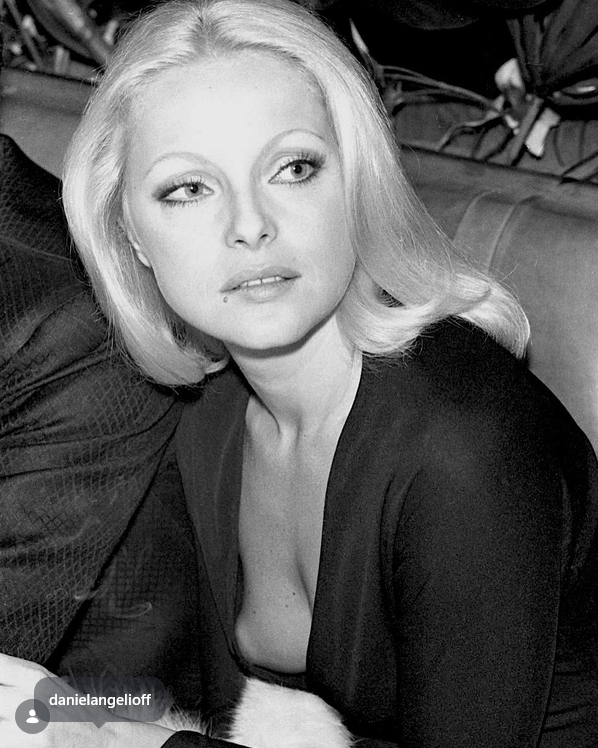
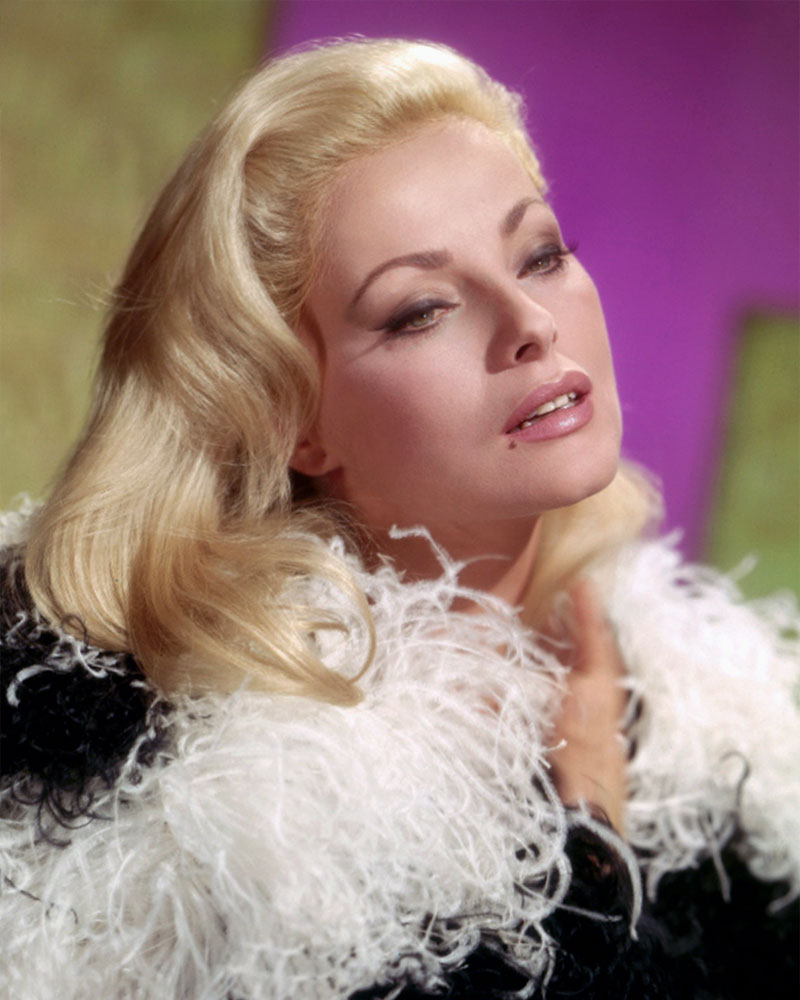
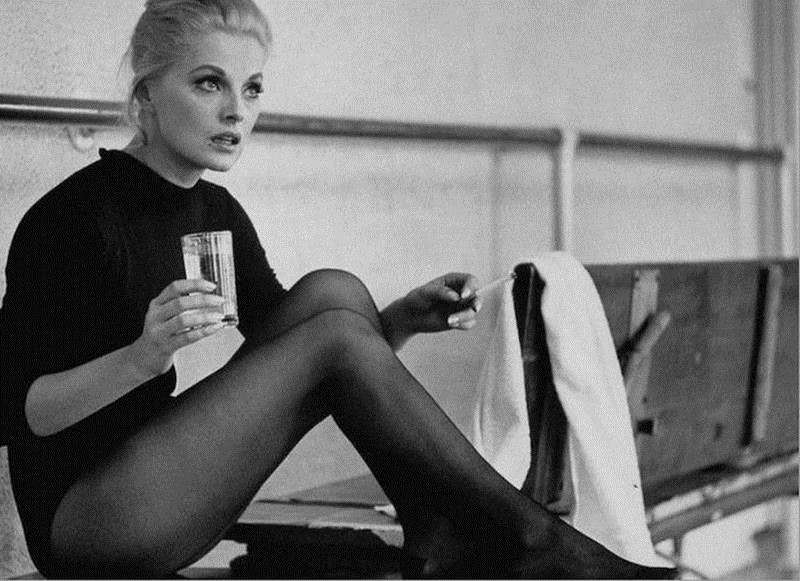
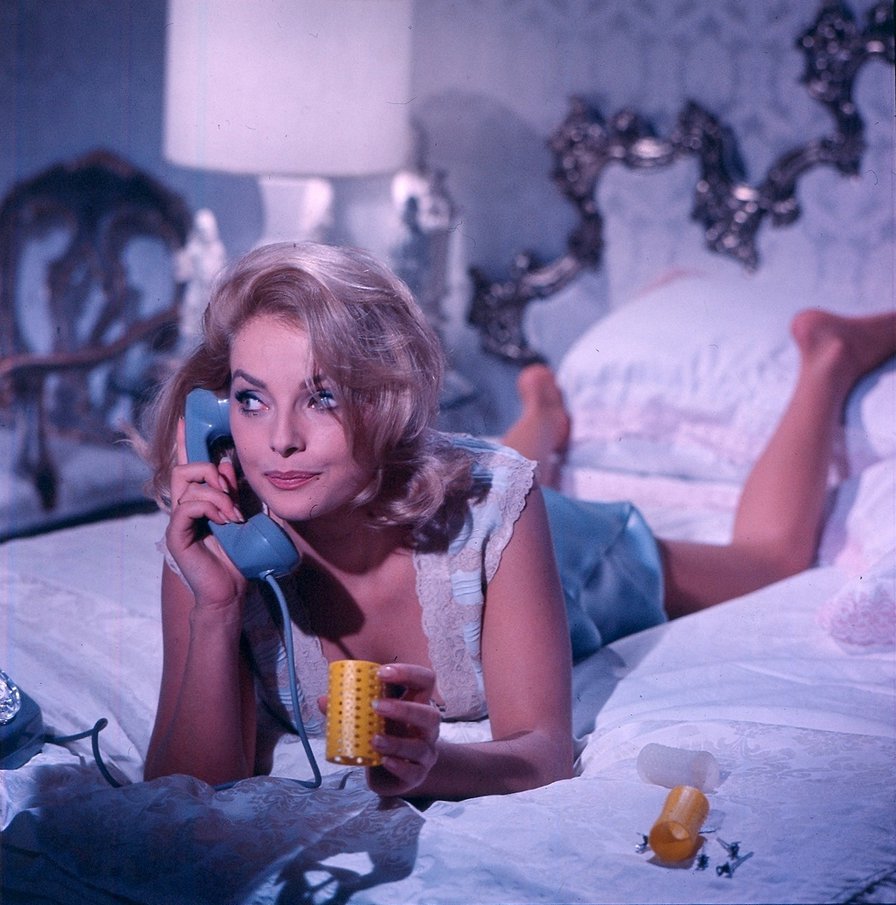
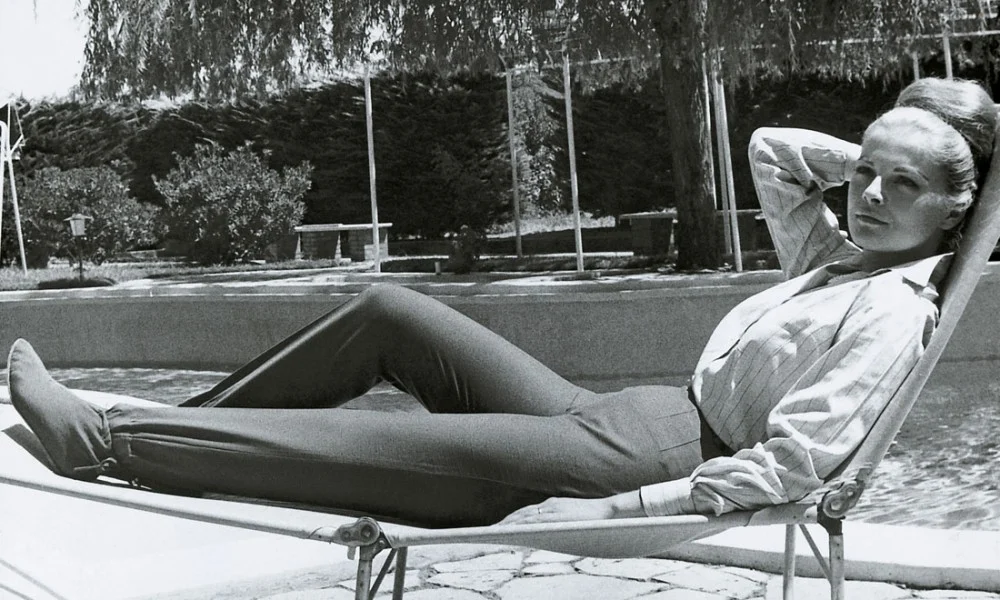
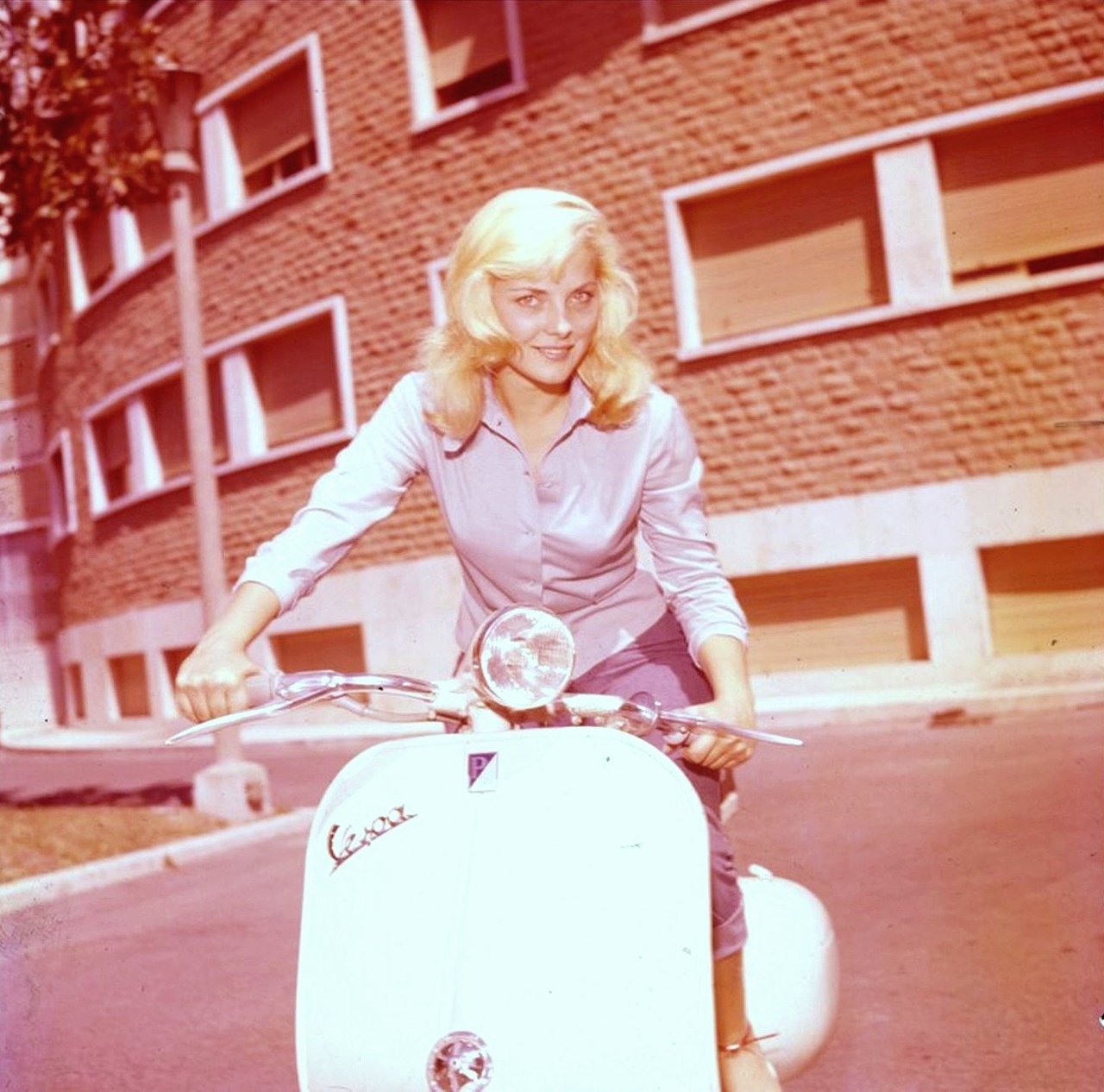
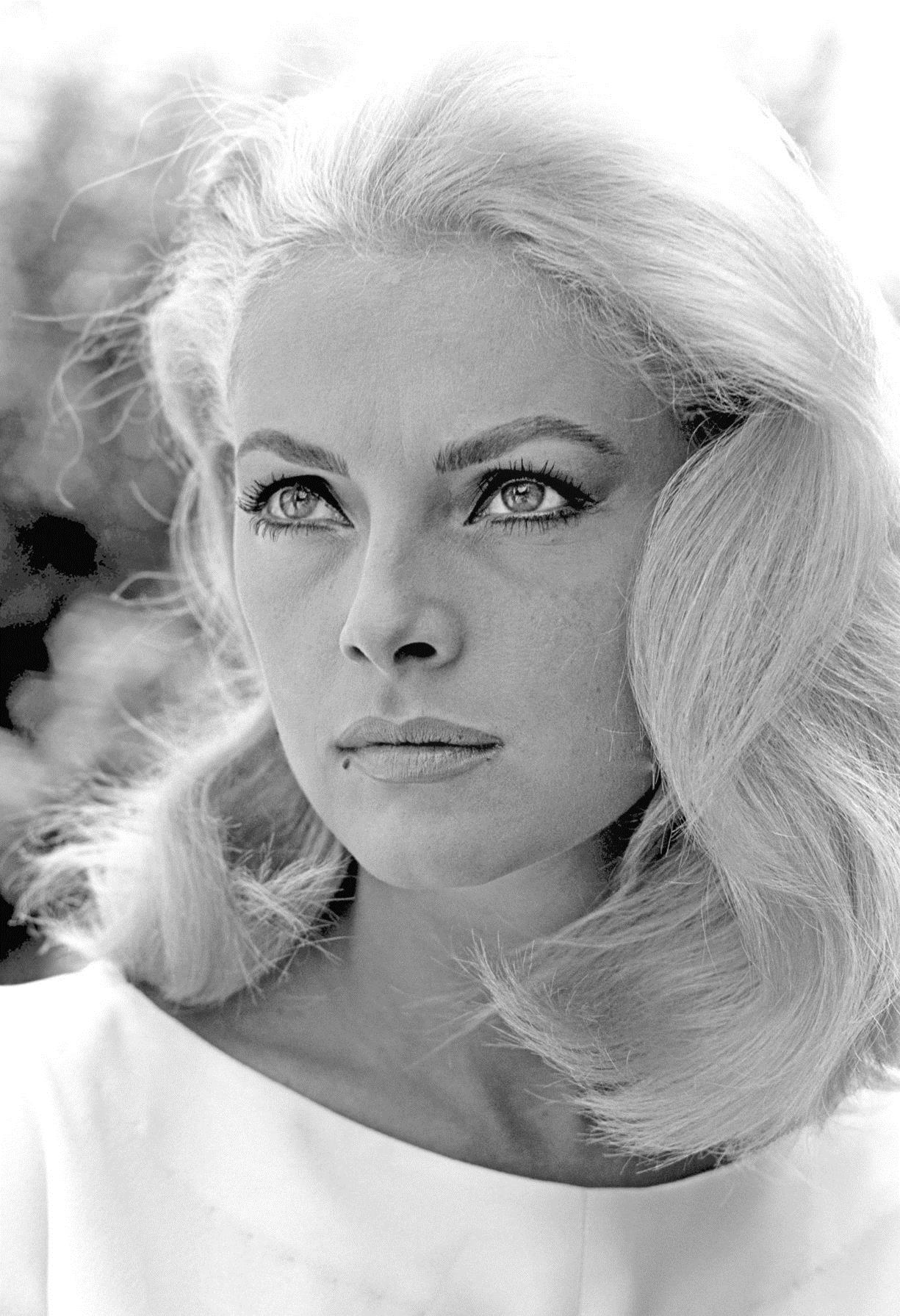
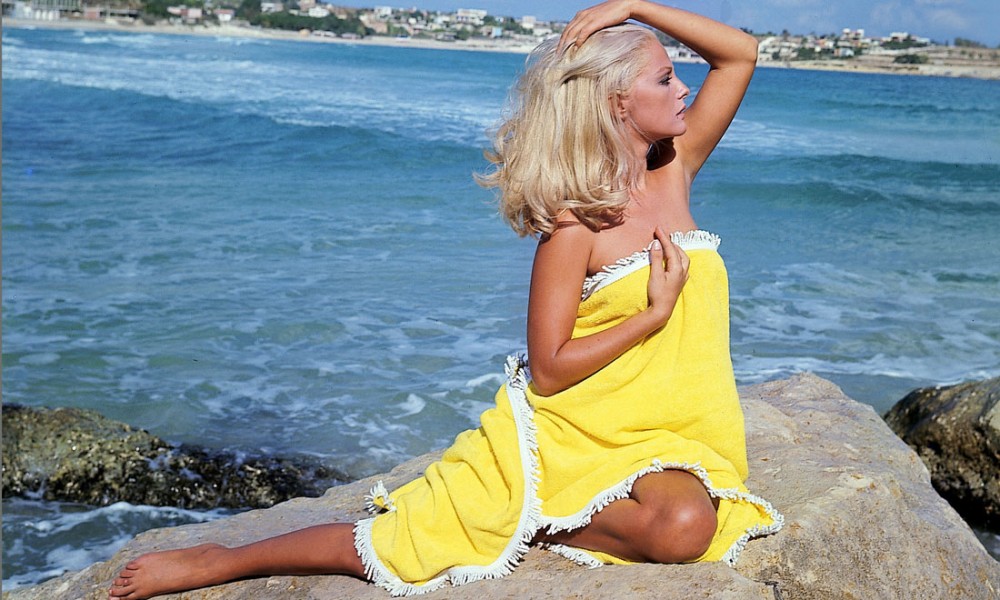
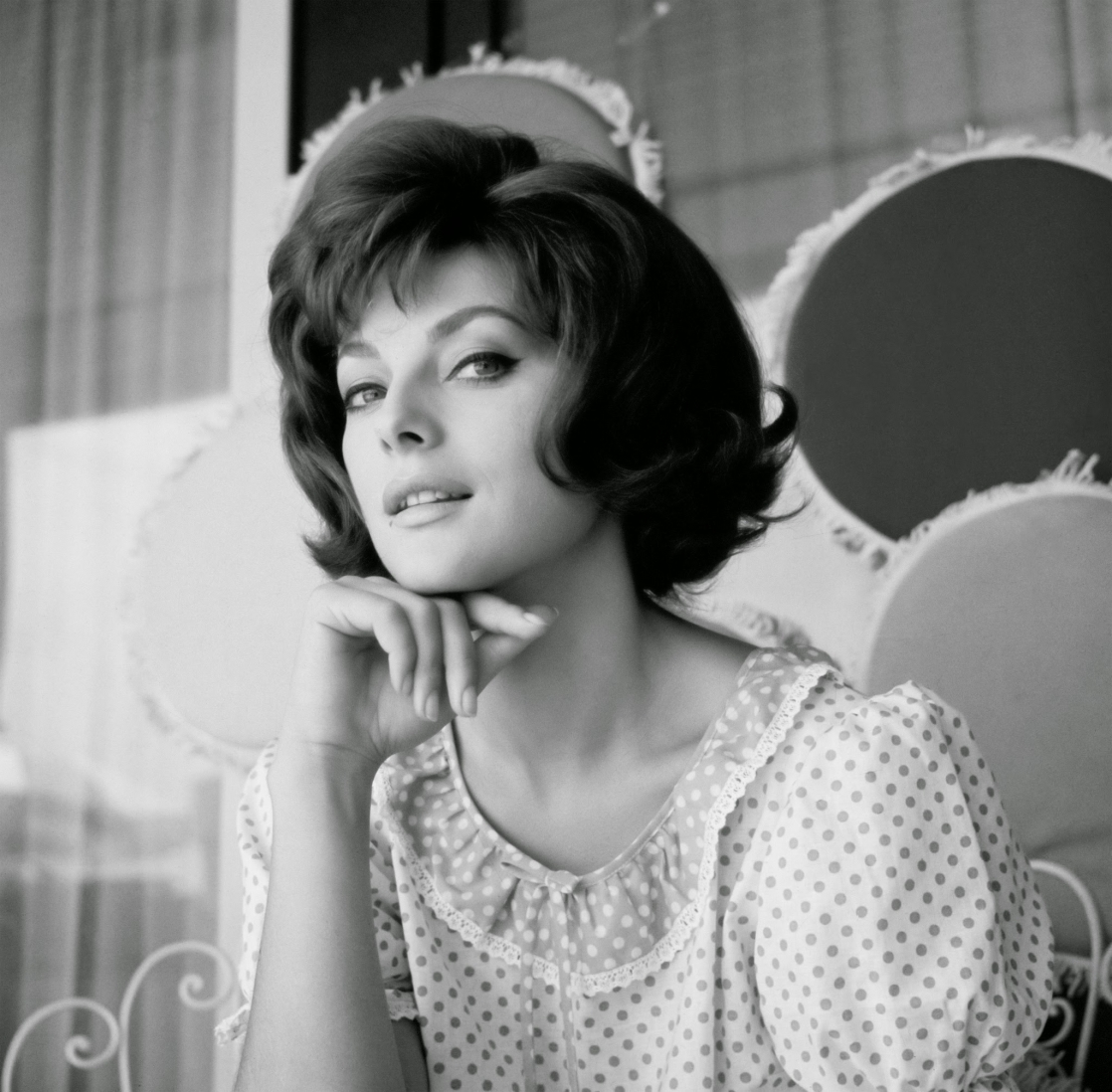
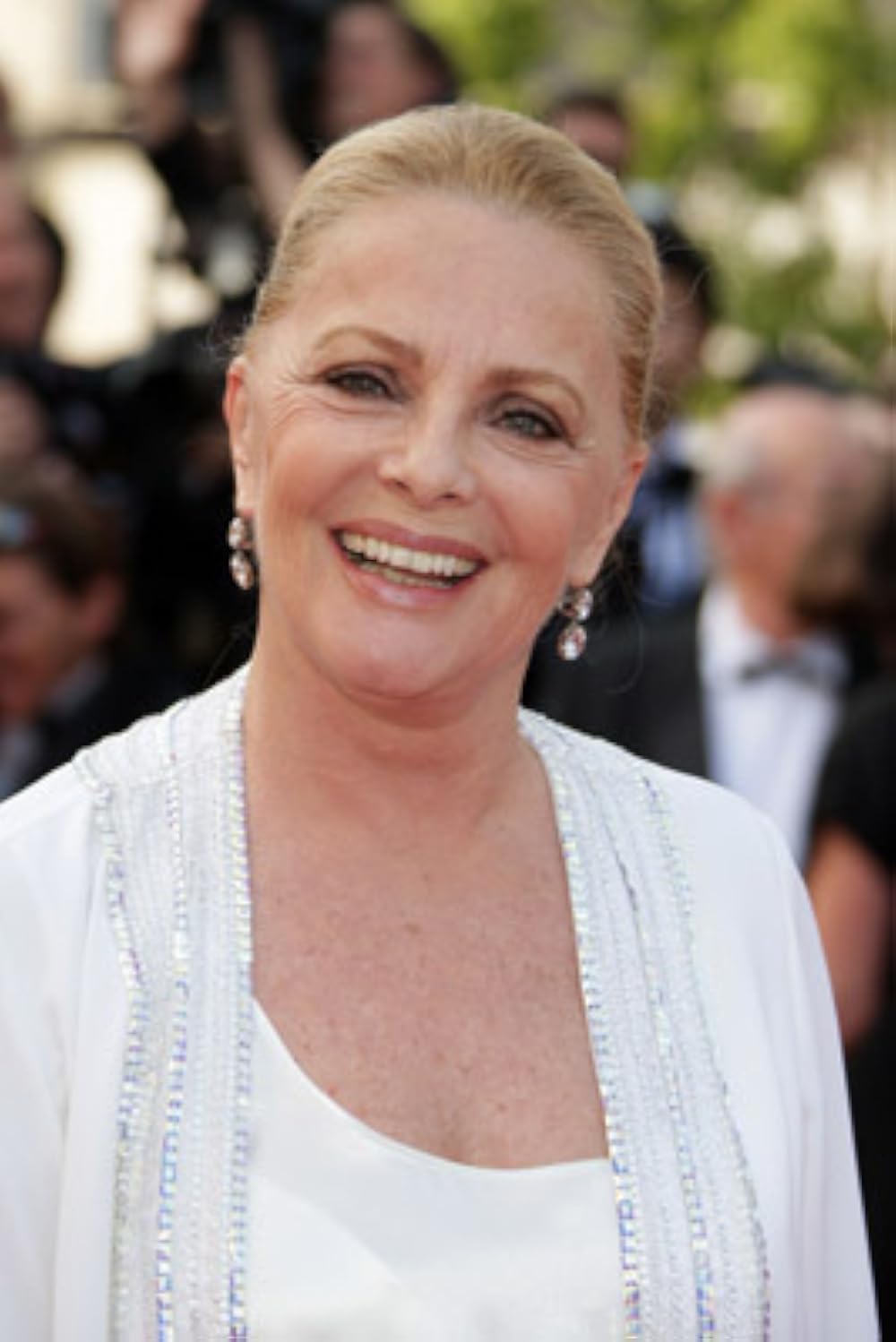
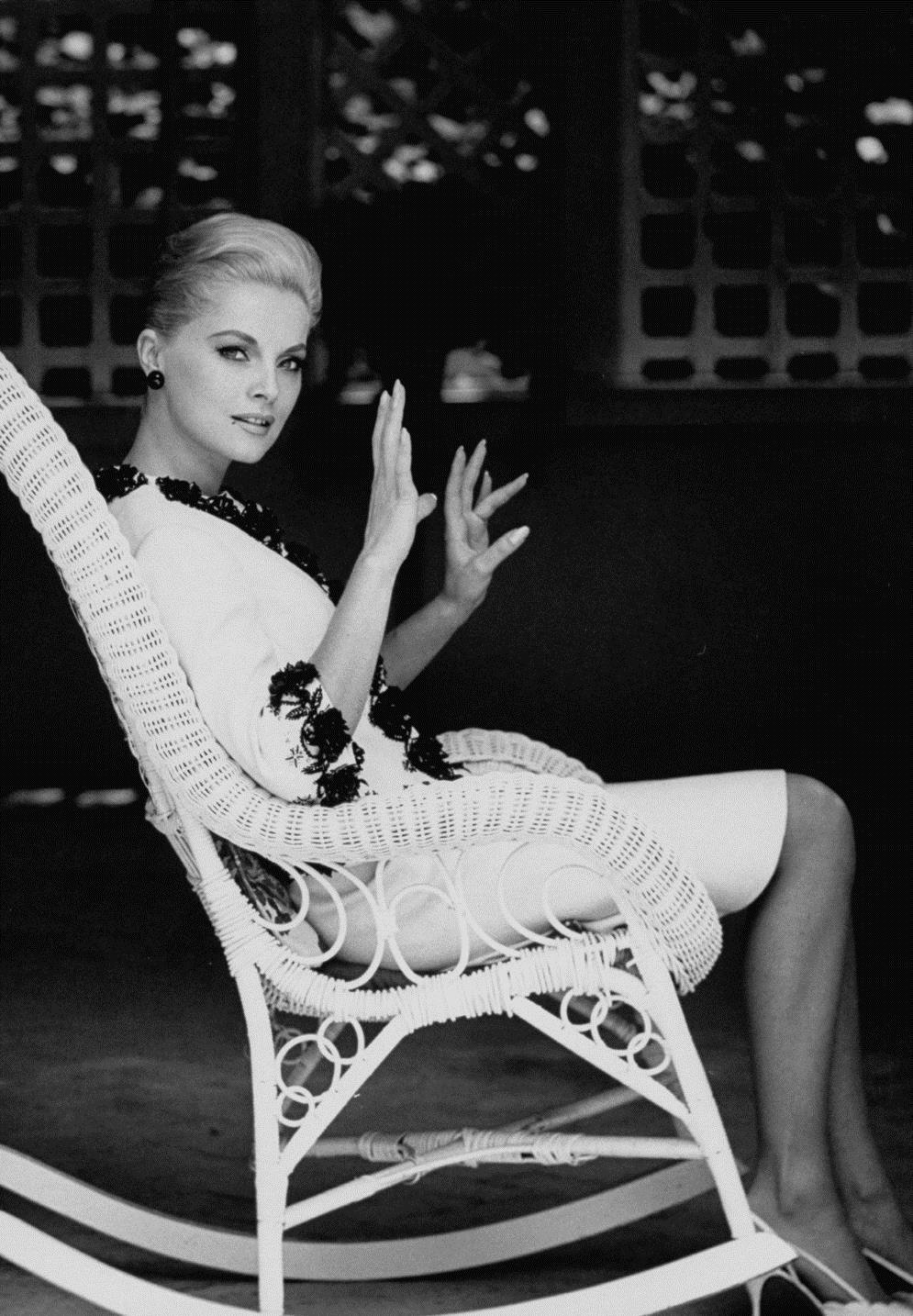
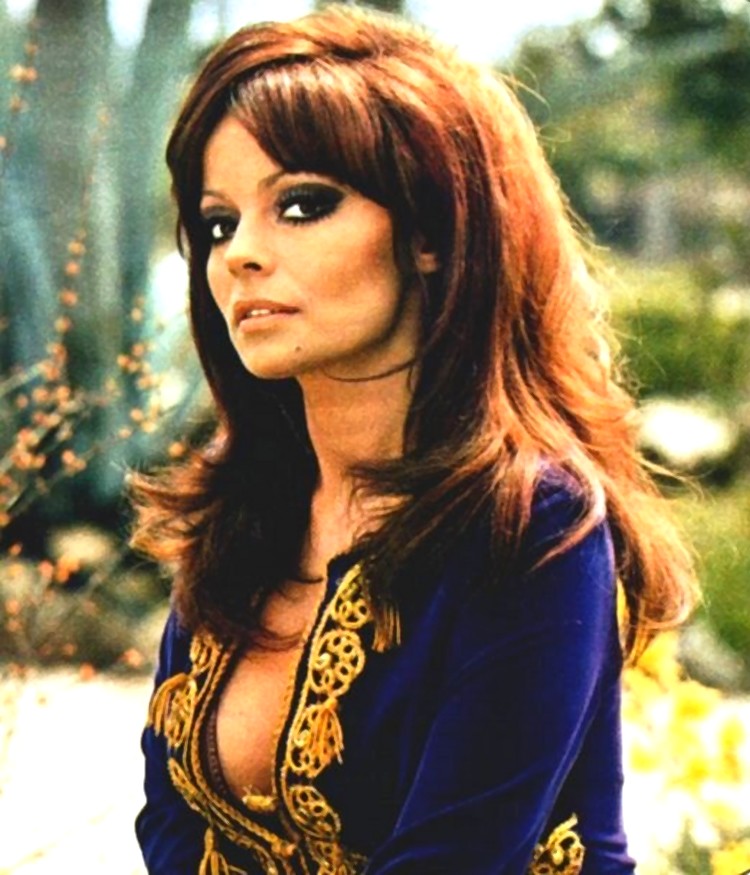
Actress Virna Lisa Pieralisi (1936-2014)

Virna Lisi began her film career in her teens. Discovered in Rome by two Neapolitan producers, Antonio Ferrigno and Ettore Pesce, she debuted in La corda d’acciaio (The Steel Rope, 1953). Initially, she appeared in musical films like E Napoli canta (Naples Sings, 1953) and Questa è la vita (Of Life and Love, 1954, with Totò). While initially cast in roles highlighting her physical appearance, such as Le diciottenni (Eighteen Year Olds) and Lo scapolo (The Bachelor), both released in 1955, she went on to more demanding roles, particularly in The Doll That Took the Town (1956), Eva (1962), and the spectacle Duel of the Titans (1961).

Her international film appearances included How to Murder Your Wife (1965), Not with My Wife, You Don’t! (1966), The Secret of Santa Vittoria (1969), Beyond Good and Evil (1977), and Follow Your Heart (1996). For the 1994 film La Reine Margot, she won Best Actress at Cannes and the César Award for Best Supporting Actress.

Though she turned down the Tatiana Romanova role in From Russia with Love (1963), Hollywood producers sought a new Marilyn Monroe and so, Lisi debuted in Hollywood comedy as a green-eyed blonde temptress with Jack Lemmon in How to Murder Your Wife (1965) and appeared with Tony Curtis in Not with My Wife, You Don’t! (1966). Lisi then starred with Frank Sinatra, in Assault on a Queen (1966), in The Girl and the General, co-starring with Rod Steiger, and in two films with Anthony Quinn, The Secret of Santa Vittoria, directed by Stanley Kramer, and the war drama The 25th Hour. In 1969 she did a cameo appearance in If It’s Tuesday, This Must Be Belgium. In the 80s she played in two American movies, Miss right and I Love N.Y..

In 1968 she turned down the role of Barbarella because she was not interested in a sexualized role.

Lisi died of lung cancer in Rome at age 78

CREATOR: gd-jpeg v1.0 (using IJG JPEG v62), quality = 100

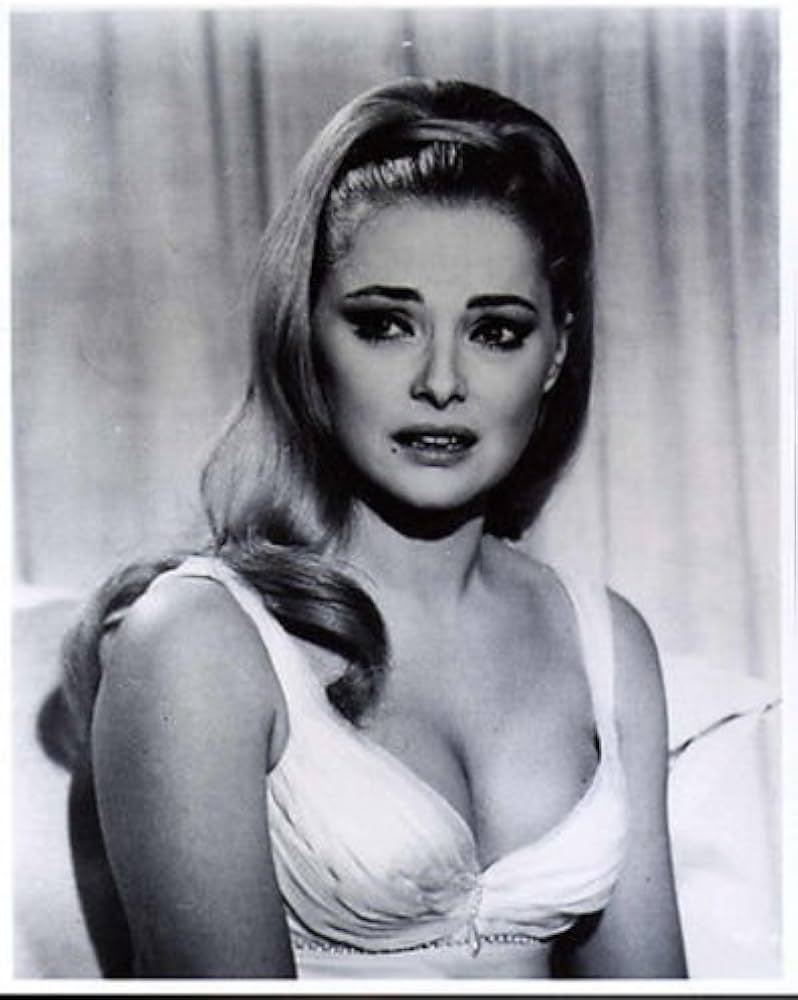
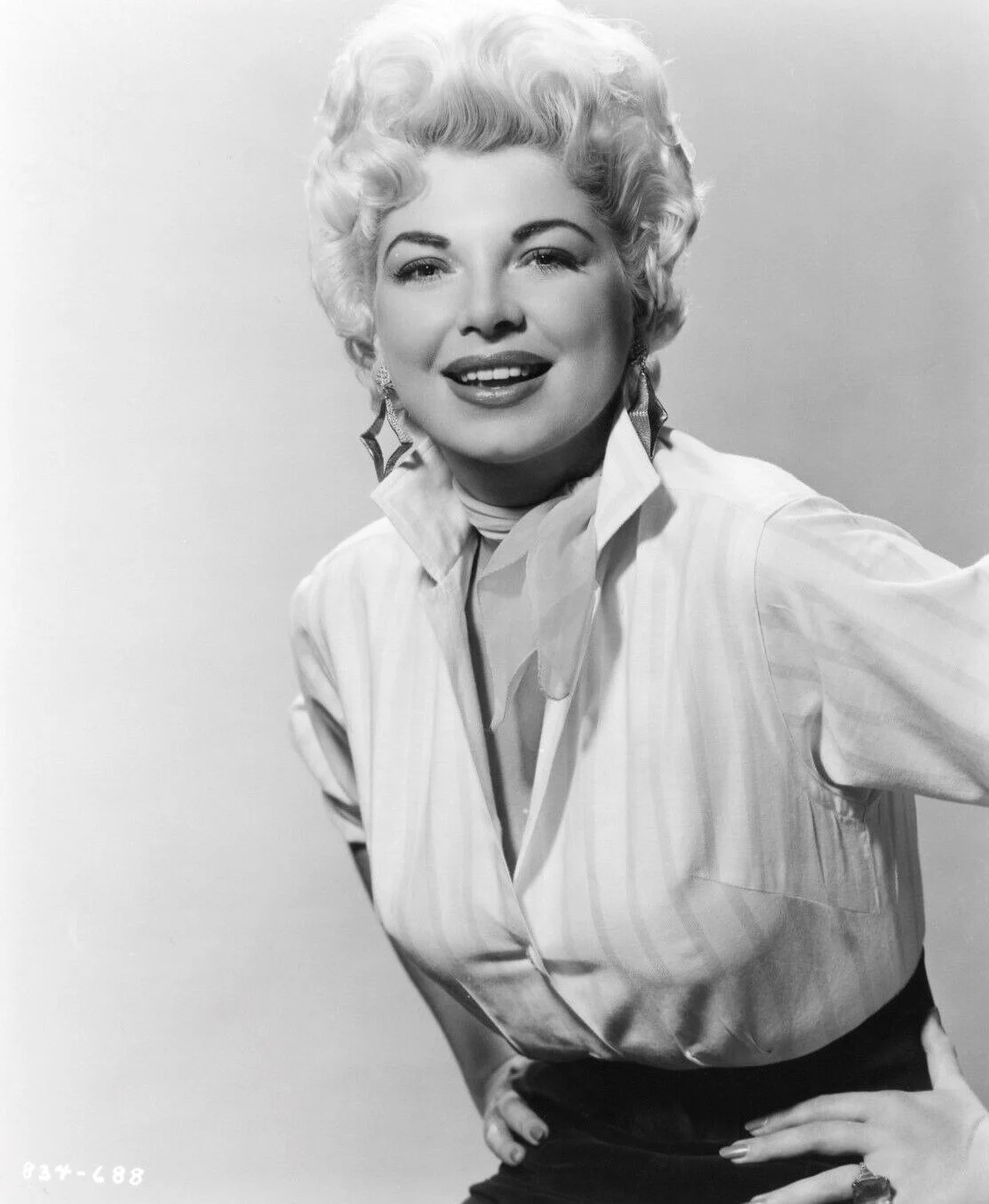
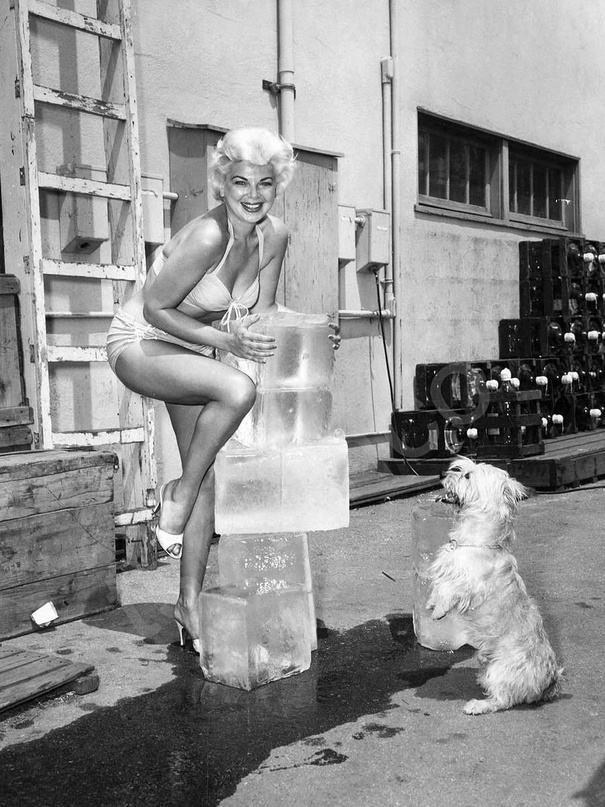
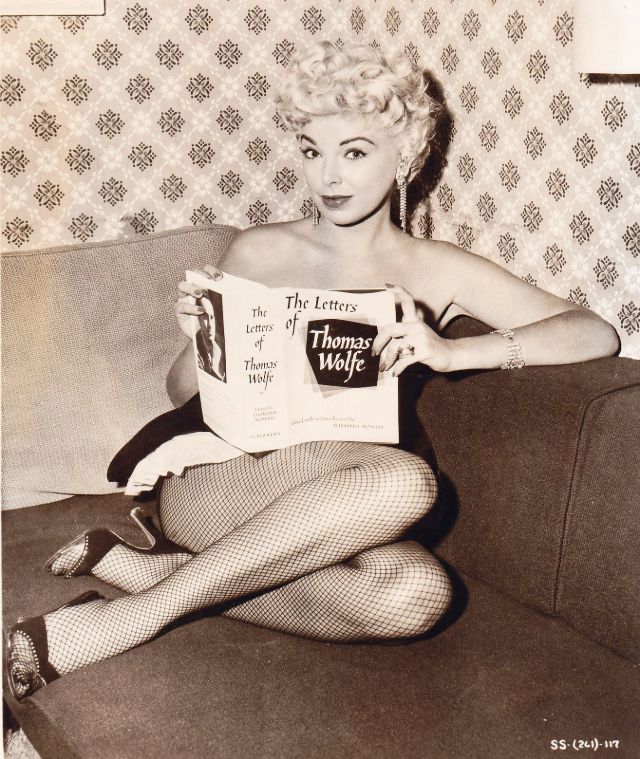
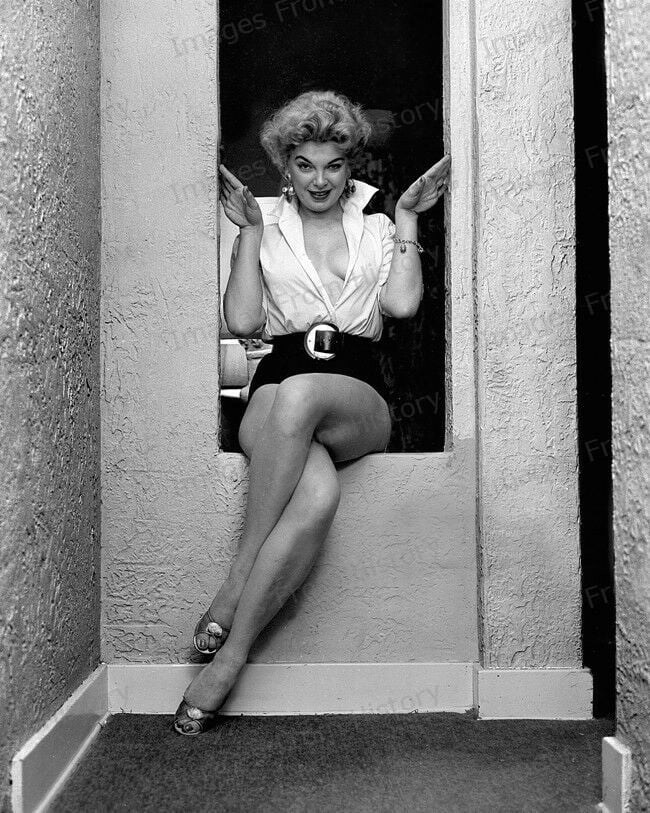
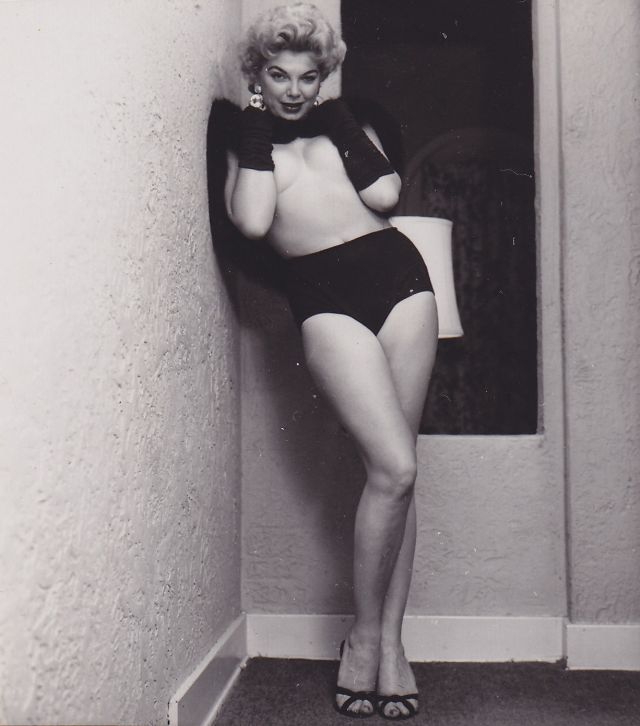
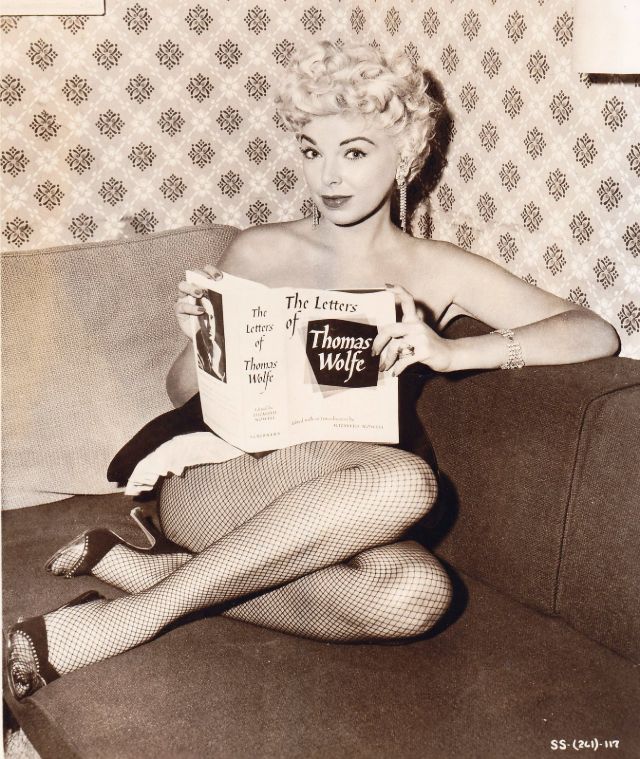
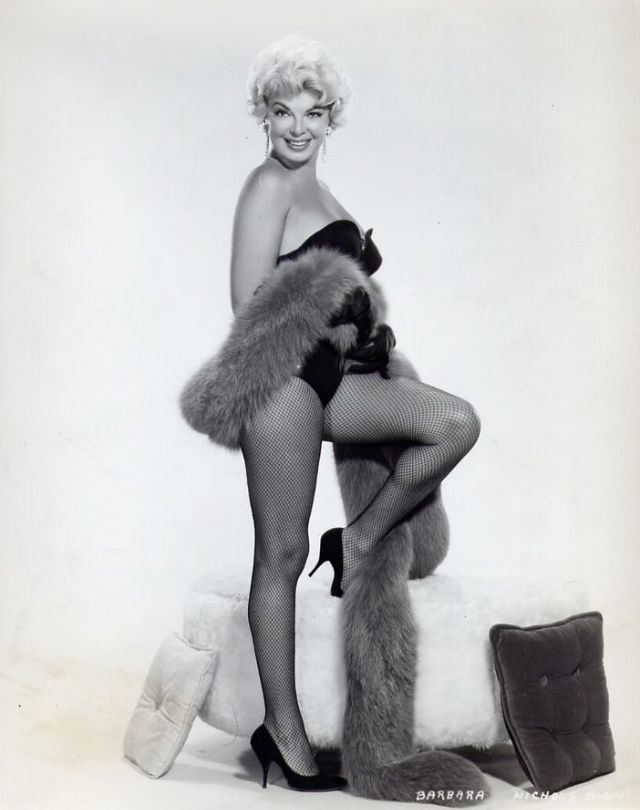
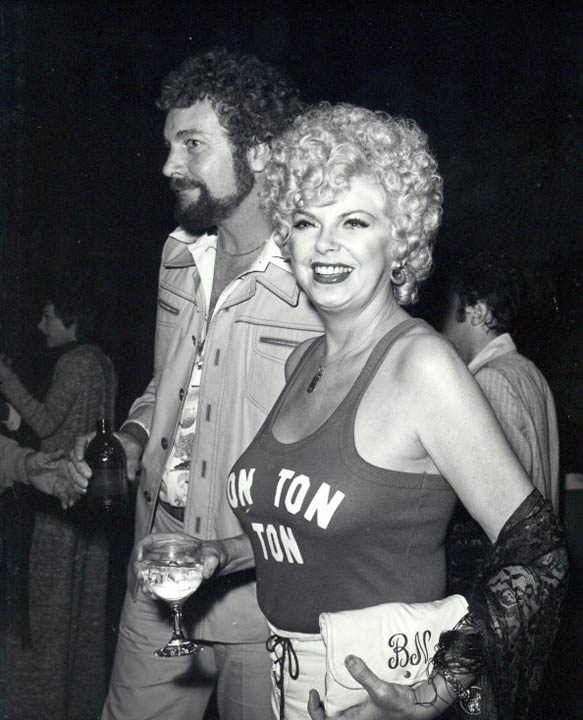
Barbara Marie Nickerauer (1928-1976)

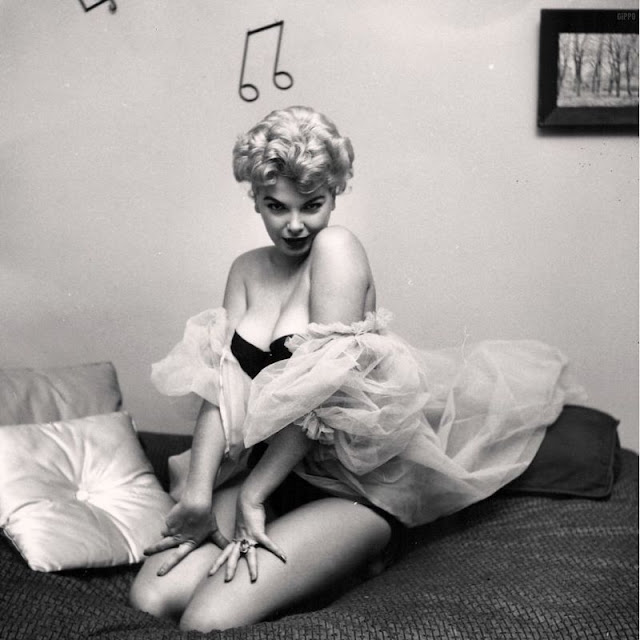
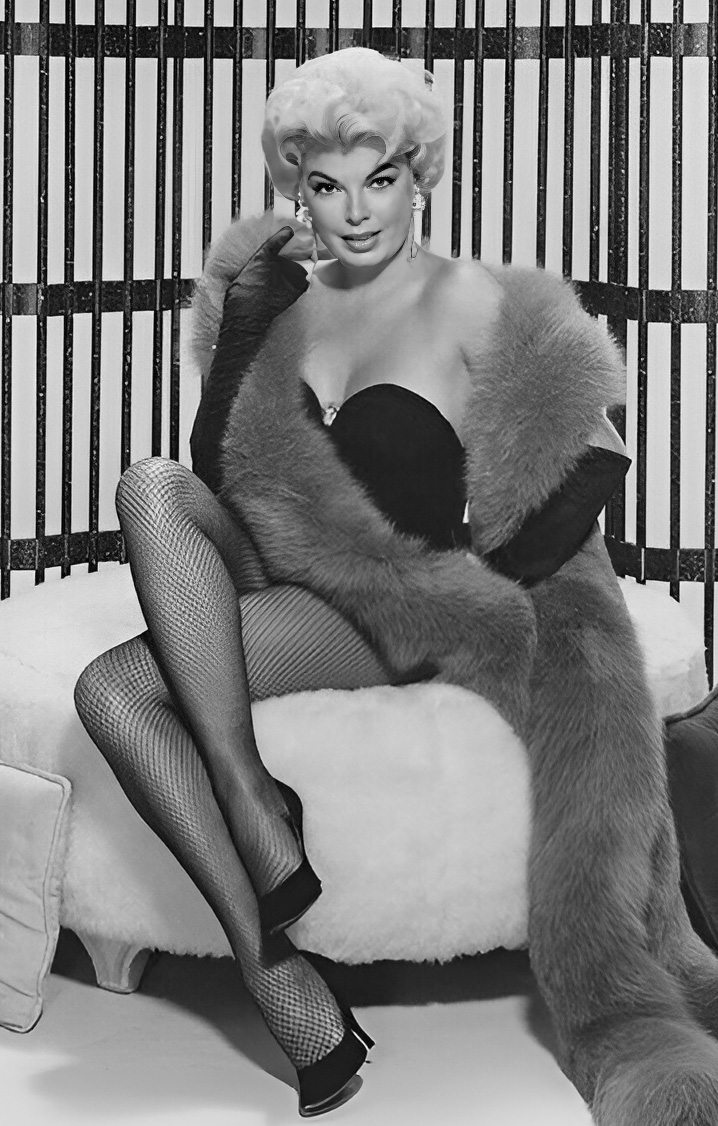
Known professionally as Barbara Nichols, she was an American actress who often played brassy or comic roles in films in the 1950s and 1960s. She appeared in showy supporting roles, such as Miracle in the Rain (1956), The King and Four Queens (1956), The Naked and the Dead (1958), The Pajama Game (1957), Sweet Smell of Success (1957), That Kind of Woman (1958), and Where the Boys Are (1960), with high-profile actors, including Clark Gable, Susan Hayward, Sophia Loren, and Doris Day. One of her few starring roles was in the 1965 science-fiction film The Human Duplicators.

Her final film was Won Ton Ton, the Dog Who Saved Hollywood in 1976.

A serious Long Island car accident in July 1957 led to the loss of her spleen, and another serious car accident in Southern California in the 1960s led to a torn liver. Complications would set in over a decade later and she was forced to slow down her career. She eventually developed a life-threatening liver disease and her health deteriorated. In summer 1976, she was taken to Cedars-Sinai Medical Center in Los Angeles, California, where she went into a coma. She awoke for a few days just before Labor Day, but sank back shortly afterward. She died at age 47
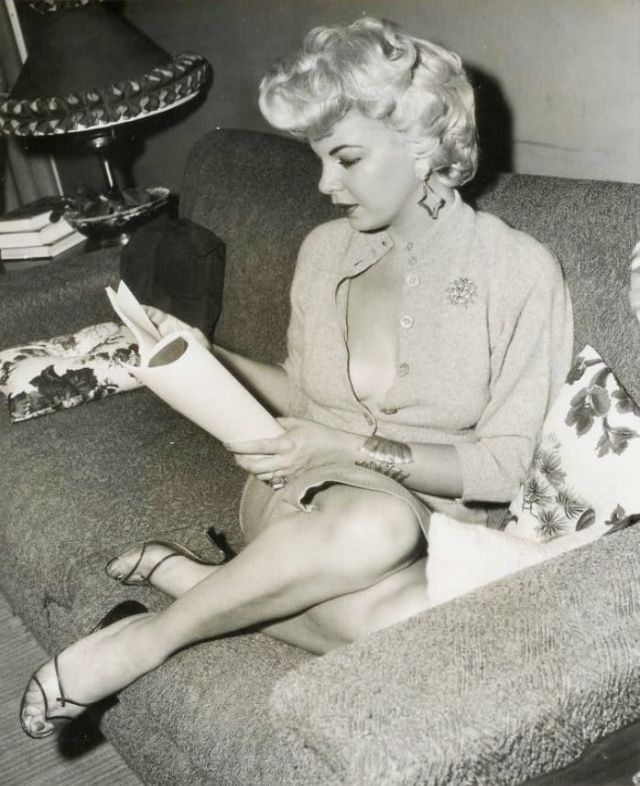
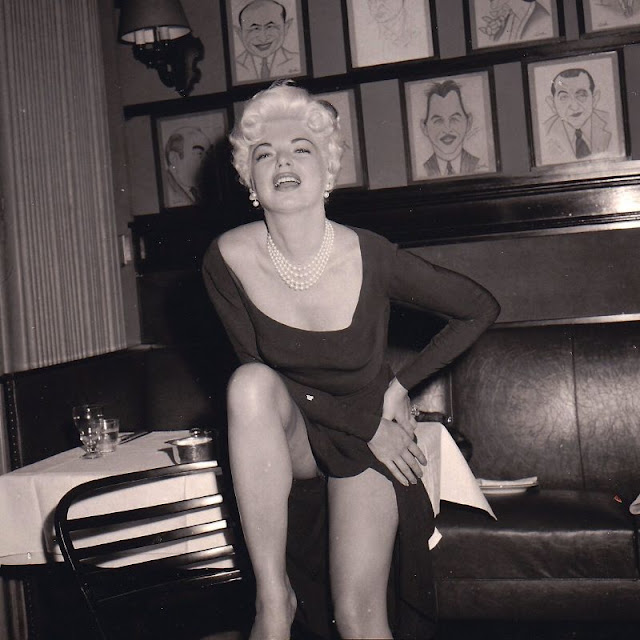
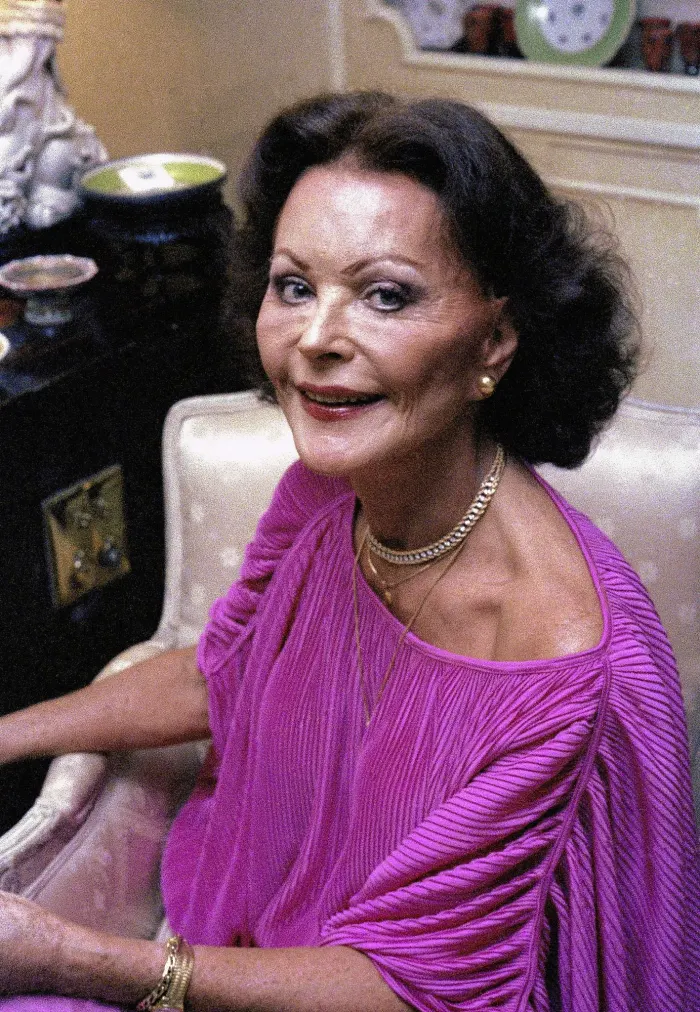
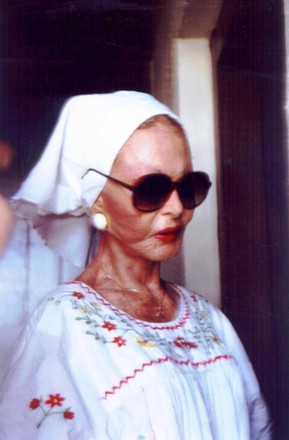
Last known picture of Barbara Nichols taken in 1976

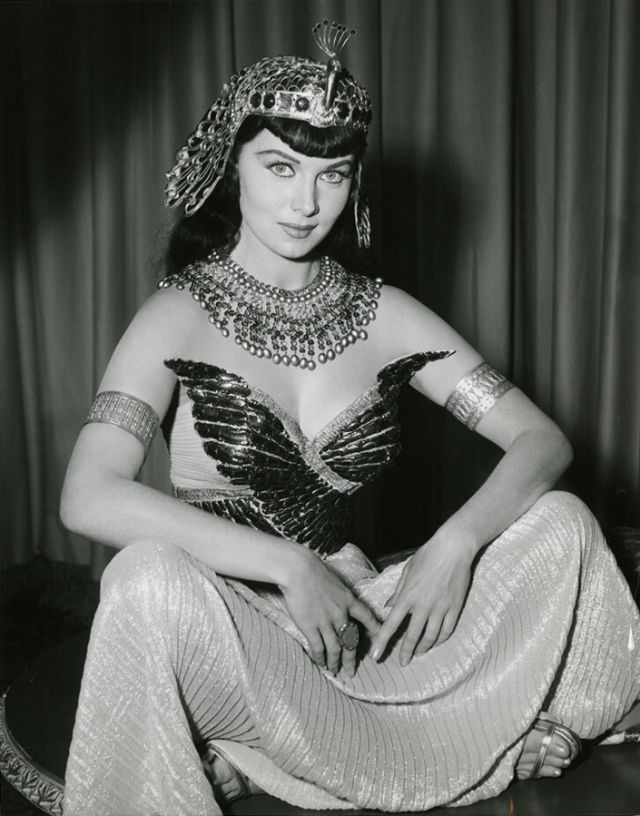
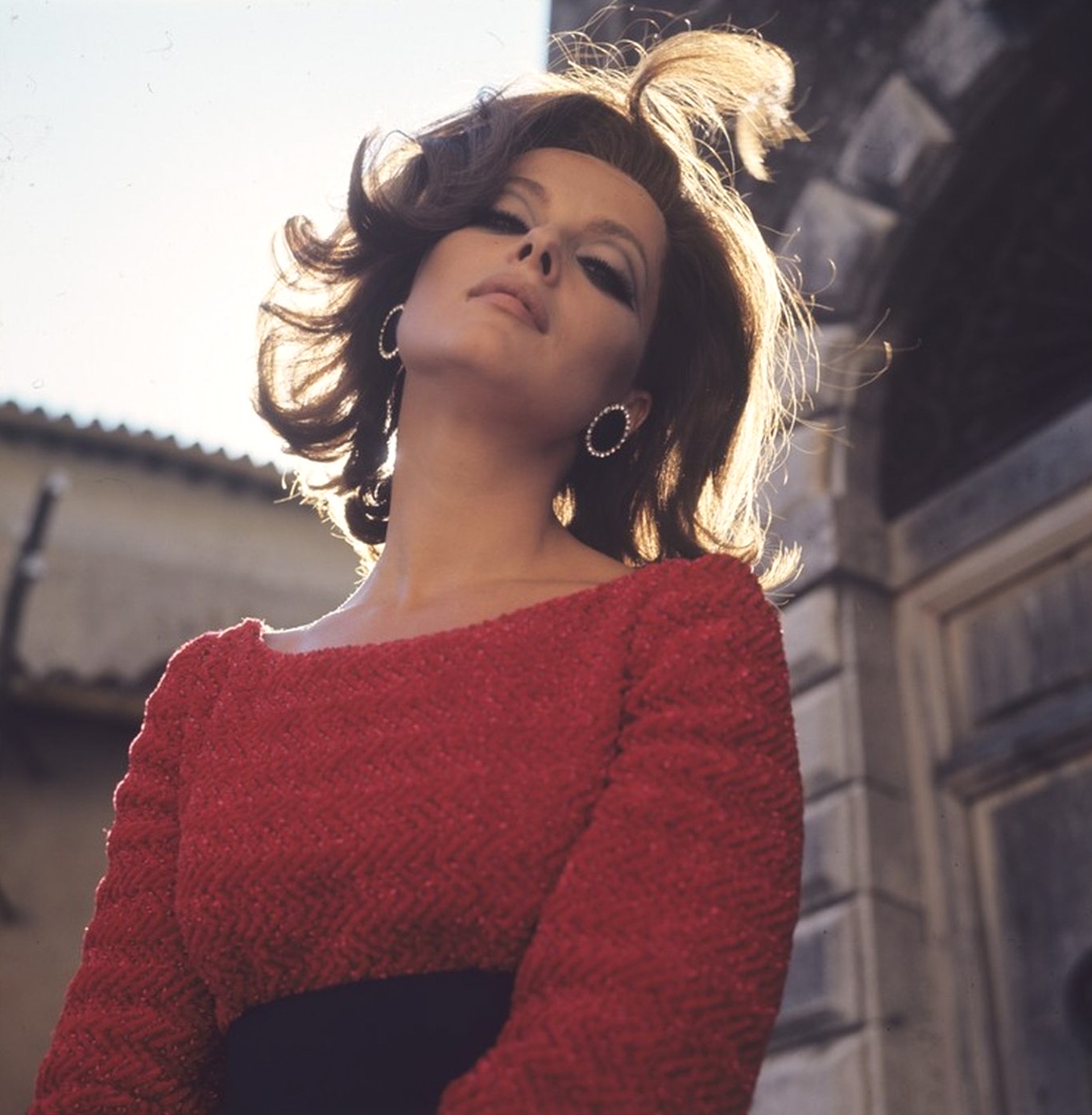
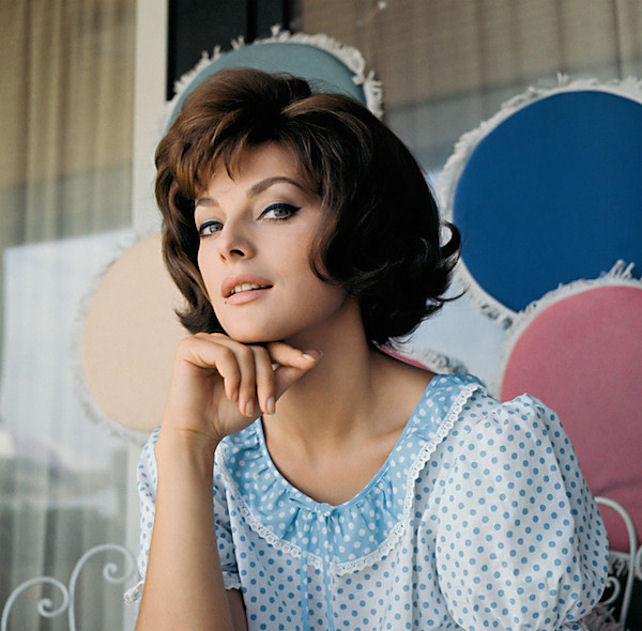
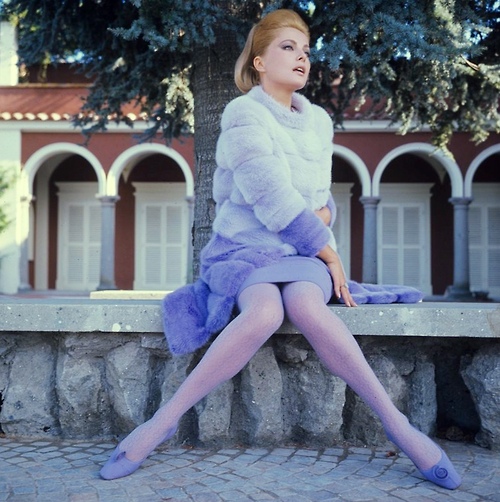
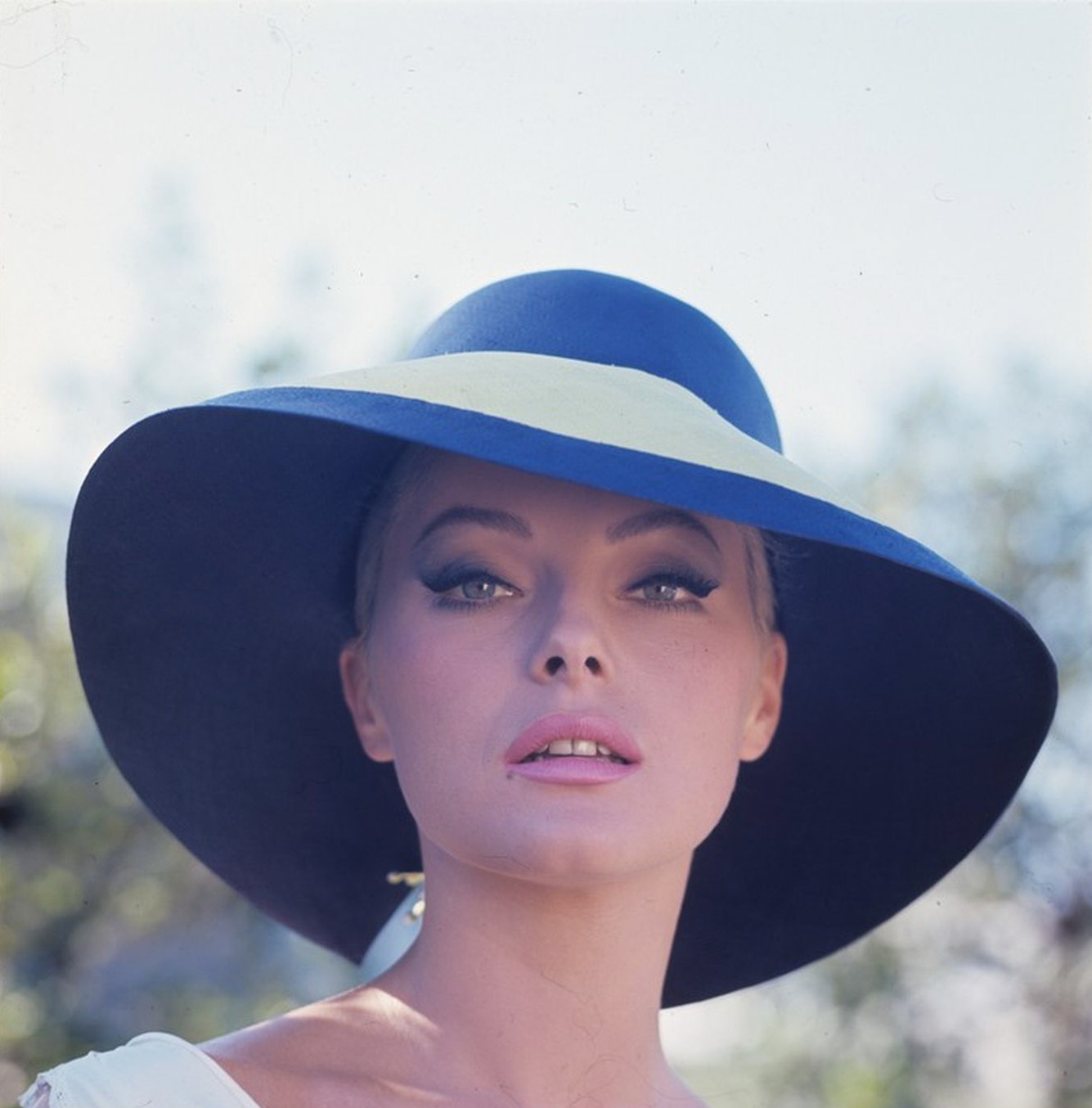
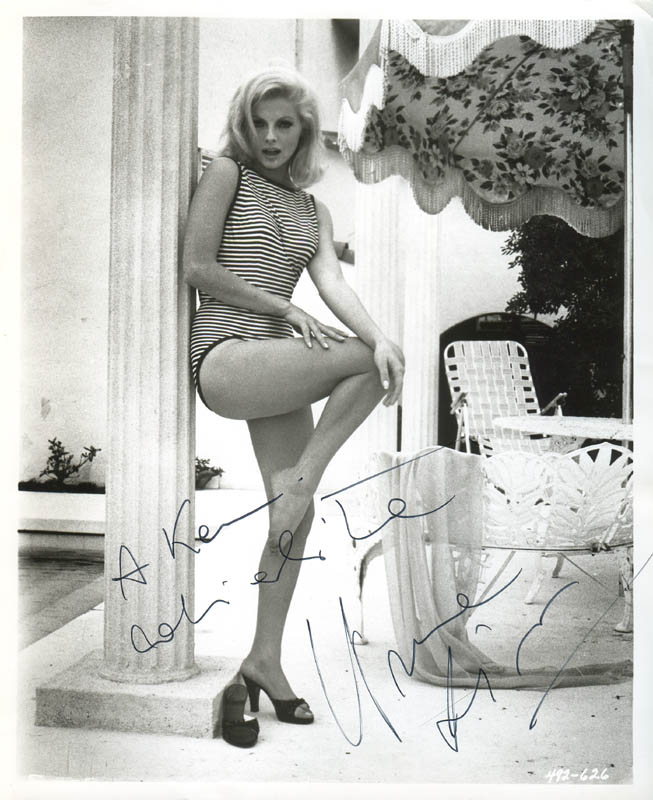
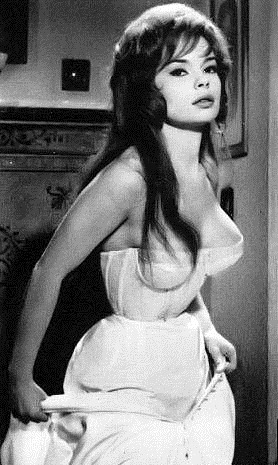
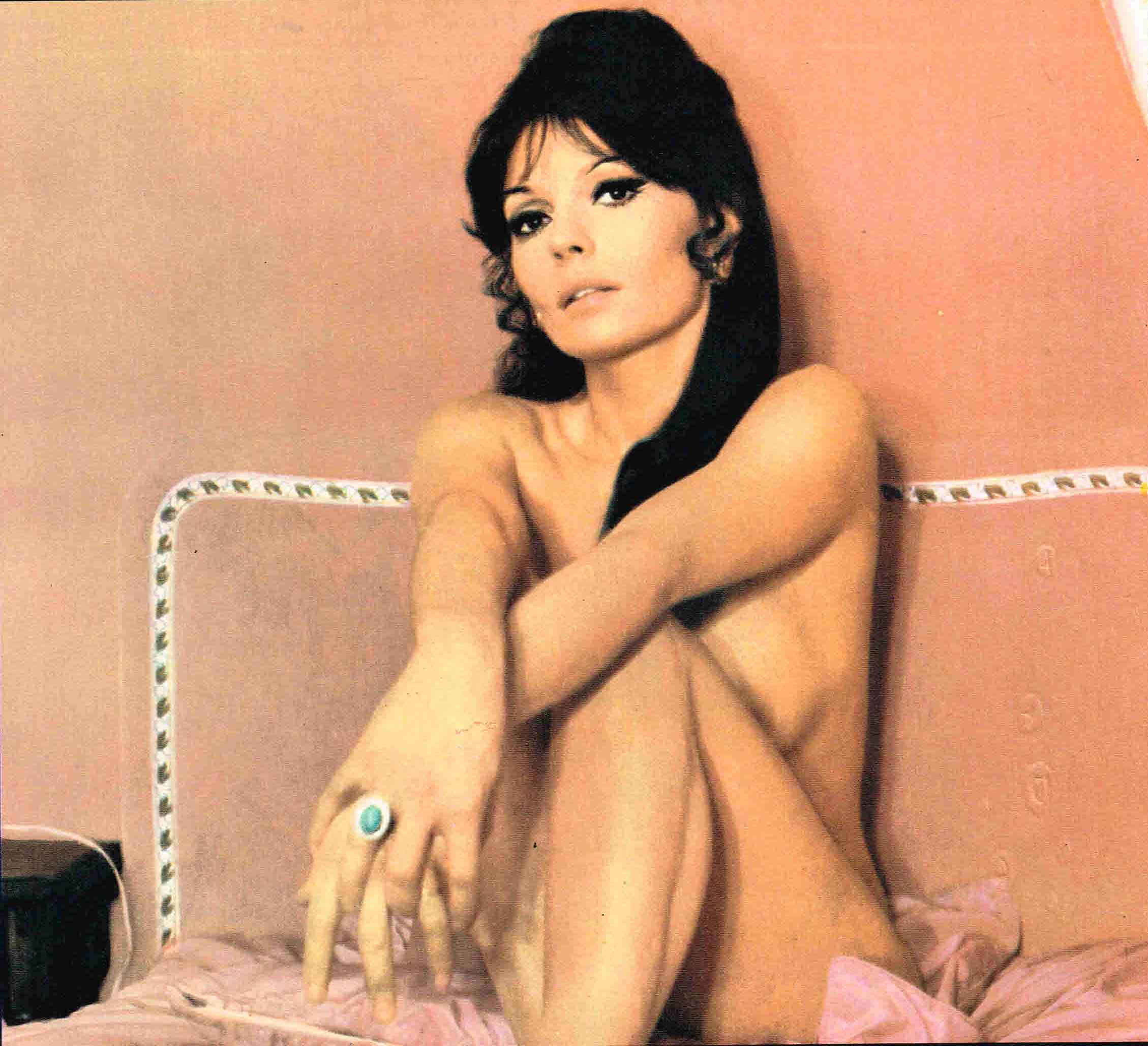
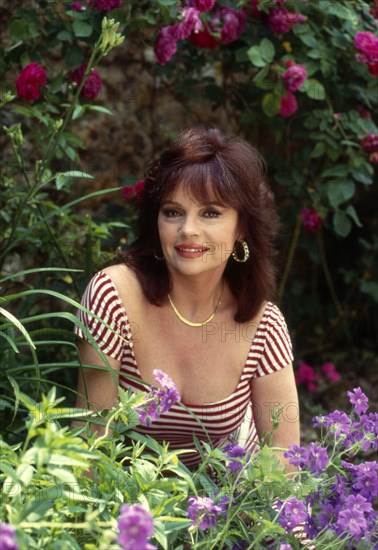
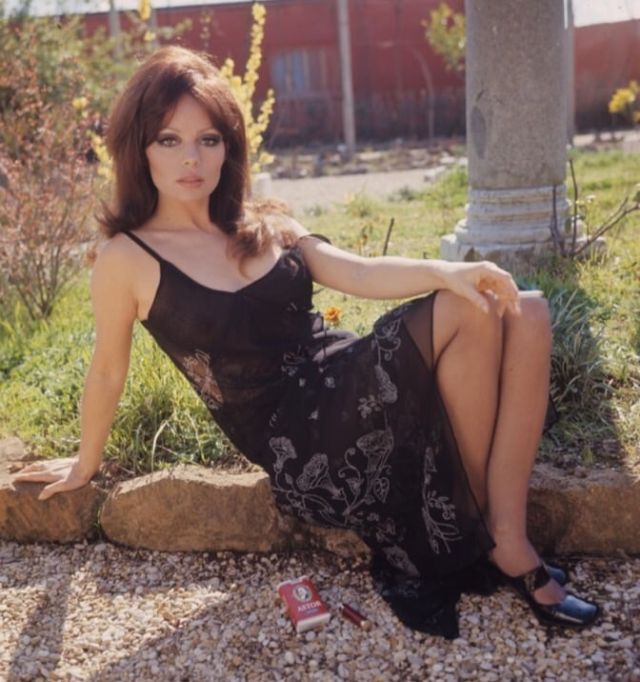
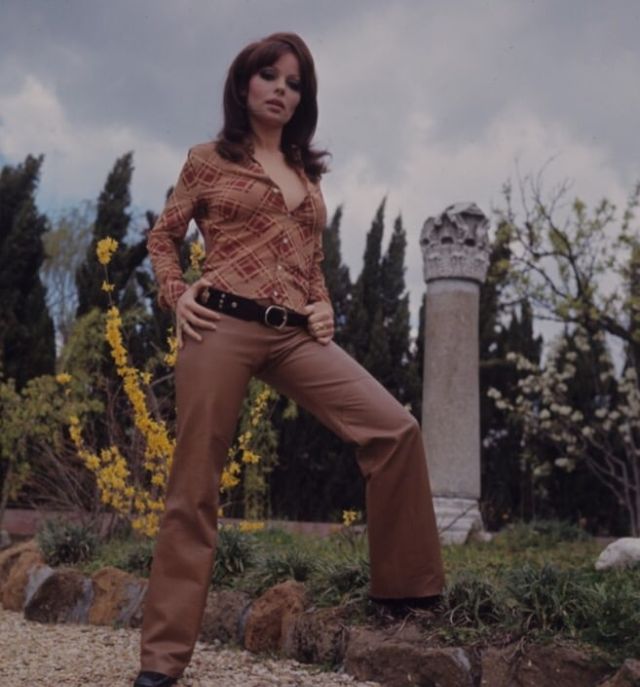
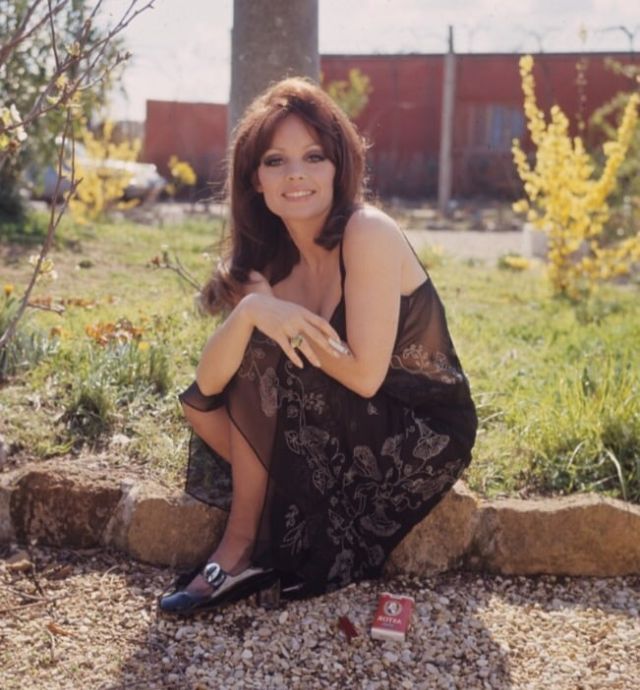
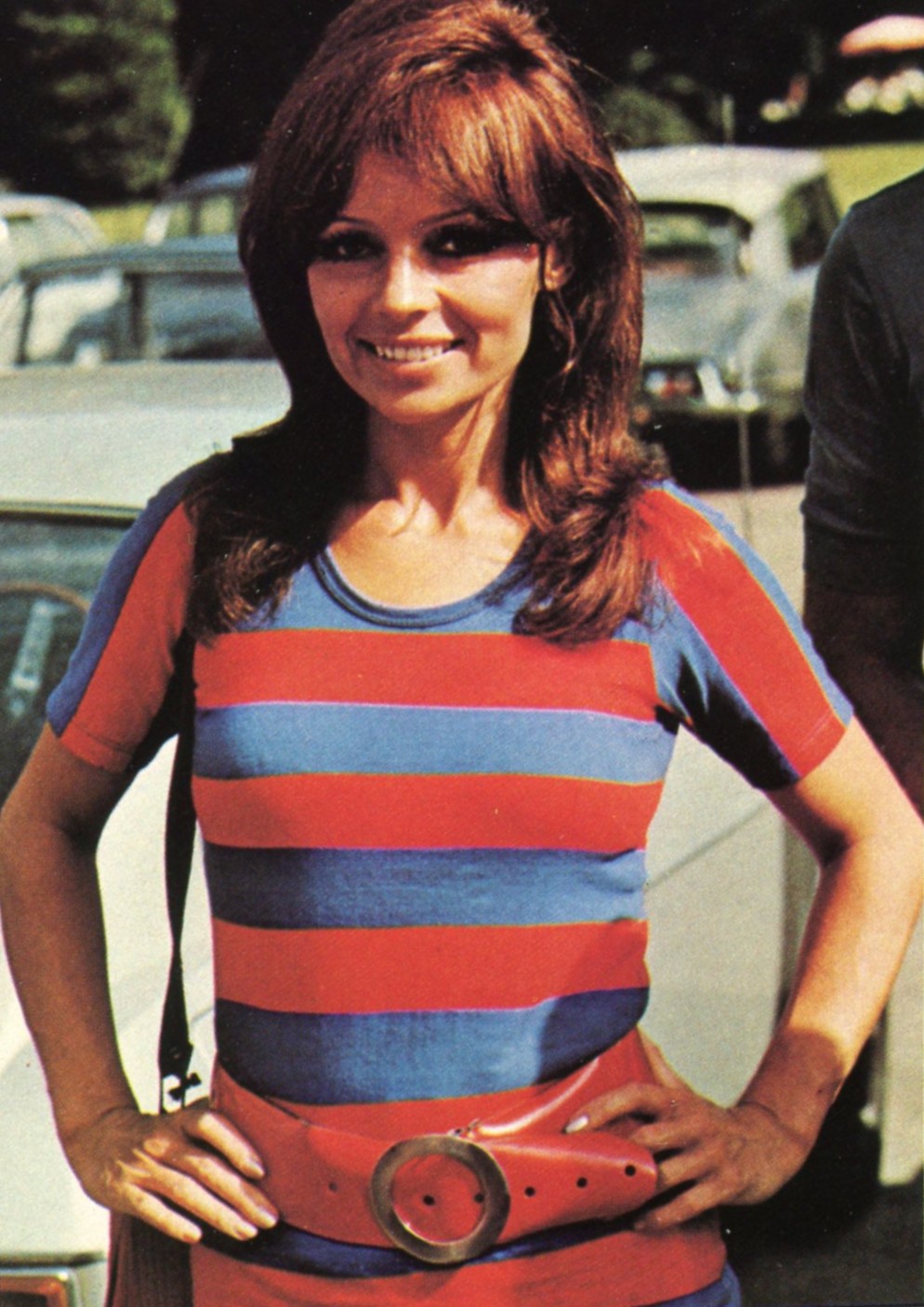
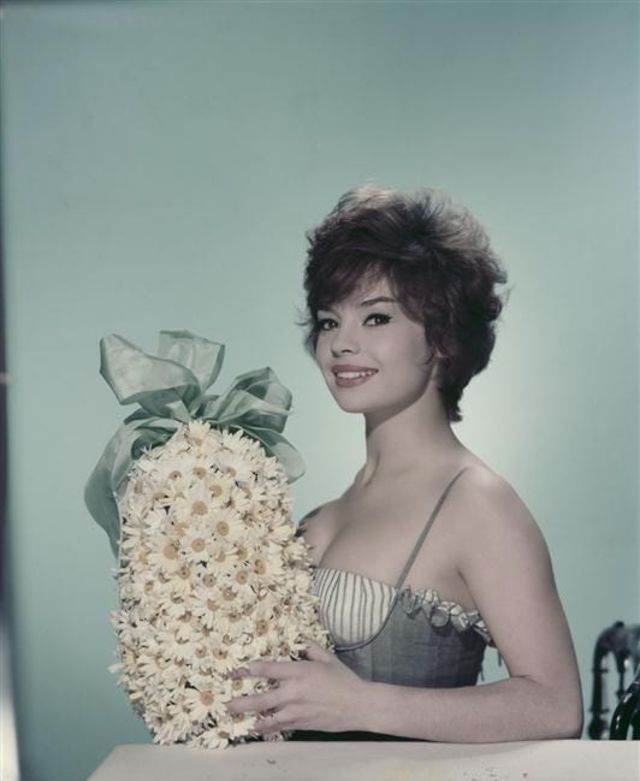
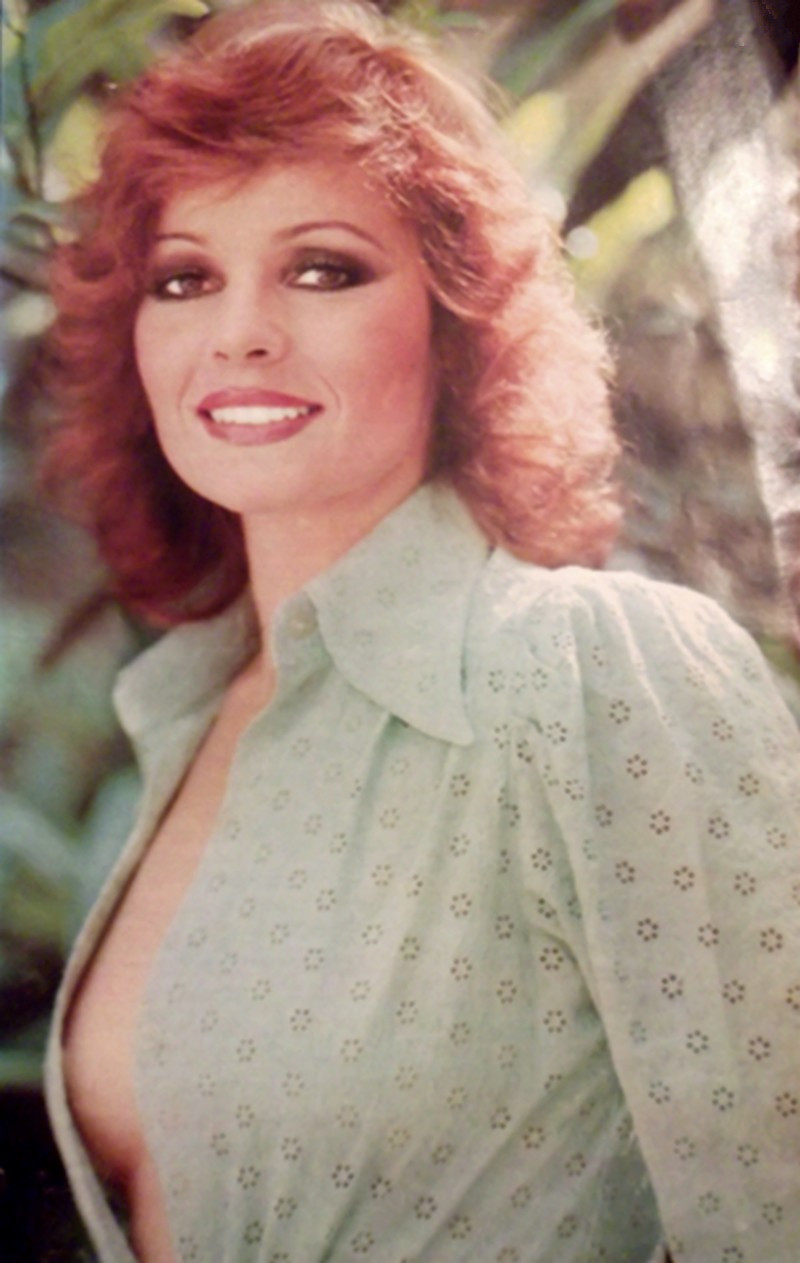
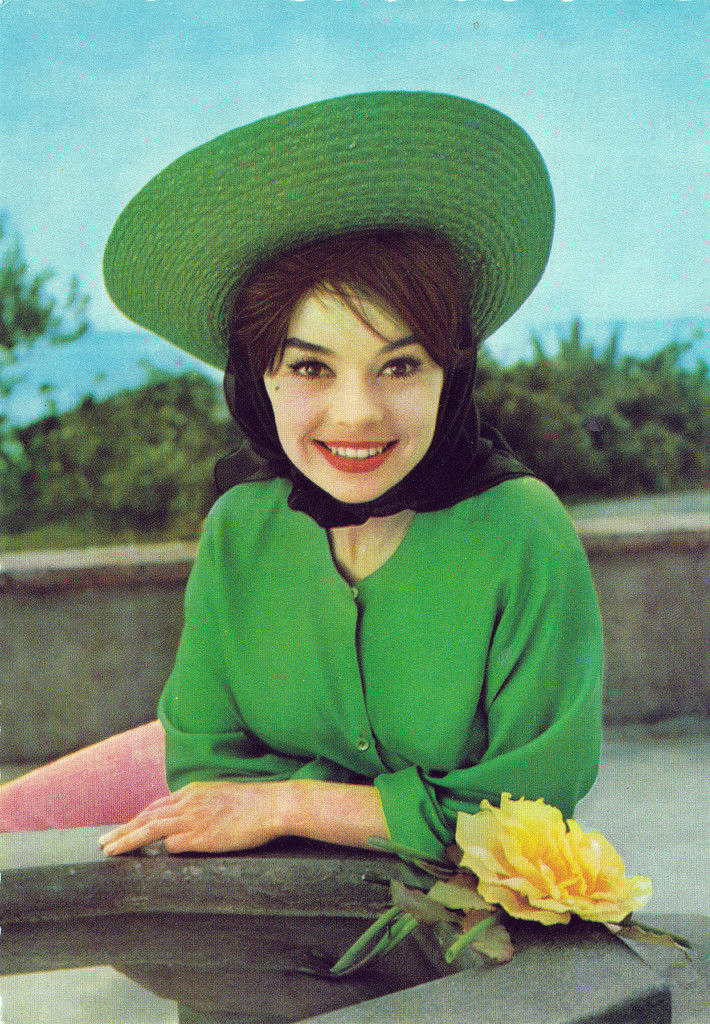
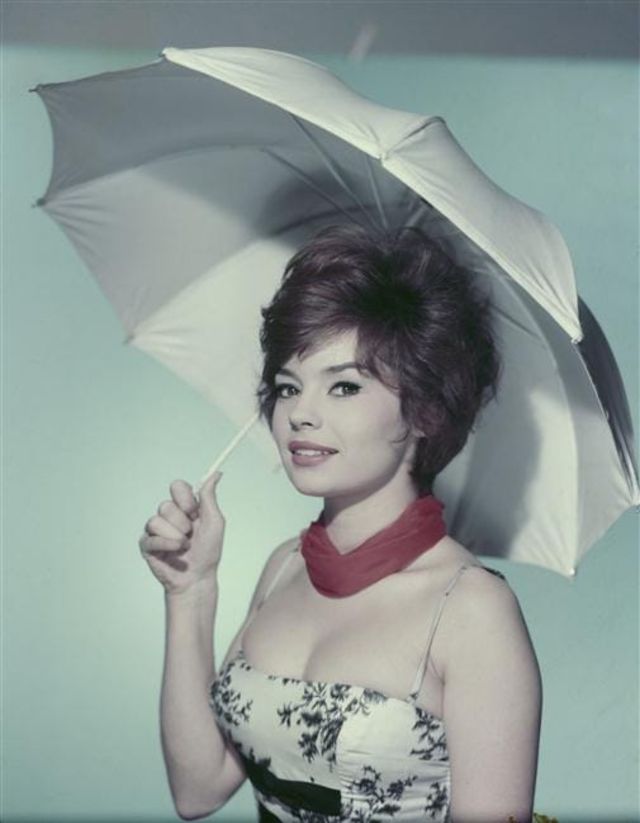
actress Anne-Marie Pettit (1938- )

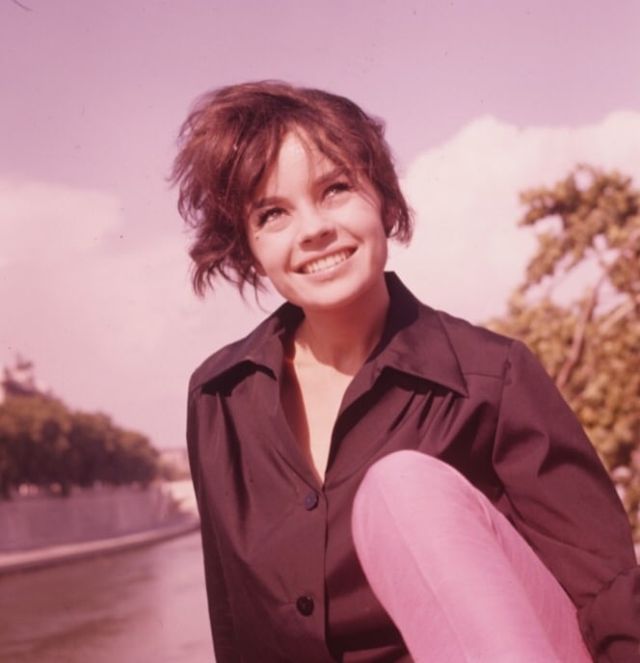
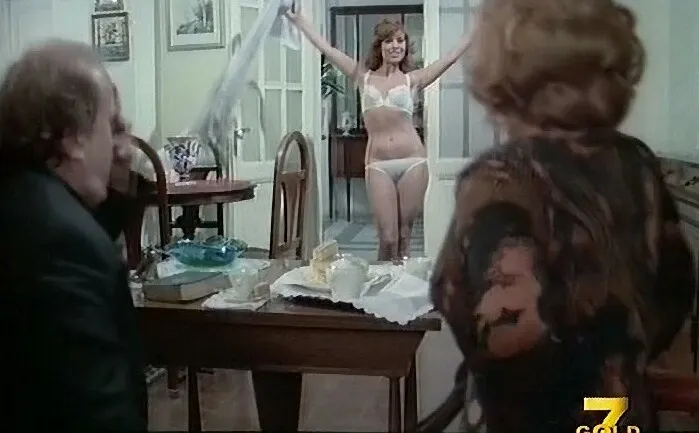
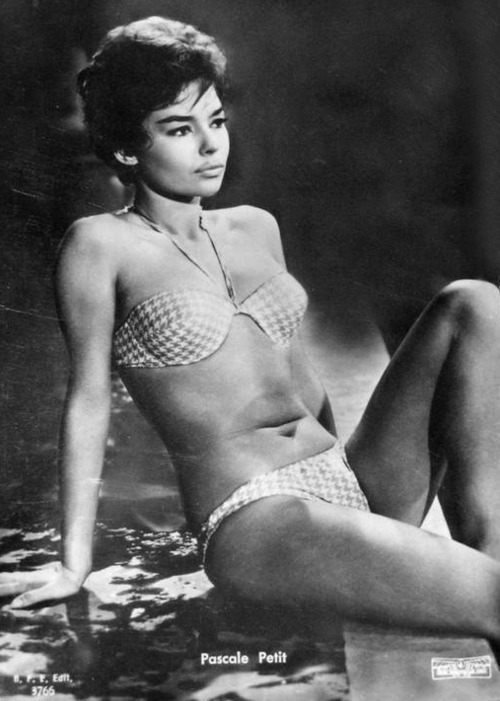
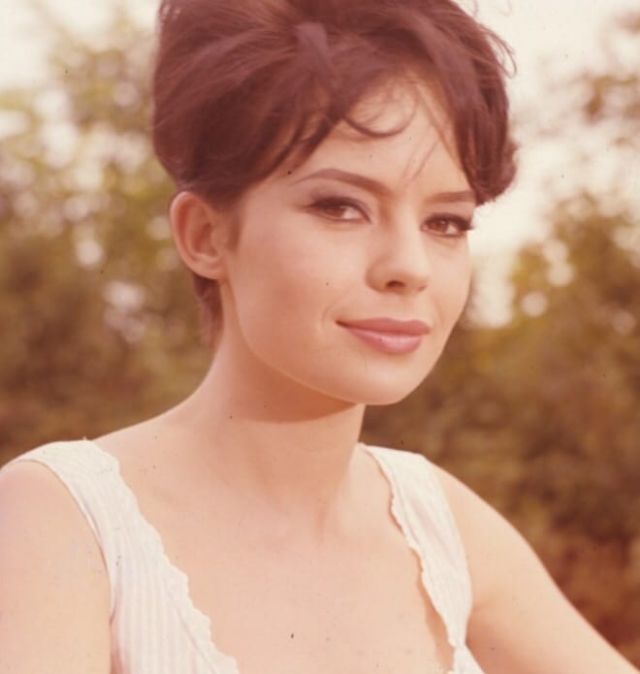
Pascale Petit hailed from Paris and was ‘discovered’ while working as a hairdresser in a Carita salon by Françoise Lugagne, the actress-wife of director Raymond Rouleau. Rouleau proceeded to direct Petit’s screen debut as Mary Warren, erstwhile accuser at the Salem witch trials of 1692 and later confessed ‘witch’, in The Crucible (1957). Despite having no formal acting training, she made an indelible impression with back-to-back performances in Marcel Carné’s film, The Cheaters (1958) and in Alexandre Astruc’s One Life (1958) (as the servant girl Rosalie). Her performance won her a coveted Prix Suzanne Bianchetti as Most Promising Young Actress of 1958. She followed up her success with a title role in the comedy Julie the Redhead (1959) and a co-starring role along Micheline Presle in A Mistress for the Summer (1960).

During the following decade, Petit was seen predominantly in German and Italian co-productions. She portrayed Cleopatra during the internecine struggles with her brother Ptolemy in A Queen for Caesar (1962) and helped American super spy Ray Danton foil a Soviet plot in Code Name: Jaguar (1965). In 1966 Petit married Belgian singer/songwriter and actor Giani Esposito, whom she met in 1959 and became partners. They had a son and a daughter while living in Italy. She next joined Stewart Granger, Lex Barker and Pierre Brice in the lackluster Killer’s Carnival (1966) and helped American agent Darren McGavin track down a traitor in the above-average espionage thriller Berlin Affair (1970), set in Berlin at the height of the Cold War.

With fewer decent film roles coming her way in the 70s and 80’s, Petit turned her attention towards acting in French television series and made-for-TV movies, but failed to recapture the success of her early career. She published her memoirs in 2022, entitled ‘Une vie sans tricher’ (A Life without Cheating).

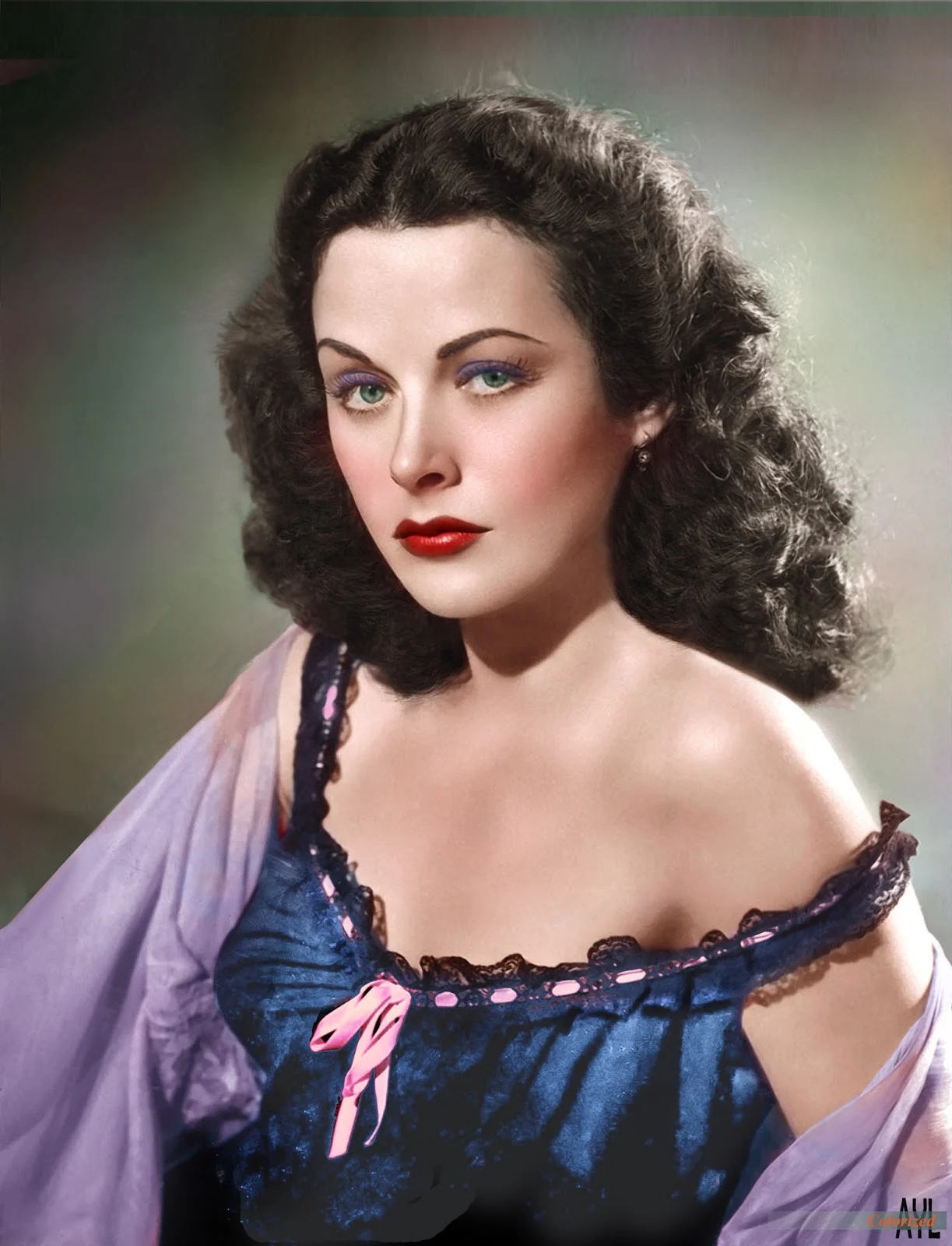
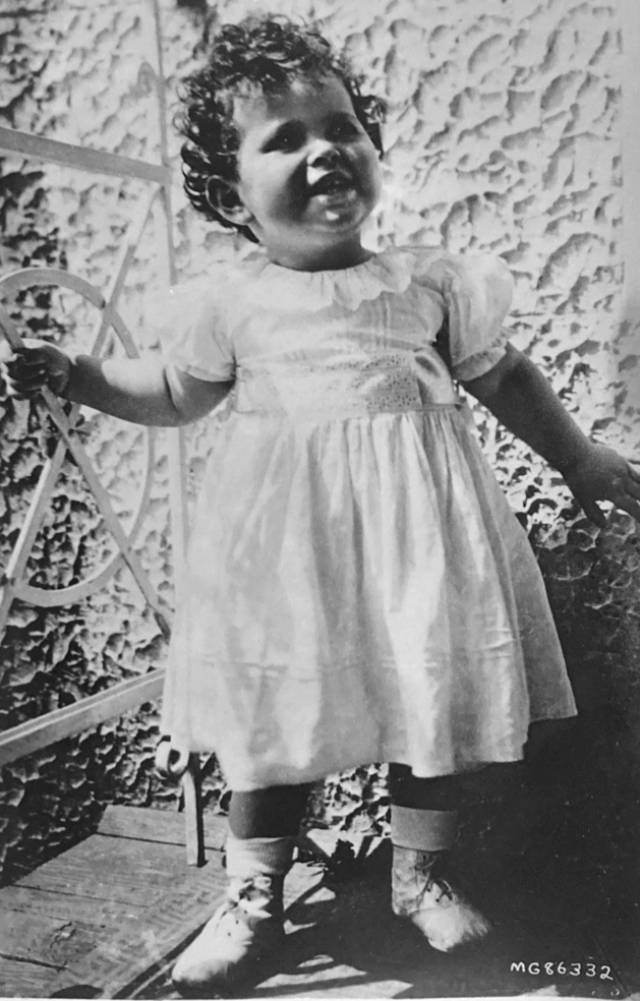
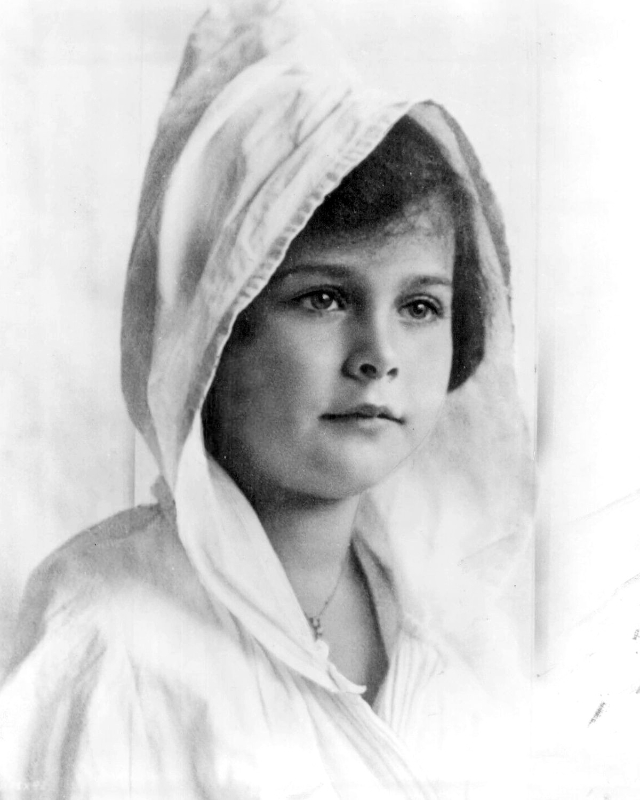
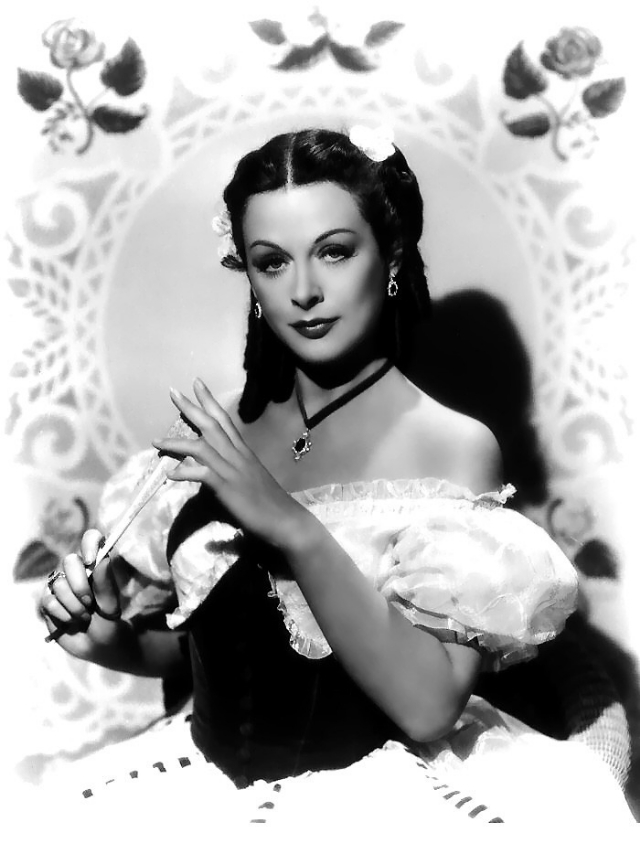
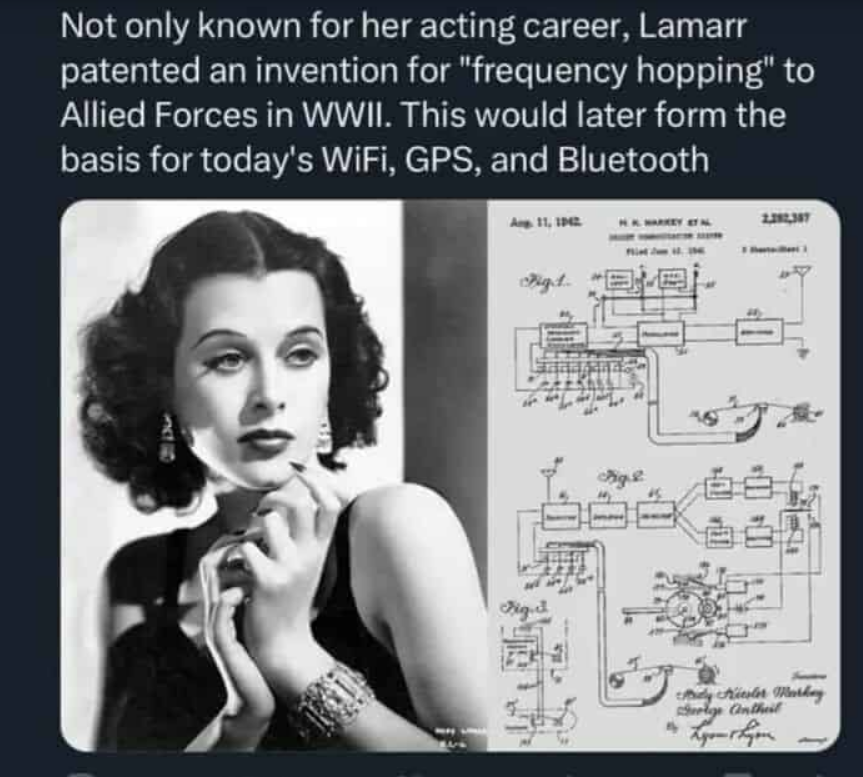
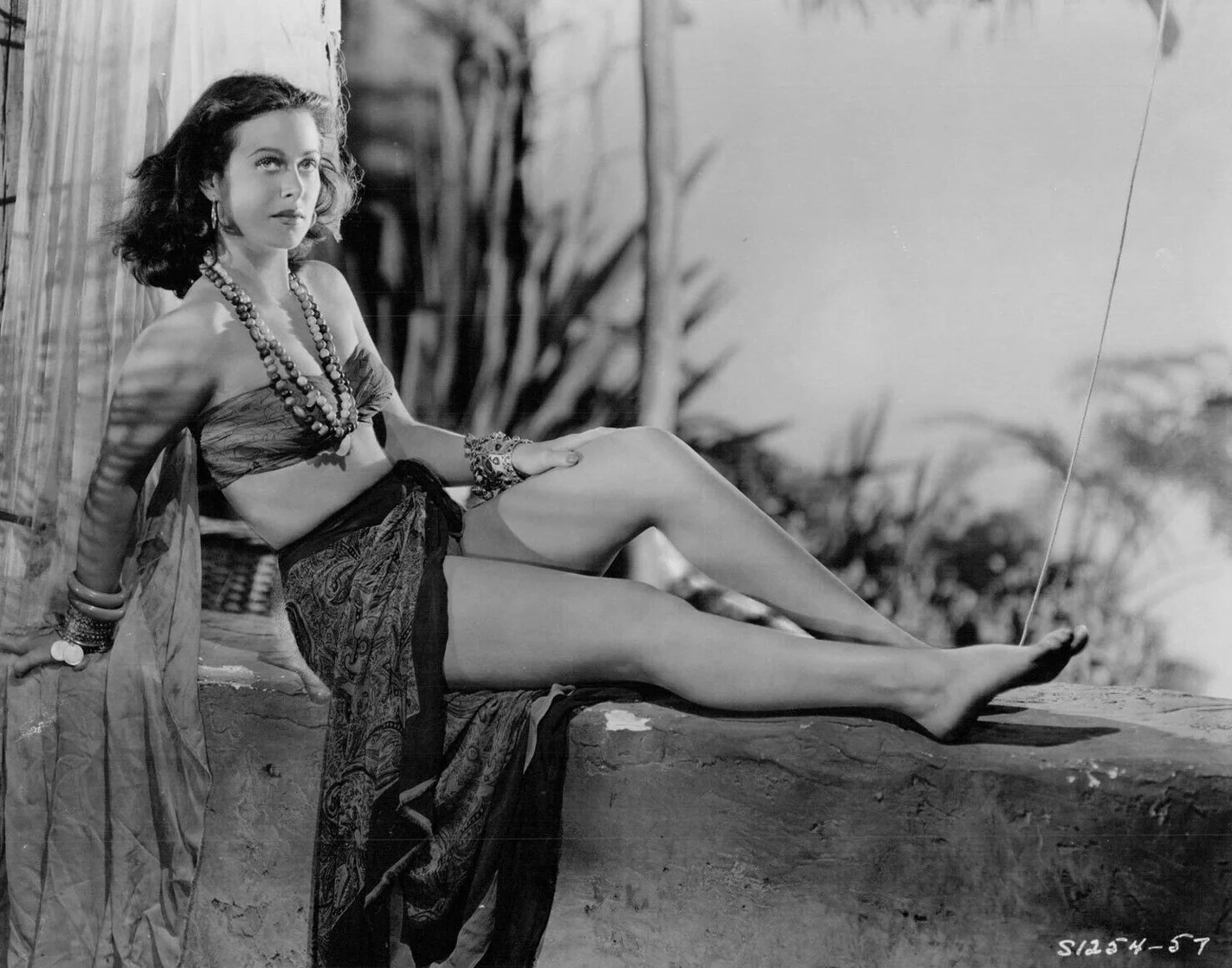
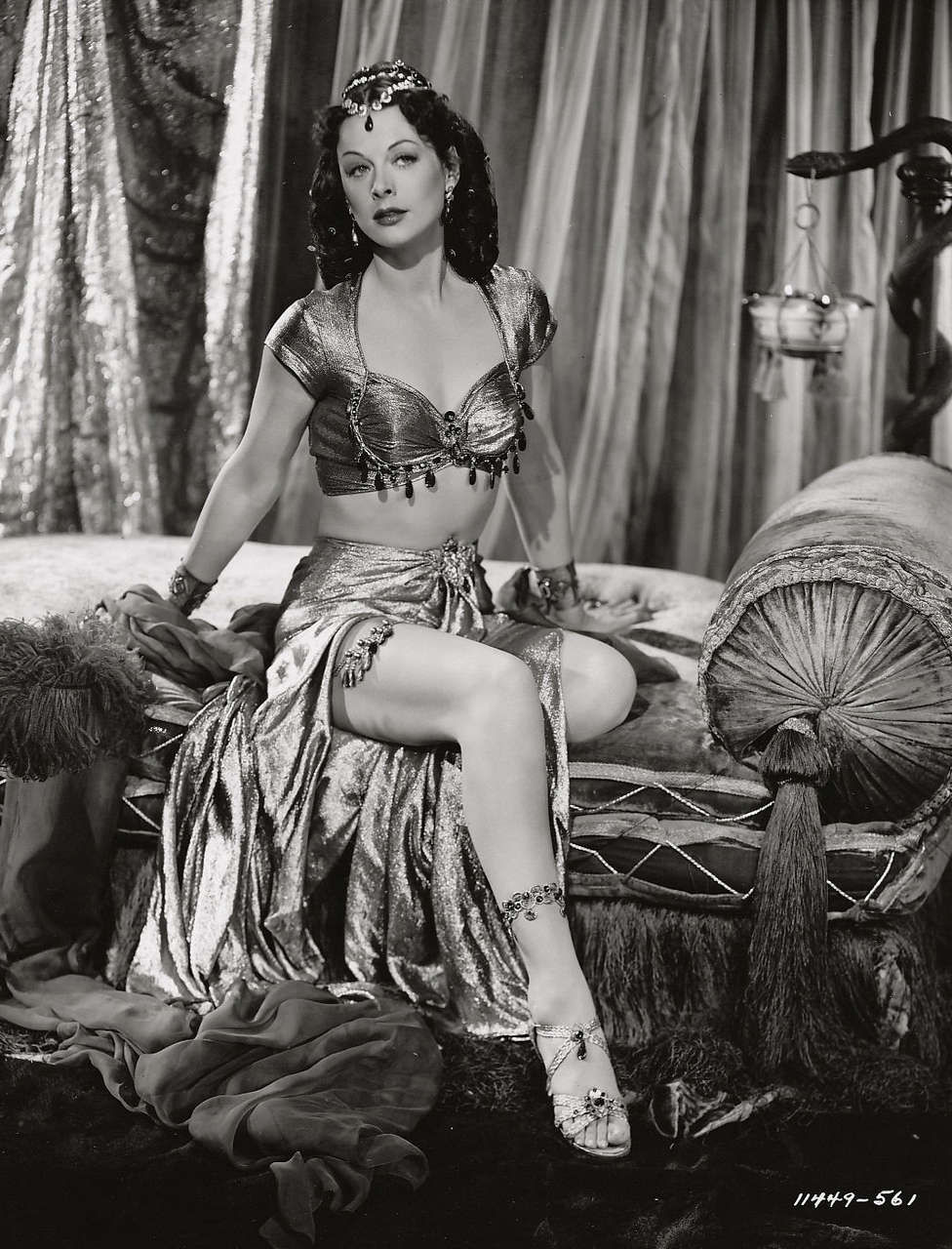
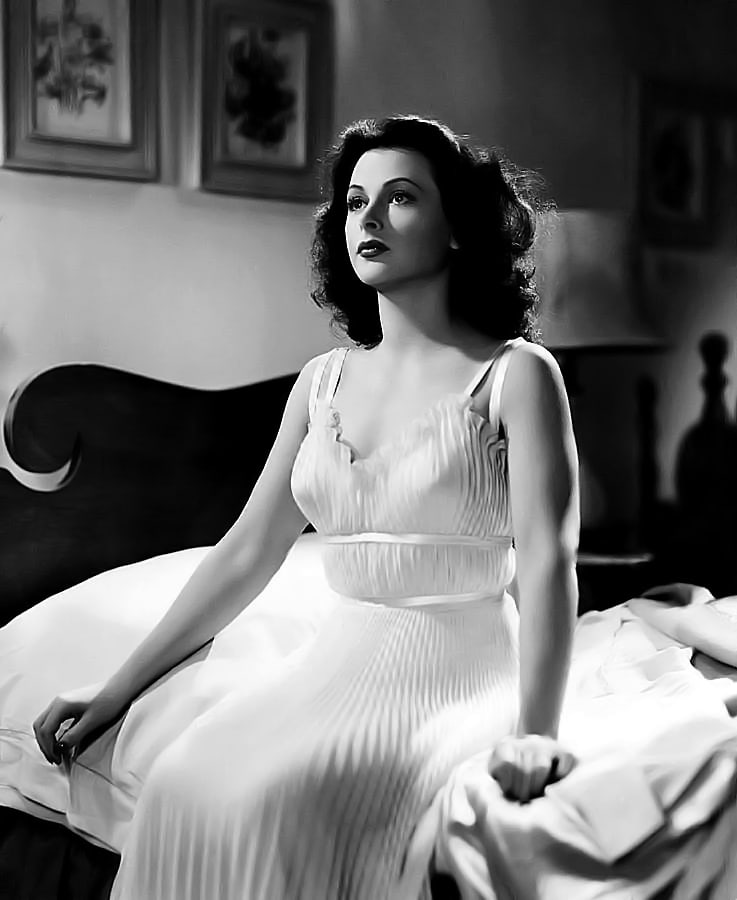
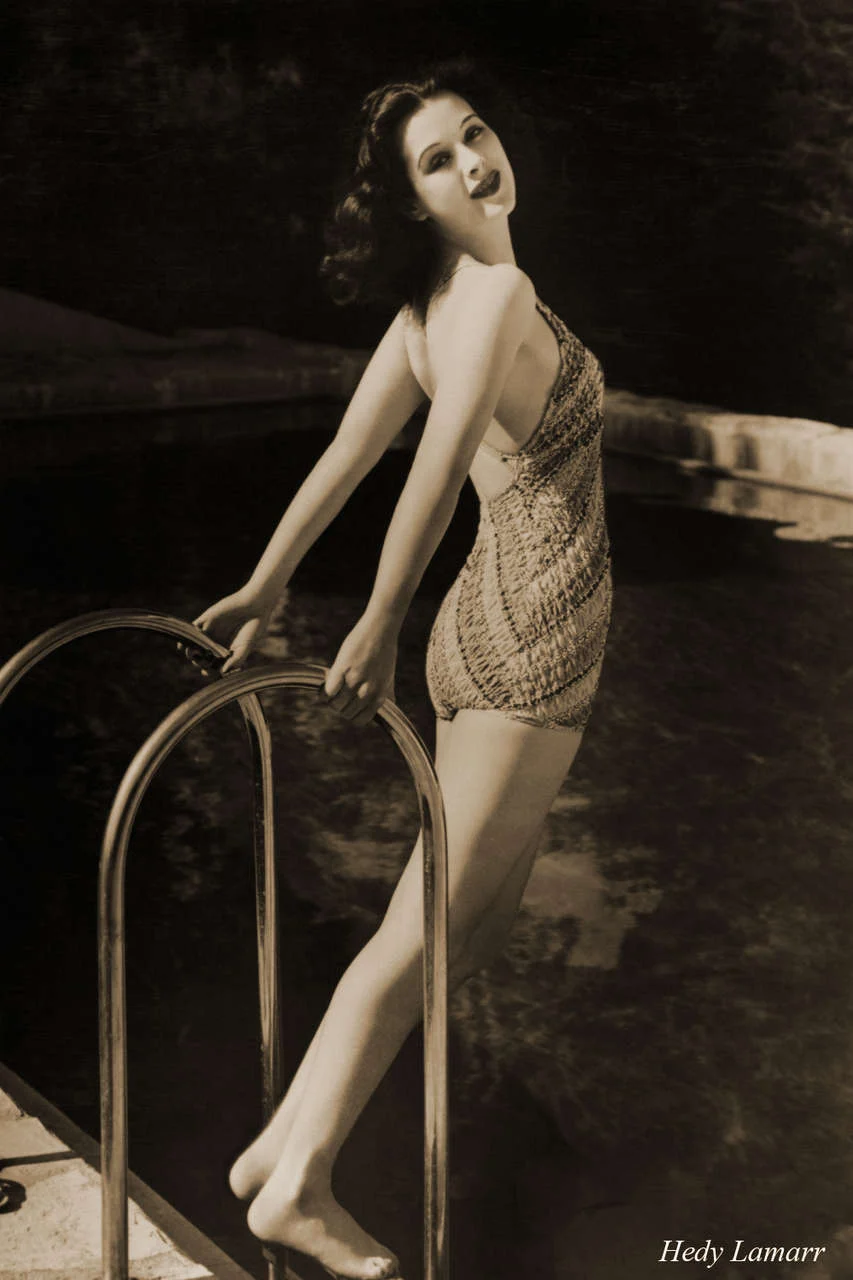
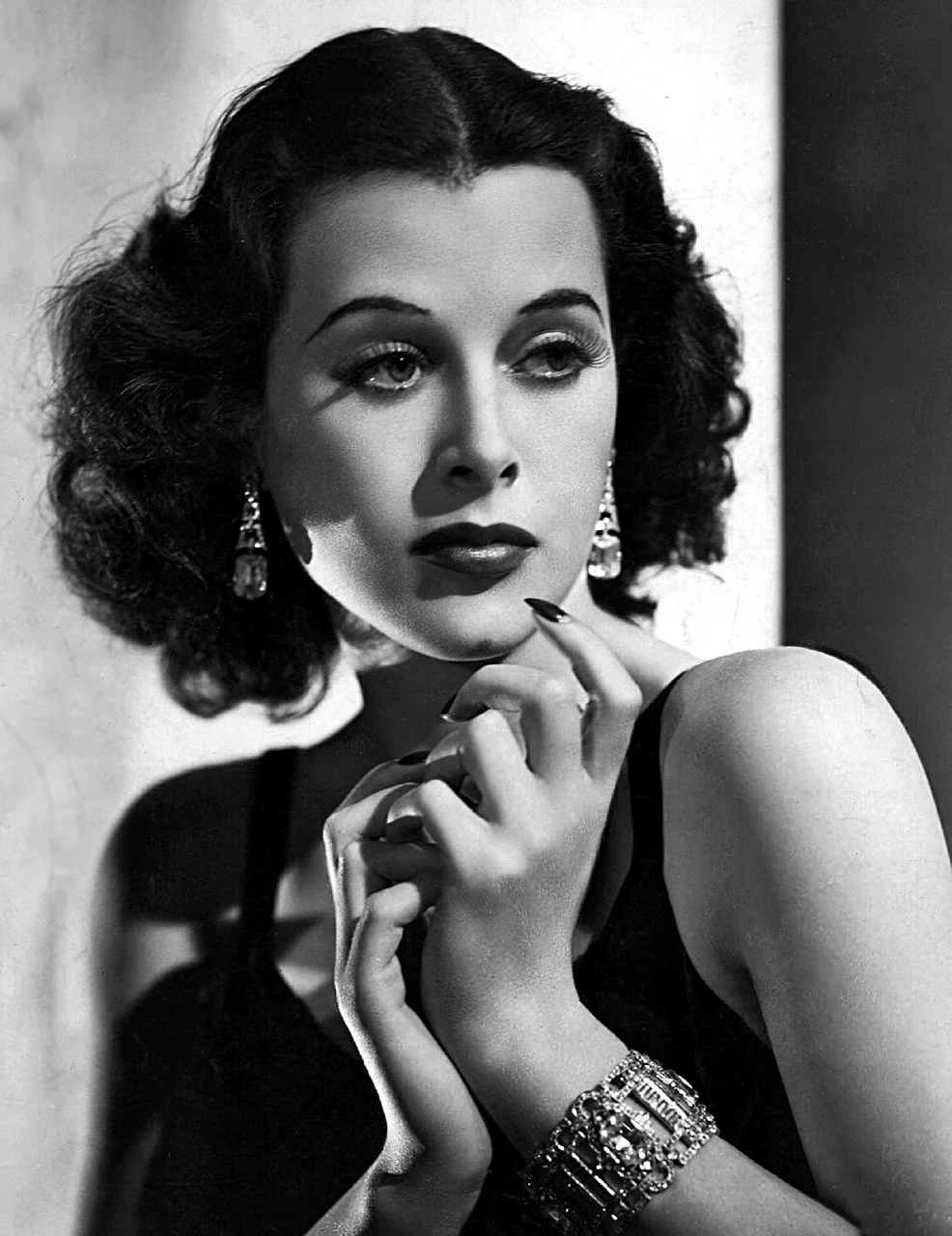
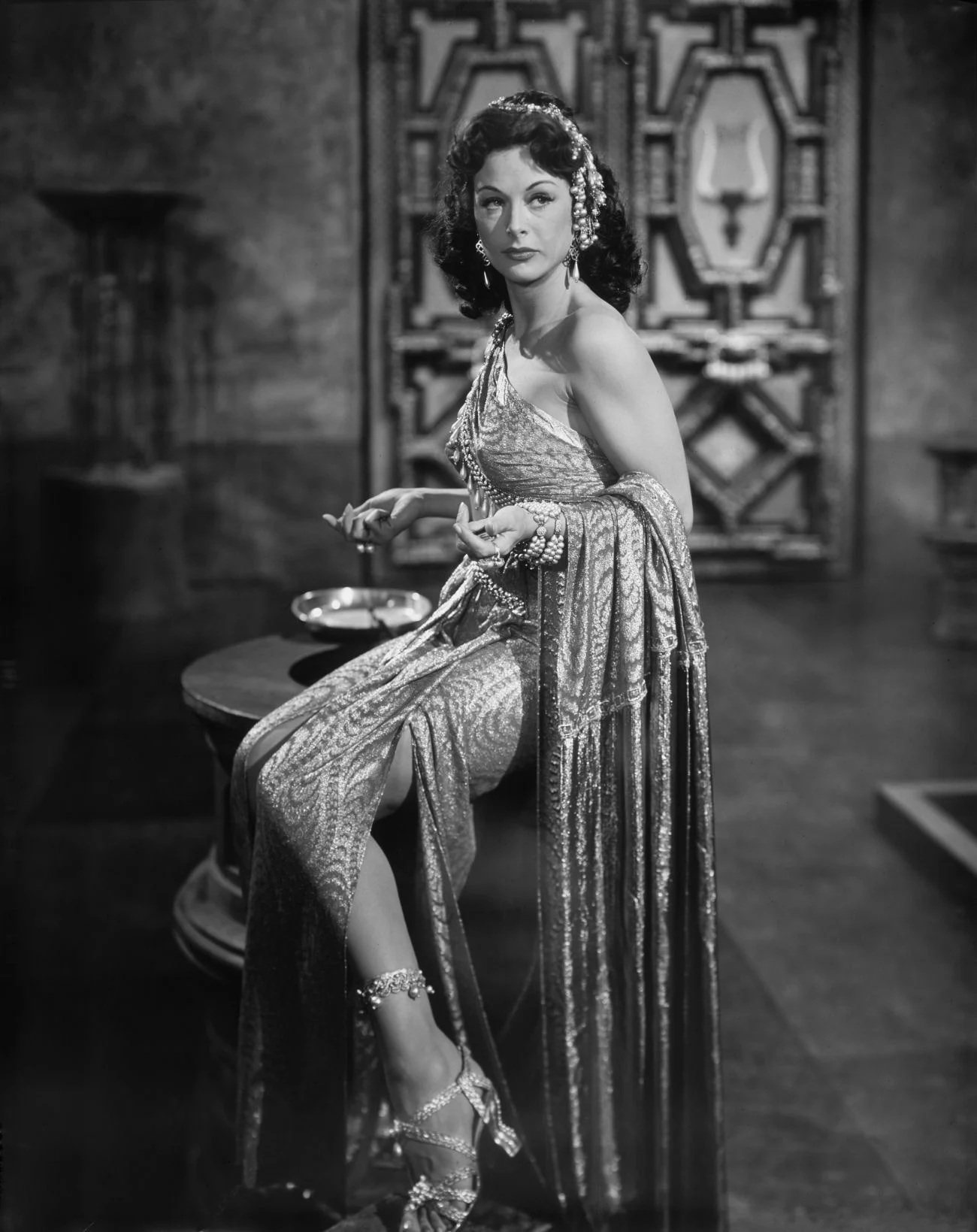
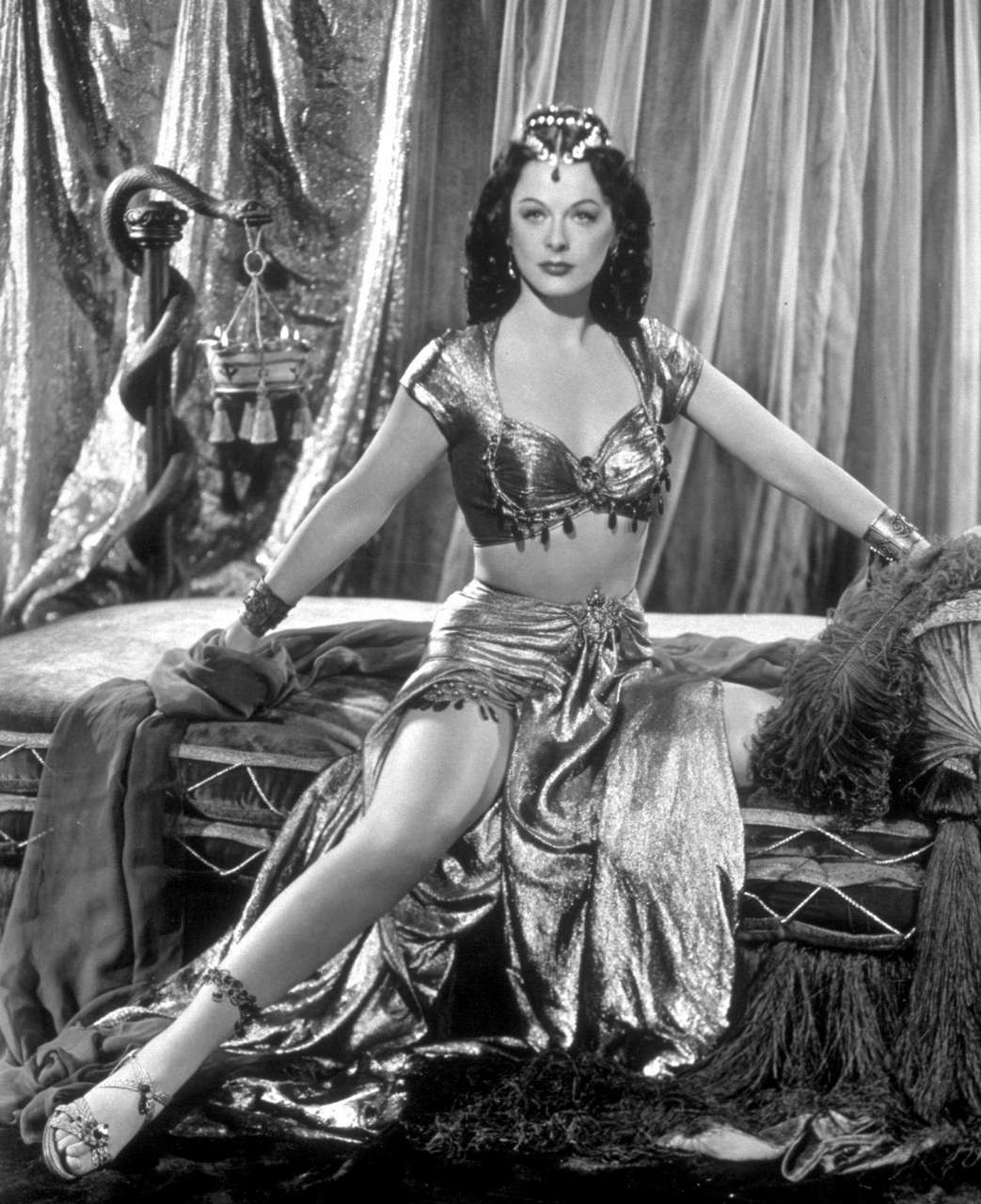
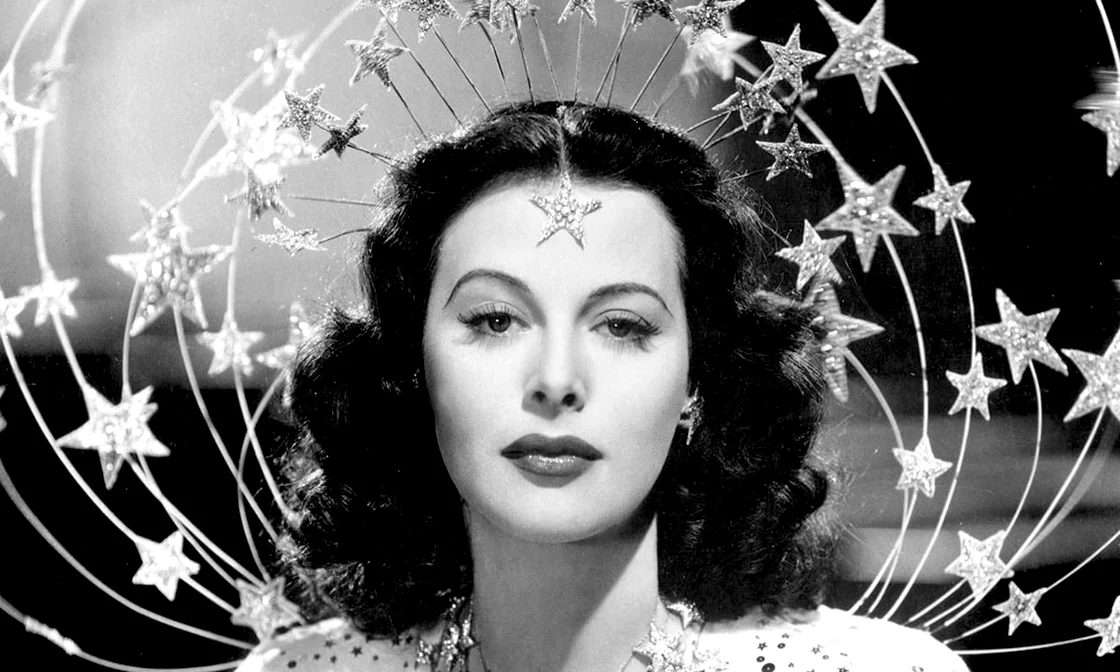
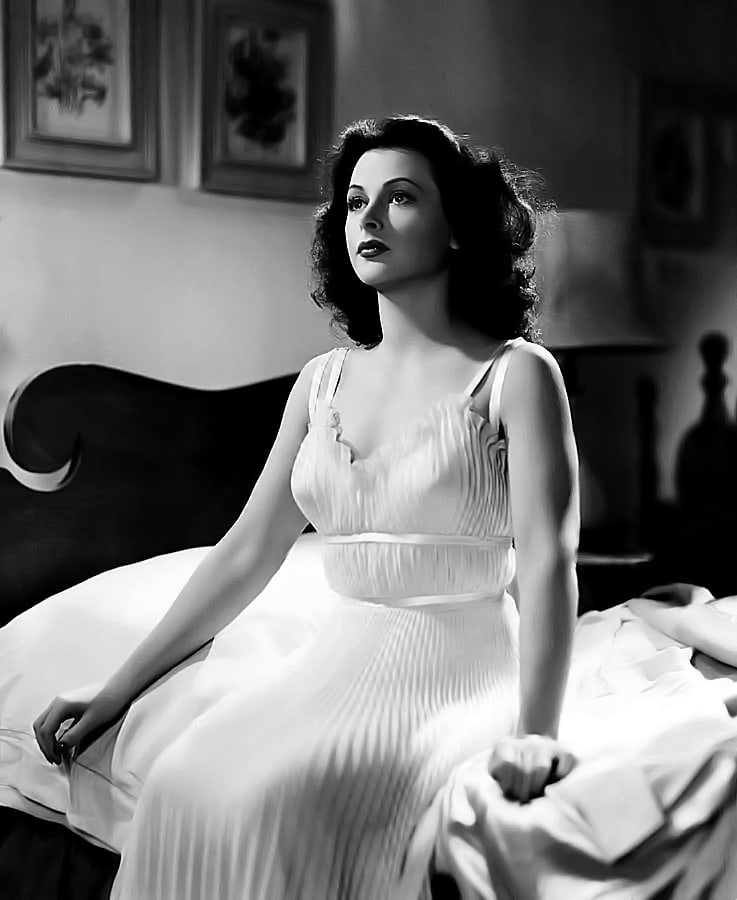
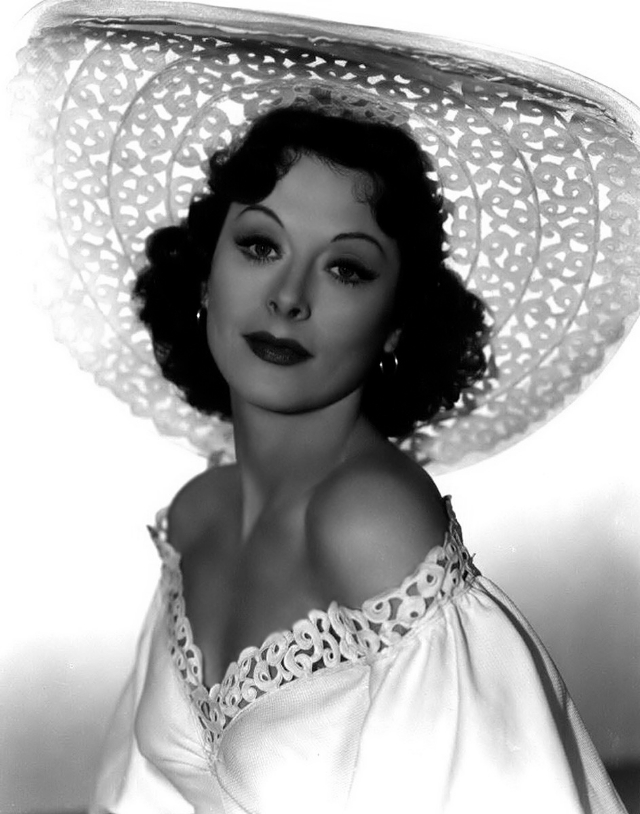
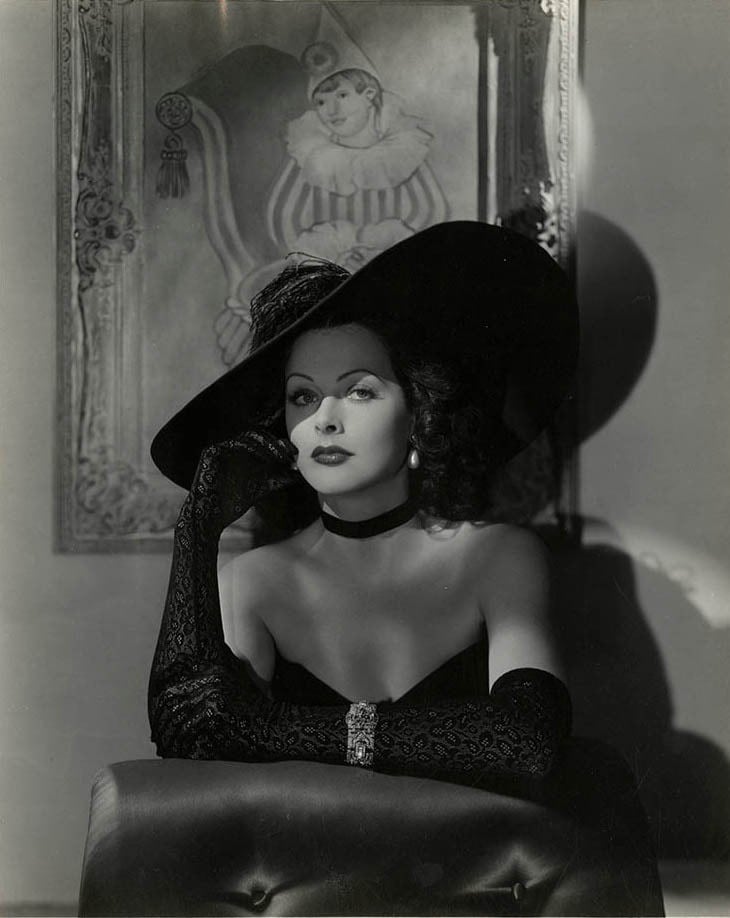
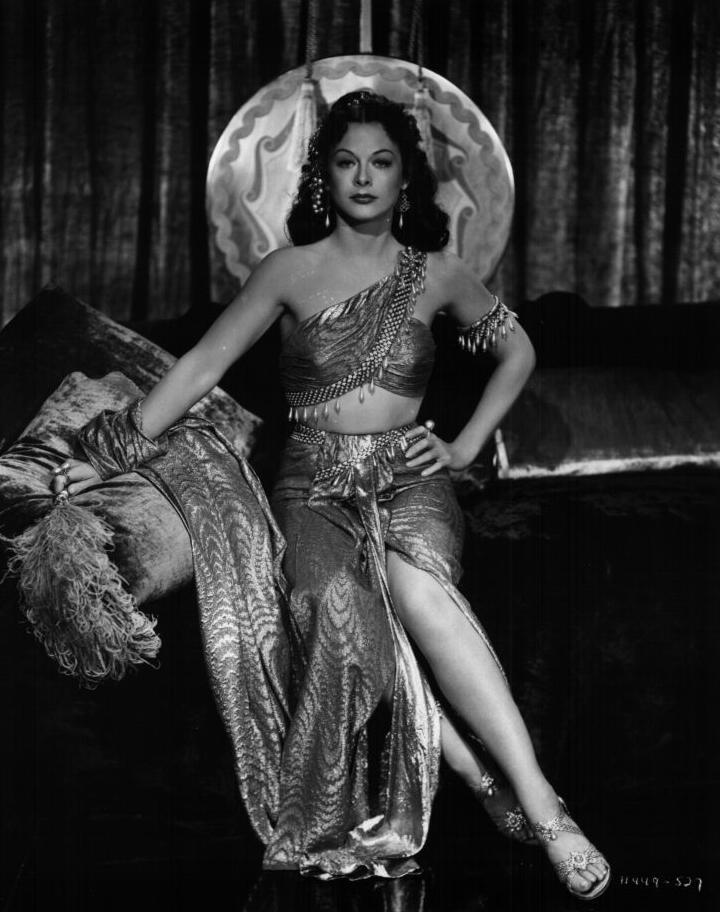
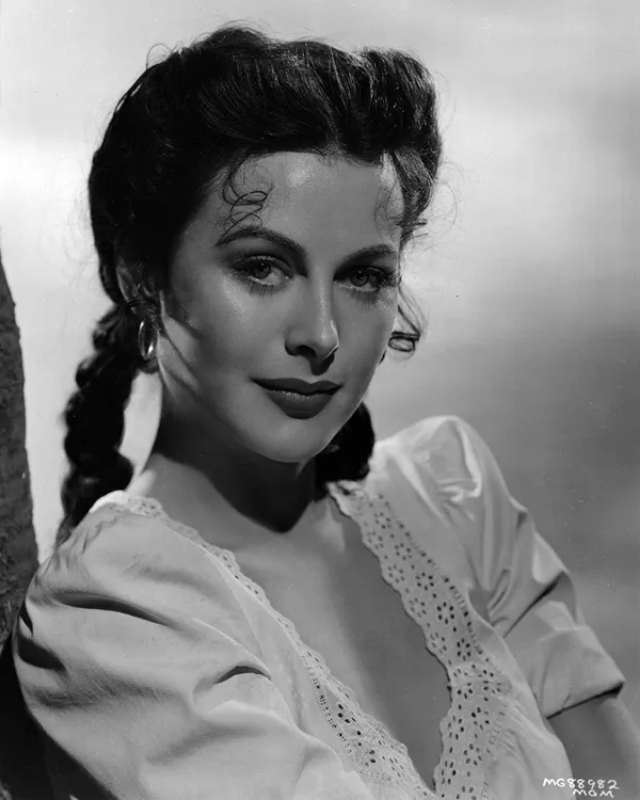
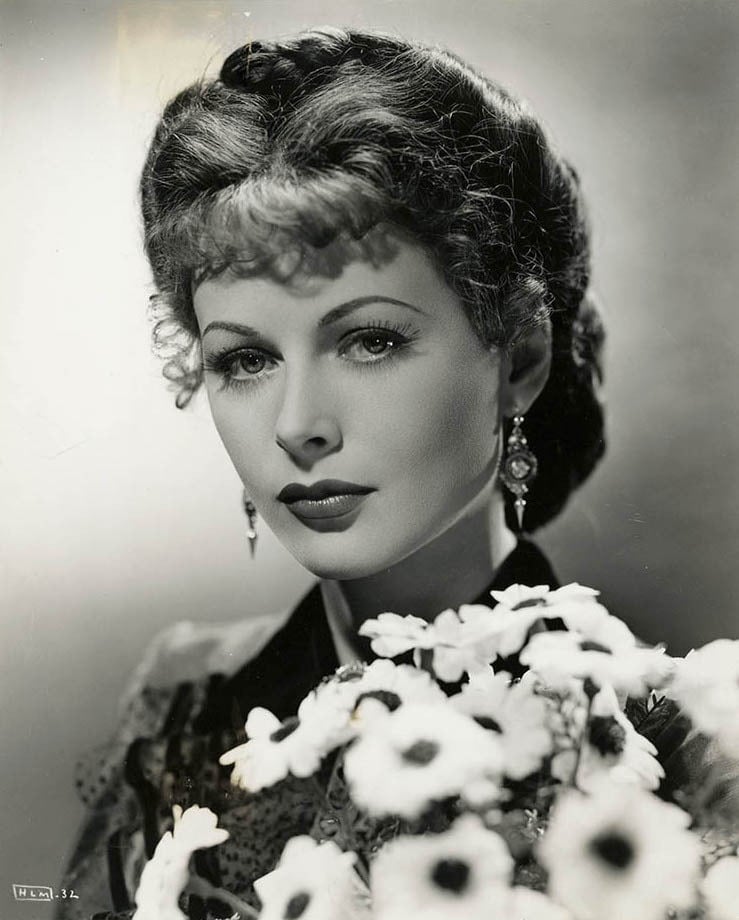
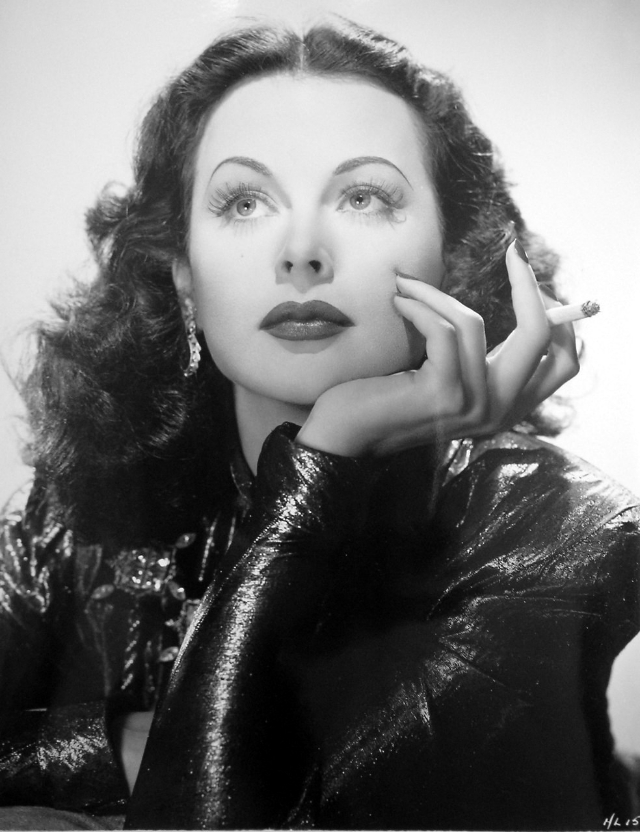
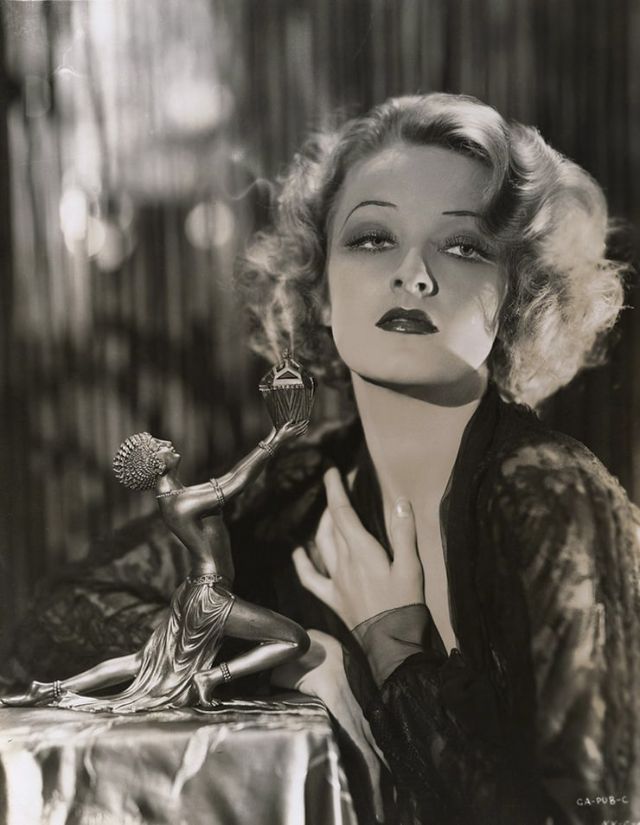
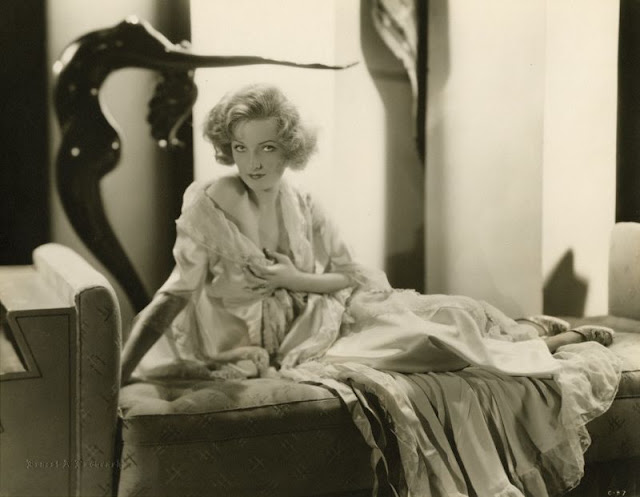
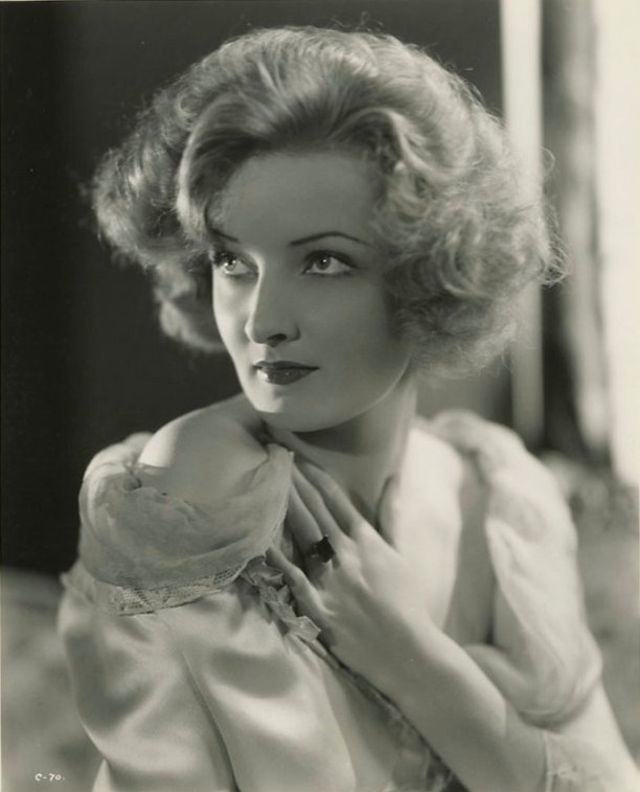
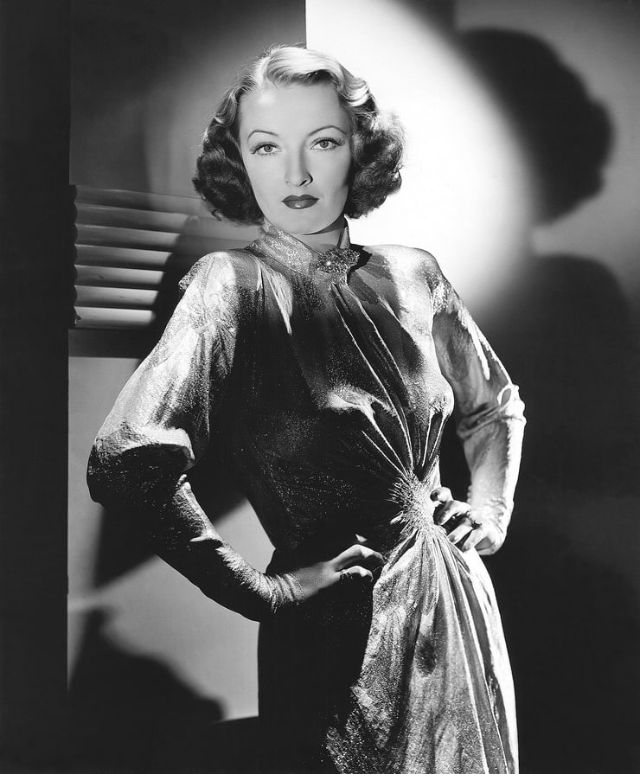
Hedwig Eva Maria Kiesler (1914-2000)

Hedy Lamarr was an Austrian and American actress and inventor. Regarded as a successful film star, she also co-invented a radio guidance system during World War II; technology that would one day form the basis for today’s WiFi, GPS, and Bluetooth communication systems.

After a brief early film career in Czechoslovakia, including the controversial erotic romantic drama Ecstasy (1933), she fled from her first husband, Friedrich Mandl, and secretly moved to Paris. Traveling to London, she met Louis B. Mayer, who offered her a film contract in Hollywood. Lamarr became a film star with her performance in the romantic drama Algiers (1938). She achieved further success with the Western Boom Town (1940) and the drama White Cargo (1942). Lamarr’s most successful film was the religious epic Samson and Delilah (1949). She also acted on television before the release of her final film, The Female Animal in 1958. She was honored with a star on the Hollywood Walk of Fame in 1960.

This was the last known picture of Hedy after she was arrested for shoplifting in Orlando, Florida, for stealing $21.48 worth of laxatives and eye drops

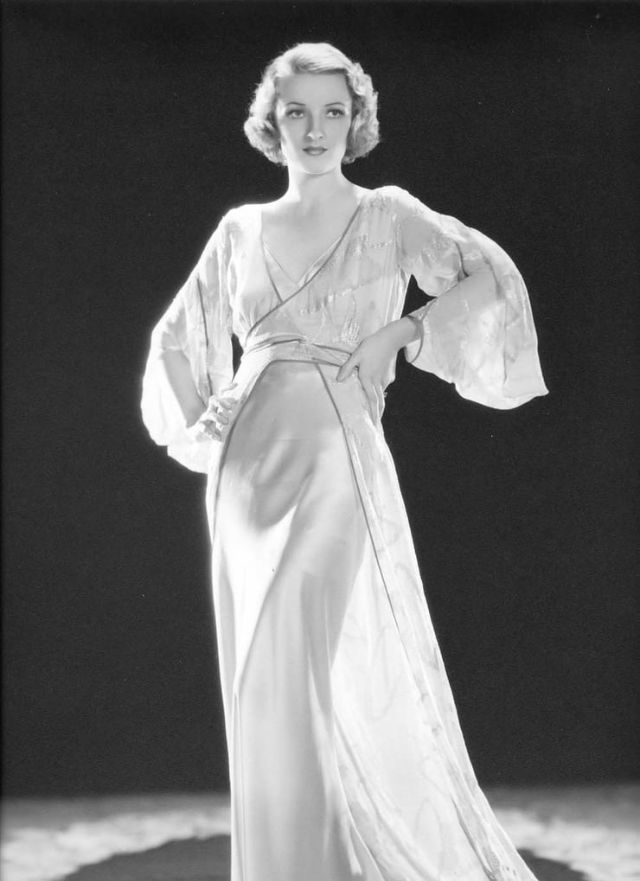
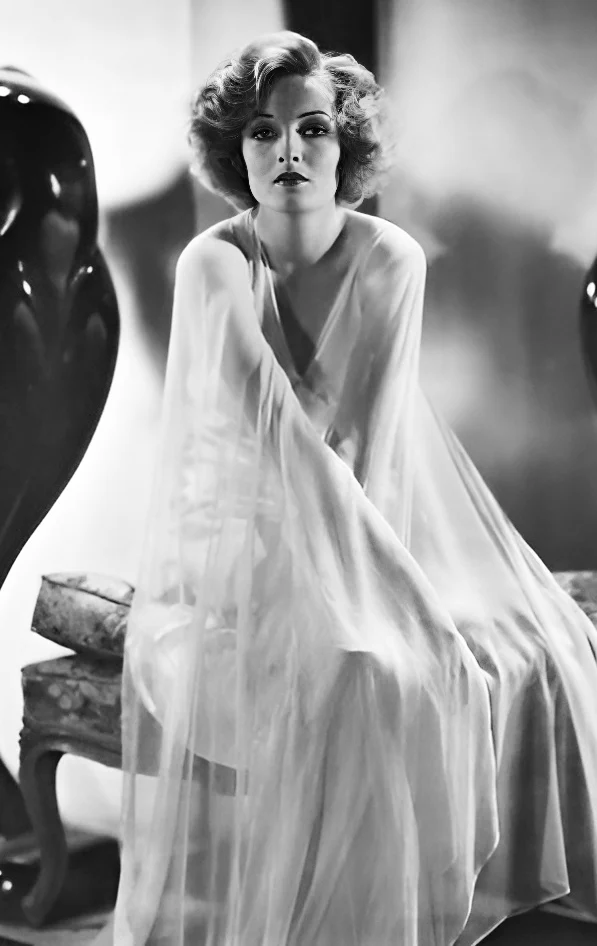
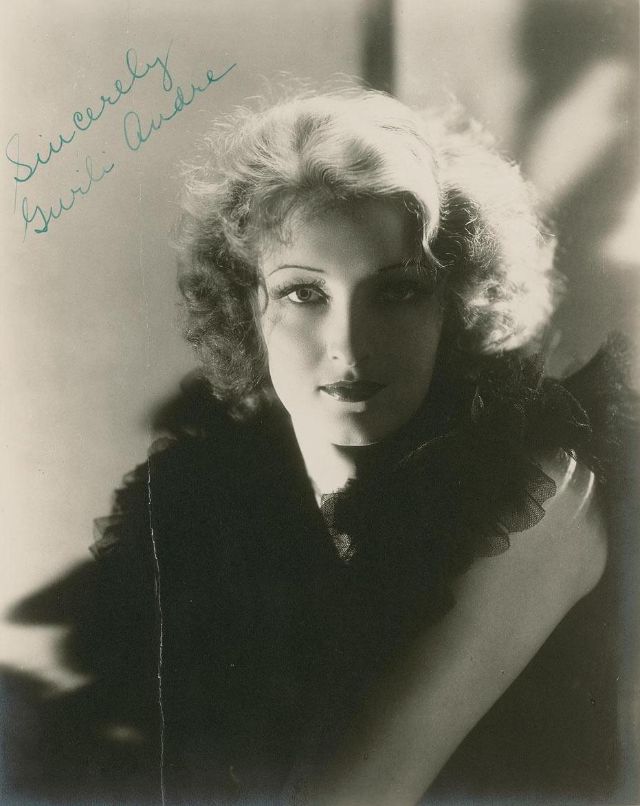
Gurli Ingeborg Elna Andresen (1907-1959)

Gwili Andre came to Hollywood in the early 1930s with the intention of establishing herself as a film star after working for several years as a model in Europe and New York. She was reportedly spotted by David O. Selznick at the premiere of a Broadway show. Selznick was taken by her beauty, and he arranged for a screen test.

She was signed to RKO Studio, and in 1932 appeared in Roar of the Dragon and Secrets of the French Police. While her striking looks were likened to that of Greta Garbo and Marlene Dietrich,  her acting garnered poor reviews. One newspaper columnist called her a “stiff, colorless and completely talentless performer.” Despite the poor reviews of her acting, RKO began using her glamorous looks to promote her career. A widespread publicity campaign ensured that her name and face became well known to the American public, but her next role in No Other Woman (1933), opposite Irene Dunne, was not the success the studio expected. Over the next few years, she was relegated to supporting roles which included a role in the Joan Crawford picture A Woman’s Face (1941).

On 5 February 1959, Andre died in a fire that started in her apartment in Venice, California where she lived alone. The cause was never determined.

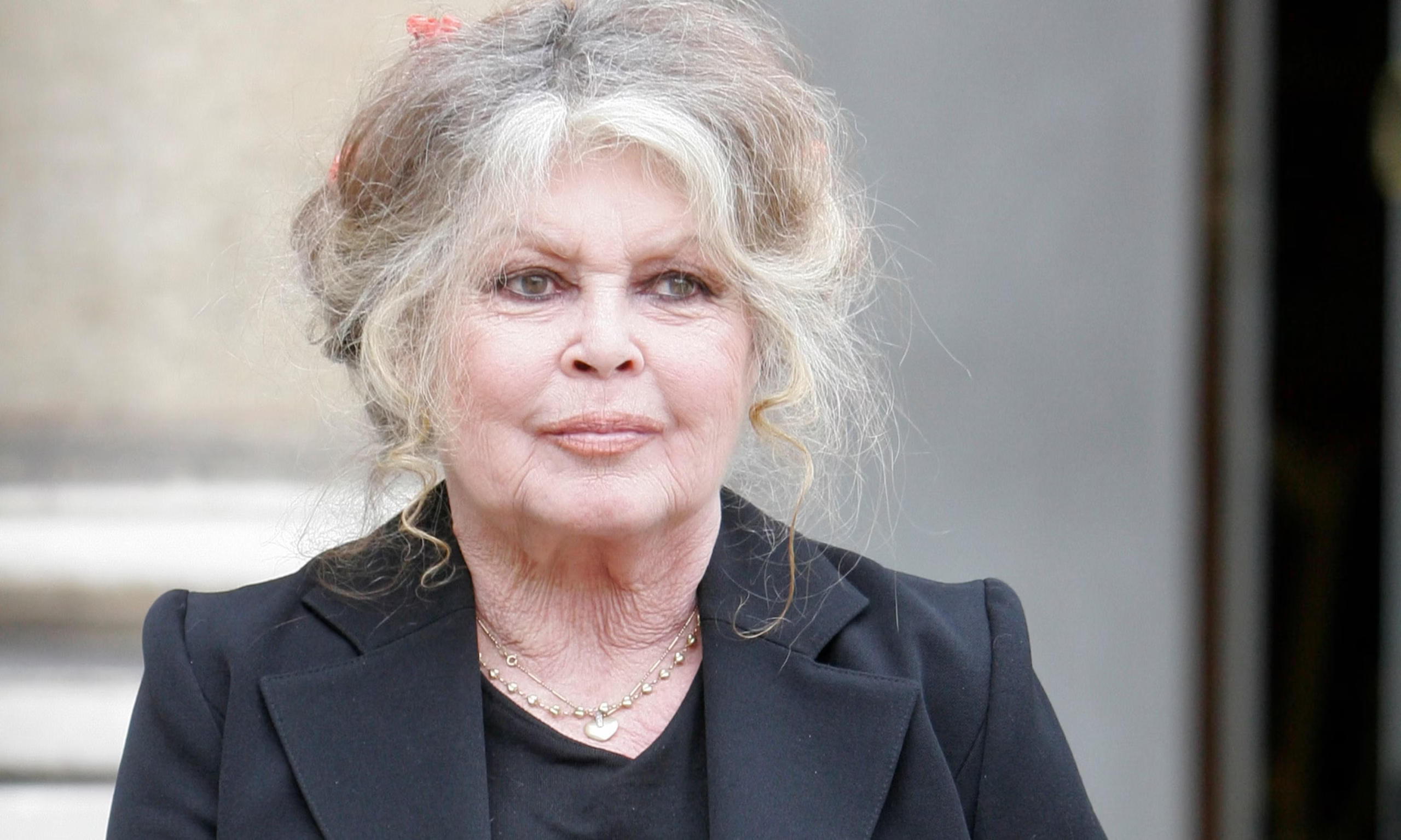
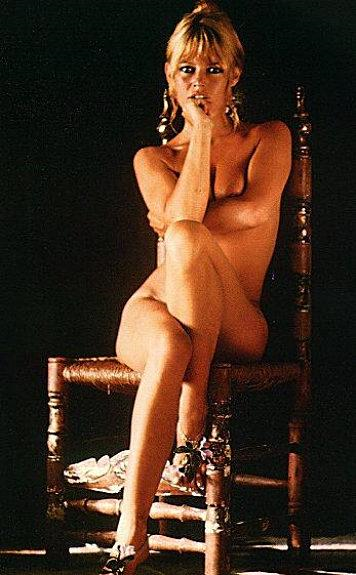
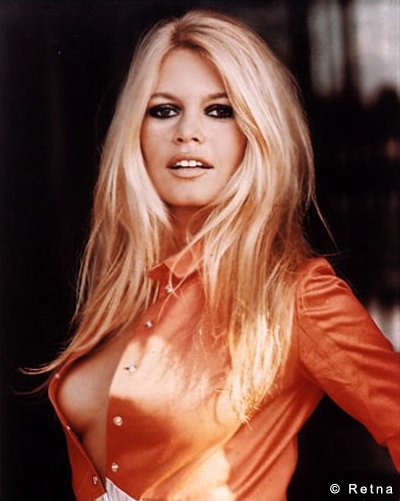
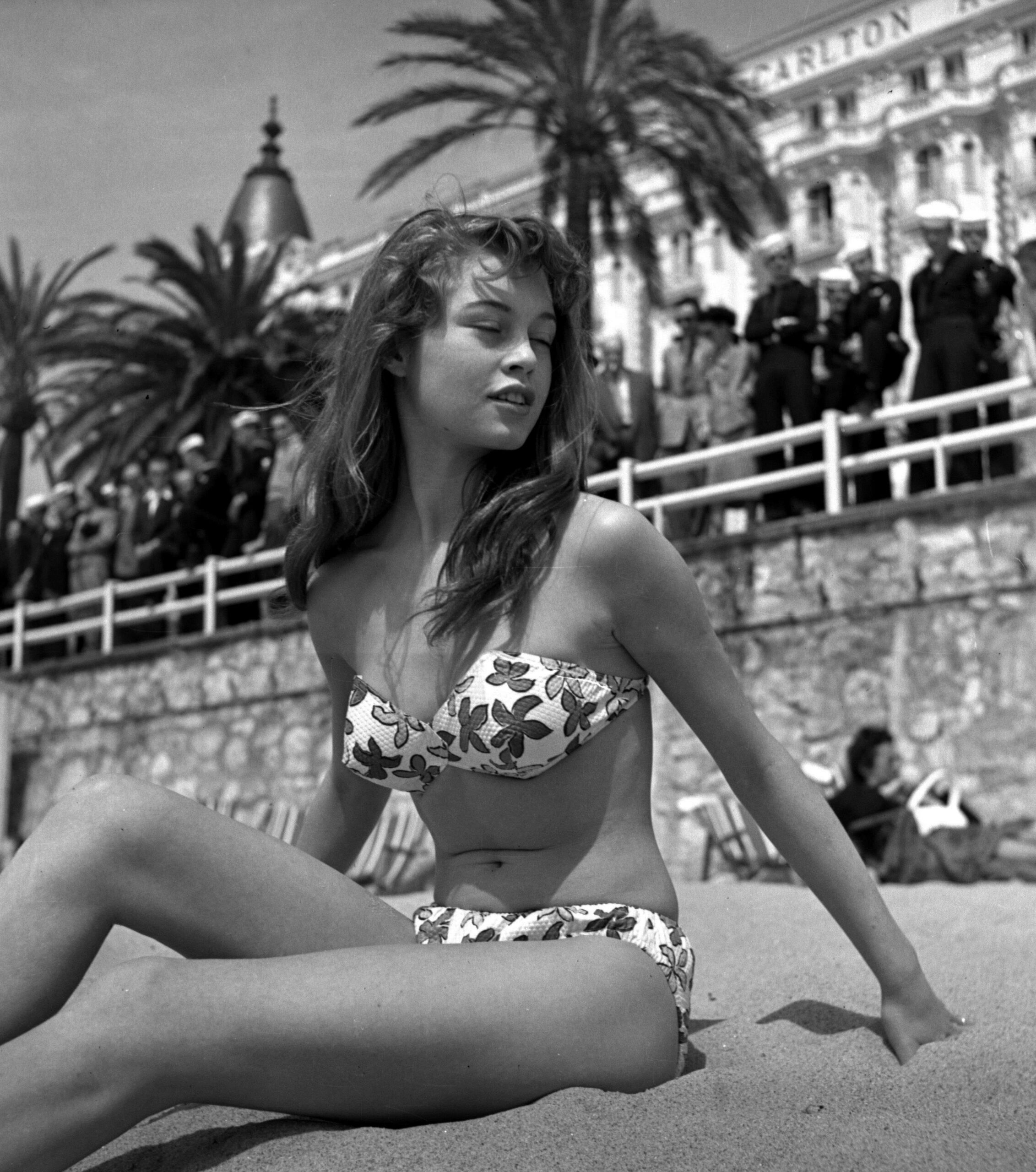
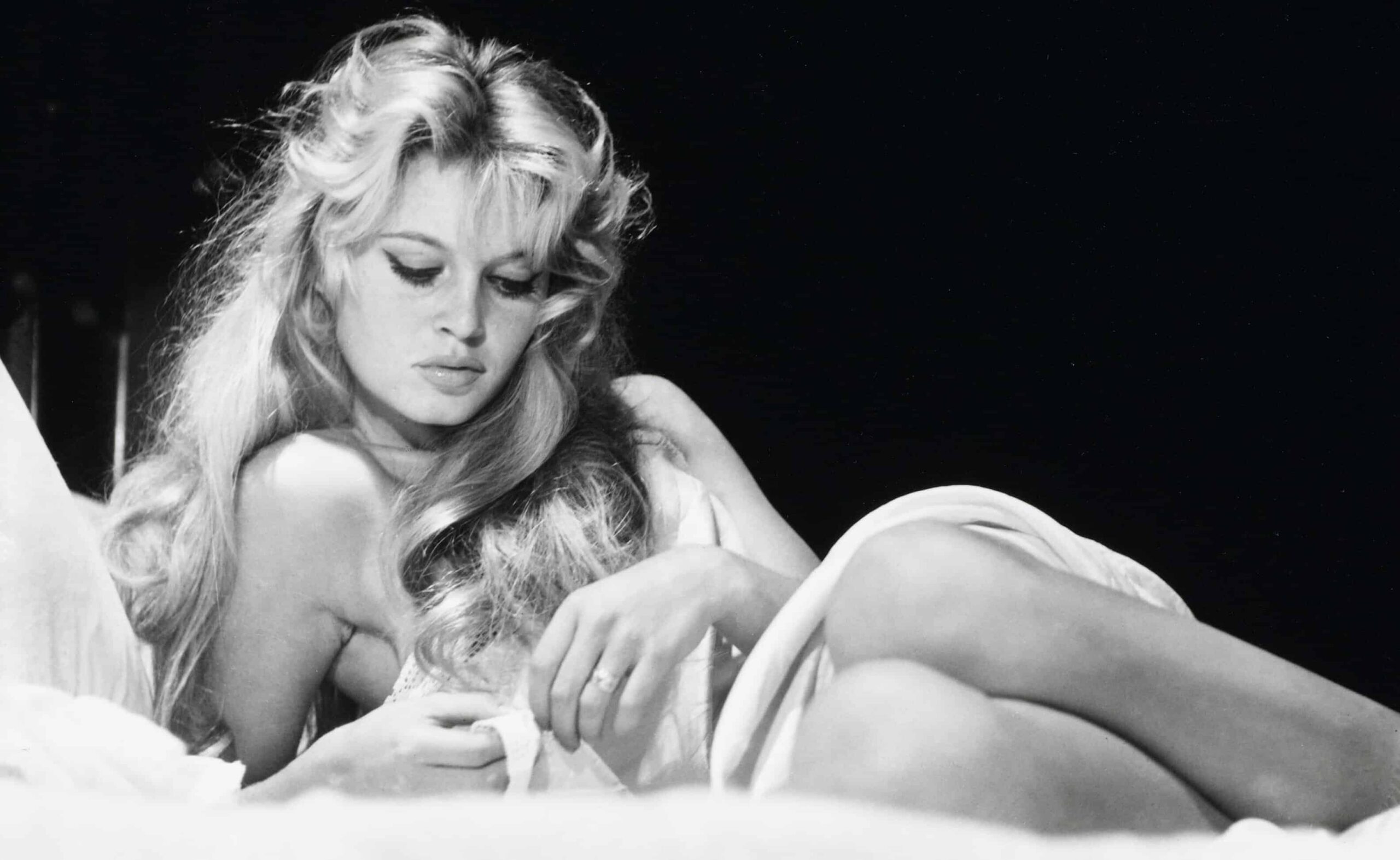
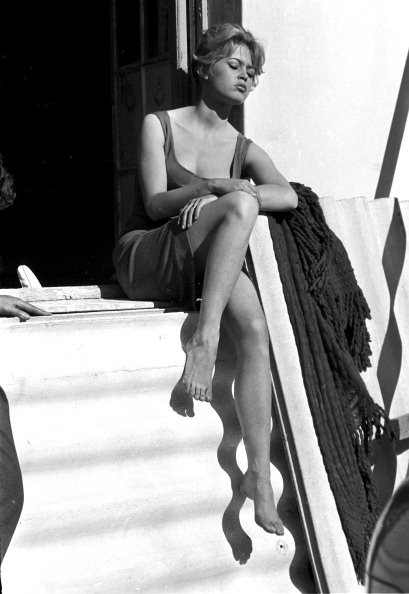
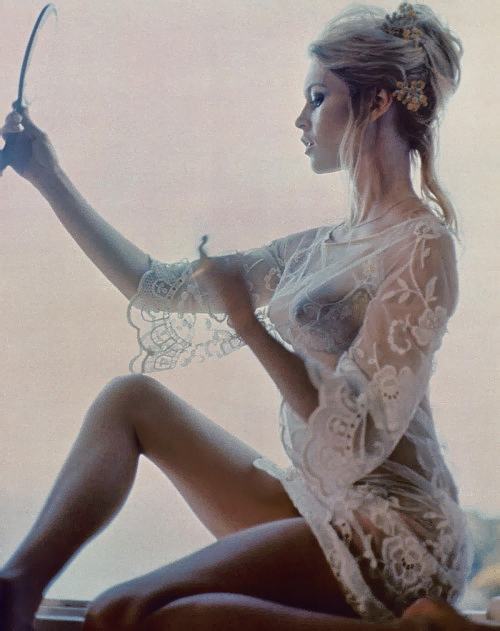
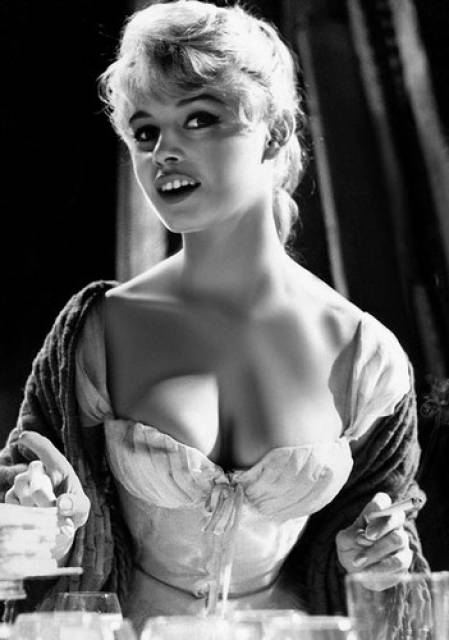
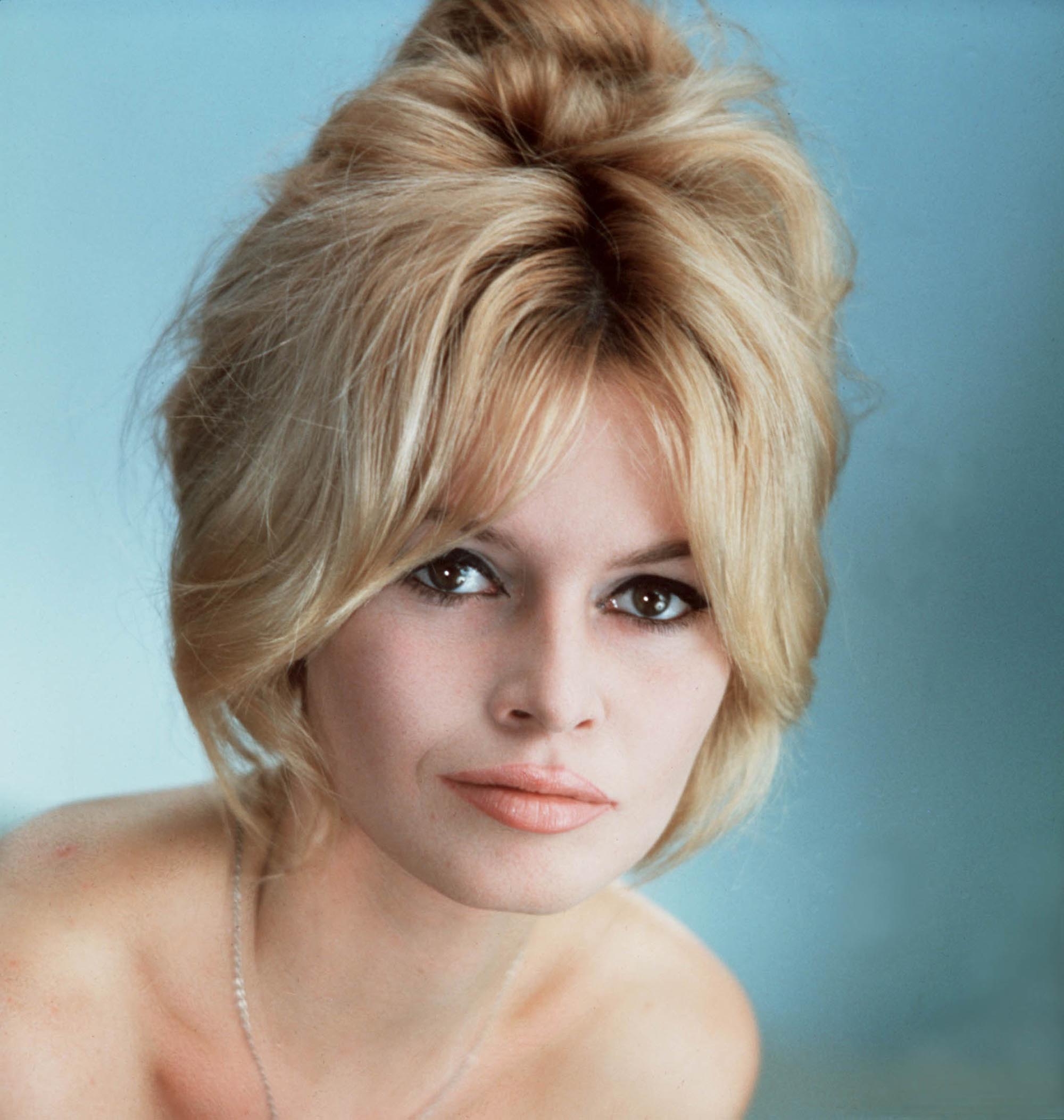
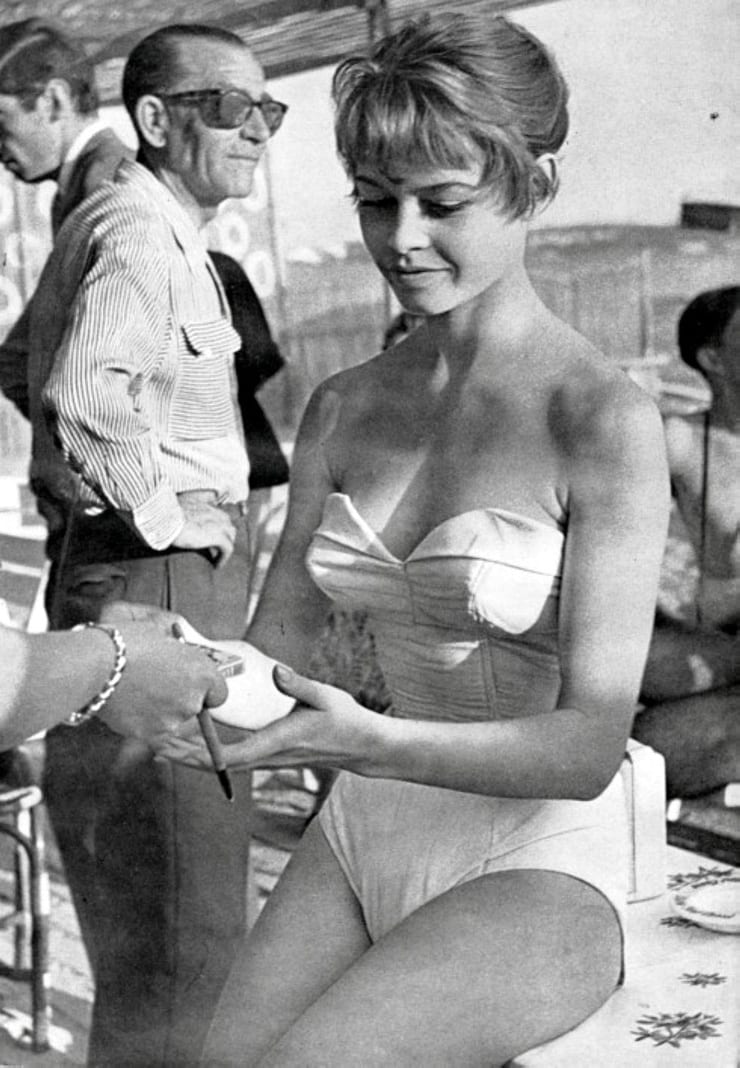
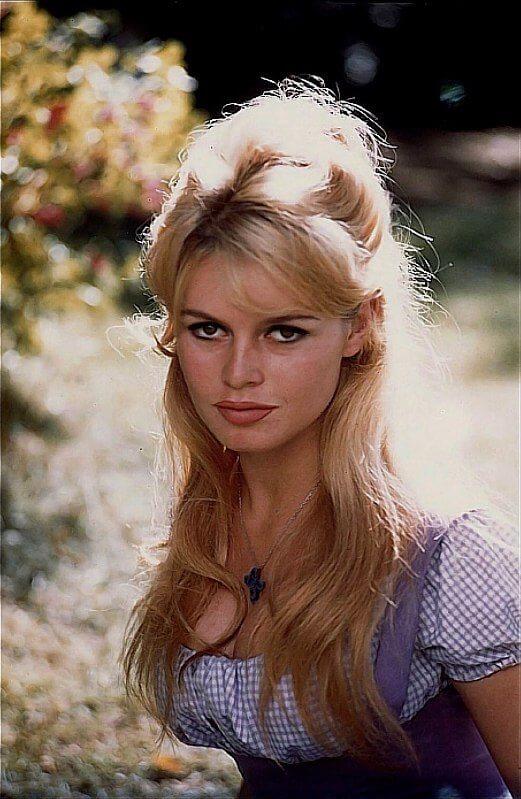
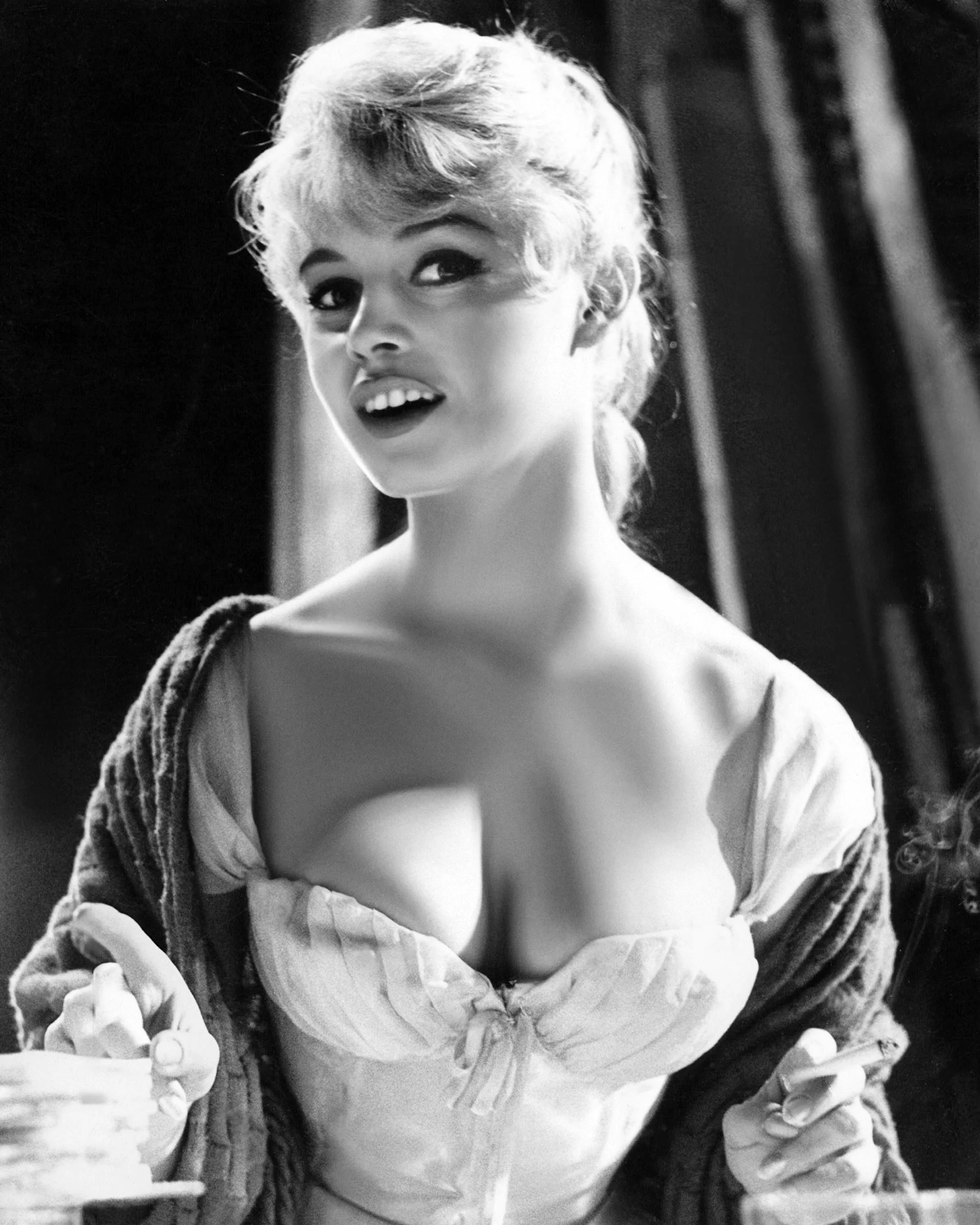
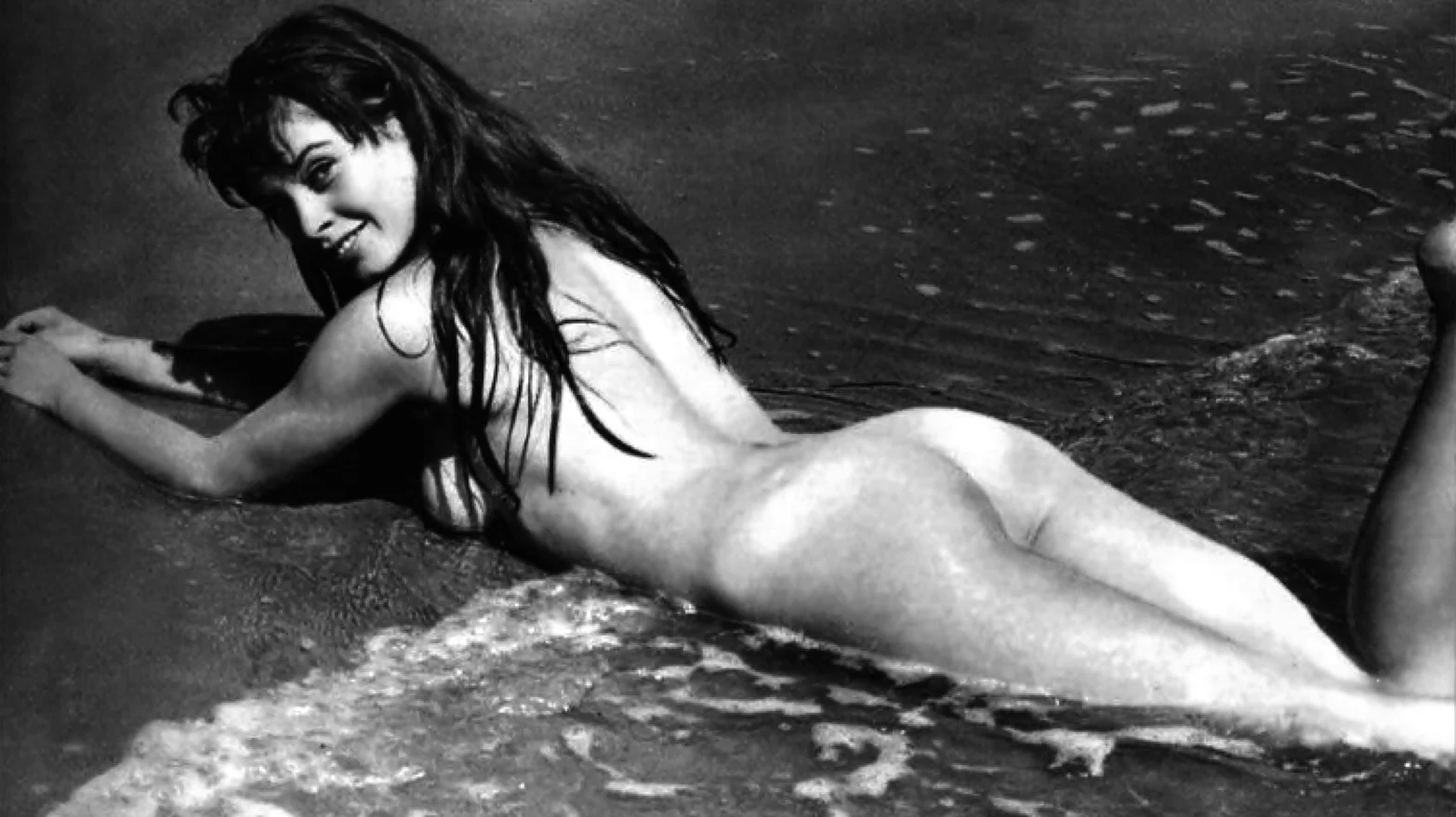
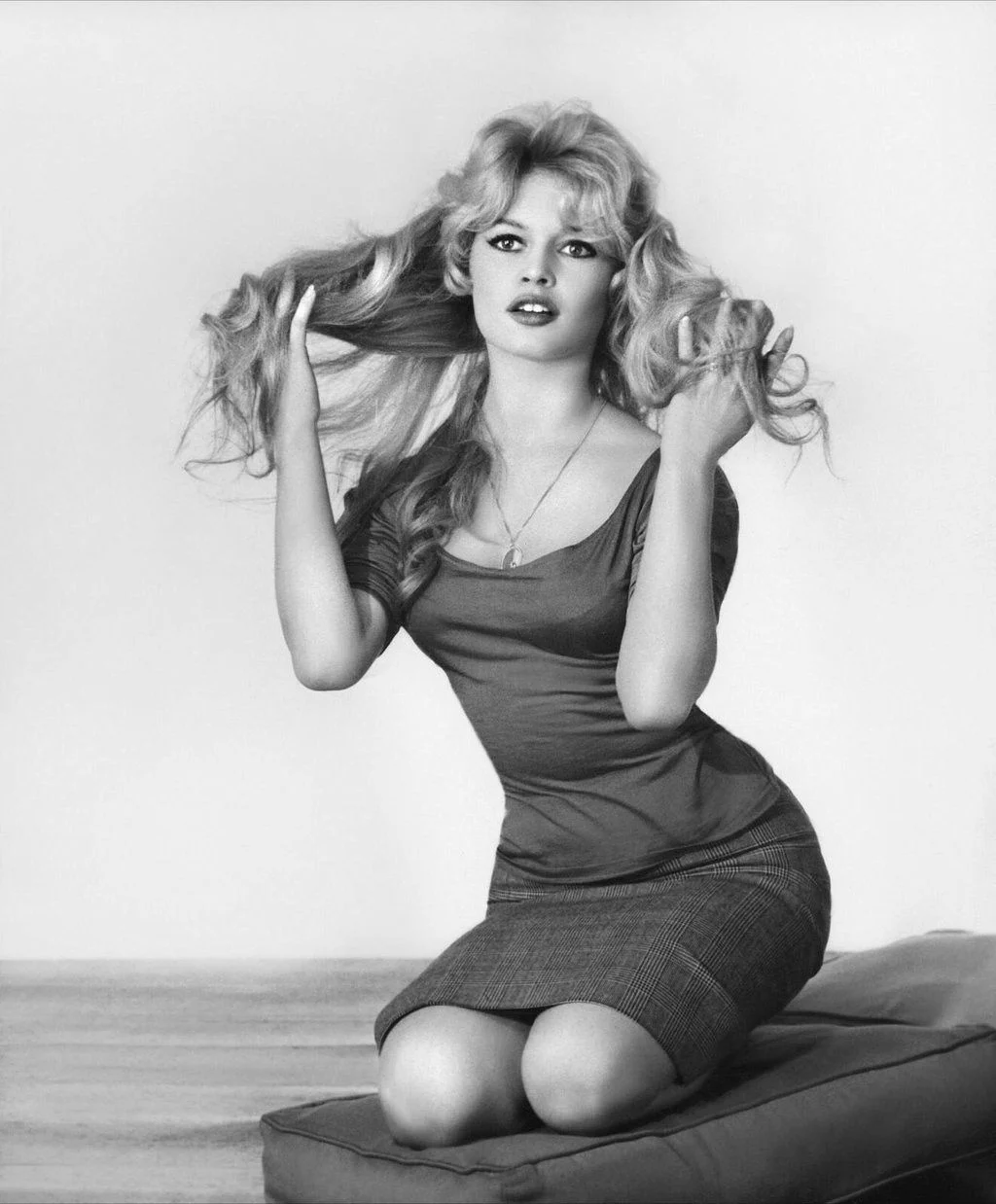
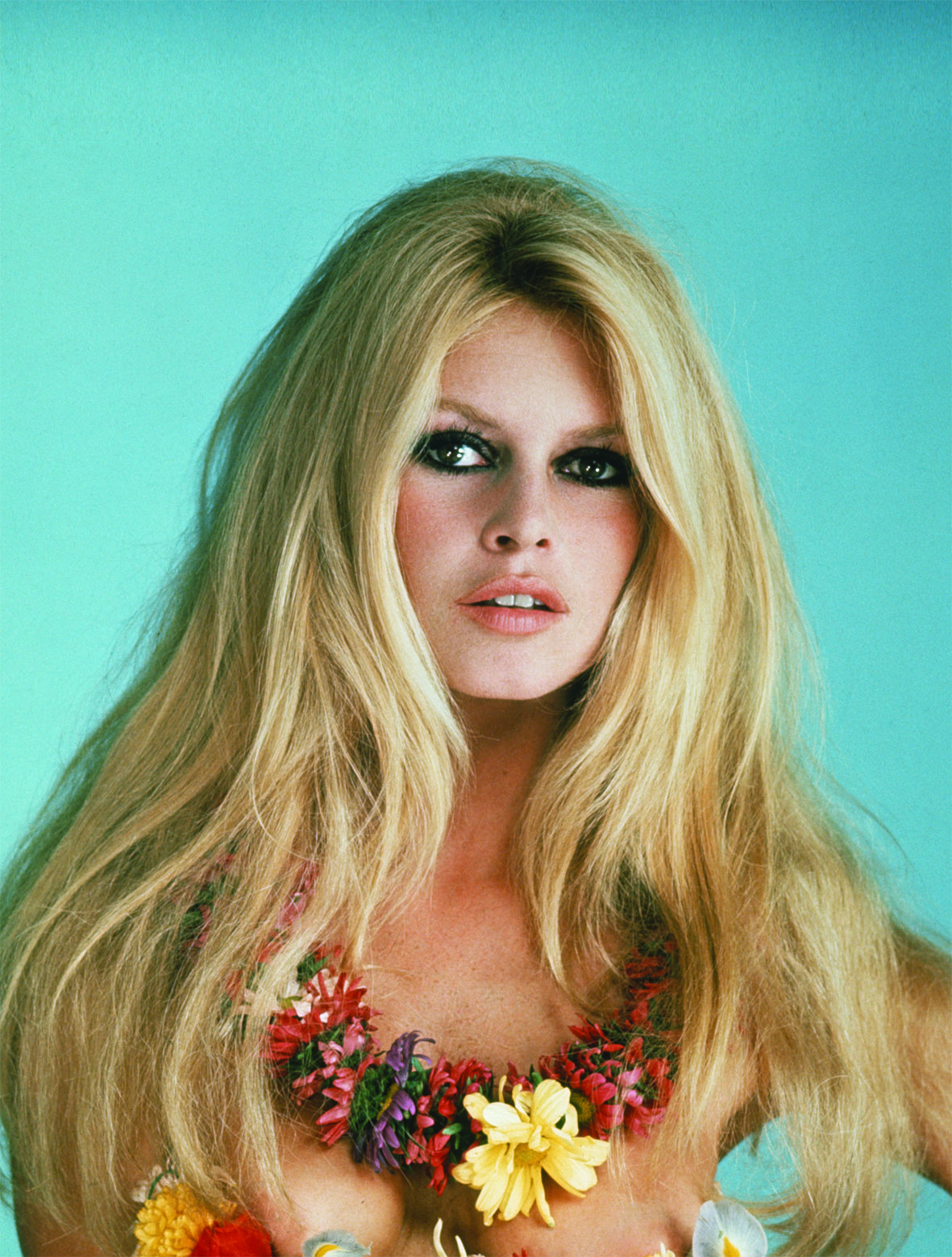
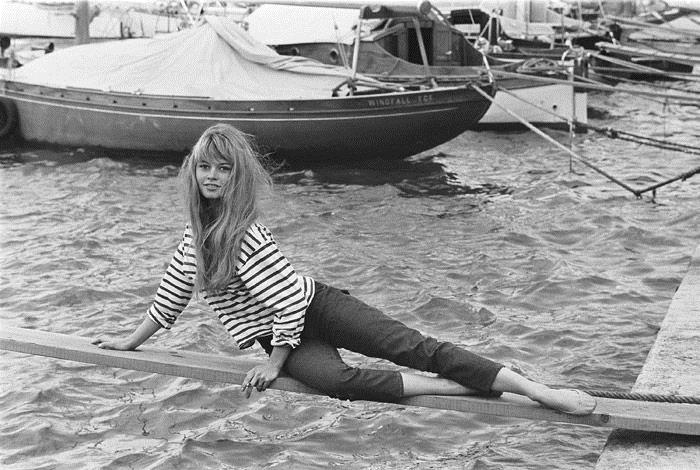
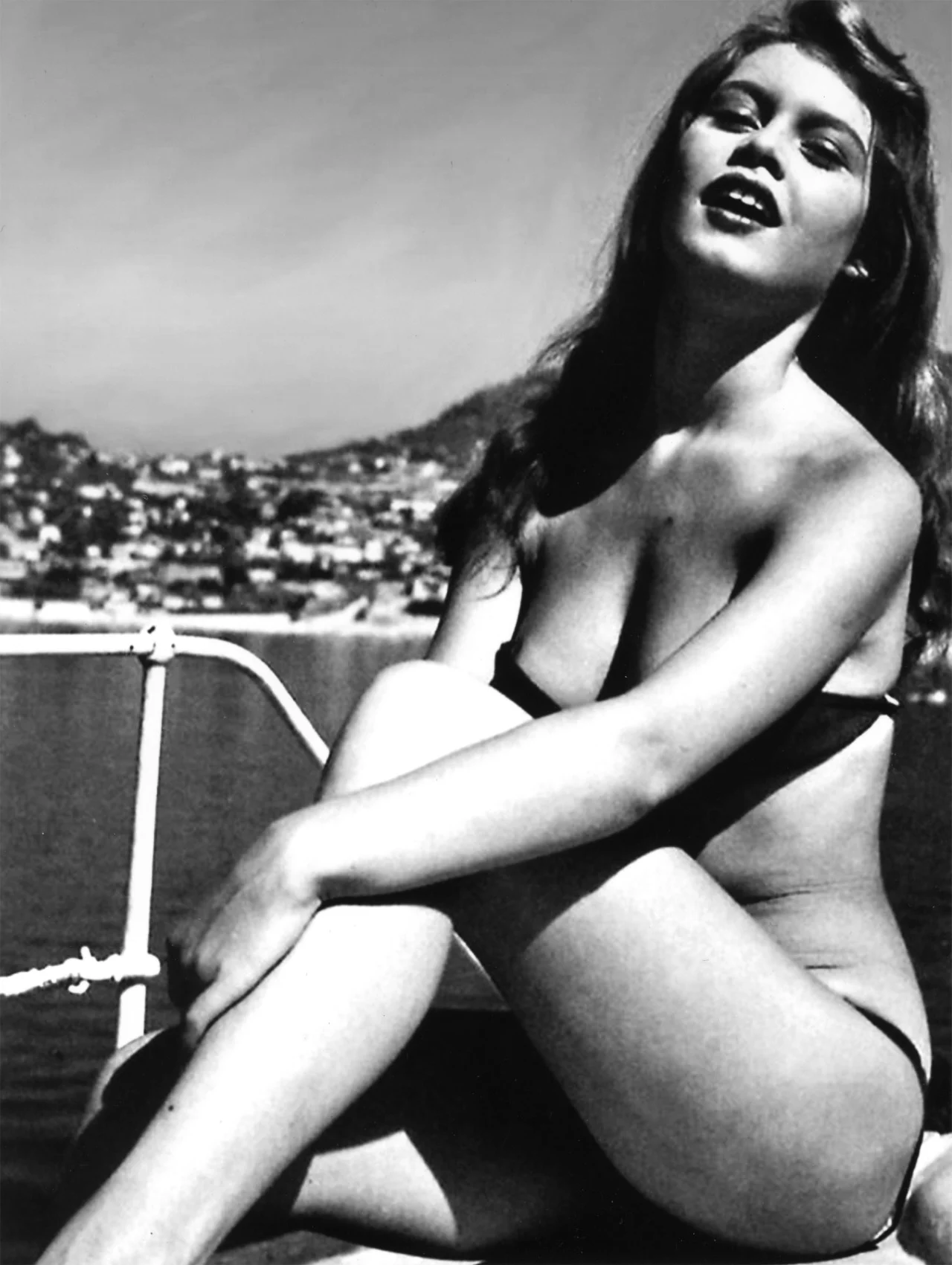
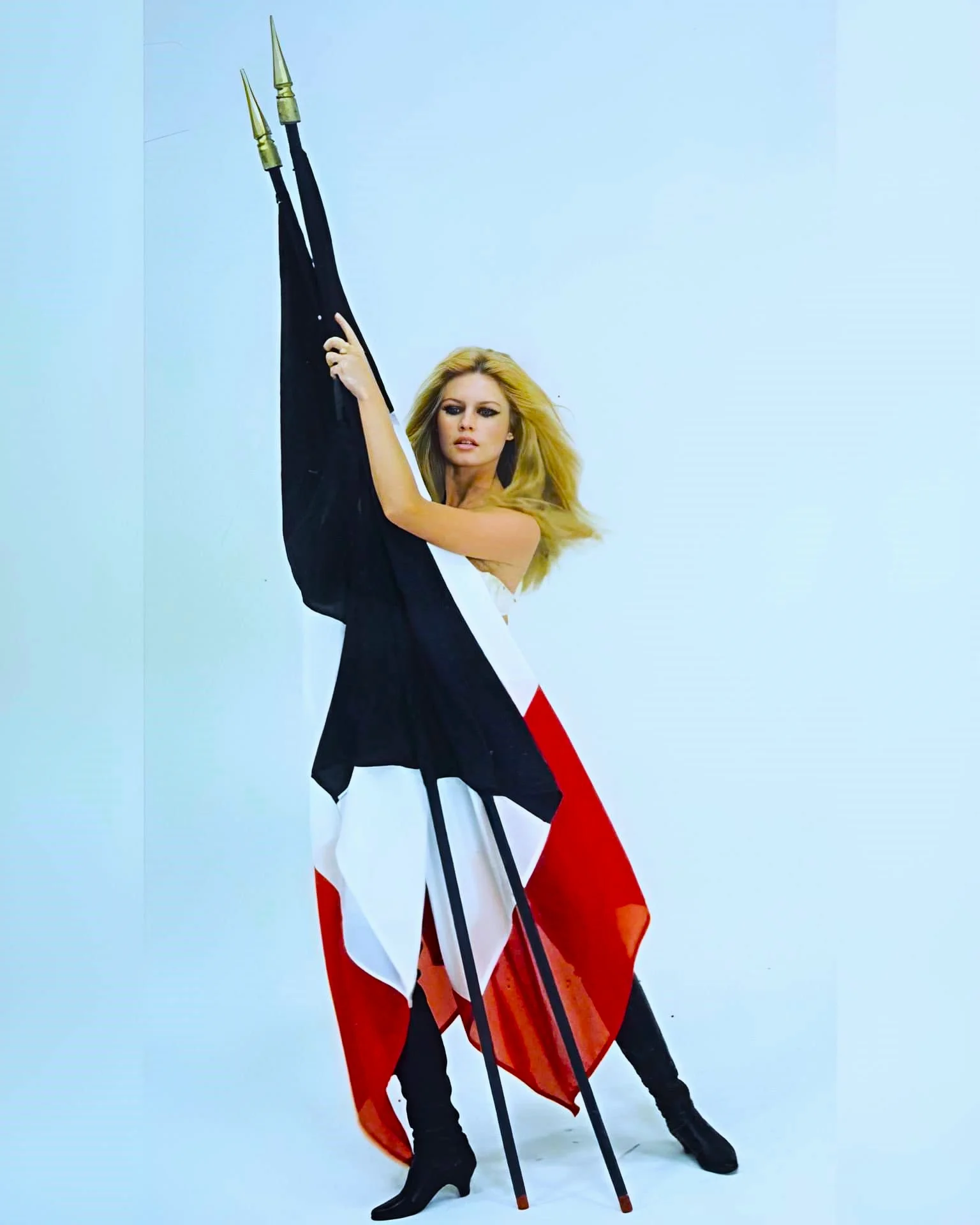
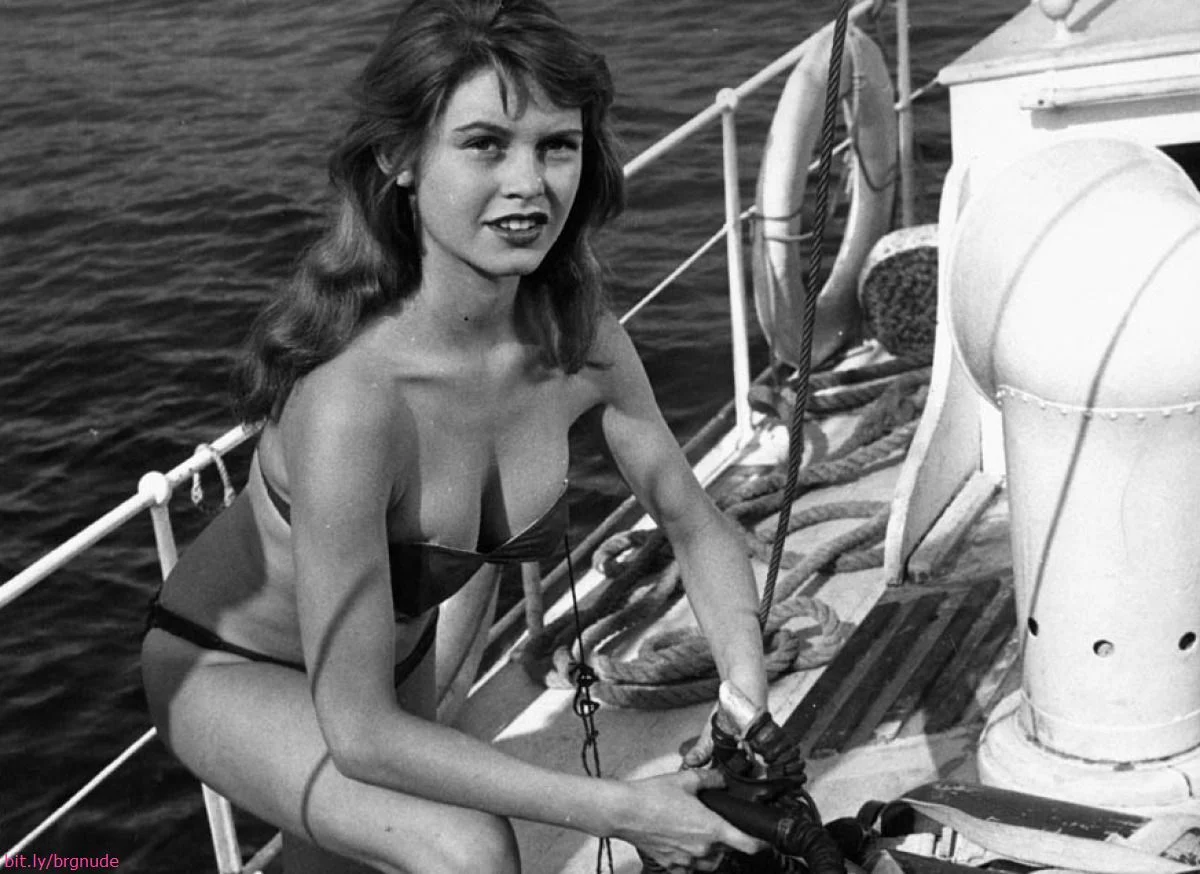
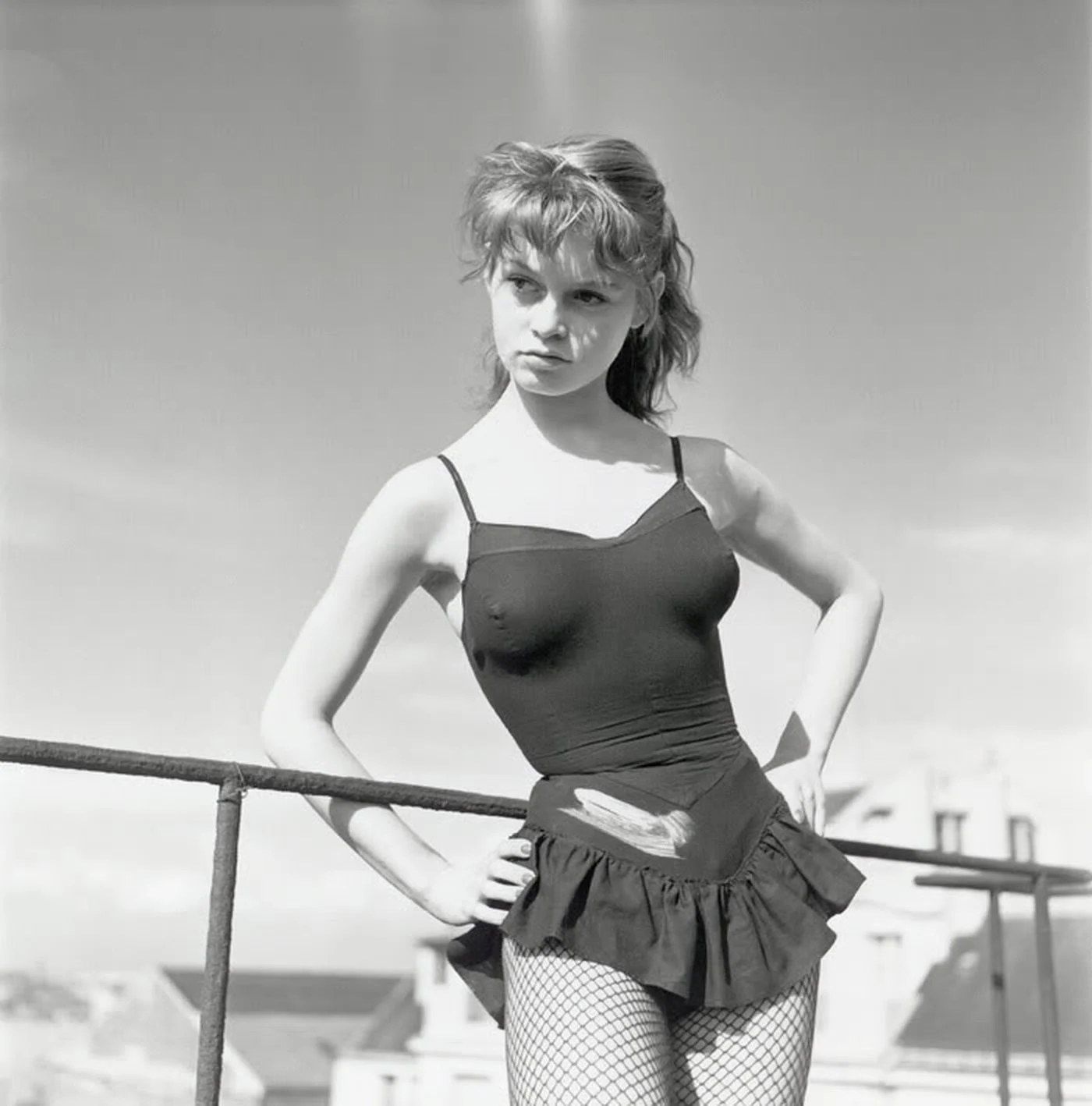
Brigitte Anne-Marie Bardot (1934-2025)

was a French actress, singer, model, and animal rights activist. She became one of the best-known symbols of the sexual revolution and gained international fame for portraying characters associated with hedonistic lifestyles. Although she withdrew from the entertainment industry in 1973, she remained a major pop culture icon. She appeared in 47 films, performed in several musicals, and recorded more than 60 songs. She was awarded the Legion of Honour in 1985.

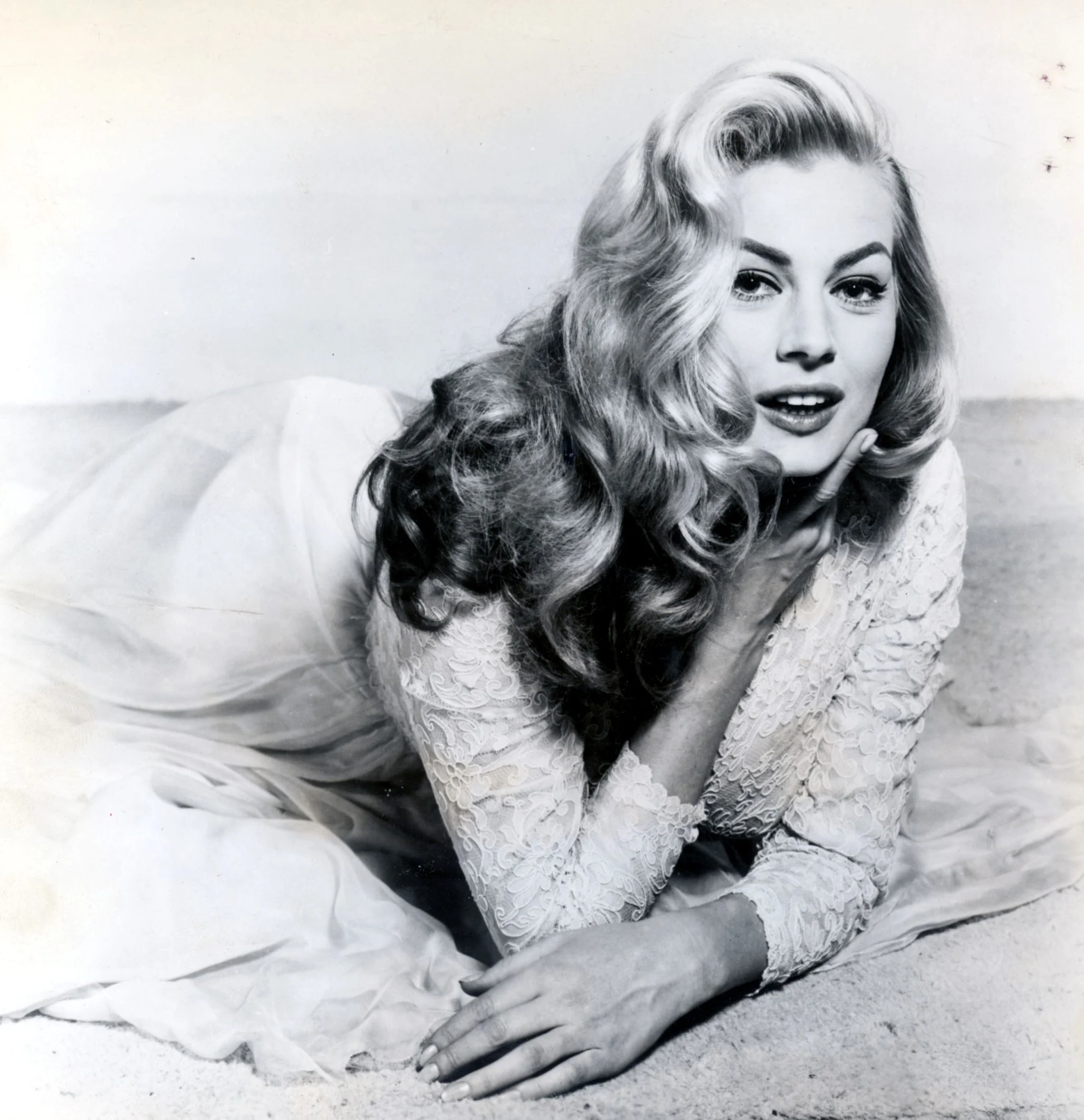
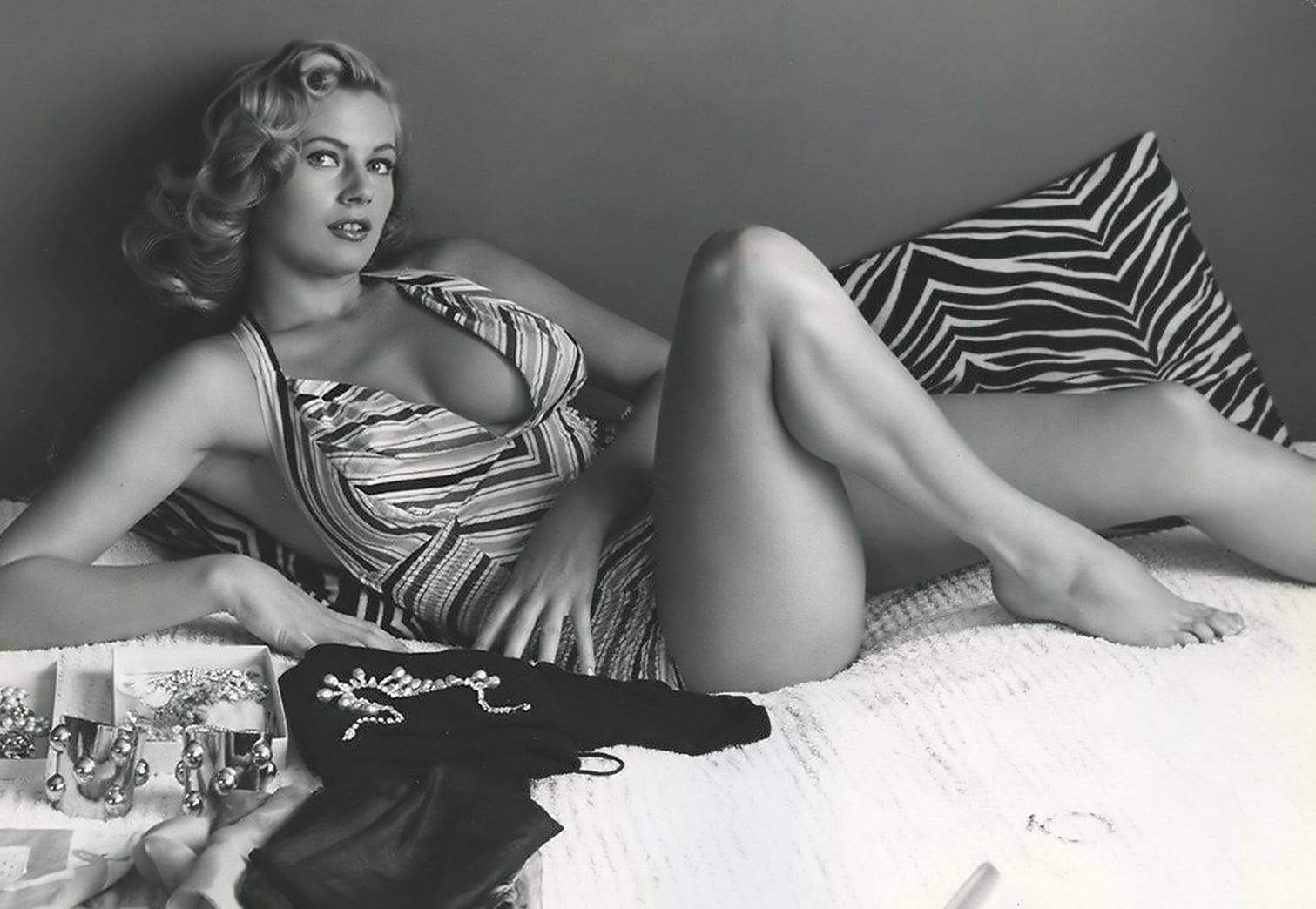
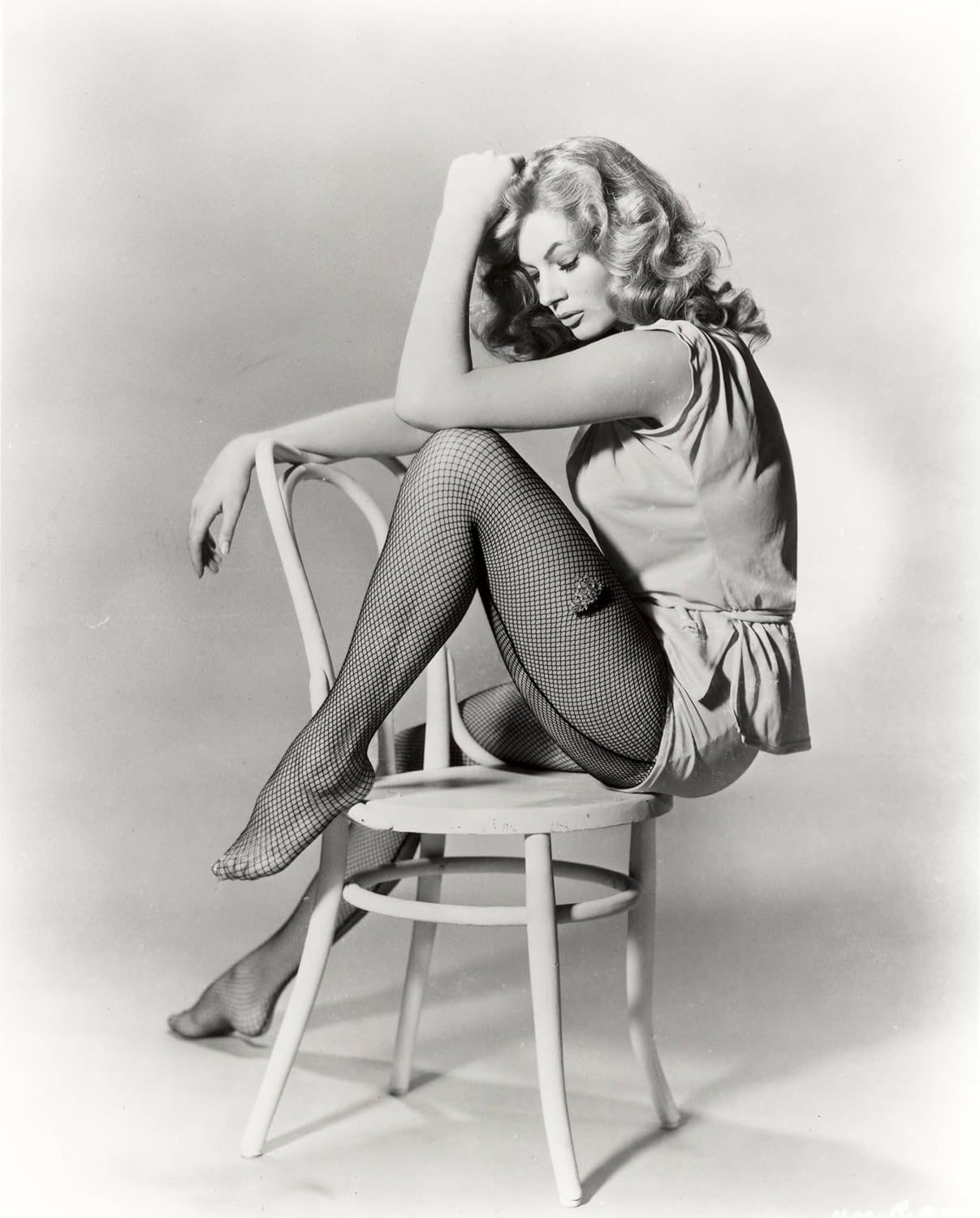
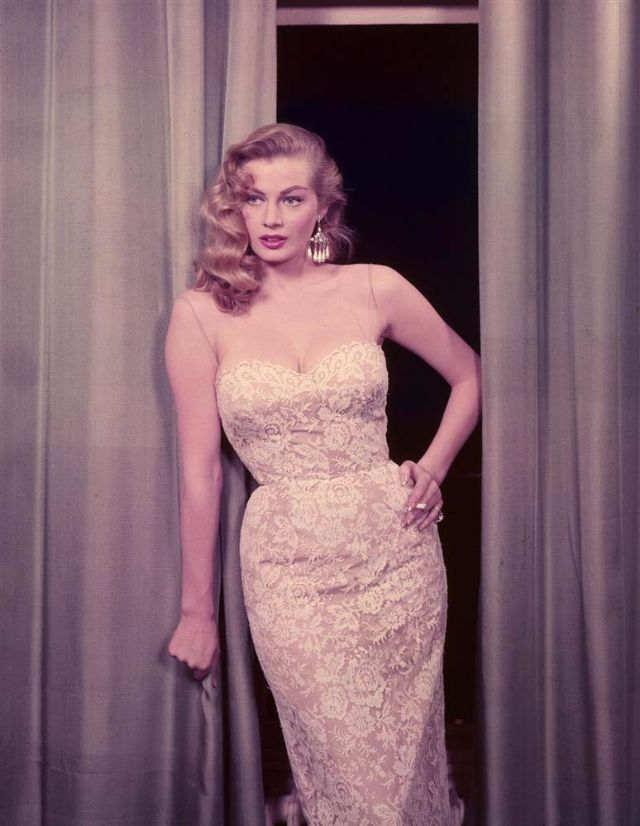
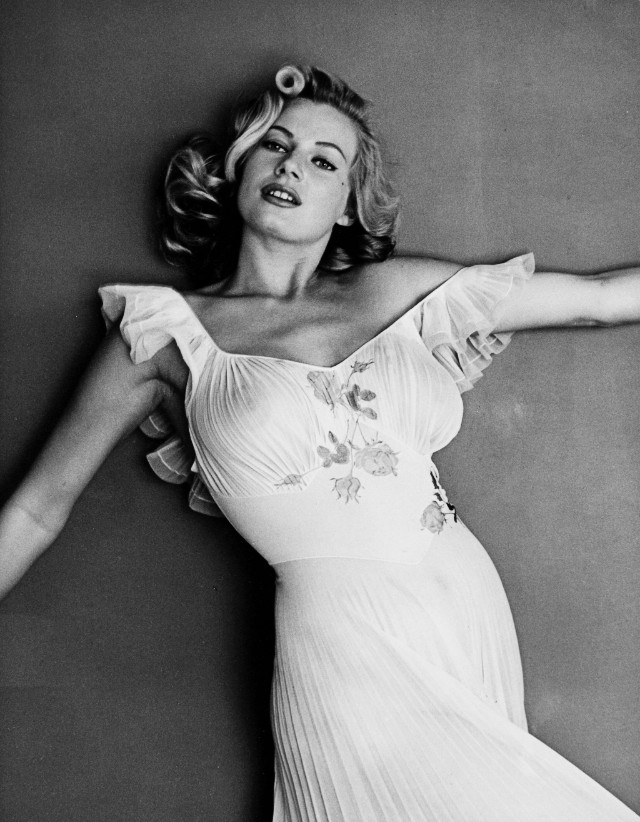
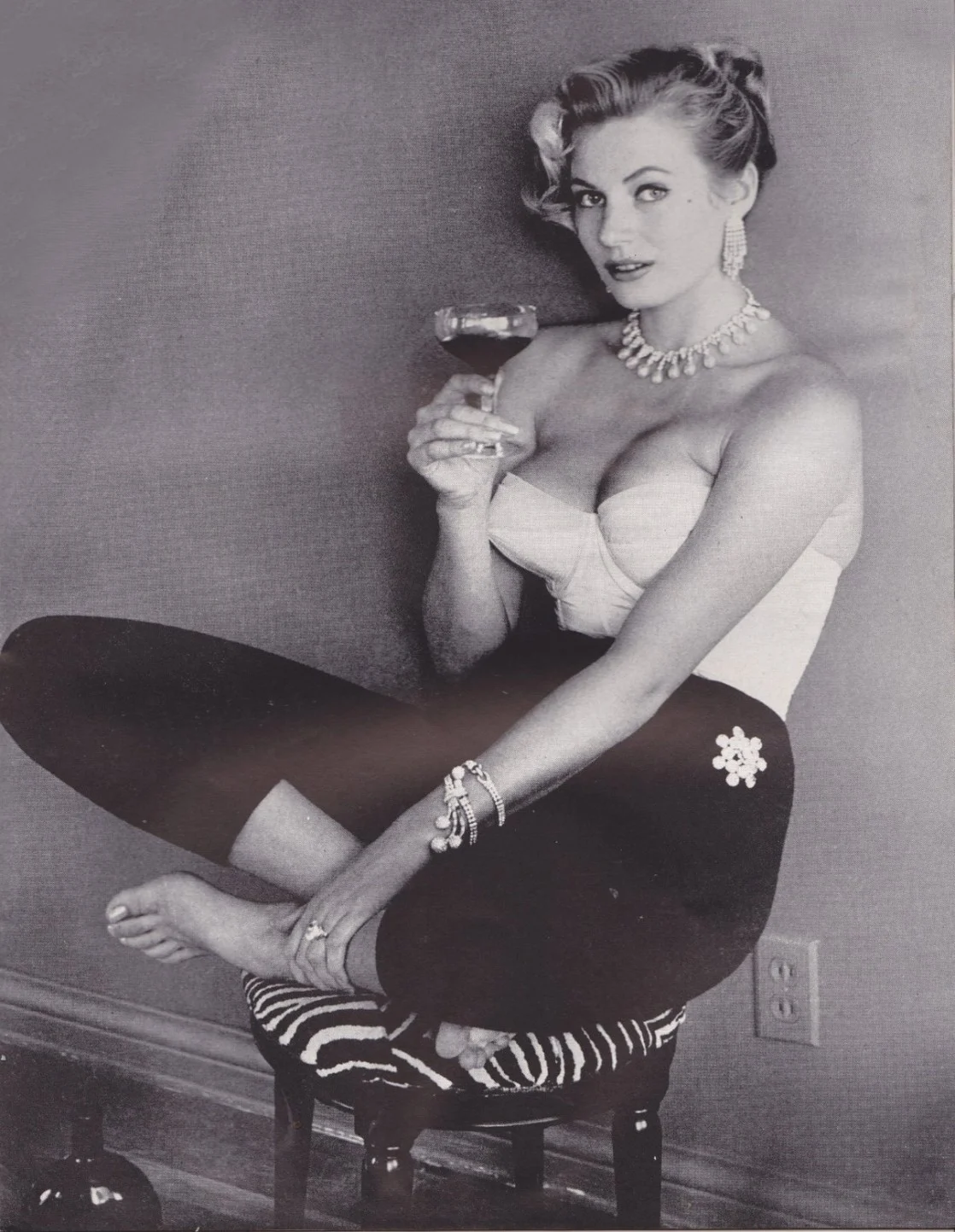
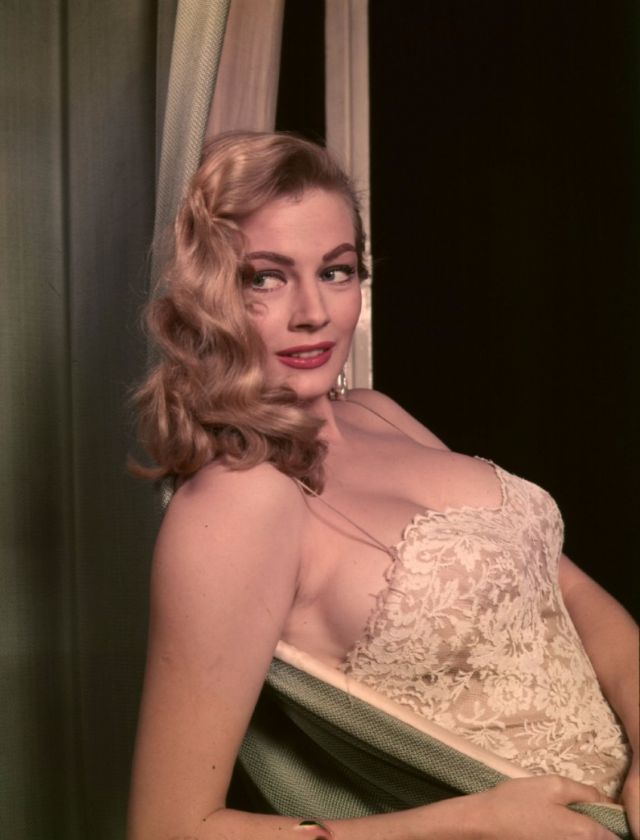
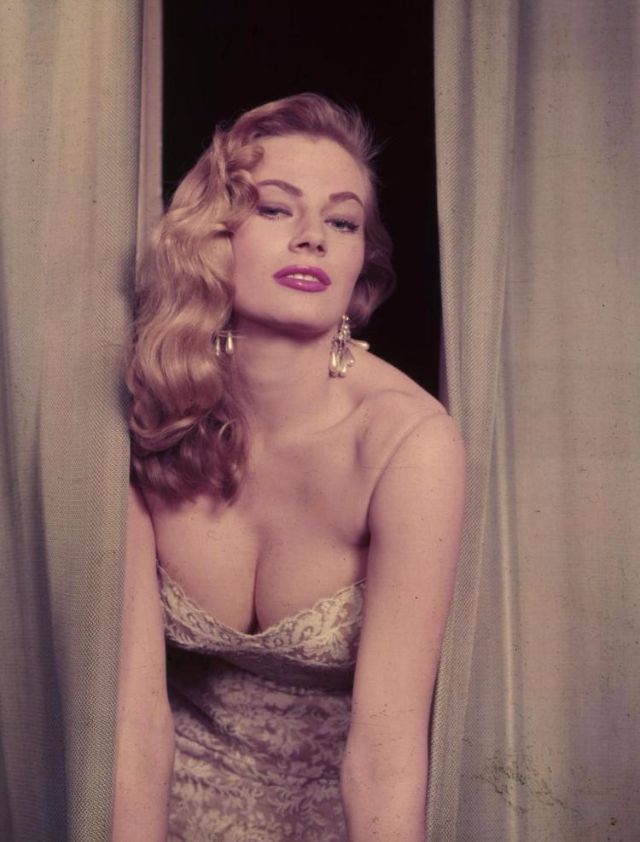
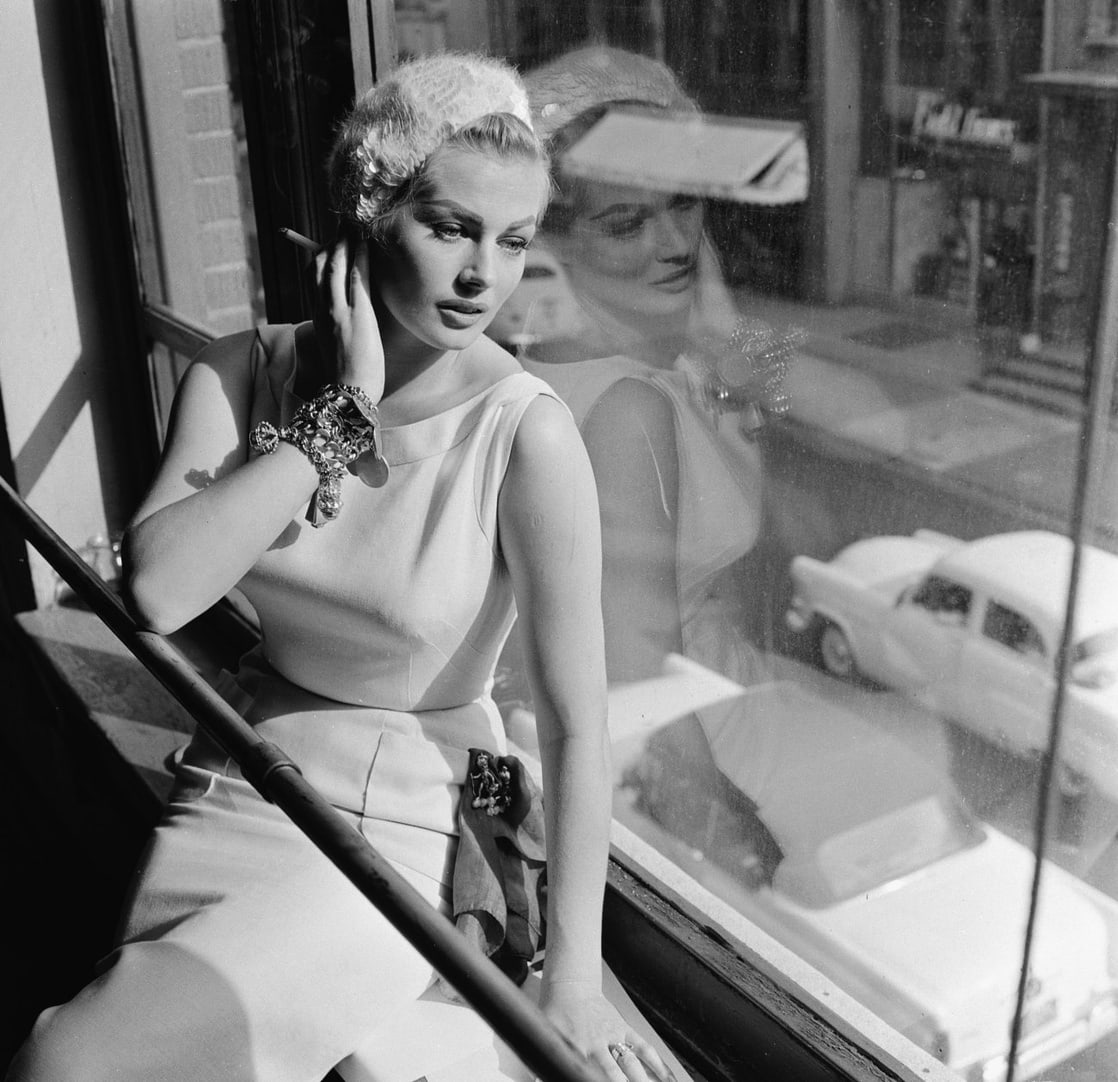
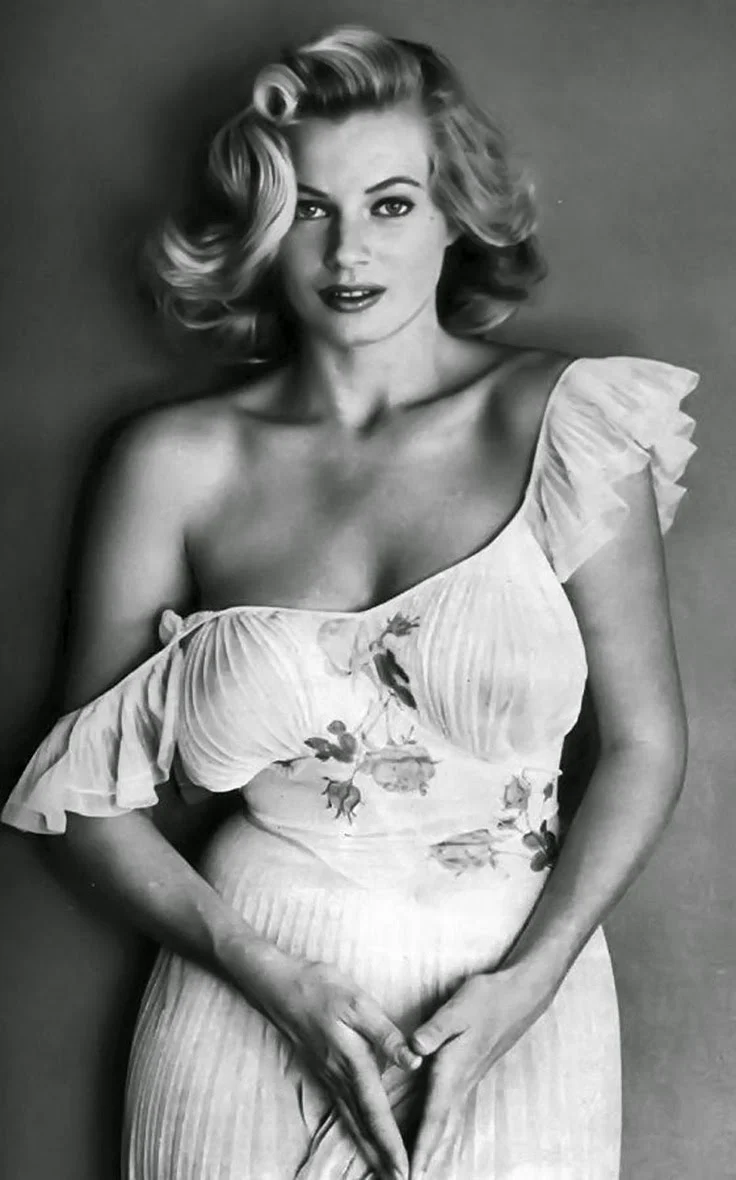
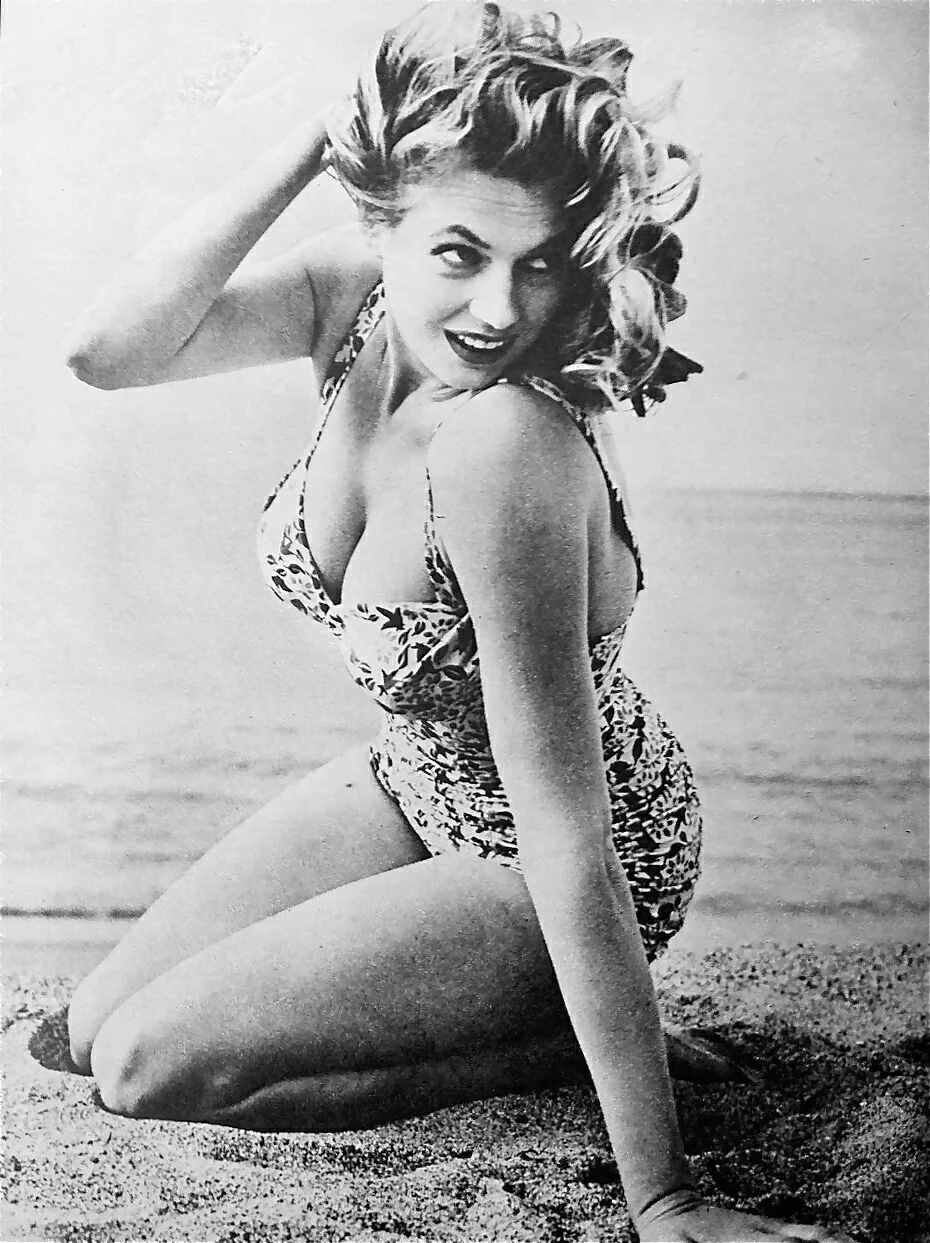
Kerstin Anita Marianne Ekberg (1931-2015)

Anita Ekberg was a Swedish actress active in American and European films, known for her beauty and curvaceous figure. She became prominent in her iconic role as Sylvia in the Federico Fellini film La Dolce Vita (1960). Ekberg worked primarily in Italy, where she became a permanent resident in 1964.

As a starlet at Universal, she received lessons in drama, elocution, dancing, horseback riding, and fencing. She appeared briefly in The Mississippi Gambler (1953) with Tyrone Power, Abbott and Costello Go to Mars (1953) (playing a woman on Venus), Take Me to Town (1953) with Ann Sheridan, and The Golden Blade (1953) with Rock Hudson and Piper Laurie.

Ekberg worked primarily in Italy, and became a permanent resident in 1964

*** Admin note – I will not post her later pictures here, she did not age well ***

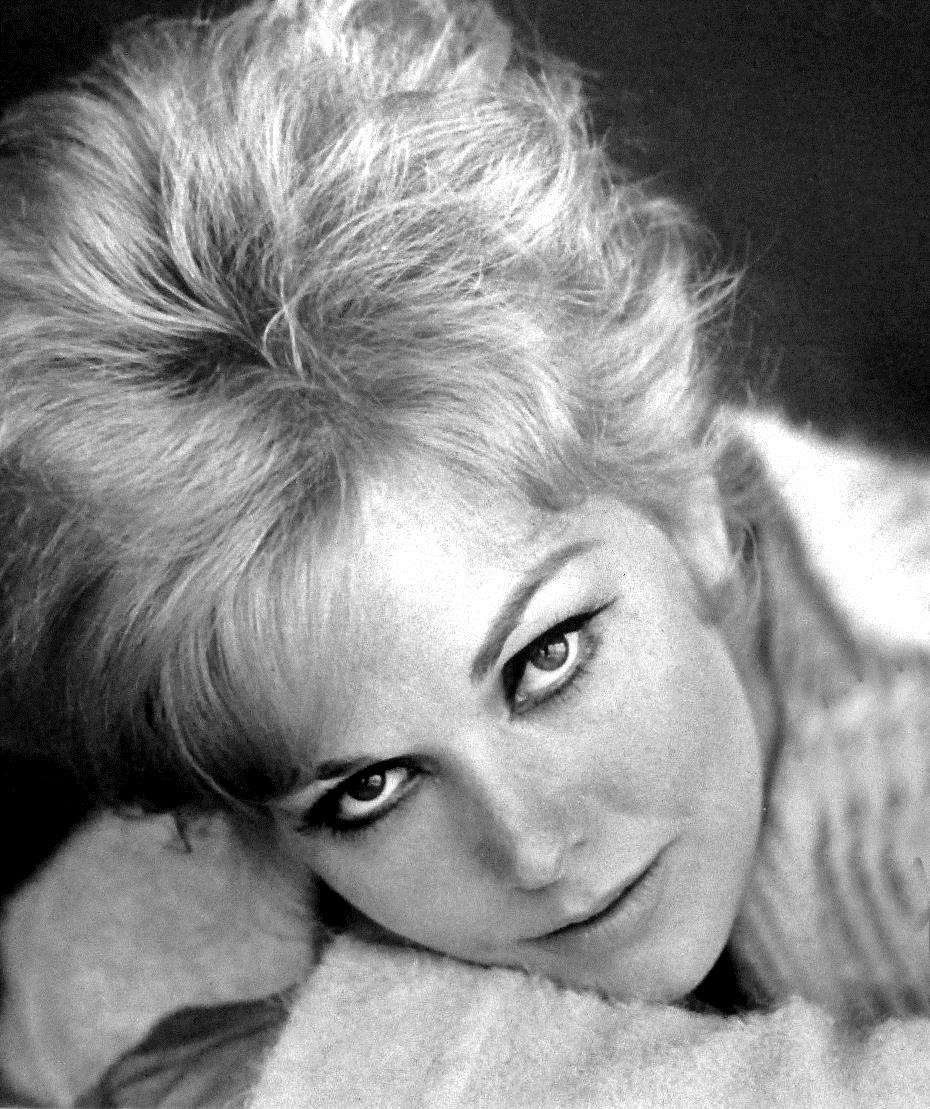
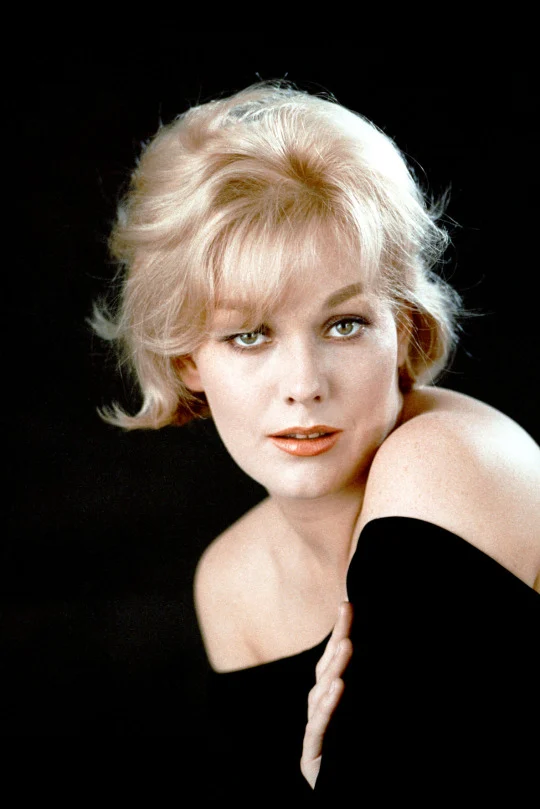
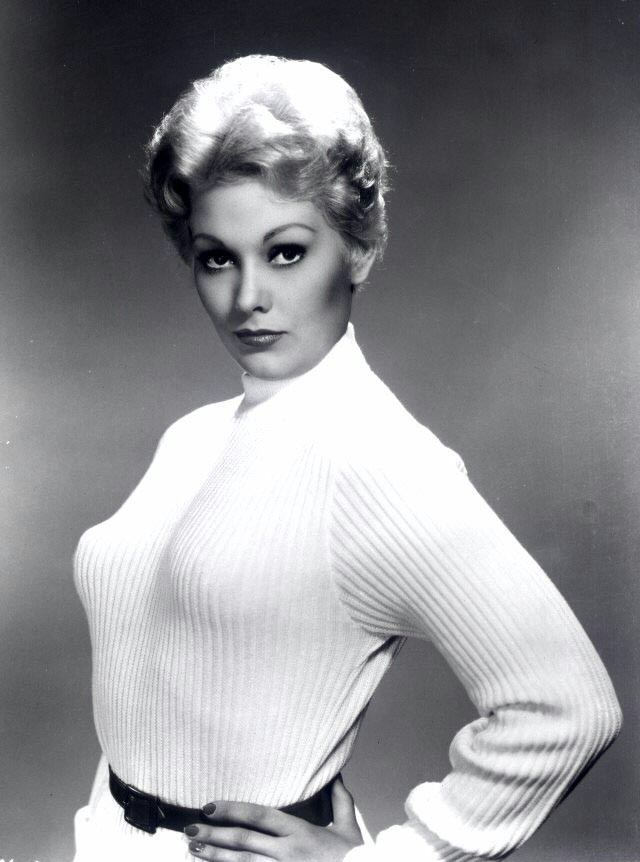
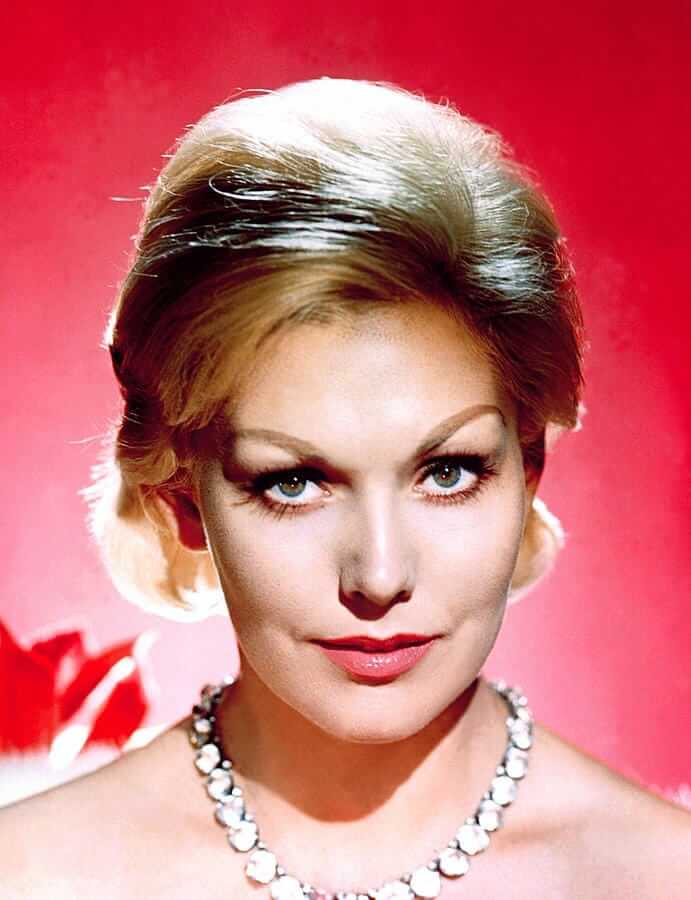
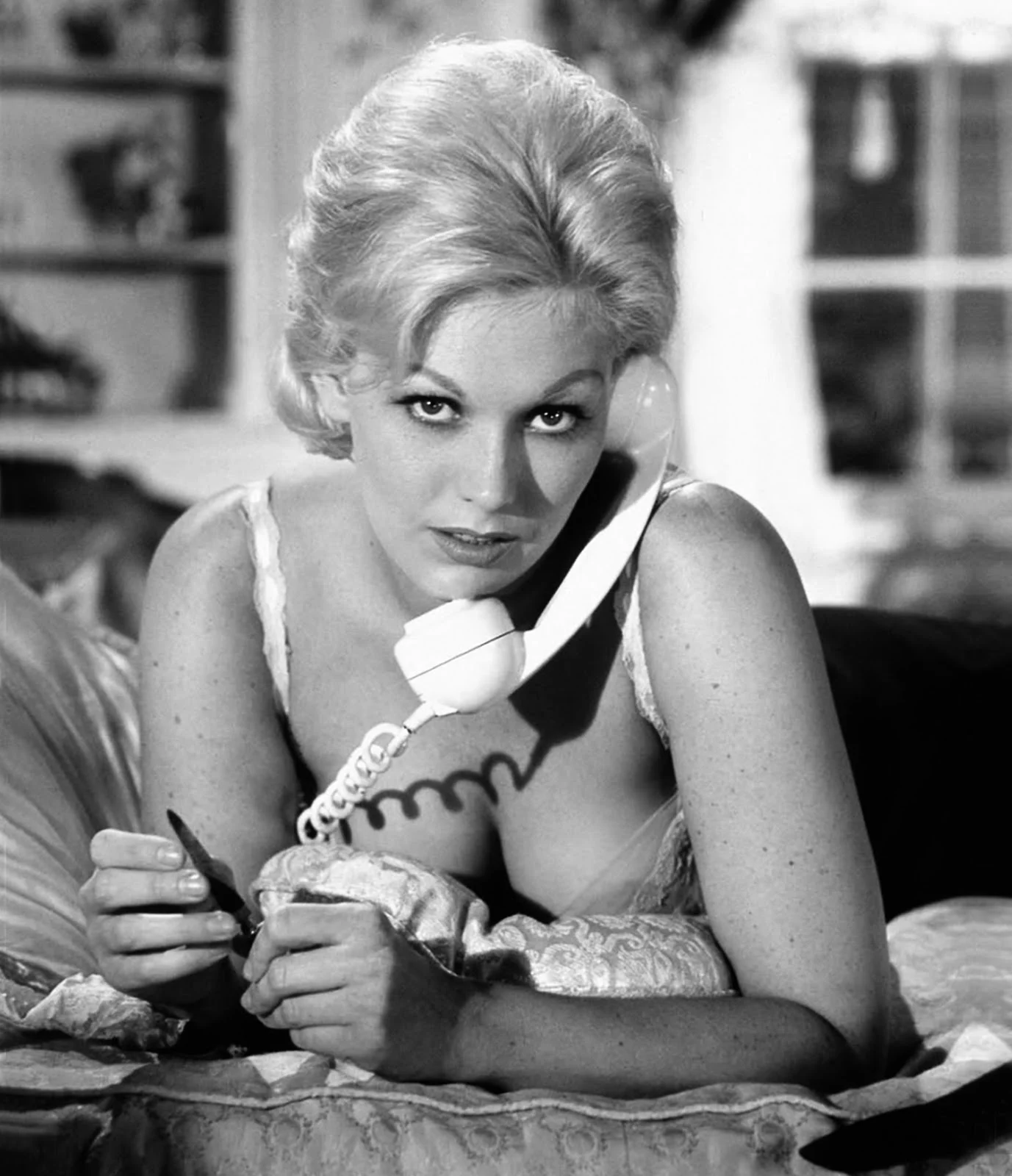
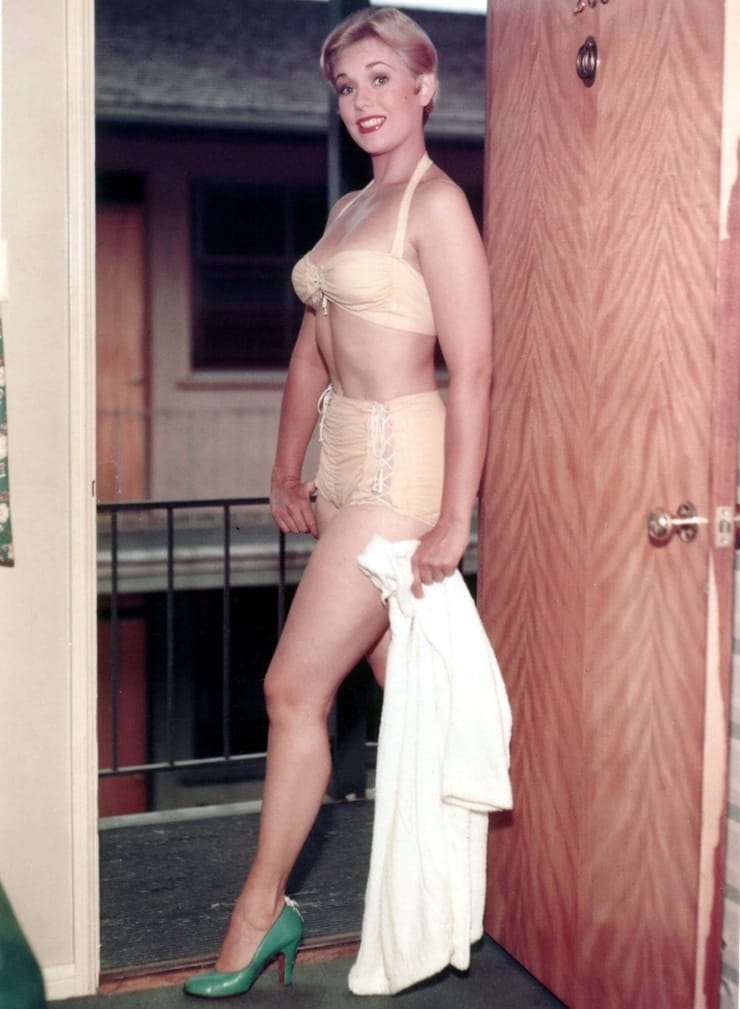
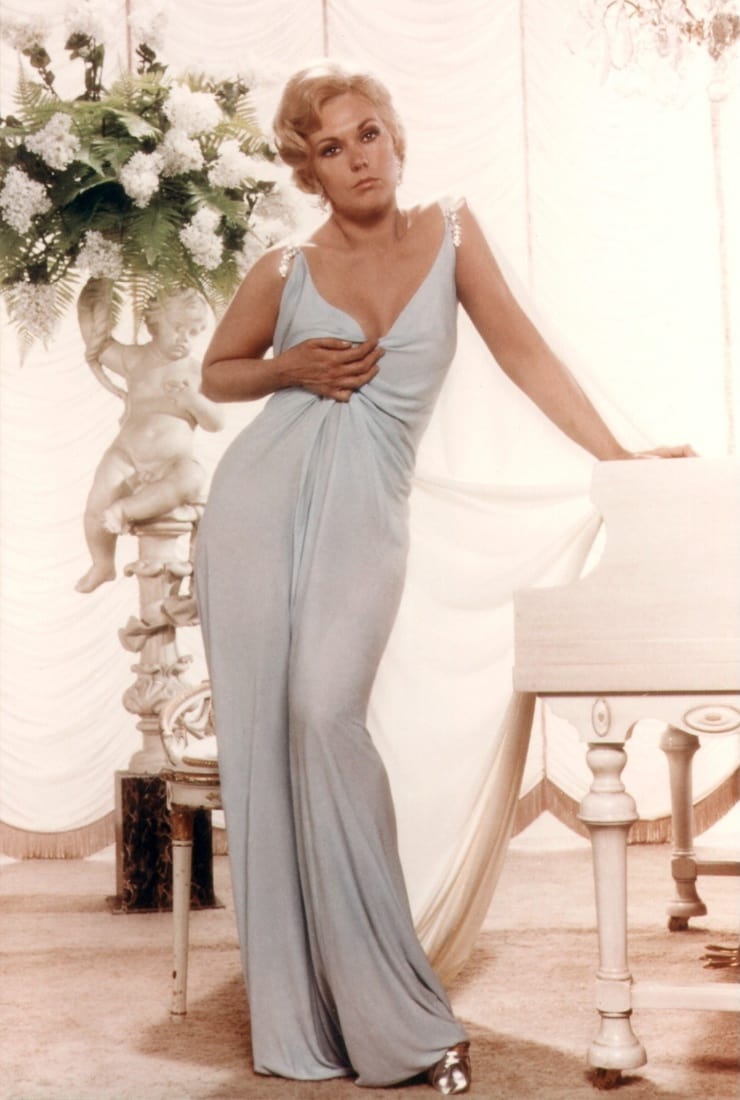
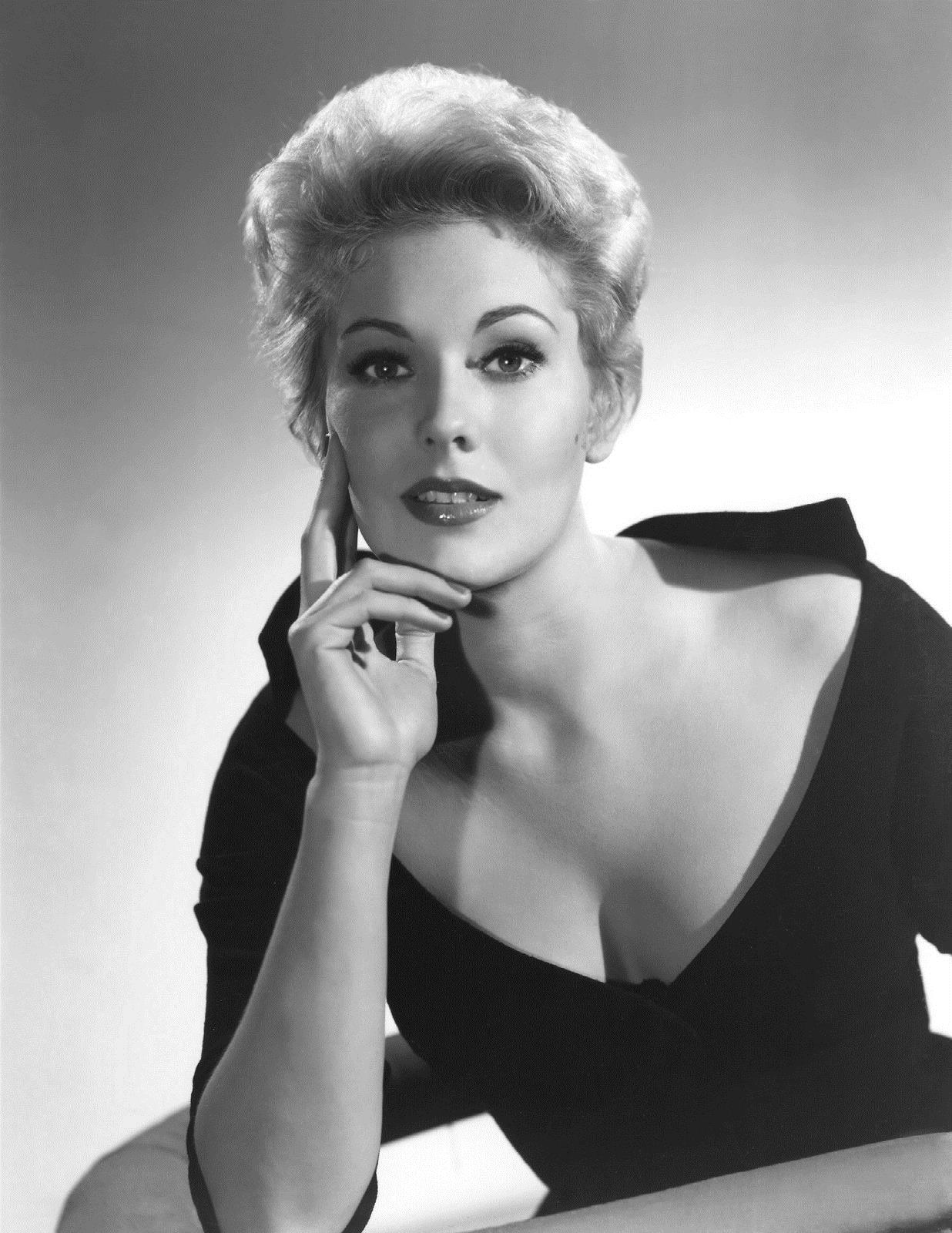
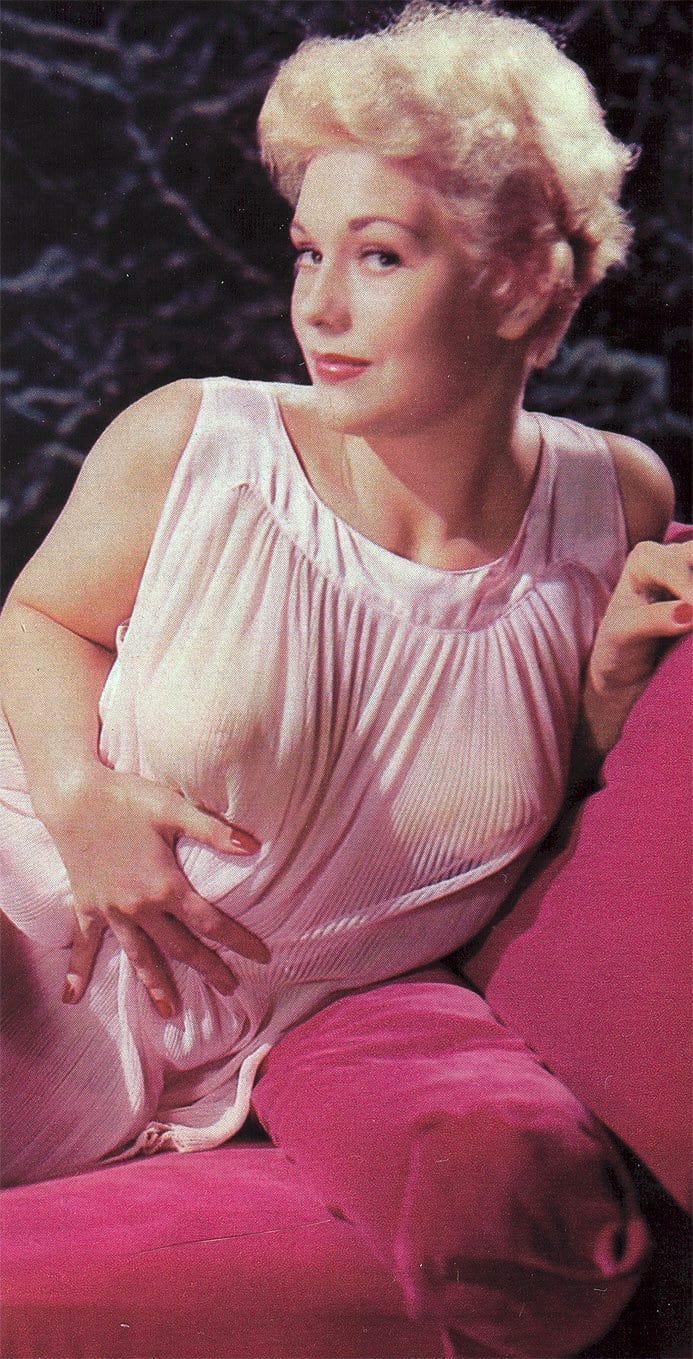
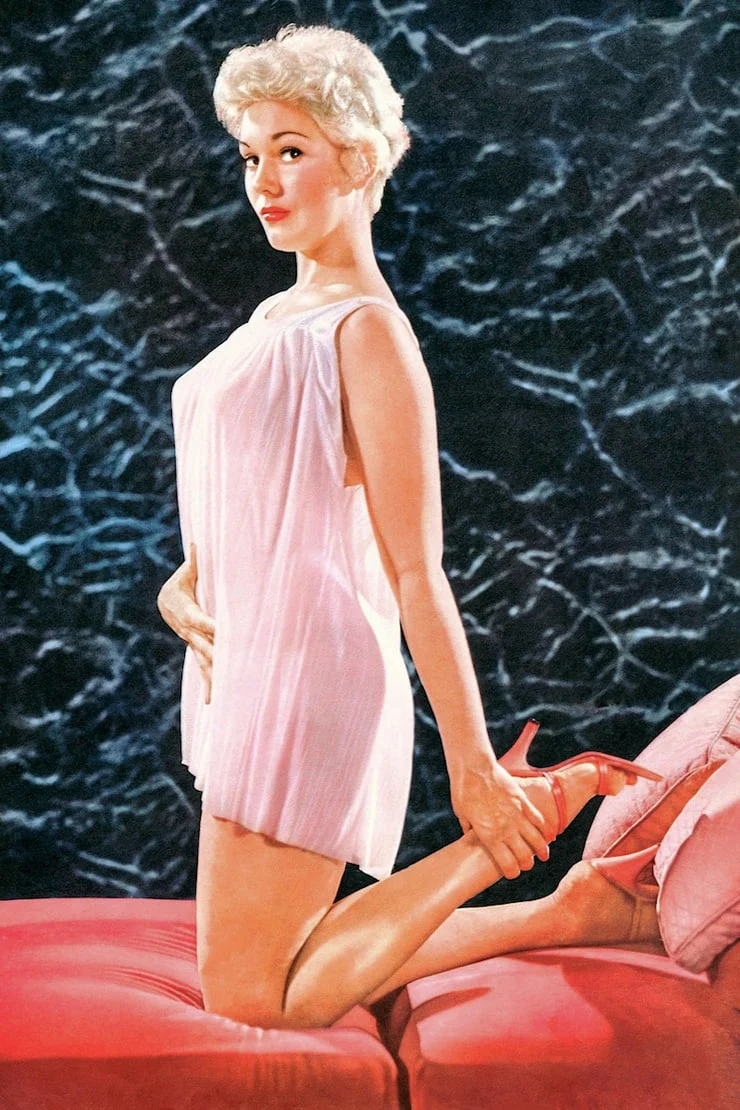
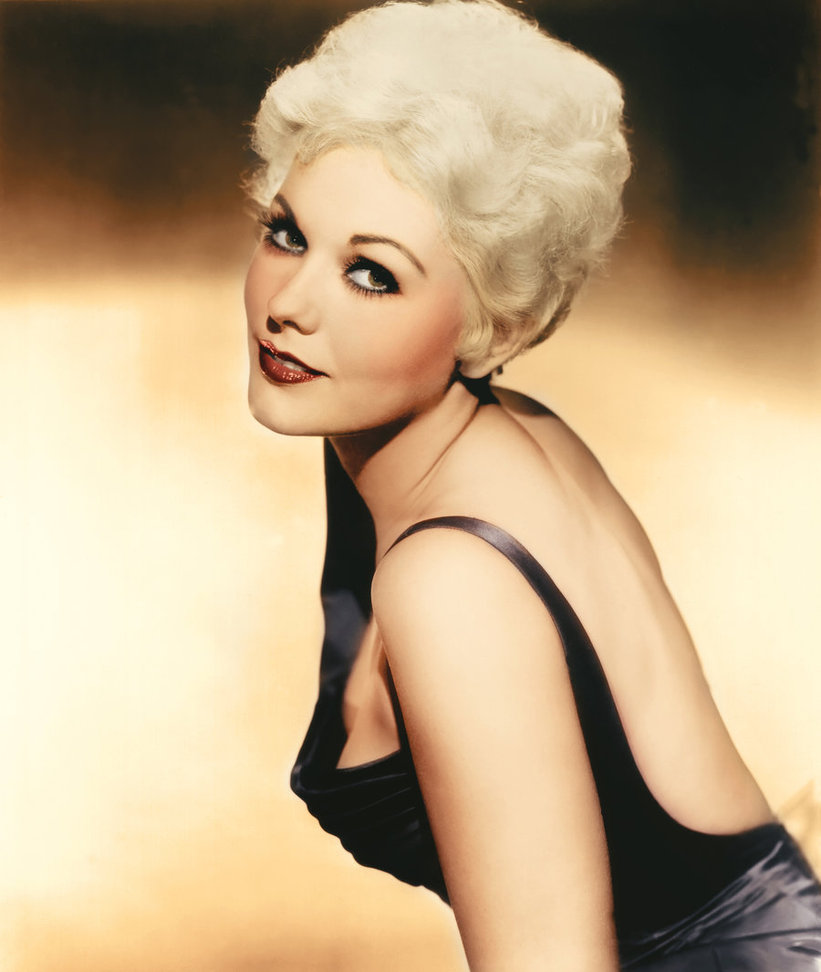
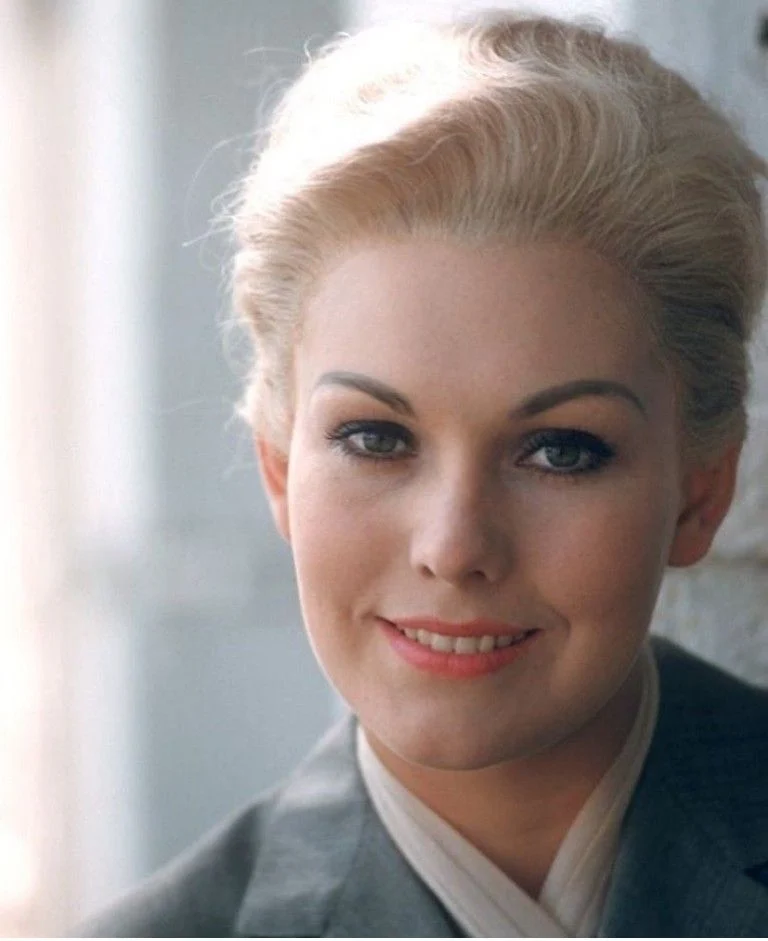
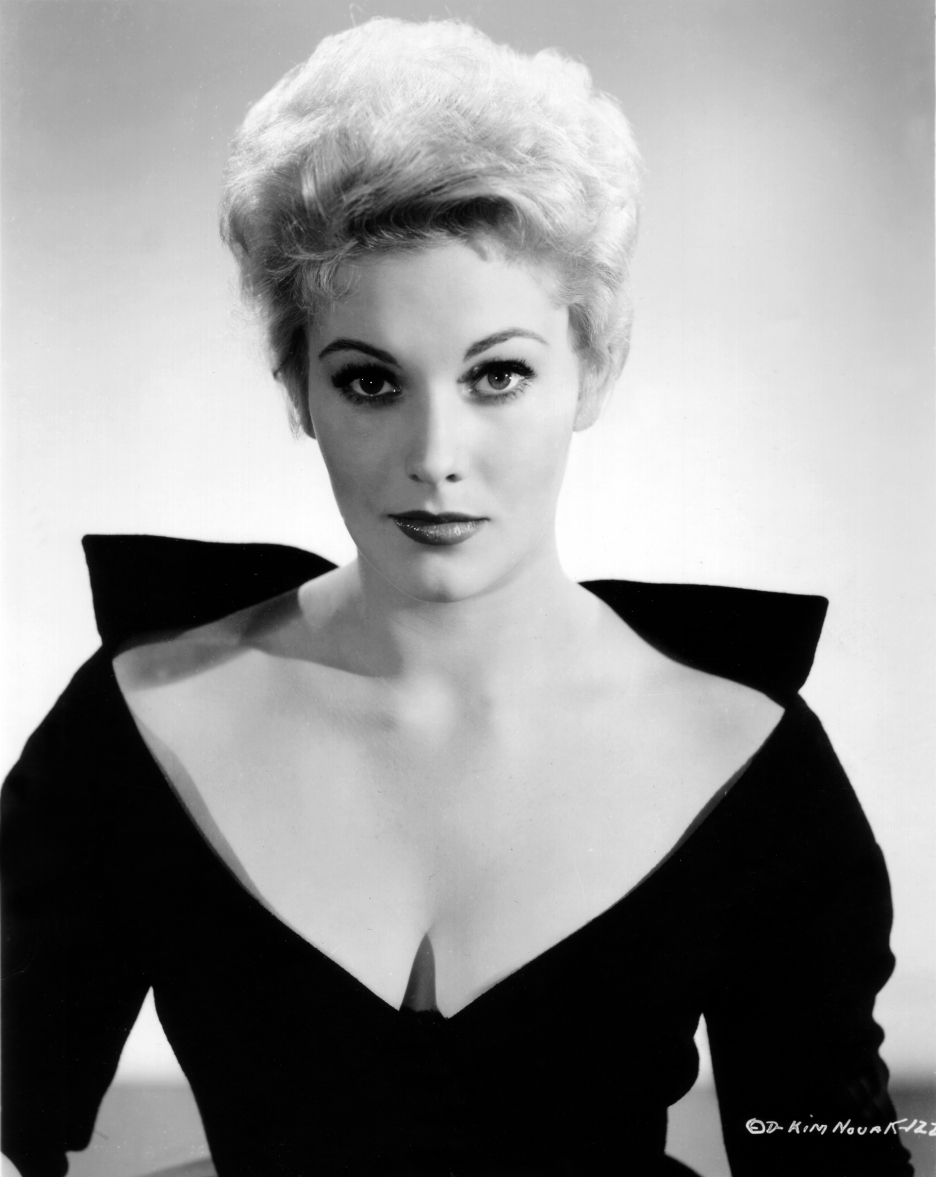
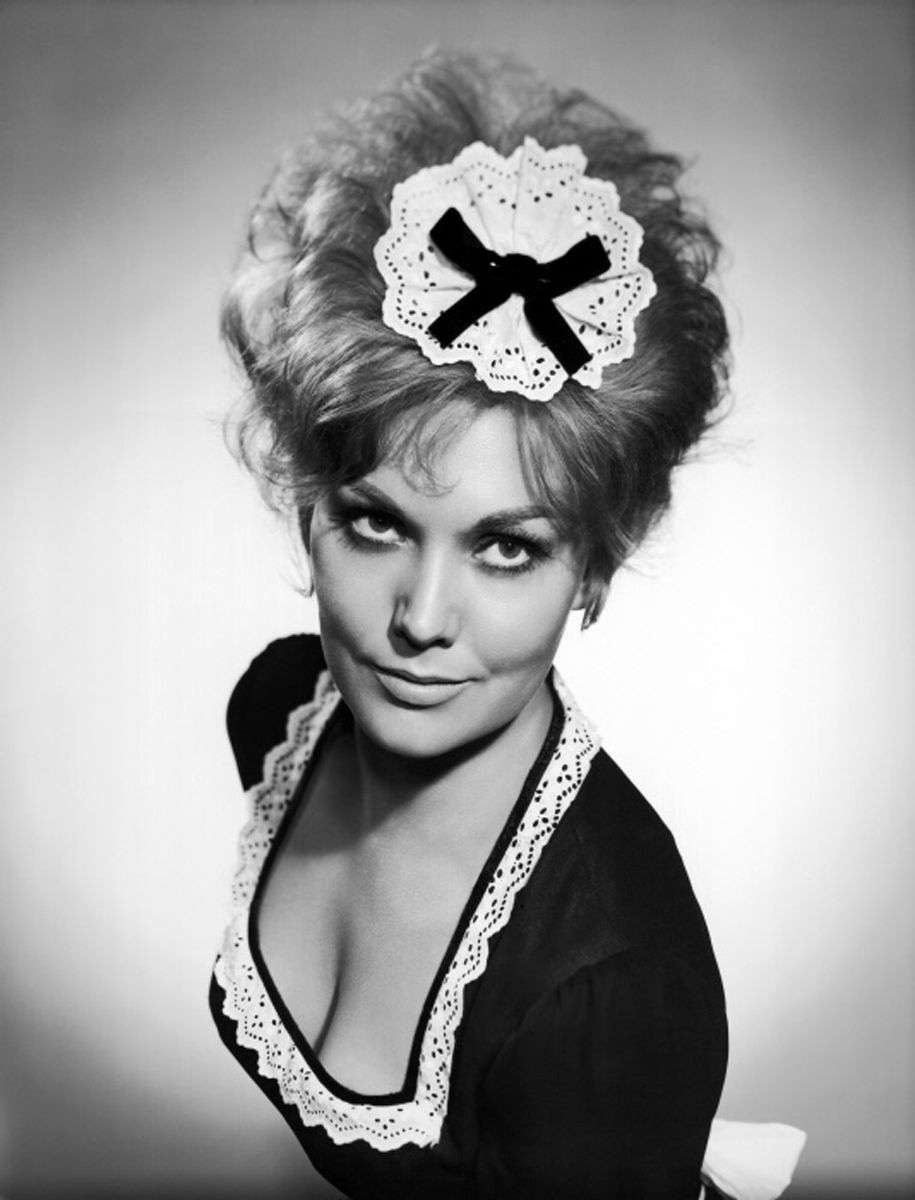
Marilyn Pauline Novak (1933- )

Teased in yesterday’s satirical Mimsy/Lux advertisement and known professionally as Kim Novak, she is a retired American actress and artist. Novak is best known for her role in the 1958 film Vertigo. She also appeared in Middle of the Night (1959), The Notorious Landlady (1962), Of Human Bondage (1964), and Falcon Crest (1986). Novak retired from acting after a disagreement with the director of her 1991 film Liebestraum.

She has since focused on painting. 

Nobody does it better; feel sad for the rest

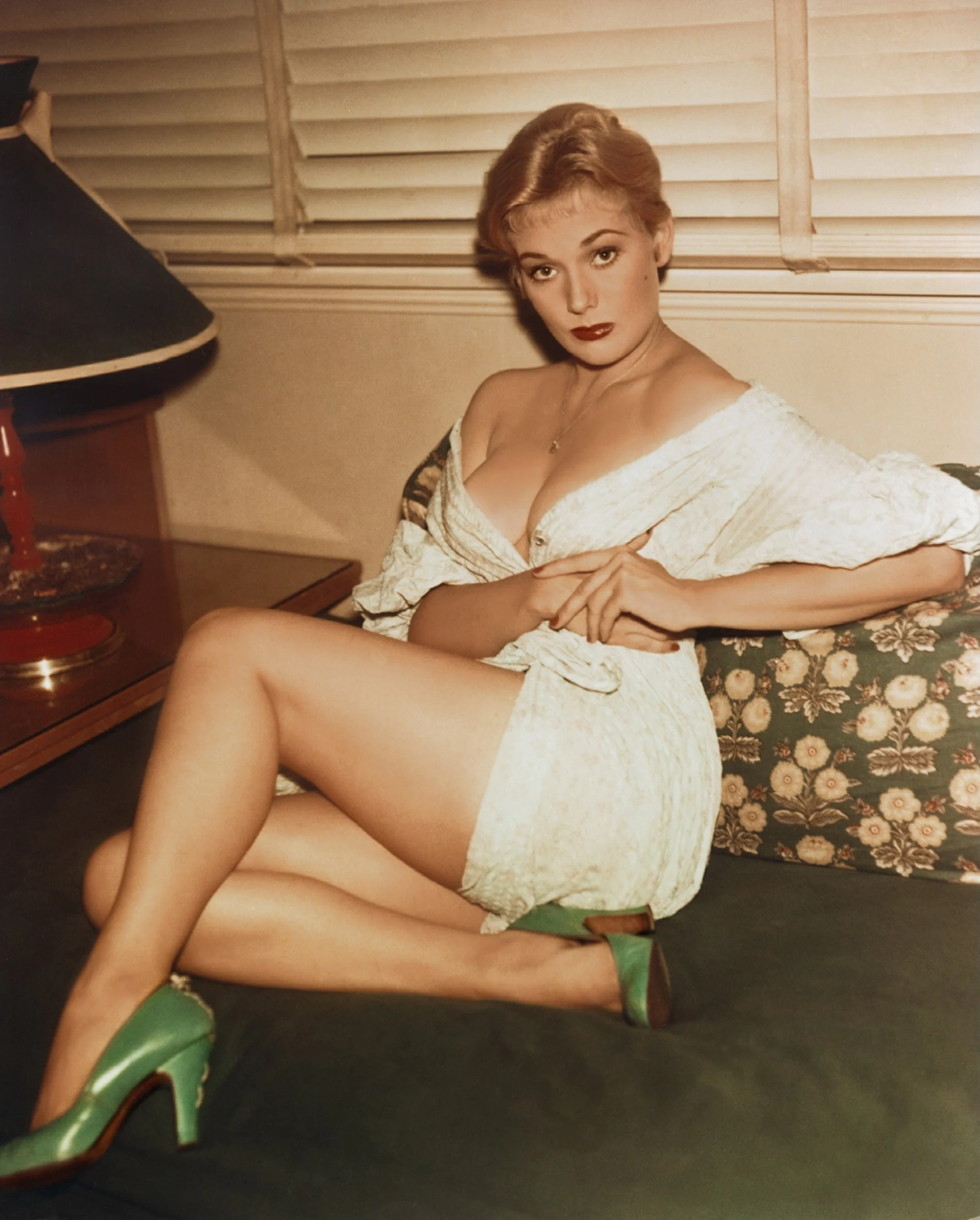
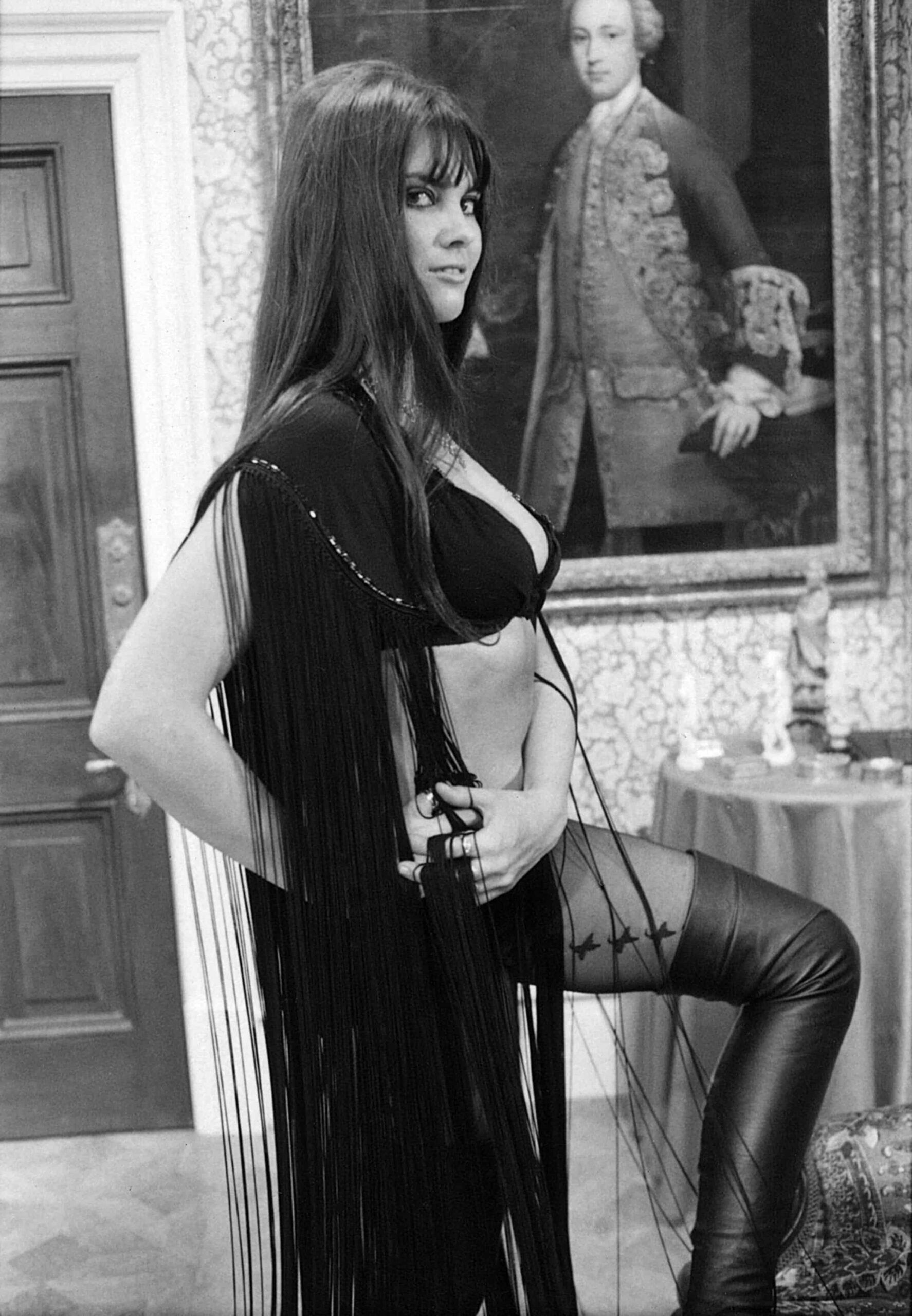
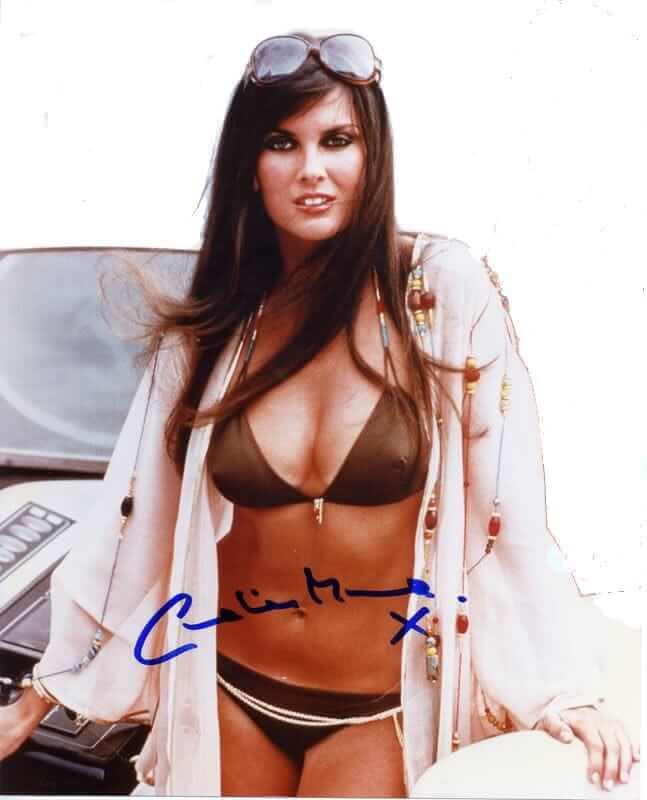
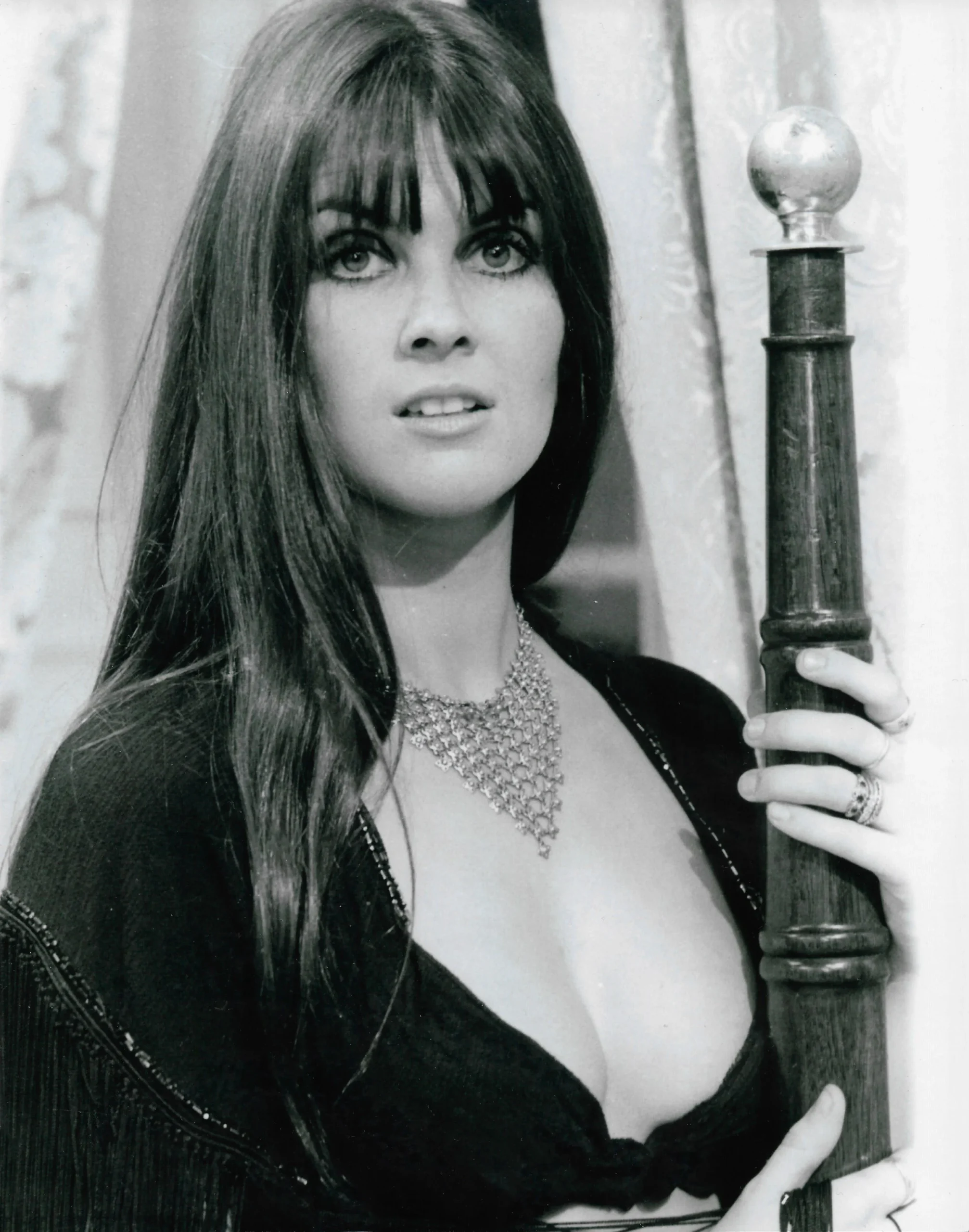
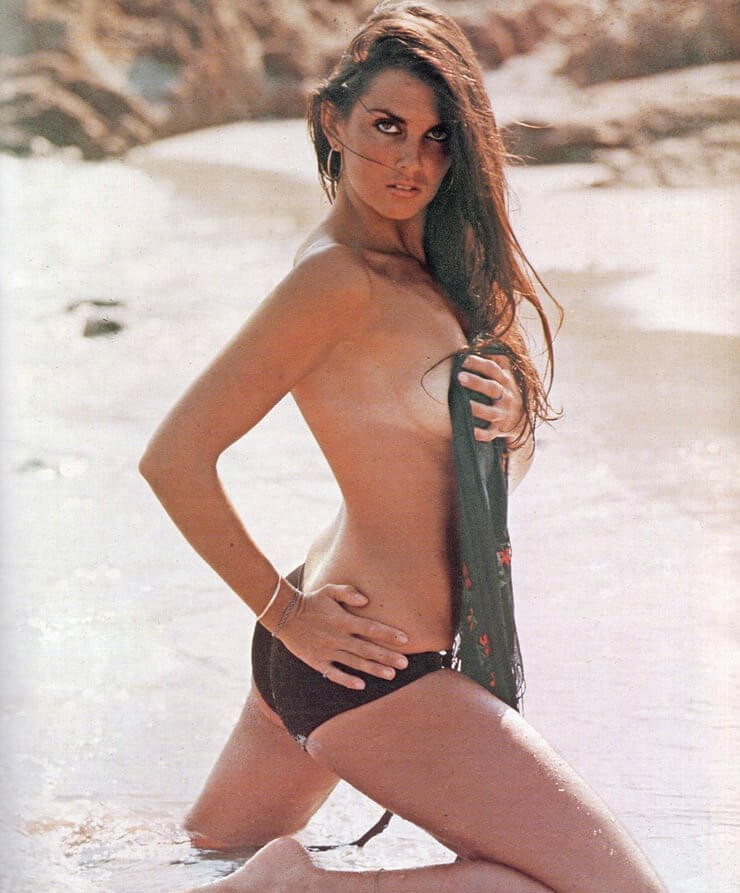
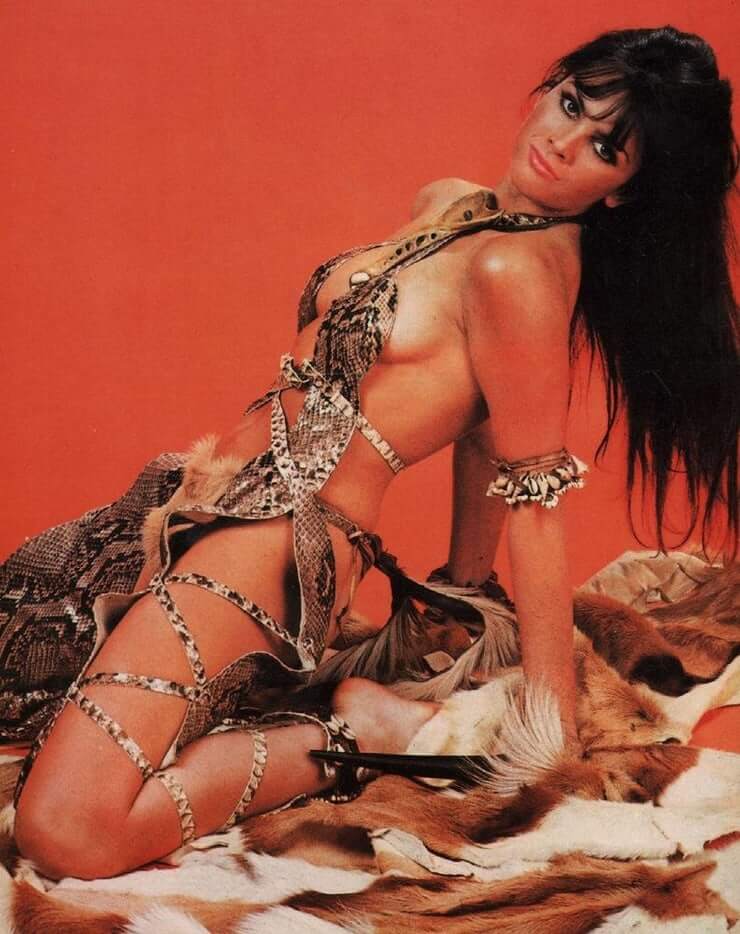
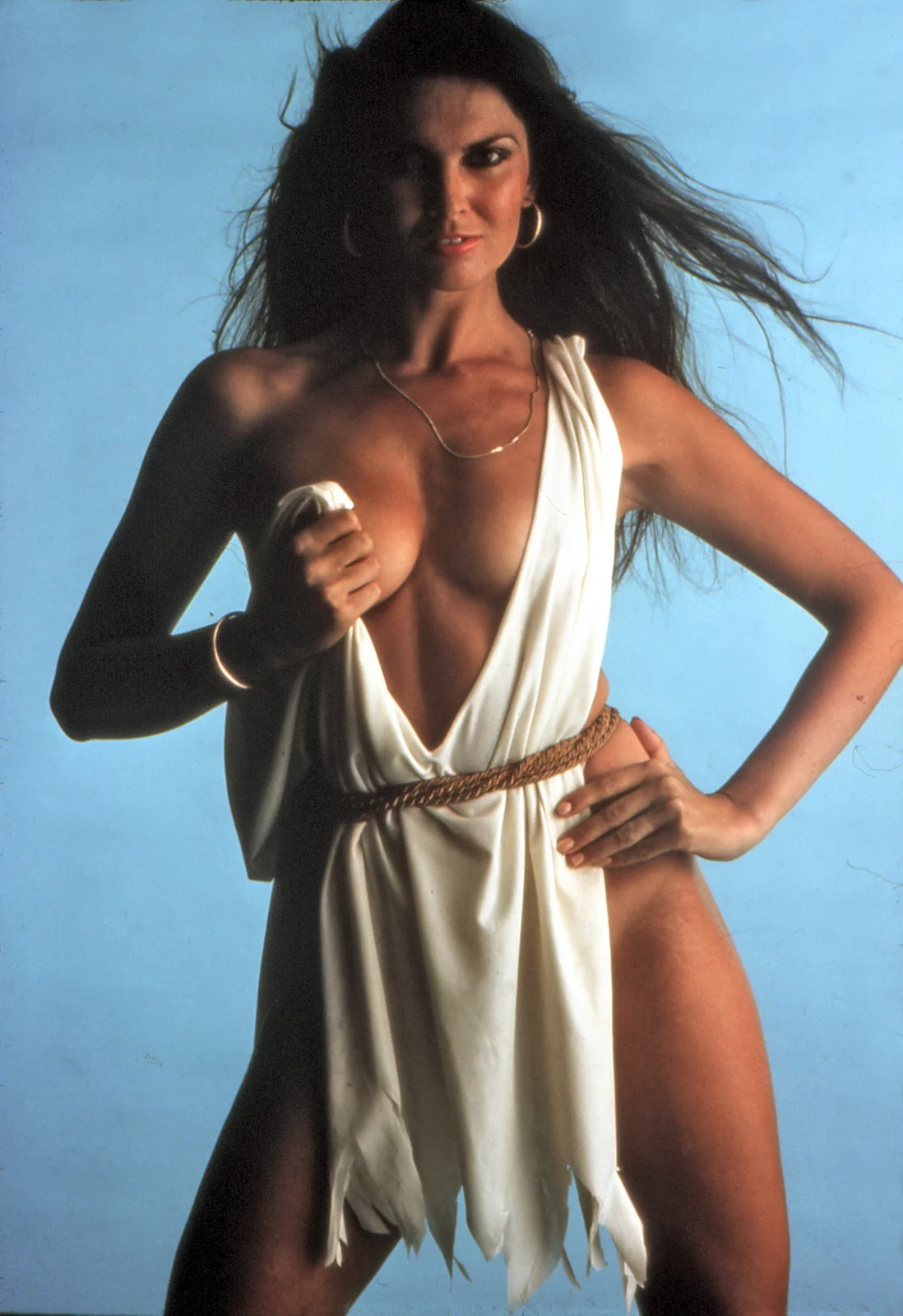
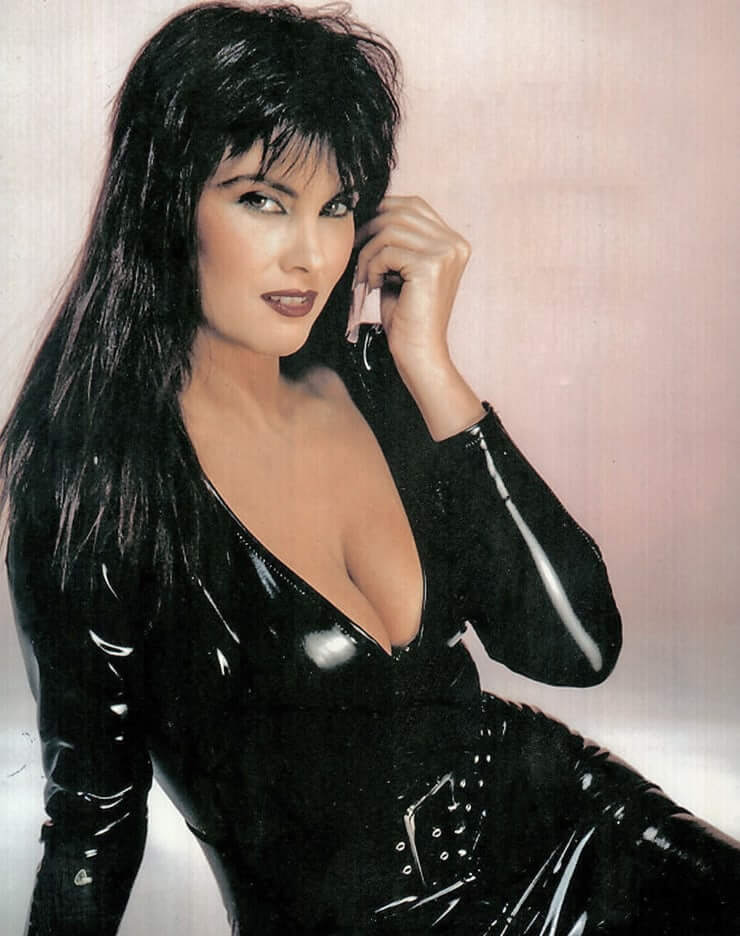
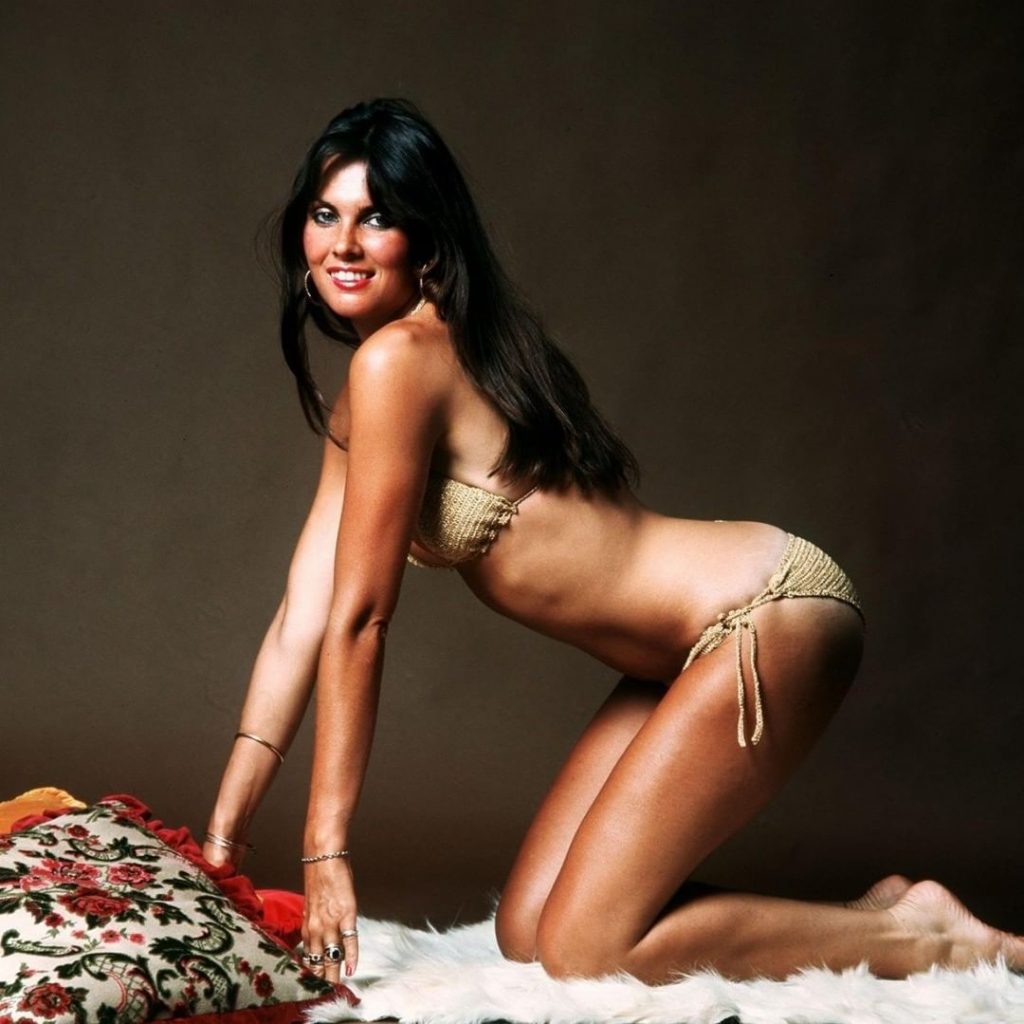
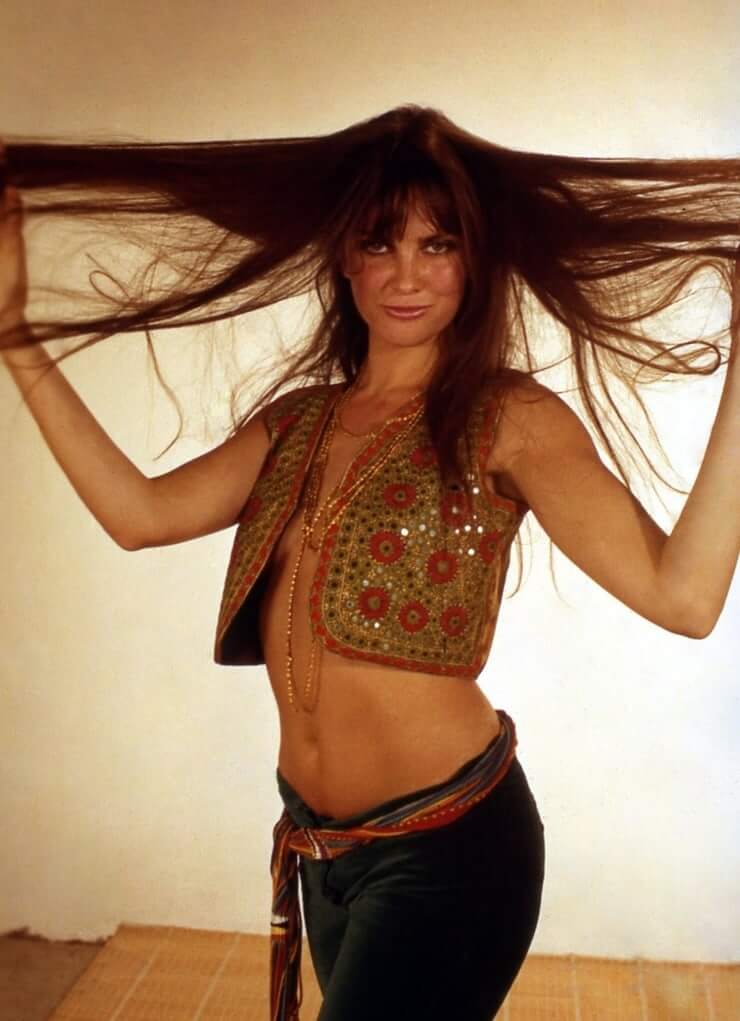
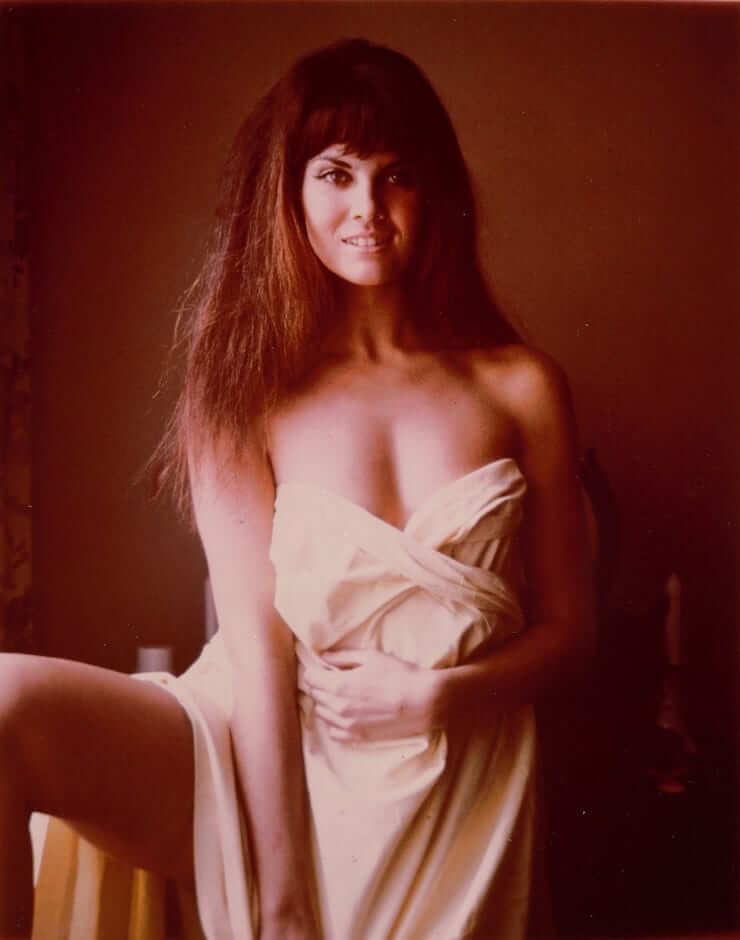
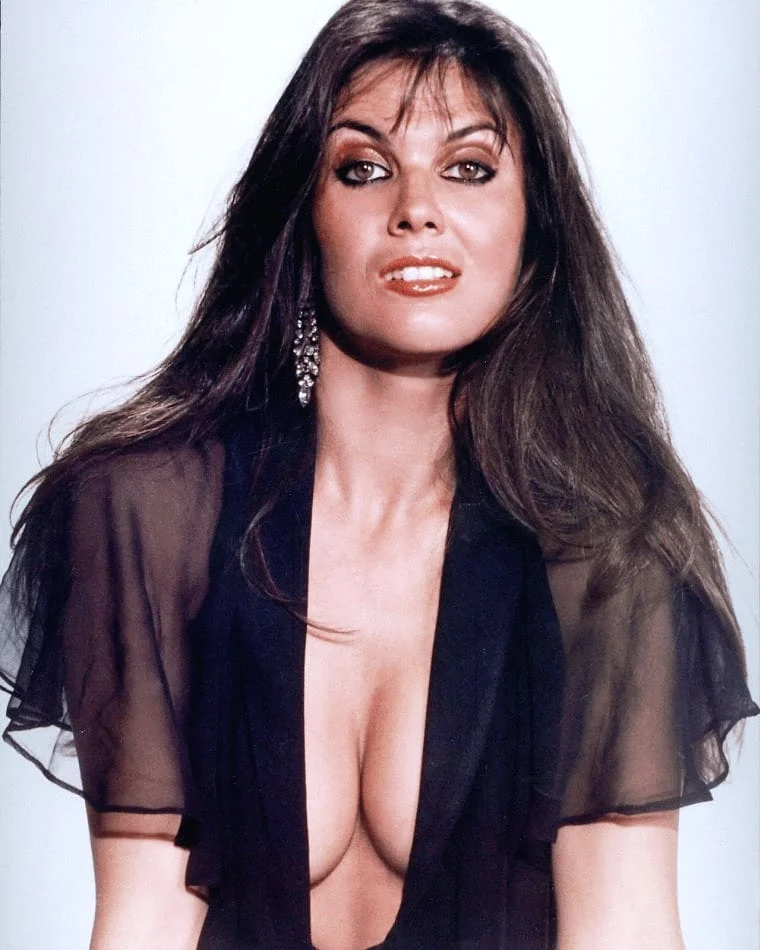
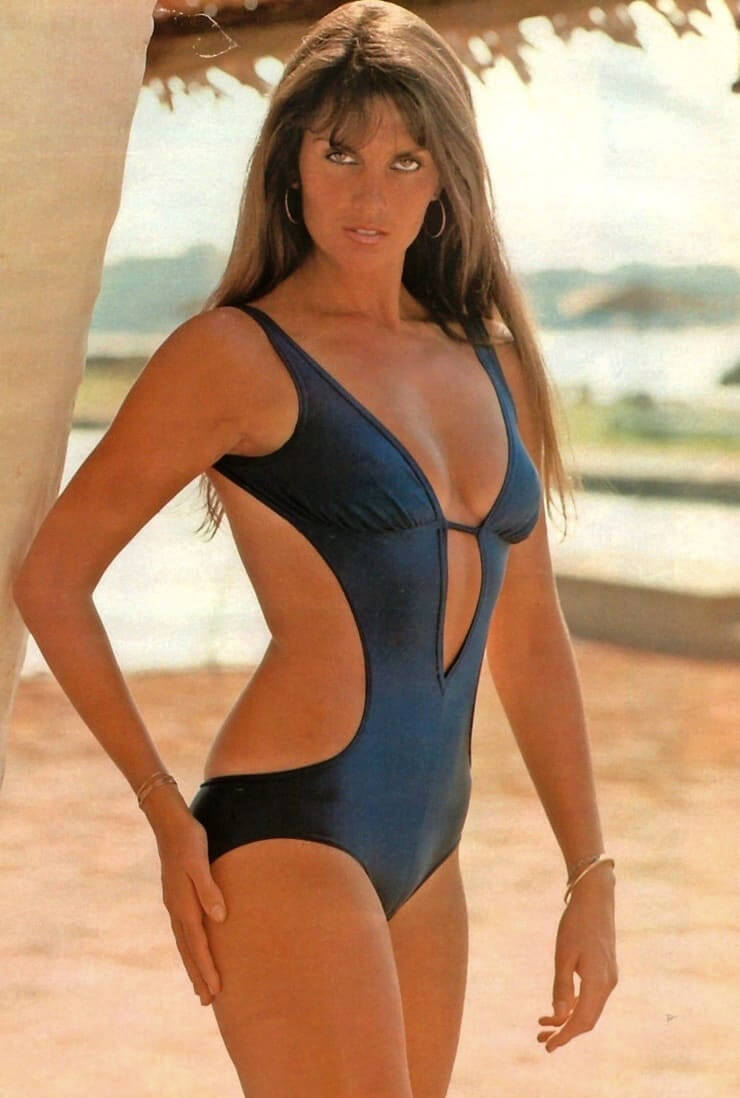
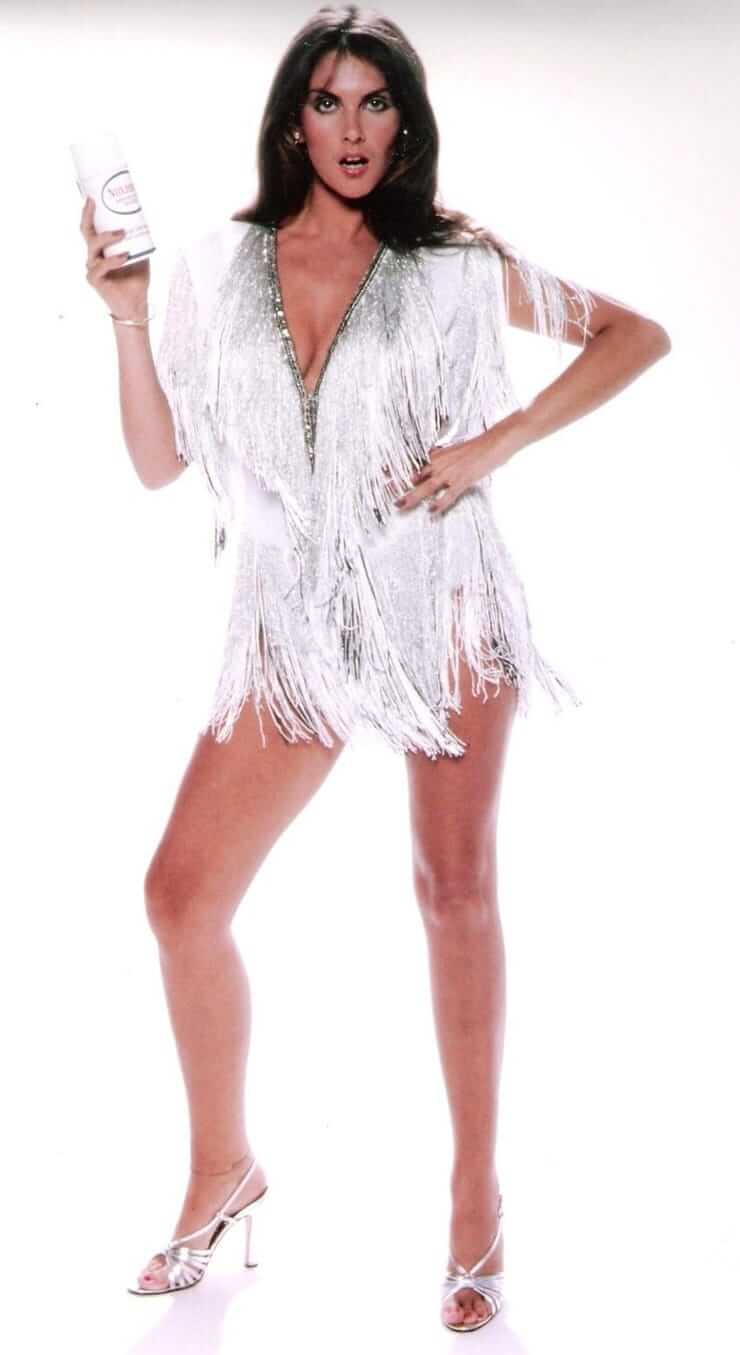
Caroline Jane Munro (1949- ) was born in Windsor, Berkshire, England, and lived in Rottingdean near Brighton where she attended a Roman Catholic convent school. By chance, her mother and a photographer entered her picture in a “Face of the Year” competition for the British newspaper The Evening News and won. This led to modeling chores, her first job being for Vogue Magazine at age 17. She moved to London to pursue top modeling jobs and became a major cover girl for fashion and television commercials while there. while we remember her best in The Spy Who Loved Me (1977), she already had fifteen appearances prior to that role